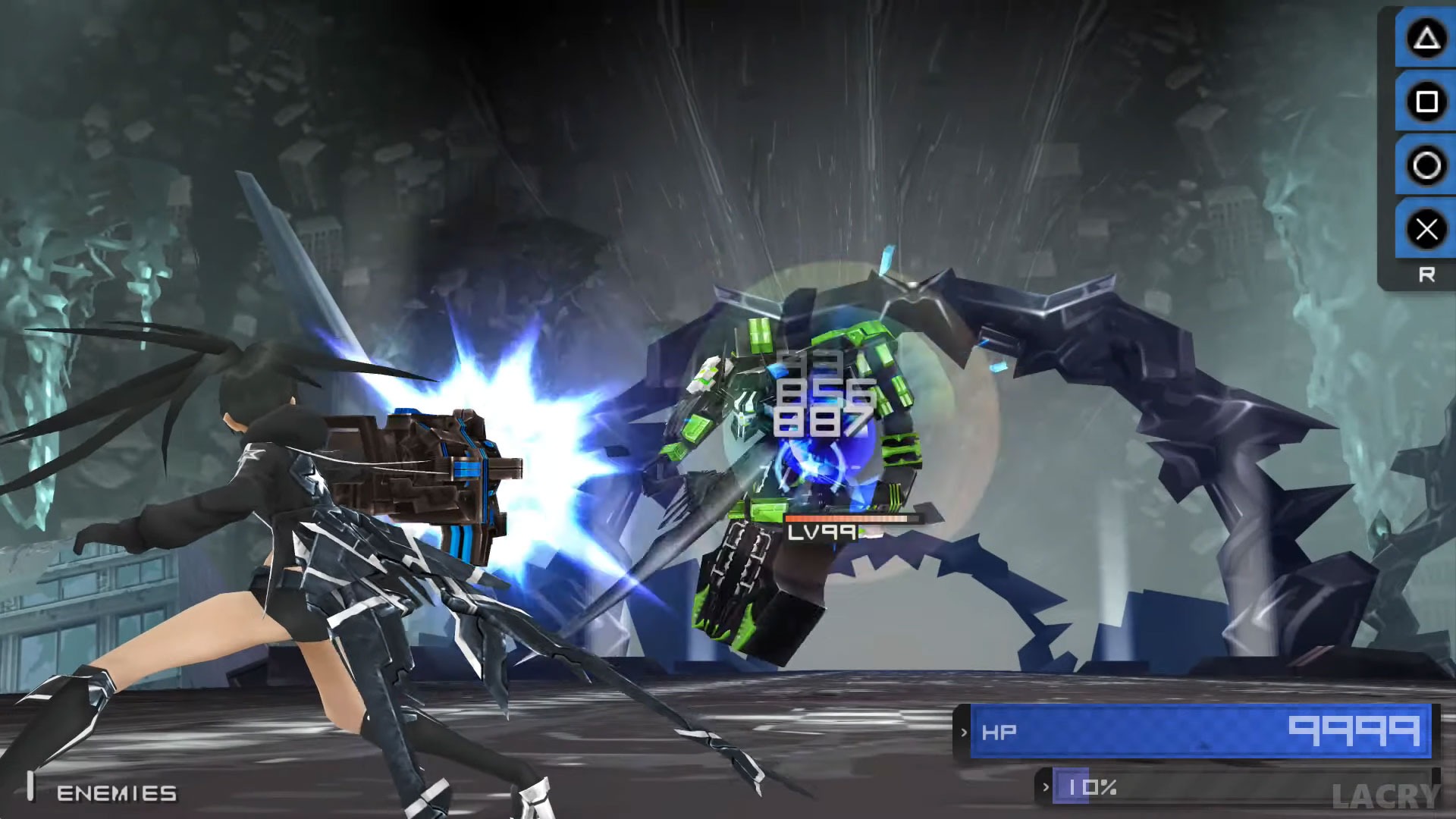
I don’t know much about Black Rock Shooter, but I know it’s highly popular in Japan and has made its way to the US. The premise of the story is interesting. Mankind was destroyed by machines, and only a few humans remain alive. Black Rock Shooter is mankind’s heroine, and you play that role in the game. There’s some shooting involved and minor exploration, but the game feels like a cheap cash tie-in for the franchise.
Exploration consists of wandering through extremely linear and ugly environments to find enemies to kill. When you get into battle, you are stationary and must use the analog nub to control your gun and press square to fire. As you continue to fire, your gun will overheat and do less damage. This is an interesting idea, so don’t spam shots. Enemies advance on you, and you need to block or use defensive special powers to reduce damage taken. There are many special powers to unlock, but they have long-cooled-down timers. This seems fun at first, but after the first few levels, it gets tiring. It’s really easy because you are given plenty of health packs, and it’s not hard to judge the enemy. Each battle plays exactly like this, even bosses.
When you’re not shooting, you’re just running around, and that’s the entire game. There’s no handing out stat points, and the story drags on and is pretty incoherent. I didn’t get attached to any of the characters, and I couldn’t even finish the game. The game has good Japanese voice acting, but the game is downright ugly, even for PSP standards. The textures are so low-resolution and muddy that you can hardly make out what they are. The models are ugly, with hardly any detail, and everything looks out of proportion. BRS is nearly taller than 5-story buildings, and all the environments look the same. There’s honestly not much fun here, even for hardcore BRS fans. They may trudge through it for the story, but that’s about it.
BRS could have been so much more given the license. Instead, we get an ugly, dull-shooter RPG hybrid that isn’t interesting at all to play. Why the game got a US release is beyond me, seeing as a lot of people have never heard of BRS and the game is so hard to find. There is a collector’s edition released in Japan, and it has done much better over there.
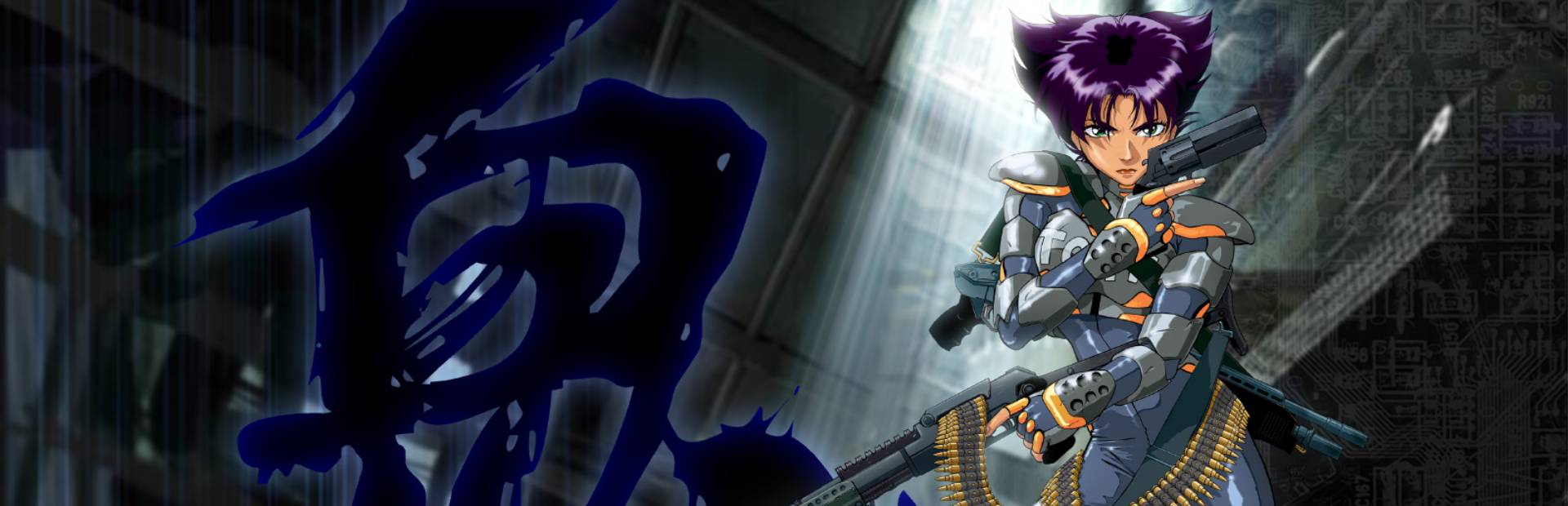
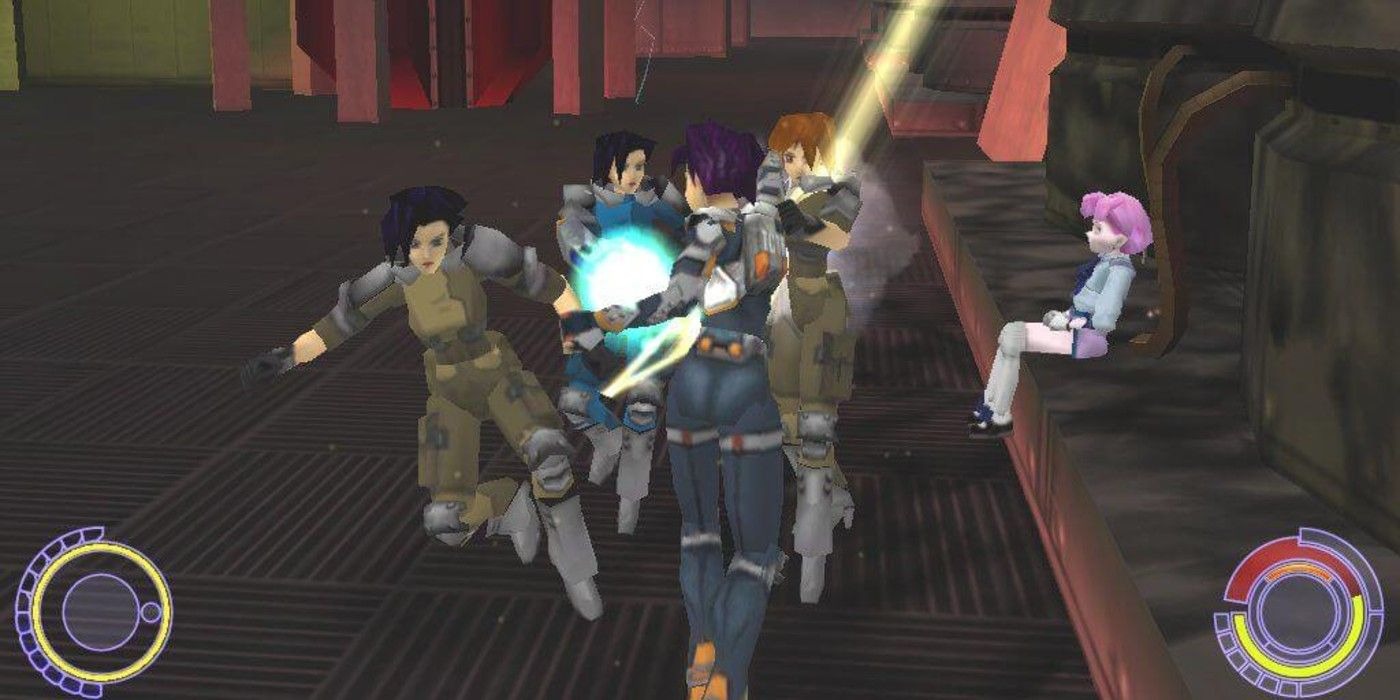
Oni was a very hyped anime-style game back in the day. This game was made by Rockstar before getting into 3D Grand Theft Autos and other games. This game has a lot of potential but is flawed in a lot of ways that make the game more boring and frustrating than bad. With that said, the only redeeming quality is the good-looking combat animations and challenges.
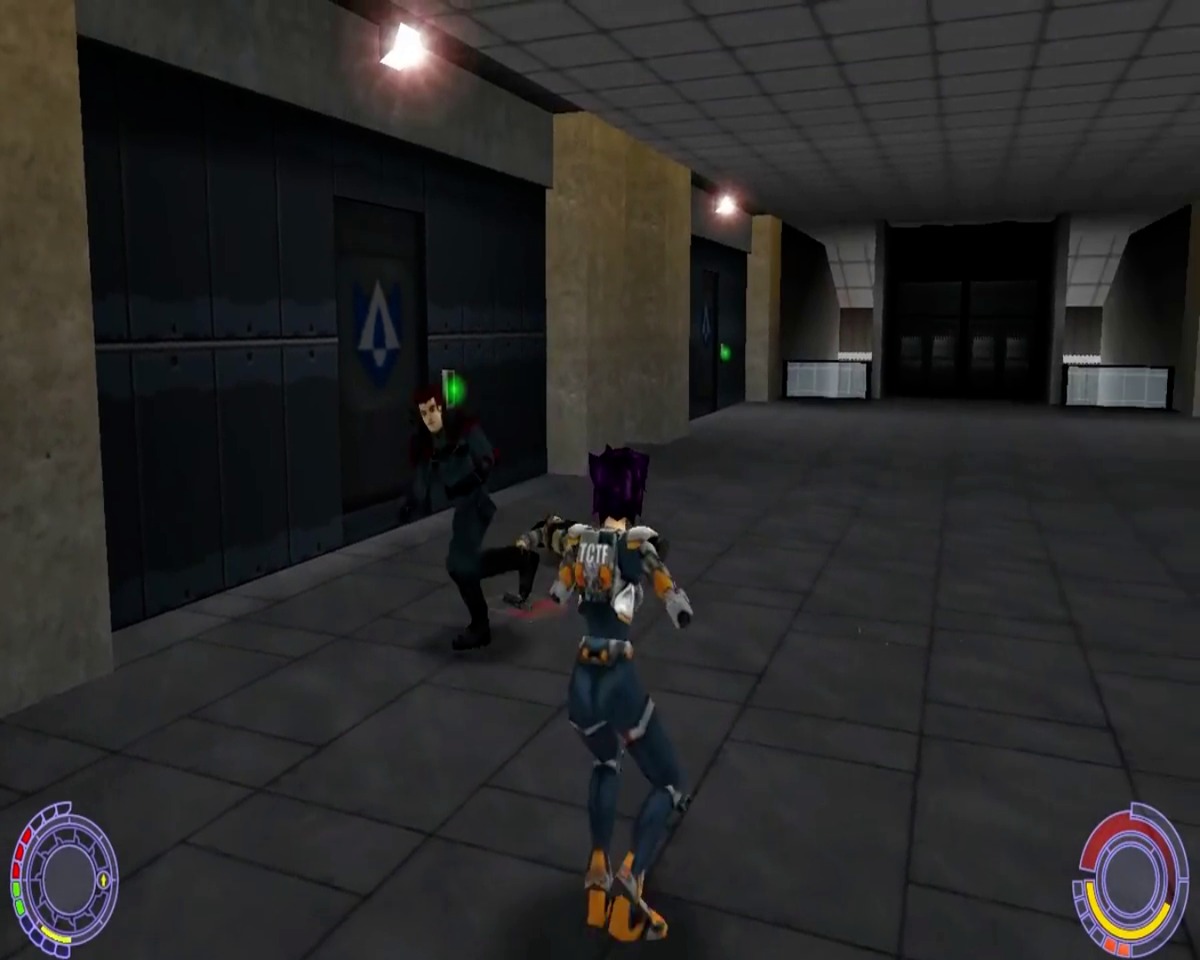
Right out of the gate, you will notice that the controls are complete, both upside and backward. All the combat moves are on the shoulder buttons. Why in the world they thought of this is beyond me. You actually don’t really use the face buttons all that much. This makes jumping, fighting, and shooting clumsy and cumbersome, and you can’t change the controls to something more natural. These are just some of the worst action and adventure controls I have ever used. The actual combat is fine, but executing these moves is a pain. I felt like I was stumbling over myself because I had to think about the controls. These just aren’t natural! Jumping with R1, L2, and L1 is kick and punch, and you pick up items with R3. What?! I felt like I was trying to solve a Rubix cube, not play a game.
Secondly, there is the exploration factor. The levels are boring. They all look pretty much the same, with flat, boring textures, and the design is confusing and labyrinthine on some levels. There’s no direction, and your compass is useless. The bar gets smaller as you get near an objective, but if you are two flights down, it will act like you’re standing right next to it. Enemies are stupid and clumsy, boss fights are frustrating, and the game just can’t compensate for its own design with the clumsy controls. I can’t tell you how tired I got after just three levels of finding this colored console to open the same colored door over and over again.
The story isn’t really worth sticking around the 14 levels either. The anime cutscenes are nice, but you probably won’t even get through this slog of a game. I tried really hard to keep going, but there was never a change of pace. It didn’t help that there is no mid-level saving and the checkpoint placement is unfair. If you quit in the middle of a level, you have to start all over. There are just a lot of annoying things with this game, but even if it were flawless, you still have the fact that the game is just boring and not very fun.
When it is all said and done, only the hardest core of anime fans will stick around until the end. You really had to have played this when it first came out, then come back for nostalgic purposes. The game is just clumsy and boring, but it has so much potential if only the developers spent more time on it. As it stands, I really can’t recommend this to anyone.

I usually regret playing Atlus games because they are frustrating and difficult experiences. The games are usually excellent, but the difficulty always leaves a bitter taste in my mouth. I have only been able to complete a couple of Atlus games due to this. Catherine is no different, but she shouldn’t be taken lightly. RPG fans should stay away. If you just want to experience the story, go on YouTube. This is for hard-core puzzle fans only. I mean the hardest of core puzzle gamers. This game will leave you infuriated, angry, full of rage, and probably with a few smashed controllers. The game is plagued with issues, but for some reason, there’s a story that makes you want to see the end. Thankfully, the game isn’t very long. Just prepare the video walkthroughs because you will need them.
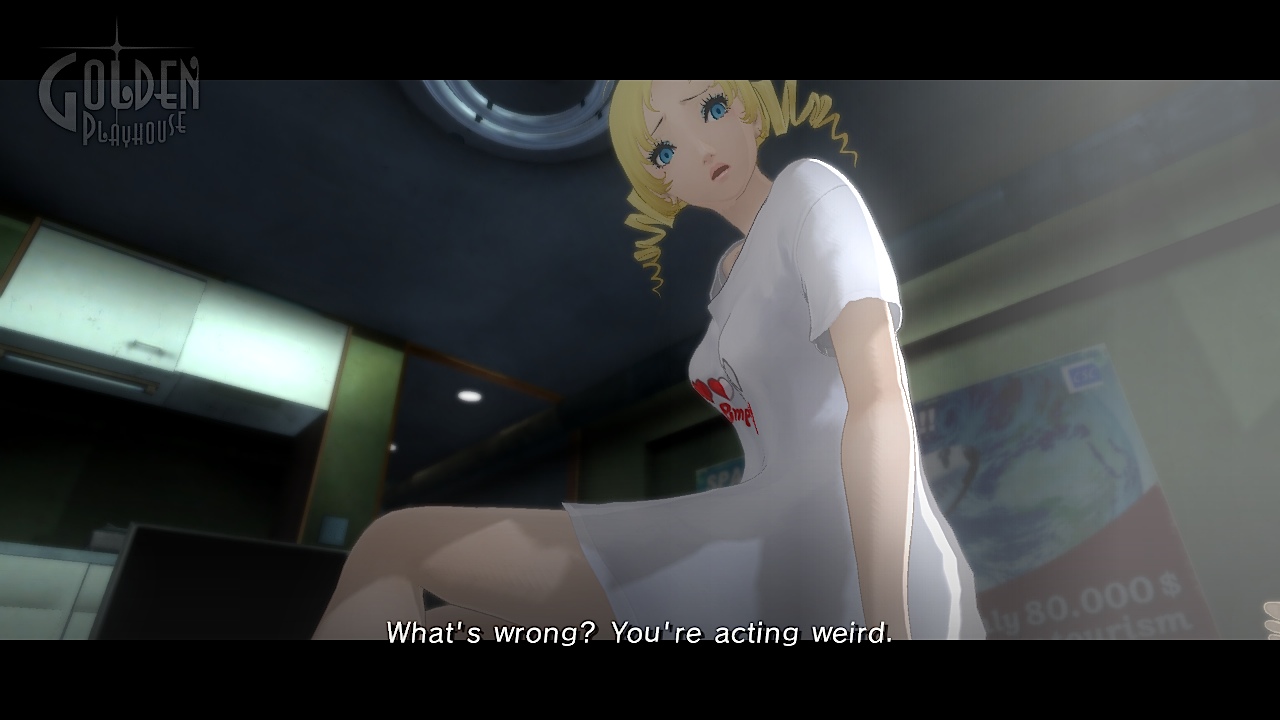
This experience is coming from someone who hates these kinds of puzzles. This game is complete to taste. I hate block-pushing puzzles, but here we are with a very deep game that includes these. The first three stages aren’t that bad. Starting at stage 4, things get frustrating, and forget about progressive difficulty. First off, the story is very engaging, and it’s a love story. A man named Vincent Brooks is in love with a girl named Katherine, and she wants him to marry her. Suddenly, a sultry seductress named Catherine comes along, and somehow Vincent wakes up with her naked next to him. The rest of the game is him trying to hide each Katherine from the other.
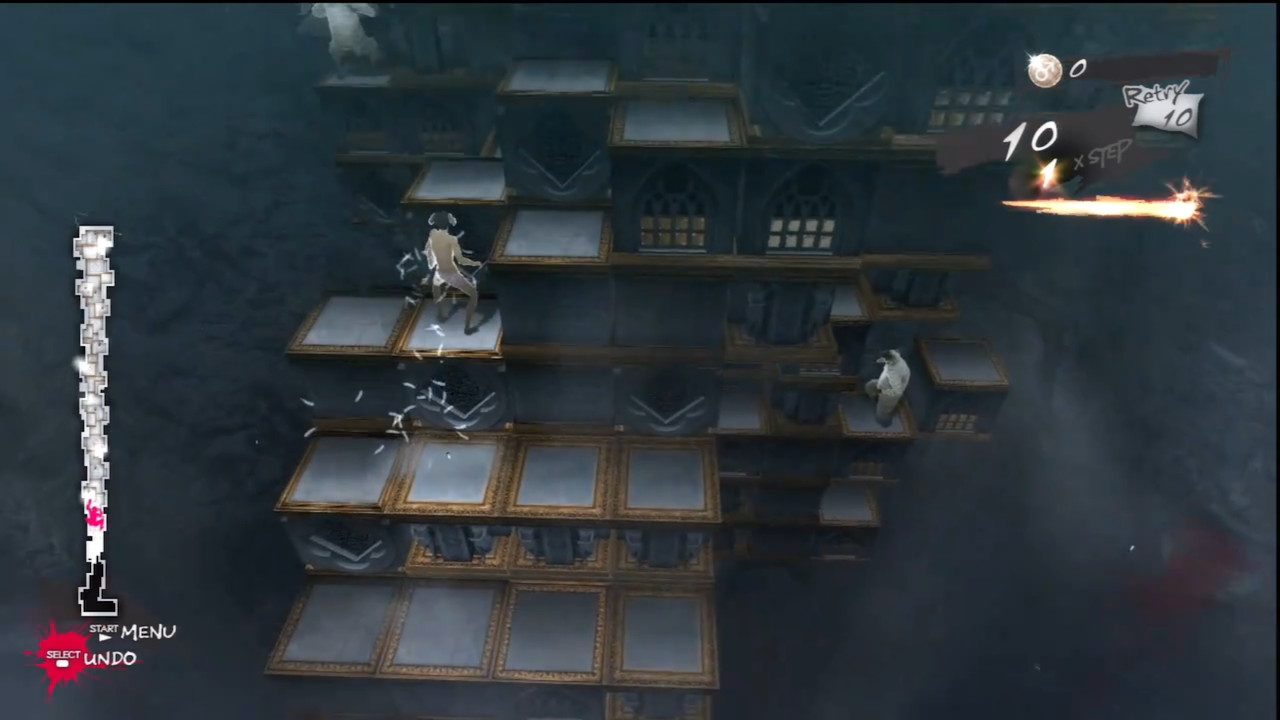
The story gets tense in spots, like any well-written drama. When you are in the Stray Sheep bar, you will receive text messages on your phone that you can reply to. Be careful because this will affect your morality meter, which will impact the way Vincent handles inner conflict. I had a lot of fun replying to these texts because it’s almost like you are actually doing it and in this relationship yourself. Atlus did a great job bringing you into this problem. Of course, every night when Vincent dreams, you are brought to an area where you climb an endless tower of blocks with other sheep, and that’s where you start to hate or love the game.
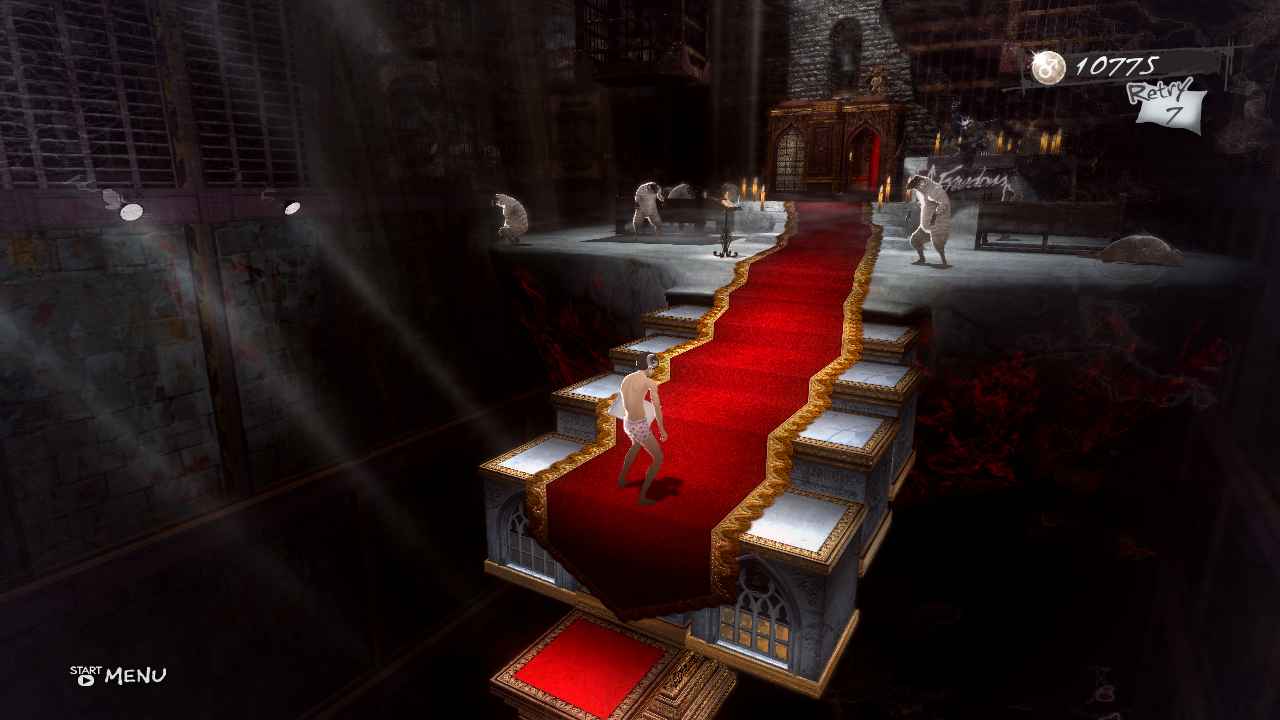
I can’t really explain the methods of all the block-pushing because there are over a dozen that you learn throughout the game. You can push blocks horizontally, but it’s not so simple. There are other types of blocks, like heavy ones, ice, traps, randomly changing blocks, and others, that will make your life hell. It was nigh impossible to figure most of these out without a video walkthrough, because otherwise, you will be restarting dozens of times due to trial and error. To make things harder, the stage is crumbling underneath you. To make things even tougher, you are awarded medals at the end. The only way to get gold is to keep your step multiplier up throughout the whole level and never mess up. Sure, there are checkpoints every so often, but I had such a tough time that even the video walkthroughs didn’t help sometimes.
There are items you can pick up that help create one extra block, allow you to jump two blocks, kill enemies, and turn all blocks to normal. You can pick up coins along the way to increase your score as well. At the end of each stage, there is a boss that you must run from and who tries to kill you. These changed the pace, but they just made things even more frustrating. You just can’t catch a break during these puzzle levels. Even the controls are terrible, with reversed control when crawling around behind the blocks, delays, and strange quirks that will make you die just because of control problems.
I really felt like this was a puzzle game with a love story wrapped around it. The game is tough, and I highly suggest renting it first because most people won’t even finish it. Don’t think this is something like Pushmo with a reset button. Some levels take over ten minutes to complete. There is a co-op mode you can unlock, but all you will do is lose friendships. The best parts are the story in between and the questions that you answer that even make you question the way you view romanticism and maybe even your own relationship. I even liked how you could see how other people answered. Besides these puzzles and answering text messages, there is no other gameplay apart from talking to people.
Overall, Catherine is a love-hate thing. Puzzle fans will fall in love with this, but RPG and other genre fans will hate it. I only hated the puzzle stages, but I loved the story. With the puzzle levels being 90% of the game, I can’t really give this a higher score, even if I wanted to. It is gripping, exciting, steamy, and can go any way. The anime cutscenes are beautifully done, and even the English voice acting is tolerable, but I would have preferred the Japanese voices with English subtitles. If you insist on wanting to know the story and characters, rent this and keep a video walkthrough handy, and maybe a spare controller or three.
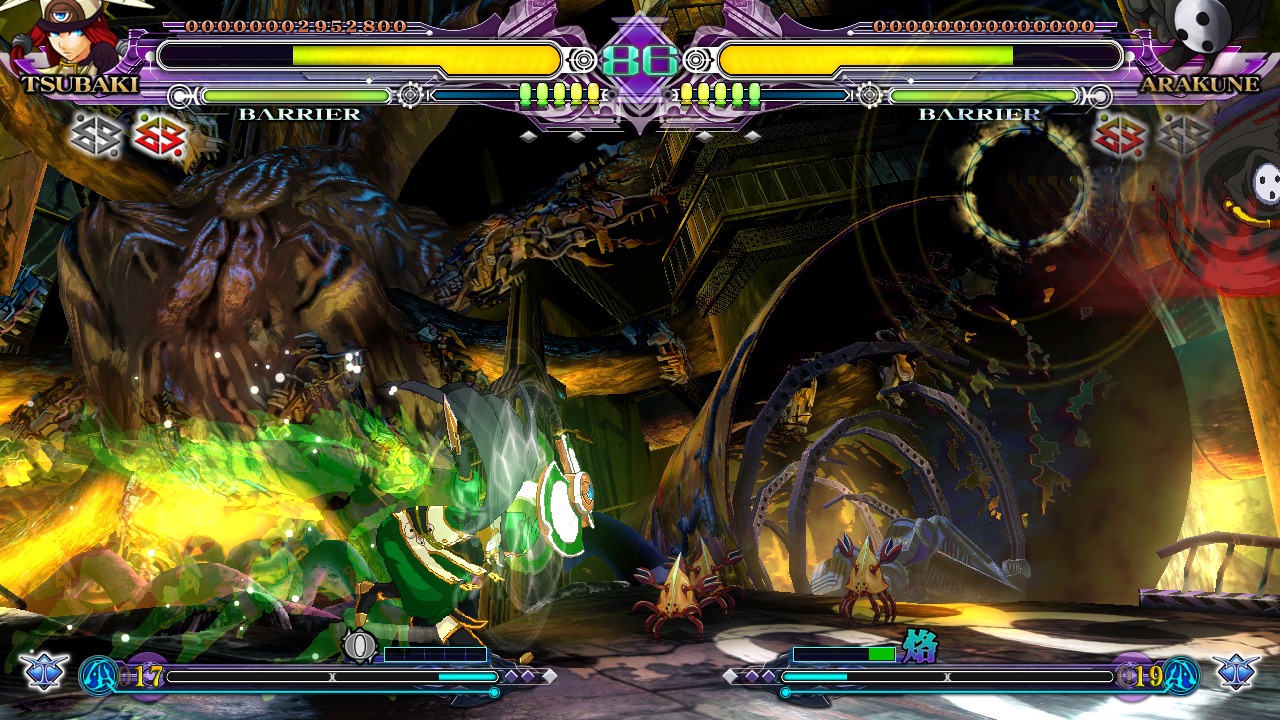
BlazBlue is a newer fighter from the guys behind Guilty Gear. The game has crazy characters, beautiful art, and an awesome soundtrack, but it has one of the most complicated fighting systems I have ever played. Jump cancels, combo cancels, high jump cancels, canceling mid-combo it continues said combo, this is all just ridiculous and literally gave me a headache. The story is also something to be desired, but the overall characters are fun, and the game is a good button masher.
The game also has a lot of modes, which means you get your money’s worth. Not only do you get arcade, story, and a tutorial mode, but an endless mode, online play, score attack, a full gallery, and a few others. Unlimited Mars is a mode where you fight against advanced AI, and mission mode allows you to fight waves of enemies. There are lots of things to do here, but overall, you won’t spend too much time in either mode because it all feels repetitive after a while. When I went into the tutorial mode, I pretty much gave up 3/4 through because of how complicated the fighting system is. Thankfully, there is a stylish mode that simplifies the whole thing and allows you to do complicated combos with only a few button presses, but all the other elements like shield barriers, different blocking techniques, this meter, that meter—it all just becomes too much.
BlazBlue does become an entertaining button masher once you get the hang of it, but only hardcore fans will attempt to master the fighting system. I even found the arcade mode to be long-winded, and there’s just too much talking in the game. There’s a “Teach Me, Miss Litchi” section in the story mode that is just constant yapping about tips on the game. You get to experience the other two-story modes from past games, but there is more talking than fighting here. Sure, it’s entertaining, but I couldn’t wrap my head around the overly frustrating and complex fight system to enjoy it enough.
Once you spend a few hours in the game, you will put it down at this point, and that’s when you will decide if you like it or not. I highly suggest renting this first for newcomers, because even Street Fighter or other Japanese fighting game vets will balk at this game. The animations and scenes are beautiful, the soundtrack is great, and I can’t help but really dig the characters here despite all the complaints. Sticking to stylish mode eased some of the headache-inducing memorization.
Overall, the game is great for fans of the series, but newcomers may want to seriously consider this a rental first before buying. If you do buy it, there is tons of content to keep you busy in many modes. Online play is the usual blast and the only reason to come back to any fighter these days. The characters are awesome with great personalities, and the visuals are stunning. I just wish the fighting engine itself wasn’t so complicated and complex.
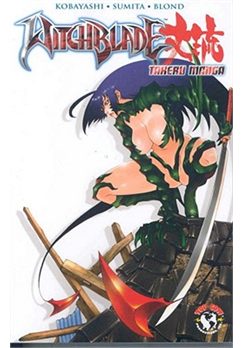
Witchblade appears as a manga but is presented in an American comic book format. This version follows the events of Takeru, a high school student who is drawn to the Witchblade. Her best friend, Kou, is a demon hunter whose family has had a demon hunter’s sword for generations. It’s interesting to see average students suddenly having to slay demons, but the story is so short that their personalities aren’t developed, and you don’t really care for anyone in the story.
Kou himself is weak and can’t find himself to kill anything. Instead, he spends his time screaming at Takeru to not give in to the hunger for death that the Witchblade is forcing on Takeru. The whole story is almost the same as the anime, in which the US government tried replicating demons (instead of witchblades), and they want Takeru to hunt them all down. The story has a rushed and abrupt ending, and I would have liked to see some more day-to-day stuff go on in the comics. There are only a few fights, and Takeru seems way too powerful in this story and doesn’t seem to have any weaknesses.
The main reason to get this is to enjoy the amazing art. The female characters are very sexy, and some images are borderline softcore porn. Not that I am complaining, but it’s nice that the artist stuck to the art style that Witchblade fans love. Overall, for $20, this book is a great read for fans of the anime, but it is seriously lacking in a more detailed story and characters you care about, and the ending is too predictable and comes around too easily for Takeru.
Based on a popular manga in Japan, Corpse Party delivers a great and haunting story with memorable characters in a very haunting setting. Several school kids perform a cult-type ritual called the Sachiko Charm as a gag. They don’t realize that the charm is part of a sadistic and horrific murder of four schoolchildren, including the girl the charm is named after. They get thrown into a parallel dimension of Heavenly Host Elementary and must find a way to appease the ghosts or get stuck there for eternity. What the children go through is horrific and gut-wrenching, but that is the beauty of Corpse Party.
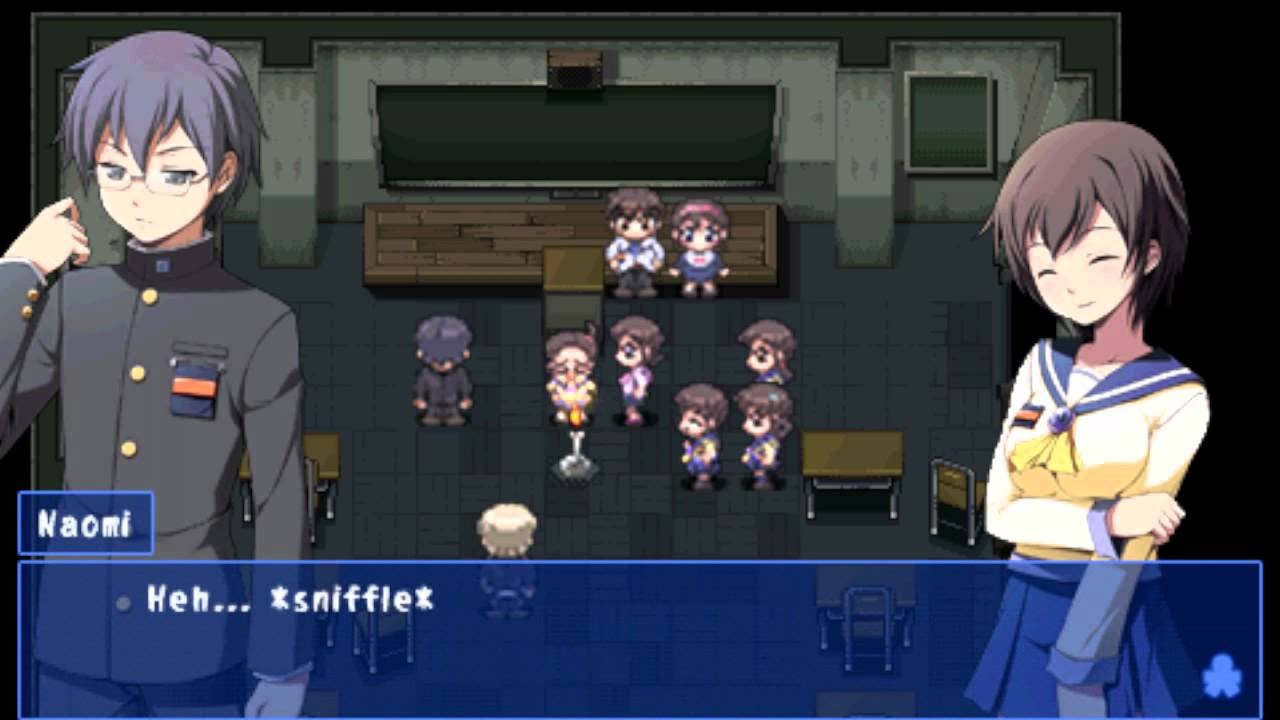
Forget about gameplay and everything else, because this game is all about the story and atmosphere. I have to give the developers props for bringing across such a scary game with such simple graphics as a 2D survival horror with low-quality sprites and the occasional well-drawn anime shot. The game is disturbing, mainly in the well-delivered Japanese voice acting and just the raw terror and gore in the game. There are buckets of blood, severed heads, and mutilated bodies everywhere, but mainly in textual descriptions more than anything. The game really doesn’t do much in terms of visuals, so you solely rely on the great script to get the horrific images. Some scenes are just black, with only voices and text to go by, but it still brings across the feeling of sheer terror.
This is possible because you go through everything with these kids, and the things that happen to them are just horrific and extremely sad because you really get attached to everybody. The game, however, is also lacking in gameplay because you only run around pressing X on everything trying to find items to unlock new areas. The school is the same through every chapter, but it just changes and blocks certain areas off or adds new areas. The game is pretty easy to navigate and understand until you get to chapter 3, and then it all falls apart and requires a guide. Everything has to be done in exact order, or you wind up with “bad endings,” and it’s game over. While each bad ending is different, you get frustrated when the game takes you through 20 minutes of gameplay only to realize it was all part of the bad ending. There is even a glitch that won’t let you get all the school tags to unlock the extra chapters. I really hate how the game has to be played out in an exact way, not to mention that during certain scenes you can die by selecting the wrong choice, but there are saves throughout the game that help remedy this a bit.
While the game lacks any type of gameplay at all, you will still be satisfied with the excellent story and characters. This is the only thing saving Corpse Party from being another terrible attempt on the PSP, but being so late in the system cycle is a surprise. If the game had better graphics, or maybe just more anime cut-aways, the game would be one of the best on the PSP.
Game of the year is the hardest of them all. What makes the game of the year? Everything must be almost perfect, well balanced, epic, have a great story, characters, mechanics, graphics, and everything that makes up a game must be amazing and better than the competition. I wish I could have picked more than one because there were so many amazing games this year.
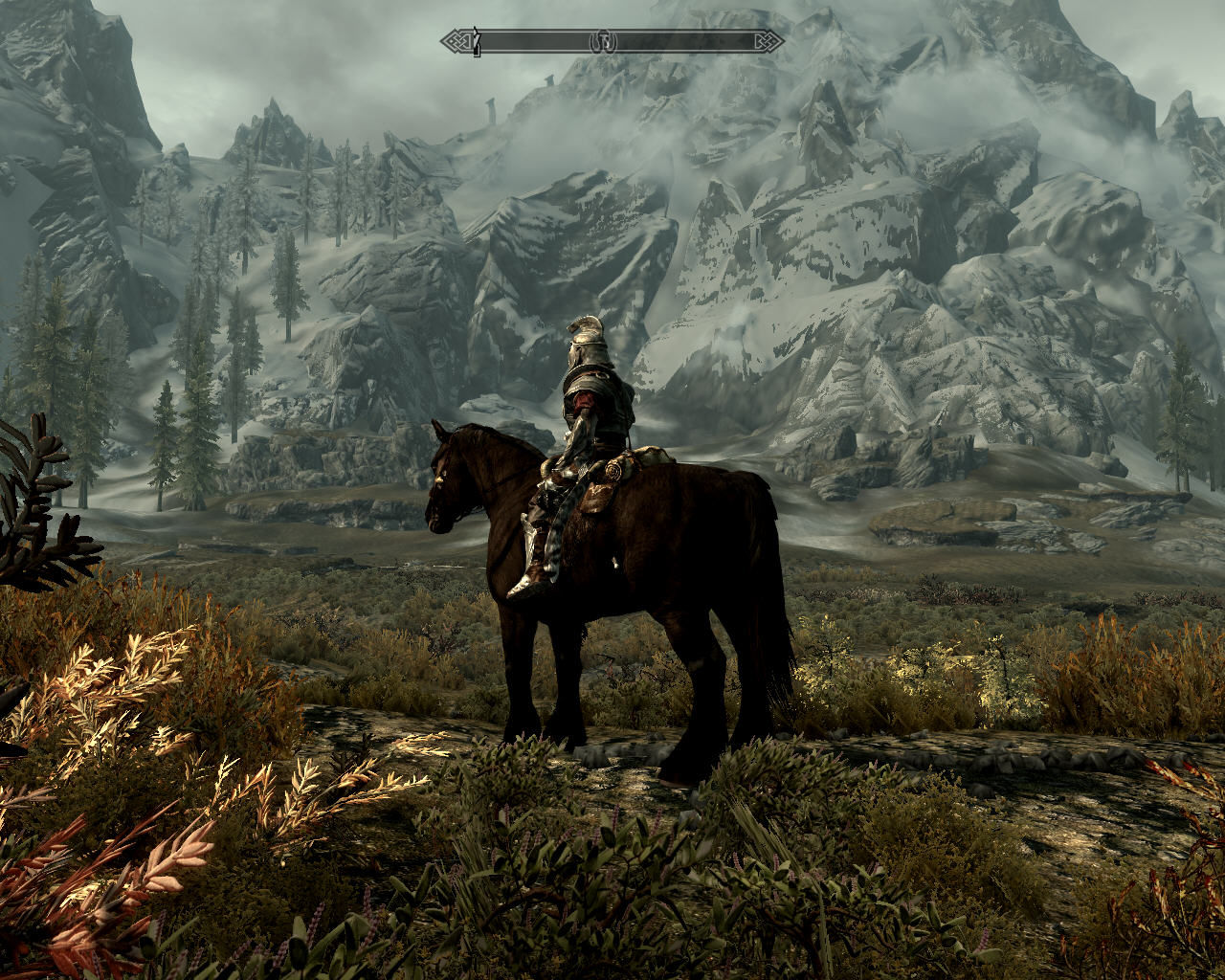
Skyrim actually wasn’t my first choice. It won because of how grand in scale the game was and the attention to detail that only a few games this year did. Over 100 hours of gameplay, unique characters, a grand story, beautiful graphics, lots of customization, and a gorgeous soundtrack made Skyrim come out on top of the entire pile. Skyrim is a special game in the sense that no other RPG or game can do it.
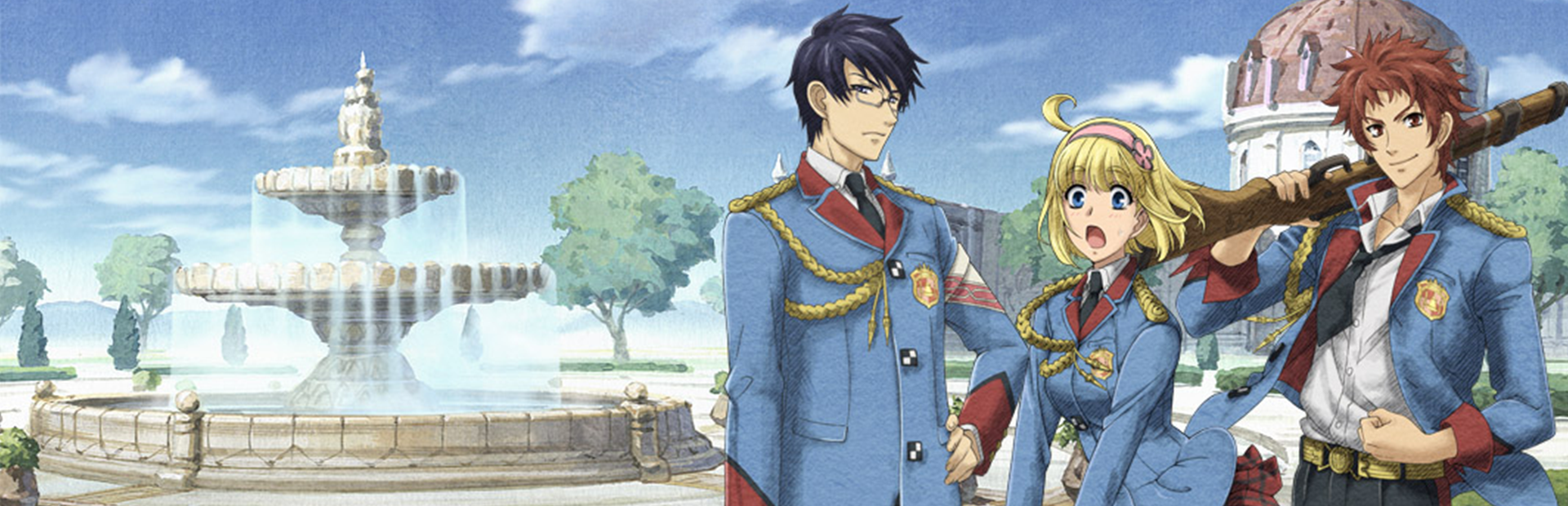
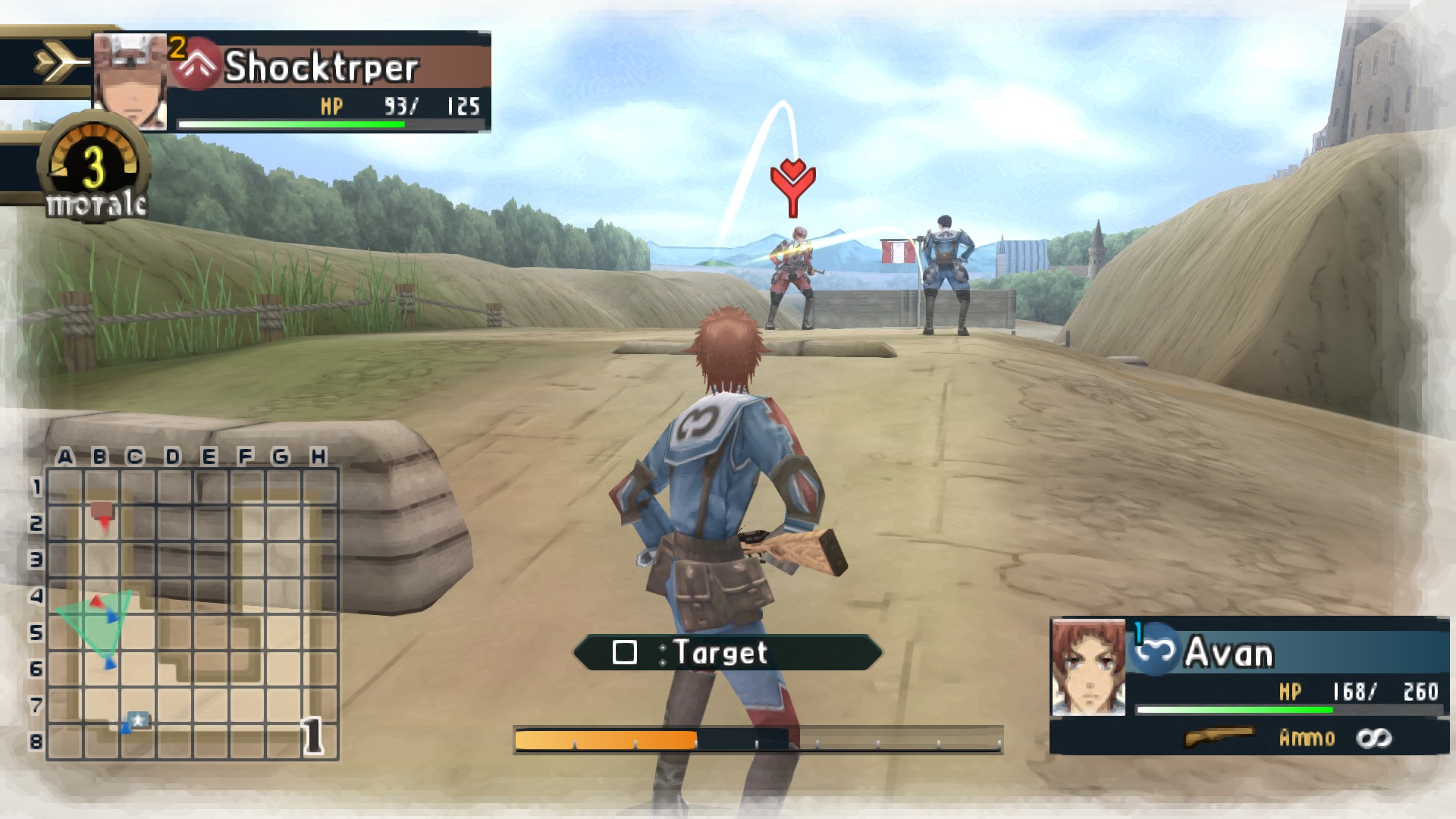
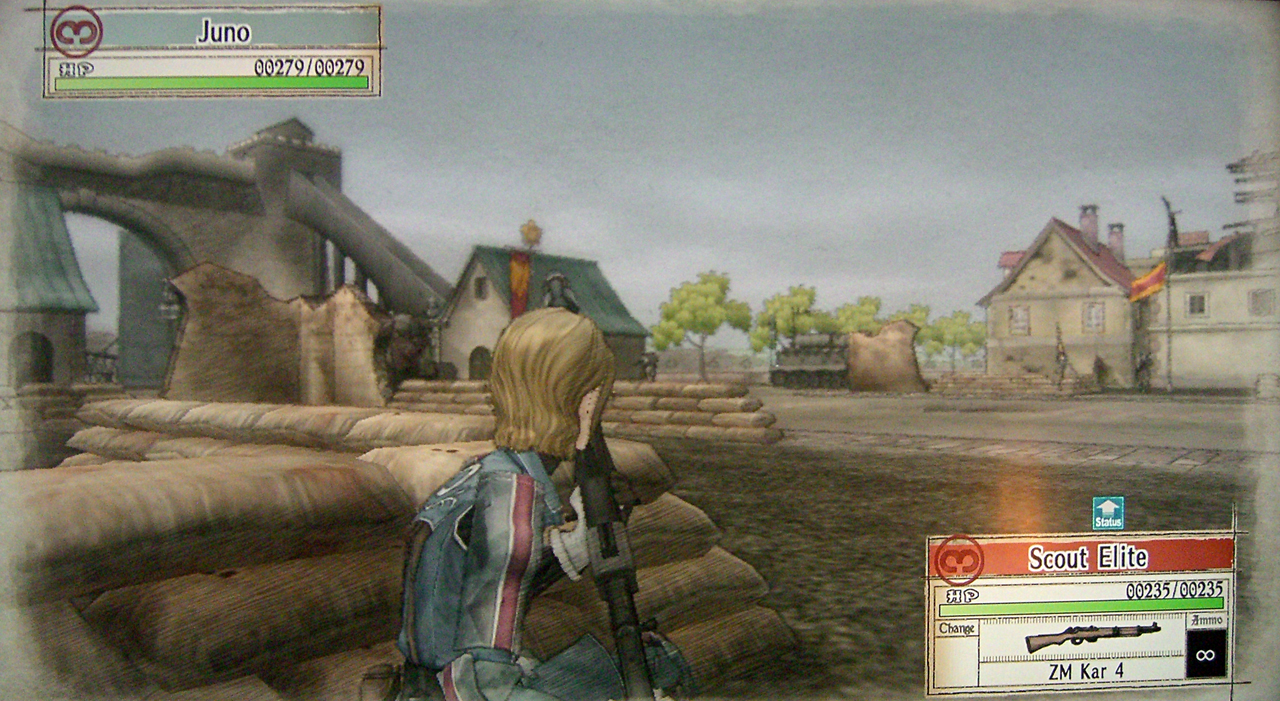
Valkyria Chronicles II sets you right in the middle of a war between a government and the rebels of Gallia, but what you really get into are the characters themselves and how they cope with each other. The game is set in a fictional WWII-type setting and is completely original. This turn-based strategy game can get pretty complex and is a lot to swallow at first, but after a while, you’ll get the hang of it.
The game is pretty menu-heavy, especially before deploying into missions. You can level up your classes (instead of individual characters) as well as produce weapons for each class and your tank. These are simple enough, but you have to unlock new weapons by leveling up. What disappointed me about this is that the weapon upgrades are very minimal, and it’s not until later levels that the stat boosts are large.
Once you do all this, you can rearrange your groups because each mission requires the right kind of people. There are different classes like Lancers (anti-tank), Scouts, Shocktroopers (heavy machine gunners), Engineers (medics), Armored Techs (melee), etc. You can only have six people deployed, and only five for each area. While this may be a pain since you’ll have 5 guys in one area and 1 in another, there are strategic workarounds for this. Once you start missions, you get an overhead map that shows your guys and your enemies. Killing enemies is as simple as moving them around in real-time, but each character has a different stamina meter, so watch out.
Each character uses one CP (turns), and tanks use two, so you really have to choose your moves wisely. While you’re moving around to position, enemies can shoot at you, but you can take cover behind sandbags. Killing enemies consists of getting the right amount of shots in before you reach your limit. Instead of relying on just draining HP, you have a shot limit, and when you aim at an enemy (depending on their type as well), another number will show how many shots it will take to kill that enemy. Headshots are always your best bet, but getting in close works too.
You can also find shortcuts throughout the map since most require you to move to different areas. Using a tank, you can build bridges to flank the enemy or build ladders. Once you capture an enemy camp, you can put your troops on standby and deploy them to captured camps in other areas. Be aware, though, of enemies and recapture those, which renders you unable to deploy in the new area unless you have at least one person there.
The battles can be pretty intense, but they also require perfect strategy, and it seems that most of the time only one will work. Certain missions have special requirements, like escorting, or certain players must be deployed. If you find that you need other abilities, you can retrain troops to different classes (if you’re short on one class) or change their abilities, like making a scout a sniper or a lancer a mortar. Sometimes perks will be activated on the field that do good or bad, depending on the character. If a character doesn’t like one that’s near, it’ll have a negative effect. Details like this can really help you pin down a strategy, but most others can ignore them.
Outside the battlefield, you move around campus and talk to people to progress the story, but that’s pretty much all there is to it. The game looks really good with a nice anime art style, and the voice acting is decent but not amazing. The small map size will make fans of the PS3 original angry, but it’s perfect for a portable system. The game is pretty stat-heavy and menu-heavy, and the difficulty spikes may make you actually give up altogether. I couldn’t get past the second story-based escort missions due to the insanely powerful enemies, and you have to get the strategy down perfectly or it just won’t work out. Other than this, the game is superbly fun, and with about 40 hours of gameplay, you should be kept busy.
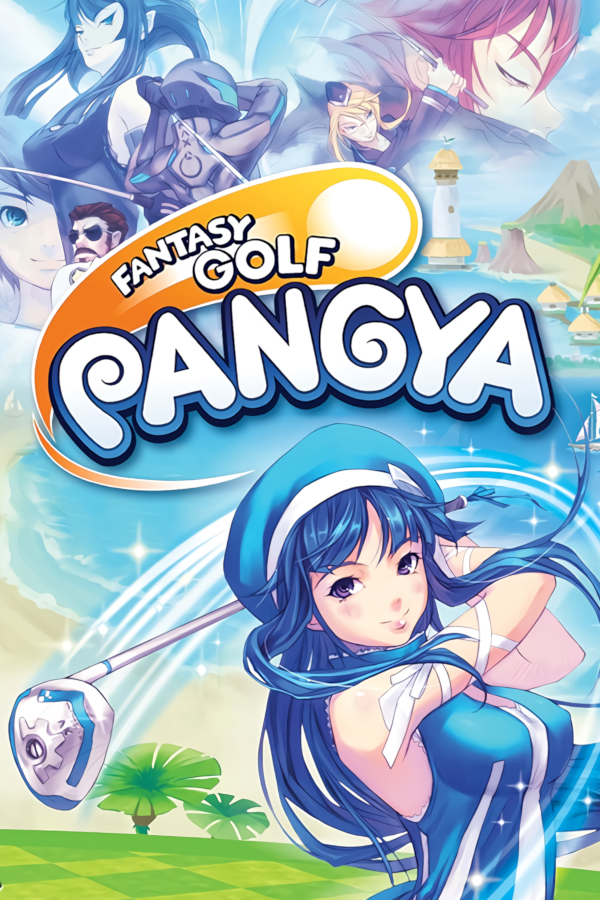
A long time ago, in a parallel dimension to Earth, there was a magical island world known simply as Pangya. All was peaceful in Pangya until one day, an evil force summoned by the Demon King came crashing down upon the land. This dark energy created a force field around Pangya that drained life from the land. The world of Pangya grew weaker with every passing day. Flowers withered, trees turned barren, and the earth lost its green. The people of Pangya could not come up with a solution to rid their land of an evil presence.
Until the inhabitants of the land realized that all of the life force from Pangya was being drained to the Demon King through a hole in the force field, A plan rose to plug the hole with a crystal filled with the spirit force of all living things. The power of the crystal became so great that it could not be touched by human hands. So the people in Pangya created the Air Lance, a tool in the shape of a stick to hit the mythical Phoenix ball into the hole of the evil force field. This difficult task was eventually completed by a warrior from Earth, ridding the world of the evil force for good. In honor of this warrior, the game of Albatross 18 is being played throughout the world of Pangya. The name Albatross was chosen because it is the best shot one can hit in the game outside of a hole-in-one. Today, you have been invited to play Albatross 18. Are you ready to show your skills?
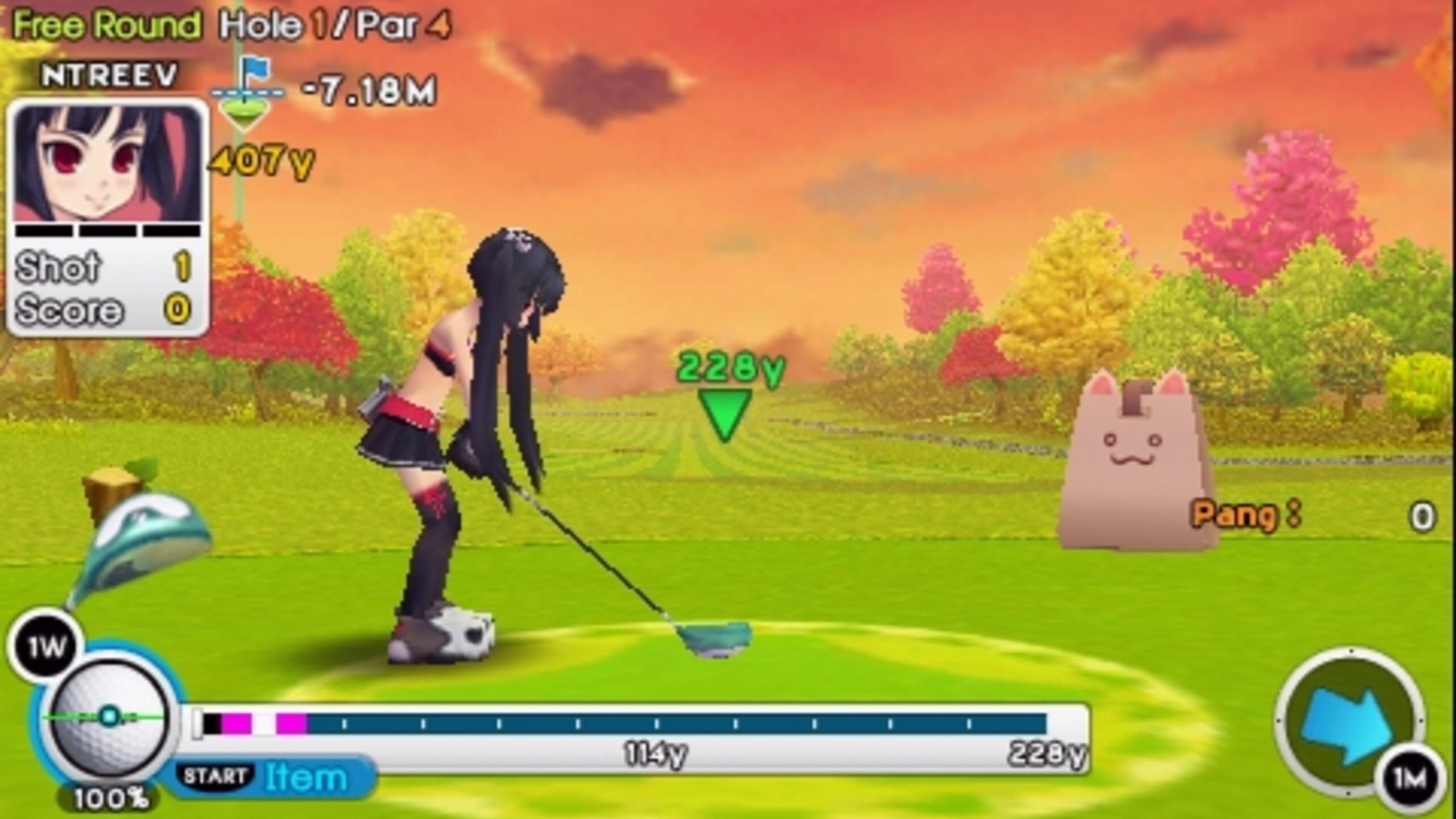
The game of Albatross 18 looks remarkably like golf; in fact, it is golf. When you start out in Pangya’s story mode, you set off into nicely laid-out courses with colorful names such as Wiz Wiz, Blue Moon, and Silvia Cannon. Playing the game is easy; simply pick your distance, then your power, and’swing!’ you’re off to the first hole. Wait a minute; there is a bit more depth than that. Differently colored blocks on the left indicate a certain action. Hitting just when it is white produces the perfect shot, while black or pink will make you tee, putting a point on your par count. Despite its creative-looking setting, Pangya still carries aspects such as the wind, the level of the terrain, obstacles, bunkers, the fairways, the rough, the green, and yes, even putting. Different characters are available to play with, and most can drive down a course anywhere between 210 and 260 yards. If the wind is facing you, you will probably nail about 235 if your character can drive 260. This is extremely important when shooting over a river or over a cliff since you will come short and get an out-of-bounds penalty.
The whole point of Pangya is to get your ball into the cup before the other player and do so with the fewest shots. Each player will take turns deciding what conditions will improve their shot. You need to adjust accordingly and use your quick finger to get a perfect Pangya shot. Pangya shots will bring your ball exactly where you want it, and anywhere outside the white box will make your ball come short. Pangya follows the traditional golf gameplay in most places but adds one little twist: power shots. Power shots come in different forms, ranging from the power spin that makes your ball roll back a few yards to the tomahawk, which makes your ball stop dead where it lands without rolling along with others. These sound useful, but the execution is so hard to pull off that you will quickly abandon the idea.
While most of the game’s mechanics sound solid and easy to understand, not every element has been worked out to the point it should have been. Customizing your game, for instance, is about as useless as playing golf with a baseball bat. You can shop at the Pangya store using Pang, the game’s currency, which is earned by completing tournaments. You can buy equipment such as new balls, clubs, and many other items. Buying golf balls adds points to your attributes such as accuracy, spin, and power. Strangely enough, clubs do the same but are just more expensive. The items that can be bought can be used during and will temporarily boost the exact same attributes, but they can also do some more interesting stuff, such as nullify the wind. All these elements could turn a standard game of golf into a true fantasy experience but end up being as exciting as watching paint dry.
The one thing that sets Pangya apart from its peers is its wonderful story and charming characters. Within each episode of the three available chapters, you can play ten characters, and they each have their own unique story. Each character is beautifully drawn, with personalities so vibrant that they pull you in and never let go. Uncle Bob is an angry police officer who entered the tournament just to get some fried chicken, and Max is a famous tennis player who is running from fans that are trying to get his autograph. There is no voice acting, but maybe this is a good thing. Most Japanese games don’t transfer well to American voices.
Contrary to the characters and colorful setting, the quality of the graphics is subpar, with flat and polygonal textures. In fairness, they do get the job done for this otherwise fine golfing game. Pangya is sure to be a pleasant surprise even to people who don’t like or even know how to play golf. Easy controls, wonderful characters, and a fun multiplayer mode will charm you out of your socks.
I don’t know how else to put this, but Eternal Sonata is probably one of the best (if not THE best) RPGs of this generation (yes, next-gen is now this gen; it’s been almost four years now, C’mon). The best part about Eternal Sonata is the graphics, story, music, and unique battle system.
To make this as easy as possible to understand, I’ll start with the story. ES does something different that I’ve never seen in a game before, and that uses a fictitious story with something that’s nonfiction. ES is about the famous pianist Chopin from the early 1800s. ES follows the life of Chopin when he was struck with tuberculosis and left Warsaw, Poland, due to the war with Austria at the time. While the real Chopin is sick in bed, you enter into his mind and into the world that he created while trying to recover. Chopin is now Frederic, and you run into several unique and lovable characters while trying to defeat the evil Count Waltz. Forte Castle (where Waltz lies) is supposed to represent Austria, and Chopin wants to go back and defeat the evil leader so he can go home. The reason why Chopin runs into these colorful characters is that they all have separate reasons to see the count (I won’t explain why due to spoilers). After you beat each chapter, stills of Europe will play, as well as a piece of Chopin’s music and pieces of his life will be told. Everything flows and ties in perfectly, and it makes it one of my favorite RPG stories of all time.
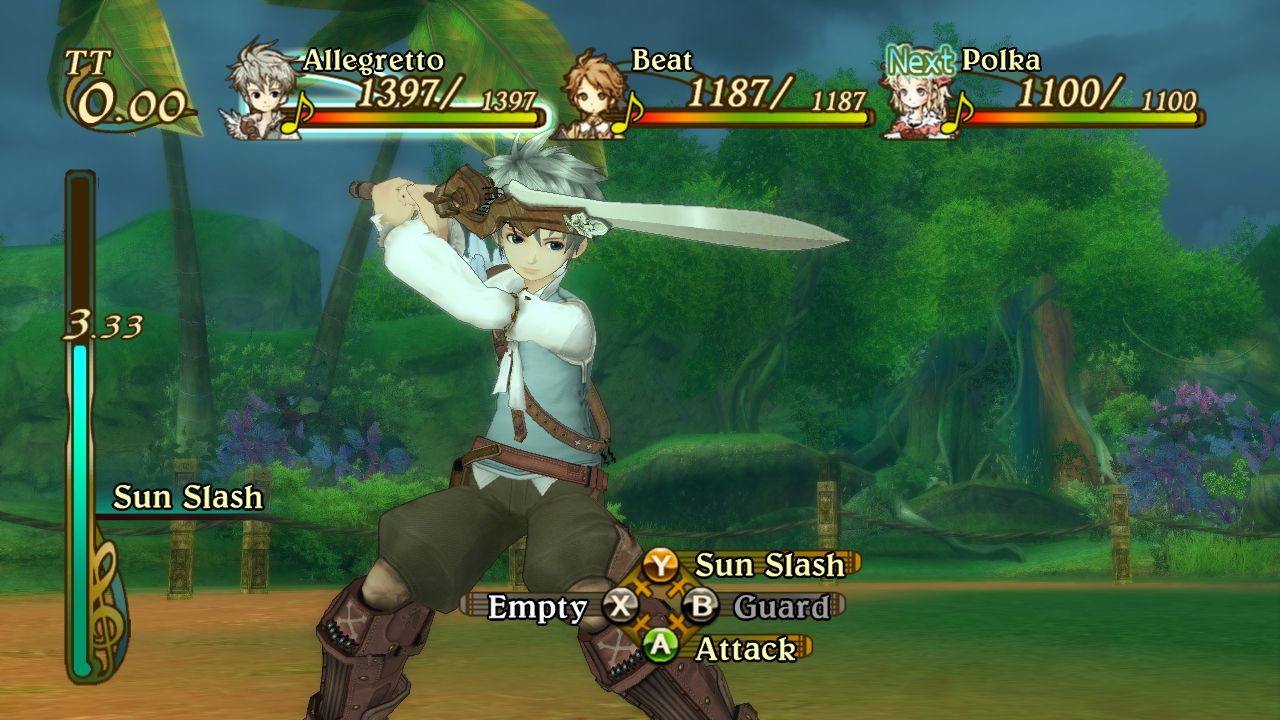
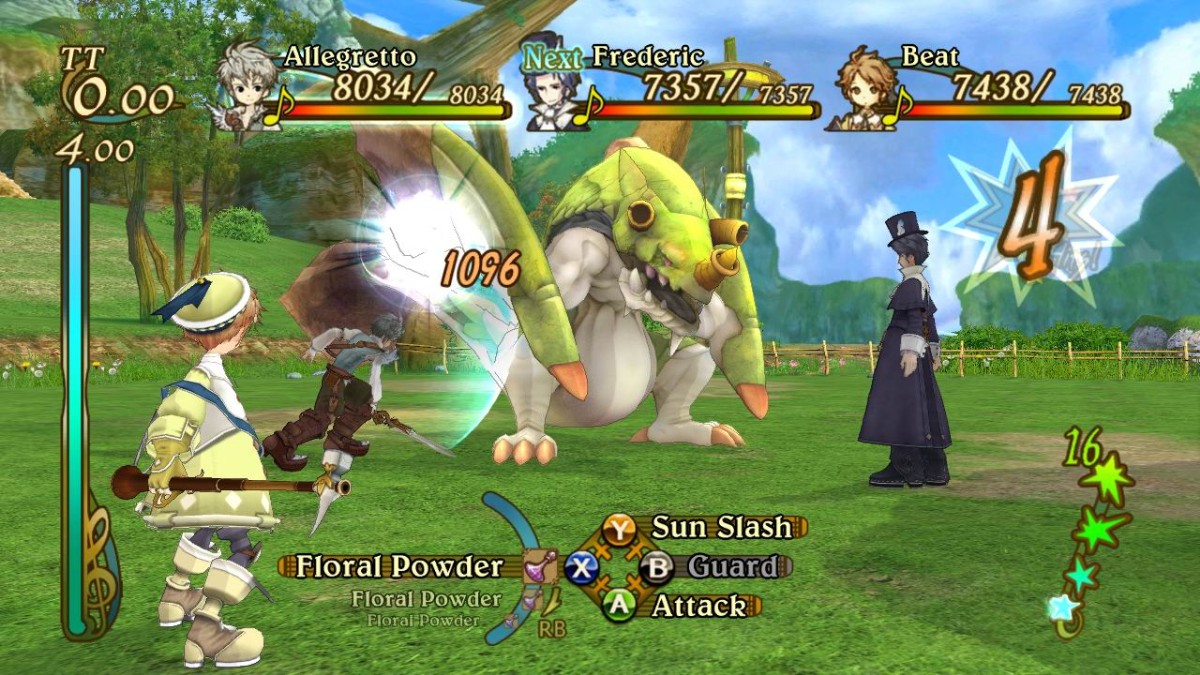
Now I’m going to go right into the battle system, with this being the meat of the game. ES doesn’t have a random battle system (thank God!) since I think we’re finally beyond that. Every enemy you see is in real-time, and you can avoid them if you want (like in numerous other RPGs). Instead of having magic, ability points, and some sort of super attack, ES does away with all that. You have a battle counter that lets you decide what you need to do. After this runs out, your action counter (about 5 seconds) counts down when you start moving, and you use the A button to attack with your main weapon. Magic, Special Abilities, or whatever you want to call them, are on your Y button, and you can use them as many times as you want throughout your turn. So, if you attack until your turn is just about up and then hit the Y button, you can do some devastating damage. Of course, you have items that heal, poison, and revive KOs, and there are tons of them, but there’s nothing special about these that you haven’t seen before. When it comes to guarding, you have a “chance” button (B), and if you hit the button when it appears on screen, you will block the enemy’s attack, greatly reducing the damage by about 90%. Sometimes the button will stay longer than other times, but it’s all about timing, and this helps keep the action up.
When you get your party leveled up, battle rules change from losing time on your counters to being able to chain special attacks to moving faster in battle. Every time you hit an enemy, you “queue” up power, and then when you use your special attack, it’s that much more powerful. Every character gets two abilities: light and dark. On the battlefield, you’ll see shadows and light areas; when you are in a dark area, you’ll use a dark attack, and when you are in a light area, you’ll use a light attack. This is really great and can help keep things mixed up. Watch out, though some enemies transform into stronger monsters when they are in the dark. The level design in this game can vary sometimes since some of it has labyrinthine dungeons that require a FAQ to even remotely understand how to navigate. A lot of these are partly due to puzzles that require a lot of backtracking that really gets under your skin. Now that the battle system is out of the way, let’s talk about production values.
Eternal Sonata uses some outstanding music, especially when Chopin’s pieces are used. The graphics are just absolutely gorgeous, with bright color palettes and unique architecture I’ve never seen in a game before. Eternal Sonata is also one of the JRPGs that also includes Japanese voice acting, and I highly recommend this over the American voice actors. Just turn the English subtitles on, and you’re good to go since the Japanese voice actors fit the characters better and are just superb. The game is easier than most JRPGs, but maybe this is a good thing. Everyone wants a stupidly hard RPG that takes over 100 hours to beat, and that’s not always necessary.
Eternal Sonata will take you 20–30 hours to beat, depending on your play style, and even has a “game finished” save so you can go back from the beginning at whatever level you finished. It’s sad to know Eternal Sonata got great reviews but had poor sales, so I hope you pick this up and experience the best RPGs of all time.

























































 thebinarymessiah.com
Try multiplayer. A lot of fun !