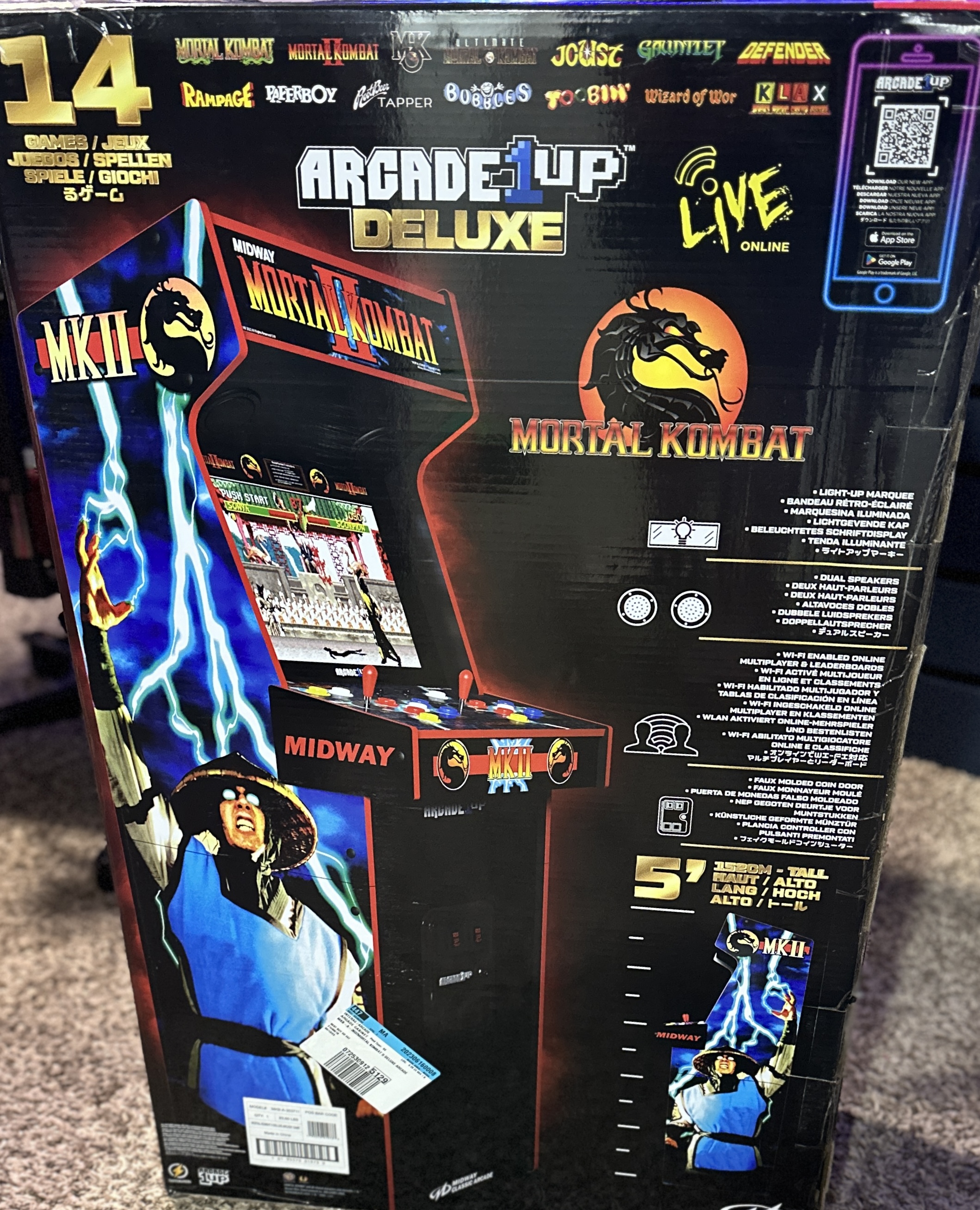
1UP Arcade has done an excellent job bringing scaled-down cabinet replicas to our house. Some negative arcade enthusiasts may criticize these cabinets, but their quality has improved over time, and for the majority of us, they are the only affordable, suitable, and accessible options. I had the original Mortal Kombat II Costco arcade cabinet, but it severely malfunctioned beyond repair, having no sound or control input anymore. Replacing the board would have cost nearly as much as a new cabinet, so I decided to buy the upgraded version.
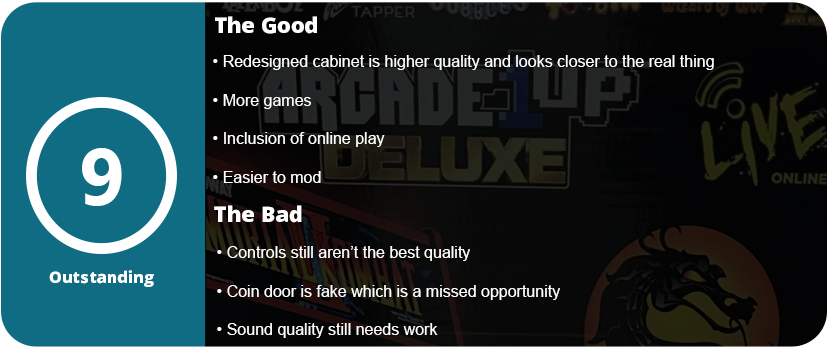
This cabinet isn’t just an upgrade; it’s Mortal Kombat II 2.0. 1Up has completely redesigned the entire cabinet from the ground up, incorporating more Midway games, online play, and numerous improvements over the years. For starters, there is no need for the silly riser anymore. While the artwork was nice, it made the cabinet not look as authentic as it could. Additionally, the cabinet features top-mounted downfiring speakers, and the marquee seamlessly integrates with the side panels instead of appearing as a flat banner across the top. The screws now have black screwhole covers, so I had to buy black screws for the original cabinet because this wasn’t thought of. There is a faux coin door in the front, and overall, it looks a lot closer to the original design.
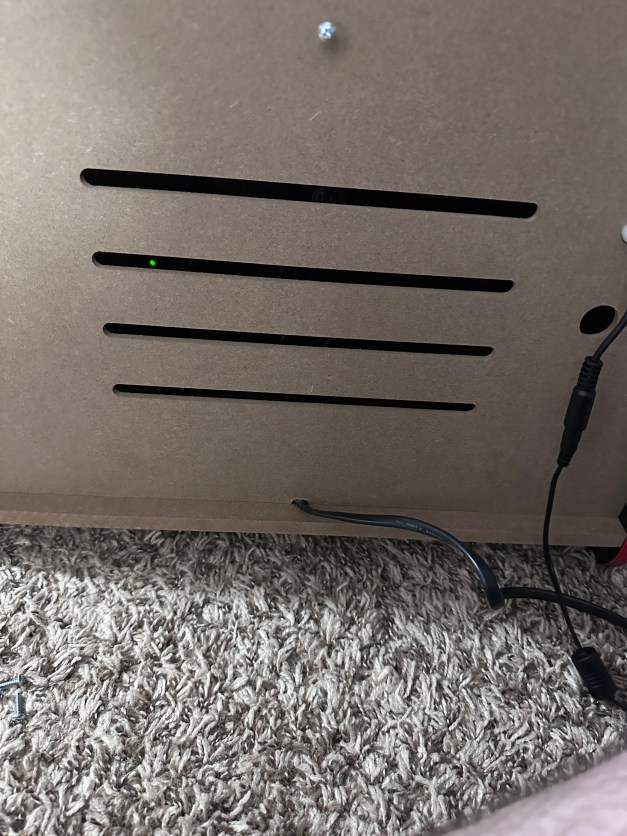
I made slight improvements to the buttons and joysticks, but I still replaced them with Suzzo Happs and Cherry microswitches. The LCD is of much higher quality, with better color and contrast. I also modified my system to add a subwoofer at the bottom of the cabinet for more bass. While the stereo speakers sound better than the original mono speaker cabinet, there is no bass. I installed a low-cost soundbar on the top of the previous cabinet, but it merely amplified the audio rather than suppressing the internal speaker. With the subwoofer added, the cabinet rumbles and shakes, becoming as loud as a regular arcade cabinet, and it’s glorious. This is a cheap option, and you can add any old PC subwoofer you have lying around.
This time around, installation takes longer due to a more solid design with more wood and cross beams to support the rear, control panel, and marquee area. It feels significantly more solid, and as I assembled it, I noticed that it also weighs more. This is a sturdy cabinet that can take a good knocking and rough play, while the original had thinner wood and felt more delicate. Playing the actual games is what matters most, and there’s no disappointment here. All four MK games play just like they did in the arcades and feel great. The addition of the other Midway games is a huge bonus, and you can upload and track your high scores, which adds replay value to these games.
Overall, while I’m no arcade expert, I can safely say that this cabinet is worth the full purchase to replace your old one. You can either gift it to a friend or your kids, or sell it and purchase this new cabinet instead. It is easier to mod, has higher-quality parts all around, and the bonus of online play, software updates, and more games outside of Mortal Kombat adds to that value.
Fighting games are a very unstable genre in which you don’t know what you’re going to get year by year. You have your franchise heavy hitters and then you get some great indie games that come out swinging.
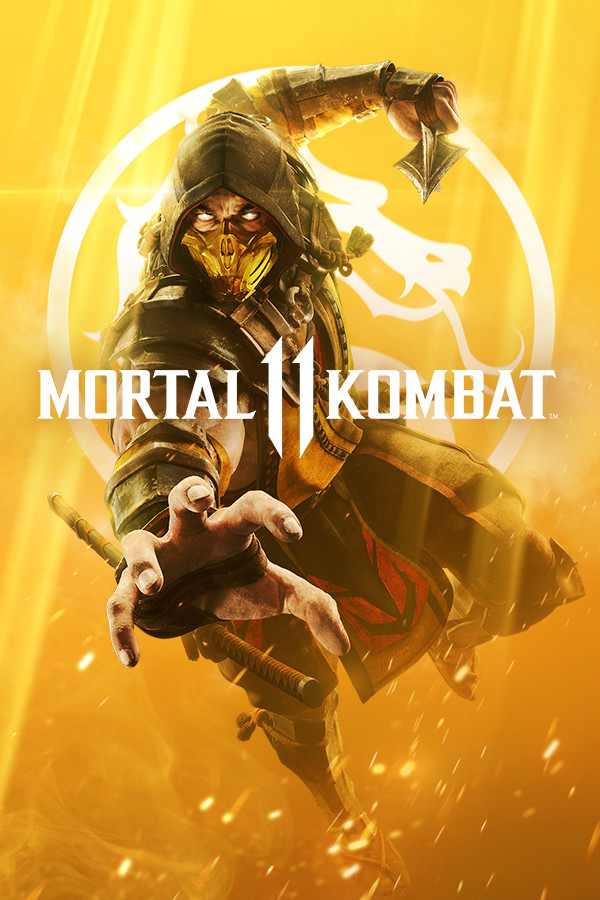
Mortal Kombat 11
For the last 9 years, Mortal Kombat has reigned supreme as one of the best fighting games on the market. Each year Netherrealm manages to push the series in new directions that feel fresh. I would be more than happy to crown another fighting game, but not many have topped the quality of MK. On MK’s off years is when other games get a chance, but until this series falters it will always remain the top fighter.
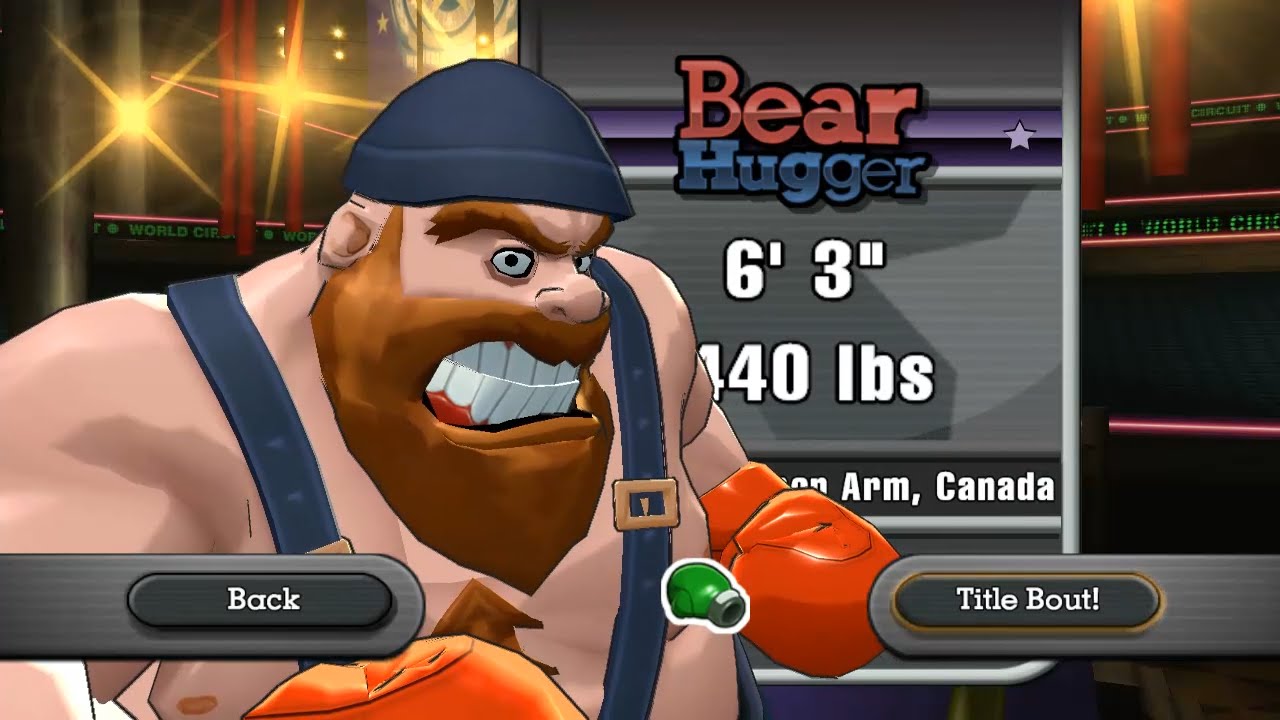
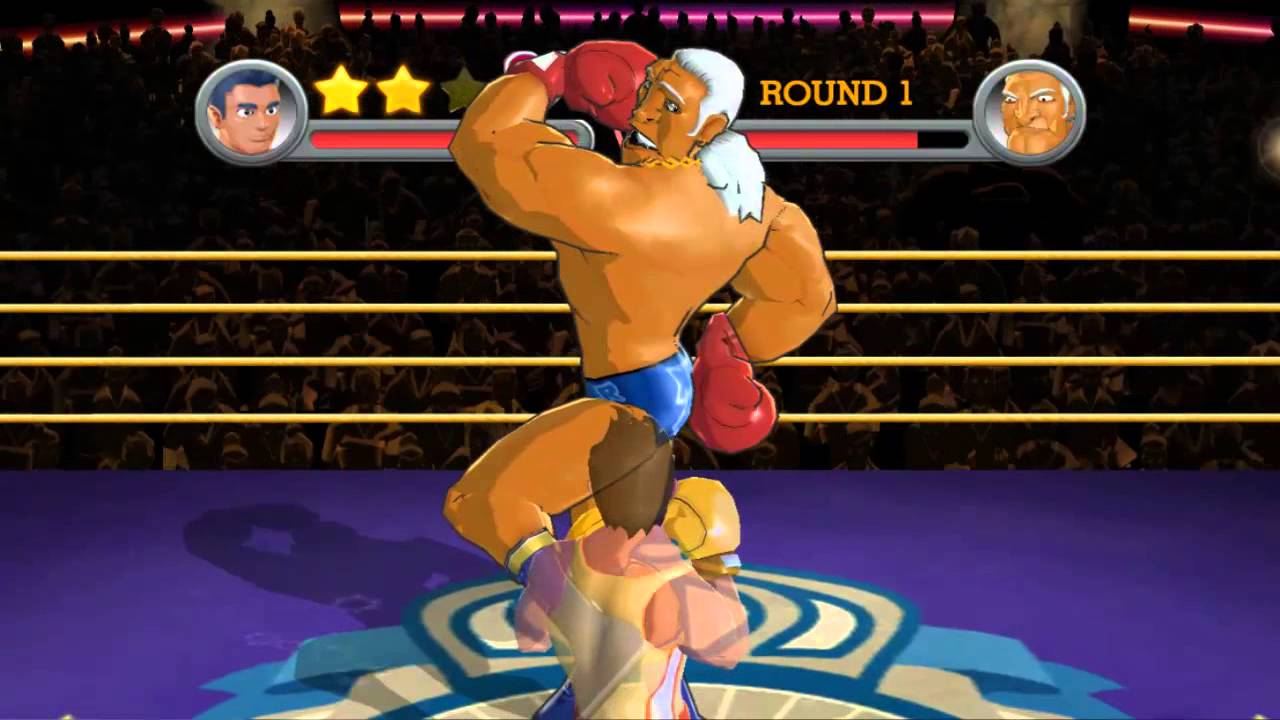
Punch-Out!! is a Nintendo staple as it was one of the first established exclusives of the NES. Playing as Little Mac, you run through a gauntlet of characters with varying difficulty to put your reflexes to the test. Punch-Out!! is a remake of that game and utilizes the Wii motion controls.
Let’s get down to the dirty business of this game. In essence, this is an arcade game you must perfect to the T without missing a beat. Your reflexes are required to be lightning-fast to get very far in this game. Each character has a unique set of 5 moves that require memorization and pattern recognition, or you will simply never get past the Title Bout of the Minor Circuit, which is when the game gets really hard. The first three characters aren’t very difficult and are just warm-ups for what’s to come. You can duck, dodge left or right, and block, but blocking is rarely used as most attacks can’t be blocked. You can then jab and hook left or right. The controls are the same as the NES version, and this makes the game overly simple for some or just enough for others. Newcomers may find this game too shallow, while veterans will feel right at home.
That’s where the motion controls come in. For a game that requires response time in the milliseconds’ motion controls, just don’t cut it. I got through the first two circuits with them, but after so long, I had to switch to the buttons on the Wii remote as I needed to be that much quicker. Using the nunchuck and remote, you can jab left or right and then dodge with the C-stick. I found this to be more complicated than it needed to be for me, and punching with the motion controls just doesn’t feel like punching but more like mindless shaking. The Wii remote on its side is the best way to go here, or even the classic controller.
That’s the essence of Punch-Out!!. Soda Popinski took me 90 minutes to beat and maybe two dozen restarts, as you have to learn his patterns and when to dodge his moves. He also drinks soda to refill his health, and you only get a split second to knock it out of his hand. There are also taunts that some characters do that can earn you stars for star punches that do extra damage, but these are rare and hard to get. Outside of the main career mode, there is Exhibition and a two-player mode, so it’s definitely light on modes and things to do. This game is not for casual players, despite seeming like it is. This is for hardcore arcade goers or veterans of the original. I thought I was going to blow through this game in a couple of hours, but I spent that one on a few characters alone.
It does get incredibly frustrating to need to have such perfect timing and reflexes, and it almost seems unnecessary. Sadly, there are no difficult changes, but there are a few hidden secrets that can give you an edge. When the ref is counting down, you can rapidly tap 1 and 2 to regain health. At the end of each round, you can press and hear a chime, and you will refill your health. This only works twice, though. This leads to my biggest complaint of the game: You never do more than a smidge of damage to each character, and there’s no way to level up and get more powerful. I had to widdle away at the health when a character could knock me out in two hits. I found this heavily unbalanced and unfair. Shouldn’t Little Mac get stronger as he fights, and shouldn’t there be a training mode with mini-games to level up? It just makes sense. This game is too similar to the NES version and carries over all of its flaws.
As it stands, Punch-Out!! is a really fun game of reflexes and timing with interesting and funny characters, but it lacks modes and a way to get stronger, and restarting matches two to three dozen times just isn’t fun after a while. The motion controls also just don’t work for this kind of game that requires precise movements and response times. I also wish there were some original characters and maybe not rely on this being a remake of a 25-year-old game. At the end of the day, this would have been a good rental, but for $50, there’s just not enough meat here to justify that cost.
It was the very first game I ever pre-ordered. I have never been more excited about a game in my life. Watching gameplay trailers on a PC from 1997 on a 19″ CRT monitor while I stash away allowance bit by bit to get the Premium Pack for PS2. 2004 was an exciting year for gaming and for Mortal Kombat. With Deadly Alliance receiving mostly positive reviews but a lot of criticism from reviewers, Deception turned everything to 11 and added interactive arenas, more game modes, and online fighting. Yes, the online part was the biggest selling point of Deception.
This is the direct sequel to Deadly Alliance. Quan Chi and Shang Tsung have failed to take over, and Onaga, the Dragon King, has decided to rise from the Outworld and claim everything as his. A man named Shujinko is now the game’s lead (the first of many to come in later games) and must stop the Dragon King and reverse the actions he took during the Konquest mode that helped give Onaga his power.
Let’s talk about Konquest mode first, as most people will dive into it right away. It’s awful and should never have existed. It’s an expansion on Konquest from Deadly Alliance in which Raiden just walks along a path, and each “level” is a training tutorial for all the characters. This is an adventure mode where you get quests, find the treasure for the Krypt, find hidden secrets, and find out the back story to Deception, as well as meet many MK fighters and surprises. It sounds great on paper, right? Well, it’s horribly executed as one of the worst attempts at a free-roaming RPG/adventure hybrid I’ve ever seen. Shujinko runs around in supersonic, fast-forward motion; the realms are void of any life; they are terribly laid out; and the worlds rely on a grid system to figure out where every secret and item is. The problem is that the map is useless with no actual grid on it, so you run around for 10 minutes trying to find D2 or H8 only to realize it’s locked away and you can’t go there until you complete the Konquest.
That’s the main downfall of Konquest. Quests aren’t logged, and the entire game has to be played with a guide. It would take dozens and dozens of hours to figure everything out yourself, as locations to solve quests and even chests are incredibly cryptic or specific. Some chests with Krypt keys only appear on certain days of the month and times, and you would never know without a guide. You can meditate to make time move by faster, but this whole entire game mode is just frustrating, messy, and irritating. Doing the actual main quests is fine, as there’s always a large green pillar of light pointing where to go, but talking to a random character and getting a one-sentence quest saying to find a gem is not how quests should be done.
On top of all this, the world is terribly laid out. They try to force a look at each realm, such as Chaosrealm, which has magic portals that project to you various little floating islands that are “chaotically” made up and don’t make sense. Orderrealm is just a giant circle floating in the sky with “order” in the layout, and it looks nice and dystopian. It’s a little corny with the way the worlds are represented, but it’s kind of cool to finally explore these areas despite there being nothing to do in them. The visuals are also abysmal, as this looks like an early PS2 game that launched, even a little worse than that. Horrendous textures and models, awful voice acting, and laughable animations. It looks like an amateur game developer made this over the weekend.
Outside of Konquest, things are much better when you actually get to fighting. If any game were to use realistic martial arts, it’s Mortal Kombat. This fighting system and this era of games aren’t most people’s favorites. The realism is nice, with some good animations, and each character has two martial arts and a weapon style. You can branch into these styles with long combo strings, but that’s where the issue lies. This realistic, slower fighting style is in contrast to the fast-paced action of the 2D games. The characters look like stiff plastic dolls, and the combat is all about memorized combos. It’s fun, and it works with Mortal Kombat, but it’s also not the best way to play these games. The slower fighting pace means more strategy is involved, and a new breaker system has been added to quickly get out of combos.
Interactive environments are some of the coolest features of Deception, as they are basically fatalities within a stage. There are yellow lines that indicate when a player can get knocked out and take damage to a new tier, and red lines that will kill the player. The arenas are large enough that a game of tug-of-war always ensues, which makes playing tenser, especially online. Do you just knock them into the trap or play with them so you can cause a fatality? Speaking of fatalities, each character has two unique ones; some are great and some are lame. Li Mei, for example, has two fatalities that are just boring. Super punches to the chest, and you explode? Yawn. Kick your head off. I saw it before. Some others are rather runny and unique, but there are also Hara Kiris that allow the loser to do a fatality on themselves, taking the glory away from the opponent. Whoever inputs their code first gets to have fun.
Outside of combat, you can play Puzzle Kombat, which is just Street Fighter Puzzle with MK characters. At the end of each round, there is a fatality unique to the player, but getting your power level up means you can perform a special move that each character has. It can be played online as well, is super addicting, and can be a game on its own. The last mode is Chess Kombat, which is one of the most unique modes to ever grace a fighting game. Just like a game of chess, you can pick which character is what piece, and you play chess, but instead of just knocking a piece over, you fight it out MK style. Each piece gets a certain amount of health, so pawns get the least amount of health. It’s a great twist that adds more skill to the game and can also be played online. It’s a ton of fun, and I hope this mode returns to future games.
Besides the Krypt, where you can unlock various stuff for fans like promo videos, behind-the-scenes art, and various goodies, there’s not much else. Online play is incredibly smooth, with a full lobby where you can talk to other players, challenge players, and have a win/loss ratio next to your name. I never had any connection drops and playing online extends the longevity of the game tenfold.
I also want to talk about the new characters. Since MK4, Midway has had trouble adding interesting new characters, and that trend continues for the third time. Dairou and Havik are just boring, awful characters that don’t have any personality or soul. They feel forced, and I’d rather have a classic character put in than these two.
Overall, MK: Deception is a fantastic fighting game that is only hampered by slower combat and a horrible Konquest mode that must be played to unlock half the game’s roster and extra costumes. Puzzle and Chess Kombat are excellent modes that add dozens of hours of fun, and online play is always welcome.
Note: As of May 31, 2014, you can no longer play Deception online due to GameSpy servers being shut down. Even then, not a single person played this online game between 2006 and 2007. As Armageddon and other fighters came out, Deception’s user base quickly fell after the first 18 months and never went back up. Get a buddy to play next to you instead.
Mortal Kombat 4 was a rough start in the realm of 3D gaming for Mortal Kombat. Midway Chicago were experts at 2D fighters, and somehow MK4 seemed a little rough around the edges. It looked decent and better than most 3D fighters back in the day, but Gold was an opportunity to release the arcade port of MK4, which looked the best and ran the best over the PlayStation and Nintendo 64 versions.
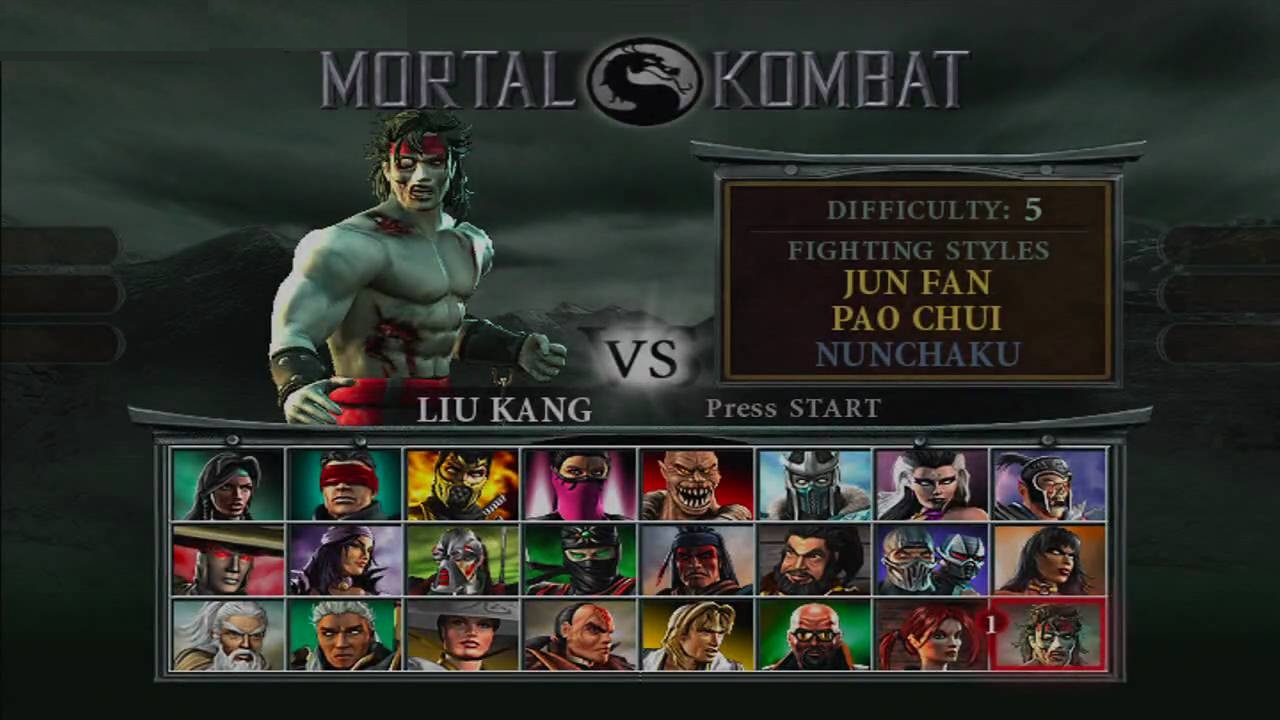
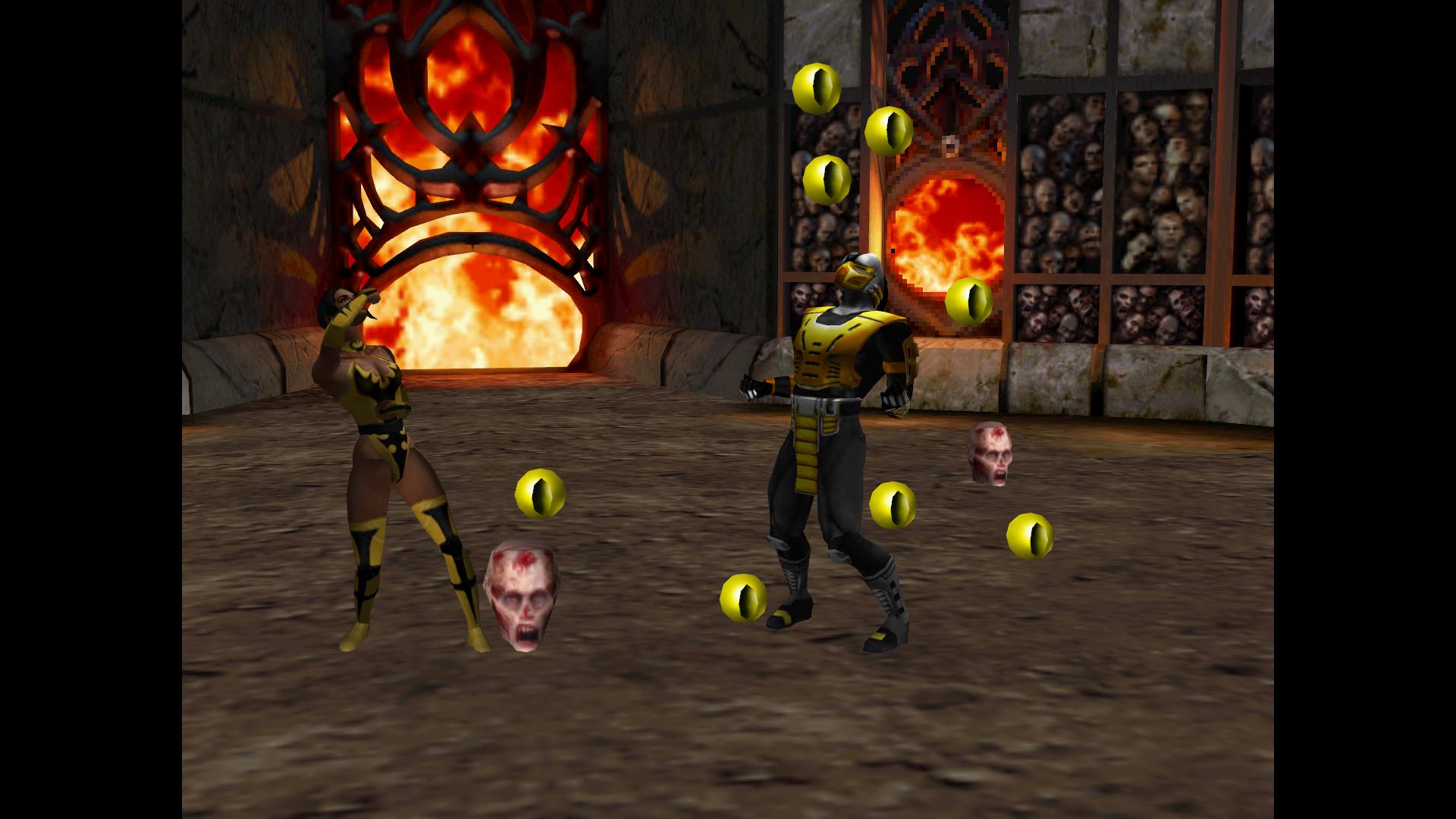
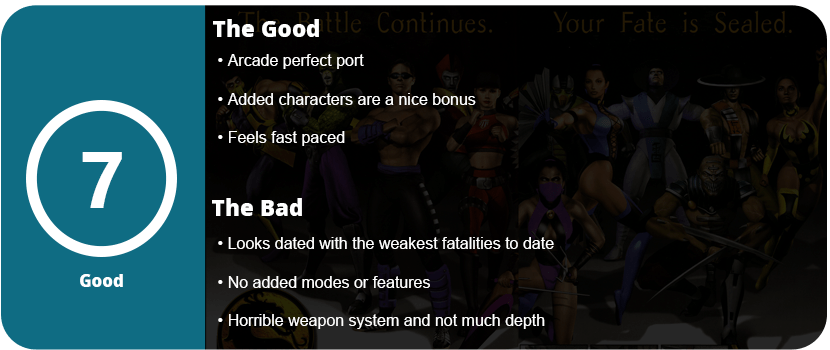
Gold is pretty much an unchanged version of MK4, with just added content. We get added characters such as Mileena, Baraka, Kung Lao, Cyrax, and Kitana, and hidden characters such as Noob Saibot, Sektor, and Meat. That large roster change and just these added characters make the game worthwhile, but there are no added modes or anything like that. Despite this being an arcade-perfect port, it still looks dated compared to current Dreamcast games like D-2, Soul Calibur, and Sonic Adventure. On top of all this, Mortal Kombat has never been known to be a very deep fighter, and that’s extremely clear in this title.
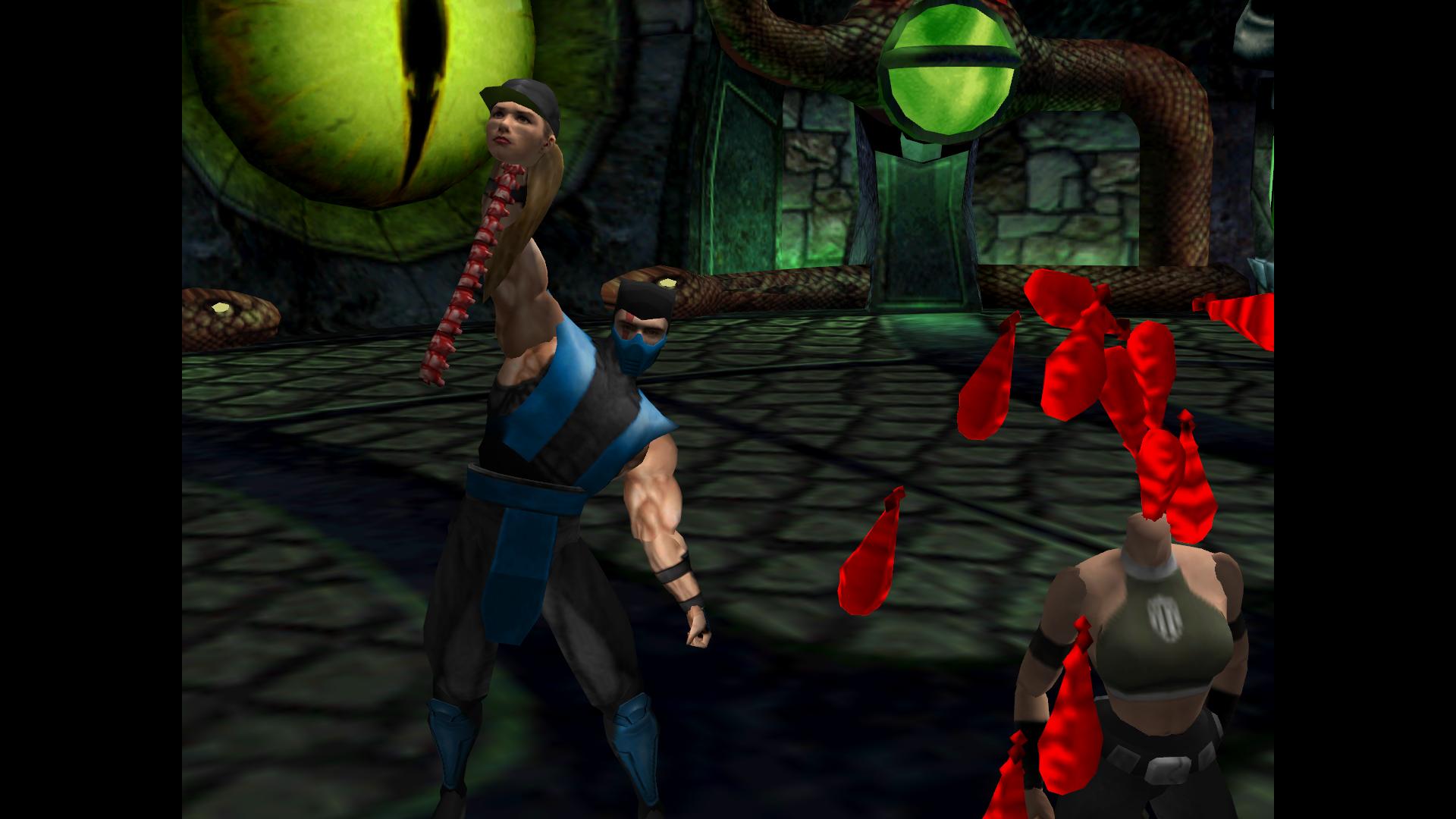
Another added feature was weapons that could be brought out instead of just picked up off the ground, but they don’t add any depth to the game and are actually quite useless. Once you get hit, the weapon flies out of your hand, and you are left defenseless. There are also no real combos in the game, there’s an over-reliance on cheap fighting with character special moves that are hard to break from and there’s a lack of grappling. Even the fatalities, which are iconic staples of the series, are lacking in this game with only two-stage fatality levels, and most of the new characters have repeated fatalities from MK3 or both of their fatalities are similar, such as Mileena, who throws sais and then nails. I have to say the Fatalities in Gold are some of the weakest in the series, but there are some great ones at least.
Because of the lack of depth in the game after you see all the fatalities and endings, there’s really no reason to go back to the game, especially when there are better fighters on the Dreamcast. It’s great to have an MK game on this system, but why not port MK Trilogy over? Even UMK3 would have been nice at this point.
Overall, this is the definitive version of MK4, so take that as you will. If you never liked MK4, you will like Gold even less, but with the arcade version of the game intact, it’s a nice fighter on a system that has few of them. If you can ignore the weapon system and enjoy the added roster of characters and the fatalities, then this is a decent fighter at best.
2017 was a somewhat weak year for fighters as some of the biggest names produced lukewarm sequels. With no Street Fighter or Mortal Kombat this year, we were left with some other well-known games in the genre.
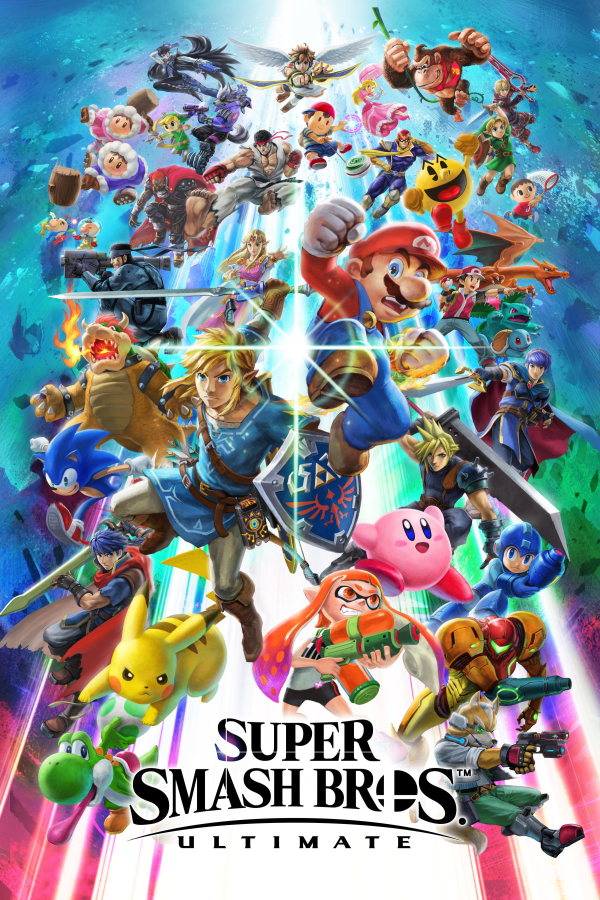
Super Smash Bros. Ultimate
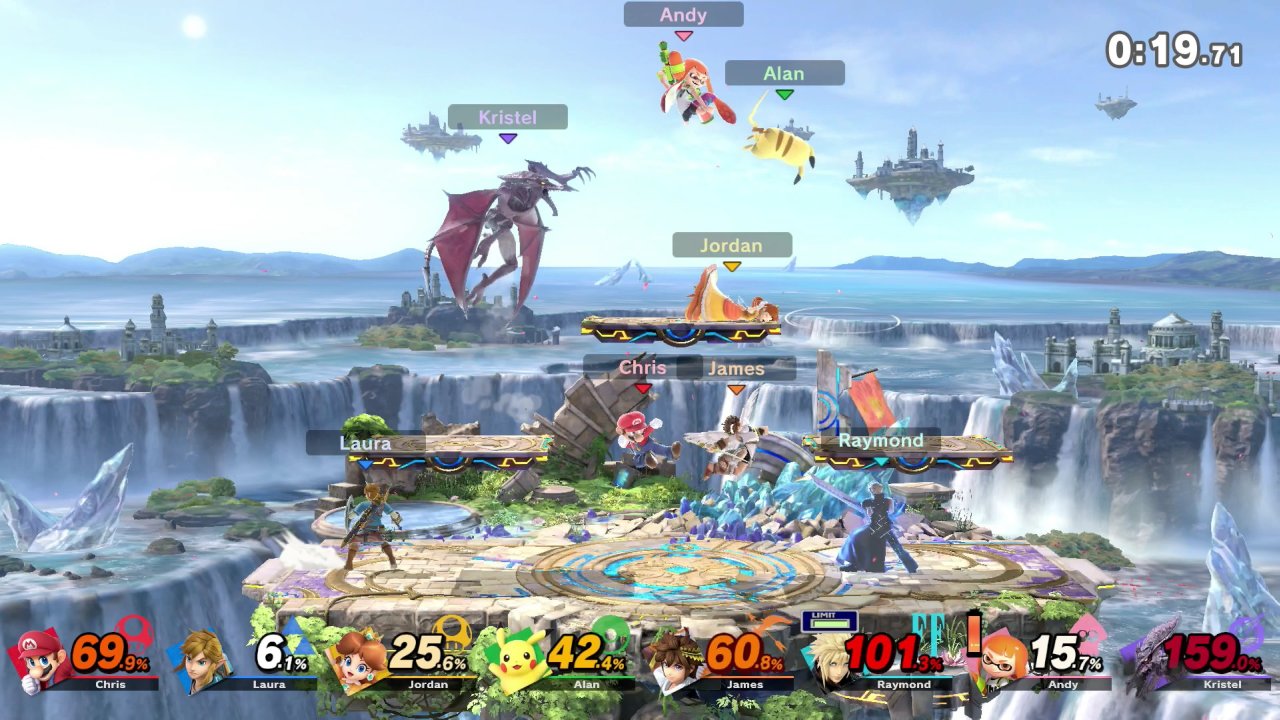
Smash Bros. has always been a great fighting franchise, and this year is no exception. With Nintendo pouring all of their assets into one game, they were sure to big or go home. With dozens of characters and stages, Ultimate is the culmination of the series with nearly endless content and online play that just couldn’t beat this year.
2017 was a somewhat weak year for fighters as some of the biggest names produced lukewarm sequels. With no Street Fighter or Mortal Kombat this year, we were left with some other well-known games in the genre.
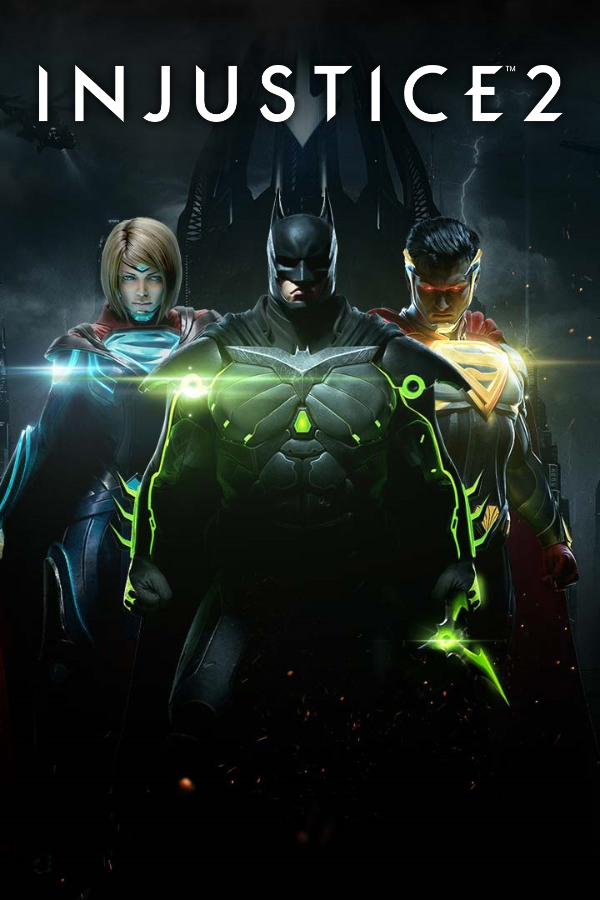
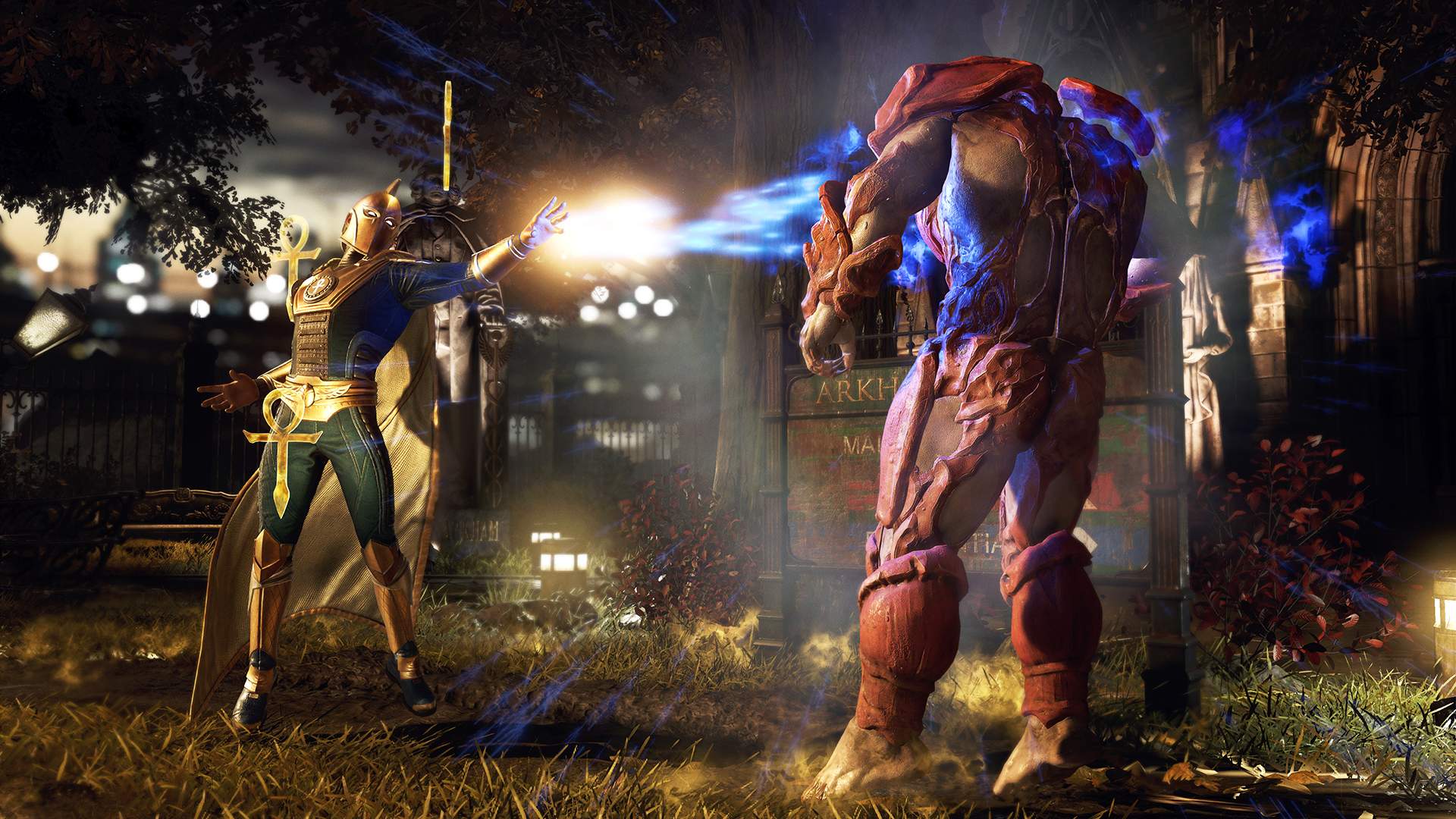
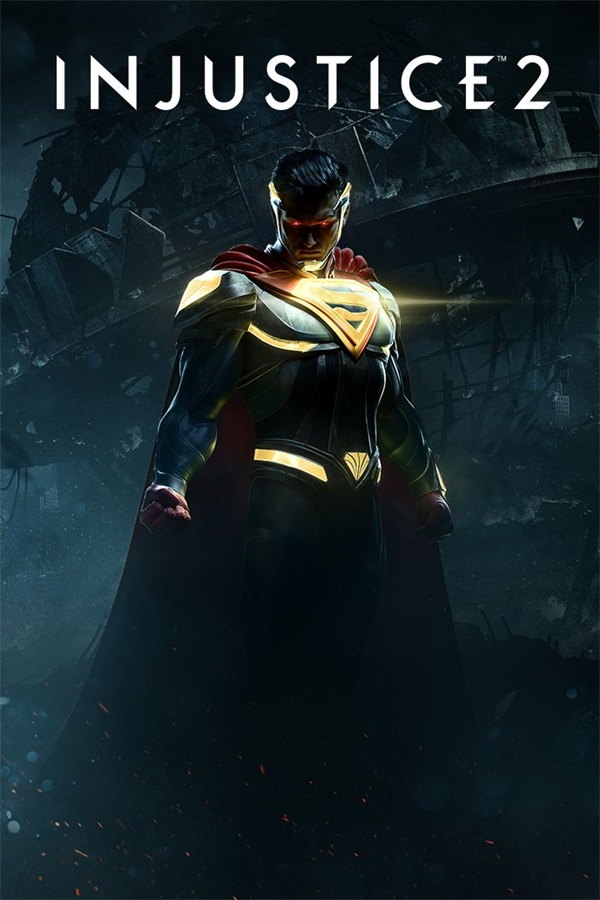
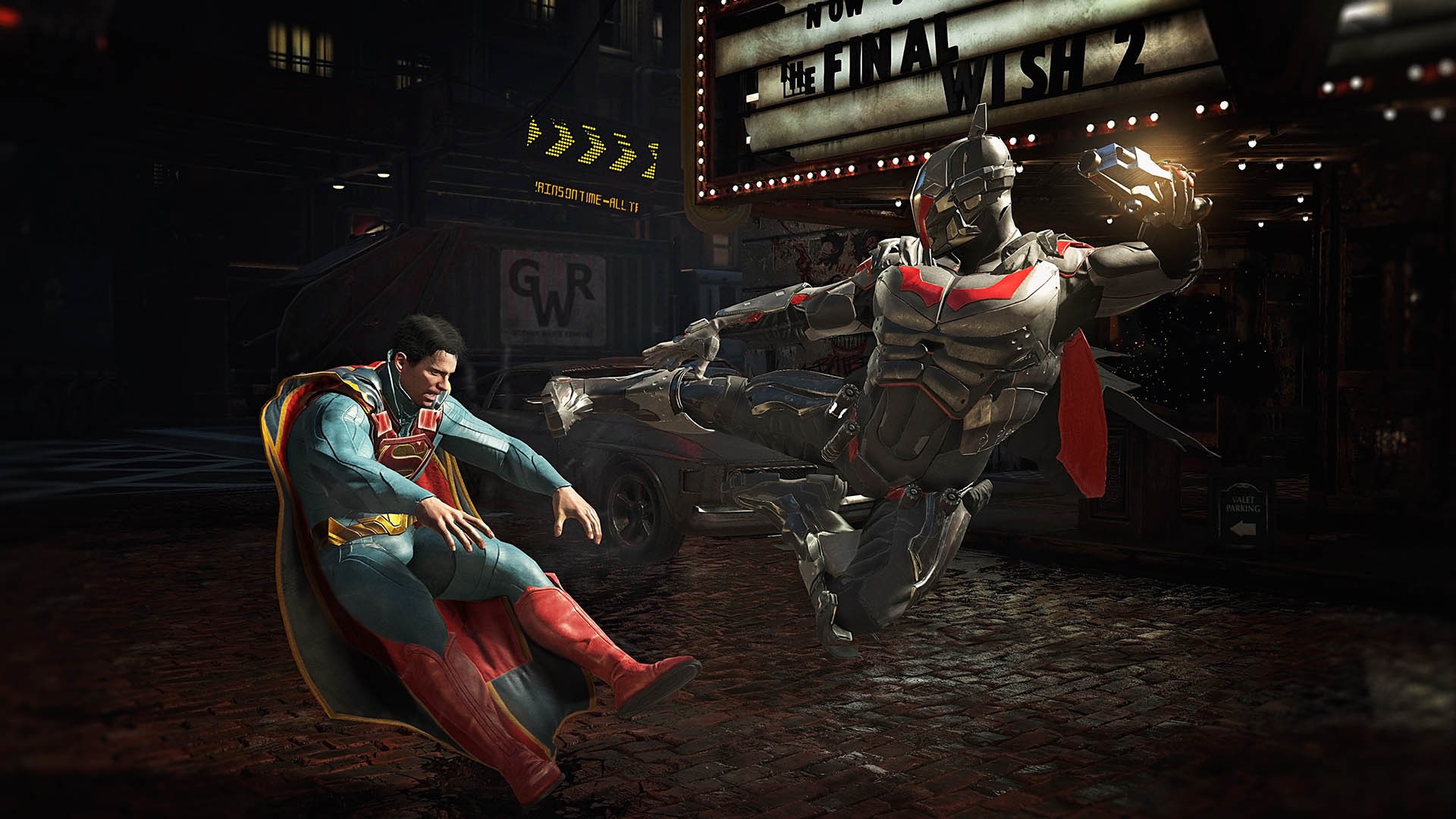
Whether you like DC Comics or not, the Injustice series has proved to be the best superhero fighting game out right now. With fast-paced, punchy action, good looking visuals, and a lot of content, Injustice 2 tops the last game on every level. This is the most robust, fun, and well-done fighter this year
Netherrealm Studios made a name for themselves in the comic scene with Injustice: Gods Among Us. It was the first 3D fighting game that featured superheroes in a long time and was actually good, some even considered it the best ever made. With the backlash for Mortal Kombat vs. DC Universe, NetherRealm decided to keep the MK universe out and go for its own thing, and the results were well received.
Injustice 2 is a continuation of the first game in terms of story and content. The gameplay is more refined and feels tighter and punchier, and there’s just a lot more content. The story revolves around Brainiac trying to destroy every civilized planet in the universe for his own entertainment, but the Justice League and other DC heroes are fighting it out, trying to control their rage, and getting into moral dilemmas. To be honest, I’m not a huge fan of the Injustice storyline. It feels like a straightforward comic book when it could be so much more. Instead of taking the smart ideas from the movies, it sticks true to its form, which is, I guess, a good thing if that’s what you’re looking for.
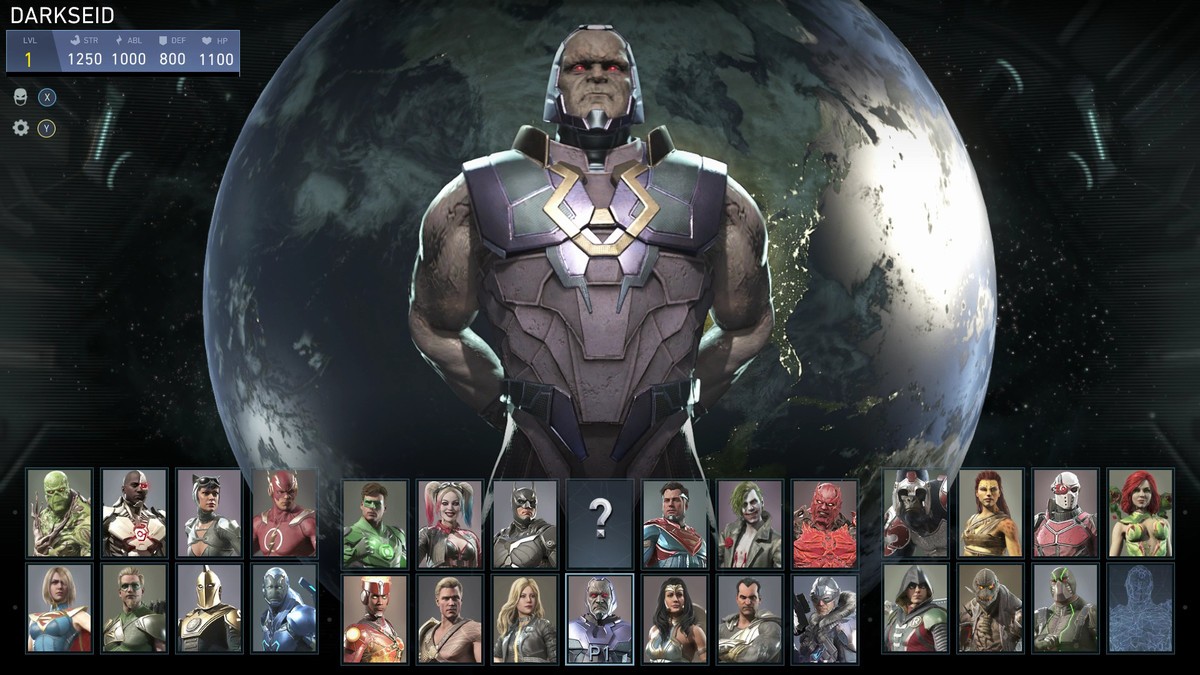
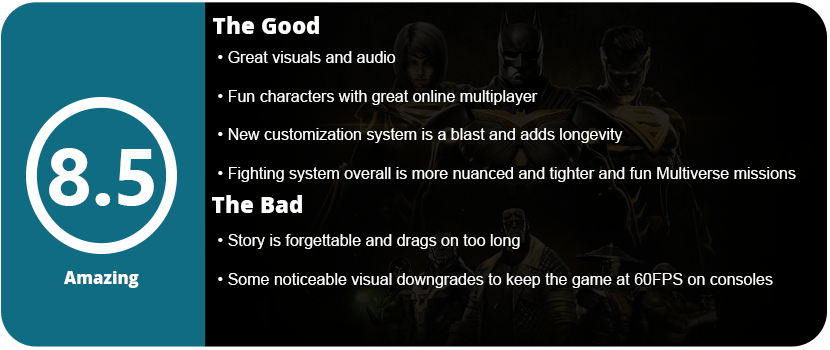
After the story was finished, I felt it was long-winded and didn’t seem to really go anywhere. The characters weren’t changed or progressed in any way, which is what I would have wanted. Outside of the story, the game is fantastic and plays very well. Every character got an upgrade from the last game, and the new additions are interesting. Bigger names like Super Girl, Swamp Thing, and Scarecrow are present, while many lesser-known heroes such as Captain Cold, Gorilla Grodd, Black Adam, and Cheetah are here. It’s a very diverse cast of heroes, with every fighting style imaginable. The characters punch and kick with force, and the game is fast-paced and a lot of fun.
The interactive arenas are back with bigger and better things to do. Whacking your enemies with various items and kicking them off into the background is a lot of fun, as is knocking them out of the arena and into another level. Each character has a special meter and a unique power that ranges from attack to defense to passive. One of my favorite features is the new special moves, which are epic scripted moves that are unique to each character’s powers.
The biggest addition is the Eye Vault and the various unlockables to customize each character. There are hundreds of items that are unique to each hero, and they are unlocked through the story and multi-verse missions. Skins, colors, and parts go on every part of the hero’s body that add RPG stats, which is a blast. I didn’t feel buying loot boxes was needed as the unlocks came at a steady pace, and I found some epic gear fairly frequently.
Other than this, there’s an online game that is always fun, which is why we play fighters. I didn’t experience lag, and I got to show off my customized character, which is always keeping me going back. Outside of all this, not much has changed from the last game, but it does feel like an actual sequel rather than an upgrade.
The game looks and sounds great, but you can clearly see some overly shiny textures and some details washed out, even on the Xbox One S upscaled to 4K. This was probably to keep the game at 60FPS, which I’d rather have.
Do I want Injustice 3? I don’t know, honestly. The story doesn’t really do much for me and is forgettable, so the only reason I want another is for more superheroes and new content. Injustice 2 is one of the best fighters to be released in this console cycle, but it’s not for everyone.
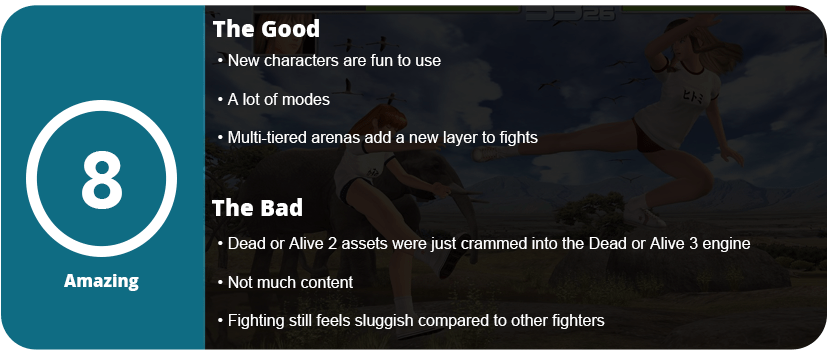
The shining gem in this bundle is actually the remaster of DoA 2, which debuted on the PS2. On the downside, it uses the DoA 3 engine and nearly looks identical to that game, and I’ll explain how and why.
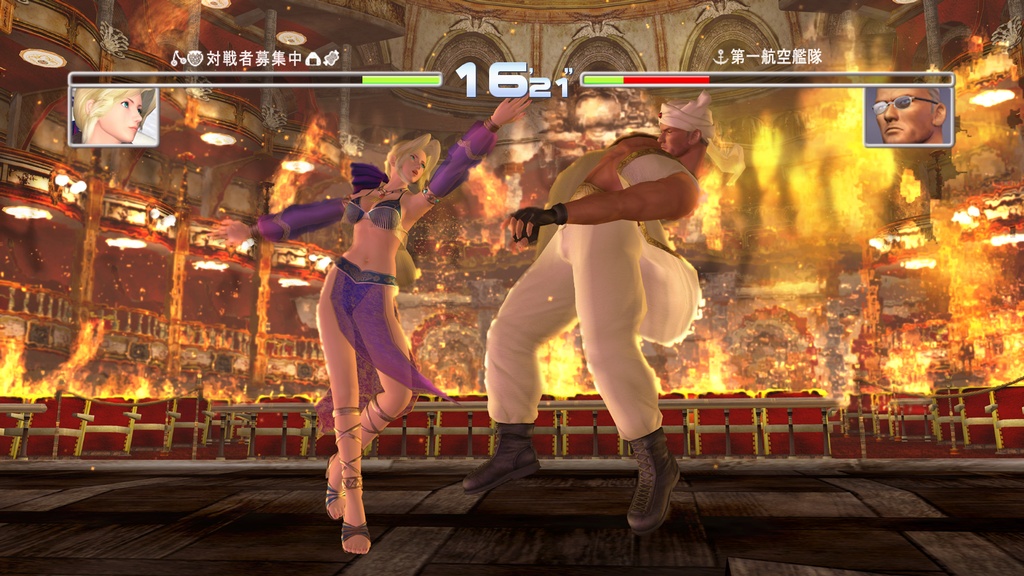
The first thing you will notice is that the menu looks exactly like the DoA 3 menu. Nearly the same modes and even the same graphics engine and character models. That’s not to say this game isn’t worth playing, as, like DoA 1, this is more enjoyable to play than to just try out for educational or nostalgic purposes. If you have already mastered DoA 3, then DoA 2 won’t do much for you outside of educating you on the series’ progression. The fighting system is actually much better and faster than DoA 1. When you jump between the two, it’s like night and day. The fighting system is slightly altered with more moves, animations, and combos. There’re even more characters here, as it almost doubles the roster. What was considered a lot of content back then is standard now, as double match rounds, endless mode, and time attacks just don’t cut it these days.
What I do love is that the arenas took the danger zone idea and added a step by making them multi-tiered way before Mortal Kombat: Deception did it. It’s exciting to knock your opponent off a ledge to get an extra edge over them, and playing chicken with the edges of the arena is a blast. Despite all these great additions, the fighting system just isn’t as refined as in the newer games in the series and still feels a bit sluggish compared to other fighting games.
The visuals look amazing on the Xbox and hold up even today, despite the awful aliasing seen everywhere. I would have preferred a more direct port than taking the assets and shoving them into the DoA 3 engine. Call it what you want, but DoA 2 is a fun game to play and should be in every DoA fan’s collection.
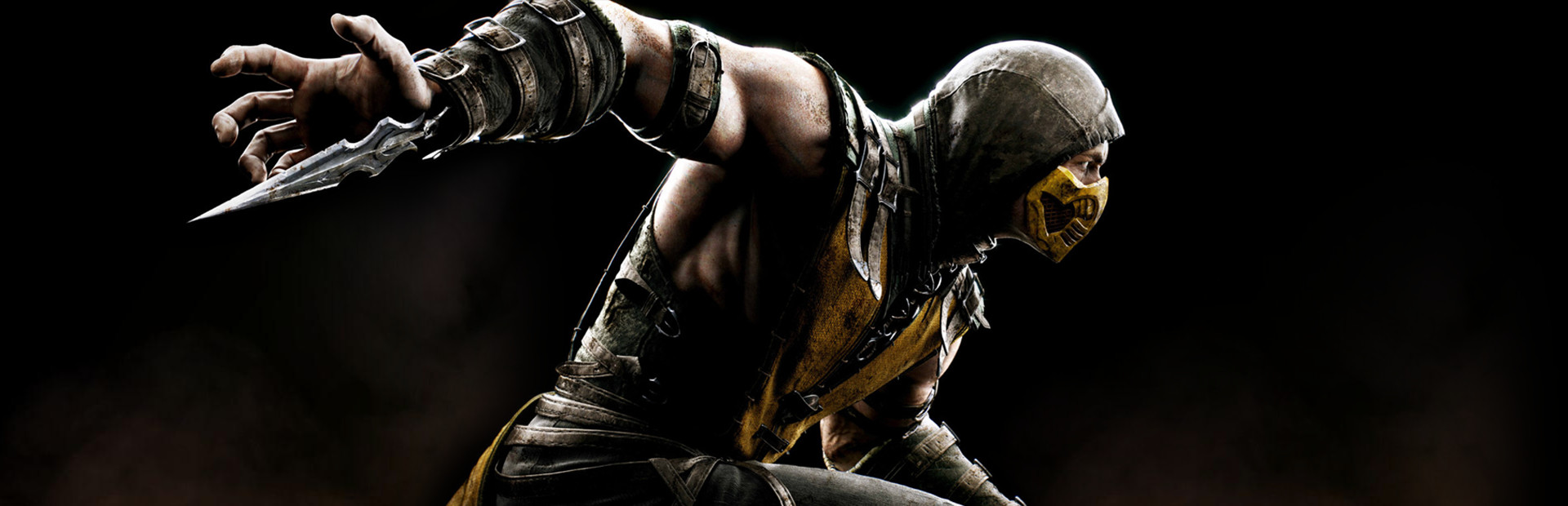
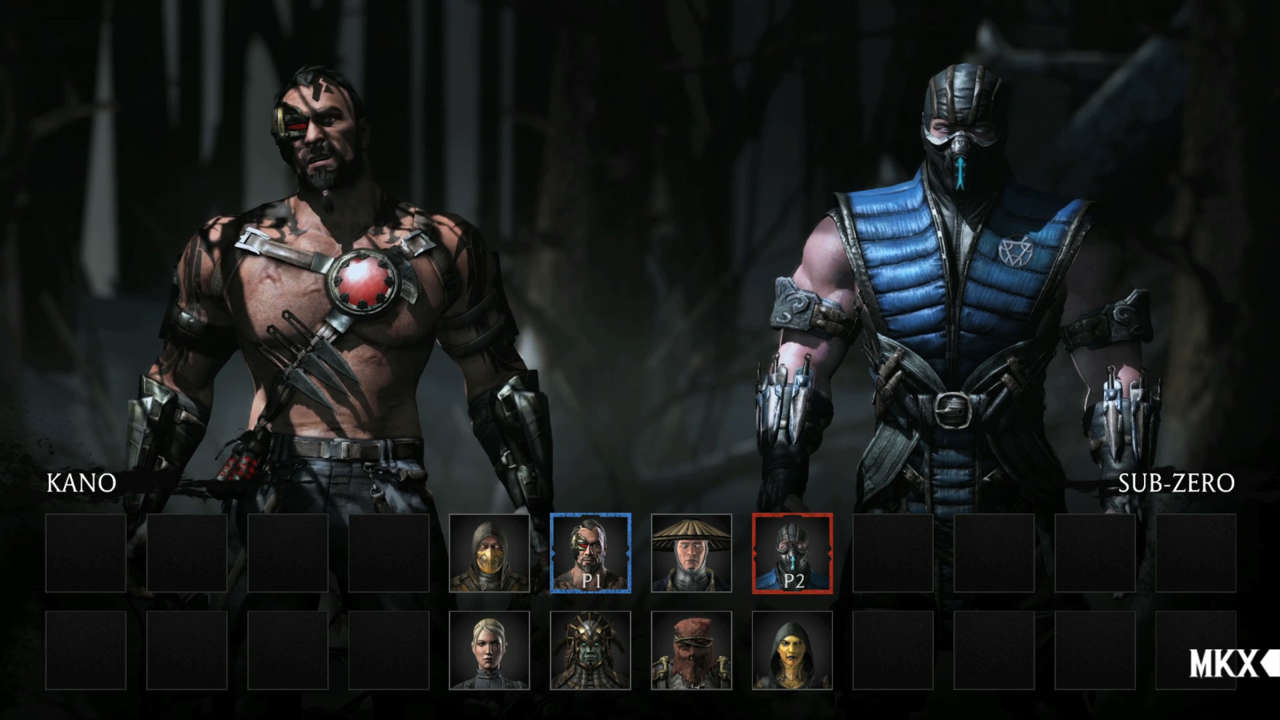
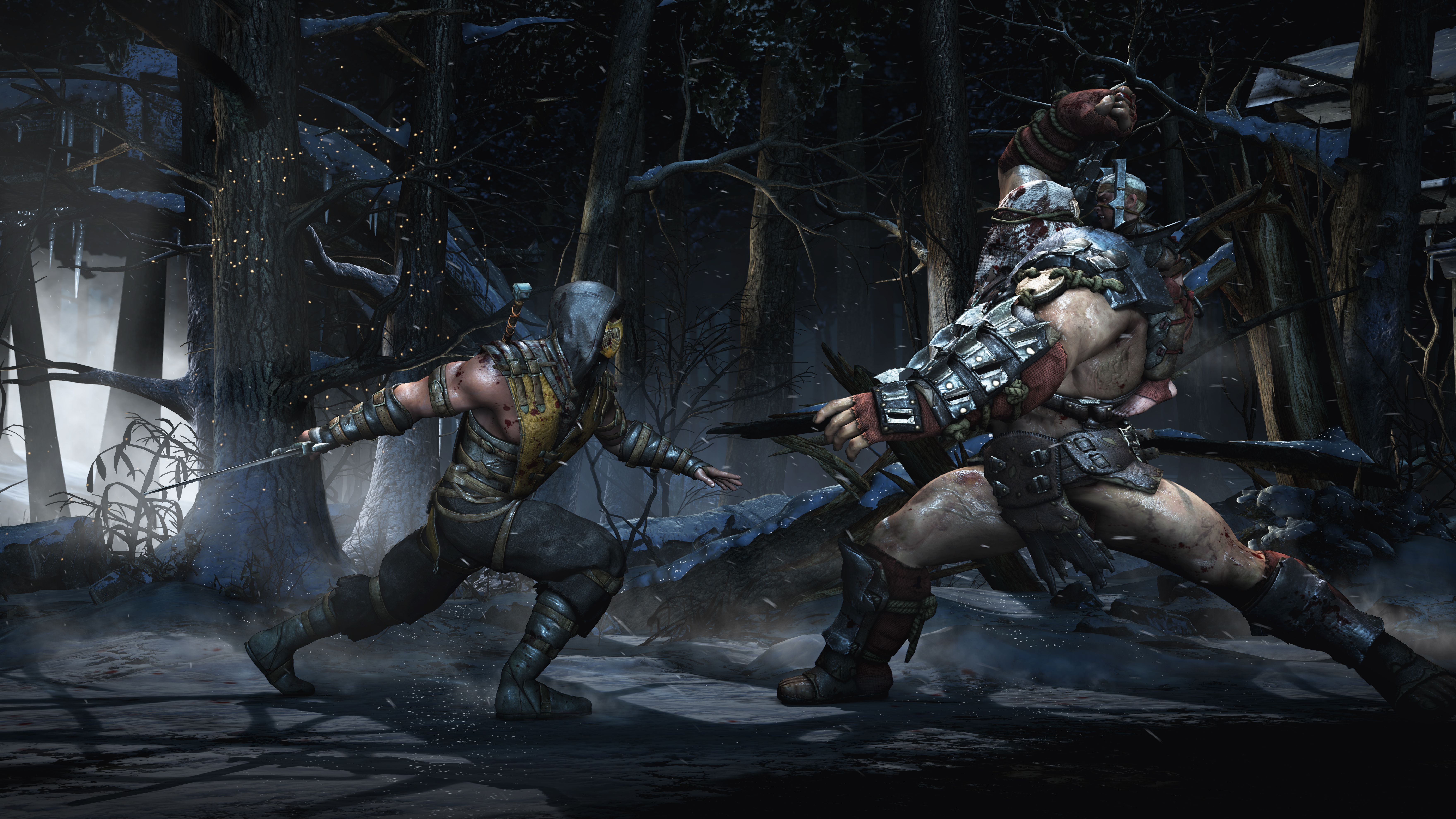
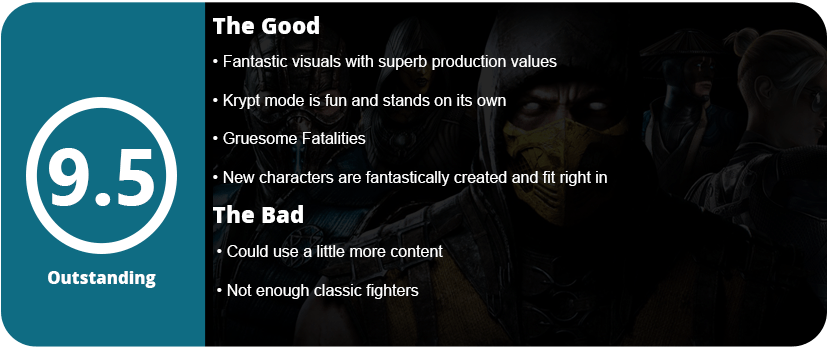
MOOORRTTAALLL KOOOMMBBAATTT!!! Mortal Monday made gaming history when the original arcade game hit the Sega Genesis, Mega Drive, and Super Nintendo in 1992. Fast forward 23 years, and people still get just as excited for every new Mortal Kombat game. MKX is a near reboot of the reboot from 2011 by improving nearly every aspect of the game, including online. This is the first Mortal Kombat game for next-generation consoles and has set the bar for fighting games in terms of production values.
The first thing you will probably play is the story; it’s needed to unlock Shinnok as well as earn a slew of koins for the Krypt. The story is fantastic and the best one in any fighting game to date. The story has finally evolved past MK3 and takes place 25 years after the last game. Naturally, the original fighters have aged and are older (but still kick ass), and new generations or kids of these fighters are introduced. The story is actually shorter and more streamlined than in MK9. Instead of every character being shoehorned into the story, you only play as the good guys and select characters. There are about five matches for each character, and the entire story just evolves naturally. Earthrealm is past Shao Kahn and his BS (as the players are), but Shinnok returns to claim the Komidogu amulet and take over Earthrealm. After about 4 hours or so, you will get the hang of the entire fighting system and start kicking ass.
Once you finish the story, you will most likely go into the krypt to spend your koins. Introduced in Mortal Kombat: Deadly Alliance, the Krypt is a fan service full of goodies and unlocks to prolong the game and make you earn everything. Character art, fatalities, costumes, and fan art are many among the Krypt, but they have evolved. Instead of just a large room, you unlock coffins in a first-person adventure that’s its own mini-game. Players can walk around an entire set of levels, finding hidden objects to unlock new parts of the mini-game and find more koffins. At certain times, koffins will appear (think of the concept from Deception in Konquest mode), and random enemies will attack when a quick-time event pops up. Succeed, and you will be awarded a few hundred koins. This new Krypt idea could stand on its own if it were fleshed out more. It is actually quite atmospheric and can be tense.
After the Krypt, you will most likely check out the Faction Wars. This is a whole new online concept by Netherrealm that extends the tower concept that was enacted in the first game. There are many different tower modes, with the first being living towers. Using the match modifiers that were introduced in MK3 and reimagined in MK9, Living Towers will mix up a random modifier as well as tower goals. Certain matches will award koins for accomplishing certain things during a match, like jumping 25 times or finishing a match with more than 50% health. There are three types of living towers. Daily, hourly, and premier, which are every 5 days. This adds to your Faction War points, which will help you when an invasion starts. At the beginning of the game, you get to choose from five factions. Lin Kuei, Brotherhood of Shadows, White Lotus, Special Forces, and Black Dragon. Faction XP can be awarded during an invasion as well as by fighting an immortal boss. Players have 30 seconds to do as much damage as they can, but the difficulty of the boss is set to Very Hard. Invasion towers are another way as well.
These towers also carry over into single-player Tower Challenges, which is a randomized tower with modifiers and Test Your Might matches. Your final score is set, and you can send that tower to a friend to have them beat your score. It’s a lot of fun and extends the longevity of online play.
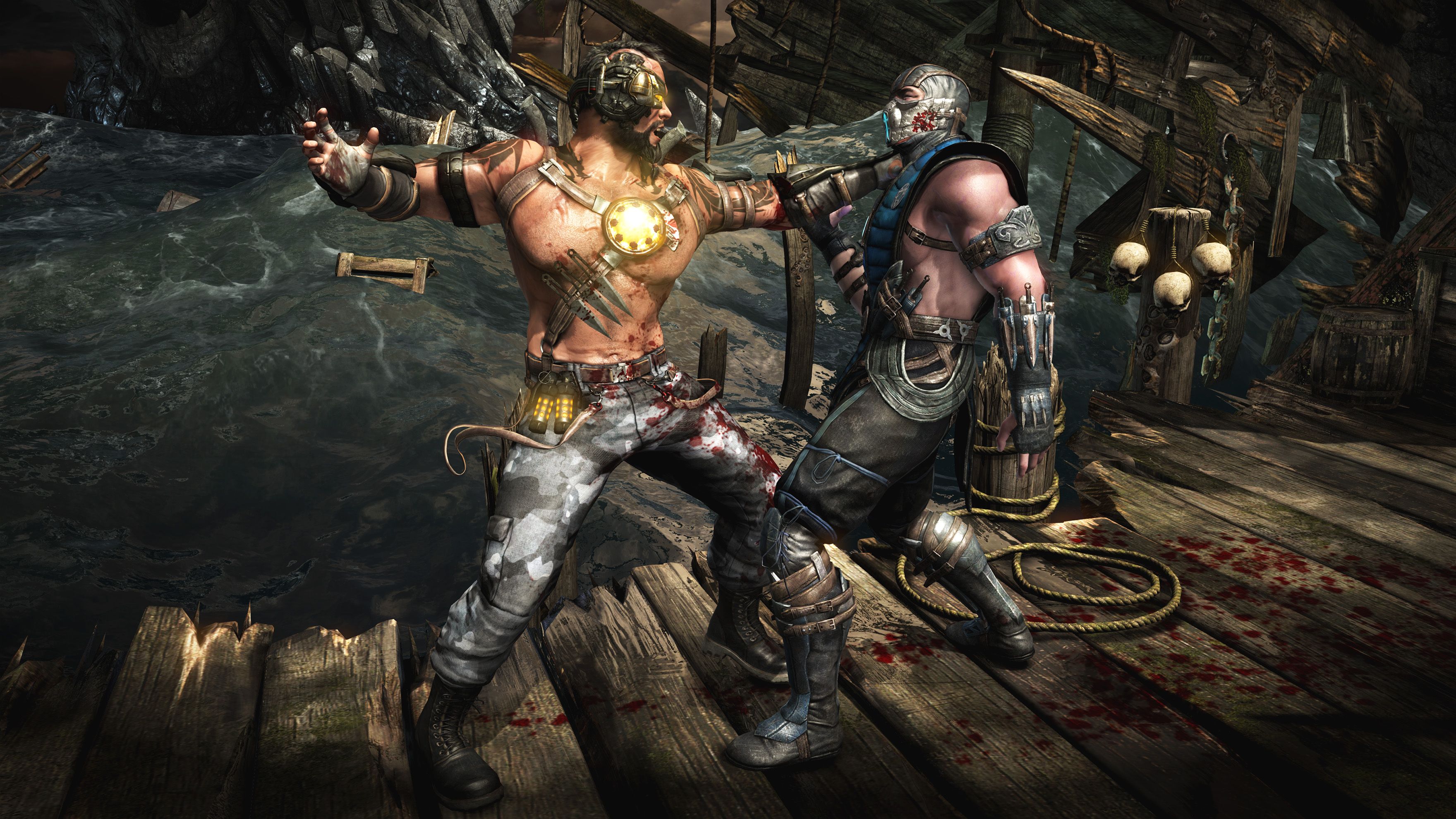
With the modes out of the way, let’s talk about the actual game. The control and responsiveness are so much better than any other MK game. MK9 tried to recreate the feeling of the first three MK games, but it got stale after a while. MKX is a whole new beast with the core familiar mechanics at play. Balancing is also nearly perfected in MKX thanks to combat variants. Each fighter has three different variants they can play as, and this sets their special moves. Instead of some characters having a long list of special moves to spam you with, they are limited this time around and cut down. Every player will have their favorite variant after playing for so long.
Outside of variants, the fighting is a little more cinematic. The camera zooms in on throws, and the new X-ray moves. X-rays are now three hits instead of two, and the models are much more detailed. More bones break, individual organs are modeled, and fibers on the muscles have depth. It looks fantastic, and this is by far the most brutal MK game to date. The fatalities are the best in any game and are just awesome. New tech allows for facial animations with twitching eyes, lips, and overall detailed gore. Organs are split in half, and they actually look like their organs, unlike previous games with generic gibs. Brutalities made a return, but they are no longer the complicated button presses like MK3. Certain requirements must be met in a match, such as having 50% health remaining, connecting a number of certain moves in a match, and hitting the right button combo during the final hit of the last round. Brutalities are now variations of special moves but have a twisted, deadly ending that throws opponents off guard and is extremely satisfying to pull off and watch.
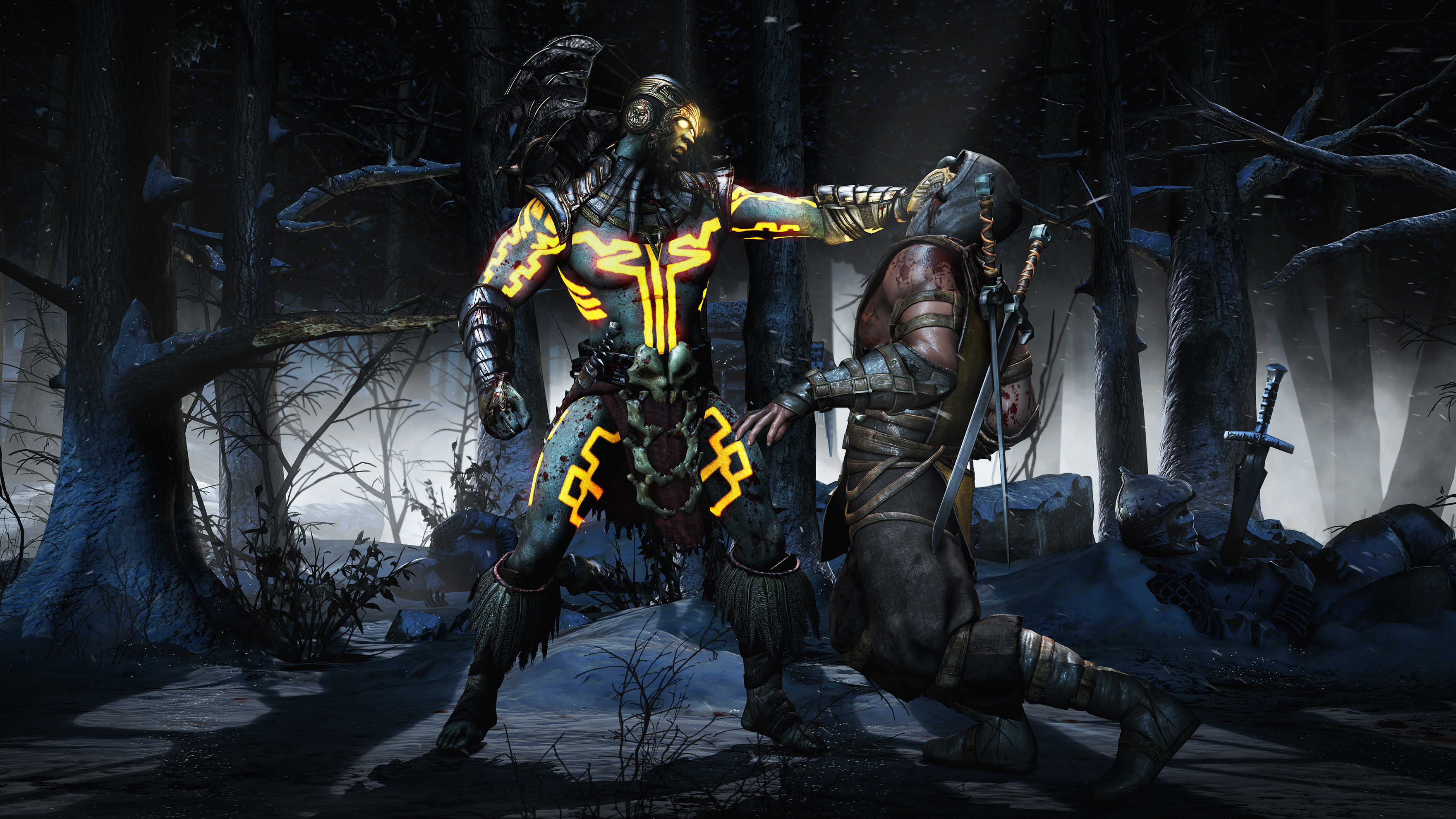
The new characters are actually the best new fighters in the series. All are fun to play, and all are distinctive, unlike previous entries where new characters felt like cheap rip-offs. Among them, Cassie Cage, Jacqui Briggs, Ferra/Tor, D’Vorah, and Erron Black are my favorites. Kung Jin and Takeda aren’t exactly the unique characters they succeed, which are Kenshi and Kung Lao. They both look and feel nearly identical, despite having different weapons. Takeda is actually more similar to Scorpion than Kenshi, as he uses dual whips and Kung Jin has a bow and staff. Unique weapons, but their characters aren’t fleshed out much in the story mode.
With that said, MKX is an evolution of the series that it so desperately needs. The longevity that’s smart and isn’t bloated content, more online features, and the variants are hopefully here to stay. This is one of the best fighting games of the decade.
Kollector’s Edition: For $90 more, you can receive a special box, a Scorpion statue, the Kombat Pass, and a Scorpion skin. The statue is made by a sculptor named Coarse, and the skin is of the statue. It’s beautifully made and well worth it for collectors. It also comes with a certificate of authenticity.















































 thebinarymessiah.com
Try multiplayer. A lot of fun !