While there haven’t been really any heavy-hitting fighting games like Mortal Kombat or Street Fighter (a new Street Fighter anyway) there were a lot of great lesser-known fighters this year.
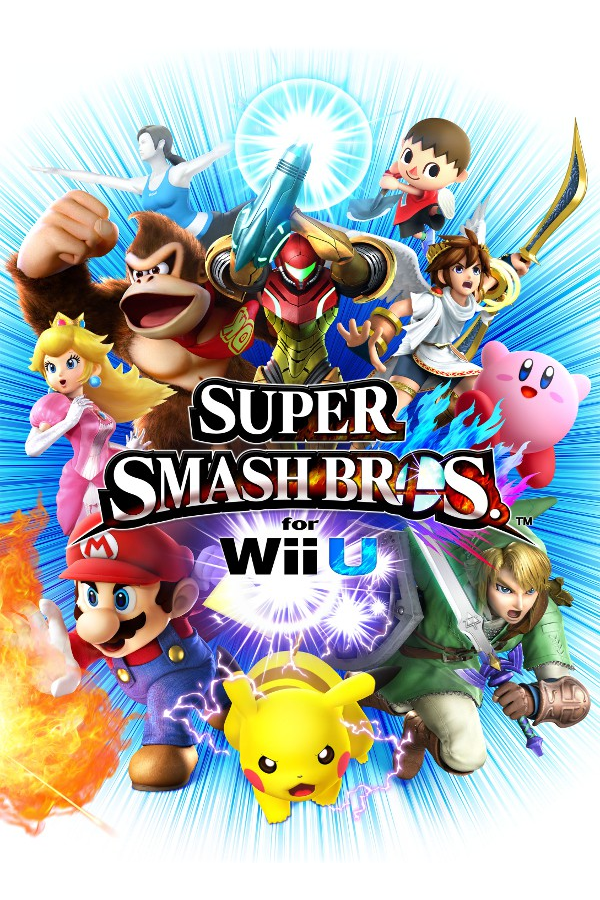
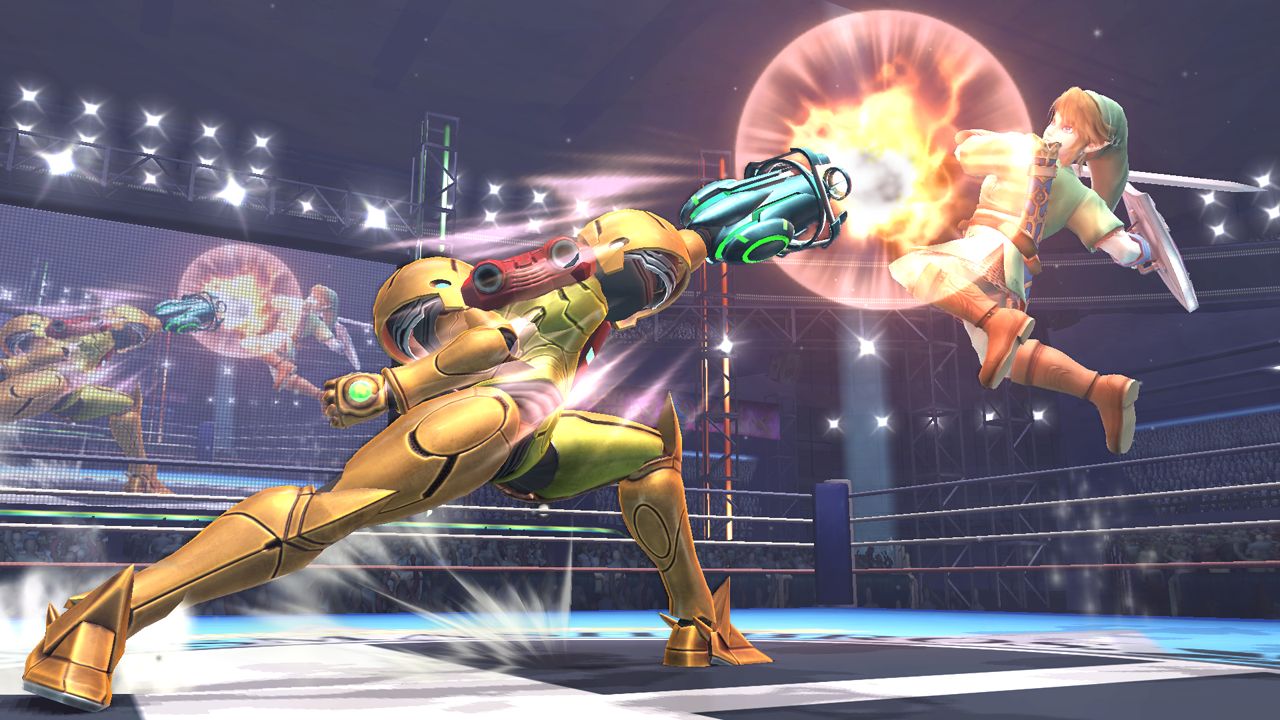
Super Smash Bros. For Wii U
It shouldn’t surprise anyone that SSB won this year. While the other fighters are great they are more of what we have seen from those franchises already. SSB continues to improve on the already loved formula with more characters and tons of recognizable content that re-ignites memories from our childhood and past and nothing can top that feeling.
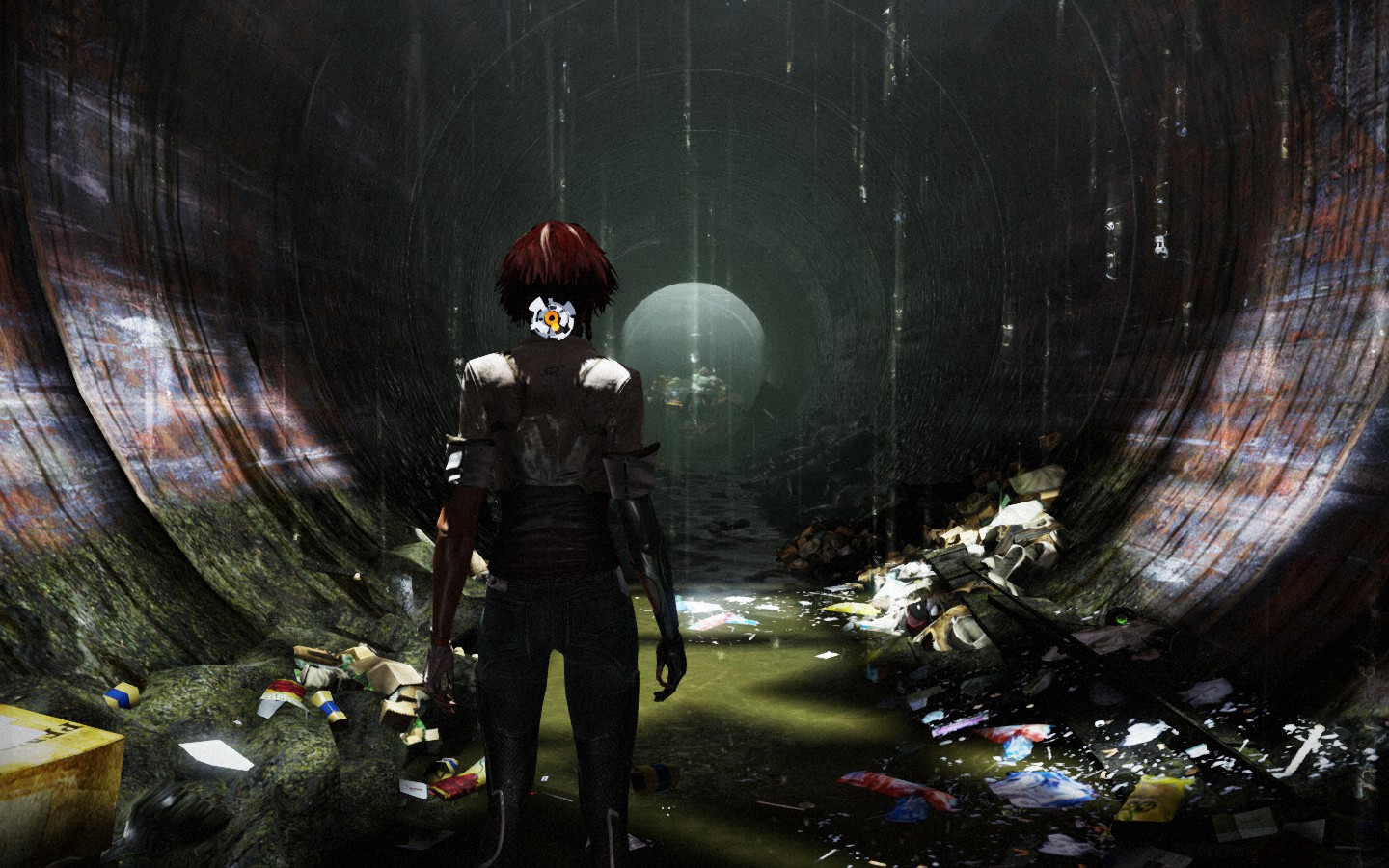
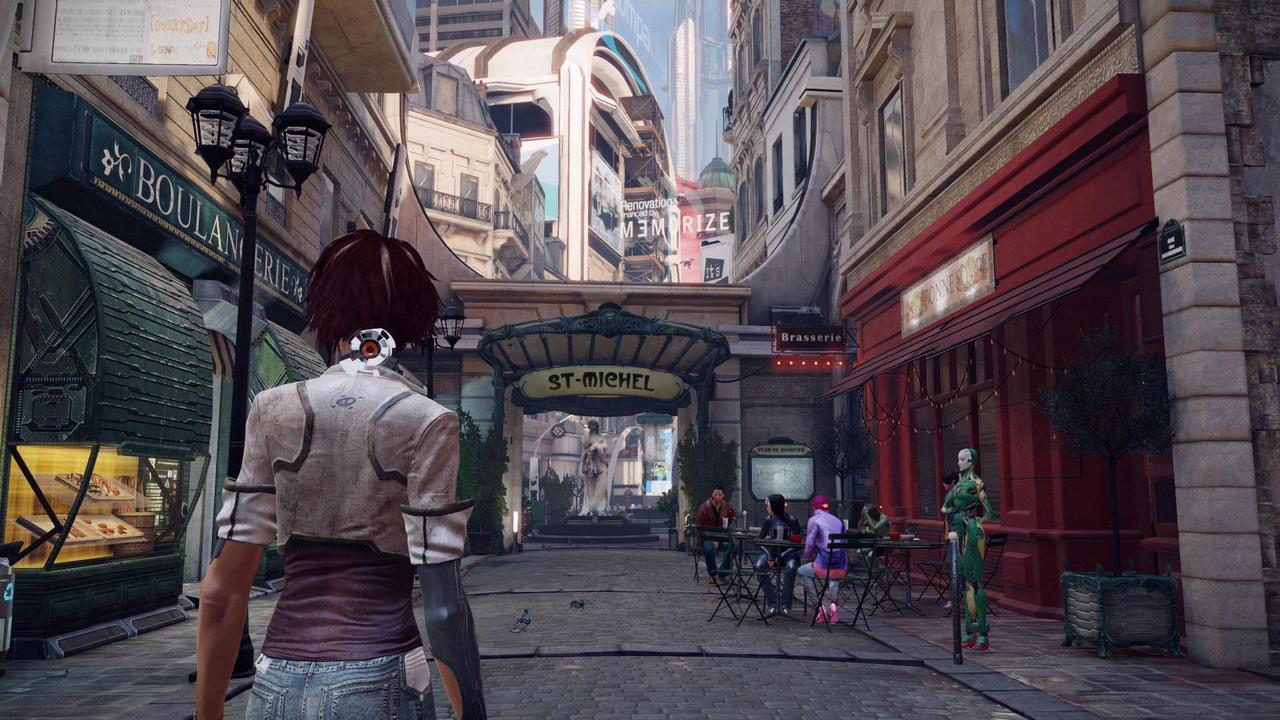
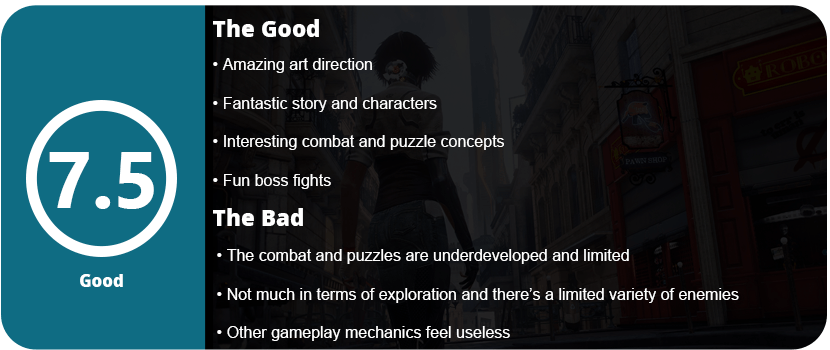
Remember Me is a brand new IP from Capcom. I always welcome new IPs because you never know when you’re going to get the next Assassin’s Creed. Once I started to remember me, I instantly fell in love with it. The art style is fantastic, the story is engaging, and the characters are memorable. This will be a game I talk about for years to come—at least the story anyway.
You are Nilin, a memory hunter fighting against M3morize. M3morize is a corporation that invented technology to let you forget any memory you want and gain memories. As you can tell, this leads to civil war because everyone eventually becomes Leapers, who are completely corrupted and bereft of memories. It turns out that there is some sort of new world order to wipe out everyone’s memories and make them all mindless soldiers. That’s the gist of it, and if I say any more, I will give too much away. The story is fascinating and really plays well with the art style and atmosphere.
The problem with new IPs is that the developers concentrate on just one aspect of the game, and the rest gets left behind. This is apparent in Assassin’s Creed 1 after playing AC3. You can see the difference. Remember Me has an amazing story and characters, but the gameplay is just lacking; it just feels useless and unnecessary. The tools you have to play don’t really mean anything in this game, but that doesn’t mean it’s bad. The first thing is the combat system. While it’s unique, it is very limited and actually holds the player back. Nilin has four different combos she can do over the course of the game. You fill these combos with two different attack buttons called presses. These presses can increase your health, decrease S-Pressen cooldown timers, give you more powerful attacks, and cause a chain reaction. This seems really interesting—gaining health during combat? It’s more frustrating and limited than you think. With just four combo chains, you have to memorize all four of them and also remember what presses are in each one. I had one as a focused cool-down combo, then one for health, and the third was for power. The further in the combo the pressen, the bigger the effect. With just four combos, combat gets really repetitive and super boring; it just never picks up.
Once you unlock S-Pressens, things get a tad bit interesting, but only during boss fights. These are powers that can let you attack really fast, stun everyone, place a bomb, and even turn invisible and get a one-hit-kill on an enemy. You can use two different ones on robot enemies that will attack you. These S-Pressens are key to winning tougher battles later in the game. That’s all there is to combat, and it is so limiting and repetitive. I actually only kept going because of the story.
Another part of the game that is never fully developed are the puzzles. There are only four in the entire game. These allow you to remix people’s memories to make them think something happened in a different way. You watch a cutscene and then rewind it, looking for glitches that can change the scene. You have to set off the right glitches to change the memory. The problem is that there are no multiple outcomes. You just keep retrying until you get it right; there’s no fun in that. If I mess with someone’s memory, let me decide how it goes. I also wish there were more of them. There are also memory puzzles that you interact with in the world. They are usually really easy, and the answer is given to you after just a minute. I hate how these things were so underdeveloped; they are great concepts. There are a couple of move-the-stuff puzzles using your arm’s special powers, but I felt these were useless. You unlock a gun-type thing that can blast enemies and move things. Why do I need to unlock this throughout the game? Honestly, the moving and blasting open doors just felt like pointless filler.
Lastly, the exploration is very linear. The controls respond well, but the best part is just viewing everything. You get taken from the slums to the richest areas of the city. The journey is fascinating and breathtaking. Remember Me feels like a mix of Mirror’s Edge, Steven Spielberg’s A.I., and Blade Runner. I ate it up, and the characters are very memorable. I just wish it had better gameplay to complement it.
After you finish the game, you will be talking about the amazing story for a while. While none of these mechanics are bad, they are just underdeveloped and feel like they need more work. The combat is interesting but very limited and repetitive; the same five enemies repeat often; and the puzzles are underdeveloped. I hope Remember Me comes back because I love Nilin and her journey through this breathtaking world, which just gives us better tools to explore it.
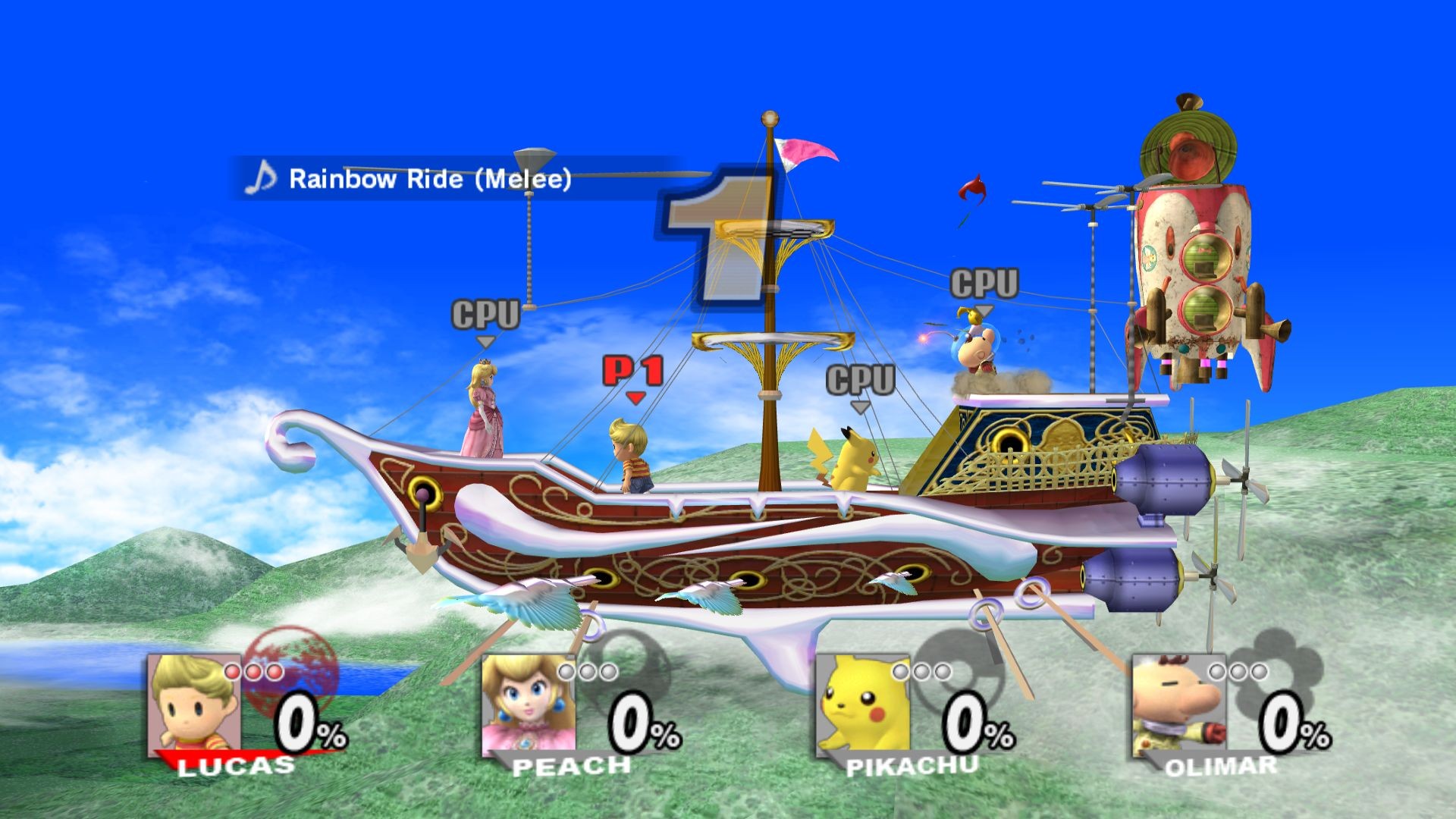
This is the fighting game all Nintendo fanboys live and die by. There’s nothing wrong with that. Brawl is one of the most competitive fighters I have ever played. There’s a huge, lovable roster, tons of stages, and a lot of power-ups to turn the tide of the battle. With the addition of online play, this is any Wii owner’s dream come true.
Once you select your character, a choice of many, you can select the color and also various stages from Melee and different Nintendo franchises. You can choose which power-ups to disable as well, but I just couldn’t get the huge roster. Link, Peach, Mario, Luigi, Bowser, Kirby, Fox McCloud, Ganondorf, Sonic, Solid Snake, Samus Aran, Ness, Jigglypuff, Wolf, Captain Falcon, and a ton of others. This is a huge roster, and nearly every character is recognizable. Once you get into the battle, that’s where the fun begins.
The brawl was confusing at first. It doesn’t play out like normal fighting. There’s no health meter; instead, there’s a percentage meter, and your job is to keep yours down and get your opponent’s up. You can reduce yours by eating food that falls, but the ultimate goal is to get the most KOs in one round. The controls are fairly simple, but they take getting used to on the Wiimote. The best way to play is with a nunchuk. Using the C stick to move around, A and B are your main attacks. B is your projectile or special, and A is your normal attack. You vary the attacks but use different directions combined with these attacks. C allows you to jump, and Z is your shield. This may seem way too simple compared to standard fighters, but it’s kind of a breath of fresh air. The attacks look awesome, and the fighting is fast-paced.
Various power-ups fall on the battlefield, like melee weapons, projectiles, and the one super finisher, which is always fun. Hit this orb three times, and you can unleash a deadly power attack. Just stand still and hit B. Some characters need to be close, some far away, and some hit the entire area and can’t be avoided. These tend to be deal-breakers for hardcore players, but they can be turned off. Honestly, the worst part about the game was how many bad stages there were. The ones where the levels constantly move up and down or to the right make the game feel more like a platformer than a fighter. I hated these moving stages. It distracted me from the core of the game. Some areas were just way too small, and there was no room to move around. There is a large enough variety, though, so everyone will have favorites.
Some characters are also unbalanced and overpowered, while others are underpowered. I felt Kirby, Samus, and Ness were overpowered. On the flip side, Zelda was underpowered and felt boring to fight with; the same goes with Wario. This may vary between players, but me and my partner both felt the same way. There is such a large variety that everyone will find their main character to fight with. I also found there was a lack of modes, with just battle and online. The game is complete garbage with the AI; this game is only fun with another person.
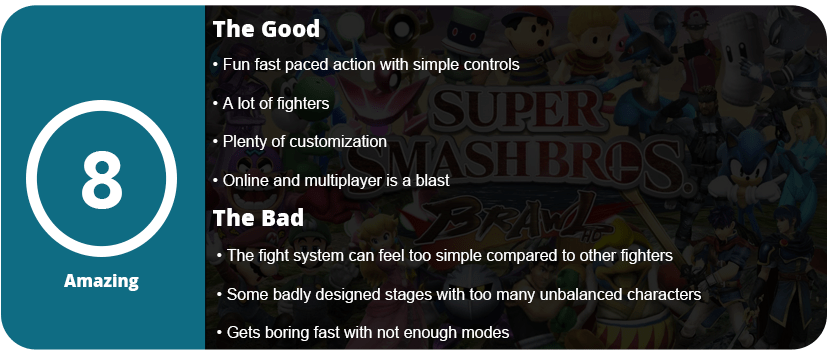
Overall, Brawl is a solid fighter that’s fast-paced and breaks away from the normal fighting formula. There are too many bad stages and overpowered or underpowered characters, and the game gets boring really quick due to the simple fighting system. The many power-ups will keep you busy, and there are a lot of customization options, but in the end, the game has limited appeal unless you are a hardcore Smash Bros. fan.
Marvel vs. Capcom is considered the official fighting game among Marvel fans. What about DC comics? There really hasn’t been a full-on fighting game except for the lukewarm Mortal Kombat vs. DC Universe. It felt a bit stiff; Mortal Kombat fans felt the violence was too watered down, and it just lacked some polish. The MK team has come back, minus Mortal Kombat, and created a very solid, full-on DC fighting game.
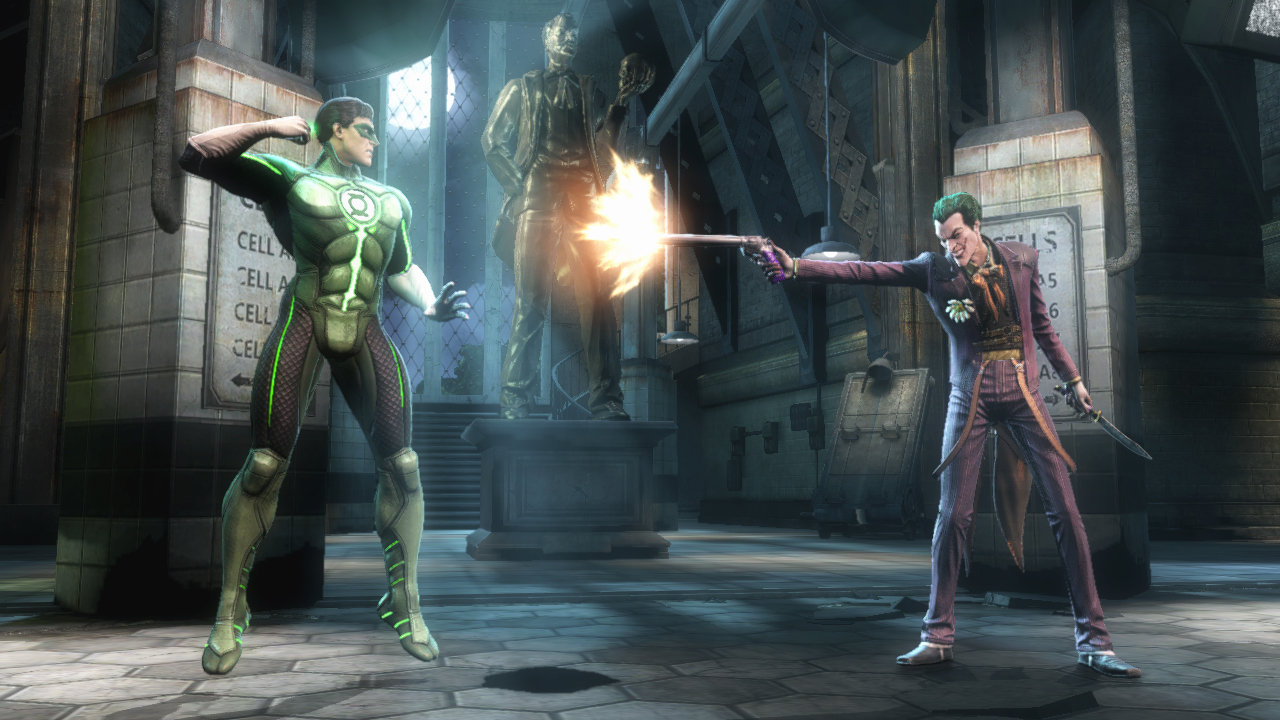
If you have played 2011’s Mortal Kombat reboot, you will be very familiar with this game. The 2D fighting plane remains with interactive environments, special moves, and various other things. The game plays a lot like Mortal Kombat, with several special moves and small combos at your disposal. You must combine all these to create larger combos; it’s tough and really takes some practice. Some characters are harder to play than others, but they are all fun to play in their own way. The interactive environments are very neat, and I hope more fighting games pick up on them. You can press R near different objects, and some are on offense while others are on defense. In Batman’s Bat Cave, you can press a giant red button to ignite the batmobile’s thrusters and burn your opponent. Some items can be picked up and thrown. Some levels have items at the very edges to help you escape and keep you from getting cornered.
The fighting engine is solid and responsive. Each character looks great and has an awesome arsenal of moves that are faithful to their comic origins. Each character has a special power-up they have that is executed with A. No longer are there four attack buttons, but three. Wonder Woman can use her power-up to switch between her sword and whip. Batman can shoot three batarangs, while some characters have defensive and passive power-ups. These have to recharge, of course, so they can’t be spammed. They are helpful and can give you a slight edge over your opponent. The power meter returns, like in Mortal Kombat, but is used for different things. Instead of the gory X-ray moves, you can unleash super-special attacks that look awesome. Some are a little less awesome than others, but they all take advantage of the power that each character wields. You can also use the Clash system, which allows you to wager part of your special meter once per battle for extra health. These are all tactical additions that can give you an edge and turn the tide of the battle, which a lot of fighting games don’t have.
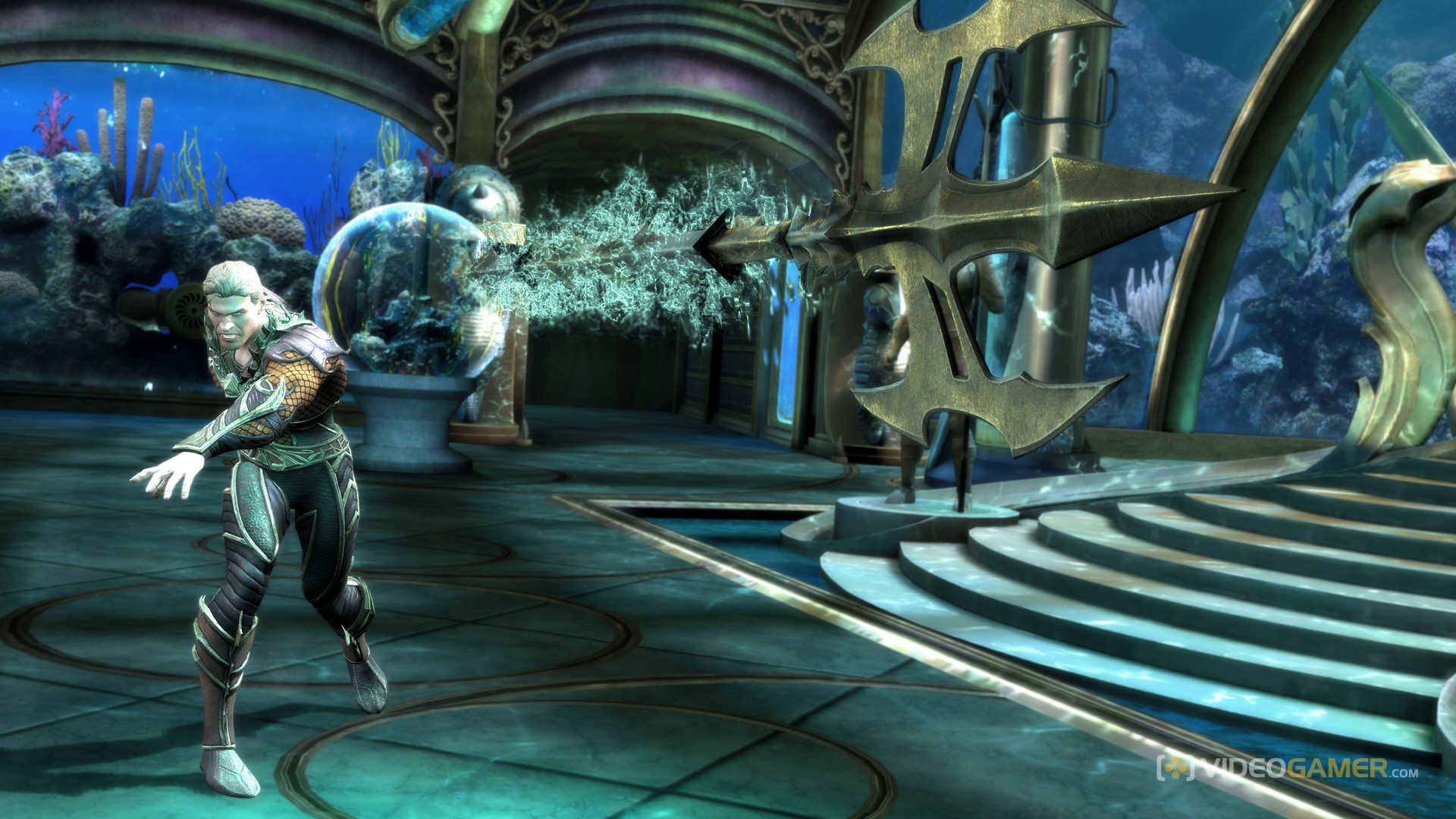
The fighting system takes a little while to get used to because it’s unlike anything else out there. It breaks the mold of traditional fighting games, which the genre desperately needs. Injustice has some of the best over-the-top action seen in a fighting game, thanks to the source material. Blood and gore are exchanged for comic book action, which you can’t get anywhere else. I also like how NetherRealm made Aquaman cool again. He looks awesome, and he’s one of my favorite fighters. He feels a lot like Jade from Mortal Kombat, where he whips his trident around a lot and is quick and jabby. I just wish they didn’t use so many obscure comic characters like Sinestro, Grundy, Black Adam, Raven, and various others. I also wish the roster was a bit bigger. At least it makes up for it in content elsewhere.
The first thing you will dive into is the story. Unlike Mortal Kombat, you won’t fight like every character in the game. I was also highly disappointed in the story because it’s just a pointless mess. Superman is tricked by the Joker to kill Lois Lane, and this causes some sort of rift, and everyone crosses dimensions. Superman, on the other hand, wants to take over the world and suppress everyone, so everyone is fighting their doppelgangers, which is kind of uninteresting. The plot is just a bunch of DC characters beating each other up, and it doesn’t really come to a head. I was glad that the story was as short as it was and was just over. It seems the story was kind of slapped together and wasn’t given much thought; DC fans will be highly disappointed in it.
After you finish that, you can go online or partake in the 240 S.T.A.R. Lab missions that are similar to the Challenge Tower in Mortal Kombat. Go to the Archives to unlock alternate costumes (not enough!), battle mutators, and concept art. This is similar to the Krypt in Mortal Kombat but doesn’t quite offer enough.
Overall, Injustice is a very solid fighter that tries to break the mold but offers a weak story mode, and the game just feels like it’s missing something. Is it because it feels so close to Mortal Kombat that everyone is expecting fatalities or something similar? Is it that the roster isn’t big enough? Too many lesser-known characters? I can’t really say, but I can’t quite place my finger on it either. What’s here is great, not to mention that the Wii U gamepad can be used to play the game off the TV or used as a display for special moves. The game does look good, with the Wii U getting higher resolution textures and some nicer lighting effects than the PS3 and 360 versions. The Wii U version is definitely the best of the three. With that said, there are dozens of hours of content here, and you will be playing for months.
What makes a great fighter are memorable characters, but most importantly is a solid fight system. Something that isn’t complicated, but hardcore players can memorize the combos. Great graphics usually help, but there must be fun multiplayer and a lot of different modes to keep you coming back. This year had some okay fighters, but none of them were outstanding.
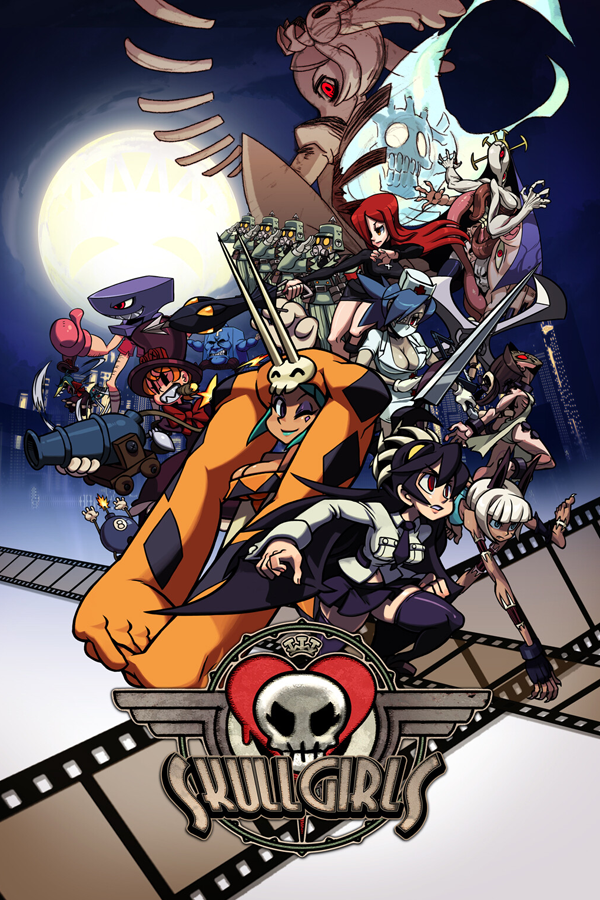
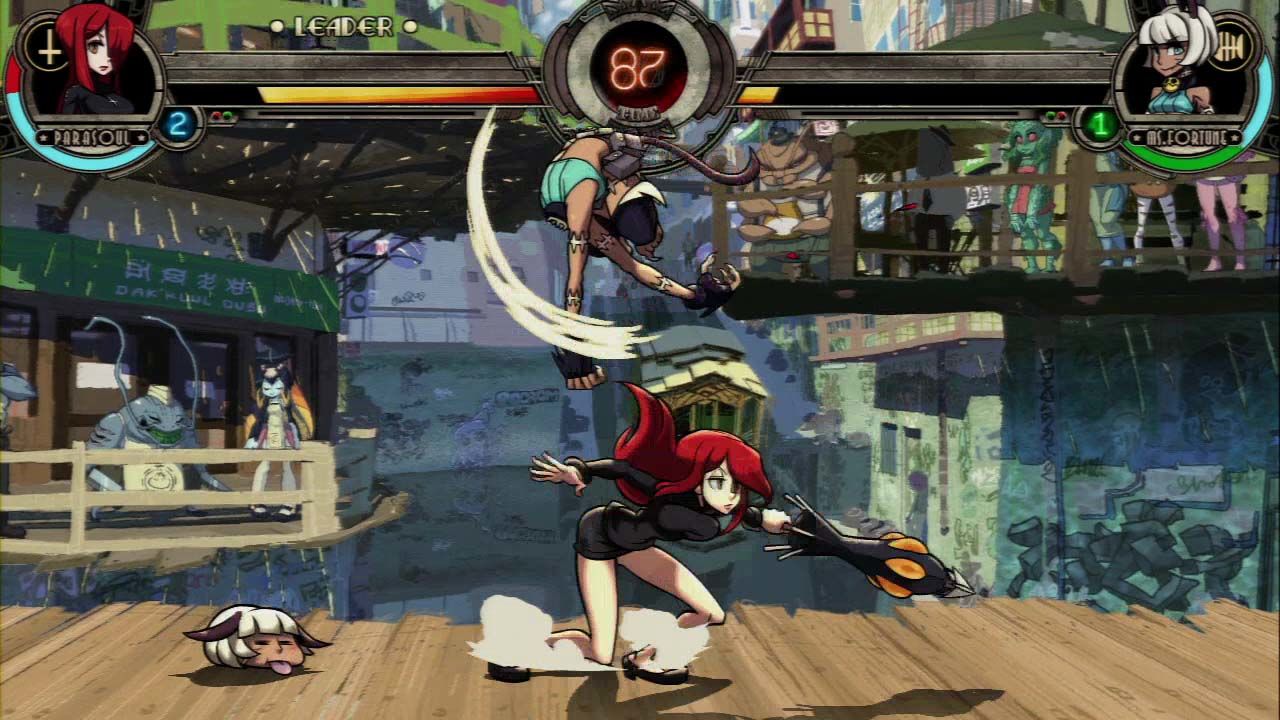
Skullgirls
Skullgirls wins because it is new and has a great roster as well as a fun fighting system. The game also has a great tutorial that helps and teaches you properly unlike most fighting games. The online play is super fun, and the is helps that the characters you fight with have great personalities and are memorable. Fun new fighters are very rare, so that is mainly why this one wins.
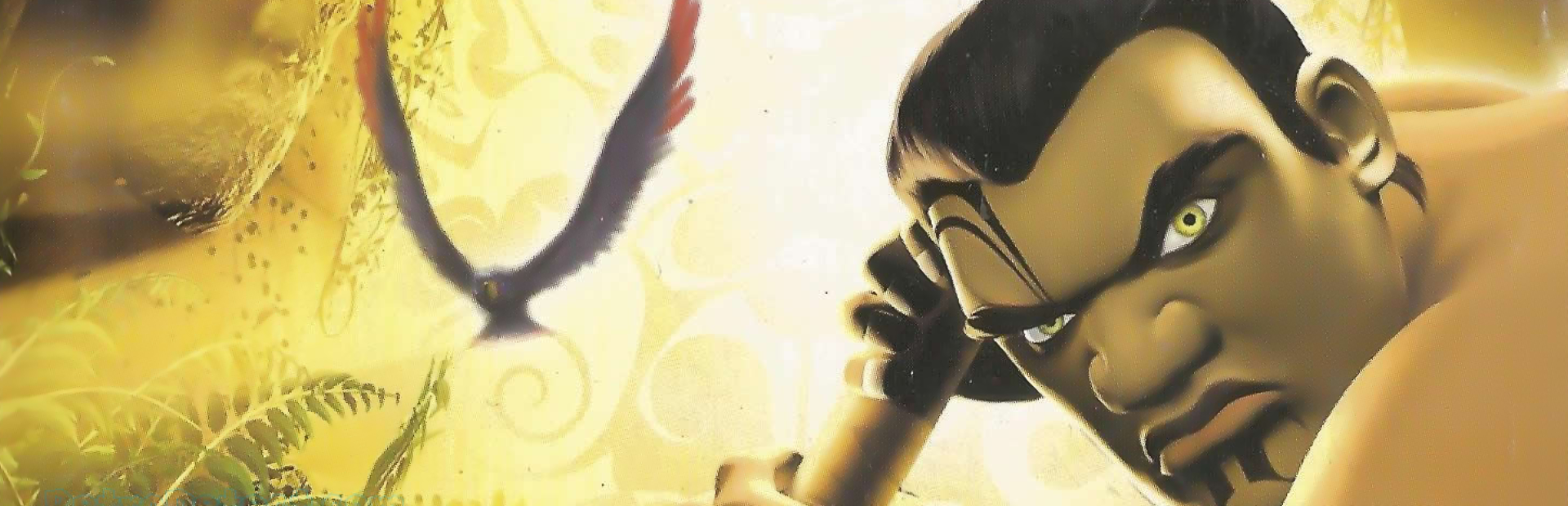
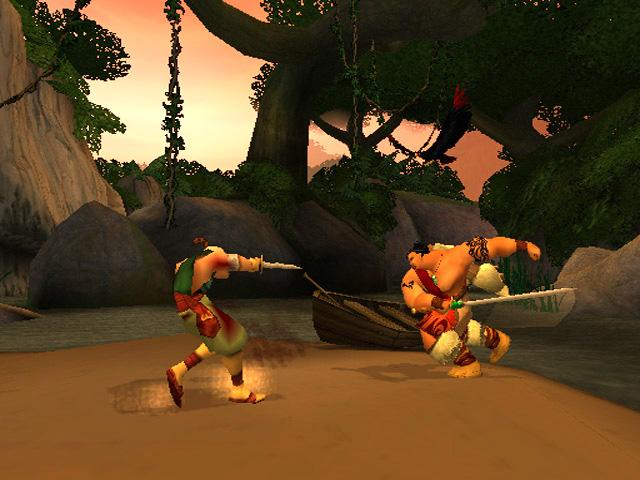
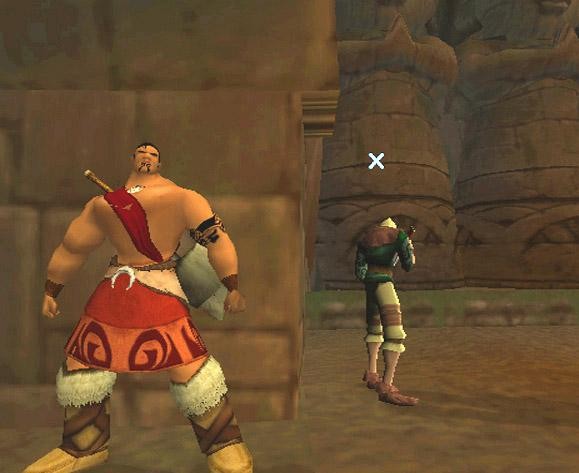
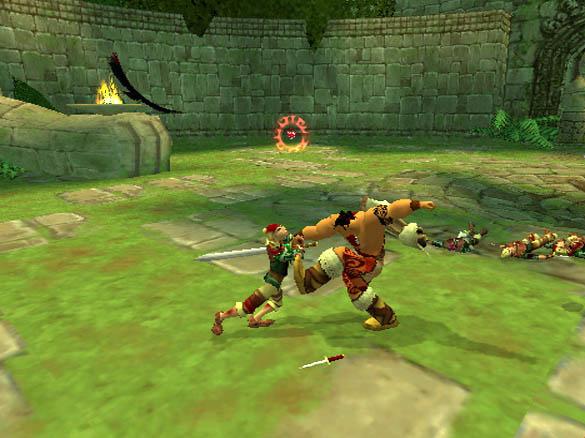
The Mark of Kri is a curse passed down from generation to generation, and each firstborn child bears the mark on their skin. There are six at all times, but some crazy guy wants to kill off the curse or something like that. The story isn’t explained very well and is not very interesting. The Mark of Kri’s strong points are its stealth, but it has sluggish combat and camera issues galore. It may have been pretty good ten years ago, but not today.
The game is very linear, with usually only one pathway to follow. You have a bird that is your companion that you can send off to certain points to scout ahead for you. This is mandatory; otherwise, you will be fighting off tons of guys all the time and dying. Once you use Kuzu to scout ahead, you can plan an attack. Use stealth by sneaking up, buckling against walls, or dropping down on enemies. You use the right analog stick to sweep a beam around that assigns a face button to an enemy; that’s their attack button. You can stealth kill two enemies by starting the attack on one and then pressing the buttons shown above the second enemy. Sometimes you need to distract guards by shooting bells with your arrow, scaring animals, and other things. This is pretty fun, and finding the right path through enemies can be fun. It is the actual combat that is sluggish and troublesome.
The right analog stick should have been used for camera control in this game because it gets lost all the time. It never focuses on enemies like it should, and it takes forever to sweep around. The combat is okay when there are just a few enemies, but later on, in the game, 15+ enemies will surround you. You get better weapons like the axe that can lock on up to nine enemies, but this whole lock-on business just doesn’t work. I would rather control the camera and have a more fluid combat system that way. The reason why I died so much was that Rau would stop and rub his head, trip constantly, bang his weapon off of stone walls, and get it stuck in wood, and this was frustrating. In the meantime, you are being hit and dying while all the unnecessary animations are playing out. Once you get surrounded or trapped, you’re dead. Backing out is impossible because once you unblock, you get bombarded by attacks.
If that isn’t enough, the save system is annoying. There are no save points, just save scrolls. You have to find these, and they don’t carry over to the next level. The same goes for max health upgrades. You will end up using your save scrolls or squandering them because you want to save a hard part. Another issue was using the bow. Aiming at enemies takes forever because you have to wander around the enemy until you get a lock on, and if the enemy is too high up, you have to fiddle with it until you hit the enemy. Not fun.
The graphics are just average, even for back then. The game is only 6 levels long and can be beaten in about 4–5 hours. The story is underdeveloped due to its short length, and you won’t care about any of the characters. The combat has sluggish controls, and the whole sweeping lock-on system is a terrible idea and doesn’t work right. The camera has a lot of issues, and the list goes on. For just a couple of dollars, this is a decent stealth game, but be wary of all the problems.
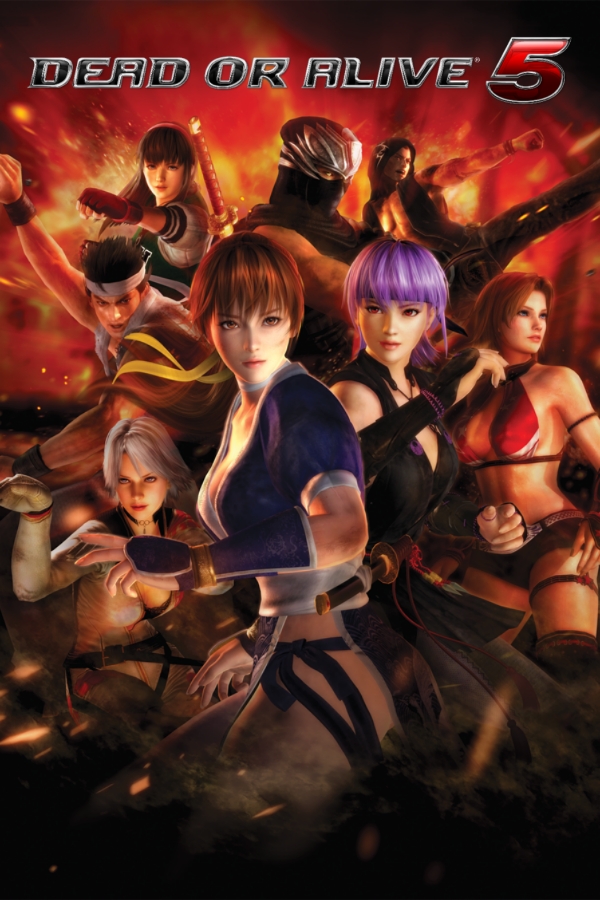
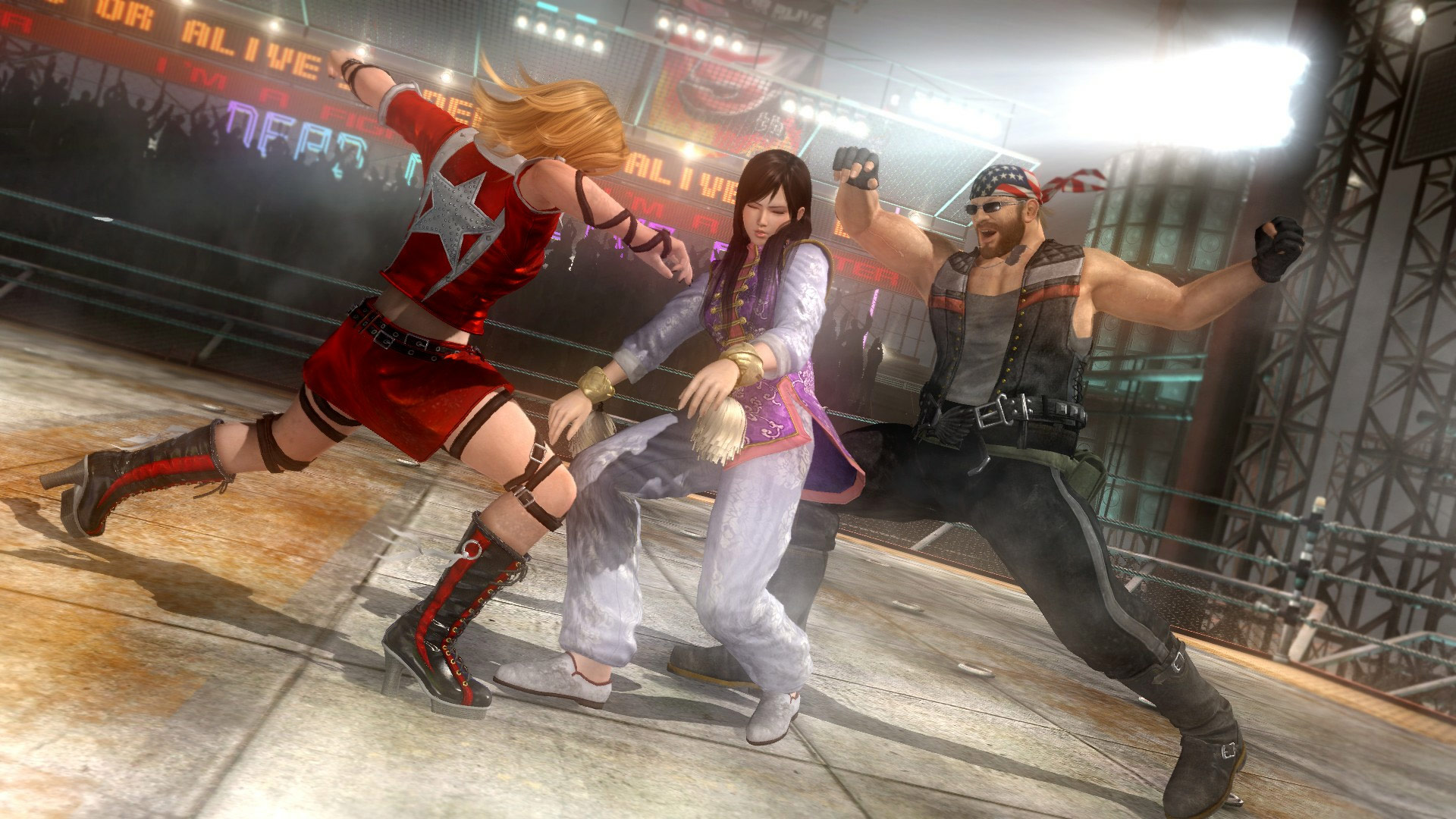
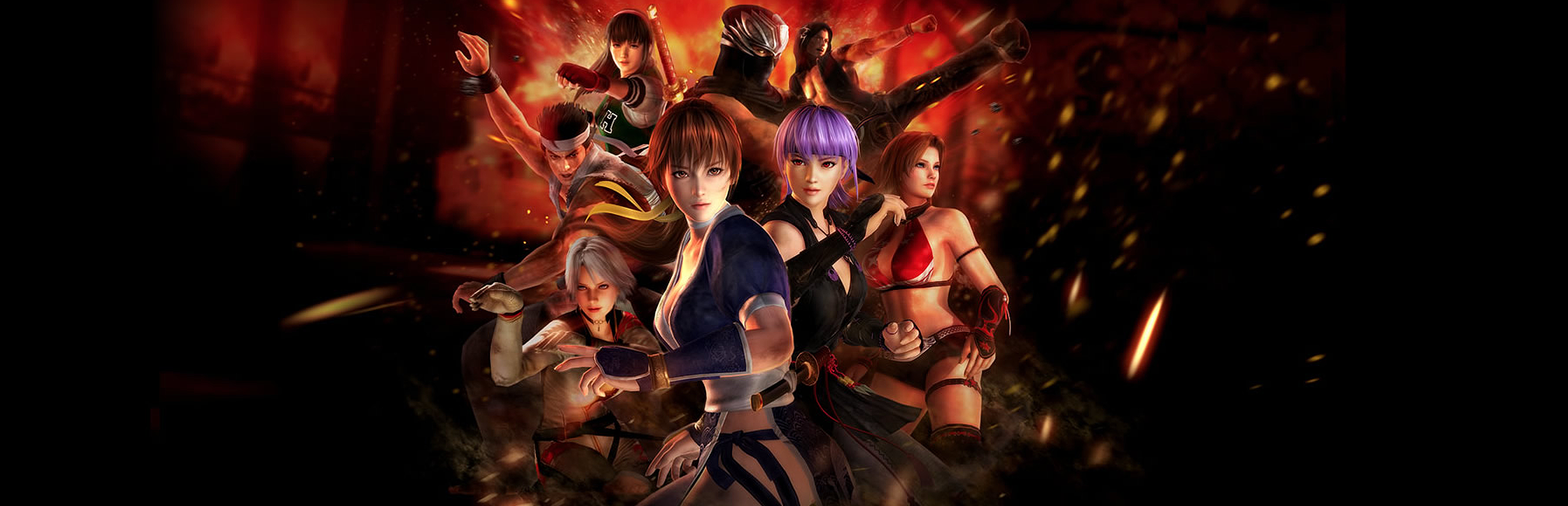
Dead or Alive is one of the longest-running fighting games, dating back to the PS1 era. It is also one of the fighting games that probably adds the least amount of features or changes through each sequel. DoA 5 doesn’t really add much, so fans of DoA 4 will be a little disappointed here. The fighting system is nearly unchanged, and all you will notice from the beginning is a new story and a graphical upgrade. The game looks pretty good, and there’s a long 65-mission story, but is it worth the $60 purchase if you are just happy with DoA Dimensions or DoA 4?
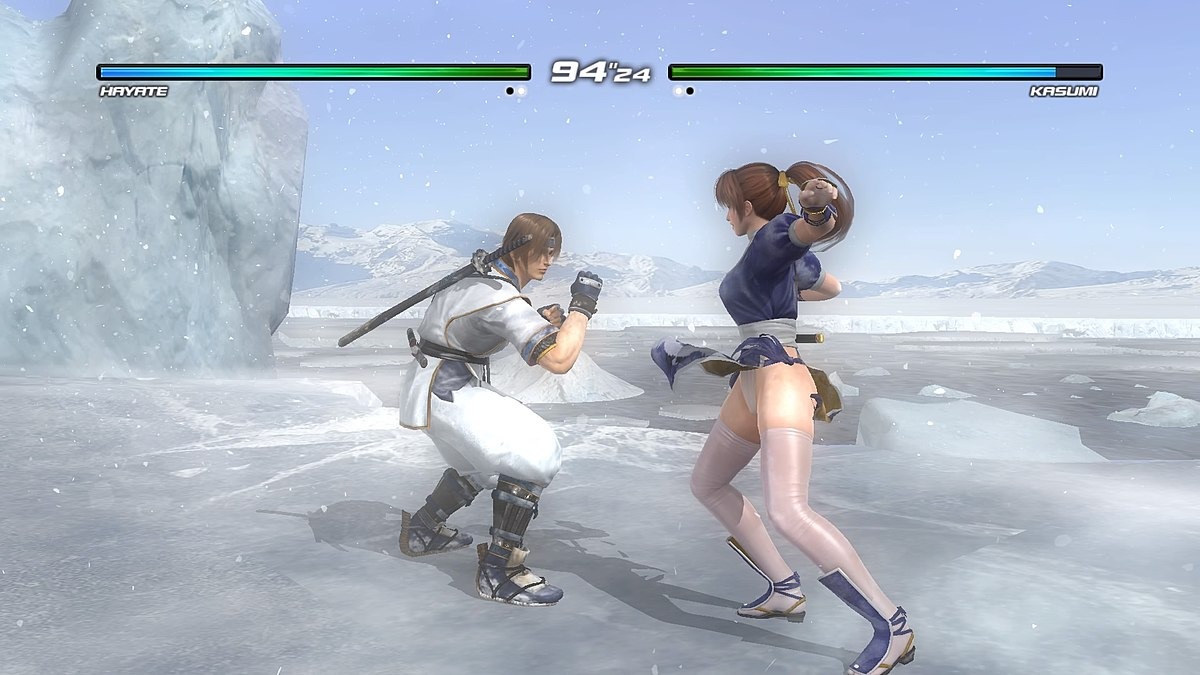
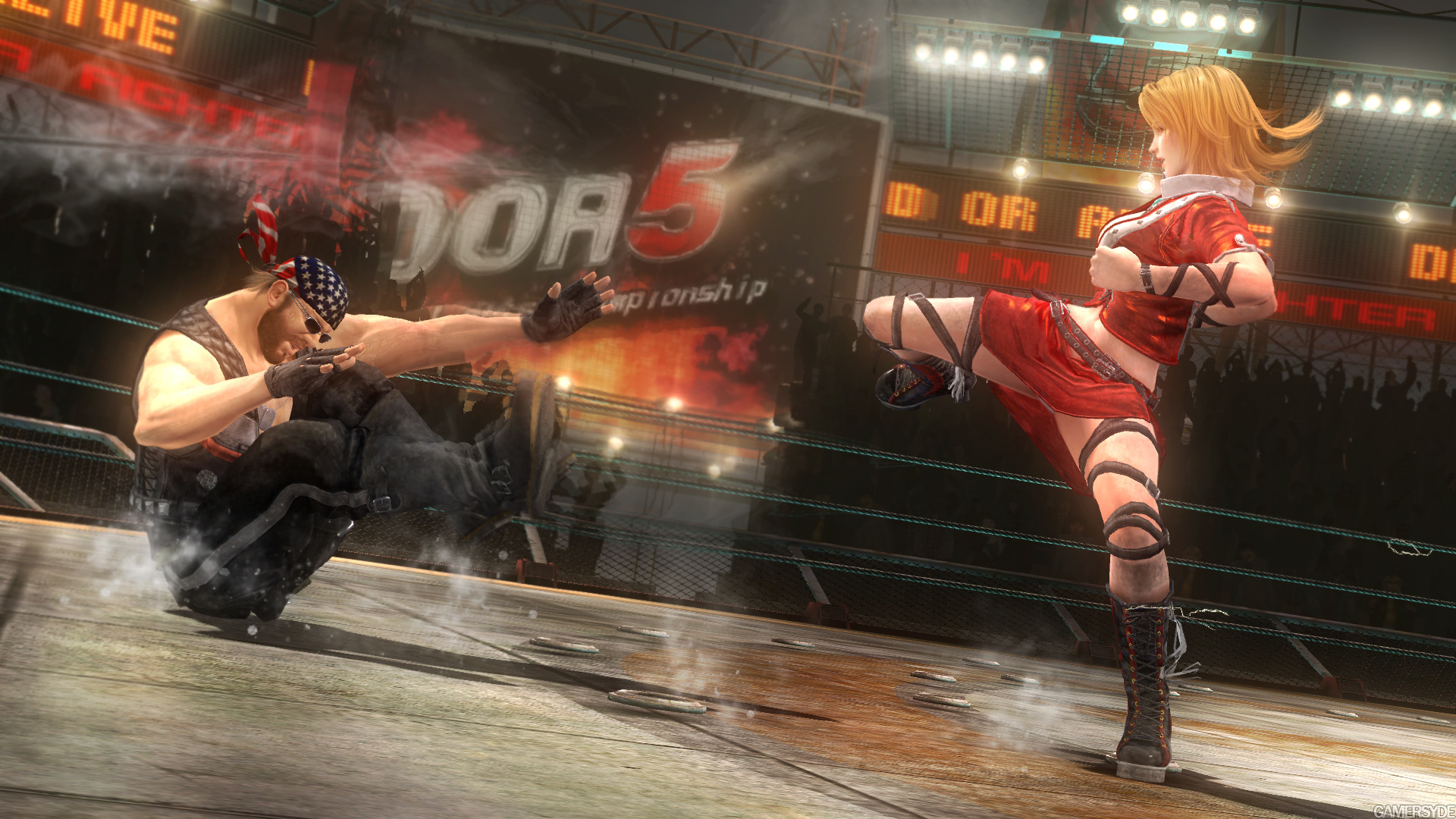
The only new additions to the fighting system are the Cliffhangers and the Critical System. Both are underwhelming and just add to the already complicated fight system. However, it is more enjoyable to button mash than other fight games that rely on things like jump canceling, jump this, cancel that, etc. DoA is based around a triangle fight system that is based on holds and counter-attacks. This means you have to be quick and read your opponent’s moves; most fighting games aren’t like that. This is also a problem because predicting moves is very hard in this game, and having counters and holds for high, low, and mid strikes is just ridiculous and creates a very high learning curve that will turn most new players away.
The critical system allows you to do extra damage when the word pops up on the screen; when it turns red, you can do even more damage, but the timing for this is a serious pain. You spend more time trying to read and predict all this stuff than just button mashing, which is a lot more fun. Some fighting games are more fun when learning the moves and the fighting system (Mortal Kombat, Marvel vs. Capcom), but Dead or Alive isn’t. You have to focus less on the fight and more on the animations and things that pop up on the screen. I spent hours trying to learn all this, but in the end, I just resorted back to button mashing, which I felt more confident in.
Cliffhangers are cinematic events in which you power blow (a super-powerful charged attack) into a certain danger zone and a quick-time event comes up. This was fun, but it is hard to figure out the special Danger Zone in most stages and leads right back to that issue where you are distracted from the actual fight. DoA 5 just adds too many distractions, but for people who don’t mind (probably hardcore fans), then you may like these new ideas. Despite all of this, the fighting system is very fun and fluid and is all martial arts, with no fancy fireballs or magic attacks.
The story mode is back and is pretty well developed, but it is confusing for newcomers. You had to have played past story modes because they pick up after each other. Kasumi is just trying to stop Alpha 152 again, and the Mugen Tenshin clan (Ayane, Ryu Hayabusa, and Hayate) are after her. In the meantime, Zack is trying to recruit people for Dead or Alive 5, and most people will find the story mostly uninteresting. It is better than most fighting game stories, though. The graphics look great and pretty much push the consoles to their limits. There is a new dirt and sweat feature added to characters, but you can only guess why. Dead or Alive is 70% female fighters with large breasts that jiggle with every move in very little clothing. This isn’t a bad thing because most of the characters are well known and very well developed, with unique personalities. One of the features in every Dead or Alive release, for me, are the new costumes I can unlock in the game because they are so well done and make the women look even more beautiful.
The story mode also has bonus missions, but after halfway through, they start becoming impossibly difficult. Dead or Alive isn’t really a combo type of game, but pulling off 7 and 10-hit combos can be a serious chore. Online modes are fun as always, but most players will get discouraged by the good long-time fighters. This just proves that you must master the triangle system because once you get locked into a combo, you’re stuck. Health bars deplete quickly in this game, so fights can last only a minute or two.
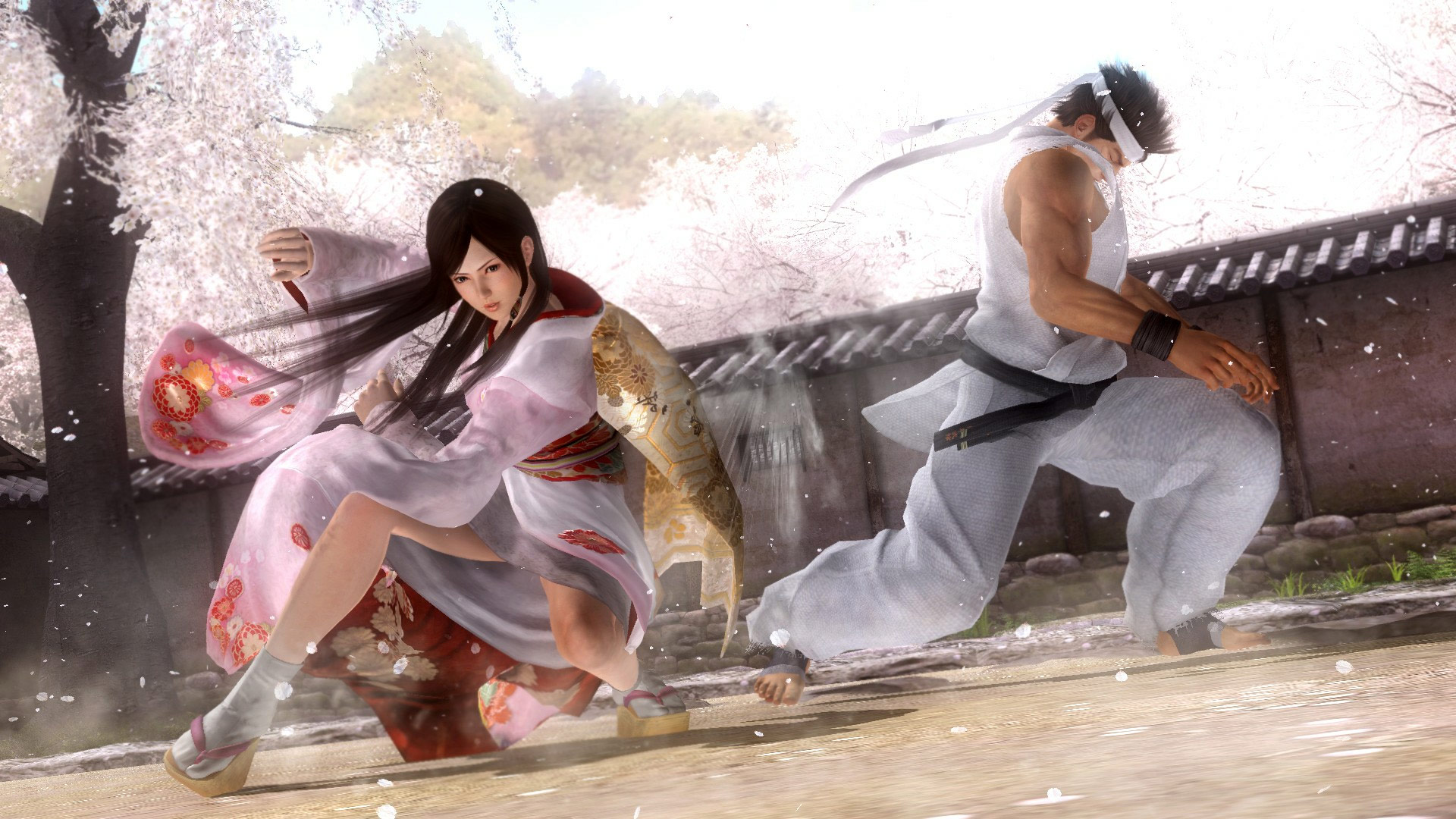
Overall, DoA 5 doesn’t bring much to the table to call this a true sequel—graphical upgrades, a new story, and just a couple of new additions to the fighting system—but they hamper it down. There are also no new characters, just a few cameos from Virtua Fighter. Plus, the stages are actually pretty boring. Construction site, a street, and a Japanese house. Yawn. DoA 5 is solid and fun, but wait for a price drop.
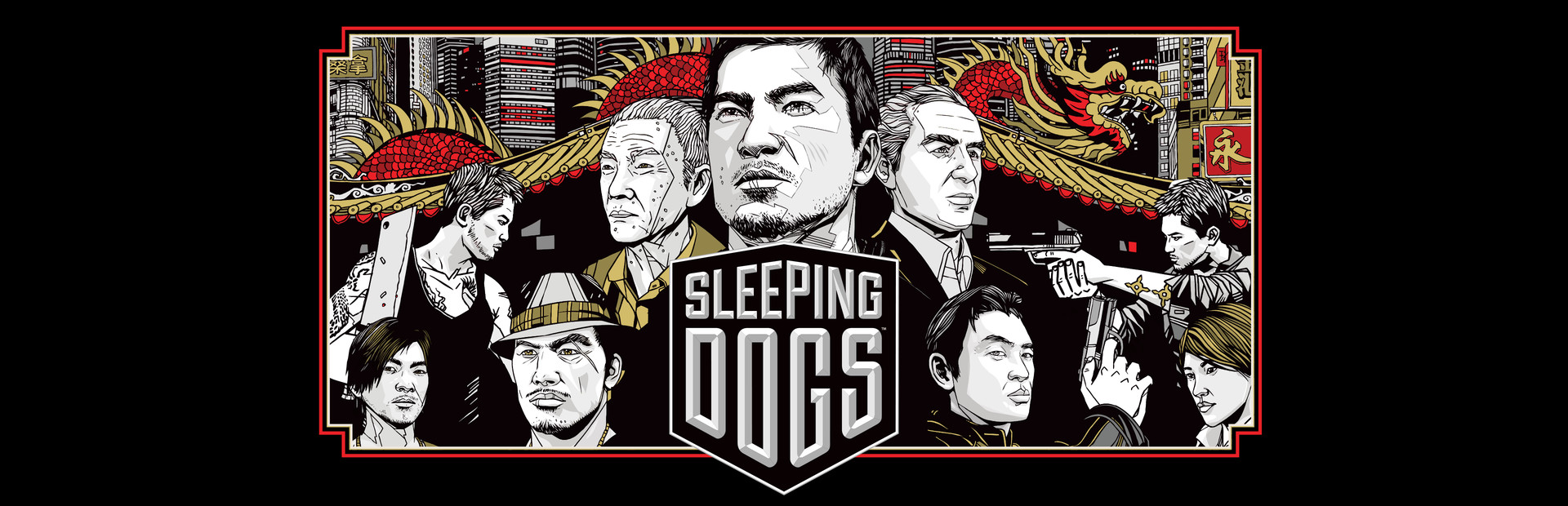
Sleeping Dogs is actually a True Crime in Hong Kong, for most people who didn’t know. Does anyone care? No, because the True Crime series had two previous games that were mediocre to poor, and there was little hope for this game. Square Enix picked up the project, seeing the potential in the game, and released it as Sleeping Dogs because they did not buy the name from the previous company. What we have here is probably the best GTA clone since Saints Row, and that’s saying a lot. There have been many GTA clones, but very few are any good or do anything different. Sleeping Dogs features a fluid martial arts system, a huge open world, a gripping story and characters, and a few side missions.
The story is actually very gripping and entertaining. You play an ex-triad member turned cop named Wei Shen. You are working undercover to bring down the Son On Yee triad gang and bring in their chairman. Your rival gang is the 18K, which is relentlessly making hits on your turf. This isn’t just your typical gang war story. You actually get to really like the characters and feel for all of them in different ways. While you were working for the triad, you could do cop missions on the side as well as bust drug deals throughout the city. This story is pretty epic and has a satisfying ending. I never once felt bored or detached from the story.
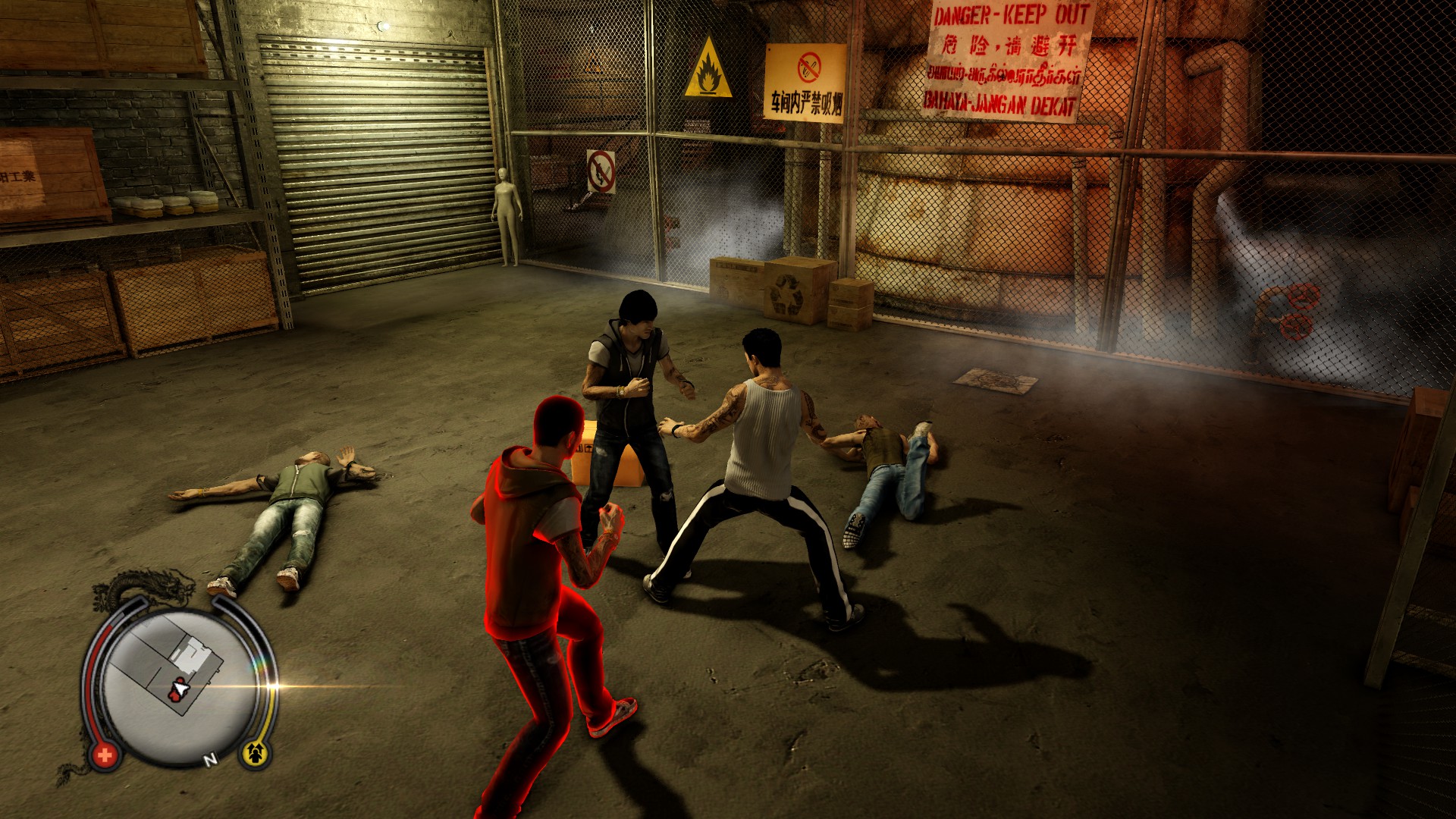
If that isn’t enough, then the combat system should help bring you in. The combat system is simple but deep and requires some skill to stay alive. You can counter when enemies turn red, but you must use the attack button and hold the button in combination to bring them down. The animations are fluid, and you can really feel the punches. This isn’t just some wailing and kicking combat system that feels half-baked and broken. Some enemies may have weapons that you can take and use, but they are pretty rare because they do so much damage. If you are doing really well, you will go into an adrenaline-type state and start to heal, while enemies may flee from you. The other half of this combat is the gunplay, which is really smooth and well designed. The cover system works great because, as you leave cover, you can go into slow motion and shoot out enemies who might be an immediate threat. This also goes for jumping from ledges. Once you actually start completing missions, you will earn Cop, Triad, and Face experience, which allows you to upgrade to better moves. Each one can be upgraded to level 10, but I reached this level way before I finished the game, so I felt all that experience, later on, was wasted. There just aren’t enough upgrades in the game.
Another main feature of the game is a parkour system similar to Assassin’s Creed. Chase sequences play out often, but instead of climbing up walls, you can climb ledges and jump gaps. The trick here is to hit the sprint button just before each obstacle so you can smoothly go over them. Keep fumbling over everything, and you will lose your target. This is something that has never really been incorporated into a GTA clone, and Sleeping Dogs nails it perfectly.
Of course, you can travel around the huge, open city of Hong Kong, but there isn’t much to do. There are the drug-busting side missions, favors, races, and random events, as well as finding hidden boxes for money and clothes. That’s about it. I wound up doing all the favors and most drug-busting side missions, but I didn’t care for the others. There are some hacking mini-games thrown in here, as well as lock picking, bug planting, and other mini-games that are fun. There’s a lot of detail put into the gameplay of Sleeping Dogs, but I just wish I could do more in this huge city.
After you finish the main story, there’s no reason to really go back unless you want to collect all the boxes (which can all be shown on your map, thankfully), but after you finish this, you will probably have had enough. The driving works great; there are lots of different cars; taking taxis is convenient; and there are other things you will be familiar with within this kind of genre, but Sleeping Dogs masters the story, characters, and combat system very well. My biggest complaint is only the lack of variety in side missions and the large number of bugs and glitches in the PC version.
The PC versions do give us some nice DirectX 11 visuals with a free high-resolution texture pack for people who have 1GB video cards or better. There is a huge difference with the game maxed out on the consoles. The anti-aliasing and FXAA make the game look smooth and flawless, plus the ambient occlusion adds a little extra that consoles can’t do. The PC version is by far the superior version, and most of the bugs have been ironed out by now since there have been 5 patches released thus far, but a large number of crashes and bugs were unacceptable at launch.
Sleeping Dogs is a beautiful game, both in execution and spirit. The game really captures the Chinese culture, atmosphere, and triad feel of Hong Kong. This is a must-buy for any fan of the genre, and if you have a high-end PC, make sure to pick that version up.
I know what you’re probably thinking. Deadly Alliance on the GBA? Puh-lease. Don’t criticize the game just yet. Deadly Alliance for GBA is a solid fighter with a trick 3D fighting system that is simplified from the console versions. The game features a full Krypt, mini-games, and a new survival mode. The graphics are surprisingly good, and the sound quality is excellent.
Unlike past Mortal Kombat handheld ports, this game is actually good. The fighting system is a mix of 2D and 3D with each character’s two main martial arts stances (the weapon stance was taken out). The fighting system may seem dumbed down or too simple because the GBA only has two face buttons. Using a combo of the D-pad and face buttons, you can pull off some great combos with ease. The whole transition feels natural and hand-tailored to the console. My main disappointment is the lack of characters. Only about 10 made it into the GBA version, but a new character, Sareena, made it into the game from Mortal Kombat Mythologies: Sub-Zero. I am also disappointed that each character only has one fatality (like in the console version), but they are different and quite detailed for a GBA game.
The sound quality is excellent, with the announcer’s voice intact. The graphics are pretty decent, with full 3D backgrounds, but they are very muddy and lack any detail. The graphics are a love-hate type of thing. The Test-You-Might and Sight are fully intact here, which is nice, but the Konquest mode is obviously missing. Instead, there is a Survival mode that was stuck in here. There is a full Krypt with alternative costumes and other things. So this is a huge MK experience on the GBA, and probably the best one.
If you loved Deadly Alliance or just want a solid fighter on your GBA, then pick this up. There is a lot of content in here, and the fighting system is solid and fluid. The graphics look pretty, and the sound quality is excellent, so you have no reason not to play this!
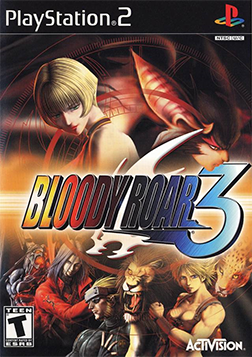
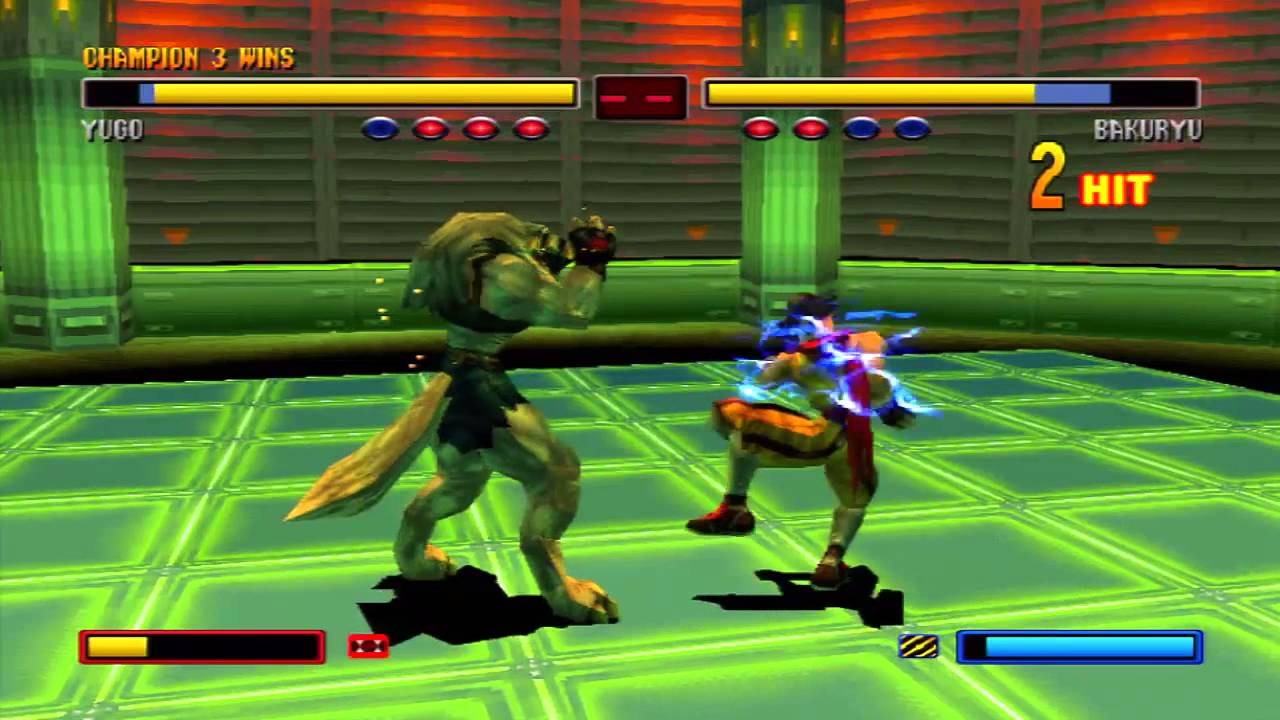
The PS2 wasn’t without its fighting games, and most were solid. The Bloody Roar series started on the PS1 but has seen rocky acclaim ever since its first entry. Competing with games such as Street Fighter, Tekken, and Virtua Fighter at the time, people didn’t see the need for another Japanese fighter. Bloody Roar features some interesting characters that can turn into beast form, which unlocks a new set of moves and some devastating attacks. Bloody Roar 3 has great visuals and solid controls but lacks the large roster and modes that fighters are known for.
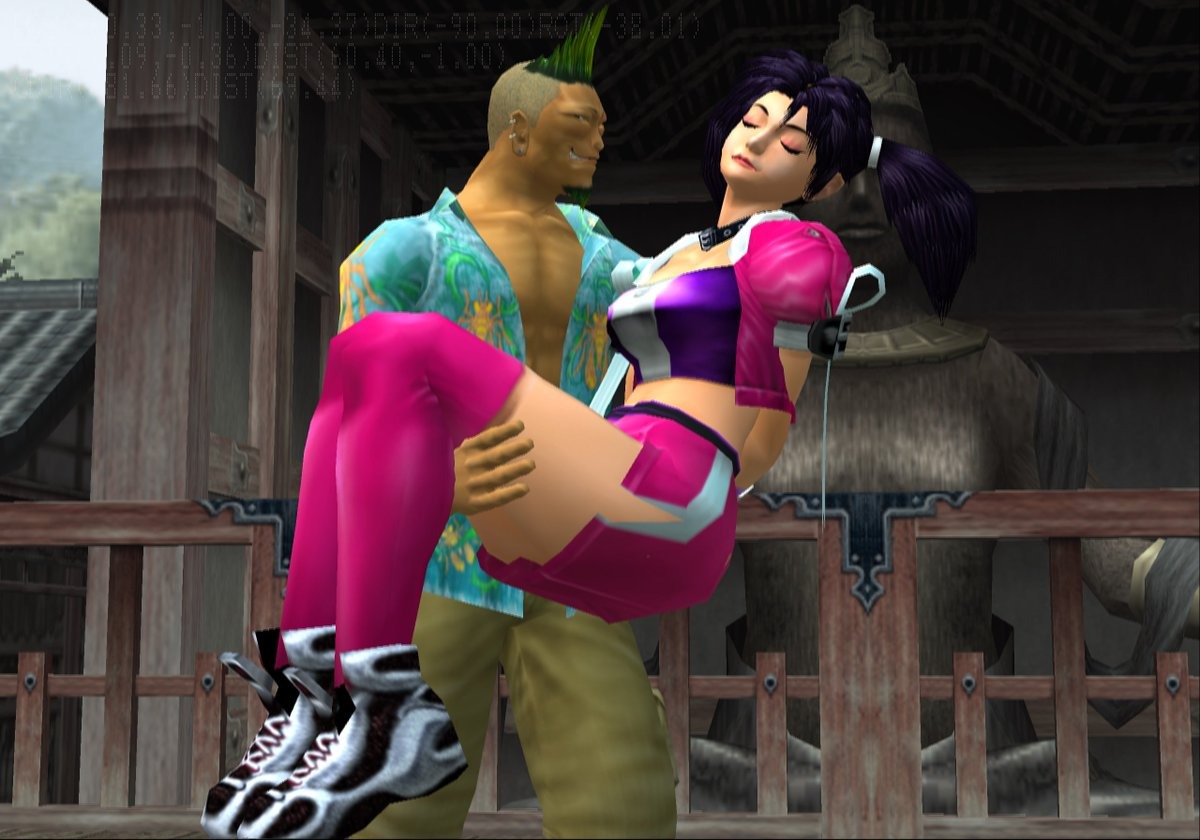
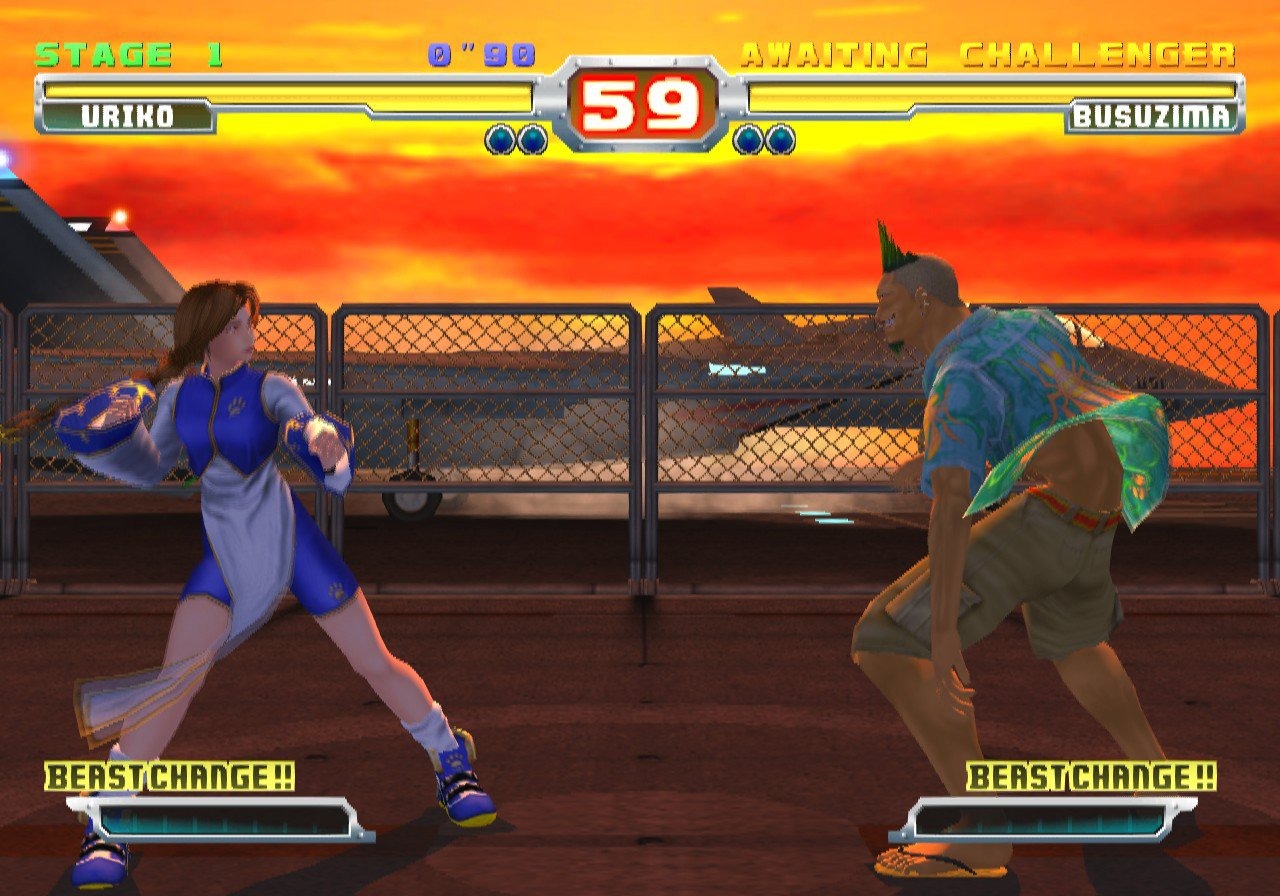
First off, the game only has 12 fighters. That’s tiny, even compared to other fighters with small rosters. The characters, however, are unique, but there is a serious lack of female fighters (only 4). The stages are busy and well designed, plus the game looks great even for today. The fighting system is simple compared to most Japanese fighters, but I preferred this. There is just a punch, kick, and beast form, as well as a dodge and block button. The game has no move list, so this is for button mashers, which is just fine here. The controls are smooth and responsive, and there are a lot of visual flairs. The characters’ beast forms look really cool, and it is fun to see them all.
Another main disappointment is the lack of modes. Just arcade, survival, and versus, really. There’s not even a main story mode, but the arcade mode does go through all the characters’s stories. I found the story to be pretty boring and unexciting, like most fighting game stories. Most Japanese fighting fans will mainly dislike the lack of depth in the fighting system, but I really didn’t mind it.
Overall, Bloody Roar 3 is a solid fight game, but it just feels like bare bones. The fighting system lacks depth, the character roster is small, and there are only 3 modes. The game looks great and the controls respond well, so this is a love it or hate it type of game.









































 thebinarymessiah.com
Try multiplayer. A lot of fun !