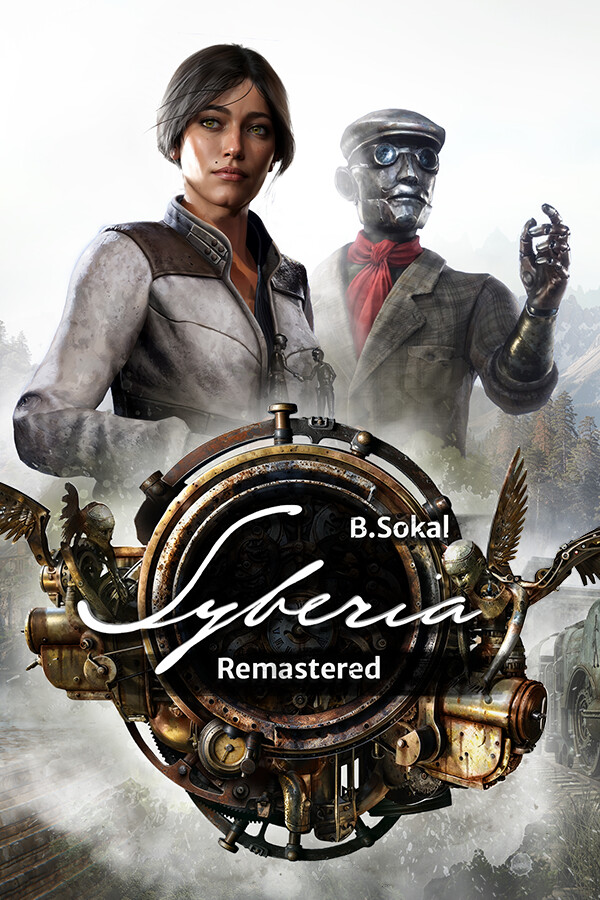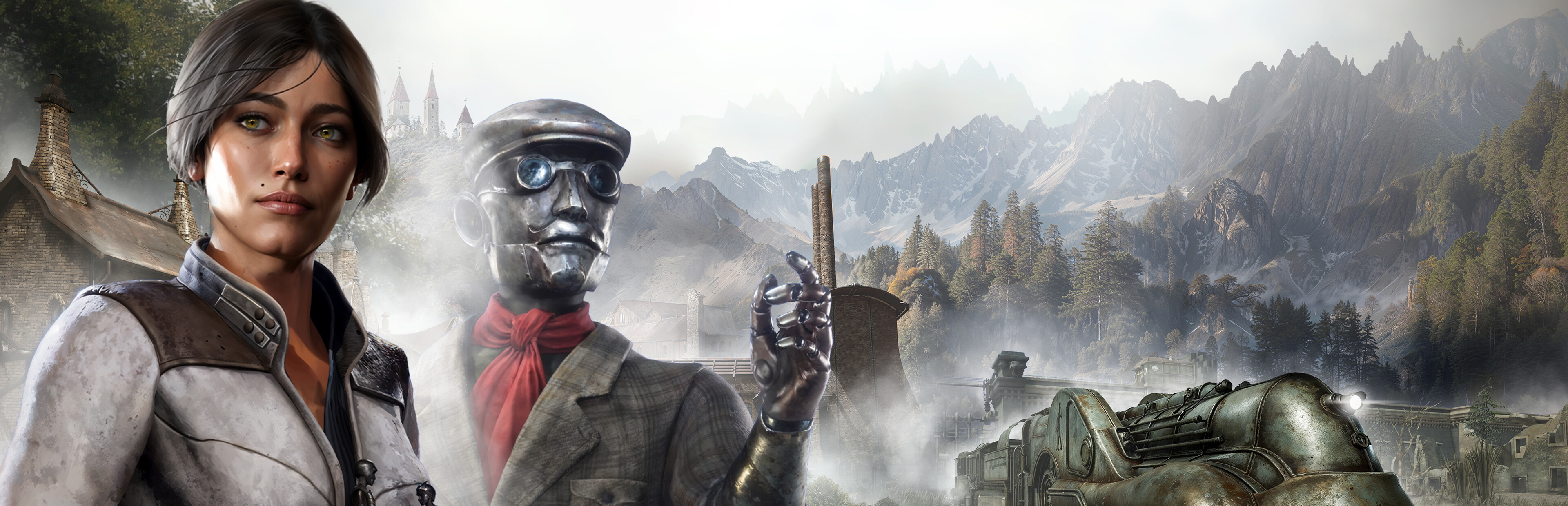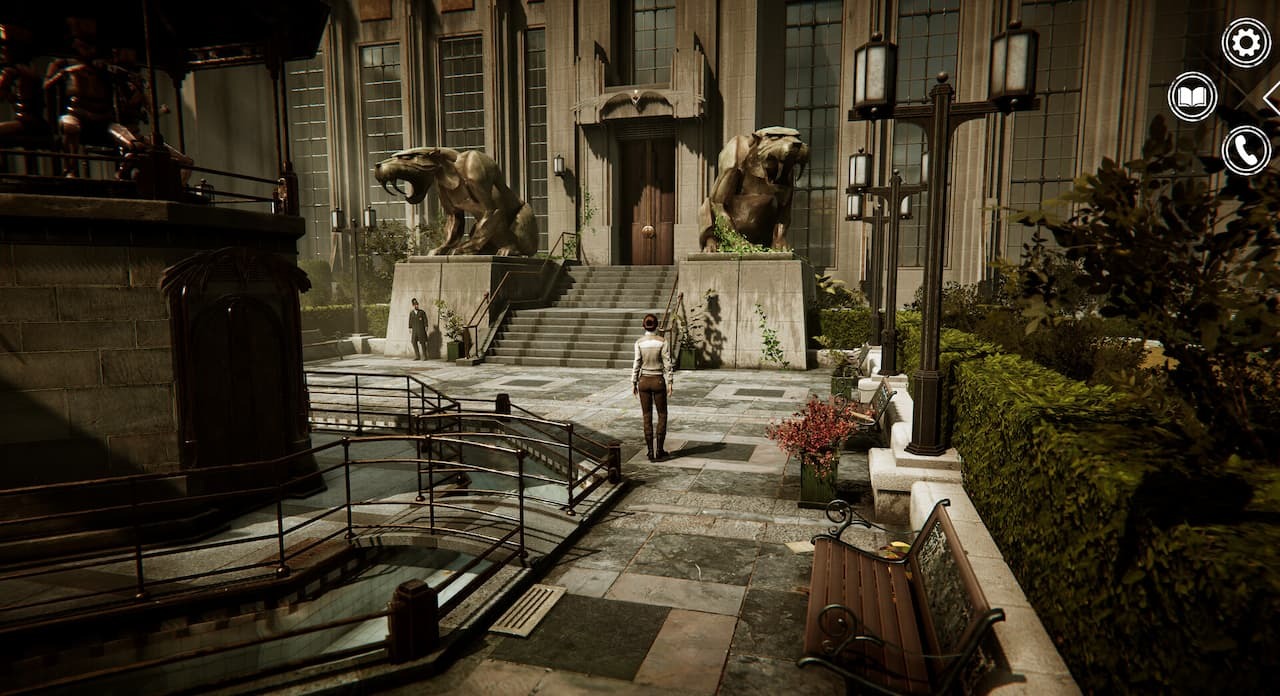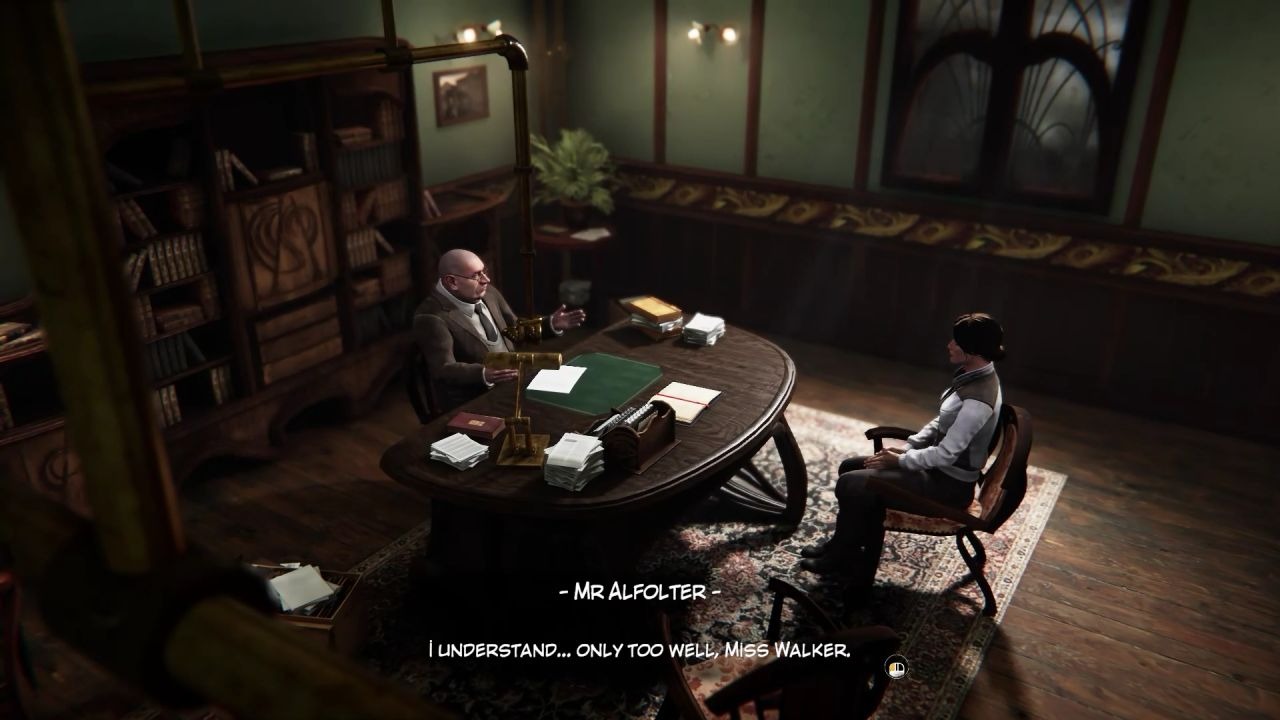
The late Benoit Sokal’s vision is something I have yet to experience. Syberia is considered one of the best point-and-click adventures of all time despite its flaws. Like other games in the genre, such as Sanitarium and The Longest Journey, Syberia gave PC gamers beautiful visuals, intriguing characters, and rich worlds to explore. This remastered classic does just that by giving new gamers a fresh take on an older classic, flaws and all. The series is now a four-part saga that starts here with its humble beginnings.
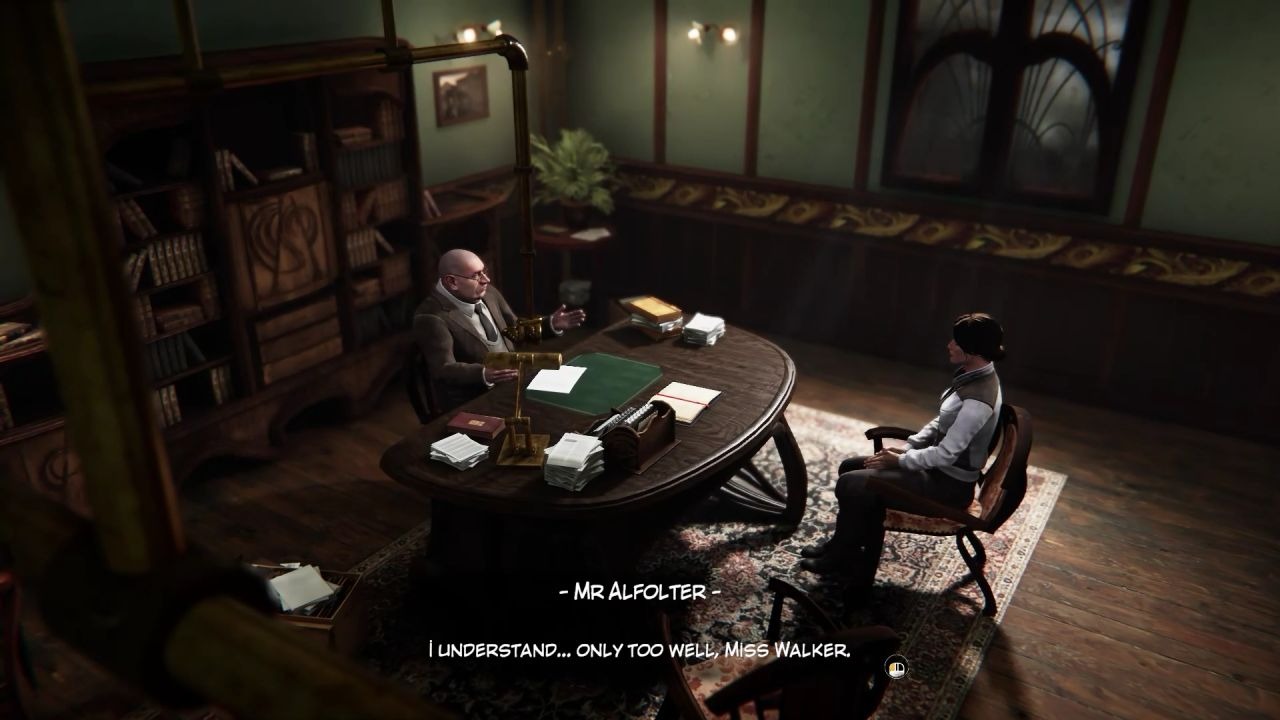
You play as an American attorney. Kate Walker is tasked by her agency to get an automaton factory signed over to a new toy company. You must seek out its owner, and this leads you on an epic journey through various towns with interesting people. Kate eventually awakens an automaton engineer who is able to drive a wind-up train to where she needs to go. The train needs constant winding, so it conveniently stops in these towns. The towns usually have mini mysteries to solve or predicaments to correct so Kate can move on with her journey. She either needs more info on where to find Hans Voralberg, who is the living descendant of the factory owner. There’s a lot of humanity in this game. From the strange university with its weird Stoker council to the obsessed automaton in the mines who wants to desperately reimagine an opera he saw long ago. The dystopian Soviet Russia vibes also add to the atmosphere here. The game feels sterile and falsely joyful. Remnants of this sadness litter the environment, akin to soldiers dispatched to abandoned facilities to await their demise.
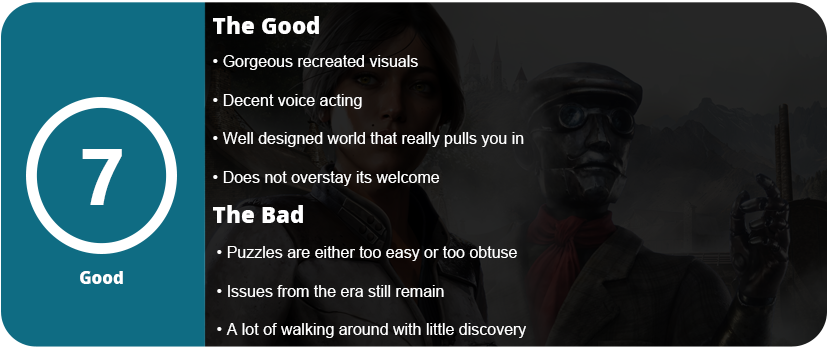
Syberia does a fantastic job feeling like an actual adventure. However, the puzzles are few and far between, and a couple can be rather obtuse, while the majority have no challenge. There’s a lot of backtracking in the main “hub” areas of each town and just a lot of walking. Talking consists of selecting questions, and that’s it. The pre-rendered cutscenes were not redone, looking incredibly dated. These are in full widescreen with a proper aspect ratio but should have been redone or just done in engine. The remade visuals look fantastic with beautiful sweeping vistas, great lighting, and good-looking textures. There are some quirks left over from the era, such as needing to have animations finish before doing something else, some graphics glitches, and object hunting. Most objects will have a circle appear over them if you get close, but these can be missed sometimes, leading to a lot of wandering around.
You can platinum this game in one go, and it can be finished in about 4-5 hours with a guide. Once you complete the game, there’s no reason to really revisit unless you have nostalgia for the original. The remaster adds some interesting DualSense features, like having Kate’s phone conversation play through the controller speaker, but there’s not much else to this game. If you love adventure games, then give this a try. Here’s to hoping the second game will get remade as well.
Paul McCarthy. To some that name means nothing, but his art pieces are some of the most shocking and horrifying pieces of medium to ever be put into reality. They aren’t meant to just shock and awe people but to convey a statement. They are created to start a narrative to get people to open up about uncomfortable things. When you think of some of the oddest games, you can think of something like Dog’s Life, or Doshin the Giant might pop into your head. Maybe something a bit more strange like LSD: Dream Emulator or Irritating Stick. You might even start thinking more artsy with games like Vib Ribbon or echochrome. These games all have something in common. They are games with really interesting art designs or gameplay mechanics. One game that no one will be thinking of 10 years down the road is Horses, and that’s not a knock to the game. This is something that is so far removed from a mainstream or “hidden gem” curiosity that it will be only circulating around the most niche horror circles. Horses is one of the most deranged and avant-garde games I have played in years. Played is also a stretch, as Horses is a walking simulator with brief interactions.
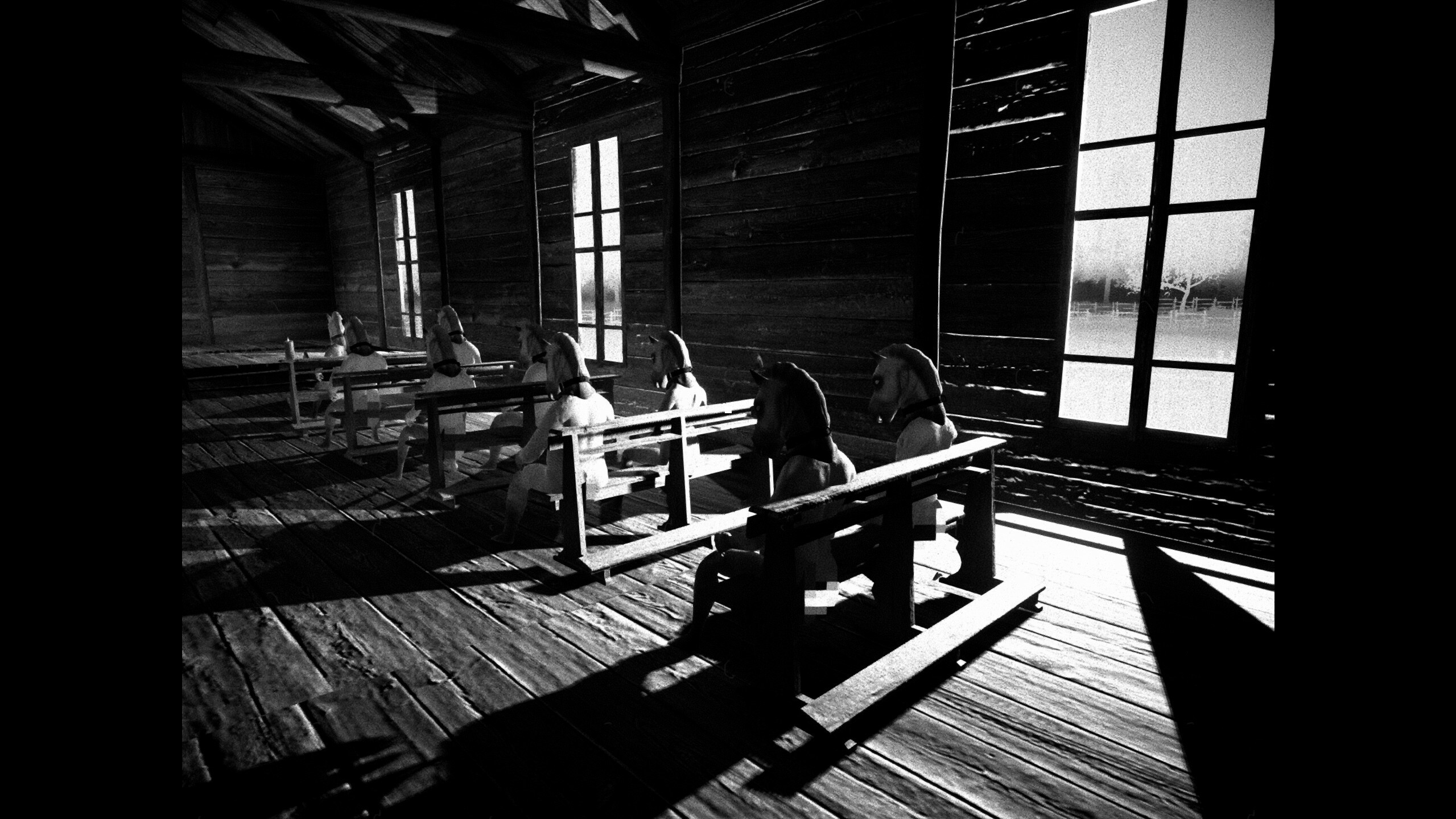
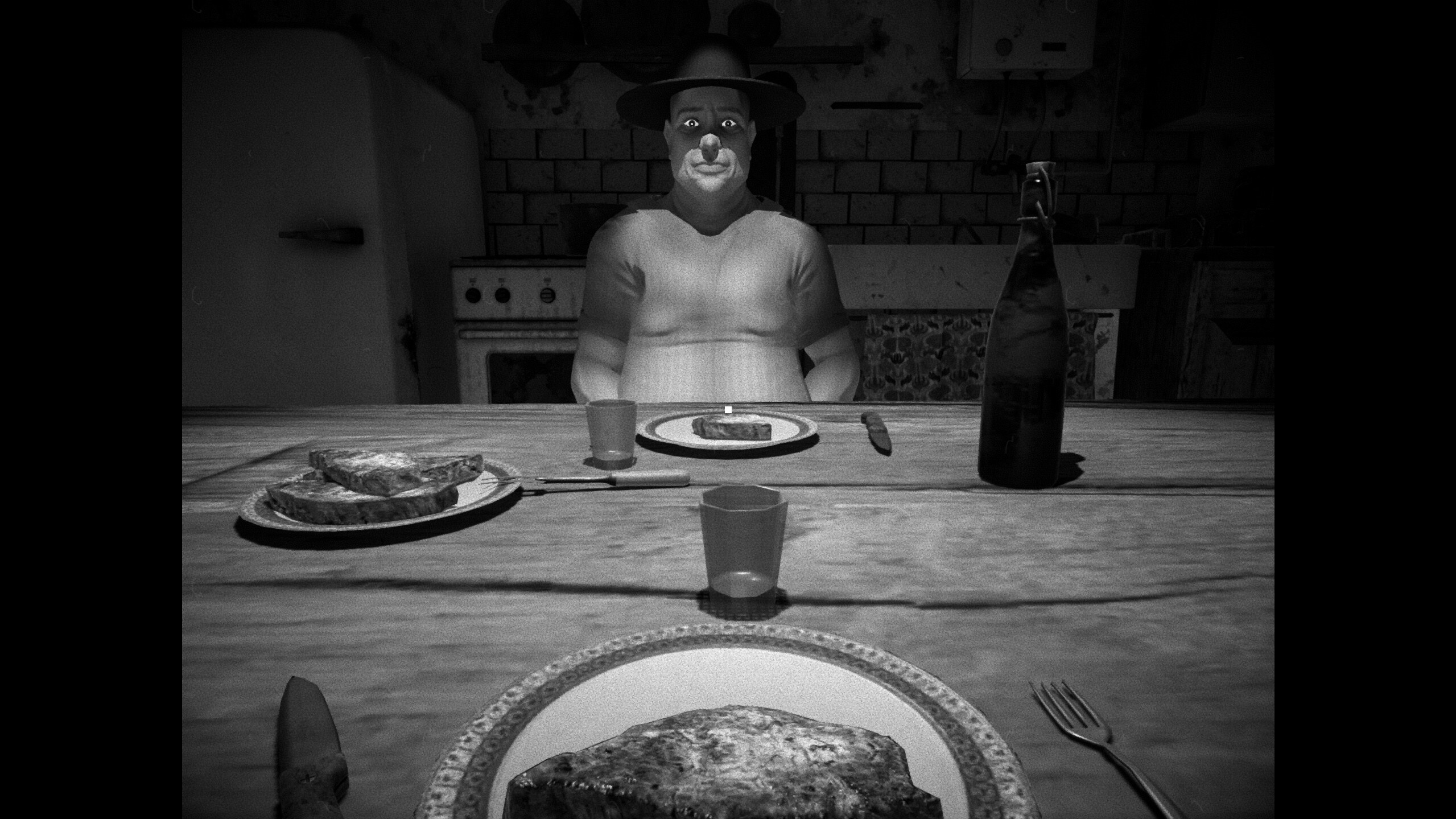
You play as a teenage boy, Anselmo. You are sent to a farm by your parents to get your head out of the clouds and learn. The game right off the bat goes against the grain of even the quirkiest games out there. There’s almost no audio, the game is purposefully in a 4:3 aspect ratio, and the entire game is in black and white. There’s mostly just a film reel sound playing in the background with an occasional music track and odd sound effect. This is kind of nuts, as this would be considered “lazy” even by the lowest budget standards, but it’s all part of the style and imagery the developers are trying to get across. This sensory deprivation helps you focus on the visuals and scenes happening in front of you. You are totally sucked in and have no choice but to pay attention. It’s almost like you are being brainwashed similar to the horses in the actual game.
The game starts out simple enough by introducing the farmer and why you are here, putting your things down, and eating a meal. You are then introduced to a task list that requires you to do things like feed the dog…and various other things. The game takes place over 2 weeks, and each day gets more depraved as time goes on. Once you are introduced to the “horses,” things take a turn for the weird. The buildup is fantastic. Andrea Borlera did an amazing job building up and keeping me shocked throughout the entire game. Anyone who has delved into the darker parts of the internet or the deep web (not to be confused with the illegal dark web) may not be quite as shocked, but those who don’t follow any of those circles may either close the game or keep playing out of sheer fascination or abject disgust. I loved the psychological shift that the developers put onto the player rather than having you experience the protagonist’s shock through their own view.
I don’t want to spoil the story too much, but I have to talk about some of the actual shock that comes from the various scenes in the game. The warnings when you boot up the game are not to be taken lightly. This isn’t some PR or HR department giving you a silly little warning. You will be partaking in torture, cutting off genitals, whipping, burning, branding, and riding these “horses.” You’ve seen the game trailer and know these are people, not actual horses. It’s more than just shock value, but we are diving into the mind and dark past of this farmer. This is a story about abuse, being a victim of it as a child, and not being able to escape that. Unchecked mental health issues going rampant are something that is a major problem in our world, and this game really shows that. Nobody is talking about this game outside of mainstream articles about the ban because it makes you uncomfortable. Those who aren’t uncomfortable by this don’t talk about it because they don’t want to be judged. This is a piece of media that everyone knows or hears about, but acts like it’s not in the room with us.
There are certain amounts of censorship in the game, but it’s deliberate, or at least I think it is. Not in the common sense of censorship to appease various people, but for the story. The genitals and breasts of the “horses” are pixelated, and I think this is important to talk about. When you are traumatized by something, you tend to see things differently or block them out of your mind. Certain torture scenes are blacked out, or the camera is positioned in a certain way to not show everything, but done in a clever way to still know what’s going on. It’s crude but very effective, and all done purposefully to give the player a certain feeling or emotion. There are also stock footage clips of close-ups from real life, like when you drink milk, it’s a close-up of a throat gulping, and a crude sound effect plays. The opening menu is stock footage of a flower with music playing in the background, similar to some analog horror games we have seen.
The game is also very crude and terrible to look at, but I want to think this was also intentional. This looks like a very low-budget PS2 game, and Dog’s Life, which I mentioned earlier, was constantly going through my head when I was playing this. The animations are awful, the textures are flat, there’s clipping and glitches, and the character feels like mud to control, but I feel like this is on purpose to remove all distractions from the player and help deliver that crude and raw feeling. If this was a AAA budget title made in Unreal 5, I feel it wouldn’t have the same effect. While the game isn’t downright scary with monsters and weird visual effects, the game is scary in that people really do this stuff. There are serial killers and cult leaders who have done things like this to real people, and it proves that fact can be far scarier than fiction. The lack of voice acting and cuts to title cards like in a silent movie help add to more of that raw tension. You don’t get anything in this game. No rewards. You must endure the raw journey of the human mind with crude visuals, minimal sound effects, and no voices. It’s a sensory nightmare that helps add to the game that even the biggest horror games tend to forget. Without spoiling too much, one scene towards the end has those title cards constantly flash on screen while you walk around trying to figure out what to do. There’s no sound effects. These title cards relentlessly block your view until you find the item to stop it. It drove me nuts, but it was effective.
With that said, Horses is something I will never forget, but many will focus on the wrong things. The banning on Steam and the fact that this will never be able to make it to consoles is a shame. Many others are spewing hyperbole and spouting incorrect facts about this game. Things like it’s a murder simulator and trainer and is only for perverts, etc. These tired hyperbolic terms drive me crazy, as they take away from what the developers are actually trying to talk about. This isn’t a bestiality simulator; this isn’t a “gooner” game for certain extremist crowds who think Santa Ragione or Andrea has finally “broken through the shackles of society and the snowflakes.” This is an art piece. Santa Ragione are the Paul McCarthy of the video game circle. Real-life art can churn your stomach and make you think. So do just that. Think while playing Horses.
When Sony releases a new exclusive title, it’s an event for me. They don’t release games at the frequency they used to. We might get one or two a year. Ghost of Tsushima is an all-time classic. While I don’t remember much about the story or characters, I do remember the game being a beautiful exploration of Japan with great combat and the world itself being fun to explore. Yotei is no different. Atsu is a much more memorable character, and while the story seems to follow the modern trend of “Sony Revenge Stories” Atsu changes throughout the story, and she shows growth instead of constant anger or doing anything to get this revenge, even if that means losing everything. Atsu had her parents murdered as a child by a Samurai named Saito. His companions are all masked during the murder, and Atsu soon remembers the Yotei Six. These six masked demons must be murdered to exact revenge for the death of her family. There are excellent plot twists and changes throughout the story to keep you hooked. However, I spent most of my time exploring the world of Yotei.
Combat in Yotei is simple to understand but can be hard to master when facing many opponents or the tougher bosses. Atsu has many things at her disposal. Five different weapons she can switch between for starters. This seems like an absurd amount, but certain weapons are stronger against others. The Odachi is a massive sword that’s best against large characters and clearing the area. The katana is best against a single katana, while the yari (spear) is great against kusarigama (sickle and chain), and vice versa. The dual katanas are best against yaris. It’s important to flip between weapons depending on the enemies’ weapons. This keeps you on your toes and adds a level of challenge and depth to the combat. Atsu will eventually acquire multiple quick-fire weapons such as the matchlock pistol, kunai, smoke bomb, fire bomb, oni flame (lights your weapons on fire), and many others. These can also be used outside of combat during stealth or to clear groups of enemies.
One-on-one fights are the toughest, and these require mastering the parry and dodge techniques. When the enemies’ weapon flashes blue, you can press the block button to parry. Red glints must be dodged, and this opens them up to attack. Yellow glints mean they are doing a disarm move, and you either need to dodge or hold down the heavy attack button to disarm them on the parry. If you get disarmed, you must find your weapon or switch to something else. There are also environmental elements to combat, such as grabbing throwable weapons, which can do instant kills, as well as finding sake jars to stun enemies and shooting barrels. You will always need to be on your toes and look for environmental weapons or use what you can to knock everyone down. There are also some other combat elements, like mounted horse combat by slashing at enemies or jumping from the horse. You can also unlock an ability to ram the horse through enemies. There’s even an armor that allows you to parry bullets, which is neat.
There’s little sprinkles over the main dish of combat. This includes stealth combat. You can assassinate an enemy from behind in the beginning. This includes drop-down assassinations. Eventually you can chain assassinate or have a partner help you. When you get the kusarigama, you can pull enemies towards you for stealth kills. Stealth isn’t required in most of the game, but it can be better than fighting two dozen enemies. You can hide in tall grass, disappear into tents, climb watchtowers, or pick off enemies with a bow (you have a longbow and shortbow as well as various arrows), or you have the choice to stand off with the entire group before you’re seen. This gives you an opportunity to duel enemies by holding the heavy attack button and letting go when they launch. Eventually you can chain these together and end it with a pistol shot. Then there’s the Onryo’s Howl and Ghost Stance abilities you can use when you get enough parries or kills chained together. This allows for invincibility and plowing through a few enemies with ease. You can sometimes even scare enemies into fleeing altogether.
As you can see, there’s a lot to the combat system. There’s so much here that’s slowly introduced to the character. During the story missions, players find masters of these weapons and receive training to wield them effectively. Same goes for most of the throwables and quickfire weapons. They are all given throughout the story so as not to overwhelm the players. Most of the story missions appear to consist of similar gameplay elements. The exploration, which includes climbing, fighting, stealth, and more climbing, is where the core of the game lies. You should aim to find all the optional armors, masks, and hats, as well as collect more dyes to create cool-looking gear. This game has some fantastic-looking gear. You can kit yourself out to be an all-black shinobi or a massive samurai with crazy armor. There are a few puzzle elements thrown in, but none of them are very challenging and are some of the weakest parts of the game. Spin a few statues to match symbols on walls, etc. There are also some puzzle boxes you can find, but these offer no challenge either.
There are various side activities you can partake in, such as finding shrines similar to Tsushima, bounties, vanity gear hunts, fox dens, wolf dens, and many others. There are nearly 30 hours of just side content here, and it’s all a lot of fun. It’s done quick, it’s easy to find, and it allows you to explore this beautiful world. The wind guide is one of my favorite gameplay ideas of all time. You can swipe up on the touchpad, and the wind will help steer you in the right direction of where your marked spot on the map is. This makes finding gear and various other items a breeze. Getting to them is the challenging part. You may need to climb something, blow open a hole, or tear down a wall. There are also bamboo strikes in which you press a combo of buttons to slice bamboo to increase your spirit. You can upgrade your health by finding hot springs. There are dozens of charms throughout the world, and these are used to give you passive boosts to various stats or abilities. You can equip up to six, and this allows you to create your favorite build. Want to boost stealth or ranged combat? There are charms and armor combos for that. You can also find shrines to upgrade various abilities, but I honestly felt the upgrade tree just slowly unlocked abilities and felt a little tacked on. You have to pretty much unlock everything in a row so you can focus on one thing or the other.
The game world is stunning, and Yotei is one of the best-looking games ever made. On the PS5 Pro with ray-tracing and VRR the game can hit 60 FPS, which is fantastic to see. The bright colors pop with HDR and the various areas all have their own color palettes. The game doesn’t focus on seasons, but each area has a different weather pattern. One area might have yellows and greens, while the next area is all snow. Snowstorms can cause your health to slowly freeze unless you find a fire and will temporarily limit your health. The game is just a dream to look at, and the load times are instant. You can fast travel anywhere, and you’re playing in about 1 second or less. Sucker Punch really utilized all of the PS5 hardware to make this game beautiful and play wonderfully. The DualSense controller is well used here with great vibration implementation, and the triggers are used well. It’s a very immersive game, but there are a few issues I haven’t talked about yet.
While the combat has all of these little elements sprinkled in that make a much larger combat system, it can get rather repetitive. The only challenge ends up coming from timing parries and dodges, especially in boss fights. Most of the combat is held back by the heavy attack armor breakdown. You have to break down every enemy’s white bar to even start to attack them. Tougher enemies will regenerate one or two of these before you can kill them. This also goes for boss fights. They have a large armor bar above their health bar, and you have to heavy attack them, dodge, and parry to whittle this down just to attack. A lot of attacking and time is wasted on this feature, and I wish it wasn’t there. I can understand large enemies or enemies with tougher armor, but every single enemy has this to some degree.
I also found that the structure of the main story missions consists of a repetitive mix of similar activities. Climb a bunch, run around, fight a bunch, do a stealth area, open a door, climb a bunch, and repeat. The gameplay primarily consists of a combination of these three or four distinct types. You usually have a boss fight at the end of each mission with not much else to do. This was my issue with Tsushima as well. While all of these are more refined here, some may not like this type of gameplay loop. I found it worked well during exploration and finding all of the gear and upgrades, but the main story should have some other things thrown in. A scripted horseback ride doesn’t really count. There are a few occasions in which you get to equip a cannon, but these are later in the game and only happen a couple of times.
I also found the story, while entertaining, didn’t have the greatest dialogue. It’s very dry in spots and doesn’t get very exciting often. There’s a lot of standing around and talking with little else. Most of the side content cutscenes are skippable and not memorable at all. Sadly, there are very few memorable characters here outside of Atsu and a couple of the main characters. I do appreciate the new game plus mode and various filters to make the game look like older Japanese films. I found the music good, but nothing worth listening to outside of the game, as it works well within the context of what’s happening on screen.
Overall, Ghost of Yotei is a fantastic game with a lot of content to offer despite being wrapped around a few of the same gameplay loops. The story is entertaining, and Atsu is a great new character to add to the PlayStation roster, but most of the dialogue is dry, uninteresting, or nothing special. There aren’t a lot of well-written characters, and this issue was clearly never resolved from Tsushima. The main story missions are a mixed bag of the same gameplay loops as well, with nothing super exciting or anything that really stands out. I spent most of my time enjoying the exploration of the world and finding all of its secrets. If you loved Tsushima, you will love this, but those who don’t care for open-world action games will find that this game won’t change your mind.
Digital Eclipse’s Gold Master series is an incredibly original and unique idea. The series focuses on creating interactive documentaries that explore interesting game stories or sagas, allowing gamers of all ages to engage with them. This is the third Gold Master game coming right after the Atari 50th Anniversary, which was absolutely a blast to experience. Tetris Forever is a great concept. The story behind how Tetris came to be is fascinating, and Henk Rogers, the person who helped bring Tetris to the West, is a great storyteller. I was floored by how Tetris came to be and the breakdown of the gameplay and nuance of what makes the game a timeless classic. The documentary clips are wonderful. Usually ranging from 3 to 8 minutes each, there’s easily over an hour of video footage, but that’s kind of where the best part of the game ends.
It’s difficult to call these Gold Master series “games” as they are interactive museums. Many different versions of Tetris are owned by other copyright holders. The most famous being the original Game Boy version of Tetris that shot the series into the stratosphere. It’s not here because it’s owned by Nintendo. You can see it being played in the footage of the game, but that doesn’t help us sitting here playing this game. Forever is mostly comprised of older MS-DOS and early 8-bit PC versions of the game that are historically interesting but not very fun to play. Digital Eclipse did a great job creating a replica of the computer they are on visually and adding things like a CRT curve, filter, and mapping the keyboard controls to a controller. Sadly, they just aren’t fun to play. Many versions don’t have music or much sound at all. Outside of messing around with these for five minutes, you will have no reason to go back to them.
There are a few other games that aren’t Tetris included, as these are part of the Spectrum Holobyte story. Many NES games are included here, but you can play these outside of Forever on emulators through ROMs on much simpler devices that boot up quicker without a fancy interface. Again, these games are either not fun or just interesting enough for a historical reference. This isn’t like Atari 50th, where you can play every single game Atari made or held the rights to, and they were full-blown games. These are pretty much all puzzle or board games. One of the big stories that helped Henk Rogers gain trust from Nintendo was making a game of Go, which is basically Japanese Reversi. The NES version is intriguing at best, but I was not a fan. It’s not as addictive or fun as Tetris and requires much more concentration.
Sadly, only 8-bit games are included here. Nothing past the mid-90s is included. It would have been great to get DS, PS2, PS1, or other consoles on here, but there’s either a rights issue or an emulation issue on Digital Eclipse’s side. Most of the more interesting games are 16-bit and beyond. The lesser-liked sequels to Tetris are included, and a few spin-offs like Hatris, Super Bombliss, and a brand-new game made for this compilation, which is the only non-8-bit game included. This Gold Master release is mostly for those interested in the story of Tetris rather than playing it. Unless you grew up with these 8-bit games, I don’t see any reason why anyone else would enjoy them. Sadly, even the new Tetris game isn’t anything special. It’s not much to look at and just plays like any other Tetris game. The most interesting feature is the 1989 mode, which emulates the Game Boy version, and that’s as close as you will get to it. I don’t see myself booting up an entire compilation just to play this version of Tetris.
The title would have been more interesting as a cheap documentary than a game all by itself. I got more enjoyment out of the video clips than I did the games themselves. With four 8-bit versions of the original Tetris (all inferior versions) and many less interesting spin-offs and sequels, it begs the question as to who this is for. The low asking price helps, but even then, unless you are a massive Tetris fan, it’s hard to justify the cost. Tetris Time Warp is the game you will spend the most time on here, but will you come back to it? Tetris is a fascinating tale and one of the most interesting I’ve had the pleasure of listening to. Tetris is a fantastic and timeless game series, but the content included here does not represent its strongest offerings.
H.P. Lovecraft’s stories are difficult to translate into game form, and very few are successful. It’s almost like a curse in and of itself. Many games based off of his short stories are adventure titles, and I have played many of them, with almost none being good. The Nameless City has some good ideas. It nails the atmosphere and the setting and has an interesting gameplay mechanic, but this game feels like a glorified demo of what could be.
The game starts you out at a campsite outside of some ruins in a desert. The lone adventurer narrates the game with a subtle and almost depressing tone. He is quoting lines from Lovecraft’s short story of the same title. A mysterious being is said to live in these ruins, and people will hear the call in their dreams. As you make your way through the ruins, you will come across runes. These can be learned to help open up pathways further in. As night falls, however, you will lose all of your sanity and have to start back at the last checkpoint. This isn’t all that bad, as the game is so short. There are only three runes you use in the game. You can use one rune for casting and another for dispelling or casting a barrier. These spells are just for barriers, and that’s it. There are strange open holes that blow wind across a chasm that you need to navigate. These will blow you off the mountain, so you need to crouch under some.
Once you get into the cave system, it’s pretty boring. You can eventually use a spell to cast light on strange crystals as your sanity depletes in the darkness quickly. Once you get through the cave system and back out, the game is pretty much over. I did hate the maze puzzle. This entire level will take up most of your 90 minute playtime. It’s an endless maze that repeats forever. You need to use this to your advantage to activate crystals to stop a beam from blocking your path. It took me nearly 45 minutes to figure this puzzle out, and it was not fun at all. That means there’s only 45 minutes of actual gameplay outside of this awful level.
With that said, there isn’t much to say for the game even if I wanted to. The visuals use the PS1 style graphics and look appealing. The atmosphere and ominous sound effects do a good job, and the end monster is a little goofy looking. The game is very affordable and can provide a spooky experience for an evening playthrough, but don’t expect too much from it.
Monument Valley played a pivotal role in shaping the mobile gaming scene by demonstrating the feasibility of console-like experiences on mobile devices. With the flood of microtransaction-heavy free-to-play schlop on the app stores, Monument Valley was a beacon of hope for those who wanted to play single-player games on their phones. The MC Escher-like level design and clever puzzles were adored the world over, and USTWO was considered a pioneer of single-player mobile gaming. The second game was more of the same, which everyone wanted, but the third game here is still more of the same. That’s also what we want, but we want something longer than two hours. With the series venturing into console and PC territory, the short length isn’t as forgiving.
The overall game is exactly the same as before. If you play all three of these games back-to-back, you could be forgiven for thinking they were the same game or DLC of the first. There’s not much new here outside of a more streamlined and cohesive narrative. While it’s more visually presented with a girl named Noor trying to restore a lighthouse to a tribe that lives in the ocean (or that’s how I interpreted it), there’s nothing crazy storywise and never has been with the series. A lot of emotions are invoked through the fantastic soundtrack and visuals. The bright colors and the continuation of the MC escher style puzzles with perspective and illusions at play make this series one of my favorites of all time, right next to echochrome.
The game is easy to understand thanks to visual context. Parts of the level that can be manipulated are represented with hollow pips similar to a Lego block. You can move these freely while Noor is on them, and it’s required to solve some puzzles. You can’t always expect to just move a piece and command Noor to walk to the exit. Some pieces are moved with a spinner, and these can not be moved while Noor is on one of them. These are some of the harder puzzles, and they really require you to look outside of the box and take perspective into mind at all times. There’s a new gameplay mechanic here of being able to command a boat (it’s a leaf bug with an eye on its sail that blinks). It’s such a fantastic design. These may require moving a character back and forth between platforms to solve a puzzle. Another puzzle-solving element is a growing tree and having the leaves appear on different parts of a platform. These are subtle gameplay ideas, but they are new and welcome.
With all that said, the game is still just way too short. There are only 11 levels, and you can finish the game in a single sitting. I wanted more. I have always wanted more from this series. They are spread so far apart that when they come, you cherish them like an expensive sweet. The soundtrack is ethereal and beautiful, the visuals pop on OLED displays, and the level design is like no other. These games are well worth a playthroughif you love puzzle games. Just don’t expect a lot.
Max! Max, you’re back! It’s so good to see Max Caulfield again. This time as a grown adult. Our Max is all grown up. Well, that’s what I wanted to say, but a few hours into the game, you will realize that while Max is back, everything surrounding her return isn’t. This is a very forced game that didn’t need to get made. While all of us are curious as to what happened to Max as she grew up, we didn’t want a repeat of the original game. Deck Nine nailed the feeling of the first game. While we’re not in the same time period (late 2000s), we are in modern times, but with new friends and foes. The atmosphere of Life is Strange is here. The surreal soundtrack, being able to interact with various objects and hear Max’s inner monologue, important choices, well-made characters, etc. It’s all here, but in a very basic package to tie it all up.
Here’s the thing: Double Exposure literally tries to repeat the original game and story. It feels very forced and eye-rolling towards the end and isn’t believable one bit. Cloe has been replaced with Safi. She’s a hotheaded character similar to Cloe, but she also has a soft side. She’s goofy and has a good sense of humor, but you can clearly see this is a Cloe replacement or clone. Then you have Lucas, who is a Mark clone, etc. There’s a pattern here. He’s another creepy teacher who has a secret that rocks the whole story. It’s predictable, which is a shame. Instead of putting Max in a new situation with her old powers, she somehow has new powers. The power of Double Exposure. She can now hop timelines. It’s pretty silly and less grounded than the original game. While having powers is silly anyways, the first game being so grounded made it believable rather than a hokey superhero wannabe story. Treading the same ground just feels wrong.
Thankfully, the characters are interesting, but not as memorable as the original cast. They all have character, flaws, good and bad traits, and are not super stereotyped. Gameplay-wise, nothing has really changed. I would go as far as to say there is less gameplay here than in the original game, and that game was already lacking any. The locales are also not very interesting and are constantly repeated. There are too many mundane indoor environments, such as the Turtle bar, the school, Max’s apartment, etc. There aren’t any outdoor locations with sweeping vistas or more interesting indoor areas. You will spend up to 10 hours in these same locations over and over again. Max is now an urbexer (Urban explorer) so why don’t we get to see some cool abandoned buildings like during the intro sequence? The game just jumps straight into Max trying to save the planet, so we don’t get time to be with her and her friends living normal lives for a bit. That’s what made the first game so great.
Gameplay involves switching back and forth between timelines to solve puzzles, but this is just an excuse to extend gameplay. There are set nodes that sparkle, and you can jump between the Dead and Living worlds (one of the characters in the game dies, and you are trying to save her and stop it). You can pulse your power to see objects placed in the other timeline in real time before switching to it, but it doesn’t add anything interesting. There’s of course the usual collectible hunt, but that’s about it. Choices in the game are fewer and don’t have the mega impact that they did in the original. Story-changing sequences don’t come by often. Maybe once a chapter or none in some of them.
At least the visuals are improved. The facial expressions are great, and there’s a lot of detail in everything while still looking like a Life is Strange game. The upgraded visual quality helps go a long way, but sadly this was wasted on so few areas to explore. The ending is also rushed and feels inconclusive and too predictable. When the credits rolled, I just felt like the entire game was just not necessary. It didn’t add any value to the original game. Fans should definitely play, but you do need to play the original to appreciate what is here. Max recaps the original game throughout the story, but not in detail, so a lot is missing. There are a lot of references to the original that new players won’t understand. Some scenes in the ending aren’t explained at all, but are direct references to the original game such as when Mark strapped Max into the chair. For a cheap purchase you will have a fun couple of evening with the game, but don’t expect anything groundbreaking.
Oh boy, it’s another Call of Duty release. I completely disregarded it due to its brief campaign and my lack of interest in the Zombies mode. Four years passed, and here we are. I was in the mood for an FPS game that wouldn’t take up a lot of time, and I’m glad I played it. Starting with the campaign, this is one of the most entertaining in the series, and it’s a crying shame it’s so short. Activision has the budget and talent to make a good long 8-10 hour campaign, but instead we’re stuck with 9 short missions clocking in at around 4 hours. The characters are fun, the writing is tight and interesting, and the Nazi villains are fun to see on screen. You play as a team of allied soldiers who are captured by the Nazis while trying to find documentation on plans for Project Phoenix. The Nazi plan to stay alive after Adolf Hitler had allegedly committed suicide. It’s an interesting point during the war that isn’t talked about or used in WWII games much. The main antagonists are two SS officers who torture and kidnap an Australian, an American, a Russian, and a British soldier who were on the operation to steal the documents.
The game opens up with a train mission. It’s as bombastic and fun as any Call of Duty mission. The game feels immediately familiar…too familiar. It has the exact feeling of Modern Warfare. The speed, the momentum, and everything about what gives modern Call of Duty its identity are here, both for better and for worse. It feels a bit odd while holding WWII guns to be reloading them like a modern rifle. Slapping a clip off the top of a Browning. Everything feels like it’s in fast forward. I would have liked a slower, more deliberate feeling to this game, as we are returning to the series’ roots after all, but that’s too much to ask. It feels odd hopping around walls like it’s Assassin’s Creed as the Russian sniper Lady Nightingale. I feel like a WWII shooter needs a bit more finesse and a slower approach. The game doesn’t feel like Modern Warfare when it’s dressed in a WWII setting.
I don’t like stealth in Call of Duty, and it’s just as broken here. Running around and hiding in vents and under tables just slows the game way down. A high-octane shooter like this does not need any stealth. It’s easier to just shoot everyone in sight. The only reason to actually use the stealth is when it’s required or for achievements. Enemy placement is not right for stealth combat, and patrol patterns seem random. Enemies will also stay in an alerted state once seen, so it’s just pointless. The stealth takedowns are pretty cool to see, though. One new gameplay mechanic not seen in a Call of Duty is flying planes as the American. It’s fun; it doesn’t last long (only a single mission), but the preflight check and taking off just feel cool. There are no other vehicles to drive or even ride on in this game, which is kind of odd.
Outside of the campaign are multiplayer and Zombies. I’m not a Zombies expert, but I do know that this is a return to form with no story or weird map puzzles like in the Black Ops series. Some may like this, and some may hate it. I personally do not care either way. I tried Zombies for a couple of hours, and it was…fine. Multiplayer is the best part of the game, but it’s subject to the usual Call of Duty nonsense. The maps are at least really good, and the way the weapons fire makes it a bit different than modern games. They are less accurate and, of course, less modern, so you don’t get all these crazy attachments for the guns. I won’t bother going into detail on maps or anything, as, sadly, the game is mostly dead. I made it into a couple of matches, but that was after sitting for 20+ minutes waiting for enough people to join.
With that, this game is best played as a super cheap discount for the campaign and maybe some multiplayer with friends, but don’t expect much playtime out of this. I really wanted the campaign to be longer. There’s a lot here that works with interesting characters and a great script, but it’s just cut so short. The authentic WWII weapons feel good, and anyone who is a veteran of past WWII shooters will instantly recognize all of these weapons. Zombies mode is fun, but a drastic change from Black Ops Zombies, which some people may not like, but as it stands, this is a modern Call of Duty game. All that will be left one day is just the campaign and offline multiplayer. What’s here is entertaining for an afternoon of fun, but that’s it.
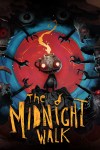
Stop-motion animation is fantastic. I love it. It was made famous by The Nightmare Before Christmas and Disney, but there’s also a lot of bad stop motion. Robot Chicken was a comedy TV show that did it with a tongue-in-cheek flair. The Midnight Walk is utterly gorgeous to look at. Easily one of the most artistically stunning games released this year. It would be a disservice to call this a “Nightmare Before Christmas clone,” as it has clear inspirations with a Burton flair but also includes the studio’s own touch seen in their last game, Lost in Random. The dark is very dark. So much so that it’s suffocating, but this is intended. The Midnight Walk is a road that creatures travel down trying to reach the light. You are the “Burnt One” who befriends a little creature called Potboy, and with flame in hand, you embark on a journey full of short stories to help those trapped forever walking the midnight walk.
The game is designed with VR in mind, but you can totally enjoy this without it and still get the full experience. The first-person view is really interesting, as you can experience everything up close and in detail. The game is very linear, but I won’t fault the game too much for that. For this art style everything needs to be scripted and tailored in a way to get the most enjoyment. Every creature is hand sculpted and animated by hand. The handmade animations play at a lower frame rate than everything else around them, but it works here. These “lower framed animations” are centerpieces, but don’t overstay their welcome. There’s so much visual eye candy going on here, from incredibly disturbing scenes like The Dark popping up with just two eyes and everything else being pitch black. The effect is incredibly effective and doesn’t just look like a pair of generic eyes. The screen shakes, the eyes blink and move around, and they look menacing. They are larger than you, and you feel the darkness that these eyes represent.
There are many stealth sections in the game, but they aren’t awful. You don’t need to try too hard. There are closets you can hide in as well as other hidey-holes, but once the creature passes, you can just run to the next area. The creatures are frightening. While they still have a cartoony whimsy to them, they are still scary. There aren’t many of them in the game, but they are used sparingly without overstaying their welcome or getting boring. There are four short stories in this game that are sandwiched with a prologue and epilogue episode. The game is narrated by a gravelly British voice that is usually typical with these types of games, but it works. Outside of finding collectibles and solving simple puzzles, there’s not much gameplay, though.
You do get a single “weapon” called a Matchlock. It’s very underutilized. It holds three matches and isn’t used as a weapon. It’s used to solve puzzles similar to the Portal Gun. You can light candles from a distance or other items from a distance, but you can also hold matches by hand and do most of what the Matchlock can do that way. There are unlimited matches when you find a matchbox, which are pretty much everywhere. The fire element in general is just not used enough here, and it’s a fun gameplay element. Potboy also feels a bit underwhelming gameplay-wise. You can order him around to go through pipes, stand on switches, and light things, which also makes holding matches redundant too. There are three different ways to light things, so puzzles feel really simple and bare-bones. It’s the only weak part of the game. The whole fire thing feels like it should be expanded more.
The game is never boring, thankfully. I was entertained the entire time. Even when I felt the puzzles didn’t challenge me and there wasn’t any combat, I was entertained with great storytelling, voice acting, and pure visual eye candy that doesn’t come around very often these days. I wanted to see what was around every corner. The sense of discovery and wonder is done well in this game. The game’s pacing is also perfect. The weaker sections don’t linger too long, and you will be greeted with a new character or enemy fairly frequently. Sadly, the game is really short. You can finish this in about 4 hours, and I wanted to see more. I really hope we get more in this world and setting.
Overall, The Midnight Walk is one of the most artistically stunning games I have ever played. The dark world that never lets up is just fascinating to explore. The creature designs and the mix of stop-motion work masterfully here. The voice acting is top-notch, and Potboy is a cute and wonderful companion full of whimsy and character. I just wish the matchlock gun and the fire elements were better utilized here. With stronger puzzles and maybe some actual combat, a sequel could be even better. Don’t let that stop you from picking this game up. There’s so much here to take in visually that you won’t mind the weaker areas.
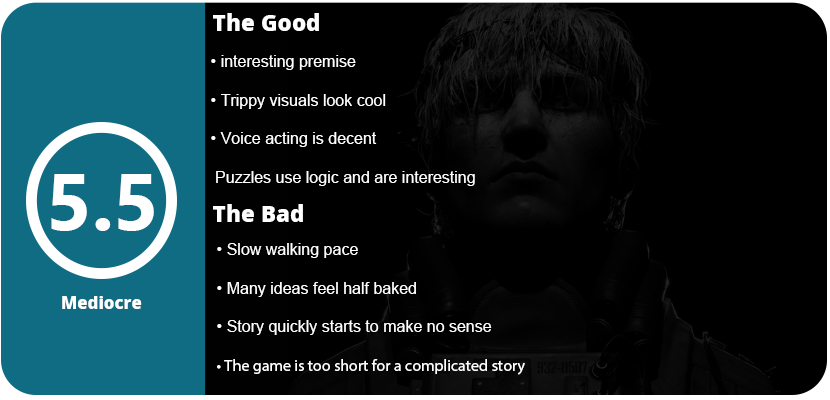
Yeah, it's pretty damn awful. Notoriously one of the worst games on the PSP. A 4 was actually being generous.…