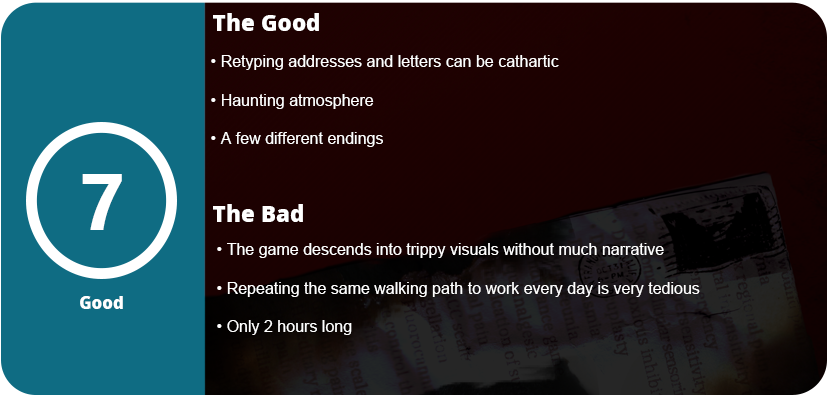
Working a mundane job, thinking something new will make things better, can just sometimes make things worse. We have all been there at least once. You start a new job in a new town trying to restart your life, run away from something, etc. The job ends up crushing your soul; you want to cry every time you wake up to go. Bills start piling up, you end up chasing due dates, and you’re always in the red at the end of everything. Denied time off, denied overtime, and you can’t catch any breaks. Dead Letter Dept. sees this loop as a game. You play as someone who is running away from someone or trying to start a new life and rents a single-bedroom apartment in a random city in the US as a data entry person. The game spirals into something sinister at the department, and the game turns into a detective-style typing game with horror elements.
Honestly, this is another indie horror title that ends up spiraling into trippy visuals and effects that don’t really mean anything. This seems to be a trend and has been for over a decade, and I don’t get why. The game does a great job soaking us in atmosphere with a depressing sky, not being able to look out the window, commentary on the bed, bills piling up, the fridge, and so on. Then you exit your apartment and go down long hallways out to the public transit. The sad part about this is that this sequence repeats after every single day and gets old fast. Nothing really happens during this sequence outside of flickering lights and an occasional shadow. After a few days it would have been nice to just skip the job after exiting the apartment if there was nothing meaningful to tell here.
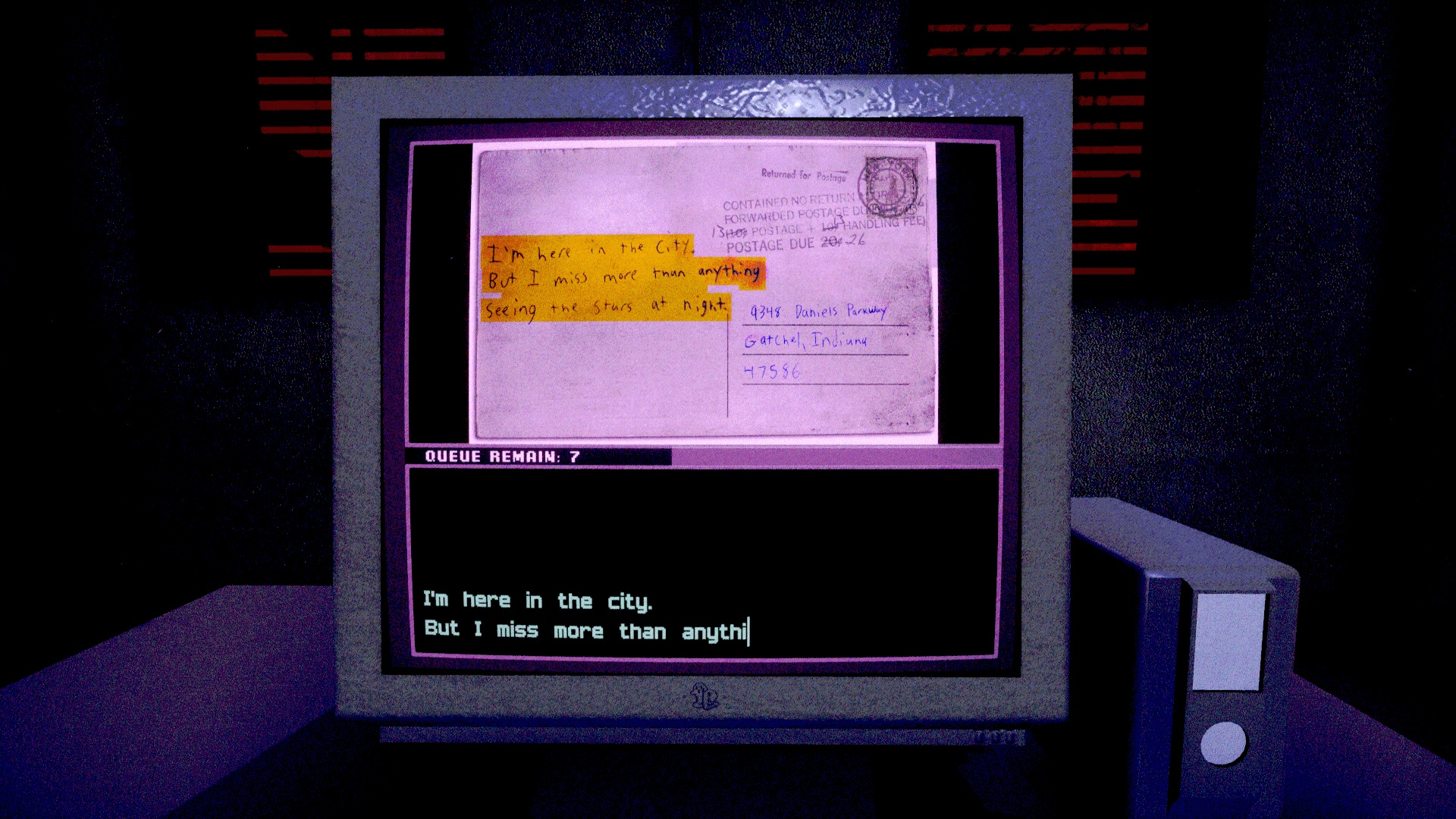
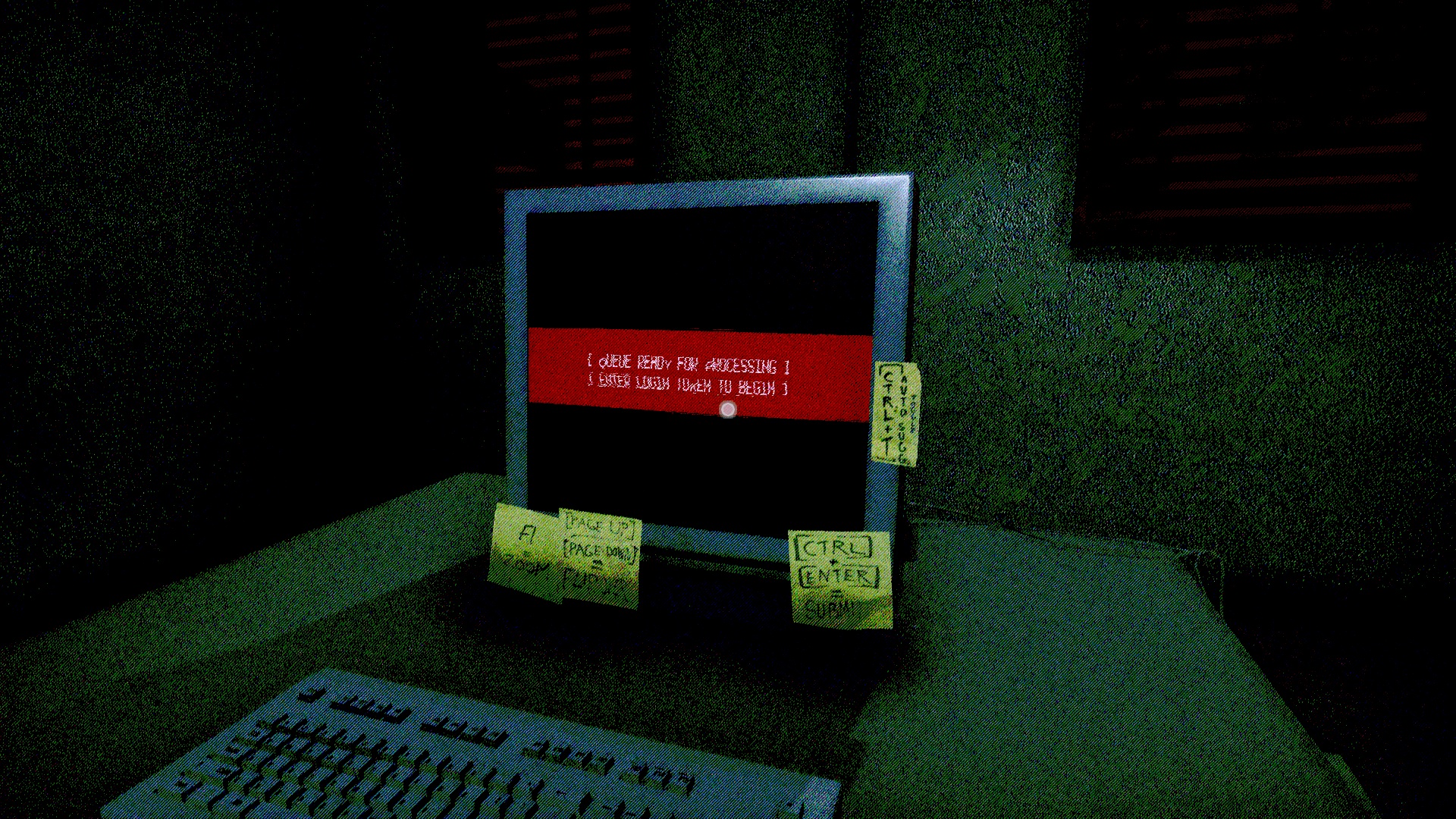
Once you sit down, the meat of the game is the typing. You are presented with letters, postcards, and various crumpled-up pieces of mail. Your job is to translate what is highlighted in yellow. Once you start typing an address, the autocomplete will pop up and can suggest addresses, but it’s mostly useless. You can assign shortcut keys to flip the mail over and zoom in. There are many different types of mail, from typing in entire passages to small greetings. You get a feel of snippets from people’s lives based on what the envelope says or the postcard. As the days move on, you can forward some stuff to different addresses to get different endings, but like most horror games, the different endings don’t really matter and aren’t interesting enough. Once you play as intended, unless you want to achievement hunt, there’s no reason to play again.
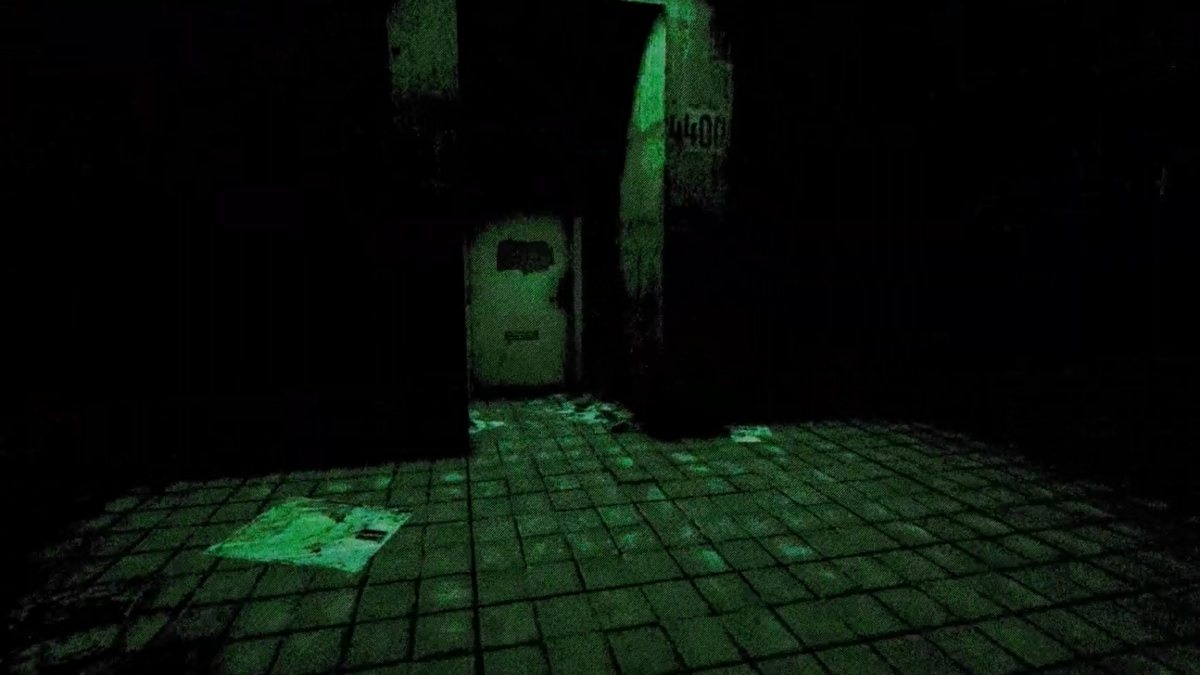
As you would expect, the game starts playing with your senses over time. Shutting power down, making you hallucinate, and various other trippy effects, but there’s no narrative here. Everything is abstract and open for whatever interpretation the player wants. You get strange messages sent to you throughout the game, but there’s no cohesive narrative. It all feels a bit random and obtuse. I still enjoyed it, though, as the game is tense and haunting and you don’t really know what’s going to happen next. There are a few parts in which you wander around through empty hallways. I felt this distracted from the overall core game and didn’t add any value to anything. I just wanted to see the dialog in the apartment, as your character’s internal thoughts are some of the most disturbing in the game. Less is sometimes more.
Overall, Dead Letter Dept. is a fun evening of typing and managing mail but doesn’t tell the best horror story. The atmosphere and happenings in the apartment are great, and what little is there tells quite a lot. The story of struggle and being alone in the world is something the developers should have held on to rather than go off onto this weird, haunted-house, trippy-effect direction. What’s here is good, and there are some frights, but there’s too much here to make it something it’s not.
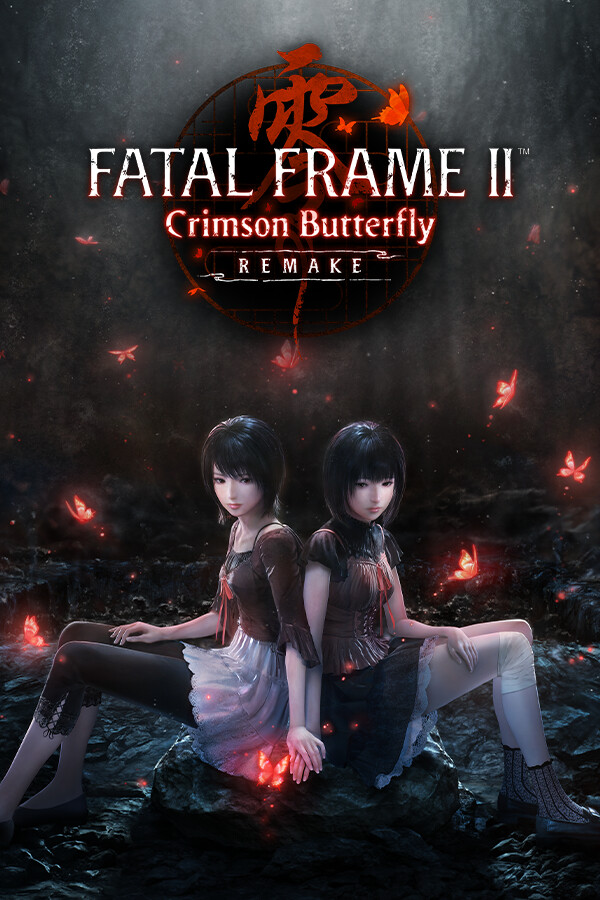
When I played Fatal Frame II for the first time on Xbox, I left both loving and hating the game. The entire series has always had faults and issues, but sometimes that’s the charm of the series. The clunky and slow controls, the cramped spaces, the linear levels, etc. Fatal Frame II Remake isn’t like Silent Hill 2. This isn’t a fully reimagined, built-from-the-ground-up experience. This is literally just the same experience remade with a third-person camera and some minor refinements. I feel like this could have been Team Ninja’s opportunity to make Fatal Frame shoot for the stars like Silent Hill has, but all we get is more of the same. That’s not completely a bad thing, but this game isn’t the remake I expected, especially since this is the second remake of this game (originally remade for Wii, called Project Zero 2, only released in Japan and Europe).
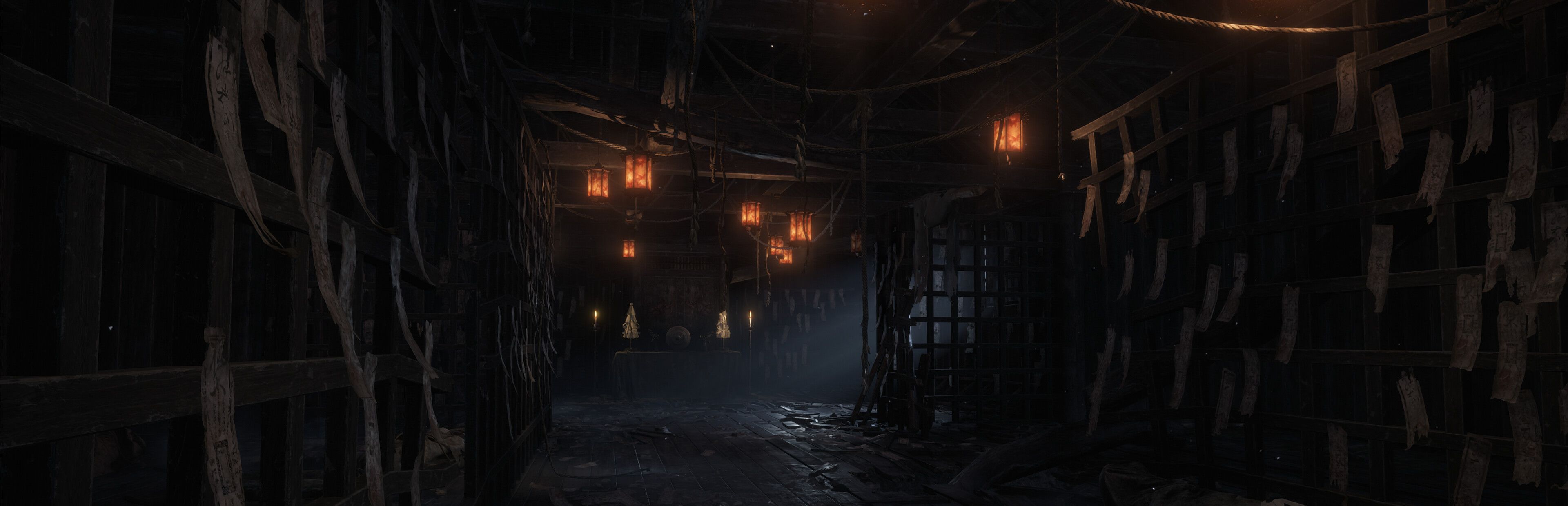
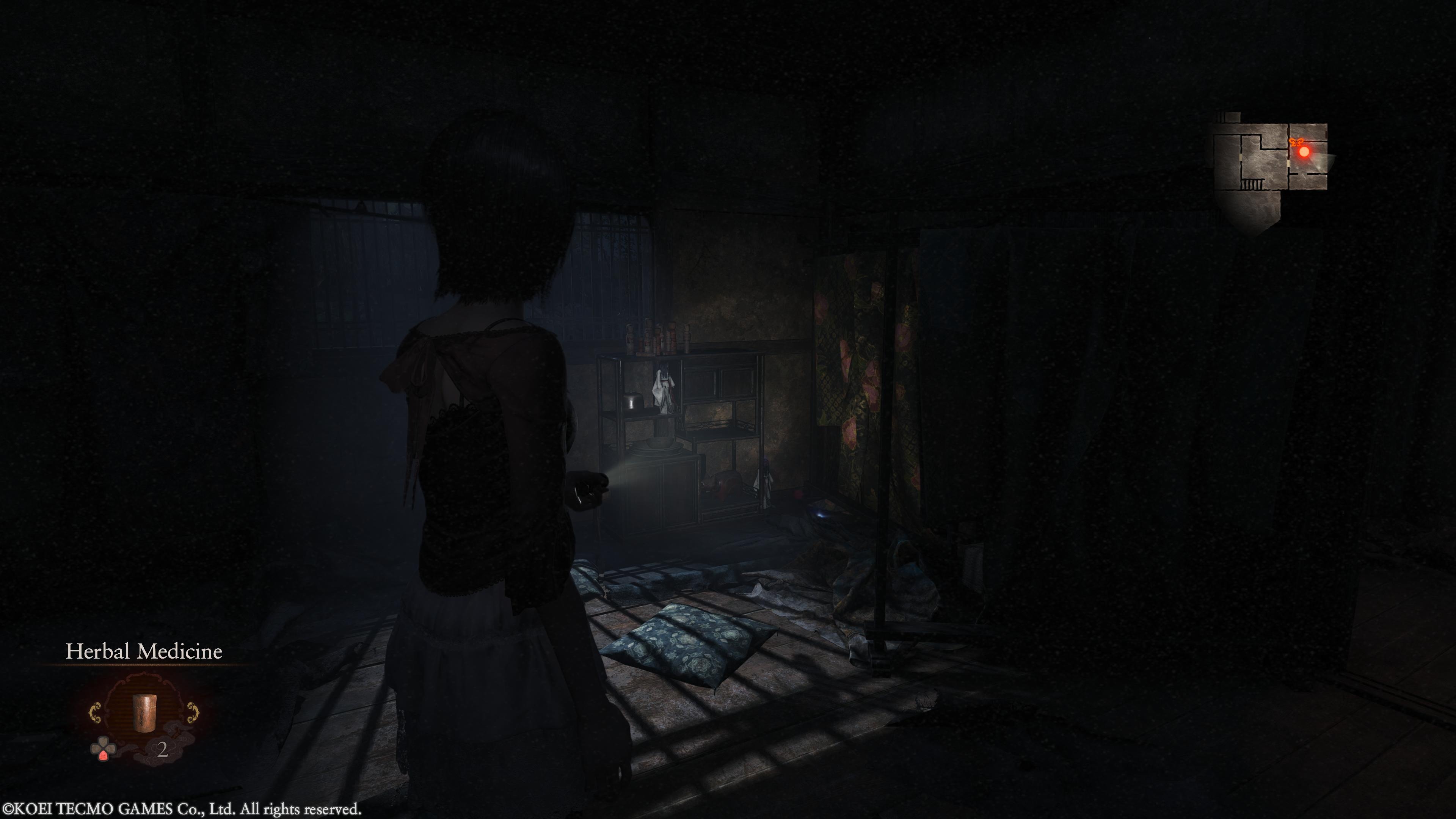
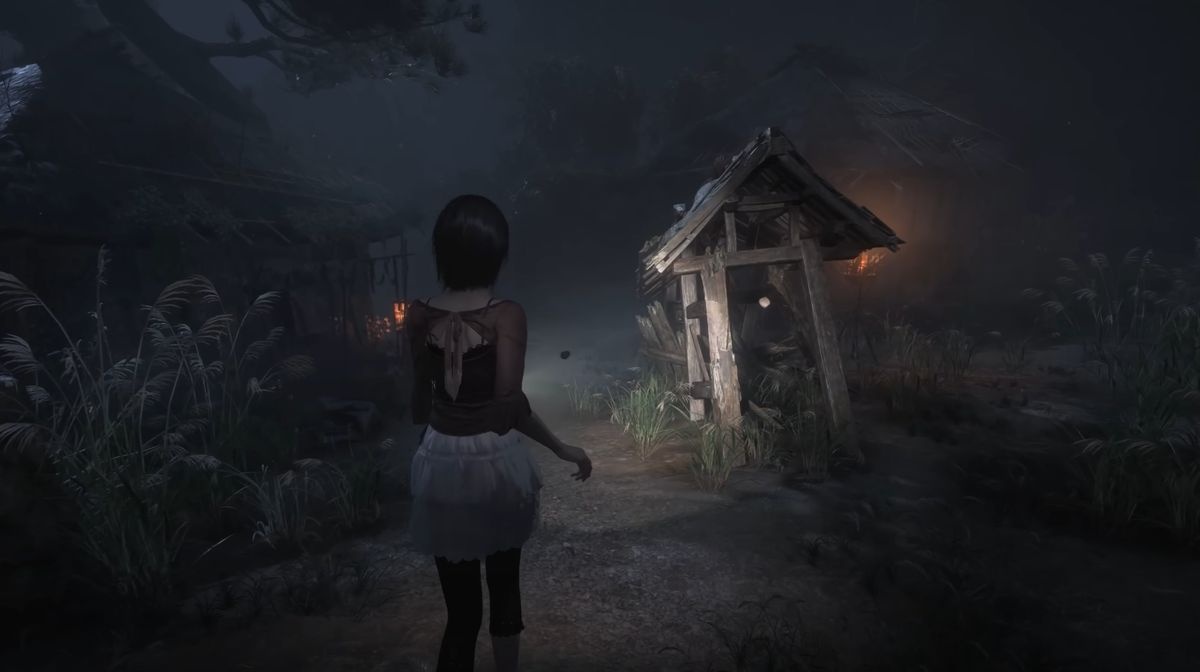
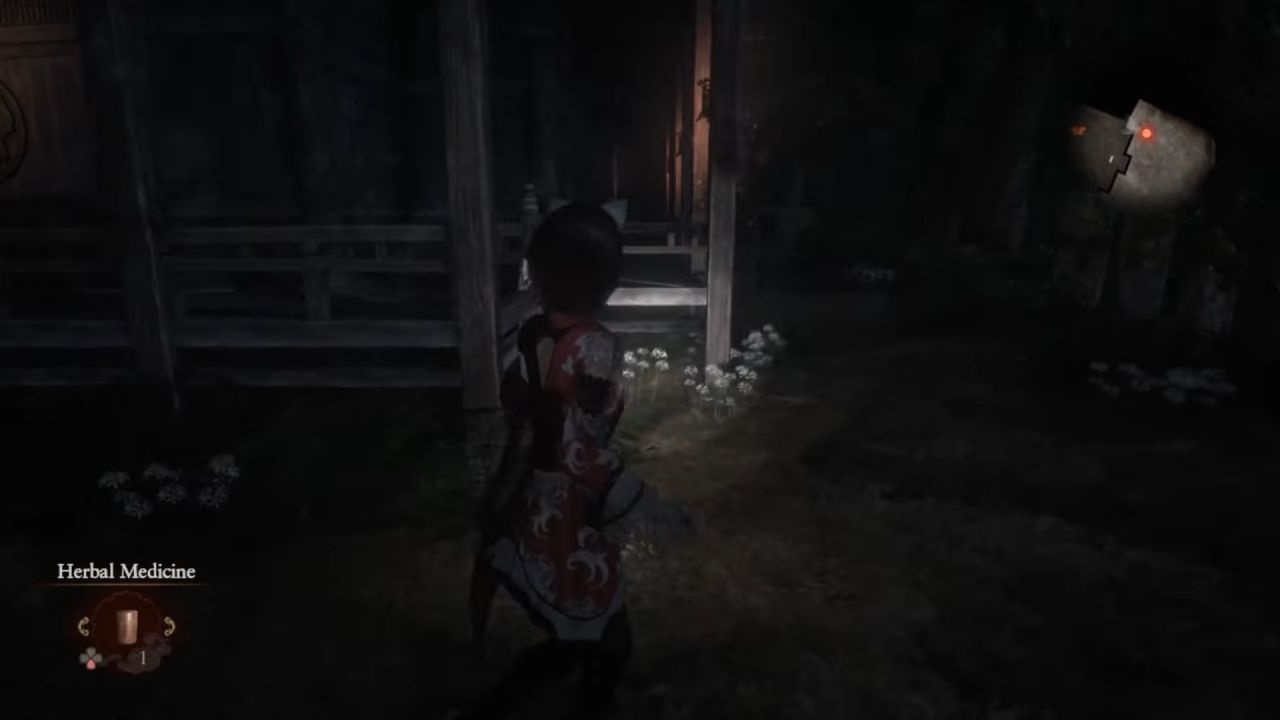
Everything visually was remade, including the cut scenes. This is mostly a scene-by-scene remake of the original for better or worse. You start out wandering into the Minakmi Village with your sister in tow and explore the first house. You pick up a flashlight, save for the first time, and get the Camera Obscura early on, and then it’s time to explore. There are a lot of items to collect that show up as blue glints on the ground; there are ghosts to capture called Specters that wander around, but you need to be quick or the shot is gone forever. Your parameter will flash the color filter you need to get certain shots. You can unlock doors and cabinets with some filters and solve puzzles with others. Film is used as ammo against the wraiths that attack you. The camera system is overly complicated and could have been redesigned from the ground up, and I don’t know why it wasn’t. The areas are exactly the same as the original but made with a lot of attention to detail. The lighting and atmosphere are fantastic here, and you always feel on the edge. There are details like Mio slowly opening a door or reaching out for an object in hopes nothing snatches your hand. Most of the time it doesn’t happen, but a rare occasion means you need to fight a wraith.
If you know how to play the original, then great. The game plays 100% like that down to a tee, with nothing changed. There are no added areas or anything we’ve grown to expect from remakes like Silent Hill and Resident Evil. Nothing was really improved, just updated for a modern audience. With that said, you do get shown where to go next on the map…sometimes. You can follow a crimson butterfly around to most of your objectives, but some will just be yellow blips on your map but not your minimap. It’s not consistent, and many times when you are exploring one of the three large houses, you won’t know where to go. This can lead to a lot of aimless wandering, refighting the same wraiths, but it does seem the difficulty is more balanced. I finished the game on normal and never ran out of film, which was a common problem in the original.
When it comes to combat, the camera hasn’t been updated or changed to be better. Just more modernized. The FOV is very narrow, and you need to keep the white circle over the wraith’s face and make the focus points turn red. The more focus points, the more damage is done, shown by a health bar on top of the screen. The health will turn from red to a washed-out red, showing the potential damage that shot will do. It’s best to shoot enemies right when they attack for more damage. This can lead to a Fatal Frame opportunity in which your film loads instantly and you can take a couple more shots. There is a white line on each health bar, and you need to get it below that line as fast as possible or the wraiths become agitated and regen health and become more aggressive. This is where the different films come into play. Type 7 is the weakest and is infinite. Type 14 does moderate damage. The Type 90 does moderate damage but loads quicker. Type 00 loads the slowest and does the most damage, and you only get a few of these throughout the game saved for bosses. Then, type 61 does heavy damage but also loads slowly. This is really confusing. Why not rename the films or put (heavy, light, etc.) next to the name? If all of that sounds complicated, the upgrade system is more bloated.
There are charms you can find throughout the game. Some of these have audio attached to them played through the spirit radio, and some are bought at the save lantern. Most of these are completely useless. This was an opportunity to revamp this system, but instead we get 50 charms with most not being effective enough. You can’t easily swap charms. You must go into the pause menu and change them. These add passive effects like more damage to certain filters, wraiths will be less aggro, stamina will recharge quicker, etc. However, most charms are just a single passive trait. Stones have two traits, but usually a positive and a negative. Most charms are things like “damage is increased when Mayu is in the shot with a wraith.” Mayu is only with you a few times in the game, and you want to keep Wraith away from her. Once you’re knocked down, you have to use your camera flash to get them off of you if you can’t shake them fast enough. A wraith can cause a game over if Mayu is attacked too many times. Switching between filters is only useful early on, but once you get the Radiant filter, you can upgrade the attack charm to level 6 and use that through the whole game. The Paraceptual Filter is good for longer range but rarely needed. You can add prayer beads to the filters and camera to upgrade them, but they are very rare, and you won’t get through many upgrades by the end of the game. It’s best to focus on a single filter (the Radiant filter) and the camera itself. You want a zoom function but want to increase film capacity and attack power on the filter. New Game+ will give you an opportunity to upgrade other filters. You can find items throughout the game to heal and recharge stamins which is needed for dodging and running in combat.
Again, I found this overly bloated and it could have easily been cut down. More prayer beads would have been nice. Once you start a New Game+, everything costs a ton of souls. Sometimes in the millions, and unless you’re playing on Nightmare difficulty, you won’t get enough souls in a single playthrough. It’s kind of a rigged game that forces you to play a certain way. Even costumes are locked behind large amounts of souls, and the original costumes are all gone, such as the Bandage, Bikini, and other more skimpy outfits. This leaves little incentive to find everything, as all the notes have to be found in a single playthrough, but the Twin Dolls (there are 47) carry across play throughs. It’s kind of a mess and makes multiple playthroughs very tedious. The linearity of the game and the fact that all of the scares are pretty much seen during chapter 1 mean playthroughs will be less fun. The game still retains the jank from the original. The slow and sluggish movement, the over complicated Camera system, and the few enemies that make an appearance are all defeated the same way. Just make the circle flash red and shoot. The bosses are more interesting, but many are fought multiple times. This is something that could have changed in the remake. You will finish the game in about 10 hours or so even if you try to find everything.
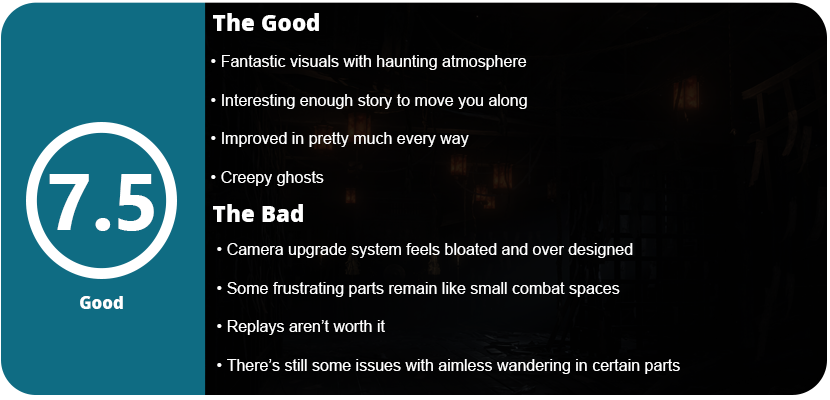
If you’ve played this game before, don’t expect much other than a more polished version of what you already know. New players will enjoy a retro survival horror in a shiny new skin, but those who come from Resident Evil and Silent Hill remakes might find this game too slow and its systems too bloated to enjoy for long. I personally like this game. The story is interesting enough, but most of it is told through diaries and journals, so if you aren’t looking for those, you will miss out on a lot. The cut scenes don’t really show much, and nothing is really explained through dialog. This is something that also could have been changed. Maybe some exposition-dumping dialog during certain scenes. I love the new visuals as well, but the claustrophobic areas will feel too cramped for some. Some may prefer the retro survival horror jank preserved, but I say what’s the point of a remake then? We can just play the original.
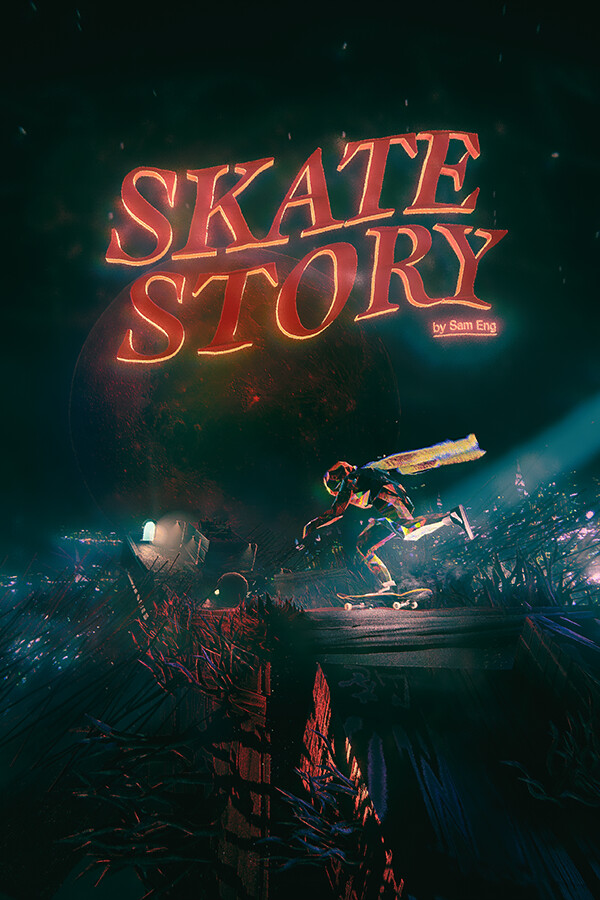
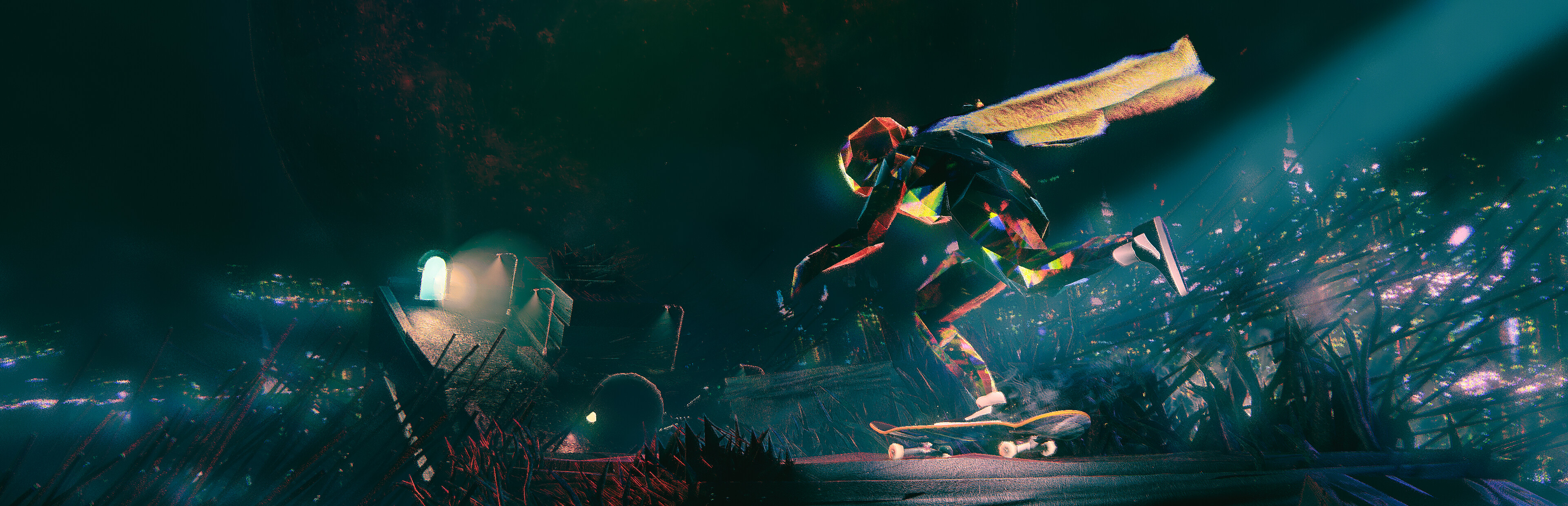
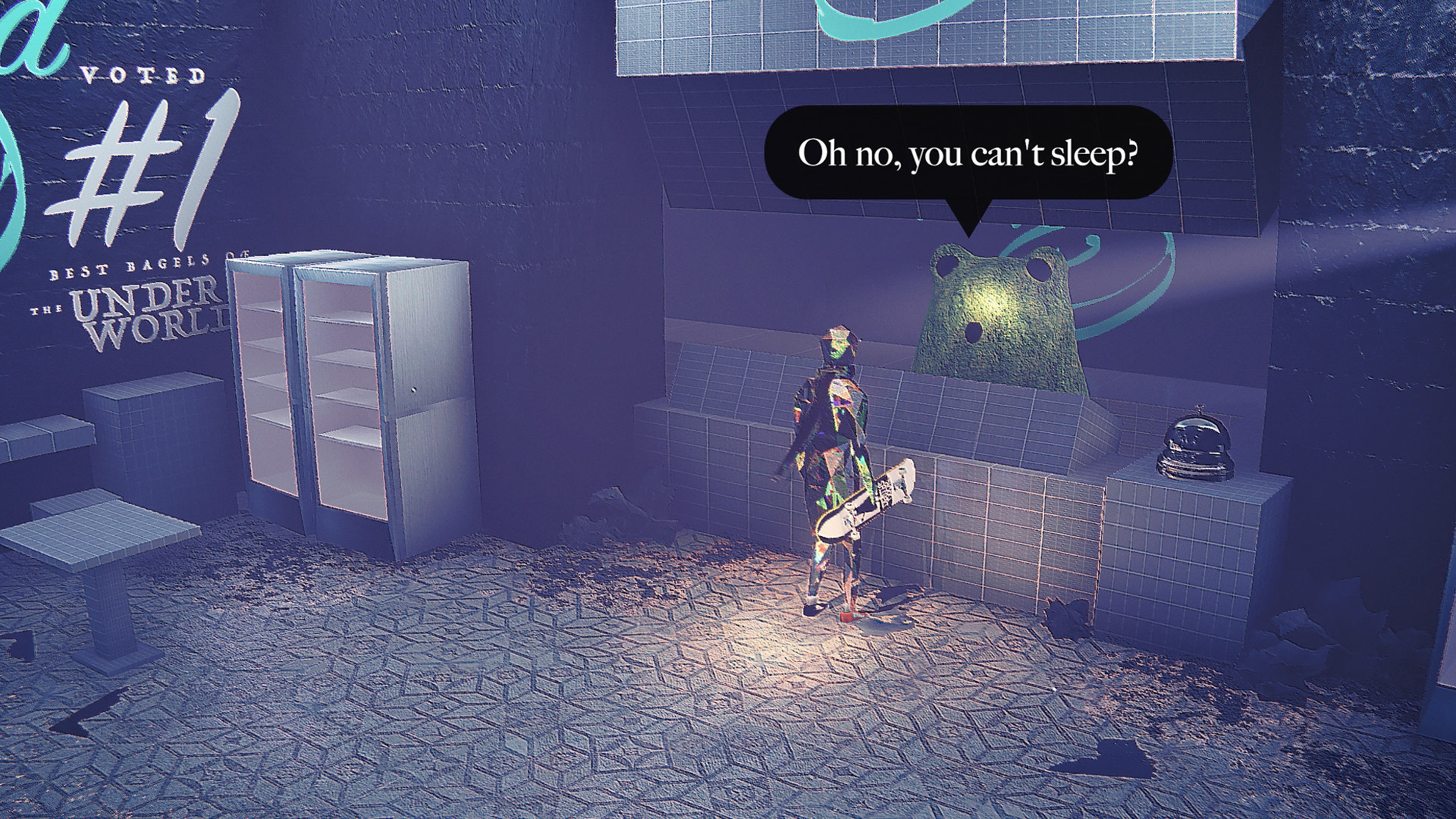
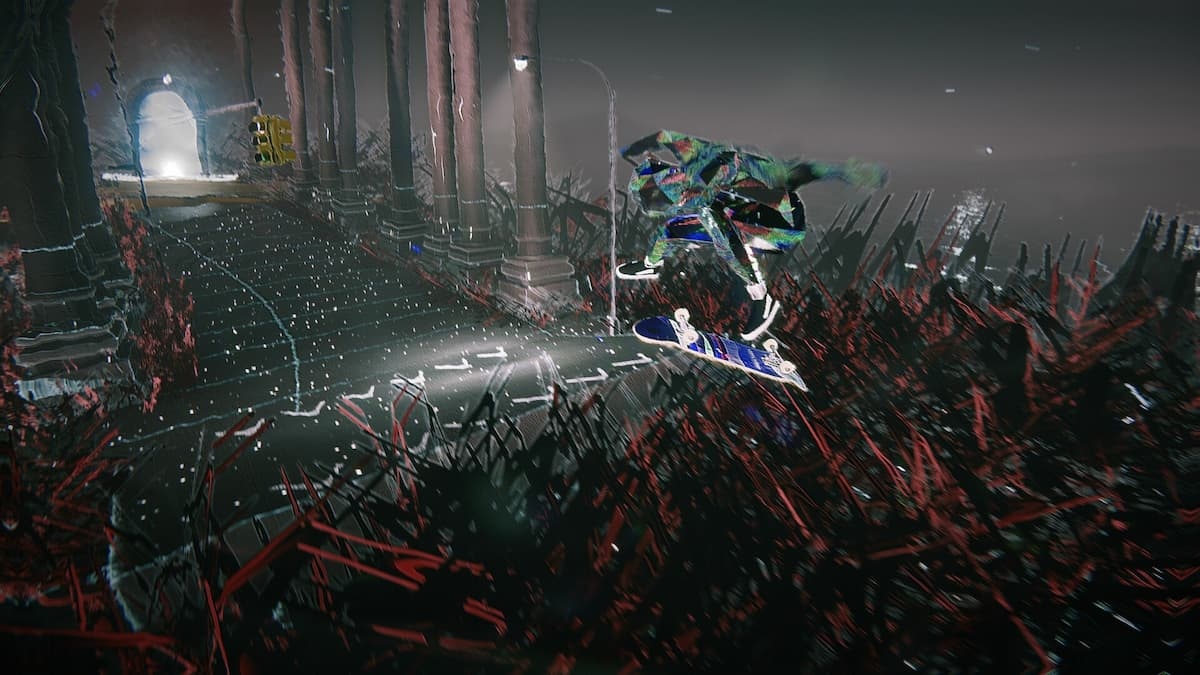
When you think of skateboarding, you usually think of grounded realism or arcade fun. Games like Skate or Tony Hawk’s Pro Skater come to mind. Maybe the more recent Session: Skate Sim. You wouldn’t think of fantastic music and trippy visuals, but here we are. Skate Story doesn’t just have a brand new trick system for skateboarding games that works, but it also works well within the confines of its own world. You are a glass demon who signs a contract with the devil to eat all of the moon in the underworld to bring eternal darkness, but in exchange you become full. The story kind of plays a backseat to the rest of the game, but it’s moody and dark and has enough value to pay attention to. There are some pretty dark themes tossed in like depression, hopelessness, and impending doom.
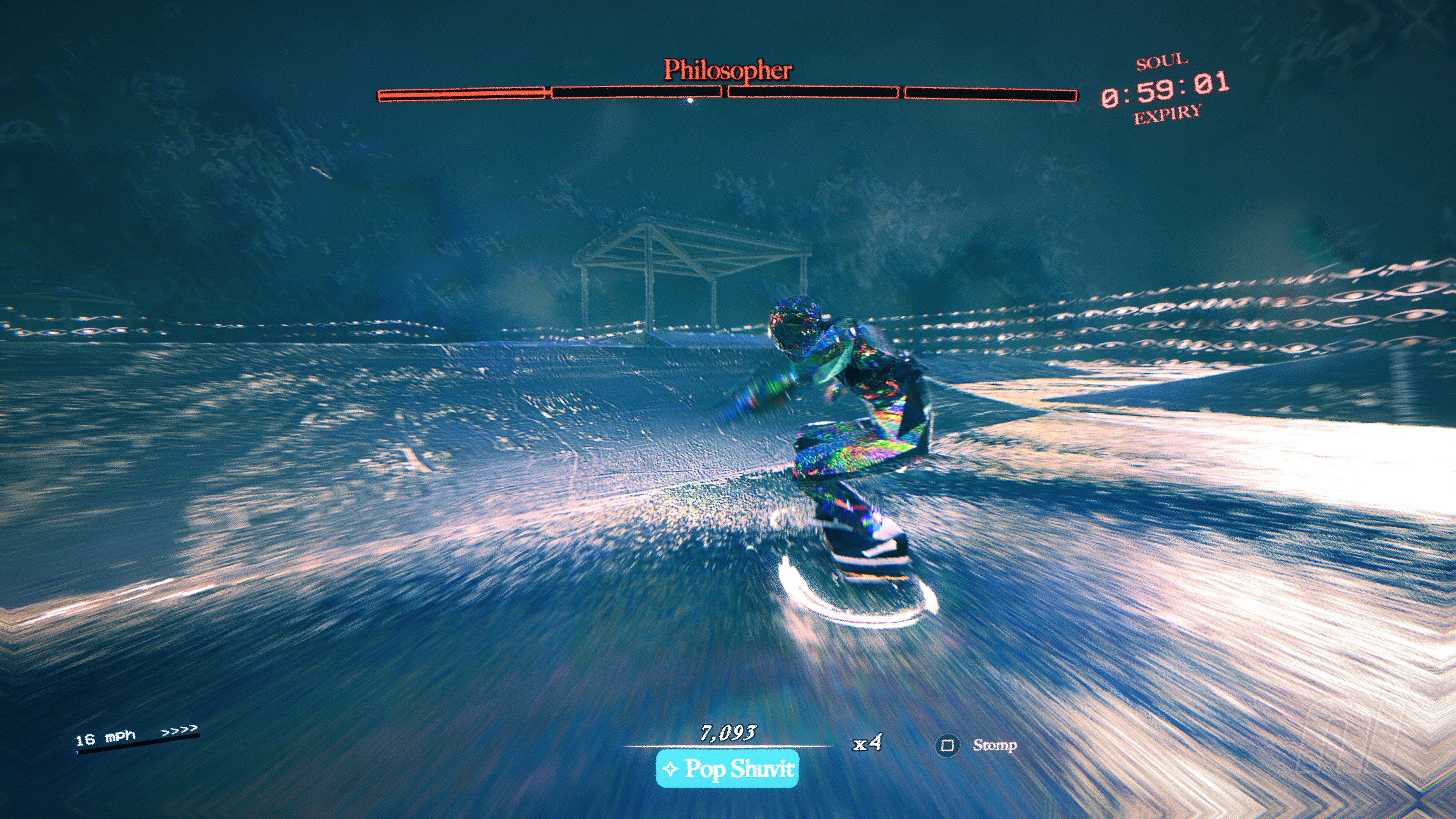
The game’s trick system uses all of the shoulder buttons for flips and the circle button for ollie. You can push with the X button to go faster, but there are no grab tricks. This is solely a street skating game. You can do flip tricks and grinds, and they feel as good as any other well-established skateboarding trick system. The animations are fantastic, fluid, and smooth and so well responsive. The game isn’t a rhythm game, but the level design is focused around the music. The game features surreal visuals similar to many indie games we are seeing on Steam. A lot of trippy colors, strange shapes, and an overall feeling of non-human presence. Nothing in the world is recognizable with everything mishappening. It’s like looking at hell through a kaleidoscope. The game does have linear levels and story progression. After each intro section, you are dumped into each level of Hell’s “city” to freely explore. Levels are set up with plenty of spots for tricks, but your goals are pretty standard. You usually need to perform a high score, maintain an ever-dropping score, or defeat a boss. Sometimes you need to perform a string of specified tricks as well. Over the first few levels you will learn new things such as manuals, nollies, advanced flip tricks (that require double tapping a shoulder button before an ollie), and grinding.
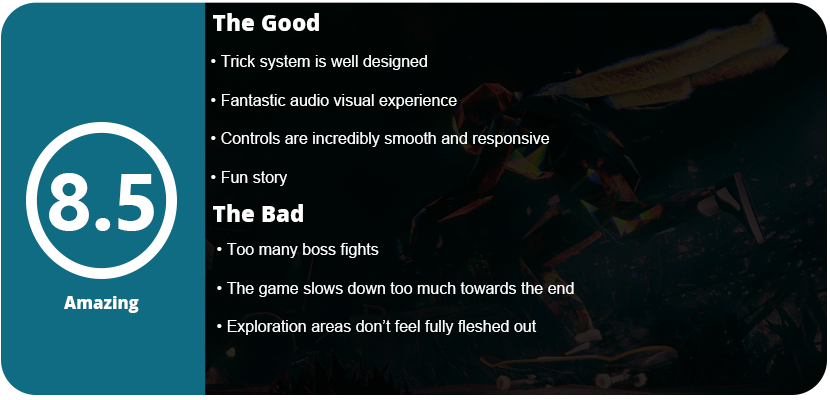
Exploring is probably the weakest part of the game. You can get more souls to buy more boards, stickers, trucks, and wheels at the gift shops, but that’s it. There are hidden stickers in the world, but you will most likely just go straight to the next story element. The levels are well built with many trick spots, but I wish there were more optional objectives that could lead to achievements or something. It’s not a deal breaker, though, as there are plenty of levels to see and experience. These are just the main stationary levels. In between objectives, you will have randomly generated linear “tracks” that you push through or trick through to the beat of electronic and trance music that verges on the border of vaporwave. The levels and pacing of them are designed around the music, including the lighting and effects. The songs are absolutely fitting and so much fun to listen to. With a great sound system, this game becomes an audiovisual treat unlike any other. It’s so good I put the soundtrack on my daily rotation for video game music. The track levels are a lot of fun and are fast-paced. They can get a bit frustrating later on when you feel like you’re restarting each track constantly because you just can’t nail a grind to get over a pit or something, but these tracks are seconds long, and when you go into the warp gate, you start another track seamlessly.
Boss fights are plentiful and sadly overused. These bosses have health bars, and you need to “stomp” tricks down to knock their health down. Larger combos and points do more damage. You can trick up a combo and “bank” the points by stomping. Not all bosses are the same, but they feature a couple of the same ideas. You either need to stomp in general or stomp in their spotlight, which is the only place they can take damage. Bosses are very visual, but overall they are the same throughout, with some bosses being back-to-back. There are also smaller “enemy” characters that can shoot at you as you skate around. It’s an interesting idea, but after the 10th boss, you get a bit tired of it. Some later levels have you rack up a combo score before a time limit, and some will decrease if you stop for too long. It’s not difficult, and while the bosses all have timers, I never died or had to start over from running out of time, but I came close. If you don’t adjust to that trick system quickly and learn to combo, you won’t do well. You can customize your skateboard with decks purchase as the shops as well as place stickers anywhere you want. It’s a neat feature.
Overall, Skate Story has an intriguing enough story for what it is and plenty of levels to play in. The game is nearly 8 hours long with ten chapters, so you will get your money’s worth. The insanely unique visuals, fantastic soundtrack, and great trick system make this one of the best indie games this year and put it at the top of the best skateboarding games ever made. It’s hard to put the game down, and if it weren’t for the repetitive bosses and having more to do in the open levels, this game would be pretty much perfect. It’s okay that there aren’t any grab tricks. It doesn’t need them. Just sit back, enjoy the music and story, and have fun skateboarding.
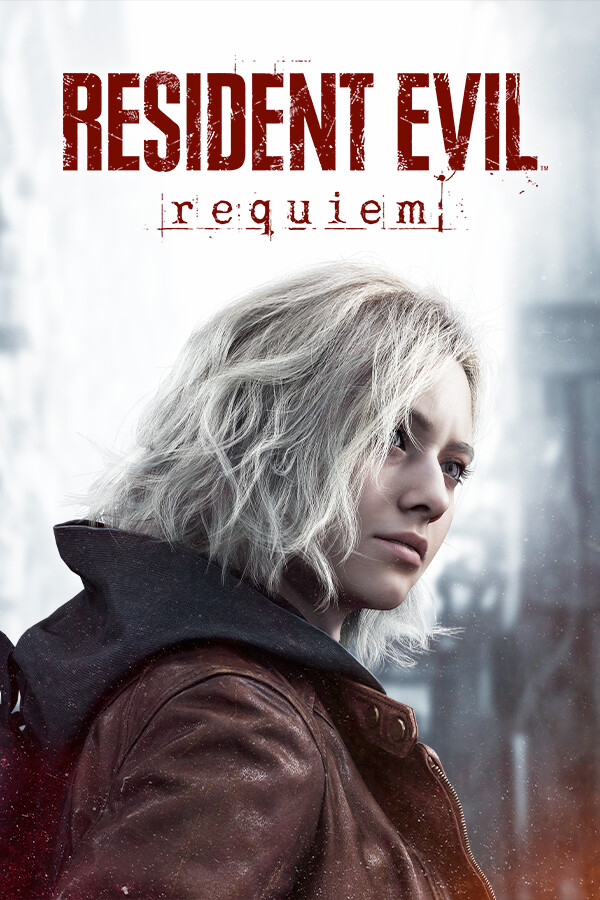
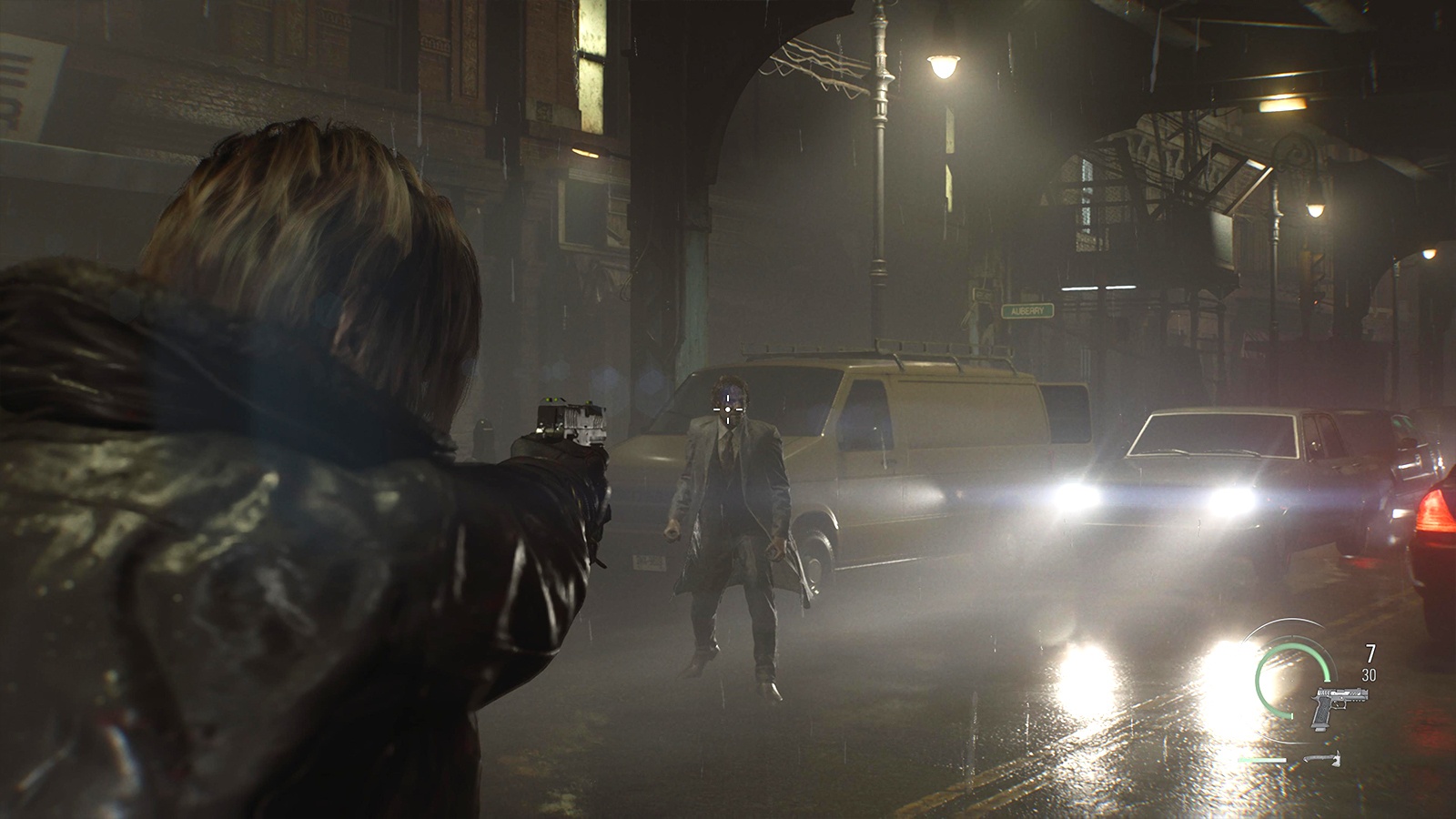
When one of the founding fathers of modern horror games has a new release, we stand up and politely pay attention. Along with other series such as Silent Hill, Fatal Frame, and Clock Tower, Resident Evil is in the upper echelon of survival horror gaming. While the series has had multiple reboots over its life cycle, the most modern version from Resident Evil VII remains intact here. Requiem feels like a blend of VII and Village but also adds elements of what made past games great. The level design and flow of Resident Evil 4 plus the slow plodding pace of the original series. The levels with Grace Ashcroft will frighten you and make you grip your controller in anticipation and fear, while Leon Kennedy’s more action-oriented level will make you do the same, but due to the intense action and strategically pulling out different weapons for each situation that comes up. One new aspect to Requiem is the haunting atmosphere and near post-apocalyptic feeling that Raccoon City has. Yes, you do revisit some areas from Resident Evil 2. I also noticed that Requiem has a different flavor of music during Leon’s exploration areas. I got Fallout 3 vibes. You feel alone and desperate, savoring any and all moments of light, safety, and quiet no matter how brief. Requiem makes you feel desperate and alone, and that’s very hard to pull off in most games.
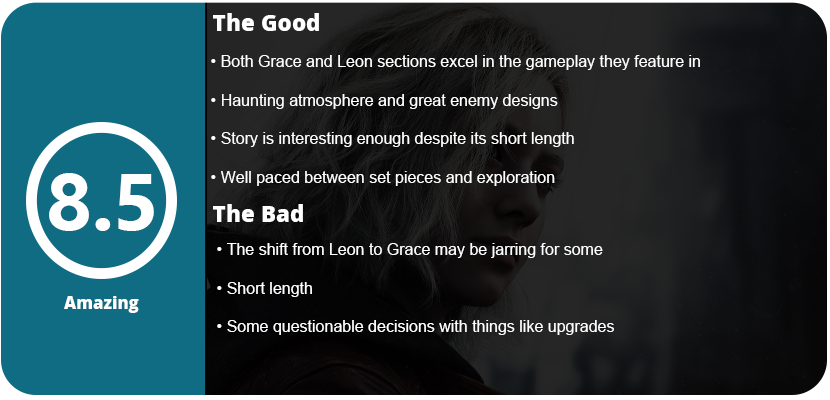
Another aspect Requiem shies away from is less of the campiness from previous games, even VII and Village, which is a welcome change. While there is some cheesiness from the series that eeks in from some of Leon’s lines or the personalities of a few characters, the more serious nature of the series is a welcome change and works well here. While new character Grace isn’t my favorite in the series, she has enough humanity and personality (such as her stuttering a lot when she’s scared and nervous) to help bring the game closer to something more relatable. There are subtle touches in the game that a lot of people might miss, such as Grace holding her mouth when a boss character snakes by, her fumbling a lot when desperate, and little gestures that make a difference. Her sections are played in first person (and optionally third), so you are more up front with the horrors around. Requiem plays like two separate games, and it may be jarring to some. There will be a divide with fans of the slower-paced games loving Grace’s part and fans who love RE 4-6 preferring Leon’s more action-oriented parts. I feel they complement each other. When things start to feel a little too slow, you switch to Leon, and when things might feel a bit repetitive there, or you need a break, you end up back with Grace. Both Leon and Grace have three large parts of the game each that they star in. Most of Grace’s parts are in the first third of the game, giving you brief tastes of Leon’s sections through the first third.
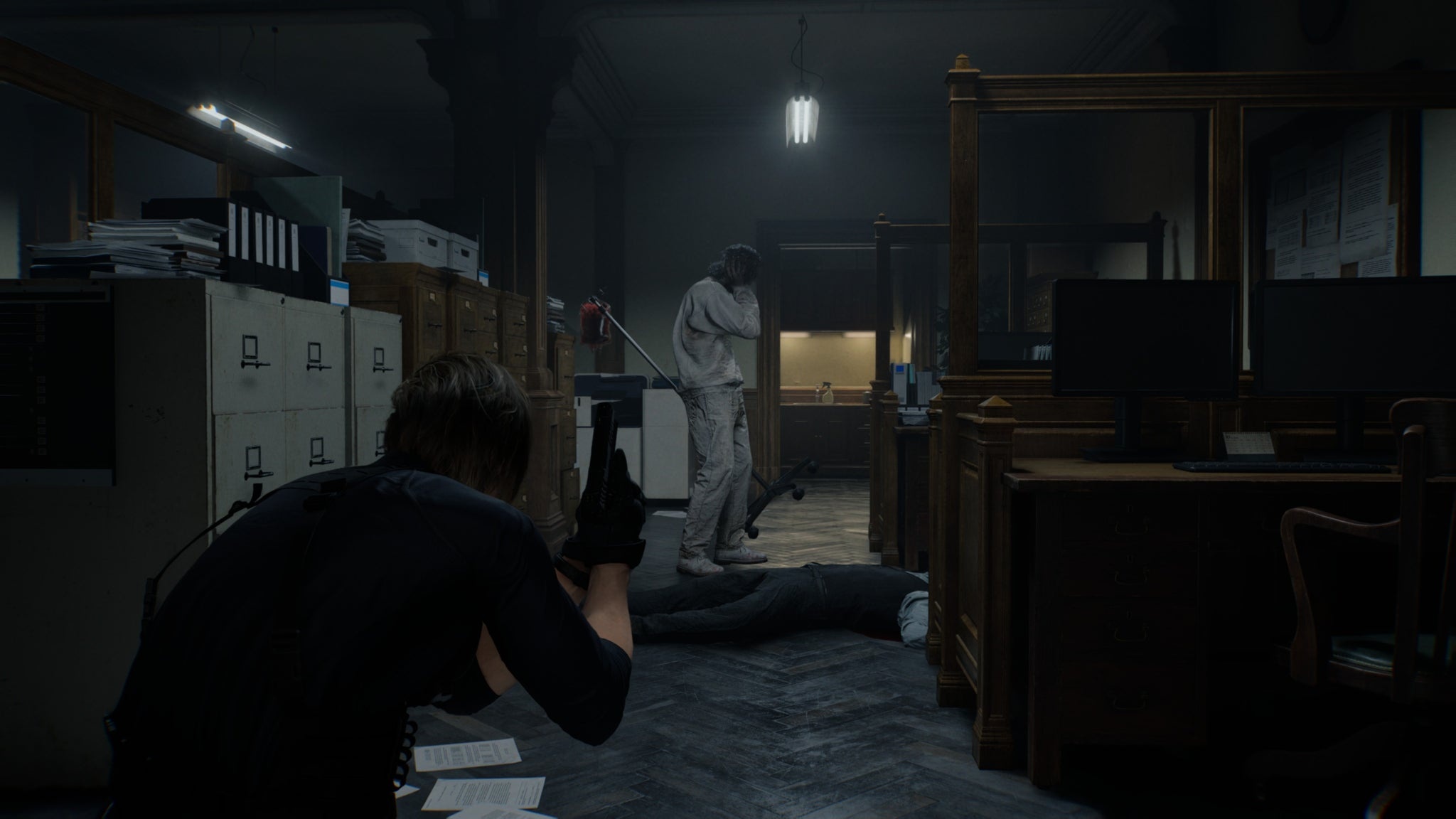
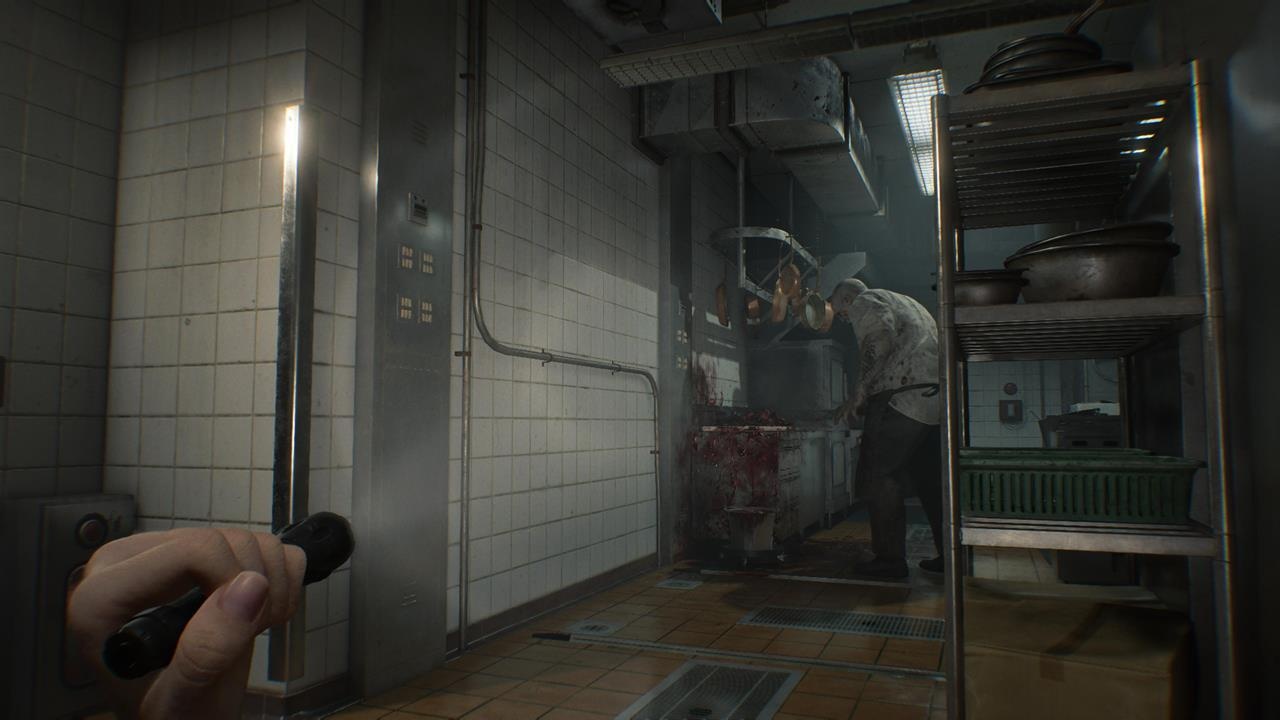
Grace’s sections are all about atmosphere and scares. There are no real jump scares here. Capcom did an amazing job delivering a lot of tension through the lighting and mood around you. Harsh white walls may seem like a safe haven, but just beyond the next door is complete darkness and zombies wandering around. Grace isn’t powerful, and her resource management is much tighter than Leon’s. In the first area every bullet counts, and you usually have to run away from most situations. I don’t want to dig too deep into the story and spoil anything, but Grace is investigating the hotel that you are in during the first part of the game, and while the overall layout may seem small, it feels huge when you can only advance little bits at a time. A fight with two zombies will feel like a herculean effort compared to Leon’s sections, who can battle a dozen or two at all once. Grace has a single pistol during her entire time in the game, and you have to acquire other things through crafting. You create things with scrap and blood. Blood is gathered with a tool that you acquire a little ways into the first area. You can craft healing items, ammo, Molotovs, and Hemolytic syringes to keep zombies from coming back to life. Yes, they come back here. Unless the heads are destroyed, that is, and Grace isn’t powerful enough to really do this on her own. It’s story-related, but the syringes cause the zombies to essentially explode. It’s important to craft as many as you can and get downed zombies before they even come back because they can come back stronger as blister-head zombies. These are fast-moving and tough to take down. A single blister head obliterates your ammo and health reserve and is hard to run from.
As you can see, Grace’s sections are meant for sneaking around, finding secrets (many notes with safe codes, for example), and a single area to level up. Yes, things can be missible in this game. Only the first section allows Grace to upgrade her abilities, such as weapon strength, increase storage (more pouches can be found later), blood storage, etc. It’s important you find the ancient coins throughout the first area and buy everything. I found it a bit odd that you can’t upgrade in later levels, but that’s the way it is. Doing so will make later parts of the game much easier. As for bosses, it’s best that Grace does not engage with them. Leon can later come through and take them out, but as Grace, you would waste your Requiem bullets and little ammo early on. Requiem is a powerful pistol that Leon carries (and gives to Grace in the beginning) that should only be used as a last-minute bail-out method. Later on, I saved it during boss fights. Ammo is insanely limited for this and hard to craft, as Grace (the recipe is well hidden).
The horror elements in Grace’s sections are fantastic. The introduction to each boss that stalks certain areas is so well done, and they are insanely grotesque. Zombies aren’t just plodding buffoons that make for easy targets this time around. They sway and fall around, which makes them hard to hit. Getting headshots isn’t easy, and their movements are unpredictable and require you to take your time and aim carefully. Certain scenes, such as when Grace is fighting off a zombie for the first time and it bites her weapon and breaks its teeth. The beginning of the game is mostly all about the horror while slowly opening up the first level to you and forcing you to explore. With each objective completed, you will be desperate to rush back to your safe room and save. Puzzles are not very complicated in this game. Most of them just want items that you have to fetch in different parts of the levels.
Leon’s sections are very similar to Resident Evil 4. Even though he’s older, he’s still tough but very much experienced. Your loadout is larger than any other RE game he stars in, and you can easily carry up to five weapons with room to spare. Leon’s first major area you explore eventually opens up to upgrades via a tracker that gives credits for kills as well as finding bonus tracking with different rarity. You can upgrade your weapons similar to Resident Evil 4. You can buy various attachments, sell weapons and items, and buy new ones. You can upgrade your armor as well. It will take quite a while to get enough credits to upgrade your favorite weapons, but by the end of the game it’s doable. Leon feels a bit heavy to control here, and his sprint is pretty fast. Melee combat is a bigger focus. Leon has a hatchet he can use to parry melee attacks. Sometimes when a zombie is staggered, you can chop off their head, do kicks (similar to RE4), and even throw melee weapons that enemies drop. It’s imperative that you switch weapons for each situation at hand. If you’re dealing with a couple of tougher enemies, grab your shotgun. If there are a lot of smaller zombies from afar, use your sniper rifle. If you have a bunch up close, whip out the SMG and spray them down. Your pistol eventually just becomes a backup weapon. Just like in RE4 you’re constantly balancing weapons and ammo to stay alive. You can craft items just like Grace, but the focus is more ammo and grenades and healing items than anything else. Weapon attachments aren’t really a thing in this game, so you end up finding a few hidden charms that can be attached to weapons. Leon’s areas are less scary and more intense during combat, but like I explained earlier, the exploration is haunting and eerie. You might enter a dark building not knowing what’s inside while searching an optional area for supplies only to get ambushed. One of the more fun moments is Leon being able to wield a chainsaw and cut everything down, but there are only a few scenes in the game that allow this.
Overall, Requiem is a fantastic Resident Evil game mixing multiple elements of what makes the series great. The evolution of the best zombies in any game that started with Resident Evil 2 Remake, the slower pace of the original games, the fast-paced action and great level design of the more modern games, and the visuals are mind-blowing. At least on PS5 Pro, Capcom’s use of PSSR 2 and ray tracing is incredible. Grace’s areas have halls with lots of white walls and light that look sterile and hopeless, with areas that are barely lit making you run for any light you can. This is one of the best-looking games of this generation, and it runs incredibly well. Requiem might feel bipolar with these two different takes on action, but it’s a refreshing take. The game isn’t too long either, only lasting about 20 hours if you get all optional items. You can easily blow through the game in about 15 hours.
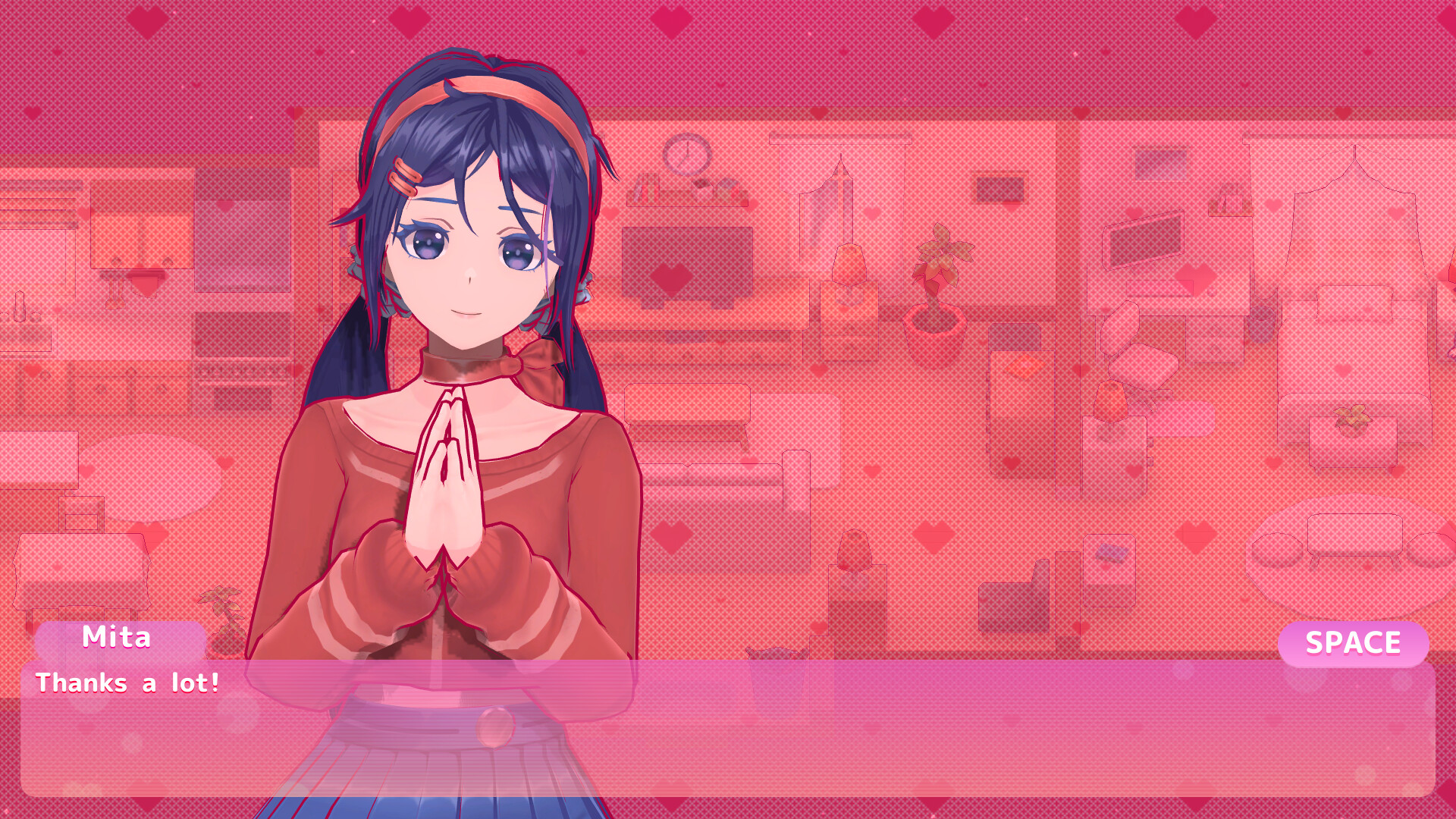
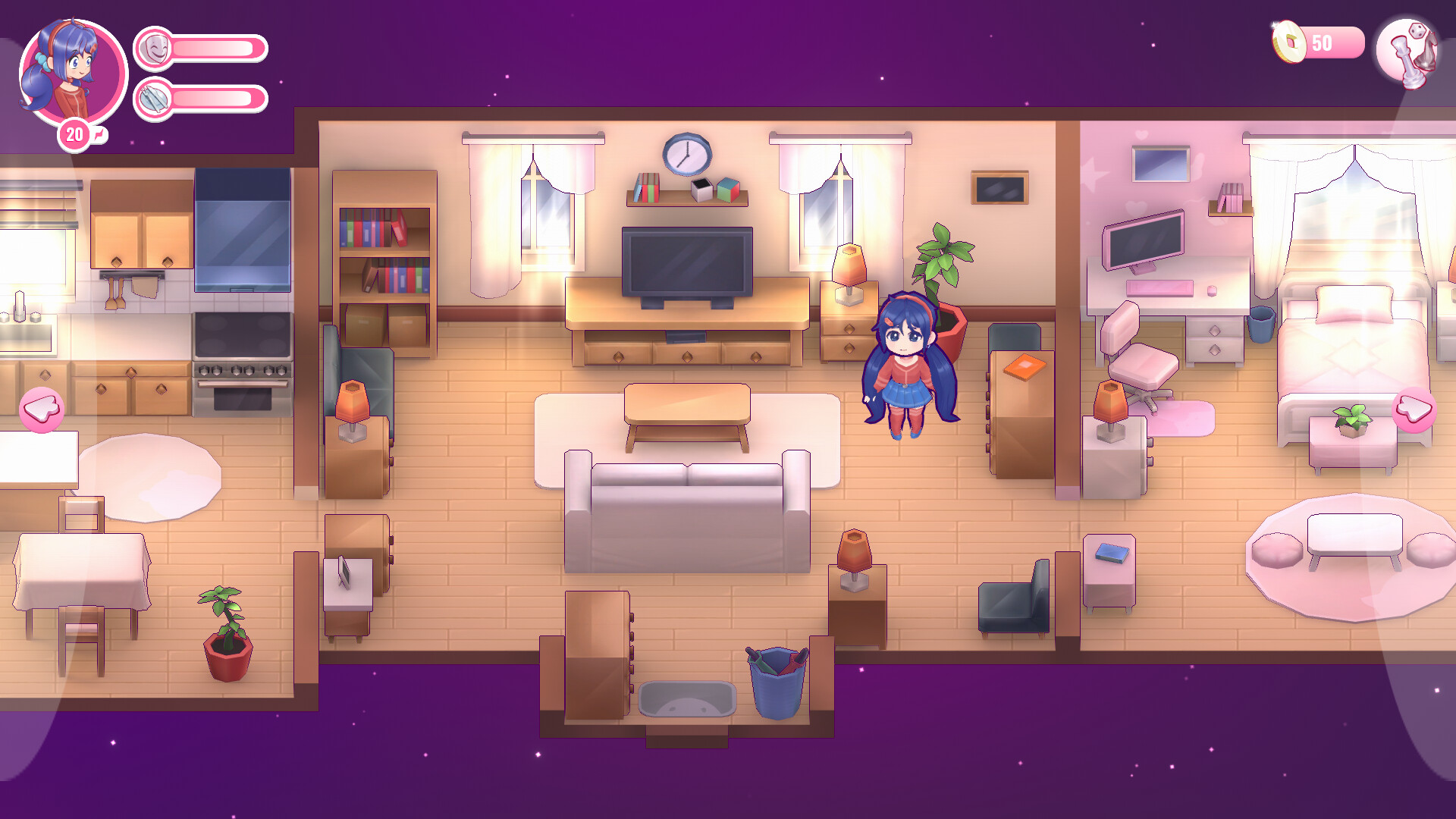
Have you ever wondered what it would be like to be inside of a mobile game? Probably not, but you can now with MiSide. This is a horror adventure title with anime vibes and a surprisingly engaging story. I originally passed MiSide off as a generic anime visual novel, but after digging further I realized there was more to this game. You play as a generic male character who ends up playing a mobile game called MiSide. The main female protagonist and antagonist is Mita. These are female characters that inhabit various versions of the game. My only advice to new players is to give the game time to build, as it is pretty slow to start. You walk around in first person, examining objects and talking to Mita. The game does a great job building up the character, as she’s the only one in the game, so everything rides on how well she is developed. The game’s biggest strength is subtle horror and the feeling that something is never quite right. Weird glitches start popping up, but Mita plays it off as if it’s normal and it’s nothing to worry about.
As the first chapter progresses, the horror elements start to kick in. I don’t want to talk too much about the story, as this is the strongest part of the game, and I don’t want to spoil much. There are some other minor gameplay elements, such as light but easy puzzles and some mini-games. You can collect character cartridges for unlockables, but overall there’s not really any reason to replay the game. Despite how repetitive the environments can be (such as Mita’s room), there are some elements when you break through the main game that really get interesting. The “behind the scenes” of the game, or breaking the game’s boundaries, is when things get super weird and fun. There are some short chase scenes, dreamlike sequences, weird monsters, and lots of walking around. The game is paced pretty well, and I appreciate how quickly the visits with each Mita are. Just enough to get an idea of their version’s personality and move on. These end up like little mini levels with a single objective inside of them.
My favorite part about the game is the intensity of escape. You need to break free of this game world before Crazy Mita gets to you. The developers did a great job of giving her some depth, and despite Mita being a single character, her different versions and personalities make her seem like separate characters. The way you interact with the game world in the first chapter determines the outcome of two different endings, and these can easily be overlooked. Interacting with the environment is really strong here, and despite not much being tangible, what you do interact with matters. Visual novels usually can drag on forever with exposition dumping, and this is something MiSide doesn’t do, which was my biggest fear. A lot of the lore and backstory is told as you move on through the game, so things never slow down and bore the player.
While the visuals have typical anime aesthetics, there are subtle things that make it interesting. It’s very sterile, and the soundtrack is brooding and haunting, like something is just always off. The game purposefully portrays a very fake happy “world,” and despite never being able to see outside of Mita’s room, you know it all feels fake and fabricated, and as you wander outside of the game’s boundaries, you realize this more and more. The game is very claustrophobic feeling, and you can feel suffocated as you feel like you are never going to escape. MiSide does something that good horror movies do, and that’s constantly giving you hope and then dashing that hope moments later. When you feel like all is lost, there’s another silver lining, and you grasp on to that and move along with the story, thinking you finally have it, just for it to happen again. It’s a great way to build tension, and while MiSide is only about 4 hours long, it doesn’t overstay its welcome.
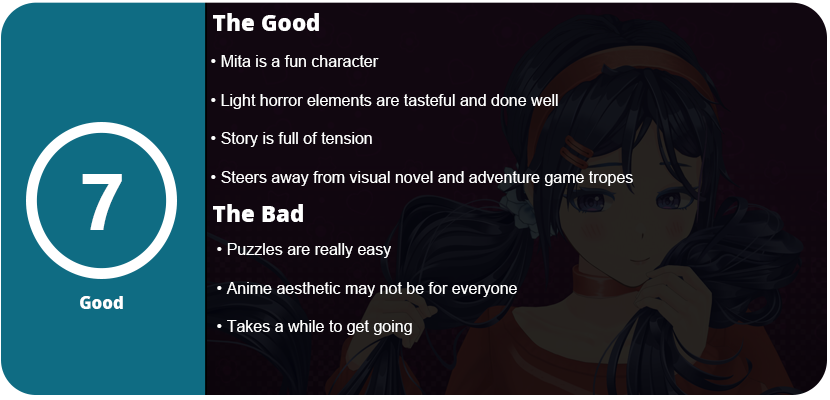
If you don’t like visual novels or adventure titles, I recommend giving this a try. It’s different enough to never veer too far into either genre’s problems or tropes, but if you don’t like anime aesthetics, that may be the clincher for you. The subtle horror elements and constant hope dashing give the story tension and a great feeling of accomplishment. When I was outside of the game’s boundaries, I got Portal vibes, and breaking its own 4th wall is just really cool. The game overall is just fun for an evening of great storytelling.
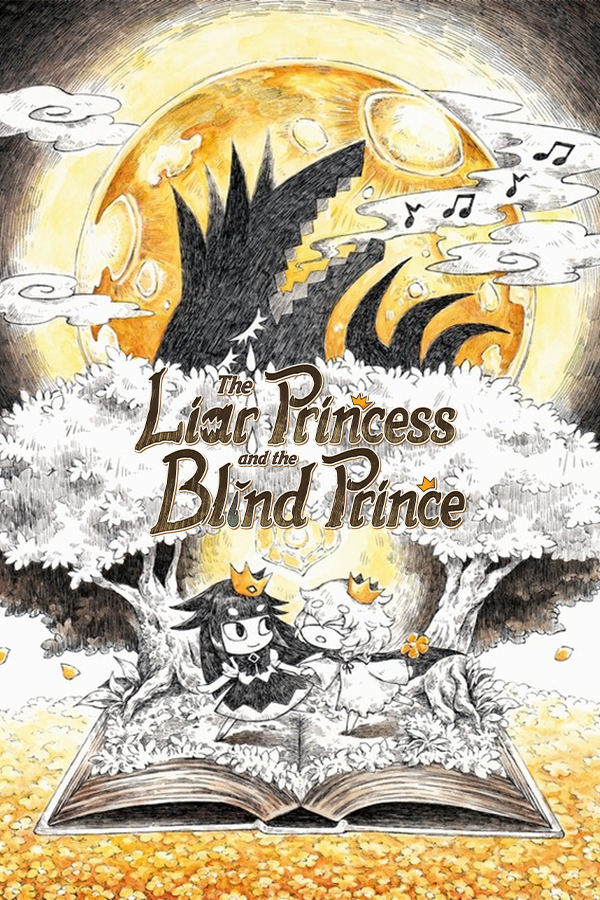
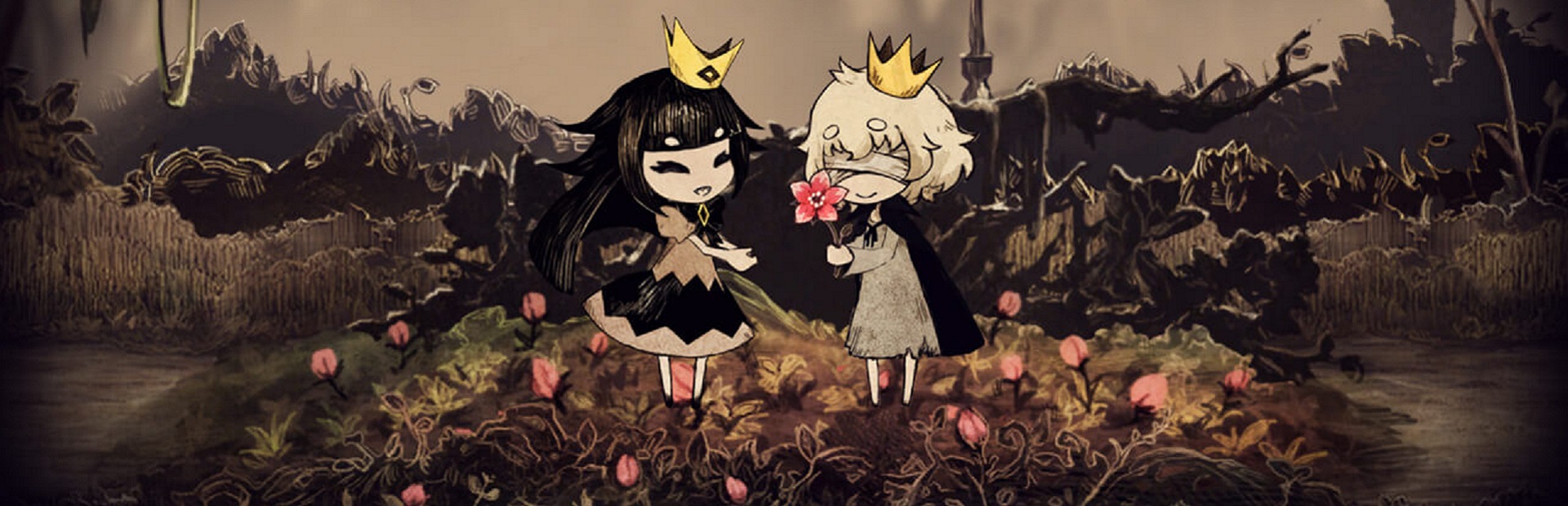
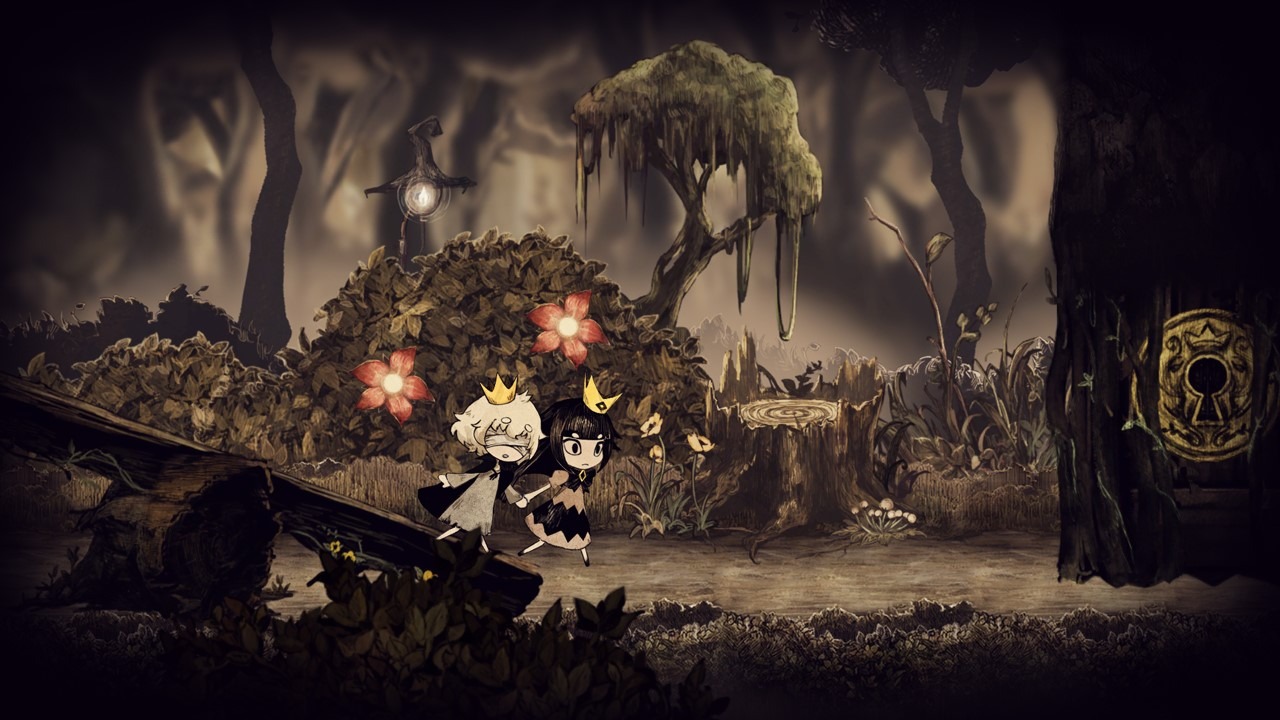
Fairy tales can be both charming and downright eye-rolling depending on how they are told. In this case, The Liar Princess is a charming story of trust and truth. One day a prince hears the singing of a girl at night, and over the course of months, he finally ventures out to find this voice. He climbs a cliff only to get slashed by the wolf who is singing to the moon. He ends up blind, and the wolf is so upset that she maimed someone who genuinely enjoys her singing that she brings him to the forest witch, who can let them be together by turning her into a beautiful princess, but at a cost. She must give up her singing voice. That’s the premise of the fairy tale, and it can be quite charming. There are cut scenes after every level and even a couple of plot twists. Sadly, that’s kind of the only thing worthwhile in this entire game outside of the art.
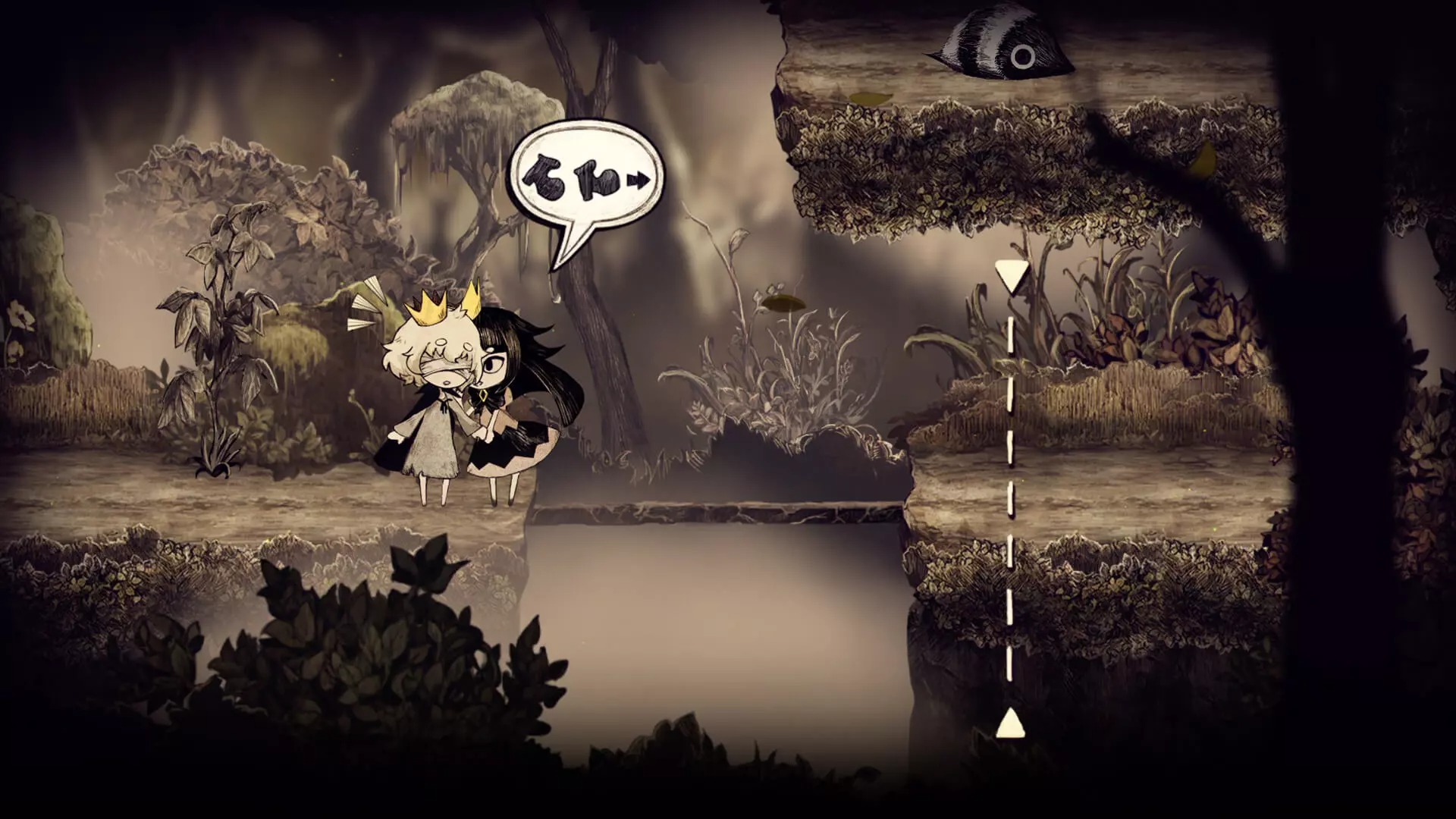
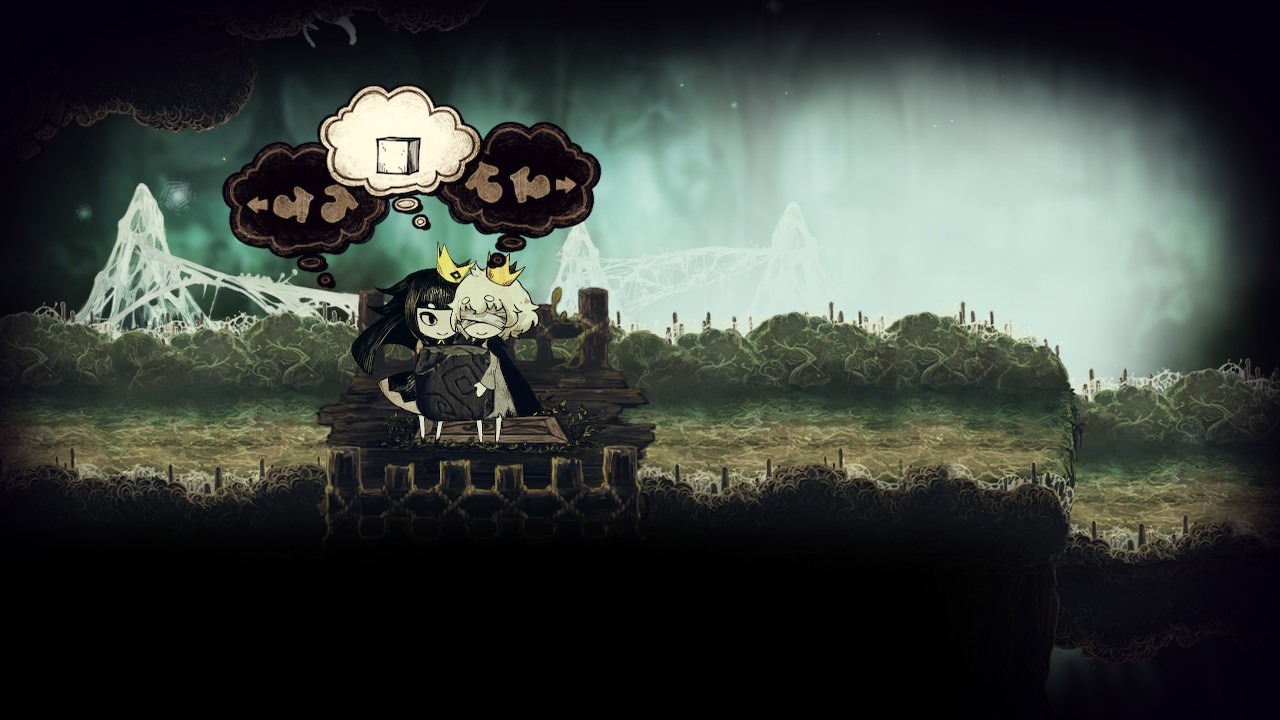
The game is incredibly sluggish, floaty, and hard to control with controls and mechanics that feel half-baked. If you hate escort missions in games, then you will truly loathe this one. The entire game is an escort mission. You must lead the blind prince around to solve puzzles…and do platforming. Yeah, that just doesn’t work out. With this awful physics you will constantly die and have to restart levels not even of your own doing. You can switch between the Princess and the Wolf at will, but you can not switch to the Princess if there is moonlight on you. This only occurs a couple of times in the game, so I think the developers forgot about this. As the Wolf, you can jump higher, are invincible to damage, and can attack enemies and “swipe” at objects to move them. As the Princess you can lead the Prince around by hand, and that’s pretty much it.
Where the frustration comes from is the awful glitchy physics and platforming. A lot of puzzles just don’t work because of this, and even the developers knew this, as after 10 minutes you can skip the level. For example, you will have two switches that need to be stood on, but a third one is behind a small wall with an opening to toss a heavy object through and onto the switch. You must swipe at an object to knock it over into the hole, and it takes dozens of swipes to get it just right. Sometimes the objects get stuck and you have to restart; sometimes they disappear. Sometimes you will drop down onto a mushroom pad (mushrooms are safe to land on), and you will scout ahead only to die from fall damage and respawn, and the Prince has disappeared and you need him for a puzzle.
Another frustrating scenario is swiping at plants that shoot balls at enemies, and these rapidly move from left to right. There are situations in which platforms will move underneath you, and you have to get the Prince onto them by timing everything. These plants move too fast, and getting them to hit enemies is all luck-based. I restarted an end level a dozen times only because I could not get these enemies to die fast enough, so I skipped the level. This happens all the time, and it gets worse as the game moves on. The Princess controls like she’s moving through mud, and it doesn’t help that on the Vita the game runs at 20 FPS. With my system fully overclocked, it can barely hit 30. This is a very poorly optimized game as well as all the other issues.
Combat is just as aggravating. You swipe at enemies, and because you’re invincible, there’s no challenge. I just wish combat would have been removed from this game. Enemies don’t attack either; they just move back and forth in a line. All this does is slow things down and make certain sections impossible to get past. There’s another mechanic where a Yeti can toss both of you up onto ledges, but he moves back and forth and throws you behind him. Timing this is maddening, as he has to have his back to the ledge you need to be on, but you need to be in front of him. There only way to control the Prince without holding his hand is telling him to move forward, backward, or pick up an object, and this is really slow. The Princess has to go through whispering animation, the transforming animation is also slow which leads to many deaths. The only parts I enjoyed were anything that didn’t involve combat, puzzles, or platforming, and that was most of the game.
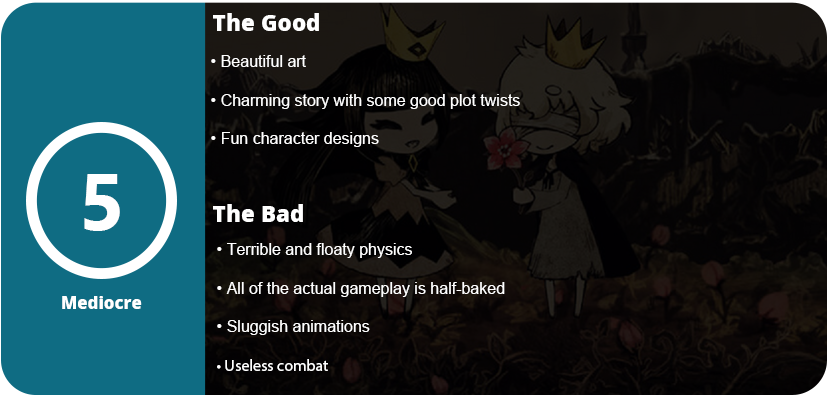
With that said, the game is atrocious to play and a chore to try and finish. It feels like the game was half-finished and they released it anyway. The visuals are great, and the story is quite charming, but I would have preferred a short walking simulator (which this game feels like it originally was) to shoehorned, half-baked gameplay. I honestly can’t recommend this one to even the most curious players, as most won’t even get halfway through before giving up.
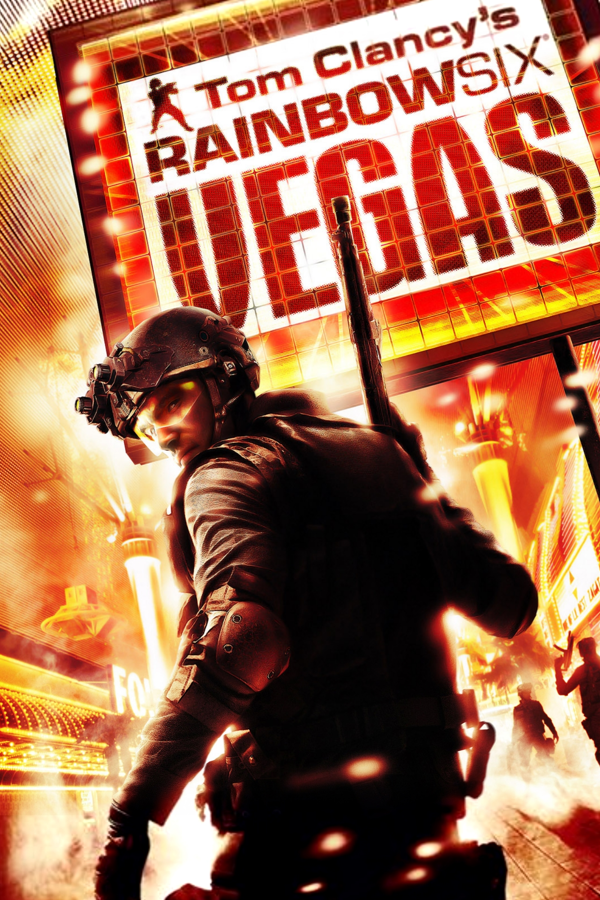
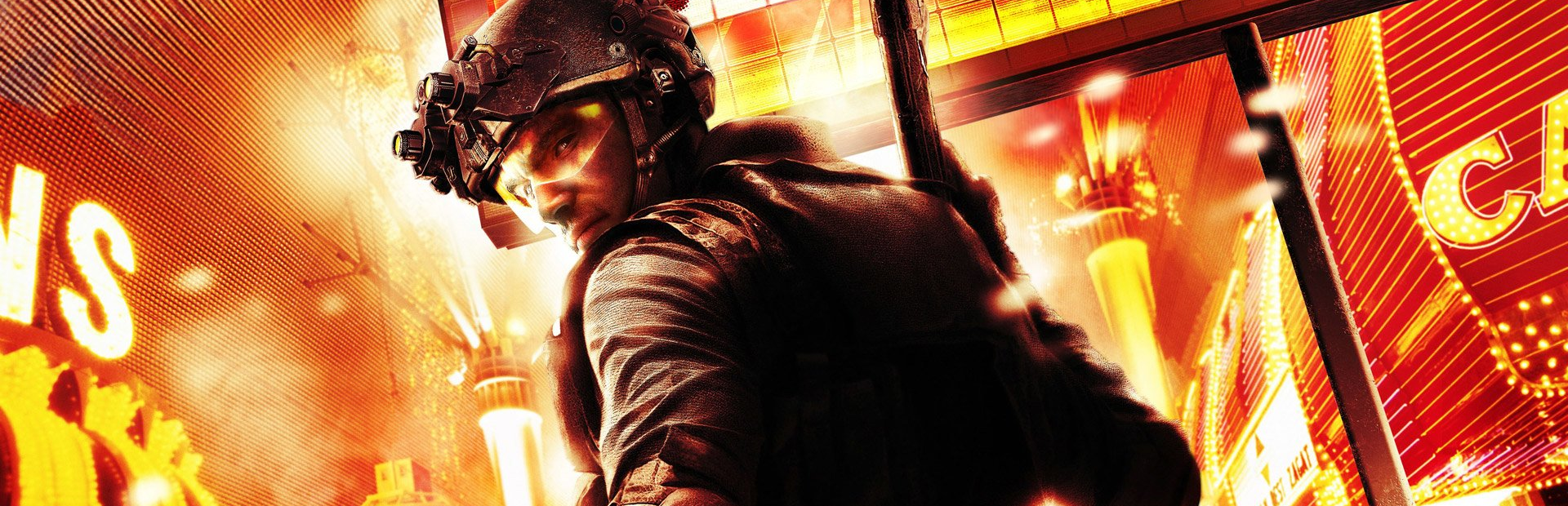
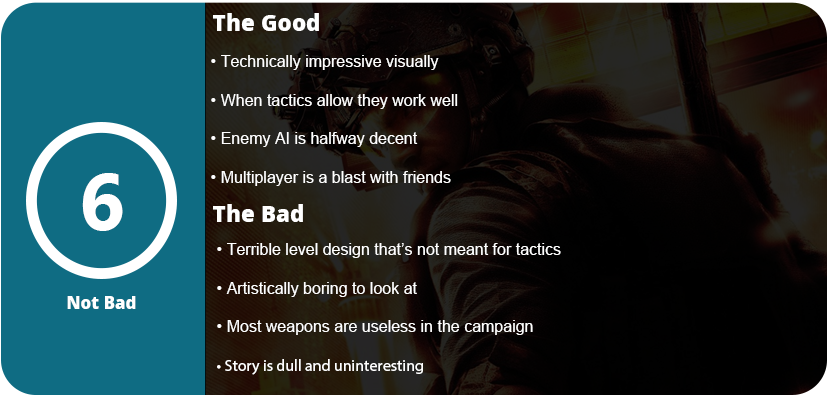
Back in the late 2000s, the Tom Clancy games were on top of the world. Engines that pushed consoles to their limits, great new ways to explore gameplay, fantastic shooting mechanics, and fun multiplayer modes. This was true across all the Tom Clancy franchises, from Ghost Recon to Splinter Cell. Rainbow Six was dormant for quite a few years before being rebooted in the Vegas series. You play as a team of three Rainbow Six operatives trying to thwart a terrorist attack in Las Vegas. Like most of these games, the story is only there to scoot the campaign along and isn’t memorable or anything interesting. There’s maybe a single cutscene per level, and calling these cutscenes is generous. Most scenes involve your operator talking to you via pre-rendered video in the corner of the screen or the Six team talking in a huddle. It’s nothing groundbreaking, but it doesn’t really need to be.
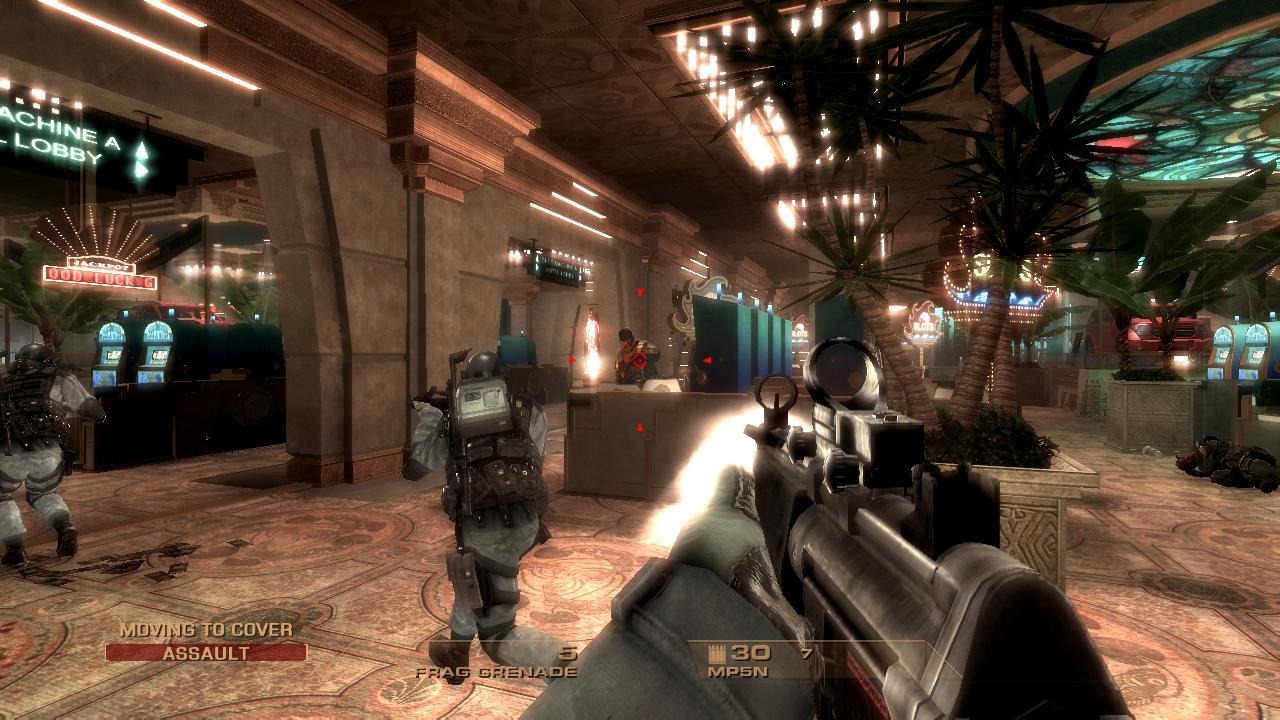
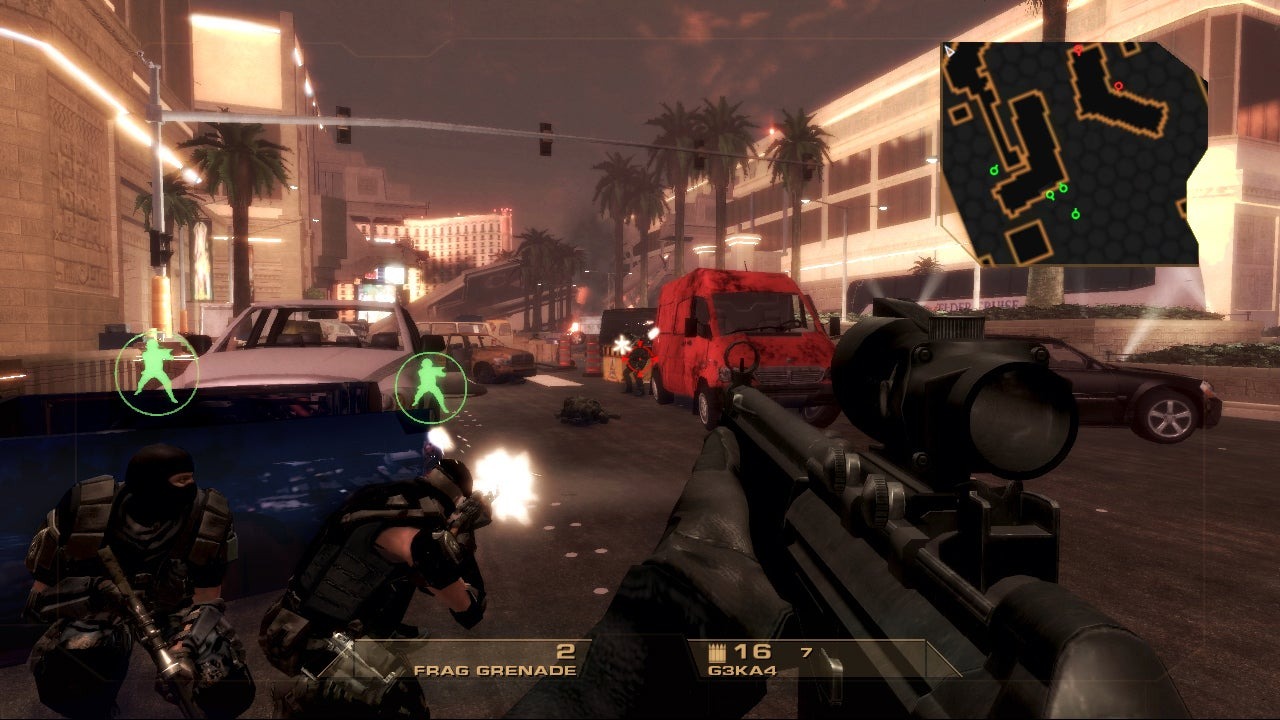
Rainbow Six is a very tactical game. You go in nearly blind and have to watch every single corner. The AI does a decent job in previous games of taking out enemies, and it’s the same case here. You can command your two squad mates to go anywhere with the A button, and an orange highlight will appear. This works great, as you can just point where you’re aiming and always have them scout ahead. We’ll come back to this later. You can order your squad to hold, follow, and stack up on doors, and this is sadly the only tactical part of the entire game that made it through. There’s a serious identity crisis with Vegas, as it can’t decide if it wants to be Call of Duty or Rainbow Six. This tug-of-war is felt in every part of the game, from multiplayer to the campaign to level design.
Going in slow is the name of the game, and that’s no exception even in this more arcadey title. You will die in just a couple of hits, and there are no difficulty options. You need to constantly send your team members ahead around every single corner. Even when you think all enemies are down, one will be hiding behind some box and pop up and kill you. I died dozens of times in this campaign because the levels are just not designed for tactics or even stealth. You can attach silencers to your weapons, and when you do, your teammates will as well. The issue here is once you enter a room everyone suddenly knows your there. Stealth is nearly useless. You can switch from full auto to single shot, which is really useful. Sadly, most levels aren’t designed for a group of three police special tactics officers. This game was designed for the military. Why is Rainbow Six taking down a terrorist group? It makes no sense.
There are many large open areas with tons of hiding spots for enemies. Some areas will have 20+ guys, and remember, you can die in just a couple of hits. You can back off and recover health, and the cover system is actually great. You can buckle against any wall or object and enter a third-person view similar to Ghost Recon: Advanced Warfighter. You can blind fire or pop up and shoot enemies, but the enemy AI feels really unfair most of the time. They can hone in on you from really far away, and their blind fire is too accurate, but mine will barely graze an enemy in a closet. Your teammates are key to clearing out areas by ordering them around staircases, and some micromanagement is involved. You can send them into a room, and they will drop if there are too many enemies. You can revive your teammates with health injections, and these are unlimited, and order a member to revive the other too while you cover them. Some situations allowed for team members to go down at the wrong time and block a doorway. After so long their health goes from yellow to red, and then they die, but you get quite a bit of time to get to them. Enemies can throw grenades and flashbangs, and these are usually only useful in small rooms. They are pretty much useless in large open areas.
The only tactical part of the game is stacking up on doors and breaching them. You can snake cam under a door and tag up to two enemies. You can then order your teammates to breach, frag, or enter and clear a room. That’s it. You can order them up ladders, and you can occasionally rope down the side of the building and turn upside down to shoot inside, which was really fun, but there were only a few times you could do this. Most of the game is just moving from room to room and killing everything in sight, and it gets old really quick. There’s no variation, and you can’t even use the turrets in the game to make some fights a bit easier. I also found that checkpoints were poorly placed. I would need to have a teammate hack a computer, and then I would need to cover them. Instead of restarting before the hack, I would restart two to three rooms back and have to keep clearing them. This game becomes a frustrating chore after awhile because you can’t use any tactics in this game. It’s trying to be Rainbow Six mixed with some Ghost Recon and Call of Duty.
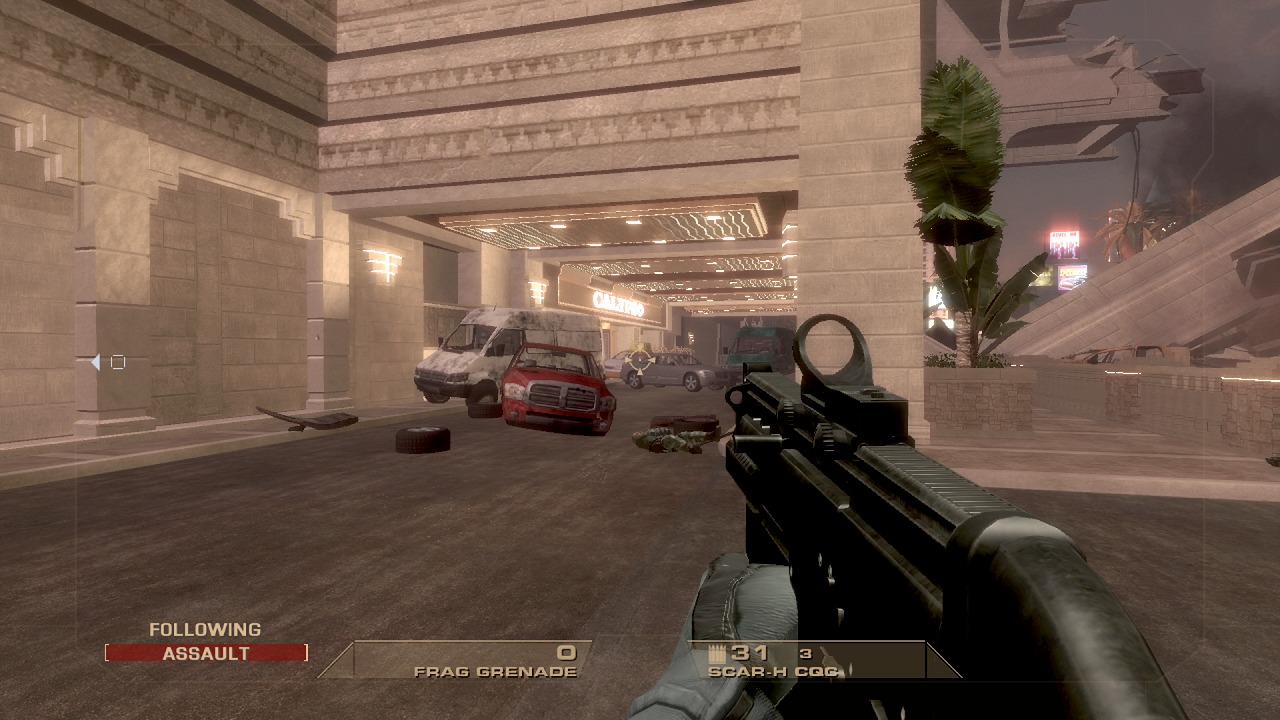
The multiplayer is where the game shines, and while the servers are long gone, you can still get some friends together to play online. I do remember playing the game back in the day online, and it was a blast, but far from what Call of Duty offered. Rainbow Six also looks great technically, even today, but it falls under the same tropes of the era, such as too much bloom lighting and everything being brown and gray. This is a very ugly game to look at artistically, even for a realistic shooter. Sadly, there’s not much value in playing this first game today unless you want to be a Rainbow Six completionist or get an idea of how far the sequel came along. The campaign lasts about 4-5 hours, and then it’s over, leaving you frustrated and wishing there were more tactics to get through the game and die less. You won’t come away happy or inspired in any way. Most people won’t even get through the first level without dying 20 times due to the identity crisis of a Rainbow Six game trying to be Call of Duty.
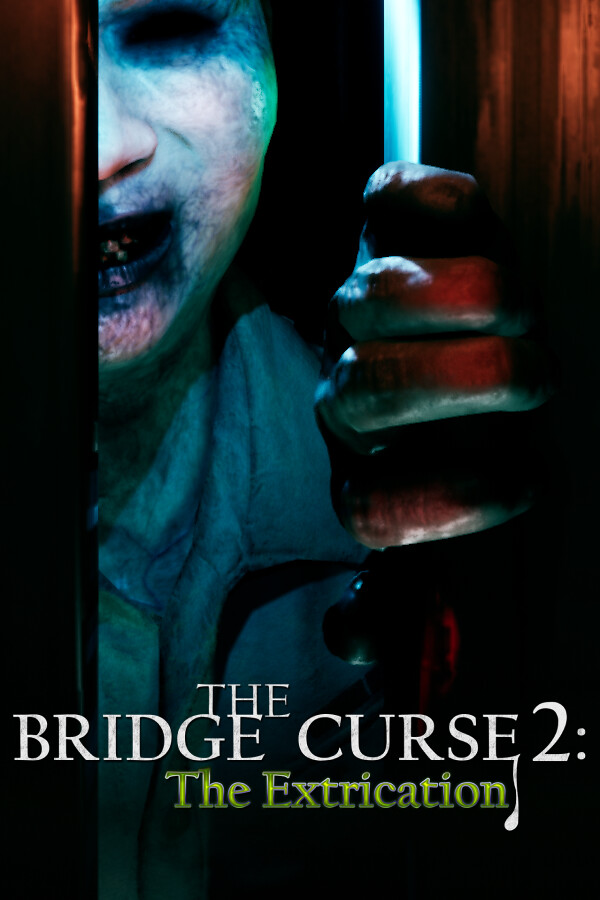
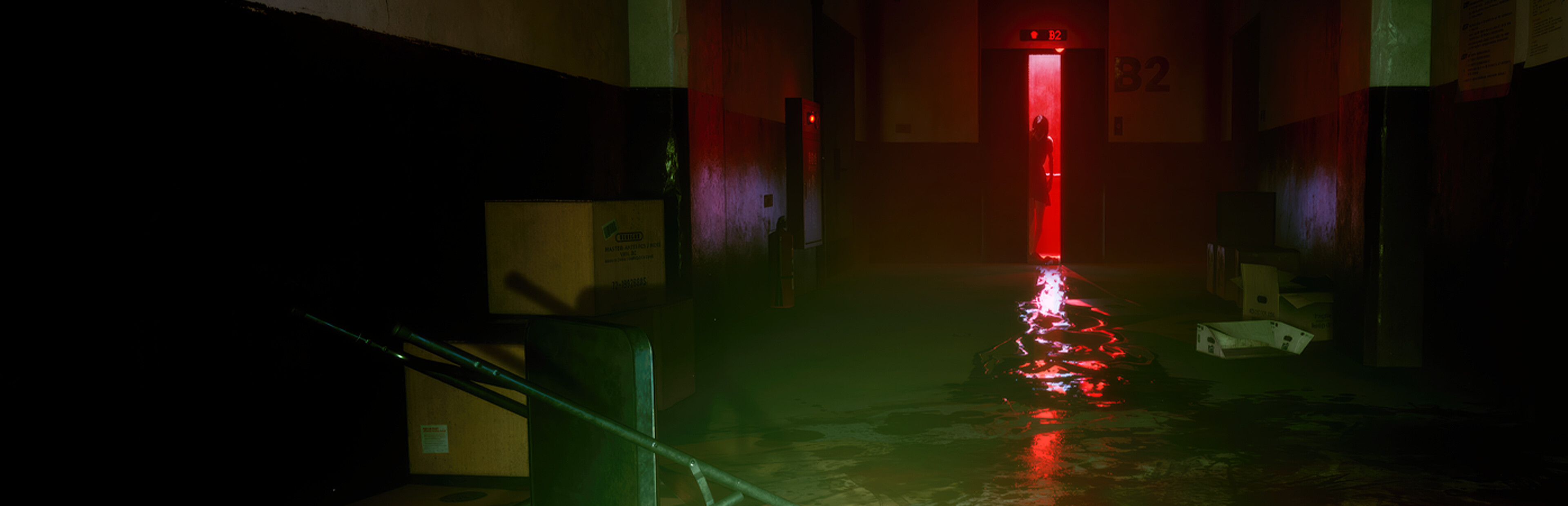
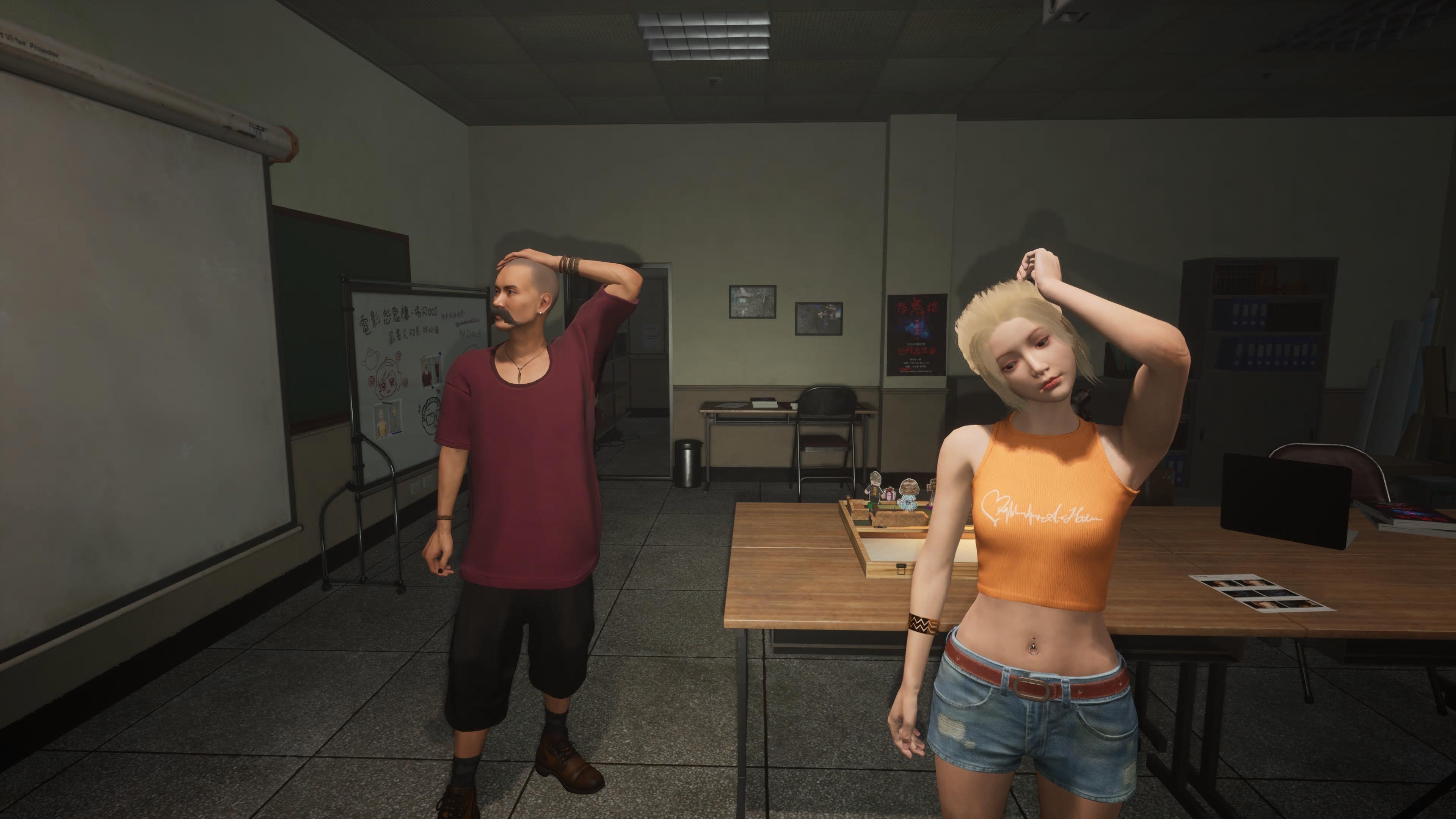
We are back again with another university ghost story. Another student film project raises the question of whether you are playing the film or experiencing everything in real time, with the film resulting from this. Wen Hua University is the location, and the developers did a much better job setting up the ghost story than the first game. This is much more a walking simulator than a survival horror, and that’s fine. You play as four different characters. A reporter and then three film students. It’s a bit more compact than the original game, and there isn’t the issue with the final section feeling like a maze. The environments are more varied as you get whisked away to the university from the past a bit, and it feels much more like a ghost story.
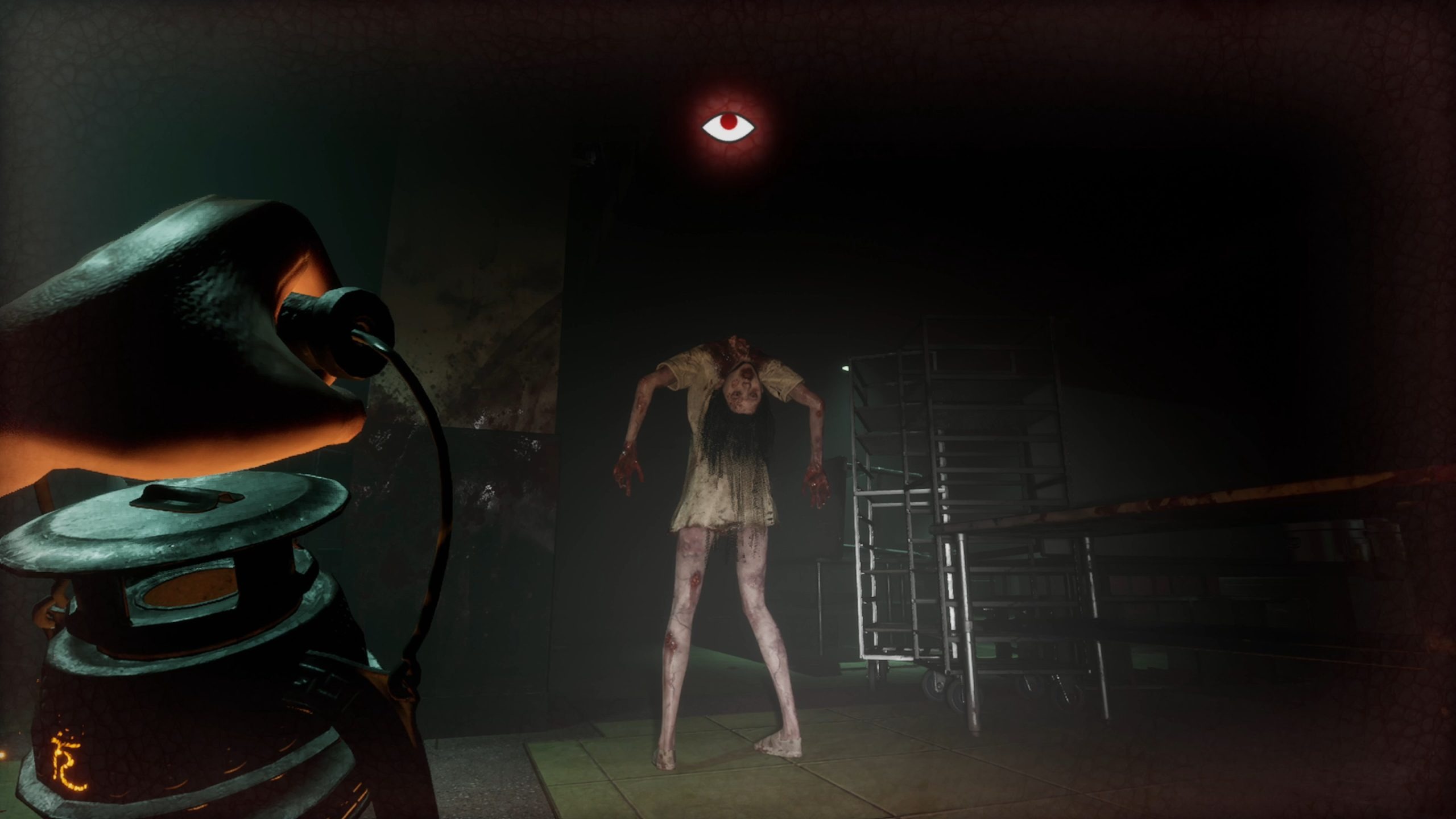
There’s not much action or many controls in this game. You wander around, collect the occasional item, and there’s usually only one way to use it. There are some puzzles in this game, and they aren’t that great, but they work. A few are a bit interesting, but the more elaborate puzzles tend to be really easy and not offer much of a challenge. The only real gameplay part is the stealth with the lantern. You get a lantern in about two scenes, and this is used to hit an enemy to stun them (and then needs recharging) and to get rid of obstacles blocking your path. It’s not frustrating as these scenes don’t overstay their welcome, but stealth is pretty much pointless. You’re better off running around and just figuring it all out. The only real frustrating section was towards the middle when I had to run around a maze of rooms and place a fuse into boxes to open doors in a certain order while an entity chased me. I really just didn’t like the chase sequences. Some sort of ghost will follow you, and it usually means figuring out some sort of maze.
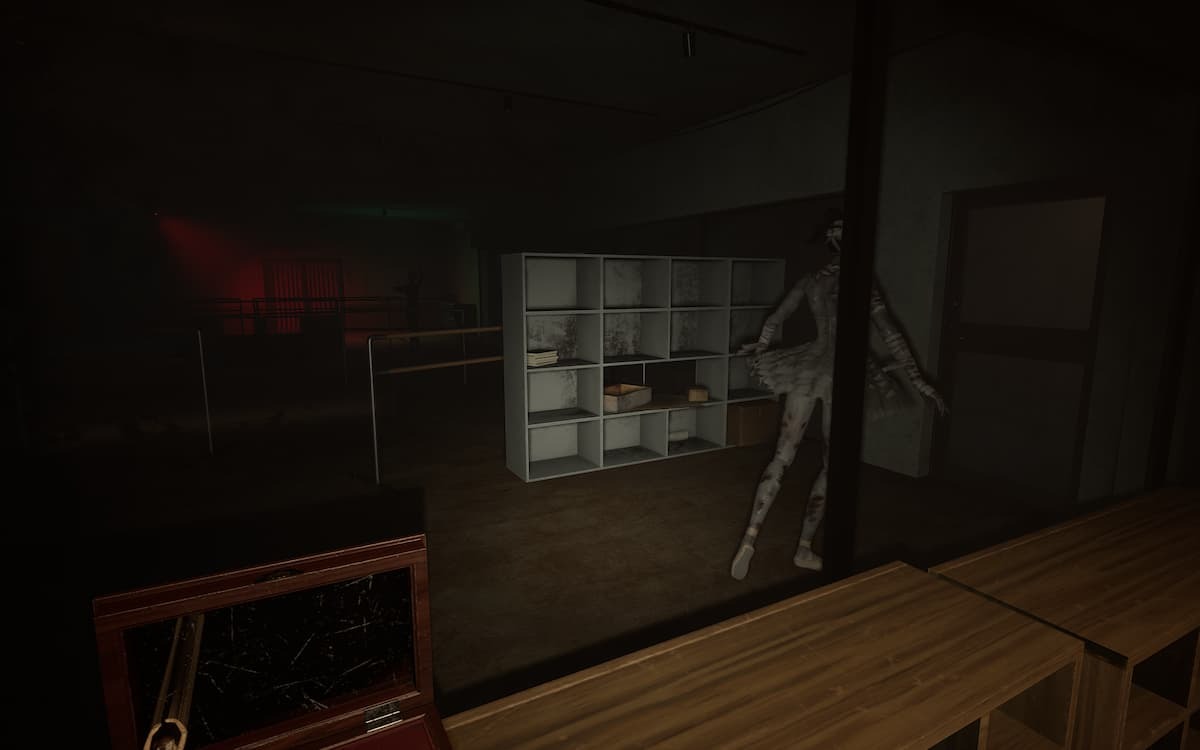
The best sections of the game are during monster reveals. There are quite a few cool ghost designs, and the areas you are in constantly change. The game thankfully doesn’t exposition dump on you, and you kind of learn the tale of the university as you go along via some cut scenes and reading notes scattered around. The tale isn’t anything new, as you are seeking revenge for a scorned spirit (which is typical for these types of games), but it’s still fun nonetheless. The pacing of the game works well, as it constantly keeps you interested in something. Each section either has a puzzle or story element without making you wander aimlessly around object hunting. A lot of scenes can repeat, but they are interesting to look at and feel like less “generic buildings and hallways.”
Sadly, the short 4-hour runtime means you don’t get to know much about the characters. They clearly all have different personalities and have some fun banter back and forth, but there just isn’t time to develop this. The only character development is during the initial opening scene for each chapter, and then it’s just running around with occasional dialog. This is always the sad part about these very short indie games. There just isn’t enough time to develop a relationship with anyone or anything. At least the visuals are halfway decent and are a step up from the original game. While it won’t blow anyone away, there are some cool effects and great lighting.
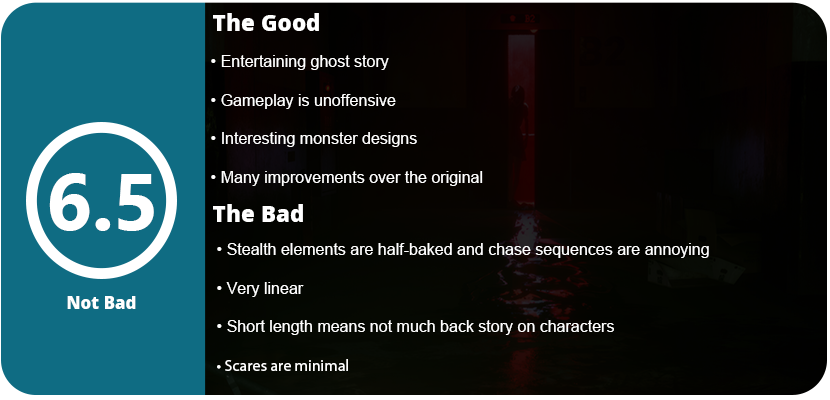
Overall, there’s just not a lot to say about The Bridge Curse 2. It’s a remarkable improvement over the original game but still lacks in some areas. The short length means no character development, and while the monsters are cool, there’s little scare here outside of just tense atmosphere. The story is at least very fun and the pacing is great. I never felt bored or uninterested in the game. I played the entire thing straight through because the tale of the university is pretty interesting. The puzzles are middling at best, and the stealth mechanics are half-baked. What’s here is a deep discount of one evening of entertainment, and that’s about it. I’m still looking forward to seeing what the third entry brings.
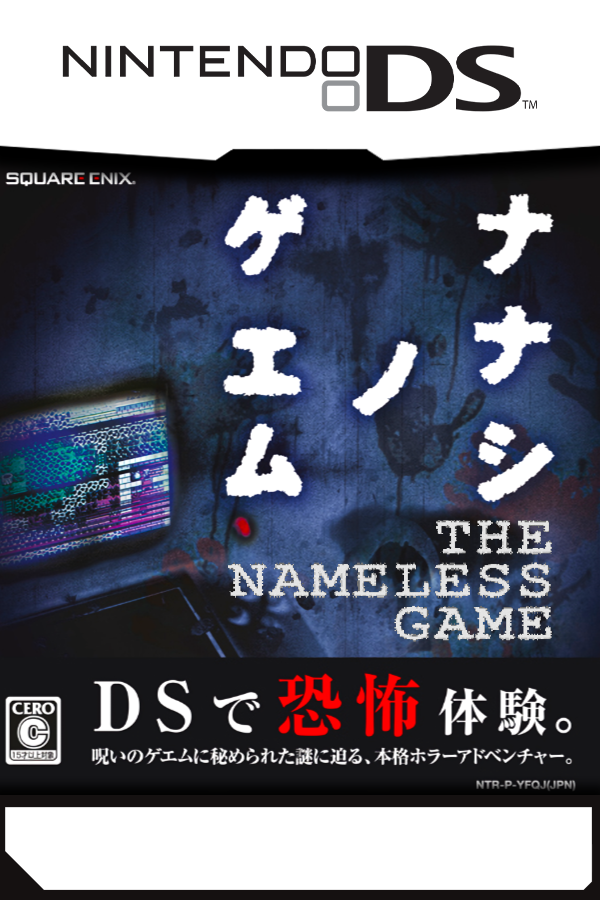
Have you ever wondered if a haunted video game exists? These permeate Japanese folk tales and were popular during the 8-bit era of consoles and computers before the internet was a widespread phenomenon. You play as a friend of a daughter whose father is a video game developer. You unravel a murder mystery involving a haunted DS game and a fractured video game development studio. It’s an interesting meta view on the terrible world of stressful video game development. I don’t want to get too involved discussing the story, as what little is here is very short, running at about 3 hours in total.
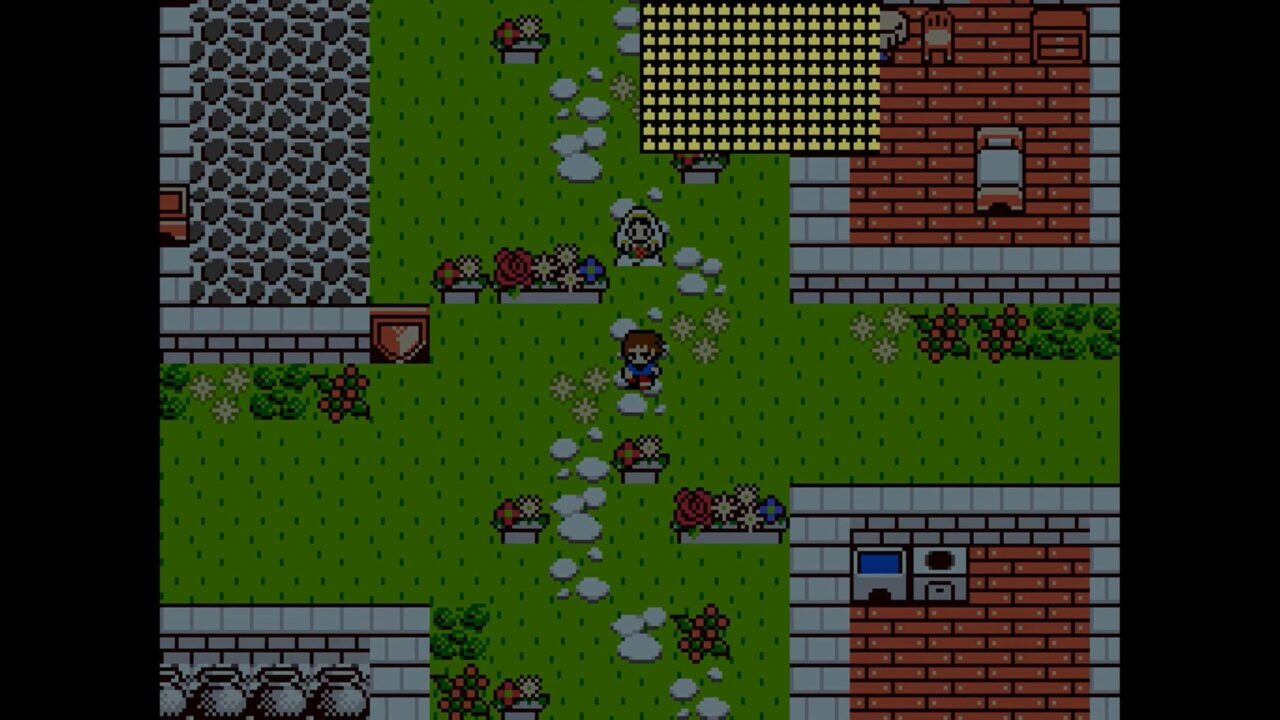
There are 7 days before the haunted game turns you into a statue. You initially investigate the disappearance of your best friend’s boyfriend, but eventually, you stumble upon the cursed TS game. Yes, for obvious reasons; the DS is called the TS in the game. This game is a 16-bit RPG title that reflects the real world. When you hear your TS jingle (it’s the startup sound for the DS), you will pull up what looks like a simulated DS home screen and play this 16-bit game. It’s not an RPG in this game. It’s just a single town that you walk around in and talk to people to trigger events. The music and graphics are glitched out and creepy, and it helps give off a good atmosphere. You don’t enter this mode but maybe once per chapter for just a few short minutes. Each day is started with a visual novel type of dialogue, as the majority of the game is held in book mode. I love games that use this feature, but there’s no option to flip the DS for left-handed people. The TS RPG style game is played in regular mode, so you are frequently flipping the DS back and forth.
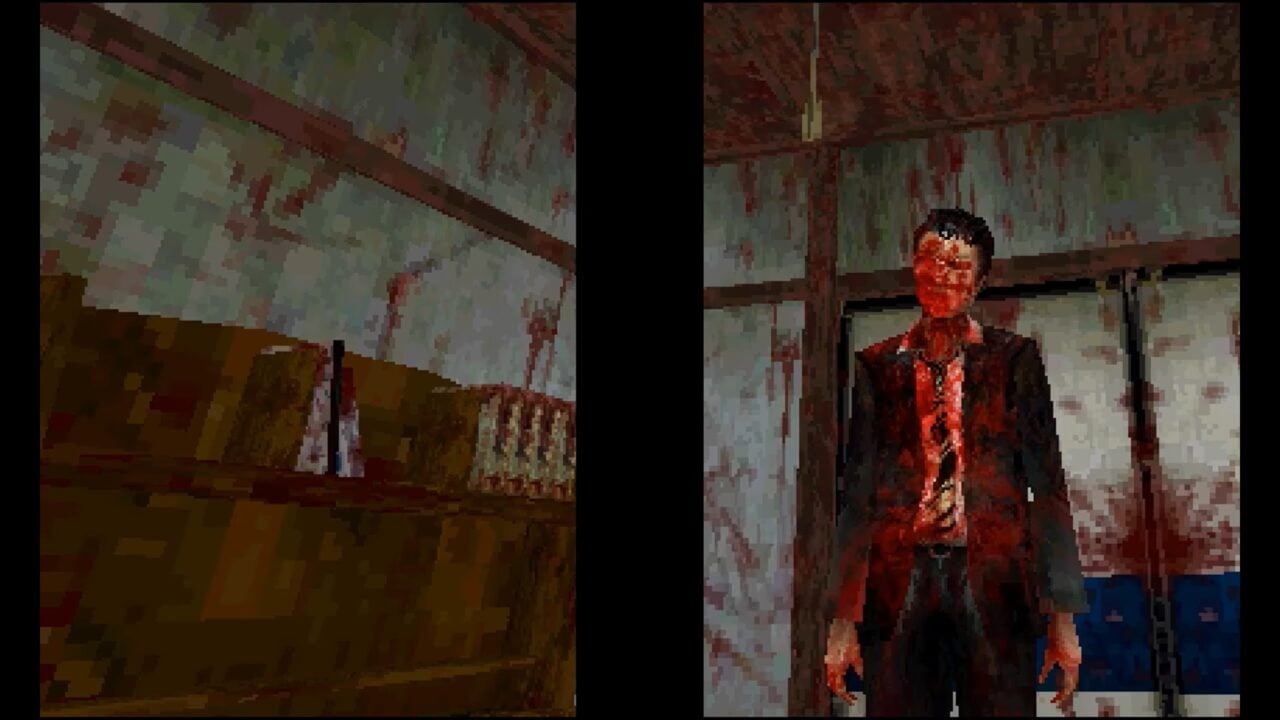
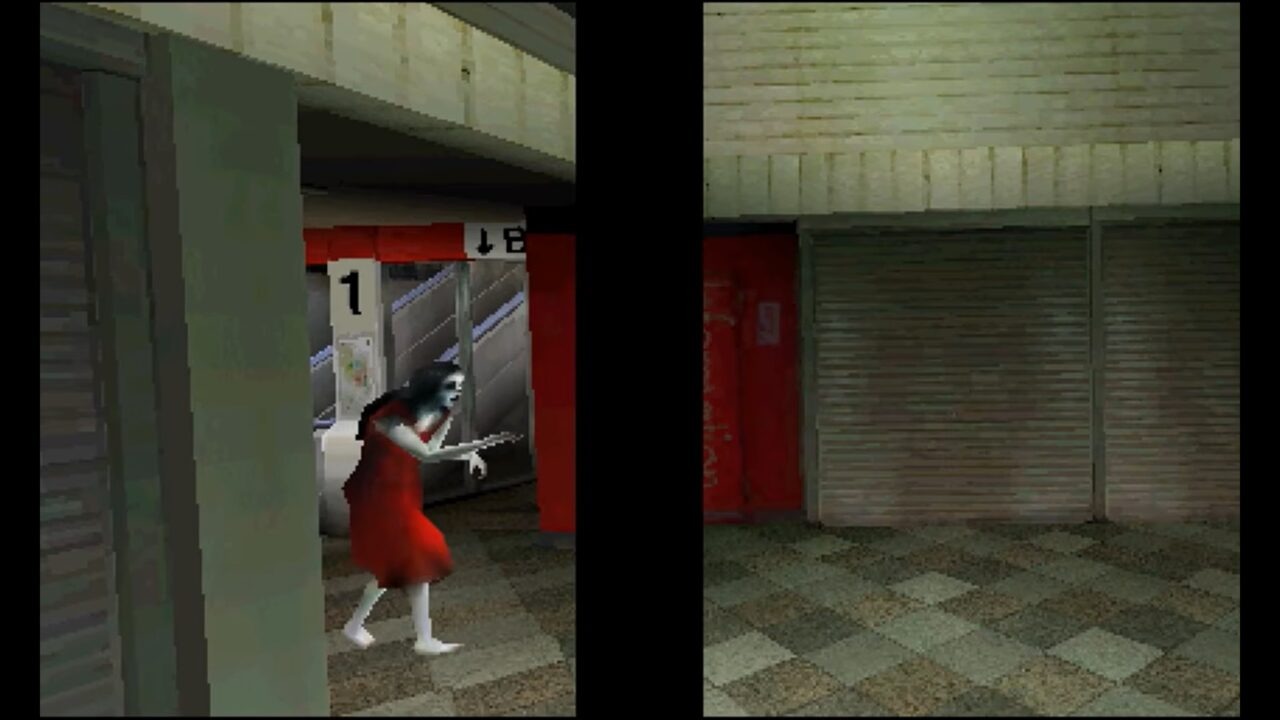
The meat of the game is the walking simulator-style touch screen-based exploring. It’s pretty bad, and my hands cramped constantly (at least using the DSi XL). There’s no option to just use auto-run all the time. The character walks at a doggedly slow speed and one that’s not practical for running away from ghosts. You need to hold the stylus in the center of the screen to run and turn faster. While doing this, you are holding down the D-pad and rolling your thumb around to strafe. This control scheme is fine, but I would prefer to use either the stylus for movement or just the D-pad. There’s little interaction with the environments outside of picking up key items and opening doors. You will be opening many doors and backtracking through many mazes. A lot of these have to be navigated in a specific order to avoid the ghosts that roam the hallways. These ghosts aren’t very scary. They’re slow and plodding and they just have black eyes and gaping black holes for mouths.
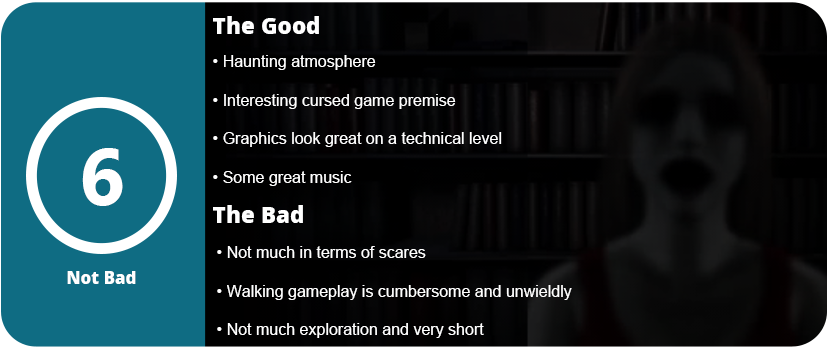
Despite the title being a horror game, there aren’t many scary moments. While the ghosts aren’t scary, there are a few jump scares that worked early on, but after day three, the game kind of gives up the horror part and focuses more on the murder mystery. The characters are meaningless, as the game is so short we can’t get to really know anyone. Every one has generic anime tropes to them, and by the end of the game there’s not much to care about. While the mystery is solved and has an actual ending, I didn’t care about anything in between. While the levels are great-looking on a technical level, they are void of detail. I liked the Silent Hill “Otherworld”-looking areas in the hospital, but these are just plain empty hallways with an occasional chair or desk. You can’t interact with anything to encourage world-building. The goal is to just open doors and get to the next cut scene.
While Nanashi no Game isn’t a good horror title or walking simulator, it’s short enough for a fun afternoon of the occasional creep-out. The music is pretty haunting, and there is tension in the game, and it uses the DS hardware well and in interesting ways. Just don’t expect anything really crazy here. If the controls were better, or at least customizable, the game would be more forgiving on that part as well.
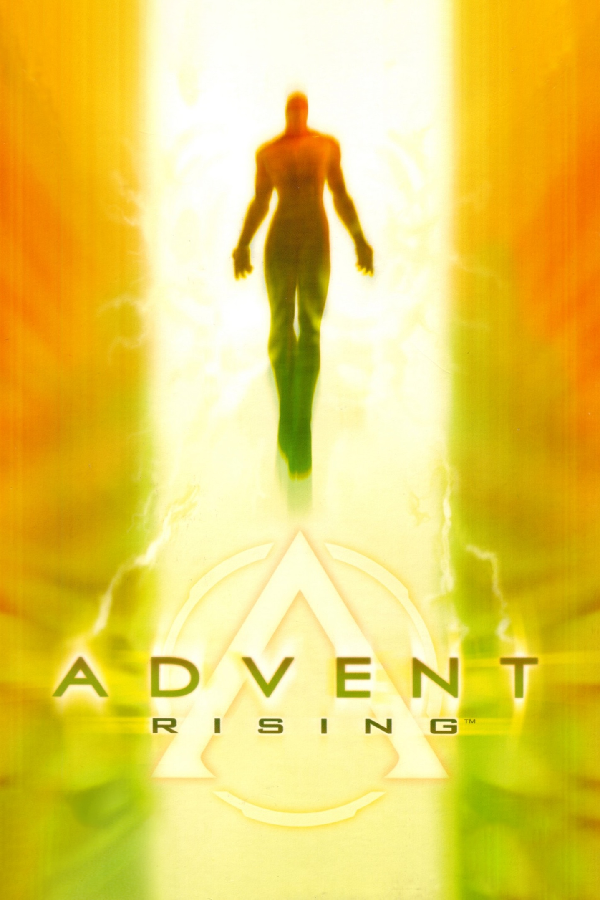
Advent Rising is one of the most infamous video game development disasters ever documented. Its release was at the end of the Xbox’s life cycle, and it got buried under the hype of the Xbox 360. I personally heard about the game, saw the terrible reviews, and ignored it. In 2005 I didn’t own any Xbox consoles, so I didn’t care as a PlayStation 2 and PSP owner. I also purposefully didn’t do any research into this game and let my memory of 15 year old me thinking this was a large RPG saga like Knights of the Old Republic make the decision to buy this and play it. I even bought the physical strategy guide, thinking I was in for a 30-hour adventure. This is one of those rare moments I wish I had looked into the game first. Sometimes the idea of not doing research for a surprise is not fun.
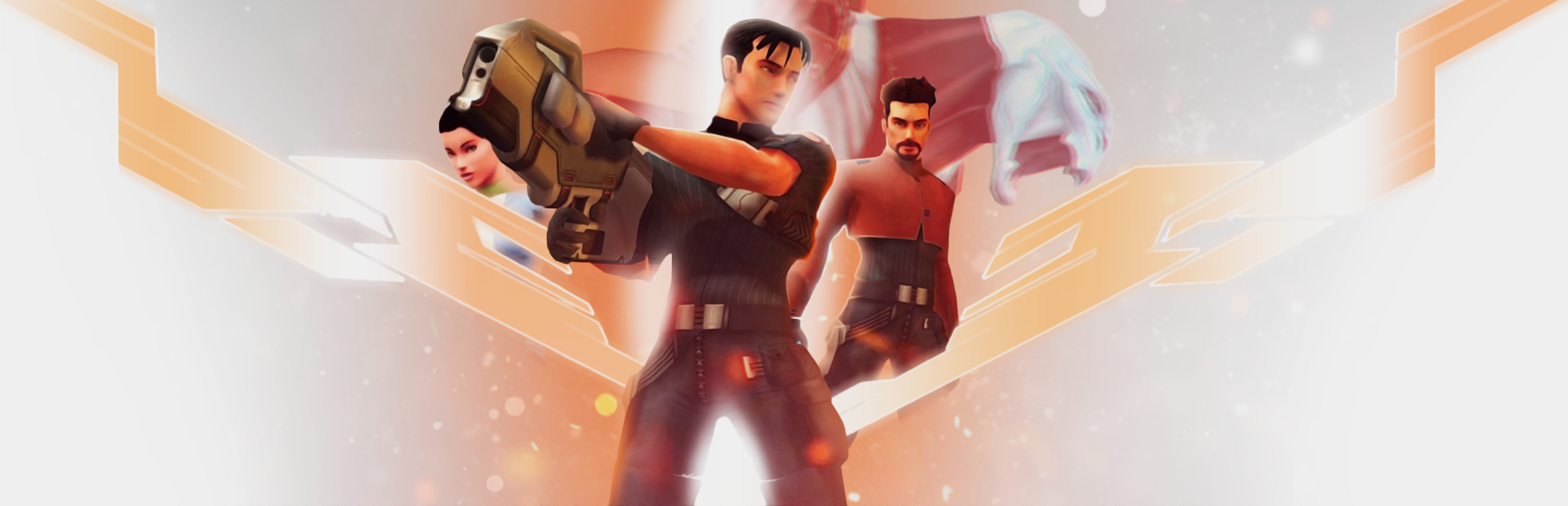
You play as a stereotypical young cocky sci-fi pilot who falls in love with every woman he looks at, and everyone seems to hate him. His older brother is a well-recognized pilot. The game has a, new for the time, cinematic opening, but not cinematic gameplay. This is a very early 2000s 3D action game that struggled to find its identity and gameplay style, and everything in this game is poorly executed. It’s obvious after about 1 hour into the game that most of the focus was on designing the lore, characters, and many cut scenes, but we’ll get that soon. Right off the bat, the lead character Gideon is a terrible character and completely unlikable. He’s just obnoxious and so stereotypical for the time. I honestly wished his older brother was the main character instead. The opening scene is probably the only part that seems to have been made as intended. As you are driving your space shuttle to a docking bay, there are tons of spaceships entering and leaving, credits flashing on screen, and radio chatter, and it feels like what modern games currently do. As soon as you enter the space station, the rest of the game goes to complete crap.
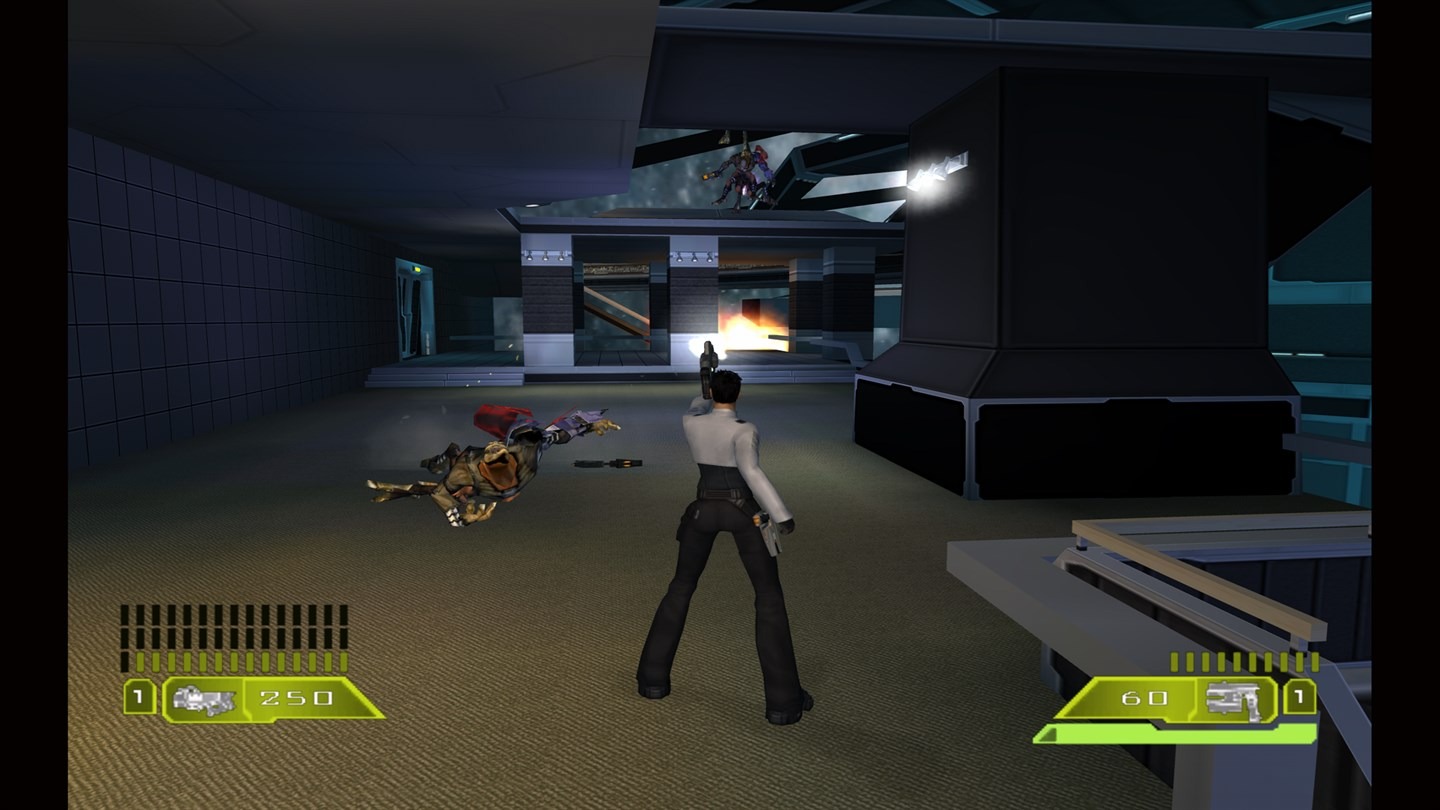
The game controls are like absolute donkey dung. Gideon runs around way too fast for the small and cramped interior areas, but later on you get completely confused after the first level’s design. You play the usual early 2000s tutorial level disguised as a training competition to learn the controls. They are awful. The game uses an auto lock-on feature, so Gideon’s arms are swinging all over the place like a madman, aiming each arm at an enemy, which is pretty neat. The lock-on feature actually works, as he will lock on to whichever enemy is closest. What doesn’t work is you can’t release the lock-on. The camera will face toward whatever enemy is locked on, even if you are running towards the camera. This can lead to frustrating blind deaths from falling off ledges and into death traps. The only way to play this game is to blast everything in sight with whatever guns have the most ammo. There are clearly other ways the developers had in mind. Each weapon does something different. From slow-shooting plasma rifles to rocket launchers, but you won’t care when switching weapons is a complete chore. The dodge button is the same button for equipping in the left hand. The left equip is X, and the right equip is Y. This makes no sense. Other games did this better, like Halo before it and even Splinter Cell. Equipping weapons doesn’t need to be complicated.
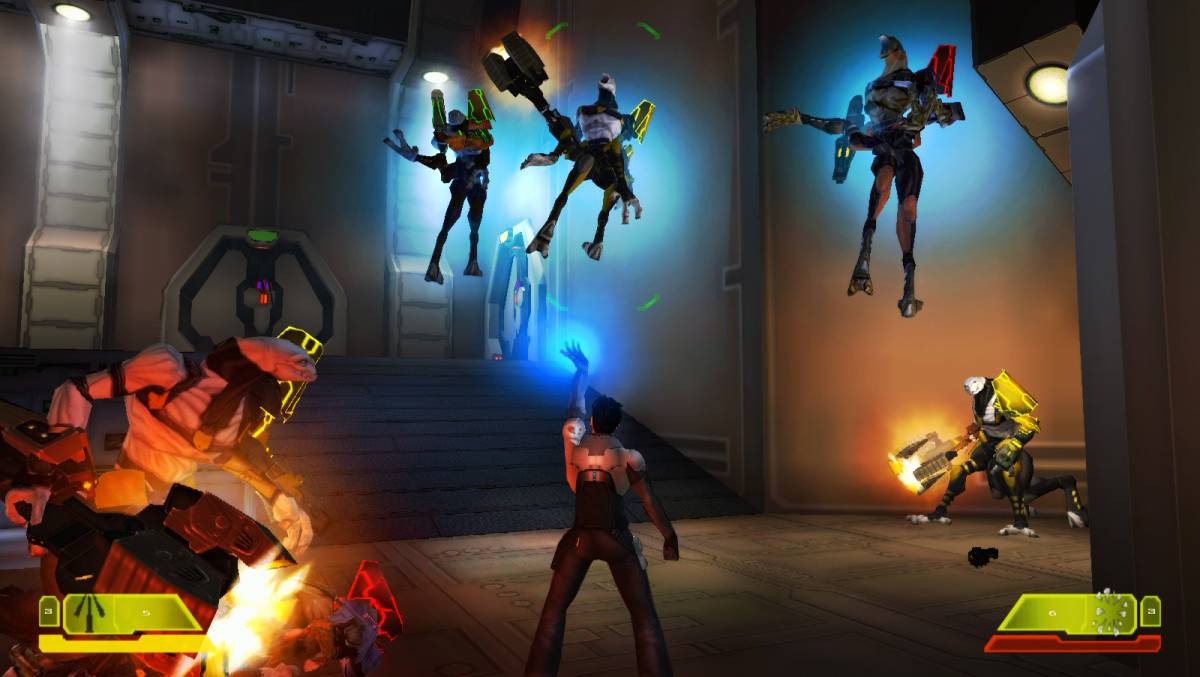
I just lived with blasting everything in my path since it didn’t matter. Once I realized that the current enemies coming at me weren’t dropping ammo for my guns, I picked up their guns and just repeated this so I never ran out of ammo. Enemies come in many waves, and clearly the combat system they had in mind didn’t support this type of combat gameplay. When you’re blasting tons of enemies, you can’t stop and think about which weapon is good in each situation. All enemies attack the exact same way. There are some larger enemies like giant mechs or taller aliens that use a staff to deflect bullets back at you, but that’s it outside of the few bosses there are. Later on the game introduces a bunch of psi powers, and clearly this was not designed around the current working combat system because they are all completely useless. Switching to them is convoluted by pressing the D-Pad to select the power and then pressing X or Y to equip that power into the left or right hand. The game slows down in the background, but then you might want a gun in another hand. So, if you accidentally equip a power in the gun hand you had, that’s another step of finding a gun, pressing the correct button to equip, and then realizing the powers don’t matter.
There are a lot of psi powers, and most of them are given to you in the last two chapters of the game in rapid succession. You can lift, push, and throw ice spikes, laser balls, and even a shield, but they all fall subject to the terrible lock-on system. In theory, throwing stones and objects at enemies is a great way to save ammo, but you end up locking on to every throwable object in the game, and then the camera swings around to lock on to something else, and you have to just guess where the enemy is and fling the right stick towards said enemy, hoping the object lands. This also goes for lifting an enemy up and throwing them. Other games did this better. The shield is completely useless when it’s not much wider or taller than you, and bullets can hit you underneath it as it floats in the air. What were they thinking? Powers and guns level-up by just using them, but there’s no experience bar. It just happens. Weapons supposedly get more powerful, but I didn’t find this to be the case. This is clearly an unfinished idea.
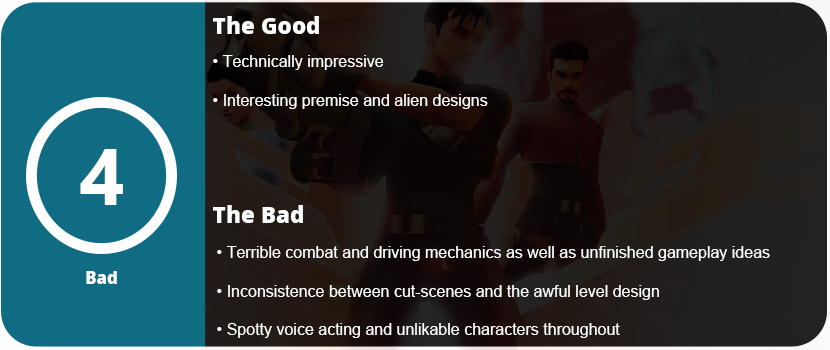
The story itself is fairly intriguing. Aliens worship humans as gods, and the race of Aurelians wants to protect them from the Seekers, but their own race is divided politically on sacrificing the humans to save themselves. There are some plot twists of betrayal, but in the end this lore is never explored because there’s nothing outside of cut scenes. No dialogue between characters, no logs or documents to read. Nothing. The voice acting is also hit and miss. There are many actors who went on to do other things. For example, the voice actress for Olivia, Venessa Marshall, went on to do voices for more games and Wonder Woman for the current DC cartoon series. However, the characters are just not likable. The two female characters are treated like garbage by Gideon, and they get dismissed constantly. Every woman is wearing crop tops and low-cut pants, but the men are in full armor and gear. It’s just very much a product of its time. The industry has matured and grown since then. The alien races have interesting designs but only appear in a few cut scenes.
Let’s talk about the terrible vehicles. They are all floaty and don’t have acceleration physics, so to get over hills you have to use the boost feature, or you will just end up stopped. This boost feature pushes the vehicle by borderline teleporting it, and I also get stuck on every wall and object imaginable. Many games did this better too, like Halo. When you’re not shooting endless waves of enemies, you have to contend with awful platforming, as you will get stuck on objects, not grab onto walls, or fall into pits because an enemy jumped towards you at the same time. The game was only playable because the lock-on system worked well enough to just blast everything in sight, and I didn’t have to aim at enemies.
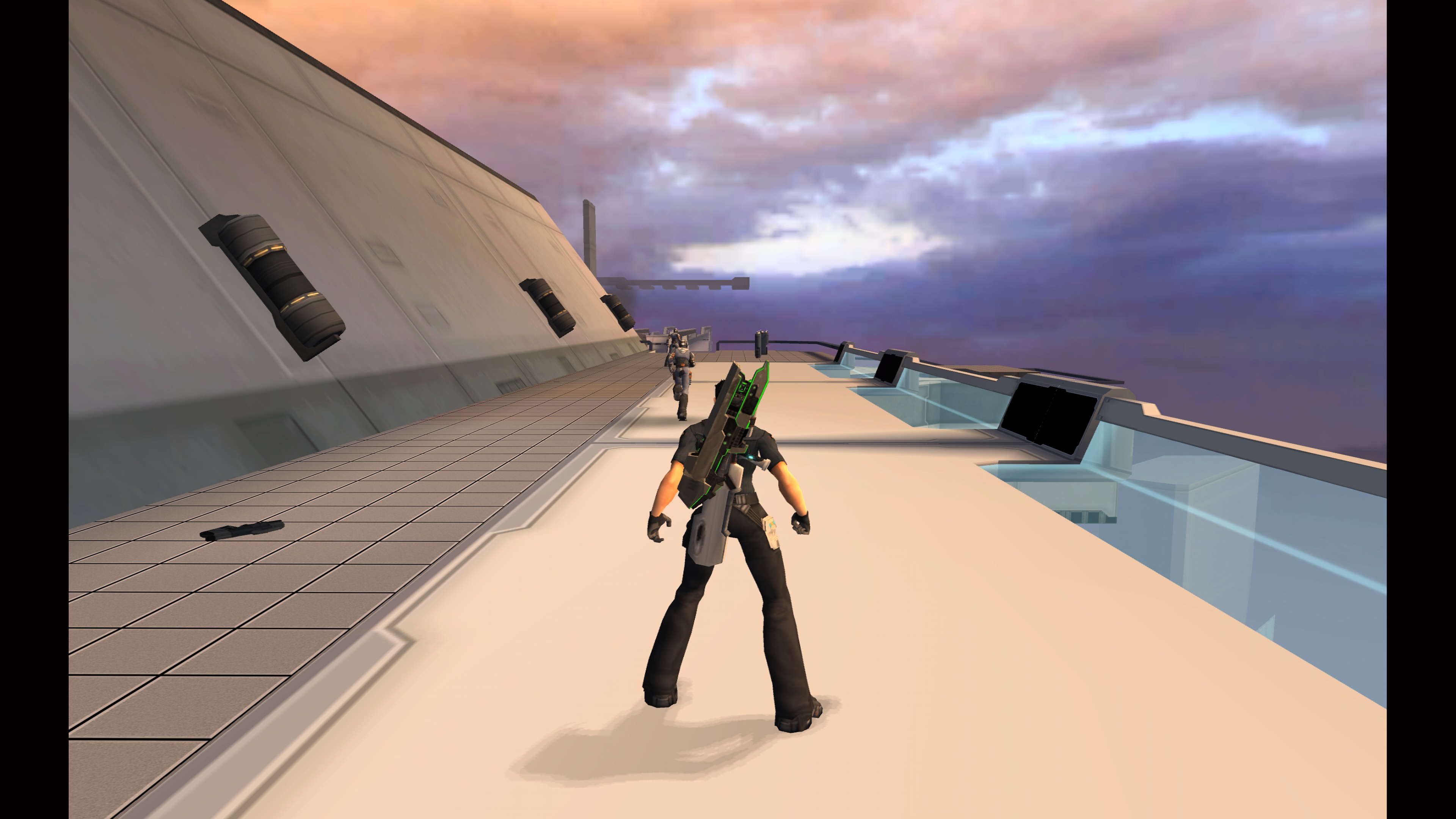
This leads into the terrible level design and lack of cohesion with the actual story and cut scenes. It feels like the cutscenes were made before the levels. There’s also clearly rushed scripted scenes as I would drive a car through boring empty tunnels and streets with the occasional falling bridge. Clearly, there was meant to be more. Where are all the people? Where’s the chaos of the war with the Seekers? There are cut scenes showing people running out of a city, only for me to suddenly find myself in a vehicle with nothing around. I would run through an enormous empty outdoor area with nothing but enemies coming at me and nothing happening in the background. It feels completely unfinished. These levels felt as if they were hastily inserted between the pre-existing cut scenes, making the transitions feel jarring. Gideon would be up against a wall, leaning around a corner with a pistol out, and I would then just be standing in a hallway with nothing that was in the cut scene around me. No one was screaming or running around. Just a dead empty hallway with a few enemies. It was so jarring.
The game is an absolute masterpiece of what not to do. The game is completely unfinished, broken, and buggy. Music will randomly stop playing. Sound effects won’t play at all, and the music will. Falling through floors and getting stuck on objects, forcing checkpoint resets. Even the need to not kill most enemies and just run to the next area for a cutscene to play proves that these levels were shoehorned in between already made cutscenes at the last minute. The levels are boring despite the game being technically impressive at the time with huge chunks of geometry and long draw distances. There’s clearly love here in the beginning, and the game just didn’t evolve into more than AAA slop that would be the future of gaming.









































 thebinarymessiah.com
Try multiplayer. A lot of fun !