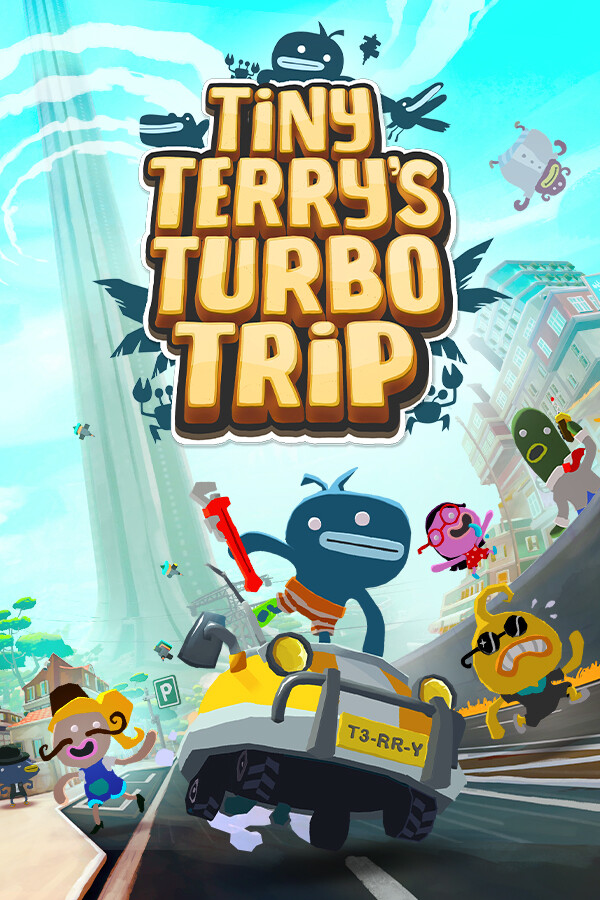
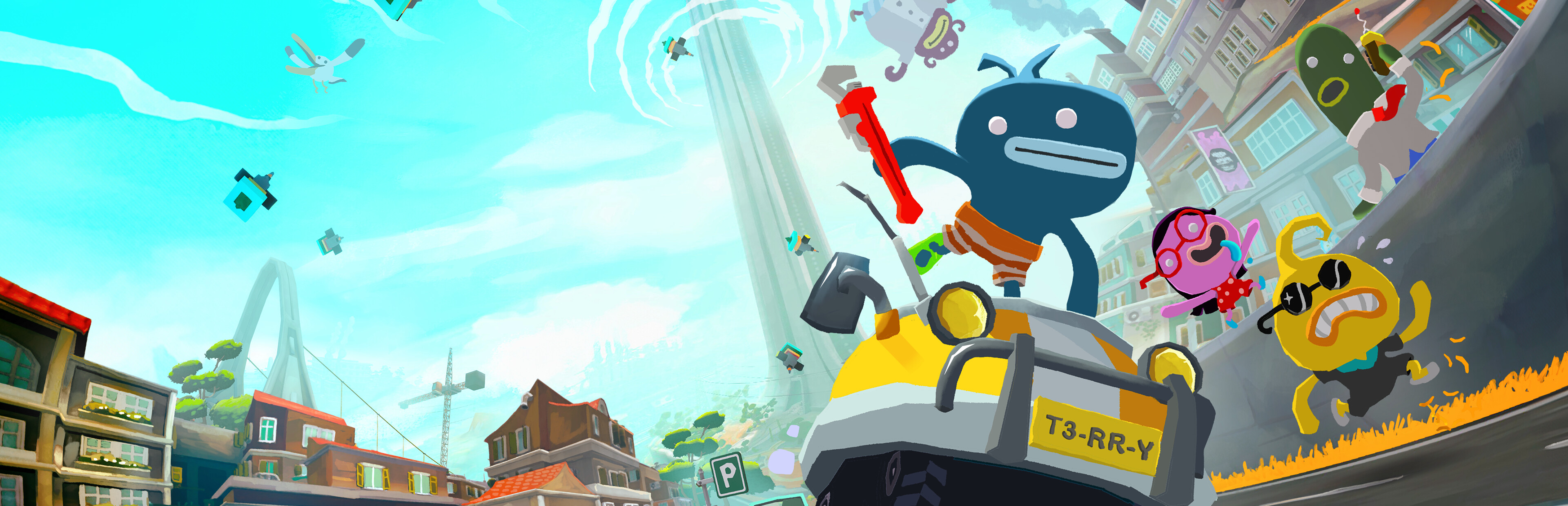
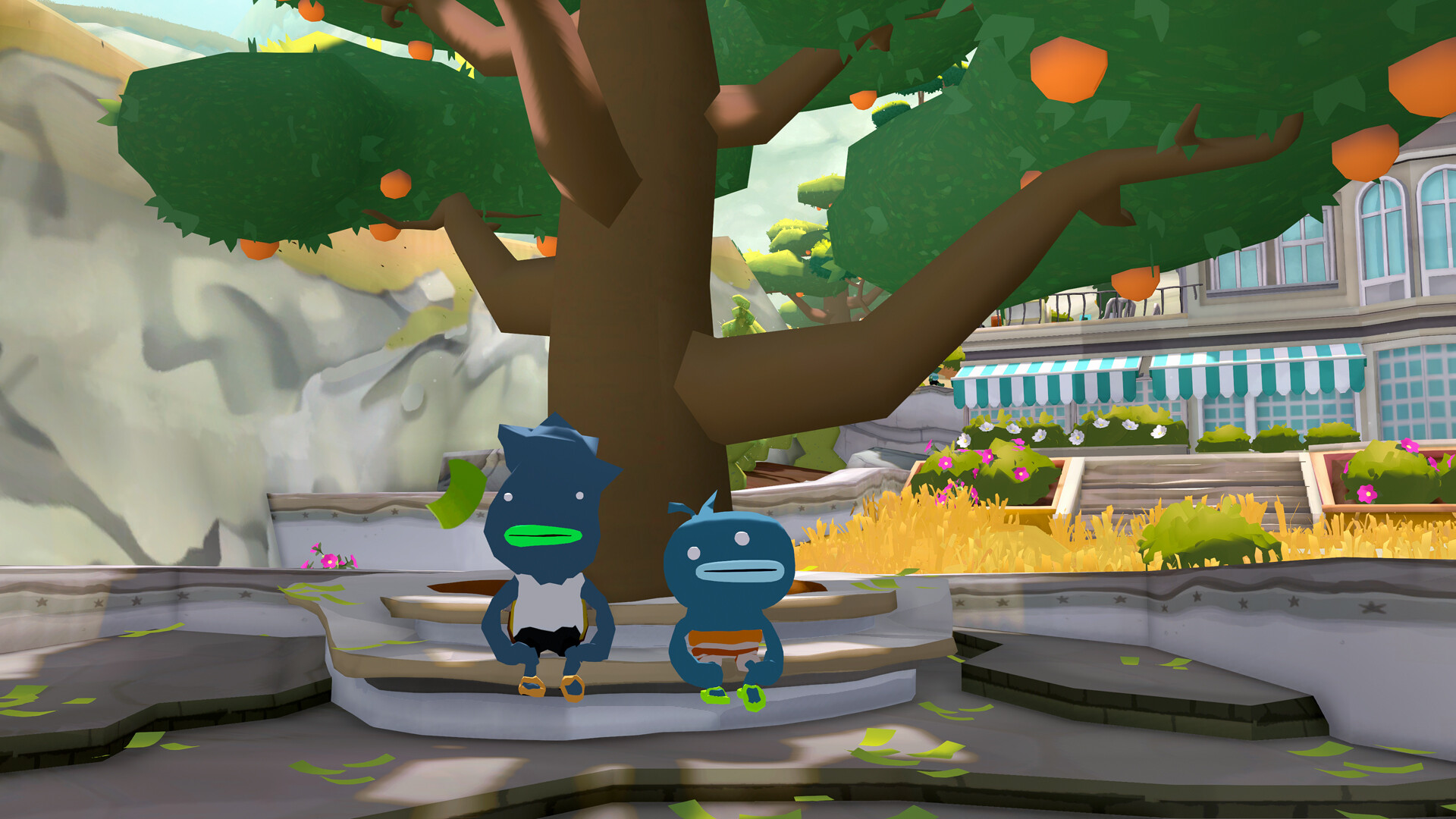
There are many games these days trying to bring back the nostalgic feeling of Nintendo 64 adventure titles, and many of them don’t quite pull it off. There’s a reason why we have moved away from collect-a-thon games such as Banjo Kazooie and Donkey Kong 64. While the worlds may be charming, the characters fun, and the visuals cute, the overall gameplay loop can feel tedious and sometimes boring. Tiny Terry tries to bring back that type of game with a large open map and things to discover but ends up feeling like a chore very early on. Unless you specifically like this type of game, then there isn’t anything here for you.
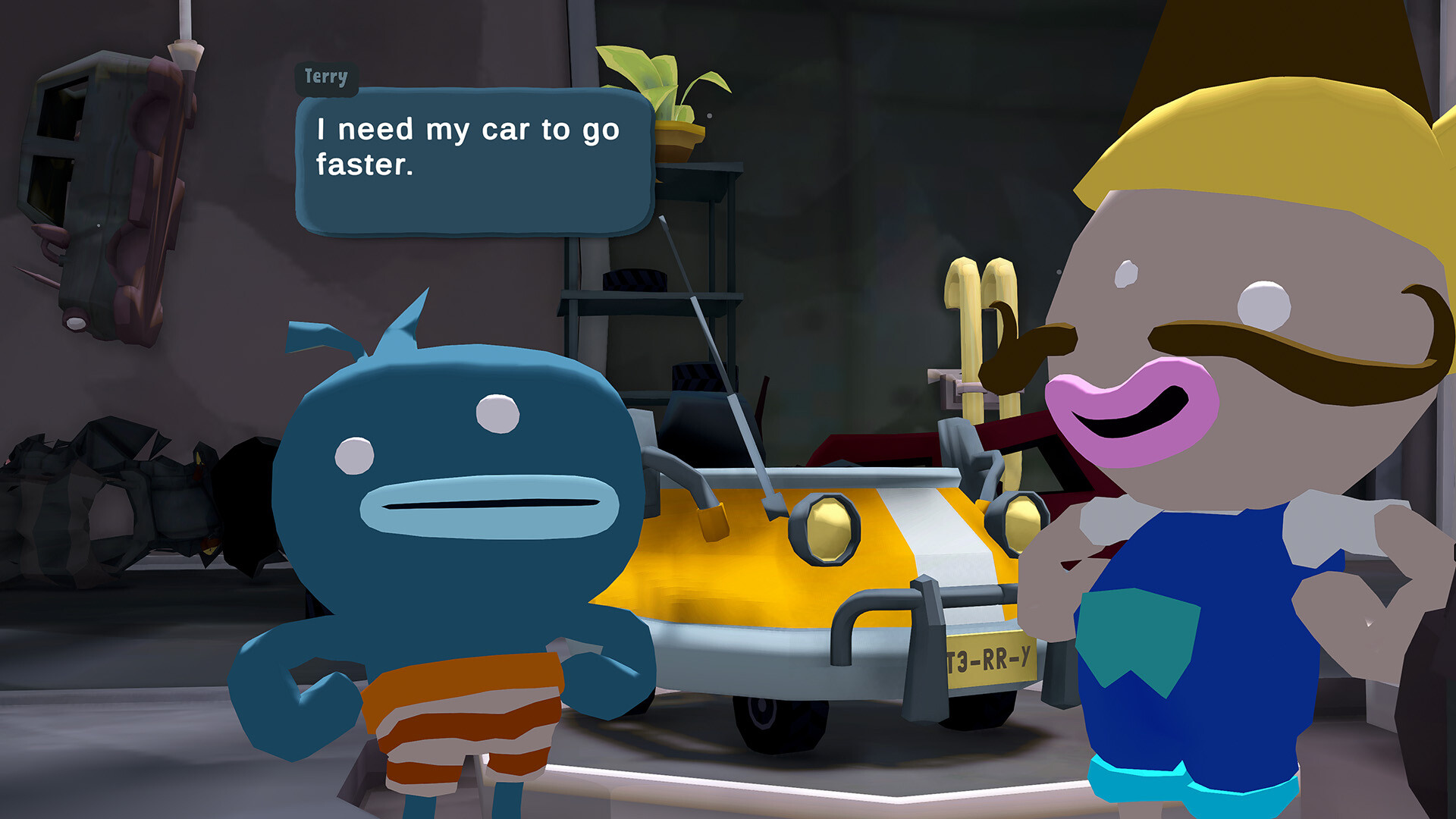
There are modern games that do these tasks well. Games like A Short Hike make the gameplay loop of collecting and finding things appealing and fun. Tiny Terry starts out by just dumping the player into the world with just a couple of objectives. This is also fine, as talking to people can also give you more objectives. The issue lies within traversing the world, the mechanics, controls, and some of the objectives being very obtuse. The overall humor of the game is fine, but nothing noteworthy attempting to emulate a specific style. Terry wants a car only to go to space. Someone built a highway to space, but no one knows why. He goes to an unemployment center where they lend him a car. It’s your job to find enough junk in the world to upgrade Terry’s turbo booster eight times to make it to space.
Objectives are mostly fetch quests. You must bring someone who has stolen a car to earn cash. That cash can be given to someone else to fulfill an objective, which in turn gives you a location on your map to dig up a trash can that has 100 junk in it. Each upgrade costs 150. However, to dig up that trash can, you need the shovel. Do you understand the direction I’m taking with this? There’s a lot of leading on with objectives. You need this object to complete this objective to obtain this amount of an item to finish another objective. The process can get tedious and frustrating. Finding a way to grind out cash to also acquire other items to allow access to different areas can feel like you aren’t accomplishing anything. You’re always fighting between not having enough cash to find more junk and vise versa. You also can’t unlock fast travel until you have upgraded your car seven times. By then, you’ve nearly completed the game.
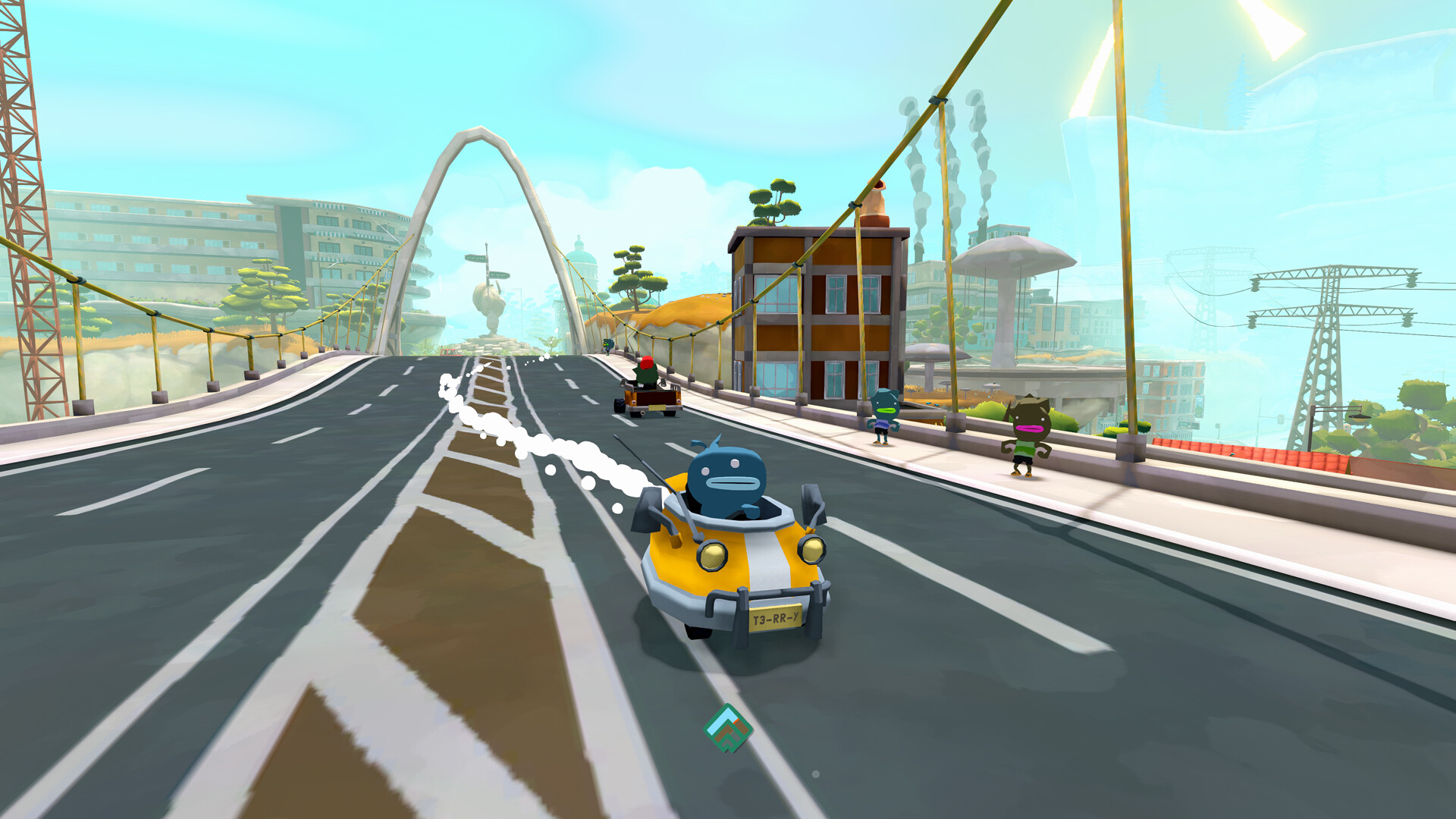
I found that the vehicle physics are annoying. Cars get stuck effortlessly and will clip into objects, and you can’t get out of it. I found it faster to run through most of the map, but it’s laid out in a very frustrating way. To run or drive, you must follow the road loop around since there are no shortcuts. Elevators can take you higher. Going from one end of the map to another and back again to finish an objective gets very tedious. 8 hours of this is infuriating, and some people might want to quit. Sadly, the game world has nothing to offer. There are only a few key characters to interact with, no mini-games, no varied objectives, and nothing remotely enjoyable to do other than grinding cash and junk in tedious and roundabout ways.
There are a few things you can spend your cash on, like a couple of food items and silly hats, but the cash is in such short supply; why would you waste it on these things? They don’t accomplish anything. There is no health bar, no combat, and you cannot sustain any injuries. You can use the lead pipe to whack NPCs for cash or steal cars. You also have to use it as a double jump by swinging the pipe after jumping to get extra height. Why not implement a traditional double jump? I found the fundamental parts of Tiny Terry to feel frustrating and cumbersome rather than fun and engaging. It felt like the game was always fighting against me.
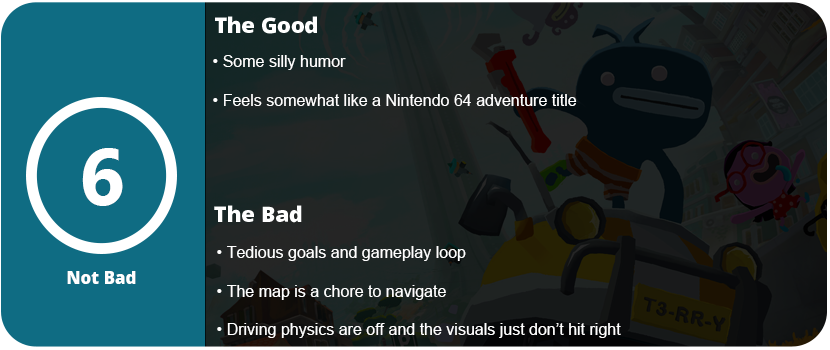
Overall, Tiny Terry’s fun premise and peculiar sense of humor fall short of its potential. The gameplay loop feels frustrating and tedious, the objectives constantly loop around to nowhere, and the map isn’t fun to explore. The only redeeming value is if you like this exact type of game. Early 3D adventure games can be frustrating and slightly grindy, but in the past, the worlds and characters were enjoyable and engaging. This is a very forgettable game with visuals that don’t feel like anything special. Tiny Terry doesn’t have standout features. It’s fine. Just fine.
It’s time to move on. I have used “gamer” or gaming keyboards since I started PC gaming back in 2009. Once I had adult money, I could buy the keyboards I wanted. I have had quite a few over time, and there was always something off about them. They either feature a gimmick that causes their price to be a “premium” price or they lack something somewhere. My last gaming keyboard was a Logitech G915, which I’m thrilled with; however, I don’t quite like the keys too much despite how clicky they are. My last-ditch effort was trying the latest offerings from Razer and SteelSeries, but I’m at a point in which RGB just isn’t a priority for keyboards anymore. I’m a touch typist; I always have been. I learned to type in the 3rd grade in computer class. I rarely look down at my keyboard unless I’m using a key I seldom use. My first custom keyboard was the 8bitdo NES keyboard, and I added my own switches and did a tape mod. That was my gateway keyboard for custom keyboards. The pre-manufactured gaming keyboards just lack any kind of personality or customization, even the newest keyboards that allow switch swapping.
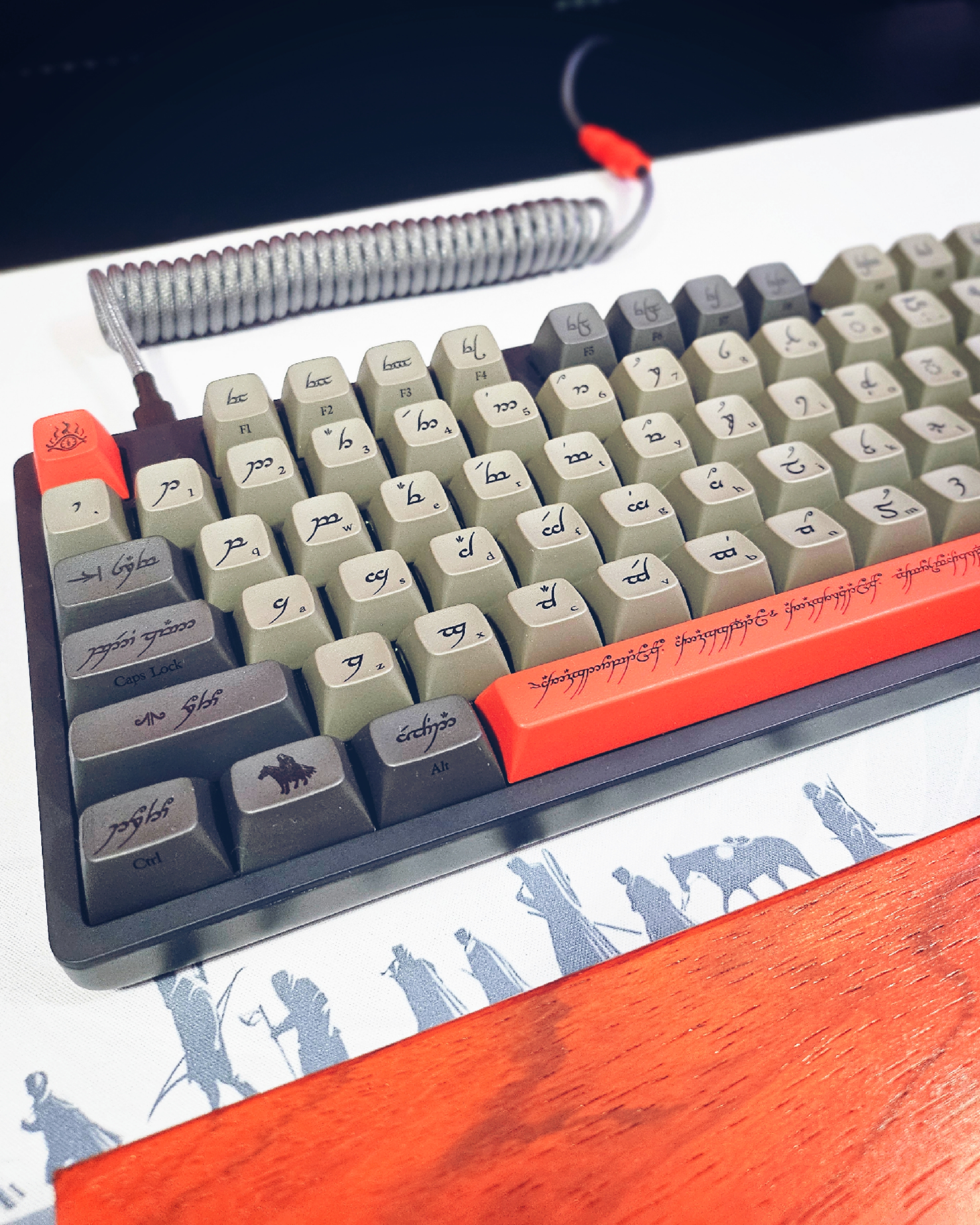
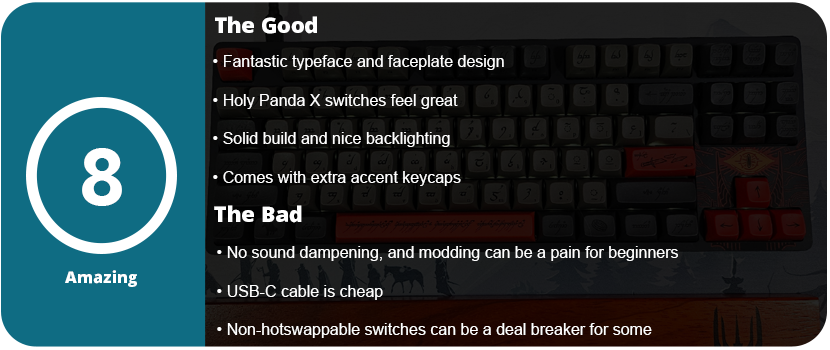
I love The Lord of the Rings. I loved the books as a teenager and was enamored by the movies growing up as a kid. When I saw this collaboration, I felt it was time to switch over to custom keyboards. While the ENTR housing is Drop’s entry-level non-hot swappable switch entry, you can still tell there was effort and quality put into the keyboard. If this is your first keyboard, the loud ping won’t bother you, as there is no pre-installed foam. I had to personally open the keyboard up myself and do a tape mod at the bottom of the bottom plate to reduce the loud ping. Although the switch stabilizers come pre-lubed, the quality of the lube is not optimal. I had to purchase my own and squeeze some down, but overall the stabilizers weren’t squeaky and felt good. Disassembling the keyboard presents a significant challenge. After removing all the caps, I had to undo 16 Torx screws, and the plastic faceplate required further removal. You need a guitar pick to loosen the edges and have to wiggle the center clips loose. Regrettably, the soldered nature of all the switches makes swapping them a laborious task. You’re better off just taking these caps and putting them on another keyboard, but this is an entry-level keyboard. It’s for beginners.
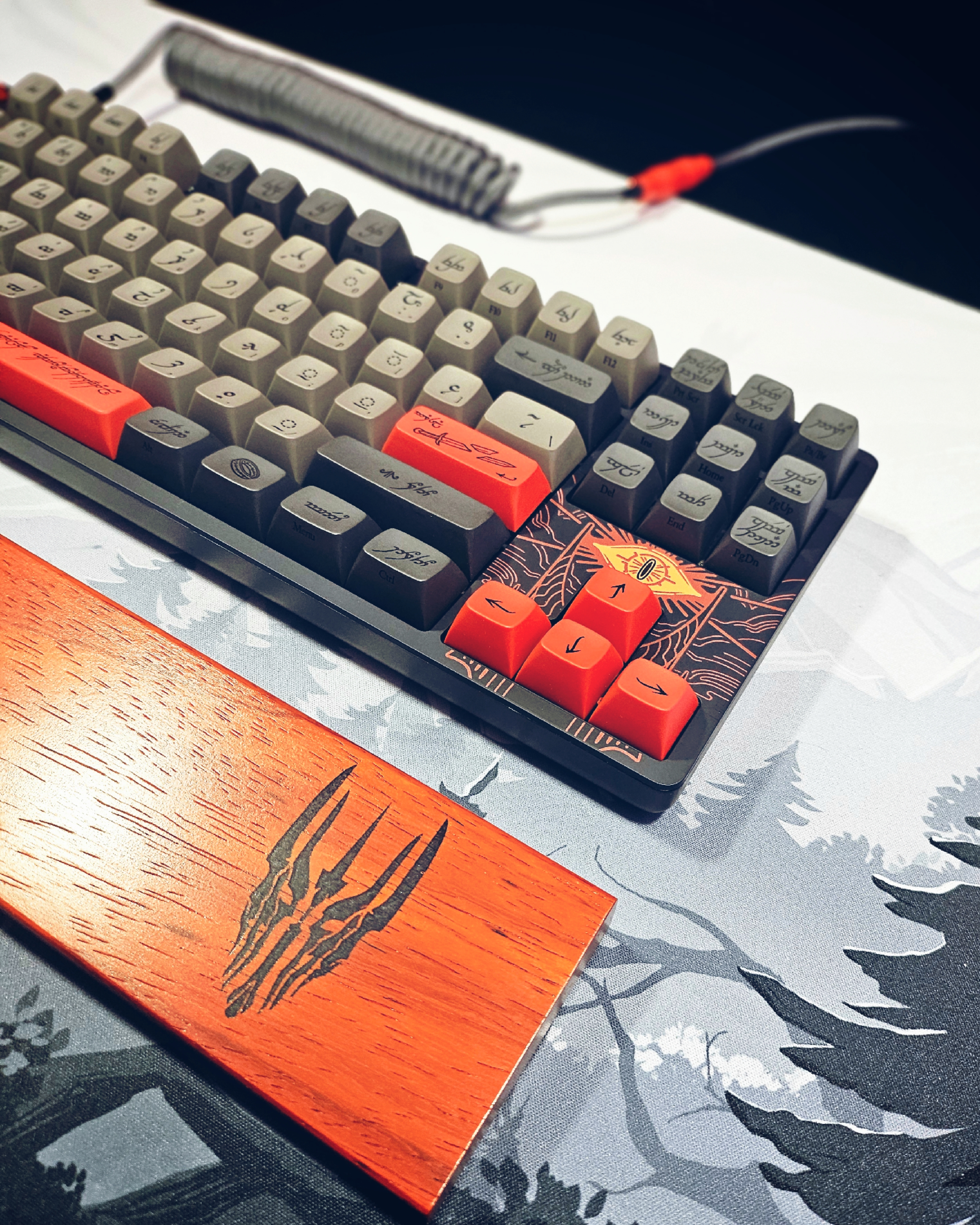
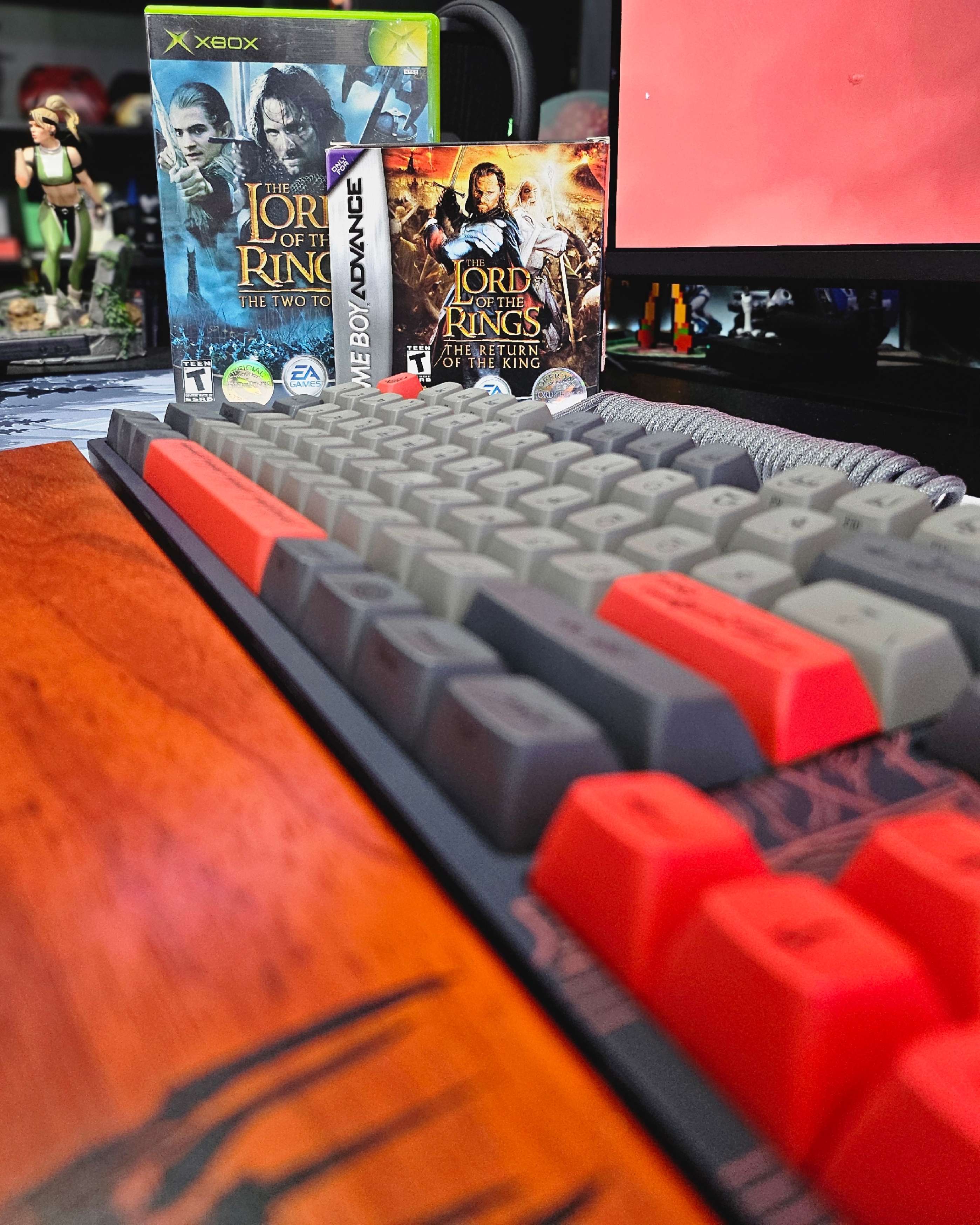
The keyboard’s backlighting surprised me. It does not advertise this anywhere on the box. These LEDs face north and have an off-white color. You can adjust the light or turn it off, making it visually pleasing. I found the Holy Panda X switches pretty satisfying. The keyboard profile is Cherry MX, and I found the keycaps to have quite a pleasing “bowl” shape, feeling them as my fingers were able to be pretty recessed in each key. Sadly, I do have to knock the keyboard down a bit for the loud pinging and no sound dampening. For $200, it should have had this pre-installed. I also found the standard USB-C cable to be pretty lame. The matching YC8 cable would have been nice, as it was available on the website. There is also a matching wooden wrist rest, which I picked up. I sincerely wish they had included this, considering the rest costs only $40. An entire full set would have been great. They also have the artisan keycaps matching each version of the LOTR set.
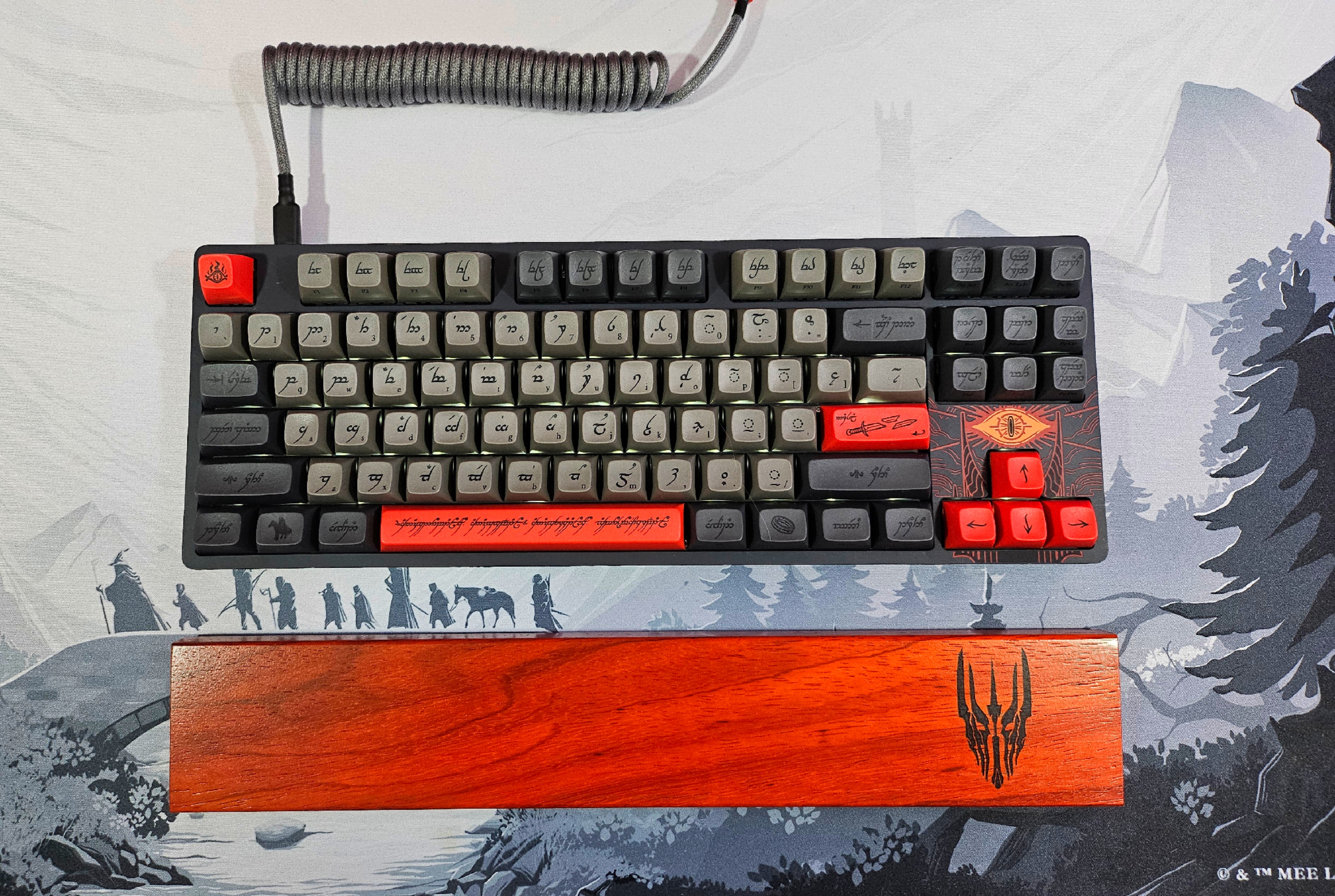
As for the way the keyboard looks, it’s gorgeous. The Black Speech symbols and typeface on the keys with the English version in small print on the bottom right side of the cap just look outstanding. The keyboard comes with optional accent caps that are red, ; unless you want an all-grey keyboard, these are a must. The addition of Sauron’s Eye to the faceplate near the arrow keys is a delightful touch. I matched this with a desk mat that complemented it, and the result is a sleek and elegant appearance. Drop did an amazing job with this keyboard in both the color scheme and the design of the caps themselves.
For the price, I would have at least expected sound dampening and a better USB cable. The keyboard is also not wireless, so don’t expect that. I did love the weight and feel of this keyboard. It’s not large and oversized like many “gaming” keyboards that are TKL. The bottom of the keyboard features a flip-out stand that allows it to be raised slightly at the back. I would have liked a two-step stand, as it may be too high for some. However, the gorgeous design of the keycaps and faceplate are just phenomenal and if you are a big LOTR fan than you can’t go wrong with this keyboard.
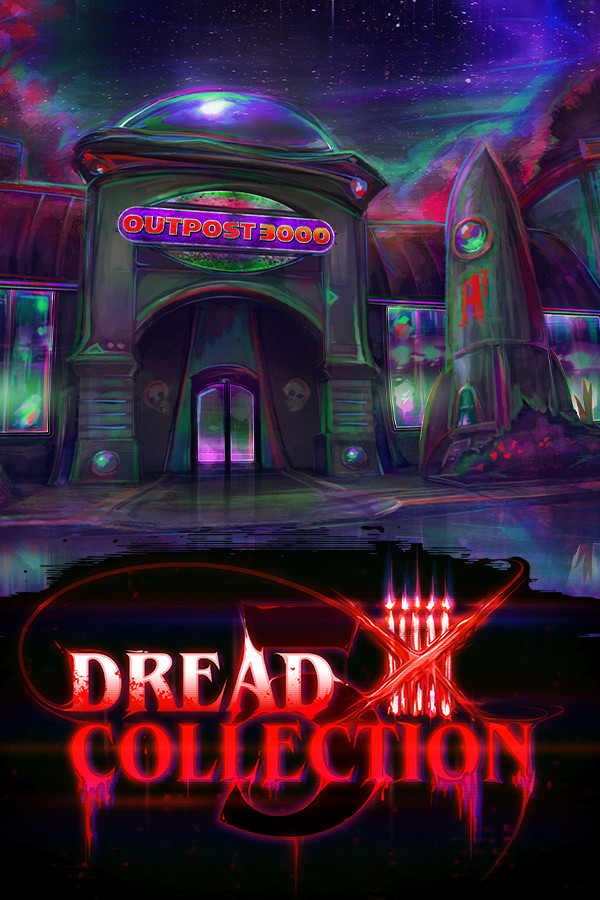
The Dread X series is a great idea. Get a bunch of indie developers together to create some short horror experiences and put it all together in some weird hub. Each game is completely different and offers brand new experiences, but I’m starting to see that the series is running out of ideas. The main hub this time around is a kids birthday center called Outpost 3000. It’s space- and alien-themed and full of 90’s cheesy goodness. I appreciate the varied areas you can go into, and the games this time are unlocked by finding 12 different presents and bringing them back to your table. You can then choose one of twelve games to unlock with the present represented as candles on your birthday cake. When you unlock a new area in the center, you get a comic book panel.
Discovering the center is probably the most fun the game has to offer. There are some puzzles, chase sequences, and light exploration, but nothing too crazy. These areas range from a locker room, kitchen, animatronic stage, movie theater, ball pit, and many other birthday play center areas. There’s a monster that chases you through most of it in certain areas, and this doesn’t prove to be much of a challenge. The game controls like any other low-budget asset flip Unity/Unreal Engine FPS game and looks the part too. The graphics are very early 2010s or Unreal Engine 3 era feeling. Lots of shiny surfaces, baked lighting that’s too bright, bloom, etc. While it gives off a cheesy vibe, I would have liked to see this series move a bit further ahead in the tech department.
Of course, I will do mini-reviews for all twelve games. I will give each game a rating out of 5.
Ludomalica—This is a board game where you play in the first person. You are in your bedroom, and there seems to be a family member haunting the house. When you roll the dice and you land on a question mark space, the ghost will appear somewhere in the house. You must have all lights off in all rooms and all doors closed. The game has a limited duration and follows a predetermined script. Eventually the house opens up more with different floors and rooms. The entity must not capture you, or it will send you back to your room. Overall, the atmosphere is really intense, and I felt reluctant to go outside of my room and close all the doors. It gives off the memories of turning on all the lights while going to the bathroom at night as a kid. – 3.5/5
Resver – This is a first-person walking simulator that just doesn’t make any sense. Everything is presented in black and white, and as you move forward, text appears, seemingly attempting to explain a narrative. It honestly made no sense outside of having the moral idea of not doing drugs and the impact they can have on you. It seems this is some sort of drug ring thing. I honestly have no idea. The game is about 20 minutes long, and outside of the visual trip, there’s not much here. – 2/5
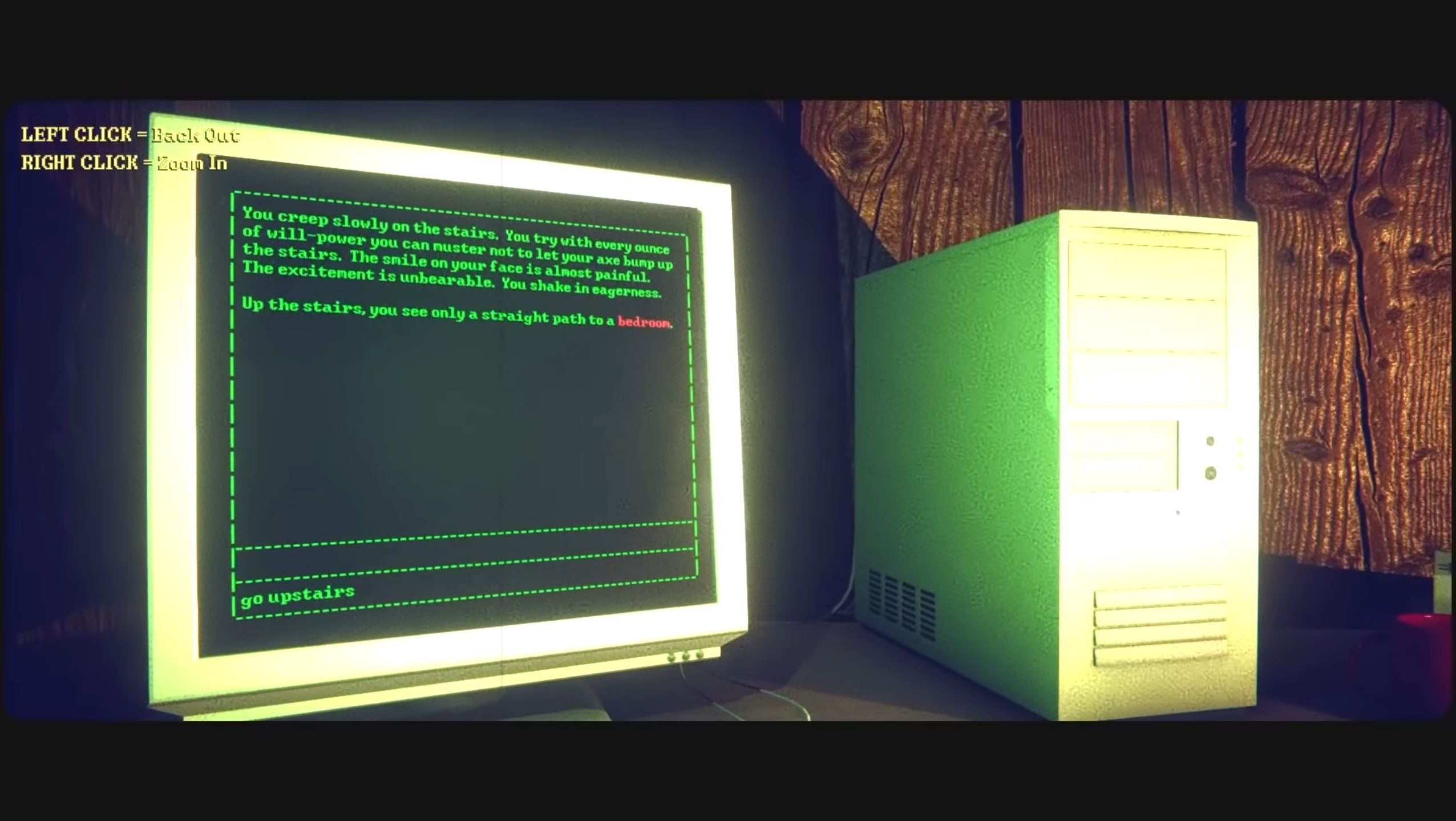
We Never Left – This is about a video game developer with psychosis who is inside his own text adventure game. We saw something like this in Stories Untold. The atmosphere and tension here are done really well, except I found the tape hunting to be quite tedious and annoying. The visuals are a bit headache-inducing too. These are PS1-style graphics, but with some sort of filter over them, and they just don’t look that great. I found the story to be pretty intense, and the voiced lines were a plus. 3.5/5
Interim-This is a weird one, but in some ways it’s good. The game features a real-life actor superimposed in front of it, similar to older FMV games of the mid-90s. You are an intern who seems to be on some sort of reality TV episode. It’s really odd, makes no sense, and the visuals are really weird, but not always in a good way. Sometimes it’s confusing where to go, and the game soft-locked on me a couple of times for no reason. It’s over in about 20 minutes, but what’s here is mostly entertaining. However, it doesn’t contain any frightening elements. 2.5/5
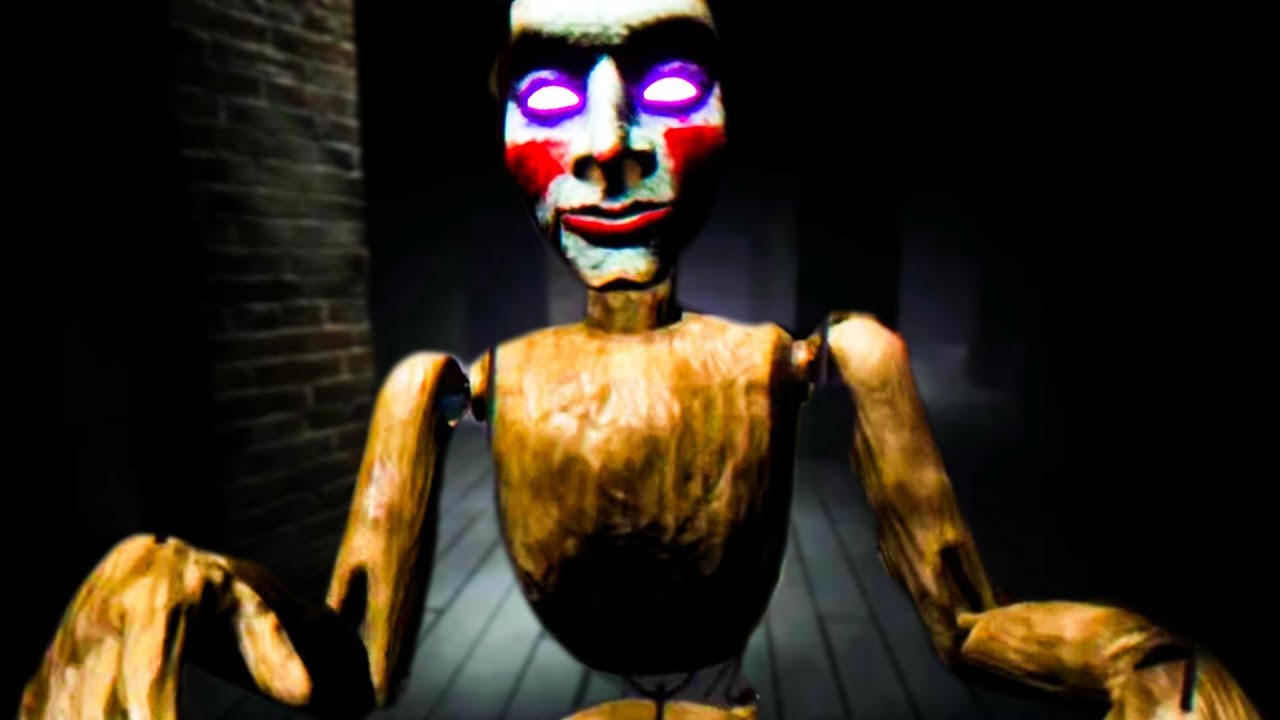
Beyond the Curtain – This is a weird walking simulator that is very repetitive and has almost no tension. You are an actor in a play and seem to have some sort of phobia of puppets. You walk around an endless backstage tunnel, and I mean seemingly endless. The scenery never changes, and all you need to do is walk around puppets holding knives so they don’t stab you. There’s a final area with some sort of worm creature, and that’s about it. The puppets are always following you, and you need to make sure you constantly look back at them to gain some distance. The game lacks scariness and is excessively drawn out, leaving no clear sense of purpose. This game is likely to rank among the weakest of its kind. 1.5/5
The Book of Blood – This is by far the best game in the package. This is a full-on stalker game set in a fairground. There is a lot of occult discovery, and you accidentally end up in one and need to get out. You have a book that you need to solve puzzles in. You need to go out and gather supplies to complete the ritual, and every so often a strange masked man will try to kill you. Both trailer doors must be locked at all times, and sometimes the power will go out and obscure the book. Next, you must locate the numbered breakers and reset them. Run around too much, and the masked man will find you. You need to sneak around and get everything turned back on. You can also pop out the two windows to see if the man is near your trailer. Once you hear him knock, you need to quickly check the locks on your doors. This game is really intense and actually quite scary at times. The book puzzles require a significant learning curve to master, but once you do, they can be quite enjoyable. 4/5
KARAO – This game is rather strange, and while one of the most surreal, it just doesn’t make sense. This is a PS1-style horror title in which you run around a linear path trying to find a way to open doors. You get a shotgun and can shoot things, and this is one of the longer games along with The Book of Blood. The path is super linear here, and you need to talk to people and listen to their abstract dialogue to also get codes to open gates and doors. The visuals are more on the interesting side, but this is another game with PS1 graphics and a weird filter on top that doesn’t seem very appealing. 2.5/5
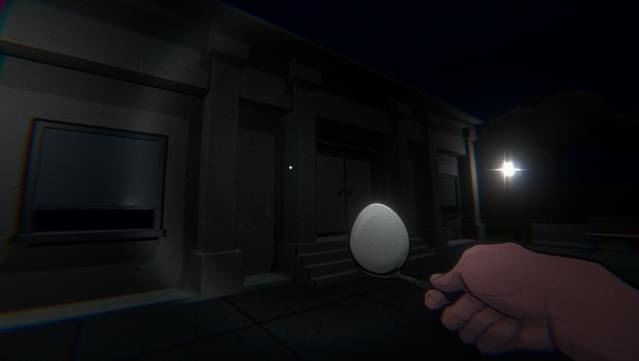
Spirit Guardian – Probably one of my least favorite games. This is a terribly designed first-person haunted school walking simulator. The game is around 15 to 20 minutes long and has a cheesy “Nanny” haunting the school inside. You are following the instructions of a little boy. He tells you to place blocks on a table, play hide and seek, and carefully walk eggs on a spoon. Physics are terrible; the flashlight works well, but if you’re caught, your items are taken and may be in a dark locker where you can’t find them. I found the game just incredibly tedious, difficult to control, and completely uninteresting. 0.5/5
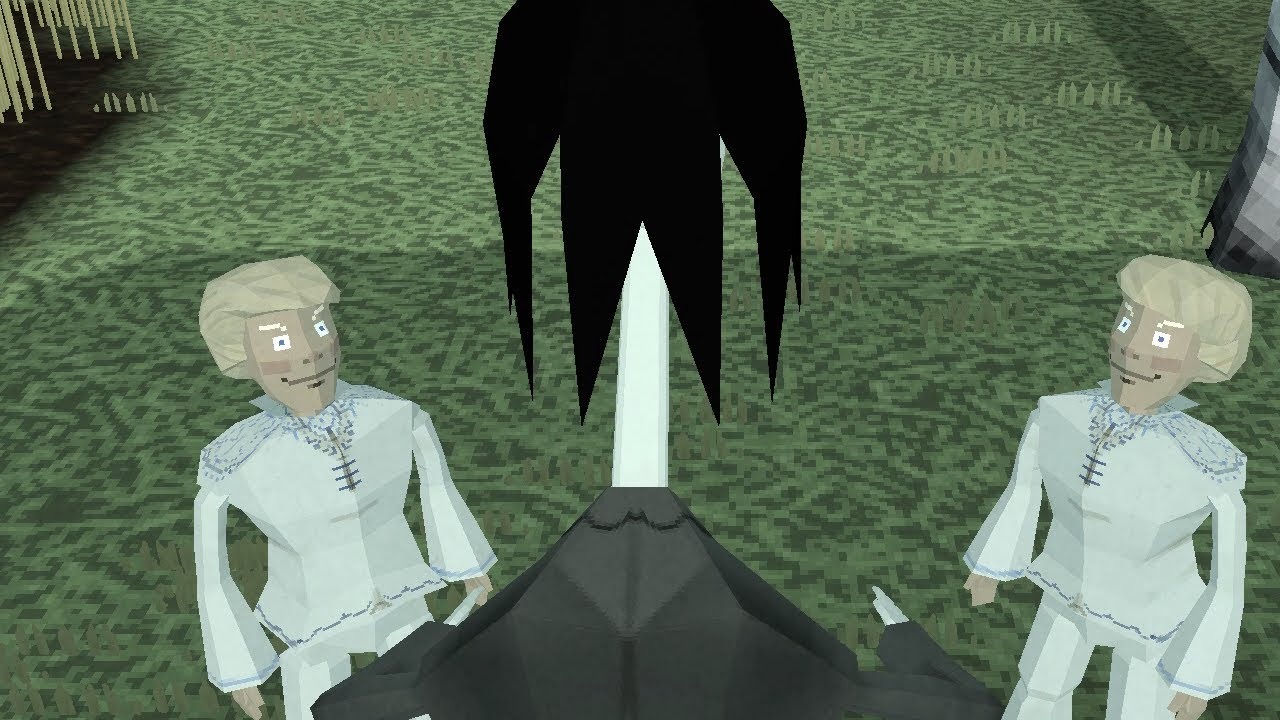
HUNSVOTTI – This is one of the oddest games in here, but also the ugliest and hardest to control. Rather than a PS1 aesthetic, this game goes for an N64 one, and boy, does this look ugly. The polygonal, poorly animated figures and stiff controls certainly bring back memories of some of the worst games on that system. You are a little boy in a Dutch festival called HUNSVOTTI. Every character is in a canned animation, and you must find flowers without bumping into anyone. The more you do, the faster the animations are, and eventually they will all come after you, and you still have to find flowers. After finding all the flowers and dropping them into the well, you become a large demon that can kill the villagers. It’s very odd and not really in a good way. 1/5
Gallerie – This game has one of the coolest concepts, 3D binaural audio, to use ASMR voice lines to add atmosphere for the player, but it just comes across as mostly annoying. While the spoken words are fine, the gibberish later is just the weird clicking and smacking that people do in the ASMR videos, and I can’t stand that. You are tasked with destroying the world, and some girl is angry, and you need to interpret what she is saying to you via a legend. There are three levels here, each more annoying than the next. You must keep away from an entity that stalks you, and when you look at it, similar to Beyond the Curtain, it stops moving for a few minutes. You need to find demon paintings and enter the QTE on screen before it attacks you. The second level is more of the same, but the third is the worst with leapfrogging of batteries that need to be charged. In the meantime, you are backtracking and running around a confusing level. The visuals are weird, but disorienting and not pleasant in the slightest. – 2/5
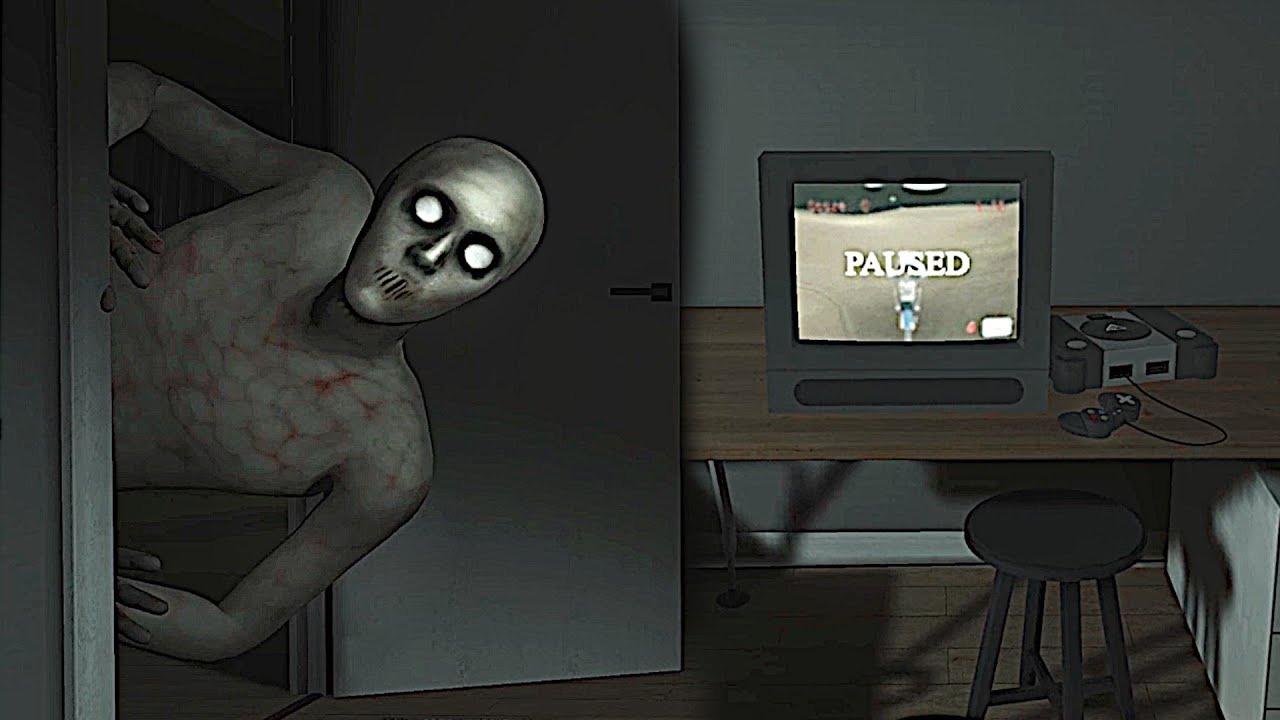
Vestige – This is another PS1-style game, but you are a kid who is discovering his old PS1 games, but they are haunted. Sadly, you end up playing this game, and it is just a terrible dirt racing game similar to Motocross Madness with terrible controls and physics. You walk around your house trying to advance the plot a bit. Overall, the game isn’t memorable or captivating in the slightest. The atmosphere is a bit tense, but nothing here is worthwhile. 1.5/5
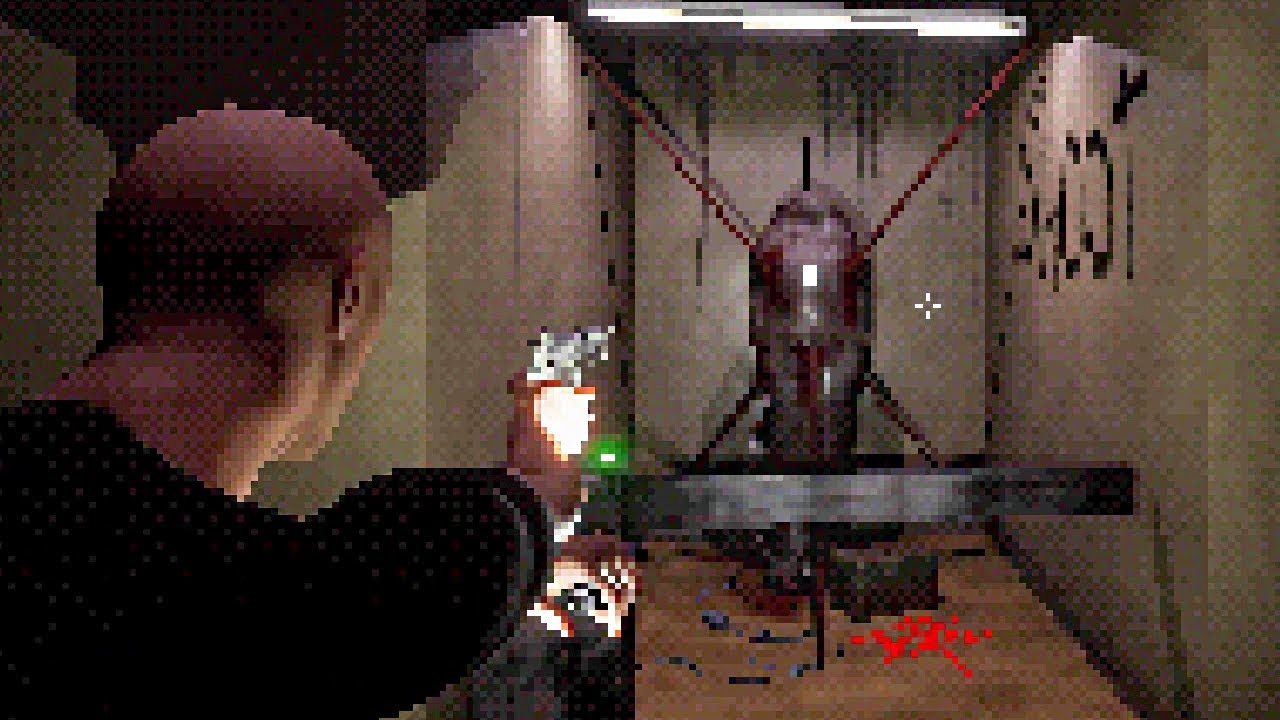
Rotten Stigma – Another poorly implemented PS1-style game with Unreal Engine asset flip vibes. You play as a generic bald-headed man in a green shirt who wanders around what seems to be a recreational center. You get a pistol and a lead pipe as a weapon and have to fend off weird bipedal creatures. You just read notes from Alex to solve a couple of puzzles that aren’t challenging at all. Once you wind your way around the area, collect a few items and keys, and shoot some bad guys, you end up at the end of the story in about 20 minutes. The game is incredibly ugly, clunky, and uninteresting. There’s a bit of atmospheric tension due to the dark lighting and sounds. There’s one particular scene that I enjoyed, but nothing was expanded upon. It involves a crying body bag and a bathroom. The game is obviously inspired by Silent Hill but doesn’t even come close. 1.5/5
Average Score: 2/5
It’s clear that the collection here isn’t quality but quantity. Most of these games are just ideas for what could be larger games, but those ideas still aren’t great. Many of these games are clunky, ugly, have headache-inducing visuals, nauseating cameras, obtuse puzzles, or have atmospheres that are slightly creepy but don’t go very far. The Outpost 3000 hub is more entertaining than any of these games. Many games also have asset flip vibes, don’t have outstanding resolutions, and show up stretched out on higher resolution screens or have visual bugs. Nothing here is fantastic or stands out much. The Book of the Blood is the most solid of these games, and that’s still not saying much. I’m glad most of these games are around 20 minutes long. Any longer, and I will not finish them. Overall, Dread X Collection 5 is the weakest one I have played thus far. This doesn’t feel like a collection of quality at all. Nothing here makes me want to seek out these developers and see what they have to offer, unlike past games. I feel like this series needs to go more on the mini-game route rather than full-on games or be stricter in their quality.
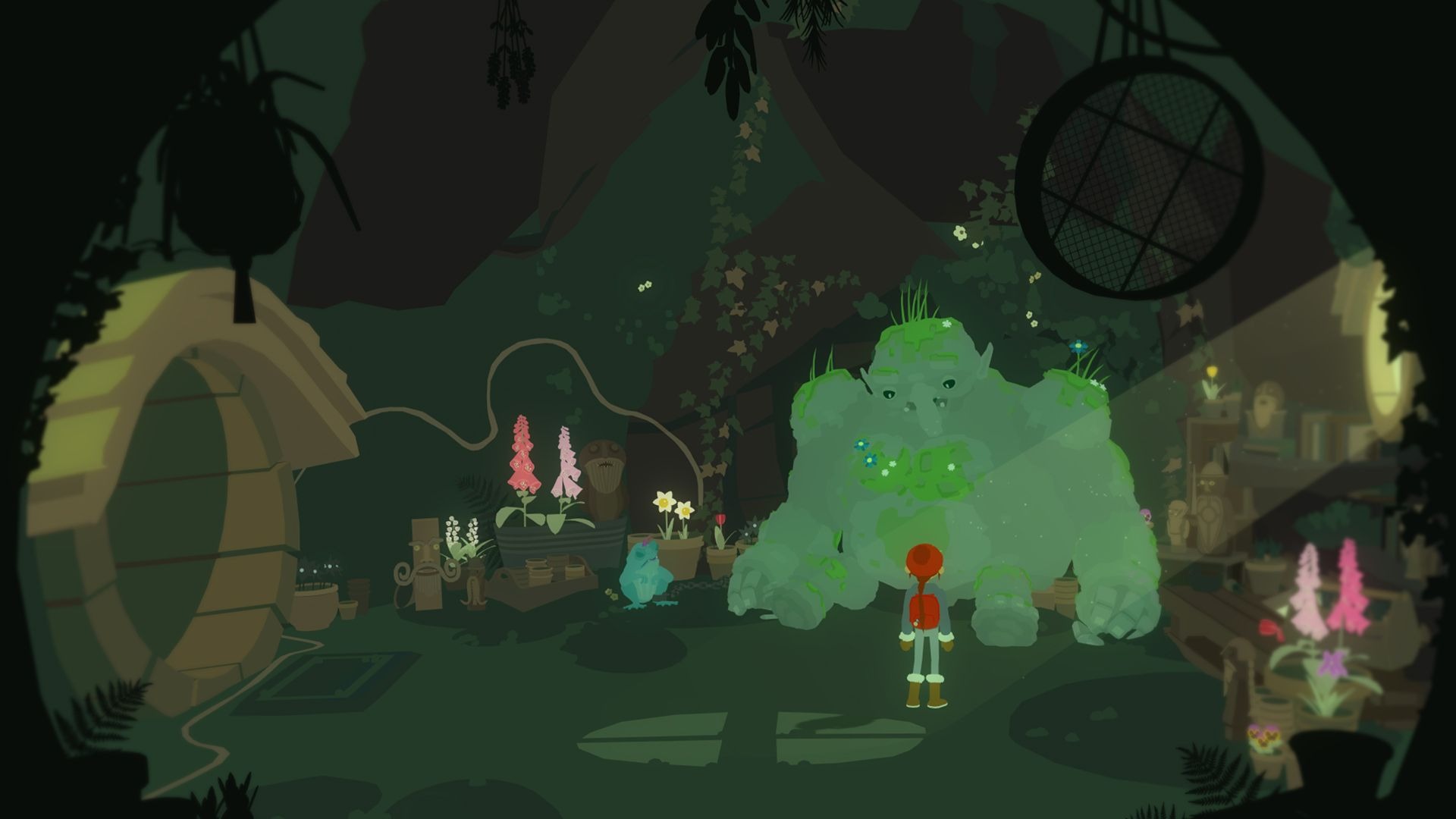
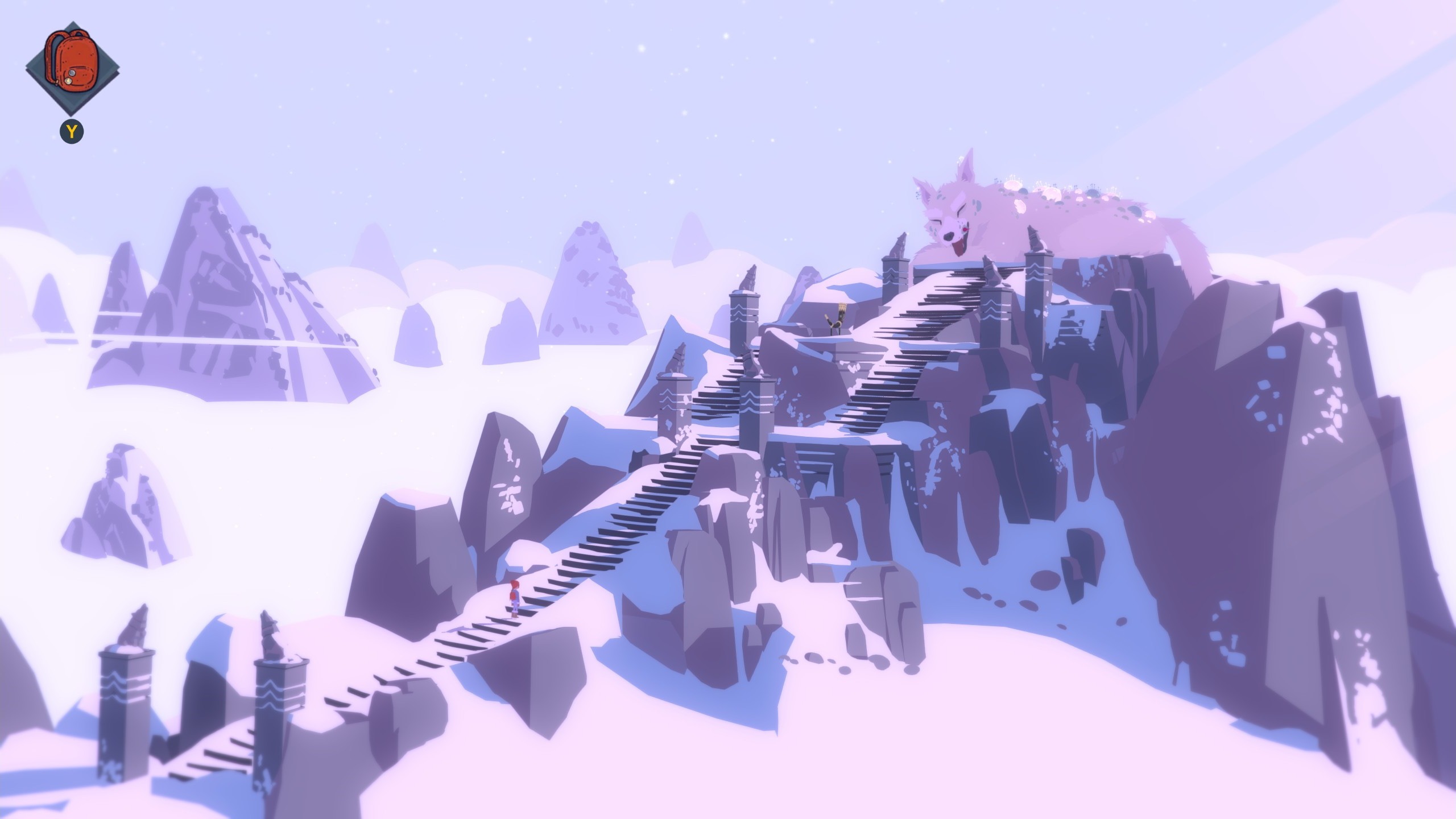
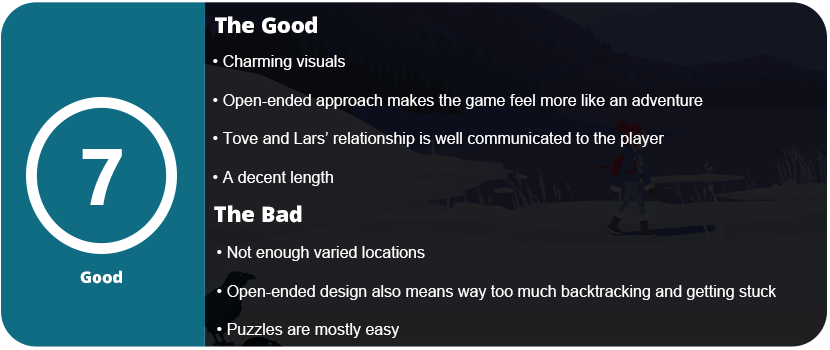
Do you remember the days you were a kid and went on adventures outside? The days you would be outside from dusk to dawn playing too far away from home and weren’t quite sure you’d find your way back, but kept going anyways? That’s the feeling of adventure you get from Röki. The game is much longer than most point-and-click adventures, taking around 8 hours to complete. This allows for a better and deeper story to unfold. While the overarching story isn’t anything super special, the relationship between Tove (the girl) and Lars (her little brother) and their father is rather deep, and you can feel the tight relationship and love this family has.
The game is a more open adventure title. Rather than being completely linear, you can fast-travel between several areas to find objects and solve riddles. The game’s openness necessitates the ability to press the left stick for interactive objects to flash. Just like any adventure title, you need to find objects to advance the story, and due to the openness, some puzzles might take a couple of hours before you eventually get all the parts to solve them. This also leads to the most frustrating thing about the game. If you miss an item for a puzzle, you have to figure out where it is. As the game opens up, this can lead to tedious backtracking and flashing all the objects on the screen and running around until you figure out what you missed. Frequently, this occurred due to the game’s lack of clear instructions or tracking features. The journal is rather useless and holds a map and various optional items you can pick up as collectibles.
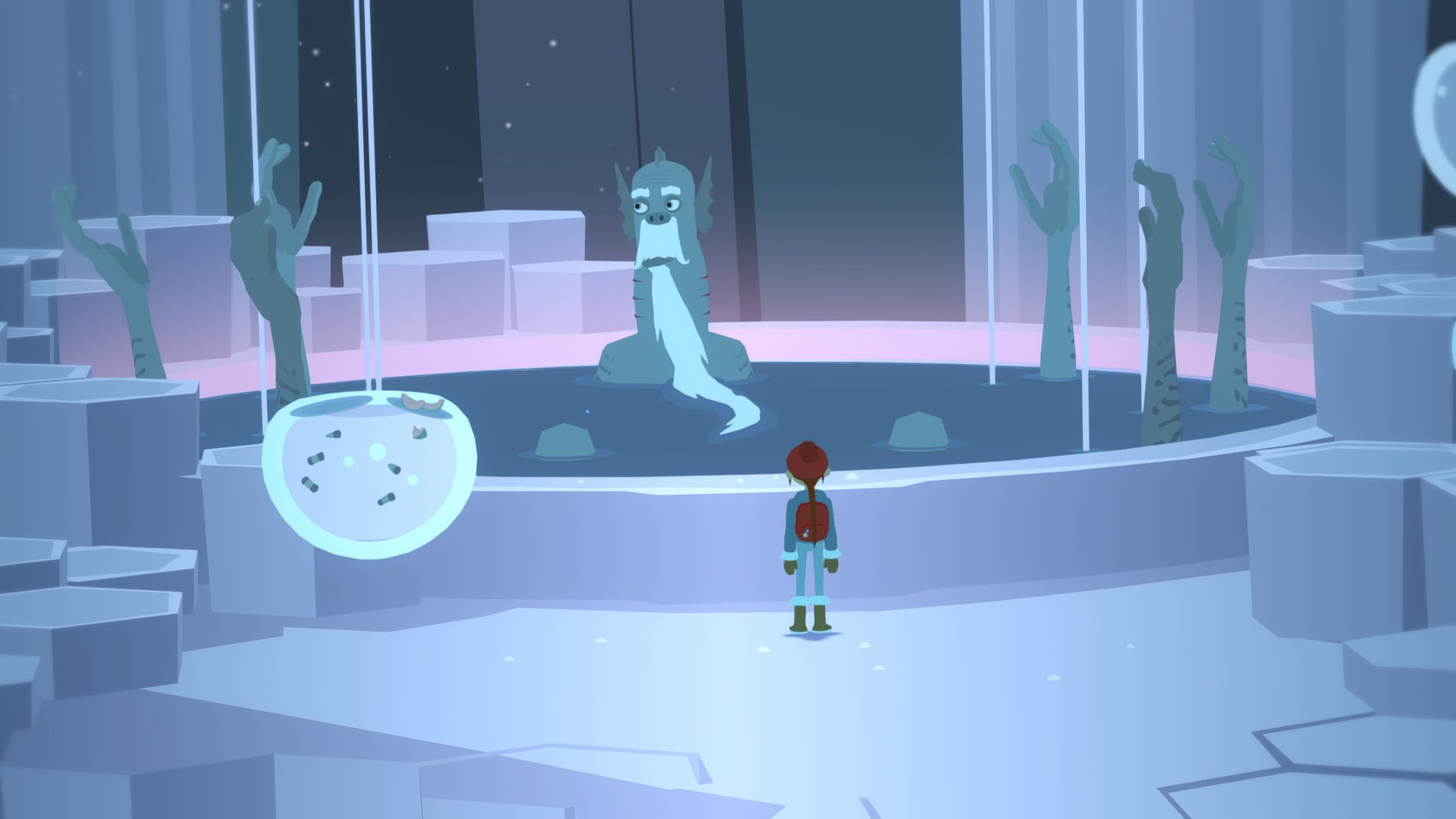
Tove can run by holding down a button, and she can interact with objects. Outside of this, there isn’t much to the controls. She can climb walls and ladders, but you’re mostly just interacting with things. I found some of the puzzles quite fun, intuitive, and clever. The game experiments with ideas such as controlling two characters (swapping) and using a couple of different objects to complete puzzles and unlock new areas. There are giant beasts that need to be defeated and tamed. The game is based around Norse mythology, so you will encounter many beasts from this lore.
Despite the game’s lack of voice-acting, the writing conveys the characters’ emotions. Every so often the game will cut to a long scene and then give you control back. There aren’t many cutscenes in the game, but despite the length, the game never felt tedious or boring. I wish there was less need for backtracking. Sure, fast travel is helpful, but you still have to run towards an area, climb, or enter it, and some parts of the game can be really tedious to get to. You can’t skip climbing segments. Climbing dominates some later puzzle areas, leading to frustration. I spent more time waiting for animations to finish than actually solving the puzzle.
The visuals are really nice, but this visual style is something we are seeing a lot of, and I don’t find it the most appealing. The use of paper cut-out/flat texture with solid colors is a common visual style. It works, but I would like to see something more original. The music creates a captivating atmosphere, and certain tracks evoke strong emotions during specific scenes. I found the whimsy of the beasts and monsters to be really charming, and this is where the art style worked the best. The game has a lot of whites and grays (stones) due to the entire thing being set in the winter. There’s not much variation in environments.
Overall, Röki is a surprisingly lengthy but well-built adventure title. There are a lot of puzzles and rooms, and the pacing is great. I didn’t really want to put the game down…until something tedious came up, like missing a single object for a puzzle, and I had to spend 20–30 minutes hunting it down. This happened far too frequently. This phenomenon occurred at least once with each major puzzle. If you love Norse mythology or just want a touching story about family, then this is for you.
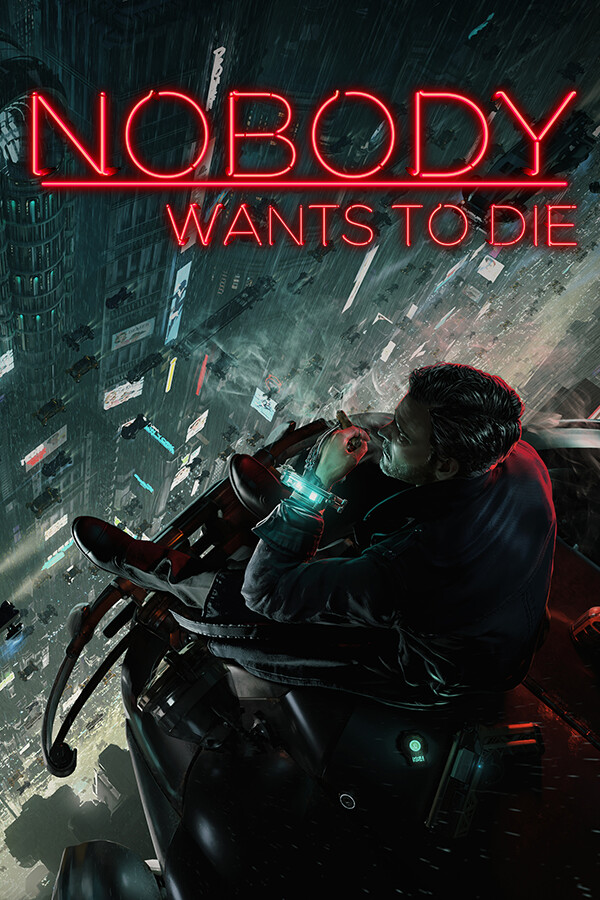
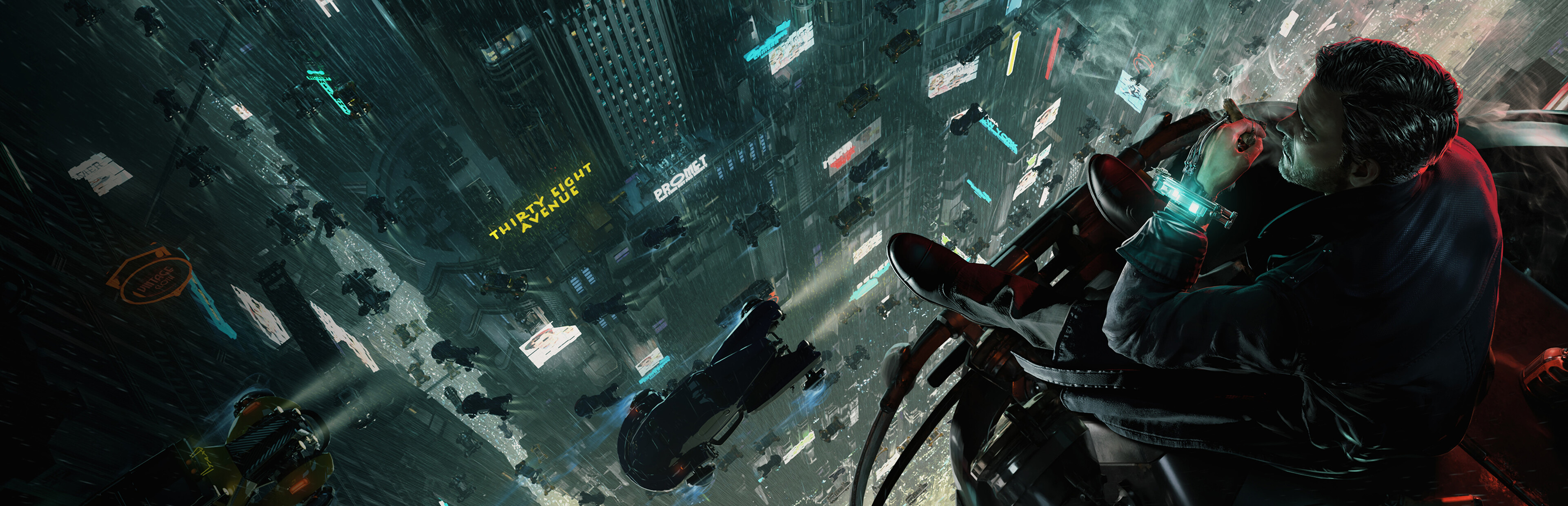
Nobody wants to die. That’s a statement that anyone can understand. What if you had the ability to purchase a new body and continuously inject your conscience into a new one? This is the premise of Nobody Wants to Die. A detective noir game set in a dystopian New York in 2239 where flying vehicles exist, we are now in a caste system, and capitalism has won. As suspended detective James Karra, you embark on an investigation into the suspected murder of a large corpo boss. Your partner, Sarah, is in your earpiece.
There isn’t much exploration in this game, and it’s not a first-person shooter. Although the entire game takes place in first person, it remains a pure adventure title. The game masterfully constructs this dystopian future, immersing the entire experience in the art deco Americana of the 1930s. James has a lot of internal problems, and due to being on his fifth body, he has a lot of problems from his 100 years on this planet. The better shape a body is in, the more it costs. However, there’s something dark happening. The game also does a fantastic job explaining how you can recreate crime scenes and explains a person’s ichorite, which is what’s used to transfer a person into a new body.
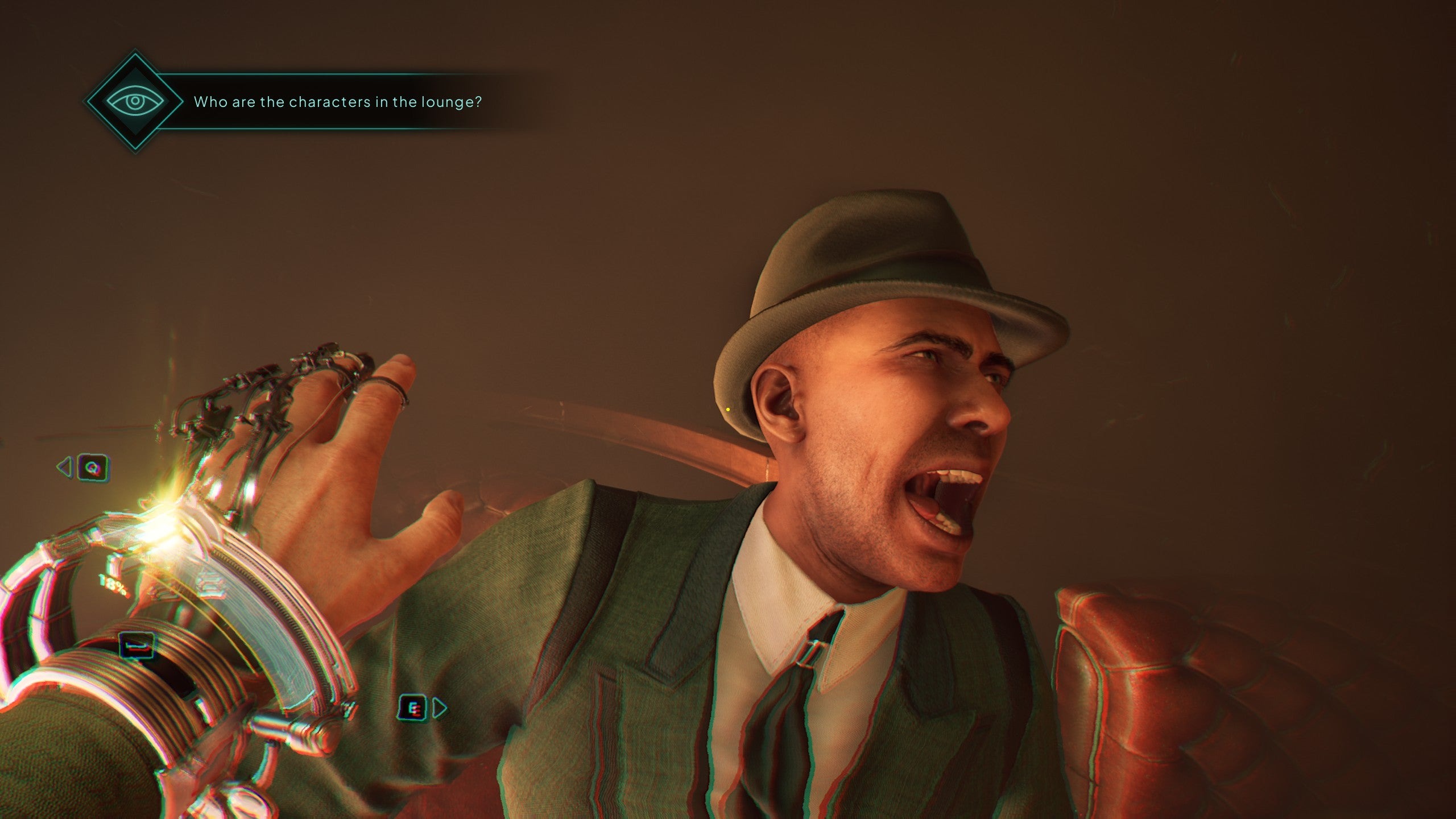
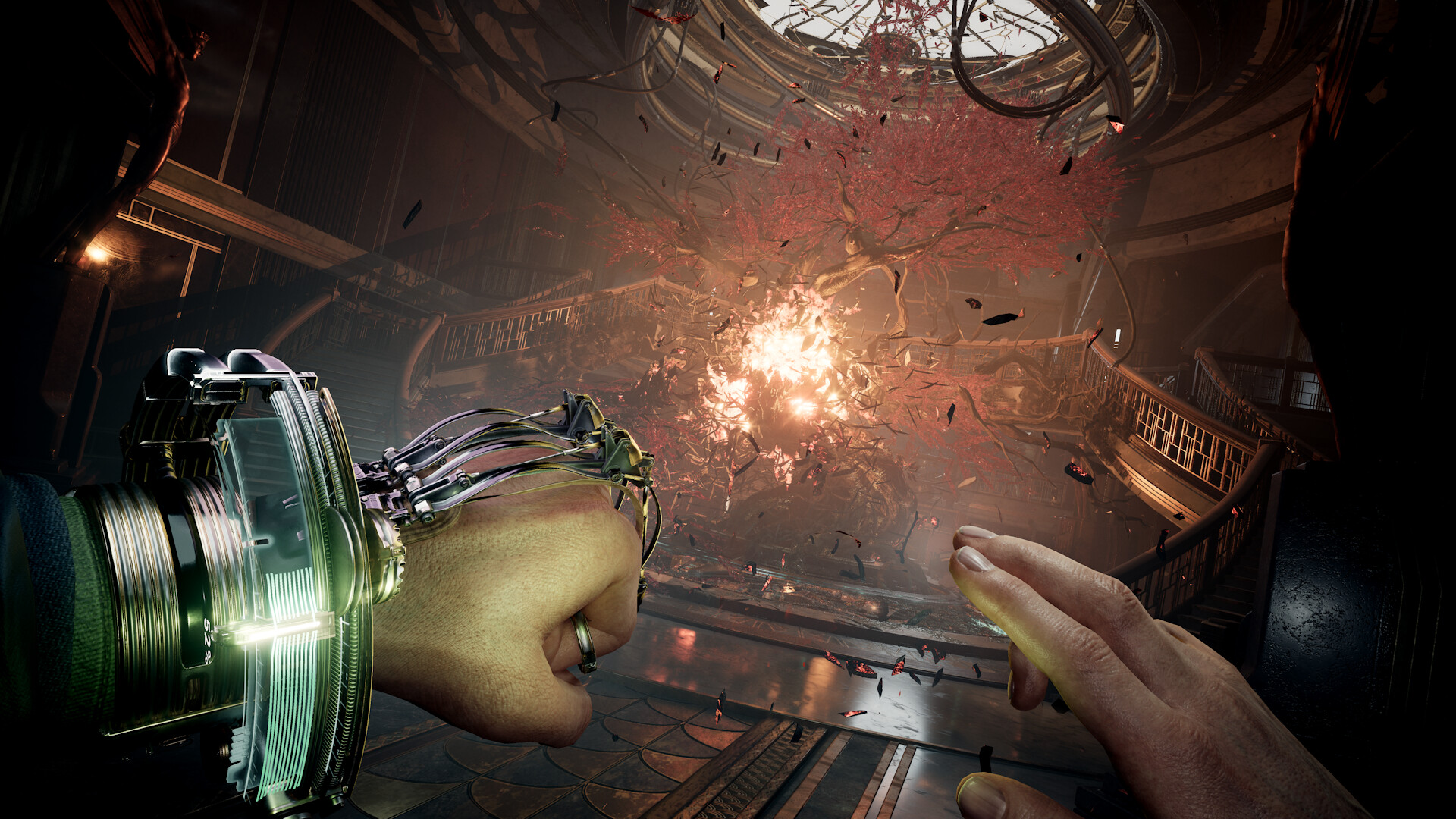
That’s the majority of the gameplay. The crime scenes are pieced together like mysteries through the Replicator. This allows you to fast forward and rewind scenes as you piece them together. You have to walk around and find the prompts to advance the puzzle to the next piece. There are also other tools like the X-ray wand and UV lamp. You use these to see through objects and then detect fluids. You are always swapping back and forth between the two. However, the puzzles are very linear and don’t require any brain power to solve, but they are still fun. Many of the crime scenes are really interesting to solve, as you can draw your own conclusions and see what the outcome ends up being. There are three main crimes in the game, and they take quite a bit to go through. It’s a lot of fun seeing everything kind of come together and hearing Sarah and James analyze everything to come to a conclusion. When you get back to your apartment, you can put down objects that are in place for clues that you found, and you need to string everything together to come up with a final conclusion. Moreover, it’s a straightforward process.
Outside of the main crime scenes, there are a couple of moments in James’ apartment. It gives you a glimpse of how awful living conditions are in the future. Everyone shares bathrooms and the government logs everything they do. You have to see a psychologist for life after transferring to a new body for the first time. The ads, propaganda, and everything in between are done so well for how little you can explore this game. While the characters aren’t very deep or memorable, they help carry the story along enough to stay interested. I’m sorry, but the story is too short to remember. The setting and world are more interesting. The game also has dialogue choices that determine which ending you get. Some options will have locks on them, meaning you need to have changed your path prior to the current option. The way you respond to Sarah or act at a crime scene (like deciding to steal something for yourself) can get you in trouble if you’re not careful. The execution of the story is commendable, and as the story progressed, I found myself grateful for the choices I made that allowed me to navigate through certain scenes.
The visuals are rather appealing for an indie title. Lighting is great, art deco is beautiful, and vehicle and object designs are fun. The game is at least well paced, and I didn’t want to put it down. The voice acting is outstanding too, and there are just enough little twists and turns to keep you glued to the screen. There isn’t much to hate here outside of easy puzzles and lack of exploration. I honestly wouldn’t mind another game in this world and have the lore expanded upon.
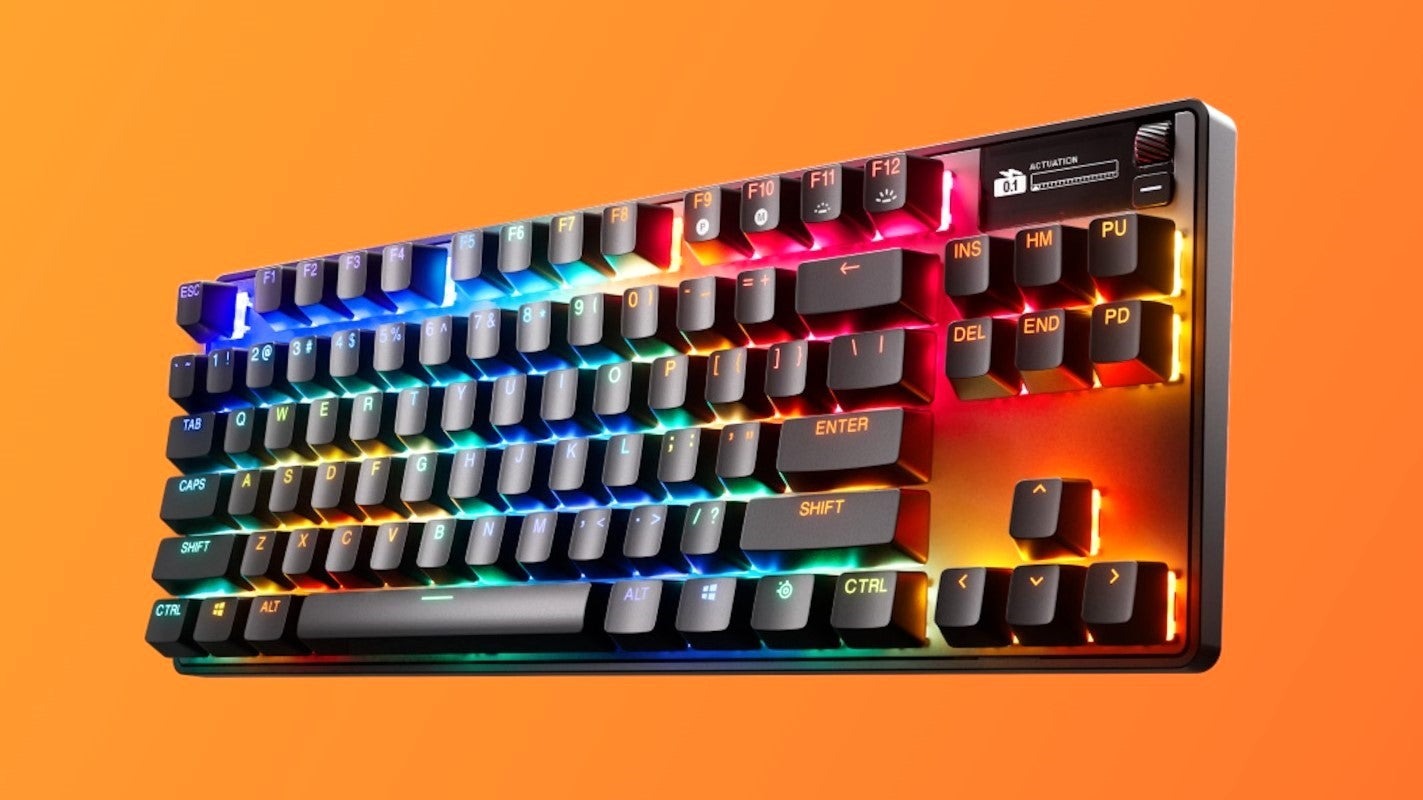
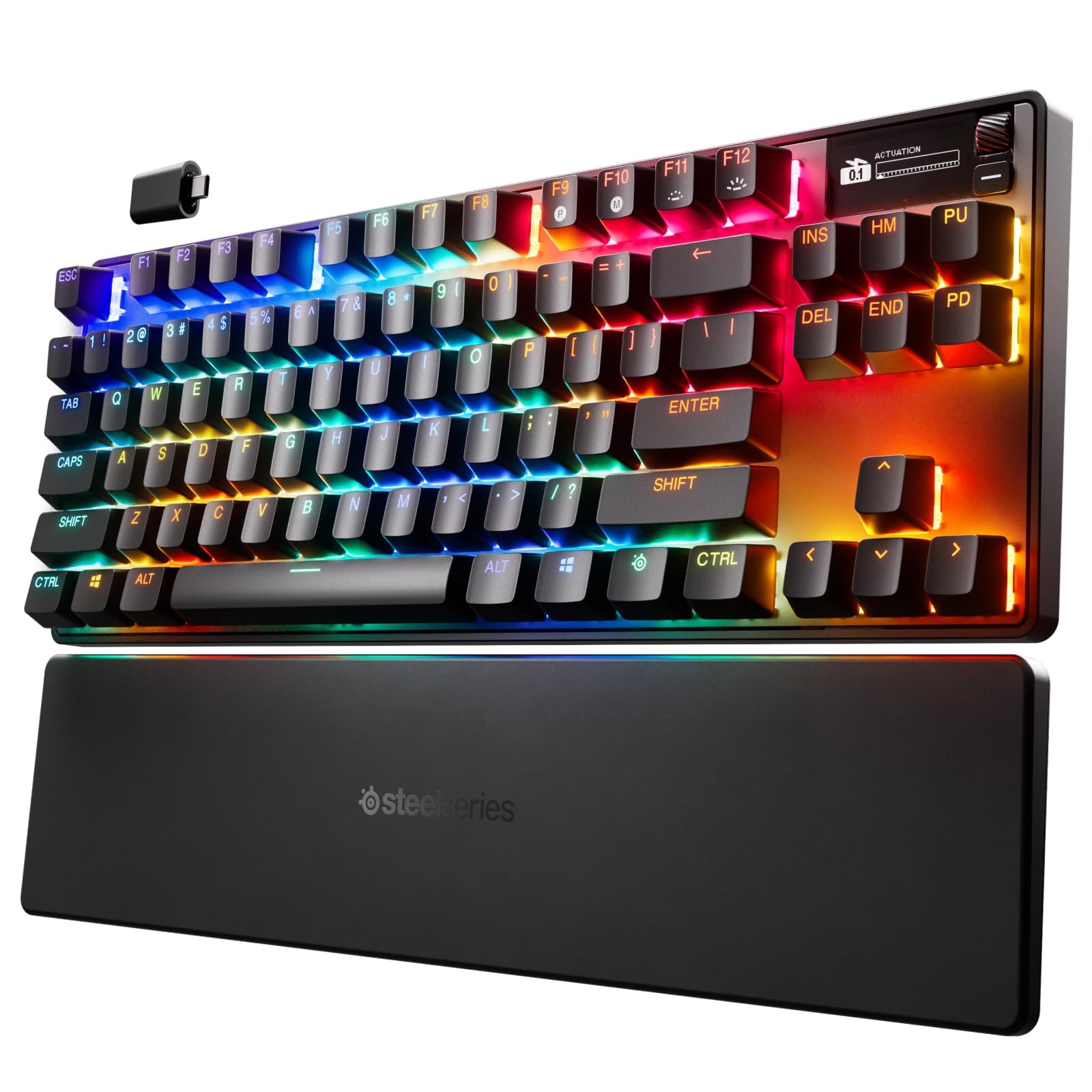
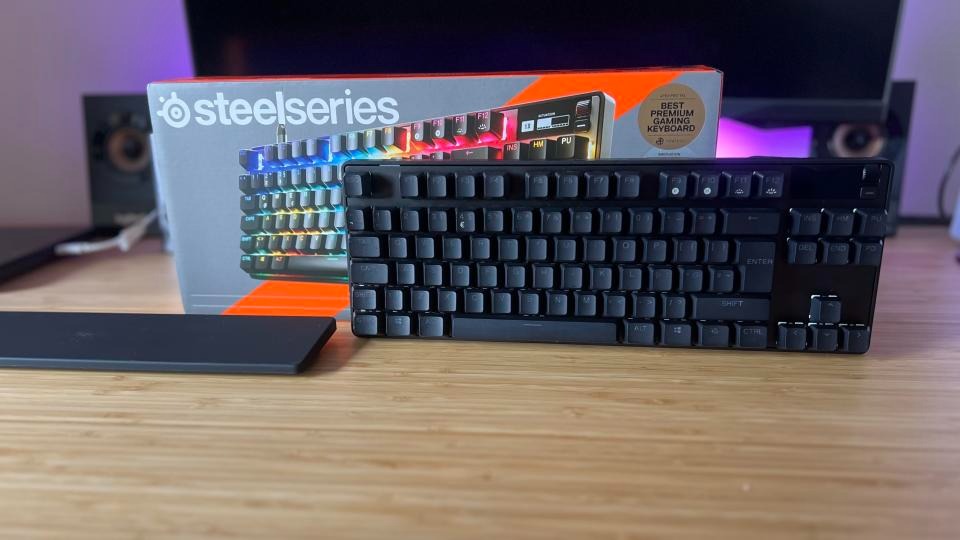
This keyboard features an additional OLED screen. There’s also a premium price tag for this as well as less customizability. I have never owned any SteelSeries products outside of an RGB mouse mat years ago. The packaging was decent, nothing special, and it came with a keycap puller, a USB-C cable, and a USB-C dongle, which was nice. The keyboard also works with Bluetooth, but the software has limitations in this mode. Once I got the keyboard out and the palm rest, I was surprised at how comfortable it was to type on. The biggest gimmick is the screen and their Omnipoint actuation adjustability to change the sensitivity of key presses. No, this isn’t like a DualSense controller in which your key switches get “harder,” but they just become more or less sensitive and register with a stronger keypress or light press. It’s a neat feature, but mostly unnecessary.
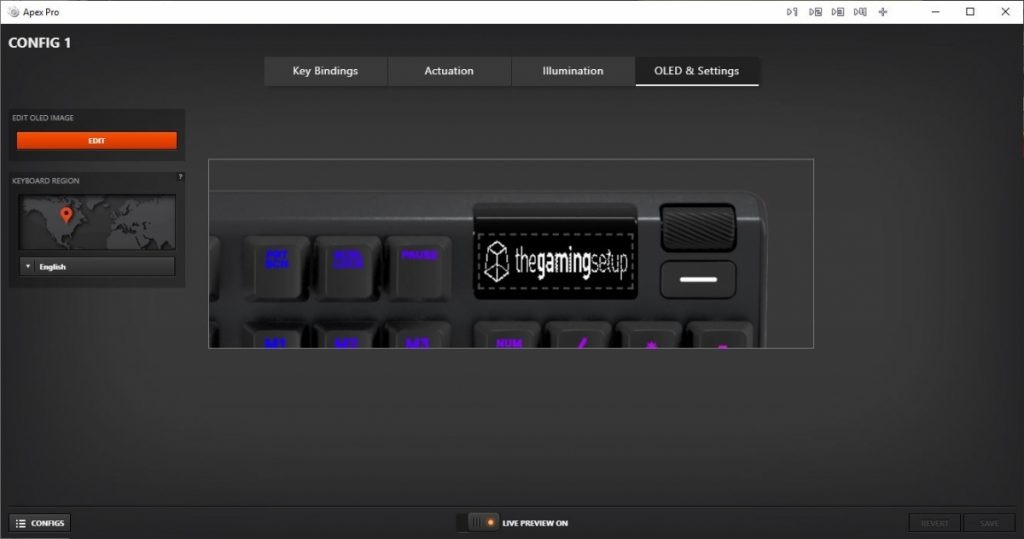
The Omnipoint 3.0 switches felt good to type on, and the foam mod at the bottom of the PCB prevents any ping. I did think the switches lacked a more tactile feel than I’d like, but that’s personal preference. The keyboard itself is unremarkable looks-wise. This keyboard appears to be a standard black “gamer” keyboard, complete with RGB illumination. The black and white two-line OLED display is the only feature that will draw your attention. The display is rather primitive for being OLED and honestly doesn’t do much. Outside of showing your actuation meter, PC temp, GIF animations, and a few app integrations like Tidal (not official Spotify support), there’s not much here. I had the most fun with the GIF animations, but the limited display can’t show anything with detail. You need very chunky 8- or 16-bit graphics for anything to show up well. There isn’t a dedicated repository for GIF animations, with the exception of an Imgur album containing approximately 60 animations that someone has created. Any other support requires using their GameSense SDK, which no one has really made anything for. One individual has created a GameSense Essentials app on GitHub, which merely displays Spotify artist and song information along with a clock. The lack of support is really sad.
I did like the power-saving features, such as the OLED and lights turning off after a certain amount of idle time. However, even with this, the battery went down to 50% in just a few hours of use. You’re lucky if you will get 8-10 hours before the battery dies. This was achieved while using the wireless mode, not Bluetooth. Sadly, the SteelSeries Engine app works fine but isn’t as flashy or robust as Logitech or Razer’s offerings, but at least it works. I found making macros and changing the settings of the actuation rather cumbersome due to flipping through so many screens. The OLED screen options are pitiful, and even just navigating the screen is a chore. There’s a tiny scroll wheel and a button. With the limited app support, this screen doesn’t offer much beyond being there just for the sake of it.
Sadly, this keyboard doesn’t support hot-swappable switches. They are soldered on and only support the Omnipoint switches thanks to the actuation and Rapid Trigger gimmick. This also supports only a select few keys. If you need different actuation on switches, you are better off just buying a custom keyboard with the switches you really want in them. Relying on software drive actuation just isn’t the same. It can come off as just unresponsive to some people. I honestly didn’t notice much of a difference outside of the hardest of key presses. There’s not much play in between. Adjusting individual key actuation is useful for WASD keys or harder keys. There is also a feature to prevent nearby keys from being accidentally pressed.
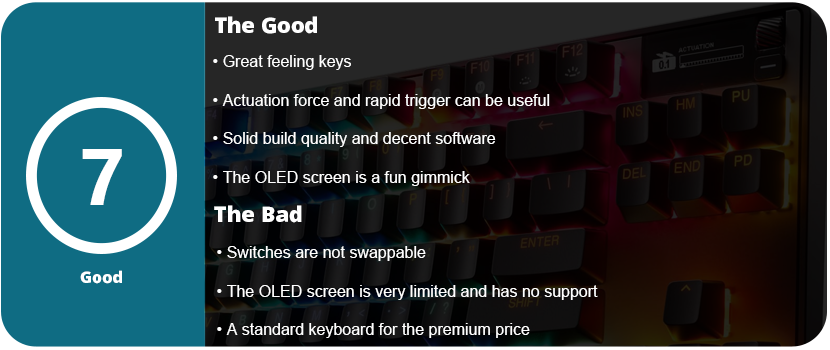
Overall, an underutilized OLED screen and gimmicky, non-replaceable switches contribute to the keyboard’s premium top-tier price. The keyboard’s overall design is a classic black “gamer” keyboard featuring RGB lighting. The software is decent and usable, but the actuation force and rapid triggers feel like gimmicks outside of specific use cases. The keys feel nice, and the sound is dampened, and the palm rest is nice, but overall, you’re better off spending the $270 on a custom keyboard.
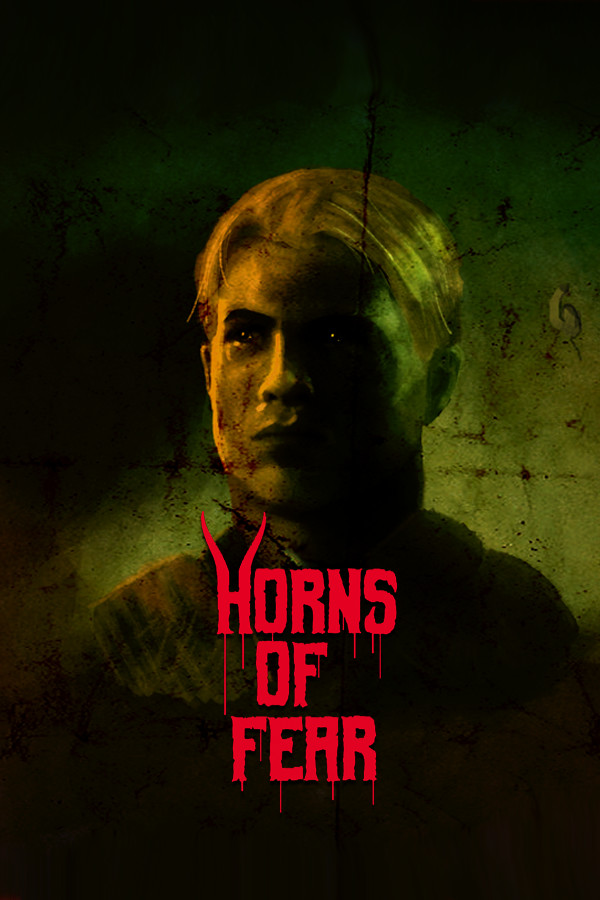
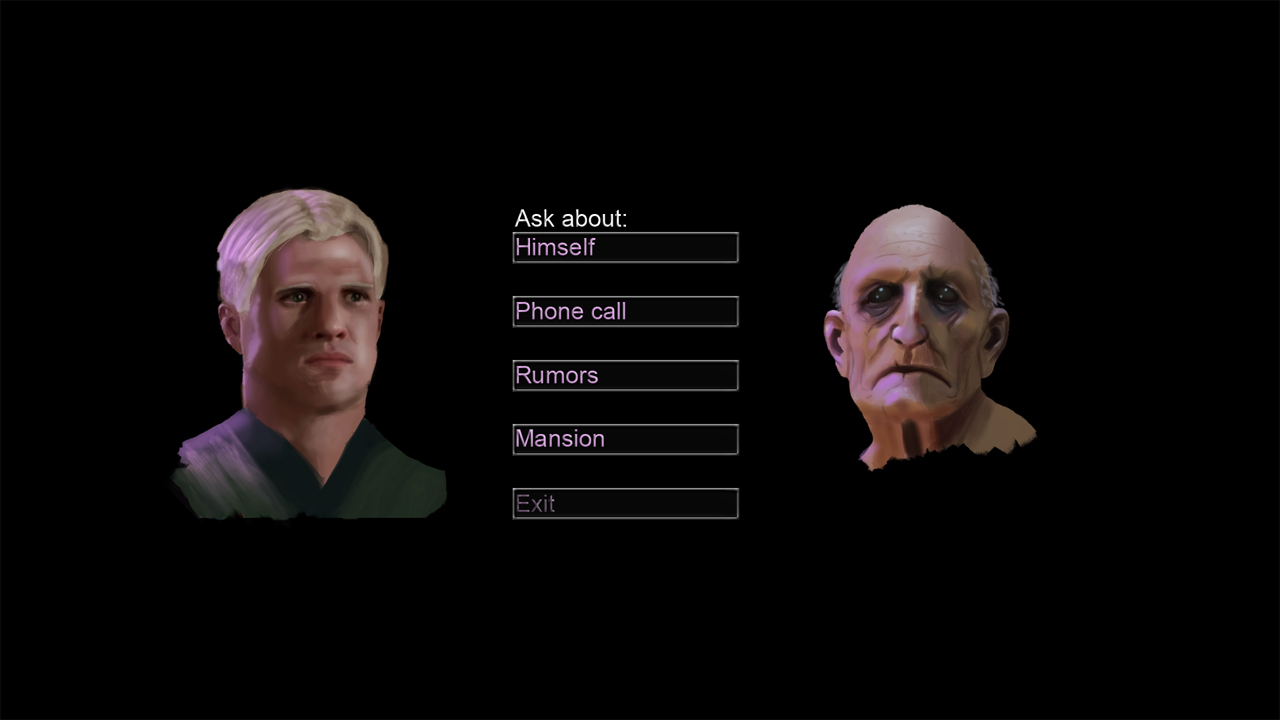
Horns of Fear is a short horror adventure game with a handful of puzzles and a creepy manor to explore. You are Jim Sonrimor. You are a journalist who is grappling with a challenging relationship or marriage. You receive a call from an old woman to investigate her manor. Upon waking from drugs and pizza, you somberly visit the manor and notice something is wrong from the start.
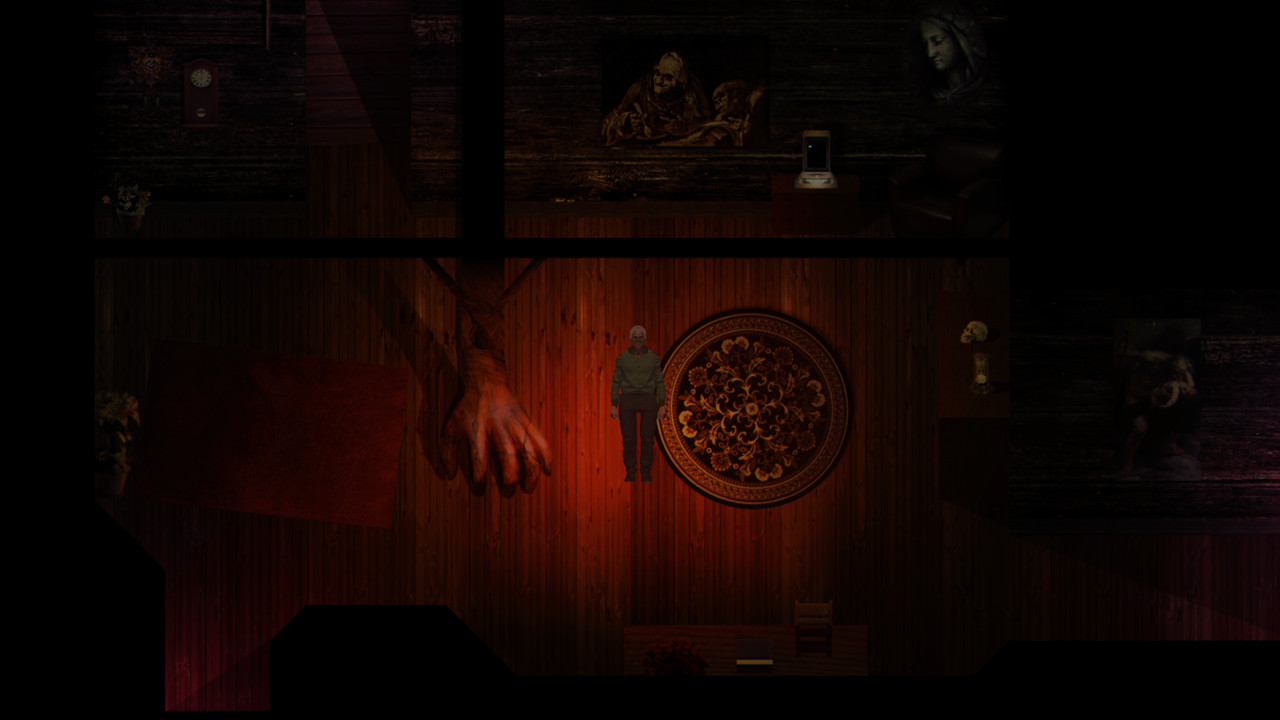
The game has a 2D isometric art style similar to point-and-click adventures of the early 90s. Indeed, this game would be perfectly suited on a vintage gaming shelf. Your inventory is small, and the game is short enough to never fill it. You can save at computer terminals, of which there are only a few. The game is tiny and short that you can easily play the entire thing without needing to save. The puzzles are captivating and surprisingly well designed. I rarely needed a walkthrough. Most developers treat players like idiots or make puzzles too difficult, but not so much here.
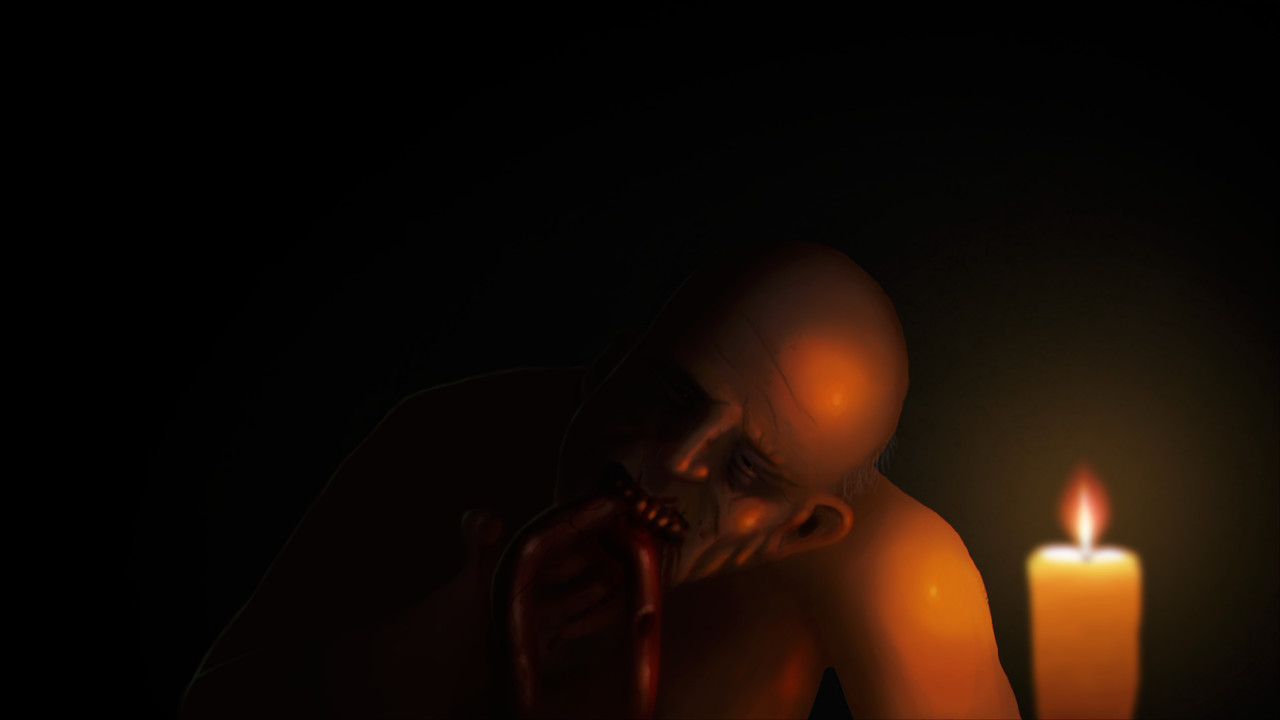
Once you complete a puzzle, you will usually see a small cutscene. There isn’t any combat in this game outside of the final boss. There are a couple of quicktime events, but for the most part, the game is mostly about atmosphere and storytelling. I was surprised at how complete the story felt despite the 90-minute run time. Without giving anything away, the ending took a surprising turn and provided a highly entertaining experience. The scares themselves are more jump scares. The sound of a screeching violin accompanies a shadow moving across the screen. The cutscenes have a few gory and gruesome shots that are super cool. The death scenes are also really gory. The music itself was just okay. The music lacked originality and bore a somewhat cliched feel. The theme was reminiscent of a haunted house, rather than being unique to this particular game.
With that said, though, don’t expect anything incredibly unique or something with a lot of staying power. Horns of Fear is a decent short horror adventure and nothing more. While the puzzles are entertaining, you can’t really get lost due to the incredibly linear path you take, and there’s not really any character building. You’re mostly playing for a fun, short train ride rather than a full-on 3-day tour. While the visuals themselves aren’t particularly noteworthy, they provide just enough elements to make your play worthwhile. The trippy cutscenes, strange ending, and ease of play are enough to invite more horror fans over.
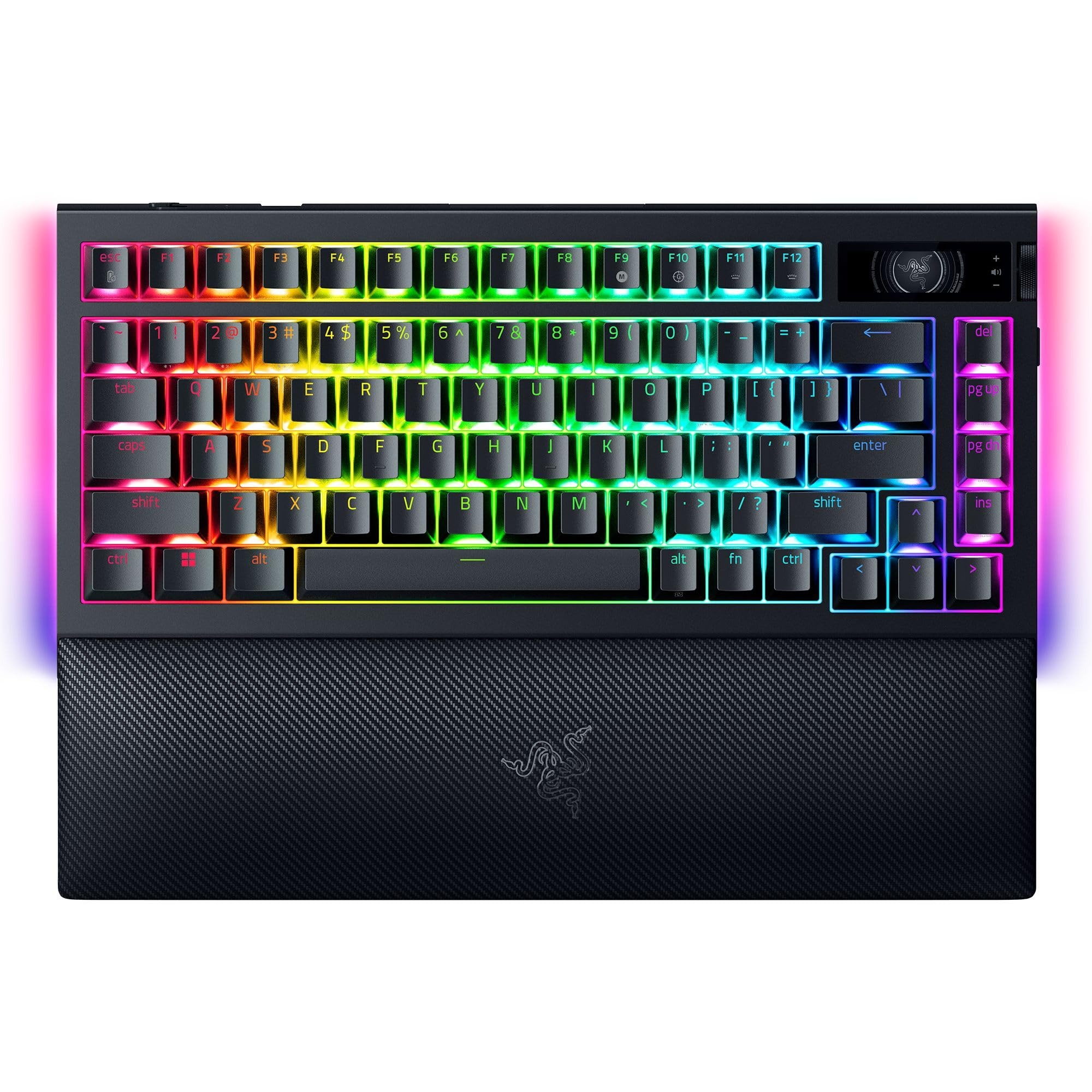
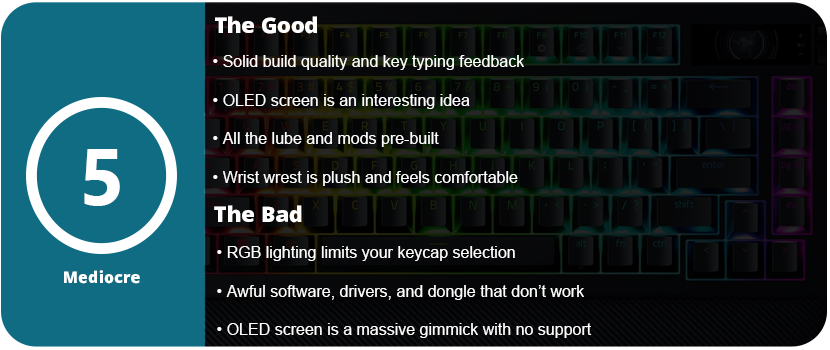
I took a long break from Razer products for a while. Razer’s quality has gone downhill over the years, and not to mention, their Synapse software has become bloated, buggy, and just plain awful. I only ever owned three Razer mice, and one was my first ever gaming mouse back in 2009. That mouse in question was the original Naga MMO. I also had the Razer Mamba 2012 and Ouroboros. They all had issues with the laser causing drift, the material wore down fast, and the Teflon feet became uneven in less than a year. I never went with a Razer mouse again. I then tried a headset, Man O’ War (awful after a few weeks), a keyboard, Blackwidow Chroma V2 (not too bad), and I was just never pleased with them. There’s something always off about Razer that just feels icky. If the product works fine out of the box, then the software has issues. If you don’t have software issues, you might have issues with the hardware somewhere down the road. Razer simply manufactures subpar products under the “Gamer” label and then moves on. For the insane premium price they charge, I would expect better.
To wit, I thought I’d give them another shot. At this point, I have mostly moved on from gaming keyboards, as I’m beginning to value key switch feel over aesthetics and RGB. Razer’s RGB is rather decent, and all of their products work with SignalRGB, which is a third-party RGB software I use to control everything. If SRGB doesn’t support it, I won’t use it. The OLED panel on the keyboard was very intriguing; however, I hesitate whenever gaming-branded keyboards have a gimmick. The last keybord I had with a massive gimmick was the Mad Catz Strike 5 keyboard. They are usually mostly useless or are never really supported by anyone or the community. I was also interested in the modularity of this keyboard. More mainstream gaming keyboard companies are trying to embrace the modding community, but it’s a hard community to win over. A lot of these keyboards just don’t have any personality or soul. They don’t feel unique or are too gaudy for the custom keyboard community.
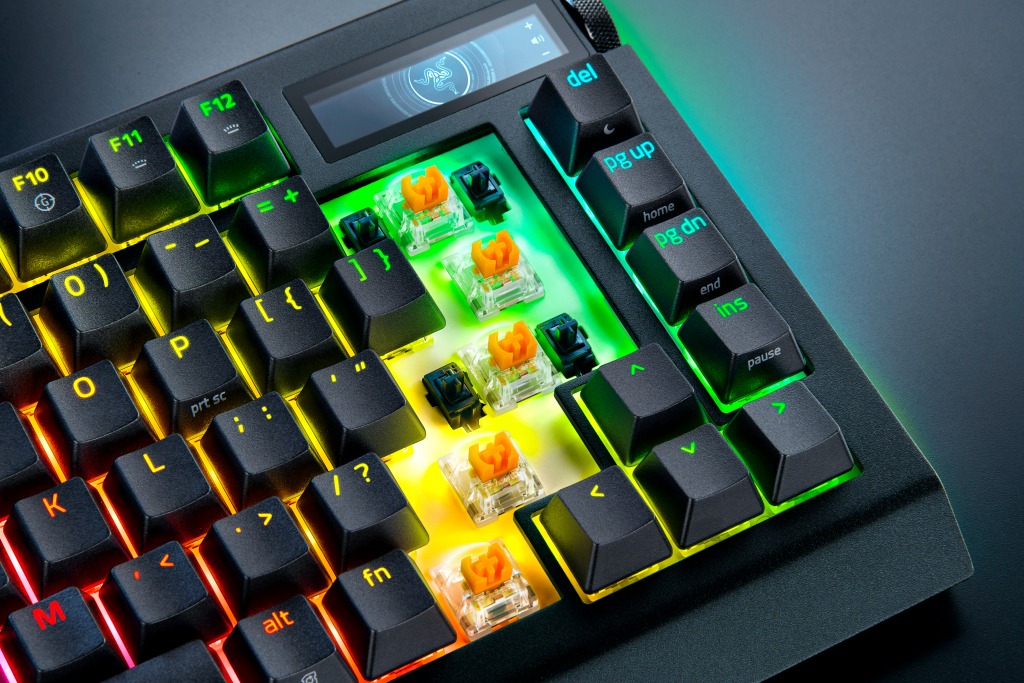
As always, Razer has premium packaging; I can’t fault them there. The keyboard itself has an aluminum body and feels solid and sturdy. It feels great to type on. The switches have a nice tactility, and the foam mod inside the keyboard reduces pinging and enhances the tactile feel of the keys. The Razer Orange Tactile Mechanical Switch Gen 3s aren’t bad. You can swap the switches out for any 3 or 5 pin switches, which is really nice, but with the RGB lighting, you are limited to the type of keycaps you can use. “Backlit” or “Shine-Through” caps are not very popular. You can disassemble and mod the keyboard, but the only benefit is the Razer branding and OLED screen. If you want to take a keyboard apart and mod it, you might as well get a better moddable keyboard for a third or half the price.
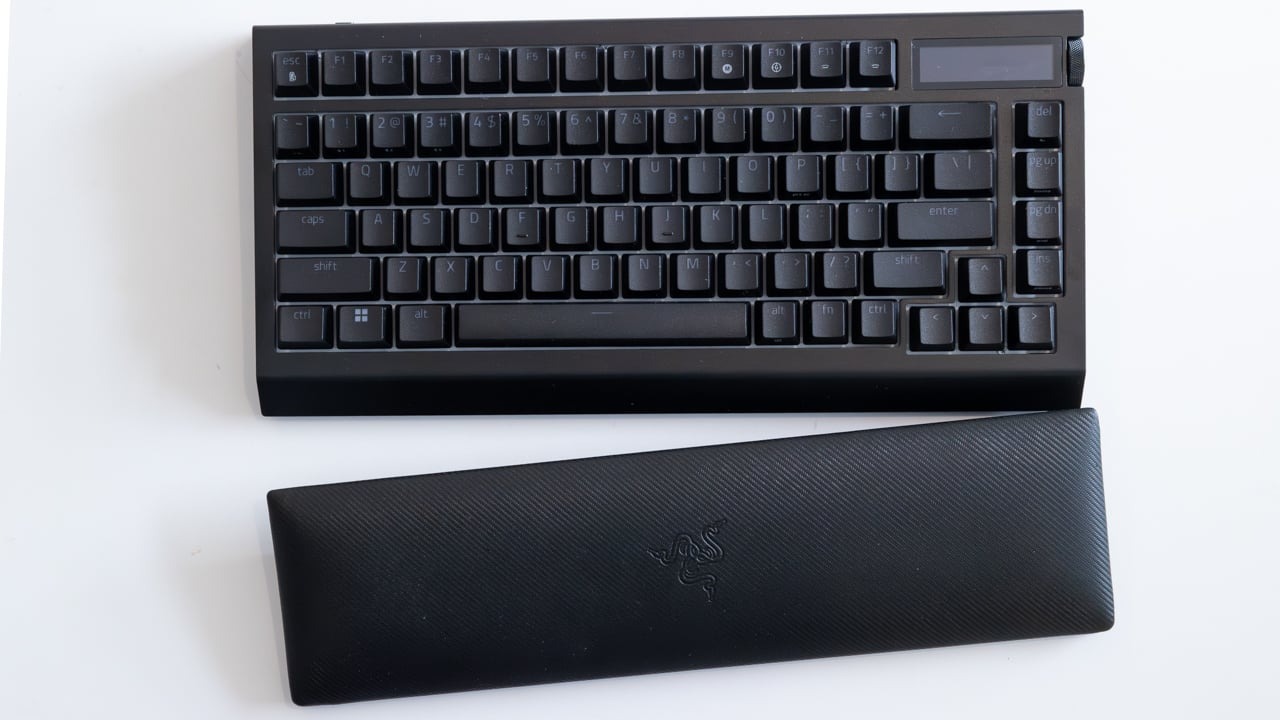
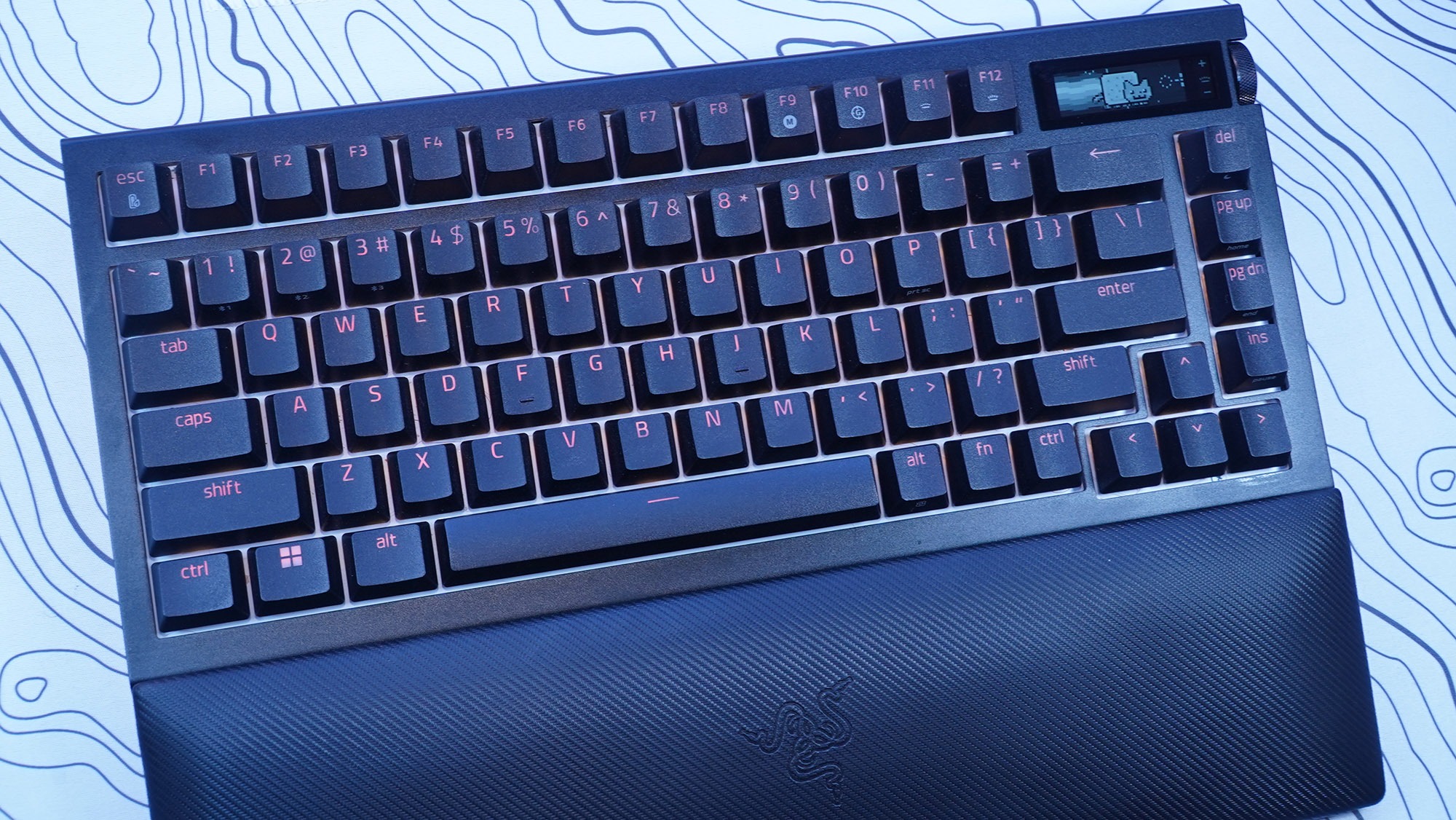
The palm rest is comfortable and plush, and it is magnetic so it won’t slide around on your desk; however, I know this material will wear over time. I’d rather have a harder rubber material instead of the plush. Over time it will fade, discolor from the acid in the oil from your skin, and eventually start tearing and becoming thin. Overall, the design of the keyboard is rather standard and unordinary. It has an all-black finish with black keycaps that looks rather standard. The entire keyboard is nothing special to look at. The OLED screen will catch most people’s eyes. I couldn’t find any specs or resolution on the OLED display, but it is black and white, not color, and has minimal customization and features. What probably accounts for at least $100 of the price tag is, at best, a simple gimmick.
The OLED screen is controlled with a wheel on the side of the keyboard next to the screen that also clicks in. There is also another button below this. You can change the “screensaver” animation and swap between “apps” such as volume control, media control, system info (such as CPU and GPU temperature), keyboard info, and an audio visualizer. This isn’t very impressive given the technology we have today, and it’s an OLED screen. You’re stuck with everything Razer branded. The animation and text banners are generic and all Razer logos. GIF animations can be uploaded to the keyboard, but resolution and size limit them. The keyboard saves only 150 frames. This was the coolest part of the screen, as switching between apps like media controls and the volume got annoying. It’s faster just to use dedicated keys for that. I also could not get the keyboard to read my system info. Overall, the OLED screen is a disappointing gimmick with no support from Razer and no way to customize anything outside of a scrolling text banner and GIF animations. There’s also the battery-eating part. With the OLED screen just on 50% brightness, the keyboard’s battery didn’t last a day. I also had issues with the OLED screen syncing and working on any wireless mode. Synapse would stop syncing things and it would crash. The transfer rate is also really slow for uploading GIFs and most of the time it would time out before an upload would finish.
My biggest issue with this keyboard isn’t the overall lack of impressive features that are already present in custom keyboards. Razer claims to have invented revolutionary features. The damn thing just doesn’t work. It works best in wired mode, but Synapse 4 is an awful piece of software. This keyboard is not compatible with the more stable Synapse 3 software. The keyboard also worked fine in Bluetooth mode, but SignalRGB does not work over Bluetooth due to the bandwidth limitations, and many Synapse features are not available in Bluetooth mode. I wanted to use the keyboard in wireless mode with the 4K Hyperpolling dongle. It never worked. It would continuously disconnect every 2–3 minutes. I spent 4 hours troubleshooting this. I tried reinstalling the Synapse software, deleting all devices in device manager, different USB ports, a USB hub, USB 2.0 and 3.0, front and rear USB ports, a different computer, and updating the dongle and keyboard firmware. If you think of it, I tried it. I also don’t understand how Razer can’t just give us a normal USB dongle. You need to attach a USB cable to this device, which then dangles and flops around on the desk or behind your PC. 8000 Hz polling is also a placebo effect. No one can type that fast or needs that kind of responsiveness. Most people are fine with 1000 Hz polling. 4K is even unnecessary.
This absolute garbage driver issue caused me to return the keyboard, and the fact that this expensive OLED screen is a mere gimmick with no third-party support or seemingly any support from Razer, for that matter. Synapse 4 is also an unwieldy, bloated piece of software trying to advertise so many other Razer software apps that it has acquired. I just cannot believe that the most expensive keyboard I have ever purchased is this bad. Razer really needs to overhaul their product line, fix their software issues, and stop offering gimmicks that most people won’t care about. Sure, you can set macros on the OLED screen and keyboard, but they are unwieldy, and using keyboard commands is much faster than flicking through a screen. Additionally, the keyboard lacks color and rapidly drains the battery. Overall, just stick with whatever keyboard you currently have, as I’m sure it works much better than this overpriced monstrosity.
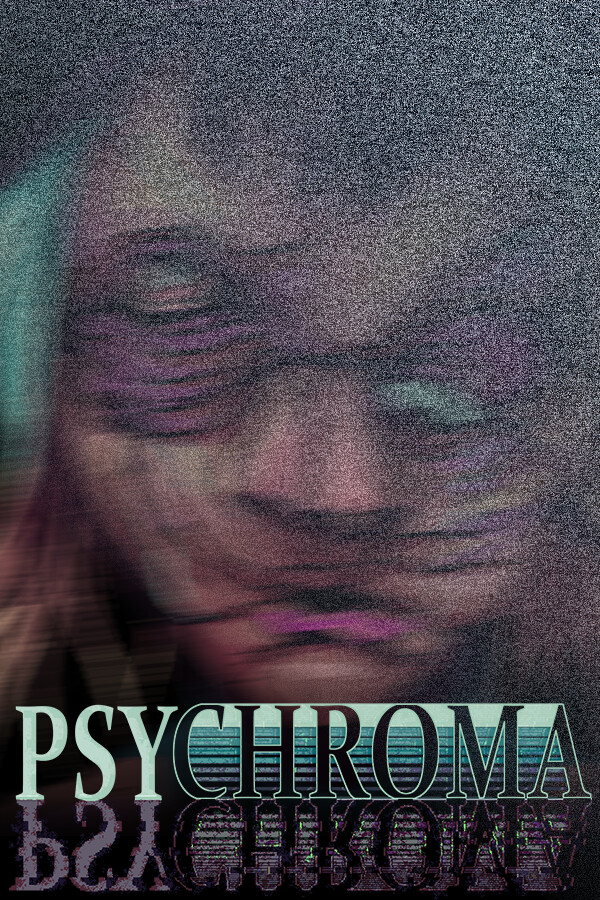
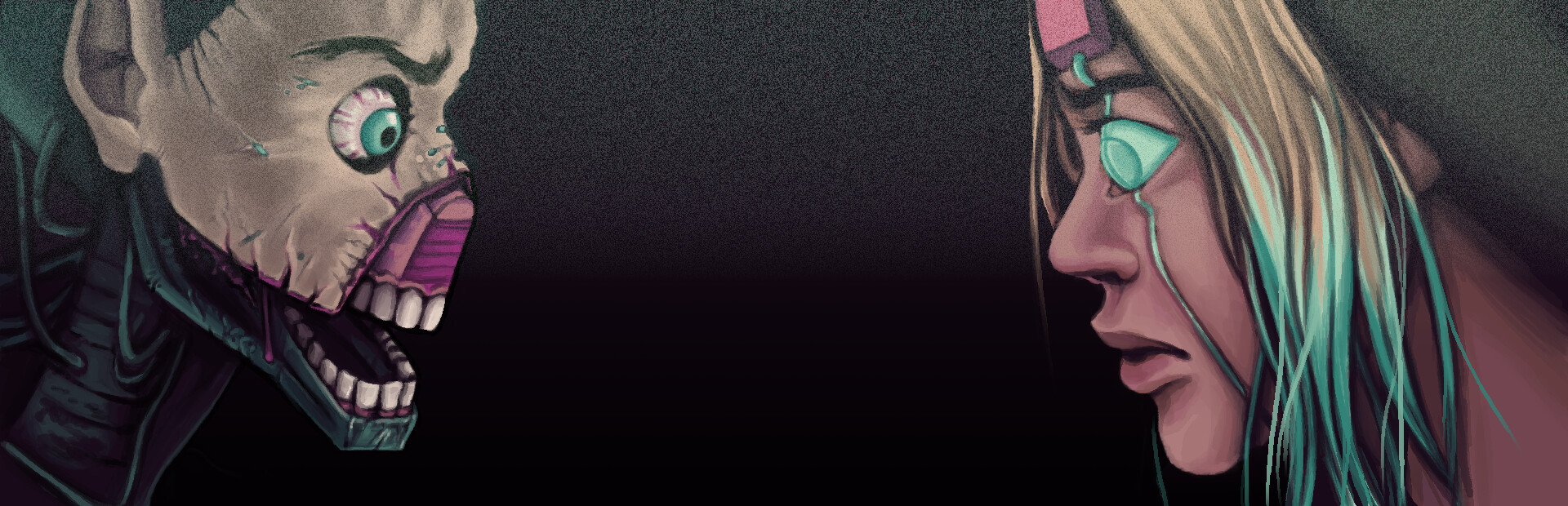
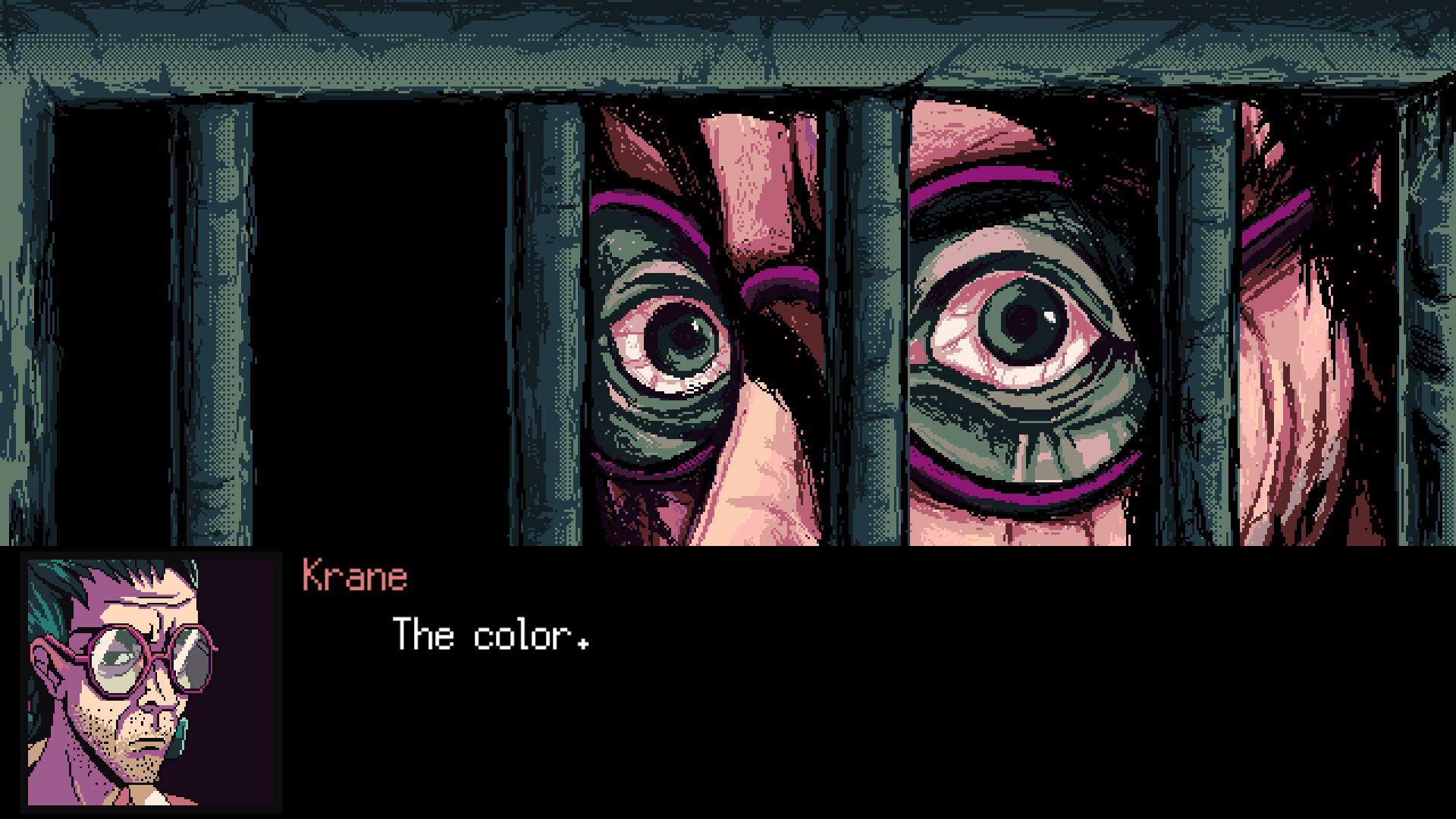
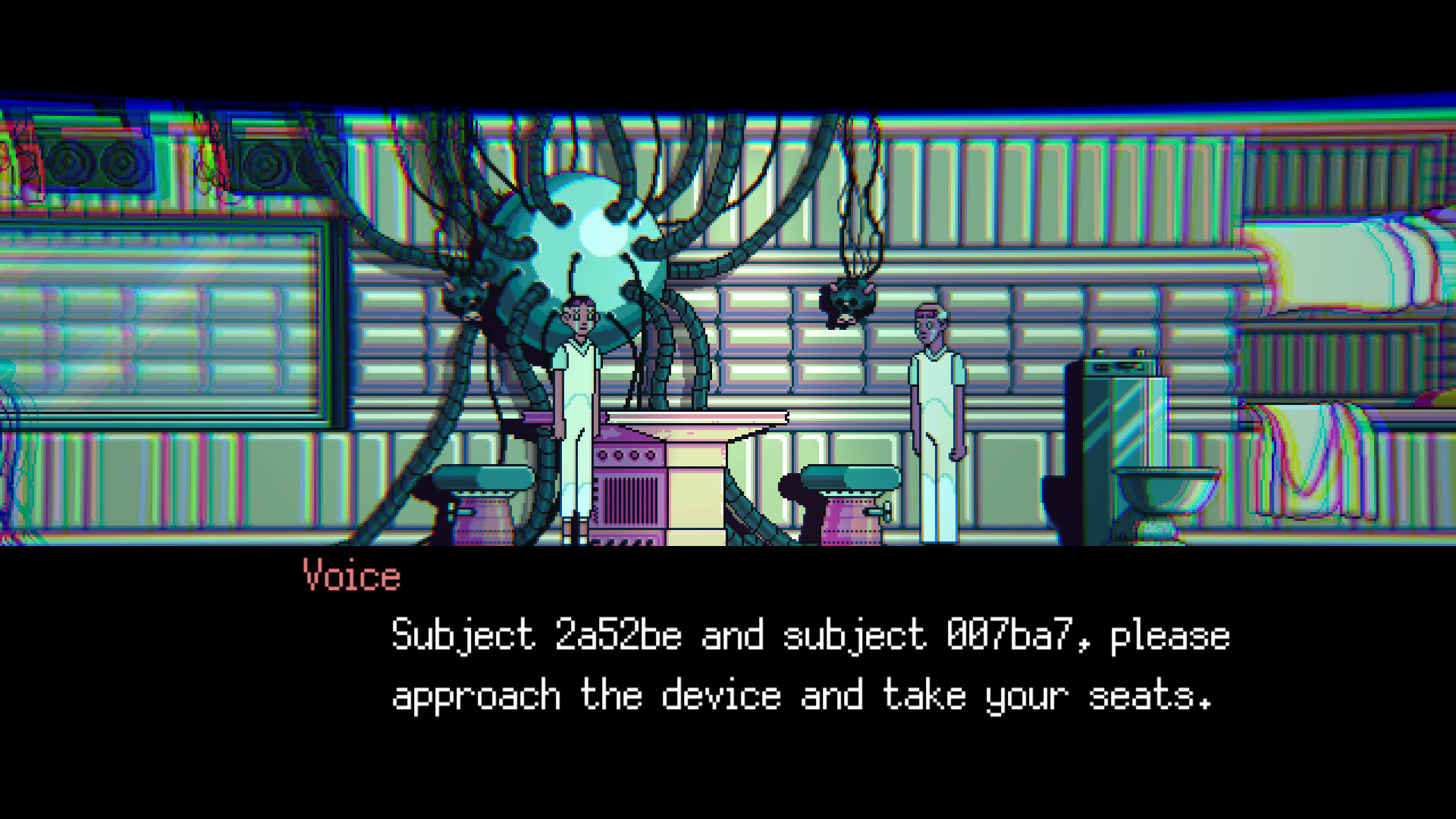
I personally love cyberpunk settings. I particularly enjoy cyberpunk settings that delve into the mental states of individuals with cybernetics and explore the workings of such a world. Psychroma explores the idea of secret human experimentation and how it can affect and break the human psyche. The overall story itself is pretty good, but getting there feels like a chore. The story is broken up quite a bit and feels confusing to piece together through most of the game. A lot of backstory is told through computer logs that you must find hidden throughout the house. You play as a cyborg/human experiment named Haze. The atmosphere is quite unsettling. Outside, acid rain falls down from the sky, eating away at the corrugated steel walls and rebar. The mystery of the house and the haunting past is what you’re uncovering.
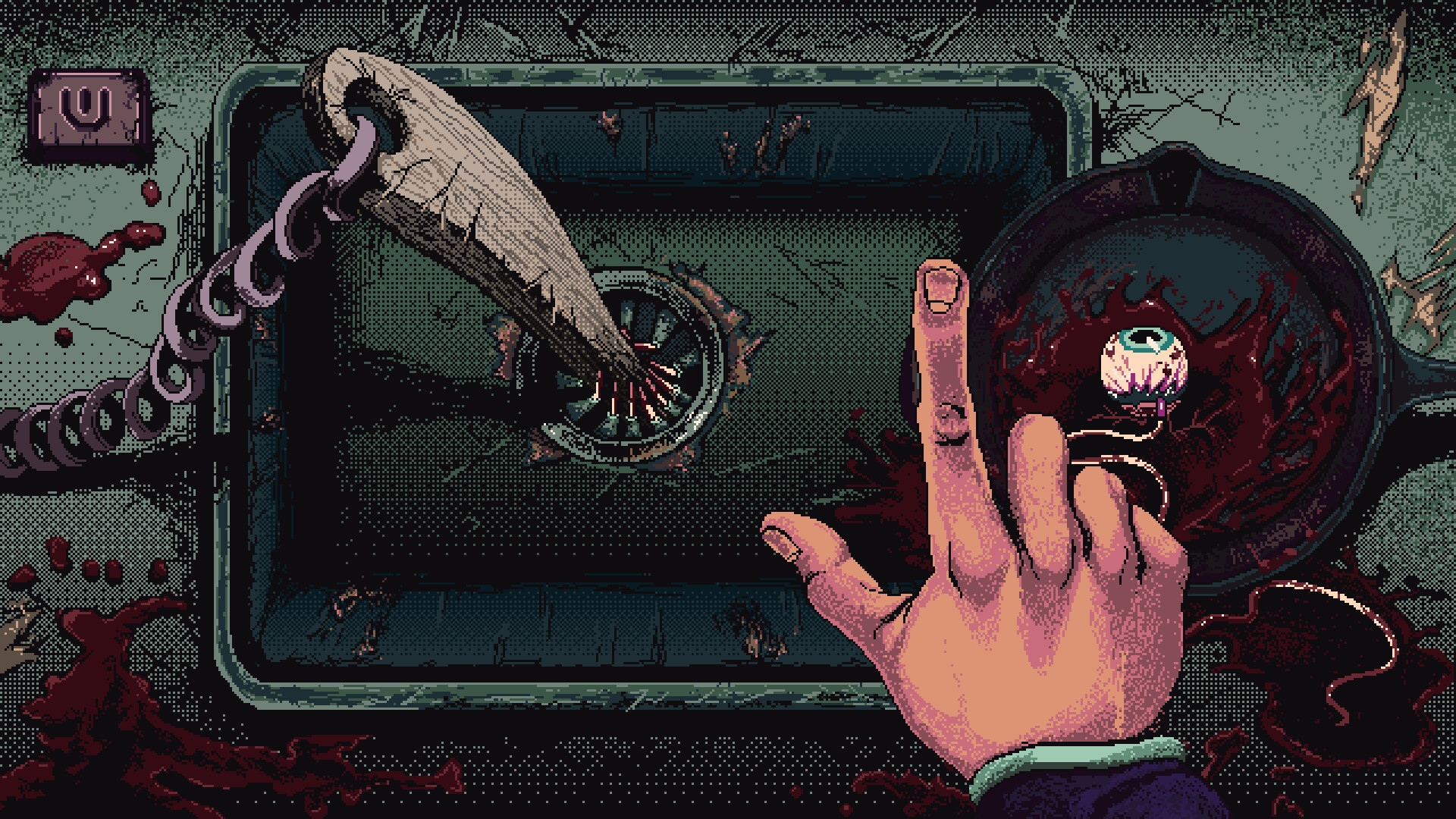
This is a side-scroller adventure title, so there’s no combat here. You have a limited inventory system and must interact with objects until things happen, hidden passages open, and new doors unlock so you can get that next item to advance through the story again. This is sadly very obtuse and obscure. Many times I ran around all seven floors and clicked on everything only to discover I had to use an altar to go back in the past and unlock something new. Usually info like a passcode you need for a new door. There are three altars in the game, and each one has a part of the house locked off and has isolated memories. You must find cards for housemates and determine their past and role in the experiments.
I don’t want to dwell too much on the story since that will spoil the game, but the fullscreen stills and artwork are fantastically drawn. The haunting horror and torture of the children here and various subjects is gruesome. There’s quite a bit of gore here, but what fascinates me is cyborg gore and how they work medically. I will only say that the premise of the game is that there’s something sinister going on in the house, and a member of it might be a creep. Haze gets suspicious early on, but who it is and why is what you need to discover. There are a couple of plot twists, and the story is good once you can piece it together and make sense of it. I wanted to know a bit more about the character’s past, but the game is only 2-3 hours long, so there’s not a lot of time for character building.
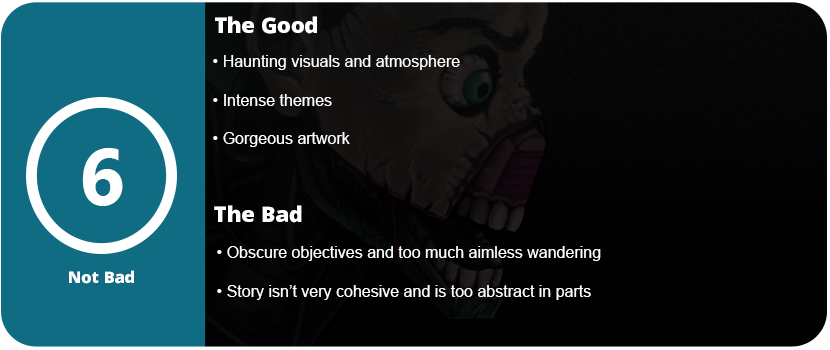
I honestly just didn’t like the aimless wandering, and the objective in the menu screen doesn’t help at all. I was able to figure out a good portion of the game by myself, but I got to a few spots where I felt completely stuck, and the constant backtracking and running around room after room trying to find that one spot I missed drove me nuts. My strategy of turning on the lights in rooms I’d been in didn’t help if I missed an object or didn’t interact with it correctly. If the game had a map system with a flashing blip or something to indicate your floor, it would have been more fun.
As it stands, Psychroma does a great job giving up a disturbing cyberpunk mystery of hospitalization, experimentation, and creepy family values. The game dives into gender identity a bit (that’s going to piss some snowflakes off) and self-discovery. I felt the overall story was pretty good, the artwork was fantastic, and the atmosphere was quite haunting and depressing, but the actual gameplay held everything back some. The constant backtracking and item hunting will put a lot of players off.
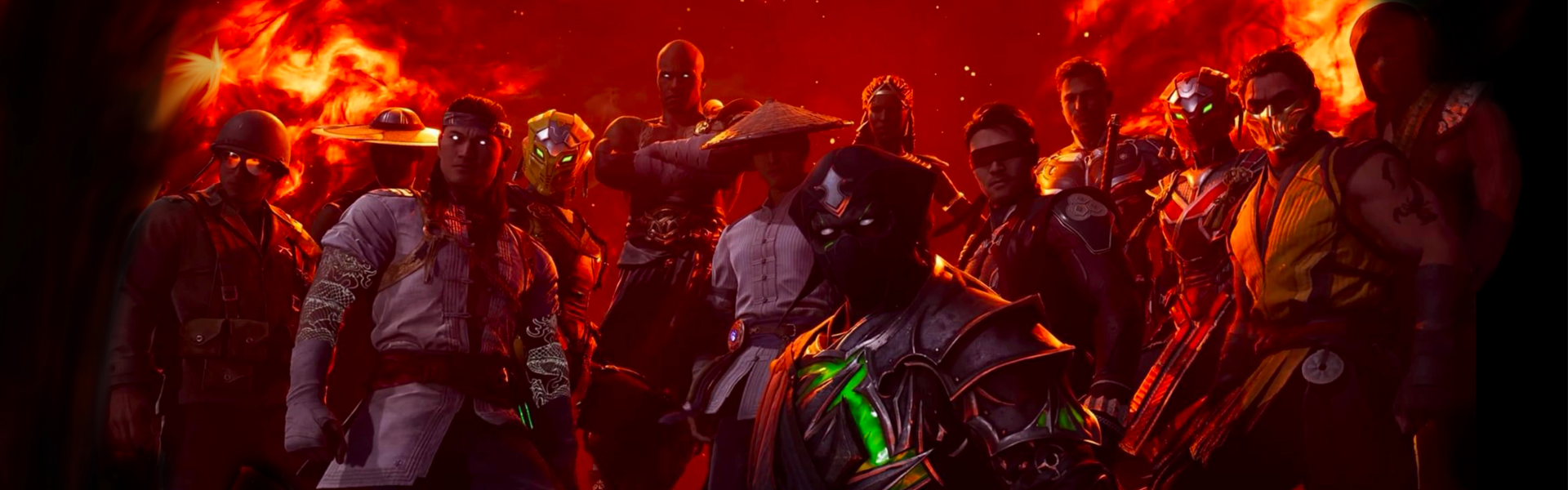
The idea of DLC for Mortal Kombat was an exciting prospect when it started with Mortal Kombat (2011). You paid $5 for a new character, and this felt fine. Mortal Kombat X introduced the character pass system, which was also well liked. You paid $20 for four new characters that were spread out over a few months. Mortal Kombat 11 introduced a terrible monetization feature that required too much grinding for unlockables and customization items. This trend sadly got worse with Mortal Kombat 1, with entire outfits and sets being stuck behind a paywall. One of my favorite features of any MK game was the alternate outfits, and being able to customize them was a dream come true, but Neatherrealm went the evil route and locked most of it away.
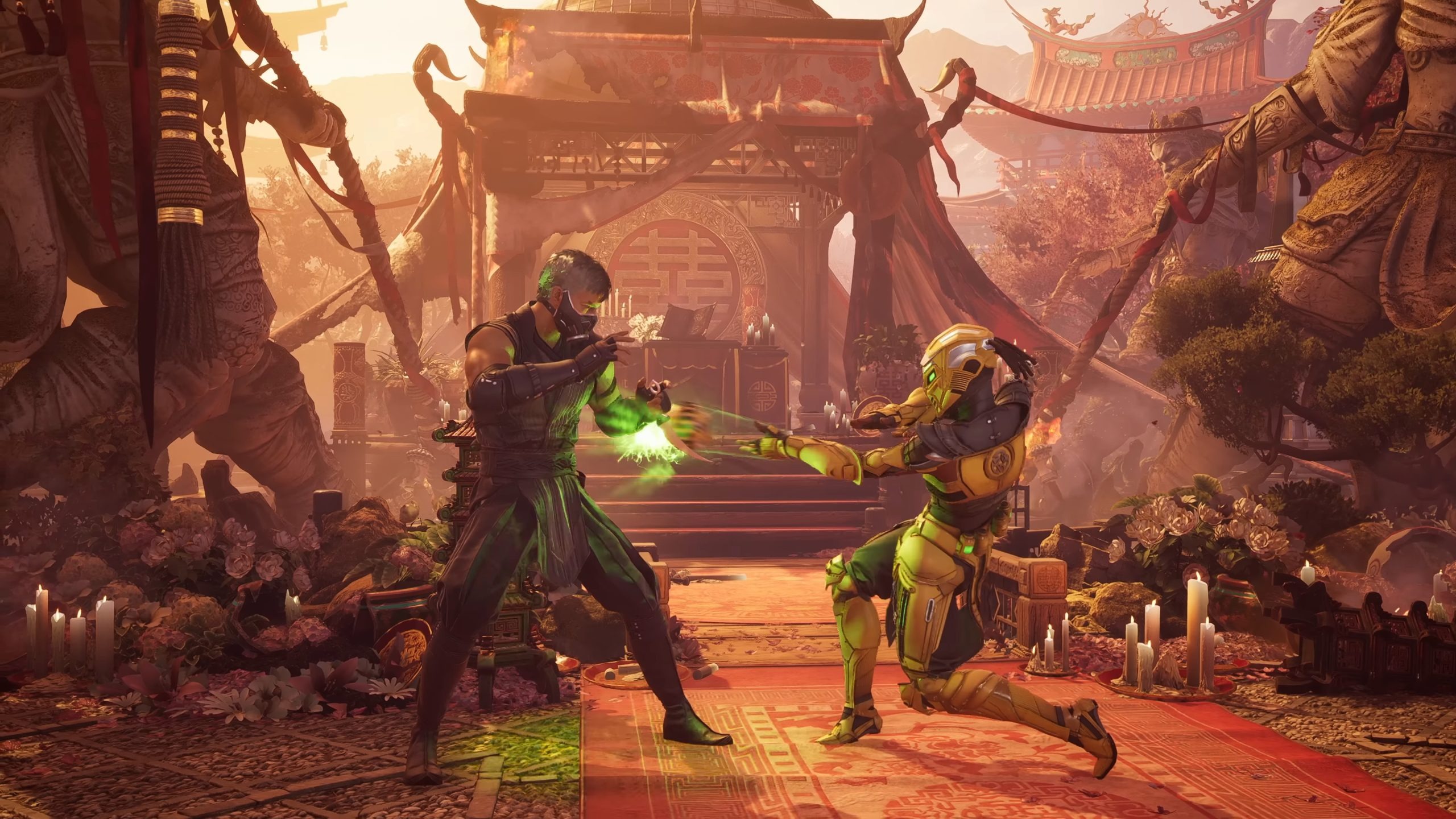
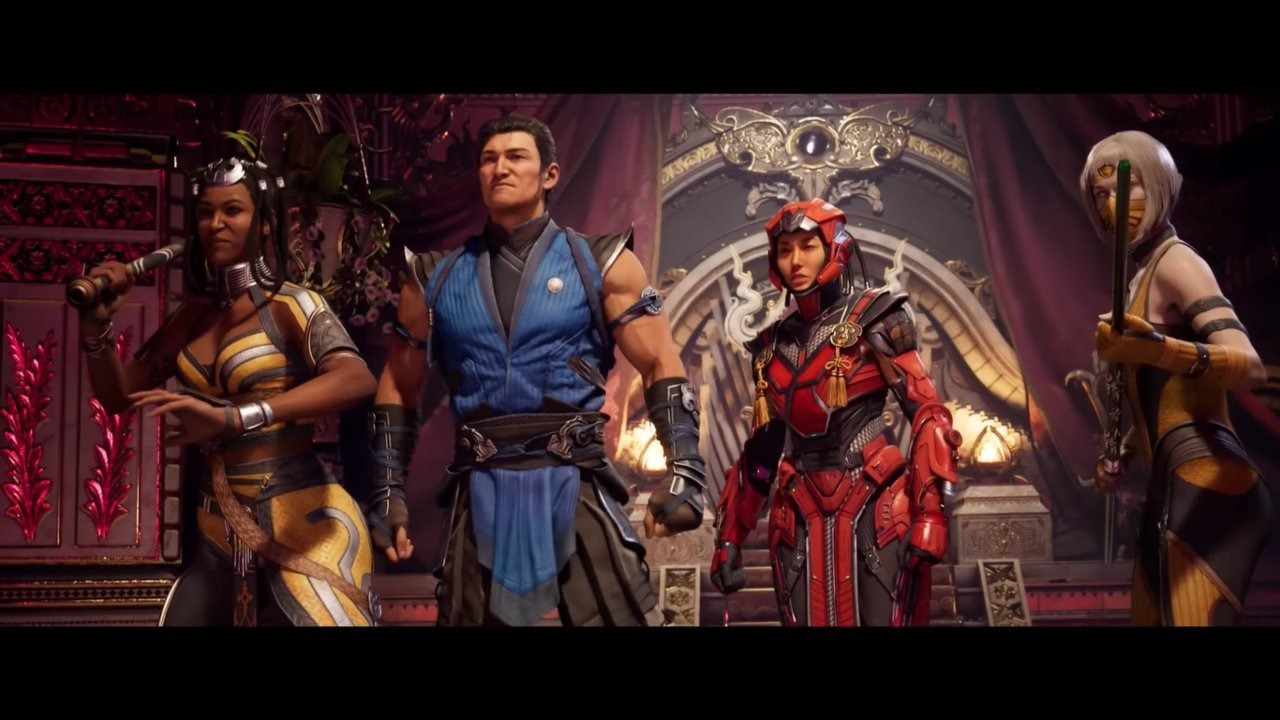
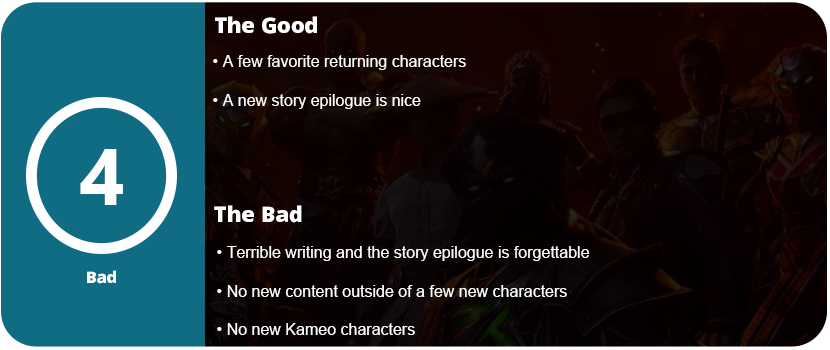
The same appears to be the case for single-player content. While I don’t mind paying a few dollars for more of the fantastic story mode and more characters, make sure to make it worthwhile. The Aftermath expansion for MK11 was awesome and was a great ending to that story. This epilogue has a lot of problems with it, mostly being the terribly written dialogue. Everyone is angry, growly, and so much “GRRR!!!” in their voice that it is laughable. Everyone seems to be delivering one-liners rather than cohesive dialogue. Trying to throw in bits of story exposition into single lines of dialogue is so stupid and elementary. The main campaign had pretty good writing with some characters delivering full speeches and emotional depth. This just feels like a 5th grader reading a bad comic out loud. The entire Khaos realm invading the current timeline is a cool concept, and Titan Havik makes for a great villain, but it’s just so badly written, and the fights are monotonous and boring. You get four more chapters, but each fight is just a recycled and uninteresting Khaos version of other characters. These seem to have some sort of Mad Max vibe to them, but it just looks like a group of terribly dressed punk rock fans.
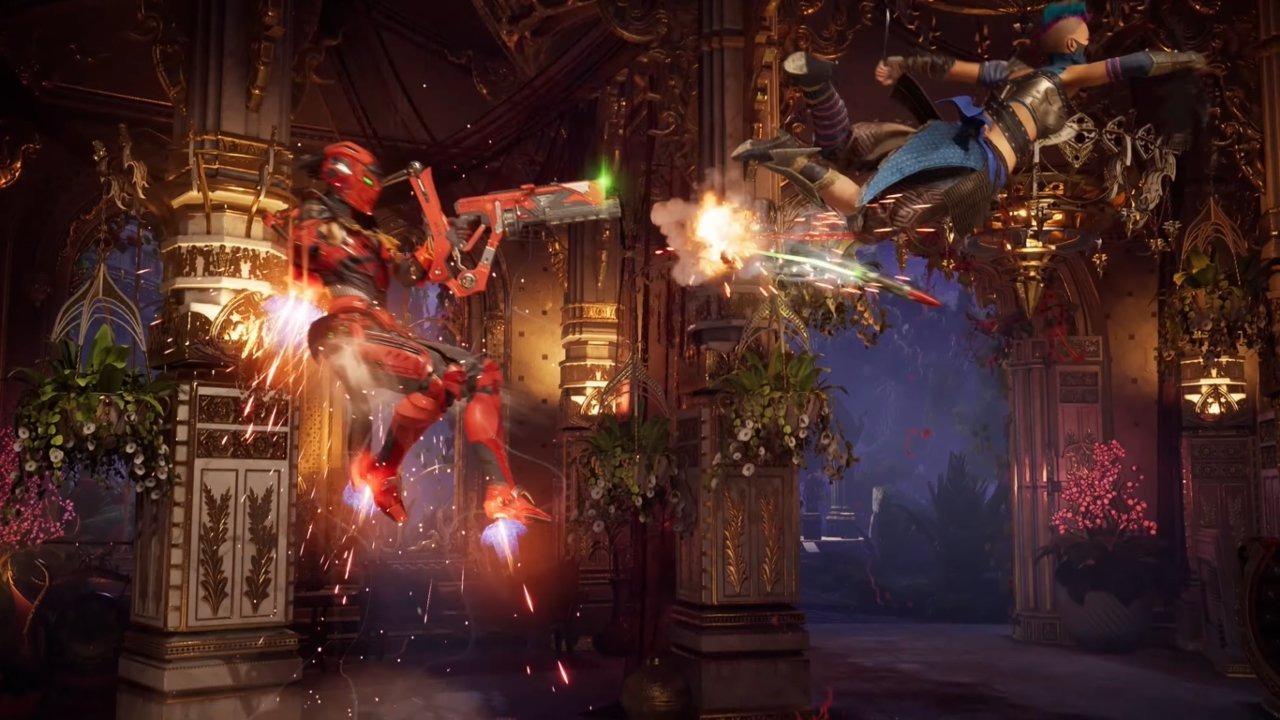
Let’s talk about some truly awful characters. Sektor and Cyrax seriously suck. Not because they are gender-swapped. Oh no, no, no. They are no longer cyborgs, which means their uniqueness is gone. Netherrealm could have made these female cyborgs, and it would have been awesome still. Even if these were human males, they both would have been lame. I don’t understand the push to humanize Cyrax and Sektor lately. This means their cool moves and deadliness feel off. We don’t need them to have in-depth dialogue and feelings. They are killing machines and reminded me a lot of the Predator. Because these are lame exo-suits, you no longer get the cool gadgets like the Cyrax’s chest blade or net, and Sektor’s missiles just don’t look cool. The missile launcher is a giant, oversized shoulder pack that just doesn’t look right. The characters are also poorly written and feel generic, so there was no saving them there either.
Then that brings us to the DLC characters, which at this time of writing, T-1000 and Conan are not available yet. Ghostface is one of three guest characters, and he looks great with these flowing robes, having great physics effects, and the goofiness from the series as well is fine. I don’t enjoy his power moves, which just have him use various knife moves. His fatality is funny, so there’s that, but his animality is weird. Noob Saibot is the only character here that I enjoyed playing. He looks cool, and his backstory actually makes sense in the epilogue. Noob Saibot is the only saving grace for the entire package, but it still doesn’t justify the price tag.
And honestly, these guest characters are getting old. It was cool back in MK (2011) with Freddy Krueger and Alien, but it’s becoming too much. Spend the money on the licensing to bring back characters people love or create new ones. There are also no Kameo characters this time around either, which is a real shock. We could have at least gotten a few more of those. That also doesn’t help justify the price tag. $40 for a 2-hour, terribly written epilogue and three new characters. At launch, Ghostface was not available at all. The only redeeming part of the game at launch was Noob Saibot. What is Netherrealm Studios thinking? They aren’t.
And that brings me to the fact that this is my favorite game series of all time, and it’s becoming live-service garbage. The entire series needs to take a few years off, reboot, and come back with what fans loved. More content, less grinding, and more unique characters with fewer guest ones. As it stands, Khaos Reigns is worth maybe a $10-15 purchase on sale, but that’s it.






































 thebinarymessiah.com
Try multiplayer. A lot of fun !