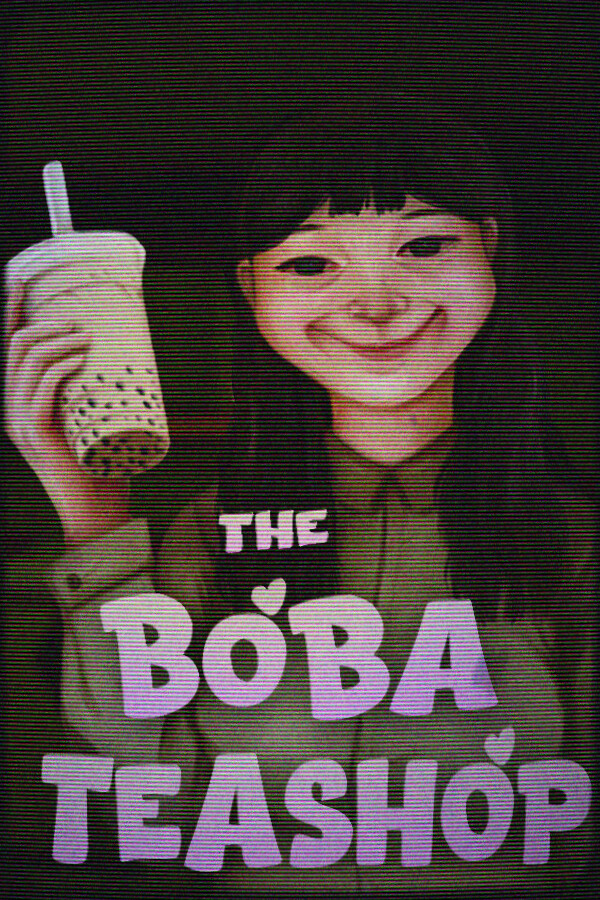
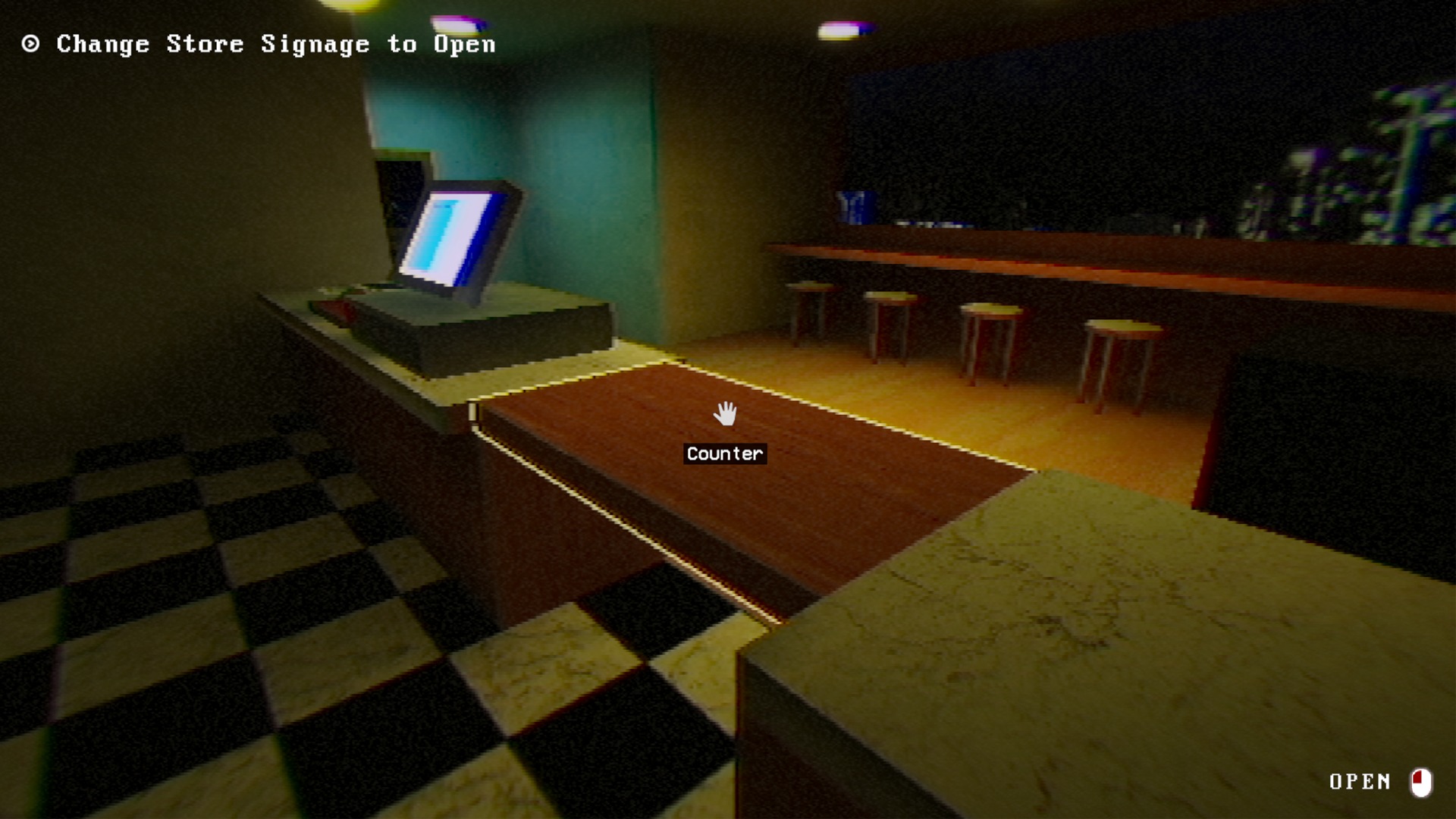
Stress from work is a real issue today. It’s quite common that in Asian cultures this can lead to suicide. Many local legends and myths revolve around overworked women who jump from buildings or hang themselves and then haunt where they work. The Boba Teashop does a great job of building atmosphere and tension in this regard. There is a time management simulator in here that’s actually quite fun, and sadly the game ends so soon. A few other PS1 style horror games of this ilk have done this, such as While We Wait Here. There isn’t much to this game. It’s a very simple game to look at, as you are only inside this single shop. The game is very dark and moody, with it constantly raining outside, and it always seems to be nighttime.
I have to commend the developer for some great scares. These aren’t just cheap jump scares or fake-outs. There’s some serious psychological horror stuff going on. Things will appear in the periphery of your view, and when you turn to look, nothing is there. You can’t make out the object, but you know something was there. There’s a lot of tension building, such as when you are told that an electrician will be working on the system and your lights will flicker. There’s constant fear that something will pop out at you or that one of those lights flickering is something else. The entire workday ends up like this.
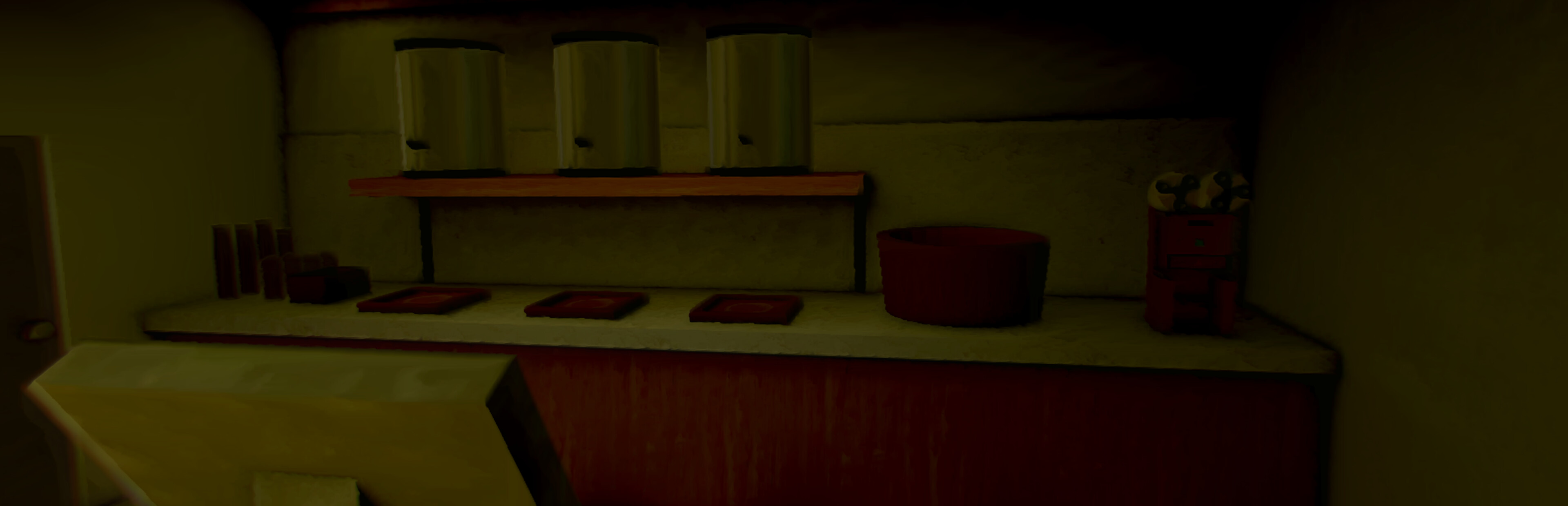
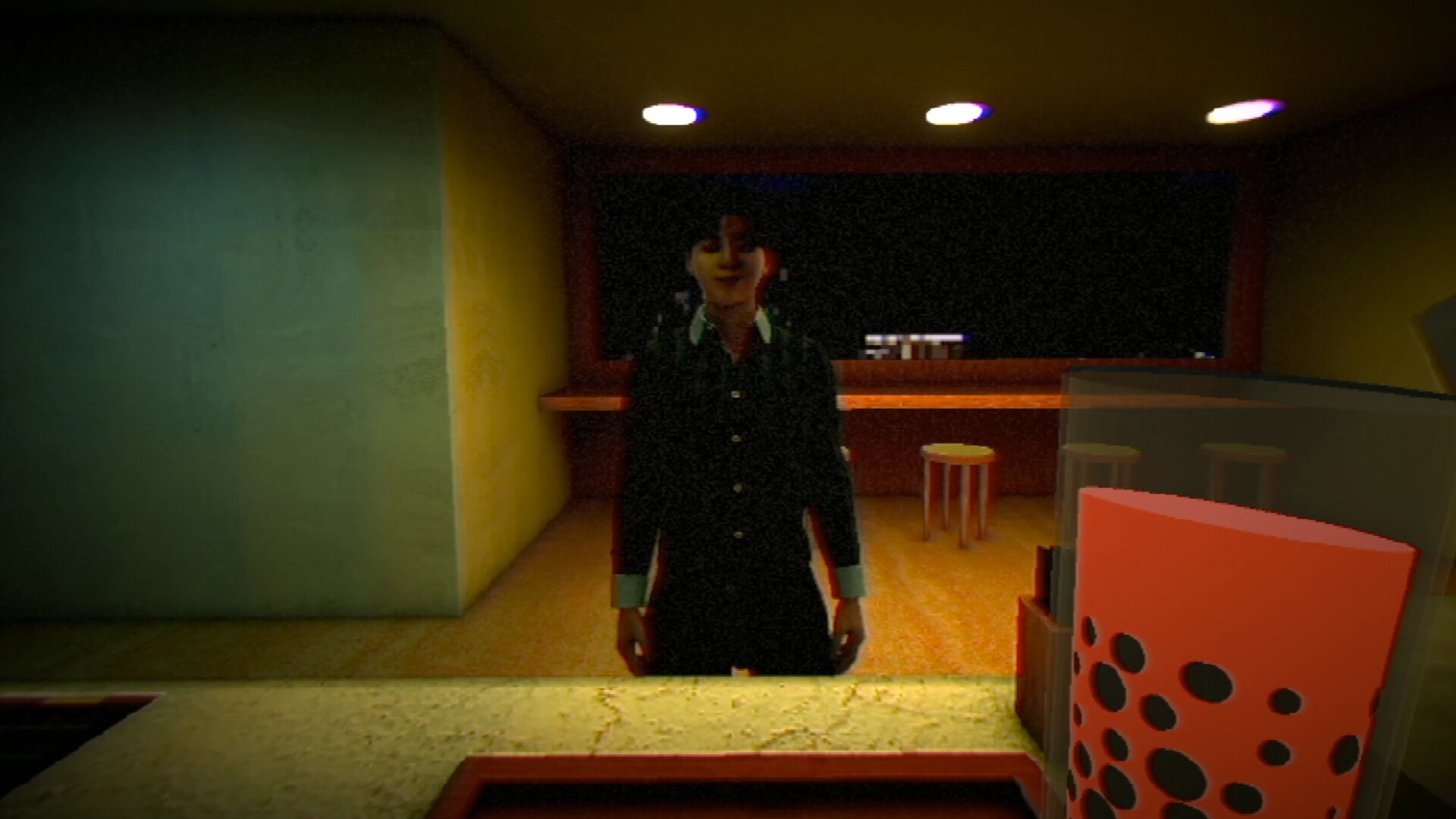
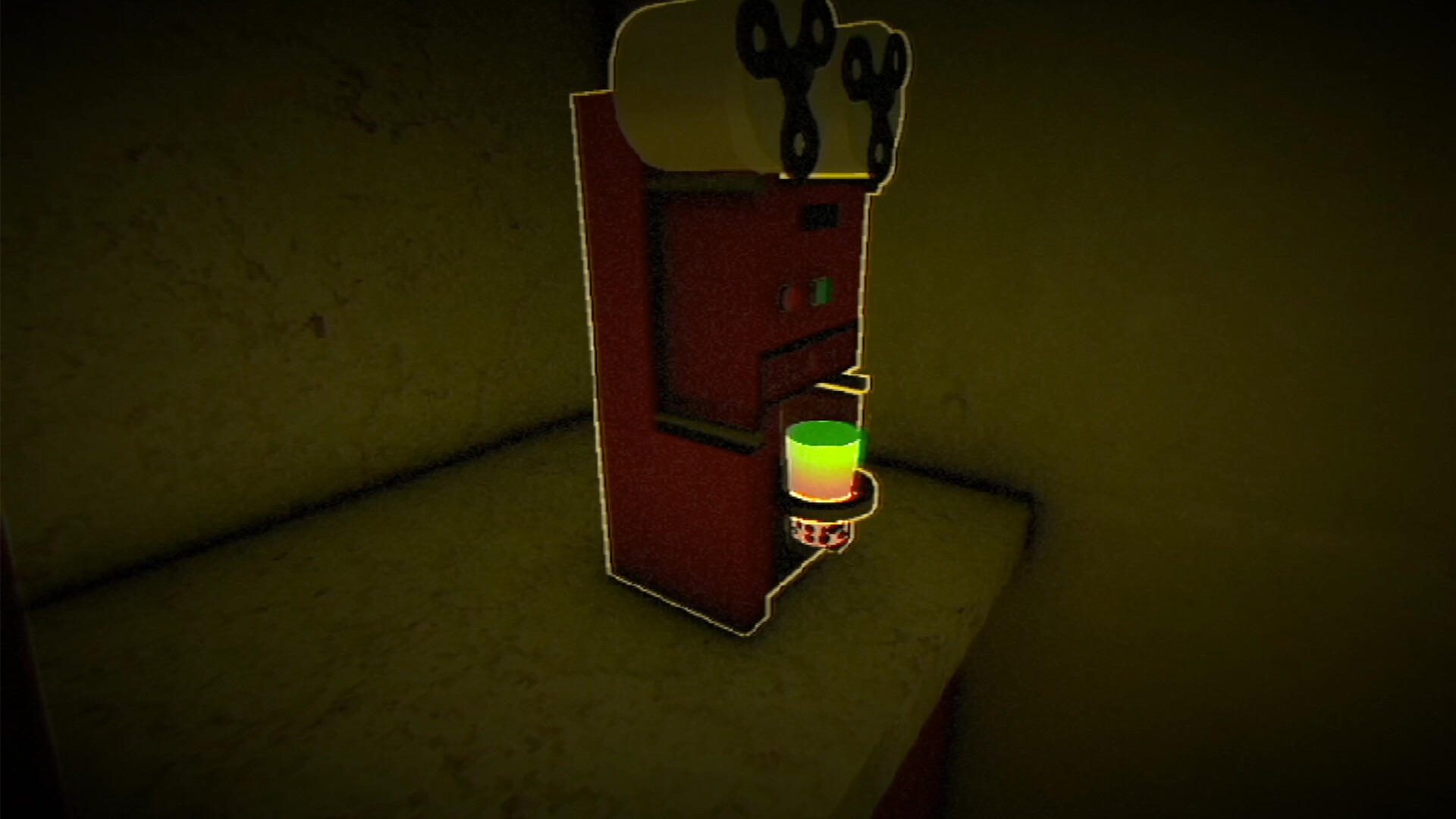
The main gameplay loop is greeting customers and getting orders. You start out simple with just boba tea. You pick up your cup and place it under the correct vat of liquid. Eventually you can use chocolate and coffee. You can then add milk from the fridge as well as various fruit. The last station is your boba, and then you must seal the top before handing it over. In the employee room the recipes are on the whiteboard if you get confused. It’s a very simple but addictive loop of taking orders, and you also get repeat customers. Some are rude, some are nice, and some are strange. Orders are displayed on the register, and when you hand the drinks over, the customers will pay and you collect the money. A couple of other people come in who don’t order drinks, but it all adds more tension. You get more and more stressed as the days go on and start seeing things.
I don’t want to spoil the scares and story, as this is such a short game. The visuals play well with this type of game. The low-poly graphics and lack of lighting keep you glued to your screen. In between the gameplay loop of making drinks, the game never lets up. Something is always happening. The game lasts maybe an hour at most, and this feels like a proof of concept or demo for something that could be bigger. I highly encourage those who are fans of horror and PS1 style graphics to buy this and play it. You’re supporting an indie developer, and the game is really inexpensive. Normally, I don’t care for these super short indie games. They are usually fairly disappointing and don’t offer anything memorable, but things come together just right here to warrant a playthrough.
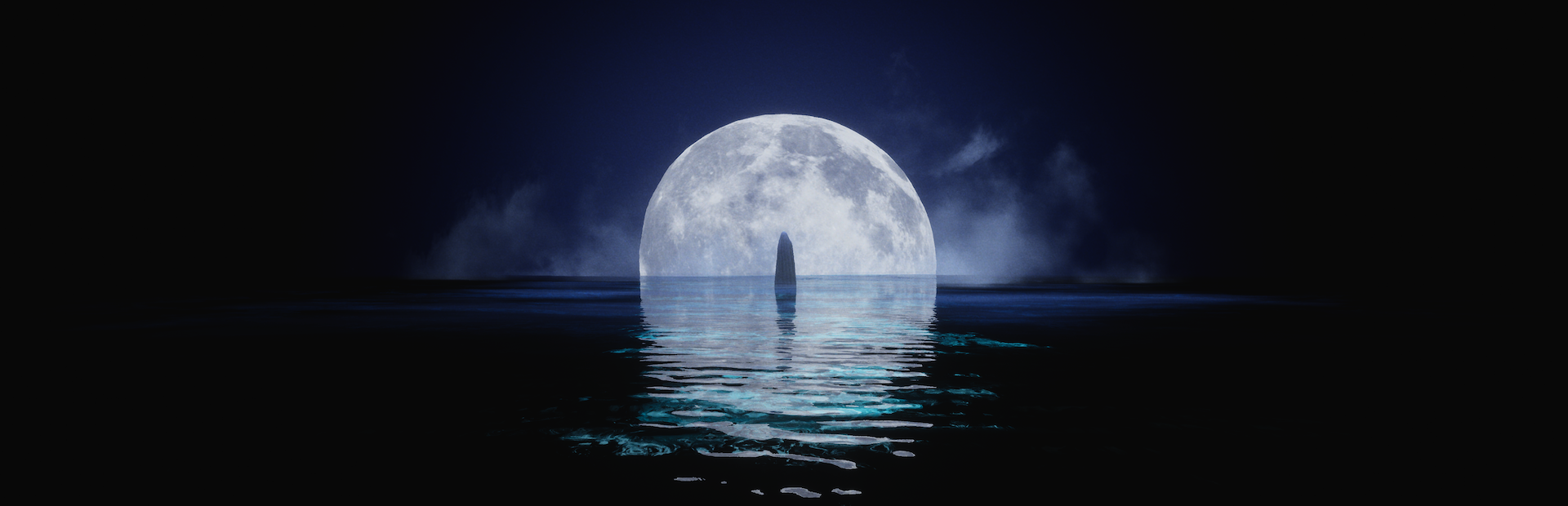
When dealing with mental health or talking about it, there can be many obstacles to overcome. How do you approach it? Do you take it head-on and use a traditional narrative experience where you watch the protagonist spiral out of control, or do you use the approach Luto took and make it an interpretive indirect narrative in which the player experiences the downfall? Luto does an impressive job showing what it can feel like to experience depression, thoughts of suicide, and mental health issues. Never has a game done a similar job since Hellblade: Senua’s Sacrifice.
What we need to understand is that the developers aren’t approaching in a “sensitive” way but in a way that we can just fully understand. Unless you are experiencing or have experienced any mental health issues or even some sort of trauma that can lead to this, we have no way of knowing. I particularly enjoy how the human mind deals with these things and the artistic interpretation of it. While I have experienced my own sets of trauma through my life, it’s still interesting to see what else is out there. You play as a man who is dealing with the loss and grief of family members. I don’t want to spoil the story, but it’s not the direct tale, but how you experience this interesting grief.
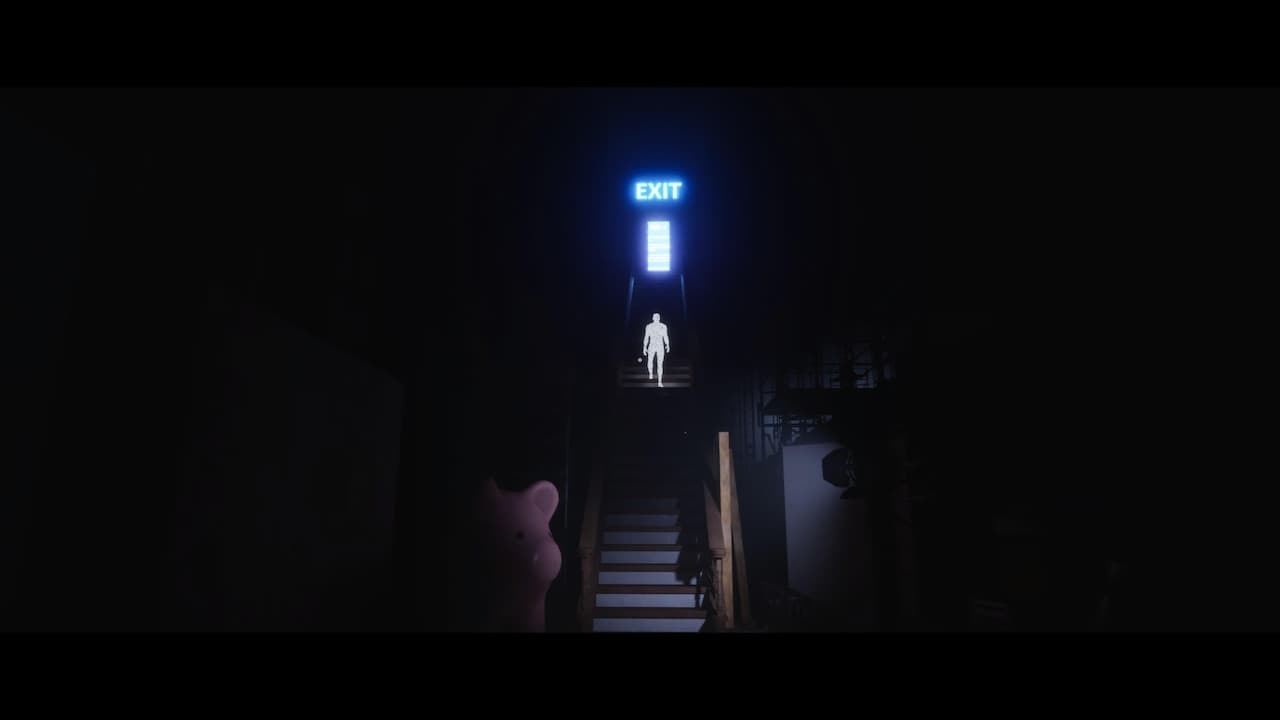
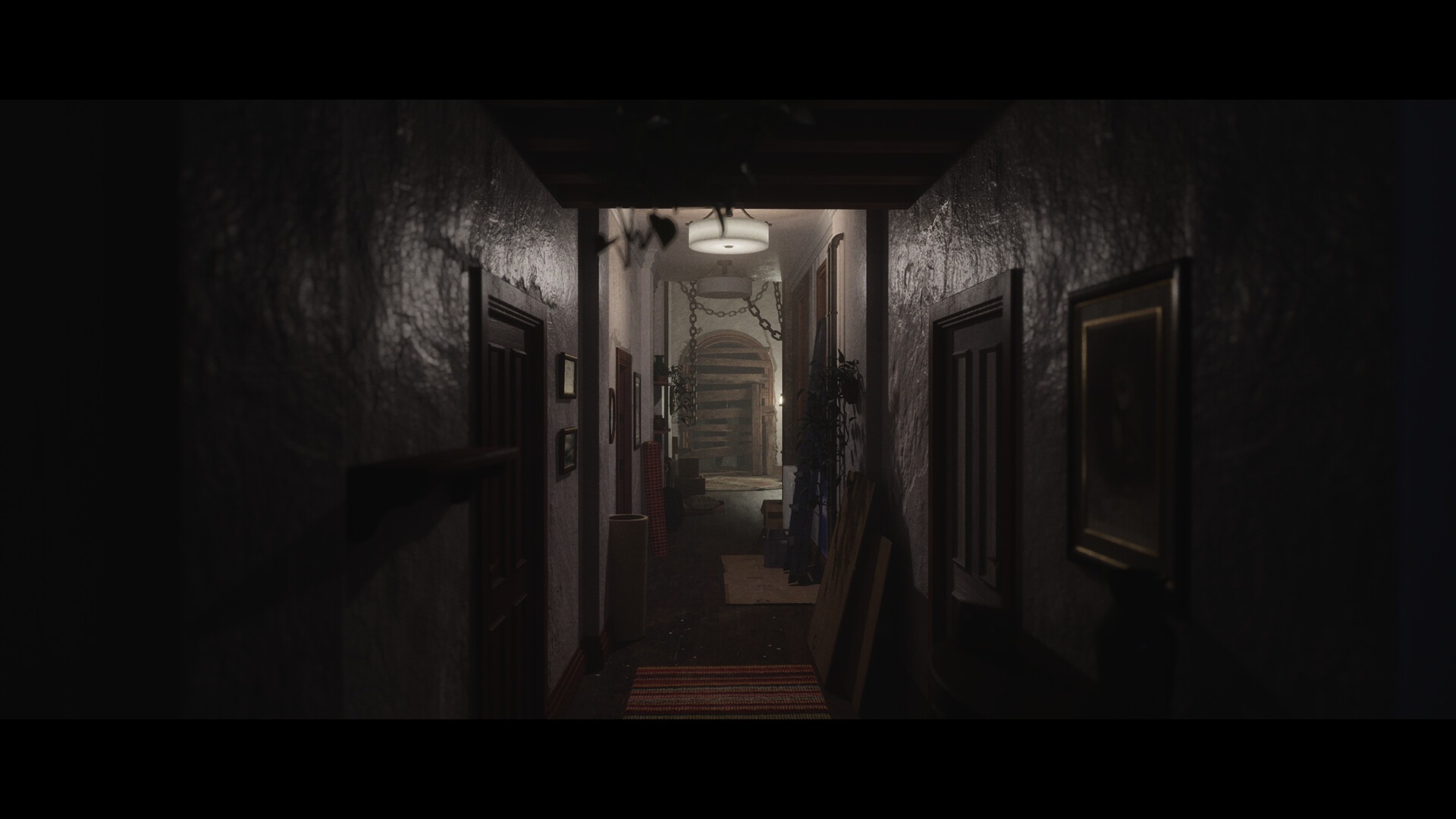
There are some trippy gameplay ideas here that I have yet to see. There is some direct inspiration from the P.T. demo by Hideo Kojima. The nearly sterile lighting and hyperrealistic house that feels lived in yet cold and empty at the same time. The buzzing of lights, ticking of clocks, and just your footsteps are all you hear. The silence can be deafening. There is a cheeky British narrator that talks you through the game, similar to The Stanley Parable or something straight from a Media Molecule game (LittleBigPlanet). However, something seems off with this narrator. As you walk out of your bathroom and complete your day as the narrator intends, you try to break the sequence. This leads to further sequence breaking and then to some meta-narrative ideas without spoiling anything.
Some puzzles involve solving looping hallways and corridor issues. Identifying numbers and observing objects in specific ways are key to solving puzzles. The first example has you trying to get a hammer hanging from a chandelier because you need this to pry wood off a doorway. You can keep walking downstairs only to end up back at the same staircase. You need to find four numbers to enter as a phone number to break the sequence and drop the hammer. You need to be observant and look for breaks in patterns. It’s very reminiscent of P.T. in that sense. These puzzles can be fun, but if you’re not good at finding them, some can be hard to figure out.
As the game moves on, some of the horror elements will pop up, and, while they are subtle, the excellent lighting effects help with this. The game is very surreal and haunting in the sense that nothing makes sense. It can be disorienting and go against the grain of what makes sense. This can be scary on its own rather than jump scares and creepy monsters. There are none in this game. Some scares are very subtle and only exist if you spot them, or the atmosphere alone can just be downright tense. You will expect something to jump up at you or come out of a doorway, but nothing ever does. That’s a fantastic way to create horror. Luto makes the scares seem like they are there, but it’s all in the player’s head. I don’t want to spoil the short game by explaining anything in detail. With a walkthrough, you can complete the game in 4-5 hours.
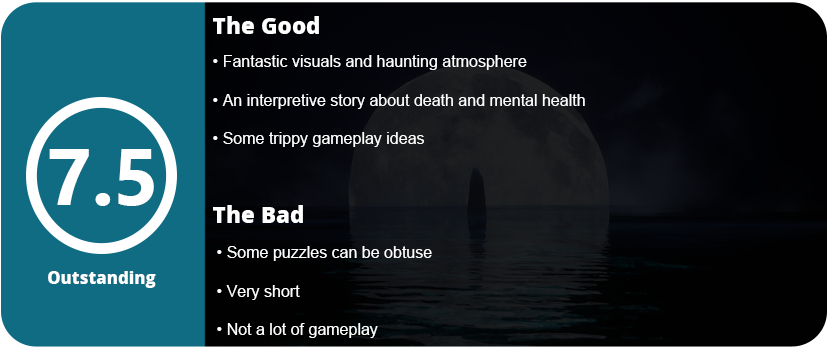
Overall, Luto is a fantastic psychological horror game. I just wish there were more puzzles and gameplay and some of the puzzles weren’t so obtuse. While I like that the story is interpretive, this is becoming a cliche in indie horror titles and can be tough to pull off with such short lengths. Luto does a better job than most, but it’s still not perfect. While I love the lighting and atmosphere, the game does look kind of generic in spots, such as the hyperrealism of the house and day-to-day objects. Things don’t really start looking much different until more of the surreal stuff starts to pop up.
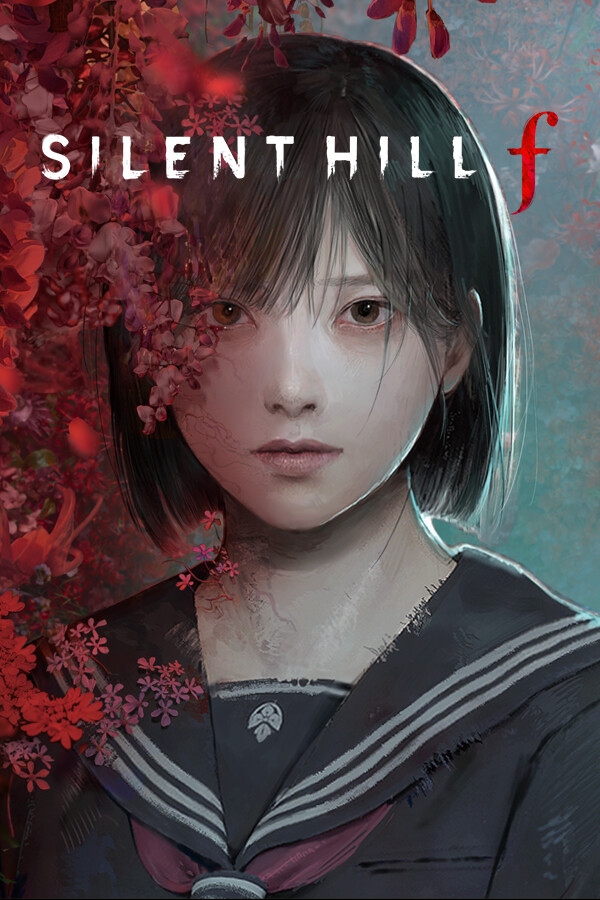
Well, we finally made it to another Silent Hill release. This time it’s excellent. I will start off right away with that. After the utter disappointment of Downpour, the last mainline game in the series, everyone thought the series was dead. After the failure of resurrecting the series with the abysmally boring dungeon crawler Book of Memories for Vita and the terrible HD remaster of SH2 and SH3, it felt that Konami was done with the series. Downpour had some good elements, but it was a terrible game to play. With the huge success of the SH2 remake from Bloober Team, it feels like Konami is going full steam ahead with the series once again. For those who don’t know, the “f” moniker at the end means “forte” to contrast the “Silent” part of the title. While it’s not clear if this is a mainline title or not, as this is the first game not set in the titular town on the East Coast of the US.
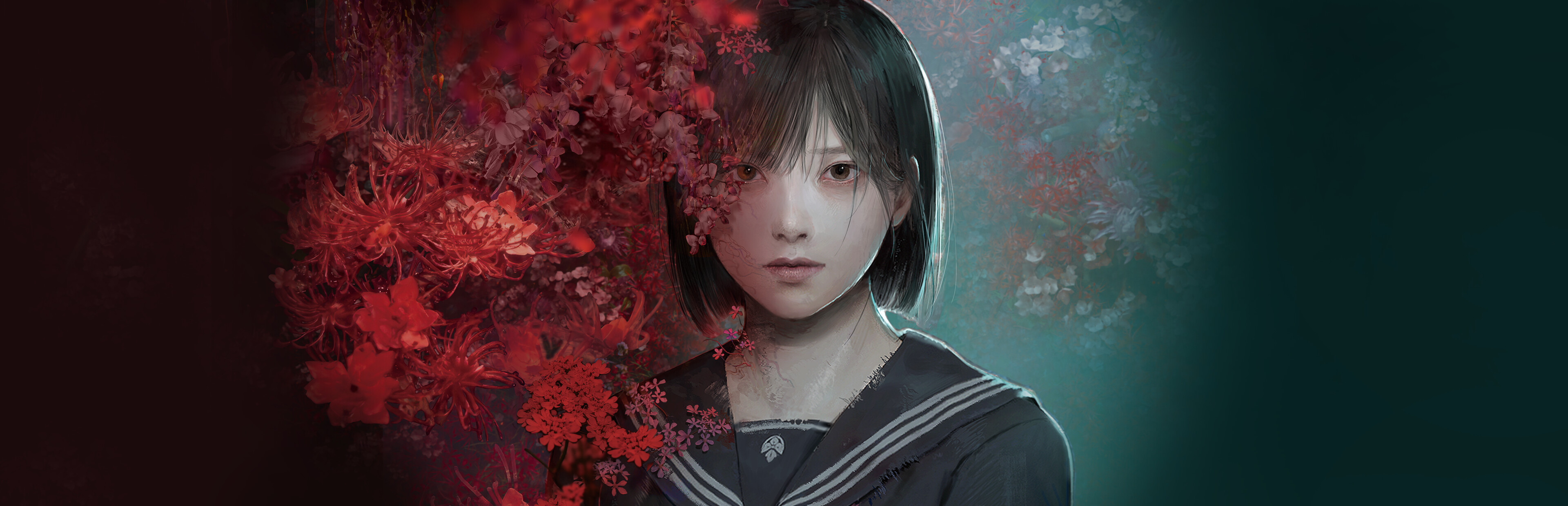
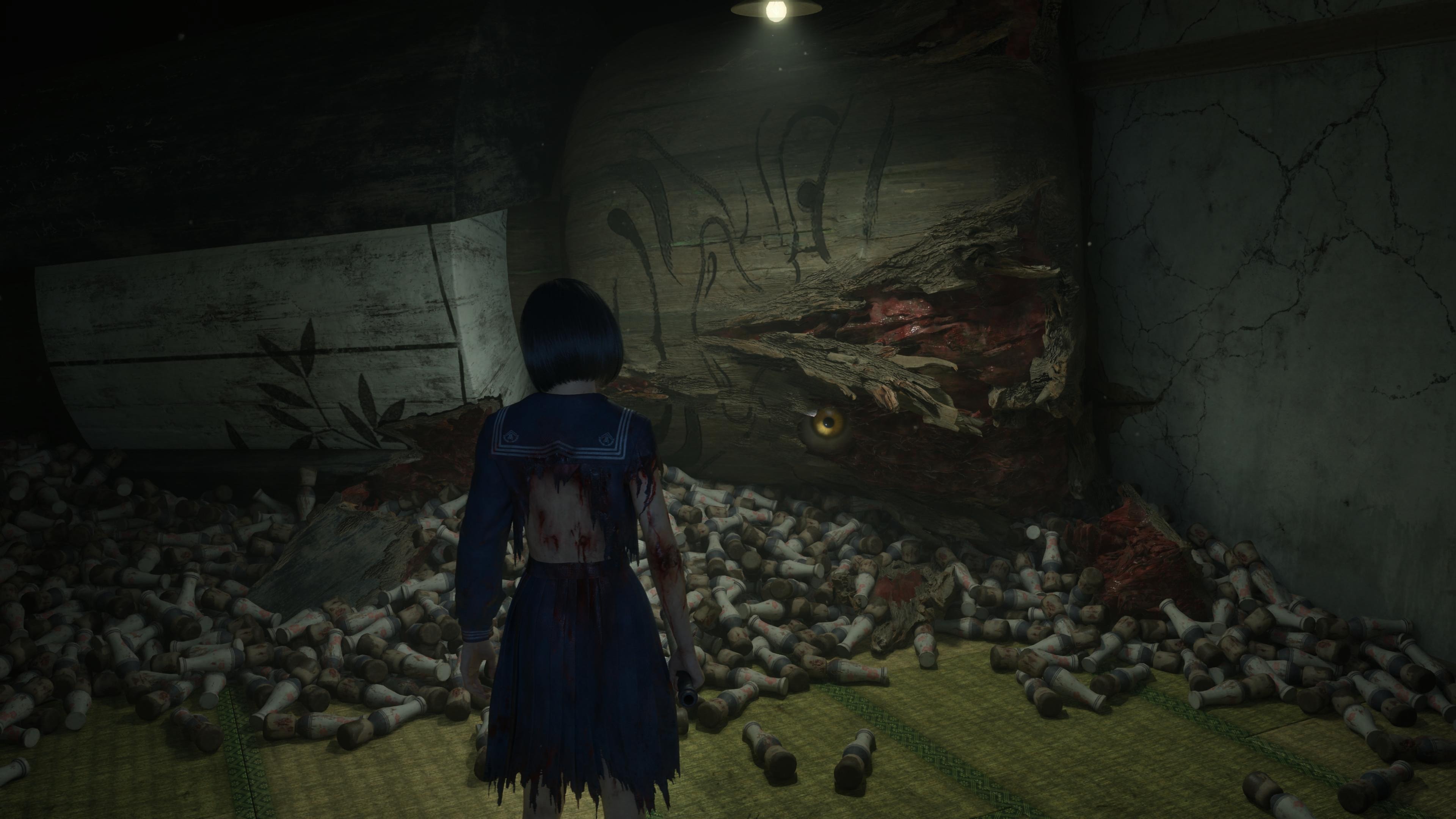
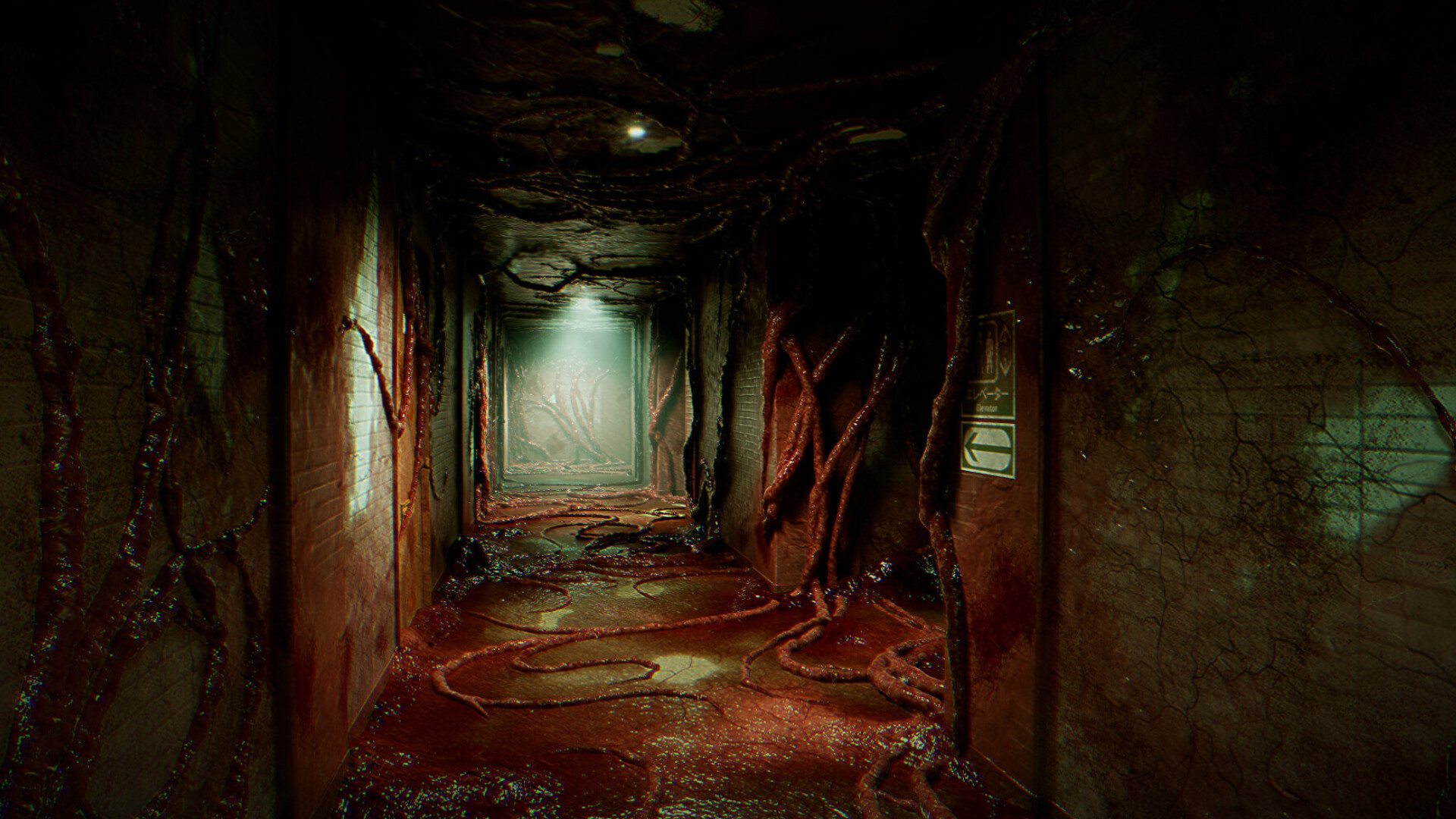
SHF is set in post-World War II Japan. Hinako Shimizu is your leading lady this time around. A shy high school student who has a disturbing and dysfunctional family and ends up getting trapped in what seems to be monsters and red fungus and spider lilies taking over the town. Hinako relies on red capsules to stave off headaches. As you play through the game, Hinako is seemingly teleporting to a Shrine world, when passing out, and the real world, which is the town of Ebisugaoka. This is a small town, similar to Silent Hill itself, that’s full of lower-class citizens who rely on living off the land. The game strays far from the Western horror we have seen in the series and relies more on Eastern horror and Japanese folklore. It’s hard to get used to, but the themes and Silent Hill DNA are all here. The enemies move like mannequins; they look grotesque and horrific, the music by Akira Yamaoka is absolutely fantastic and takes the usual Silent Hill music we are used to and adds an Eastern flair during the fog world (real world). The music here is somehow darker and scarier than it’s ever been. There’s more emphasis on unease and disturbance. The soundtrack is full of out-of-tune instruments, wailing cries and hymns, and screeching string instruments, all mixed with traditional Japanese folk music. It’s a nice twist on the soundtrack while keeping it sounding familiar. Kensuke Inage composed the Shrine world pieces, and they contrast well with Akira’s music. He is mostly known for composing music for Musou and fighting games of various franchises.
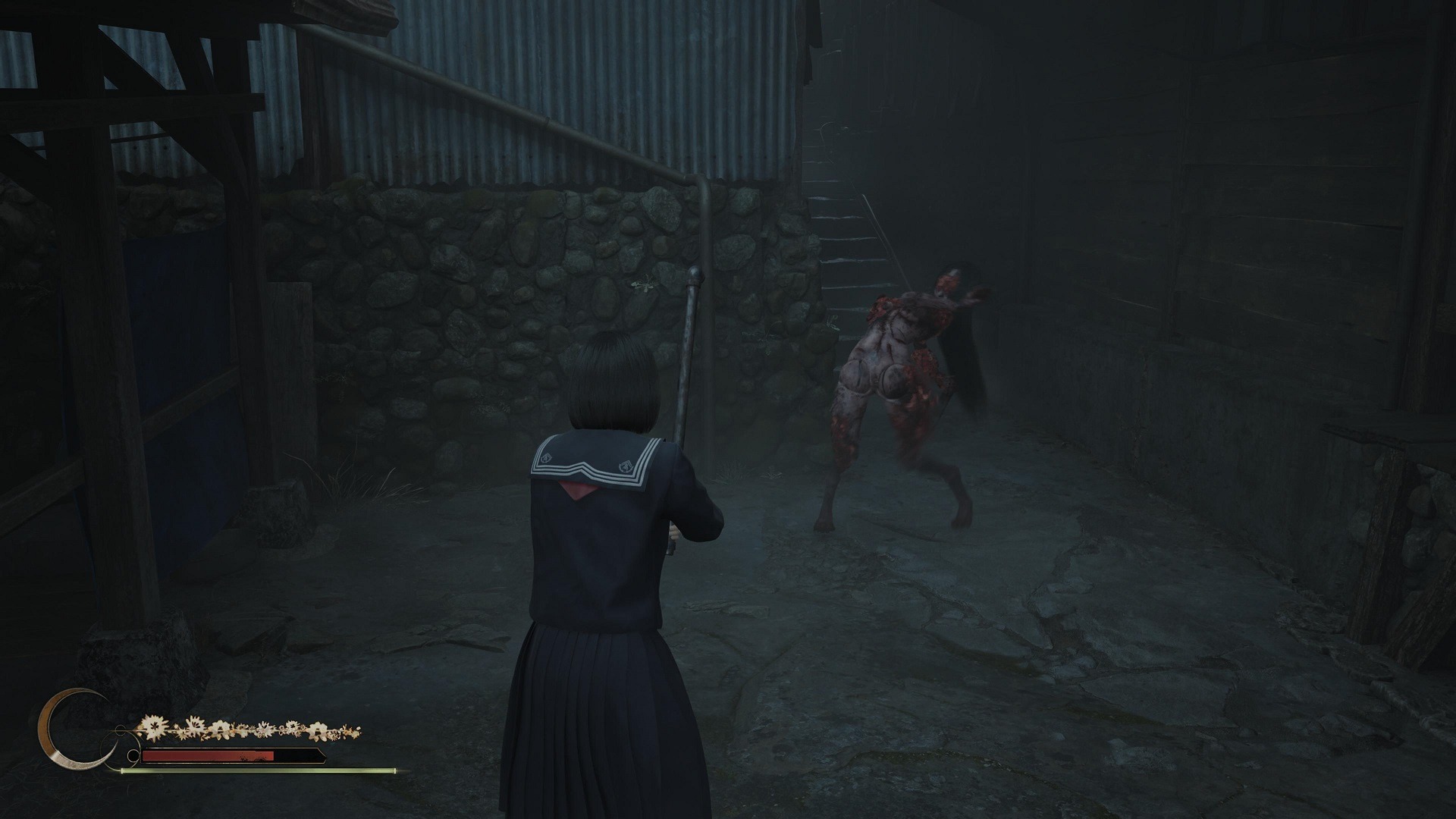
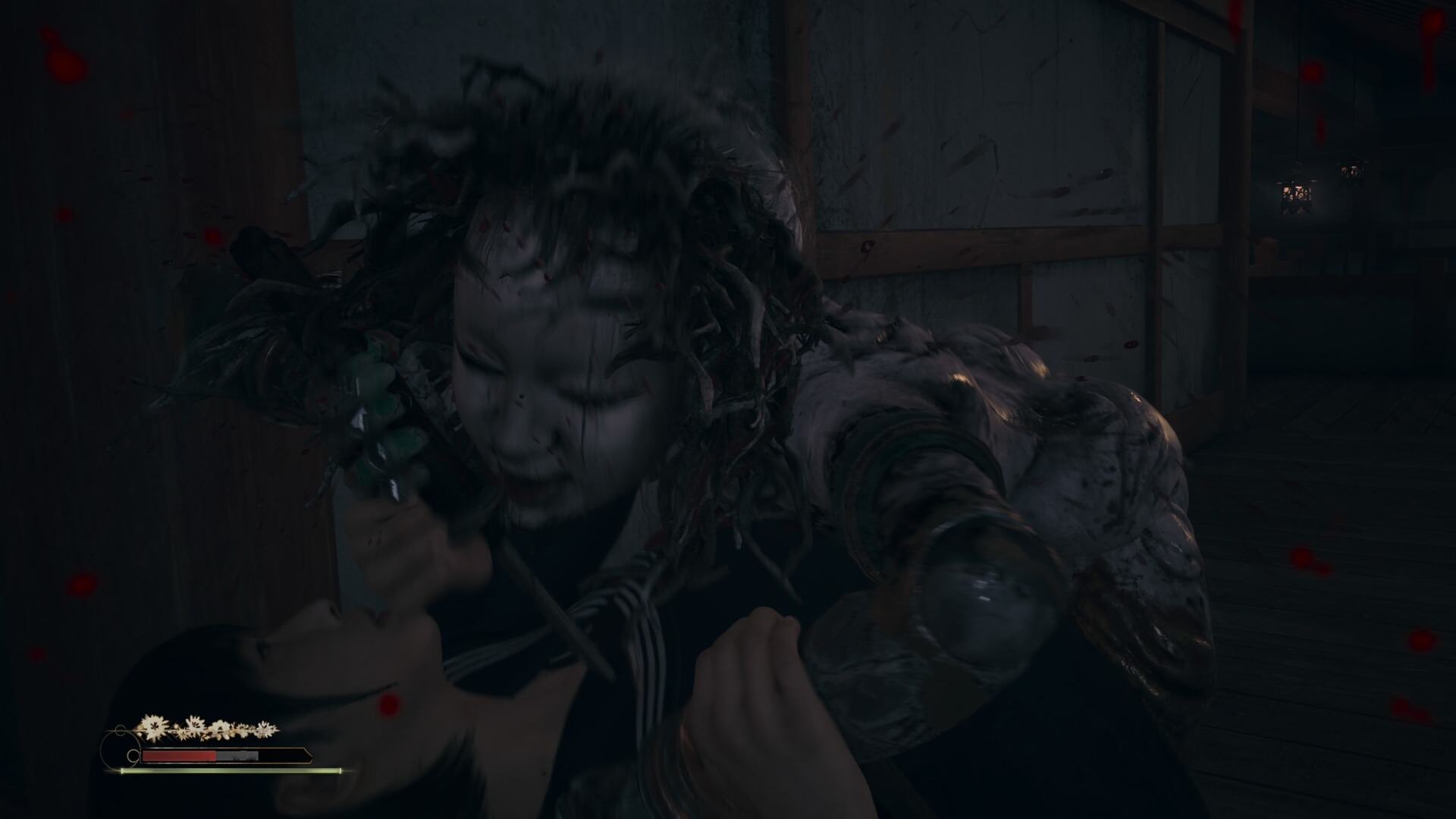
With that said, Hinako controls really well, and she should. She is small and lightweight and can run around with ease. Combat is the best the series has had so far. While it’s simple, it is hard to master. You can dodge in this game, and that’s the hard part. Enemies will flash red, and for a split second you can press the heavy attack button to do a powerful attack and stun them for a perfect dodge. Hinako also has a focus meter that she can charge up, but this uses focus energy. If you get attacked while trying to charge your focus, it will take a portion of the bar away, and you need to use various items to restore this. You also need to manage a stamina meter used for sprinting, dodging, and attacking. If you run out, Hinako will run out of breath and will pause for a few seconds to recover. They took a page from the Silent Hill: Origins book, and weapons now have durability. It works much better here, as you can carry up to 3 weapons and repair them with toolkits. There’s light, medium, and heavy durability. Weapons like kitchen knives are fast, while crowbars and lead pipes are normal speed. Axes are slow and do massive damage. There are no firearms in this game. The combat is raw and visceral, and it feels like Hinako is just doing what she can to survive. She’s not a warrior. You need to manage these systems, heal, and store meters while fighting off enemies, like the series’ staple. Run. Run like hell if you can.
You can upgrade by using money from selling items at save shrines. You can exchange some healing items or find valuables hidden everywhere. You also need an Ema board to upgrade your character. You can upgrade your life, stamina, and focus meter as well as your passive ability size. You can equip up to three Omamori, which are found throughout the game. These add passive abilities like extra health, stamina, easier-to-do perfect dodges, refilling life upon death, allowing you to run a little faster, etc. This is a great way to add some depth to the combat system without it feeling like a full-fledged RPG or something more complicated than it needs to be. If you want an easier time, you are encouraged to explore and find extra keys or go where you might be scared too.
Shrine worlds have specific weapons that don’t have durability. I don’t want to spoil the story, but about halfway through, Hinako gets a very powerful weapon in the Shrine world. However, in the Fog World, she’s very vulnerable, and while enemies are easier to fight, she is weaker. In between fighting, you need to use your map like the traditional way. Blocked doors are scribbled out, open doorways and pathways have arrows, and objectives are circled. It’s a great map system and has worked well throughout the series. You won’t get lost like in older titles, and there are clear objectives. Puzzle difficulty is still here, and they become harder with more vague hints the higher you go. The puzzles are great and require full manipulation of objects and deciphering clues logically. The harder puzzles are in the Shrine world, as well as more combat. In the Fog World, you are trying to avoid combat and get to the next objective as quickly as you can.
The game’s story was written by Ryukishi07, whose pen name is famous for the When They Cry manga series. That series is known for intense drama, pain, and suffering. This clearly is translated into the story of Silent Hill f. While the series continues the tradition of needing some player interpretation, it’s a bit more structured. The series continues to deal with mental health and disturbing moments of human nature. There are some really dark scenes in this game, and as the story crescendos into madness, the player is left to interpret the goings-on more and more, which is fine by me. This is also the longest game in the series. I did a full collectible playthrough, and it took me 22 hours to finish. Even if you blasted through the game, you are still looking at a near 20 hour game. There’s a lot to see here, and the visuals are absolutely stunning. The game does use Unreal Engine 5, so there are some technical hiccups here and there, but on my playthrough they weren’t too noticeable. The game captures the essence of Silent Hill, and we can finally say that AAA survival horror is back.
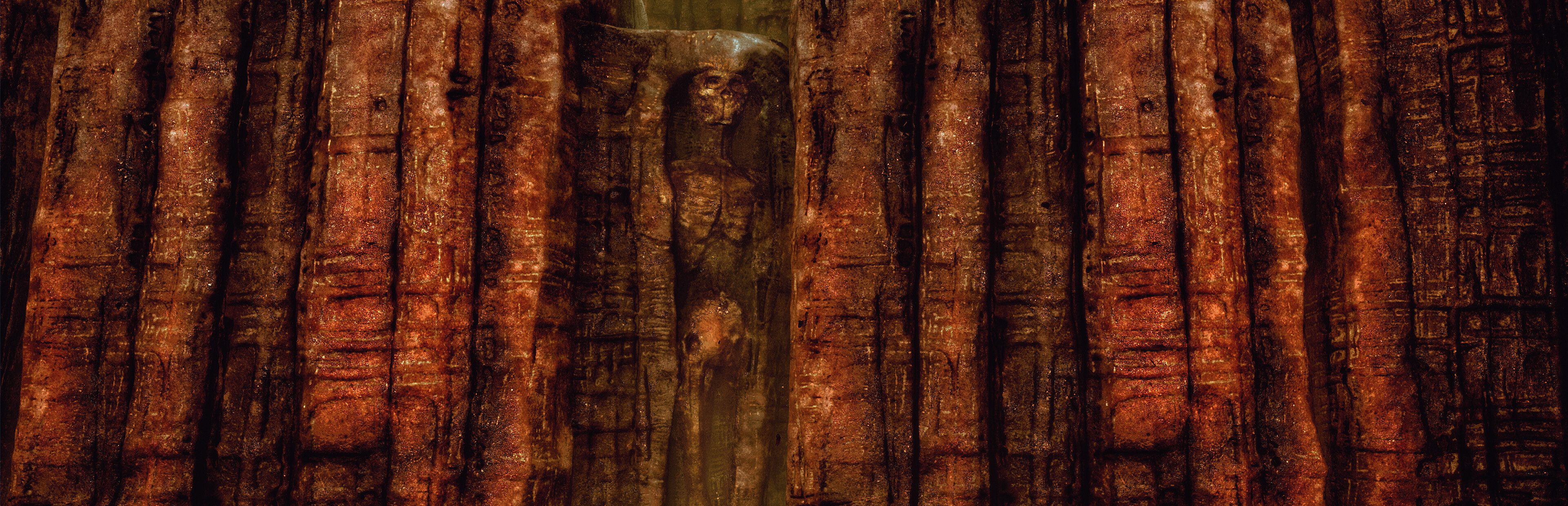
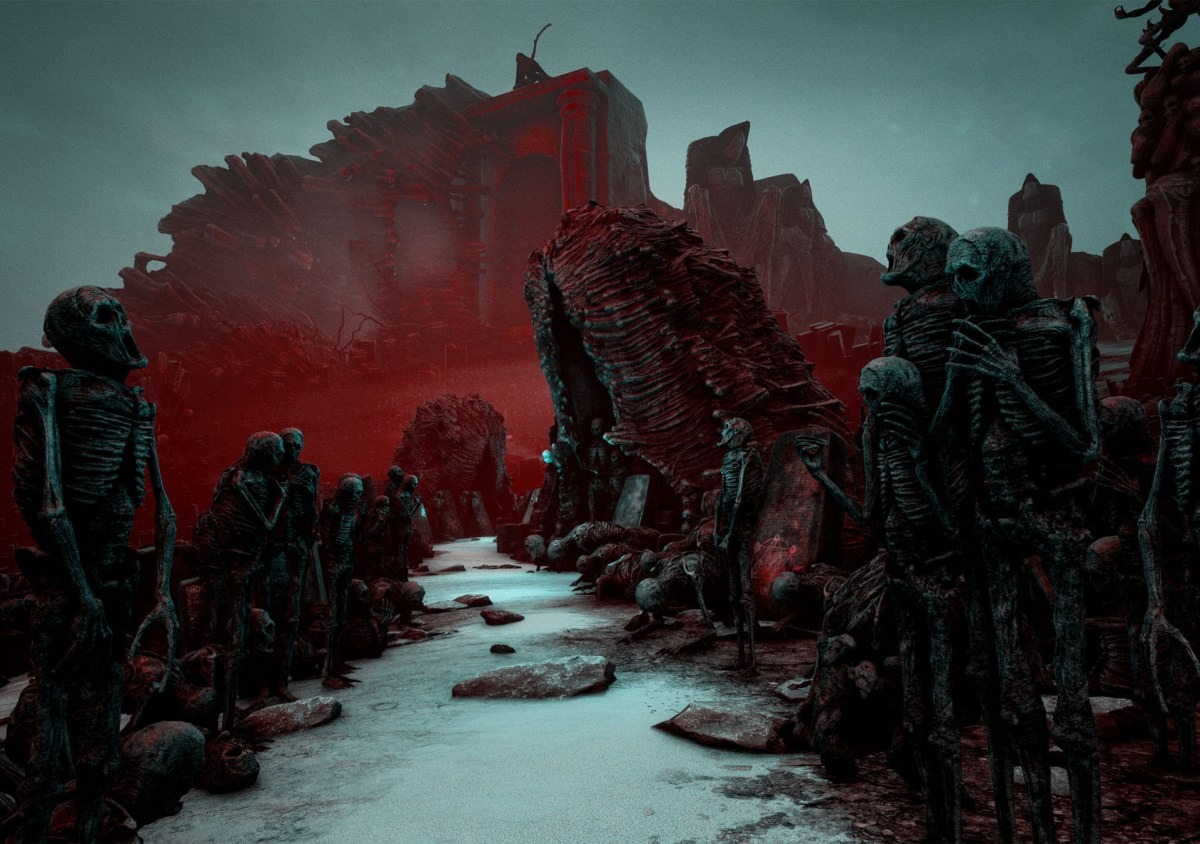
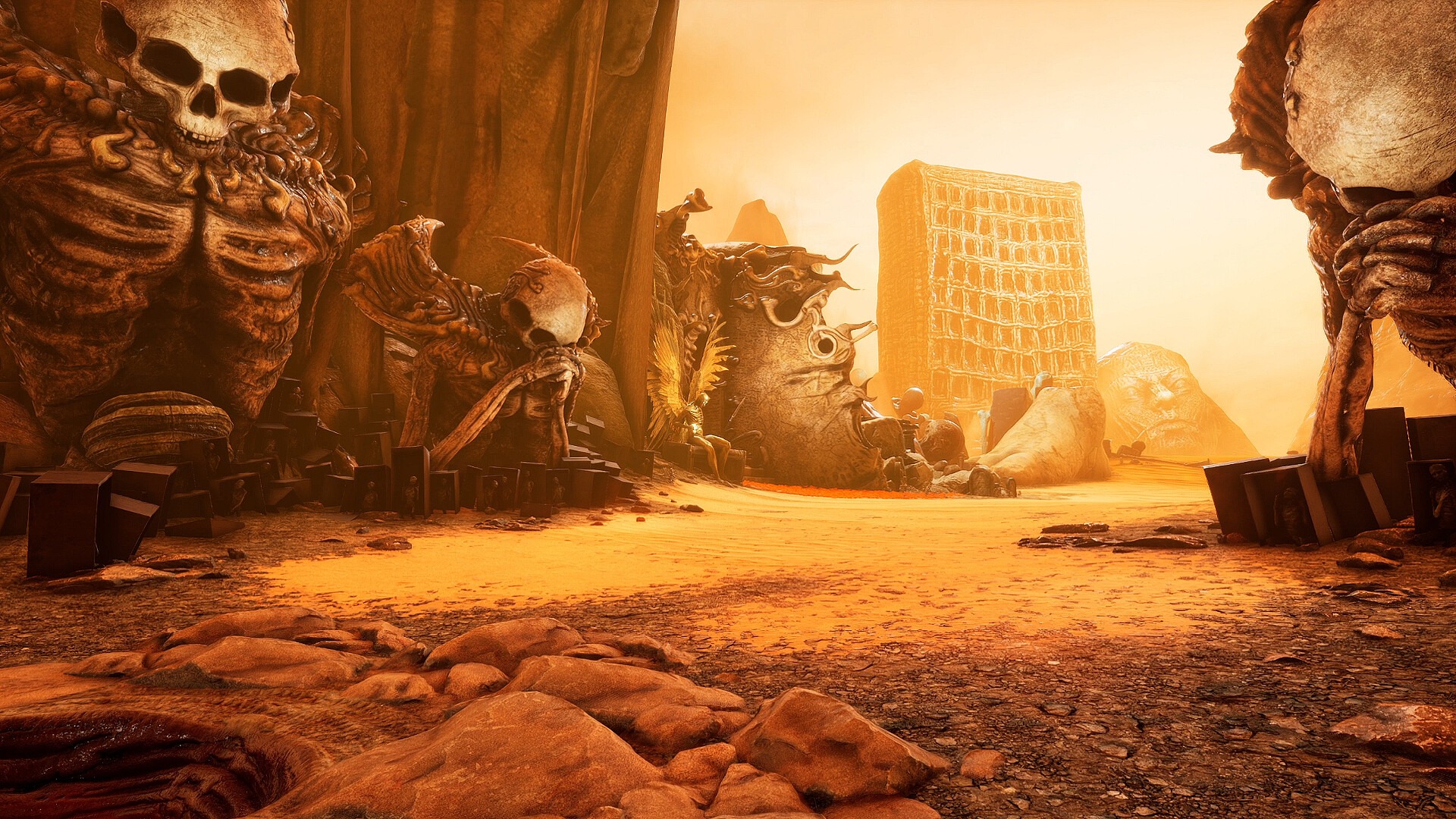
Surreal horror games are becoming more popular, but outside of the retro PS1 style graphic-type games, there’s not much. Bio/biomechanical horror is something I really love, and my two favorite artists of all time are H.R. Giger and Zdzisław Beksiński. Their worlds and art are unlike any other. The surreal, dreamlike atmosphere invokes feelings of sadness, regret, melancholy, hopelessness, and many feelings of anguish and misery. While Giger has more of a focus on characters, Beksiński focuses on entire worlds. Vast landscapes that seem to go on forever and scenery that feels like it would invoke the darkest fears you could possibly imagine. The striking lines of Beksiński’s art with vertical and horizontal latticing of flesh and frozen faces of agony and torment are stunning and hard to look away from. This type of art has only really been done in more modern games, with those being Scorn and The Medium. Sadly, there’s also some sort of curse with these games having stunning soundscapes, art, and ideas but just not being the greatest in terms of gameplay.
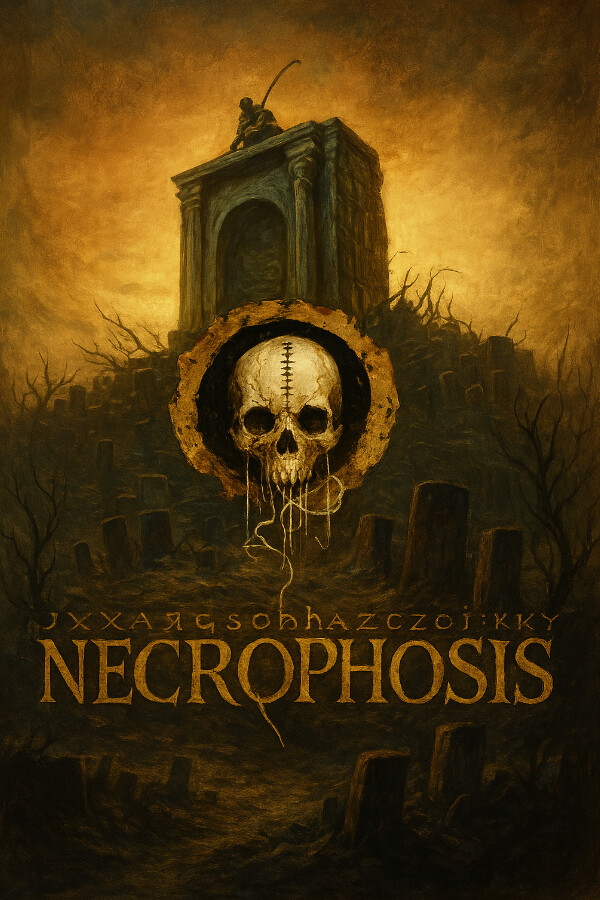
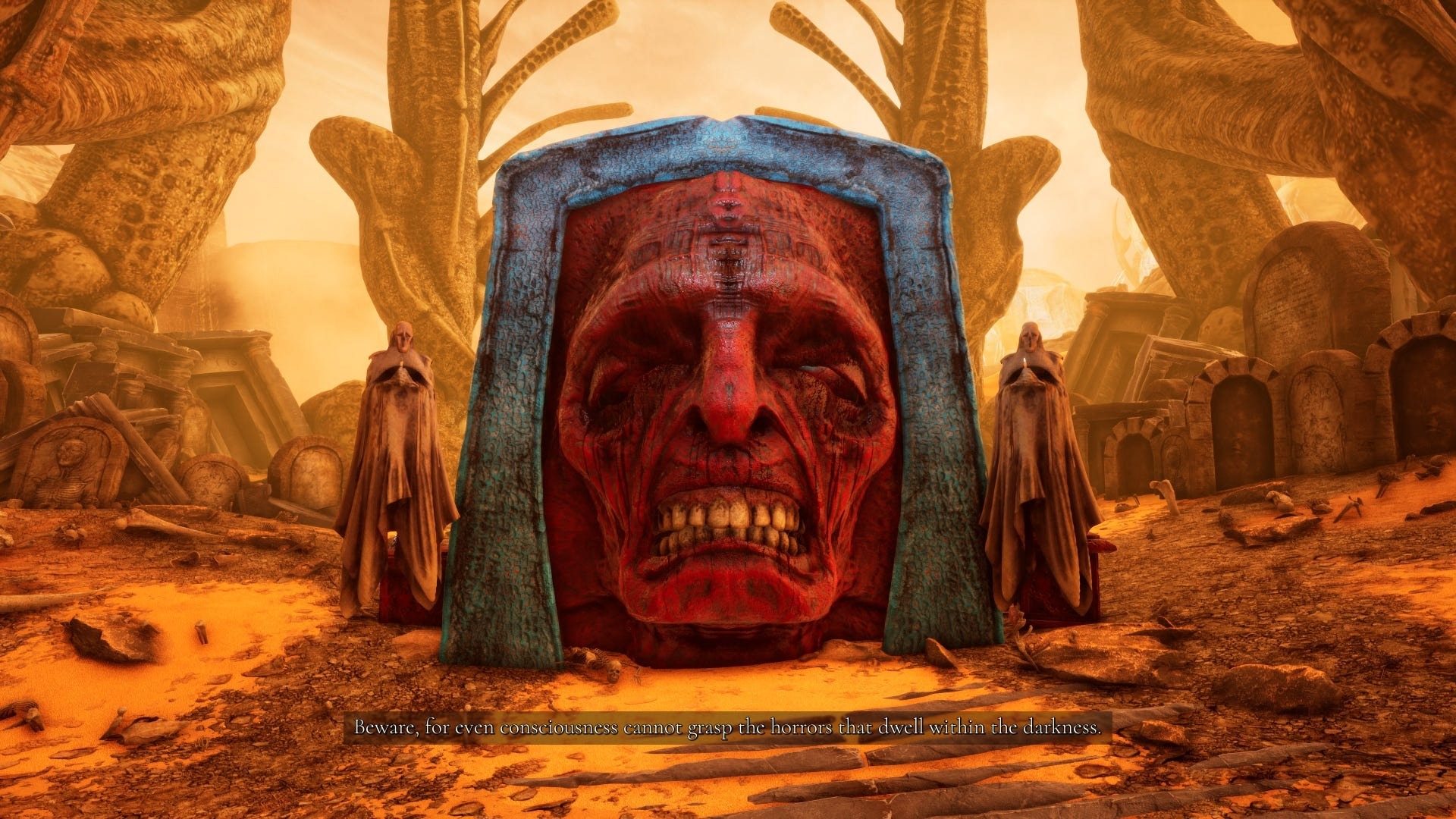
Necrophosis is what Scorn should have. No first-person gunplay; just puzzles and walking around and soaking in this insane world. There’s clear influence from Scorn in Necrophosis, from the main character’s design to the aforementioned art direction. You wander around incredibly detailed landscapes and will just pause and look at every strange mountain face and object before solving the mundane puzzles and object hunting. Mountains are literal faces, countless giant bodies frozen in scenes of torture and dread. Closer up there will be smaller scenes of deathlike people or creatures depicting the moment of death or representing their current state of endless torture. Some creatures are stuck inside of objects, twisted and gnarled into globs of flesh and eyeballs with just a mouth. Some will plead to you to end their suffering. This is usually done by adding them to your inventory (yes, entire bodies) and using them to solve puzzles. You will carry this fleshling around with you with their frozen face staring at you. There might be another creature who needs divination, so you feed them something, and out comes a key to advance a puzzle.
It’s not the puzzles themselves that are fascinating. Quite the opposite. These are very simple in form. There is usually a small area, and you will see different spots to place objects represented by floating gold dust. It’s a matter of interacting with everything, gathering objects, sticking them in the right spot, getting new objects, or manipulating certain items. Manipulation is just as disturbing as talking to the inhabitants of this world. You pull your brain out of your skull and stick it inside of another being (sometimes interlocked with other beings) to do things like using a skull spider to climb up onto a fifty-foot fleshy creature sitting in a flesh chair and just scooting their legs backwards so the throne-like object blocks the view of another creature so you can walk past. That sounds insane when reading, but words can’t do this game world justice. It needs to be experienced to understand what’s going on.
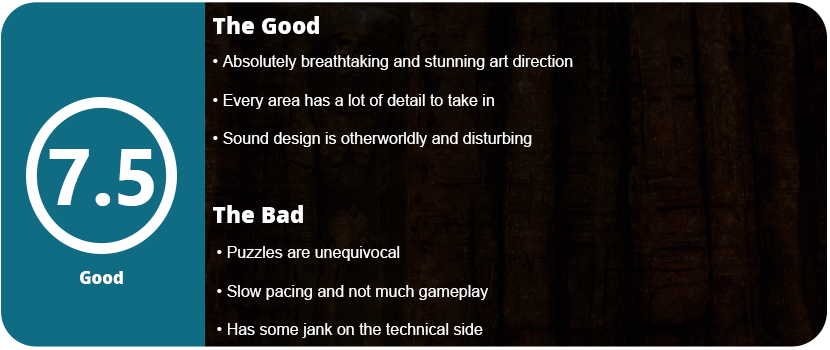
With this being an indie game developed by a few people, there is some mechanical jank here. Walking is rather slow, animations are a little stiff and animatronic-like, controls feel slightly sluggish, and the game is insanely linear to a fault. Clearly the main focus was the art direction, and everything else was an afterthought to make it a game. Thankfully, the devs aren’t doing anything that feels bad, such as combat. Some creatures can hurt you, but it’s as simple as walking around them or solving a puzzle to get past them. There’s no stealth or anything like that either. This is a pure walking simulator, and it helps ease the jank of the gameplay to make it tolerable.
Overall, I can’t stress enough how much this game needs to be experienced. It’s one of the most visually striking games I have played since Scorn. It’s something you will talk to your friends about. This type of horror is the true stuff of nightmares. No jumpscares, no eerie soundtrack. Just straight-up horrifying visuals, and you are surrounded by them. Your entire world is just that. I also have to mention the haunting voices of some of these creatures that are just booming noises of bass and sounds. It’s unnerving and something I have never heard in any game before. I just wish there was more to the gameplay side.
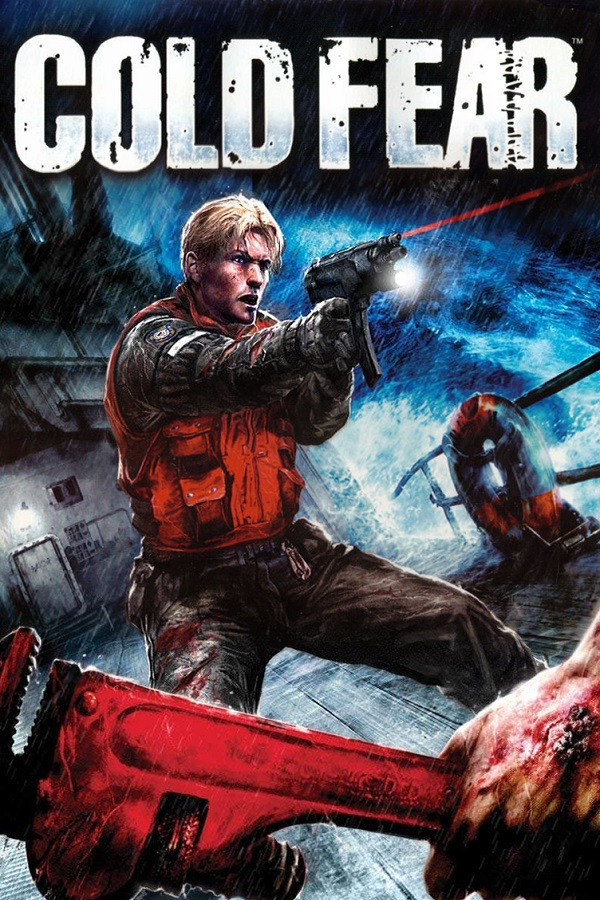
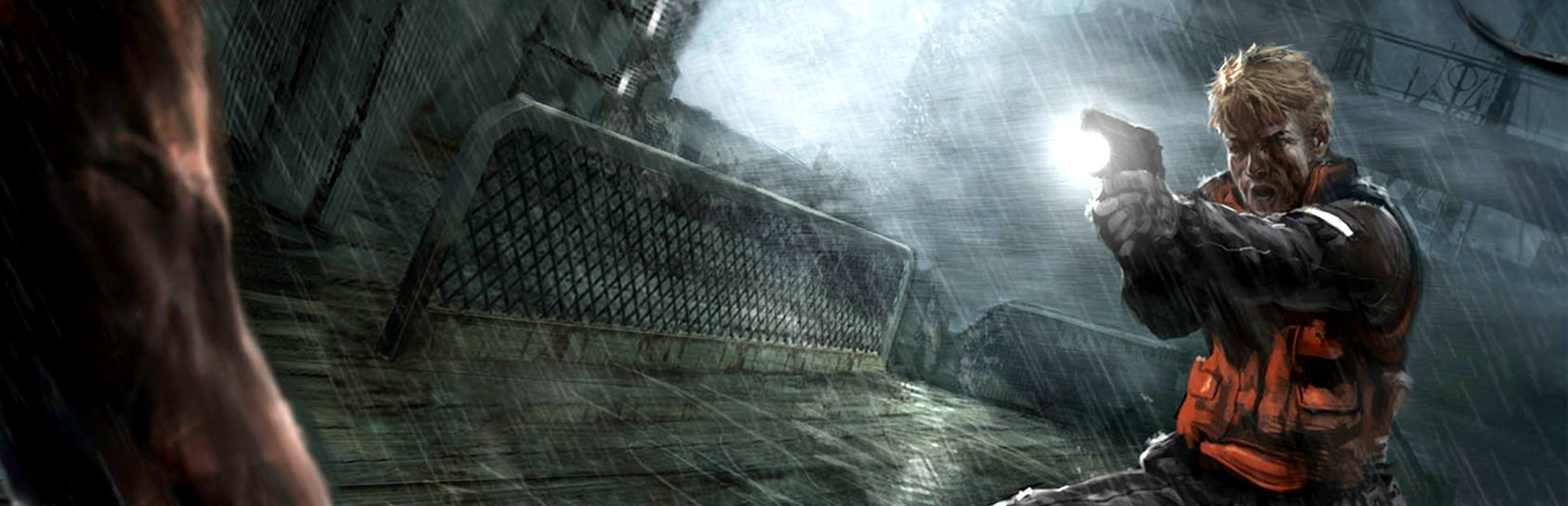
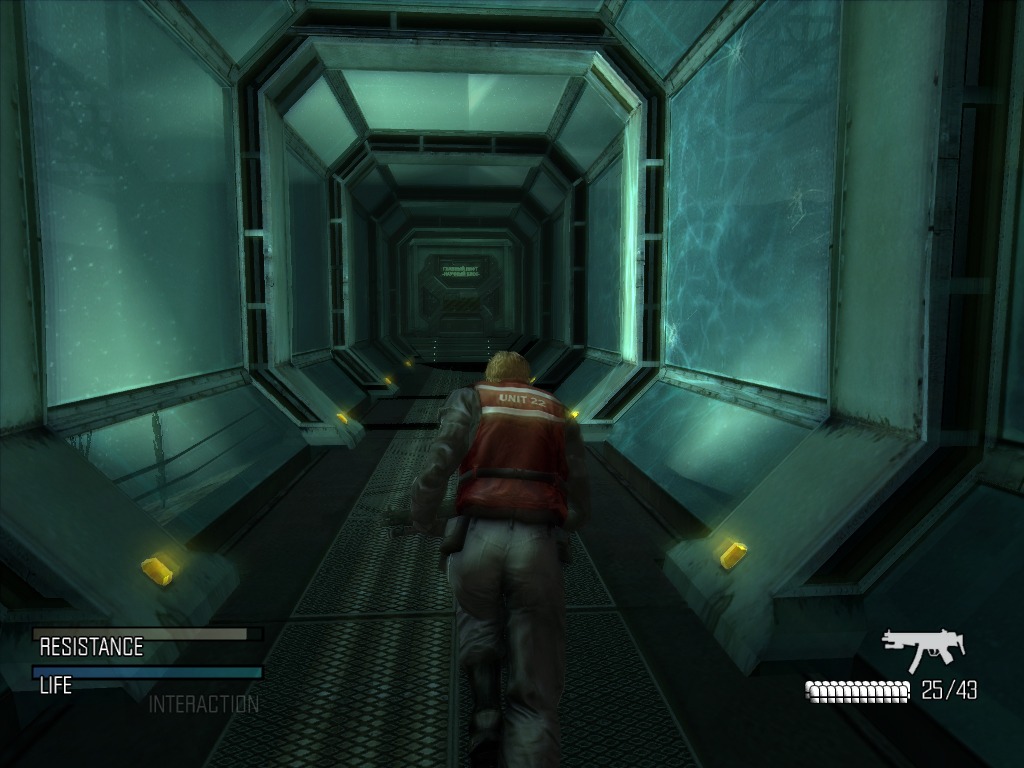
2005 was the tail end of Resident Evil clones. This period was just before the emergence of Resident Evil 4 clones. It seemed to never end. Cold Fear has an intriguing premise and a couple of neat gameplay ideas, but they are never fully explored. What we get here is a survival horror title that focuses mostly on action and has little horror to offer. I like the idea of being stuck on a ship during a storm. You feel claustrophobic, and Cold Fear did a decent job portraying this. I experienced a constant sense of urgency, needing to act quickly before the boat overturned or the zombie infection overtook me.
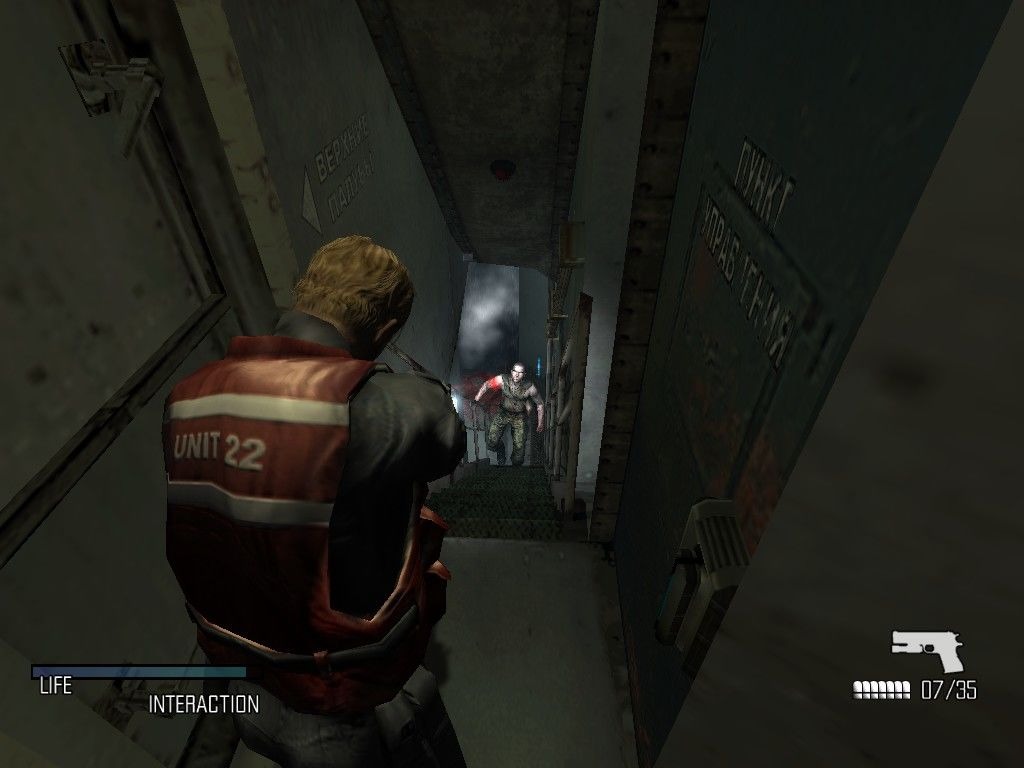
Of course, it’s never that simple. It’s not just a generic zombie virus. Instead, you play as a U.S. Coast Guard agent (neat idea), Tom Hansen. He’s your typical generic blonde-haired action dude with no personality who tries to be amusing but never is. He answers an S.O.S. and tries to rescue those on board. You find out there’s a species called Exocels that is infesting everyone on board. The scenario leads to zombified crew members that wield knives and can sometimes shoot. There are also regular humans, who are the Russians on board trying to kill you. It’s not a very intriguing plot or very deep. The game is only 4-5 hours long, so there’s no room for any plot development. Diaries scattered throughout the game provide the majority of the Exocel DNA exposition. There is only one other character, Anna, who is a Russian daughter of the person you’re rescuing. It’s not important, to be honest. There is a small escort section at the beginning of the game, but after that, you mostly do not see Anna again, at least not with the character you are rescuing.
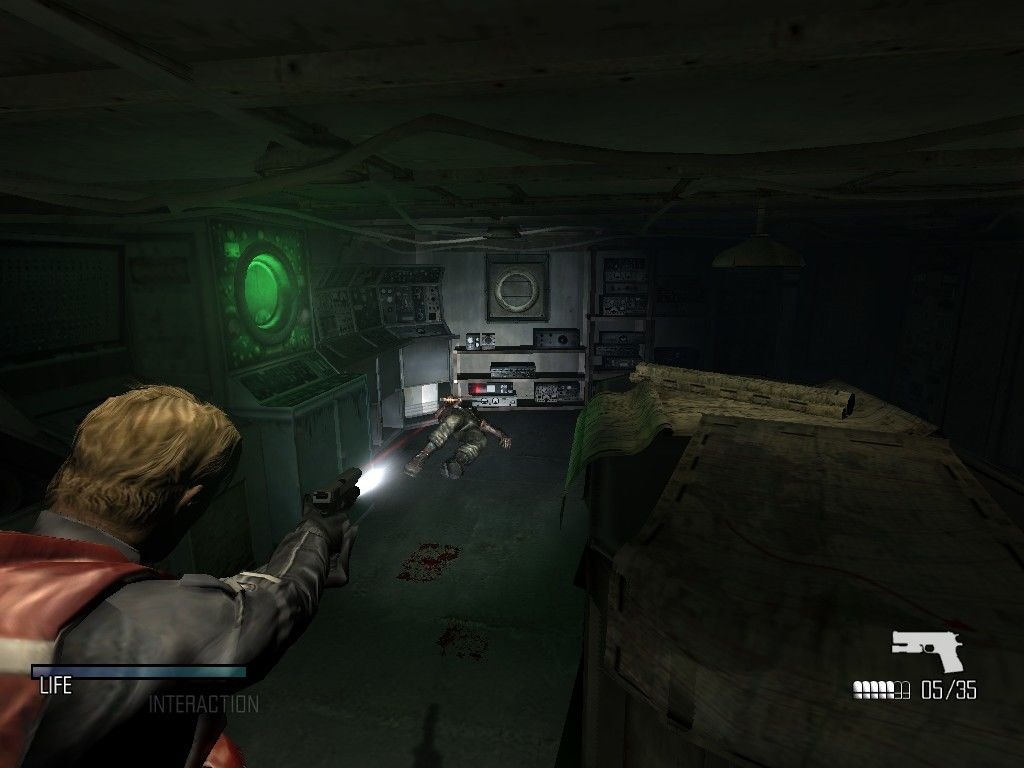
With the almost neat story out of the way, the game’s main focus is combat. There are quite a few weapons in the game, such as a pistol, shotgun, grenade launcher, flamethrower, crossbow, submachine gun, and AK-47. The pistol and submachine gun have a flashlight attached to them as well as a laser sight. The AK does as well. There aren’t many really dark areas in the game, but the flashlights do come in handy in some situations. The humans and zombies are pretty boring and straightforward enemies. There’s no dodge button, but if you are grabbed, you execute a QTE to do a critical hit. Zombies will only die when their heads explode, which is a neat gameplay mechanic. You can shoot the zombie’s head off or perform a head stomp on them when they are down. If they burn up or experience electrocution, they also die.
There is a lot of environmental damage that can be done, such as shooting barrels, fire extinguishers, and valves on walls and shooting some electrical boxes to electrocute enemies in water. There were even a couple of scenes in which you extend a bridge, and if you think ahead, you can have the zombies fall off by pulling the bridge back. These were fun mechanics, but they aren’t utilized frequently. The very cramped and small rooms are difficult to maneuver and fight in. The camera switches to an over-the-shoulder perspective reminiscent of Resident Evil 4 when aiming, but it snaps back to a pulled-back third-person view and occasionally switches to fixed camera angles. It’s disorienting, and while not game-breaking, it wasn’t ideal for this much action. The later Exocel enemies are more interesting to fight, such as the Exoshade, which is invisible in shadows; there is one that’s invisible all the time, and you must watch for wet footprints, or it will be visible when passing through steam. The Exomass, resembling a bull, stands as the most formidable opponent in the game. The only way to kill it is by shooting its red club-like arm until it explodes. You need to utilize each weapon for each situation, such as the AK for long distance and everything else for close quarters, with the shotgun being the best weapon. Each of the game’s two sections (the ship and the oil rig/research facility) has two restock rooms and a limited medbay. You can’t restock forever.
Sadly, what drags the whole experience down quite a bit is that there is no map, and the labyrinthine maze-like areas will confuse you. Sure, you have objectives, but they mean nothing if you don’t even get a clue as to where to go. You will wander around aimlessly until either an event occurs or you find a sparkling object nearby. Saves are also predetermined before entering certain doors that either trigger a cutscene or just after. They aren’t spread too far apart and were fairly placed. Unfortunately, once you finish the game, there’s no reason to play again. It’s not intriguing enough to. While the game is serviceable, it suffers from frequent frame rate drops too.
Overall, Cold Fear isn’t scary, but tense. The many gameplay ideas are peppered throughout that show promise but are never fully used. Waves can inflict damage, the boat can rock you when you’re on deck, you can swing objects that can strike you, and you can use environmental hazards to combat enemies. The game either disperses these ideas excessively or utilizes them sparingly. Although the combat is decent, it suffers from a sluggish camera, and the game’s overall layout is too constrained to provide intense action. You need a guide to avoid wandering aimlessly without a map. The visuals are pretty decent too, but nothing spectacular. Everything is gray, metallic, and drab with decent lighting effects but suffers from severe frame rate issues. Cold Fear isn’t a fantastic survival horror, especially when most of the horror is missing. It’s short enough to not be offensive, and don’t expect a deep story or intriguing characters.
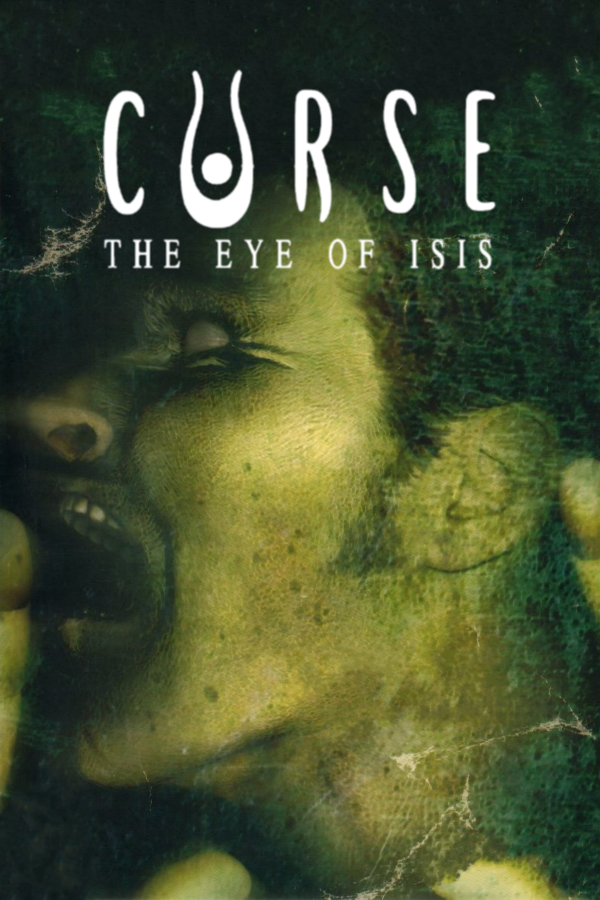
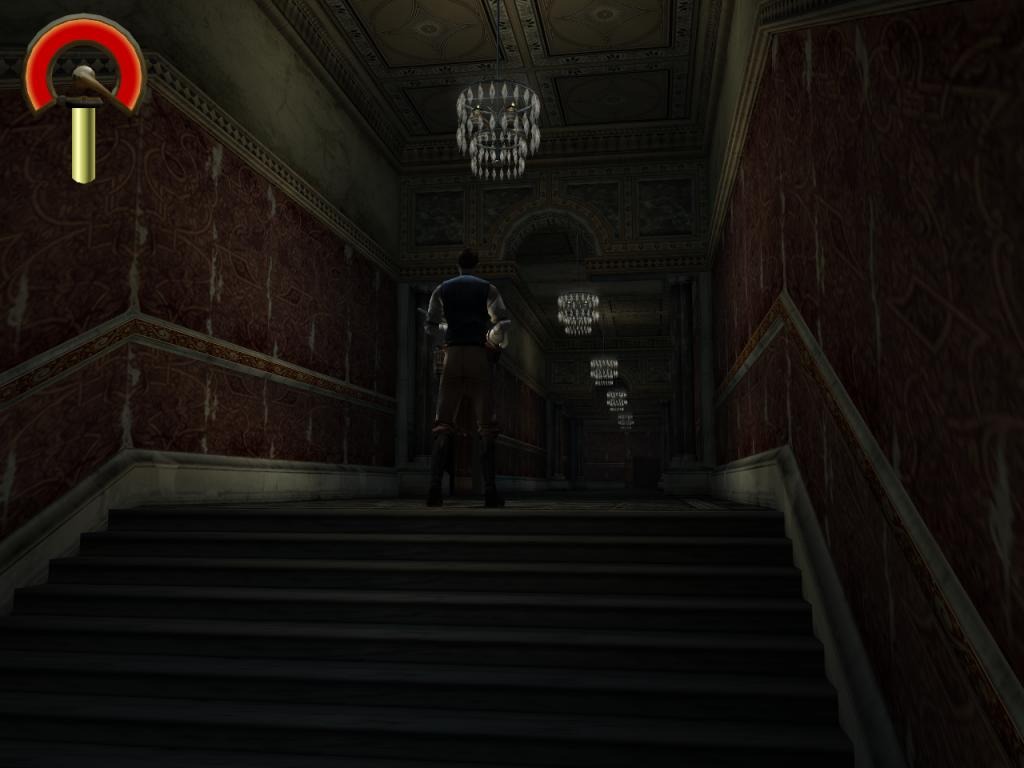
Curse is the most deceptive video game cover I’ve ever seen. It looks freaking scary and is a damn excellent cover. It’s also a pretty rare game on Xbox, one of the more expensive ones in the library. With the subject matter being a survival horror game, I had to add it to my collection. I didn’t do much research for the game. When I finally got a copy and booted it up, I stared at my screen. “Oh,” With a blank stare, I flatly exclaimed. It’s one of “those” survival “horror” games. It’s essentially an Alone in the Dark clone. It’s no more scary than a Goosebumps TV show. The beginning cut scene doesn’t invoke much hope, and neither do the production values.
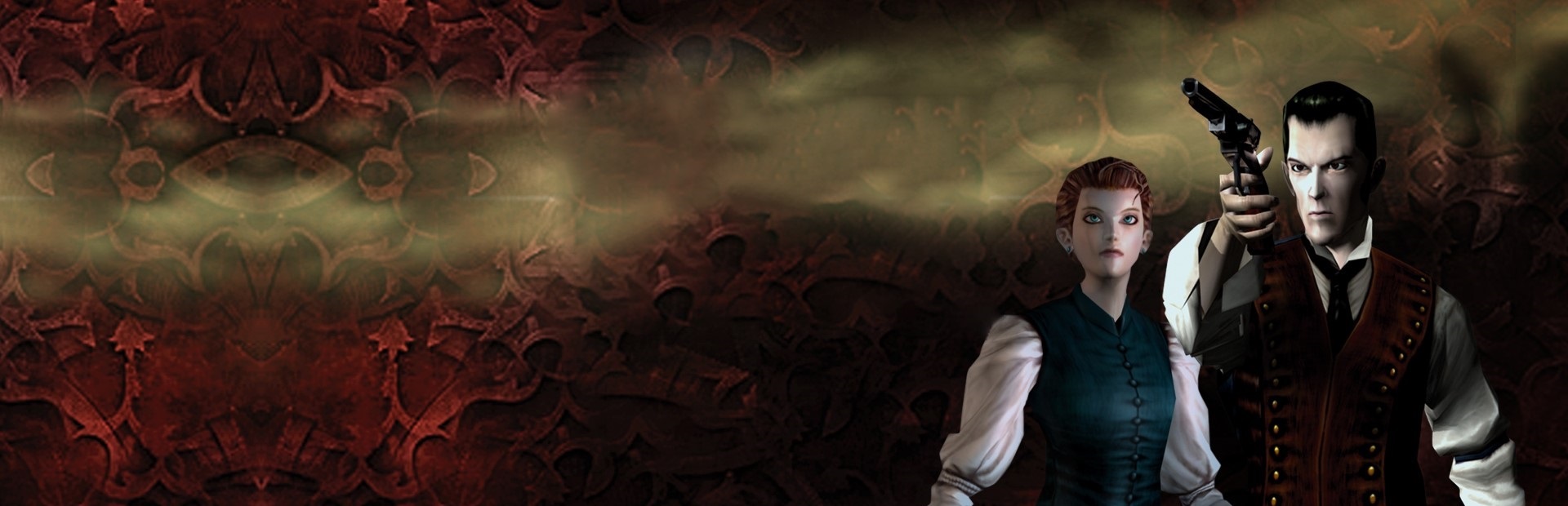
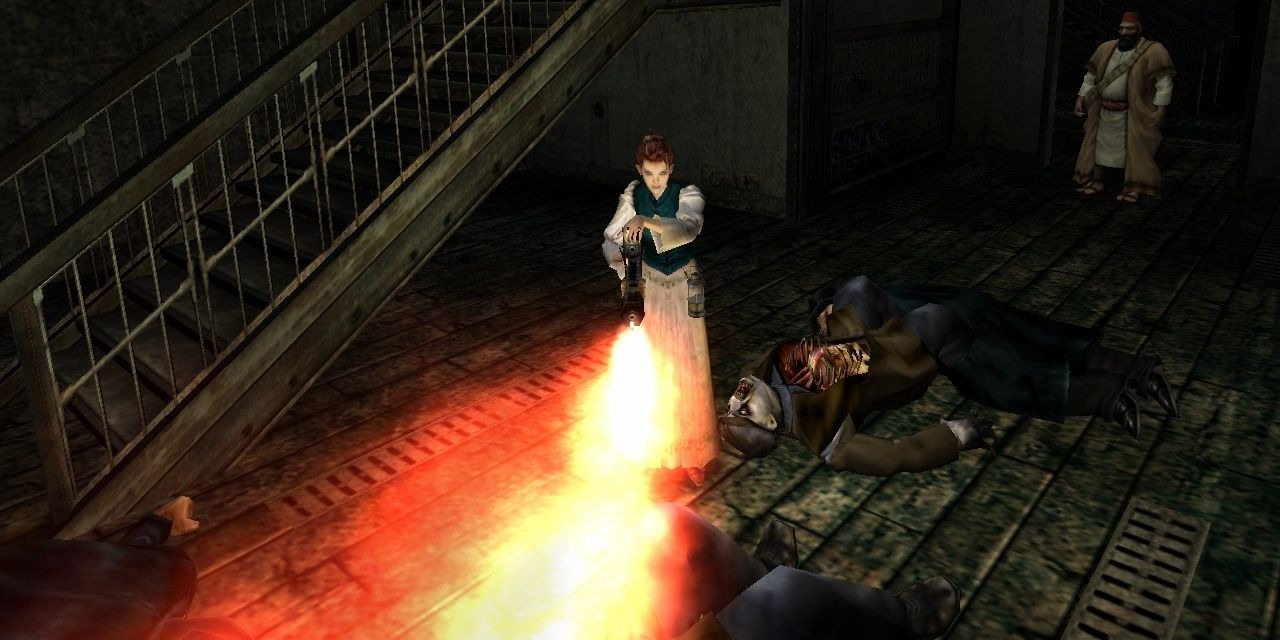
So, you play as a man-woman duo, Darien and Victoria. You only play as Victoria a few times in the game, but you are mostly Darien. The game is set in late 19th-century England. The two protagonists are American, but everyone else seems British minus Abdul. The hijinks here end up becoming 19th-century Night at the Museum. Darien’s childhood friend Victoria invites him to a British museum when an artifact is stolen, the titular Isis statue, by a thief named sigh Le Chat. His avatar is a person in a black ninja-type costume that shoots crossbow bolts. You end up chasing this character through the game. The story is completely uninteresting and fails to develop at all. In the entire game, you are simply chasing down the Eye of Isis to return it to its rightful place and prevent a “curse” from spreading. It’s a yellow mist that turns people into zombies. Yeah, it’s not fascinating at all.
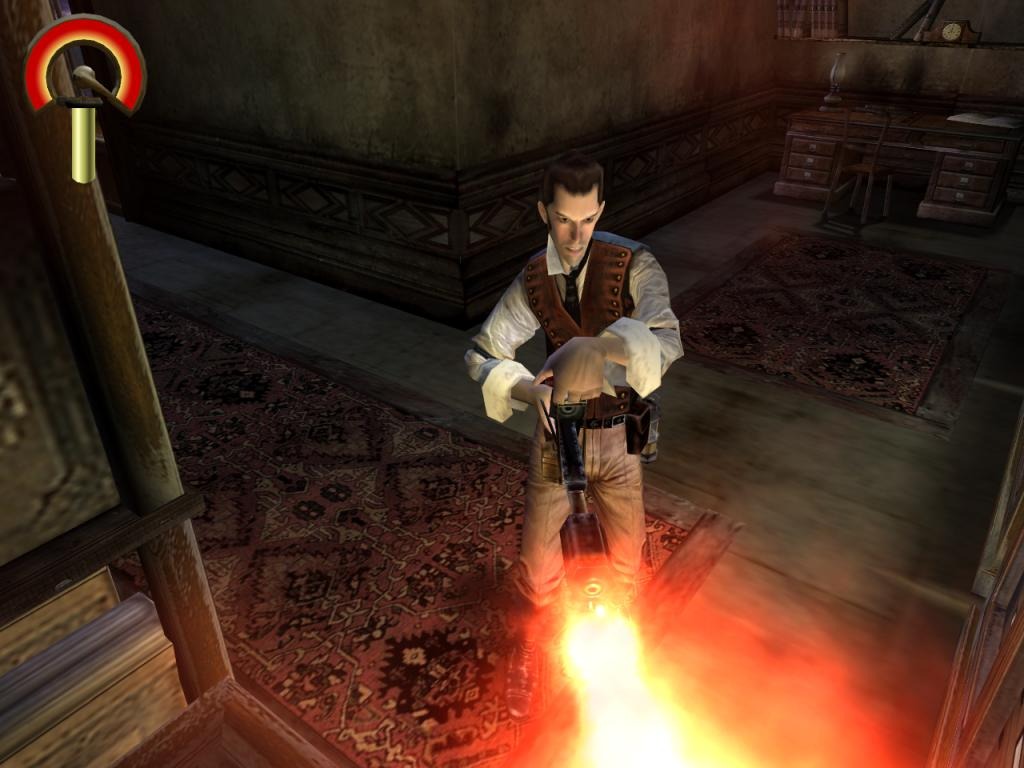
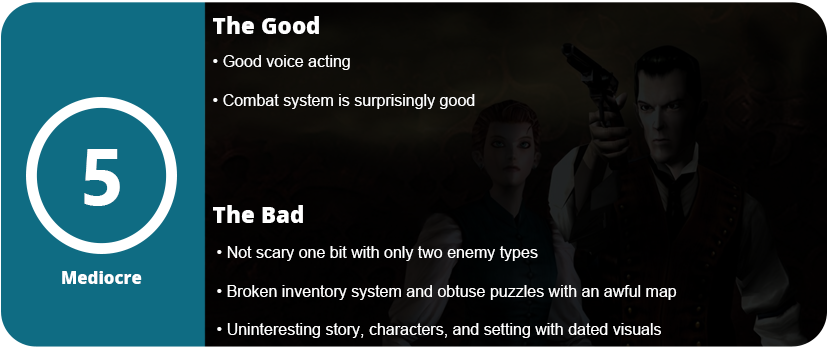
The lack of scary monsters contributes to the overall uninteresting nature of the game. The two monsters are equally frightening. You get zombies from the regular humans you fight, who are British dudes with shotguns and mummies. Totally not scary one bit. The zombies have open chests that shoot out a tentacle at you or spray yellow mist out of their mouths, which can raise a meter on the screen that slowly drains, but this also will drain your health. The enemies are surprisingly easy to dodge thanks to the also unexpectedly good lock-on combat system. I didn’t hate the combat in this game. You can circle strafe around everyone and avoid most damage pretty easily. A yellow reticle will slowly shrink down to a dot, which is your accuracy meter. There are only a couple of weapons in the game. The available weapons in the game include a revolver, shotgun, crossbow, rifle, mortar, and flamethrower. The revolver and rifle share the same bullets, and the flamethrower needs canister fuel refilled at oil stations.
Bosses are the least fun to fight in this game due to the cramped areas you are in. These bosses are big, and you just don’t get enough room to move around. The first big boss isn’t so bad, but you need to wait for vulnerable moments. You should stay constantly locked on, and as soon as the yellow reticle pops up, it indicates that it’s okay to shoot. I didn’t realize this during the first fight with two bears and wasted tons of ammo. Another fight against a giant bull requires you to move a meat hook and pick it up crane-game style with three button presses, but the bull needs to be in the exact spot, and mine glitched by just randomly cutting to the meat hook being attached when the bull wasn’t anywhere near the hook. There are quite a few glitches in this game. It’s incredibly unpolished.
Inventory management can break your game permanently if you’re not careful. You can swap inventory items between the two characters or give them to Abdul, who is your only save station. Abdul will follow you around and appear at key moments, allowing you to save frequently. However, if you give an item like a weapon to a character, they will disappear for a good chunk of the game, and you can end up with no weapons or ammo. I also ran into a glitch where the flamethrower fuel canisters kept multiplying in my inventory, and there’s no drop button. I had to give five to Abdul and not touch the canister that said x99. If I had kept going, I would have locked my game up. I had one issue where I gave all my weapons to Victoria, but she disappeared, and I was swapped back to Darien with no weapons or ammo. I had to reload my save and not do that again. It would be nice if each character had their weapons or could find their own during their parts of the story. Inventory management is seriously broken here.
With that said, the game is incredibly mediocre. This is a must-play with a guide, as the level design is atrocious. The maze-like levels and awful map system don’t help. The map has zero labels outside of slight shading on doors that you can’t open, but these constantly change. It’s a way for the developers to lazily guide you around. Every door will be locked except the one you need to go to. What’s the point of large areas with many rooms if everything is locked and unlocked based on what’s happening? I also encountered issues with ladders that glitched and required the character to be placed in an exact position before they could be activated. Puzzles are obtuse with badly placed camera angles, making it difficult to see symbols and objects. The two available written guides exhibit poor quality, lacking warnings about weapon selection and descriptions of boss fights. For the final boss, one guide advises, “I won’t spoil how to fight the boss, but just beat it like the last one.” That’s not helpful at all.
Overall, Curse is an awful-looking, mediocre game that isn’t scary. Only two enemy types, broken inventory that can lock your game up, terrible and dated visuals, an uninteresting story, and bad camera and level design with uninteresting characters. Even the sound design and music are just bad. Why does walking on sand sound like squeaky rubber? At least the voice acting is good.
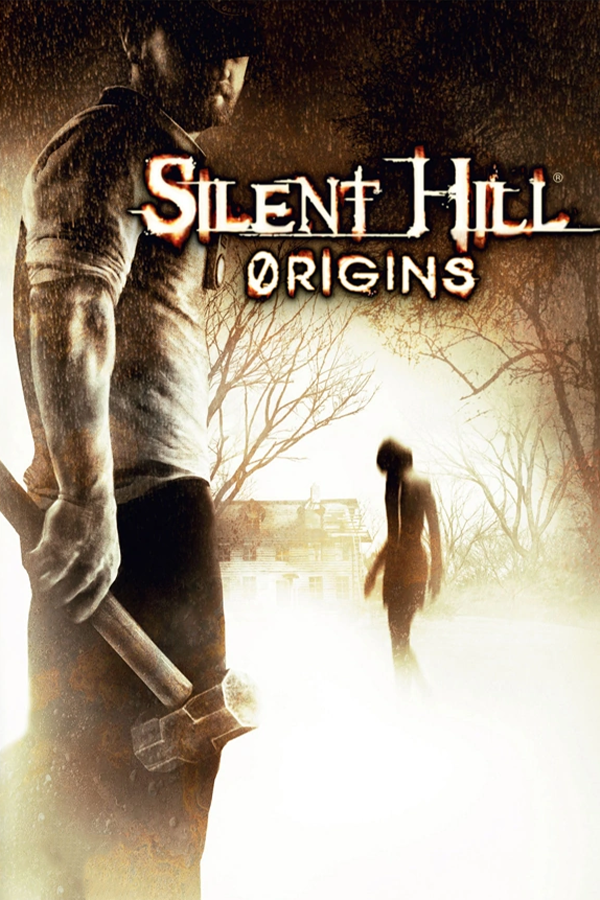
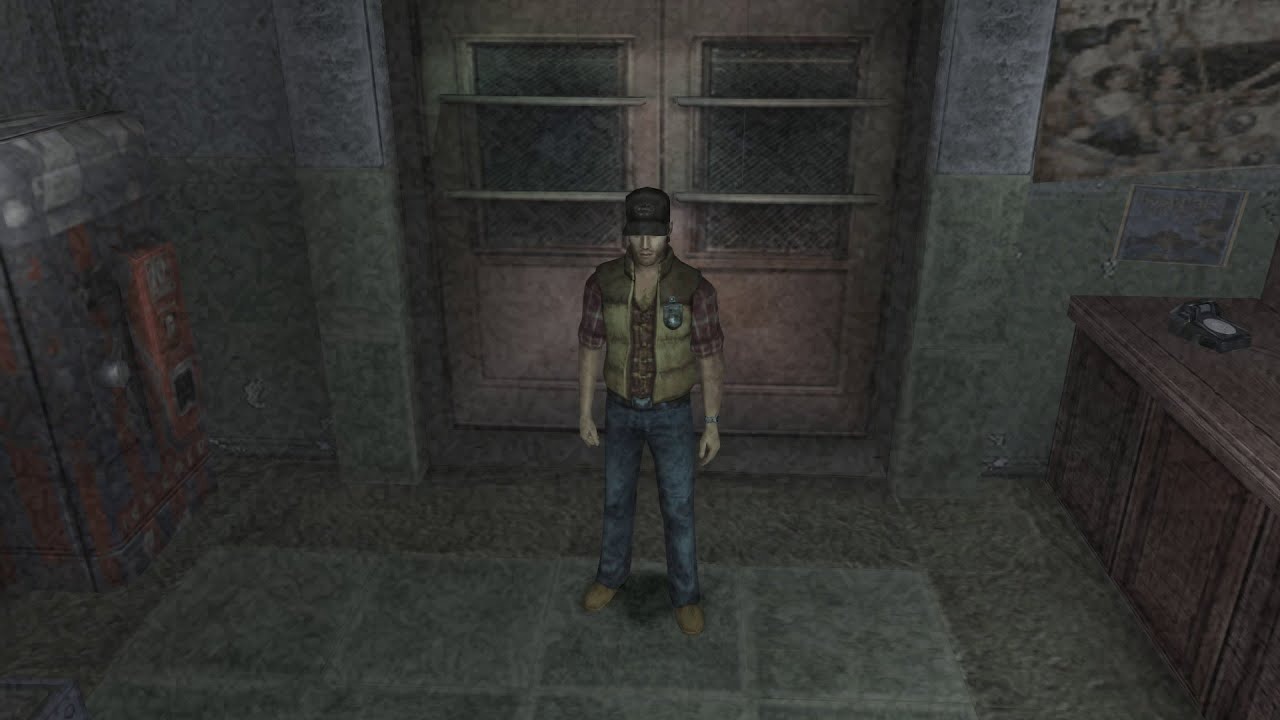
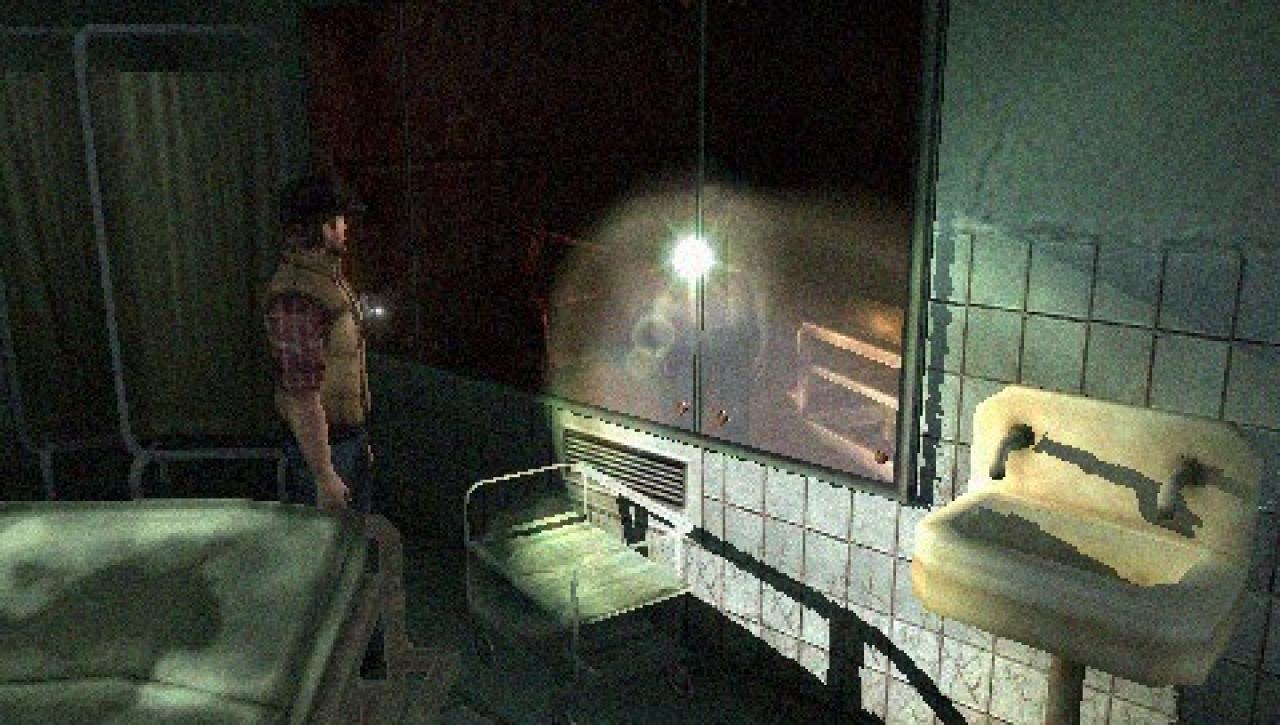
Silent Hill was nearing the end of its life back in the mid-2000s. The series peaked with Silent Hill 3, and it seemed that Konami and Team Silent just struggled afterwards. While Origins was supposed to bring the series back to its roots and feel similar to Silent Hill 2, it was the first Western-developed game in the series, which was done by the now-defunct studio Climax Group. The game went through development hell, being cancelled as a clone of Resident Evil 4 and then rebuilt within less than a year to feel more like the first two games in the series. Climax Group succeeded in capturing the haunting and surreal atmosphere of Silent Hill, including some great new monster designs, but faltered in many other areas.
You play as Travis Grady. A truck driver who is passing through Silent Hill hits a girl in the middle of the foggy road. As you get out, you end up rescuing a girl from a burning house only to realize you were trapped in an occult scheme and needed to save her from being sacrificed to a god. Sadly, the story is very vague, and there isn’t much in terms of explanation. There are only a few pre-rendered cutscenes, and in-game cutscenes are very sparse and don’t explain much. This tale could have been fleshed out more if Climax had more time on the game. The story is mostly forgettable despite having the ingredients for something outstanding, such as returning characters. This release is supposed to be a prequel to the original game, after all.
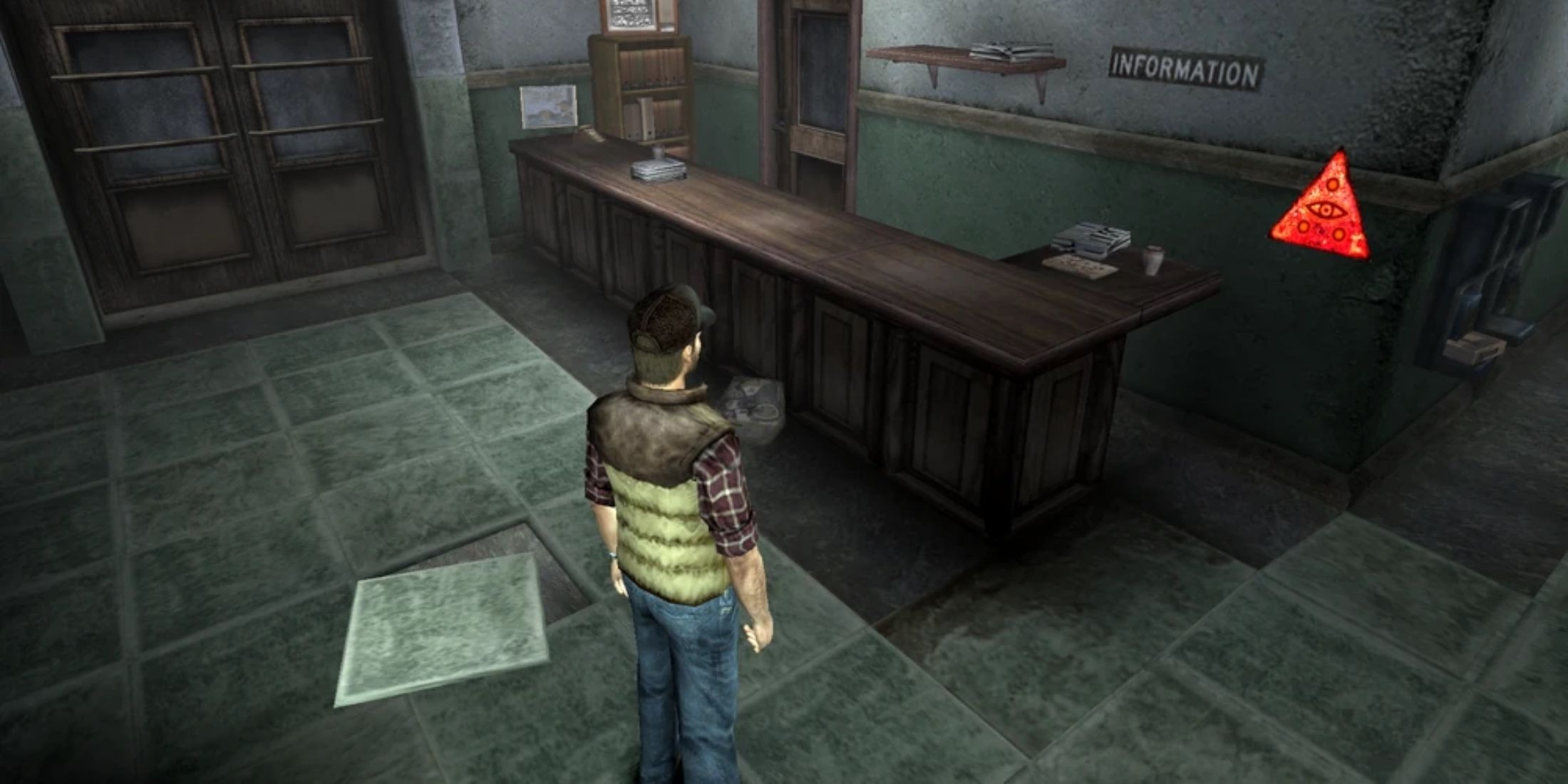
Disappointing story aside, the game at least looks and feels like classic Silent Hill. With fixed camera angles due to the lack of a second analog stick, Origins lets you flip the camera behind Travis with the L button and lock on to enemies with the R button. The controls work surprisingly well despite some weird camera quirks, like when the camera flips around and you’re pressing the analog stick in one direction, it will flip the controls on you, making you change the direction you are pressing. Small rooms can feel cramped, and enemies can be off camera and hard to see, including items. Origins has many melee weapons because Climax thought it was a good idea to focus on more combat than exploration with this game. It just doesn’t work well. To compensate for missing items, Travis will look at objects of interest, but it doesn’t work out super well most of the time, as he will also look at doors, which is useless. At least there are frequent save icons (red triangles) because this is a portable game after all. You need to be able to save often.
The lock-on mechanic makes shooting easy, but ammo is scarce and should be saved for bosses or when you’re outnumbered. Melee weapons are breakable. This feature makes the game insanely frustrating. Rather than relying on a single, well-balanced weapon as in Silent Hill 2, you must scour the town, searching for as many melee weapons as possible to pack. All of these weapons have varying durability, and some heavy weapons can be smashed and are only usable once. You will end up with enough weapons to pack into a small U-Haul. For example, you are carrying around IV poles, filing cabinets, and weight sets. It makes no sense and is insanely silly. I can understand wandering around the town for consumables like health drinks, first aid kits, and the ever-rare ampoules, but Climax screwed up twice and added a stamina system. This doesn’t do anything except make you run slower every 10–15 seconds, and it’s insanely annoying. You have to use energy drinks to recover right away or stop and let Travis catch his breath. This can be annoying when running from enemies.
I also found the number of enemies you encountered and the level of difficulty to be frustrating. Sure, in Silent Hill, it is recommended to run from most enemies when able, but there are just way too many, and Climax opted to make them more aggressive, like in the first game. They will always beeline towards you no matter how far away you are and won’t stop chasing you. This leads to enemies mobbing you with four to five straightjackets on your tail. If you stop fighting, you are instantly dead. The game becomes progressively more difficult and unbalanced as it progresses, making it harder to reserve many of the big items for boss fights. At least the monster designs are cool and in line with the previous design DNA of the series. The game introduces new adversaries such as the Remnant, a formless entity with only a metal cage encircling their chest, and the Two-Back, a hideous mass of flesh. These are inventive enemies, but they just aren’t fair to fight.
Puzzles are in line with previous titles in that they are pretty tough and require quite a bit of thinking. You usually find a manual or instructions and must flip switches or place objects in a certain order. Some puzzles are quite challenging, including one that necessitates the use of algebra. You will definitely need a walkthrough for the first playthrough and put puzzles on the easiest difficulty, but it’s debatable whether or not this game is worth revisiting. Navigating the world is similar to previous games, with a large map that has red lines for areas you have visited. You can try doors, and if they are locked, they will get a red squiggle, and windows that open get a red line. Important items are marked on the map, and objectives are circled. It’s a little cryptic on where to go sometimes, and with a lot of enemies around, and some areas where they respawn, it can be maddening. There’s also a new element thrown in that lets you transport to the Other World via mirrors and is required to solve puzzles. The Other World has more powerful monsters; they are more aggressive, and everything is rearranged with new areas opening up and others being blocked. The Other World looks wonderful and captures the look and horror of previous games.
I really wanted this game to be better. I was sucked into the world and atmosphere of the game. The haunting music is just as excellent as previous titles, with Akira Yamaoka returning to do the music. The industrial and surreal soundtrack will invigorate your senses. The game also looks wonderful on the PSP, being one of the most impressive games in its entire library, but it’s not a super fun game to play. If the combat were better, I could forgive the harder puzzles and the shortcomings of the story and lack of more interesting events. You primarily move from one area to another, battling a boss and various enemies, only to repeat the process. The areas aren’t super interesting in and of themselves, as they have already been seen. There’s a hospital, an apartment complex, a motel, and a theater. The most captivating part of these areas was the Other World versions. I liked that there were some Easter eggs thrown in, such as multiple endings, extra options for a new game, and little tidbits like gory scenes, but it’s just not worth it. The game is mostly enjoyable on the easiest difficulties to counterbalance the poorly thought-out combat. At least the game isn’t too long, running at around 6 hours or so with a walkthrough.
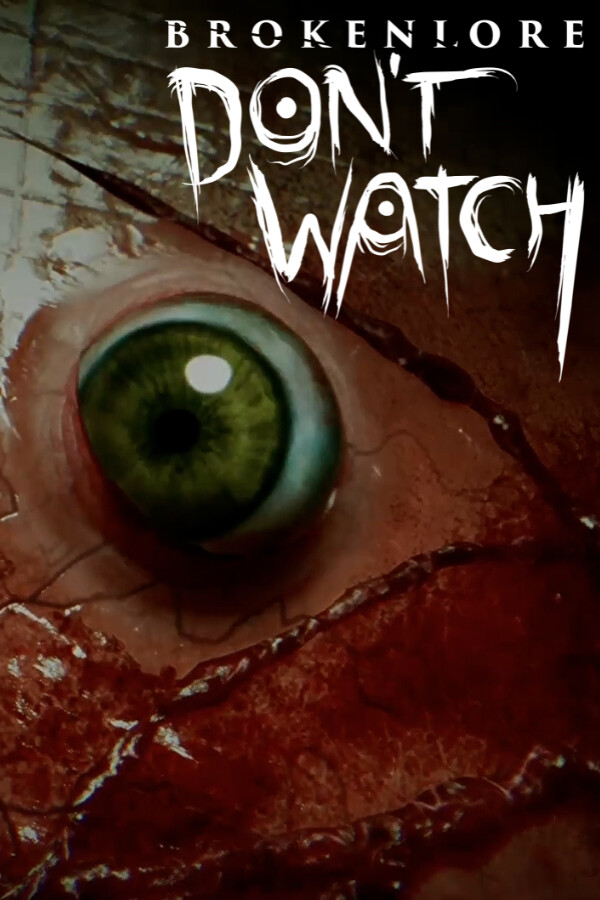
Horror games that are good are really hard to come by these days. The online stores are stuffed to the gills with short indie horror titles, mostly from Asia, that don’t really add much to what we’ve already seen. With the large amount of P.T. clones (Madison) and Asian urban legends (DreadOut, The Bridge Curse), none of it is of the same quality that everyone is trying to chase, such as the peak of horror games from the PS2 era (Silent Hill, Haunting Ground). Sadly, BrokenLore: Don’t Watch is another one to chuck into the bin of trying but failing to execute any kind of staying power in the horror genre.
You play as Shunji, a NEET (in Japan known as not in education, employment, or training) or, anywhere else in the world, a loser. He is living off of his parents’ income, and his lifestyle has clearly caught up with him. He’s behind on rent, his rent-to-own TV is ready for repossession, and he’s a complete slob. Looking around his apartment, you will see it’s pretty stereotypical for this type of person. Shelves of manga, fast food containers everywhere, anime posters of girls in lingerie, anime shirts, and trash piled up at the door. Sadly, we don’t really get to know Shinji or Junko, the only other character in the game. She contacts him via IM on his PC and warns him about not looking at a monster. Their mutual best friend is missing, and she wants him to contact this friend.
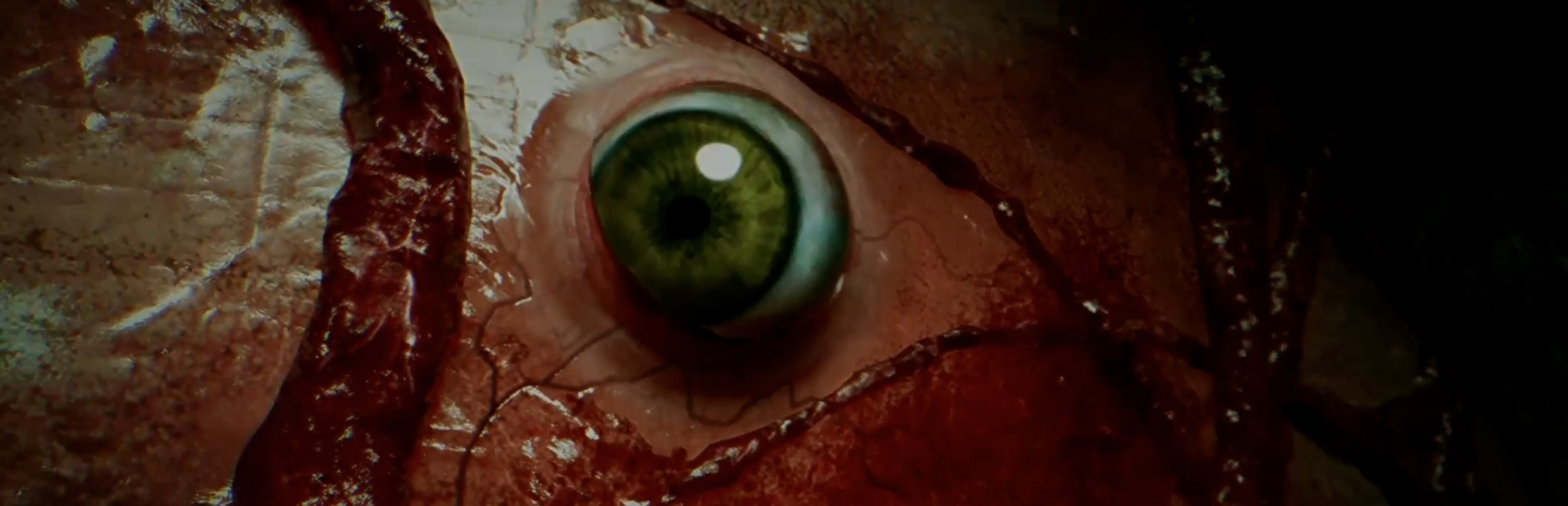
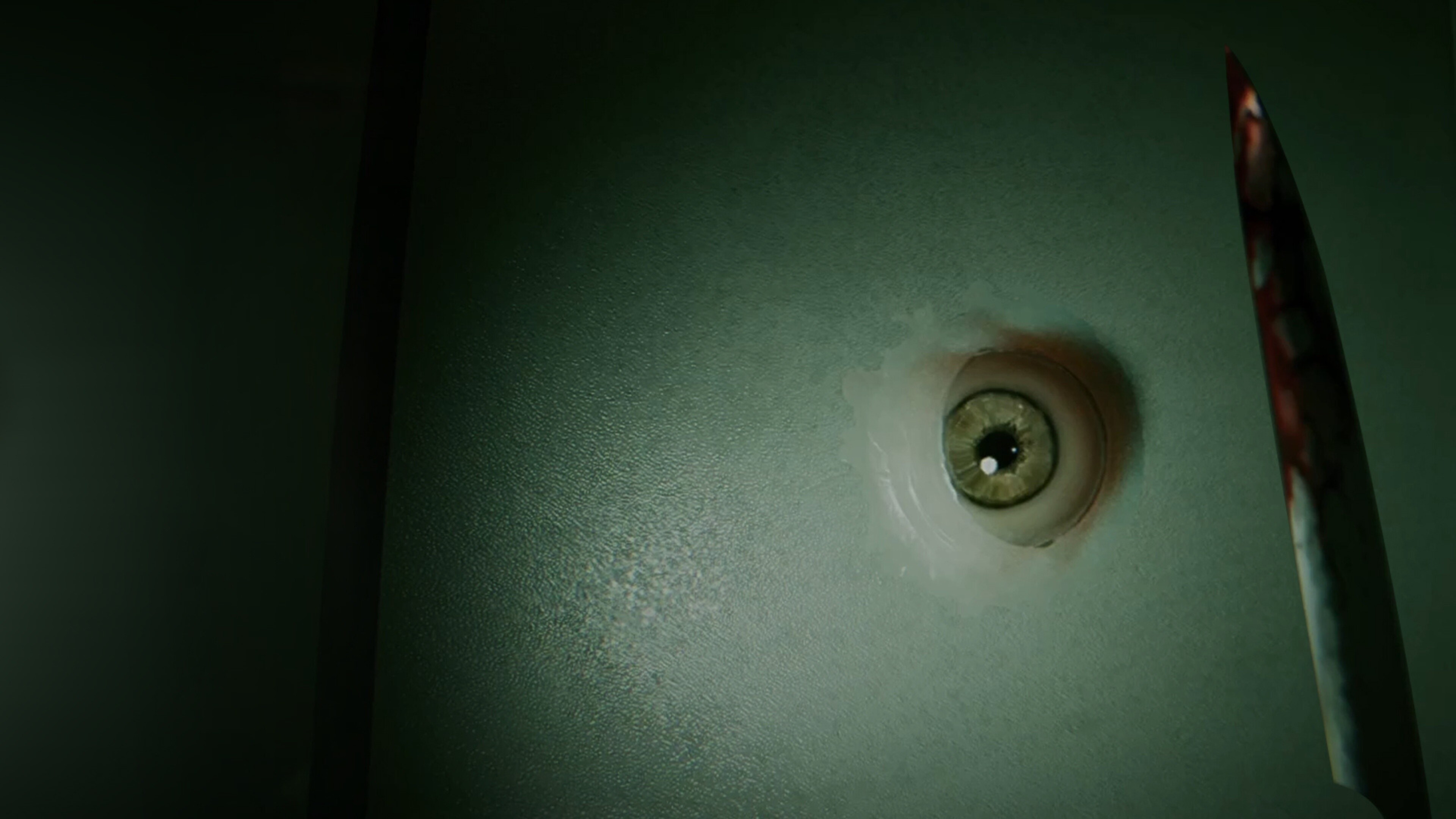
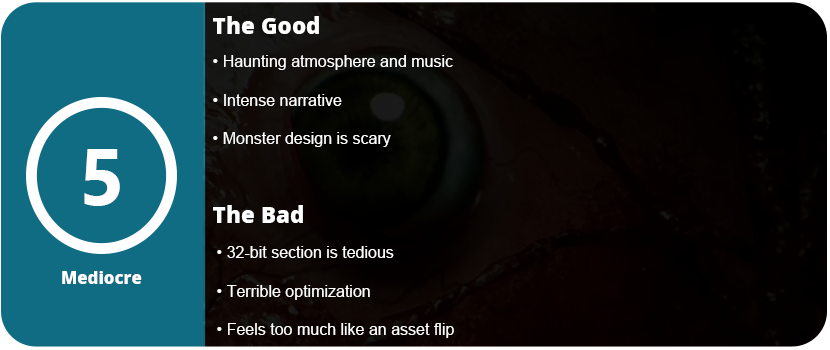
As you progress through the first 15 minutes of the game, you will slowly descend into the madness that is the Hayakuma. A monster that seems to come after deadbeats. These first moments of the game are full of progressing scares, and they are pretty cool. I don’t want to get into too much detail to spoil anything, but this is probably the best part of the game, sadly. The first time you need to stab eyes on the wall is really neat, but once you leave the apartment and venture into the hallways, the game quickly becomes tedious. The worst part of the game is when it changes to a 32-bit game a la PlayStation, and you might find 6 TV cords to unplug to get back to your apartment. I found this kind of pointless, and it doesn’t add anything to the game. You need to follow the colored cables to the correct areas and avoid a monster while you’re at it. If you get caught, you can get hit three times, and then you are reset back to the starting area of the large TV and must go back to find the plugs. It’s a good way to warp back to the beginning after you’ve found the plugs through.
Honestly, the game should have stuck with just unfolding a story inside of the apartment. The first part of the game is done really well, and I could see it being even better if they just continued creating some creative, scary moments. I was hooked during these scenes, but once you leave the apartment, I wished I could go back. The voice acting is also really well done, and being in Japanese keeps it from feeling cringy. Overall, Don’t Watch starts out really well but loses the focus and momentum that it built up and leaves you with a character you could care less about.
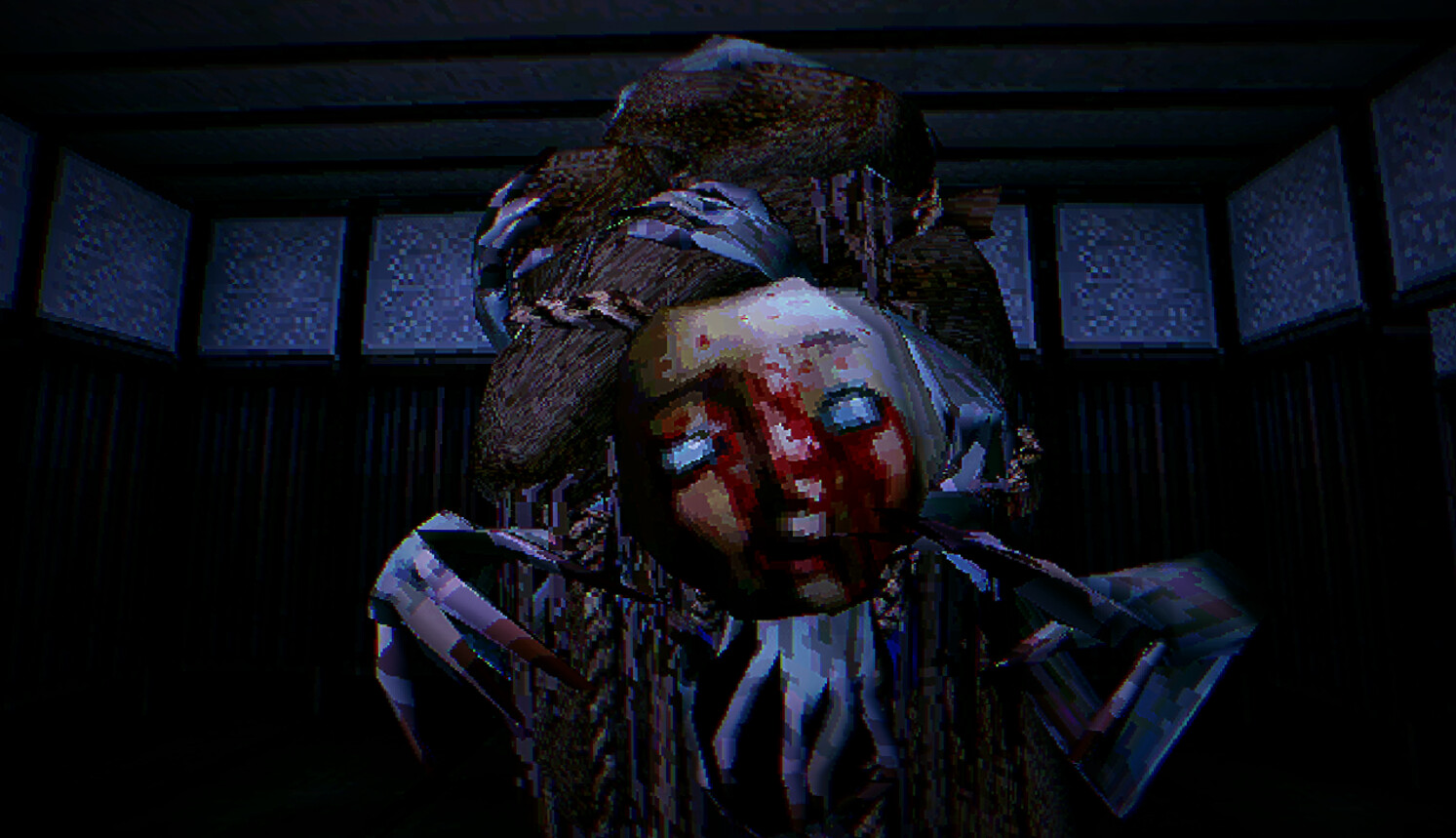
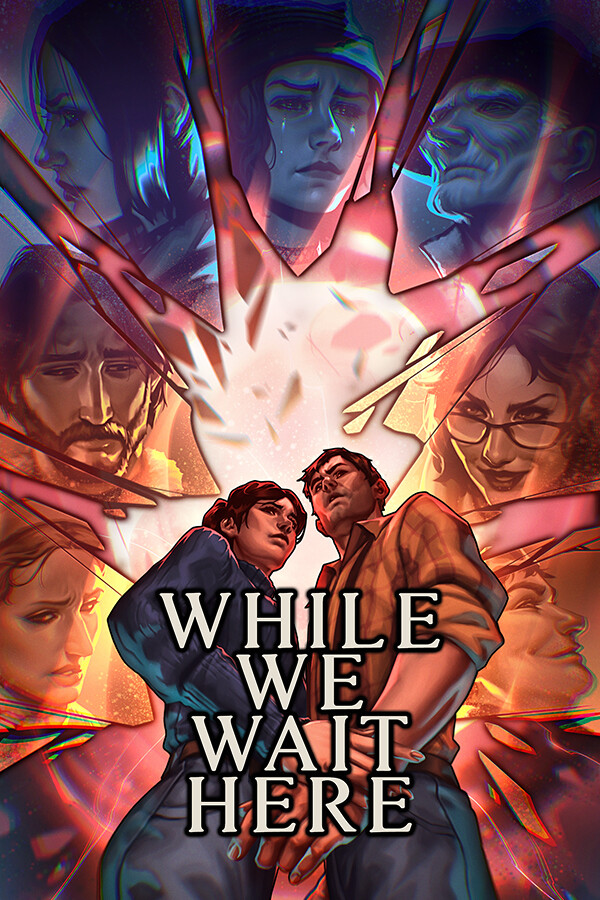
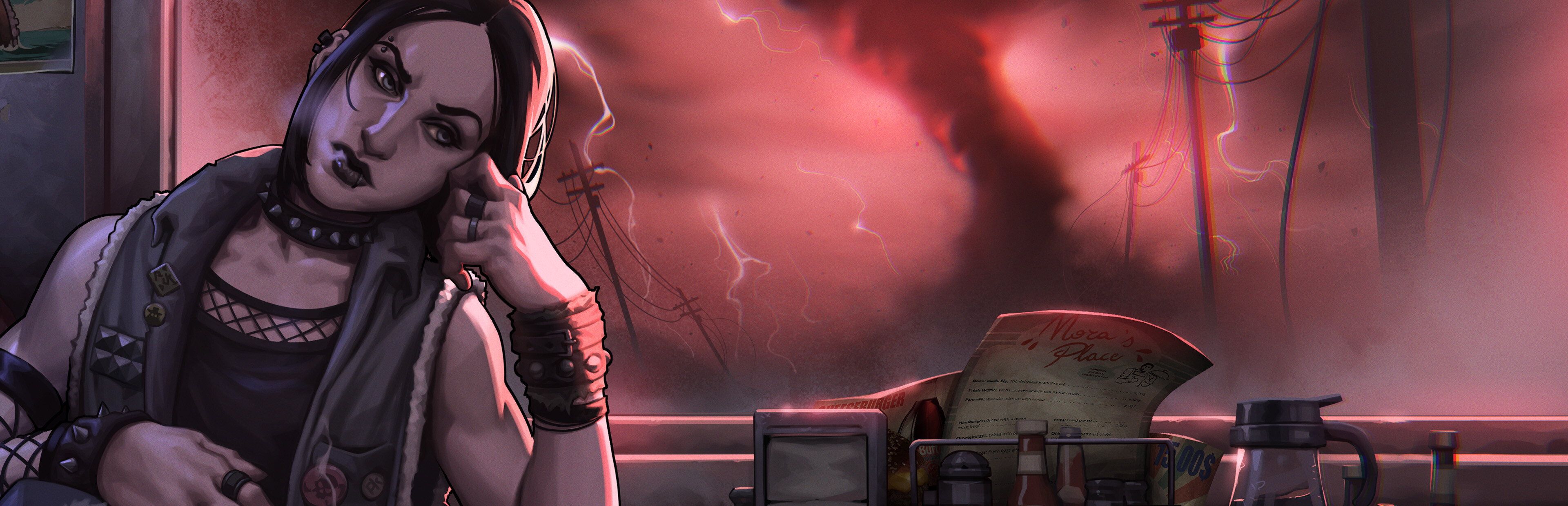
Retro-style games are booming right now, especially those with PS1-style graphics. Their limited capabilities are excellent for giving a certain vibe and atmosphere and are especially popular with horror games. While We Wait Here isn’t exactly a horror title, it does have a dark tone and theme. This is a story that begins near the conclusion and works its way backwards to tell everyone’s story. You are a couple who owns a diner in a small town in the middle of nowhere out in the Heartland of America. There’s no specific location given, and the entire area is generic, but it feels like somewhere out in the Midwest near Tornado Alley.
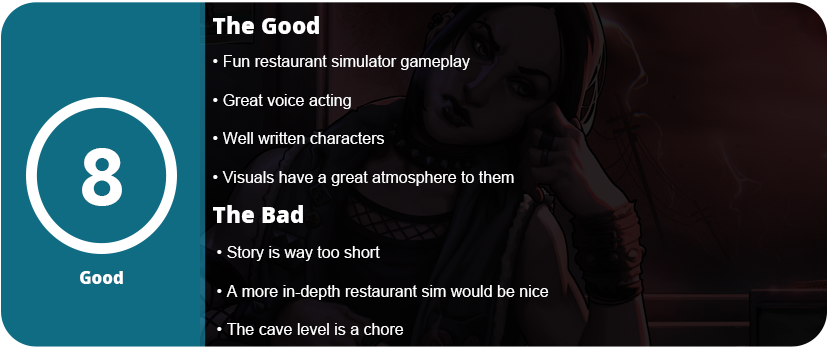
You are a couple who are about to move out of town and sell their diner. Lisa’s father owned this diner, and she assisted him in running it as a child. You meet Alex, your husband, while working at the diner as an adult. The game is a strange mix of horror, adventure, walking simulator elements, and restaurant sim similar to Diner Dash. However, the integration of the simulation elements with the rest of the story and game is so compelling that I found it impossible to stop playing. I played the entire game in one sitting. The writing is tight and well done, and the characters are very intriguing. Each character ends up at the diner, and you hear their conversations while cooking and play a 10-15 minute segment about their lives before arrival. The characters include two punk rock best friends who are constantly shushing each other about a secret, a couple with a newborn baby, a workaholic old man, and a peculiar and paranoid local.
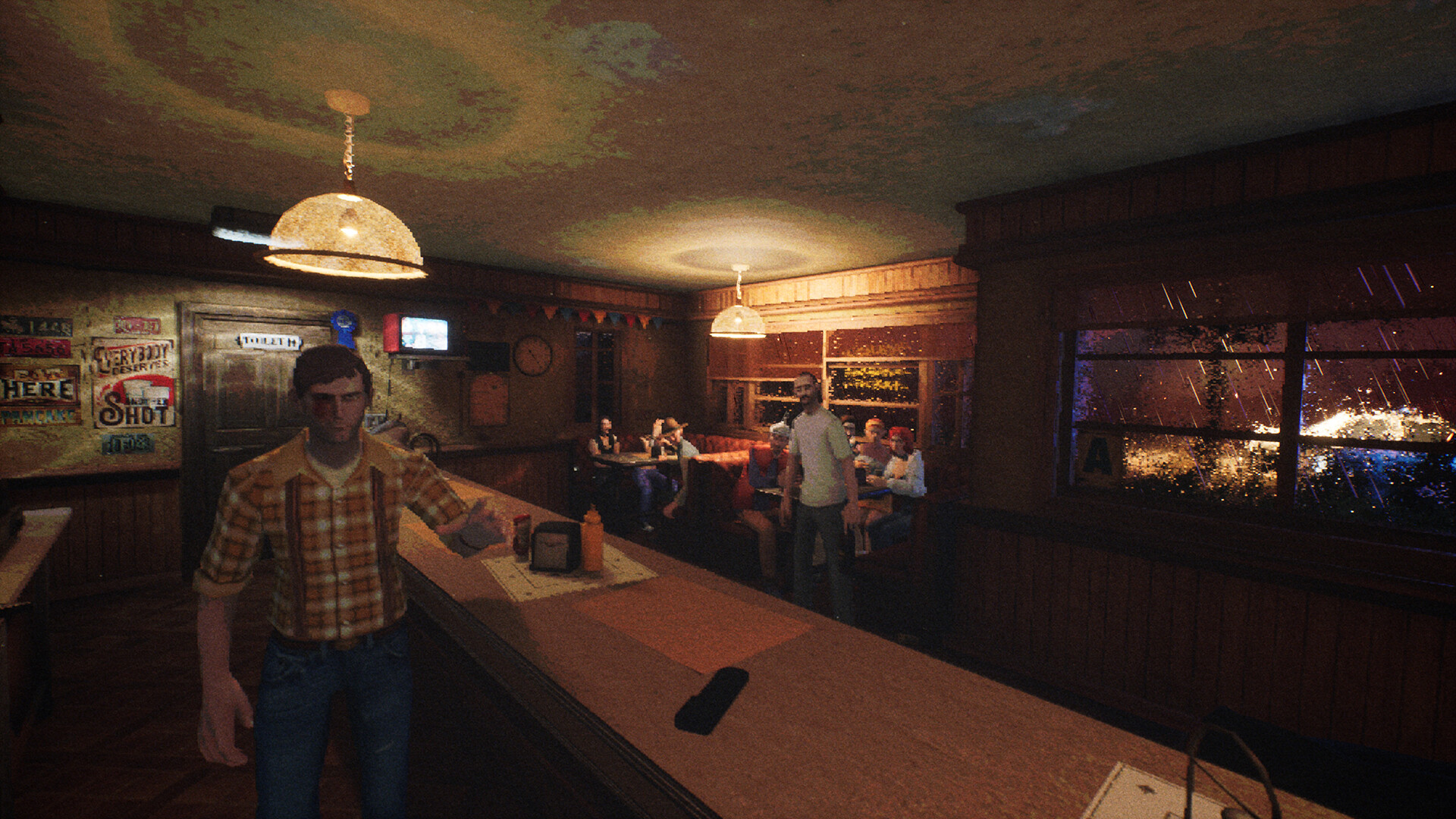
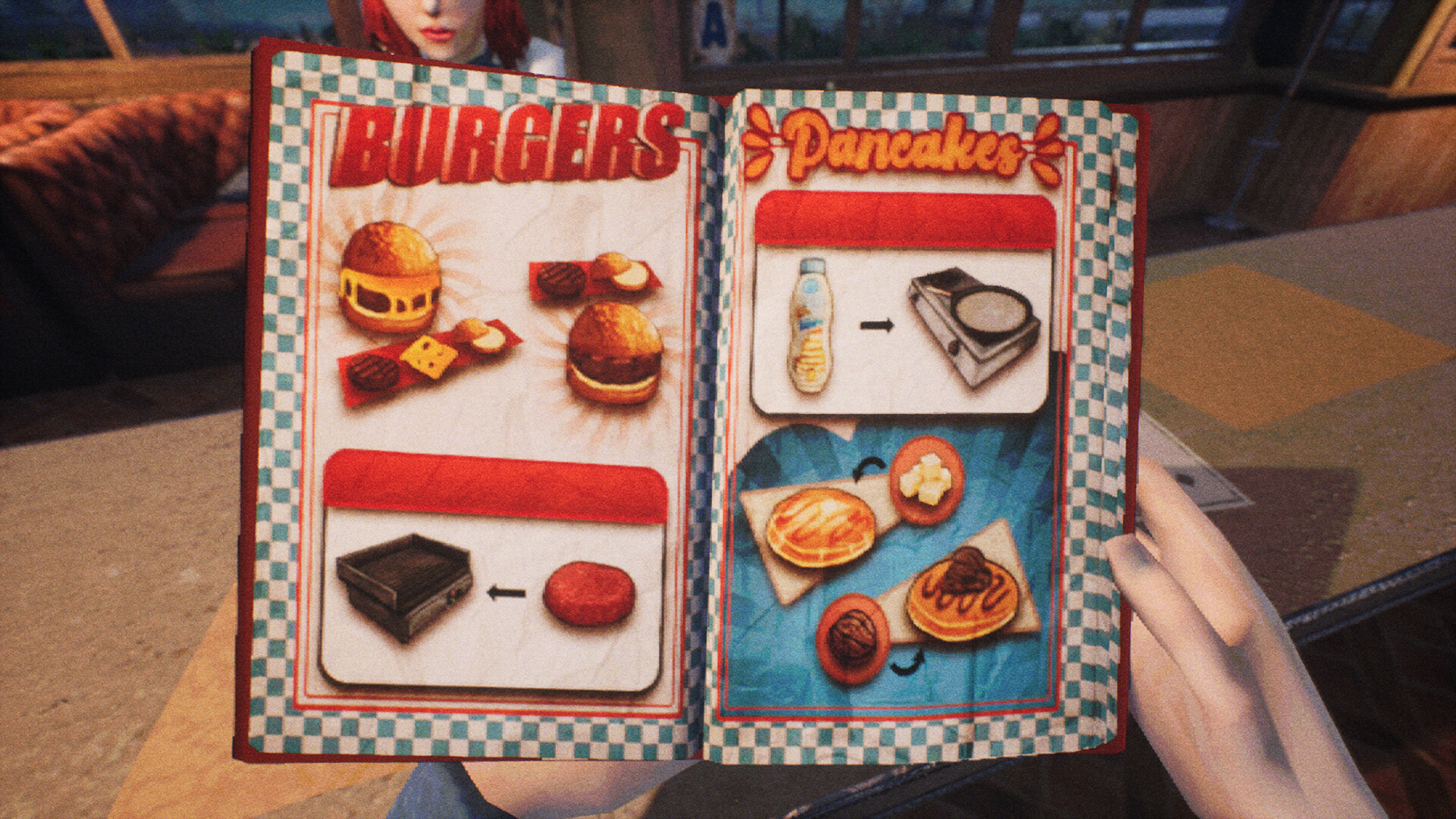
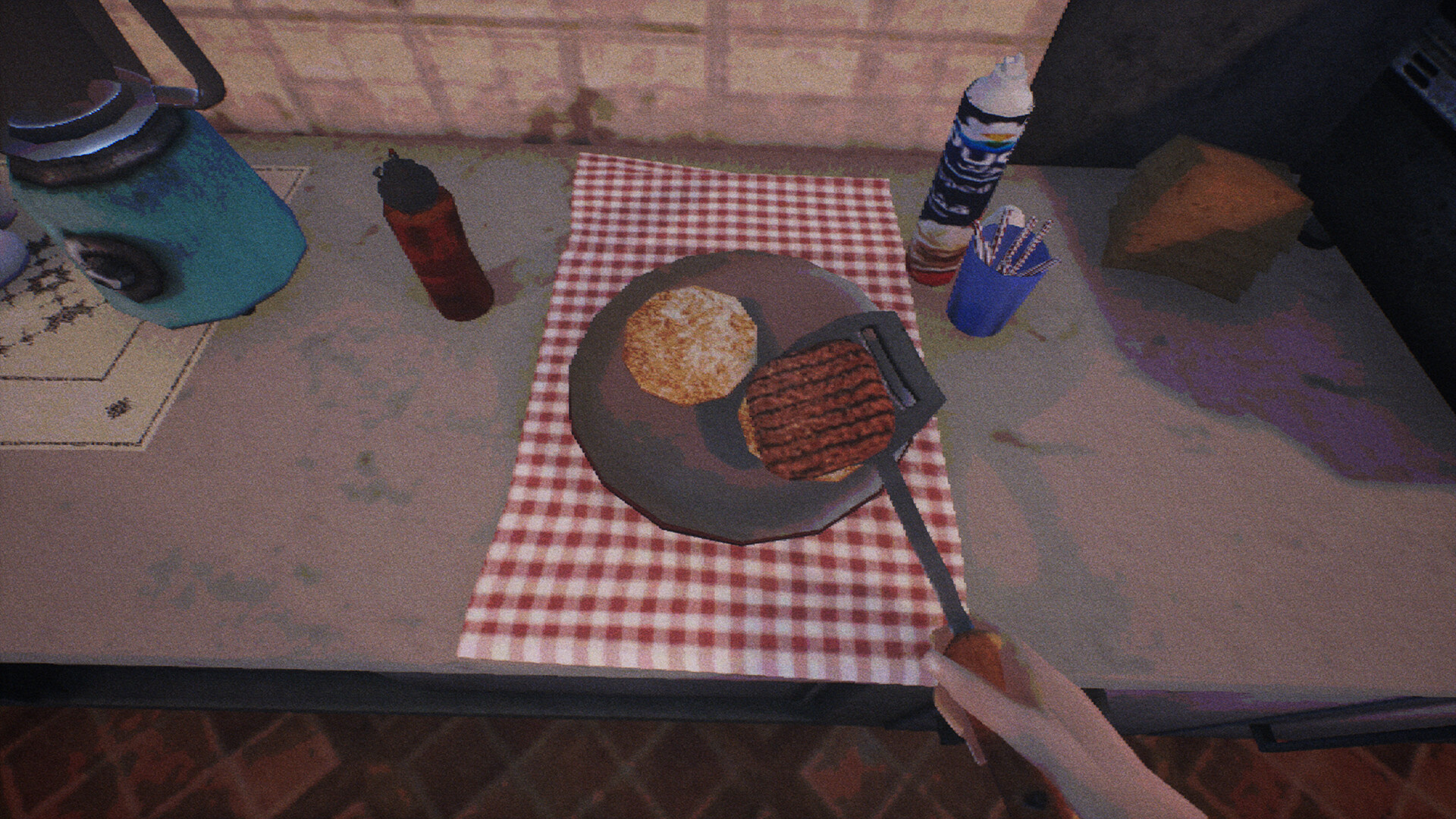
Your story with Alex is eventually told, and I can’t really give any other details about the story, as it could spoil it. There is a mystery between the two and the diner itself. There are many first-person interactions with the people, but mostly on the sim side. Each person can order something off of the menu. The menu is accessible with a button that gives instructions on what items go with each order. Once you place a ticket down on the table, you can go about your business. It’s not very complicated, but the animations are detailed, and overhearing the chatter in the back as the story goes on is great. You can grab milk and ice cream to make a milkshake. Put everything in a blender, grab a glass, and prepare it for the customer. Some food dishes require placing a plate in the prepping area, such as hamburgers. Make sure you look at the ticket icon and see whether they want cheese or not. You can grill, make pancakes, give whiskey shots and coffee, and clean and put away the dishes. That includes putting back ingredients like milk and frozen french fries. This isn’t very deep, and only during a few moments will you have many orders, but there’s no rush. There is no time limit on the game.
You will eventually prepare every type of item by the end of the game, but that’s okay. There’s just enough here for the 2- to 3-hour story, and by then I felt like if I had to prepare more, it would become tedious. There are a few other mini-games such as shooting with a gun during a couple of segments and painting a room, but they don’t overstay their welcome and are relevant to the story. I did find one particular area in the game that really drove me nuts. You need to navigate a labyrinthine cave at a snail’s pace, and it took me nearly 30 minutes to find my way out. The story could have greatly benefited from reducing or eliminating this part of the game.
The visuals are great. Despite the PS1 style, the character models surpass the system’s capabilities in detail. The game is always dark, and you always wonder what’s just outside the window. The bizarre storm that’s the centerpiece of the story made me curious. The entire game made me curious, and I wanted it to go on further. The writing is so well done, as is the voice acting and characters. I was eager to delve deeper into these characters’ lives, yet what’s presented here fulfills its intended purpose and accomplishes the task. Both the resolution and each character’s conclusions are satisfying. It is very difficult to have such a good story for this short of a game.
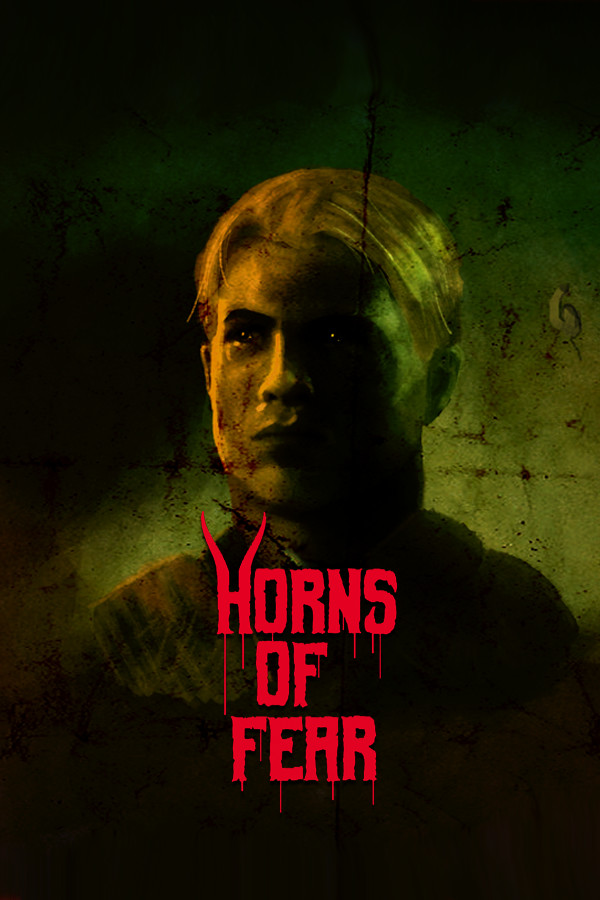
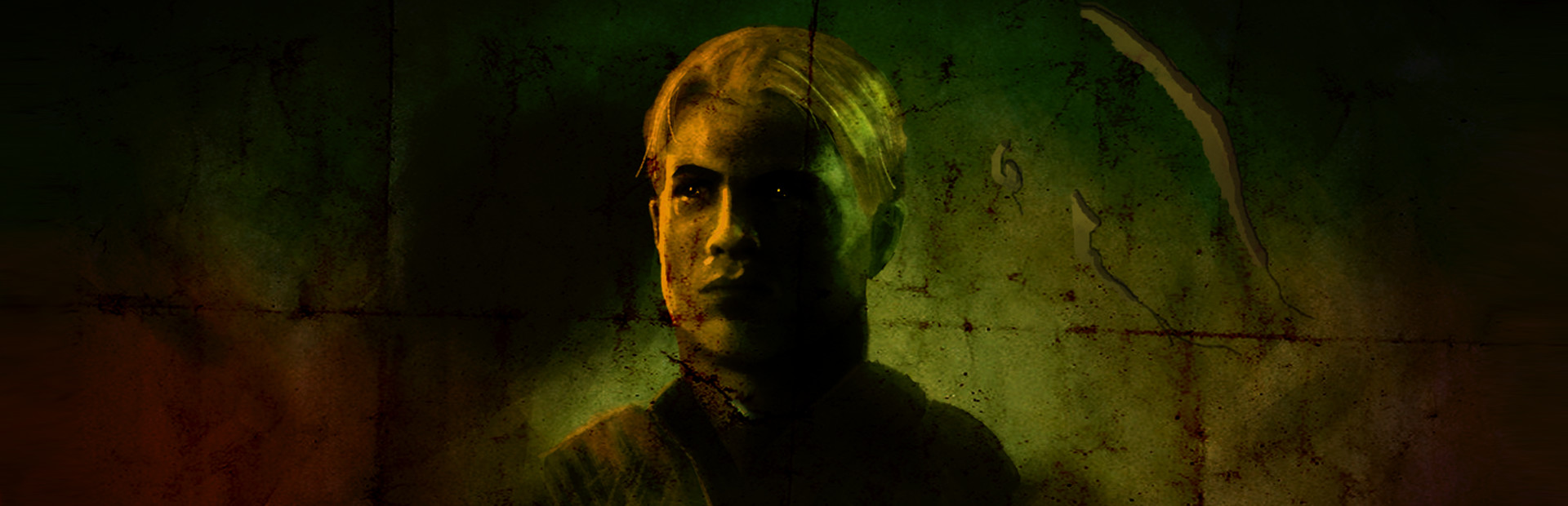
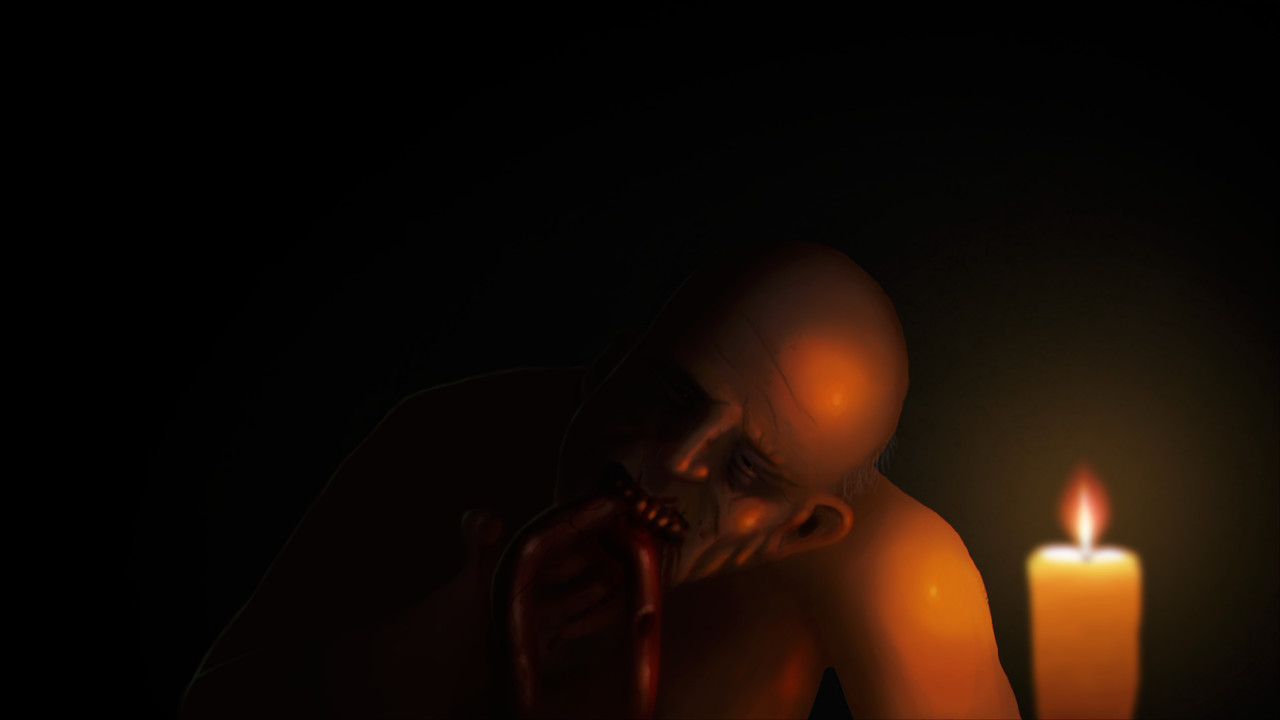
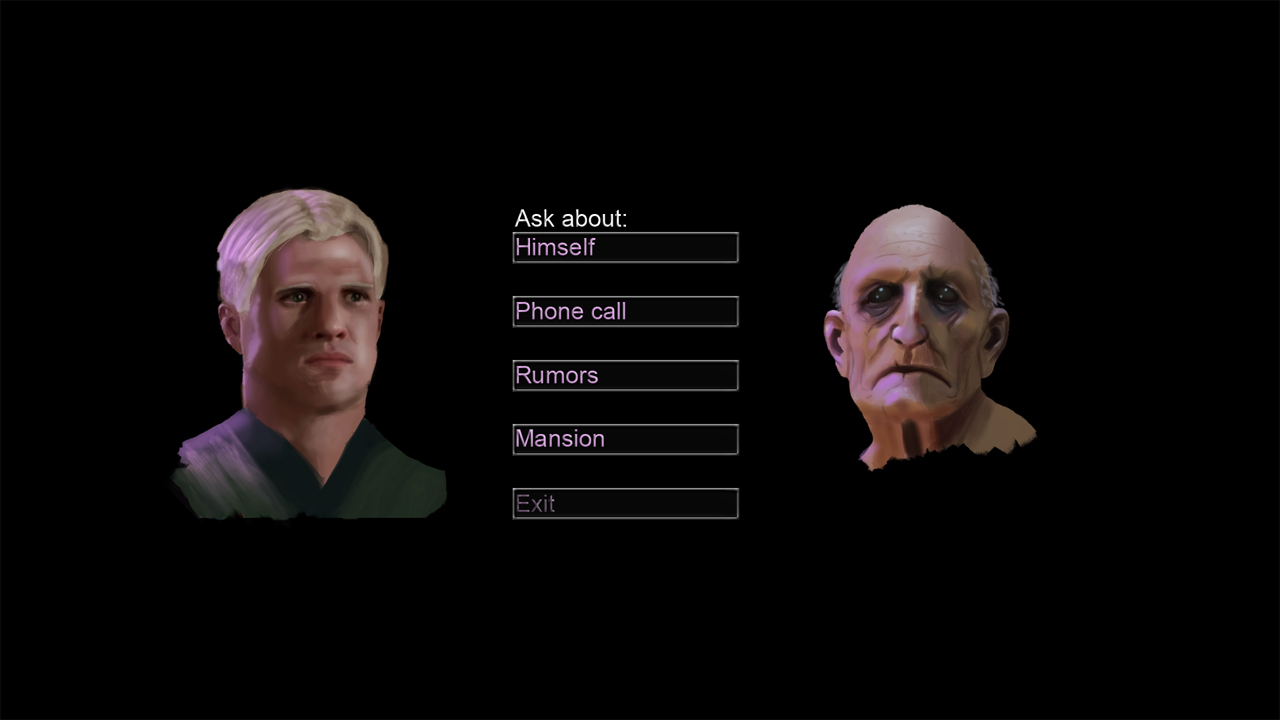
Horns of Fear is a short horror adventure game with a handful of puzzles and a creepy manor to explore. You are Jim Sonrimor. You are a journalist who is grappling with a challenging relationship or marriage. You receive a call from an old woman to investigate her manor. Upon waking from drugs and pizza, you somberly visit the manor and notice something is wrong from the start.
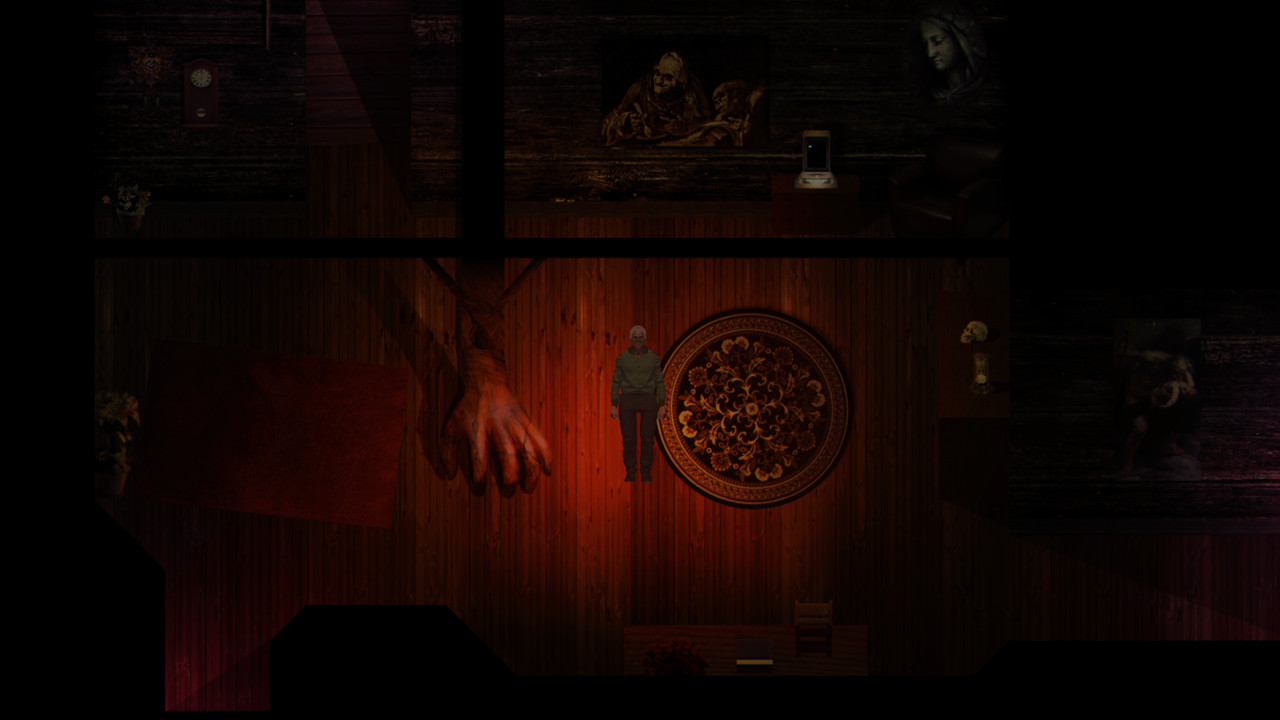
The game has a 2D isometric art style similar to point-and-click adventures of the early 90s. Indeed, this game would be perfectly suited on a vintage gaming shelf. Your inventory is small, and the game is short enough to never fill it. You can save at computer terminals, of which there are only a few. The game is tiny and short that you can easily play the entire thing without needing to save. The puzzles are captivating and surprisingly well designed. I rarely needed a walkthrough. Most developers treat players like idiots or make puzzles too difficult, but not so much here.
Once you complete a puzzle, you will usually see a small cutscene. There isn’t any combat in this game outside of the final boss. There are a couple of quicktime events, but for the most part, the game is mostly about atmosphere and storytelling. I was surprised at how complete the story felt despite the 90-minute run time. Without giving anything away, the ending took a surprising turn and provided a highly entertaining experience. The scares themselves are more jump scares. The sound of a screeching violin accompanies a shadow moving across the screen. The cutscenes have a few gory and gruesome shots that are super cool. The death scenes are also really gory. The music itself was just okay. The music lacked originality and bore a somewhat cliched feel. The theme was reminiscent of a haunted house, rather than being unique to this particular game.
With that said, though, don’t expect anything incredibly unique or something with a lot of staying power. Horns of Fear is a decent short horror adventure and nothing more. While the puzzles are entertaining, you can’t really get lost due to the incredibly linear path you take, and there’s not really any character building. You’re mostly playing for a fun, short train ride rather than a full-on 3-day tour. While the visuals themselves aren’t particularly noteworthy, they provide just enough elements to make your play worthwhile. The trippy cutscenes, strange ending, and ease of play are enough to invite more horror fans over.



































 thebinarymessiah.com
Super, thank you