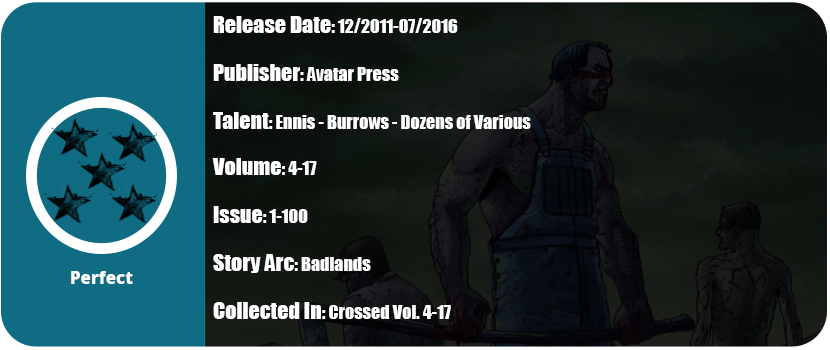
When it comes to post-apocalyptic zombie adventures, you usually think of The Walking Dead. Crossed gives the reader a fantastic adventure in a different way than most zombie comics do. We’re not getting the entire picture or seeing a group of people trying to save the world. We get a slice of life in different time periods, and the actual “zombie” virus is never explained, just theorized. The first 40 chapters range from different time periods of the virus invasion to the The whole comic saga is made up of 4-6 issue mini-series, and some are picked back up later on.
The best part of the series is the gore and gruesome detail. There’s tons of nudity, sex, rape, murder, torture, and everything you would expect in a zombie apocalypse. The art is graphic, detailed, and gorgeous. You can tell real dead bodies, and Gore was used as a reference because I have never seen a comic with this much realistic detail. The crossed are ruthless, kill and have sex with everything in sight, and love pain. It’s passed on via bodily fluids, and that’s all we know. There’s no cure; there’s no stopping or slowing it down.
Honestly, there was never a name for the virus either, and I kind of like that. The virus is a mystery throughout, and everyone is just trying to survive the best they can and hoping to wait for the crossed to die out. There was one problem with this series, and that was issues 40–60 or so. These 20 issues must have forgotten what the whole series was about and became more about internal non-crossed affairs, and the crossed took a back seat. It got boring and really annoying, but after around issue 60, it did pick back up.
Overall, Crossed: Badlands is one of the best comic series I have ever read, but it’s not for the lighthearted. This is a graphic, gruesome, and extremely explicit series, but that’s what I love about it. You won’t find a single comic this insane.
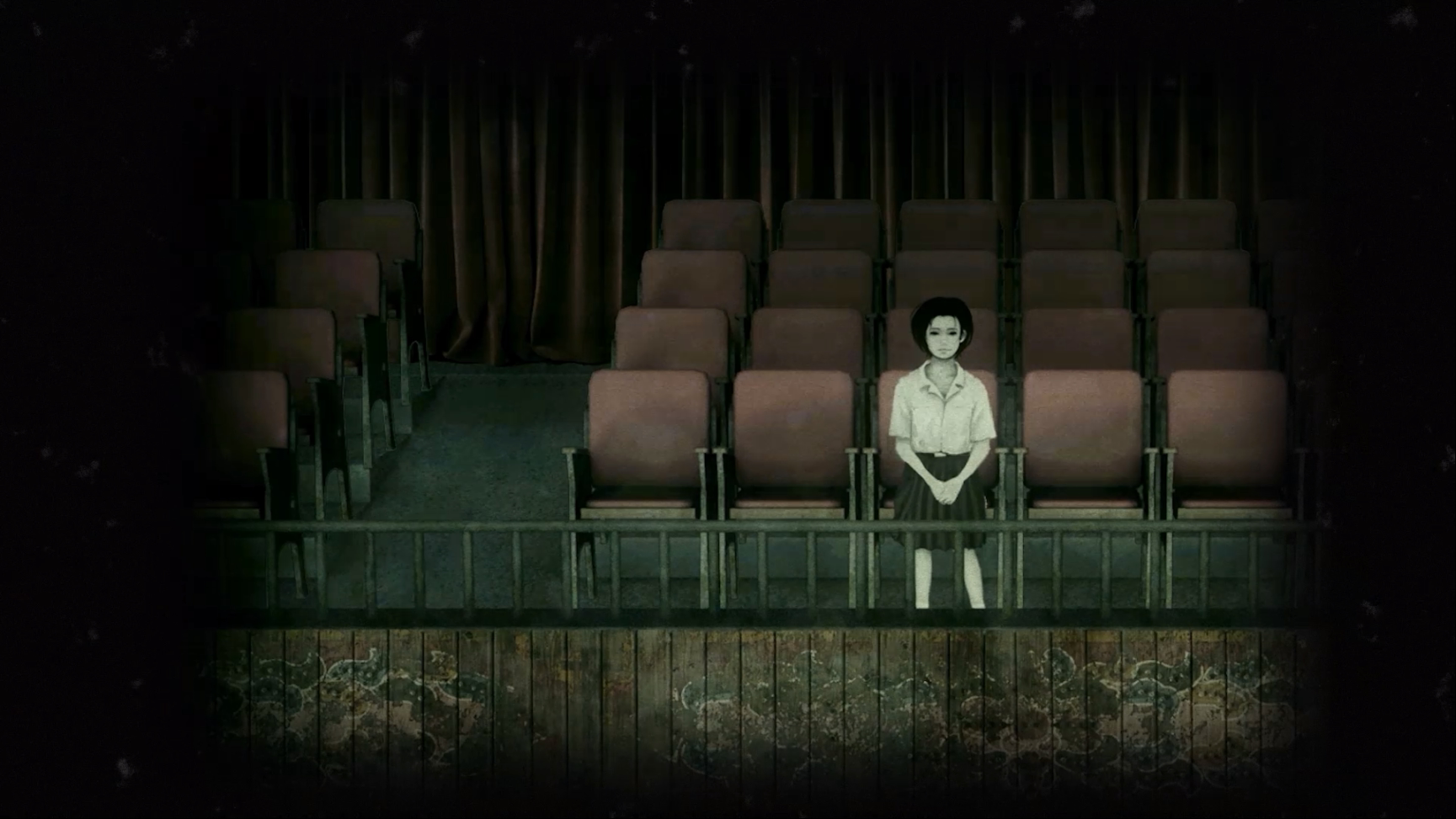
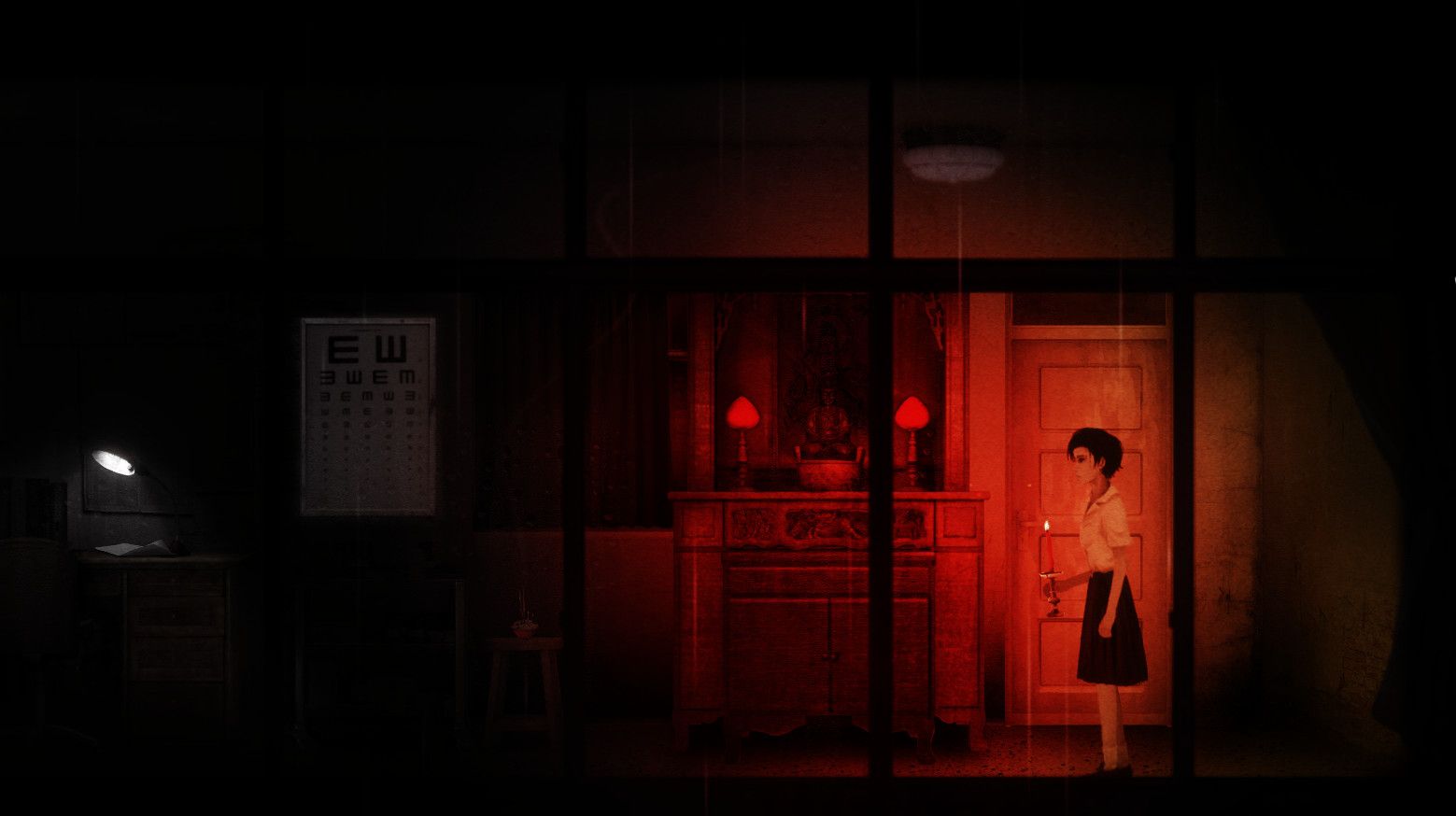
Obscure Asian horror games are something I’m a sucker for. I know the gameplay and controls will probably be awful, but you’re in for one scary ride, and that’s what matters the most. Detention is a 2D adventure game that takes place in Communist China in the 1950s. You walk around solving simple puzzles and unraveling a somewhat confusing and convoluted story. The atmosphere is very surreal, and the slow pace of the game helps drive this home.
The game begins with some strange images and wandering back and forth through classrooms in a school, trying to get to the top floor. The game involves finding items and then figuring out where to use those items. Like most adventure games, it’s best to wander through the entire area first, pick up all the items, and then place them where they are needed. There are three areas that are like this, and then the final area is actually just walking around making story choices. It’s kind of strange, as the pacing is really broken up throughout the entire game. There will be some chase sequences, a tense atmosphere, and enemies you need to avoid by holding your breath and walking past them slowly, or even turning away so as not to stare into their gaze. It’s an interesting concept and puts you on the edge of your seat with the amazing sound effects and disturbing soundtrack.
A lot of the sound effects and music remind me of Silent Hill. The pounding heartbeats, screeching static, and urgency were felt throughout. The game isn’t so gory, but just overall weird and disturbing, which is just fine. I enjoyed the gameplay and scares quite a bit, but the story was definitely lacking. I could tell there was something about the main character being involved in a forbidden book club, her inner torment of her parents fighting, and some sort of guilt about being responsible for a death, but it never worked together or meant anything. There’s a lot of poetry and ancient proverbs thrown around the game, but all this accomplished was confusing me more as to what was going on. As it is, the game can be beaten in less than 4 hours, so it’s important to get the story across as strongly as possible since you can’t drag it out.
With that said, Detention is a must-play for horror fans or anyone who likes 2D adventure games. You’re going to have to go into this expecting a lot of scares and simple puzzle-solving rather than a memorable story or characters. The art style is fantastic, and the music and sound effects all jive together to create a disturbing experience that you really can’t get in most Western horror games.
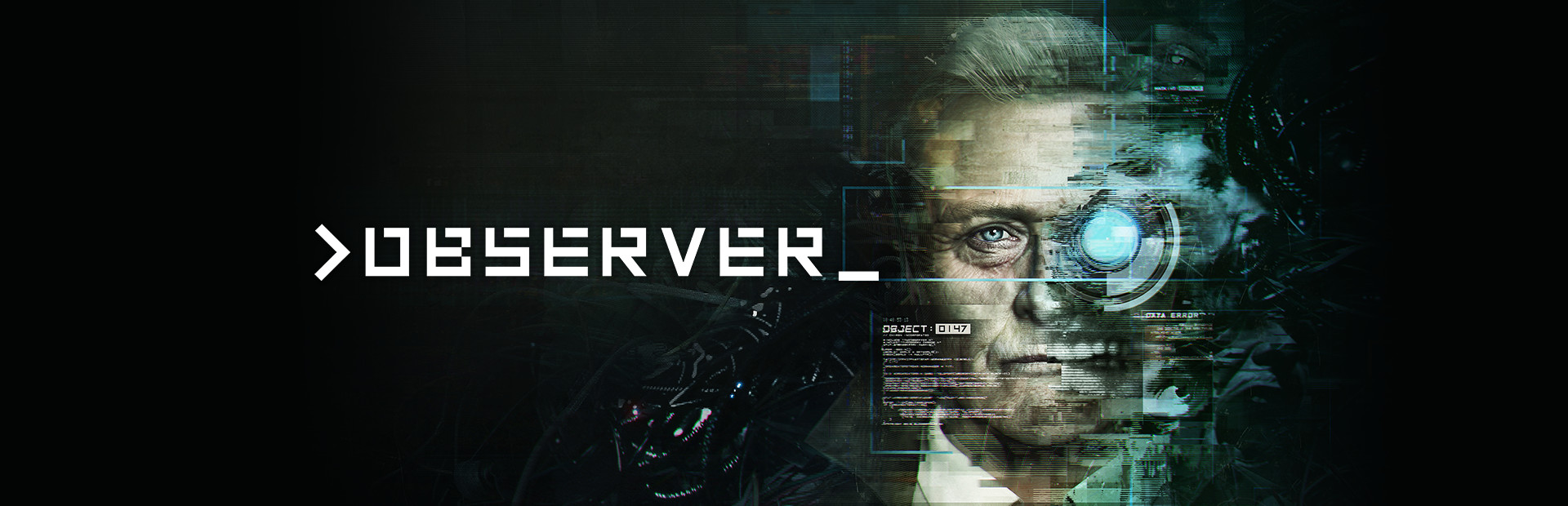
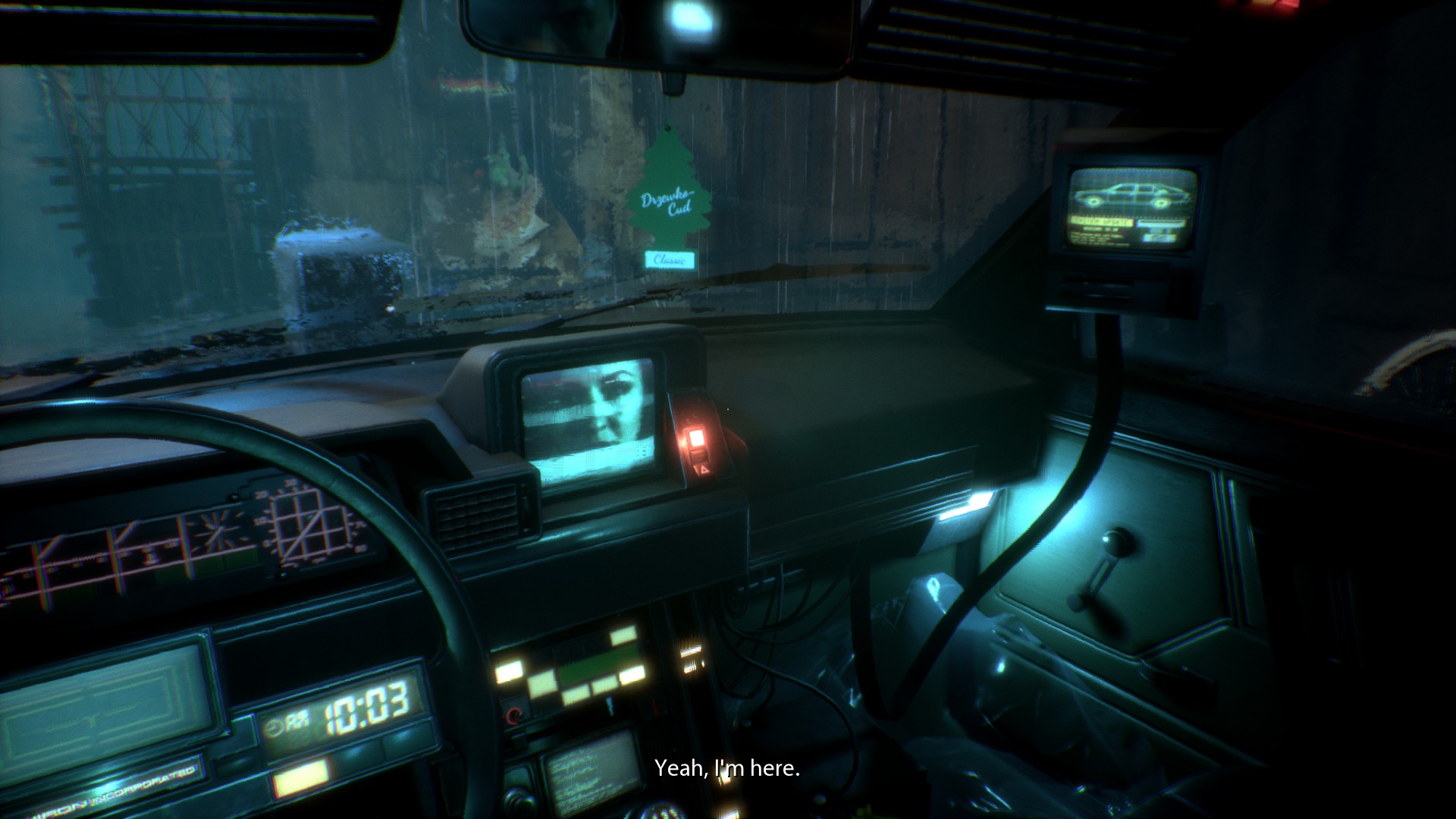
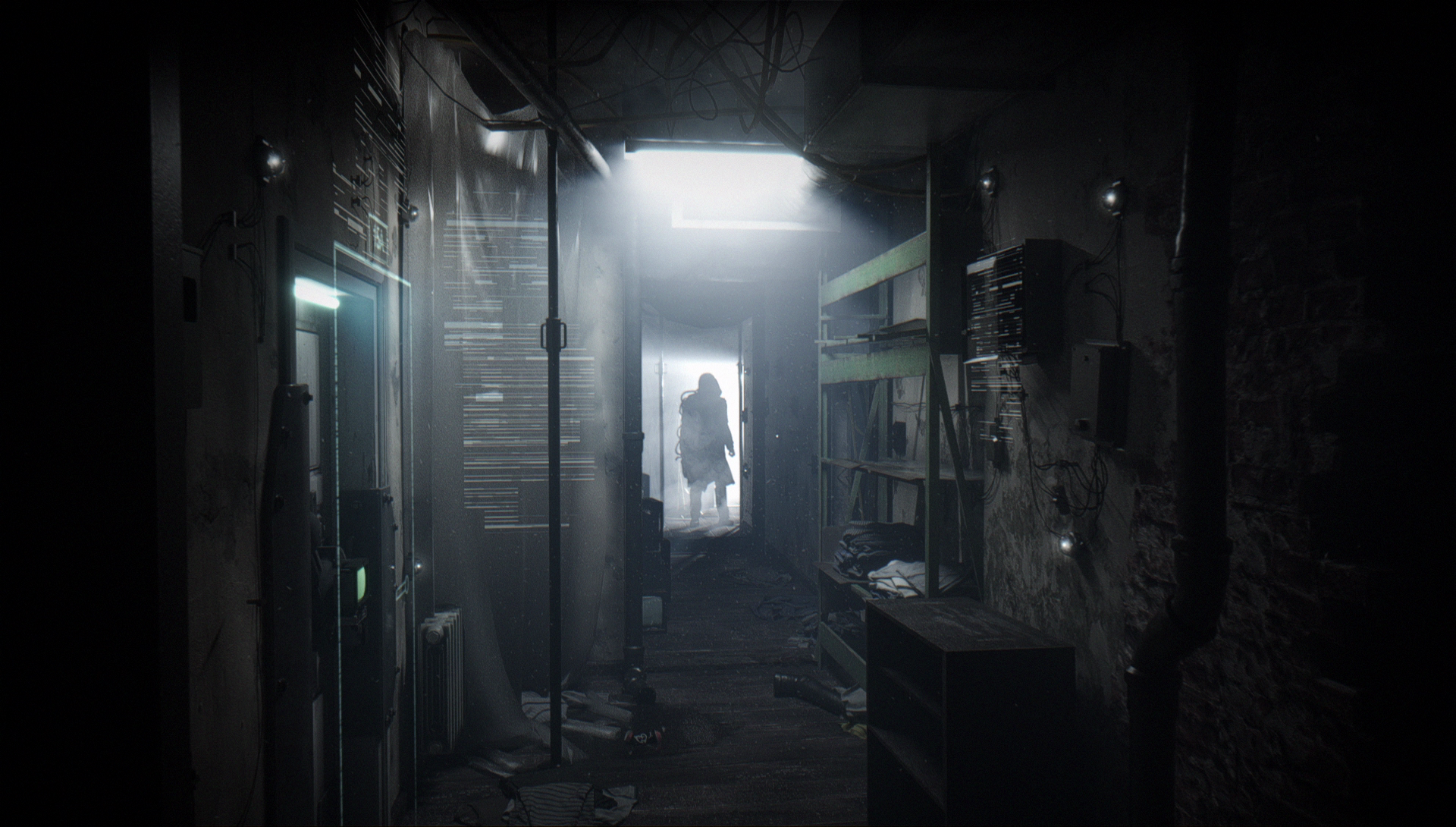
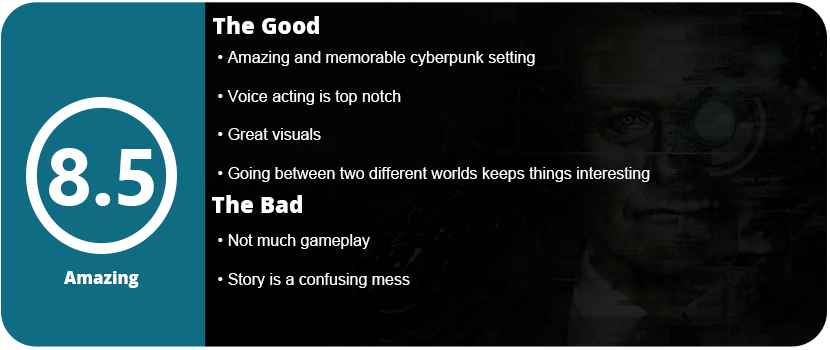
Bloober Team is quickly becoming one of my favorite game developers. You may recognize them from Layers of Fear. Their style of single-player storytelling is unlike anything that you will see today in gaming. The horror factor is also kicked up to 11 in their games with frightening and surreal moments and scenes that put you on the edge of your seat and that will make you grind your teeth. The observer ditches the early 20th-century theme and goes for 20 minutes into the future cyberpunk that is done so well. Observer’s cyberpunk setting is some of the best in gaming history, as it captures the feeling perfectly.
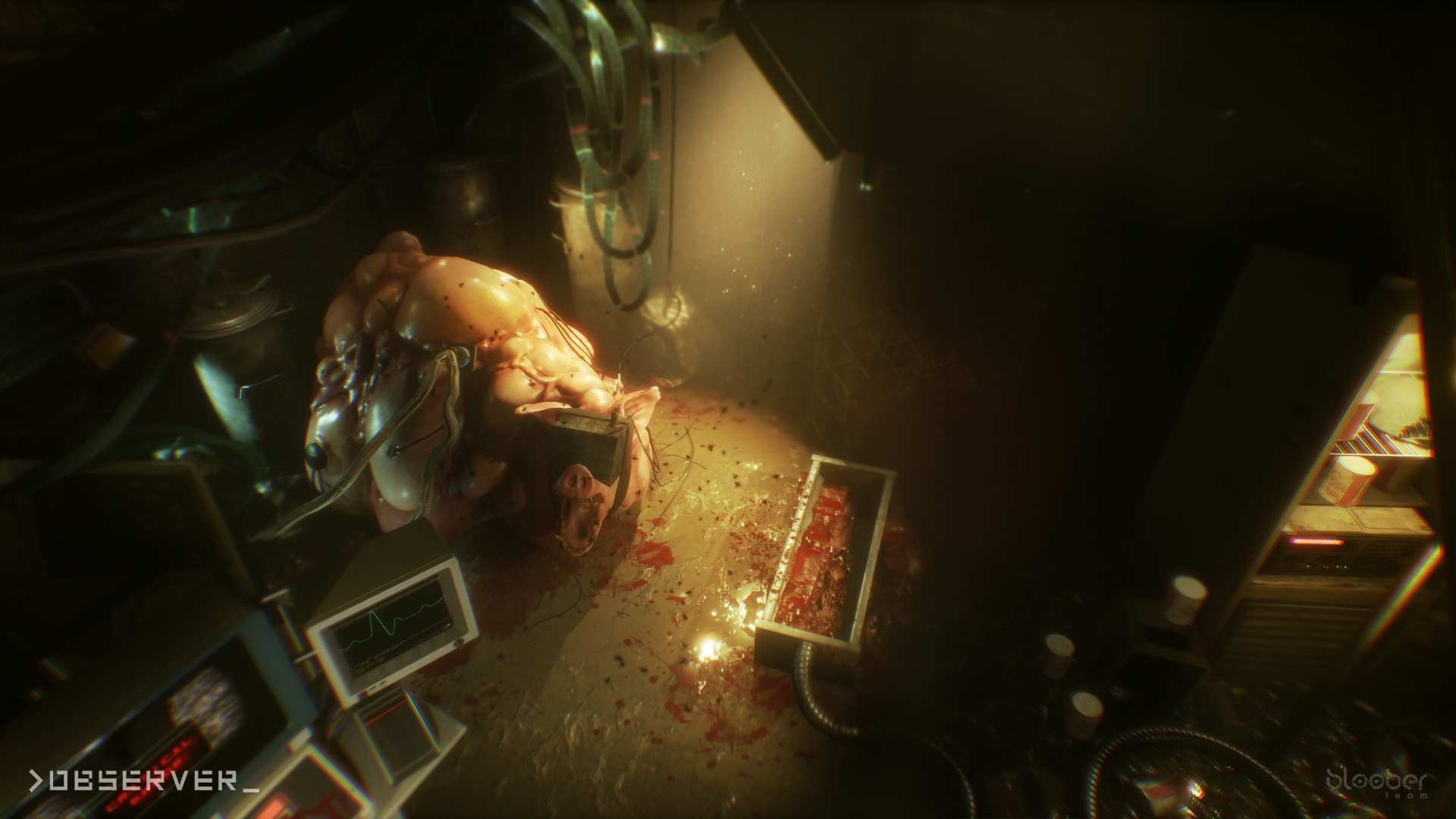
The game starts out simple enough, with you playing a cop named Daniel who gets a strange call from a man named Adam. He is told to investigate an apartment building that goes on lockdown. You stay in this building throughout the entire game and must solve simple puzzles and find your way through the narrative. There are two parts to the game: playing as Dan in the apartment building and jacking into people’s minds while you investigate crime scenes. Investigating crime scenes isn’t as complicated as it seems. You switch between two different visions that allow you to see electronics and organic material. You can scan items that are highlighted and slowly unravel clues that help move the story forward.
Most of the game consists of wandering confusing hallways and talking to people through the intercoms on their front doors. The dialog will give you clues as to where to go next, such as learning key codes, apartment numbers to investigate, and anything else the crazy story throws at you. This is where the game’s atmosphere really digs deeper than in most games. There is no human contact in this game as you speak to everyone through doors and walls. It helps add to the sense of loneliness and desperation that the citizens on the lower levels of the city suffer. Every corner you turn is full of wires, monitors, computer banks, and propaganda from the government and corporations that run the world. The atmosphere is done brilliantly and will definitely stick with you long after you finish the game.
Like Layers of Fear, when you jack into someone’s brain, you get to run through trippy drug-infused nightmares. Some are literally horrifying and frightening, and that’s actually a good thing. Most of these segments are story- and narrative-driven with very little interaction; there’s an occasional scary stealth sequence that adds plenty of tension, but nothing overwhelming or confusing. It was one of the things that made Layers of Fear so great, as the gameplay sacrifice gave you an amazing audio/visual experience that you won’t forget.
Once you finish these jacked-in segments, you enter the real world again and move on to unraveling the story. There’s not much else to the game outside of this, and it can be finished in about 5–6 hours, depending on how often you get stuck. The story itself is a bit hard to understand and is very confusing, even at the end. I was hoping it was going towards more of a Soma vibe, which is still one of my favorite video game stories of all time. Almost everything is explained at the end with a couple of different endings, and while you feel the story is concluded, the middle of the game is very confusing.
Again, the reason to play this game is for the horror and atmosphere. The scary moments are actually scary and mess with your mind, and that is very rare today in gaming. If you want a lot of gameplay, then look somewhere else, honestly. I can’t find too much to be disappointed with outside of the story not being very clear, even at the end, and you can get stuck and lost too often in the game. If you loved Layers of Fear or even Soma, then you’re going to love Observer. This is already one of the best atmospherically driven story-based games this year.
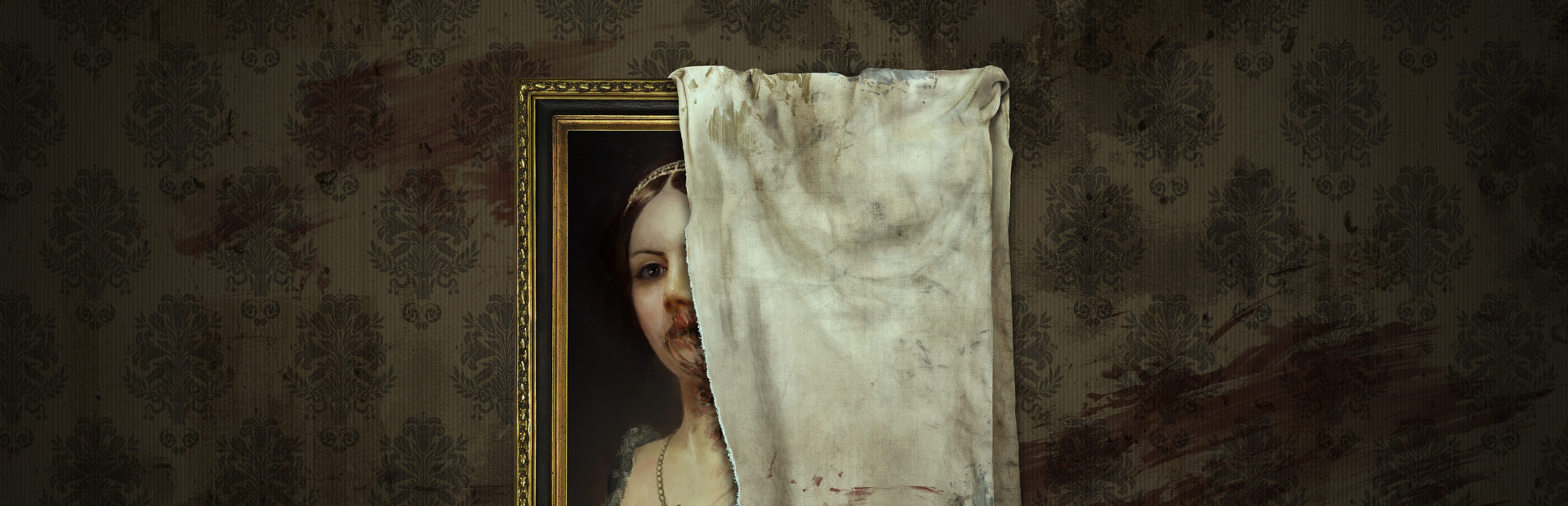
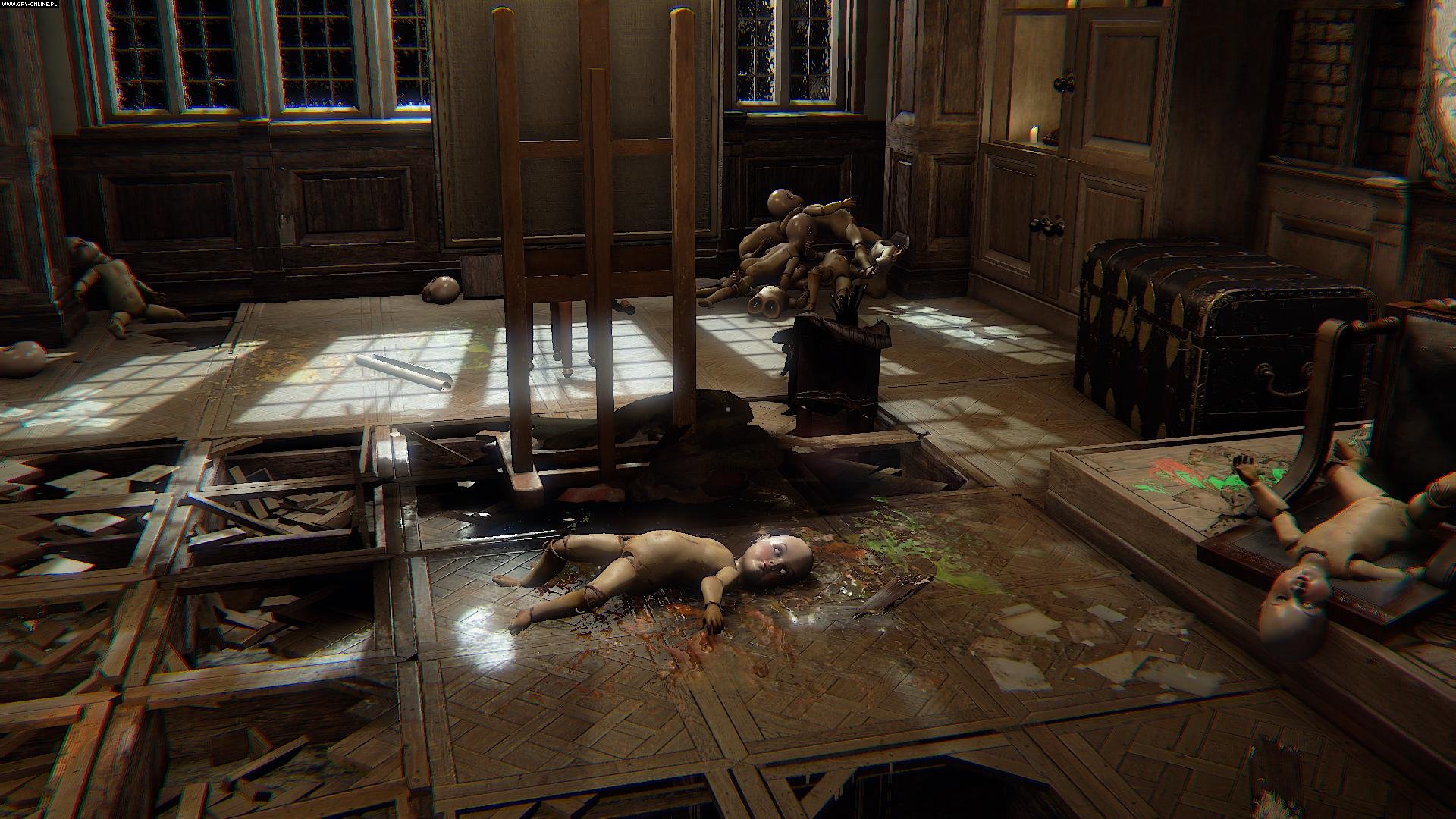
With P.T. only being a demo, it sure did imprint itself into the horror genre. Since then, games have been trying to copy their experience, but is this such a bad thing? I think not, as P.T. showed us what we have forgotten: the overall scare factor and how the atmosphere can do that. You don’t need cheesy monsters, jump scares, or even great visuals. The plain old atmosphere can do the job just fine. Layers of Fear is an indie horror game that is probably one of the most insane I have played in a long time. The game did have a forlorn and eerie atmosphere, but just the visual trip it gives you is mind-blowing.
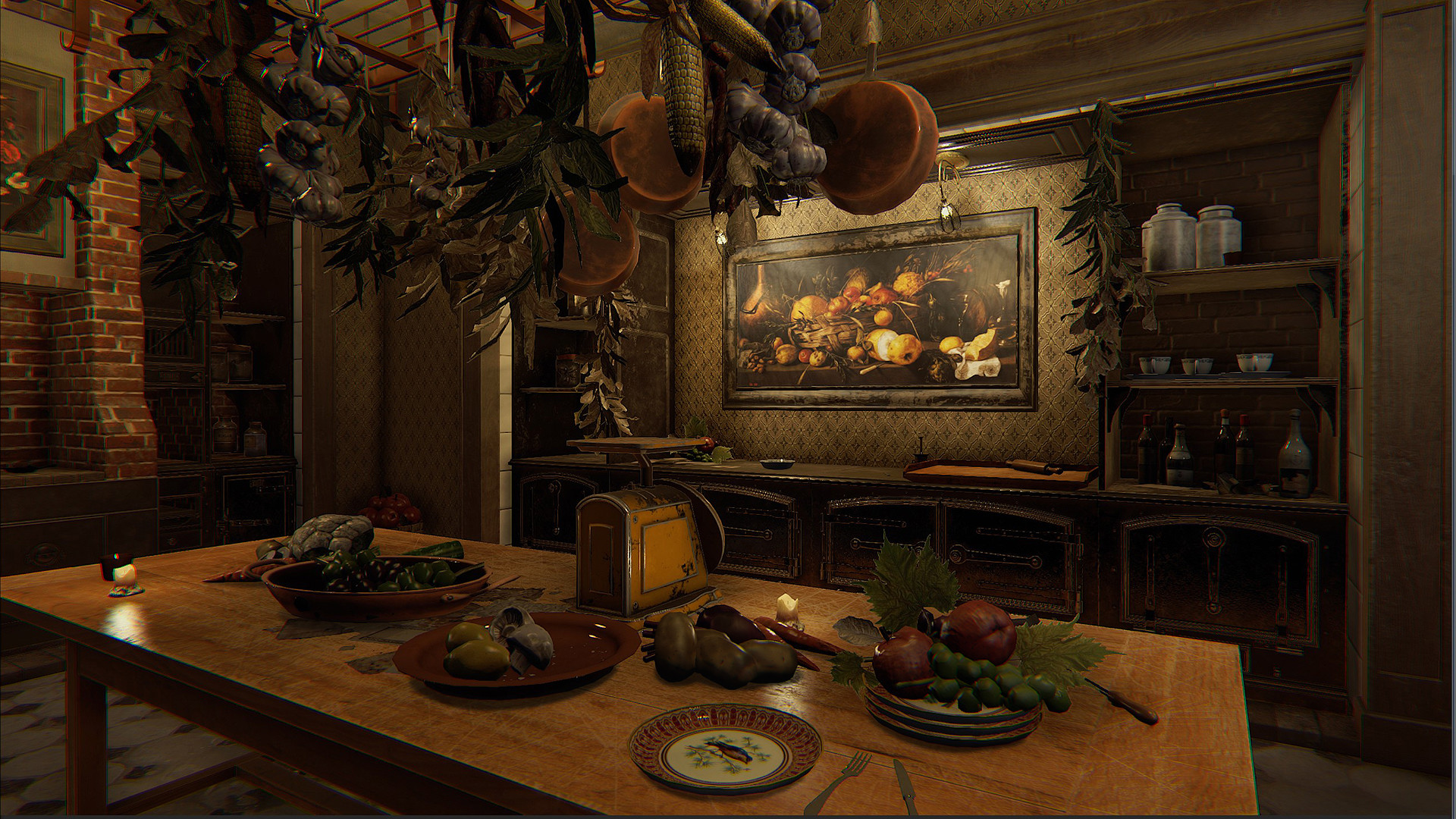
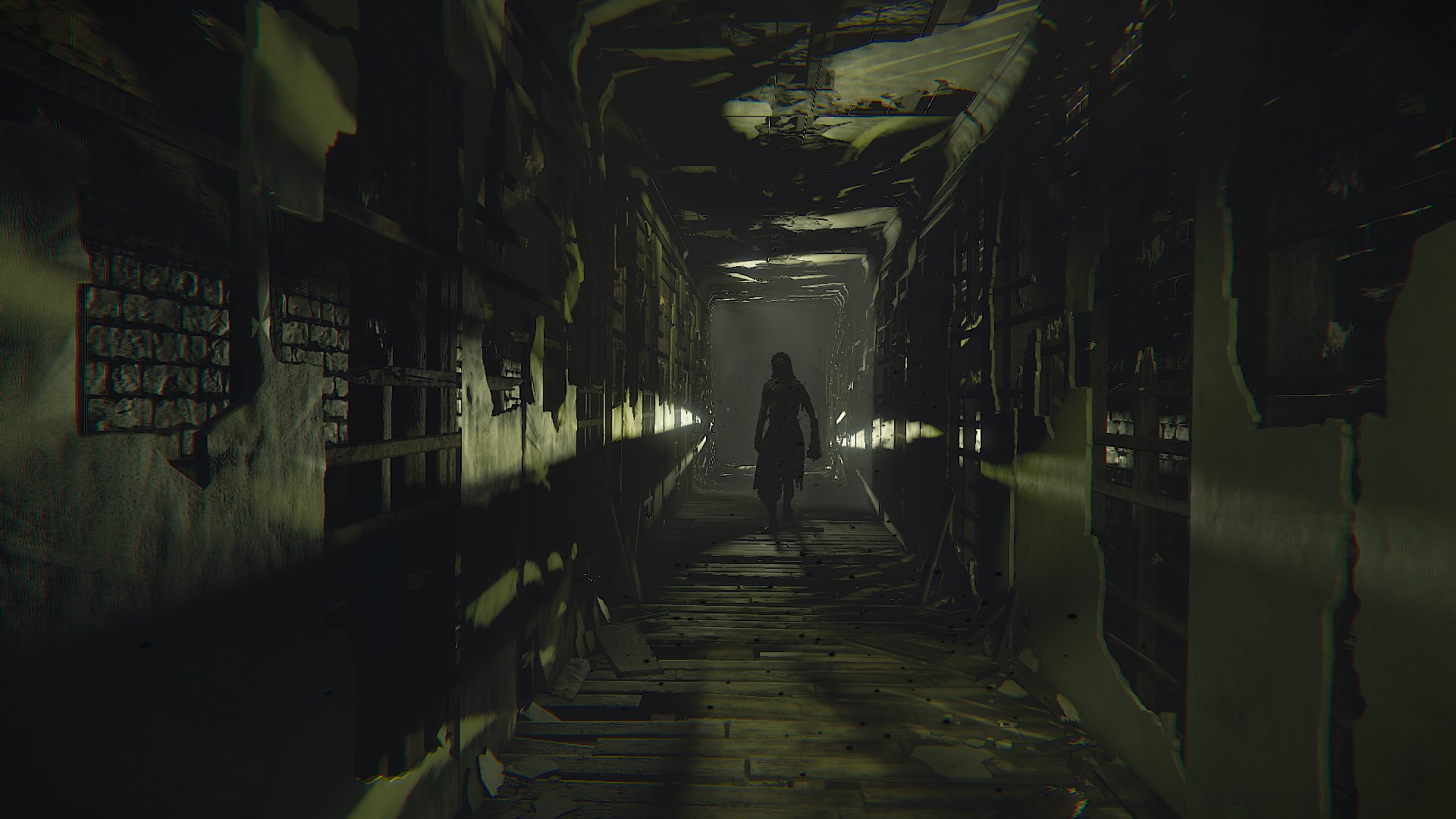
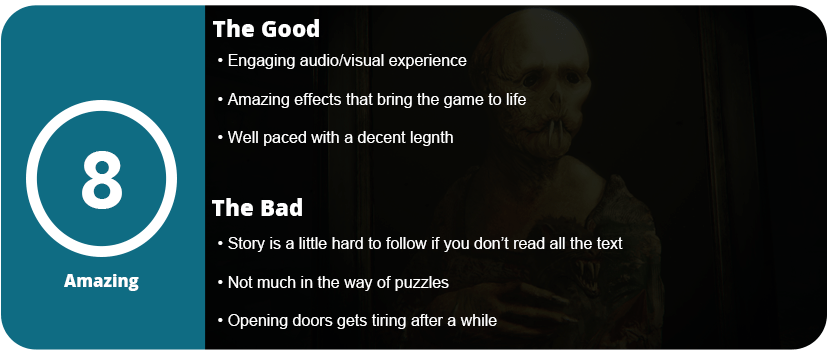
You play a crippled painter in the early 20th century who is trying to complete his masterpiece. The game starts out just fine while you wander around an old mansion, opening drawers and finding pieces of text that help tell the story. Layers of Fear’s only goal is that you walk through doors. You will open more doors than you would like to in a video game. Once you get through your first door and into the main hub, which is your painting room, things go crazy. The game is very linear, where you walk from room to room and enjoy a visual acid trip that never stops or gives you breaks. As you think there’s no way out, you will turn around, and a painting will pop up behind you and start melting. Turn around again, and the room changes or a ghost appears in your vision. What kept me going was that I wanted to know what was in the next room. It was like a funhouse but scary. Each room was always different, and I never felt bored or that I wanted the game to stop. There are six major pieces you need to collect to finish the game, and each one is themed. For example, the one-piece is a finger, and you slowly build up the story of how you took that finger. It doesn’t tell you directly, but through crazy visual cues and clues, you can figure out what happened.
The game is also a bit of a collect-a-thon, as you can open drawers and search around each room for clues that allow you to unlock achievements. There are actually three different endings, but I can’t quite understand how to get them. There are no choices in the game, but maybe take different paths? Each area is so linear that there’s only one way to really go, so figuring out what ending you get is a huge mystery. There also isn’t much thinking in this game; there were maybe 3 or 4 puzzles, and they required almost no skill to work out. I feel there should have been more puzzles, but that would have slowed down the pace of the game. You literally run around the opening door after door and experience the next visual freak-out, like a roller coaster ride. There are also no enemies to run or hide from. The only ghosts that appear in the game are supposed to get you, as it’s part of the story.
The visuals are fantastic, as the game has amazing lighting effects and a tense atmosphere, and there’s so much detail and so many different objects everywhere. The way some of the set pieces play out is pretty insane and requires a lot of care and detail. The visual effects alone from warping, shifting, melting, and various other effects are pretty amazing, as you don’t see many of these in games. All this was done with the Unity engine, which was also pretty impressive. The audio in this game is quite amazing, with a lot of variety, and each sound effect is put in the right place at the right time.
Overall, Layers of Fear is well worth a playthrough; it’s quite scary, and you never want to stop. The great pacing, visuals, and amazing roller coaster ride of effects are something you don’t see in games very often. If you’re tired of the cheesy horror gimmicks of most indie games, then look no further. This game may be short, but it’s got a lot of soul and heart for what it is.
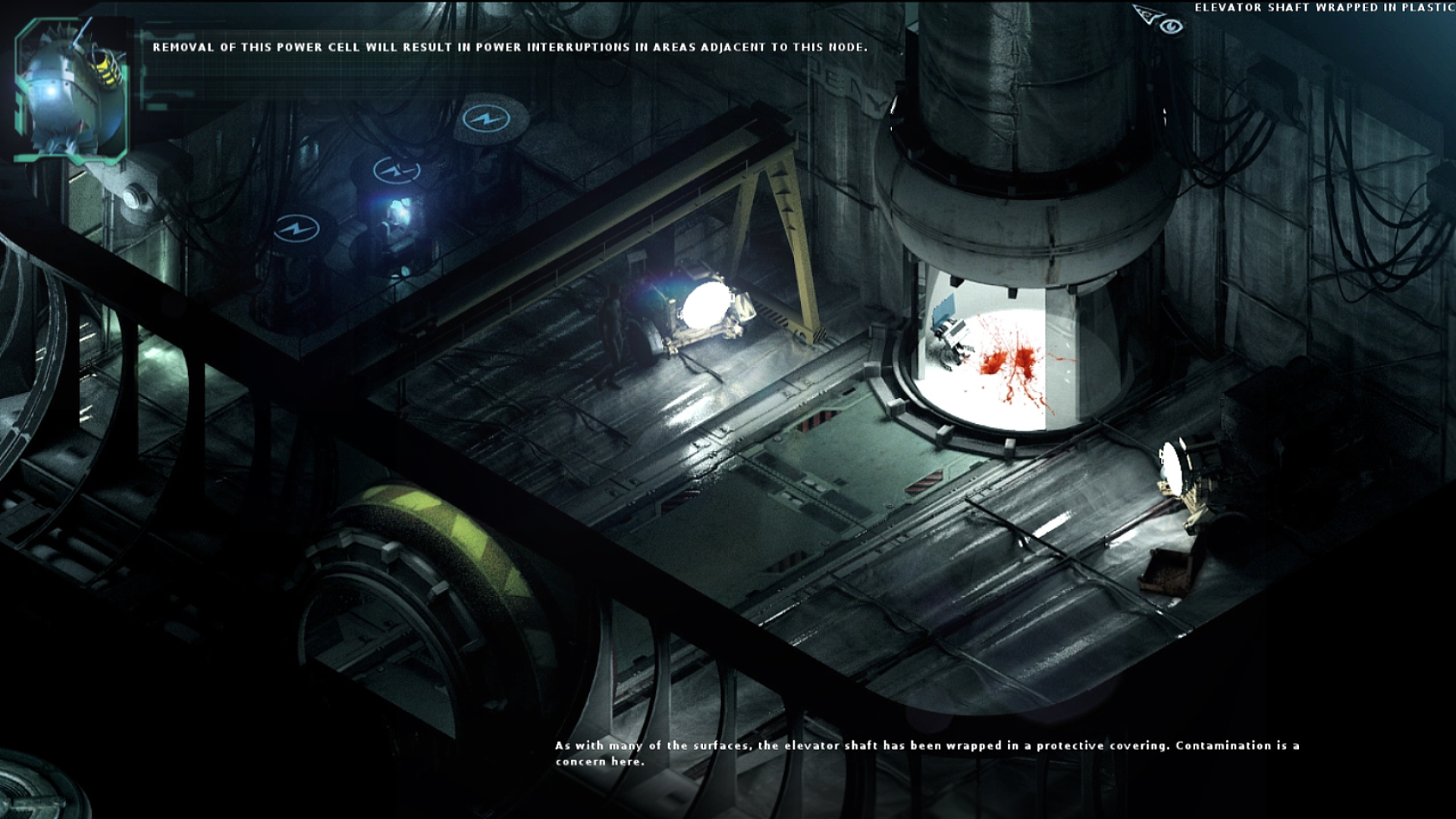
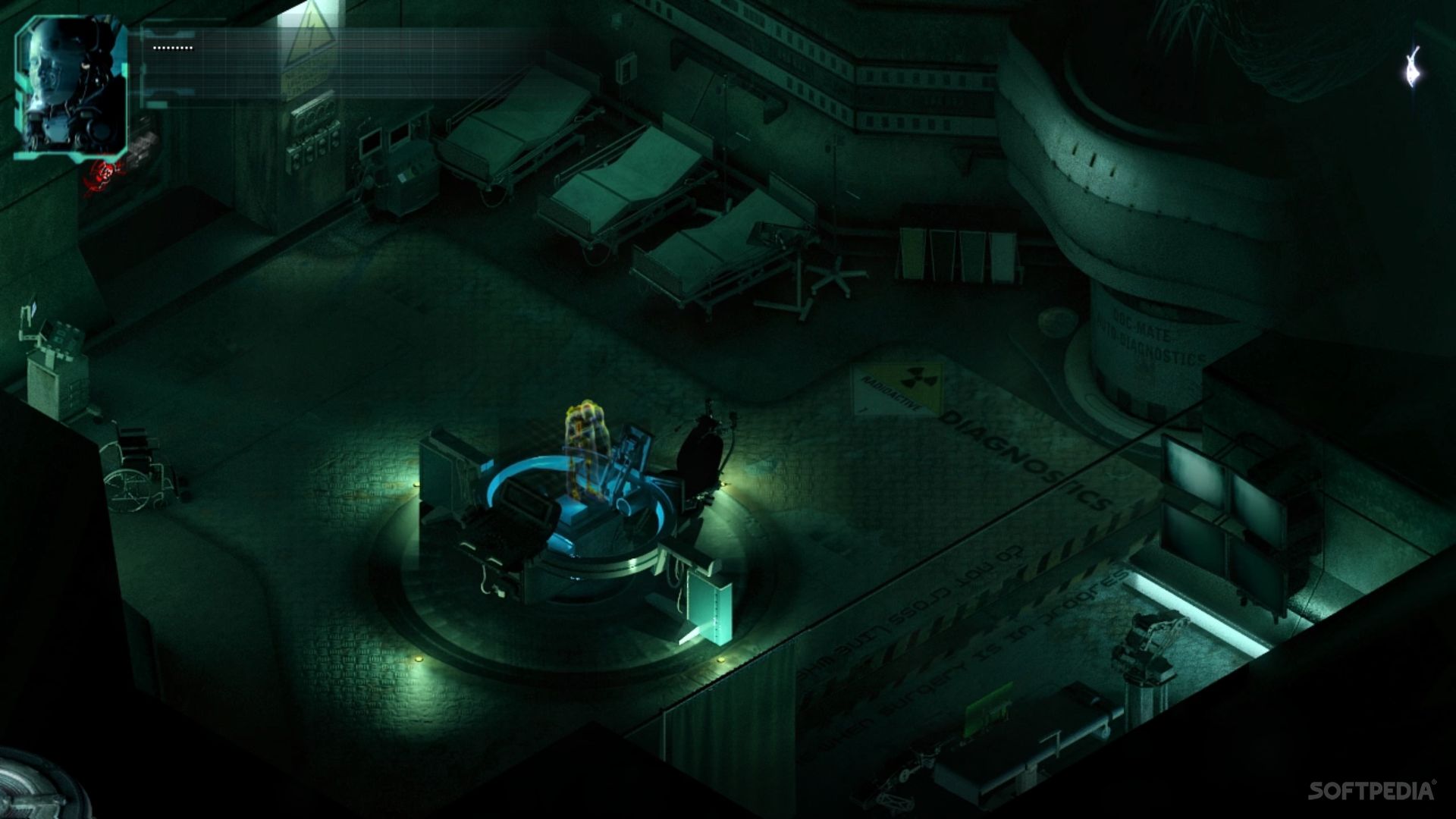
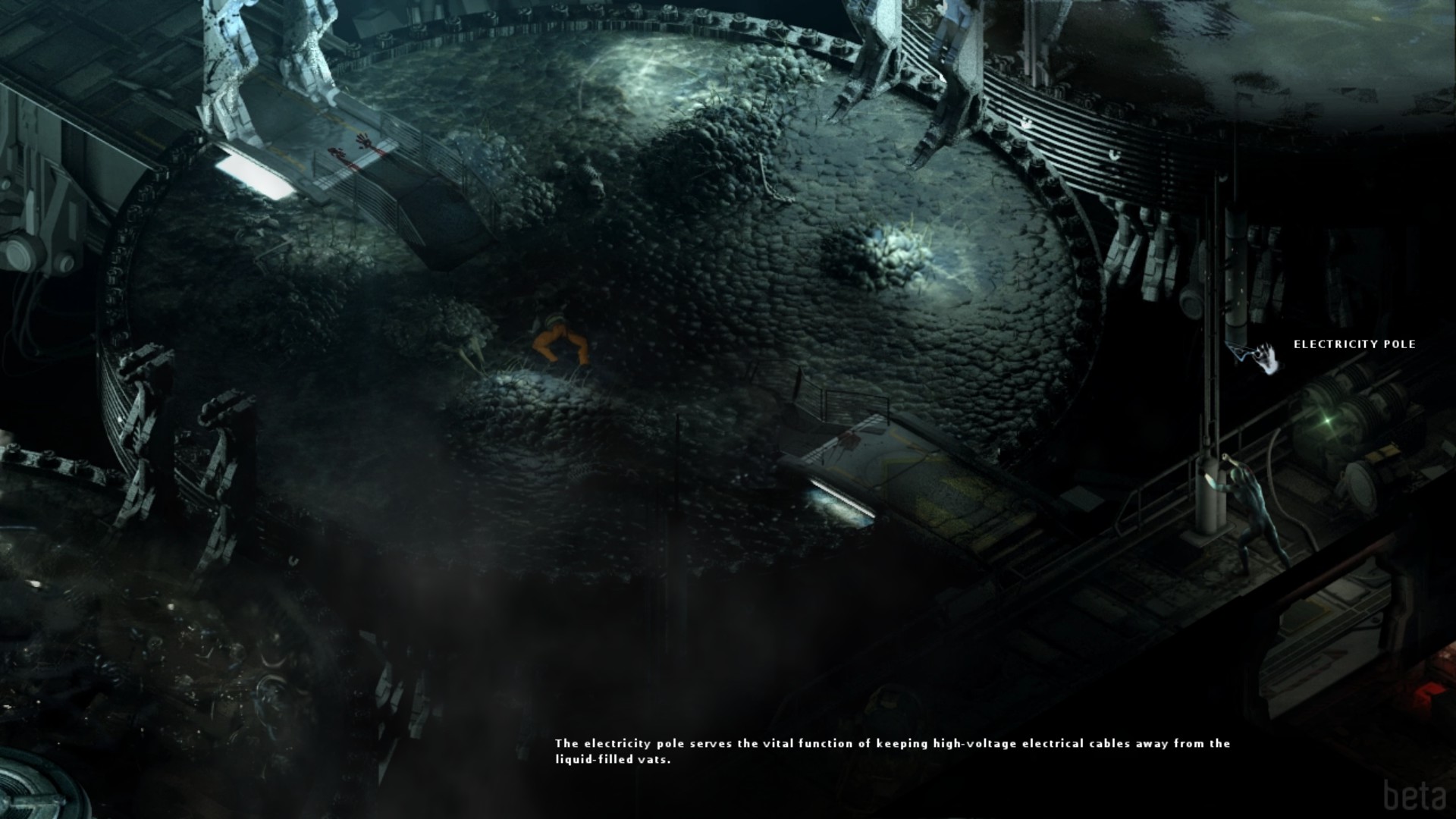
Point-and-click adventures are a dying breed. They used to rule in the 1990s, when computers weren’t quite powerful enough to fully render beautiful and detailed environments. Instead, they would be pre-rendered images or animation that played out with triggered scripts. This was carried over to consoles with games like Dino Crisis, Resident Evil, and even Final Fantasy. You won’t see pre-rendered graphics anymore, but there’s a novelty about them. Stasis is a modern game but is built like it was in the 90s, which gives it a certain charm. I have to say this is one of the best I have ever played and is so memorable.
With this kind of game, it’s all about the story and characters, as well as the atmosphere. Without those adventure games, life is pointless and uninteresting. There’s very little gameplay involved with just you guiding your character around and solving puzzles, as well as unraveling the story. Stasis does all this perfectly with very little inventory management. You just use your mouse to guide John around on the screen and click on things. Puzzles are actually quite good and make sense most of the time, but occasionally you get the one where you have to finally break out the walkthrough. This is an unfortunate staple of the genre, and there’s no fighting it.

With the controls and gameplay aside, let’s talk about the story and atmosphere, and man, does it have a lot of that? The atmosphere is so scary and incredibly detailed that it trumps some AAA games today. John wakes up on a desolate ship that’s been torn apart. He wakes from stasis sleep and must find his daughter and wife. This involves talking to a character through radio content who guides you the whole way, and the whole story folds out mostly through PDA log entries, which are perfect for this kind of game. Without reading these logs, you won’t care much about the story, but the logs are written so well that the characters come out. They are small entries that take a few minutes to read, but they really stick with you through the whole story.
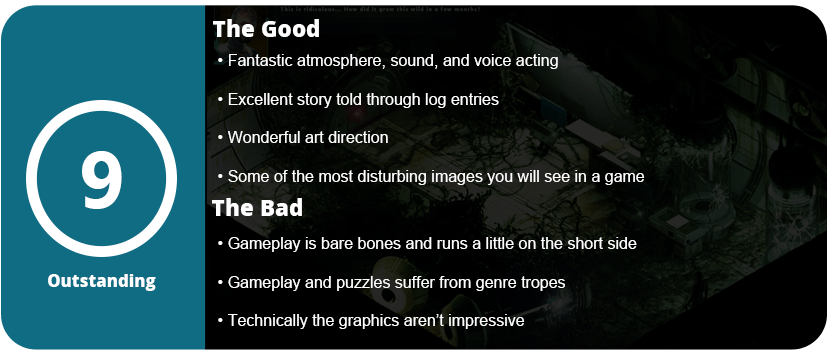
Each area of the ship has a set of characters that were fighting about something or going through some sort of psychological issue prior to the ship being overrun by hybrids. This tells you how life on the ship was before and during the disaster. The Groomlake is a mining vessel turned laboratory run by a corporation that specializes in human cloning and genetic research. This, of course, goes awry as their experiments break out and kill everything on the ship. It sounds cheesy, but it’s unfolded slowly and very well. The atmosphere is pronounced with the great voice acting, sound design, and music that go along with it all. Gore is everywhere, as are some of the most disturbing imagery scenes in a game that would give anyone nightmares. The horror and ambiance of this game are bar none and really set some standards in my book.
When John screams or is in pain, you really feel it, despite it being a pre-rendered animation on the screen. The sound effects are just blood-curdling and make your skin crawl. From the weird robotic voices of the announcers to the blood splatters and screams you hear, it’s sound design on a whole new level. The Brotherhood really mastered the adventure genre, and this game would have made headlines back in the late 90s and early 2000s. I don’t want to spoil anything but say more scary or horrifying moments, but I played this straight through and didn’t stop, and that’s an accomplishment. Like I stated before, the gameplay is lacking, but that’s okay as the atmosphere and story keep you sucked in, and you don’t want anything too complex that would detract you from that.
In the end, come for the story and atmosphere. If you don’t like adventure games, this may just change your mind, and anyone who loves the genre has to play it. It sets a new standard for the genre and brings it back to my eyes.
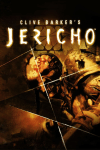
Man, playing this game has been a long time coming for me. I played the demo when it was first released, as it was highly anticipated. Clive Barker’s Undying was a very well-received horror FPS, and maybe he thought he could up the ante by making a squad-based shooter set in his universe. It sounded good on paper, and the trailers and screenshots looked decent, but once everyone got their hands on the game, the bad reviews and anger started up. I rented the game, actually bought it once when it was dirt cheap, and sent it back both times. I just couldn’t understand the game, felt it was boring, and didn’t have the patience for it.
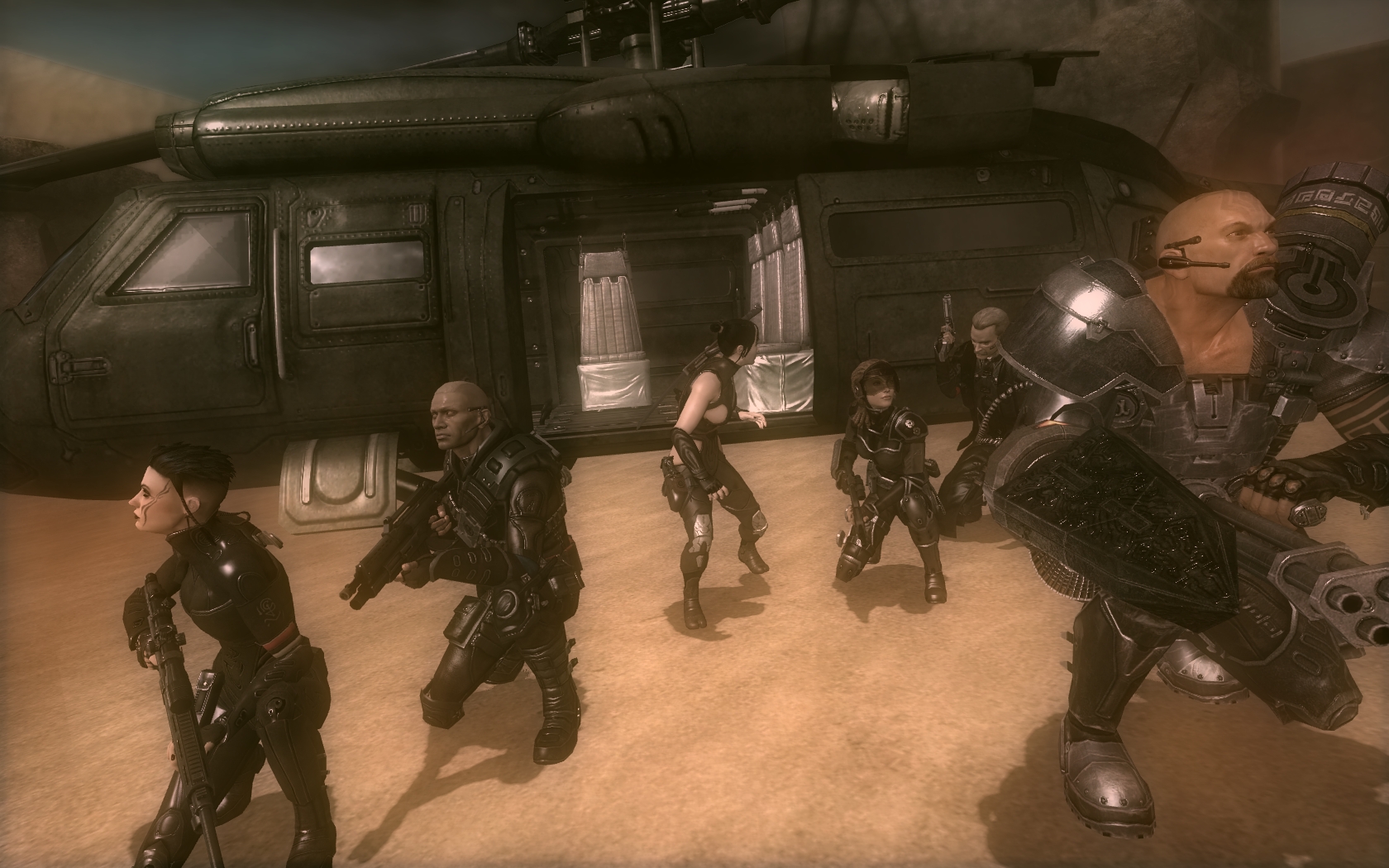
Now, almost ten years later, I decided to try one last time, and I finally got through the game. The story is what I had high hopes for, as Clive Barker is a great storyteller. You play as a squad of seven named Jericho that is sent to close a breach in a portal to hell. This self-contained hell is called the Pyxsis, which is a series of levels within itself. It doesn’t sound dissimilar to Clive Barker’s own Hellraiser series. Once you pass through each breach, a new setting is revealed, usually a time period from the past, and a new boss is on the horizon. The smaller story elements are decent, but the game has one of the worst endings I have ever seen. Once you beat the final boss, the game cuts straight to the credits with no pause—a complete shitty ending.
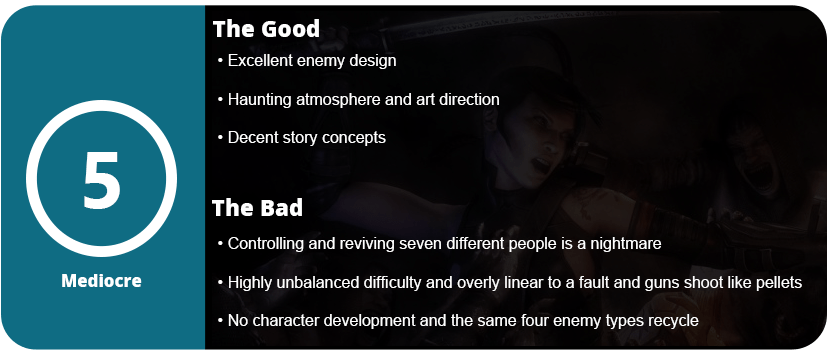
Actually, playing the game is quite a chore, and this is because the developers became too ambitious with you having to play as seven people, and it becomes a chore. Each member has their own weapon type and magic abilities. Delgado is a heavy mini-gunner with a fire demon spell and a fire shield. Jones uses an assault rifle/shotgun combo and can possess bodies. Black is a sniper and can use a bullet cam and telekinesis. Get the idea? There are seven of them, and you have to keep track of all of them in cramped linear hallways. Every so often, the squad splits up, but it still doesn’t matter. I went through endless hallway after hallway, killing the same three enemies throughout the entire game, and I wanted it all to end so quickly.
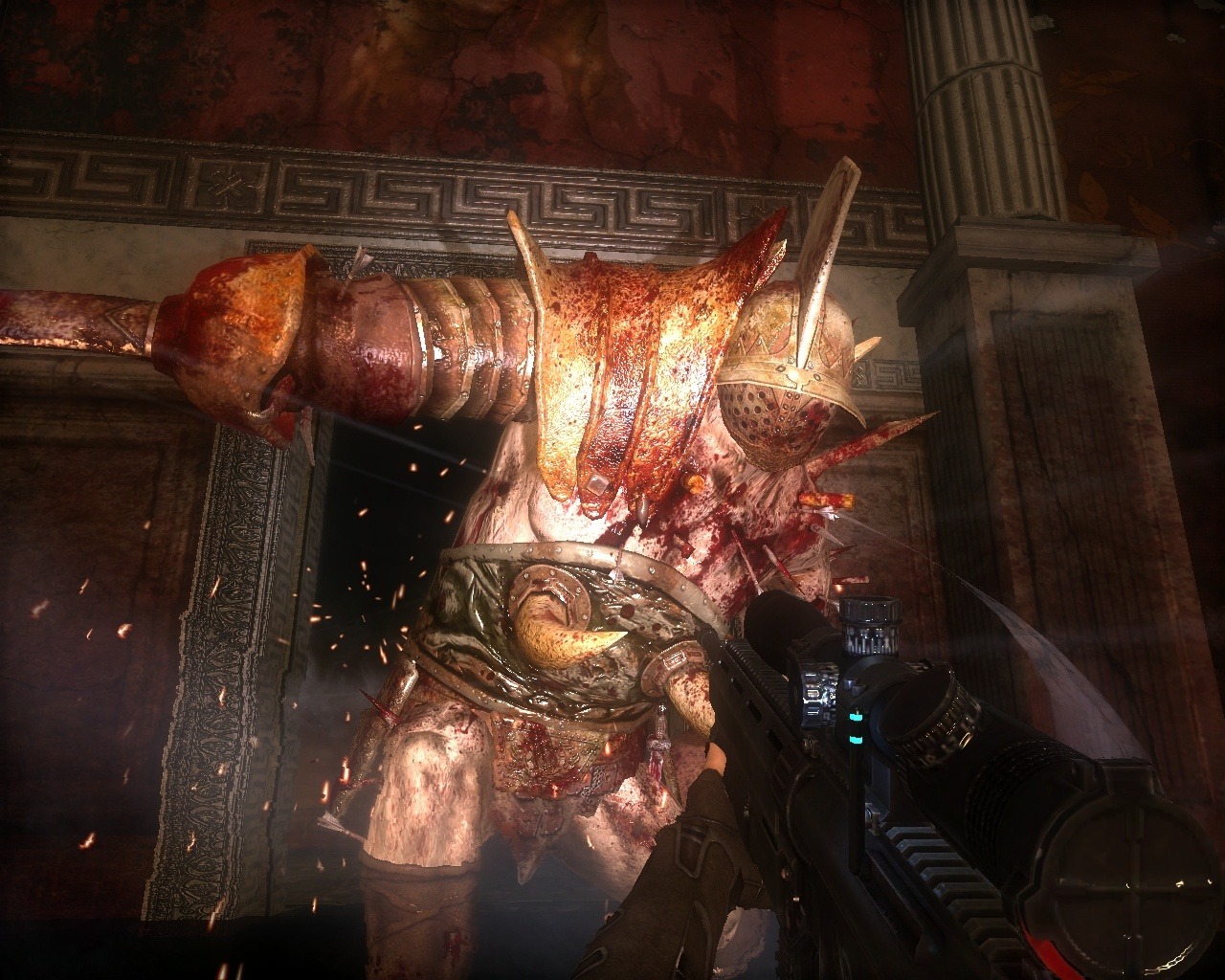
What makes matters worse is that the game is extremely difficult and poorly balanced. One level might be easy, but the next is wave after wave of enemies. Reviving each and every player every time they fall really stinks and makes things more difficult. Fighting a wave of enemies and having to run around and heal everyone who is down just makes the game more unnecessarily difficult. Even with the easy difficulty, I died a lot. On top of all that, the shooting mechanics are awful, as there’s no feedback or weight to the weapons, and they all feel the same. I just stuck with Delgado and the mini-gun through most of the game, as any strategy is null and void when you’re stuck in corridors through the entire game.
There were a couple weird puzzles thrown in randomly, and the boss fights became more and more frequent towards the end, like the developers ran out of ideas. After the 25th level, the game accelerates towards the ending. I can see how this game would have been better if there was more enemy variety, less linearity, and not so many squadmates. Just a tighter, more fine-tuned squad-based shooter would have been fine. Instead, we get seven people that we don’t really care about, as the game’s story randomly throws in cut scenes and there’s no character development.
Outside of that, the atmosphere is fantastic and is the best part of the game. Clive Barker’s signature is all over the enemy and level design, with gore and blood on every inch of everything. The enemy designs are awesome, but there are about a half dozen, and they get boring to kill after a while. The levels are neat to look at, but they are nauseating in closed-up hallways and are always way too dark.
With that said, Clive Barker’s Jericho is only worth a playthrough if you are a hardcore Clive Barker fan; otherwise, there are zero reasons to even touch this game. It’s unbalanced, difficult, and boring; the story doesn’t really go anywhere; and controlling seven different people is a chore. The guns shoot like crap, and the only redeeming value is the art style and atmosphere. Stick to Undying if you want Clive Barker’s better adventure.
Another one of my favorite murder mystery series is Severed. This comic has extreme suspense and keeps a carrot dangling in front of you the whole way. The story is told by the main character, who is much older. We see the ending and get caught up in the present, which is a great way to add mystery. A man tells a story about how he lost his arm. He receives a letter in the mail, and it brings back memories of an enemy who haunted him and nearly ruined his childhood. The boy is a fiddler who wants to meet up with his father in Chicago to play with him at concerts. His mother forbids it; however, he runs away and hitches on a train.
Our main protagonist runs into many problems but befriends a girl named Sam, who disguises herself as a boy to keep pervs away from her. They make it through thick and thin, but the murder part comes in as a strange cannibalistic man with razor-sharp teeth (this is never explained; nothing supernatural here; maybe he sharpened them?). and he loves stalking children. He convinces the children to let him help them get back to Mississippi (as his father mysteriously wasn’t in Chicago and went back), only to end up with a twist ending that I won’t spoil.
The suspense is in the fact that this man is disguised as someone who wants to help the children, but the reader knows who he really is. There are several close calls and scenes that lead you to think he’s about to kill the children when the suspense is released. It keeps the pages turning, and this is key in comics like these. The art style is great and is reminiscent of 1940’s industrial America, which is great to look at.
The comic is sinister, sick, twisted, or any other word that can describe a cannibalistic murderer who stalks children. The series closes with a great finale, and I felt like there was a balanced beginning, middle, and end. The sensitive subject matter makes this a very raw and real comic that can actually happen even to this day. It’s an eye-opener and something that will keep you thinking about it all day long.
Murder mysteries are great for comics, as they feel like movies are still playing out before you. Locke & Key is a reverse murder mystery, as we know who the killer is from the very beginning, and the family knows and is trying to run away from him. A dysfunctional family living in Southern California is the victim of their father being viciously murdered by two mentally ill teens. What the oldest son, Tyler, goes through, as well as his younger brother and sister, is heartbreaking.
We follow the murderer, who ends up in high-security juvie and ends up escaping via supernatural means. The youngest brother in the family, Bode, discovers he can rip his soul from his body through a magical door and turn into a ghost. His family won’t believe him; in fact, every family doesn’t believe each other about anything, and this leads to some tragic deaths and a lot of events that could have been prevented. Seeing this family tear itself apart is frustrating in a satisfying way; it keeps you on the edge.
The story has a satisfying ending with a perfect cliffhanger that opens up an entirely new chapter and can potentially expand the story (which it did with later series), but my favorite part about this comic was the gore and graphic violence as well as the pure insanity of the murderer and his ruthless killings. The comic is a serious page-turner and is perfectly paced with an excellent crescendo.
Overall, Locke & Key is a wonderful horror comic about the supernatural, a being that we don’t ever get to know more about until later in the series, and real-life mortality. A family that clearly loves each other but can’t trust each other worth a dime just makes this comic horrible and wonderful all at the same time.
Have you ever wondered what would happen if humanity was on the brink of extinction? I really mean it too, not just in a cheesy sci-fi movie way. Soma makes you truly and honestly think about this, and it scares the crap out of me. Right up front, I want to say that Soma is one of the most original stories I have seen in a game in a very long time. The story takes a while to understand what’s going on, but once you do understand, you’re in for quite a ride.
You play as a man named Simon who is fighting brain cancer. You go to a doctor’s visit and sit inside a chair. One moment you think you’re getting scanned, and then you wake up in a mysterious lab wondering what’s going on. Immediately, the plot and timeline continue on around you while you’re catching up. It really makes you feel like you’re being dropped into the middle of a shitstorm. The premise of the story is that a meteor wiped out nearly all of humanity (which is a real and possible reality), and there is a system called the ARK that is to preserve humanity digitally. Now the story makes you think the ARK is several different things and works in different ways. The story is so well told that you actually organically understand everything exactly as Simon is understanding it; it’s quite unique and ingenious.
The game is made by Frictional Games, which made Penumbra and Amnesia: The Dark Descent, so you know what you’re in for: a very scary game. Soma is actually much more intense than those games, and it is scarier. The graphics engine has been pumped up quite a bit; while not state-of-the art it looks way better than Frictional’s previous games, and it is still quite beautiful artistically. Your goal is to solve simple puzzles in some areas while also discovering more of the story through audio and text files while you explore rooms. The most intense part of the game is when these WAU creatures are wandering and shuffling around. You have to hide and sneak around them, which is some of the scariest things I have done in gaming in quite a while. The sounds help sell the scare factor, and I really felt claustrophobic through the whole game. Running around in derelict underwater labs isn’t a walk in the park.
The game is broken up into areas or lab sites, and the whole thing takes place underwater. As you go further and further into the ocean floor, things get crazier and crazier. The WAU is an organic computer system that we built to help sustain life underwater, but it’s now taking over and has killed off nearly every remaining human left on the research site. The way this place is built is awe-inspiring and really makes you feel puny, thanks to the way the story is told. You literally go through every step to launch this ARK into space, and you have a computer AI companion that makes you feel even more alone. The various story pieces that come together in the game are fantastic and very memorable; I can’t say much more without major spoilers. I will say that you get moral choices in the game, but in the end, they mean nothing, and that’s actually the way you want it. The way the story is told, there is no way to find out what happened with your choices, and it makes it feel that much more real and scary.
I did run into a few issues in the game, like some of the sneaking areas were really difficult without a walkthrough because you need to keep your flashlight off and you’re basically feeling around in the dark. This made certain areas extremely frustrating and caused multiple deaths. I also found a few puzzles very vague. If those issues had been fixed, this would be the perfect adventure game, as it has already revolutionized several tired elements. You will look past these issues, thankfully, due to the story being so incredibly amazing that you will want to go on.
The atmosphere itself is just very foreboding; all you want to do is find another living person, but Simon’s luck is just really bad. Frictional Games forgoes the cheesy, predictable quirks of gaming stories and makes you press on and feel alone and hopeless, which is fantastic. Walking around in labs and then stepping outside into the vast ocean is a great experience and makes you realize just how screwed you are. You can still be attacked outside, and you must follow the procedures and safety measures set up throughout the underwater city, or you will die. The fact that Simon relies so much on his AI companion just reminds you how fragile this whole mission could be and that humanity could be lost forever so easily.
With that said, Soma is one of the greatest gaming stories ever told, and I seriously mean that. It’s just too bad this is an indie game and won’t get the attention it deserves. The game has a few flaws, like slightly dated visuals, difficulty spikes, and some vague puzzles, but you won’t care and will want to press on thanks to the amazing atmosphere that nearly makes you feel like it’s happening to you.
There have been many stories about organ harvesting, as it is a huge market and is also highly illegal. What I like about Harvest is not just the idea of organ harvesting; the comic also explains how it works business-wise, which is really interesting to me. The comic follows a typical catch-up type story; we start out at the end of the story, and it goes back and plays everything forward. The characters are quite striking and memorable, especially Ben Drane, who loses his medical license and falls into near homelessness. The comic is only five issues long, so it can’t mess around with a lot of backstories, and the desperation of all the characters really hits home.
The art style is also really nice and shows a dark, dingy atmosphere that suits working in the black market for mafia bosses. One thing I would have liked to see more of is more gore and up-close surgeries. There are a few, but they are only one or two panels long, and they could have really driven the suspense meter up with more. What we do have is a fast-paced comic that is perfectly balanced and has a nice beginning, middle, and end that is quite satisfying. Of course, there’s a cliffhanger ending, or is it? We never really know, but there’s also one aspect of this comic that never gets explained. Ben sees a little boy and girl a lot and is obviously hallucinating them, but are they him as a kid? Is the girl his sister? We never know, and it’s never explained, but maybe that’s a good thing.
Overall, Harvest is a great insight into the black market of organ sales, but a little more gore could have helped this comic a long way. What we have here is nothing really memorable, but something that makes you think at the end and even makes you appreciate your own life a little more.
Yeah, it's pretty damn awful. Notoriously one of the worst games on the PSP. A 4 was actually being generous.…