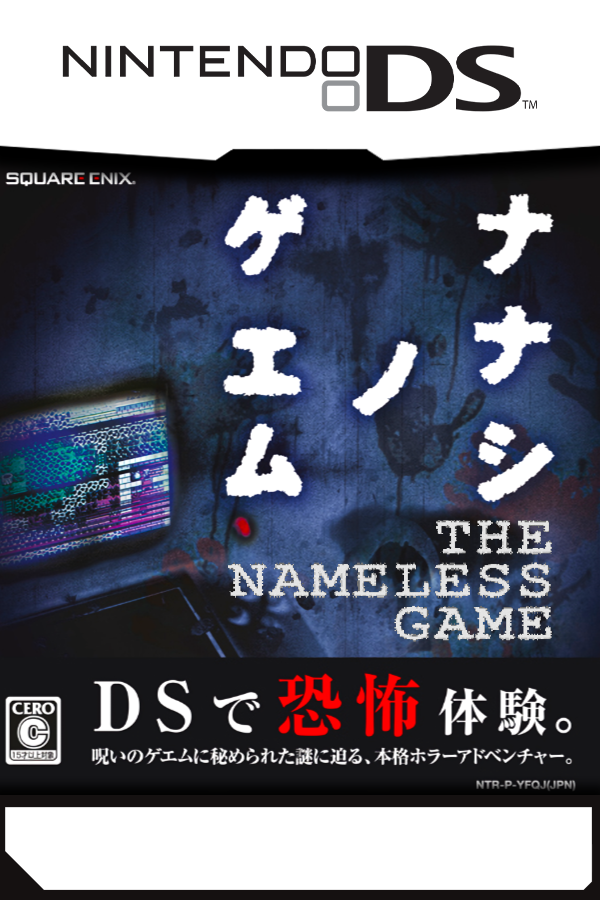
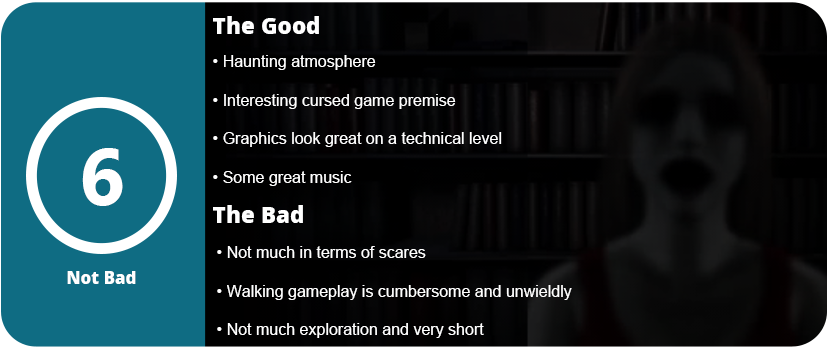
Have you ever wondered if a haunted video game exists? These permeate Japanese folk tales and were popular during the 8-bit era of consoles and computers before the internet was a widespread phenomenon. You play as a friend of a daughter whose father is a video game developer. You unravel a murder mystery involving a haunted DS game and a fractured video game development studio. It’s an interesting meta view on the terrible world of stressful video game development. I don’t want to get too involved discussing the story, as what little is here is very short, running at about 3 hours in total.
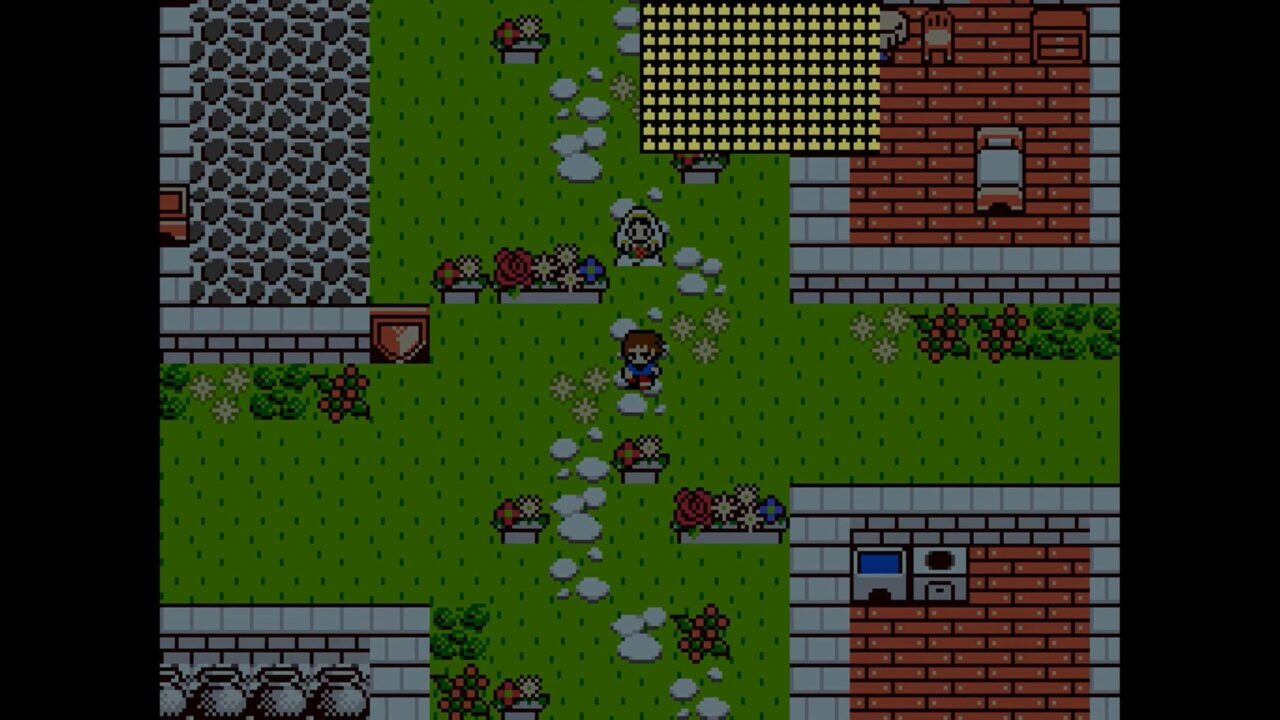
There are 7 days before the haunted game turns you into a statue. You initially investigate the disappearance of your best friend’s boyfriend, but eventually, you stumble upon the cursed TS game. Yes, for obvious reasons; the DS is called the TS in the game. This game is a 16-bit RPG title that reflects the real world. When you hear your TS jingle (it’s the startup sound for the DS), you will pull up what looks like a simulated DS home screen and play this 16-bit game. It’s not an RPG in this game. It’s just a single town that you walk around in and talk to people to trigger events. The music and graphics are glitched out and creepy, and it helps give off a good atmosphere. You don’t enter this mode but maybe once per chapter for just a few short minutes. Each day is started with a visual novel type of dialogue, as the majority of the game is held in book mode. I love games that use this feature, but there’s no option to flip the DS for left-handed people. The TS RPG style game is played in regular mode, so you are frequently flipping the DS back and forth.
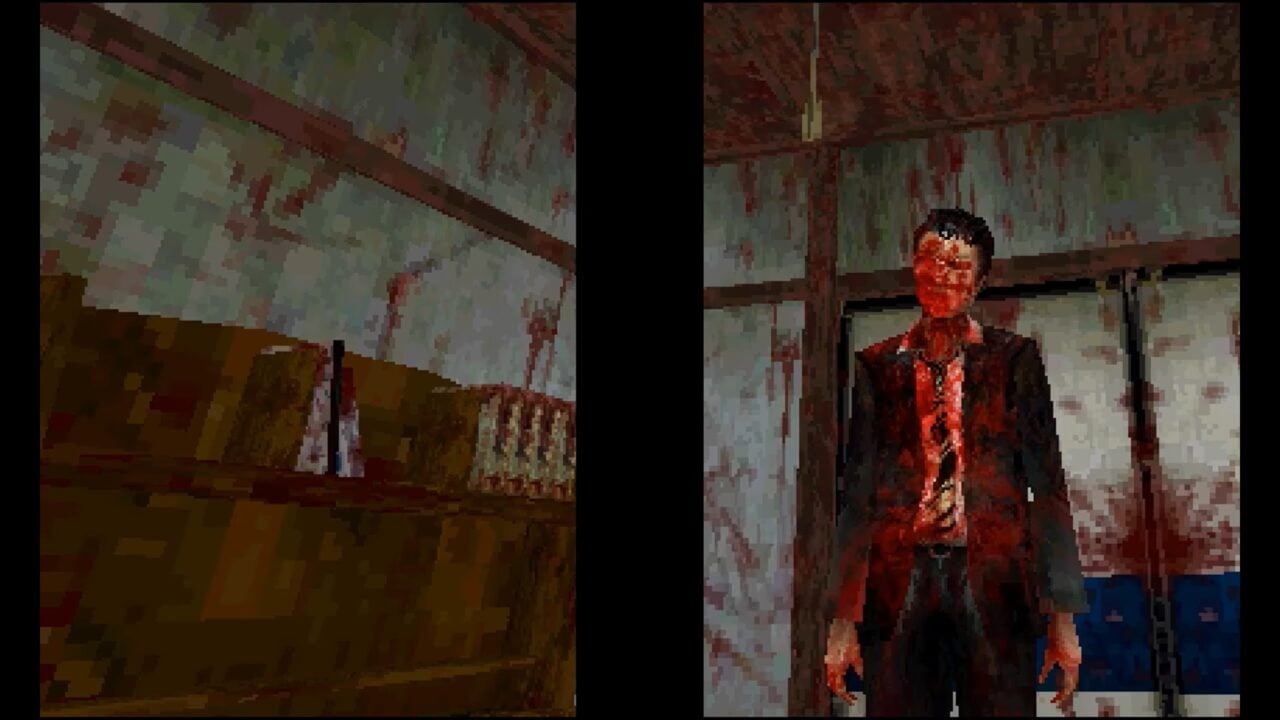
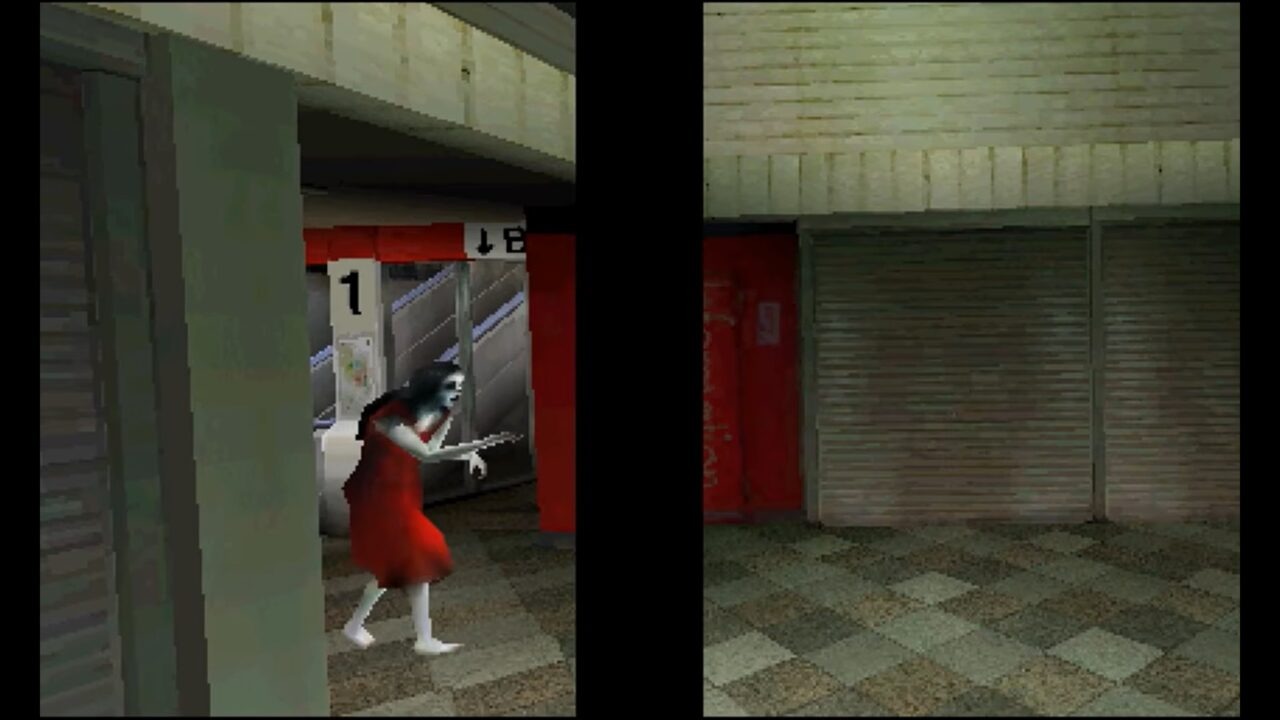
The meat of the game is the walking simulator-style touch screen-based exploring. It’s pretty bad, and my hands cramped constantly (at least using the DSi XL). There’s no option to just use auto-run all the time. The character walks at a doggedly slow speed and one that’s not practical for running away from ghosts. You need to hold the stylus in the center of the screen to run and turn faster. While doing this, you are holding down the D-pad and rolling your thumb around to strafe. This control scheme is fine, but I would prefer to use either the stylus for movement or just the D-pad. There’s little interaction with the environments outside of picking up key items and opening doors. You will be opening many doors and backtracking through many mazes. A lot of these have to be navigated in a specific order to avoid the ghosts that roam the hallways. These ghosts aren’t very scary. They’re slow and plodding and they just have black eyes and gaping black holes for mouths.
Despite the title being a horror game, there aren’t many scary moments. While the ghosts aren’t scary, there are a few jump scares that worked early on, but after day three, the game kind of gives up the horror part and focuses more on the murder mystery. The characters are meaningless, as the game is so short we can’t get to really know anyone. Every one has generic anime tropes to them, and by the end of the game there’s not much to care about. While the mystery is solved and has an actual ending, I didn’t care about anything in between. While the levels are great-looking on a technical level, they are void of detail. I liked the Silent Hill “Otherworld”-looking areas in the hospital, but these are just plain empty hallways with an occasional chair or desk. You can’t interact with anything to encourage world-building. The goal is to just open doors and get to the next cut scene.
While Nanashi no Game isn’t a good horror title or walking simulator, it’s short enough for a fun afternoon of the occasional creep-out. The music is pretty haunting, and there is tension in the game, and it uses the DS hardware well and in interesting ways. Just don’t expect anything really crazy here. If the controls were better, or at least customizable, the game would be more forgiving on that part as well.
With the release of Switch 2 Nintendo now has two console generations on the market in full swing. With a couple of exclusives for Switch 2 and the new Switch 2 Editions this is a great ecosystem to finally get into if you haven’t yet. We didn’t see as many releases as past years, but this was as solid year for Nintendo.
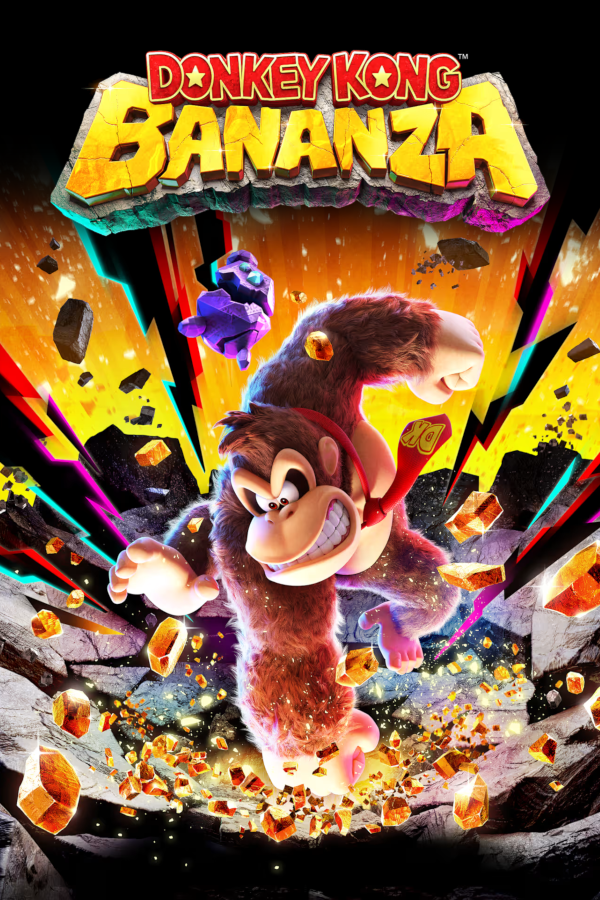
Bananza may feel like a Mario Odyssey spin-off with DK, but it’s so much more than that. This is a game that captures that Nintendo magic that only they can produce and did the best job of doing that this year. With so many fun levels and inventive gameplay mechanics there wasn’t a lot that topped this game. This is one of those “just one more level” games that I couldn’t put down. While it had some technical hiccups and other minor issues it didn’t stop Bananza from being something fantastic and a reason to buy a Switch 2.
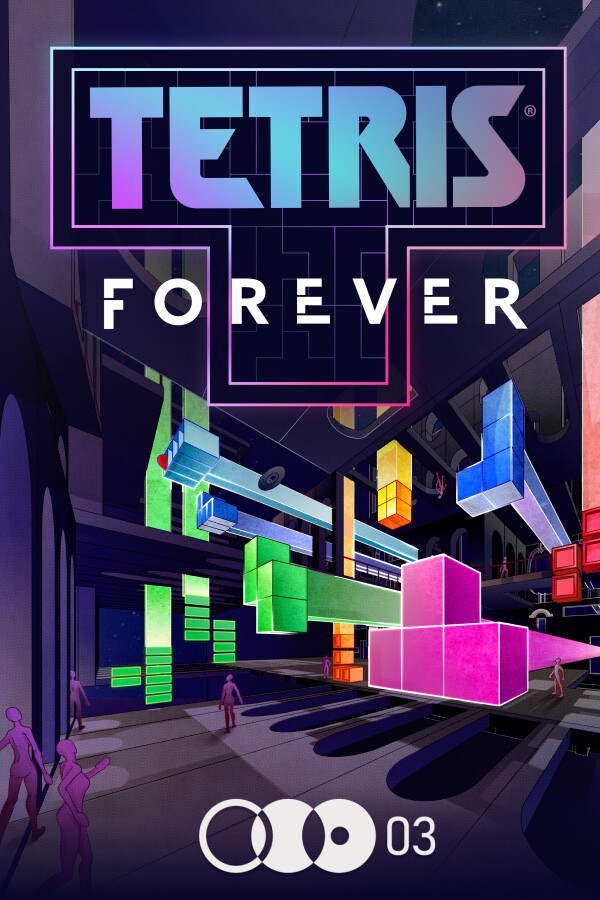
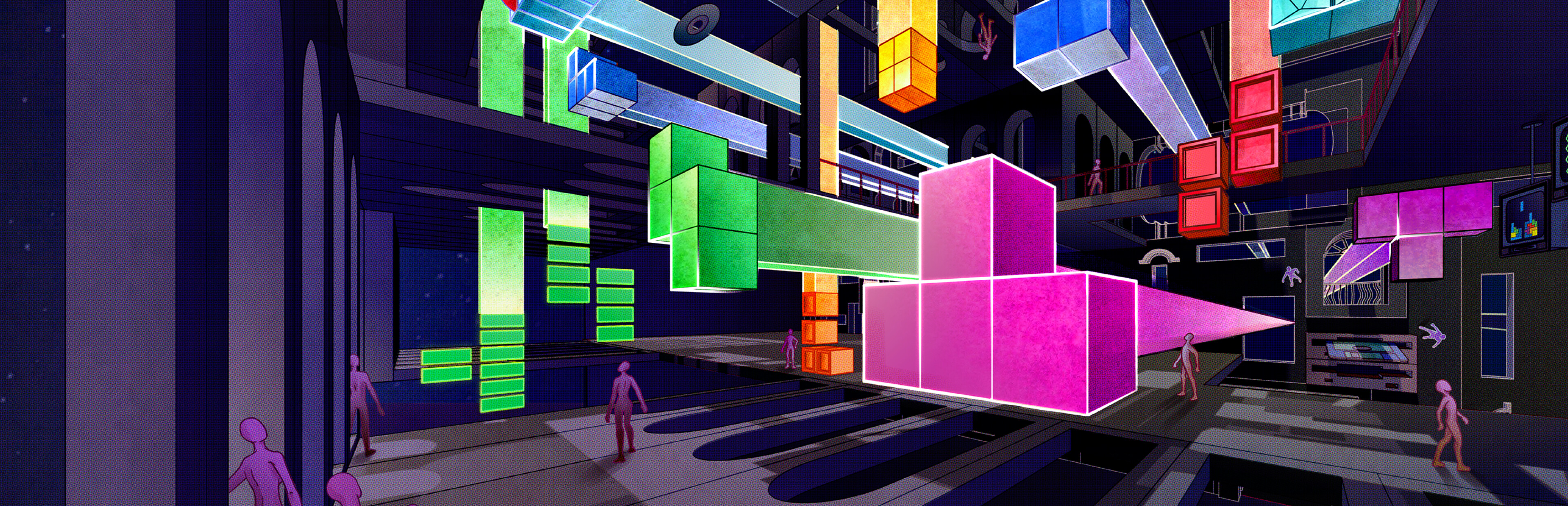
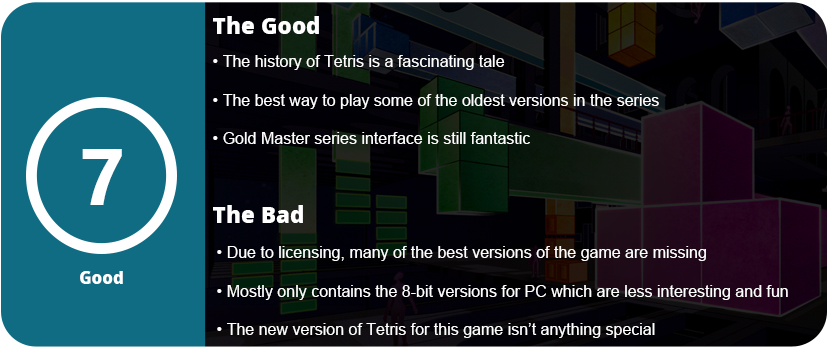
Digital Eclipse’s Gold Master series is an incredibly original and unique idea. The series focuses on creating interactive documentaries that explore interesting game stories or sagas, allowing gamers of all ages to engage with them. This is the third Gold Master game coming right after the Atari 50th Anniversary, which was absolutely a blast to experience. Tetris Forever is a great concept. The story behind how Tetris came to be is fascinating, and Henk Rogers, the person who helped bring Tetris to the West, is a great storyteller. I was floored by how Tetris came to be and the breakdown of the gameplay and nuance of what makes the game a timeless classic. The documentary clips are wonderful. Usually ranging from 3 to 8 minutes each, there’s easily over an hour of video footage, but that’s kind of where the best part of the game ends.
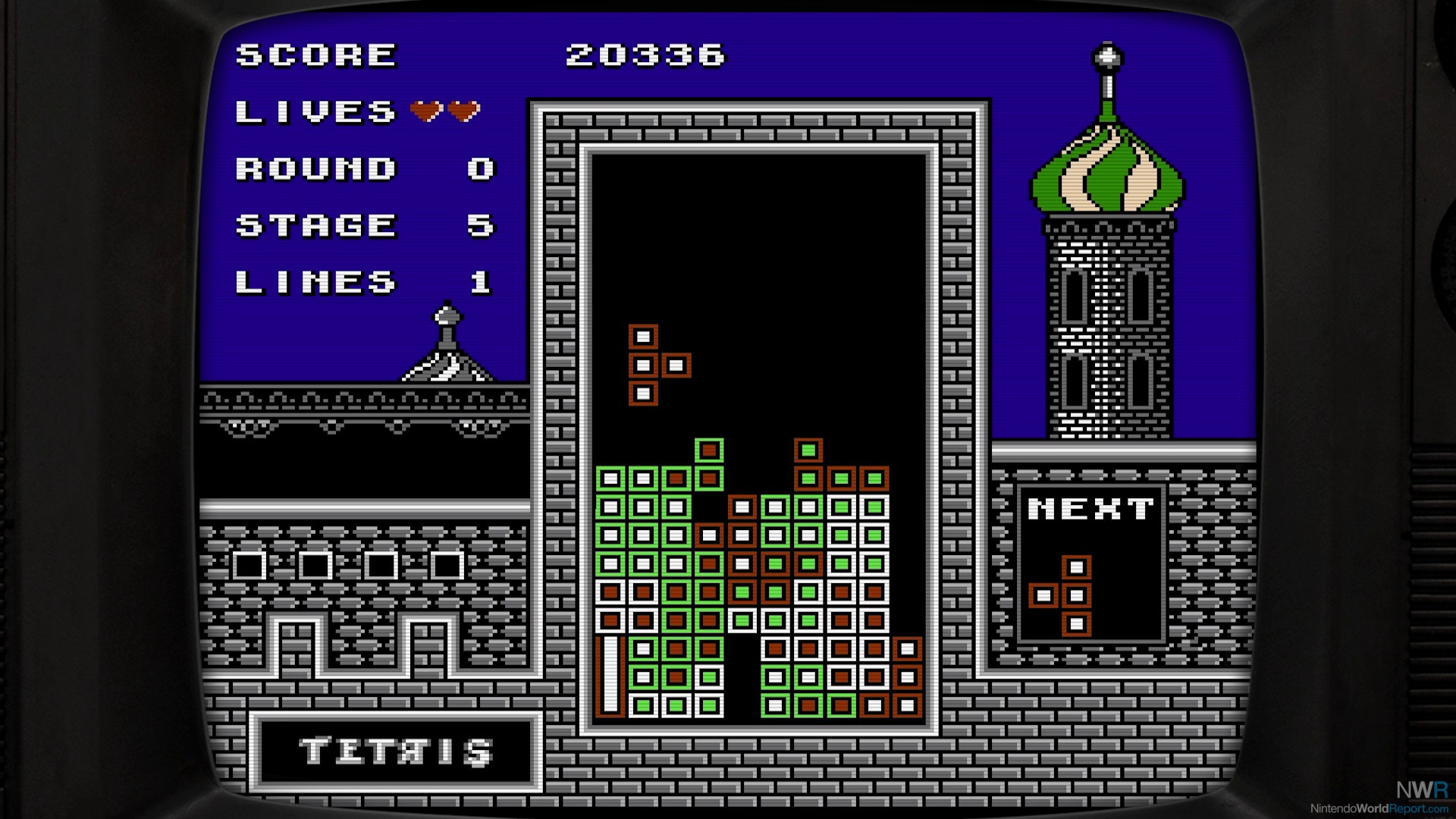
It’s difficult to call these Gold Master series “games” as they are interactive museums. Many different versions of Tetris are owned by other copyright holders. The most famous being the original Game Boy version of Tetris that shot the series into the stratosphere. It’s not here because it’s owned by Nintendo. You can see it being played in the footage of the game, but that doesn’t help us sitting here playing this game. Forever is mostly comprised of older MS-DOS and early 8-bit PC versions of the game that are historically interesting but not very fun to play. Digital Eclipse did a great job creating a replica of the computer they are on visually and adding things like a CRT curve, filter, and mapping the keyboard controls to a controller. Sadly, they just aren’t fun to play. Many versions don’t have music or much sound at all. Outside of messing around with these for five minutes, you will have no reason to go back to them.
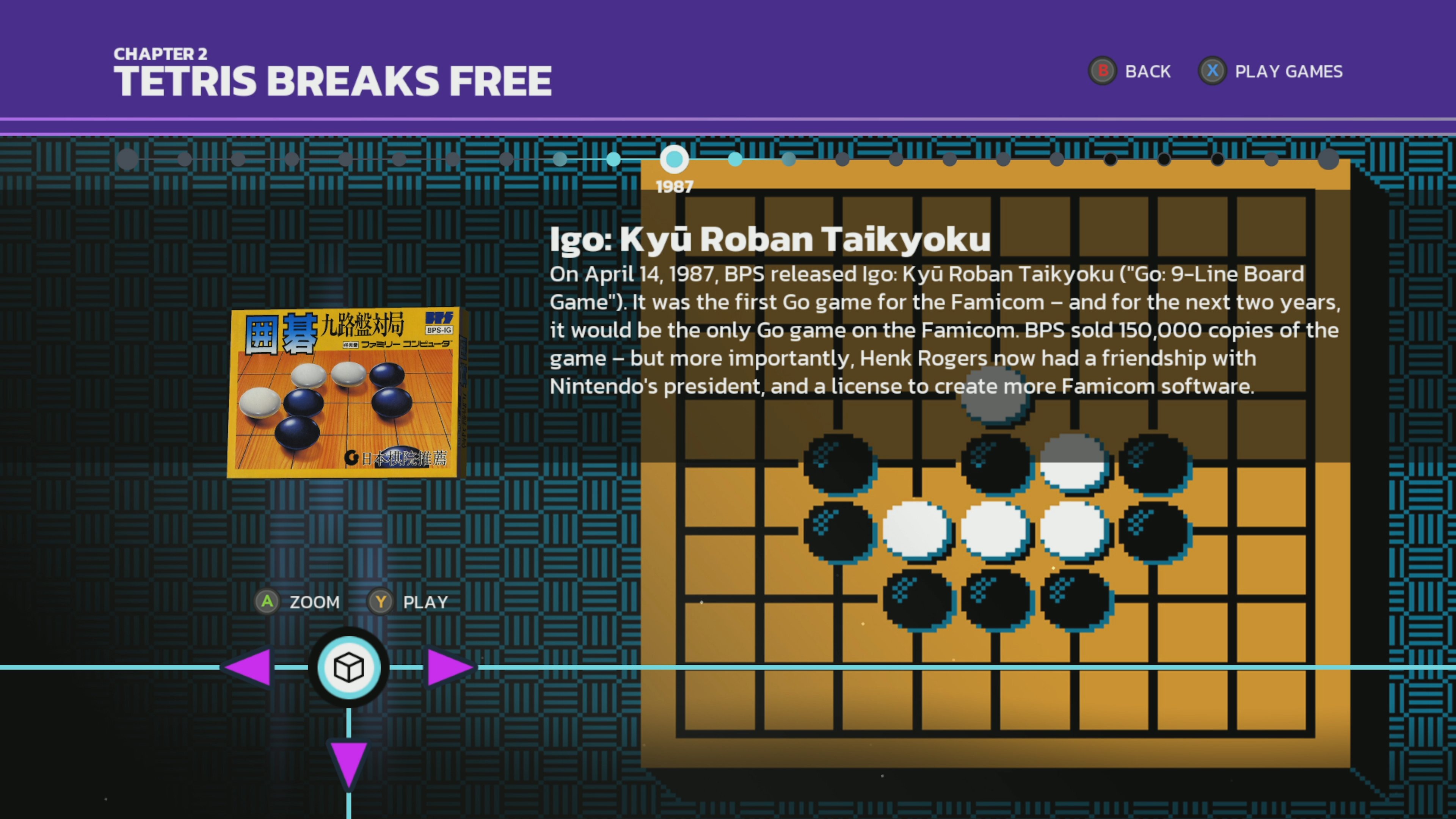
There are a few other games that aren’t Tetris included, as these are part of the Spectrum Holobyte story. Many NES games are included here, but you can play these outside of Forever on emulators through ROMs on much simpler devices that boot up quicker without a fancy interface. Again, these games are either not fun or just interesting enough for a historical reference. This isn’t like Atari 50th, where you can play every single game Atari made or held the rights to, and they were full-blown games. These are pretty much all puzzle or board games. One of the big stories that helped Henk Rogers gain trust from Nintendo was making a game of Go, which is basically Japanese Reversi. The NES version is intriguing at best, but I was not a fan. It’s not as addictive or fun as Tetris and requires much more concentration.
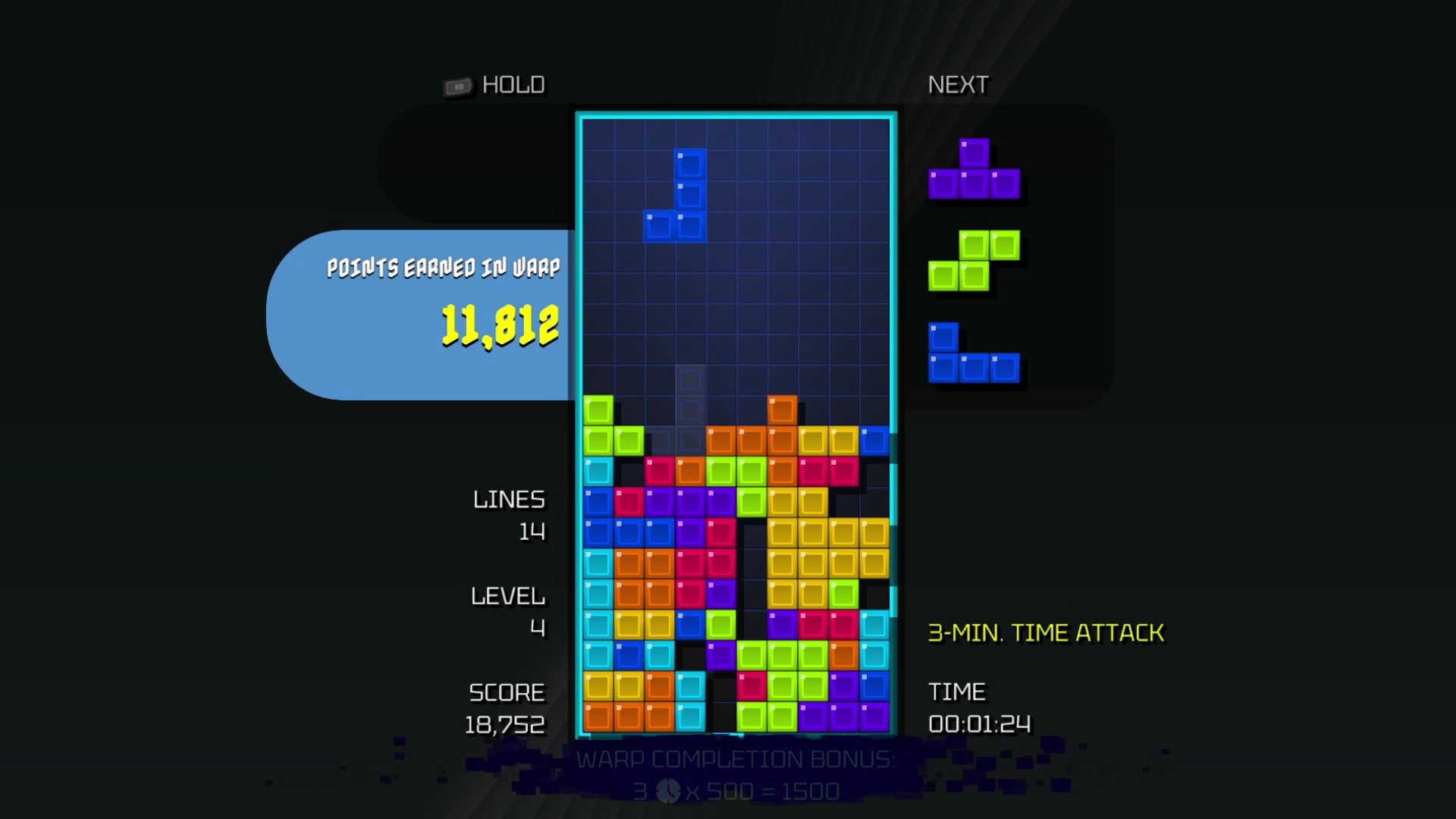
Sadly, only 8-bit games are included here. Nothing past the mid-90s is included. It would have been great to get DS, PS2, PS1, or other consoles on here, but there’s either a rights issue or an emulation issue on Digital Eclipse’s side. Most of the more interesting games are 16-bit and beyond. The lesser-liked sequels to Tetris are included, and a few spin-offs like Hatris, Super Bombliss, and a brand-new game made for this compilation, which is the only non-8-bit game included. This Gold Master release is mostly for those interested in the story of Tetris rather than playing it. Unless you grew up with these 8-bit games, I don’t see any reason why anyone else would enjoy them. Sadly, even the new Tetris game isn’t anything special. It’s not much to look at and just plays like any other Tetris game. The most interesting feature is the 1989 mode, which emulates the Game Boy version, and that’s as close as you will get to it. I don’t see myself booting up an entire compilation just to play this version of Tetris.
The title would have been more interesting as a cheap documentary than a game all by itself. I got more enjoyment out of the video clips than I did the games themselves. With four 8-bit versions of the original Tetris (all inferior versions) and many less interesting spin-offs and sequels, it begs the question as to who this is for. The low asking price helps, but even then, unless you are a massive Tetris fan, it’s hard to justify the cost. Tetris Time Warp is the game you will spend the most time on here, but will you come back to it? Tetris is a fascinating tale and one of the most interesting I’ve had the pleasure of listening to. Tetris is a fantastic and timeless game series, but the content included here does not represent its strongest offerings.
Super Mario Odyssey was one of the best games released this last generation. It was imaginative, never got old, and was just the right length, but I also didn’t want it to end. There was something insanely addictive about Odyssey that the mainline Mario games always got right. I hadn’t felt that way since Galaxy. Bananza is made by the Odyssey team, but can they catch lightning in a bottle twice? As with all other Mario games, the story is minimal and lacks uniqueness. It’s barely there to keep the player threading through a series of levels. Essentially you play as the titular ape who wants nothing but banana gems. He works for a mining company (or so it’s implied) on Ingot Isle and ends up coming across a mysterious talking rock and Void from Void Co., an evil ape hellbent on stealing the Banana Core to make his wish come true. It’s fine. For the most part, I have no interest in Mario stories, but they are at least entertaining.
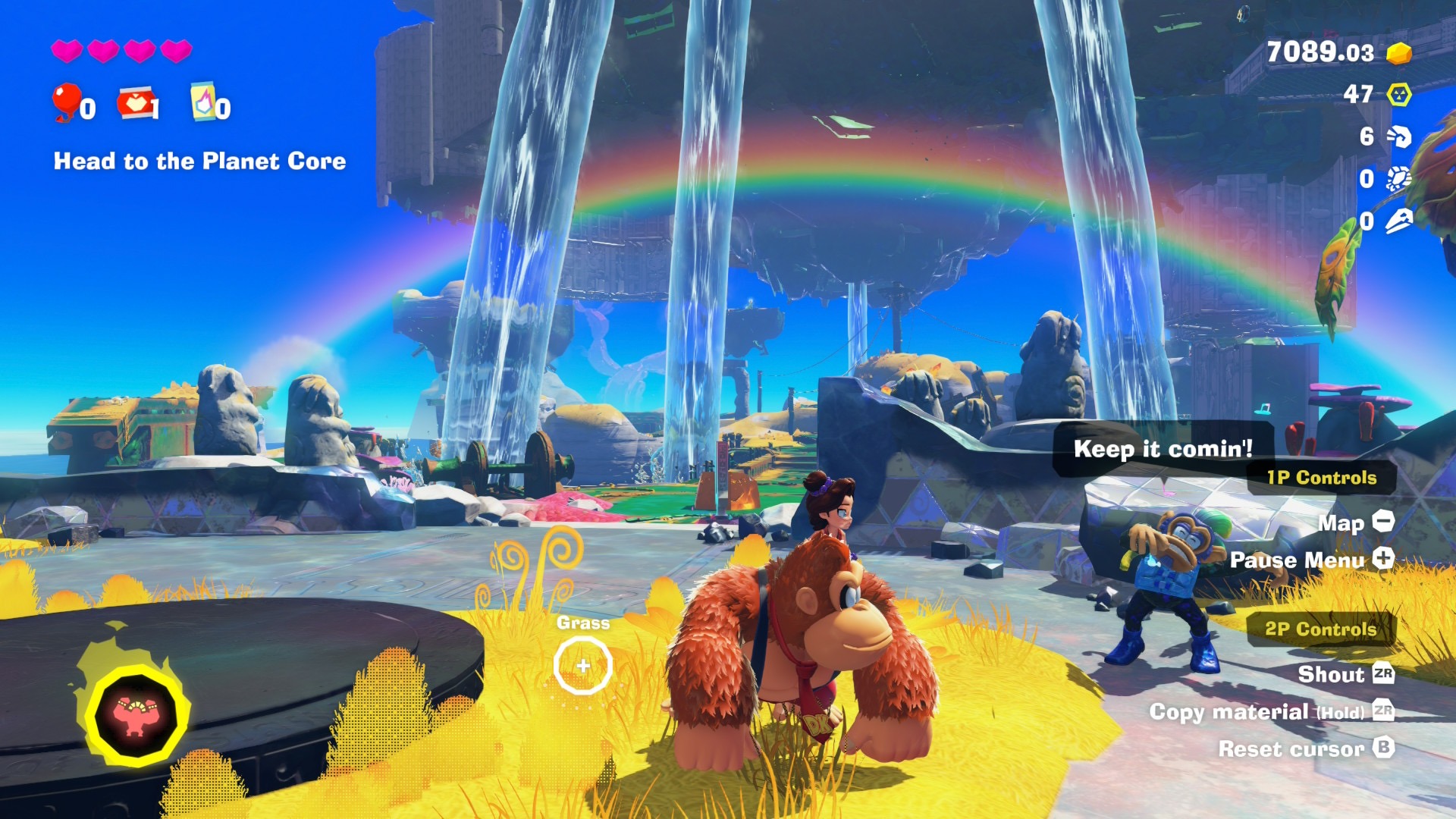
That’s not why you’re here, though. Bananza has a similar gameplay loop to Odyssey in the sense that you can just follow the main story thread and do only the main objectives, or you can venture off and discover a new challenge somewhere or how to get a hidden Banana Gem. In this game, there are 777 Banana Gems in total, while Odyssey features 880 Power Moons. Although there are fewer Banana Gems, the overall size of Bananza is significantly larger than that of Odyssey. The main gameplay element in Bananza is the terrain deformation and total destruction of entire levels. The experience is incredibly satisfying all the way to the end of the game. The game has many layers, but you start at the planet’s outer core and work your way to the center. Naturally, layers will get tougher as you dig deeper, and each level has a layer hardness rating. This means that the primary terrain you are walking on will require more hits to break through. You also have a slap power that produces waves that penetrate the ground, showing you what’s hidden underneath. This ability is essential to finding hidden items spread out everywhere.
This ability is what made this game confusing at first to me. I’m used to most Nintendo games having everything you need to find visible. You just have to figure out how to get there. This adds an entirely new element to the way you think about navigating levels. You can dig through nearly every object in the game. Of course, there are layers and material you cannot dig through to stop you from cheating. However, some Banana Gems have more than one way to get there. You can either dig straight through or find a clue on the surface to get there. These may be obvious dig spots on walls, gold veins leading to hidden items, or places where you need to use one of your five abilities to get to it. There’s a lot to this game, and it can be very overwhelming at first. The completionist within you will be utterly enthralled by the sheer size of some levels and the sheer difficulty of locating their hidden treasures. That’s also the fun of it. You feel like an excavator, an explorer, and someone on a hunt for treasure.
Your main objective will always be highlighted with a yellow exclamation. You need to talk to characters who will constantly extend the breadcrumb trail to get you to the level’s main boss. There are many different ways this can happen. You will encounter a mix of platforming and combat trials, which require you to use your abilities while navigating the current state of the world’s terrain. For instance, you can dissolve the poisonous slime in the Festive layer by grabbing and melting salt chunks. One example is Switcharoo Goo, which consists of two different colors. Hitting one color will fill the other in the opposite X and Y axis. Later levels will throw multiple things at you, such as the Switcharoo Goo, but you need to have an enemy eat it while you run around one color to climb to the next. You must constantly stay alert and respond swiftly. The game’s level design and pace are impeccable. I always eagerly anticipated the next move or the challenges the game would present.
That’s where combat and platforming challenges come in. There are multiple types, and all award Banana Gems. The Combat challenges are single banana platforms that are covered by purple Void Co tape that you need to have Pauline sing to get rid of. When you drop down, you must defeat a specific number of enemies within a time limit, and these enemies are typically of the same type found in the current level, which also includes terrain that you need to utilize. Another terrain example is in the Radiance Layer: there is light that turns certain terrain soft, and in shadow it will turn hard. Enemies can be covered in this terrain, and you must find a way to break through a wall to get the light to shine on them or cover them in shadow. Platforming challenges offer three banana gems, with one hidden somewhere on the level, but they are not timed. Each layer has a2D level in the style of Donkey Kong Country as well, usually named something clever after the SNES series.
Other challenges include Swifty challenges, which are white triangles that require you to destroy all the white wall pieces in that small area in less than 20 seconds. Usually you need to use an ability or manipulate the terrain around you in some way. There are quizzes from the Quiztone (characters in this game are called Tones); some will place a spot on your map for a hidden banana gem, and some challenges are just seeing one through a wall that you can’t get to, and you need to figure out a way around. You’re always thinking and solving puzzles when exploring. They are also incredibly clever, allowing you to solve them instantly and experience a satisfying “Aha!” moment each time. There are a few other challenges I haven’t covered, but suffice it to say despite all of the variety there are a lot of the same type, and they do eventually wear thin after 30 hours of doing them. I will delve deeper into this issue at a later time.
Bosses themselves, while designed cleverly, are effortless and barely offer any challenge. The RPG aspects of Bananza, along with the option to purchase health-restoring items from the shop, contribute significantly to this. You can breeze through bosses pretty quickly. The only real challenge was the final couple of boss fights that seemed to last forever. The situation is pretty typical with most Mario games. Boss fights in Mario games are usually not that hard despite being clever and fun. I just wish there was more of a challenge here. At least the game doesn’t go the route of a boss rush at the end or anything like that. I only fought two bosses again later in the game, so it wasn’t that bad.
As I stated earlier, there are RPG elements in this game. Those gold nuggets you acquire in the game are actual currency to buy things in the shops, construct shortcuts and gateways (rest spots), and unlock challenges. Some main objectives require gold as well. Another currency is banana chips, which are used to exchange banana gems. The third currency is fossils. Each layer has its own type of fossils. Common, uncommon, and rare fossils. These are used at the clothes shop to dress up DK and Pauline. Clothes add defense against the main element in the layer that can harm you, such as burning, poison, shock, etc. You can also change DK’s fur (no added bonus) for some fun. You can then upgrade those clothes up to level 3 with more fossils. Banana Gems are used to gain skill points (five get you a skill), which unlock things like more hearts, making it easier to break through tougher layers, and adding bonuses to your ability powers as well. DK can do a couple of interesting things with terrain, such as using it to “terrain surf” and knock into enemies to travel long distances. Softer terrain deteriorates at a fast rate, so it’s not advised to surf over terrain that can hurt you, as it will disappear quickly from under your feet. There’s an ability for DK to surf over water, allowing you to skate over hazardous surfaces like the aforementioned hot grease in the Festive layer, but this is an unlock in the skill tree.
Pauline herself is an assist character similar to Mario’s hat in Odyssey. She doesn’t get in the way and never leaves your shoulder. You use her voice to change into forms and get rid of purple tape on certain objects. That’s it. She’s a wonderful character to see that’s not shoved off to the side in a Mario Kart or Mario Party game. She has character and spunk, and her relationship with DK over time is charming, albeit nothing more than what you would see in a Pixar movie. It’s not very deep or memorable, but it’s enjoyable to see. I wish her singing was put to more use. While I appreciate the melody she employs when you unlock the purple tape and the catchy songs she sings in each ability form, they quickly lose their appeal. Hearing the same song on repeat every time you transform gets old. The songs also flip when you switch abilities quickly (you don’t need to go back to normal form and re-form into another ability), so it’s like skipping tracks on a CD back and forth constantly. The music isn’t particularly pleasant to listen to.
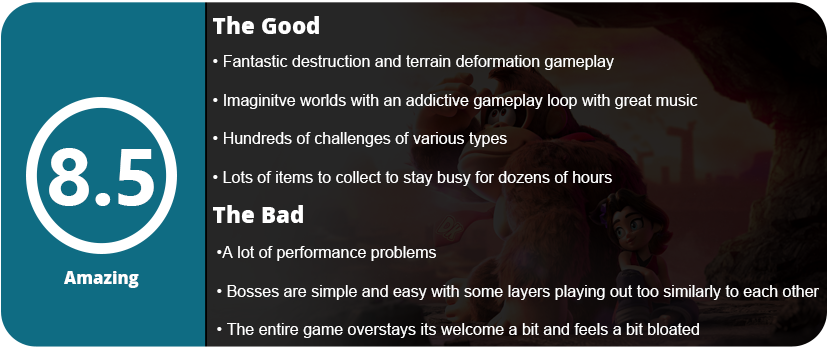
That’s my biggest issue with this entire game. The gameplay becomes monotonous after a while. I loved seeing all the new layers. The first time you drop into the Lagoon layer and see the sky swirling out of the hole like water into this bright, colorful world, it’s fascinating. That never got old, but as you get deeper, those bright and colorful layers are less frequent and give way to drab dark worlds with many browns, blacks, and little light. I feel the game overstayed its welcome, with too many later levels feeling too similar, and many challenges towards the end of the game felt like they were put in to extend the game time. It’s not a good thing that the final level stretches endlessly. There are 17 freaking levels in this game. It could have easily been cut in half with just the best ones, and it would have been fine. I enjoyed having a few “break” levels, such as the Racing layer, which did not include many challenges or require collecting Banana Gems. Occasionally I just wanted a cool new thing to do that didn’t require dozens of hours of exploring.
The visuals and audio are top-notch here. While the game doesn’t quite look like a full-blown Switch 2 game (it was started on Switch 1 anyway), the impressive deformation and destruction and textures that you can almost swear you know what it tastes or feels like are something Nintendo does well. The ice cubes look and sound like real ice. The burger mountain looked so good I wanted to go and get a burger. I wanted to know what the Switcharoo Goo tasted and felt like to squish. The physics and textures are so well done here. However, the game has some terrible performance issues with frames dropping into single digits when hundreds of objects are flying around or when the camera zooms away to show the entire level for a few seconds. It’s noticeable all the time, not just once in a while. I feel like Nintendo not utilizing the power of the Switch 2 is a real problem. No VRR, no DLSS, and the game doesn’t look too hot in handheld mode either. It doesn’t ruin the game, but it could have been better.
Overall, Donkey Kong Bananza is one of the best games this year. The biggest issue with this game, in my opinion, stems from its overstaying welcome, the similarity of many later levels, and the overwhelming number of challenges that eventually become monotonous. The final level could have been shortened, and while 17 levels is a significant undertaking with something new to offer in each one, the novelty does not resonate as strongly as it did in the earlier levels. Nintendo created an experience that is not easily replicated, featuring incredibly fun destruction (such as destroying a building-sized racing cup full of gold, which is one of the most memorable moments in this game), great level design, and making Donkey Kong a fun character for a new generation to play as. From the fun DK Country references (find Cranky Kong in every level for a Banana Gem!) to the fantastic and occasionally otherworldly and surreal feeling and scope of the music, there’s something here for everyone.
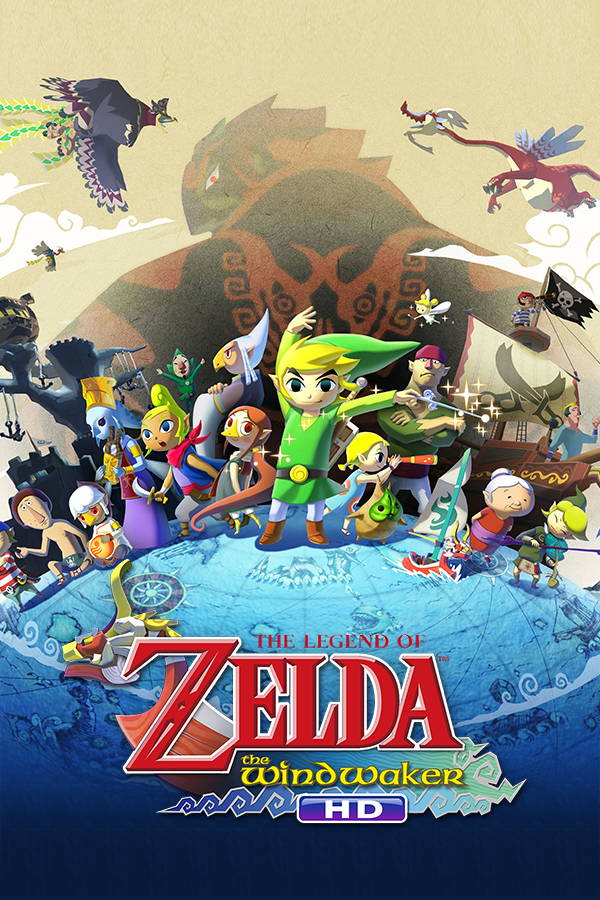
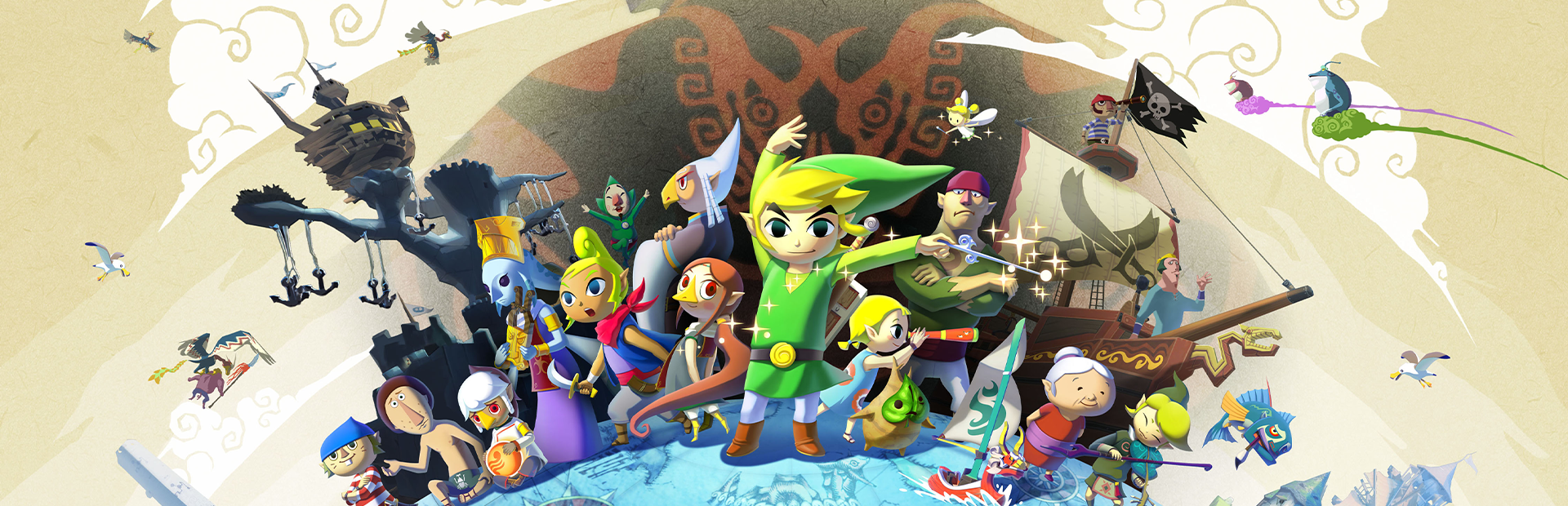
This is a game I have been trying to finish for years. I started the game three times on a Dolphin emulator and lost my save (I never owned a Gamecube growing up), and I finally gave up. I wound up selling my original Wii U before this game was released and missed out, but now that I have a Wii U again, I can finally complete the game, and I certainly did, but with a walkthrough because boy, oh boy, is this game more massive than I ever imagined. While Nintendo games tend not to be very story heavy or deep, Wind Waker HD does have a small story that seems to only have a cut scene every 10 hours of gameplay when you hit a new section of the story. Honestly, it doesn’t feel like much is going on until the final chapters of the game, but that’s okay. We all play Zelda for the gameplay and atmosphere.
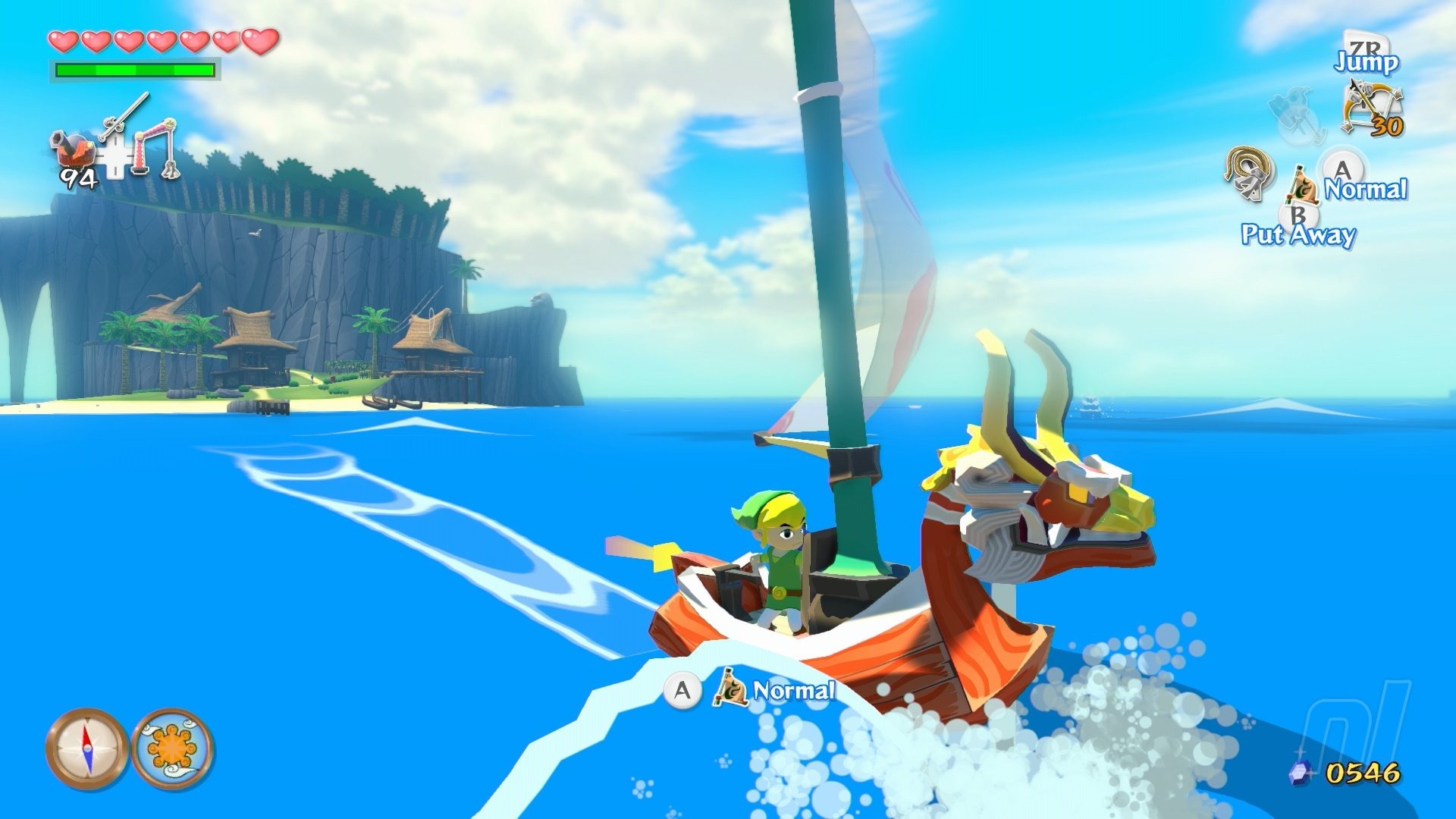
There is a lot to dissect with this game. The premise of the game makes you think this is a simple “kids” adventure due to the bright and colorful graphics and Toon Link design. You start out on an island and get to know the gameplay loop just like in any Zelda game. You fight an old man to learn combat, pick up pigs to understand the need for solving puzzles, and eventually swipe grass to collect rupees, which serve as the in-game currency, just like in every other Zelda game. Upon boarding the Red Lions, you will embark on a vast ocean that features a grid system. You need to use the Wind Waker to change the direction of the wind; otherwise, going into a headwind will cause you to barely move at all. This is the first insanely annoying thing about this game. If I had the Gamecube version this feature alone would make me quit playing. Why is this a thing? In the HD version, you can obtain the Swift Sail at an auction much earlier than in the Gamecube version, which not only allows you to move faster but also enables you to ignore the wind direction.
With that first annoyance aside, Wind Waker is a true adventure. You can sail anywhere and see an island, jump on it and see what it holds. You usually need an item to solve a puzzle, but some don’t require one. In the game, you can explore 28 squares immediately, but it’s advisable to save the sailing discoveries for when you have access to the Swift Sail. One baffling design decision was the requirement to feed a fish in each square, which will then mark the corresponding island on your map. I felt these choices took away the adventure and discovering-for-yourself part of the game, as once you enter the square on the map, it should unveil what island is there. This is one of many tedious side quests that just aren’t needed. The upside to this level is that every fish will give you a hint about the island on the square, but I felt this wasn’t really needed as they are pretty vague anyway.
Like many other Zelda games, there are dungeons to explore that advance the quest further. On your map, you will occasionally see a red circle indicating your location, but at times, the path becomes ambiguous and challenging to navigate. You will get lost effortlessly during certain portions of the game. I feel the dungeon design for Wind Waker isn’t as appealing as previous or later games. The early ones are very short, and they all feel rather labyrinthine and difficult to navigate later on. Some of their difficulty is remedied with pots you can jump into to warp to other parts of the dungeon, but they need to be discovered and uncovered, so even these are hidden around, which is annoying. Most of the puzzles in the dungeons vary, using the same ideas throughout the game, such as lighting sticks on fire, platforming, combat, block pushing, etc. The puzzles vary greatly, and no two are usually alike, but I did find some elements within that bring the experience down a tad. Platforming isn’t outstanding in this game. There’s no jump button, but Link will just hop right off the ledge with nary a breath on the analog stick. This resulted in many character deaths and the need to restart combat sequences. If you die, you restart the room, but if you lose all your hearts, you go back to the start of the dungeon, and all enemies respawn.
Combat is actually pretty good this time around with a lock-on system and some fast-paced animations and action. Swiping three-button to five-button combos is swift and fast, and you can even do a 360 swipe. When you lock on, you can use items without having to manually aim, such as the grappling hook to get them from enemies or bombs. Many enemies can be dodged or avoided, but boss fights are pretty unique despite being fairly easy. The typical boss fight consists of three rounds, which occur after discovering the attack pattern and learning how to inflict damage on the boss. Dungeons play out just like other Zelda games, with small keys to open doors to advance through the dungeon, and these are acquired through puzzles or combat. You will also get items to explore the overworld and advance through the dungeons while seeking the Boss Key.
Most of the side quests in Wind Waker are pretty tedious and are needed to be completed because the infamous final section of the game requires you to pay Tingle a large amount of rupees to decipher the Triforce maps. This has been reduced a lot in the HD version by about a third, as well as the horrendously tedious quest itself of getting 8 Triforce shards and only three Triforce maps. I find it difficult to understand certain aspects of Japanese games. There’s also another tedious section in the form of a boss rush in which you need to defeat all four bosses a second time, but at least they’re easier and don’t require as many hits. With that said, there are also treasure maps, nearly 50 in the HD version, that lead to heart containers and rupees. The rupees are much needed for the end of the game as well as for buying some heart containers by either paying to do mini-games or using the auction house. Everything is connected, and while much of the content is optional, completing most or all of it makes the endgame easier.
The player can extend the game time by nearly 20 hours when doing so. I spent more time exploring, finding treasure maps, completing side quests, getting heart containers, etc., than on the main quest itself. I had a lot of fun doing all of this. Not much feels like a chore, outside of some quests being nearly impossible to figure out without a guide. Digging up treasure chests gets old after a while, but it’s doable. I didn’t care for the submarines or the infamous combat gauntlet of 50 rooms of enemies towards the end of the game. The reward is well worth it, but it did feel tedious. Despite the minor issues, the dungeons and islands all feel different. There are so many different puzzle types and platforming sections that you can shake a rupee at it; it’s absurd. Let’s also talk about the titular Wind Waker itself. This wand is used to make songs that are needed to advance in dungeons, change the wind’s direction, and cycle night and day, which are also used for puzzles. It’s fine, but not nearly as memorable or as special as the Ocarina. You use the gamepad’s touch screen to swipe in the direction of the arrows, and the songs appear on the touch screen for easy reading; however, I found Wind Waker to be less memorable or interesting than the Ocarina. The game would have been fine without it.
The visuals of the game really come to life, making this one of the most iconic and artistically unique games ever made. Back in the day, there was significant backlash against the cell-shaded art direction, which many gamers felt appeared too “kid-like” compared to their desire for a darker, more mature Zelda adventure. The HD version enhances the colors and brings them to life, in addition to introducing many quality-of-life changes to the game itself. Many critiqued the game for having too much bloom effect, but I didn’t mind it so much. Increased wallet size and the ability to use the gamepad as a navigation tool for the map and item management are significant improvements in a game where these features are frequently utilized.
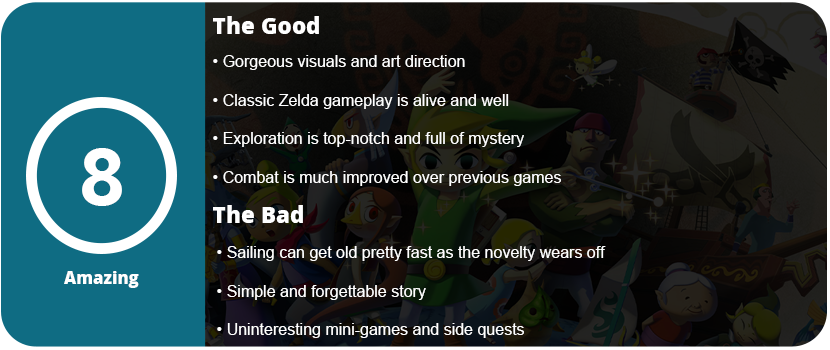
Overall, Wind Waker HD adds many changes to make the game more enjoyable and really enhances the visuals to an eye-wateringly beautiful level. The core game itself has some issues, such as the early dungeons being short and easy, the weird late quests tedium, such as the Triforce shard and map quest, and the repeating boss fights, but this was significantly made more tolerable with these being cut down. Gaining access to the Swift Sail much earlier in the game significantly improves the experience. I found the Wind Waker itself wasn’t a very exciting object and doesn’t match the greatness of the Ocarina. It honestly could have been scrapped, and the game would have been just as enjoyable.
Many of the side quests can be tedious but are manageable; however, many important items and secrets are easy to miss without a guide. Without a guide, you will completely miss the numerous treasure maps, chests, heart containers, and secret items on your first playthrough. I highly recommend a guide for the first playthrough to see most of the game. I found the story forgettable, and while the combat is better than previous games, it’s still nothing special. Ultimately, Wind Waker is a game that evokes strong emotions due to its expansive ocean exploration, which physically separates you from the main quest and extends it into a 40-50 hour adventure.
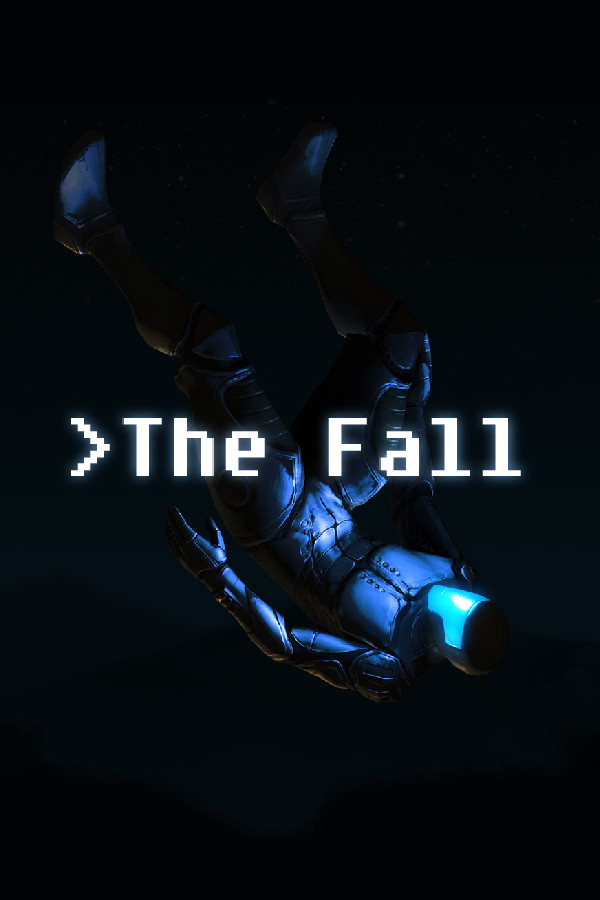
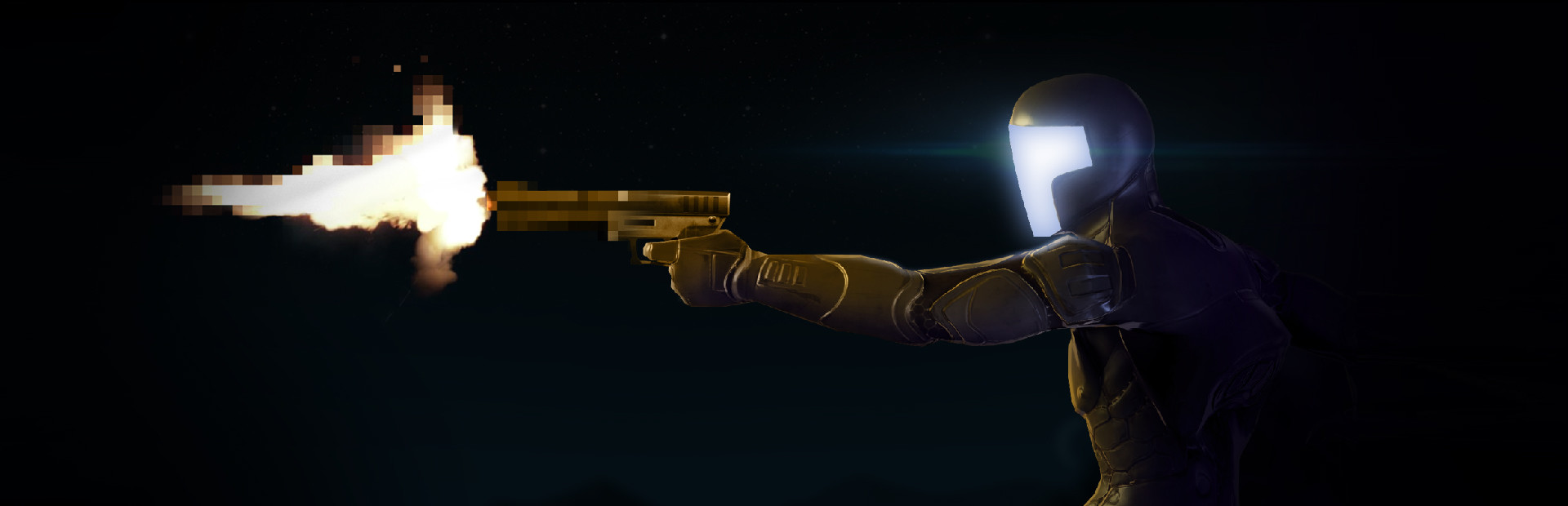
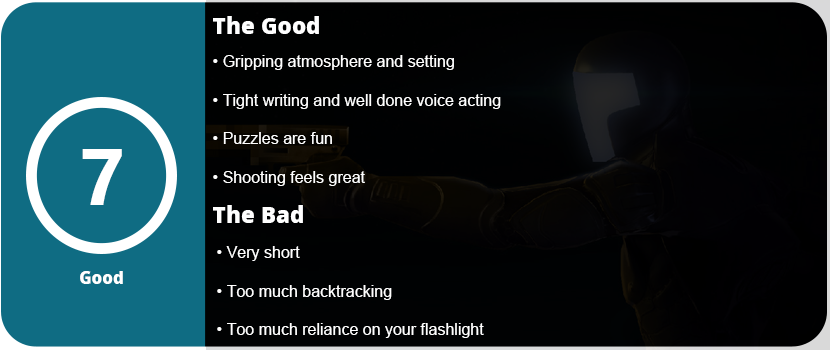
The idea of robots taking over humans has been an age-long discussion, but what if they were designed to help us instead, no matter the cost? That’s the idea that The Fall presents to players. You play as a pilot who has crash-landed on a planet, but the AI known as A.R.I.D. (autonomous robotic interface device) activates and uses an advanced smart suit to essentially control the pilot’s body while searching for medical attention. The pilot lands on a derelict planet run by an AI called the Caretaker, who is examining and studying ARID for unknown reasons. Excellent writing and voice acting bring the story to life, despite its short length. There is not a single wasted line of dialogue or moment. This is an incredible premise and idea that I want to see more of. The Fall is a Metroidvania-lite, but with its own identity. The genre has seen little of this type of game today, especially with the explosion of indie games being produced.
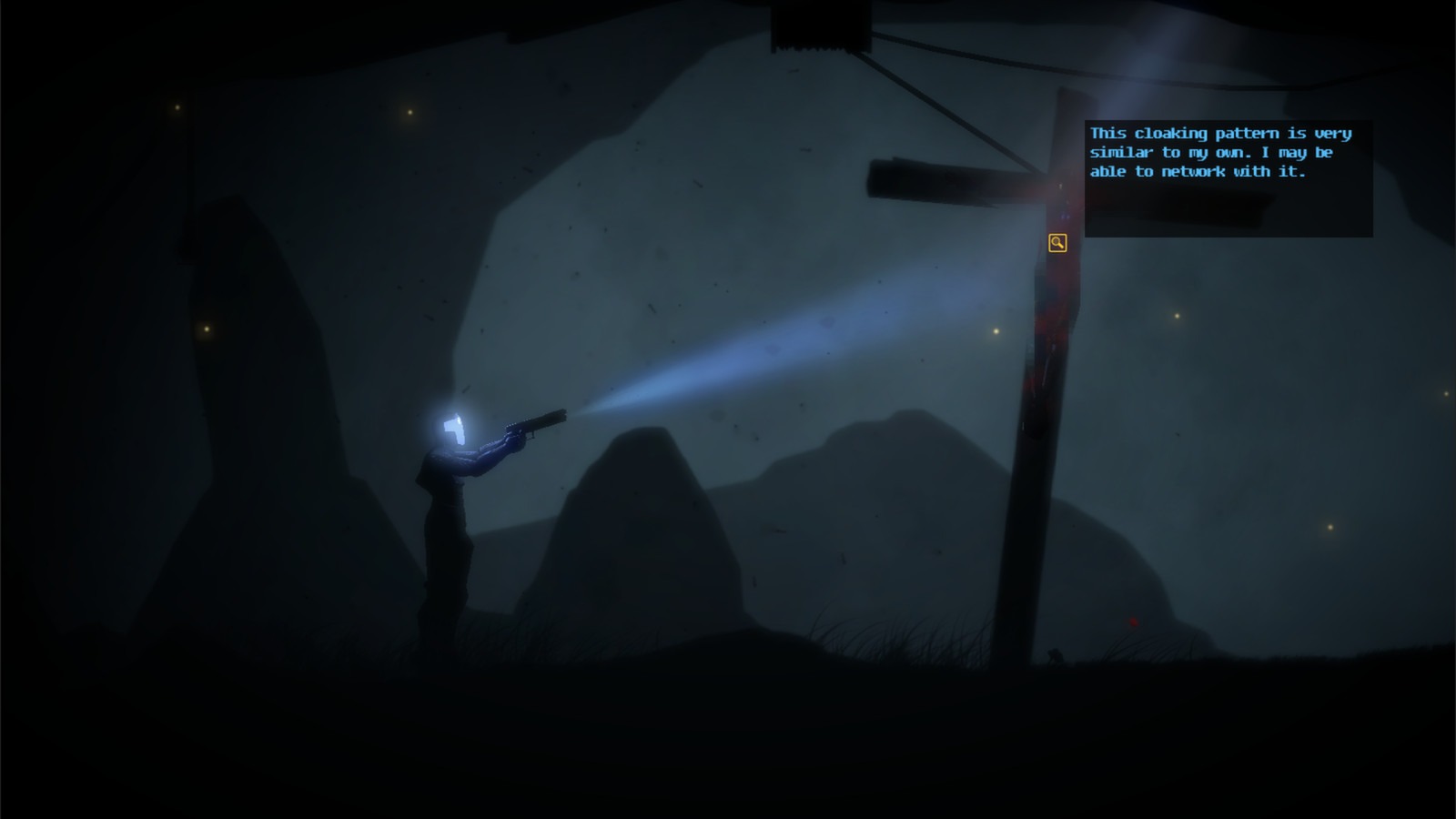
Despite its simplicity, the game boasts a surprisingly complex control layout. You can walk around in a 2D plane, but jumping and combat are limited. You must use the flashlight on your pistol or light the path ahead, as the game is very dark and is mostly underground. When you shine your light over objects, a context piece of text will appear describing it or allowing you to interact with it. The majority of the game is puzzle-based, relying on an inventory system to combine and interact with the right object. The Caretaker’s testing center is the longest section of the game. Many puzzles are actually quite fun and clever, but a few can take a weird obtuse angle and make little sense in terms of how they are solved.
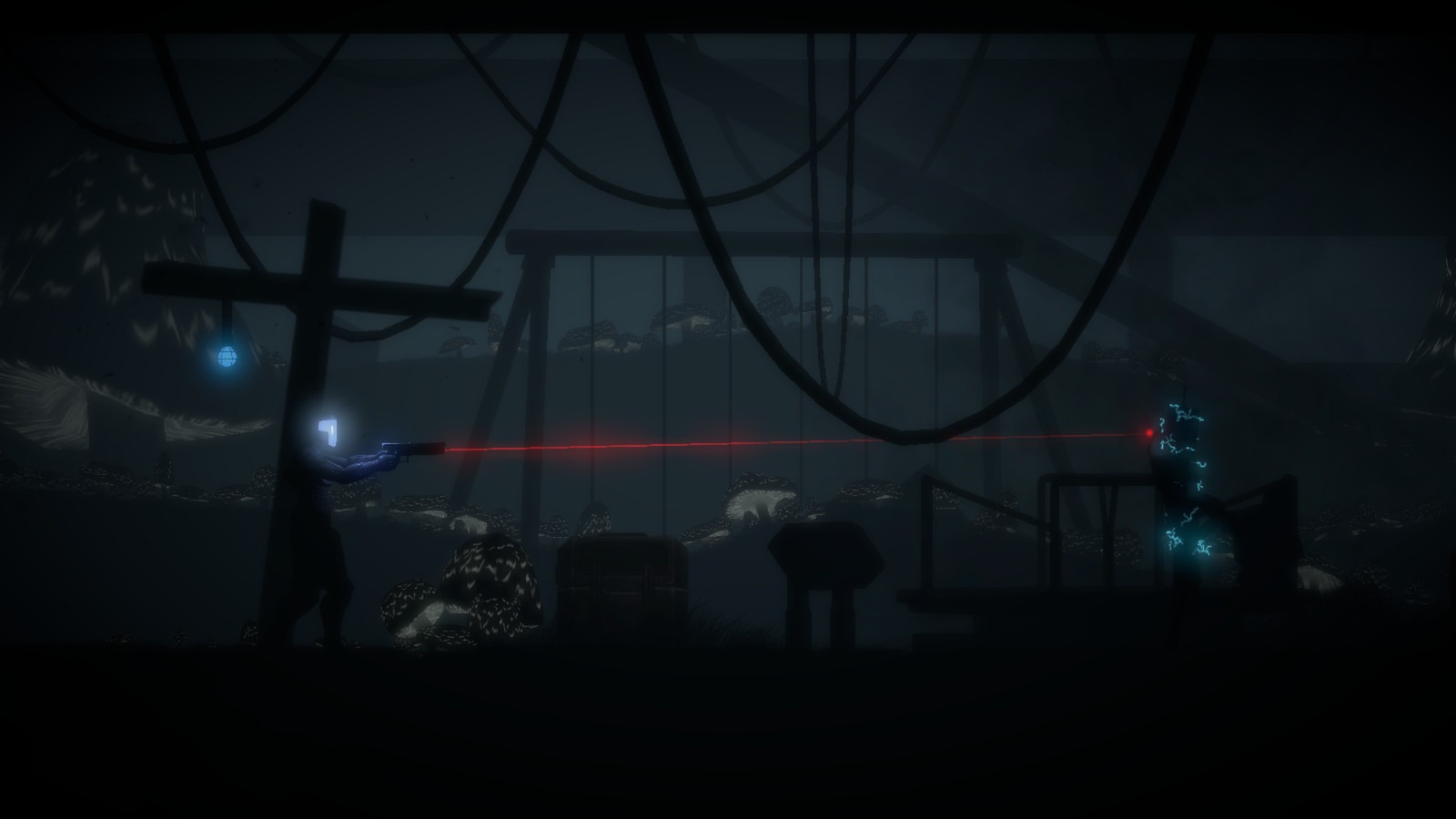
Combat in The Fall is crunchy and powerful but very limited. Other androids will attempt to attack you, but their actions are very limited and occur only during scripted events. You can hide behind cover and pop out to deliver a headshot. You must switch to the laser sight for better accuracy. You can sneak up behind enemies to kill them, or you can advance on them while they take cover. The shots are impactful and crunchy. The combat doesn’t overstay its welcome and is used at the right times. Of course, you can’t use your gun for the first third of the game, as abilities need to be unlocked, such as faster fire rates, the gun itself, and other suit abilities.
The game is tedious because it has a lot of backtracking, so you’ll often go from one end of a level to the other. I understand that this is part of a Metroidvania, but you aren’t going back to a level once you are upgraded and can access new parts of a level. You often find yourself running back and forth to collect parts of a puzzle, hoping you have the correct piece, only to discover that you either don’t or that it belongs to another puzzle located elsewhere. It’s not game-breaking, but it does get old pretty quickly. Once you have read all the text and discovered every part of the level, the adventure part of the game kind of disappears, and all that’s left is the tedious process of solving puzzles and running around.
The atmosphere and graphics are fantastic even today. The game has a surreal feeling of almost transporting you to the world thanks to its great sound design and visuals. While there is a lot going on in the foreground, most of the atmospheric stuff comes from what’s happening in the background. A lot of the background stuff can give you a visual cue as to what’s going on just from one glance. You can see a massive cave and the exterior of a spaceship through the windows, among other things. The few occasions where there is spoken dialogue are excellent, and the excellent writing keeps you captivated with every word.
Overall, The Fall is a fantastic atmospheric Metroidvania-lite that features great writing and tense gameplay, including gun sections that do not overstay their welcome. ARID is a wonderful character despite being a programmed robot, and the ending of the game is well worth your time. This game was one of the few indie titles that contributed to the “indie revolution” of the early 2010s and played a significant role in establishing the Wii U eShop as a prominent platform for indie games.
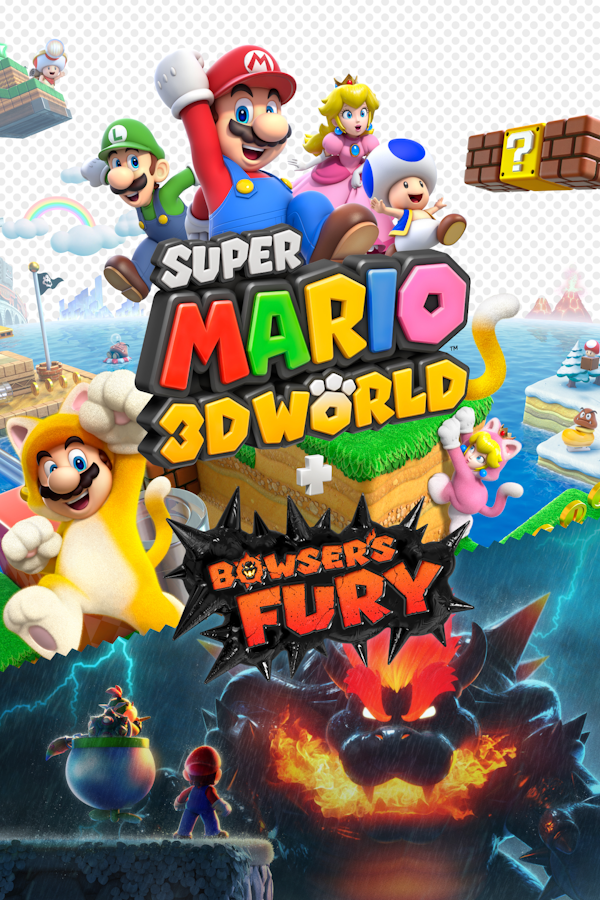
There was never a time when a mainstream Mario platformer was bad—2D or 3D. In the early 2010s, Nintendo was dialing back the more open 3D Mario adventures in favor of more linear 2.5D platforming titles. This shift was sparked by the popularity of the New Super Mario Bros. series, which then spun off two 3D Mario games that were kind of in between that and Super Mario Galaxy. Super Mario 3D Land, which was exclusive to the 3DS, was a lot of fun; however, it was too easy and seemed more suitable for children. The levels were super short; they could be completed in a matter of a couple of minutes, and overall, the game was a perfect weekend rental. Mario games are not typically ones that require 100% completion, since the only reward is personal satisfaction; however, Nintendo attempted to change this with Super Mario Galaxy. The reward is the challenge.
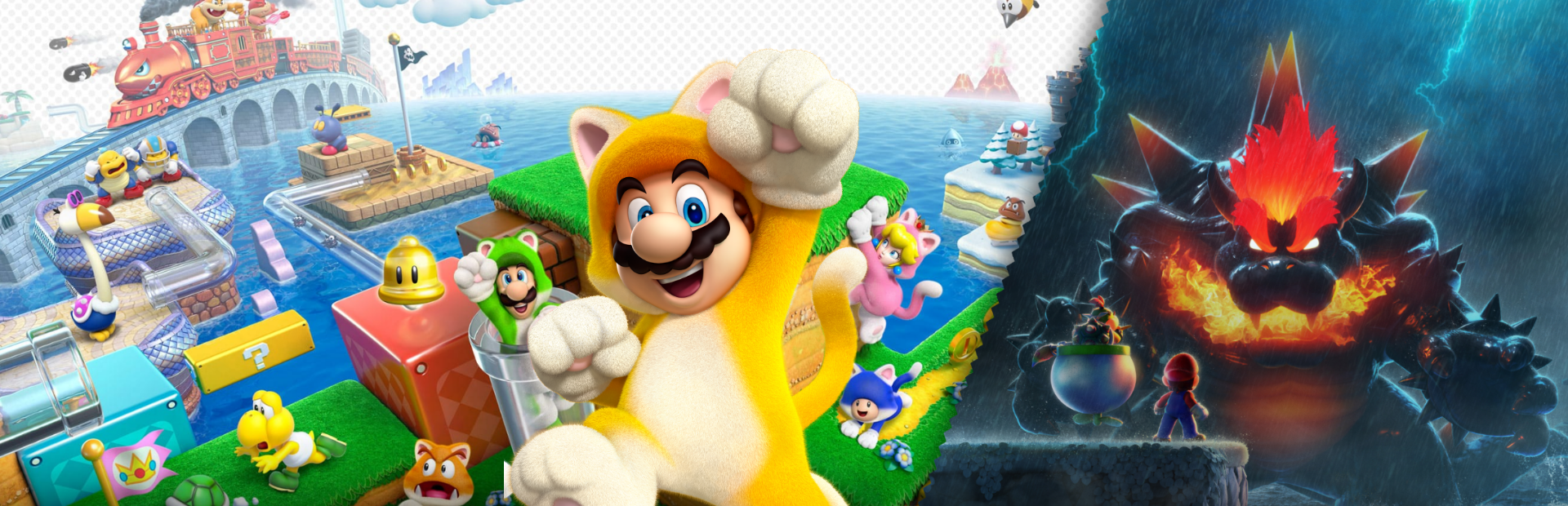
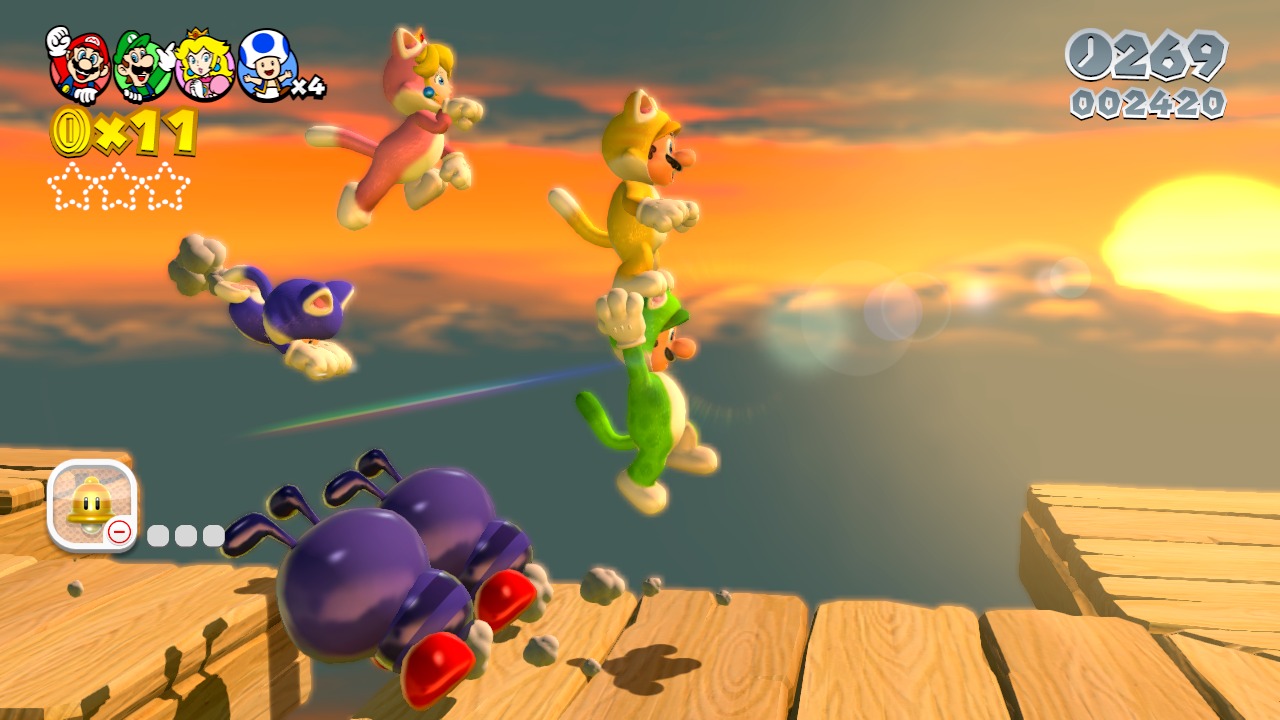
3D World is 3D Land’s bigger console cousin. Released for the Wii U two years after 3D Land, and being the only mainstream 3D Mario title on the system, it was a giant success. Implementing a four-player couch co-op mode and introducing new power-ups while maintaining the short levels from 3D Land seemed to be a perfect match for most people. The game exceeded the capabilities of the Wii U and boasted a stunning visual aesthetic, which it continues to maintain on the Switch today. Bright, colorful visuals similar to Mario Galaxy were a winning combination. The game’s world map has the same standard Mario layout we’ve seen since the beginning. You navigate a map in 3D that has each stage you can enter. There are some small things to do on the map, like enter slot machines to win power-ups and coins, bonus stages, Toad houses with presents, etc. These are neat but don’t really add anything to the game overall. The 3D map functions effectively and fulfills its purpose.
Mario can store one power-up while also using one in this game. Power-ups are suits with something old and something new, like the Cat power-up, which allows you to sprint faster, swipe at enemies, and run up walls, which not only opens up new gameplay possibilities but can also make levels and challenging spots easier. Each stage flows like a typical Mario game. There are constant obstacles to jump across, pits to avoid, enemy patterns to learn, and coins to collect. Coins are simply used to provide you lives. 100 coins equals one life, so don’t feel obligated to hit every single question mark block. Some of the later stages can be really tough, but nothing that can’t be managed if you are careful. What makes Mario games so beloved is how well balanced everything is, and there’s always something new coming at you. No two levels are the same. While many obstacles and hazards are the same, they are always used in unique ways. This is just the Mario design language that has been unable to be replicated to this day. It’s literally perfect. You also get to ride a water Plessie, which has his levels and areas. While he can be somewhat challenging to master in terms of riding and steering, the exhilarating sense of speed is truly remarkable.
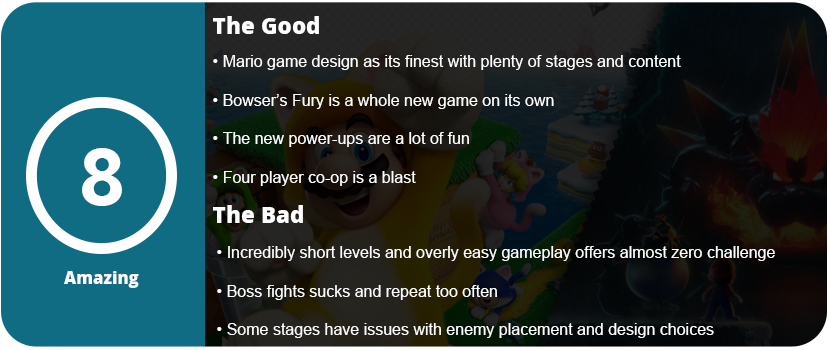
There is a giant variety of levels ranging from lava, ice, clouds, mountain peaks, and many other types of terrain. There are expansive cities, shadowy mansions, eerie caverns, and underwater caves. I can’t think of a single type of level that isn’t in this game. Most levels flow similarly, though. You get a couple of sections that show you what to expect in the stage. Is there a lot of platforming, enemy stomping, running, and dashing? Each level has three hidden green stars to collect and a stamp. This is your completionist objective: to get them all. You do have to get some extra stars, as later boss stages require unlocking them with stars. Some of the stars are very well hidden or incredibly tricky to get without dying. If you die, you keep everything you found and can restart at either the checkpoint or the beginning of the stage; however, since the stages are so short, this isn’t a huge deal. Occasionally, there are levels that can be incredibly frustrating. Either a group of enemies is just in the wrong place, or something just isn’t designed well within the level.
Mario can stomp enemies, but with a power-up, he can attack from afar or swipe. The Fire Flower can throw fireballs, the Koopa suit can throw boomerangs, and the Tanooki suit allows you to jump farther; additionally, if you die at least five times, you will receive the white Tanooki suit, which grants invincibility. This optional box is located at the checkpoint. This item is great to use if you just want to power through a level and get the stars and stamp. Just remember, if you get a single hit, you lose the power-up, and another hit makes you tiny. Three hits and you’re done. The boss fights are really disappointing, incredibly easy, and repeated often, which seems to be a trend with 3D Mario games at this time. I keep saying Mario, but there are other characters, and they all feel different to play. Luigi jumps higher, Peach jumps farther, and Toad is faster. Some secret areas require specific or multiple characters to activate. In single-player, you can pick up the new cherry power-up to multiply yourself for these puzzles. However, controlling a number of characters at once is tricky.
Bowser’s Fury
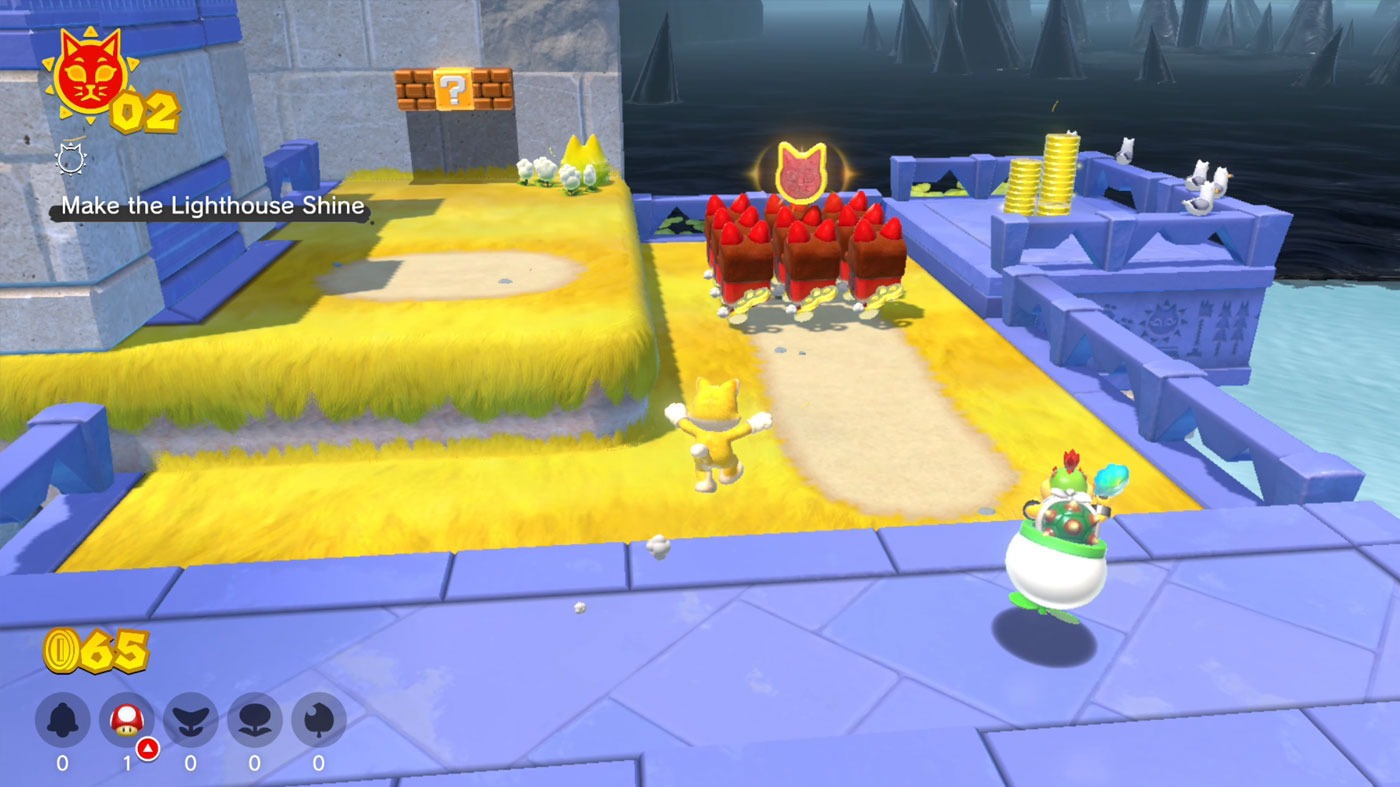
If you don’t 100% the game, you can blow through the entire thing in less than 6 hours. It’s a very short game. Thankfully, the Bowser’s Fury DLC was included, and the game is like a whole new mini Mario adventure on its own. You break away from the classic linear levels and are dumped into a small 3D map that has islands that play out similar to the 3D World levels. You can explore the areas surrounding these islands for small mini-games that award Cat Shrines, which are the new stars in this DLC. You need 40 to fight the final Bowser boss, but there are 100 in total. It’s a massive DLC that’s another game all on its own. There’s no new focus on new power-ups. They just took the 3D World stuff and threw it into an open-world design, and it works.
A gate marks the start of each “stage,” showing the Cat Shrine goal name and how many are left. Each island has five Cat Cards you can find, which will award a Cat Shrine. Each new run in the level allows for a new way to navigate it. One run might focus on platforming, while the next run provides a helicopter box that allows you to fly around the small island in search of a key to open the cage containing the Cat Shrine. The levels are just as well designed as the main game, and the final few stages are tough but fun. The new element here is that Bowser is a massive Kaiju monster, and every few minutes a rainstorm starts, and Bowser will start throwing stuff at you, and this also opens up gameplay opportunities. There are Bowser blocks hidden around some islands, and if you stand by them while Bowser is out, he will breathe fire on them and break them, usually revealing a Cat Shrine. The number of shrines hidden throughout this DLC is massive, and it can easily take a player 6 hours just to find all of them with a guide.
Once you get enough Cat Shrines, you can fight Bowser in a new Giga fight. There’s a massive Cat Bell at the center of each of the three islands, and when Bowser comes out, this will light up and ring. Grab the massive Cat Bell, and you will transform into Kaiju Mario, allowing you to brawl with Bowser. Here you need to dodge his attacks, swipe at him in any of the power-up suits, and power stomp him when he’s belly up. Throughout the storms, if you clear a lighthouse while he’s out, it will take some health away so he’s easier when you fight him. This innovative approach to gameplay is unparalleled in previous Mario games.
Of course, the same old bosses from the main game are found throughout the DLC, which sucks, but you get Bowser Jr. to tag along with you, and he can assist in combat, or you can tap on giant question mark graffiti icons to get a power-up. A second player can control Bowser Jr. too, so this is obviously a more single-player-focused DLC. In this DLC, you can hold as many of these powers as you want. Since you are on a giant set of islands, the entire game takes place in the ocean, so to get across large distances, you can use a Plessie, who also has his own sprinting mini-games to get Cat Shrines.
Overall, Super Mario 3D World feels excellent to play and is a lot of fun, especially with four players. My biggest gripe is that the game is far too easy and the stages are too short. After Mario Galaxy, I feel like the series hadn’t quite hit that stride until Odyssey came out. The physics of the game also feel a bit off. I often had some perspective issues where I fell off ledges and misjudged jumps because of the camera angle. The level design overlooked or couldn’t help these quirks. I also find the boss fights monotonous and simplistic. Upon reaching the 6th world, I began to feel a sense of exhaustion with the game, and the remaining areas became somewhat tedious. Bowser’s Fury, a fantastic DLC, effectively bridges the gap between 3D World and Odyssey. Overall, the result is a solid game packed with content.
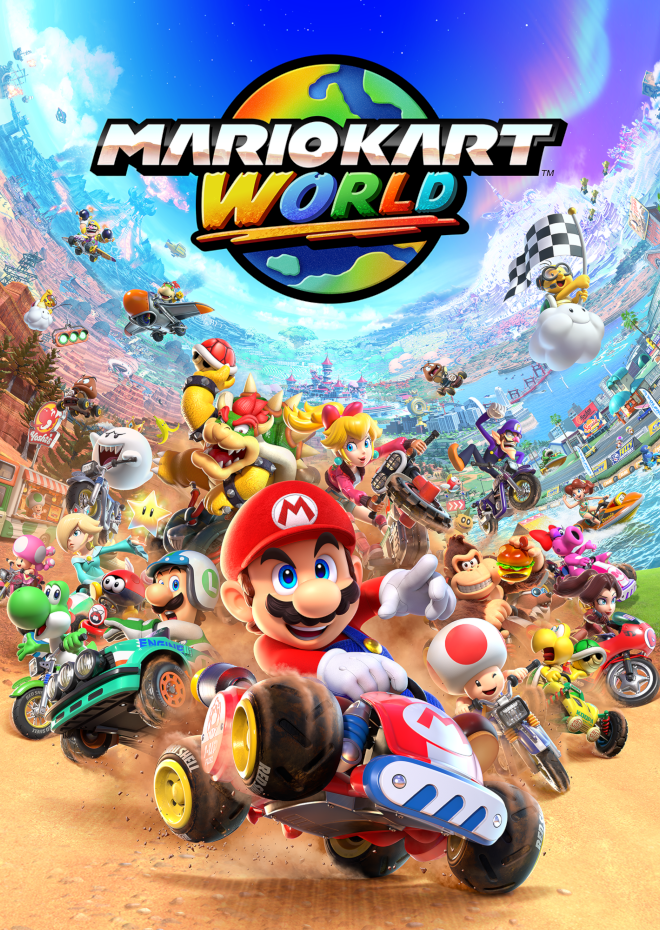
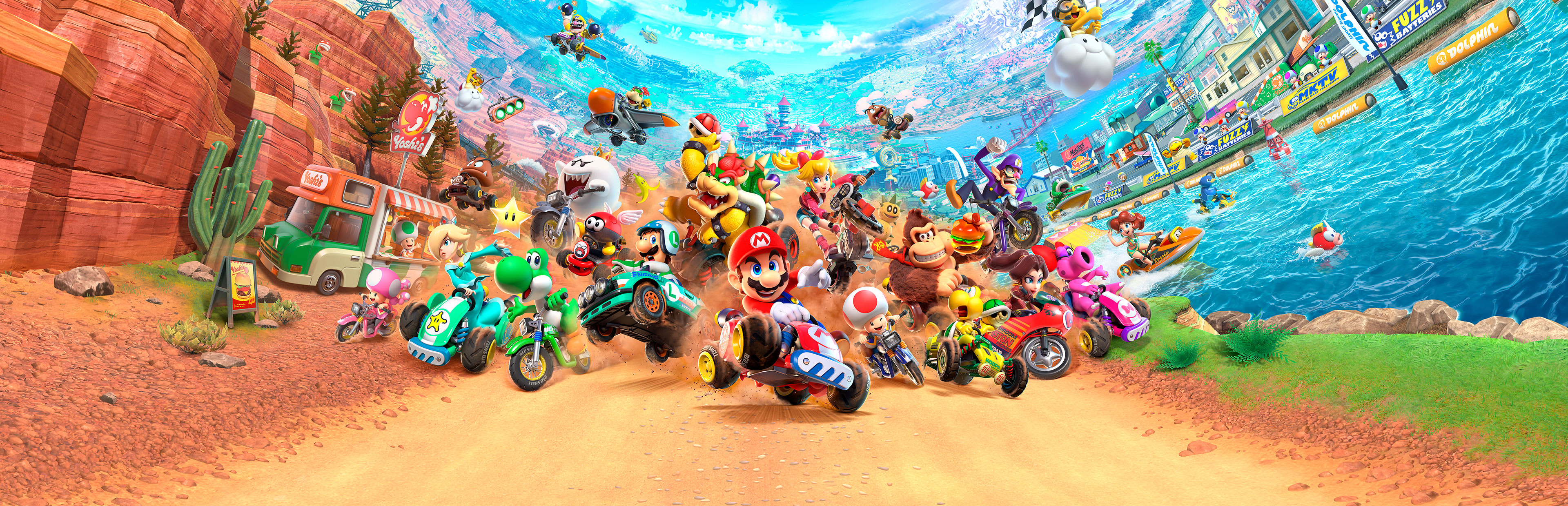
It’s baffling to see a game like Mario Kart lead a system launch, and while I’m not the biggest Mario Kart fan, I do enjoy them. They are fantastic to look at, with great controls, characters, and charm that very few other kart racing games have been able to copy. With the game being a launch title, it needs to wow everyone and sell consoles. While Mario Kart 8 was ridden on for two console generations (yikes), the present release is the first new Mario Kart in over a decade. I do understand that this is a game that will get better over time, and while what’s here feels small in comparison to Mario Kart 8 Deluxe, in due time, this will be the definitive Mario Kart game, but the design changes that Nintendo made will require me to tell you to hold on to your copy of MK8D. Don’t toss that out just yet.
Let’s address the pressing issue at hand. There is an open-world aspect to the game, but it’s not what you would think. The idea of Mario Kart World is to meld races together into one seamless track rather than having individual tracks, and this doesn’t feel like it was executed well enough. I like this idea because it helps the series evolve significantly and feels enjoyable; however, it results in some tracks feeling slightly less unique since they must conform to the world. There is more than just the track. Everything that you see outside of the track you can drive on, but at what cost?
Of course, there’s no story here, but you get plenty of new characters, returning and brand new to the series, as well as some unlockables. Your usual contenders are here: The usual contenders include Mario, Luigi, Peach, Daisy, Rosalina, Wario, Waluigi, Bowser, Toad, Toadette, Donkey Kong, and baby versions of these characters. New characters include more obscure enemies and side characters like Pauline, which makes sense, but now we have Cow, Cheep Cheep, Lakitu, Nabbit, Monty Mole, and many more. These are odd choices, and I’d rather have more guest characters, but it’s neat that they are including other characters and not just playable characters from previous games. You can also pick many new vehicles with four different stats to look for. Handling, Acceleration, Weight, and Speed. Everyone will have their favorite, and the vehicle stats determine how you drive it. Handling allows for better drifting and how well you stay on the track around corners, acceleration will get you out of crash recoveries faster, and top speed will make it more difficult to get caught up to when you’re in first place and benefit from longer stretches. Vehicles transform like before into watercraft and aircraft, but I’m sad to see there is still zero customization. Let us make our own vehicle and decorate it. We’ve missed a significant opportunity, but we can incorporate it in the future.
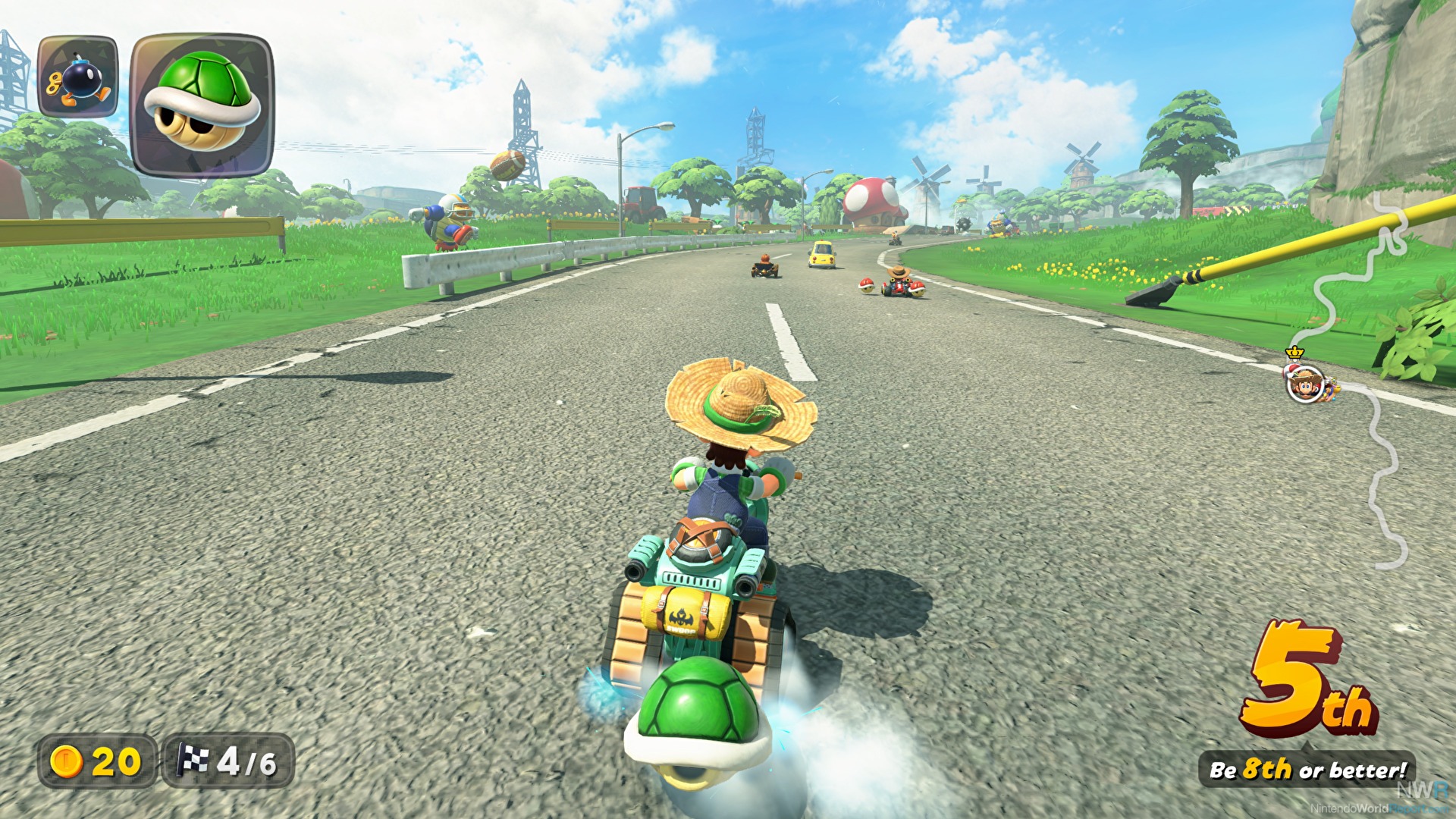
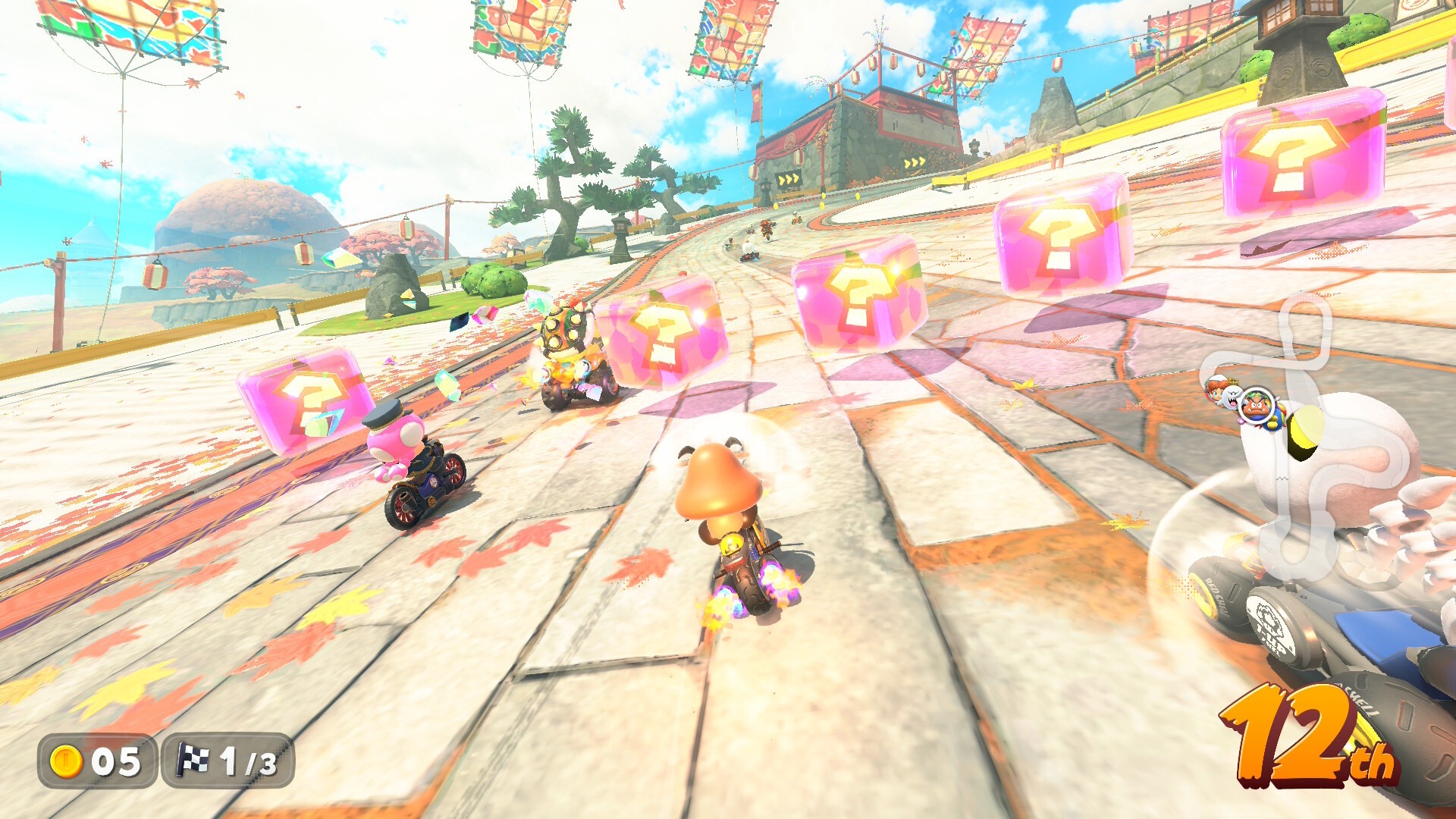
Racing itself feels as excellent as always. The sense of speed is outstanding; vehicles drift and hit objects with a satisfying feeling. Speed boosts, ramps, jumps, and everything else that you run over and smash into are here. Many power-ups return, such as the colored shells, bananas, and mega mushrooms, you name it. Nearly every item from past games makes it here, making this sequel the biggest arsenal of power-ups in any Mario Kart. New items are fun, such as the hammer, which will knock opponents out and make them road obstacles; the ice flower, which slows you down; the coin shells, which will leave a trail of coins; and dash food, which is the new major item and is related to the Free Roam mode. These items will give you a huge speed boost and change your outfit on the fly as long as more are unlocked. Power-ups give a huge strategic advantage on the road, with players having their favorites. You can still throw items in front of you or behind you to gain various advantages. Combat on the road has never been better.
There are now new platforming elements tossed in, such as rail grinding and wall riding. This allows new vertical movement on the track. You can press the left stick left or right while jumping off a rail to wall ride, so it’s simple and easy. This is also used in Free Roam to get to hidden areas. This is a more advanced movement, but it’s really satisfying when you do it. Vehicle control in general feels better than ever, and everything just feels weightier, but not in a bad way. The updated physics really help, and you can feel it everywhere, from how you hit objects to the way water makes your car bounce. A huge update is the doubling of opponents on the track from 12 to 24. This modification does feel more chaotic but makes more sense with the tracks feeling wider and larger as a whole.
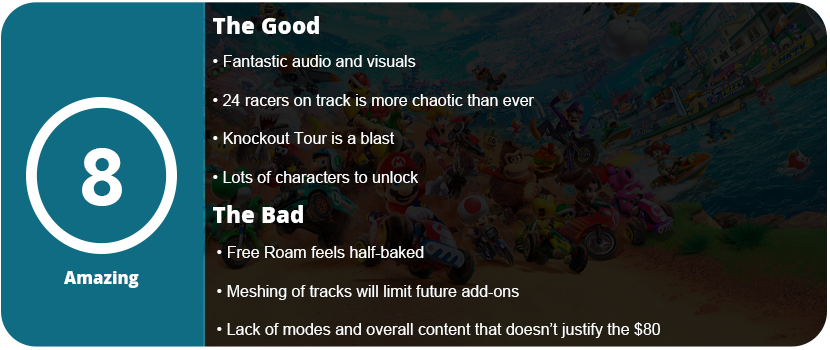
This leads me to the Free Roam mode and the Knockout Tour mode. The Free Roam mode, which unlocks new outfits by finding specific Dash Food spots with each character, is the biggest addition. You can select any character from the map, and you will instantly warp to that character. The major focus here is the P Switch missions, which kind of train you on how to play the game and learn more advanced movements and tricks. These fun switches are hidden in every course, but only stickers are given as rewards. There are also Peach coins to collect and question mark panels to find, which also give stickers. This isn’t enough for a Free Roam mode. The world, despite looking lovely, feels empty and boring. There’s nothing to do outside of the collectibles. Once you find all of those, that’s it. There’s zero reason to go back in.
This step leads to the Knockout Tour mode, which is a series of continuous races that link one track into another. This mode is similar to the Elimination mode from Burnout, assuming you are familiar with that game. It’s a long endurance race that usually lasts around 5-6 minutes, and it’s a lot of fun. It allows a longer game of tug-of-war with opponents and really puts your skills to the test for a longer session. The multiplayer mode, which is the core of the game, is a lot of fun. While finishing every cup in single-player is enjoyable and helps you learn the courses, multiplayer is where most people will come back to. This applies to both online and offline modes. This expansion also introduces the new Game Chat feature with video and audio, and it can be a blast to use. The course design is still top-notch, despite needing to bleed into other courses. This allows for terrain regions from desert, beach, snow, ice, and various other types of terrain. The map makes sense and looks like a “world,” but it’s still tiny and limits the number of tracks available. I’m not sure if the sacrifice of more tracks was worth it to have this open-world design.
Sadly, many diehard fans will attest to this open-world design. It will mean adding more sections to the world to add tracks, and maybe one day we will get all of our favorite tracks back, but in an open-world form. The maps contain many small details that often go unnoticed, such as the ability to drive through a gas station and pit stop on the Mario Bros. Circuit. The maps feature food carts, vendors, downtown shopping areas, and other vehicles driving on the roads outside of the courses. It is almost there, and in some spots, it can feel alive, but something is just missing here to make it feel like a robust, open world. Additionally, I believe that the inclusion of just one new mode is a significant oversight, as the absence of tracks and the subpar free roam mode could have been compensated for with more options.
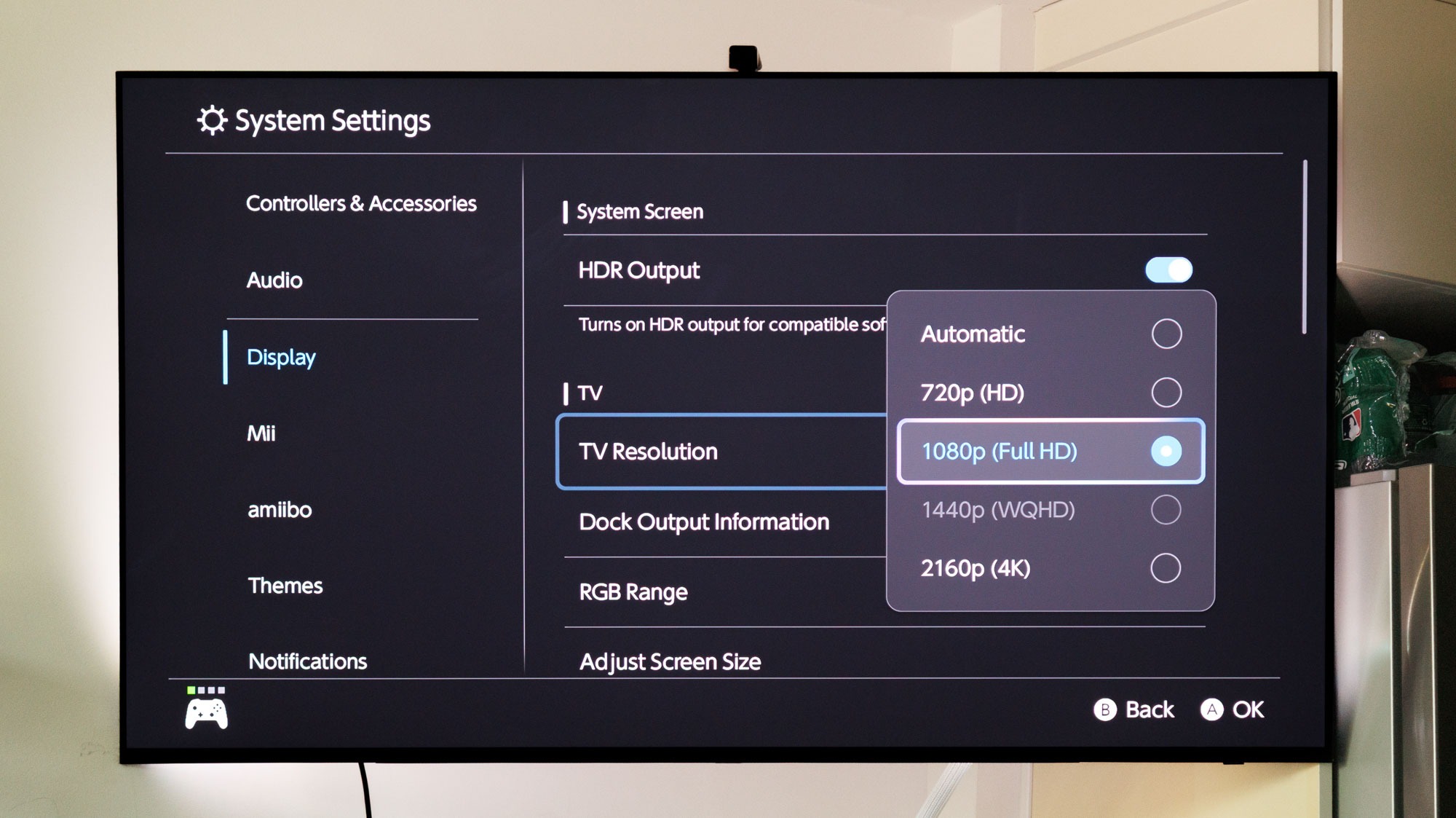
Visually, the game is fantastic. The game clearly utilizes the majority of the new hardware on the Switch 2. Great lighting, full 1080p on handheld, highly detailed models, better textures and physics, and even HDR support. This title is definitely the Switch 2’s killer app…for now. As the game stands now, it’s also not worth $80. There isn’t $80 worth of game here, but hopefully that changes with more updates added in. Sadly, this is a game that only time will tell if it’s worth the money you paid, and it’s Nintendo’s only major console game at the moment. Free Roam is a nice touch but lacks content, and Knockout Tour is the standout mode here. There are many characters to unlock and many outfits, so there’s something here for everyone. You might want to hold onto your copy of Mario Kart 8 Deluxe for now.
Switch 2 Pro Controller Switch 2 Joy-Cons Docked/Undocked
We finally made it. It took over 8 years, and what feels like a whole life ago, to get to the sequel. Nintendo’s success has been largely attributed to the success of the Switch. 2017 was a tough year. In the first year, the console was met with little fanfare and releases, but it gradually gained popularity and surpassed the PlayStation 2 and Nintendo DS to become the single best-selling console of all time. Around 2020 people wanted a Switch Pro, but instead we got other typical iterations of the Switch, such as the Lite and OLED. We met both of these models with plenty of enthusiasm, but we saw no raw spec upgrade for the system. Ever. What people wanted was divided. Some individuals desired Nintendo to innovate, much like they did with the Wii nearly two decades ago, while others simply desired an improved version of the Switch. We got the latter.
Some Tech for Your Brain
The Switch 2 wasn’t announced with open arms. Not entirely. A lot of outcry has been about pricing, game ownership, and specs. What we got spec-wise was more than expected from Nintendo. While the Switch 2 does not quite surpass the competition, it is positioned closely alongside them. The Switch 2 boasts a custom Nvidia chipset with Ampere technology. This feature puts the Switch 2 in the same ballpark as the RTX 2050 Mobile series GPUs, but it’s not a 1:1 scale. The weaker CPU, which is identical to the one in the Switch 1, is what primarily holds it back. Despite a more powerful next-gen GPU the CPU being weak means that games will need to be well optimized to push everything to the GPU as much as possible. Nintendo’s power was obviously scaled back for mobility, but the system uses more modern technology while docked, such as HDR, ALLM, VRR, and higher refresh rates, as well as PCM Linear 5.1 surround sound. We now have increased onboard storage of 256 GB, which means purchasing a micro SD card is not immediately necessary. However, Nintendo locked many users out, as you can’t go grab that 128GB SD card that’s been sitting in a drawer. You need express-rated SD cards, which are quite pricey right now. While the SD card technology isn’t a proprietary storage solution like Sony used to use, it does limit a lot of people and requires you to shell out more money for an already expensive console.
Unboxing a Slate
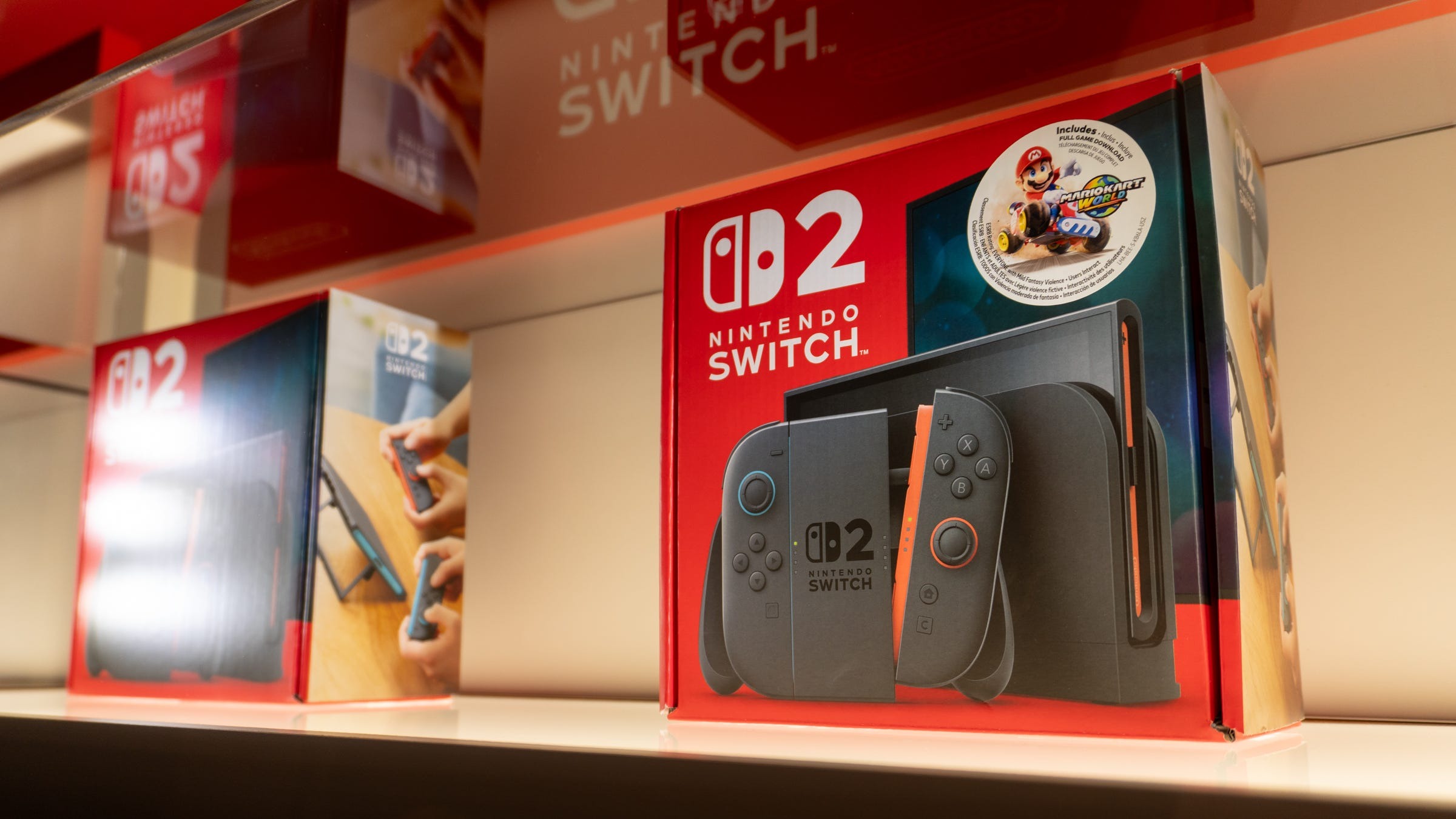
The unboxing experience isn’t anything special, and I’ve mentioned this with other modern devices. The focus is less consumer waste, less cardboard, no polystyrene, and fewer things to throw away. You receive all the same items that were included with the original Switch: Two Joy-Cons, a dock, an HDMI cable, a power cable, and Joy-Con straps. While these are essentially the same, they are also updated and new. For example, the power brick is now a detachable USB-C cable, so you can replace the cable if it fails. The Switch 2, however, needs a more powerful power supply. The Switch 1’s 15 measly watts won’t suffice anymore. The Switch 2 uses 60W, so you will need to upgrade your power banks and charger adapters. Handheld gaming PCs (usually 65W) will suffice. The dock is new and updated. The updated dock now includes a built-in fan, which makes it bulkier; however, it also features a back cover that can be completely removed, exposing the same ports: HDMI, USB-C, and LAN. We also get two USB-A ports on the side. It feels appealing and solid, but it is not backwards compatible with the original Switch.
Hardware Overview: Joy-Cons of Madness or Greatness?
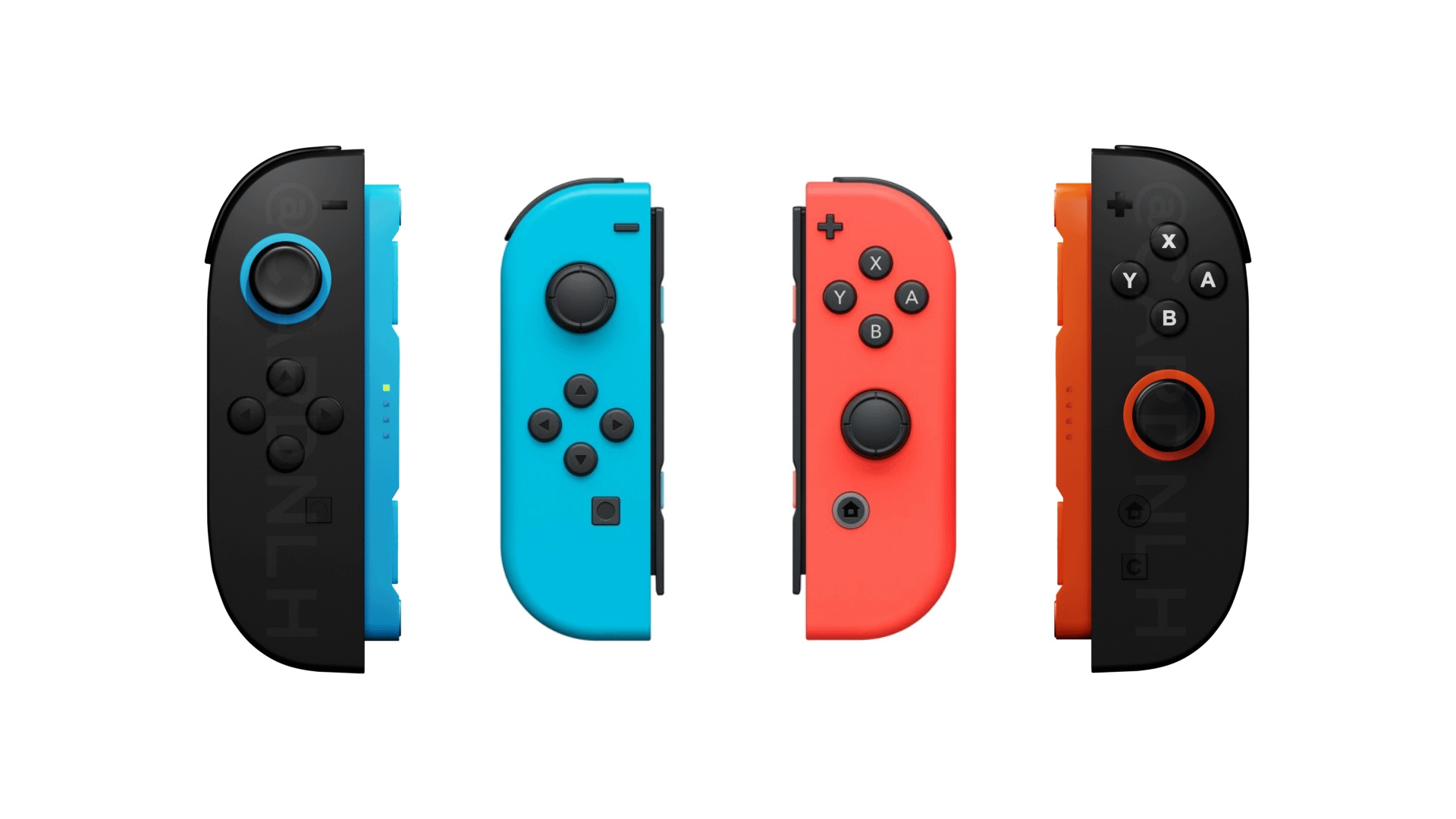
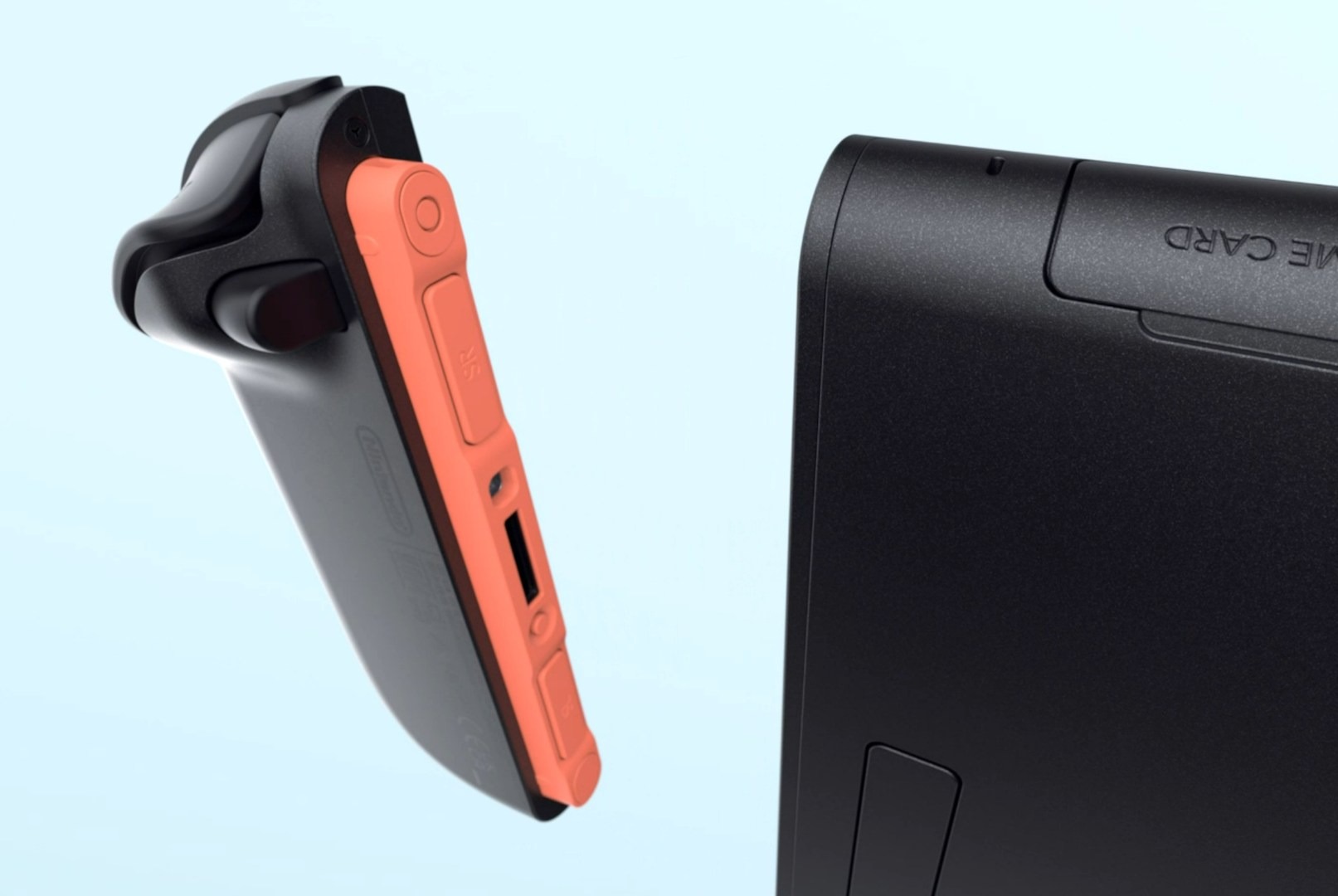
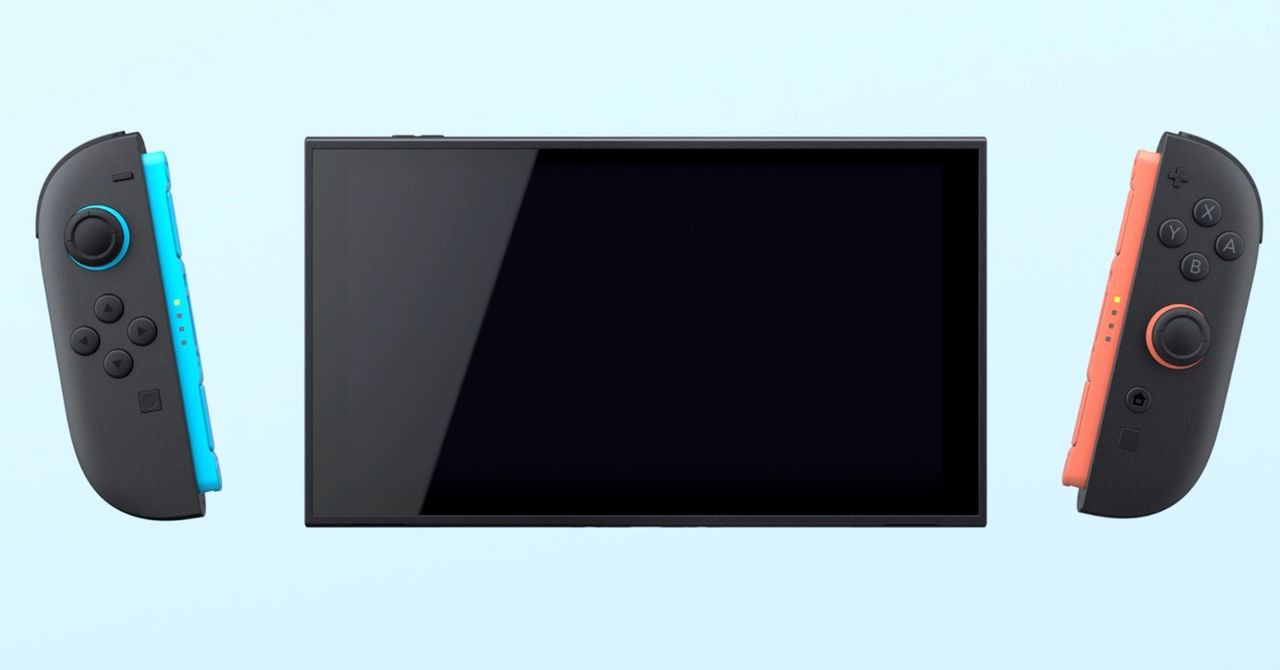
To get the biggest question out of the way, it’s uncertain if the new Joy-Cons will drift, but they lack Hall Effect sensors. They are apparently built from the ground up to avoid this, but only time will tell. With that said, they are slightly larger than the original ones and are much more comfortable to hold. The buttons are less mushy and have a more tactile click. Sadly, there’s still no real D-pad, but the clickiness of the buttons makes it feel a bit better. Here’s the other big question. What’s the deal with those magnets? It’s a real gamble, and somehow Nintendo pulled it off. They are incredibly strong. There is a new “trigger” switch on the back of the JCs that you pull, like ZL or ZR, and this activates a plunger that pushes the JC away from the console. The electrical connection is now a new connector slot that also adds stability. It’s a very satisfying feeling, and the new JC animations that play are nice. It’s such a strong magnet that you get a physical and audible snap when connecting them. There is an ever-so-slight wobble when twisting the system slightly, but it’s not noticeable when actually playing. We will see over time how these hold up mechanically. The JC’s new controller dock is nearly the same, but it’s taller than wide. I still had hand cramps when using this thing, and sadly, I never really used it for the original Switch. This accessory was reserved for people who used the JCs as a controller and, for the most part, was stored in a drawer for the last 8 years. The same fate will occur with this device.
Hardware Overview: Upgrade or New Machine?
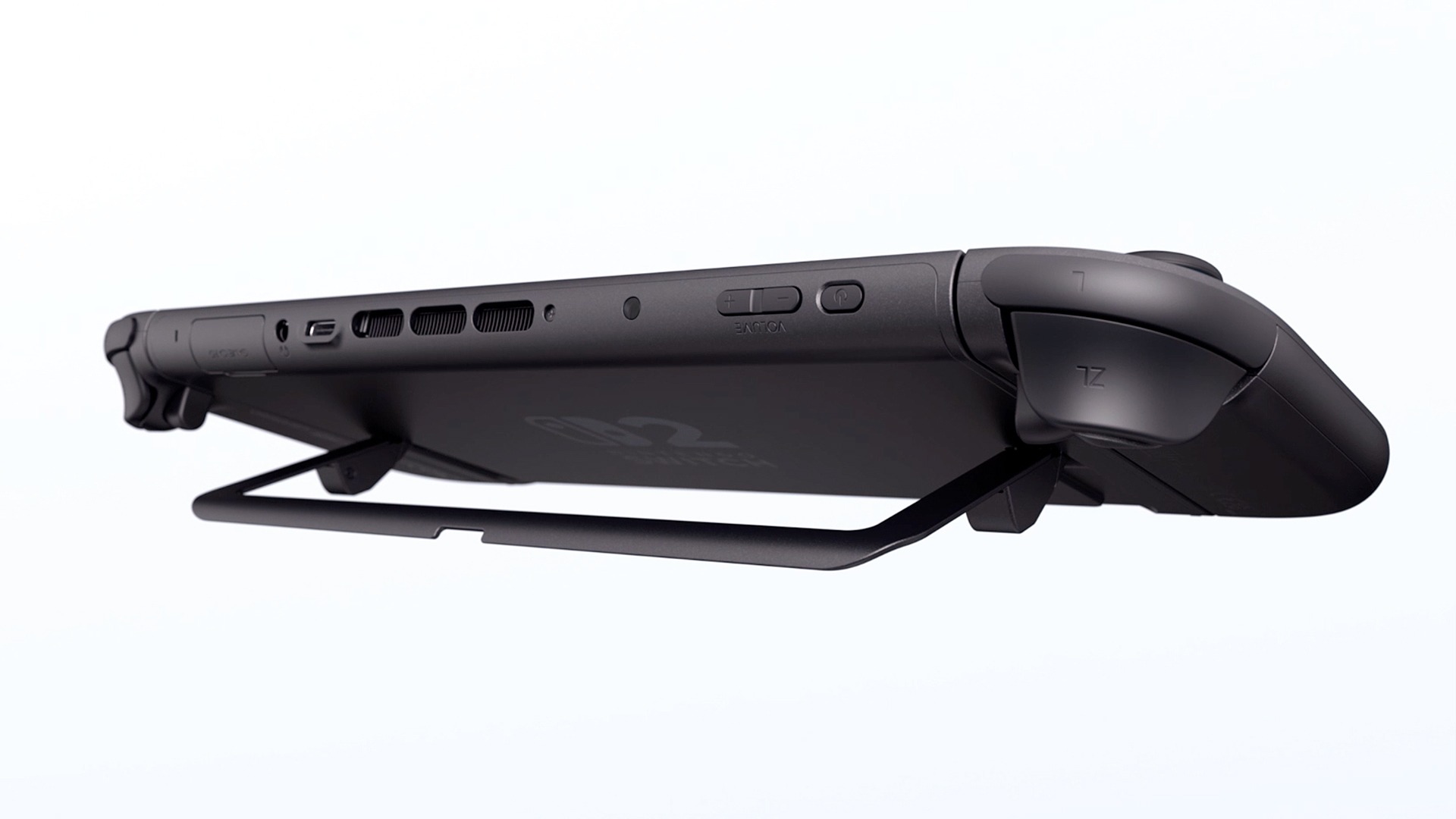
The tablet itself looks nearly identical to the OLED tablet but is larger, with a 7.9″ LCD. It has HDR and 120 Hz, like the Steam Deck, but it’s not OLED. The Steam Deck OLED has a 90 Hz OLED display with HDR, and while its screen is a very nice LCD, it’s still not as crisp and vivid as an OLED display. It feels heavier and very solid. All of the ports and buttons are in the same place as the OLED model, but there are a few tweaks. Intake vents have been added to the bottom of the system, located on either side of the USB port. This allows for more efficient cooling. The system is hushed when the fans are kicked on. The kickstand is now a round plastic piece rather than a solid flap. It extends out more, just like the OLED, so the change is a great improvement. The micro SD card slot is located behind this component, and the system now supports express micro SD cards, which are slightly more expensive than standard cards; however, I believe their prices will decrease significantly by next year. The game card slot has a pull-out flap that now has a metal box that sits over the game card. I’m not sure what this metal reinforcement was for, as I have yet to get ahold of a Switch 2 cart. One of my favorite new features is the USB-C port on top of the unit, which will help relieve strain on the bottom port when playing while charging or lying down. This seems like a feature taken from the handheld PC scene. Overall, the tablet adheres to the adage “if it’s not broken, don’t fix it,” and I appreciate their decision.
Software Overview: The Account Transplant
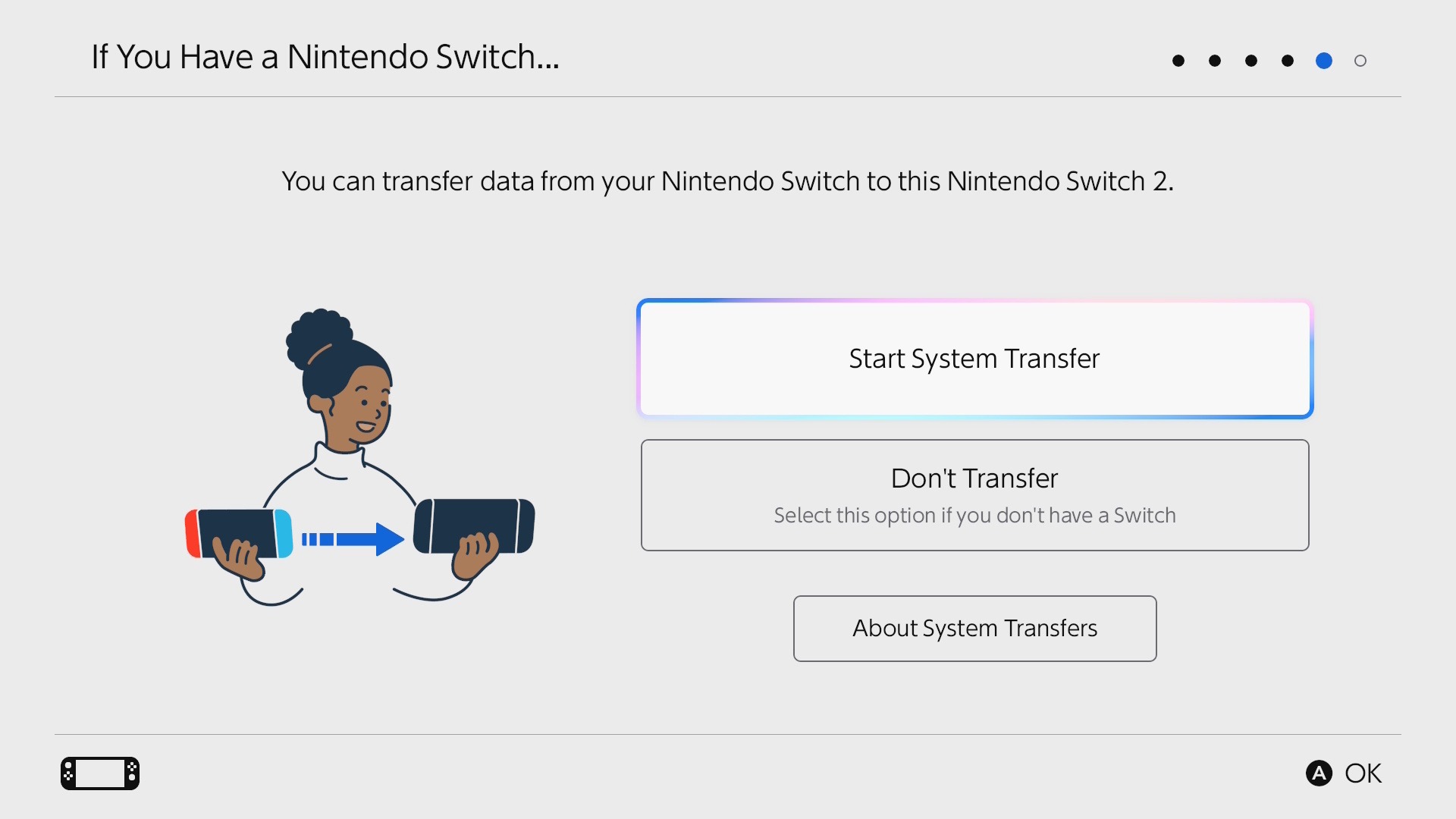
Nintendo’s online features have never been particularly efficient, and utilizing their account features presents a significant challenge. Don’t even begin to discuss the complexities of the Switch 1’s parental controls and digital game ownership. With that said, transferring accounts is similar to the process used for smartphones. You have to connect both units to a charger (super annoying), and you just begin the transfer on both devices. This initial transfer has to be done when the system is initialized. If you cancel it, you have to reset the system back to factory defaults; there’s no option in the settings to do this. You can also do a server transfer if your Switch is dead or you no longer have it. Another option is to remotely wipe your Switch 1 once it’s connected back to the internet. This process transfers all account information, offline saves, and ownership of digital games and DLC. It does not transfer actual game data. You will need to redownload everything. The third option is specifically designed for new Switch 2 owners without a Nintendo account, requiring them to start from the beginning. If you have NSO (Nintendo Switch Online), you can choose not to do a system transfer since all your saves are stored in the cloud; however, you will still need to set the Switch 2 as your primary device. This was a very painless process, and I had zero issues.
Software Overview: The Use Experience
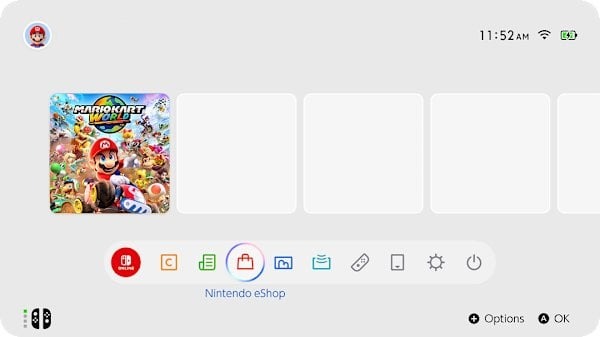
It’s to no one’s surprise that the UI is mostly the same. It’s the same boring row of icons with a black or white theme. Yeah…no themes still. The UI is more “Nintendofied” this time around with adorable sound effects for every system icon, and there’s an RGB-outlined swirl when you hover over something. It’s also snappier and more fluid, but it’s still the most basic UI of any modern Nintendo console. Thankfully the eShop has been completely fixed. It’s a new interface with videos that instantly load when hovering over icons, and it feels fluid. I also noticed the algorithm for recommended games has been immensely improved. No longer will you get shown mostly hentai or alarm clocks. While it’s refreshing to see this improvement, the overall eShop hasn’t changed much, and it didn’t need to. It worked; it was just dog slow and locked up the Switch sometimes. There are new icons at the bottom of the screen now with Virtual Cards and GameShare; these are the only two major software updates the Switch 2 got. There’s also a new button on the Joy-Con, a C button, for Chat. The button pulls up GameChat. Nintendo has finally gotten on board with live video and messaging.
Software Overview: DRM is the Future
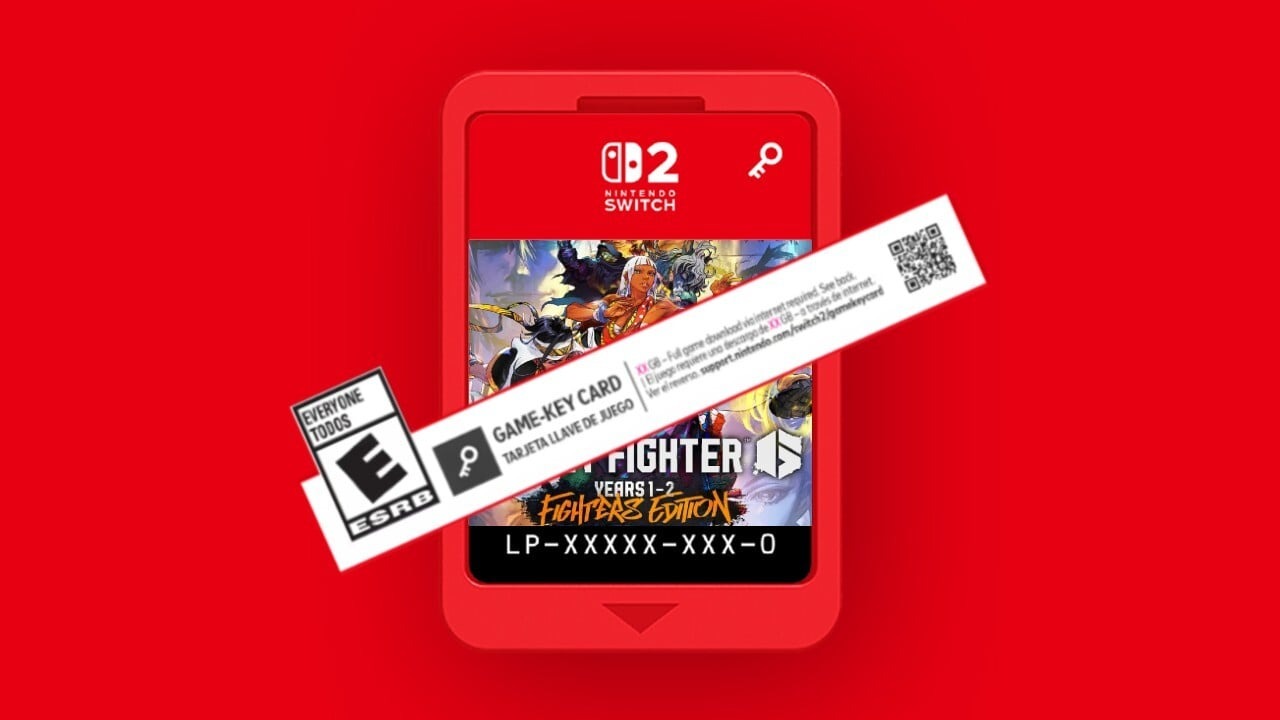
Nintendo has introduced two new features to enhance DRM; however, this solution resolves one issue. The virtual cards are both cool and annoying. This results in the introduction of new Game Key Cards, which can be obtained physically but do not contain any game data. The experience feels like Code-in-a-Box with more steps. It’s cool that you get a tangible item like a physical box, but it means nothing once the service shuts down. The Virtual Card system has fixed the parental control problems that plagued the original Switch. You now can just lend the digital game to a family member that’s in your family group. This is good for 2 weeks, and then you can renew it. This means your Switch doesn’t have to be the primary Switch that your child will use if you end up buying games on your account so they can use them. However, if you want to then play the game, you must revoke the card to load it onto your account again.
Nintendo has also implemented some way to brick your console and disable it remotely if you are caught hacking the services or modifying the Nintendo services in any way. This has been a misleading piece of info stating you don’t own your Switch 2 and it will be bricked if you modify the firmware. This procedure has been possible since consoles could connect to the internet. The Xbox 360, for example, would disable your Xbox account and ban it from the servers if you installed a mod chip and went online or hacked into games too often. Such behavior has been a standard practice since the mid-80s.
Software Overview: The Games: Updated and New
Let’s talk about why you even got this thing. The games. The launch lineup is fragile. Although the launch lineup is among the weakest of any console launch, the games themselves exhibit considerable strength. If you want to fully utilize the Switch 2’s hardware, Mario Kart World, Cyberpunk 2077, and Fast Fusion are the games to consider. Some Switch 1 games received full Switch 2 upgrades, including The Legend of Zelda: Breath of the Wild and Tears of the Kingdom, while a few others received free updates, including Super Mario 3D World, Pokemon Scarlet and Violet, and Super Mario Odyssey. The Switch 1 games aren’t always going to transition to the new system very well. If the Switch games didn’t support scaling in any way, the game could look more blurry and ugly even in handheld mode. Some games are going to need updates and will make a lot of Switch 1 games either unplayable or less enjoyable than the original console. Games that had unlocked frame rates or locked frames, like 30 or 60, will enjoy more stable gameplay. Some Switch 1 games are already getting these benefits without any update, including faster load times.
For 120 FPS there is only one game that supports this, and that’s Welcome Tour via a mini-game. The only confirmed game to have this feature is Metroid Prime 4 as of this writing. This is something that even the PS5 and Xbox Series X don’t have much of. Only 2 Switch games support HDR, VRR, and ALLM. These also have to be programmed into the game, and not many currently support this with the small launch lineup that we got. I found that games do look and play great like you would expect, and HDR works fine even on the handheld screen. While it’s not quite as vivid as an OLED it’s quite a crisp screen and looks good.
Early Adopters Need Patience
Just like with the Switch 1, early adopters need to be patient. While we have an entire backlog of Switch games to still play, there are some that don’t work, need patching, or simply will never work or get patched. Don’t throw away your Switch 1 just yet. There is an anemic Switch 2 game offering right now, and unless you really want any of those games, holding off for a year wouldn’t hurt. However, there’s also nothing wrong with getting one just to play Switch 1 games, as a lot do run better. There are other issues, like a lot of third-party controllers no longer work and need patches. All of my 8bitdo controllers don’t work or have issues, but they have already released firmware updates for many controllers. HDR isn’t perfect and needs some patching as well. The display itself only has 450 nits, which isn’t adequate for proper HDR. The HDR performance is better on the TV, but the current offerings for the Switch 2 do not look promising.
See You In 2033
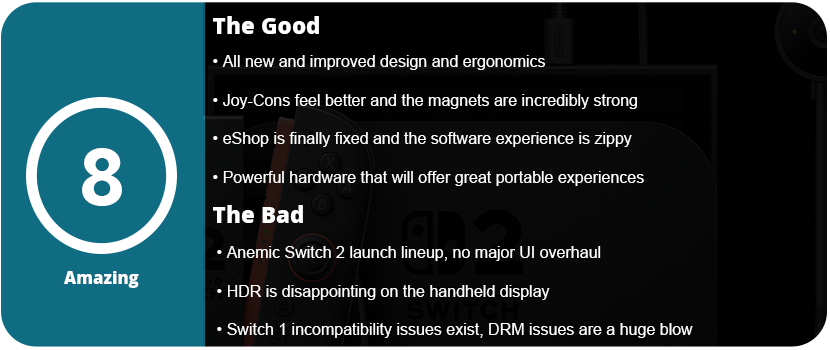
In the end, the Switch 2 currently offers a lot of value for mostly newcomers—those who skipped the original Switch. There’s also no loss in upgrading sooner rather than later because all of your games will work as long as they don’t require features from the Switch 1 that didn’t carry over. Yes, the launch lineup is weak and small, but the hardware is a massive upgrade over the original, and we should see some great things from Nintendo over the next couple of years. The sequel will be a slow burn just like Switch 1, with only a couple of first-party games announced for release this year. This is sadly due to Nintendo having to play catch-up with their tech that’s been around for five years already. The Joy-Cons are more enjoyable to use, the mouse mode works surprisingly well, and the handheld display is great. We sadly don’t get much of a UI overhaul, but at least the eShop works as intended. It’s the Switch 1, but better, which is what everyone wanted.
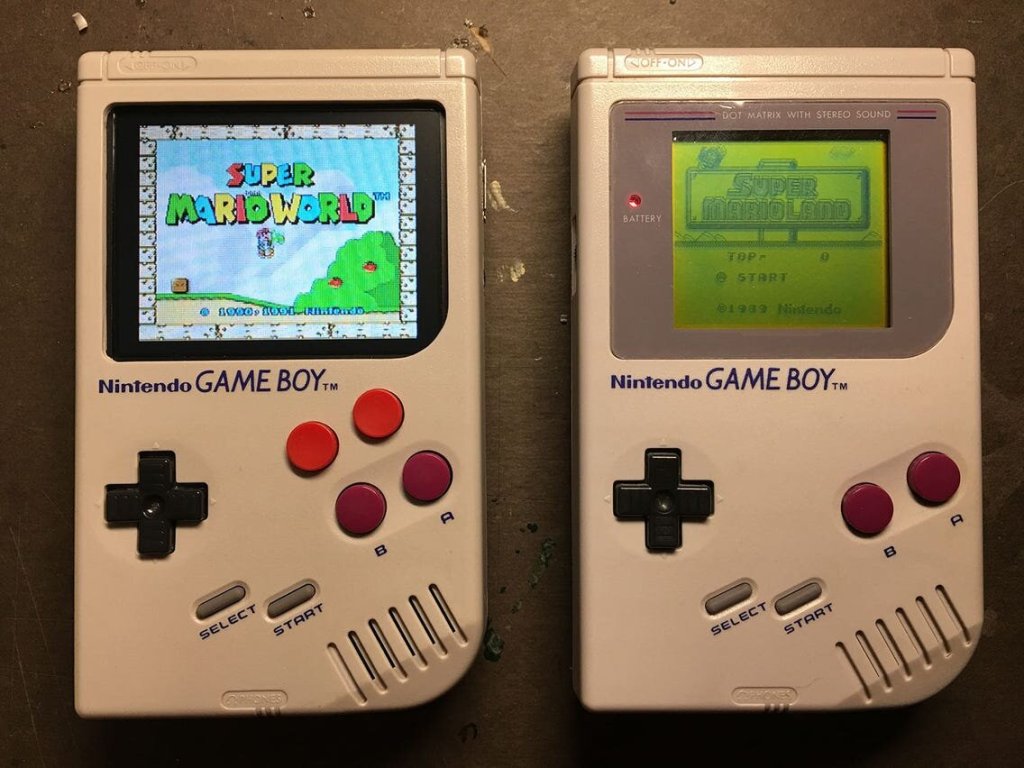
Everyone knows what the Game Boy is. I had one as a kid, and while late in its life cycle, I received one for my 7th birthday in 1996. I was introduced to Tetris and Galaga and was hooked. I sadly couldn’t play it much because my parents couldn’t afford the batteries for it often, and rechargeable AA batteries were very expensive back then. It was one of the first generations of handhelds, along with the Atari Lynx and Sega Game Gear. I never owned those two systems, but it was the start of something I will always love and cherish: handhelds.
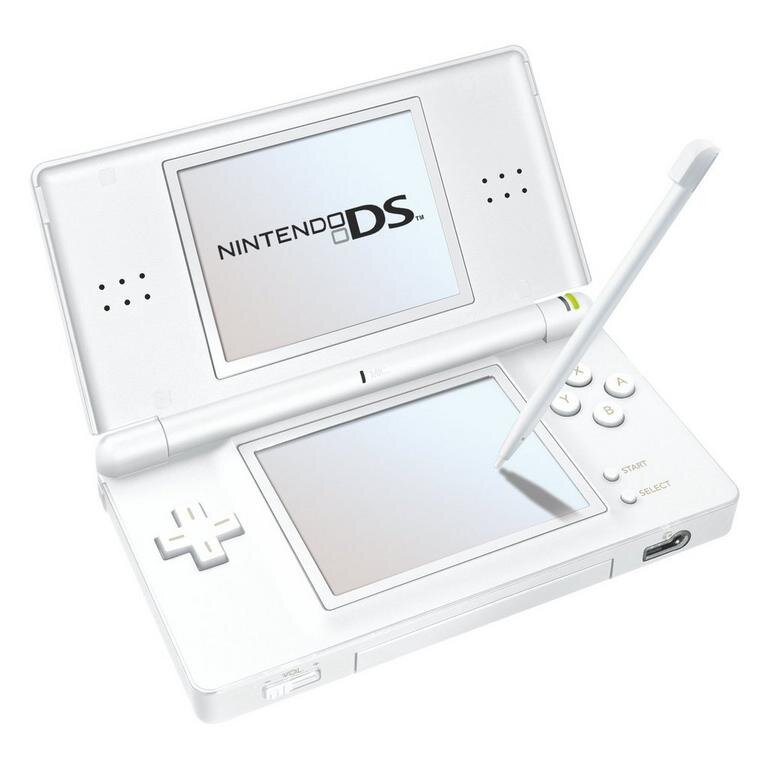
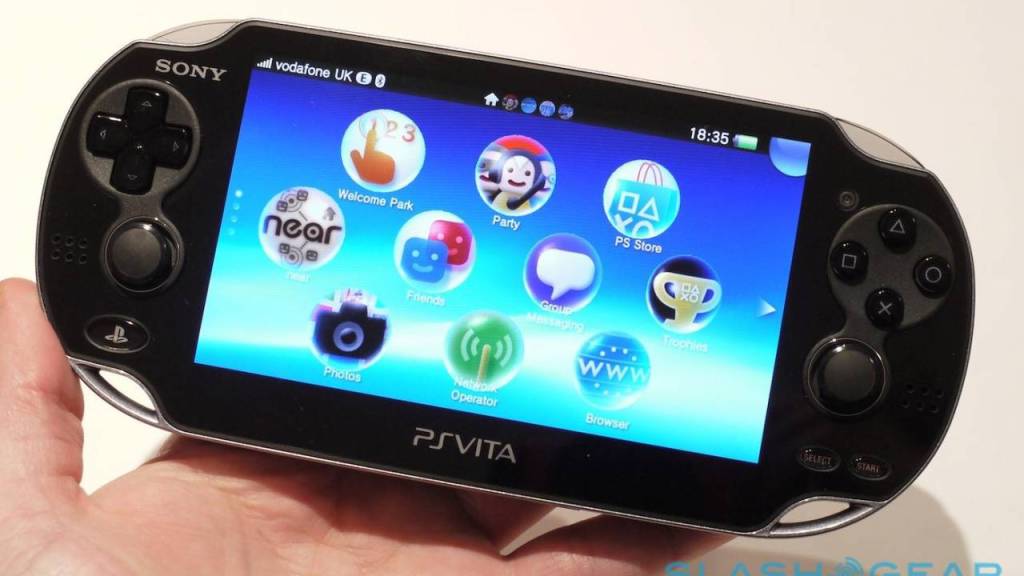
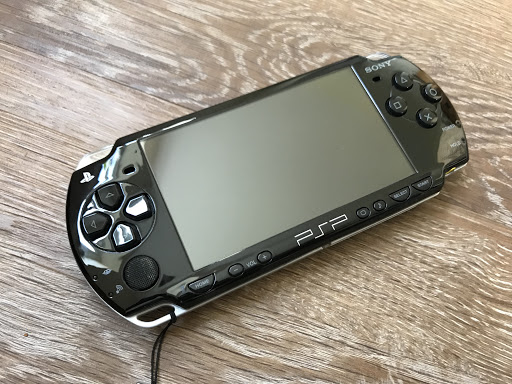
In 2003, I remember Sony announcing the PSP at a press event and going insane for it. I actually pre-ordered the system and put all of my allowance down on it for 6 months. I even did some extra stuff for my parents for more cash so I could pick up a Ridge Racer with it. I owned a DS at the time, but I wasn’t too impressed with it. The PSP looked futuristic, and there is still yet to be a handheld that looks as sleek as it. It had powerful hardware, a sleek screen, and multimedia features that no other handheld had at the time. This was also the pre-smartphone era, so it was out of this world at the time. I loved my PSP and still play it to this day. I owned nearly every model available and modded the crap out of them. When the Vita was announced in 2011, I nearly lost it then too, but that’s when Sony started to lose me, and I still feel disappointed with the Vita to this day.
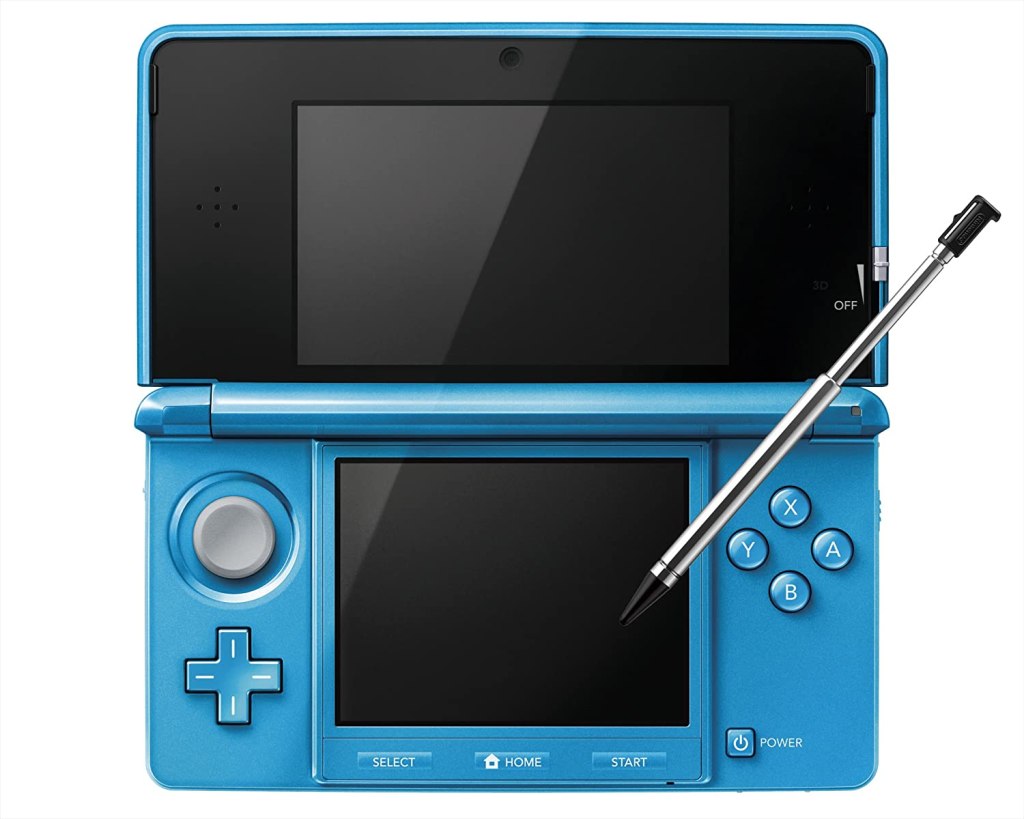
They got the hardware down pat outside of the useless touch features, dual analog sticks, and more power. I couldn’t be happier, but something else happened. The marketing was poorly done, and the Vita only saw a great run for maybe three years. Around 2015, the system started dying and lost all first-party support. The system turned into an “indie machine,” and outside of larger Japanese releases and ports, the system stopped seeing most regular releases in 2017. What happened? The first two years were strong and steady, and it just died. Was it the ever-growing market for smartphones? I personally don’t think that is what caused the demise of the Vita. The 3DS was still running strong at the time, with huge blockbuster releases and strong sales. What I think happened was the loss of first-party support.
We saw a couple of first-party titles on the system, like Uncharted, Killzone, LittleBigPlanet, and Tearaway, but where were the rest? Where were the unique IPs that kept Sony systems rolling? I feel if they had kept going, the Vita would still be strong to this day. While the slow death of the 3DS is clearly obvious and has nothing but an official discontinuation announcement from Nintendo, the Switch is our last bastion of handheld greatness. The Switch Lite is exactly what this world needs. Sure, the regular Switch is portable, but it’s heavy, sometimes too big, and just doesn’t feel like the best portable system.
Now hear me out. Let’s think about what a handheld system consists of. A small unit packed with the best features of consoles. Great controls, some multimedia features, internet access, and, best of all, fantastic games made that system unique and stand out. The Switch has all of this. The Switch has some of the best video games ever created, both first-party and third-party. Think about that. The Switch could literally be the best handheld system ever created, and it’s because Nintendo wasn’t afraid to do what Sony kept boasting about.
Sony touted the PSP and Vita as portable consoles but never actually treated them as such. Constantly pushing and implying that portable games should be in bite-sized chunks—much shorter, simpler games—when most gamers would spend hours on their systems. Not everyone only has 30 minutes on a bus or short car ride; some of us just like sitting on the couch or laying in bed comfortable, away from the TV and family, and playing our handhelds for hours. I did this with my GameBoy Advance SP, PSP, Vita, and so on. Some of my fondest gaming memories are on handhelds. So why was Sony so afraid to commit outside of paper?
Nintendo went all out and gave us both. A console and a handheld, and at the time of release, it seemed like a silly concept. If I wanted a console, I’d buy one, and if I wanted a handheld, I’d buy that, but why not have a choice? More people who own Switches now play more in handheld format than TV mode. It’s simple and convenient, and you can pull the system out whenever you have some spare time. Nintendo also treats all games like console games; we have a sleep mode on these systems for a reason. Even the PSP 15 years ago had a sleep mode, so the bite-sized gaming never made sense to me. I feel this was Sony’s biggest mistake going in. If you have this powerful new hardware with features no other handheld had at the time, like a sleep mode, insist that games are made like consoles. We got some games that seemed similar to a console version, but that didn’t exactly exist on the PSP. Most of those games were all bite-sized, smaller versions of their console counterparts. It changed a little on the Vita thanks to indie developers, but it never fully took off. I feel Sony focused too much on hardware (did we really need a 3G Vita?) and not enough on the longevity of the system.
The Switch Lite feels like a true handheld system that isn’t ashamed of being a console. It’s truly the next generation of handheld gaming, and it hasn’t been crushed by the smartphone industry. So that theory is clearly not the reason the 3DS and Vita are dead. We can get handheld experiences on our cell phones in bite-sized chunks; we now truly want our home consoles on the go more than ever. The Switch Lite isn’t as clunky as the original model, but it feels bigger than a handheld and isn’t ashamed of it. The system feels light, sleek, has fantastic buttons, and feels like a true next-generation handheld. We get full-blown console experiences on this thing. While it’s taken a step back on online features such as no media streaming or internet browsing, we get a total focus on games. Another thing Nintendo did right was not using proprietary expansion cards like Sony did. This was a huge blow to Sony, especially on the Vita. Many people refused to buy their systems because of this reason, and it didn’t stave off pirating at all.
To conclude, the Switch is the true next generation of portable gaming, not the Vita. Sony bragged about having a portable console but never once treated it as such. Nintendo took a huge risk and received an insane amount of criticism when they announced the Switch, like they do with every system they put out. In the end, it’s paid off and has proven that handheld systems are not dead and the smartphone industry hasn’t killed it. It’s the strongest it’s been since the heydays of the original DS, which sold out everywhere, and nearly every gamer these days owns one. It’s surpassed the lifetime sales of the Xbox One, even though this is clearly what people want. So, if Sony does decide to jump back into the market, they need to make a console hybrid, and I feel they could knock it out of the park and even do a better job than Nintendo. Their systems are insanely unique and feature-rich, but they need to back them up like a console and go all in.









































 thebinarymessiah.com
Try multiplayer. A lot of fun !