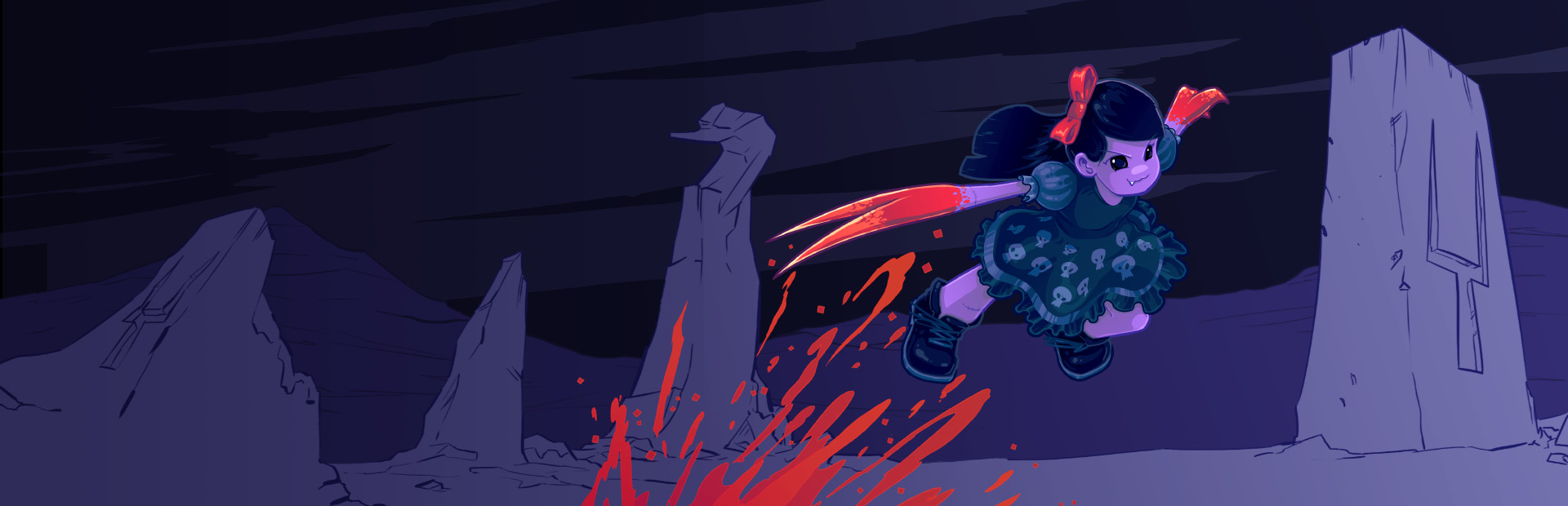
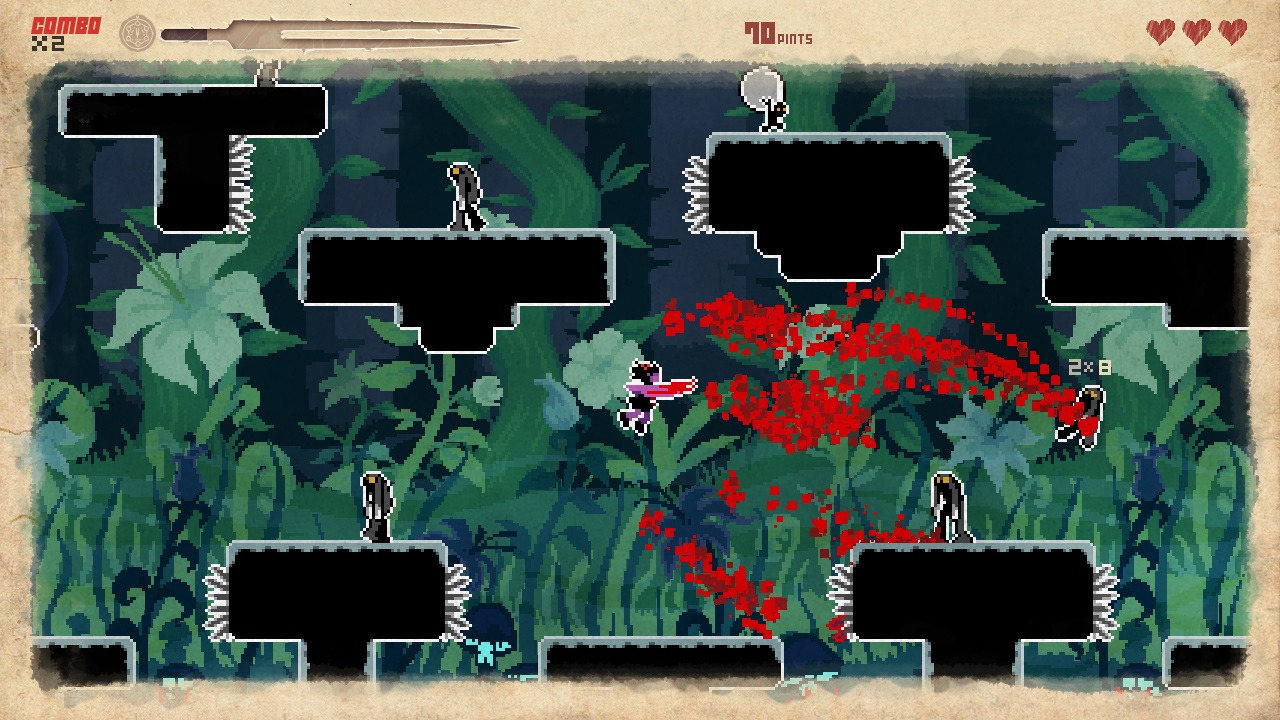
If you loved Super Meat Boy, you should check this game out. Will you love it as much? Probably not. TBP is all about a little girl who picks up some mysterious cursed book that turns her into a demon in her dreams. The game has a Lovecraftian style but the same 8-bit graphics as Super Meat Boy. The game features twitch reflex platforming and combat.
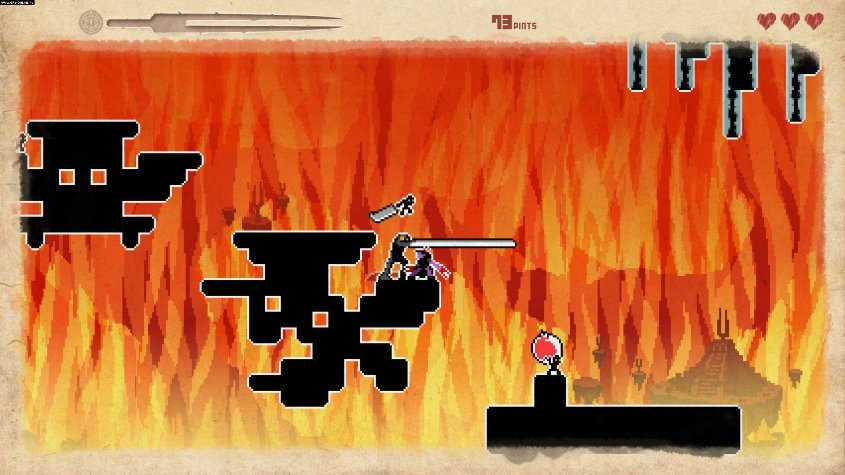
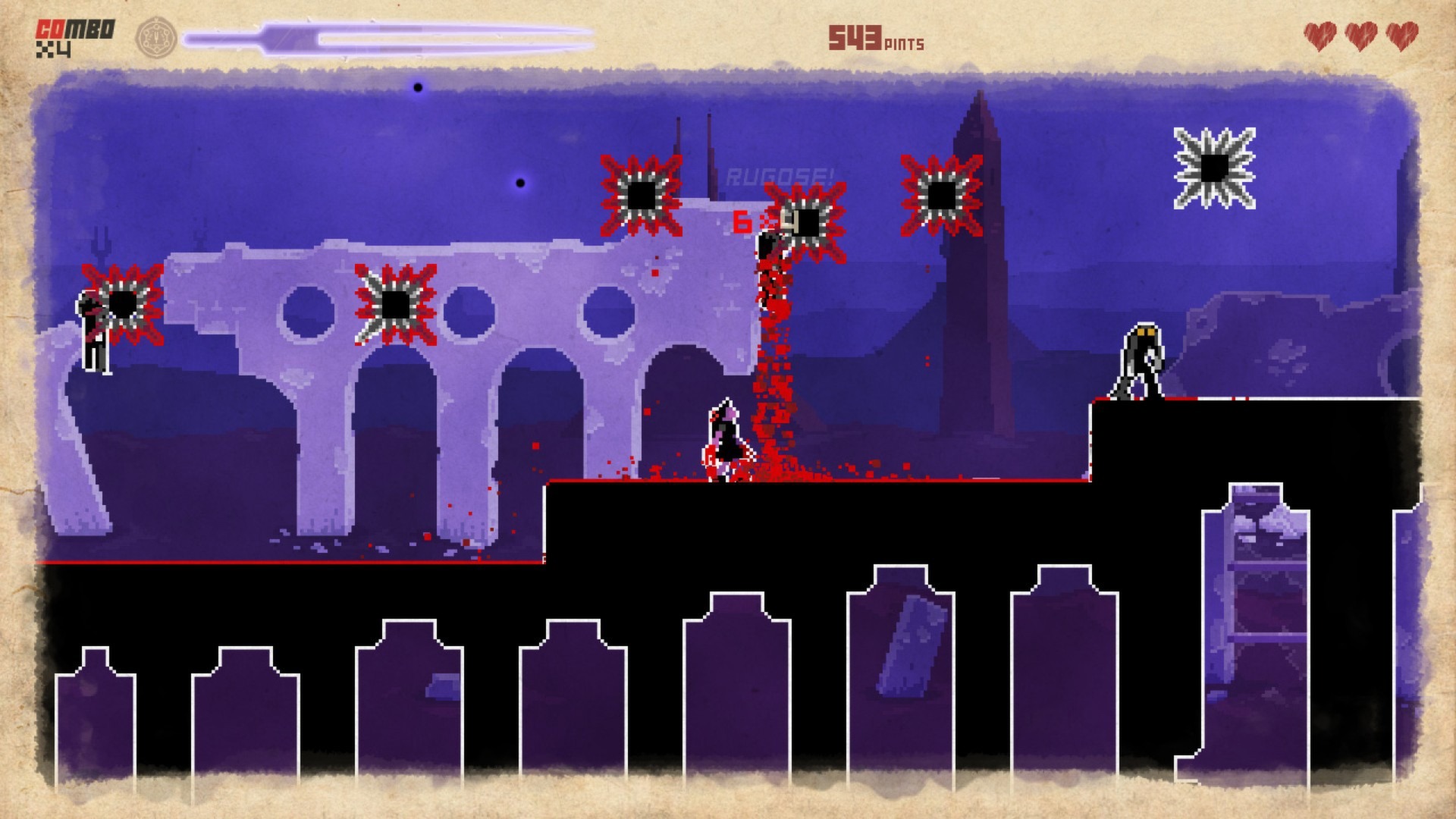
The platforming is simple enough, with abilities to double jump and cling to walls, but the game requires mastering the controls to maneuver through nigh-impossible paths that require pixel-perfect timing. The combat is actually what brings this game down so much. The developers tried to make it too complicated. Hitting the attack button doesn’t really do much damage to enemies, which is stupid. You also don’t get a multiplier if you use a standard attack. They want you to be “creative” and use the dash attack, knock them into obstacles, and use the high kick. I know these kinds of moves don’t belong in this kind of game. The combat system is convoluted and requires too much thinking for a game that relies on instinct and muscle memory responses. After a platforming section, I start wailing on an enemy and realize I have to think about this combat system. It hurts my brain and really messes with the momentum of the otherwise solid platforming and controls.
There is a neat checkpoint system that allows you to put it wherever you want. If you get enough purple orbs, you can fill up your checkpoint meter and stay still for a while. This will place a checkpoint at that spot, allowing you to save them for complicated platforming sections. This alleviates the frustrating combat that leads to some cheap deaths. If you do well enough on a level, you can unlock special stages that are from the iOS version and user-created.
With all of this combined, They Bleed Pixels would be great if it weren’t for that combat system. You just can’t stop and think about fighting when you are on a good platforming run. The custom checkpoint system helps remove some of that frustration, but in the end, I just want to hit an enemy a few times and be done. Even having to do the complicated moves just to flip switches is pretty annoying. If you can look past this, you will enjoy this game, but most people will just stick with Super Meat Boy.
Sleeping Dogs is actually a True Crime in Hong Kong, for most people who didn’t know. Does anyone care? No, because the True Crime series had two previous games that were mediocre to poor, and there was little hope for this game. Square Enix picked up the project, seeing the potential in the game, and released it as Sleeping Dogs because they did not buy the name from the previous company. What we have here is probably the best GTA clone since Saints Row, and that’s saying a lot. There have been many GTA clones, but very few are any good or do anything different. Sleeping Dogs features a fluid martial arts system, a huge open world, a gripping story and characters, and a few side missions.
The story is actually very gripping and entertaining. You play an ex-triad member turned cop named Wei Shen. You are working undercover to bring down the Son On Yee triad gang and bring in their chairman. Your rival gang is the 18K, which is relentlessly making hits on your turf. This isn’t just your typical gang war story. You actually get to really like the characters and feel for all of them in different ways. While you were working for the triad, you could do cop missions on the side as well as bust drug deals throughout the city. This story is pretty epic and has a satisfying ending. I never once felt bored or detached from the story.
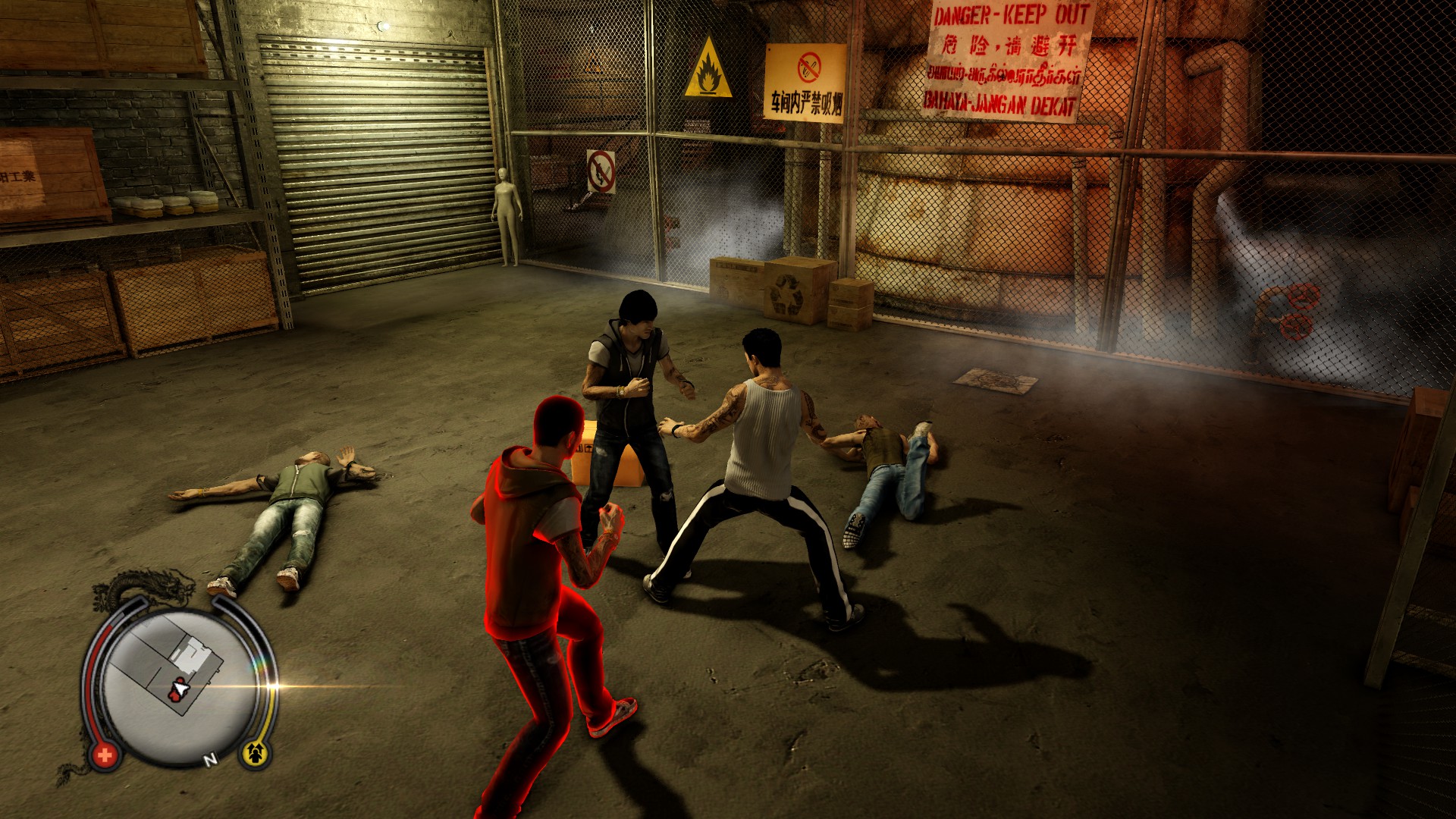
If that isn’t enough, then the combat system should help bring you in. The combat system is simple but deep and requires some skill to stay alive. You can counter when enemies turn red, but you must use the attack button and hold the button in combination to bring them down. The animations are fluid, and you can really feel the punches. This isn’t just some wailing and kicking combat system that feels half-baked and broken. Some enemies may have weapons that you can take and use, but they are pretty rare because they do so much damage. If you are doing really well, you will go into an adrenaline-type state and start to heal, while enemies may flee from you. The other half of this combat is the gunplay, which is really smooth and well designed. The cover system works great because, as you leave cover, you can go into slow motion and shoot out enemies who might be an immediate threat. This also goes for jumping from ledges. Once you actually start completing missions, you will earn Cop, Triad, and Face experience, which allows you to upgrade to better moves. Each one can be upgraded to level 10, but I reached this level way before I finished the game, so I felt all that experience, later on, was wasted. There just aren’t enough upgrades in the game.
Another main feature of the game is a parkour system similar to Assassin’s Creed. Chase sequences play out often, but instead of climbing up walls, you can climb ledges and jump gaps. The trick here is to hit the sprint button just before each obstacle so you can smoothly go over them. Keep fumbling over everything, and you will lose your target. This is something that has never really been incorporated into a GTA clone, and Sleeping Dogs nails it perfectly.
Of course, you can travel around the huge, open city of Hong Kong, but there isn’t much to do. There are the drug-busting side missions, favors, races, and random events, as well as finding hidden boxes for money and clothes. That’s about it. I wound up doing all the favors and most drug-busting side missions, but I didn’t care for the others. There are some hacking mini-games thrown in here, as well as lock picking, bug planting, and other mini-games that are fun. There’s a lot of detail put into the gameplay of Sleeping Dogs, but I just wish I could do more in this huge city.
After you finish the main story, there’s no reason to really go back unless you want to collect all the boxes (which can all be shown on your map, thankfully), but after you finish this, you will probably have had enough. The driving works great; there are lots of different cars; taking taxis is convenient; and there are other things you will be familiar with within this kind of genre, but Sleeping Dogs masters the story, characters, and combat system very well. My biggest complaint is only the lack of variety in side missions and the large number of bugs and glitches in the PC version.
The PC versions do give us some nice DirectX 11 visuals with a free high-resolution texture pack for people who have 1GB video cards or better. There is a huge difference with the game maxed out on the consoles. The anti-aliasing and FXAA make the game look smooth and flawless, plus the ambient occlusion adds a little extra that consoles can’t do. The PC version is by far the superior version, and most of the bugs have been ironed out by now since there have been 5 patches released thus far, but a large number of crashes and bugs were unacceptable at launch.
Sleeping Dogs is a beautiful game, both in execution and spirit. The game really captures the Chinese culture, atmosphere, and triad feel of Hong Kong. This is a must-buy for any fan of the genre, and if you have a high-end PC, make sure to pick that version up.
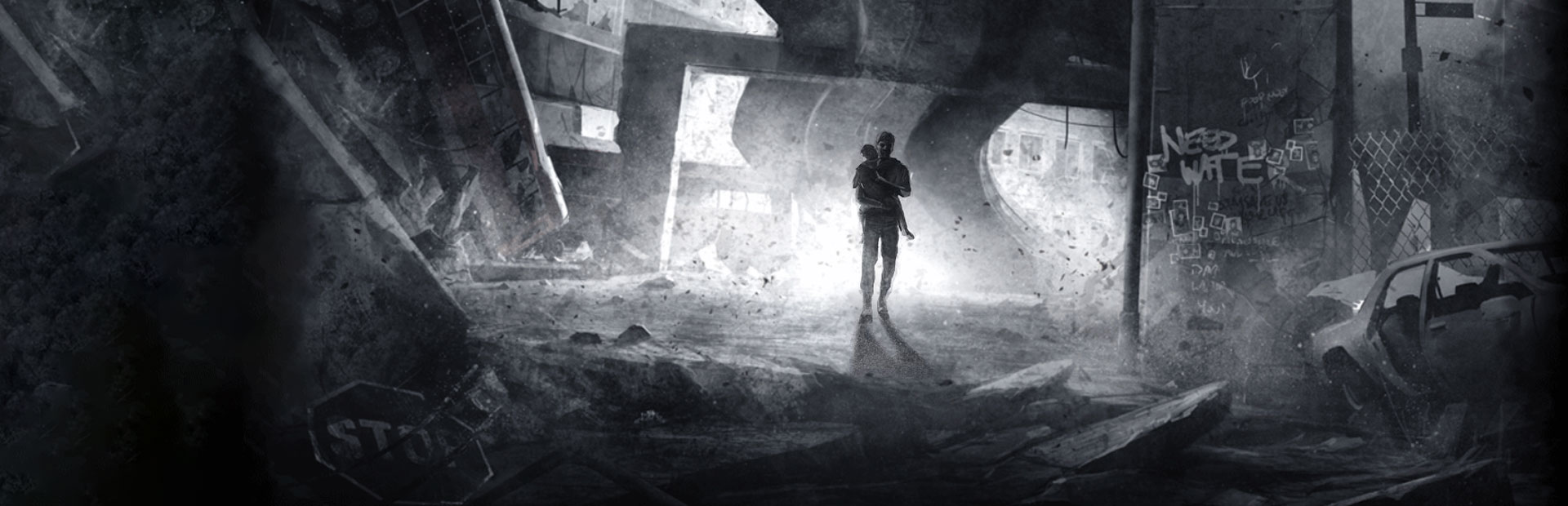
Survival games without the horror are hard to come by, and I Am Alive has a lot of potential. Being stranded after a natural disaster that pretty much wipes out the planet, you are trying to find your wife and daughter after getting injured and trekking across the country back to your apartment. You stumble upon a little girl that you end up helping, along with her current caretaker. The story has some interesting points but ultimately isn’t all that interesting. The plot doesn’t thicken very much, and right when it should, the game ends. What we are left with is a disappointing cliffhanger.
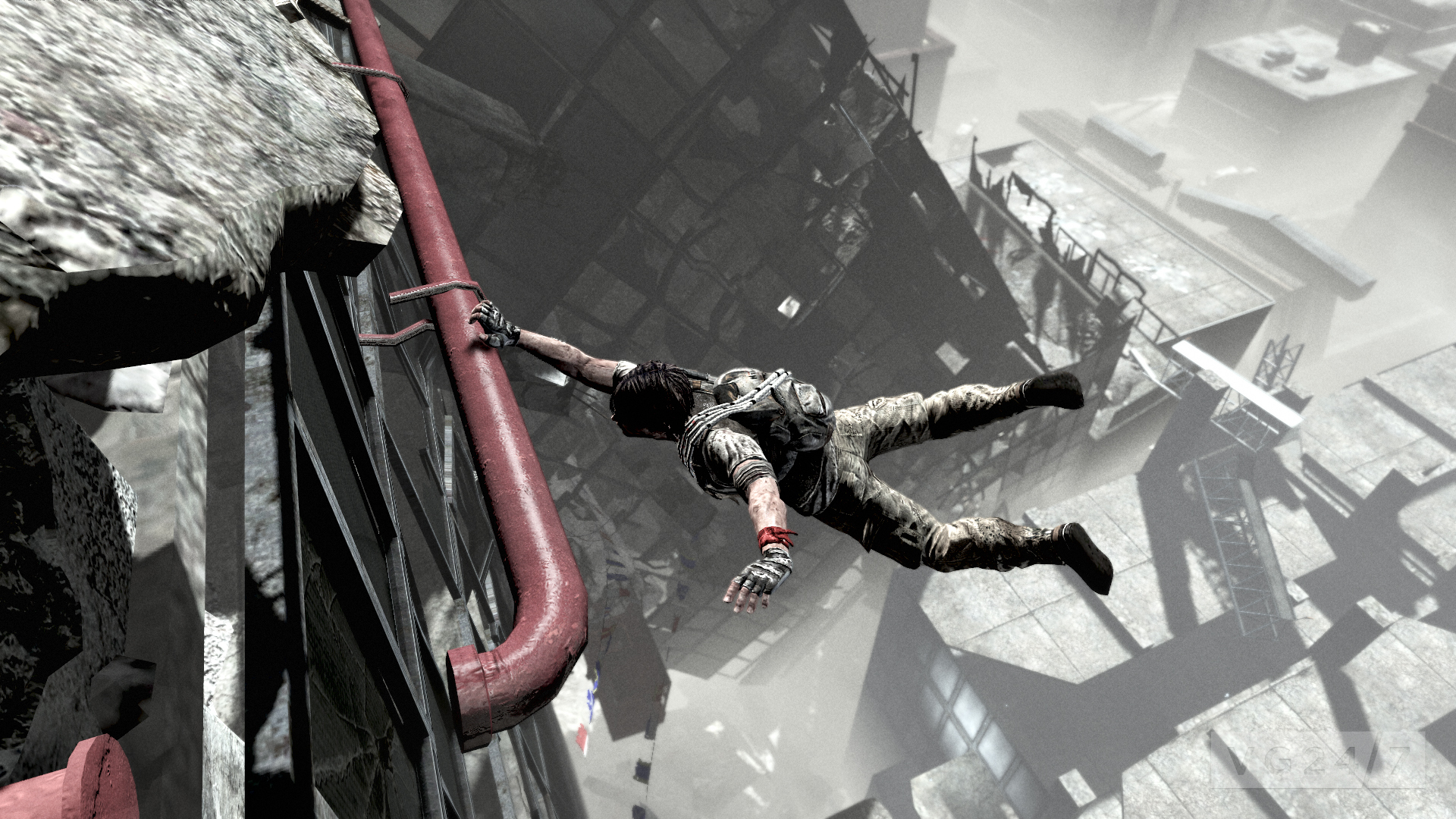
There are two main elements in the game: exploration and combat. Each has a huge flaw that makes the game a tad frustrating, but not so bad that you can’t look past it. The exploration is based on a stamina meter that slowly depletes while you climb, combat, run, jump, and pretty much anything else you do. This is fine and all, except when you are down on the ground in the ash. The meter slowly depletes until you are dead or climb up high out of the ash. This is the most frustrating thing in the game and makes you not want to explore and help people. Climbing is just fine because it makes you think quickly and decide whether or not risking your stamina capacity is worth getting a bullet or healing item. If you start to deplete too much while climbing, you can use pistons to recharge or items that give you stamina and stamina capacity. If you run out of stamina, you will go into an effort mode where you quickly tap a button and your capacity starts depleting. If you deplete this, you’re dead. Not once did I completely deplete my capacity, so don’t worry about that being hard.
Secondly, comes the combat. Bullets are extremely rare, but you have to intimidate enemies by pointing your gun at them. They will put their hands up, but enemies with guns will not. You need to use strategy and decide who to kill first. Sometimes an enemy will get cocky and speak up. If you kill him first, the others may surrender. If not, you can order them to back up and knock them into fire or off high ledges. If you put your gun down, they will start charging. If you are out of bullets, you need to be careful and not pull the trigger, or they will know you’re empty. This isn’t as clever as it sounds because, in execution, there are problems. If you are completely out of bullets, you are pretty much screwed if there is more than one enemy with a gun. You can walk up to him and surprise kill him, take his bullet, and shoot another gun wielder, but then you’re out of bullets again. You may have two more guys to kill with knives, so what do you do? That’s the flaw. Each scenario is set up with really only one outcome. Later on, the combat gets really frustrating, despite having a bow with retrievable arrows. These arrows are so rare that I only found three in the whole game. The combat is great on paper but slightly flawed in execution.
When you help people, you will get extra retries, but there are items you need to find to help them. Some want rarer items than others, but in the end, the ash issue kept me from exploring everywhere and helping anyone. They abused this stamina meter and should have held back a bit. That’s pretty much all there is to the game. You rotate around exploration and combat, but in the end, the game could have been a lot more. I love the idea of the combat, but it really needs work in the next game.
Despite those two major flaws, I Am Alive is entertaining, and when you aren’t freely exploring, the game is quite fun. The atmosphere is foreboding, but the story isn’t as interesting as it could have been. At least the PC gets some enhanced visuals with anti-aliasing and anisotropic filtering, so the game doesn’t look as ugly. For the small price, I Am Alive is worth this purchase, but most people may want to download a demo first before buying.
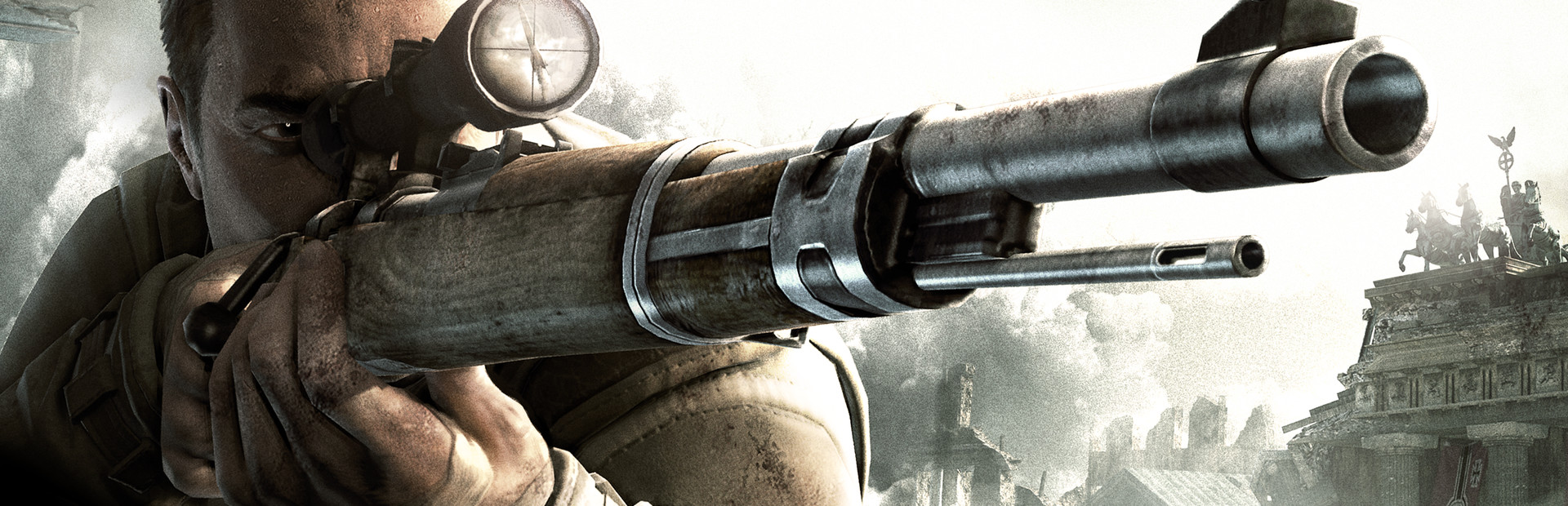
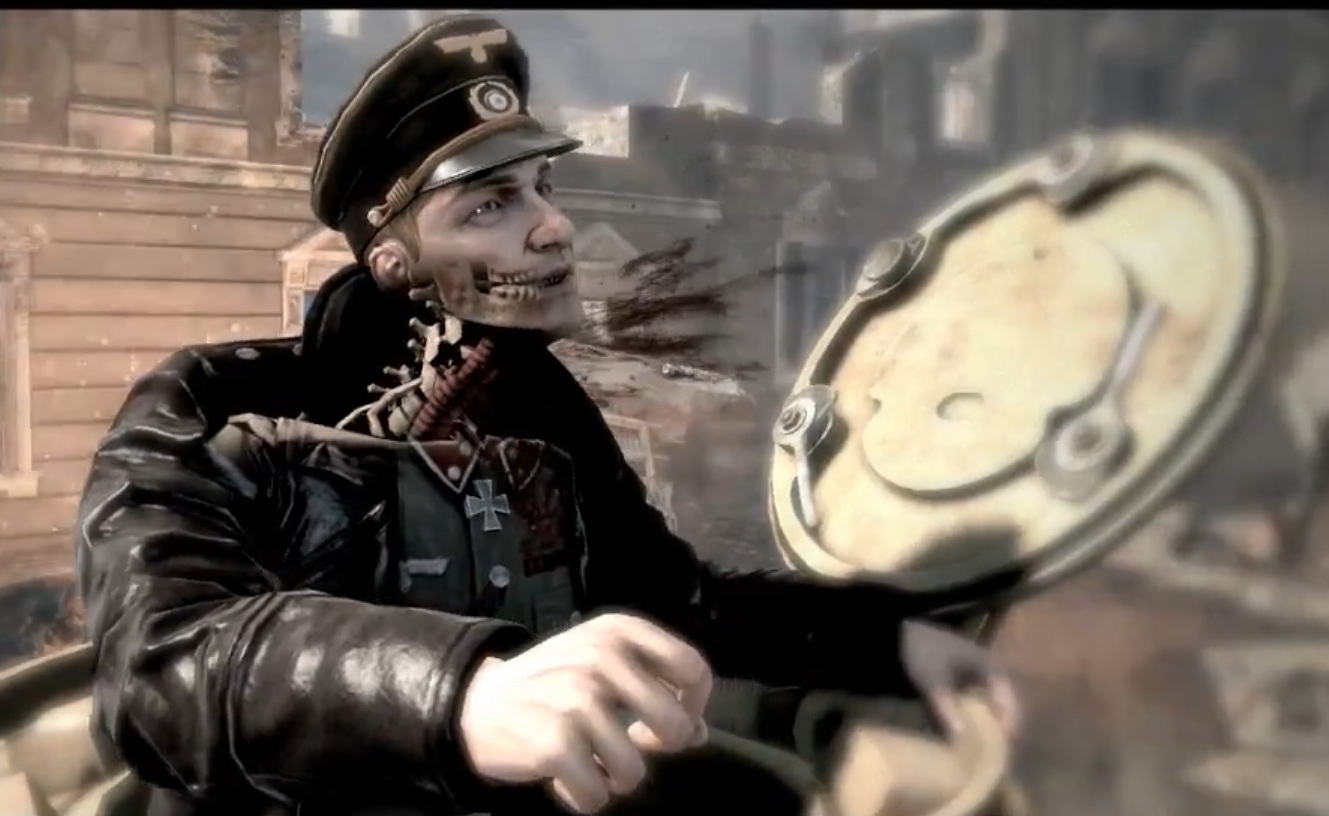
Sniper Elite: V2 doesn’t stand for version 2, as some people may think. This is about trying to stop the Germans from using V2 rockets in World War II. After seeing those three words, you probably left this review already. Another WWII game? V2 has a lot of potential but is lacking in many areas due to the developers’ laziness in design. The story is nothing special, with the only satisfying thing being sniper shots.
The game is all about stealth, but right away you will notice this is broken. The enemies are laid out in such a poor manner that it is hard to figure out how to take everyone out without raising an alert. If you do so, you have to fight it out with limited ammo from your other weapons, and you die very quickly. Using sniper rifles is just fine with the ability to hold your breath to steady your aim. Slowly, a red diamond will focus on a part of an enemy, and that is where your bullet will land. Once you fire, the game uses a bullet camera, and sometimes you will see an X-ray shot of the bullet penetrating the target’s organs (the nut shot is awesome!). You will see the skull shatter, organs burst, and eyes explode. This is the most satisfying use of a sniper rifle for any shooter. The problem is, the fun stops there.
Of course, sniper rifles back then really didn’t have silencers, so once you make the shot, everyone knows you’re there. Some levels have loud noises you can mask the shot from, but this can be difficult. The enemy AI is extremely dumb; they won’t notice a dead comrade right next to them, or they will spot you from hundreds of yards away with some sort of eagle vision. On top of all that, enemies spawn strangely out of some sort of ether because you will walk a hallway with no enemies, circle around, and then somehow there’s an enemy there. This makes stealth frustrating as hell, and you will rage quit often. It doesn’t help that the forced shootouts are frustrating and hard because you die almost instantly.
You can lay traps for enemies and such, but I honestly didn’t find any reason to do this much. Even the level design is screwy because the hallways are confusing and everything looks the same. There just isn’t enough satisfaction from finishing levels and outsmarting enemies because, in reality, you’re exploiting the dumb AI to advance through the levels. After just about 3 or 4, you will probably have enough and call it quits. It is just so sad that the great sniper mechanic was wasted on such a boring and dull game. The graphics look pretty good, but other than that, you won’t stay interested. I had this game on my HDD for about 2 months, and even when I had nothing to play, I couldn’t go back to this drab game.
Overall, V2 has some awesome kill shots and great sniper rifles; everything else is a bust. Dumb AI, poor stealth mechanics, boring level design, uninteresting stories, and frustrating shootouts. The multiplayer is pretty satisfying, but you won’t be coming back for long. V2 is a huge disappointment over a prequel that was fairly decent. Even the most patient gamers won’t last here.
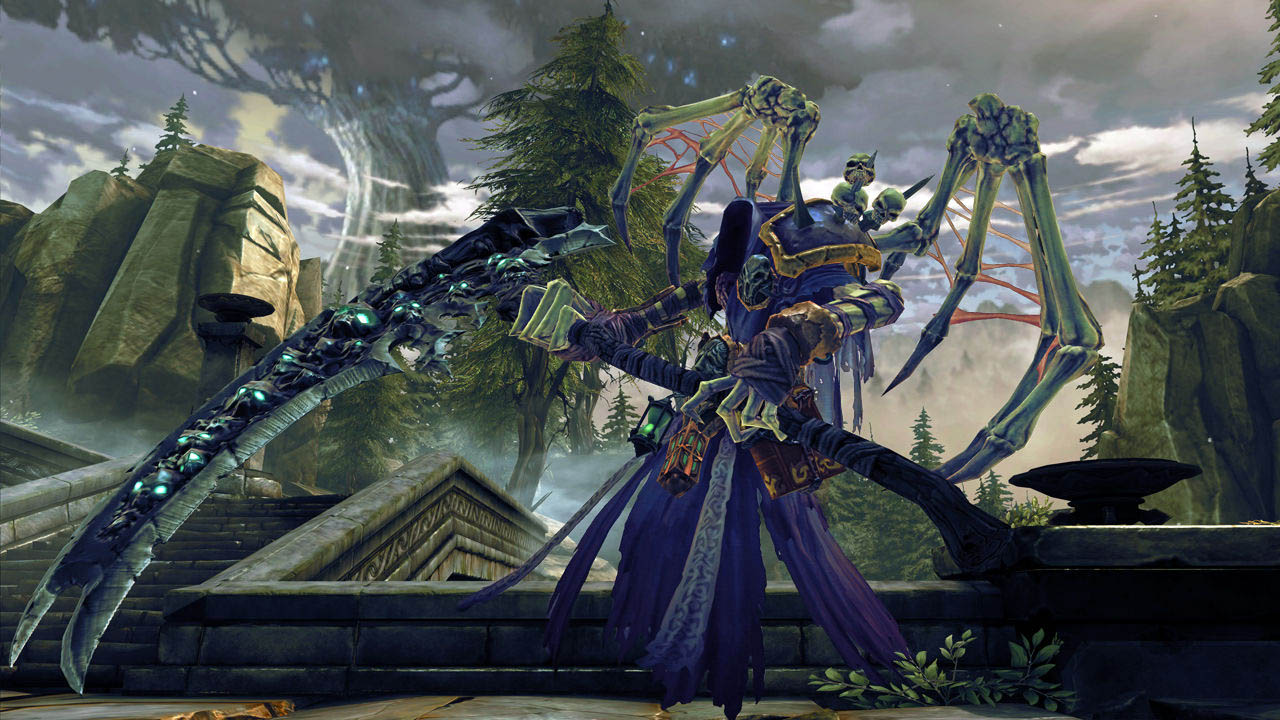
THQ and Vigil return with a new protagonist and tons of improvements over the first game. This time you play as Death, War’s brother, who is trying to redeem War from the Charred Council’s wrath for destroying humanity. On your adventure, you meet new and old faces, as well as a ton of puzzles, bosses, and combatants, as well as new abilities.
The first thing I have to mention is that this game isn’t nearly as confusing to play as the first game. I was always lost and had no idea what to do. Even finding hidden chests was a pain. This time around, there are lots of collectibles and chests, as well as some free-roaming, but in a more organized fashion. You wind up traveling through three different realms, each with its own secrets. The Forge Land is where you start, and you can buy armor and weapons, so Vulgrim plays a small part this time around. By finding Book of the Dead pages and Boatman coins, you can trade them in for special keys as well as random boxes with a piece of armor or weapon from Vulgrim. There are lots of different items to collect and find, so loot is abundant here.
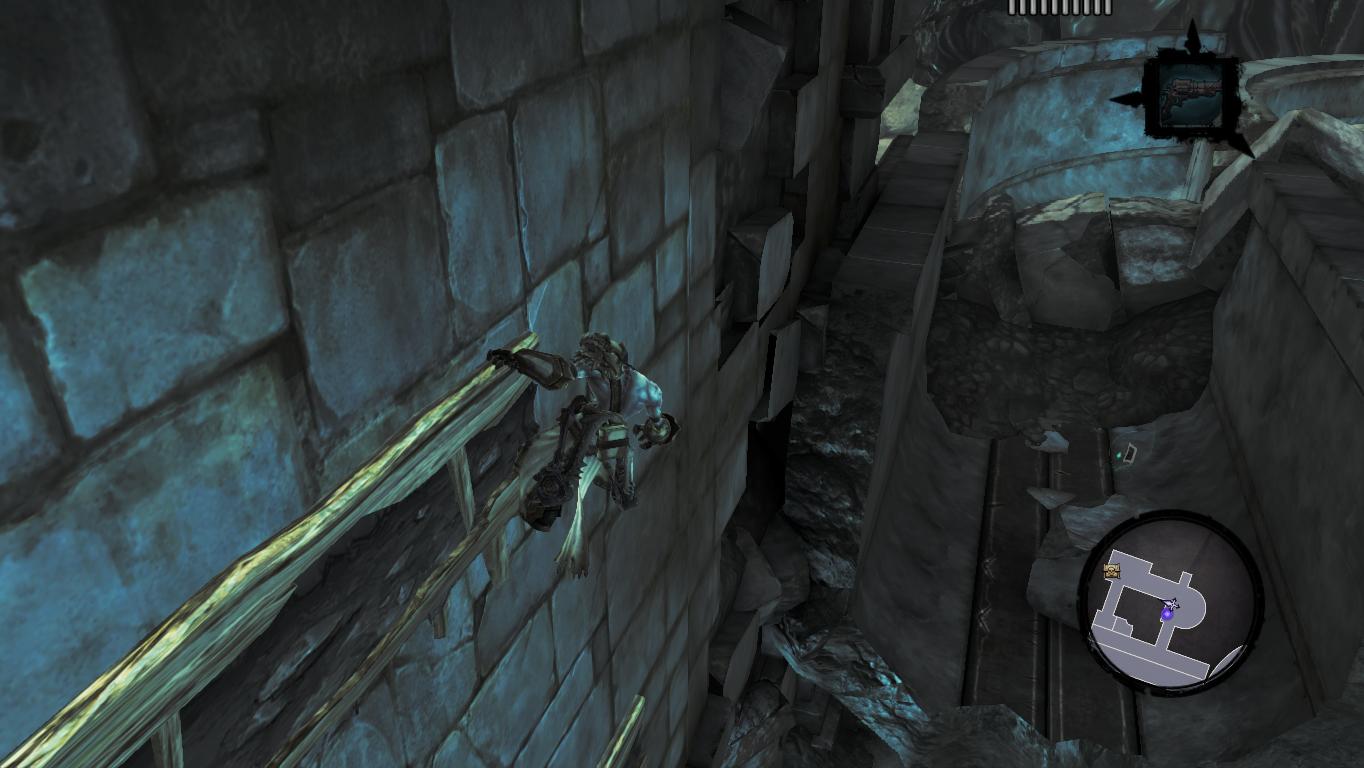
My favorite part about the game is the platforming. It’s just so fun and fluid, as well as fast-paced. The level design is ingenious here because it seems labyrinthine at first, but I rarely had to go to a walkthrough to figure out where to go or what to do. Death even gets to acquire some abilities that are just for puzzle-solving, like the Soulsplitter, which allows him to split into two, and the Voidwalker, which makes a return from the last game. I found the puzzles to be really fun, and they were just challenging enough that you only had to think for a bit before it all clicked. The satisfaction reminded me of how I felt when solving puzzles in Portal.
Secondly, the combat is a lot better than in the last game. Death feels fast, fluid, and has a lot more moves at his disposal than War did. You can buy over 20 new moves throughout the game, as well as upgrade your skills. You will need to play the game twice to be able to upgrade all the skills, but what I did unlock was fun. Eventually, certain moves leached health from enemies, gave me more wrath (needed to do these moves), and stunned enemies. You can turn into Reaper for a while, which does a lot of damage, and you take very little damage. Overall, the combat was just fine, but the camera had issues. Every so often, when I was in a tight corner, the camera didn’t know what to do. It doesn’t happen often, but when it does, you can’t really see what’s going on and will take hits. After Forge Lands, the game gets extremely difficult. I died multiple times during certain fights because they were so hard. You also get fewer health potions later on, which can lead to frustrating deaths.
The boss fights are some of the best things the game has to offer. There are plenty of them, and they are fun but challenging. You have to be quick, dodge, and learn the enemy’s moves. There isn’t a block button here, so the game can get really tough. I did find the final boss disappointing because I beat him in one try in just a few short minutes. Besides these issues, the combat is fun, solid, and well done.
I did find the game a bit repetitive after a while. It was the same thing over and over again, just in different orders. Fight these enemies, solve this puzzle, and do this platforming bit. Most action-adventure games are like that, but Darksiders II doesn’t offer much variety. Even the enemies repeat themselves constantly, to the point where you just get sick of killing them. The only time I felt excited about combat after the mid-way point was during the boss fights. Thankfully, the game is just overall fun, so even when you feel the game is getting old, you will want to press on.
The game looks pretty good, with a gorgeous art style. The textures can look a bit ugly up close, and I was disappointed that Vigil didn’t include any PC-specific features. In fact, the graphics options only allow you to change the resolution, and V-Sync doesn’t even work. The keyboard and mouse controls are clunky, so stick with the Games for Windows controller if you have it. There are plenty of collectibles in the world, so people who are dedicated to them will stay busy. This is one long game, ranging from about 15 to 20 hours if you just go through the story and most side quests. If you complete it 100%, you are looking at close to 40 hours of gameplay here. I just couldn’t find the motivation to collect everything, like in games such as the new Batman games and Assassin’s Creed. After I got to the end of the game, I just wanted to finish it and be done.
Overall, Darksiders II is a solid action-adventure game with some minor issues. There are no PC-specific graphics options, there are camera issues during combat, and the final boss fight is a disappointment. Enemies repeat often, and the same puzzle, platform, and combat formula follow throughout with not much variety, but the game is fun. There are a lot of collectibles and a few side quests, and the boss fights are a blast. If you loved the first game, you will love this even more. People who didn’t like the last one should check this out.
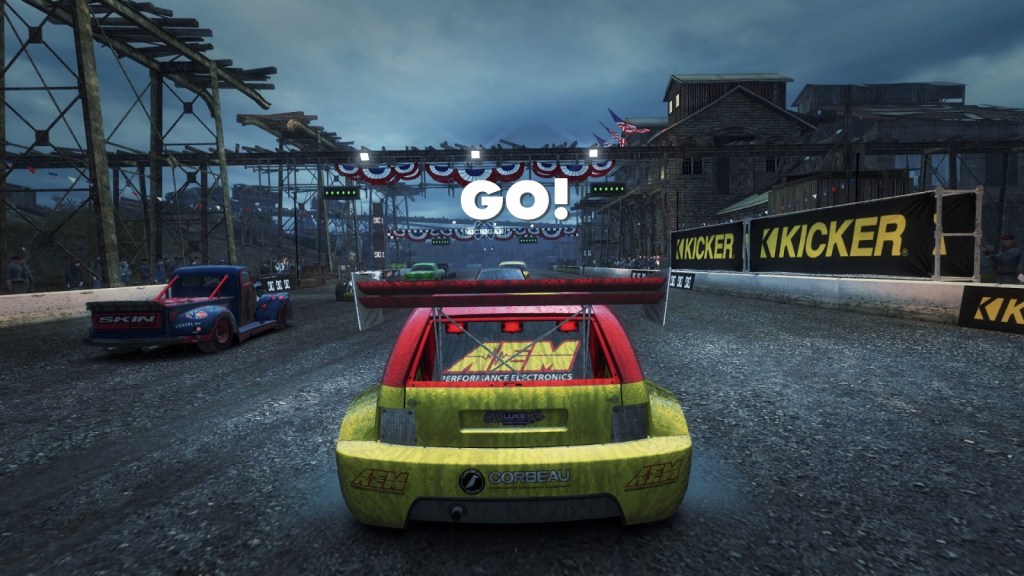
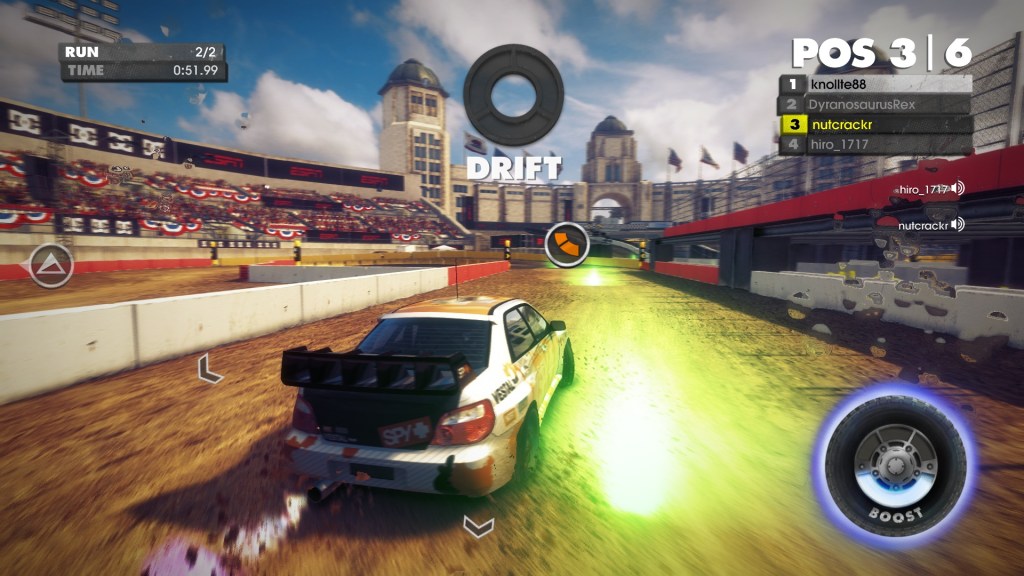
The fourth DiRT game to come from Codemasters was out of the left field. A rally racing simulator turned arcade demolition derby? The truth of the matter is that the game is solid and is a lot of fun with friends. The single-player AI is frustrating and annoying, but after you finish these events for achievements, you won’t come back to it. Some people seem to be pretty harsh on the game, so let me stamp out a few fires here. It’s the AI that makes it feel like you have low top speed. The game has a very fast sense of speed, but Codemasters chose to use the much-hated “rubber-band AI.”.
There are several events you can play, such as 8-Ball, which reminded me of Hot Wheels’ Criss-Cross-Crash track set from when I was a kid. There are good ol’ demolition derbies and regular race-offs. There are no real-world cars available for these events, only in Gymkhana. I’m kind of torn with this event because I found it too difficult in DiRT 3, even with all the assists. I found it much easier this time around, but the only event I really liked was one where you had to smash down colored blocks in a certain order.
Other than that, the game is a standard DiRT affair. Beat the main event, play online, rinse, and repeat until you race yourself to boredom. I found playing online a ton of fun, but after a while, the novelty wears off, and you get sick of the game after a while. If Codemasters put some other gameplay elements in here to deter that, it wouldn’t be this way. From what we have, DiRT: Showdown is an extremely fun arcade racer with gorgeous visuals, but don’t expect to stay for too long.
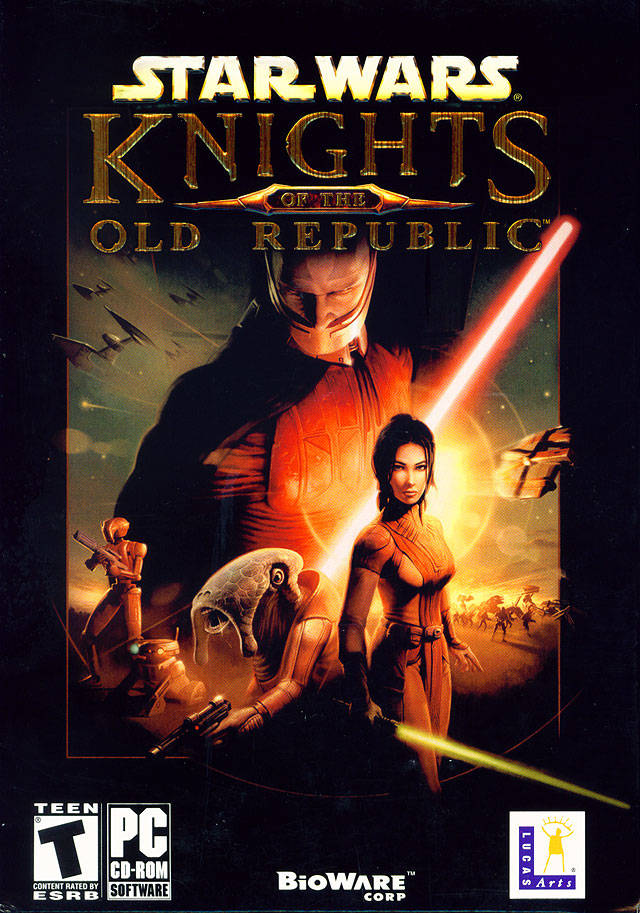
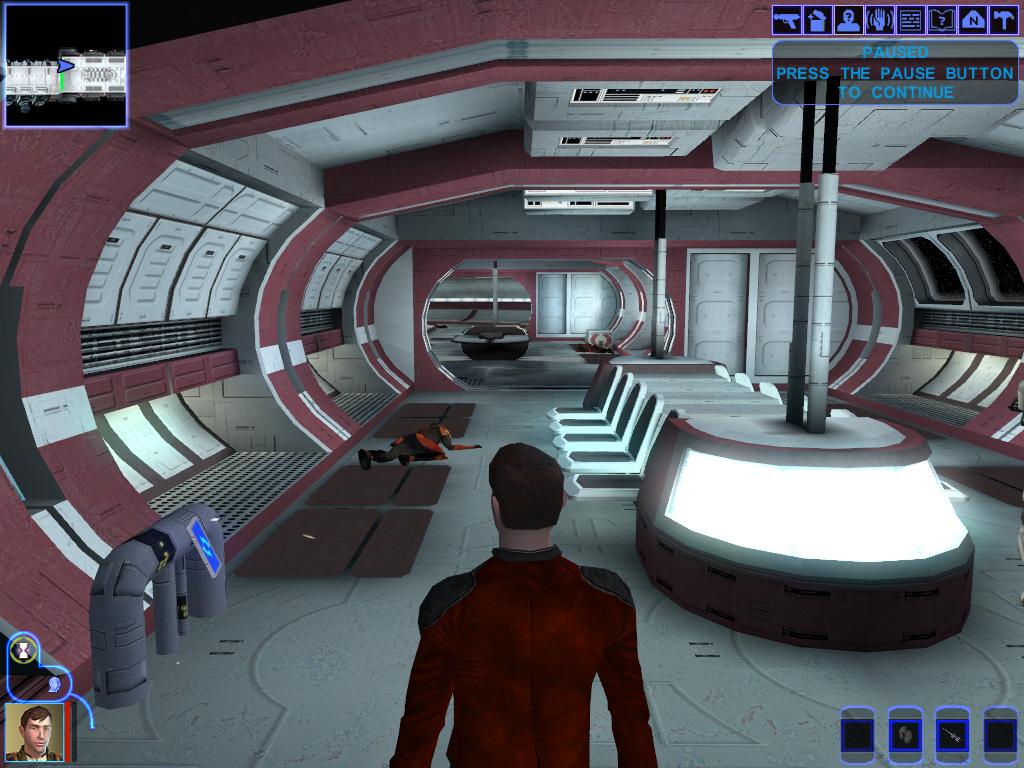
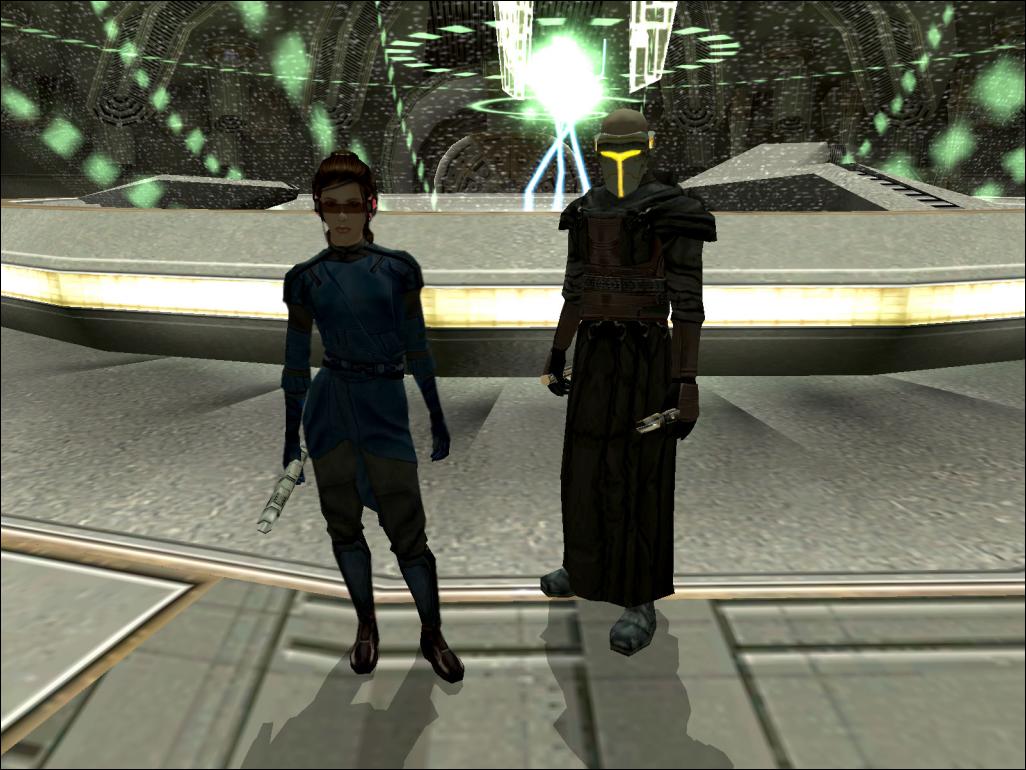
BioWare is a company that revolutionized the action RPG genre for the western era. In a time where Japanese RPGs dominated the market, BioWare was sitting in a little studio, churning out one of the best RPGs of all time. I remember when I was younger how much of a big hoopla this game was. For someone who didn’t own an Xbox or a PC that could run the game, it still slipped under my radar. I eventually got a chance to rent the game years later on 360 and quickly got bored due to its age. I finally picked it up again on the PC, and I am glad I did. The game may feel very dated and old (an entire decade), but there’s no denying the excellent story and well-crafted atmosphere that truly feel genuine in the Star Wars universe.
You play a custom character that has to defeat the evil Sith Lord Darth Malak. He has found some sort of Star Forge to use against the Republic, so you are shadowing his footsteps to find the star maps to this star forge. This takes you across several planets, such as Tatooine, Dantooine, Kashyyyk, Korriban, Kevin, and even Taris. You acquire companions of all types along the way and endure some pretty tough battles and story choices. You have to constantly choose between the light and dark side during choices, and there are plenty of ways to go about the story.
Firstly, you can choose any world in any order. Each one is roughly laid out the same, with a larger hub area than an area beyond where your main quest and some side quests lie. I got rather annoyed with the constant similar layouts and wished for variety. Each world has the Star Map area blocked off until you fix some global catastrophe on the planet. Some are so serious that your decision will determine if you are allowed back on later. Besides running around and talking to people to get quests and buy stuff, the combat and customization are fathoms deep; fans will be pleased.
You can customize your character with a plethora of items, such as implants, shields, different weapons from lightsabers, blasters, vibroblades, belts, armor, robes, and headgear, and I haven’t even started on leveling up. You should pick your character based on how you’re going to fight. I chose to use melee weapons because you eventually go through Jedi training and get your first lightsaber. I have to say that this brought a smile to my face when I inserted my crystals and watched my character whip around those sabers with the classic lightsaber sounds. Nothing can top that.
The game allows you to customize all your items by inserting upgrades that you find or buy. This is mandatory because there really isn’t a “most powerful weapon in the game.” You just get a powerful weapon, and you have to upgrade it, or it won’t do you much good. Other than this, there is the deep leveling system. You can choose an attribute, feat, power, and skill. Feats affect what you use physically in combat and what combat attacks you can use. Powers are forceful powers, and there are plenty of them. All the light and dark powers you can possibly think of are here. I had a lot of fun using them in combat and getting an edge over certain enemies. The level cap is at 20, but most people probably won’t even hit that by the end. I finished at level 18 and didn’t have too much trouble finishing it. You can even choose how your companions level up because you can control them too! This is great for people who like variety and can’t have every skill available for their character.
Combat is turn-based, with dice rolling behind the scenes. I really would have liked real-time combat, but what’s here is exciting and fun on its own. There are tons of different enemies to fight on each planet, and some are harder than others. I found the game really hard at first, but after a while, you will level up and find the game very balanced. There are some issues in combat that just really annoyed me. There seems to be a targeting problem in small areas. When you click the action you want, the characters will get stuck in an endlessly looping animation if there is someone in their way. This can cause you a battle because you have to disengage and restart the attack or move around the obstruction. This happened quite a lot, but you will learn to just live with it.
While the story is interesting and choosing how dialog will change it is fun, there are some issues here. Instead of your choice being final, some dialog trees will allow you to go back and change your answer, or no matter how you persuade or force persuade, neither will work and you can’t continue the dialog. This is usually on side missions, but I have never seen the persuade option fail so much in a BioWare game. No matter how much I leveled up my persuasion attribute, I failed an awful lot. Other than this, though, my other issue is that some dialog just drags on way too long. I found myself skipping a lot of it or just reading ahead of the voices. These, again, are just minor issues that can be overlooked.
The graphics in the game look old and terrible these days, but back in the day, they looked amazing. I can see why it looked so good then, but you can still feel the Star Wars atmosphere, and that’s what counts the most. The character models and animations are stiff, blocky, and repeat a lot, but overall they work. Even some of the voice acting is spotty at best, but overall it is pretty good.
KotOR is an amazing Star Wars experience, but the age may turn a lot of people off. My biggest issue of all is that the game doesn’t give any clues on where to go. You get no hints and are left on your own to just figure out what to do. I had to use a walkthrough through most of the game because I had no idea where to go, or some quests were very cryptic. This is a huge no-no for me and really hurts the score the most. Overall, this is an amazing Star Wars game, and any Star Wars fan will love this game.
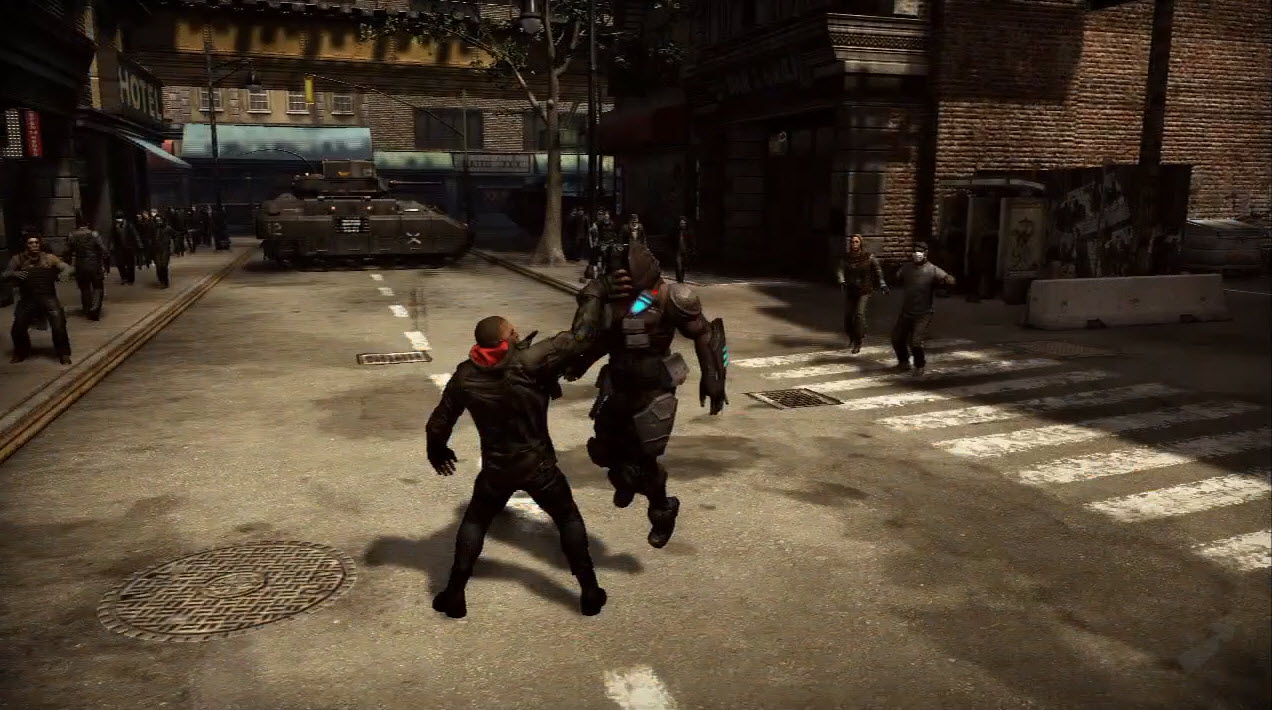
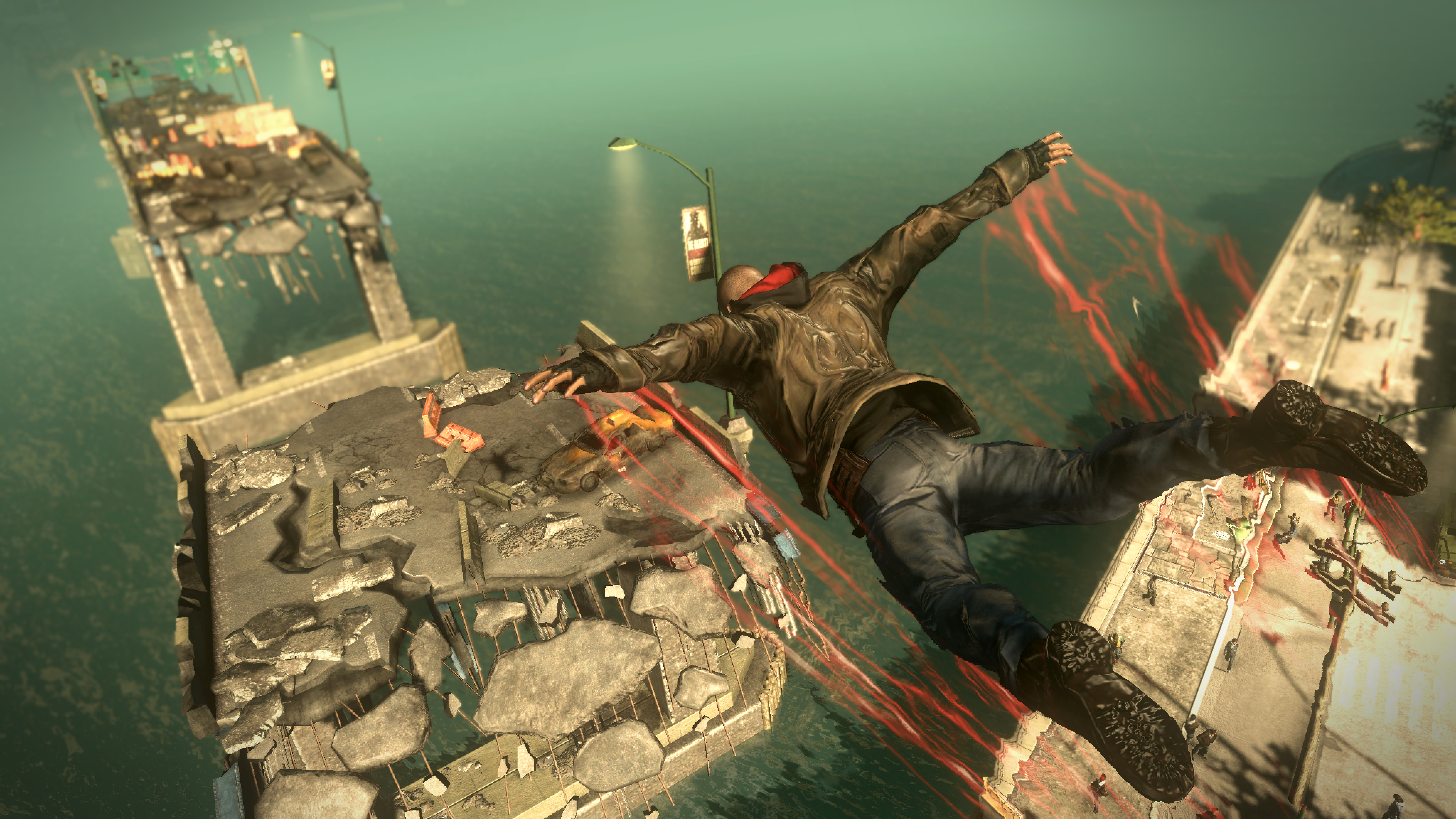
Prototype 2 is a huge improvement over the first game in every way possible. The first game was clumsy, lifeless, and just got boring after a few hours. Prototype 2 is streamlined and even changed the gameplay style to that of a hunter instead of a destroyer. The game is so much fun that I hope people who didn’t like the last game will come back, like I did, and enjoy this game. You play James Heller, who gets turned into an Evolved by Alex Mercer. His goal is to shut down Blackwatch and Gentek, who are trying to test a biological weapon on the populace. Alex Mercer is now your enemy, and you must take revenge for the deaths of your wife and daughter.
The story is actually one of the first things that you notice is improved. The first game had a disjointed, irritating way of telling the story; it was random and mashed around. The delivery is still the same, in which you get tidbits here and thereby consume key people in the game, but it all makes sense and is actually quite engaging and entertaining. I always wanted to know what happened next, but even side quests have story tidbits that you will want to hear. The game is open for a third sequel, which I hope comes along. Heller is a much more likeable character than Mercer and is a little more relatable. Alex is a jerk and is selfish, so he plays a better enemy this time around.
The combat is another major improvement because it focuses more on one-on-one combat than killing dozens of enemies everywhere. There’s a better lock-on system that allows you to track certain enemies, and the auto-target is pretty smart. This game has huge enemies that you fight instead of just the smaller infected and military all the time. Brawlers, Goliaths, and Hydras are just a few that you will fight. Since you are a hunter this time around, you get hunting sense, which allows you to track certain people on missions. A gold ring goes out, and you must follow in the direction it pings back. I found this really fun, and the stealth is fun as well, but the AI is pretty stupid. You can stealth consume an enemy right in front of someone, but as long as he pings white, you can consume him. Consuming also gives you health and mass in combat.
You can perform two huge, devastating attacks called Devastator and Brawler Pack. Devastator is a huge shockwave that will kill almost every enemy in its range, and the brawler pack allows you to call brawlers to your side to fight. Of course, you can hijack vehicles like tanks and helicopters, which is really fun, but you can also tear off their weapons and use them. I just found the more focused combat to be more fun and easier than the crap-tier combat from the first game. Even the weapons you get to use are more fun, like the blade, claws, whip, and hammer fist. You will use each one because they are actually fun to use and each has a purpose. There’s even a nicely placed dodge button that pops up to avoid attacks, which I really liked. The combat is just so streamlined and focused that it feels great even compared to other games.
There are plenty of collectibles and side missions to do, which are all fun. These give you perks when completed, so the leveling system is much deeper than in the last game. Destroying lairs, finding black boxes, and destroying other defenses can actually be fun because even something as simple as gliding around the city is fun thanks to the improved controls and excellent animations. My only issue is that the game is repetitive because it’s the same kind of mission over and over again. Kill these enemies, stealth consumes this guy, collect these items, etc. Each mission just mixes them up a lot, which is fine. By the end of the game, you will feel satisfied, thanks to the well-told story and fun combat.
Overall, Prototype 2 is a huge improvement over the first game. The graphics look great, there’s plenty to do, and the story is entertaining and cohesive. I just wish the missions weren’t so repetitive. I also found the game too easy in some spots and then too hard in others. Other than that, this is a solid game and well worth a purchase.
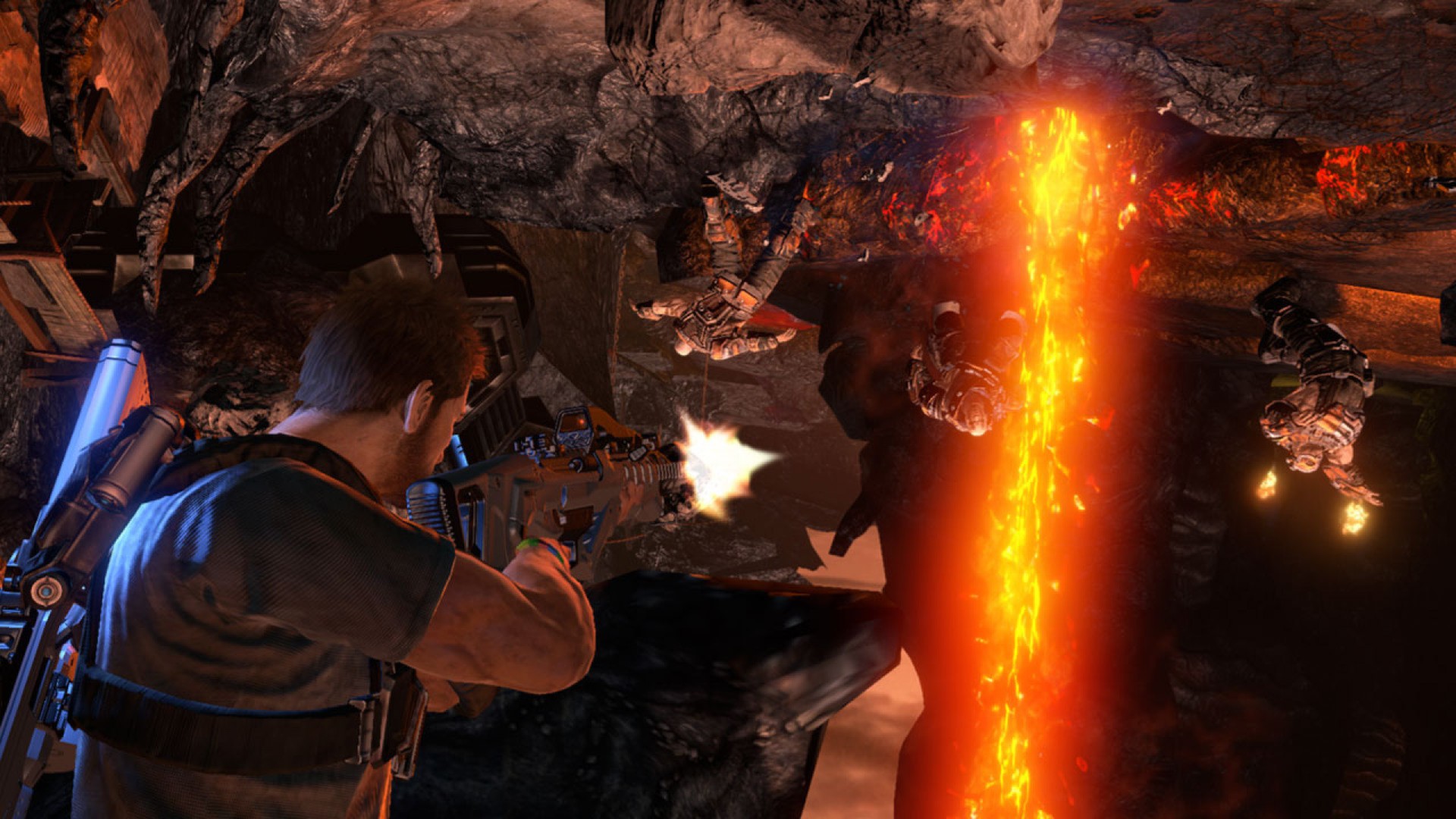
Inversion is a game about gravity manipulation that fails to work. How a single element that an entire game evolves around fails is beyond me. You play as a man named Dennis, trying to find his daughter after an unknown enemy destroys his city. Unfortunately, that’s about as far as this ridiculous game gets. There are massive plot holes, completely broken game mechanics, and some very monotonous shooting segments.
The game gives you a Gravlink that allows you to make objects light or heavy. You can use this on enemies as well, but it doesn’t work as well as you think and feels completely useless most of the time. Why shoot a barrel to make it light, aim at it, pick it up, aim it at the enemy, then toss it when just a few bullets work twice as fast? The only time this is useful is when the game forces you to use it during the many boring boss fights. You can acquire upgrades for it as you go along, like being able to pick up heavier objects, and the heavy gravity isn’t unlocked until much later. This one mechanic just felt completely useless to me except for when I fought larger enemies, and that wasn’t very often. So hats off to Saber for screwing that one simple thing up. They made a major game mechanic uninteresting and useless.
Secondly, there is the inversion of gravity that affects your navigation. This part was fun until you realized how broken the cover mechanic is. One type has you flipping around walls and buildings, which reminded me a lot of Prey, but not as fun. The second type is where you’re in Zero-G and you can float around by moving pieces of debris. Here’s where the mechanics suddenly break down and make the game a living nightmare to play. You can somehow still get injured when behind cover, whether it’s Zero-G or on the ground. I died so many times because a rocket somehow killed me by hitting the object I’m hiding behind. Secondly, if an enemy throws high gravity at you, you can’t land even if you move away from the area. You can try to push yourself around, but sometimes it doesn’t work, and you are left vulnerable for a good 10 seconds. That’s enough time to die. If an enemy uses low gravity, you go through this stupid, long animation of recovering your senses before you can aim your gun and fire while on the ground. After that, you can’t move and are just laying there taking shots, and 99% of the time you will die during this stupid animation.
Why all this wasn’t tested and thought of is the obvious question. On top of all this, you get some guns that aren’t fun to shoot and have no impact or weight to them. You get the same types of guns in standard form and plasma form. The boss fights are even more repetitious and boring because the game throws the same exact boss at you several times. I fought the slave driver five times, and the security bot about four. Each time, you fight them the same way with no changes. All I wanted to do was shoot myself because of this. On top of all this, you’re sitting there wondering why you’re even bothering because the plot has so many damn holes. Why are these guys invading the city? Where are they from? What do they want? None of those questions are answered. You just go along trying to find your daughter, and that’s pretty much it. The game is a seriously huge waste of time, and I can’t recommend it to anyone.
Overall, Inversion’s graphics are pretty good, but the art style is generic and boring. All the gameplay elements and mechanics are either broken or useless, and the game has more plot holes than LA’s streets. What’s the point of playing? Sheer boredom is all I can think of. Do not waste a single penny on this game, but if you have to, just rent it. The multiplayer is incredibly boring as well, so don’t even bother with that either.
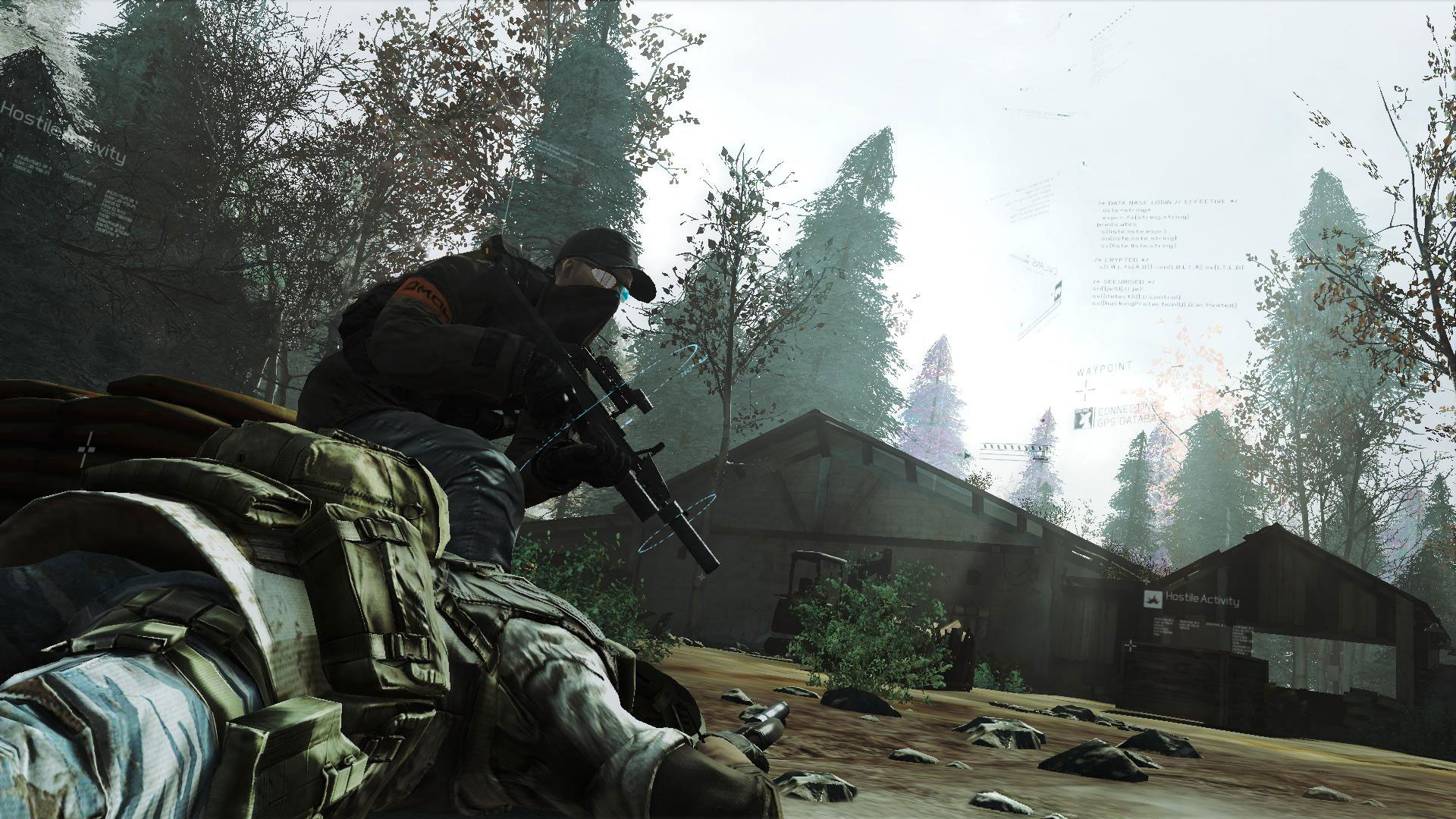
Advanced Warfighter was one of the first games to really push the new next-gen consoles but also evolve into the tiring Ghost Recon franchise. Future Soldier has huge boots to fill, and it does a good job by evolving the series even further. The game finds a balance between stealth and action, plus it throws in some cinematic scripted events to keep things exciting.
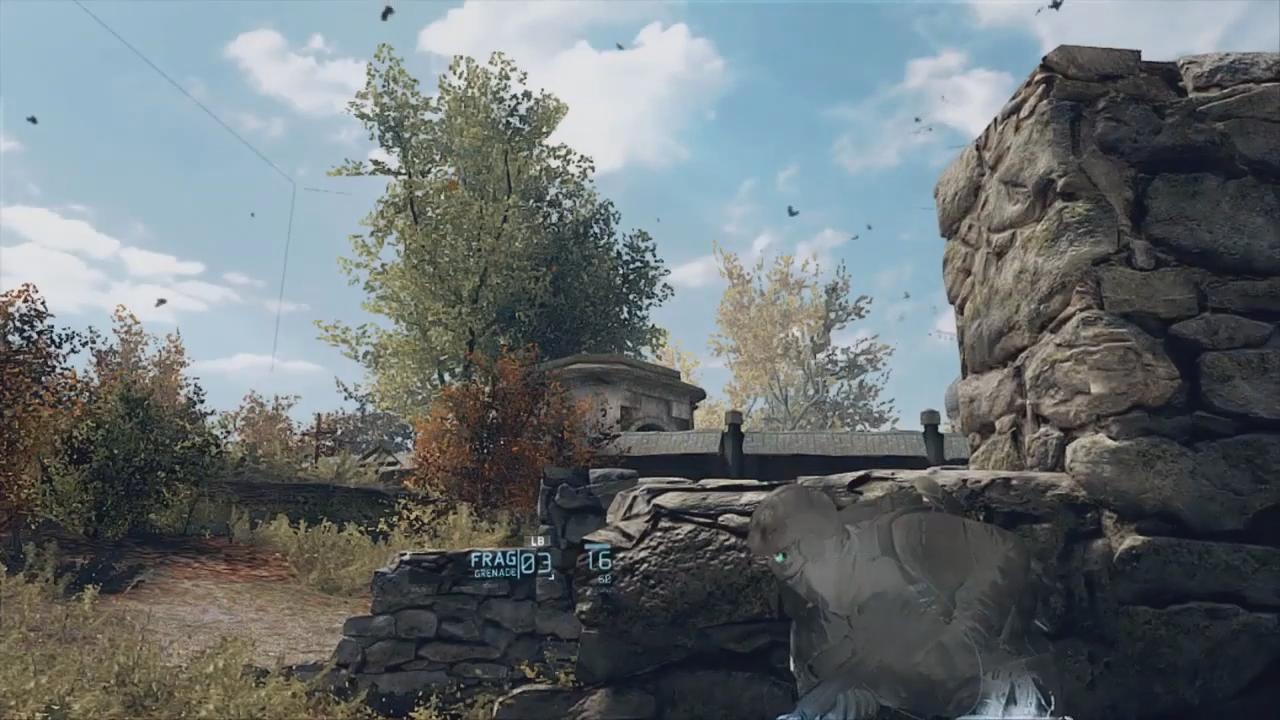
The story is pretty much what you would expect from a Tom Clancy game. Full of politics and pretty dull. You are a team of four ghosts who are helping the Russians put the “good” president back on the seat. There’s not much to it, and even the banter between the ghosts isn’t fleshed out as well as it could have been. You’re here for the action, and Future Soldier delivers well. I was most impressed by the new recon elements. First off, you have camo that makes you practically invisible. This can only be used when standing for a while and crouched or prone. Enemies can still spot you if you get too close, so this isn’t cheating per se. On top of this, you get a nifty little drone that you can control in the air or turn into an RC car for ground recon (with a pulse blast!). In the air, you can tag targets, figure out where the enemies are, and study patrols without the frustrating trial and error of figuring it all out yourself on the ground. The drone is a lifesaver and one of the best gadgets ever implemented into a Ghost Recon title.
The coolest thing in the whole game are the sync shots. These allow you to tag up to four enemies and, at the same time, take them down quietly. This eliminates the frustration of having to take everyone down yourself or use useless commands. The friendly AI in this game is some of the best I have ever seen. You can tag enemies above in the drone, and the ghosts will quietly move around and position themselves for the sync shots. The only problem is that if you do four tags, you have to be the fourth.
Sync shots and active camo may be lifesavers for recon, but there is action thrown in. To prevent diving into action, the game will tell you where enemies can see you, so you get a few seconds to find cover before getting discovered right away. However, the game sometimes forces engagement on you because enemies will be clumped too close together for stealth sync shots. This only leaves one option, and that’s open firefights. You aren’t penalized for this at the end of missions because the game encourages sync shots and stealth kills.
I did find the campaign, toward the end, repetitive and less exciting because there are fewer scripted events and more of just non-stop shooting. The difficulty spikes all over the place in these later levels, leaving you to do many checkpoint restarts due to dying. Thankfully, you can “die” three times, and a team member will revive you. I just found the first half of the game to be better designed and more exciting than the last half. There was less and less recon and more running and gunning, which isn’t what Ghost Recon is famous for.
Besides these few complaints, I do have to say that being able to fully customize your guns is an awesome addition to the series. Instead of just choosing people and stocking weapons, you actually get to decide each part of the gun. Trigger, stock, magazine, side rail, under rail, paint, muzzle, gas system, barrel, everything. Most items are unlocked by completing challenges during missions. Other than this, the only thing to go back for is multiplayer, which is what Ghost Recon is famous for.
Multiplayer is pretty much like the campaign and just as fun as past GR games. There’s not much to really say except that GR multiplayer isn’t really for the typical Call of Duty fan. At least there’s a co-op here for buddies to sit around and play, which can actually make the game a lot easier and more fun. The visuals are amazing, and the PC has extra detail thanks to DirectX 11 support, so it looks way better than the console versions. There is tons of visual detail on the PC version, but you will need a really powerful rig (a GPU no more than 2 years old and a high-end dual-core or quad-core CPU for full detail).
Overall, Future Soldier was a long wait, but we got some great new ideas, like gadgets such as the active camo and the drone. Sync shots are a lifesaver, and there are some pretty awesome scripted moments in the game. The story is typical GR dullness, but we get a lengthy campaign with challenges to complete and even fully customizable weapons. I highly recommend this to any GR fan or newcomer who loves stealth action and shooters in general. Just expect some difficulty spikes towards the last half of the campaign.





















































 thebinarymessiah.com
Clearly you have been blocking everything you or haven't played the game at all. Maybe pay attention to the story…