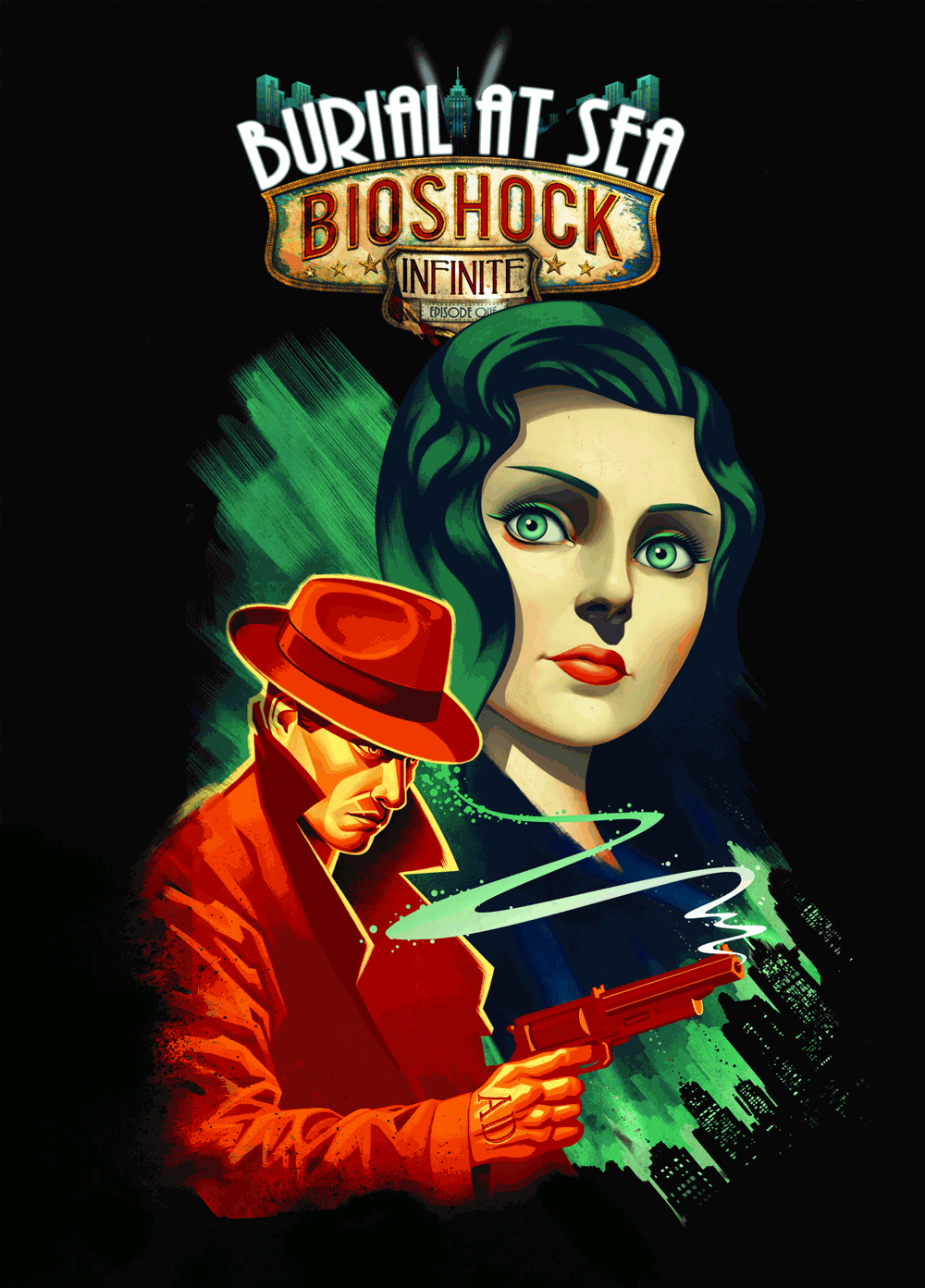
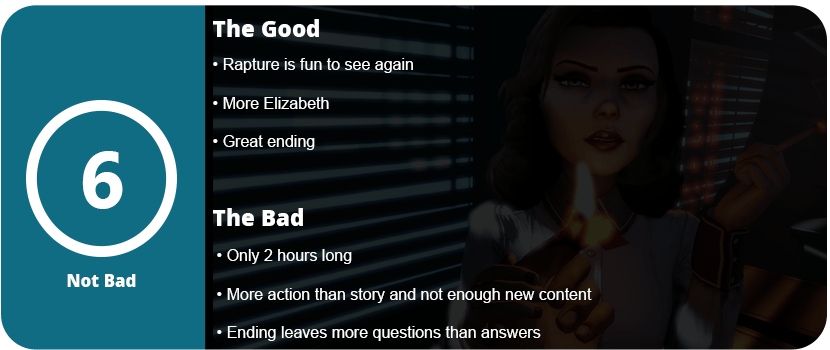
The long-awaited Infinite expansion set in Rapture is out and about. I honestly didn’t know what to really expect from this other than more questions and fan service from Rapture. The story started out very similarly to BioShock 1, where you are riding down the bathysphere into Rapture. It brought back a lot of great memories, and I was happy to see the beautiful Elizabeth throughout the whole chapter. What I wasn’t happy about was the length, the gameplay, and the lack of anything memorable.
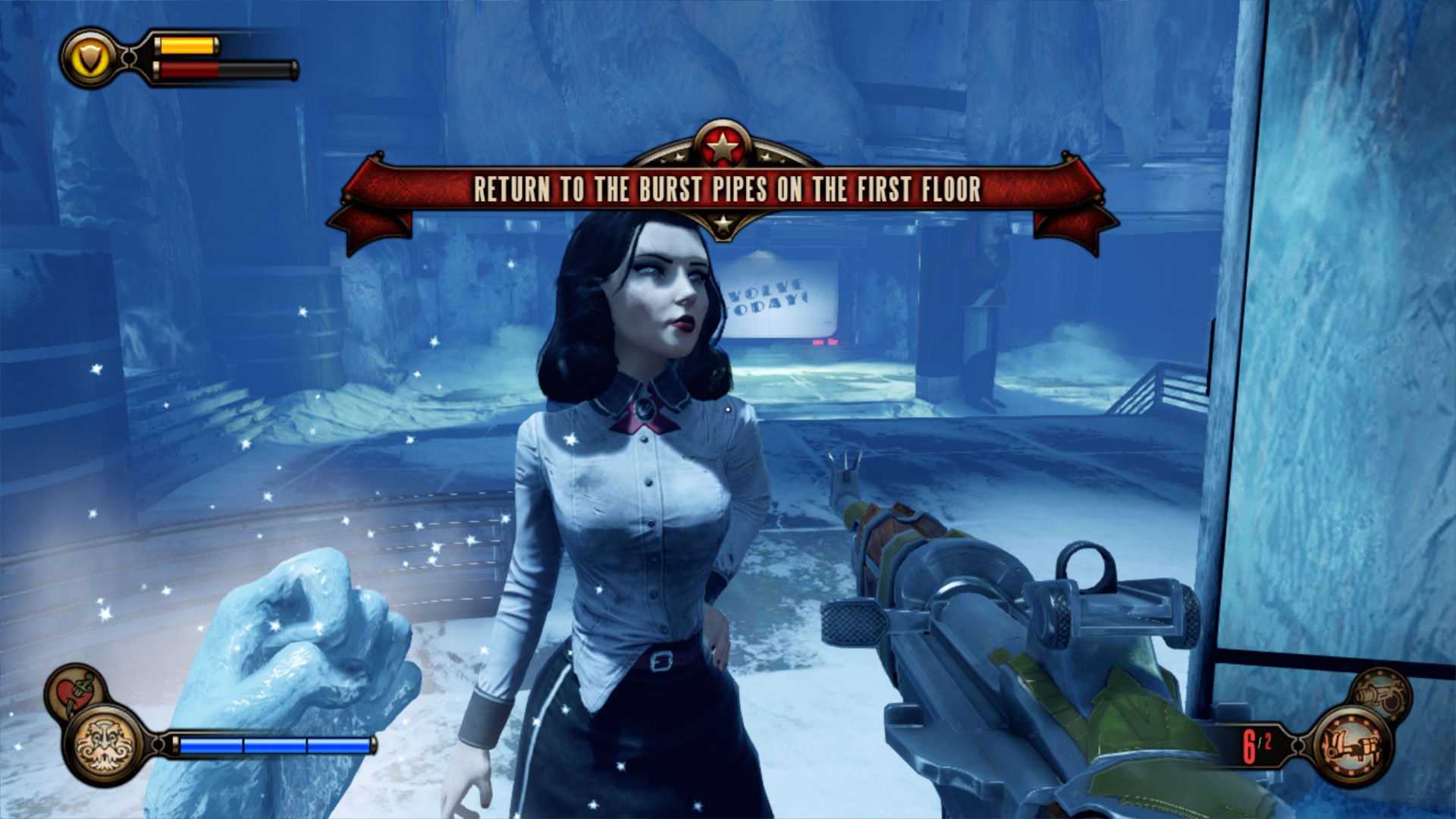
You feel more like one level from a full game. The one level that is really just action is more than the story. It doesn’t pick up at all until the last 2 minutes of the ending, which is both shocking and expected and gives us more questions than answers. The same infinite guns are back, but with only one new power, and that is Old Man Winter. It is not much different from the freeze power in BioShock 1. It can freeze running water to make a bridge, and that’s about it. I ran around closing vents to draw Sally out (the girl who Booker must get back) and not much else. The ammo is extremely scarce, so you will be scrounging for it more than at any other moment in previous BioShock games. You also don’t get the full arsenal in Infinite, and nothing much else has changed gameplay-wise.
The setting is fantastic, however. The underwater city is memorable, and it’s great to be back before it went to crap from the previous games. We are seeing the calm before the storm here. The Little Sister program is starting, and so are the new Plasmids. It’s very interesting to see how things are happening when everything is prosperous and fun in the underwater utopia. Another great addition is the return of Sander Cohen, who is probably the most insane person in Rapture. This section is memorable but dies out quickly with more boring shooting and getting lost in hallways.
Outside of the interesting ending, there’s not much else. This was a real disappointment because of how long everyone waited. The gamer who just played Infinite and moved on shouldn’t even bother. This DLC is mainly for hardcore fans who actually want the ending in Episode Three rather than the tidbits from each episode.
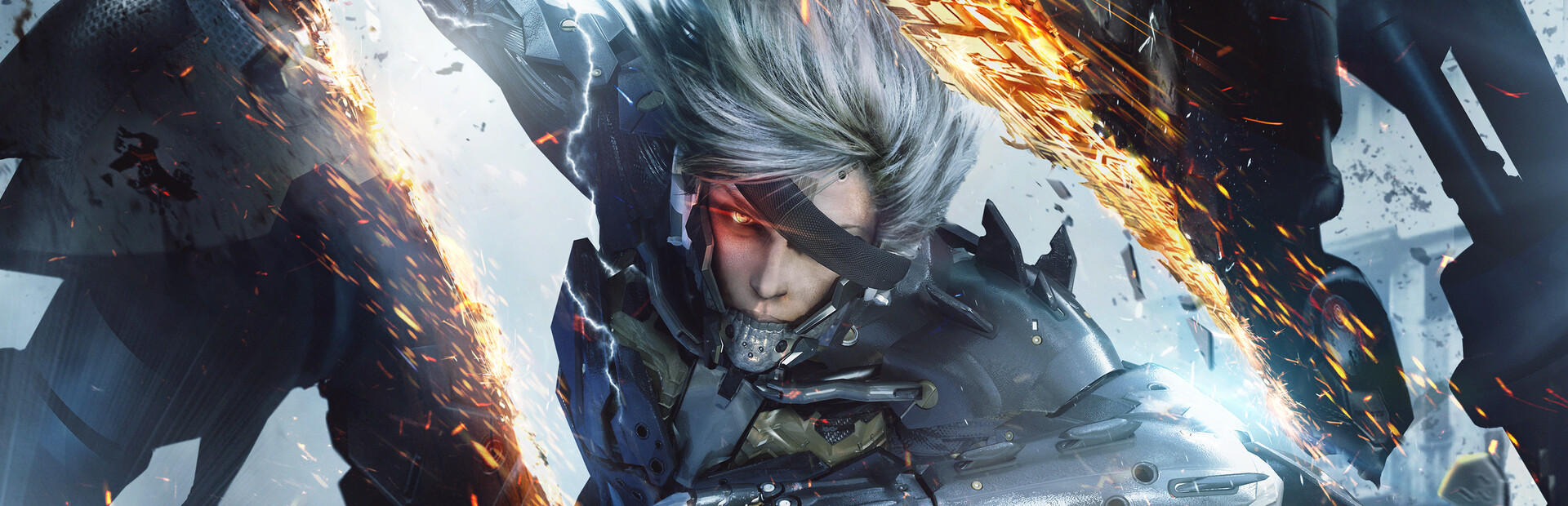
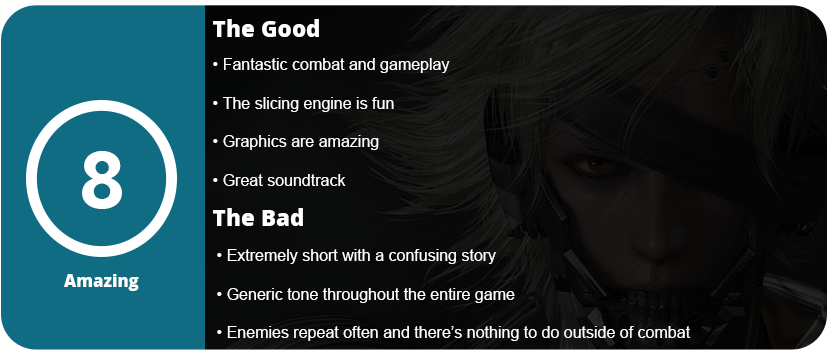
The Metal Gear franchise hasn’t seen too many spin-offs. Acid is the last one. Revengeance puts you in the shoes of Raiden, a cyborg fighting against other cyborgs for the greater good. The plot is supposed to hover around MGS4, but it’s boiled down to a confusing and ultimately uninteresting mess. There’s something going on about children’s brains being harvested for implants and people making money off of war. Raiden is the good guy trying to stop all this, but the game is so short and broken up so much that it’s hard to follow.
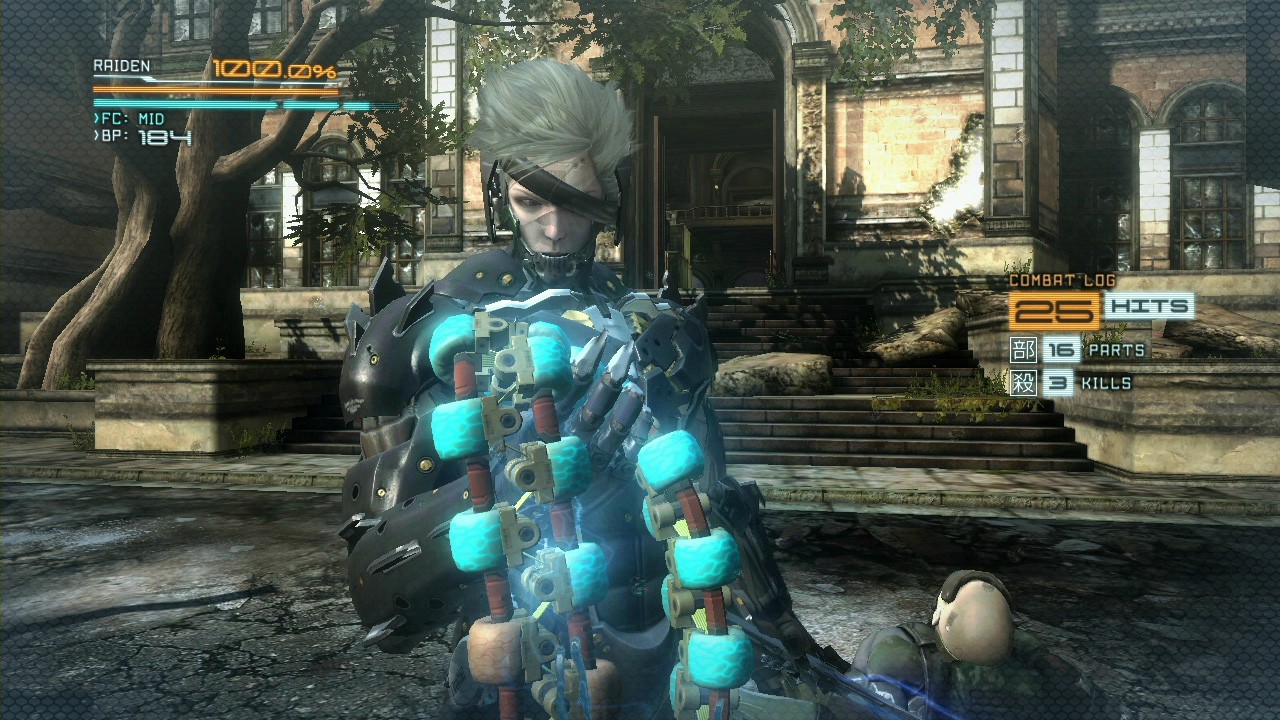
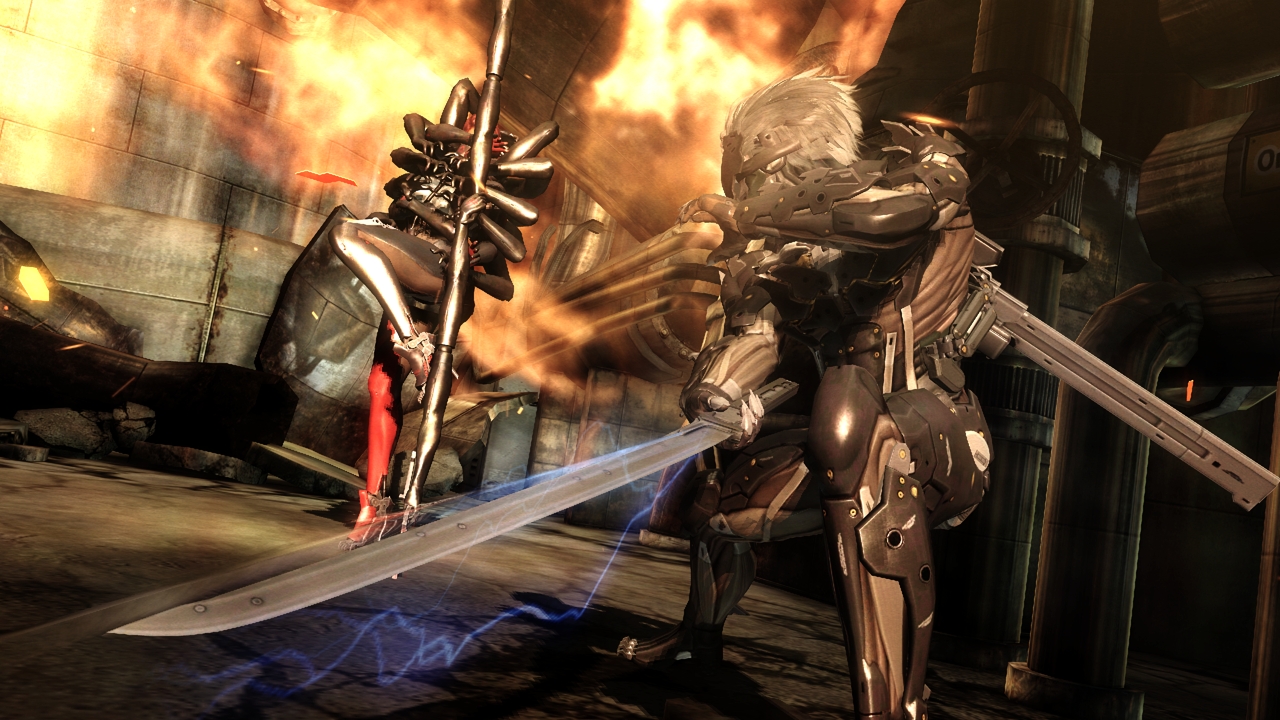
What is great is all the action. Raiden responds wonderfully and has an array of flashy moves that would put most action-adventure games to shame. As you progress through the game, you can upgrade your life, fuel cells, weapons, and moves. The whole game pretty much revolves around a slicing engine. When you defeat an enemy enough, you can slow down time and use the right analog stick to slice enemies up into ribbons. It’s pretty fun and never really gets old, but it’s sensitive and sometimes finicky. Boss fights will rely on this, and line-up squares can cost you the entire battle if you aren’t quick enough.
I honestly wish Platinum never put stealth sections in the game. This isn’t Solid Snake; I want to run around slicing things up. The enemy placement isn’t smart and laid out like in a typical Metal Gear game. You get seen most of the time, even if you try hard not to. One problem lies in the fact that there’s not much else to do. It’s just wave after wave of enemies and then a boss fight. It also doesn’t help that the game is ridiculously hard outside of easy mode. Even though it took me less than 6.5 hours to finish the game, it was broken up throughout a year of playing. I would spend hours in some areas just because of how hard the game can be. There’s no block button. Let me throw that out there right now. Instead, you can dodge and parry, which is extremely difficult to do. You can die in just a few hits, and healing relies on slicing enemies at the right moment and getting their nanostrands to fully heal. You must slice them before they hit the ground; this can be really tricky to master.
The enemies also repeat often, and the game is overly generic in tone. Sure, the graphics are fantastic, the music is great, and the action is fast-paced and looks amazing. However, the enemies are just generic soldiers and geckos. The environments nearly all look the same, and some boss fights even repeat. I appreciate the difficulty that forces you to master the combat system, but a larger variety of gameplay would have been nice.
So the final question is this: Is revenge the be-all-end-all of the action-adventure genre? Not likely. Sure, it’s up there with some of the better games combat-wise, but everything else just falls a bit flat.
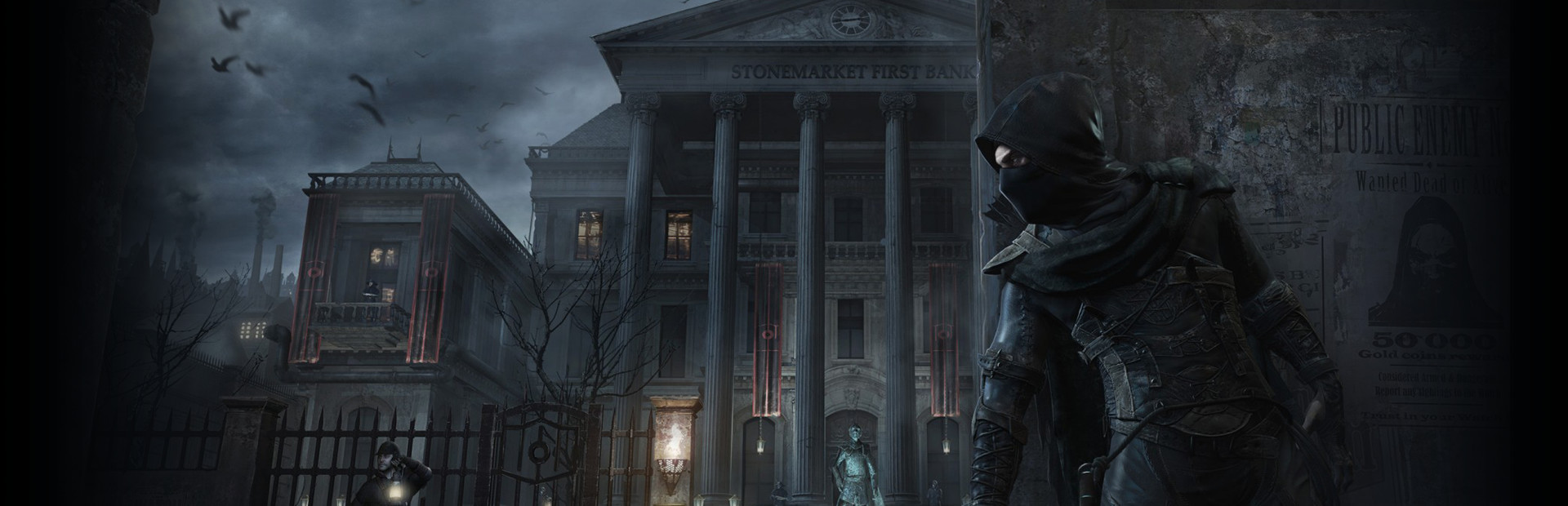
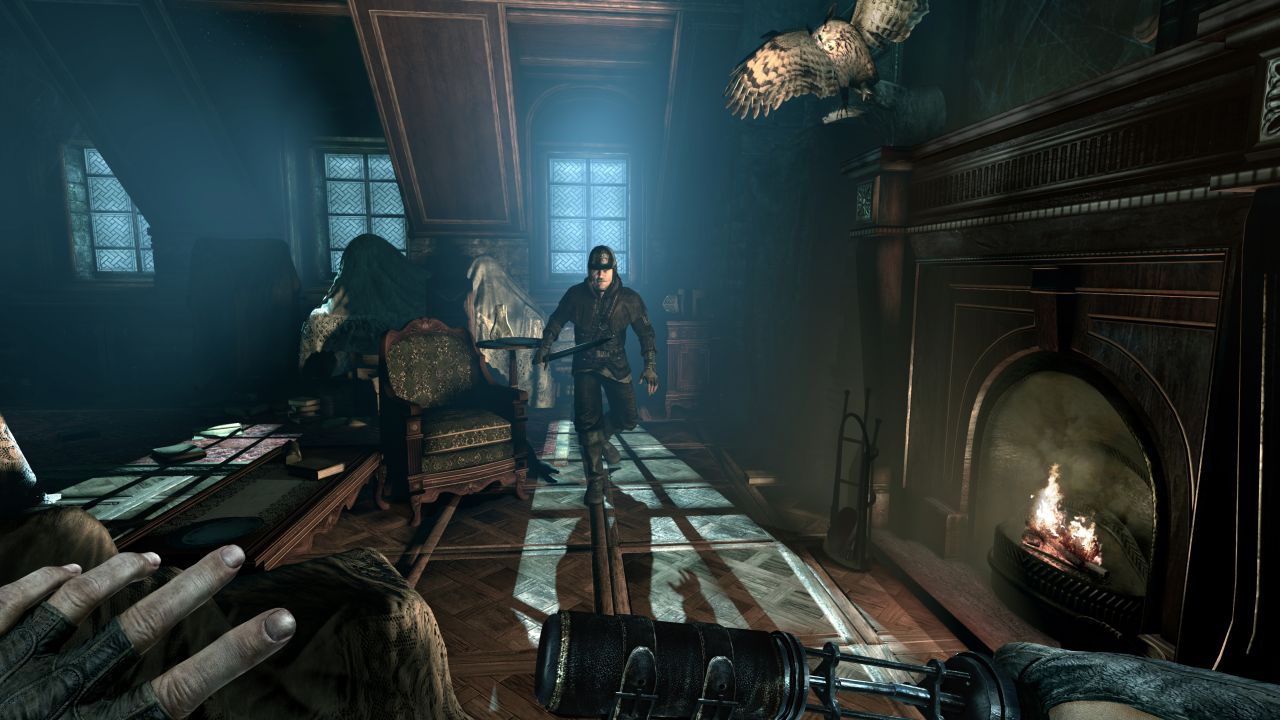
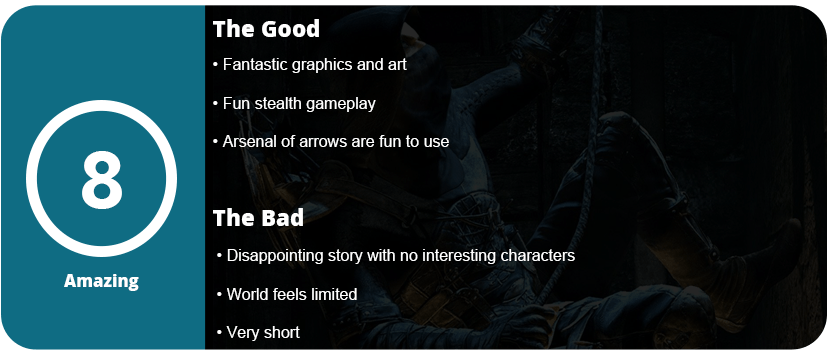
Thief has been one of those franchises that has been on the back burner of gamers’ minds for over a decade. Like Deus Ex, Duke Nukem, and various other decade-long franchises, Thief went through its own development hell. The end product isn’t exactly something that’s worth waiting ten years for, but it’s a fun game with fantastic visuals and some great stealth gameplay.
I will come right out and say this: the story is almost complete garbage. It’s a discombobulated mess of disjointed segments strewn together in eight chapters of gameplay. You play as a master thief, Garret, who is trying to get his friend Erin back, whom he let down during a big heist. You need to get a hold of some powerful people to answer some questions and find a mysterious stone. There is some anarchy and revolution thrown in, as well as some sort of plague called The Gloom. I honestly don’t know why any of this is happening or why Erin has a power called the Primal. It’s a huge mess, and nothing is ever explained. That’s too bad for a game, as cinematic as it is, that can’t tell a decent story. At least the gameplay is fun, and that’s why most people are here.
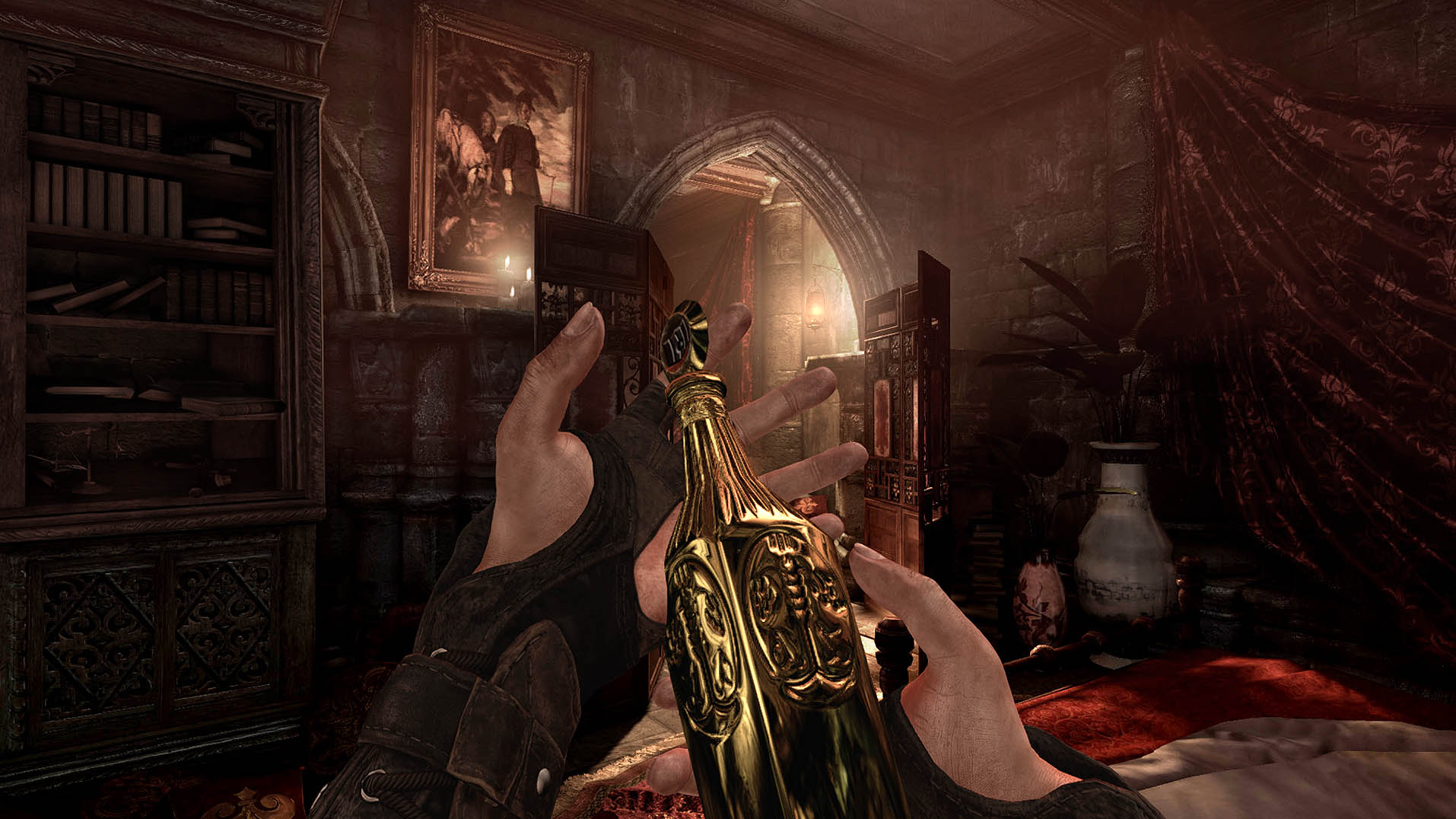
The stealth gameplay consists of sneaking and hiding in the shadows, like in previous Thief games. Garret isn’t really about killing enemies, so you just knock them out with your famous Blackjack. You can kill enemies by using arrows, but it takes away from your level score. Like in past Thief games, arrows are your whole arsenal. Water arrows can put out fires, giving off light; rope arrows can help you swing to a new area to get around guards; poppy arrows can stun enemies; and blast arrows can take out a group of people or cause a distraction. Your arrows are a playground for anything you want them to be to your heart’s content.
Like in previous Thief games, you can take multiple paths to get around guards completely undetected or by taking them out one at a time. Some of the paths are hard to find, and some just lead to the treasure. Picking locks and finding loot to gain gold are very important if you want to stay stocked up on arrows. Sometimes it’s not worth getting caught just for a piece that’s worth 10 gold. Sometimes animals are guarding a piece, or there are too many guards or lights to get around. Thankfully, vertical play is quick thanks to your claw, which lets you climb taller areas.
An odd addition to the series is weird creepy horror segments straight out of Amnesia. You can’t kill these things; you can only sneak around them. Sure, they were creepy, but why? It felt out of place. Also out of place are the awkward boss “fights” that just feel loose and sloppy—maybe even shoehorned in. The flow of the game is also off quite a bit, with side missions taking you to weird areas of town and not really being worth anything. I honestly felt the whole world was limited to just side missions when it could have been a whole larger open world.
Outside of all that, there’s not much else to the game. It doesn’t feel like the ultimate revolutionary stealth game like the first two games felt. The AI is dumb most of the time, and the game can be beaten in less than 8 hours, even if you try to gather all the loot. With side missions, you may extend to 20 hours, but just barely. The graphics are just fantastic, with advanced DirectX 11 effects and a great art style that feels like Thief; there aren’t even any memorable characters in the game—Garret included. What we have is a fun weekend rental and nothing more.
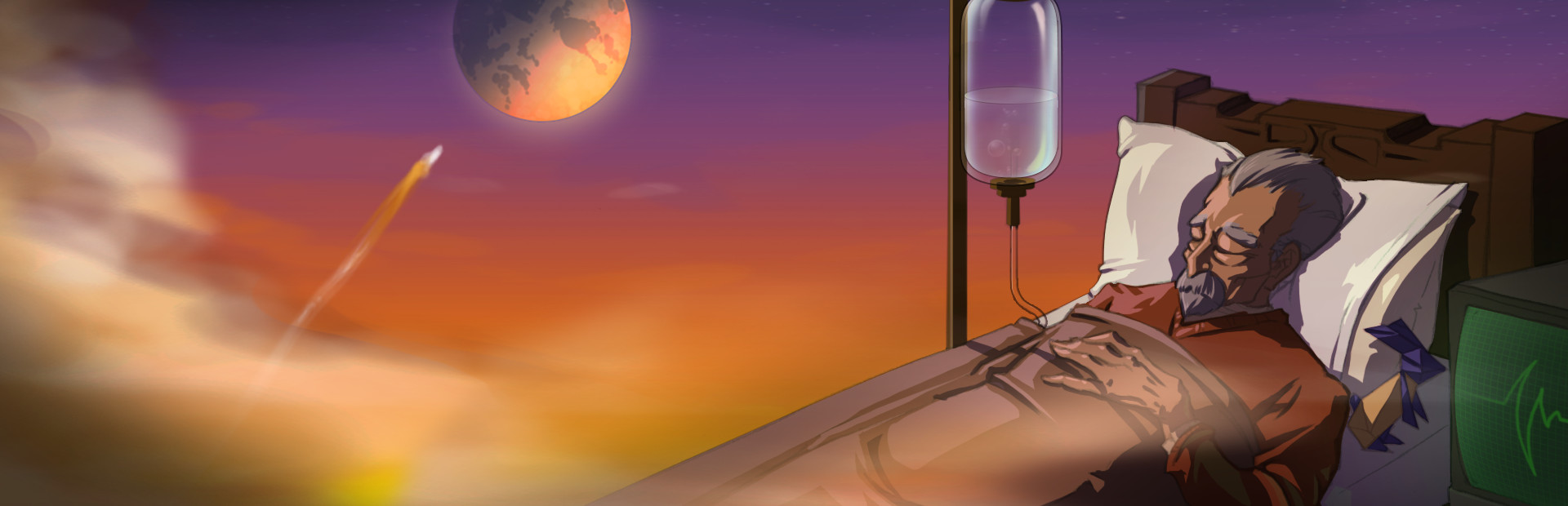
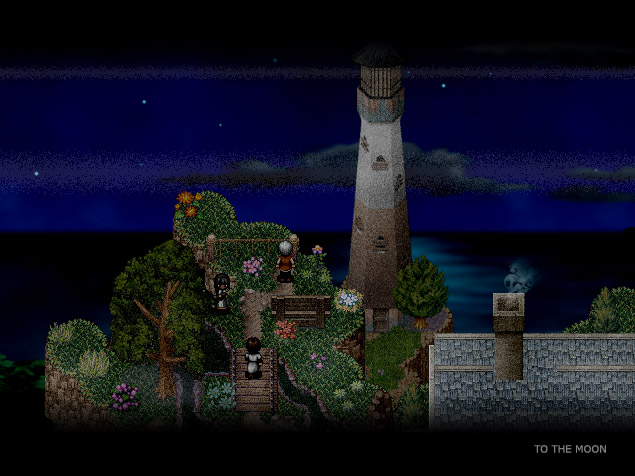
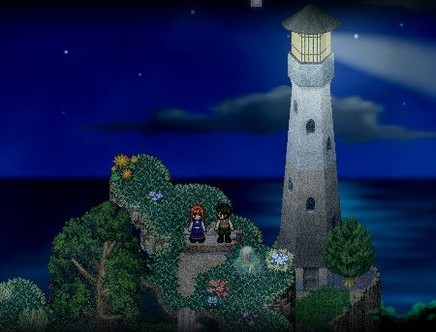
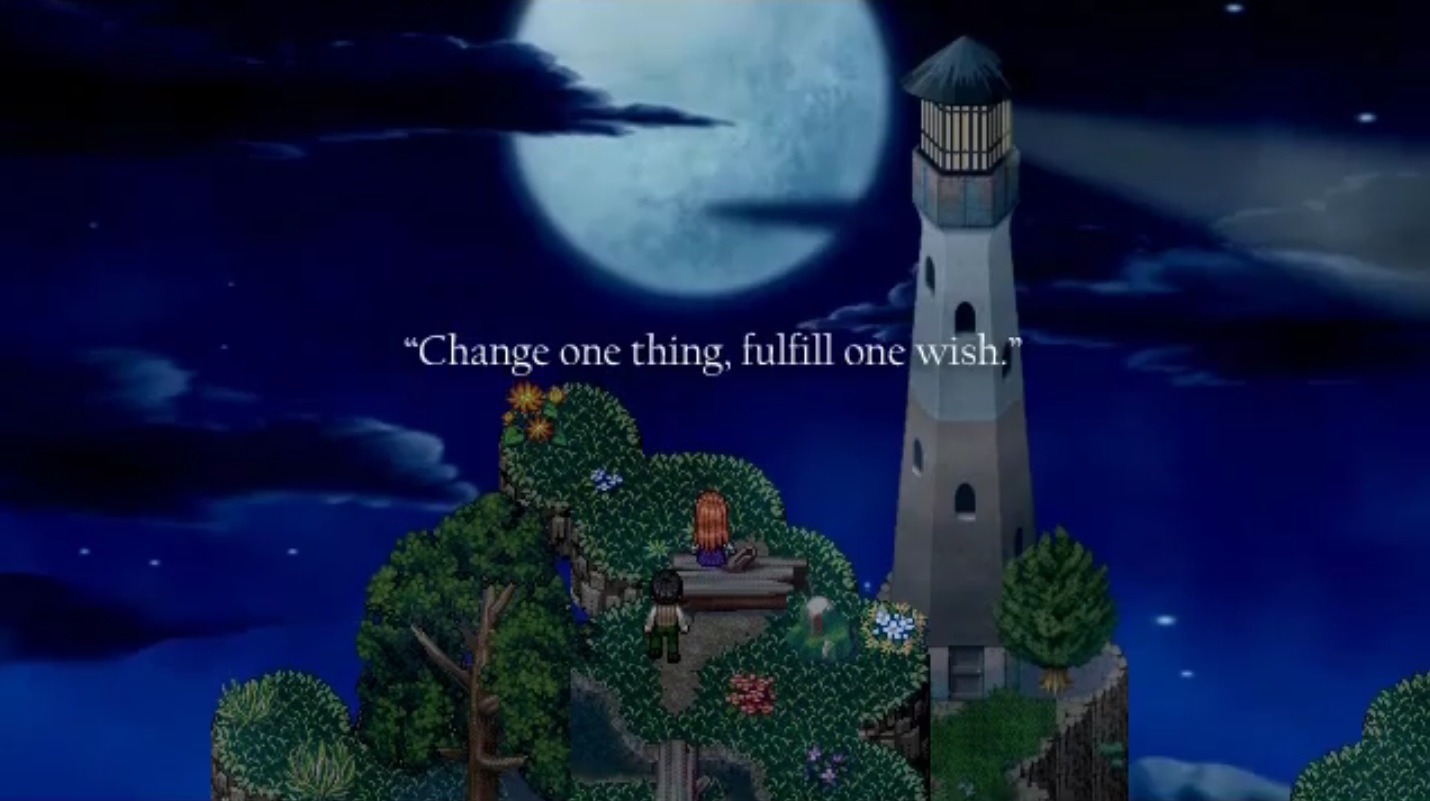
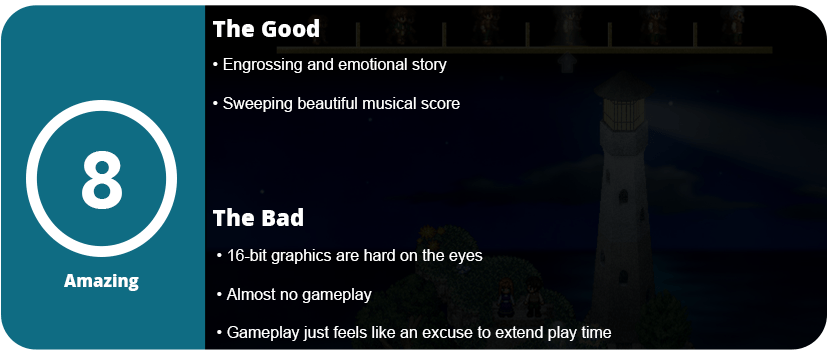
To the Moon is a 2D, 16-bit adventure game that follows two scientists who are fulfilling a dying man’s last wish. They use a strange computer to go into his memories to find the link that will allow him to go to the moon. To the Moon has a heartwarming story with a beautiful, sweeping musical score, but lacks any type of real gameplay.
The game is broken up into three acts, and during the first two, you are walking around John’s memories and have to find five memory links to unlock the shield surrounding time-jumping mementos. As you go further into John’s past, you find out why he doesn’t know why he wants to go to the moon. There is some memory block, and you have to find out what it is and remove it. Finding these memory links only takes a few seconds because you just click on the few items in the small area. Once you remove the shield, you play a little puzzle game, then move on to the next memory. This all just seems like an excuse to add gameplay to an otherwise visual-only adventure.
Through Act 2, you get to interact with two different mini-games, which are Whac-a-Mole and a zombie shooting section, and each is uninspired and pretty lame. The visuals are, like I said, 16-bit and pretty average. There’s nothing special here, visual-wise, and don’t even expect voice acting. The second-best thing about the story is the sweeping musical score. This score is beautiful and one of the best ones I have ever heard. I really wish that this game could have been more, but I understand most indie developers have small budgets.
Overall, To the Moon has a story that will tug at your heartstrings, as well as the music, but the gameplay feels like an excuse to extend the 1-hour story to barely four hours. If the gameplay was a little more engaging, I wouldn’t complain about it so much, but as it is, stay for the story and you will be entertained.
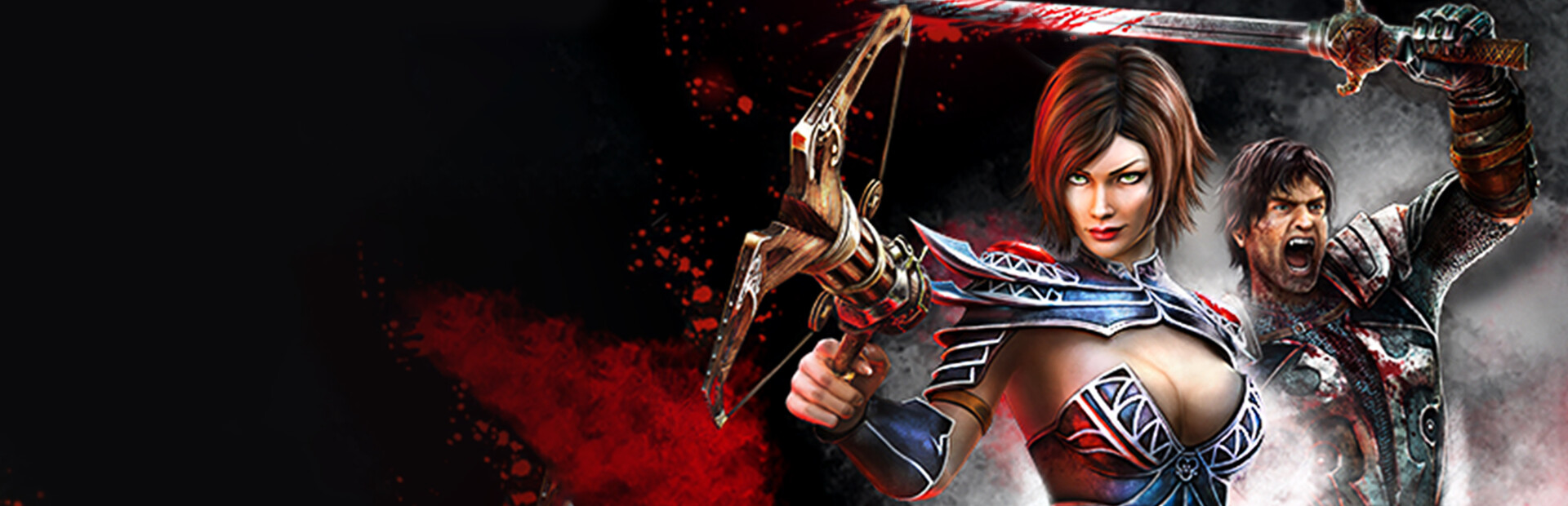
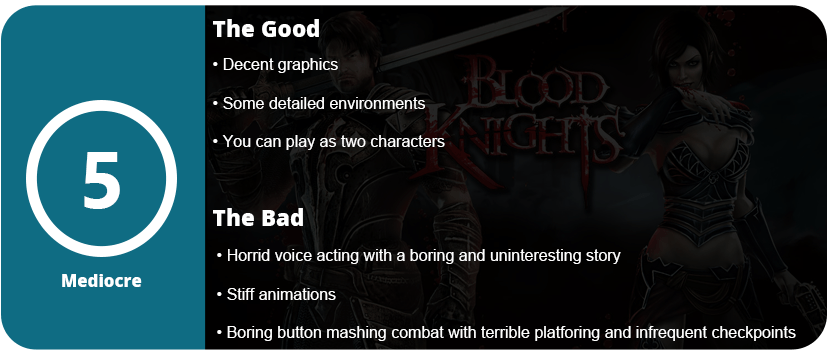
Sometimes there are games that I just give the benefit of the doubt. Blood Knights seemed to have fast-paced combat with decent graphics and some interesting environments. I was wrong on all of those except one. The game has horrible voice acting, stiff, boring combat, terrible platforming, and bad everything else.
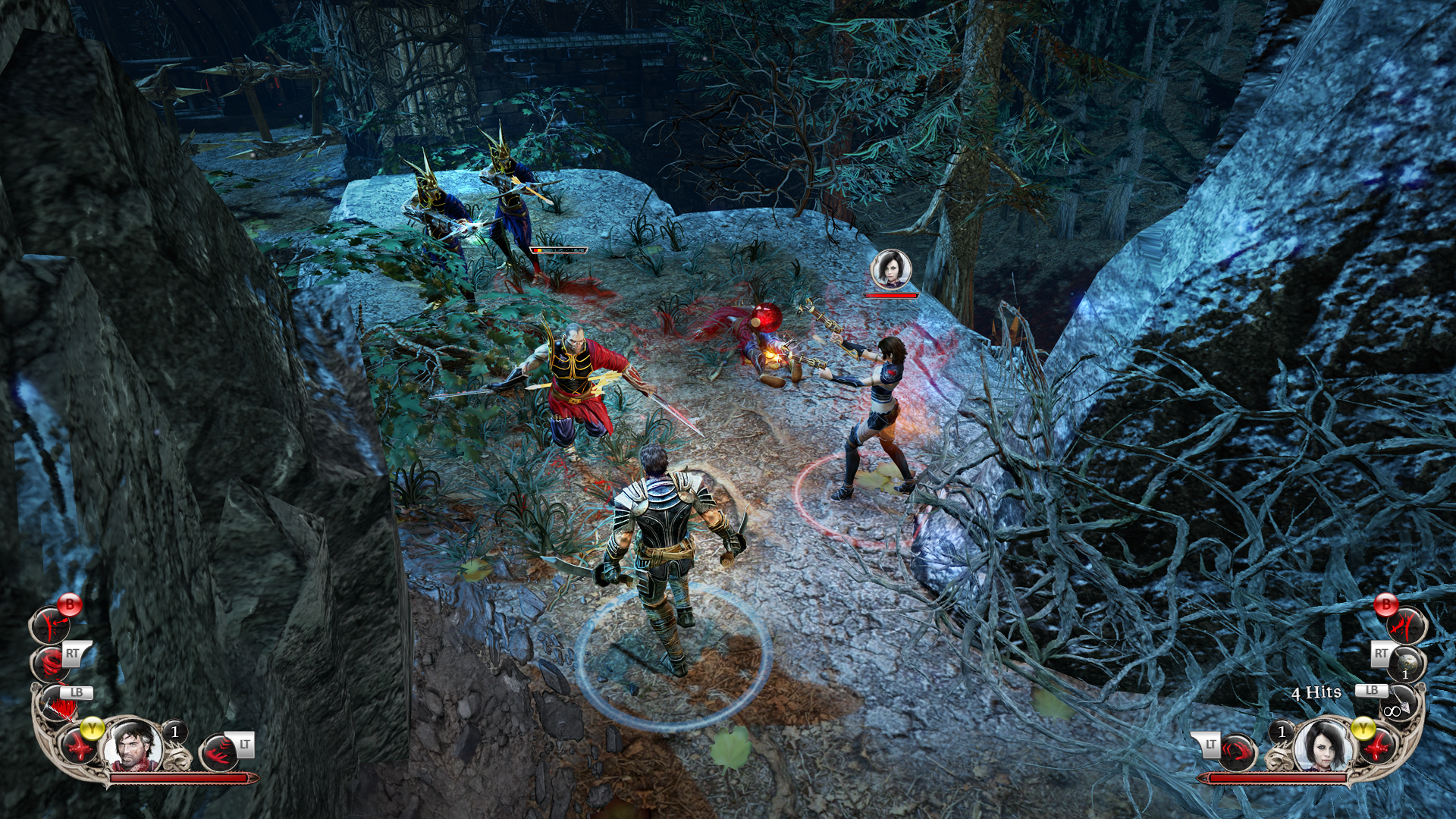
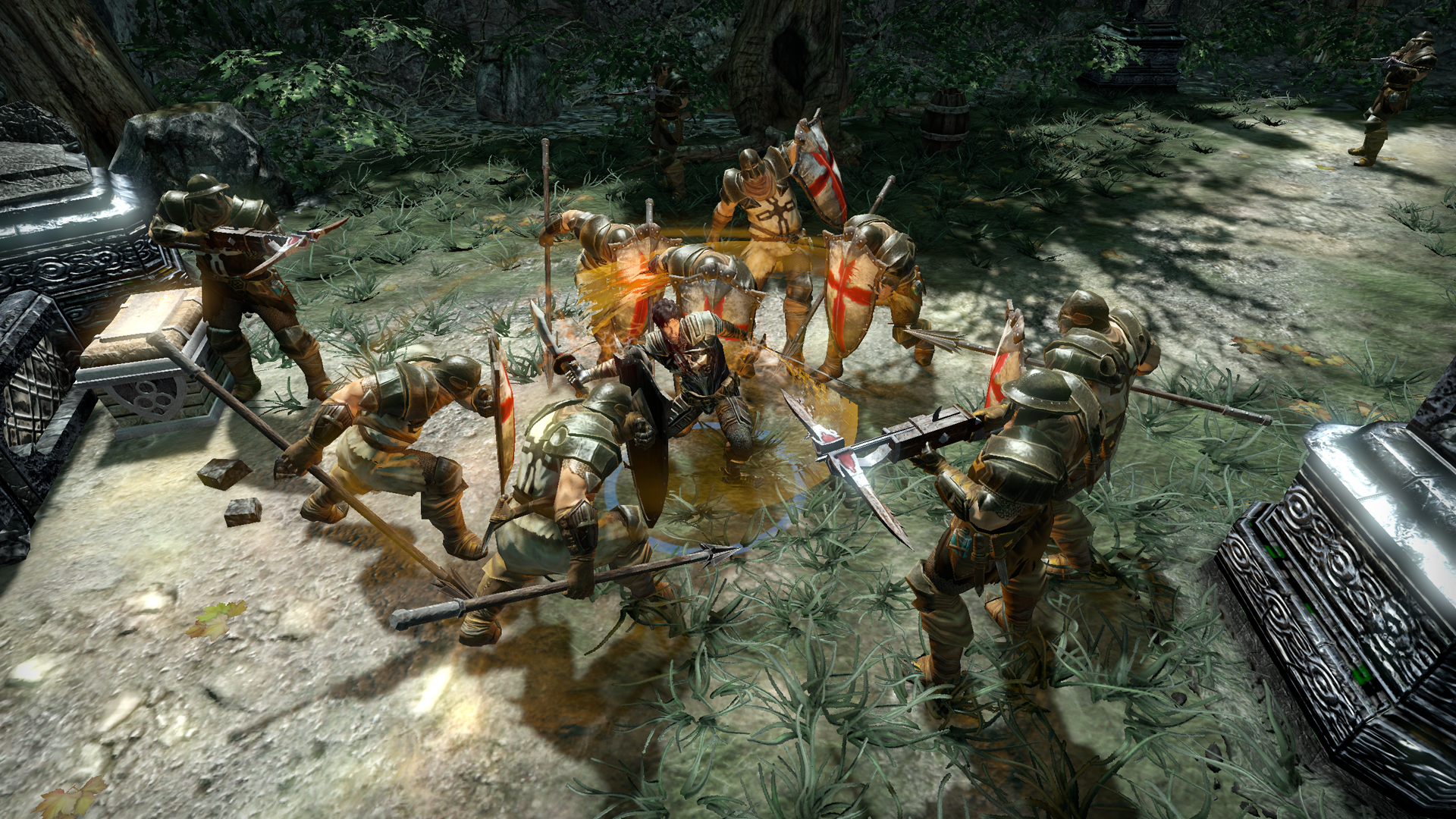
There aren’t that many great vampire games because they all end up like this. I honestly don’t even know what this game is about because it’s so boring and monotonous to follow, and the voice actors sound like bored high school students reading from textbooks. The combat is so boring and uninteresting. You just mash on the attack button and use your special moves until they cool down, and then mash them again. The animations are stiff and cumbersome; switching between characters just makes things more frustrating, and I died so many times from just falling off of cliffs.
If that’s not bad enough, there are repetitive and lame objectives like protecting this person until he fixes something or flipping this switch. I mean, really? In 2013, we’re still stuck on these objectives. Not to mention the fact that the checkpoints are spread so far apart that you will die and restart the same section over and over until you tear your hair out. There’s no new twist or interesting plot about vampires—just the typical horror story stuff we’ve seen too many times. At least the game looks halfway decent, and there are some nice details in the environments.
You would think that the RPG elements would add some depth, but they don’t. Sure, there’s armor to get, gold to spend, and XP to obtain, but you won’t care when you’re trudging through endless amounts of boring enemies. Some co-op would have been nice, or some clever puzzles that utilize both characters, but instead we just run around flipping switches. At least the game is really short; you can beat it in about 4-5 hours if you pound through it, but who would want to?
As it is, Blood Knights is a decent concept that is ruined by horrid gameplay mechanics that feel archaic and unforgiving. What could have been a decent vampire game turned into another potato in the stew?
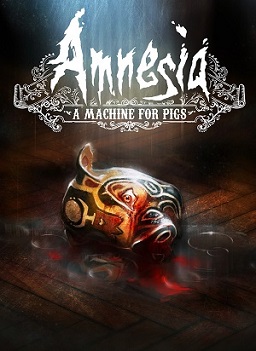
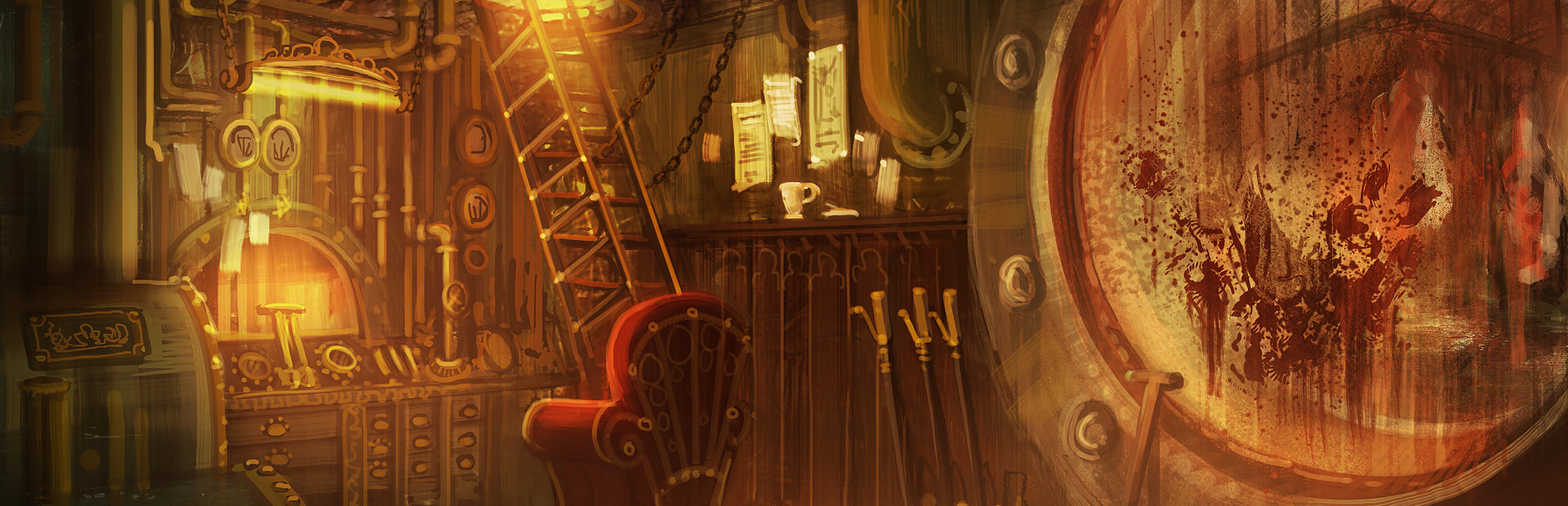
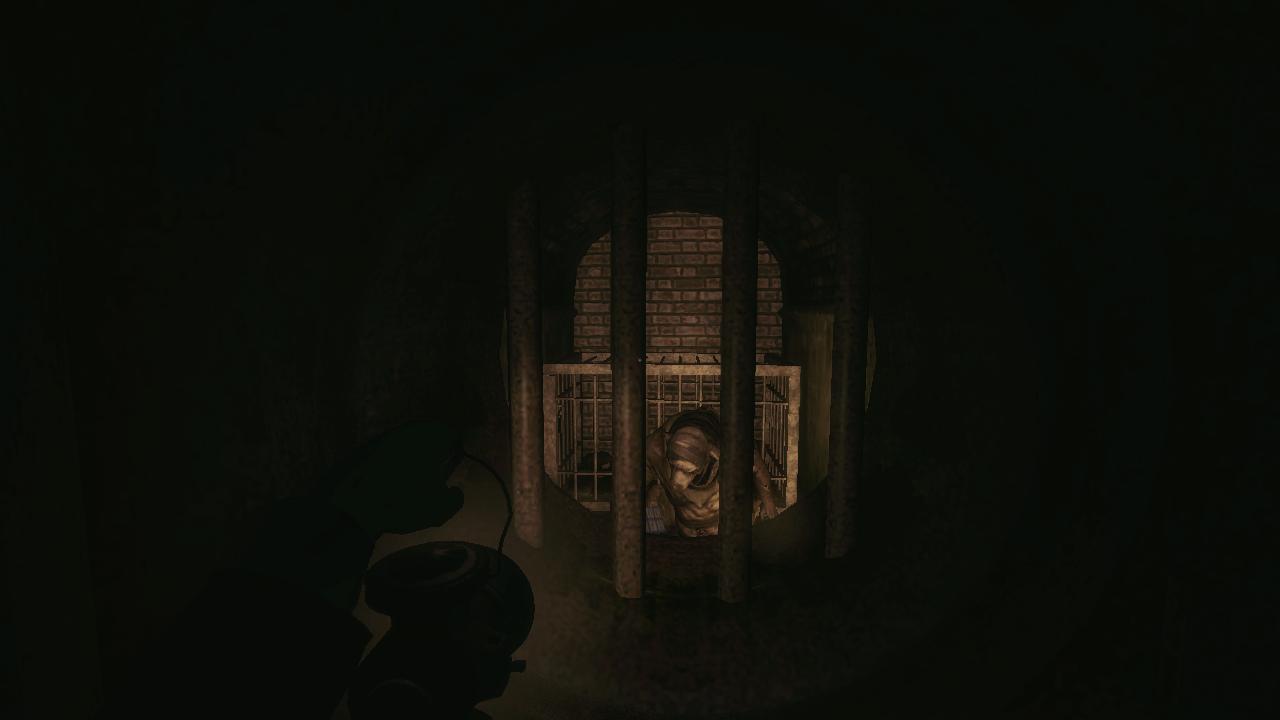
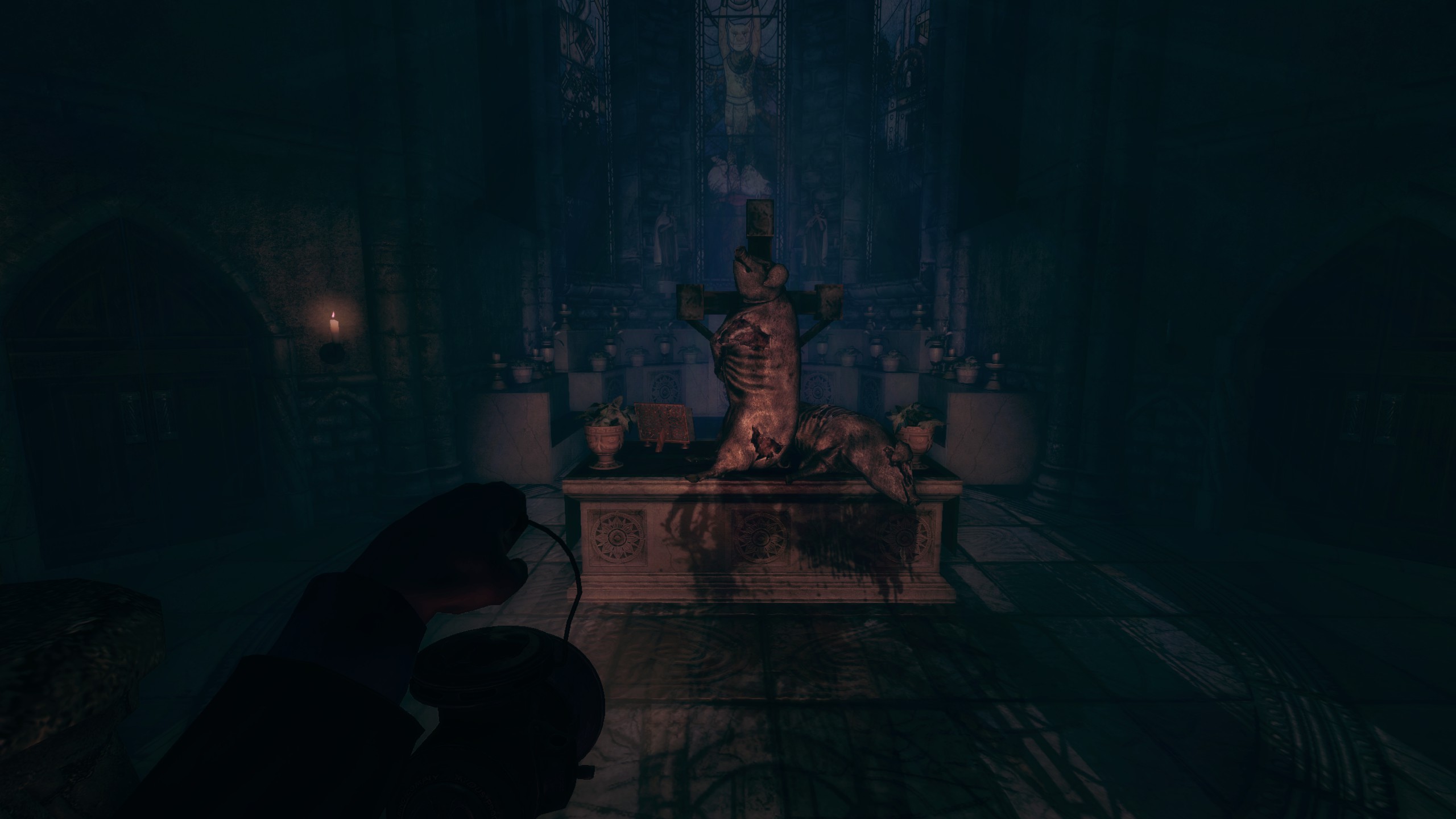
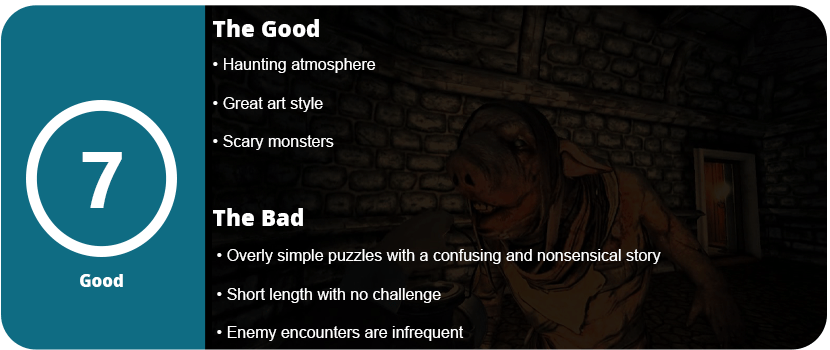
Amnesia is probably one of the scariest games ever made. I’m talking about The Dark Descent. It made you fear every sound and corner due to the fact that you couldn’t fight enemies. The atmosphere was so scary and haunting, not to mention the extremely scary monsters. A Machine for Pigs gets picked up by a new developer, The Chinese Room, of Dear Esther fame. While it’s still scary and haunting, it doesn’t make you fear every second like the first game did.
Honestly, the story is confusing and makes no sense. It’s a garbled mess, and all I got out of it was that there was a machine that processed pigs for mass consumption in 1899. You play as a man named Mandus who is trying to find his two boys who went down into the depths of this machine. That’s pretty much all I got out of it. What this machine is doing is creating man-pigs that are trying to “cleanse” the town of people for the coming 20th century. The ending sucked, and the game is overall just really short and anticlimactic.
A lot of features were stripped from The Dark Descent. You no longer use tinderboxes to light areas, and you don’t need oil for your lamp. You just run around with a lantern, flipping switches, and solving extremely basic puzzles. The Dark Descent had you really scratching your head, but A Machine for Pigs doesn’t even try to challenge you. In fact, there aren’t even that many monster encounters. Sure, when you reach them, they are scary and intense, but the first 2/3 of the game is uneventful. As you get to the last few chapters, it’s mostly story and nothing else. The whole feeling of progress from The Dark Descent is absent here, which makes no sense. A Machine for Pigs felt more like a barely interactive story than a game.
Towards the end of the game, it just feels disjointed and unbalanced. You bounce around from level to level, and nothing feels connected. Many times, in the beginning, I wandered around, not knowing where to go or what to do. The game just lacks guidance or real direction and can’t be felt from the very first level.
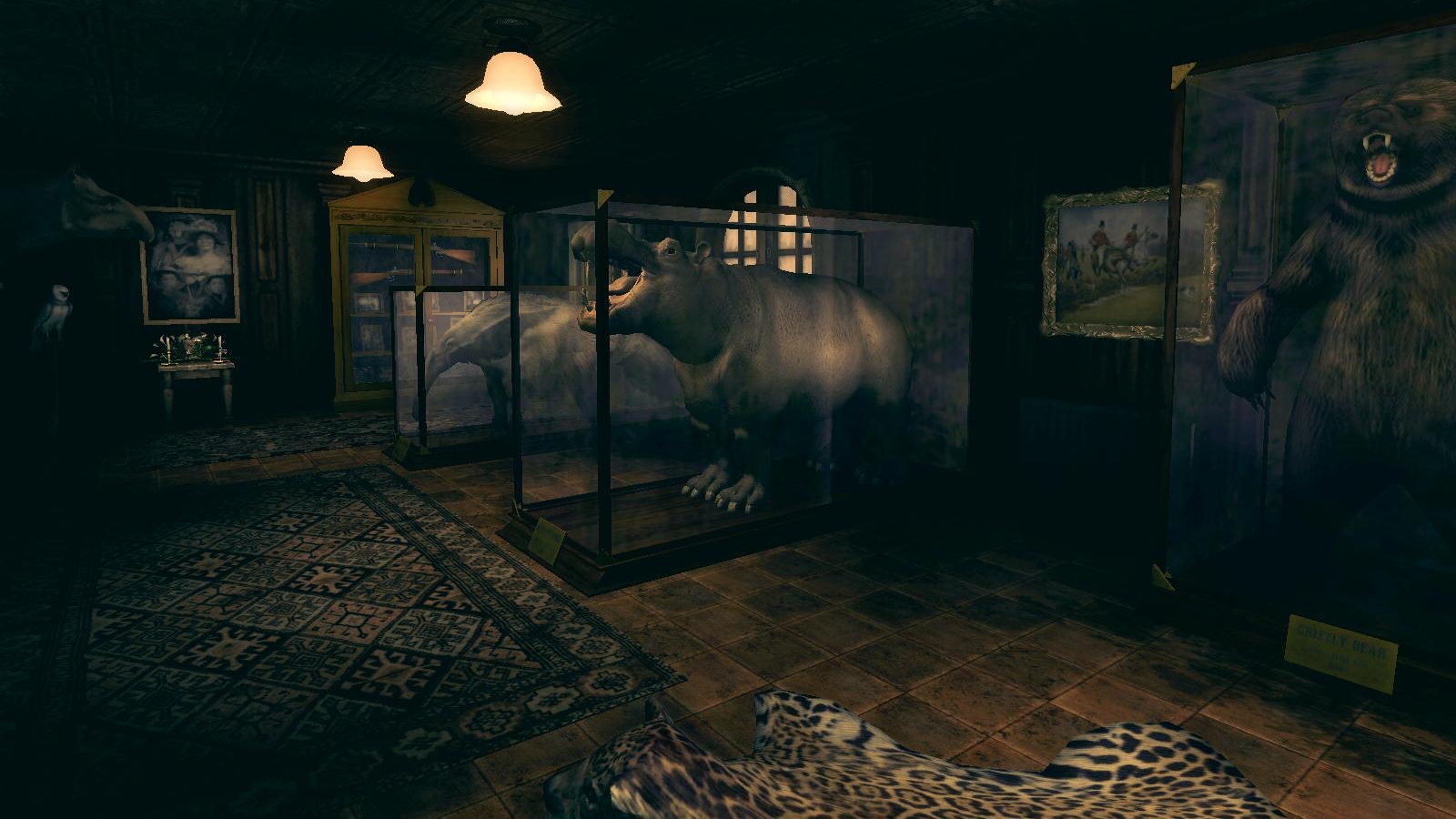
That doesn’t mean the game is bad. It’s not nearly as good or memorable as The Dark Descent should be. The graphics are really dated, despite the nice art style that is carried over from The Dark Descent. A Machine for Pigs feels like an average indie horror game with a story that can’t be followed. Fans of the original will be highly disappointed, but newcomers should just skip this and play the first game.
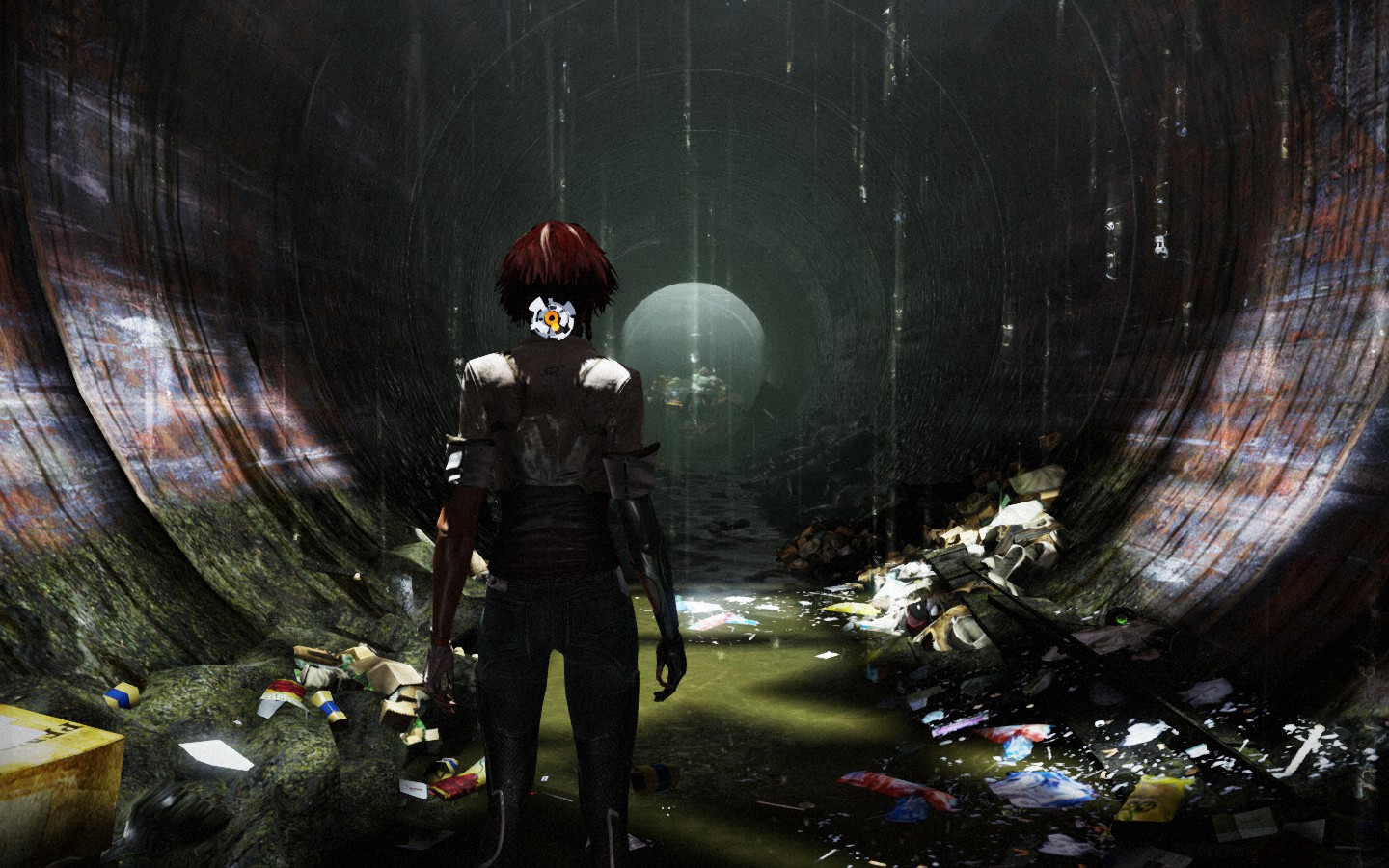
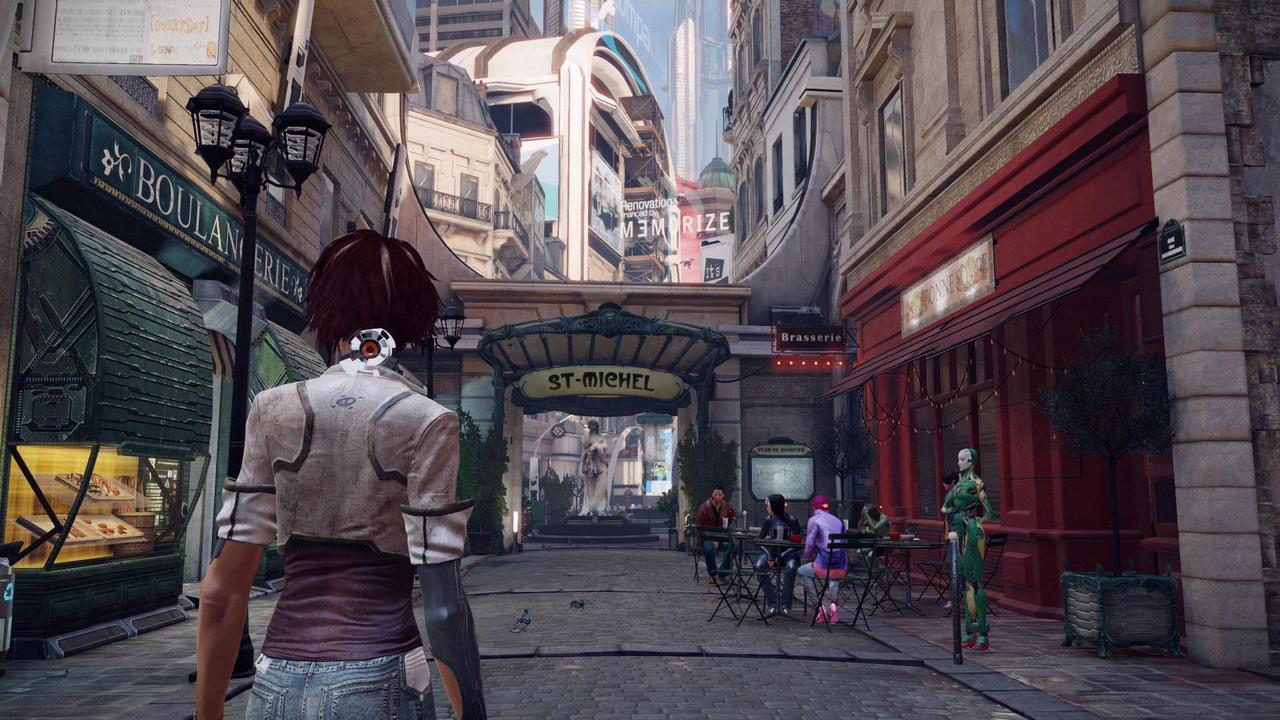
Remember Me is a brand new IP from Capcom. I always welcome new IPs because you never know when you’re going to get the next Assassin’s Creed. Once I started to remember me, I instantly fell in love with it. The art style is fantastic, the story is engaging, and the characters are memorable. This will be a game I talk about for years to come—at least the story anyway.
You are Nilin, a memory hunter fighting against M3morize. M3morize is a corporation that invented technology to let you forget any memory you want and gain memories. As you can tell, this leads to civil war because everyone eventually becomes Leapers, who are completely corrupted and bereft of memories. It turns out that there is some sort of new world order to wipe out everyone’s memories and make them all mindless soldiers. That’s the gist of it, and if I say any more, I will give too much away. The story is fascinating and really plays well with the art style and atmosphere.
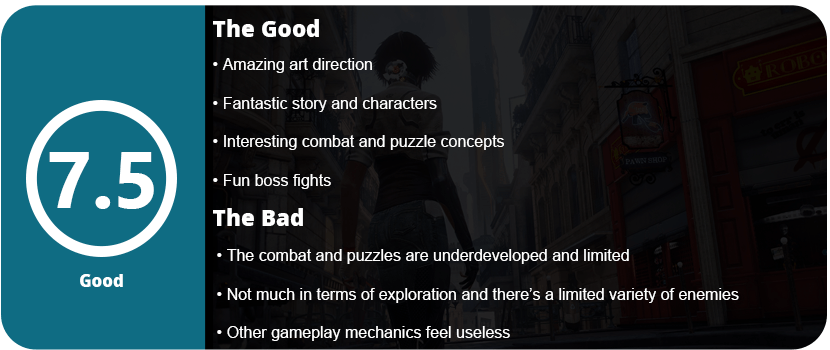
The problem with new IPs is that the developers concentrate on just one aspect of the game, and the rest gets left behind. This is apparent in Assassin’s Creed 1 after playing AC3. You can see the difference. Remember Me has an amazing story and characters, but the gameplay is just lacking; it just feels useless and unnecessary. The tools you have to play don’t really mean anything in this game, but that doesn’t mean it’s bad. The first thing is the combat system. While it’s unique, it is very limited and actually holds the player back. Nilin has four different combos she can do over the course of the game. You fill these combos with two different attack buttons called presses. These presses can increase your health, decrease S-Pressen cooldown timers, give you more powerful attacks, and cause a chain reaction. This seems really interesting—gaining health during combat? It’s more frustrating and limited than you think. With just four combo chains, you have to memorize all four of them and also remember what presses are in each one. I had one as a focused cool-down combo, then one for health, and the third was for power. The further in the combo the pressen, the bigger the effect. With just four combos, combat gets really repetitive and super boring; it just never picks up.
Once you unlock S-Pressens, things get a tad bit interesting, but only during boss fights. These are powers that can let you attack really fast, stun everyone, place a bomb, and even turn invisible and get a one-hit-kill on an enemy. You can use two different ones on robot enemies that will attack you. These S-Pressens are key to winning tougher battles later in the game. That’s all there is to combat, and it is so limiting and repetitive. I actually only kept going because of the story.
Another part of the game that is never fully developed are the puzzles. There are only four in the entire game. These allow you to remix people’s memories to make them think something happened in a different way. You watch a cutscene and then rewind it, looking for glitches that can change the scene. You have to set off the right glitches to change the memory. The problem is that there are no multiple outcomes. You just keep retrying until you get it right; there’s no fun in that. If I mess with someone’s memory, let me decide how it goes. I also wish there were more of them. There are also memory puzzles that you interact with in the world. They are usually really easy, and the answer is given to you after just a minute. I hate how these things were so underdeveloped; they are great concepts. There are a couple of move-the-stuff puzzles using your arm’s special powers, but I felt these were useless. You unlock a gun-type thing that can blast enemies and move things. Why do I need to unlock this throughout the game? Honestly, the moving and blasting open doors just felt like pointless filler.
Lastly, the exploration is very linear. The controls respond well, but the best part is just viewing everything. You get taken from the slums to the richest areas of the city. The journey is fascinating and breathtaking. Remember Me feels like a mix of Mirror’s Edge, Steven Spielberg’s A.I., and Blade Runner. I ate it up, and the characters are very memorable. I just wish it had better gameplay to complement it.
After you finish the game, you will be talking about the amazing story for a while. While none of these mechanics are bad, they are just underdeveloped and feel like they need more work. The combat is interesting but very limited and repetitive; the same five enemies repeat often; and the puzzles are underdeveloped. I hope Remember Me comes back because I love Nilin and her journey through this breathtaking world, which just gives us better tools to explore it.
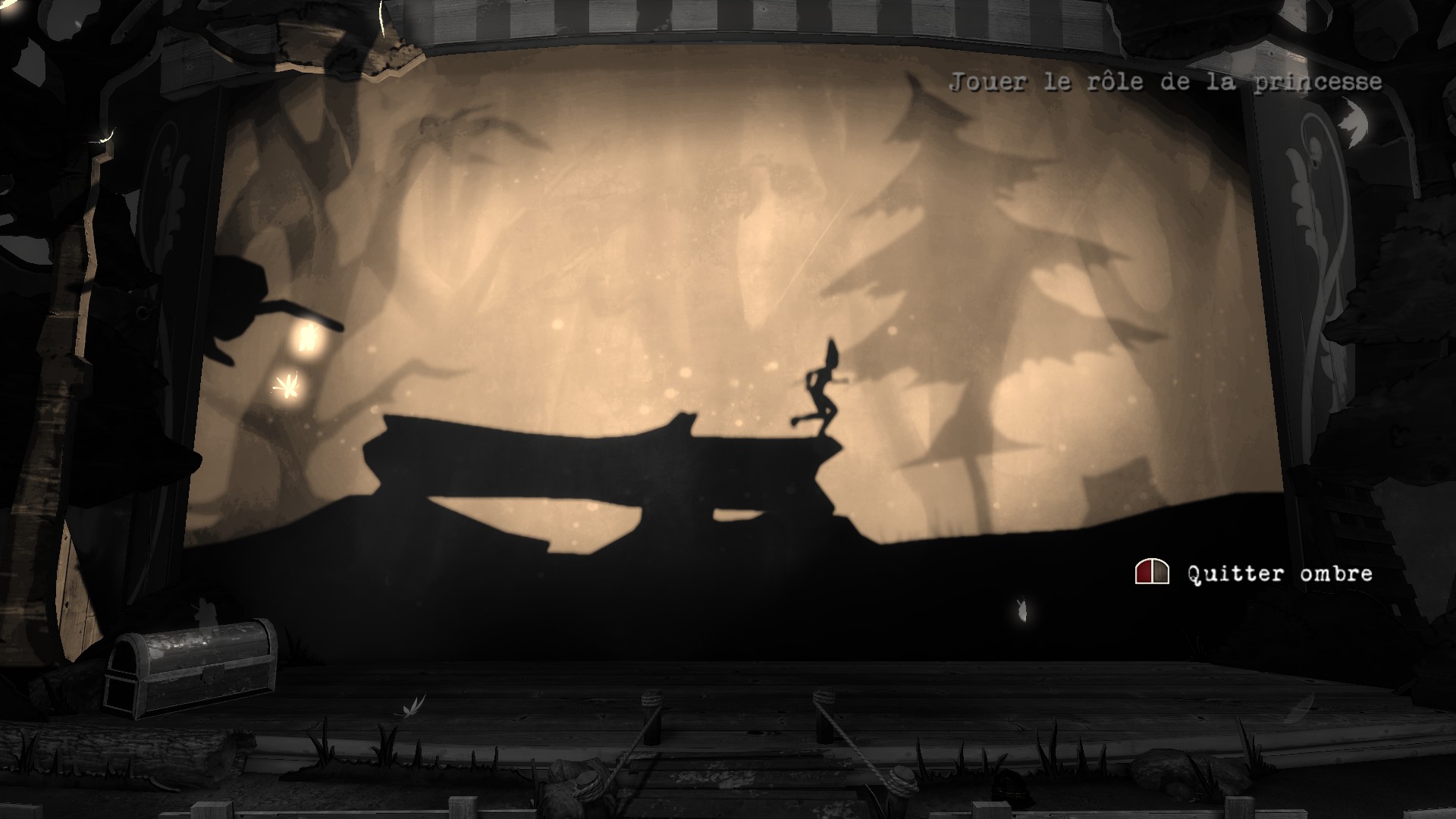
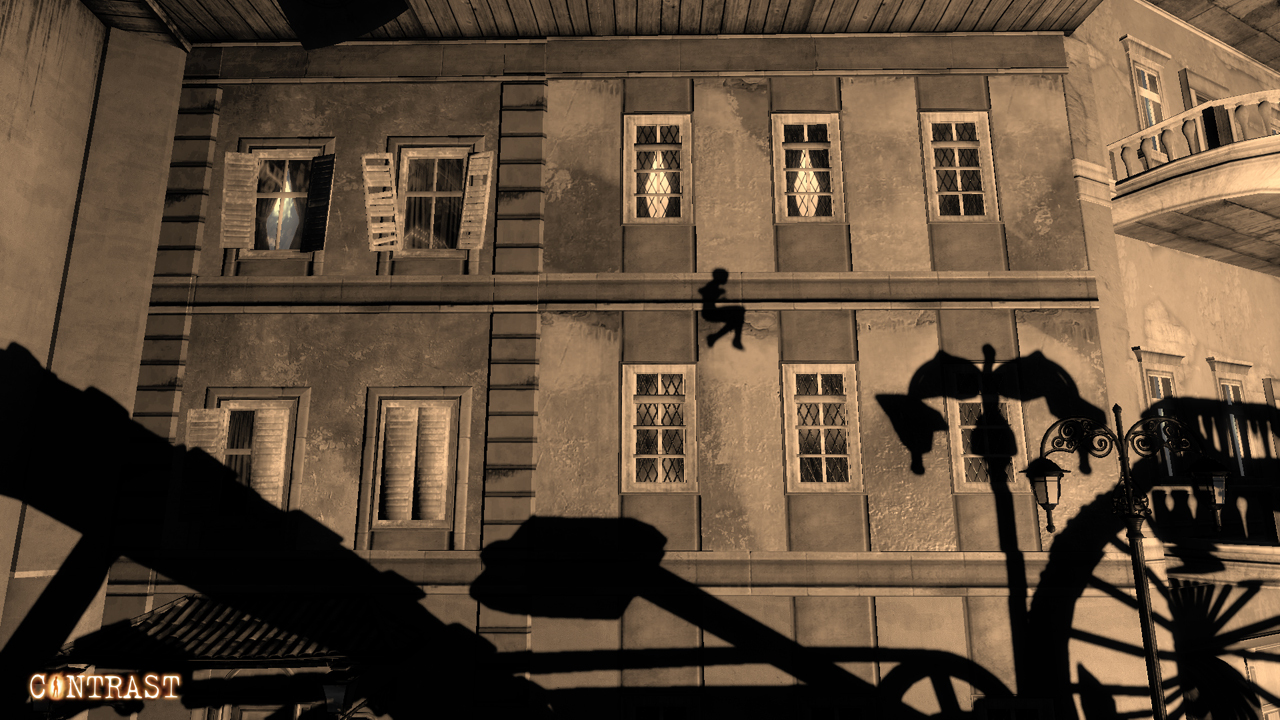
The idea of using shadows as puzzles is fascinating, and Contrast has one of the most unique puzzle elements I have seen since Portal. Arranging objects in a room to make the layout of the shadows just right to get to where you need them can be very satisfying. Bringing objects into the shadow world and pulling them out is also very fun. The story is also kind of touching. You play Dawn, who has a mysterious childhood friend, Didi, whose parents are going through hard times, and she wants to bring them back together. Her father is always getting into debt trouble and decides to open a circus using a magician. Everything goes wrong for her father, so it’s up to her and Dawn to fix it all.
The story itself is pretty interesting, but the ending stinks. It honestly just ends, and you never find out what this mysterious shadow world is. She and Dawn are the only people who are in the real world. Her parents talk to her on the walls as shadows. It makes me wonder if Didi has mental issues and is imagining all this. Is Dawn a figment of her imagination? No one else can see her, but it’s never explained. These mysteries can be frustrating in the end when they never make sense.
The game is actually poorly paced. There are a lot of little cutscenes that break everything up, and it gets really annoying. You will walk ten feet, cutscene, walk ten more feet, scene, pull a switch, scene, solve an easy puzzle, scene, and it continues like this. The puzzles are extremely easy, and a few were head-scratchers for a few minutes towards the end, but nothing I couldn’t solve after a little thinking. The game is very linear, and you only explore a few areas, but explore is the wrong word to use here. The only thing you can do that’s extra is find collectibles and find luminaries to be able to start certain puzzles. That is literally all there is to this game.
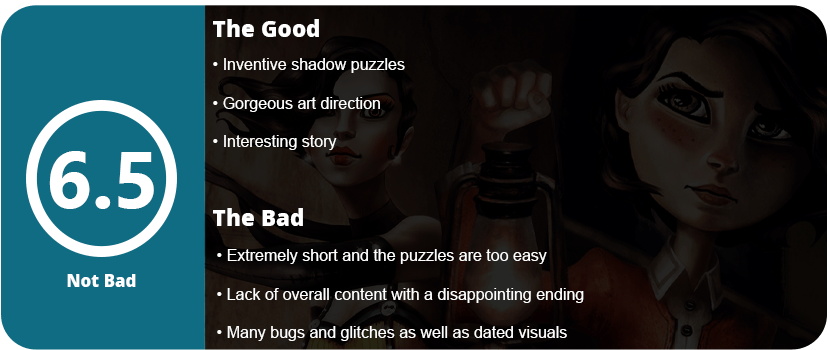
The game itself can be beaten in about 4 hours. The graphics are really nice; however, they are a little dated, and there are numerous bugs and glitches. The game would crash; Dawn would get stuck in a T pose during certain jumps; Crates would get stuck due to weird physics issues; and they all required restarts. That’s unacceptable, and hopefully it will be patched. I honestly can’t recommend this game for the asking price, but maybe for a sale, it would be worth it. The game isn’t bad; it just seriously lacks content and depth and has a disappointing ending. The shadow puzzles are very inventive and fun to do, but they just need to be more.
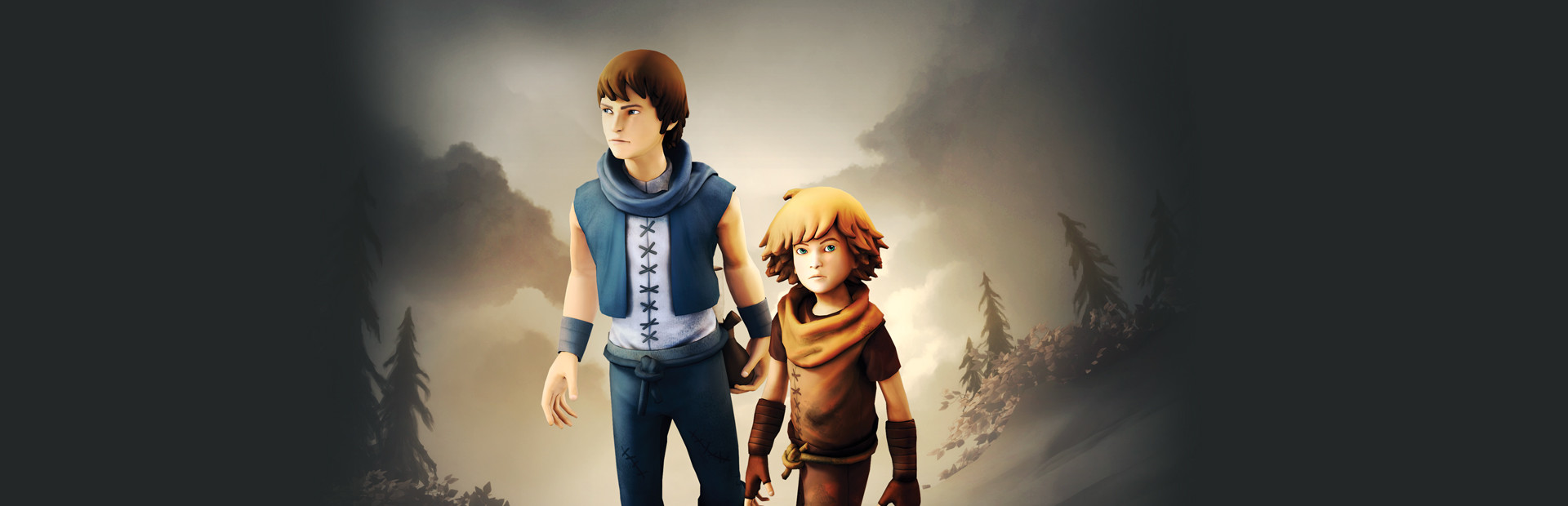
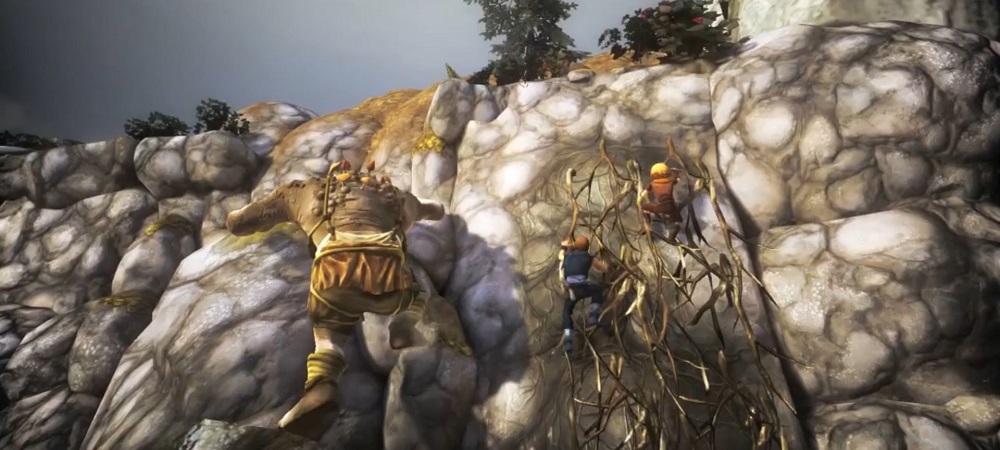
Brothers is about two boys who travel across their land to find a magic sap from a very special tree. They need this sap to heal their father, who has come down with a life-threatening illness. That’s pretty much all there is to the story. However, that’s not the touching part. Brothers don’t really start hitting your feelings until the end. Brothers have a unique gameplay mechanic where you control each brother with an analog stick. It takes some getting used to, and you never completely get used to it, but using both brothers at the same time is a unique way to play a game.
The game consists of simple puzzles. They aren’t complicated and don’t take much thinking to figure out. Some puzzles only certain brothers can solve. There may be a gate that the smaller brother can squeeze through so he can lower a bridge for the bigger brother. Sometimes they have to work side by side, such as in the water. The smaller brother can’t swim, so he needs to hold onto the older brother. The only other buttons you use are the triggers. One was assigned to each brother for grabbing stuff.
There are some boss fights in the game that are a lot of fun. One early on consists of fighting a troll. The little brother needs to lure him into a cage while the older brother closes it with a lever nearby. There’s only one way in, so the little brother has to slip through bars to escape. It’s moments like this that make Brothers shine and make you smile. Later on, in the game, it gets darker and grimmer. Puzzles involve dismembering the dead corpses of giants. The gameplay ideas change throughout the game, like when they have a rope tied to each other and you use it to swing each other around cliffs. The game feels like a grand adventure, but it’s short-lived. You can beat it in 4 short hours, wanting so much more.
The game looks really good; while not technically impressive, the art style is great, and the game has many beautiful vistas. The story lacks any depth, but it’s the adventure that counts here. If you have a free evening of gaming, Brothers is one of the best indie games you can buy this year.
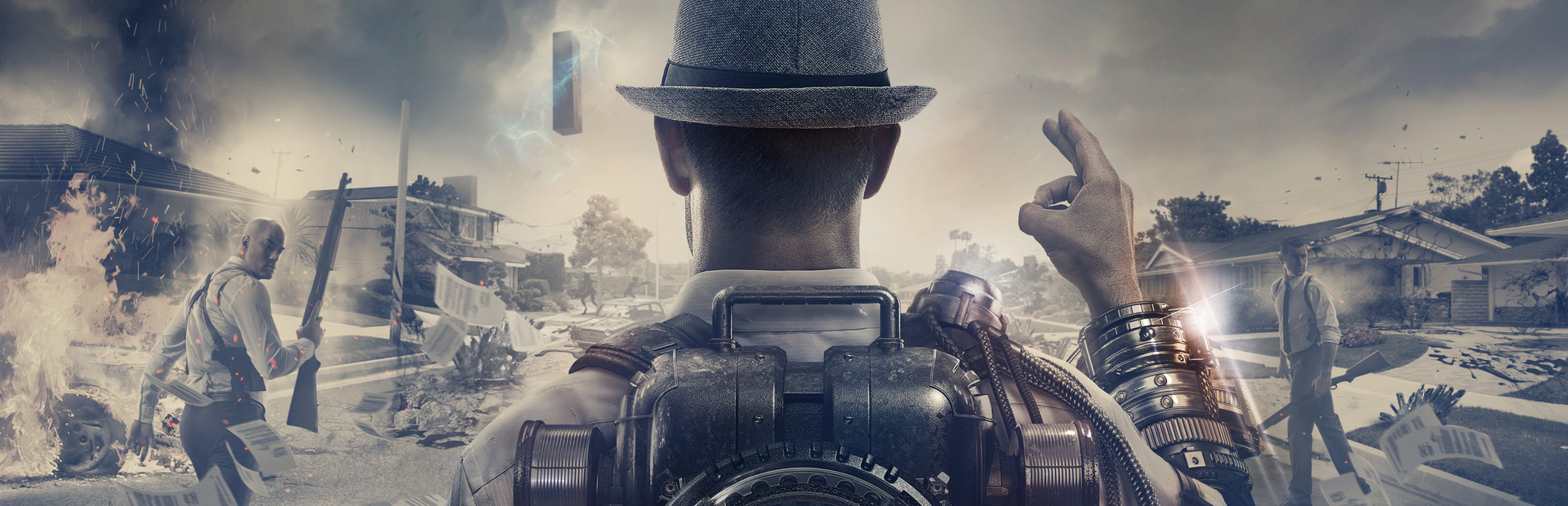
XCOM: Enemy Unknown was one of the best TBS games to come out in years. It had tightly coordinated tactical gameplay that packed a punch and kept you on your toes. The Bureau kind of keeps this idea while bringing you into the dice-rolled battles firsthand so you can control them. The game takes place after the Cold War, when agent William Carter is tasked with helping save the entire planet from an alien invasion. That is one hefty mission, but you have squadmates to bring alongside you.
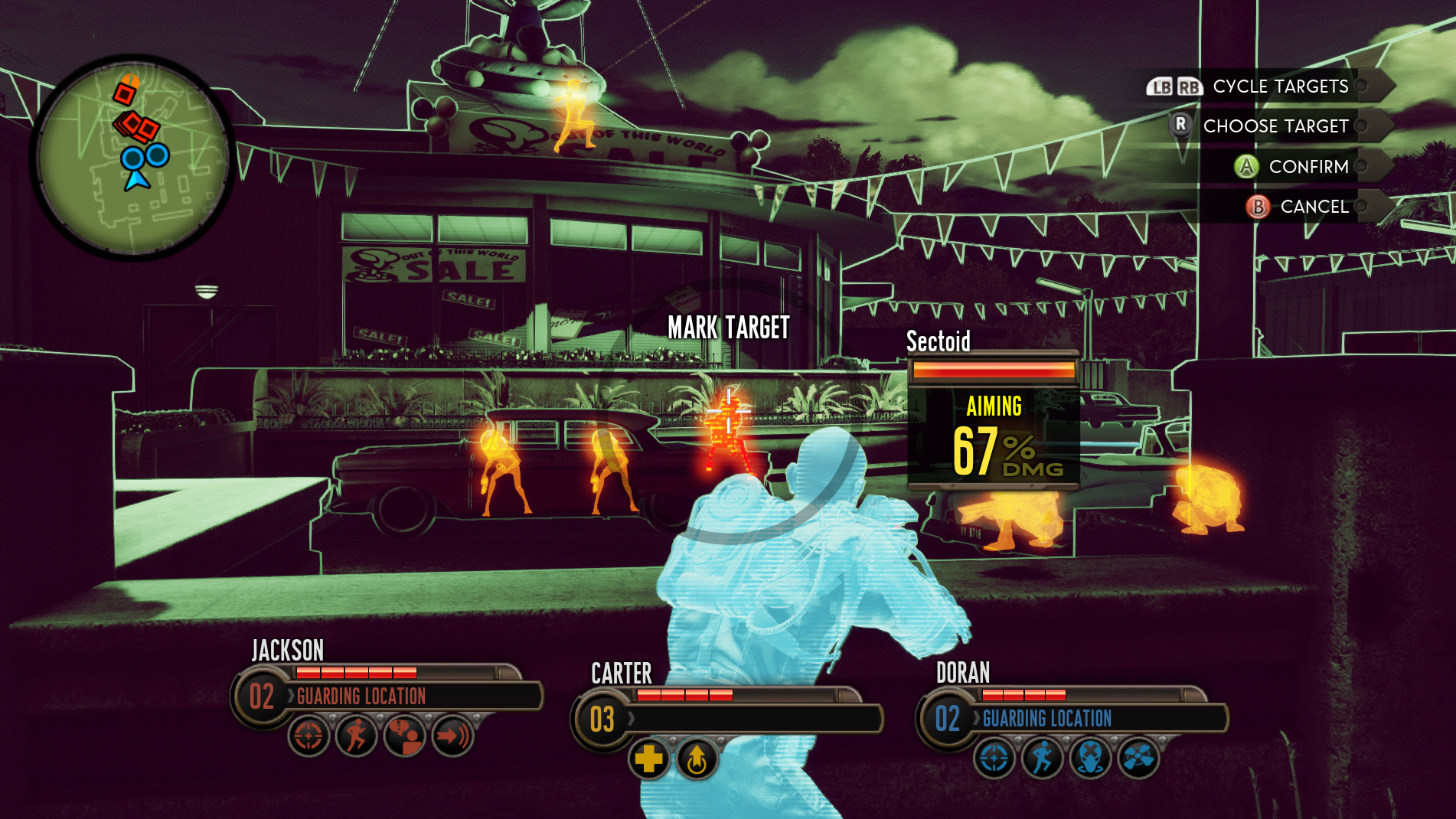
XCOM is a third-person cover-based tactical shooter. It pretty much feels like a zoomed-in, more detailed Enemy Unknown. You will encounter some of the same enemies, and the art style is even the same. You can snap into a cove and order your squad to do things like lift an enemy up, heal, revive, throw out traps like mines, sharpshoot an enemy, etc. You can queue these up while time slows down and watch it all unfold. It’s a very powerful tool in this game and can get you out in a pinch. The shooting itself is mediocre. Weapons never feel all that powerful and somehow just feel off. Ammo runs out constantly, and you can end up weaponless a lot of the time in a hot firefight. At least the levels are well laid out enough for you to find adequate cover and plan your attack.
There’s really not much else to the game outside of shooting. You move from fight to fight, pressing switches or finding the intel. The game is a bit on the cinematic side, and the opening sequence is pretty awesome. Once you are back at HQ, you can walk around and talk to people, start side missions, and upgrade your squad and loadout. You get the same death penalty as in Enemy Unknown. A completely leveled-up squad member can be lost in battle if you don’t revive them in time; however, the revive time is way too quick to pass. It’s not enough time for someone to go to a battleground and save someone. This becomes frustrating since leveling up takes so long. When you do choose squad members, you can choose from snipers, close combat, medics, and various other classes. This mainly just determines their skill tree.
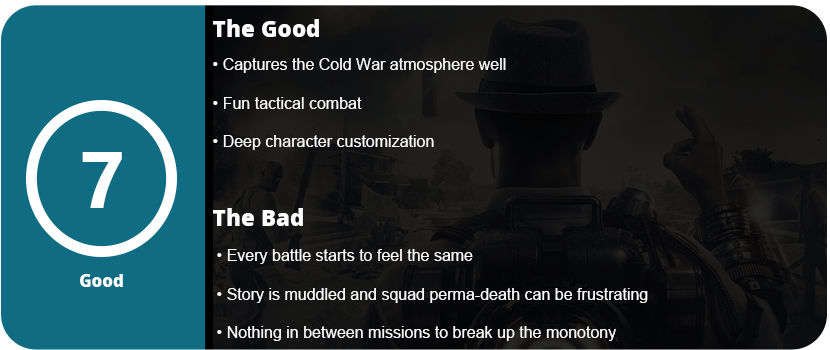
I also found it annoying that weapons are slow to unlock. 25% of the way through the game, I only found a few weapons and two alien weapons. There are various other blueprints or technologies you can find to turn into other things, but they’re not as deep as Enemy Unknown. What’s here is solid fun, but it gets repetitive and boring quickly. Every battle turns out the same; you get the occasional boss fight, but it just gets so monotonous that there would be more substance. The game looks pretty good on PC but looks very dated on consoles. It’s nothing special, but the attention to detail in the Cold War-era atmosphere is pretty awesome and engaging.
As it stands, The Bureau is a solid shooter that takes the tactical RTS gameplay and puts you in the driver’s seat. The atmosphere is well captured, and the skill tree system makes battles easier, but the frustration of perma-loss when a squad member dies is excruciating. The overall combat can get dull and repetitive early on, with nothing in between.













































 thebinarymessiah.com
Try multiplayer. A lot of fun !