A great story is usually memorable and you will talk about it for years to come. You need good characters, voice acting, and a lot of other elements to make a good story. Usually, there has to be a great ending as well as some twists and turns, but it also has to make sense. A good story is probably the hardest thing to find in the video game world, but there were a lot of great ones this year, but there can be only one.
This was the toughest category this year. With so many great stories I could only choose one. Gears of War may be considered a meat head’s game, but the story branching over the three games is full of great characters and a struggle for survival that eats at your heart. These people are fighting a genocidal race of bugs, and in the meantime, they are losing their loved ones right in front of their eyes. The delivery from the voice actors just makes you care so much about Delta Squad, but overall the ending and story in Gears 3 finish the story with a tightness that most sequels can’t really pull off.
Great sound design isn’t the music but everything else you hear. Not only is variety good, but it has to match and be unique to the game and atmosphere. Everything from the wind blowing through cracks, swords clashing, breathing, grass rustling, and bullets whizzing it all makes the audio experience.
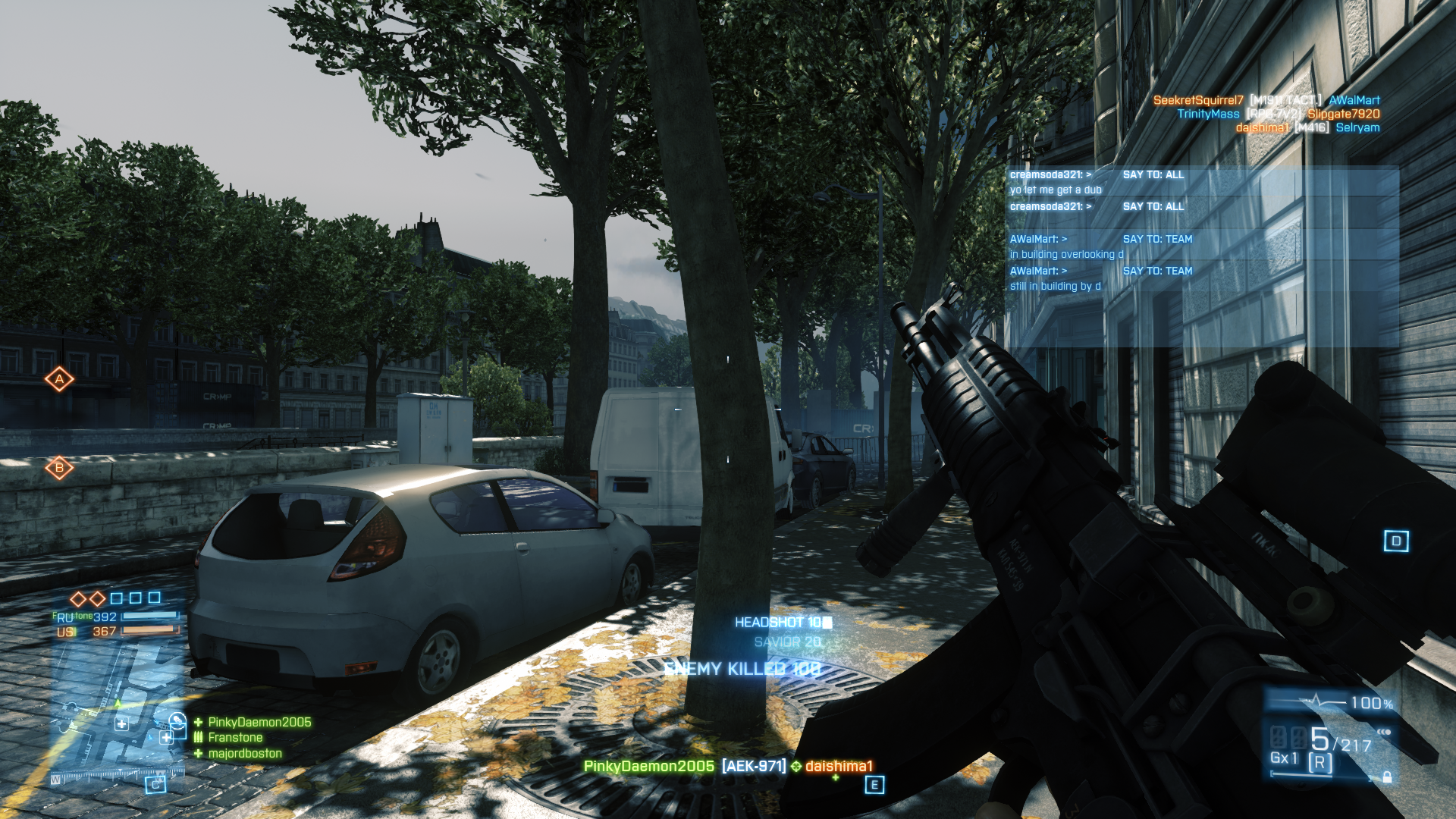
What makes the Battlefield series in the general top most games in sound design is the audio directional placement and just the sheer realism of battle. No other war game has pulled off such rich and visceral sound from bullets whizzing by your head to being able to find a sniper from distance and direction. Everything sounds hyper-realistic, but also completely ensnares you into the battle. This realistic and technically phenomenal achievement puts it over the top of everything else.
An atmosphere is what delivers emotion and overall feelings in the game. The atmosphere can make a game scary, colorful, cartoony, or make you feel alone and sad. Atmosphere much matches and represent the idea of the game. Sometimes the atmosphere isn’t delivered right and can make a game feel boring, or just look bad.
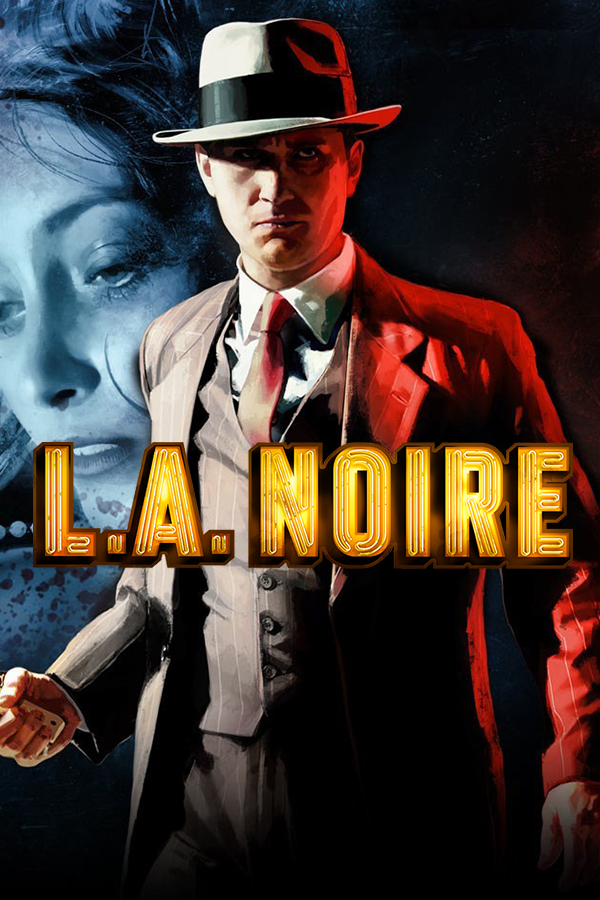
The Best Atmosphere category was even harder than last year’s because so many great AAA titles came out with strong atmospheres. There were also some games I didn’t get a chance to squeeze into the runner-up’s area so that tells you how well this category did this year. While some of the others may have better art to back up their atmosphere L.A. Noire does something that most can’t: Make an atmosphere without fancy art or licenses. L.A. Noire is a new IP and pulls off a 1940’s era in realistic detail and really pulls you in and brings you into a time period that most games don’t explore outside World War II. L.A. Noire had amazing visuals to back it, but to make the game feel so true to an era is very hard to do. You don’t need fancy art for that.
The Best Music award goes to a game that delivers emotion, atmosphere, and tension through the game’s soundtrack. Whether it be orchestral, licensed, or anything else it must feel just right.
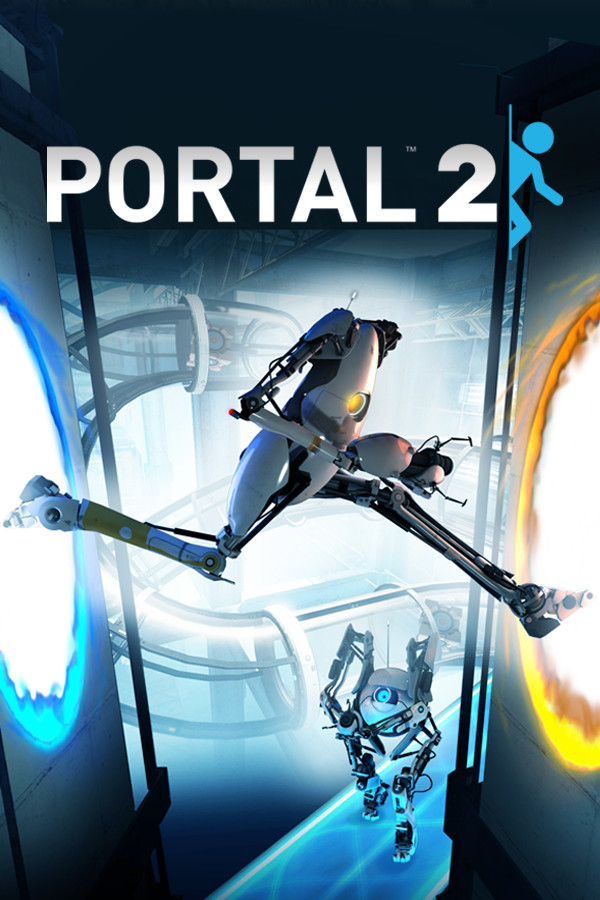
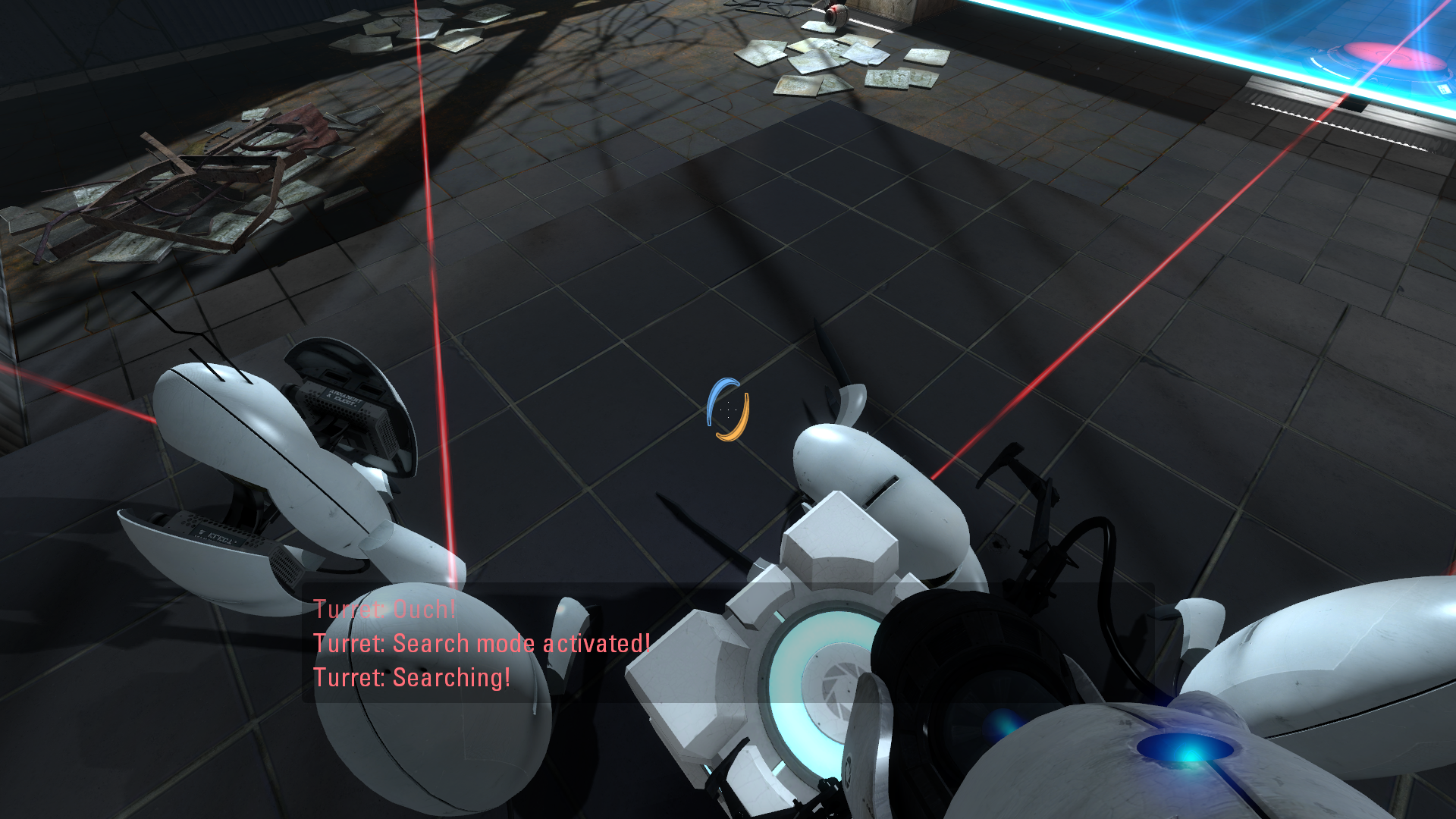
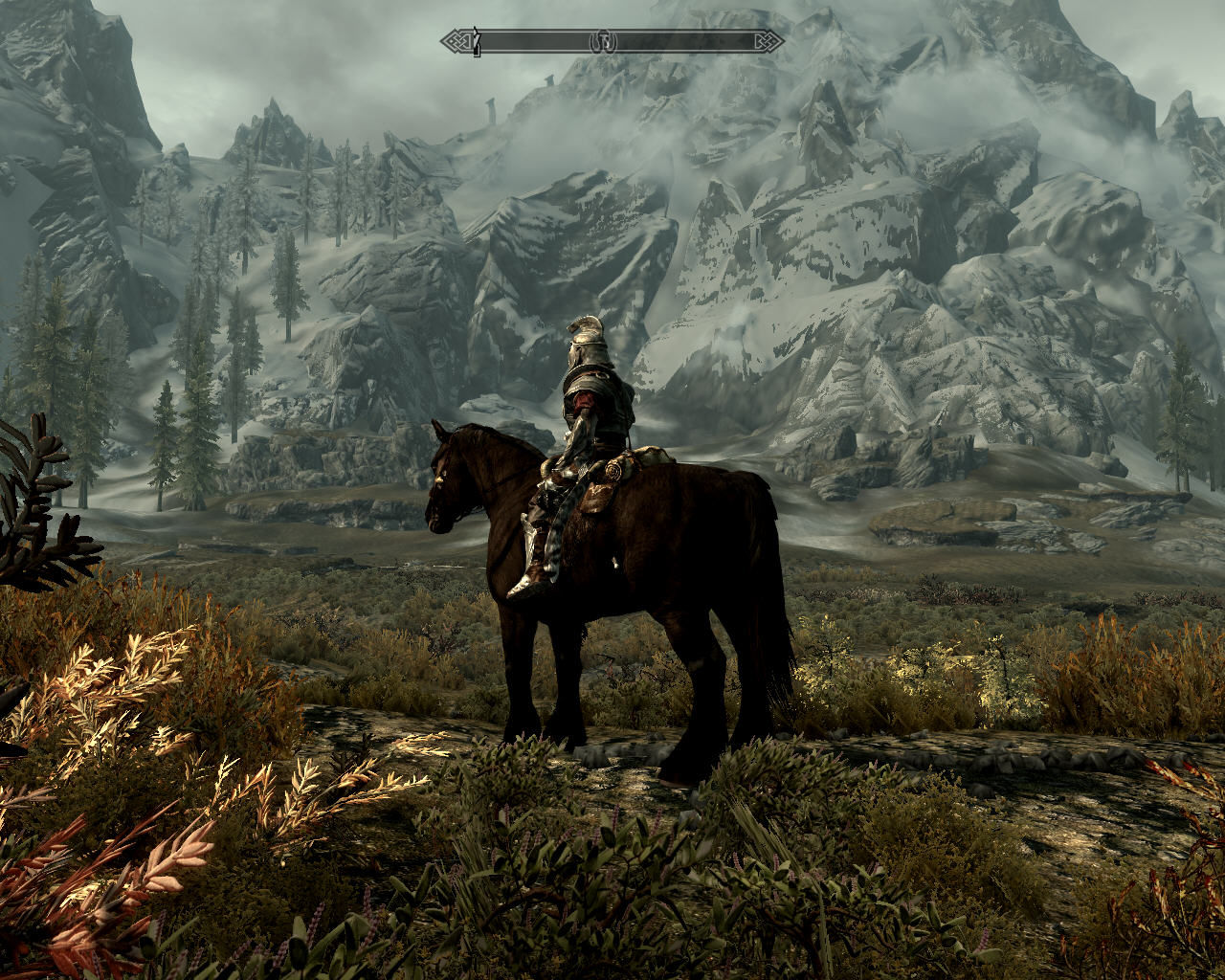
This was a tough call against Portal 2, but Skyrim came out on top thanks to composer Jeremy Soule’s amazing passion for the Elder Scrolls game. Every piece of music moves you and sucks you into the world like no other video game soundtrack can do. There are dozens of songs and each is masterfully composed and that is extremely hard to do. Every piece fits everything you do, see, hear, or interact with within Skyrim. The sweeping and dramatic theme song to the softer tones of exploring the world is perfect and nothing can match this kind of instrumental beauty.
Mortal Kombat 4 was probably the most carefully watched game in the series due to abandoning the 2D root and going for 3D. No one knew what was going to happen to the series, and a lot of fans lost hope, thinking the silky smooth controls and excellent digitized graphics would go by the wayside in 3D. However, the game featured excellent visuals (for the time), and the silky smooth controls stayed despite some slippery and awkward animations. The fourth game also introduced some new characters who I thought were some of the weakest in the series. So despite the weaker roster, we got some pretty good fatalities and excellent stages to fight in.
The new characters like Kai, Jarek, Fujin (a weak attempt at making another Raiden), and Tanya were pretty “blah.” They didn’t have the same impact as the classic characters, but some returned, like Scorpion and Sub-Zero, Sonya, and Johnny Cage, who came back for the first time since MK2. The run button and combos were carried over into 3D, which were smooth as well as a first stab at moving in a 3D environment. You would hit a button to kind of strafe to the side to avoid attacks, and this added a whole new level of strategy. Weapons were introduced in free form now, and every character had one. Get hit, though, and you lose the weapon until you can pick it back up.
The fatalities were extremely brutal, some of the best the series has seen, and they looked even better in 3D. This leads to a new level of detail and creativity that can’t be done in 2D. This was also a slow departure from other “alities,” and the series stuck with just fatalities. A new boss was introduced as Shinnok, and Goro returned as the mini-boss. The game carries over a lot of elements that make it still feel classic, but then injects some new stuff as well. I really felt the game was well balanced and was exactly what the first MK in 3D should be. Overall, MK4 is a classic and did an amazing job of transferring over to 3D, which was very difficult. This, of course, paved the way for all future MK games, but we can always look back on MK4 as children.
What better way to end an era for a fighting genre than to throw it all into one big game? MKT does just this, so for people only familiar with the 3D era, this is what Armageddon was based on. Every MK character up to Ultimate Mortal Kombat 3 is in here, plus all the mechanics from UMK3 that everyone loved. The game introduces a new aggressor meter, which is the predecessor of the power meter in the new MK. Getting attacked will increase it (which is just text at the bottom that fills up, which I really hate), and then you do extra damage while in aggressor mode. The combo system is still intact, as are the weapons from UMK3.
The 2D games were silky smooth, and the graphics look great in Trilogy. Every level, as well as a lot of fan-favorite music, is in the game (you can pull the soundtrack right off the disc). Using the run button, pulling off a 5-hit combo, and then blocking, jumping around, and using all the signature moves brings back a great feeling of nostalgia. There are some secrets hidden here, such as a special code screen (1-button Fatalities are awesome), plus some original outfits like Raiden and Kano’s original outfit, which also unlocks their original Fatality. Of course, the game is best played with two people, but a single player is also a lot of fun.
There are a few minor problems, like Shang Tsung’s morphs requiring loading, loading times between menus and fights, and the game freezing sometimes, which is no good. I also wish maybe Test Your Might would have come back, but this really just feels like Mortal Kombat: The Greatest Hits. I also hate how cheap the computer can be on even normal difficulties, plus Shao Kahn is one of the cheapest bosses in gaming history, so good luck beating him. Overall, this is the ultimate MK experience for the 16-bit era that made history. If you loved the older MK games, then Trilogy is exactly what you need, plus this is probably the last time you’ll see Animalities and Brutalities.
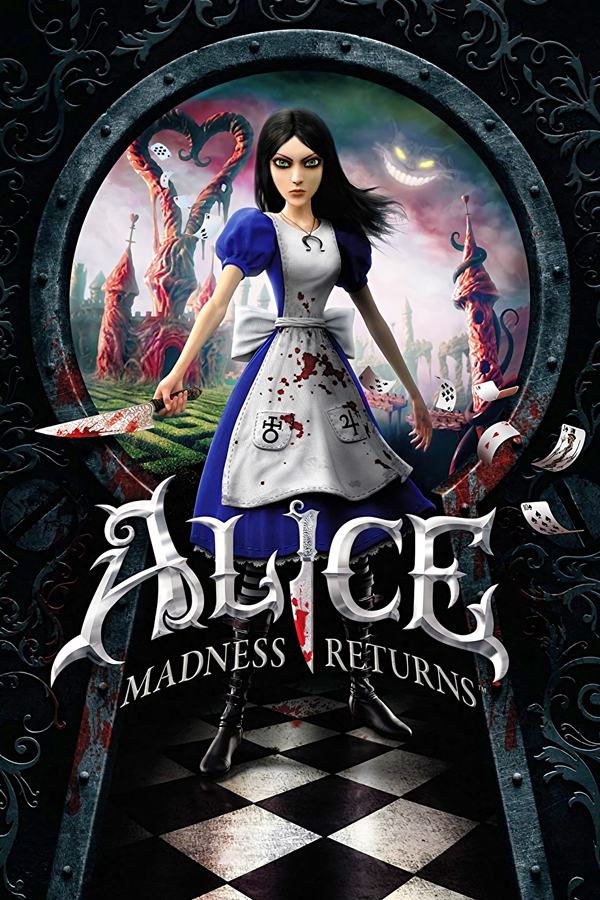
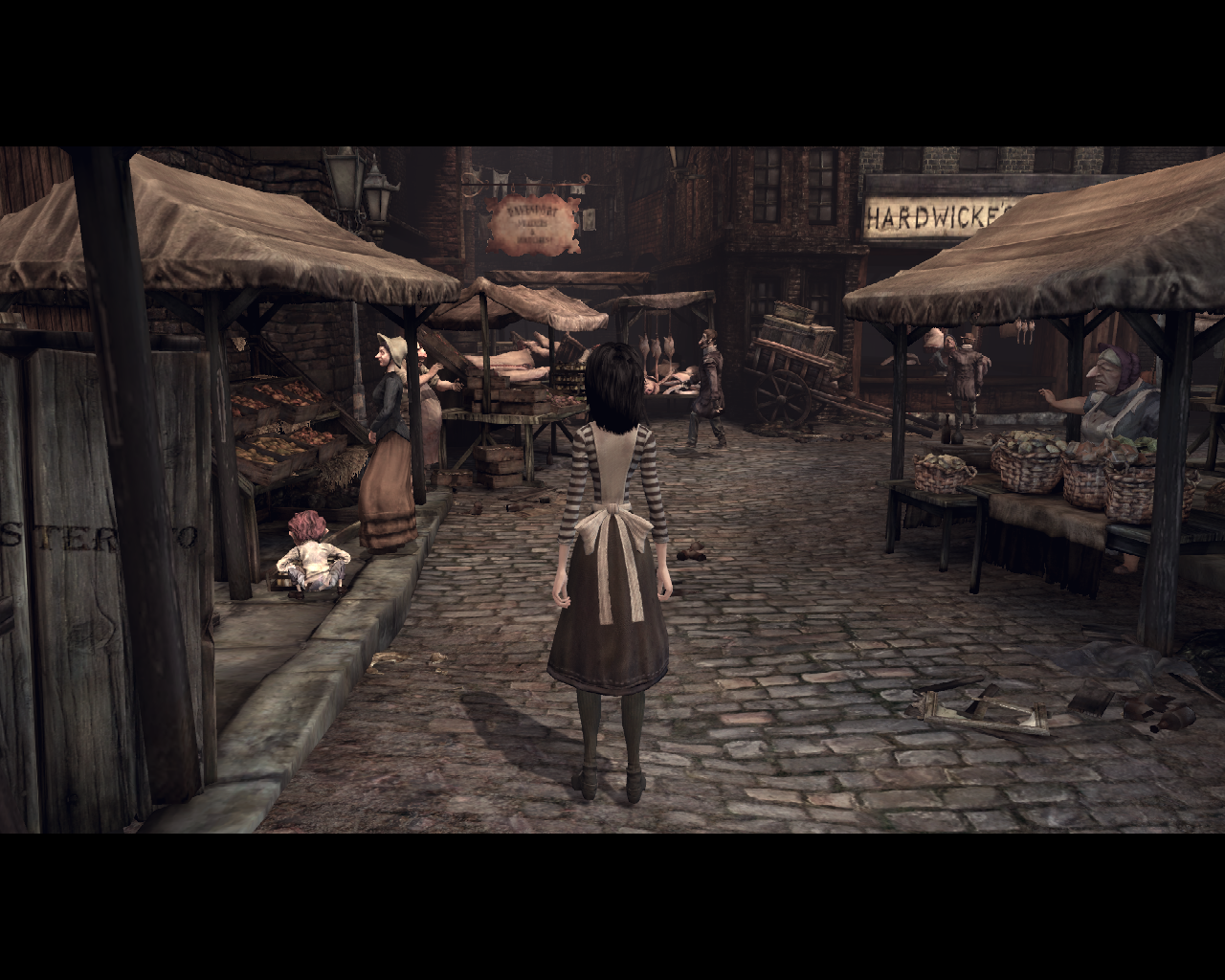
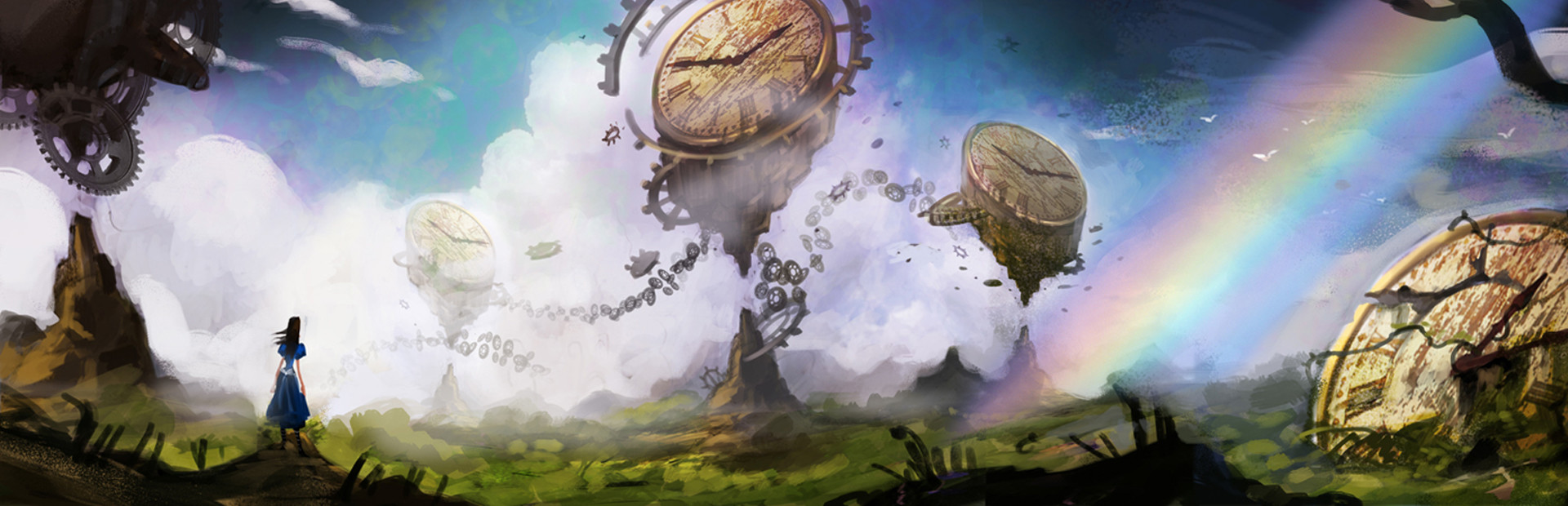
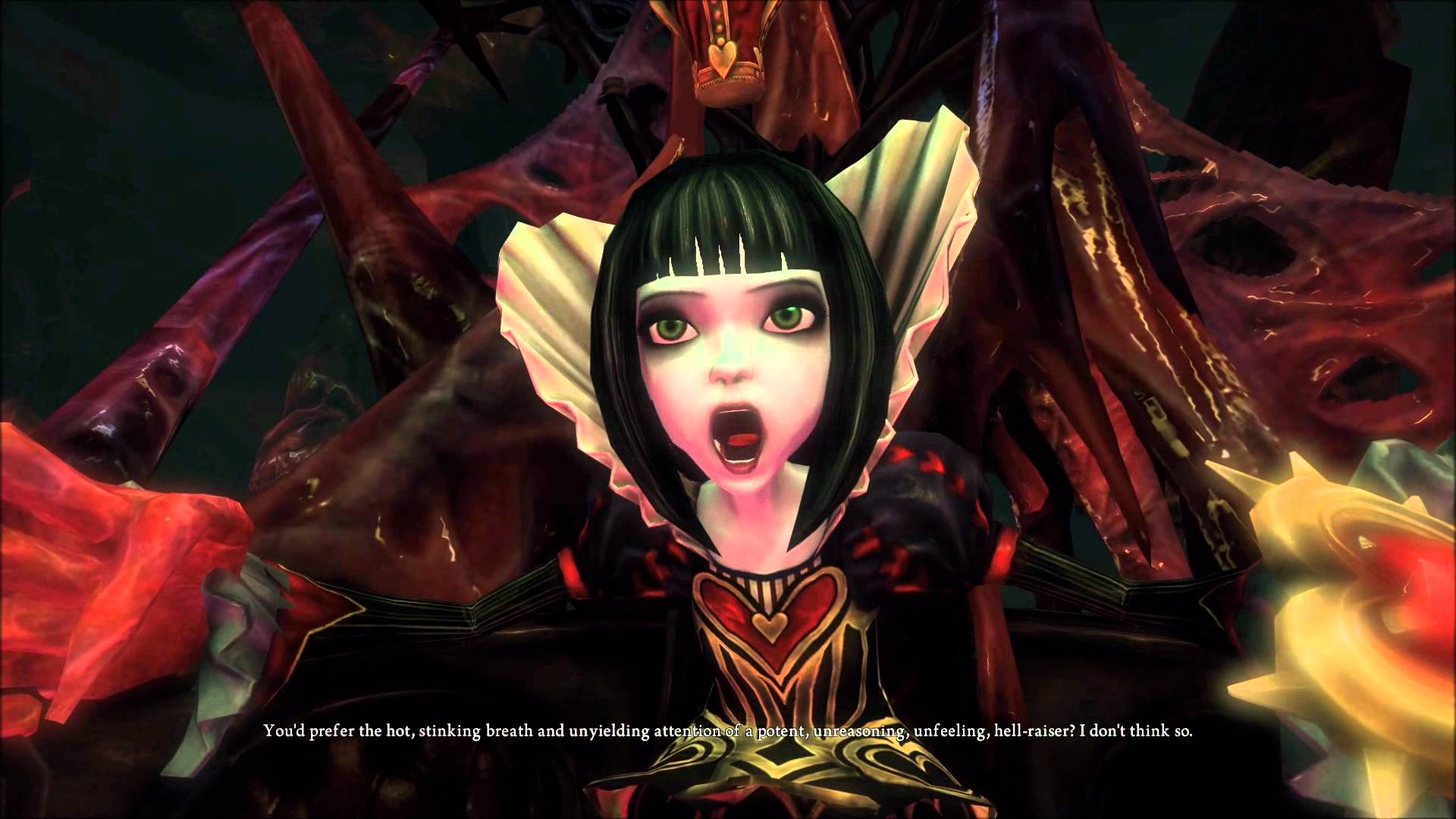
The Alice in Wonderland series isn’t something you would expect to be a game or even good at. American McGee took the series and twisted it into a sick gothic horror adventure back in 2000 on the PS1 and PC. The game’s atmosphere, art, and overall design were amazing for the time, but everything else was subpar at best. The game returns 11 years later and with tons of improvements. If you haven’t read the books or seen any of the many films or TV shows, then you’ll be fine. The story is kind of confusing, even at the end, but the story is supposed to be. The whole world of Wonderland doesn’t really make any sense except for the fact that Alice has been locked away in an asylum because she can’t get over the death of her sister. She lost her family in a fire that burned her house down, but there are some shady characters around her that seem to be manipulating her. She falls into Wonderland (her own mind) and has to stop the Infernal Train from destroying the place.
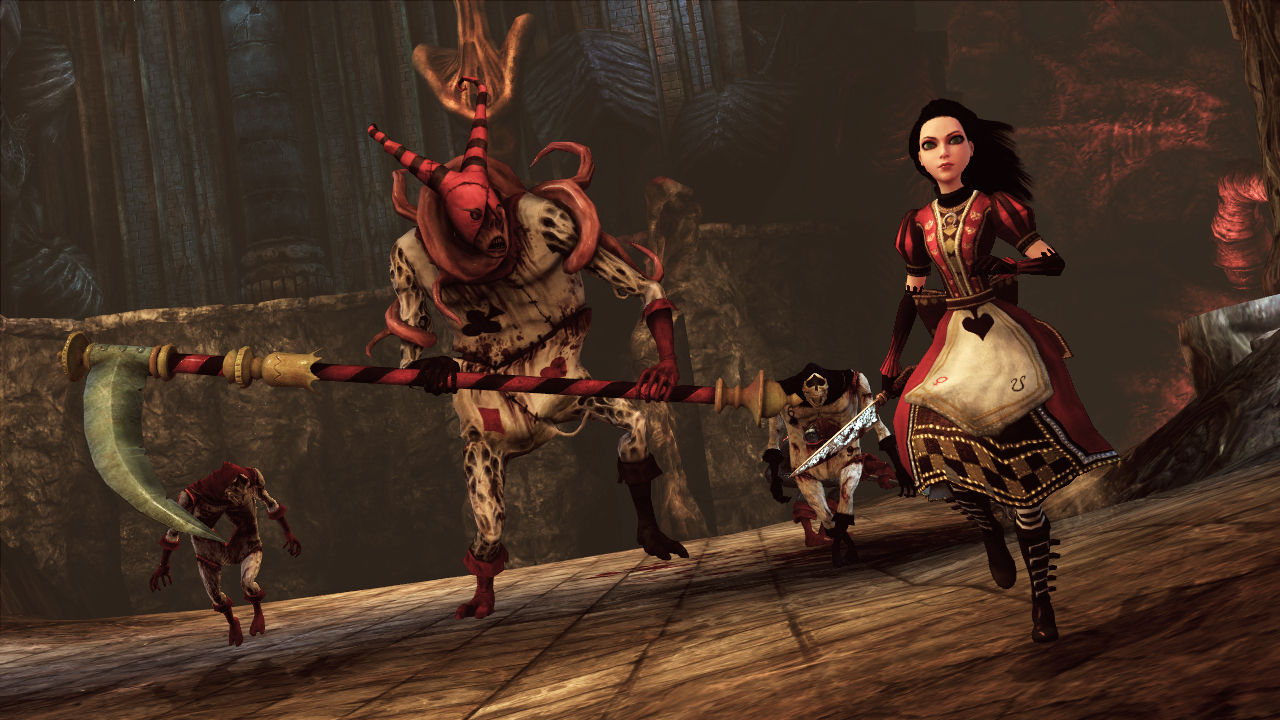
You get to meet classic characters like the Cheshire Cat, Caterpillar, The Mad Hatter and March Hare, the Door Mouse, The Queen of Hearts, and so on. Each character is wonderfully designed for the atmosphere, and they are just sick and twisted, unlike anything I have ever seen. However, the game is made up of two main parts: combat and platforming. Each is equal in flaws, but both are better than the last game and are a lot of fun.
Platforming consists of puzzles, shrinking down on the fly to find invisible platforms, hiding keyholes to find hidden items, jumping around, floating, gliding, pulling switches, avoiding traps, and heading through obstacle courses. Each level is very unique and looks completely different from the last, but the same elements apply to each level, and towards the end, it gets kind of boring and repetitive since it’s the same thing over and over without end. The combat and platforming are balanced, but by the end of the game, you just get too much of both because the whole game mainly focuses on just that.
The combat is fun and violent, but it’s very simple, with just one button for light attacks and another for heavy ones. You can use the pepper grinder and teapot cannon to shoot; the auto lock-on works well; but overall, you can only upgrade your weapons, and there aren’t enough of them. The hobby horse is for heavy attacks, and the vorpal blade is for light attacks, but those are the only four weapons in-game. You slowly acquired them, but I wanted to see more. The combat feels repetitive because there’s not much substance to it, and the enemies all play out almost the same. Each level has its own unique enemies with different weaknesses, but executing them is pretty much the same for each one.
While combat and platforming are the same, there are some mini-games tossed in for good measure, which is a sigh of relief. These involve sliding puzzles, chess games, and 2D platforming sections. These are fun, and each level has its own unique mini-game. Speaking of uniqueness, that’s exactly why I rated this game so high. The art, atmosphere, characters, and everything combined are just so amazing, and I have never seen anything quite like it. It’s also the fact that something so sweet and innocent like Alice has turned into a screwed-up gothic adventure (some scenes are really messed up, trust me) with dismemberment, cursing, gore, and downright freaky images. That’s what I love about Alice so much, and you always look forward to new levels to play. Even Alice’s dress changes with each level, so you can tell there’s a lot of detail going into the game. The game technically is a little dated, with some pretty bad low-resolution textures in spots, and there are a few collision detection bugs that can make you restart.
If you can get past the repetition and sometimes very difficult spots, then you will fall in love with the game. The game is amazing to look at, the characters are great, and it just oozes creativity. I just wish the combat and platforming weren’t the same throughout the whole game and were lacking in depth.
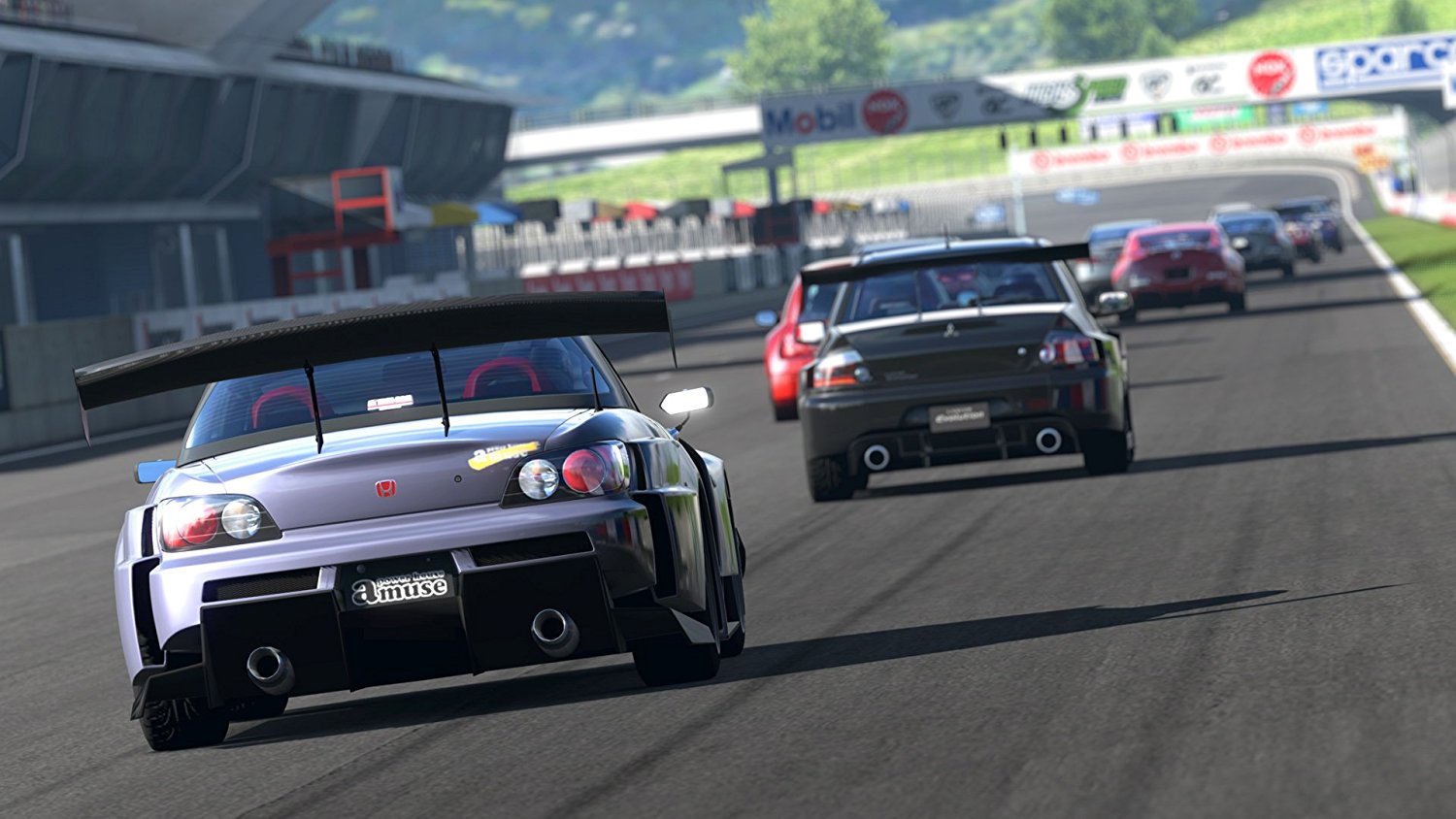
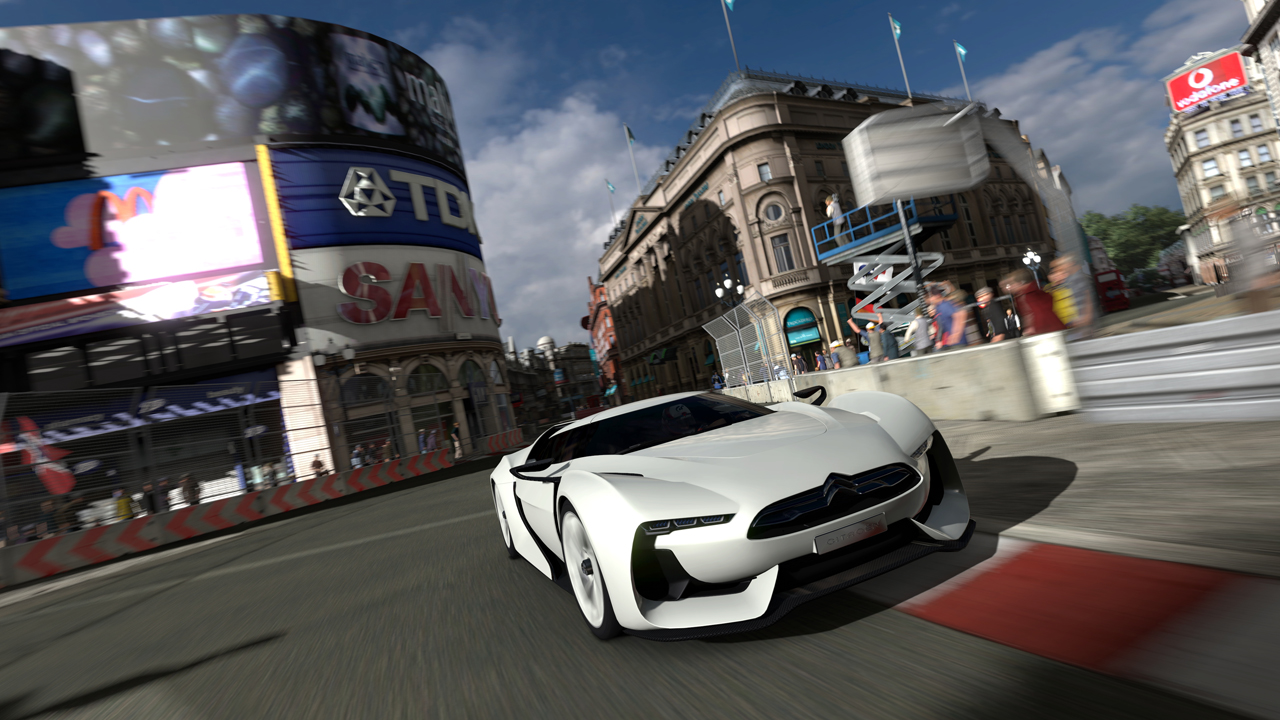
Ever since GT4, the series has had a lot of problems with visuals, content, and just overall polish. GT4 was infamous for its high difficulty and questionable car selection. However, the series is known as the best-looking racing simulator and the one with the most realistic driving physics. GT5 has all of that, but problems lie in other areas, but more on those later.
The first thing you will notice is the new menu, which is laid out better than pins on a map. You will notice a used car menu (which tracks mileage now), a better maintenance shop, the ability to generate a unique user profile for online races, and now seasonal events. Seasonal events are updated quarterly and feature endless amounts of races, so when you finish the disc content, you don’t get bored. Even tuning your vehicle is more user-friendly thanks to better descriptions and better visual guides. Polyphony really polished up the menus, so everything looks more streamlined and not so cluttered and confusing. You know right where something is and how to get there without referring to guides or searching around.
Buying cars is really fun thanks to the huge selection and in-depth descriptions and histories of each car. There are hundreds of them, so car aficionados won’t get bored or yawn at the selection. A few new car dealers are Maserati and Lamborghini, to name a couple. There are a lot of selections that can cost millions, so you should stick to the used dealerships until your credits are in the millions. The car selection is varied and strong, so I have no complaints here.
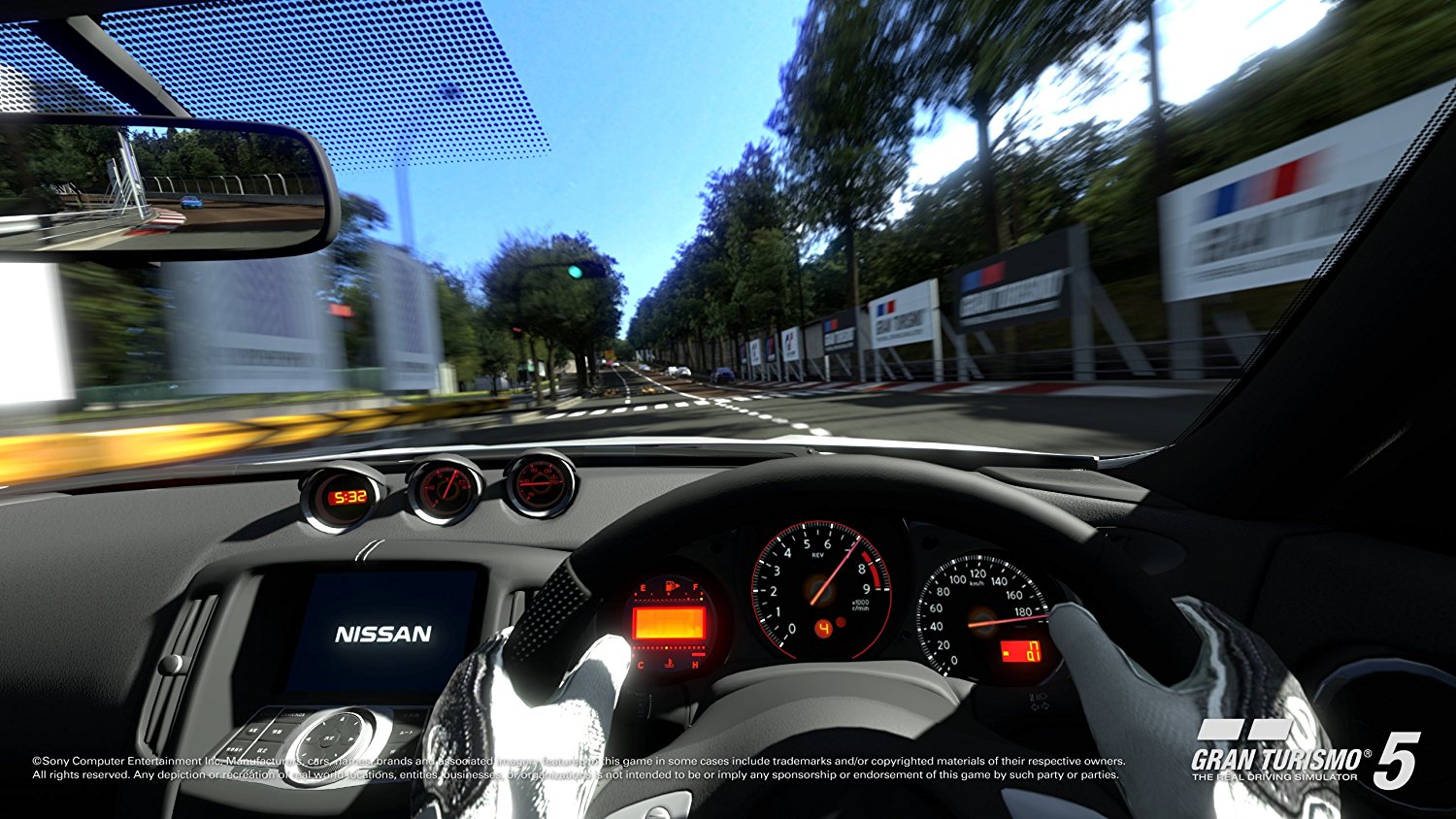
When you actually race, the physics are excellent, and the new cockpit view is amazing. However, only premium vehicles have high-resolution textures and a cockpit view. The rest of the cars look like complete crap and have no cockpit view. Why do this? I have no idea, but it looks tacky and unfinished and is a real blow to the game. The cars that do look good look photorealistic, and the cockpit views are just amazing. Needles move on the dash, and even the rear window and seats are shown in the car. Driving the cars has a great feeling, but of course, you will have to fine-tune them to get some to drive properly. If you aren’t a racing simulator fan, you are going to hate this because it can take hours to get a single car to drive just right. Tuning the cars is very easy to do thanks to the clean menus, but if you add too much power to most cars, they won’t drive right anymore.
Slipstreaming has been added to the game, and driving properly, such as gas goosing, late braking, and everything else, has never been more important thanks to the updated physics. Most of the races are just challenging enough that if you focus and drive right, you will win. I rarely had races where I was blown away by the competition, but being able to see the PP (performance points) that the other cars have helped a lot too. If you feel you need to tune something on the fly, you can now do so in the race menu instead of having to completely quit the race. If you race it for long enough, you will need to do engine overhauls and chassis alignments now, thanks to the new physics system.
While shopping for cars and racing them is fun, the first-ever online mode, photo mode, and new community features are a plus as well. Museum cards can be acquired by logging in every day, new paint jobs can be acquired by winning vehicles, and there are just so many little things added that it all adds up to make a big difference in the overall experience. Winning licenses, however, is just as much of a pain as ever before, but the new special events are a nice touch, such as NASCAR racing, go-carts, and even Top Gear Rally events. Polyphony really tried adding variety to the game, and it shows indefinitely.
There are a lot of little problems with the game that add up to really frustrate you. For example, when I select a race that has requirements, why can’t it take me to the dealerships to buy that car if it’s country-specific or has a specific drivetrain? Why do I have to memorize the flag symbol in order to know which dealership belongs to which country? I’ve already mentioned the cockpit and low-resolution standard car issues. Why are there still loading times between every menu, and how come they can be so long? Some tracks look really ugly and weren’t updated at all with cardboard cutout buildings and flat grass textures. Why are the graphics all over the place? There are so many questions as to why these issues are present, but I guess we will never know.
With some other nice features like custom soundtracks, a huge selection of supported wheels, true 1080p visuals, 3D, and eye support, The GT5 has so many options, features, and a huge car selection that will make any car fan drool. From exotics to classics, you will find something to love about this game. Just remember to focus on driving, and you will win that dream car.
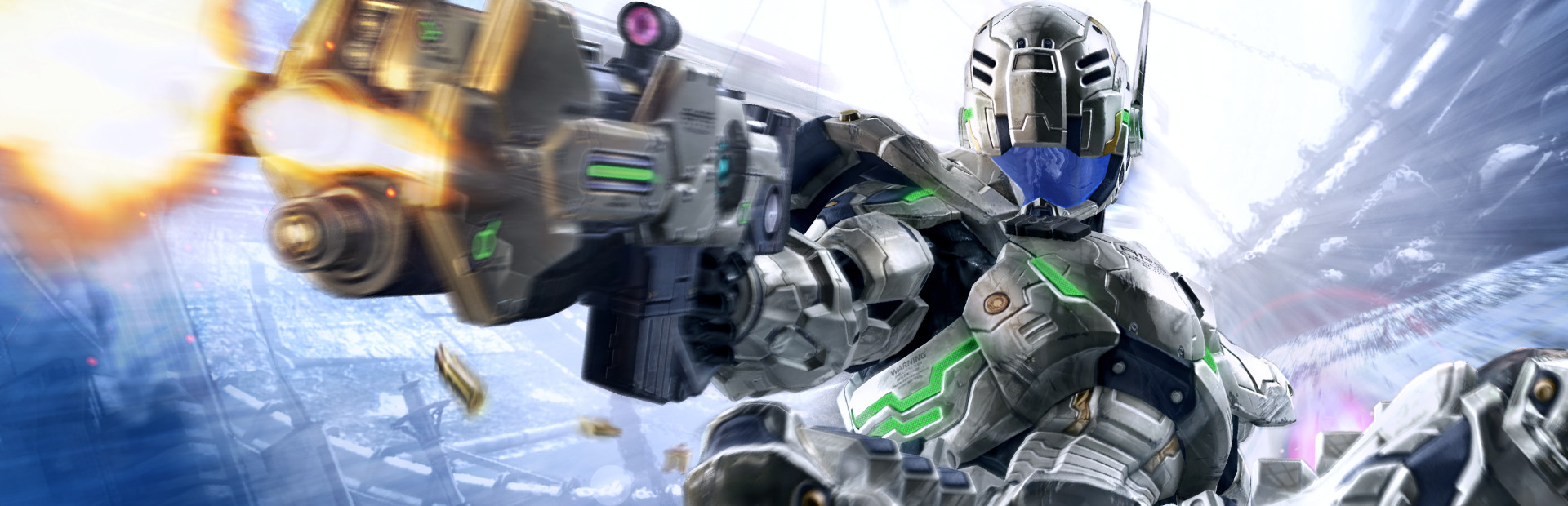
Japanese developers have a lot to learn from Western developers, but Vanquish shows that they are slowly catching on. Vanquish is infused with Western shooter’s big explosions and lots of shooting fused with Japanese fast-paced action and quick controls. Vanquish is a third-person shooter on speed thanks to the ARS suit. Sam Gideon can slide around at super speeds on the ground as well as slow down time during dodges. This allows for very hectic gameplay against robots of all sizes and shapes.
The plot is paper-thin and only advances at the very end of the game since the middle has absolutely nothing to do with the plot because you’re just dealing with in-the-moment problems, but the overarching story is a pretty standard affair with Russia trying to take over the world with a giant microwave emitter that destroys San Francisco. It’s nothing to get excited about, so just pop in Vanquish and expect fast shooting. The shooting is great thanks to using weapons that can be upgraded throughout the game with droppable upgrades. Everything is done on the battlefield, so there are no menus to fiddle with. I wish more shooters would use this idea so it doesn’t draw you away from the action. You get a loadout of three weapons and two different grenades. EMP grenades stun robots and incendiary blow them up. Different weapons range from your standard assortment of shotguns, heavy and light machine guns, rocket launchers, sniper rifles, etc., but there are a few originals, such as the disk launcher, the LFE gun that shoots huge blobs of purple energy, and the laser rocket launcher.
Thanks to the ARS suit, it allows for what would normally be an impossible amount of enemies to kill in a standard shooter, but being able to slide around at fast speeds and slow downtime isn’t the key to staying alive. If you get shot too much, your suit will automatically slow down time and burn up your energy meter. This allows you to kill any immediate danger and get to cover, but if you continue to get shot, you will die. The energy meter determines all your special abilities, and if you overheat, you have to wait for it to cool down. I found this a little annoying, especially when you start dying and you can’t shut off the use of the auto-slowdown, which will actually cause you to die during boss fights since you can’t slide away after it’s burned up.
The best part of the game is the boss fights since you have to shoot weak points, and sometimes this will trigger cinematic QTEs (Quick Time Events), but the biggest fallback for Vanquish is the repetition. Sure, there is some different gameplay stuff thrown in, like firefights on rail carts and turret sections, but I felt the game never truly took advantage of the whole ARS suit system. This is where the typical Japanese game’s generic atmosphere and aesthetics bring Vanquish down for me. While everything is responsive and sharp, it all feels generic, with weapons feeling like they don’t pack a punch and just feel like pop guns. There’s a good variety of enemies in here, but they are all just robots, and you can pretty much use the same tactic on all of them. Boss fights to recycle after Act 2, and the environments all look the same after Act 1.
The game looks good, but it is also generic-looking thanks to the typical Japanese art style of sterile whitewashed environments and copy-and-paste feeling levels. The characters are the usual stereotypical, cheesy voice-acted, empty-feeling people that you can’t really get attached to or don’t make much sense to. I want to get attached to the characters, but they just feel too cheesy and stereotypical and are completely forgettable. So why should you play Vanquish? The fast-paced action is undeniably addictive, and 6 hours is just enough to not get too sick of the game without wanting it to just end. On a side note, the ending credits are probably the most original I have ever seen in my 19 years of gaming. The developer’s faces are on asteroids, and you shoot them as their names pop up. The more important guys are harder to shoot, and the lead designer ends everything with a final boss fight. Kudos to Platinum for making credits more interesting than scrolling text.
“Fatality!” “Finish Him!” “Flawless Victory!” “Get Over Here!”. These are just some famous quotes from the infamous Mortal Kombat that everyone knows and remembers. What everyone mainly remembers is the fast-paced fighting that has been missed since 1995’s Ultimate Mortal Kombat 3. It’s been over 15 years since we got a really good and classic-feeling MK game, but it’s finally here and back with all its bloody gore. Yes, the game is still in 3D, but it’s what fighting fans like to call “2.5D.”. The game plays with a 2D feel, and as soon as you start hammering away on those classic moves and combos, you feel the nostalgia seeping into your blood.
The most surprising part of the game isn’t the new level of gore, but the amazing story mode. Yes, Mortal Kombatactually has an awesome story mode that plays out far better than last generation’s story modes. Instead of some ridiculous adventure mode or scrolling text, we get a fully acted, scripted, and voiced story about the actual Mortal Kombat tournament and a backstory on almost every classic character. The voice acting is actually good, and Netherealm Studios actually took the time to bring out each character’s personality, such as Johnny Cage’s smart lack of Hollywood attitude. Liu Kang’s eagerness, Kung Lao’s jealousy, and Sonya’s hotheadedness. The story is done beautifully, despite picking up where Armageddon left off. Raiden travels in time to his past self to stop the destruction of Armageddon. There are plot twists and even some seriously tense moments in the story that are quite gripping. I can actually say it’s the best story mode in any fighting game ever made.
However, fans came for the fight, and this seriously delivers. Not only are the animations smooth and great to look at, but the controls are as tight as ever. The game responds without any delay, and that’s what a fighter is all about. Not only is the usual gore back, but the game just packs a serious punch and feels punchy. The hits transfer amazingly well into feelings, and that’s never been done in an MK game before. The newest things brought to the series are X-ray moves. Fill your supermeter up all the way, and you can execute an extremely brutal move that shows your opponent in X-ray vision, and you can see bones crunch, snap, and organs burst. The anatomy is done superbly well, with muscles, organs, and everything else in the right place. Each character has its own special skeletal structure, so it stays true to the anatomy. I say bravo on Netherealm’s part instead of doing it cheaply.
This supermeter actually does one other thing that I love, and these are enhanced moves. Forget the crap from the DC Universe completely. When you fill one section of the meter up (it fills up faster when you are getting your butt whooped), you can do the special move while holding down the “Attack Modifier,” and it’ll change the super move up a little bit and make it more powerful. For example, doing Jax’s Gotcha Grab will only do two hits, but if you enhance it, he’ll punch them five or six times and do more damage. Do Scorpion’s Spear Throw, and he’ll throw two out for extra damage. These are great, and each special attack has its own unique enhancement. This is great for strategists who want to give their fight a little extra kick. The second thing you can do with the meter is the usual breakers, but this requires two pieces to be filled.
For the first time, tag teaming was put into the game, and it works just as great as you’d think. Each character has a special tag-out move, and it makes the game more intense and just that much more fun. Of course, the single-player story mode will have you fighting against two people for a challenge, but when you play online or with a friend, it’s an absolute blast. Of course, this could have gone all wrong, but the team learned from games like Marvel vs. Capcom to get it right. This is just one more feature the team got right but could have gone horribly wrong or made the game too unbalanced.
The Fatalities are gory, and each character has two plus a stage fatality combo. Each character’s fatality can be viewed in the move list in the pause menu, but you have to unlock the second one in the krypt (more on that later). One thing I have to mention is that Babalities were brought back, but only certain characters can do these. These haven’t been since UMK3! When it comes to fighters, there are no characters in here past UMK3. Classics are only here, and that’s for the better. You won’t see Kenshi, Kira, Drahmin, Hsu Hao, or any of those guys, but there will be DLC add-ins later on, so who knows? Each character is beautifully rendered, and they fight just like you remember, so fans can feel relieved about that. There is one new character, and that is Cyber Sub-Zero, to tie into the story mode, and he plays differently from the regular Sub-Zero and has some unique moves. Kratos is also an exclusive character for PS3 owners, and he plays just like he does in the games, complete with some quiet time buttons and moves from God of War III. He even has his own unique stage, with three different stage fatalities to choose from.
Mortal Kombat has always been known for adding a ton of content since Deadly Alliance, but this time you’re going to like the extras. The Krypt is back with just one type of currency this time around, and the Krypt has five different sections. Each one has uniquely animated item containers, and some are extremely gross, brutal, and gory. I won’t spoil it, but it’s very creative. My favorite extra is the Challenge Tower. There are hundreds of challenges that consist of fights that have different parameters, such as zombies coming toward you, and you have to use Johnny Cage’s special Energy Ball move to kill them before they get to you. There are so many that I would spend days explaining them, but they are great fun, and you earn currency doing them. One thing I wanted back so bad were the mini-games Test Your Might and Sight last seen in Deadly Alliance. They are back, just as great as before, but two new ones were added. Test Your Strike is just like Might, but you have to hold the meter inside a box for a few seconds before striking. Test Your Luck has you spinning a wheel and deciding the fighter and fighting conditions for you.
Lastly, Kombat Kodes was brought back last seen in UMK3. For people who don’t know, each character gets three boxes during the loading screen, and there are different codes such as headless combat, armless combat, dream combat, upside-down combat, X-rays disabled, blocking disabled, and it just goes on and on. These are used a lot in the challenge tower that I was talking about, but having them in VS is a blast. Lastly, the online modes are a must-have for any fighter these days, and MK was the very first one and seems to be one of the best. While Tag Team and regular 1vs1 are expected, a new King of the Hill mode lets you pick an avatar and puts everyone in a room that looks like a theater. The winner keeps fighting everyone in the room until he loses, but people can rate the fight based on a number score and can even cheer or boo the fight. This is a fun mode and is greatly welcomed.
My only big issue with the game is that the combos aren’t as crazy as in MK3, and you still have to memorize most of them, and a lot of people don’t like that. This still really isn’t a button masher, so strategic minds are still needed to fight well here. I really wanted to see more crazy combos that aren’t complicated to pull off, but if you are hardcore enough, you will find a way. Besides that, there really isn’t too much to complain about unless you want to gripe about characters from MK4 not being included.
Besides all this amazing content, the game looks superb using Unreal Engine 3, and every background is greatly animated, and they are all from classic MK games all the way back to the first one. The classic Stage Fatalities are also back, but they are upgraded to pack more punch and are gorier. Overall, the game looks and sounds amazing, with lots of content to unlock and many modes to play. This is probably one of the best fighting games of this decade so far, and it is definitely my pick for the best fighting game of the year.
Kollector’s Edition: For hardcore fans, an extra $40 gets you two beautifully crafted bookends of Scorpion and Sub-Zero in gory Kombat, Ermac’s classic outfit, a well-put-together art book, and PS3 themes and avatars. The big box is also nicely made if you want that too.
Tournament Edition: For an extra $90, you get a wonderfully created arcade stick, but it does not come with any of the other stuff besides the extra outfit. It’s up to you which one you get, but I preferred the Kollector’s Edition since the stick can be bought separately elsewhere.
















































 thebinarymessiah.com
Try multiplayer. A lot of fun !