This was a decent year for the PS4. With many older exclusive franchises being remastered for the system, plus some great new exclusives, the PS4 stood out from the rest. I would feel comfortable saying this is by far the best year for the system.
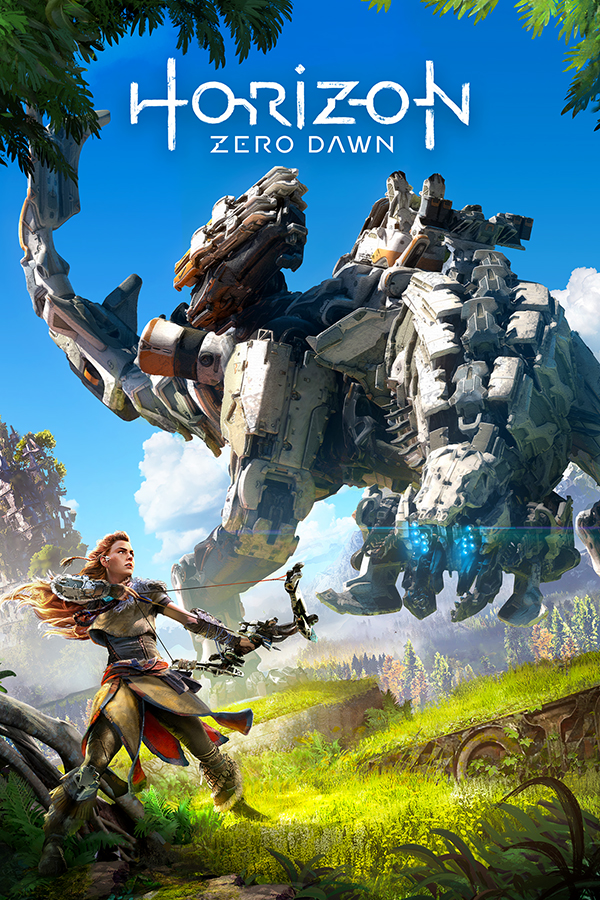
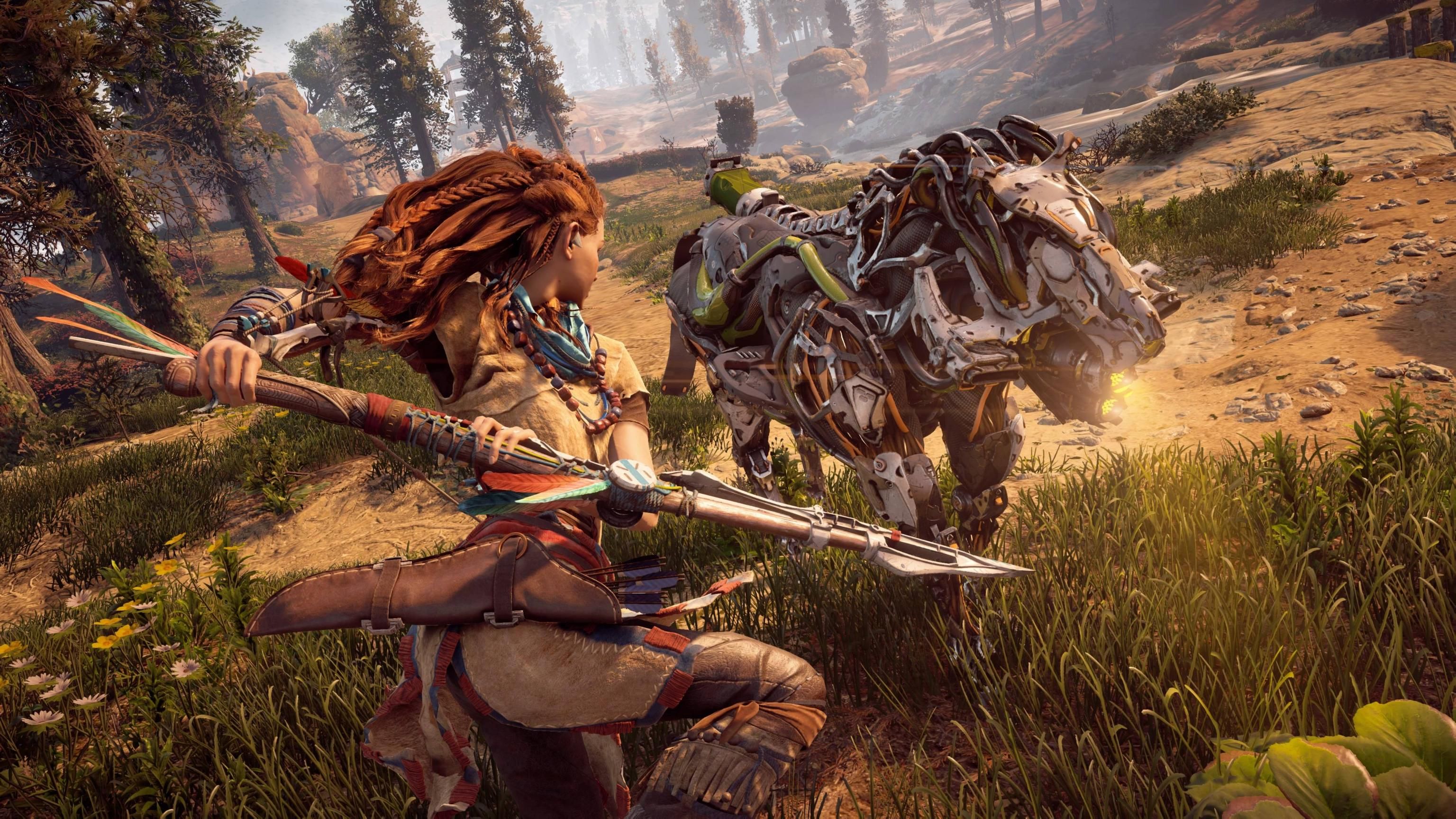
Horizon wasn’t just a great open-world game, it was one of the best ever created. Guerilla Games really pushed themselves by creating a beautiful post-apocalyptic world with characters we can care about. The gameplay is fun, challenging, and varied which makes you think before attacking. It’s the type of game that makes you think “PlayStation”.
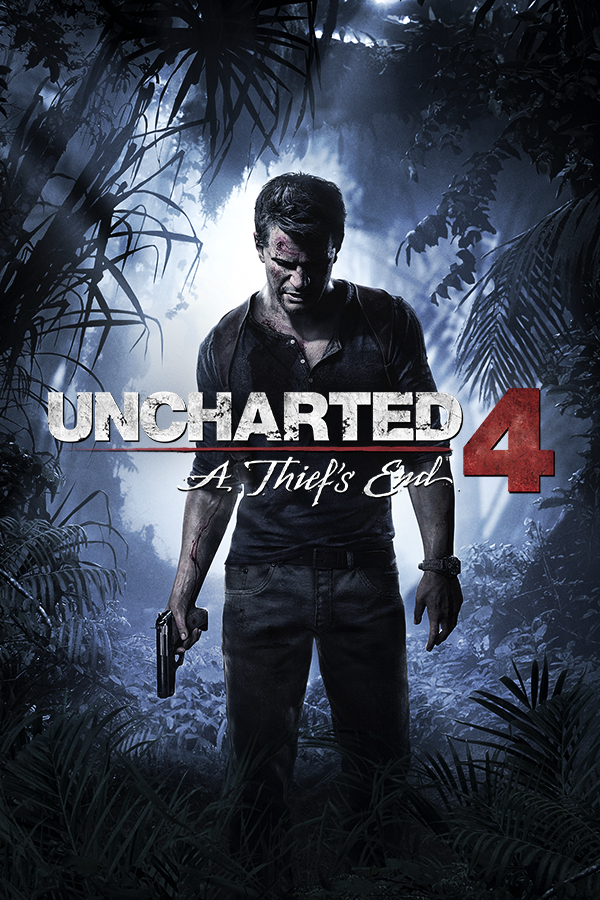
The Uncharted series is one of my favorites, and it helped push the PS3 to the top of the charts. Going from a game just called “Dude Raider” or a generic Indiana Jones rip-off to one of the best-selling game series of all time is a huge achievement. Naughty Dog pushes each Sony console to its limits and provides fantastic acting, scripts, gameplay, and also the famous action movie-scripted events. Uncharted 4 is no different and feels like the pinnacle of the series, as well as the end.
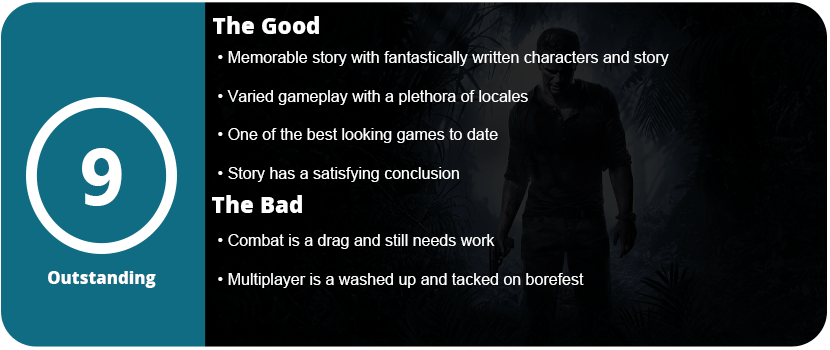
Uncharted’s story is a little more personal and complex than in past games. The game spans 22 chapters and clocks in at around 12 hours from start to finish. Nathan finds himself trying to retire from treasure hunting when ghosts from his past come knocking, and he must do one last hunt. Of course, an evil corporation is out to get their first, but small branching paths in the story see us playing Nathan as a child, and this unlocks mysteries surrounding why he started doing all this in the first place. The story concludes with no cliffhanger, which is relieving, as this is the final chapter in the Uncharted saga. I felt satisfied with the ending, and all my questions seemed answered, but I still wanted more.
Gameplay-wise, Uncharted has fine-tuned its not-so-great third-person shooting as best as it can. I honestly don’t care for it, and I felt the shooting sequences slowed down the more fun adventures this time around. Stealth was a bit easier, and the shooting segments are spread out more, so it’s not as frequent, but I still don’t care for it. Nate moves around cliffs and buildings faster and more gracefully. I felt Assassin’s Creed needed to take a note from this game, as I never had Nate cling on to things he shouldn’t or hop around like an idiot.
I could end this review there, but Uncharted 4 is much more nuanced with its fantastic scripted events. From breaking into a mansion and running from cops as a kid to finding your way around an island during a massive storm, The game has vehicle segments, which are fun, and even some underwater swimming. It just feels so well balanced and paced so brilliantly that I never get bored. I only felt like things slowed down during shooting segments, and I kept dying frequently. Some shooting segments are actually avoidable, as you can sneak through or even climb around the enemies.
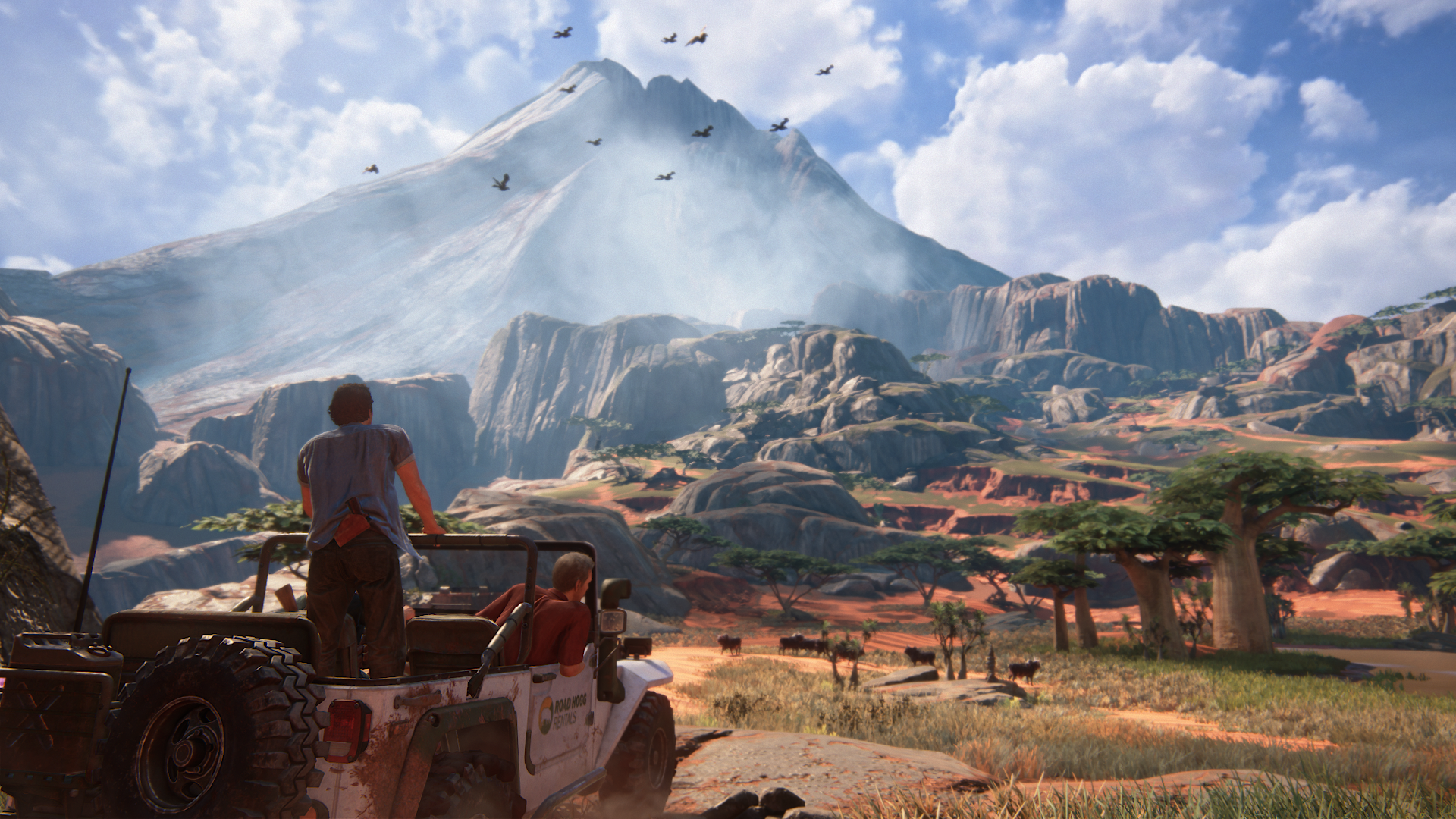
My favorite thing about this game was the many locales to explore. This felt like a true-to-heart adventure, with so much detail crammed in that it made me almost feel like I was there. Searching for pirates’ treasure is a classic story, but this is done in a way where I felt like it might just actually be true. We go from civilization to completing remote areas all through the game. Most of the games had vast, sweeping landscapes that were just gorgeous to look at. Uncharted 4 is still the best-looking console game to date, and it even tops PC games in the looks department. Naughty Dog pulled off some miracles with the PS4 hardware, and it just oozes detail. Foliage is individually rendered; I rarely found flat, lifeless textures, and the character models are incredibly detailed. Mud, water, dirt, sand, snow, and grass. It all actually felt different, and I felt pulled into the whole experience.
Other than getting through the adventure, you can collect trinkets, which I’m not a fan of, and then there’s the dreaded multiplayer. I already don’t really like Uncharted shooting mechanics, so more of it doesn’t sit well with me. It feels forced, like Uncharted 3, and just comes across as a generic shooter—nothing really all that special. Same modes, maps, and mechanics you would expect from any third-person shooter. I won’t be coming back for it anytime soon.
Overall, Uncharted 4 is a true adventure game from beginning to end. It tells the tale of someone who overcomes a huge personal goal, and Nate feels truly human and not like an immortal action hero. The sweeping landscapes, varied locales, amazing acting, fun scripted events, and various gameplay elements culminate in what is essentially what 99% of video games fail to achieve. The only downside was the combat slowing everything down, as Uncharted’s combat is not the best out there. This is what makes me proud to be a PlayStation owner: a game that pushes visuals and gameplay to their limits. Uncharted 4 captures the essence of playing a movie.
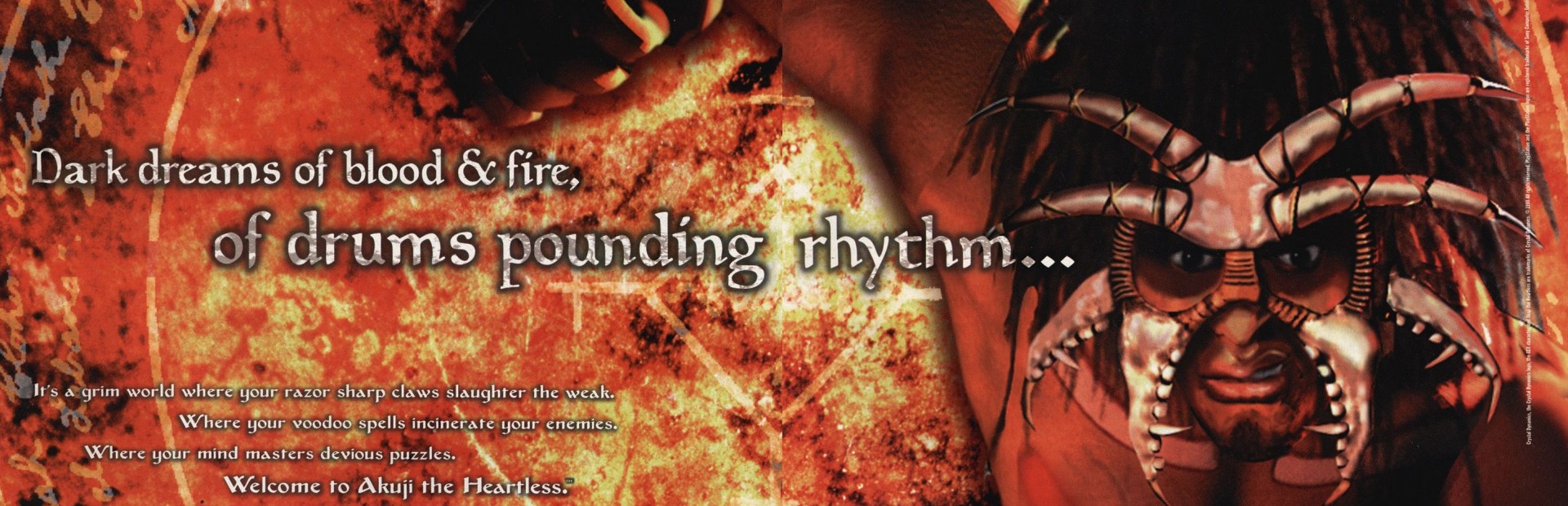
Crystal Dynamics was a juggernaut on the PS1. After Tomb Raider was released, they firmly placed their name in every gamer’s household. Akuji was released closer to the end of the system’s life cycle, and while critically acclaimed, it didn’t sell well. It was a bizarre game about voodoo and was hard to market at the time.
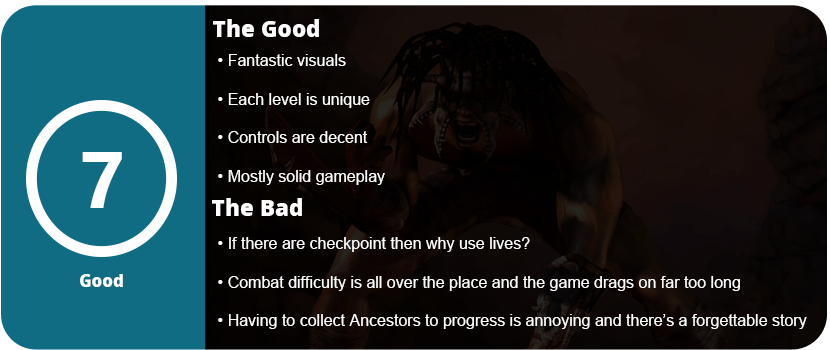
You play as Akuji, who needs to get his wife’s soul back and must travel through the different levels of hell to reclaim his ancestors’ souls and appease the keeper of the vestibules, which act as hubs. In each hub, there are doors you can go through that lead to each level. If you don’t collect these floating heads, you won’t be able to advance in the game, and I absolutely hate this system. Even with all the skills, you used to beat bosses and enemies; you needed to collect things. I feel this is demeaning and frustrating. For the story, it’s forgettable and nothing special.
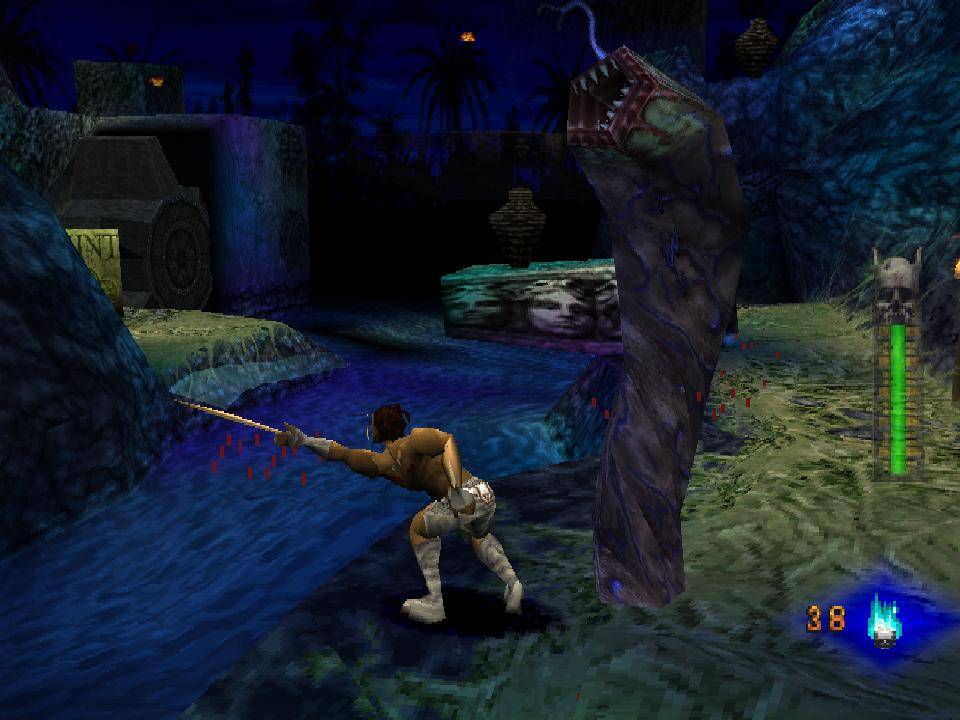
The game plays quite well, with Akuji jumping around, slashing, and blasting spells. You will use your spells more than you think in this game, and there are a variety of them, and each is used for different situations. Outside of combat, there is some minor puzzle solving and switch throwing. Platforming in the game is mostly fine, but the camera is sluggish to move around with the shoulder buttons, so Akuji will jump off an edge or fall to his death. Another irritating thing is the use of lives. I mean, why? You can hit checkpoints, which are poorly spaced, so why not just restart there? Why punish the player even more, as if surviving and checkpoints aren’t enough?
I felt this game dragged on a bit too long. There are over 15 levels, and while they all look different and great, they’re unoriginal. They are mostly short, and each level plays out the same. Grab this doohickey, put it here, flip this switch, kill this enemy to lower this wall, etc.
While this was the norm back in the day, it just doesn’t hold up well. Maybe if some things changed a bit, like the use of lives, it would be a more fun experience. Mixing a collectathon with a progressive platformer just doesn’t work well here.
The game looks fantastic, as Crystal pushed the PS1 to its limits, probably too hard. When effects like water splashes or magic effects flash around, the game slows down to a crawl, which can get quite annoying, but it’s still playable.
Overall, Akuji is a great PS1 title that has solid controls and great gameplay; it just has so many frustrating factors around it that make it less enjoyable as you play. If you really need a PS1 platformer that’s different, then go for it, as this is a hidden gem.
The late ’90s were home to extreme sports on consoles. There was a huge boom in this genre, and it led to many great games. Sled Storm is kind of an oddball, as snowmobile racing isn’t a huge hit in the US. However, EA managed to pull off a responsive and fun little racing title.
Sled Storm is similar to most arcade racing games from its time. There are several modes such as championship, single race, and multiplayer. Championship has two different modes. One mode is an open circuit with natural courses and you can upgrade your ride. The second one is a snocross closed-circuit event in which you just need to win. Sounds simple enough right?
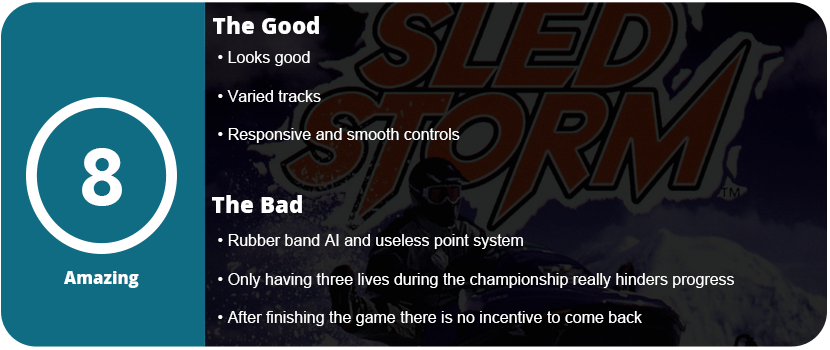
Wrong. You need to get first place in every race to advance. There are four other racers on the track, and the game is subject to frustrating rubber band AI. You can be ahead all through the race, and on the final lap, everyone seems to zoom ahead of you. One crash, and it’s restart time. The other annoying thing is that you only get three restarts and then have to restart the entire championship.
It’s rather annoying but tolerable. The crafts handle really well and the visuals are great. Powder flies up behind the vehicle into the camera every time you bounce or take a turn. There’s snow blowing toward you and the track is nicely detailed. The controls are what steal the show here. They feel smooth and very responsive and make you want to keep playing.
There is no fancy trick system here, but a point system is used for knocking down objects on the track and other reasons I couldn’t figure out. That’s about all there is to this game. The tracks actually vary, but after beating the championship there’s really no reason to come back. Think of this as a quick little 2-3 hour racing game and back on the shelf it goes.
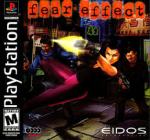
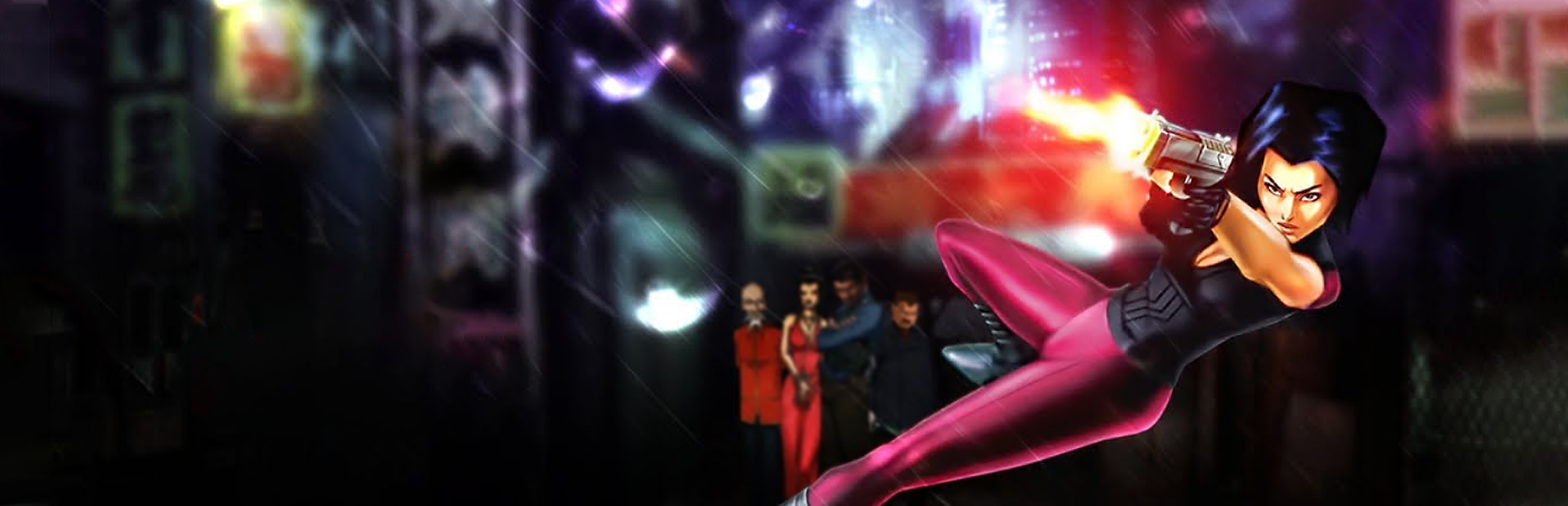
Fear Effect is actually a game that goes way back for me. I remember the summer of 2000 and was shopping around in a local game store, Game Doctor, back in Casper, Wyoming. There weren’t really any databases to look up reviews in back then, outside of magazines, so I would always pick a game based on its cover. I saw Fear Effect, $30, used in the display case. I used trade-in credit (back when it was all written down on carbon paper) and took the game home. Seeing it had four discs, I thought I was in for one hell of a ride.
I was actually dead wrong and returned the game the following day. It was frustrating, hard, and too mature for my age at the time. It’s so strange finishing this game almost 20 years later and realizing that it was actually harder than I thought. This game is downright unfair and frustrating around every corner.
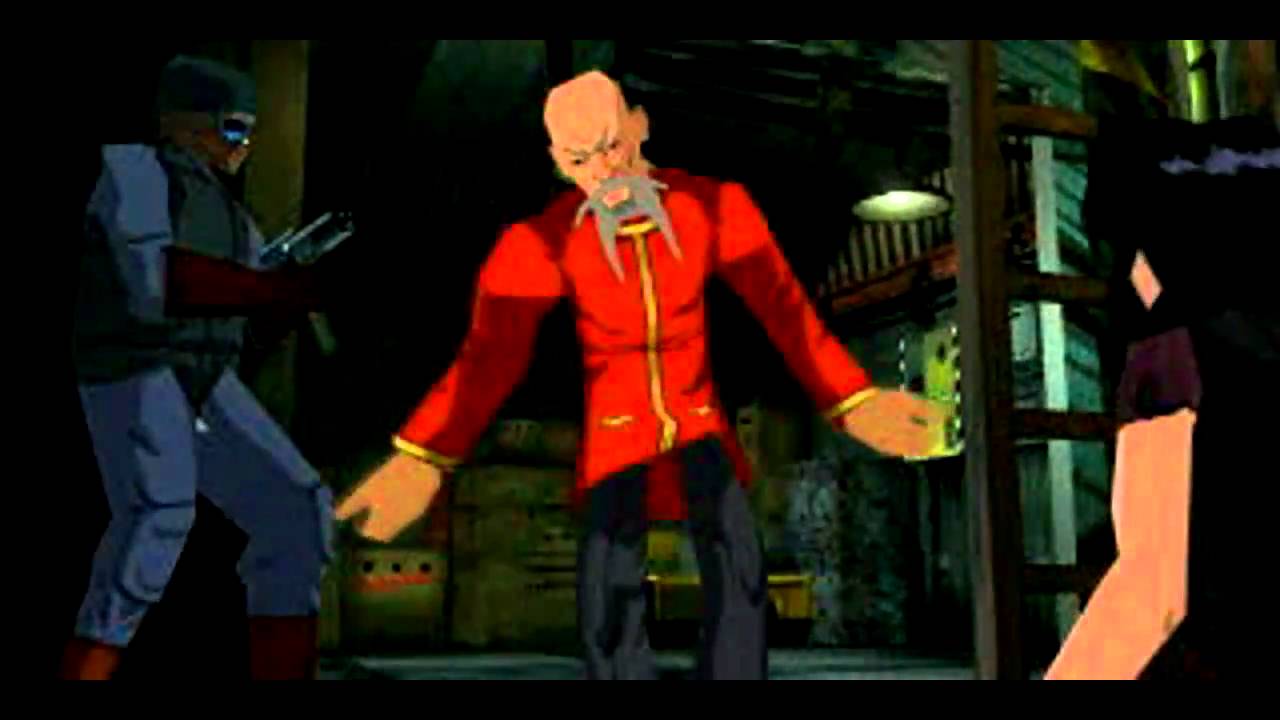
You play three different characters throughout the game: Hana, Deke, and Glas. All three are mercenaries hired by a Chinese mobster who wants his kidnapped daughter back. It starts out as a spy-style action game and then quickly turns into something supernatural. It’s the strangest thing and is such a jarring change of pace for this type of game. That will be the least of your worries, however.
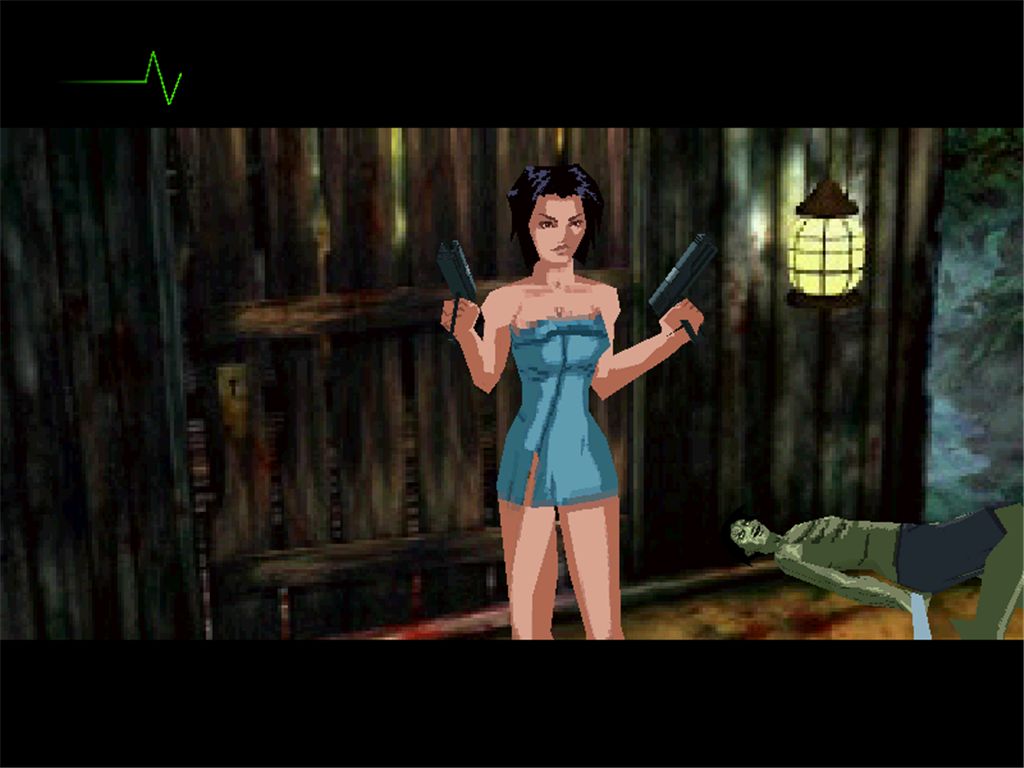
The game has beautifully pre-rendered backgrounds that you run around in Resident Evil style. These “tank” controls are just awful, and there’s a reason why they don’t exist anymore. You can sneak around, shoot, and use items, but it’s how those are executed that makes the game so hard and unfair. Stealth is actually out of the question; no matter how slowly I snuck up, guards would hear me and kill me. I just had to blast my way through everything, and therein lies another issue: ammo. You will have many enemies thrown at you with little ammo, and the supernatural enemies don’t drop ammo. They even get clever towards the end and make them drop paper ammo that you need to backtrack to a fire and burn to get the real ammo.
It doesn’t end there; you will be reloading save after save and dying over and over again. Most of the puzzles and traps will trigger an FMV, and usually a death FMV, meaning game over. Just the slightest pixel of your character touches the trap, and you’re dead. It’s back to reloading the save, which is rather long, by the way. The backtracking is the final killer here, especially on the final level, with items gathering on either end of the level just to unlock the door on the opposite end. It’s silly, archaic, even for the time, and didn’t need to be in this game.
I will admit that the puzzles are rather clever. You actually get clues that are organically placed in the environment, and you need to write them down to solve the puzzle, which is neat. Back in the day, walkthroughs were scarce, so all you had was a guide or writing things down. The puzzles aren’t serious brain-scratchers, but they are tough and fun.
The combat itself is awful and is the main cause for reloads. You get a dodge button, but with awful tank controls, you just stand there blasting everything. There’s no cover, no armor, nothing like that. You also have to flip through your inventory with squares and circles while you’re getting blown away, which can cause problems. Why not pause the action with a radial menu? That’s not too hard.
Is the game even worth trudging through for the story? Not really. The mix between Chinese mafia antics and the undead is weird and forgettable here. The characters have no depth, and the story is slow to move forward. It’s entertaining enough to push you through the game, but nothing you would replay, even for the multiple endings. With that said, I only recommend playing this if you want a beautiful-looking PS1 game to play or a decent adventure. Just get the cheat codes handy, or expect to spend more time reloading than playing.
It took many years to acquire, but the PSOne with a screen attachment has been one of my top must-have consoles since it came out. Growing up as a kid, my parents didn’t have the $100 for the console and the $130 for the screen add-on. The Combo Pack was released for $200 and seemed insane, but the PS2 was out and cost $300 at the time of release. $130 for a 5″ TFT LCD screen might seem like a lot, but this did more than just display games. It had an amazing brightness range and clear stereo speakers that could be quite loud when turned up all the way. It also easily screwed onto the back of the unit and had a headphone jack, AV in, and even AV out, so you could just plug it up to your TV without taking the screen off. The power cable also plugs directly into the screen, so there was a lot of foresight on Sony’s part.
What makes the screen so awesome compared to any other console out there is that you can take it with you. Using a 7.5-volt car adapter and bringing it into your bedroom or on the go allows you to make playing the PS1 a more immersive and personal experience. The LCD screen makes the games look better than they do on current or older TVs. It’s like Sony found a perfect balance and knew how the PS1 would render and output, so they made the perfect screen for it. All the games display clearly and sharply, and the screen is quite vivid, so I can easily see the $130 price point during release.
As for the system itself, what can I say? It’s the PlayStation 1! While the system’s first iterations had many flaws, such as overheating, cheap laser assemblies, and various other issues, the PSOne is sleek, slim, and just the basic unit, which is all we need. Sony went for a rounded style with this system, and it looks great. The only downside is that you can’t use most wireless controllers because the receivers are too large and can’t fit a memory card on top. The system is lightweight, even with the screen attached, and would easily fit into a backpack. The PS1 has an amazing library—probably some of the best out there. The PS1 wiped the floor with the Nintendo 64 due to a more diverse and massive library. The Nintendo 64 has some memorable games, but the overall experience just couldn’t top the PS1. With pre-rendered and live-action cutscenes, thanks to the CD format, it was a whole new experience. From the classic start-up jingle to the amazing feeling of the DualShock controller, and even down to the black underside of the discs, the PS1 was a behemoth and was unstoppable.
Would I recommend the current going price for a full PSOne combo pack at $100? Yes, go out and get it now. If you’re a PlayStation fan or just want to check out the classic library, this is the perfect unit to pick up. For some advice, make sure when you buy the unit that the power and tray buttons work. These are large buttons and can easily be stuck or get grimed down inside. Also, make sure the hinges on the screen aren’t loose. Many units have cracked hinges with screens that won’t stay up, and most importantly, make sure the LCD backlight isn’t dead. I bought a unit from a local store only to have the backlight die on me the second I turned it on when I got home. Of course, make sure both speakers are working and that there isn’t any rattling or distortion. Make sure to ask the sellers these questions, or look for this if you find one in person.
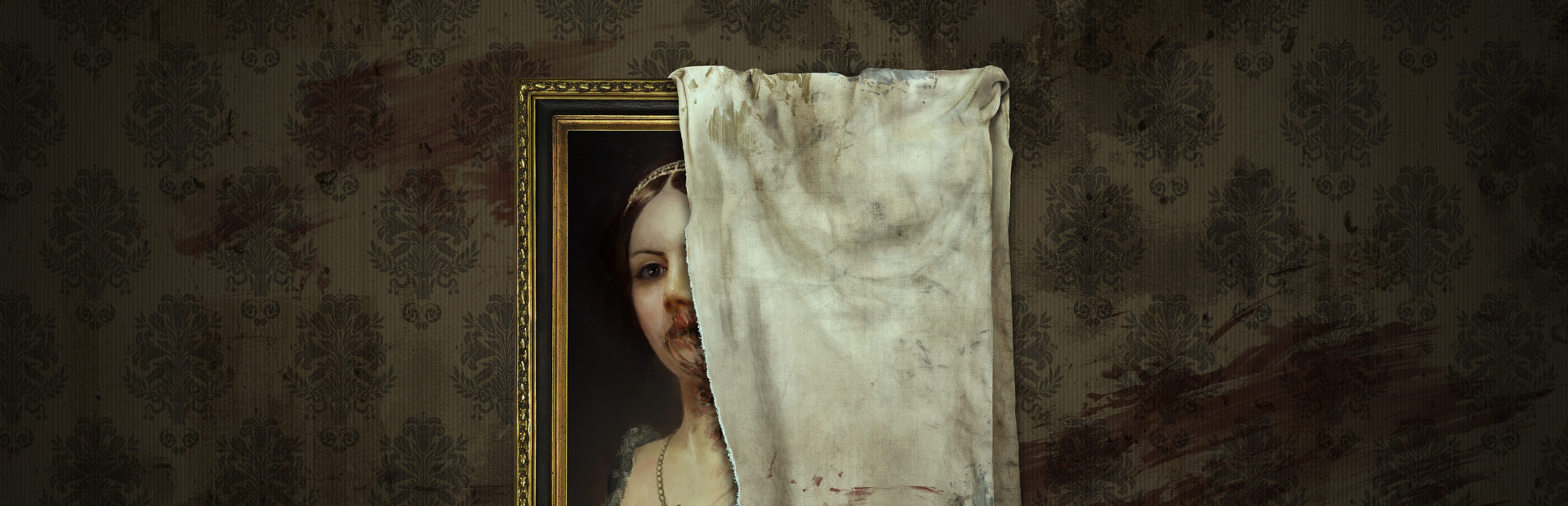
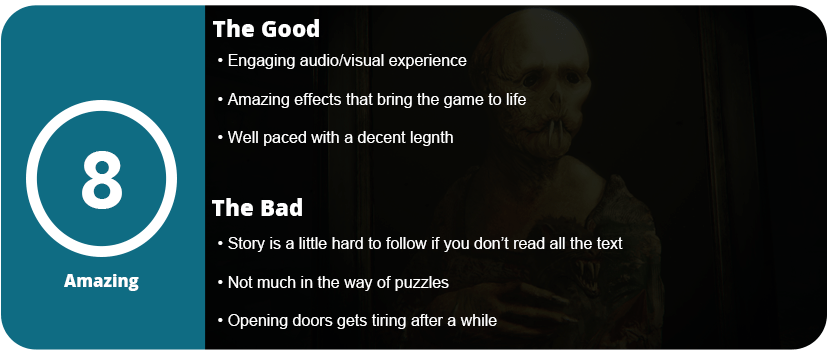
With P.T. only being a demo, it sure did imprint itself into the horror genre. Since then, games have been trying to copy their experience, but is this such a bad thing? I think not, as P.T. showed us what we have forgotten: the overall scare factor and how the atmosphere can do that. You don’t need cheesy monsters, jump scares, or even great visuals. The plain old atmosphere can do the job just fine. Layers of Fear is an indie horror game that is probably one of the most insane I have played in a long time. The game did have a forlorn and eerie atmosphere, but just the visual trip it gives you is mind-blowing.
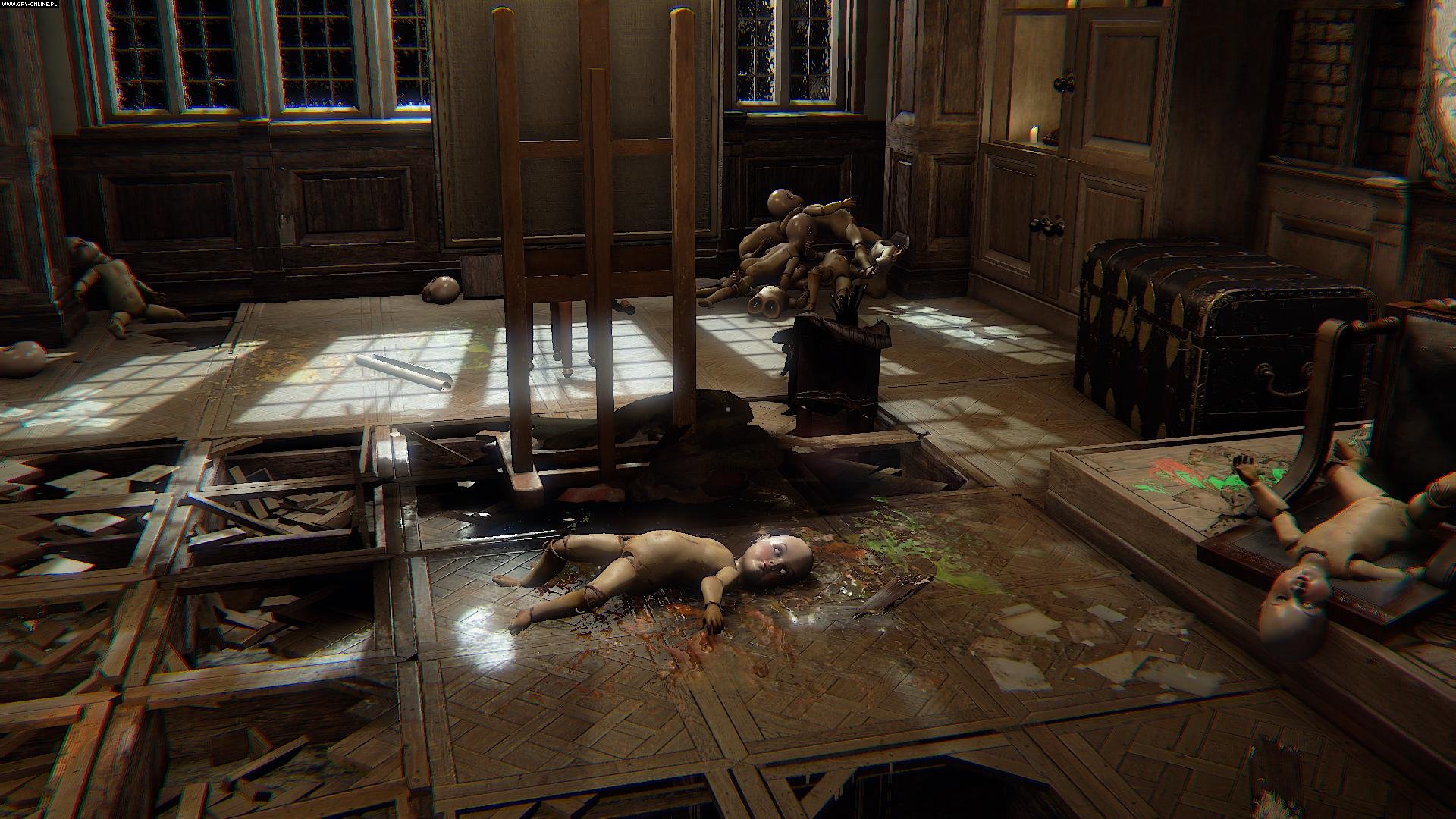
You play a crippled painter in the early 20th century who is trying to complete his masterpiece. The game starts out just fine while you wander around an old mansion, opening drawers and finding pieces of text that help tell the story. Layers of Fear’s only goal is that you walk through doors. You will open more doors than you would like to in a video game. Once you get through your first door and into the main hub, which is your painting room, things go crazy. The game is very linear, where you walk from room to room and enjoy a visual acid trip that never stops or gives you breaks. As you think there’s no way out, you will turn around, and a painting will pop up behind you and start melting. Turn around again, and the room changes or a ghost appears in your vision. What kept me going was that I wanted to know what was in the next room. It was like a funhouse but scary. Each room was always different, and I never felt bored or that I wanted the game to stop. There are six major pieces you need to collect to finish the game, and each one is themed. For example, the one-piece is a finger, and you slowly build up the story of how you took that finger. It doesn’t tell you directly, but through crazy visual cues and clues, you can figure out what happened.
The game is also a bit of a collect-a-thon, as you can open drawers and search around each room for clues that allow you to unlock achievements. There are actually three different endings, but I can’t quite understand how to get them. There are no choices in the game, but maybe take different paths? Each area is so linear that there’s only one way to really go, so figuring out what ending you get is a huge mystery. There also isn’t much thinking in this game; there were maybe 3 or 4 puzzles, and they required almost no skill to work out. I feel there should have been more puzzles, but that would have slowed down the pace of the game. You literally run around the opening door after door and experience the next visual freak-out, like a roller coaster ride. There are also no enemies to run or hide from. The only ghosts that appear in the game are supposed to get you, as it’s part of the story.
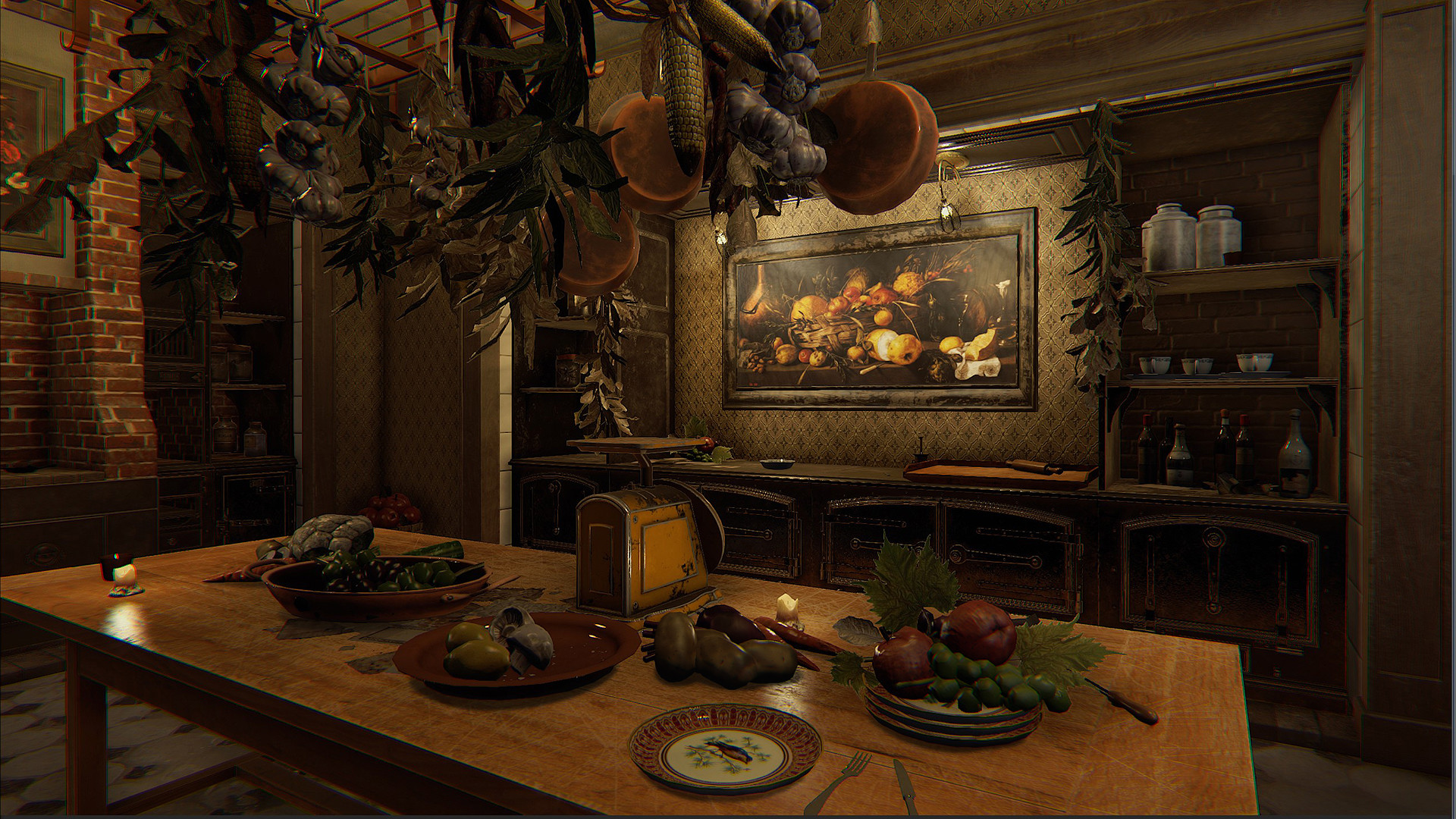
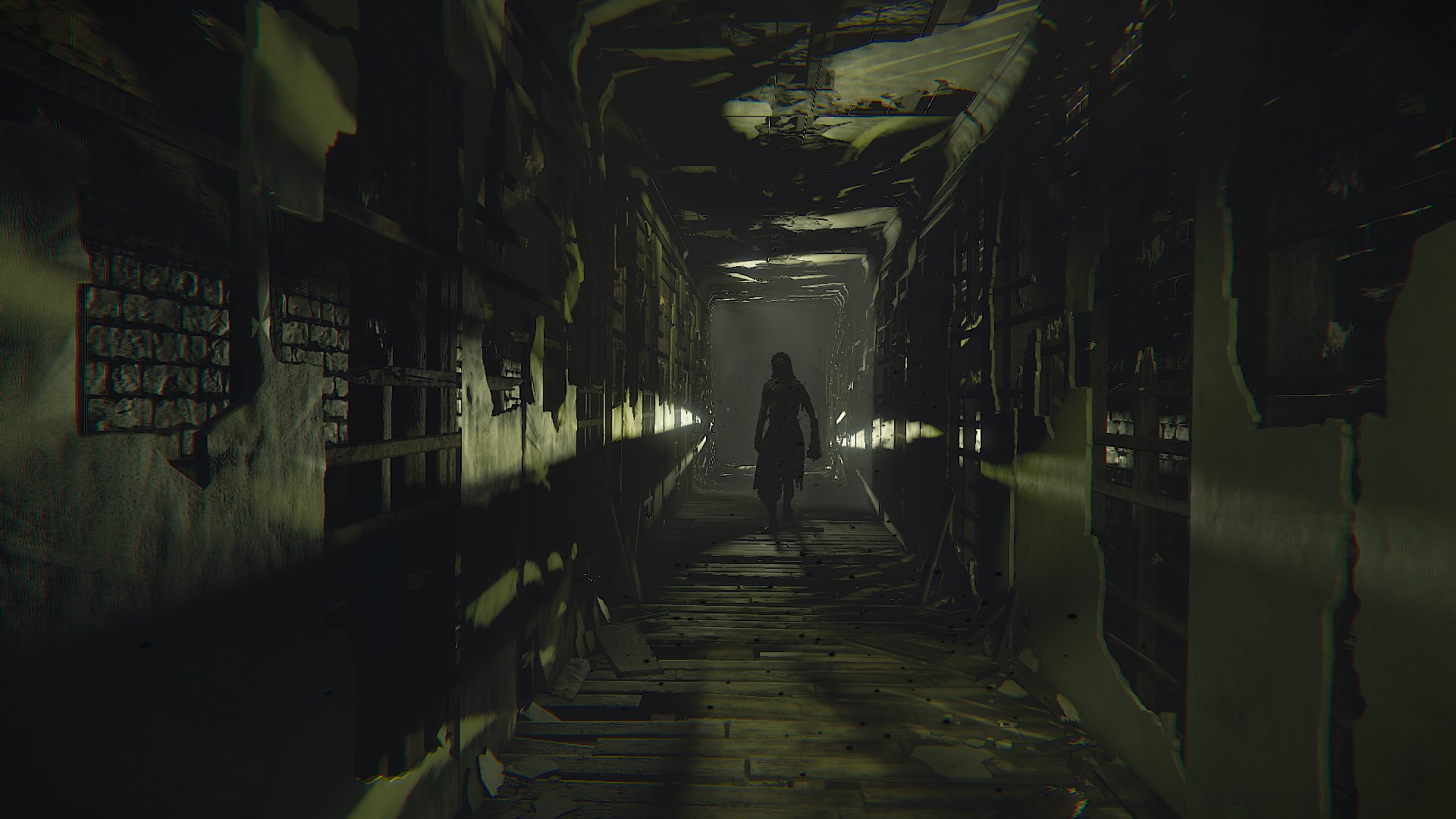
The visuals are fantastic, as the game has amazing lighting effects and a tense atmosphere, and there’s so much detail and so many different objects everywhere. The way some of the set pieces play out is pretty insane and requires a lot of care and detail. The visual effects alone from warping, shifting, melting, and various other effects are pretty amazing, as you don’t see many of these in games. All this was done with the Unity engine, which was also pretty impressive. The audio in this game is quite amazing, with a lot of variety, and each sound effect is put in the right place at the right time.
Overall, Layers of Fear is well worth a playthrough; it’s quite scary, and you never want to stop. The great pacing, visuals, and amazing roller coaster ride of effects are something you don’t see in games very often. If you’re tired of the cheesy horror gimmicks of most indie games, then look no further. This game may be short, but it’s got a lot of soul and heart for what it is.
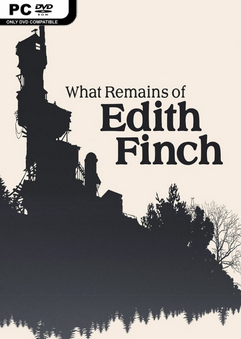
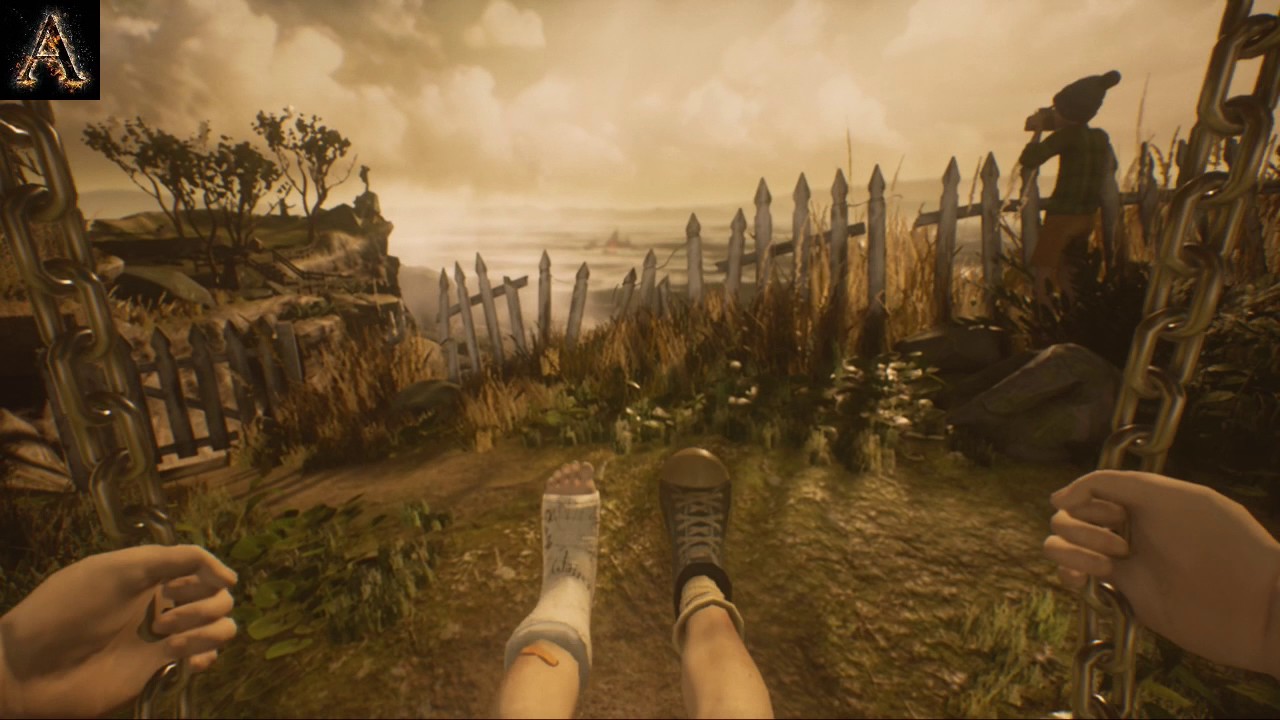
It’s surprising that over the last 10 years, it’s the indie game that has had the most touching and memorable stories. Even with AAA games’ million-dollar budgets, they can’t seem to get a decent story with armies of writers and directors. What Remains of Edith Finch may be called a “walking simulator” by the younger crowd, but these slower-paced adventure games are usually the most touching and memorable. You play as a girl who is slowly unlocking the mystery of why every member of her family died in a large house built from the ground up on the oceanside.
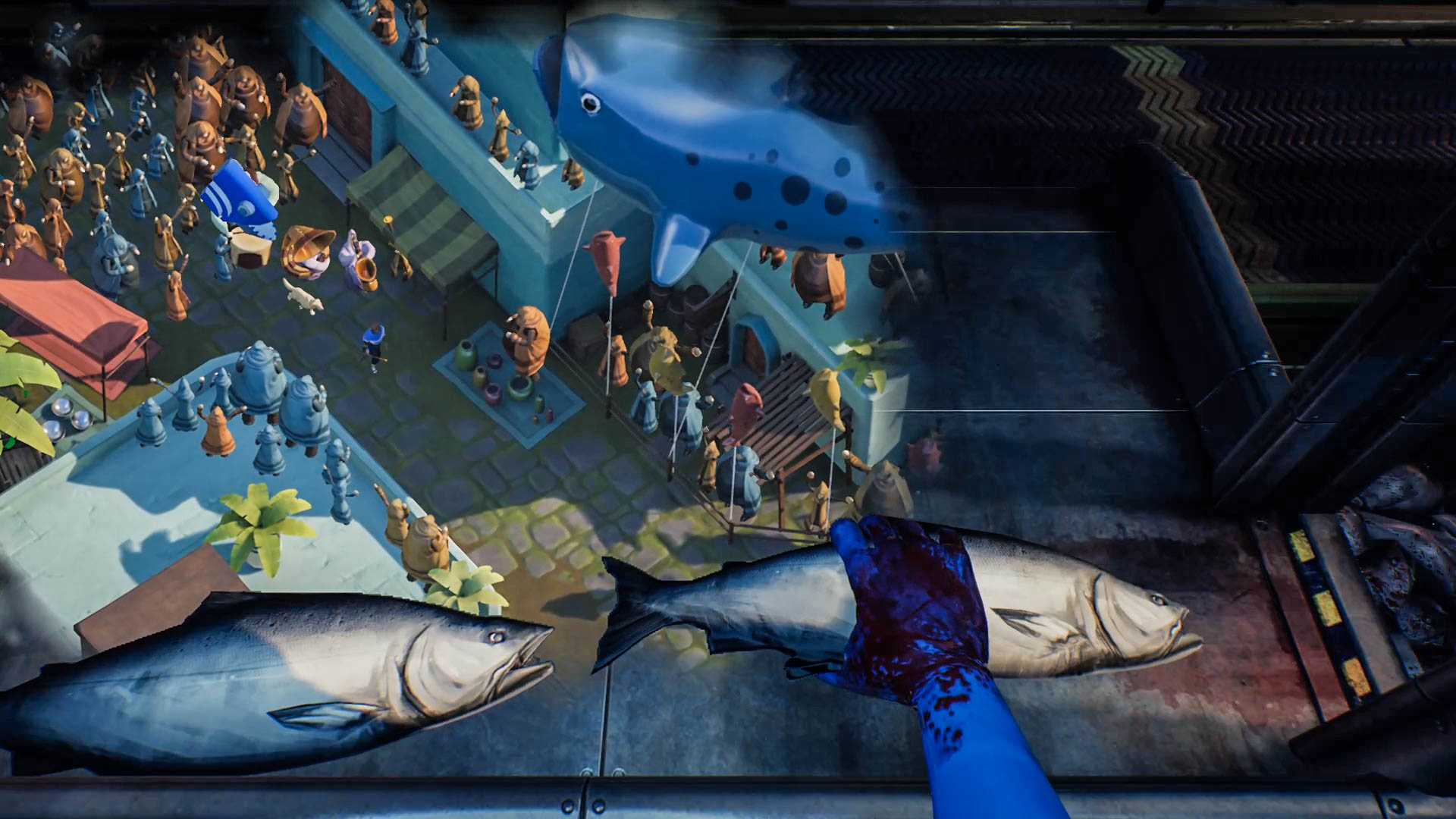
The game starts out simple enough: you walk down linear, winding paths, and the character narrates along the way. The text floats along where you walk, and it’s an immersive way to tell a story. Once you enter the house, you will eventually find your way through mysterious rooms through secret passageways, and in each room is a piece that will bring you into their story. The most unique part of this game is that each story is so different and is told in unique ways. One story has you playing as several animals in the first person as the boy tells his story. In one story, you are just trying to swing as high as you can so you can fly. One story towards the end has you cutting fish heads in a factory, and you play a 2D RPG on the side while still trying to cut the fish heads. As the story goes on, it gets more detailed and expands in your view. The game is very imaginative, with my favorite piece being a 1960s horror comic, and the panels come to life with you playing a character in some of them. The game never gets boring or old, and the short length helps keep the game from overstaying its welcome or doing too much.
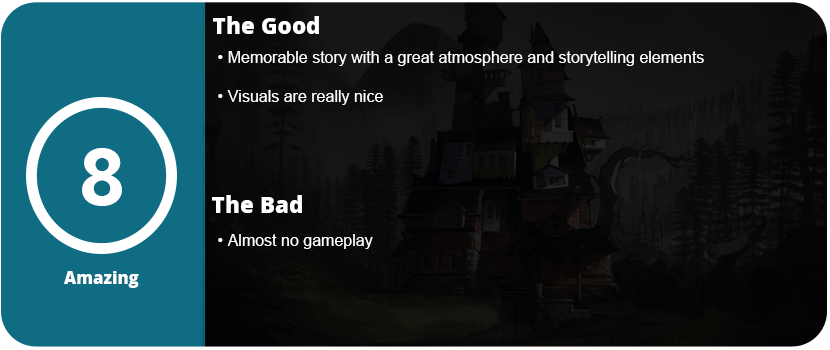
My biggest complaint is that there’s not much to interact with outside of initially entering the house. Once you get through the first few rooms, you just go from room to room and find the main story piece. The pacing is great, as it doesn’t get too fast, so you feel the rest of the game is too slow. There are also different themes throughout the game, such as horror, adventure, happiness, and sadness, and the house itself is haunting, empty, and lonely. This game oozes atmosphere, and you get different feelings from each room as you discover the fate of each family member. There’s so much detail in this game, and the visuals are quite nice for an indie title in this manner.
Sadly, due to this type of game, it won’t be played by many people, which is a dying shame, as What Remains is probably one of the best games to come out this year. The story is memorable, the game has plenty of atmosphere and character, and there’s so much to love about the game. If you’re a fan of Gone Home or just great stories in general, then you will love this game.
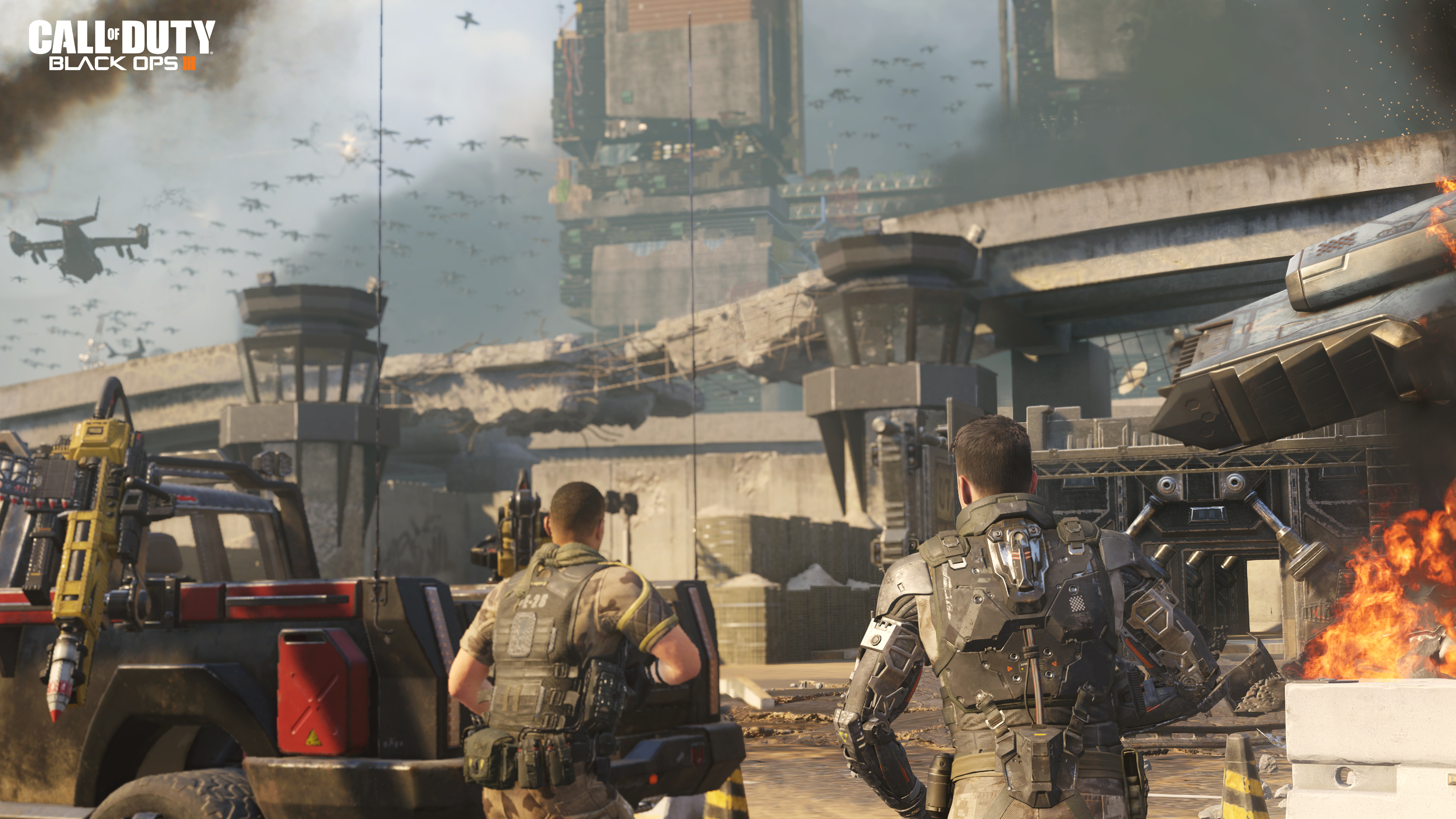
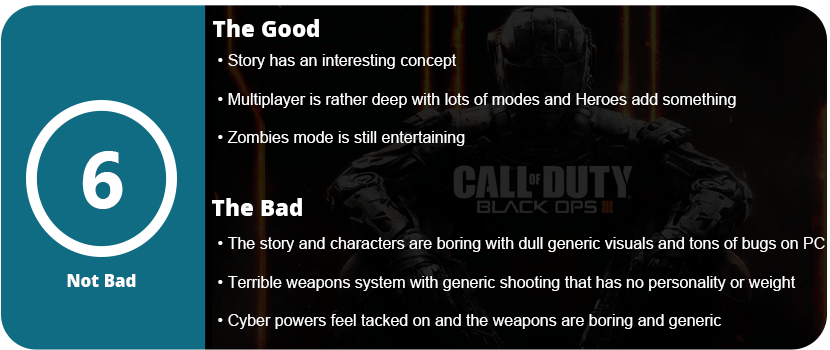
Man, where do I begin? Call of Duty was one of my favorite franchises growing up, and Modern Warfare helped kickstart FPS games into a new cinematic, next-generation universe. That Pripyat level in the first modern war still sticks with me to this day. After MW2, the series took a steep downhill slide and hasn’t stopped since. Here we are with Black Ops III, a futuristic military shooter that is a far cry from what the original Black Ops was, which was absolutely fantastic. You play as a squad of black-ops cybernetic soldiers who are trying to stop an all-powerful AI from destroying the world. See, the whole world is completely infused with technology that can read people’s minds and know our every move. The CIA has several operations around the world to keep this in check, but it all goes wrong one day. The actual concept is interesting and could have gone somewhere, but instead, we dredge through a sewer of boring, mediocre, and lame campaign levels that drag on way too long and overstay their welcome.
The game plays exactly like every other CoD since MW1. You run and gun your way through waves of enemies that are as dumb as dirt, and you face unbalanced difficulty spikes and repeat about a million times. I have to point out that I really hate the new weapon system in this game. You can no longer pick up guns from enemies but instead run into mobile armories where you can swap your loadout. This is a campaign, not multiplayer. I want to pick up weapons from enemies and keep things constantly mixed up. Several times through one level, I would need a shotgun or sniper rifle but was screwed because I couldn’t get to an armory. I can’t predict what’s going to happen next, so this is a huge mistake, and I really hated it.
Second, the enemies are as boring as ever, with generic robots and super soldiers. You get the occasional mobile armor, but that’s about it. It’s so boring that I just shrugged because I knew this was coming from a game like this. I mentioned the terrible weapon systems, but let’s talk about how terrible the actual weapons are. For one, there’s a small amount for a CoD game, and they all feel the same. Sure, you have shotguns, assault rifles, and pistols, but they just feel the same. They seem to have no weight, no bearing, and no personality. It’s futuristic shotgun A and futuristic assault rifle F. There are no real-world weapons anymore, and it’s just a borefest due to a lack of personality. The entire game has zero personality or originality. It all feels like endless metal corridors, hallways, and concrete. At least the first Black Ops felt original and had some personality and weight to it.
To make the game feel more like multiplayer, you get dumped into a central hub after every level and can change your loadout, unlock weapons with fabrication kits, and customize your weapons. There’s a new concept introduced called cybercores, which are powers that you can use against enemies. I found these almost worthless, as the game offers no opportunities to change to the standard CoD gameplay to implement them. It just felt like something tacked on to say, “Hey! We did something different! SEE?!” which I didn’t fall for. The only useful power was stunning multiple robots at once, but that’s about it. For most of the campaign, I forgot these powers were even there. I just ran around shooting everything in sight, like every other COD. I wish the series would stop pretending to be sophisticated and complicated when really it’s a dumbed-down snoozefest with no personality. It has been years since CoD has put its own fingerprint on the FPS genre, and this game doesn’t do it any favors.
I hated the campaign, but the multiplayer was at least fun for a while. It’s still the same old CoD MP that we’ve grown to either somehow tolerate or completely hate. However, Black Ops III is much more grindy than any other CoD game, and I gave up after around level 5. Even in single-player, it takes many levels before you can purchase decent weapons and load-outs. It’s part of the reason why the game gets so boring so quickly; the fast unlocks of the past are gone, and it feels almost free to play, which is a damn shame.
Graphics-wise, it’s nothing impressive except for how powerful of a PC you need to run something that shouldn’t push high-end systems. With the GTX 970, I used to have to turn down settings and still get massive slowdowns. It wasn’t until I used an overclocked 1070 that I got steady FPS with everything maxed out, and even then sometimes the game dropped down to 40 FPS for no apparent reason. The game is poorly optimized, has awful glitches that still exist after all the patches, and just doesn’t look all that original or impressive.
Overall, I can’t really recommend this game except for the hardcore CoD players, and fans of only the older games will hate this. The weapon system stinks, the campaign is boring, lame, tedious, and full of glitches, and the unlocks are a grindfest. There’s so much wrong with Black Ops III that it took me over a year to finish the campaign. It’s just boring and not fun to play, as there are plenty of other great shooters out there. I’d rather play Half-Life 2 for the 20th time or the Crysis trilogy than spend one more minute in this game. Now, that’s not to say I hate it to death, as the multiplayer can be pretty fun with new modes and playable heroes at a little depth, but it’s not enough to save the core gameplay. Zombie Mode is the final saving grace, as it still provides entertainment, but like multiplayer, it will only last so long with boring guns to use and average visuals.
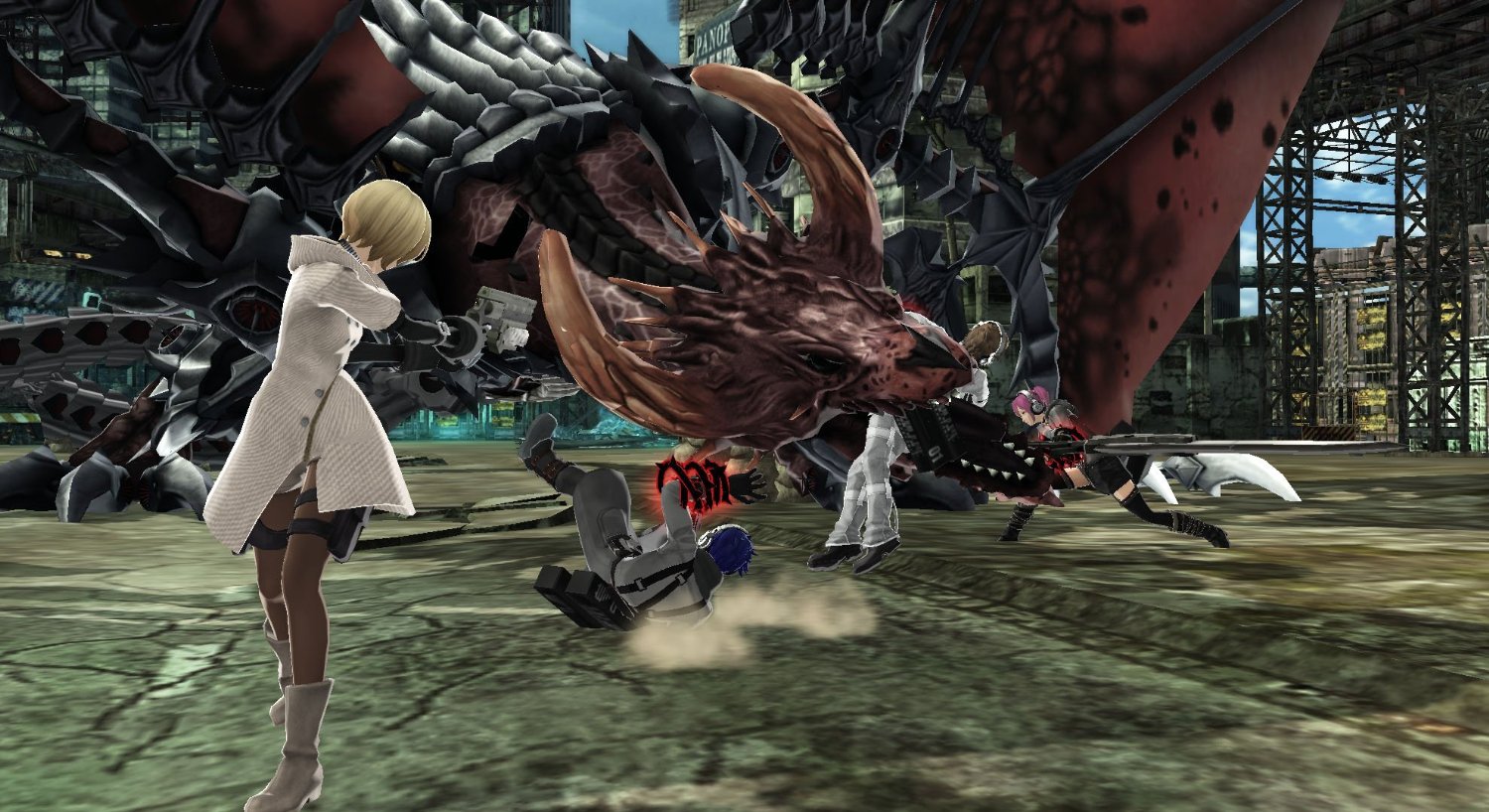
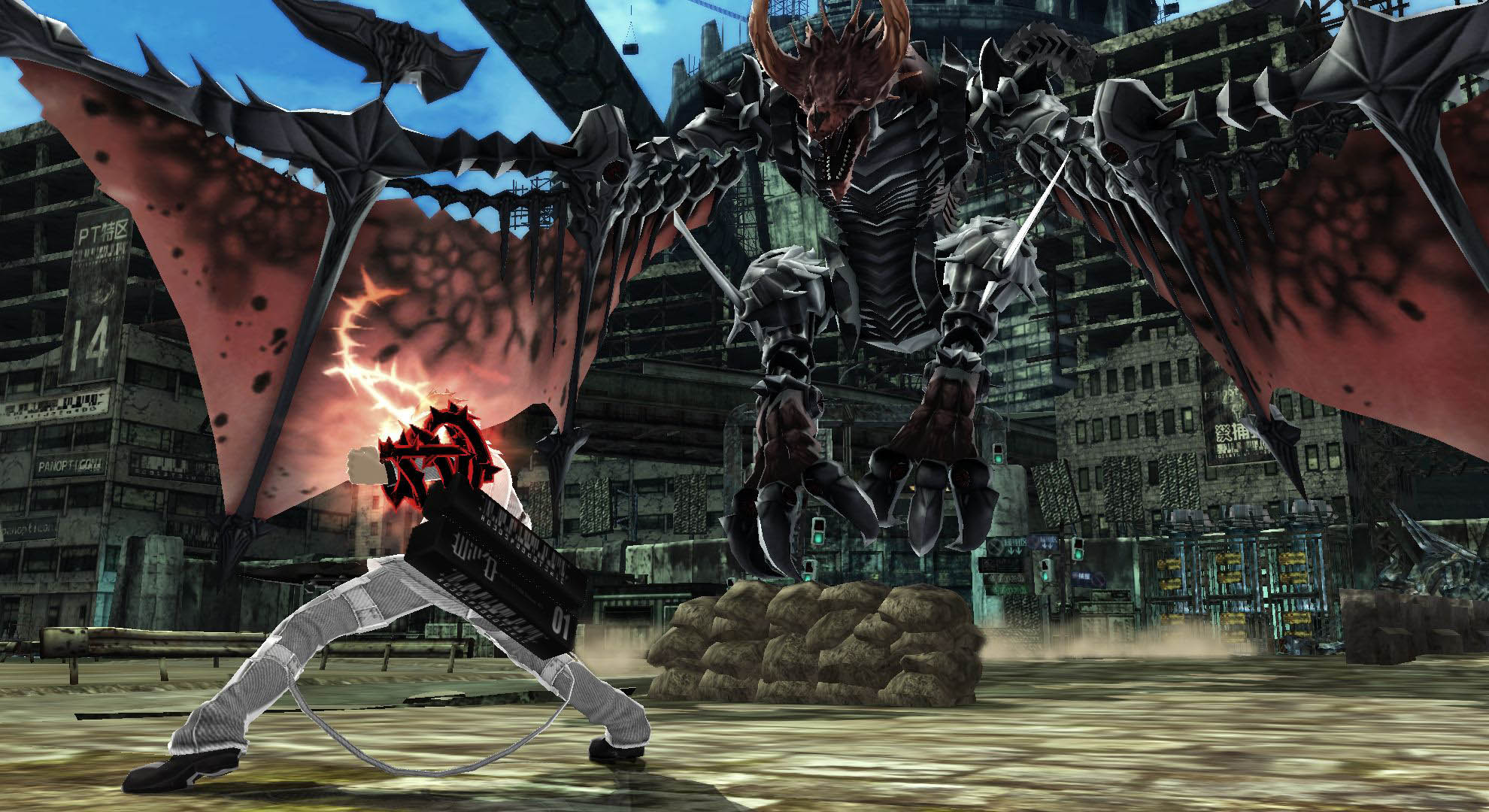
The Vita is a strange system, as several developers tried to make various genres stable on the system. With Monster Hunter clone Soul Sacrifice not exactly bringing about that feat, Freedom Wars is the next game to make the Vita a blockbuster hit for co-op monster-slaying fun. Freedom Wars starts out a little strange, just like Soul Sacrifice. I didn’t understand the game for a while, and it seemed like there was something missing throughout the whole adventure.
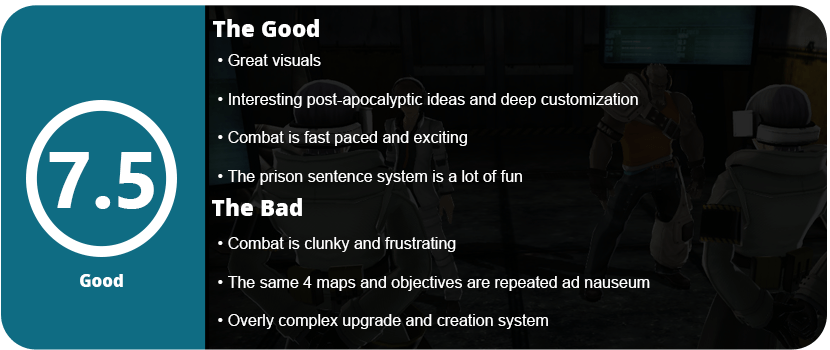
Freedom Wars tries to bring about an interesting anime-style post-apocalyptic adventure in which people are all prisoners and sentenced to fight monsters that will destroy settlements unless they have some sort of trait that the government can benefit from. Everyone starts off with a lifetime sentence, but it can get reduced based on various accomplishments such as donating loot from battles to “the cause,” fighting monsters, taking part in more missions, and behaving. This is ingrained into the player’s head from the start, as you are sentenced to 1,000 years for walking for too long. Yeah, it’s crazy, and I loved it. If you run for too long, you get your sentence lengthened, so you have to buy an upgrade that allows you to run, talk to other people, and do various other things, which are actually quite cool.
Once you read your sentence, you put your thumbprint on it, and off you go. Now, the game is very slow to start, and this is a huge downfall for these types of games, as Soul Sacrifice suffered the same problem. There’s a bunch of dialog and backstory to get through, a lengthy tutorial—not just for combat—and then getting used to controls and getting through missions. It takes over 5 hours just to get into the swing of things and start chipping away on missions, which is not a good thing. These anime-type games always do this, from monster slaying to JRPGs, and it drives me crazy.
Once you do get into the field, you can switch between melee and ranged weapons. The goal is to lock on to enemies and hack away at a weak point, but your special weapon is your grapple, which can heal or do damage, among various other things. Once you grapple to a weak point, you can hack away at it, and then the monster falls, allowing all the bots and yourself to go to town. It only gets fun when you find momentum and your AI teammates are all getting along and doing their jobs. You also have an assistant bot that always looks out for you that you can customize and assign certain weapons to. Once you fall, you can be revived, but if it takes too long, you lose your life. If you lose all your lives, your sentence is lengthened, and your reward for the next turn is reduced, making this a tough game towards the end. I was able to whittle away at 4-5 star missions, and it started getting ridiculously difficult and repetitive.
Without human teammates, the game becomes frustrating because you can fall in battle, and three bots are right next to you and won’t revive you. There are also issues with the same 3 or 4 maps being recycled over and over again and with the same mission goals. Save these VIPs, destroy all these monsters, etc. It gets really boring towards the 10th hour, and I just stopped playing after a while because I had no reason to go back.
Let’s talk about upgrading and creating weapons. This is so complicated and irritating, as most of the time you can only upgrade or create something with the components you have, and it takes quite a few missions to build up a little variety. See, you have to create and build workshops to assign the civilians you save in missions to reduce build time and create things like healing items, weapons, ammo, etc. You can upgrade these buildings sometimes, but in the end, it’s all just a bunch of filler and nonsense. Give me a workshop to upgrade and create, and leave me alone. It’s always so complex and unintuitive with these Japanese games. From JRPGs to action games, all the way to free-to-play mobile games, There are layers upon layers of unnecessary upgrade menus and fusing and defusing, etc. It hurts the game quite a bit, so I just rely on buying more powerful weapons and upgrading them; I completely skip creating new weapons entirely.
Customizing your character is quite deep, as you can buy new color packs, armor, and accessories in the game with points you earn in missions. I enjoyed it quite a bit, and there are a lot of things to customize here, so players won’t be disappointed. Overall, the game looks quite good with great lighting effects and textures; it’s probably one of the better-looking Vita games out there. There’s a lot of detail here and in the game; it’s just a mess and completely unorganized and unpolished. I feel the developers were trying several different things and couldn’t decide on just one. The gameplay is clunky, with repetitive missions, recycled maps, and annoying AI bots. The story is nearly non-existent, as it takes forever to unfold as you slog through missions after missions just to get a text-cut scene. I would love to see a sequel, but seeing as the Vita is slowly dying, I doubt that will happen.
Freedom Wars is only for people who love Soul Sacrifice, Monster Hunter, or are really patient and don’t mind repetitive combat to get to an ultimate goal. Playing with friends helps, but it doesn’t hide the mess and unpolish in this game.

















































 thebinarymessiah.com
Super, thank you