It’s time to move on. I have used “gamer” or gaming keyboards since I started PC gaming back in 2009. Once I had adult money, I could buy the keyboards I wanted. I have had quite a few over time, and there was always something off about them. They either feature a gimmick that causes their price to be a “premium” price or they lack something somewhere. My last gaming keyboard was a Logitech G915, which I’m thrilled with; however, I don’t quite like the keys too much despite how clicky they are. My last-ditch effort was trying the latest offerings from Razer and SteelSeries, but I’m at a point in which RGB just isn’t a priority for keyboards anymore. I’m a touch typist; I always have been. I learned to type in the 3rd grade in computer class. I rarely look down at my keyboard unless I’m using a key I seldom use. My first custom keyboard was the 8bitdo NES keyboard, and I added my own switches and did a tape mod. That was my gateway keyboard for custom keyboards. The pre-manufactured gaming keyboards just lack any kind of personality or customization, even the newest keyboards that allow switch swapping.
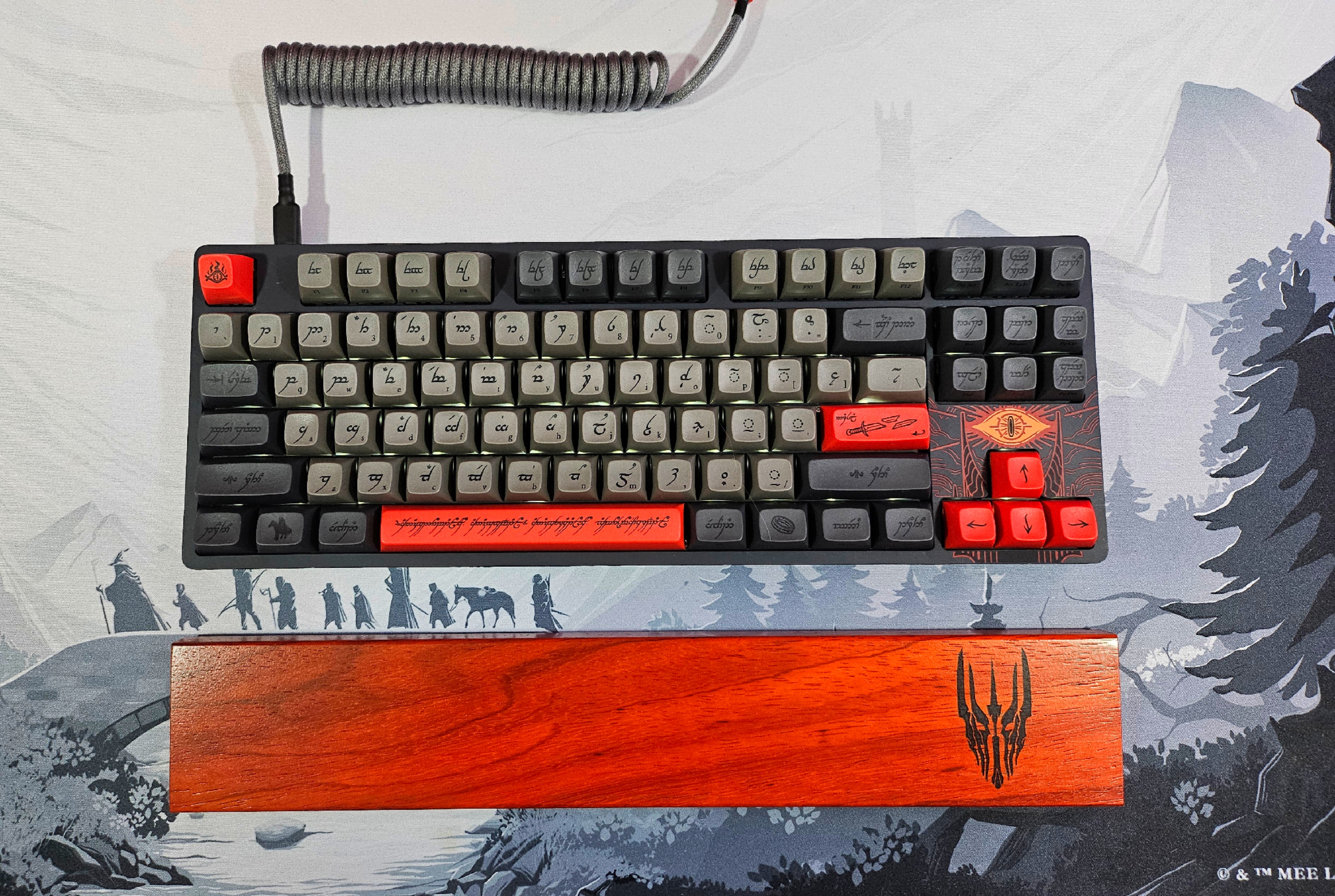
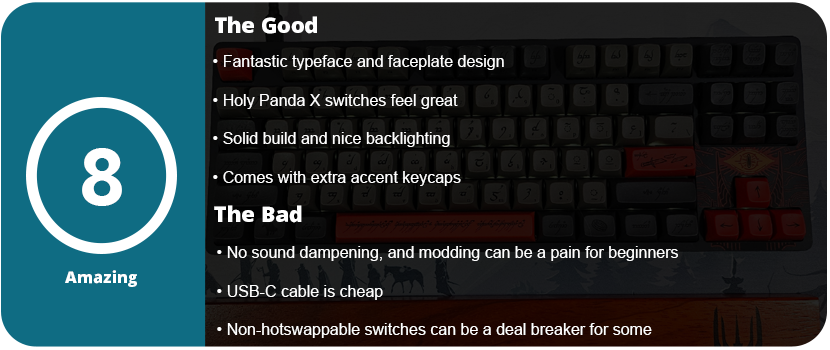
I love The Lord of the Rings. I loved the books as a teenager and was enamored by the movies growing up as a kid. When I saw this collaboration, I felt it was time to switch over to custom keyboards. While the ENTR housing is Drop’s entry-level non-hot swappable switch entry, you can still tell there was effort and quality put into the keyboard. If this is your first keyboard, the loud ping won’t bother you, as there is no pre-installed foam. I had to personally open the keyboard up myself and do a tape mod at the bottom of the bottom plate to reduce the loud ping. Although the switch stabilizers come pre-lubed, the quality of the lube is not optimal. I had to purchase my own and squeeze some down, but overall the stabilizers weren’t squeaky and felt good. Disassembling the keyboard presents a significant challenge. After removing all the caps, I had to undo 16 Torx screws, and the plastic faceplate required further removal. You need a guitar pick to loosen the edges and have to wiggle the center clips loose. Regrettably, the soldered nature of all the switches makes swapping them a laborious task. You’re better off just taking these caps and putting them on another keyboard, but this is an entry-level keyboard. It’s for beginners.
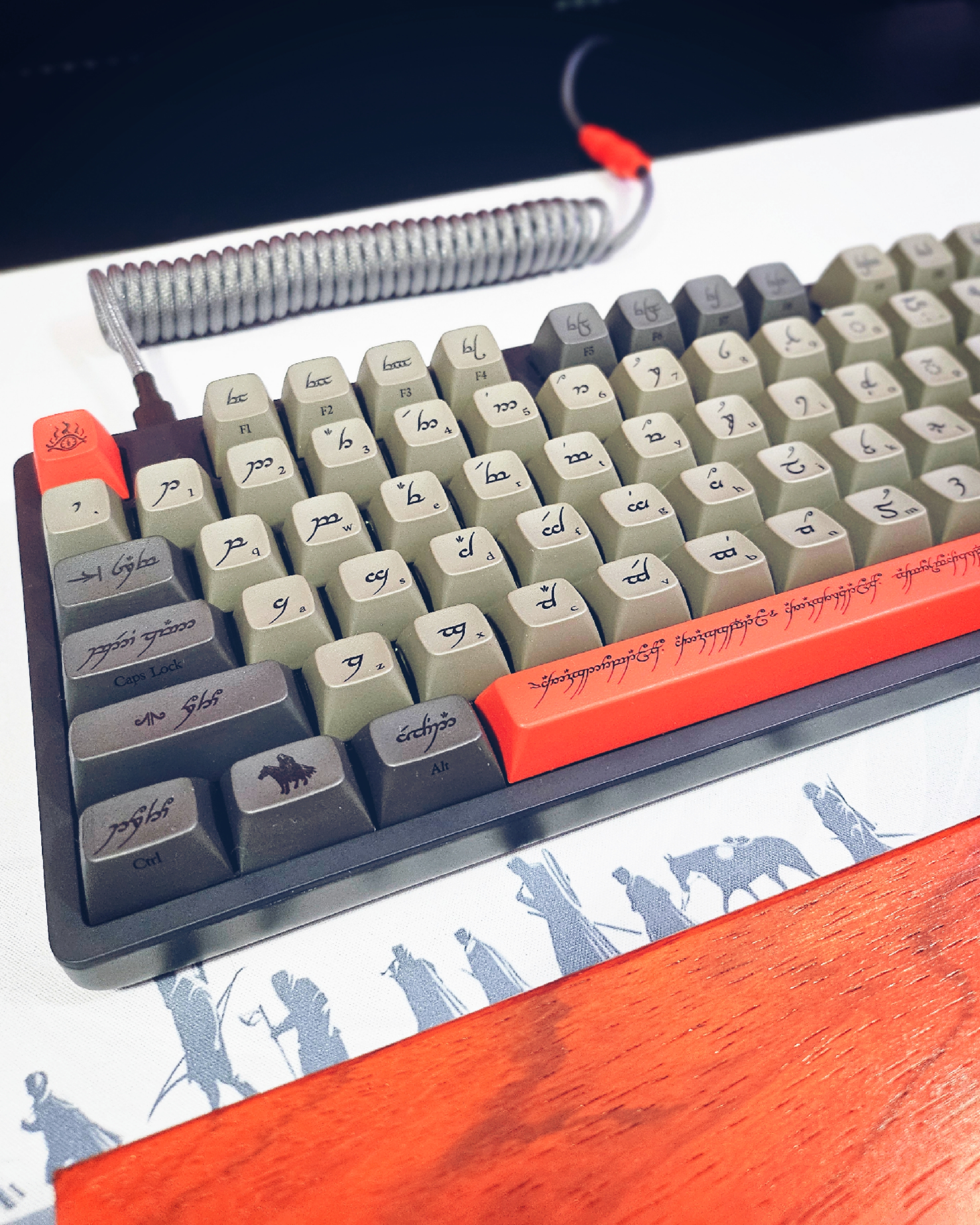
The keyboard’s backlighting surprised me. It does not advertise this anywhere on the box. These LEDs face north and have an off-white color. You can adjust the light or turn it off, making it visually pleasing. I found the Holy Panda X switches pretty satisfying. The keyboard profile is Cherry MX, and I found the keycaps to have quite a pleasing “bowl” shape, feeling them as my fingers were able to be pretty recessed in each key. Sadly, I do have to knock the keyboard down a bit for the loud pinging and no sound dampening. For $200, it should have had this pre-installed. I also found the standard USB-C cable to be pretty lame. The matching YC8 cable would have been nice, as it was available on the website. There is also a matching wooden wrist rest, which I picked up. I sincerely wish they had included this, considering the rest costs only $40. An entire full set would have been great. They also have the artisan keycaps matching each version of the LOTR set.
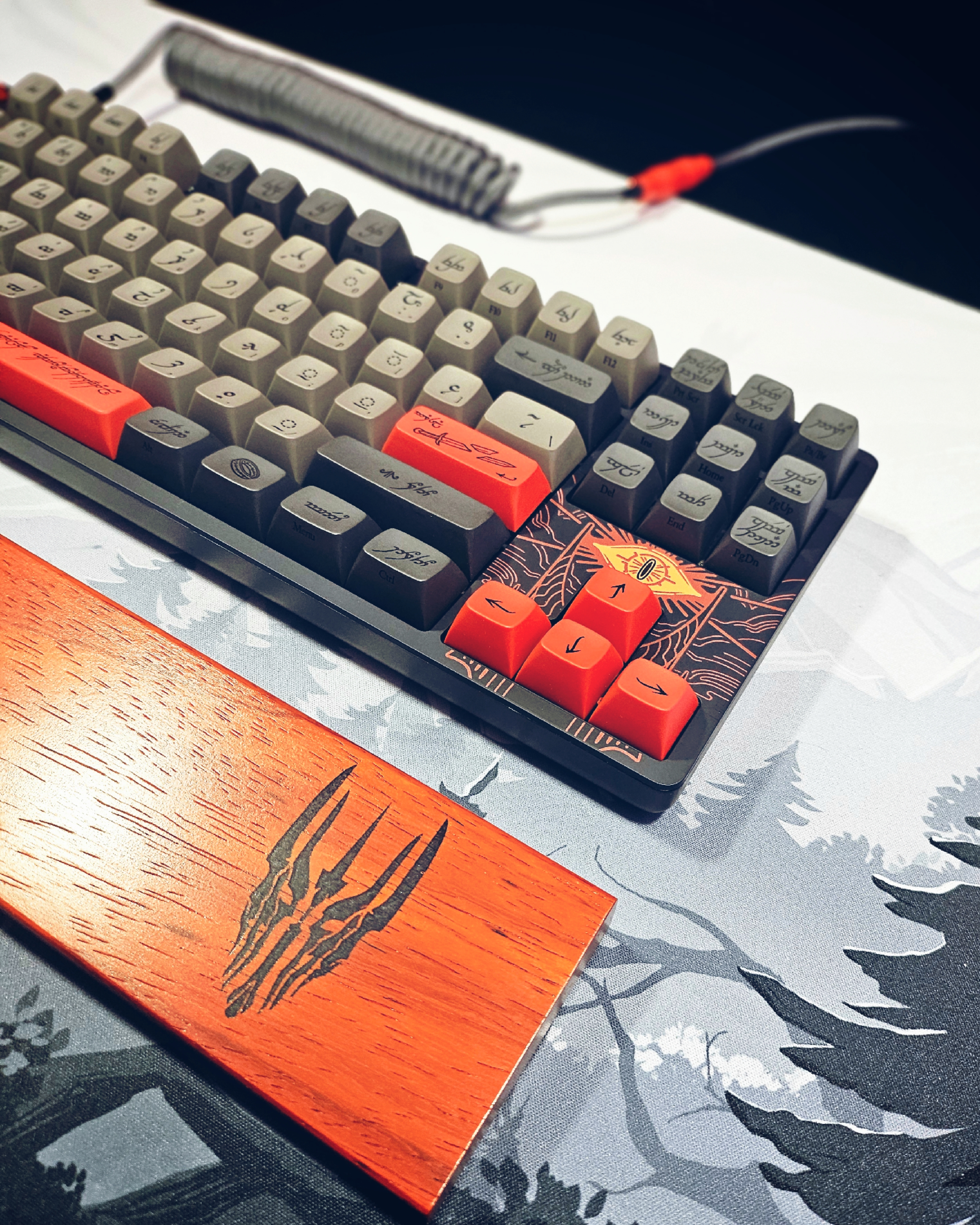
As for the way the keyboard looks, it’s gorgeous. The Black Speech symbols and typeface on the keys with the English version in small print on the bottom right side of the cap just look outstanding. The keyboard comes with optional accent caps that are red, ; unless you want an all-grey keyboard, these are a must. The addition of Sauron’s Eye to the faceplate near the arrow keys is a delightful touch. I matched this with a desk mat that complemented it, and the result is a sleek and elegant appearance. Drop did an amazing job with this keyboard in both the color scheme and the design of the caps themselves.
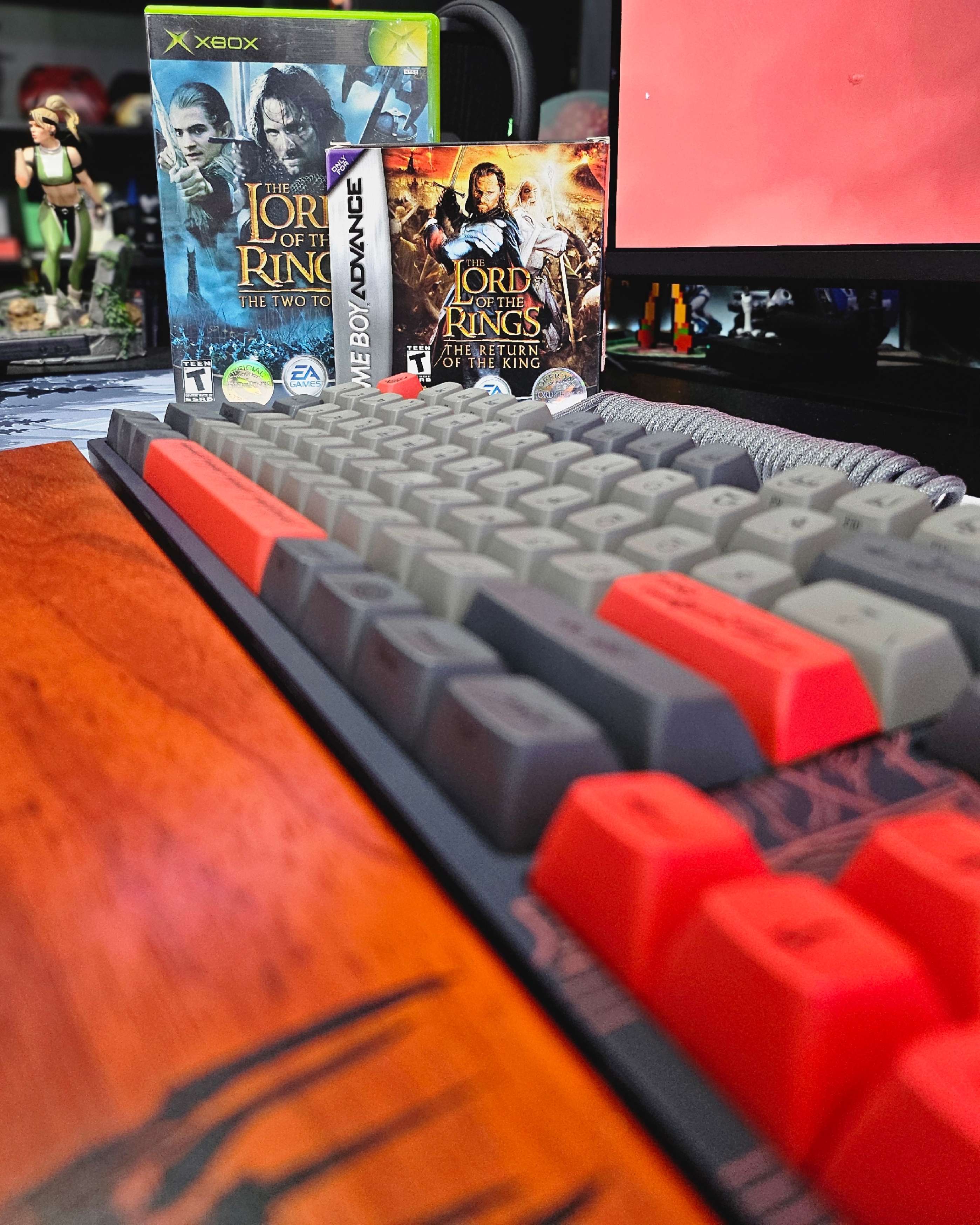
For the price, I would have at least expected sound dampening and a better USB cable. The keyboard is also not wireless, so don’t expect that. I did love the weight and feel of this keyboard. It’s not large and oversized like many “gaming” keyboards that are TKL. The bottom of the keyboard features a flip-out stand that allows it to be raised slightly at the back. I would have liked a two-step stand, as it may be too high for some. However, the gorgeous design of the keycaps and faceplate are just phenomenal and if you are a big LOTR fan than you can’t go wrong with this keyboard.
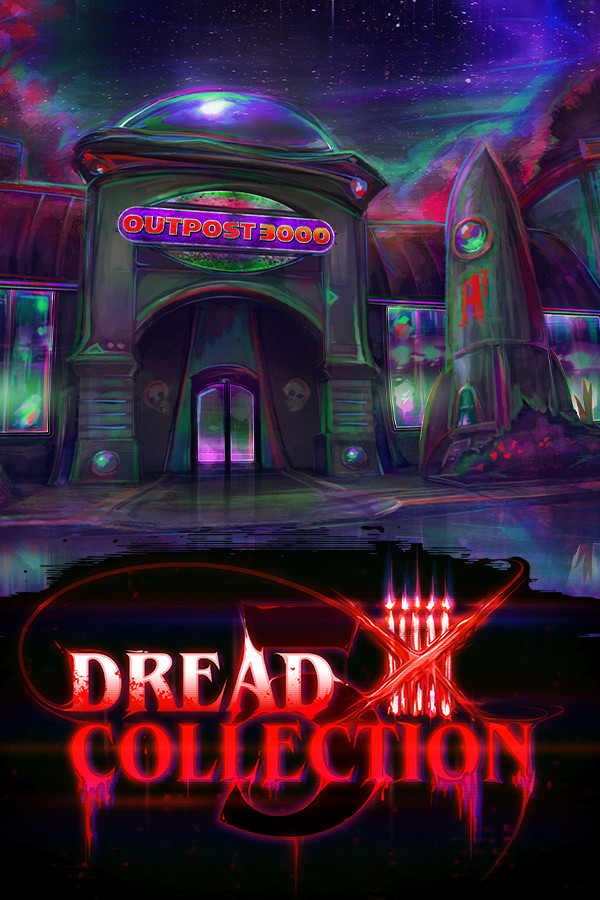
The Dread X series is a great idea. Get a bunch of indie developers together to create some short horror experiences and put it all together in some weird hub. Each game is completely different and offers brand new experiences, but I’m starting to see that the series is running out of ideas. The main hub this time around is a kids birthday center called Outpost 3000. It’s space- and alien-themed and full of 90’s cheesy goodness. I appreciate the varied areas you can go into, and the games this time are unlocked by finding 12 different presents and bringing them back to your table. You can then choose one of twelve games to unlock with the present represented as candles on your birthday cake. When you unlock a new area in the center, you get a comic book panel.
Discovering the center is probably the most fun the game has to offer. There are some puzzles, chase sequences, and light exploration, but nothing too crazy. These areas range from a locker room, kitchen, animatronic stage, movie theater, ball pit, and many other birthday play center areas. There’s a monster that chases you through most of it in certain areas, and this doesn’t prove to be much of a challenge. The game controls like any other low-budget asset flip Unity/Unreal Engine FPS game and looks the part too. The graphics are very early 2010s or Unreal Engine 3 era feeling. Lots of shiny surfaces, baked lighting that’s too bright, bloom, etc. While it gives off a cheesy vibe, I would have liked to see this series move a bit further ahead in the tech department.
Of course, I will do mini-reviews for all twelve games. I will give each game a rating out of 5.
Ludomalica—This is a board game where you play in the first person. You are in your bedroom, and there seems to be a family member haunting the house. When you roll the dice and you land on a question mark space, the ghost will appear somewhere in the house. You must have all lights off in all rooms and all doors closed. The game has a limited duration and follows a predetermined script. Eventually the house opens up more with different floors and rooms. The entity must not capture you, or it will send you back to your room. Overall, the atmosphere is really intense, and I felt reluctant to go outside of my room and close all the doors. It gives off the memories of turning on all the lights while going to the bathroom at night as a kid. – 3.5/5
Resver – This is a first-person walking simulator that just doesn’t make any sense. Everything is presented in black and white, and as you move forward, text appears, seemingly attempting to explain a narrative. It honestly made no sense outside of having the moral idea of not doing drugs and the impact they can have on you. It seems this is some sort of drug ring thing. I honestly have no idea. The game is about 20 minutes long, and outside of the visual trip, there’s not much here. – 2/5
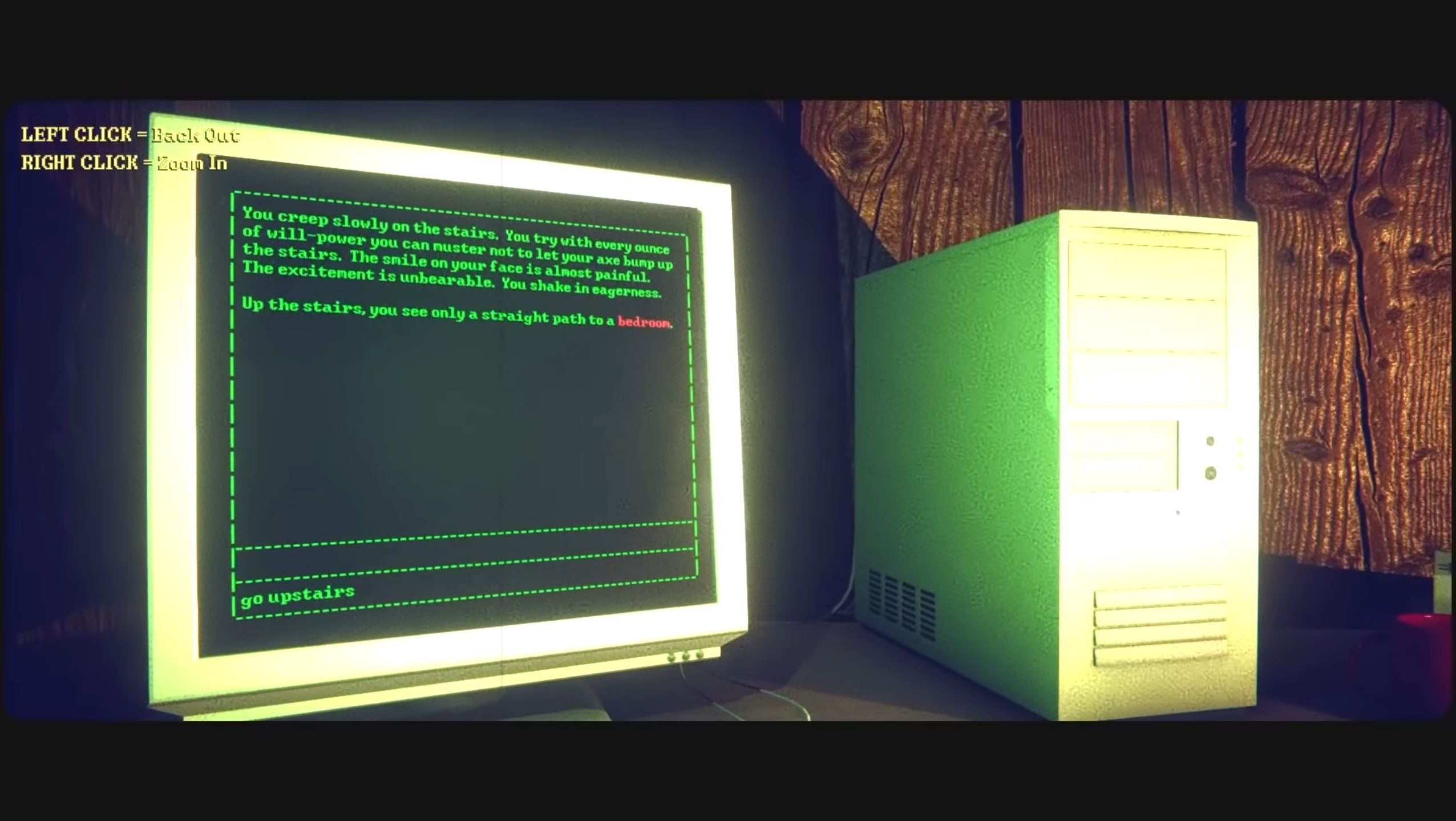
We Never Left – This is about a video game developer with psychosis who is inside his own text adventure game. We saw something like this in Stories Untold. The atmosphere and tension here are done really well, except I found the tape hunting to be quite tedious and annoying. The visuals are a bit headache-inducing too. These are PS1-style graphics, but with some sort of filter over them, and they just don’t look that great. I found the story to be pretty intense, and the voiced lines were a plus. 3.5/5
Interim-This is a weird one, but in some ways it’s good. The game features a real-life actor superimposed in front of it, similar to older FMV games of the mid-90s. You are an intern who seems to be on some sort of reality TV episode. It’s really odd, makes no sense, and the visuals are really weird, but not always in a good way. Sometimes it’s confusing where to go, and the game soft-locked on me a couple of times for no reason. It’s over in about 20 minutes, but what’s here is mostly entertaining. However, it doesn’t contain any frightening elements. 2.5/5
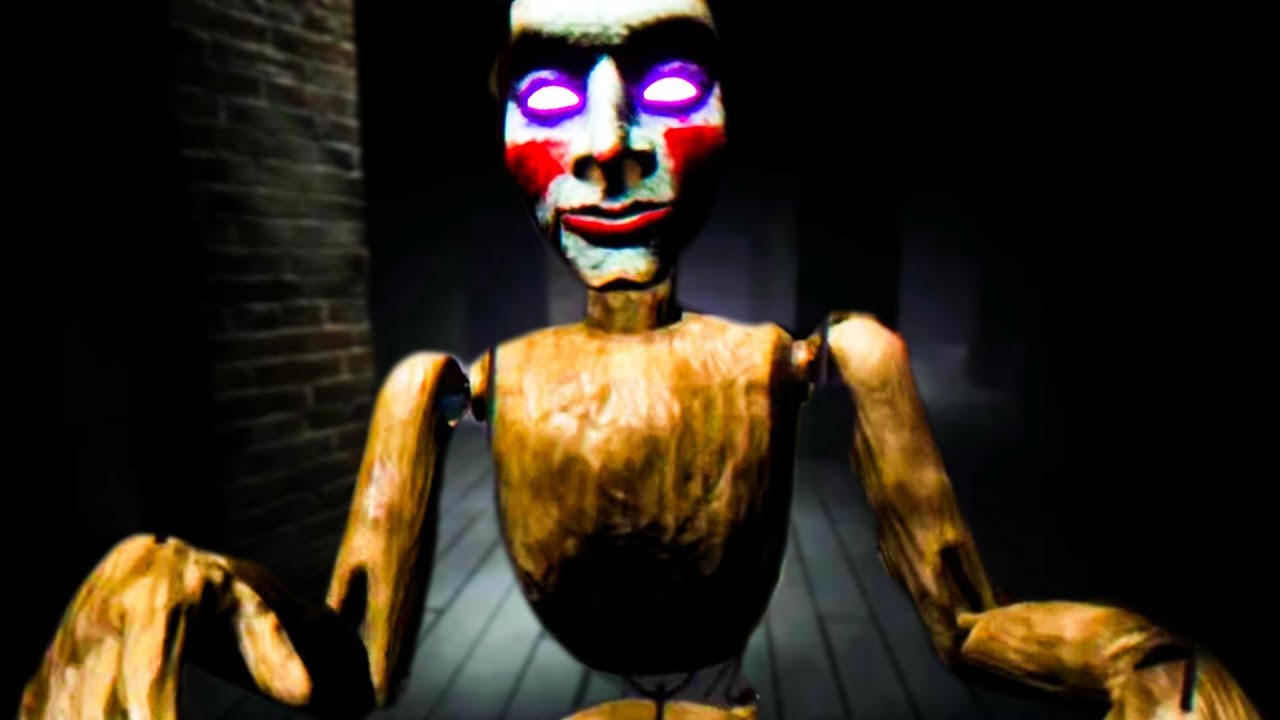
Beyond the Curtain – This is a weird walking simulator that is very repetitive and has almost no tension. You are an actor in a play and seem to have some sort of phobia of puppets. You walk around an endless backstage tunnel, and I mean seemingly endless. The scenery never changes, and all you need to do is walk around puppets holding knives so they don’t stab you. There’s a final area with some sort of worm creature, and that’s about it. The puppets are always following you, and you need to make sure you constantly look back at them to gain some distance. The game lacks scariness and is excessively drawn out, leaving no clear sense of purpose. This game is likely to rank among the weakest of its kind. 1.5/5
The Book of Blood – This is by far the best game in the package. This is a full-on stalker game set in a fairground. There is a lot of occult discovery, and you accidentally end up in one and need to get out. You have a book that you need to solve puzzles in. You need to go out and gather supplies to complete the ritual, and every so often a strange masked man will try to kill you. Both trailer doors must be locked at all times, and sometimes the power will go out and obscure the book. Next, you must locate the numbered breakers and reset them. Run around too much, and the masked man will find you. You need to sneak around and get everything turned back on. You can also pop out the two windows to see if the man is near your trailer. Once you hear him knock, you need to quickly check the locks on your doors. This game is really intense and actually quite scary at times. The book puzzles require a significant learning curve to master, but once you do, they can be quite enjoyable. 4/5
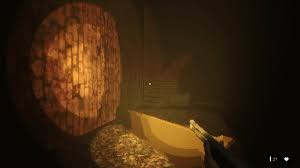
KARAO – This game is rather strange, and while one of the most surreal, it just doesn’t make sense. This is a PS1-style horror title in which you run around a linear path trying to find a way to open doors. You get a shotgun and can shoot things, and this is one of the longer games along with The Book of Blood. The path is super linear here, and you need to talk to people and listen to their abstract dialogue to also get codes to open gates and doors. The visuals are more on the interesting side, but this is another game with PS1 graphics and a weird filter on top that doesn’t seem very appealing. 2.5/5
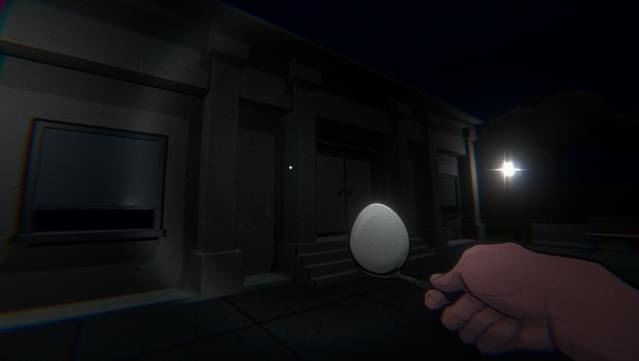
Spirit Guardian – Probably one of my least favorite games. This is a terribly designed first-person haunted school walking simulator. The game is around 15 to 20 minutes long and has a cheesy “Nanny” haunting the school inside. You are following the instructions of a little boy. He tells you to place blocks on a table, play hide and seek, and carefully walk eggs on a spoon. Physics are terrible; the flashlight works well, but if you’re caught, your items are taken and may be in a dark locker where you can’t find them. I found the game just incredibly tedious, difficult to control, and completely uninteresting. 0.5/5
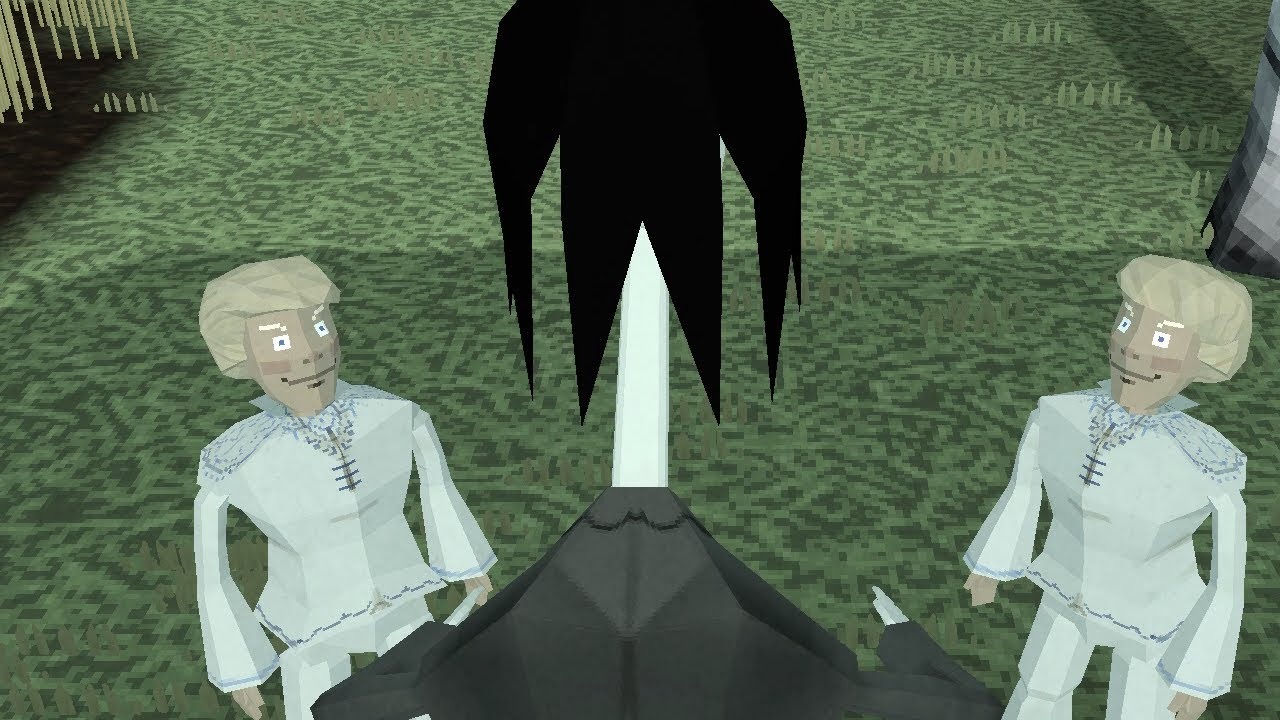
HUNSVOTTI – This is one of the oddest games in here, but also the ugliest and hardest to control. Rather than a PS1 aesthetic, this game goes for an N64 one, and boy, does this look ugly. The polygonal, poorly animated figures and stiff controls certainly bring back memories of some of the worst games on that system. You are a little boy in a Dutch festival called HUNSVOTTI. Every character is in a canned animation, and you must find flowers without bumping into anyone. The more you do, the faster the animations are, and eventually they will all come after you, and you still have to find flowers. After finding all the flowers and dropping them into the well, you become a large demon that can kill the villagers. It’s very odd and not really in a good way. 1/5
Gallerie – This game has one of the coolest concepts, 3D binaural audio, to use ASMR voice lines to add atmosphere for the player, but it just comes across as mostly annoying. While the spoken words are fine, the gibberish later is just the weird clicking and smacking that people do in the ASMR videos, and I can’t stand that. You are tasked with destroying the world, and some girl is angry, and you need to interpret what she is saying to you via a legend. There are three levels here, each more annoying than the next. You must keep away from an entity that stalks you, and when you look at it, similar to Beyond the Curtain, it stops moving for a few minutes. You need to find demon paintings and enter the QTE on screen before it attacks you. The second level is more of the same, but the third is the worst with leapfrogging of batteries that need to be charged. In the meantime, you are backtracking and running around a confusing level. The visuals are weird, but disorienting and not pleasant in the slightest. – 2/5
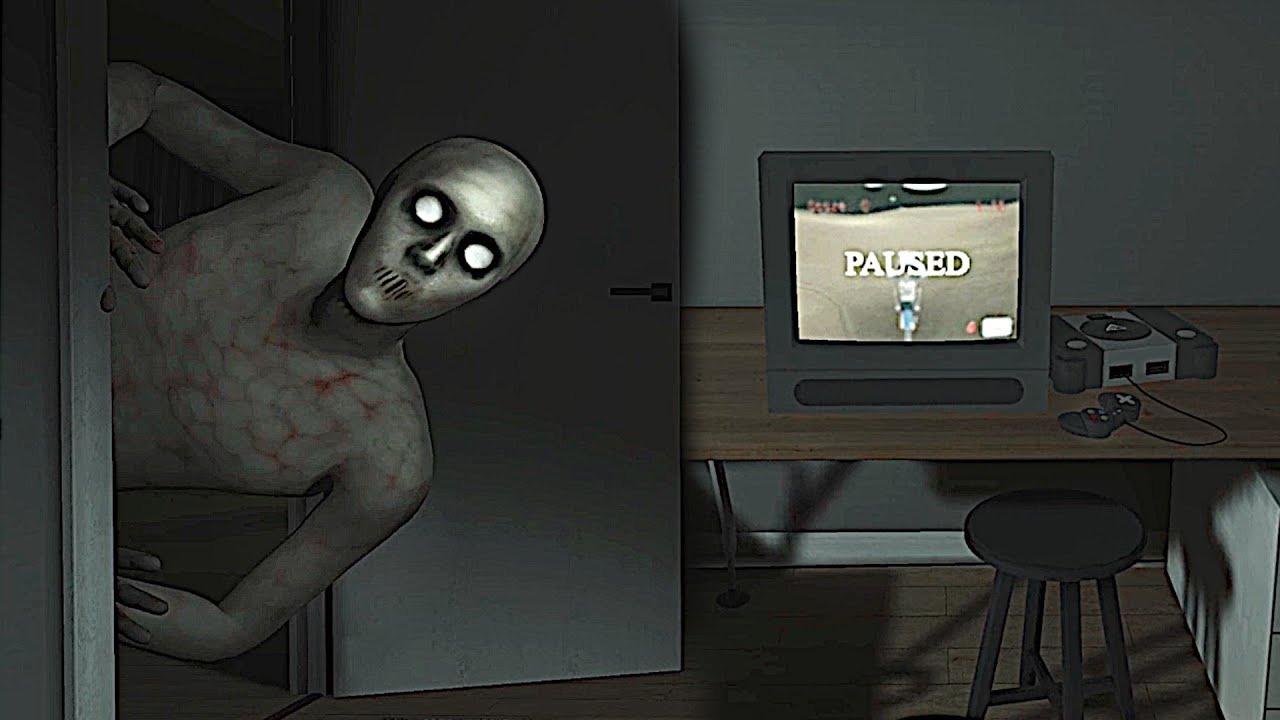
Vestige – This is another PS1-style game, but you are a kid who is discovering his old PS1 games, but they are haunted. Sadly, you end up playing this game, and it is just a terrible dirt racing game similar to Motocross Madness with terrible controls and physics. You walk around your house trying to advance the plot a bit. Overall, the game isn’t memorable or captivating in the slightest. The atmosphere is a bit tense, but nothing here is worthwhile. 1.5/5
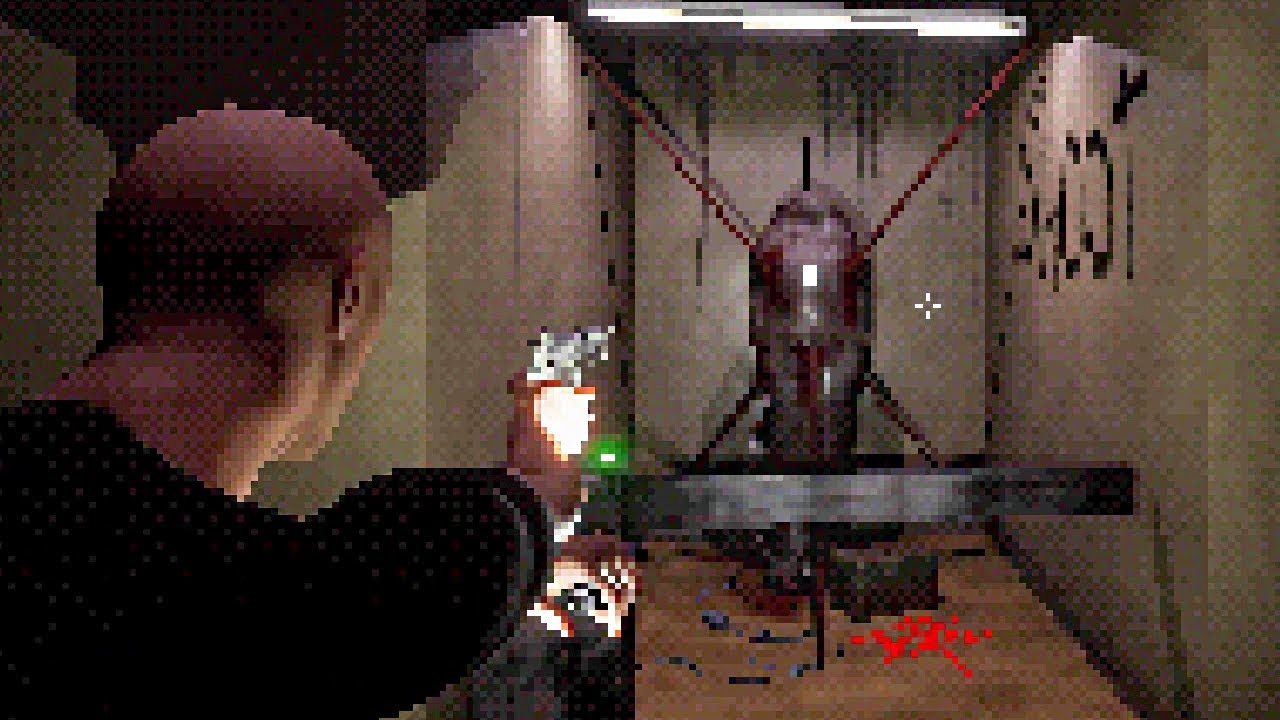
Rotten Stigma – Another poorly implemented PS1-style game with Unreal Engine asset flip vibes. You play as a generic bald-headed man in a green shirt who wanders around what seems to be a recreational center. You get a pistol and a lead pipe as a weapon and have to fend off weird bipedal creatures. You just read notes from Alex to solve a couple of puzzles that aren’t challenging at all. Once you wind your way around the area, collect a few items and keys, and shoot some bad guys, you end up at the end of the story in about 20 minutes. The game is incredibly ugly, clunky, and uninteresting. There’s a bit of atmospheric tension due to the dark lighting and sounds. There’s one particular scene that I enjoyed, but nothing was expanded upon. It involves a crying body bag and a bathroom. The game is obviously inspired by Silent Hill but doesn’t even come close. 1.5/5
Average Score: 2/5
It’s clear that the collection here isn’t quality but quantity. Most of these games are just ideas for what could be larger games, but those ideas still aren’t great. Many of these games are clunky, ugly, have headache-inducing visuals, nauseating cameras, obtuse puzzles, or have atmospheres that are slightly creepy but don’t go very far. The Outpost 3000 hub is more entertaining than any of these games. Many games also have asset flip vibes, don’t have outstanding resolutions, and show up stretched out on higher resolution screens or have visual bugs. Nothing here is fantastic or stands out much. The Book of the Blood is the most solid of these games, and that’s still not saying much. I’m glad most of these games are around 20 minutes long. Any longer, and I will not finish them. Overall, Dread X Collection 5 is the weakest one I have played thus far. This doesn’t feel like a collection of quality at all. Nothing here makes me want to seek out these developers and see what they have to offer, unlike past games. I feel like this series needs to go more on the mini-game route rather than full-on games or be stricter in their quality.
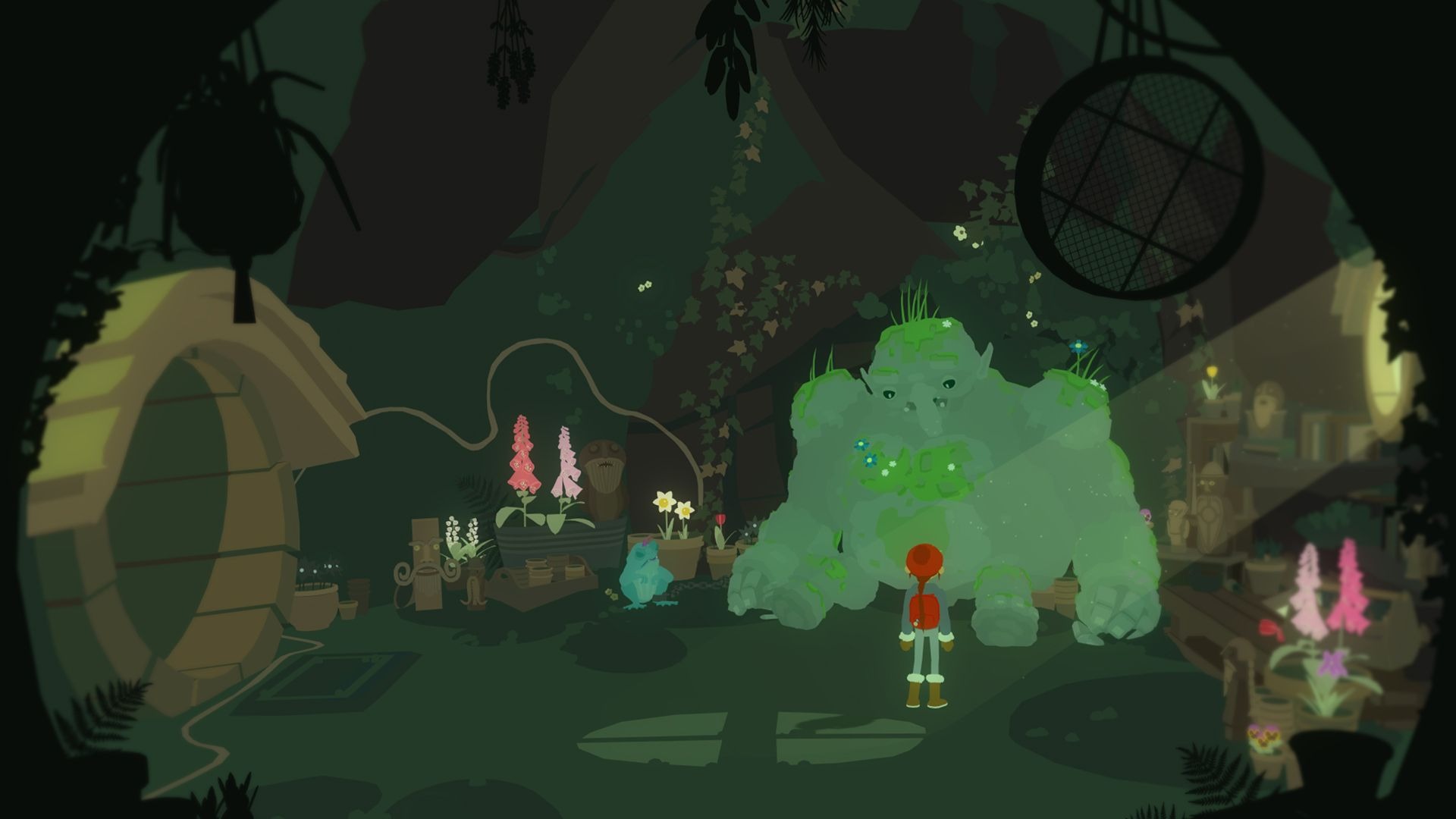
Do you remember the days you were a kid and went on adventures outside? The days you would be outside from dusk to dawn playing too far away from home and weren’t quite sure you’d find your way back, but kept going anyways? That’s the feeling of adventure you get from Röki. The game is much longer than most point-and-click adventures, taking around 8 hours to complete. This allows for a better and deeper story to unfold. While the overarching story isn’t anything super special, the relationship between Tove (the girl) and Lars (her little brother) and their father is rather deep, and you can feel the tight relationship and love this family has.
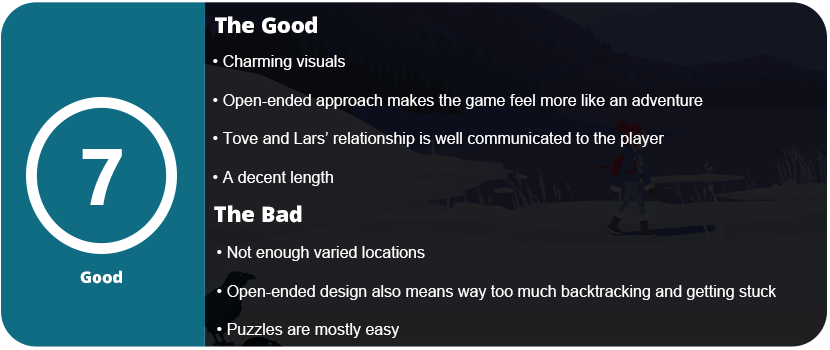
The game is a more open adventure title. Rather than being completely linear, you can fast-travel between several areas to find objects and solve riddles. The game’s openness necessitates the ability to press the left stick for interactive objects to flash. Just like any adventure title, you need to find objects to advance the story, and due to the openness, some puzzles might take a couple of hours before you eventually get all the parts to solve them. This also leads to the most frustrating thing about the game. If you miss an item for a puzzle, you have to figure out where it is. As the game opens up, this can lead to tedious backtracking and flashing all the objects on the screen and running around until you figure out what you missed. Frequently, this occurred due to the game’s lack of clear instructions or tracking features. The journal is rather useless and holds a map and various optional items you can pick up as collectibles.
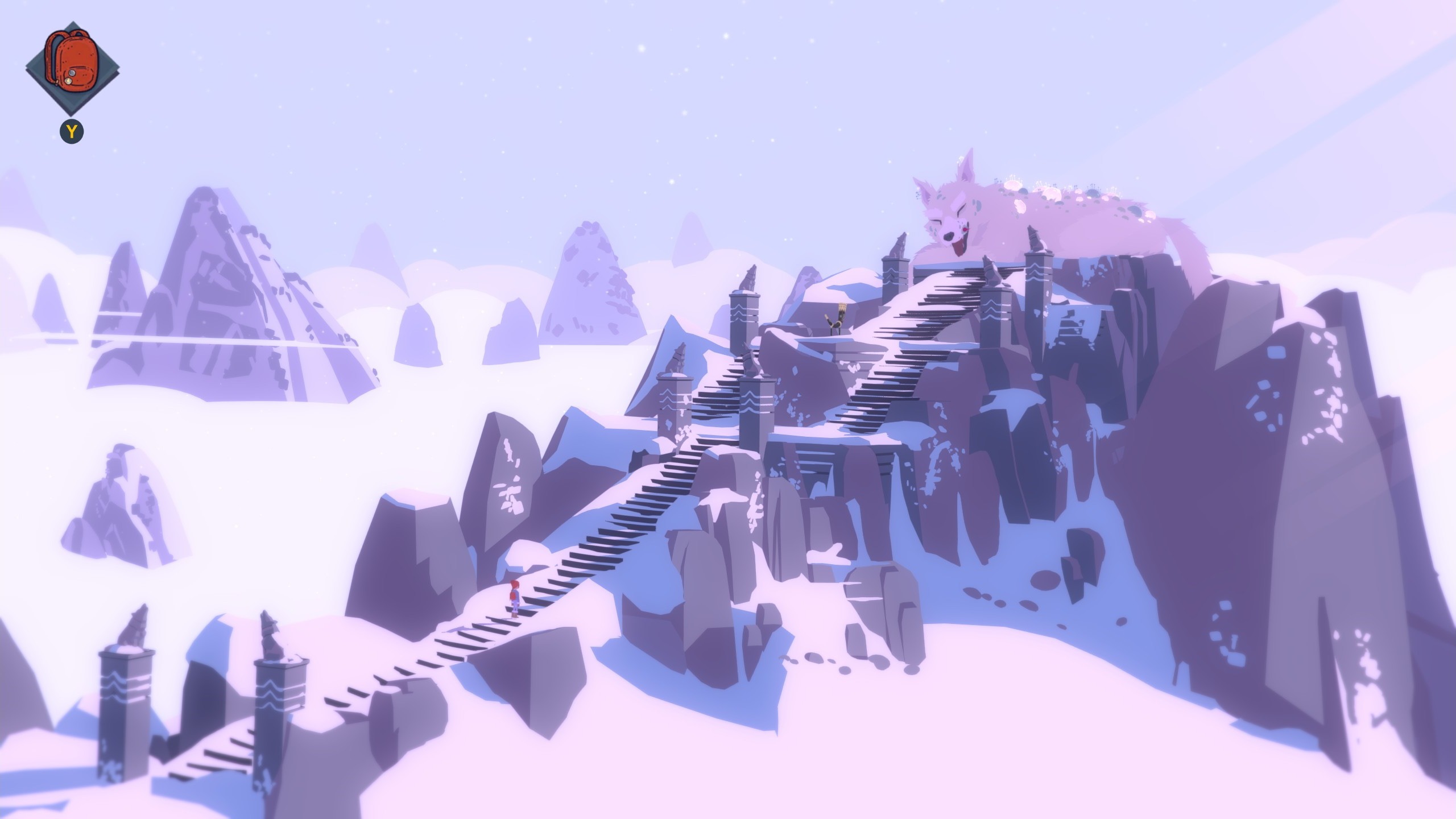
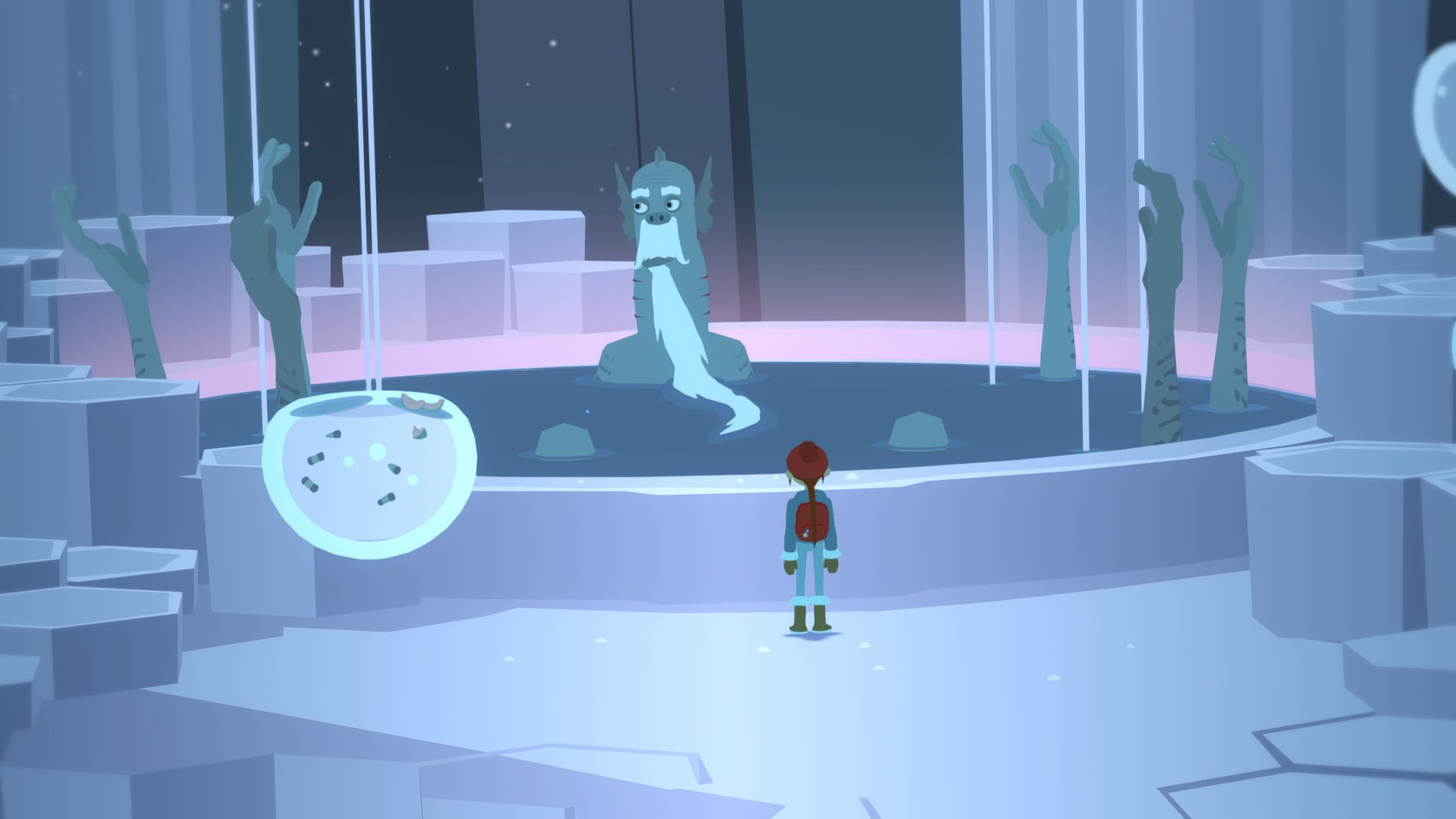
Tove can run by holding down a button, and she can interact with objects. Outside of this, there isn’t much to the controls. She can climb walls and ladders, but you’re mostly just interacting with things. I found some of the puzzles quite fun, intuitive, and clever. The game experiments with ideas such as controlling two characters (swapping) and using a couple of different objects to complete puzzles and unlock new areas. There are giant beasts that need to be defeated and tamed. The game is based around Norse mythology, so you will encounter many beasts from this lore.
Despite the game’s lack of voice-acting, the writing conveys the characters’ emotions. Every so often the game will cut to a long scene and then give you control back. There aren’t many cutscenes in the game, but despite the length, the game never felt tedious or boring. I wish there was less need for backtracking. Sure, fast travel is helpful, but you still have to run towards an area, climb, or enter it, and some parts of the game can be really tedious to get to. You can’t skip climbing segments. Climbing dominates some later puzzle areas, leading to frustration. I spent more time waiting for animations to finish than actually solving the puzzle.
The visuals are really nice, but this visual style is something we are seeing a lot of, and I don’t find it the most appealing. The use of paper cut-out/flat texture with solid colors is a common visual style. It works, but I would like to see something more original. The music creates a captivating atmosphere, and certain tracks evoke strong emotions during specific scenes. I found the whimsy of the beasts and monsters to be really charming, and this is where the art style worked the best. The game has a lot of whites and grays (stones) due to the entire thing being set in the winter. There’s not much variation in environments.
Overall, Röki is a surprisingly lengthy but well-built adventure title. There are a lot of puzzles and rooms, and the pacing is great. I didn’t really want to put the game down…until something tedious came up, like missing a single object for a puzzle, and I had to spend 20–30 minutes hunting it down. This happened far too frequently. This phenomenon occurred at least once with each major puzzle. If you love Norse mythology or just want a touching story about family, then this is for you.
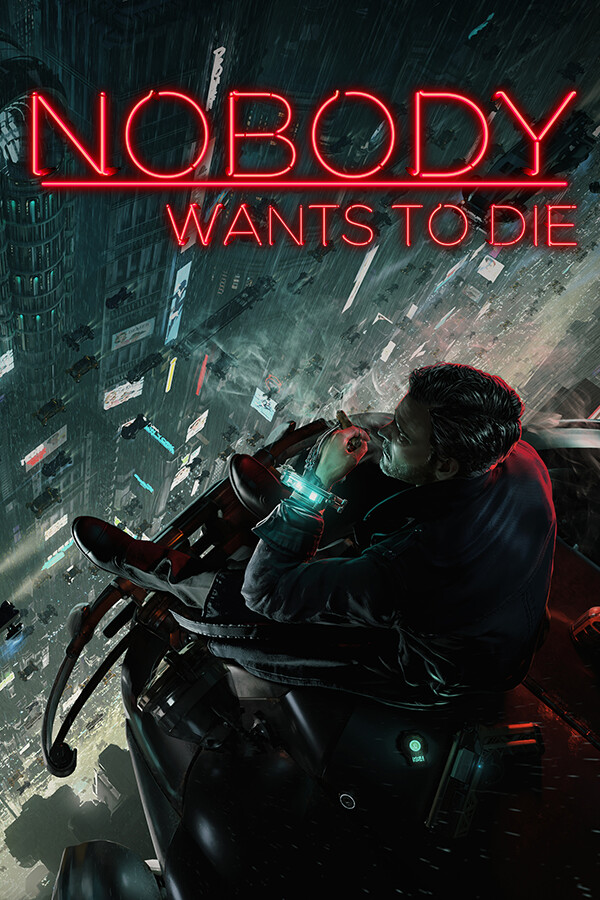
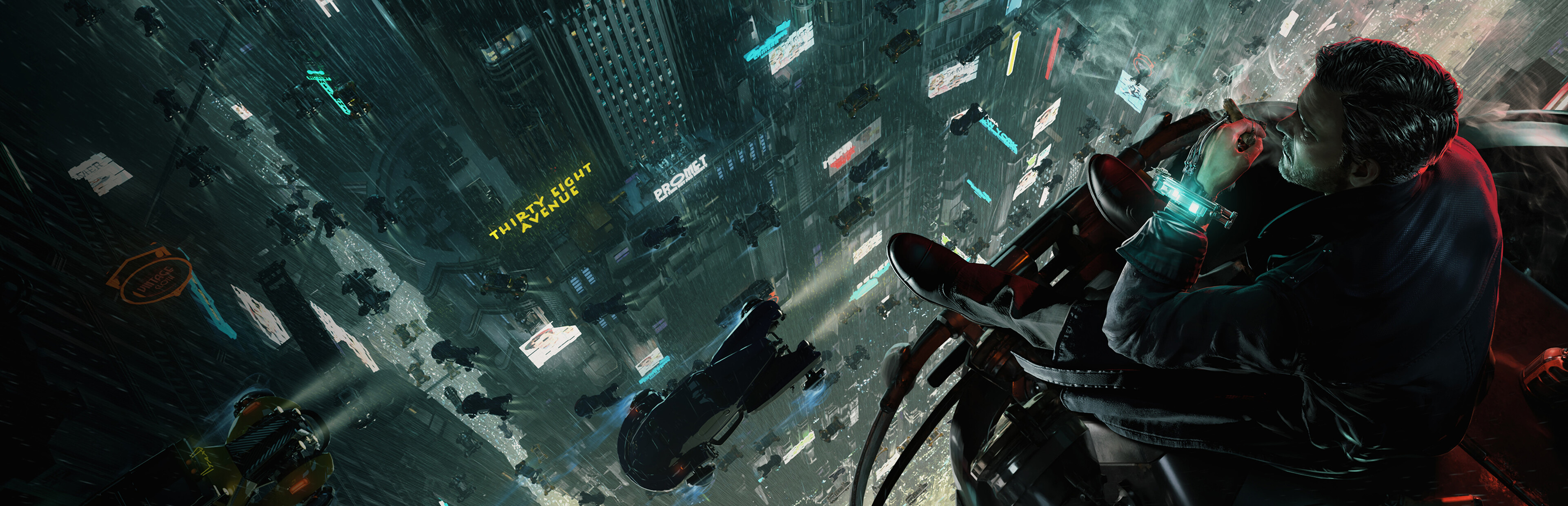
Nobody wants to die. That’s a statement that anyone can understand. What if you had the ability to purchase a new body and continuously inject your conscience into a new one? This is the premise of Nobody Wants to Die. A detective noir game set in a dystopian New York in 2239 where flying vehicles exist, we are now in a caste system, and capitalism has won. As suspended detective James Karra, you embark on an investigation into the suspected murder of a large corpo boss. Your partner, Sarah, is in your earpiece.
There isn’t much exploration in this game, and it’s not a first-person shooter. Although the entire game takes place in first person, it remains a pure adventure title. The game masterfully constructs this dystopian future, immersing the entire experience in the art deco Americana of the 1930s. James has a lot of internal problems, and due to being on his fifth body, he has a lot of problems from his 100 years on this planet. The better shape a body is in, the more it costs. However, there’s something dark happening. The game also does a fantastic job explaining how you can recreate crime scenes and explains a person’s ichorite, which is what’s used to transfer a person into a new body.
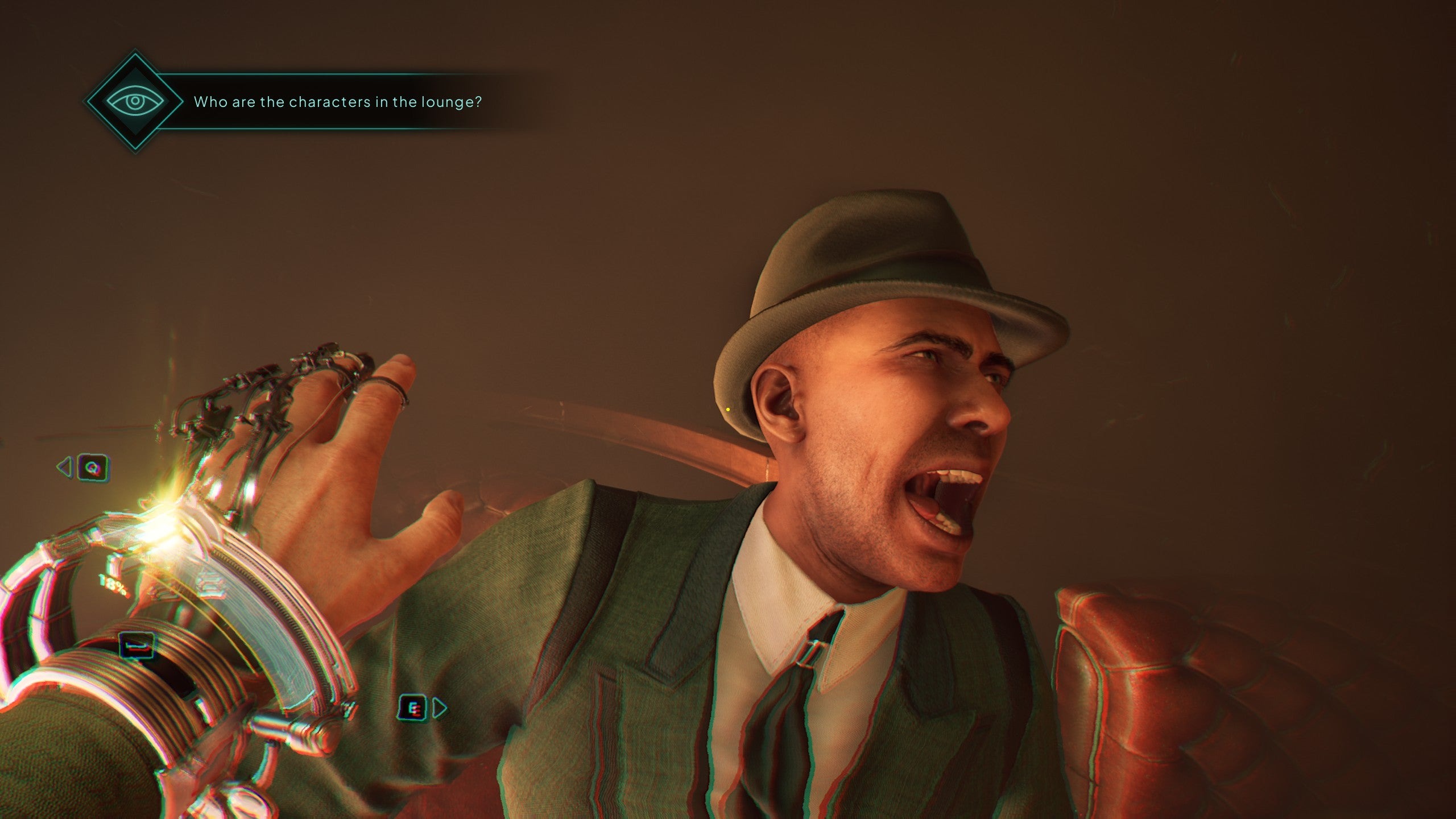
That’s the majority of the gameplay. The crime scenes are pieced together like mysteries through the Replicator. This allows you to fast forward and rewind scenes as you piece them together. You have to walk around and find the prompts to advance the puzzle to the next piece. There are also other tools like the X-ray wand and UV lamp. You use these to see through objects and then detect fluids. You are always swapping back and forth between the two. However, the puzzles are very linear and don’t require any brain power to solve, but they are still fun. Many of the crime scenes are really interesting to solve, as you can draw your own conclusions and see what the outcome ends up being. There are three main crimes in the game, and they take quite a bit to go through. It’s a lot of fun seeing everything kind of come together and hearing Sarah and James analyze everything to come to a conclusion. When you get back to your apartment, you can put down objects that are in place for clues that you found, and you need to string everything together to come up with a final conclusion. Moreover, it’s a straightforward process.
Outside of the main crime scenes, there are a couple of moments in James’ apartment. It gives you a glimpse of how awful living conditions are in the future. Everyone shares bathrooms and the government logs everything they do. You have to see a psychologist for life after transferring to a new body for the first time. The ads, propaganda, and everything in between are done so well for how little you can explore this game. While the characters aren’t very deep or memorable, they help carry the story along enough to stay interested. I’m sorry, but the story is too short to remember. The setting and world are more interesting. The game also has dialogue choices that determine which ending you get. Some options will have locks on them, meaning you need to have changed your path prior to the current option. The way you respond to Sarah or act at a crime scene (like deciding to steal something for yourself) can get you in trouble if you’re not careful. The execution of the story is commendable, and as the story progressed, I found myself grateful for the choices I made that allowed me to navigate through certain scenes.
The visuals are rather appealing for an indie title. Lighting is great, art deco is beautiful, and vehicle and object designs are fun. The game is at least well paced, and I didn’t want to put it down. The voice acting is outstanding too, and there are just enough little twists and turns to keep you glued to the screen. There isn’t much to hate here outside of easy puzzles and lack of exploration. I honestly wouldn’t mind another game in this world and have the lore expanded upon.
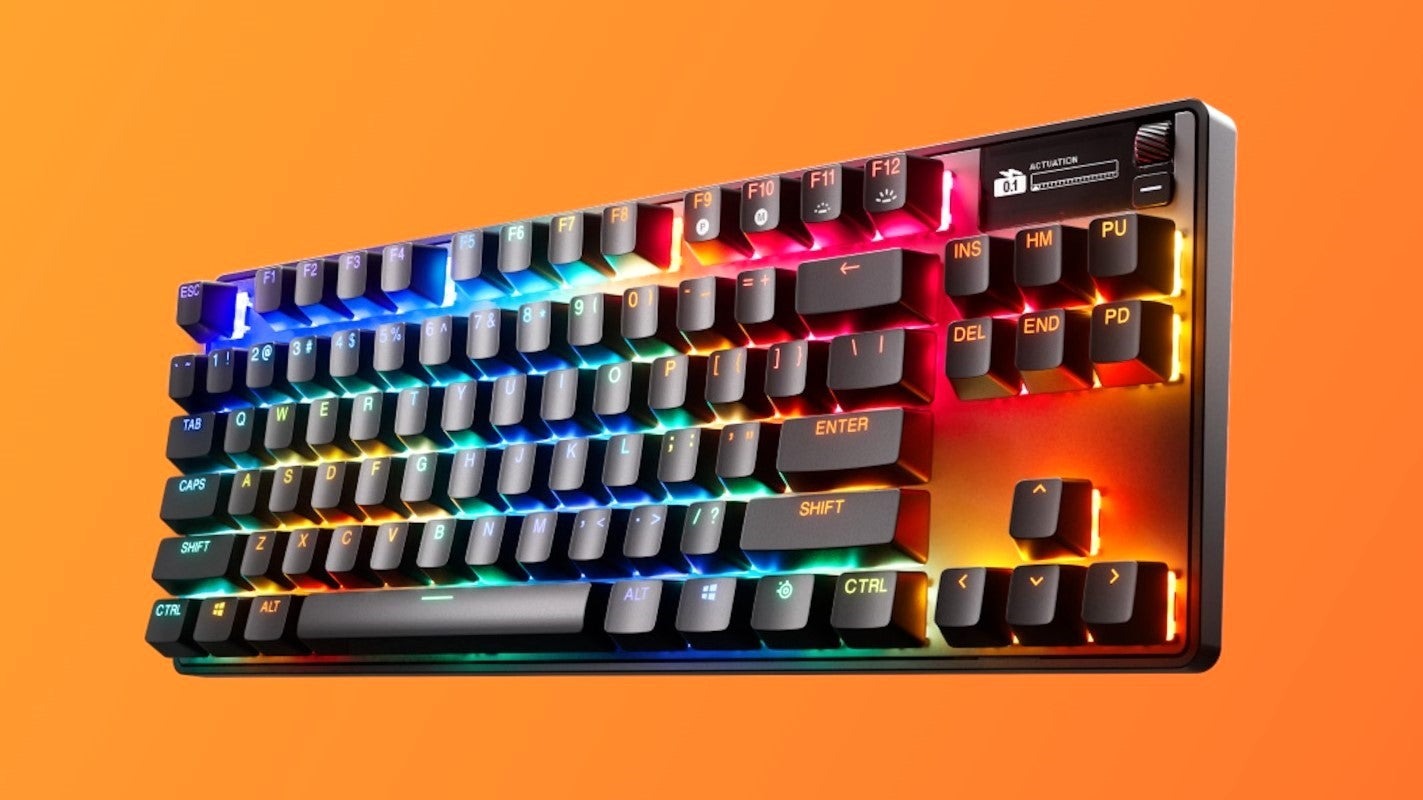
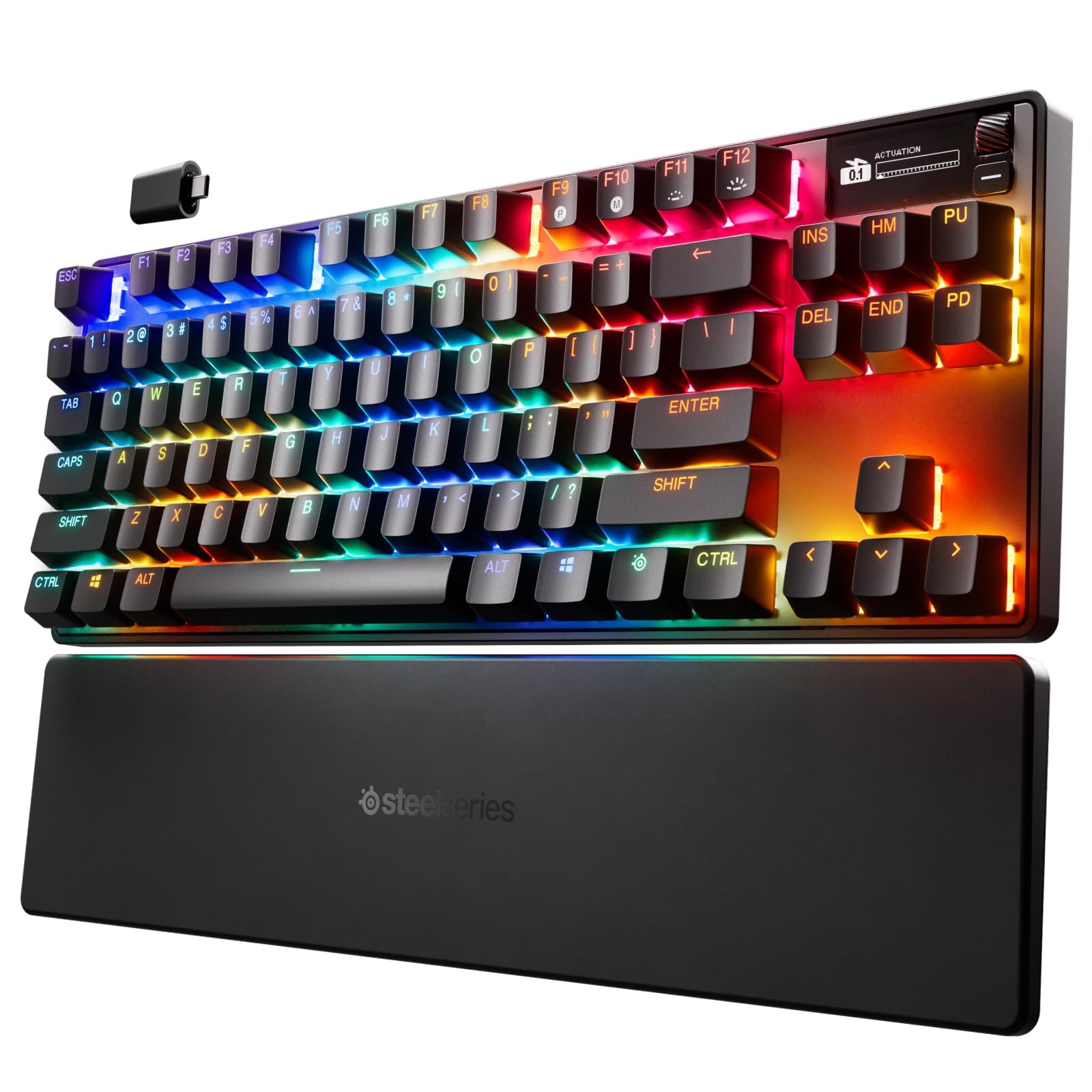
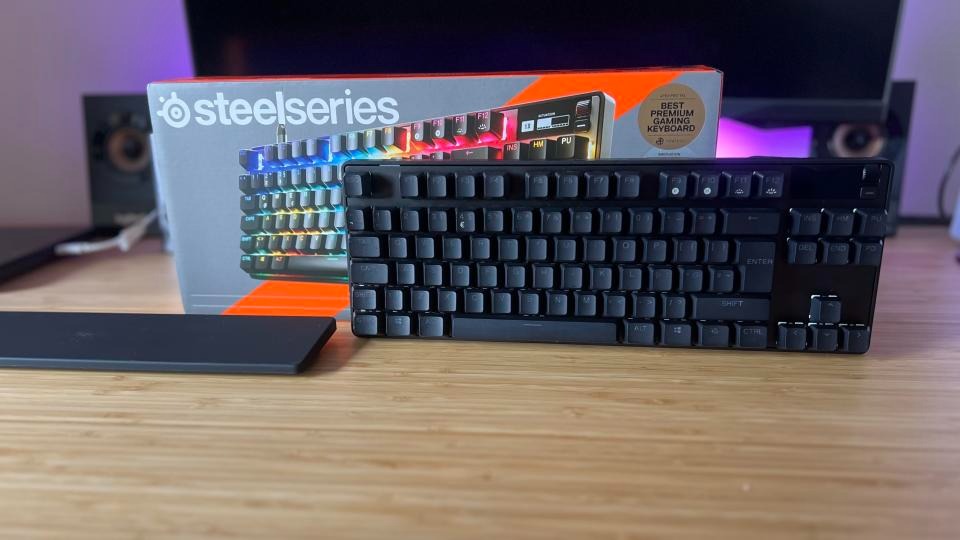
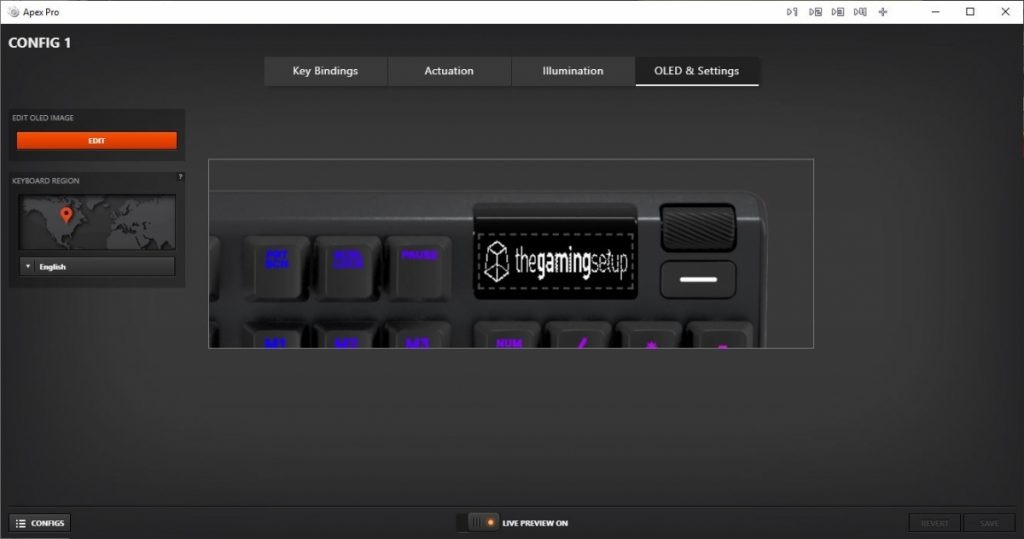
This keyboard features an additional OLED screen. There’s also a premium price tag for this as well as less customizability. I have never owned any SteelSeries products outside of an RGB mouse mat years ago. The packaging was decent, nothing special, and it came with a keycap puller, a USB-C cable, and a USB-C dongle, which was nice. The keyboard also works with Bluetooth, but the software has limitations in this mode. Once I got the keyboard out and the palm rest, I was surprised at how comfortable it was to type on. The biggest gimmick is the screen and their Omnipoint actuation adjustability to change the sensitivity of key presses. No, this isn’t like a DualSense controller in which your key switches get “harder,” but they just become more or less sensitive and register with a stronger keypress or light press. It’s a neat feature, but mostly unnecessary.
The Omnipoint 3.0 switches felt good to type on, and the foam mod at the bottom of the PCB prevents any ping. I did think the switches lacked a more tactile feel than I’d like, but that’s personal preference. The keyboard itself is unremarkable looks-wise. This keyboard appears to be a standard black “gamer” keyboard, complete with RGB illumination. The black and white two-line OLED display is the only feature that will draw your attention. The display is rather primitive for being OLED and honestly doesn’t do much. Outside of showing your actuation meter, PC temp, GIF animations, and a few app integrations like Tidal (not official Spotify support), there’s not much here. I had the most fun with the GIF animations, but the limited display can’t show anything with detail. You need very chunky 8- or 16-bit graphics for anything to show up well. There isn’t a dedicated repository for GIF animations, with the exception of an Imgur album containing approximately 60 animations that someone has created. Any other support requires using their GameSense SDK, which no one has really made anything for. One individual has created a GameSense Essentials app on GitHub, which merely displays Spotify artist and song information along with a clock. The lack of support is really sad.
I did like the power-saving features, such as the OLED and lights turning off after a certain amount of idle time. However, even with this, the battery went down to 50% in just a few hours of use. You’re lucky if you will get 8-10 hours before the battery dies. This was achieved while using the wireless mode, not Bluetooth. Sadly, the SteelSeries Engine app works fine but isn’t as flashy or robust as Logitech or Razer’s offerings, but at least it works. I found making macros and changing the settings of the actuation rather cumbersome due to flipping through so many screens. The OLED screen options are pitiful, and even just navigating the screen is a chore. There’s a tiny scroll wheel and a button. With the limited app support, this screen doesn’t offer much beyond being there just for the sake of it.
Sadly, this keyboard doesn’t support hot-swappable switches. They are soldered on and only support the Omnipoint switches thanks to the actuation and Rapid Trigger gimmick. This also supports only a select few keys. If you need different actuation on switches, you are better off just buying a custom keyboard with the switches you really want in them. Relying on software drive actuation just isn’t the same. It can come off as just unresponsive to some people. I honestly didn’t notice much of a difference outside of the hardest of key presses. There’s not much play in between. Adjusting individual key actuation is useful for WASD keys or harder keys. There is also a feature to prevent nearby keys from being accidentally pressed.
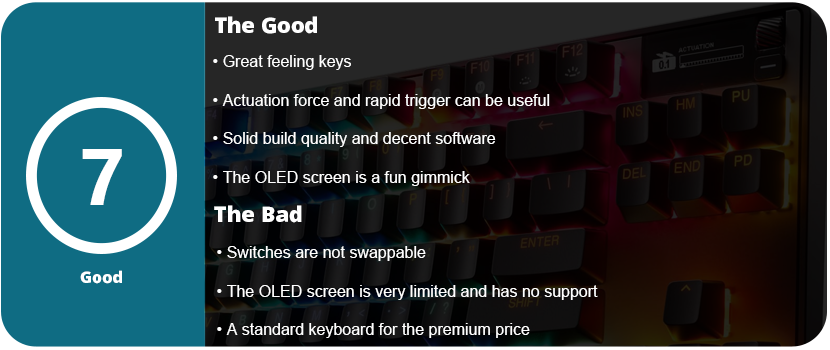
Overall, an underutilized OLED screen and gimmicky, non-replaceable switches contribute to the keyboard’s premium top-tier price. The keyboard’s overall design is a classic black “gamer” keyboard featuring RGB lighting. The software is decent and usable, but the actuation force and rapid triggers feel like gimmicks outside of specific use cases. The keys feel nice, and the sound is dampened, and the palm rest is nice, but overall, you’re better off spending the $270 on a custom keyboard.
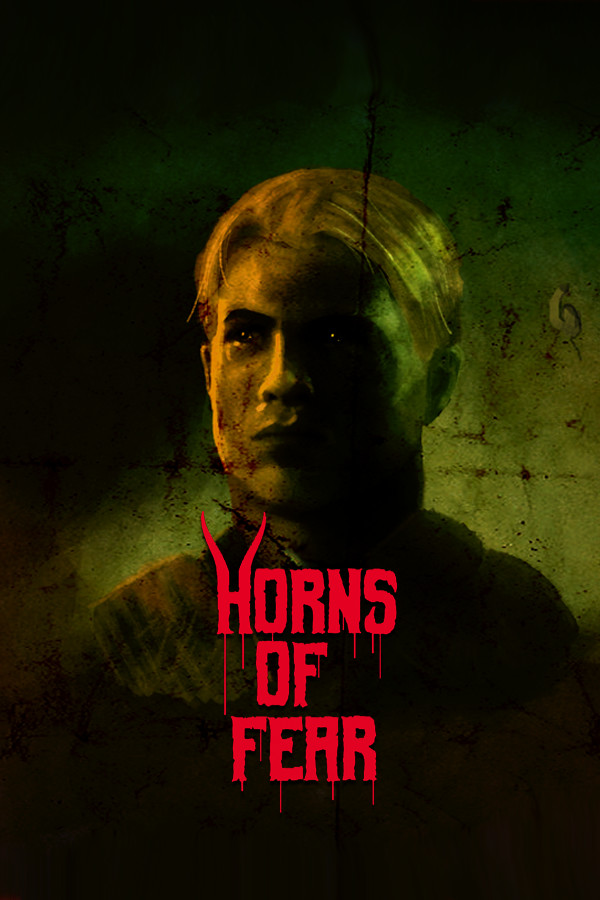
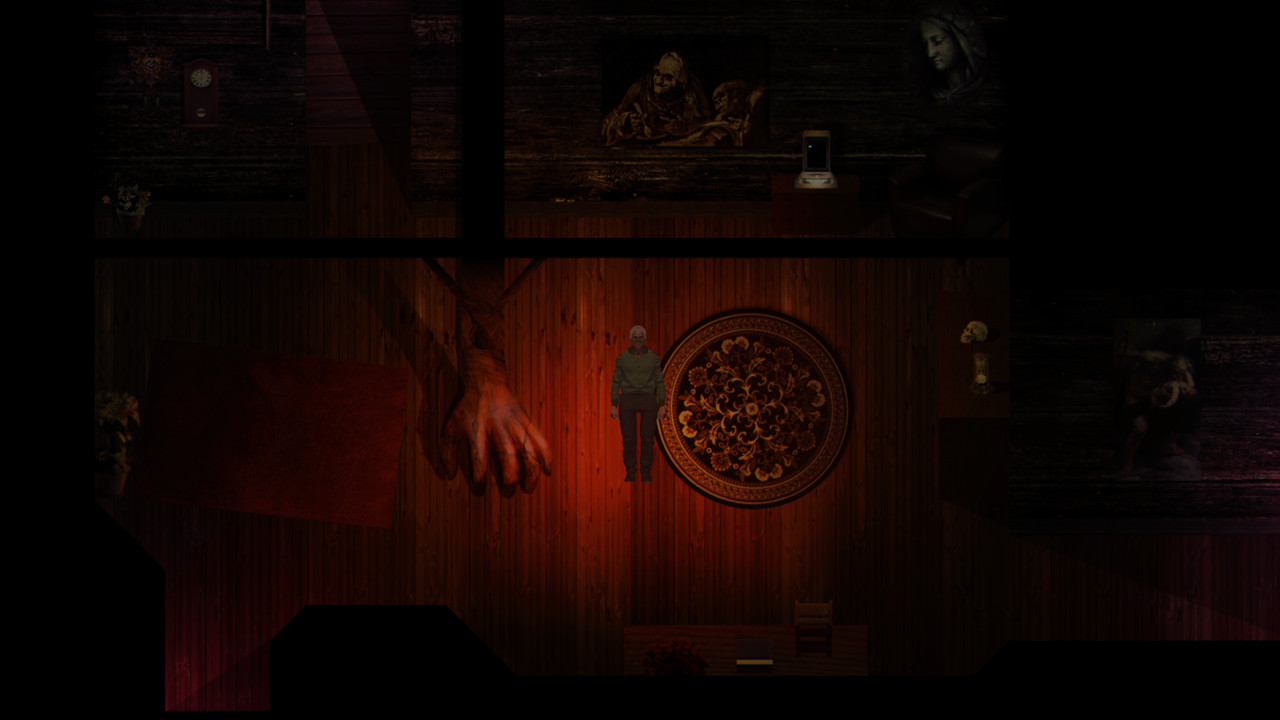
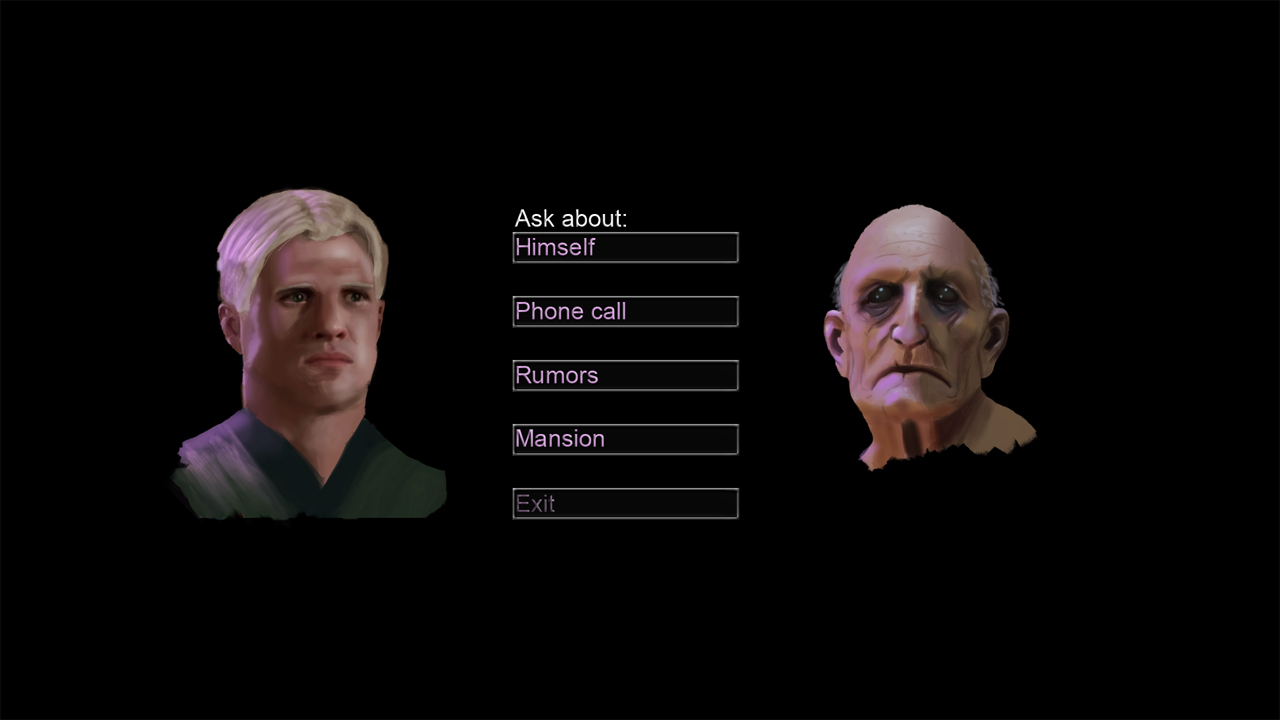
Horns of Fear is a short horror adventure game with a handful of puzzles and a creepy manor to explore. You are Jim Sonrimor. You are a journalist who is grappling with a challenging relationship or marriage. You receive a call from an old woman to investigate her manor. Upon waking from drugs and pizza, you somberly visit the manor and notice something is wrong from the start.
The game has a 2D isometric art style similar to point-and-click adventures of the early 90s. Indeed, this game would be perfectly suited on a vintage gaming shelf. Your inventory is small, and the game is short enough to never fill it. You can save at computer terminals, of which there are only a few. The game is tiny and short that you can easily play the entire thing without needing to save. The puzzles are captivating and surprisingly well designed. I rarely needed a walkthrough. Most developers treat players like idiots or make puzzles too difficult, but not so much here.
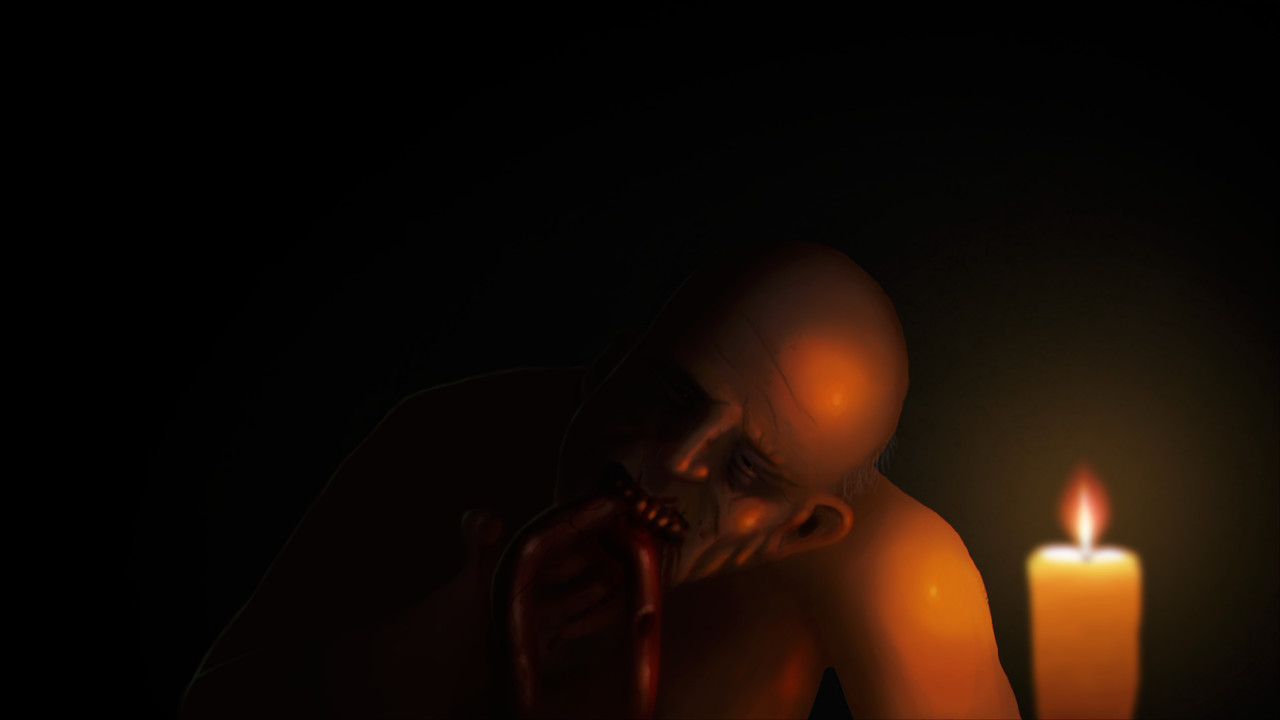
Once you complete a puzzle, you will usually see a small cutscene. There isn’t any combat in this game outside of the final boss. There are a couple of quicktime events, but for the most part, the game is mostly about atmosphere and storytelling. I was surprised at how complete the story felt despite the 90-minute run time. Without giving anything away, the ending took a surprising turn and provided a highly entertaining experience. The scares themselves are more jump scares. The sound of a screeching violin accompanies a shadow moving across the screen. The cutscenes have a few gory and gruesome shots that are super cool. The death scenes are also really gory. The music itself was just okay. The music lacked originality and bore a somewhat cliched feel. The theme was reminiscent of a haunted house, rather than being unique to this particular game.
With that said, though, don’t expect anything incredibly unique or something with a lot of staying power. Horns of Fear is a decent short horror adventure and nothing more. While the puzzles are entertaining, you can’t really get lost due to the incredibly linear path you take, and there’s not really any character building. You’re mostly playing for a fun, short train ride rather than a full-on 3-day tour. While the visuals themselves aren’t particularly noteworthy, they provide just enough elements to make your play worthwhile. The trippy cutscenes, strange ending, and ease of play are enough to invite more horror fans over.
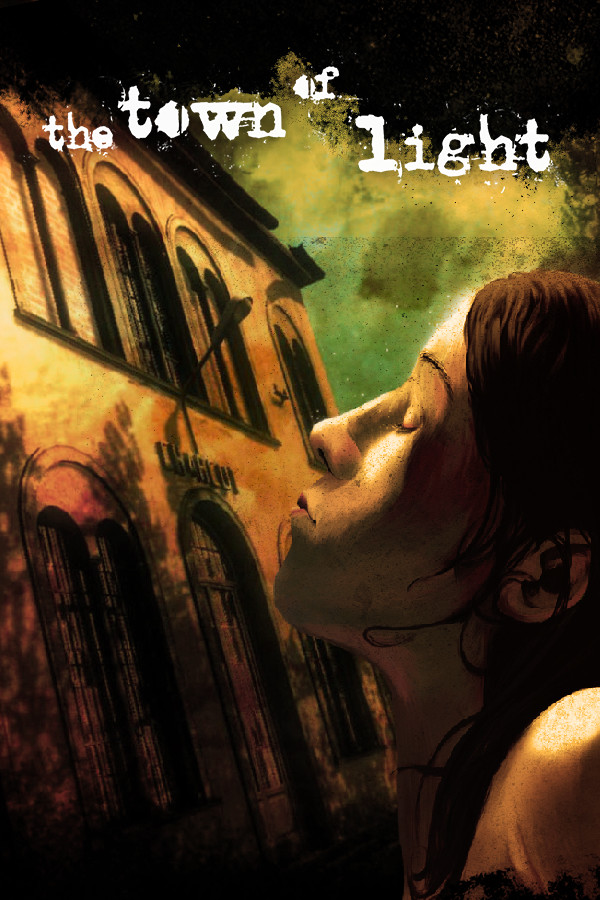
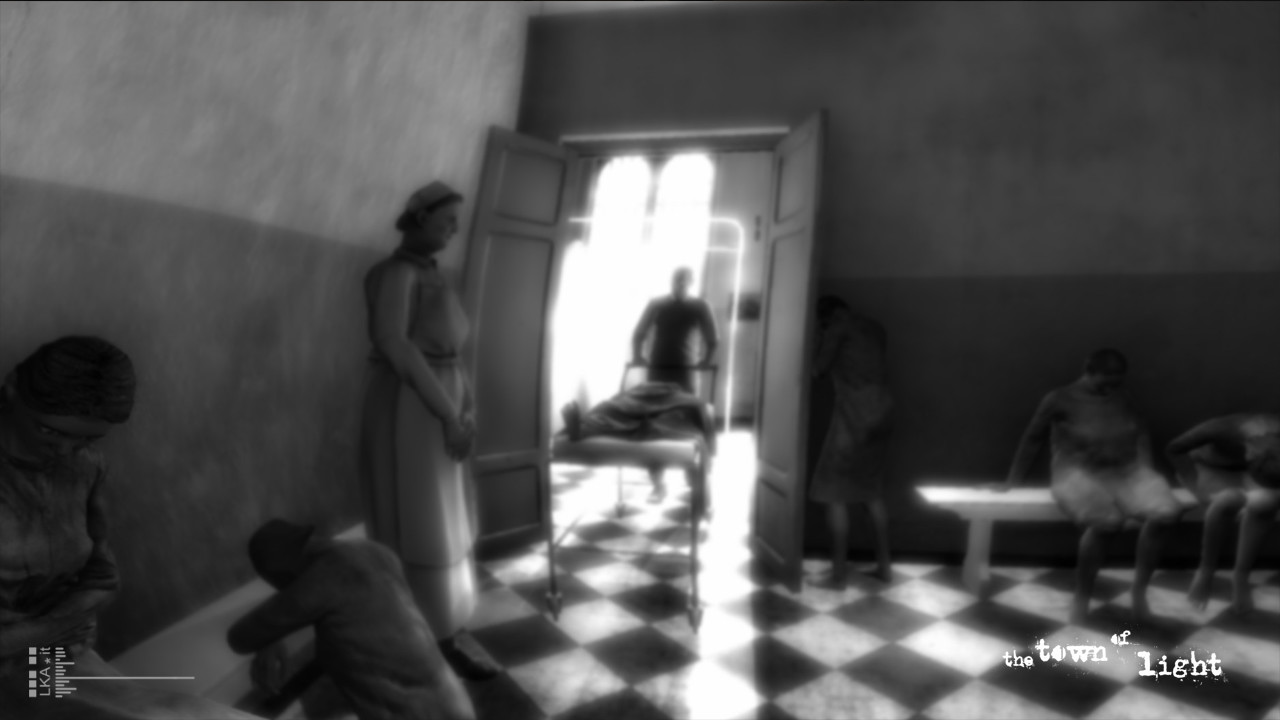
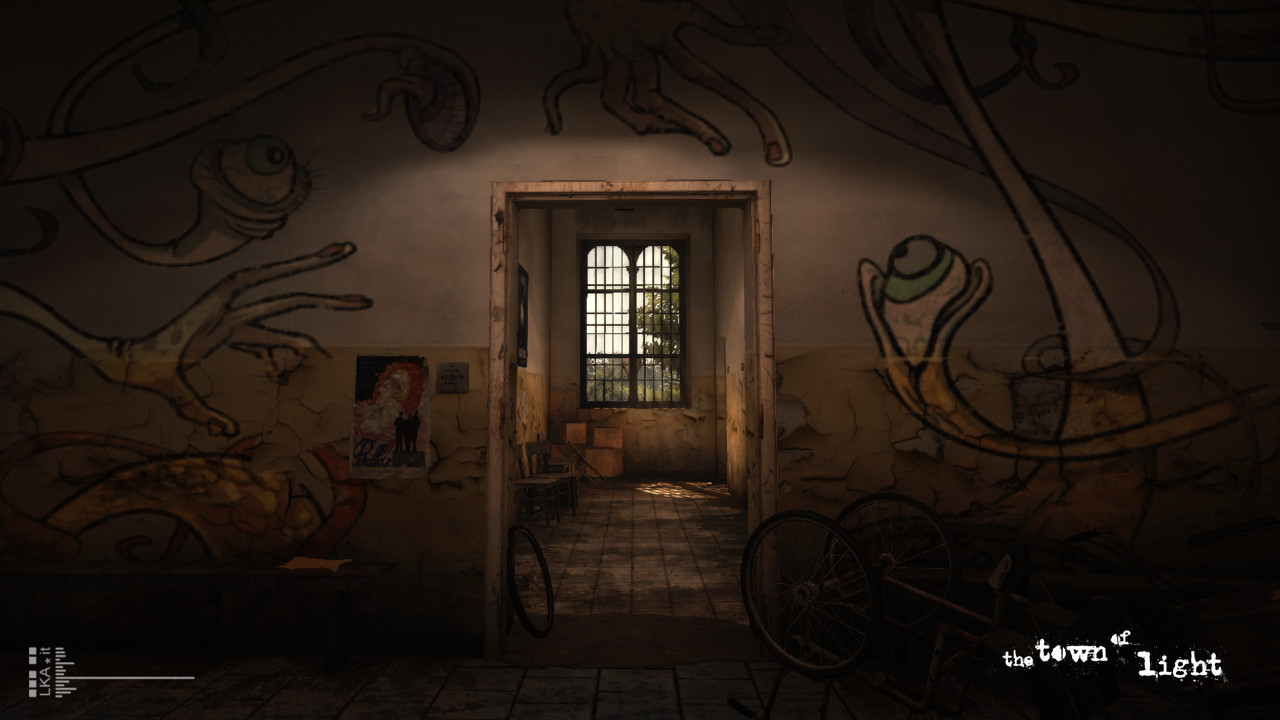
I absolutely love how the human mind works. It is fascinating how the human mind can break, repair itself, and affect the body and psyche in ways we still don’t fully understand. The Town of Light explores these ideas with a real-life case. The game is set in a hospital in Tuscany, Italy, called the Ospedale Psichiatrico di Volterra. You play as a woman named Renee who seems to be coming back to this hospital and reliving her experience here. The game’s unsettling ambient audio and flashbacks of dark and disturbing sketches are fantastic to experience.
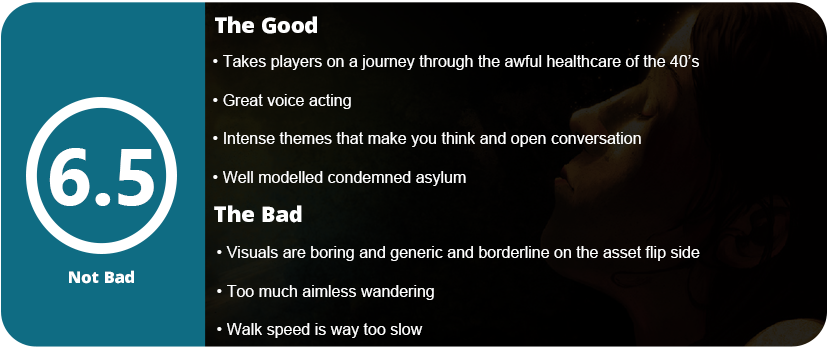
Sadly, that’s the only enjoyable part of the game. The entire game has an incredibly slow pace and the usual obscure and abstract way of finding your way around and figuring out what to do. There are way too many doors to open, and there are too many spaces to explore with nothing in them. This hospital is two stories and quite large. With the slow walking pace, I just wanted to experience the story and move on. You don’t know you’re heading in the right direction until Renee continues narrating the story or a flashback happens. These flashbacks are either pencil sketches or full-on cutscenes. If you press the back button, some chapters will have Renee tell you where to go; however, everything is in Italian, so unless you pull up a translator or can kind of figure out prefixes and suffixes of words, you might get lost based on the signs.
There are eight diary pages to collect and find. These are highlighted notebooks in certain rooms, and I suggest getting them all. The notebook is an insightful dive into the mind of those that are mentally ill and have various psychological diseases. The sketches are haunting and beautifully done. The best part of the game is the narrations of the various hospital records you must find to advance the story. The entire tale of Renee and her fellow patients is fascinating, haunting, and quite disturbing. It also shows how awful the healthcare, especially mental healthcare, was in the 40s and 50s in not just Europe, but all over the world. I work as a nurse myself in a hospital, and it’s insane to know that our current modern way of doing healthcare (humanely) is very recent. Like the last 25 years, recent.
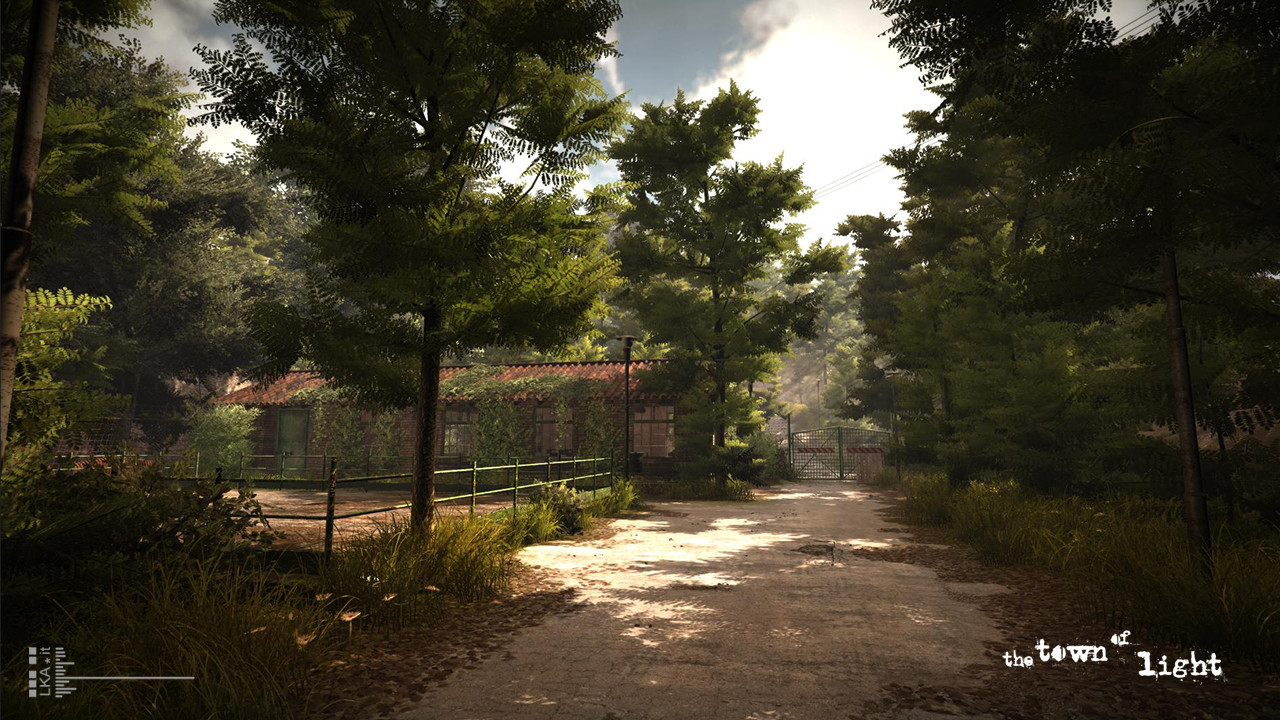
I also have to give credit to the developers for accurately portraying a decaying asylum. It looks and sounds just like you would find one in real life. I highly recommend watching The Proper People on YouTube, who are the best urban explorers out there. They have visited asylums in Italy, and the building is very reminiscent of how they stand today. The peeling paint, depressing color scheme, abandoned, rusting bed and wheelchairs, and old and mysterious medical equipment that look like torture devices (some were). Despite all of this, however, the game is very boring and ugly to look at. Even for 2016, the game is teetering on the border of asset-flippy territory. It just looks so generic and low-budget despite some decent lighting effects.
The voice acting is very well done, and the overall picture you walk away with is the narrative of mental health in general and how people are taken advantage of back in the day. The game also explores how orderlies raped and molested the women and lied and were believed. The doctors literally got away with murder, and families were lied to and betrayed without ever knowing it. Thankfully, this is all in the past, but the hundreds of thousands of victims who died and suffered under the guise of humane healthcare is a sad story and something worth discussing even today.
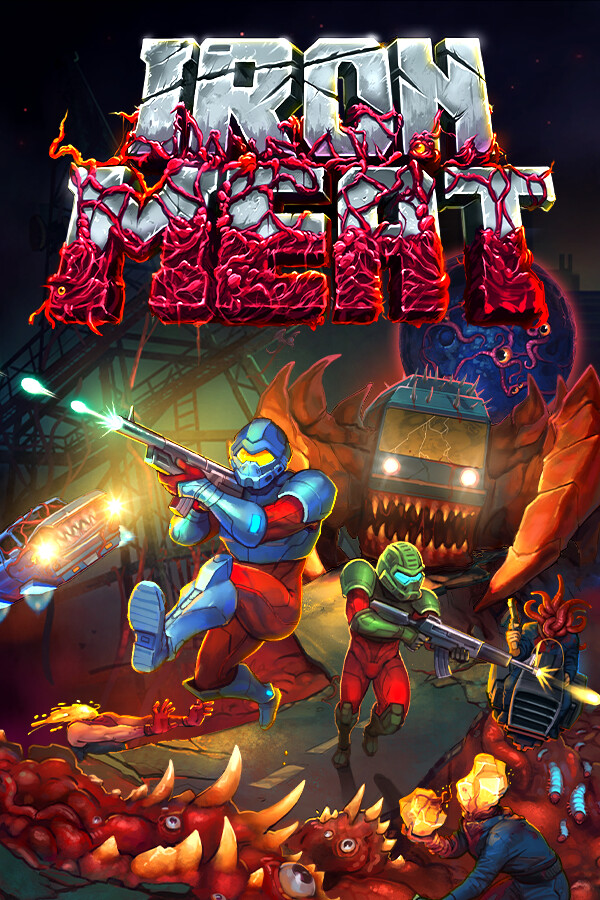
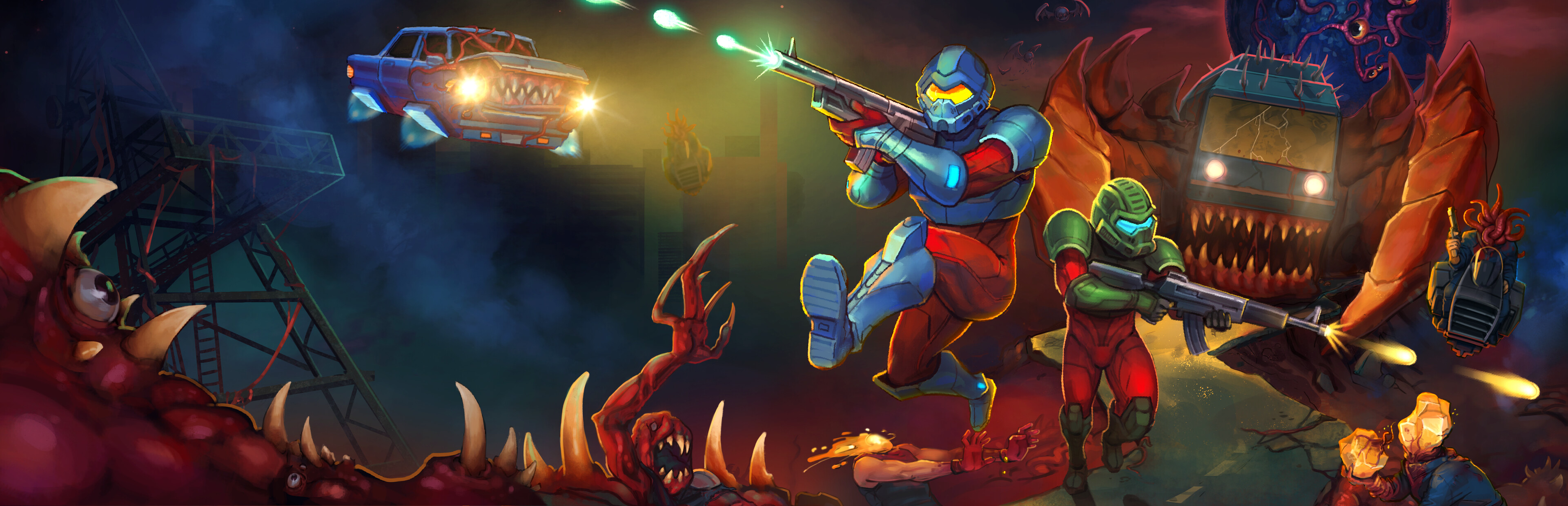
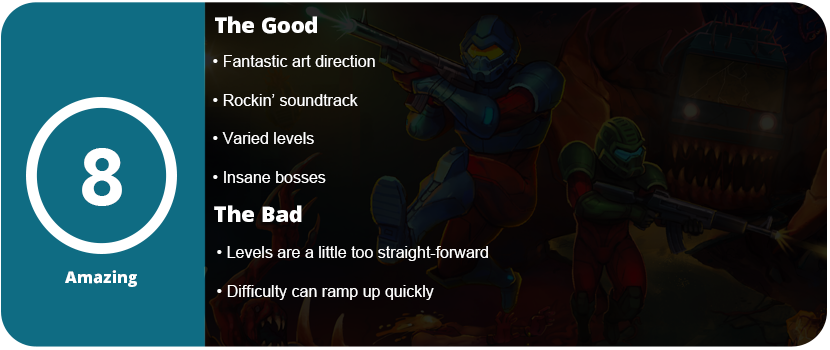
Contra is the blueprint for side-scrolling action games. They need to be tough as nails, have insane bosses, and usually have a lot of gore or some sort of inspiration from biomechanical art. Moreover, the Earth is under the control of a vast and formidable alien race. Iron Meat nails all of these and is a blast to play. The game can also nail all of these aspects and still fail in level design and gameplay. That’s thankfully not the case here.
As a stalwart soldier, your mission is to save Earth from an alien race that has taken over the Moon. There are nine unique levels in this game, each with varying lengths, enemies, and obstacles to overcome. The game is very pick-up-and-play friendly, as you just run forward and blast everything in sight; however, Iron Meat has a couple of things it does a bit differently. You can find ammo pickups inside objects. Occasionally, friendlies may drop them, or you may find them lying around. They are not commonly found, and if you die, you forfeit your weapon. The standard weapon is a rapid-firing machine gun that works well enough. Other weapons include different firing rates and patterns. There are also pickups to increase your score by 1,000.
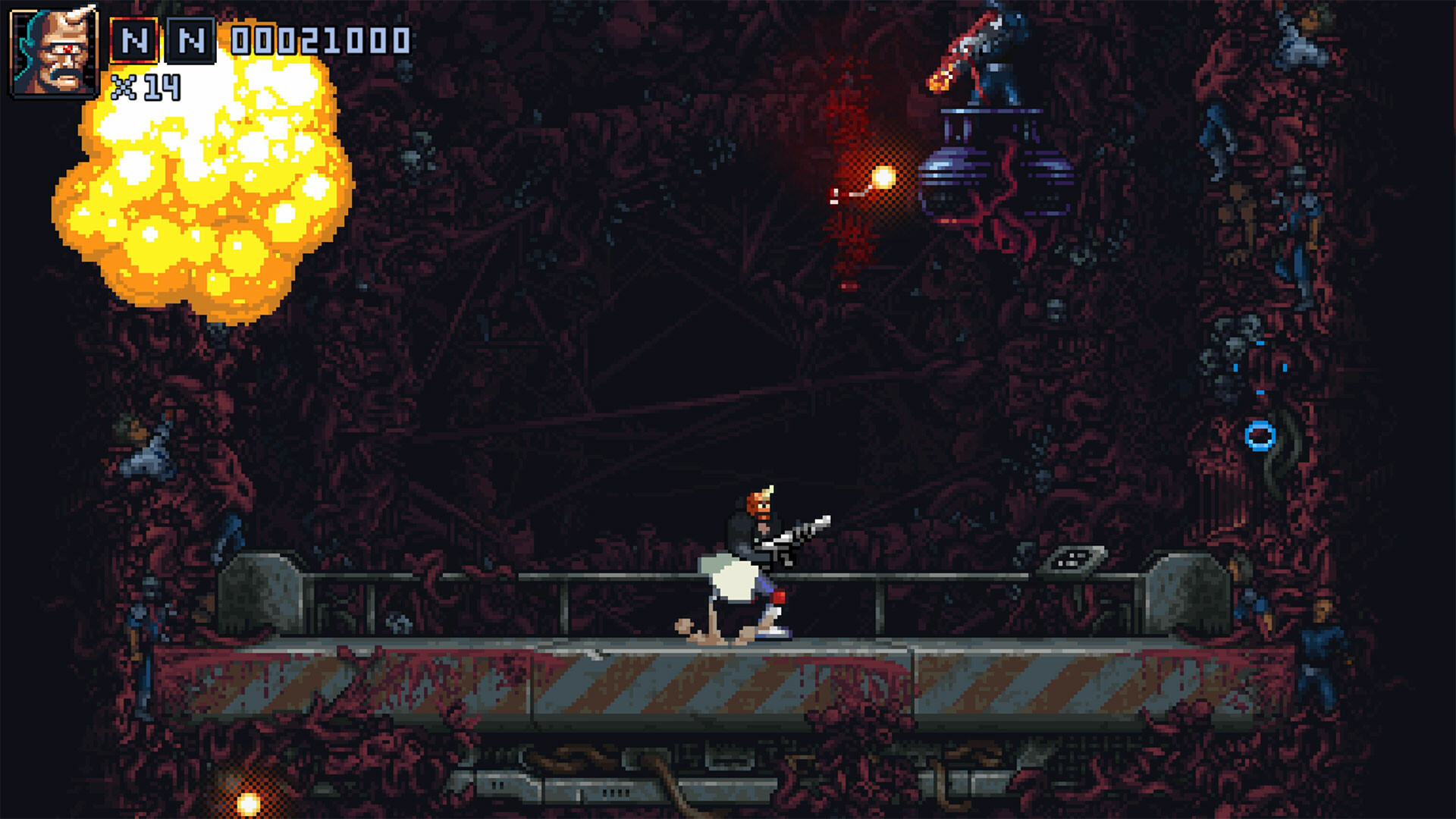
In Iron Meat, you can shoot in eight directions. Another great feature is that you can hold down a trigger button to maintain your position while shooting in any direction. The game constantly presents you with enemies at a rapid pace. Some enemies, such as boxes with jaws, bugs, melee enemies, weird snakes, bats, and various other insane abominations, may be incorporated into the level itself. The enemy design is fantastic, and you get to know what each enemy does and how to kill them. Occasionally, following a specific order can also prove to be an effective strategy. You can also avoid enemy fire by lying down prone and shooting. Some levels will also test your platforming skills, featuring obstacles such as collapsing ceilings, death pits, and suspended platforms.
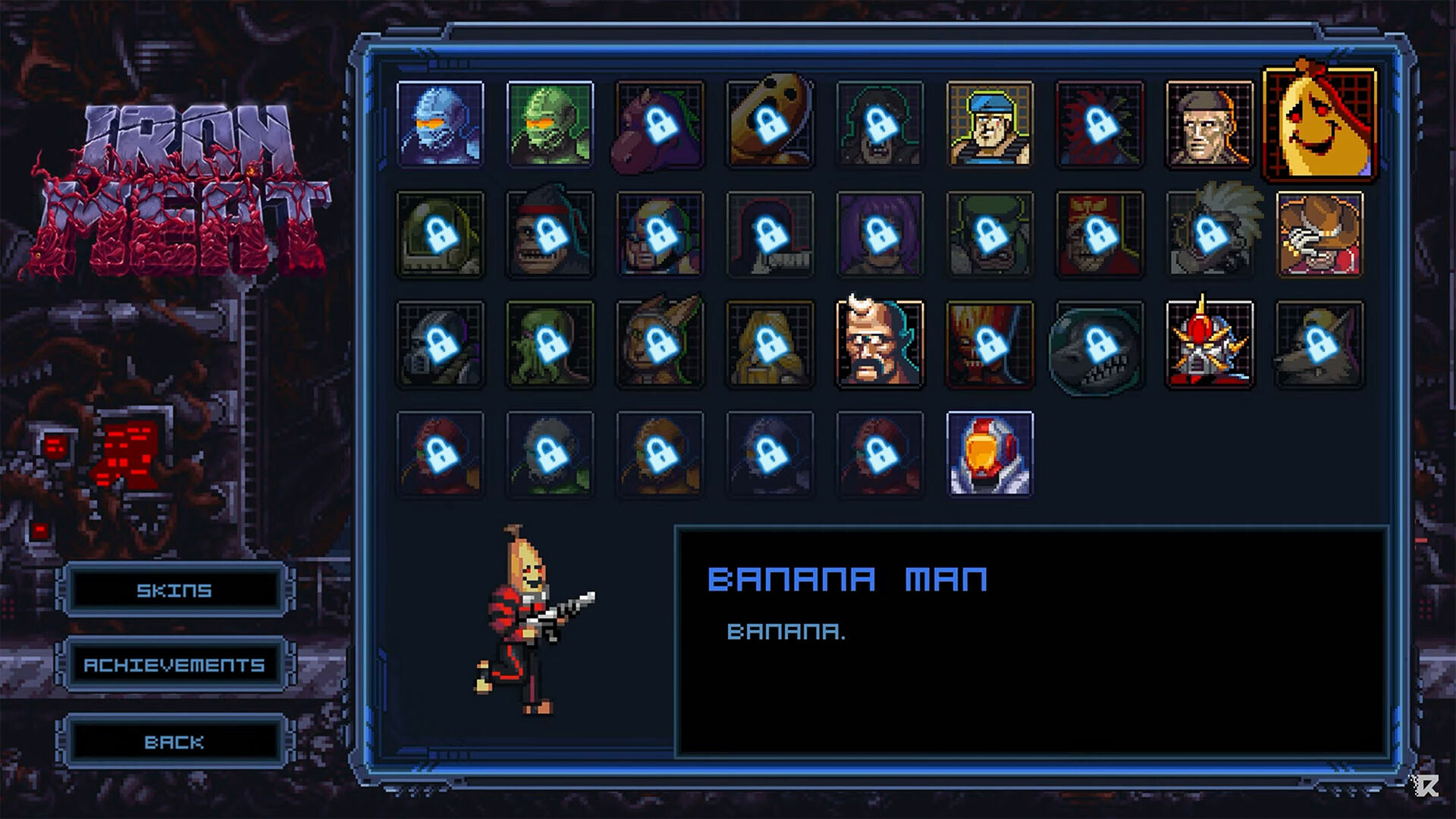
The bosses are really great. They have various attack patterns, and you get used to knowing when to attack. Some will chase you, while others will fly around you. Some are small, while others are massive, possessing multiple forms and phases. They all look grotesque and nightmarish, though. The game’s pacing effectively breaks up the action. There is a vertical level, followed by a level that emphasizes platforming, and then another level that presents a large number of enemies at once. You can unlock characters and swap body parts to create your own unique soldier. Once you complete the game, you can go through it again in mirror mode.
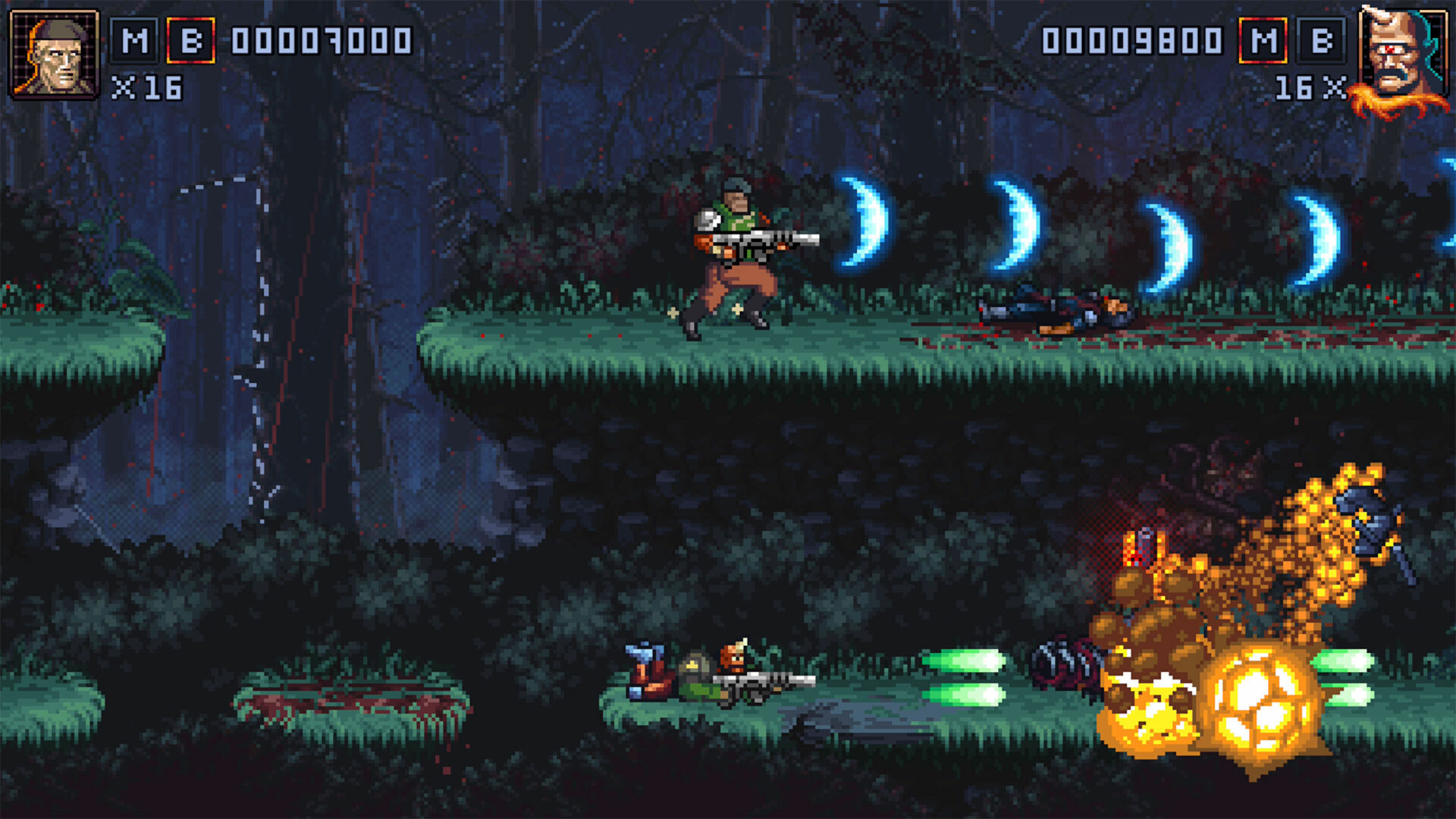
Although the game may appear to have less content compared to modern games, it truly pays homage to the classic 16-bit run-and-gun shooters. Most of those games featured a mere half dozen levels and lacked additional modes. Iron Meat does have a two-player co-op mode, which is a nice addition, but I feel there’s a lot of content here for the asking price. Going through and learning all of the attack patterns and enemies is fun, and then getting more points on higher difficulties can be a fun challenge. You can complete the game in less than two hours, but those two hours are filled with enjoyment.
Overall, Iron Meat nails pretty much everything you would want in a 16-bit run-and-gun shooter. Iron Mean boasts massive bosses, captivating soundtracks, copious amounts of gore, diverse levels, and exceptional controls. There’s not much Iron Meat does wrong outside of the occasional straightforwardness of some levels. This is one of my favorite games in the genre, and you shouldn’t miss out.
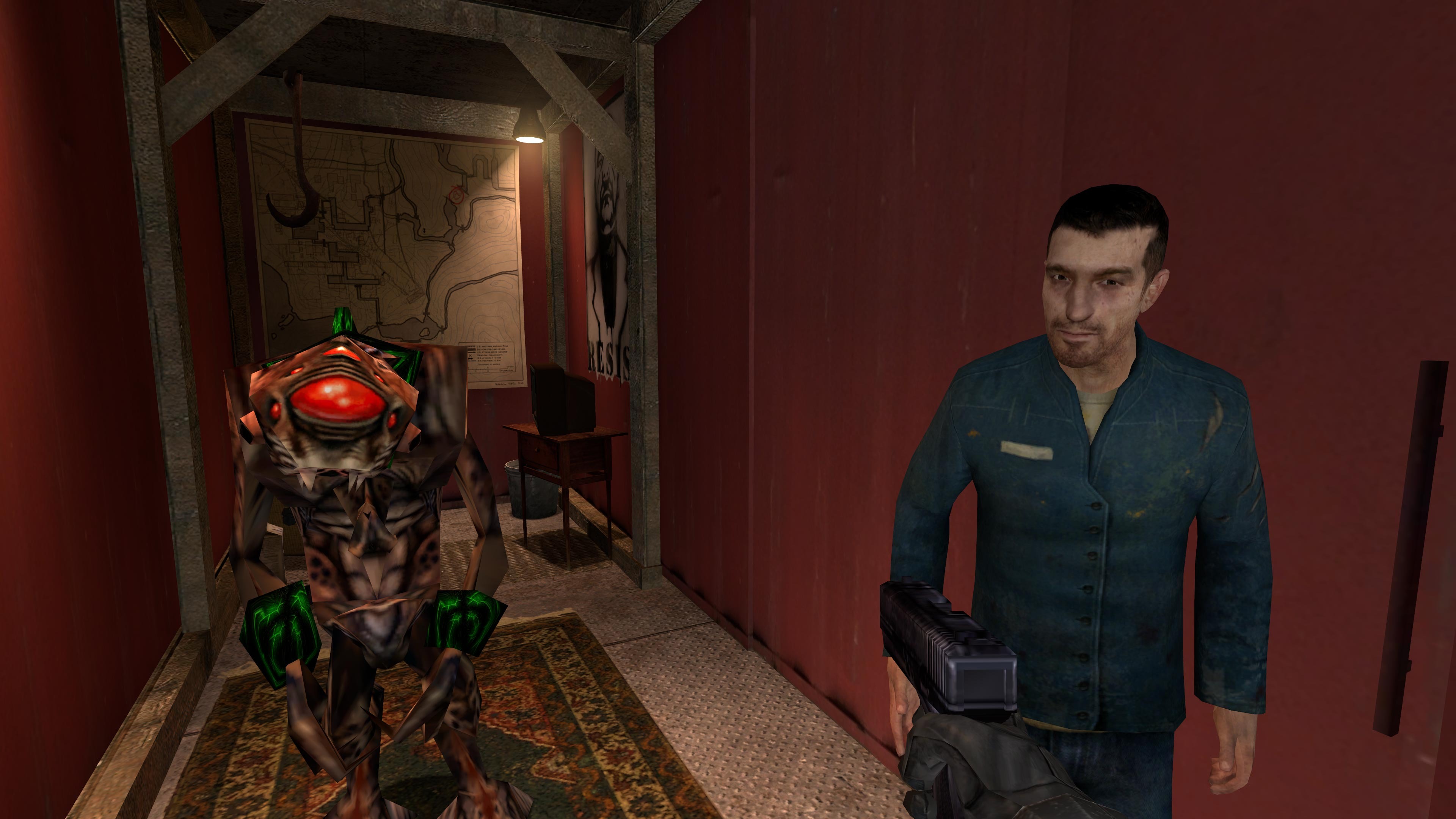
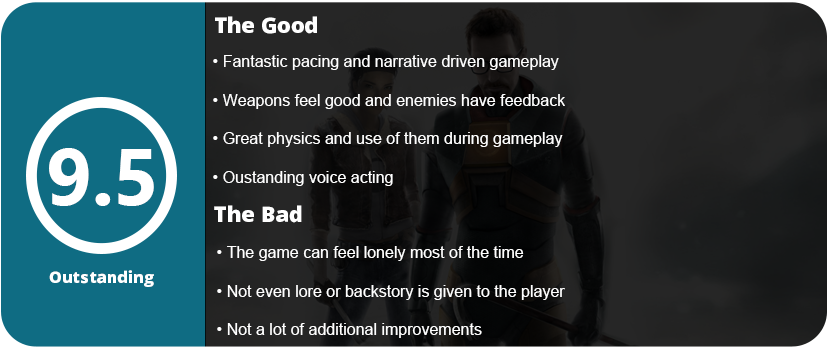
Who hasn’t played Half-Life 2 yet? I still have a free coupon from 2007 in my Steam account, but I can’t give it away because everyone I know or have spoken to owns HL2. The game industry and people’s minds haven’t forgotten Half-Life, but it’s been on the back burner for a while now. Every time a new false rumor for a Half-Life 3 emerges, people perk up, and the game becomes popular for a bit and fizzles out. There have been many community updates, such as the famous Half-Life 2: Update that improved visuals and fixed bugs. However, Valve has finally released their definitive version of the game 20 years later.
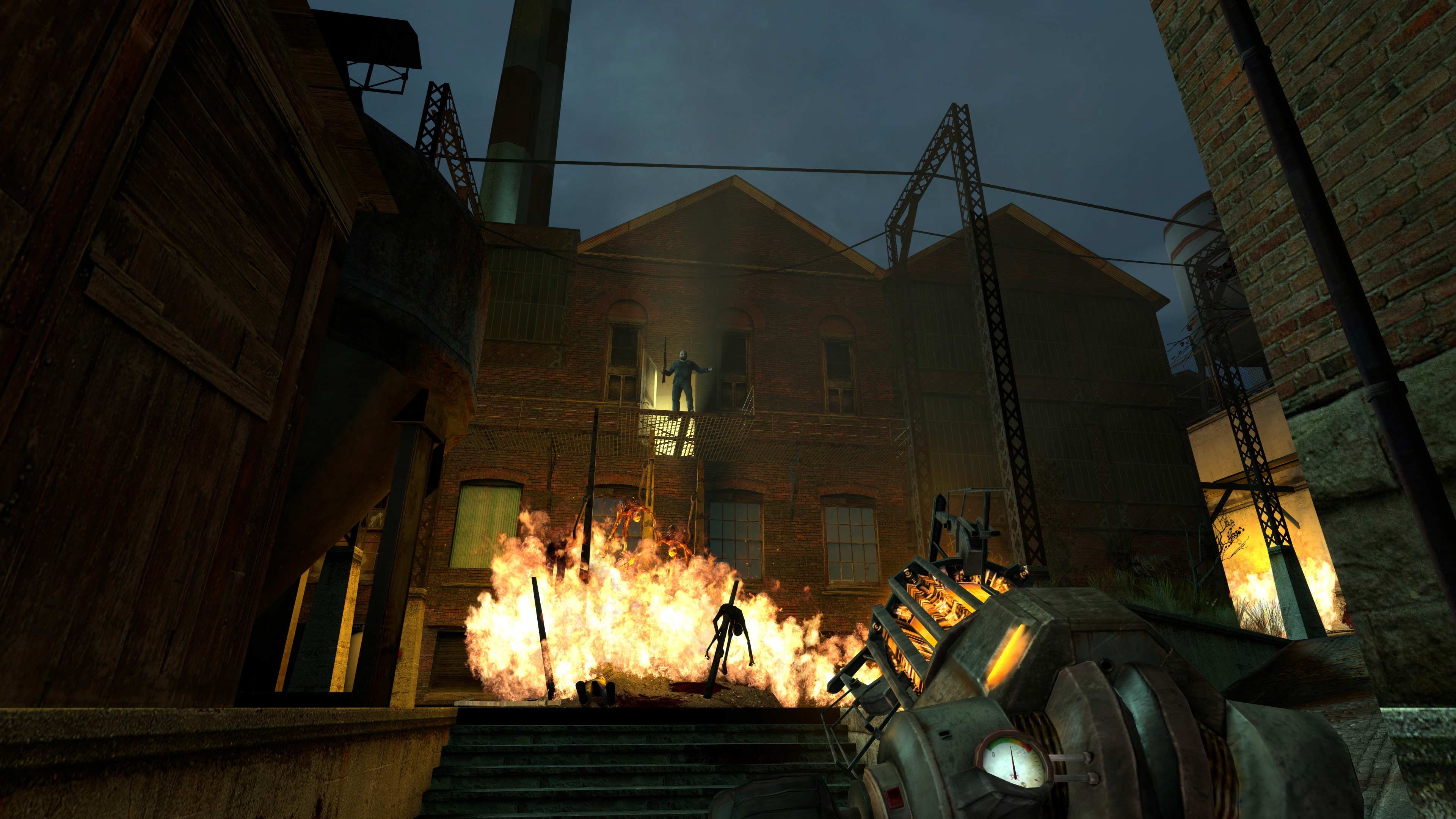
The Anniversary Update incorporates several significant improvements, including enhanced resolution light cubes, the correction of G-Man’s green eyes during the intro, the ability to choose between original and improved blood and flame effects, a more contemporary user interface and menu, an additional 3.5 hours of commentary, the incorporation of both episodes, and additional features. These quality of life improvements make a huge difference and make the game more palatable to play by today’s standards. Half-Life 2, in general, is a fantastic game with a flow unlike any other game I have played.
To celebrate the 20th anniversary, I am going to do a full review of Half-Life 2 through modern-day eyes. Although I didn’t have the best experience when I first played the game on a business desktop in 2005, it was well-optimized for the time and ran smoothly on potato computers. This was the game that prompted me to finally download Steam. People tend to forget how awful it was back in the day, when it constantly crashed and updates would break both the software and the games that required it. While today’s gamers adore Steam, the gaming community didn’t hold the software in high esteem 20 years ago.
As for the game itself, the modern UI is a welcome change, especially on Steam Deck. The game now supports controllers properly with no need to remap anything. You can choose from a grid or carousel-style weapon menu too, which is a nice change. The visuals are sharp and crisp at higher resolutions, and the game overall looks very clean. It has aged incredibly well, and this is thanks to Valve’s Source Engine and the way everything scales up for higher resolutions. As for playing the game, it feels better than ever. The game takes place shortly after the first game, where Gordan wakes up mysteriously on a train bound for City 17, and features a now-famous intro by G-Man himself. The game is a master class on in-game storytelling. Instead of taking away the players’ controls and inserting pre-rendered cutscenes, the game tells everything through subtle details in the surrounding world.
The beginning of the game is the best example of this. Valve also teaches players how to play the game through natural in-game dialogue and simple puzzles at first. The Metro cop, who instructs you to pick up the can at the start of the game, teaches you how to use physics. The inclusion of this now infamous line ensured that players understood their capabilities. This may seem dated today, but in 2004, physics were very CPU heavy, and most high-end processors struggled with them. People had to learn how to pick up objects using real physics back then. Barney explains the first stacking puzzle, instructing you to stack boxes in order to escape a window.
The game’s natural progression is stellar. The game’s long segments ensure that you always feel like you are moving in the world and making progress in real time. Each area is an hour or two long, and you progressively make your way toward the Citadel and Dr. Kleiner’s lab. The hoverboat area is quite lengthy, giving you the impression that you’re actually traveling to your destination in real time. However, these lengthy segments are not monotonous. Valve puts little tidbits in the game that the player can do or ignore. You have the option to escape and obtain ammo or supplies from a passing house, but doing so could potentially lead to a firefight. There are hidden Lambda caches all over the game, and these really help and come in handy.
The transition from a vehicle to on-foot and back again significantly breaks up the pace. There aren’t many puzzles in the game, but there are some areas that require navigation of pipes and ladders and need a bit of thinking to find your way out. Every game introduces something new, whether it’s a weapon or the ability to command squads. While this is very simple and archaic by today’s standards, I found they mostly get in the way and rarely help outside of offering medkits and distracting enemies. Every game introduces new enemies, and just when you believe you’ve defeated them all, a new type emerges. The enemies range from Metro cops to zombies, and from Elite Combines to Striders. Weapons feel excellent and have a unique and distinct feel to weapons, such as the pistol, are not suitable for use in specific situations. It’s mostly useless after you get around half the guns in the game, and I rarely ran out of ammo. The more powerful weapons have limited ammo, so it’s crucial to use skill to ensure you hit everything, kill enemies, and avoid wasting ammo.
There are ammo crates, boxes, and medkits everywhere. While medkits are not a thing anymore in FPS games, they work well here. Gordon has the ability to recharge his HEV suit for armor purposes. Most of the game feels dated in terms of navigation. The entire game, including linear buildings, vents, doors that need to be opened, and tunnels, guides you along a linear path. Although the game may appear expansive and open at times, it actually follows a linear structure, which was the standard for first-person shooter games during that era. While other games such as Halo 2 set the standard, Half-Life 2 stands out for its organic progression structure and illusion of real-time progress in the world. The inclusion of physics such as needing to use the iconic Gravity Gun to pull a wooden beam from in front a door through a window to progress is something that FPS never really did.
Half-Life 2 has a distinct and unique sound and appearance. There are a lot of browns and beiges, but the game still has color in places. The coastline boasts a plethora of blue water, while Ravenholm is characterized by its dark hues of gray, dark metal, and aged wood. The sound design is iconic, from the HEV suit charging to the Metro cop and Combine radio chatter to the bleeps and bloops of the turrets, which were later used in Portal. The entire game exudes a distinct vibe, ranging from Gordan’s slick momentum to the physics and the firing of the weapons. Enemies respond well to weapon fire and ragdoll when dead or blown up. While there isn’t too much gore in the game there is a lot of blood. Enemies won’t gib at grenades, but you might see the occasional severed head.
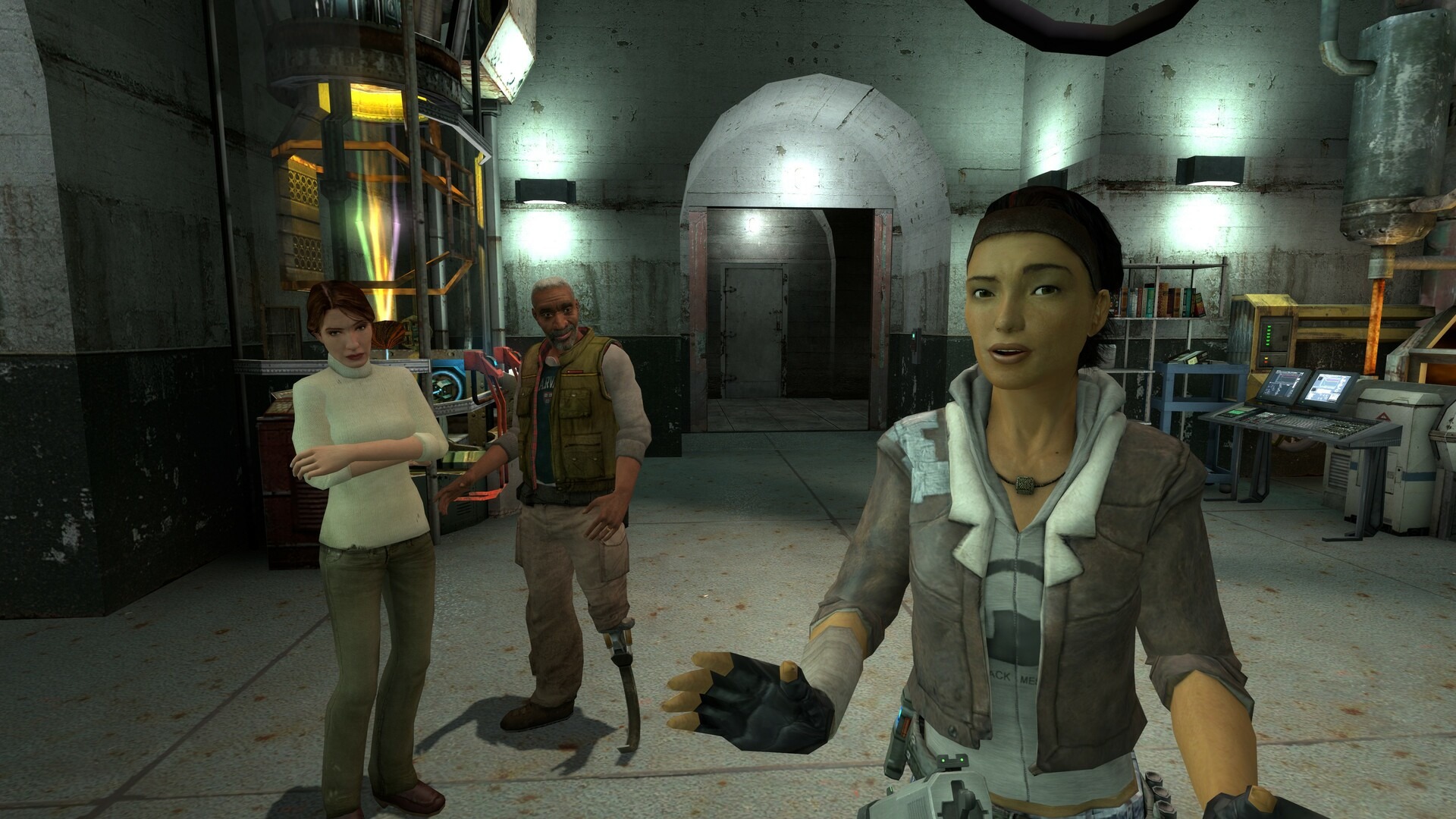
The overall oppressiveness of the world of Half-Life and the Combine is palpable in this game. Every time you encounter a group of rebels, even if it’s just for a brief conversation, it’s a refreshing change from feeling alone and feeling like your assistance is fleeting. Ever since I was 15, this game has felt so lonely and melancholy. It’s one of the reasons I haven’t played through this game too many times over the years. Valve masterfully captures the sense of being a superhero, with everyone relying on you, and effectively conveys the dire consequences of making a mistake. The player bears the entire game’s burden.
The Anniversary Update may not seem like much to some. It’s not a remaster or remake, but rather a set of quality-of-life improvements that are not in any way detrimental. HL2 doesn’t need a remake as it works perfectly fine today. A remake would primarily serve as a cosmetic enhancement, but thanks to Steam Workshop’s implementation, we have access to mods that accomplish this for us.
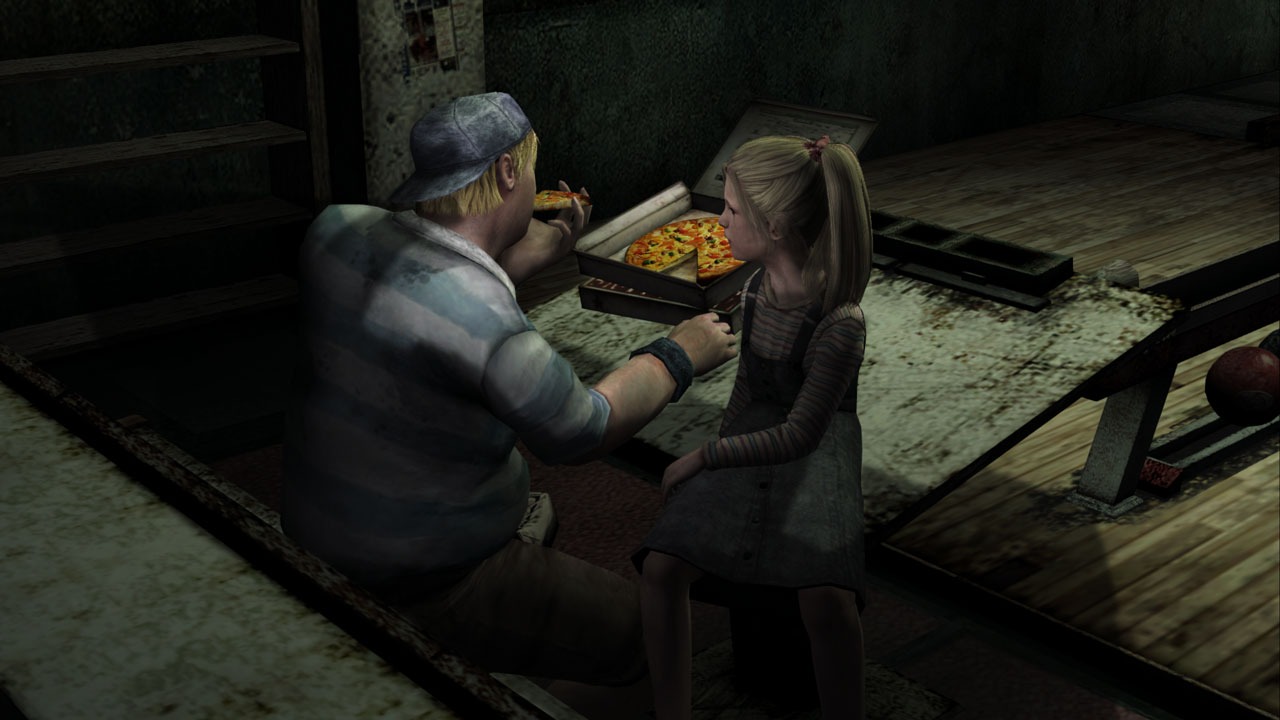
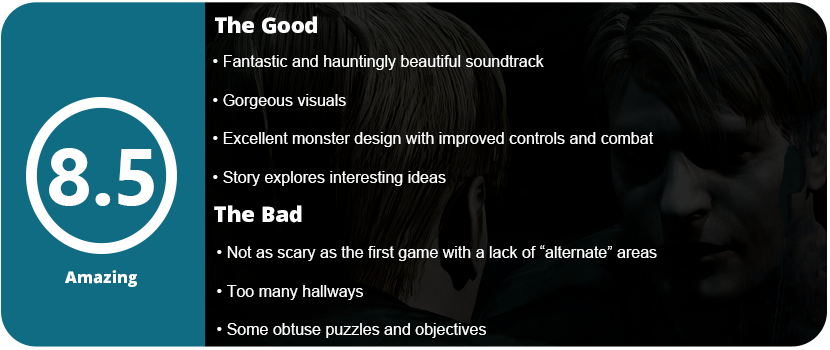
Silent Hill 2 is considered one of the best horror titles ever made. This is my second playthrough of the game. I first played this on PC as well almost 20 years ago. I was a teenager, and I can’t even remember if I finished the game. Silent Hill 2 differs significantly from its original PS1 title. The game focuses more on atmosphere, surrealism, and how things affect people mentally. You follow a man named James Sunderland, who is searching for his wife Maria in the town of Silent Hill, Maine. The story is a little disjointed and doesn’t always make sense, but I think that’s intentional. The game focuses on themes and characters that have no connection to James. Are they manifestations of the town’s pain in human form? There isn’t much exploration of these people’s back stories, despite their frequent appearance. Despite the lack of a third act or a definitive ending will be on the player to make of it what they will. The story is open for interpretation, but remains interesting.
I like how more straight-forward this game is. While the map is an essential tool for figuring out where to go, this series kind of made that a staple. As you progress, your map will mark off areas explored, doors tried, and objects found, aiding in exploration. I still find the puzzles somewhat obtuse, especially on harder difficulties, which make the clues more vague or sometimes nonexistent. For a first-time playthrough, I recommend the easiest combat and puzzle difficulty so you actually finish it. Puzzles involve finding combination locks, and you must either decipher written clues or photos. Some are obvious, while one literally requires you to guess the combination. Finding keys, sometimes through multi-tiered layers of unlocking, is a significant part of advancing through the game. When you receive keys, it’s clear where they lead, and the town map typically circles your next objective. However, navigating inside buildings complicates the process. Most players will tend to become frustrated when they have to attempt every door on the map, especially when there are enemies present. That’s why I recommend starting at the easiest difficulty to gain a better understanding of the game before taking on another challenge. Even starting normal can make the game feel unbearable at first when you don’t know where to go.
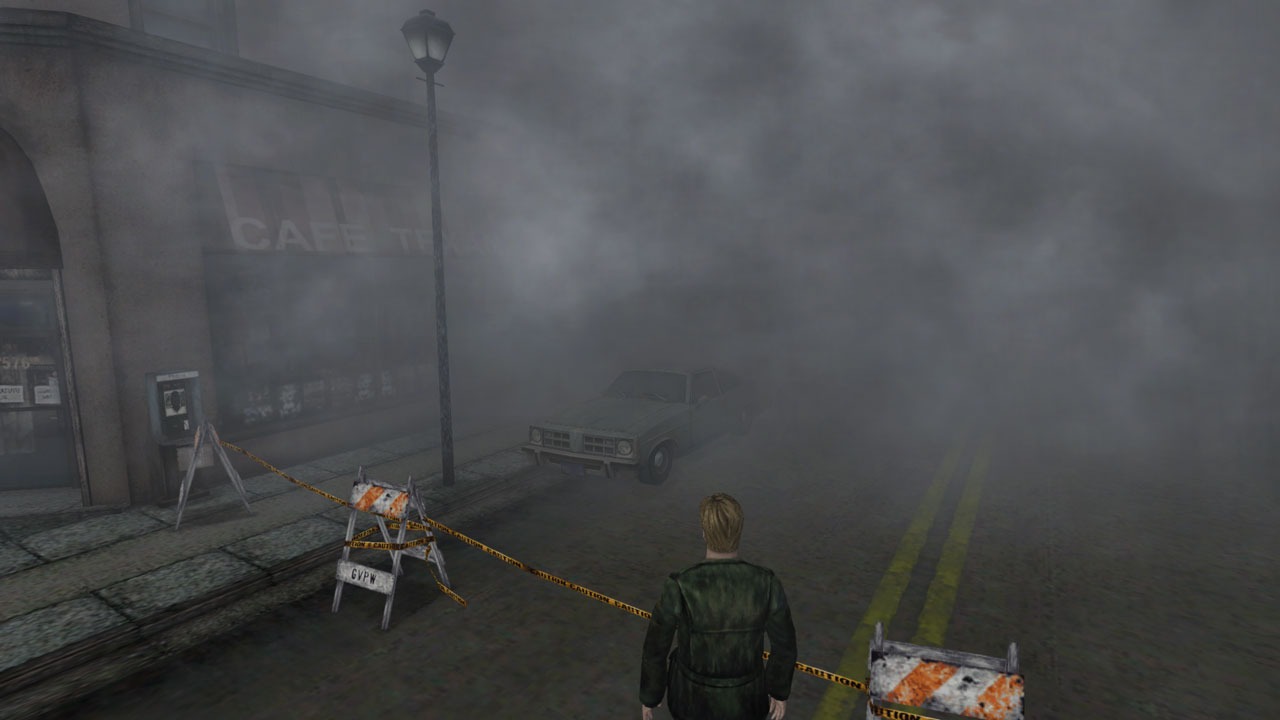
Silent Hill 2 improves on the first game’s combat. Auto-aim works much better, but ammo conservation is a must for boss fights. You get a handgun, shotgun, and rifle, as well as three different melee weapons, and that’s it. When you are just fighting one-to-one, you should use your melee weapon, but on the easiest difficulty, ammo is so plentiful that I could use a gun through the last 3/4 of the game once I collected enough. During the first half of the game, you will wander through the main town of Silent Hill, but you should stick to the sidewalks, as this is where all of the items, including health and ammo, are located. You can avoid most enemies by running past them, but the ominous atmosphere compels you to engage in combat. The enemies in the town respawn anyway, so there’s no point. On harder difficulties, the combat is more challenging, but in most areas you won’t face more than two enemies at a time. You must also kick the monster once it’s down, or it won’t completely die and can come back up. Most enemies are slow and easy to learn their patterns from. The game’s final bosses require the rifle, which boasts the rarest ammo count. The shotgun is powerful but slow at close range, and the handgun is your main firearm for the entire game.
There aren’t any mini-games or side quests here. Basically, you just try to get from A to B alive and watch whatever cutscene you come across. There aren’t any collectibles, either. With a guide, I was able to finish the game in about 4 hours, so it is surprisingly shorter than I remember it being. This was originally a technical showcase for the PS2 during its first year on the market. The fog and lighting effects in this game blew me away when I watched a neighbor play it. If you try to play this game on your own, you may get frustrated early on, turn the game off, and never come back. I highly recommend your first playthrough with a guide. I used the official BradyGames guide for Xbox and had a blast the entire time. I honestly did not want the game to end. I thought the game could tell me more, and I wanted to explore the “alternate” areas from the original title. I never experienced significant frustration with the guide, except for the repetitive nature of the interior locations. The overwhelming number of hallways you traverse gives you a sense of familiarity among them.
With that said, the atmosphere is something I absolutely couldn’t get enough of in this game. The eerie and exquisite soundtrack, the intricate designs of the enemies, and the overall aesthetic appeal of the game captivated me. I was disappointed that we didn’t get to see too much of “alternate” areas, and the boss fights are a bit too straight forward and disappointing, but they look cool. I honestly wish there were more enemy types in this game, but what’s here is still memorable and iconic. The fog that covers everything is now an integral part of the game’s aesthetic, rather than a necessity for these consoles to render the visuals and reduce draw distance. I did become somewhat fatigued by the frequent requirement to traverse narrow hallways, as this game contains an abundance of them. There’s too much focus on item hunting and not enough on exploration. I’m surprised the game wasn’t more combat heavy—at least in certain areas—given how much the combat and controls have improved. The voice-acting was sporadic and inconsistent, as anticipated. The mystery of the endings is my biggest gripe. Interacting with certain objects can lead to unexpected endings. The series’ staple endings are difficult to acquire, and even with a guide, I struggled. Thankfully, this game is worth multiple playthroughs, so you might want to consider it.
Overall, Silent Hill 2 is a fantastic horror title, with the Xbox and PC versions being the superior choices. I played with the Enhanced Edition mod this time around, and it looks as excellent as it will get without an official remaster or remake. It combined the best assets from all versions to make it playable on modern systems equipped with controllers, ultrawide screens, and proper FOV fixes, among other things. The texture work is remarkable, and I loved every second of it. The soundtrack is excellent; I actually listen to it outside of the game. The sound effects are also iconic and haunting themselves. They will stay in your head forever. While the characters themselves may not be particularly intriguing or profound, the town of Silent Hill stands out as a unique character in its own right. With so much to reveal and is concealed, you want to see everything. I would even consider this an unofficial HD remaster. If you haven’t played Silent Hill 2 yet, this is the way to go outside of the Xbox version.












































 thebinarymessiah.com
Try multiplayer. A lot of fun !