What defines an atmosphere? It’s the portrayal of a setting and world that feels authentic in the sense that it can make you feel you’re in it. It can scare you, make you feel like a superhero, or make you feel full of magic. The atmosphere in a game is extremely important and with the latest technology developers can bring us more authentic settings.
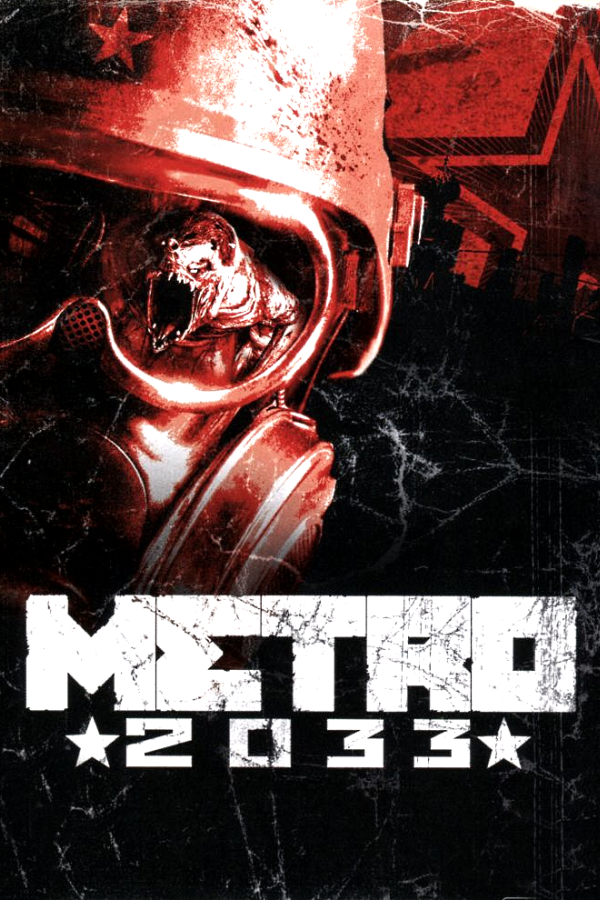
While Metro 2033 didn’t see much light from retail it has one of the most amazing and scary atmospheres ever created. Feeling all alone in a subway in Russia with just a lighter, gas mask, shoddy handmade weapons, and the sounds of creepy dogs howling down the tunnel? Only one clip left and there could be ten or more? That is one scary situation, and even the outside environments are incredibly hostile feelings. The mix of enemy camps with stealth missions makes you feel desperate, and if you get caught the whole world will come down on you.
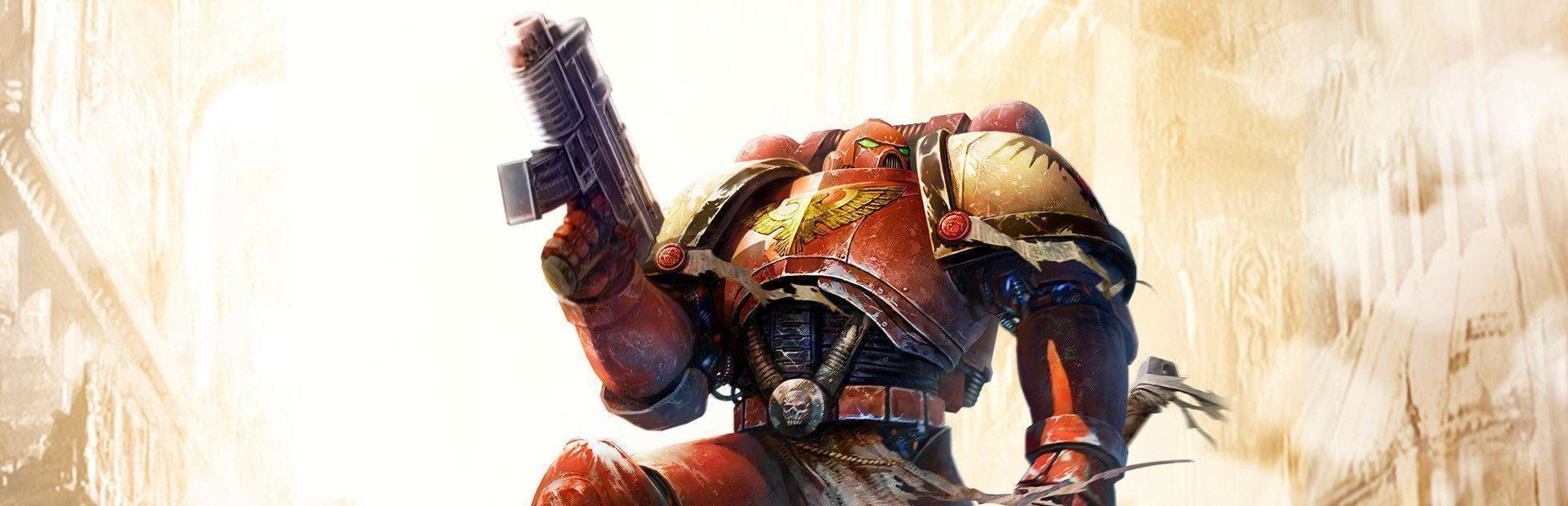
I love RTS games, and Warhammer is one of the best out there. Forget the overpriced board game stuff; the RTS game is where it’s really at. The first Warhammer was amazing and used the entire Warhammer universe in a unique symbiosis of RTS gameplay that was slick, powerful, and very addictive. Of course, with Warhammer 2 coming out, everyone couldn’t wait to get their hands on new units, new strategies, and another great story—but wait, it’s gone. Yeah, Relic took the S out of RTS in this sequel, and now it’s just an RTG (Real Time Game).
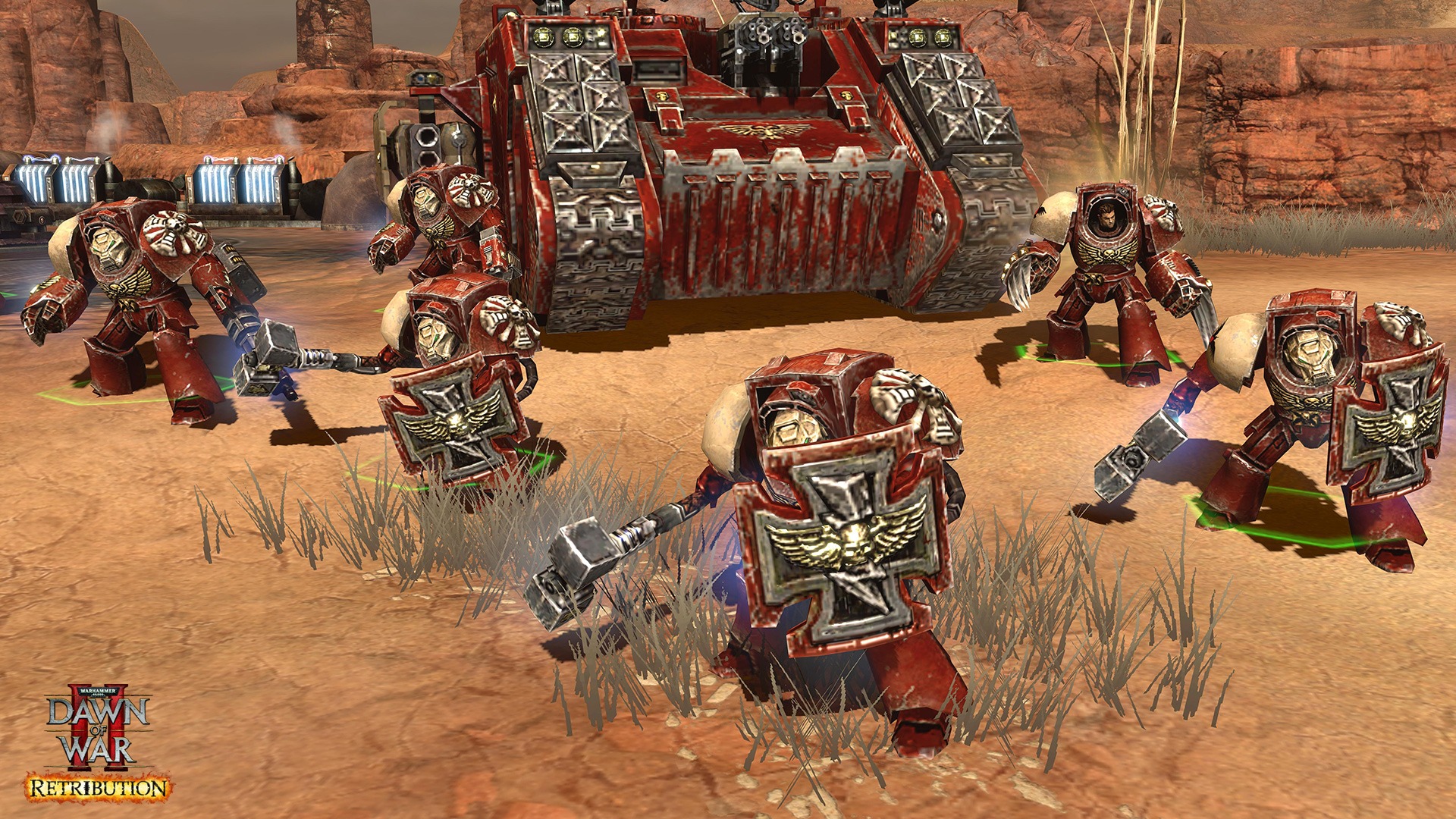
Instead of building units and sending them across maps, you just get to command key squad members around a map and enjoy dying and struggling through mission after mission. The game really isn’t any fun, thanks to the high difficulty and the fact that this game should be an RTS, not an RPG/RTS mash-up. I don’t mind the RPG elements, but they should have made it just that. Each member can have up to three members of their squad, so you get a handful of guys taking on an entire map. You can give each guy some accessories like health packs, grenades, shields, demo charges, and tons of other things, but you’re limited, and most of the time it never really works when you want it to.
If you think it sounds bad, it’s at least worth a shot. You can select each individual squad group and command them to do certain things. Each one has unique abilities, and you will use them all when taking on bosses and huge missions. You can pick up weapons and armor on the battlefield at random when dropping enemies, and later on, you can equip them. Some items have stat bonuses, and some just add firepower. After each mission, you can level up your guys in the fields they specialize in, and this is crucial to beating missions.
The game just feels like a big mess, really. You have to jump between three different worlds, and while completing story missions, there are side missions going on with timed “days” you get to complete them, and if you let the Tyranid infest an area too long, it drops your campaign score. I find this frustrating since you can only do one mission at a time, and if you fail, it lapses a day, and you can really miss a crucial mission. If they weren’t so damn hard, it would be a lot easier. Some missions had me running back and forth to a satellite drop point (you can get more troops this way) or a relic site that fully heals your squad. Running back and forth from the boss over and over to heal and chopping down a boss’s health is something you do in an RPG, not an RTS. I feel Relic had the wrong idea for this game, and I bought it thinking it was like the first game, but I feel I wasted my money.
The game just has so much back and forth; the objectives feel tedious, and sometimes you can’t complete a mission because you’re not strong enough, so you have to try another, and sometimes another, and another, then go back around and try to beat them all again until you can finally beat that story mission. It’s exhausting, not fun, and, most of the time, boring. While the game isn’t terrible, it’s just that I wanted an RTS, not a crappy mash-up. Sure, you can get a Dreadnought later on or more powerful accessories like an orbital strike and a drop pod, but you only get one during the mission, and it just never seems like enough.
With all that out of the way, the story is decent, and it follows the original. The Blood Ravens are trying to get rid of the Tyranid infestation and are trying to come up with something that can weaken the hive. The voice acting is solid, and the story is interesting enough, but it’s also missing those cool cut scenes from the original game, and it just feels half-baked. The visuals are decent, but not much better than the original, so Dawn of War II isn’t really Dawn of War; it’s something else. Go ahead and pick this game up if you are a true hardcore fan, but you will be very disappointed. You can play co-op with someone to lighten the difficulty, but without the RTS elements, you won’t really care.
Norse mythology. That’s what drew me to Darksiders, but don’t just jump into this thinking it’s a God of War clone. In fact, it’s a mix of Zelda exploration and puzzle-solving and combat similar to God of War, but not as good or as epic. The story goes a little something along the lines of you playing as one of the four horsemen, War, who is chosen by the Council to find these broken seals and kill whoever did it to bring back Balance because the bad guys want all the realms aligned and made into one. The story is stretched between the long-winded levels, and it never picks up until the last hour, but by then you have forgotten what has happened because there is a little story between levels. It almost feels as if the story was an afterthought, and Vigil just concentrated on the puzzles and combat.
That being said, there is a lot of puzzle-solving in this game—almost more so than any other I have played. The game takes a lot of ideas from other games, such as God of War, Zelda, and even Portal, and puts them to good use. While the game isn’t 100% original, it does have its originality in certain areas. While starting with the combat, it’s pretty simple. You start out with your Chaoseater sword, which is mapped to the X button. Later on, when you get the scythe, you can map that and any other secondary weapon to Y and your tools to RT. Combat moves can be purchased by using blue souls gained from killing enemies. There are power moves and multiple combos you can pull off, and it’s all fluid and fun to use, so there’s no problem there.
You have a yellow wrath meter, which is war’s “special powers,” and then you have health shields, which are bars of health. Sometimes when you weaken an enemy, you can execute a kill move by pressing B (God of War, anyone?), but no QTE (quick time events) are displayed. Instead, you just watch war butcher the enemy. I love QTEs and would rather participate in the killing than just watch, but some people may prefer this. You can also ride your horse, Ruin, through the last 3/4 of the game and swing your blade while on him to kill and demolish enemies.
Now combat is neat and fluid. I just wish there were QTE events and a more fixed cinematic camera, but after explaining the puzzle-solving, you’ll see why it’s a user-controlled camera. The puzzles are so frequent and so complicated that they drove me nuts. It was just puzzle after puzzle after puzzle, and it was never-ending. While this doesn’t ruin the game, it just feels more and more like Zelda with every hour that passes. You have a free-roaming world that is broken down into sections that you can warp to. You have to find tools such as a grappling hook, a Mask of Shadows (to see hidden objects), and a portal gun (yeah, ripped straight from Portal, but it’s a gauntlet instead of a gun), as well as a glaive (Dark Sector maybe?). As you discover each tool, you use them to solve puzzles accordingly. The portal gauntlet is probably the most unique. There are orange circle plates that you can attack portals with too, and if any portal fans are reading this, you know what happens. However, there are a few unique touches, such as in the Black Throne area (mostly puzzles and hardly any combat), where you guide a beam from across a level through the different rooms and solve those puzzles to allow the beam to pass through more rooms. Yeah, it’s a bit in-depth and complicated, and don’t fret because most puzzles are pretty easy to solve, but there were a few brain scratchers that resulted in a video walkthrough.
A lot of the puzzles are pretty unique, but there are a few things thrown into the game that will surprise you, such as the ride on the dragon and using heavy guns that enemies drop. There is even a pistol that you can use in the game, but it is kind of useless except for the boss in the Ashlands level. Other than that, the pistol was pretty useless. There are just a lot of unique puzzles in the game, and they are pretty fun, but the fact that there are so many makes the game redundant, and that’s why it didn’t score as high as I wanted it to. The combat is pretty repetitive, and there’s nothing outrageous about the gore level; it’s actually pretty mild; it’s nothing close to the gore in God of War III. The kill animations are pretty repetitive since there is only one per enemy, and even the enemies are recycled. While there may be about six or so different enemy types, they are just recycled with different “costumes” and become more powerful as you progress through the game.
The bosses are pretty epic, but they aren’t too hard to beat. They repeat the same pattern over and over, and even the last boss is a pushover after you learn the strategy. The graphics are actually pretty nice. The character details are excellent, but the environments tend to be lacking. There is a lot of aliasing (jaggies), and I know the game could just look a whole lot better. This is also a game for people who like collecting since there is hidden crap all over the game, but I tend to not go searching for this stuff since I’m not good at it, but it’s there for Zelda fanatics to find.
Overall, the game is worth a purchase, but people who want just the action should steer away from it since this game is very puzzle-heavy, as in Zelda-type puzzles. The game gets very redundant after a while, and only the hardcore will continue playing, but Zelda fans and puzzle fans should check this out. You can play anywhere from 10 to 20 hours of gameplay, depending on whether you’re a completionist or not. There is lots to love in this package, but a bit more flare would have been nice. Bottom line: This is an adventure game for men, not elves.
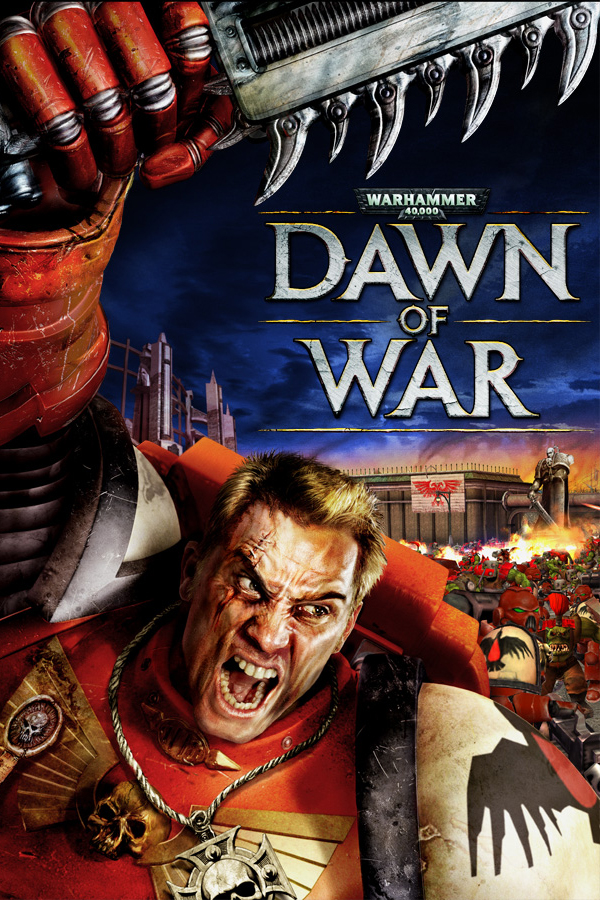
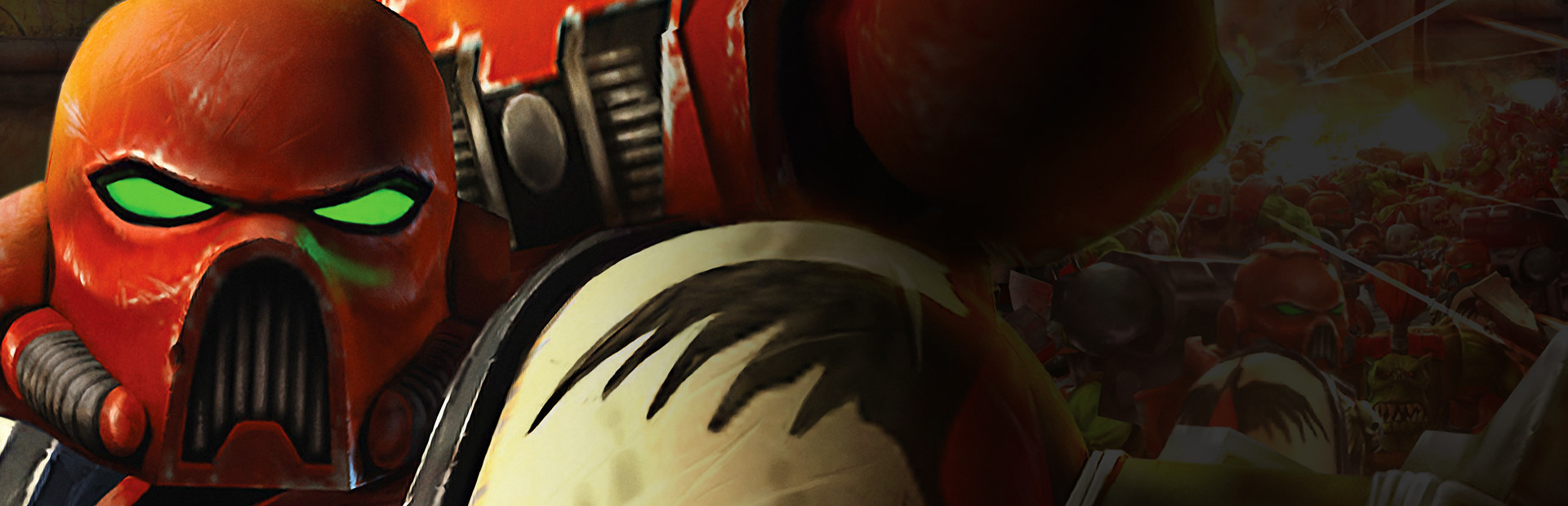
I love RTS games but when they try to be too deep (i.e. Civilization), they can sometimes be either boring or too hard. Dawn of War tries to remedy this with a simple design. If you don’t know what Warhammer is, then I wouldn’t be surprised. Warhammer is a board game where you buy and collect outrageously priced figurines to build your army(s) and battle with other people. The models come in plain die-cast metal, so you can even paint them yourself. Dawn of War does a perfect job of making that into an easy-to-access (and cheaper) form. The game has a great story with great voice acting as well, and this is also a surprise.
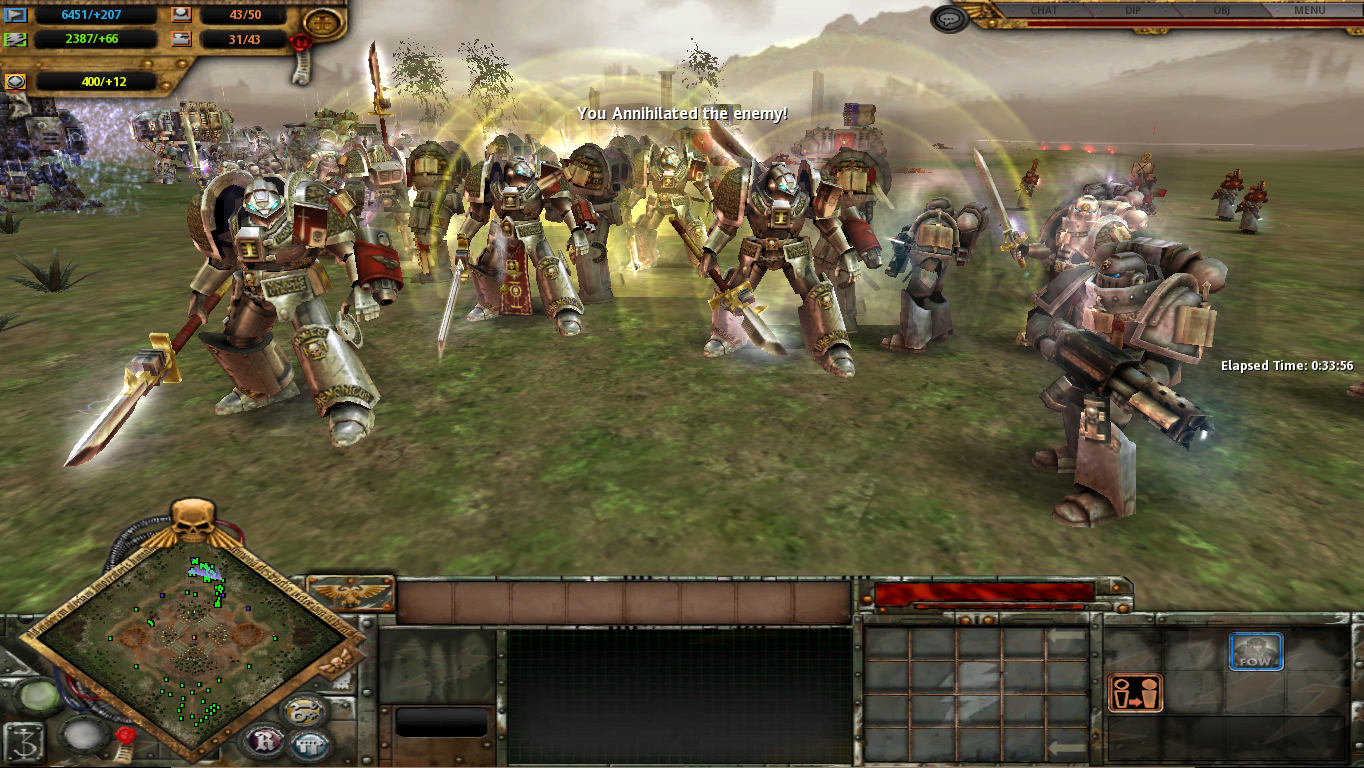
You play as the Space Marines, who are trying to stop the Chaos and Orks from destroying the world of Tartarus and unleashing an ancient evil. Through the 11 campaign missions you’ll play, you’ll slowly unlock new things to use. Unlike most RTS games, the squad cap is at 20 and the vehicle cap is at 17. I don’t think this is kidnapped up at all. You can select each unit and “add soldiers” and even upgrade new weapons and abilities for them in your armory. Each “squad” can hold up to a certain number of soldiers, so choose wisely. You have four different powerful squads, which are the Scout Marines (the weakest yet the fastest), the Space Marines (your main squad you’ll be using), the Assault Marines (they have jetpacks and are more powerful), and the Terminators, which are massive machines that are practically unstoppable. You can’t unlock these until the last few missions. Your vehicles are the same; you have tanks, powerful tanks, super-powerful tanks, tanks that transport troops, etc. To build all of these, you do need resources, but unlike other RTS games, you don’t need a ton of different things. All you need is a requisition resource and a power resource.
You get PR by building power generators, and you get RR by capturing strategic points throughout the maps. You can then build listening posts on these and upgrade them with turrets and armored housing. You also can’t get the better units until you upgrade your stronghold (think: Eras in the Age of Empires and Civilization). While there are only three different upgrades (remember, they keep everything simple), you have to build certain structures before upgrading again. Most of the gameplay comes into play when you attack enemies. While you attack enemies, you can use upgrades that you researched, such as frag grenades, smite, rally, etc. You can also attach your main characters to units to add attributes, and you can even add commanders. While this is really fun, simple, and easy, the game has some flaws. First off, the graphics look somewhat dated, especially up close. Second, you can’t kill units, so if you accidentally create a Space Marine instead of an Assault Marine because you have to jetpack over a ravine, you’re screwed. You can, however, rally the Space Marines to an orbital station and have them drop over, but you need the third addition to your stronghold for this. Another pain is that you can’t zoom out far enough. This makes finding squads tedious and annoying. The final thing is the cliffhanger ending. It leaves an opening for the expansion packs, but you aren’t satisfied at all.
There are also AI issues where units will pile on top of each other and get confused about where to go. This can make moving large amounts of units a pain since some will be further ahead than others. If you can overlook all of this, Dawn of War is one of the best RTS games ever made. With its simple design and easy pickup-and-play mechanics, you’re going to have a blast with this game.
























 thebinarymessiah.com
Try multiplayer. A lot of fun !