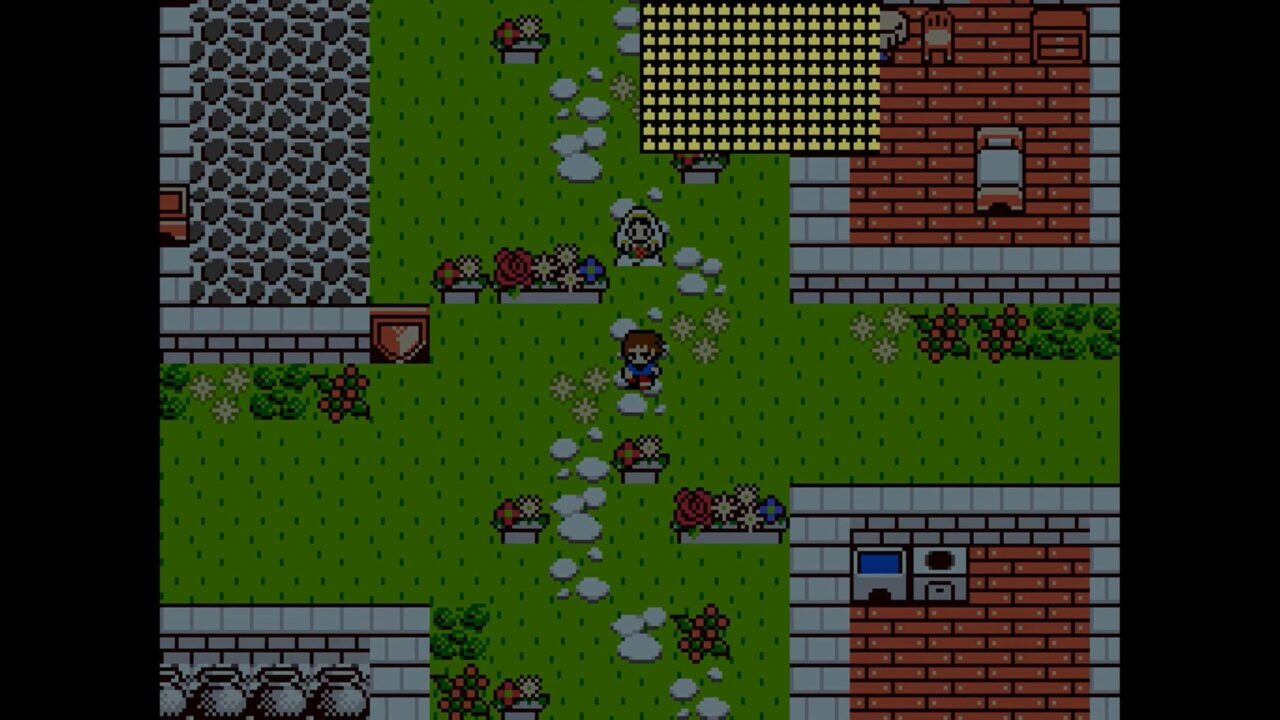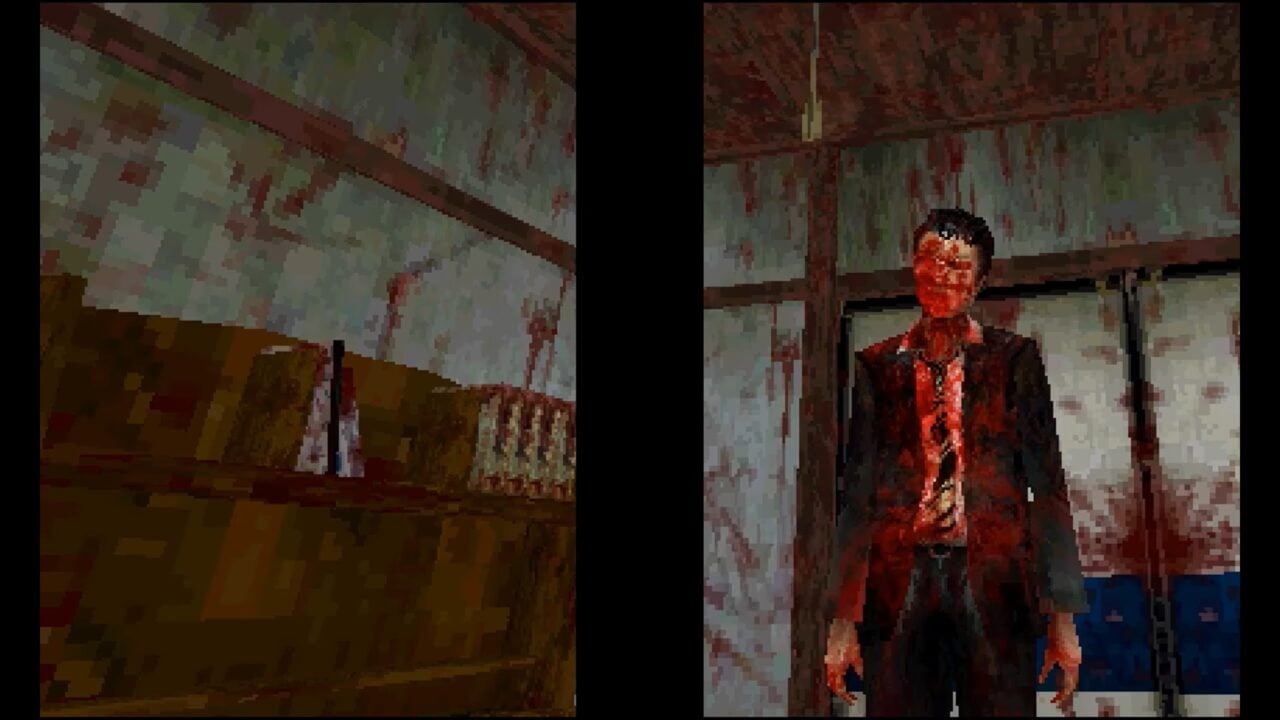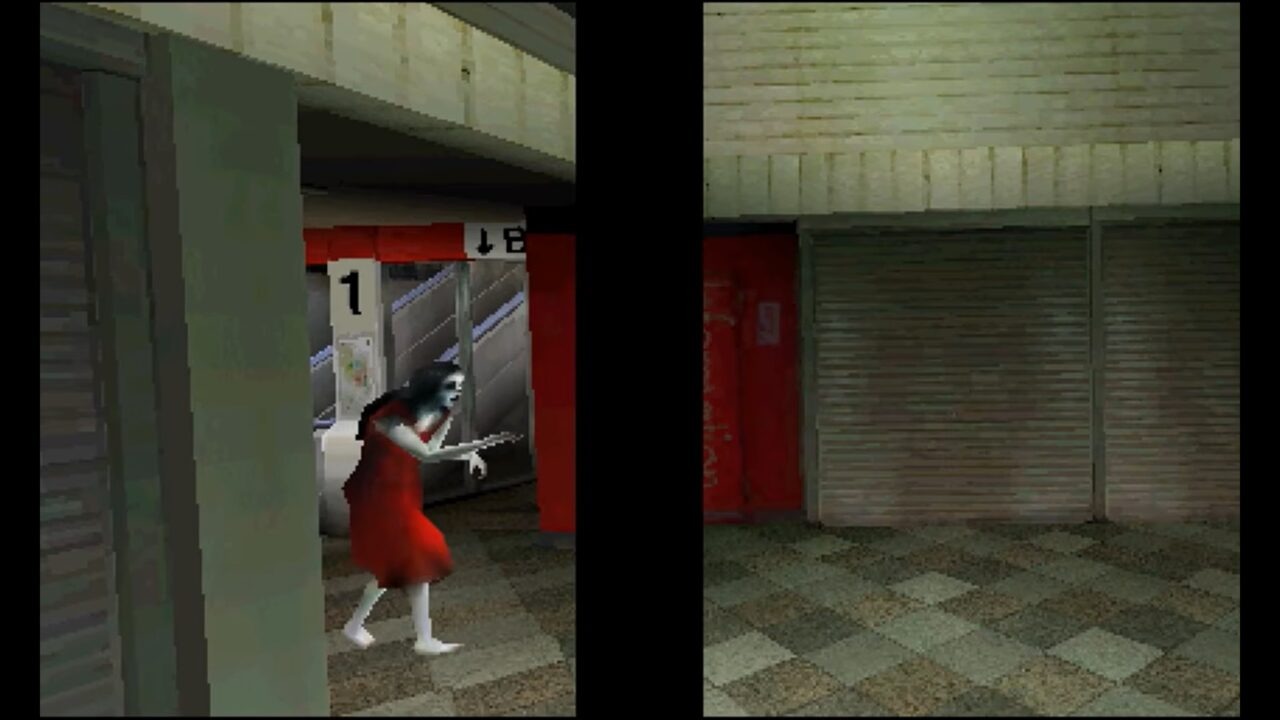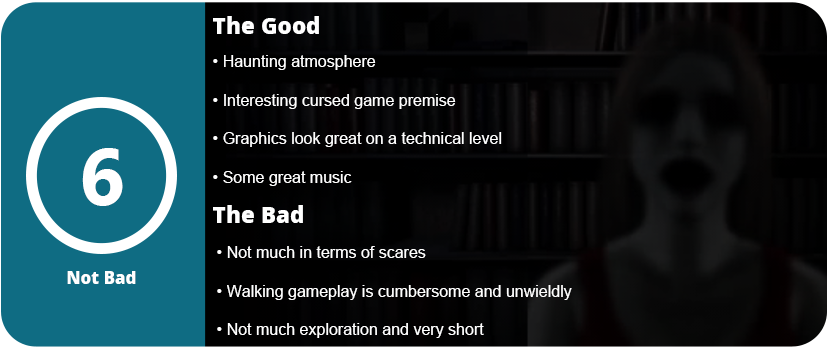
The late Benoit Sokal’s vision is something I have yet to experience. Syberia is considered one of the best point-and-click adventures of all time despite its flaws. Like other games in the genre, such as Sanitarium and The Longest Journey, Syberia gave PC gamers beautiful visuals, intriguing characters, and rich worlds to explore. This remastered classic does just that by giving new gamers a fresh take on an older classic, flaws and all. The series is now a four-part saga that starts here with its humble beginnings.
You play as an American attorney. Kate Walker is tasked by her agency to get an automaton factory signed over to a new toy company. You must seek out its owner, and this leads you on an epic journey through various towns with interesting people. Kate eventually awakens an automaton engineer who is able to drive a wind-up train to where she needs to go. The train needs constant winding, so it conveniently stops in these towns. The towns usually have mini mysteries to solve or predicaments to correct so Kate can move on with her journey. She either needs more info on where to find Hans Voralberg, who is the living descendant of the factory owner. There’s a lot of humanity in this game. From the strange university with its weird Stoker council to the obsessed automaton in the mines who wants to desperately reimagine an opera he saw long ago. The dystopian Soviet Russia vibes also add to the atmosphere here. The game feels sterile and falsely joyful. Remnants of this sadness litter the environment, akin to soldiers dispatched to abandoned facilities to await their demise.
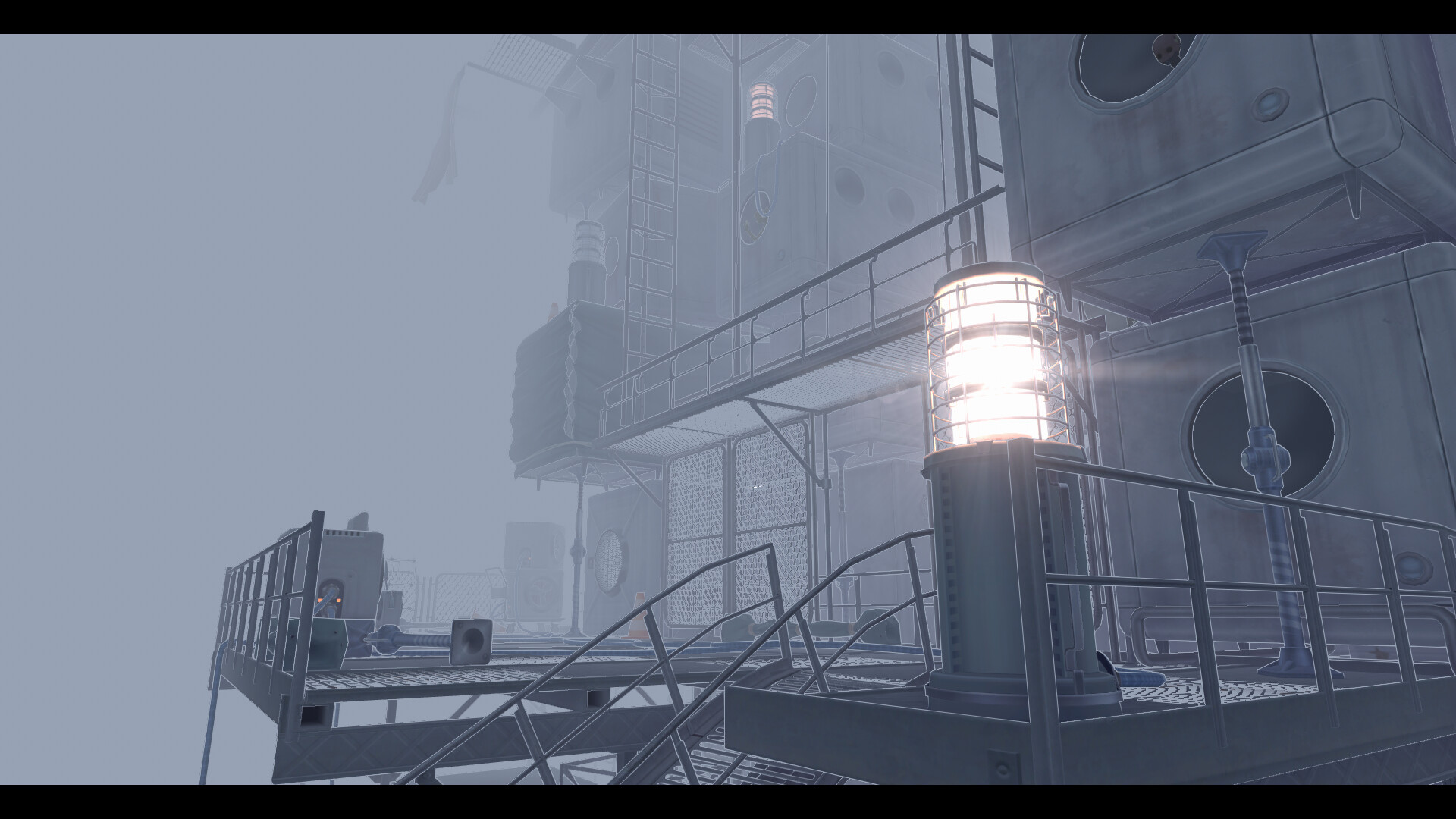
Syberia does a fantastic job feeling like an actual adventure. However, the puzzles are few and far between, and a couple can be rather obtuse, while the majority have no challenge. There’s a lot of backtracking in the main “hub” areas of each town and just a lot of walking. Talking consists of selecting questions, and that’s it. The pre-rendered cutscenes were not redone, looking incredibly dated. These are in full widescreen with a proper aspect ratio but should have been redone or just done in engine. The remade visuals look fantastic with beautiful sweeping vistas, great lighting, and good-looking textures. There are some quirks left over from the era, such as needing to have animations finish before doing something else, some graphics glitches, and object hunting. Most objects will have a circle appear over them if you get close, but these can be missed sometimes, leading to a lot of wandering around.
You can platinum this game in one go, and it can be finished in about 4-5 hours with a guide. Once you complete the game, there’s no reason to really revisit unless you have nostalgia for the original. The remaster adds some interesting DualSense features, like having Kate’s phone conversation play through the controller speaker, but there’s not much else to this game. If you love adventure games, then give this a try. Here’s to hoping the second game will get remade as well.
Indie horror games are not always great. In fact, most are pretty bad. There appears to be a trend of focusing on going viral instead of earning positive word-of-mouth through genuine quality. Either relying on tropes such as the “meme monster,” like Poppy Playtime, or having convoluted lore, like with the SCP series. The Inn-Sanity tries to be a self-contained horror title only trying to be good. It’s one of the better “Unreal Jank” horror titles I have played with the, probably by now, overused PS1 graphics aesthetic that mostly misses the point of them. You play as someone who visits an Inn (Sanity Inn…get it? Ha, ha). During the night there seems to be a Cthulhu mythos-style end-of-the-world scenario. You end up meeting a goth girl, who has the only voiced lines in the game, as you both try to survive the hotel and get to the roof while working with a security guard who is always hiding in the security room in the lobby. You only get phone calls from him. There’s also a monster lurking in the hotel, murdering everyone.
It’s a pretty cool setup, and the pacing of the story is surprisingly good. I played the game all the way through in one sitting because I wanted to see it to the end. The monster is pretty cool and scary-looking, and the scenarios you are put in are easy to deal with but still intense. There’s also a mad murdering priest wandering the hotel, killing anyone who he thinks is infected and not “pure.” The stealth sections involving the monster aren’t hard. The AI is pretty dumb, and one scene had me gathering gas in the parking garage, but the monster wound up always staying at the opposite end where there aren’t any cars. It was a breeze. Every mission will require you to go out into the halls and either up or down stairs to find someone or a supply. One puzzle has you following colored pipes to their proper PSI number to turn on the water to the hotel. It was a fun puzzle and had some intense moments.
There are some intriguing elements thrown in, like being able to call various numbers on the hotel room phone to get some lore in the game. You can turn on the radio every day and hear what’s going on with the outside world. Small things like this that could be expanded upon make for a great way to make a small enclosed area more interesting. We want to know what’s going on outside and how other people are doing too. There’s enough of a world built here to convince you to investigate more, and that’s really hard to pull off in such a short run time. The girl’s voice acting is spotty. It follows the typical “cutesy anime girl” voice trope and I honestly do not like that at all. Some may be okay with it. Some lines are delivered pretty well while others are completely off in tone and intensity. She is supposed to be a beacon of light and the only human thing in this entire world and she just doesn’t feel serious enough for this.
Once you get back to your room, you are advancing the story between the girl and yourself. You keep passing out and waking up in the bathroom, not knowing why. You have strange dreams, and some choices will affect what ending you get with the girl. The story is always moving and changing, and you never get bored or feel stuck anywhere. There are some downsides to this game being very low budget. The animations are pretty bad; everything is a weird mix of high and low poly, so it has an inconsistent look. The game is also rather short, ending at around 3 hours. While I enjoyed my time with the game, I feel that these good puzzles, branching dialogue trees, and choices could be put to more use. The developers are talented and know how to make a great horror game. With a bigger budget I feel they could do something really great. This is easily one of the better super cheap indie horror titles on Steam and will get you genuine scares and entertain you the entire way through.
Short stories in the Silent Hill universe aren’t unheard of. Many people are unaware of their existence, except for the most dedicated fans. The comics and graphic novels on Game Boy Advance and PSP are not quite there, but they are interesting side stories. Silent Hill is more than just a town. It’s an experience. This version is set in Germany. You play as a teen named Anita who is inside an abandoned apartment complex exploring her past and trying to find her friend Maya. Silent Hill games usually explore the real world and then the “Otherworld.” In this game, if you can even call it that, there are clear inspirations taken from Silent Hill: Shattered Memories. This is the first SH game to be set in first person and the second to use a smartphone as a main gameplay device.
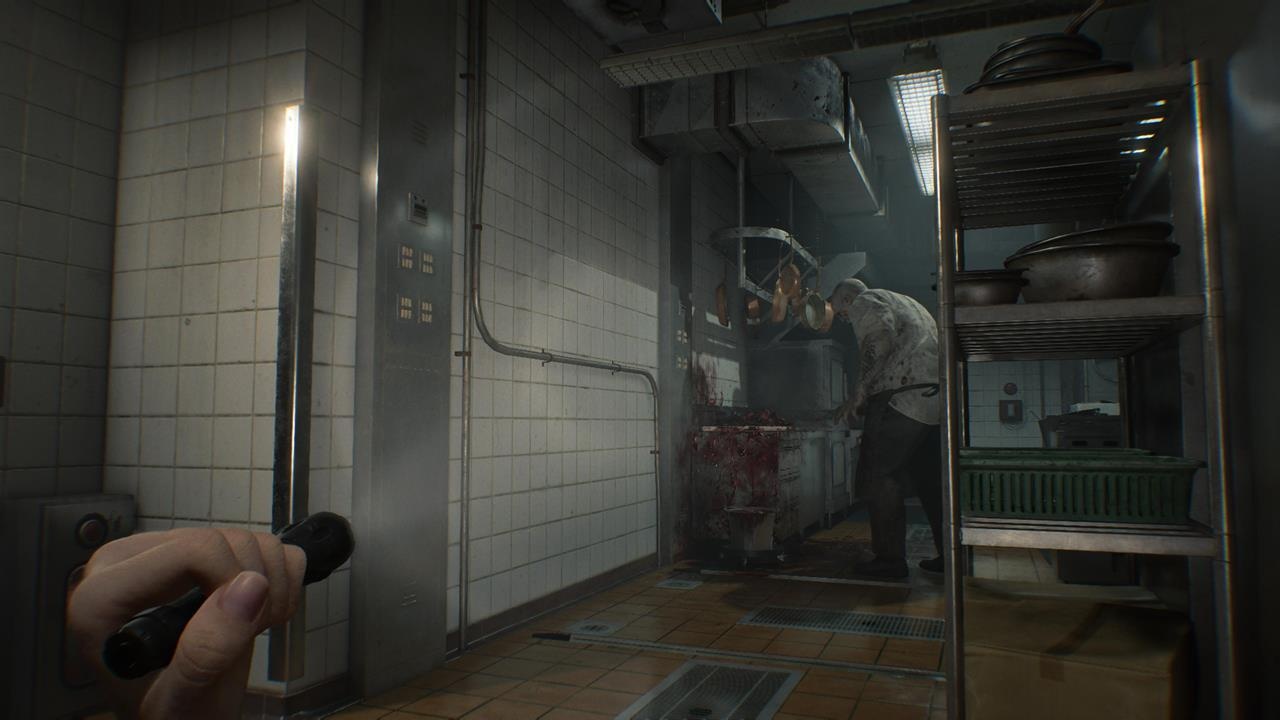
Your phone is used for its flashlight. It’s not as extensive as Shattered Memories with apps and features. Every so often your friends will text you, and you just press X to reply. The game is incredibly linear with only one clear path forward. The apartment complex is dark and dirty and does a good job of creating a horror atmosphere, but this isn’t Silent Hill. The series is never stuck inside of a building through the entire game. In fact, the only “outside” you encounter is going onto the roof and balcony a few times. This is by far the least interactive game in the series outside of the graphic novels. You will walk around examining objects, triggering cut scenes, and then entering the “Otherworld” apartment complex, which involves an annoying chase sequence from a monster. The only way you would know that the game is connected to Silent Hill is the monster track in the background and the orange hellish metal design everywhere during the chase scenes, and a single mention of the game in a note on a table. You need to run through a maze of doors and hallways to escape. They aren’t fun and have no combat.
There are a couple of puzzles in the game that are actually pretty good, but it’s the only gameplay in the entire game that’s interactive. The most jarring element here is the inconsistent visual design. Anita’s model is incredibly rough and ugly. She looks worse than the rest of the game, and then there are the live-action cut scenes of a Japanese girl (Maya) talking to you in flashbacks. Sadly, the scenes were obviously shot in Japanese, but there’s only an English dub available. The actual story and message of suicide and bullying are interesting. There’s something here. Anita will walk through rooms full of sticky notes everywhere that have hateful words. We get flashbacks of her cutting her wrists, etc. These darker elements are what make Silent Hill so great. The exploration of the darkest parts of the human psyche, but instead of going with that, The Short Message drops the ball every time it picks it up. Exploring the apartment complex doesn’t bring about any scares. Lights turn off, bulbs pop, there’s weird noises, and that’s about it. The monster chasing you is the only monster in the entire game and you rarely get to see it.
What’s left is a three-hour slog through what feels like a tech demo or proof of concept. Clearly Konami didn’t like it enough to make it into a full game. Hexadrive has some good ideas here, and I wouldn’t mind seeing that they could do with a full Silent Hill game. With the series making a full return, we need more developers on board now that Team Silent has been disbanded. I recommend playing this only if you’re a Silent Hill completionist and hardcore fan, but otherwise there’s not much here for anyone else.
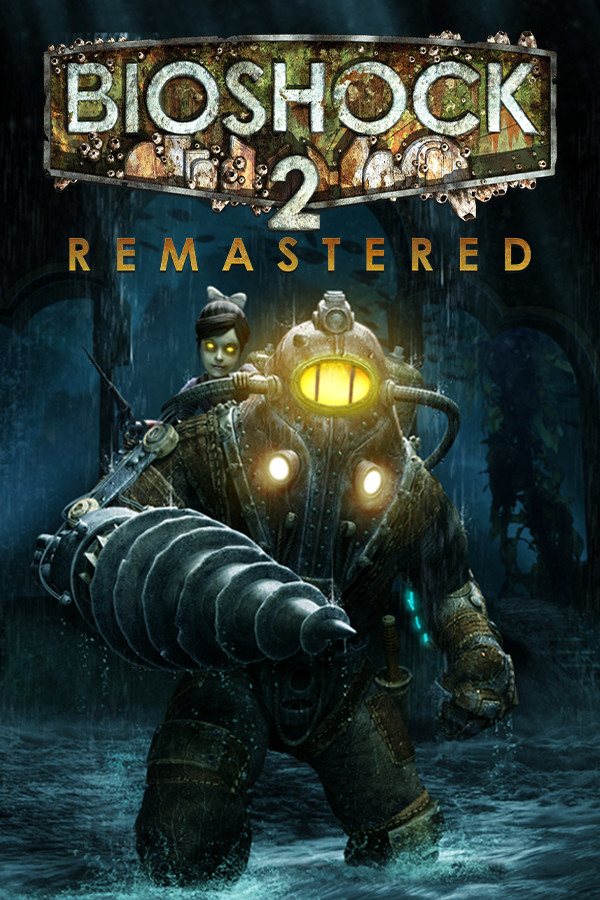
War. War never changes. Oh wait, wrong game. Clears throat Is a man entitled to the sweat on his brow? A famous quote from Andrew Ryan. The creator of Rapture. An underground utopia, or dystopia, that’s a playground for the rich. Using Adam and Eve to alter your genes and add power like fire, ice, shock, and bees. You arrive serendipitously via plane crash over the Atlantic ocean. You work your way through Rapture while being guided by a man named Atlas. There are Little Sisters, children who harvest Adam from dead Splicers, and Big Daddies that protect them. There’s quite a bit going on, and while this is a spiritual successor to System Shock, it was revolutionary for its time. Sadly, many younger gamers, like myself, had never heard of System Shock as it wasn’t a blockbuster seller.
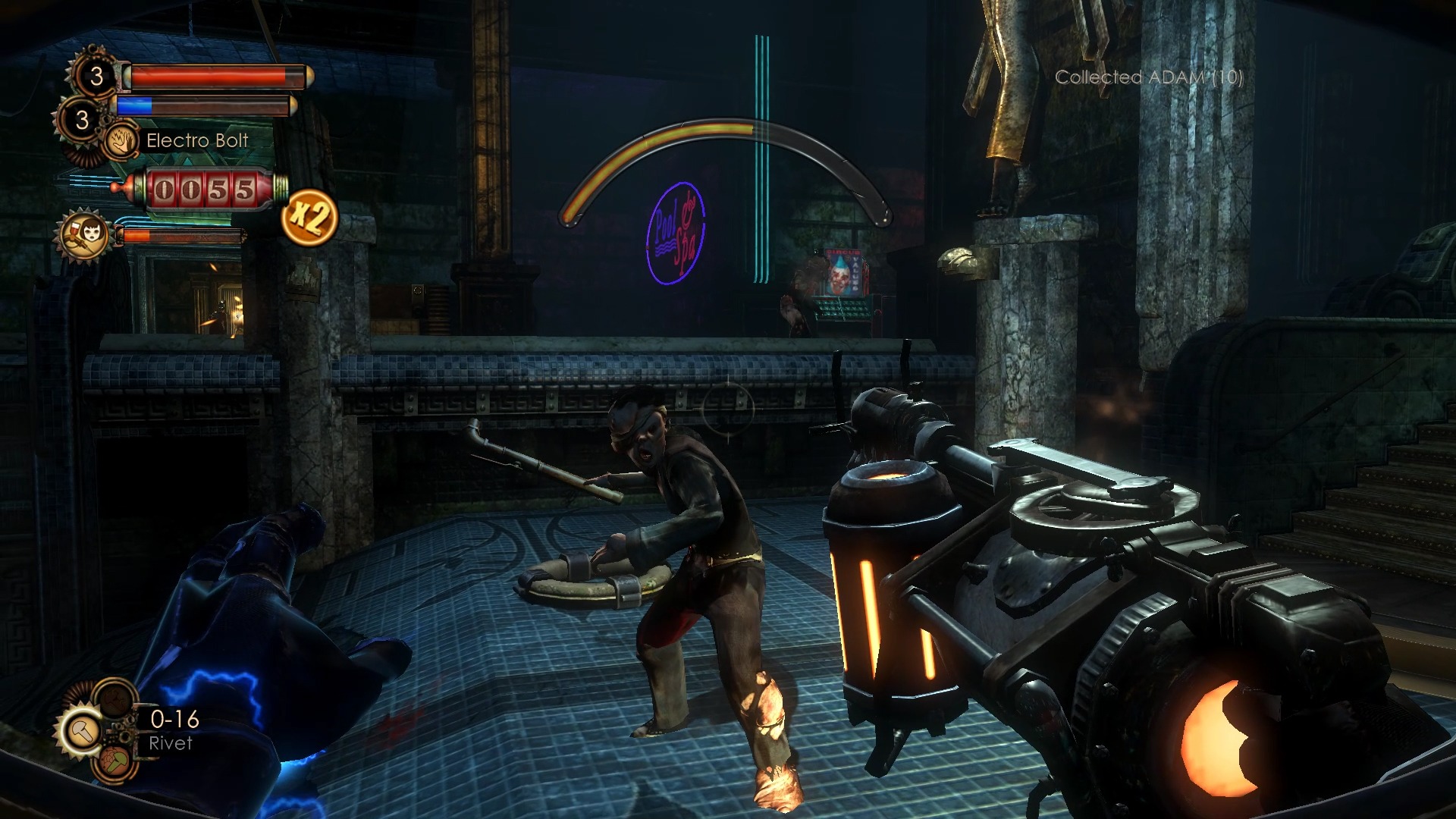
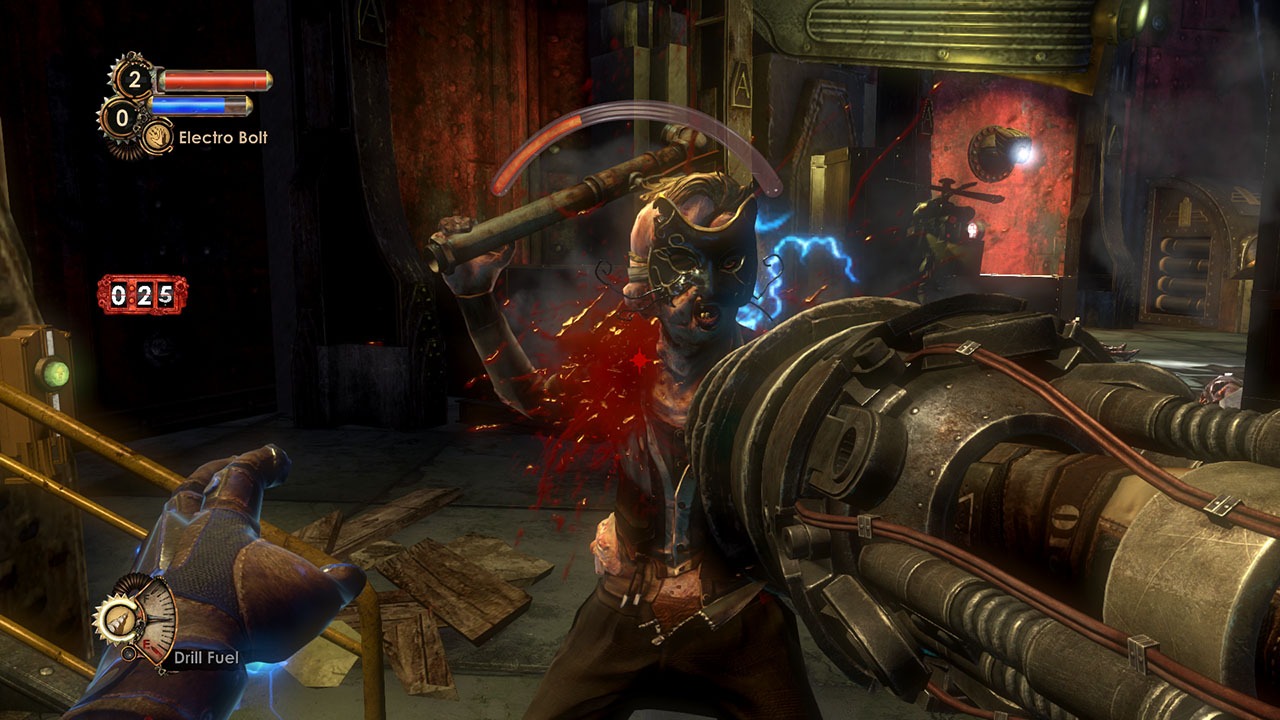
Sadly, the remaster does the bare minimum. Only making the game playable exactly as is, just in a higher resolution and frame rate. 2K Games took the PC version with the updated DirectX 10 lighting and shadows and threw it on consoles. We get developer commentary and some combat trials, but the age of the game is also present. A full remake would have been better. While the story is well known amongst gamers of the HD era, the gameplay hasn’t aged quite as well. There are many quality of life improvements that could have been made. For example, the combat isn’t the best. The reticle is a massive circle, and while guns feel pretty decent, the Plasmids are frustrating to aim. Plasmids like Shock Bolt and Incinerate converge on a pinpoint, and you waste so much Eve trying to hit enemies. There are also an awful lot of passive and combat tonics that feel mostly useless for such a short game.
While the 17 year old me didn’t really notice any of this when I played it on launch day for my Xbox 360 at the time, the game’s near perfection at the time is showing some cracks. The levels are cramped and incredibly linear, making combat hard. Many of the areas are way too dark, making it hard to see enemies and hit them at the speed they move at. It’s not the worst ever, but it’s annoying, and a remake could have remedied this. You get six guns in the game, but not all of them are useful. The Napalm launcher is something I rarely used, and the same goes for the grenade launcher. The areas are too cramped for these destructive weapons, and you end up taking a lot of damage. You will switch between the shotgun, revolver, and Tommy gun the most as your main weapons. The crossbow is the closest to a sniper rifle that you will get. Each weapon has three different ammo types. There are explosive, shock, anti-personnel (good against humans), and armor-piercing (used against Big Daddies). The combat system is fine but pretty flawed. You can upgrade each weapon twice to add things like damage and recoil reduction.
You can change your equipped plasmids and tonics at Gene Banks. You use Adam taken from Little Sisters at Adam machines to buy these. There are just too many. I used the Research one for taking photos of enemies to increase damage dealt to them. Once I get everyone researched, this tonic is useless to me. There are tonics to reduce security timers, making hacking easier, reducing the cost of vendors, etc. You can only get five slots for each track. Then there are up to three levels for each tonic. There’s too much. I felt for the short length maybe half the amount of plasmids and tonics would have been fine. You will find your favorites and pretty much stick with those through the entire game. You can finish the game in about 6 hours or less. Other vendors are for ammo and items for healing and such. There are many different healing items, from snacks to first aid kits and seemingly useless alcohol. Hey, there’s a tonic to reduce the drunkeness effect of those as they restore Eve. It’s an excuse to look around. Every container has something. Eventually you will unlock crafting at the U-Invent station to make ammo and some tonics that can’t be bought or found. Looting can be fun, but it distracts from the main story and gameplay loop.
There are just too many systems at play here for such a short game. These are all good ideas, and they work fine, but do we need five plasmid tracks (you can equip up to 15 passive tonics and five for combat) and a crafting ability? Ammo is scarce and becomes a pain to find on harder difficulties. You will need to loot every enemy and container to scrounge. This is fine, but is this now a survival horror game? The best parts of the game are the scripted events. There are few boss fights outside of the disappointing one at the end. The Big Daddys act as mini bosses themselves. They won’t attack you until you attack first. There are Bouncer and Rosie types, each with different types of attacks. Finding the 122 audiotapes throughout the game gives you backstory and fills in lore since there’s a lack of NPCs to talk to. These are logs of residents from before the city fell apart. Each level is themed after someone who ran that area, such as Cohen, who is all about theater. There’s the casino, the outdoors simulation area of Arcadia, the central core area of Hephaestus, etc. The areas are all distinct and interesting to look at despite being very cramped and their design feeling more like a video game than an actual city. It’s obvious no one could actually live in this place; it just doesn’t make any sense.
Despite not being ported over to a new Unreal Engine, the UE3 assets hold up surprisingly well thanks to the fantastic Art Deco style the game went for and have become iconic. The visuals were state of the art at release, but just increasing the resolution doesn’t do much here. The hacking mini-game gets old fast (assemble pipes) and could have been changed or removed. The enemies and characters are also well designed and iconic, but the game has definitely aged. Some areas are not so graceful, such as the combat, level design, and RPG elements. Enjoy the game for a fun evening that’s a great roller coaster ride and explore. Don’t focus too much on collecting, and just enjoy this as a stylish shooter.
Paul McCarthy. To some that name means nothing, but his art pieces are some of the most shocking and horrifying pieces of medium to ever be put into reality. They aren’t meant to just shock and awe people but to convey a statement. They are created to start a narrative to get people to open up about uncomfortable things. When you think of some of the oddest games, you can think of something like Dog’s Life, or Doshin the Giant might pop into your head. Maybe something a bit more strange like LSD: Dream Emulator or Irritating Stick. You might even start thinking more artsy with games like Vib Ribbon or echochrome. These games all have something in common. They are games with really interesting art designs or gameplay mechanics. One game that no one will be thinking of 10 years down the road is Horses, and that’s not a knock to the game. This is something that is so far removed from a mainstream or “hidden gem” curiosity that it will be only circulating around the most niche horror circles. Horses is one of the most deranged and avant-garde games I have played in years. Played is also a stretch, as Horses is a walking simulator with brief interactions.
You play as a teenage boy, Anselmo. You are sent to a farm by your parents to get your head out of the clouds and learn. The game right off the bat goes against the grain of even the quirkiest games out there. There’s almost no audio, the game is purposefully in a 4:3 aspect ratio, and the entire game is in black and white. There’s mostly just a film reel sound playing in the background with an occasional music track and odd sound effect. This is kind of nuts, as this would be considered “lazy” even by the lowest budget standards, but it’s all part of the style and imagery the developers are trying to get across. This sensory deprivation helps you focus on the visuals and scenes happening in front of you. You are totally sucked in and have no choice but to pay attention. It’s almost like you are being brainwashed similar to the horses in the actual game.
The game starts out simple enough by introducing the farmer and why you are here, putting your things down, and eating a meal. You are then introduced to a task list that requires you to do things like feed the dog…and various other things. The game takes place over 2 weeks, and each day gets more depraved as time goes on. Once you are introduced to the “horses,” things take a turn for the weird. The buildup is fantastic. Andrea Borlera did an amazing job building up and keeping me shocked throughout the entire game. Anyone who has delved into the darker parts of the internet or the deep web (not to be confused with the illegal dark web) may not be quite as shocked, but those who don’t follow any of those circles may either close the game or keep playing out of sheer fascination or abject disgust. I loved the psychological shift that the developers put onto the player rather than having you experience the protagonist’s shock through their own view.
I don’t want to spoil the story too much, but I have to talk about some of the actual shock that comes from the various scenes in the game. The warnings when you boot up the game are not to be taken lightly. This isn’t some PR or HR department giving you a silly little warning. You will be partaking in torture, cutting off genitals, whipping, burning, branding, and riding these “horses.” You’ve seen the game trailer and know these are people, not actual horses. It’s more than just shock value, but we are diving into the mind and dark past of this farmer. This is a story about abuse, being a victim of it as a child, and not being able to escape that. Unchecked mental health issues going rampant are something that is a major problem in our world, and this game really shows that. Nobody is talking about this game outside of mainstream articles about the ban because it makes you uncomfortable. Those who aren’t uncomfortable by this don’t talk about it because they don’t want to be judged. This is a piece of media that everyone knows or hears about, but acts like it’s not in the room with us.
There are certain amounts of censorship in the game, but it’s deliberate, or at least I think it is. Not in the common sense of censorship to appease various people, but for the story. The genitals and breasts of the “horses” are pixelated, and I think this is important to talk about. When you are traumatized by something, you tend to see things differently or block them out of your mind. Certain torture scenes are blacked out, or the camera is positioned in a certain way to not show everything, but done in a clever way to still know what’s going on. It’s crude but very effective, and all done purposefully to give the player a certain feeling or emotion. There are also stock footage clips of close-ups from real life, like when you drink milk, it’s a close-up of a throat gulping, and a crude sound effect plays. The opening menu is stock footage of a flower with music playing in the background, similar to some analog horror games we have seen.
The game is also very crude and terrible to look at, but I want to think this was also intentional. This looks like a very low-budget PS2 game, and Dog’s Life, which I mentioned earlier, was constantly going through my head when I was playing this. The animations are awful, the textures are flat, there’s clipping and glitches, and the character feels like mud to control, but I feel like this is on purpose to remove all distractions from the player and help deliver that crude and raw feeling. If this was a AAA budget title made in Unreal 5, I feel it wouldn’t have the same effect. While the game isn’t downright scary with monsters and weird visual effects, the game is scary in that people really do this stuff. There are serial killers and cult leaders who have done things like this to real people, and it proves that fact can be far scarier than fiction. The lack of voice acting and cuts to title cards like in a silent movie help add to more of that raw tension. You don’t get anything in this game. No rewards. You must endure the raw journey of the human mind with crude visuals, minimal sound effects, and no voices. It’s a sensory nightmare that helps add to the game that even the biggest horror games tend to forget. Without spoiling too much, one scene towards the end has those title cards constantly flash on screen while you walk around trying to figure out what to do. There’s no sound effects. These title cards relentlessly block your view until you find the item to stop it. It drove me nuts, but it was effective.
With that said, Horses is something I will never forget, but many will focus on the wrong things. The banning on Steam and the fact that this will never be able to make it to consoles is a shame. Many others are spewing hyperbole and spouting incorrect facts about this game. Things like it’s a murder simulator and trainer and is only for perverts, etc. These tired hyperbolic terms drive me crazy, as they take away from what the developers are actually trying to talk about. This isn’t a bestiality simulator; this isn’t a “gooner” game for certain extremist crowds who think Santa Ragione or Andrea has finally “broken through the shackles of society and the snowflakes.” This is an art piece. Santa Ragione are the Paul McCarthy of the video game circle. Real-life art can churn your stomach and make you think. So do just that. Think while playing Horses.
Psychological horror games need to be done right. Psychological horror games don’t solely depend on jump scares and cheesy trends to captivate players. Endflame may not have an extensive catalogue, but it’s a strong one. With their last release, Ikai, they proved they can capture that special niche of Japanese horror, diving into folktales and lore from that region. They have the pedigree for horror. That’s why I think Silent Road is not just familiar in name but speaks for what the game is. A journey on a road that’s silent literally or figuratively? There’s only one way to find out.
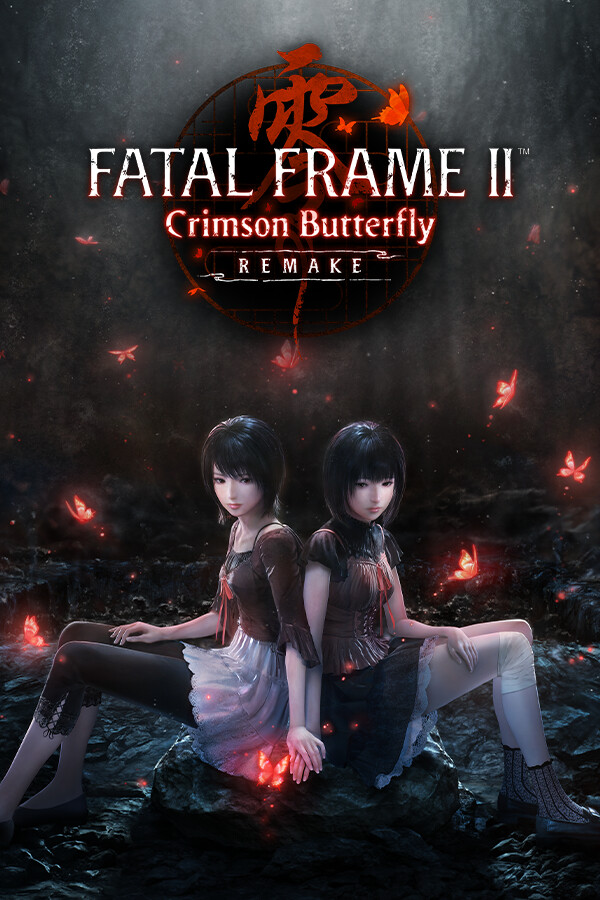
Looking at the trailer and various screenshots, you can see the clear influence of past horror games related to Japanese folklore. Fatal Frame and Silent Hill will immediately come to mind. The intense density of the forests of that region invokes many local and famous folktales, including the Aokigahara Forest, or “Suicide Forest.” Particularly the forests of Silent Hill 2, Fatal Frame II: Crimson Butterfly, Kuon, and even Siren come to mind. If you are a fan or even familiar with those games, then this might be something worth checking out. What kind of scares Endflame has in store for us will need to be seen, but after talking with them, it seems they are up to the task of slowly feeding players intense moments and building up to larger scares that pay off.
I talked with Endflame to pick their brains and get an idea of what we can expect from Silent Road. How does it compare to other games, and what makes it stand out from the ever-increasing indie horror scene? On top of that, how does it compare to their previous games, and what can we expect that’s different? The taxi mechanic is striking, as this is something that’s not really focused on as a main gameplay idea in horror games. The short stories you get from passengers are what can stick with players long after the credits roll. Check out the trailer below to get an idea of what to expect before diving into the interview.

Has any traditional Japanese folklore influenced Silent Road?
Yes, in fact, the narrative and setting are inspired by the legends surrounding Aokigahara, which is commonly known as Japan’s “suicide forest.” While the region in our game is fictional, it draws heavily from the eerie stories and lingering spirits associated with Aokigahara. We love Japanese horror, and our debut game Ikai explored yokai stories in a feudal setting. This time, we wanted to surprise players with a new angle while keeping the atmosphere they love, with a modern world haunted by the ancient legends of a forest marked by death.
As a fan of Ikai myself (I bought my copy for Switch from Best Buy on day one!), what have you learned from the feedback of that game that helped in Silent Road’s development?
Thanks for being such a loyal fan!
Player feedback from Ikai taught us what resonated most: atmosphere, memorable scenarios, and a strong creepy tone, so we’re bringing back all of that into Silent Road.
On the other hand, players also made us realize that some jump scares became predictable once they got familiar with the mechanics, which reduced the fear factor. Because of that, we’re focusing on adding more varied and unpredictable dynamics to the gameplay, with distinct twists so every ride or quest feels uniquely frightening in its own way.
What would you say sets Silent Road apart from other indie horror games of the same genre?
The Japanese theme and taxi-based gameplay are the key features that set Silent Roadapart. Very few games have explored these ideas separately, and even fewer have combined them. We feel they complement each other perfectly and let us create situations that wouldn’t be possible within the limitations of more conventional settings. You never know what might unfold beyond the windshield… but dangers can also be sitting in the back of your taxi.
Has the recent rise in Analog Horror influenced the game’s development in any way?
To a certain extent, yes. Analog Horror doesn’t rely on hyperrealistic graphics to be scary or appealing, unlike big productions. We can’t compete on that graphical level, but we can create strong experiences built on interesting ideas, atmosphere, and our own aesthetic approach.
You’ve stated that games such as Silent Hill and Fatal Frame were big influences on Silent Road. Are there any retro classics that influence the game as well, such as Sweet Home or Clock Tower, for example?
Yes, there are. Clock Tower, as you mentioned, is one of them, and Forbidden Siren [Forbidden Siren is what Siren is called in PAL regions ed.] is another major reference for us. Even though we’re not aiming for similar gameplay, Forbidden Sirenhas that creepy, quiet atmosphere and classic J-horror look that we love.
Has there been any other inspiration from other Japanese horror sources, like Junji Ito or anime or manga? When I see that Silent Road will feature short stories from drivers, the short story horror anime Yamishibai comes to mind.
We’re actually driving the story toward a single overarching plot, presented through the different perspectives of the passengers. We’re aiming for storytelling with varied points of view and personalities, which is why we added passengers as a core element. Silent Road features characters with distinct mindsets that can shift the player’s perception of events and help them form their own interpretation.
Even though it wasn’t an initial reference, I’d say the structure is closer to Death Parade, where each character has their own story linked to the main plot, guided by a central “conductor” figure who shapes the narrative.
Music and ambience play a huge role in horror titles and can drive a lot of the emotion. What can we expect from Silent Road in that aspect?
As we did with Ikai, we are paying special attention to music, but especially to sound. We learned that a strong soundscape is key to establishing a creepy tone both in the environment and in gameplay scenes.
How dark can we expect Silent Road to go? The darker the better, I say. Will there be gore or anything super graphic? Most horror fans love this stuff if it’s done well and makes sense for the story.
Silent Road is leaning more toward psychological tension, with a strong build-up driven by the stories and unsettling situations that definitely go dark. There will also be some consciously placed jump scares woven into that build-up. We feel this game is better suited to psychological horror with very dark backstories rather than graphic gore. As you said, gore needs to serve the story to work, and here it doesn’t feel necessary.
Can we expect Silent Road to be released on other platforms, such as Switch 2?
We’d love to bring Silent Roadto as many players as possible, just like we did with our previous titles. For now, we are keeping the scope small to guarantee the game’s completion. We’ll evaluate additional platforms and future opportunities as the game takes shape.
Will Silent Road be Steam Deck verified?
We are developing the game to run smoothly on Steam Deck, but verification is handled by Valve. That said, we are actively working to meet all requirements, although the actual verification process remains outside of our control.
DunkeyKong asks if the game will feature a fuel system for the taxi and if we can pet cats? That’s a big thing right now!
The game won’t have a fuel system. The main reason is that it would shift the gameplay toward management mechanics, and we don’t want players to be distracted by fuel interfering with our story plans. As for cats, I’m afraid we won’t have any, but if we did, we wouldn’t hesitate to add a petting feature!
Very interesting indeed! A preview will be incoming in the future, so look forward to that. Thank you to Endflame for taking the time to answer these questions and help connect some emotion to the game and get us excited for what’s to come. There’s no current release date, and the only confirmed platform is PC for now. If their release of Ikai is any indicator, we should hopefully see a console release and, mostly, a physical release eventually.
When Sony releases a new exclusive title, it’s an event for me. They don’t release games at the frequency they used to. We might get one or two a year. Ghost of Tsushima is an all-time classic. While I don’t remember much about the story or characters, I do remember the game being a beautiful exploration of Japan with great combat and the world itself being fun to explore. Yotei is no different. Atsu is a much more memorable character, and while the story seems to follow the modern trend of “Sony Revenge Stories” Atsu changes throughout the story, and she shows growth instead of constant anger or doing anything to get this revenge, even if that means losing everything. Atsu had her parents murdered as a child by a Samurai named Saito. His companions are all masked during the murder, and Atsu soon remembers the Yotei Six. These six masked demons must be murdered to exact revenge for the death of her family. There are excellent plot twists and changes throughout the story to keep you hooked. However, I spent most of my time exploring the world of Yotei.
Combat in Yotei is simple to understand but can be hard to master when facing many opponents or the tougher bosses. Atsu has many things at her disposal. Five different weapons she can switch between for starters. This seems like an absurd amount, but certain weapons are stronger against others. The Odachi is a massive sword that’s best against large characters and clearing the area. The katana is best against a single katana, while the yari (spear) is great against kusarigama (sickle and chain), and vice versa. The dual katanas are best against yaris. It’s important to flip between weapons depending on the enemies’ weapons. This keeps you on your toes and adds a level of challenge and depth to the combat. Atsu will eventually acquire multiple quick-fire weapons such as the matchlock pistol, kunai, smoke bomb, fire bomb, oni flame (lights your weapons on fire), and many others. These can also be used outside of combat during stealth or to clear groups of enemies.
One-on-one fights are the toughest, and these require mastering the parry and dodge techniques. When the enemies’ weapon flashes blue, you can press the block button to parry. Red glints must be dodged, and this opens them up to attack. Yellow glints mean they are doing a disarm move, and you either need to dodge or hold down the heavy attack button to disarm them on the parry. If you get disarmed, you must find your weapon or switch to something else. There are also environmental elements to combat, such as grabbing throwable weapons, which can do instant kills, as well as finding sake jars to stun enemies and shooting barrels. You will always need to be on your toes and look for environmental weapons or use what you can to knock everyone down. There are also some other combat elements, like mounted horse combat by slashing at enemies or jumping from the horse. You can also unlock an ability to ram the horse through enemies. There’s even an armor that allows you to parry bullets, which is neat.
There’s little sprinkles over the main dish of combat. This includes stealth combat. You can assassinate an enemy from behind in the beginning. This includes drop-down assassinations. Eventually you can chain assassinate or have a partner help you. When you get the kusarigama, you can pull enemies towards you for stealth kills. Stealth isn’t required in most of the game, but it can be better than fighting two dozen enemies. You can hide in tall grass, disappear into tents, climb watchtowers, or pick off enemies with a bow (you have a longbow and shortbow as well as various arrows), or you have the choice to stand off with the entire group before you’re seen. This gives you an opportunity to duel enemies by holding the heavy attack button and letting go when they launch. Eventually you can chain these together and end it with a pistol shot. Then there’s the Onryo’s Howl and Ghost Stance abilities you can use when you get enough parries or kills chained together. This allows for invincibility and plowing through a few enemies with ease. You can sometimes even scare enemies into fleeing altogether.
As you can see, there’s a lot to the combat system. There’s so much here that’s slowly introduced to the character. During the story missions, players find masters of these weapons and receive training to wield them effectively. Same goes for most of the throwables and quickfire weapons. They are all given throughout the story so as not to overwhelm the players. Most of the story missions appear to consist of similar gameplay elements. The exploration, which includes climbing, fighting, stealth, and more climbing, is where the core of the game lies. You should aim to find all the optional armors, masks, and hats, as well as collect more dyes to create cool-looking gear. This game has some fantastic-looking gear. You can kit yourself out to be an all-black shinobi or a massive samurai with crazy armor. There are a few puzzle elements thrown in, but none of them are very challenging and are some of the weakest parts of the game. Spin a few statues to match symbols on walls, etc. There are also some puzzle boxes you can find, but these offer no challenge either.
There are various side activities you can partake in, such as finding shrines similar to Tsushima, bounties, vanity gear hunts, fox dens, wolf dens, and many others. There are nearly 30 hours of just side content here, and it’s all a lot of fun. It’s done quick, it’s easy to find, and it allows you to explore this beautiful world. The wind guide is one of my favorite gameplay ideas of all time. You can swipe up on the touchpad, and the wind will help steer you in the right direction of where your marked spot on the map is. This makes finding gear and various other items a breeze. Getting to them is the challenging part. You may need to climb something, blow open a hole, or tear down a wall. There are also bamboo strikes in which you press a combo of buttons to slice bamboo to increase your spirit. You can upgrade your health by finding hot springs. There are dozens of charms throughout the world, and these are used to give you passive boosts to various stats or abilities. You can equip up to six, and this allows you to create your favorite build. Want to boost stealth or ranged combat? There are charms and armor combos for that. You can also find shrines to upgrade various abilities, but I honestly felt the upgrade tree just slowly unlocked abilities and felt a little tacked on. You have to pretty much unlock everything in a row so you can focus on one thing or the other.
The game world is stunning, and Yotei is one of the best-looking games ever made. On the PS5 Pro with ray-tracing and VRR the game can hit 60 FPS, which is fantastic to see. The bright colors pop with HDR and the various areas all have their own color palettes. The game doesn’t focus on seasons, but each area has a different weather pattern. One area might have yellows and greens, while the next area is all snow. Snowstorms can cause your health to slowly freeze unless you find a fire and will temporarily limit your health. The game is just a dream to look at, and the load times are instant. You can fast travel anywhere, and you’re playing in about 1 second or less. Sucker Punch really utilized all of the PS5 hardware to make this game beautiful and play wonderfully. The DualSense controller is well used here with great vibration implementation, and the triggers are used well. It’s a very immersive game, but there are a few issues I haven’t talked about yet.
While the combat has all of these little elements sprinkled in that make a much larger combat system, it can get rather repetitive. The only challenge ends up coming from timing parries and dodges, especially in boss fights. Most of the combat is held back by the heavy attack armor breakdown. You have to break down every enemy’s white bar to even start to attack them. Tougher enemies will regenerate one or two of these before you can kill them. This also goes for boss fights. They have a large armor bar above their health bar, and you have to heavy attack them, dodge, and parry to whittle this down just to attack. A lot of attacking and time is wasted on this feature, and I wish it wasn’t there. I can understand large enemies or enemies with tougher armor, but every single enemy has this to some degree.
I also found that the structure of the main story missions consists of a repetitive mix of similar activities. Climb a bunch, run around, fight a bunch, do a stealth area, open a door, climb a bunch, and repeat. The gameplay primarily consists of a combination of these three or four distinct types. You usually have a boss fight at the end of each mission with not much else to do. This was my issue with Tsushima as well. While all of these are more refined here, some may not like this type of gameplay loop. I found it worked well during exploration and finding all of the gear and upgrades, but the main story should have some other things thrown in. A scripted horseback ride doesn’t really count. There are a few occasions in which you get to equip a cannon, but these are later in the game and only happen a couple of times.
I also found the story, while entertaining, didn’t have the greatest dialogue. It’s very dry in spots and doesn’t get very exciting often. There’s a lot of standing around and talking with little else. Most of the side content cutscenes are skippable and not memorable at all. Sadly, there are very few memorable characters here outside of Atsu and a couple of the main characters. I do appreciate the new game plus mode and various filters to make the game look like older Japanese films. I found the music good, but nothing worth listening to outside of the game, as it works well within the context of what’s happening on screen.
Overall, Ghost of Yotei is a fantastic game with a lot of content to offer despite being wrapped around a few of the same gameplay loops. The story is entertaining, and Atsu is a great new character to add to the PlayStation roster, but most of the dialogue is dry, uninteresting, or nothing special. There aren’t a lot of well-written characters, and this issue was clearly never resolved from Tsushima. The main story missions are a mixed bag of the same gameplay loops as well, with nothing super exciting or anything that really stands out. I spent most of my time enjoying the exploration of the world and finding all of its secrets. If you loved Tsushima, you will love this, but those who don’t care for open-world action games will find that this game won’t change your mind.
Stress from work is a real issue today. It’s quite common that in Asian cultures this can lead to suicide. Many local legends and myths revolve around overworked women who jump from buildings or hang themselves and then haunt where they work. The Boba Teashop does a great job of building atmosphere and tension in this regard. There is a time management simulator in here that’s actually quite fun, and sadly the game ends so soon. A few other PS1 style horror games of this ilk have done this, such as While We Wait Here. There isn’t much to this game. It’s a very simple game to look at, as you are only inside this single shop. The game is very dark and moody, with it constantly raining outside, and it always seems to be nighttime.
I have to commend the developer for some great scares. These aren’t just cheap jump scares or fake-outs. There’s some serious psychological horror stuff going on. Things will appear in the periphery of your view, and when you turn to look, nothing is there. You can’t make out the object, but you know something was there. There’s a lot of tension building, such as when you are told that an electrician will be working on the system and your lights will flicker. There’s constant fear that something will pop out at you or that one of those lights flickering is something else. The entire workday ends up like this.
The main gameplay loop is greeting customers and getting orders. You start out simple with just boba tea. You pick up your cup and place it under the correct vat of liquid. Eventually you can use chocolate and coffee. You can then add milk from the fridge as well as various fruit. The last station is your boba, and then you must seal the top before handing it over. In the employee room the recipes are on the whiteboard if you get confused. It’s a very simple but addictive loop of taking orders, and you also get repeat customers. Some are rude, some are nice, and some are strange. Orders are displayed on the register, and when you hand the drinks over, the customers will pay and you collect the money. A couple of other people come in who don’t order drinks, but it all adds more tension. You get more and more stressed as the days go on and start seeing things.
I don’t want to spoil the scares and story, as this is such a short game. The visuals play well with this type of game. The low-poly graphics and lack of lighting keep you glued to your screen. In between the gameplay loop of making drinks, the game never lets up. Something is always happening. The game lasts maybe an hour at most, and this feels like a proof of concept or demo for something that could be bigger. I highly encourage those who are fans of horror and PS1 style graphics to buy this and play it. You’re supporting an indie developer, and the game is really inexpensive. Normally, I don’t care for these super short indie games. They are usually fairly disappointing and don’t offer anything memorable, but things come together just right here to warrant a playthrough.
Digital Eclipse’s Gold Master series is an incredibly original and unique idea. The series focuses on creating interactive documentaries that explore interesting game stories or sagas, allowing gamers of all ages to engage with them. This is the third Gold Master game coming right after the Atari 50th Anniversary, which was absolutely a blast to experience. Tetris Forever is a great concept. The story behind how Tetris came to be is fascinating, and Henk Rogers, the person who helped bring Tetris to the West, is a great storyteller. I was floored by how Tetris came to be and the breakdown of the gameplay and nuance of what makes the game a timeless classic. The documentary clips are wonderful. Usually ranging from 3 to 8 minutes each, there’s easily over an hour of video footage, but that’s kind of where the best part of the game ends.
It’s difficult to call these Gold Master series “games” as they are interactive museums. Many different versions of Tetris are owned by other copyright holders. The most famous being the original Game Boy version of Tetris that shot the series into the stratosphere. It’s not here because it’s owned by Nintendo. You can see it being played in the footage of the game, but that doesn’t help us sitting here playing this game. Forever is mostly comprised of older MS-DOS and early 8-bit PC versions of the game that are historically interesting but not very fun to play. Digital Eclipse did a great job creating a replica of the computer they are on visually and adding things like a CRT curve, filter, and mapping the keyboard controls to a controller. Sadly, they just aren’t fun to play. Many versions don’t have music or much sound at all. Outside of messing around with these for five minutes, you will have no reason to go back to them.
There are a few other games that aren’t Tetris included, as these are part of the Spectrum Holobyte story. Many NES games are included here, but you can play these outside of Forever on emulators through ROMs on much simpler devices that boot up quicker without a fancy interface. Again, these games are either not fun or just interesting enough for a historical reference. This isn’t like Atari 50th, where you can play every single game Atari made or held the rights to, and they were full-blown games. These are pretty much all puzzle or board games. One of the big stories that helped Henk Rogers gain trust from Nintendo was making a game of Go, which is basically Japanese Reversi. The NES version is intriguing at best, but I was not a fan. It’s not as addictive or fun as Tetris and requires much more concentration.
Sadly, only 8-bit games are included here. Nothing past the mid-90s is included. It would have been great to get DS, PS2, PS1, or other consoles on here, but there’s either a rights issue or an emulation issue on Digital Eclipse’s side. Most of the more interesting games are 16-bit and beyond. The lesser-liked sequels to Tetris are included, and a few spin-offs like Hatris, Super Bombliss, and a brand-new game made for this compilation, which is the only non-8-bit game included. This Gold Master release is mostly for those interested in the story of Tetris rather than playing it. Unless you grew up with these 8-bit games, I don’t see any reason why anyone else would enjoy them. Sadly, even the new Tetris game isn’t anything special. It’s not much to look at and just plays like any other Tetris game. The most interesting feature is the 1989 mode, which emulates the Game Boy version, and that’s as close as you will get to it. I don’t see myself booting up an entire compilation just to play this version of Tetris.
The title would have been more interesting as a cheap documentary than a game all by itself. I got more enjoyment out of the video clips than I did the games themselves. With four 8-bit versions of the original Tetris (all inferior versions) and many less interesting spin-offs and sequels, it begs the question as to who this is for. The low asking price helps, but even then, unless you are a massive Tetris fan, it’s hard to justify the cost. Tetris Time Warp is the game you will spend the most time on here, but will you come back to it? Tetris is a fascinating tale and one of the most interesting I’ve had the pleasure of listening to. Tetris is a fantastic and timeless game series, but the content included here does not represent its strongest offerings.
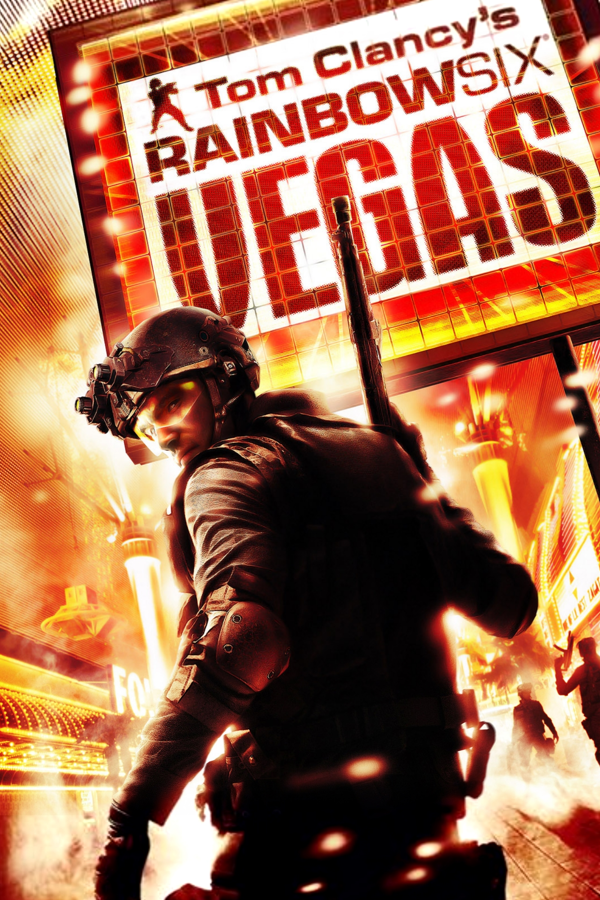
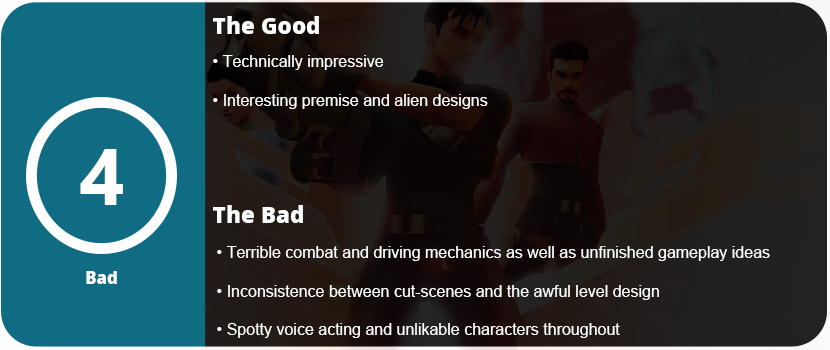
Yeah, it's pretty damn awful. Notoriously one of the worst games on the PSP. A 4 was actually being generous.…