Great sound design isn’t the music but everything else you hear. Not only is variety good, but it has to match and be unique to the game and atmosphere. Everything from the wind blowing through cracks, swords clashing, breathing, grass rustling, and bullets whizzing it all makes the audio experience.
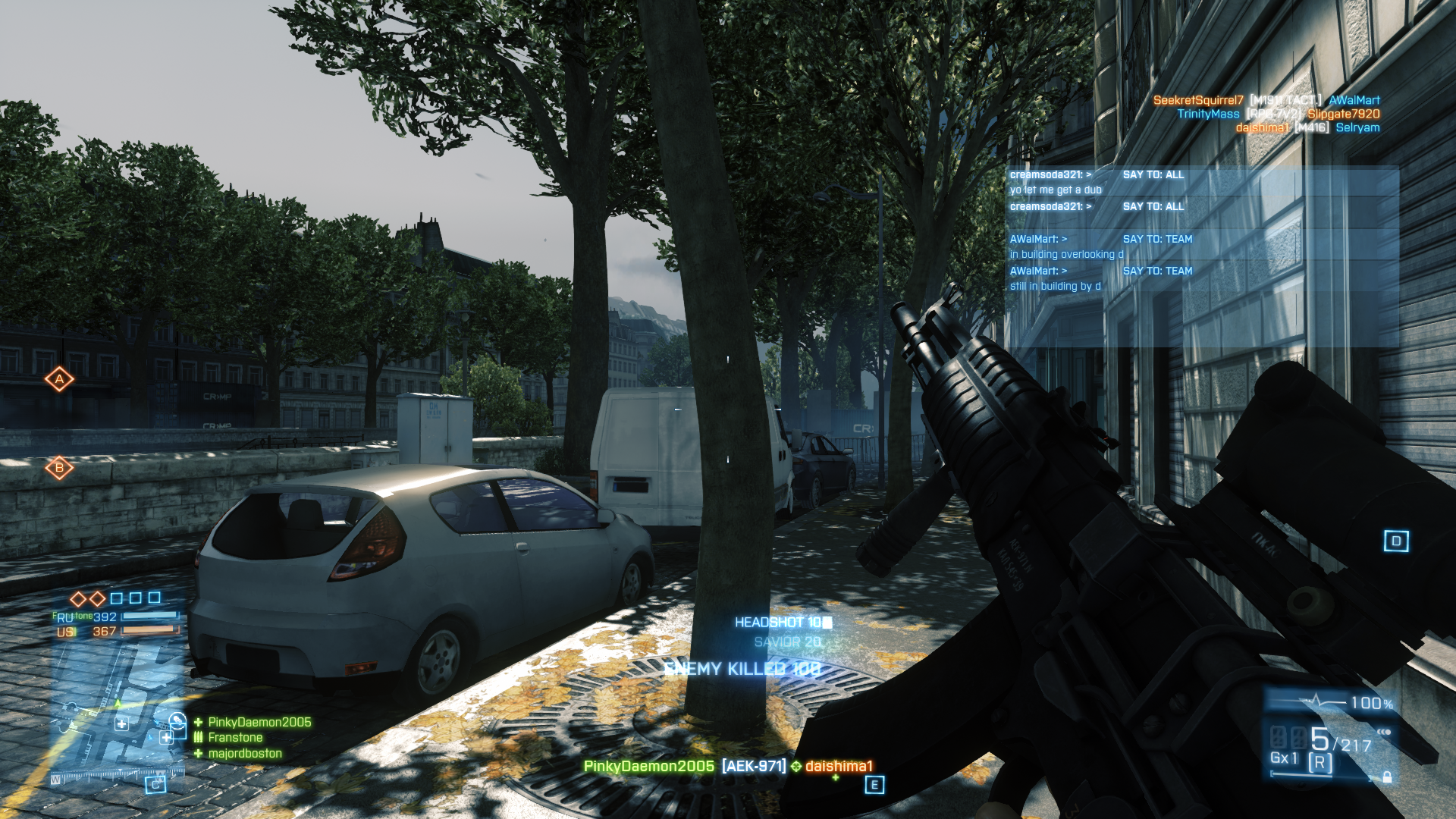
What makes the Battlefield series in the general top most games in sound design is the audio directional placement and just the sheer realism of battle. No other war game has pulled off such rich and visceral sound from bullets whizzing by your head to being able to find a sniper from distance and direction. Everything sounds hyper-realistic, but also completely ensnares you into the battle. This realistic and technically phenomenal achievement puts it over the top of everything else.
An atmosphere is what delivers emotion and overall feelings in the game. The atmosphere can make a game scary, colorful, cartoony, or make you feel alone and sad. Atmosphere much matches and represent the idea of the game. Sometimes the atmosphere isn’t delivered right and can make a game feel boring, or just look bad.
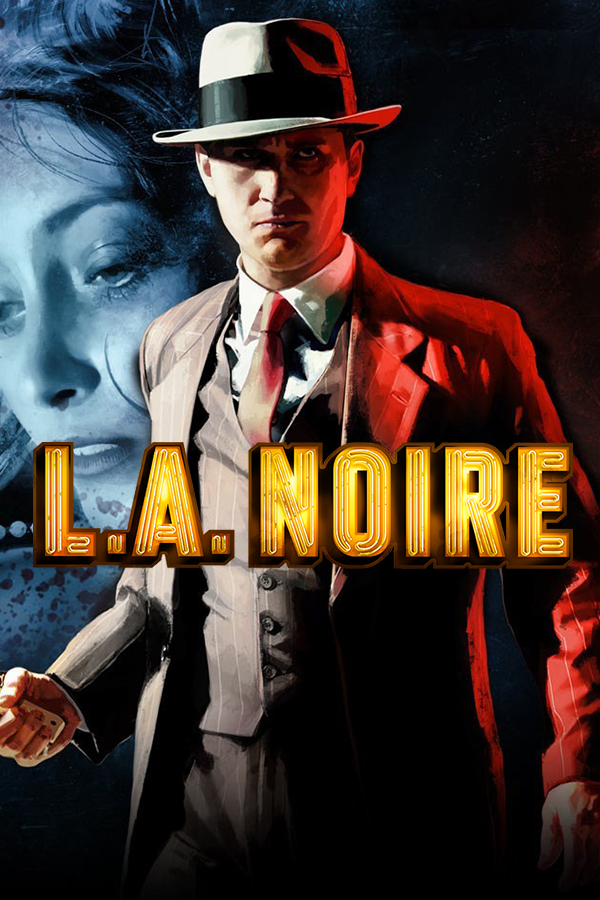
The Best Atmosphere category was even harder than last year’s because so many great AAA titles came out with strong atmospheres. There were also some games I didn’t get a chance to squeeze into the runner-up’s area so that tells you how well this category did this year. While some of the others may have better art to back up their atmosphere L.A. Noire does something that most can’t: Make an atmosphere without fancy art or licenses. L.A. Noire is a new IP and pulls off a 1940’s era in realistic detail and really pulls you in and brings you into a time period that most games don’t explore outside World War II. L.A. Noire had amazing visuals to back it, but to make the game feel so true to an era is very hard to do. You don’t need fancy art for that.
The Best Music award goes to a game that delivers emotion, atmosphere, and tension through the game’s soundtrack. Whether it be orchestral, licensed, or anything else it must feel just right.
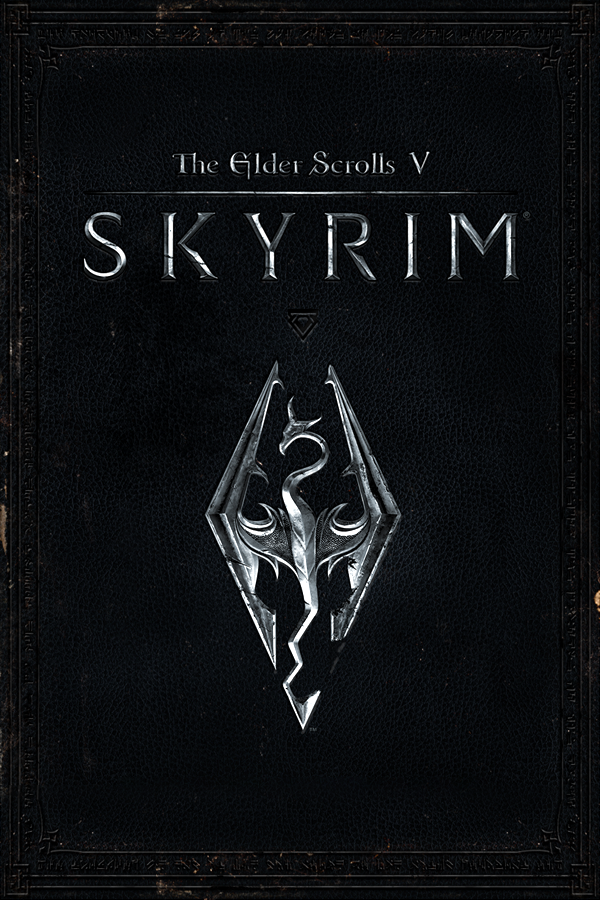
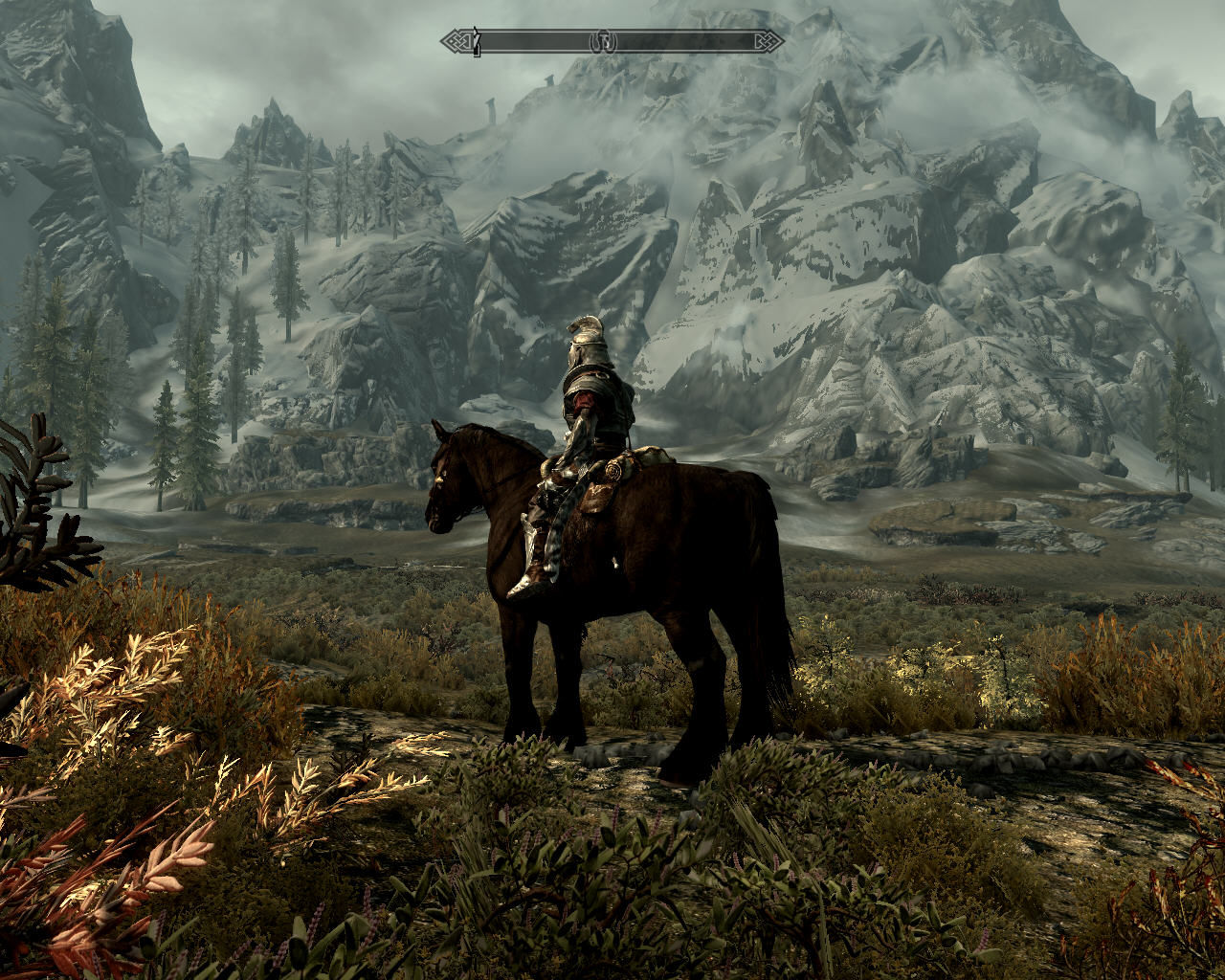
This was a tough call against Portal 2, but Skyrim came out on top thanks to composer Jeremy Soule’s amazing passion for the Elder Scrolls game. Every piece of music moves you and sucks you into the world like no other video game soundtrack can do. There are dozens of songs and each is masterfully composed and that is extremely hard to do. Every piece fits everything you do, see, hear, or interact with within Skyrim. The sweeping and dramatic theme song to the softer tones of exploring the world is perfect and nothing can match this kind of instrumental beauty.
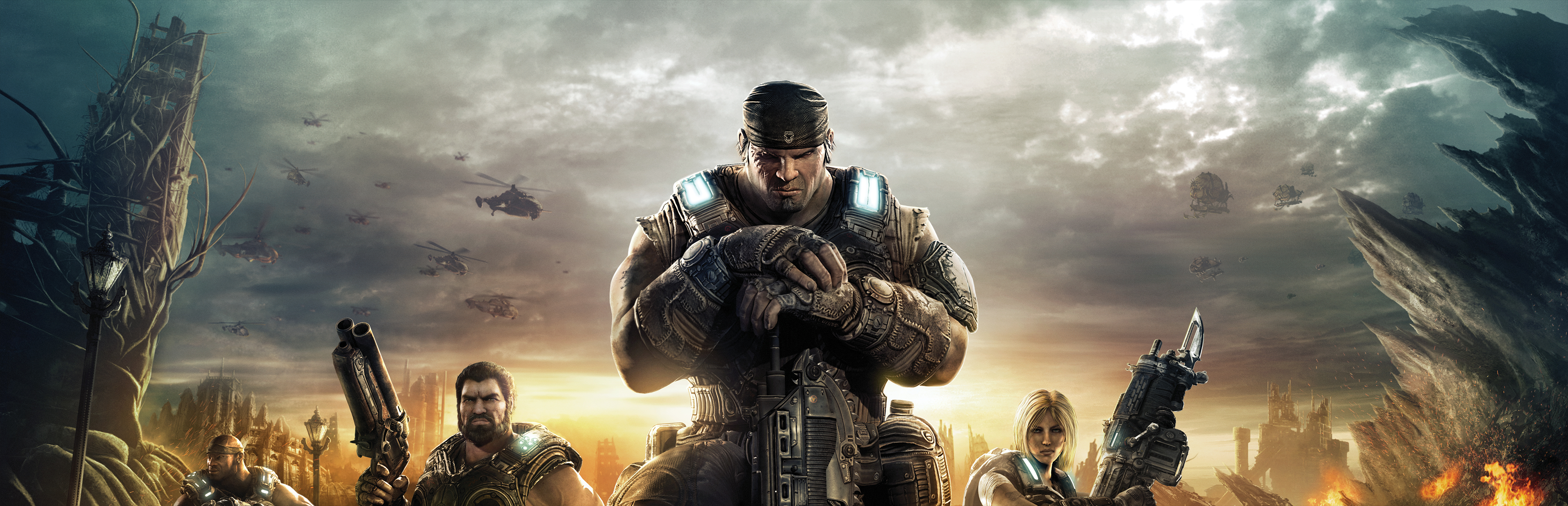
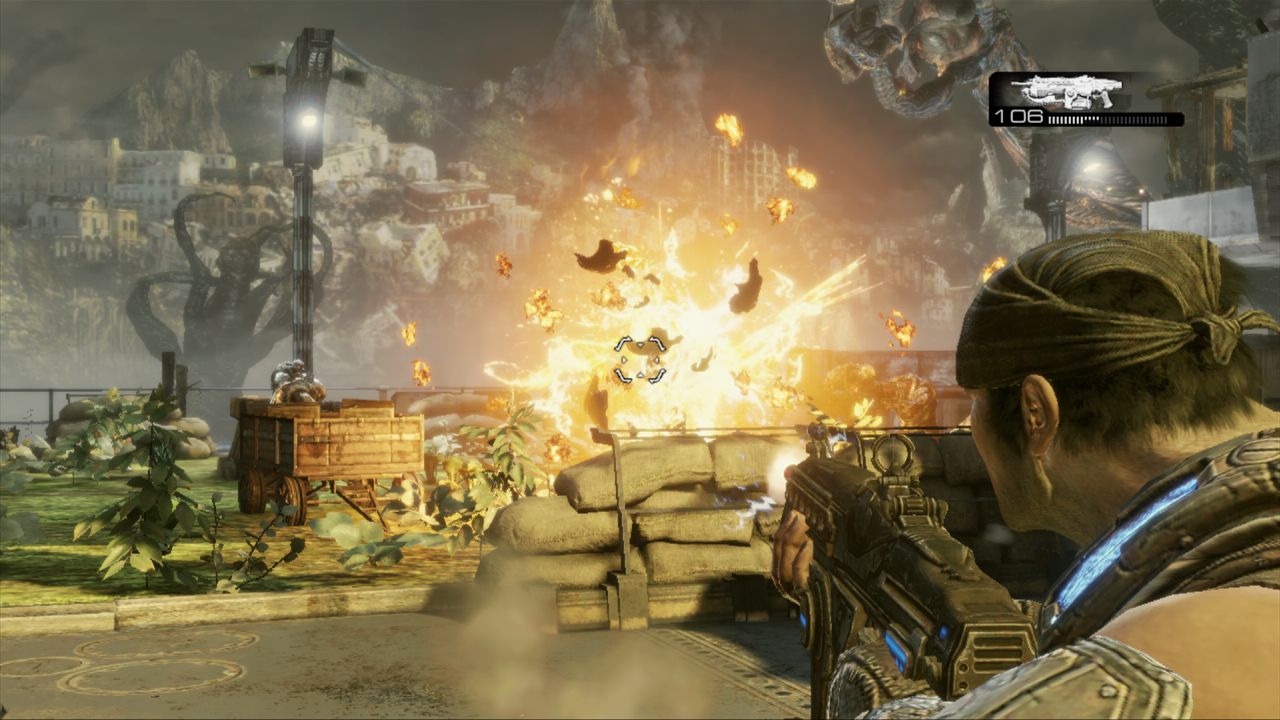
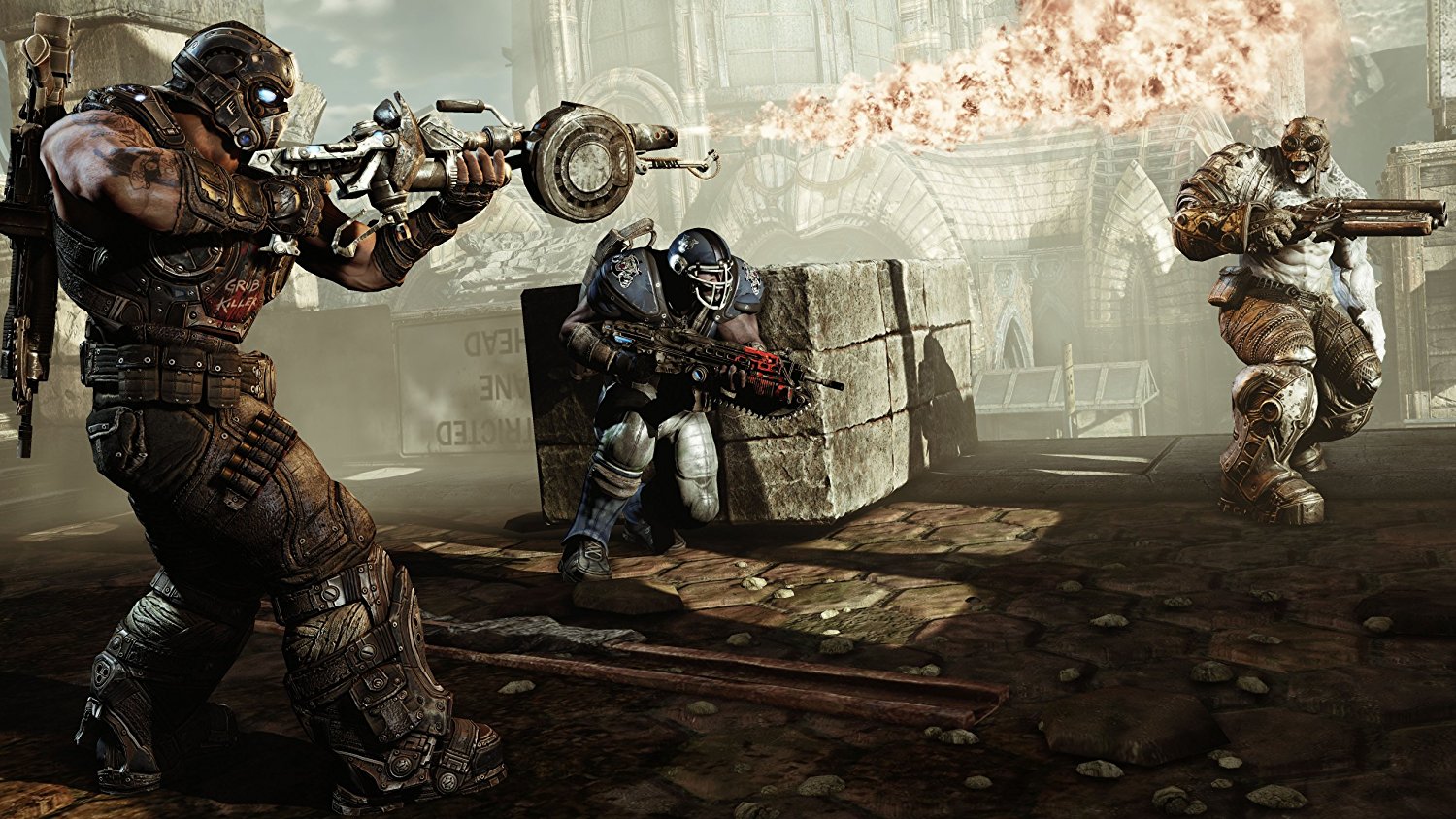
The locusts have finally come above ground. Every last effort made by the COG and Delta Squad has failed, and now this is their last stand. The lambent has mutated into vicious alien-type creatures. Marcus Fenix must find his dad, and two female COGs join the fight. What has all happened since our last visit three years ago? A lot, and more than just the story, has evolved.
Like I explained above, the lambent is a major threat, but it’s not them or the locust, not even Queen Myrrah, who is the main threat. I can’t say what, but it will totally shock you about halfway through the game when you find out. The story is just really solid and has a strong conclusion, but overall, the story makes you know and feel that the Gears are really desperate now. Their numbers are paper-thin, and they are doing everything they can to stay alive. You also feel the desperation of the Locust this time around, so it’s a huge tug-of-war between the two for the battle of Sera.
Overall, the gameplay is the same, but a lot of tweaks have been made to finally perfect and fine-tune the entire series. For example, the roadie run that everyone loves has now been changed to allow you to run forever, plus the camera shakes a lot more, adding some cinematic quality. A lot of past weapons have been balanced and tweaked, such as the Lancer, which now has more ammunition, less recoil, and takes a bit longer to rev up. Another example is that the active reload sweet spots have been moved around on some weapons like the Hammerburst, and the Gorgon pistol no longer has three-round bursts but continuous fire. Little changes like these really make the game feel fresh and new, but there is a lot of new stuff as well.
First and foremost, the new Lambent enemies have evolved, and the new stalks are your enemies as well. They will spawn lambents until you destroy the spawn sacs, but the lambents also vary in size, and some now don’t just die; they evolve into more hideous creatures. You fight them through about 1/4 of the game when you finally get to fight regular Locusts and Theron Guards. The environment has also changed because it has added some colors and new locales. Instead of just abandoned towns, buildings, and battlefields, you get to fight in lush jungles, beaches, and a huge ship at the beginning. This adds some color to the greatly bashed color scheme of the series. There are also new multiplayer features, but more on that later.
Some new weapons that you will run into are the OneShot, Incendiary Grenade, Digger, Retro Lancer, Sawed-Off Shotgun, and Cleaver. That may not sound like a huge number, but these weapons are great. The OneShot is a huge version of the Longshot and is a one-hit kill for every enemy. The Incendiary Grenade sets enemies on fire; the Digger acts like a Boomshot Grenade, in which it burrows underground and pops up near an enemy. The Retro Lancer doesn’t have a chainsaw but instead has a bayonet that you can charge into grubs, but the gun is highly inaccurate and has really bad recoil. The Sawed-Off is exactly what it is: a one-shot shotgun that can do one-shot kills at super close range. The gun has a long reload time, so use it very wisely. Lastly, the cleaver is a giant blade that you can use to swing around and chop off heads.
While the new weapons sound impressive, each one has an awesome new execution kill, so there are 24 in total. There are also some new campaign-exclusive weapons you can use as the new Beast Sieges, but your favorite Troikas are still here. Epic packed a lot of new content into Gears 3, so it makes it feel really fresh. Even the new character Sam is a great addition, but Anya Stroud is now the main Gears character and fights alongside you. I do have to mention one major change to the campaign: Revive. Yes, when you die, you don’t die; you can be revived, like in multiplayer now, so this also makes the campaign a little easier and doesn’t require much tactical and careful planning like in past games. Some may love it, and some may hate it.
When it comes to multiplayer, we finally get Team Deathmatch! All your other favorite modes are here, but we get a new onslaught of maps that are well designed, but you can now rank up and earn unlocks such as weapon skins, characters, and even crazier achievements. The new Beast mode is like a reversed Horde mode and is a huge blast, but Gears heroes like Dom and Marcus must be executed to die. One of my favorite things in Gears 3 is that it reads and recognizes your achievements for every Gears game (even Gears 1 on PC!) and gives you special unlocks. The Epic team really makes you feel like this is the final gear and awards you for being loyal and sticking around since E-Day 5 years ago.
Overall, Gears of War 3 is a finely tuned, well-balanced, and epic package, as well as a great finale to the long-running series. When it comes to visuals, Gears 3 looks like one of the best games of this generation (again) with updated lighting effects, higher resolution textures, and further draw distance. However, it does show its age a little in spots, but it does look jaw-dropping still. While this may be the last in the Delta Squad series, the Gears series will sit in our hearts as one of the best franchises of the generation and will never be forgotten.
Epic Edition: If you are a huge fan and really want to spend the extra whopping $90, you can buy the gigantic Epic Edition, which includes a massive statue of Marcus Fenix, replica documents from Adam Fenix, a huge award box replica with a cog that is Adam Fenix’s science award and has the Adam Fenix character unlock code on it, a COG flag, a weapons skin pack, and an art book that is the entire making of the whole series. The book is very well put together and gives you insight into the series that you will never see anywhere else. This is a beautiful package and probably one of the best collector’s editions ever made. Everything is super high quality and just amazing to look at.
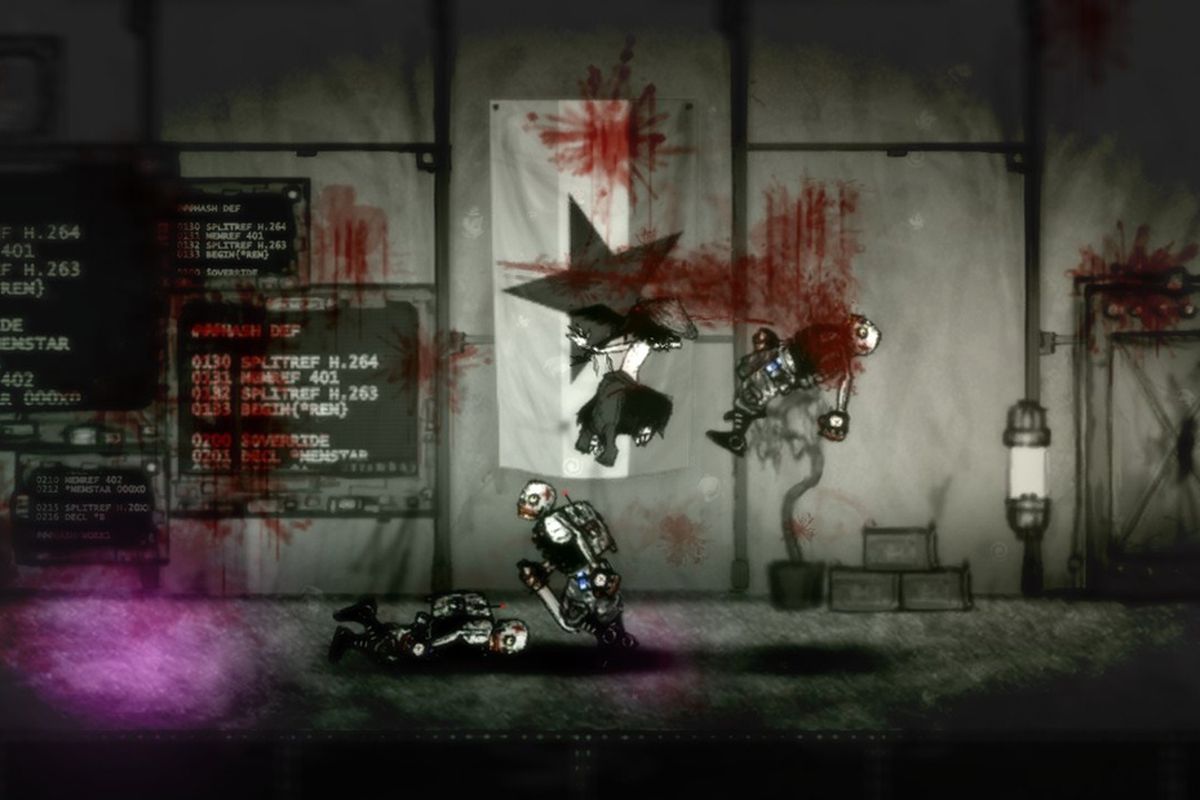
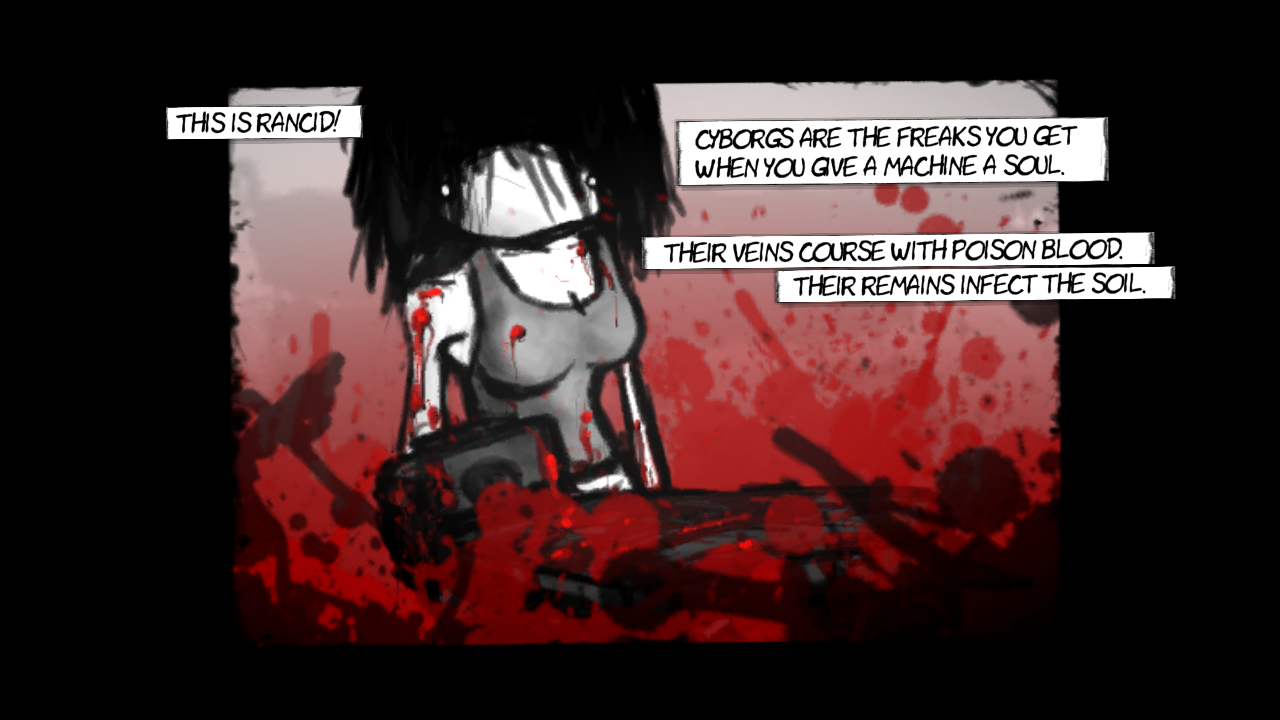
The Dishwasher is a strange name, but the story of Yuki is actually pretty sad and engaging. Yuki dies in the hands of the dishwasher and is hallucinating. You play flashbacks of her in an asylum, trying to find her killer, but then again, she’s hallucinating and kills the wrong person. She crash-landed on the moon, trying to find the person making her hallucinate and find out why this is all happening to her. There’s a lot of detail in the story, so explaining too much will spoil spoilers. Just know that the story is excellent and very engaging.
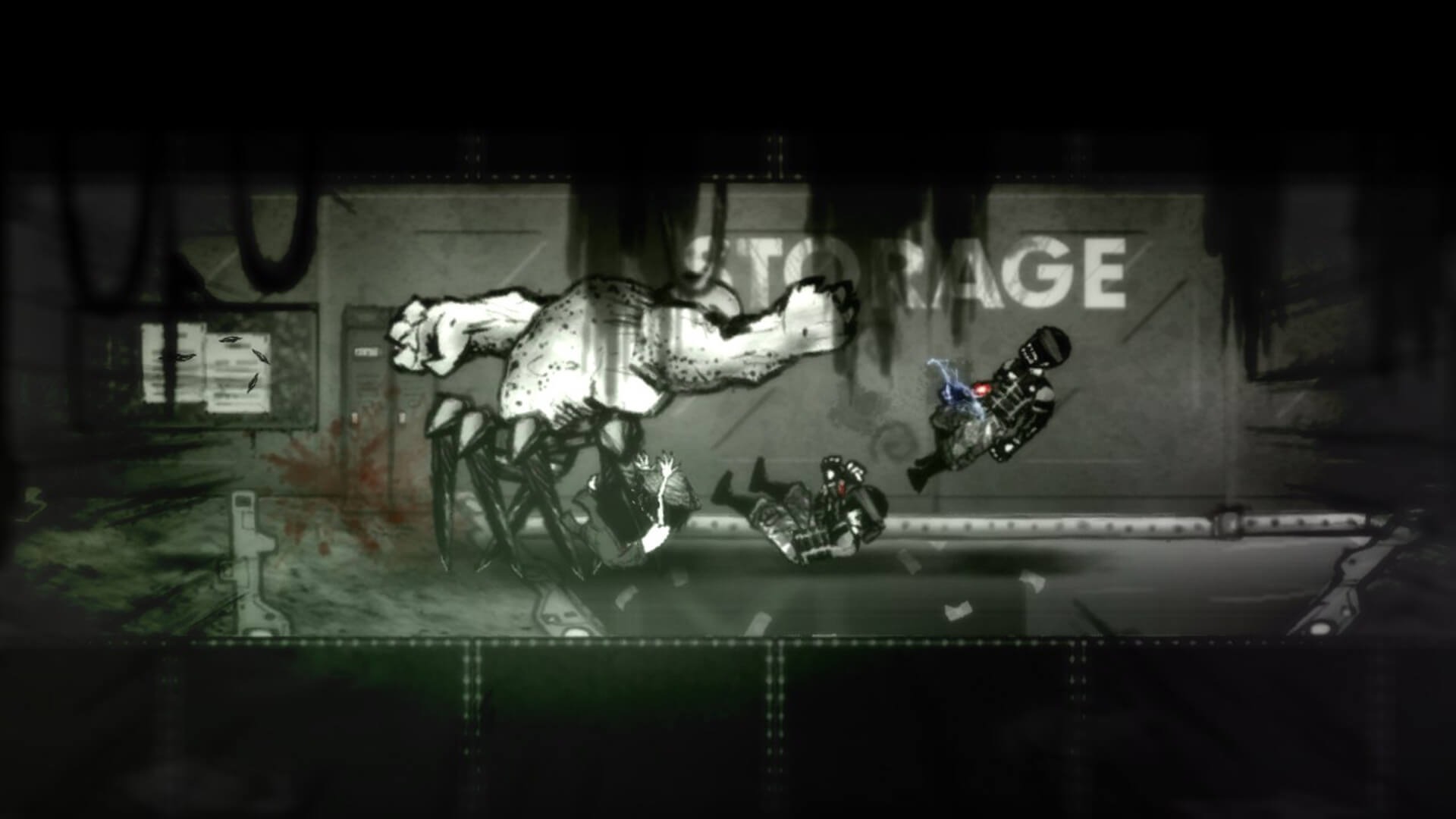
The game is all about combat, which is superfluid, fast, and fun thanks to smooth and responsive controls. You will find different weapons like Cloud’s sword, a hypodermic needle, kamas, as well as a mini-gun arm attachment. You can use the right stick to use the blood dash to go through enemies and dodge them, but everything is just so fast and fun that you just forget the controller is in your hands. You can hit enemies with a light and heavy attack as well as a unique attack with B, such as a grab, needle jab, or chainsaw attack, depending on your weapon. After you damage an enemy enough, they will have buttons flash under them. Hit it and see a brutal execution move that just looks awesome. The game is very punchy, heavy-hitting, and powerful, thanks to the excellent combat system.
You can equip beads that add attributes to Yuki, and you can also use magic skulls that do massive damage to enemies. I just can’t really describe how excellent the combat is until you actually play it. It’s like trying to explain how good Devil May Cry’s combat is. There’s just no way, unless you actually play it. Boss fights are also fun and unique, but some can be brutally difficult to beat. Dodging and twitch reactions are key to staying alive in the game, so this is no walk in the park. The game will just take your breath away with how fast-paced it is, but I guarantee your fingers will ache after a couple of levels.
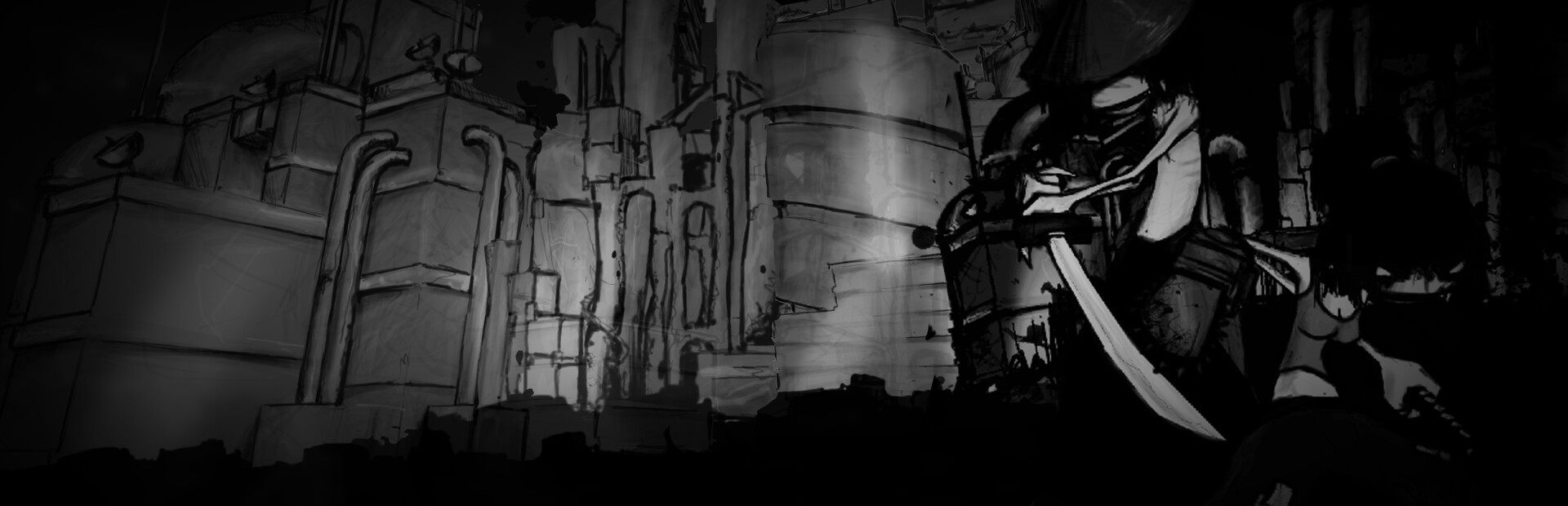
The art style is just awesome, with a very messy, dark, and smeary style. It looks like you can’t tell what’s going on, but it was done in such a way that you can make everything out just fine. I love how dark and brutal the art is, so it just helps portray how helpless Yuki is. I didn’t really find much wrong with the game except for the brutal difficulty. The enemy variety is pretty high, and there are plenty of boss fights. After you finish Yuki’s story, you can even go back and play the dishwasher’s side, so it’s like two games in one. This is probably one of the best XBLA games I have ever played, and it should not be passed up.
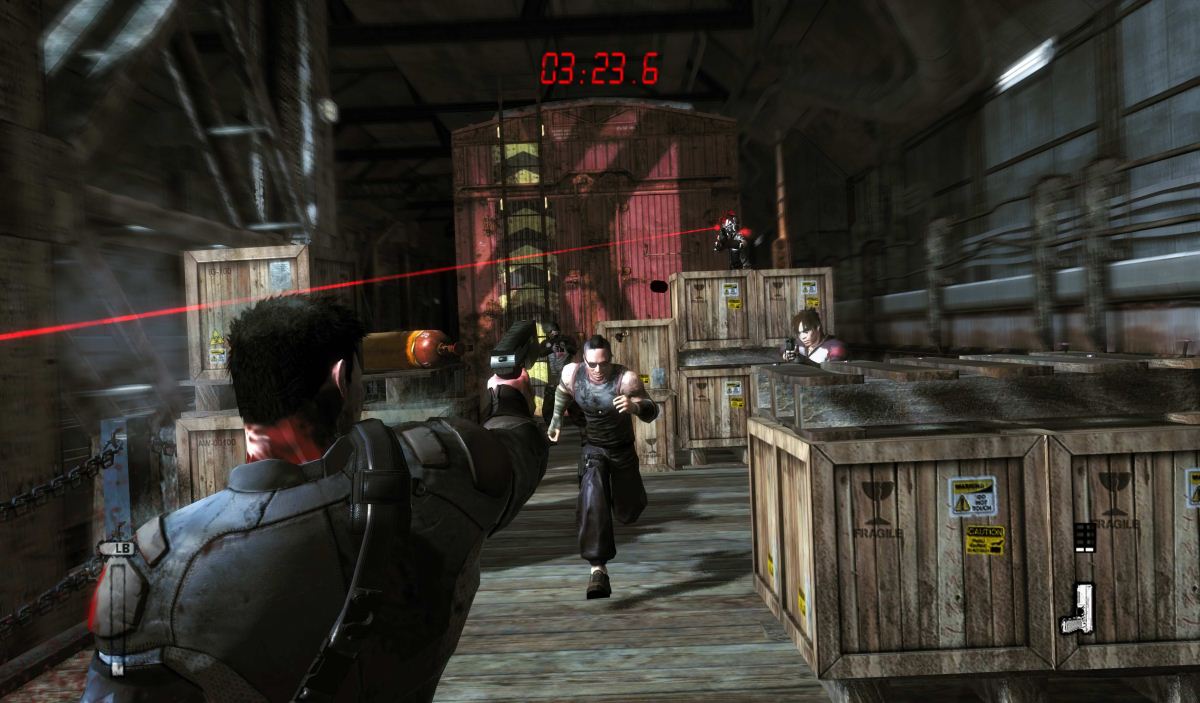
Dead to Rights has been a very rocky series since its debut in 2003. Retribution is not only the best in the series, but it completely redeems the quality and value of what made the game so great. The story isn’t anything new to gamers, with Jack Slate and his dog Shadow trying to revenge his father’s death and also wipe Grant City clean of corrupt cops and criminal syndicates. What is good in Retribution are the voice actors, characters, and action. The guy who plays Jack’s voice is pretty good at putting emotion across to the player.
But you usually don’t come to budget shooters for a story, right? The action is great here, but repetitive. The action consists of two elements, which are shooting and melee. First fighting consists of breakers, combos, counters, and executions, which can be pretty brutal. Fighting is usually a last resort, but sometimes it can’t be avoided. I did find fist-fighting a bit stiff, and the controls were a bit awkward. You can use enemies as human shields and grapple them as well, so at least the fighting has depth and isn’t just mashing a button until your fingers bleed.
Melee has other perks, like being able to pull a weapon on someone and shoot them in the head via execution. The game is very brutal, and it shows what you can do to enemies. I do wish there were more environment executions, but you can’t really expect that from a budget game like this. One thing I noticed is that when you are locked in fighting with someone, enemies tend to completely miss you while you knock the guy down. This really helps fend off frustration, but it does seem a little weird when you notice it. There are a large variety of enemies, ranging from weak to super strong, but they aren’t unique and just feel like standard soldiers.
Shooting is fun, but weapons don’t really pack a punch. The game is very cover-based and is similar to Gears of War but doesn’t feel as smooth as that game. You can slow downtime and focus on headshots (which are key to getting through guys quickly). There is a large variety of weapons in the game, but they are pretty standard and generic, so don’t expect crazy sci-fi weapons here. The game has you scrounging for ammo constantly, which can get annoying and deadly. Guns have very small clips, and you can’t hold much ammo for each one, which really kind of works against you, and I hated this throughout the whole game. It’s manageable, but I’ve always wanted some sort of upgrade system to fix this.
My favorite part of the game (and what sets it apart from other TPS) is being able to play as Jack’s dog, Shadow. The animations are amazing, and he really feels, looks, and sounds like a real dog. The execution moves are brutal and satisfying, with him chomping on jugulars, blood spurting out, or even tearing out people’s crotches (when you do this for the first time, you get an achievement called “Crotchality!”). You can sneak around as Shadow, see heartbeats through walls, and plan your attacks accordingly. I loved all the takedown moves, but they recycle often and get old fast.
Shadow also comes in handy when you play as Jack since you can order him to kill sick people or defend you. A lot of times I would send Shadow after a guy while I took on another, and it really feels good that the AI works well here. In one instance, two soldiers were walking away, and Shadow snuck up on one while I shot the other in the head. Of course, Shadow can go down, so you just go revive him, but using Shadow is key to staying alive and not dying constantly.
This is also the great part of the story, which is the bond between the two that makes you want to stick close and listen to the story. Shadow and Jack are best friends, and you really get to feel for them both. Visually, retribution is nothing special, but it isn’t ugly either. There are some nice lighting effects, and there’s a lot of detail in everything, but the game is very linear. One other annoyance is hidden badges throughout the game, and I hate shooters that make you go searching for hidden stuff because it detracts from the action. Other than that, Retribution is a great bargain bin purchase and is definitely a great game despite its repetition.
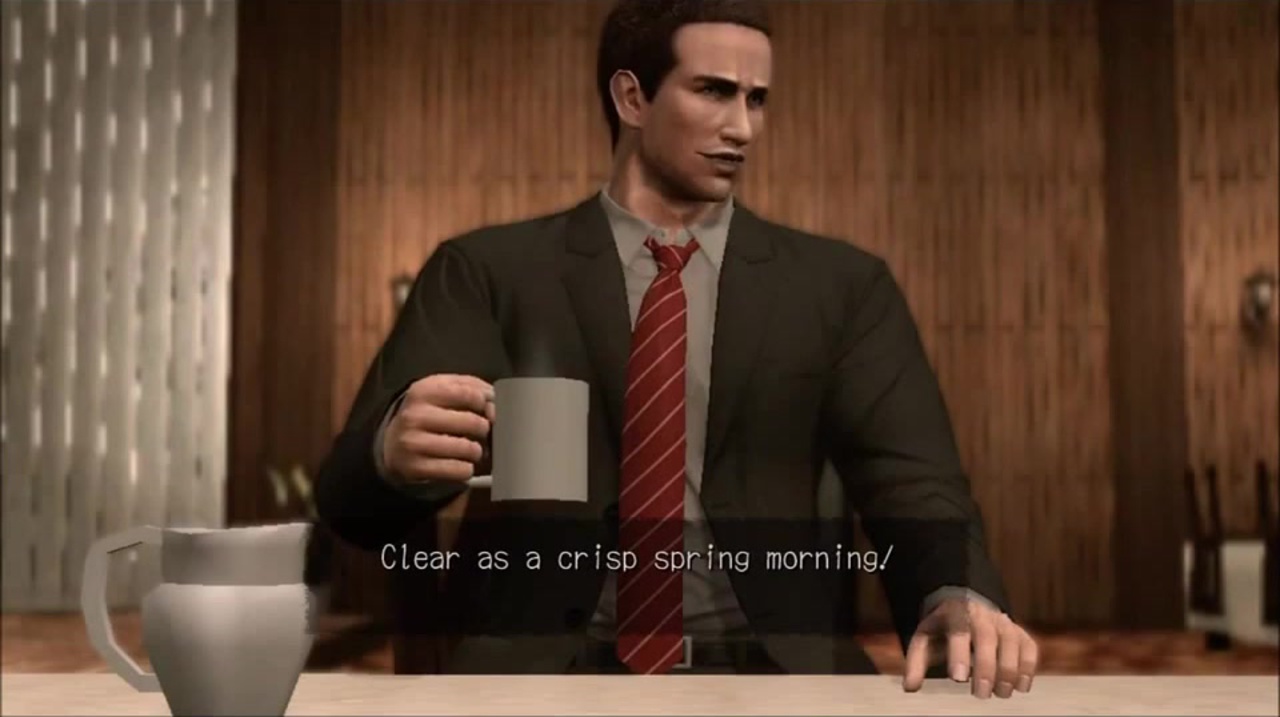
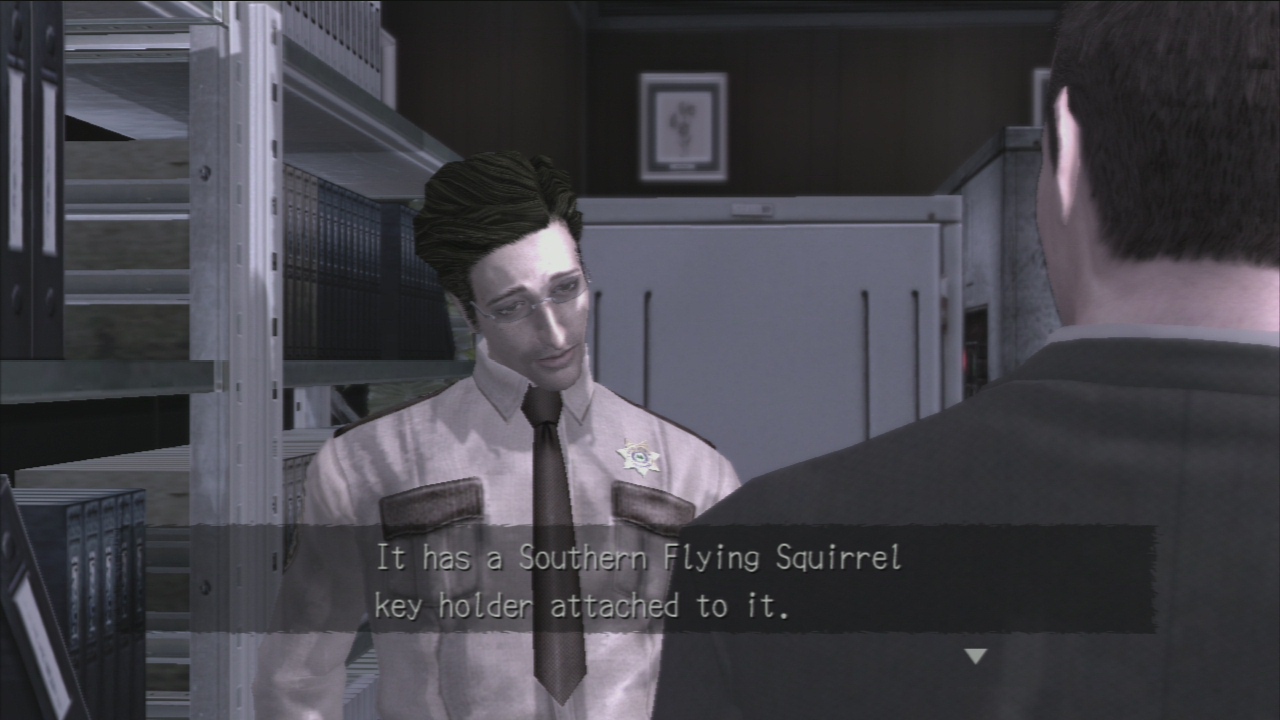
If you believe in “story over graphics,” this game is the epitome of that. It always saddens me how indie games can’t get AAA budgets because there are some out there that have better elements than AAA titles. Deadly Premonition is one of them when it comes to story, characters, and atmosphere. The game looks, plays, and feels like a pre-2003 PS2 game and is just downright ugly. I’ll get to that later, but right now you have to know how excellent this riveting story is. You play FBI agent Francis York Morgan, who is investigating a murder in the small countryside town of Greenvale. You meet the Sheriff and other citizens throughout the game, and the story is always unwinding with plot twists and revealing dark secrets about every single character.
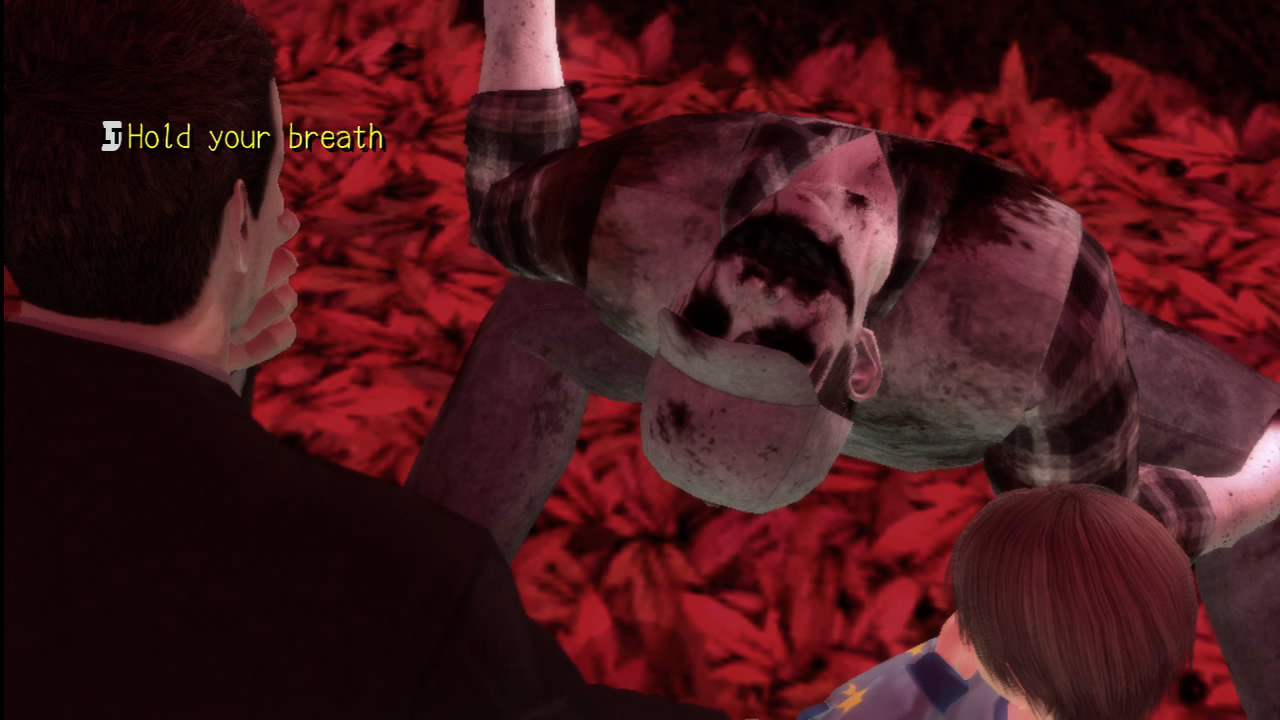
The premise is a legend of the Raincoat Killer that rampaged through the town in the 1950s. It appears that there is a “New Raincoat Killer” mimicking the old one, and Morgan must stop this guy before he kills everyone Morgan grows close to. There are two parts to the game: driving around the regular world and entering the “Other World” to investigate crime scenes and find clues. This “Other World” is a lot like Silent Hill’s, but the game never explains what this world is or why it appears in the town. I hate how that was never answered, so it feels like it may just be tacked on. When you are in this “other world,” you get to use your guns and shoot creepy zombies. These zombies are really brain-dead and can only really hurt you if you are overwhelmed or backed into a corner. The AI is cheap, but that’s fine because you just want to know more of the story.
When you enter this world, Morgan will start profiling fuzzy clues together, and it’s up to you to find them, but thankfully the game scraps Silent Hill’s labyrinthine maze-like levels for straightforward linear ones, and I never got lost. There are red areas that show where to go, so you never get lost. The puzzles are very simple and don’t even require exercising your cerebral cortex, but it’s OK because you just want the game to move on to uncover more of the juicy story. The controls are very unintuitive, but the game works around them, so it’s never really frustrating. You hold X down to run, but you hold down RT to aim and A to attack, but LT is to lock on. The controls are strange and archaic, but they work for the most part. The weapons are your typical survival horror stuff like shotguns, pistols, and melee weapons, so don’t expect much in that regard.
The rest of the game is completely boring and downright yawn-inducing. Driving around Greenvale from place to place will make you fall asleep because the cars feel, sound, and drive like something from pre-2000 games. The game doesn’t even use real-time or dynamic lighting, but static lighting! Cones for headlights? I felt like I was playing a PS1 game sometimes. The cars sound like dying lawnmowers and drive like one too. There aren’t any people walking around, and the cars appear out of nowhere, like they just came out of hyperdrive. The developers even put in side quests and some sort of collectible card hunt, but why would you bore yourself so much? It’s dry, dull, and just not fun at all.
There are some RPG elements like having to watch Morgan’s hunger, tiredness, and even how dirty his suit gets, plus you can shave. Yeah, it’s WTF moments that are thrown in like that that really make no sense. They are unnecessary, but hey, they’re there. What really saves Deadly Premonition is that the developers knew the game’s flaws and built everything to accommodate them, like quick-time events during boss fights instead of a dodge button. It makes the game very playable, and I applaud them for doing this.
The only reason to trudge through is for the amazing story. You really care about the characters, and there is some freaky crap in this game that would even put some stuff in Silent Hill to shame. The game does drag a little bit with about 15 hours of gameplay, but they could have cut the fat out and made it about 8–10 if there wasn’t the terrible “open-world” part thrown in. If you can forgive horrible graphics, terrible animations, abysmal sounds, and archaic controls, you will be rewarded with a thrilling and deep story that is unforgettable.
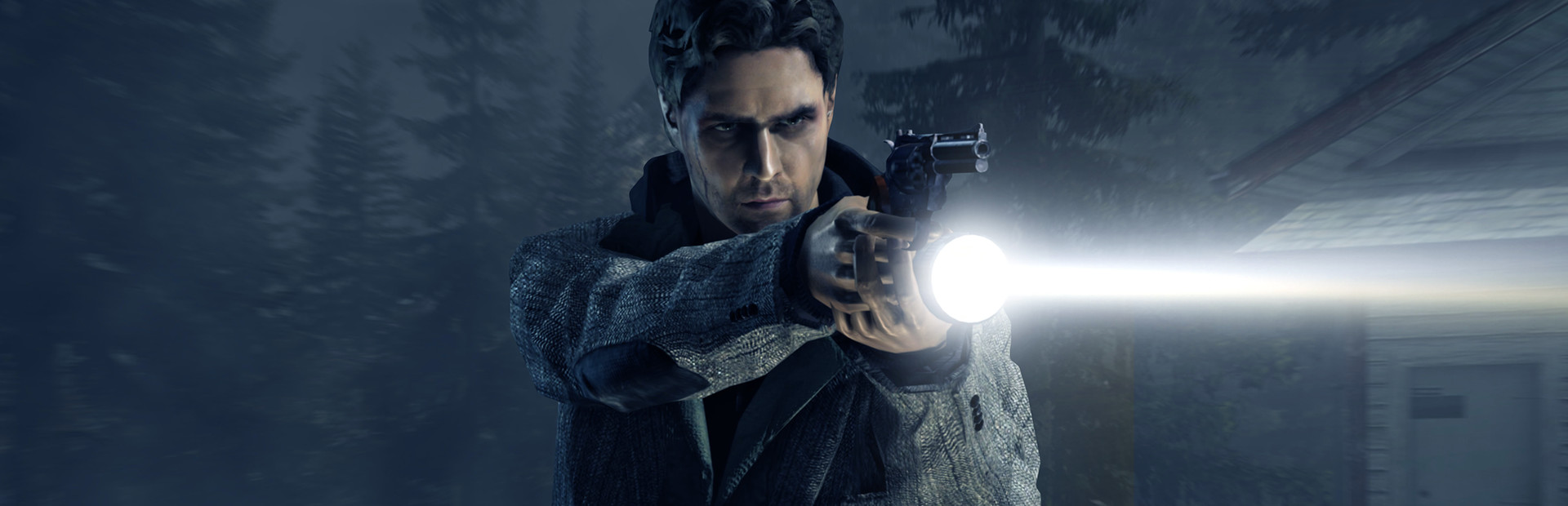
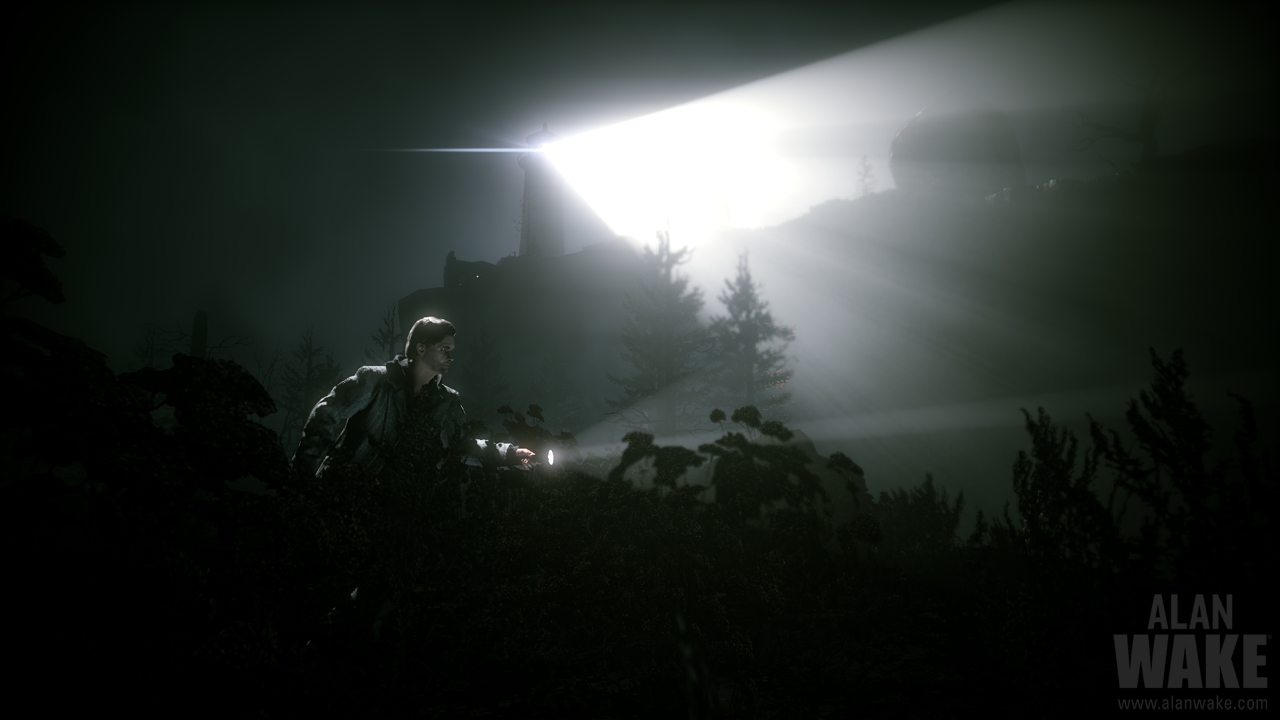
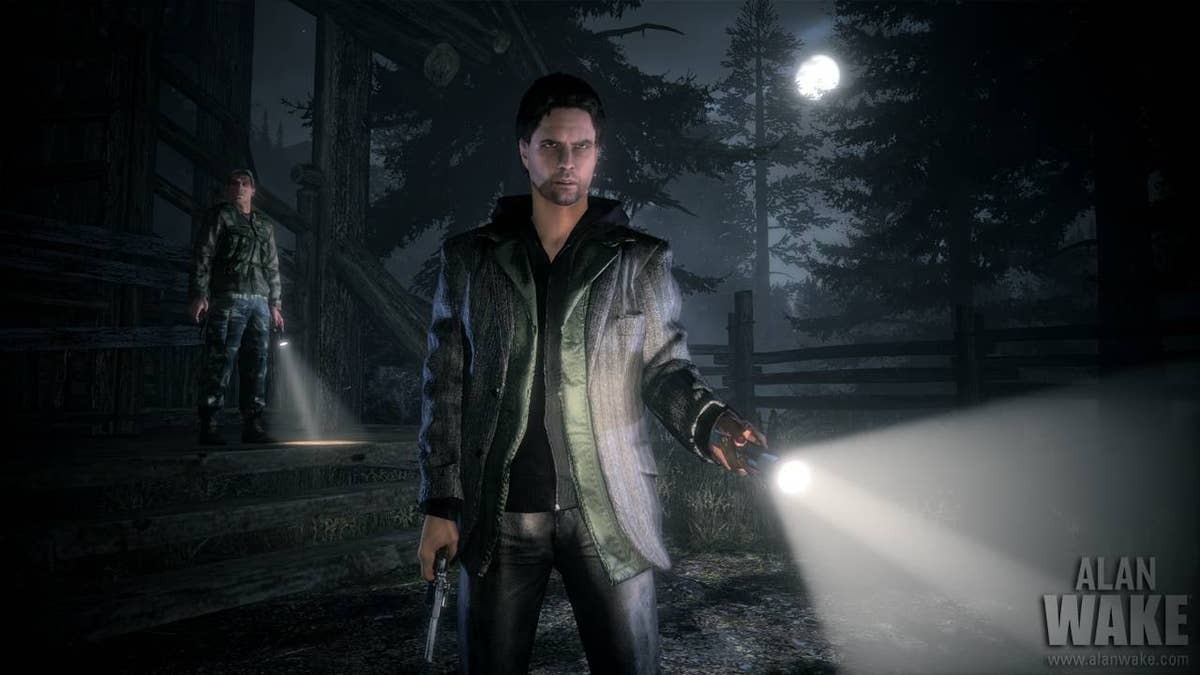
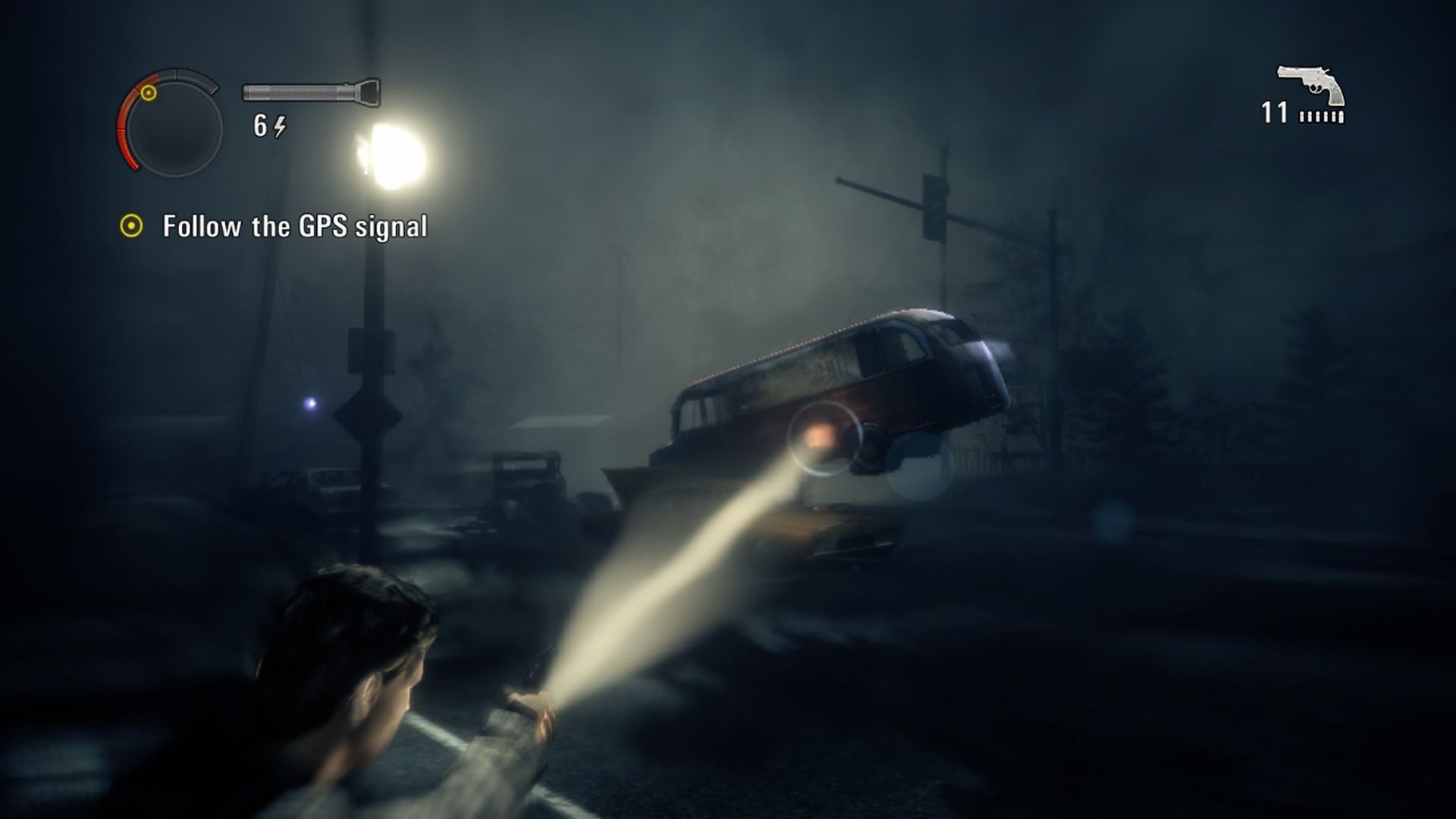
The Signal was a continuation of the main game and showed Alan fighting himself in his story and not knowing why. Following the signal from Zane, Alan must stop himself from killing himself in his story and wake up to reality. The Writer continues this with Alan trying to reach the lighthouse and get back into the cabin to stop himself. The story is very strong and answers some questions that you may have had at the end of the main game. The end boss fight also feels like a huge finale and comes to a nice close without a big open cliffhanger.
The episode isn’t as combat-heavy as The Signal, but it has a lot more unique platforming and adventuring sections than The Signal, plus it’s not nearly as hard. There are more words you can burn up to create things in the environment to kill the dark beings, and these tend to be more useful and unique. There are no driving sections in this one, unfortunately, but it makes up for it with more varied gameplay.
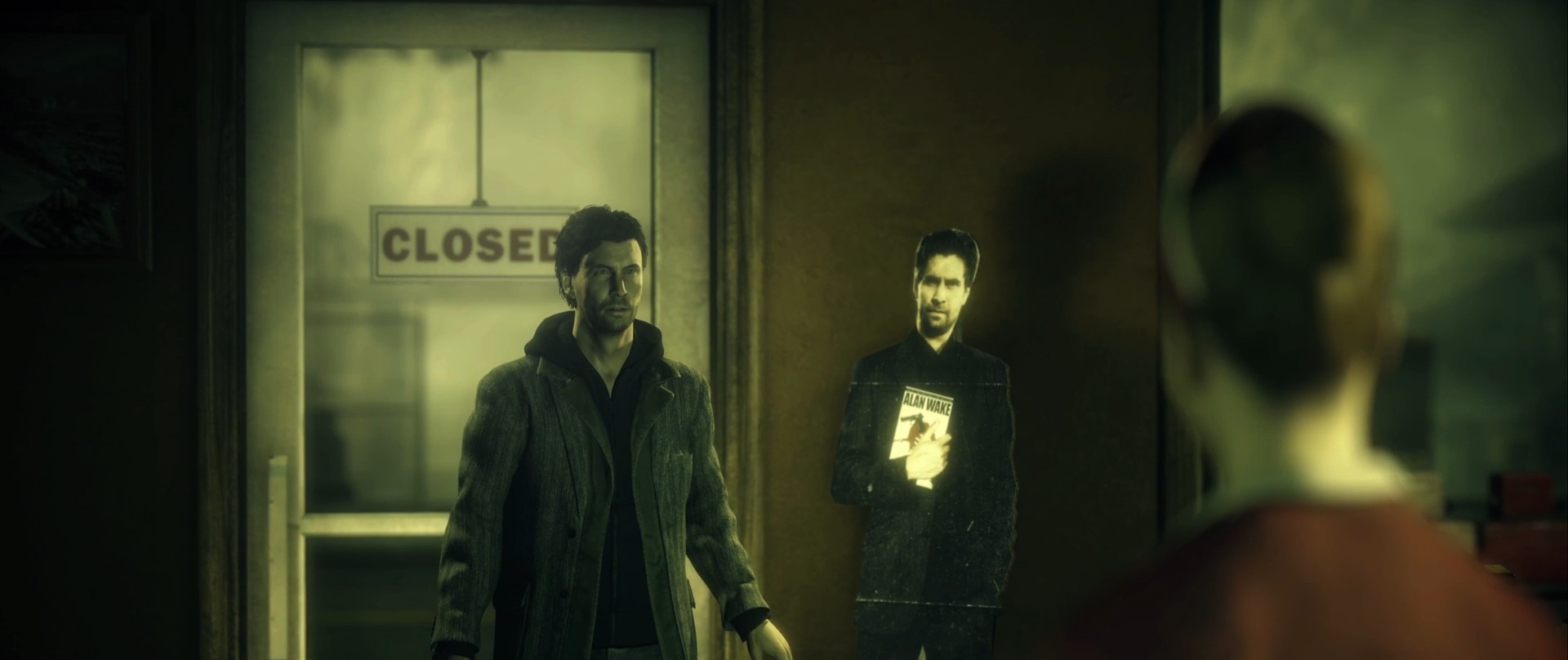
The Writer really mixes up all the elements in the Alan Wake universe very well and gives us one final shake-up of all the things we’re familiar with. This is what makes The Writer stronger than the last episode, plus the conclusion of the story really helps as well. If you just so happen to have waited almost a year to get this, you’ll notice some minor things, like the slightly aged graphics, but other than that, this DLC is strong and solid. I still wish the DLC would introduce new weapons or something in here, but at least it doesn’t recycle the same areas from the main game. The price is a bit steep even for something better than The Signal, but fans of the game need to get this to conclude the story.
DLC tends to get criticized a lot for either price, length, or the amount of content it has, and developers have a hard time striking a balance between the three. The Signal (which is the first of the extra chapters that came free if you bought a new copy) suffers from this as well since it is so short, clocking in at about 2–3 hours. Yes, it’s really just a 1-2 sitting play-through, but it does provide a good addition to the already award-winning story.
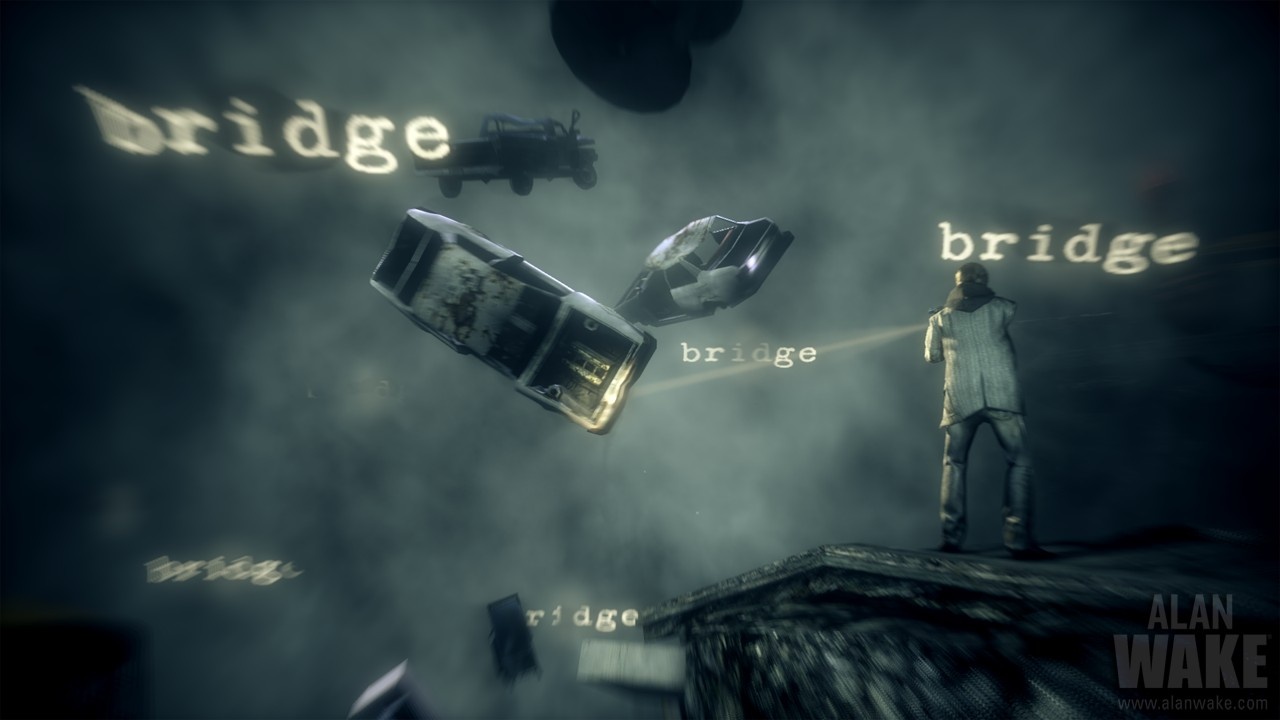
Alan Wake is inside his own story once again, but the real him is writing ways to kill himself in the stories. Why he’s doing this is unclear until the very end, but each time you advance through the chapter, it gets more and more violent. There aren’t really any changes or additions except finding supplies, and sometimes enemies and environmental hazards are hidden as words that you may burn up with your flashlight (like at the end of the main game). It’s interesting and makes you really feel like you’re in a story, so this subtle addition adds to the experience.
Other than that, there are no new characters, weapons, or anything else, so just kick back and enjoy the quick little story. You do run into Barry again, but other than that, there’s no one else in the game, which is a disappointment. Another issue The Signal falls under is backtracking areas you already played in the main game. Plus, The Signal is very combat-heavy and can get extremely difficult at times.
The Signal is a must-play for fans of the game, but if you didn’t dig the main game too much, you should pass. If the game were more robust and added deeper and richer content, it would be so much better, but Remedy took the safe route and stuck with the main game’s ideas only.
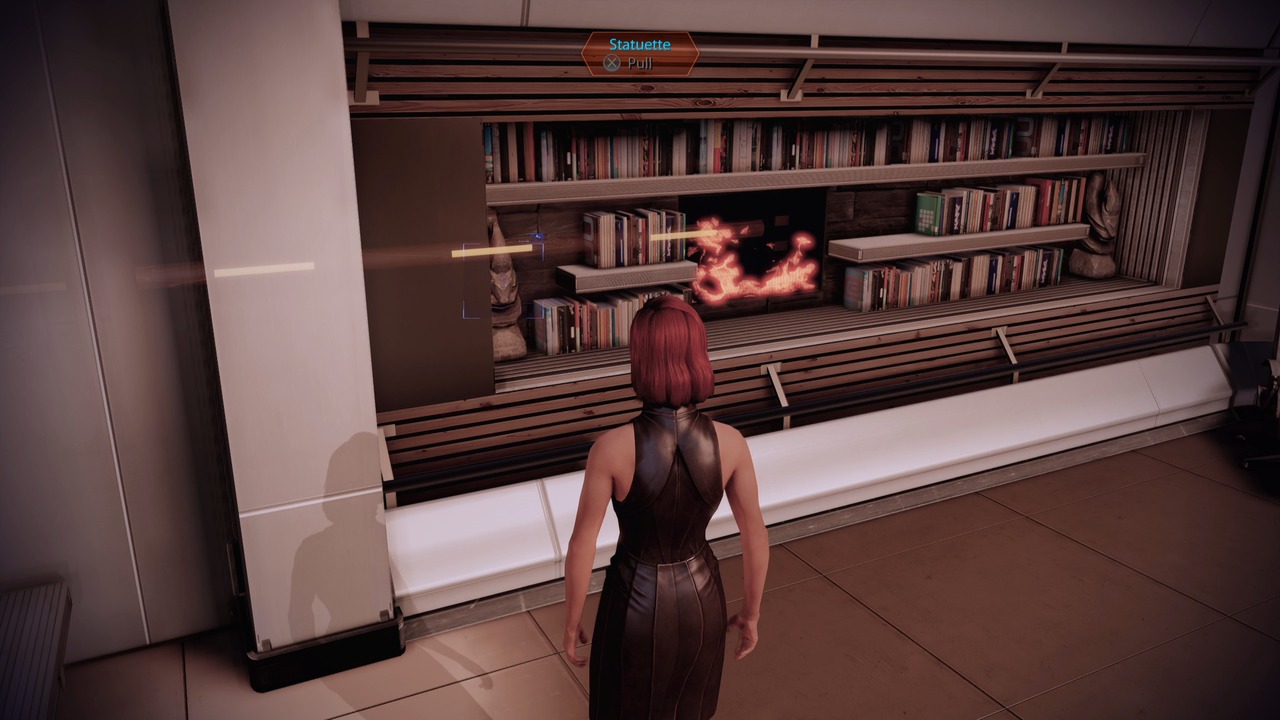
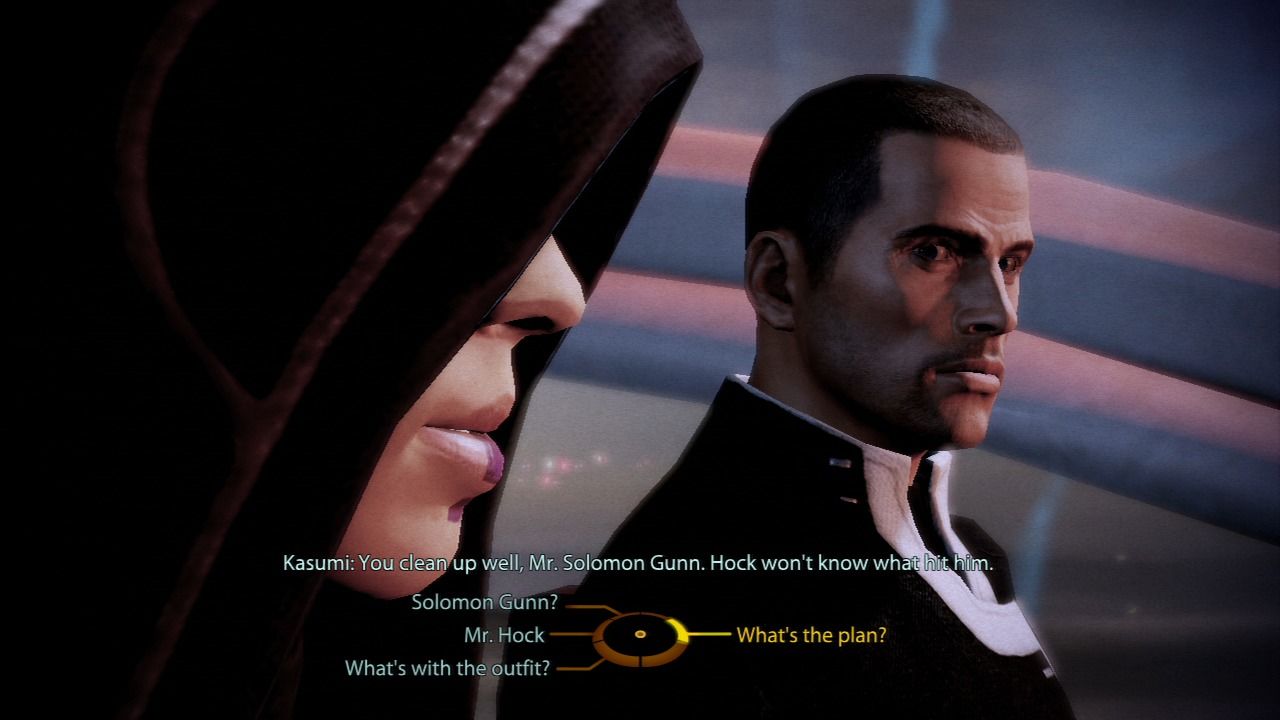
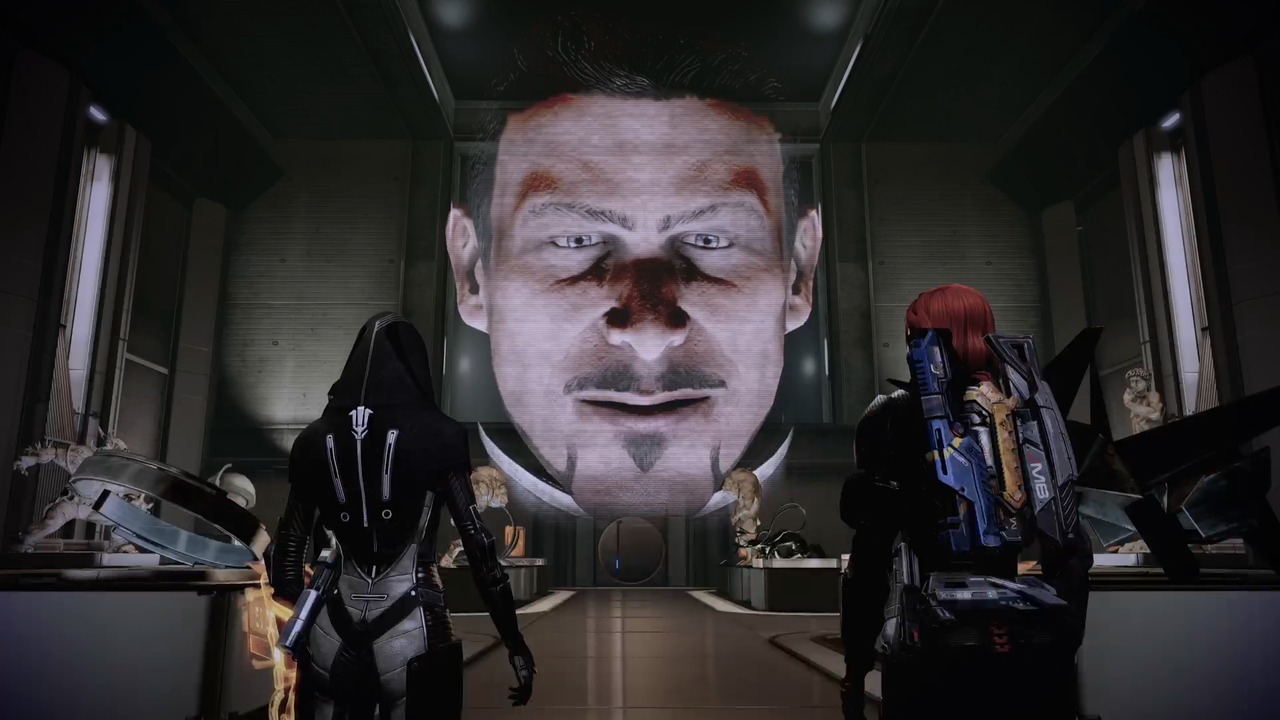
Mass Effect 2 has a slew of great DLC, but Kasumi’s Stolen Memory is probably the shortest of them all. The DLC has two short parts to it. The first is you trying to find Kasumi, which doesn’t really make you feel so much, and the second is sneaking into Hock’s safe to find Kasumi’s stolen gray box, but it all seems pointless in the end.
There’s a good boss fight at the end, and it gets pretty intense, plus you can pick up a new weapon as well as some other things like credits, salvaged parts, etc. It’s your typical standard ME2 affair, and there are no gameplay changes, of course. Kasumi is a great character, and her stealth abilities really shine in combat, and she can get you out of trouble in a pinch. She’s a very mysterious character and has a lot of sarcasm to her, so she’s great to listen to and has an interesting past.
I would have liked to see more than just a little infiltration mission since there’s so much potential with her, and hopefully we’ll see her in Mass Effect 3. The whole DLC can be beaten in just one sitting, so you might feel like your $4 was wasted, so this isn’t the ME2 DLC available. It’s great for hardcore ME fans, but casual players of the game should pick this one up.






































 thebinarymessiah.com
Try multiplayer. A lot of fun !