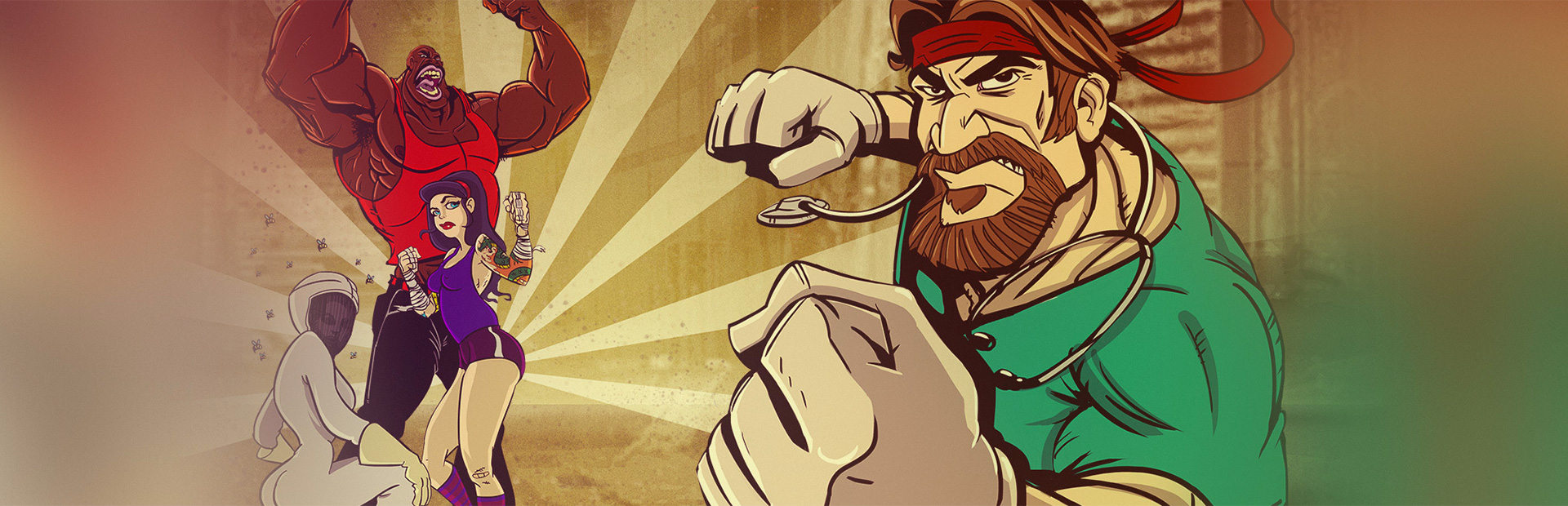
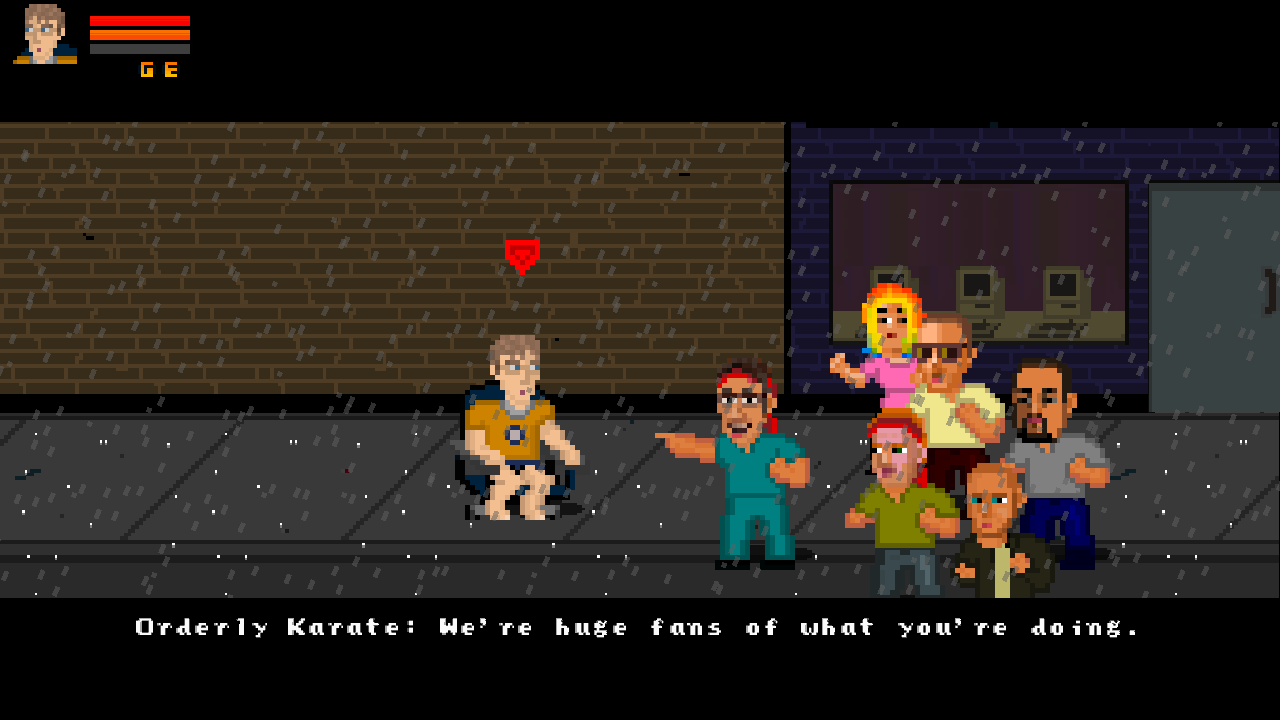
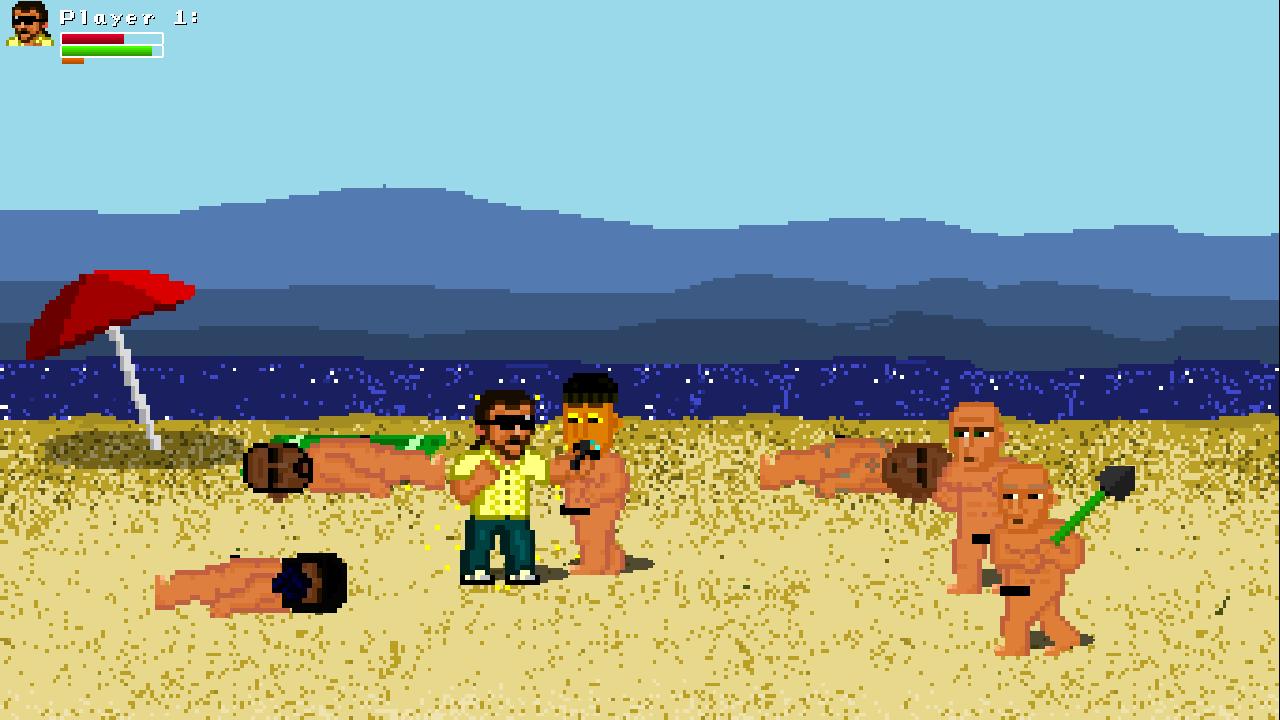
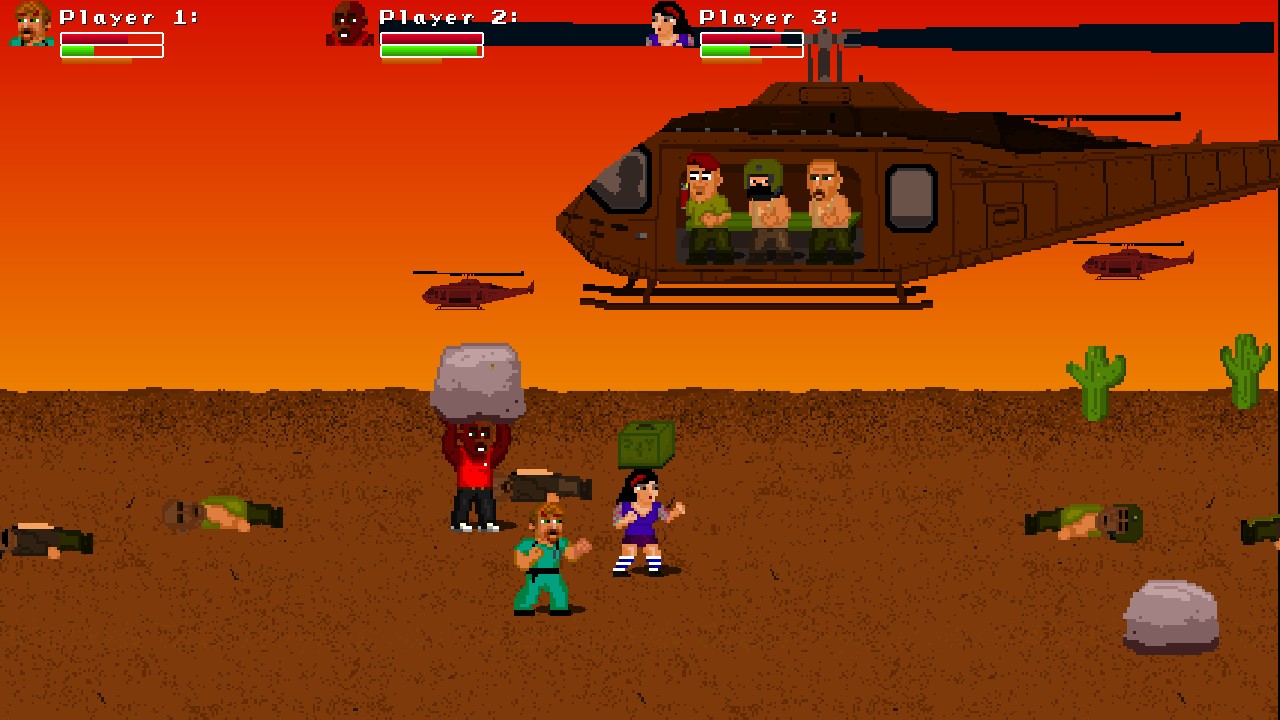
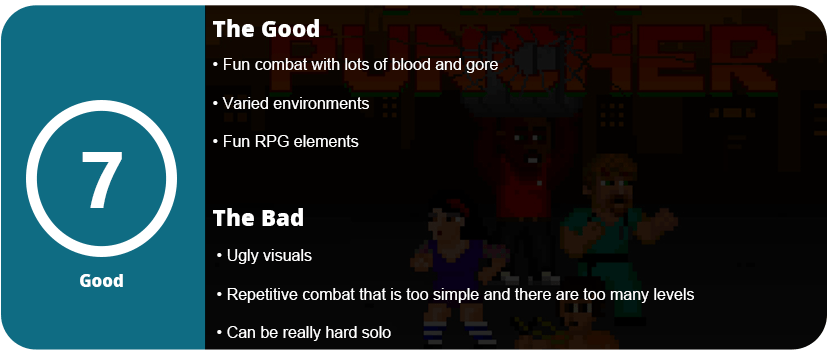
8-bit brawlers don’t really have a large following, but when one comes up, I tend to pay attention. Fist Puncher is an adult-infused brawler with blood, guts, and censored nudity. The story’s nothing special and pretty forgettable, with some lame dialog, but what were you expecting? You can pick one of four characters that have different special abilities. Using the A and X buttons, perform light and heavy attacks while B grabs. Holding down RT allows you to use your special meter and perform a special attack. The one thing Fist Puncher does differently from most brawlers is the RPG aspect.
You can level up with the XP you earned to learn new moves, increase strength, health, etc. Once you start leveling up, the game becomes a bit easier, but early in the game, it is really tough, especially during boss fights and if you are playing by yourself. This isn’t really a single-player game, but it can be done if you are careful. While you’re fighting goons, you can pick up objects, toss them, and collect letters that spell “rage,” which gives you a power boost. The only problem here is that the same letters drop too often, and most of the time you won’t ever spell “rage.” Thankfully, the game has depth that allows you to avoid attacks, but honestly, the combat system is pretty shallow. At least the hits pack a punch, but some enemies take forever to take down.
To advance, you need to complete the many levels on the overworld map. There are a ton of levels, and this leads to repetition, which is one of the game’s biggest flaws. I’d rather have a few levels so I don’t get bored with the game. At least the environments are varied, and sometimes the humor can pull out a laugh or two, but the game really needed more to be memorable. Adult Swim Games have been putting out a lot of quality, quirky games, but they are always lacking something to make them great. Fist Puncher’s 8-bit graphics are also not that great. They are low quality and very ugly, along with boring character designs. Nothing in the game looks fairly interesting or even good, and that is another problem with this game.
As it is, Fist Puncher is a fun weekend play-through with friends on the couch, but nothing more. Some people may not get very far and get bored fairly quickly; others may love it a lot and play through to the end. Despite all the flaws, the game has solid controls, a fun RPG system, and some quirky humor.
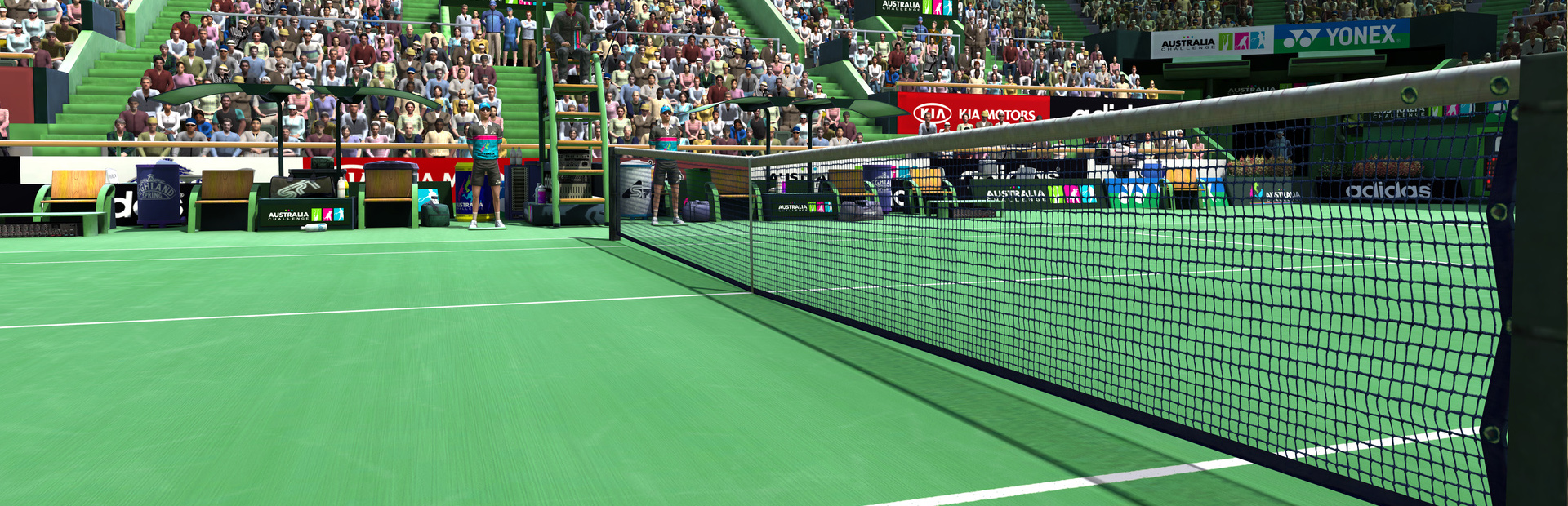
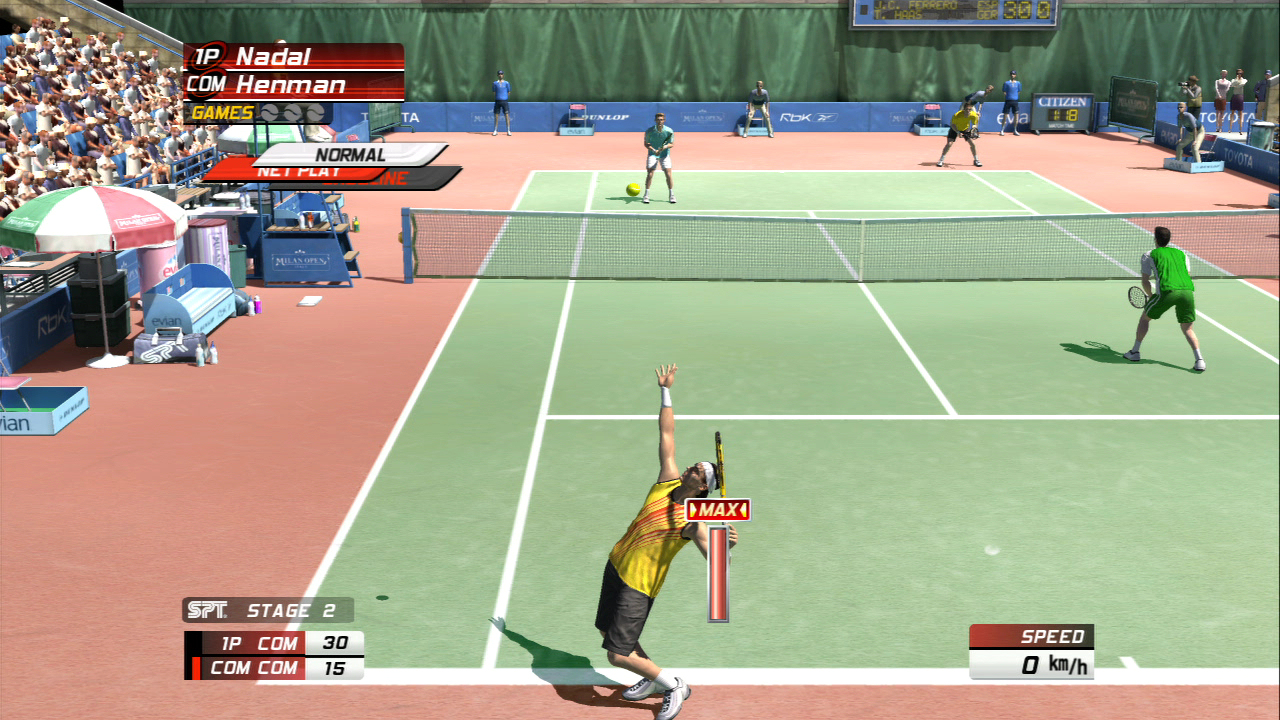
First off, I’m not a tennis fan. I just like playing the occasional game, such as Hot-Shot Tennis. I just like the competition and the strategy behind it. You need to trick the player into going where you want so you can set them up for failure (or, at least, I think that’s how you play tennis). I don’t know! I’m not a pro player! Secondly, Virtua Tennis 4 isn’t the best tennis game I have ever played; it’s very dull and lacks any excitement or flair. It doesn’t need to be a crazy arcade-type game, but give us more than just green, two players, and a ball.
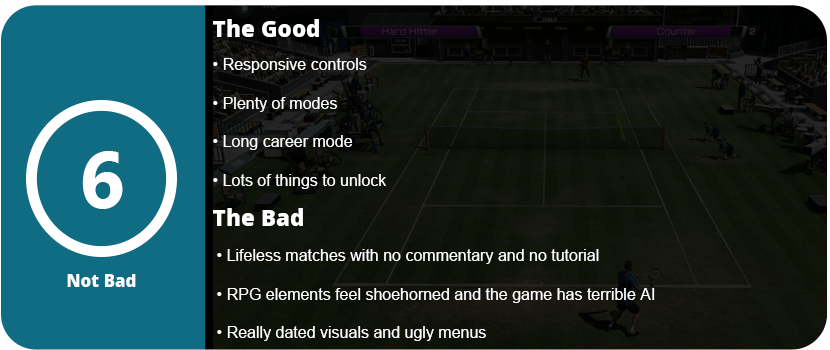
The game is very confusing to start. The career mode is pretty lame, and I didn’t like it. You move around a world map with a piece of paper and markers. You get random move cards instead of dice. Some spots are for training; others are clothing shops, tournaments, face-offs, and various other things. Every time you get into a match, whether it’s for training or not, your condition decreases, and this apparently affects how you perform. I honestly didn’t notice a difference, or the AI was just so bad that it didn’t affect anything. This board game idea is nice, but it’s so dull. The menus look like absolute crap and are flat and lifeless. There’s no tutorial on how to play, and each move pretty much felt the same. The only one that felt different was the lob.
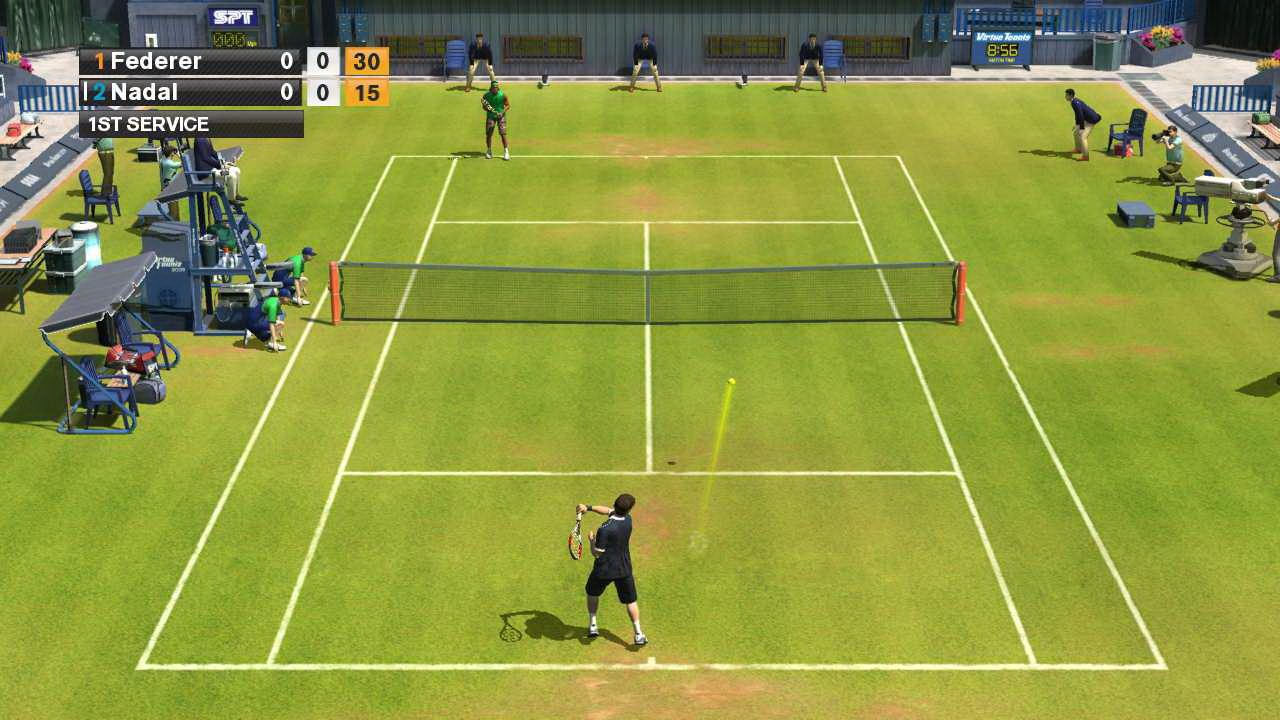
During a match, I felt every player played the same. You serve with a power meter, and I could never figure out where my ball was going. Some sort of reticle on the ground would have been nice. I would smack the ball for 10 minutes, and nothing would happen. It was so hard to trick the AI into doing what you wanted, and it took so long. I wound up losing match after match trying to outbeat the AI; otherwise, I was stuck in an endless volley. The matches themselves, outside of swinging, are boring. There’s no commentary, the characters look horrible, the pros don’t look like their real-life counterparts, and the graphics look about 5–6 years old.
I understand this is supposed to be a tennis sim, but you can still make it fun. Even after playing 10 tournaments, I still didn’t unlock any new clothes; my character was taking forever to level up, and it just felt like the same thing every freaking match. It felt like it would never end. During career mode, the stupid reps and managers would pop up with lifeless dialog that you just didn’t care about. The only real way to go is multiplayer, but no one is playing online at all. I just feel that the game is a huge, boring mess with terrible AI and lifeless characters. The controls respond pretty well, but I didn’t feel a difference between any of the hits. The game could have been so much more. As it stands, this is the worst tennis game I have ever played. Even major tennis fans will be disappointed in this lifeless borefest.
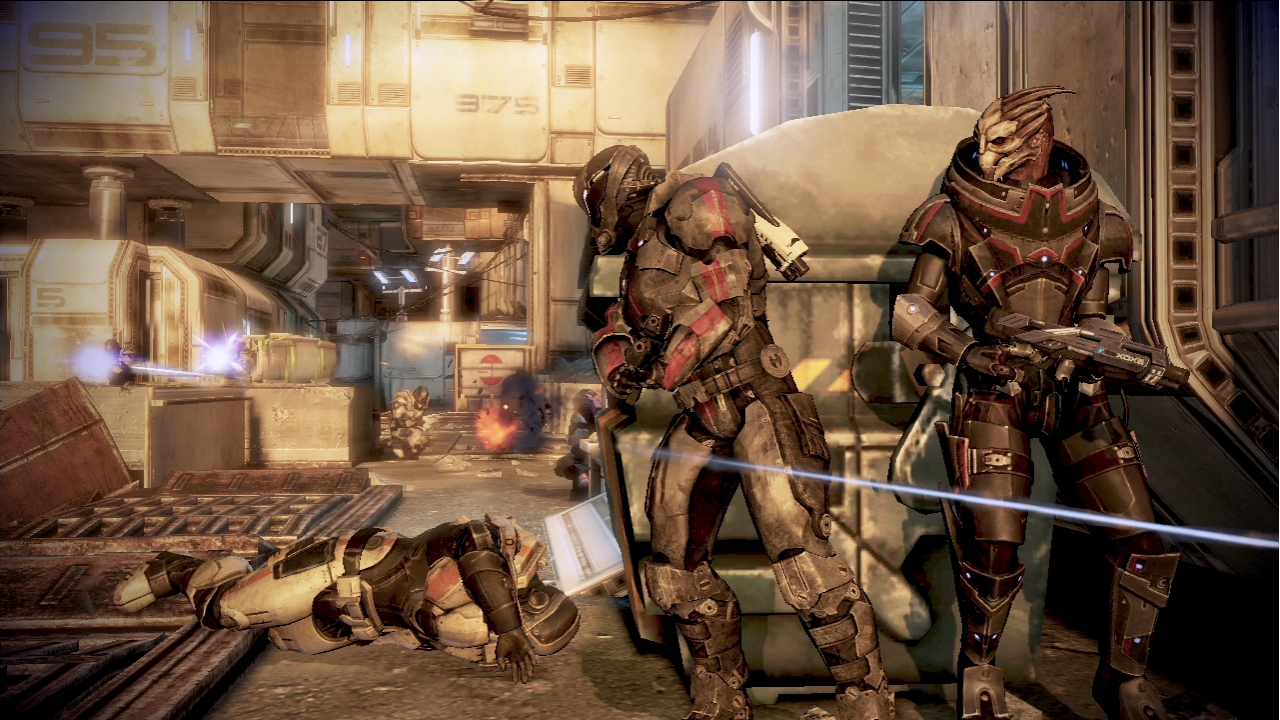
Mass Effect made such a huge impact on me and the gaming world that no one probably expected. To create such a vast universe of fans of Star Wars is just incredible. BioWare pulled it off, and each game is very memorable. Mass Effect 3 pulls all the punches this time around and is the epic climax to the Reaper invasion that is sent to wipe out all organic life in the galaxy. Of course, Commander Shepard is supposed to fix this along with his or her recruits that you brought along throughout the series. Never before has a game spread so much across a trilogy. I have never kept a game save so sacred as I have my Mass Effect save because every choice you make carries heavily throughout the whole series.
It was obvious in ME2 how choices carried over, but ME3 is huge. Main characters will die; some that died in the last games will have an impact on how ME3 turns out. Instead of going around recruiting people like in the last two games, you are recruiting entire war assets for the War on the Reapers. You are trying to bring whole nations together and making huge decisions that will impact the galaxy for the rest of time. Things like whether or not you should cure the Krogan genophage, help the Council, help Cerberus, or just say screw it and make everyone’s lives hell. You have choices here, and they will make you think a lot. Never before as a shooter have I cared about seeing certain races die or get hit. Seeing the Turian homeworld Palaven get creamed left me feeling sad and determined to make choices that helped them. In this game, some civilizations actually get wiped out due to your choices. Some are just as subtle as helping someone out on the Citadel with a side mission that decides whether the Elcor, Hanar, Batarian, and Volus survive or not. This game is so big and bold.
Aside from the obvious story, the gameplay has improved a lot. The action and shooting are more refined and feel better. There are whole new weapons, a cover system, as well as a dodge and roll mechanic that comes in handy. Everything just feels tight, and weapons hit heavy. Speaking of weapons, you can now customize them by adding mods to improve damage, stability, accuracy, and even clip capacity. You can now buy mods through shops on the Citadel in Normandy instead of running around on every planet trying to get what you need. You can also buy armor and have more customization options for your character, which is very welcome. You also can’t carry every weapon with you anymore. I guess the goal was to balance the game more. Each weapon you have will add weight, which can be reduced by upgrading weapons. Carrying every weapon with you will slow you down and reduce the recharge speed of biotic powers, so choose carefully.
The overall structure of the game is just more streamlined, less messy, and less annoying. Small side missions are usually stuck in the Citadel, where you have to find an item for someone during space exploration. Exploration in space still isn’t fun, but it’s a lot better than scanning every damn planet for resources. They have completely scrapped this time around, so everything is just bought with credits, which is how it originally should have been. You can still scan, but you do it on the map, and EDI will tell you if she finds something. Certain planets will have a war asset or an item someone on the Citadel is looking for. If you scan too much, the reapers will come after you, and you have to high-tail it out of the system before they catch you and come back after a mission has been completed.
Almost everything you do in this game is big, and I can’t think of any mission that felt small, like in the last two games. ME3 is just huge in scope, and there are some memorable and impressive moments. The story is very cerebral, but here’s the catch: If you have never played a Mass Effect game before, go back to the first one and start from the beginning. You just won’t appreciate every decision if you jump right in. The comic that explains the last two games isn’t enough and doesn’t do this excellent and amazing sci-fi series justice. Only fans who have played through the last two will appreciate this game and truly feel that every decision is personal.
The controversy about the endings is understandable. I got to use the Extended Cut DLC while playing this, and after some research, the ending would stink without it. Without any spoilers, the ending gives you three choices at the end this time around instead of two. The choices are explained more, and there are some extra shots stuck in the endings to make more sense of it all. The original endings were just sloppy and, to be honest, lazily put together. BioWare did everyone a service by offering these endings for free.
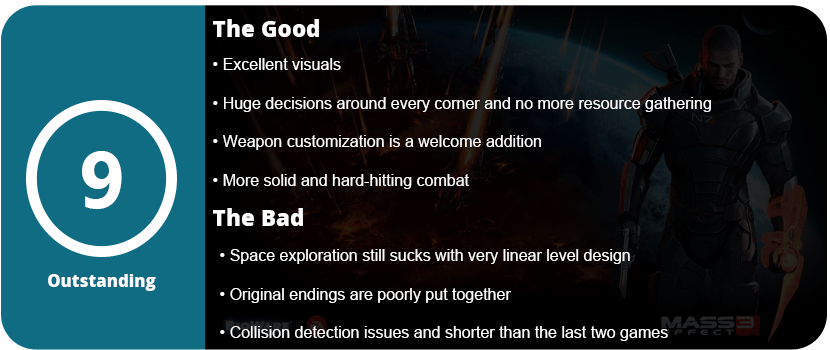
Overall, Mass Effect 3 looks amazing, plays well, and has some of the most memorable choices I have ever had to make in a game. This is about all life as we know it, not just some city or civilization. This is about all organic and synthetic life, and what ME has done for the gaming world is a huge feat that I haven’t seen since Star Wars. This is a true sci-fi masterpiece that all fans of the genre will love. If I did have any complaints, it would be the original endings, and there are some issues like collision detection and linearity; the game feels shorter than the last two games; and the space exploration pretty much stinks. These are minor, though, and don’t really bring it down much.
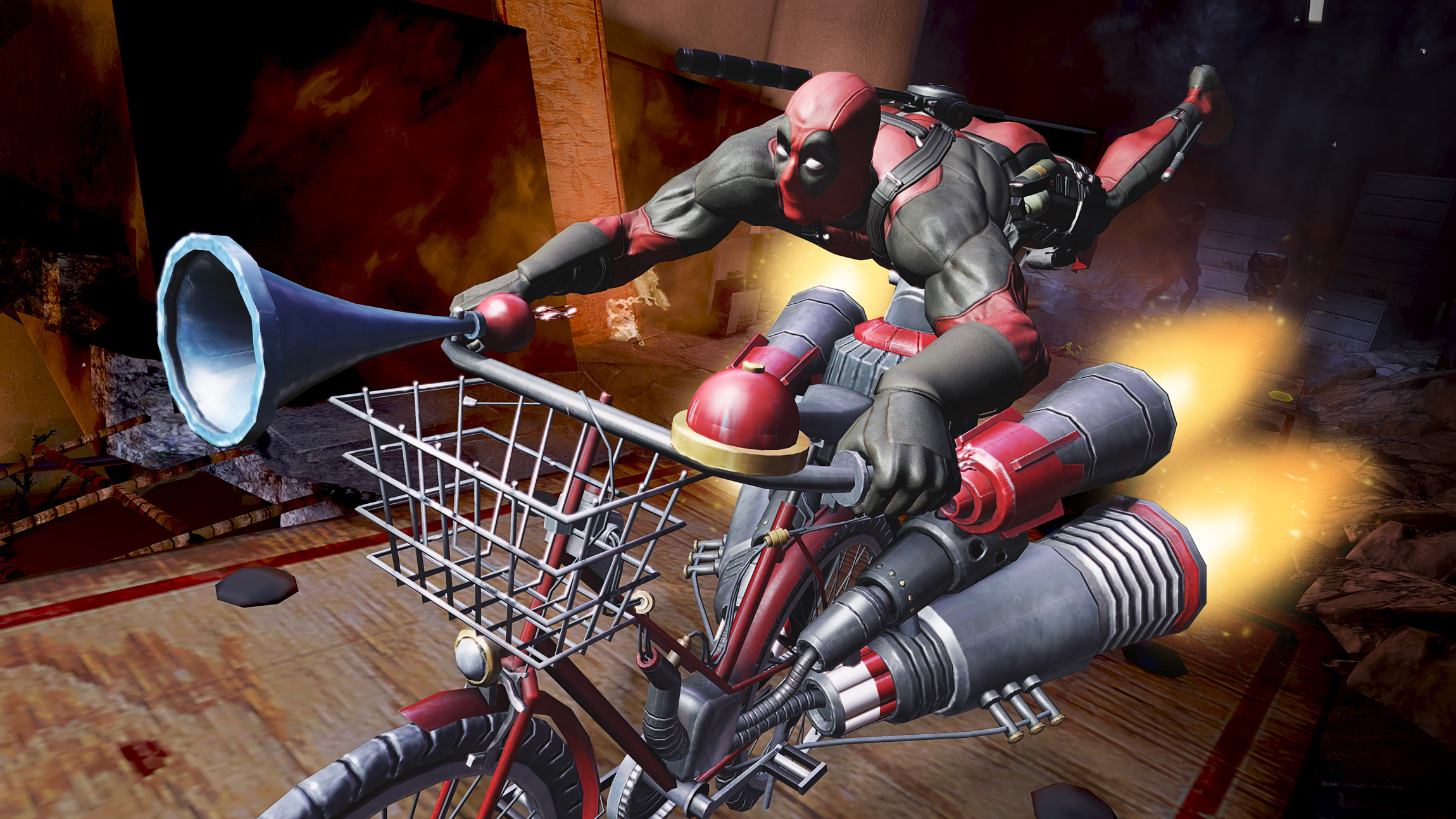
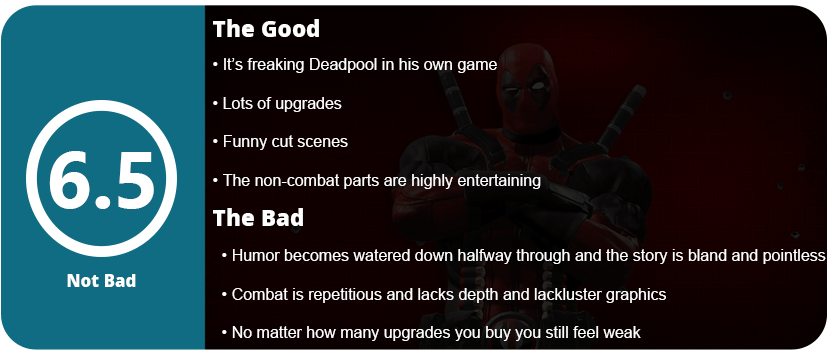
These superhero games and movies are just coming out left and right. Sure, the quality has gone way up over time, but Marvel’s side of the games department has been floating around average for the last decade. Deadpool is one of those weird comic characters that has a huge fan base, yet another large amount of people hate him. I’ve always liked Marvel’s more lax approach to adult-oriented comic content. Deadpool curses, makes penis jokes, motorboats breasts, and is just a seriously goofy character. You won’t find that in a DC comic. The game itself is just average; it starts out great but falls downhill pretty fast. This is expected of High Moon Studios, which became famous for their Transformers games. Those as well were just lacking more passion.
There’s really not much of a story here. Deadpool is bored, so he calls up a guy to make a video game about him; it’s the one you’re playing, and he breaks the 4th wall constantly. It’s great humor and a lot of fun, but the overlying plot is watered down and boring. Deadpool is trying to stop Sinister from creating an army of clones. On the way, you meet The Marauders (Arclight, Vertigo, and Blockbuster) as well as a few of the X-Men. Wolverine makes an appearance as well as Rogue, but they are pretty much useless. Cable fights alongside you for a while, but again, it’s not really worth having him in there.
The combat is where superhero games are supposed to shine, and Deadpool needs more polish. The controls work well; there are a lot of upgrades and a small arsenal of melee and ranged weapons, but it’s very repetitive and gets so boring towards the end. The problem lies in pacing. You will get a fun little scenario where you’re on a turret, floating in an amusement ride, shooting cardboard cutouts, or spinning prize wheels, but these are so short and so spread apart that you beg for something different. It’s just level after level of the same bad guys over and over again. No matter how many upgrades I bought, I never felt powerful enough. I maxed out my hammers at the end of the game, and it just did a bit more damage than the standard damage. What kind of crap is that? The guns are the same way. There are momentum moves you can do that do massive damage; it varies with each weapon, but it takes so long to build up the meters. The combat just feels average in the end, with buttons mashing the light and heavy attacks.
Every so often, you will be forced into a stealth section, but it’s broken or purposefully made that way. You can use your guns or your weapon. Sometimes the rest of the guys heard me, and sometimes they didn’t. The animations are funny, and they are well done, but who cares if they’re linked to monotonous combat? The other parts of the game, where you walk around mingling with hot chicks in bikinis, slapping Wolverine in the face, using a giant robot foot as a rocket, and spinning prize wheels, are the fun parts. I can count them all on one hand. There aren’t even that many cutscenes; it’s just 80% combat. Even the humor starts to wear off after a while. Deadpool even makes fun of his own game by saying he doesn’t have any new jokes. The slapstick humor and penis one-liners are funny during the first half of the game only.
Graphics-wise…it’s average. There’s no unique art style like the Batman Arkham games. The PC just has better textures and slightly better lighting. High Moon really needs to get it in gear and stop pushing out these half-baked games of theirs. It’s like there’s no passion, or it runs out halfway through development. Deadpool is a fun weekend rental, but in the end, it’s forgettable and somehow shouldn’t be.
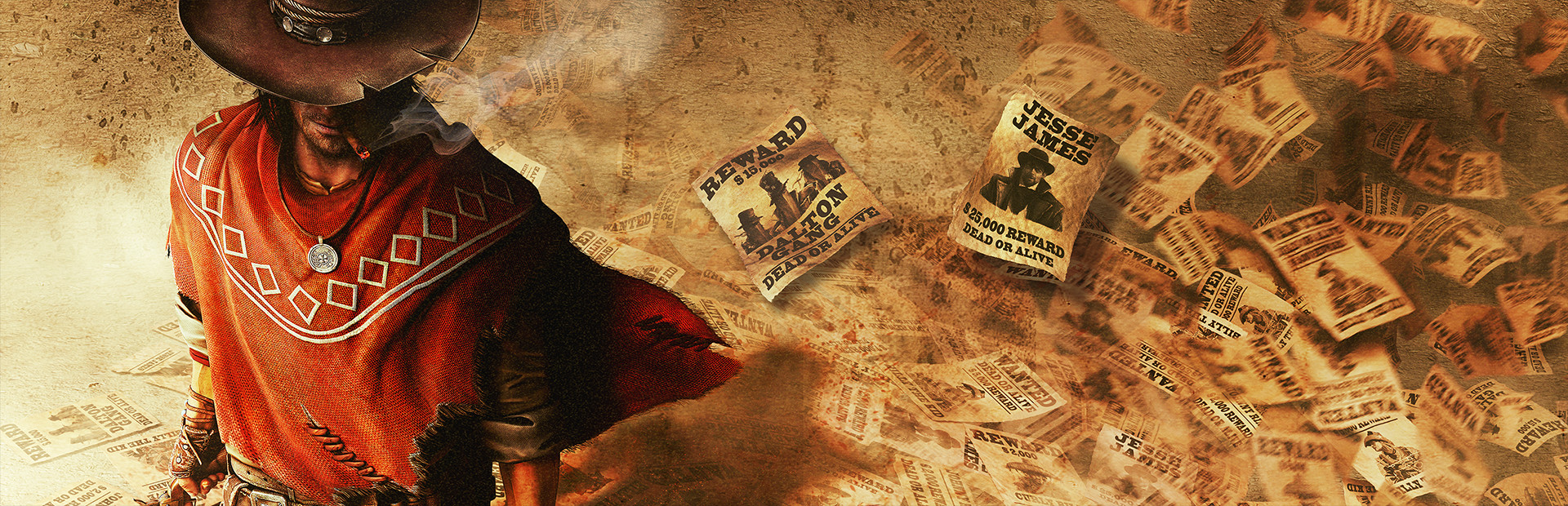
Call of Juarez has been a very rocky Wild West series. The first game was terrible, the second game was great, the third game was horrible, and the fourth game was great. Will the fifth game be horrible? Who knows. What I do know is that for $15, this is a very enjoyable shooter with a pretty good story and a narrative inspired by Bastion. You play as Silas Greaves, a “retired” bounty hunter who went after the most notorious outlaws in the west, such as Jesse James, Kid Curry, The Dalton Brothers, and The Sundance Kid.
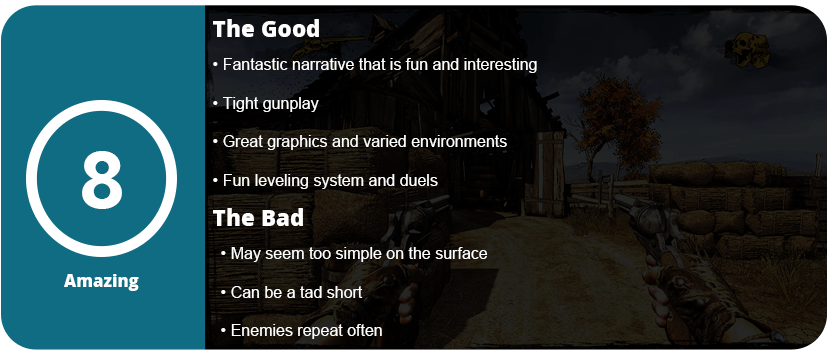
The story’s cutscenes are told through black-and-white stills, but the narrative is really fun. If you have played Bastion, you will know what I’m talking about. As you play the game, it is being narrated as you go. Sometimes things will change right in front of you, on the fly, as Silas narrates his tales. Sometimes you will go through a whole section of a level; a bar patron will ask Silas if that really happened, then he will back up and correct himself. You then play that part again in a different way. It’s really fun, and as you progress, you start to question if Silas is really who he is or if he is even telling the truth. The battles get more outlandish, and even the patrons start questioning him. The story has a nice twist ending, and I have been hooked the whole time thanks to the tight gunplay and fun story.
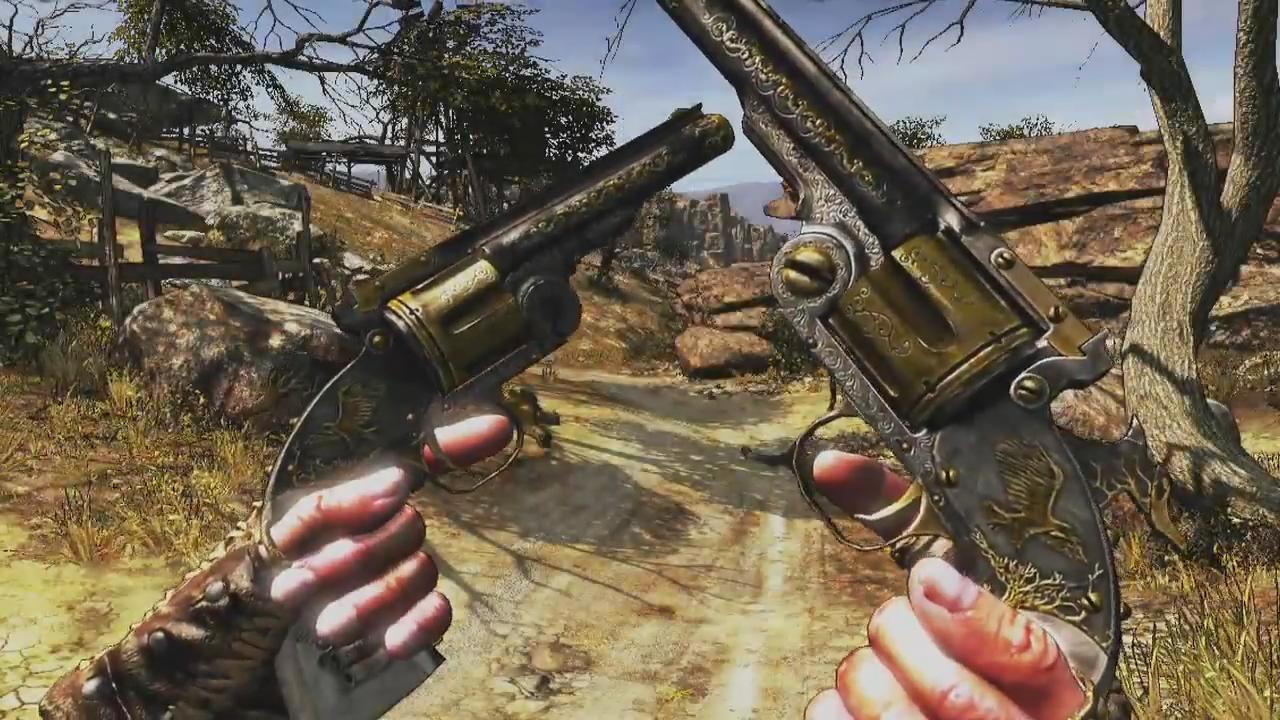
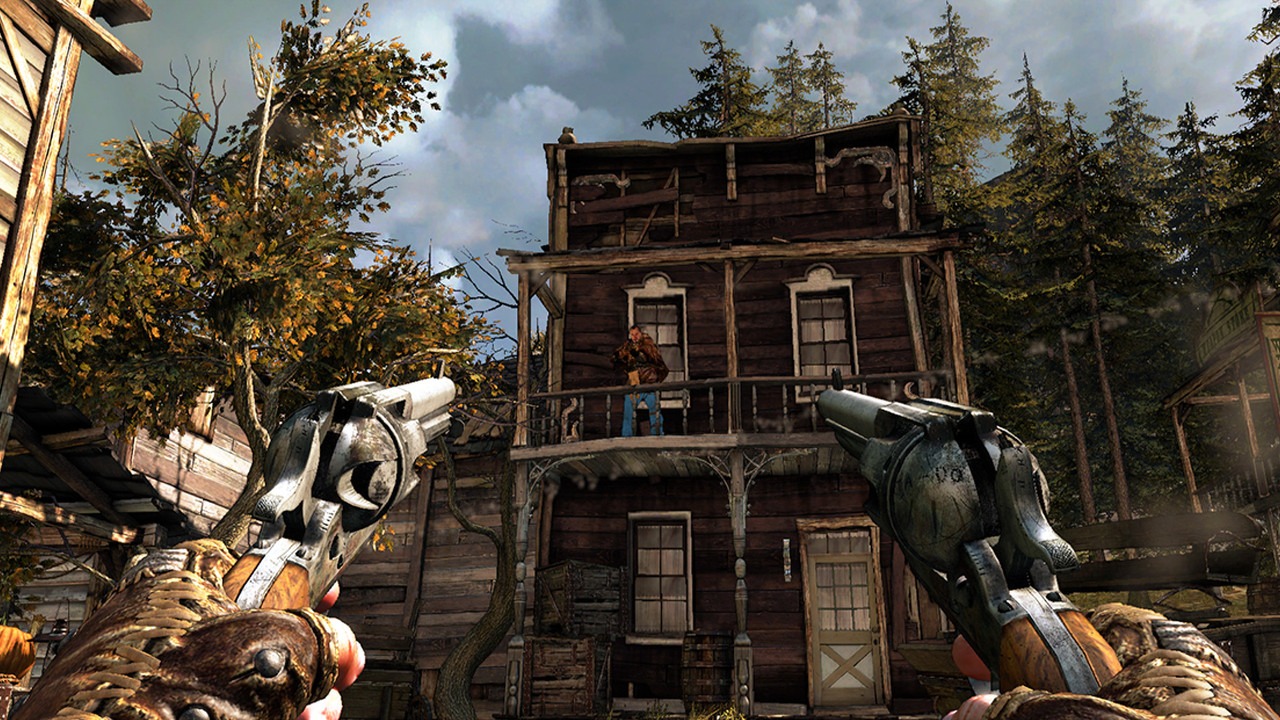
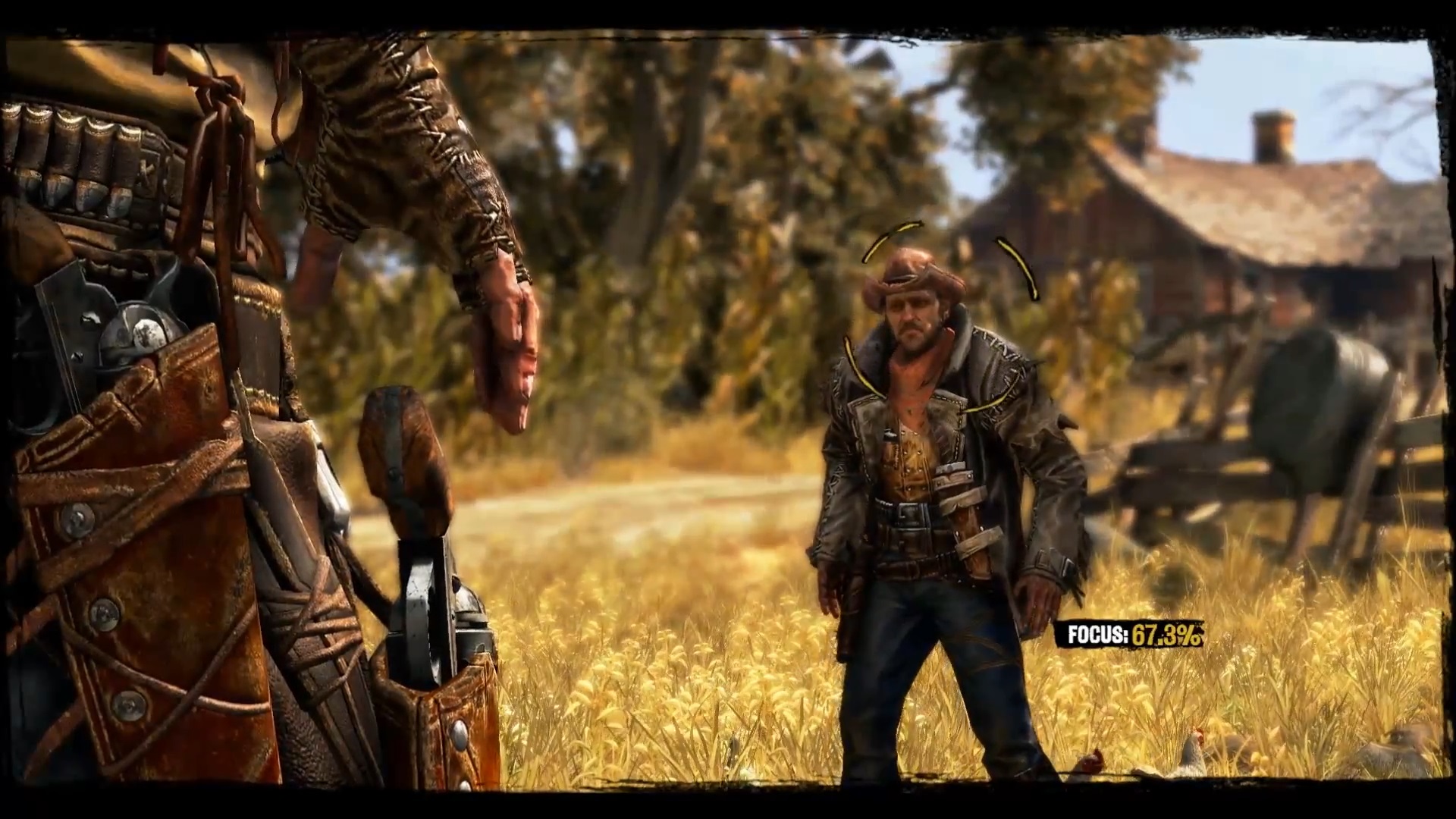
The game is very simple and basic at heart. You get four different weapons: dynamite, pistols, shotguns, and rifles. There are a couple variations of them, but they shoot damn well, and I have to say I haven’t had this much fun as a shooter in a long time. While the enemies repeat often and it’s the same shootouts throughout the level, the environments change often, and the fun narrative keeps things mixed up so you are never bored. Every so often, you will have a duel with a boss. You need to use the two analog sticks to control the focus on the enemy and the speed of your hand. It’s tough to concentrate on two things at once, but it makes it fun and a bit challenging. During shootouts, you can slow down time and highlight enemies in red. You also get a “last chance” by being able to dodge the bullet that would normally kill you. Push both sticks in the opposite direction to save yourself. These little elements are just fun and a bit different from your typical military shooter.
Some boss fights require you to hide, sneak around, or use dynamite. There are also hidden secrets in the game that tell the real-life tales and occurrences of these real-life outlaws and skirmishes. They are pretty interesting for anyone who likes some history in their game (Assassin’s Creed fans!). That’s all there really is to it. The game is simple yet a lot of fun. You can do challenge missions afterward and a new game+ to continue with your leveled skills. There are three categories: trapper/melee, long-range, and short-range. As you advance in each section, you unlock a special gun in that category, which makes the game both easier and more fun.
Overall, Gunslinger is a really fun game. There’s not much wrong here other than it being bitten simply by some people. The graphics are fantastic, the gunplay is solid, and the narrative is a lot of fun and will keep you hooked to the end (I rarely put the controller down!). For $15, this is one of the best downloadable games you can buy this year. It may also be a good jumping-in point for anyone who hasn’t played a Call of Juarez game before.
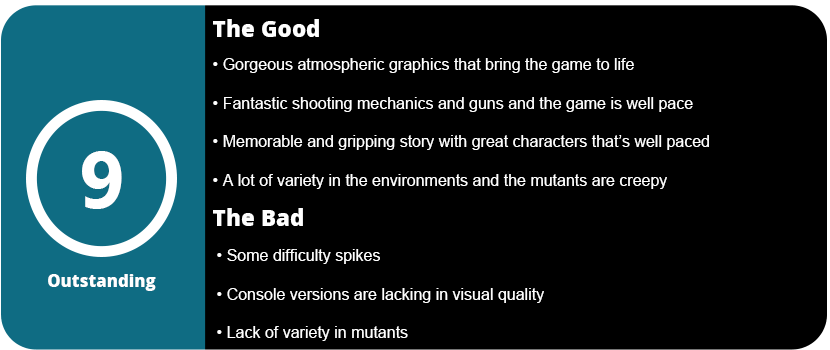
Metro 2033 was one of the most atmospheric shooters in the past decade. It had an excellent story, great characters, and solid shooting action. It just wasn’t paced very well, and the stealth sections nearly ruined the game. That has all been fixed in Last Light; this is one of the best shooter and horror games to come out in a long time.
You play, once again, as Artyom. Set in the post-apocalyptic Russian underground metro system, the creatures, radiation, and violent storms have driven everyone underground. Life isn’t so simple. After Artyom launched the missiles on the Dark One’s nest, the war against the communists is getting more heated. The only way to stop this war is to find the last surviving Dark One and use it against President Moskvin to stop the war from destroying the last humans on Earth.
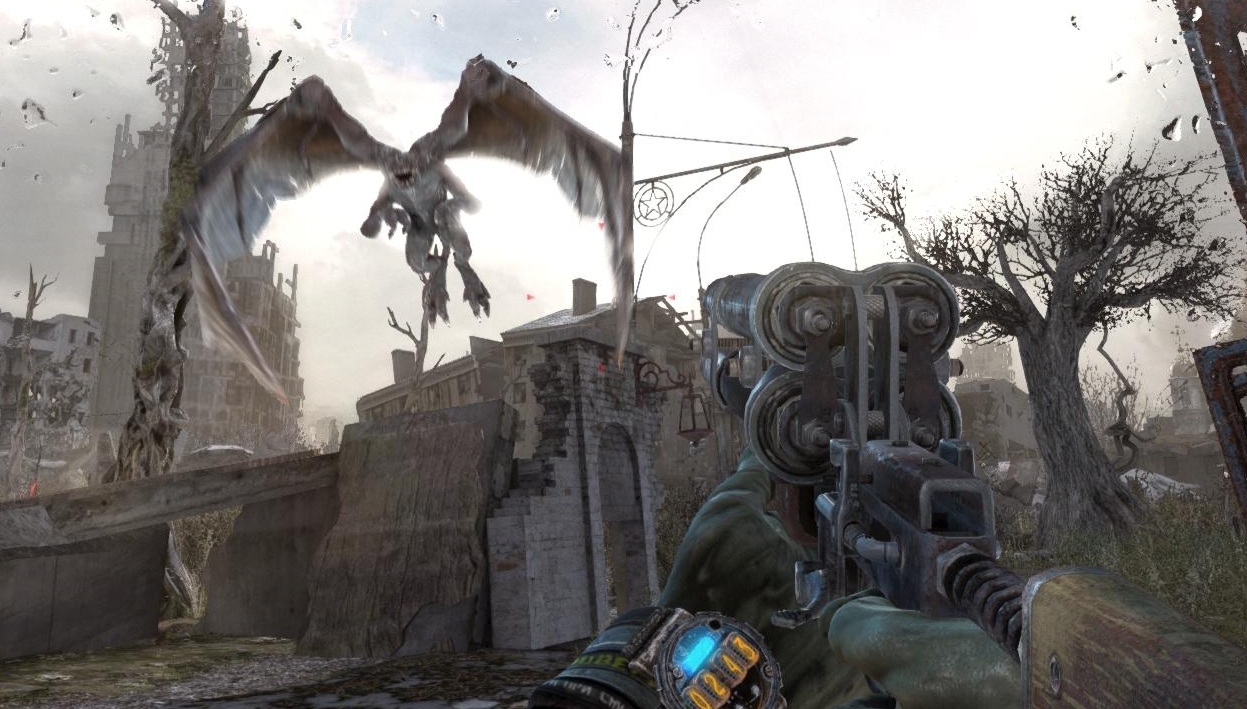
The game is more about Artyom’s journey than the overarching story. The game is broken up into underground sections, stealth, top-side sections, boss fights, on-rails stuff, and then safe cities. The atmosphere in this game is just phenomenal. Never in a shooter—in a long time anyway—have I felt actually afraid. When you’re underground in these dark, decrepit tunnels and you’re hearing strange sounds all around, you get really scared. These sections last for minutes rather than seconds, like most shooters. They let you marinate in this dark, frightening atmosphere. Sometimes your flashlight won’t work, and you just have to use your lighter to see. The monsters are terrifying because they look so close to what they once were—just mutated. This plays out through the entire game, and it’s very tense.
You can carry three weapons with you at all times. They are all great weapons to shoot because some of them are kind of slapped together with parts. The Bastard is an interesting side-loading machine gun; it gets jammed often, and you have to be careful. Ammo is scarce, and you must make sure you save your military-grade bullets to buy ammo and better weapons along with attachments. Once you get to a city, it’s like a breath of fresh air. After being in such a scary situation, you are so relieved to see civilization. There are some throwable objects at your disposal, like bombs, incendiary flares, knives for stealth, and then you have med syringes. You get night vision goggles later on, and you have to use your charger to keep your flashlight and goggles powered on. When you’re on the surface, you must wear a mask, and you need to find filters to continue breathing. Artyom can also wipe his mask when things get blurred out. This is a fantastic mechanic—a wipe mask button—and it just adds to the feeling of survival. If you get hit too much, your mask breaks and you can’t breathe.
While I stuck with mostly the same guns throughout the game, you always feel slightly underpowered. The monsters are vicious and dangerous, and you can’t take them all on at once. Sometimes stealth is the best option, and it’s so much better. AI doesn’t detect you a mile away, and you can stealth kill easily with your throwing knives or from behind. The levels are laid out much better, and you get a sense of accomplishment when you get through a level for the first time. The pacing is fantastic, and I just couldn’t put the controller down; it was that good.
The graphics are some of the best out there. On consoles, it actually ruins the atmosphere because a lot of stuff is taken out due to the underpowered hardware. On PC, the game jumps to life with mind-blowing lighting effects, super-high-resolution textures, and various other things that actually severely downgrade the experience on consoles. Last Light is one of those games where graphics are a huge part of the experience. The lighting, textures, depth of field, all that stuff makes the game just come to life. You have to play it to experience it. I honestly have to say that you won’t get the same experience on consoles as you will on PCs. If you buy the PC version, you also get the Metro 2033 eBook for free.
Overall, Last Light is one of the most intense and frightening shooters made in the past decade; nothing comes close. The sheer terror you feel when Artyom is breathing heavily in his mask, blood and mud are dripping down your mask, and your watch says you only have 90 seconds of filter life left. Mutants are after you, and if you panic and run to find filters, then you have to turn and face them. With the destroyed world around you, you are constantly reminded that this was once a habitable place. You walk through buses and planes with skeletons in the seats and apartment buildings with ghosts that haunt them. Anyone who wants to feel survival horror, don’t play Resident Evil or Silent Hill; Last Light is your one-way ticket.
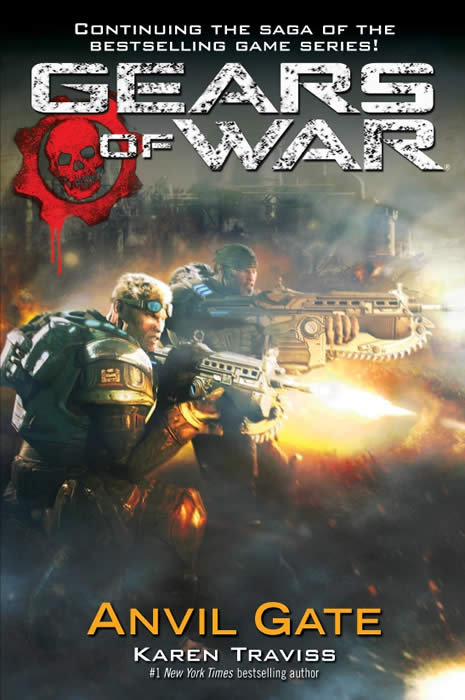
The siege on Anvil Gate has always been a mystery to Gears of War fans. Mainly because the Pendulum Wars are never talked about in the games. The Pendulum Wars was a 70-year war between the Coalition of Ordered Governments and the indies, or independent nations. They didn’t want to be ruled under the COG, so they fought for it. The book jumps between just before the events of Gears of War 3 and a few decades prior as Colonel Hoffman during the siege of Anvil Gate. The recent events are the continuing survival of humanity, the search for more immunization, and the discovery of polyps and lambent stalks (seen in Gears 3).
I have to say that Anvil Gate doesn’t really go anywhere. It’s a more descriptive narrative than anything else. There’s not as much dialog as in other Gears books, and that’s a shame. The book doesn’t really focus on Delta Squad as much, but mainly Hoffman and Baird. All the events seen in Gears 3 are told here in this book, which is a great insight. The constant shaky line between the COG and Gorasnaya (the COG’s main enemy during the Pendulum Wars) is interesting to see, as is how they deal with the indies wreaking havoc and making things harder for everyone. I honestly can just say that Anvil Gate really shows you how hard it is to survive in the Gears universe. Not something the games can really portray. Sure, it looks hard to survive, but the day-to-day stuff isn’t really talked about.
There really aren’t any new characters if you have been reading all the Gears books, which is fine with me. The relationship between Hoffman and Mataki, as well as the occasional quips of Dom thinking about Maria, are interesting. We also get to see more about Marcus’ childhood and how Anya Stroud’s mother, Helena, and Marcus’ dad, Adam, served together. It kind of brings all the little strands together and ties the knots. All the little questions that you get from playing the games are answered here in a nice, cohesive tale.
I just wish there was some more action and some more shocking twists. The story just kind of ends and is really just a tale that puts all the pieces together for you—nothing spectacular or complex—but non-Gears fans won’t appreciate the novel at all. If you really love the Gears universe and want more insight on the Pendulum Wars (besides Aspho Fields), then give this a gander.
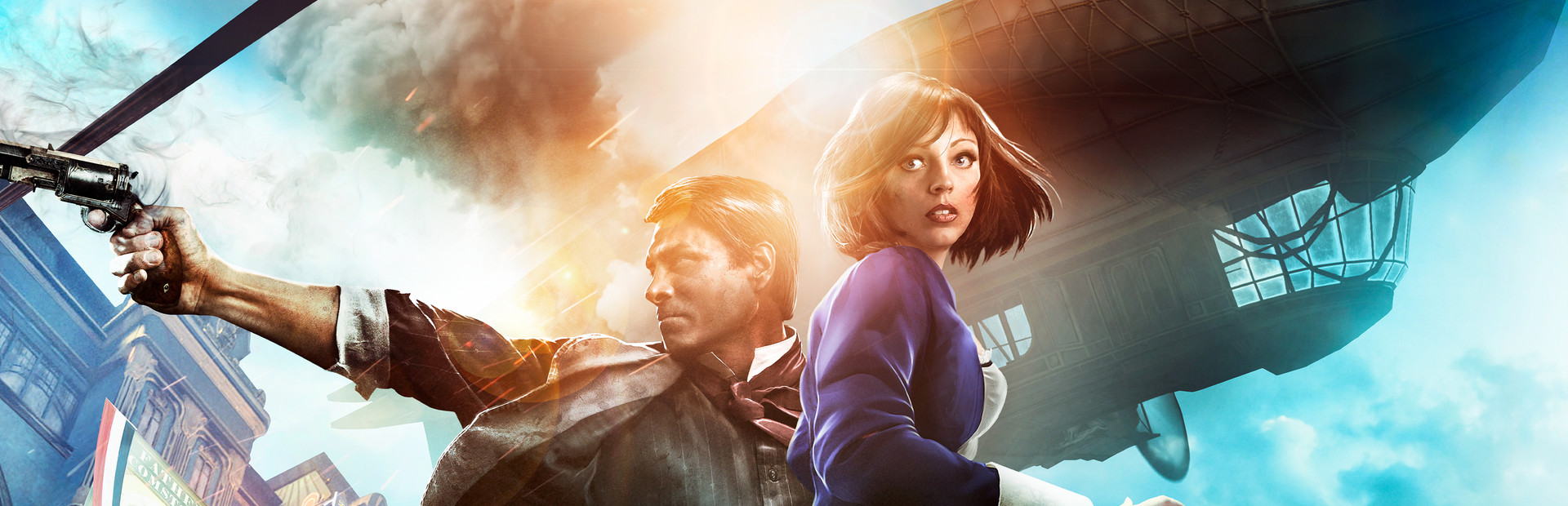
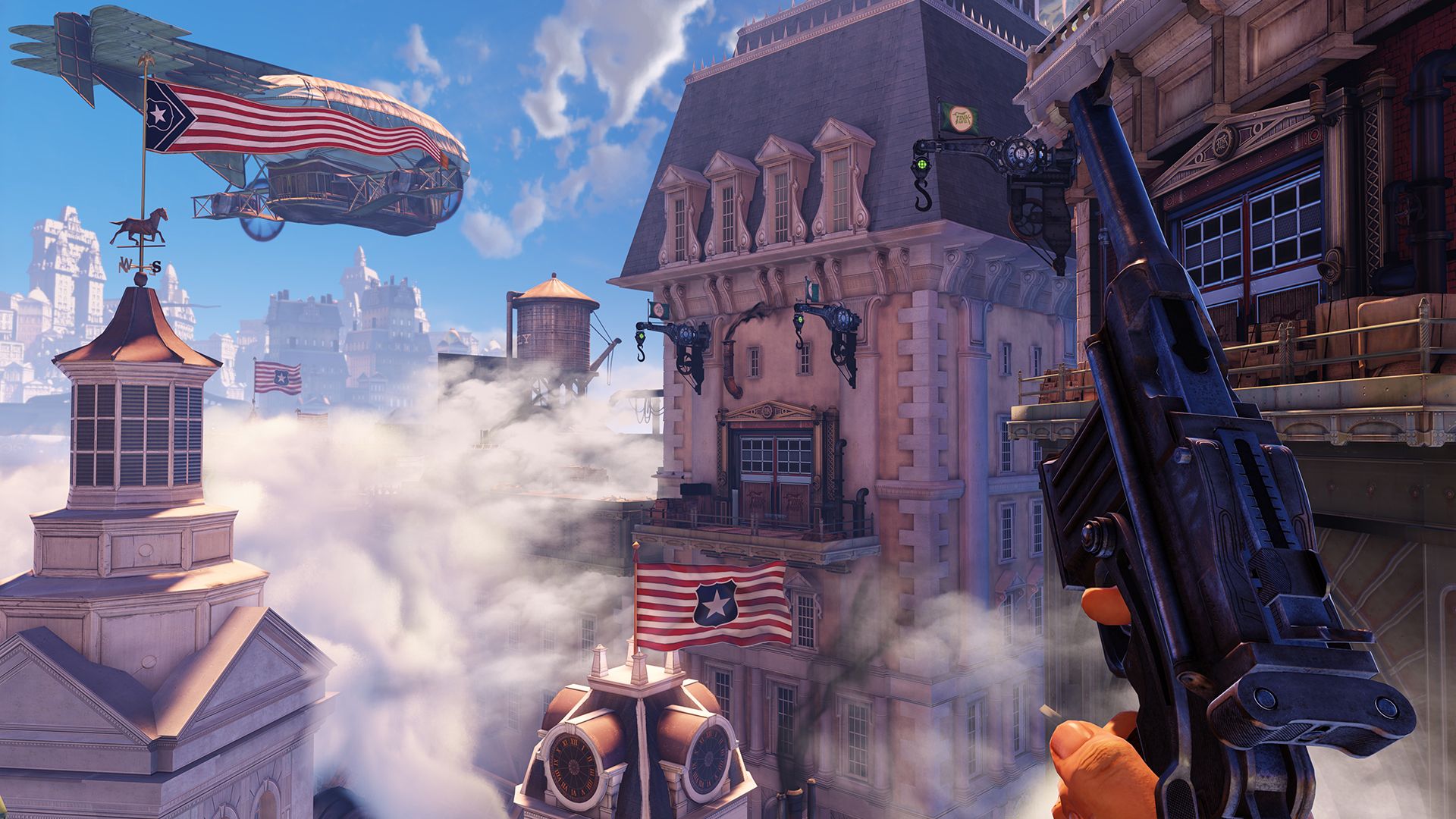
Well, here it is. One of the most anticipated games of the decade. BioShock was a masterpiece that raised the bar for storytelling in games as well as graphics and atmosphere. The underwater city of Rapture was loved by most gamers and became an instant classic. Infinite raises the bar yet again, and I have to say that this is one of the most beautiful and well-made games I have ever played, but even beautiful things have flaws.
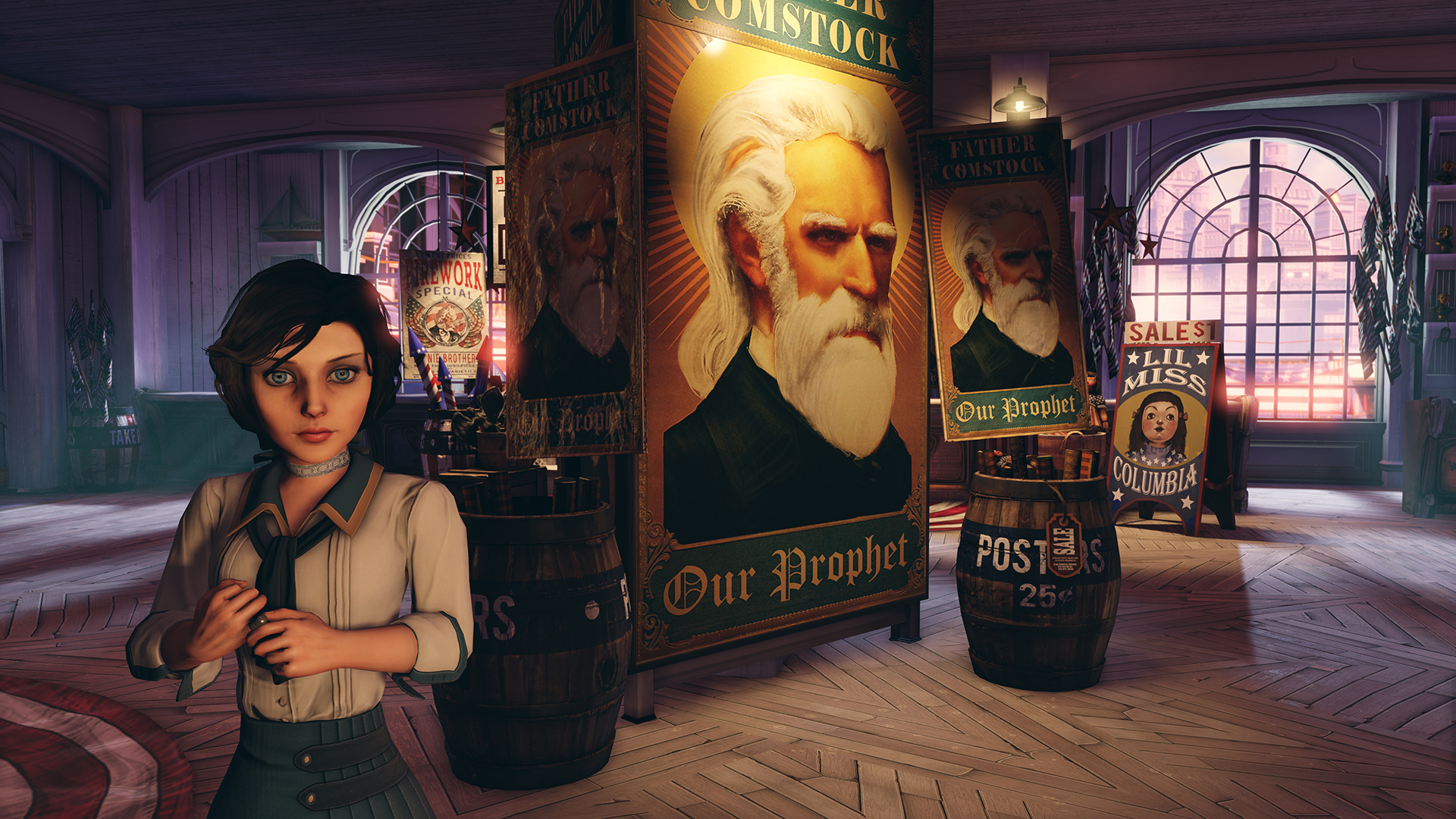
The beginning of the game is just breathtaking and spectacular. It’s probably my favorite opening to any game. I honestly can’t explain much about the story because everything would be a spoiler. All I can say is that you are a man named Booker DeWitt who needs to bring back a girl from the floating city of Columbia named Elizabeth. If he brings her back, he can wipe away his debt from gambling. The story progresses into a huge twist ending, fully cuts you loose, and doesn’t quite answer every question. The ending will shock you and even make my jaw drop. It’s a beautiful ending that is going to have gamers talking about it for years to come.
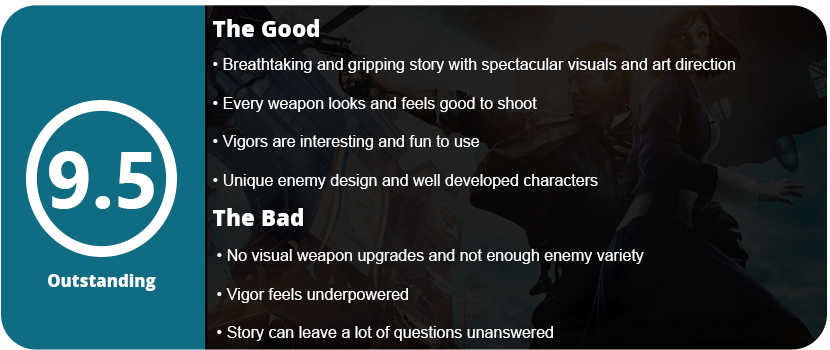
BioShock’s story is also told through the journey. There are no pre-rendered cutscenes or anything to break the flow. A lot of the story is told through hidden journals, like in previous games. There are a lot of similarities to older BioShock games, but everything is improved upon. The combat system still uses guns and magic attacks; however, you get Vigor this time around. They are replenished with salts that you find instead of Eve Hypos. Honestly, the Vigors don’t seem as useful as the Plasmids did. I pretty much stuck with a couple through the whole game because there are so many guns that these end up being more useful. Crow’s Trap is one of my favorites. You can send angry crows at enemies to pick and stun them, or you can lay traps. My favorite was the shock vigor. It can stun enemies, but later on, it can chain across enemies and make their heads pop. There’s one for fire; Bronco lets you throw enemies into the air; there’s a tentacle one that pulls enemies towards you; and there’s also one that allows you to charge enemies and cause damage. They sound neat, and they look neat in action, but the combat is more fast-paced and challenging than in previous games.
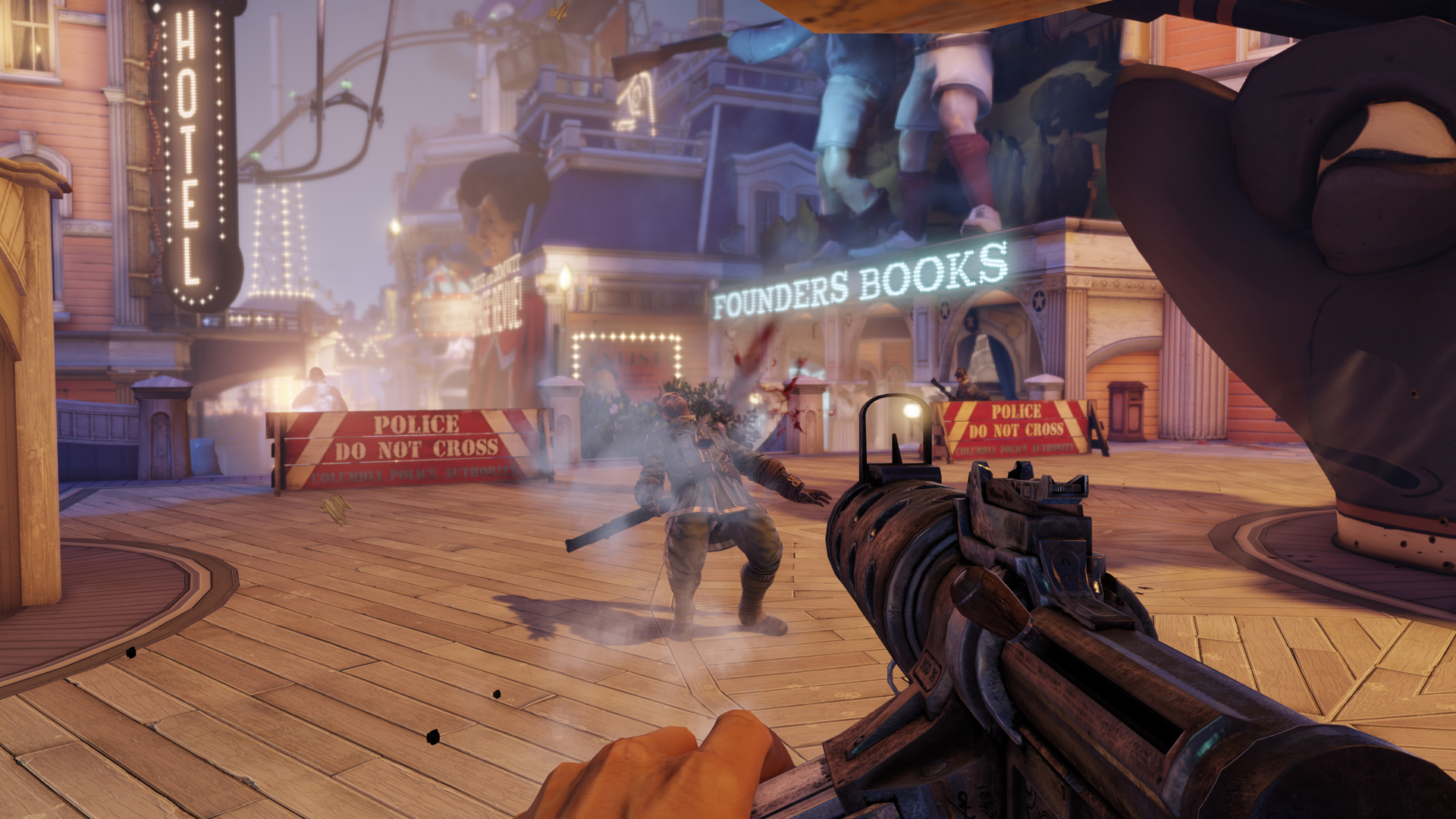
The guns feel so great to shoot in this game. There are pistols, sniper rifles, shotguns, and the typical ones for shooters. Hail Fire and Volley Gun shoot grenades; there’s an M1 Carbine, a repeater, and various others. Honestly, I wish there were more unique weapons like in older BioShocks, but at least they feel good to shoot, and there are plenty of them. I didn’t really need to resort to Vigor unless I had a lot of people after me or had large enemies to deal with.
Speaking of enemies, the ones in Infinite are some of the most imaginative since BioShock 1. There are various human enemies, but the Patriots and Handymen are awesome. There are also various creatures and some fun boss fights as well. I just wish there was a larger variety. There are different reskins of these enemies, but I really just wanted more to shoot at. The Patriots have chain guns that are hard to bring down but are weak in the back. Handymen are rarely encountered, but they are giant lumbering beasts and bosses on their own. Infinite gives you more exploration options during combat. Using the Skyline is so fun and magical. You can slow down, reverse, and hop down wherever you want. You can shoot from these skylines, so it adds a tactical element the series needs. You even get a better melee weapon that has gruesome finishing kills that will make you cringe.
Combat is just very solid in Infinite, but by the end of the game, it started feeling repetitive, and all that kept me going was the story and new places to explore. Infinite has a lot of secrets that need to be opened with lockpicks that you can find. You can equip gear that adds attributes, and you can upgrade weapons via stations around Columbia, like you did in BioShock. You can also upgrade your Vigors, which is nice; there are a lot of upgrades, and you won’t get them all in one playthrough.
When it comes to visuals, Infinite is one of the most beautiful and original games ever made…ever. On PC the DirectX 11 upgrade looks fantastic, the lighting is amazing, and the art style the team went for will blow your mind. I spent the first few hours just staring at everything because of how beautiful it looked. The pacing is spot-on, and the story makes you care about all the characters, or hate them. Ken Levine and his team are masters of their art and it’s proven here. This may even be his opus, but only time will tell. There’s nothing out there like Infinite; this is probably one of the few shooters in years that has tried to use the genre for what it’s good for. There’s no multiplayer, but you don’t need it. I also wish there were visual upgrades to the weapons like in BioShock 1, but those are minor gripes. Honestly, it’s hard to complain about this game other than the lack of enemy variety, the fact that Vigors feel underpowered, and the fact that there are no visual upgrades on weapons. The story is fantastic and gripping, and this game will hopefully live on to be one of the best ever made.
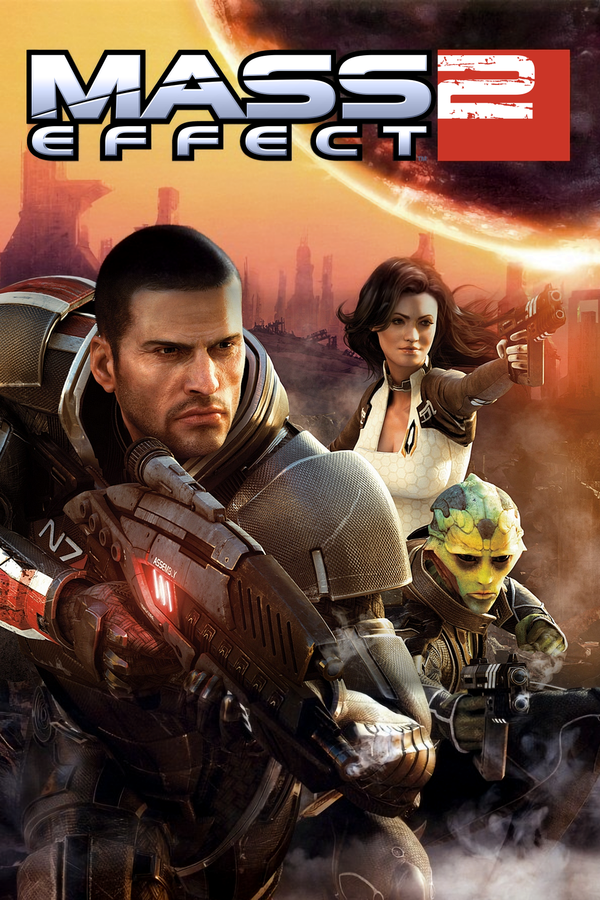
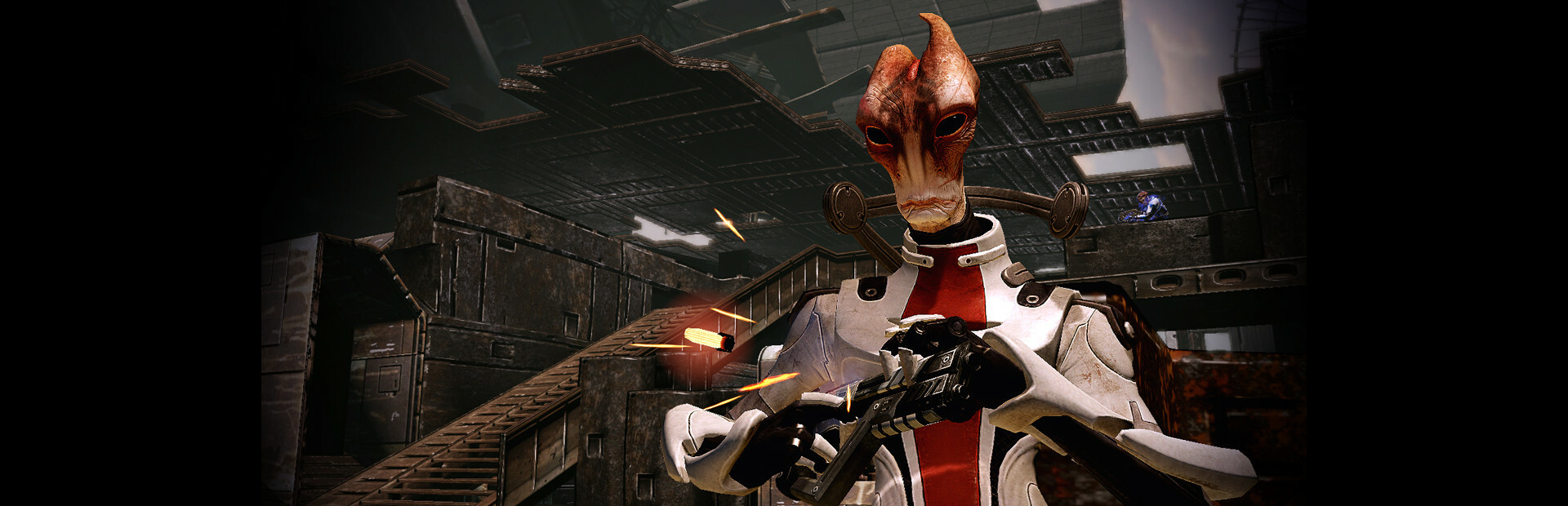
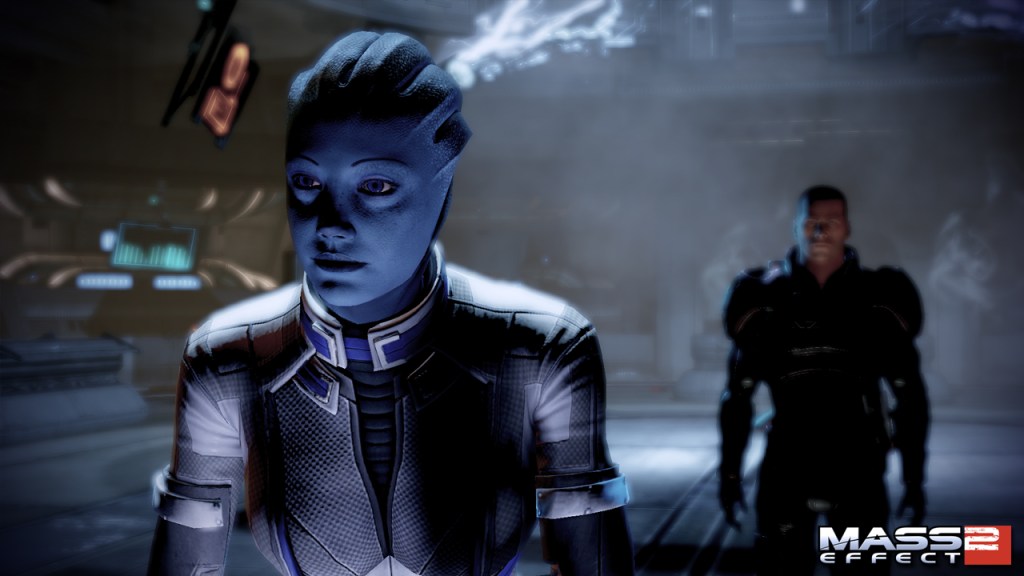
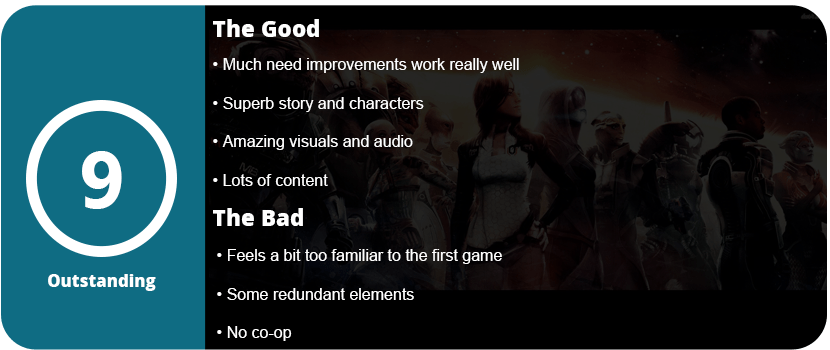
BioWare has to be some of the most talented beings on the face of the planet because these guys can just pull whole new cultures, religions, and universes out of their asses like it was yesterday’s dinner. Mass Effect has a rich, amazing universe attached to it with believable races, characters, religions, and cultures, and it feels like a whole alternate universe that could exist. Mass Effect 2 expands on this for fans of the original (yeah, don’t play it unless you played the first, seriously). Not only is this just a direct sequel, but all your actions from the original game affect the outcome of this one. Mass Effect 2 has Command Shepard being remade as a machine almost after the Normandy gets destroyed by collectors. Cerberus fixes you up for 2 years, and now you have to rebuild your team, find your previous ones, and stop the Collectors from destroying the human race and working with the Reapers.
Mass Effect 2 has so many changes that were much-needed, and the game just feels tighter, more fluent, and action-packed. The action is the keyword here since a lot of the mundane RPG elements were stripped. To get an idea of what was improved, I’ll start with squad management. Instead of finding armor for each type of race and maintaining every stat of that armor and the character, you no longer manage your team’s armor, just yours. You also no longer have to go find armor like the original. Armor can be bought from world markets, and you equip each piece in your cabin on the Normandy 2. You can even change the color and scheme of the armor as well as your casual clothes. This is great, and I love it because micromanaging armor in the first game was a real pain. The same goes for weapons. You no longer have to find and add each element to every weapon, like ammo types and add-ons, because those are now gone as well. Instead, you find weapons during missions or in markets. You can equip them via a loadout, and the same goes for your squad.
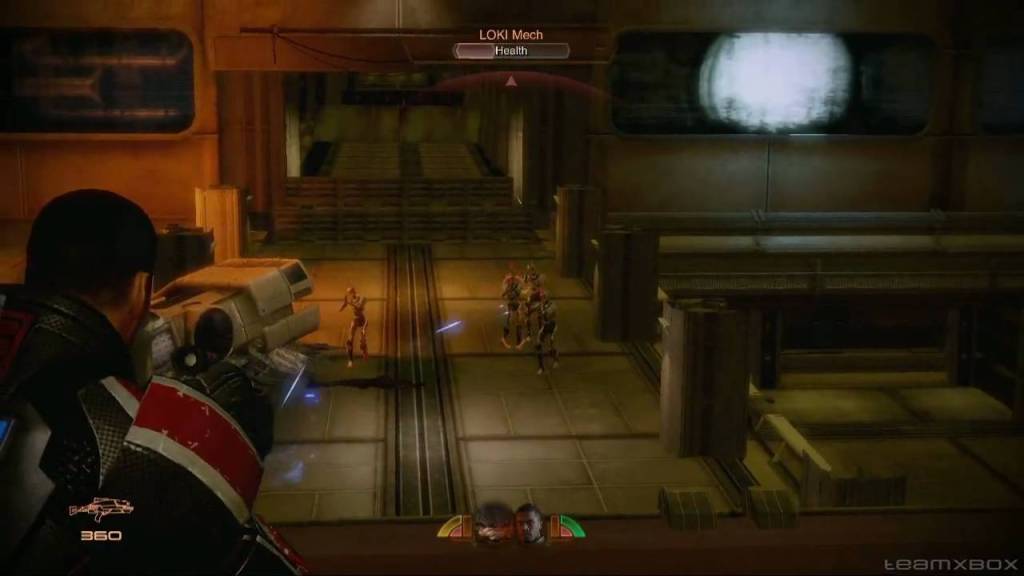
Let’s talk about the radial menus here. You get three ammo types: cryo, incinerate, and disruptor. Each can be used for certain enemies. Your powers are activated here too, but you can now map them to buttons. When shooting weapons, you no longer have a “heat gauge” but actual ammo. The weapons draw heat to a “clip,” which is discharged once it gets too hot. If you run out of these clips, your weapons won’t fire, thus solving that annoying heat meter crap from the first game. This helps the game feel like a solid shooter instead of a game that doesn’t know if it’s an action game or a straight RPG.
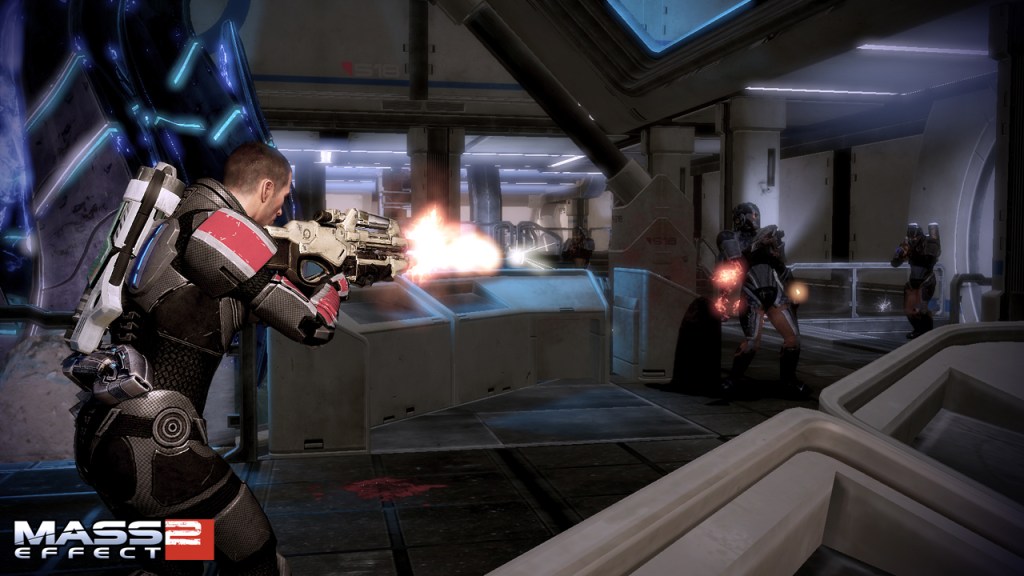
The shooting and fighting in the game are now really solid, and you just feel so powerful with all these guns at your disposal. You can upgrade everything (including your ship, and this has outcomes during the last mission) by finding research projects while on missions. This solves all the RPG elements from the last game, so it feels like a solid shooter. Don’t get too upset; there are still RPG elements, but they are only for upgrading your teammates and yourself. Instead of upgrading every single element, such as each ammo type and every biotic type, you only have about 4–6 traits to upgrade. This includes your main character’s ability, biotic or ammo types, and any other special skill. Each one can be upgraded up to level 4, and after that, you get a choice between two special bonus perks. This makes the leveling feel more solid, fluid, and resourceful.
Another great improvement is the galaxy map navigation. No longer are you just a cursor floating around the map, but you actually move your ship. When you are outside solar systems traveling in dead space on the map, you use fuel, but the biggest improvement is no more excavating resources via the stupid rover vehicle. In fact, all vehicle control has been stripped from the game. Instead, you use a scanner on unexplored planets, and when the controller vibrates, you will see your meter spike over a certain gauge. This will be one of the five resources used to upgrade things in the game. While it sounds more repetitive, it’s nice to break up the action of the game and get some downtime.
If those don’t sound like enough of an improvement, how about the story? The story is still as epic and emotionally engrossing as the first, if not more so. There are a couple of new races added, such as the vorcha, drell, and batarians. There are new characters that you can recruit, and they are all as loveable and memorable as in the first game. Of course, all your old pals return, but my favorite part about the game, which isn’t in any other, is how your original save carries over.
If you had a relationship with a previous mate, you will see that in the game, saving and killing certain characters from the past will pop up in the sequel, reflecting certain outcomes of missions. If you chose the renegade or paragon path, it will reflect off your character with red scars and reddened eyes if you were a badass. You truly feel like you were dead for two years, and all your choices in the past came back to haunt you. It’s a mind-trip, and it really makes you that much more involved in the story. Every choice you make during dialogs affects what you do, and BioWare is the master of this.
The only reason why this one scores lower than the original is that most of this has been seen in the original and isn’t anything new for fans of Mass Effect. The new additions just keep the score really high but don’t give us that new feeling. With improved graphics and the same amazing voice acting, Mass Effect 2 will keep fans busy for a good 25–30 hours, but watch what you do because it will affect your outcome in Mass Effect 3.
BUYING A NEW COPY: This will grant you access to a free content update that’s normally $15 for free. This includes a new character, Zaeed, and two other missions that involve the crash of Normandy. While this update is not worth $15, buying a new copy makes you feel like you’re truly getting your money’s worth.
The splashing of waves, the grass between your toes, the ash in your eyes, and Dunmer at your feet. Ah, it’s nice to be back in Morrowind! I was surprised when I found out Dragonborn took place on Solstheim, which is a volcanic island just off the coast of Morrowind. You arrive there due to a strange, occult thing happening. People are building relics in their sleep—basically, sleepwalking and building. You ask around about a guy named Miraak, and people say he sounds familiar, but they can’t quite remember. As you ask around in the main city, Raven Rock, you will be greeted by Devin Mallory’s brother and various other people who are very interesting to talk to.
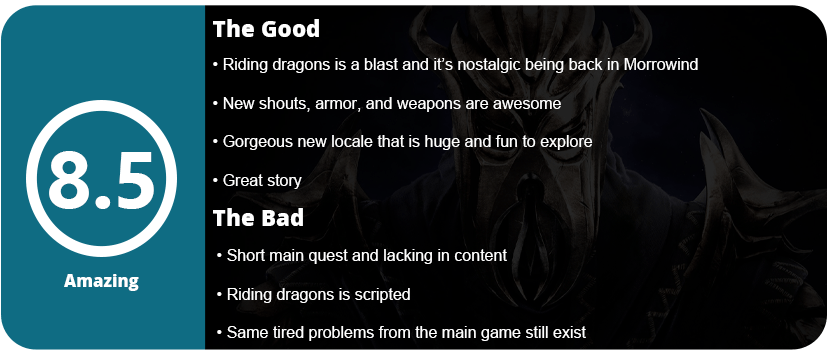
I first have to mention that Dragonborn has some of the best art in any Elder Scrolls game. When you start getting the Black Books and travel to Apocrypha (Hermaes Mora’s territory), you will be stunned. It’s very Lovecraftian with the Lurker and Seeker enemies. There are strange tunnels that move, walls made of sticks, floors covered in paper with arcane writing, and strange magic and objects. I loved these areas and enjoyed them immensely. However, the main quest line is super short; there are more side quests here, which is good, I guess. The final fight with Miraak (not a spoiler, it’s obvious) is very challenging, and you get to ride freaking dragons! This is probably the most powerful thing added to an Elder Scrolls game. I love the new shouts, such as Bend Will. This will make enemies fight alongside you. The new Bonemold and Chitin armor looks awesome, as do some new weapons. There’s quite a bit here, a nice chunk of the game, and a great final goodbye to Skyrim.
Many of the quests are more puzzle-related and quite challenging. It was nice to be really challenged by exploration in Dragonborn. One final quest has you finding cubes in an old Dwemer ruin. You have to place them in a certain order and run around finding them to open up new parts. The enemies are challenging, and I found it all quite fun. There’s plenty of Morrowind lore here for longtime fans and newcomers who don’t know much about it.
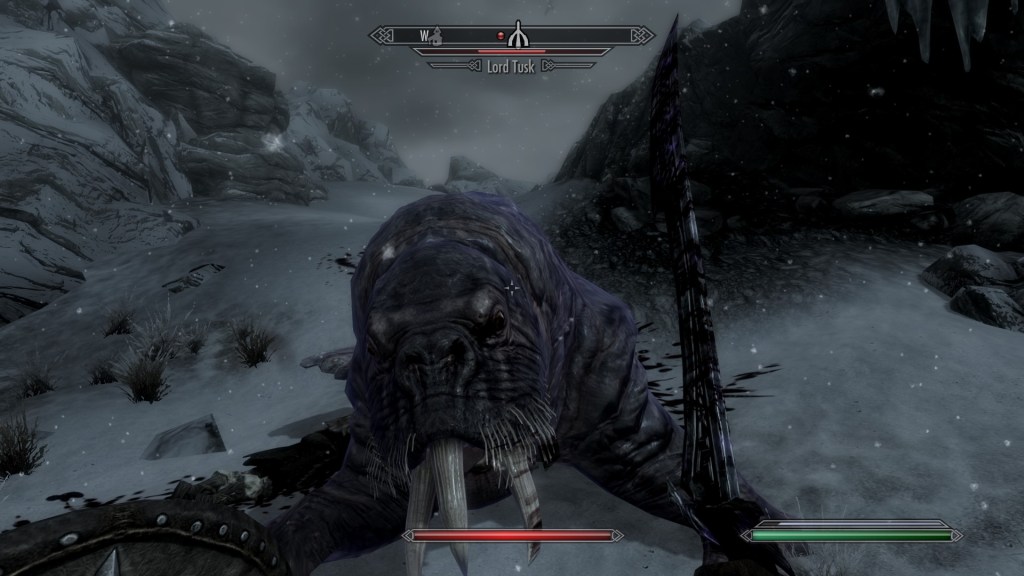
I warn you, though, that you need to be at least level 20 to start this. I came in at level 7 and got my butt handed to me by the Ash Spawn, the first enemies you will encounter. I died in just one hit, so be careful. I also hated how there was no place to train for smithing, and there was only one major town. At least you can fast travel to and from Skyrim via the map and not by boat every time. I was also upset that you didn’t get to ride dragons until the final quest, and it’s very brief. Also, be warned: Miraak will steal all your dragon souls if you kill dragons in Solstheim. He’s a real bastard.
Overall, Dragonborn is a solid and final DLC for Skyrim. It is much better than Dawnguard in the sense that the story is more interesting, but there aren’t two sides to play. Being able to ride dragons is a major addition to the game; the enemies are interesting and challenging; the art looks fantastic; and the lore is great.













































 thebinarymessiah.com
Try multiplayer. A lot of fun !