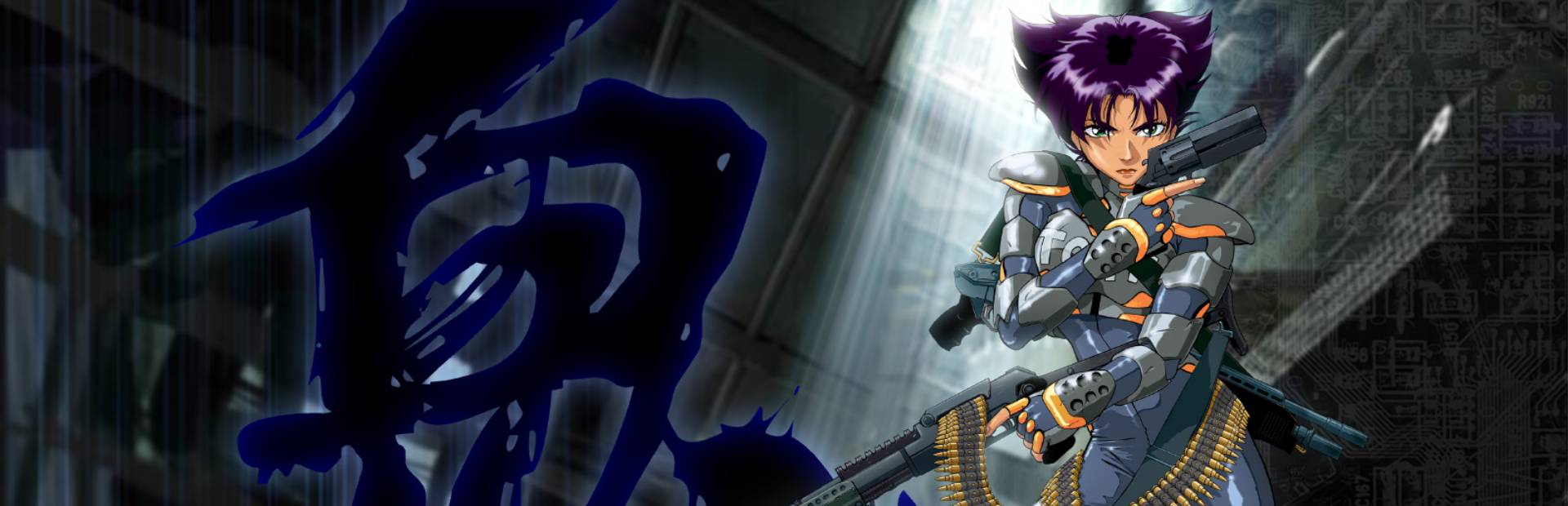
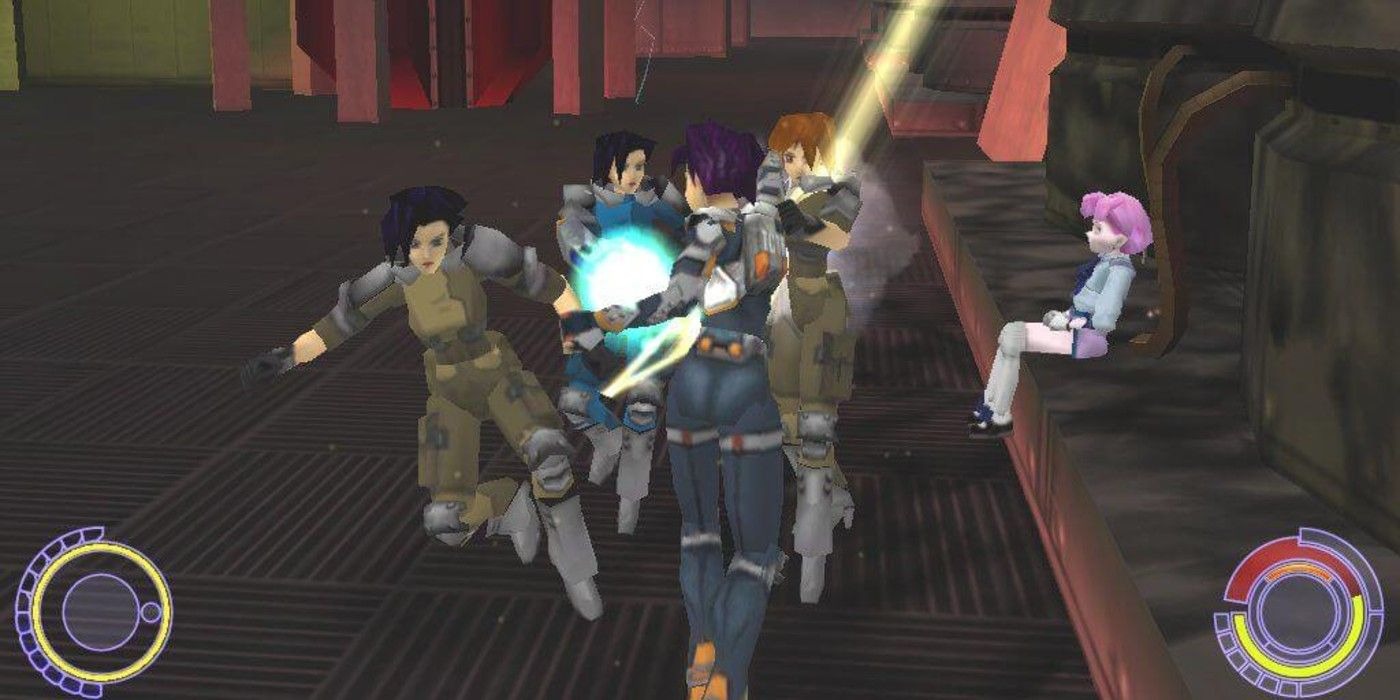
Oni was a very hyped anime-style game back in the day. This game was made by Rockstar before getting into 3D Grand Theft Autos and other games. This game has a lot of potential but is flawed in a lot of ways that make the game more boring and frustrating than bad. With that said, the only redeeming quality is the good-looking combat animations and challenges.
Right out of the gate, you will notice that the controls are complete, both upside and backward. All the combat moves are on the shoulder buttons. Why in the world they thought of this is beyond me. You actually don’t really use the face buttons all that much. This makes jumping, fighting, and shooting clumsy and cumbersome, and you can’t change the controls to something more natural. These are just some of the worst action and adventure controls I have ever used. The actual combat is fine, but executing these moves is a pain. I felt like I was stumbling over myself because I had to think about the controls. These just aren’t natural! Jumping with R1, L2, and L1 is kick and punch, and you pick up items with R3. What?! I felt like I was trying to solve a Rubix cube, not play a game.
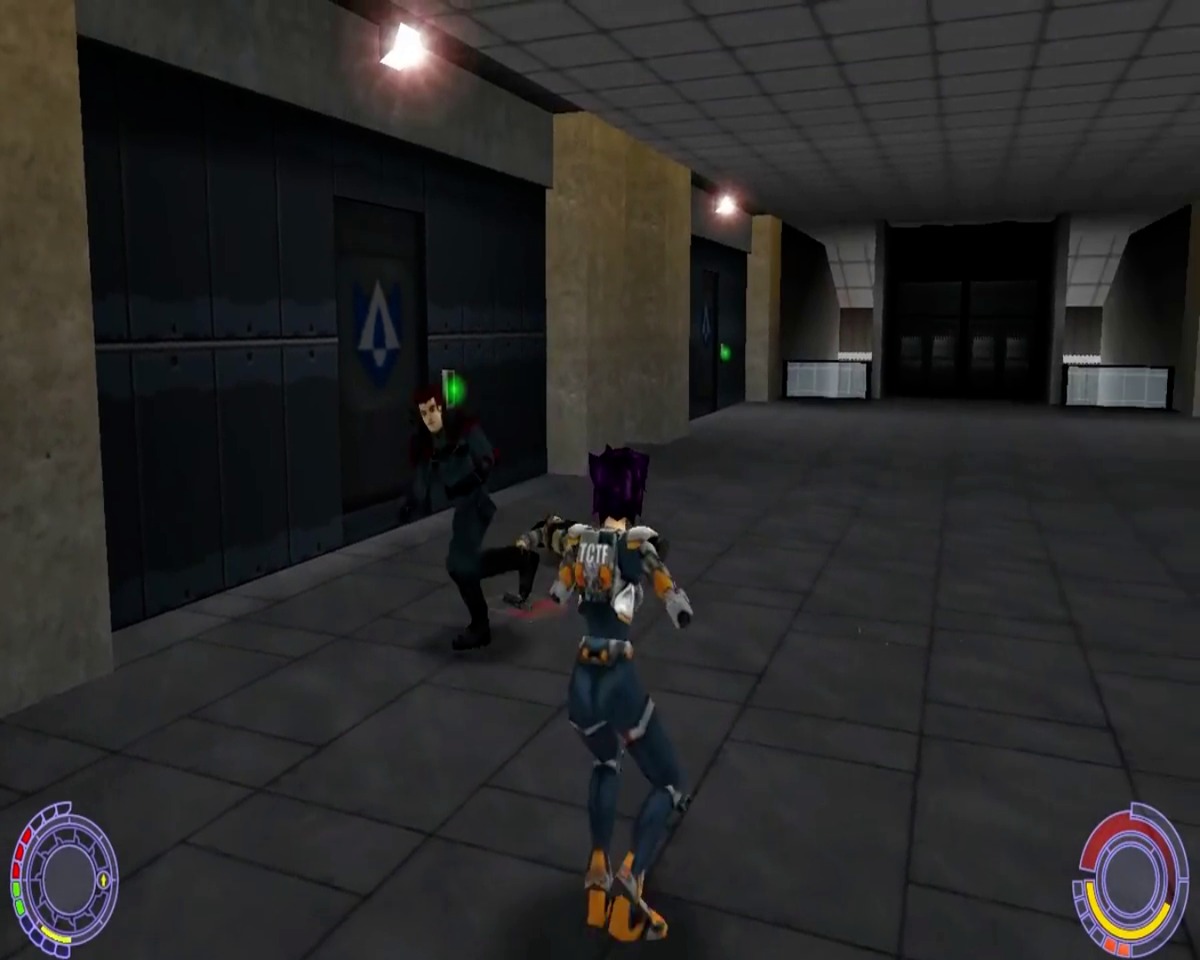
Secondly, there is the exploration factor. The levels are boring. They all look pretty much the same, with flat, boring textures, and the design is confusing and labyrinthine on some levels. There’s no direction, and your compass is useless. The bar gets smaller as you get near an objective, but if you are two flights down, it will act like you’re standing right next to it. Enemies are stupid and clumsy, boss fights are frustrating, and the game just can’t compensate for its own design with the clumsy controls. I can’t tell you how tired I got after just three levels of finding this colored console to open the same colored door over and over again.
The story isn’t really worth sticking around the 14 levels either. The anime cutscenes are nice, but you probably won’t even get through this slog of a game. I tried really hard to keep going, but there was never a change of pace. It didn’t help that there is no mid-level saving and the checkpoint placement is unfair. If you quit in the middle of a level, you have to start all over. There are just a lot of annoying things with this game, but even if it were flawless, you still have the fact that the game is just boring and not very fun.
When it is all said and done, only the hardest core of anime fans will stick around until the end. You really had to have played this when it first came out, then come back for nostalgic purposes. The game is just clumsy and boring, but it has so much potential if only the developers spent more time on it. As it stands, I really can’t recommend this to anyone.
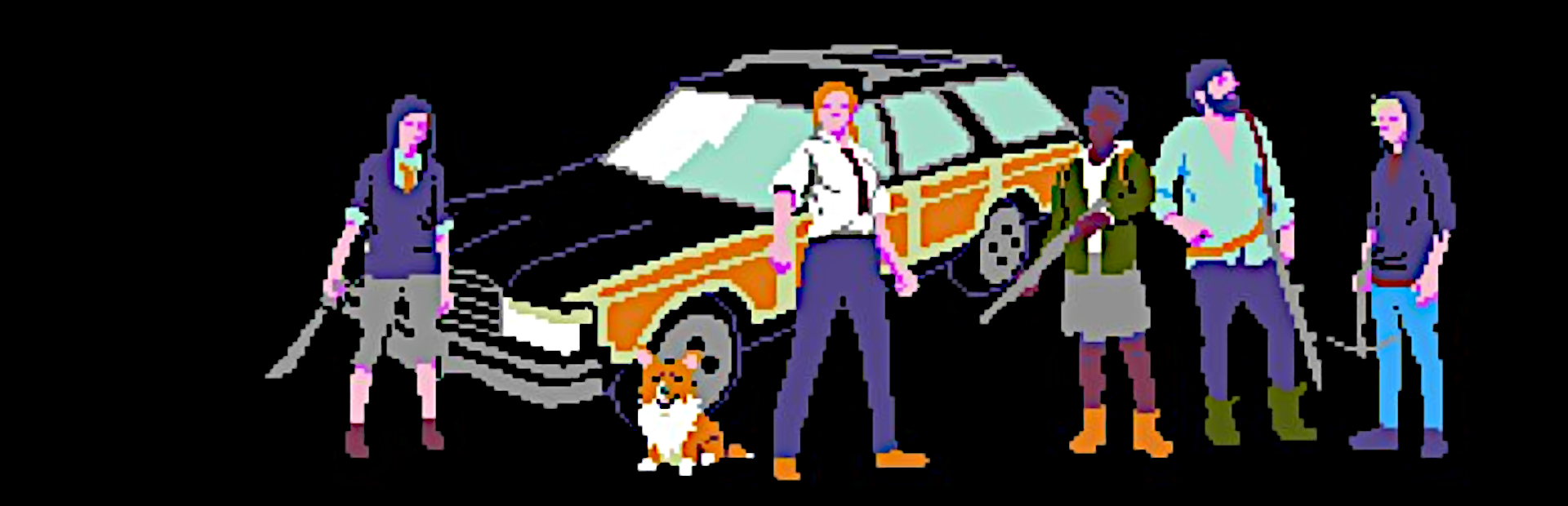
90s kids remember Oregon Trail at school on those old, colorful iMacs, right? If you didn’t, then you had a terrible childhood! For those who did, you must play this game. Organ Trail is a zombie take on the Oregon Trail gameplay, but it is much better with a great atmosphere.
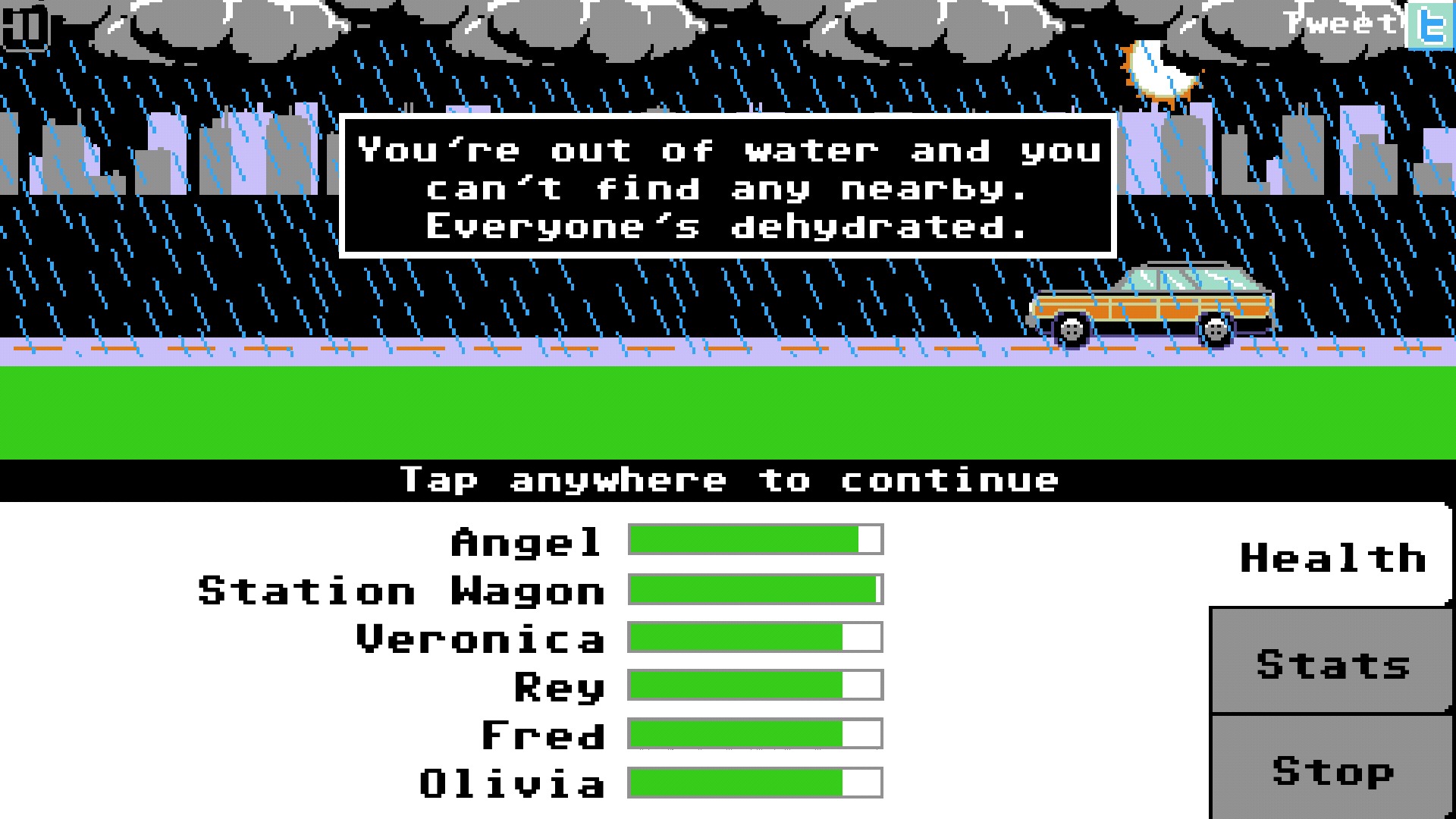
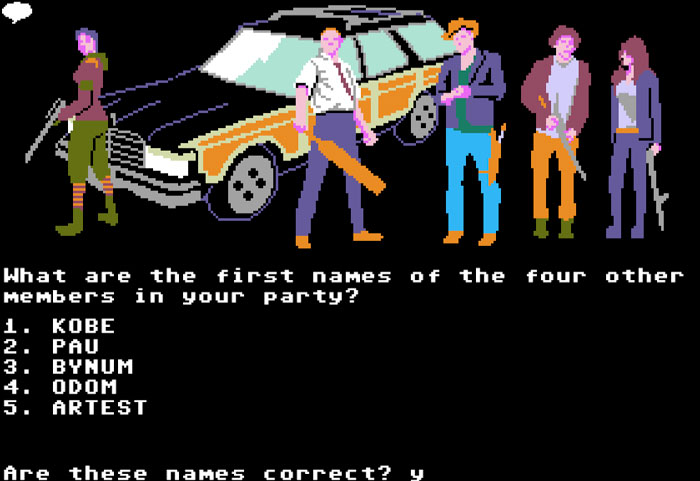
You start off by shooting some zombies, but you run out of ammo. Someone comes to help, but he ends up getting bitten, so you put him down. Yes, you can put down people in this game! After you name your characters with names that aren’t real names (you all did it!) You set off in your station wagon to the first town. This is where you decide what kind of supplies you are going to start off with. Ammo, money, tires, batteries, gas, food, and mufflers. Your station wagon is your life. If it breaks down, you aren’t getting to the west coast. In between landmarks, random events will display that will affect your character or car in some way. Sometimes harsh weather may make you drive slower; you might find interesting things on the road, lose things on the road, get ambushed by biker gangs, have to drive through a horde of zombies, etc.
Not all of this is as simple as flipping through menus. When a gang attacks, you have to ram them off the road with your car, or their bullets will cause precious damage to your car. When you see a horde, you have to decide how to approach them. Is the horde docile? Then sneak through at a slow speed. You can blast your way through or hire mercenaries to protect you, but they are very expensive. There are events that you run into where you have to decide whether to help the person, leave, or kill them. This is a game about surviving a zombie apocalypse, and it is very dark and moody. These events make the game feel like a true adventure. Even scavenging at any time can be a risky move due to how many bullets you have and your health. If you don’t survive, you could possibly die by taking too much damage!
Of course, you can rest and heal your group, but this costs food. Using medkits should only be kept for yourself so you can quickly heal after scavenging. When you reach a town, you can either buy upgrades for your car and pay to repair it, or you can use the scrap you find to do it yourself. This costs lots of food and may not be successful if you don’t have enough scrap. Sometimes you can take jobs for people or trade with them for items you desperately need. I have never played a game like this where I had to think about every single decision so much.
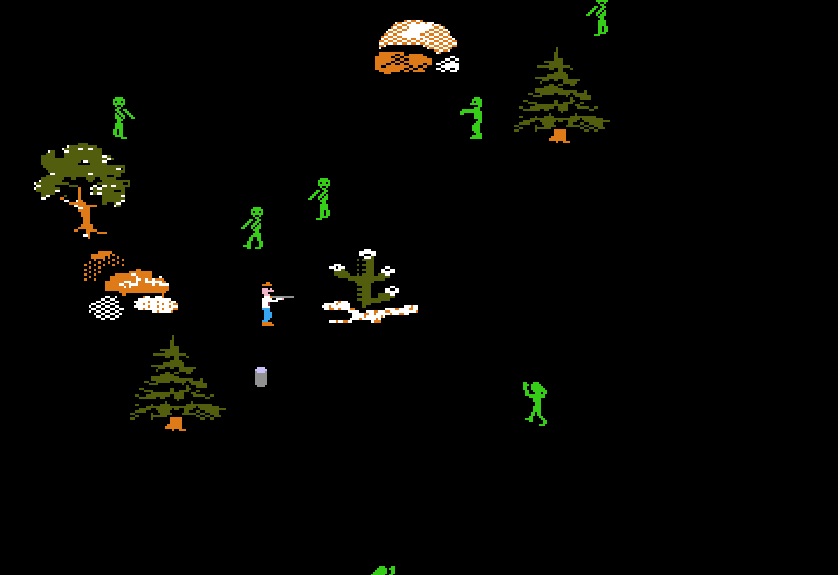
My only main issue is that the game can be too hard sometimes, and the shooting mechanic is clumsy. You hold back the gun and let go to shoot, but the three pixels that help you aim aren’t much help. I found the aiming too sensitive and desperately needed a longer guide or larger projectiles. The shooting sections are the hardest in the game because tons of zombies will come after you, so you must constantly be on the move. I found the character’s moves too slow—just barely faster than the zombies. If this issue were fixed, this game would be perfect. A lot of people will be turned off by the Atari 2600-style graphics, but they add to the charm. The atmosphere is surprisingly well done here, despite the ancient-looking graphics.
Overall, the game requires a lot of thinking and careful strategy but throws in enough random events to make it seem almost realistic. The shooting mechanic is finicky, and the character moves too slowly, but I couldn’t put this game down. Even after dying halfway across America, I tried again because the next journey was completely different from the last. I even decided to take more of something else and try again. This is a wonderful game, but it may not be for everyone.
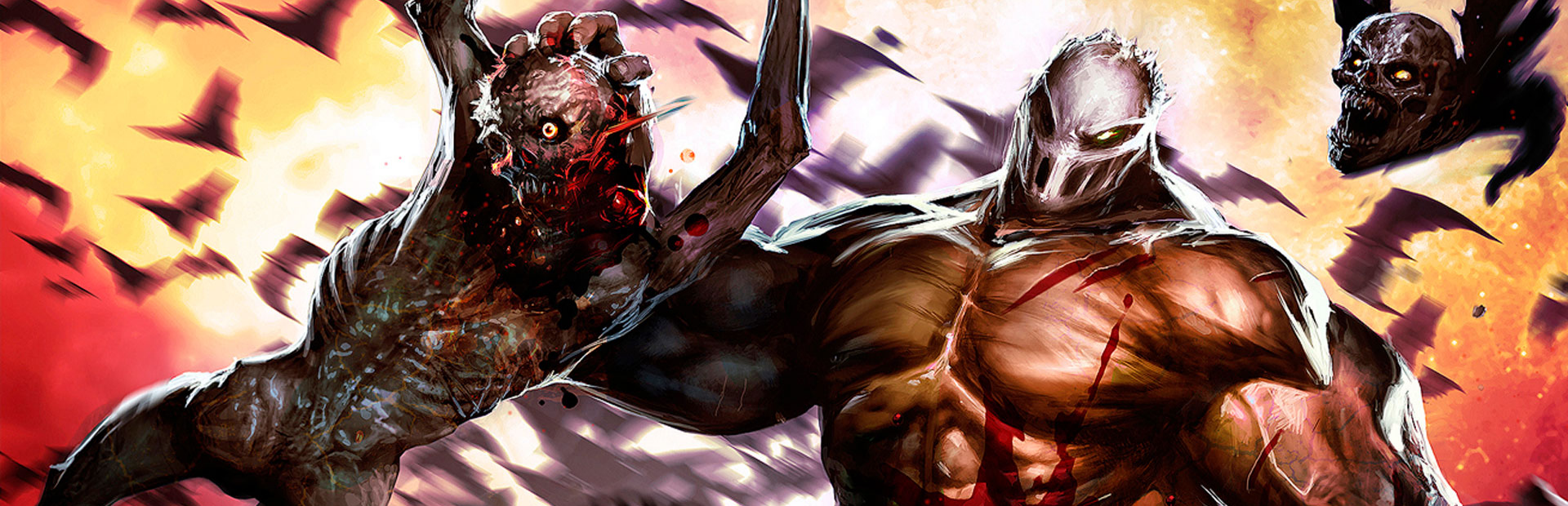
I was so excited about this game because I could see the potential it could bring. Lots of gore in a 3D setting with the awesome monster design from the classic arcade and Sega Genesis games. Man, was I wrong? This game is full of so many flaws and good ideas that have gone wrong that just a little playtesting and polish could have made this game great. It tries to be a modern action/adventure with a bit of softcore porn and a lot of ultra-violence thrown in. The story is somewhat interesting with H.P. Lovecraft-inspired mythos and art styles, but you won’t care because most won’t even finish the game.
Splatterhouse is all about combat, so let’s start there. The combat is just seriously flawed. I can’t explain enough how unbalanced and frustrating the combat is. If the developers only tweaked it some, it would be just right, but there are so many little nuances that drive you crazy. Firstly, you never feel powerful enough. You can acquire new moves, but you never increase in strength. These moves just add to your arsenal of weaknesses. Even the smallest enemy needs a lot of pummeling before they die. This gets really frustrating when the game throws a lot of enemies at you. You are just so overwhelmed, and you rely on your mask powers, which use the poorly balanced blood meter. This meter can be increased with upgrades, but it takes three slots to activate mask mode. In mask mode, you can slaughter enemies easily, but it doesn’t last long. Poor use of this meter is when you do temporary mask attacks like Splatter or Smash. They each use a blood slot. Why?! That is so frustrating because you need to use it because regular attacks aren’t powerful enough. If you use these special attacks, you will never be able to enter mask mode when you really need it. Highly unbalanced and frustrating.
If that isn’t enough, let’s talk about the weapons and 2D platforming sections. They tried to be cute and go back to Splatterhouse roots, but they just ruin your precious memories of that game. Whenever you just touch an obstacle, you get hurt. The jumping is terrible, with no momentum at play. The run button is flawed because you can’t interrupt it, so you have to remember how far you run because Rick just stops, and it takes forever for the animation to end. This leads to cheap deaths, which lead to horrendously long load times that can take up to a minute. You will die a lot in this game, so expect to endure long load times after each death. If that isn’t enough, the weapons break just after a few hits, and instead of creating more interesting enemies, the last four levels of the game are just ridiculously difficult because tons of sub-bosses are thrown at you to compensate for the lazy enemy design. There are only about six different enemies in the whole game, and they are not fun to even kill. The Splatter Kills are fun during the first level, but there are only about 4 different animations! This game just wants you to hate it.
So if that isn’t enough to keep you away, I don’t know what will. A few of the bosses are pretty fun, but towards the end, that kind of stops. There are some interesting combat puzzles that are flawed due to poor hit detection. Even if you beat the game, why would you want to come back for combat arenas? The combat system is just slow, unresponsive, full of uninterruptible animations, and not fun at all. If you really want to play, you can pick up the nude Jenny photos along the way, but it isn’t even worth it for that. Splatterhouse has a lot of potential but ultimately fails due to lazy game design and unbalanced everything. The story and art are nice, with a lot of gore, but even the graphics are lacking due to using the outdated Unreal Engine 3. I honestly can’t even recommend a rental. Stick with the three Sega Genesis games and forget this even exists. Maybe next time? We will have to see.
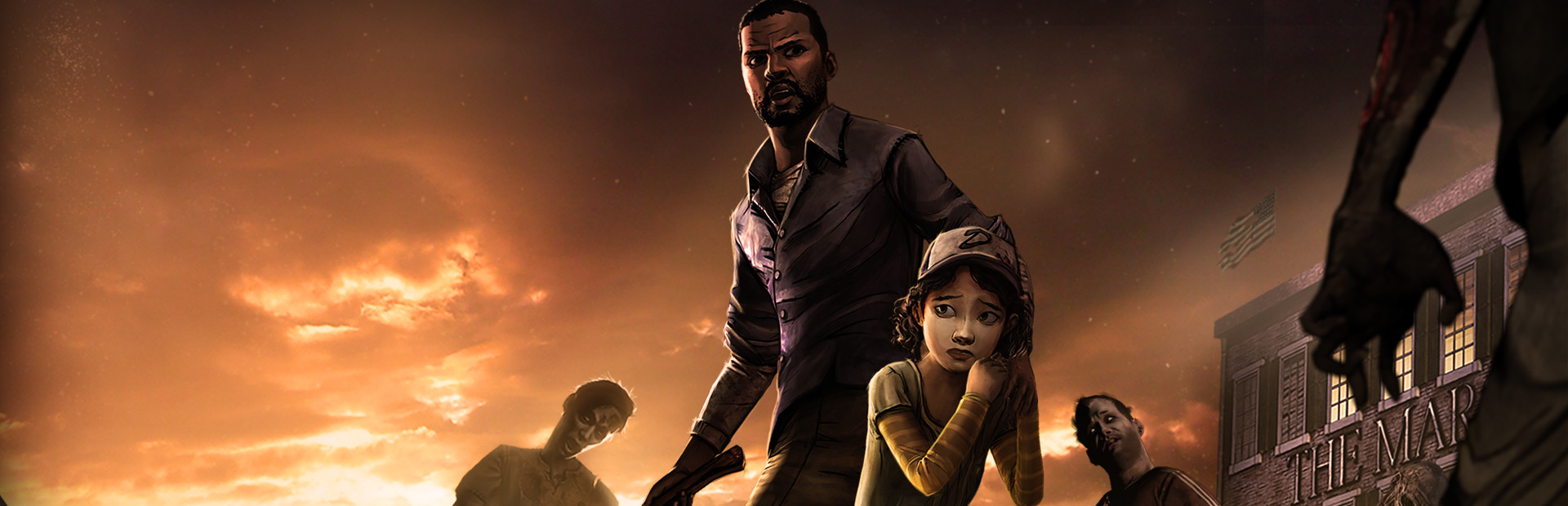
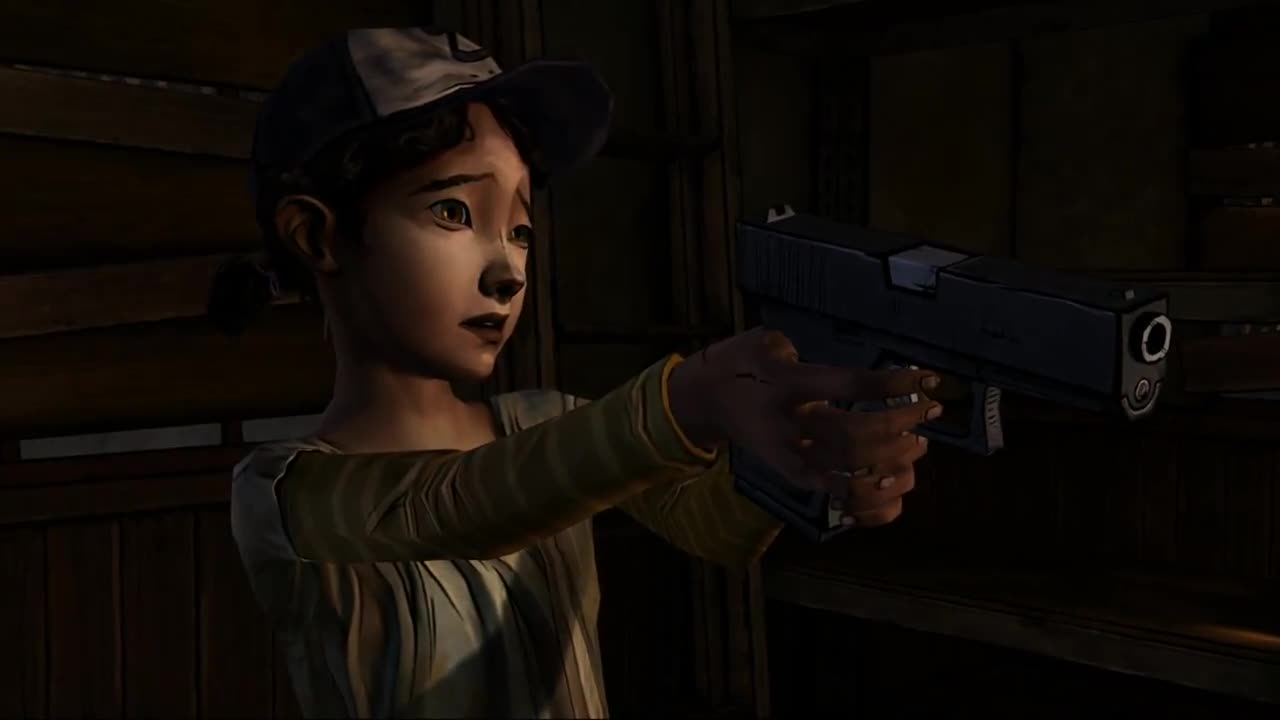
The Walking Dead is probably my favorite adventure series of all time. It surpasses most adventure game clichés like inventory management, tank controls, and disjointed pacing. The Walking Dead: Episode 3 is well-paced, and there are some of the toughest choices you have to make. Things get very serious this time around because the group is starting to lose its mental stability. There’s a lot of internal fighting, and you must decide how this all turns out.
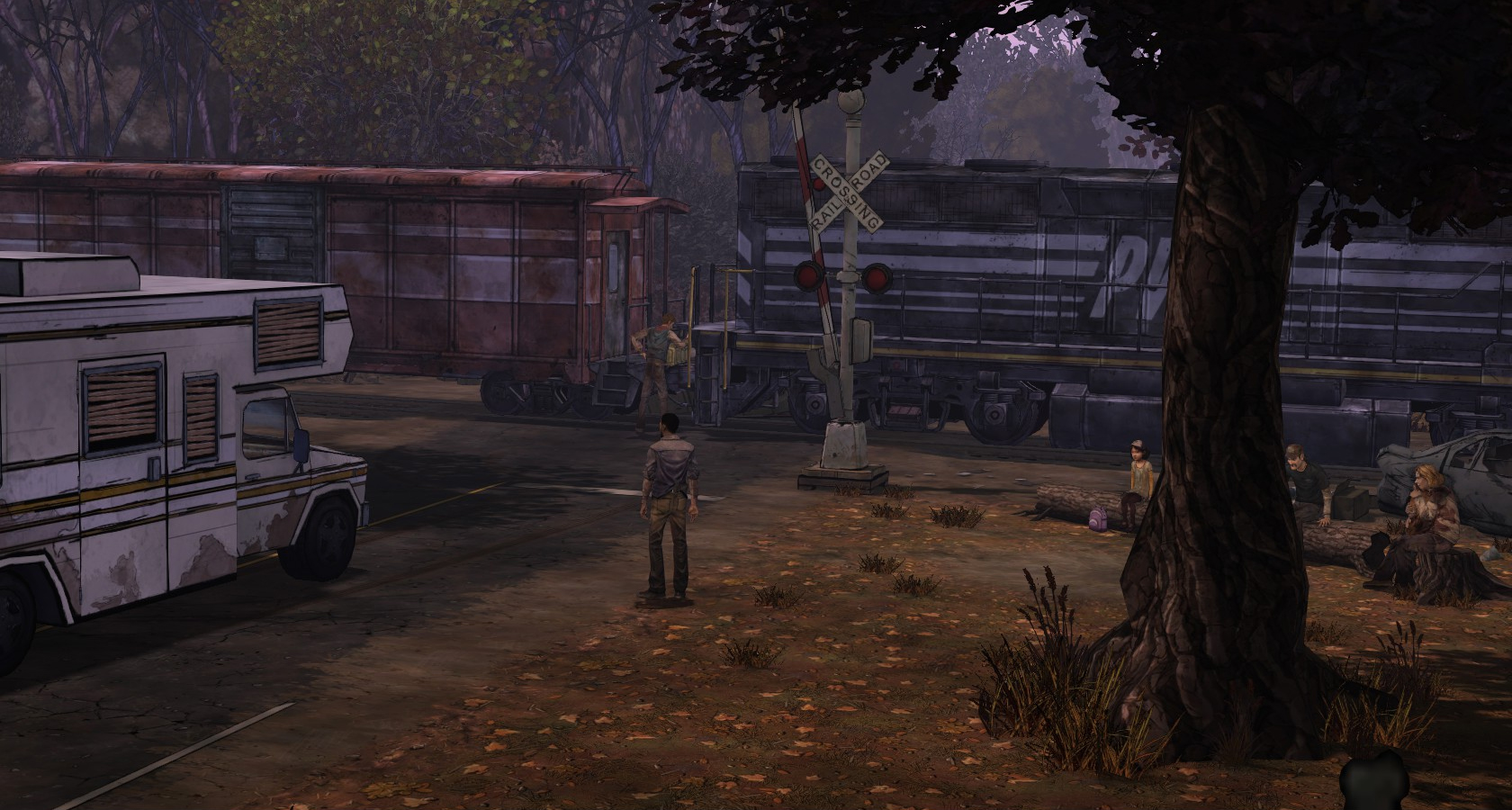
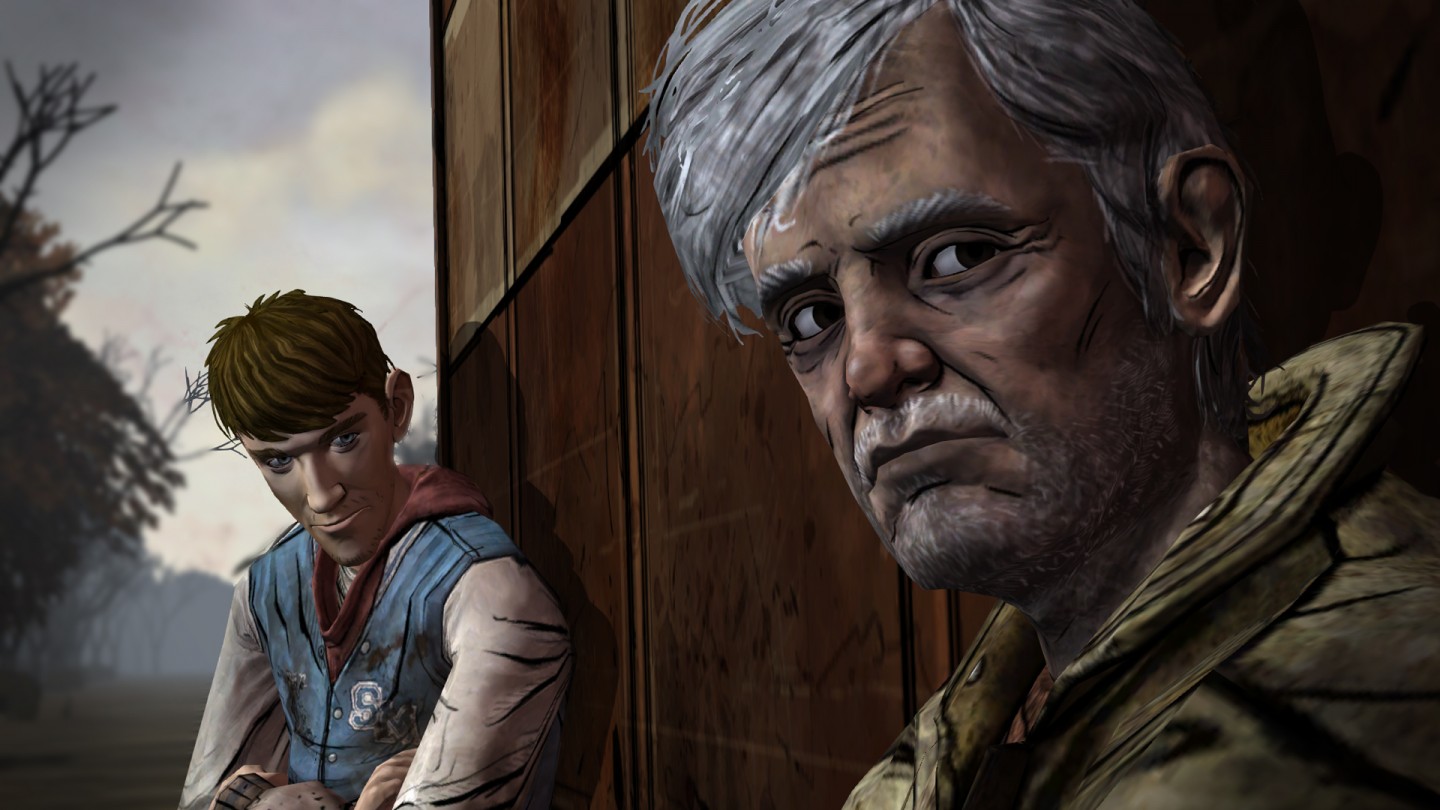
The group is trying to get to Savannah, Georgia, because things at the motel didn’t work out so well. They find a train engine that takes them partway, but I won’t say any more. There are a few major areas you can explore with a few simple puzzles, but like usual, the opening is awesome, and I played through this entire episode and wanted the next one right away. There are three new characters introduced, but at the same time, a few people in the group die. Who or how is up to you, but you will be shocked at how this all turns out. I actually had to pause the game with my mouth agape due to the shocking turns and, mainly, how it actually happened.
There’s more zombie killing this time around, but not nearly as much as in the first episode. I found myself glued to my computer more than Episode 2, and I felt like the story was actually progressing better. A lot of bugs are also starting to get ironed out, such as the constant stuttering during cut scenes and some control issues. You won’t be exploring much, just in the main puzzle areas, but this is OK because of how much the story advances through dialog choices. This is about the time when a lot of your choices from the last two episodes will really start blossoming here. Some choices I made actually determined huge plot changes, and I realized either I shouldn’t have done something or wish I had done something, but that’s the excitement of this series. You feel like you are playing a movie and directing it yourself.
I just can’t wait for the fourth episode because things will really start going downhill from there. This episode is a huge turning point for the story, and every fan will want more.
I know what you’re probably thinking. Deadly Alliance on the GBA? Puh-lease. Don’t criticize the game just yet. Deadly Alliance for GBA is a solid fighter with a trick 3D fighting system that is simplified from the console versions. The game features a full Krypt, mini-games, and a new survival mode. The graphics are surprisingly good, and the sound quality is excellent.
Unlike past Mortal Kombat handheld ports, this game is actually good. The fighting system is a mix of 2D and 3D with each character’s two main martial arts stances (the weapon stance was taken out). The fighting system may seem dumbed down or too simple because the GBA only has two face buttons. Using a combo of the D-pad and face buttons, you can pull off some great combos with ease. The whole transition feels natural and hand-tailored to the console. My main disappointment is the lack of characters. Only about 10 made it into the GBA version, but a new character, Sareena, made it into the game from Mortal Kombat Mythologies: Sub-Zero. I am also disappointed that each character only has one fatality (like in the console version), but they are different and quite detailed for a GBA game.
The sound quality is excellent, with the announcer’s voice intact. The graphics are pretty decent, with full 3D backgrounds, but they are very muddy and lack any detail. The graphics are a love-hate type of thing. The Test-You-Might and Sight are fully intact here, which is nice, but the Konquest mode is obviously missing. Instead, there is a Survival mode that was stuck in here. There is a full Krypt with alternative costumes and other things. So this is a huge MK experience on the GBA, and probably the best one.
If you loved Deadly Alliance or just want a solid fighter on your GBA, then pick this up. There is a lot of content in here, and the fighting system is solid and fluid. The graphics look pretty, and the sound quality is excellent, so you have no reason not to play this!
Sniper Elite: V2 doesn’t stand for version 2, as some people may think. This is about trying to stop the Germans from using V2 rockets in World War II. After seeing those three words, you probably left this review already. Another WWII game? V2 has a lot of potential but is lacking in many areas due to the developers’ laziness in design. The story is nothing special, with the only satisfying thing being sniper shots.
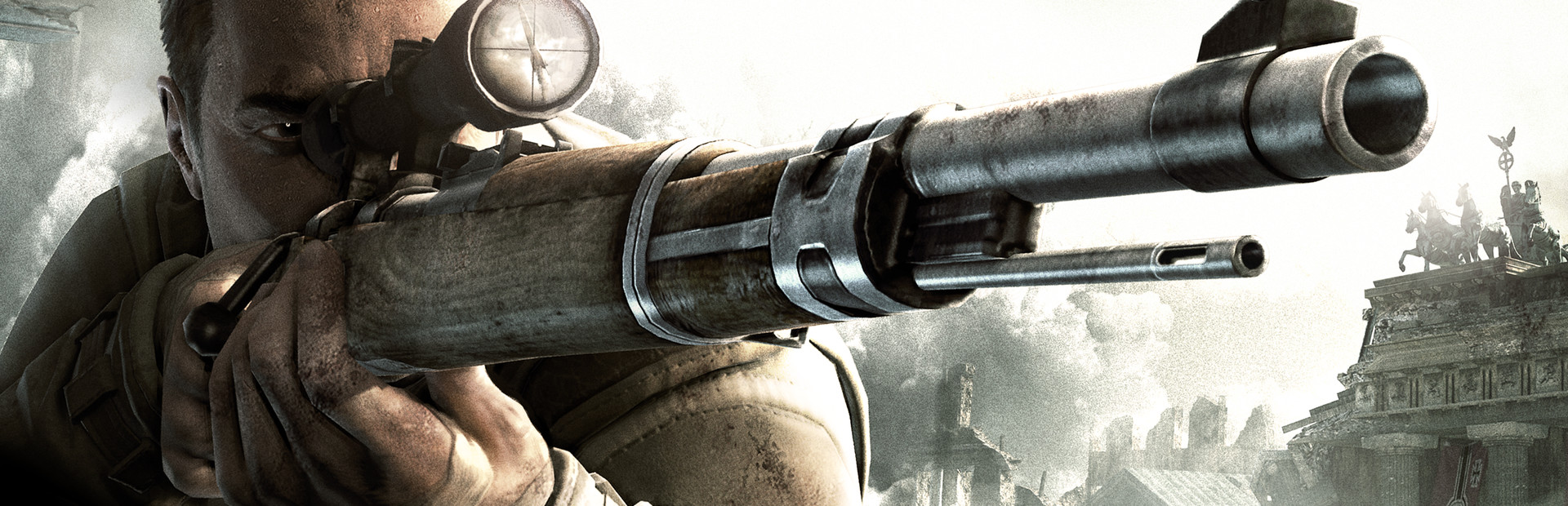
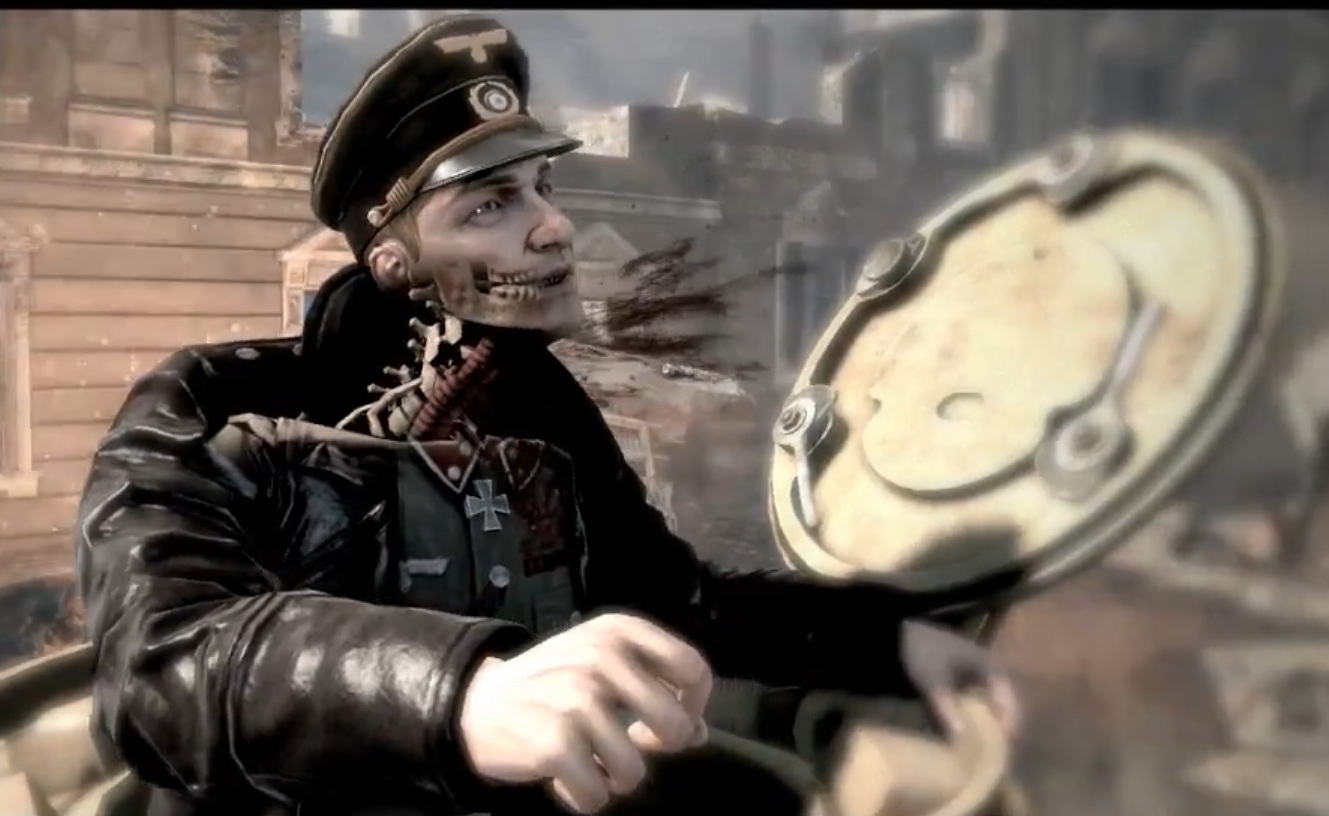
The game is all about stealth, but right away you will notice this is broken. The enemies are laid out in such a poor manner that it is hard to figure out how to take everyone out without raising an alert. If you do so, you have to fight it out with limited ammo from your other weapons, and you die very quickly. Using sniper rifles is just fine with the ability to hold your breath to steady your aim. Slowly, a red diamond will focus on a part of an enemy, and that is where your bullet will land. Once you fire, the game uses a bullet camera, and sometimes you will see an X-ray shot of the bullet penetrating the target’s organs (the nut shot is awesome!). You will see the skull shatter, organs burst, and eyes explode. This is the most satisfying use of a sniper rifle for any shooter. The problem is, the fun stops there.
Of course, sniper rifles back then really didn’t have silencers, so once you make the shot, everyone knows you’re there. Some levels have loud noises you can mask the shot from, but this can be difficult. The enemy AI is extremely dumb; they won’t notice a dead comrade right next to them, or they will spot you from hundreds of yards away with some sort of eagle vision. On top of all that, enemies spawn strangely out of some sort of ether because you will walk a hallway with no enemies, circle around, and then somehow there’s an enemy there. This makes stealth frustrating as hell, and you will rage quit often. It doesn’t help that the forced shootouts are frustrating and hard because you die almost instantly.
You can lay traps for enemies and such, but I honestly didn’t find any reason to do this much. Even the level design is screwy because the hallways are confusing and everything looks the same. There just isn’t enough satisfaction from finishing levels and outsmarting enemies because, in reality, you’re exploiting the dumb AI to advance through the levels. After just about 3 or 4, you will probably have enough and call it quits. It is just so sad that the great sniper mechanic was wasted on such a boring and dull game. The graphics look pretty good, but other than that, you won’t stay interested. I had this game on my HDD for about 2 months, and even when I had nothing to play, I couldn’t go back to this drab game.
Overall, V2 has some awesome kill shots and great sniper rifles; everything else is a bust. Dumb AI, poor stealth mechanics, boring level design, uninteresting stories, and frustrating shootouts. The multiplayer is pretty satisfying, but you won’t be coming back for long. V2 is a huge disappointment over a prequel that was fairly decent. Even the most patient gamers won’t last here.
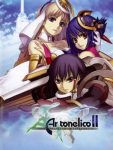
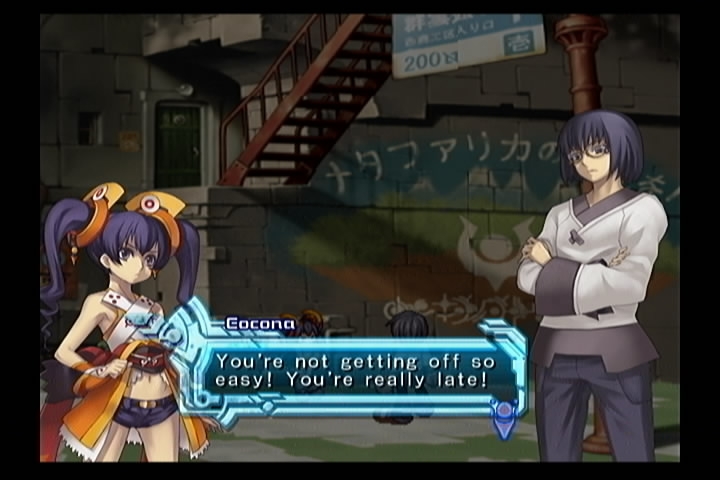
I first have to say that this is a review coming from someone who particularly doesn’t care for or can stand JRPGs. I forced myself to play this, and I am very glad I did. Ar Tonelico II strays from the typical JRPG battle system and story with a little sexually confused boy trying to save some generic fantasy world with generic fantasy characters. You play as an entire team of people whose balance of Ar Tonelico (the world they live in) rests on two Song Maidens. The game is full of political schemes, betrayals, and deception. These two maidens must also get to know each other more before they can sing Metafalica and bring about the paradise of Metafalss. The characters are very well designed, and because of how the story is developed, you get to love these characters more than you probably would in any JRPG.
The main design behind the characters and story is getting to know their deep, dark secrets. This is done by diving into Reyvateil’s minds at a dive shop. There are different levels of their cosmosphere that you must explore, and these are played through dialog. You need dive points to trigger certain events, but this is where you really get to know the characters. After completing each level, you will unlock new song magic, which is essential for battle. Without song magic, you will not get anywhere in the game. You can also unlock new costumes for the three Reyvateils that will increase their stats. The diving gets really deep into the characters’s minds and is actually quite interesting. These are some very deep and well-developed characters with some serious issues that make you even question your own. There is also the Infelsphere, where two of the three Reyvateils need to learn to understand each other and get out their deepest, darkest secrets and thoughts about each other (the two depending on how you play the story).
The main protagonist, Croix, is caught in a love triangle between these two Song Maidens and the third Reyvateil. There’s sexual tension between them, which can be awkward in the game, but by the end, there are some pretty good scenes that will tug at your heartstrings. Overall, the story is well-developed, deep, intelligent, and very self-aware. When you rest at saves, you can talk to the Reyvateils and bring your relationship closer, which will unlock different levels of their cosmosphere that you can dive into. Of course, the game can’t just wing it on the story, so let’s get to combat.
The game uses mini-games during battle. There are two phases: attack and defense. When you attack, you have to use the D-pad along with each of the two characters’ assigned attack buttons. This will help your Reyvateils sing better, depending on what directional attack you’re using. There’s a meter that will show their desires for the direction they want. You’re banking on your Reyvateils song magic to do the most damage. You are just whittling down their health and protecting them while they charge. There are different phases of each song tree that do different attacks. Thankfully, there are also healing songs that you can use as many times as you want, but when you switch to another song in the same attack phase, the points will carry over, so you don’t have to charge again. I found myself charging a song tree as far as I could go, unleashing the attack, and then using a healing song. This also reduces the number of potions and healing items you need to use, which removes the headache that most JRPGs have. This makes combat exciting because you aren’t just mashing X until the enemy dies. Those attack buttons have meters on them, and you have to press the button when the green line goes by; otherwise, you won’t defend your Reyvateil, and they will take damage. They are fragile and can’t take much, so you must be on your guard and press that attack button quickly. If you get a perfect rating, you won’t do any damage! But this is hard and requires precise timing. Depending on which two Reyvateils got along and went through the Infelsphere, they can synch during combat and bring out devastatingly powerful dual song magic. This can only be done towards the end of the game, but it also requires doing the same attacks with your Vanguards so the girls synch.
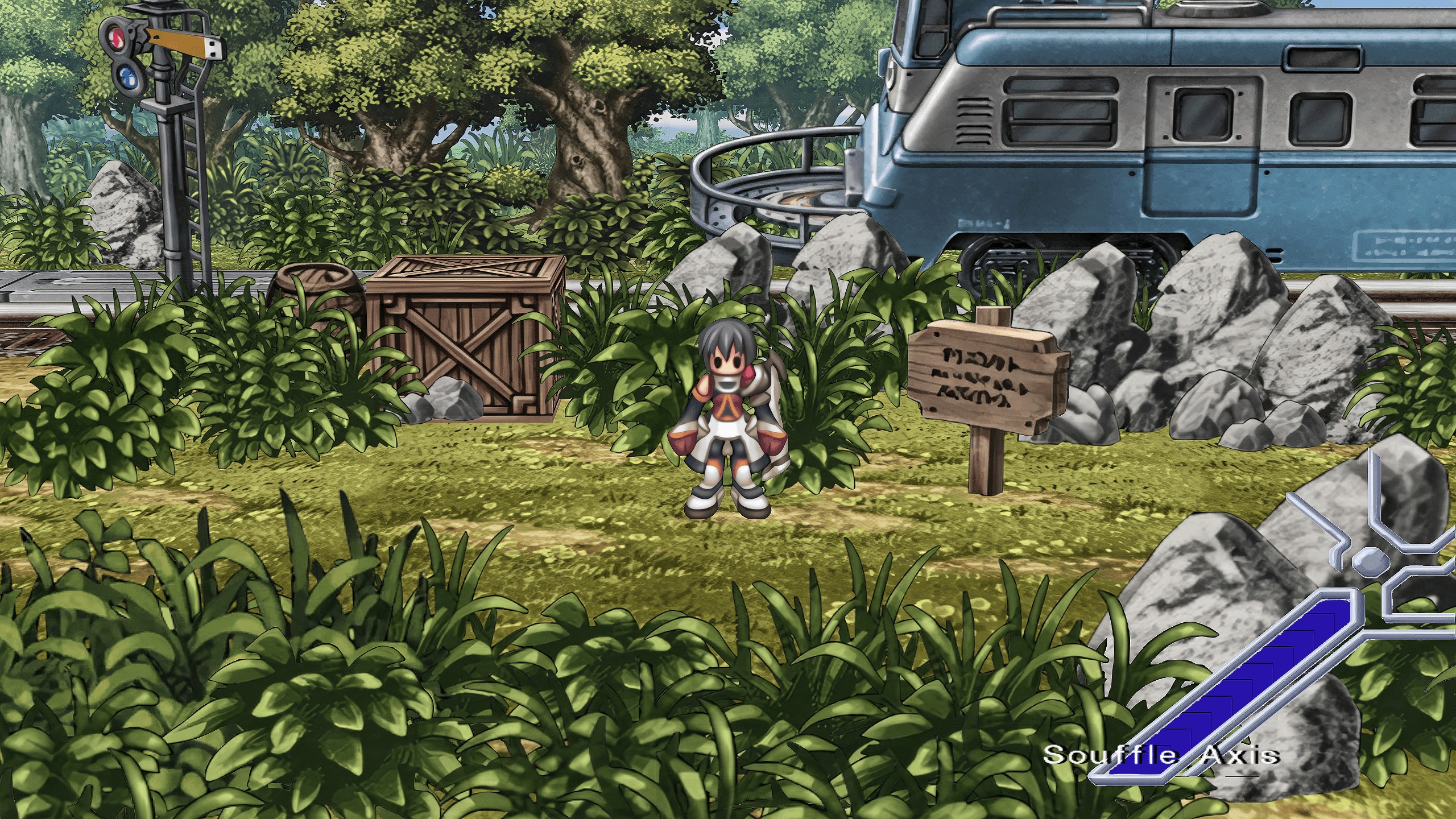
Other than that, the combat is pretty straightforward. Each Vanguard’s attacks will increase in level during fights, so you can do more deadly attacks. The main issue I have with JRPGs is random battles. These usually keep me from completing them, but Ar Tonelico II skirts this by making random battles limited. There is a meter that goes down as you do each battle. Each dungeon only has about 10 (until the last dungeon, which is infinite), but it also turns from blue to flashing red, which will indicate you are about to get into a fight. This lets you explore dungeons freely without getting frustrated. Once that meter runs down, there are no more battles until you leave the dungeon. Even the map system is very useful when most JRPGs don’t even have one.
Of course, there are some side things you can do, like synthesizing items with shop owners. As you advance through the story, you will get new recipe cards from them, but unlike most games, this isn’t just menu-driven. When you synthesize, it brings the characters together more, and dialog plays through. Sometimes the item may not even be what was on the recipe! After a while, you can go back and try again to improve on it. Lastly, you will run into I.P.D. victims in dungeons, which are high-level Reyvateils that you have to battle. If you can beat them, you can do dive therapy on them, which will give you girl power that can raise your stats quite a bit. You can even dualstall during saves and level up your Reyvateils by doing onsen baths! You find dualithnode crystals and put them in this bath, and the girls will absorb them. It is not recommended to do solo baths because the effects aren’t that strong.
The game isn’t perfect, though. The very last dungeon (Sol Morta) is a long, frustrating nightmare with endless random battles and too much backtracking. The visuals are disapprovingly 2D and not very good-looking. During the dialog, characters pop up with different facial expressions, but there are some anime cutscenes, but not nearly enough. There’s even a lack of spoken dialog, but at least the game includes the Japanese tracks. The English voices are hilariously bad and make you want to tear your ears off. There are also a few game-breaking glitches as well as typos. The last 20% of the game is just really tough, and the game stops giving you a sense of direction. This last 20% really disappointed me and was kind of drawn out and long-winded. If it weren’t for these issues, I would give this game a higher score. One plus for me is the amazingly beautiful music in this game. The Hymnos are beautiful, and I loved them so much that I downloaded the songs and listened to them often.
Overall, Ar Tonelico II breaks the JRPG mold with unique gameplay elements, from combat to leveling up Reyvateils via baths and synthesizing. The music is beautiful, and the story is deep with political intrigue and reveals the deepest, darkest secrets a person can hold. However, there are some issues that hold this otherwise wonderful game back. If you hate JRPGs, I recommend giving this one a shot.
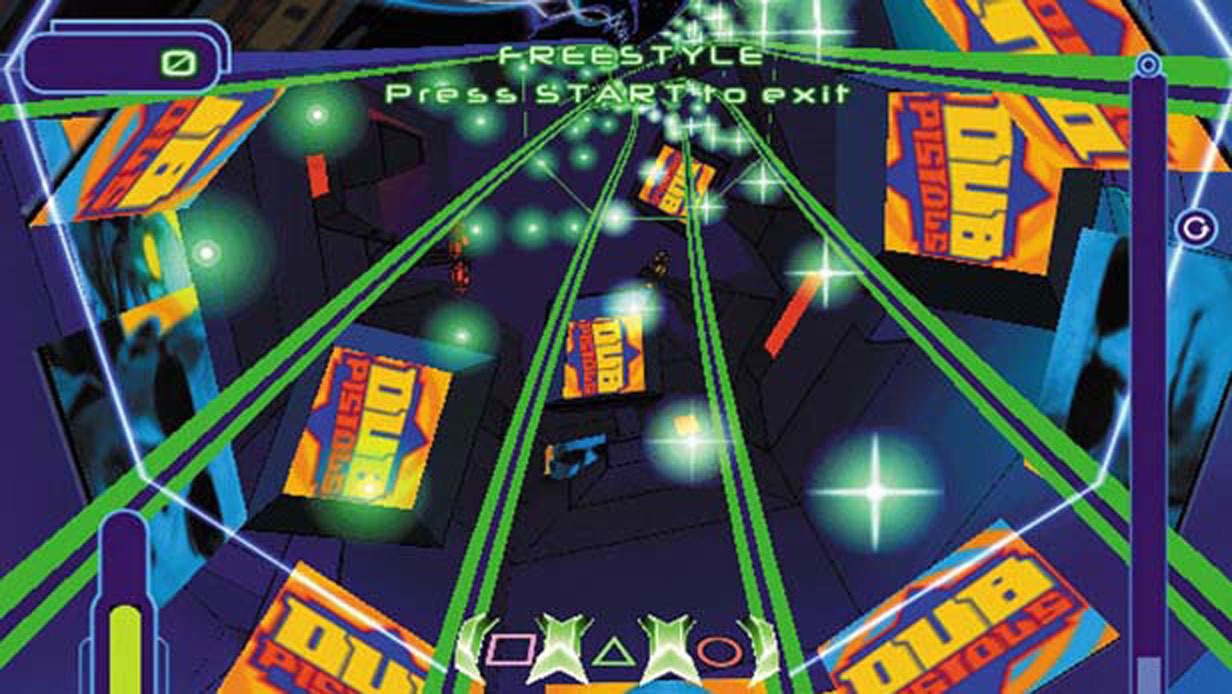
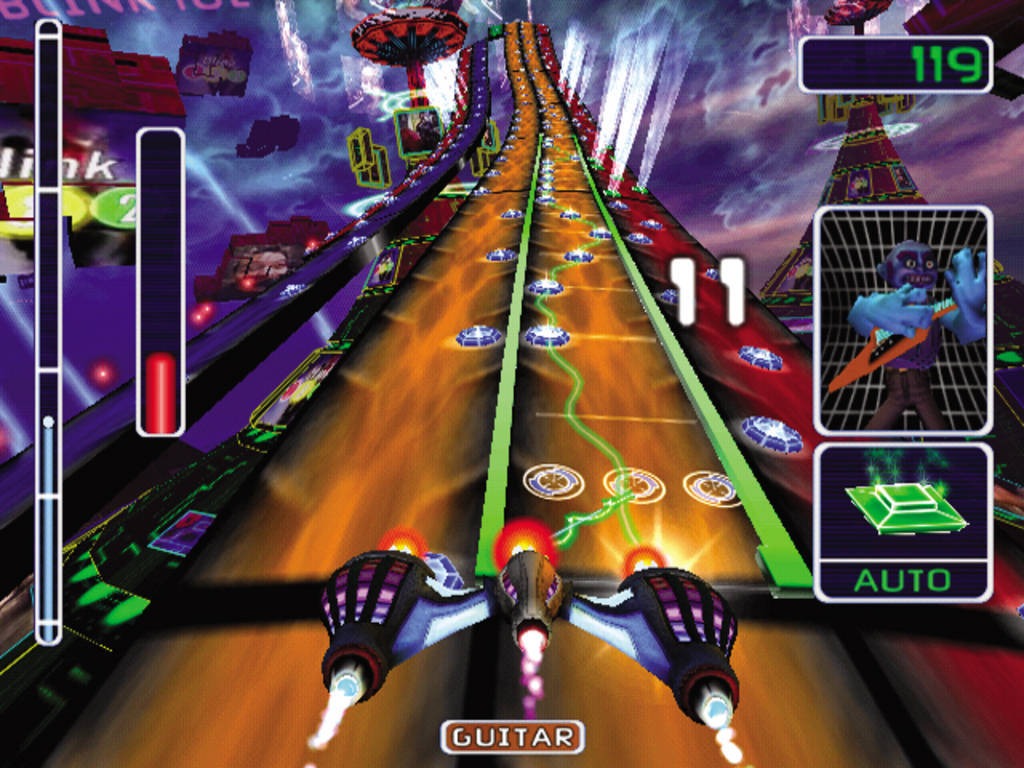
Before Guitar Hero and Rock Band, Harmonix created this fun rhythm game using pop, hip-hop, industrial rock, and other genres. You tap away on your controller with a “pick your own path” type of gameplay. The game is fun and very challenging, and it comes with some great tools.
You use the square, circle, and triangle buttons to tap away on a track. Use the D-pad to rotate the tube and pick any track you want to play. You will know when you have to play when you see a green line connecting dots. This gives you a break between sections so you can rest your thumb for a second. Tracks range from vocals to synth, bass, drums, guitar, and other instruments. When you successfully complete a section, that instrument will continue playing. Score perfectly in that section of the song, and the instruments won’t turn off when you enter the next gate. I found this a little annoying, but it encourages you to play perfectly; the song doesn’t stop. You are scored, as usual, and a meter is shown on how well or poorly you are doing. Fail too much, and you will fail the song.
That’s the entire game, in a nutshell. It seems simple, and it is, but the game is challenging later on when you have to do longer sections and faster button presses. There’s some pretty good music here by Powerman 5000, No Doubt, Fear Factory, and other popular musicians. The visuals are trippy and can give you a headache after a while. They are psychedelic and full of bright colors and fractal shapes. One thing I found useless was the free scratch mode, which lets you press one of the three buttons while moving the left stick back and forth to scratch. This isn’t there for anything but for fun, I guess.
Once you beat the main game on each difficulty, you can go into remix mode, which plays a song while you add your own notes to the song. This can be pretty fun for people who want to change up the game themselves. However, I did find that there should have been more songs, but I guess remix mode is supposed to remedy that. There are a good dozen hours of gameplay here, and you will keep coming back to master the game.
For just a couple of dollars, Frequency is one of the most fun games I have had in a rhythm game since Rock Band 2. I found myself coming back and trying to master the songs. The music may not be to everyone’s taste, but if you open your mind, you will find a gem of a game here.
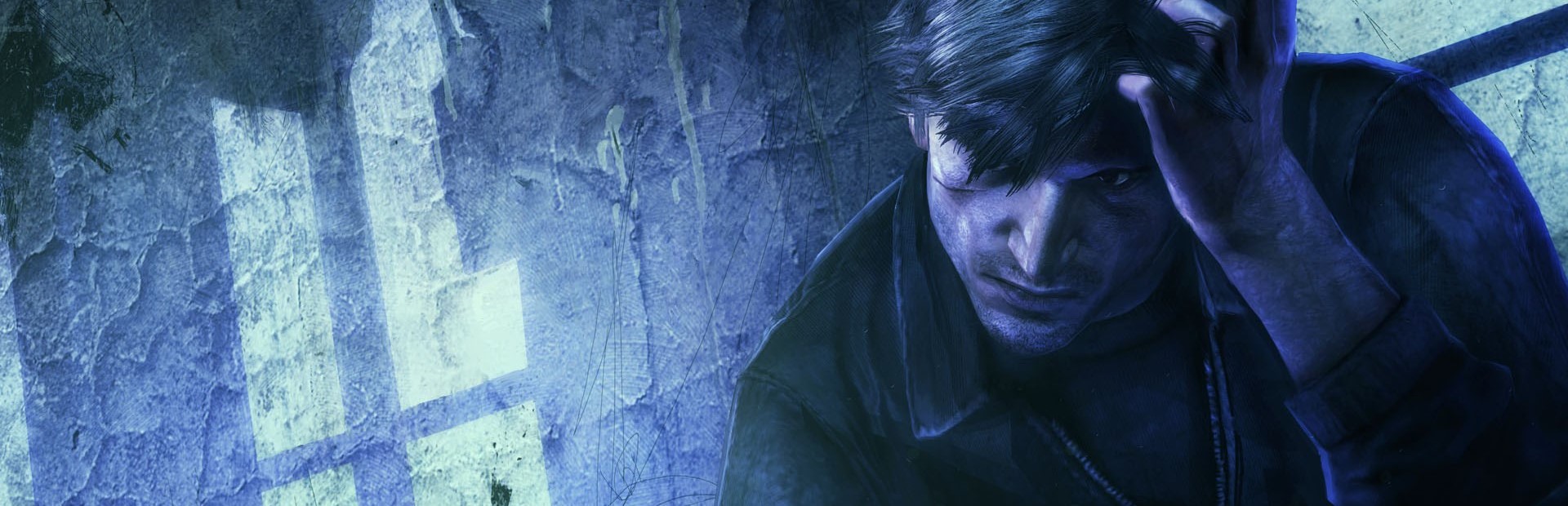
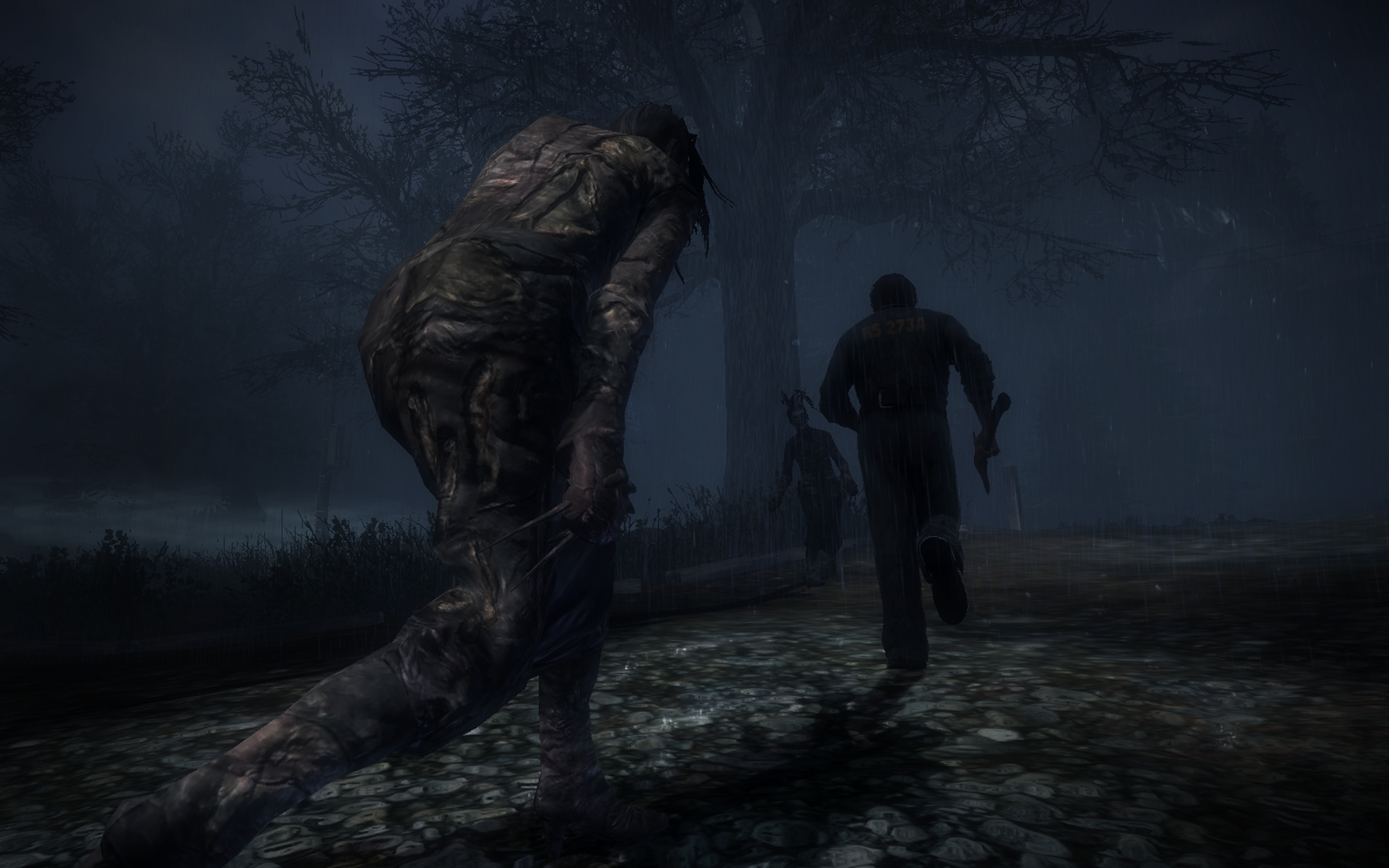
Silent Hill has been one of my favorite series of all time. I remember renting this as a kid and being so scared that I couldn’t finish it. The last great game was Origins, which truly brought the game back to its roots on the PSP and PS2. Homecoming was a surprisingly good entry into the next generation, but Downpour is an utter disaster. The team claimed they were going to bring the series back to its roots and redeem the series. They only made the series worse with so many things going wrong that I can’t believe this game made it onto store shelves. Is there anything good about it? Sure, if you are a hardcore fan, you will probably play it anyway, but it will leave a nasty taste in your mouth. If you have never played the series before, stay far away from this and pick up any other game in the series.
You play as a prisoner named Murphy Pendleton who gets into a shady deal to kill the supposed killer of his son. Murphy has been charged with the murder, but for some reason, he is being transferred. Upon this transfer, the bus crashes, and only you and one female officer survive. So far, the game seems fine. You wander around a bit until you start finding clues on how to progress. Once you get out of the first area and into the “free-roaming world,” that’s when things really fall apart.
Silent Hill is meant to be a linear story where you search a building and figure out what to do. The team tried putting in “side quests” here that are just absurdly cryptic and nearly impossible to solve without some sort of walkthrough. Even with a walkthrough, I gave up on a few because the world you wander around is no fun to navigate! They put a convenient subway system into fast travel, but you need to do one of these hair-brained side quests to unlock the routes! Who’s brilliant idea was that? One side quest called “Shadow Play” has Murphy trying to find several different trinkets in cardboard boxes throughout town. In this huge, confusing mess, how am I supposed to find tiny little trinkets in cardboard boxes? Then you have to figure out where to put them, and then you have to use your UV light to get the shadow they cast just right. Then you use those clues to find a place to get stupid loot like pistol bullets or an axe. Not worth it.
The game is littered with these pointless and meaningless side quests that are nigh impossible to figure out. Even the main parts of the story are hard because these areas are huge, vast, and confusing to navigate; even the traditional Silent Hill map system doesn’t work. In fact, the puzzles are even more confusing and broken. Sometimes they won’t activate or are so cryptic and confusing that you just give up on them. The only fun parts are the Otherworld sections, but even these have their problems.
In the Otherworld, you engage in chase sequences running from some sort of void that is never explained. Usually, you are running in labyrinthine paths that are confusing and will make you die often. Solving puzzles in the Otherworld is fun because they are like other Silent Hill games and the only puzzles that are. There’s some interesting art being used here, but in the rest of the game, it is not Silent Hill-ish at all. In fact, I’m ashamed to call this a Silent Hill game.
To make things even worse, the combat is absolutely horrible. It makes exploring Silent Hill harder and makes you want to just quit the game. No matter how much you swing your weapon, you will always have a hard time hitting these boring, non-scary monsters. All four of them. That’s right. There are just four monster types in the whole game. The monsters always move faster than you, and they can block. Their attacks are frustrating, and blocking doesn’t do any good. Once you start swinging after a block, they dodge and just hit you over and over again. The combat is clunky and frustrating, and there are way too many enemies thrown at you at once. It doesn’t help that when it rains, the enemy count is higher, and they are harder to kill and do more damage. Firearms are scarce as they are, but even an axe breaks after a few swings.
It doesn’t help that the game just isn’t scary. There are a few moments that made me jump, but just a few. The enemy designs are stupid and lame (all of them are humanoid), and the atmosphere doesn’t hit home. The legendary music is even missing here with repeated sound effects. The graphics are ugly and outdated; this really looked like a good Xbox 1 game. The story isn’t even that great, with some plot holes and stupid endings. There are framerate issues that abound, and the auto-save is unfair and will drop you back to a spot where you have to do entire levels over again.
Overall, Downpour is a complete disaster, and any Silent Hill fan will act like this game never existed. This is the worst Silent Hill game ever made, and it is just chock full of problems with very few redeeming qualities. The Otherworld parts are fun, but there are only four of them, and they aren’t that long. There’s a cool end boss, but other than that, this is nothing like a Silent Hill game should be.
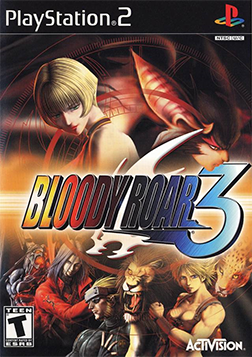
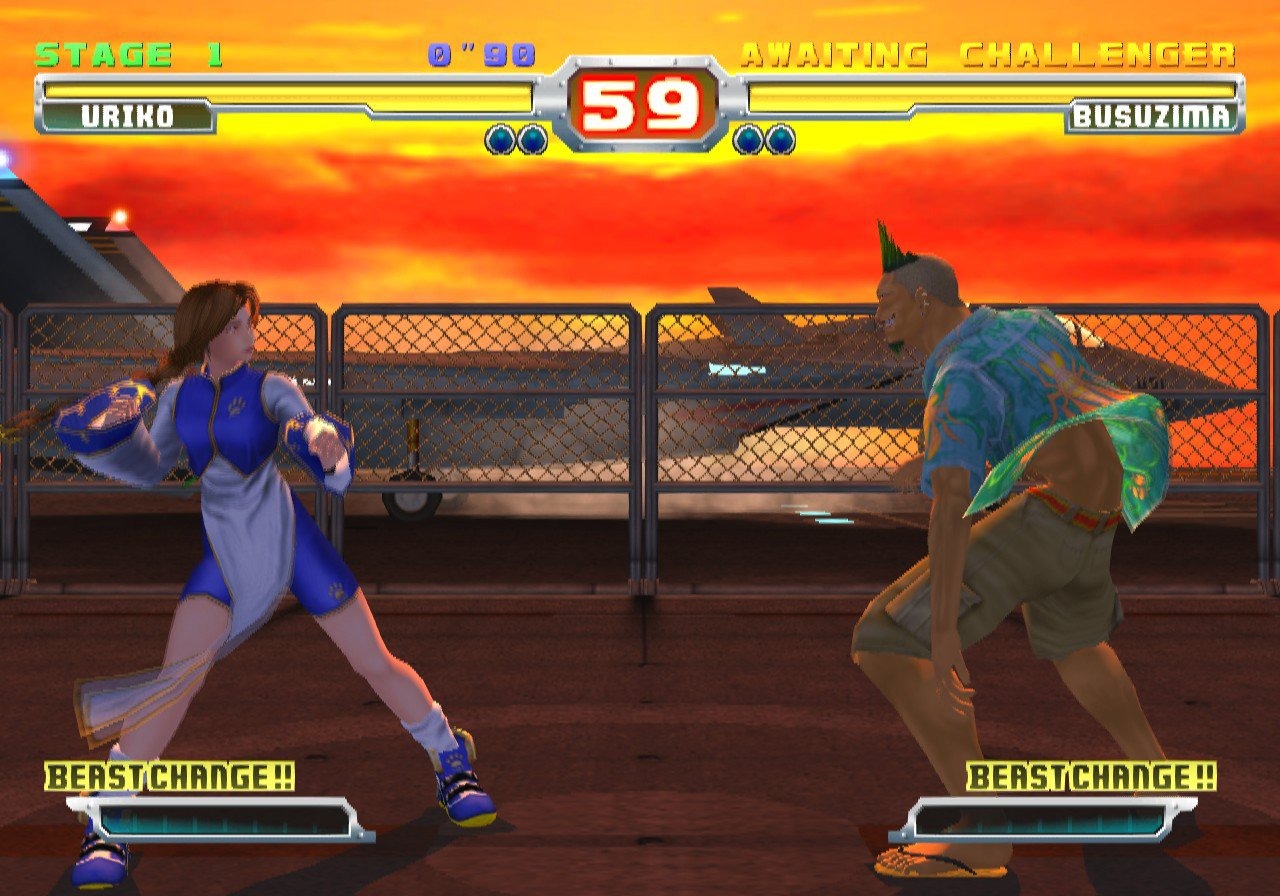
The PS2 wasn’t without its fighting games, and most were solid. The Bloody Roar series started on the PS1 but has seen rocky acclaim ever since its first entry. Competing with games such as Street Fighter, Tekken, and Virtua Fighter at the time, people didn’t see the need for another Japanese fighter. Bloody Roar features some interesting characters that can turn into beast form, which unlocks a new set of moves and some devastating attacks. Bloody Roar 3 has great visuals and solid controls but lacks the large roster and modes that fighters are known for.
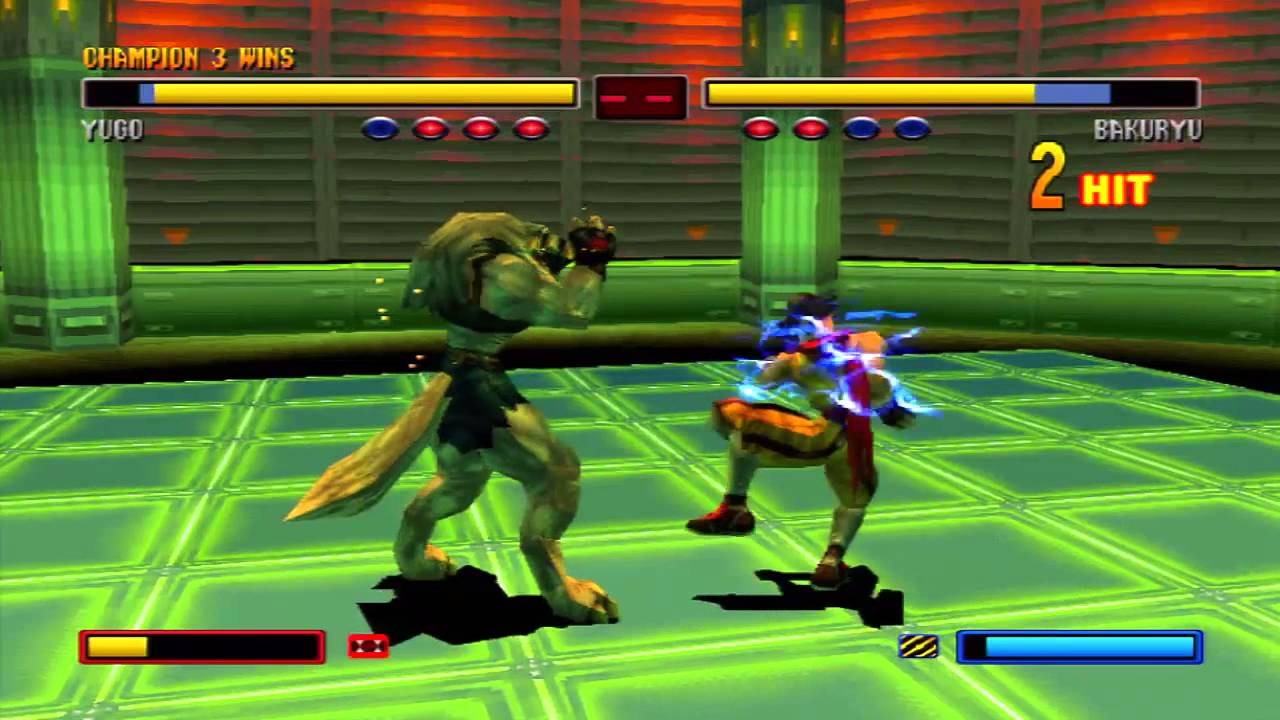
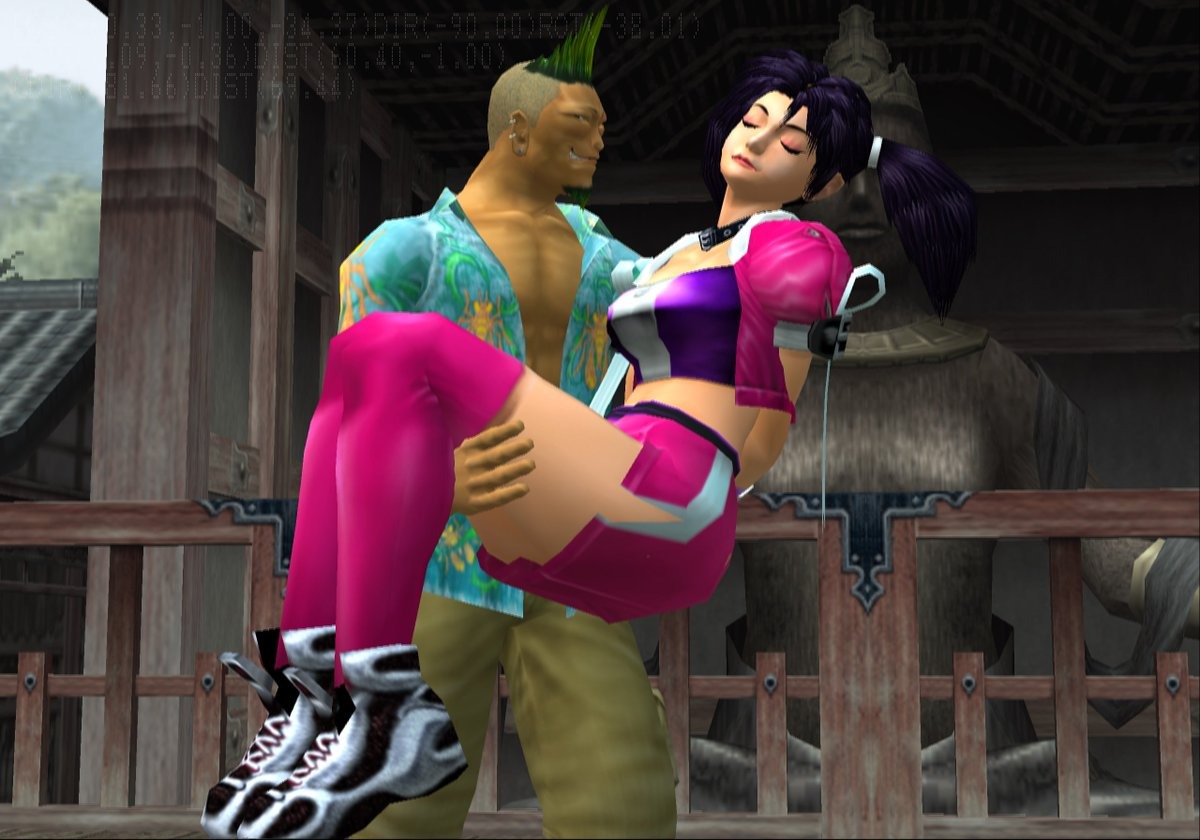
First off, the game only has 12 fighters. That’s tiny, even compared to other fighters with small rosters. The characters, however, are unique, but there is a serious lack of female fighters (only 4). The stages are busy and well designed, plus the game looks great even for today. The fighting system is simple compared to most Japanese fighters, but I preferred this. There is just a punch, kick, and beast form, as well as a dodge and block button. The game has no move list, so this is for button mashers, which is just fine here. The controls are smooth and responsive, and there are a lot of visual flairs. The characters’ beast forms look really cool, and it is fun to see them all.
Another main disappointment is the lack of modes. Just arcade, survival, and versus, really. There’s not even a main story mode, but the arcade mode does go through all the characters’s stories. I found the story to be pretty boring and unexciting, like most fighting game stories. Most Japanese fighting fans will mainly dislike the lack of depth in the fighting system, but I really didn’t mind it.
Overall, Bloody Roar 3 is a solid fight game, but it just feels like bare bones. The fighting system lacks depth, the character roster is small, and there are only 3 modes. The game looks great and the controls respond well, so this is a love it or hate it type of game.



















































 thebinarymessiah.com
Try multiplayer. A lot of fun !