Angry Birds, why are you so popular? Everyone plays this game, and everyone who hasn’t has at least heard of it. It was a digital phenomenon that sent a little indie game developer soaring into the millions. There is every type of merchandise available for a $1 game. Why is it so appealing to everyone? The game struck a perfect balance between hardcore perfection-type gameplay and casual gamer fun. While Rovio put out a Seasons and Rio version of the game, the series was getting tiresome. Space adds a couple new layers of depth to the series.
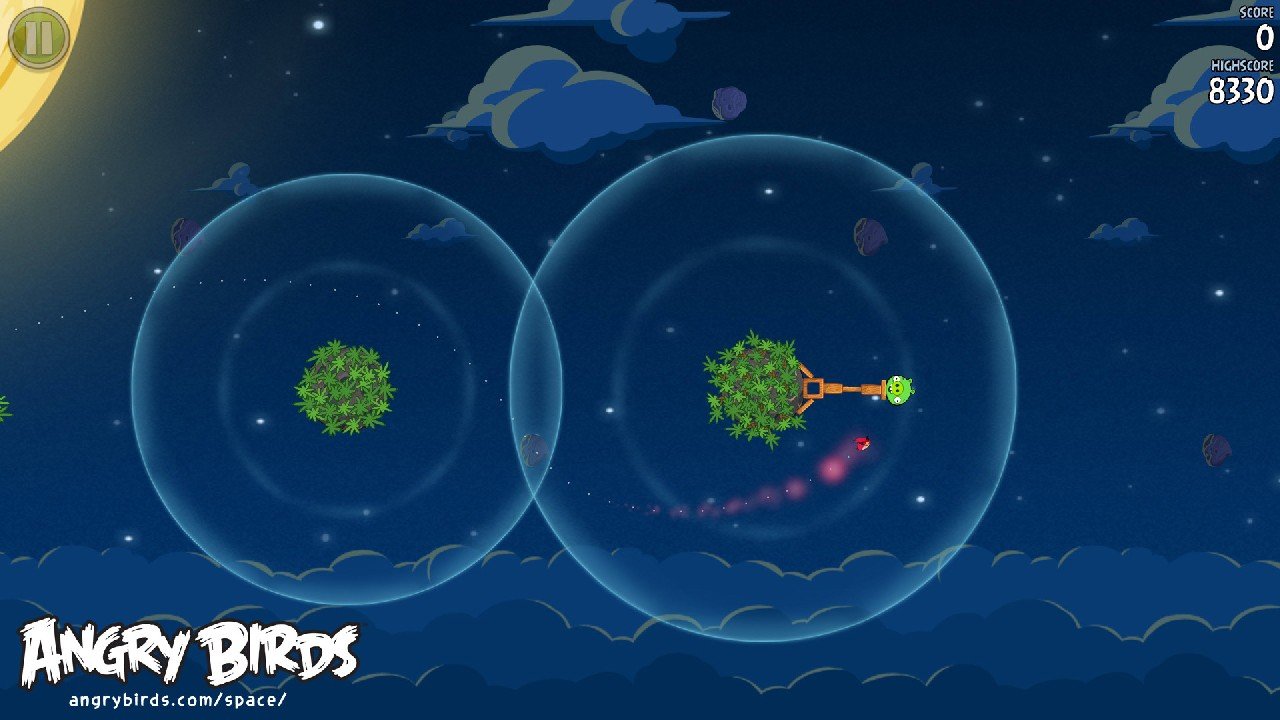
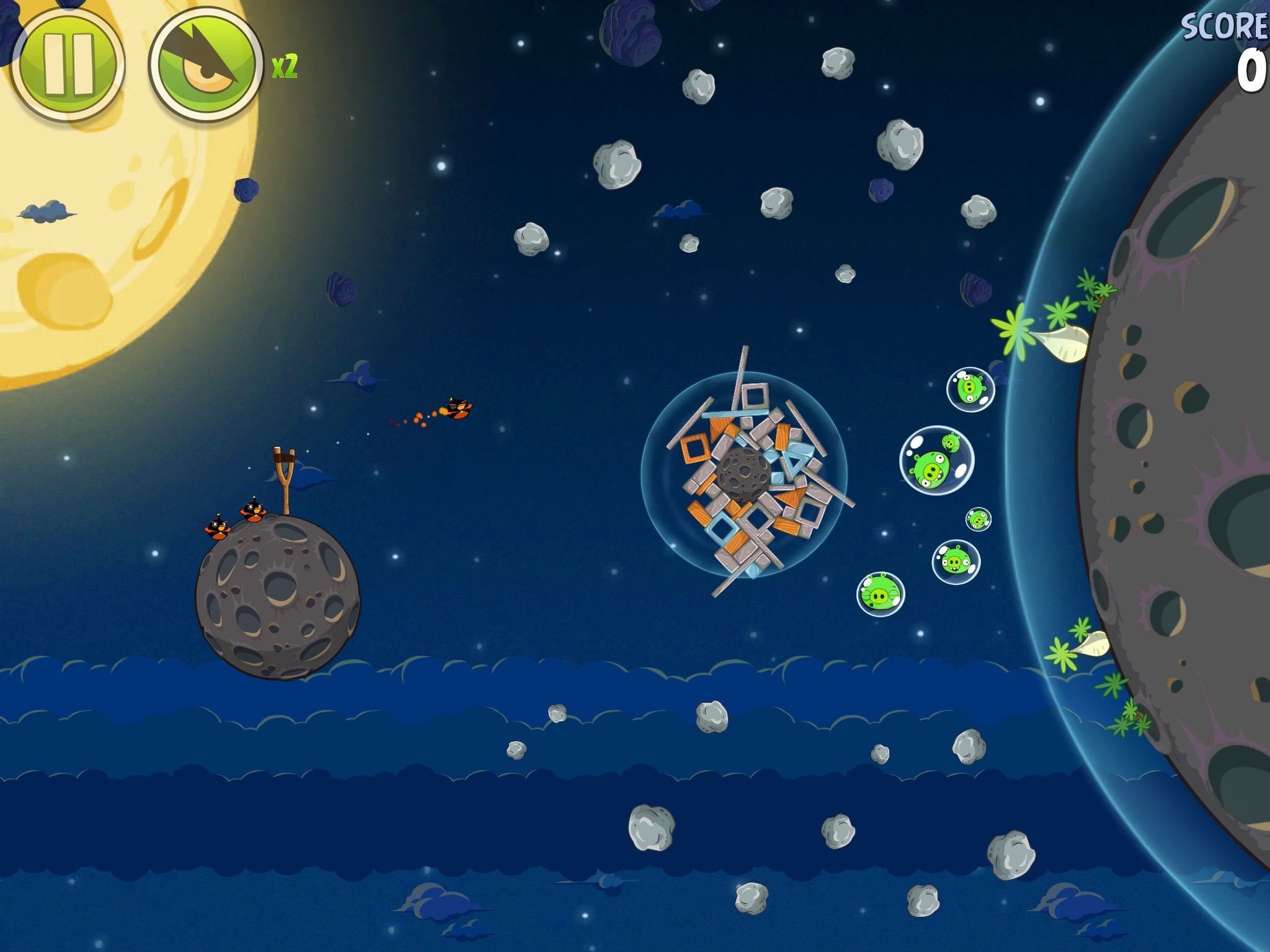
The game involves gravity play, as you would expect. Yes, you are in space, and yes, the game plays differently. You flick your birds across space and try to get them sucked into the gravitational pull of planets, where the usual obstacles and pigs lie. The added layer is that you can approach these puzzles from multiple angles. Have a bunch of blocks on one side of a pig? Flick your bird on the opposite side of the planet, watch it fly around using the pull of the planet, and knock it down. As puzzles get harder, multiple planets are lined up, so trick shots are needed.
The usual birds are back, along with a couple of new ones, like the ice bird, which freezes blocks so they shatter. The new gravity gameplay actually makes the environment a puzzle, so it doesn’t feel like the same type of puzzle over and over again. This also makes the game harder, so if you were afraid of that, it came true. This actually makes the game more engaging, and I could play in longer spurts because each puzzle felt really different. There is a new model that is almost like a Space Invaders clone, where you have to knock through aliens to get to the moving pig at the top. It’s fun but also hard to get to because these levels are hidden golden eggs throughout the game.
Overall, Space adds a much-needed layer of depth using gravity, and I like it a lot. I feel this game is geared more towards core gamers than casual gamers, but both still apply here. There are hundreds of levels to start with, and obviously, more are coming. If you love Angry Birds, then Space is an exciting and long-awaited sequel to a worldwide phenomenon.
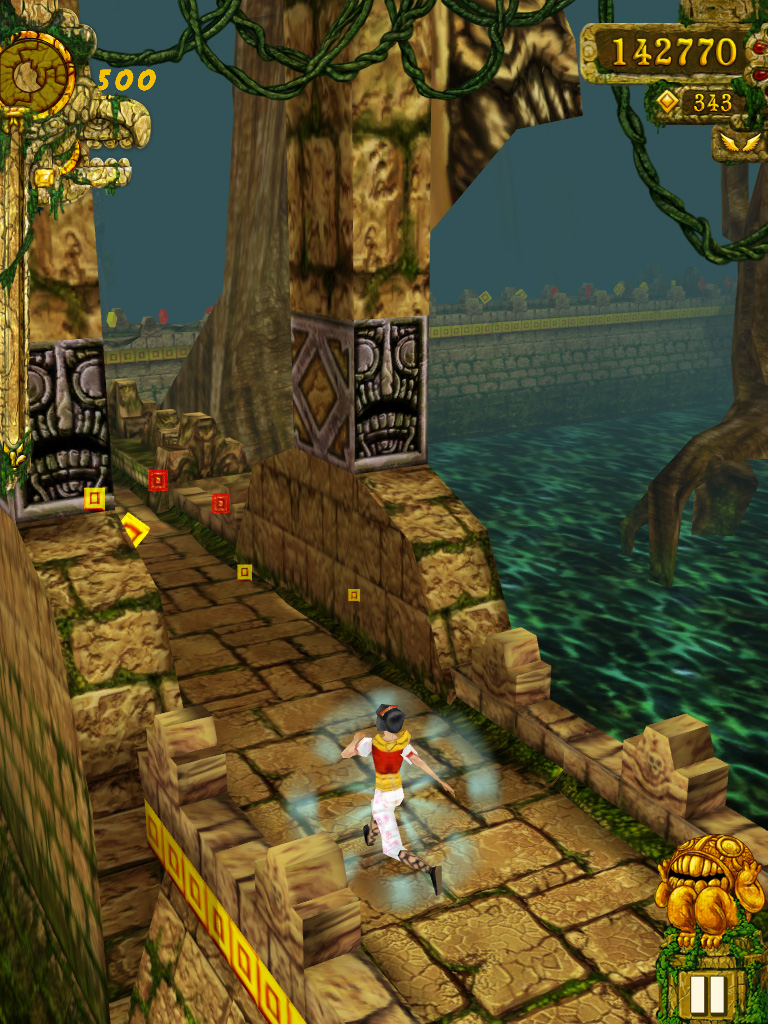
All these “running” games have flooded the mobile market, but they all feel the same. Temple Run is the first to try something different, and it’s actually really fun thanks to one thing: it’s in 3D. Side scroller running games only allow up and down movement, but Temple Run allows left and right movement, plus the game is more fun and exciting in 3D when you can see everything coming at you. The game also uses the phone’s gyroscope to make your character move left and right, and a quick swipe left and right allows you to turn. Swiping up and down allows you to slide and jump, but there are quite a few obstacles to avoid.
Obstacles range from tree roots, fire, gaps, vines, you name it. You can collect coins like in other running games, but in this one, you can actually spend the damn things. Upgrades range from multiplier increases to boosts and even a magnet power-up for collecting coins. You can buy characters, one-time-use items, and even wallpapers (coming soon). This is a running game, and others should follow in the path of Temple Run. The graphics are pretty decent as well, with a nice jungle setting, so it has an Indiana Jones vibe.
There’s obviously no story, which is just fine for these types of games, but running games are only good in short bursts, and Temple Run is no exception. Beating high scores gets addictive, but overall, the new depth is just a welcome addition to the tired running game lineup. This is all wrapped up in a sweet free package, and people with larger screens have the advantage of seeing further ahead than people with smaller phones. Temple Run is a really fun game that all mobile gamers should have.
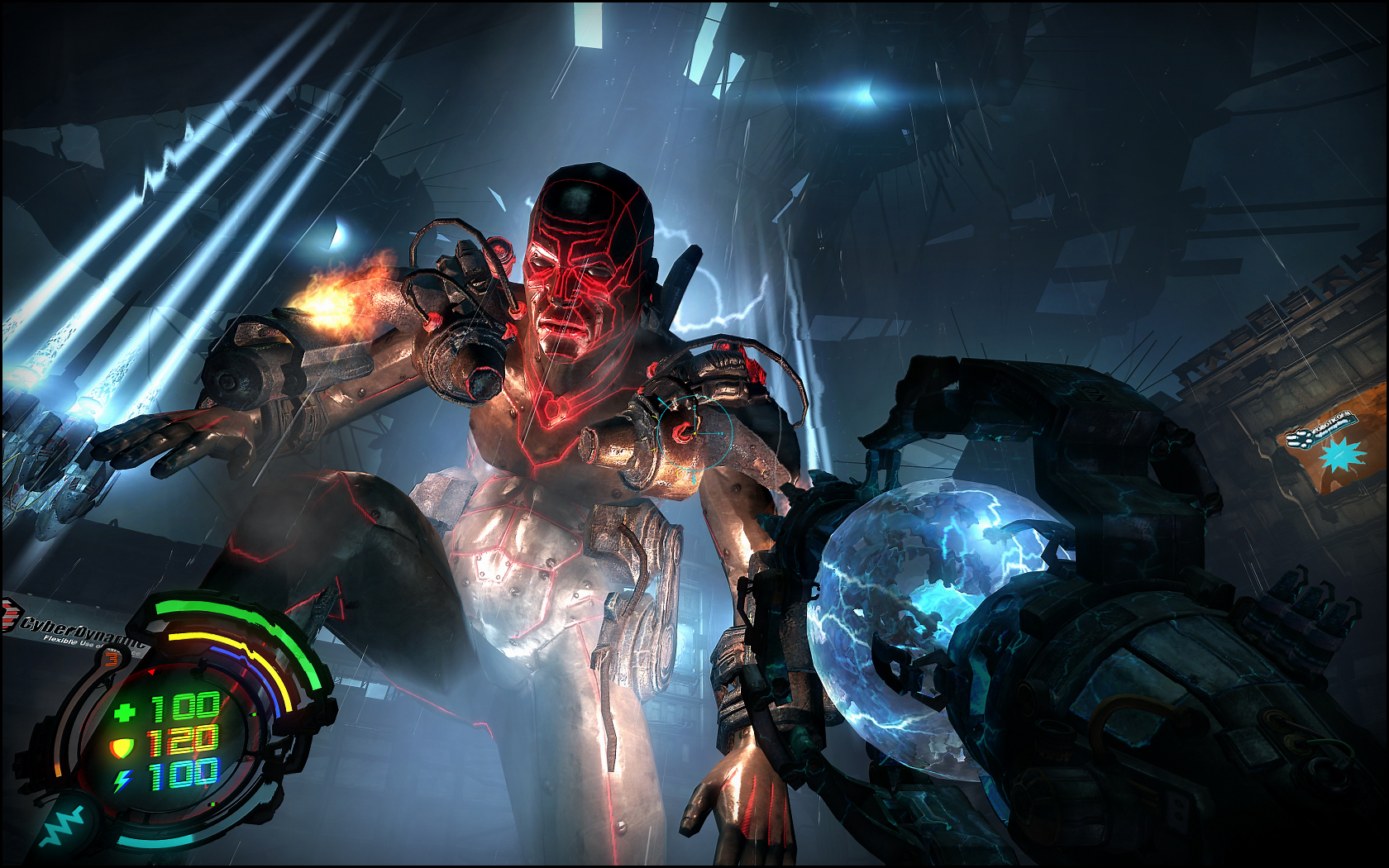
Hard Reset is a cyberpunk game set in the future about a war between AI machines and humans. You are an agent of the CLN trying to stop this, but the story is kind of just vaguely tossed together and doesn’t really make any sense. You also don’t get much sense of what’s going on in the world. The characters are uninteresting, and the messy comic-style cut scenes are uninspired and sloppy. Besides this, the game has some solid shooting, but even that has issues of its own.
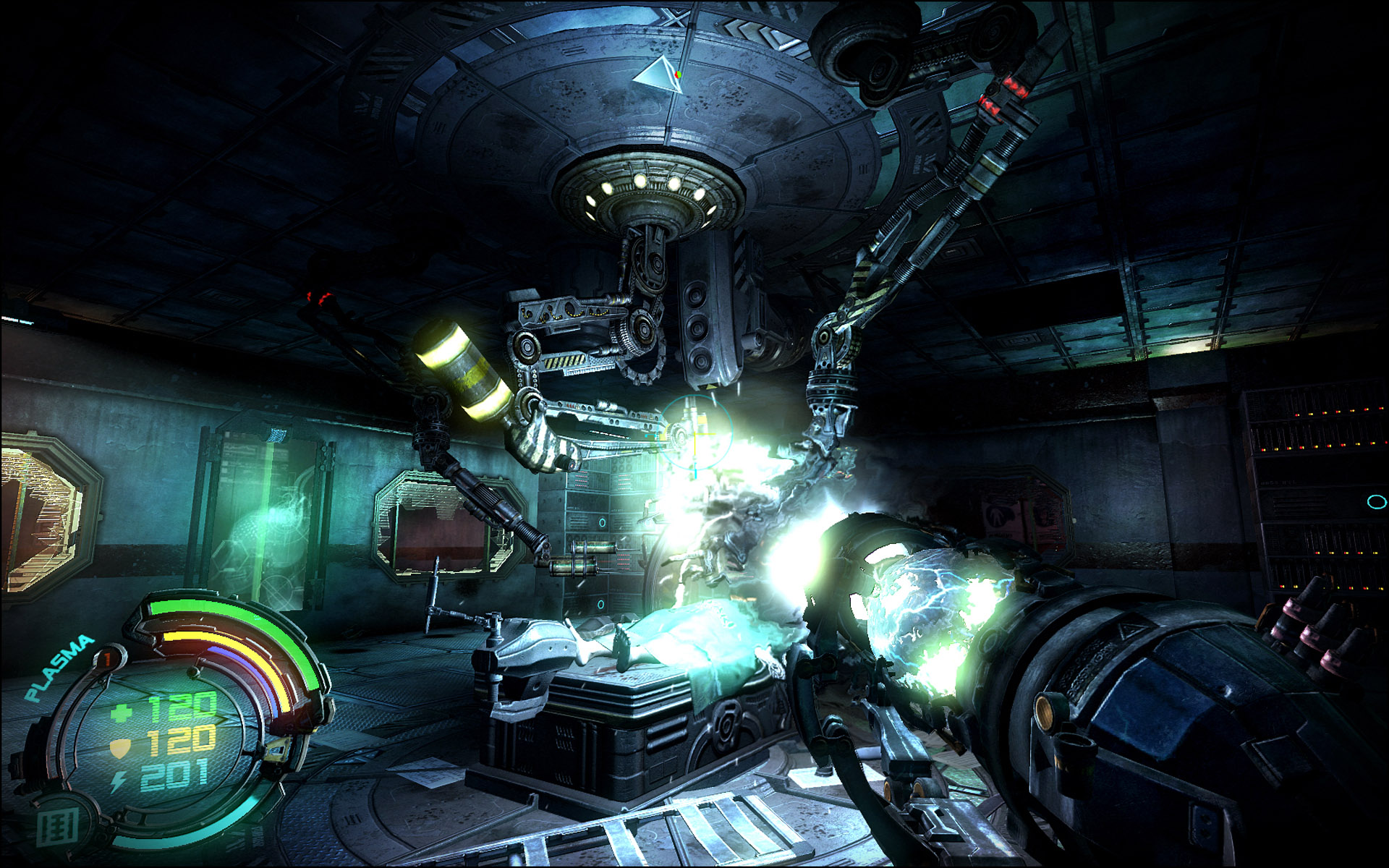
There are only two guns, and each one has its own different “add-ons.” The energy weapons let you shoot plasma, mortars, a smart gun that shoots through walls, and EMP grenades. The CLN gun has a machine gun, RPG, shotgun, and grenade launcher. This is great and all, but this system is flawed. Switching between two weapons and then to the right attachment is stupid. Not only are the gun switching animations slow, but having to do this costs precious seconds in which you’re dying. This also rolls into the biggest problem with the game: It’s too damn hard. Sure, I like a challenge, but just a few hits and you’re dead. But there are tons of enemies thrown at you, and they don’t go down easy. Expect to restart dozens of times, almost during every fight, unless you’re on easy.
Why would a game have a weapon system that works against itself? Who knows. You can buy these attachments and upgrade them by finding XP lying around everywhere, but the progression is slow, and by the end of the game, you will barely have bought 10 upgrades. My other complaint is that there are only about six different types of robots you can shoot, and they get old very fast. The first couple of levels are pretty awesome, then that wears out when you get to your first fight, where you die about 10 times.
There are a couple of boss fights, but they are almost impossible to beat on any difficulty but easy. I haven’t played such a hard FPS as I can remember. It actually makes the game not very fun at all, and even the most skilled players will struggle. I can’t even believe they put an insane mode in here. One hit and you’re dead, which makes it impossible to go past the first fight in the game. Go figure. The objectives are all the same with you pressing this button. Shut down this thing to go past that thing. There are secret areas you can find to improve your end-of-level score, but who really cares? You’ll be lucky if you can get through the damn game.
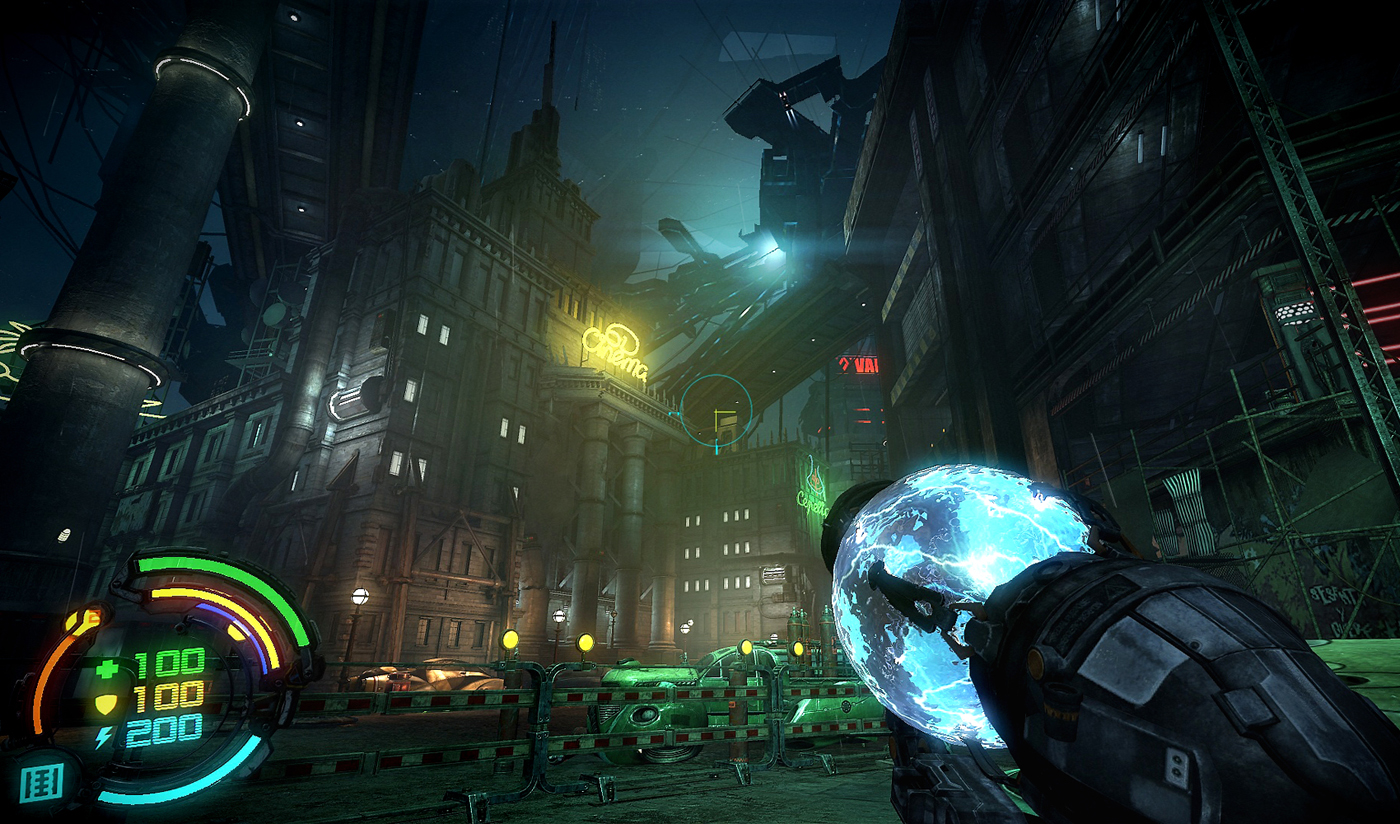
The game looks pretty damn good with a nice Blade Runner-type art style, but it’s wasted on linear levels. The overall feeling of the world has lots of potential, with kiosks hocking items in robotic or half-failing voices, holograms with propaganda, and ads everywhere. I like the style, but it sure went to waste. Overall, Hard Reset is a decent shooter for a weekend, but the extreme difficulty practically kills it. There’s also no multiplayer, which is a surprise, so after you finish the game once, you probably won’t go back.
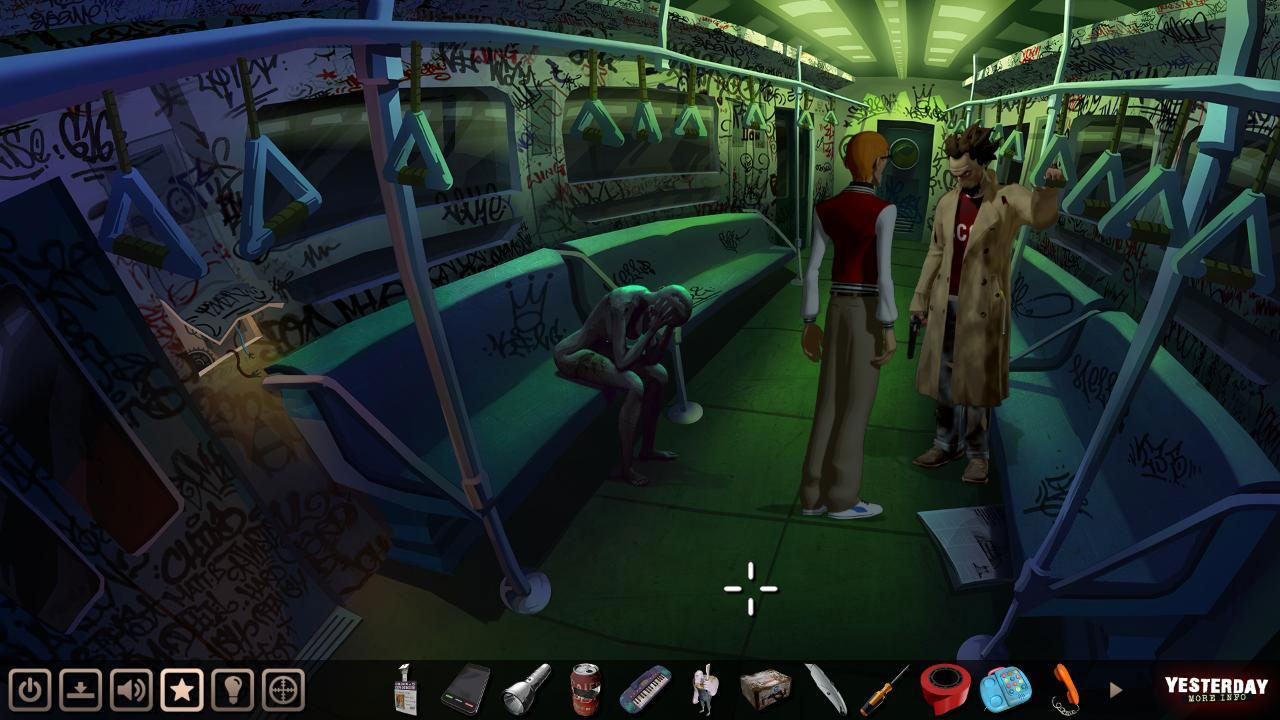
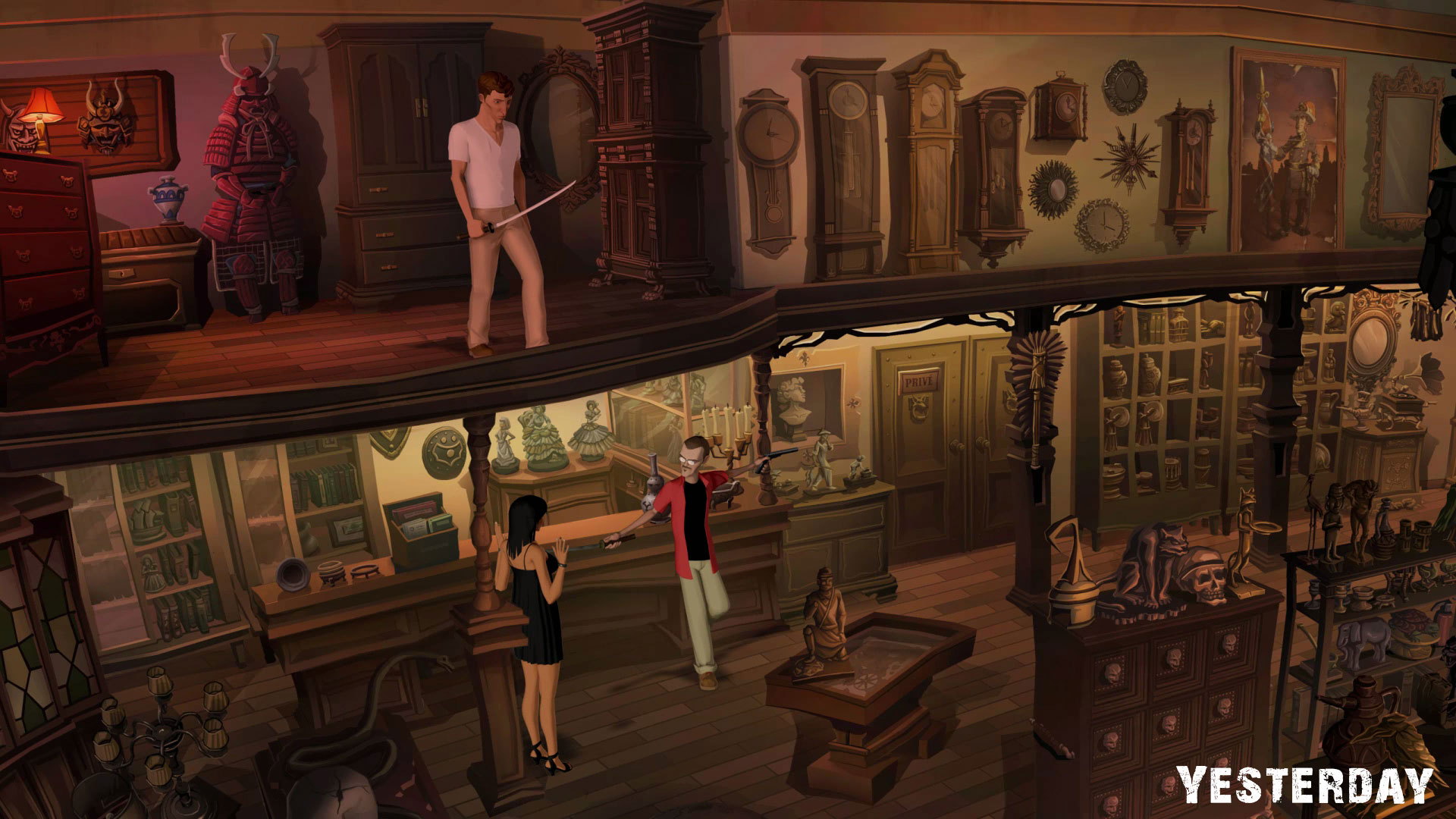
The adventure genre has struggled for years, and rarely are any of them any good. Yesterday is one of those gems because it does everything right and doesn’t do what other adventure games do. The story is the part that’s most interesting here, with you playing John Yesterday, who is a man investigating an occult book called The Order of the Flesh and has something to do with killing homeless people. You get mixed up in a huge mess after waking up with amnesia, so you travel around trying to figure all this stuff out. There are plenty of plot twists, and the game keeps you playing because you want to know more. The problem is that the story is so short that it leaves you wanting more.
The gameplay itself is extremely simple because all you do is find objects and come up with ways to use them. This isn’t new for adventure games, but the constant scene-changing means there’s always new stuff to find. The game completely wipes out tiresome pixel hunting because there is an object-of-interest button that will display things you can click on for a few seconds. Every adventure game needs this, and very few do it. There is also a hint button that is actually useful and gives you hints, so you are never stuck. If you use a hint, you have to click around some to refill the light bulb, so there is some encouragement to figure things out on your own.
Another thing I’m glad this game does is that when you click on something or try to move to different areas, there are no annoying walking animations or door-opening animations. The character warps to that spot, and the item pops up on screen. Thank you, Pendulo Studios, for not putting annoying, useless crap into an already annoying and dead genre. This makes playing the game much easier and makes progress quick. Another complaint would be the lack of puzzles, because there are very few and not very challenging. This is no Myst, but instead, you have to just figure out what item does what. This is kind of fun and keeps the pace up, but brainiacs will contest this and probably get bored with the game.
I feel Yesterday was actually geared more toward hardcore gamers who don’t have the patience for long-drawn-out stories and tiresome puzzles. This is both good and bad, depending on the player. I do detest the lack of challenge, but the fast-paced narrative is nice. Other than this, the animations are terrible, with horrible lip-syncing and some audio glitches along with spotty voice acting. The graphics have a cell-shaded cartoony look, which is nice, but technically, the game doesn’t look that great. One thing I found odd is that the game depicts a sick, twisted torture-type story with murder and killing, yet there’s hardly any blood and violent scenes are almost censored. I found this odd and kind of detracted from the experience, but what can you do?
Overall, Yesterday provides a fine narrative and quickens the pace of most sludgy adventure games, but the lack of puzzles, challenges, and an extremely short story will turn hardcore adventure fans away. Yesterday was a fun weekend play, but other than that, you won’t come back.
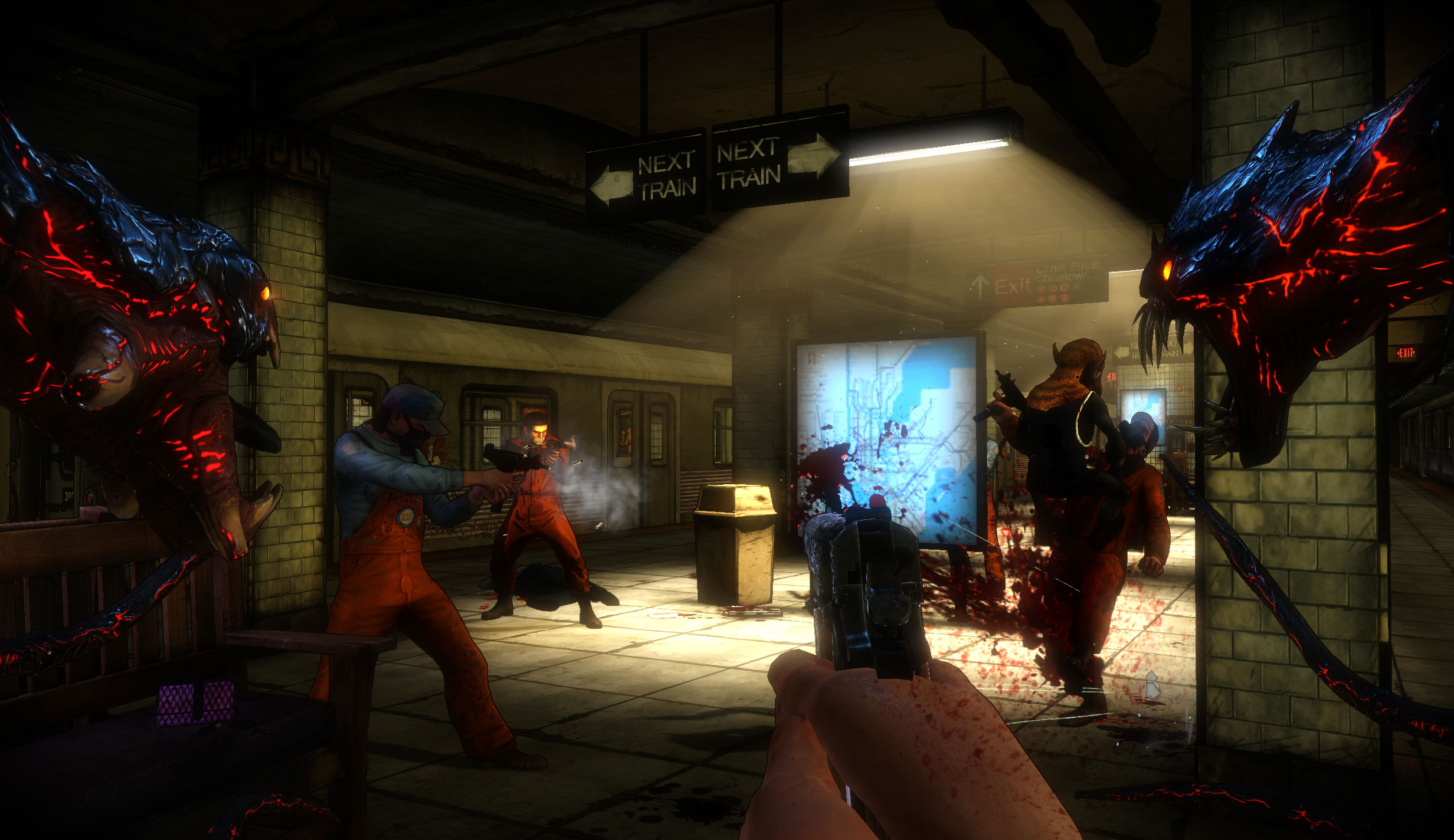
I have to come right out and say that The Darkness II is disappointing and takes away more good from the first than adds to it. The first game is one of my favorite games of all time because of the amazing atmosphere and linear open world that was delivered with trickling story elements that kept you wanting more. This allowed constant banter between Jackie and The Darkness, but it was that dark, eerie atmosphere that kept me wanting more. The side quests were nice, and there were some varied environments. The Darkness II takes all that away and makes this a more linear, in-your-face type of game. Sure, the storytelling is superb, and so is the voice acting, but that linear, open world allowed you to explore things on your own.
The Darkness II is about The Darkness finally waking itself back up inside Jackie, and he is on the hunt to find Jenny even though she’s dead. A cult group called The Brotherhood wants The Darkness and takes constant hits on Jackie’s mafia family. The story is great and even more deep than the first game, but once again, that awesome atmosphere is exchanged for some ho-hum backdrops you fight in, ranging from a warehouse to a graveyard to a carnival. What has changed here, mainly, is how you use The Darkness powers because it is the best part of the game.
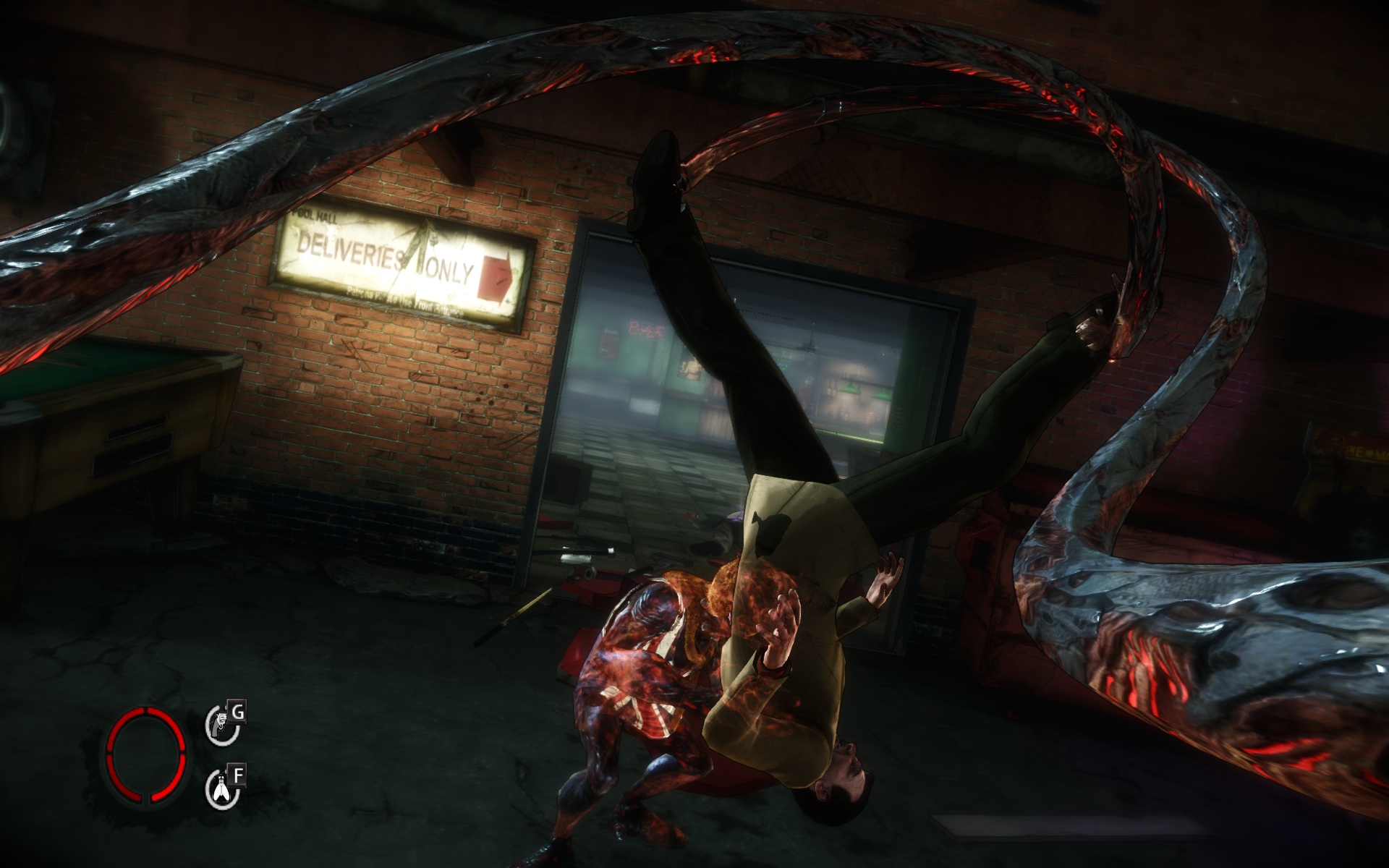
You can upgrade your powers even more now by earning points by killing foes and finding relics. You can also use the environment around you to kill enemies, like using fan blades, poles, chairs, barrels, you name it. The awesome gory death animations make for a visual treat, but you can also tear enemies apart with new Darkness animations and abilities. Eating hearts isn’t the peak of your powers here anymore because you can now upgrade with Darkness armor, shields, ammo producing death kills, and even using your Darkling to sicken enemies.
Yes, that Darkling strategy thing that felt like Overlord is gone now. The one Darkling that follows you throughout helps you on his own, but his charming self is still there. He will still fart, pee, and curse his foes down, so don’t be disappointed there. I actually preferred this because it jives with the faster-paced action. Gunplay is still a huge part of the game, and so is dual-wielding. You can channel darkness through the guns for one-shot kills, but the guns handle very nicely and are a lot of fun to use. Some other powers range from faster reloading, bigger clips when in darkness, using Swarm to stun enemies, and various other upgrades.
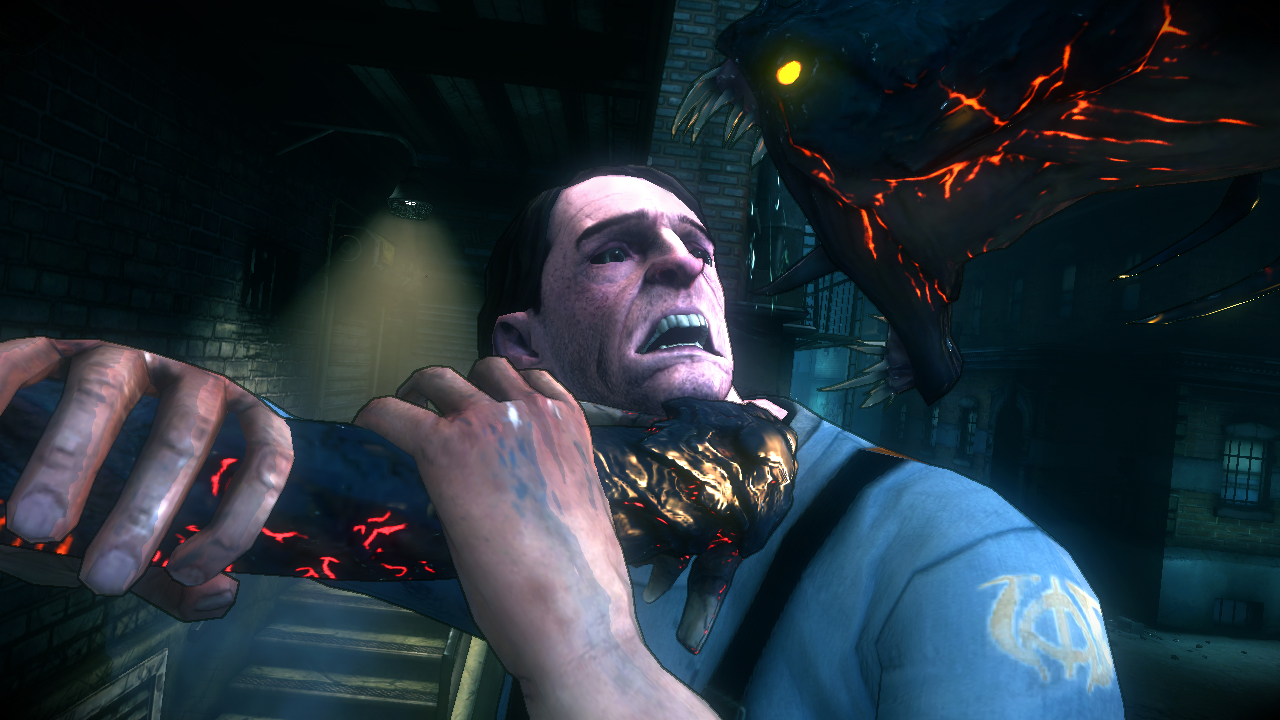
The whole point is to stay in the dark, and this time you are given more than just light bulbs. The Brotherhood uses light weapons against you and will have traps and random light obstacles set up, so you must take them down quickly. Staying in the dark allows you to swipe your demon arms, but you are also thrown more than just humans now. Enemies will be infused with dark armor that you must punch through before killing them, and some of these guys are tough. Some can teleport around, so there is a new level of challenge here, but the big problem is that sheer numbers are thrown at you, which can be overwhelming later on.
All this doesn’t sound too bad, right? Ripping a car door off and watching it fly through the air and cut someone in half. Watching your demon arms rip a body in half or pull ahead after stunning them doesn’t seem worse. The fact is, the game is really repetitive in the sense that this is all you do. Just running around killing everything in your path with really no strategy. There’s no cover system, no Darklings to use, and nothing but your demon arms and guns. The story elements are delivered wonderfully, but you can’t help but know that it’s just more killing waiting on the other end of the cutscene. The boss fights break things up, but all you do is avoid attacks and blast them to death, and to be honest, late in the game, you use your guns more than demon arms because there are just too many enemies to kill at once.
On top of all this, the art style was changed to represent the comics more, which is nice, but the game isn’t technically impressive. It looks a couple of years old and doesn’t even come with enhanced visuals on the PC. There is an extra Vendetta mode that can be played online with up to four players, introduces four characters with separate Darkness abilities, and is actually quite fun. Once you finish these, however, you won’t be coming back.
Overall, The Darkness II detracts so much from the first game that it is almost not even the same. The slower-paced trickling action is replaced with repetitive in-your-face corridor shooting that is better or worse depending on the player. This should be played by fans of the first game just to see the story playthrough, but don’t expect the masterfully created atmosphere and open-world feeling of the first game.
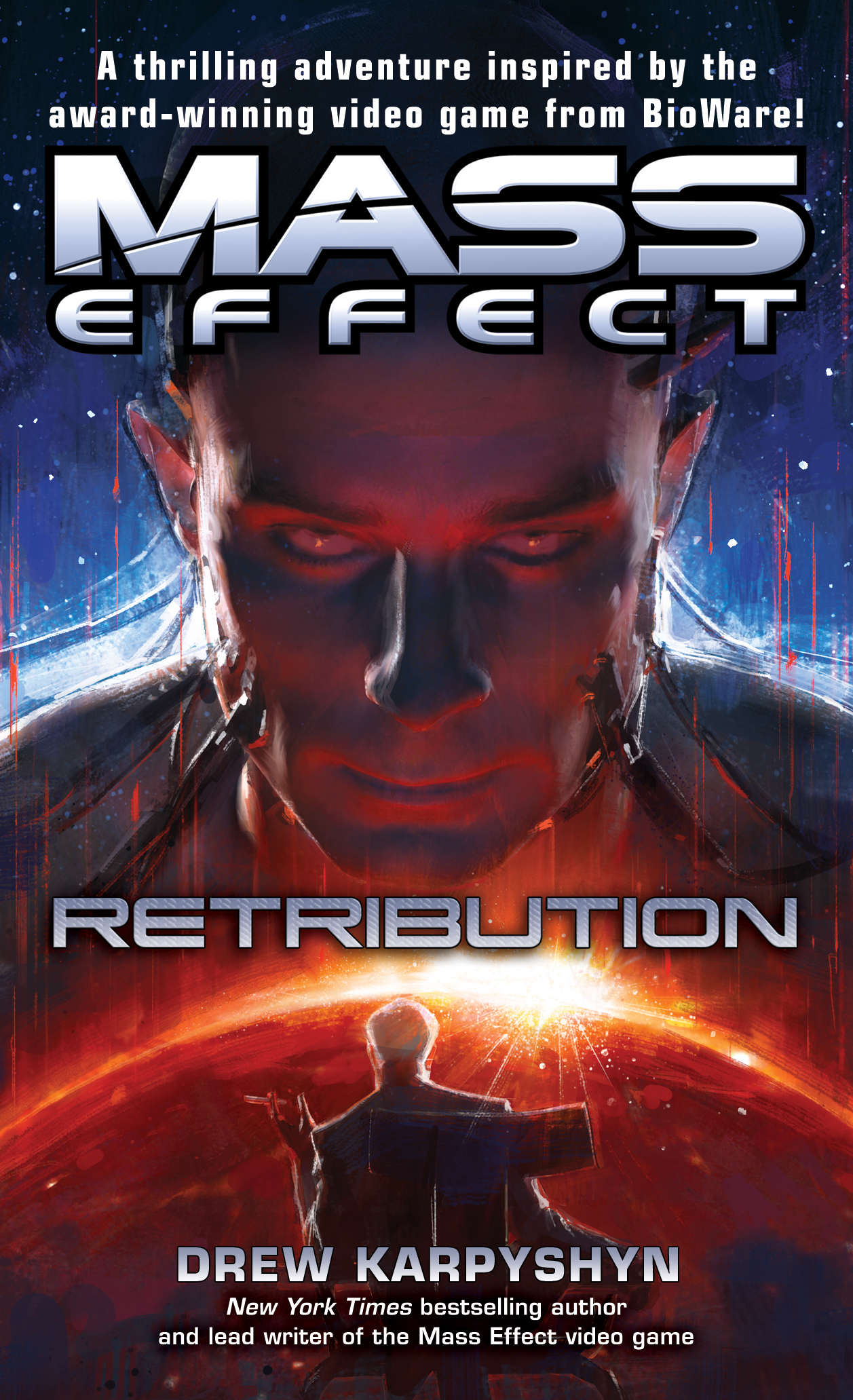
The final book in the trilogy by the creator of the Mass Effect universe, Drew Karpyshyn, is just as great as the other two. Kahlee Sanders and Admiral David Anderson are trying to track down Paul Grayson, who has become something more than human. The Illusive Man wants to stop the Reapers but is going about it the wrong way. The book has a great cat-and-mouse narrative, and Drew’s way of writing will keep you turning the pages. The book has a lot of twists that seem predictable, but it takes a sudden turn, and that’s why Drew’s writing is so brilliant. The story itself is very well-paced and has a great final conclusion, so fans won’t be disappointed.
Everything leading up to this book fits right into the story, and all the lore from Mass Effect fits right in, so the book feels like Mass Effect. I never felt detached from the world, nor did I feel the book was losing ground at all. Drew has a way of writing by sticking to the viewpoint of each character in each scene, so the scene will seem like it’s missing pieces, but by the end of the chapter, that whole scene comes together in one nicely flowing, cohesive event. This is also why the game is brilliantly paced and works so well. It may seem more of the same for some people, but I felt each book had a very unique story, and they flowed together nicely.
Fans of the last two books need this one, but don’t bother picking it up until you read the last two, or nothing will make sense here. This is exactly how video game books should be written. Smartly integrating new characters that run parallel to the game’s characters and story without leaving big gaps in the plot that can’t be filled by either game or book. This series is one of my favorite video game novel translations and stands as a masterpiece in that niche.
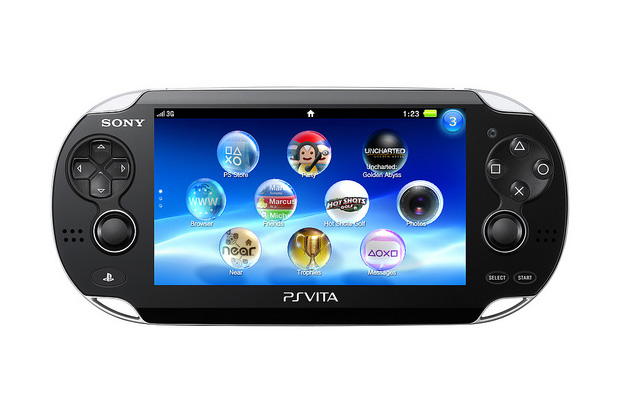
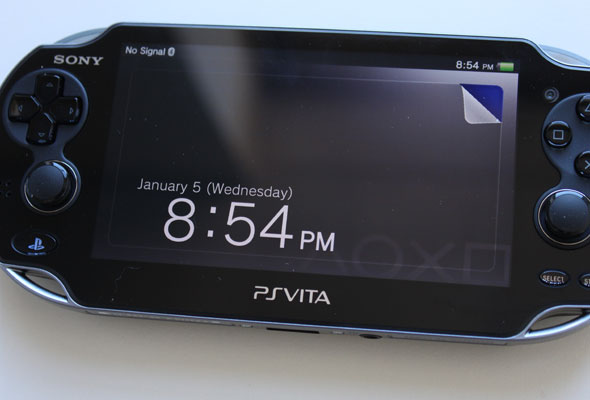
It’s hard to believe that it has been 8 long years since the PSP came out, but it’s true. Those long years gave us some of the best portable games ever made and were the first true attempt at a portable console experience. Unfortunately, the system was doomed from the start with proprietary disc media, no second analog nub, and a slew of other things, but the system was a powerhouse at the time and had a lot of potential. The Vita is Sony’s second phone, and it fixed all the issues of the PSP plus some, and one of those is noticeable as soon as you pull the shiny new device out of the box.
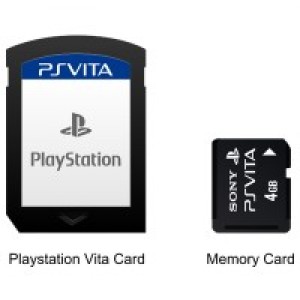
A second analog stick. An honest-to-God stick and not a nub or pad. These things feel like they moved straight from the DualShock controller and just shrank a little. They feel great, even in-game, and I couldn’t believe that the second stick was there; it was like a wish coming true from God himself! This opens up the Vita to a whole slew of games that couldn’t be done on the PSP just because of this one little piece of hardware. While playing Uncharted: Golden Abyss, I actually forgot the second stick was there a few times because I’m so used to the single nub on the PSP. It may take some PSP vets some getting used to before truly adapting to it. The next big thing that Sony fixed was no disc media! Thank you very much! Those UMDs were irritating and sucked up precious battery life, as well as limiting the memory size. Now we get nice little carts, like the DS, or you can download the game digitally via the PlayStation Store.
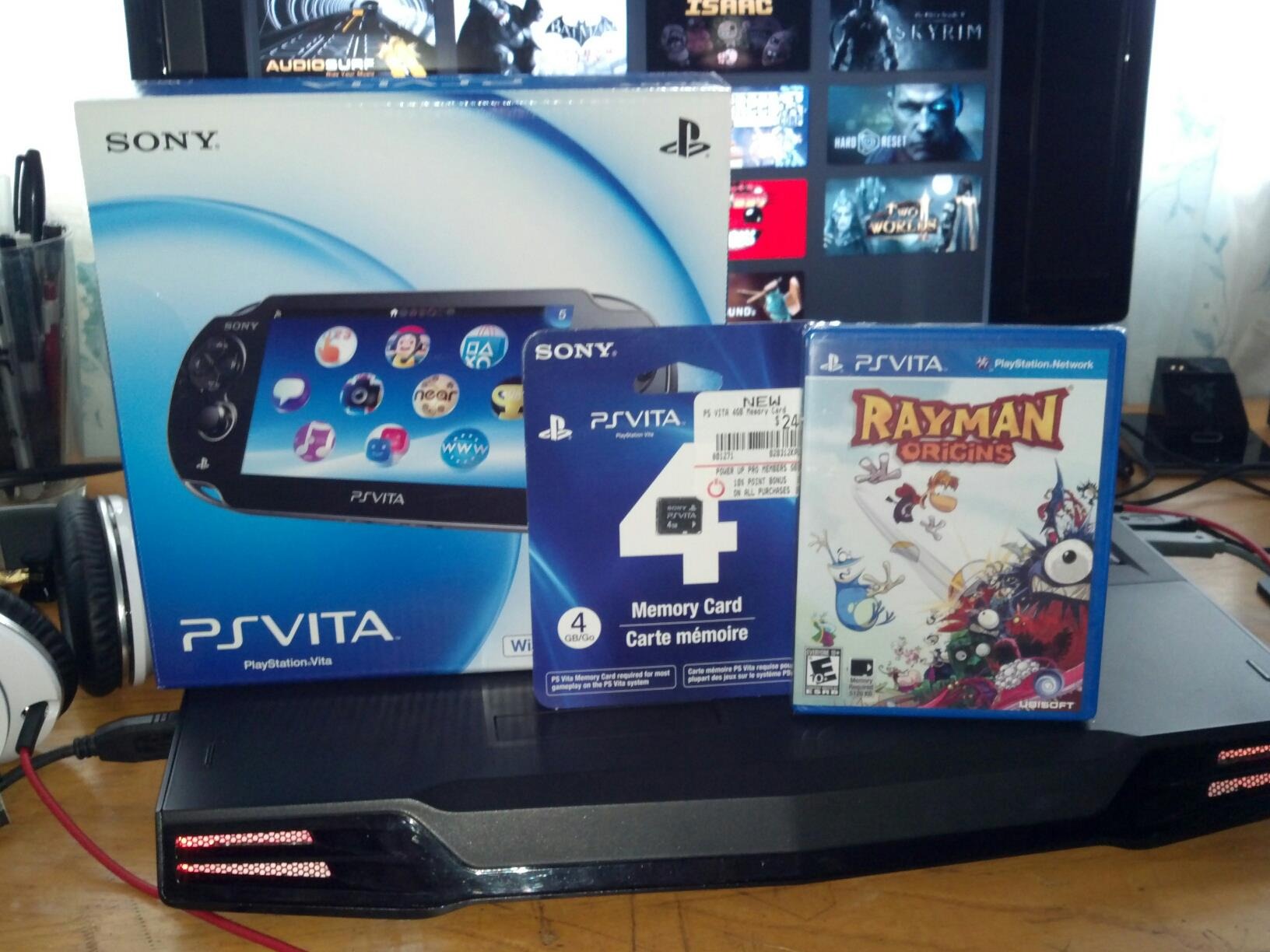
Sony made one fatal flaw with the Vita, and that is the proprietary memory cards. What in God’s name was Sony thinking? Everyone thought the memory stick pro-duos were bad for the PSP, but at least those were regular memory sticks. These tiny little things only work on the Vita and cost a fortune. A 32GB will cost you $100, which is a complete rip-off, but guess what? You don’t have a choice! Thanks a lot, jerks!
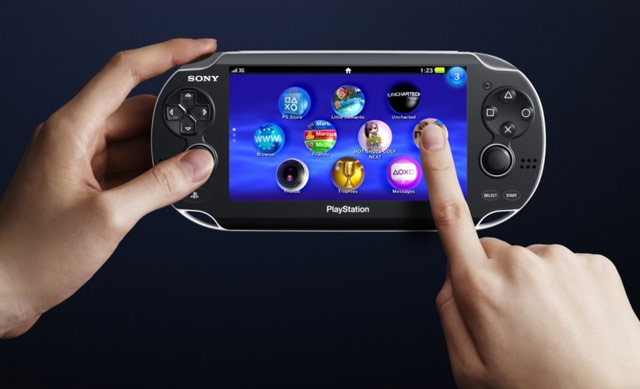
The next big thing Sony did was add a touchscreen. Copied the DS, you say? Not exactly; it’s more like it copied smartphones, but flip this guy over and you have a touchpad on the back, which is Sony’s little way of saying, “Hey, we’re trying to be original too.” It’s an odd thing to have, and not many games use it yet, but it adds a whole new dimension to touchscreen gaming, and it’s just as responsive as the touchscreen, so it doesn’t feel like a dead limb. However, it’s up to game developers to use this odd mechanic, but only time will tell.
The screen is one of the best things about the device because it’s an OLED (Organic Light Emitting Display), so you’re looking at some of the best display technology out there. Now you don’t have to worry about dead pixels! Yeah, remember that launch fiasco, Sony? The screen is 5″, which is the biggest portable gaming screen ever made and even tops the PSP’s 4.3″ screen. This allows for lots of detail in your face and tons of room for touching things on the screen.
Once you get over how gorgeous the screen is (I can’t stop staring at it!), you will start hitting those buttons on the device. Sure, they don’t do anything unless you are in-game (the Live Area is all touchscreen-based, but more on that later), but the button layout here could have been a disaster. Sony had to be really careful because of those new sticks, so the D-pad and face buttons shrank about half their size and got moved up. Blasphemy! Actually no. Despite the higher placement and smaller size, I still hit them accurately, like the PSP, even with my really big thumbs. The D-pad is way better than the PSPs and works well with fighting games (yes, relax! ), so no worries there. But there is one problem with these buttons. The start and select buttons are way too small and are level with the system instead of sticking out. What! Did Sony fall asleep at the drawing board here? They are also placed all the way at the bottom of the right side, so you have to move your hand down. C’mon, what happened there? Other than that, the L and R buttons are nice and huge, and you get a nice big PlayStation Home button the size of Venus on the left side, but hey, it glows!
Anyway, the buttons are just fine, so how about everything else visually? Sony made the little “compartments” more subtle this time around, so the memory slot is hidden at the bottom as well as the game card slot on top, so the whole system just looks like a big oval. Don’t be worried about the size of the thing, either. Sure, it’s big and not exactly pocket-sized, but for what is under the hood, this thing is compact and pretty light.
Now that the visual stuff is out of the way, let’s talk about it under the hood. This thing is the most powerful handheld on the market, only being rivaled by devices powered by the Tegra 3 processor. The thing has a quad-core Arm-9 Cortex CPU, which is freaking powerful. This allows for PS3-quality visuals that no other portable device on the market has. It also has a quad-core GPU, which is over four times as powerful as the iPhone 4S’s GPU. The system also packs 512 MB of system memory and 128 MB of VRAM (video memory), which is astounding (the Xbox 360 has 512 MB of memory for comparison). We also get two cameras that are front and back-facing, which can track head movement, a six-axis gyroscope, Bluetooth, a microphone, and a 3G wireless card. Holy crap, that’s a lot of stuff. This is one powerful device, but we have yet to see what it is fully capable of.
Now let’s get down to the software and how the thing plays. Every PlayStation fan by now is used to the XMB (Cross Media Bar), thanks to the PSP and PS3. Get ready for change because the new live area is made of bubbles. You like bubbles, right? This is to make use of the touchscreen, which takes a while to get used to. You can rearrange these bubbles to your liking, kind of like on a smartphone, and even change the background for each “page.” The Vita can multitask, which is something the PS3 can’t even do. You can play a game, hit the home button, go online and look up an FAQ, then flip back to your game without having to quit. Why can’t you do that on the PS3? Someone at Sony was dropped on their head as a baby one too many times, but it’s nice to have it here.
Once you start playing with the Welcome Park, which gets you used to Vita’s new features, play around with Near, which is like the 3DS’s StreetPass, but worse and more confusing, and you will really start liking this guy. The browser works like the PS3 but has fewer features for some reason, but we get trophies! Oh my God, trophies! These are also great for games that are cross-platform, so you can start working on a trophy on Marvel vs. Capcom 3, then pick it right up on the Vita and finish unlocking that trophy.
The Vita uses a remote to play a lot better than the PSP, mainly because it’s more powerful and can do what the PS3 can do. Right now, the remote play is still pretty weak, but the potential is there. Right now, only 3 games support cross-play (MvC3, MLB 2K12, and Hustle Kings), but I’m excited about what this can bring. Overall, the Vita has a lot of software potential but is lacking a lot and feels kind of thin. Sony’s attempt at augmented reality comes to life with the Vita with AR cards (yes, they ripped off the 3DS), and it works really well thanks to the system’s more powerful hardware and gyroscope.
Overall, is the system worth $250? Yes, it is if you are a hardcore portable fan or console fan. This is the first real console experience in portable form, and Sony nailed it perfectly. The other big issue I forgot to mention is battery life. You get about 3–4 hours on a powerful game, 9 hours for music, and 4-5 hours for video, so don’t expect huge play sessions like on the DS. The battery lasts forever in sleep mode, though! Sure, what good does that do you? For what this system does, the battery life is actually pretty long because you’re running a mini-supercomputer off of it. Cut it some slack! The games for the system right now are OK, but not as awesome as the PSP launch (considered the best launch ever), but the games are reviewed separately. I would pick one up if you love portable consoles, because this thing has so much potential. It just has a few major flaws and is quite lacking software-wise, but Sony will probably pick up the pace over the next year.
Over the next 5 years, I see the Vita as the model for portable games. We’ll start seeing games push the system graphically, like God of War did for the PSP. I think we’ll see games that give us more than just touchscreen smartphone games, thanks to the rear touchpad. In 5 years, I expect the library to grow beyond ports, and we’ll probably see the Vita’s first killer app by the end of this year that redefines portable gaming, kind of like Syphon Filter and God of War did for the PSP. Those games showed that even with major flaws, the system can be something incredible and helped people look past them all. Something like that will pop up for the Vita in the next year or two, and then we can start talking about moving forward in the portable market.
If you want to know what it is truly like to not be human, then read this book. The touching and sad tale of Mattie the automaton is a personal story of a girl made of gears and springs who is caught in a political war between gargoyles, alchemists, and mechanics. Her creator, Loharri, has the key to her heart (literally), and she will do anything she can to obtain it, whether it be betrayal, death, or befriending enemies. Despite there being a civil war in the background, the narrative sticks with Mattie throughout, so it doesn’t stray off and get confusing, which I really like. The characters are solid, and you truly feel a passion for them, especially Mattie. The way Sedia describes how Mattie feels is unique in the sense that she can feel pain, pleasure, and taste but can’t truly be human. She has no soul, and if her heart isn’t wound up with this special key every so often, she stops functioning.
You really get a sense of how confused Mattie gets, and it borders on eerieness because she is almost human, but Sedia constantly reminds you she isn’t, and Mattie really suffers for it. The book has a steady build-up of tension and suspense but has a complete twist ending where most of the main characters end up being who you thought they weren’t and events take a twist that you would never expect. The ending is extremely sad, but all the while you stay in Mattie’s thoughts, which make you truly see and feel the suffering of the only talking robot among humans.
Mattie is also on a quest to make the gargoyles mortal and break them away from stone (thus the title), and Mattie strives to be the best-known alchemist around. The steampunk setting is shown in the fantastical way that things operate without any explanation as to how or why. Sedia really takes advantage of this and brings things to life that wouldn’t be possible in any other type of setting. All that I can say from here is that I was extremely touched by this book. Sedia has a meditative way of writing that makes you stew in her character’s feelings. This book is for fans of steampunk or books that follow one character and make you feel what they feel.
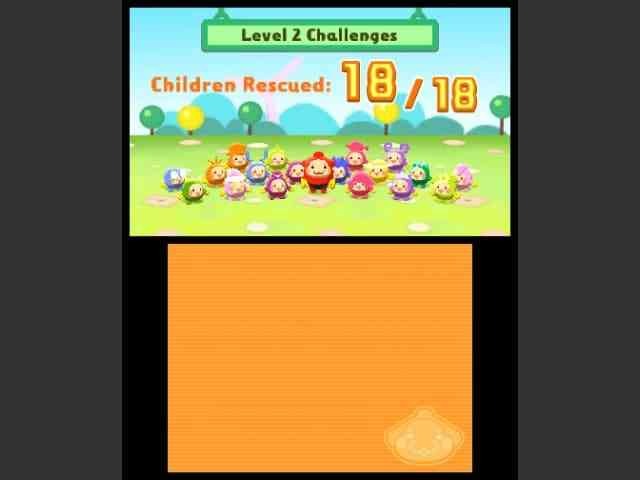
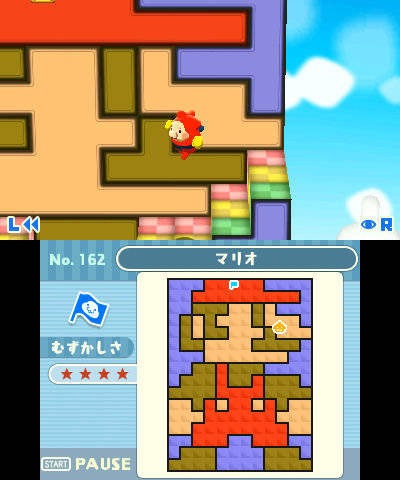
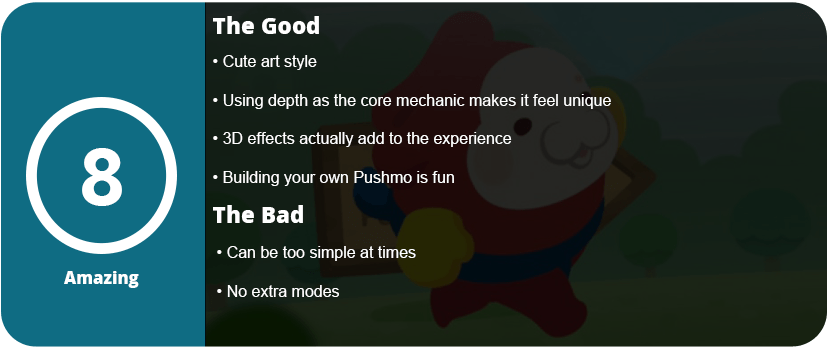
Before you write Pushmo off as a cutesy kids’ puzzle game, think again. The game uses depth as its core, which is what 3DS is all about. You get to move blocks forward by four blocks, but you have to rescue a Pushmo at the top by figuring out how to configure these blocks. Thankfully, you can jump around, so this makes the game a bit easier, but not all games are as easy as they seem. One puzzle can only consist of four blocks, but the way they are shaped makes it difficult to climb, so you have to figure out how to stagger these to get to the top.
This makes the game original and fresh so as to stray away from the Tetris, physics, and memory clones. If you feel really stumped or want to analyze what you did, just rewind with the shoulder buttons or reset the whole thing via a button at the bottom of the blocks. This is the entire game, but when you get bored, go ahead and build your own puzzles, which add a layer of extra fun. There are plenty of puzzles to solve, but the game is quick and easy to just play on the go without worrying about checkpoints and saves.
The art style is cute with bright, colorful graphics, and the 3D effects are there to help immerse you in the depth layering, which makes it feel like part of the puzzle-solving rather than a gimmick or something that gets in the way (like Bit.Trip Saga). With the low price point, you get dozens of hours of fun content, but overall, the game is just really simple and only good in short bursts. This is a game for any age, any player type, and for everyone who owns a 3DS. Right now, this is the eShop’s killer app and probably the best game on there.
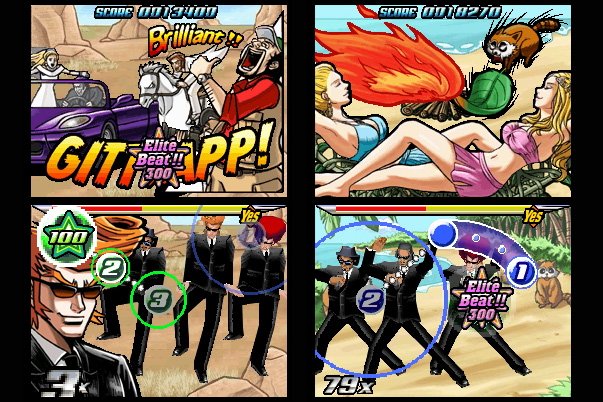
The DS doesn’t have enough good rhythm games, but Elite Beat Agents helps fill that void with a campy, off-the-wall style that any fan of the genre will enjoy. You play as three Charlie’s Angels Esque agents (men instead of women) with crazy hairstyles who go out helping people do impossible tasks that break real-world rules. Various stages include helping a pirate find treasure, helping a taxi driver deliver a pregnant woman to a hospital after a cop tells him to not speed ever again, or a movie director making successful movies. These are told in comic-style frames, and they are quick and funny to watch. You play about 30 seconds of a song, then you watch the rest of the wacky story unfold, and how good you were at that segment determines whether or not they succeed in their goal or fail.
The gameplay is different from most rhythm games in the sense that you don’t follow colored blocks that fall into place, and you hit them at the right time. The game uses solely the touchscreen, but I couldn’t really dig the way the rhythm mechanic was designed. You hit numbered circles, and depending on the beat, an outer circle will close in, but once it gets even with the numbered circle, you tap it. The numbers tell you in what order to hit it, but you must follow the colored group. Various other “notes” range from following a ball with your stylus, double-tapping, triple-tapping, or using a spinner to fill a meter. These are weird for rhythm games and help add to the random, crazy feeling of the stories, but they are really hard to master because timing is hard when trying to line up circles within circles.
Later on, the songs get harder, so there are all these circles floating around, and you can get confused and lost on the tiny screen, and the game has little room for error. Keeping your meter in the yes is important because if you are in the no after the segment, you fail that part of the story. My issue is that the meter is constantly running down and you are keeping it up, so failing a lot in slow sections makes you fail faster. Once you get the hang of it, you start having fun, but younger people may get frustrated quickly due to the high learning curve.
A rhythm game isn’t complete without good songs, and EBA is lacking here as well. There are famous songs here, such as Village People’s “YMCA” or Avril Lavigne’s “Sk8ter Boi,” but that’s just it; it’s a hodgepodge of random artists, and these are just cover songs (remade by someone else). Not only that, but the audio is very low quality and tinny, so it feels like a half-baked rhythm game. I like some of the songs here, but there should have been more consistency and fewer random pickings, plus there are only 19 songs, so you can finish this in one or two sittings. The game also lacks any type of mode besides multiplayer, so you will get bored after a few sittings with this game.
EBA has a great sense of humor, funny stories, and a decent selection of songs, but it feels like it’s missing something, and the high learning curve will turn anyone away except the hardcore rhythm fans. This is a great weekend rental or something you can pick up in your bargain bin if you are craving rhythm action on your DS.







































 thebinarymessiah.com
Clearly you have been blocking everything you or haven't played the game at all. Maybe pay attention to the story…