It really is games like Game Dev Story that truly prove graphics, sound, and pizzazz aren’t everything because GDS is just highly addictive, tongue-in-cheek, and very entertaining. What makes a game-developing simulator fun? Developing games isn’t really fun to begin with, so the game should be as fun as eating stale bread. Kairosoft is a genius, and there’s a lot to be had here.
You start out with a little bit of cash, four employees, and only being able to develop on PC. You hire employees by paying for different job ads. The higher the job and price, the better-skilled people will come into your office. Once you get your four people, you pick a game system (new systems are released regularly but cost tons of money to buy licenses for). The game really tries to emulate the game industry by putting out consoles by three different companies: Intendro, Sonny, and Micro. The game goes by in weeks, months, and years, so certain events trigger at different times.
Once you pick your genre (rated by popularity from A to C), then you pick the type of game. Make sure the two match; otherwise, you will get poor sales. Once you pick the two (you can unlock more by training employees or hiring very skilled ones), you have to choose someone to design the game. Each employee has four types of ratings, ranging from program, scenario, graphics, and sound. The scenario is what you want people designing the game to start with. Once you choose this, they will start pumping icons into a few of the four categories to make your game good: fun, creativity, graphics, and sound. When you start out, your games won’t be very good, but after a few years, they will be.
Once this is all done, and depending on the type of quality you chose for your game (the higher the quality, the more money it costs), your percentage ticker will start climbing. Depending on how skilled your developers are, your four areas will increase. When the game is 40% done, you will be asked to choose someone to boost the graphics. You can use the people you have or hire someone else to do it, and this can cost lots of money if you choose someone with a high graphics rating. When the game is 80% done, you will be asked to boost the sound, and the same applies. Once the game is done, you will start the debugging process, which can add lots of research data (use this to level up employees) and doesn’t really impact you negatively if you have a lot of bugs.
After the game is done, you will be asked to name it, ship it, and then critics will rate your game. When you start out, the game will score low and probably won’t start getting high reviews until your 10th year or so. If you get a score of 31 or higher, it goes into the hall of fame, and you can develop sequels. Once the game ships, your first week of sales will come in, and depending on its chart placement, you will get good sales or not. After a while, the sales drop off, and then it’s off the market. Then you repeat the process. Keep on top of the most popular console to boost sales, as well as choose good advertising methods because you need to keep your popularity up with every age demographic. Every 5 years, the numbers will move down, and you will lose fans if you don’t keep up.
When you start leveling up employees, the games get better and sales go up with high levels of in-game design. During points of the year, you will get to go to Gamedex and accumulate fans to boost sales, as well as the awards show at the end of the year to earn extra prize money. After a while, you will start earning millions of dollars and be able to hire more people and move into bigger offices. Eventually, you can fire people with low skills and start moving higher-skilled people in, and then your scores start going to 9’s and 10’s.
The beauty of the game is the climb to a successful company, and your ability to do checks and balances determines if you fail or not. Starting out is a struggle, but it’s just so addictive and feels true to the game industry. The game may not be much to look at with simulated 8-bit graphics and sound, but I just played this for hours and hours and couldn’t put it down because you keep developing one more game and trying to balance your company out to make big bucks, get the latest systems, have the most fans, hype up your games, and try to win a game of the year. If you love simple simulations like these, you will love Game Dev Story because there’s nothing quite like it.
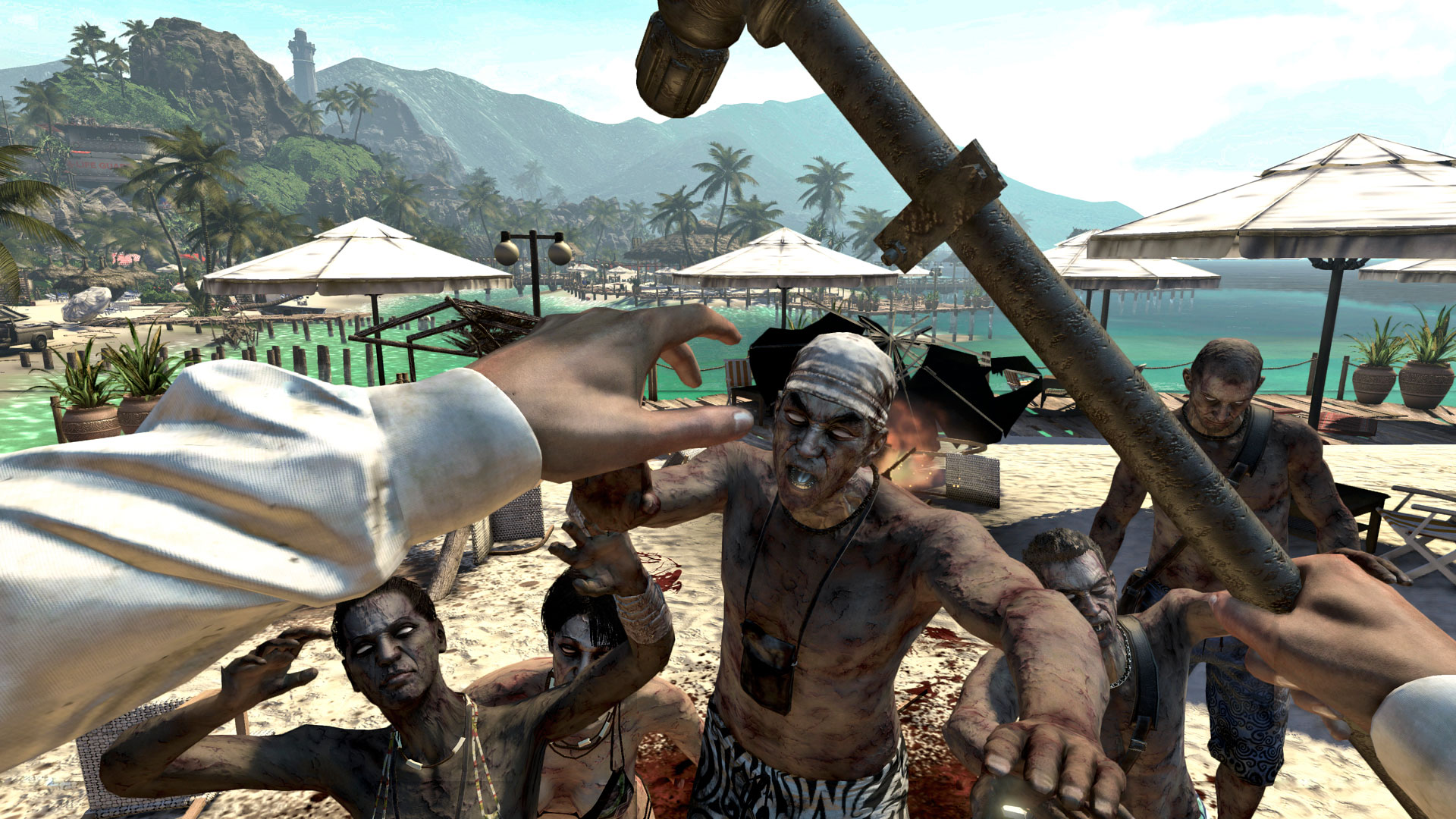
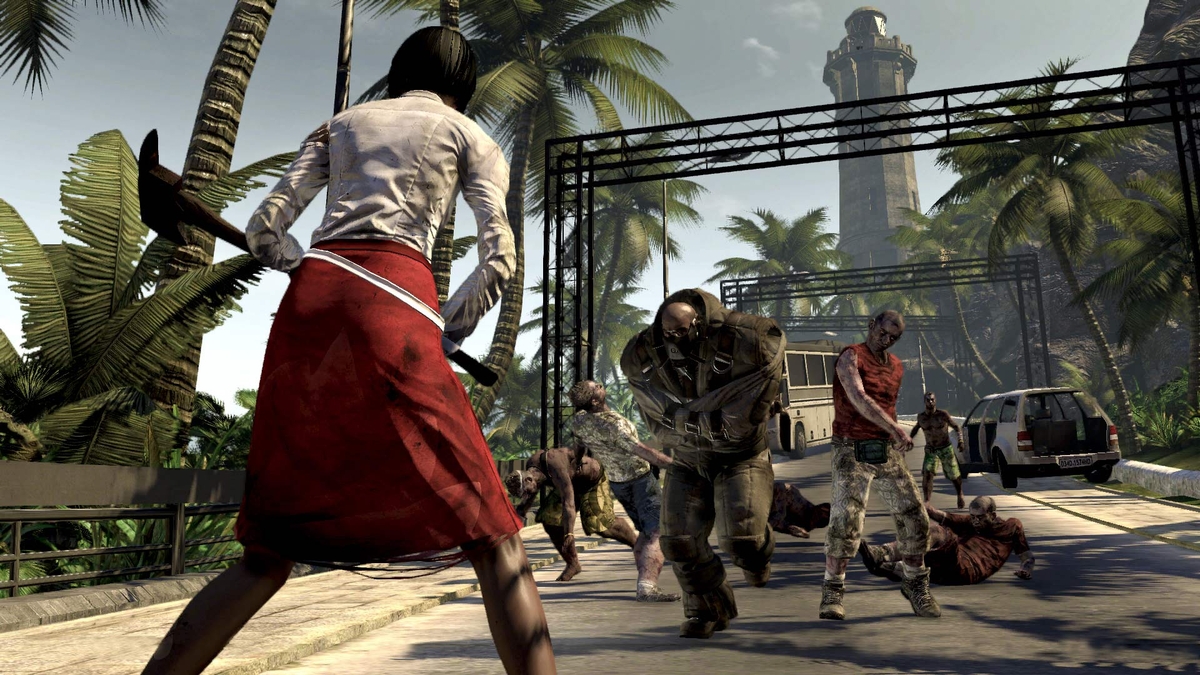
There seems to be no end in sight to zombie games, but the good ones are far and few between. With Left 4 Dead and Dead Rising being the staples, Dead Island puts itself on the map as the true zombie simulator. It holds true to that statement with realistic combat, atmosphere, and a terrifying story (albeit it doesn’t get really interesting until towards the end). You can pick one of four characters who each specialize in a certain weapon (sharp objects, blunt objects, throwing objects, and guns). You follow the four heroes through the story of the resort island Banoi, which has been struck with some sort of biological weapon or disease. No one really knows. You must help the survivors get off the island, but things don’t go according to plan.
I would like to say that Dead Island feels like Fallout meets Left 4 Dead, with a little bit of Dead Rising thrown in. The combat is superb, if a tad unwieldy, because it features an analog-type combat system. The game is in the first person, so the last melee game in the first person you probably played was Oblivion. You can move the weapon around via the right analog stick, pull back, and push forward, bringing out a full swing. It feels awesome because each weapon feels different, and the game has a great dismemberment engine, so when you aim for that part, it will most likely come off. Even the shooting in the game is solid, and that’s a one-two punch that most games can’t get right.
There are RPG elements thrown in, so when you complete missions or kill zombies, you’re earning experience. You get one point per level to use in one of three categories: fury, combat, or health. Fury is a model that you can activate to do ultra-damage to enemies and earn 10x the amount of experience when doing so. There are a lot of ways to upgrade, and you won’t get them all in one play-through. Thankfully, the game levels up with you, so you won’t run into areas that require level grinding to get past. A lot of the quests are mixed with escort missions, fetch quests, and zombie-killing quests. There are undead people to kill as well, but most of them have guns, so watch out.
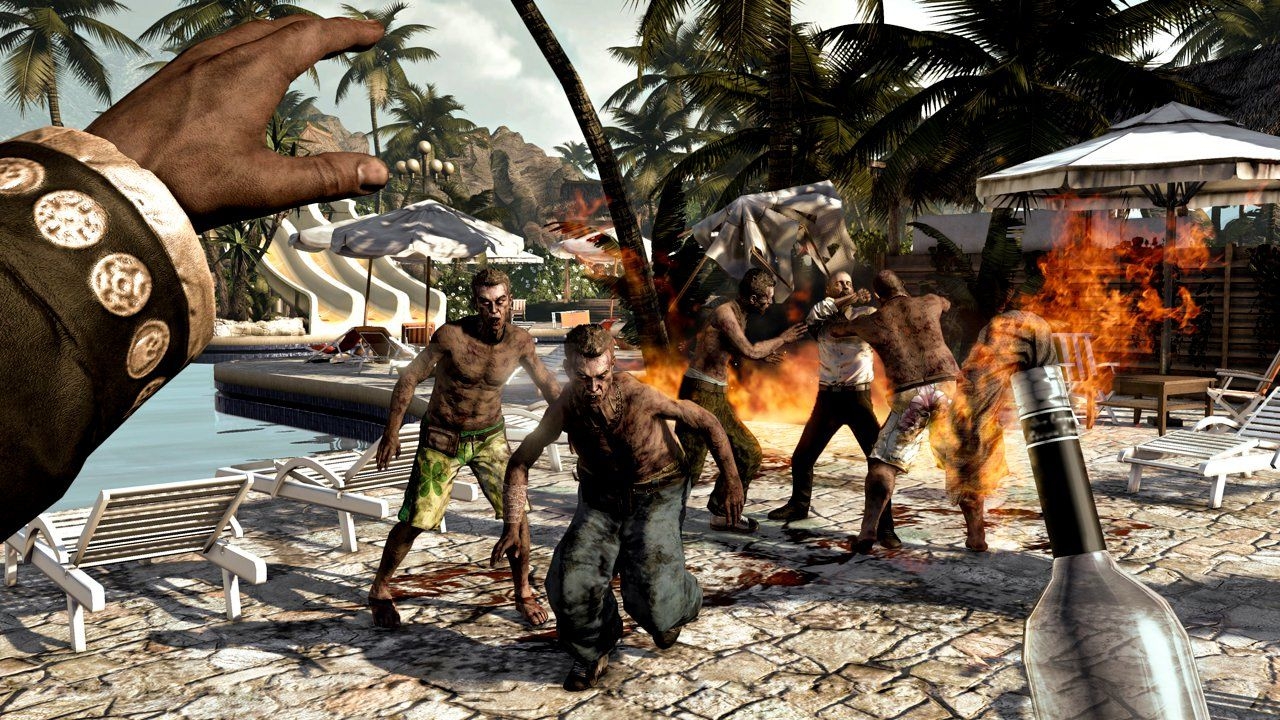
The atmosphere of the game is amazing and just really creepy. There are zombies everywhere, in all shapes and sizes. The two most common are Walkers and Infected. Infected people cannot be avoided since they run at you faster than you can even run. There are floaters, thugs (these guys are almost impossible to take down when you first start), suiciders (they explode), and the rare butchers. Each zombie is freaking creepy, and there is a huge variety of them since they change with each area you change into. The game is nonlinear, with huge open areas to explore at your leisure. Like in Fallout, you can collect stuff from pretty much anything and use it to make mods, of which there are dozens. Some of these are awesome, like attaching a saw blade to a bat, turning swords into shock weapons, making guns shoot fiery bullets, etc. These are mostly found by completing missions, so try to get all the side missions you can.
You can drive in the game, which feels just fine and is a blast to run over zombies; this is required in some missions, and it is best to travel long distances across the island. Also, the areas vary from the beach to the jungle, the city of Moresby, and the prison. There is a huge variety of everything, from weapons to zombies to environments, so you never really get bored with the game. While that’s the core of the game, you just always want to wander off and find people in distress (hey, you are immune to zombie bites!) and just try every weapon out there as well as upgrade them at the workbenches. Of course, weapons break and need to be repaired, which costs money, and you can sell stuff, trade, and even pick the money up out in the zombie wilderness.
The game is also very hard most of the time since it was designed for a four-player co-op. There is a drop-in-out co-op online, which is a blast, and there are plenty of people playing. A lot of the time, missions are just so hard because you get too many zombies thrown at you for just one person. If you die, you just wait 7 seconds and respawn, but you lose a lot of money as a penalty. The more money you have, the more you will lose. This is a great idea, but healing is a problem since medkits are rare and food only heals you so much and you can’t store it.
The only problems with the game are that people with high-end PCs are jipped unless they go edit the config file themselves to push the graphics further. There are a lot of glitches, and the combat is awesome, but controlling it is a bit off and finicky. I mentioned that the difficulty is all over the place, so expect some frustrating sections where you will die over a dozen times. While the story is good, the characters are boring, not likeable, and just feel pretty generic overall, so this took a big hit for me more than anything. Overall, Dead Island is my favorite zombie game so far, and fans shouldn’t miss it.
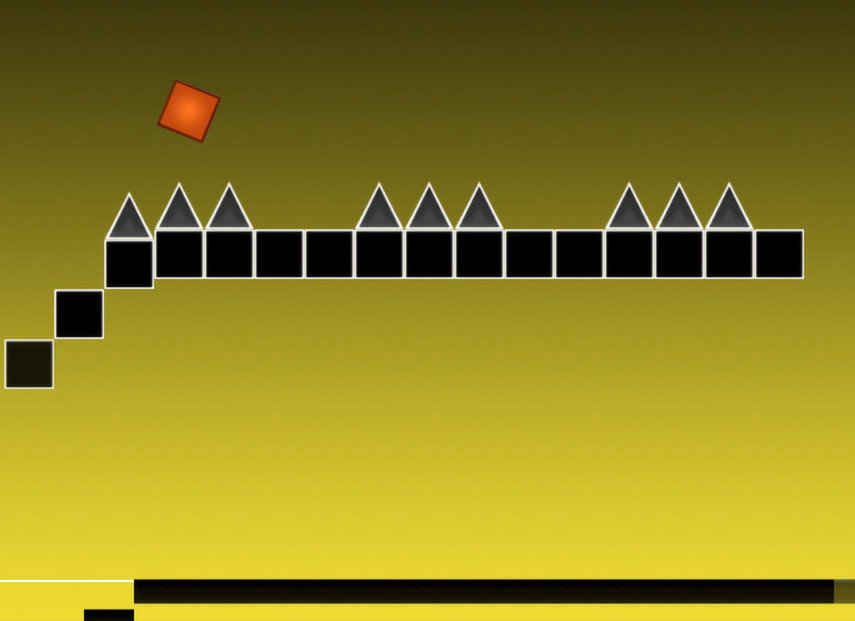
Remember those super-hard games from the 8/16-bit era? Well, it’s come back to haunt with this little game that is so simple in design yet so hard in execution. You guide an orange block over spikes and pits to the end of the level. All you do is tap to jump and hold to do quick jumps. It sounds simple, but the levels are brutally hard because they require precise skill and focus. There is a practice mode that lets you drop the flag with a touch of a button, and when you die, you respawn there instead of at the beginning of the level.
Of course, you can delete these flags if you spawn one in the wrong area, but man, this game is almost impossible! The game has a nice soundtrack that flows with your jumping, but most people will hate this game due to its high difficulty level. All I have to say is that hardcore platformer fans will die for this game and love it. All I wish is that there was an easy mode or something, but there’s a lot of great game here for a buck.
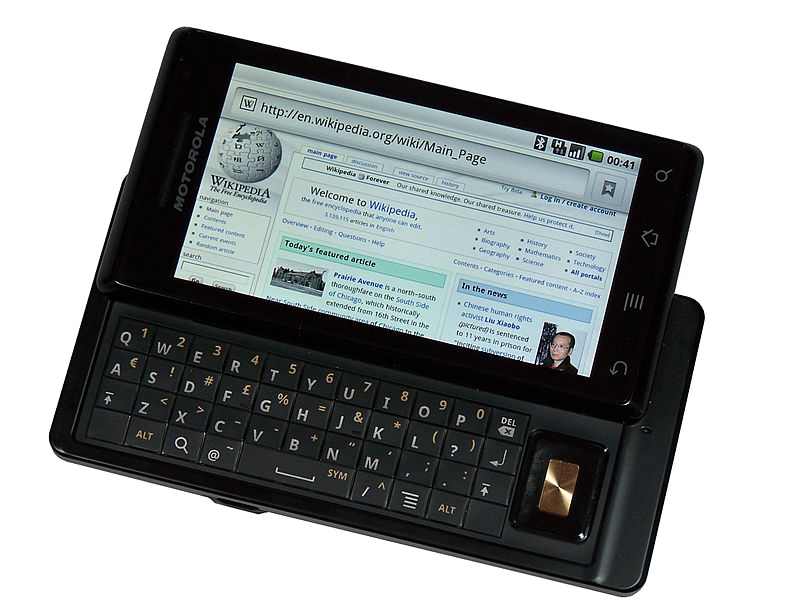
Google has been known for revolutionizing the internet, and now they are with their Android phones. The Motorola DROID (A855) is the newest and most advanced phone on the market right now, and this bad boy does an awful lot. A lot of people are going to compare this phone to the iPhone, but the DROID trumps the iPhone in features and freedom. I will discuss, first, the tech specs and compare them to the iPhone head-to-head so you can see how powerful the DROID truly is.
Techno Babble
The DROID has a 550 MHz processor, specifically the Arm Cortex A8 processor that is also present in the iPhone 3GS by Samsung. The 3GS is clocked only 50 MHz higher and can be overclocked to 800 MHz. To compare, the original Xbox has a 733 MHz processor. So can the drug be overclocked to this as well? Most likely. With a monster processor, the DROID can multitask and has one of the first actual mobile OSs (besides Windows Mobile 7). This also means maintaining processes running in the background to gain battery life, uninstalling apps (not just deleting them), and a lot more, but we’ll get to that later. The iPhone, however, cannot multitask due to the OS running on it, and the processor is only used in games.
When it comes to graphics, the DROID still hasn’t been pushed to its limits. There are very few 3D games on the Android Market, but as of right now, the iPhone stomps the DROID in the graphics department. The DROID has a 200 MHz PowerVR SGX 530 GPU. The iPhone has the same, but due to its slightly better CPU, it can currently outperform the DROID. The iPhone has been on the market for quite some time, so there are bigger, better games available. The DROID should start getting the same quality soon. They both have 256MB of RAM, so under the hood, they are pretty much the same.
The DROID has a slightly bigger screen, sizing in at 3.7″ and the iPhone at 3.5″. Do 2 millimeters matter? Yes, it does. There are a good 2 millimeters on the top of the iPhone that could be a screen, but for some unknown reason, it’s not. The DROID has a higher resolution of 854 x 480 and 265 PPI (pixels per inch). The 3GS has a 320×480 resolution with only 163 PPI, so the DROID has double the resolution of the iPhone. That is great for people wanting to watch high-res movies on their devices.
Both devices have the same inputs, such as the 3-axis accelerometer (tilt sensor), digital compass, multi-touch display, proximity, ambient light sensors, etc. The DROID is a bit heavier than the 3GS, but only by 1.2 oz. The drone wipes the floor with the 3GS camera. The DROID camera is 5 MP compared to the 3GS’s 3 MP. The DROID has dual LED flash and geotagging, and it can even run higher than 30 FPS. The 3GS has all this except the dual-LED flash, which is a huge plus.
When it comes to storage, the DROID wins with its external memory option. You can insert up to a 32GB microSD card, but you’re stuck with the 3GS internal memory and have to pay a huge price for more. The DROID even comes with a 16GB microSD card when you buy the phone. So when it comes to comparing junk under the hood, they both have the same hardware, but the DROID has the extra tidbits that push it over the edge.
GUI: Graphical User Interface
The DROID has an excellent GUI, and the whole marketplace is run by the community. There are programs such as PandaHome, OpenHome, GDEHome, etc. that allow you to change “themes” for a small price or for free. These also change icons, clock widgets, etc. The DROID has a great interface that is more like a computer that gives you a desktop, then a slide-up menu where all your apps are stored. You can drag and drop as you see fit. The iPhone, however, is plagued with the mundane Apple OS that only shows apps in a grid format with a black background. Sure, you can change your “wallpaper,” but this is only when the phone comes out of sleep mode, so it’s rarely seen. This makes every iPhone look the same, so the DROID wins in customization by a long shot. There are four touch buttons located at the bottom of the screen: your back button, menu, home, and search. You will use these buttons a lot, so Motorola and Google were smart to put them here.
Apps: Who’s Better?
It all comes down to the apps. Who has more rights? Well, the iTunes marketplace has hundreds of thousands of apps that the DROID doesn’t have, so the iPhone wins there. However, the Android market is ever-growing, and thanks to the user-run community, a lot of great apps are showing up that the iPhone can’t run. These include a lot of customization apps and loads more. Apps are easier to run on the DROID since there is no iTunes-type program. The app store is run off the phone and downloaded from the phone as well. If you don’t want an app anymore, you go to your settings and uninstall it. Google also allows you to refund anything you buy within 24 hours, and Apple does not support this. While iTunes may have more stuff, Android has better customer service, a better community, and a better setup. There are really no “hardcore” games for the DROID like there are for the iPhone, but it’s getting there. You do not want to get a DROID for a gaming system just yet, for sure; stick with your iPod or phone.
Features: Welcome to Google Town
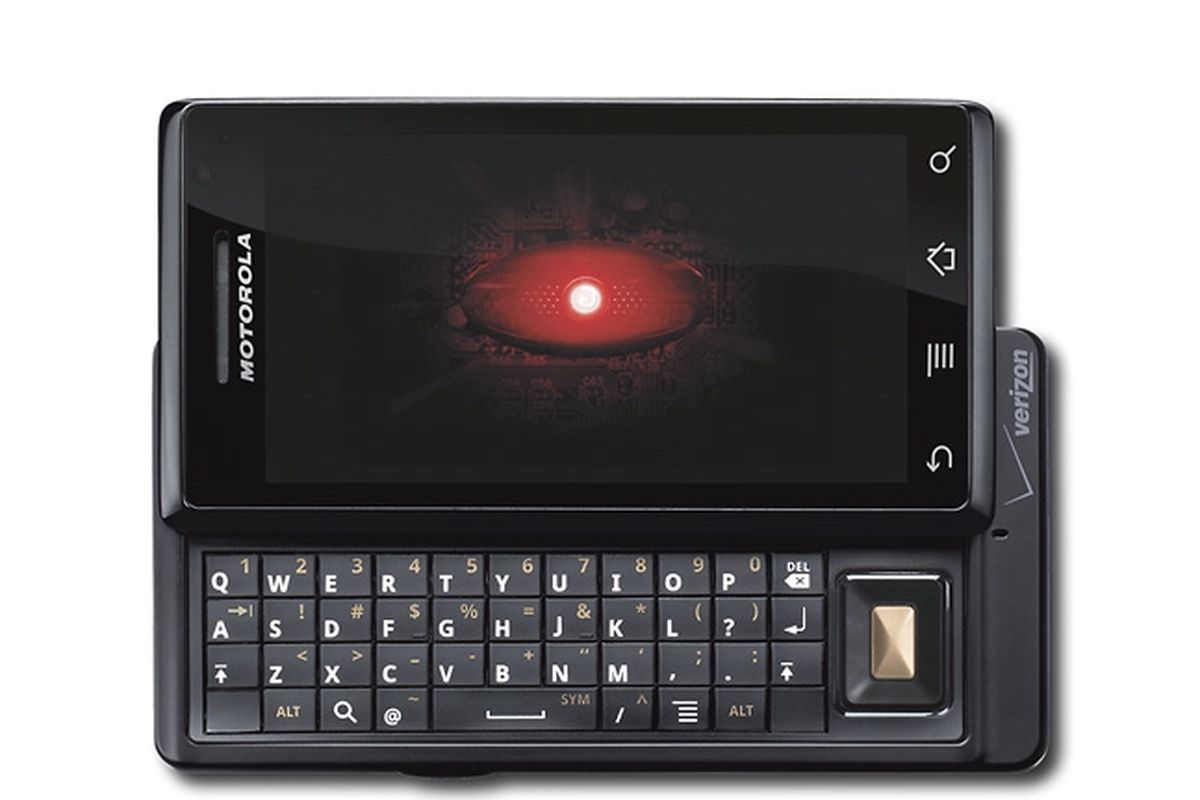
The DROID has a lot of little things going on in it. You can do everything a touch-screen phone can do, but it also has a slide-out QWERTY keyboard. The buttons were a little flat, and the top row is hard to get at if you have big fingers, but it works well. If you tilt the phone sideways, you can type with a landscape keyboard or use Google text-to-speech. I found this feature extremely useful when typing long messages or writing reviews for apps. Since this is a Google phone, you get all their awesome apps, such as Google Earth (yes, it’s in 3D and you can see every detail) and Google Maps. Switch to your “car app” and press navigation. Speak your selection (i.e., Phoenix, Arizona), and Google will give you directions for a car, bus, or walk (God forbid you to walk that far!). Press Get to Navigate, and the phone will give you the directions. It doesn’t update in real-time, but it does update as you drive down each block.
Google Sky is a fun app that lets you point your phone in the sky, and it will show you, in real-time, where each constellation and the planet are. You get plenty of excellent Google apps, such as Gmail, YouTube (yes, Google owns YouTube), and Google Goggles, which allow you to take pictures of products or objects, and the phone will scan and search them for you. There’s even a Google search bar on the desktop with a text-to-speech button next to it. Brilliant. There are plenty of other apps, such as the Amazon store, eBay, Bank of America, MLIA, FML, and even ShopSavvy. This app allows you to scan a barcode, and it will tell you where you can find it cheaper online or locally. Of course, you have all your social networking apps, like Twitter, Facebook, and MySpace, which run great.
When it comes to things like ringtones, pictures, and videos, the DROID delivers. You can store any MP3 or picture and set them as wallpapers, notifications, or just ringtones. Mount your SD card via USB and just create the folders. There is no need to sync with a program on the PC. Total freedom is what Google gives you, and this is what I love.
Problems: It’s Not Perfect
There are some issues with the drug, but not many, and they are minor. The biggest one is the running processes in the background that can kill your battery even in sleep mode. You have to get the Advanced App Killer app and every so often check everything you don’t want running and kill the apps. Another problem I ran into was that since most of the apps are user-made, they can be glitchy and screw up your phone, so watch out and read reviews before downloading anything. You could say that the major issue is the app store. There are a lot of apps, but some of them are junk. There aren’t any excellent games available, and the app store doesn’t have any sort of feature except Top Paid, Top Free, and Just In.
For a $550 phone (if you pay for it without a plan), the DROID delivers and trumps the iPhone in every direction except the apps. The DROID is a very advanced phone and is for people who love using their phones constantly and want to make them a part of their everyday lives. With a sleek design, excellent features, sturdy hardware, and monster processing power, the DROID should be the #1 phone in 2010.
Update: 10/15/2011
Now that I have had this phone for 18 months, I don’t like it as much. The phone started having issues with serious lag, slowing down, and just hardly responding anymore. The touch screen lost sensitivity after about a year, plus the hardware is ancient compared to what is out now. Due to that, all the apps are now optimized for higher-end phones, so the Droid is left in the dust.
Overall, the phone just doesn’t really work anymore internally. It won’t come out of sleep mode sometimes, won’t answer calls, turns off randomly, and the internet is just impossible to surf due to the now weak processor. Hardware-wise, it has stood the test of time with many drops, slides, fumbles, and kicks. Not a single crack or anything, but thankfully this phone is now discontinued. If you have the original Droid, you are probably finding the same problems even after a factory reset. The phone was great 22 months ago, but now I just absolutely hate this thing. If I were to amend my score, I would give it a 4/10 now, but of course, that’s unfair and should be remembered for how great it was at the time of release. Did I also mention that the appraisal price for the phone is about $20 nowadays?
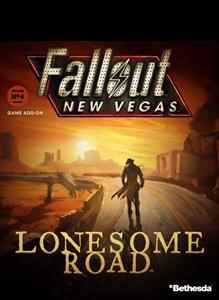
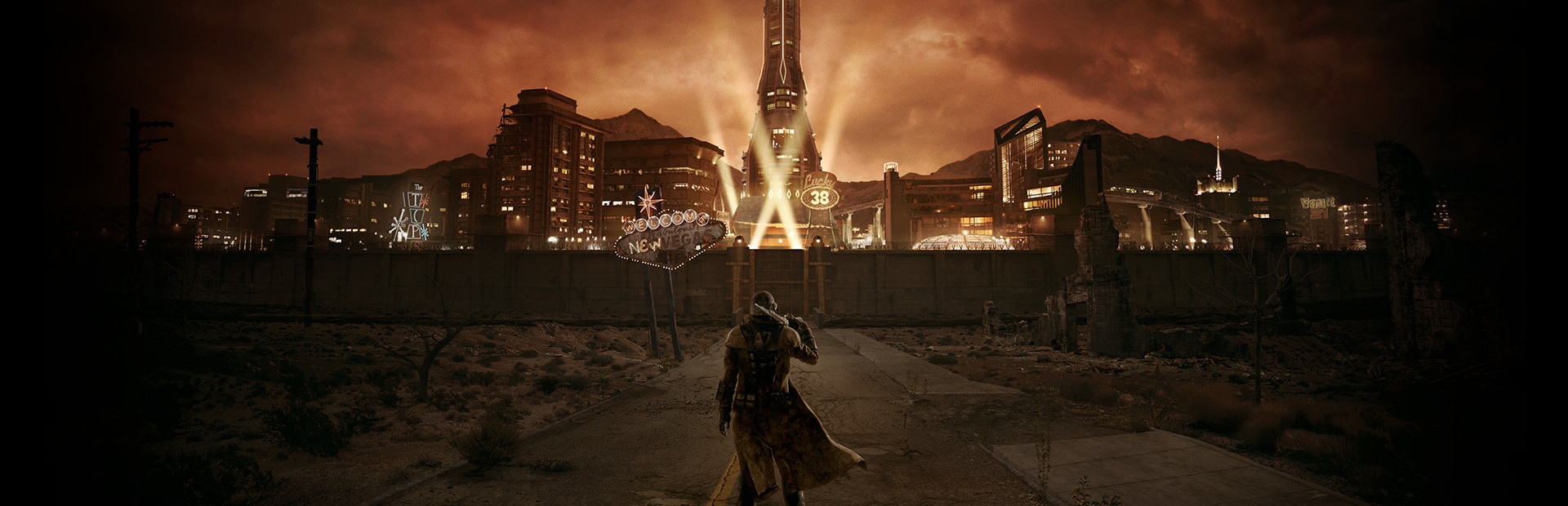
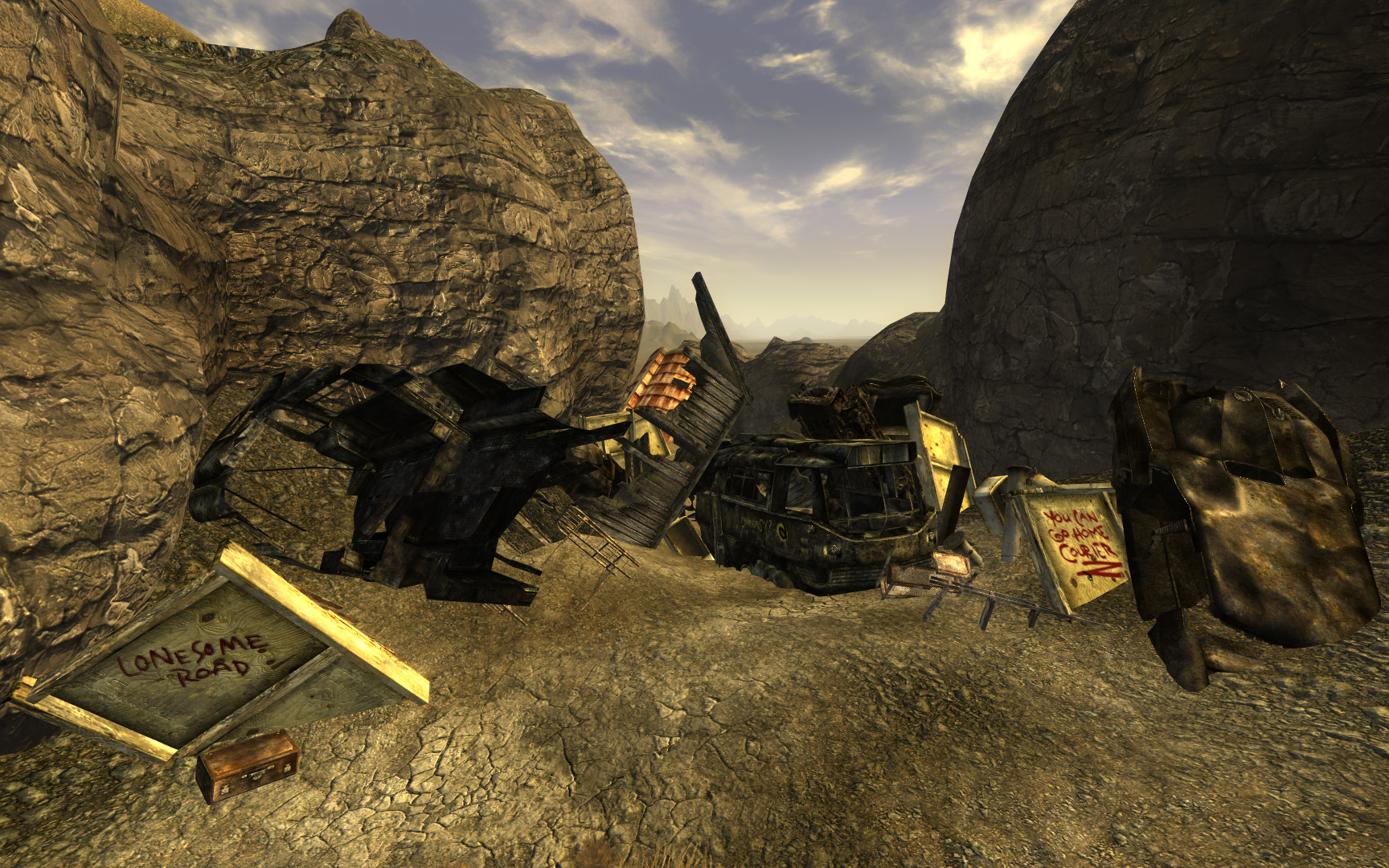
With this being the final DLC in the New Vegas saga, this one is about you. You finally get to meet Courier Six, and this journey is a true test of your skills leading up to this release. This lonesome road doesn’t allow you to take companions (you do find an old friend inside, however); you also get new weapons, enemies, and probably the most destroyed-looking area in any Fallout game so far. The game is very linear, but not like Dead Money, where you just run around in circles completing stupid tasks. You go from point A to point B, but it’s a long road (about 5 hours, actually), and there are some surprises along the way.
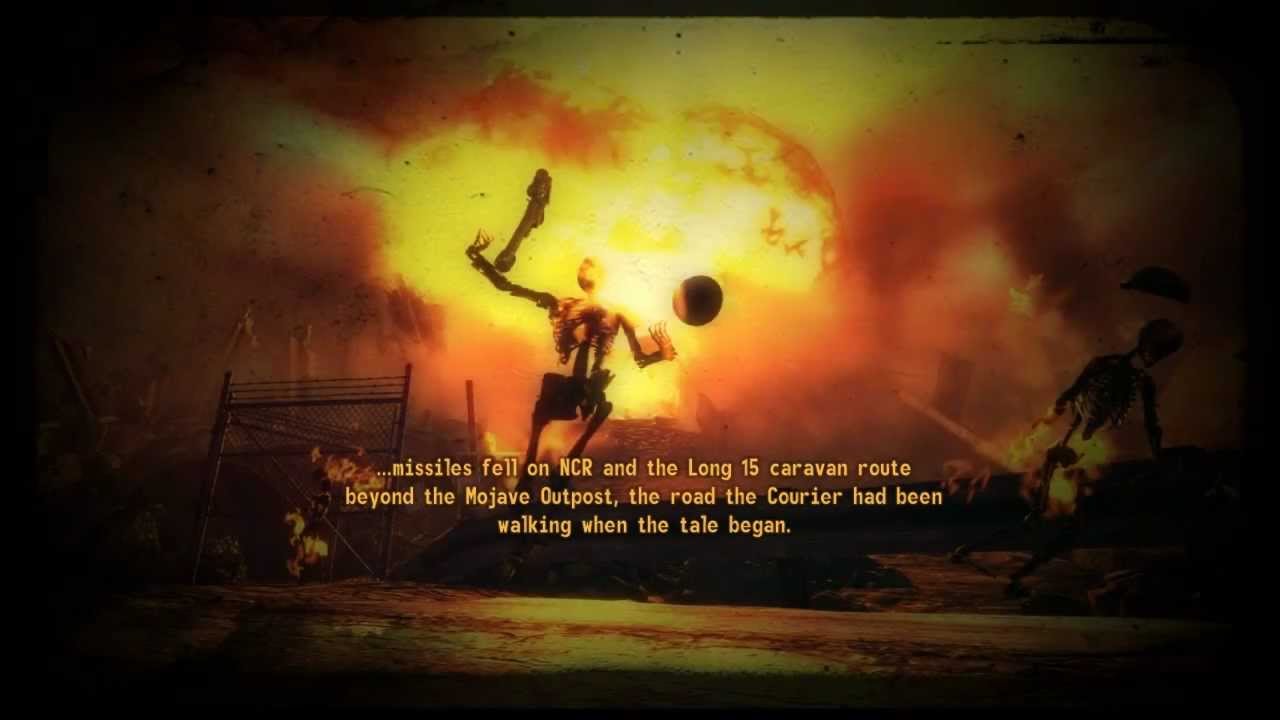
First off, you get a detonator gun along the way that allows you to blow up nuclear warheads along the way (30 in total) to kill enemies from afar or make new paths. This is exactly what I have been waiting for since Fallout 3, and we finally get to do it. Hell, you get to launch two different huge nukes in this DLC. The ending also makes a huge impact on the story (even if you did finish the main story). You do get new weapons that are mostly energy-based, but there are some awesome melee weapons, so there is something here for every type of player.
The new enemies are Marked Men, which are NCR troops that got stuck out here in this nuclear site and turned into ghouls. These guys have many different weapons (the new Glare gun is my favorite since it acts like a semi-automatic rocket launcher). The tunnelers are pretty tough little guys that are fast-moving, but you only run into them when you are underground. Deathclaws make an appearance and will cut you down fast if you don’t have some good armor. Overall, the game will provide a great challenge, especially the final boss fight (which required several restarts and quick saves for me).
Overall, Lonesome Road provides a great challenge, new weapons, and environments, but there are no real quests since you are only going in one direction. There are also only two characters in the whole DLC, so overall, the DLC may feel empty to some people and too straightforward. I liked it since it really made you feel alone, and everything was up to you: survival, as the ending turns out, and saving the Mojave from mass destruction (once again). The DLC feels like the exact opposite of Old World Blues (tons of brilliant characters and quests), but not nearly as linear and hard as Dead Money.
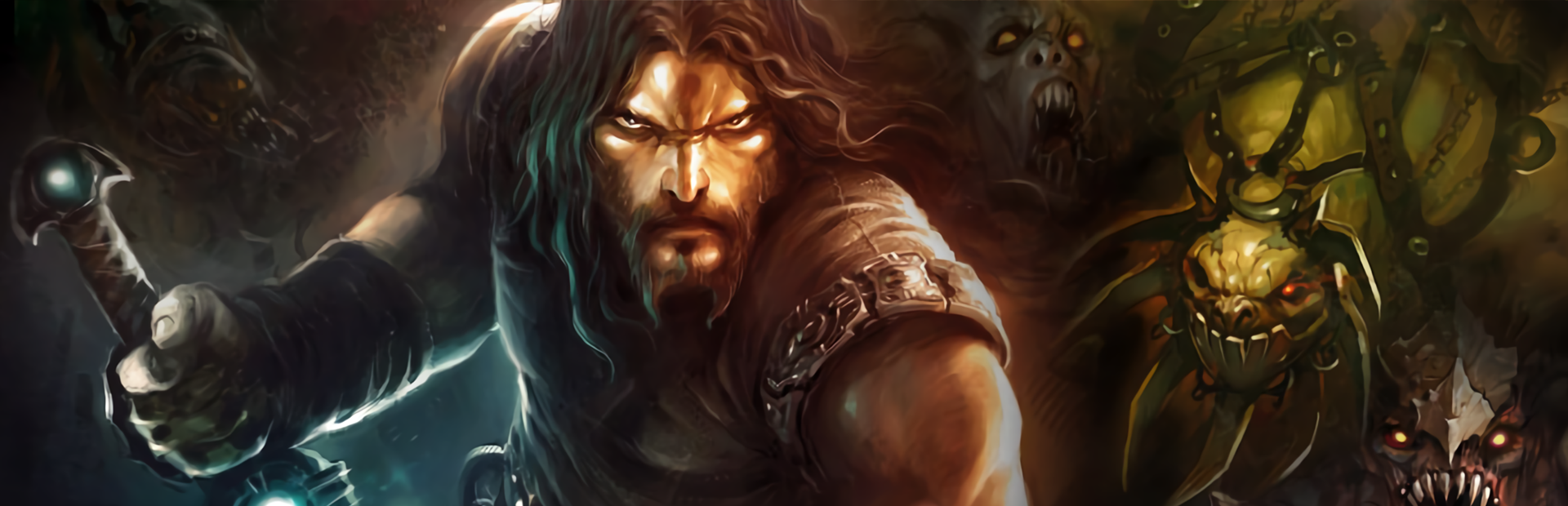
I couldn’t even begin to tell you what the story of Garshasp is about. With a weird name like that, you would think the story would be crazy. It’s crazy in a way that you can’t even follow it, and the game isn’t even long enough to flesh out a good story. All I know is that a guy with a weird name killed the brother of Garshasp, and you’re trying to kill him. The narrator pops in sometimes, but he sounds boring, and you can just forget the story.
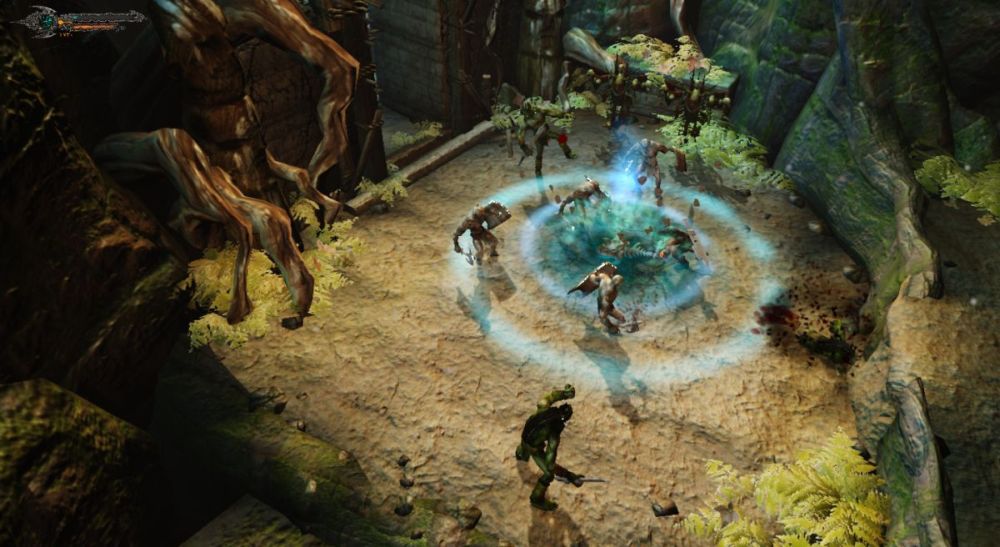
With a God of War-like clone like Garshasp, you would think puzzles and combat were top-tier. They actually aren’t very good at all. The combat is challenging and requires strategy, but the controls are unresponsive and the moves lack any impact. You have light and heavy attacks, and you can combo them, but there isn’t any form of magic or long-distance combat. The enemies are pretty dumb and either wail on you or just stand there and pause before hitting you. There are quick-time events like in God of War, but the camera just zooms out a bit and the actions repeat for a lot of the enemies.
When it comes to puzzles and platforming, there really aren’t any puzzles. Platforming is challenging, especially with these wall-sliding segments that make you slide around parts of the wall that can hurt you. They get tough, mainly because they go on forever. There’s a lot of switch pulling and turnstile pushing, and there are even health and experience orbs that you pull apart to acquire God of War style. You can upgrade your weapon, but not like you think. You just gain experience, and you automatically unlock new moves. There are only two weapons in the game, but the Dragon Mace isn’t gained until the last 30 minutes of the game (yeah, what’s the point?). The game has a nice ending boss fight, but overall, you can beat the whole game in less than 3 hours. Wait, what?!! 3 hours?! Yes, it’s like a sample of a game, but if you can get it on a super cheap Steam sale, it’s worth maybe $3–5.
Overall, Garshasp has a lot of bugs, like when climbing ledges, he will just shimmy around unless you hit the up button (or analog sticks have more problems). He’ll hang on to objects that require checkpoint restarts, lots of collision detection problems, and other minor quips that add up to make the game even less fun. Why should you even bother? It’s decent, the art style is nice to look at, and the monsters are pretty awesome, but the graphics overall look pretty bad and kind of like plastic (remember Conan?). If you can find this at a super cheap price, go ahead if you are an action-adventure lover; otherwise, pass.
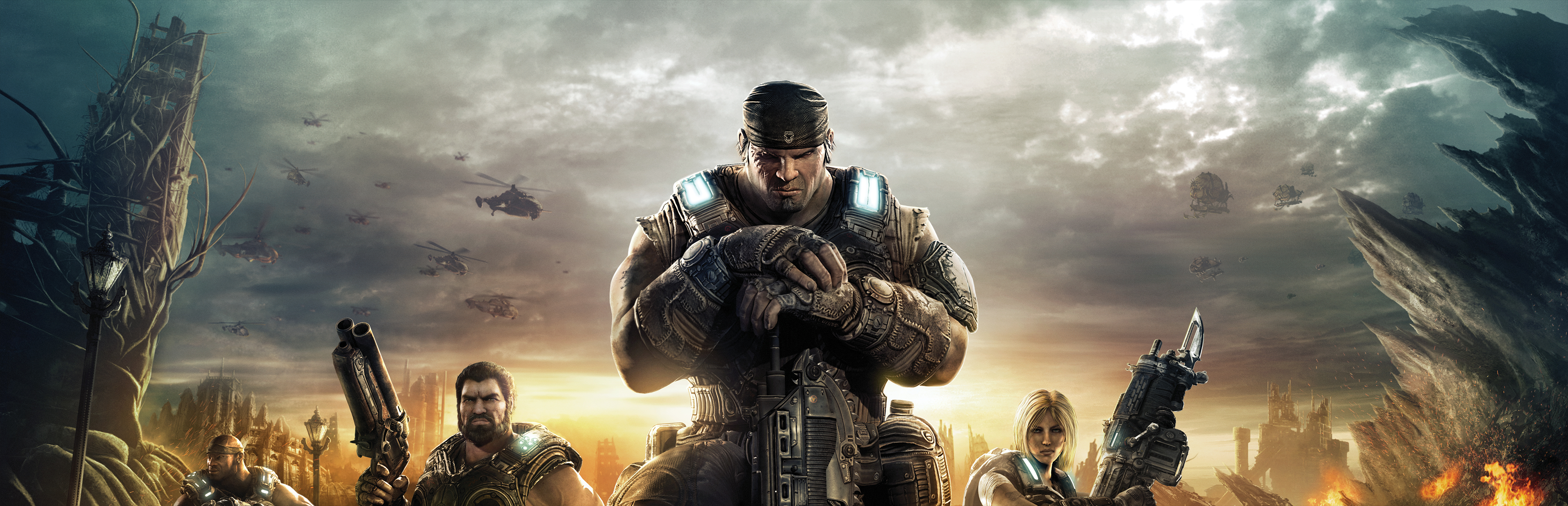
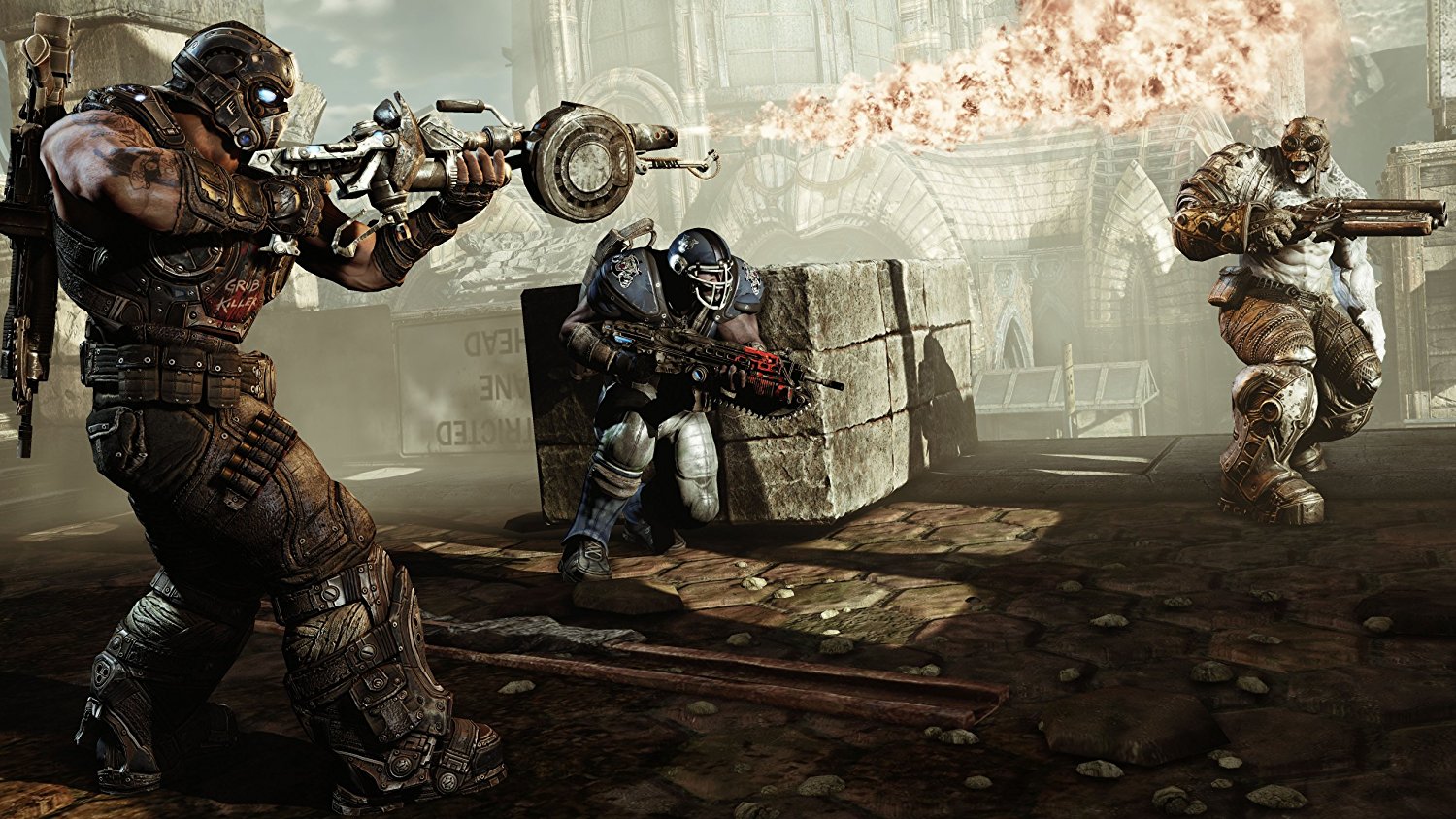
The locusts have finally come above ground. Every last effort made by the COG and Delta Squad has failed, and now this is their last stand. The lambent has mutated into vicious alien-type creatures. Marcus Fenix must find his dad, and two female COGs join the fight. What has all happened since our last visit three years ago? A lot, and more than just the story, has evolved.
Like I explained above, the lambent is a major threat, but it’s not them or the locust, not even Queen Myrrah, who is the main threat. I can’t say what, but it will totally shock you about halfway through the game when you find out. The story is just really solid and has a strong conclusion, but overall, the story makes you know and feel that the Gears are really desperate now. Their numbers are paper-thin, and they are doing everything they can to stay alive. You also feel the desperation of the Locust this time around, so it’s a huge tug-of-war between the two for the battle of Sera.
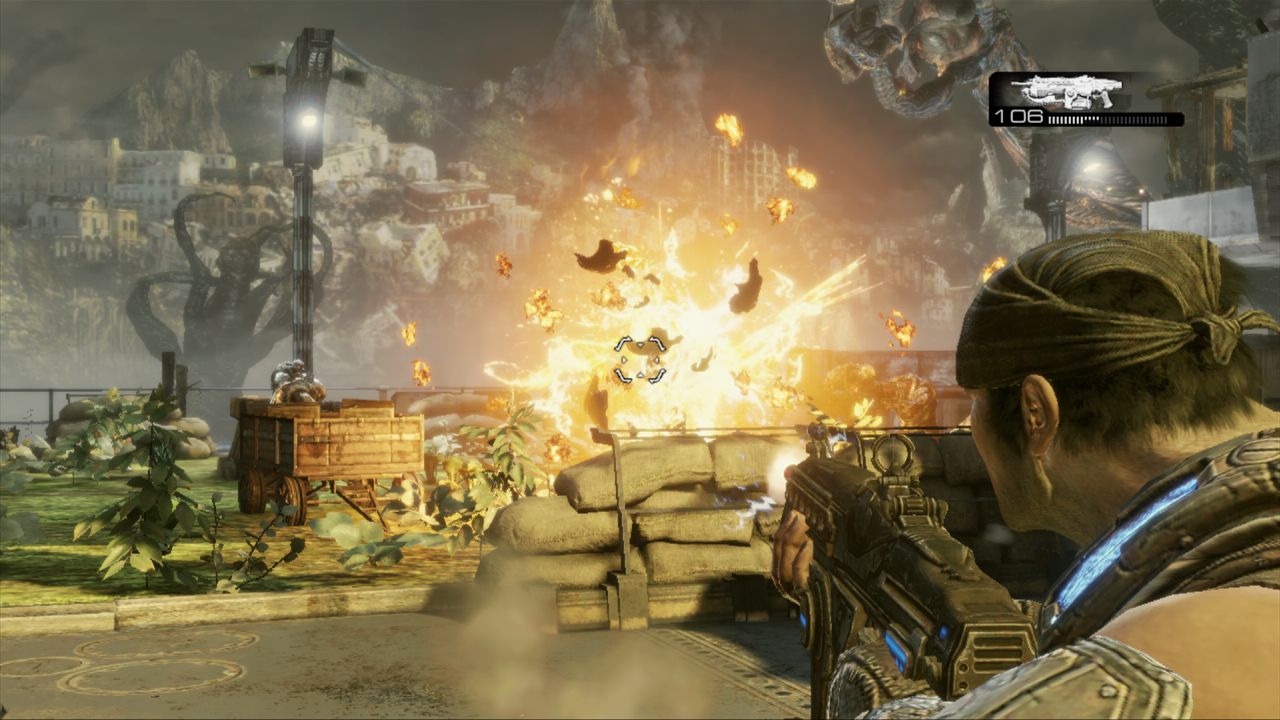
Overall, the gameplay is the same, but a lot of tweaks have been made to finally perfect and fine-tune the entire series. For example, the roadie run that everyone loves has now been changed to allow you to run forever, plus the camera shakes a lot more, adding some cinematic quality. A lot of past weapons have been balanced and tweaked, such as the Lancer, which now has more ammunition, less recoil, and takes a bit longer to rev up. Another example is that the active reload sweet spots have been moved around on some weapons like the Hammerburst, and the Gorgon pistol no longer has three-round bursts but continuous fire. Little changes like these really make the game feel fresh and new, but there is a lot of new stuff as well.
First and foremost, the new Lambent enemies have evolved, and the new stalks are your enemies as well. They will spawn lambents until you destroy the spawn sacs, but the lambents also vary in size, and some now don’t just die; they evolve into more hideous creatures. You fight them through about 1/4 of the game when you finally get to fight regular Locusts and Theron Guards. The environment has also changed because it has added some colors and new locales. Instead of just abandoned towns, buildings, and battlefields, you get to fight in lush jungles, beaches, and a huge ship at the beginning. This adds some color to the greatly bashed color scheme of the series. There are also new multiplayer features, but more on that later.
Some new weapons that you will run into are the OneShot, Incendiary Grenade, Digger, Retro Lancer, Sawed-Off Shotgun, and Cleaver. That may not sound like a huge number, but these weapons are great. The OneShot is a huge version of the Longshot and is a one-hit kill for every enemy. The Incendiary Grenade sets enemies on fire; the Digger acts like a Boomshot Grenade, in which it burrows underground and pops up near an enemy. The Retro Lancer doesn’t have a chainsaw but instead has a bayonet that you can charge into grubs, but the gun is highly inaccurate and has really bad recoil. The Sawed-Off is exactly what it is: a one-shot shotgun that can do one-shot kills at super close range. The gun has a long reload time, so use it very wisely. Lastly, the cleaver is a giant blade that you can use to swing around and chop off heads.
While the new weapons sound impressive, each one has an awesome new execution kill, so there are 24 in total. There are also some new campaign-exclusive weapons you can use as the new Beast Sieges, but your favorite Troikas are still here. Epic packed a lot of new content into Gears 3, so it makes it feel really fresh. Even the new character Sam is a great addition, but Anya Stroud is now the main Gears character and fights alongside you. I do have to mention one major change to the campaign: Revive. Yes, when you die, you don’t die; you can be revived, like in multiplayer now, so this also makes the campaign a little easier and doesn’t require much tactical and careful planning like in past games. Some may love it, and some may hate it.
When it comes to multiplayer, we finally get Team Deathmatch! All your other favorite modes are here, but we get a new onslaught of maps that are well designed, but you can now rank up and earn unlocks such as weapon skins, characters, and even crazier achievements. The new Beast mode is like a reversed Horde mode and is a huge blast, but Gears heroes like Dom and Marcus must be executed to die. One of my favorite things in Gears 3 is that it reads and recognizes your achievements for every Gears game (even Gears 1 on PC!) and gives you special unlocks. The Epic team really makes you feel like this is the final gear and awards you for being loyal and sticking around since E-Day 5 years ago.
Overall, Gears of War 3 is a finely tuned, well-balanced, and epic package, as well as a great finale to the long-running series. When it comes to visuals, Gears 3 looks like one of the best games of this generation (again) with updated lighting effects, higher resolution textures, and further draw distance. However, it does show its age a little in spots, but it does look jaw-dropping still. While this may be the last in the Delta Squad series, the Gears series will sit in our hearts as one of the best franchises of the generation and will never be forgotten.
Epic Edition: If you are a huge fan and really want to spend the extra whopping $90, you can buy the gigantic Epic Edition, which includes a massive statue of Marcus Fenix, replica documents from Adam Fenix, a huge award box replica with a cog that is Adam Fenix’s science award and has the Adam Fenix character unlock code on it, a COG flag, a weapons skin pack, and an art book that is the entire making of the whole series. The book is very well put together and gives you insight into the series that you will never see anywhere else. This is a beautiful package and probably one of the best collector’s editions ever made. Everything is super high quality and just amazing to look at.
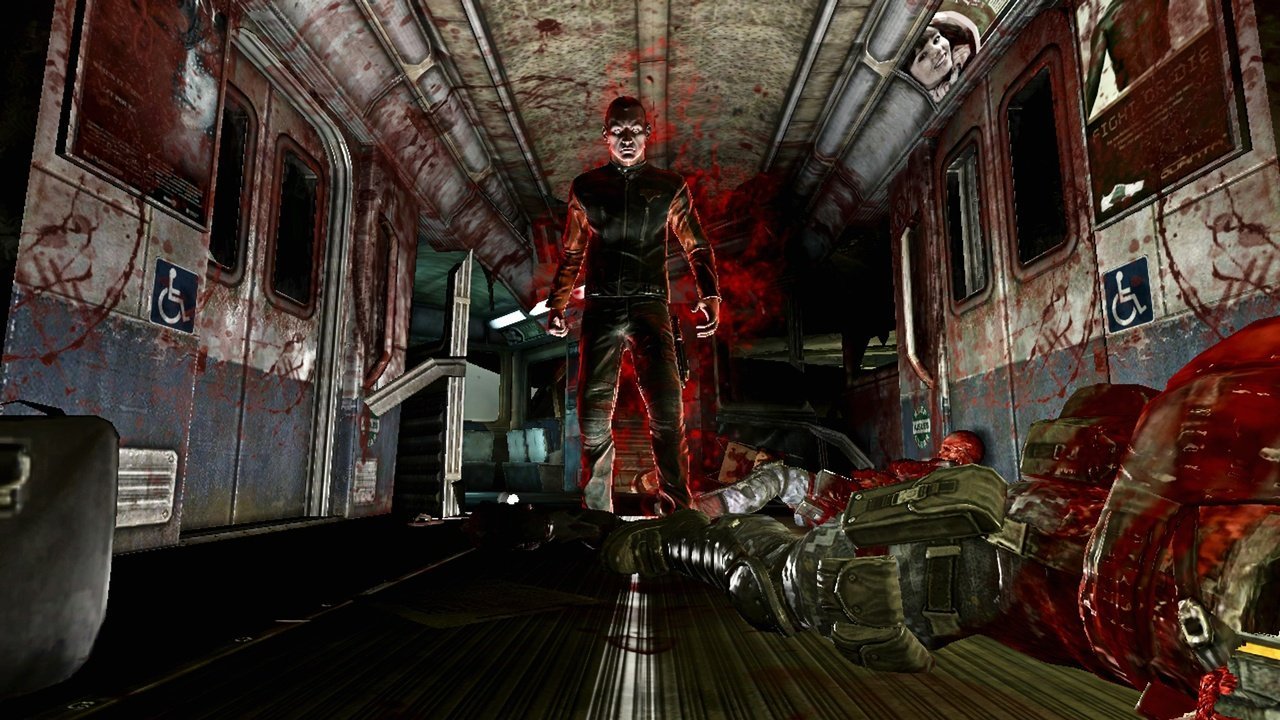
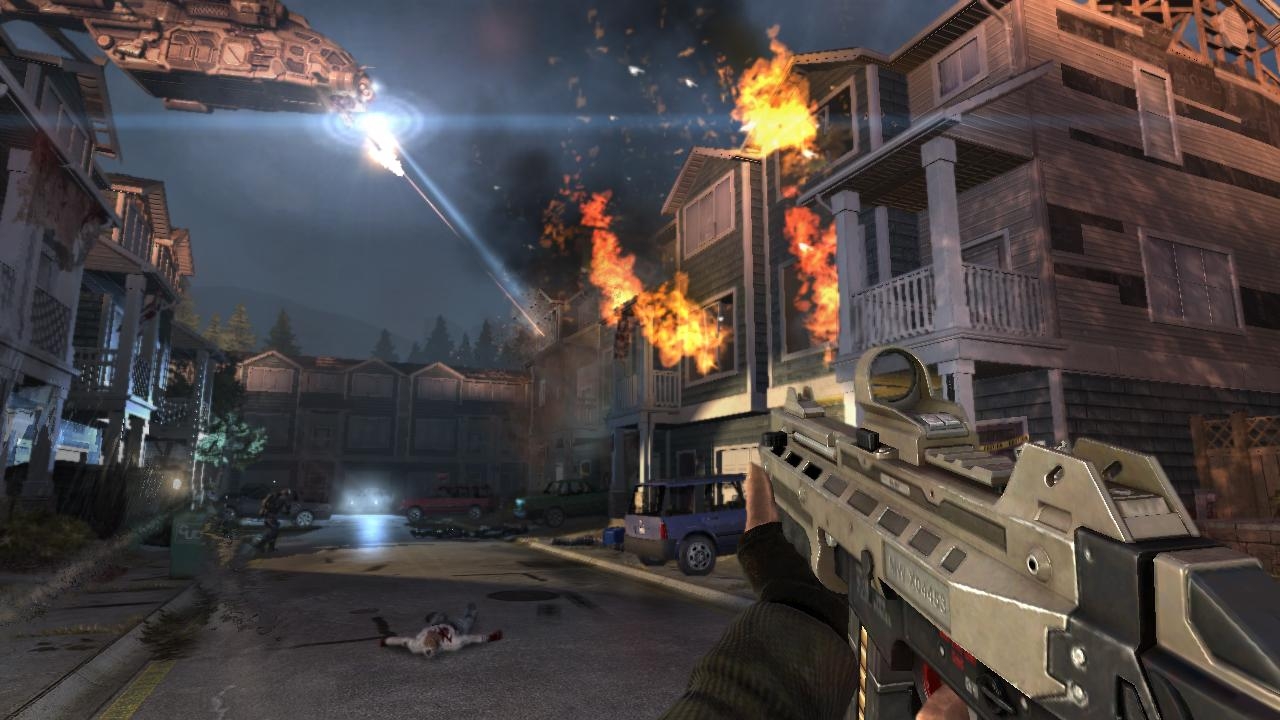
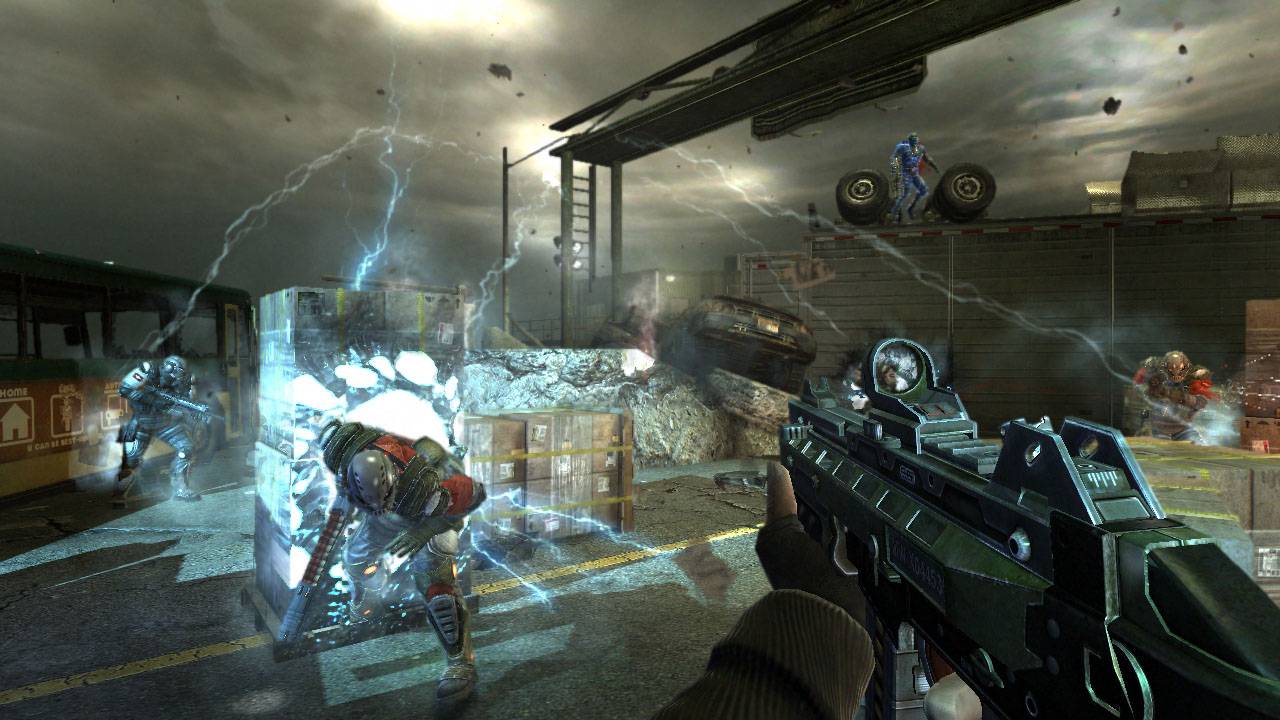
The original F.E.A.R. (you know it stands for First Encounter Assault Recon, right?) was marked as an excellent shooter due to its scary atmosphere, solid shooting, and (at the time) system-pushing graphics. Two installments later, the game has fizzled out as an above-average shooter and has lost most of its share value over the years. The game also feels more paramilitary than paranormal, with the same generic soldiers, mechs, and the occasional tough boss. At this point, if you haven’t played the first game, you will be completely lost in the plot. Even people who played the first and second when they came out might want to search Wikipedia for a plot refresher because F.E.A.R. has always been known for its holey plot and confusing endings.
The game feels a bit different from the last two games, but not by much. The game is tighter-ended, with a better cover system, a couple of new weapons, and slightly updated visuals. You have your standard assortment of weapons, including assault rifles, sub-machine guns, shotguns, rocket launchers, and a few original weapons. The weapons feel solid, though the aiming is a bit touchy. Every gun feels different, and you must really use them in the right situations. This isn’t a stick-with-one-gun type of game. The slo-mo is back, but you can now upgrade yourself by doing things you normally would in the game and earning points. F.3.A.R. has based on co-op this time around, so you can play as either the main protagonist, Point Man, or his dead brother Fettel, who follows you around the story.
You get points by collecting weapons, doing kills and headshots, using the cover for a certain amount of time, finding the rare Alma dolls, dead bodies that give you Psychic Link points, etc. Throughout the campaign, whoever scores the most points gets to see the end of that brother. It’s a neat way to do co-op, but you can still enjoy the game by yourself. The game brings back the awesome machines, and they feel better than ever. You get to use them more often than in the last entry, so look forward to some awesome machine sections.
When it comes to the atmosphere, I feel Project Origin pulled it off the best. That game was downright scary, but F.3.A.R. loses it somehow by concentrating too much on the action. Sure, there are some points that make you jump, but Alma doesn’t appear nearly as much, and those truly scary points are far and few between. The ending is even more disappointing and still doesn’t answer anything, but it just concludes Point Man’s journey to find Alma and his dad. Alma is what made F.E.A.R., but due to her lack of exposure in this final entry, it just feels like an almost generic shooter. Not only that, but the campaign is really short, with only 8 levels that can be beaten in about 8 hours.
This game has the best multiplayer suite in the series, with the head mode being F Run!, where Alma’s contractions (play the story to know what I am talking about) bring the walls down on you and you have to, well, run. It’s too bad no one is playing online anymore, so you probably have to stick to LAN on this one. That’s a bummer despite the game being so recent compared to the thousands who played F.E.A.R.’s separate multiplayer mode that was released months later than the original. There are other modes to be had in the game, but if you can’t get a LAN party going, then you’re stuck with co-op or just single-player.
Overall, F.3.A.R. has decent visuals, but for some reason, the game has serious performance issues even on high-end systems. Constant stuttering, complete hang-ups, and other issues bog down the experience a little. The game is enjoyable at best, but I doubt you will run through the game a second time (even with a buddy) just to see the quick second ending (that’s what YouTube is for). I recommend this for long-time F.E.A.R. fans, but newcomers should start at the beginning or move on.
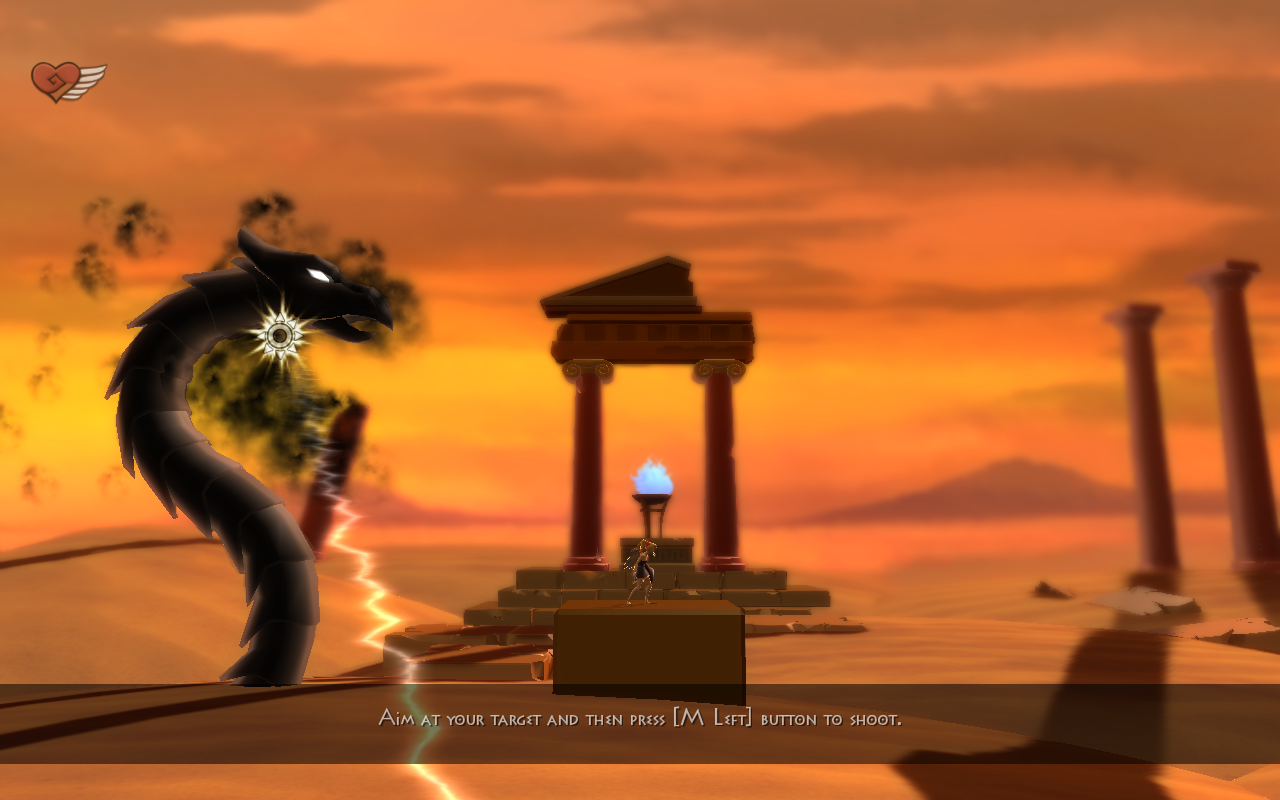
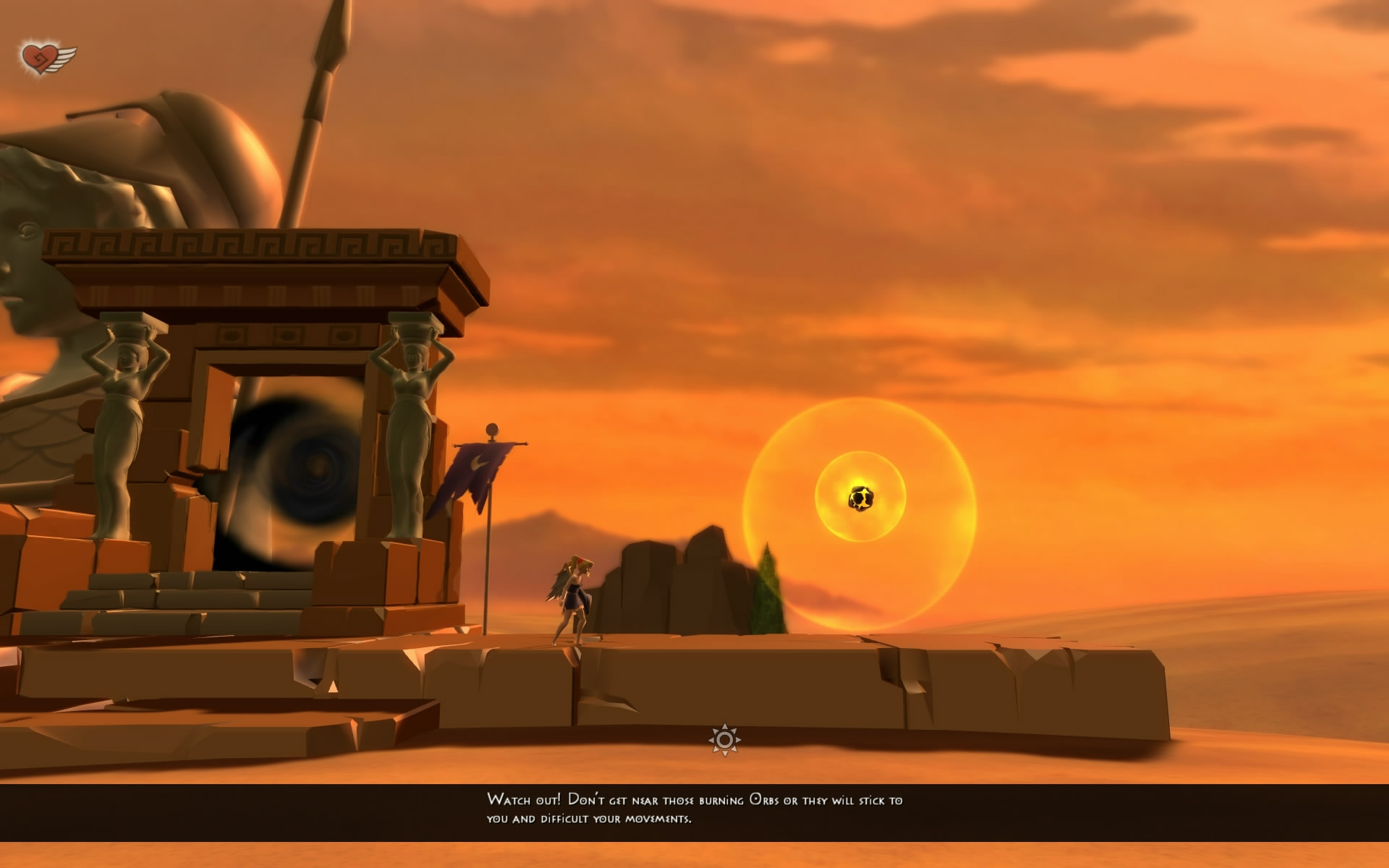
You are Nyx, who is a winged goddess that falls in love with Icarus, but the sun-god Helios releases rage upon the gods and burns the earth into a fiery apocalypse, but you insist on defying the gods to save Icarus. While the story isn’t very deep, there is one there, and you do want to see what happens to Icarus at the end. Not very often will you run into “cut scenes” that have just some text across the screen and gibberish being spoken. This is an indie game after all, so you are probably coming for the unique gameplay.
While originally designed for the Wii, it works well on a mouse and keyboard. You control Nyx’s power with your mouse and hers with the keyboard. You can jump up to five times and also glide for about 8 seconds, and these are keys to gameplay. Jumping around is the main part of the game, and you must time everything carefully. The game is not a breeze, and even the platforming is tricky thanks to the game’s ability to make you multitask. With the mouse, you can move certain blocks around, shoot lightning, move fireballs, and pull around pillars. There is a lot to the gameplay, so you have to really play it to understand how deep it is. You have to be able to move Nyx around while also manipulating the environment with the mouse, or you will never get anywhere.
While the unique combo works well, it does get very difficult at points. The first couple of levels are novel and neat, but then the game quickly feels repetitive and tiresome until you start learning new powers later on in the game. While the gameplay is unique and deep, it’s really the same thing over and over again. Jump around 50 platforms and move this block or pillar around. Each level looks the same, and the art style has a Greek mythology theme to it, but the textures are flat, and no visual upgrades were given for the PC version. I also felt the physics was a little floaty because everything moved like there was little gravity.
The checkpoints are a little unfair because they are put in weird spots. Instead of sticking them right before a really hard section, you have to go through an easy section to get back to where you died. There are also only a couple of boss fights, and they are fairly easy due to the better accuracy of a mouse over the Wiimote. Overall, NyxQuest is a fun little indie game that really challenges your multitasking skills.
The first game rose to great acclaim due to the excellent classic FPS action, rocking soundtrack, superb weapons, and varied enemy and level design. Battle Out of Hell is the expansion that picks up where the last ended. You are ascending out of Hell to stop Alastor, who is trying to create a massive army to take over Heaven. While the story doesn’t do much but concludes the last game, it’s pretty bare bones.
The expansion adds 10 new levels and two awesome new weapons. The new weapons are a sniper rifle that shoots spears, and the alternate fire is a bunch of bombs that can bounce around. The second weapon is a machine gun with the alt-fire of a flamethrower. Both weapons are useful and very fun to use in combination with the already excellent arsenal. The action is exactly the same as in the last game, just with new enemies and levels. Some levels are really short, while others drag on for quite a while, so the game feels a bit sporadic and badly paced.
The new levels are awesome, such as The Orphanage, Loony Park, and Lab, but after those three, the creativity dies down quickly. The Loony Park features a full roller coaster ride while you shoot enemies, and the Orphanage is really spooky with creepy kids that you kill. After that, the levels just feel like generic hallways with different designs. My least favorite were the Colosseum and Stone Pit. There is one level that is only available on Nightmare difficulty. Other than that, multiplayer adds some new maps, but once again, no one plays online (stick with LAN).
If you really love Painkiller or never picked up the expansion, you’re missing out on some really great shooting action, but it can wear thin towards the end, especially the story.






















































 thebinarymessiah.com
ORC is probably the worst game in the entire series. It's objectively awful. Being bad isn't different. Different is Outbreak…