After playing Call of Cthulhu: Dark Corners of the Earth over 10 years ago, I have been patiently waiting for another game in the H.P. Lovecraft universe, and none have come. Call of Cthulhu has been a long game in the making, but does the long production cycle pay off and allow a good story and characters to cook?
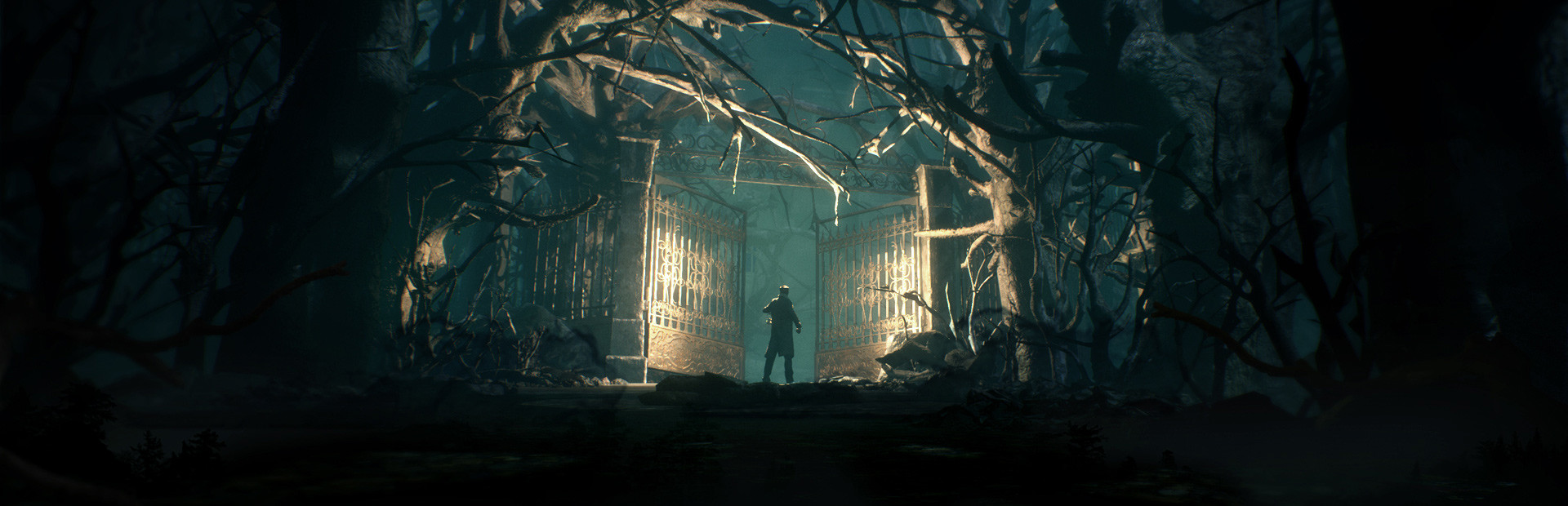
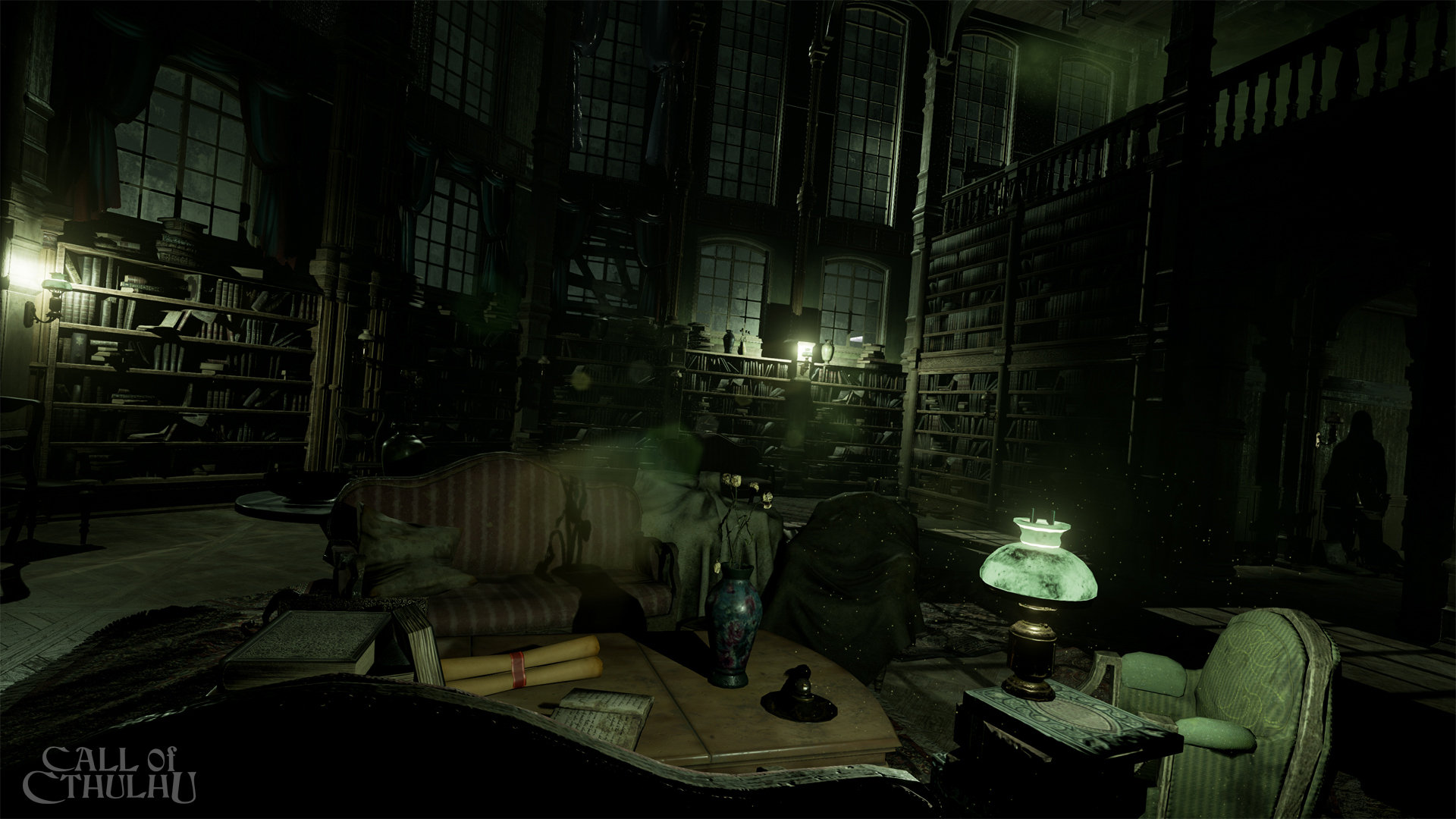
You play Edward Pierce, a private detective investigating a murder on a remote island, but all he has are paintings for a lead. This leads to the artist, Sarah Hawkins, and her mansion, where he discovers a strange cult and a killer hospital. The game starts out great with a slow burn of atmosphere, character building, and mystery. Walking around the island for the first time shows some of the game’s weaknesses, such as the fact that this is clearly a low-budget game. The game looks like it was made for the Xbox 360 and is about 10 years old with ugly, dated textures and stiff facial animations, and the voice acting is hit or miss for some characters. Edward’s actor is great, but Sarah’s actress is deadpan and bored.
The objective of each of the 14 missions is to walk around and inspect objects to unlock various dialog options with characters. I honestly don’t feel this was completely fleshed out, as the game pretty much unfolds the same no matter what; it just literally unlocks a new dialog option or might give you a bit more insight into the story. You can level up various abilities like Occultism, Investigation, and Hidden, which allow you to unlock various dialog options, so it clearly feels forced and like the developers had this level-up system and didn’t know what to really do with it.
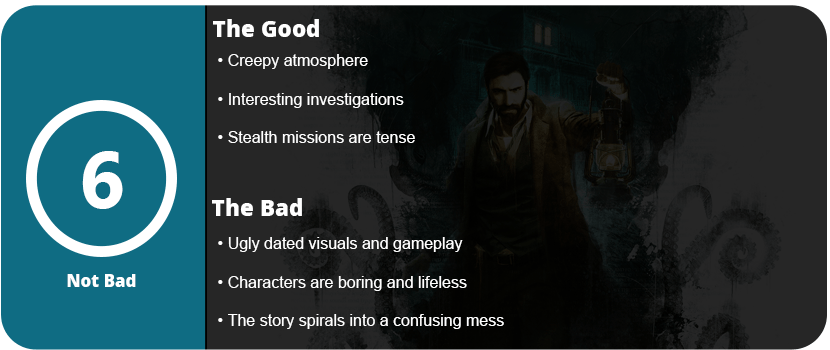
Looking around for objects doesn’t really bother me much, but as the game moves on, the story starts to make no sense, and I get completely lost as to what is going on. There’s a connection between the local hospital and Hawkin’s mansion, as well as three or four characters, but I never understood why the cult wanted to resurrect Cthulhu; we never get to see Cthulhu, and towards the end, the game relies on fish-eye lenses, rapid camera movement, and sounds to scare you instead of using the environment and atmosphere. There are a few tense moments in the game, such as when the shambler comes after you in the art gallery, but nothing really stands out. There are two stealth missions where you have to sneak around solving puzzles, but even these aren’t too complicated.
The game just feels like a sample platter of ideas that never really took off or were made into anything. With dated visuals, gameplay, a confusing story, and characters that don’t really have a soul, there’s not much to really care about in this game. I only pushed through because I’m a die-hard H.P. Lovecraft fan and loved Dark Corners of the Earth so much that I was hoping this would live up to it, and sadly, it doesn’t.
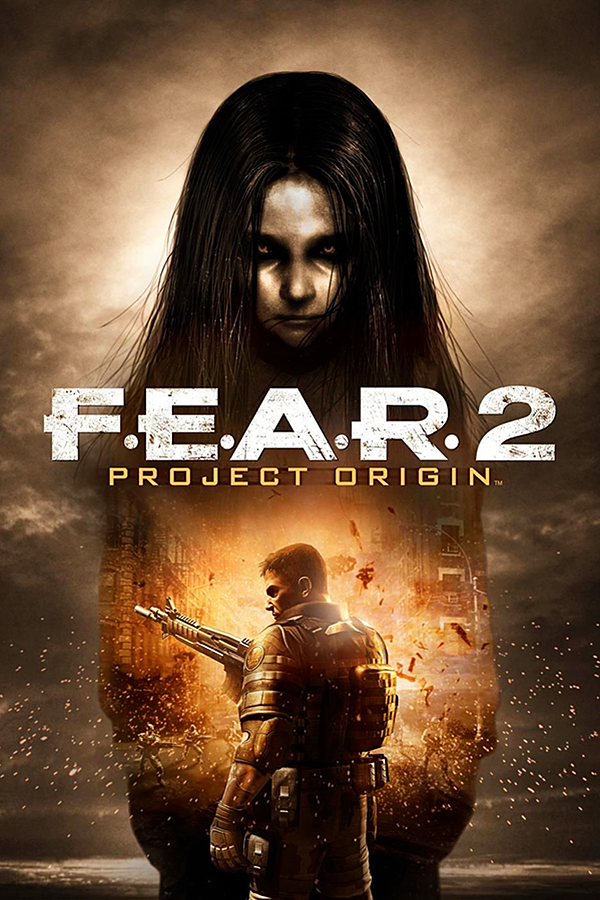
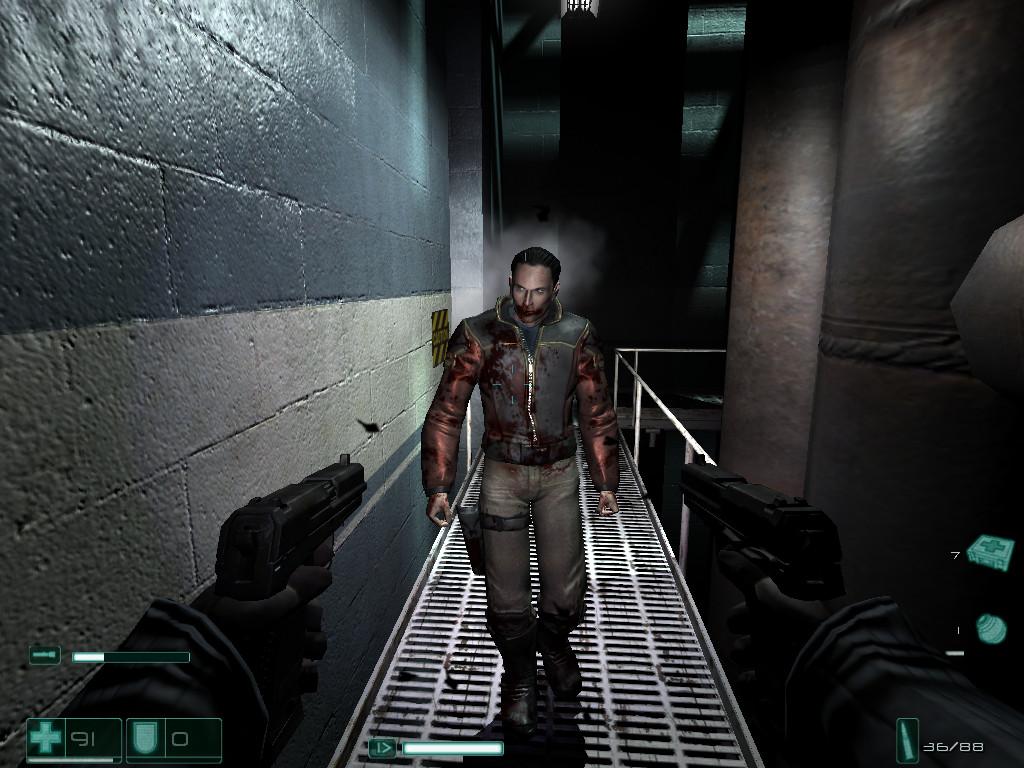
I remember when F.E.A.R. 2 was first announced, and it blew up the gaming world. It was a long-anticipated sequel to one of the best FPS games on PC, and surprisingly, it was also coming to current consoles, which I felt held the game back some, and this infuriated some longtime fans. You continue where the first game left off and must go back into the destruction that the nuke caused and try to stop Alma once and for all.
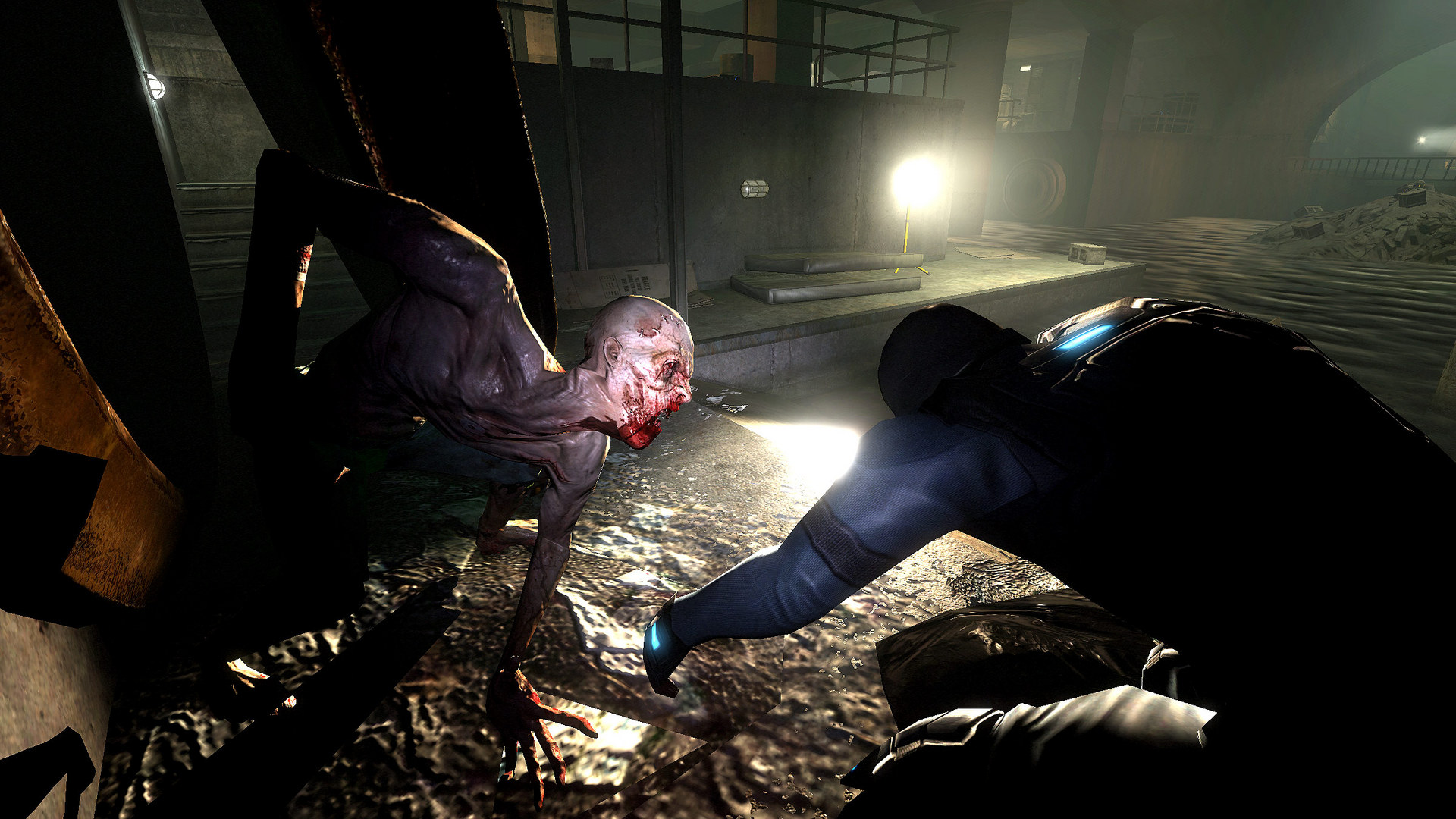
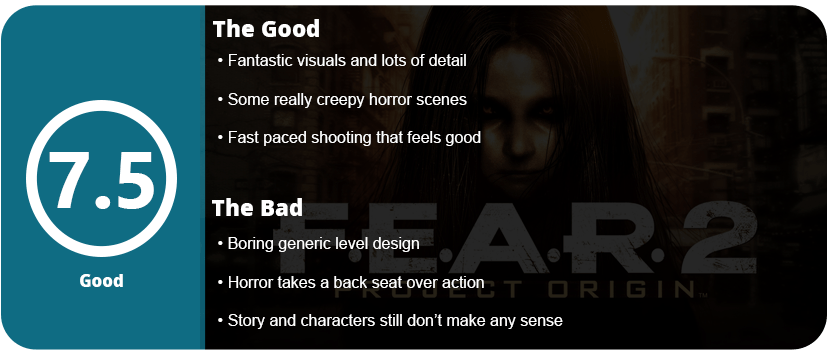
The story and characters are worse than in the first game and make absolutely zero sense. I still don’t know why Alma wants to kill everyone or who Beckett really is (your main character). The game focuses more on action than atmosphere and scares, unlike the first game. There are some really creepy scenes, with the elementary school being by far the best, with poltergeists chasing you in dark hallways. It’s sad that the horror element took a back seat, and the game just doesn’t feel as good as the first game.
The shooting, however, has improved a lot with more responsive controls, faster-paced gunplay, and a slightly higher variety of weapons. The enemies are still generic soldiers called replicas that are just bullet sponges and don’t offer anything interesting to the game. There are two mech sequences added to the game where you can crawl inside one and devastate foes. Outside of feeling powerful, these scenes felt more like filler than anything else. Another continuing issue is the level design. The game is full of generic, desolate city streets, hallways, metal and concrete buildings with catwalks, and industrial decor. It’s the same as before, just with more detail and better visuals.
Slo-mo does make a return here, but I didn’t need to use it as often as in the first game as this one is much easier. Instead of hoarding 10 medkits, you get up to 3 and body armor to help absorb damage. You can still upgrade your Reflex meter by finding syringes and data pads scattered everywhere for story tidbits. I have to say I miss the answering machines and Alienware laptops scattered around, as it felt more organic and required less reading in such a fast-paced game.
The game looks really good, even today. Larger environments, higher resolution textures, better models, physics, and overall lighting effects really stand out, and this game looks far from ugly, just boring and generic. The game tried to switch up the setting with more outdoor environments and less indoor environments, but it doesn’t really matter as the game is still highly linear. It just doesn’t feel like F.E.A.R. did, and that’s a shame, as you can tell there was careful placement of each scare and less focus on action.
Overall, F.E.A.R. 2 is a great sequel and worth your time for a weekend playthrough. It isn’t memorable; there’s nothing special, but the occasional scare and interesting horror elements, as well as fantastic shooting, make for a good game.
Well, I finally did it. I finished F.E.A.R., and that may seem silly to you, but I’ve started this game so many times and just never got around to finishing it. I remember when it was first released and tried out the demo that murdered my PC. The game wouldn’t even start most of the time, and when it did, it chugged at single frames on the lowest settings. As time went on, I tried it on more powerful PCs over the years, and even on Xbox 360, but somehow never managed to finish. As a kid, this game bored me to death. Yeah, that’s right. I never understood the story, the gameplay was boring, and the game is brutally difficult, even in the easiest setting. There’s a lot here to like, despite the game’s age and flaws.
You play as a member of F.E.A.R., or First Encounter Assault Recon. They are a special forces unit that deals with the paranormal, and your assignment is to investigate a girl named Alma who is part of a government experiment that has gone wrong. While Alma is a very famous video game character, the story of F.E.A.R. is not very deep or all that special. The game tells its story a lot like Half-Life 2 does with in-game cut-scenes and various pieces of the story gathered elsewhere. Listening to answering machines and finding Alienware (yeah, they left them in there all this time) laptops will give you insight into the story that becomes quite interesting as the game unfolds.
Outside of the story is the combat, and that’s what made F.E.A.R. famous. The game is extremely difficult if you aren’t on your toes and use your reflex at every encounter. This slows down time and allows you to accurately aim and dodge bullets, almost like Bullet Time in Max Payne. Without it, the game would be impossible to beat, as the enemies can kill you in a couple of hits. You can save up health kits and find body armor lying around that helps, but I just remember how incredibly hard this game was if you didn’t really utilize quicksaves and the Reflex ability.
The game has great shooting mechanics that feel good, but with some generic weapons. Shotgun, pistol, rocket launcher, machine gun, sub-machine gun, and a few unique weapons thrown in the mix make the arsenal a little stale, but doable. The game does get rather scary with many dark hallways, scripted events, and jump scares that make me eerie to this day. Part of what makes F.E.A.R. so enjoyable today is how the game stands the test of time. This game supports ultrawide displays and large resolutions, and it looks really good even today. Sure, the textures are dated and the models are somewhat low-resolution, but the game just looks sharp and runs very well on modern systems. The lighting effects are still impressive, and everything about this game feels only a few years old.
The level design is probably my biggest gripe as you run through generic hallways of brick and steel, and every level is a confusing maze and messy. Part of why I never finished the game years ago was the awful level design that just screams boring. There was never an interesting area that stood out to me, as they all blended together as generic linear hallways. You tend to forget about this as the game is so intense and you’re white-knuckling around every corner. The scare factor still holds up, and so does the intense action.
And maybe that’s all we really need with F.E.A.R. We don’t need cerebral stories, memorable characters, or wacky guns, but a solid, high-octane, challenging shooter experience that you can only get on PC. As it stands, F.E.A.R. should be played by every PC gamer, as it helped drive the genre forward and push GPUs to their limits.
Coming from being a dedicated fan of one manufacturer and switching to a new one can be jarring, but sometimes it can bring in a breath of fresh air. Recently I looked at my Note8 thinking about the Note 9 and realized how little of a difference there is between the two, and about $400. Samsung’s phones have gotten more expensive over the years and have become so pricey that I now have to start putting down payments on my upgrades which I never did before. Then after I decide to wait it out for a while along comes OnePlus. I’ve heard of them before, and most of us have, but they were a flash in the pan that didn’t last very long.
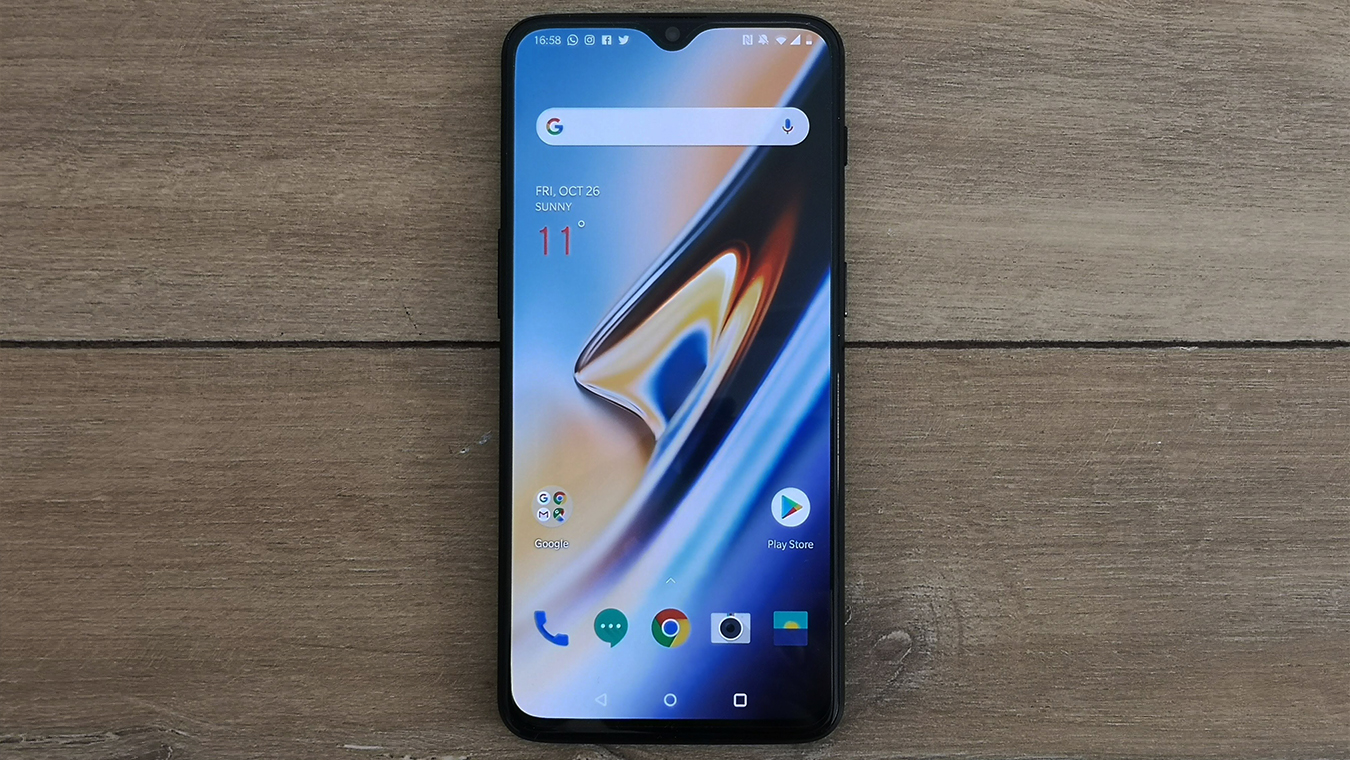
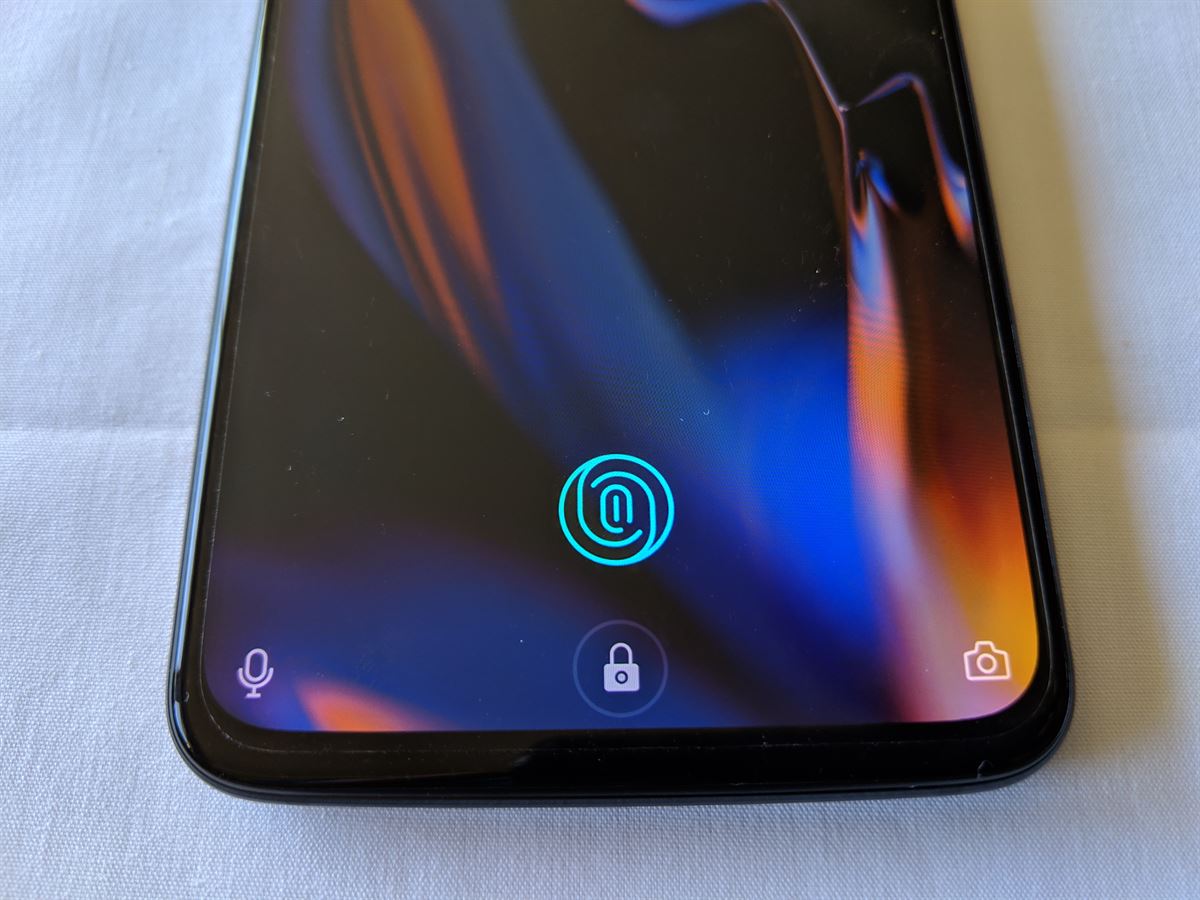
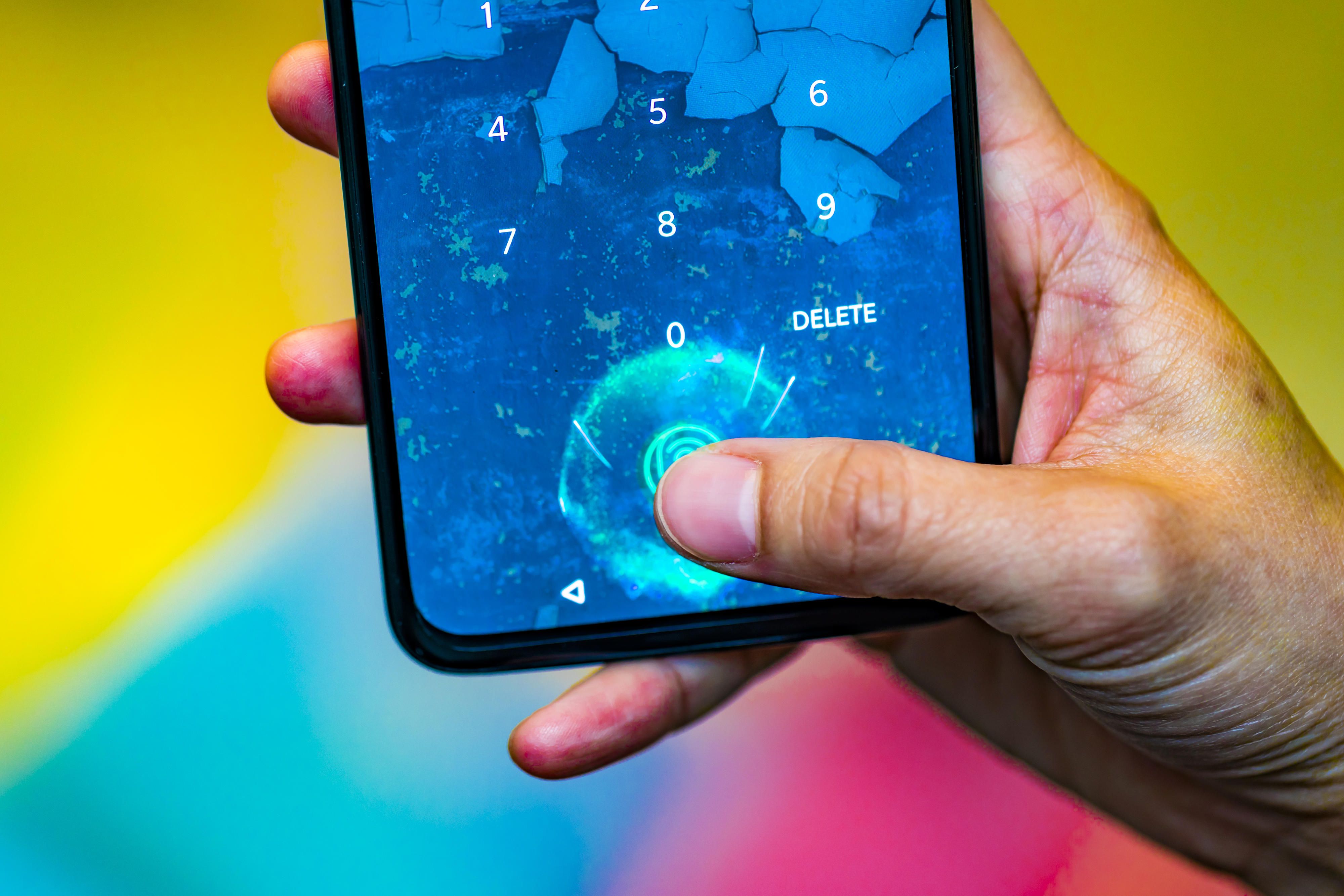
Here we are at the end of 2018 and OnePlus comes out swinging with features that both Samsung and Apple have not done yet or haven’t done right, and that’s what gets you sales. The biggest attraction by far is the on-screen fingerprint sensor and the best screen notch to date, not to mention it’s 1/3 the price of other phones. The same hardware packed into the Note 9 at a fraction of the price? Yes, please!
Looks Matter
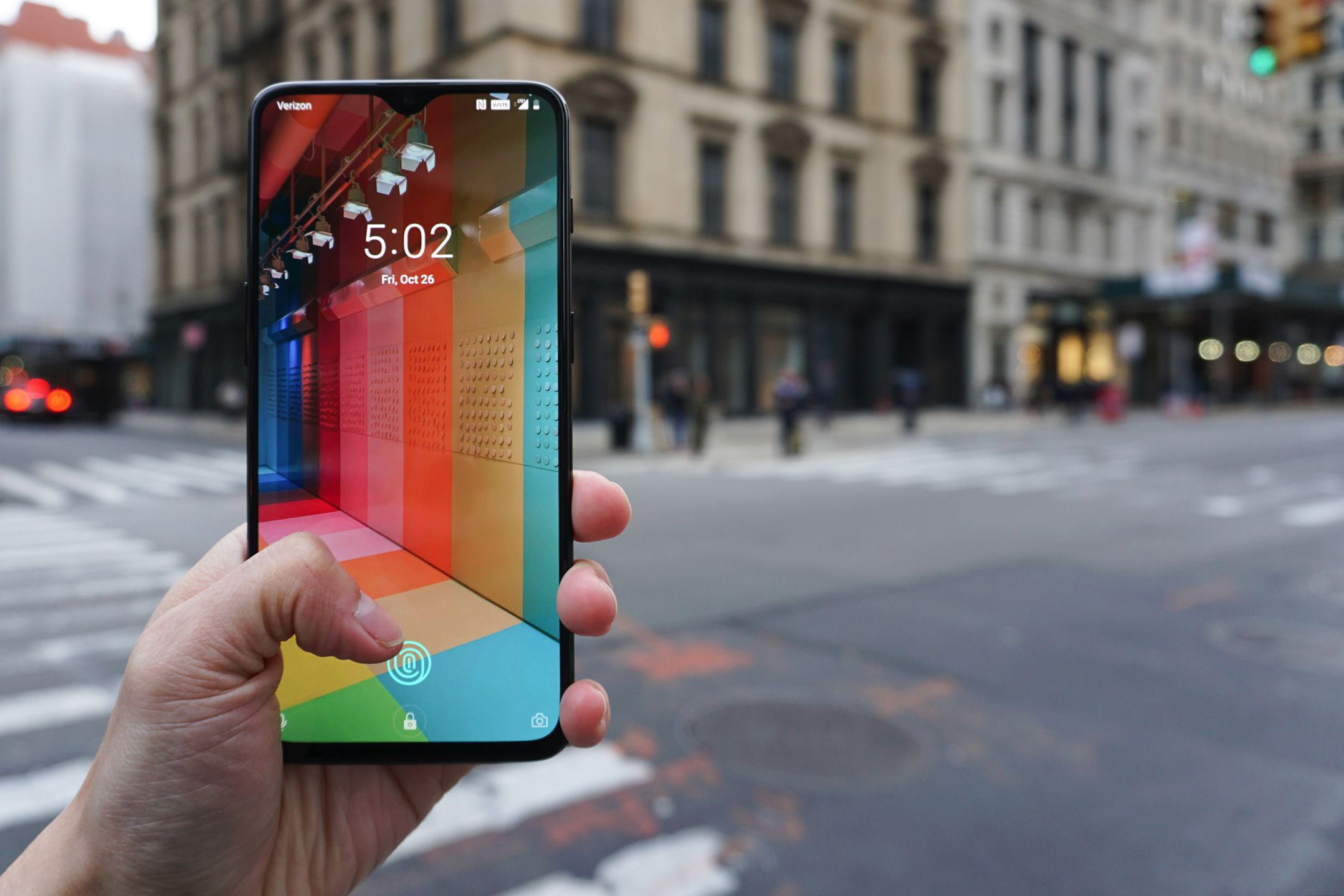
The 6T is a very sexy device and probably one of the nicest I have ever seen. The extreme bezeless display is just amazing to look at and has a look even Samsung can’t get right with their Edge displays. We finally have a phone with about 95% screen, and that’s a big deal. Gone are the days of physical buttons and large bezels for cameras and sensors. OnePlus managed to pack ambient light, a camera, notification LEDs, and everything else into a tiny spot on the front of the phone that is just about the same width as the notification bar. It’s really a sight to behold, and it looks so damn good with the AMOLED display. OnePlus did not cut any corners here, and this is clearly a luxury phone that tops some of the big dogs already.
The entire phone is also made of glass, so it feels high-end and features a volume rocker, a power button, and a volume slider that allows you to physically silence or set your phone on vibrate, and I can’t say how nice this feature is enough. I got so tired of taking my phone out to silence it, and this feels like a great addition. The phone has a USB-C connection, a vertical rear camera, and a flash. It looks sleek, minimal, and attractive at every corner, and it’s still slim with a large 3,700 mAh battery.
Underneath It All
If you go inside the hardware, we have heavy-duty, state-of-the-art hardware that makes this a high-end phone. For starters, the Snapdragon 845 is present with the Adreno 630 GPU for insanely smooth high-end gaming, and thanks to OnePlus’s OxygenOS, the Android experience is buttery smooth, and games never see any slowdown or suffer from poor OS optimization, which is something that Samsung and a lot of other manufacturers suffer from, at least in a small amount. The $580 model also comes with 8GB of RAM, which makes switching apps and loading them lightning fast, and they instantly load. This is also in part due to being the first Android phone to launch with Android Pie 9.0, which has insane optimizations and feels on par with Apple’s iOS, which is well known for being fine-tuned to their hardware.
Gone are the days of 32 and 64GB of storage, so we get 128GB and 256GB options on the 6T, which is more than enough, and the exclusion of an SD card slot is a little disappointing, but OxygenOS has the option of using OTG (on-the-Go) storage built into the OS, so your USB-C flash drives will come in handy there. The phone also has no headphone jack, but at this point, most phones are leaning that way, and it does save space inside the phone. This isn’t a deal-breaker for me at all, as I don’t use headphones with my phone hardly ever. I do have to mention that this phone does not have wireless charging, which was a bummer and probably the biggest disappointment with this phone, but it makes up for it with the fastest charge time I have ever seen. In my first test, my phone was at 30% and charged to 90% in just 30 minutes. I couldn’t believe what I was seeing, so a full charge would be about an hour or less, which is insane. Even on my Note8, a full charge from 0-100 was almost 2 hours on fast charge, and it was a smaller battery. With that said, you have to use OnePlus’s proprietary charger cables and plugs.
The phone features a 16MP+20MP rear camera, a dual-lens camera, and a 16MP front-facing camera, which is kind of unheard of. It can actually shoot 4K at 60 fps, which the Note 9 can do, but only for 5 minutes. The photos are incredibly sharp and vibrant, and I am not disappointed at all with this setup. Camera enthusiasts won’t be disappointed.
A Smooth Ride
There are quite a few options in OxygenOS that just kept impressing me, and this is clearly the most innovative and optimized Android OS variant I have ever used. I actually didn’t need my third-party home launchers for once, which was nice. There are plenty of options to change themes, accent colors, and icon packs, and the Shelf is a great alternative to Samsung’s Edge Bar as you can swipe left and have a whole area full of neatly organized widgets that allow you to add weather, app shortcuts, contacts, and various other things. I use it a lot, and it’s much easier than searching for apps in the drawer.
OnePlus’s Game Mode works well, and while not quite as robust as Samsung’s, it feels more optimized and has some options. Samsung doesn’t like the various ways notifications display and what part of the hardware you actually want optimized, rather than a universal setting. It has more options than features, which is fine with me. OnePlus also added a night mode and a reading mode, which will make apps appear in black and white and change the darkness based on the ambient light.
OnePlus is also the next phone to use something similar to Samsung’s Always On Display, as the 6T has a gorgeous AMOLED screen. However, it utilizes this feature better, as the actual notifications will now pop up with text while the phone is off rather than just an icon, which is really awesome. The ambient display is also not always on to conserve battery life but allows you to tap the screen to show it or when you pick up your phone. These are quality-of-life features that other manufacturers aren’t thinking of.
There are some nice gesture features, such as drawing letters on the screen while it’s off to launch apps, and the navigation bar is fully customizable. You can hide it and even use gestures to navigate the phone, which I am currently using, and it’s incredible. Swipe up on the bottom left corner for back, bottom right for forward, and up in the center for recent apps. It works so well, and I haven’t run into any issues with it.
Overall, the OnePlus 6T is the phone we’ve needed in 2018 when the big guys aren’t innovating anymore. Each year, phones are less and less dissimilar, and the prices are skyrocketing. OnePlus brings us premium luxury features at a budget price, and it knocks every single feature out of the park that it does have. Sure, it’s missing a 3.5mm headphone jack, wireless charging, and a higher resolution screen, but in the end, it doesn’t matter as it does everything else the others are doing better and bringing new things to the table. In-screen fingerprint scanning, ultra-fast charging, a nearly invisible notch, and a gorgeous camera are nothing to scoff at.
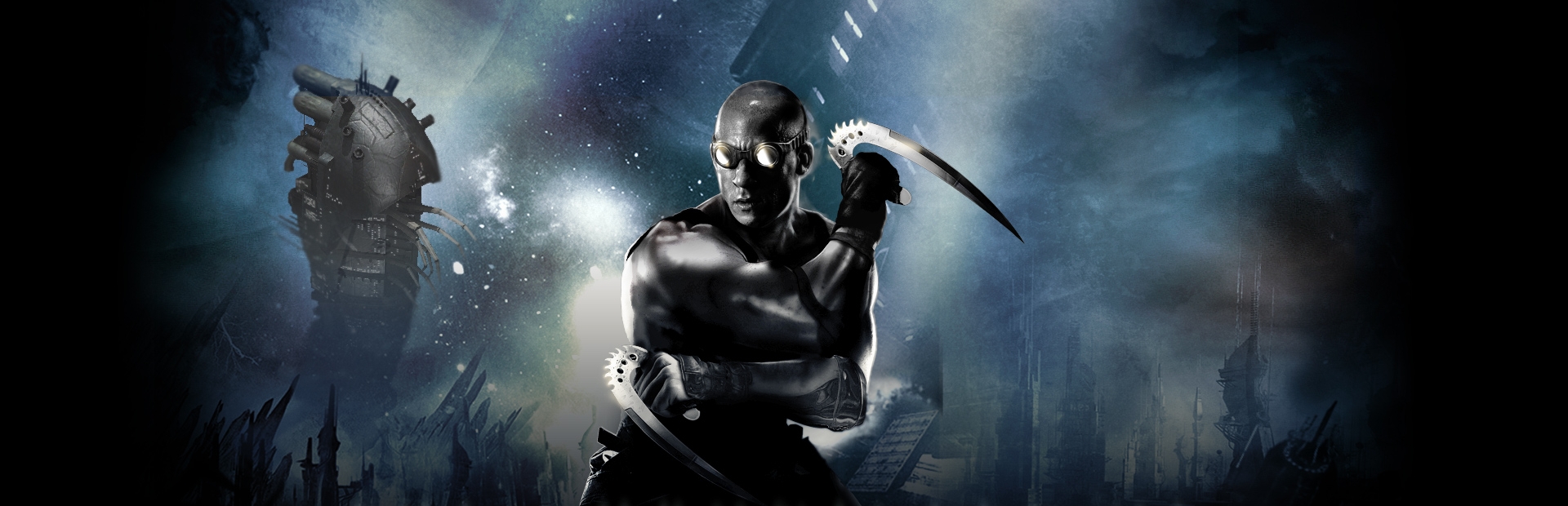
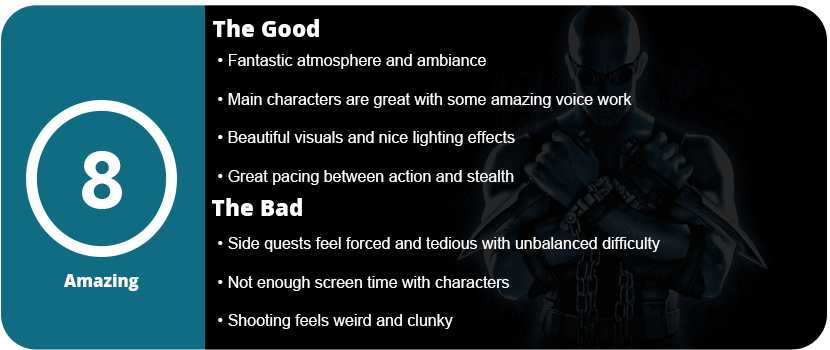
Escape from Butcher Bay was a revolutionary game for its time, with dark and gritty visuals, a dieselpunk atmosphere, and interesting characters. It was also a technical marvel that only a few games had achieved at the time. Assault on Dark Athena would be, of course, a highly anticipated sequel with next-generation technology. You play as Riddick once again, trying to escape another hell hole known as Dark Athena, which is a renegade merc ship holding Riddick prisoner and using dead bodies as drones.
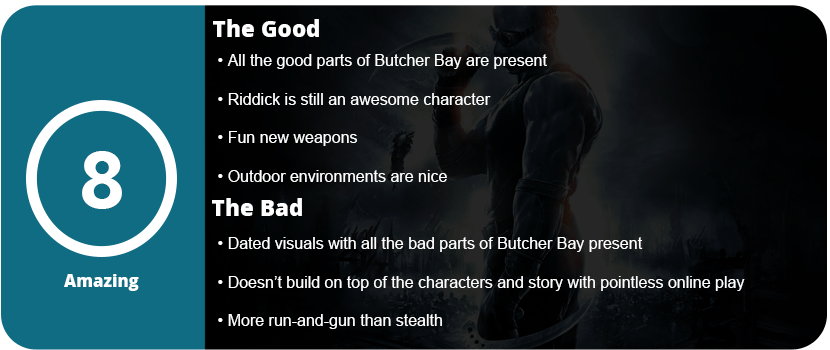
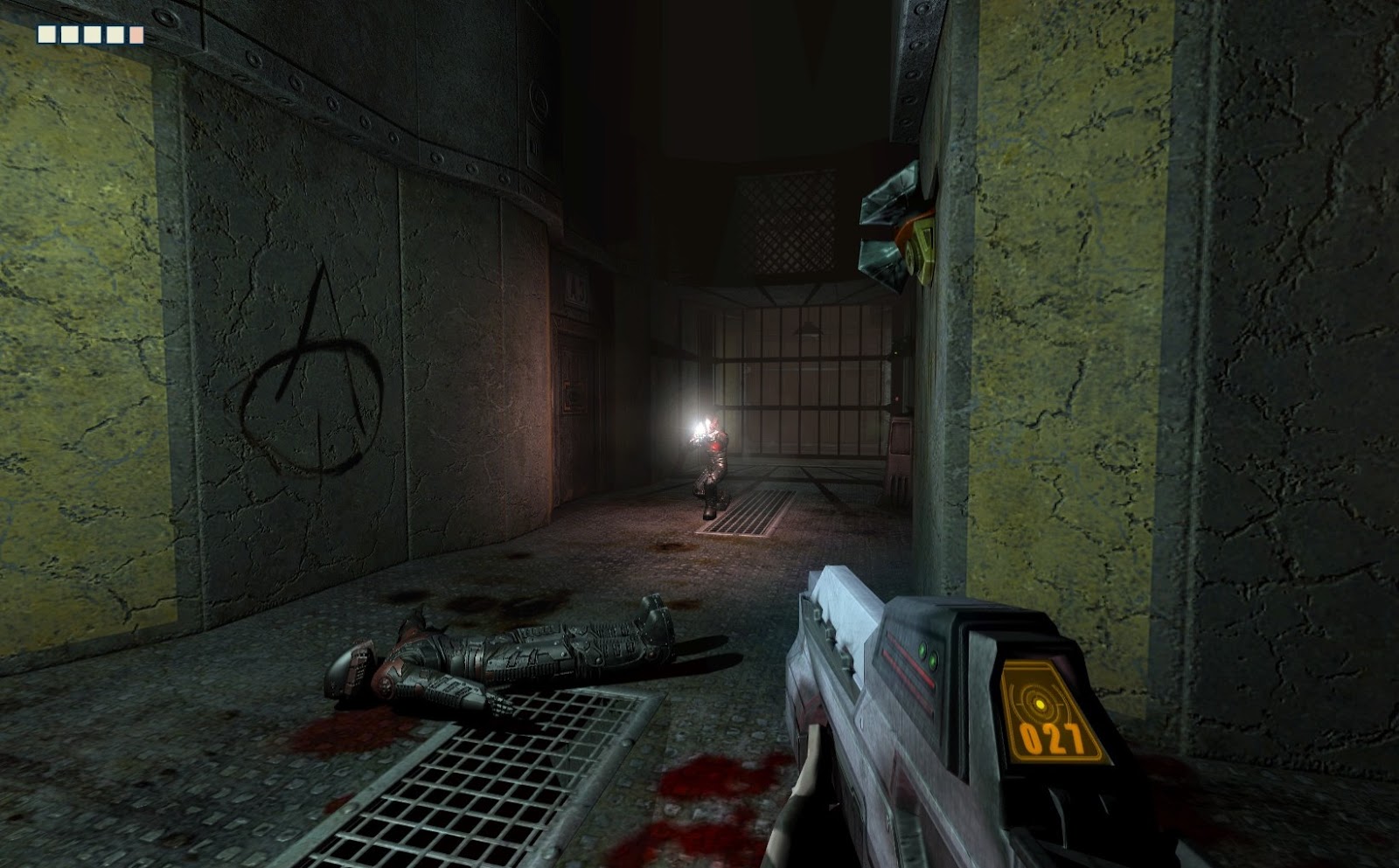
Surprisingly, and right off the bat, this is almost exactly the same as Butcher Bay in every way, shape, and form. That’s not completely bad, but it makes the game feel very dated and gets held back by Butcher Bay’s problems. This almost feels like an expansion rather than a sequel, and since it was released five years after the first game, it really shows its age. For starters, the same animations, models, weapons, and overall gameplay are almost just a slight upgrade over the last game, and I honestly couldn’t tell the difference between the two. The weapons still fire really inaccurately, the AI is still awful, and the game is overly linear.
Sadly, some of the best parts of Butcher Bay are absent, such as the areas where you get to talk to people and soak up the atmosphere and interesting characters. The entire game focuses solely on Riddick and his nemesis, Reyas, who gets little screen time. Even the opening isn’t as interesting or cinematic as the first game, and to be honest, there’s even less stealth required in this game. This is due to getting a new weapon known as the SCAR that shoots detonatable percussive blobs, so the game rides the last half on this weapon. There were only a few stealth areas that were mandatory to keep from dying. It’s mostly running and gunning, with a lot more climbing and platforming.
That’s not necessarily bad, but the pacing is a little more off, and another trade-off is that you’re not stuck on the cramped Dark Athena ship the entire time. You end up crash-landing on the planet below and getting to explore some outdoor environments, but again, completely void of life. I feel like this game could be so much more and really hold itself back. There’s a lot of lore, backstory, and interesting things that could be shown. Outside of shooting, melee combat is exactly the same with a new edition of the UK’s, which are badass knives but aren’t used much after the first half of the game.
Visually, the game looks decent but looked dated even when it was released, as it was using a dated engine. The shadows look great, and there are some new effects for PC, such as better anti-aliasing, SSAO, and high-res textures, but even when it was released, it didn’t punish PCs too much. The voice acting is once again astounding, but there are a lot fewer characters here, and it’s sad to have even fewer cutscenes than in the last game. The ending is also really stupid with no resolution, and the entire game refuses to build on the character of Riddick and his purpose to even exist.
Overall, Assault on Dark Athena is a fun sequel to a game with many flaws that transferred over, but the sum of its parts is an enjoyable 6-hour experience that’s probably quite forgettable. Its prequel is much more memorable, and Dark Athena focuses too much on tired gameplay and less on building on top of an already great sci-fi world and character.
There once was a time, back in the early 2000s, when first-person shooters were breaking ground and shaking the industry. Deus Ex, Half-Life, Unreal Tournament, Quake, and various other franchises were considered the “Golden Era” of FPS. The Chronicles of Riddick was one of my favorite movies growing up as a kid. Vin Diesel was a mysterious, sinister badass, and the movie was oozing with character, atmosphere, and insane dieselpunk sci-fi goodness. When Butcher Bay was released, I remember the movie, including the Xbox demo from Blockbuster Video, and I was so mad I didn’t have an Xbox or PC at the time.
Fast forward 14 years, and I have finally experienced this masterpiece from two console generations ago. Riddick was a serious industry shaker at the time, not only for its graphical fidelity but also for the rich atmosphere, mature content, and Vin-freakin’-Diesel. The story isn’t exactly fantastic, and it’s a short game, but the experience itself is pretty incredible, and there’s no other game like it (except its sequel, of course).
You play as John Riddick himself, who is captured by bounty hunter Johns and taken to Butcher Bay Maximum Prison, which is on another planet. Hoxxie, the prison warden, is the bad guy here, along with creepy creatures and the guards themselves. I love the opening of this game as you are in the max-pop area and get to talk to other prisoners and complete side quests to earn currency for weapons and cigarette packs that unlock concept art. The atmosphere is amazing, with dieselpunk structures, dirt, vomit, grime, and nastiness everywhere, and the entire complex is dark, looming, claustrophobic, and morbid.
Don’t get too excited about hearing “side-quests,” as the area is very small and it’s nothing more than talking to this guy to get that thing and bring it back to that guy, so he will talk to you now to give you that thing to bring back to the last guy. There are only two areas where you can do this, and it feels a bit off, forced, and kind of unnecessary. There’s no character building, and none of the prisoners are really fleshed out. I would rather have just walked around, talked to people, and moved on; it really just felt like extra game time tacked on, not to mention that the quests are kind of tedious.
Once you move past the first area, you go around sneaking up on guards, breaking necks, and getting into a lot of shootouts. For someone who likes the dark so much, there are a lot of shooting sections and only a few sneaking areas, but those give way to problems as well. The AI can see you no matter how far away they are, and it makes learning guard patrols and sneaking around successfully a pain. A lot of the time, I had to just shoot everyone or run away and come back. In the last third of the game, you don’t even get weapons and only a tranq gun that stuns guards with a slow reload animation, so this makes sneaking even more difficult.
The game is also ridiculously hard; I died more times than I can count, and a lot of it was because of the clumsy shooting and fighting mechanics. Sure, they work, and the three guns are cool and have personality, but they are so inaccurate that I had to unload a whole clip per enemy because the spread was so wide. Fighting also poses problems as you can’t really do combos, the AI’s punches are so random, and doing parries is hit or miss. It all works and looks good, but it could have been cleaner and tighter.
The story isn’t really all that detailed, and Riddick’s character is barely talked about here. You learn where he gets his night vision, and honestly, the whole story is really anticlimactic. There aren’t many cutscenes, and I wanted more screen time with Riddick, Johns, and Hoxxie because their characters are great. Even Abbot, voiced by rapper Xzibit, is an awesome character, and we stop seeing him about 1/4 through the game.
The game also looks great, and the lighting effects were unreal back in the day. I played the version on Assault on Dark Athena, so it was upgraded to that engine, but the original version needed a beefy PC and pushed the Xbox to its limits. The music kind of stinks and sounds really generic, but the sounds are awesome, with fantastic voice acting and ambiance.
Overall, Escape from Butcher Bay is an FPS classic that everyone should play. The game is dark, crude, mature, and oozing with character, but it’s just sad we only get morsels for the story and on-screen time with some great characters.
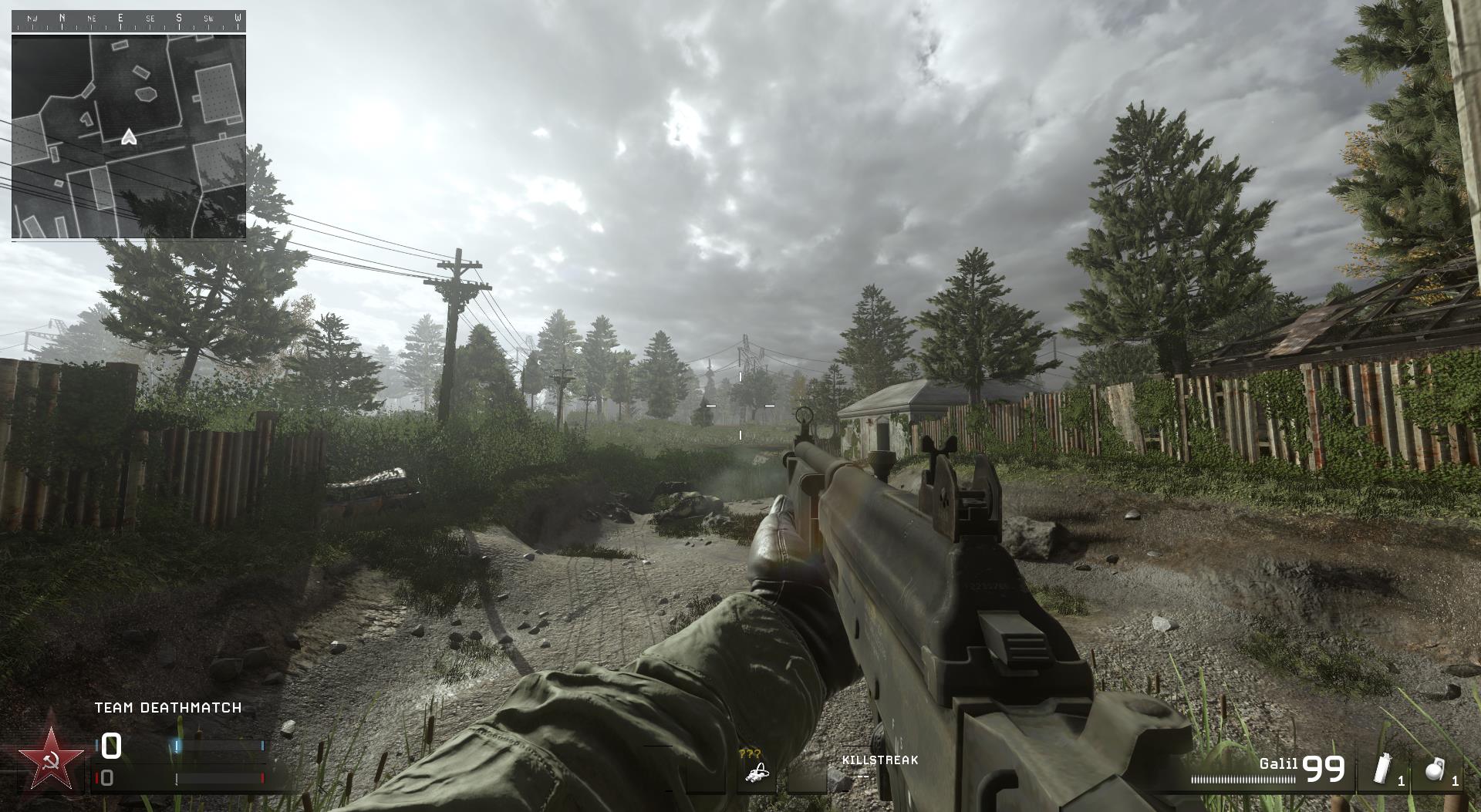
When a game as big as Call of Duty 4 gets remastered, it takes you down a serious memory lane. I remember watching the E3 reveal video of the “All Ghillied Up” level and being blown away. The cinematic gameplay and delivery of CoD4 were unheard of back in the day and helped push that generation of consoles forward. It was a groundbreaking game, despite where the series has gone over the years. Each level was carefully laid out with memorable moments and varied gameplay that most first-person shooters didn’t do 10 years ago, and that’s just the campaign. The multiplayer rewrote how first-person shooter online play should be.
That sound you hear when you hit an opponent and the X that appears in your crosshairs when you nail them? That was all Call of Duty. Being able to earn ranks and upgrade your weapons over time? That was Call of Duty. The maps were fantastically designed, and the weapons felt amazing to shoot. The movement was fluid, the pacing was perfect, and the opening scene on the ship is something I will never forget. Take all of that, fast-forward 10 years, and then stick the game in a current-generation engine, and you have a game that holds up and is better than any recent Call of Duty game.
While the campaign only lasts about 4 hours or so, there’s so much variety. From the stealth missions in Pripyat to using the AC-130 and bombing the crap out of Russian ultranationalists and even running away from choppers in vehicles, There’s various terrain, weapons, and pacing to make the campaign feel far from boring. While the story is generic and barely interesting, the gameplay isn’t. You play as two separate military teams from the US Marine Corps and the SAS. “Soap” MacTavish and Jackson are your two guys, and while it doesn’t really matter gameplay-wise, Captain Price is actually quite a memorable character as he has interesting dialog, cracks jokes, and has such a unique appearance. It seems silly, but Call of Duty 4 was the only game in the series that had anything really interesting or memorable going on.
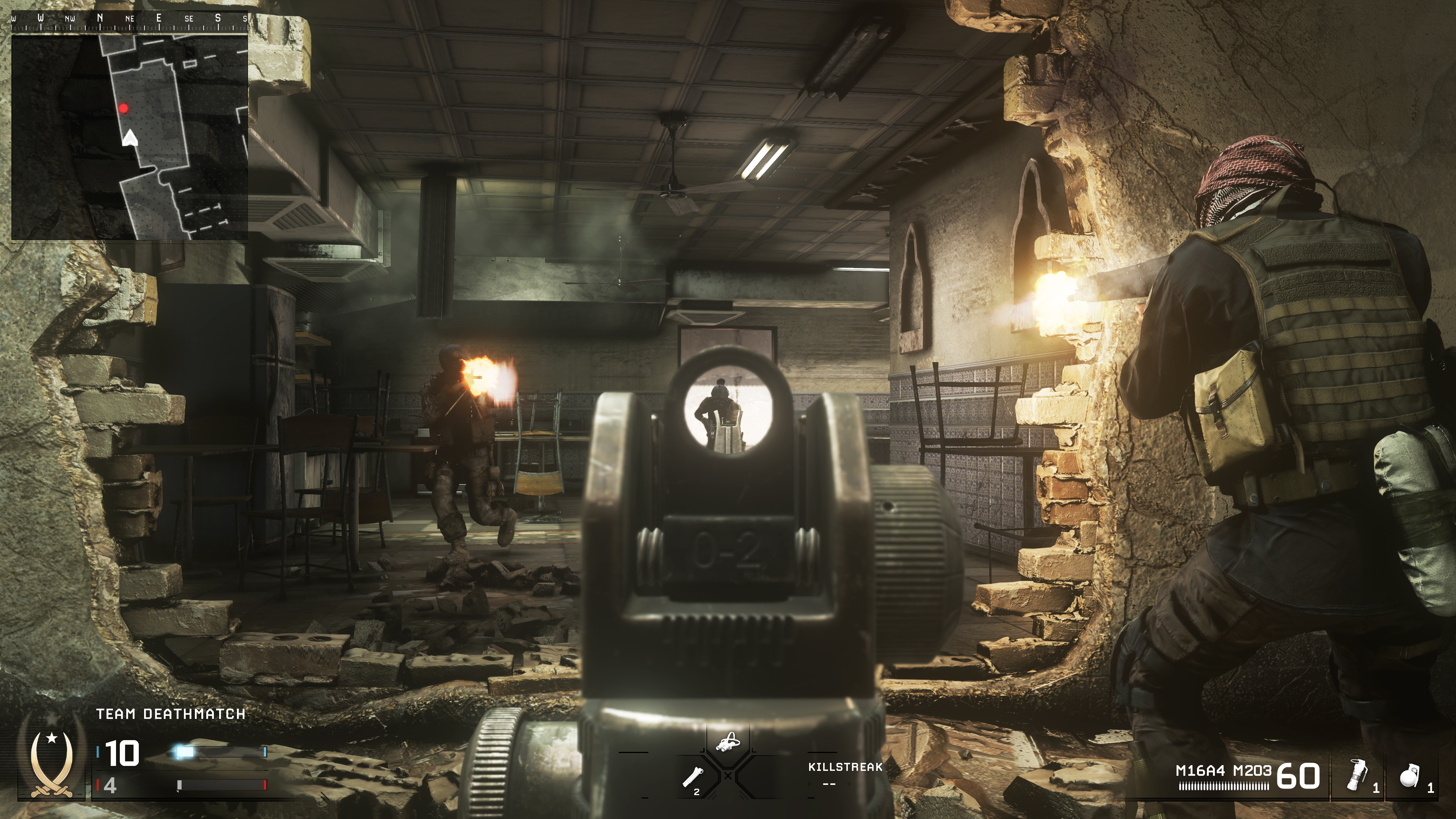
The multiplayer here is not only groundbreaking but also super addictive and fun. There are several different game modes, but my favorite has always been Team Deathmatch. The maps are perfectly designed and make it easy to remember every nook and cranny. Upgrading weapons and ranking up is so fun in this game, and you could literally spend dozens and dozens of hours just in the multiplayer alone. Despite how much time you spend on the online portion, I just wish the campaign was longer. It’s such an overlooked part of the game and trumps any future Call of Duty campaign.
The visuals have been massively upgraded to the point where current hardware will have a hard time rendering them. The textures look beautiful and have been painstakingly redone to make this game look like it was released yesterday. Lighting, physics, sound, and models have all been redone to look current, and it looks amazing. So much so that you need at least 8GB of VRAM just to see all the textures in glorious detail and at least GTX1060 to get the game off the ground at 1080p.
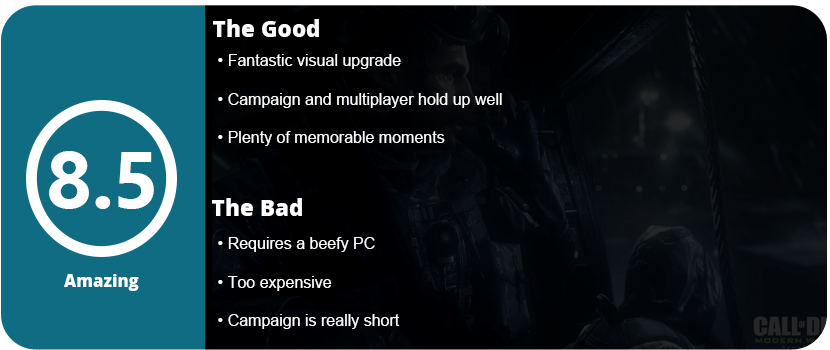
Overall, Modern Warfare Remastered is a snippet of a game that pushed the first-person military shooter in a new direction, but it also shows just how far downhill the series has fallen. Carefully planned-out campaigns and memorable maps are long gone for this tired franchise, but at least we have an upgraded version of one of the best shooters of the last decade.
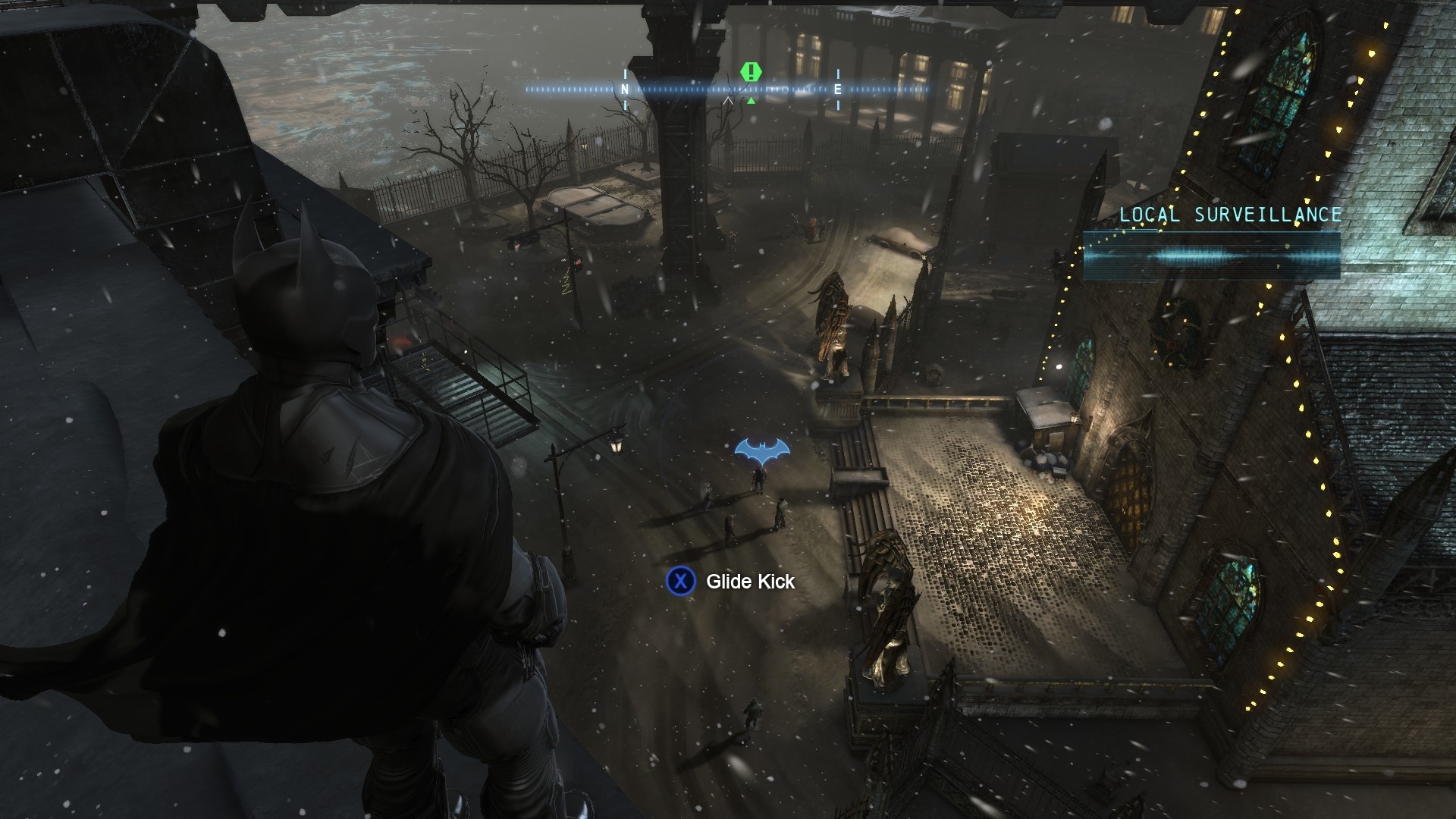
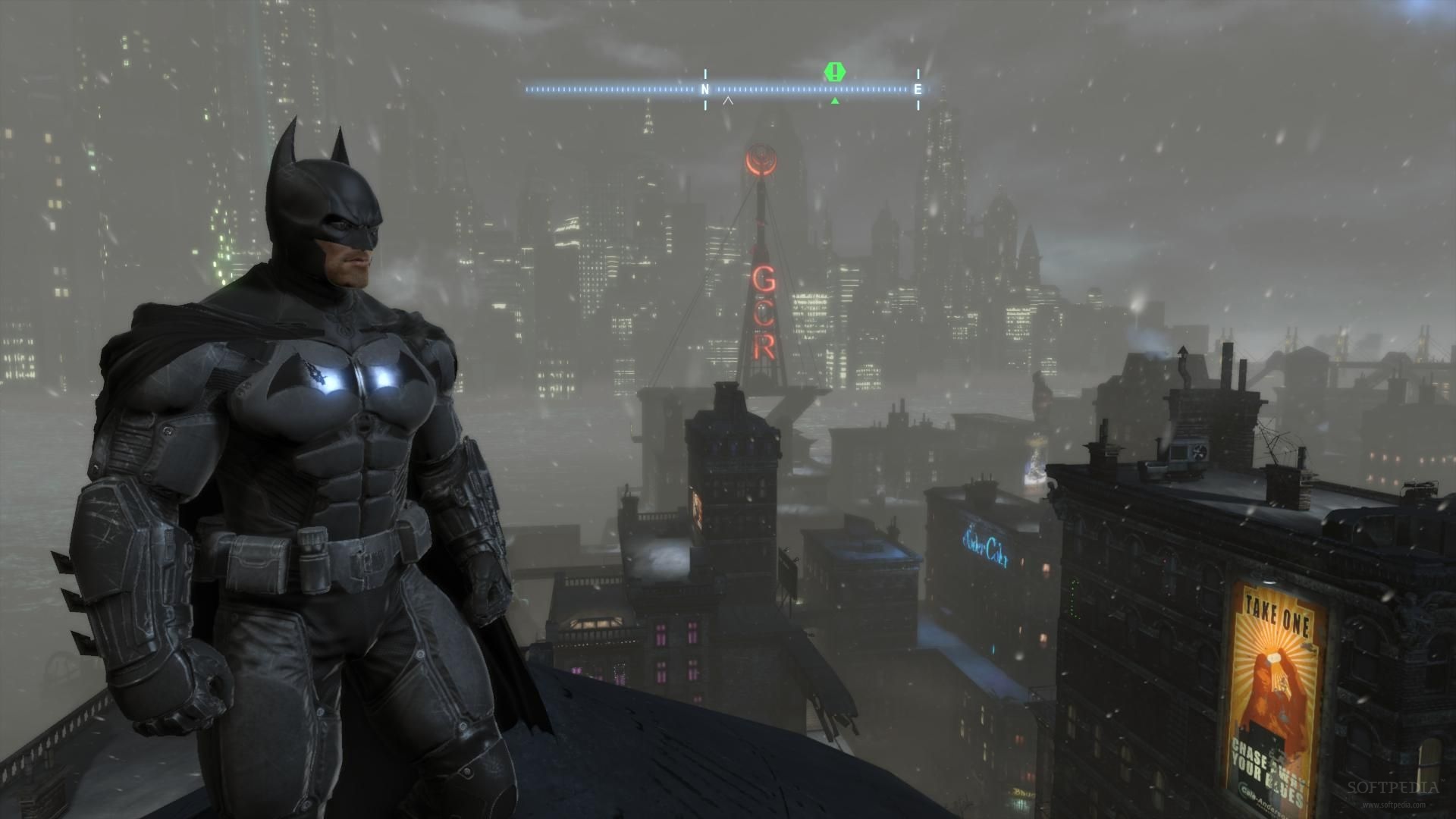
The Batman Arkham series is probably the best superhero video game series ever created. Arkham Asylum really paved new ground for action games in general, from the narrative, combat, and puzzle-solving aspects to even stealth mechanics. Arkham City built an open world on top of this with crazy Riddler puzzles, many side missions, and a deeper, more exciting world to explore, so where could the game go from there? A prequel, of course, and after the Arkham City series, fatigue started to settle in as it was a long, tough game.
So, here we are with Arkham Origins, the Batman game no one wanted or asked for. It’s also not developed by Rocksteady, so a lot of people became wary of the game, including the original voice actors being replaced by younger-sounding ones. This game is set only a couple of years after Batman becomes who he is and hasn’t met The Joker yet. The Gotham PD has labeled him as a wanted criminal, and Bruce Wayne is young and full of anger. It’s nice to see Batman become a little more flawed and feel more fragile than before, but it doesn’t last long, and I really wanted more depth for these younger characters.
Origins is kind of open-world and is more like a snippet copied and pasted straight out of City, which I felt was too safe. The world is devoid of life, kind of boring to explore, and there’s not much to do outside of a few side missions and solving tower puzzles to unlock fast travel locations, which is also kind of pointless. The meat of the game is the story missions, and they are quite a bit of fun here and there. As I stated earlier, the game plays too safe, so the memorable cinematic moments from previous games are pretty much gone. You literally go from one room to the next, jumping around, beating up bad guys, doing the occasionally flawed stealth mission, and then having a boss fight.
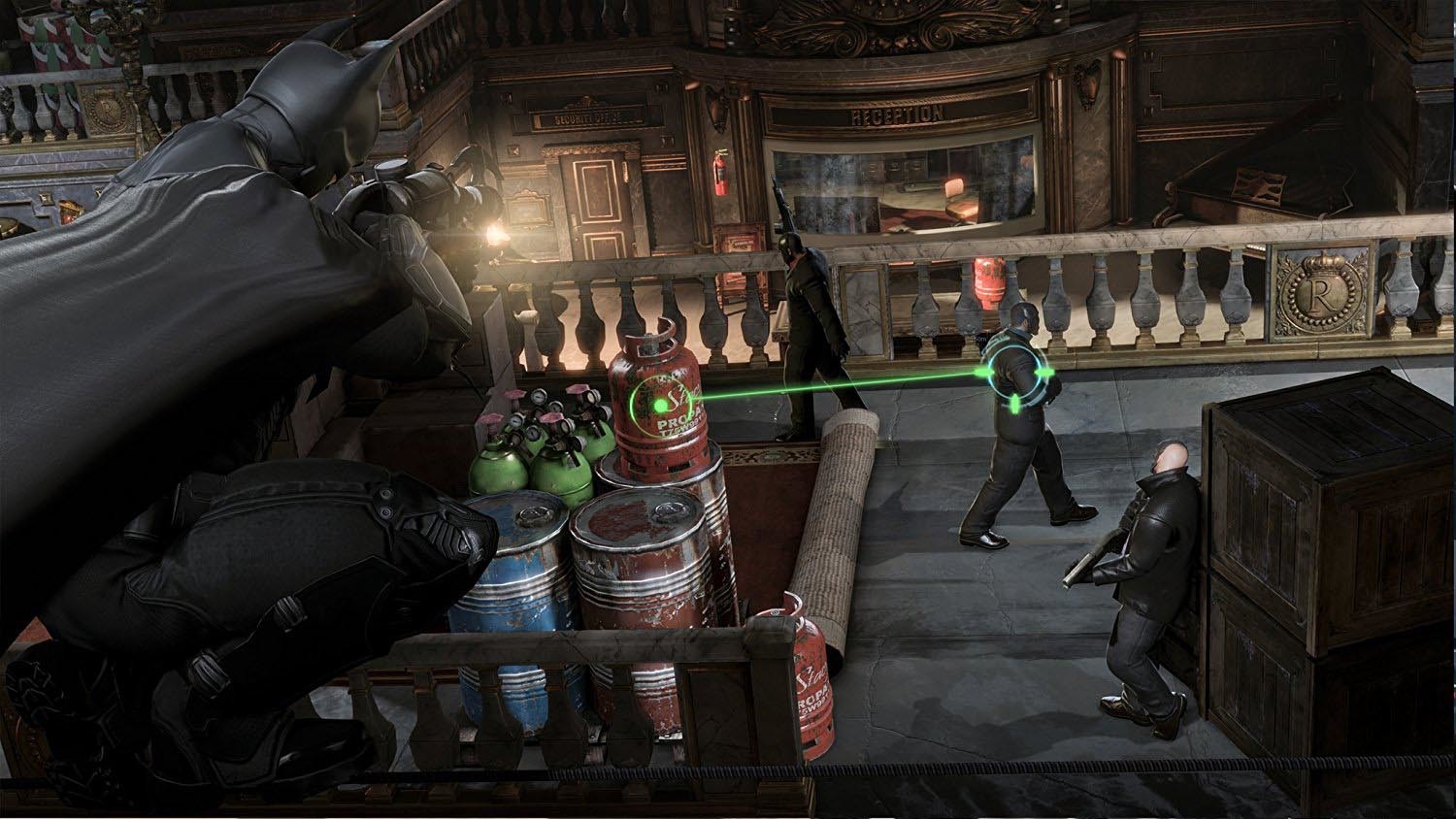
The combat system is really starting to feel stale here; while it’s really good, bouncing from baddie to baddie and stringing up combos and doing instant counters, it just feels too repetitive. You can use your gadgets to get an advantage, but just mashing the attack button and countering works just fine, so the gadgets felt kind of useless, and I never felt in such dire straits that I was clinging to pixels of health and barely getting out of fights. The stealth areas also feel stale as swinging around the tops of gargoyles and waiting for the right moment to swoop in on an enemy, take them down, and scramble back up is a tiring formula, and again, using Bat gadgets felt kind of useless as no matter what you use, the enemies are alerted and their patrol patterns are disrupted, making it a cat and mouse game of open opportunities.
I also felt the stealth arenas just weren’t set up as nicely as previous games and lacked something unique about each area. Even the level design is kind of whatever, with recycled content from previous games and absolutely nothing new to make this game stand out from the rest. I lost interest in finding data packs in each level, and the overall atmosphere of the game just feels dusty and dried out here.
Let’s talk about bugs and glitches. Even after all this time, there are bugs that caused my PC to completely crash, requiring a hard reset, texture glitches that require game configuration file edits, and FPS drops out the wazoo even on a top-of-the-line PC. It’s unacceptable, and the game almost became unplayable. The game also looks dated using City’s engine, but somehow not as good-looking. Textures are blurry in spots, and the animations are a little wonky here and there. The entire game just doesn’t feel as polished as the last two.
That’s not to say Origins is a bad game; it’s just unnecessary. Stuck between console generation cycles and being released too soon after City was just a huge mistake. The story is interesting enough to keep playing, but it doesn’t stand out and just feels like a massive expansion to City rather than a prequel.
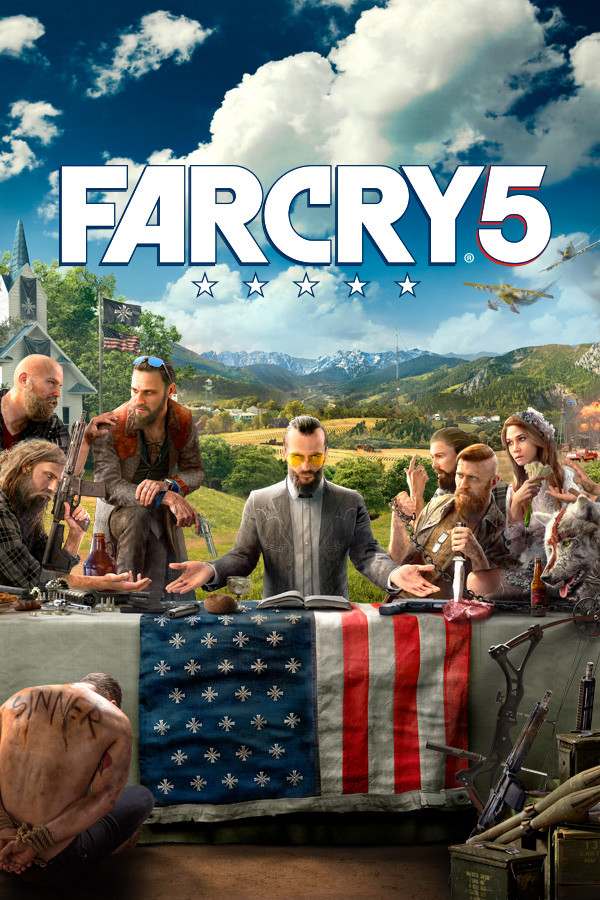
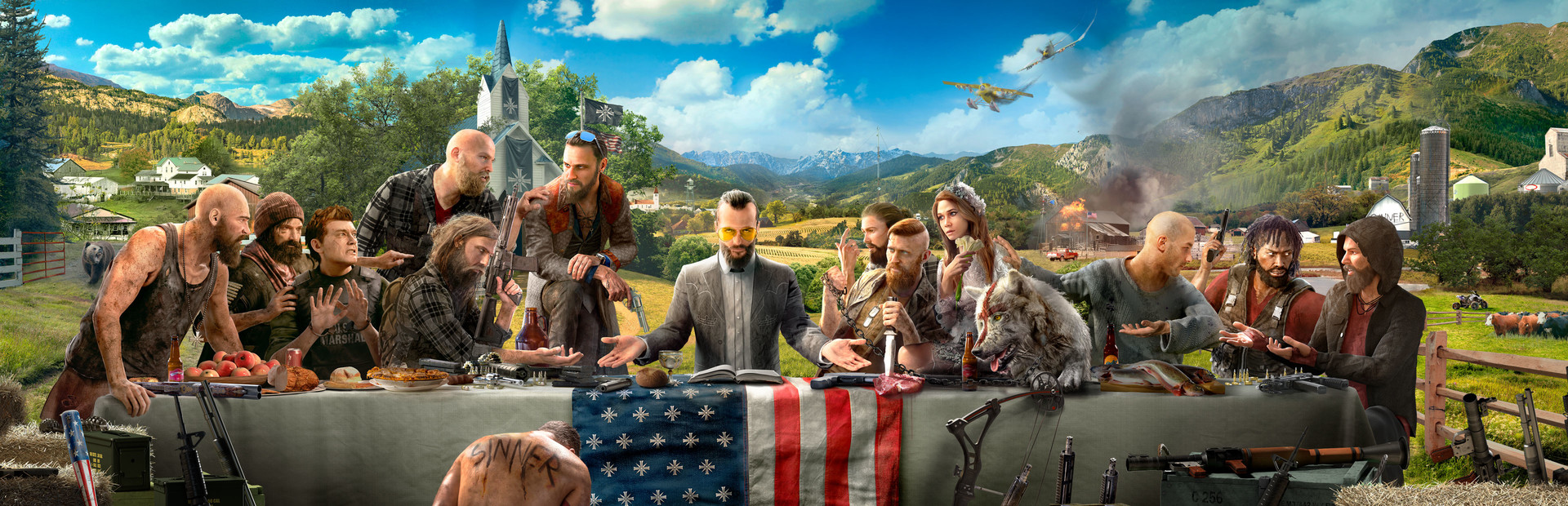
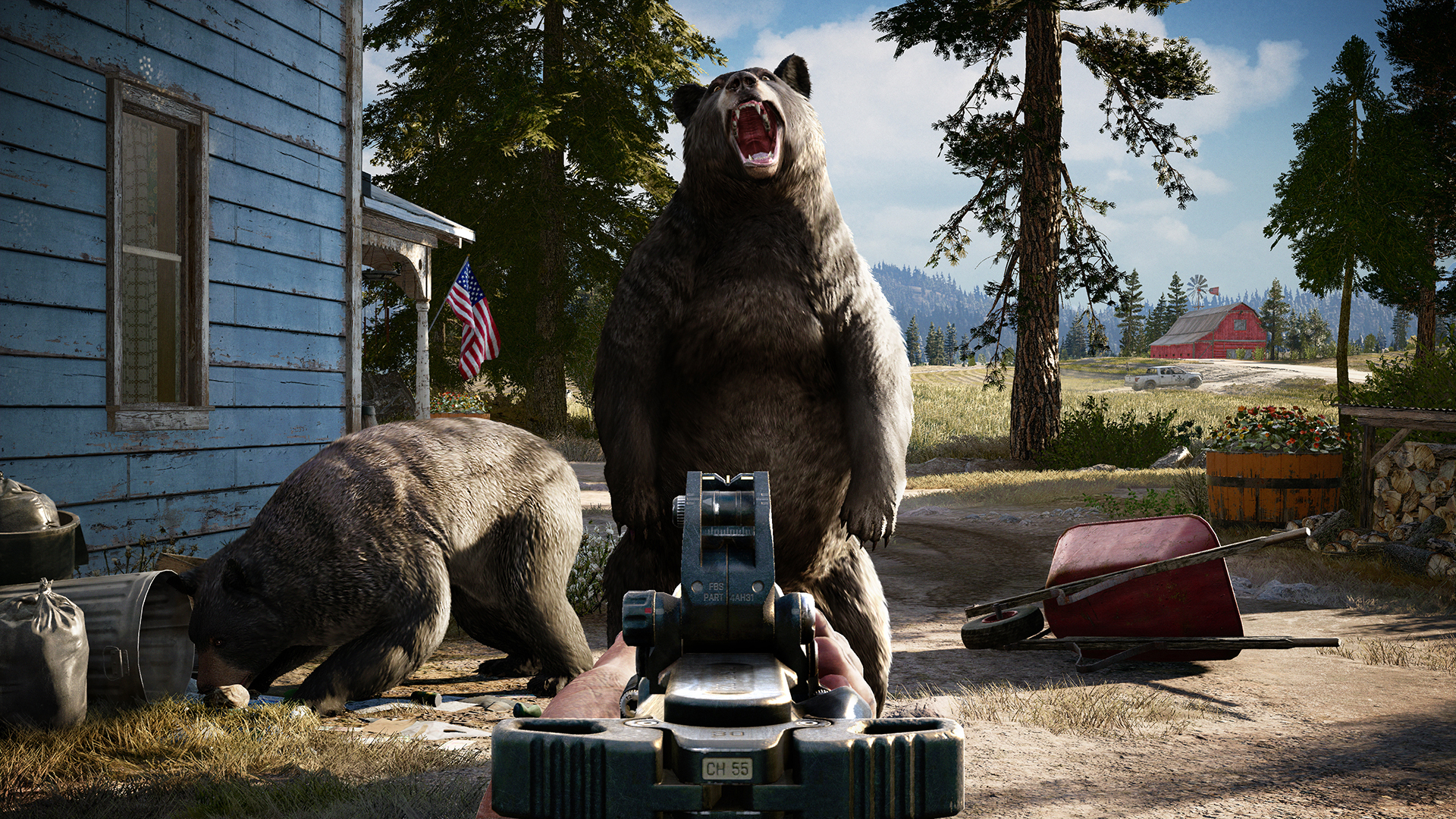
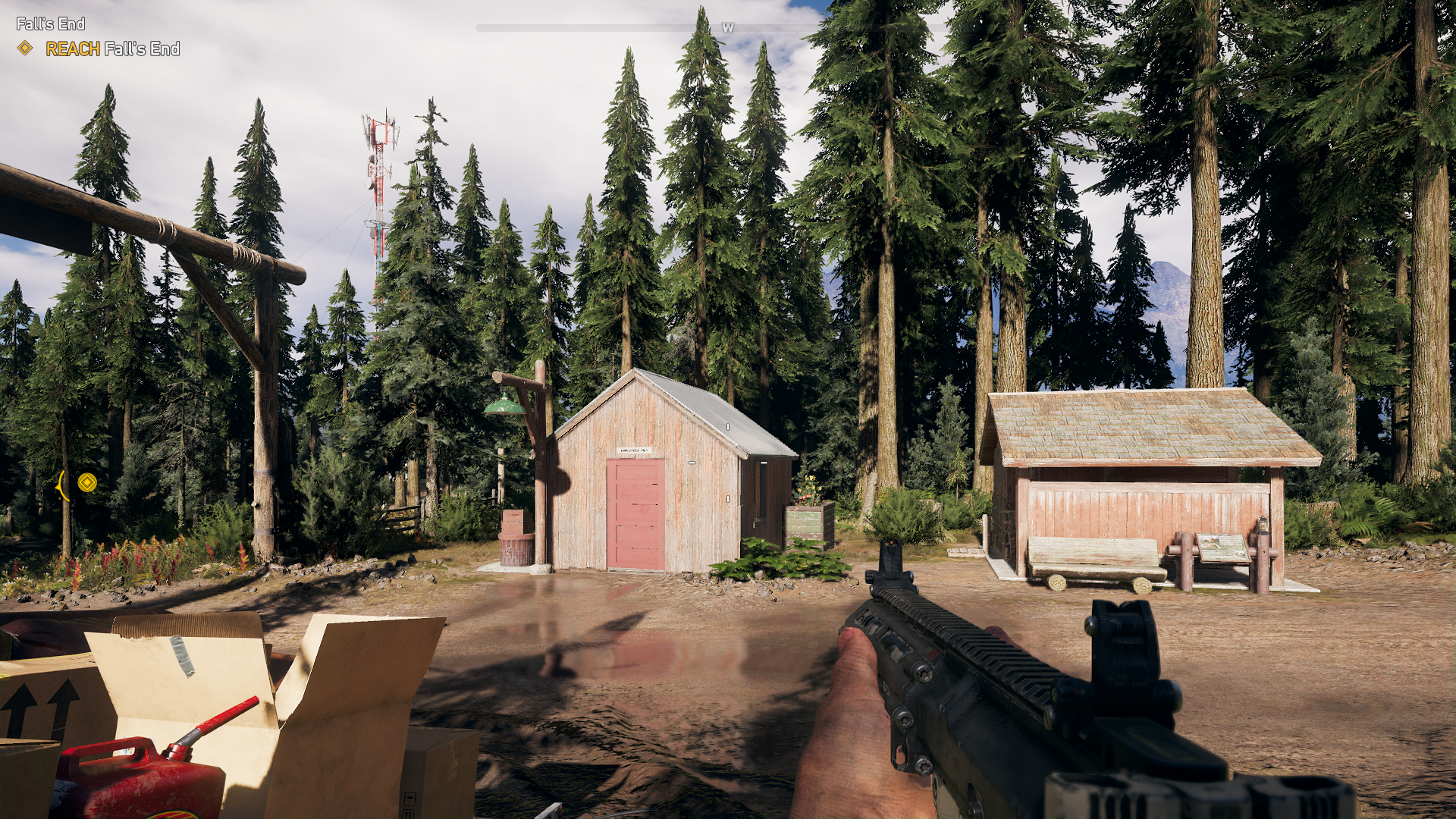
Far Cry is one of the many Ubisoft franchises that has been infected with sequelitis and “Ubisoftitis” specifically. For the last few years, their open-world games have suffered from the same stale structure and layout, and they have had a hard time finding their own personalities. Far Cry 5 is one of the first Ubisoft games in a while that has evolved a little and hasn’t quite carved its own nook in its portfolio, but it knocked out quite a few chunks to get started. It feels more RPG, and the activities and missions unfold more organically, with total freedom for the player to go about doing what they want, while some activities and missions are constantly revolving and moving a bit.
You play Sheriff Deputy Rook, who gets a call to head to a small county in Montana that is overrun by a religious cult. Things go south when your helicopter is shot down and you are taken prisoner along with your State Marshall partner. Joseph Seed is your main villain, and like all Far Cry games, he’s the main focus of the game, and he’s a great character. While not quite as good as Far Cry 3, Ubisoft unloaded their full-blown crazy bag here and made some insanely sick characters.
The main goal of Far Cry 5 is to take out Joseph’s three siblings, who have taken over a third of the map each. These story missions unfold by obtaining notoriety with each sibling as you finish missions and activities. There are three-story segments per sibling that are unlocked, and you are warped to a story area. These are some of the best parts of the games, as each sibling has their own unique way of controlling the people and has their own sick and twisted techniques. The final mission for each sibling requires you to destroy their bunker, and while this gets tedious, it’s only done three times in the whole game.
All missions require gunning Peggies down, but some side missions include freeing prisoners from roaming vans, solving Prepper Stash puzzles where you have to figure out how to get into a building or cave, stunt devil activities, and not to mention the all-new Far Cry Arcade, which has various levels scattered around the world displayed as arcade machines or posters. The level is a short variation that includes objectives that are fast-paced and insane.
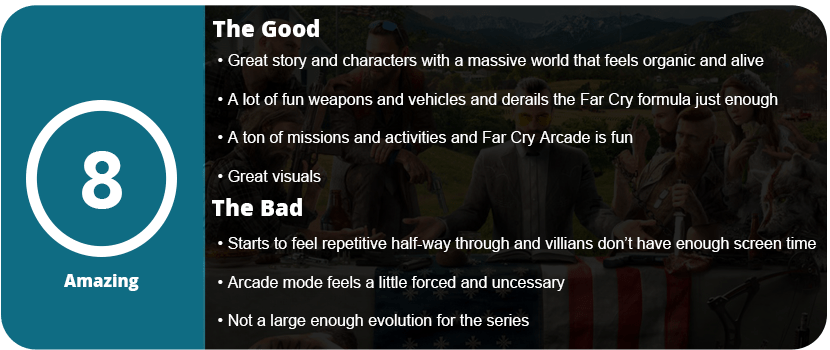
While there are a lot of fun activities and missions, such as fishing and small item hunting, it just isn’t quite enough to completely clear the stale air that Far Cry has created over the last few years. I loved the villains and characters, and the shooting is solid with a massive open world, but there are other issues such as each weapon feeling the same, grinding for cash is a chore, and perk unlocks come at a snail’s pace. You can buy gold bars with real-world cash to quicken the weapon and outfit purchases, so this is probably why it’s a grind.
For the most part, I stuck with the same four guns throughout the entire game, as I never really found a huge difference between them, and around 10 hours in, I started skipping the side activities and gunning for the end of the story. While the world is fun to explore and there is a lot to do and complete, it all starts feeling the same after so long. The game is nowhere near bad, but just repetitive and requires a lot of patience and dedication to complete, but outside the main story, there’s really no drive to.
Far Cry is at its best here, and the formula has been perfected. I honestly can’t see where else this series can go. Open-world first-person shooters are notorious for getting stale quickly, and unless they have an amazing story and characters, there’s no reason to stick around for too long. The arcade mode may keep you coming back if you really love the shooting in this game, but the main story has so much to offer that I rarely dabbled in arcade mode. Overall, the game is well worth a purchase, but if you haven’t liked Far Cry in the past, then this game won’t really change your mind.
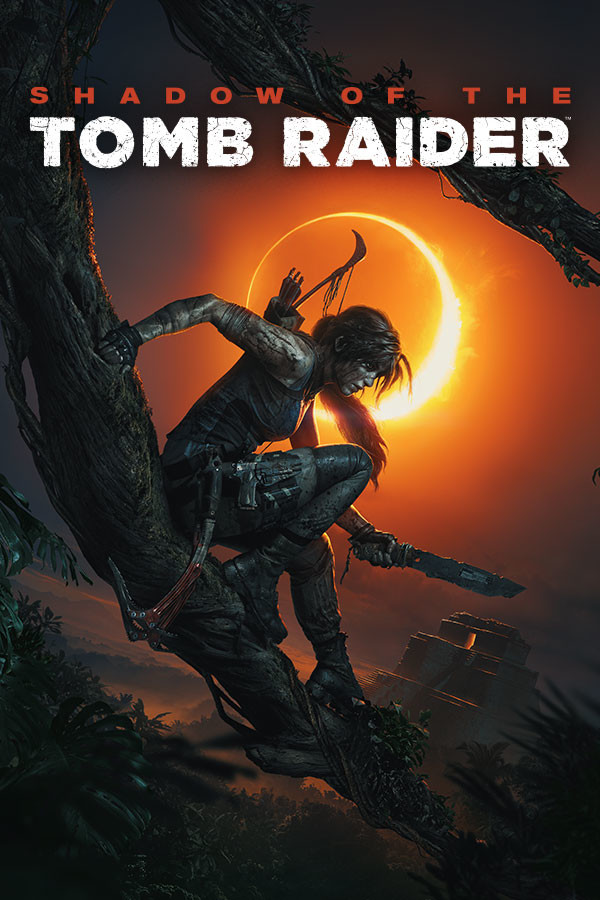
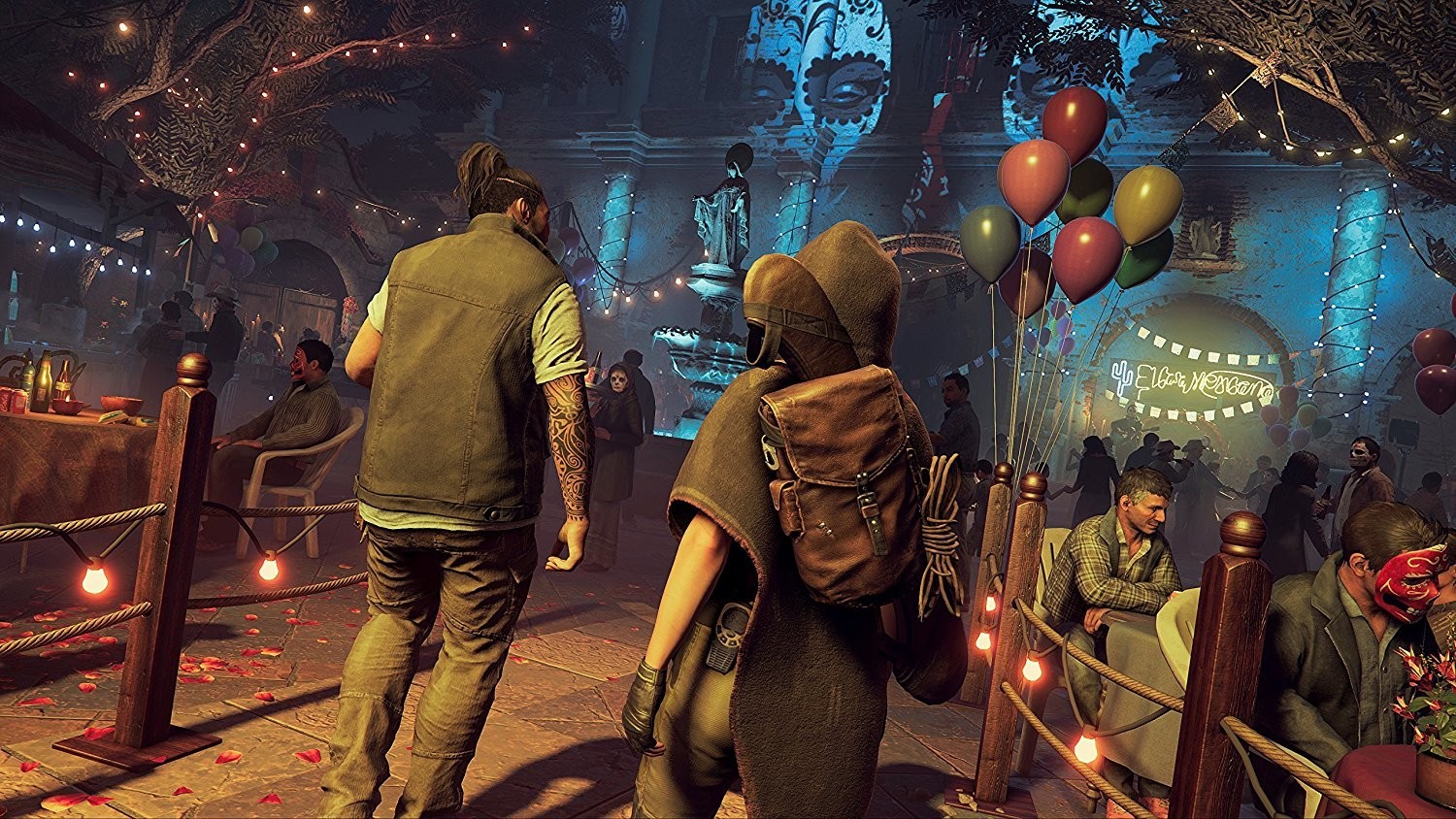
Lara Croft’s adventure since 2013 has been amazing. The reboot was one of the best in the game industry in the last decade, and it turned a sexy heroine full of corny stories and janky gameplay into an open-world, complex trilogy. Shadow of the Tomb Raider continues Lara’s saga against Trinity and Doctor Dominguez, who are trying to basically destroy the world.
The game opens up with an epic prologue, just like the last two games, and we see how hardened Lara has become since the last game. The entire game is about Lara and Jonah trying to find something called the Box, which is a Mayan object that can stop the world from ending. It’s a little more complicated than that, but the story is much better than Rise’s story. At least we get more glimpses of Lara’s past and some advancements in her character, like we saw in the first game.
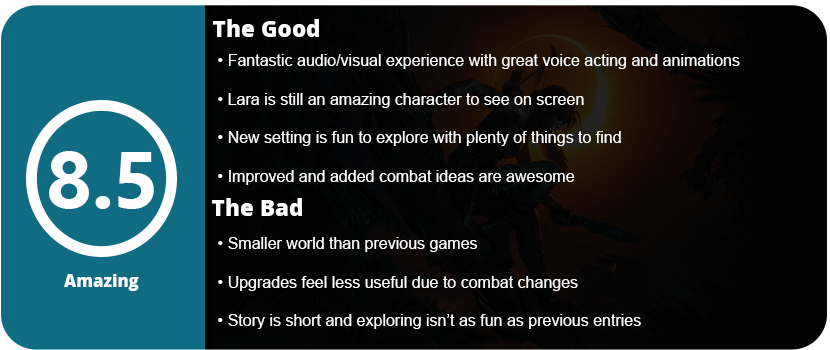
However, I feel the story is a little more unbelievable than the first game. Instead of just trying to survive and escape an island, she’s doing some crazy Hollywood stunts that are totally unbelievable, like running along with debris in a flood. It made me shake my head, but I kept pushing on as it was exciting but felt like a total departure from the first game’s atmosphere and ideas. The world also isn’t large and open like in the last two games. Instead, it’s broken up into smaller parts that can be easily traveled to, with the largest part being Paititi City, which is a pain to navigate, to be honest. I didn’t like this change very much, and as I played through the first third of the game, I was waiting for it to open up into the big open world like the last two games. It just felt more cramped and claustrophobic. I also got bored exploring some of these areas, trying to find all the secrets. It’s just not as exciting or varied as the last games.
That’s not to say the world here is bad. The new jungle theme is a nice departure, feels organic, is highly detailed, and features some new combat ideas. Lara is in full commando mode, as she can cover herself in mud, hide in trees and vines along walls, and take people down. She looks badass doing it, and the combat is much more refined here, but some of the other ideas from the last games almost feel pointless here. All of her upgrades and crafting don’t really fit in here much, as the game’s focus isn’t so much on survival. There are various upgrades for different ammo types, longer breathing, and not having to press the action button when she does long jumps. Some upgrades are repeats, and I never used any of the special ammo as there isn’t as much combat in this game as the previous two; it’s mostly restricted to the story missions. You can craft outfit pieces that grant different passive abilities, but again, these felt pointless as there isn’t much combat in the game and it’s highly focused on stealth.
The story itself is quite short at about 4-5 hours if you skip all the side stuff. It also didn’t feel as epic or as impactful as the last two games. While Rise’s written story was pretty bland, it had some great gameplay set-pieces throughout the entire story, and this game only has a few. I don’t want to bash on the game, making it sound awful, but it’s just trying to evolve while towing stuff from the first game with it, and it feels like extra baggage. I really enjoyed Shadow and wanted to get all the side stuff. I had fun solving the puzzles and climbing around the gorgeous areas, but it just didn’t have as big of an impact on me as the first game did. I loved seeing Lara again, as her character is fantastic, but it’s all more of the same and feels very safe.
As it stands, Shadow of the Tomb Raider is a safe sequel that’s shorter and tries to cut corners and do less while dragging to gameplay ideas for a larger-than-life world with it that just doesn’t fit in. The combat has been greatly improved, but there isn’t much of it, the story is short despite being a better story than the last game, and the large open world is basically gone. What we get is a mix of the last two games, with some new ideas here for a new game. It’s the culmination of the best that all three had to offer, but just not enough of it. The graphics are out of this world amazing, with beautiful animations and voice work, but it’s just not enough to make it the king of the action-adventure genre again.













































 thebinarymessiah.com
Try multiplayer. A lot of fun !