Breathe is a story about a small girl trying to find the truth about the death of her family in a small village in China, set in the late 1800s. The story seems fine at first and actually accelerates quickly due to the four-issue restriction, but it has so many flaws.
For starters, the characters are lifeless, bereft of any personality, and mean nothing to me as the reader. Second, the story feels very generic, and the ending of issue 4 is rather predictable and tries to feel like a surprise, but sort of isn’t. The writing is very stiff and void of identity. I got little enjoyment out of this series, and it was surprisingly sitting in my library for a couple of years unread.
Lastly, the art is atrocious, and how was this approved? The characters look like they were drawn by 5-year-olds and colored by a blind person. I understand the art style was going for a minimalist, washed-out watercolor vibe, but it fails hard. I know that messy art is also a style, but this is just bad. The characters look deformed, and it just felt like a rushed mess. I would avoid this series at all costs.
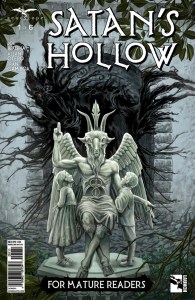
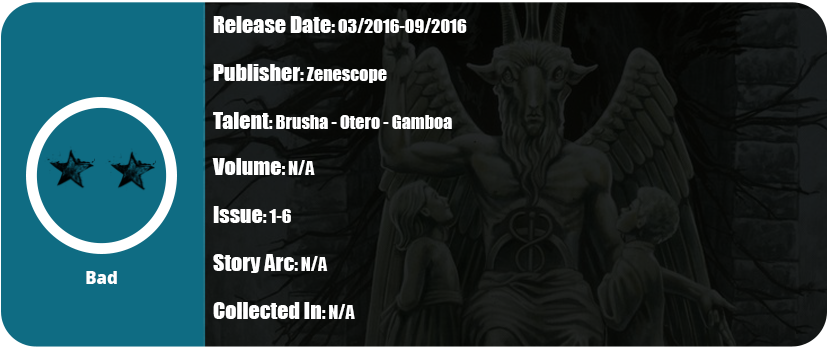
I love horror comics, and the gorier and more mature, the better. But there also has to be a good story attached to it, and Satan’s Hollow, while only running for six issues, doesn’t push through the story fast enough to become much more than a shrug.
The story starts out in Blue Ash, Ohio, where a cult supposedly murdered people in an old underground tunnel system 20 years ago. A couple moves back to this town only to discover things get weird pretty quickly. The story accelerates fairly fast towards the end without establishing any memorable characters or plot twists. The story is fairly straightforward, B-grade-esque, and unfulfilling. The only redeeming value is the beautiful art, crazy monsters, and gore.
Is it really worth reading this comic series? Sure, as six issues won’t take you more than an hour or so and can be at least entertaining to look at. The one-sided characters don’t help, and sadly, the monsters from hell get little face time as they have absolutely zero depth to them, which is quite sad as I liked the designs quite a bit.
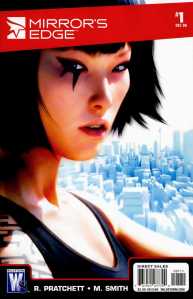
Mirror’s Edge is one of my favorite games of the last generation, despite mediocre reviews. The gameplay and visuals were amazing, and the premise had a lot of potential, but there wasn’t much of a story and the character was one-dimensional. The comic tries to alleviate that by delving deeper into Faith’s backstory.
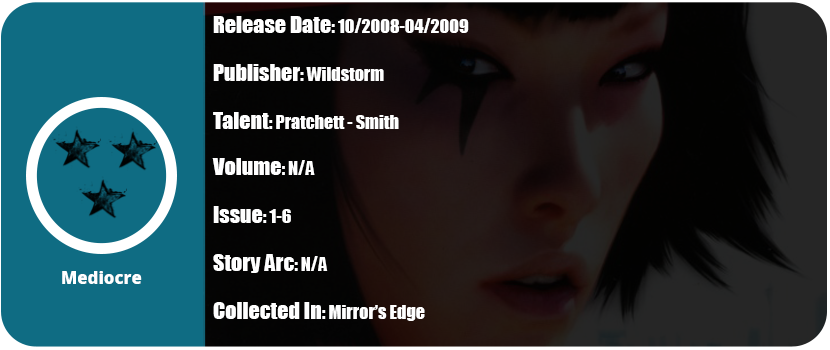
The comic actually takes quite a while to pick up, as the first two issues are complete filler. I almost gave up after the first issue had nothing going for it. It’s not until the last three issues that the story picks up, but it becomes a little predictable and continues to remain slow-going.
We are learning about Faith’s personal childhood, how she grew up in the city, and what her role as a runner is all about. At the end of the series, it all makes sense and becomes clear, and I felt more connected to Faith, but it takes forever to get to the point. I also didn’t like the art style here, as it was blocky, void of detail, and barely captured the beauty of the game.
Overall, if you’re a huge Mirror’s Edge fan, then read the series. It’s short, and the only thing we’ll get to really give us more story in this game.
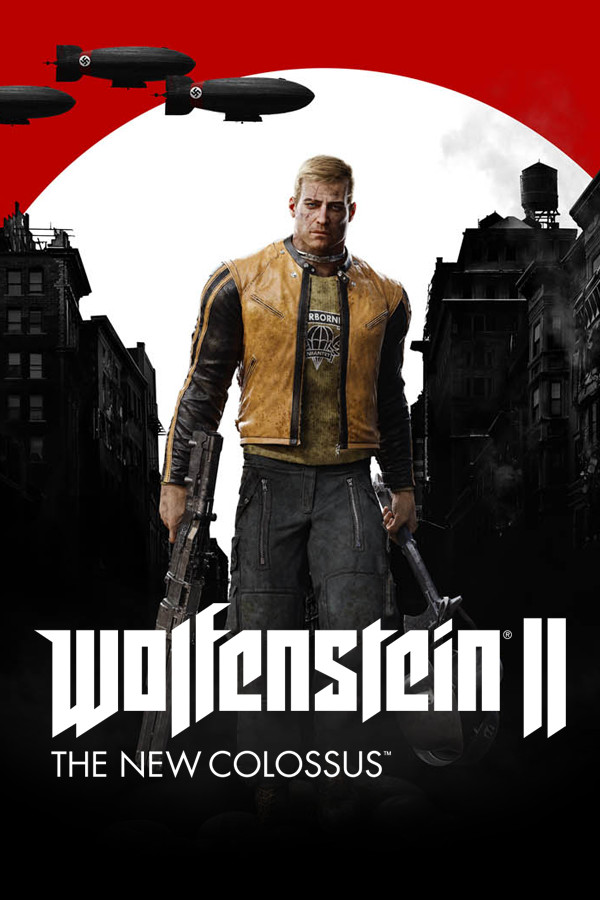
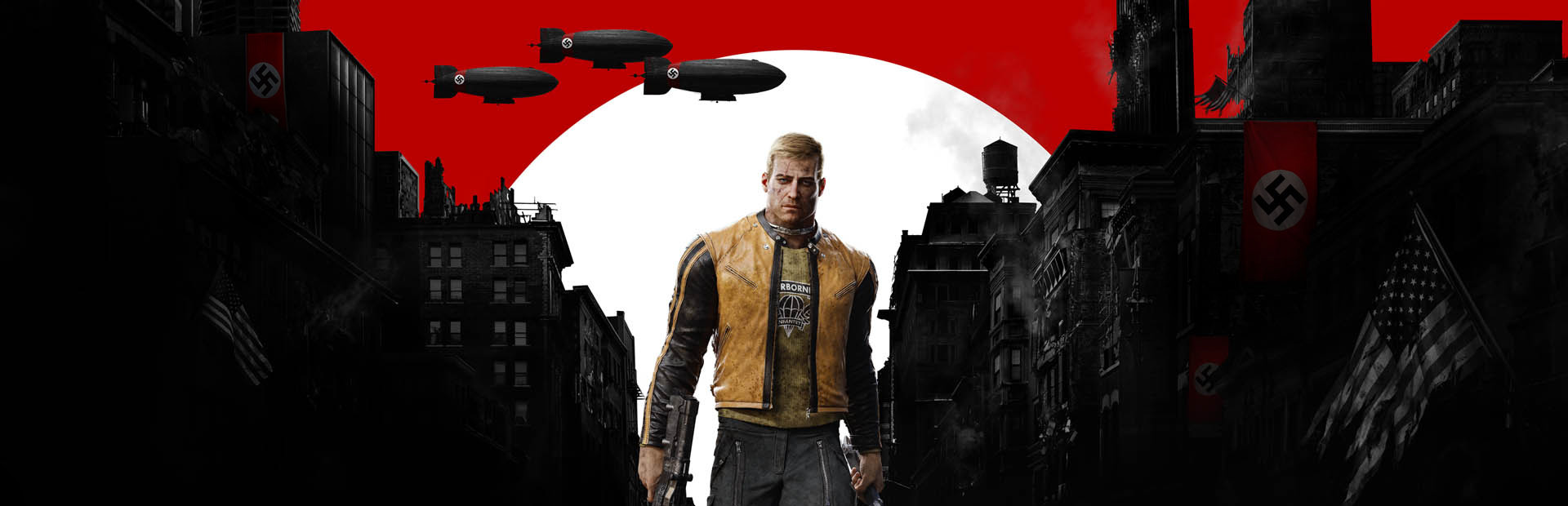
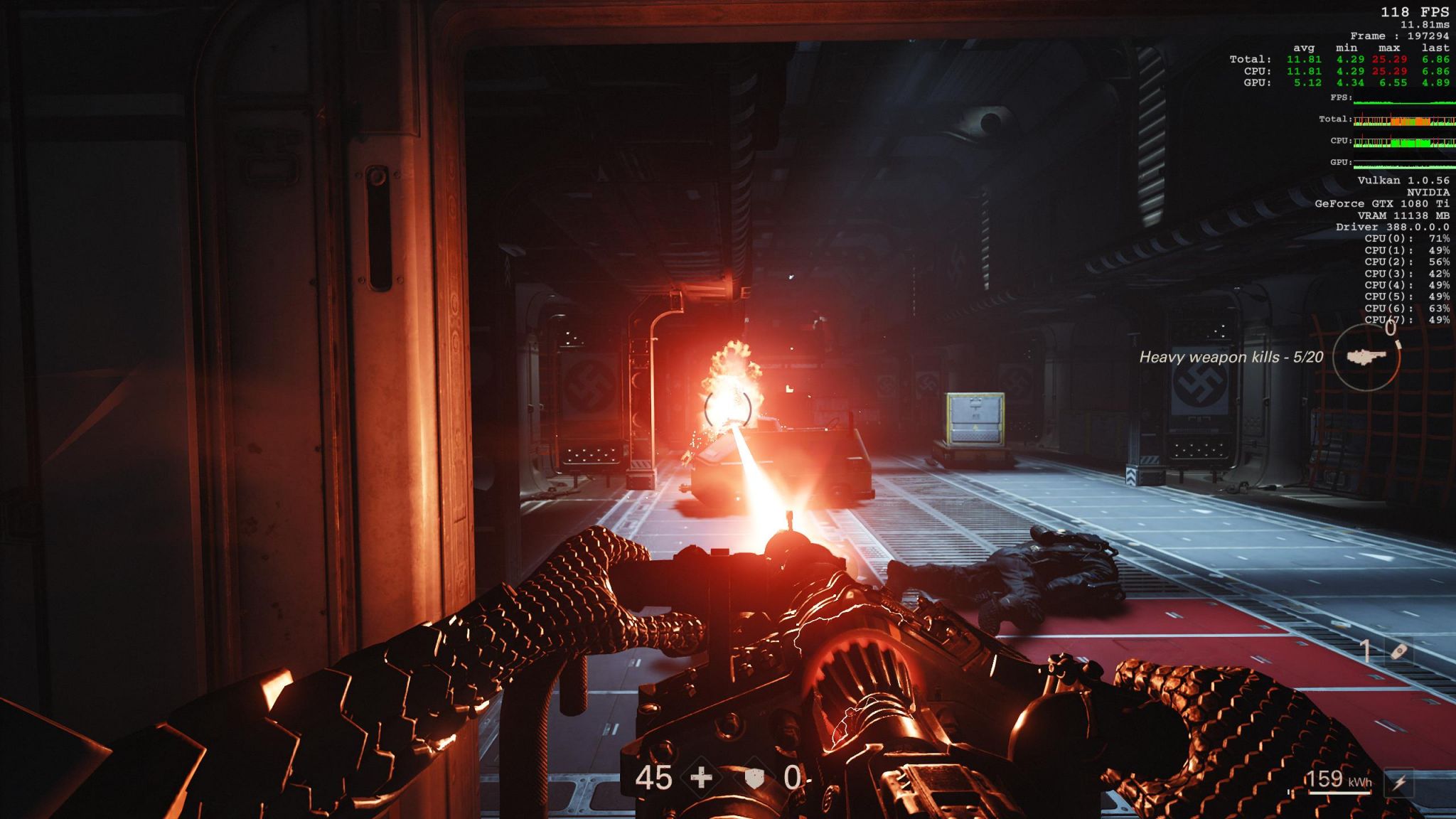
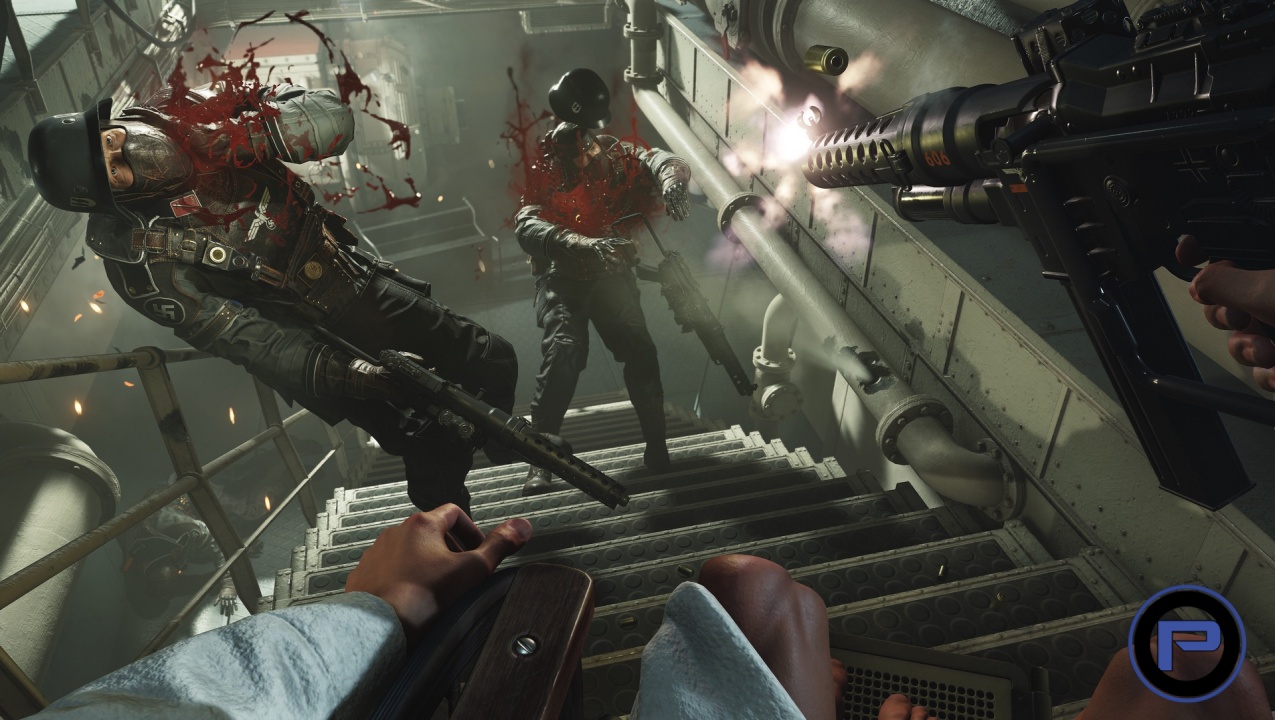
Good campaigns are kind of rare in FPS games these days, but 2016 brought back a ton of great FPS campaigns, and it was glorious. Wolfenstein II is another game that focuses more on its story and characters than its multiplayer, which is always a welcome change.
You play BJ Blazcowicz as the story picks up right after The New Order. It’s 1961 in America, in which Hitler and his Nazi regime have dug their roots deeper into the world. BJ and his cohorts from the last game are trying to start a revolution and gather the last remaining scraps they can muster. It might sound like another typical FPS, but this game has heart, soul, and character. Every character is memorable, loveable, and downright awesome to experience. The entire cast just works so well together, including the villains. The Nazi villains are ruthless, deadly, and just despicable, and it takes good writing to feel that way about a character.
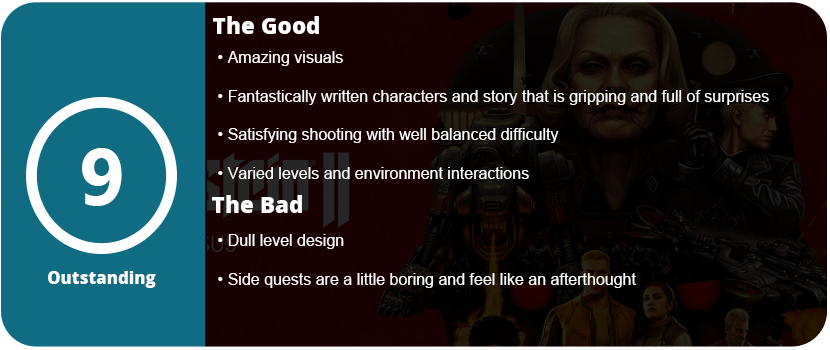
The story kept me going through the whole game, as there were plot twists and sudden shock moments that had my blood boiling. One moment, I thought everything was over, only to have the story take a turn for the worse or better. It’s so well written and something you will talk about for a while. Outside of the story, the awesome shooting action is back and slightly improved and streamlined. One important thing to mention is that the boss fights are gone, but this is kind of a blessing as they were mediocre in the last game.
There’s a weapon upgrade system, collectibles, and new contraptions (that you acquire halfway through the story) to change things up. Each weapon gets three different upgrades, and they are all extremely useful. From less recoil to suppressors, some even alter the ammo and dynamics of the weapon as a whole. The arsenal is broad and strong, from energy weapons to grenade launchers, three-round auto-shotguns, and assault rifles. Every type of weapon is covered, and they all feel great and unique. You will constantly switch up weapons for different enemies. Enemies are well thought out this time around and are evenly balanced with health. I felt like the difficulty didn’t jump around so much like the last game; the entire game was challenging, with a hard section towards the end of each level.
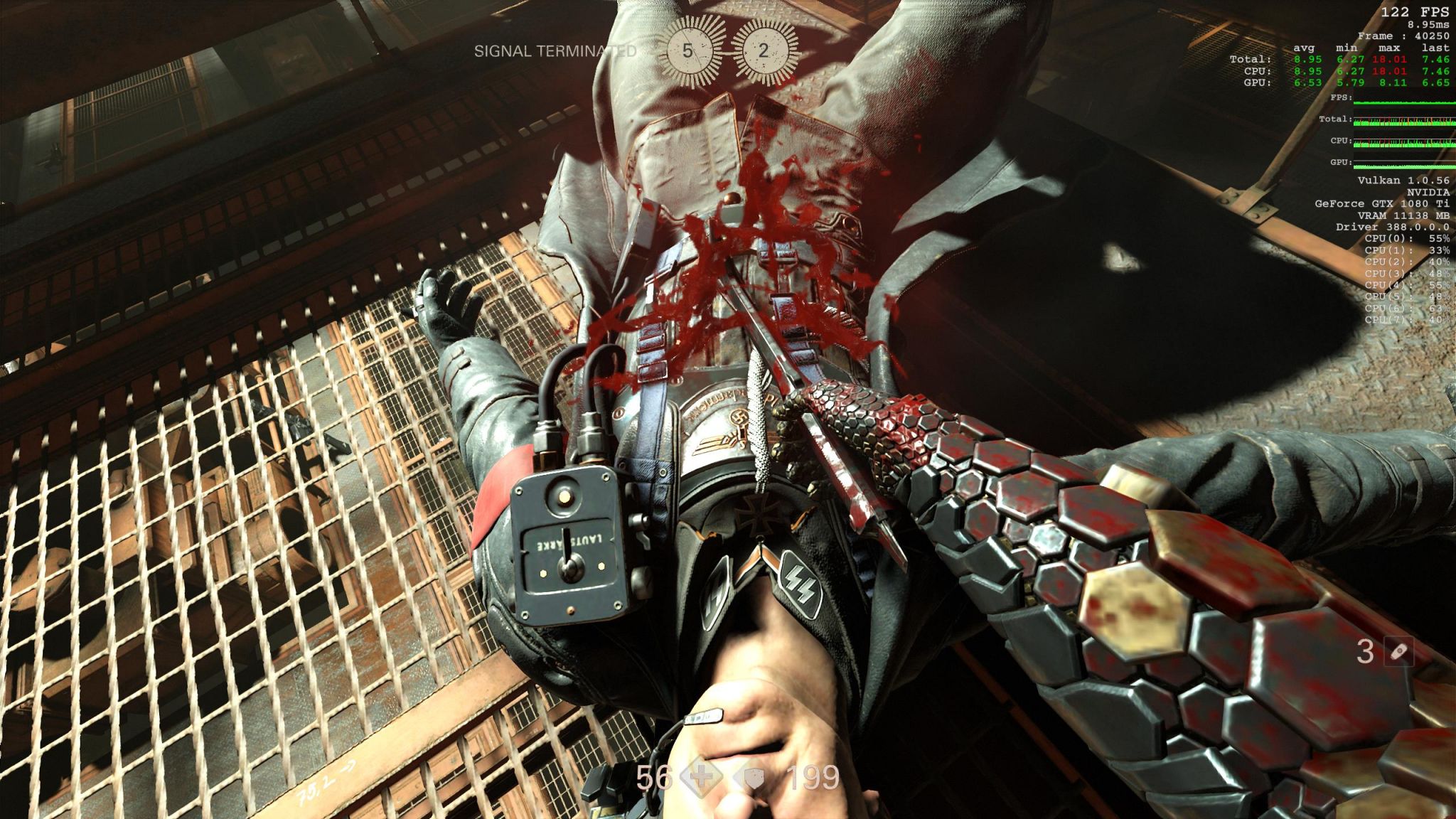
The gameplay also changes with each level as you enter different environments. On some levels, you’re underwater a lot; on others, you’re wearing environment suits; and on some, you’re weaponless. The entire campaign is mixed up and feels so smooth and well organized that I just couldn’t get enough. Each enemy takedown feels satisfying, and I wanted to go out guns blazing, but stealth is easier to do in this game, so taking down commanders without sounding alarms was so awesome. Using takedown moves, ax throws, and silenced pistol shots was the way to go when you were heavily outnumbered. These areas in the last game were a chore to navigate, and the enemy placement made it nearly impossible to get through a whole section without being detected.
My biggest complaint would be the level design. While the ideas were great, I got lost often and didn’t know where to go. Hallways all looked the same, and there weren’t many landmarks to figure out where to go. The environments are beautifully created, but the layout is a bit dull. There’s at least plenty to do with the optional objectives on the hub base, Das Hammer, and some endgame content to work through.
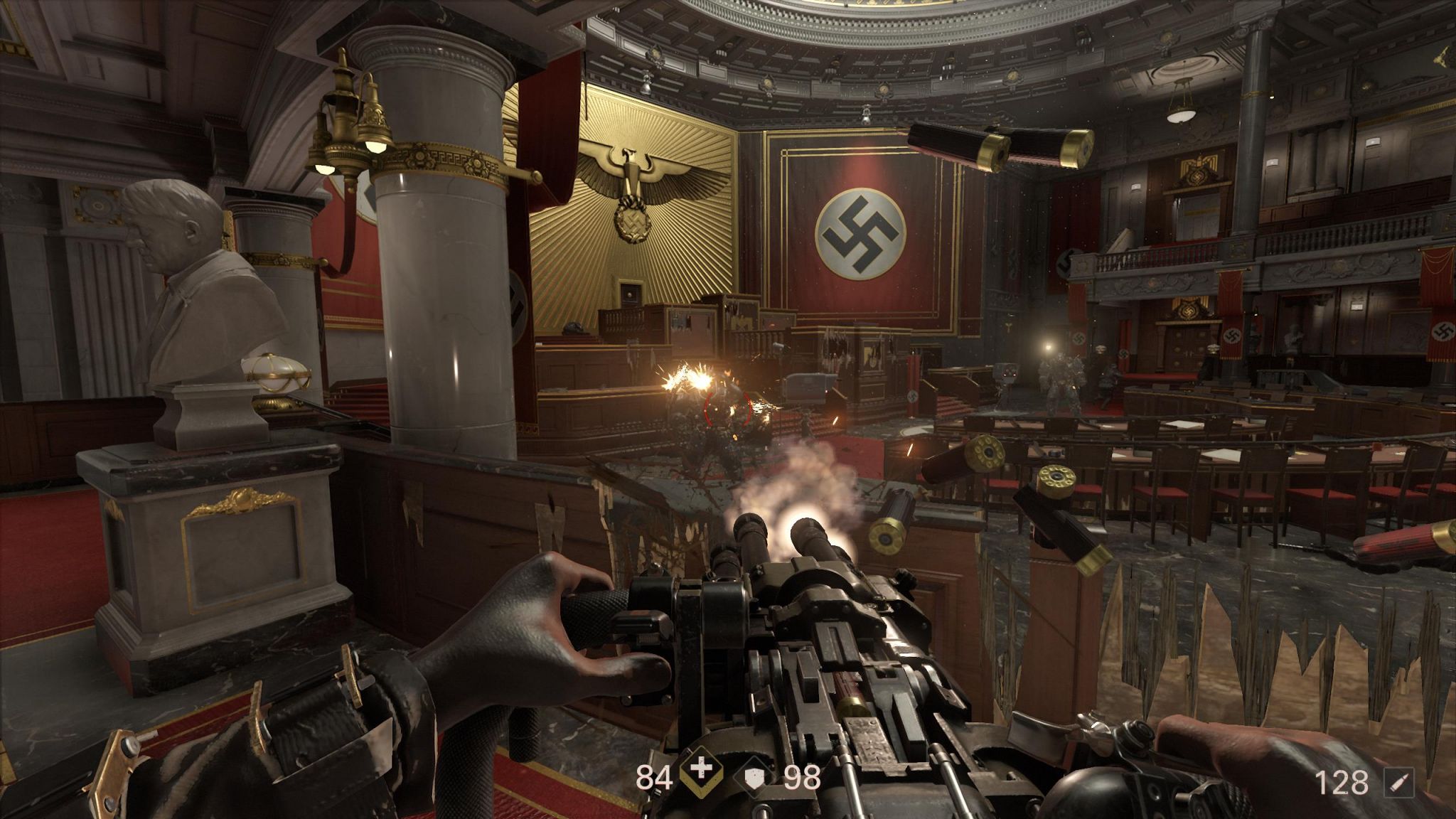
The visuals are stunning, especially on PC, with all settings cranked up to the max. Great lighting, textures, and highly detailed models made this game come to life. I honestly can’t recommend Wolfenstein II enough; it’s one of the greatest FPS games made in the last decade.
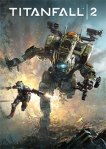
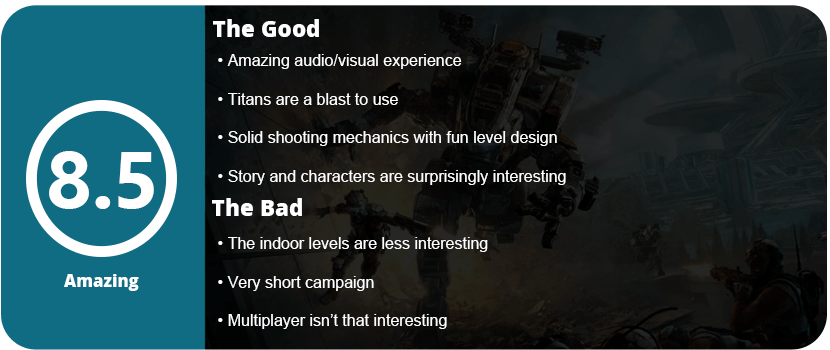
Titanfall was a highly anticipated title for the Xbox One but disappointed everyone with an online-only component and no campaign. Titanfall 2 completely changed things around with a solid campaign, better gameplay, and improved multiplayer.
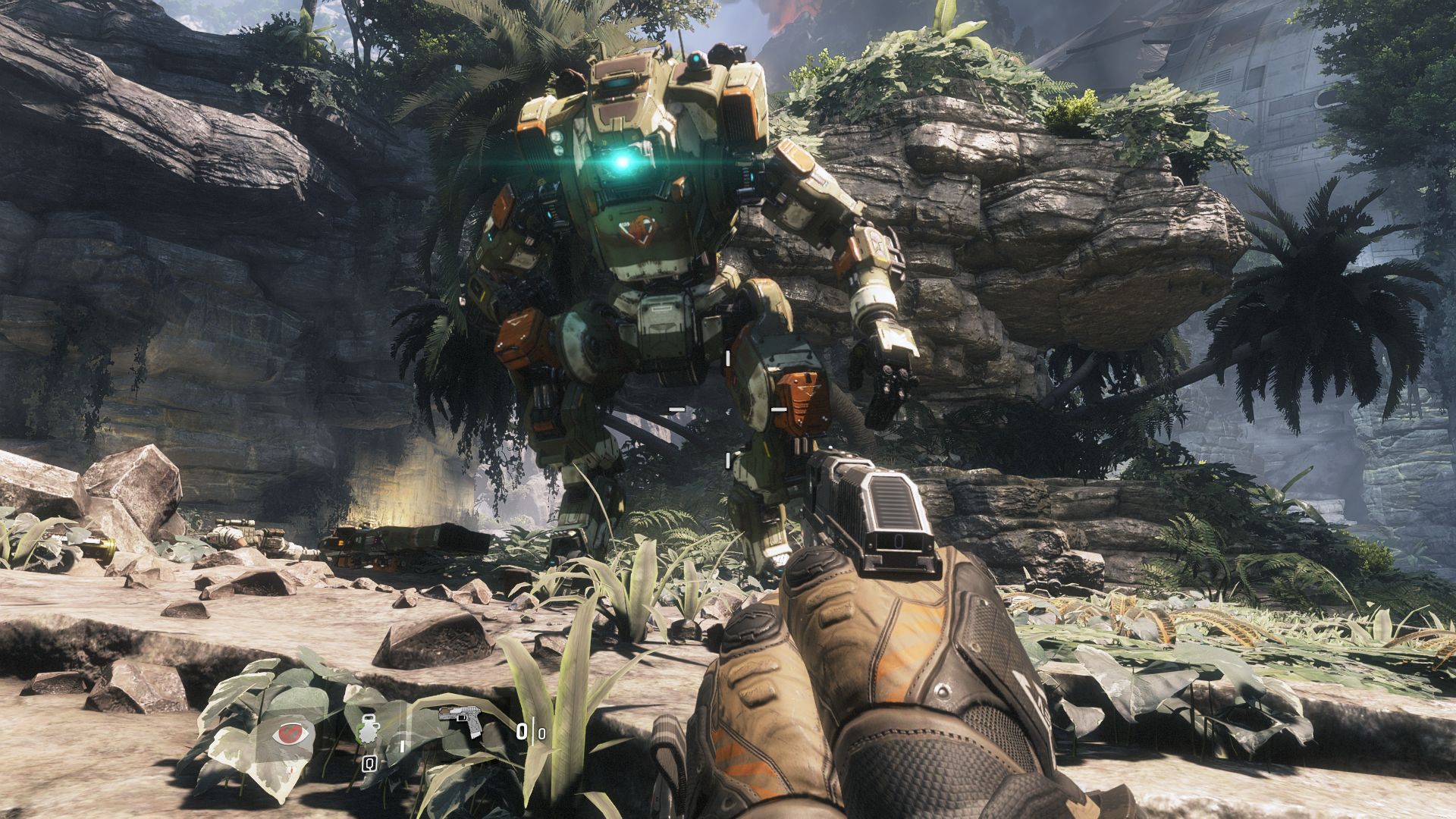
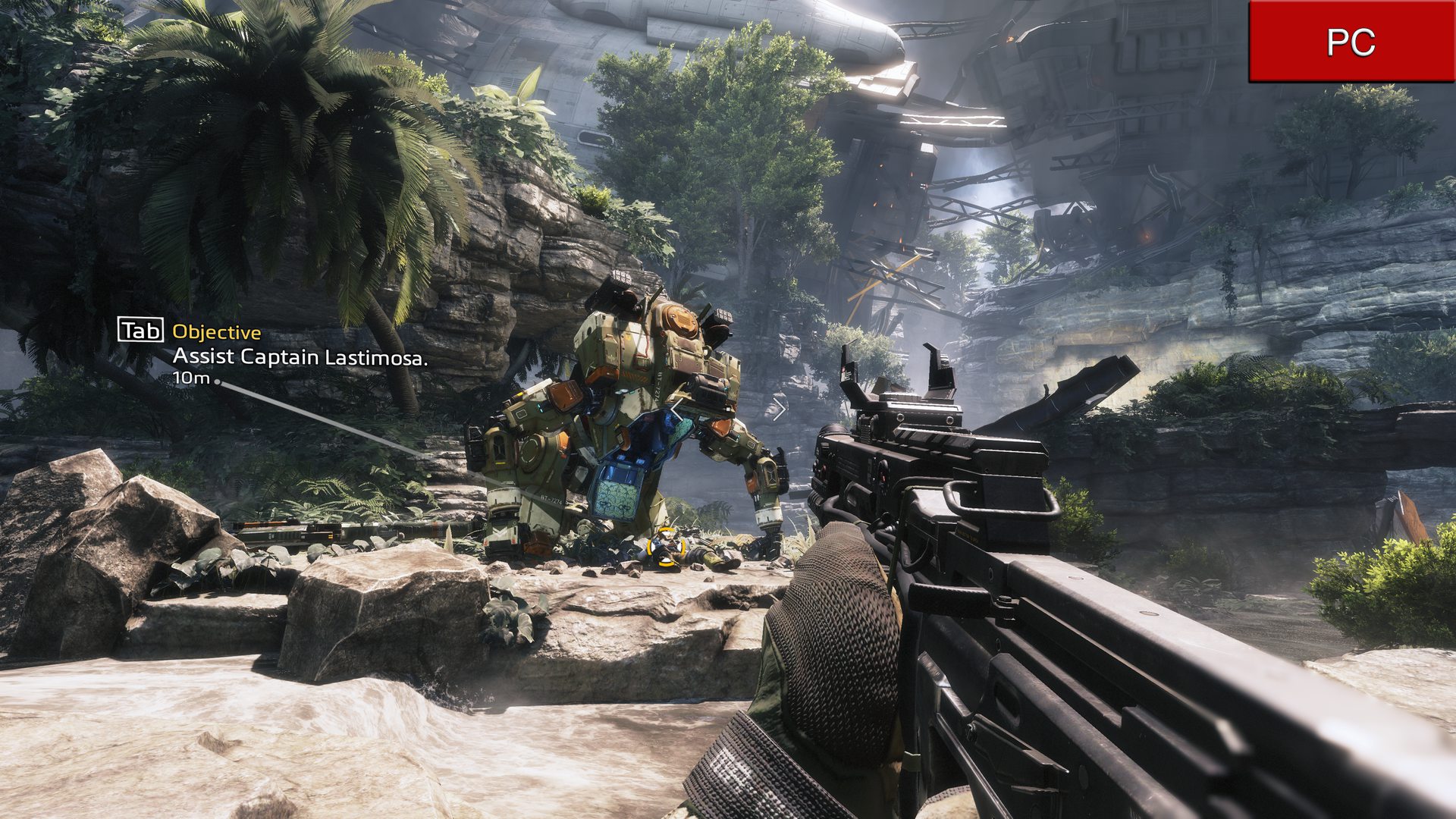
You play as Pilot Jack Cooper, who was part of a squad tasked with finding a super weapon called the Ark that a warring faction planned to use on a human-colonized planet called Typhon. You gain control of a Titan (you normally shouldn’t, as you’re just a rifleman) called BT, and you storm off to save the day. It sounds like a typical Call of Duty-style story, but it’s a bit more than that and actually has some heart and soul.
BT and Jack are a great pair as they banter back and forth with each other. Jack is sarcastic, and BT has a sterile robotic sense of humor. It kind of reminds me of Data from Star Trek: The Next Generation. The best part of the campaign is the level of design. Each level is completely different and incorporates the pilot’s abilities, such as jetpacking and wall running. One level is comprised entirely of a fabrication factory, and with walls and pieces still moving around, it gives Jack the ability to wall run and maneuver his way around the facility, unlike most other shooters. My favorite level was when Jack got ahold of a time-altering device and had to reconnoiter a facility for information on the Ark. At the press of a button, I could jump back in time to create new ways to get through the level, but this included enemies in that time period as well. It was an awesome wall running and switching back in time to latch onto a wall that was present then. Very cool stuff.
The shooting in Titanfall 2 is satisfying, with awesome weapons and various grenade types. The shooting was punchy, with heads popping and limbs flying off. The action was intense, and going from ground to the Titan kept things fresh, and the entire campaign felt solid and entertaining. The boss fights were fun, as each one was weaker against certain Titan loadouts, which required strategy, usually not seen in shooters today.
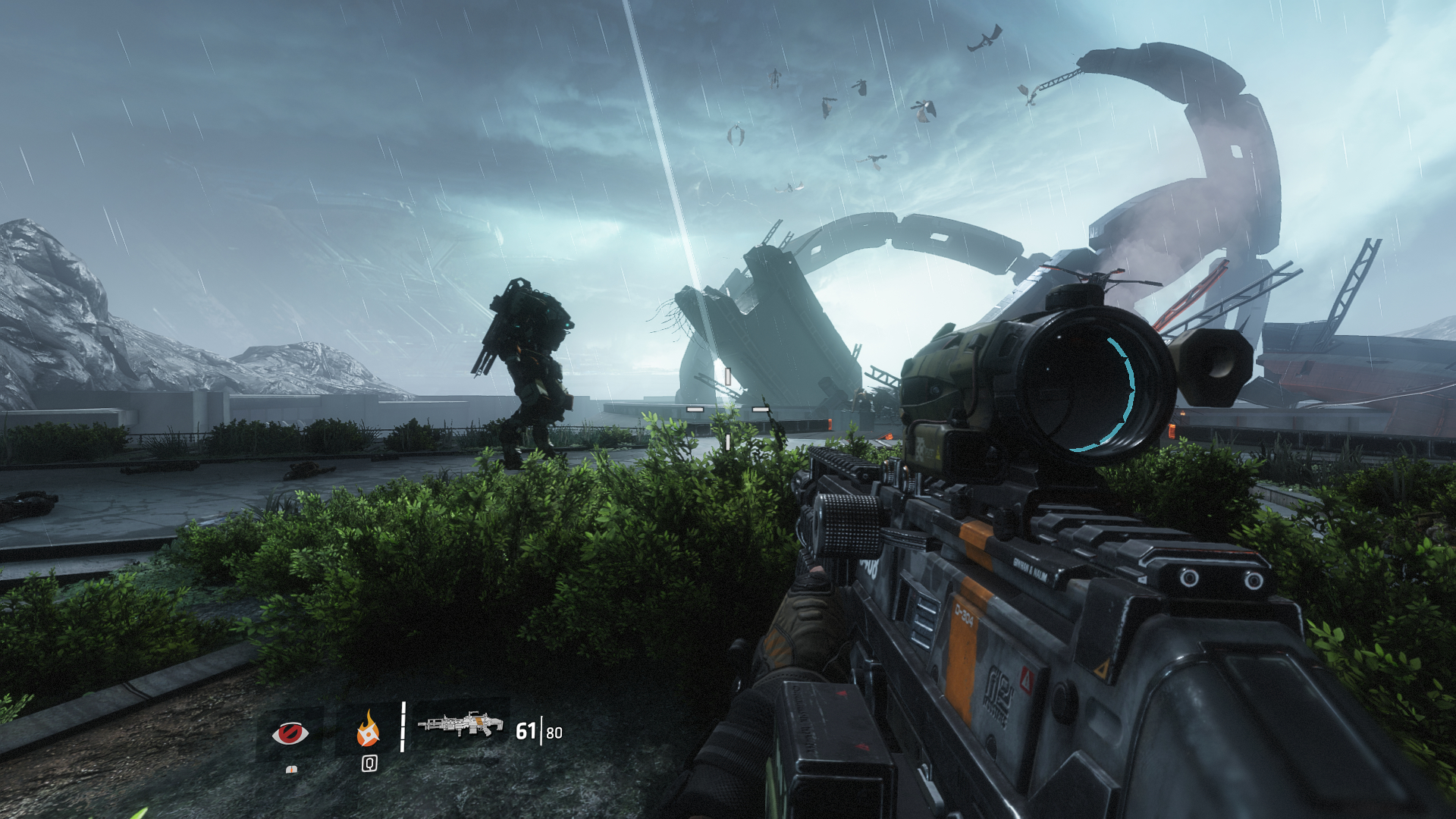
The visuals are stunning, with fantastic lighting effects and highly detailed textures. A lot of time was put into this game and some love as well. I only thought some of the indoor environments were dull with too much sterile steel and blank walls, but the outdoor environments were awesome. The sound design was packed with explosions, crunches, and various action-oriented effects that made me feel like I was in a war.
Multiplayer is where you will end up after the 6-hour campaign. It’s fun, for sure, but it just didn’t keep me interested for more than a couple of weeks. Fighting other Titans is fun, as it works just like the campaign but doesn’t seem to register as well against other players. There’s nothing unique that stands out over other shooters outside of the Titans, and the player base is fairly small. I won’t get into too much detail, but your typical modes are here, such as capture the flag, team deathmatch, pilot-only mode, titan-only mode, and deathmatch. It’s fun for a while, but like I said, it just doesn’t seem as satisfying as the campaign does (which is quite replayable, by the way).
At the end of the day, Titanfall 2 is a solid and well-made FPS that isn’t getting the attention it deserves. With amazing sound and visuals, a surprisingly interesting story and characters, and edge-of-your-seat gameplay, this is hard to pass up. I would like to see a Titanfall 3 with a longer campaign and more build-up of the unique level design.
This is always the hardest category for me to pick and I always spend weeks thinking about it. What makes a game better than all the others? Does it have to be revolutionary? One of a kind? Bigger than any other game? Not necessarily. GotY is usually for a game that exceeds expectations and feels solid, structured, fun, and memorable, and just stands out as a whole over any other game. This was a hard year to pick from as there were so many fantastic games that fell under these criteria.
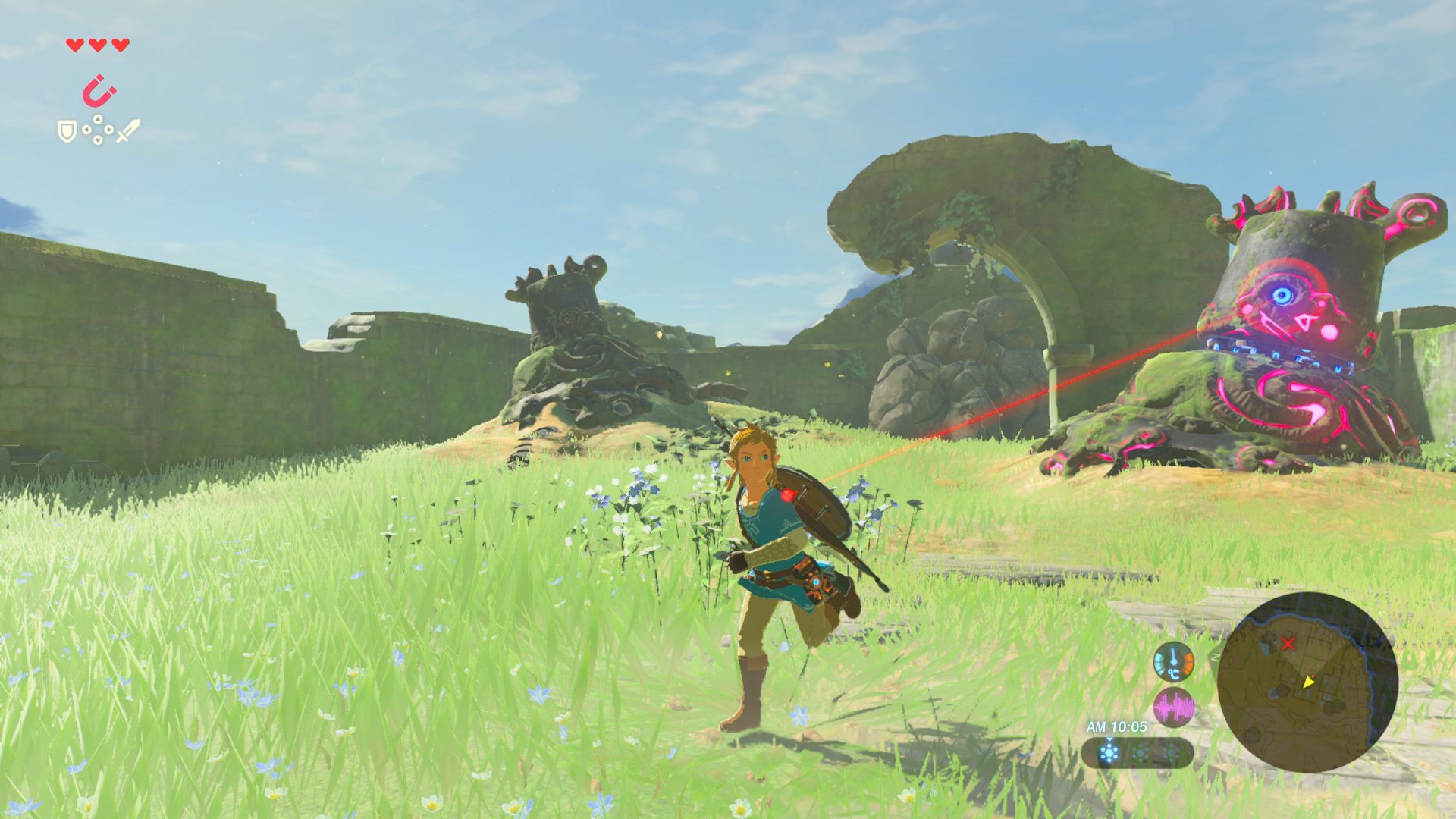
The Legend of Zelda: Breath of the Wild
I’m just as shocked as you are about this. I was on the bandwagon that BotW was overrated, hyped-up nonsense, but after getting a Switch during the holidays and really playing it I started to see just how wrong I was, and how blind all the naysayers are. Nintendo always gets a bad rap for their hardware and using the same franchises for 3 decades, and I get that. However, BotW is something different, something unique and revolutionary for Nintendo themselves. They stepped out of their comfort zone and looked at other popular games that helped influence BotW. BotW has so much going for it, gorgeous visuals, unique puzzle-solving, a vast open world, and so many secrets and things to discover and explore. 30 years of Zelda has all accumulated and is playable in one game. I can’t think of another game that was this ambitious and this well done this year.
The atmosphere in a game can be just as memorable as the story or be a character itself. Fallout 3 proved this as the Capital Wasteland was a character all on its own. A great atmosphere is something that can draw you in and make you feel a part of the world.
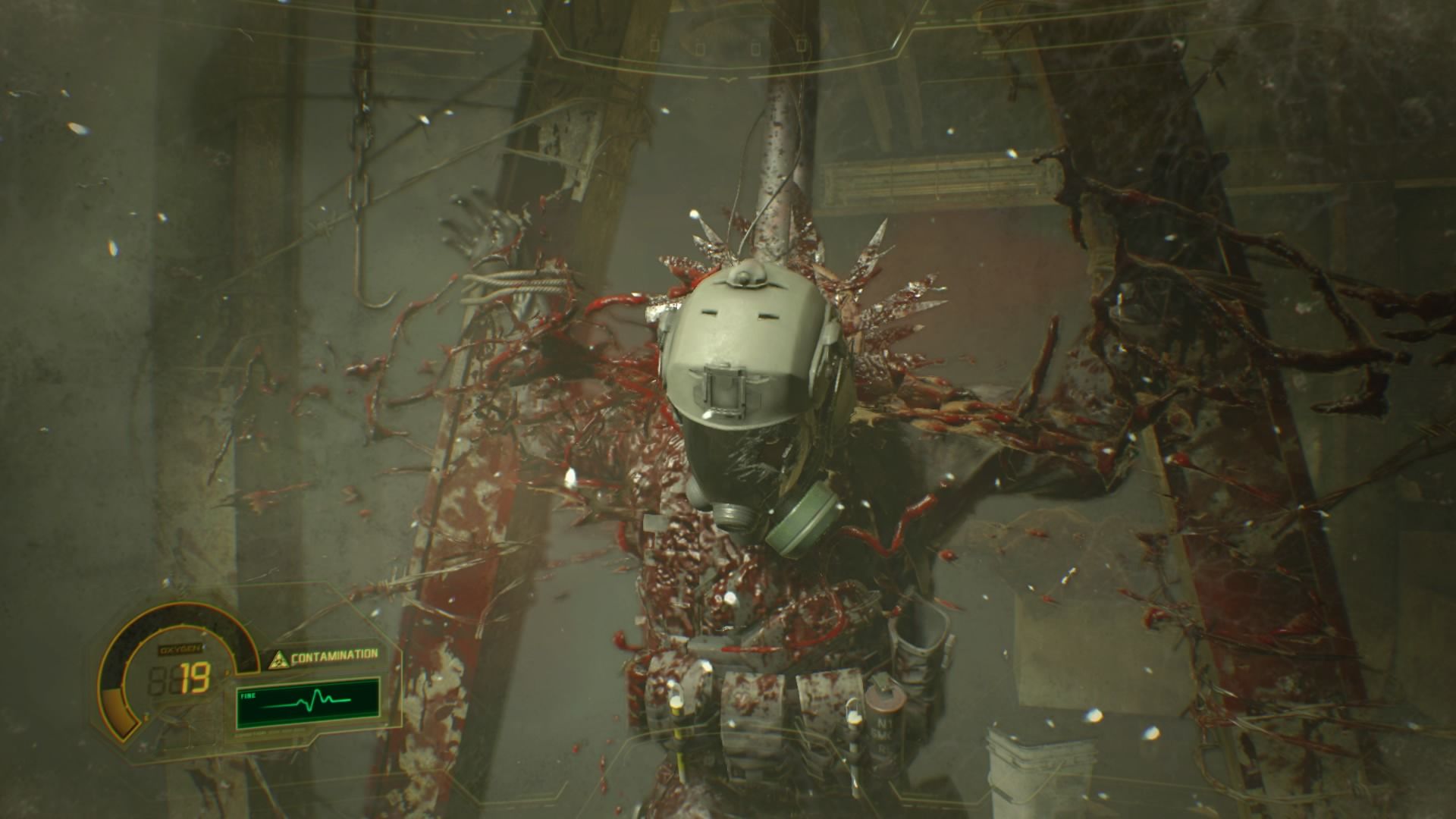
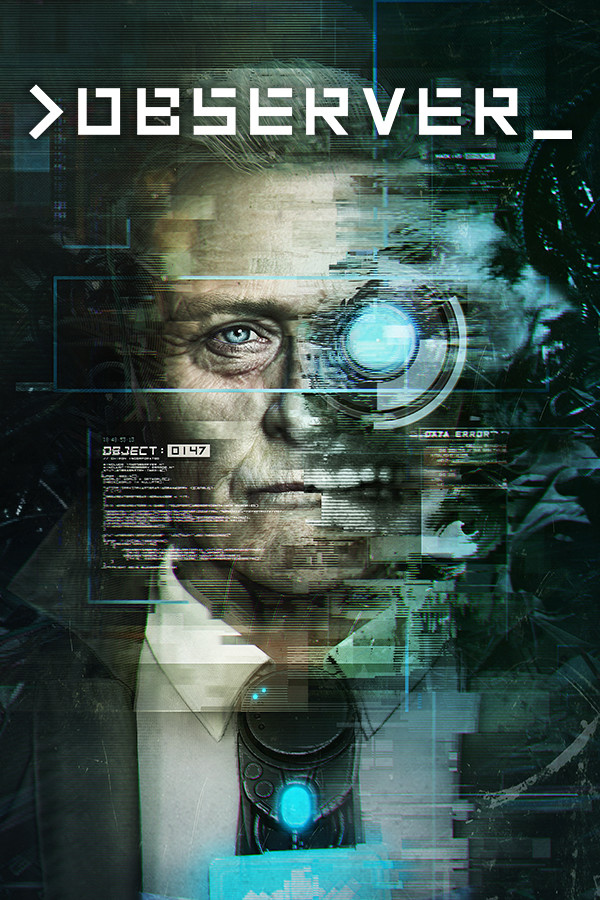
Just like Soma, Observer delivered an unrelenting atmosphere that is chilling to the bone, disturbing, and outright immersive. Not a single game this year touched Observer in terms of atmosphere. It was a let down storywise towards the end, but the entire play area of Observer tells its own interesting story.
The story is probably the second most important aspect of a game next to the gameplay. A good story can be memorable, impactful, controversial, enlightening, frightening, and any other emotion humans can feel. We didn’t have many games with memorable stories this year, but there were some out there that stood out.
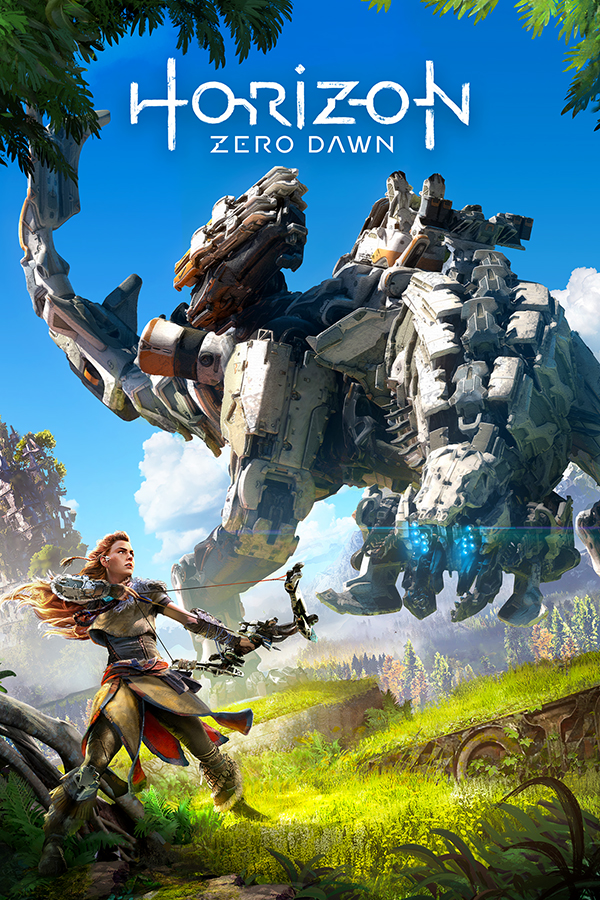
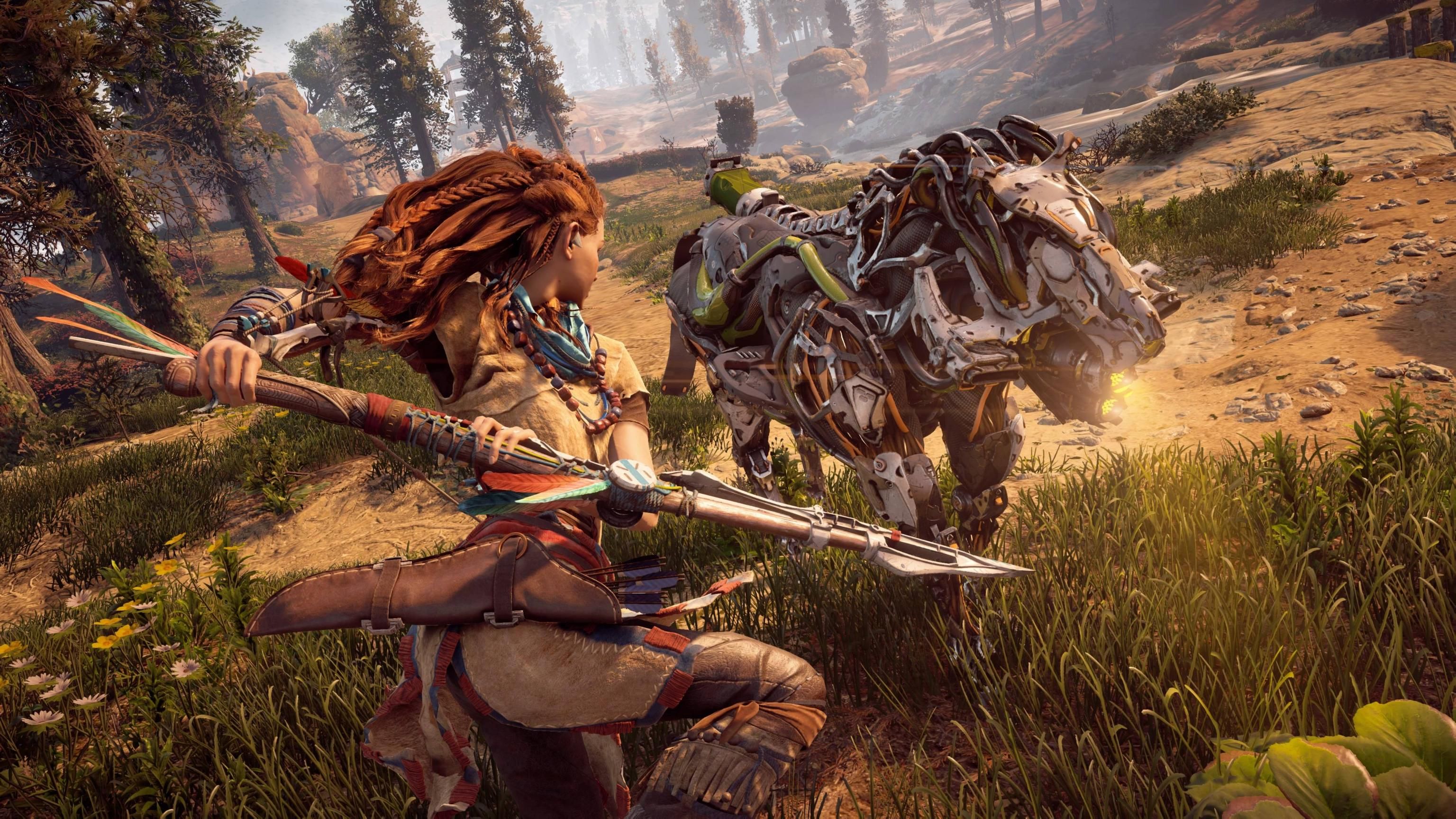
Horizon told a story of humanity years after we destroyed ourselves and the aftermath we would suffer. The story was focused globally and internally with the main characters trying to discover who they are making something of themselves. Horizon’s story was memorable, kept you drawn in, and multi-leveled in many ways.
Sound design isn’t something we normally think of every day, but without great sound design we wouldn’t be as immersed in games, it’s something that’s on the back burner and never gets enough credit.
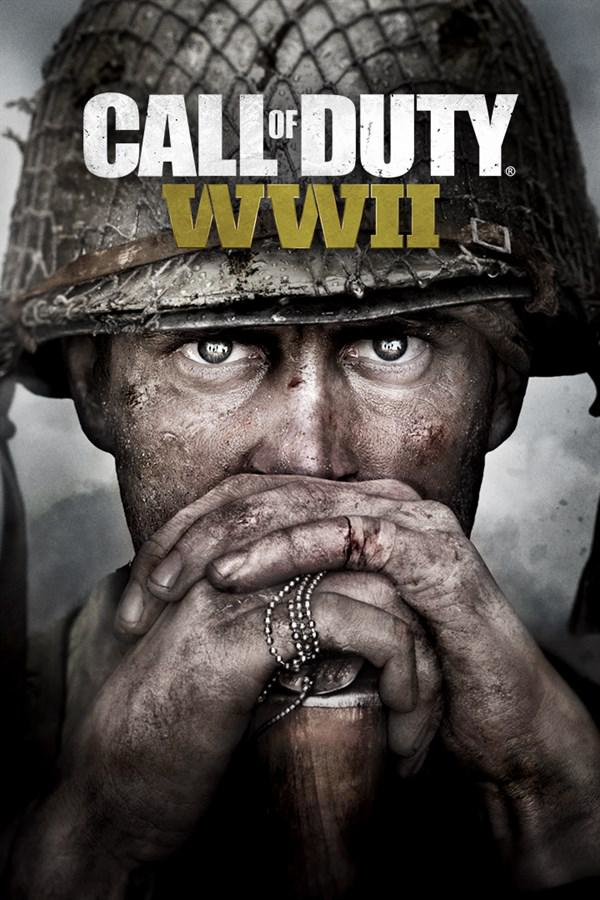
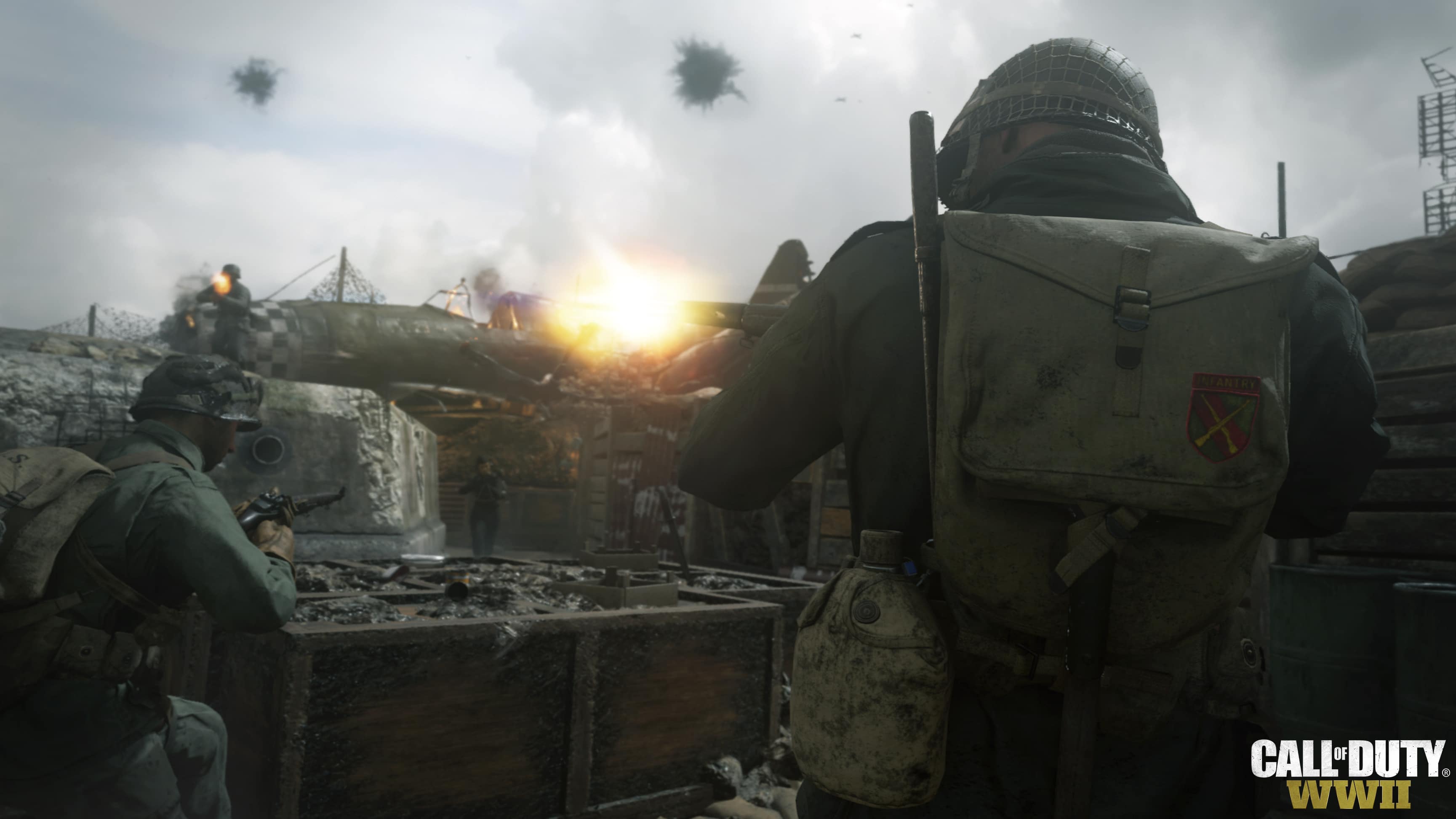
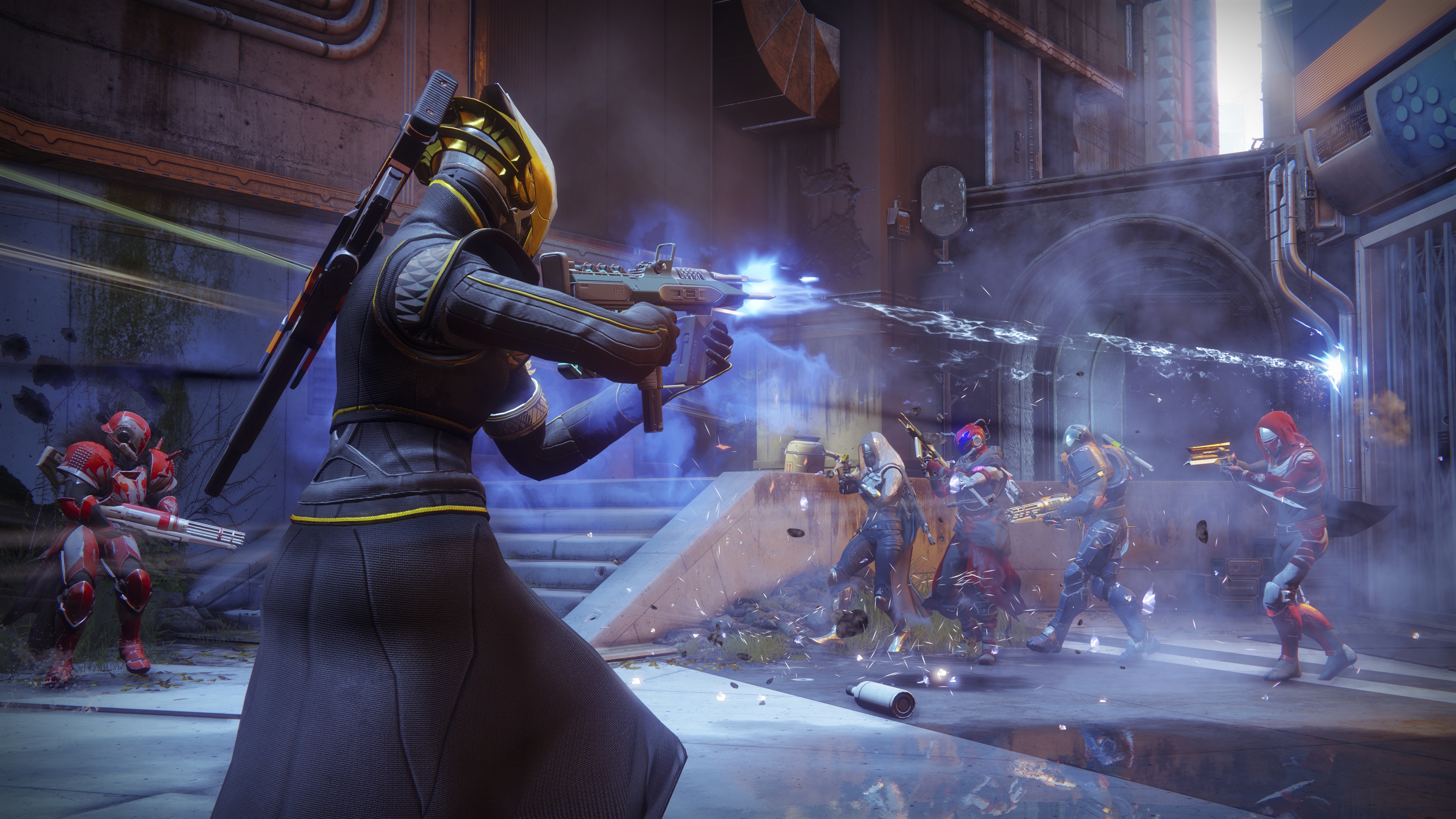
Call of Duty may get a lot of backlashes, but WWII impressed on sound design. I felt like I was actually in the war thanks to the fantastic explosions, realistic gun sounds, tinging of shells off the ground, people screaming, doors creaking, and snow crunching. WWII went above and beyond…the Call of Duty in sound design.
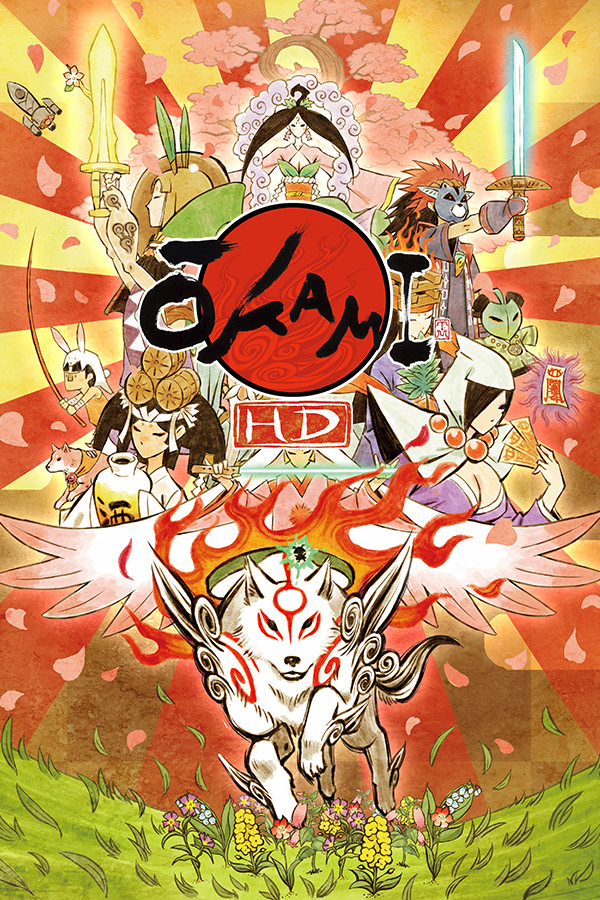
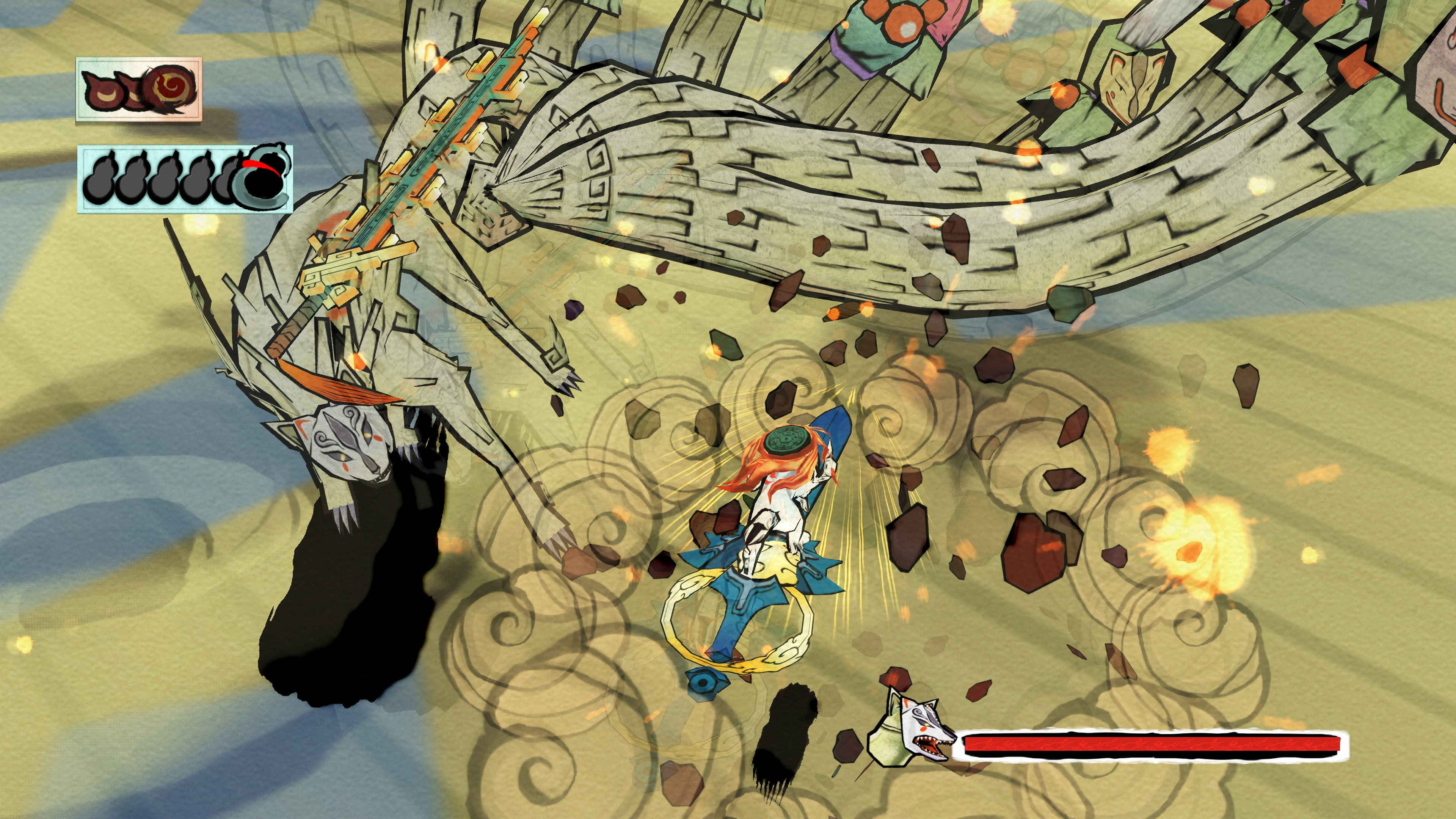
Okami was one of my favorite PS2 games growing up. I got the game for my birthday and was amazed by the beauty of the visuals and the unique gameplay of the Celestial Brush. It may not seem like such a big deal today, but back in 2006, this game sold PS2 units like hotcakes, and it helped the PS2 stand out as the best console of the generation, something the Xbox and GameCube didn’t have.
Fast forward 11 years, and the game still stands out and holds up as if it were released yesterday. You play as Okami Amaterasu, the Sun Goddess, with your Poncle pal Issun, as you embark on an adventure to rid Japan of darkness and evil. It seems like a stereotypical Japanese action-adventure story, but it’s a bit more than that. The characters have depth, and they all feel unique in their own way, with overexaggerated characters and personalities.
The game starts out simple enough by introducing you to basic game mechanics, including the celestial brush, by learning your first brush technique, rejuvenation. By pressing a button, the screen takes a snapshot and turns it into a black-and-white drawing right before your eyes. You then take an actual brush that you control and paint the correct stroke for each technique. This is such a beautiful and amazing game mechanic that works so well and yet has not been matched to this day.
As you progress through the game, the world opens up with larger hub areas that you can explore. Besides going for the main story, you can partake in item collection quests, praise gathering, and finding hidden chests that contain various items. Praise is used to upgrade your health; ink pots; an astral pouch (used to resurrect you when you die); and a money pouch. Praise can be gained by rejuvenating dead areas, feeding animals, and helping villagers in small, yet sparse, side quests. However, 90% of the time, you will be heading ever onward toward the end of your journey.
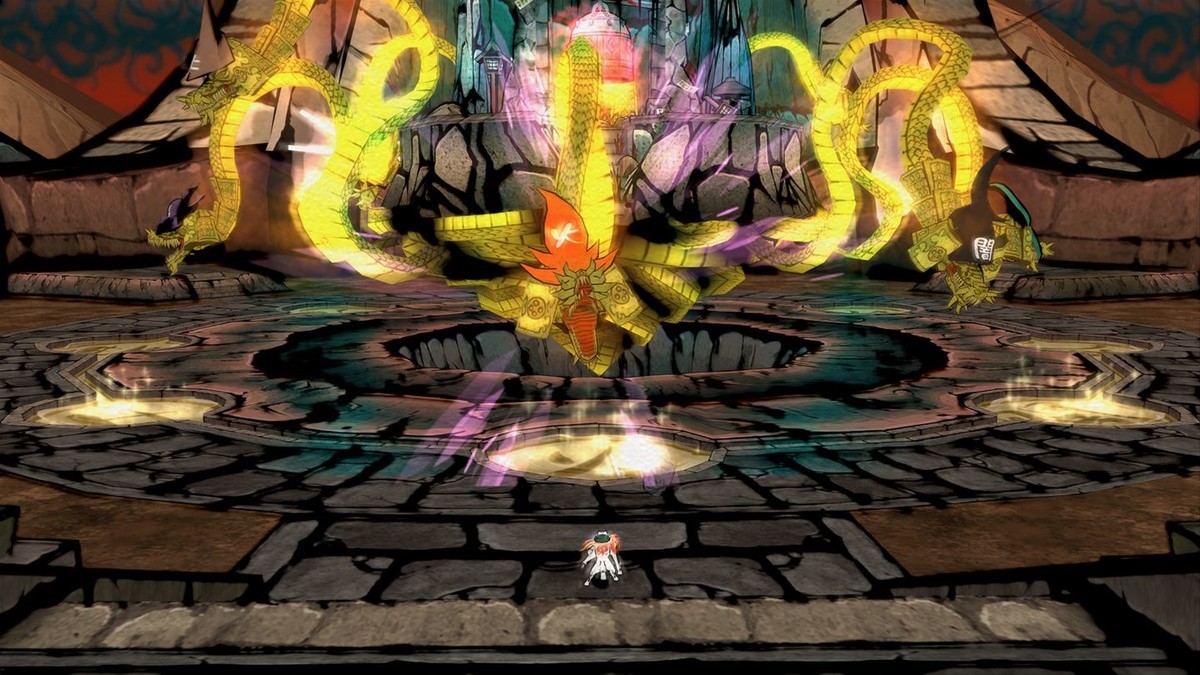
Combat is actually where the Celestial Brush comes into play the most. You and the enemies are surrounded by a cursed circle, and you can use your various brush techniques to defeat the enemy. There are many enemy types in the game, and they are all based on ancient Japanese myths and legends and look fantastic as well. Each enemy is completely different and weak to different techniques. Enemies are introduced slowly throughout the entire game, all the way to the end.
Boss fights are also unique and fun in their own right. Outside of brush attacks, you can also attack physically and with items. Amaterasu can equip three different types of weapons: mirrors, glaives, and beads. Mirrors are good for quick, rapid medium-range attacks; glaives are for heavier and slower close-range attacks; and beads are for rapid long-range attacks. You can also equip a sub-weapon for a secondary attack that is either close range or projectile. Combat never got old, but it is rather easy. I actually got through the entire game without dying once, and after you start getting a lot of money, you can just buy heavy-damage items and use them over your techniques and weapons. It’s a little unbalanced, but still fun and challenging nonetheless.
As a whole, Okami is beautiful, adventurous, memorable, and unique. However, it does have some flaws. The dialog is the most irritating part of the game, as characters talk in muffled simlish gibberish, and it just gets grating after a while. You also can’t quickly skip through dialog during some cutscenes, so it takes forever to get through. I also found the last 25% of the game long-winded and unnecessary. There’s also a lot of backtracking towards the end and repeated boss battles, which drove me nuts. The game clocks in at about 25–30 hours, which is a little too long for this game. Towards the end, it just felt like the developers were extending the playtime by making you repeat things and dragging things out. I loved my time with Okami, but those last 5–10 hours drove me insane.
Outside of all this, the remastered version looks amazing in widescreen and 1080p and even has 4K textures if you own an appropriate console or PC. It’s nice to see Capcom supporting current tech with their updated games as Okami pops to life on 4K TVs. The price is also a steal, as it was released at a budget price of $20. There’s no excuse not to play this classic.






























 thebinarymessiah.com
Try multiplayer. A lot of fun !