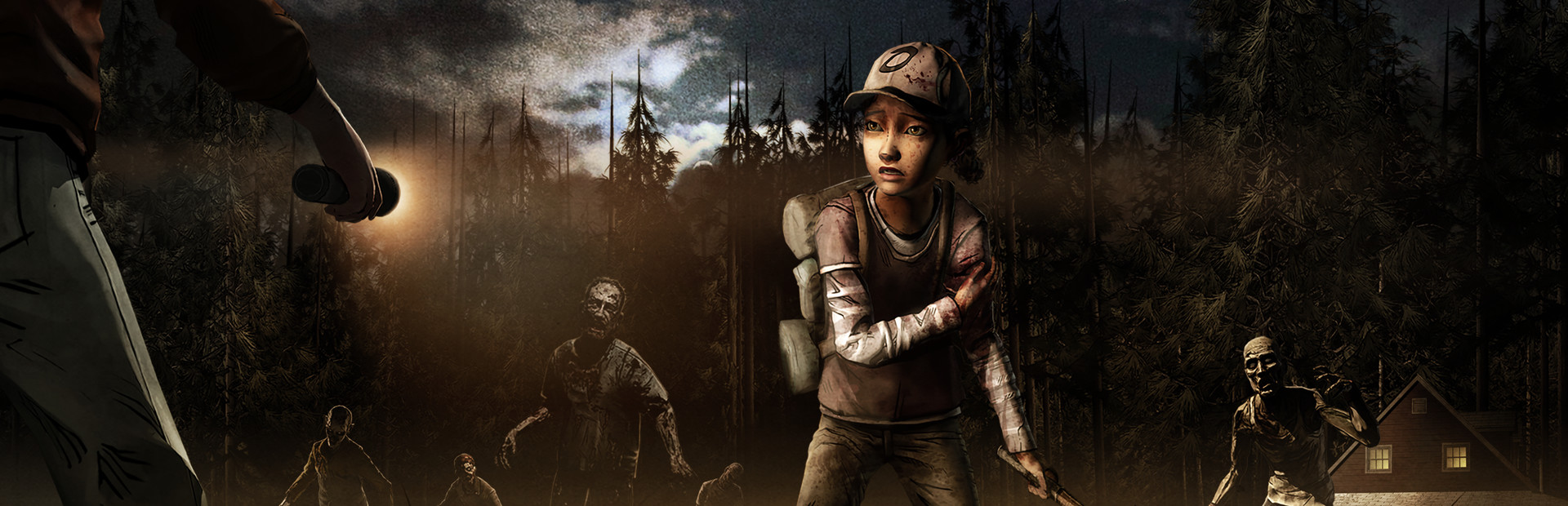
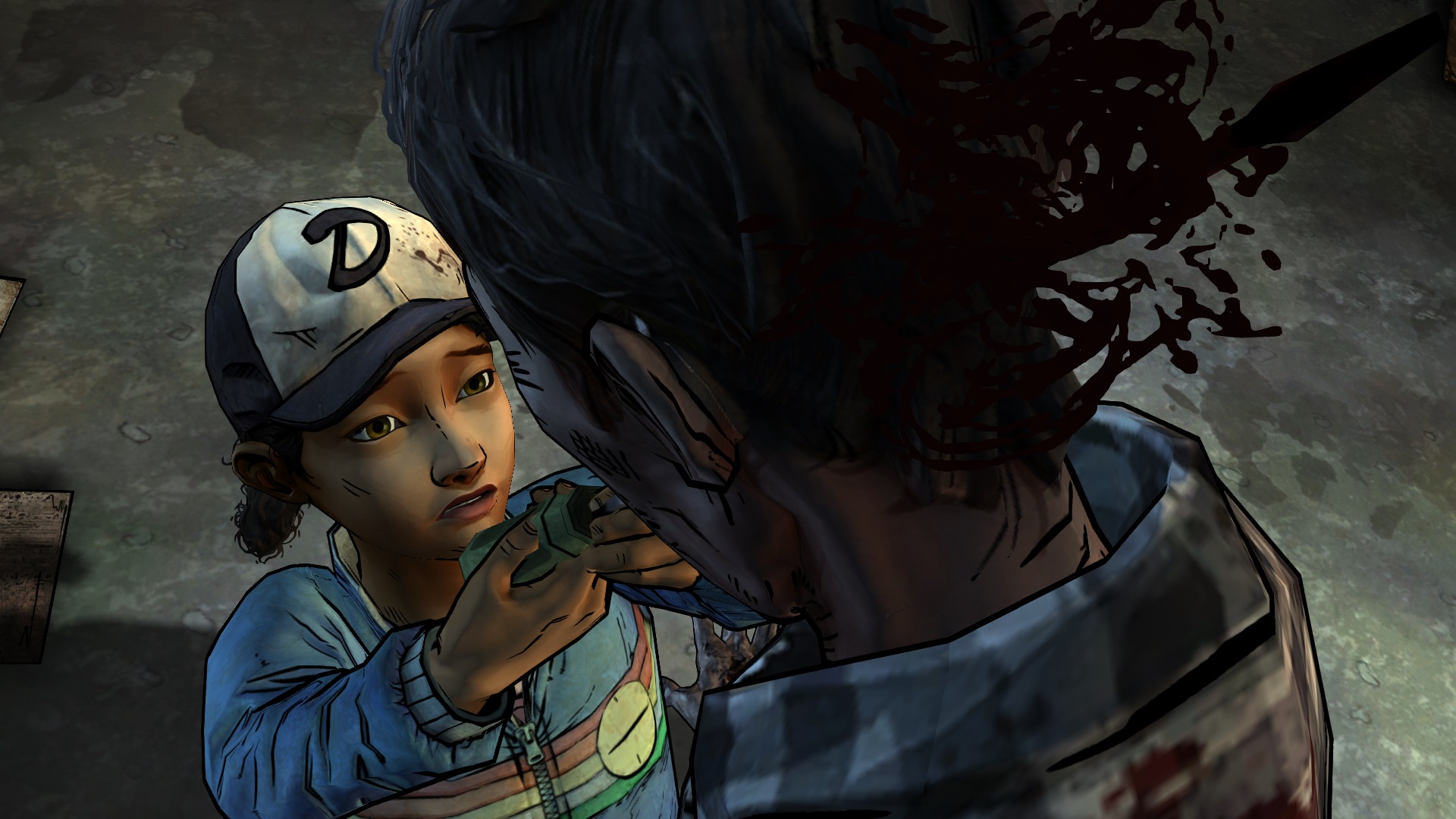
The original Walking Dead was a fantastic adventure game. It was well written, tense, memorable, and had amazing characters. The dialog choices kept the game moving, and you always felt like you were in control of every moment. Season Two adds to this while taking place moments after the end of the first game.
This time around, you play solely as Clementine. Right off the bat, I can tell you that your choices from the first season hardly impact Season Two. I imported my save, but I didn’t see many changes or choices I made from Season One affect anything here. We get an all-new cast, setting, and goal for Season Two that kept me going until the end.
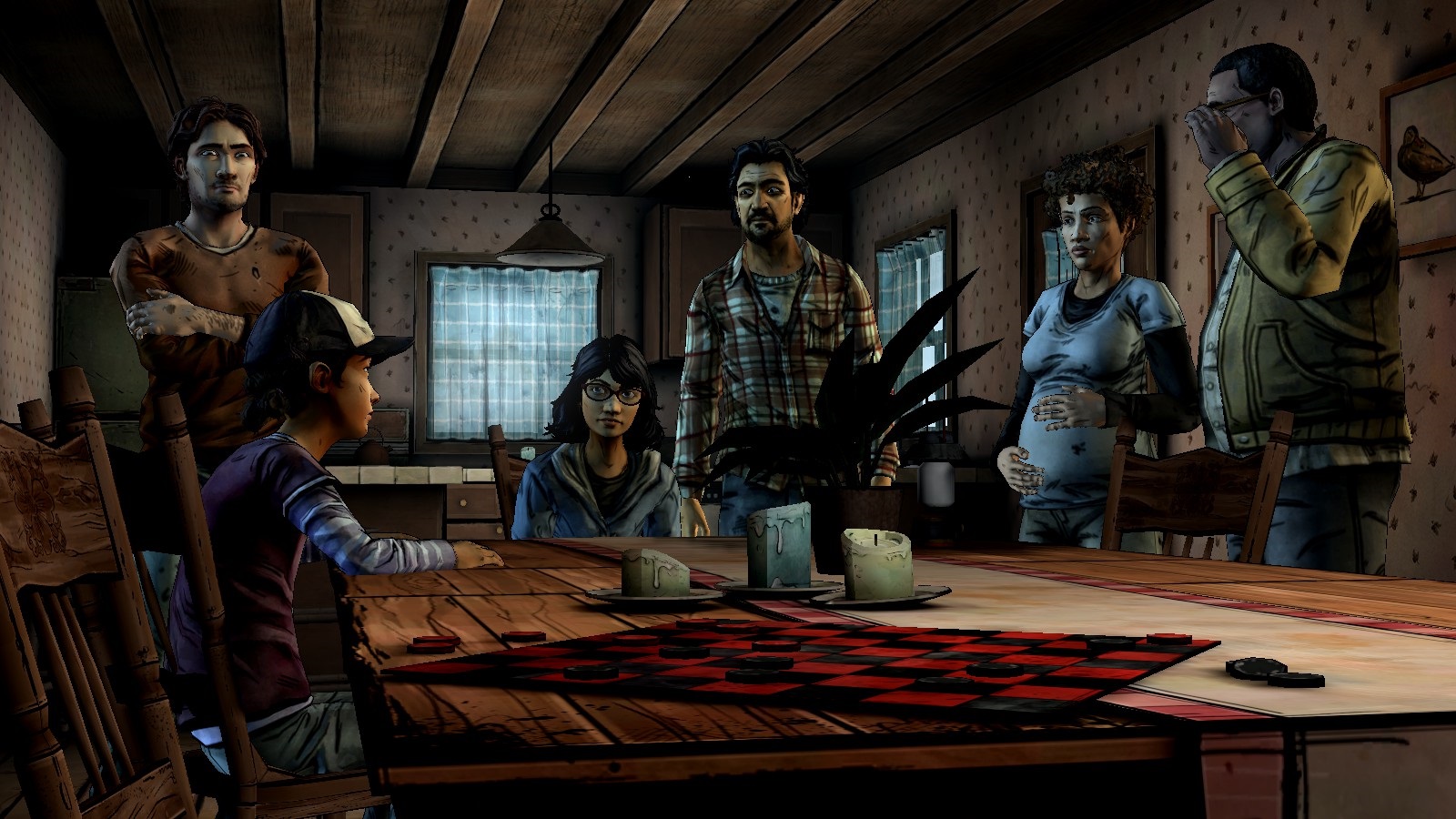
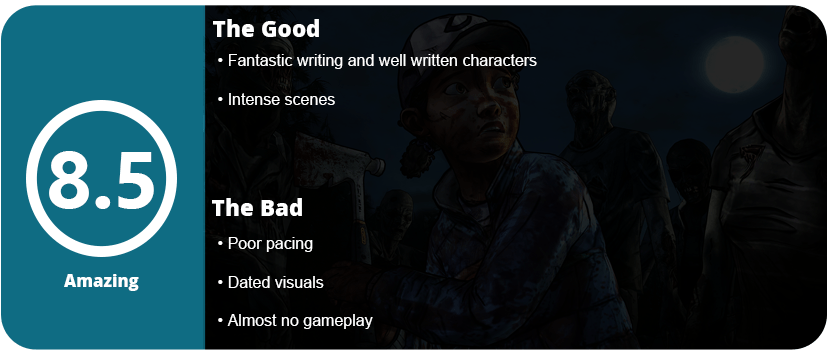
Clementine is a child, but her raw character shows this season thanks to what she went through. Going from an innocent child to a hardened killer isn’t easy, and it makes Clementine such a likable character. Adults respect her for how mature she is; she can make adult decisions, but she still has some vulnerabilities that a child would have at her age. The new characters come across as strong, just like in Season One, but I felt a slight disconnect from them. Something about these new characters didn’t quite click as well. A lot is introduced early on, so this might be the reason.
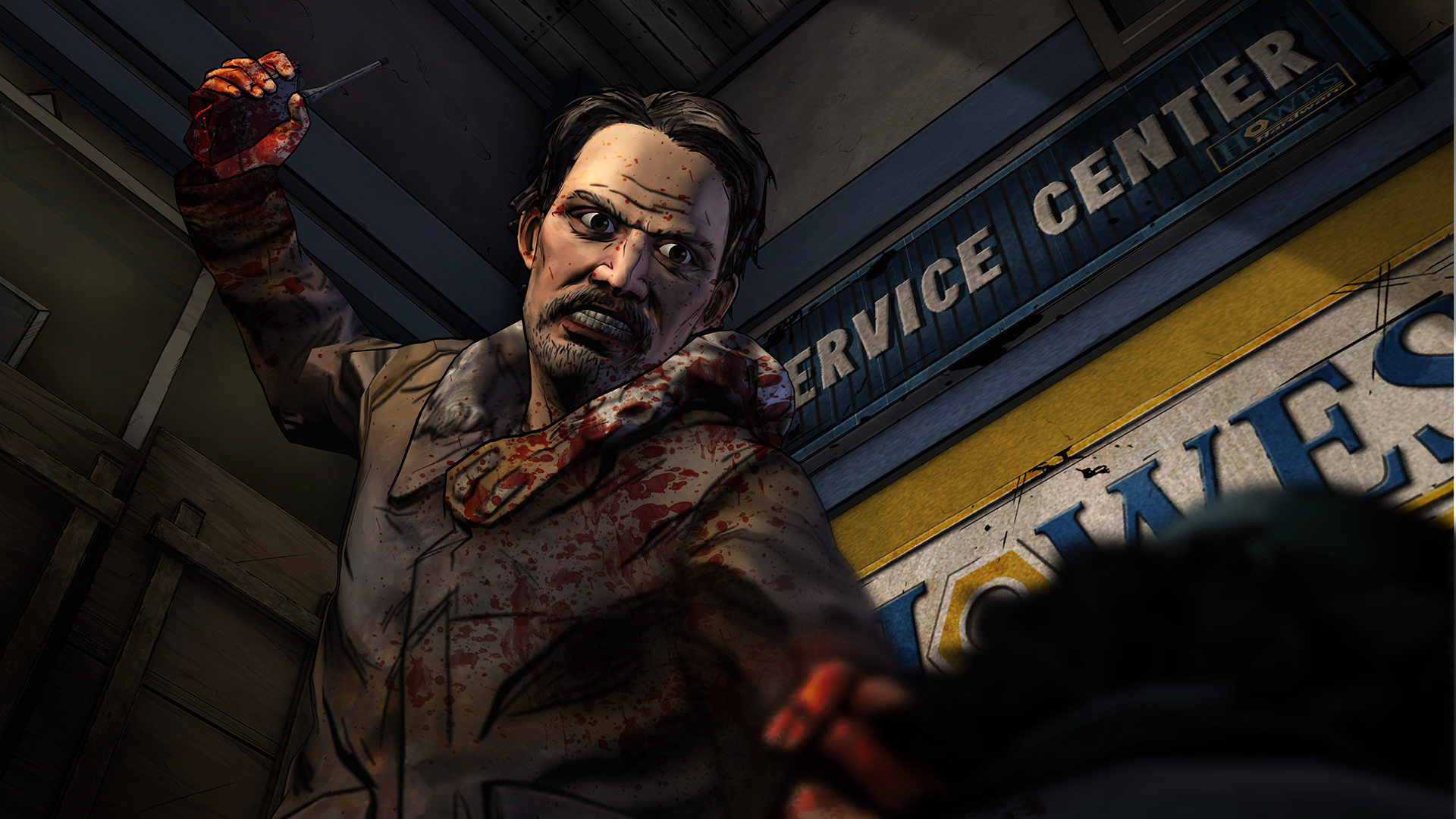
Throughout the game, we are seeing Clem get to a word-of-mouth safe haven called Wellington as she meets new friends, makes new enemies, and has to escape dire circumstances. I feel that this time around, the game is more of an interactive movie than a game. There are hardly any gameplay moments, and there is zero puzzle solving. The action sequences are somewhat entertaining, but the horrific moments of terror are far and few this time around. The few spots where you can walk around an area feel pointless, as all you do is go to the only interactive object to progress. The gameplay is seriously lacking here, but that’s not really a bad thing.
The dialog options are still strong, and many choices had me wanting to go back and change my choice, but that’s good. I always thought about what would happen if I chose something else, as some choices are designed to unfold later and some are immediate. The pacing of this game is also slower and less balanced. There are many slow moments of downtime and dialog build-up. Sometimes 20 minutes would go by with nothing but dialog options, which is a stark contrast to the first game.
I did notice the visuals are slightly improved with better lighting and more detailed textures, but overall the game engine is seriously aging and doesn’t hold up to other games. Season Two is still a memorable game with great characters, excellent writing, and tense moments. If only it were paced better and had more gameplay.
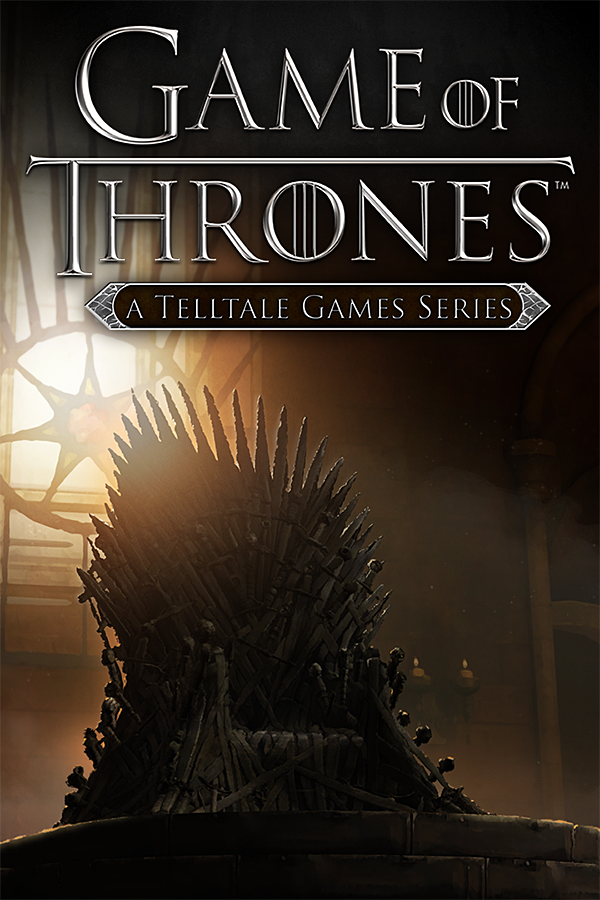
Game of Thrones is one of my favorite TV shows of all time, and for good reason. It had memorable characters, well-written scripts, fantastic actors, and so many gripping plot twists that will make your head spin. How do you copy this in a 5-hour game? Telltale somehow managed to do it, with some flaws, and I left wanting more.
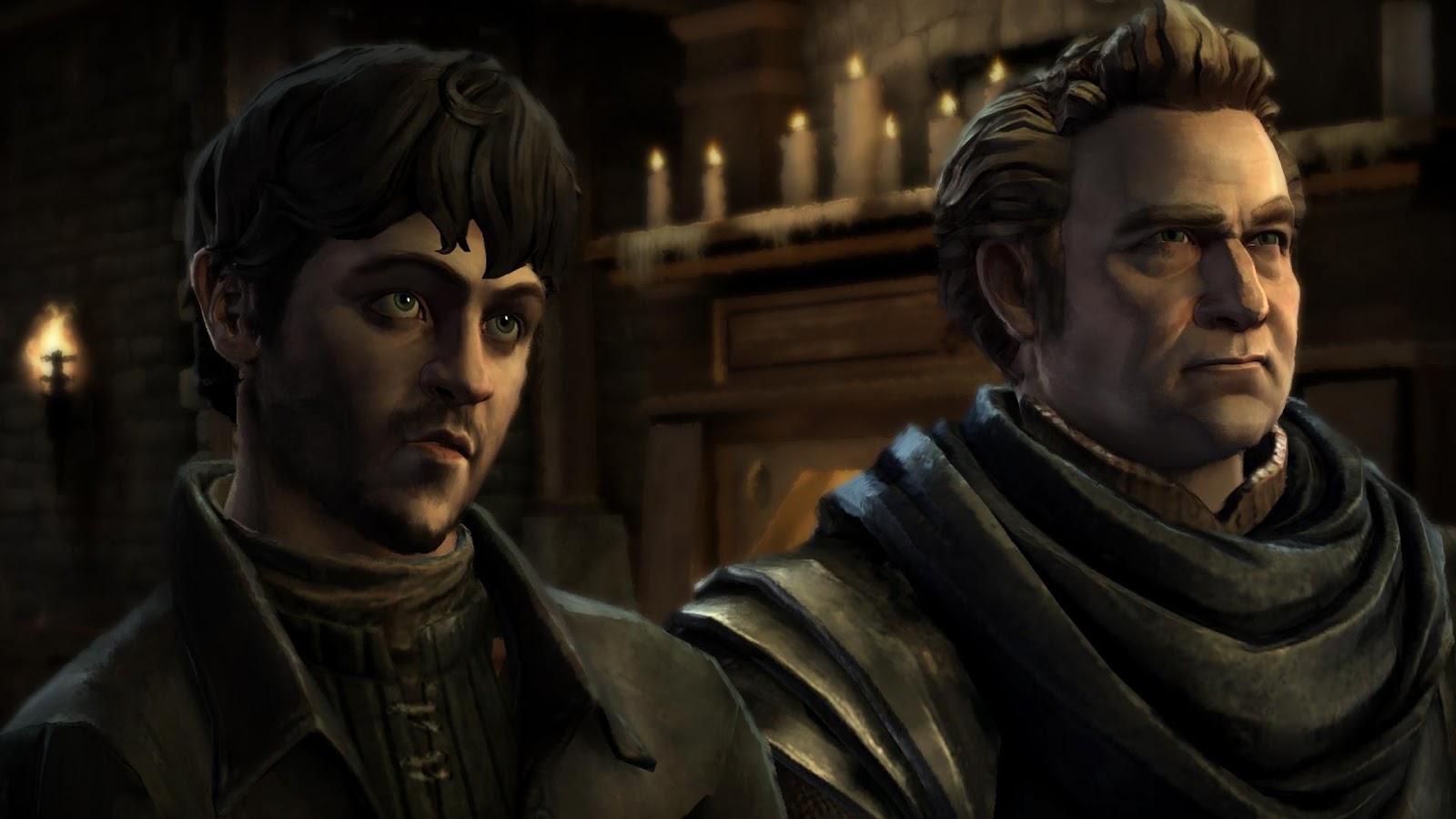
You play House Forrester, who are aligned with the Starks in the North, not seen in the show. They are trying to come out from under Roose Bolton’s foot, as the Boltons were assigned as wardens of the North after Ned Stark died in the first season. Ramsay Snow is constantly coming back to the house to “babysit” them, and this is some of where the major turning points happen.
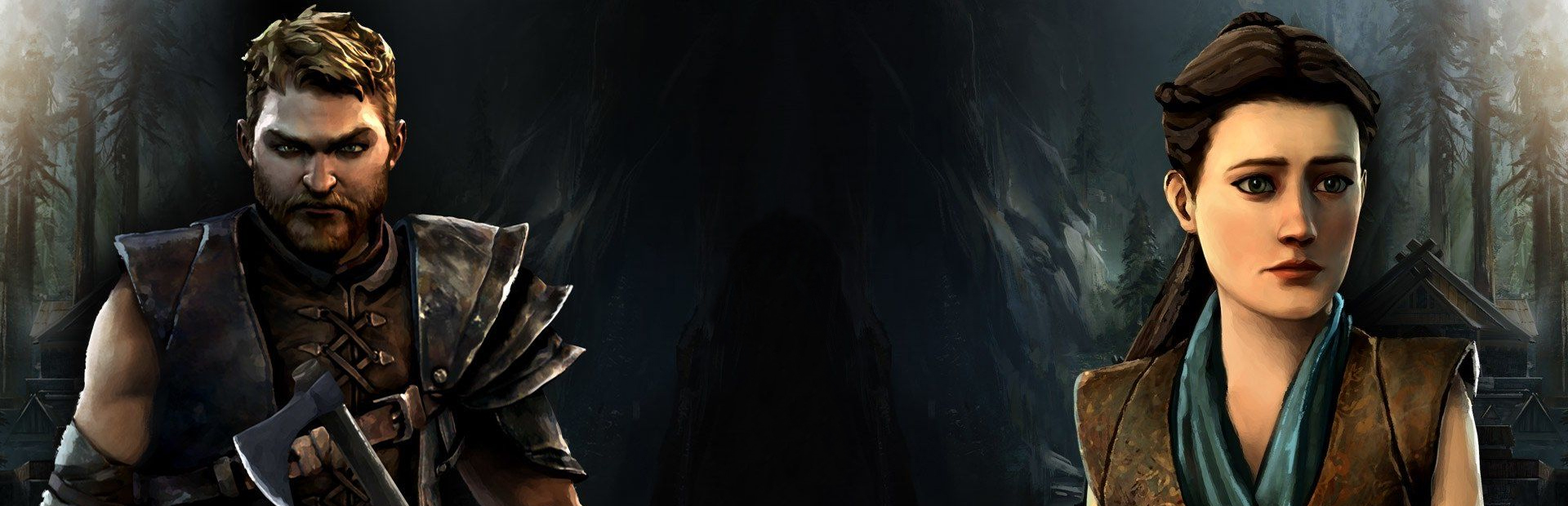
You follow five characters in the game as our viewpoints change. Mira Forrester is in King’s Landing, trying to gain Lady Margery’s favor before she becomes queen. Then there’s Ethan Forrester, who is the new lord of House Forrester after his father dies in the hands of Frey’s ambush. Then there’s Edward Tuttle, who was the original Lord’s Steward, and he gets sent to the Wall. Asher Forrester is off in Essos, trying to gain Daenarys’s favor for an army. With all these different viewpoints, it feels just like the show with everyone spread out.
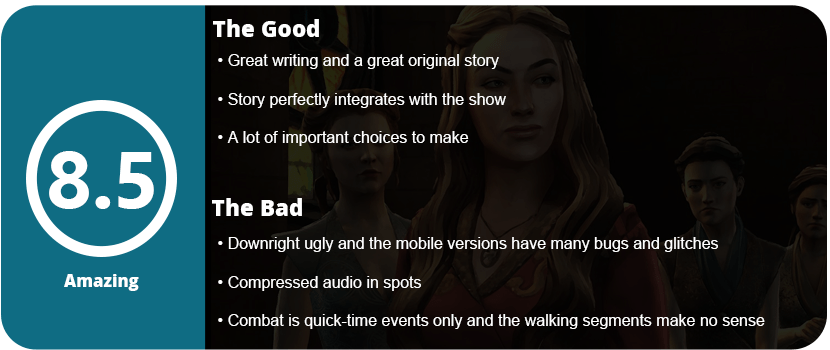
This is a much more story-driven Telltale game, and I know that sounds silly, but there’s maybe 5% gameplay here and not even any puzzles. There are some combat quick-time events, a few times where you walk around an area looking at things, and then the many, many dialog options, with some being meaningless and some having a full swing of the entire story.
I won’t get into details about the story as that will spoil it, but I was kept in for the whole game. The acting from the original characters who do appear is nice, as is the acting from the new characters. The new characters are memorable, hold their own, and feel like they would fit right into the TV show. As the episodes pick up, you spend less time with each character as all the choices you make culminate in the finale. Some choices were rather difficult to make as you decided who lived or died or how you acted towards someone. This was especially brilliant, as I thought I was doing the right thing sometimes, but it turned out it was hurting me more.
In the end, the point of the game is to gather a large enough army to fight back the Whitehills, whom the Boltons assigned to watch over House Forrester. All your choices will mean the difference between a house that lives or dies. I didn’t find the game really dull, but the scenes where I had control felt pointless. Rarely did it ever feel relevant, such as in a scene where Mira is searching for a letter in Tyrion’s office and guards are running down the hall, and she was trying to not get caught.
The game does end with a sequel in mind, but I don’t know if that’s ever coming; not all the characters’ stories were fulfilled, which is a shame. The visuals are downright ugly and still use Telltale’s decade-old engine, which needs an overhaul. The mobile version of the game is still riddled with bugs and poorly optimized, with frequent slowdowns, crashes, freezes, and bugs. The audio was terrible, as in the last 2 episodes it was somehow compressed to sound like PS1 audio. Overall, though, the game is well worth a playthrough for fans of the show; just don’t get the mobile version.
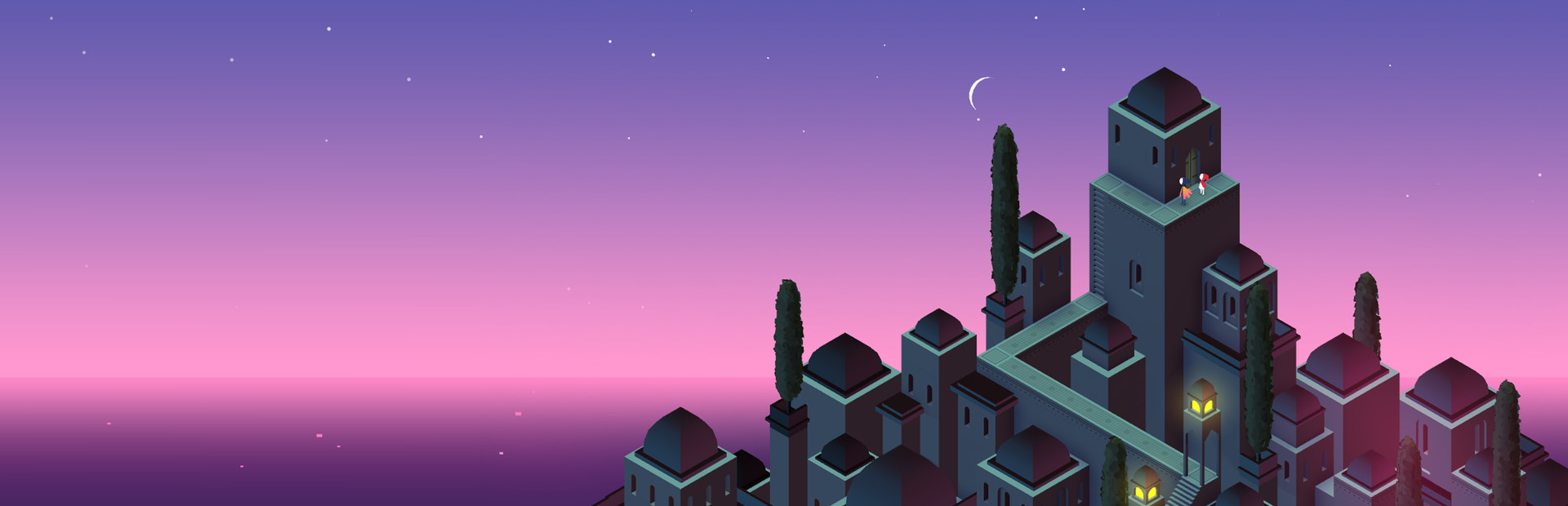
Monument Valley is one of the most memorable mobile games I have ever played. The game helped show that mobile games have a place with many of the great console games. It was smart, beautiful, unique, and a blast to play. It felt like a mix between Echochrome’s (PSP) gameplay and Journey’s (PS3) art style.
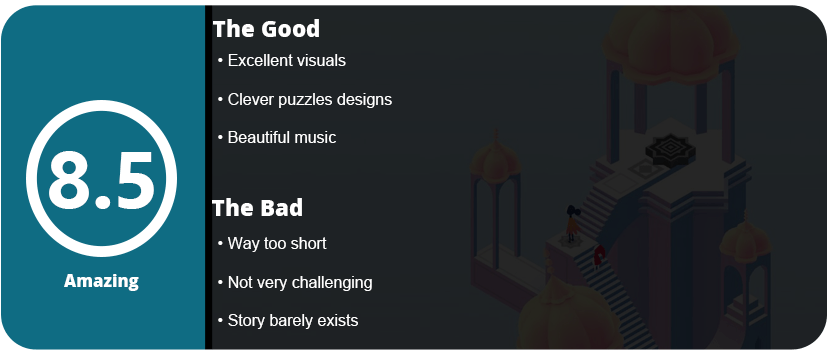
With Monument Valley 2, I got really excited to play this. I expected more and something new at the same time. That’s not entirely what we got. We just got really new. MV2 is an extremely short game and not very challenging. The MC Escher-style puzzles were a breeze to get through, which is a shame, as the first game had a few head-scratchers. Using various switches, you push, pull, spin, and align the various platforms through optical illusions to get the character to the door. At the end of each stage, the player can swipe their finger around to create a star that goes into the heavens; the meaning of this is unknown.
In the first game, we understood it was a journey, but this time around, all I know is that the character is a mother who is seeing her child off for her adventure, and they reunite. That’s it. I like subtle stories, but this one was too subtle. At least a few new elements are thrown in, such as controlling two characters at once, which creates a tad bit more of a challenge.
The game still looks amazing, with gorgeous art direction, music, and heartwarming colors. It’s just a shame it’s in such a short package with no challenge. I still recommend playing this game, but I sure did want many more puzzles than the dozen we got.
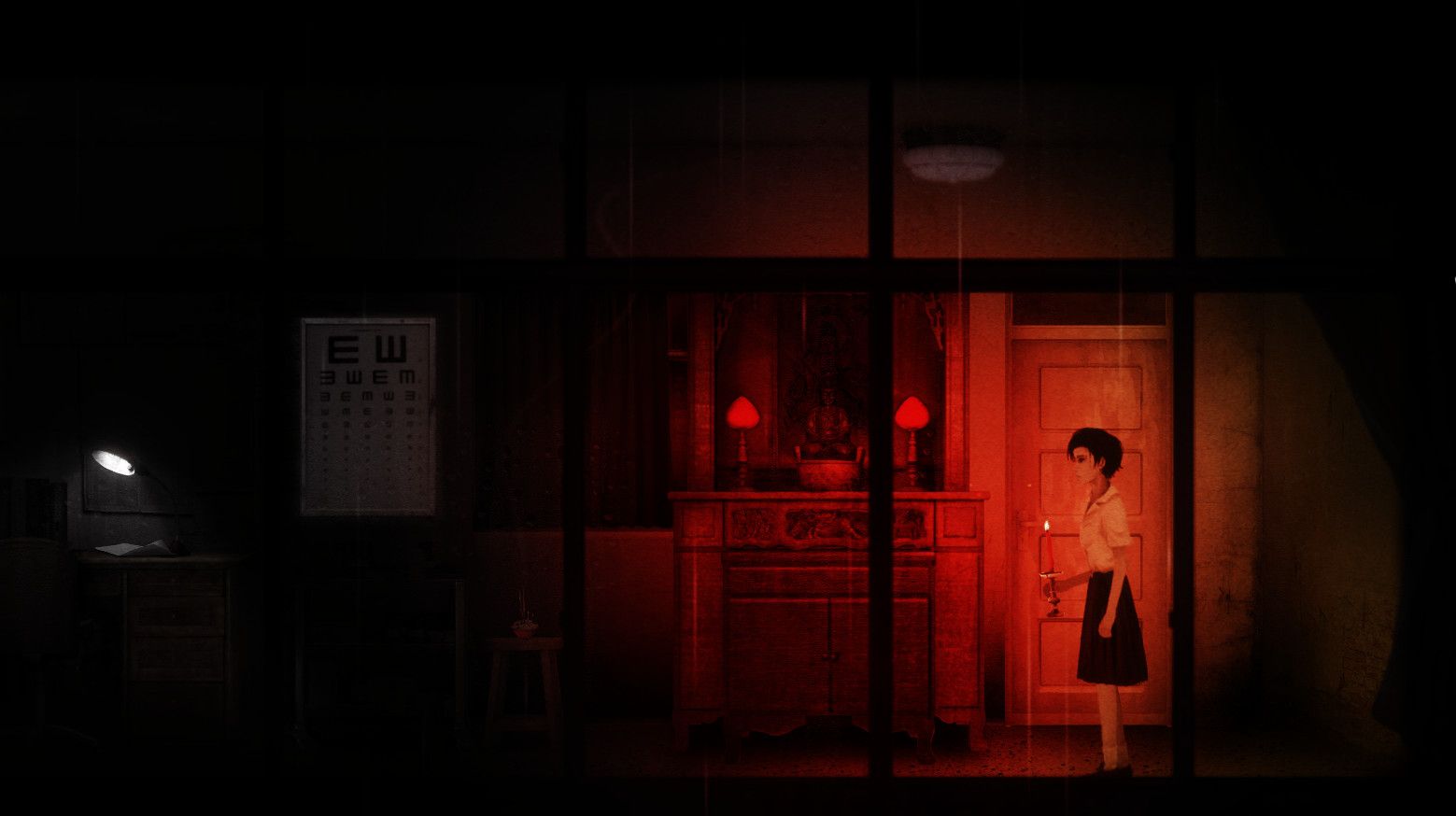
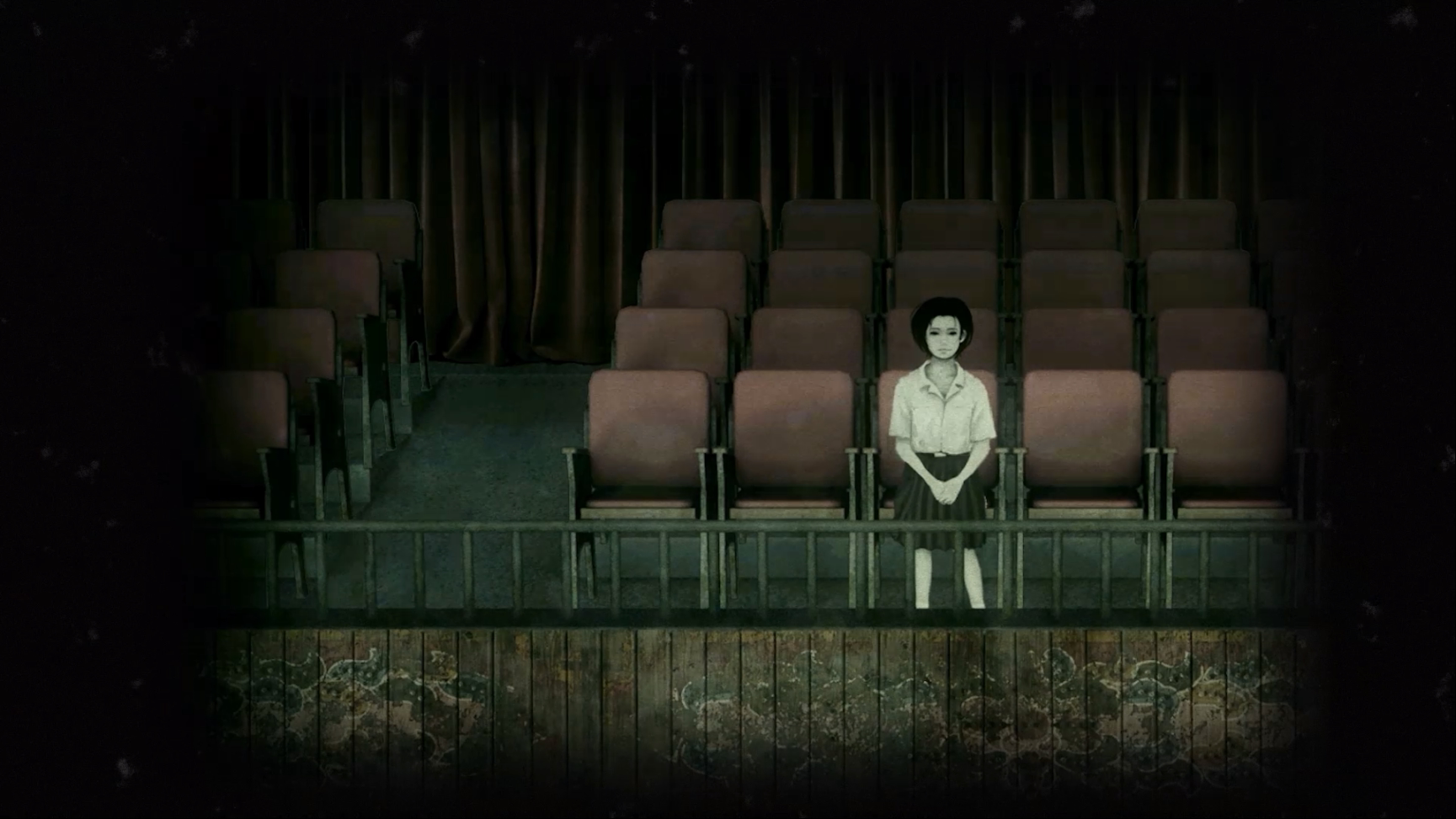
Obscure Asian horror games are something I’m a sucker for. I know the gameplay and controls will probably be awful, but you’re in for one scary ride, and that’s what matters the most. Detention is a 2D adventure game that takes place in Communist China in the 1950s. You walk around solving simple puzzles and unraveling a somewhat confusing and convoluted story. The atmosphere is very surreal, and the slow pace of the game helps drive this home.
The game begins with some strange images and wandering back and forth through classrooms in a school, trying to get to the top floor. The game involves finding items and then figuring out where to use those items. Like most adventure games, it’s best to wander through the entire area first, pick up all the items, and then place them where they are needed. There are three areas that are like this, and then the final area is actually just walking around making story choices. It’s kind of strange, as the pacing is really broken up throughout the entire game. There will be some chase sequences, a tense atmosphere, and enemies you need to avoid by holding your breath and walking past them slowly, or even turning away so as not to stare into their gaze. It’s an interesting concept and puts you on the edge of your seat with the amazing sound effects and disturbing soundtrack.
A lot of the sound effects and music remind me of Silent Hill. The pounding heartbeats, screeching static, and urgency were felt throughout. The game isn’t so gory, but just overall weird and disturbing, which is just fine. I enjoyed the gameplay and scares quite a bit, but the story was definitely lacking. I could tell there was something about the main character being involved in a forbidden book club, her inner torment of her parents fighting, and some sort of guilt about being responsible for a death, but it never worked together or meant anything. There’s a lot of poetry and ancient proverbs thrown around the game, but all this accomplished was confusing me more as to what was going on. As it is, the game can be beaten in less than 4 hours, so it’s important to get the story across as strongly as possible since you can’t drag it out.
With that said, Detention is a must-play for horror fans or anyone who likes 2D adventure games. You’re going to have to go into this expecting a lot of scares and simple puzzle-solving rather than a memorable story or characters. The art style is fantastic, and the music and sound effects all jive together to create a disturbing experience that you really can’t get in most Western horror games.
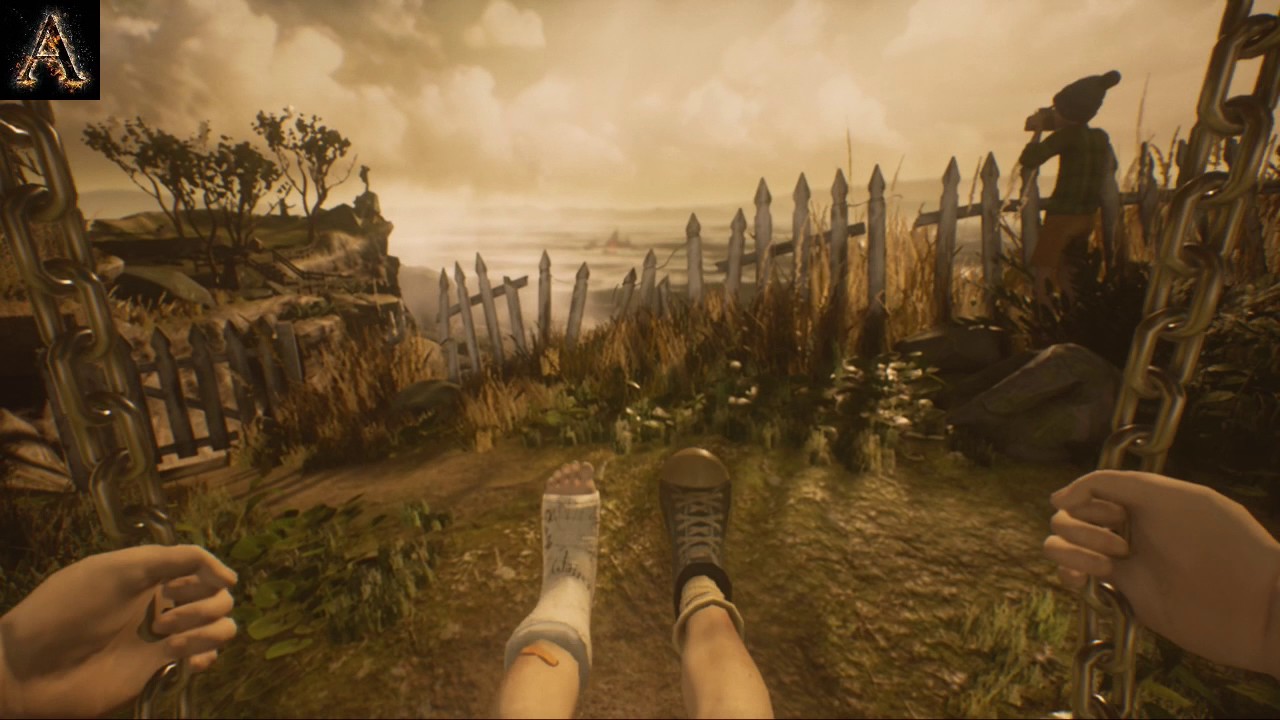
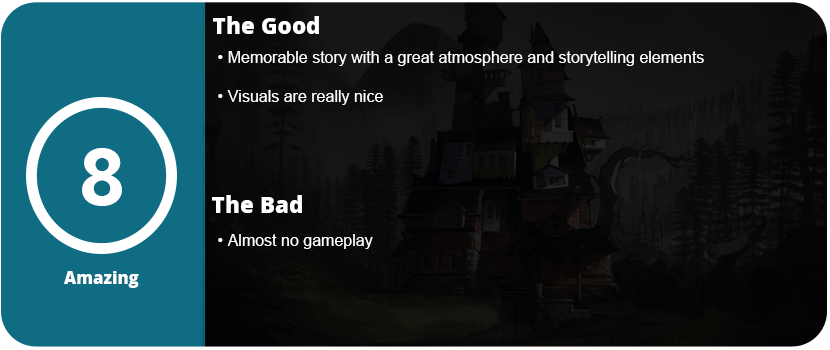
It’s surprising that over the last 10 years, it’s the indie game that has had the most touching and memorable stories. Even with AAA games’ million-dollar budgets, they can’t seem to get a decent story with armies of writers and directors. What Remains of Edith Finch may be called a “walking simulator” by the younger crowd, but these slower-paced adventure games are usually the most touching and memorable. You play as a girl who is slowly unlocking the mystery of why every member of her family died in a large house built from the ground up on the oceanside.
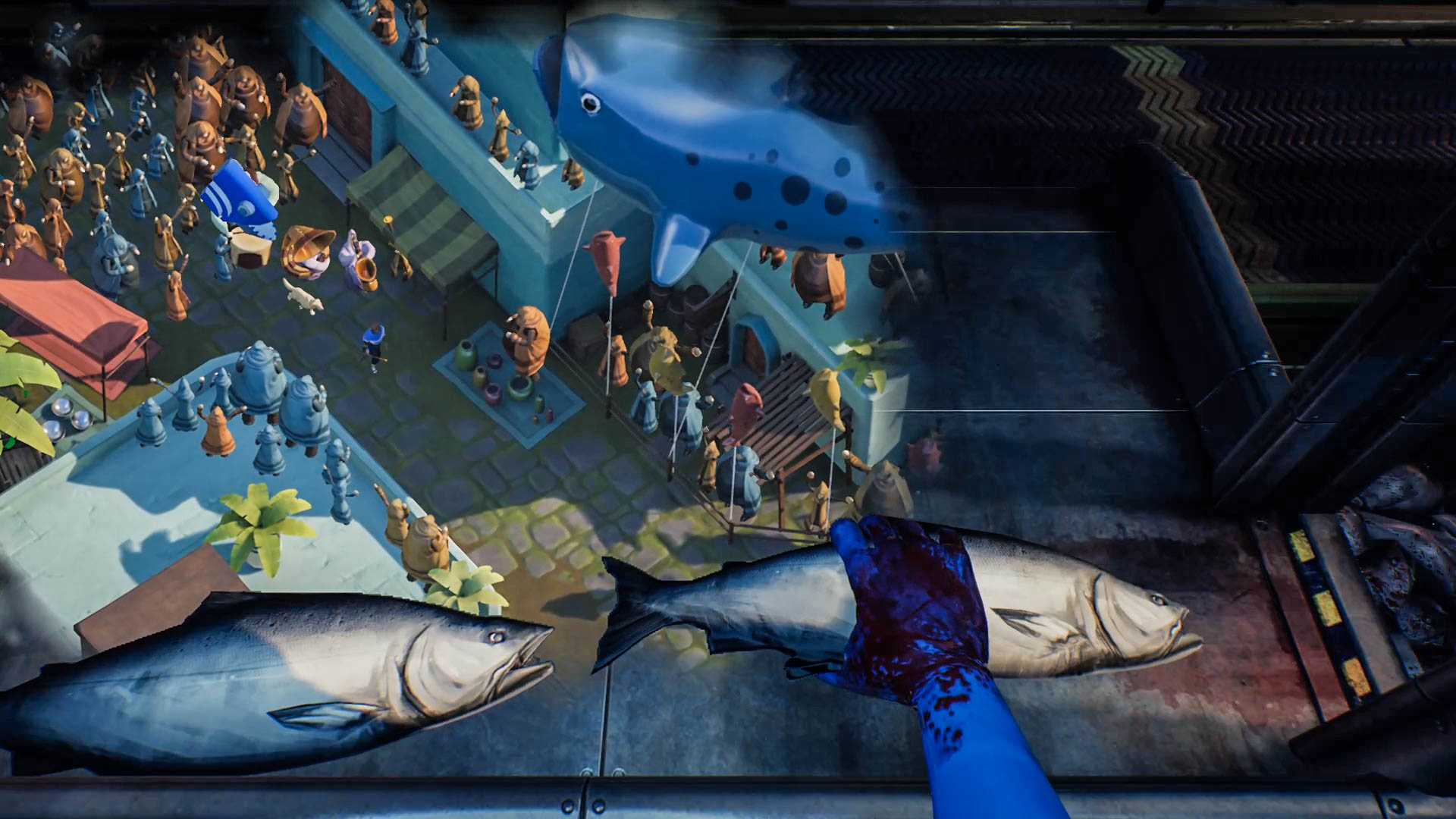
The game starts out simple enough: you walk down linear, winding paths, and the character narrates along the way. The text floats along where you walk, and it’s an immersive way to tell a story. Once you enter the house, you will eventually find your way through mysterious rooms through secret passageways, and in each room is a piece that will bring you into their story. The most unique part of this game is that each story is so different and is told in unique ways. One story has you playing as several animals in the first person as the boy tells his story. In one story, you are just trying to swing as high as you can so you can fly. One story towards the end has you cutting fish heads in a factory, and you play a 2D RPG on the side while still trying to cut the fish heads. As the story goes on, it gets more detailed and expands in your view. The game is very imaginative, with my favorite piece being a 1960s horror comic, and the panels come to life with you playing a character in some of them. The game never gets boring or old, and the short length helps keep the game from overstaying its welcome or doing too much.
My biggest complaint is that there’s not much to interact with outside of initially entering the house. Once you get through the first few rooms, you just go from room to room and find the main story piece. The pacing is great, as it doesn’t get too fast, so you feel the rest of the game is too slow. There are also different themes throughout the game, such as horror, adventure, happiness, and sadness, and the house itself is haunting, empty, and lonely. This game oozes atmosphere, and you get different feelings from each room as you discover the fate of each family member. There’s so much detail in this game, and the visuals are quite nice for an indie title in this manner.
Sadly, due to this type of game, it won’t be played by many people, which is a dying shame, as What Remains is probably one of the best games to come out this year. The story is memorable, the game has plenty of atmosphere and character, and there’s so much to love about the game. If you’re a fan of Gone Home or just great stories in general, then you will love this game.
While this is my third smartwatch, this is my first non-Android Wear watch, and I have to admit I was very skeptical and unsure. For one, all my apps and watch faces I bought on Google Play are now gone as Samsung uses their own OS called Tizen to power their watches. Why would I plunk $400 down on a watch and be so unsure? I don’t really have a choice. A lot of smartwatch brands, like Huawei and Motorola, have paused their smartwatch lines until Google can improve and build upon Android Wear. Remember, we’re still on the first version of Android Wear, with only a couple of watches getting 2.0 as of the last couple of months.
What attracted me to the S3 was that it was a 4G watch and looked like an actual watch. It’s rugged, well-built, and fast, unlike some other watches. While Android Wear performed fairly well on the Moto 360 2nd Gen., it still wasn’t enough and felt like it didn’t evolve. Samsung’s own Galaxy App Store is full of useful and fun apps and watch faces. I didn’t really have to worry there, and surprisingly, there’s even quadrupled the number of watch games on the Galaxy App Store compared to Google Play. Before we get there, though, let’s talk about the actual watch.
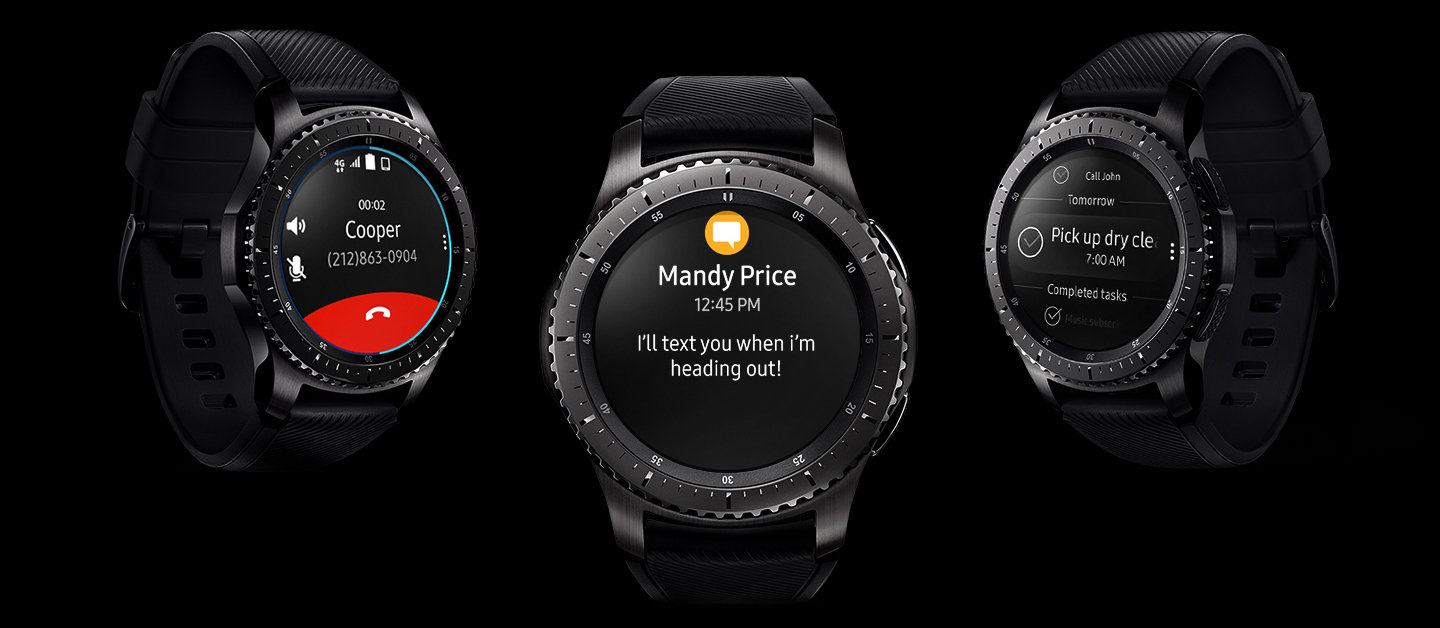
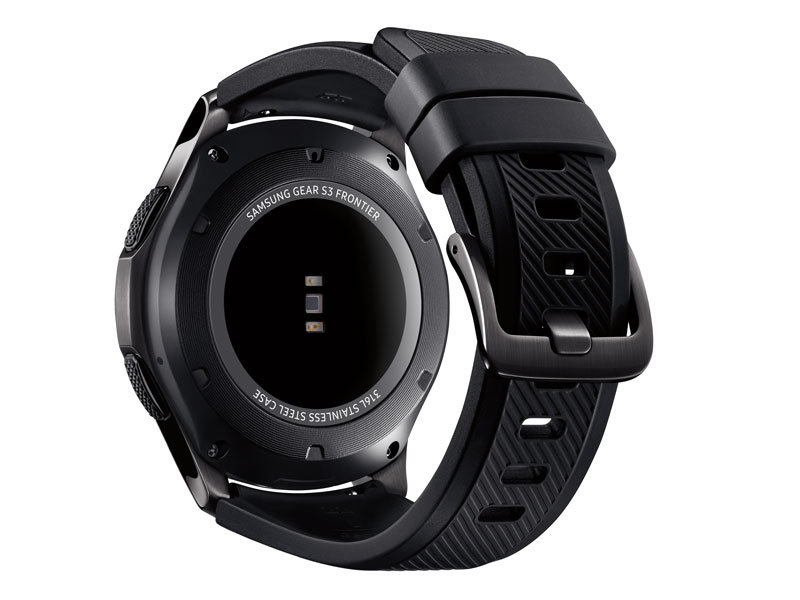
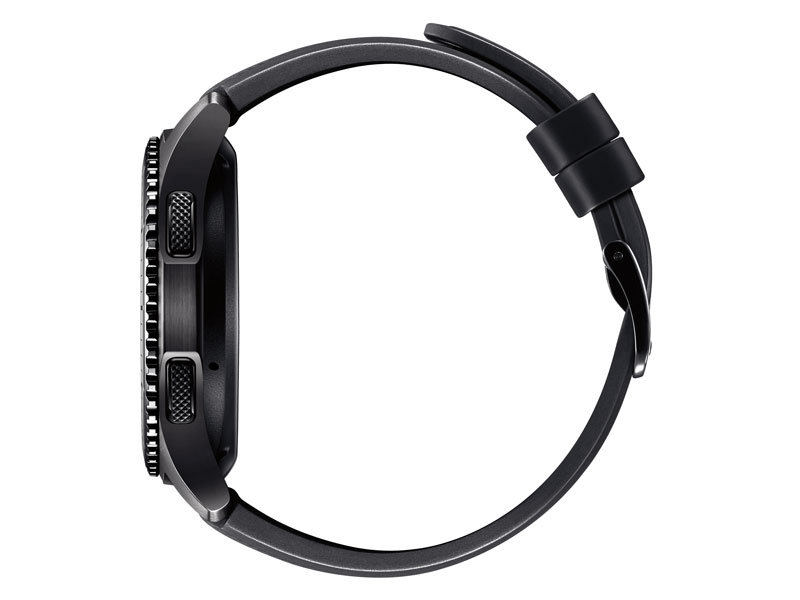
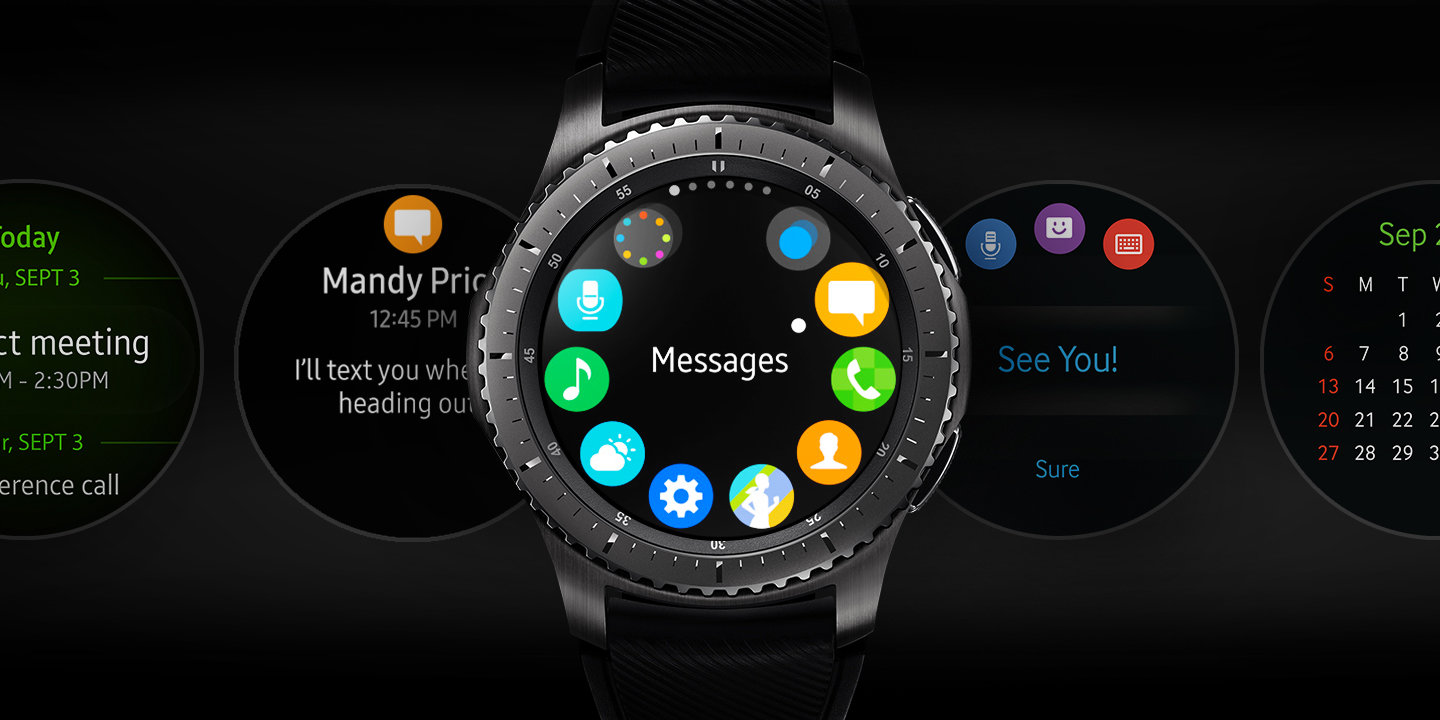
The actual body is a bit heavier than my Moto 360 2nd Gen. It’s made of military-grade material and is actually water- and dust-resistant, with an IP68 rating, which is amazing. You can wash your hands or do some dishes without worrying about ruining your watch. The silicone bands feel well built and much better than the cheap leather Motorola uses on their watches, which deteriorates in about 2 weeks of use. The clicking dial on the watch face feels great to use and is very responsive. I was afraid it would feel cheap and flimsy, but it doesn’t. The touchscreen feels nice and is extremely responsive, which is a must for something like this.
This watch has two physical buttons, one being a back button and one for power. The way Tizen works software-wise is much more convenient than Android Wear, and I was shocked and also relieved because, for now, I’m done with Android Wear until they can make some major improvements. You can swipe to change your watch widgets, which is much better than having an app drawer. One of the biggest fallbacks of Android Wear was that it felt like Android OS mushed down into a watch. All the Samsung apps have their own widgets that operate a certain way on the face at a glance, and then when you press the widgets, you go into the full app on the watch. The scroll wheel just smoothly flies around the watch and makes finding your widget a breeze, and it beats having to rely on the touchscreen and swiping a lot.
If you don’t want to scroll all the way through your widgets, you can go to the app carousel, which has the icon on the face, and you can scroll around to find what you want. It is still very fast and easy to use, and I love this feature. If you scroll all the way to the left, it will show your last-used app one click past the watch face, which is useful. The watch is equipped with Samsung Voice, so a simple “Hey Gear” will bring up a very responsive voice command to call or text anyone. This is made easier with a mic and speaker on the watch, so all calls can be done through your watch, which is a major step up over Motorola’s watches, which only contain a mic and all calls must be done on the phone. This leads to the watch having call forwarding, which is the best feature of this entire phone. You can leave your phone somewhere and still get calls on your watch. This is great if you forget your phone somewhere or don’t want to carry it around. This is only for the 4G watch and not the Bluetooth-only versions.
Surprisingly, this watch doesn’t have the insane hardware to be responsive and quick. The screen has a 360×360 resolution and is running on only a dual-core 1GHz CPU, which is Samsung’s own Exonys 7270. The screen is gorgeous, and it would be with Samsung using a Super AMOLED display, so it is the best-looking watch screen on the market. It only has 768MB of RAM and 4GB of ROM, but it seems to be enough as Tizen is hand-tailored to this hardware. The watch also never gets hot, unlike Android Wear. Snapdragon SoCs are notorious for burning up when pushed really hard, and that is what was in the Moto 360 2nd Gen.
The Gear app is fairly robust and has more features than Android Wear, which hasn’t really been updated since day one. The only thing I can’t change is waking the watch up when you bring your arm up. This is a feature that will never 100% work, as the watch can’t tell if you’re making gestures or looking at it. There is also no dim mode on this watch, which Android Wear does have, and that is probably why you can’t disable the feature. When you aren’t looking at the watch, the screen is off. You can also find your gear through the app and lock it if it is lost or stolen, which is easier to use than Android Wear. One of the best features is the native Samsung Pay that Android Wear has yet to implement. Just long-press the back button, and up comes Samsung Pay, which is really handy if you are into that. One thing that is actually quite simple that I love is that the Gear S3 connects immediately to Bluetooth without any fiddling or errors. Android Wear watches can only be connected properly if you turn on Bluetooth through the Android Wear app. If you just connect through the phone, it won’t connect sometimes. Frequent disconnects were common with my original Moto 360, but I’m happy to say the Gear S3 just connects and stays connected. It even seamlessly transitions from 4G to the phone without any problems.
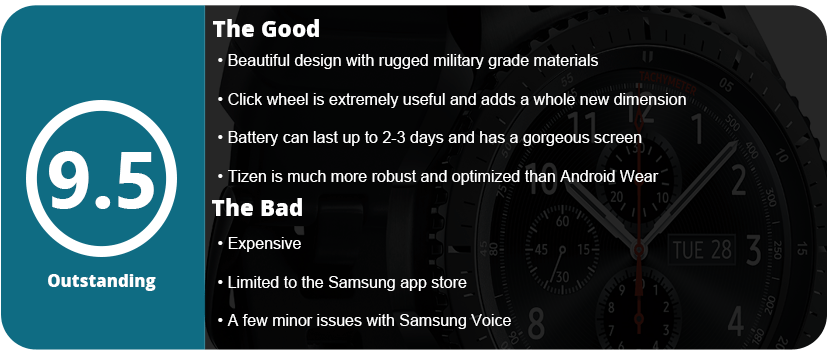
Overall, this is the best smartwatch I have ever owned, and Samsung has Tizen down just right. My fears weren’t that Tizen wasn’t as good as Android Wear, but now knowing that Android Wear is so far behind Tizen, it makes me want to never go back. Naysay what I’m telling you all you want, but I loved my Moto 360 2nd Gen, and I was also very frustrated with the bugs and problems with Android Wear and Motorola’s watches brought on. If you want one smartwatch, the Gear S3 is the way to go, without a doubt. This is the watch to directly compete with the Apple Watch, not Android Wear. Samsung has the streamlined, robust, and easy-to-use OS and design that Android Wear seems light years behind on.
Atmospheric side scrollers became popular thanks to Limbo. With no story but an entire tale told through the atmosphere, puzzles, and platforming, this became a great way to show gamers that the platforming genre can be a little more mature. Inside are all the aspects that Limbo created and perfected.
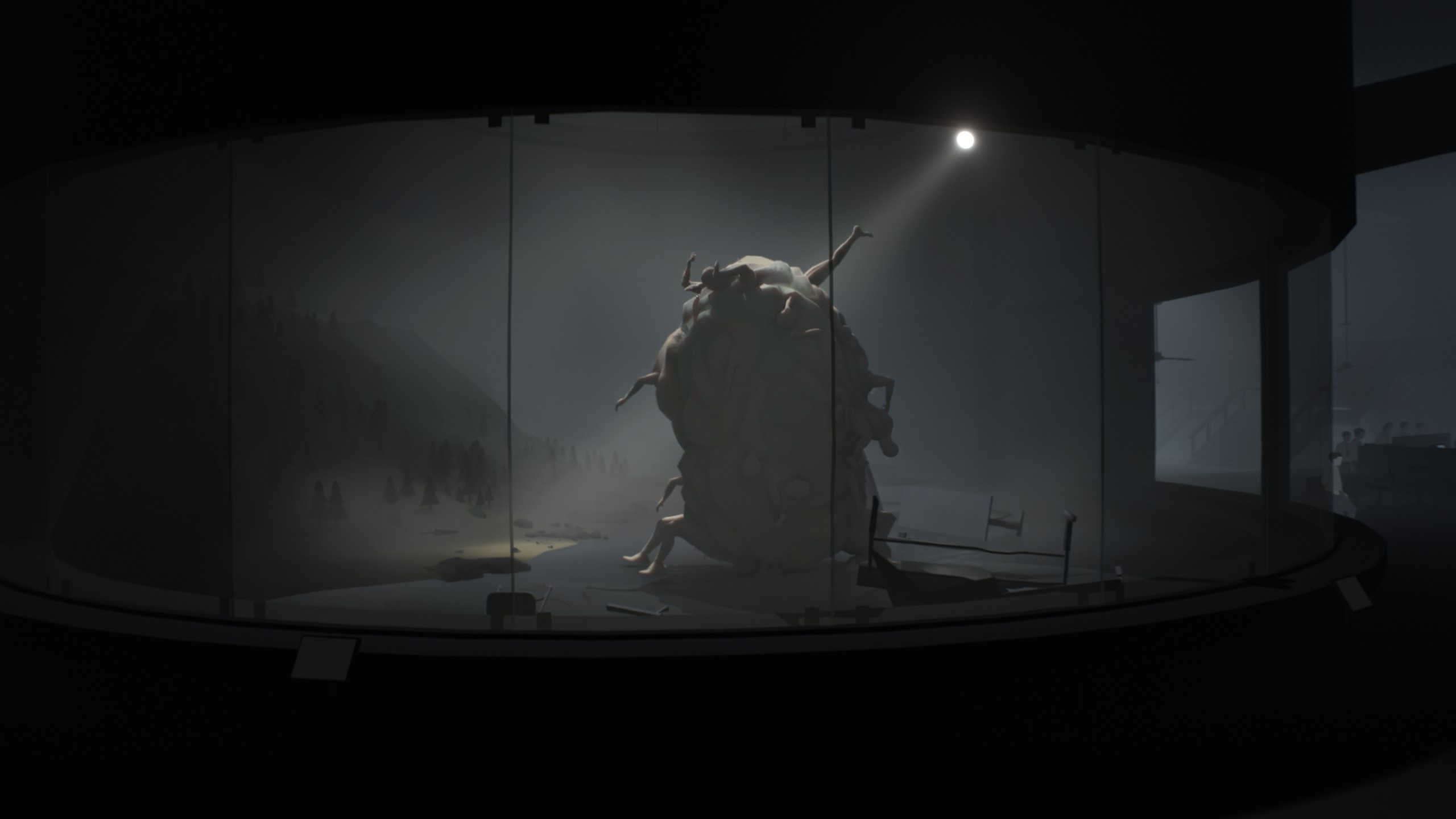
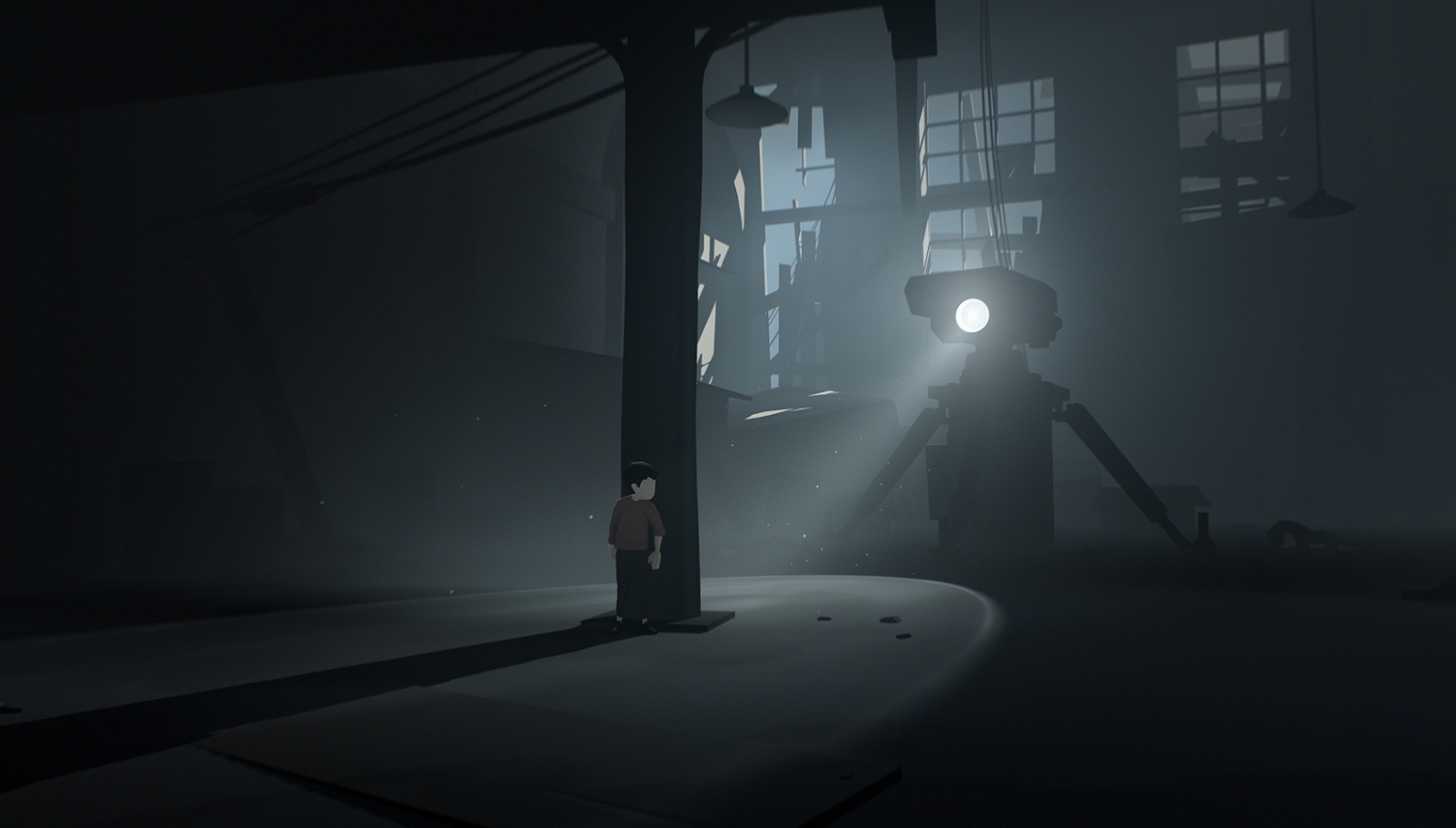
The game starts out with a little boy stumbling out of some trees and running through a forest. In the background, you can see soldiers in masks searching for something, but you’re never quite sure if it’s the boy or something else. Who this boy is and his purpose are never explained, but that’s kind of okay, as it’s up to the player to interpret this. The game has no tutorials, as there’re only two buttons to use: jump and an action button. You slowly get introduced to the game’s puzzles by pulling objects to ledges to reach greater heights, learning to keep switches open, etc. The game’s main focus is the art style and atmosphere. This game has an Uncanny Valley militaristic dystopia theme with everything in gray. It really grabs your attention, and the game can get quite tense.
Some of the more memorable scenes are when dogs are chasing you, as there’s no music but just the panting of the kids and raging, aggressive dogs at your heels. Most chase scenes actually require skill to finish, as they require precise timing of jumps and even quick-on-your-feet puzzle solving. The game is very well-paced, as I wanted to play through the whole thing without stopping. While there wasn’t a story being told, I wanted more chase scenes and sections where the boy had to sneak by these adults. The game isn’t just a flat plane, either, as the world turns and pans in accordance with the 2D playfield. It never feels like you’re going just left or right in a world that has been cut in half. There’s depth in the foreground and background, which is something that’s not done often in side scrollers.
There’s something strange going on in this world, as it seems most humans (or slaves) are mind-controlled and are being sold to other humans or possibly some type of alien. I couldn’t really tell, and again, that’s the point. Your job is to keep this boy out of danger and to keep pushing forward. From swimming, using a submersible, climbing, running, jumping, and puzzle-solving, there are quite a lot of games here for such a short length. Inside also has amazing animations and physics—some of the best I have ever seen. The way the boy runs and the people in the background interact with your every move is jaw-dropping. The boy would sneak across a floor and open a grate while everyone was starting inside some vat in the background. As soon as that grate dropped, all heads looked toward you. It’s creepy and fantastic all at the same time, not to mention the boy’s gruesome death animations and scenes.
I was amazed all the way through this game, despite the ending making zero sense and just being so abrupt. I wanted more, and hopefully we will get more. I can see that this could be a vastly expanded universe with an amazing story, but these atmospheric indie games tend to never have sequels. The game’s art style is just some of the best this year, and the graphics are also technically impressive, with amazing textures, lighting effects, and shadowing that would put some big-budget games to shame.
Overall, Inside is a wonderful must-play game. It’s oozing with atmosphere, tension, and pacing that will keep you glued during the whole 4-hour play session. When it’s over, you will sit back and remember most of the scenes and wonder what’s going on in this game. I felt more like a spectator who jumped into the middle of a movie, and I’m just watching what’s happening next, hoping to catch on. This is a unique way to tell stories and can be very hard to pull off. Thankfully, Inside will have you thinking about it long after it’s gone.
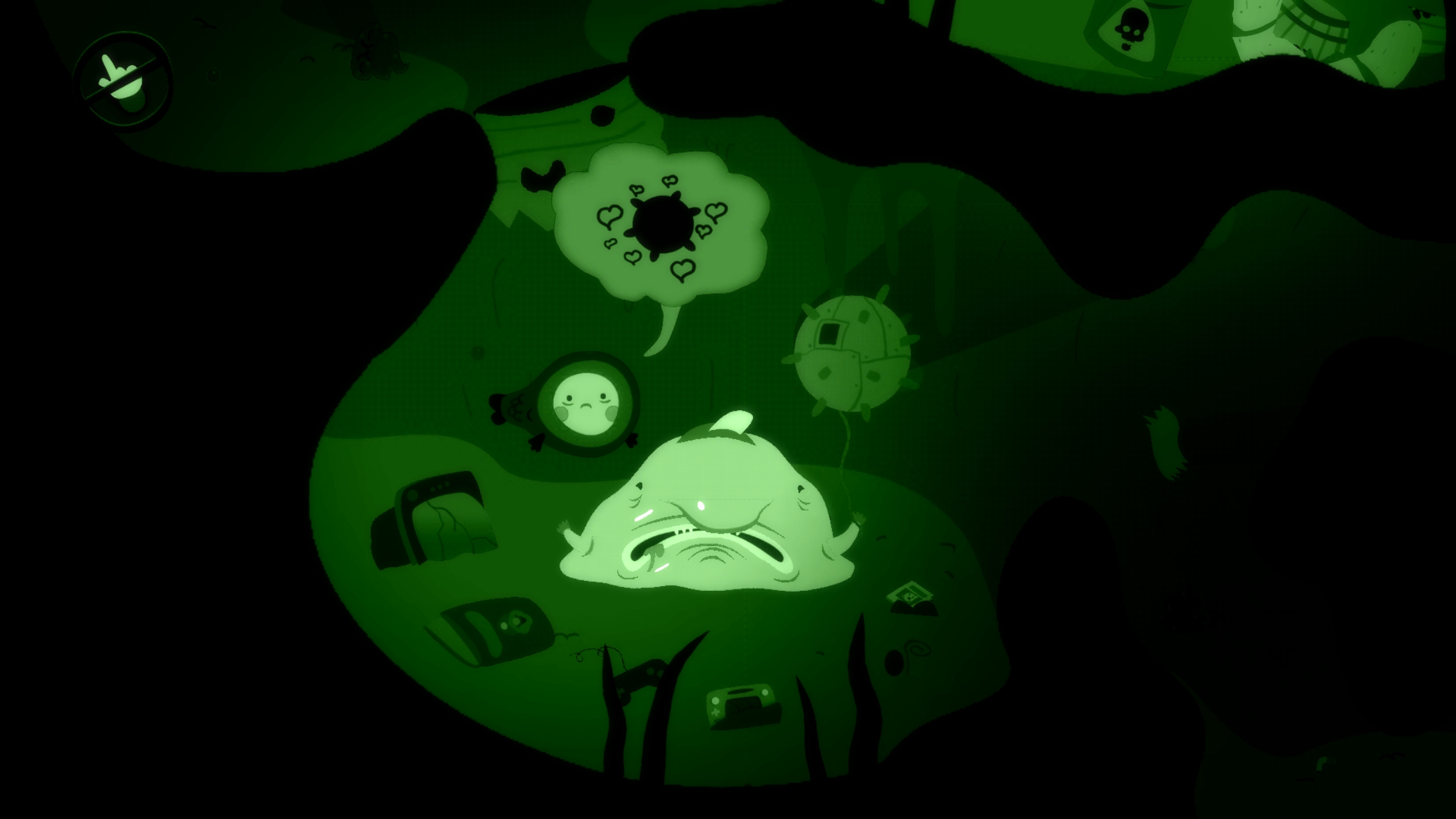
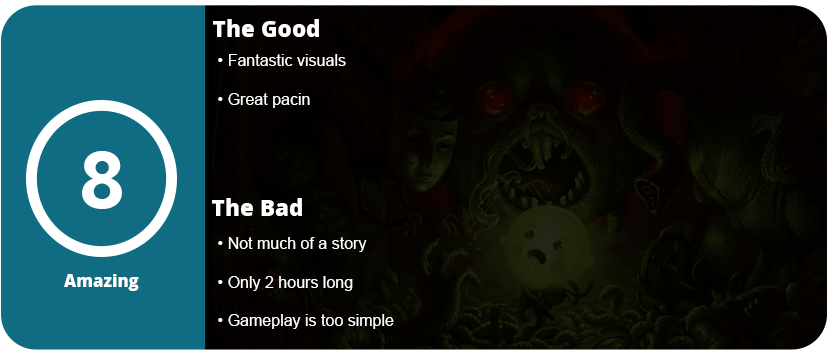
Adventure games are always hit or miss, as they have many classics to live up to. There are the occasional crazy and interesting adventure games like Neverending Nightmares that are quite fascinating. Bulb Boy is one such game where you play as a, well, bulb boy who must defeat a monster to save his grandfather. There’s not much of a story here, as it’s all about atmosphere and visuals. The game is rather short, and it’s not the most cerebral adventure game out there, but it’s worth a purchase.
Like in a typical adventure game, you can tap on areas for the character to move to and examine items. Bulb Boy is very straight-to-the point so there’s not much exploring here. There’s only so much to click on and very little inventory. The game has bosses on each stage that you must defeat, but the puzzles are very easy and not really puzzles. You find an object, and it can only go in one direction, as there’s no backtracking or exploring involved. I would love to see this universe expand, as Bulb Boy is grotesque, beautiful, and full of atmosphere. It’s a horror adventure with a cartoon flair, guts, and everything disgusting all over the screen.
There’s a lot of green in this game, and the cut-out art style is just fantastic. I enjoyed playing through the whole game, despite only taking a couple of hours. Bulb Boy’s death animations are brutal, there’s a lot of variety, and the game has a nice, quick pace to it. Some of my favorite things about this game are the extreme closeups of areas, as they show the sickly detail of everything around this character. It’s nightmarish for sure and definitely one of the most artistic games this year.
It’s a crying shame that this is an indie game and won’t get much attention. I hope for a sequel that’s more expanded, but we’ll see. In the meantime, just feast your eyes on the beautiful art, despite how straightforward and simple the gameplay is.
Lifeline was a fantastic text adventure game that delivered a memorable atmosphere, character, and story. It was the first of its kind—an actual texting adventure. Taylor, the main character, would describe his settings and actions, and you had two choices you could respond to. Some actually changed the course of the story for the better or worse. Silent Night is the sequel toLifeline 1, with Taylor being rescued by a mining ship, but more disasters with the Occupiers continue.
Silent Night is disappointing in the sense that it doesn’t bring about the loneliness and desolate atmosphere that made the first game so great and memorable. Silent Night has a cheesy sci-fi Alien-type feeling to it, with generic crew members and a claustrophobic ship. I also hate Taylor’s cheesy sense of humor, as it’s in the wrong place at the wrong time and is overdone. A tense scene is broken down by a stupid one-liner or pop culture reference, and I absolutely hate that. Humor has its place, but every other line? I don’t think so.
If the humor wasn’t badly written, the game is so short you can finish it within a couple of hours. What made the first game so awesome was actually waiting in real-time for Taylor to respond. I feel this is sped up too much, and the choices aren’t as varied or branching as in the first game. I got the perfect ending without even really trying, and that’s not a good thing. In the first game, I rewrote the story just to see the different outcomes.
With that said, this is the end of the line for Taylor, but there are spin-offs and prequels bound to come, which I will welcome. Silent Night is probably the worst game in the series so far, but it’s still worth a play for hardcore fans.
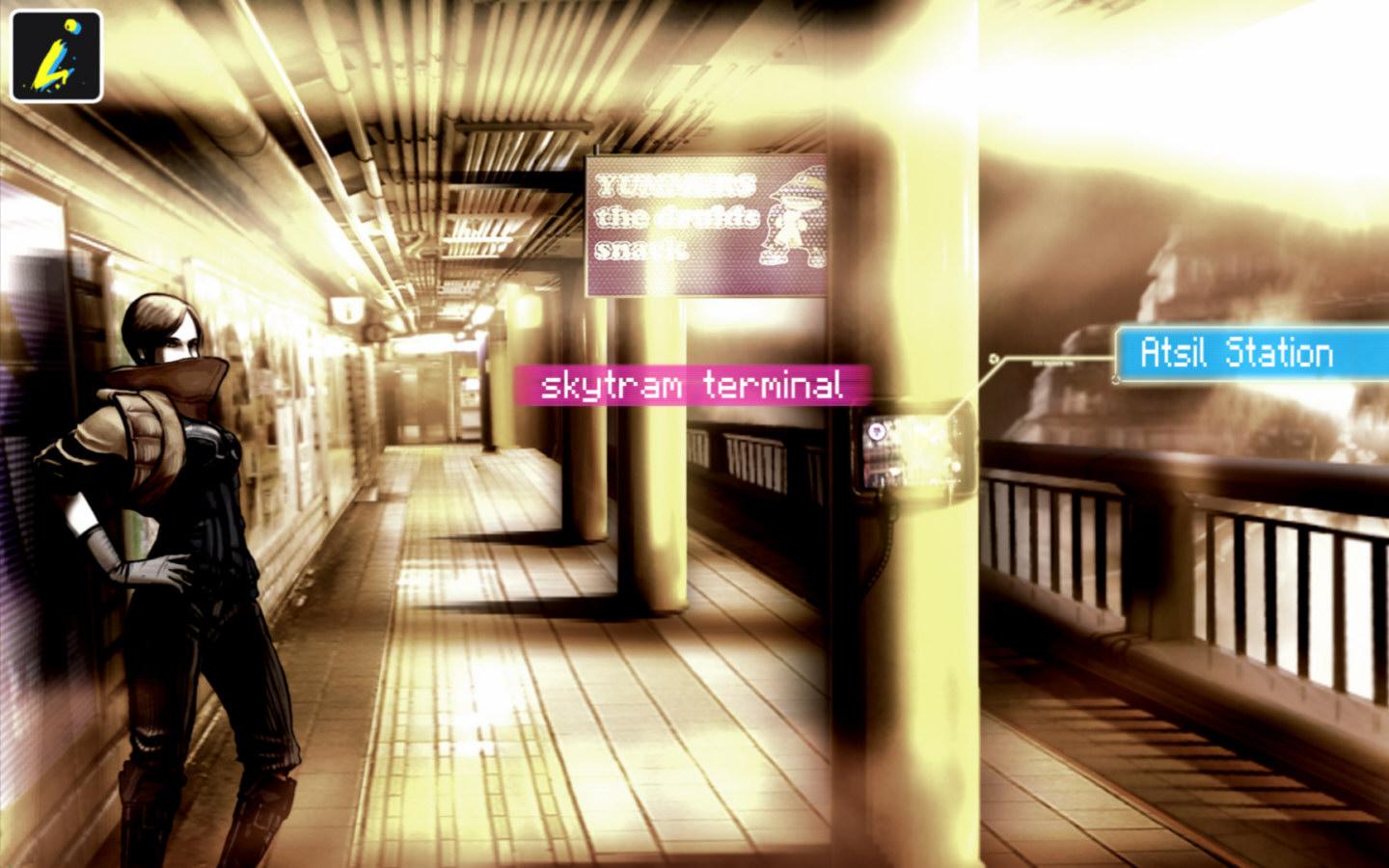
Point-and-click adventures are becoming big on mobile platforms, which is nice. Sitting down and relaxing with a great story and exercising your brain with puzzles is a perfect fit for mobiles. Sinless is a strange game, as it doesn’t make any sense, but it is still enjoyable.
You play in a cyber-dystopian world where everyone is controlled via computer chips called “progs,” which have pre-programmed attitudes and moods. You just so happen to be someone who is immune to this control, and the government wants to kill you. You travel through a strange city trying to find your girlfriend and realize you are part of some prophecy and are some sort of messiah for this desolate world.
The strangest thing about the game is the art style. While it’s great and very stylized, it’s muddy and washed out and almost doesn’t quite work for this game. It’s very hard to see things in these images and find objects to click on. I really love the art, but I feel it’s not right for this type of game. With that said, it really gets the mood and atmosphere of being tense, controlled, and lonely; everyone is living in constant fear. My issues didn’t set in until about an hour into the game, when I realized there were no clues on what to do or where to go next. I had to resort to a walkthrough.
This is usually common in adventure games, but this is a 3-hour game at most. Yes, only three short chapters. There is so much backtracking and obscure conditions you have to meet to finish the game; it was just too damn confusing for me. I was really into everything but the way the game was played. I also didn’t like that the clickable dots only appeared if you left the screen alone for a while. With the washed-out visuals, I wanted them on screen at all times.
At least this game has some pretty cool mini-games that make you smile and appreciate it a bit more. There are also some video game references, such as Mirror’s Edge, which was nice to see. Overall, Sinless is worth the purchase price, but don’t expect much out of it after a 3-hour sitting.











































 thebinarymessiah.com
Yeah, it's pretty damn awful. Notoriously one of the worst games on the PSP. A 4 was actually being generous.…