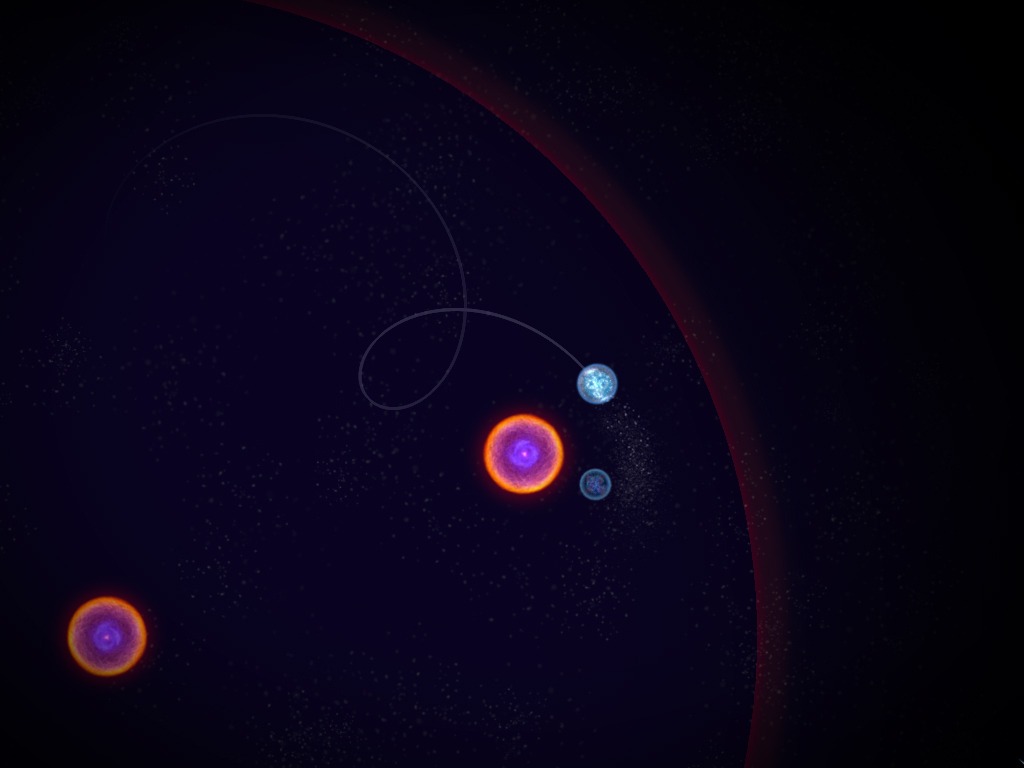
Osmos HD is an upgrade of the physics game where you are an omega trying to become the biggest. The game is very hard, but somehow satisfying when you beat a puzzle. The game requires a lot of concentration and finicky maneuvering, but the game is still enjoyable.
Pushing around the blog requires you to tap around the microbe with the touchscreen. This is like a jet booster, so the faster you tap, the faster it will float around. Around you are red microbes that you must avoid until you are bigger. Eat smaller ones until you consume the biggest one or complete the goal. Sometimes you will be orbiting a giant microbe and must complete the goal before you get sucked up.
The hardest part of the game is tapping just right and keeping good speed. You can slow down time or speed it up by swiping the screen left or right. This allows you to bump bigger microbes out of the way without being consumed. The visuals are pretty decent, and the game has a nice atmospheric soundtrack, but due to the high difficulty, this game is far from relaxing.
Overall, Osmos HD is worth the money, and you can play in the story mode or arcade. I wish there were more modes here, but at least the levels vary, so you won’t get bored. Casual gamers may get turned off by the sheer difficulty of some levels and the amount of concentration and precise movements required to move on. Give the demo a swirl before you buy.
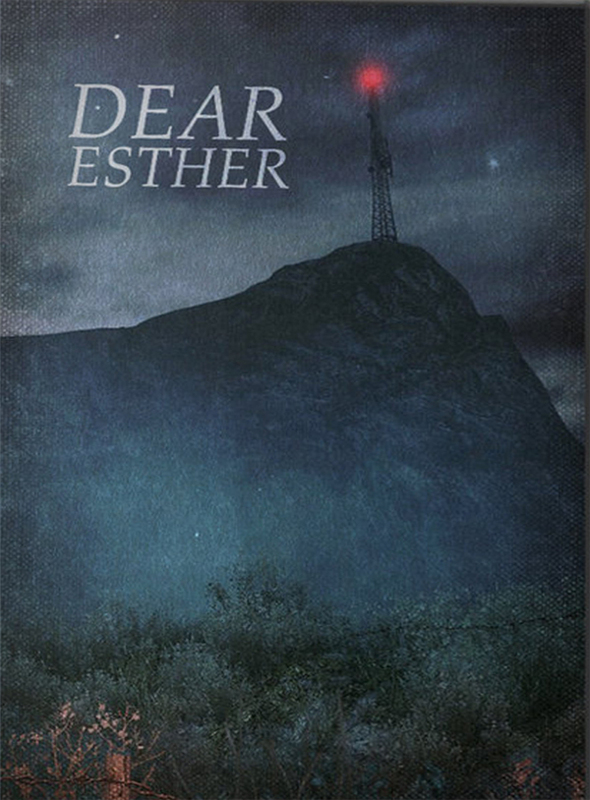
Dear Esther is a game from indie developer The Chinese Room that is a visually stunning adventure game, but it is lacking everything else. If you like slow-paced games or just want to relax and not worry about anything but moving your character, then this is probably exactly what you’re looking for. Everyone else, stay away.
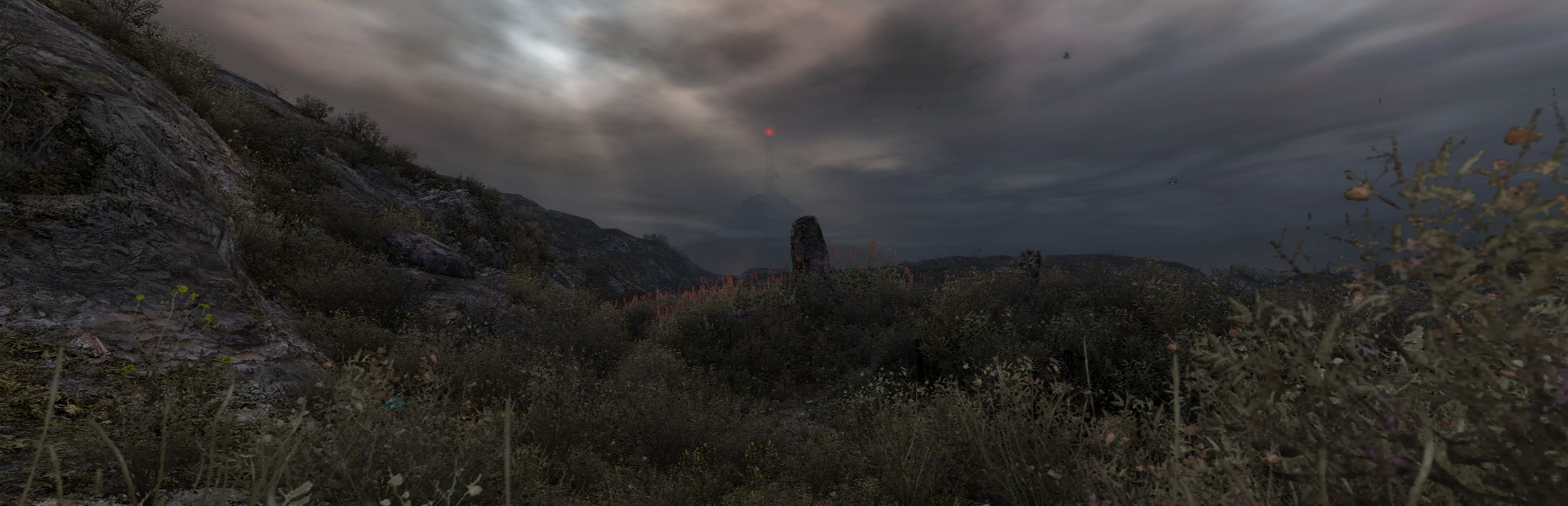
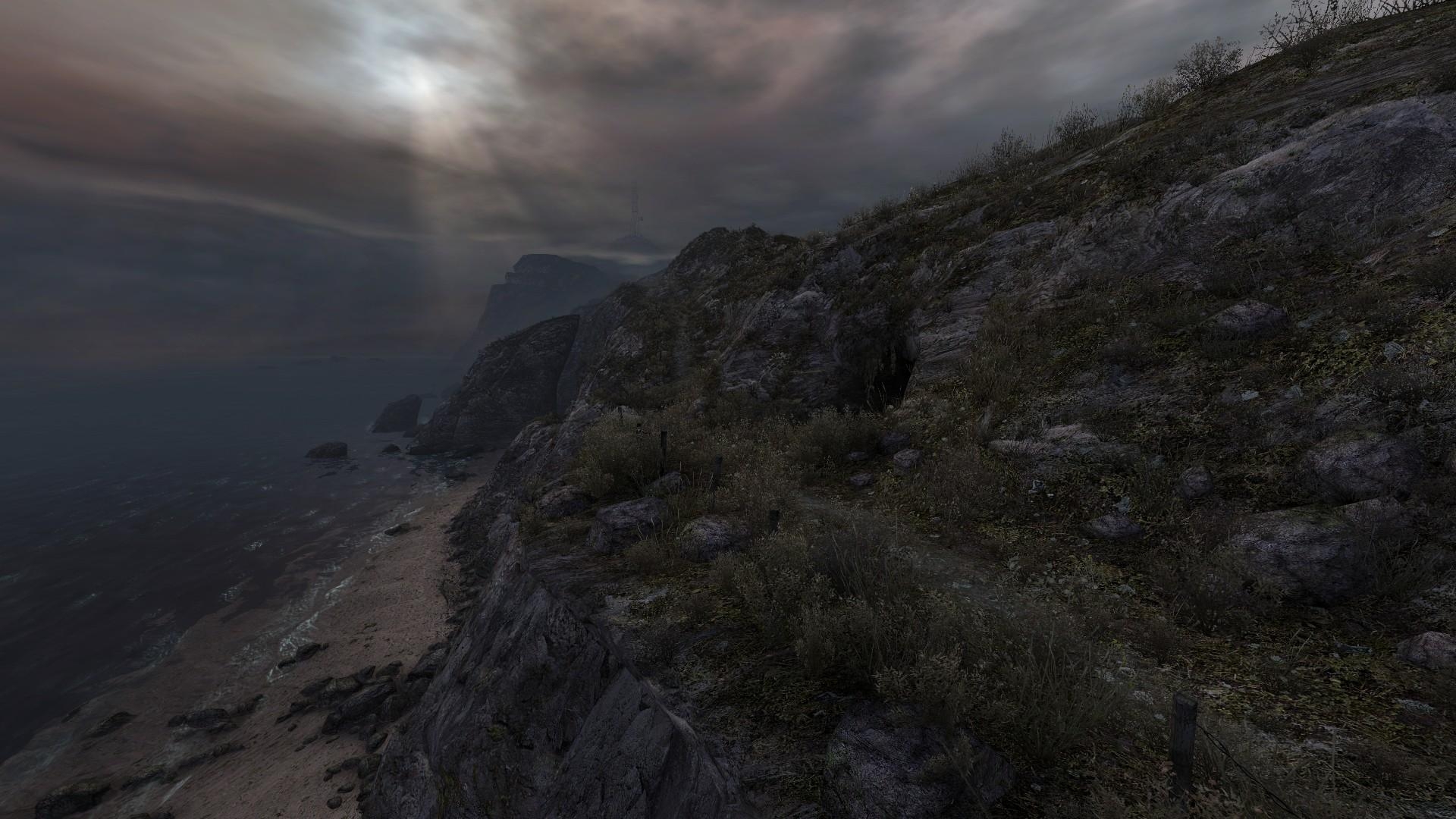
You start out on the beach with no objectives, so you just start wondering. This is all you do in the game while a narrator spews poems at you. There isn’t really a story here except that a man is searching for a man named Donelly, and you are writing letters to a man named Esther. As you wander around the level, you will see various things like abandoned huts, shacks, and strange writings on walls. I felt the game had an atmosphere that was a mix of Penumbra with a bit of Half-Life 2 thrown in. If you walk into a dark area, your flashlight will turn on, but there’s really no need to wander off the main path. If you do, you may get a little extra narrative, but it isn’t worth it because you have to walk all the way back to where you were.
You literally do nothing but walk. There aren’t any other buttons except zoom and take screenshots. This wouldn’t be so bad if the pace wasn’t so slow and grueling. You literally walk at a crawl, and I get that it’s so you can take in the scenery, but it doesn’t really change much until you get into the caves. There’s only so much ocean and swaying grass one can see before you get bored. The only thing you look forward to is the next piece of narration.
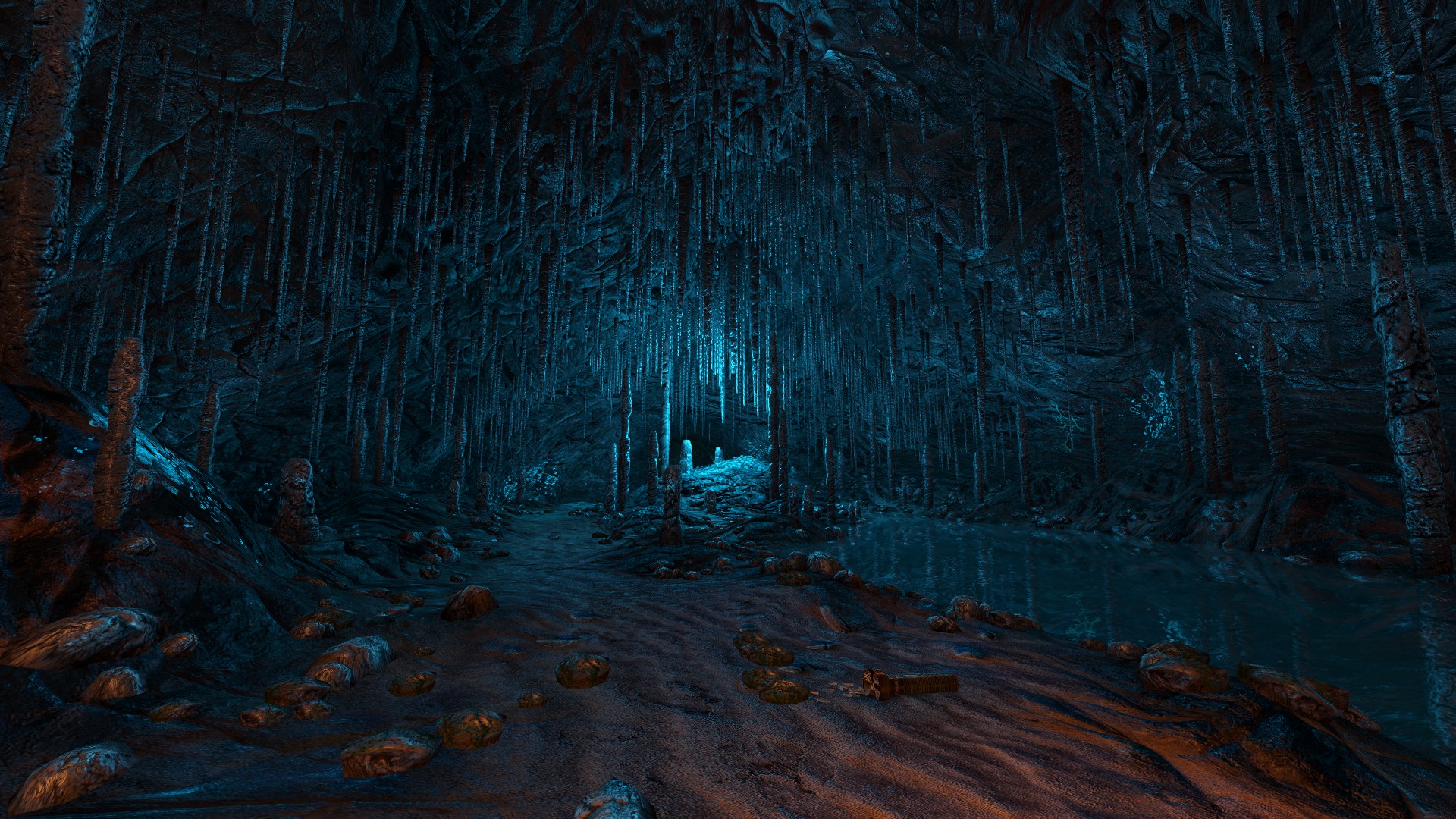
The game is stunning to look at, but you won’t see the true beauty of the engine until you get into the caves, where you get to witness gorgeous water and lighting effects. This is short-lived because this area is only about 10–15 minutes long, as are the other four areas. This leads us right into the game’s worst problem: It is less than an hour long. Even when you get to the end, you still don’t know why you played this game or what its purpose is. The story is very vague, and you never quite know what’s going on. This is hardly a game and is more of a technical showcase. If you can stomach this sort of thing, then go ahead, but you aren’t missing anything if you skip out.
Dear Esther does try something that most games don’t, but with zero gameplay and only being barely an hour long, it’s hard to justify that $10 price tag. There aren’t even any downloadable chapters, which is a real shame. Will I be keeping an eye on The Chinese Room’s next game? You bet because there is a lot of potential here, but I just felt it was clearly wasted.
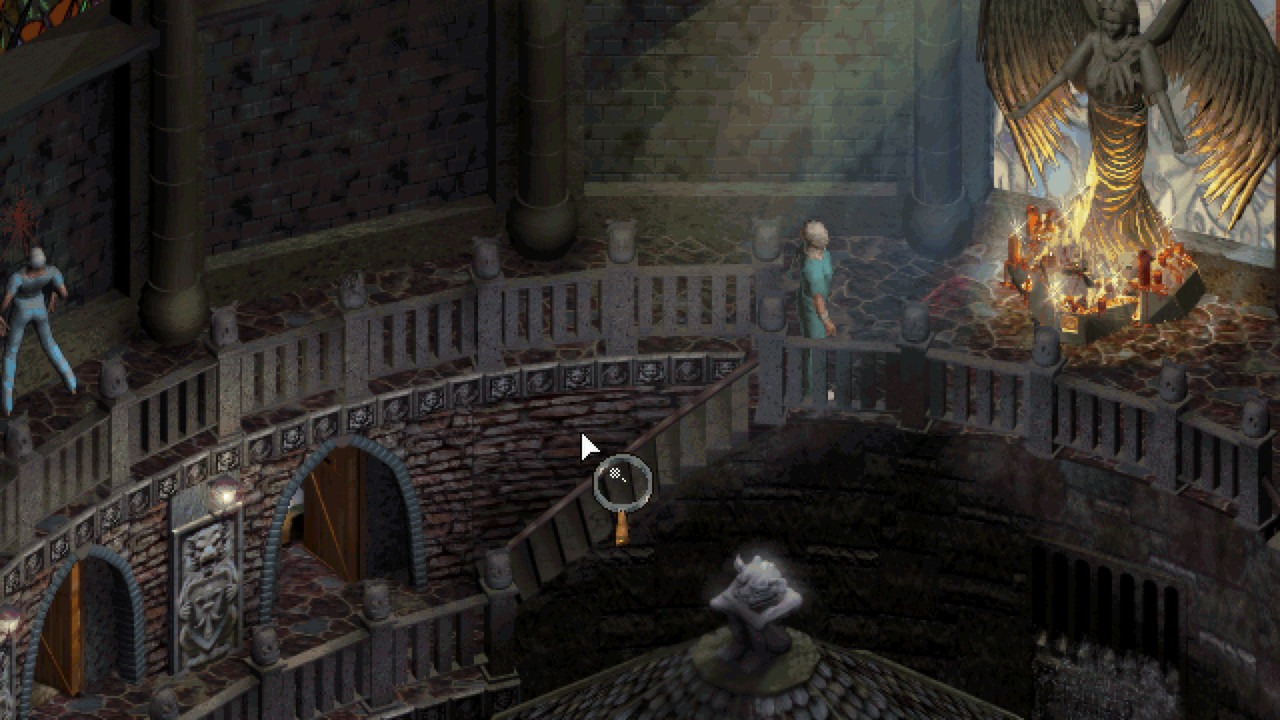
Adventure, strategy, and RPGs were the pinnacle of PC games back in the mid- to late-90s, and Sanitarium is one of those games. You play Max, who suffers a car accident and is stuck in his own insane delusions, or is he? You explore 12 sick and twisted chapters with excellent voice acting and very interesting characters, but don’t forget those adventure puzzles.
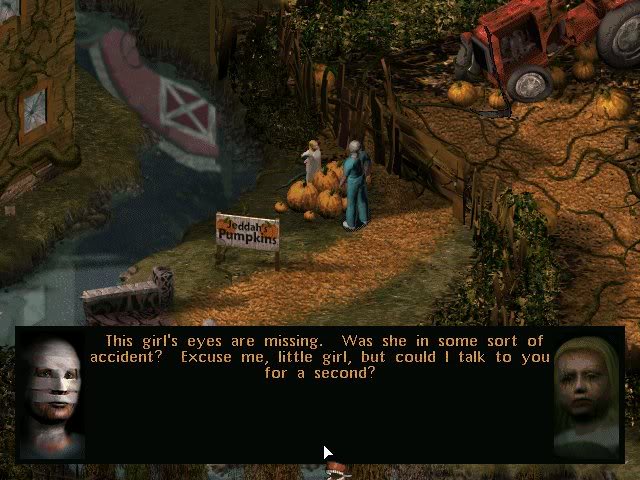
The game isn’t much different from the standard adventure game, where you wander around and click on items to proceed to the next area. Your icon is a magnifying glass, and you hold down the right mouse button to move your character around. This was my first annoyance with the game, being that the characters walk so slowly and there’s no run button. Despite this, clicking on things is actually interesting because most of it doesn’t even pertain to the real world. Your first area is an asylum where guys are bashing their heads against walls, and the people you talk to are completely out of their minds. This gets even worse as the game progresses, but that’s a good thing.
As you collect items, you find ways to use them in interesting ways, and it actually makes sense. However, most of the time, the way to use them is so obvious that you will miss it. This game isn’t exactly easy and just gets harder as the game progresses. You get thrown a couple of puzzles at the beginning, but towards the end, the game gets very puzzle-heavy, and they are not fun or easy. Sure, they are unique to individual worlds, but they aren’t easy. I had to use a walkthrough through most of the game because I just couldn’t figure out what to do most of the time.
My favorite part of the game was wandering around and talking to people and hearing their strange voices or weird stories. The worlds themselves are characters because each one has a big problem to solve, but thankfully each level is small and it’s not easy to get lost. The game is paced well with some CGI cutscenes (of course they look horrible being from 1998), but it’s nice that this game feels high-budget for its time. I always looked forward to the next zany world and the weird characters I would run into. I never got bored and always wanted more. The game is nicely paced at around 5–6 hours, and it had a satisfying ending. The one surprise I had, however, was a couple of boss fights. Most adventure games don’t have these, but these were strange.
Overall, Sanitarium is an excellent adventure game that shows how great the 90s were on the PC. You can pick the game up on GoG.com for only $6, but I did run into one huge problem. The game crashes a lot on the newer operating systems, and GoG never addressed the issue. If you can, get the CD and use it on an older operating system (like Windows 98), but otherwise, you will have to trudge through the constant crashes.
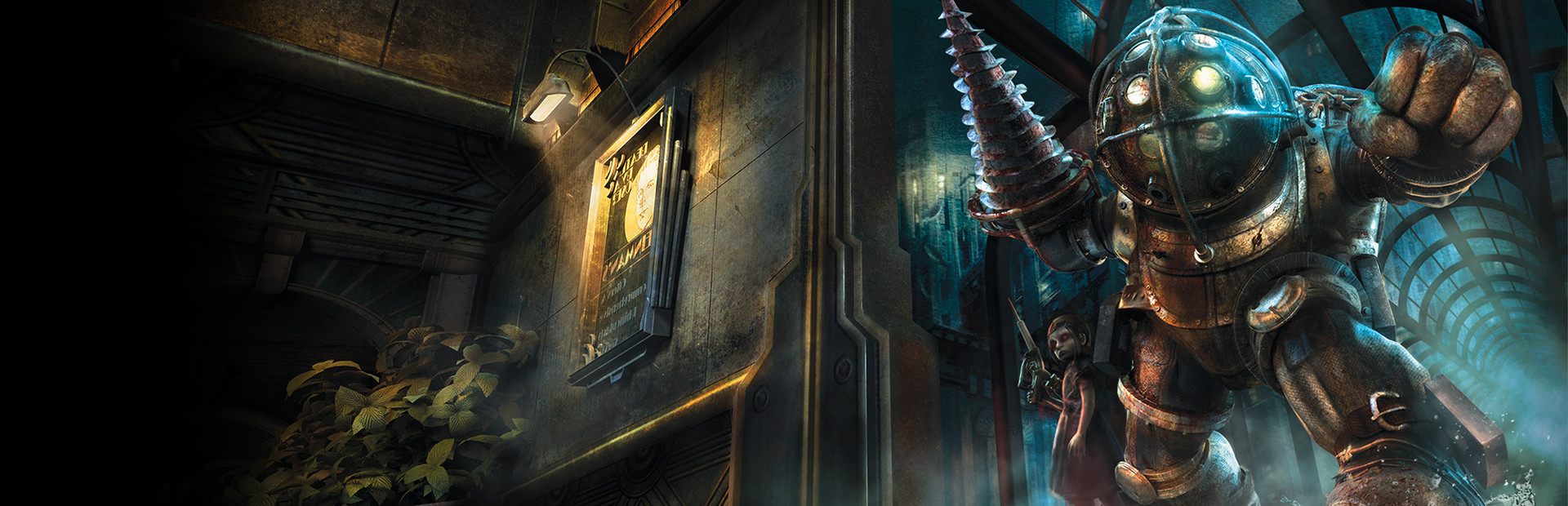
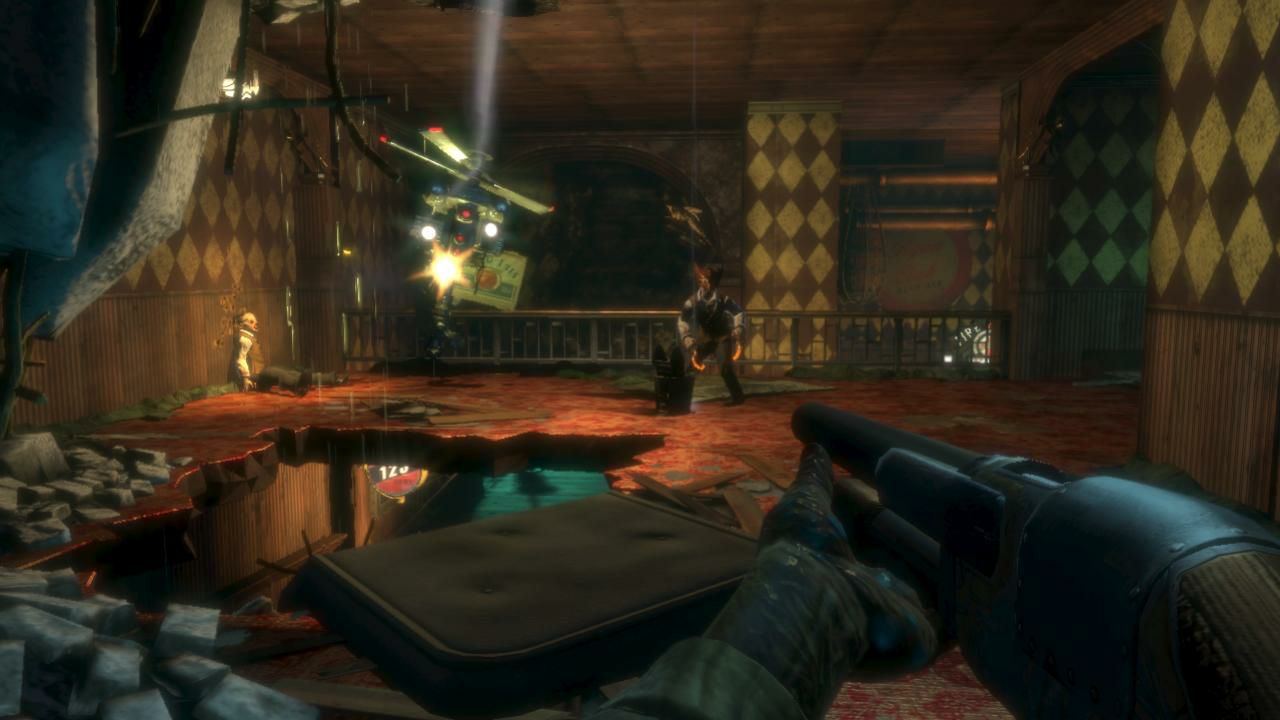
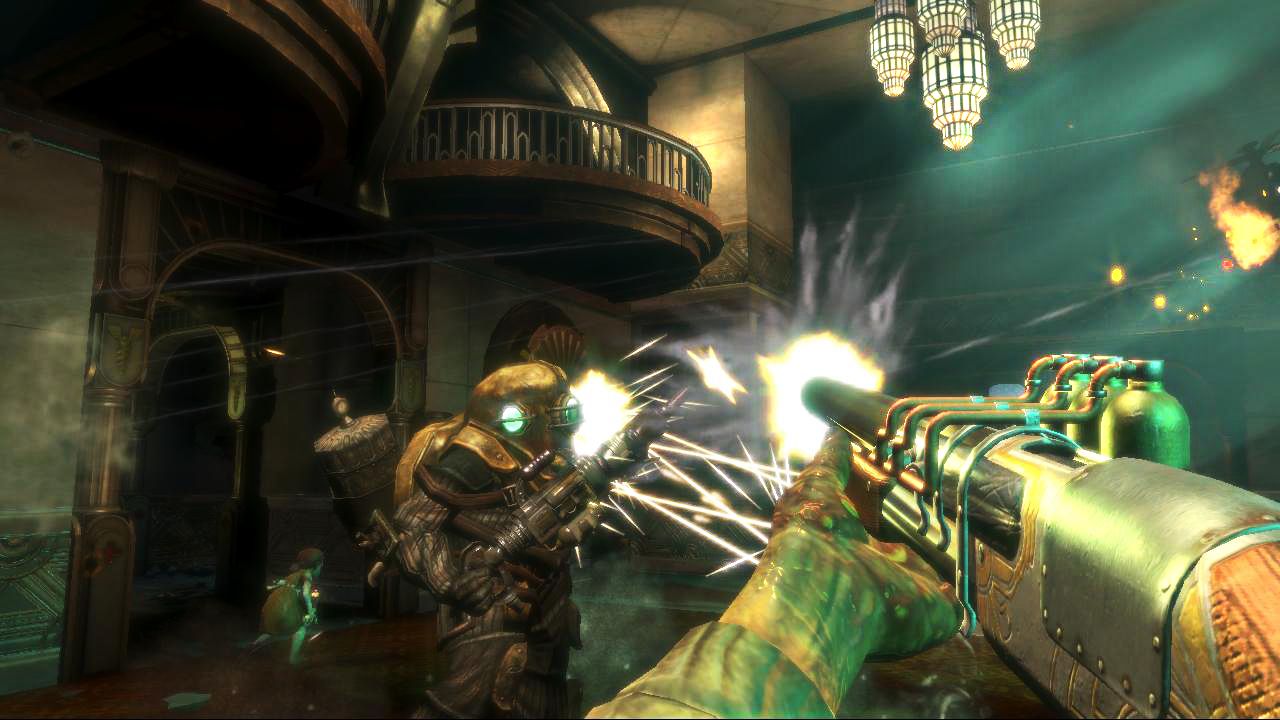
BioShock is awesome! Buy it! That is probably all you need for a review, but that’s not really a review. Anyway, if you don’t know the plot of BioShock, then you’ve been living under a rock for the past few months. You play a nobody named Jack who crashes into a plane and discovers Rapture. A failed underwater city whose founder, Andrew Ryan, turns crazy, and all the people of Rapture have gone nuts. They go nuts due to the plasmids they use to gain power. Also, the ADAM that can make you turn into anything you want is very valuable and is the key to rapture. The Little Sisters gather the ADAM, and the Big Daddies protect them. The story is full of plot twists and secrets. It’s probably one of the most original stories in any game period. The gameplay is like that of an average shooter, if you want it to be, or it can be a genetically enhanced one. That’s the beauty of BioShock. It can be anything you want; it can be boring, fun, stupid, or lame; it’s all up to you.
The game’s narrative is one-of-a-kind and what most games copy these days. The story is told through radio transmissions with no cutscenes. That is extremely hard to do while keeping the player interested. Atlas guides you around, telling you how to get to Andrew Ryan, but the world around you also tells the story of Rapture through audio diaries, things written on walls, and what the psychotic enemies blurt out. This is a rare form of storytelling in games, which is why BioShock is such a classic.
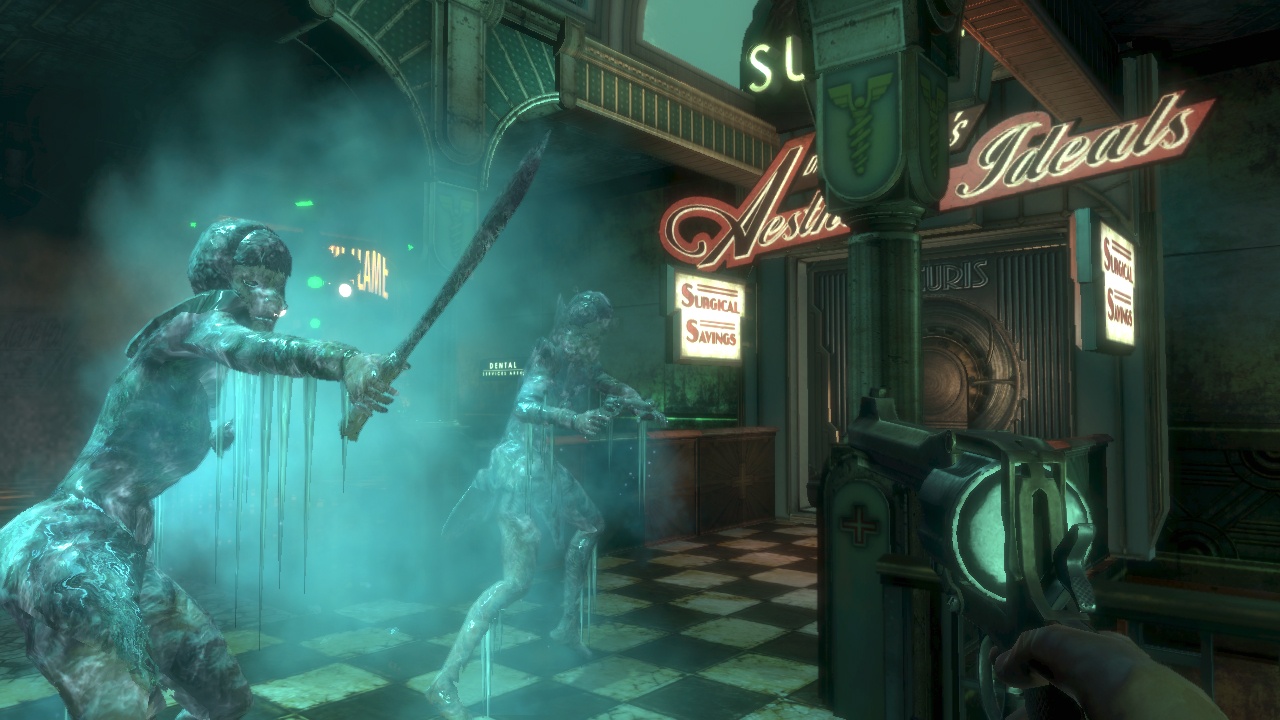
The graphics stand up pretty well today with DirectX 10 enhancements, but they are so subtle you won’t even notice. There are supposed to be better water effects and physics, but I didn’t notice a difference except that your steps cause ripples in the water now. There are lots of graphical problems on the PC that were never addressed, but they don’t hinder the game much. The game is very surreal, and it just sucks you in. The big thing here is the gene splicing and all the plasmids. There are so many of them, and you can do whatever you want with them. You can shoot fire from your hands or freeze your enemy with an ice blast. There are others as well that let you gain more health or hack turrets and safes better and faster. There is just so much detail here, it’s nuts. You can use a camera and research your enemies to learn their weaknesses and gain new plasmids and tonics. The only disappointment was the lack of any multiplayer whatsoever. All you can do is play this game to experience the true beauty of it all. BioShock is one of the best games in years, and I assure you that you will have more fun with BioShock than with Halo 3 or Metroid.
Angry Birds, why are you so popular? Everyone plays this game, and everyone who hasn’t has at least heard of it. It was a digital phenomenon that sent a little indie game developer soaring into the millions. There is every type of merchandise available for a $1 game. Why is it so appealing to everyone? The game struck a perfect balance between hardcore perfection-type gameplay and casual gamer fun. While Rovio put out a Seasons and Rio version of the game, the series was getting tiresome. Space adds a couple new layers of depth to the series.
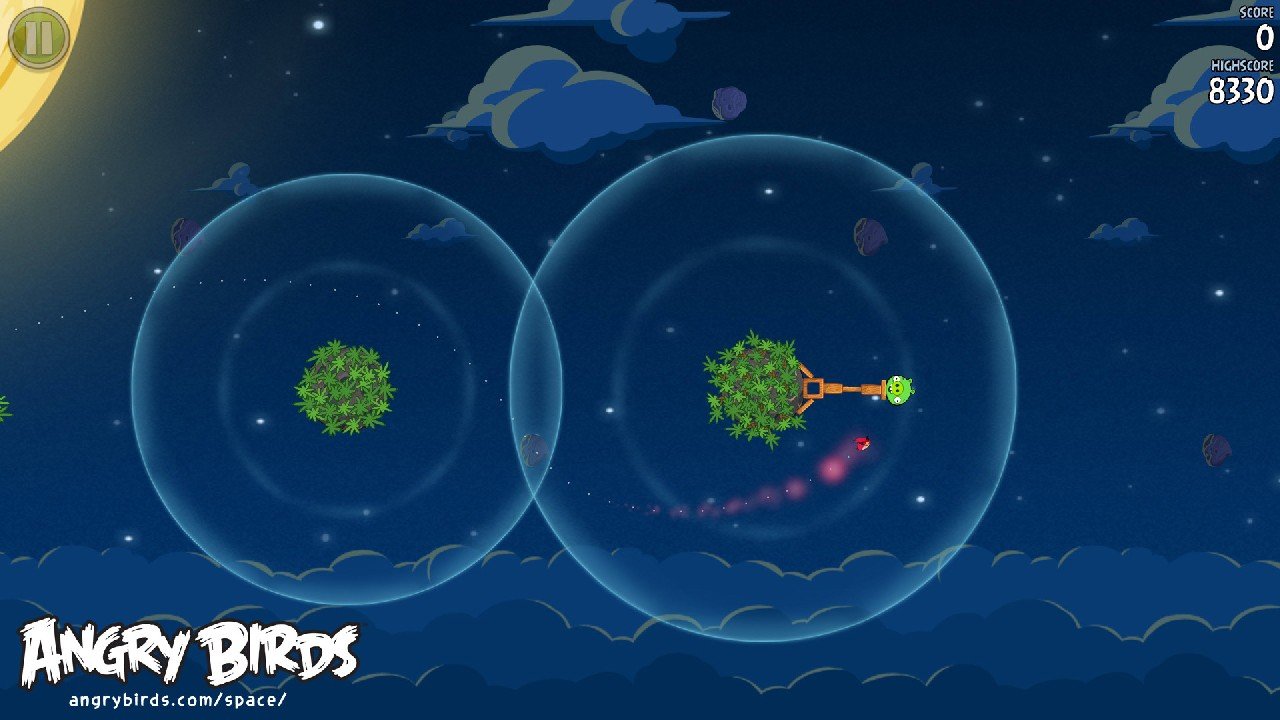
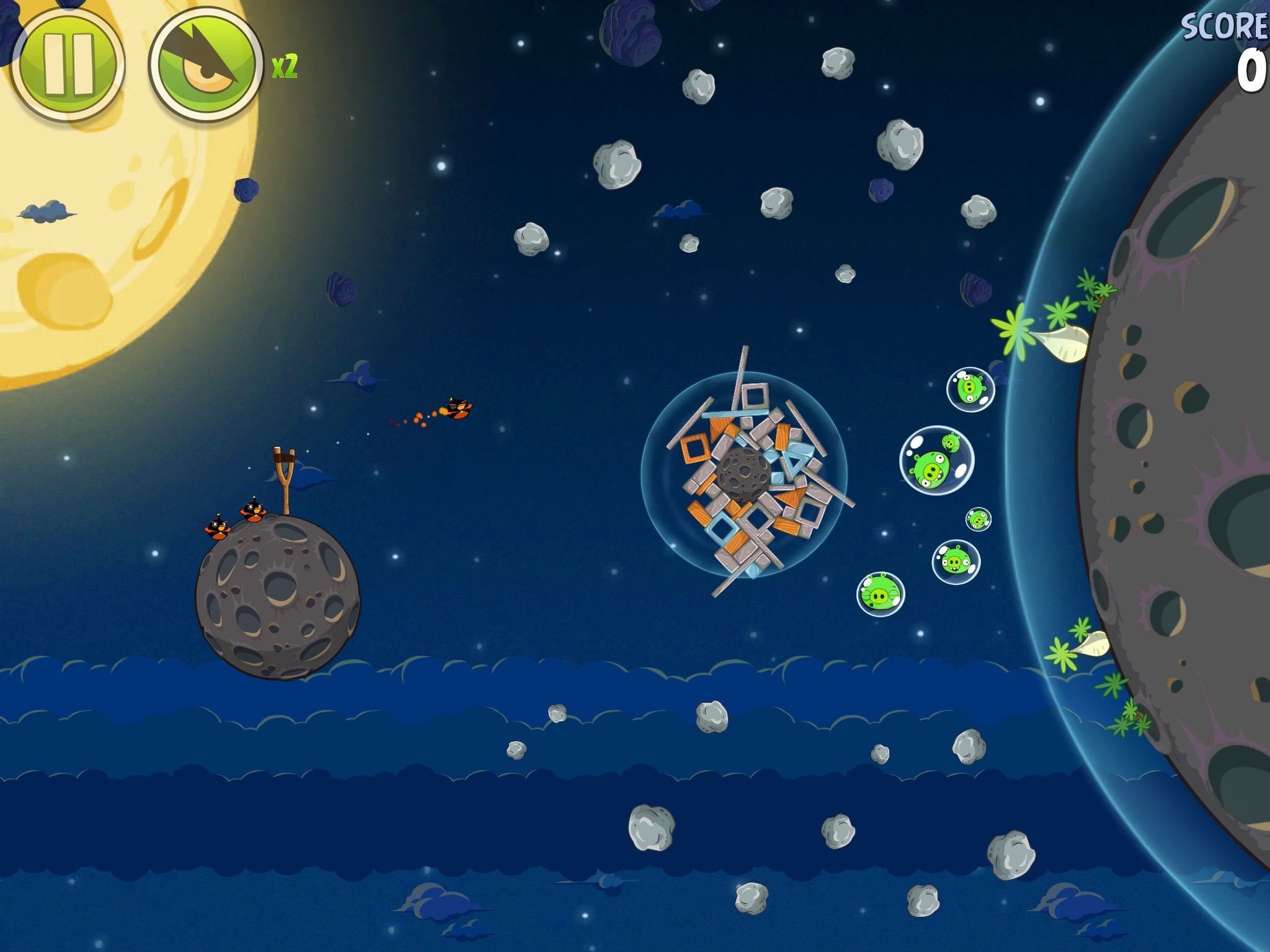
The game involves gravity play, as you would expect. Yes, you are in space, and yes, the game plays differently. You flick your birds across space and try to get them sucked into the gravitational pull of planets, where the usual obstacles and pigs lie. The added layer is that you can approach these puzzles from multiple angles. Have a bunch of blocks on one side of a pig? Flick your bird on the opposite side of the planet, watch it fly around using the pull of the planet, and knock it down. As puzzles get harder, multiple planets are lined up, so trick shots are needed.
The usual birds are back, along with a couple of new ones, like the ice bird, which freezes blocks so they shatter. The new gravity gameplay actually makes the environment a puzzle, so it doesn’t feel like the same type of puzzle over and over again. This also makes the game harder, so if you were afraid of that, it came true. This actually makes the game more engaging, and I could play in longer spurts because each puzzle felt really different. There is a new model that is almost like a Space Invaders clone, where you have to knock through aliens to get to the moving pig at the top. It’s fun but also hard to get to because these levels are hidden golden eggs throughout the game.
Overall, Space adds a much-needed layer of depth using gravity, and I like it a lot. I feel this game is geared more towards core gamers than casual gamers, but both still apply here. There are hundreds of levels to start with, and obviously, more are coming. If you love Angry Birds, then Space is an exciting and long-awaited sequel to a worldwide phenomenon.
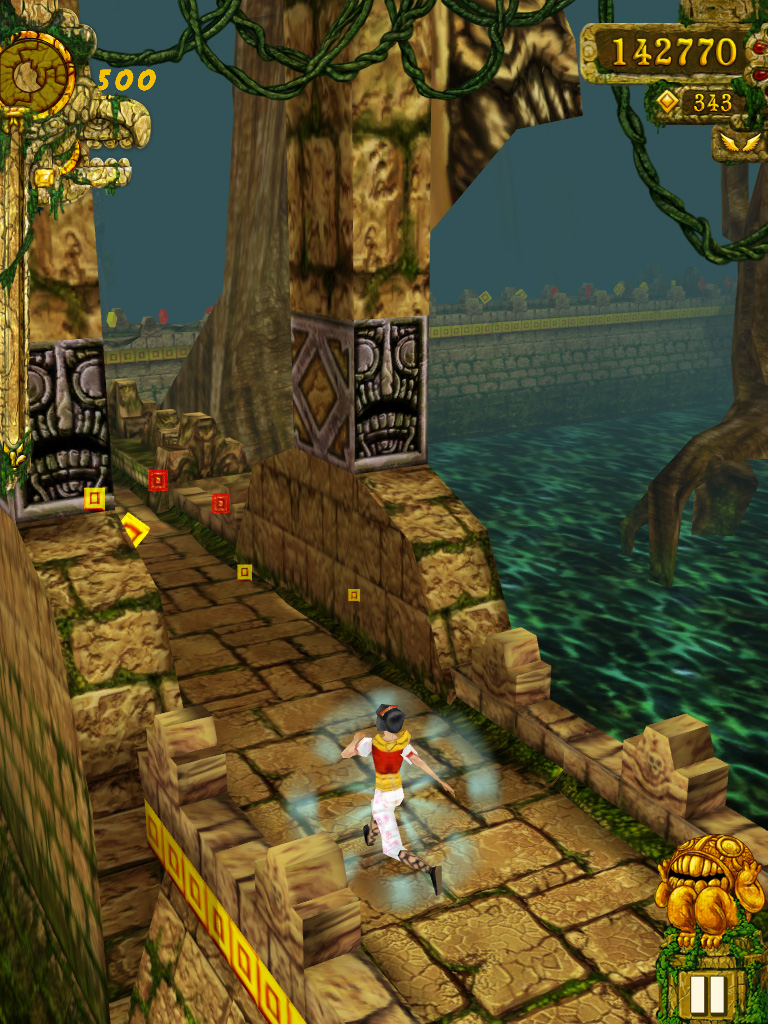
All these “running” games have flooded the mobile market, but they all feel the same. Temple Run is the first to try something different, and it’s actually really fun thanks to one thing: it’s in 3D. Side scroller running games only allow up and down movement, but Temple Run allows left and right movement, plus the game is more fun and exciting in 3D when you can see everything coming at you. The game also uses the phone’s gyroscope to make your character move left and right, and a quick swipe left and right allows you to turn. Swiping up and down allows you to slide and jump, but there are quite a few obstacles to avoid.
Obstacles range from tree roots, fire, gaps, vines, you name it. You can collect coins like in other running games, but in this one, you can actually spend the damn things. Upgrades range from multiplier increases to boosts and even a magnet power-up for collecting coins. You can buy characters, one-time-use items, and even wallpapers (coming soon). This is a running game, and others should follow in the path of Temple Run. The graphics are pretty decent as well, with a nice jungle setting, so it has an Indiana Jones vibe.
There’s obviously no story, which is just fine for these types of games, but running games are only good in short bursts, and Temple Run is no exception. Beating high scores gets addictive, but overall, the new depth is just a welcome addition to the tired running game lineup. This is all wrapped up in a sweet free package, and people with larger screens have the advantage of seeing further ahead than people with smaller phones. Temple Run is a really fun game that all mobile gamers should have.
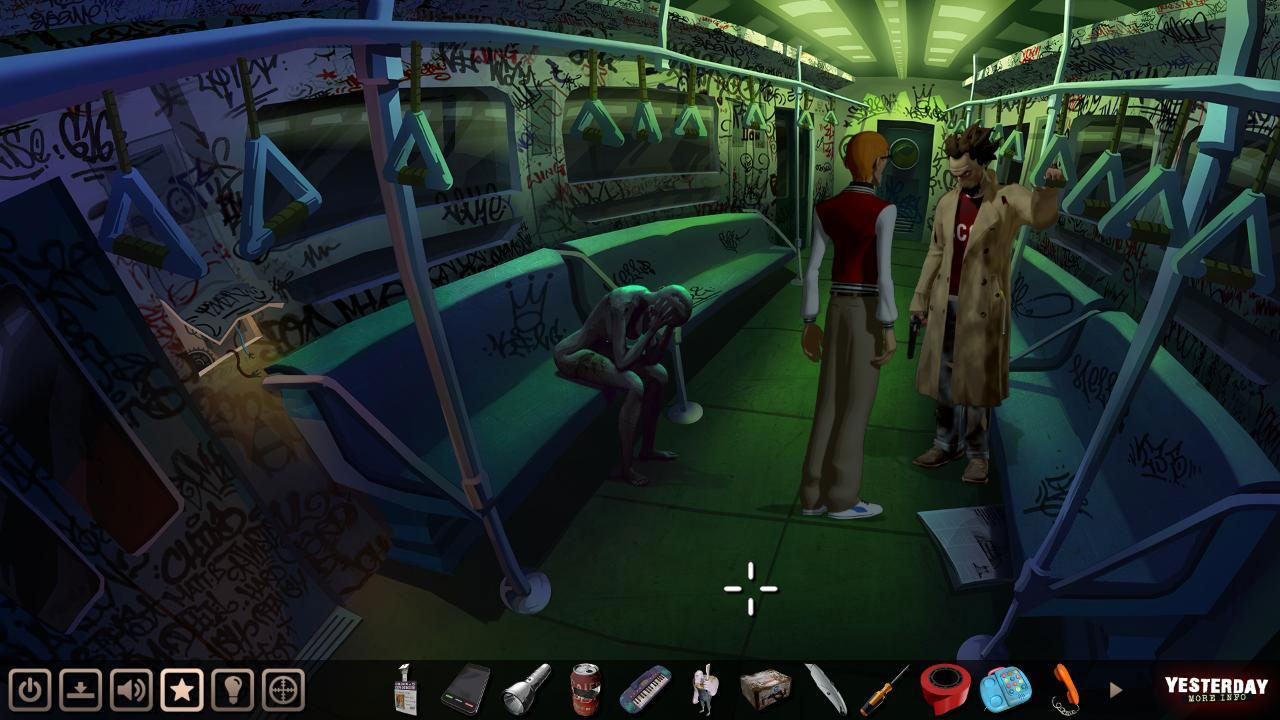
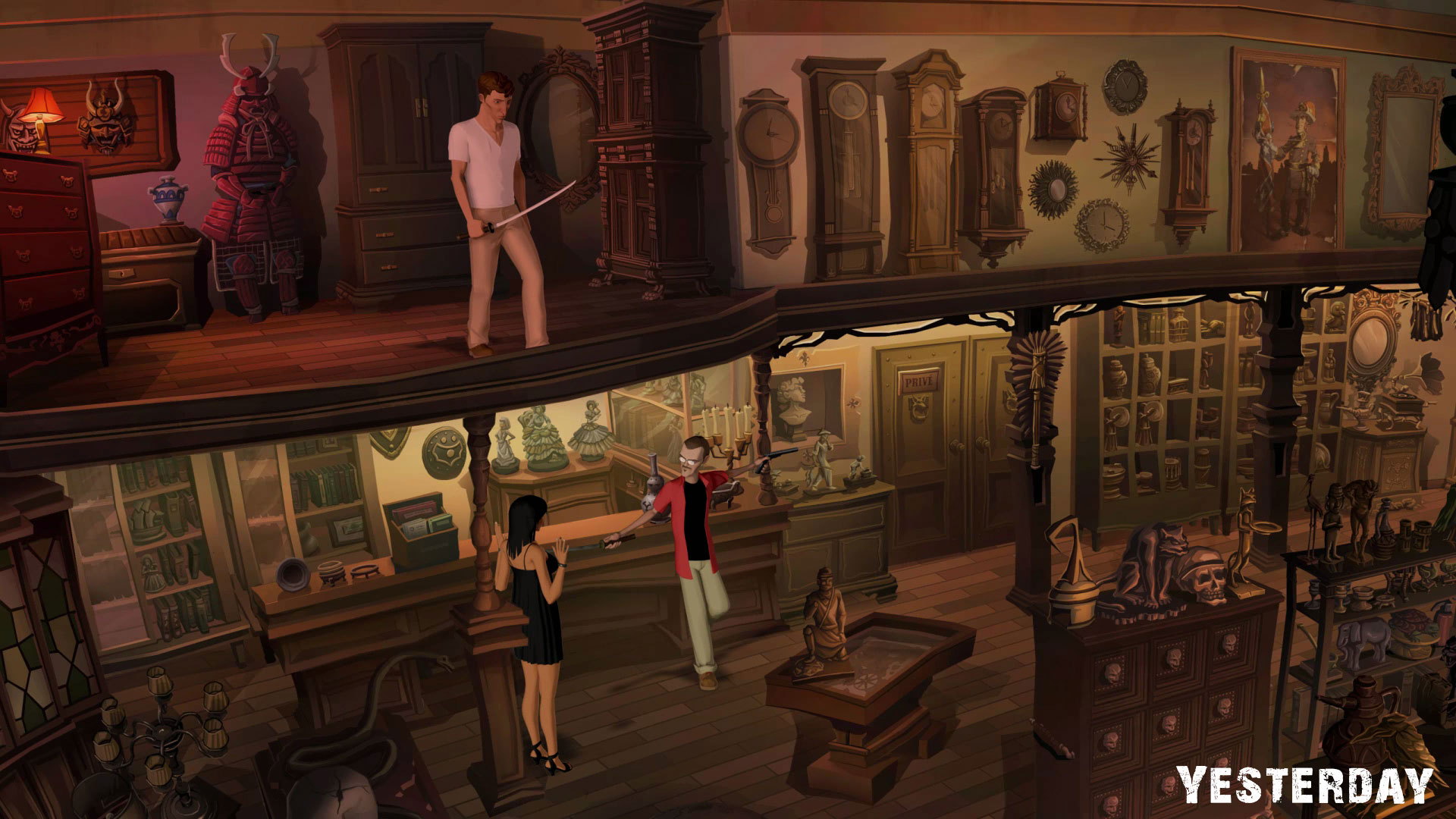
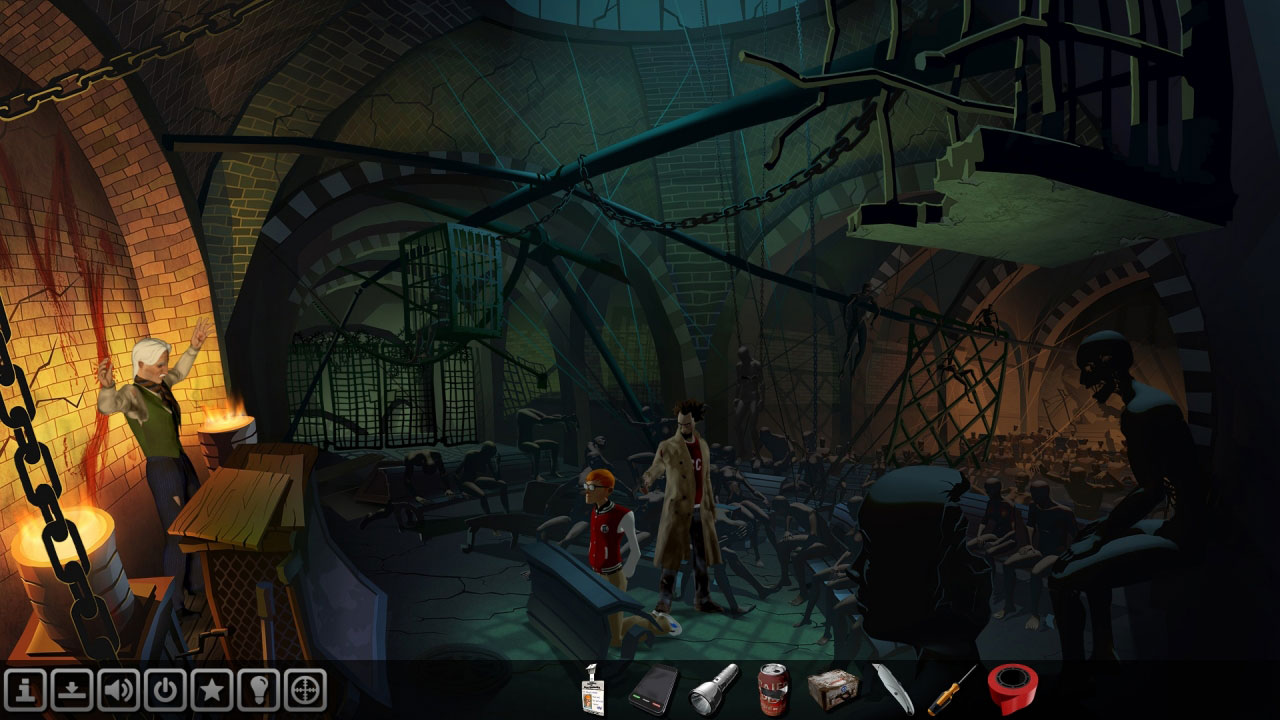
The adventure genre has struggled for years, and rarely are any of them any good. Yesterday is one of those gems because it does everything right and doesn’t do what other adventure games do. The story is the part that’s most interesting here, with you playing John Yesterday, who is a man investigating an occult book called The Order of the Flesh and has something to do with killing homeless people. You get mixed up in a huge mess after waking up with amnesia, so you travel around trying to figure all this stuff out. There are plenty of plot twists, and the game keeps you playing because you want to know more. The problem is that the story is so short that it leaves you wanting more.
The gameplay itself is extremely simple because all you do is find objects and come up with ways to use them. This isn’t new for adventure games, but the constant scene-changing means there’s always new stuff to find. The game completely wipes out tiresome pixel hunting because there is an object-of-interest button that will display things you can click on for a few seconds. Every adventure game needs this, and very few do it. There is also a hint button that is actually useful and gives you hints, so you are never stuck. If you use a hint, you have to click around some to refill the light bulb, so there is some encouragement to figure things out on your own.
Another thing I’m glad this game does is that when you click on something or try to move to different areas, there are no annoying walking animations or door-opening animations. The character warps to that spot, and the item pops up on screen. Thank you, Pendulo Studios, for not putting annoying, useless crap into an already annoying and dead genre. This makes playing the game much easier and makes progress quick. Another complaint would be the lack of puzzles, because there are very few and not very challenging. This is no Myst, but instead, you have to just figure out what item does what. This is kind of fun and keeps the pace up, but brainiacs will contest this and probably get bored with the game.
I feel Yesterday was actually geared more toward hardcore gamers who don’t have the patience for long-drawn-out stories and tiresome puzzles. This is both good and bad, depending on the player. I do detest the lack of challenge, but the fast-paced narrative is nice. Other than this, the animations are terrible, with horrible lip-syncing and some audio glitches along with spotty voice acting. The graphics have a cell-shaded cartoony look, which is nice, but technically, the game doesn’t look that great. One thing I found odd is that the game depicts a sick, twisted torture-type story with murder and killing, yet there’s hardly any blood and violent scenes are almost censored. I found this odd and kind of detracted from the experience, but what can you do?
Overall, Yesterday provides a fine narrative and quickens the pace of most sludgy adventure games, but the lack of puzzles, challenges, and an extremely short story will turn hardcore adventure fans away. Yesterday was a fun weekend play, but other than that, you won’t come back.
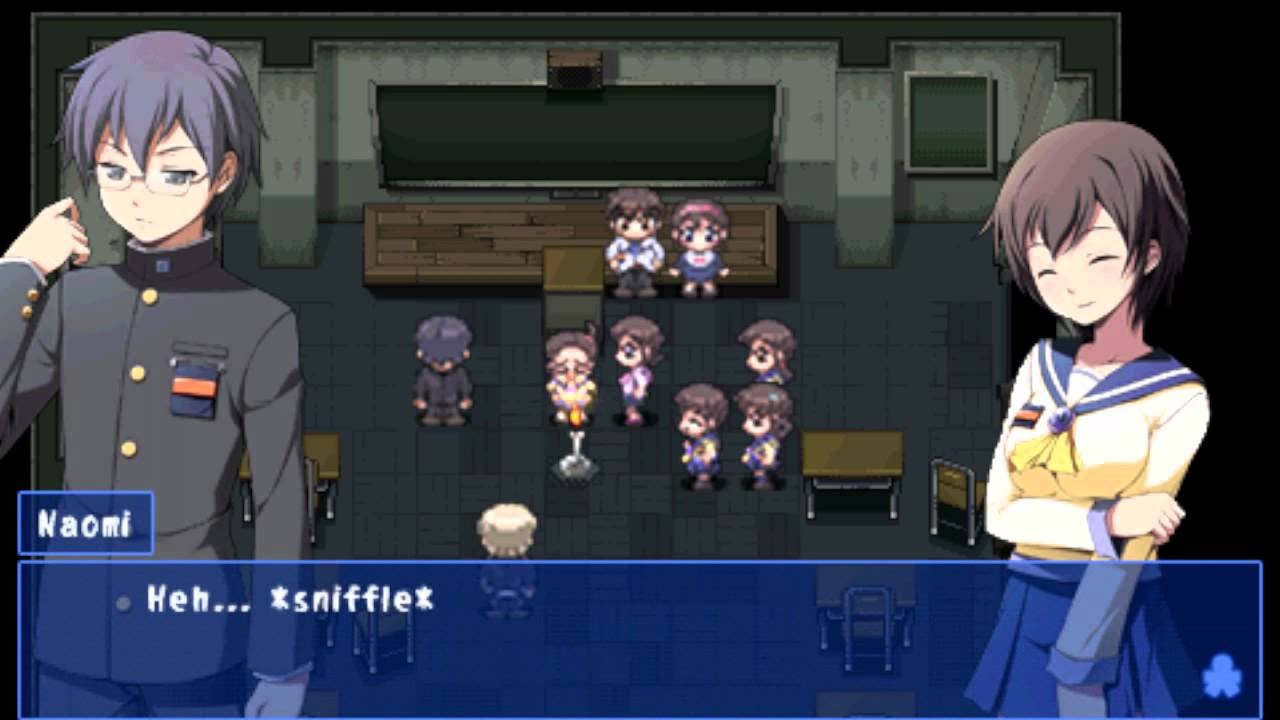
Based on a popular manga in Japan, Corpse Party delivers a great and haunting story with memorable characters in a very haunting setting. Several school kids perform a cult-type ritual called the Sachiko Charm as a gag. They don’t realize that the charm is part of a sadistic and horrific murder of four schoolchildren, including the girl the charm is named after. They get thrown into a parallel dimension of Heavenly Host Elementary and must find a way to appease the ghosts or get stuck there for eternity. What the children go through is horrific and gut-wrenching, but that is the beauty of Corpse Party.
Forget about gameplay and everything else, because this game is all about the story and atmosphere. I have to give the developers props for bringing across such a scary game with such simple graphics as a 2D survival horror with low-quality sprites and the occasional well-drawn anime shot. The game is disturbing, mainly in the well-delivered Japanese voice acting and just the raw terror and gore in the game. There are buckets of blood, severed heads, and mutilated bodies everywhere, but mainly in textual descriptions more than anything. The game really doesn’t do much in terms of visuals, so you solely rely on the great script to get the horrific images. Some scenes are just black, with only voices and text to go by, but it still brings across the feeling of sheer terror.
This is possible because you go through everything with these kids, and the things that happen to them are just horrific and extremely sad because you really get attached to everybody. The game, however, is also lacking in gameplay because you only run around pressing X on everything trying to find items to unlock new areas. The school is the same through every chapter, but it just changes and blocks certain areas off or adds new areas. The game is pretty easy to navigate and understand until you get to chapter 3, and then it all falls apart and requires a guide. Everything has to be done in exact order, or you wind up with “bad endings,” and it’s game over. While each bad ending is different, you get frustrated when the game takes you through 20 minutes of gameplay only to realize it was all part of the bad ending. There is even a glitch that won’t let you get all the school tags to unlock the extra chapters. I really hate how the game has to be played out in an exact way, not to mention that during certain scenes you can die by selecting the wrong choice, but there are saves throughout the game that help remedy this a bit.
While the game lacks any type of gameplay at all, you will still be satisfied with the excellent story and characters. This is the only thing saving Corpse Party from being another terrible attempt on the PSP, but being so late in the system cycle is a surprise. If the game had better graphics, or maybe just more anime cut-aways, the game would be one of the best on the PSP.
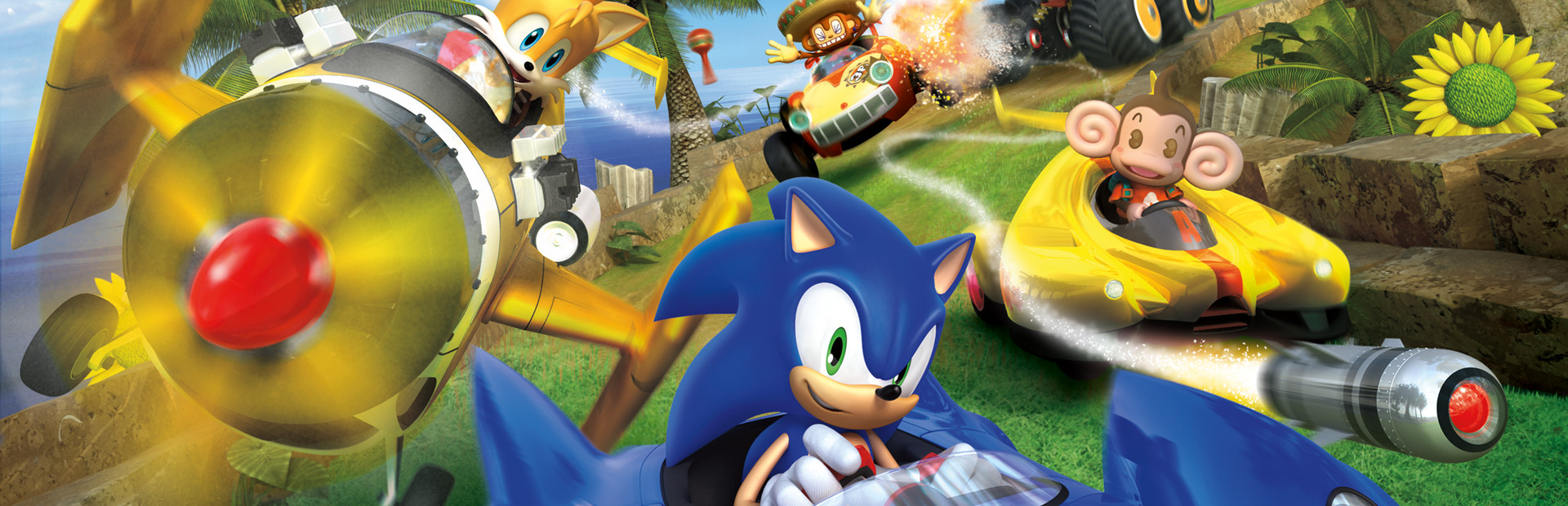
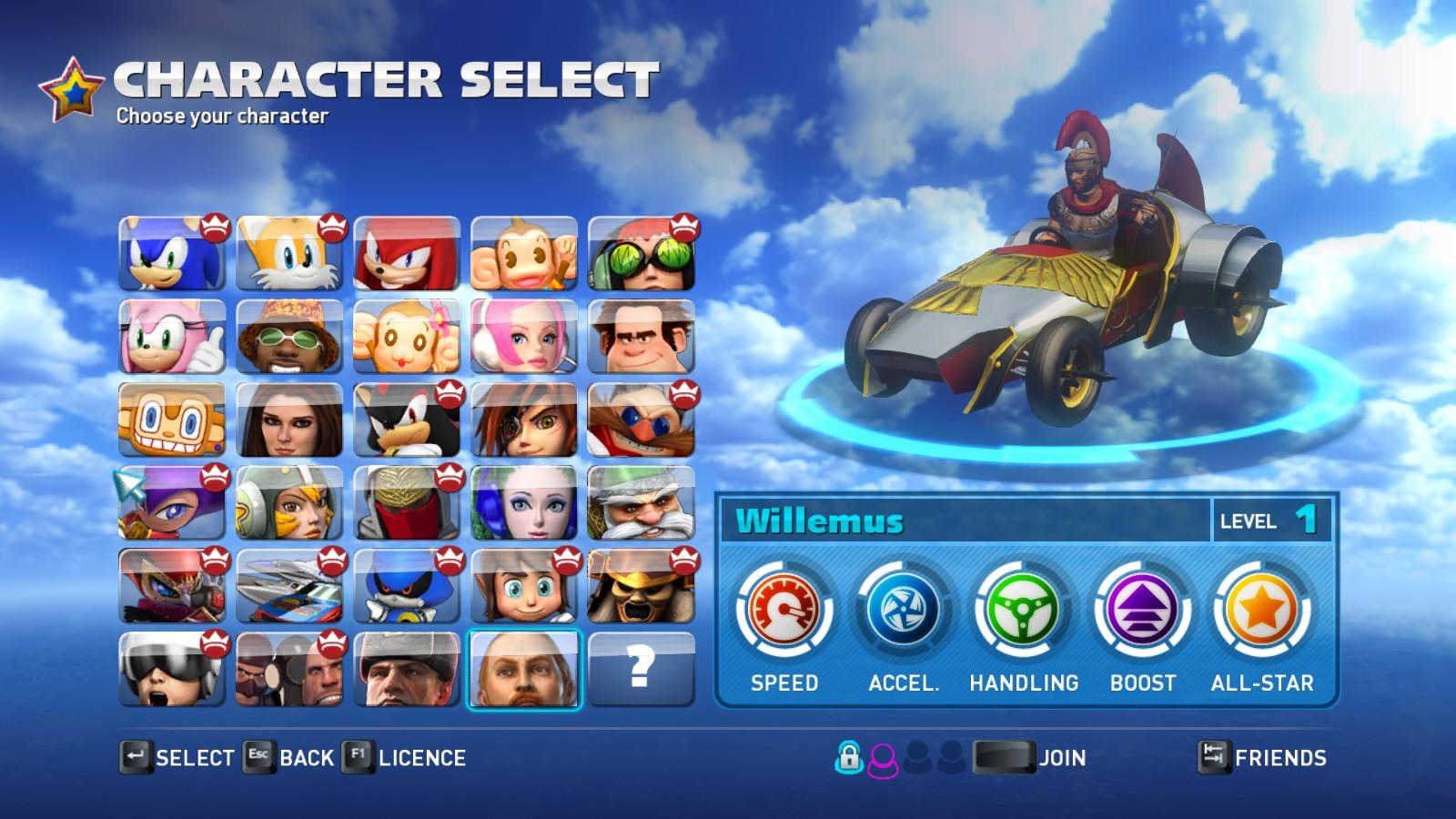
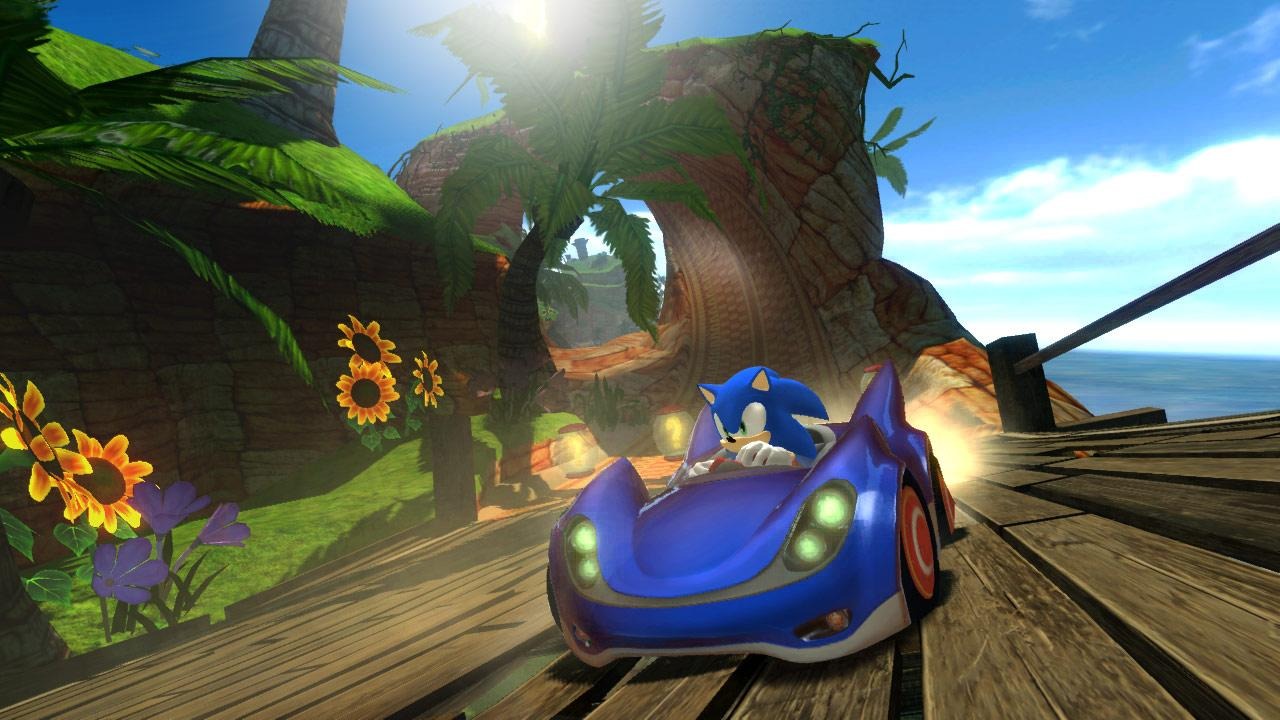
Kart racing games tend to be able to beat the king of them all: Mario Kart. While that game started, all a few entertaining offbeat ones have raced by, but this is Sega’s serious attempt at it, and it works. You can play as almost every major Sega mascot, such as most Sonic characters and familiar faces from Space Channel 5, Super Monkey Ball, and others. You race around tracks that reflect the design and setting of various Sega games while using power-ups to stay ahead of the pack.
The game has a power sliding ability that will increase your boost, which is the key to getting in the first place, but also picking up capsules that hold random power-ups such as a homing missile, mines, shields, speed boosts, and various other power-ups we have seen countless times. The game has a great sense of speed, and sliding around corners and doing various stunts is exciting, but the overall experience is borderline juvenile and very easy, even in the hardest mode. There are various missions you can complete as well as buying characters with Sega Miles, but this only goes so far.
The ideal way to play is with friends, but you need several controllers to do so because there is no online play. Why this was stripped from the PC version beats me, but it really brings down the experience since crowding around one computer isn’t very convenient. Once you do get some friends aboard, the game is a blast, and power-sliding and knocking enemies down makes for great laughs.
But when it’s all said and done, the game is a really average kart racer and has dated graphics as well as some annoying sounds. The game just feels the same no matter what you do as a single player, and I highly doubt anyone over 10 can play all 50+ missions without going crazy. If there was just some online play in here, it could sweeten the deal some, but the single-player can only be tolerated for so long.
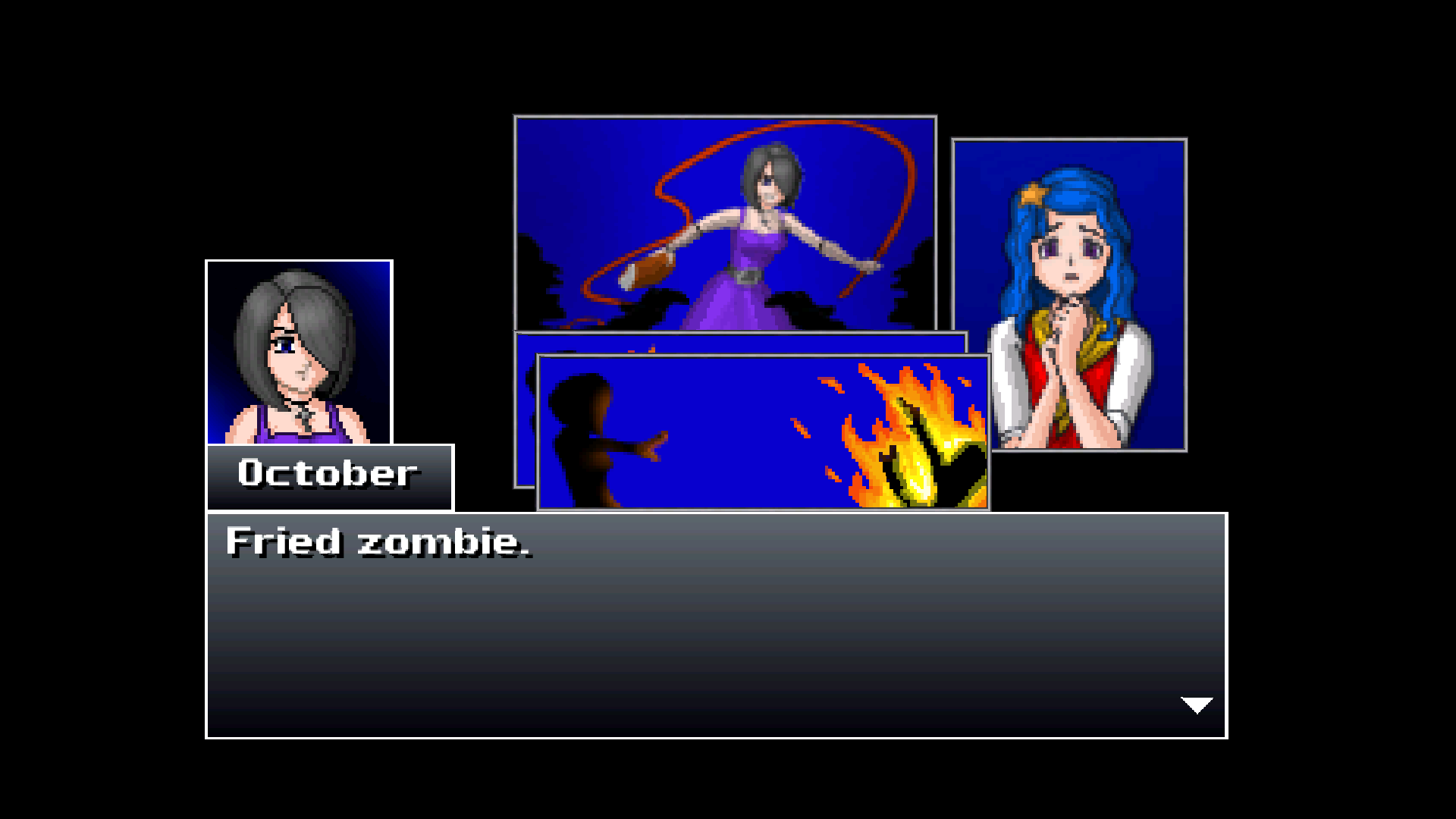
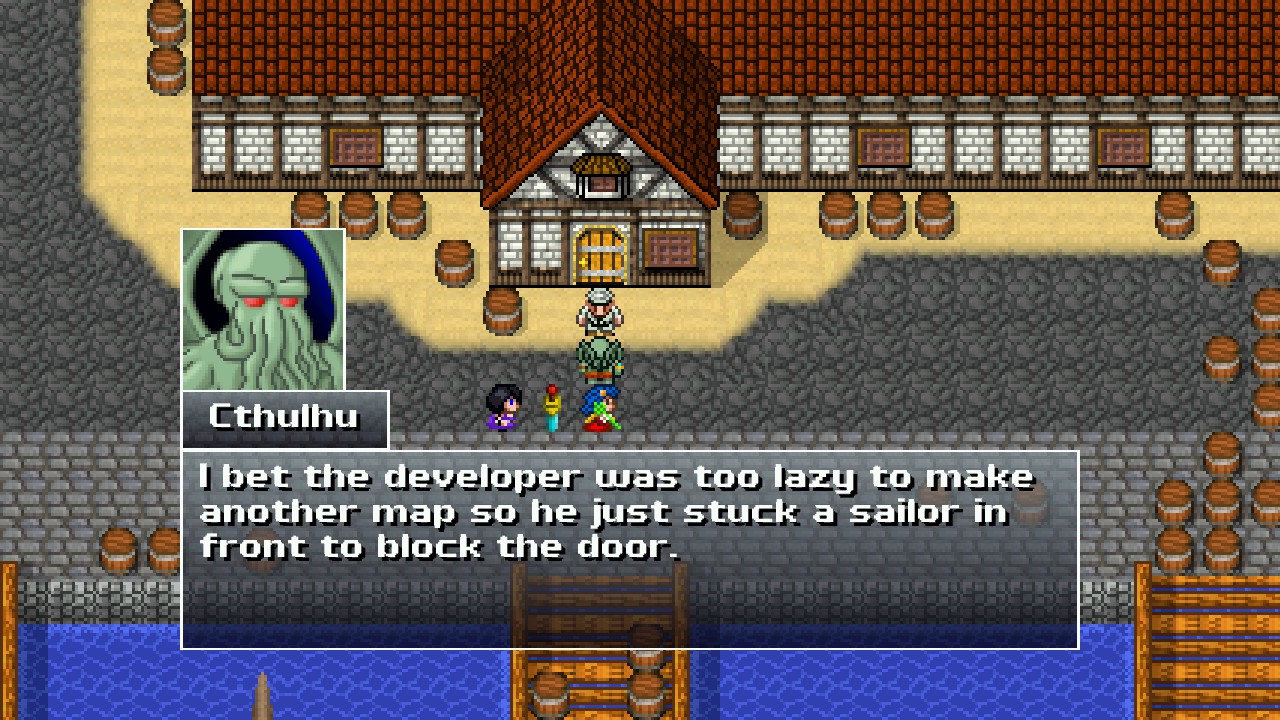
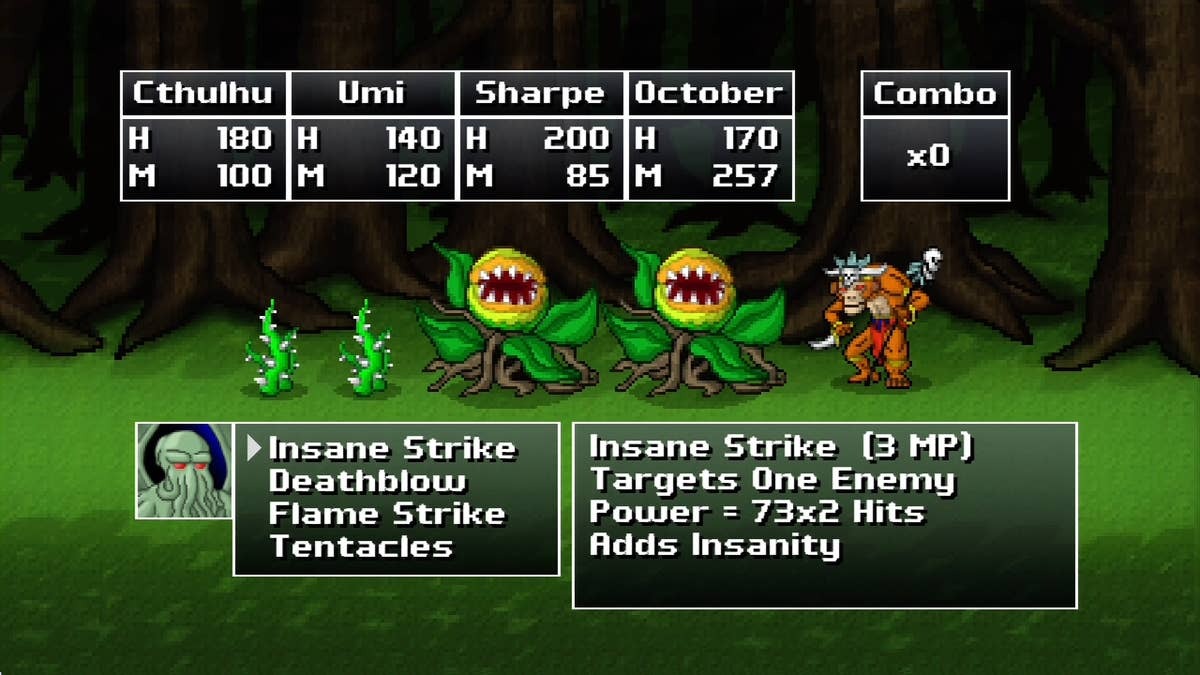
The Cthulhu series from H.P. Lovecraft hasn’t seen much love in the form of games, but indie developers Zeboyd picked it up and turned it into a whimsical/parody 8-bit RPG, and it’s done very well. You play as Cthulhu and pick up many party members along the way, but the whole point of the game is the great dungeon crawling that harkens back to the ’80s. You can attack like any RPG, but you have tech attacks that are more powerful and magic, and then you can unite with other members to combine devastating attacks. There are a ton of different attacks you learn when you level up, and you get a choice between two different things to level up with either stats or an attack, so by the end of the game, each member has a huge arsenal to use.
The game is very close to the mythology, with bosses that are from the story, towns named after the exact towns from the stories, and art-style matches. The music is amazing, with sweeping orchestral scores (in 8-bit midi audio, mind you) that really move you and sound great. The story is hilarious, with Cthulhu trying to redeem himself and become a true hero to raise his city of R’lyeh, but his interaction with characters in the world is really funny. Of course, the game wouldn’t be complete without a huge map to explore that has some secret dungeons, plus the environments and dungeons vary with lots of loot and chests to find.
However, the game’s biggest flaw is the extreme difficulty later on in the game, as well as the constant random battles that really drag the experience down. The developers tried to tone this down by disabling random battles after you do 25 of them, but you will probably go through a dungeon before you hit that number. I also didn’t like how if you don’t level up high enough, the end boss is impossible to beat, but each dungeon just really racks up the difficulty and requires you to grind a bit to get through the dungeon. I also didn’t like how you don’t really need a strategy to beat the enemies because you can just use the same one over and over through several dungeons. This causes the feeling of repetition to set in and makes you want the game to just end a little faster.
While the visuals are nice and give you a feeling of nostalgia, they don’t look good in HD, and the lack of battle animations and everything else that goes along with 8-bit graphics grates on your eyes after a while. However, the Cthulhu license is rarely explored, so any game to do so is welcomed, but this game is probably for hardcore RPG fans.























































 thebinarymessiah.com
Try multiplayer. A lot of fun !