Have you ever wanted to play a game where you are a mail delivery woman? The answer is probably “I have no clue,” but you’re going to find out with this game. You play as Meredith Weiss, a computer programmer who lives in the big city and decides to go back home to the sleepy town of Providence Oaks, Oregon, to help out with her dad’s mail route so her parents can go on vacation. You spend two weeks in this town, and the bulk of the game is mail delivery, but there are also story choices here that decide your relationships with various townspeople.
You start the game off with a little backstory. Your mail co-worker, Frank, picks you up from the airport and drops you off at your parents’ house. You then start your delivery the next day. This is actually quite fun at first. You drive your mail truck around the small town and drop off mail at mailboxes and packages at doors. You get a map with envelope icons for mail and box icons for packages. It’s not too hard to figure out, as there are very few roads and you can’t get lost. There are certain landmarks in which story characters reside, such as Mo’s Diner, Kay’s house (a childhood best friend that you lost contact with), a lumberjack who is trying to prevent corporate apartments from being built, a potato farmer, a teenage mechanic, a general store owner, and a movie rental store owner, and you get to decide what your relationship is with these people. You can fall in love with them, ignore them, or just stay neutral. This is a story about everyday life, and while the characters aren’t very interesting, the overall bigger picture of small-town life is what can drive you in.
After the first day of mail delivery, the game becomes mundane and dull very fast. While the town looks nice to drive around in, you just drive around one big circle along the lake, maybe a few side roads for rural houses, and it’s just stopping the mail truck, getting your own, going to the back, picking the correct package, and getting back in the truck. The same four songs repeat forever on the radio, and having to do this for 12 days just gets so tedious. It’s literally filler to create a “game” in between the story choices. The delivery thing doesn’t add anything to the story at all. You could cut all that gameplay out and just have an interactive novel, and it would probably be a bit better so the developer could focus more on character development. The characters do stand out and all have unique personalities, but they don’t have enough screen time to really fill out.
Every choice leads up to an open mic night at the diner, and your choices up until this point carry out. You also get to decide whether to stay in town and keep delivering mail, run away with someone, or go back to city life and make money. I do commend the developers for capturing the small Pacific Northwest lifestyle. My mother lives in a small town in Oregon, and I also live in the PNW and just love games that capture the feeling up here. There is lots of rain, beautiful scenery, and small lifestyles in the rural areas. The game looks pretty too, but not technically speaking. There are lots of low-resolution textures and models, but the lighting and detail are really nice, but after the first hour, you just see the same scenery on repeat. You spend maybe 3–4 hours in that mail truck trying to pick the most efficient route for the dozen or so people you deliver to daily. The world is devoid of life outside of mindless NPCs that drive around or walk the streets. The town just feels dead and not alive at all.
Overall, you’re not missing anything by not playing this game. The mail delivery mechanics are unique and new, but they aren’t fleshed out enough to stay interesting. The town is too small for a gameplay loop like this, and there needs to be more variety in the 12 days of mundane mail delivery. While the characters do have unique personalities, I didn’t care about them enough to really let my choices sink in. There’s just not enough screen time with them. Just as they start to blossom, the game ends, despite the number of choices available to you to weave your own path. The game does capture the sleepy rural PNW feeling, but the small area is just devoid of any life.
I’ve always been fascinated with space and what planets on the surface look like. Weather patterns, mountain formations, various chemicals, and minerals do certain things with the weather and whatnot. This is what Exo One explores. While there’s a paper-thin story here about a spacecraft being discovered on Earth and NASA trying to use it to launch a crew to Jupiter, The vessel gets lost, I think, and you wind up bouncing around a dozen different planets trying to find your way back to Jupiter. It’s barely there, but it gives you a reason to keep going and provides an overall goal.
The controls take getting used to, and by the end of the game, I never quite cared for them. They seem overly complicated, but you essentially control the ship’s gravity and flight direction. You can roll on the ground to build up power (the orange glow in the center of the ball) and can lift off or smash down to the ground by increasing gravity. You do also have a double jump button, which comes in handy for fine-tuning your flight path. You want to stay in the air as much as possible, as this is your best form of movement. In the air, you can travel farther, as you will be traveling dozens of kilometers on each planet to get to the goal.
Each planet is completely different in the sense that some are covered in oceans, some have no ground, and some have more complicated terrain to get around. Some have little gravity, and some give your ship a bigger boost due to the increase in lightning in the area. You can boost your ship with various things, like flying into clouds, wind paths, particles, and various other boosters. These boosters are usually visible a few kilometers away, and you want to get to them. There are some instances in which navigating has become irritating and frustrating. A couple of planets have strong winds or will cut your controls completely. One planet had me just rolling along the ground for over 10 minutes, using the wind to guide me. The terrain itself seems almost randomly generated, and hills are your enemy. You want to boost downhills and release gravity, going up like a giant ramp. This is impossible in areas with strong winds, as they slow you down.
There are upgrades for your ship that are kind of spread around on some planets. These increase your glide and overall power, and they are helpful, but getting to them can mostly be a chore. Fine-tuning and aiming for a small spot is really frustrating. You can constantly turn around and try again, trying to gain just the right height to reach an upgrade. The enjoyment is the constant momentum you can create via rolling on the ground, boosters, and using clouds to gain altitude. Once you reach the goal, which will be a giant blue light in the sky, you warp to the next planet, and I love the variety. Not a single planet is the same, and soaring over large oceans or weird formations is just awesome. The visuals are fantastic, with great water effects, rain effects, and an overall amazing sense of speed.
There’s not much else to the game except to enjoy the scenery. There are no high scores, no hidden secrets, or anything of that nature. Think of this as a “walking simulator” but up in the sky. The only gameplay is maintaining your flight and fighting elements on some planets. It’s over in about two hours, but it’s a beautiful two hours. If you love exploring planets in games like Mass Effect, you’re going to enjoy this quite a bit.
The HD era of gaming was rough, especially in the beginning years. Games had to transition from dated, aging hardware and design choices; they had to work around that and open up more. bigger levels, better AI, better graphics, and just overall more content. Stranglehold was a AAA blockbuster of a game due to the names attached to the game and Midway’s push to let celebrities in on this new HD era of gaming to bring Hollywood-style action to consoles.
Stranglehold is a sequel to John Woo’s Hardboiled Hong Kong cop action movie from the ’90s, starring Chow Yun Fat. Both star in this game, and Chow reprises his role as Inspector Tequila. I will say that the story is really stupid, and this has a lot to do with the 4-hour run time of the game. It’s incredibly short unless you die a million times, which can be possible. The story is lame and typical. Tequila’s daughter and ex-girlfriend get captured, and he gets stuck in the middle of two rival Hong Kong gangs, the I-9s and the Dragon Claws. One is new blood, one wants the “old ways” back, and Tequila’s daughter is the bargaining chip to get the police off their backs. The voice acting is pretty bad, even Chow’s acting is kind of phoned in. The main star of the game is the gameplay, however.
I remember when this game came out, it was pretty impressive on a technical level. We finally got an unofficial new Max Payne game. I say that because the entire game is incredibly shallow gameplay-wise. You get “Tequila Time,” which lets Chow use bullet-time just like in Max Payne. There’s a meter and everything. However, the difference here is using your environment as well. Certain objects, like rails, tables, and carts, will have a white line on them if you can mount them. This activates Tequila Time automatically but also gives you a score ranking and boosts your ability gauge. That’s as deep as this game goes. I’m not joking either. You unlock abilities during the first few levels. These allow you to sacrifice one of the four bars to heal, use a bullet cam that does extra damage, rampage mode that is a longer Tequila Time, and the last one takes four bars and eliminates all enemies in the area. These actually came in really handy for the most part. The bullet cam ability was great during boss fights, as a few of these and they were done.
The issue with all of this is the level design. It’s just too cramped and too small. After the first level, the rails become too short, the objects are scattered everywhere, and while the destructible environments are nice, the tables can be destroyed that you need as well. Because of this, I got tired of constantly finding small objects to hop on and off of. The novelty wears off after the first level anyway. I just manually activated my bullet time and ran around shooting everyone in sight. There is a cover system, but it’s a little stuff and is kind of useless in this kind of game where enemies are designed to come at you in every direction, and because of hits, you can’t really hide. So, that essentially makes the ability to rack up your ability gauge and score meter mostly pointless because it’s a chore to constantly finding objects to ride on.
When it comes to the actual shooting, it’s fine. It works. You get all of your typical weapons. pistols, sub-machine guns, assault rifles, shotguns, rocket launchers, and heavy machine guns, plus grenades. The game is very arcade-like, and every enemy has the same amount of hit points. A few shots take them down. There are trigger points to kill enemies with the environment, but these are mostly forgotten about after the first couple of levels. As for the design outside of that, it’s actually still last-gen. Enemies pop out of open doors that lead to nowhere, cramped level design, and not to mention that every level looks really bland and boring.
Overall, this was a fun weekend rental and nothing more. It had a lot of Hollywood attached to it but didn’t feel truly next-gen like Gears of War or Ghost Recon: Advanced Warfighter did at the time. Stranglehold has one foot in the sixth-generation door and it shows. The lame story, cramped level design, half-baked “object riding” idea, and the overall generic arcade feeling are very forgettable, but still a fun evening.
Well, here we are again. Another Halo, another semi-reboot, and after a 12-month delay, was the game worth the wait? Well, for starters, I can say yes, but the biggest change here is the new open-world, a la Far Cry style. The campaign opens up with an epic cinematic opening level that’s rather typical of Halo. Lots of explosions, exposition on what the hell you need to do on this new Halo, and the game picks up after the events of Halo 5. This is Cortana’s story, but you don’t realize that until about halfway through the campaign. Speaking of the campaign, it doesn’t really pick up until halfway through as well. Because this is an open-world game, the entire game had to be rebalanced and changed a bit, but the core of Halo is here and better than it’s ever been.
After you finish the opening sequence, which runs you about 30-45 minutes, you are spit out into the open world, or technically, a large chunk of the Halo ring. Unlike the finely nuanced corridor shooting that previous games were, campaign missions take place just like those, but you have to get to them in the open world. So, overall, the campaign itself doesn’t really take place in this open world, but instead in instances like an MMO. The open world itself is 100% filler due to the fact that it actually worked by luck, not by design.
Think about it. The building blocks for an open-world game were already in place. Halo has excellent balancing already. The weapons, enemies, recharging shield, and a few abilities and vehicles already exist in the franchise. Just take all those and tweak them a bit and throw them into a big open space, which technically Halo also already did, and it just works out of sheer luck. The only reason, and I repeat, the only reason, why this open world exists is for unlockables. Mjolnir armor for multiplayer skins and upgrades for the five abilities you get, which are mostly useless by the way. You get your recharging shield, which you can upgrade. Again, this is an excuse to upgrade cores. Then you get the biggest change to the game, which is the grapple. This allows you to traverse vertically as well as horizontally and is awesome to use. After this, you get a shield, which is useful, of course, but the two abilities I never used were a sonar enemy detector and a dash ability. In the heat of battle, I don’t need to dash. I can just use the grapple and get much further away, or use the shield to regenerate my own.
You can also unlock superweapons, which are higher-powered versions of every weapon in the game and show up red. You unlock these by doing bounties. As the game progresses and you unlock more of the world to explore, you will, of course, get more vehicles as well. All are here from the past, but you can also fast-travel to the FOB that you must liberate to unlock vehicle stations. The last activity is liberating squads spread throughout the area, and then there are large installations that house tons of enemies. That’s pretty much it. If you stripped all of that away, there would be no reason to have this world to explore. You can just blow through the campaign missions without upgrading or doing any side missions, but I do recommend at least upgrading the shields and the grapple. These are handicapped from the start, unlike past games, and the game gets brutally hard later on in the game.
Once you finish the campaign, you can go back and unlock more stuff or dive into multiplayer. At this point, do we need so many Halo games online at once? The Master Chief Collection is still alive and well, and so is Halo 5. Literally, the entire Halo franchise is available to play online, so what’s the difference here? Well, not much, really. There are three different types of weapon classes. Hardlight, regular ammo, and energy ammo also go for the campaign. To me, the entire online experience blends and blurs together. I can’t tell the difference between this suite and Halo 1. Call me an idiot, but my favorite part about Halo has always been the campaigns and the story. The multiplayer is fun. The maps are well done, and the modes are all here, except we now get a stupid battle pass just like Call of Duty does. This just locks away cosmetics for your Spartan, but I also never cared about customizing one anyway.
The visuals are really good. While not groundbreaking, the open world looks great, albeit the same throughout. It’s just dirt and trees throughout the entire game. There are good-looking textures and nice lighting effects, and the game seems well optimized even for lower-end hardware. The Xbox Series X version looks mostly like the PC but with slightly lower graphics settings, as you would expect. The game does look dated on Xbox One, pretty horribly, and Xbox One X is passable. The best way to play is on a Series X or PC, for sure. However, no matter which console you are on, you will have a smooth experience.
Overall, the campaign’s story is decent, but nothing special. Finding out what happened to Cortana after going rampant is interesting, but the new antagonist is just a typical dumb Brute with nothing special going on with him. I love the Halo universe and story, but it’s better explored in the novels and comics if you want to dive deeper into the lore. The world is a complete filler and just works by luck rather than by design. They took everything that already worked in the game and just plopped it into this open world. I will admit that I had a lot of fun doing the activities. You only get a few, and it keeps it nice and simple, unlike Ubisoft open-world games.
The seventh generation of consoles was really rough. While we did get some awesome games, there were a ton of experiments as developers struggled with rising development costs and complicated hardware technology. With the rise of HD gaming, which is games rendered in 720p or higher, there was also a struggle to evolve genres with this newfound hardware. First-person or third-person shooters struggled probably the most in this era as open-world games were evolved and, mostly, well done with games like Grand Theft Auto IV, The Elder Scrolls: Oblivion, Skyrim, and Saints Row. Shooters were stuck in the past, gameplay-wise and design-wise. Corridor shooters with no story or interesting characters, not to mention lacking an identity, helped make up for the lack of the latter. Your favorite shooters like Doom and Quake didn’t really have a good story or characters, but they had an identity that helped them stand apart from other shooters. The look, feel, weapons, and overall design were unique to that game. This just didn’t happen with the PlayStation 3 and Xbox 360 shooters, and if it did, it was rare. We’re going to take a look at the worst and best shooters in this generation of consoles and why the genre stalled and didn’t really evolve much until the next generation cycle.
This will be a multi-part series due to the number of games. The next feature will talk about the worst FPS games of this generation.
Call of Duty was at its peak when it was released as a launch title for the Xbox 360. This was a huge console seller, and despite the “2” in its name, this wasn’t the second game. A few console-exclusive releases came before this one, but this was a true follow-up to the original PC game. While not quite as good, it was still cinematic, and it felt like there was some thought and love put into it, unlike future sequels. Call of Duty 2 looked amazing on Xbox 360 and was one of the best online shooters for a good year or so.
Prey
The development hell this game went through has been well documented and is one of the most tragic video game franchises of all time. Prey was a fantastic shooter that had its own identity among so many clones and boring games stuck in the past. The interesting use of portals, fun weapons, and a creepy alien atmosphere and setting were a lot of fun. Prey is so good; it has a high replay value, and I replay this game every few years; it’s so enjoyable. It was one of the first games to introduce me to the HD era of gaming on Xbox 360, and I have fond memories of this one.
The Call of Juarez series is forgettable yet enjoyable. It’s a fine shooter series, minus The Cartel, with varied themes and overall solid gunplay. The story and characters are absolute trash, but this has fun gameplay that makes up for that. Bound in Blood is set during the American Civil War, where you play two brothers on a mission for something. Gunslinger is based on the Wild West era in the late 1800s. Both can be bought for cheap, and Gunslinger even found its way over to the Switch. They are fun enough to even be worth playing through again every once in a while.
Tom Clancy’s Rainbow Six Vegas Series
I remember this being the first reboot of the Rainbow Six franchise for quite some time. I rented both games when they came out, and I quite enjoyed the campaigns. They looked fantastic and had some great, bombastic set pieces. The multiplayer wasn’t half bad either, and I really wish the series would go back to this style of tactical gameplay. The games are worth playing today for a fun weekend shooter, and I don’t have much to complain about other than weird difficulty spikes.
Battlefield 2142
Battlefield was already a huge franchise before debuting on consoles with Modern Combat. 2142 was a long-awaited sequel to 1942 that was set with a realistic military theme rather than WWII. The same gameplay proceeded, but with the power of PCs at the time, we got massive maps, more modes, vehicles, and just classic Battlefield gameplay. While it did have a rough launch, the game was eventually smoothed out, and there are still people playing today.
While the third sequel was released after everyone was sick of WWII shooters and during a console transition, it was still a solid, if forgettable, experience. At this point, these games were being phoned in but still had an AAA quality to them that made them worth playing. Call of Duty 3 feels very dated compared to today’s shooters, and it was the last WWII shooter the series would dip its toes in for many years. The online multiplayer was fun for a while, but the game suffered from needing to be ported to last-gen consoles. Your typical WWII shooter stuff is here, like planting charges, moving up waves of enemies, grenades that bounce around like rubber, and incredibly linear levels.
by far some of the finest shooting you’ll play during the HD era of gaming. The Resistance series was helmed by Spyro the Dragon and Ratchet & Clank creators, Insomniac Games. Originally teased as I8 during E3 2006, the series had tons of hype. It looked next-gen and felt like it upon release with Fall of Man. The series has a decent story, but the classic Insomniac weapons are what make the game so fun. Each weapon has a unique alt-fire, and each weapon is carefully crafted to be needed for certain situations, so you’re always switching up your weapons, which is one of the most important things for shooters that almost no one seems to understand. The games look absolutely fantastic, even by today’s standards. This is a trilogy that every shooter fan must play.
S.T.A.L.K.E.R. Series
The S.T.A.L.K.E.R. series was never released on consoles, but it has a huge following on PC. The sequels, Call of Pripyat and Clear Skies, just improved the game more. The series is a hard-core survival shooter where you must preserve every bullet and item for healing. Running and gunning will get you killed, and it can be very daunting and intimidating to play. It’s for the hardcore only. The game released a buggy mess, but over time players have modded the game to near perfection, and it is one of the best post-apocalyptic open-world games to date. Some of the developers later went on to form 4A Games and create the Metro series.
The Darkness is based on the comic of the same name. The original game is one of my favorite shooters of all time. The atmosphere, story, characters, graphics, and the ability to use your demons on your shoulders to command minions and mutilate people were so much fun. The sequel was good but felt more arcade-like, had less of a slower-paced haunting atmosphere, and didn’t feel as bleak. The sequel is still tons of fun and retains the same great voice acting, but has a less memorable story.
Metroid Prime 3: Corruption
Metroid Prime 3 was a huge juggernaut for the Wii upon release and was one of the few really good shooters that the system got that wasn’t a port of some sort. Improved graphics, great use of the motion controls, and overall just classic Metroid gameplay are clearly the best in the series. Corruption was a big system seller and is easily one of the best shooters of the HD era of gaming. Even though the Wii lacked the horsepower of the PS3 and Xbox 360, Corruption still looked fantastic on the aging hardware.
The Halo series peaked with the Xbox 360. Halo 3, Halo 4, Reach, ODST, and Combat Evolved: Anniversary were great games. While I don’t really care for ODST or Halo 4, the series reached its best with Halo 3 and remains one of the best shooters of that era. The games still pushed the 360 to its limits graphically and remained the top multiplayer game through its entire life cycle. The series hasn’t seen this many releases since, but you can now play these games remastered on PC and Xbox One, which is awesome. It is still fun to play on the original hardware just to see what it was like back in the day. When a Halo game launched, it sold out on consoles big time, and everyone played Halo at least once during this time.
Team Fortress 2 was a huge deal on consoles. Despite never receiving updates and being shut down and abandoned, the game had lots of players. I played this game for many hours on the Xbox 360. I would come home on my lunch breaks from work just to get a few rounds in. The game looked good and ran very smoothly on consoles, but I just wish it had the features or some maps that the PC version had for at least a couple of years. While I wouldn’t bother playing on consoles these days, the PC version is still alive and well and is one of the most played multiplayer games to date.
While originally only released for PC, The Orange Box was a huge hit, giving console gamers Valve’s best work for one cheap price. The games ran and looked great on the dating hardware, and I was a huge fan of The Orange Box. Upon release, I didn’t have a PC that could play these games, and I was so excited when this was finally released. I did play Half-Life 2 on an older computer as well as Episode One and loved them to death, but they didn’t look great. With achievements, there was a ton of replay value here, and it’s still worth a pick-up if you don’t play PC games.
Crysis is famous for being a go-to benchmark game for PC hardware. I remember seeing this game for the first time at E3 2006, and it blew me away. The textures, lighting, physics, and everything else that went into this game were truly ahead of their time. So much so that Crytek had to demo the game running in SLI mode with two graphics cards to get it running. There wasn’t a single GPU that could run the game at 60FPS maxed out at the time. I remember when I got my first real gaming computer in 2010, I was blown away. I could finally run Crysis. Even then, it pushed my laptop to its limits, and I still couldn’t run it at maxed-out settings. The second game was highly anticipated, and my laptop couldn’t run it above 30FPS maxed out. Crysis 3? Forget it, but I did end up playing the game at 20FPS. These games didn’t have a great story or characters but instead had incredibly tight gunplay, fantastic visuals, and decent weapons.
Unreal Tournament 3
There’s no coincidence that UT3 looks exactly like Gears of War. It has the same color palette and even a similar character design. UT3 wasn’t nearly as popular as UT2004. I remember I just couldn’t get into it as much as I did in UT2004. Something felt off about the way the game felt. I didn’t have a PC that could run this game at the time, so I picked it up for PS3 years after its release, and it was mostly dead then. The game just felt so far away from Unreal Tournament that I couldn’t play it, but it was still a solid multiplayer shooter for PS3 and PC at the time and was solid despite feeling different.
The series is by far one of the best that graced the HD era of consoles. Quality shooters at this level were rare, and I remember just how hyped I was for the game upon release. I remember getting so excited and counting down the minutes for the demo to drop on Xbox LIVE. I bought this on launch day, and it was one of the most memorable gaming experiences I ever had. I was also hyped for BioShock 2, but it wasn’t as memorable. It was a good game, but it was too safe. Infinite got me as hyped as the first game, if not more, and I even went to the midnight launch at GameStop for it. This is an incredible series, and thankfully, they have all been re-released on newer consoles.
Frontlines: Fuel of War
I remember seeing this one at BlockBuster along with other generic-looking military shooters at the time. I passed it up numerous times, despite the decent reviews. At first glance, it looks dull and boring, but it has great gunplay and fun multiplayer. While the former no longer exists, there’s still a fun weekend campaign here, and you can pick up the game at bargain bin prices these days. There’s no reason not to pick this one up. Just don’t expect a deep story or any type of character development.
Bad Company was a smart departure from the series and helped reboot the series for consoles. The two games actually featured fun and interesting characters with witty dialog, and of course, the gameplay was tight and tons of fun. Both games also featured impeccable sound design, with the sound of bullets changing inside buildings and somewhat destructible environments. The multiplayer portion was insanely popular and a lot of fun. especially the Conquest mode. Servers are gone now, but you have two entertaining campaigns here worth playing over the weekend.
The third and final installment in this highly anticipated series Brothers in Arms was considered the “grown-up” WWII franchise as it wasn’t as arcade-like as the other games. It required strategy and a bit of thinking, and you could command your squad. It was also the only WWII shooter that had gore in it. Hell’s Highway had a mostly forgettable experience, but it sure was fun and a blast to play through. It really stands out from the crowd at a time when WWII shooters were waning and becoming a flea on the industry’s hide. Well worth a weekend playthrough despite the servers being shut down.
Specifically, Far Cry 2, 3, and Blood Dragon were released during the seventh generation of consoles. I didn’t care for Far Cry 2. I bought a bargain bin as BlockBuster was shutting down and found it dull and boring. However, in hindsight, it’s not quite that bad. Far Cry 3 is by far the best game in the series, as Vaas is a strong antagonist and remains so to this day. Blood Dragon is one of the most fun and unique spin-offs ever. Being a love letter to 80’s sci-fi action movies like Terminator, Robocop, and Blade Runner, you can shoot T-Rex’s, and everything has a Tron/Cyberpunk feel to it. It’s very short, but it has witty dialogue and is just so unique. Some consider it the best game in the franchise. These Far Cry games were the peak of the series, and it has been falling fast ever since.
Every once in a while, we get a decent Bond game. Quantum of Solace, based off of the same movie, was a sleeper hit and was surprisingly entertaining despite how forgettable it was. It felt like a bonding game. It was fast-paced, had great-feeling weapons, and didn’t overstay its welcome. This is probably the best Bond game of the HD era, as Blood Stone was a borefest. Well worth a bargain bin purchase for a fun evening.
Cryostasis isn’t an action-packed shooter. It’s more of an adventure game where you unravel a mystery on a derelict ship. The game has a haunting atmosphere, and you must really use your bullets wisely here. It was a graphical powerhouse when it was released and pushed PCs to their limits. I remember that my gaming laptop at the time struggled to run this game. It used, at the time, brand new DirectX 11 visuals, which made it look “next-gen” and beyond anything the PS3 or Xbox 360 could muster up. Sadly, it’s been pulled from Steam for some time now, but keys do exist online at various retailers. It’s worth a playthrough for something more unique and interesting.
While the first game was released during the sixth generation of consoles on PC (PS2/Xbox), it did get an “HD” release on PS3 and Xbox 360 but wasn’t nearly as good as the PC version due to lowered graphics and framerate issues. However, F.E.A.R. 2 and 3 were made with these consoles in mind. While the story of the series is convoluted and pointless, the second game had quite a few excellent cinematic moments and some creepy segments. While mostly forgettable, it was fun. The third game had solid gunplay but pretty much took out the creep factor entirely. The first game remains the best in the series and is a classic. It pushed PC hardware to its limits and made me want a gaming PC at the time.
Killzone is a strange beast. It’s not exactly the most polished shooter out there. The first game on PS2 was an absolute technical mess, despite trying new things like long, realistic reload times and pushing that poor system beyond what it could do. Killzone 2 was pretty much the biggest hype around the PS3, with the questionable pre-rendered demo shown at E3 2006 and being pretty impressive upon release. I remember it was a reason I wanted and bought a PS3 in 2009. The game looks great even today and has fantastic gunplay, despite a forgettable and pointless story. The third game was more polished but felt more forgettable due to bland-level design and a continued pointless story with lame characters (I really can’t stand Rico), and it had a great multiplayer suite. The first game got an HD release in the Killzone Trilogy. Some of the best shooting you’ll play during this console cycle
While Dark Athena isn’t quite as memorable or impactful as Escape from Butcher Bay, the former game was included as an HD version with this game. Dark Athena was mostly more of the same, but with less memorable locales, and it didn’t do enough that was new to make it stand out more. Still, the Riddick games remain some of the most interesting shooters of that generation and are worth a playthrough, whether you like the movies or not. They have a great atmosphere, fun gunplay, and stealth mechanics.
The Conduit Series
A very hyped FPS series on the Wii, The Conduit was a fun sci-fi shooter with interesting guns, but it was pretty run-of-the-mill as shooters go. We didn’t get many non-on-rails shooters on the Wii, so when they came along, they were a big deal. The Conduit was fun to play as it used the Wii hardware well and looked good too. It was nice to not get another military shooter, and that’s probably why the game stood out from the crowd.
Originally released for Wii and then later on PS3 using the Move controller, Extraction was a sleeper hit and considered one of the best games in the series. Sure, it was another Wii on-rails shooter, but it had atmosphere, had some great scenes (cutting off your hand in space, for example), and just felt tight and fast-paced. I picked this up when it came out and replayed it a few times. It has a high replay value thanks to its short length and entertaining shooting and scenes.
ARMA Series
The ARMA series is a PC-exclusive military simulator and probably one of the most realistic out there. There is a huge mod community behind all three games, and they look fantastic. When I talk about simulators, I mean it. A single bullet could kill you, and the maps are large and expansive; there’s no handholding here. You must cooperate with your squad, and everything from physics to not knowing where the hell enemy fire is coming from exists here. It’s some of the most rewarding cooperative squad-based gameplay in existence, and it can only be experienced on PC.
Operation Flashpoint: Dragon Rising
similar to ARMA, but with a little more user-friendly and arcade-like gameplay thrown in. It’s a long-running franchise, and it still requires tight cooperation with squadmates. I picked this up at a bargain bin for PC, but I didn’t realize how much was involved and never got past the first mission. I appreciated the visuals and the realism, but none of my friends are gamers, so I was stuck playing solo, and it wasn’t very fun.
Borderlands was a game no one saw coming. It pretty much created the “looter-shooter” genre that is so popular today. I picked up the first game when it was released and played it solo. It was a lot of fun and had a lot of character, but later games were pretty much the exact same. If you played one Borderlands, you played them all. These games are best played with a friend, but the interesting NPCs and weapons keep you coming back, despite the dull environments and visuals. The pre-sequel is one I couldn’t get through, but it’s not bad. There is also the Telltale Games adventure Tales from theBorderlands, which is fantastic and worth a playthrough.
Who would have thought this would be one of the best-selling shooters of all time and continue on for over a decade? Who thought that it would be the most-played multiplayer game for that long as well? The first two games in the series were fantastic. bombastic and well-designed campaigns and revolutionary multiplayer for the time. Both games had impeccably designed maps, and the ranking and unlocking systems became addictive. Tight gunplay, clans, and state-of-the-art visuals helped sell these games. Modern Warfare 3 was just more of the same, and people were starting to tire of the series by this point. Surprisingly, the Wii and DS had decent ports as well that were tailored for the hardware.
The first Black Ops game is still the best. The different setting of the Cold War was a nice change of pace, and the multiplayer and zombies introductions made it stand out from the crowd. The second game was decent but had the best zombie mode. Black Ops is an interesting experimental side series of the main Modern Warfare series. It was darker, grittier, and had more of a government conspiracy theme to it. There are also great ports for Wii and DS as well. The series has been all over the place since, and to be honest, it feels redundant at this point.
I remember picking this up shortly after its release. Despite being a co-op shooter, you really don’t need to communicate with people to enjoy it. I didn’t have a PC that could run either game at the time, so Xbox 360 it was. It played and looked great on the system and had some of the most realistic-looking zombies at the time. Each character felt unique, and you really had to pick a way to play, and that included the weapons. The maps were well laid out, and the fast-paced horde shooter stood out from games like Dead Rising and Resident Evil.
MAG
The now-defunct Zipper Interactive developers of the mega-blockbuster SOCOM series decided to take advantage of the PS3 hardware and pit 256 players against each other in a realistic military shooter. The idea was sound on paper, but what we got was a buggy mess. This is about as generic as shooters get. Despite the occasional fun moment running into dozens of enemies in a game that was mostly unheard of outside of PC space, the game just flopped. The level-up system was clever, but the game didn’t sell enough to iron out all the bugs, glitches, and sloppy animations. If the game had more time in the oven, it could have been bigger than Call of Duty.
I remember being so hyped for this game. While it wasn’t as good as AVP2, it looked amazing—in fact, one of the best-looking games at the time, taking full advantage of DirectX 10 on PC—and had a pretty sweet triple campaign all around. The multiplayer was pretty boring, but you felt like the Predator and Alien, but sadly, the Marine campaign was the worst of the three. It’s worth a play-through today.
Fallout 3 was one of the most played games of all time for me. I spent nearly 100 hours between the main game and all four DLCs. The best character in the game was the world. Everything told a story. A skeleton in a washer, text on a computer, a note left on a desk in an empty vault There was so much detail crammed into this game that you could get lost exploring for dozens of hours without completing a single mission. The guns felt good, and the game looked mostly decent at the time, but it was a super buggy mess in general. New Vegas was even better with a crafting and ammo system, and it had a better story and characters to boot. New Vegas looked incredibly dated when it launched and was also a buggy disaster, but eventually got patched, and the modding community is insane. It’s one of the most modded games of all time and is a must for anyone playing on a PC. Both of these games are full of life and character, and if you like RPGs or just great storytelling, you must play them.
Bulletstorm was made by the guys behind the excellent cult classic Painkiller series and some developers from Gears of War. What we got was a bombastic and crazy shooter that wanted combos of carnage to rack up a score and kill streak. It was so fun using your lasso, tossing people up in the air, shooting them down, and even kicking them into environmental death traps. The story and characters were stupid, but it didn’t matter. The game looked fantastic using an advanced version of Unreal Engine 3 and tapped both consoles max power. This is a must-play, and the newly remastered version is the best way to go.
Homefront isn’t just another Call of Duty clone. This one tried to create a story with characters and mostly succeeded. Set in an alternate timeline where North Korea basically takes over the world, you are a rebel group trying to stop them. The beginning scene is one of the most memorable in gaming history. Seeing soldiers execute people and having your bus crash The cinematic gameplay is tons of fun while it lasts. There’s a lot of humanity pumped into the game, so it’s not just another game of Whack-a-Mole. The multiplayer wasn’t good enough to keep the game alive, but the campaign is one entertaining evening.
This was probably one of the most anticipated games of the HD generation. Warren Specter’s return to one of the most popular PC games of all time was a huge welcome. Despite major technical issues, this was one of the first games to use DirectX 11 on PCs, and I remember that my poor gaming laptop just couldn’t do it. The game looked dated and pretty awful on consoles, but it gave us tons of choices to approach various situations. Stealth, non-lethal, guns blazing, hacking to get more info to make conversations go your way. It was all up to you. Despite a bland story and uninteresting characters, there was enough here to keep you moving along.
This was kind of a sleeper hit. Despite having an awful story that was almost non-existent and stupid characters, the crafting system and overall open world of killing zombies were a blast. It looked great too at the time and had decent gunplay. Despite the game being a lot of fun while playing it, you won’t remember any of it after a while. It’s a very forgettable experience, but it’s not a bad game. There is a clunkiness to the game and lots of bugs and glitches even after a few patches, but it’s one of the only good open-world zombie games out there. Totally skip the “sequel.”
Hard Reset didn’t make it to consoles, but it is a sleeper hit hardcore FPS on PC. The story is lame and pointless, but the cyberpunk graphics, weapons, enemies, and overall atmosphere were fantastic. The ads on the streets trying to sell you products, the weird, nearly broken server bots, and the overall color palette of the game are amazing. Sadly, it’s still a linear corridor shooter and can be downright brutal difficulty-wise, even on normal. It’s not for the faint of heart.
Red Orchestra Series
Red Orchestra is a multiplayer-only WWII simulator that a lot of people don’t know about because it was never released on consoles. In 2006, Ostfront 41–45 was a major hit on PC with fantastic visuals and realistic gameplay. Get into a tank with several other players and coordinate each part of the tank, just like in real life. Weapons fire so accurately that you even have bullet drops, and weapons would jam. It was an amazing experience, and it only got better with Red Orchestra 2, released in 2011. RO2 had a single-player campaign, but it was plagued with crashes and bugs, and sadly, the series has never been as big as Call of Duty despite the care and effort that went into it.
Payday Series
The Payday series is fairly popular as a fun co-op heist game. It’s addictive and can get quite involved, and there’s plenty of DLC. The first game wasn’t as good as the second and felt a lot more low-budget and amateurish compared to how great Payday 2 is. The game won’t blow you away visually, but there’s a lot of fun here with tightly made maps, well-balanced classes, and tons of maps to play. If you want a co-op shooter to play with friends, it doesn’t get much better than this.
Serious Sam 3 was a long-awaited and highly anticipated game. While it’s mostly well known in the PC and Xbox space, this was the first game to grace Nintendo and Sony consoles. The game had state-of-the-art tech for PCs and pushed my poor gaming laptop beyond its limits upon release. It looked great and was a lot of fun during the first play-through. Sadly, Serious Sam games are incredibly repetitive wave shooters, and they get old fast. There’s a lot of humor, though, and it still looks great today.
Syndicate
Barely related to the series before, Syndicate went from a tactical strategy game to a fast-paced first-person shooter by EA. The game had a lame story and wasn’t very memorable, but it was a lot of fun to play. It had quick gunplay, tight controls, and looked pretty damn good to boot. Sadly, it drowned in the plethora of shooters in the early ’10s, was quickly forgotten, and never sold well. Thus, knowing EA and IPs, I chucked it in the bin to be forgotten forever. It was also one of the last games developed by Starbreeze Studios.
Counter-Strike: Global Offensive
One of the few times Counter-Strike has been released on consoles, Global Offensive, is still played to this day and is the latest version of Counter-Strike. There are still worldwide championships and eSports tournaments, and overall toxicity in the community is high. Despite lawsuits, arrests, and SWATTING, Global Offensive is still one of Valve’s juggernaut franchises going strong. There’s a reason for this. It has impeccable map design, solid gunplay that’s well balanced, and the newer loot box system is addictive to those who can’t keep their wallets closed. There are constant updates made to the game, and if you haven’t jumped in yet, don’t worry; the servers are alive and active with hundreds of thousands of players daily.
Stealth-action games aren’t released very often, and Dishonored was a fantastic mix of stealth and FPS gunplay. The fantastical abilities of Blink and the use of various pistols and knives made the game a ton of fun. The interesting story and characters also helped, but the freedom was awesome too. You could stealth your way through everything or blast your way. The choice was yours. You can also choose to knock out or kill your enemies. There’s also a loot system, so you can buy upgrades, ammo, and various healing items. The game was dated visually when it was released, but it still had a wonderful art style.
Metro is one of my favorite game series of all time. It was developed by ex-S.T.A.L.K.E.R. creators, and they built an amazing atmosphere and weapons system. While the first game’s stealth was flawed and frustrating, it still told a chilling tale and had a haunting atmosphere and creepy monster designs. The weapons felt clunky, unreliable, and home-built like they might in a post-apocalyptic setting. The game looked and ran best on PC, but the Xbox 360 version was adequate and was the first I played upon release. Later, Last Light pushed my gaming laptop to its limits and didn’t run very well, but it looked absolutely stunning. It looked really dated on the PS3 and Xbox 360, but at least it was running well. These are some of the most original shooters for this generation, as they weren’t straight-up Call of Duty clones and had no multiplayer!
Supermassive Games have the ability to tell great stories and present scary atmospheres and settings. Until Dawn is one of the best PS4 games to date and I loved it. It seems that either their budget is lower, or they’re not taking enough time to finely craft these Dark Picturesstories because thus far they are B-grade horror at best that you quickly forget after the credits roll and House of Ashes is no better. There’s so much left open and unexplored in this paper-thin story that chugs at a snail’s pace until the last hour of the game.
I understand that adventure games like this need time to simmer and do a lot of story building. Life is Strange is a great series that does this very well without feeling boring. House of Ashes is mostly boring. The game drags the pointless story scenario by scenario without anything happening. You keep expecting something to be explained or some backstory to unfold or characters to grow and expand, but that never happens even once here. You play as a group of stereotypical U.S. Marines who are sent down into an ancient temple in Iraq to find some sort of superweapon. Immediately the characters start off unlikeable. Stereotypical Marines of every flavor here. The hard-ass who is rude and has a foul mouth, the jealous couple, the science nerd, the sensitive nerd with glasses who wears a helmet, and the voice acting that accompanies this is pretty bad as well. The guy who plays Jason sounds like he’s faking a mid-western Texas accent and it just sounds so cringy. Everyone sounds like they’re whispering at a high school play recital and it just feels so off.
It takes forever for the team to actually get down into the temple and start their mission. There are just tons of standing around and lots of backhanded comments to each other. The only plot within the group is that Rachel was married to Eric (the leader) and is now secretly dating Nick. Okay? And why do I care? There’s no backstory here, no history, nothing. The game just throws you into these characters’ lives like we already know them. They don’t have strong enough personalities to make you really become attached during the game and I just didn’t care or route for anyone. The vampires you fight take forever to show themselves and become revealed. There are few action sequences and when you do get into them laughably easy with just simple quick-time events and nothing more. This isn’t really a game, but an interactive movie at best.
Failing these quick-time events (you’d have to not be paying attention to fail them) is how most choices and paths change in the story. Sometimes there are dialog choices and I have to hand it to Supermassive for making these choices mean something every single time. They don’t waste a single one. There are choices I made at the very beginning of the game that affects the team all the way through the end and it makes me think back and regret those choices. This is a good thing as it means their choices and path system isn’t useless like most “choose your own adventure” type adventure games are (looking at you David Cage and your games). There are flashing points when you can control a character for all of 10 seconds that are collectible that you can find to unlock interview videos (yawn) and achievements. I tried to make an effort, but despite how little you control characters I still missed stuff. However, the story isn’t interesting enough and takes so long to pick up that I didn’t want to go back ever again. There’s nothing to care about enough here.
The visuals are actually quite good, however, the engine is poorly optimized even for high-end PCs, but again, it looks great. The monster designs are awesome too, it’s just too bad the characters look weird and ugly. I also don’t like that there’s no mystery here. Why are the vampires here? The beginning of the game shows a chapter of ancient people who worship or are trying to stop these vampires, but it’s never explained why or how. There are no explanations here. Even the few collectibles don’t tell of much that’s going on. Just, “Evil scary vampires, and we must stop them”. This game’s story is something you’d see on in the early 2000s on the Sci-Fi channel at 2AM and just watch it out of sheer boredom. Lots of shooting stuff, no one runs out of ammo, their packs hold infinite items, crowbars magically attach to their backs, and so on. It’s so hoaky I couldn’t help but shake my head or laugh at certain scenes.
Overall, House of Ashesis probably a fun entertaining game to look at and play with a partner or friend for an evening, but that’s it. You won’t get anything out of this game, and it’s not even really scary. The vampires look cool and so do some of the human vampires, but that’s it. Military stereotypes, unrealistic events, forgettable and boring characters, and a story that doesn’t go anywhere at all.
The seventh generation of consoles was really rough. While we did get some awesome games there were a ton of experiments as developers struggled with rising development costs and complicated hardware tech. With the rise of HD gaming, being games rendered in 720p or higher, there was also the struggle to evolve genres with this newfound hardware. First-person or third-person shooters struggled probably the most in this era as open-world games were evolved and, mostly, well done with games like Grand Theft Auto IV, The Elder Scrolls Oblivion, Skyrim, and Saints Row. Shooters were stuck in the past gameplay and design-wise. Corridor shooters with no story or interesting characters, and not to mention lacking an identity which helped make up for the lack of the latter. Your favorite shooters like Doom and Quake didn’t really have a good story or characters, but they had an identity that helped them stand apart from other shooters. The look, feel, weapons, and overall design were unique to that game. This just didn’t happen with the PlayStation 3 and Xbox 360 shooters, and if it did, it was rare. We’re going to take a look at the worst and best shooters in this generation of consoles and why the genre stalled and didn’t really evolve much until the next generation cycle.
This will be a multi-part series due to the number of games. The next feature will talk about the best FPS games of this generation.
TimeShift had a lot of hype leading up to its release. It looked great and seemed to have this cool sci-fi setting with some unique and cool-looking weapons. It had a suit that could shift time and allow you to solve puzzles and work your way through enemies. In the end, the game was a bore-fest corridor shooter with a few open areas. It had some cool effects like the rain and good-looking textures, but it felt like a shooter from the early-2000s. The time-shifting abilities felt like filler and the puzzles were nothing but a joke. The game enemies repeated throughout the game and the weapons, while looking cool, felt like pop-guns with no real feel or impact. I remember renting this from BlockBuster when it was released for Xbox 360 and was just utterly bored. It was so forgettable that when I replayed it last week I didn’t remember a single thing except for the rain effects.
Turning Point: Fall of Liberty
My god was this game just terrible. I rented this from BlockBuster upon release for Xbox 360 and it was supposed to be a cool World War II shooter with some sci-fi and history changes. With Nazi Germany winning the war you are a soldier stuck in the middle. Instead of having a great story and characters, the game just felt as generic as can be. The guns felt weak, the environments were ugly and boring, and the game had so many glitches and an insane amount of slowdown that it made it nearly unplayable. With the steep fall of WWII-based shooters that the industry was sick of, Turning Point needed something different and cool to make it as people were turning to realistic military shooters. The game was just so gray and ugly and didn’t have its own identity. It didn’t sell well and was panned by critics for good reason.
Another shooter with a lot of potentials. This game brought you giant mythological creatures that were taking over a city! Yes! No more boring soldiers, but they just had to screw it up. Developed by the not-so-talented Spark Unlimited, Legendary had decent graphics and cool boss designs, but the shooting itself was awful. There was no feel to them or an identity to the game. Even the story was just barely passable and entertaining enough to push you through the game. This was by far one of the worst games of this generation period. It had a horrible slowdown, glitches, and just didn’t feel good to play at all. I rented this from BlockBuster for Xbox 360 upon release as well and I don’t even think I finished it. That’s how bad it was.
Shadowrun
Shadowrun was a highly anticipated FPS online-only multiplayer game set in the Shadowrun universe. Upon release, however, it was pretty much dead on arrival. The lack of content for the full-price tag pretty much killed the game and it felt like a generic last-generation shooter. There was nothing unique about this game nor did it feel like it was in the Shadowrun universe at all. It felt like a cheap cash grab as were the majority of multiplayer-only games that kicked off in this generation cycle. The servers have long since shut down, but if you really are curious you could play with bots or someone next to you.
This was actually quite an impressive game before release. I remember being super excited about the demo. The game looked fantastic and actually next-gen. There were great lighting effects, good textures, and the guns felt okay…at first. Upon release, the game was literally just a single map with objectives thrown in it. It felt like a multiplayer setup and just didn’t belong as a single-player experience. The gimmick was that you could drop down anywhere in the map on a parachute, and it looked good doing it. Lots of gunfire below you, explosions, and the sound design were pretty good too. The weapons just didn’t feel right, they were poorly balanced, the difficulty was all over the place, and it didn’t run very well. This “open-ended level design” that EA toted was a joke. It was a lazy excuse to shoehorn multiplayer maps into a single-player experience.
Jericho had so much potential and it’s one of those games I’m really mad that never turned out well. Clive Barker only did one other game and it was fantastic. Undying is a classic. Jericho was just so good leading up to release. The atmosphere, Clive’s classic monster style, and graphics looked great, and upon release, it was an utter disaster. Switching between numerous squad members was just too clunky and you want to talk about corridor shooters? This is more like a hallway shooter. The levels were too small to move around in for the number of enemies thrown at you and the number of squad members you had to manage and switch between. The game’s difficulty was all over the place, but it was nice to look at. The game bombed hard and didn’t sell really at all and Clive Barker has yet to embark on another video game adventure again.
Hellgate: London
Hellgate was a long-anticipated MMO for PC but was surrounded by controversy. You could play the game offline, but to access new content you had to pay a monthly fee. The game was just ugly, clunky, claustrophobic, and the RPG elements just weren’t implemented well. It felt low budget despite the coverage it got and just didn’t feel finished upon release. You can still play the game today as Hellgate Global is owned by a Korean-based publisher now. It was released on Steam in 2018, but almost no one plays.
BlackSite was a game I was personally excited for as I thought it would be an awesome reboot of the 2005 Area 51 game which was fantastic. This game turned out to be just like the other games mentioned. Dull, boring, cookie-cutter, and with no identity. It looked ugly, had lots of glitches, and slow down, and there wasn’t a single redeeming quality to the game. The guns were dumb, the story and characters were pointless, and even the aliens were boring. How could you mess up an IP like this? I remember playing the demo on Xbox 360 before release and it was a decent demo as it showed the only interesting part of the entire game.
Soldier of Fortune: Payback
While not inherently awful, Payback brushes the line between mediocrity and bad, however. The game did have decent graphics and good gore effects. So good in fact that Australia banned the game. Besides all of that, the game was generic, boring, and the weapons felt like pop-guns. There was no character to the shooting, no feeling, no weight, no nothing. The game’s trial-and-error difficulty balancing was terrible as well and not even multiplayer could save this one. The series hasn’t had the best history and mostly lives in “bad game” territory.
Turok
Turok is another game that borderlines bad and awful. Being the second reboot of the franchise, this version barely resembles the amazing Nintendo 64 games. Instead, we get a boring and generic shooter through equally dull jungles and concrete buildings and even messes up dinosaur encounters. The story is bad, the characters and voice acting are bad, and there’s not much worth playing here unless you’re a die-hard Turok fan and want to see what the hoopla was all about. Don’t get me wrong, this was a highly anticipated game because of its positive history, but this wasn’t it man.
This was a game I skipped upon release due to the terrible reviews it got. I later played in 2020 and was highly disappointed. It had a lot of potentials. The few morsels of the decent story were when the game explored the effect of the Haze serum on soldiers and how they would hallucinate in battle. The use of the serum to overload you during gameplay was a neat idea, but the game looked dated even upon release and felt dated. The weapons were boring, the enemies repeated forever, and there were a lot of game-breaking glitches and slowdown. This game wasn’t even decent or barely passable, it was downright terrible and not worth your 6 hours.
Secret Service
Oh man, this game is laughable. I doubt it sold barely anything. Not only was it a budget shooter, but it felt like something from the early 2000s. It was ugly, boring, generic as can be (white dudes in suits and sunglasses generic) and there are zero reasons to even sniff in this game’s general direction. The idea of being a secret service agent was unique at the time as there aren’t any games that did that, but instead of an interesting story with well-written characters and maybe some unique gameplay with scripted events you just get a corridor shooter mowing down bland enemies with weightless guns.
I had the honorable displeasure of finishing this game on PC years after release. While it did have a few good scenes that depicted PTSD from ‘Nam soldiers, it was just such a terrible game. All the classic signs are here: awful story and characters, stereotypes, boring and generic gunplay, guns that have no weight, ugly visuals, slowdown and glitches, and too linear. Rebellion isn’t that great of developers anyways given their pretty bad track record, but you think after how bad the first was they would tighten it up a bit. There are zero reasons to ever give this series a minute of your time other than sheer curiosity. There are much better military shooters in this era out there.
Can you tell the difference between these two? I sure can’t. Only release 2 years apart this is one of the most generic shooters ever made for the Xbox 360 and PC. It’s so boring and generic I can barely remember the game I played years ago on PC without looking it up. Everything is gray, ugly, and the weapons feel weightless and boring to use. I do remember the game has awful difficulty spikes and was a chore to play through. The multiplayer didn’t redeem the series either and the PS3 version of the first game wound up being canceled due to poor sales. The studio had such faith in the sequel that it wound up being a digital-only release.
Painkiller: Resurrection
Yes, this was a PC-only release, as the series home is on PC, but how can you screw up such a high-profile classic? Painkiller may not have been very innovative, but it had a rocking soundtrack, really fun weapons, level, and enemy variety, and just felt good to play. It was a “wave shooter” like Serious Sam and less like Doom and Quake. This sequel just didn’t work and was completely broken gameplay-wise. The levels were awful, the guns weren’t fun to use, and the graphics were incredibly dated. Just how do you mess something like this up? Sadly, the series is dead and the low sales of this game are probably why.
Rogue Warrior
Rogue Warrior wasn’t just a low-budget FPS that littered the scene in the day. This was a somewhat high-profile shooter with a retired Navy Seal helping design the game and Mickey Rourke cussing his way through the game. What we got was just a broken mess that wasn’t finished. The story and characters were lame stereotypes and used cussing as a way to make the story feel mature. The guns felt bad, the controls didn’t work right, animations were broken, there was lots of slowdown and glitches and crashes. It was just a hot mess and it was a tale as old as time back in the late ’00s.
What could probably be known as one of the most anticipated games of the seventh generation of consoles, Perfect Dark Zero had a lot of hype behind it. It was a beloved Nintendo 64 franchise debuting on a next-gen console. It looked next-gen leading up to release, but once we finally got a hold of it the game felt like it was stuck in the ’90s. Dated gameplay, boring missions, pointless story, and the stealth gameplay were pretty much ruined. I don’t understand the high scores this game got outside of people just being excited about the game or possibly being paid by Microsoft. Even the multiplayer couldn’t save this one. There’s no redeeming value in this game other than it existed on the N64 at one point.
Call of Juarez: The Cartel
The Call of Juarez series is a causality of the HD era. It came and went in that single generation and this game is what killed it off. The previous games were forgettable but enjoyable experiences. Quick weekend rentals and nothing more or bargain bin purchases. The Cartel was an absolute disaster and it’s sad as it had a lot of hype around it. The game was pretty much unfinished with game-breaking bugs, glitches, and slowdown. This was a by-product and a common scenario of the struggle to bring games to the HD gaming era. This game just didn’t work out and was quickly forgotten about.
The Walking Dead: Survival Instinct
This game was heavily hyped as was the whole The Walking Dead franchise. It was at its peak in the late ’00s with The Walking Dead adventure game by Telltale Games launching the franchise into the stratosphere in the video game world. With the success of that series, everyone wanted their hands in the franchise’s honey pot, but there wasn’t a single good game that came from it. Survival Instinct was dreadful. It was ugly, boring, and despite using Norman Reedus in the game his likeness wasn’t used very well. The game followed the TV series pretty closely, and instead of the tense atmosphere from that show, we got a boring arcade-like shooter.
I have never seen a game series so consistently terrible as the Sniper series. Both of the first two games were boring and generic as can be for military shooters. The game looked great on PC as it used the Crytek engine, but it ran poorly and looked pretty bad on consoles. There were some great sniper animations, but other than that the voice acting was bad, the levels were borderline free asset quality and there are zero reasons to bother playing this entire series. The series took a 4-year break before releasing Ghost Warrior 3 in 2017 and that one is barely passable.
Dead Island: Riptide
Riptide’s mistake was trying to be a sequel. It was pretty much the exact same game without any changes. This would have been better off as an expansion or DLC. The game also didn’t fix any issues from the decent first game. Lots of bugs, glitches, poor optimization on PC, and overall just not a fun experience. The open-world was void of any interesting characters and the story was just as lame. It did retain the eerie post-apocalyptic atmosphere and setting and was still enjoyable to smash zombies up and run away from them and craft weapons. If you never played the first one you can skip that and go straight for this one, but the entire Dead Island franchise has a sad history and just isn’t very good compared to similar games like Dying Light.
Alien Rage
Alien Rage is another byproduct of the era. Boring and sleep-inducing gameplay with generic aliens, weapons, and an overall feeling of low-budget cheapness. The graphics were awful and there was zero redeeming value to look in this game’s direction. Even by bad shooter standards this one fell into almost infamy of “why did they bother?” The problem is that no one wants to buy your game if it’s bad. The idea of quick cash grabs by releasing quick and dirty shooters just doesn’t work. You couldn’t even save this one with just good graphics or cool aliens. Everything about this game screams “I don’t care”.
Probably the most infamous shooter on this list Forever has a well-documented development cycle of hell that can be traced back in detail. What we got was a gross, dated, ugly, and messy game that barely felt like a Duke Nukem game. The jokes were dated, the gameplay, while varied, just wasn’t fun. The game was also poorly optimized, crashed, and glitched everywhere, and the slowdown was abundant. The hype wasn’t enough to make sales and it flopped with collector’s editions rotting on store shelves. Sadly, we haven’t seen hide nor hair of the franchise since outside of some cameos and releases. This game may have single-handedly killed the franchise forever.
Brink
Another well-documented example of the troubles HD gaming brought to the industry. What was here could have worked, but the lack of support, content, and overall polish killed what could have been one of the best multiplayer shooters of the era. The game also had average gunplay that felt generic and the overall aesthetic of the game was very bland and sterile feeling. It didn’t have an identity or rather one that was the culmination of broken or half-baked ideas. No clan support or single-player campaign didn’t help either. Poor sales led to this game’s quick demise and you can’t even play it anymore if you wanted to.
Bodycount
This is a perfect example of generic military shooters. This game tried to be arcade-like but also felt too realistic for its own good. It was boring, ugly, messy, and just wasn’t any fun to play. The first level showed you pretty much everything there was to offer. The guns had no weight, the enemies were copy/paste from other shooters, and the story and characters were pretty much in the background barely existing. Codemasters was trying to capitalize on games like Bulletstorm and Rage with fast-paced FPS action, but this just wasn’t it.
Aliens: Colonial Marines
Probably as infamous as Duke Nukem Forever, and sadly by the same publisher. Aliens was one of the worst games released of the HD era. Period. It was unfinished, rushed, lie and mess. It was so bad that there were glitches in the AI script for the aliens that users had to fix on the PC version. It was so different from what was shown in demos that Gearbox was sued. The game was boring, ugly, and didn’t feel like an Aliens game at all. Even the multiplayer couldn’t save this one. I played through the first level and never touched it again. This isn’t even a game that could have been patched up. It was rotten from its core and it shows.
Danger Close is talented in the sense they can screw up two games in a row this badly. The first game was an ugly dated mess using the Unreal Engine 3 and just felt like a game stuck in the past. Ditching WWII and trying to capitalize on the realistic military shooters and compete head-to-head with Battlefield, Medal of Honor was just a boring and generic feeling. The use of the Tier 1 operatives didn’t do anything, and the multiplayer had downgraded visuals and felt like a worse game in general. Warfighter looked much better but was a linear, scripted, and boring unoptimized mess that didn’t stand out from the crowd at all. You’re better off playing the older WWII shooters and leaving these to rot. There’s a reason why the series died after Warfighter.
007 Legends
Probably the single worst Bond game to date. Legends shoehorned memorable Bond moments with some of the worst Call of Duty clone shooting you can imagine. This is a perfect example of the HD-era shooters that shouldn’t have existed. This was a plague in the industry to create quick cash grabs from the Call of Duty fanbase. GoldenEye this was not.
I remember renting this at BlockBuster back when it was released. TimeShift didn’t receive the hottest reviews, but it looked good for the time. Fast forward all these years later, and I don’t remember a single thing about the game except the cool rain effects you only see at the beginning and end levels. The story is stupid and non-existent. I have no idea what’s going on. Sadly, this was an issue with many shooters during the HD era of gaming. They didn’t bring an identity like Doom, Quake, Half-Life, or other games before it. They were ugly, boring, and felt so generic. Nothing could capitalize on the success of Gears of War at the time. It was an unstoppable juggernaut, and every studio wanted a piece of that gray shooter pie, but they all failed. That’s the sad thing. Gears of War still stands as the best shooter of that generation, next to Ghost Recon Advanced Warfighter.
You play as some dude in a suit that can manipulate time. Wow, that sounds great, right? It’s not. Instead of giving you enemies that require a certain strategy or an ability to defeat or even puzzles, the game haphazardly throws boring, dumb, and generic soldiers at you, and you only have to use the time abilities because you die in a few hits, and there are just way too many of them at once. You will die a lot in this game, so quick saving is a must. Running through the open levels seems promising enough. The game shows some great visuals on a technical level anyway: some giant robot creatures, lots of allies running around, and a cityscape you must navigate through. This seems not too bad at first until you’re dumped into the next area. It’s just the same boring gray levels with boring generic warehouses throughout the entire game. Even the weapons and shooting can’t save this one.
While the weapons look interesting and are designed in interesting ways, they all feel the same. There’s no weight, no recoil, and the enemies don’t really react to hits in a satisfying way. There are generic assault rifles, shotguns, pistols, and rocket launchers, but the more interesting weapons shoot plasma balls, explosive darts, a machine pistol with a flamethrower as a secondary fire, and a lightning-type gun. These just don’t feel good to shoot, and there was no reason to even use half of them. I went through most of the game with the assault rifle, shotgun, explosive dart gun, and plasma ball gun. That’s it. I didn’t need any of the others, as the game gave me no reason to need them. The enemies barely vary, with some with shields and a few with time warp abilities themselves, but they are easy if you use yours. You just mow through enemy wave after wave, flipping switches, and solve what barely qualifies as puzzles.
Some situations require you to use your time abilities to solve some puzzles, but these are little more than flipping this switch and using the reverse time ability to ride the elevator. Hit this switch, jump on the train, and reverse time back into the depot. Stop time to walk through the fan blades. Just stupid, boring stuff like that. There are a couple of missions in which you are on a turret, and you can man a turret against waves every so often, but it’s just the typical run and hide behind containers to recharge your health and time bar and jump back out and kill more baddies. It doesn’t feel fun, it doesn’t look fun, and there’s not even a cool story to make it worth playing through. The game gives you a few pre-rendered cut-scenes with a few lines of dialog going on about a scientist and a dude you must stop, and it’s so spread out and so razor thin that you won’t care.
Sadly, I even remember back in the day that multiplayer didn’t even redeem this turd. Despite a few cool guns and graphical effects, this is nothing more than a game that will waste your time. It’s a product of a bygone era of developers trying to get a grasp on HD gaming and the gameplay feel.
The title is very intriguing, unlike most game titles. Another game title based on a crime, Grand Theft Auto, is the single biggest video game franchise in history, so how does a white-collar crime-based game compare? Well, there are no data sheets or graphing in this game, but this is a 2D isometric Zelda clone where you are trying to stop a corrupt onion mayor from pushing his greed onto the vegetable people.
The game starts out with a short opening of you, Turnip Boy, who hasn’t paid the property tax on his greenhouse and owes a lot of money. He is wanted for tax evasion and must work off the debt by helping the mayor collect four items for an unknown reason. These four items make up the entirety of the game, as well as four small dungeons. There is a small world to explore with collectible hats that can be obtained by helping veggies around the area. Each dungeon contains a final boss and an item the mayor needs.
Wandering around the village is easy enough and memorable, thanks to the landmarks and great level of design. There are signposts that guide you to the general areas, and the mayor will tell you what area you need to be in. There are plenty of NPCs to talk to that provide fairly funny dialog. Nothing that will make you cry, but some funny tidbits and real-world references from the last 5 years. You start the game with nothing and eventually acquire a sword and a watering can. The can is used more than the sword, but mostly for puzzle solving. You can make green lilies grow, and this activates bombs, melons, and various other items. You also get a portal pot that plants portals (a callback to Portal with the orange and blue colors) and an upgraded shovel sword (maybe a nod to Shovel Knight?). There are a few passive things you acquire, like a hazmat suit, boots to kick blocks, and a few others. These were all recovered relatively quickly. Each dungeon takes maybe 30 minutes to complete, and that includes getting to the dungeon itself. Boss fights are the hardest thing in the game, and that’s not saying much. The combat is really easy and similar to older Zelda games, but there aren’t as many enemy types, and their movements don’t vary much. There’s very little challenge in this game.
Bosses usually require you to use the last acquired item to beat it, just like in Zelda games, and then you get a heart and move on. Once you give the mayor his item, he sends you on your next quest. Inside these dungeons, you can help other NPCs and acquire hats or smaller passive items like keys to get further inside. I never really got lost anywhere, and I thought exploring the game was rather fun. Sadly, due to the combat being so easy and the game being so short, it takes about 2-3 hours to run, even if you do side quests. It’s no more than a short afternoon gaming affair. There’s nothing quite memorable about this game other than the title itself and the art style, which is beautiful and well done. It’s a mix of 16-bit visuals and modern cartoon art. The music is fantastic as well, but there’s just not enough of all of this. Turnip Boy’s dungeons are fun and well laid out, but they’re very short, and I feel there’s so much more potential here, but it’s all cut short right when you feel the game is getting deeper.
There is a free DLC update that adds a rogue-lite train dungeon with a final boss, but if you aren’t fond of the combat, you won’t care here. Unless you really want to spend several hours swinging your sword at stiff baddies, then the final game will be enough. There are a few more objectives to complete and more hats to collect, but the main game isn’t long enough to make you love this game enough to want to spend more time in its world. What’s here is a ton of fun, and it’s a visual and comical treat, but it feels more like a sample of what a longer game could be. The puzzles are solid, the gameplay mechanics are great, the combat is simple but works, and there’s tons of humor here. It’s a fun time and worth a purchase, but don’t expect anything groundbreaking.
I personally love short indie games, especially if they can deliver something pretty crazy in at least one department. A great story, fun gameplay, or crazy visuals are what Happy Game delivers here. There is no story, no dialogue, and no pretense. You just play as a ball-shaped kid who goes to sleep and has nightmares about three of his favorite toys. Each toy needs to be rescued and falls under one of three chapters.
The first nightmare is about the boy’s ball. He gets beat up, and it’s taken from him, and you use just your mouse to drag the boy around and manipulate objects. Pushing, pulling, twisting, rotating, and anything in between is the name of the game here and the only gameplay element. Every single screen is something completely new, and it’s either gory, crazy, scary, weird, or creepy. I never got bored looking at this game, and the few puzzles that got thrown in were quite fun as well. The game is never complicated or requires using your cerebral jelly, but manipulating certain objects in a certain way is how you solve the few puzzles. The second toy is a stuffed rabbit, and the third is a dog.
I can’t describe the game or give a clear vision without you playing it. It’s just so much fun to look at. The game’s strongest point is the visuals here, as in every step of the way something new is presented. From pulling apart toys to revealing creepy things inside, murdering various oddly shaped creatures, helping other creatures, pulling eyeballs out of skulls, and the list goes on. There’s so much here in just one hour that I have to applaud the developers for giving us so much content and diversity in such a short period of time.
The game is also full of a lot of atmosphere. Most of the game is in black and white to emphasize blood and gore. There’s really creepy music; the boy grunts a lot and cries and shouts but never speaks. The facial expressions on every object are very detailed. This is a moving piece of horror art, or even a hand-drawn haunted house ride, if you will. Very rarely did I not know what to do or couldn’t figure something out. Maybe two or three scenes are a little obscure, but eventually, I did move on.
Sadly, there’s zero replay value other than just experiencing the visuals again. It’s incredibly short-lasting, maybe an hour, but it’s a very entertaining hour. It’s hard for me to score these types of games above an eight, even if they are amazing, because there’s an issue with the length, and there’s almost no gameplay and usually zero stories or character development. These types of short indie games are mostly visual treats or just a quick fast-food type experience that’s rarely as endearing as games like Journey or Monument Valley but are just fun enough to warrant your time. Happy Game is by far one of the most visually striking games of the year, and sadly, it’s going to get looked past due to these negatives that most indie games get bashed for. I’m not personally bashing Happy Game for its shortcomings, as it’s not trying to provide you with some of everything and presenting a mediocre package. Its strong points are worth noting and playing for, and that’s just fine.





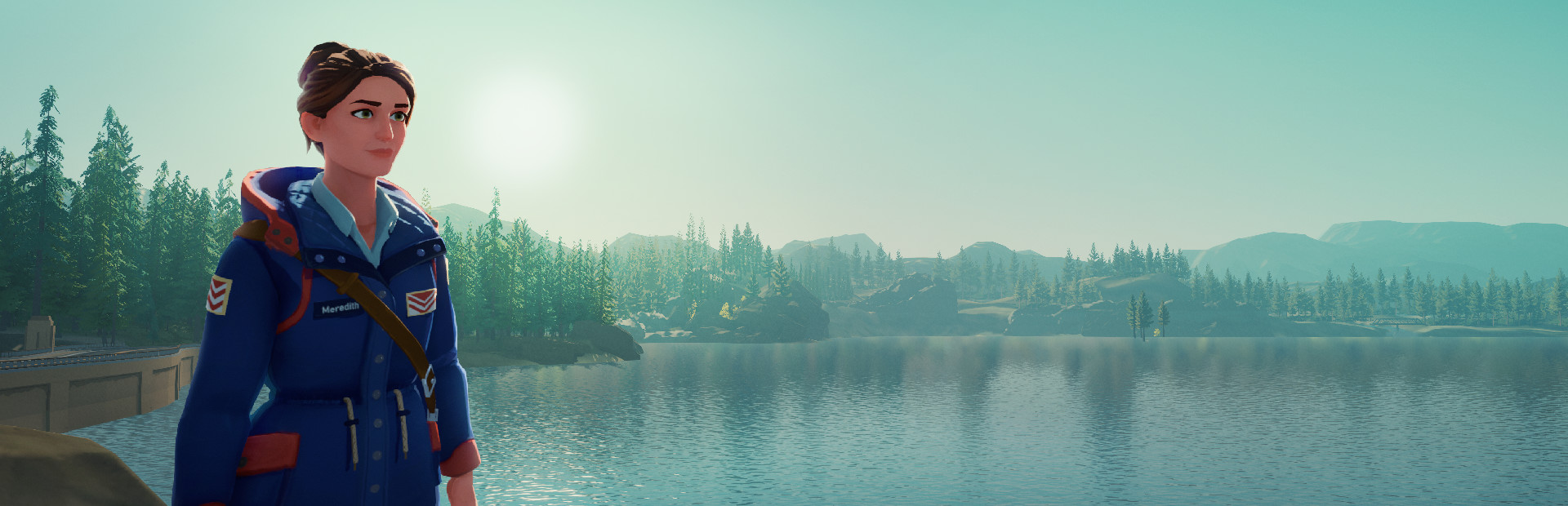
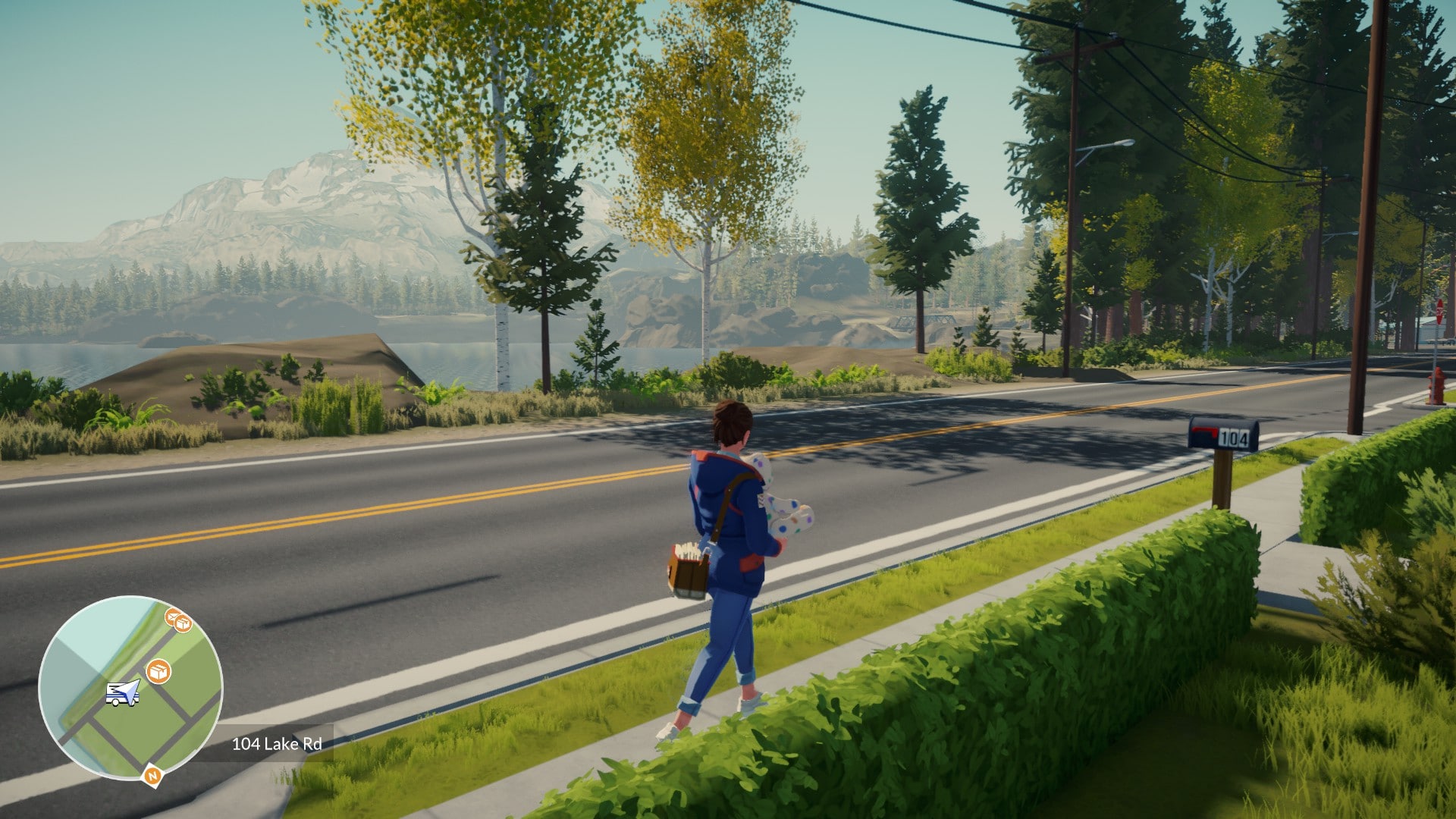
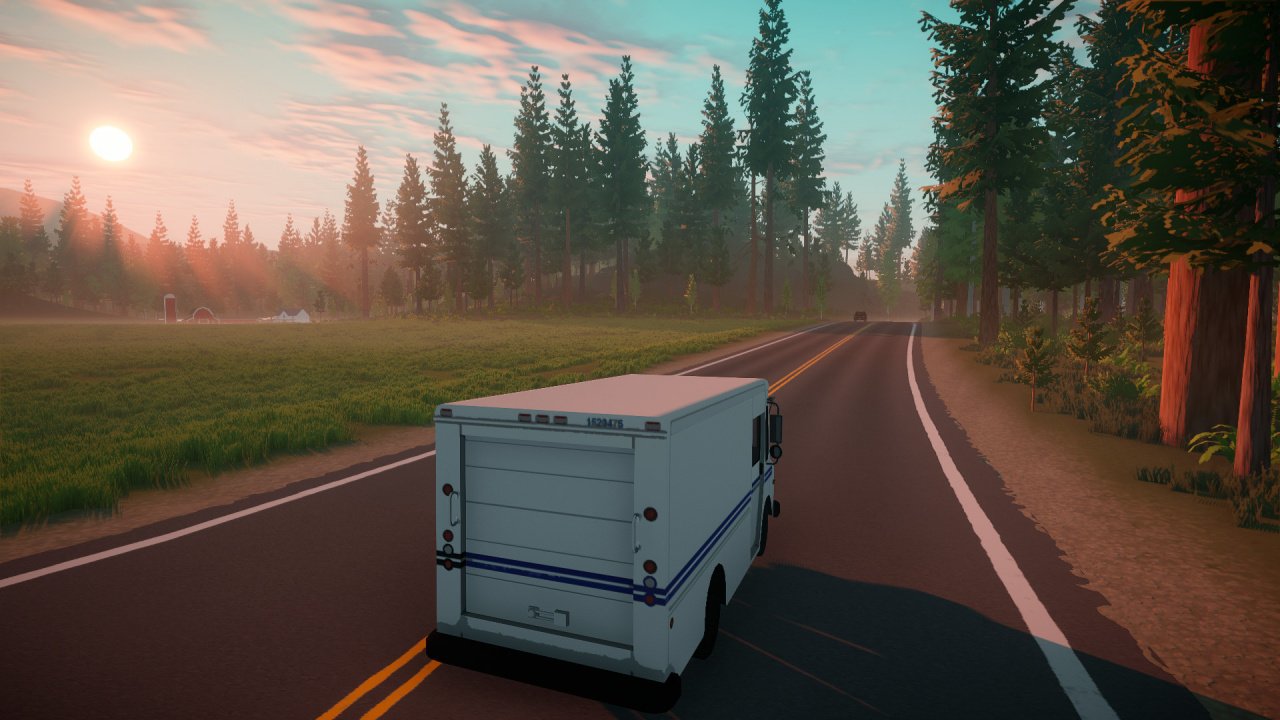
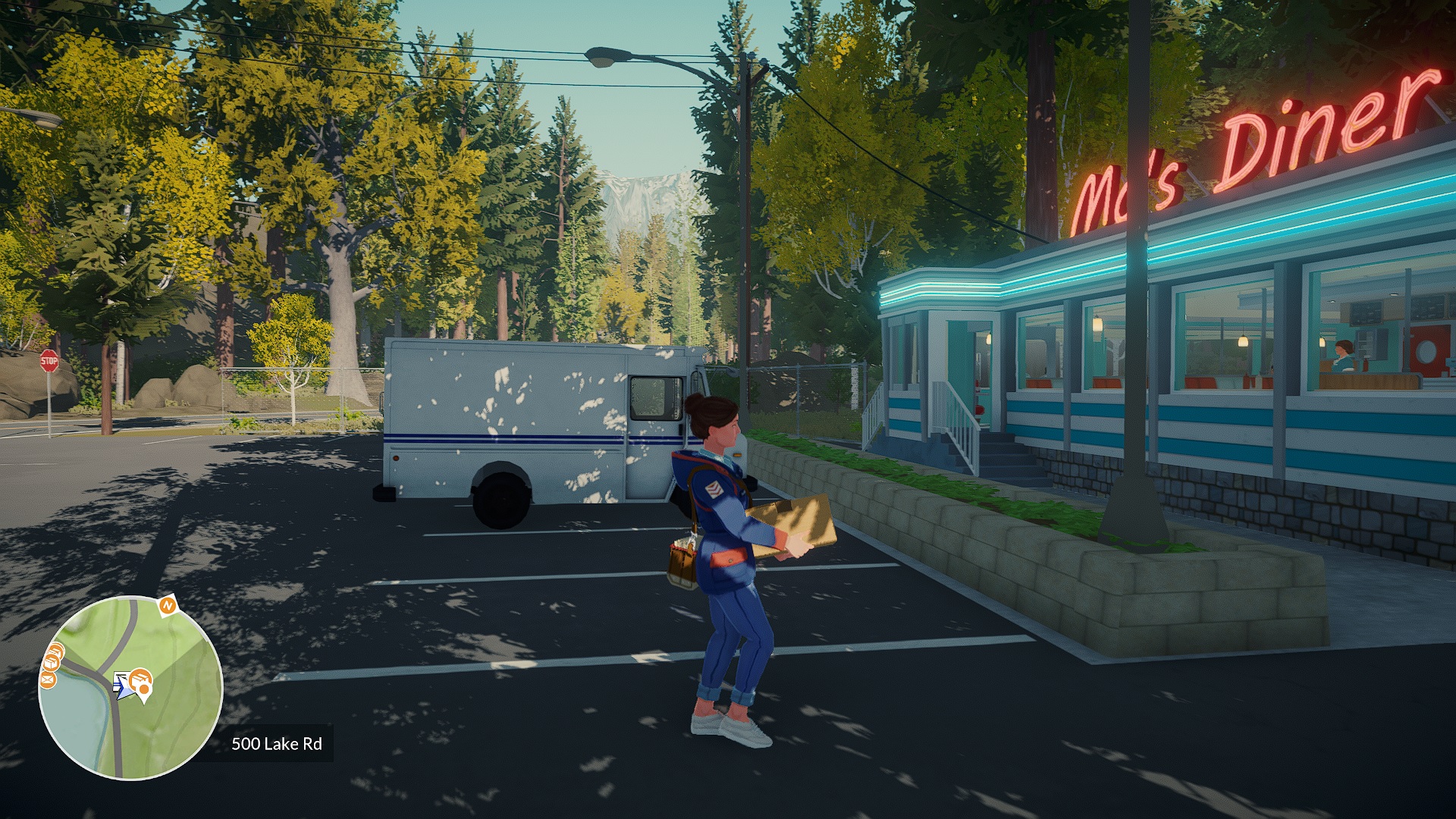
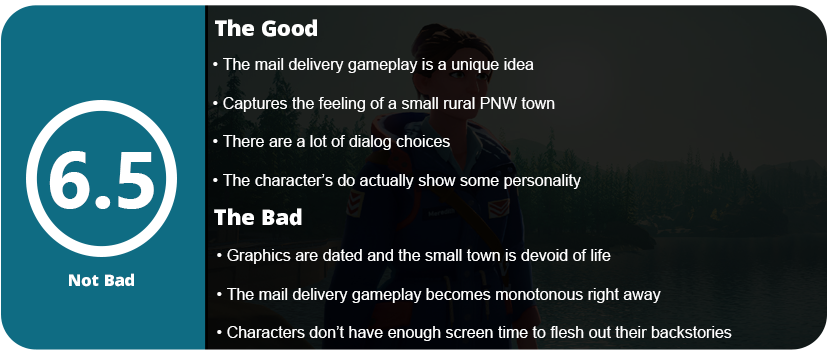



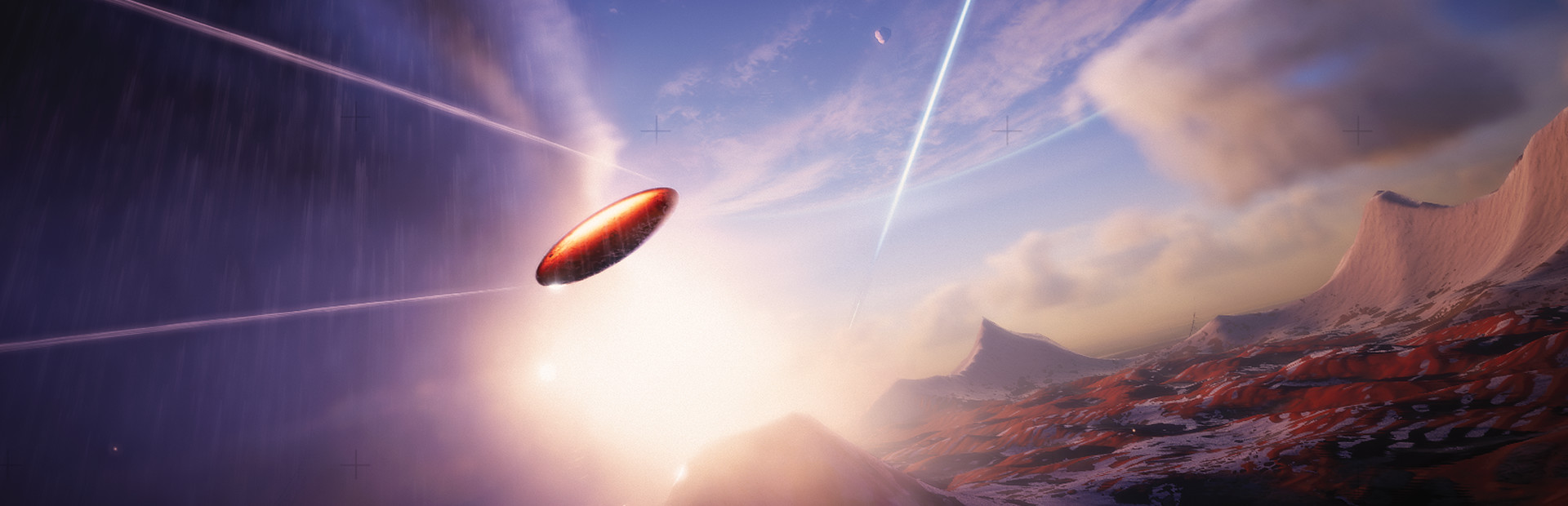





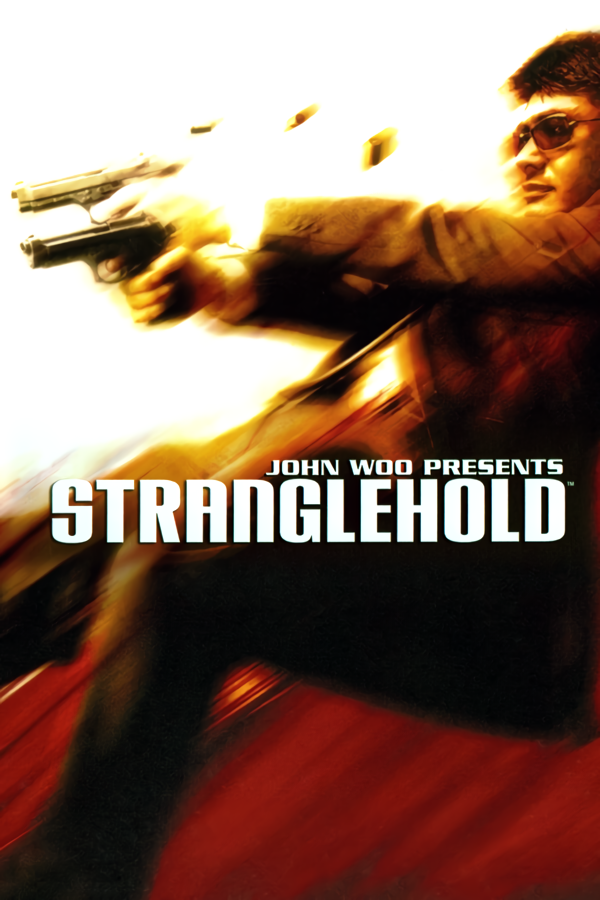


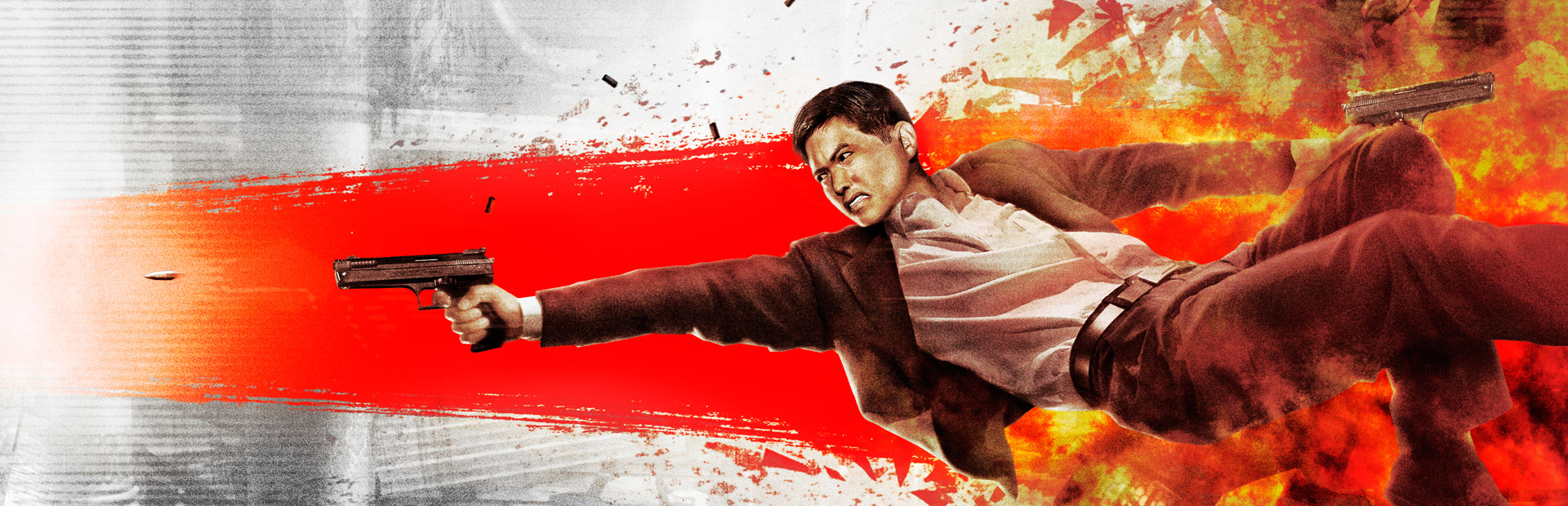
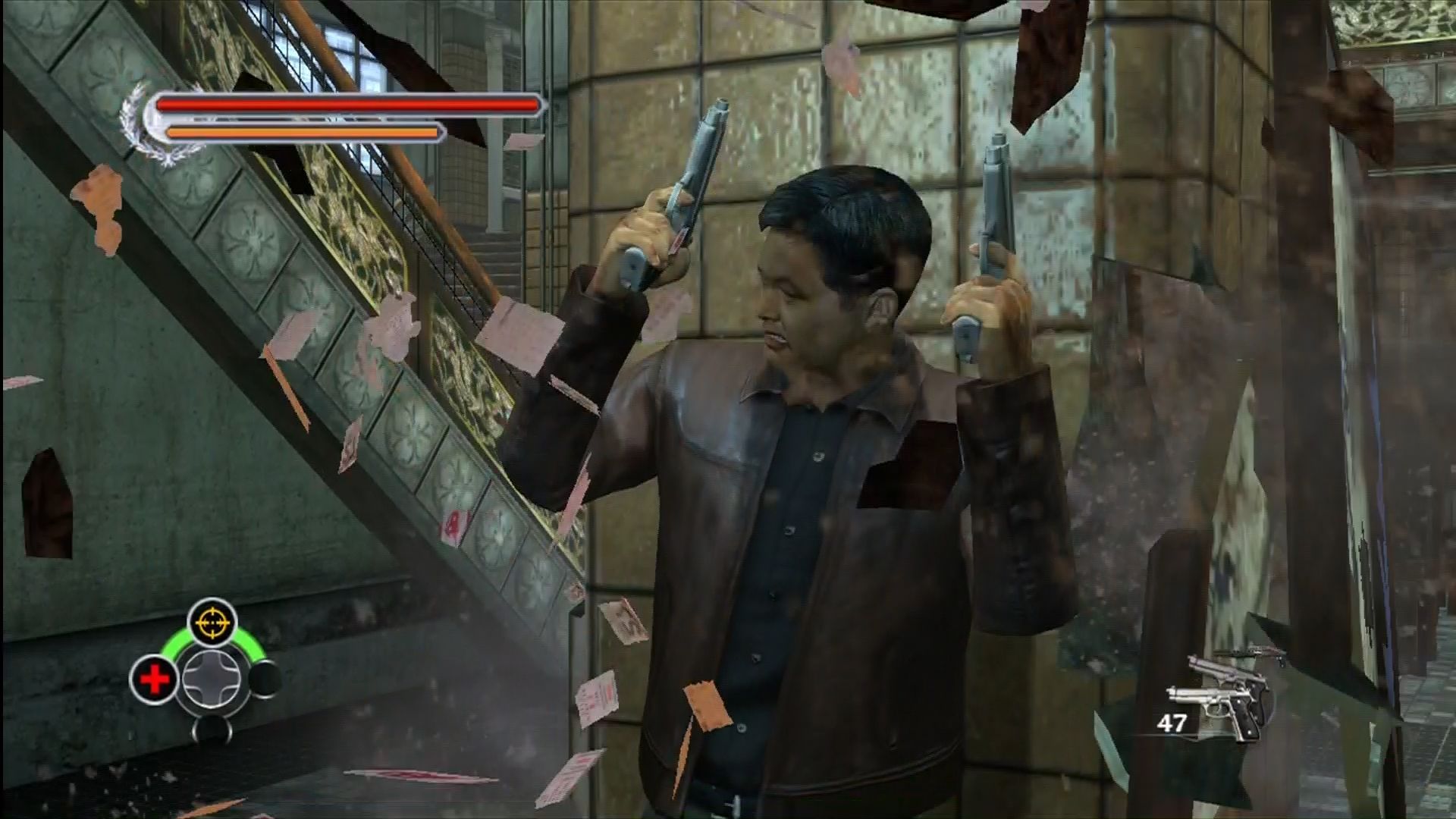
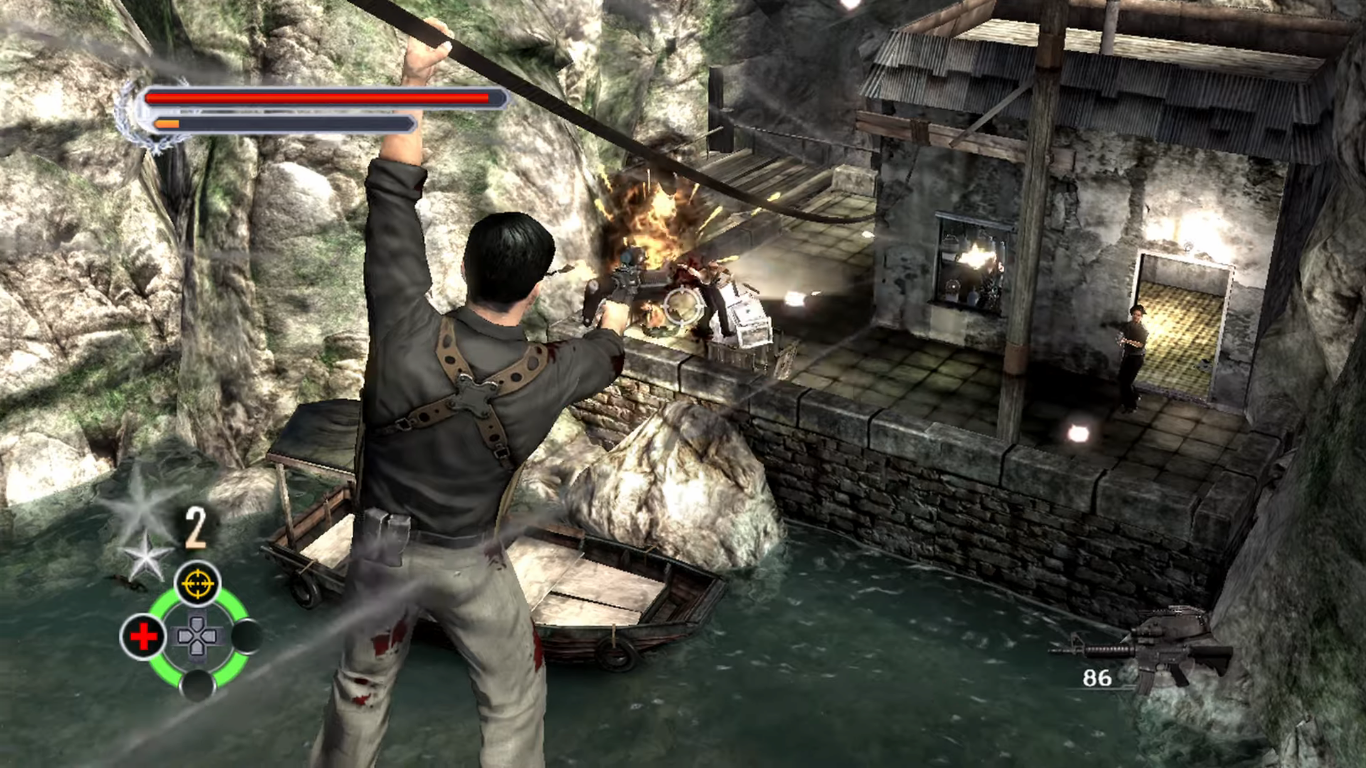
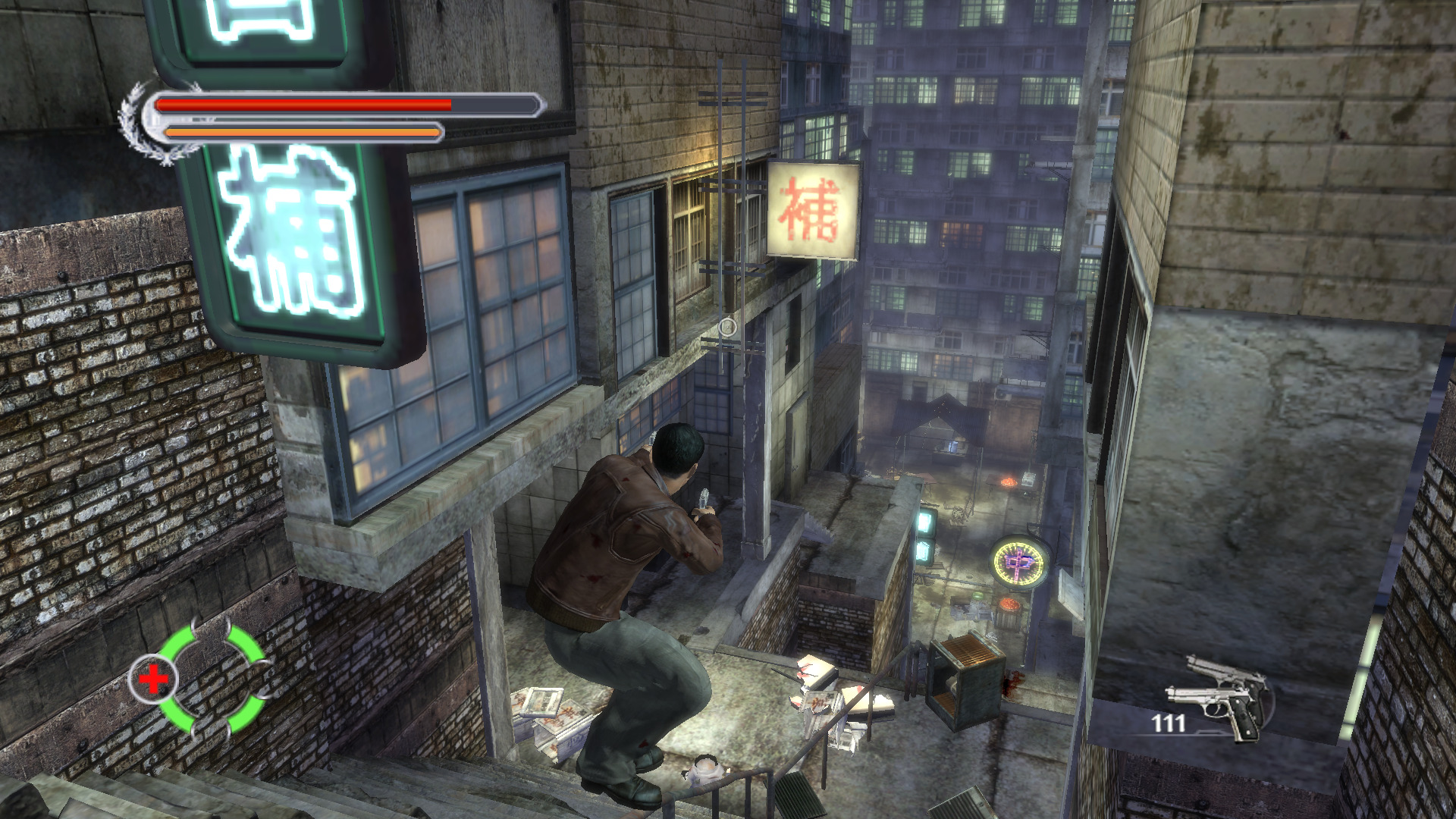
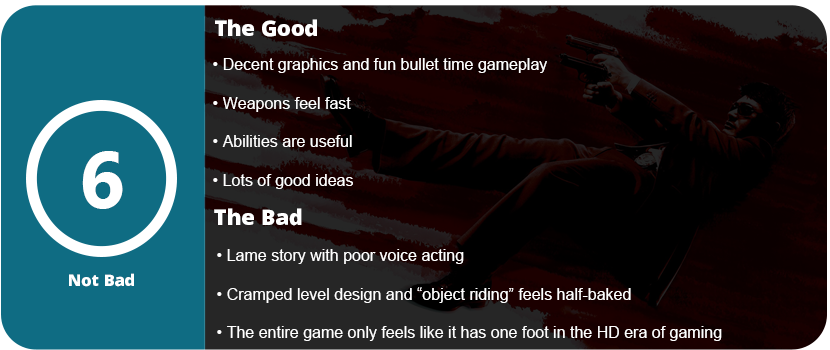



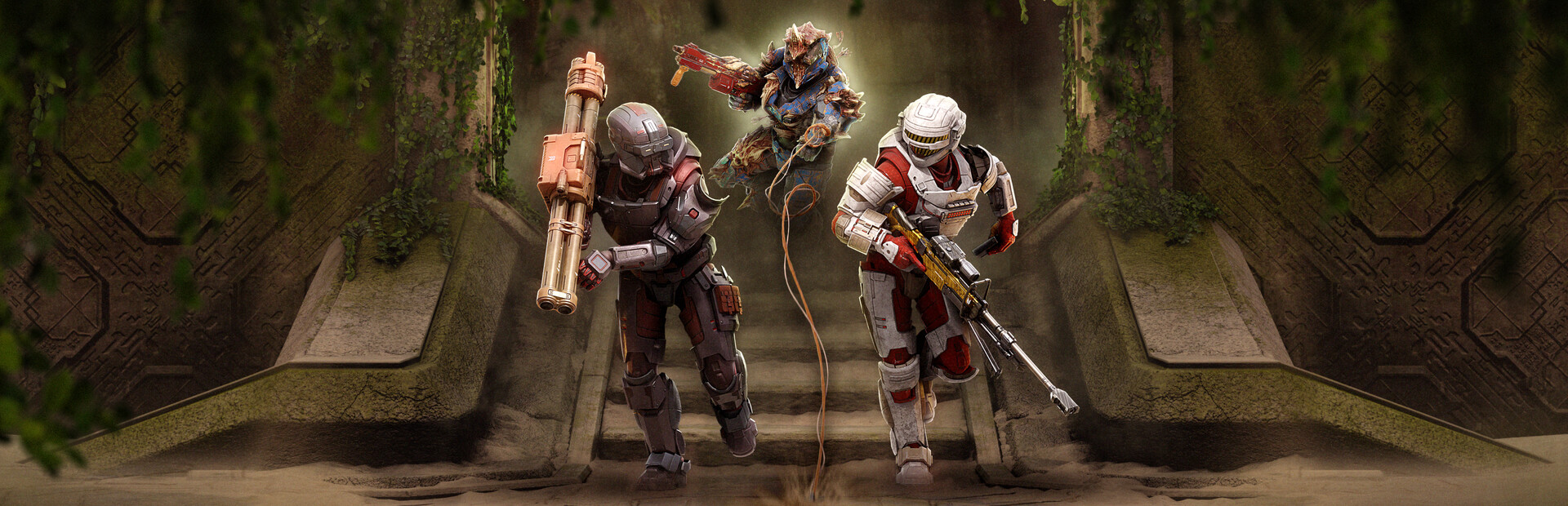




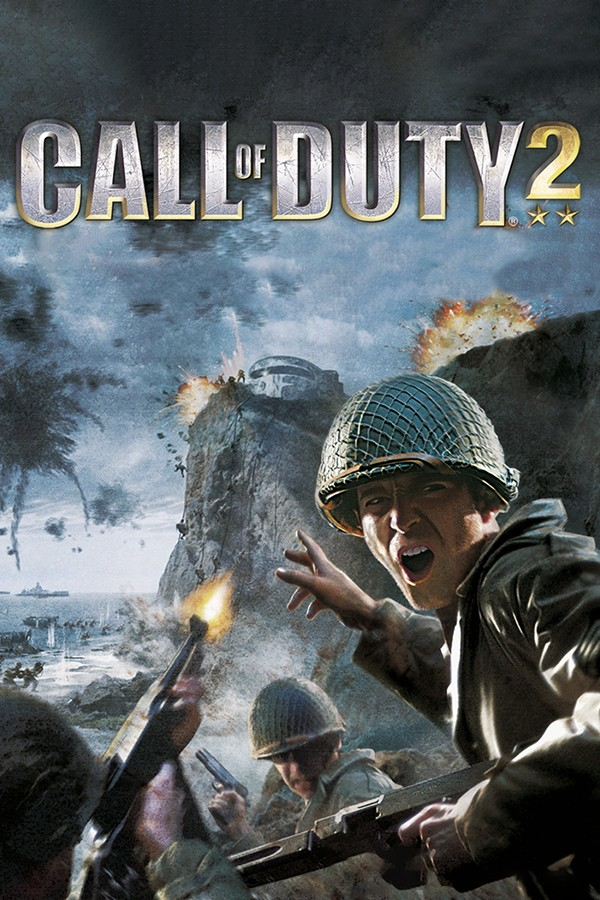
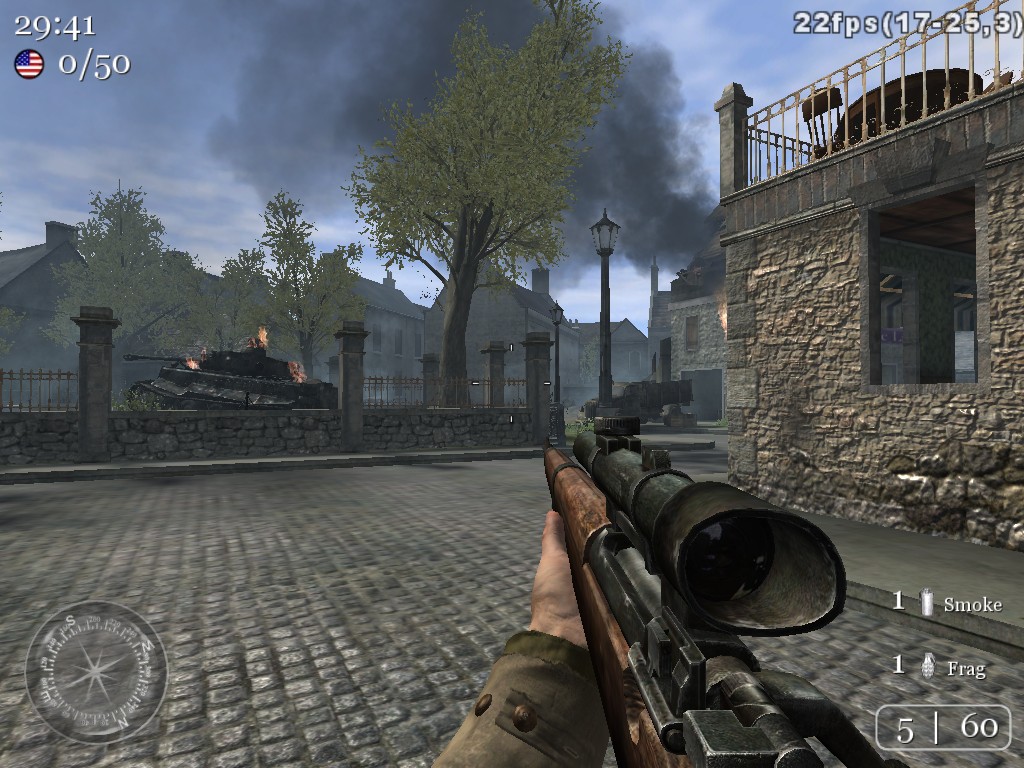
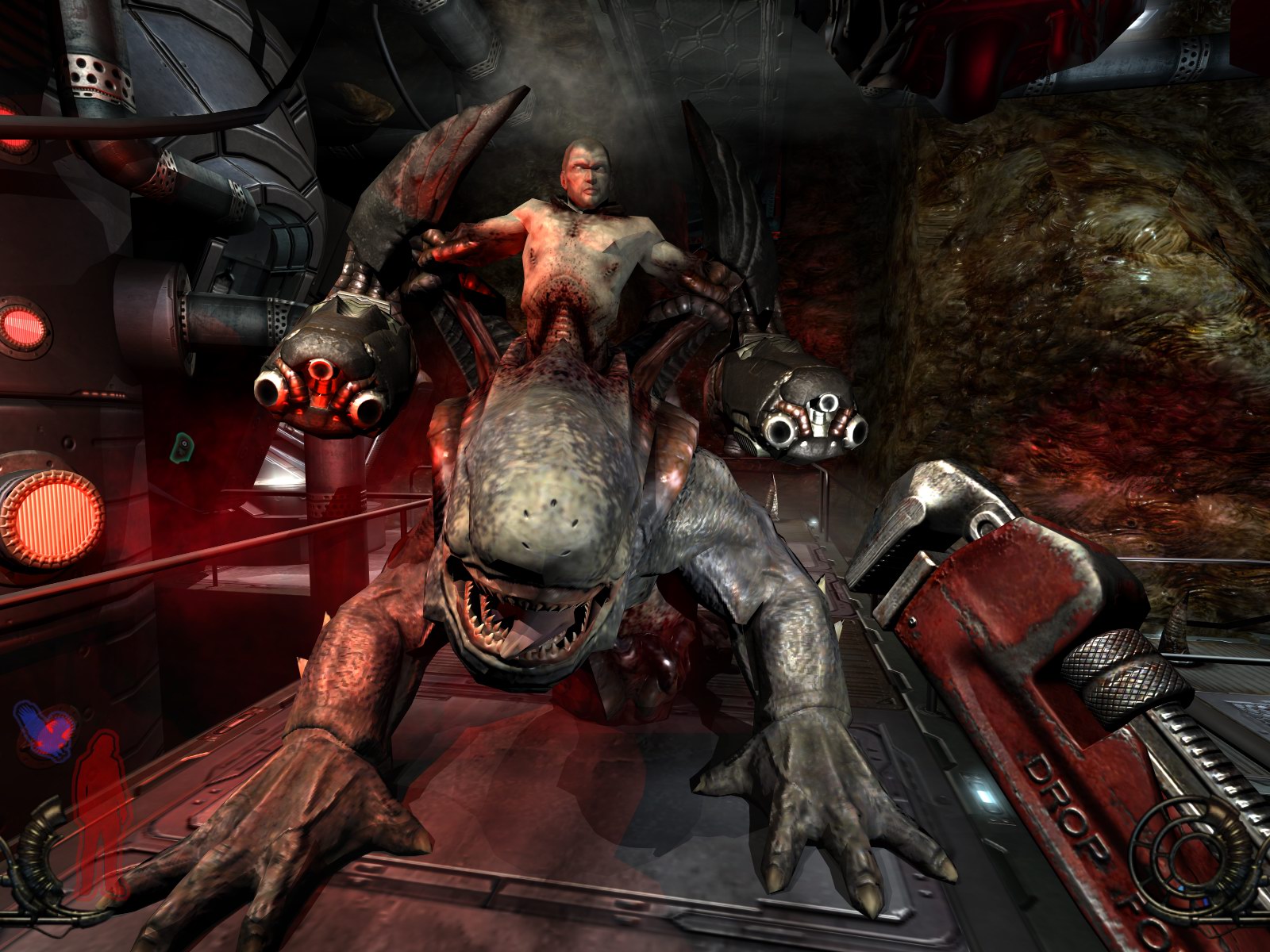
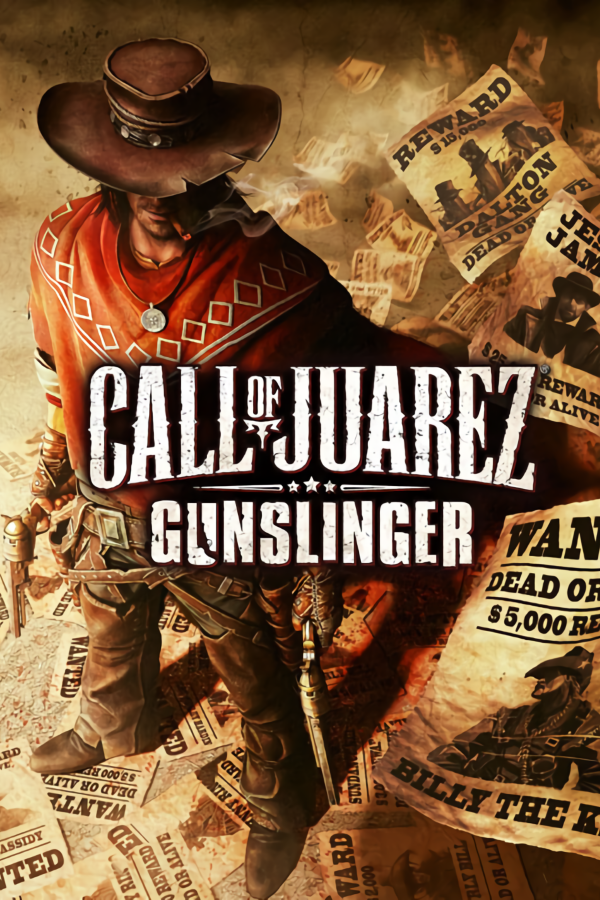


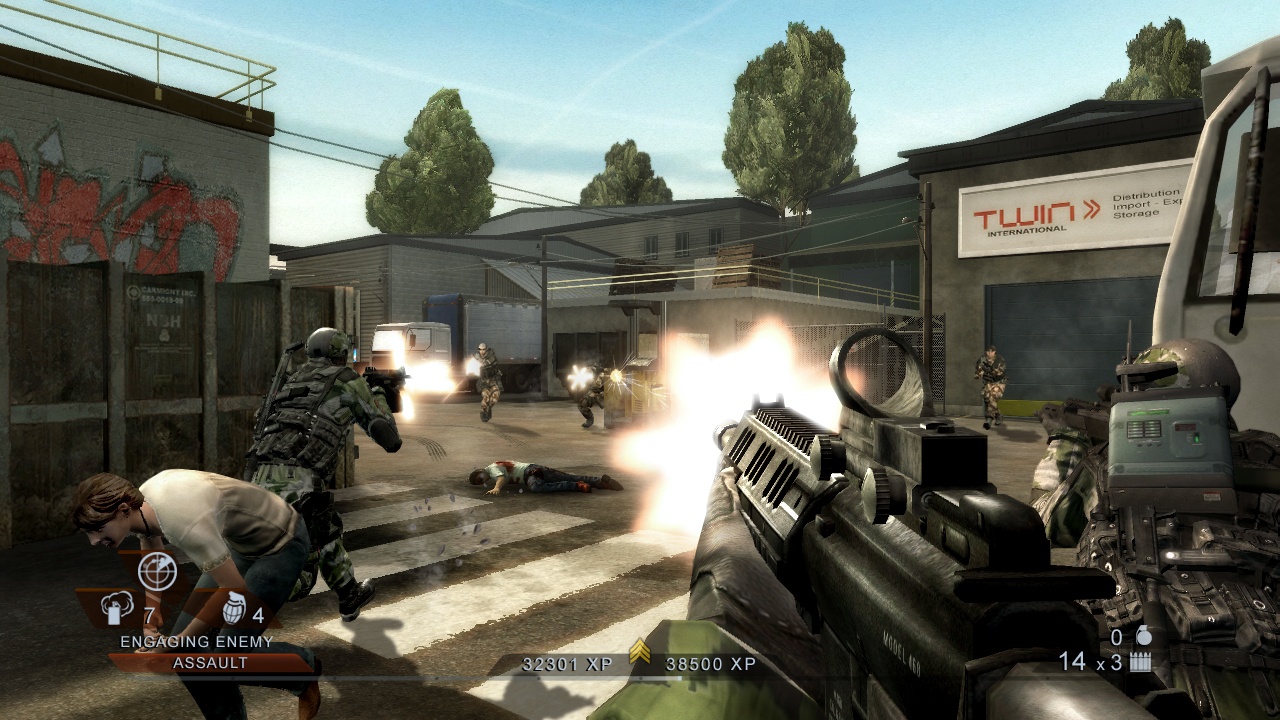

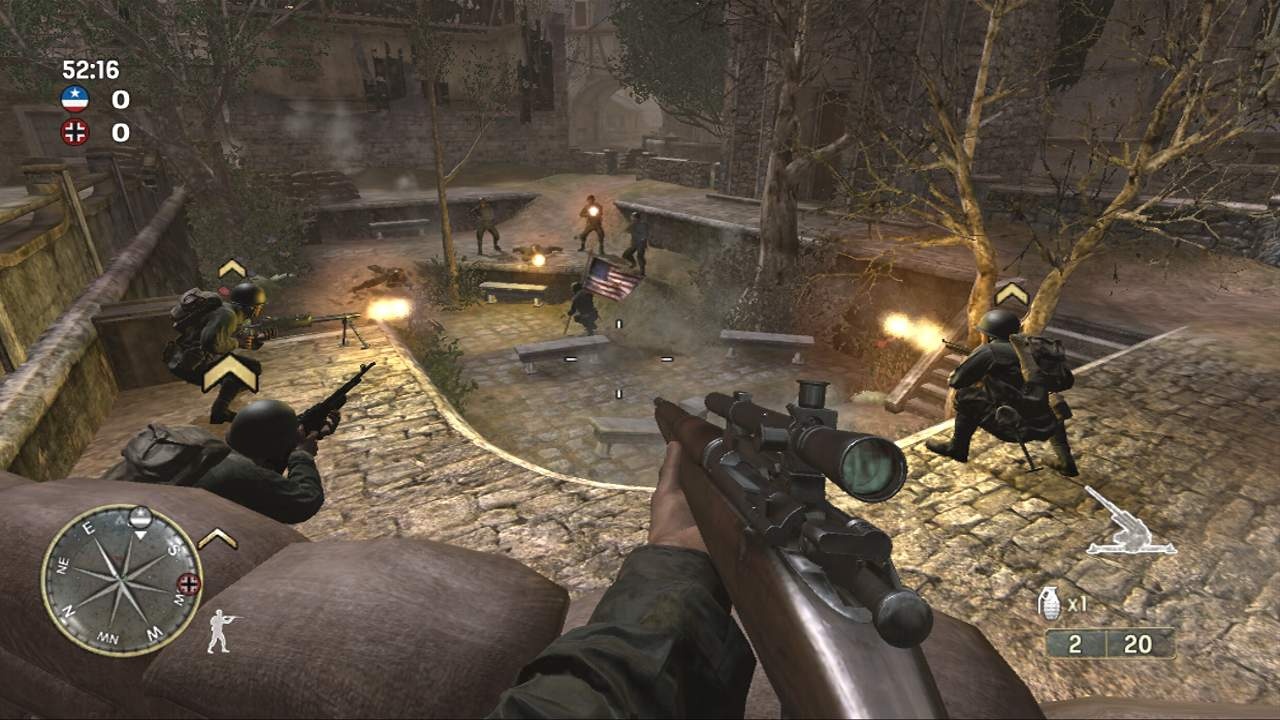
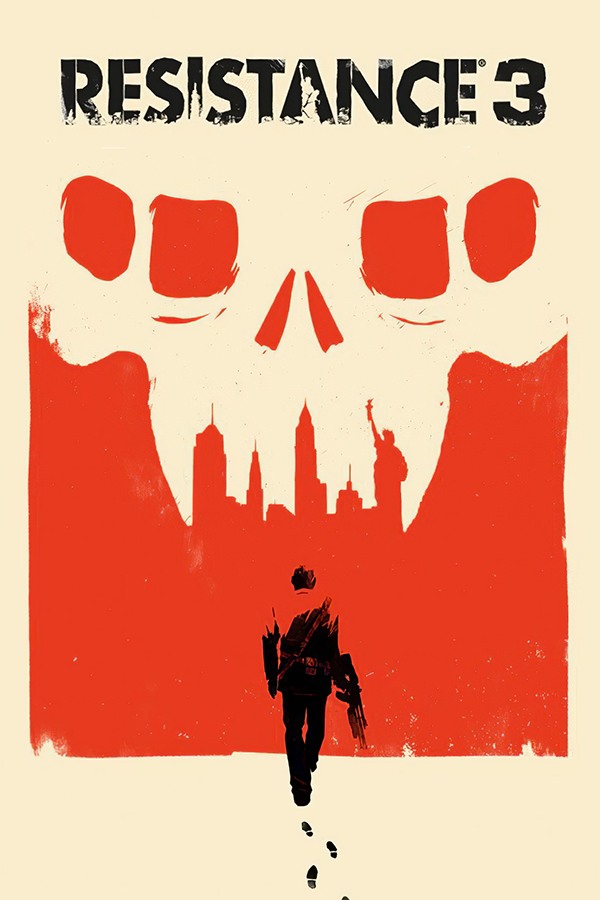


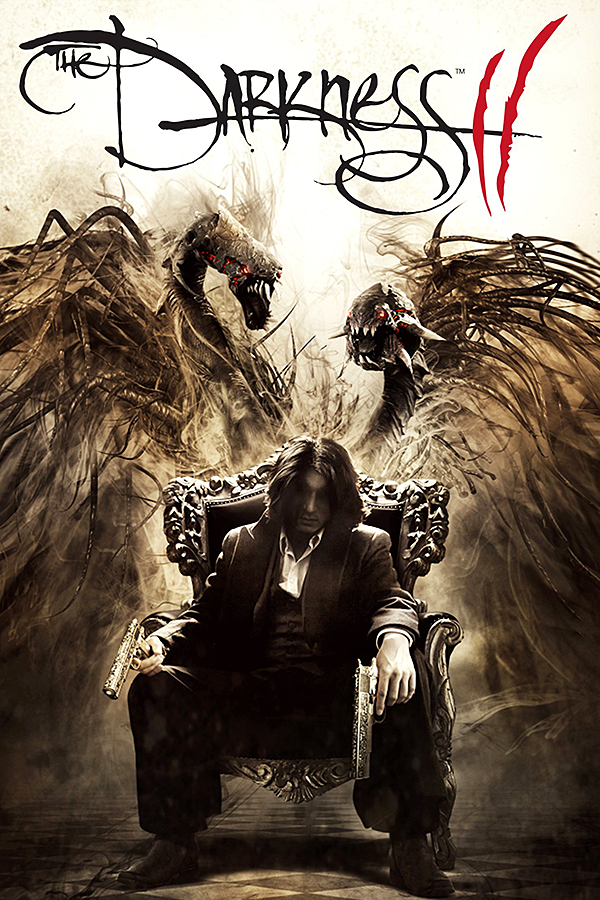

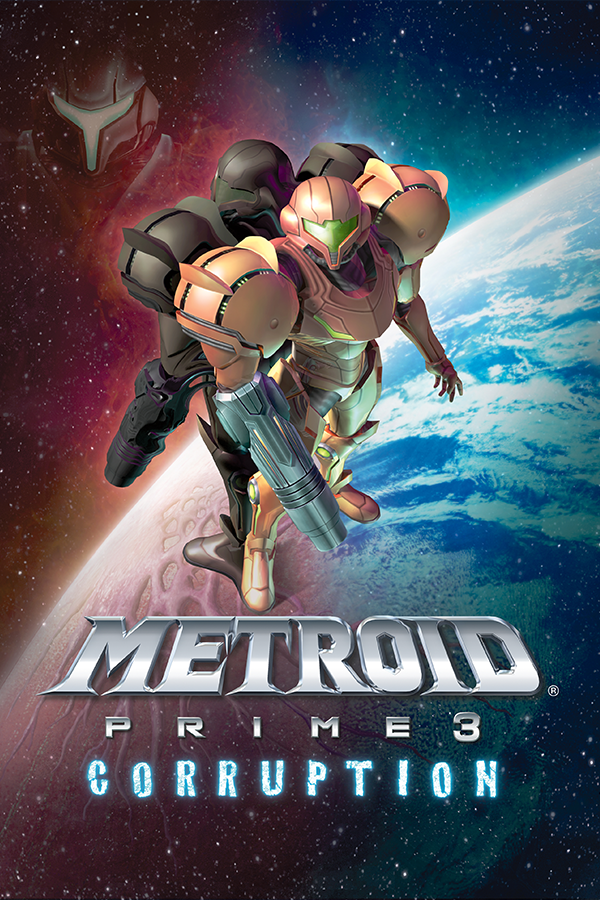

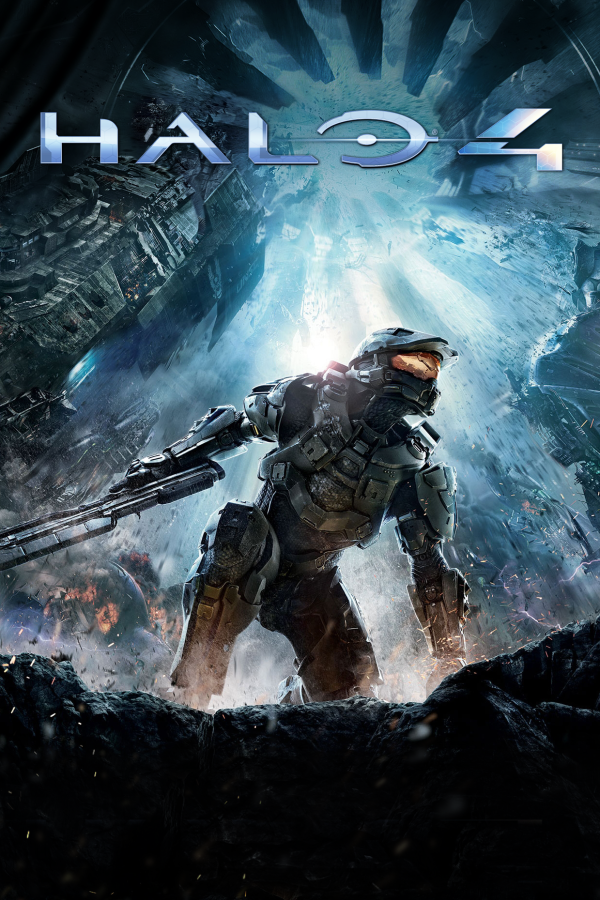
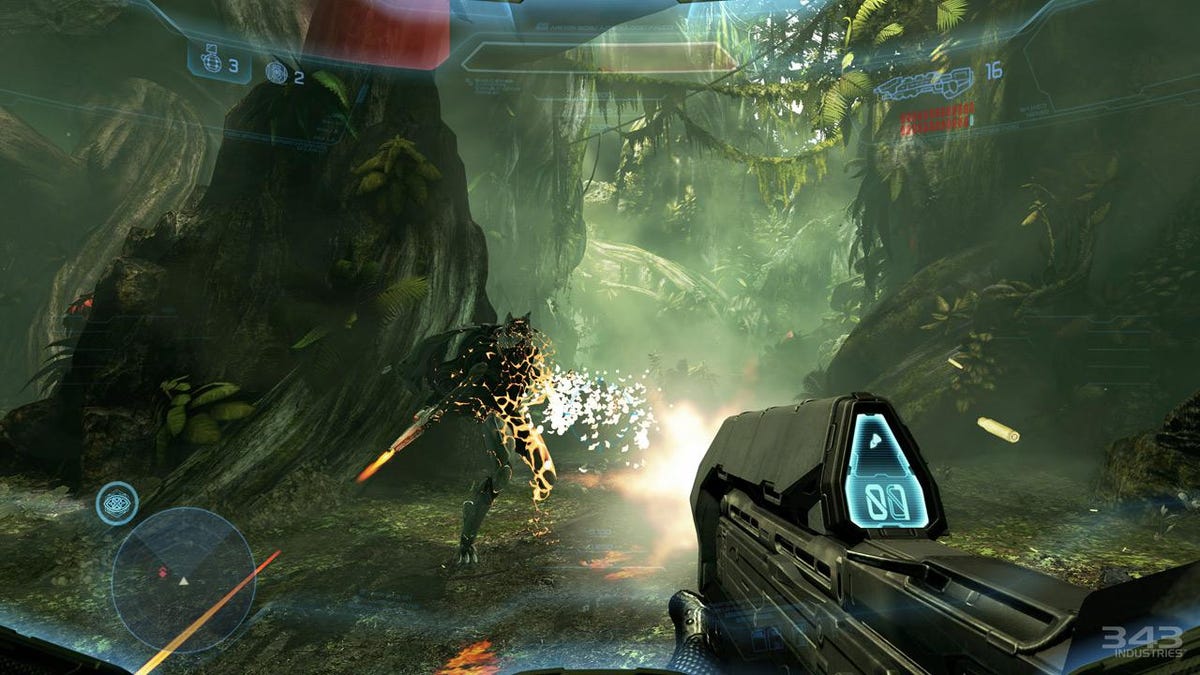



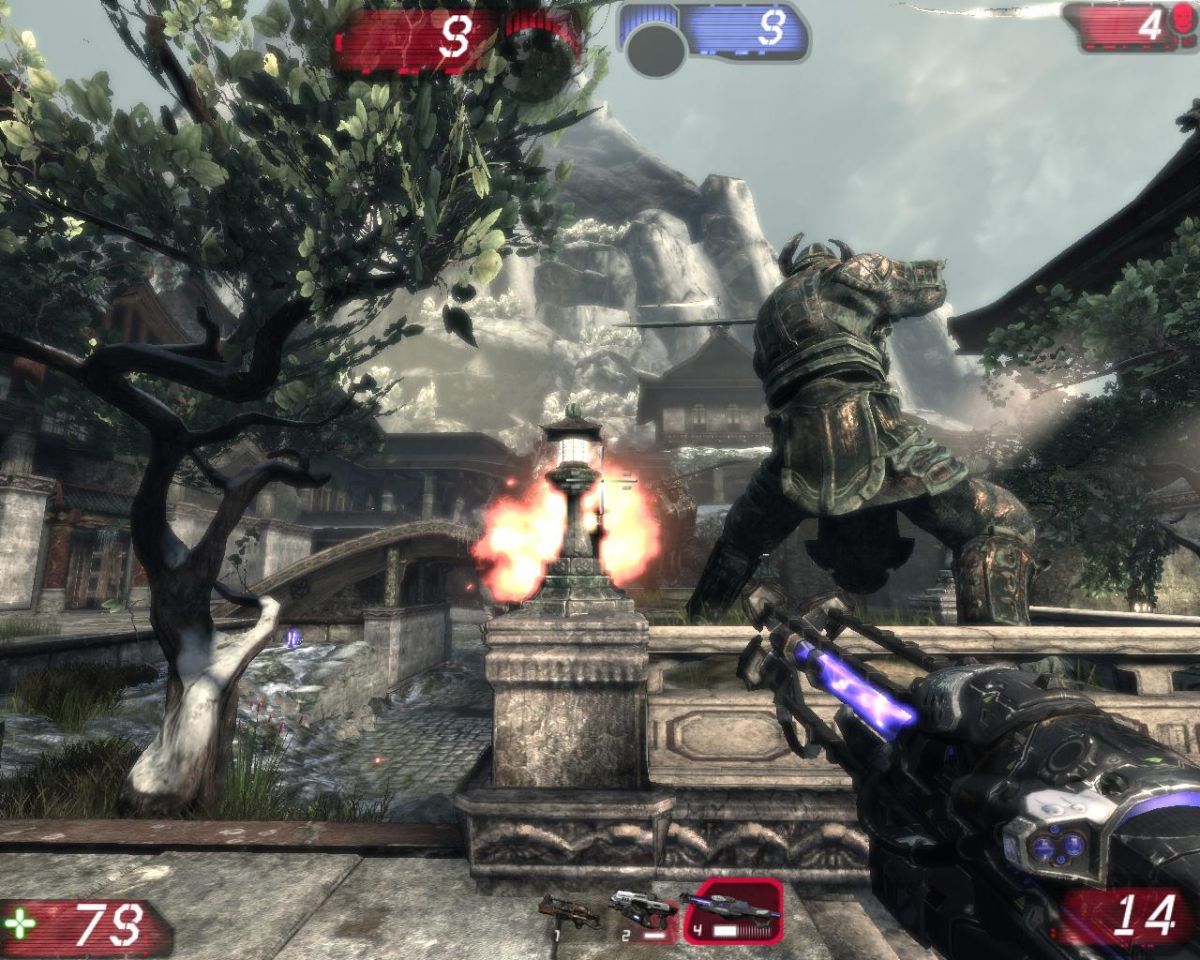

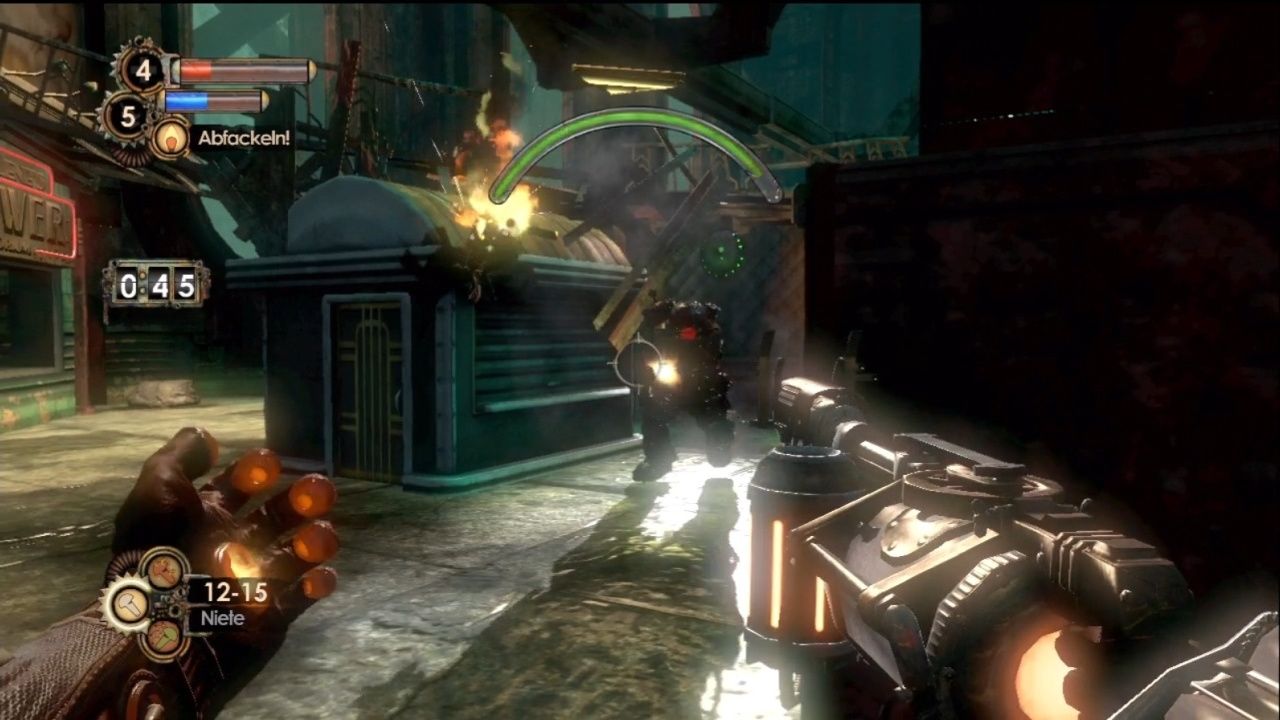
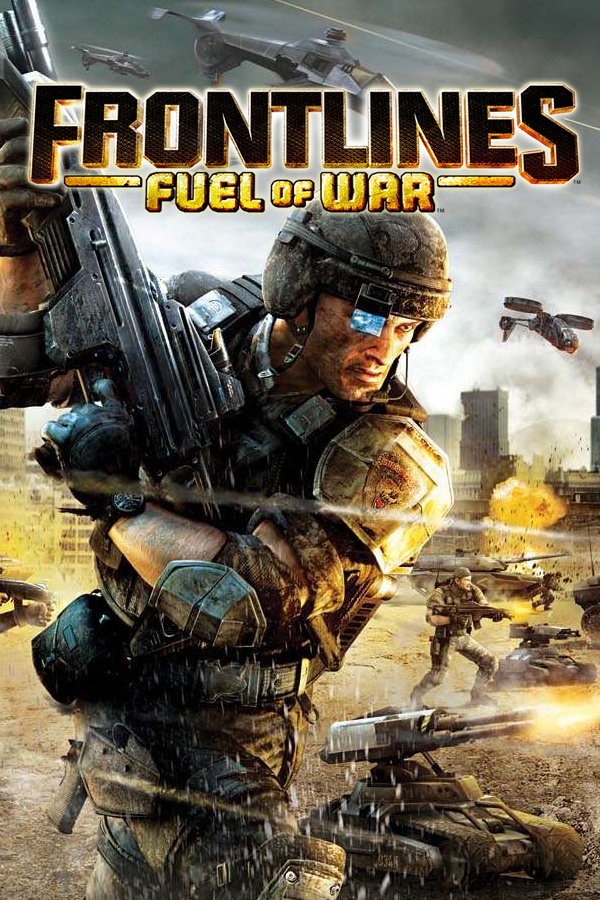
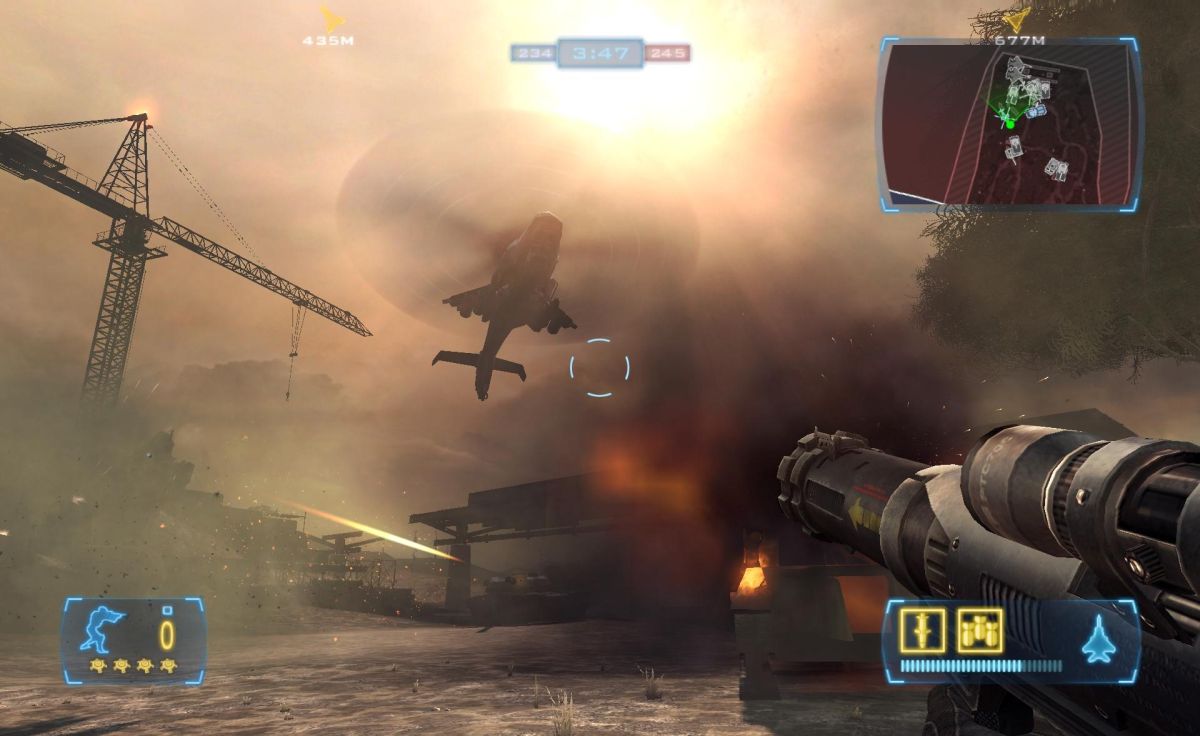
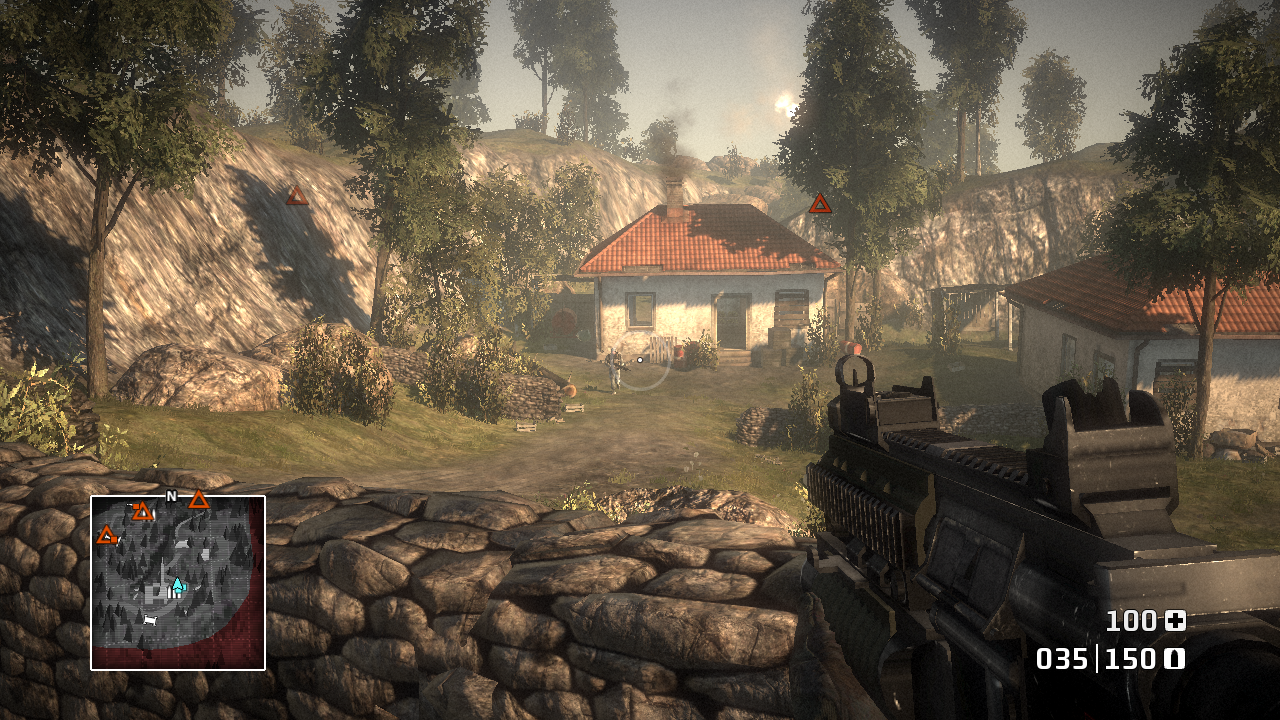
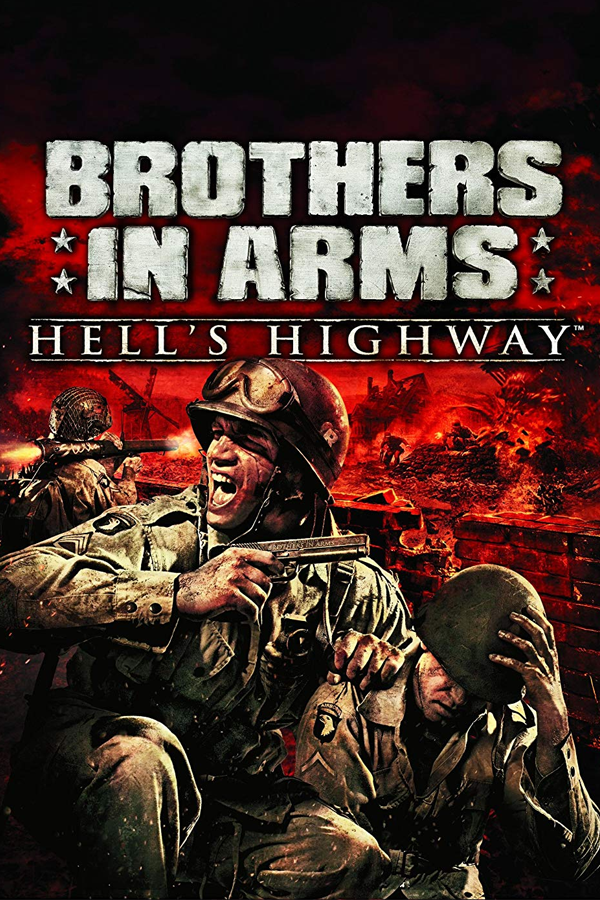

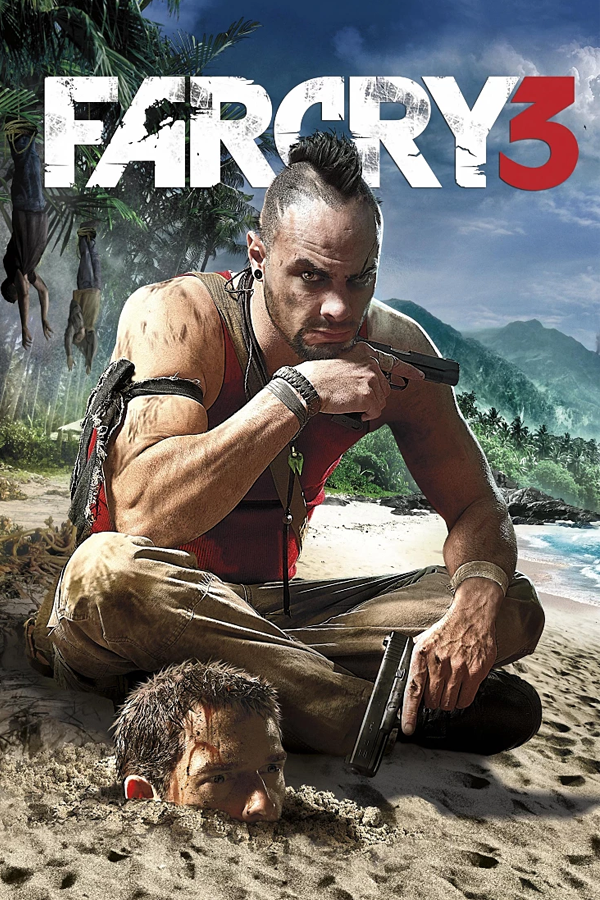

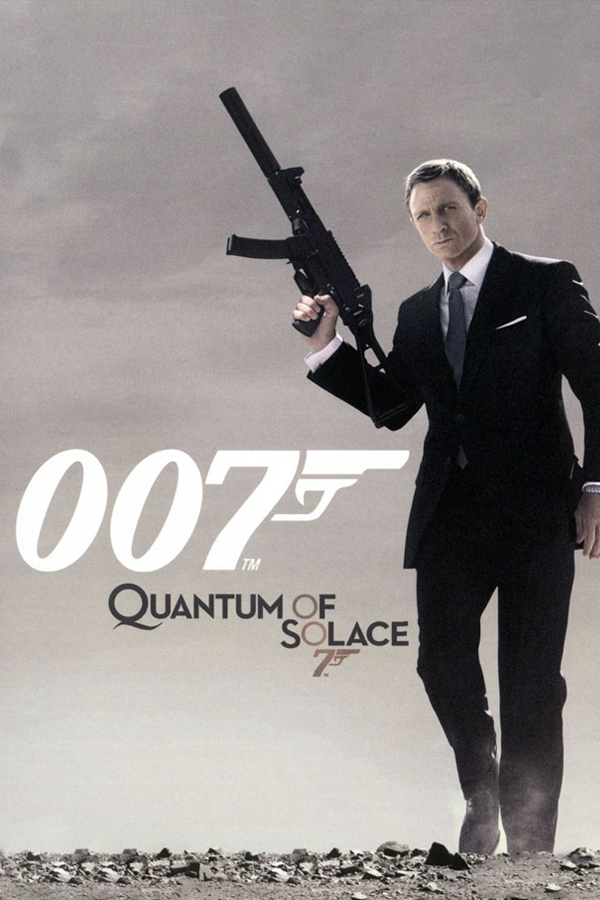
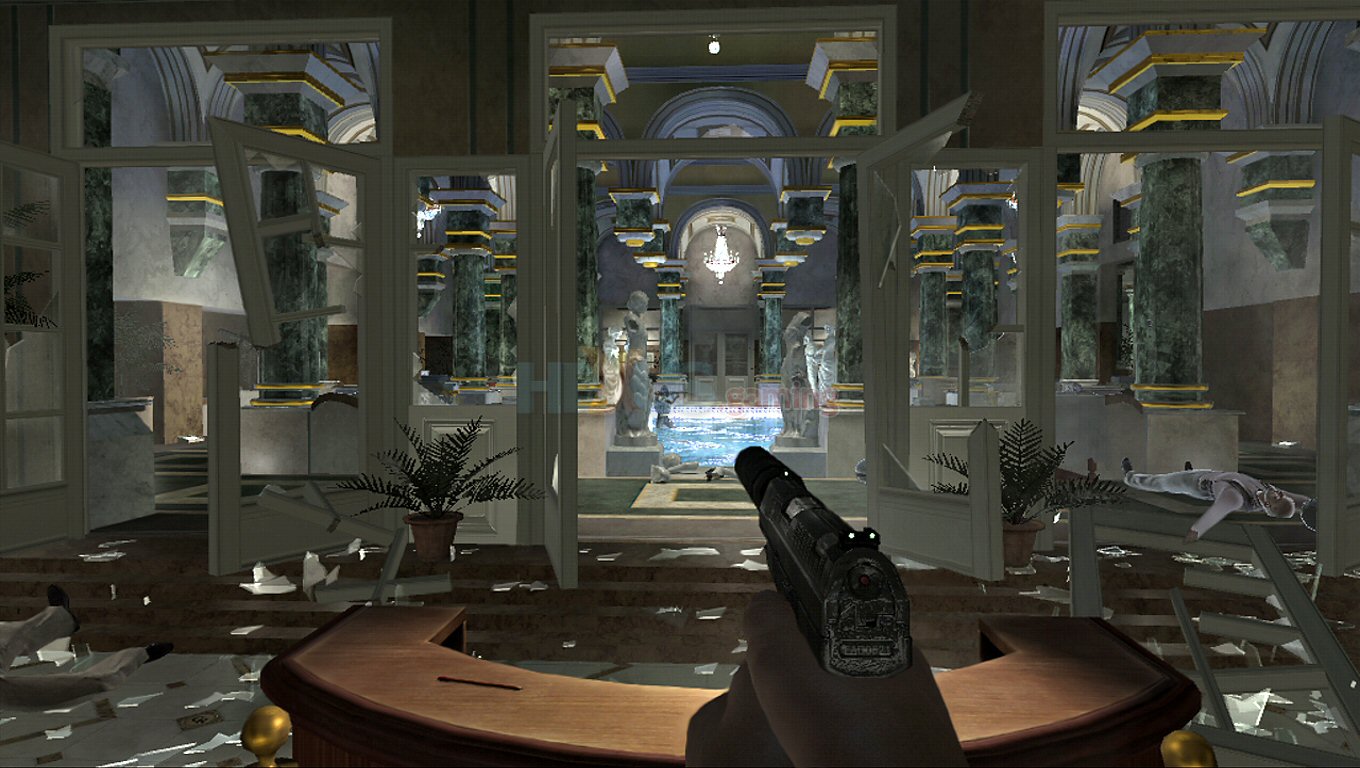

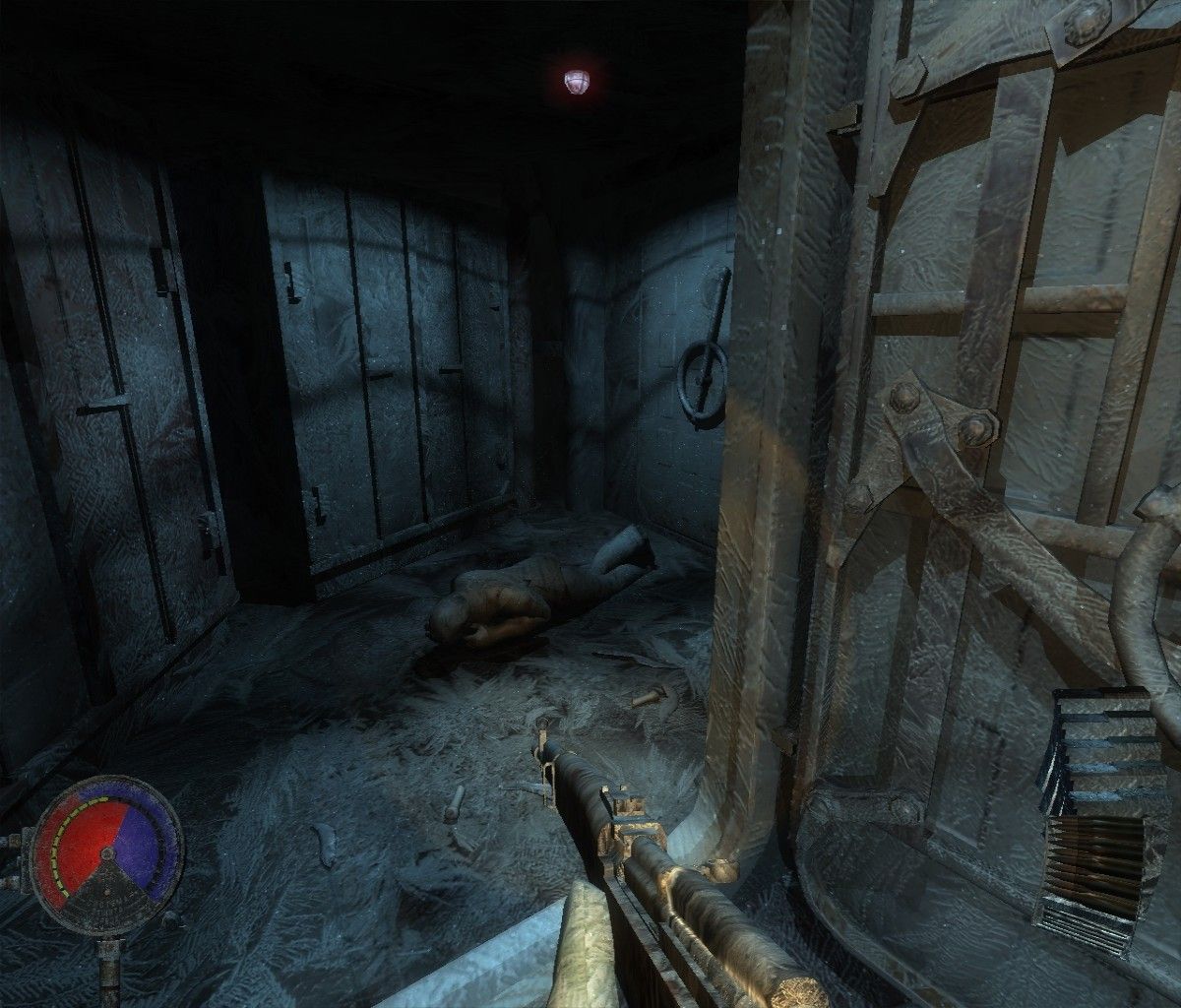
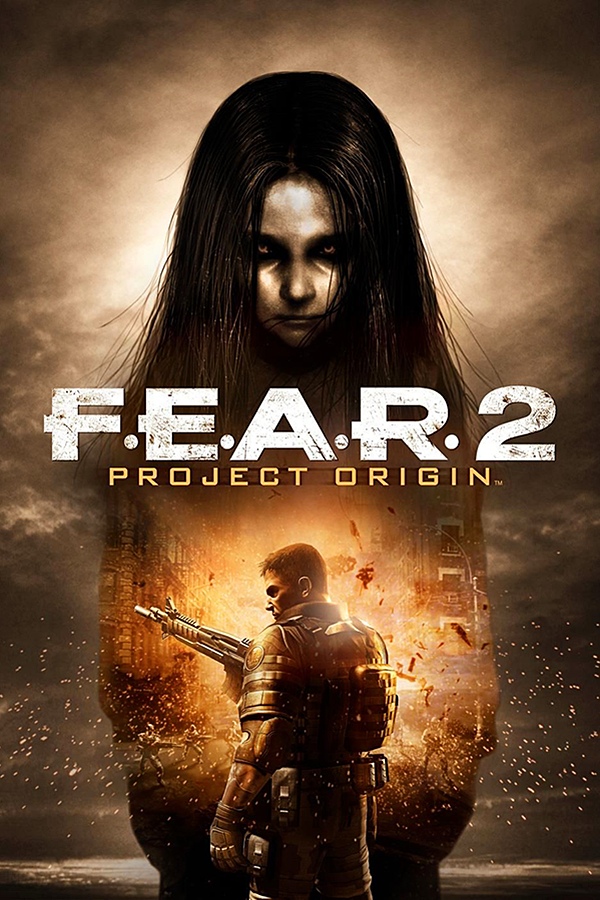

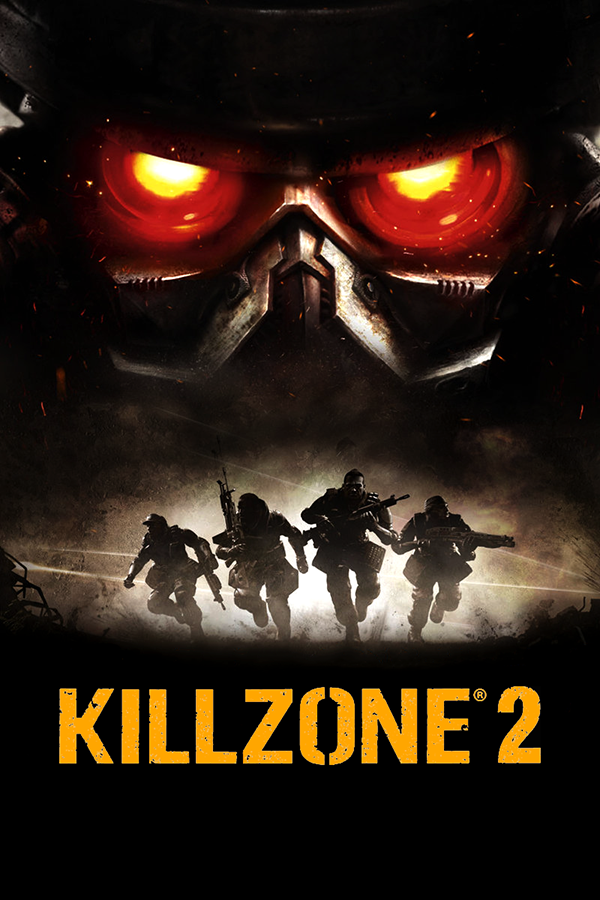


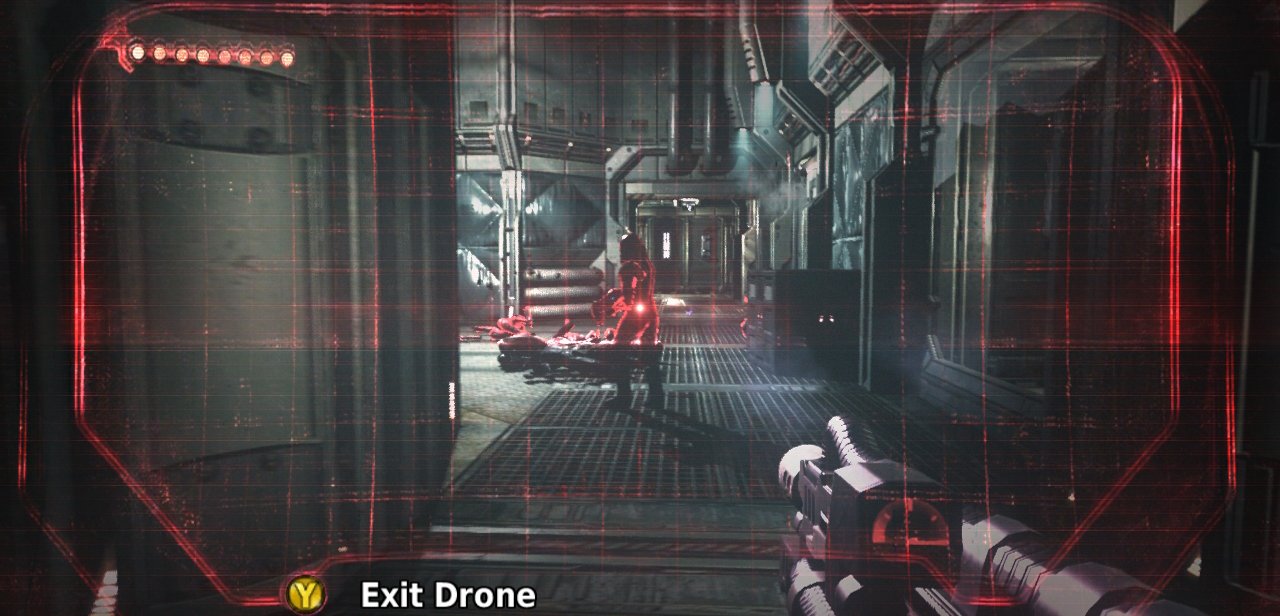
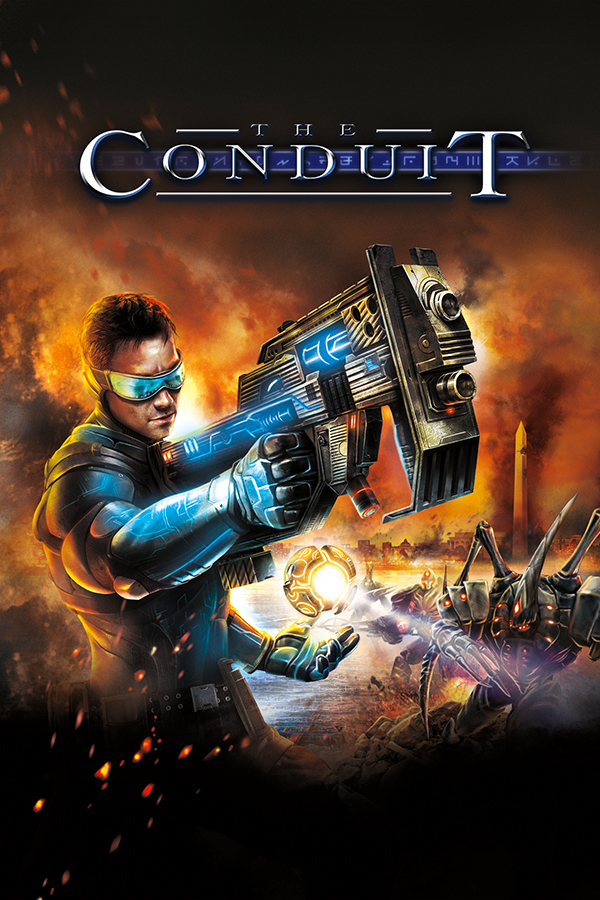
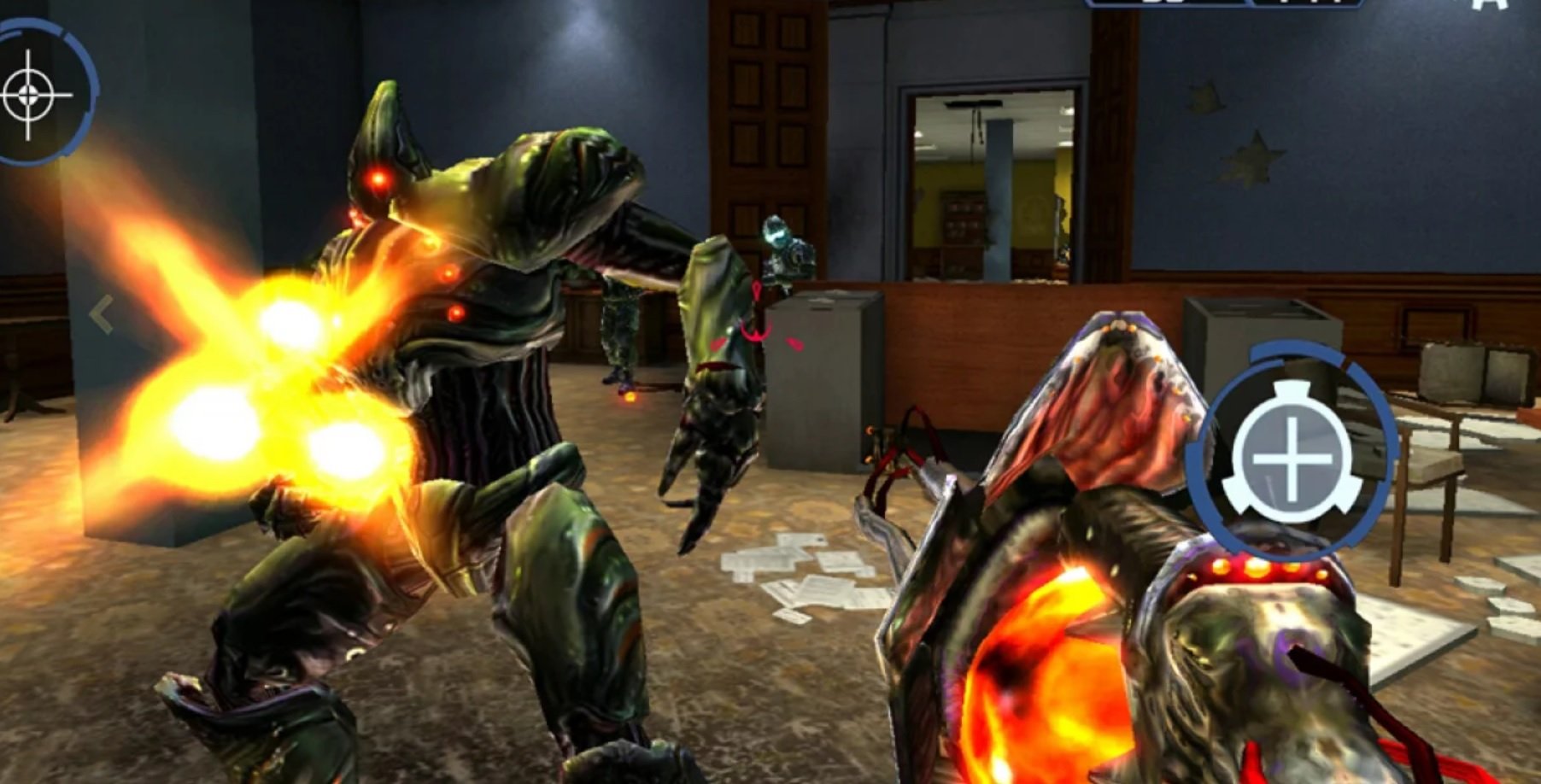
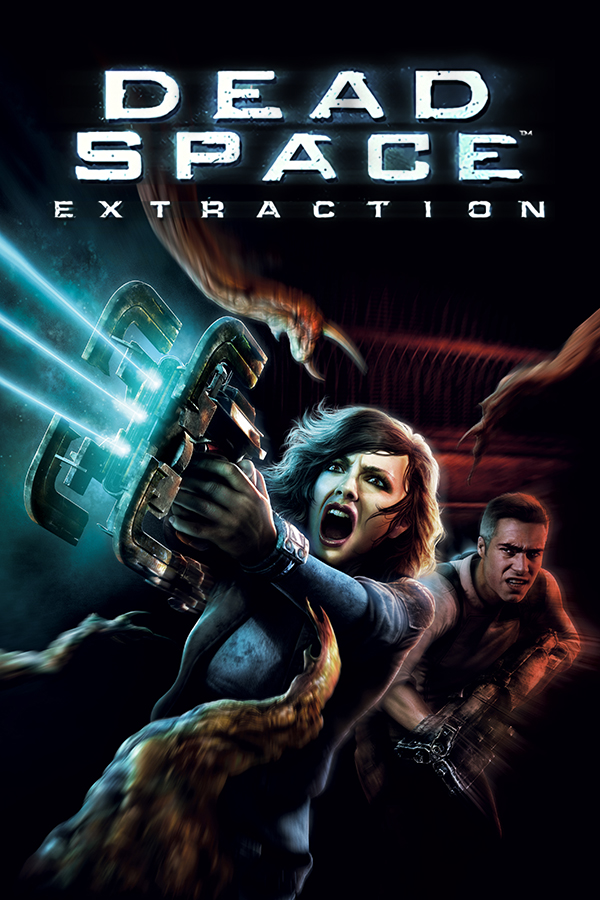
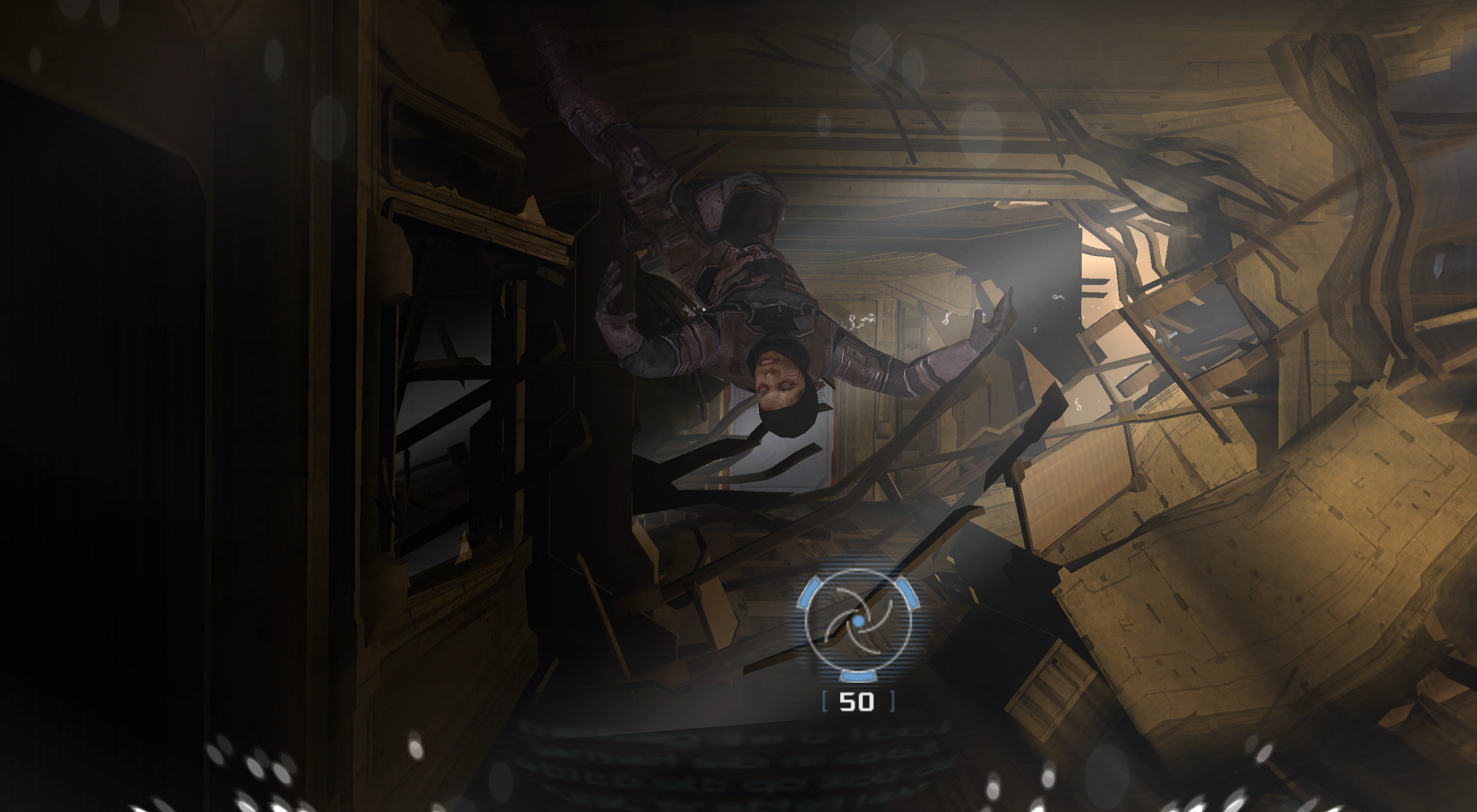
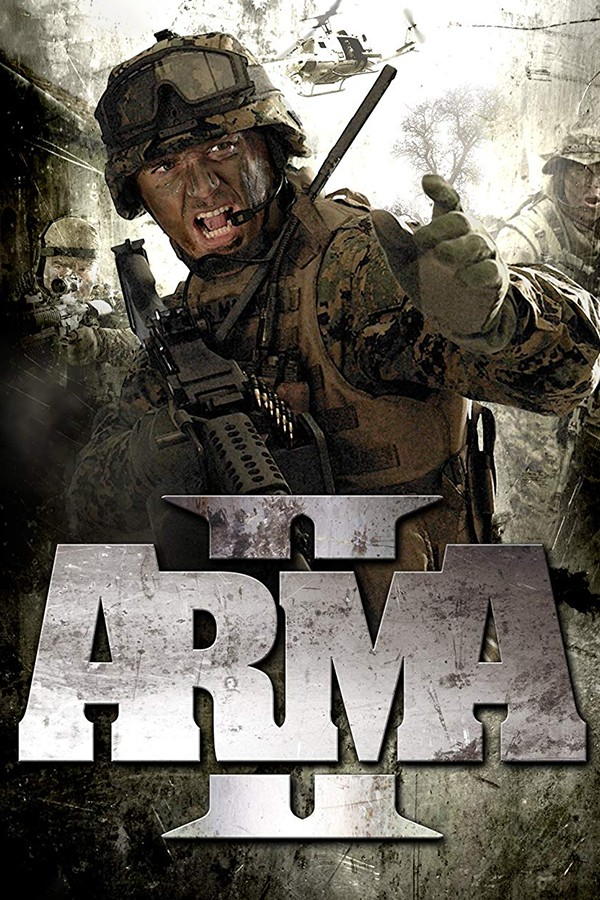

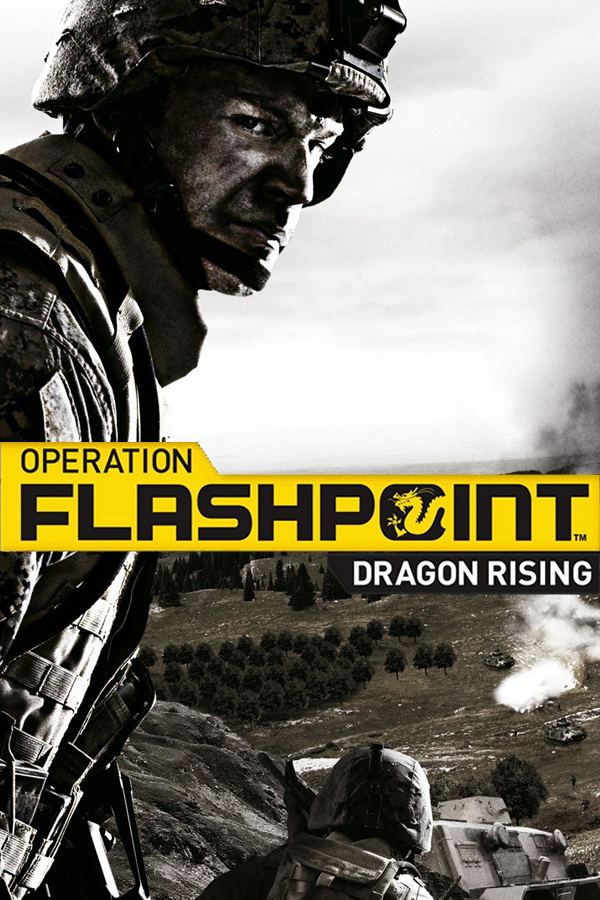

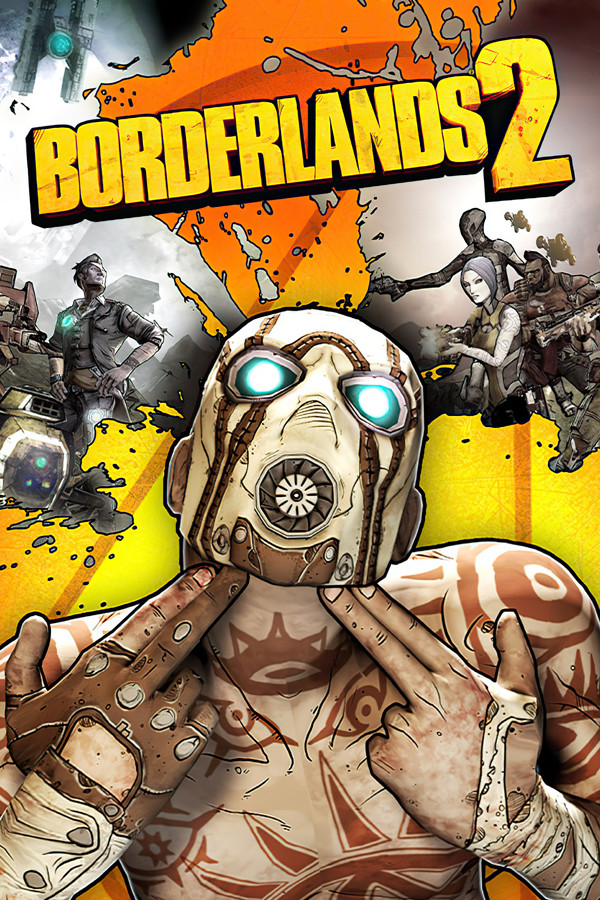

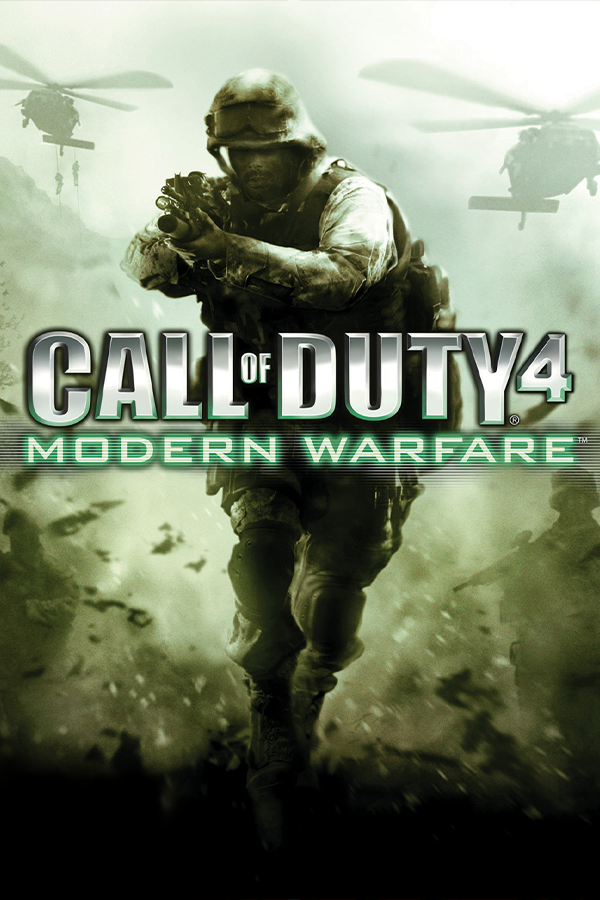
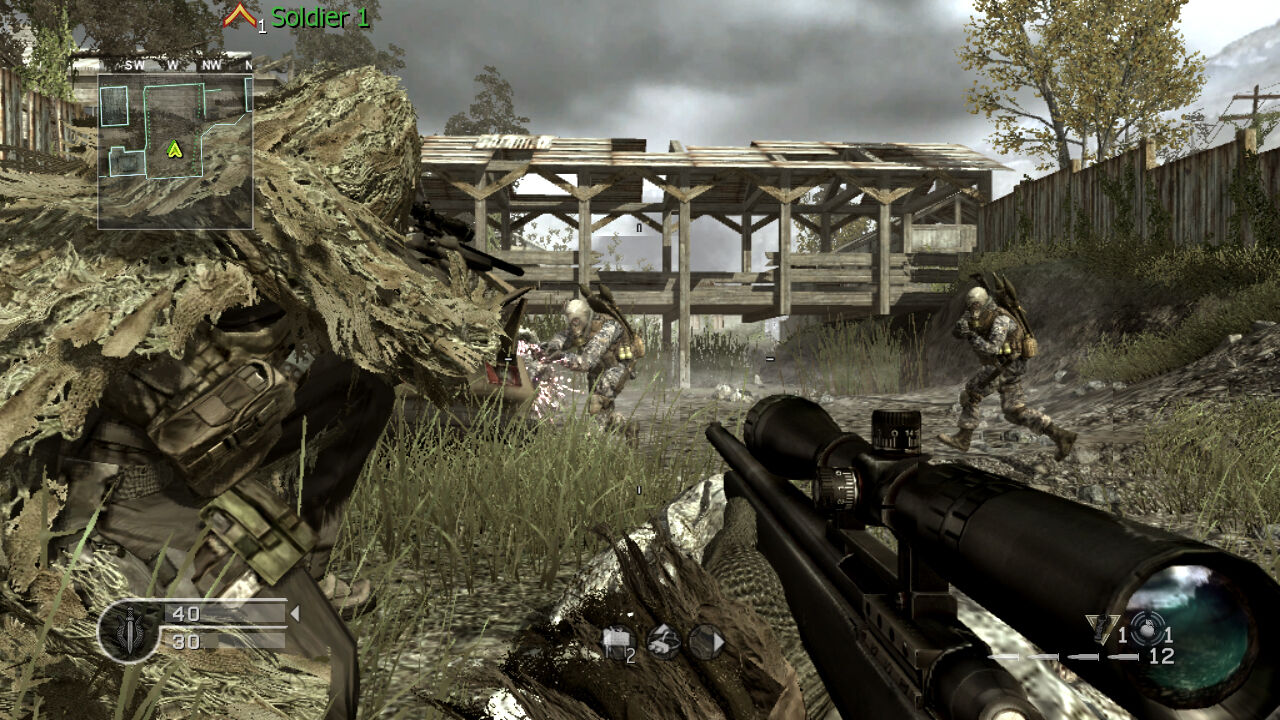


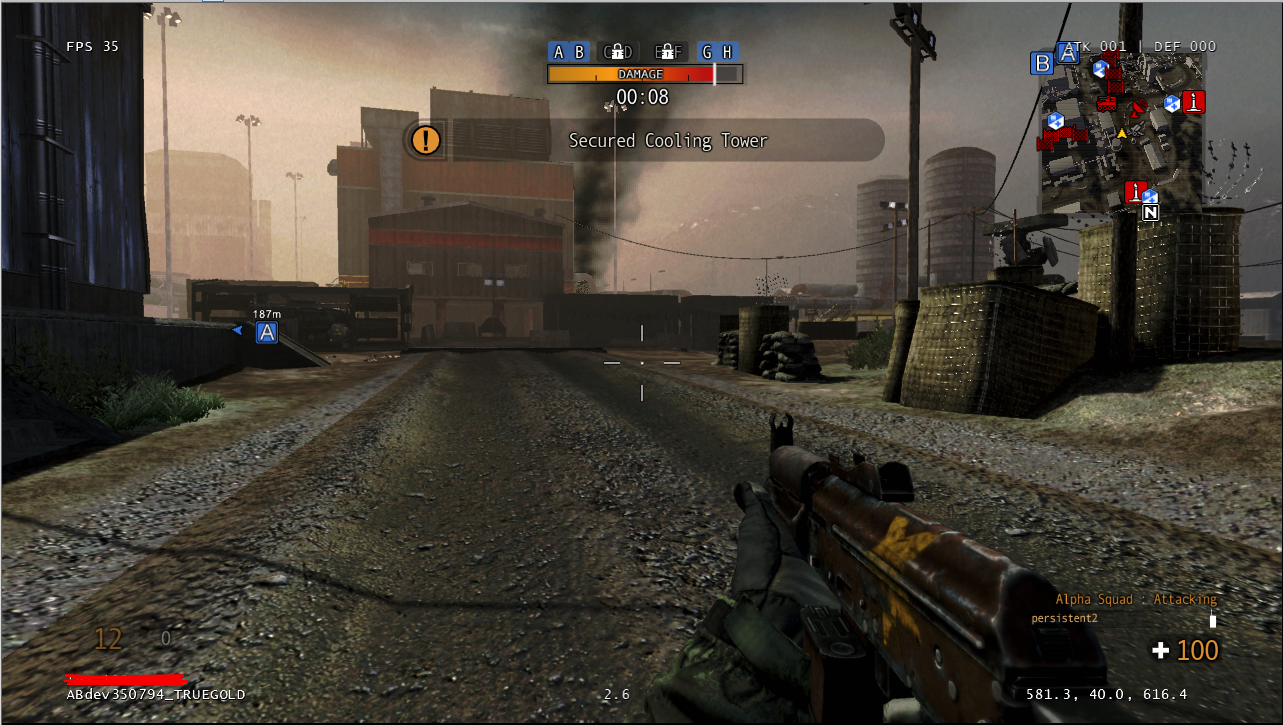


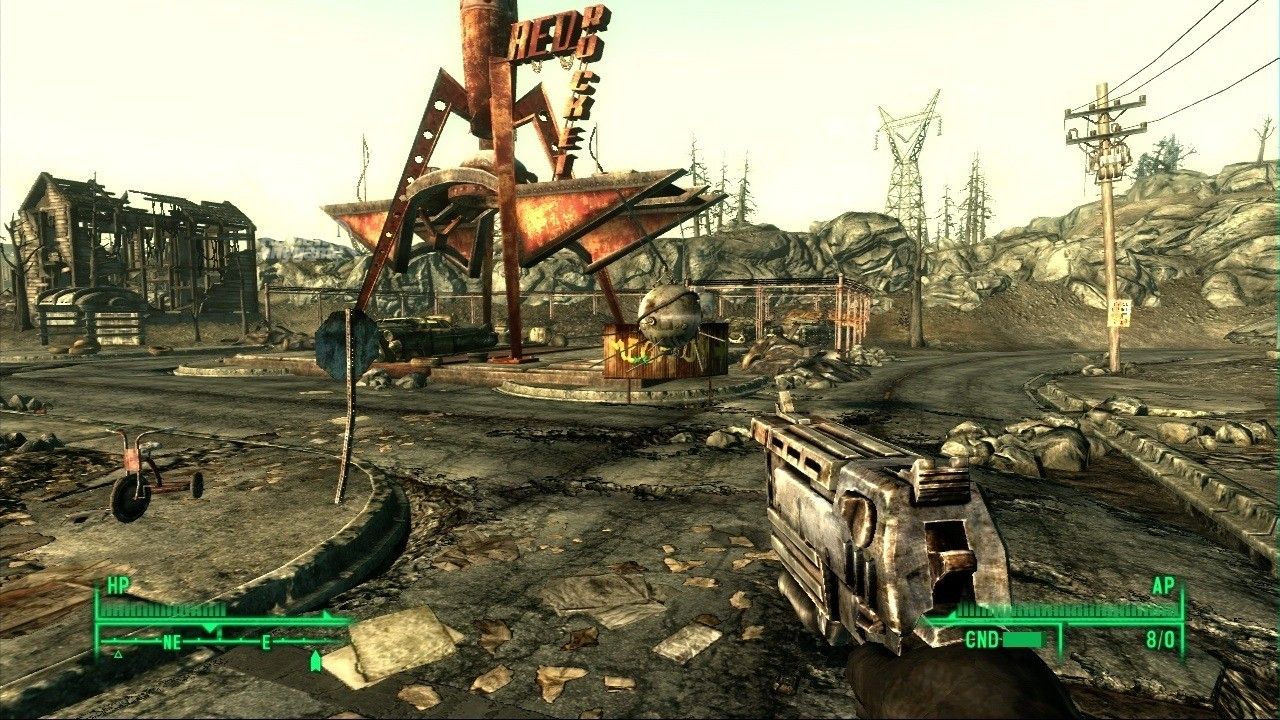

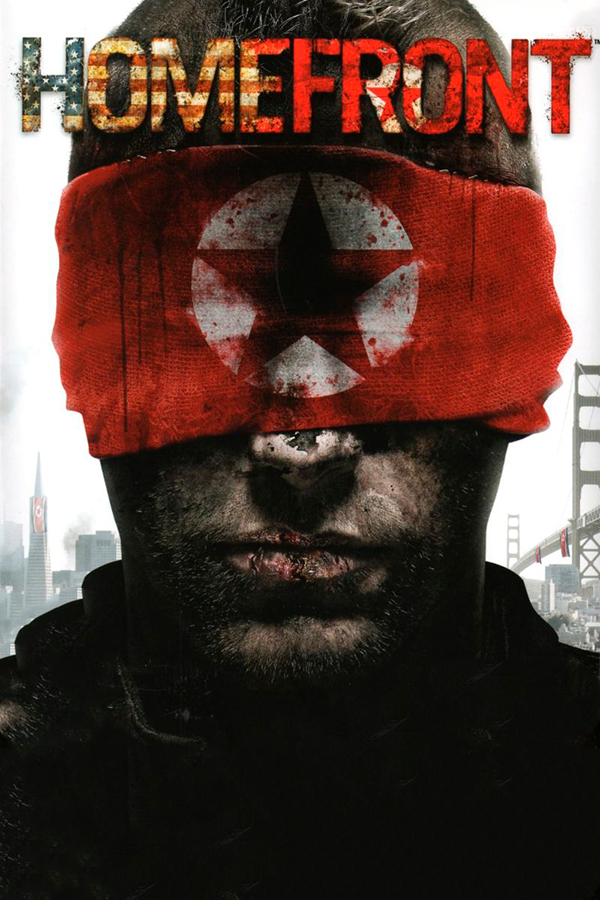
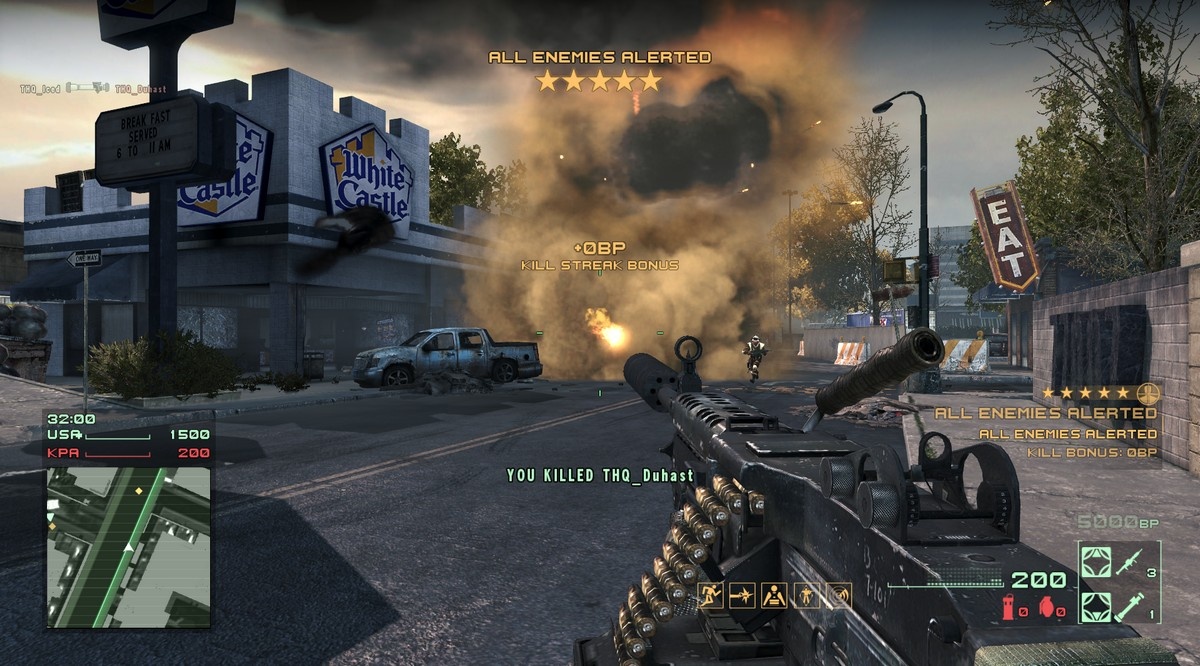
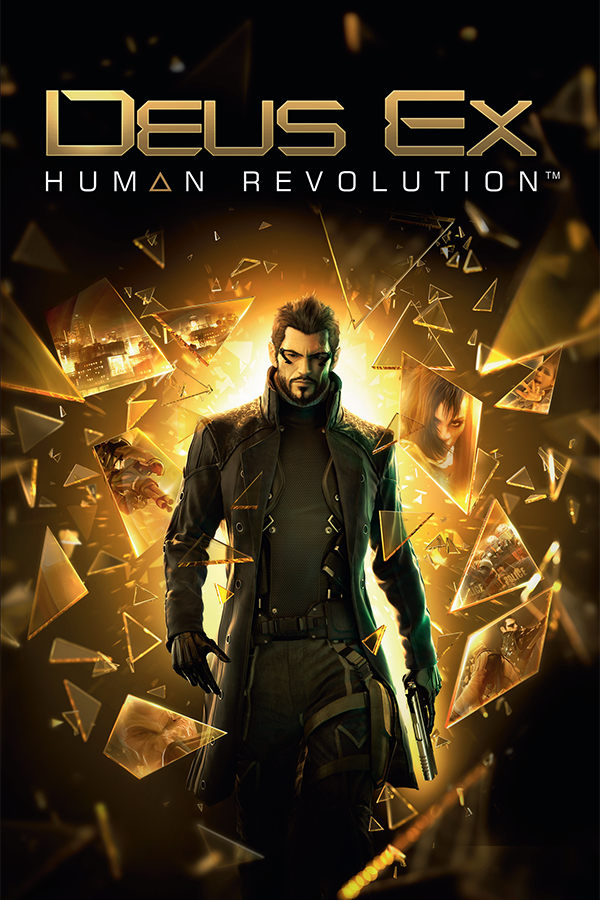

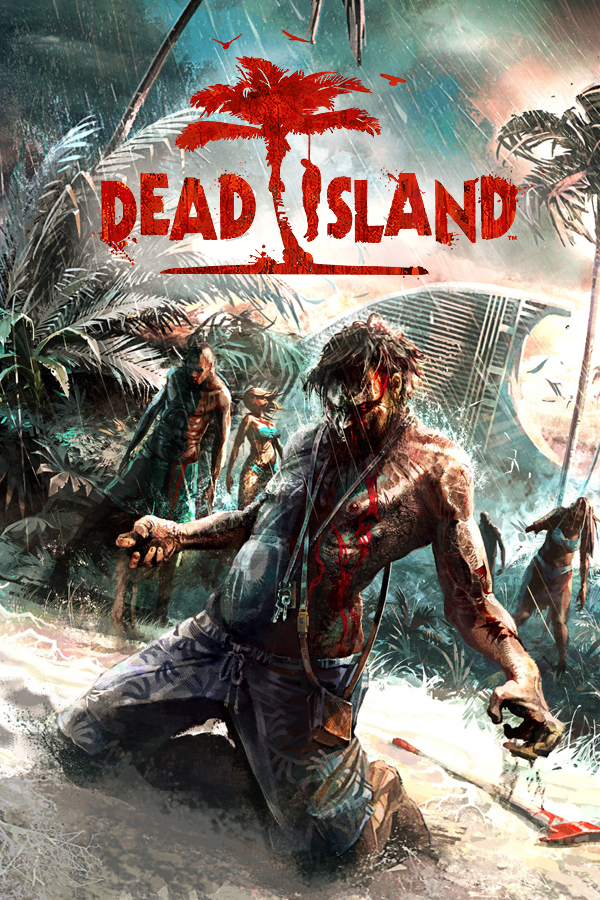
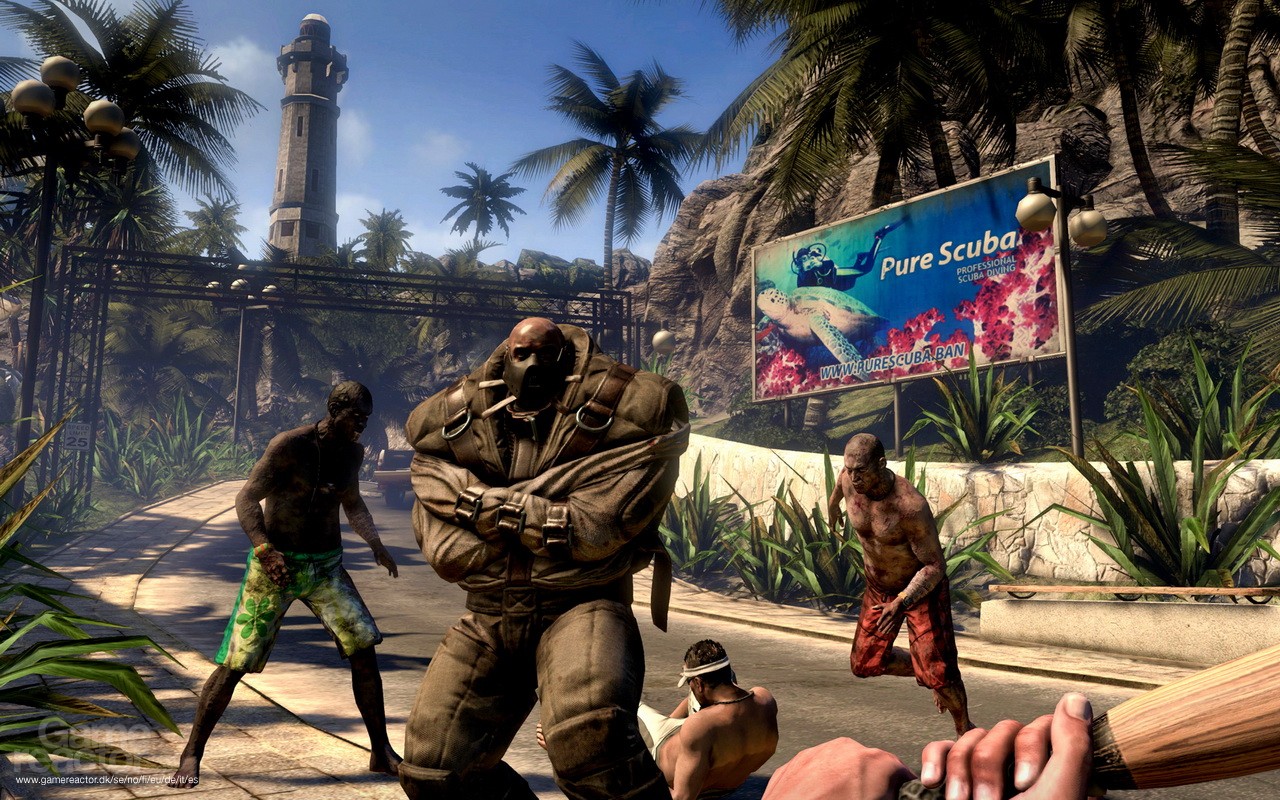

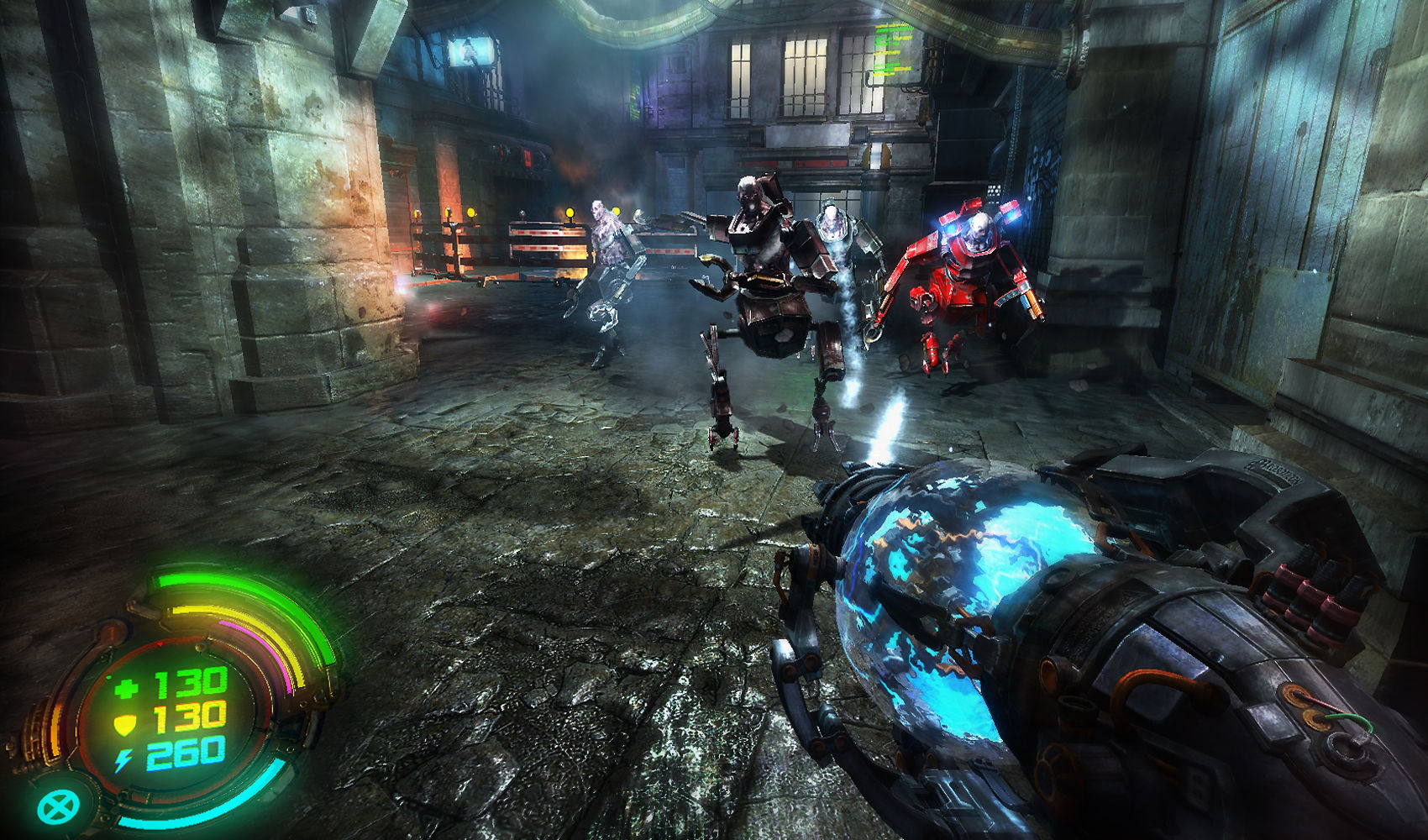
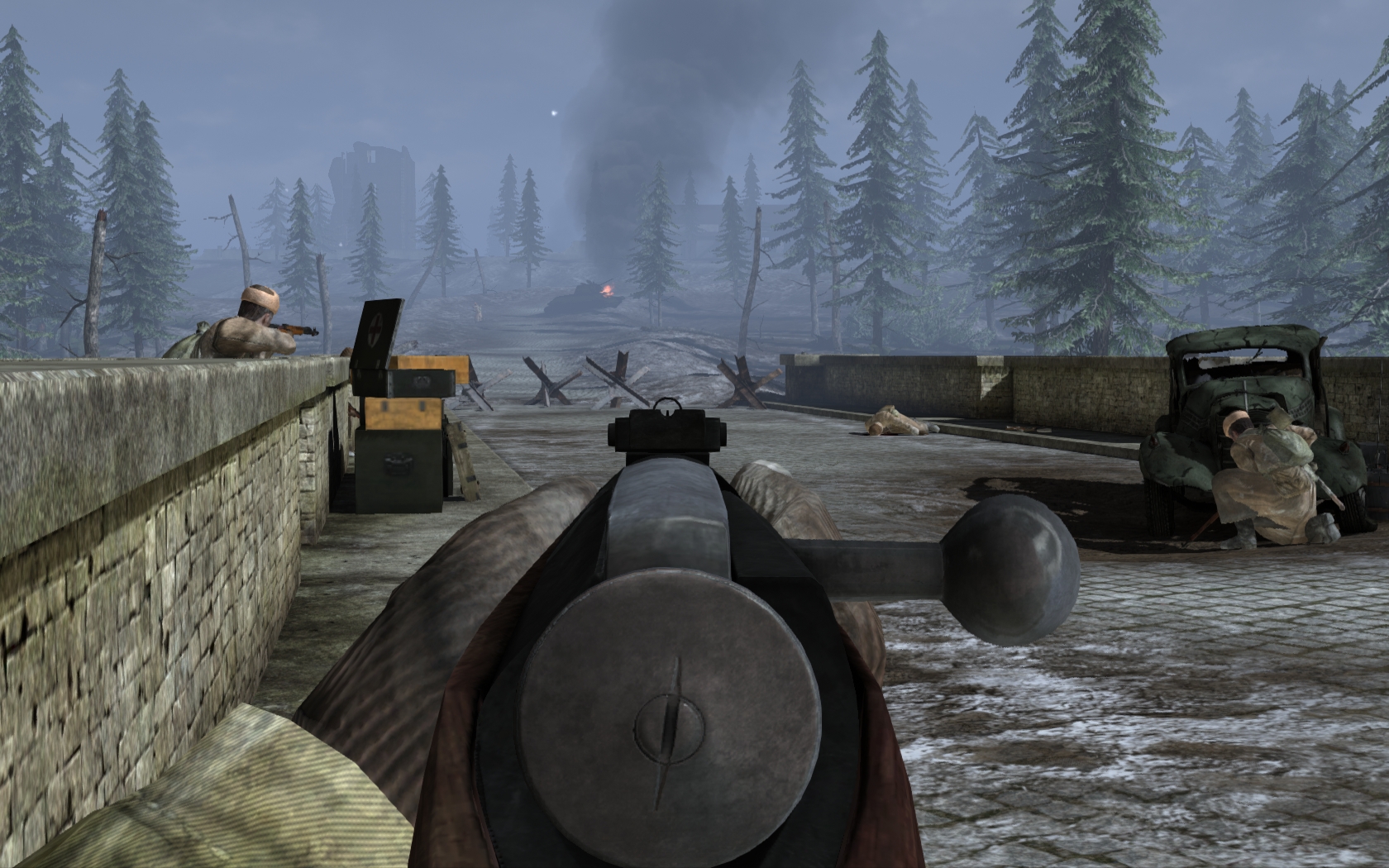
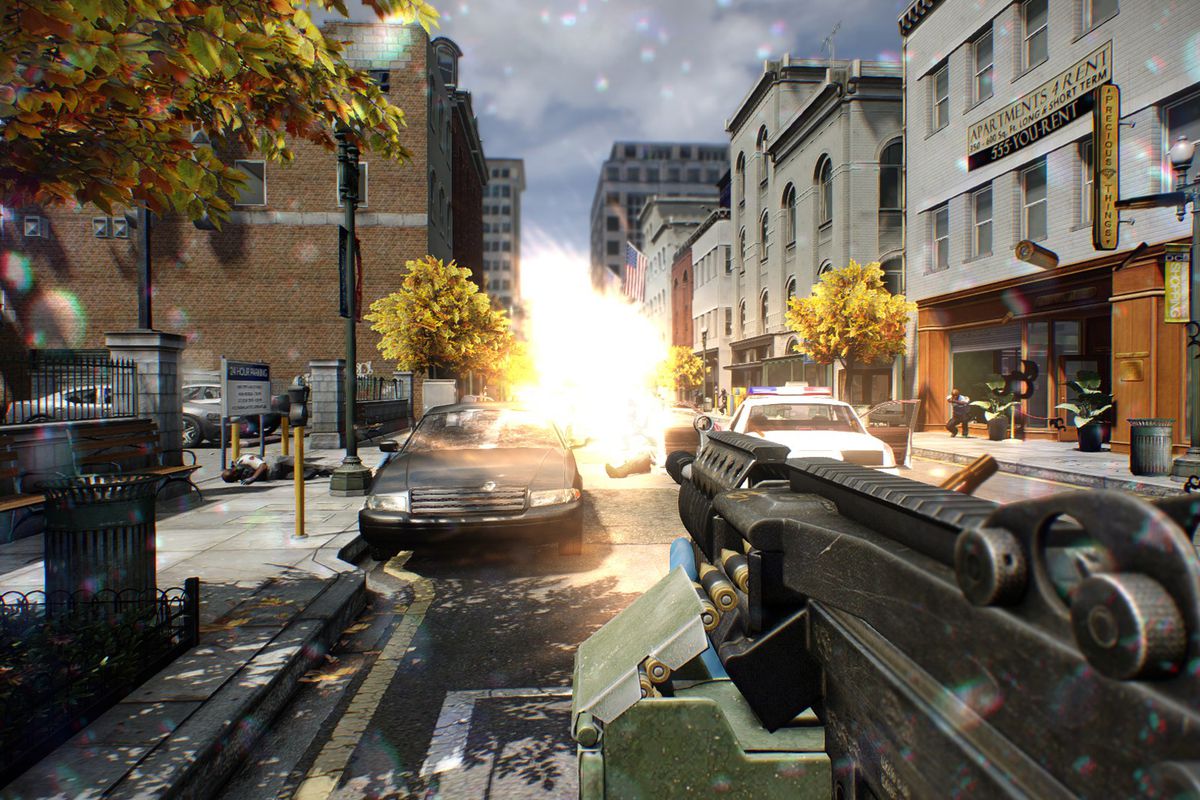
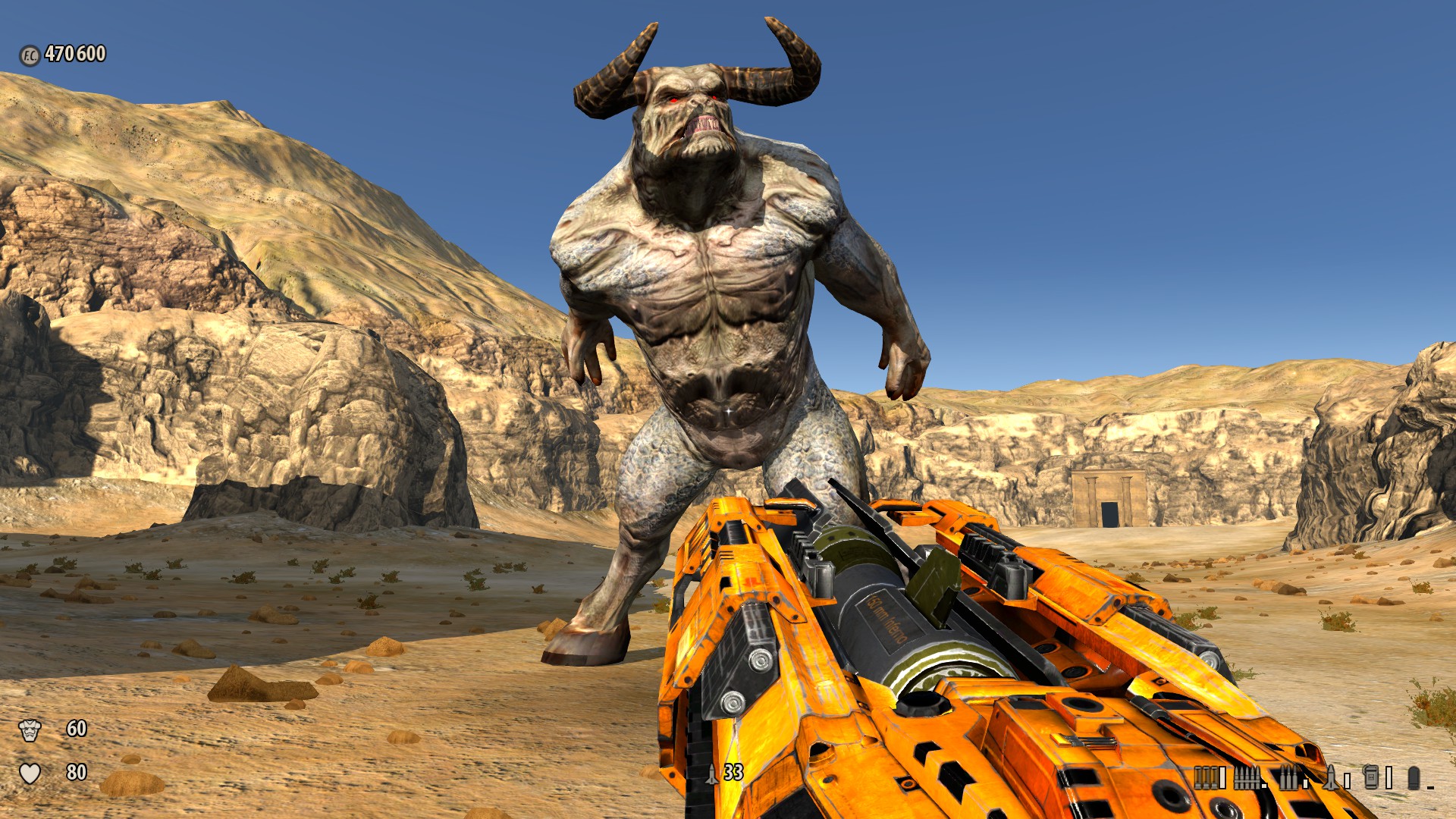
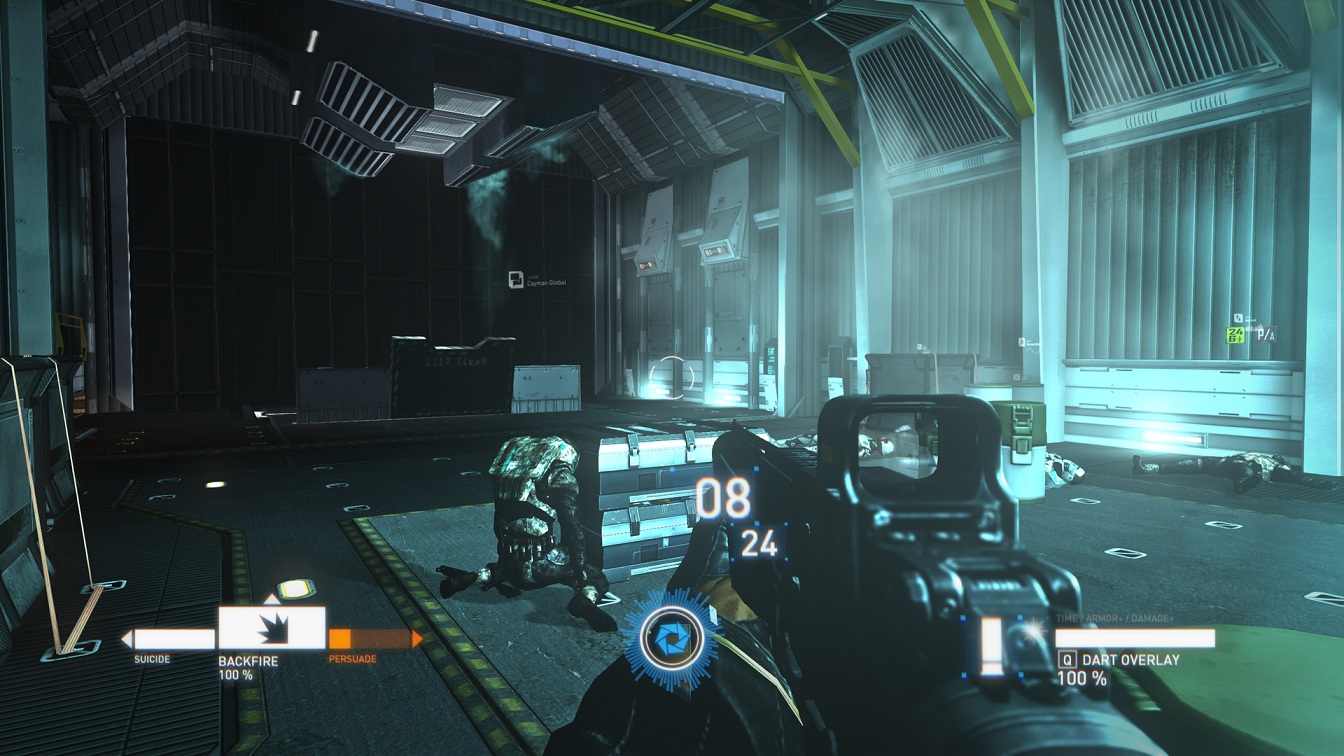

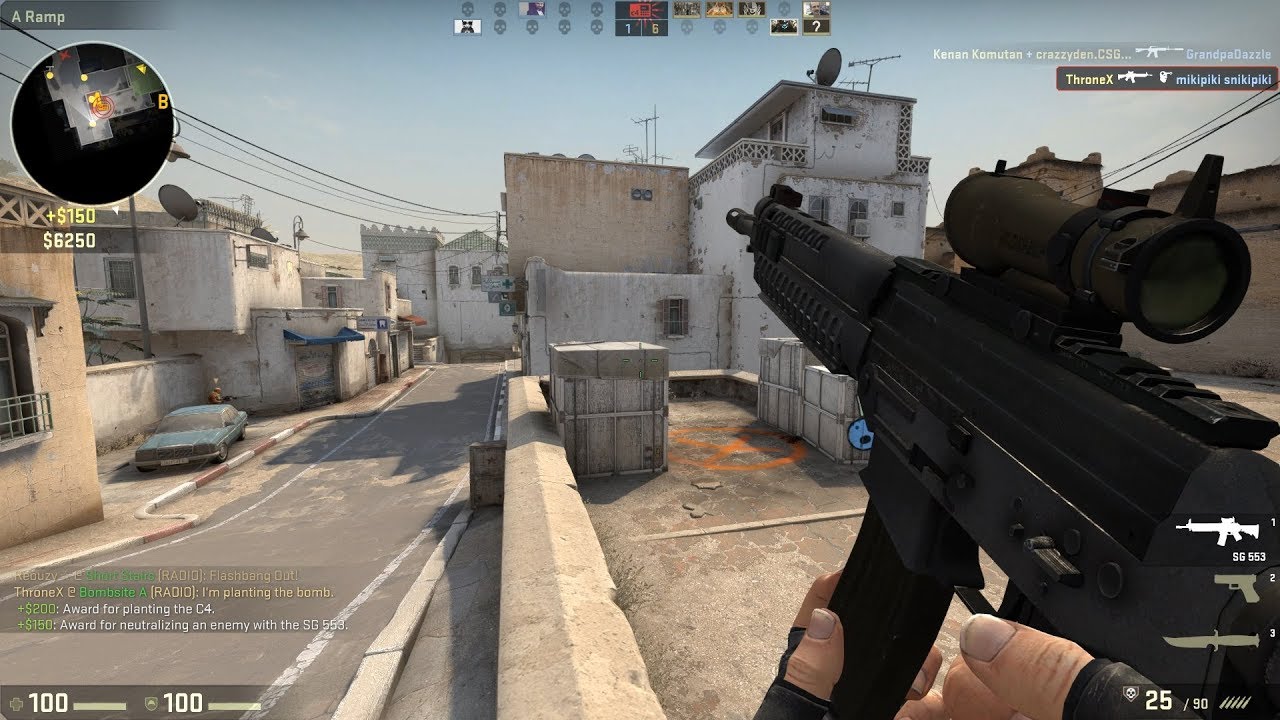
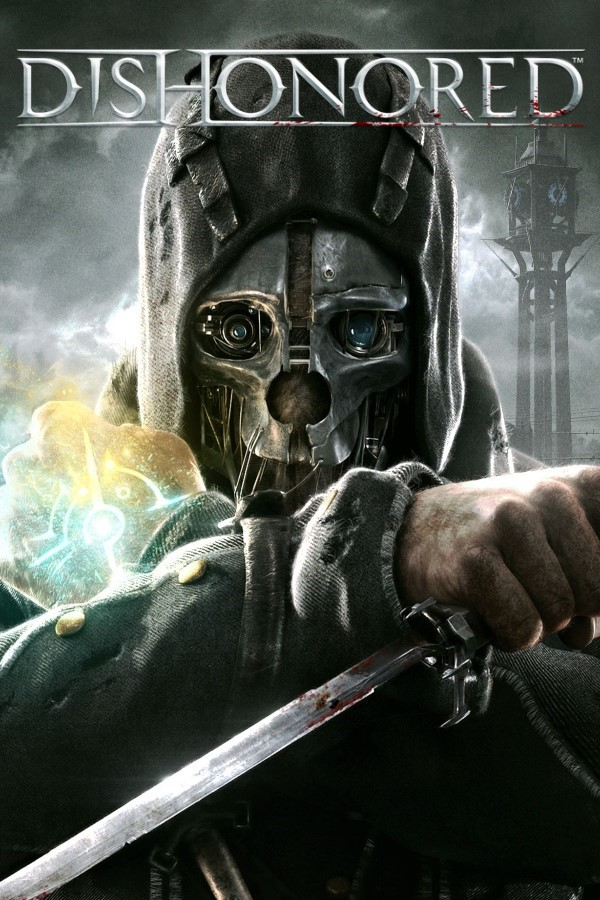
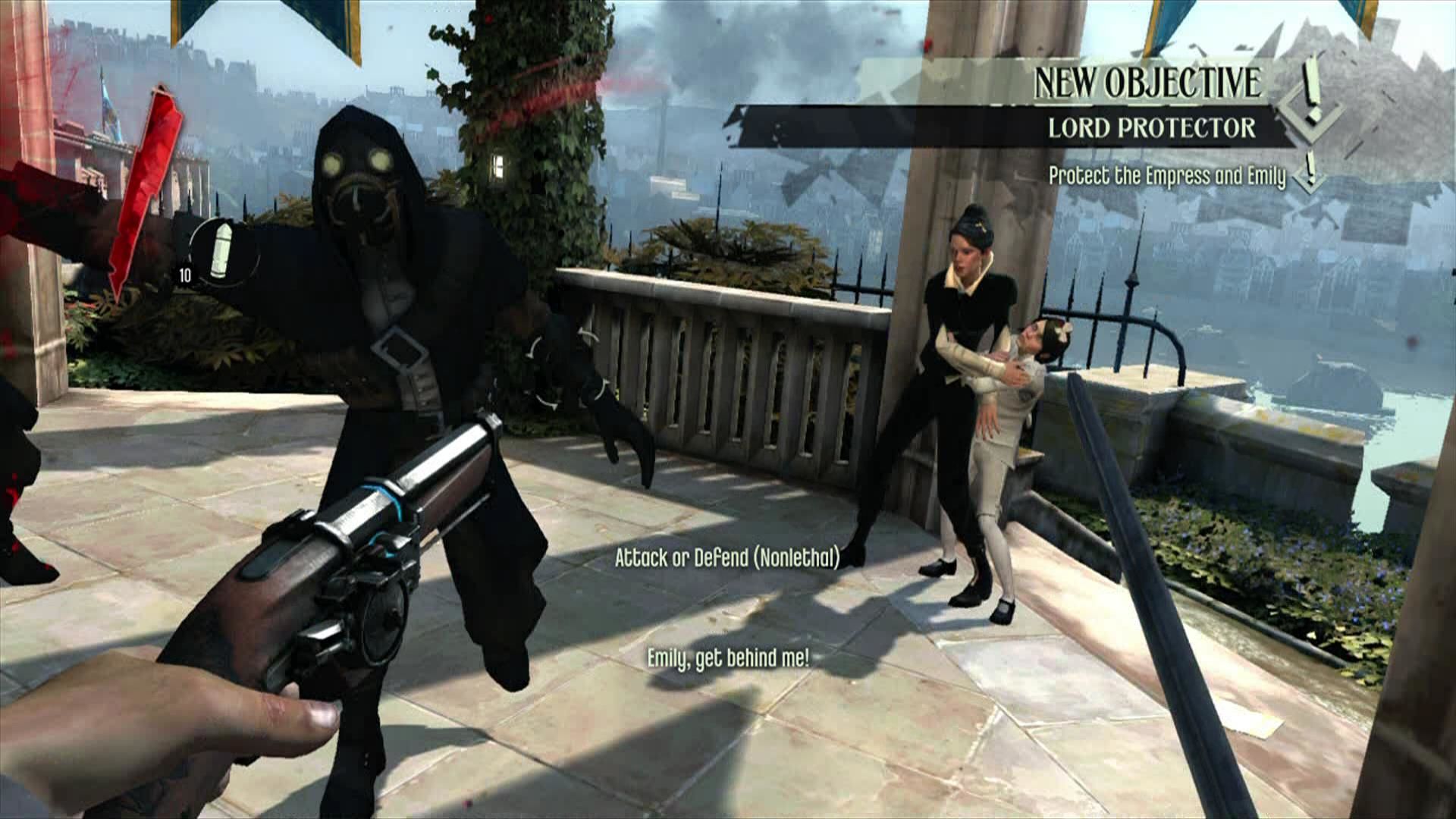





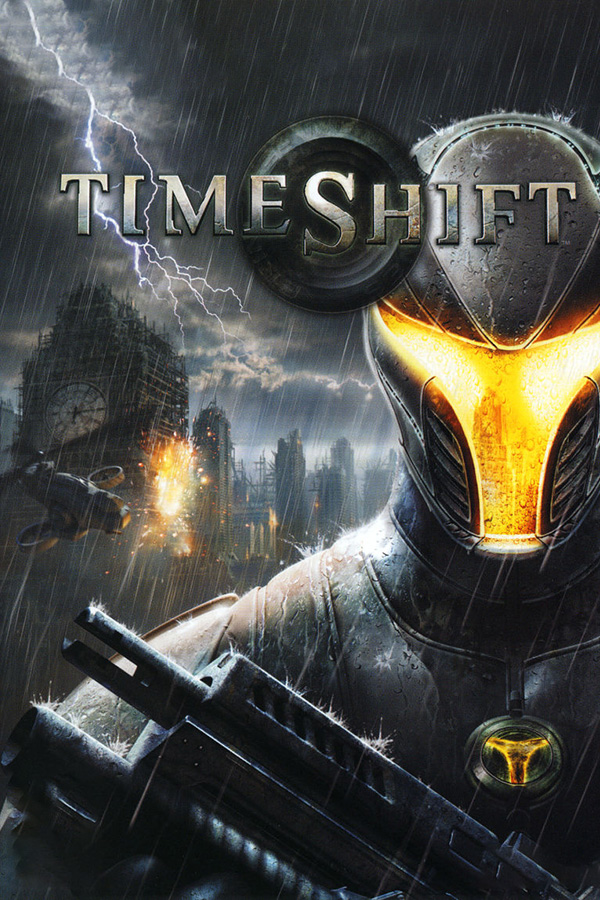


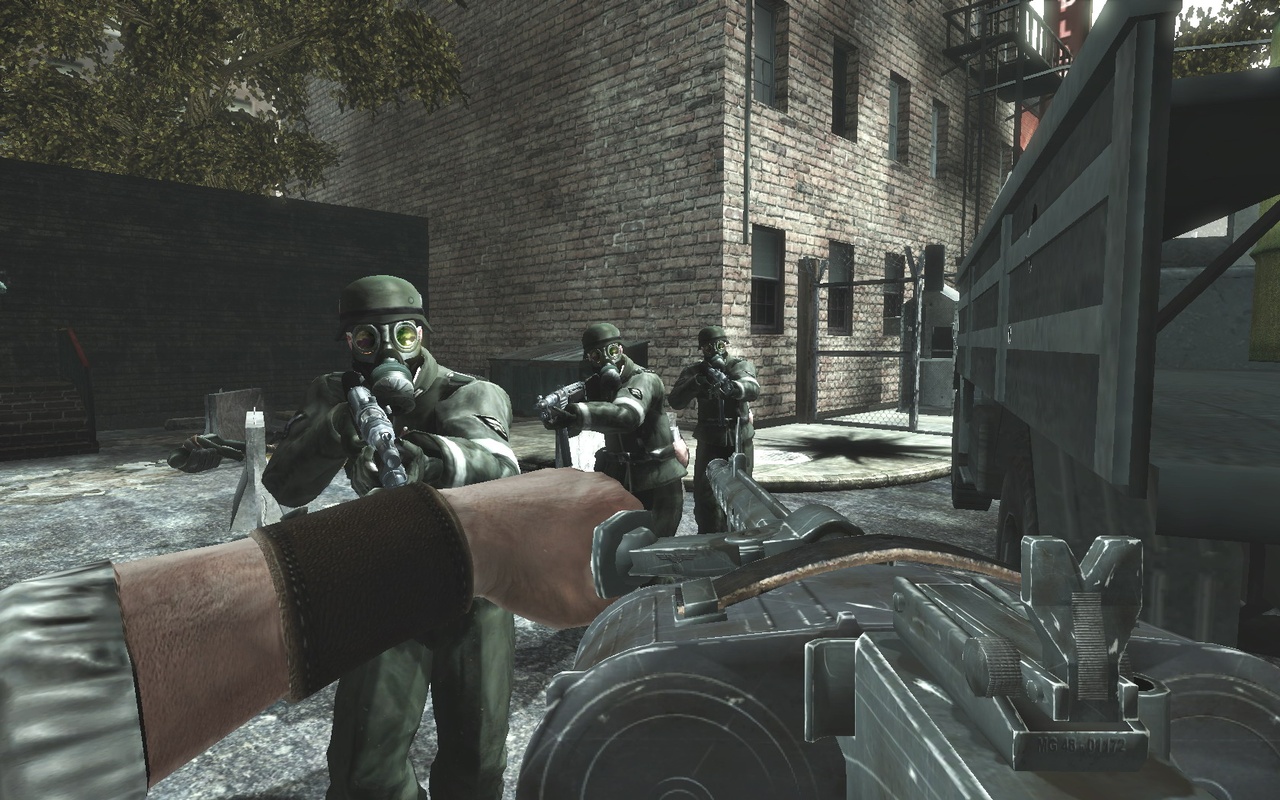

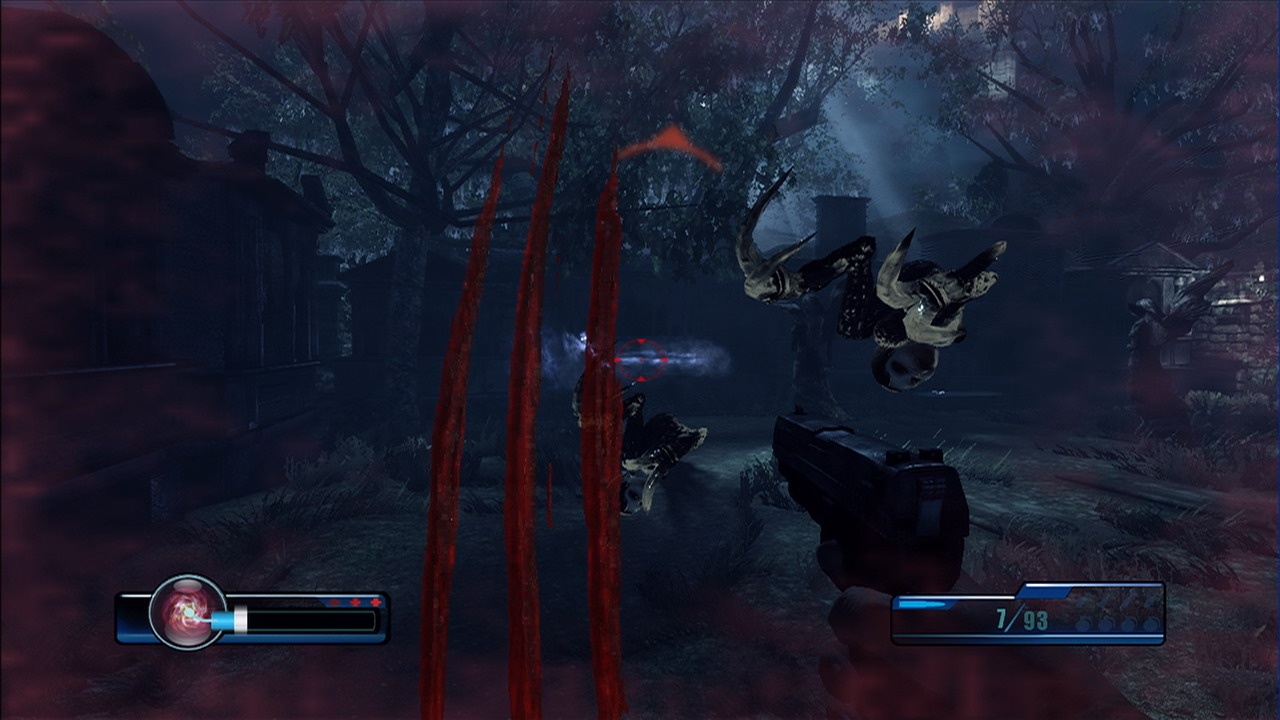
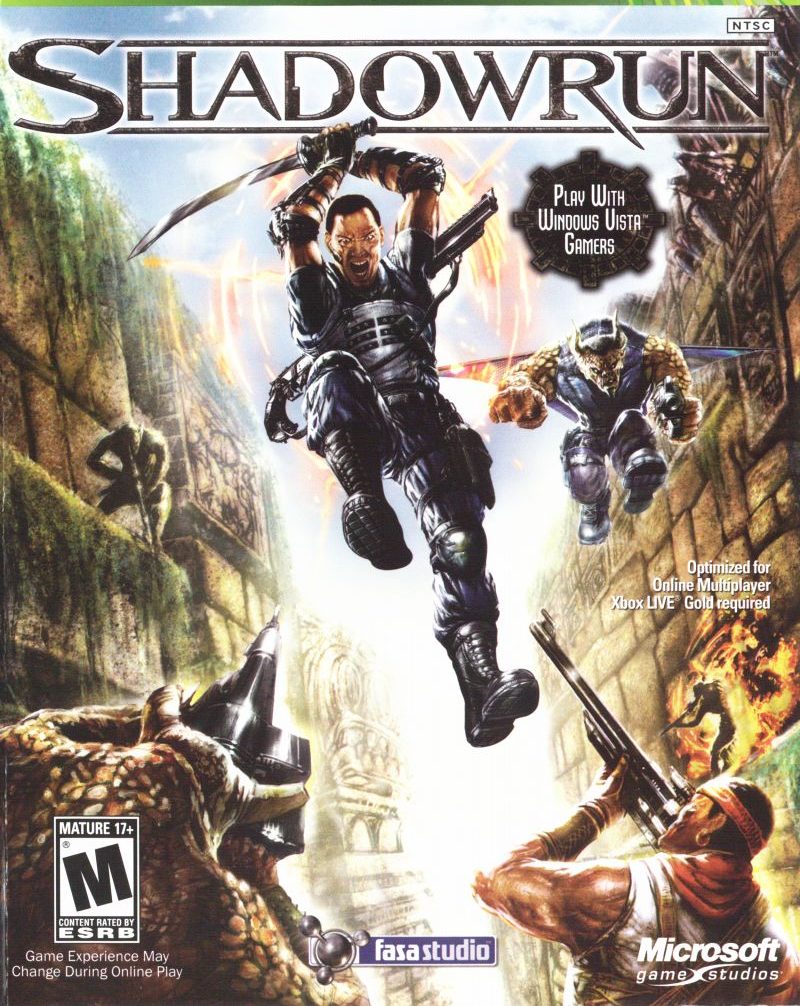

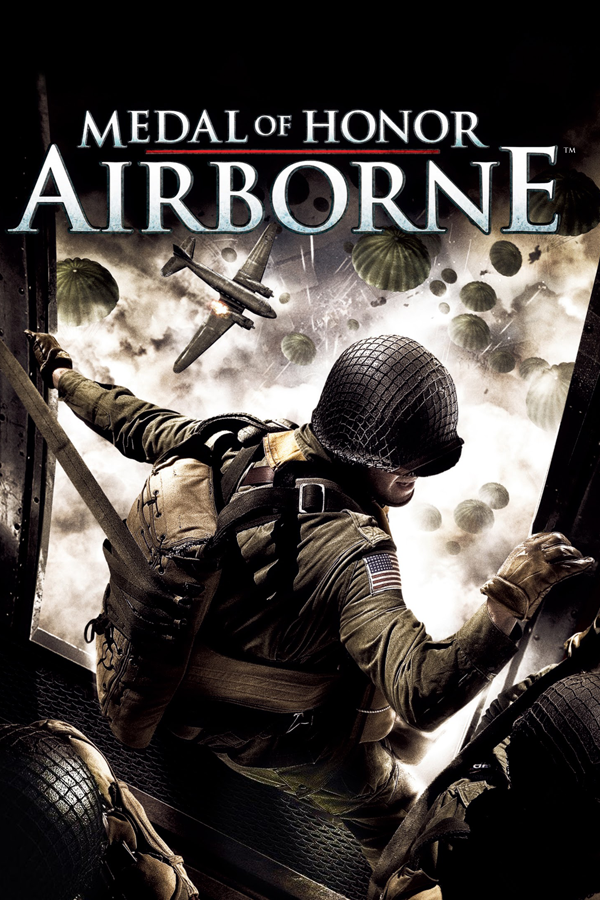


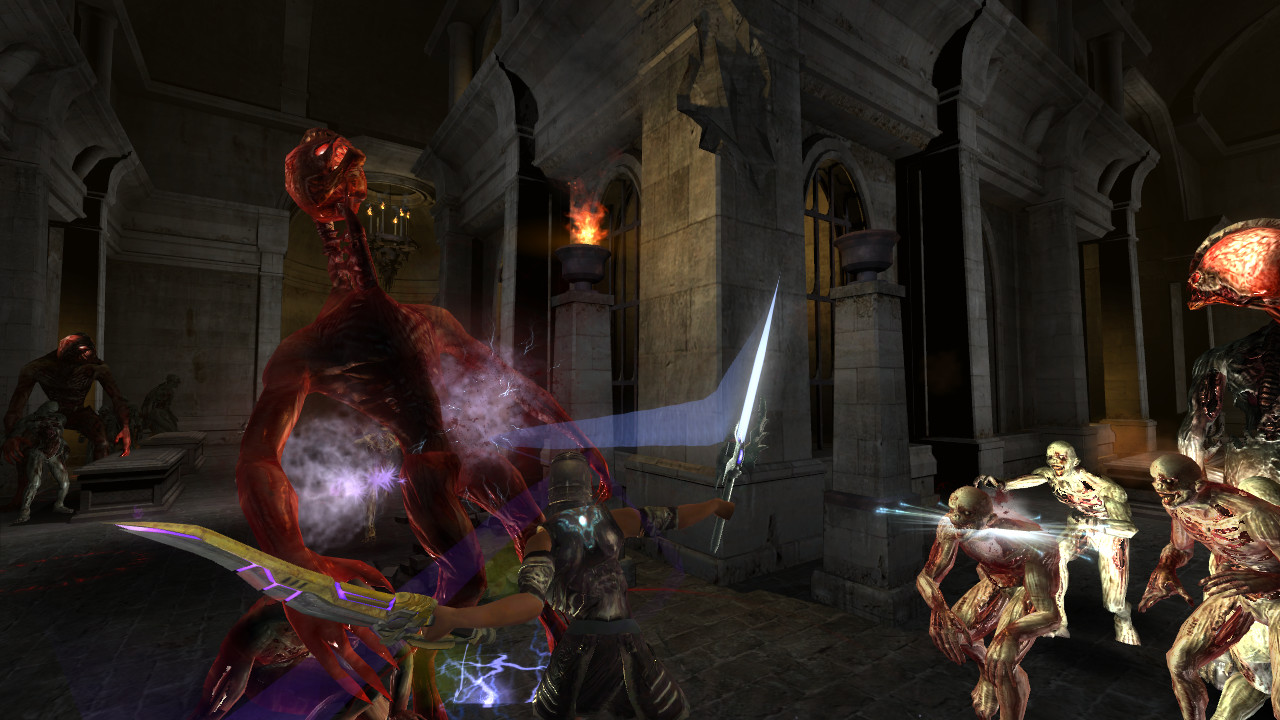
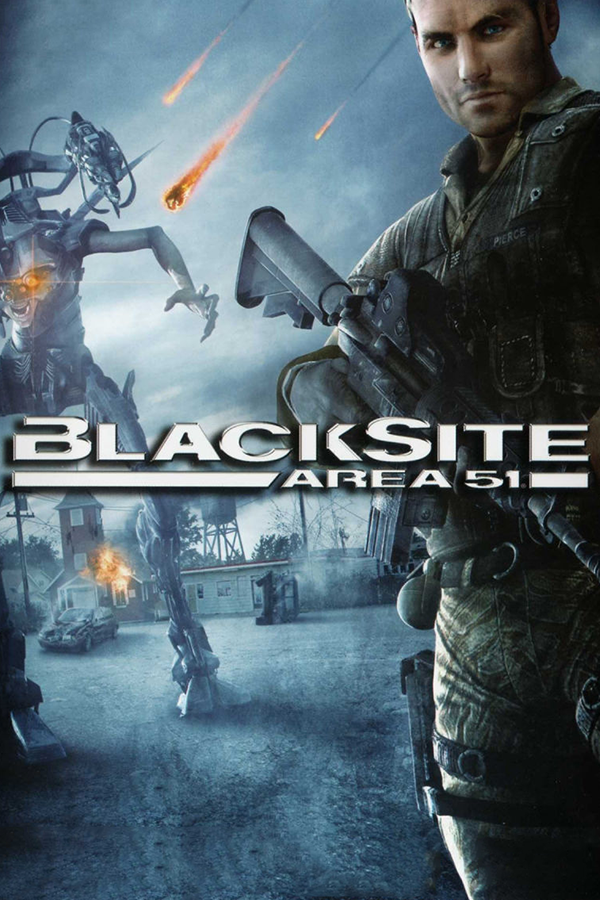
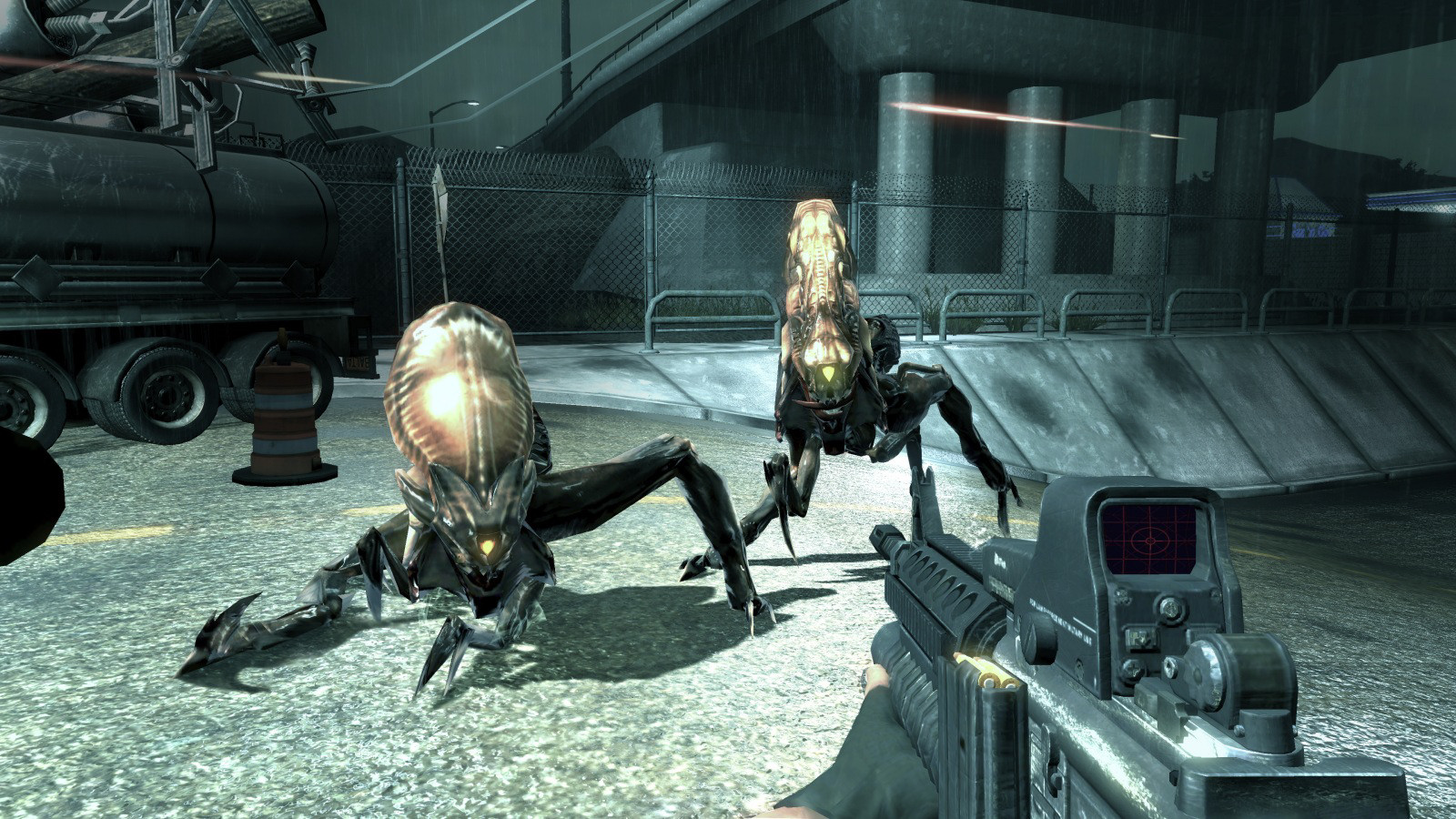

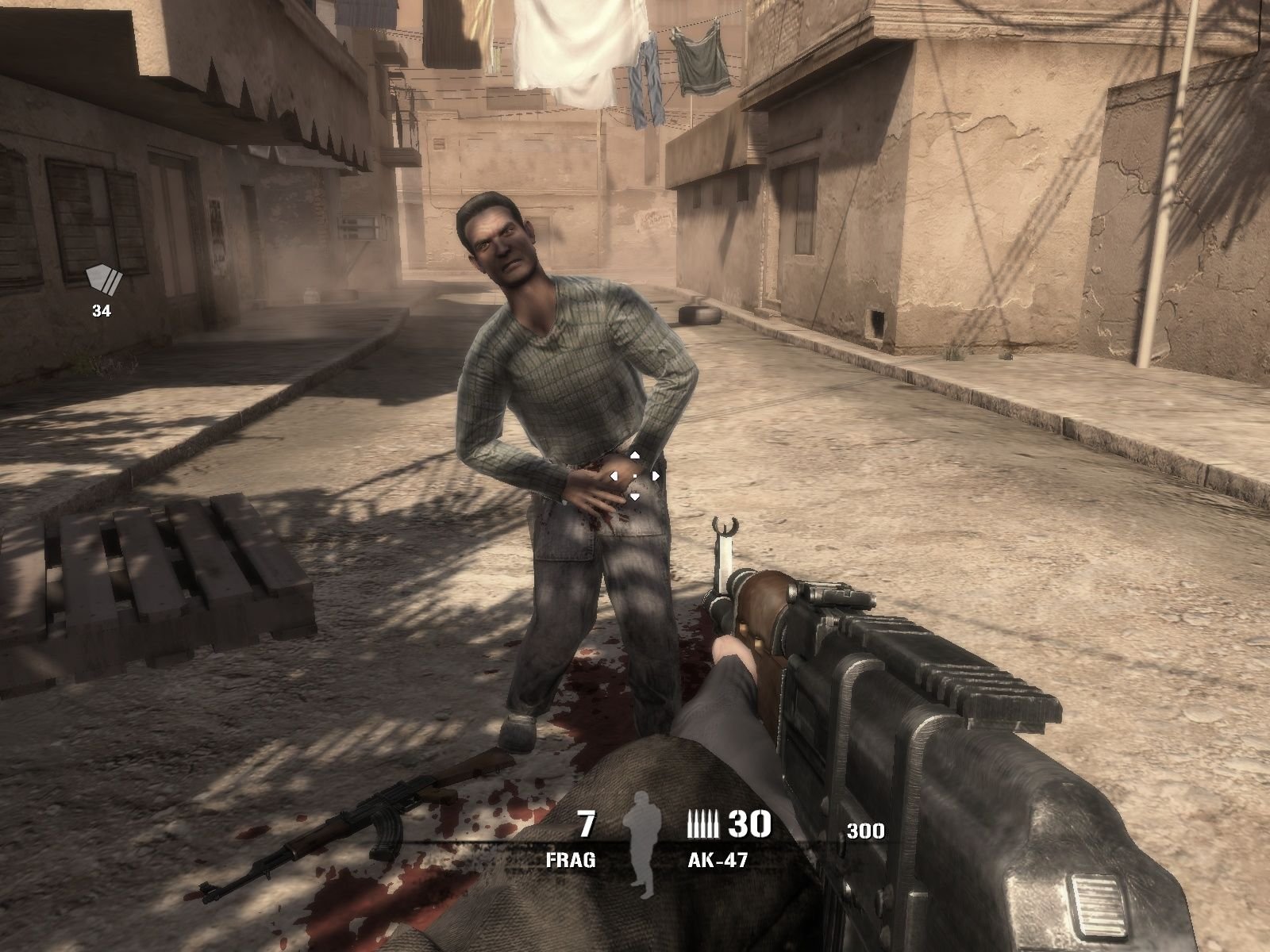


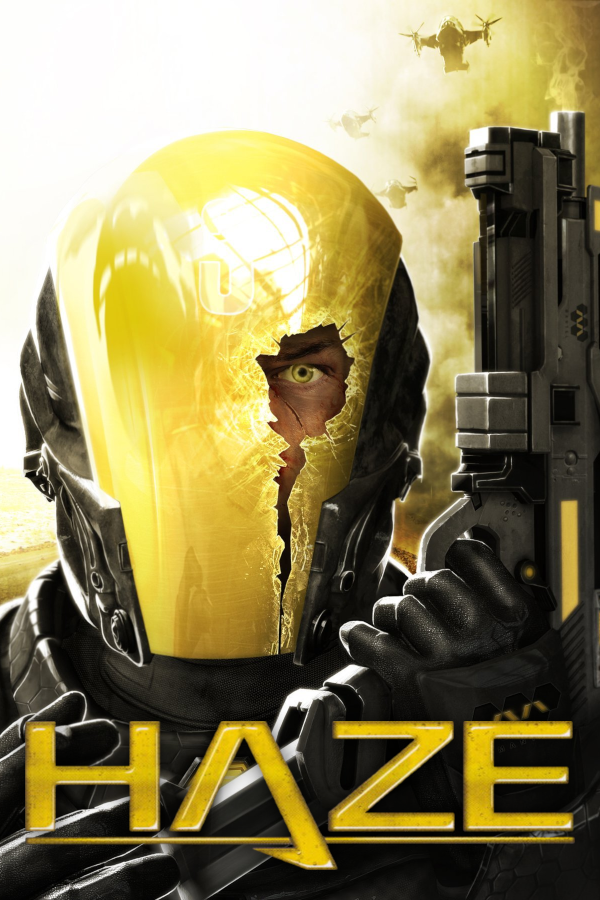


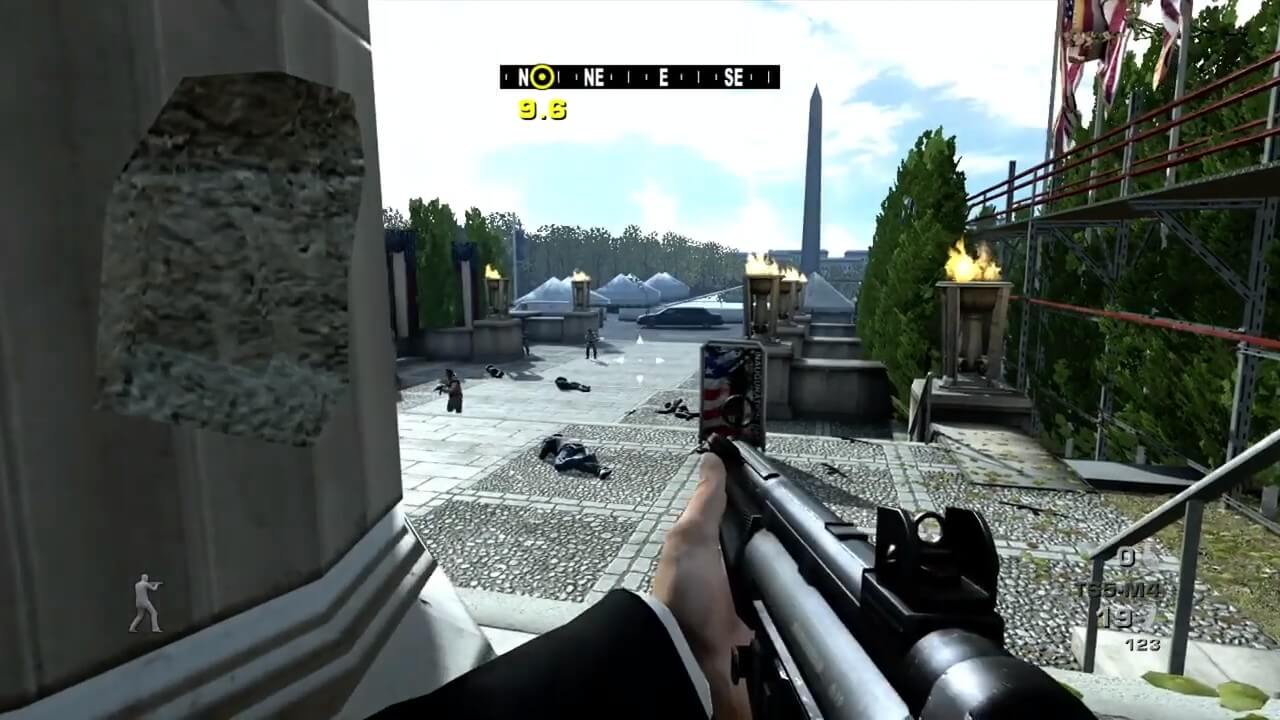
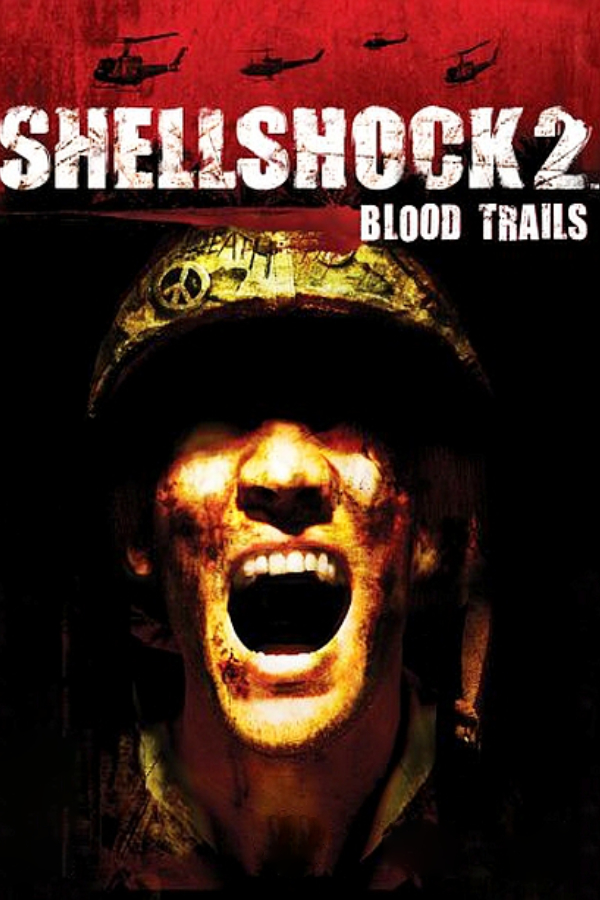


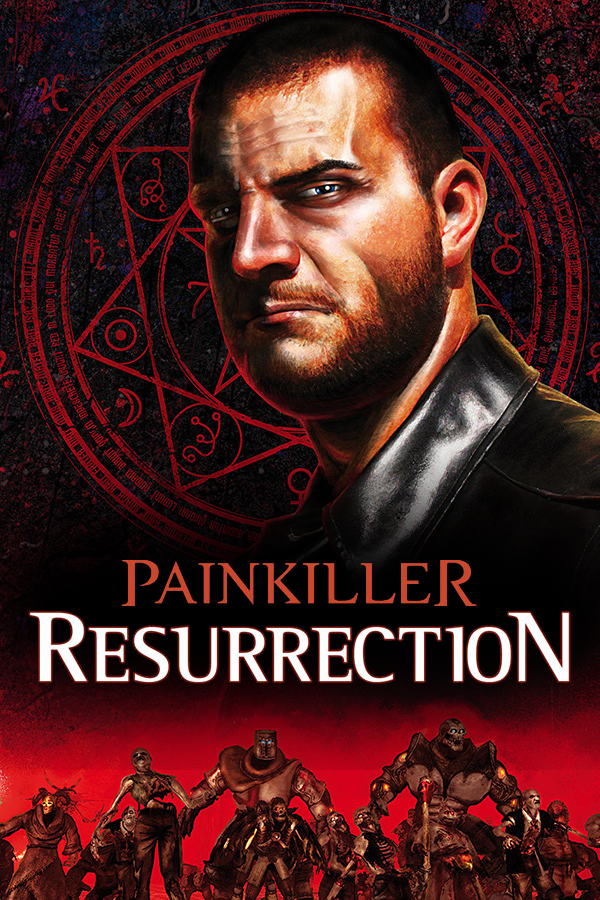

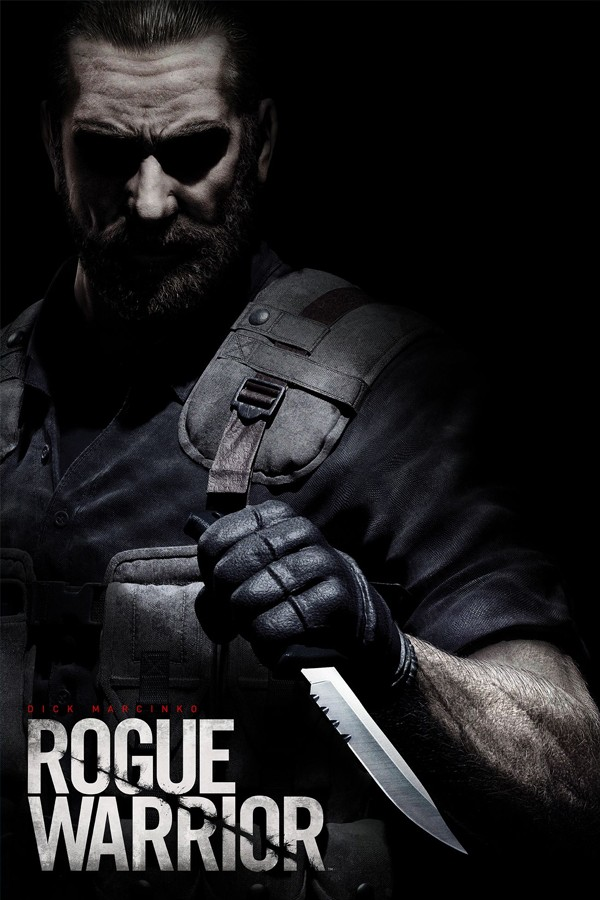
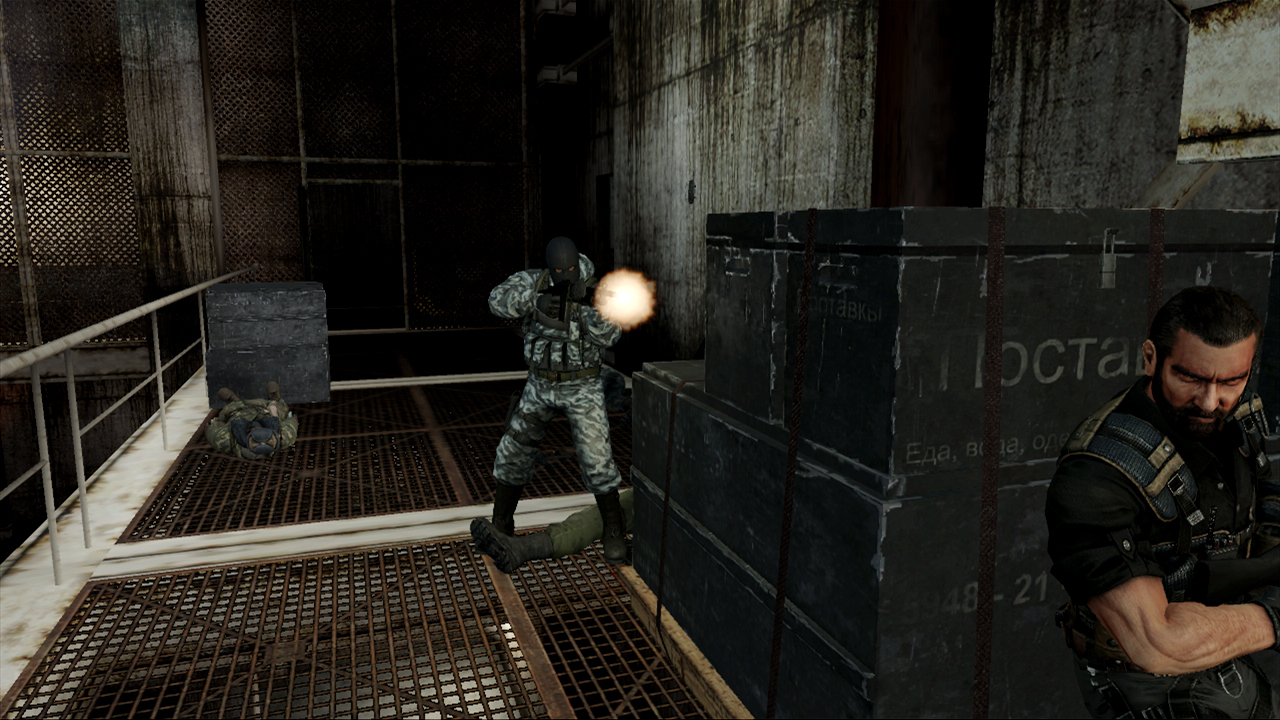

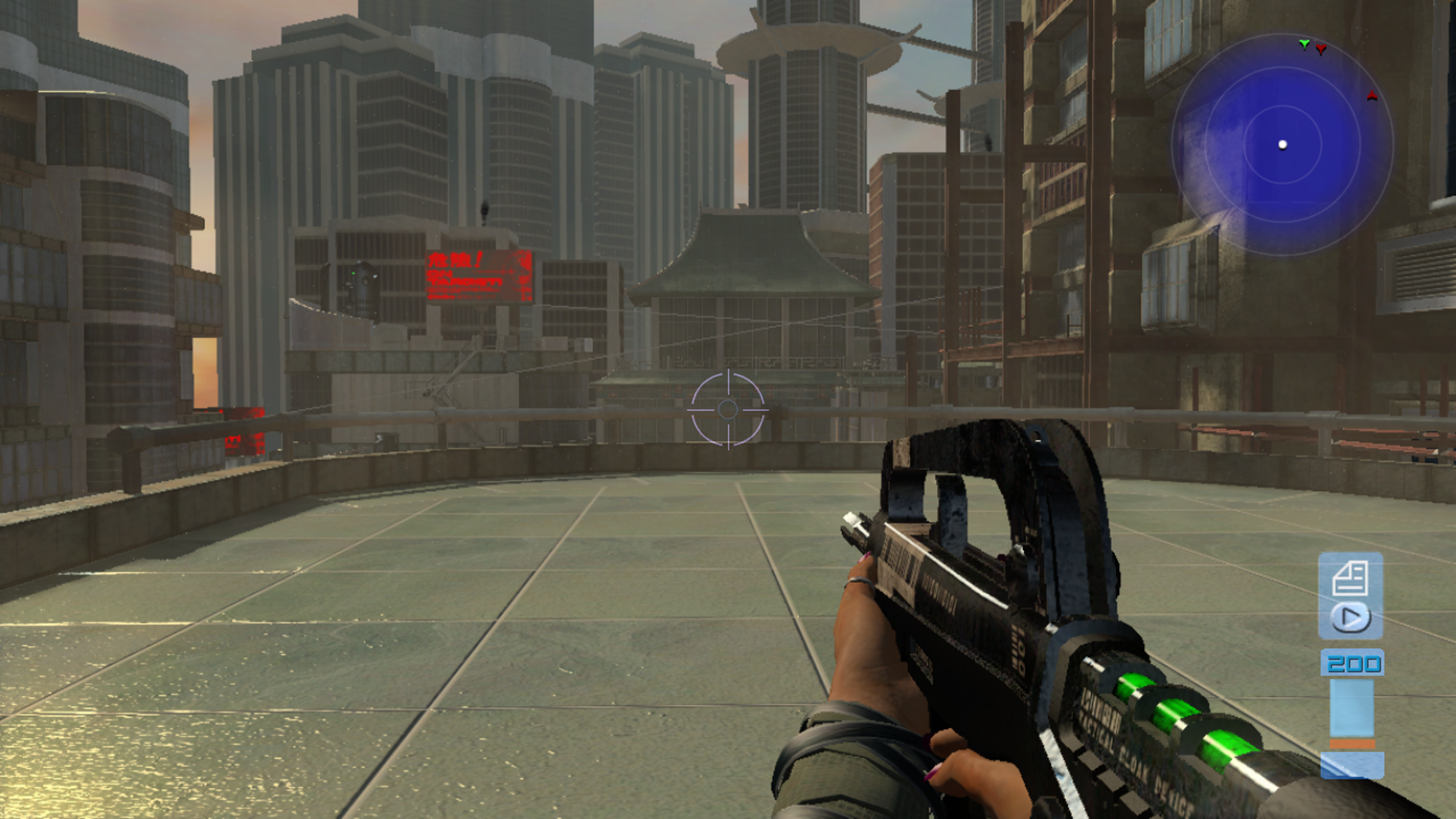

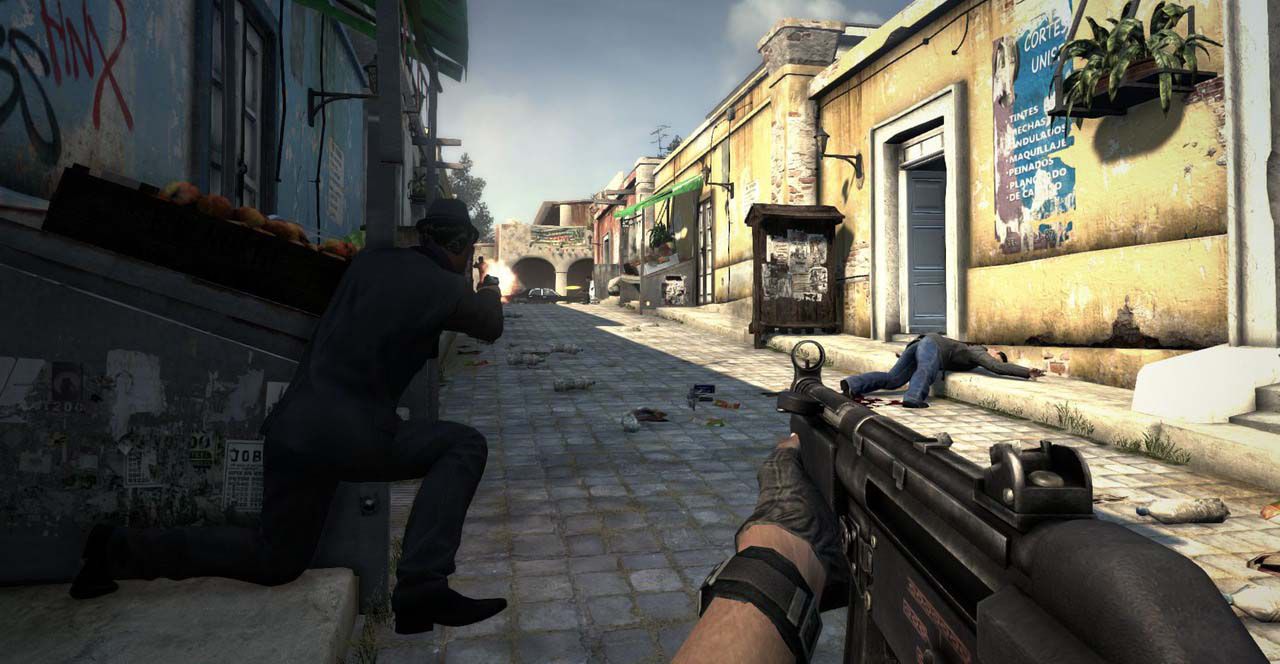

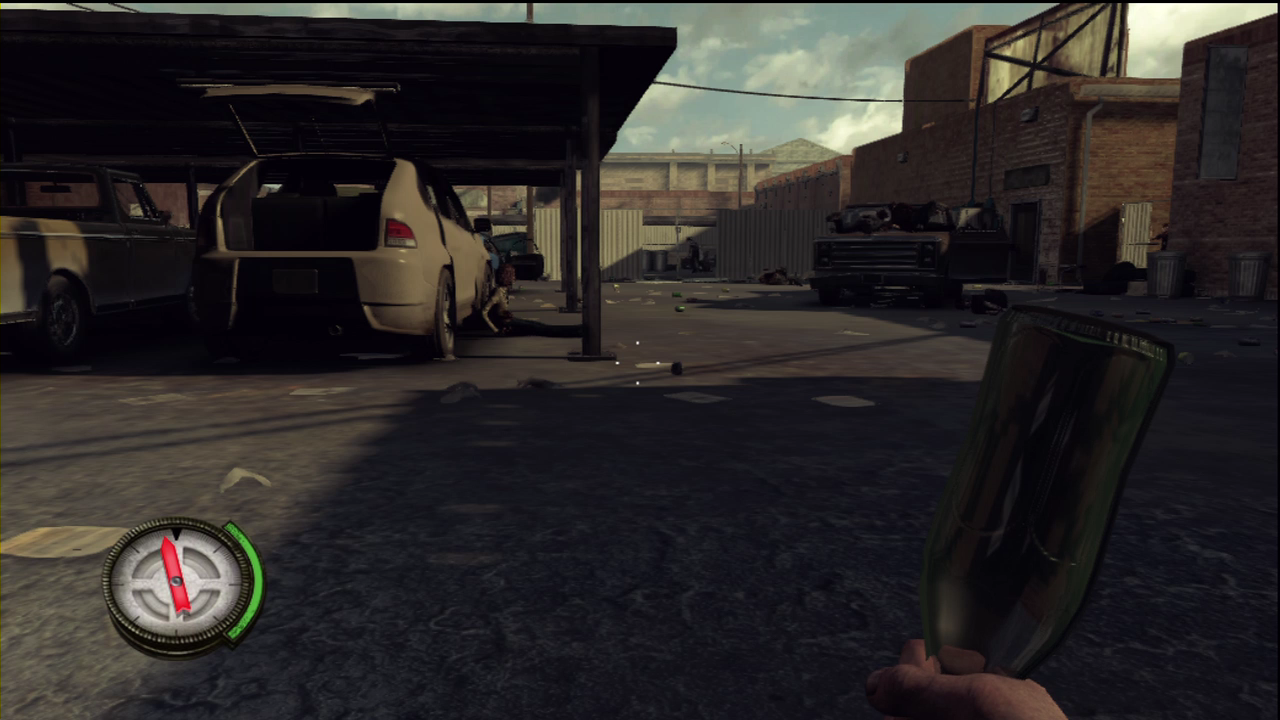


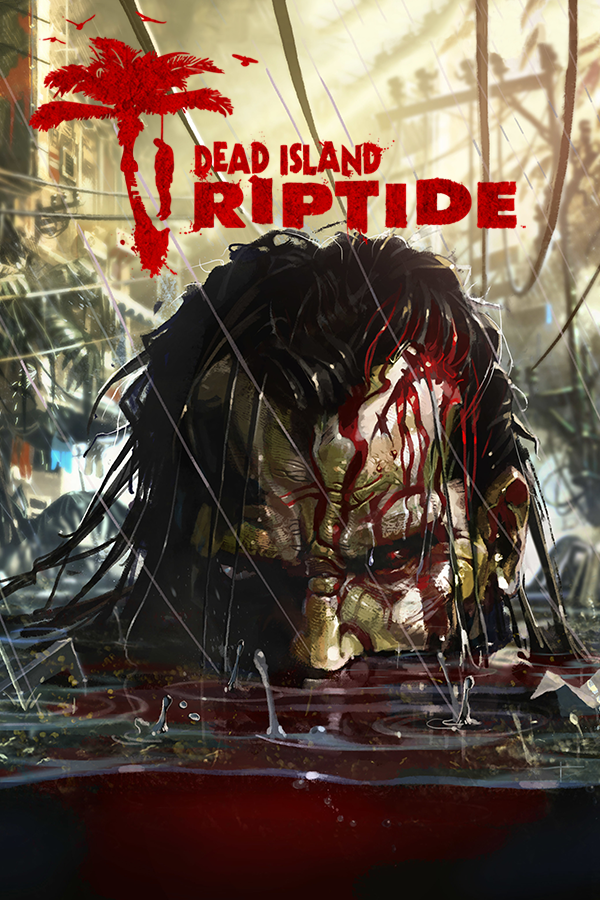

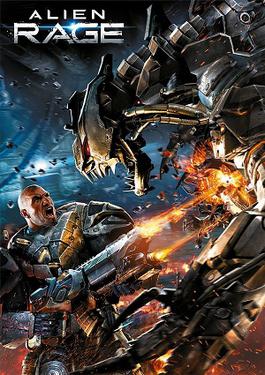
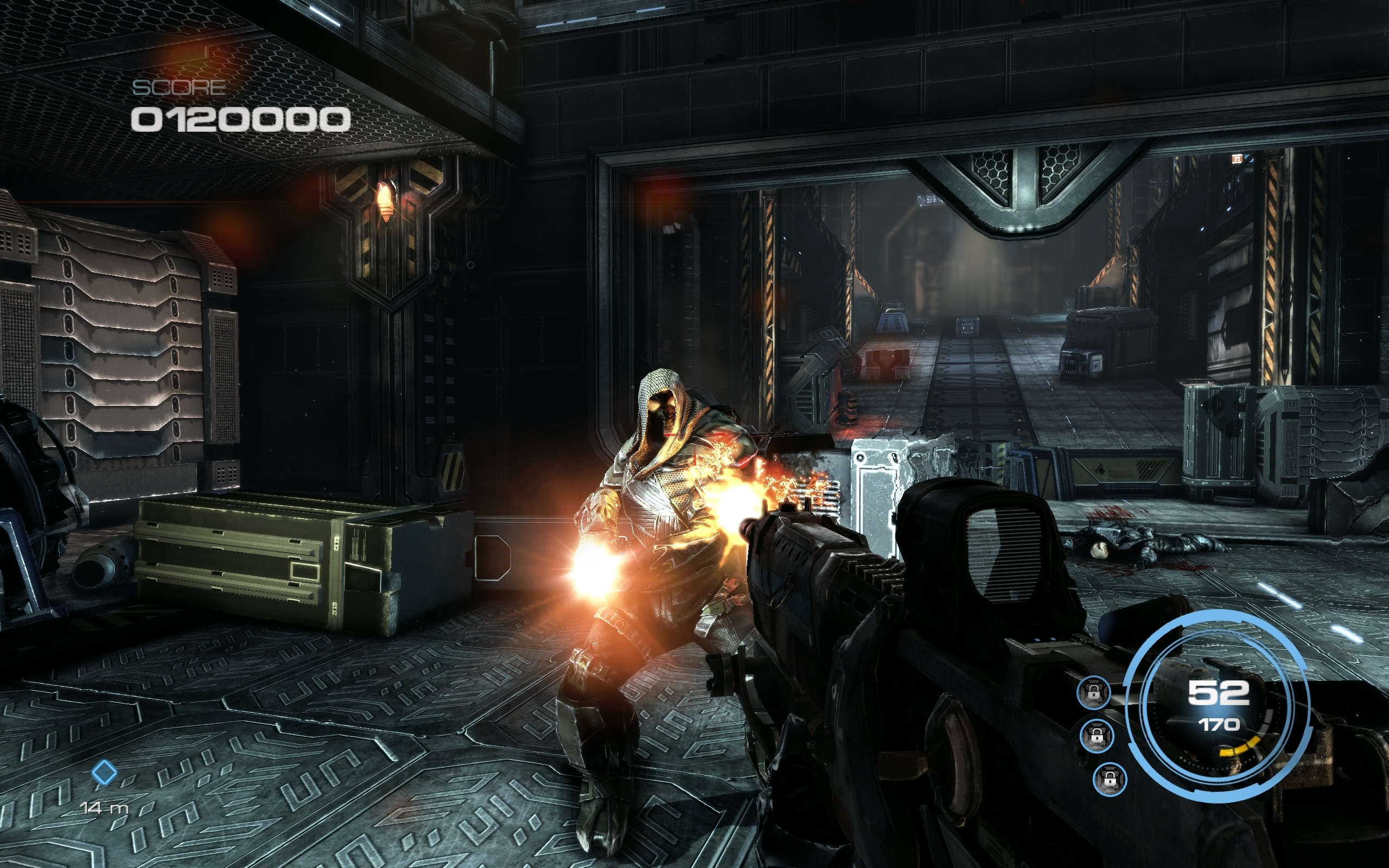
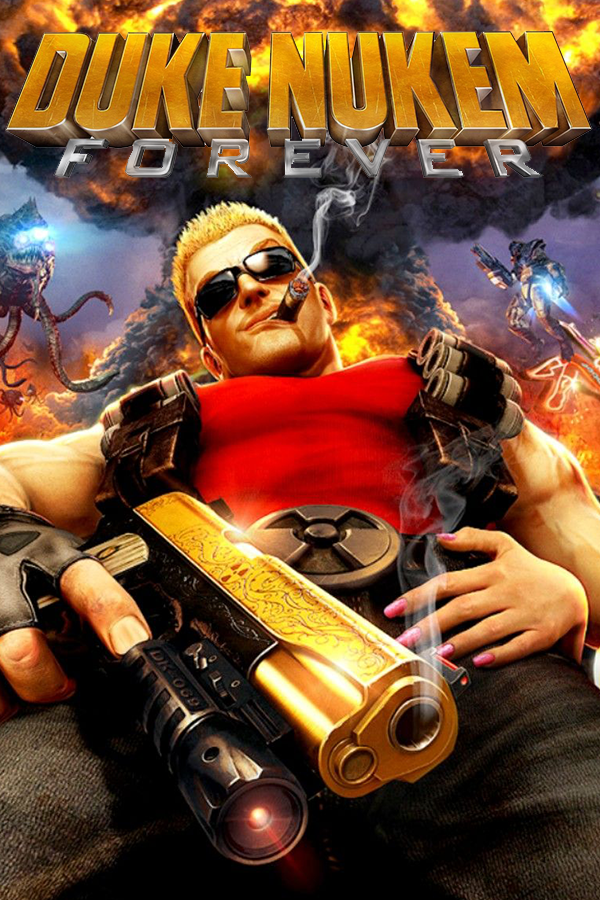
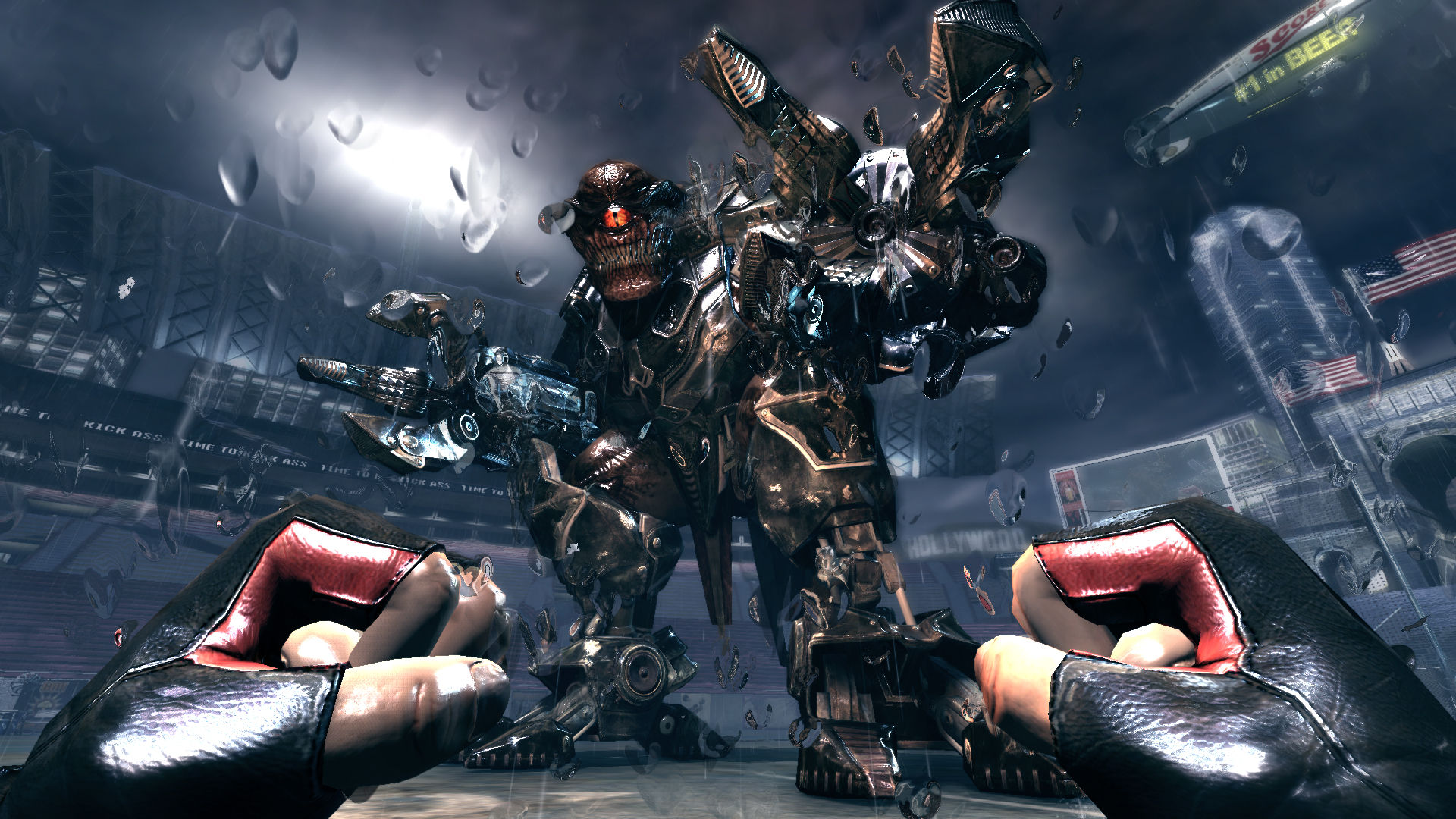


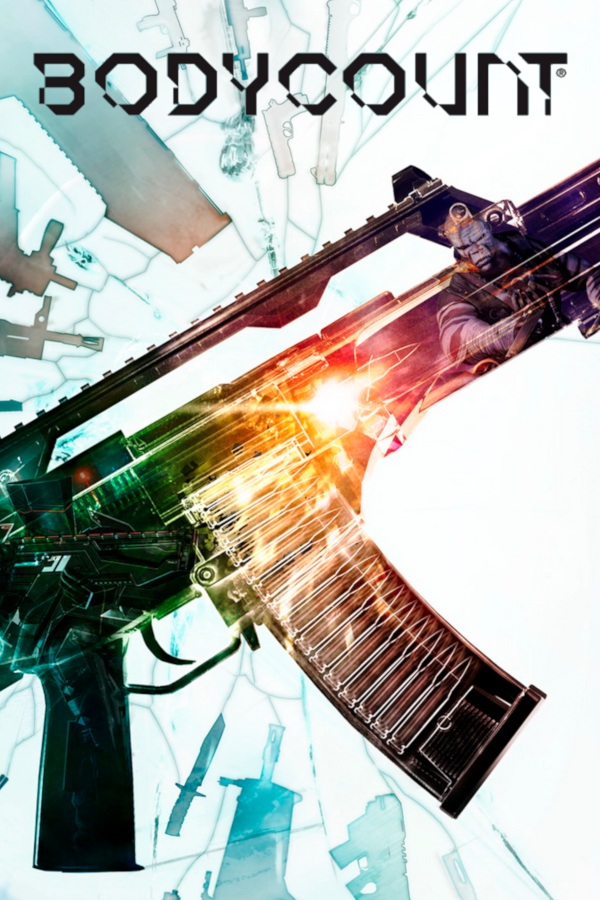
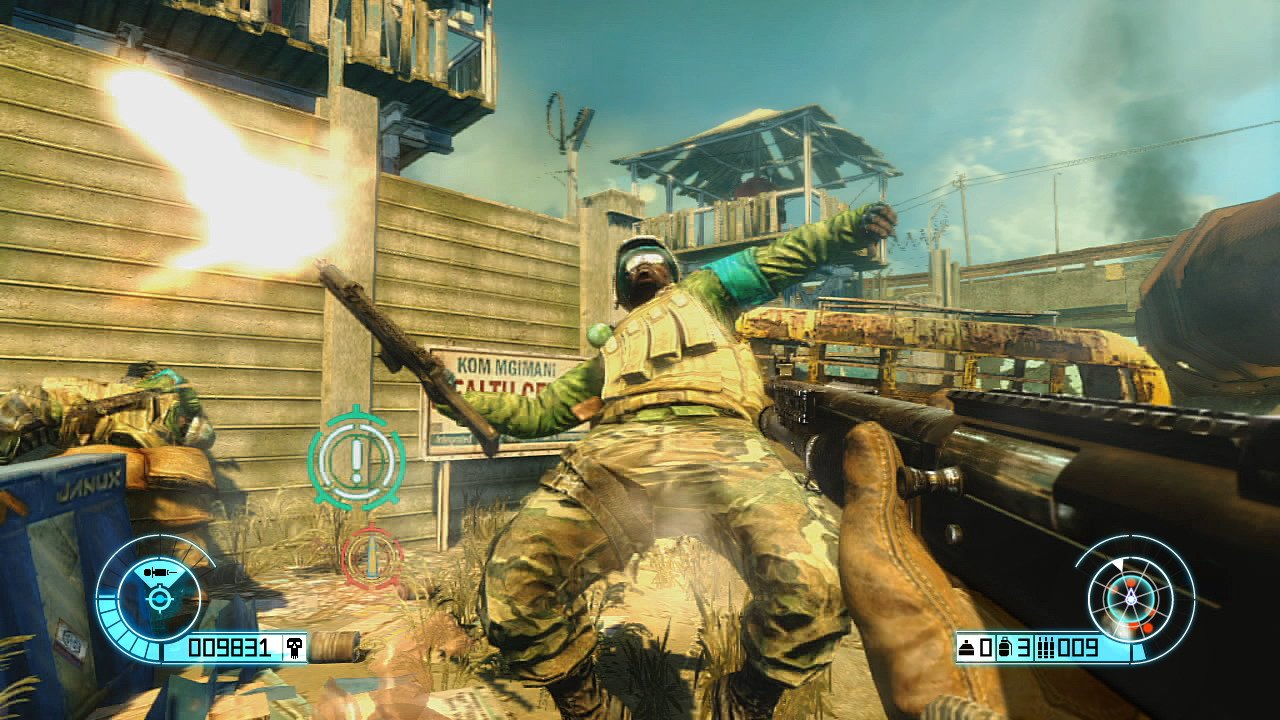

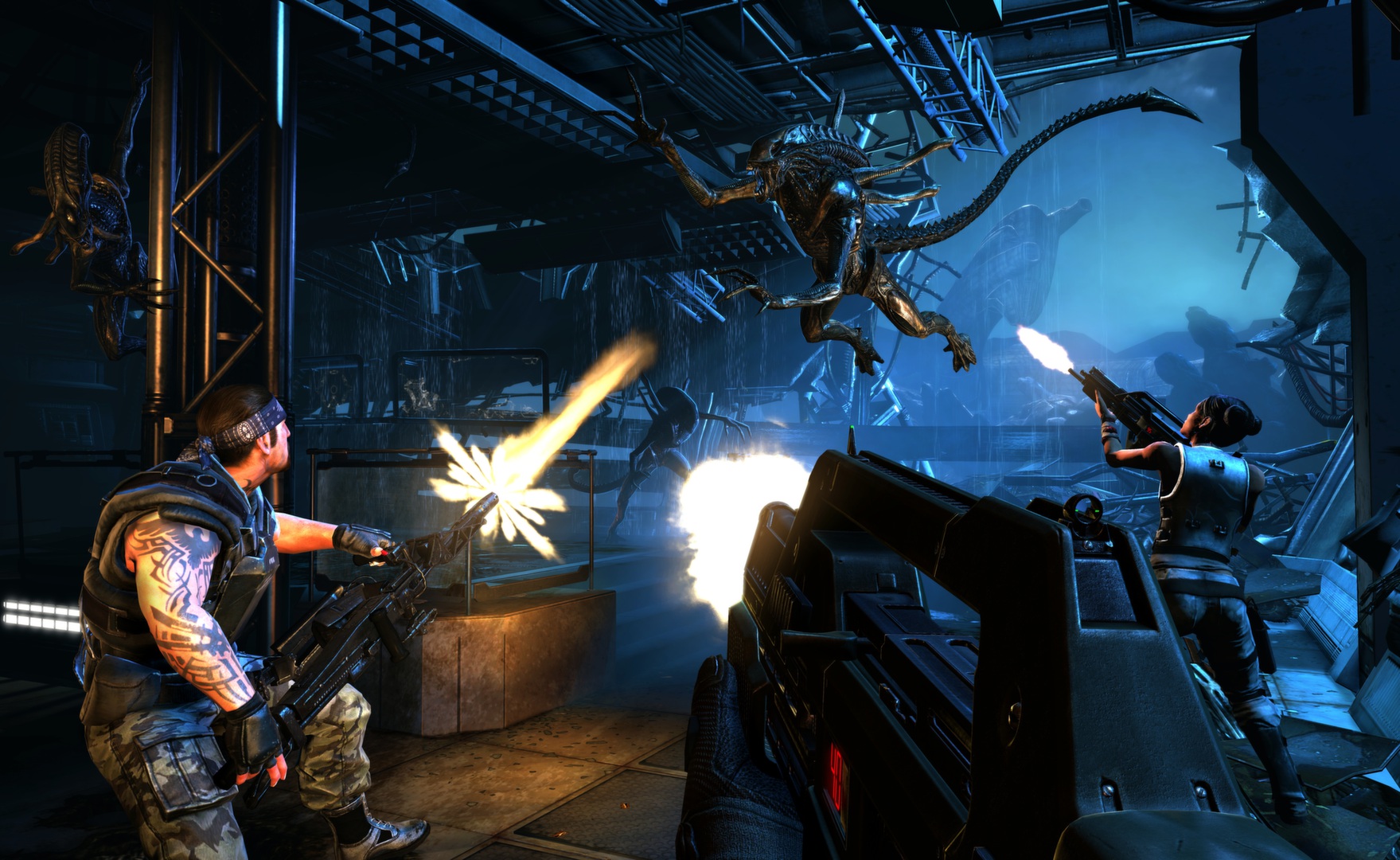
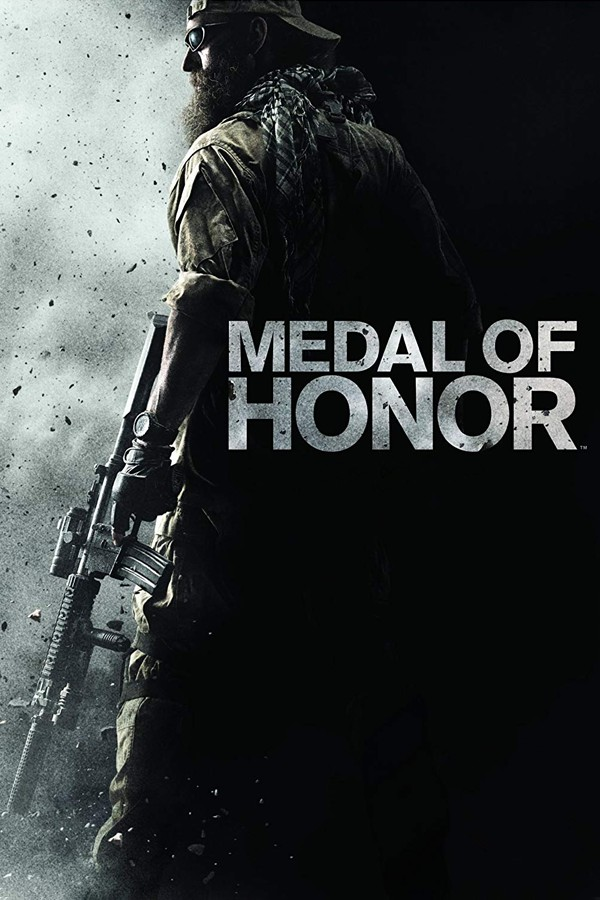
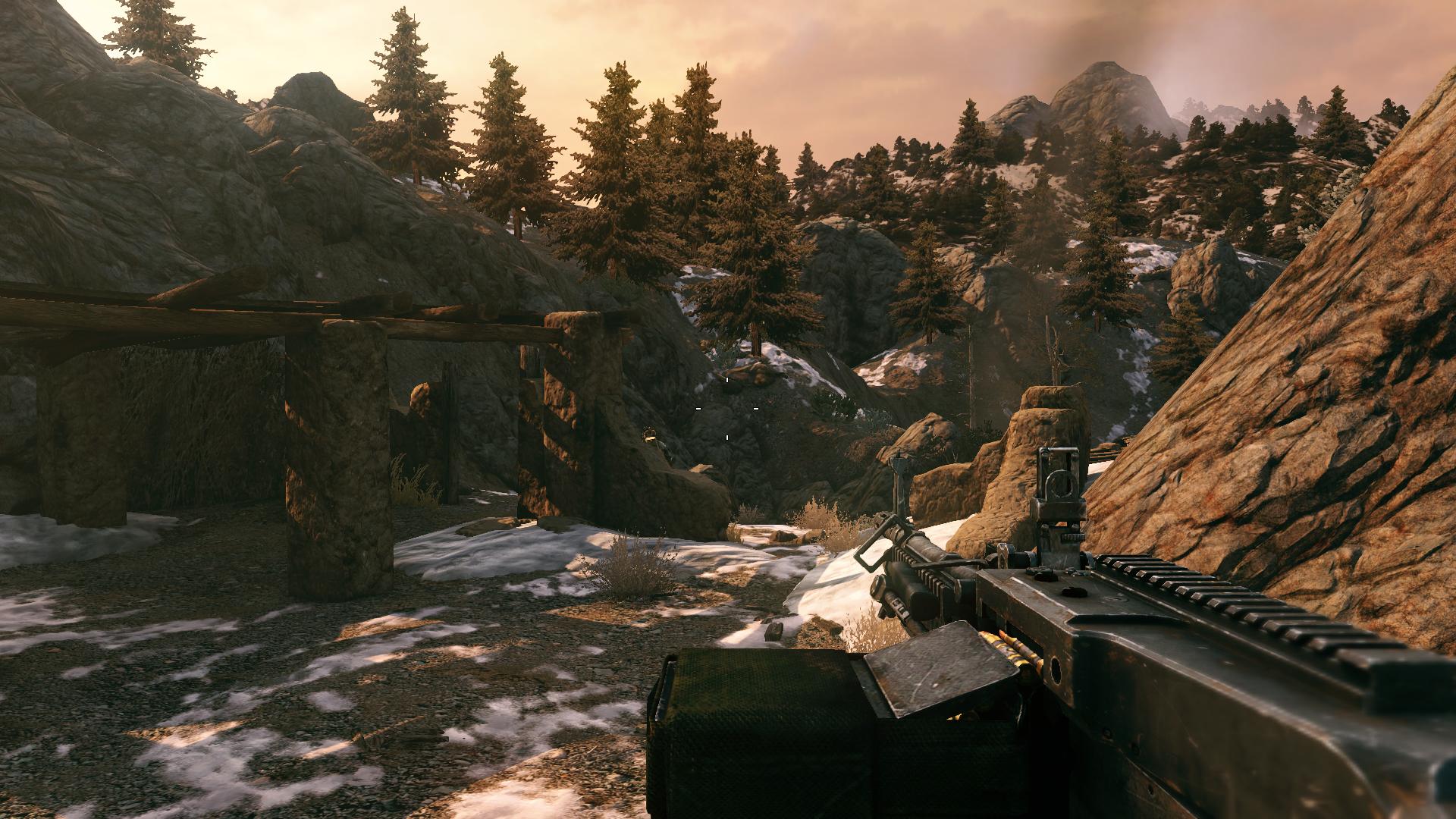
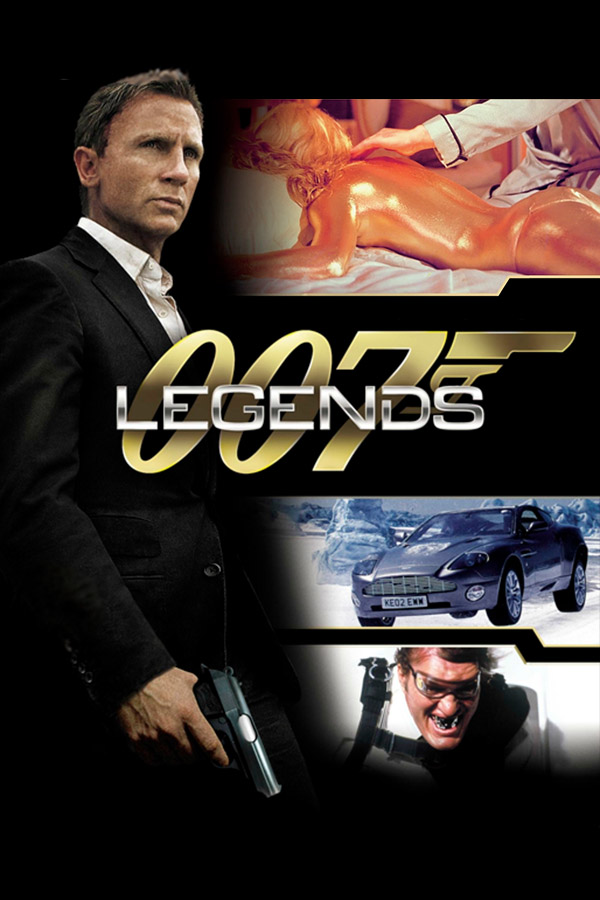
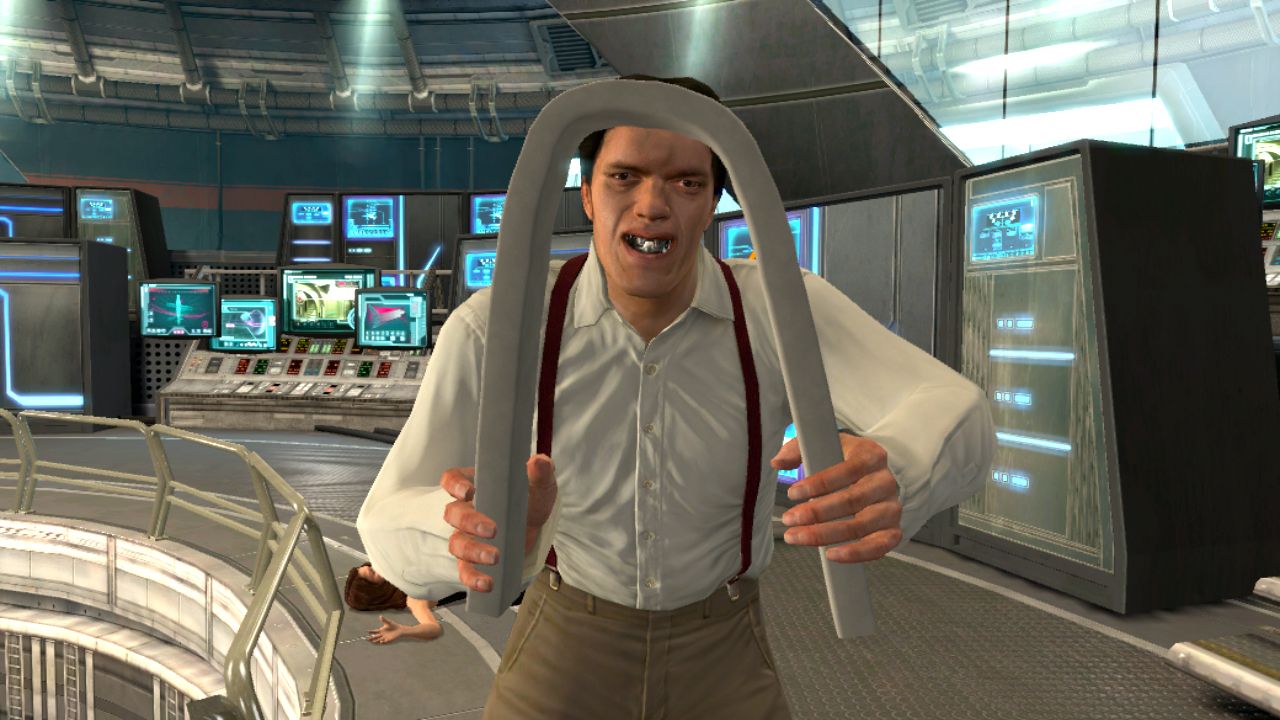


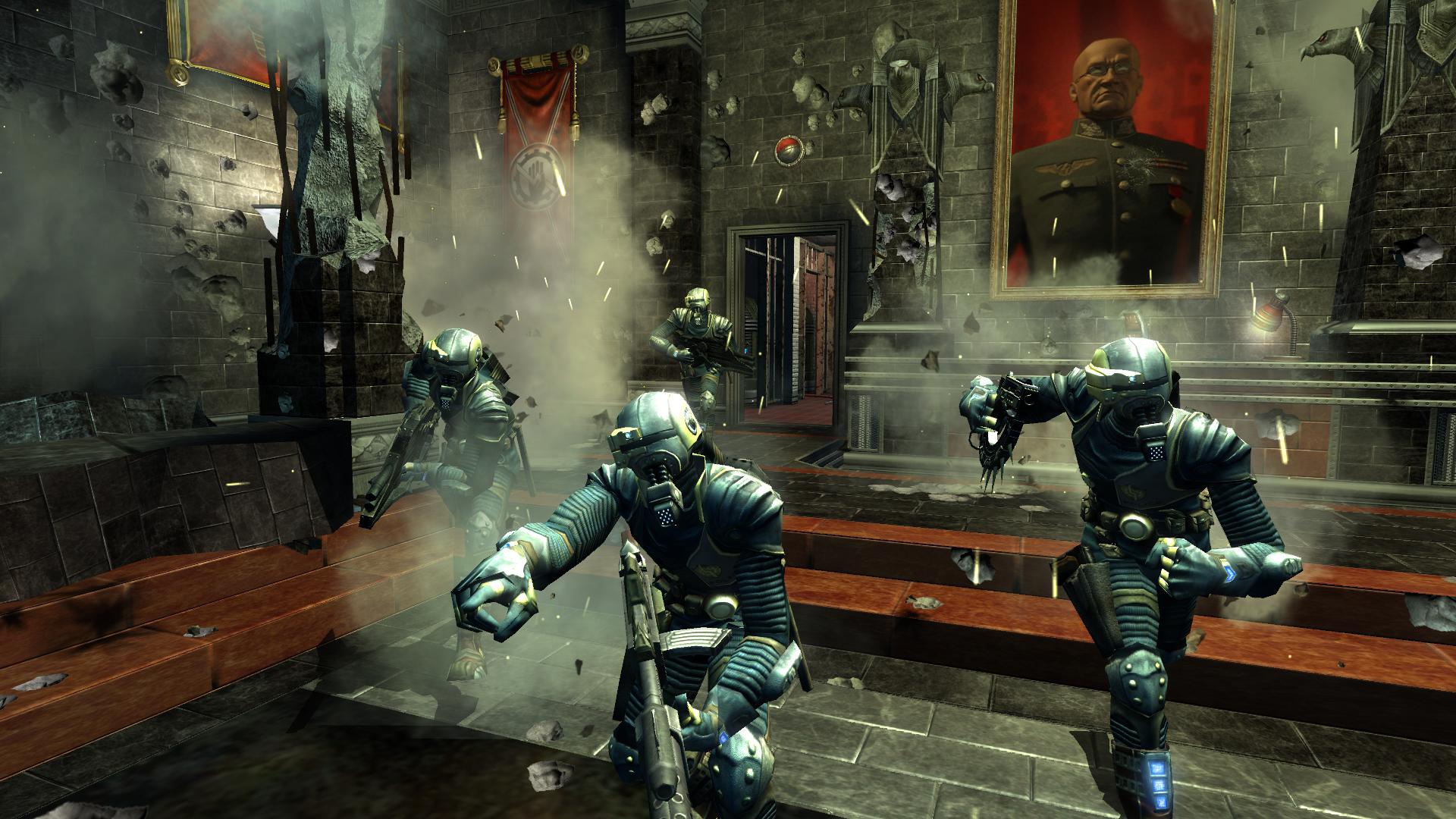
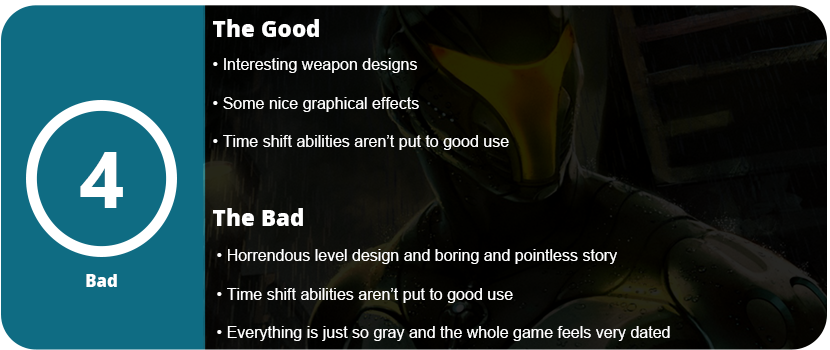





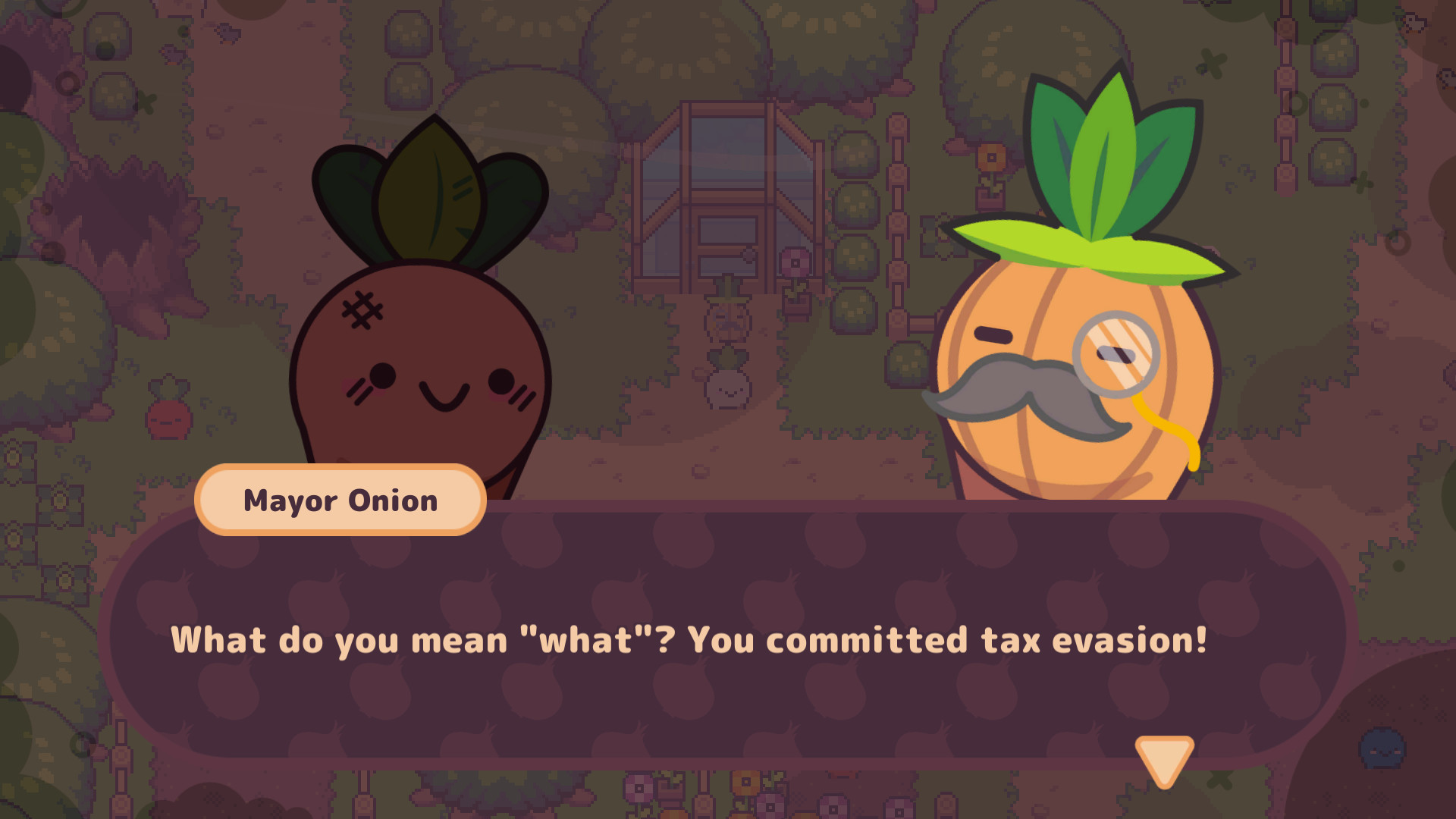
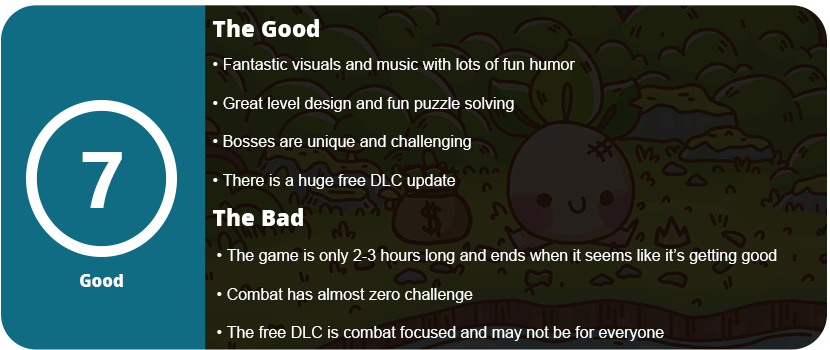


 thebinarymessiah.com
Try multiplayer. A lot of fun !