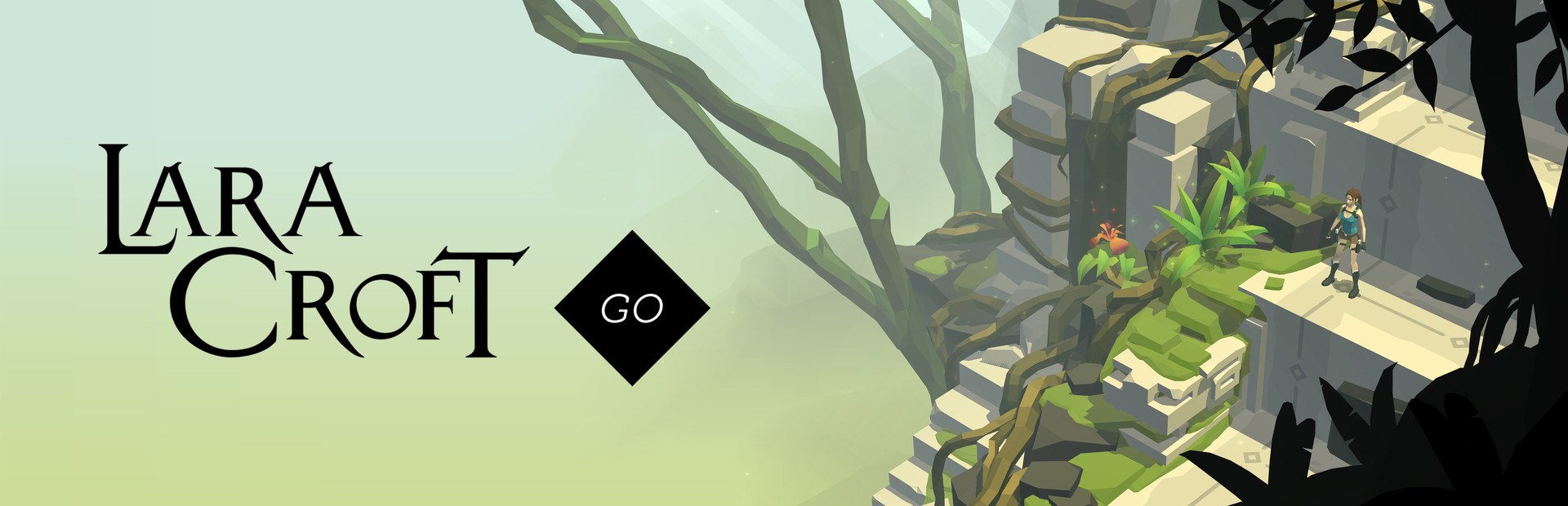
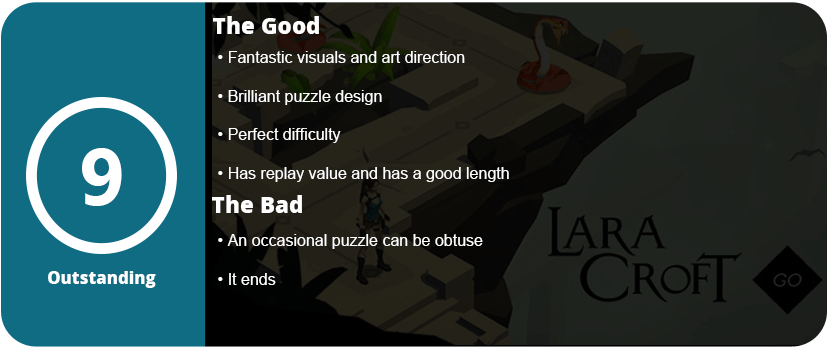
Lara Croft has made a huge comeback thanks to 2013’s Tomb Raider reboot. With her spin-off top-down series, Lara was bound to find her way onto the mobile market. Feeding off the success of Hitman GO, Square Enix takes another popular franchise and ups the ante on the GO series. With fantastically designed puzzles, great graphics, and easy controls, Lara Croft GO is the best mobile game released this year.
If you played Hitman GO, you will be in familiar territory. The levels are comprised of squares that Lara moves along; these squares have dots on them, so you know which ones you can land on. There are various puzzles that will make you really think before advancing to the next level. From pulling switches, avoiding enemies, killing enemies, moving platforms, moving stone pillars, and various other gameplay tidbits. It’s not just as easy as pulling this switch over here and having that switch be done. Enemies play a huge role in this game, and movement is key here. Every time Lara moves a space, so does an enemy. You must line up your moves to avoid the enemy or go around them. The puzzles are brilliantly laid out here and will constantly keep you in check.
The game also felt progressively balanced in difficulty. I started off clearing levels quickly and then slowly had to start thinking. Once I thought I had mastered certain gameplay elements, another was thrown at me and made me think all over again. I can’t stress enough how well these puzzles are designed; they feel like they were made with care and delicate thought in each and every square. In between solving puzzles, there are hidden vases throughout the level that hold gems that will unlock outfits for Lara if all are found in the level.
The game is also quite decent in length. It took me a good two weeks to finish the game, and there is replay value here. Throughout the whole game, I never felt like it was impossible or too hard. It was always something that stared me right in the face, and when I figured out the puzzles slowly, I had a lot of “Aha!” moments, which are so satisfying. Some puzzles I really had to work on, and some were quite easy, but the easy ones in between keep it from getting too frustrating.
The graphics in Lara Croft GO are beautiful papercraft models with great lighting effects and high-quality textures. This is a high-end mobile game at its finest, and I firmly believe every Tomb Raider or puzzle fan must own it. I hope to see more games in the GO series, as they are addictive and so wonderfully crafted. This is a hidden gem and an oasis among awful and ugly free-to-play games.
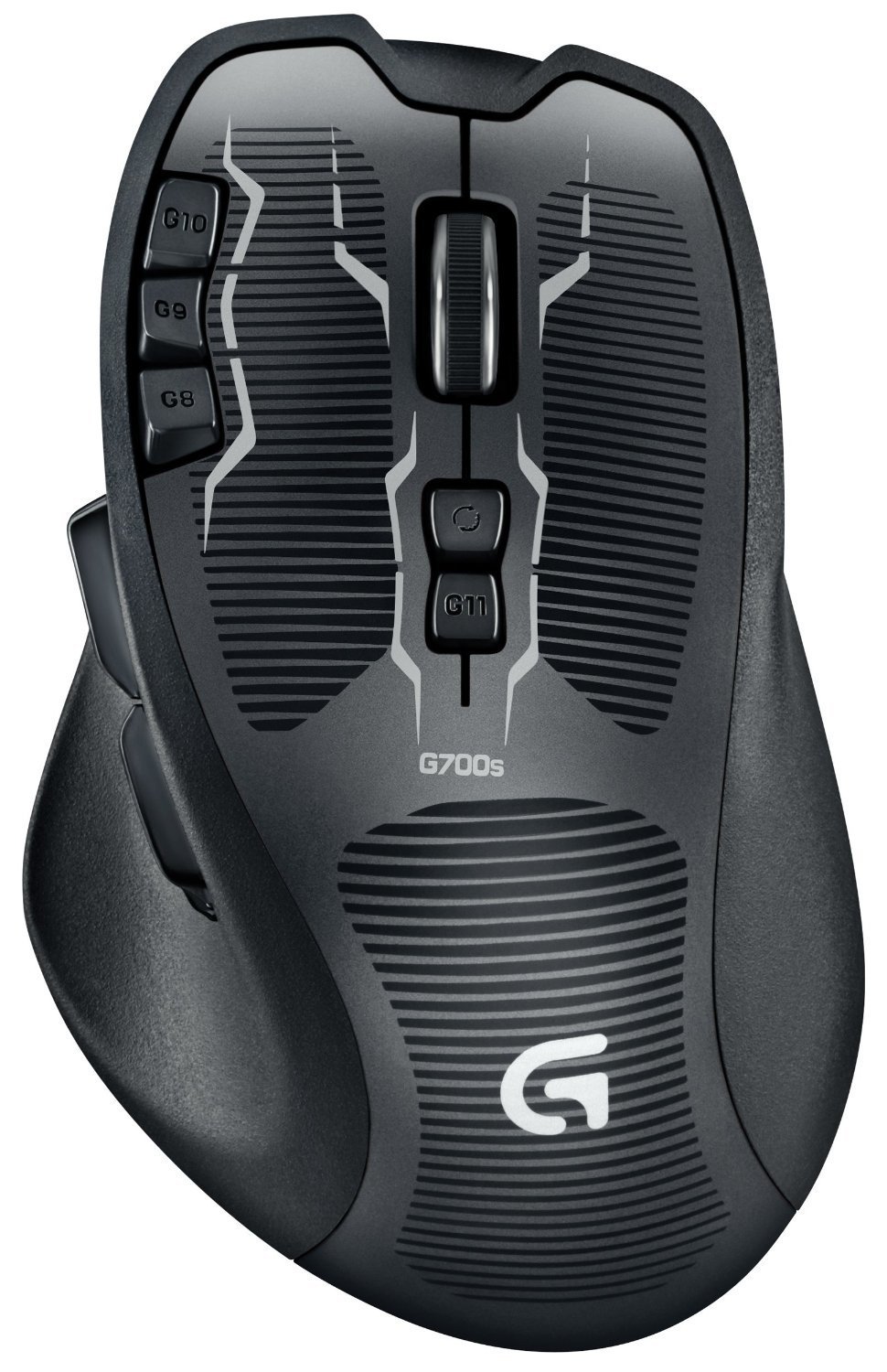
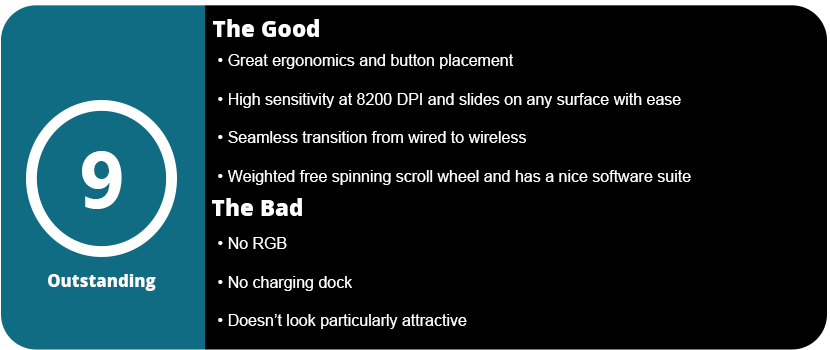
I’m a fanatic about gaming mice and keyboards. I love getting the latest and greatest because I always want something that’s evolving and making gaming more comfortable, accessible, and easier, and I also love state-of-the-art tech. I’ve tried mice from both Mad Catz and mostly Razer, but there’s been one underlying issue from both companies that hasn’t been fixed in years: The drivers stink big time. The mice are unresponsive, freeze up, can’t go from wired to wireless seamlessly, act up when coming out of sleep mode, etc. I love my Razer Ouroboros, but I couldn’t stand the shoddy drivers anymore; the freezes, skips, and bugs were driving me insane. I finally decided to switch to a completely different company, Logitech. Someone I’ve known for years, even before I started PC gaming, is a company that is notorious for high-quality products that last a long time and work well. I went for the gusto and picked up their best mouse available: The G700S
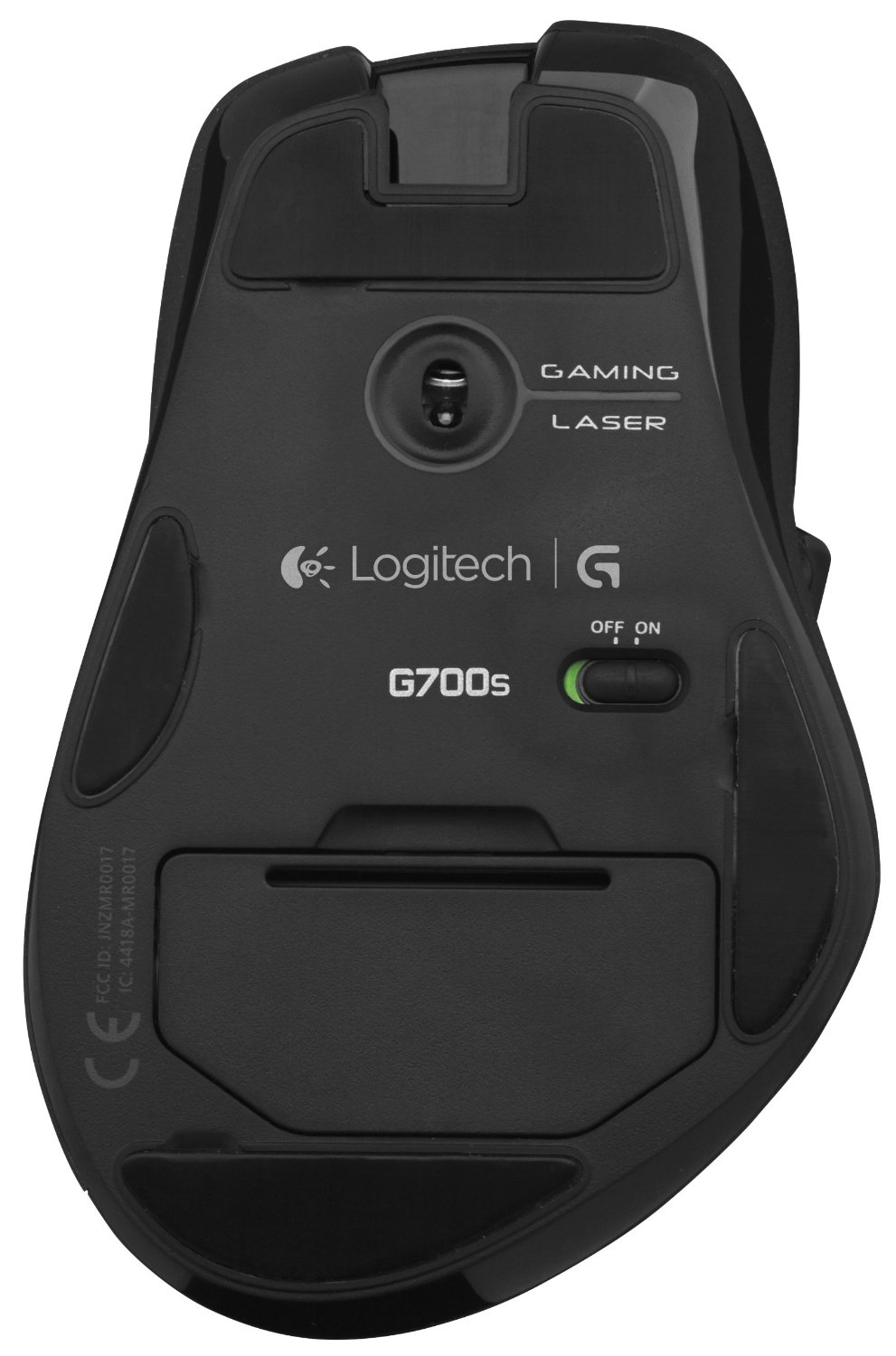
It’s not exactly a flashy mouse like Razer or Mad Catz. It won’t turn heads, and it may not even be noticeable to most people until they touch it. There’s no fancy charging dock or lighting effects, no over-glorified box, just a mouse in cardboard with some neat buttons. I was a little skeptical at first because it didn’t have a charging dock; it has a USB cable, an extension, and a micro USB dongle, which kind of scared me. Those dongles are known to not work well and have poor signal strength, but I trekked on.
The setup was actually so simple that I was confused and thought something was wrong. I literally plugged in the mouse and the dongle, and no drivers were installed. I thought it was odd. I then downloaded the software suite and proceeded to scour the manual for something, thinking I had missed something. It turns out, Logitech is a master at drivers, and a completed in-your-face setup isn’t necessary.
After this, I proceeded with changing some settings; thankfully, the mouse keeps all profiles and settings inside the mouse via onboard memory. There are gaming profiles you can use, but every profile was exactly the same for the mouse; most changes were for Logitech keyboards, so I stuck to the onboard memory. The mouse has eight programmable buttons: three accessible to your left finger, one below the mouse wheel, and a cluster of four on your left thumb. These all felt natural and very easy to get to, unlike some mice, despite their ergonomics. The buttons clicked well and weren’t too difficult to press, even for intense games.
Once I easily programmed the buttons, I realized how nice this mouse felt. It fit so well in my hand and didn’t need fancy adjustments or anything that could come off. It was just a nice-feeling mouse that had a good weight to it. The feet were great and slid better than any other mouse I have used, and there’s an interesting feature unique to this mouse that you won’t see on any others. There’s a “clutch” button that releases the scroll wheel to free spin. It feels like spinning around weights and glides buttery smooth—so smooth, in fact, I can’t even feel it spin. The weight allows you to spin the wheel really fast for quick scrolling, or you can press the clutch again to lock the wheel and make it slower and click.
The performance is also the most flawless I have seen on any mouse. Going from corded to wireless is seamless, with zero hiccups, which are needed when your mouse dies in the middle of a game; it responded when my PC came out of sleep; and there have been no freezes, lag, hitches, or DPI drops like I have in Razer mice (three in total, by the way). The mouse can track up to 8200 DPI with a 1000 polling rate, perfect for people who love high sensitivity. I was able to adjust my DPI on the fly to adjust for different games, and I had no problems with the whole software or hardware.
With that said, the Logitech G700S may not be the flashiest mouse, but it functions the best, and in the end, that’s what counts. With zero lag, no connectivity issues, seamless corded-to-wireless transitions, and a great software suite, there’s not much more you can ask for. The ergonomics are great, and the mouse slides better than any other mouse I’ve touched. This is well worth the $100, even over flashier Razer and Mad Catz mice.
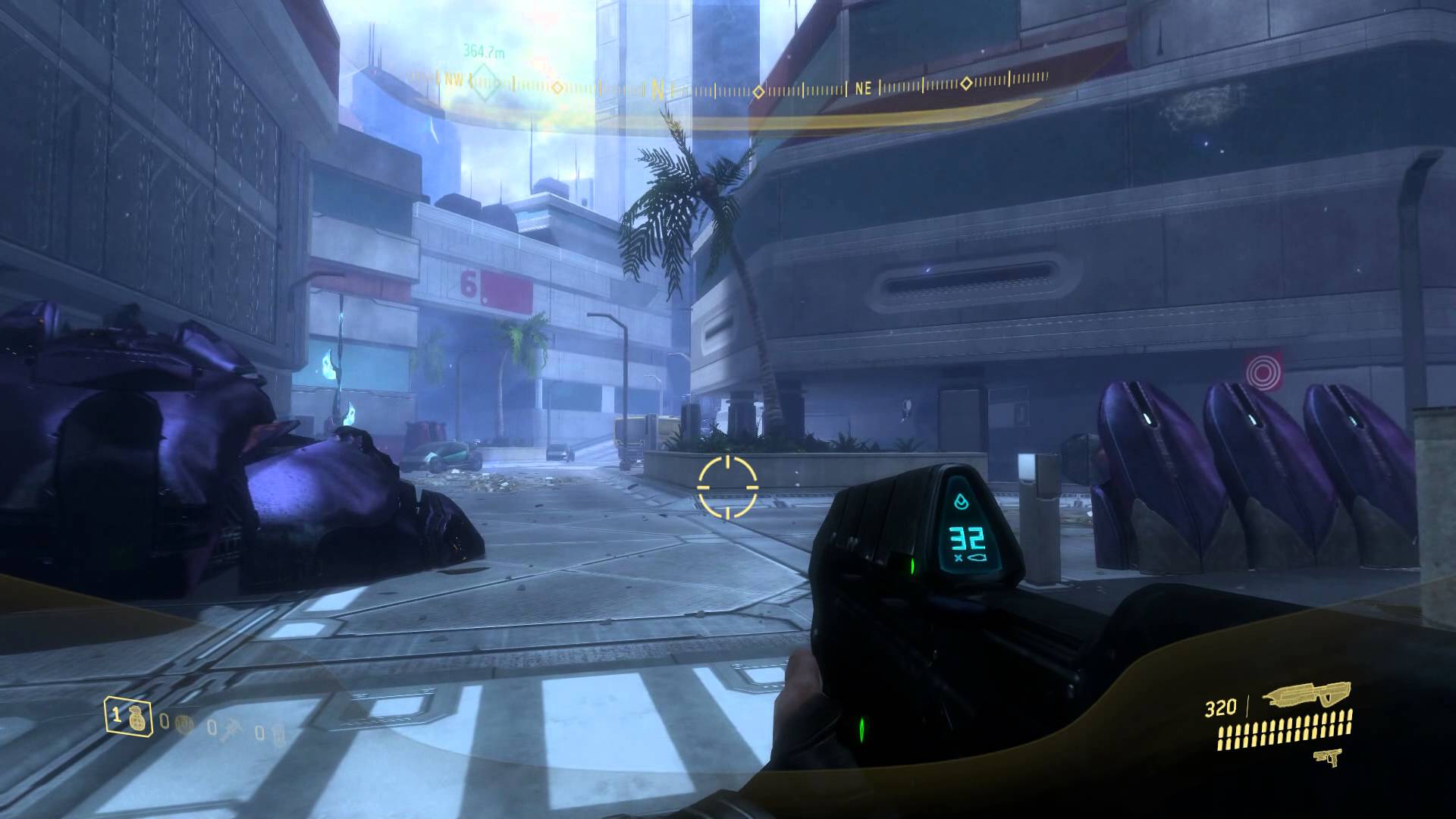
Well, I finally did it; I actually beat ODST. I rented the game when it was first released, and it was so boring that I nearly fell asleep. I turned it back in after the first mission. In retrospect, I realized I just didn’t know enough of the Halo universe to understand the story of ODST, as non-fans won’t quite understand this little slice of the story, and that’s exactly what ODST is: a slice of Halo.
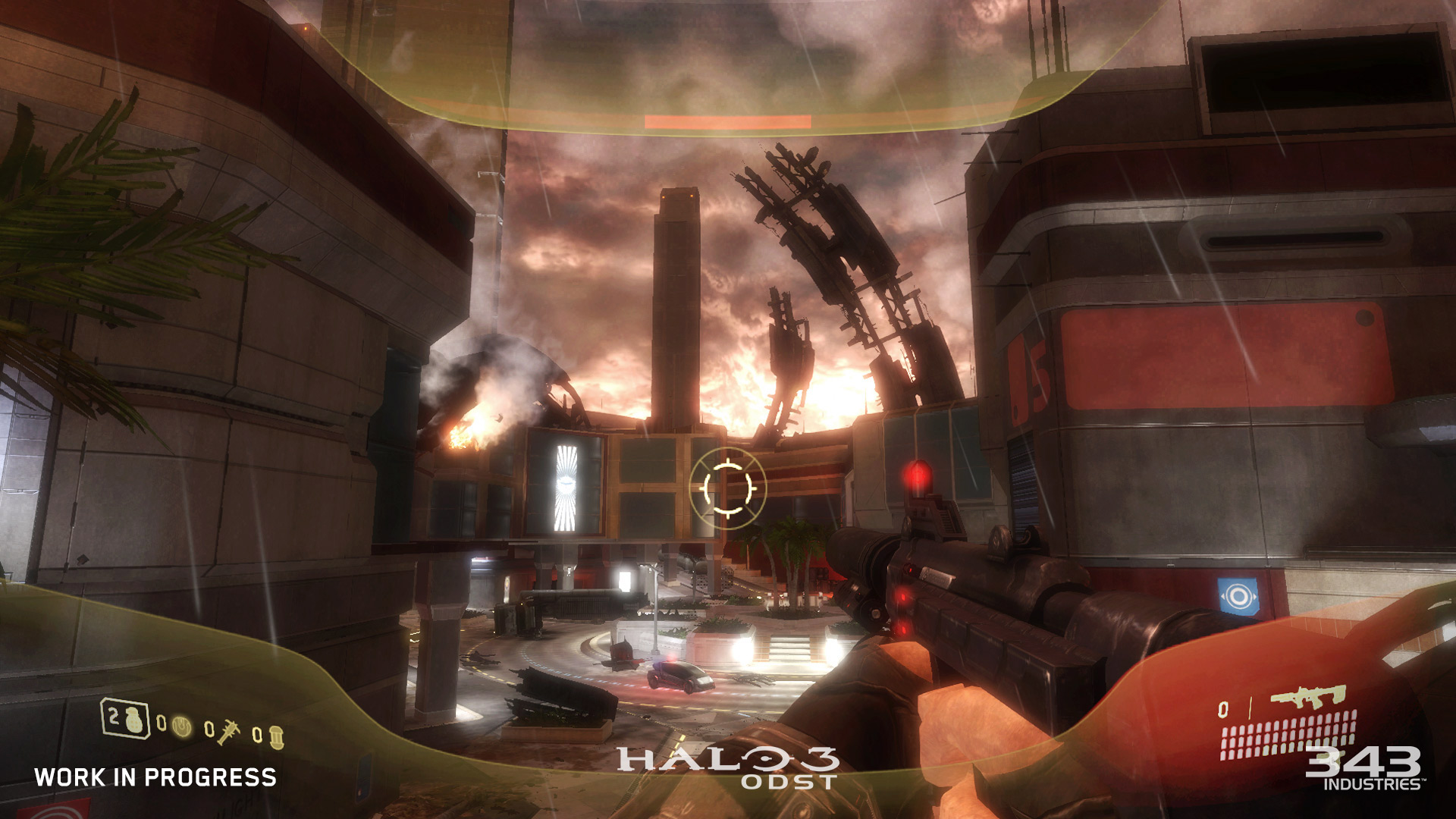
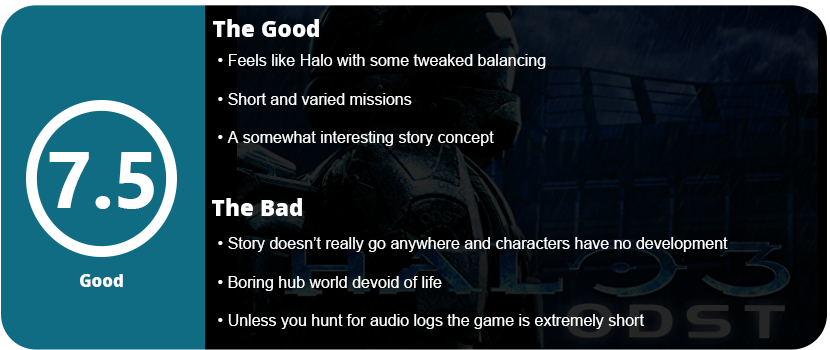
You play as an ODST (Orbital Drop Shock Trooper), who are the grunts in the warfighting most of the fights while the series is mainly focused on Master Chief. In ODST, you are dropped into New Mombasa, which is now completely overrun by Covenant and devoid of life. You were supposed to meet your fellow teammates for a mission, but everything went to crap, as usual, and now you have to figure out what happened to them. You are supposed to find clues as to what happened to each member, and these result in flashback missions. After completing the game, I realized how short it actually was, with only about 8 missions or so. Outside of these missions, finding 30 audio logs ends up being filler content, as I spent most of my time with the game hunting these down for achievements.
If you don’t bother hunting these down, you’re in for one short game, but this was just to help tide people over before Reach was released and for the inevitable release of Halo 4 that everyone wanted. Wandering around this hub is actually quite boring, with the occasional Covenant firefight breaking out. The city is devoid of everything and felt like an unnecessary filler to add a couple extra hours of aimless wandering. There are objective markers for each clue, but getting to each one is tedious and has no point. The audio logs serve as a side story of what happened to the city and a particular inhabitant, but the actual story outside of this doesn’t pick up until the end of the game, which is really weird.
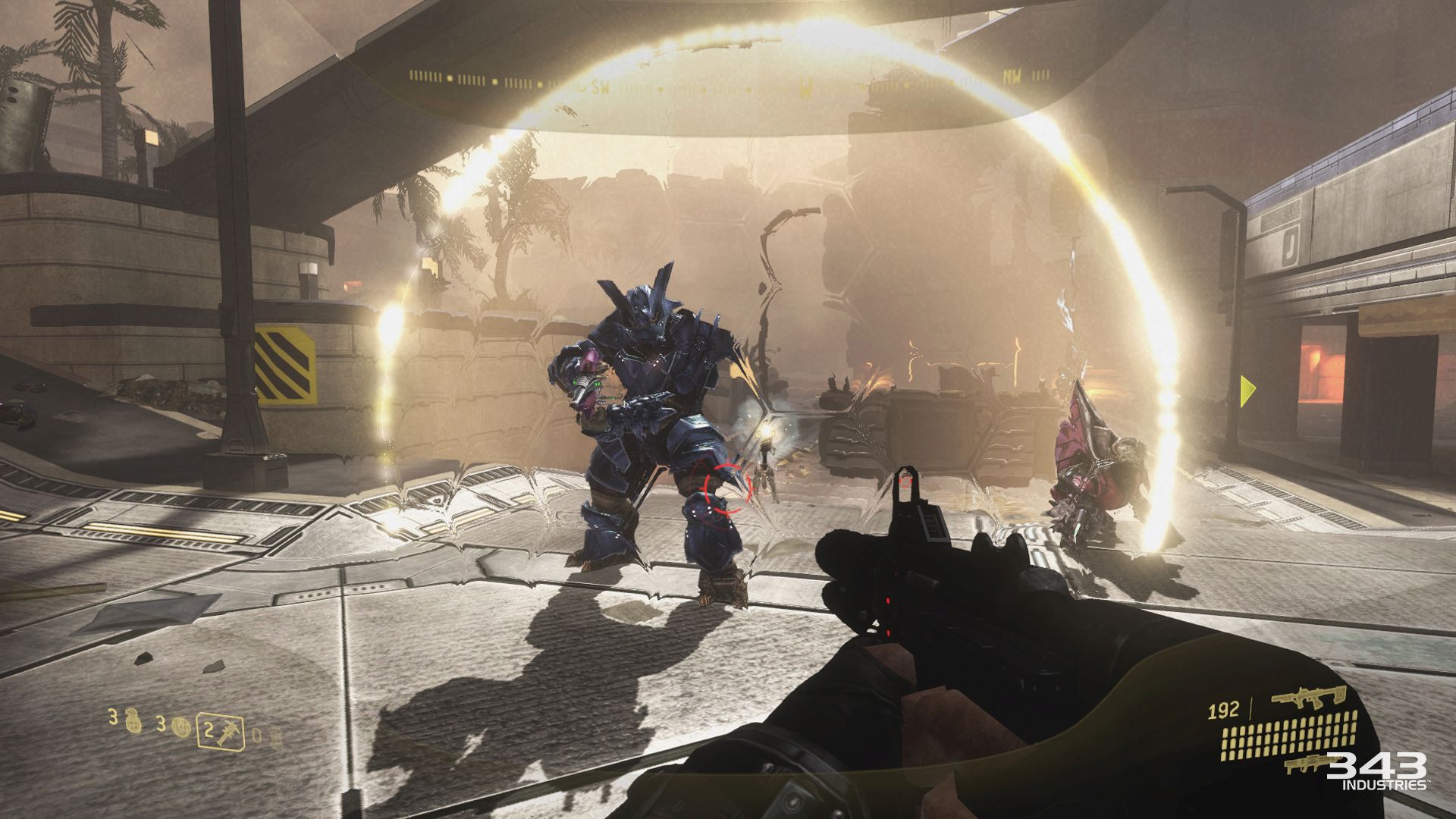
The mission is to retrieve the data of the superintendent, which is in a huge data hive that is underneath New Mombasa. It turns out this was extracted by an alien species that becomes an ally, and you must bring it back to Earth. I will actually praise ODST’s missions for being of decent length and mixing up the gameplay a little bit. While it’s the same Halo stuff we are used to, it’s in shorter bursts. Vehicle sections mixed with highway sections mixed with on-foot stuff work well here, just like in any other Halo game. There is some better balancing over Halo 3 (it uses the same engine), with better weapon handling and tighter mechanics. It still feels like Halo, which is what counts, but this is obviously a diversion. I honestly asked myself in the end: if this game was never released, would it have mattered? No, it wouldn’t have, as it’s not the main Halo game, and most people actually never played it.
In the end, we get a mediocre Halo game with characters we really don’t care about due to a lack of character development. The graphics are decent and look even better on Xbox One, but what does it all mean in the end? Nothing we couldn’t have gotten out of a novel or comic series proves that ODST is just a diversion to stem the tide of anticipation for Halo 4. With a boring hub world and a broken story, ODST isn’t a necessity for anyone, fans or non-fans alike. Play this if you just want to finish the whole series or feel like you need a break from the main road.
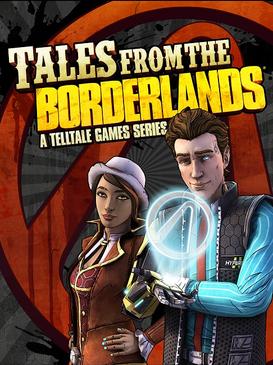
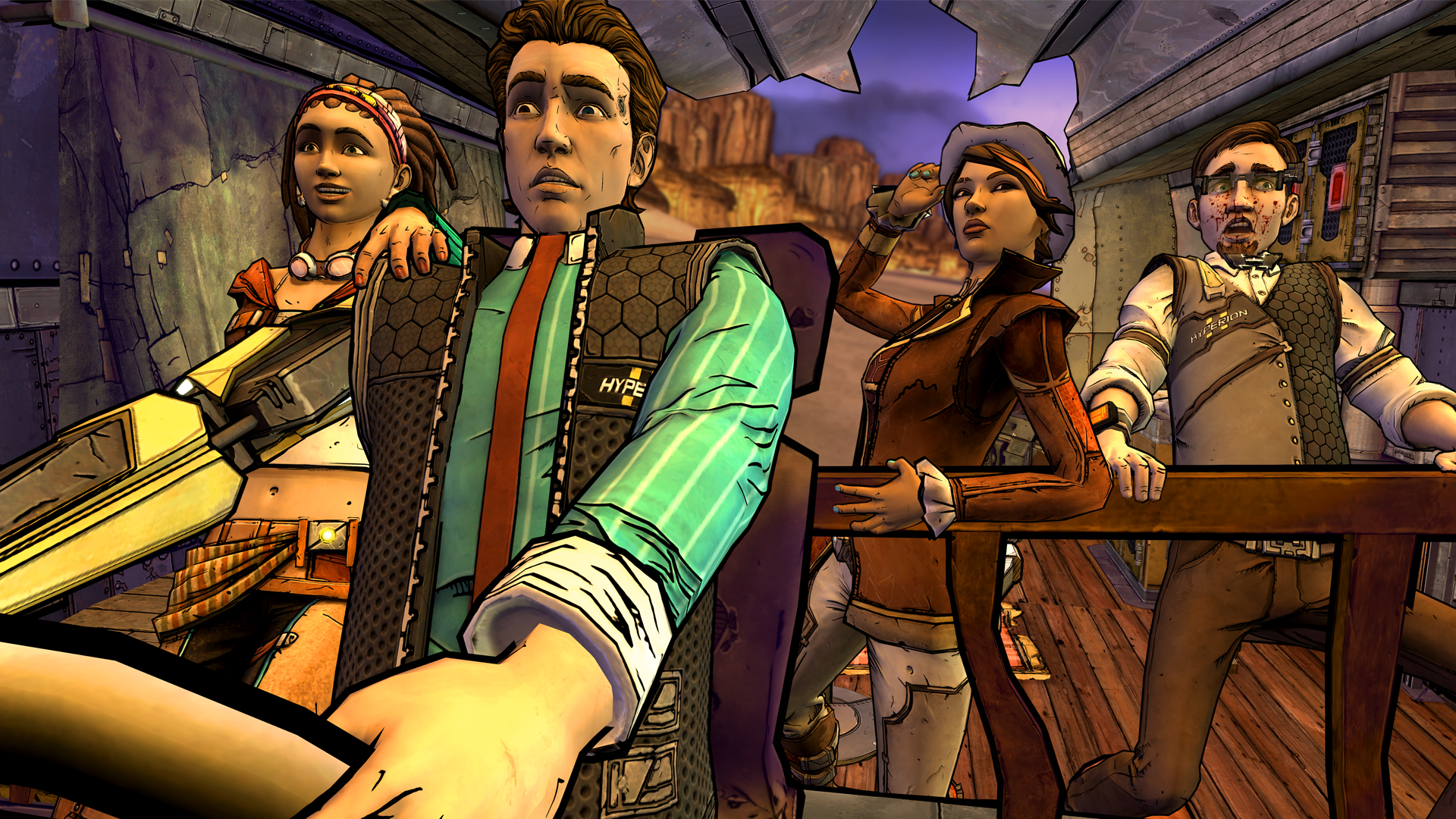
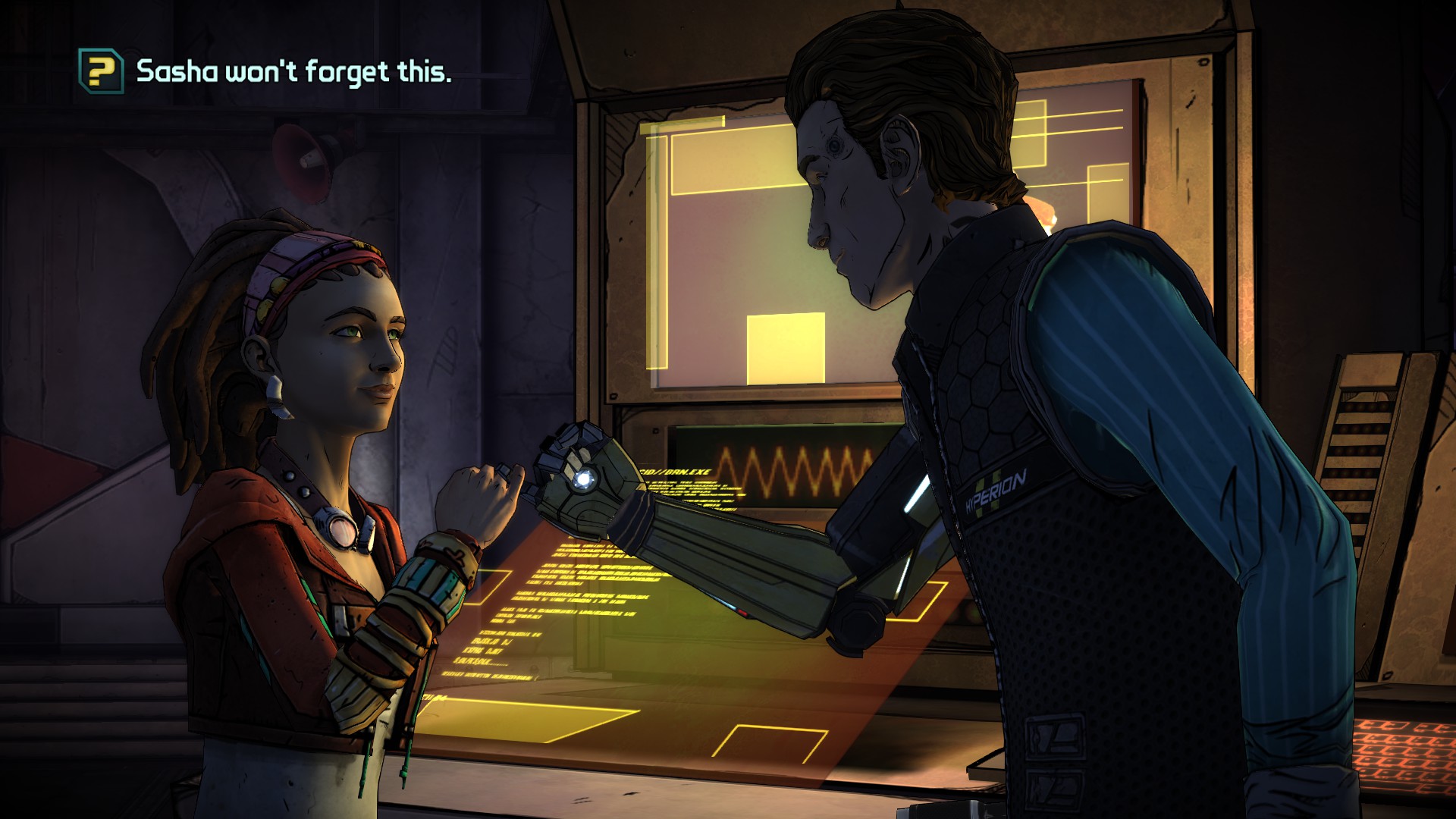
Borderlands is well known as a shooter-RPG hybrid, but with little to no story. There’s a lot of potential in a great Borderlands story, and Telltale Games finally delivered that. TftB is a fantastic story-driven game with memorable characters and enough Borderlands lore and quips to make a fan faint. The visuals are great, and there’s a lot to walk away from after completing it.
You start out by playing as two characters in this game, Rhys and Fiona. Rhys is a Hyperion corporate employee, and Fiona is a Pandorian con artist. The whole goal of the game is to open the Vault of the Traveler and find its hidden treasures. The entire point of any Borderlands game is to open a mysterious vault. The game is mostly comprised of flashbacks, as a man is dragging you two through the desert and having you retell your story leading up to the point of capture. This mysterious figure is well hidden, and I couldn’t guess who it was for the life of me. The unveiling was so surprising. Telltales are masters of surprise and plot twists, and TftB has plenty of them.
Like most Telltale games, there’s not much gameplay involved, just enough to make you feel like it’s a game. However, the stories are so fantastic that you won’t care much. There are a lot of quick-time events and moral choices in the game. These choices are the key components of any Telltale adventure and are what make them memorable. Some choices don’t matter so much, and some can change the course of the entire game. TftB doesn’t have as many story-changing choices as, say, The Walking Dead, but they do make a difference and can be tough to decide on. Putting your own moral compass in the game is what makes these games so memorable, and I love it.
Each episode usually switches back and forth between Rhys and Fiona, from Pandora to Hyperion and back. The game truly felt like a long adventure and was very satisfying and fulfilling all the way to the very end. The game has a large scope, and there is plenty of Borderlands stuff in here for fans. Opening loot crates can give you cash to use in-game; there are various jokes and even cameos of Vault Hunters from previous games. I also felt that the story was told at a decent clip and never got slow and boring or felt rushed. Each episode probably doesn’t stand on its own, but as a whole, the game is wonderful.
I want to complain about the exclusive quick-time events being the only thing that consists of gameplay, but I won’t because it works for the game. There’s action, drama, and plenty of comedy thrown in that any Borderlands fan will love. The visuals aren’t technically impressive, but the meld of Telltale’s art style and Borderlands is a perfect match here, and it feels like an actual Borderlands game, which is what counts.
In the end, no matter what console you play it on, TftB impresses on every level and tells a story that any fan will love and approve of. Even non-Borderlands fans will like the game. TftB is a perfect formula for how you do a franchise spin-off and do it right.
Man, playing this game has been a long time coming for me. I played the demo when it was first released, as it was highly anticipated. Clive Barker’s Undying was a very well-received horror FPS, and maybe he thought he could up the ante by making a squad-based shooter set in his universe. It sounded good on paper, and the trailers and screenshots looked decent, but once everyone got their hands on the game, the bad reviews and anger started up. I rented the game, actually bought it once when it was dirt cheap, and sent it back both times. I just couldn’t understand the game, felt it was boring, and didn’t have the patience for it.
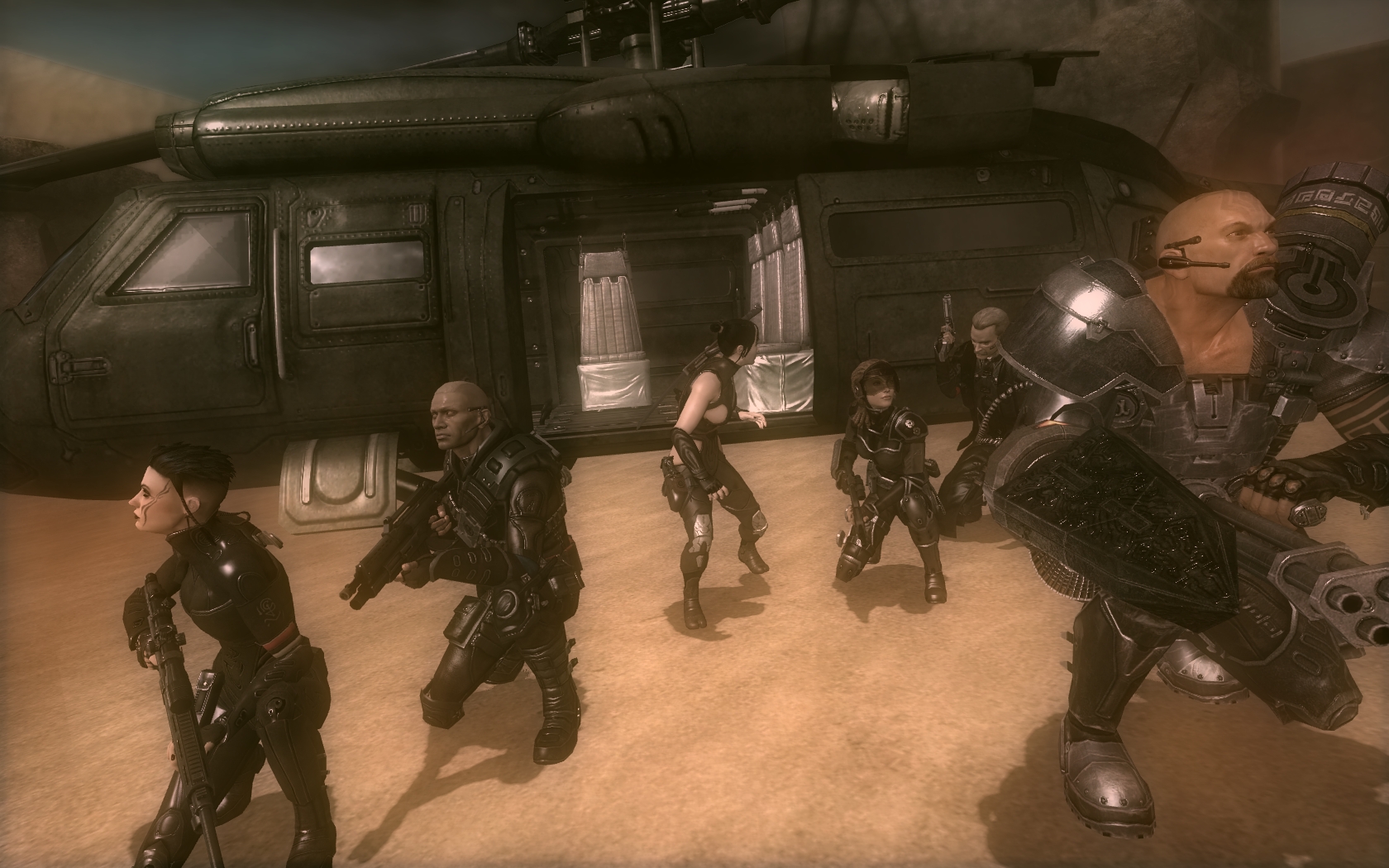
Now, almost ten years later, I decided to try one last time, and I finally got through the game. The story is what I had high hopes for, as Clive Barker is a great storyteller. You play as a squad of seven named Jericho that is sent to close a breach in a portal to hell. This self-contained hell is called the Pyxsis, which is a series of levels within itself. It doesn’t sound dissimilar to Clive Barker’s own Hellraiser series. Once you pass through each breach, a new setting is revealed, usually a time period from the past, and a new boss is on the horizon. The smaller story elements are decent, but the game has one of the worst endings I have ever seen. Once you beat the final boss, the game cuts straight to the credits with no pause—a complete shitty ending.
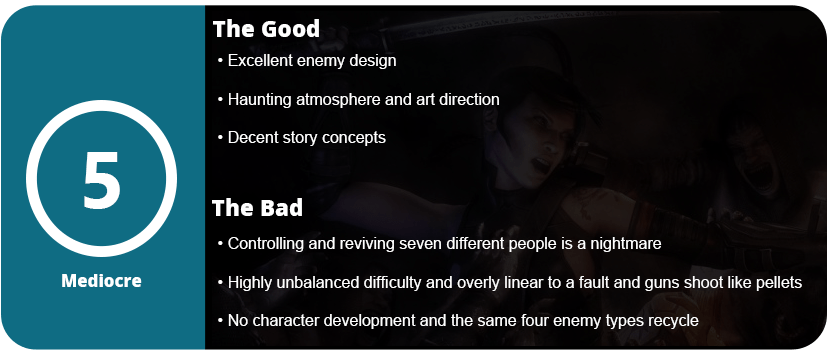
Actually, playing the game is quite a chore, and this is because the developers became too ambitious with you having to play as seven people, and it becomes a chore. Each member has their own weapon type and magic abilities. Delgado is a heavy mini-gunner with a fire demon spell and a fire shield. Jones uses an assault rifle/shotgun combo and can possess bodies. Black is a sniper and can use a bullet cam and telekinesis. Get the idea? There are seven of them, and you have to keep track of all of them in cramped linear hallways. Every so often, the squad splits up, but it still doesn’t matter. I went through endless hallway after hallway, killing the same three enemies throughout the entire game, and I wanted it all to end so quickly.
What makes matters worse is that the game is extremely difficult and poorly balanced. One level might be easy, but the next is wave after wave of enemies. Reviving each and every player every time they fall really stinks and makes things more difficult. Fighting a wave of enemies and having to run around and heal everyone who is down just makes the game more unnecessarily difficult. Even with the easy difficulty, I died a lot. On top of all that, the shooting mechanics are awful, as there’s no feedback or weight to the weapons, and they all feel the same. I just stuck with Delgado and the mini-gun through most of the game, as any strategy is null and void when you’re stuck in corridors through the entire game.
There were a couple weird puzzles thrown in randomly, and the boss fights became more and more frequent towards the end, like the developers ran out of ideas. After the 25th level, the game accelerates towards the ending. I can see how this game would have been better if there was more enemy variety, less linearity, and not so many squadmates. Just a tighter, more fine-tuned squad-based shooter would have been fine. Instead, we get seven people that we don’t really care about, as the game’s story randomly throws in cut scenes and there’s no character development.
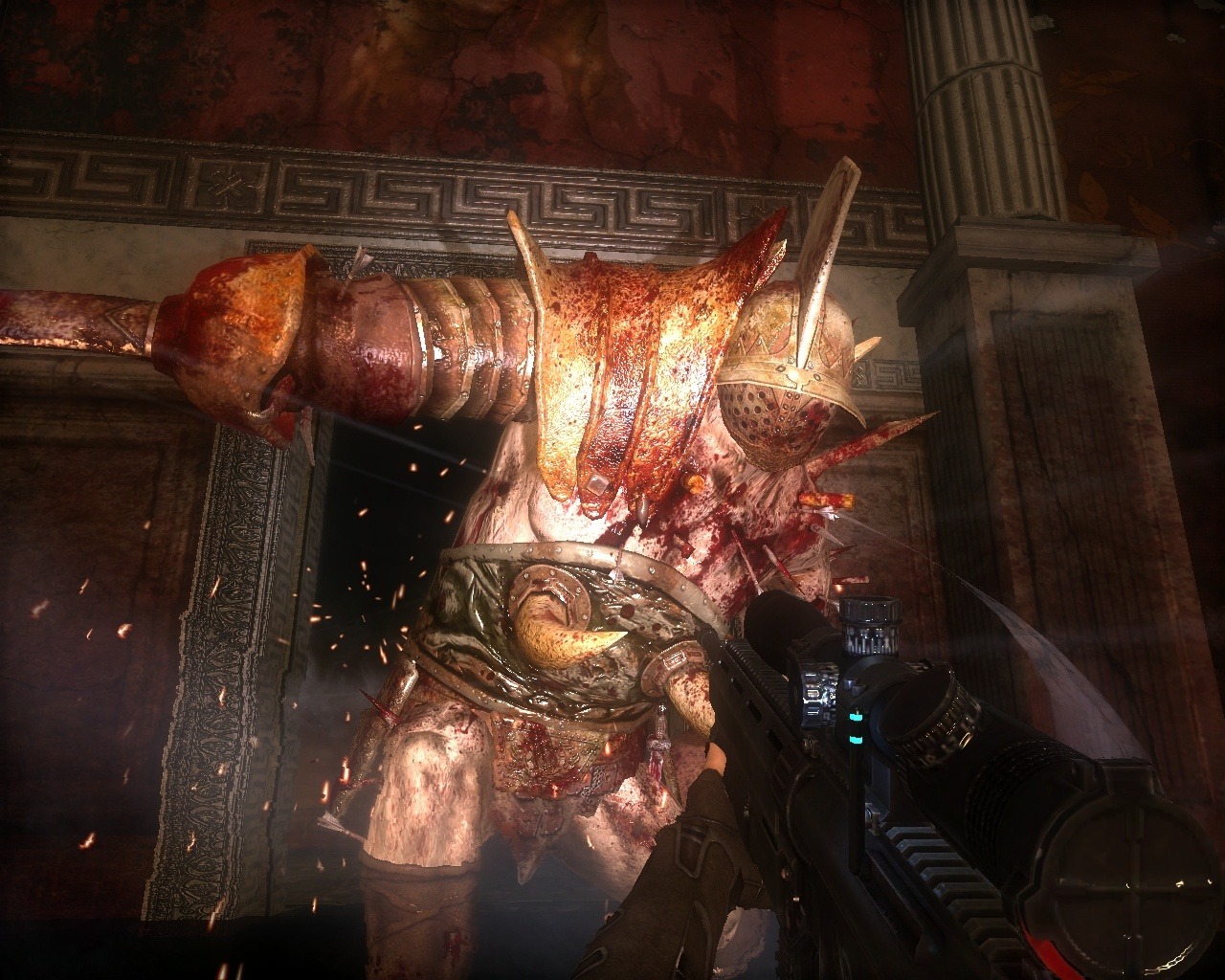
Outside of that, the atmosphere is fantastic and is the best part of the game. Clive Barker’s signature is all over the enemy and level design, with gore and blood on every inch of everything. The enemy designs are awesome, but there are about a half dozen, and they get boring to kill after a while. The levels are neat to look at, but they are nauseating in closed-up hallways and are always way too dark.
With that said, Clive Barker’s Jericho is only worth a playthrough if you are a hardcore Clive Barker fan; otherwise, there are zero reasons to even touch this game. It’s unbalanced, difficult, and boring; the story doesn’t really go anywhere; and controlling seven different people is a chore. The guns shoot like crap, and the only redeeming value is the art style and atmosphere. Stick to Undying if you want Clive Barker’s better adventure.
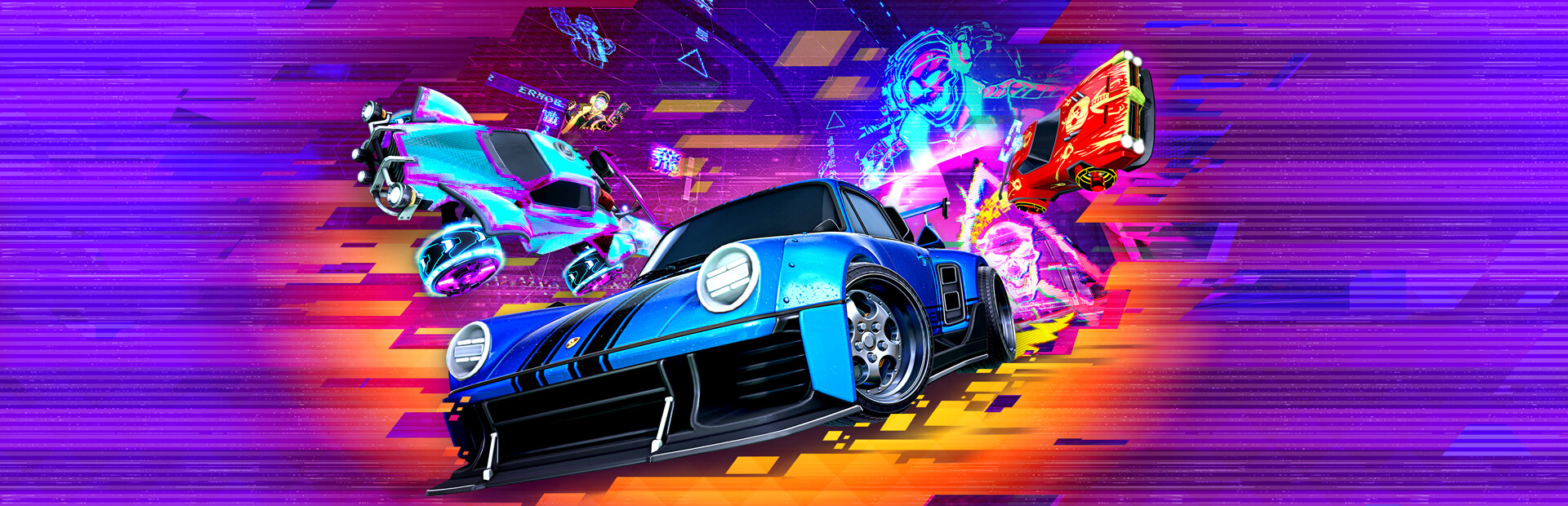
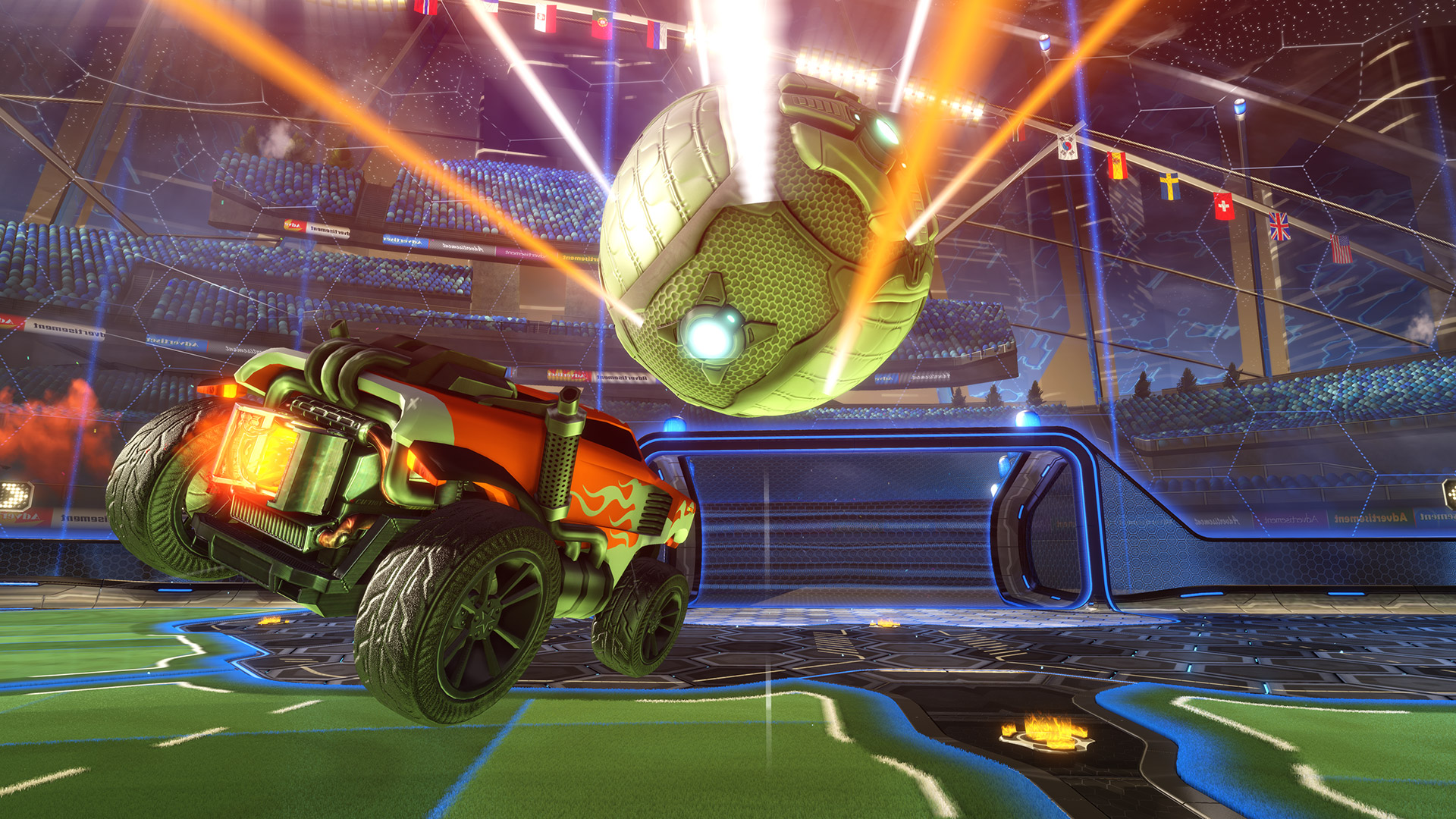
When you think about soccer, the last thing you think about is cars. Rocket League takes a joke and turns it into one of the best competitive games in years. That’s a bold statement, I know, but you have to play it to believe it.
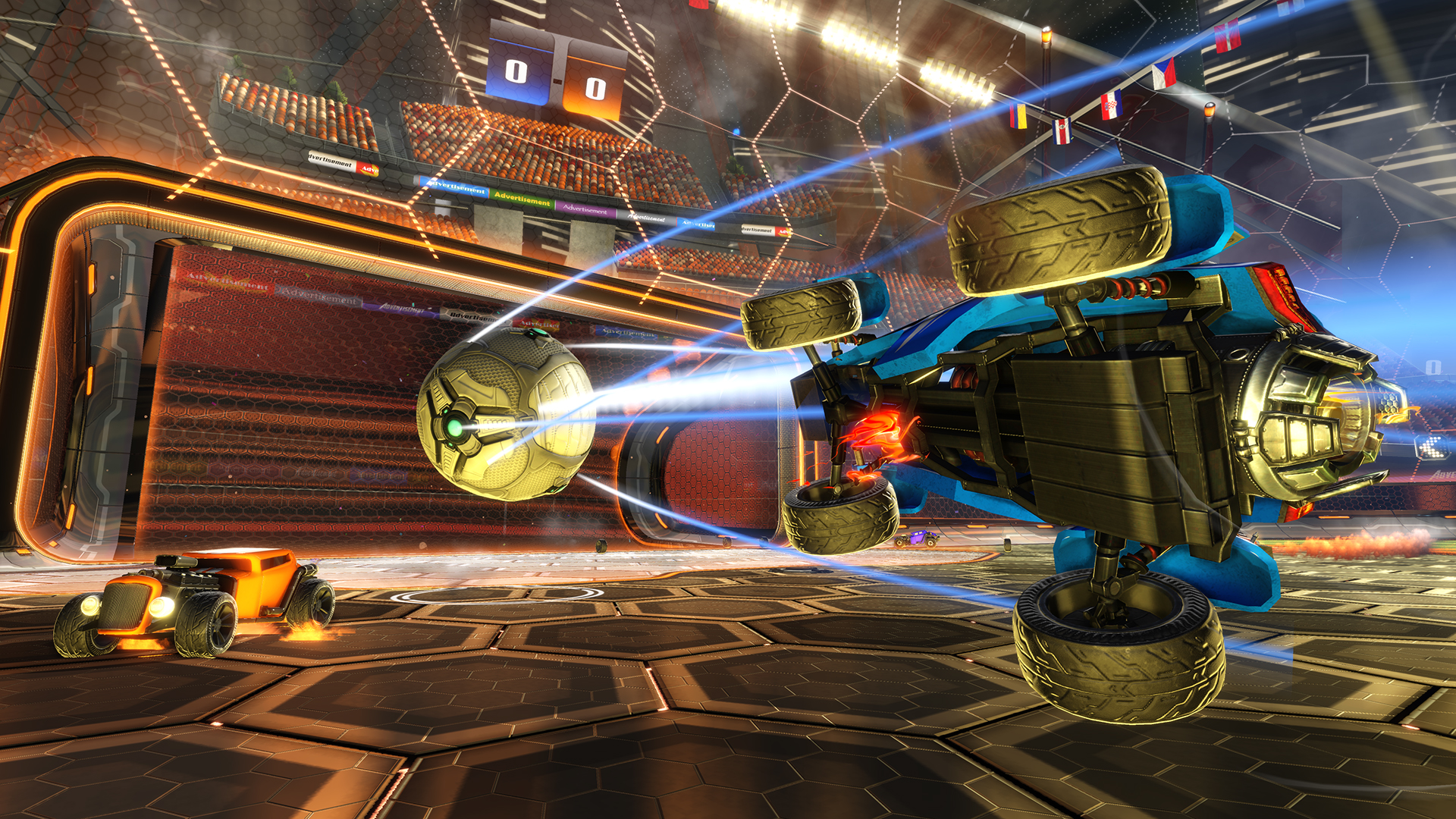
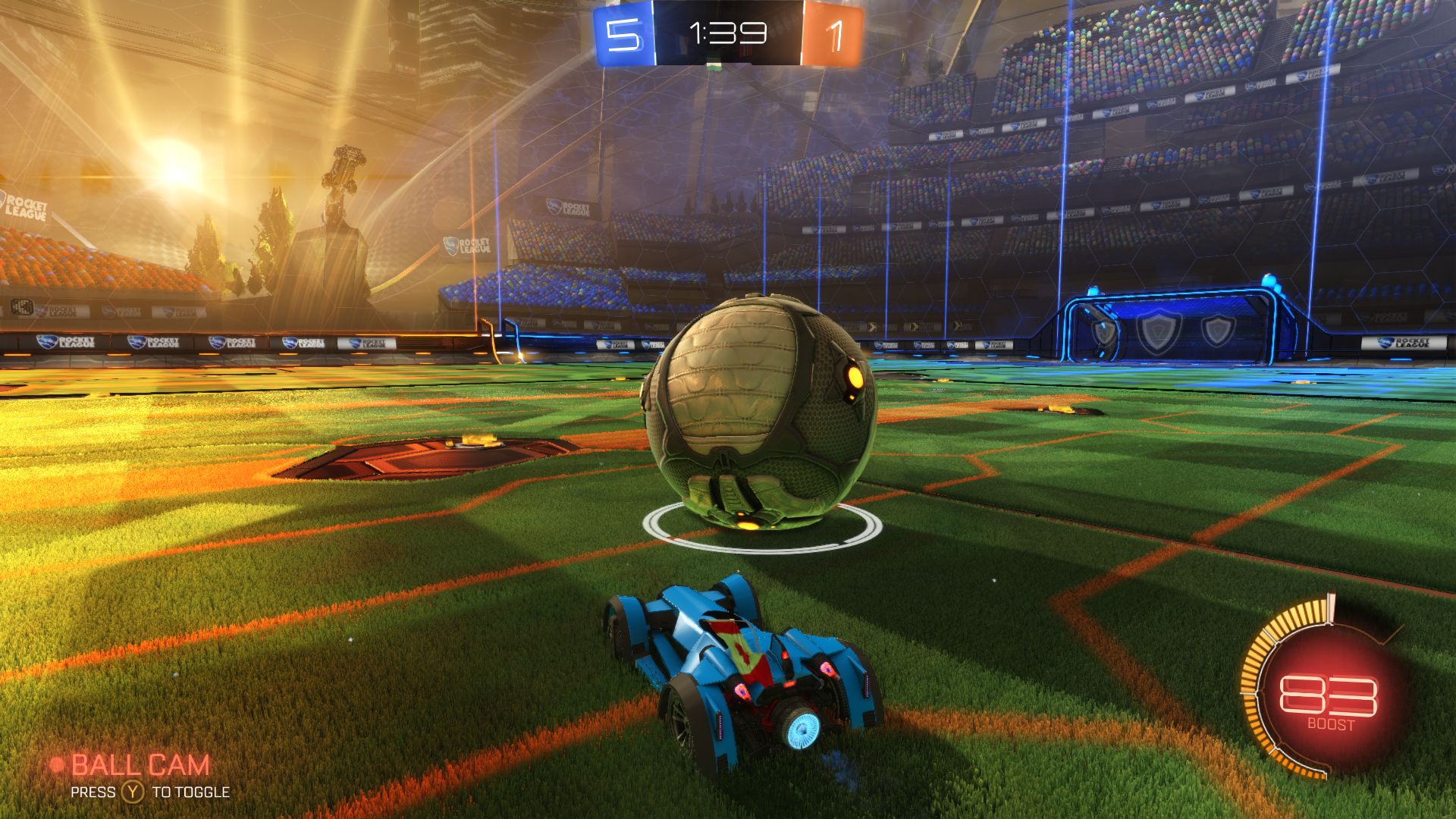
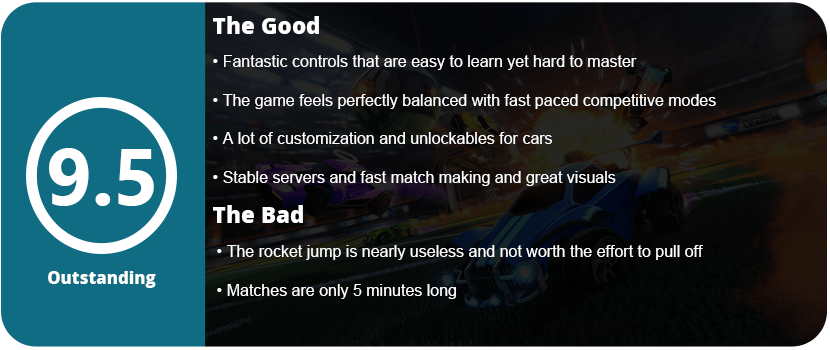
There’s no story, no leagues, no teams with some sort of crappy background to tie something in. You just customize your RC car and smack a giant ball with it. It sounds boring and simple on paper, but it is the perfect formula for something amazing. Once you jump into the tutorial, you will think it’s quite simple: drive your car into the ball and get it into the goal. It sounds simple, but when you have five other players doing the same thing, it can become insane and immensely fun. One of the key assets of Rocket League is that the control mechanics are simple to learn but hard to master. Sure, you can do a bicycle kick, launch your car into the air willy-nilly, and even guard a goal, but it’s how you do all this with finesse that will determine how good you are.
When you finish the tutorial, you will notice it will take about a dozen rounds before you start to really grasp the mechanics. Again, it’s not that they’re hard; they just require practice. The maps have speed boosts strategically laid out throughout the map. These are orb globes (full boost) or orange plates (partial) that are placed so well that you will subconsciously remember where they are and hit them as you are going around the map. This is hard to get right without breaking concentration. Hitting the ball into the goal is the main goal, but what’s so great about Rocket League is how this is done. Because this game is online, there will be exciting and memorable moments that you can save via replays, like an amazing pass, a long-shot goal, a great defensive move, or something along those lines. I made some incredible, insane shots and helped my team out without having to communicate, and that’s also hard to get right.
Rocket League doesn’t have voice chat, which is a blessing in disguise. Instead, you get predetermined messages that you can select with the D-pad that get your message across. Most players are great athletes in this game, and the competition is the same. Outside of scoring, there are other ways to get to the ball; you can drive on the walls and ceilings. Rocket League has each map in a glass case, so this allows you to drive up a wall, kick off, and hit the ball that’s high into the air. Even after dozens of matches (probably over 100 at this point), I still miss jumping up and hitting the ball in the right direction. I have to warm up like any good online game.
The visuals are fantastic, with individually rendered grass blades, great lighting effects, high-res textures, and gorgeous colors and sound. I really felt like I was in a stadium playing a sport. The customization for your car is nearly endless, as parts are unlocked based on achievement goals, which makes you want to keep playing to have the best-looking car on the field. There is a great match-making filter implemented, and free maps and updates are constantly being added. 1v1, 2v2, 3v3, and 5v5 are all possible options, and they are so great. Matches are quick to start up, and there are tons of players online, so you will always find a match to join. The servers are also very stable, with no hiccups during my entire time playing the game.
With that said, I can’t stress enough how Rocket League is more like soccer than actual soccer games are. You get the thrill and joy out of scoring like you would in real life; this is in contrast to the stale solo plays of real soccer games like FIFA or PES. Some people may scoff at that, but it’s the truth of the matter. Rocket League is addictive and fun, and anyone who plays online competitively will enjoy this game even if they don’t like soccer or cars. The game has a wide appeal to all audiences and will allow for hundreds of hours of fantastic gameplay.
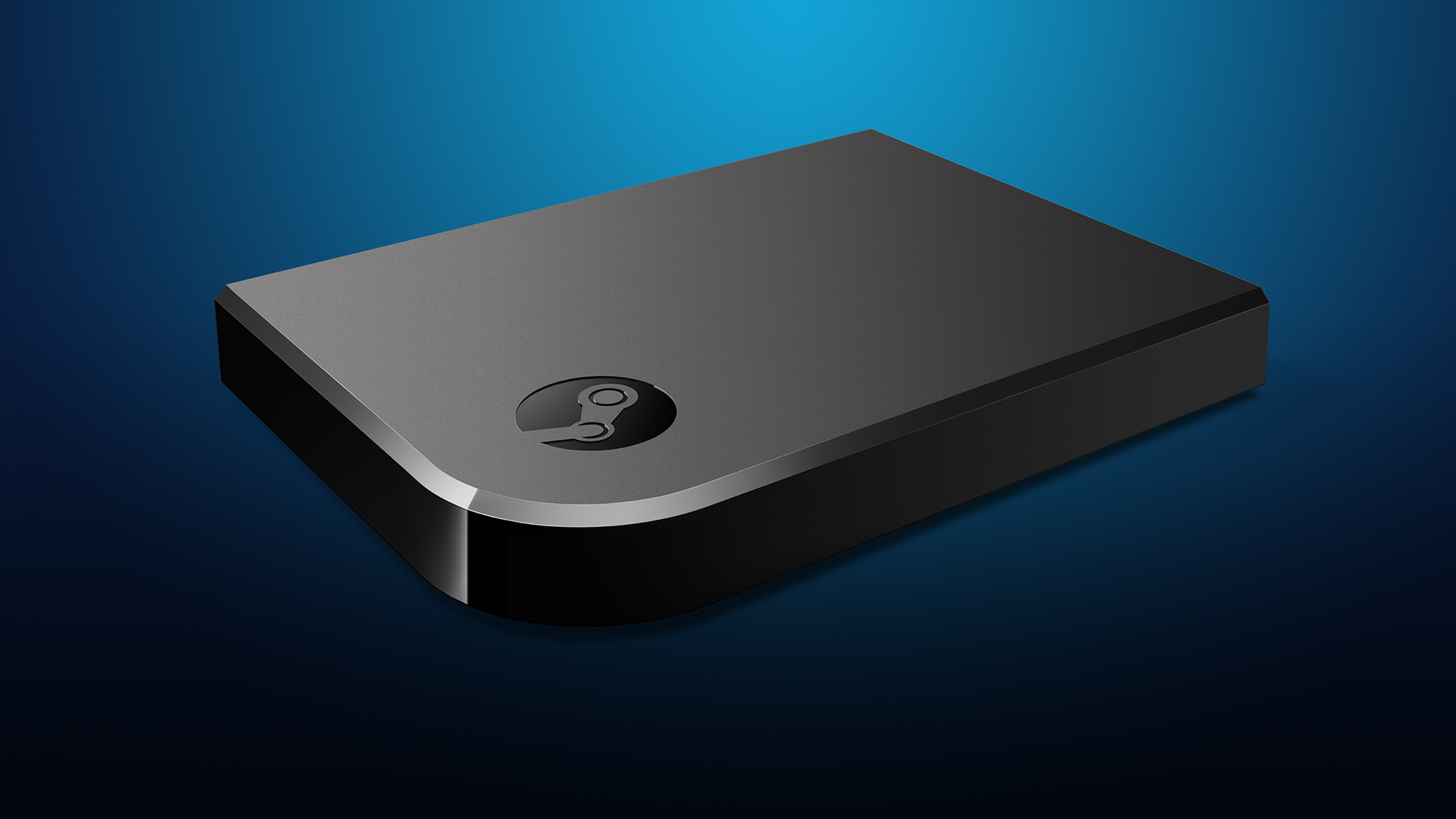
Video game streaming hasn’t really been a big option until the last couple of years, thanks to Steam. In-home streaming was possible for other computers, as this allowed computers or laptops that weren’t all that powerful to stream from a computer that was. This was great for families but didn’t have much practical use for anyone else. Now, thanks to Steam Link, anyone can stream their PC games right to their TV, but it isn’t without issues.
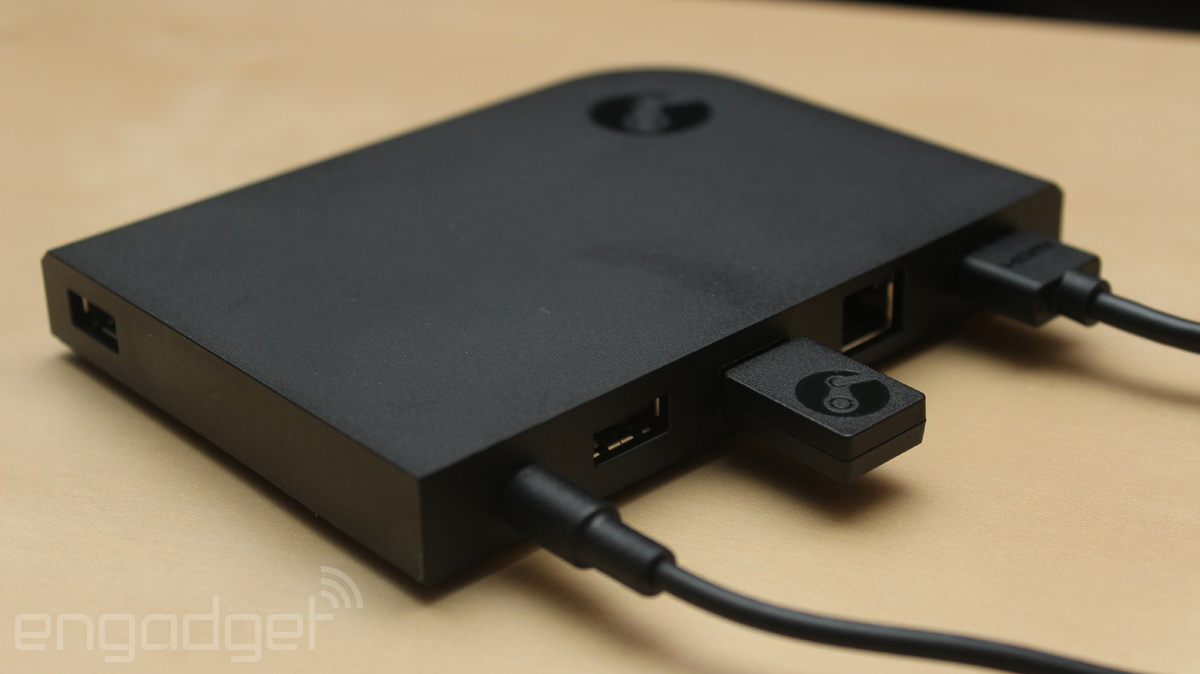
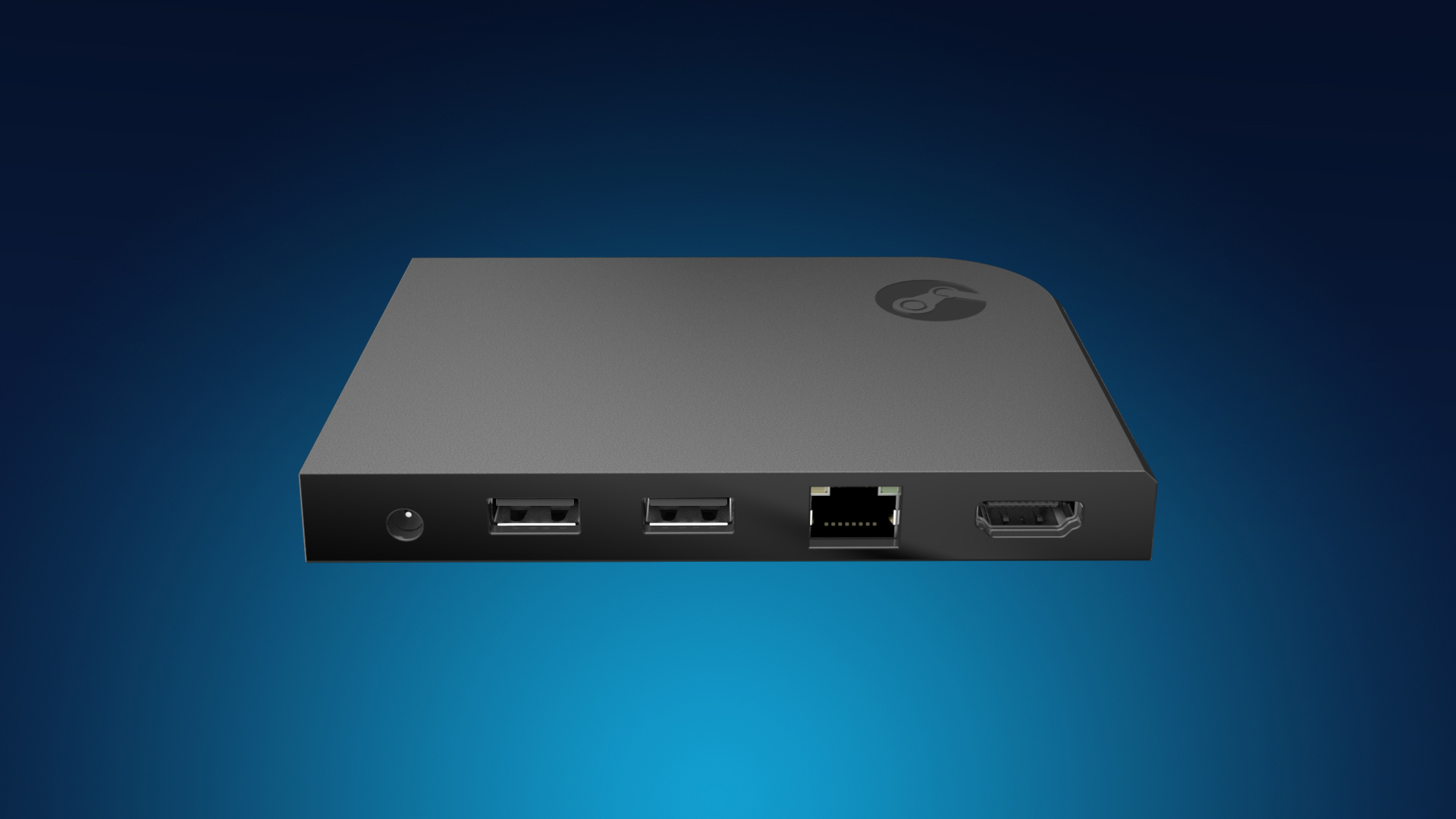
The Steam Link is a little confusing to set up at first. There’s a wired and wireless option, but the quick guide (the only instructions in the box) says that the PC should be connected through Ethernet to the router and then through Ethernet to the Link box. You don’t HAVE to have everything set up wired, but it can all be wireless as well. This requires an extremely fast internet speed, a 5GHz router, and a modern modem/router setup. Even then, you will experience latency issues. The box includes power adapters for different parts of the world, which is, I guess, good if you travel a lot; otherwise, it won’t matter. A 6′ Ethernet and HDMI cable are also included, which is a nice plus. Once I had everything set up, the Steam Link just kind of turned on; there’s no on or off switch. I then realized I needed a controller, so I used a wired Xbox One controller, but I realized I needed a longer USB cable, so I had to use a USB extension cord. Finally, I was ready to play.
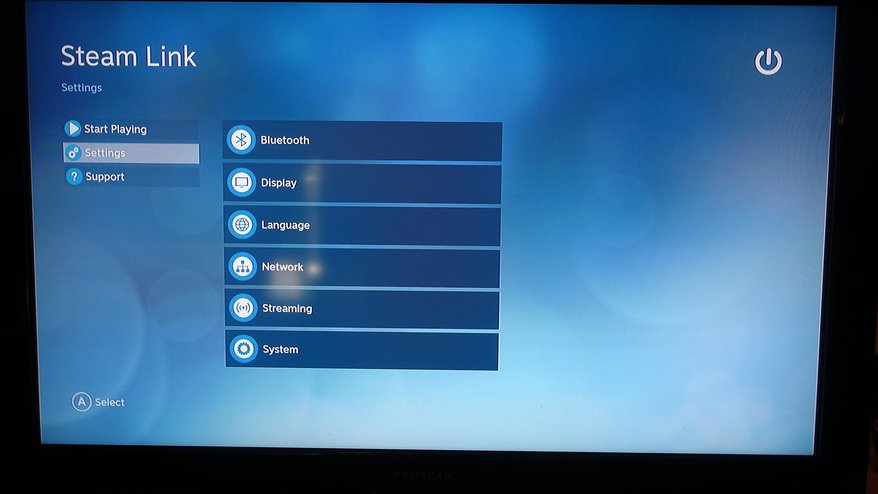
The software setup was pretty quick; the Steam Link had a software update, and after about 5 minutes, I was ready to go. I set up the Steam Link through WiFi via a 5 GHz connection and 100 mbit/s. Steam on my computer launched in Big Picture Mode, and I set the streaming quality to “Beautiful.” I then launched Fallout 4 and had my first issue. Unless you have a Bluetooth keyboard and mouse and/or a Steam Controller, there is no mouse emulation. I had to walk over to my computer and press play from the game launcher before it would boot. That was really annoying.
After playing the game for about 10 minutes, I noticed there wasn’t any video latency but only audio latency. There were pops and crackles in the audio, and it would cut in and out a lot. Every so often, the picture would compress a bit, and the whole picture would look pixelated. This wasn’t going to be feasible, so I ran an Ethernet cable from my router, under my rug, and up to the entertainment center, and then the audio cutouts stopped. However, the stream from my PC to the router was still wireless, but that didn’t seem to be an issue. I’m sure a software update could fix the latency for wireless streaming on the actual Link box.
Using Steam itself was a breeze in Big Picture Mode; it felt like a highly streamlined console UI (in fact, better than Sony, Nintendo, and Microsoft have ever come up with), and I could easily access the store, friends chat, and my library without a fuss. Another plus is being able to access your own music and various other Steam features. This is actually the best way to get a Steam machine experience without actually having to buy one.
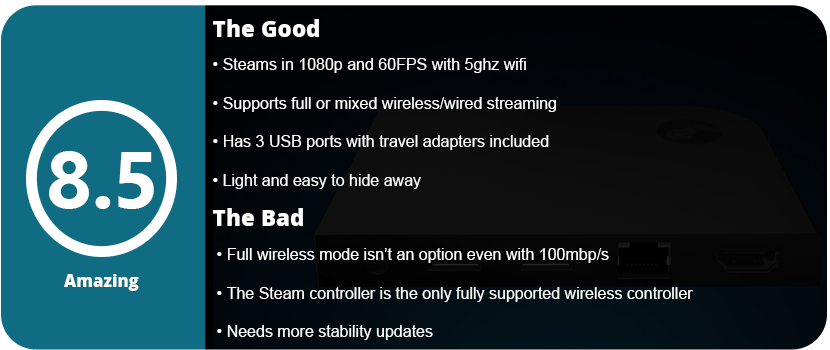
In the end, the Steam Link is a great buy, but you must have the right setup before bothering. Have a wired setup, or make sure you have a 5 GHz router and at least a 100 Mbit/s connection before even thinking about wireless streaming. A Steam Controller is the best way to go here, as it will connect to the actual Steam Link box directly; otherwise, your only other wireless controller option is the Xbox 360 controller with the wireless adapter. Once the Xbox One wireless adapter releases, it will be much easier, and we need some more stability updates from Valve before this is seen in everyone’s living room. For $50, you don’t really have much to lose here.
Have you ever wondered what would happen if humanity was on the brink of extinction? I really mean it too, not just in a cheesy sci-fi movie way. Soma makes you truly and honestly think about this, and it scares the crap out of me. Right up front, I want to say that Soma is one of the most original stories I have seen in a game in a very long time. The story takes a while to understand what’s going on, but once you do understand, you’re in for quite a ride.
You play as a man named Simon who is fighting brain cancer. You go to a doctor’s visit and sit inside a chair. One moment you think you’re getting scanned, and then you wake up in a mysterious lab wondering what’s going on. Immediately, the plot and timeline continue on around you while you’re catching up. It really makes you feel like you’re being dropped into the middle of a shitstorm. The premise of the story is that a meteor wiped out nearly all of humanity (which is a real and possible reality), and there is a system called the ARK that is to preserve humanity digitally. Now the story makes you think the ARK is several different things and works in different ways. The story is so well told that you actually organically understand everything exactly as Simon is understanding it; it’s quite unique and ingenious.
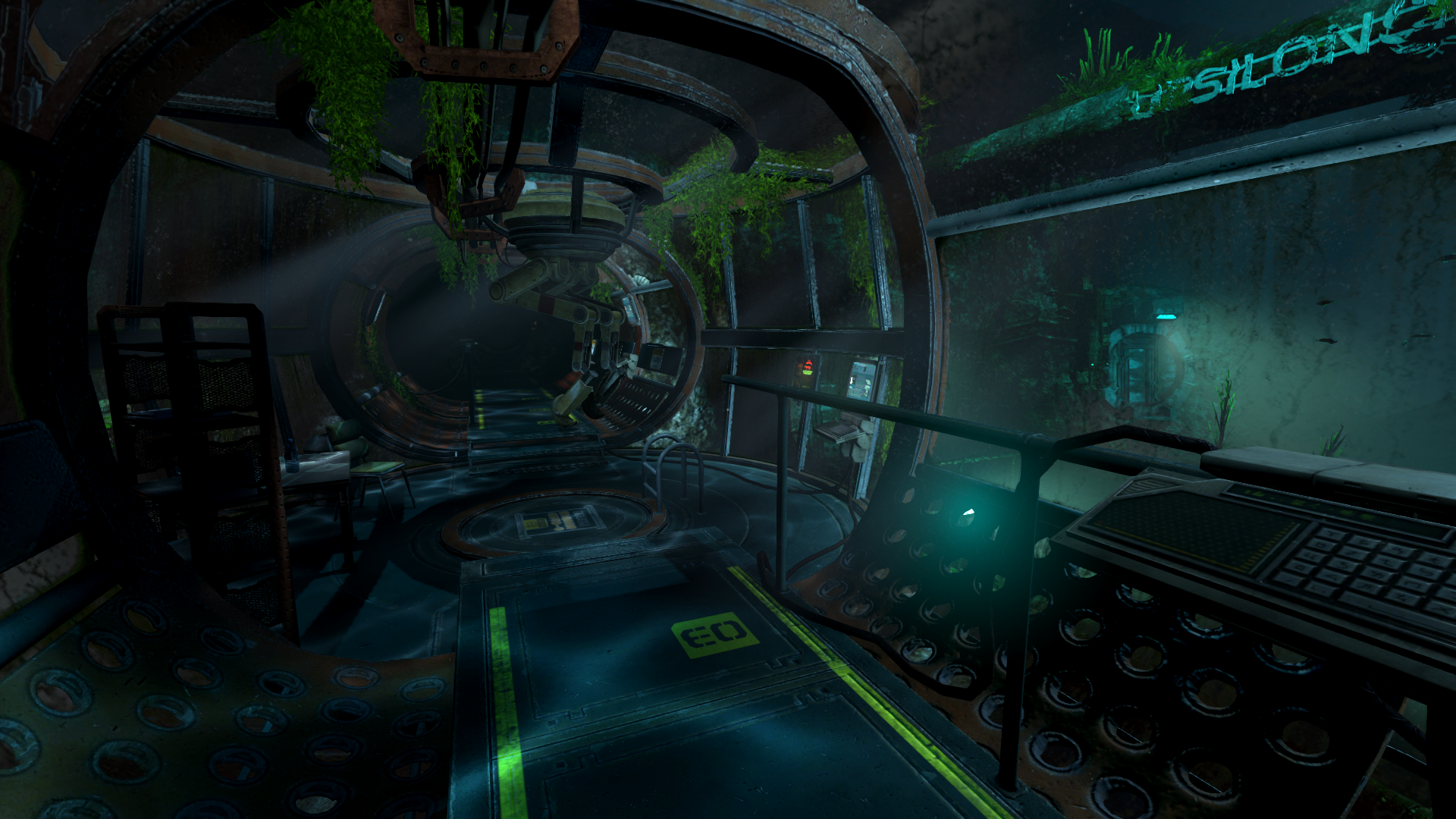
The game is made by Frictional Games, which made Penumbra and Amnesia: The Dark Descent, so you know what you’re in for: a very scary game. Soma is actually much more intense than those games, and it is scarier. The graphics engine has been pumped up quite a bit; while not state-of-the art it looks way better than Frictional’s previous games, and it is still quite beautiful artistically. Your goal is to solve simple puzzles in some areas while also discovering more of the story through audio and text files while you explore rooms. The most intense part of the game is when these WAU creatures are wandering and shuffling around. You have to hide and sneak around them, which is some of the scariest things I have done in gaming in quite a while. The sounds help sell the scare factor, and I really felt claustrophobic through the whole game. Running around in derelict underwater labs isn’t a walk in the park.
The game is broken up into areas or lab sites, and the whole thing takes place underwater. As you go further and further into the ocean floor, things get crazier and crazier. The WAU is an organic computer system that we built to help sustain life underwater, but it’s now taking over and has killed off nearly every remaining human left on the research site. The way this place is built is awe-inspiring and really makes you feel puny, thanks to the way the story is told. You literally go through every step to launch this ARK into space, and you have a computer AI companion that makes you feel even more alone. The various story pieces that come together in the game are fantastic and very memorable; I can’t say much more without major spoilers. I will say that you get moral choices in the game, but in the end, they mean nothing, and that’s actually the way you want it. The way the story is told, there is no way to find out what happened with your choices, and it makes it feel that much more real and scary.
I did run into a few issues in the game, like some of the sneaking areas were really difficult without a walkthrough because you need to keep your flashlight off and you’re basically feeling around in the dark. This made certain areas extremely frustrating and caused multiple deaths. I also found a few puzzles very vague. If those issues had been fixed, this would be the perfect adventure game, as it has already revolutionized several tired elements. You will look past these issues, thankfully, due to the story being so incredibly amazing that you will want to go on.
The atmosphere itself is just very foreboding; all you want to do is find another living person, but Simon’s luck is just really bad. Frictional Games forgoes the cheesy, predictable quirks of gaming stories and makes you press on and feel alone and hopeless, which is fantastic. Walking around in labs and then stepping outside into the vast ocean is a great experience and makes you realize just how screwed you are. You can still be attacked outside, and you must follow the procedures and safety measures set up throughout the underwater city, or you will die. The fact that Simon relies so much on his AI companion just reminds you how fragile this whole mission could be and that humanity could be lost forever so easily.
With that said, Soma is one of the greatest gaming stories ever told, and I seriously mean that. It’s just too bad this is an indie game and won’t get the attention it deserves. The game has a few flaws, like slightly dated visuals, difficulty spikes, and some vague puzzles, but you won’t care and will want to press on thanks to the amazing atmosphere that nearly makes you feel like it’s happening to you.
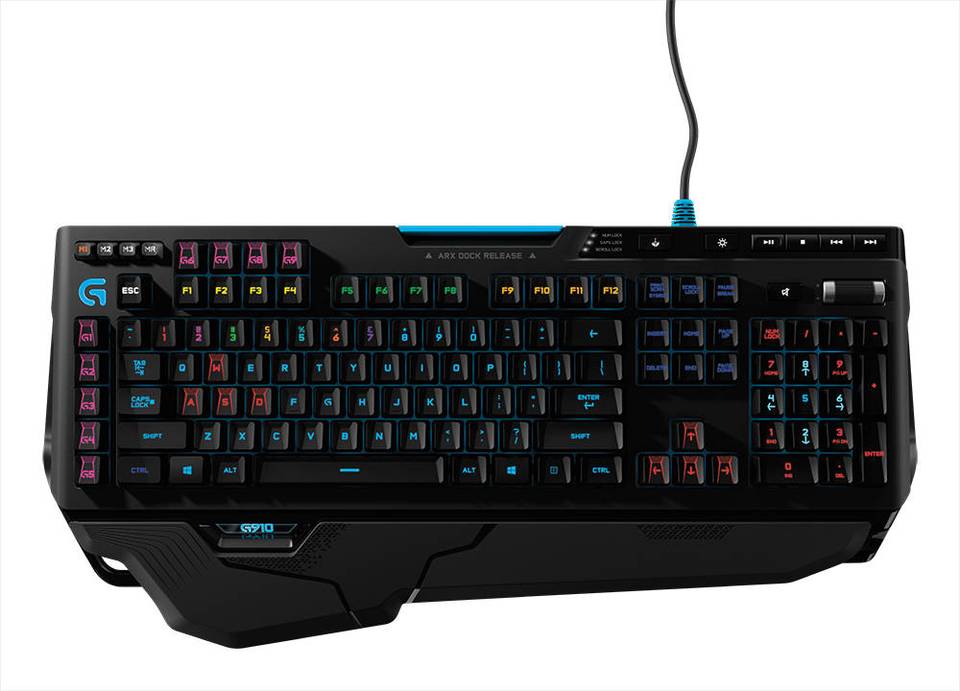
Gaming keyboards are just as important as mice; the buttons are probably the most important thing of all, and the gimmicks and extra stuff come last. The second most important thing in a gaming keyboard is ergonomics and how it’s designed physically. Some keyboards have large desktop footprints with giant wristpads, strange key shapes, and proprietary key layouts. I spent over a week shopping around for the right keyboard to replace my Alienware TactX keyboard. Not that it broke or I hated it; I absolutely love the TactX keyboard; I just wanted something new and different. First on my list was the key type. Did I want Cherry MX keys or a membrane? The TactX keyboard is an excellent Cherry MX keyboard, but it’s very loud and “clacky,” and the key height is very high. I loved how far apart each key was, but I was ready for something new.
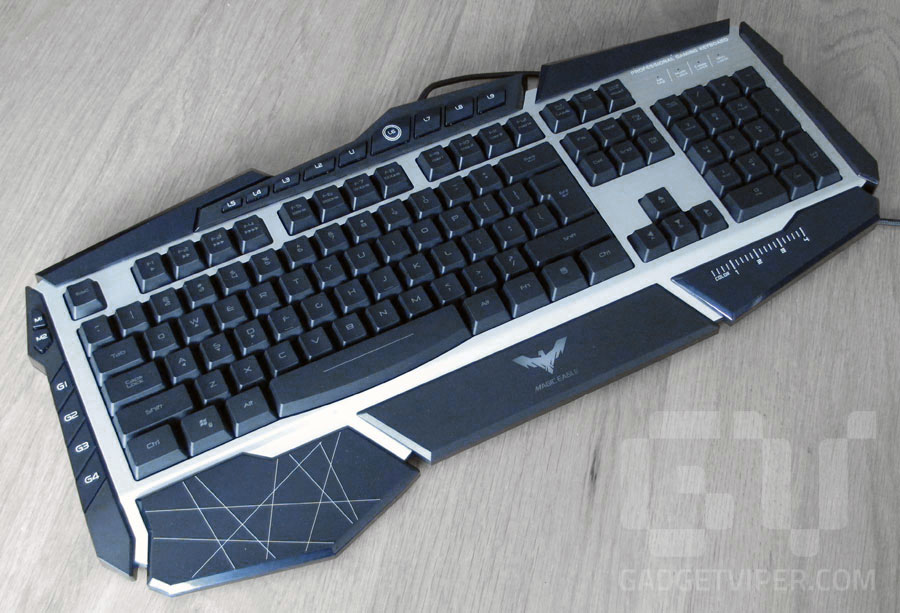
Havit Lammergeier: My first choice but only available online
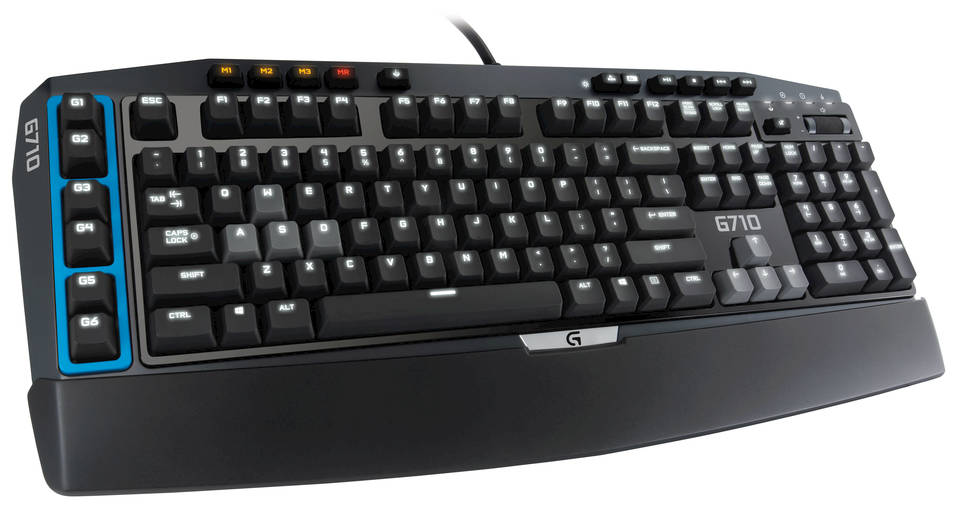
Logitech G710: A solid Cherry MX keyboard, but I didn’t like the design of the buttons
Logitech G910: A beast of a keyboard, but I still didn’t quite like the design.
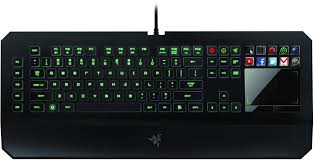
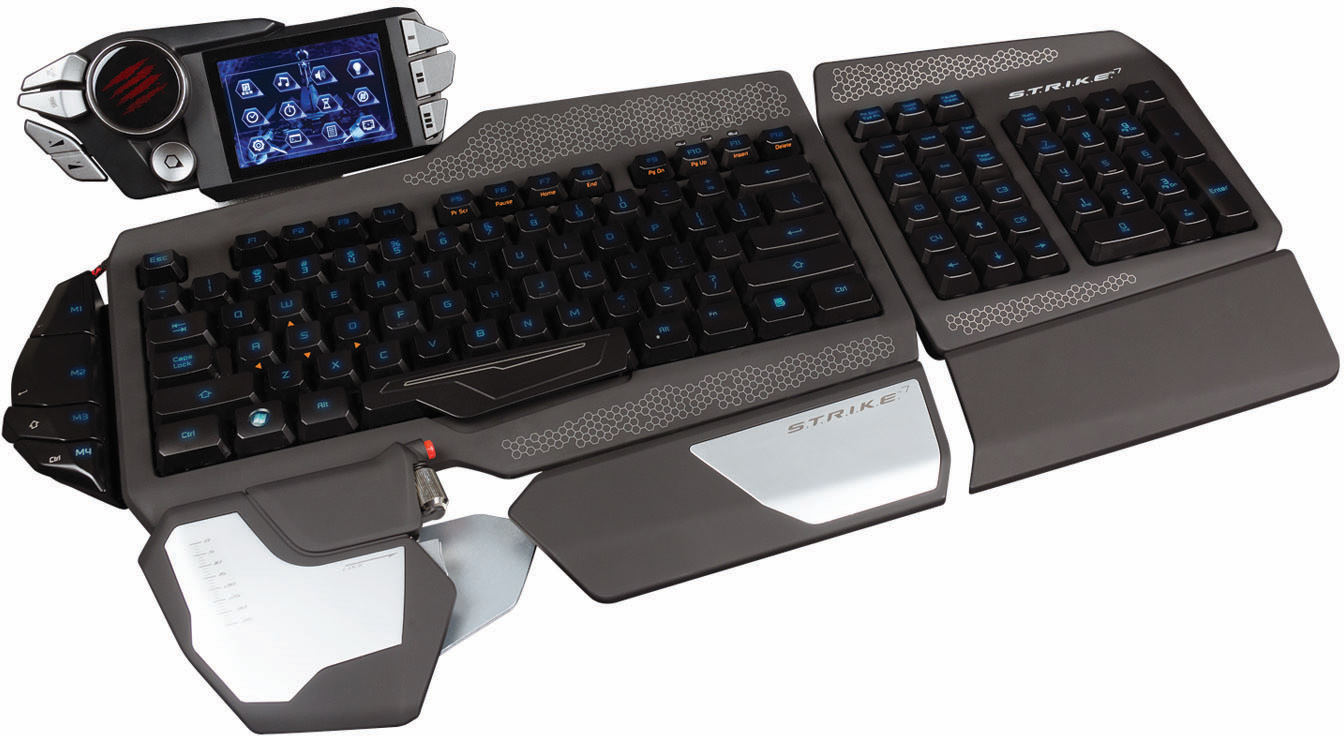
My first pick was the Havit Lammergeier, which had a wonderful design and Cherry MX keys, but it’s only available online. Remember, any decent gaming keyboard is going to start at around $100. I also thought about the Razer Deathstalker Ultimate, but at $250, it was ridiculously expensive, had a laptop-style keyboard setup, and the Razer touchscreen has been abandoned and hasn’t been updated in a while. My next thought was the Corsair Chroma series with its nice LED lighting, simple design, and Cherry MX keys. However, it was just too simple for me. I wanted something a little more flashy, something with a unique layout. I also looked at Logitech keyboards, but they were also very simple in design and seemed overpriced for what they didn’t offer. After this, I looked at Cyborg keyboards, as the S.T.R.I.K.E. 7 was nearly $300 and had a lot of amazing features. After testing it and looking up extensive reviews, I found that the software is shoddy and the hardware is cheap. I personally fiddled around with one, and it didn’t seem like it was made of $300 material.
Razer Deathstalker Ultimate: One of the most expensive keyboards on the market, but has cheap feeling mechanical laptop keys and the touch screen has been abandoned.
Cyborg S.T.R.I.K.E. 7: The most expensive and elaborate keyboard on the market. It feels cheap, the keys aren’t great, and the software is shoddy.
Corsair K70: A great feeling Cherry MX keyboard, but with a very simplistic design and a giant wristpad
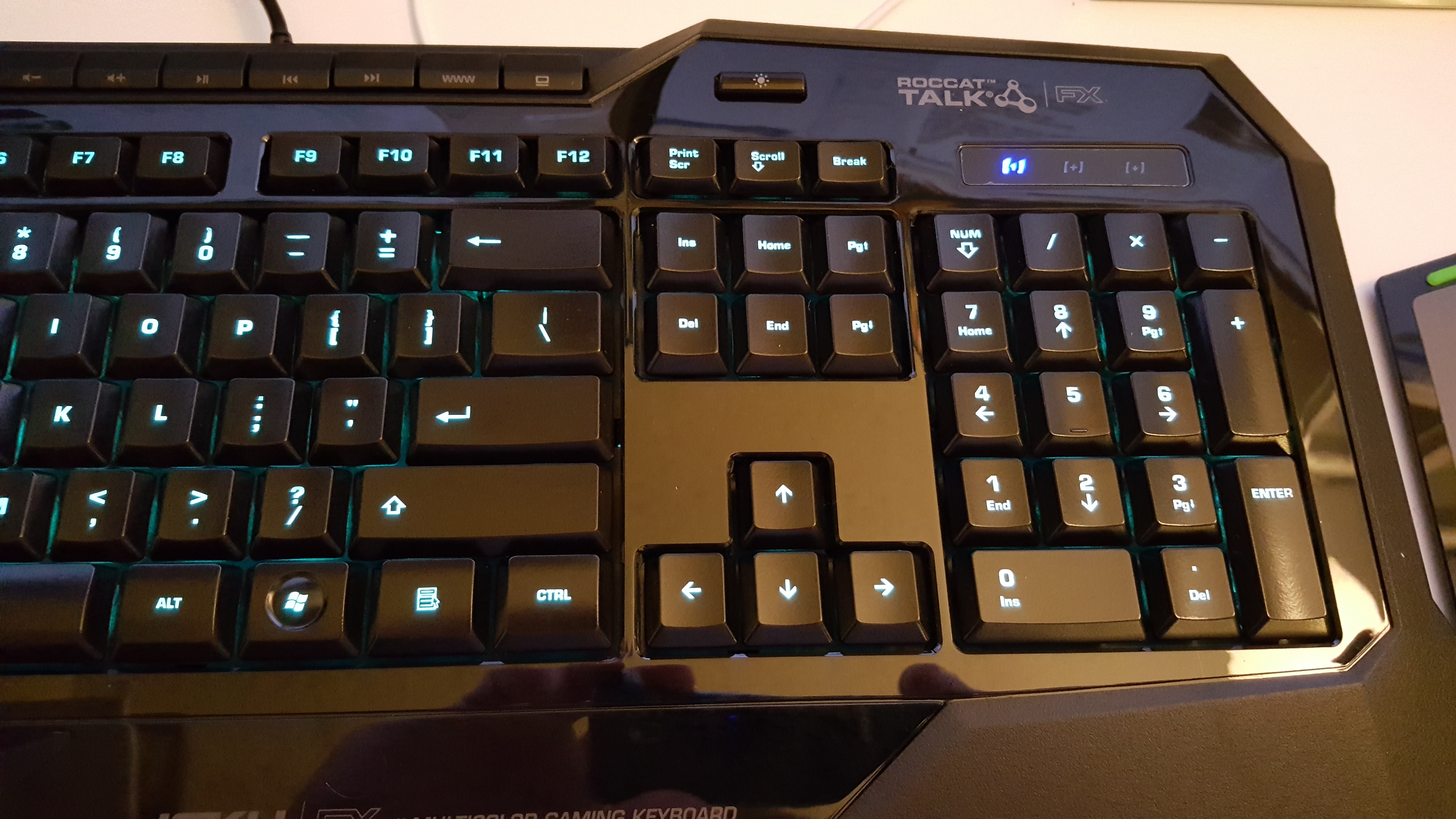
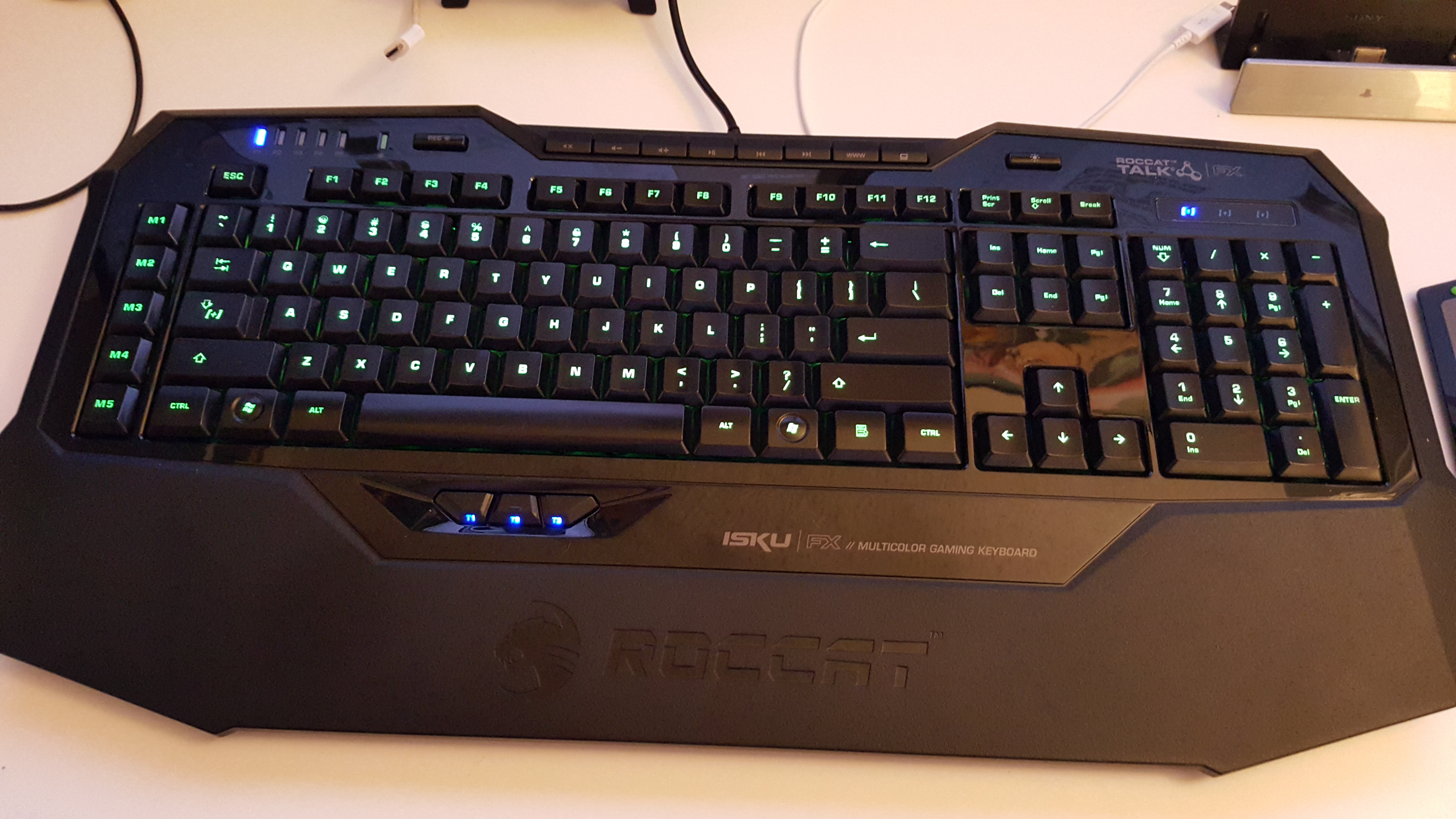
With the S.T.R.I.K.E. 7 being the most expensive keyboard on the market right now, I went and looked at some lesser-known brands such as Roccat, Gearhead, Mionix, Thermaltake, Azio, and TTe Sports. While these brands don’t make terrible products, they just aren’t the #1 brand that everyone knows, such as Razer, Logitech, Corsair, or Mad Catz/Cyborg. Several of these brands offered Cherry MX keyboards, but they just didn’t feel right; something about them felt cheap, loose, or just awkward. I then went over to the Roccat Isku keyboards, but they only offer membrane keyboards, and I was hesitant. I tapped away on a few keys and noticed how soft yet responsive they were. I continued tapping away at an Azio Levertron Mech5 keyboard right next to it with Cherry MX keys and realized how much better the Isku keyboard felt. The design was simple yet somehow unique and sleek, but all these Cherry MX keyboards looked crazy, futuristic, and had so many buttons, switches, and gizmos that it could make your head spin. With the $100 price tag, I grabbed the Isku FX keyboard specifically since it was compatible with AlienFX and had customizable LEDs.
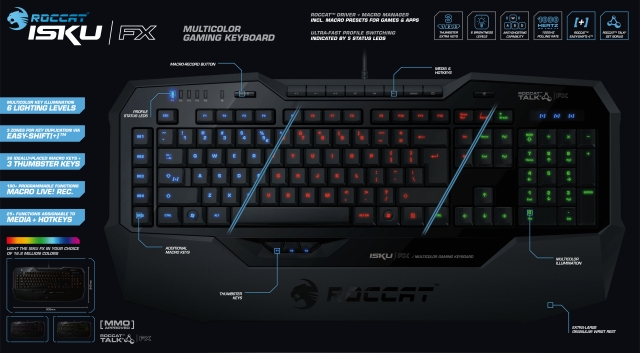
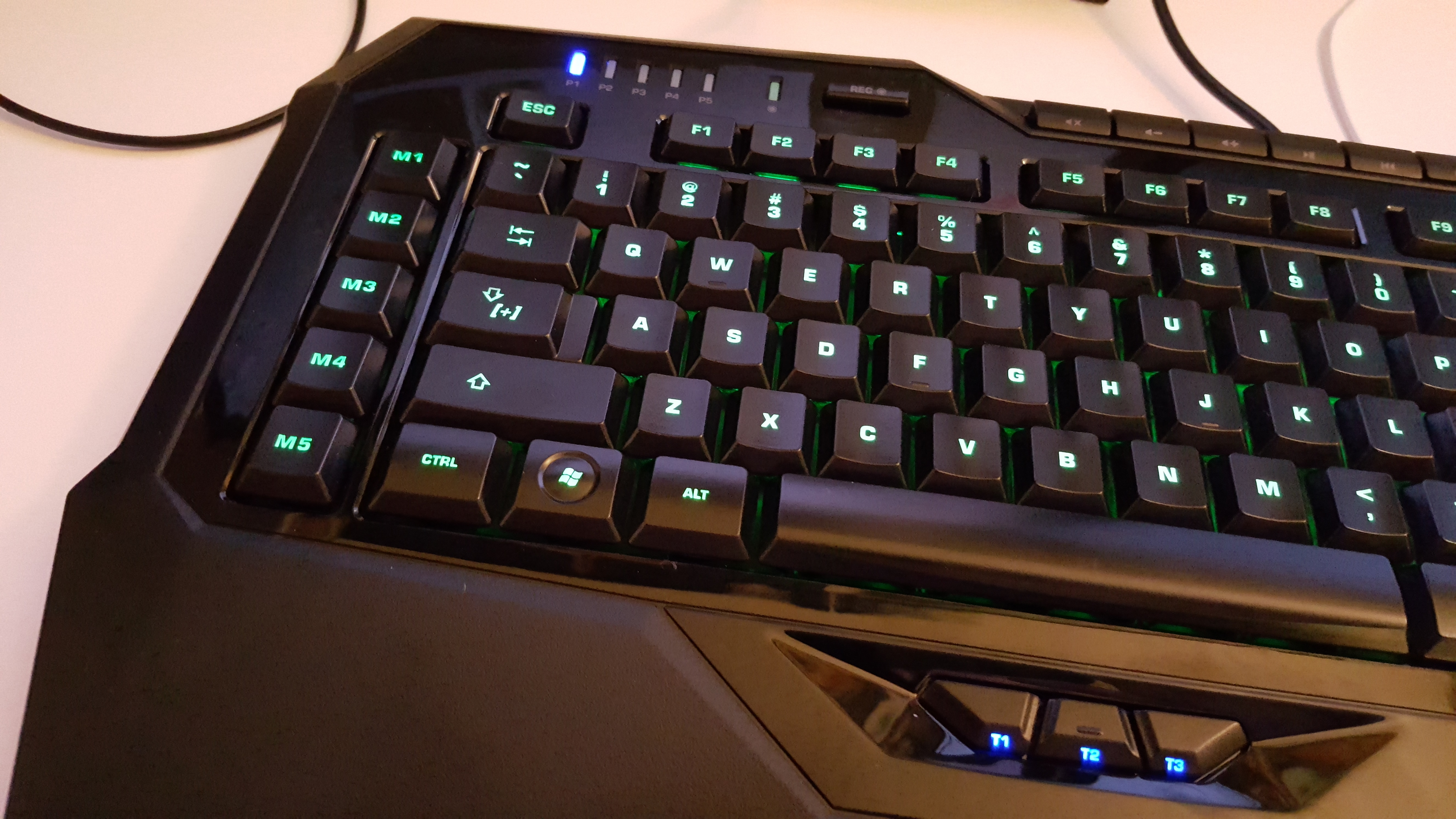
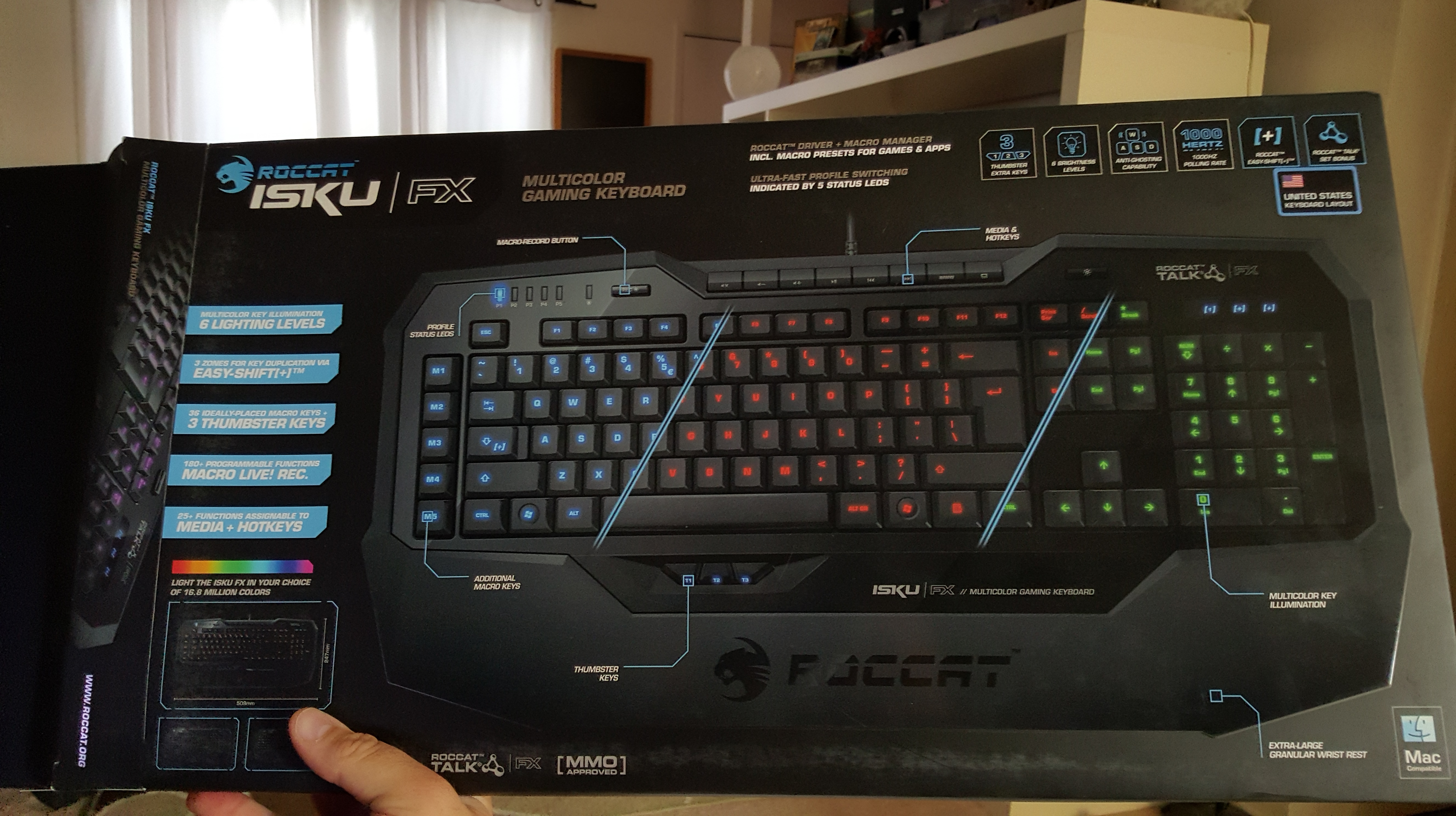
Right out of the box, the software was extremely easy to install. No CDs were included (who needs them these days?). So just a quick driver download was needed on the website. The software was installed on Windows 10 64-bit with no hitches at all; after I opened the software, it prompted me to do a firmware update on the keyboard, which went smoothly. This was probably the easiest hardware driver I have ever had to install; even Razer’s software can have problems from time to time. Once the software was opened, it looked overwhelming. The Isku is designed for people who love macros and keyboard shortcuts. There is a dedicated row of shortcuts on the far left, but the Isku has a special Easy Shift+ key function that can double all your shortcuts. On the bottom of the keyboard, there are three “Thumbster” keys that allow you to do whatever you want with them. These are great for reloading in games, crouching, or switching to your favorite weapons. They are located just right, but I feel you will need to have larger hands to reach them.
The Isku FX allows up to five profiles to be switched on the fly; this is for people who may have a lot of shortcuts for different games. Blue LEDs are at the top left to tell you which profile you are on, and no, there is no dedicated profile switch key; that’s what all these macro buttons are for. Next to the profile LEDs is a live recording button. Press the button, and a guy with a gravelly voice will walk you through the macro recording process. This is great and takes away those confusing menu screens to record macros; however, that option is still here. At the very top are your media keys, a browser button, and a button for My Computer, but again, you can change these if you want. Next to these is a button to turn the LED lights on and off, which is a nice feature. The rest of the keyboard is a pretty standard affair.
As for the rest of the software, the macro options are insane, and it even lets you program buttons by milliseconds of when they activate. It’s crazy. Another tab allows you to use the F keys as more macros if the 16 before weren’t enough. Another tab allows you to alter the “Easy Zone” keys, which are around WASD, to completely change what they do normally or add a secondary macro via the Easy Shift+ key. This is great if you are playing an MMO with a mouse and don’t want to use the top number keys or switch to the keypad. This is also useful if you are using a program that has a lot of shortcuts; now you can have them all right next to each other. The Advanced Control tab allows you to change the lighting effects, enable AlienFX, and select various other options. The Roccat software also comes with an achievement system, which is odd, but it’s here. There are 16 achievements in total; I have yet to unlock any, but it’s very interesting and kind of strange.
The keys feel fantastic, and I can’t stress this enough. Membrane keys are usually shoddy, but these click very quietly, have a lot of response, and don’t feel mushy. I felt the keys were a little closer together than most Cherry MX keys, but not by much, and I quickly got used to this and forgot all about it. I also like how I don’t have to press the keys down so far, as people with smaller hands tend to cramp up on Cherry MX keys.
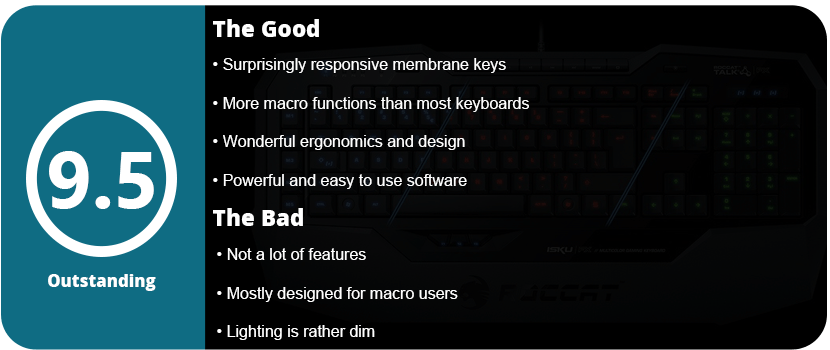
Overall, the Roccat Isku FX keyboard is amazing, and surprisingly so for a membrane keyboard. If you are on the fence about membrane keyboards or are a hardcore Cherry MX fan, I suggest giving this keyboard a shot. Out of several membrane keyboards I tried, this was the only one that felt decent, so I understand the hate behind those kinds of boards. The software is some of the best out there for hardware, and there are so many customization options it will make you dizzy. Even if you don’t use macros, this is a wonderful keyboard, has great lighting effects, and is well worth the price.
Note: This is a re-review due to my original Halo 3 review being very brief and not up to par with how I write these days.
Publisher: Microsoft Game Studios
Developer: 343 Industries/Bungie
Release Date: 9/25/2007 (X360), 11/11/2014 (XONE)
Available On
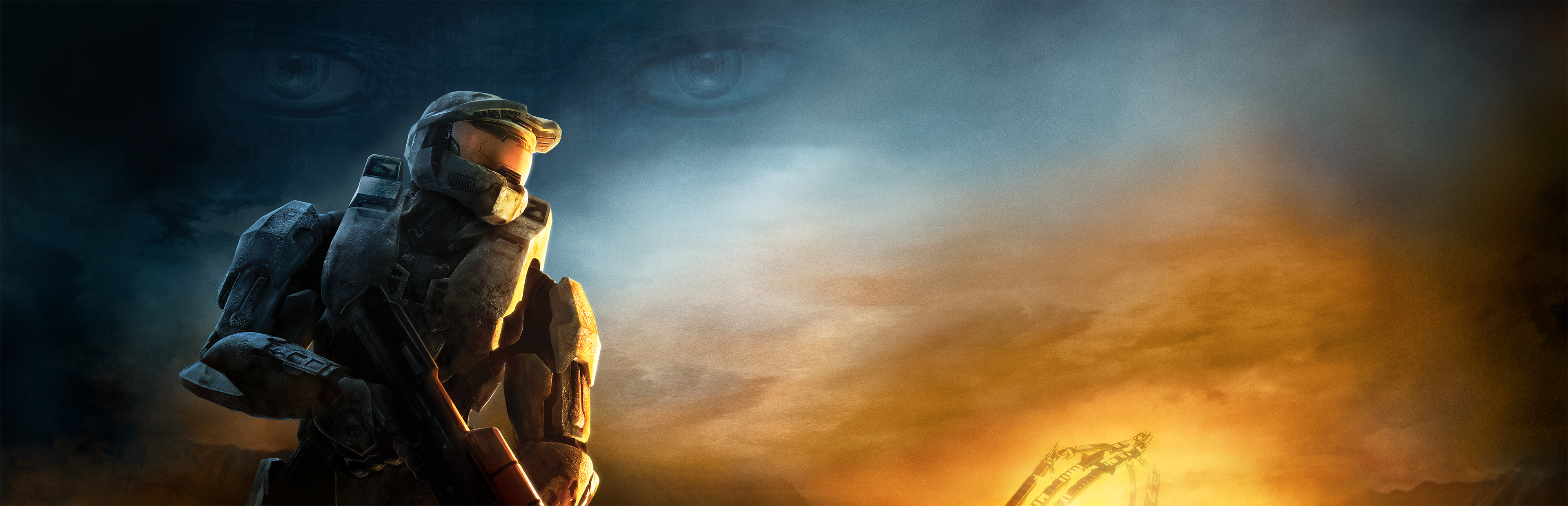
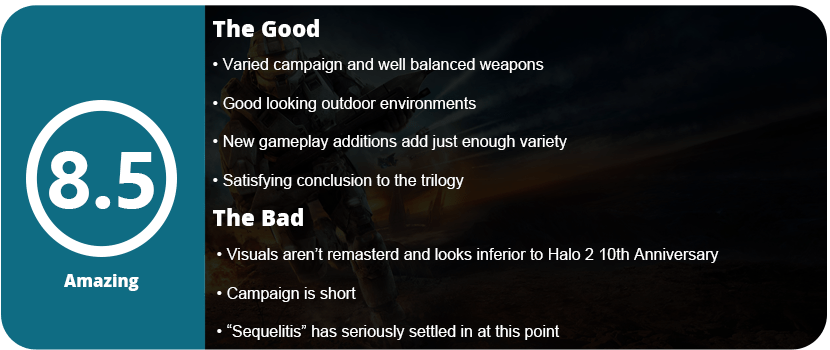
Nearly four years in the making, Halo 3 was one of the most anticipated games of the last-generation console launch. While it didn’t quite make the November 2005 360 launches, it did garner huge sales and broke records at the time. I remember playing Halo 3 shortly after its release and thinking it was the best of the trilogy. Now, after playing Halo 1 and 2 remastered, I have to say Halo 2 still stands superior. While Halo 3 is better balanced and has a better dual-wielding system, it’s shorter in length and feels like too much of the same. How many times do we have to “stop” the flood? How many Halo rings do we have to land on? It keeps getting boring and tiresome, and for me, the series has hit a fatigue plateau that it needs to get out of. While the Brutes are a more relevant enemy and there are more Flood variations, I’m still tired of it all.
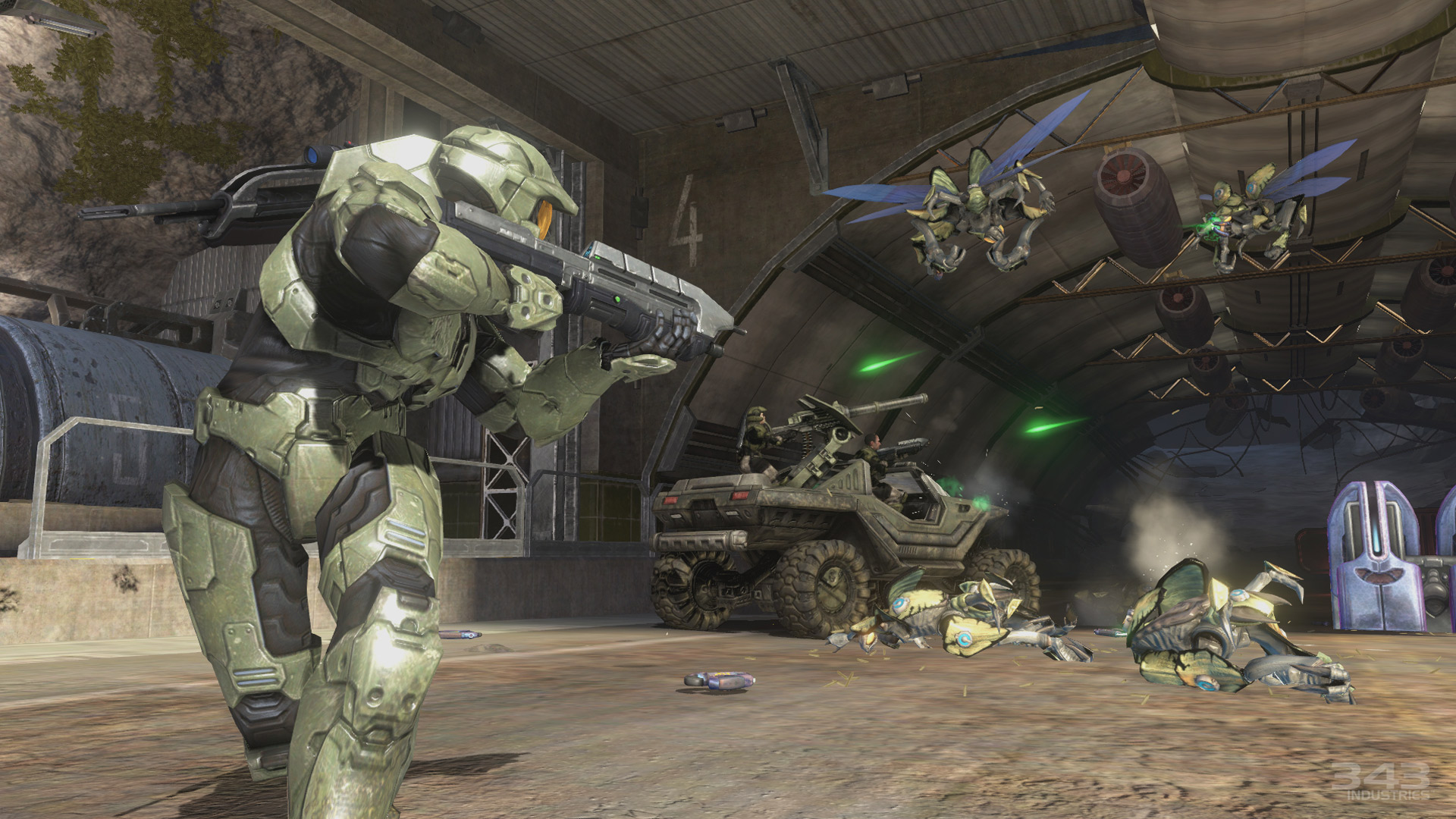
Despite those complaints, the game is still solid, no matter what. It’s challenging, for sure, and there are some added elements that change it up just enough to justify calling it a sequel. Remember those giant scarabs from Halo 2? Now you get to battle several of them in the game. We can now drive Scorpions and new Covenant vehicles such as Choppers, but sadly, we can no longer drive Wraiths. These balancing tweaks help make the gameplay better, just like only certain weapons can be dual-wielded. Dual Needlers can still be rocked around, as can Brute machine pistols, Brute shotguns, more energy weapons, and improved UNSC weapons.
The game is shorter than the last games, but each level is completely different. One level has us on a Halo ring, another on the derelict Ark, so it doesn’t get too boring, but everything is very familiar. The whole point of the game is to stop the Flood and the Prophet of Truth from firing the Halo rings and killing everything in the galaxy. While the story is just as brief as the last games, I still found myself disappointed in not seeing or hearing about more lore. The series hasn’t exactly been expanded upon; it just stretched out through the trilogy, which I felt was disappointing.
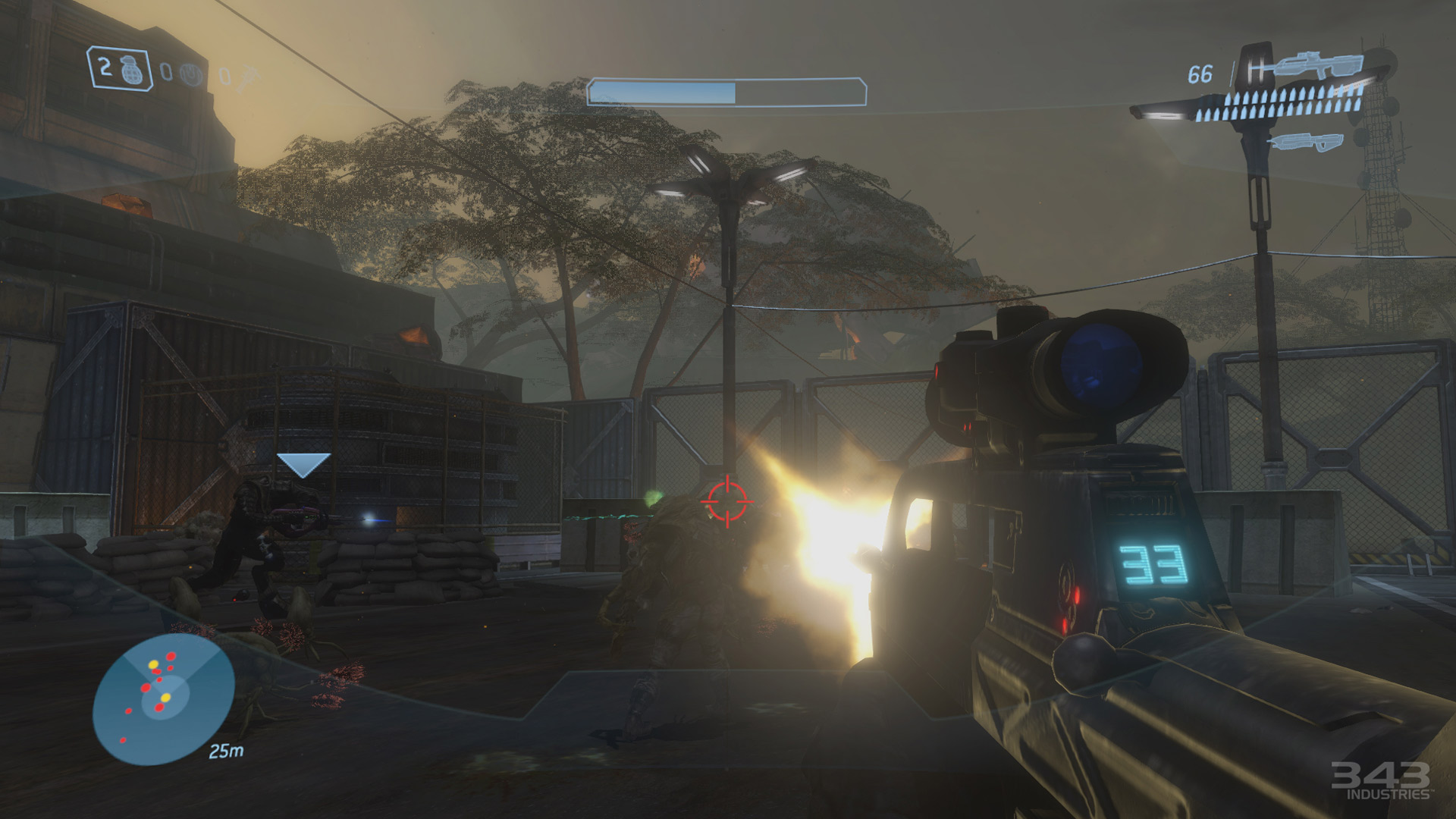
Graphically, Halo 2 remastered looks better than Halo 3, but this isn’t a surprise. Halo 3 was criticized for not having “next-gen” graphics at the time of launch and was claimed to just be marginally better looking than Halo 2. Halo 3 doesn’t get a remaster here, and the gorgeous pre-rendered cut scenes are gone, which is a huge letdown. Honestly, Halo 3’s graphics are kind of all over the place with decent character models, but some textures look awful in spots and the physics seem weird and too floaty—even for Halo standards. Halo 3 received some lighting enhancements, and certain areas look pretty good (mainly outdoor areas), but don’t expect to be wowed by the looks of this game at all.
Overall, Halo 3 does what it was supposed to do: let us finish the fight against the Covenant Prophets and the Flood. The ending is satisfying enough, and I felt the game was shorter than previous installments, but somehow it was just right for this game due to the same feel it has. Sadly, the game was not remastered and feels inferior to the remastered versions of Halo 1 and 2. There’s just enough variety and changes here to make it feel like a sequel, but not the earth-shattering sequel that Halo 2 was.
















































 thebinarymessiah.com
Super, thank you