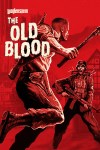
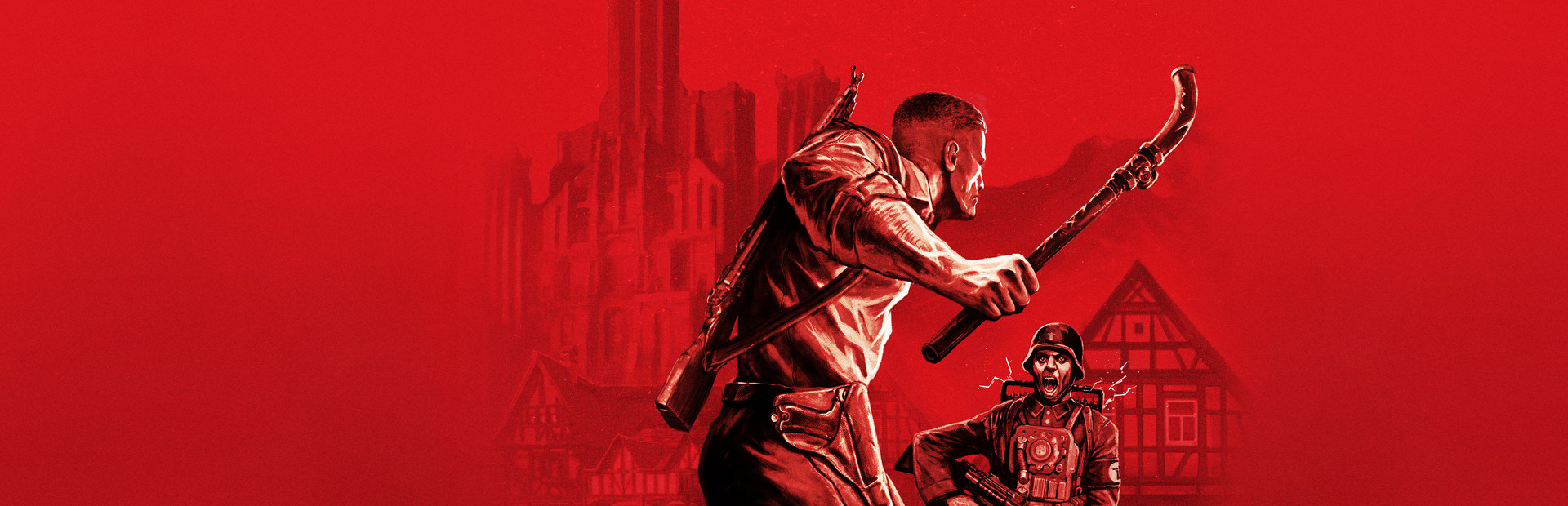
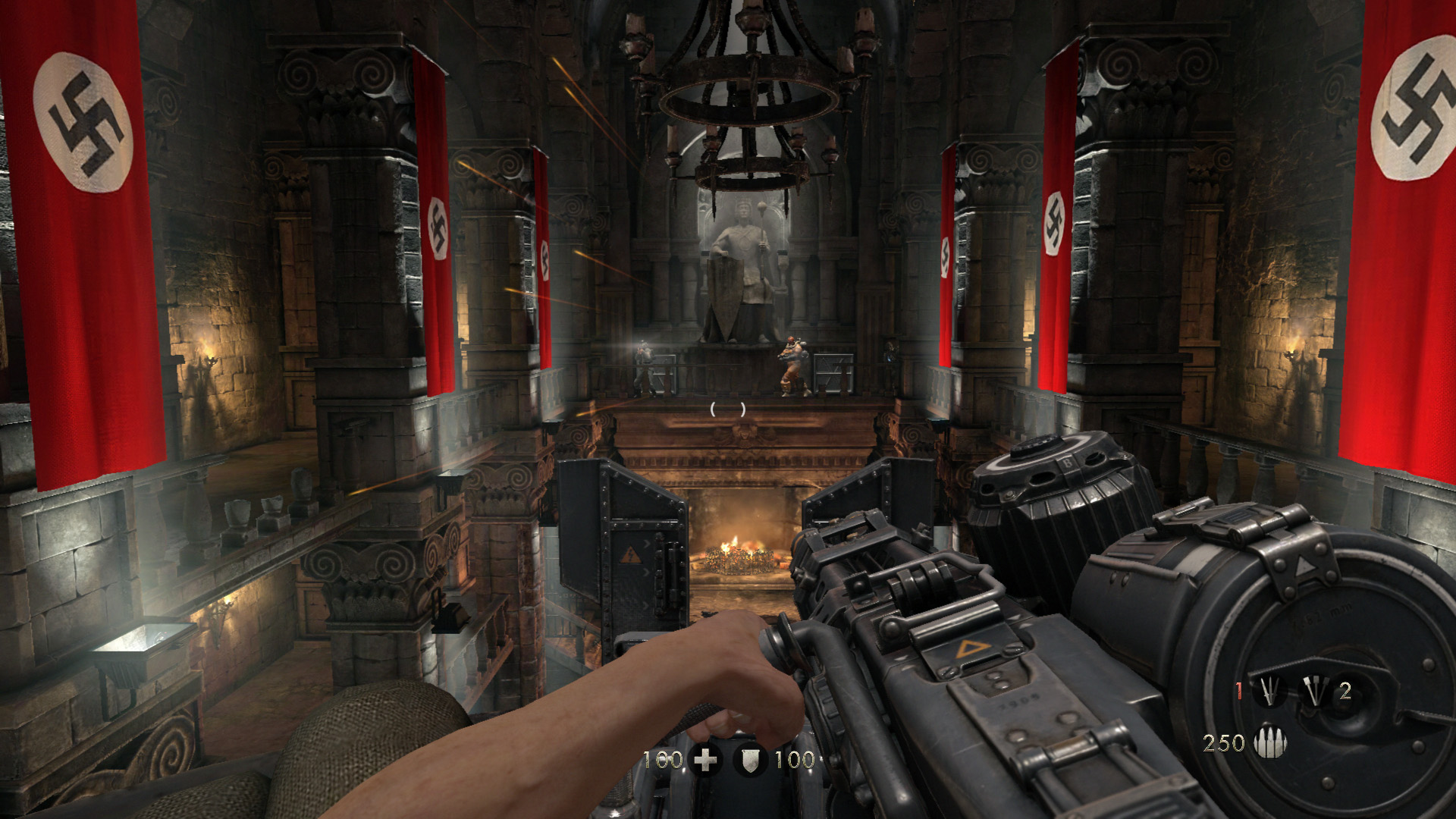
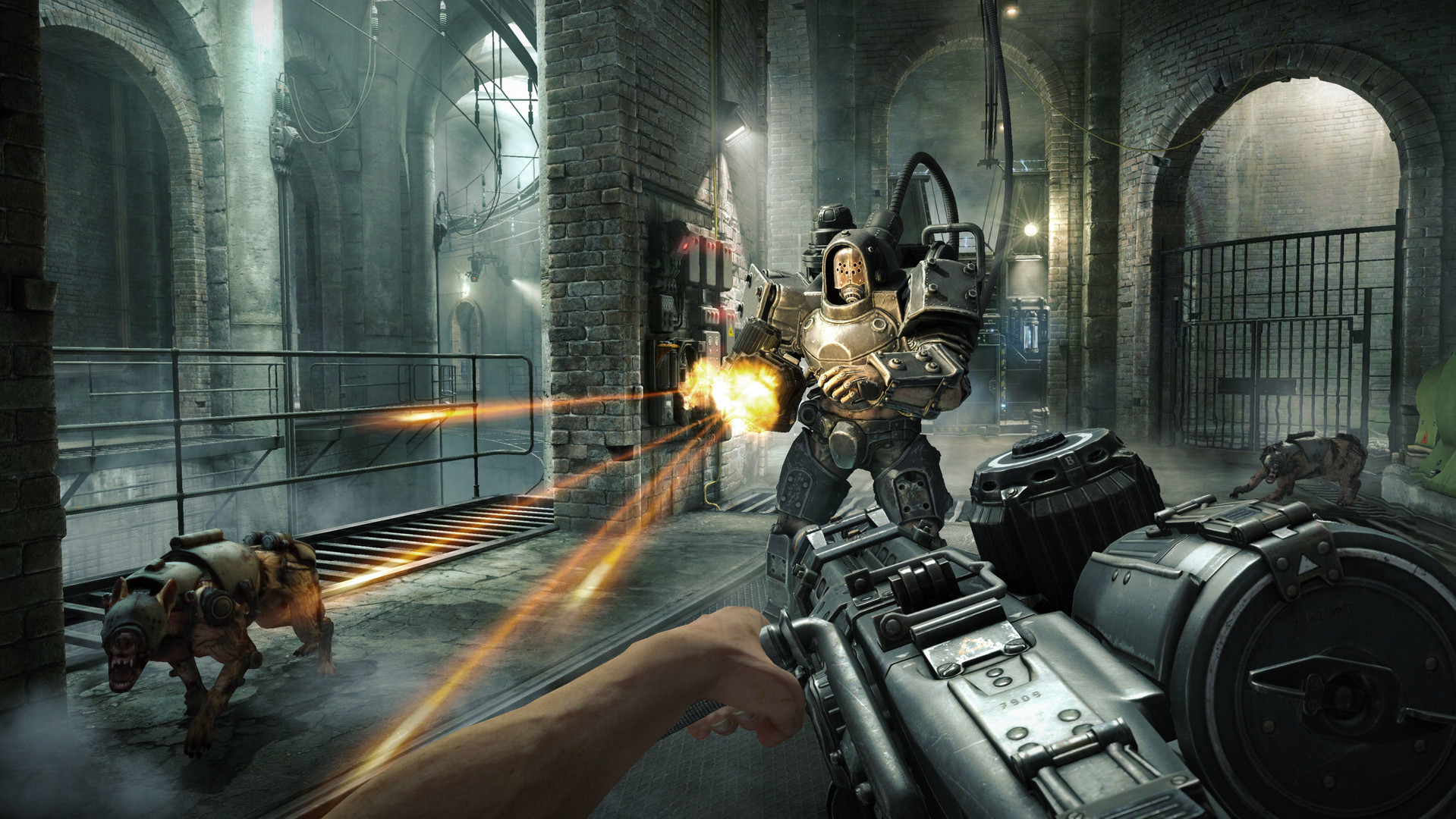
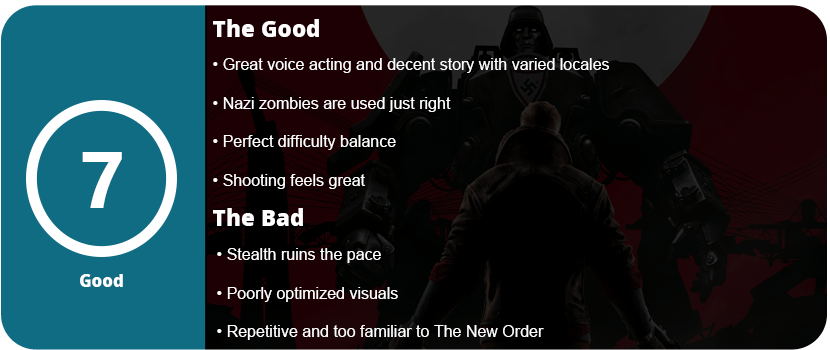
The New Order was a fantastic game. It oozed atmosphere, excellent action, weighty guns, and a decent story. It was the best Wolfenstein since Return to Castle Wolfenstein on PC, which was released over 10 years ago. The Old Blood returns to give us a little extra snack with a nice prequel leading up to the beginning cutscene of The New Order. The Old Blood is all about finding the documents to Death Head’s compound while also fighting one of Nazi Germany’s many paranormal agendas—zombies. Yes, thankfully, they don’t overstay their welcome. They only appear in the final chapter, but it is a nice pace from the broken stealth and gunfights.
While The Old Blood’s story isn’t as fleshed out as The New Order, it’s not bad or awful, at least. The same storytelling mechanics are used here, such as BJ’s narration in his head and some excellent voice acting all around. The game is literally the same outside of a couple of new guns. All the action from the previous game is here, and it just feels great. It shows why Wolfenstein is one of the better shooters in recent times. It’s satisfying to shoot everything, and it’s also extremely challenging, which most shooters don’t offer. You have to use strategy and actually use cover, or you will die quickly.
There are a few boss fights in the game, some of which are the hardest I have fought as a shooter in ages. The challenge alone is enough to bring hardcore shooter fans smiles, even if they don’t like Wolfenstein. Despite the game’s short length (about 4-5 hours), there are a lot of different locales, so things change constantly. My biggest gripe about the game is the stealth. It never really worked in the last game, either. You know you are in a stealth area when the commander’s location shows up on the screen. You are supposed to sneak around to silence them, or waves of enemies will keep coming until you kill them. Most of the time, the areas are set up in a way that you just can’t sneak around. This drove me nuts in The New Order, and I’m saddened to see it return here. I don’t know why stealth would be put into such an action-heavy game; it ruins the flow and pace of the game.
Outside of the gameplay, the graphics are pretty good, except for the textures. Even on PC, with all the bells and whistles of DirectX 11 graphics, the textures look muddy and ugly up close. I don’t know if this was to squeeze them onto consoles, but I don’t like it. This game requires a monster rig to run at full settings, some of which are questionable. 32x anti-aliasing, really? It makes the game run at 8 FPS and under 30 FPS even with a Titan X. Some other settings, such as the 8196 shadow map, just slow things down with no noticeable upgrade. I honestly think this is just crap to make PC gamers feel happy and to shut them up. The game isn’t optimized too well with texture pop-in either. Yes, I know there’s a setting for texture to fade in, but it doesn’t work. Outside of that, the game looks decent, but with all these options available, it should look better.
The Old Blood is well worth the $20 price tag. We get a lot of quality games for that, and hopefully this isn’t the end of Wolfenstein.
NOTE: Controller was tested for 6 hours with Ryse: Son of Rome, Project Cars, and Resident Evil 6
I had my Xbox 360 controller for Windows for about 4 years, and I felt it was time to finally upgrade. I won’t lie, the Xbox 360 controller is fantastic and was the best controller of the last generation; it was sturdy and extremely ergonomic. My 360-degree controller for PC has been through absolute hell. It has traveled with me for nearly 5 years on my gaming laptop, and I have played dozens of games with it, from Batman: Arkham City to Need for Speed: The Run to Saints Row: The Third. It’s scratched up, the four bumps on each analog stick are completely worn down, and the left trigger squeaks like a mouse. The cable is split in one area; I have taken it apart to clean it; goop got stuck down in the buttons; you name it. However, the controller hasn’t failed on me and works just fine for nearly any game that supports a controller. Any game that has supported a controller since 2006 supports the controller. I have never had to use a third-party button mapper for this thing. It’s fantastic and just awesome. Again, it’s time to move on and upgrade to the next biggest thing.
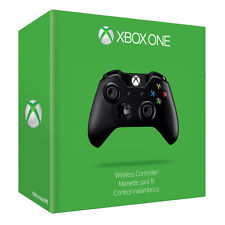
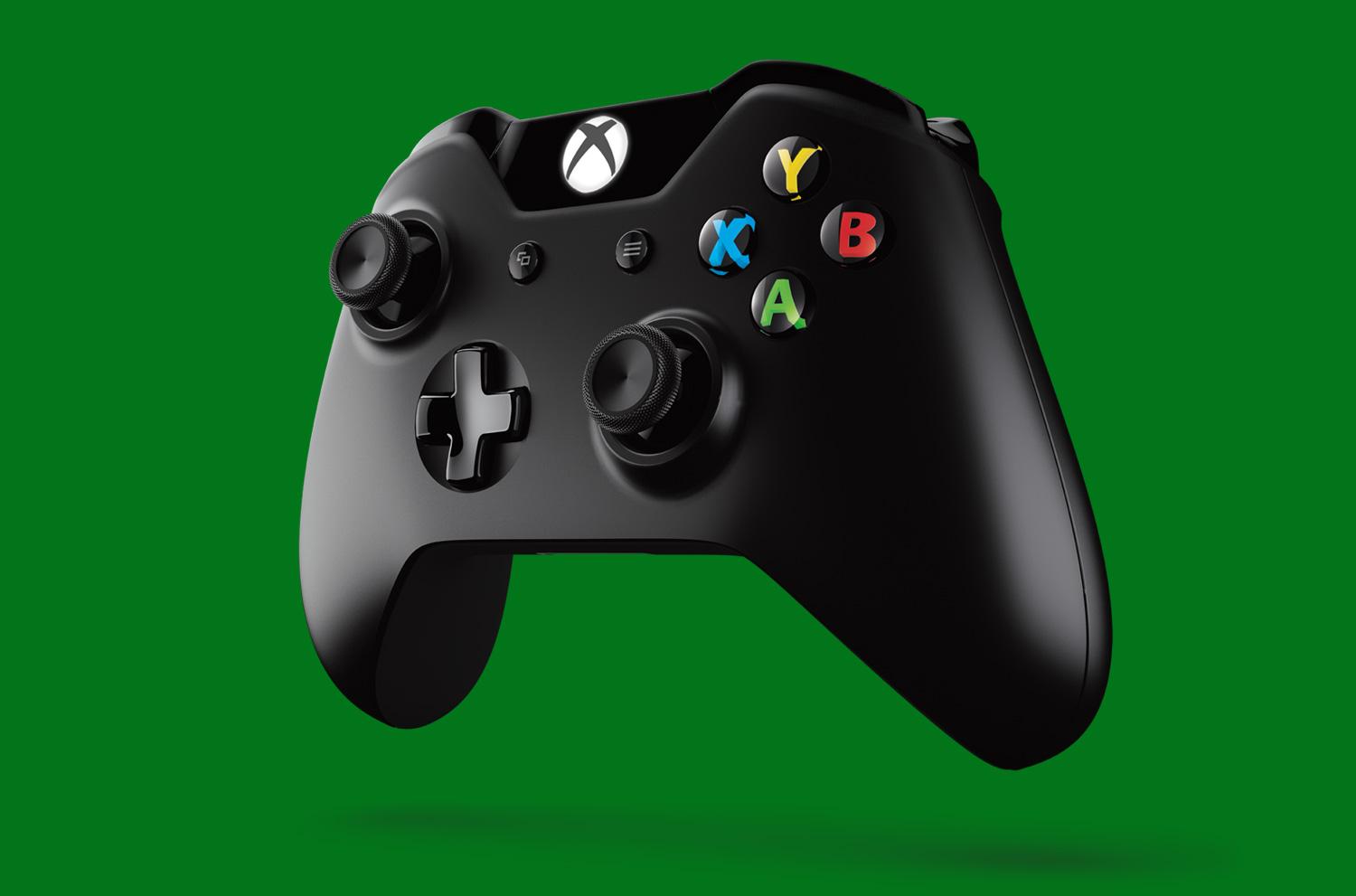
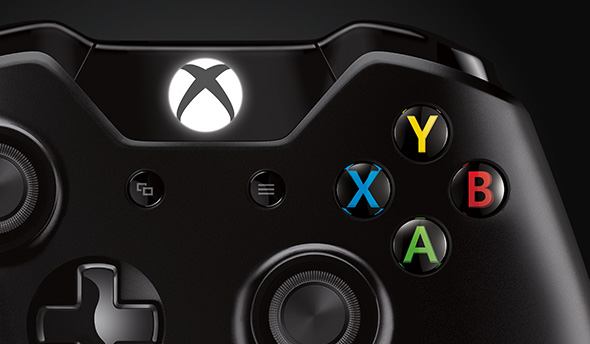
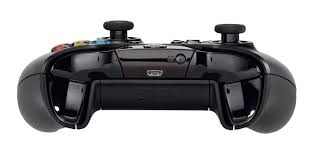
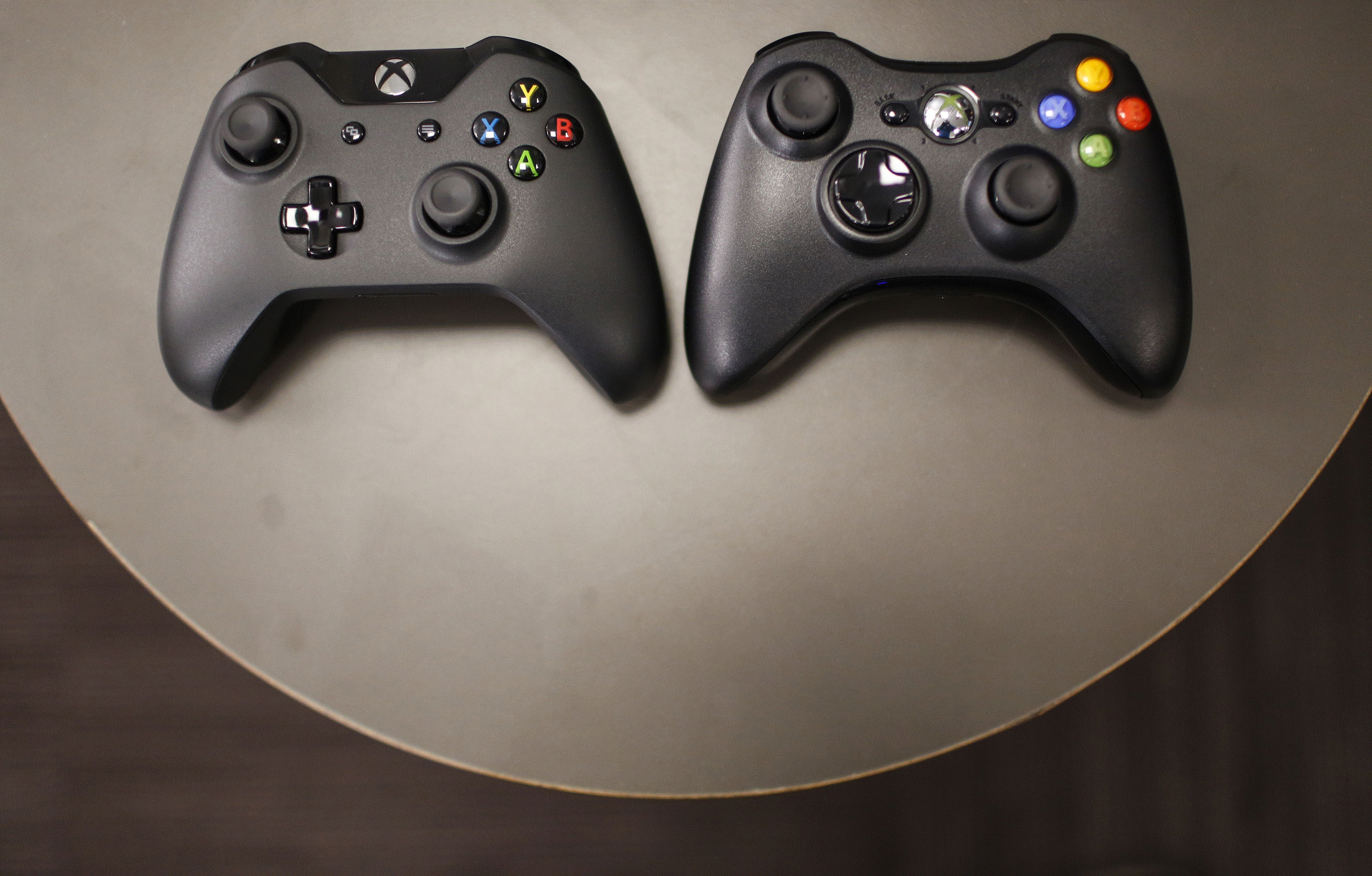
The Xbox One controller is actually better than the 360 one out of the box since you don’t need a specific controller for a PC. Just grab any Xbox One controller and plug it up via standard micro USB, install the drivers off Microsoft’s website, and you’re golden. Of course, these are $20 more than 360 controllers, but you’re getting a more advanced and better-feeling device. The XBONE controller is black, which is better than the 360’s off-white theme. The glowing white Xbox One logo helps the aesthetics compared to the glowing green one on 360. There’s a little glossy black piece that sticks out above the new menu buttons that hold the Xbox One logo. This is a great new design choice, as it makes the controller look sleeker. Of course, the button doesn’t do crap on PC, but it’s nice to press when you’re bored, I guess.
Holding the controller itself feels better than 360. The handles are tapered smaller at the bottom and are angular rather than round. This makes gripping the controller easier for people with smaller hands, and it just feels better. The triggers have been completely redesigned. They are softer yet glide much smoother and feel more responsive. They have a soft stop, so you’re not slamming the triggers into the controller. It just feels so much better. The LB and RB buttons are a little disappointing. They are much louder and are a little harder to press. However, the bumpers vibrate for minute sensations, and this is brand new for controllers. PS4 has the touchpad and speaker, and Xbox One has this new rumble feature. Honestly, I’ll take the speaker and touchpad over this any day, but it’s nice knowing Microsoft at least tried. Outside of that, the face buttons are much larger and flatter, which is awesome. They don’t look so cartoony and aren’t colored like the 360. They are clear black, but the letters are colored. So much better looking. Now, here’s the make-or-break part. The analog sticks and D-pad. The analog stick is actually wonderful. They are looser than the 360 sticks, but you have more controllers. Everything on the Xbox One controller is looser but much smoother, with a “glade” feeling that just feels natural and buttery in your hands. The D-pad is something I really like. It clicks with feedback, but not like your thing. This is a raised D-pad, like the horrible one on the 360. It’s an in-set D-pad that feels responsive and fast.
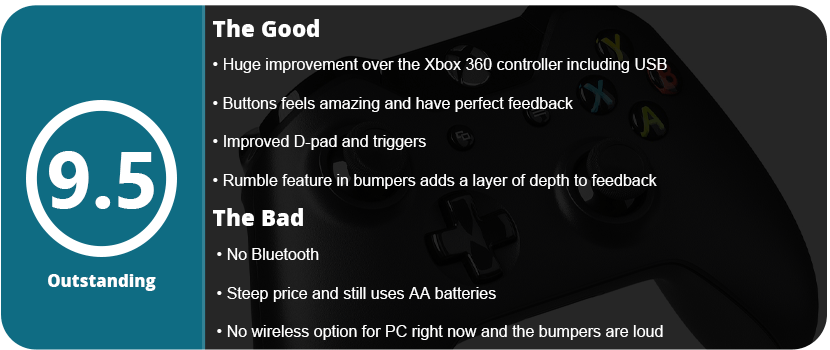
Here’s the dumbest part of the controller: It still needs AA batteries. 2015, and Microsoft is still making controllers like it’s 1995. Their theory is that you won’t run into half-life issues and have to buy a new controller. I call bullshit on that. My PS3 controller from 2009 has been charged who knows how many times, and I still get 15+ hours with it. This is just a money-making scam from MS to buy the $25 play-and-charge kit for the controller. The way around this is rechargeable AA batteries, which MS surprisingly doesn’t suggest. Gee, I wonder why. With rechargeables, you can keep two spares for a quick swap.
Here’s another downer: the controller can’t be used wirelessly on a PC, at least not yet. The wireless dongle is yet to be released and will only work with Windows 10. Another stupid roadblock. Thankfully, you can use any USB cable, so the 360’s extremely long and thick cable isn’t an issue here. All in all, the Xbox One controller is fantastic and the best one you can get for a PC. Just some stupid design choices get in the way of making it perfect.
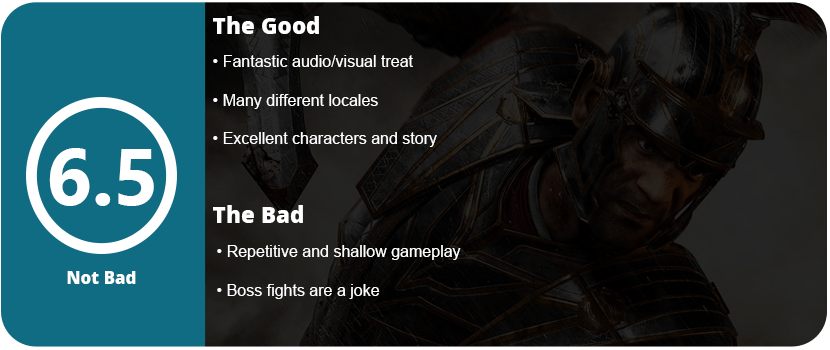
I first want to say that Ryse isn’t as bad as critics made the game out to be. However, I can see why it was bashed so much. It was the most anticipated Xbox One launch title. When you throw down $500 on a new console plus $60 for a game, you expect to get your money’s worth. Ryse would have pissed me off if that was the only game I picked up for the console. Is the game awful? No, it is just very repetitive and feels like a typical rushed console launch game.
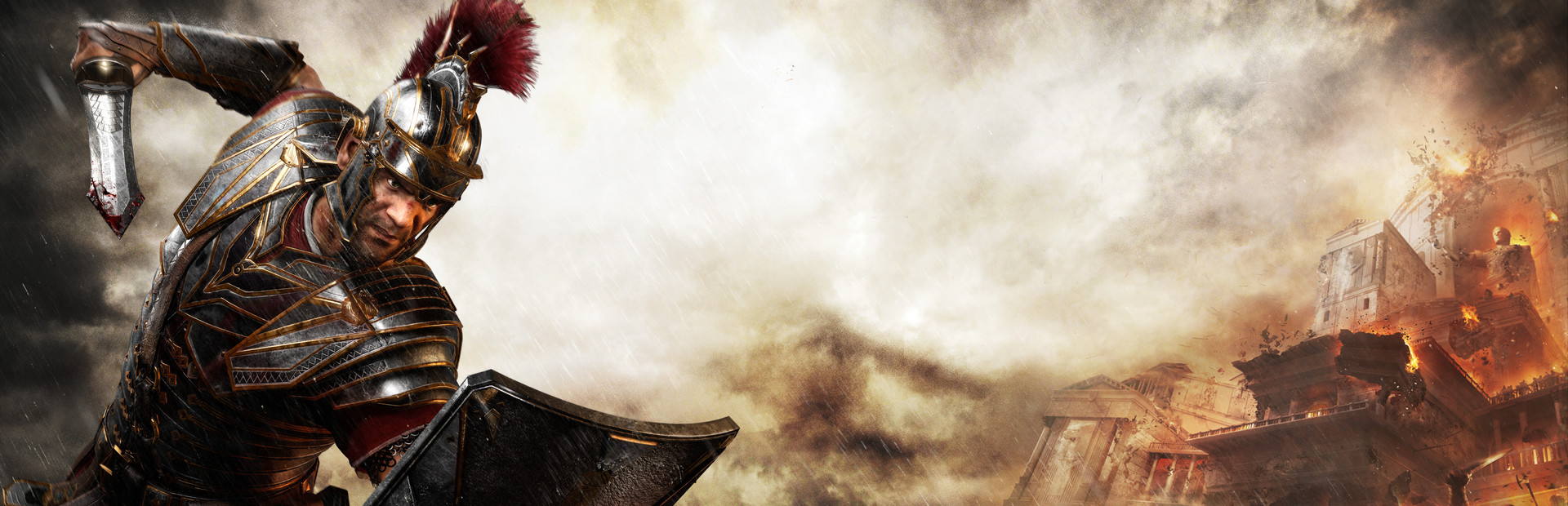
The story and characters in Ryse are fantastic. You follow a Roman centurion named Marius Titus who is fighting the barbarian tribe known as Britain’s. Marius’ family gets murdered by the barbarians; however, there are quite a few plot twists that left me wanting more of the story. I actually love how the story and characters play out. It felt very authentic to the Roman Empire era; I felt like I was playing a piece of history, and you can’t say that often about games. The architecture and the way the characters dressed just sucked me in. Even the fighting styles are brutal and authentic to Roman culture. The excellent facial animations and voice acting help drive the story even further, but it’s just so sad that the story was taken down by the repetitive and bland gameplay.
The game actually seems really awesome in the first chapter. You get to order soldiers to fire volleys at enemies and control a Scorpio, but you don’t get that much control. You literally pick where your soldiers go to make the scenario easier or harder for you. There are several instances where this happens, and I felt like it wasted potential. Swordplay is just so boring by the end of the game. I actually avoided execution moves because they made me nauseous just looking at them (from repetition, not the gore). When you execute an enemy, the camera sweeps around in a cinematic frenzy. This is just so cool at first, but then you realize the quick-time events don’t do shit. The enemies will glow yellow, blue, red, or green, corresponding to the face buttons on the controller. This quick-time event concept is actually great because it’s non-intrusive, but if you miss the quick-time event, there are zero penalties. The animations don’t stop, the enemy doesn’t get the upper hand, there is no loss of health, nothing. It doesn’t even interrupt your combo, which is pretty much blasphemy in the action/adventure genre. Imagine playing God of War and failing a quick-time event; after that, the kill continues and nothing happens. What’s the point of the QTE, then, right?
There is one interesting mechanic that forces you to do QTE’s, which isn’t too bad. There are four different things you can acquire from these QTEs: health, XP, strength, and focus. I used the health drain and XP the most. I never even used my focus except for a couple of fights in the entire game. That’s not a good sign. To top it all off, the boss fights are just boring and awful. Each boss uses the same two move sets throughout the whole fight, and it becomes just a yawn-inducing repetitive hit-and-dodge game. What makes the combat the worst of all, out of everything, is that the same 10 execution animations are used on top of the same 5 enemy types that are just reskinned. It’s a lazy move that cost the game its legs and character that it got from the story and characters.
Don’t get me wrong, the game is worth a weekend rental, and it’s quite enjoyable thanks to the frequent locale changes and fast-moving story. Thankfully, the game doesn’t overstay its welcome by clocking in at about 4–5 completion times. I was able to get nearly all the upgrades before the end of the game, but this game is not worth a second playthrough, not one bit.
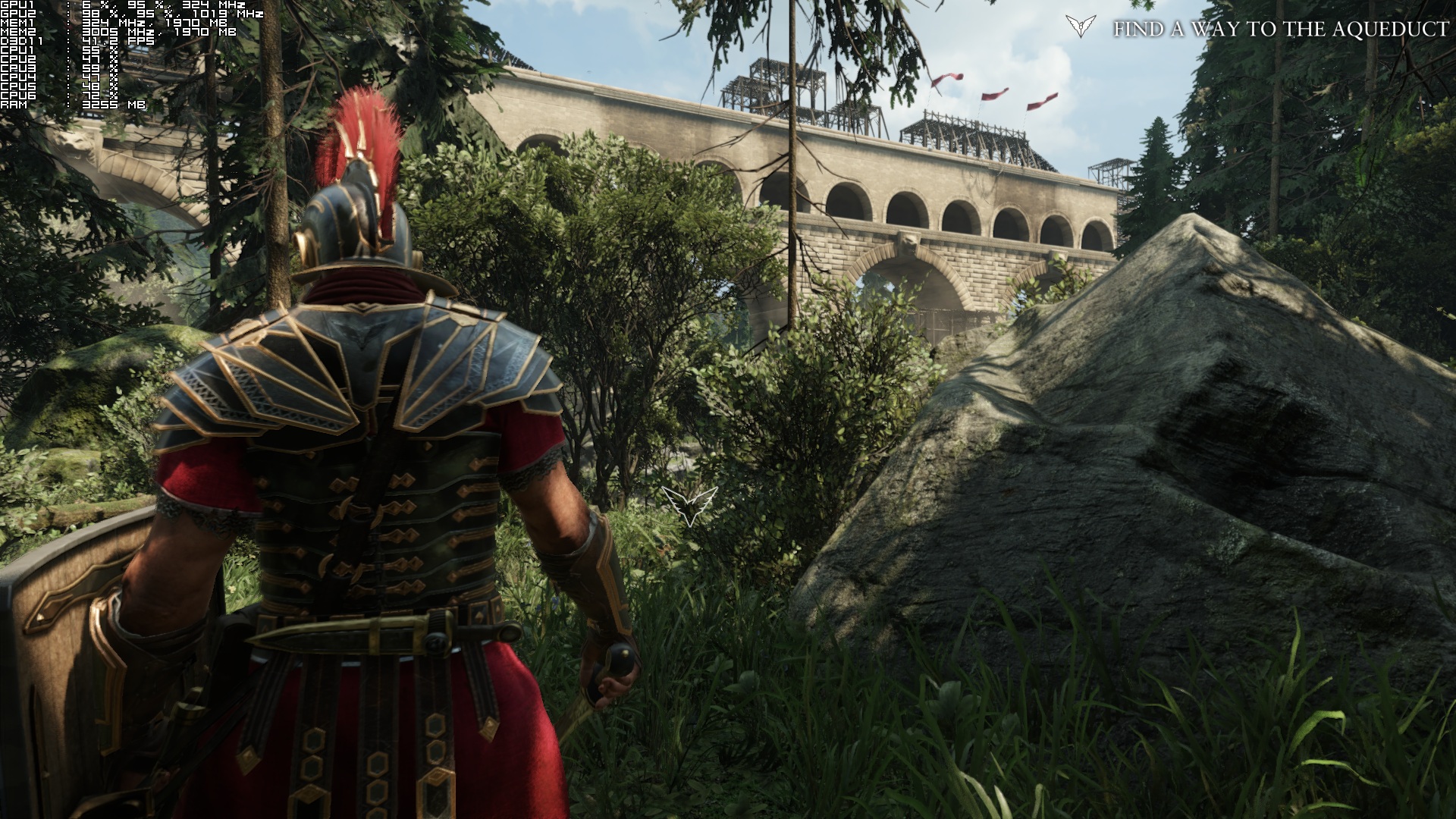
Let’s talk about visuals. Ryse is actually one of the best next-gen console games to be released, looks-wise. On PC, there are some enhancements like AA and SSAA, as well as better shadows and higher-resolution textures. However, this game requires a monster rig (GTX Titan) or SLI 8xx-9xx cards to run at 60 FPS maxed out. My i7 4770 and GTX 670 dropped down to the teens in some areas. Ryse uses the CryEngine 3, which looks freaking amazing, and next-gen consoles finally have the power to use it. If you don’t have a rig that was built in the last 18 months, you should probably play it on Xbox One. There’s even an option to use insane textures for 4GB VRAM GPUs. Ryse is one of the few games out that really pushes new rigs to their limits, so this is a good thing for PC gamers.
The screenshot was taken directly from my game
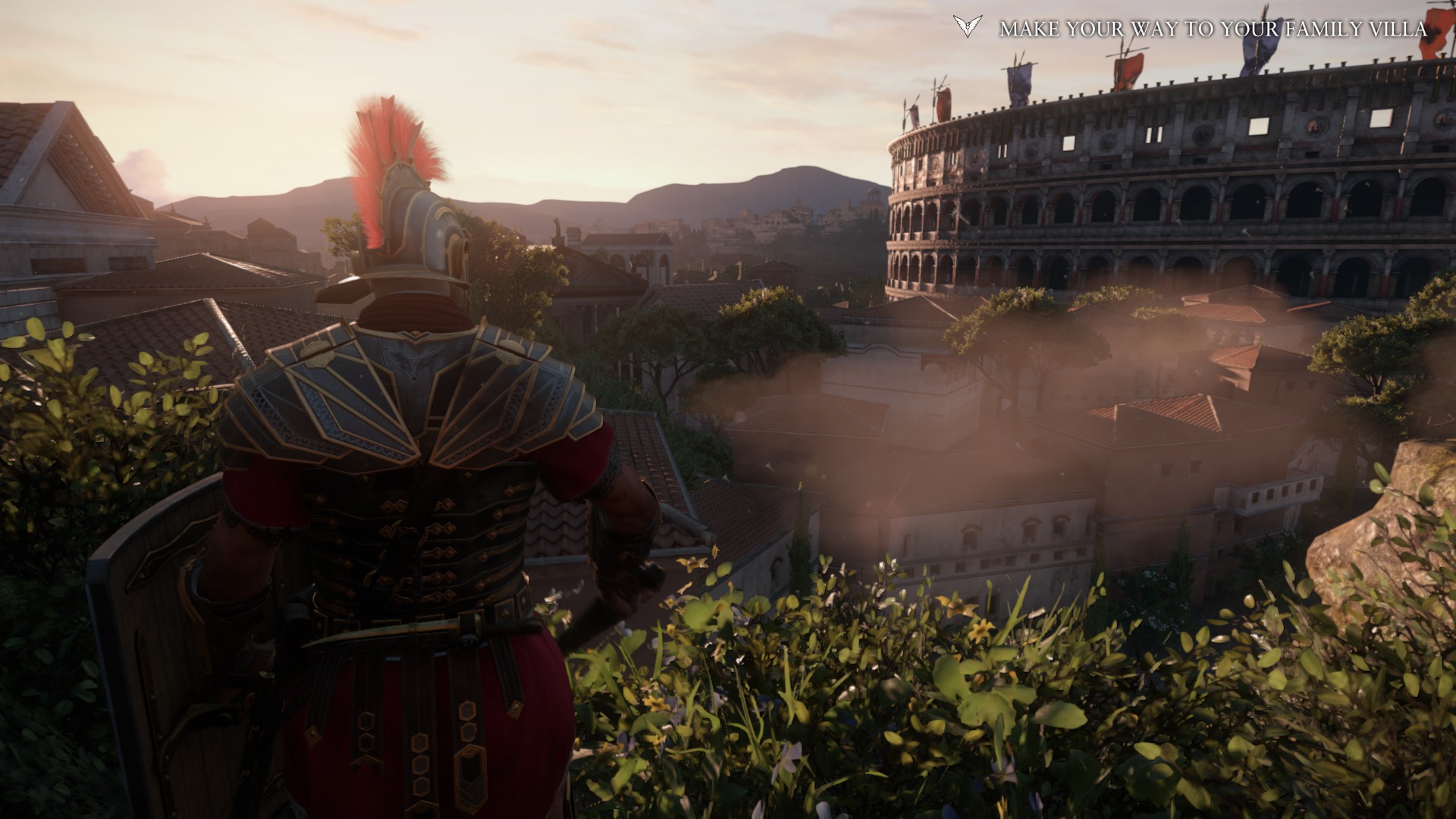
To top it all off, Ryse isn’t an awful game. It’s a game that has strong legs that are weakened by repetitive combat and awful boss fights. Many of the locales are just awesome, like the Colosseum, but they don’t overstay their welcome, which can balance this out a bit. If the game was pushed back another year, we could have had the best gladiator-type game ever made (Shadow of Rome and Spartan: Total Warrior still remain at the top). It’s a great weekend rental or bargain bin purchase, but nothing more.
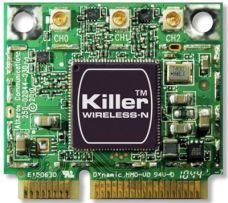
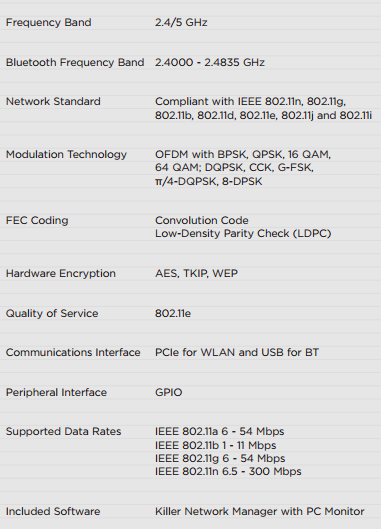
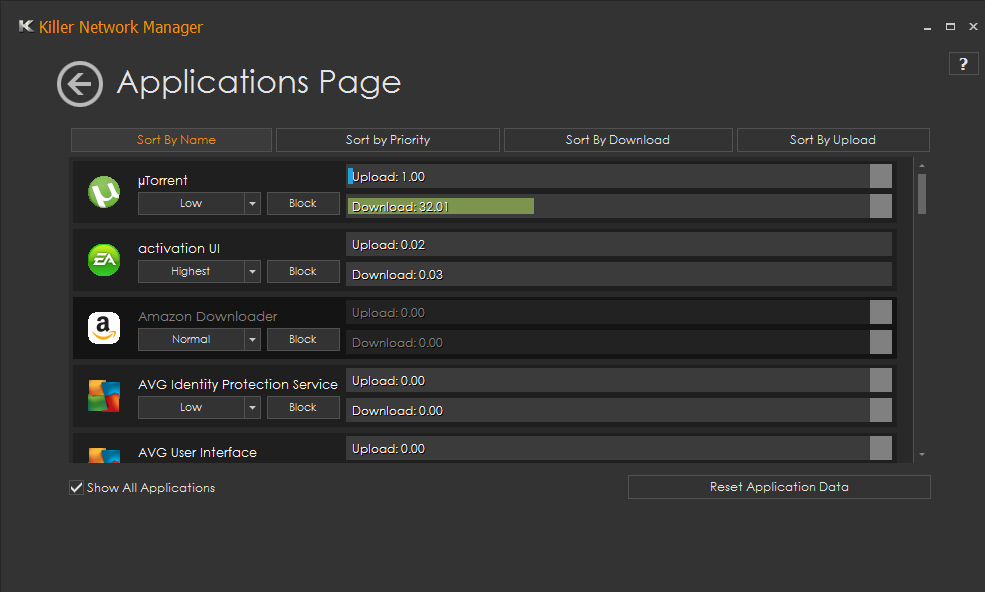
Killer Series wifi cards have been elite gaming cards for a long time. With the new Killer N series, smaller-sized WiFi cards are now powerful beasts. The Killer N1202 also packs in Bluetooth 4.0 and 2.4Ghz/5Ghz speeds. Killer Series cards are known for low jitter and smart data streaming. N1202 has a feature that will prioritize speeds for applications that need it the most, such as game clients, Chrome, torrent clients, and various other speed-hungry applications. You can manually set speed priority for other programs, such as Windows Update, anti-virus updates, or various other programs that don’t require much speed. This is an amazing tool that you notice within the first few hours of use. I can download a game on Steam and surf Chrome without slowing down my download. I tested the card on a 100 Mbps/s connection, and I rarely ever dipped below 10MB download speeds.
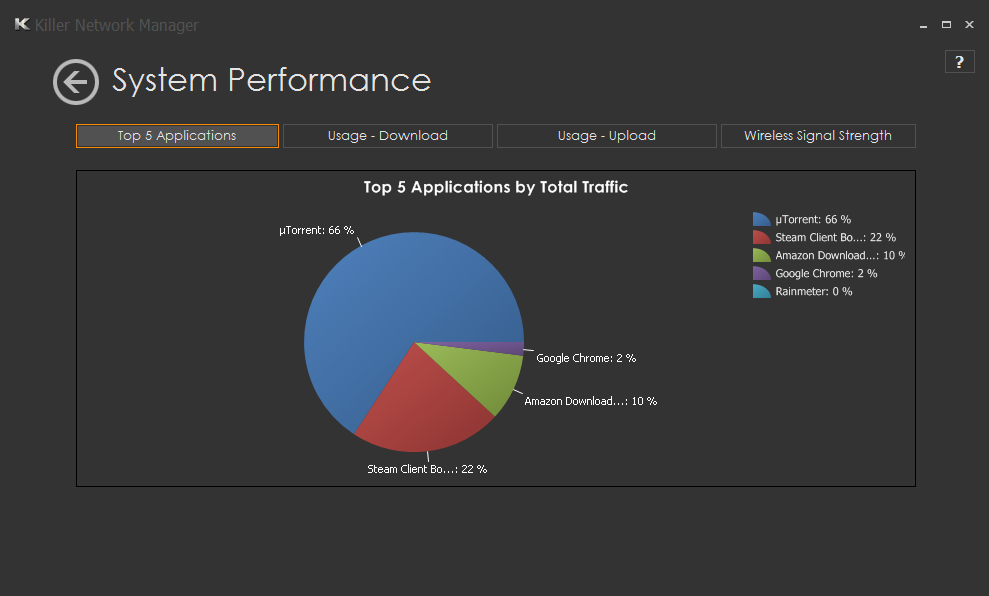
Various other tools in the software allow you to see other wifi connections that are nearby compared to yours. This can help you pick a more vacant channel. There’s also a pie chart available to let you know what apps are using the most data, and this can be reflected in the app control manager. The software even lets you put in your internet connection speed according to your ISP to help regulate and get the most speed out of your connection. Outside of the software, the drivers were extremely easy to download and install with zero problems or hiccups. Windows recognized the card as soon as it was installed and booted up. However, there is a separate driver for Bluetooth that I was unaware of and didn’t get until I needed to connect a device.
This is the best wifi card I have ever had. With the low $40 price point, it’s hard to pass up for people who don’t want to be wired. With the data control and smart streaming software, gamers, movie streamers, and heavy downloaders will love this card. If you have a rig that uses a half-mini card, I highly suggest ditching whatever is in your system and picking this guy up.
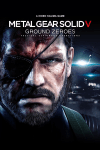
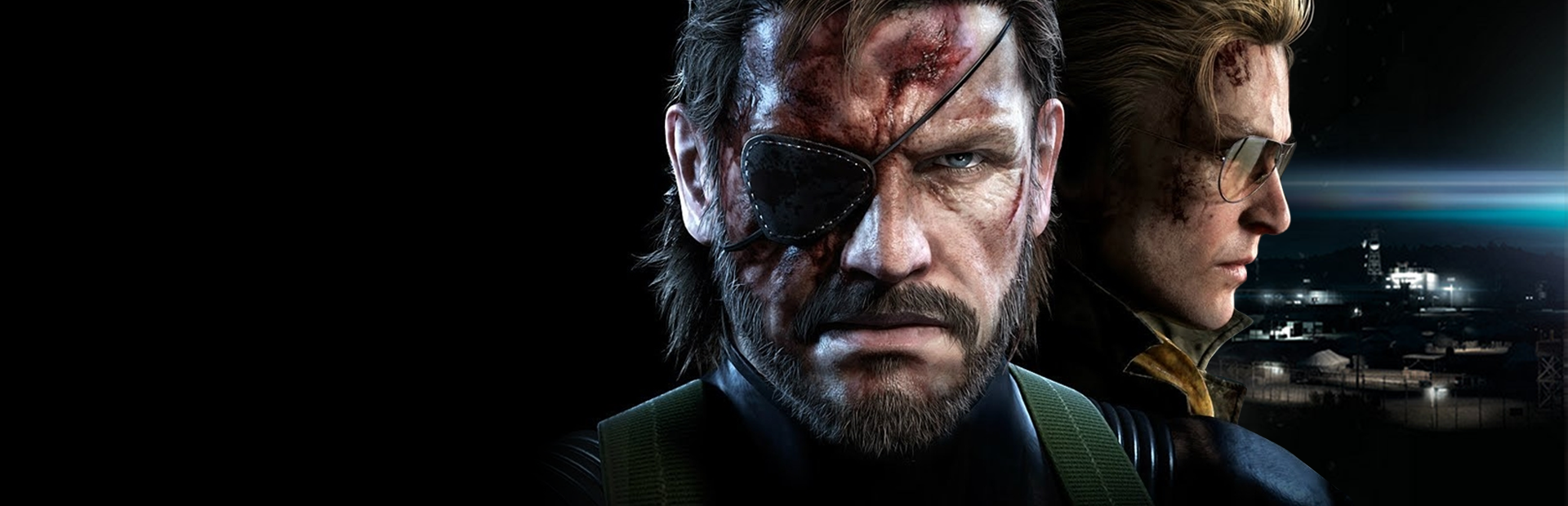
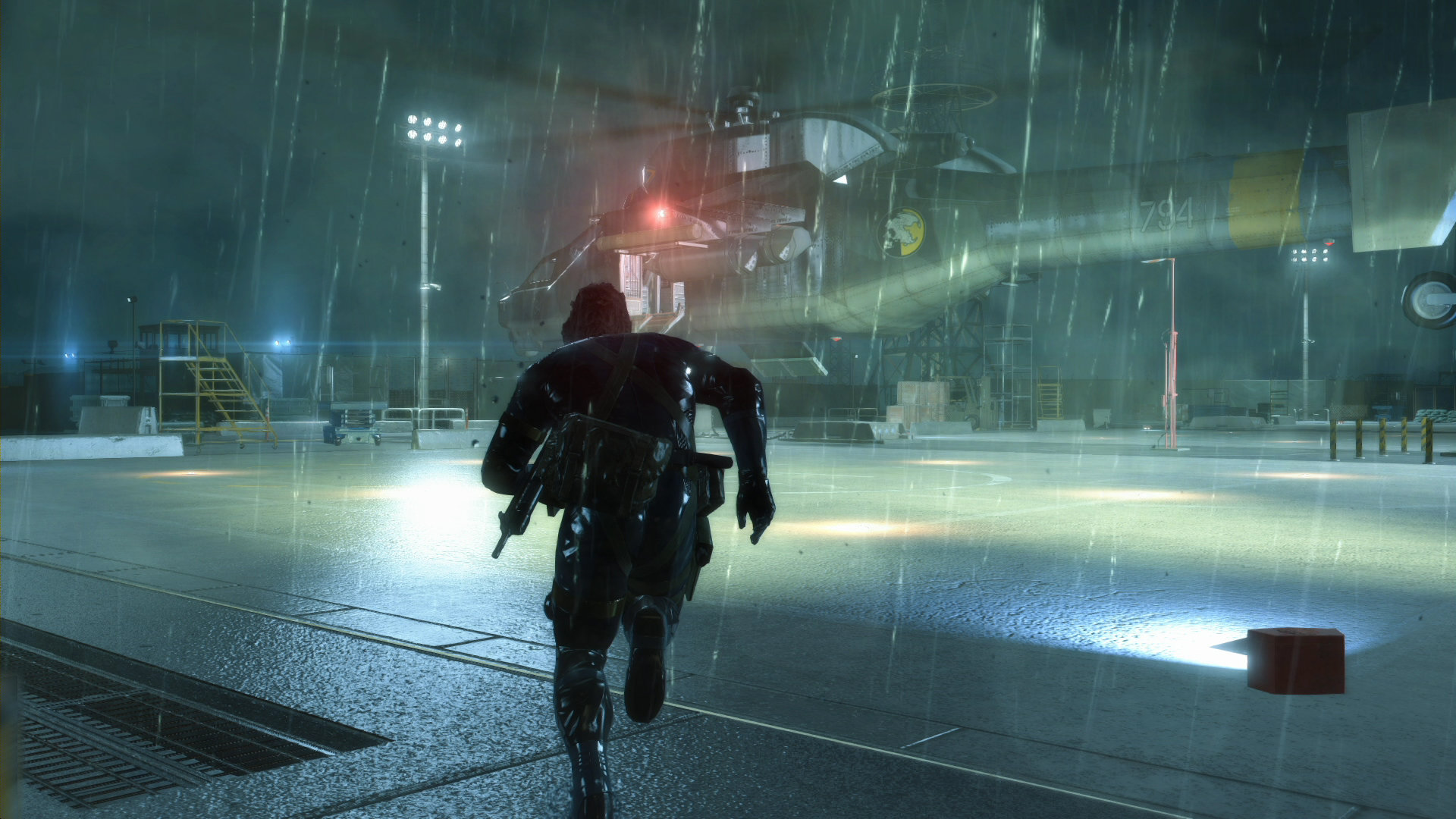
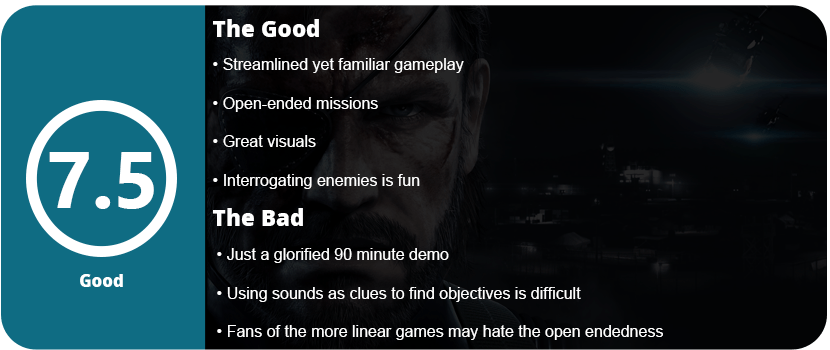
When I first heard about Ground Zeroes being released, I thought of one other game: Gran Turismo 5 Prologue. A glorified demo that showcased the tech behind the game. This usually happens when games take way too long to release and the developers need some feedback. So they release a chunk of the game for about $30 and get the world’s reaction. Ground Zeroes is actually a glorified demo of the upcoming Metal Gear Solid V: The Phantom Pain. If you aren’t a Metal Gear fan, well, what the hell are you reading this for?!
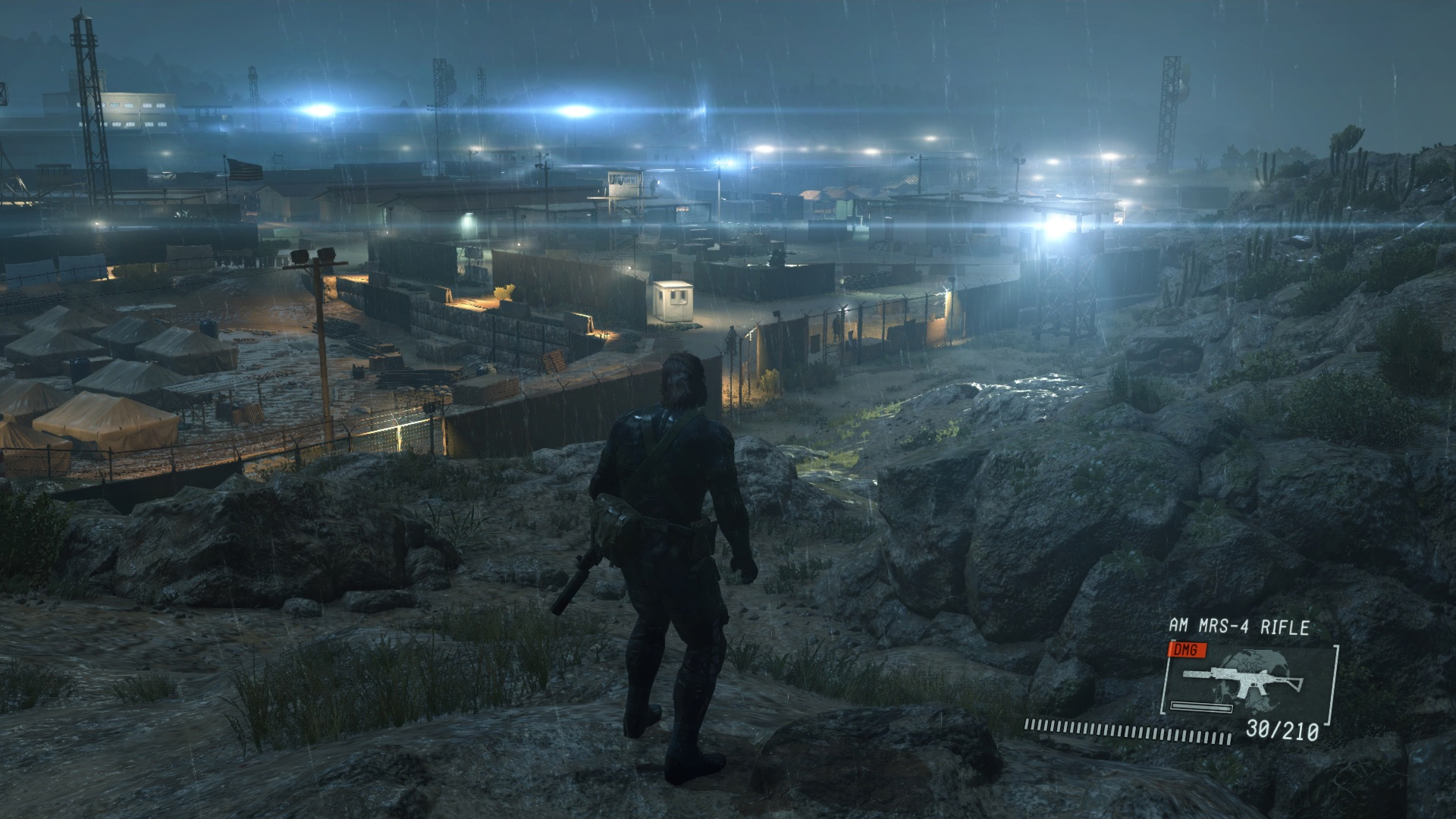
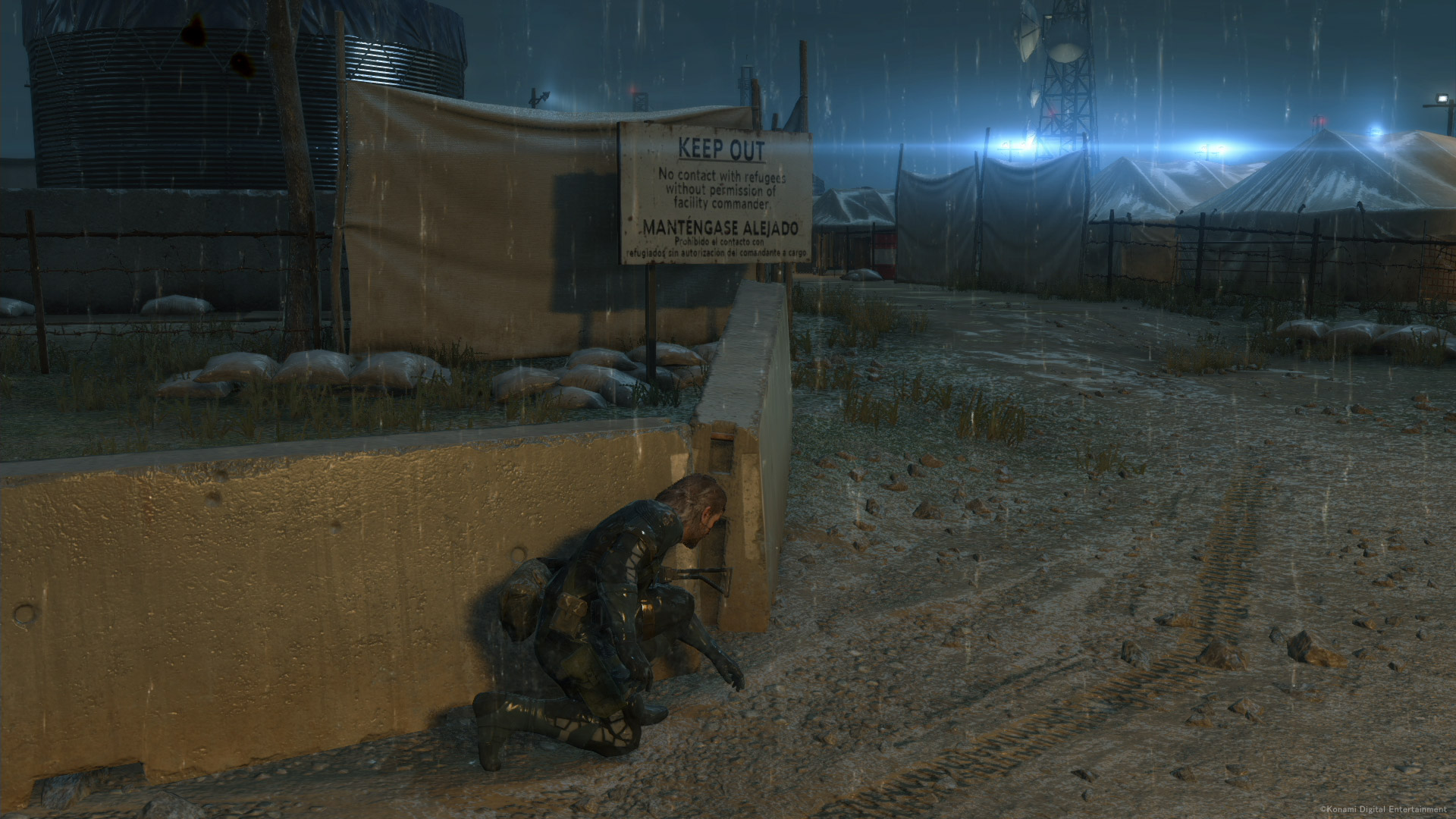
Ground Zeroes is actually taking place after the PSP game Peace Walker, which really surprised me. The game is made up of one giant mission in a large military compound. You must rescue two children, Chico and Paz, who were the main characters in Peace Walker. The first thing I noticed about GZ was how much everything has improved, from visuals to controls and animations. The entire familiar gameplay is streamlined, like it should have been years ago. No longer do you have the radio menu where you dial in and talk to people with long dialogue sequences. Just press a button to get hints on what to do, genius. The aiming is also a lot better this time around, as is inventory swapping and interacting with objects. Again, it’s all very familiar but just more streamlined. My favorite combat feature is that when you alert a guard, the game will slow down and turn towards the guard you alerted. You get about 10 seconds to put the guy down before he raises the alarm. Thanks to the more open environments, it’s much easier to see where everyone is. Climbing up a watchtower and using your binoculars to tag enemies is just what the series has needed for a while.
That’s another thing some MGS fans will not like: the open-endedness of the levels. The compound is huge, with many rooms, areas, and buildings. A new feature in MGSV is to interrogate an enemy while sneaking up on them and grabbing them. They will tell you where something valuable in the area is, like armor, a weapon, or enemy placement. You can choose to kill enemies or knock them out with your tranq pistol (like the good ‘Ol days). Figuring out where to go wasn’t too difficult. My first objective was to get Chico from a prison camp not too far from where I started. The second objective, finding Paz, was a real pain, as I had to use sound clues from a cassette recording to find out where she was. I finally figured out what area, but getting to the right building was tough. Silencers in this game eventually break, so I was stuck with just a tranq dart and couldn’t disable cameras. I had to run around finding armor that had another silenced weapon to continue, and I died many times doing so.
Once I got Paz, I called in a chopper to pick her up. I jumped on an AA gun since her being missing was discovered and the whole base was on alert. Thankfully, no one took the chopper down, and I was able to squirrel away to the starting point to end the one-hour mission. After the final cutscene, the game ended, and I thought that if I had paid for this game, I would have been really pissed off.
With that said, Ground Zeroes shows us just what Phantom Pain will be like, and I also have to mention that Kiefer Sutherland pulls off a better Snake than David Hayter. Yes, I said it; bite me.
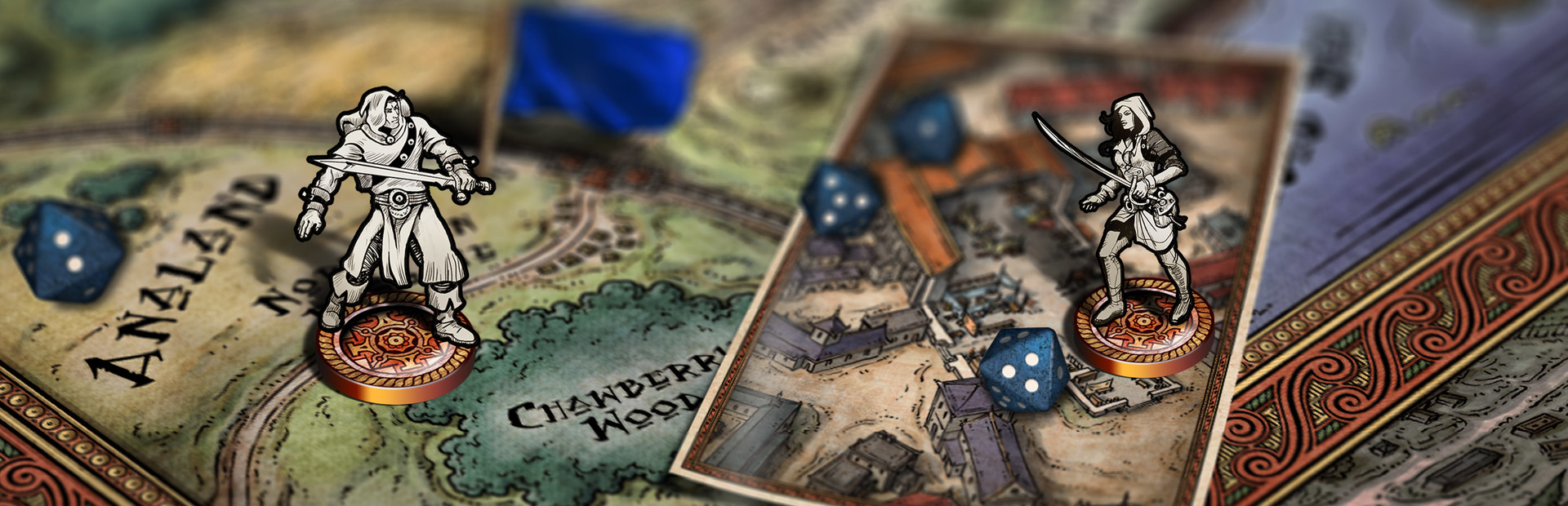
Fighting Fantasy novels are some of the best fiction I have ever read. Being translated into a game is even better, thanks to all the perks that come with a game. Not having to keep track of stats, inventory, or where to turn the page. Sorcery is a series created by Steve Jackson and is wonderfully crafted. It’s not so much the characters in the game as the world itself and how it’s portrayed.
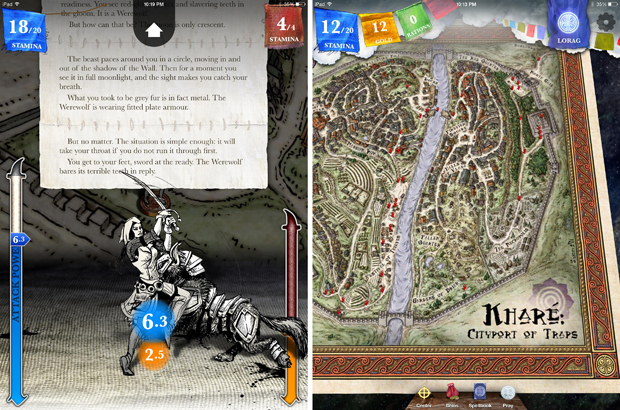
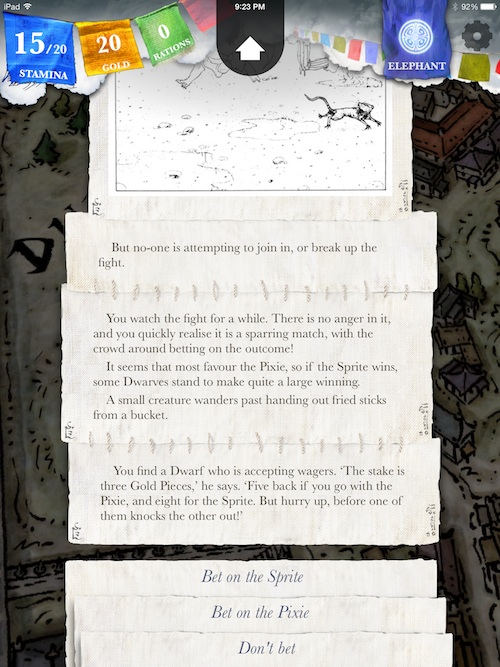
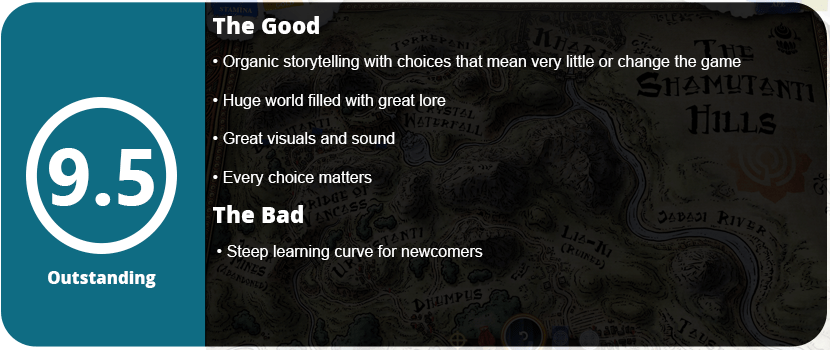
When the game starts out, the player comes across a beggar and has complete freedom to kill him, greet him, or just ignore him. In fact, this is a completely open game; every choice matters until the very end. I was just surprised at how much detail went into each choice and each move. Every step of the way, a choice can be made that can kill you, help you, or show consequences later in the game. Just greeting or ignoring someone can be optional, or that is the person you need to talk to to make your path easier. It’s so organic, though, and that’s the magic of this game.
The goal of the game is to find four magic lines that you must recite at the north gate of the city, which has been locked for thousands of years. Of course, you can leave the city and leave it to be burned down by the raiding orcs and goblins; however, this is the cheap way out. If you missed one of the four nobles, you must find them so you can go back to a point in the city and try the area again. Another thing I really loved is that your character remembers going through these areas, so the game is adjusted accordingly. You can avoid traps, being captured, and fights to make going to areas you missed easier. You can also rewind any encounter at any time without any penalties, which is a blessing for these adventure games.
The visuals are rather charming and feel like something that has come right out of a book. The sound design is a little lacking, but when it does kick in, along with the music, it’s fantastic. The other two elements of the game, besides adventuring, are magic and combat. Magic is used throughout the entire game, whether for predicting traps, weakening enemies, creating shields, or making yourself bigger. Magic can be used to help or harm people. Combat is strategic in a way that you must read what’s going on with the enemy and then watch their stamina bar to predict how hard your next attack should be or to defend.
In the end, I had one problem: I couldn’t figure out where the last two nobles were. I almost gave up on the game, but some of the clues finally made sense, and I was able to find both nobles in one try before going back to the north gate. The story flowing organically allowed me to remember where I heard about the nobles and that I had visited those areas, and it finally clicked. Once I opened the game, I finished the ending and couldn’t wait to jump into Sorcery 3. This game is highly recommended for RPG fans and adventure fans.
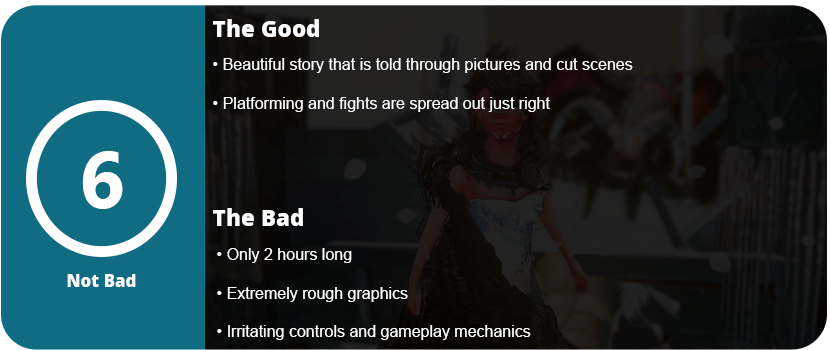
I absolutely love short games that tell beautiful stories. A game that really doesn’t have much gameplay but just enough to get the story across and help you feel for the characters. Toren is one of those games; it has so much potential but is extremely rough around the edges. There’s actually more negative than positive in this game, but for some reason, it’s worth a playthrough, simply for how the game is told and unfolds.
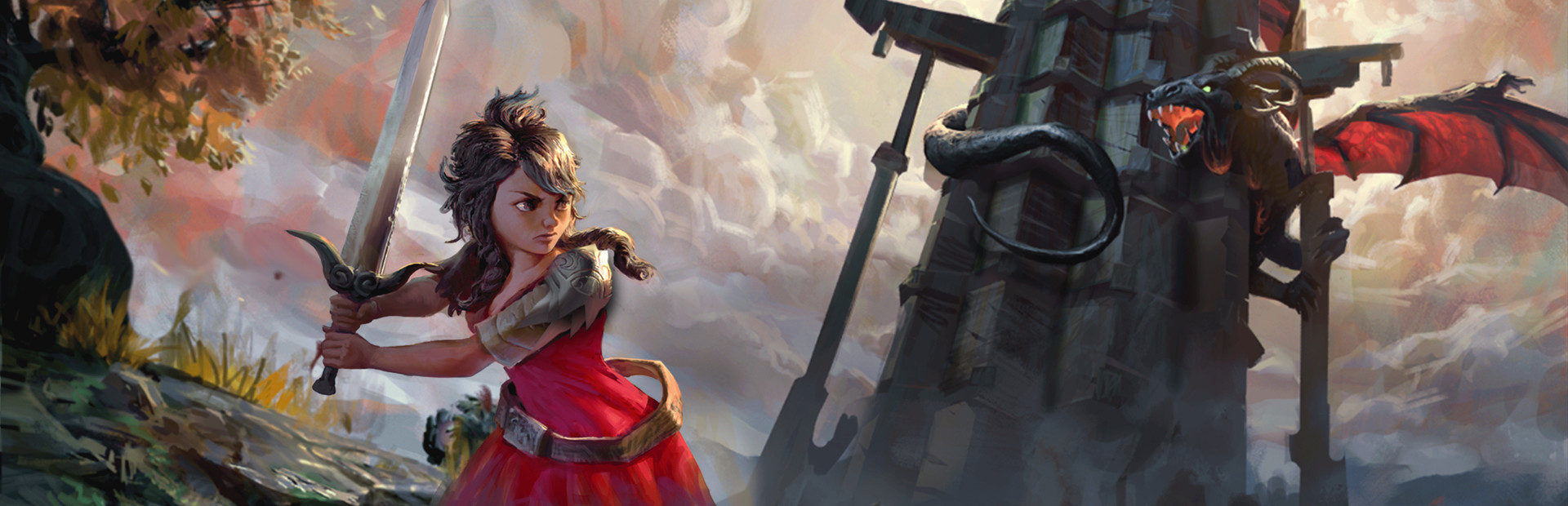
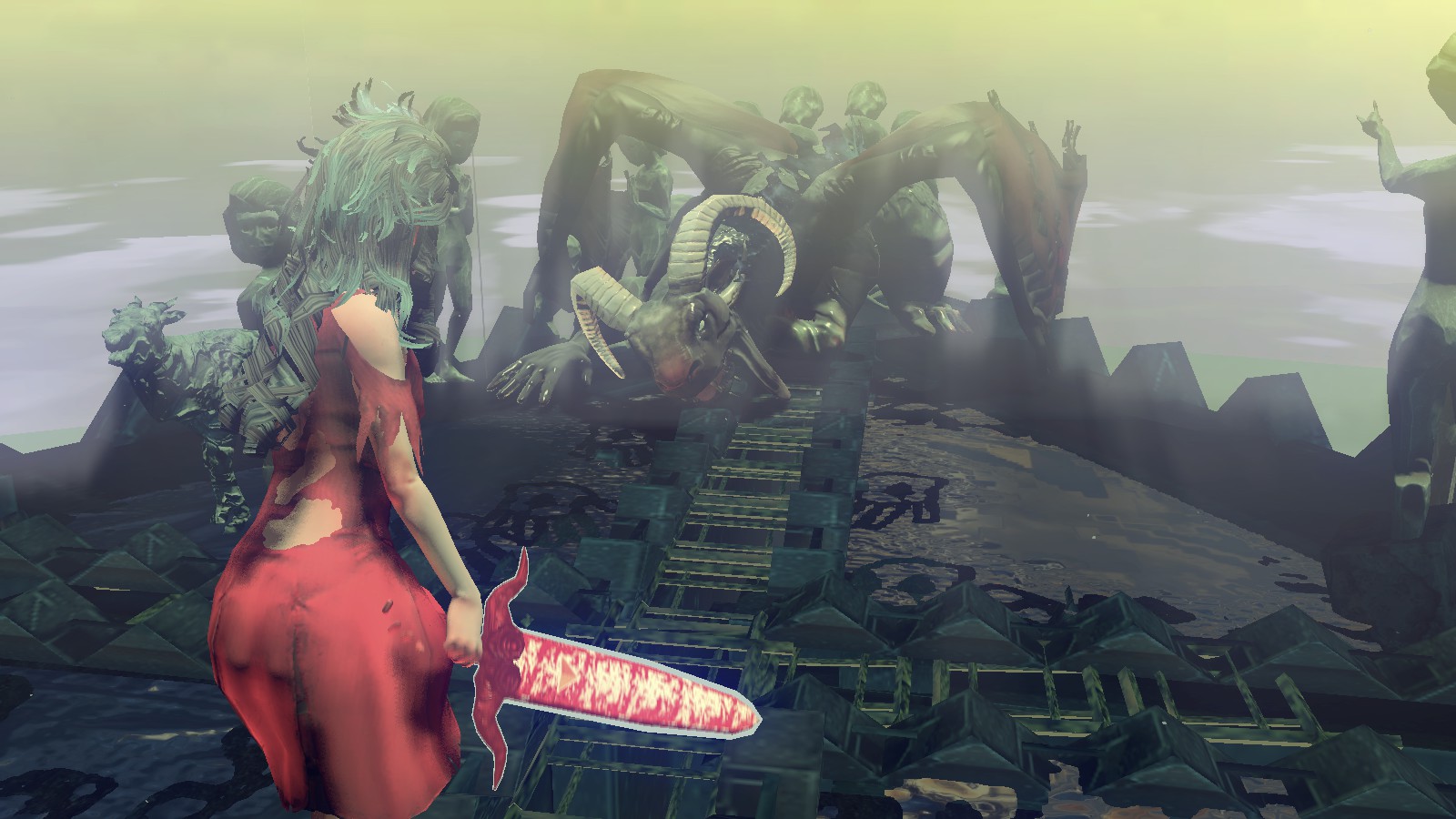
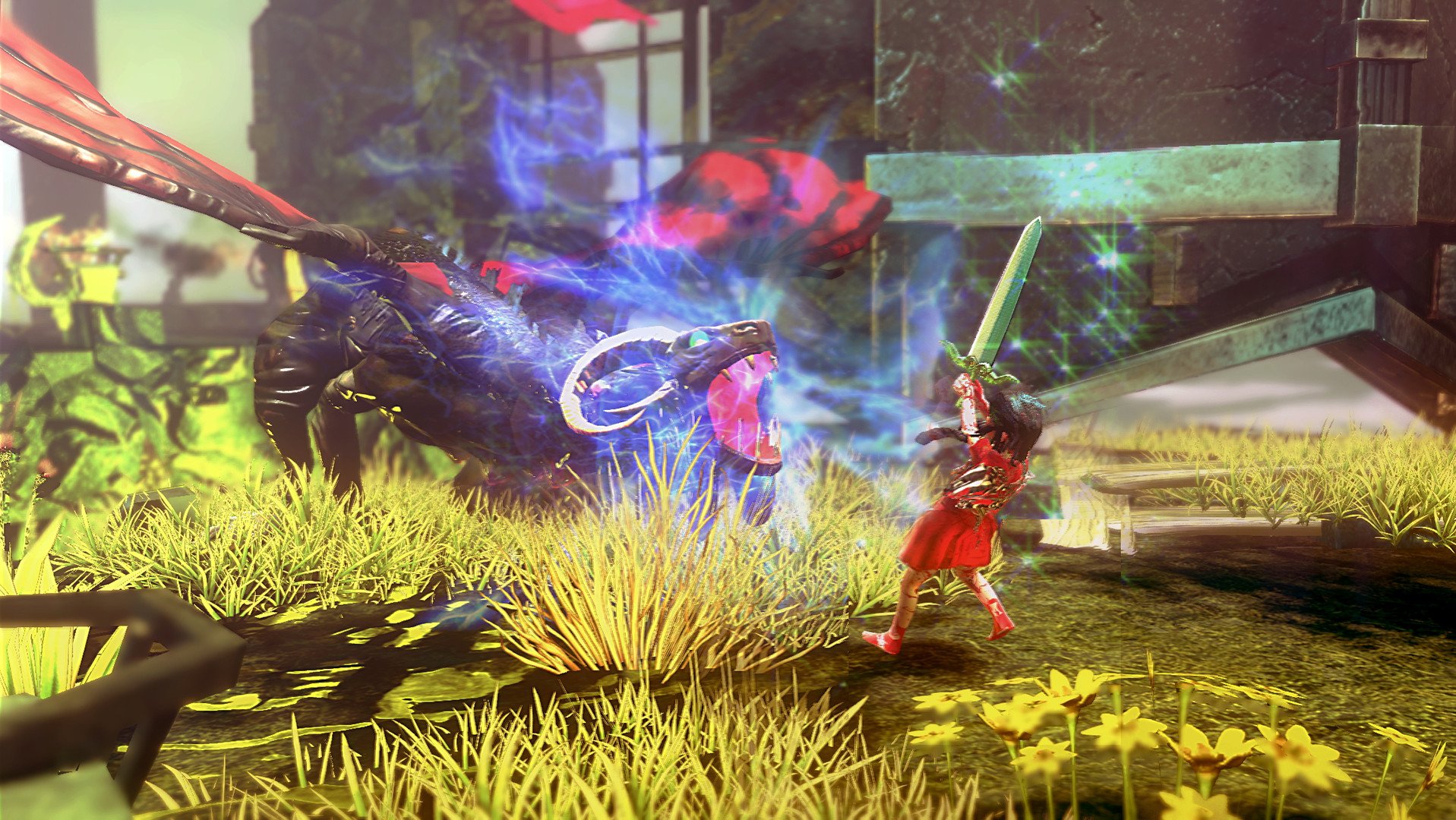
The game starts out pretty simple. You start as a baby girl who is waddling toward a sword. I had a pretty strong image of gaming when I was a baby. It tends to be a sensitive subject, but Toren pulls it off just fine. After grabbing your sword, you get segments of jumping puzzles and are faced with a dragon. This dragon sits in one spot and will shoot out waves of black that will freeze you. See, the game is a little bit like Infinity Blade in a way. Failing is the only way to go forward (of course, the failing bits are scripted). The girl will try to reach for something or solve something, and the dragon will get her. She is reborn and thus can use her frozen body as a stepping stone or something to climb.
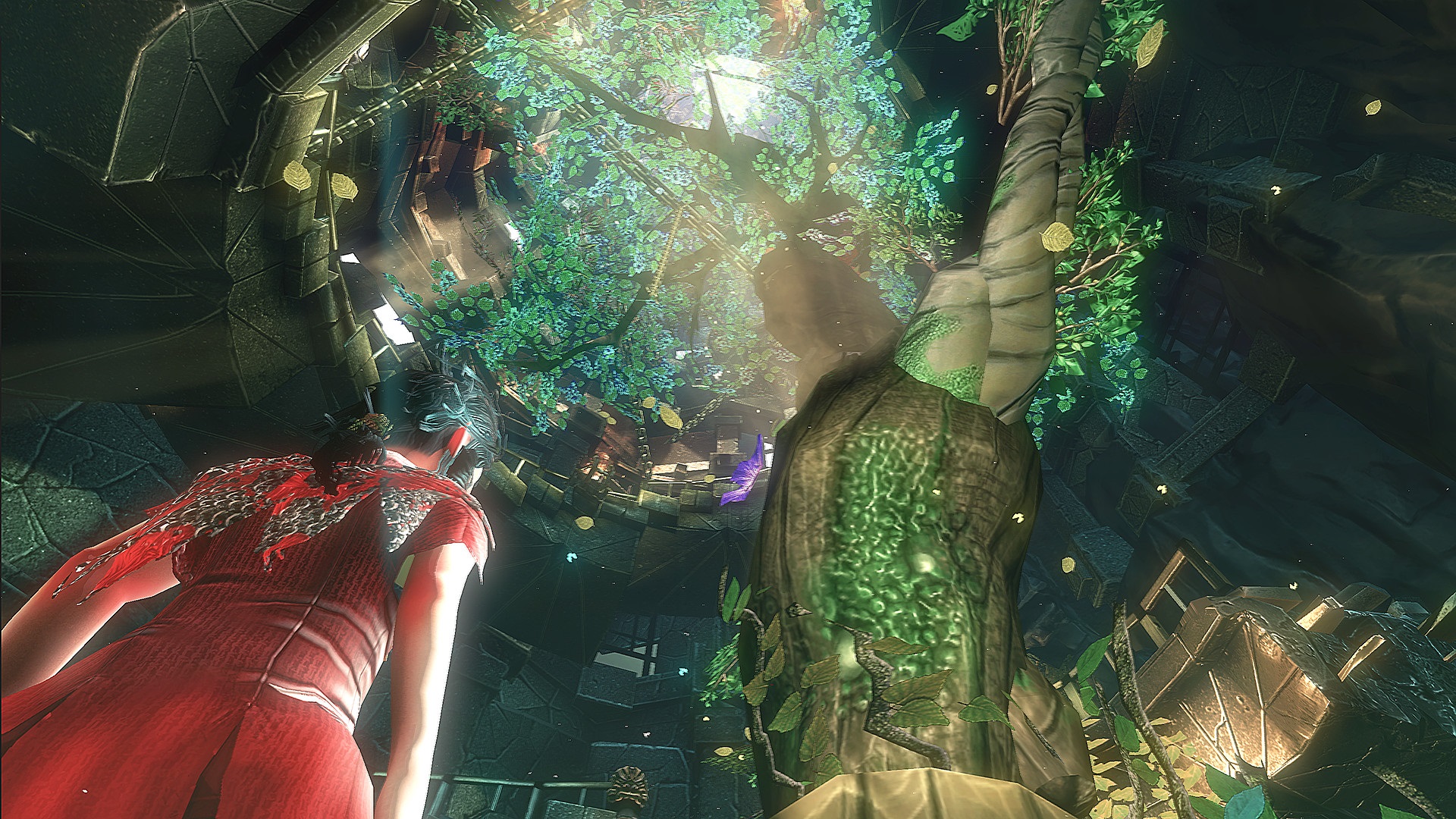
The whole point of the game is to climb this large tower called Toren to bring back the night. A dead man tells a story about a man named Solidor who tried the same thing and failed. It’s a little confusing in words and makes more sense in pictures and cutscenes. Between trying to fight off the dragon during weak puzzles, there are platforming segments that are set in strange dream-like areas that are just really great to look at. They aren’t tough, but this is where the flaws come in. The jumping mechanic is very floaty, there are a lot of collision detection issues, the sword fighting is barely waving your sword around aimlessly, and even controlling the girl can be a bit difficult as she feels like an ice cube walking around a frozen lake.
The visuals are even rough, and while there are some nice lighting effects, the game has texture quality that is all over the place. The framerate is also everywhere, but anyone who enjoys the subtly of indie games will look past all this. The game can also be finished in one sitting—about 2 hours. While it lasted, I enjoyed the game. It broke up the dragon fights with the platforming segments well, but the issues with the game make it more difficult than it needs to be.
With all that said, Toren is an interesting game with a beautiful story, but it is encased in a sloppy game with rough graphics and slippery controls.
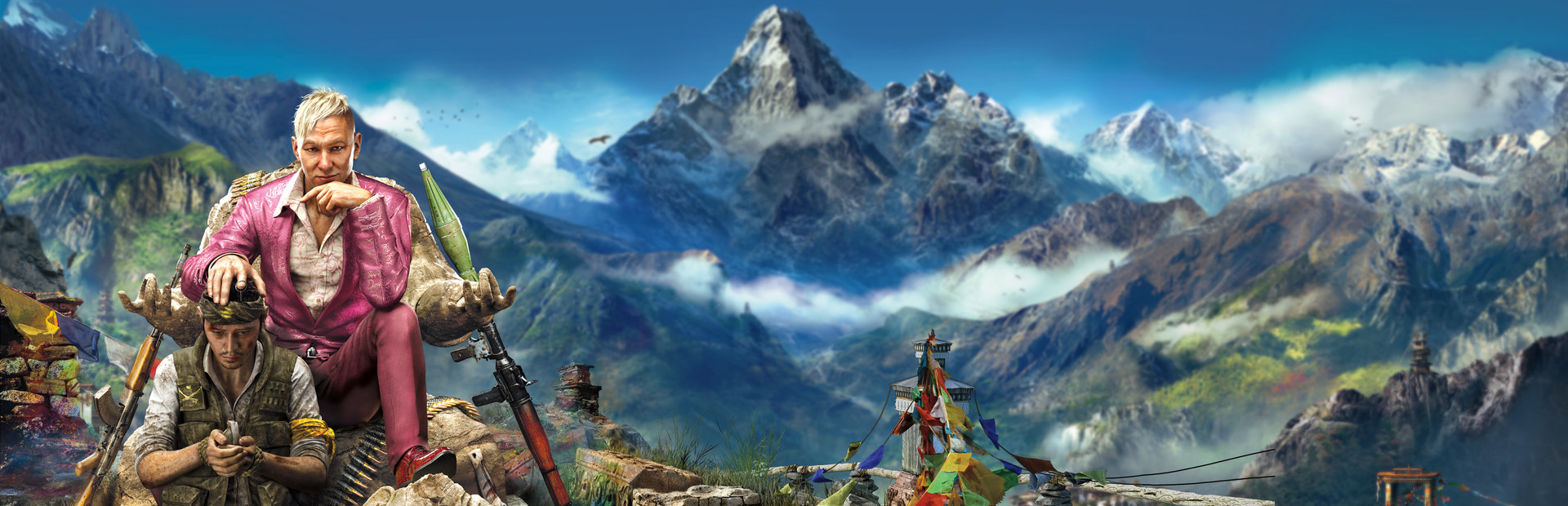
An open jungle, a rebel war, a tyrant, a guy who ends up in the wrong place at the wrong time, lots of guns…sound familiar? Yes, another Far Cry run of a giant open world that might be too large for its own good. Far Cry 3’s mediocre missions were made up for by an excellent story with fantastic characters; however, Far Cry 4 seems to be doing the opposite. You play Ajay Ghale, a man trying to bury his mother’s ashes but is captured by a tyrant known as Pagin Min. Min is a man who is bringing the people of Kyrat down, and you are here to help the rebel army rise against him. It sounds cliche and boring, and it is. The story and characters are Far Cry 4’s downfall, as they are either just really badly written or uninteresting. Pagan Min isn’t so bad, but the rest of the characters just don’t hit home like FC3 did.
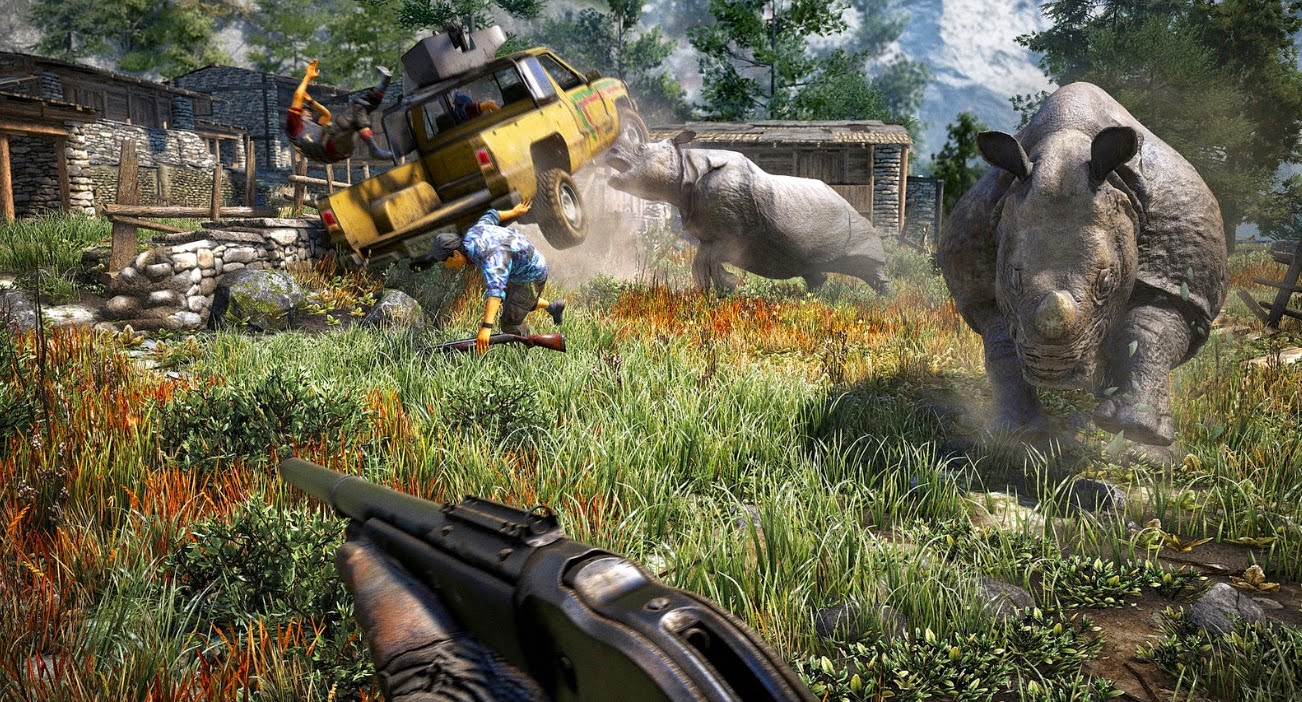
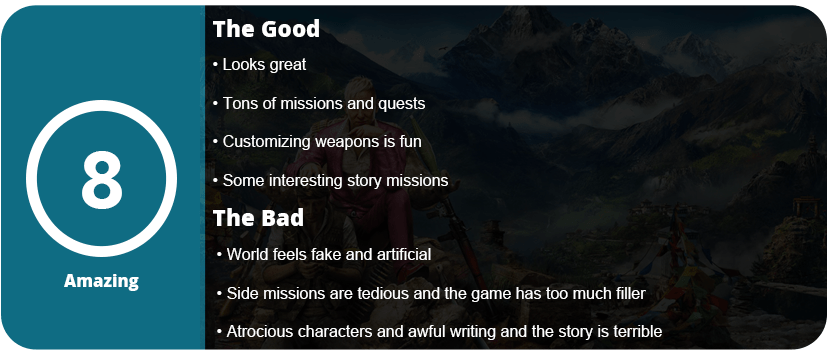
There are honestly more side missions than story quests, but to the point in which it’s overwhelming. Far Cry 4 is huge. Five times the size of Far Cry 3. Despite the story being bland, let’s talk about the gameplay. It’s nearly identical to FC3 in terms of gunplay and the choice of stealth or guns blazing. However, the choice of stealth, I feel, is stilted, and guns blazing tends to be the forced choice. There are multiple side quests, including destroying propaganda towers, intercepting couriers, taking over camps, storming fortresses, hunting, races, and several others. While all these are fun for a bit, they all wear thin, as there are just so many of them. There were missions that required me to sneak into an enemy base, but no matter how quiet I was, someone always saw me. The enemies have had this problem since the first game.
Outside of the side missions, you can buy weapons and maps, hunt for treasures (which is probably the most tedious), and skin animals to increase carrying capacity. Gathering plants for syringes is back as well, but all of these things are second-hand from FC3, and there’s just not enough here that’s new to make it feel like FC4. Thankfully, the gunplay is rather solid, and customizing weapons was one of my favorite things to do. I’m not saying any of this stuff was bad, but it was tedious and felt too similar to past games. Nothing really stands out on its own.
FC4 is also heavily reliant on co-op play, as some camps and fortresses are nearly impossible to take over by yourself. I died multiple times and had to exploit strategies to beat some of them. I would give up and wander around collecting treasure, taking over a tower, and completing some side quests, only to continue getting distracted from the main story. This is usually a good thing, but FC4’s world feels sterile, empty, and too artificial for its own good. Most people would love all these things to do, but it’s all just kind of dull and only good in short bursts.
The graphics are actually quite fantastic and show off the power of next-gen consoles; however, they’re not much different-looking than FC3. In the end, after completing the story, I felt overwhelmed by the vast amount of things needed to complete the game and just told myself I would come back to it later, when I’m really bored. In the future, Ubisoft needs to work on Far Cry, which feels more important with less filler content. Honestly, this series needs a reboot or a complete overhaul to justify its existence.
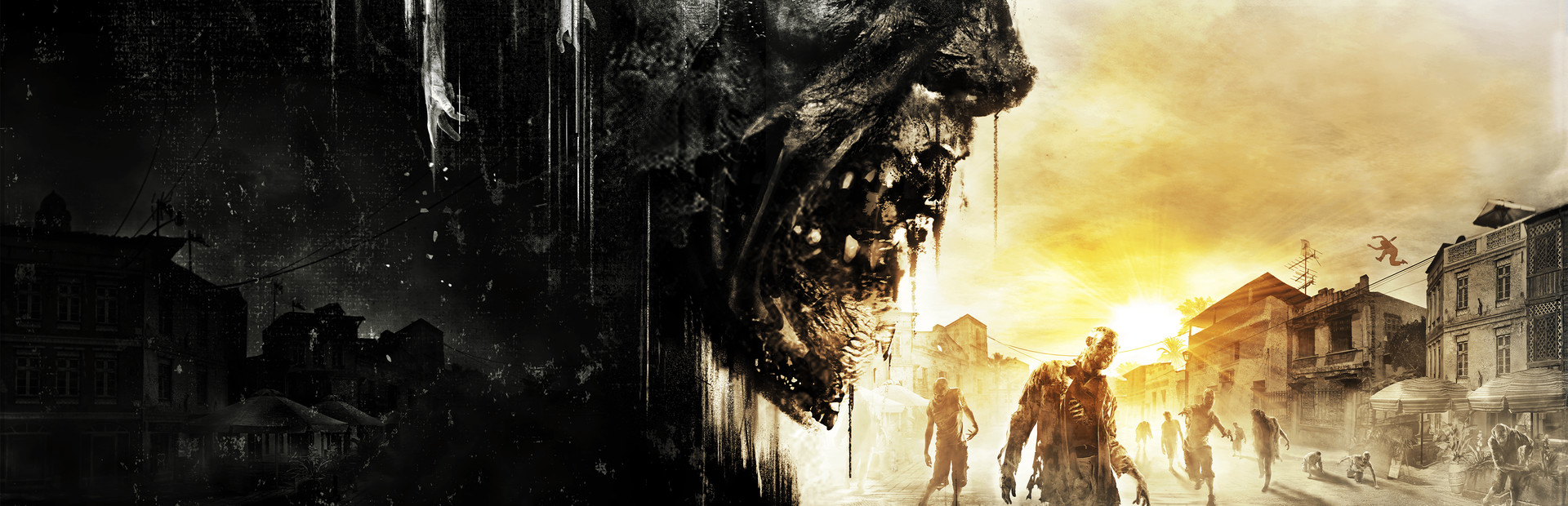
Zombie games are everywhere now, but they have also gotten better over the years. Zombies are probably the most iconic horror character ever, and almost everyone is fascinated by them. However, a new fascination has started coming around: What would happen if we truly and honestly were hit by a zombie apocalypse? Gone are the campy days of old horror films where zombies were just scary and cool. People are even getting down to the nitty-gritty science of zombies, and it’s now showing up in video games. Dying Light is probably one of the better zombie games out there and, for sure, the best open-world one.
You play as a man named Kyle Crane who is working for the GRE, a group tasked with finding a cure in ground zero of the zombie outbreak. The story actually doesn’t get interesting until towards the end of the game. The actual story missions are quite entertaining and well put together. My favorite moments were chase sequences as these got very intense and pretty scary. Despite all this, the characters are a little weak and disappointing. The main antagonist, Rais, had potential in the beginning by being a sick twisted ass with a God complex, but in the end, he became cliché and it all went downhill. Other characters are bit parts and aren’t as strong as other open-world characters such as Fallout, The Elder Scrolls, or even Mass Effect. They feel generic and forgettable, and honestly, nothing all that interesting is going on in this world besides zombies.
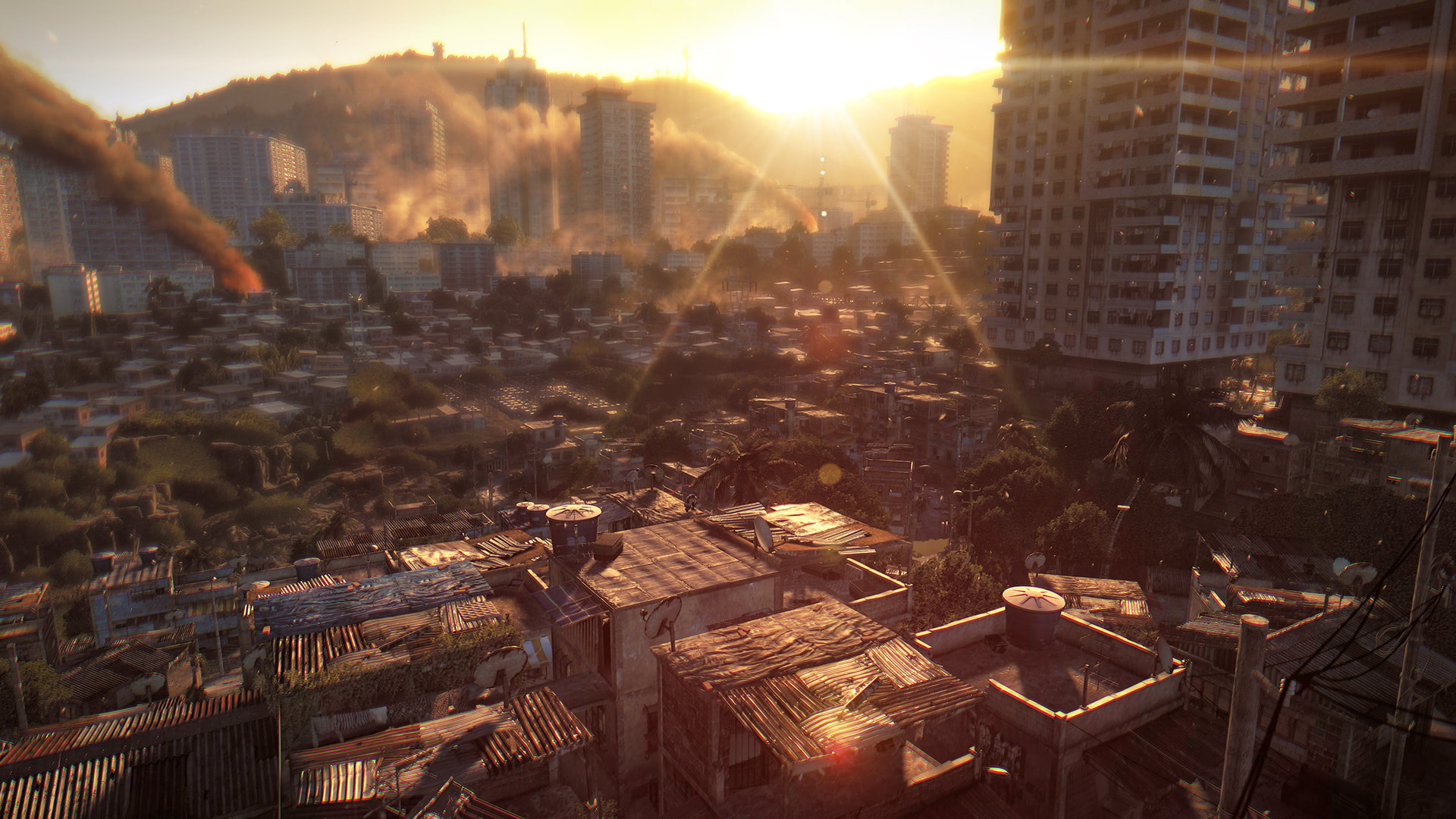
That’s what I have to gripe about the most. Dying Light had a lot of potential to create some great lore around this fictional area and develop some memorable characters, but instead went the route of just getting as many missions out there as possible and relying on the open world itself. There is just so much potential here. The world itself is well put together and huge. There are some unique areas where pieces of the story could be told, but the developers just bypassed this all together.
With that said, the combat is actually quite satisfying. This isn’t a game in which you kill everything in sight. The whole point is to run away and survive. Sometimes you will run across a bridge that has nearly a hundred zombies. It’s best to just run on top of the cars and stay away. The whole game is in the first person, so the combat is similar to Dead Island or even The Elder Scrolls. There are many different types of weapons you can create or buy, and the ones with mods are the most fun to use. Slicing off a zombie’s head is satisfying, as is jumping over a zombie to escape an entire horde. I actually like how the game forces you to only fight when the opportunity is right. Nighttime is the most dangerous, and fighting is probably mostly avoided. Dangerous, volatile zombies that are extremely hard to kill will chase you down in the dead of night. I mostly avoided the nighttime unless a quest required me to be in it. It also helps add to the atmosphere, and I was usually scared and very paranoid when traveling at night. There are guns in the game; however, using them is very dangerous since faster, more deadly zombies will hear the sounds and surround you. Shooting is very satisfying in the game, but it’s best used in isolated areas where runners can’t respawn.
Once the player reaches level 12, they can unlock a grappling hook, which is essential for traveling vast parts of the game. It has a two-time use rather than a 10-second cooldown, but it sure comes in handy when escaping hordes of zombies or traveling large distances. With all this combined, Dying Light has a great world to explore, despite how generic it may feel. Everything does get better towards the end of the game as you can use more powerful weapons, and fighting zombies (even the more powerful ones) becomes easier and less like a chore.
Graphically, Dying Light looks fantastic. There are some awesome lighting effects, and the draw distance is amazing. The textures are a little sketchy, as are some of the zombie models. However, the game really shows off the power of the next-gen consoles and is probably one of the best zombie games to date. Outside of the generic story, the combat is rewarding, as is leveling up your character, but I just can’t help but feel that there is something missing from this game. It feels empty and lonely, but not in the way it’s supposed to feel. When it comes to multiplayer, it’s nothing special and will probably be forgotten quickly. It’s fun for a little while, but you probably have other multiplayer games that are much better.
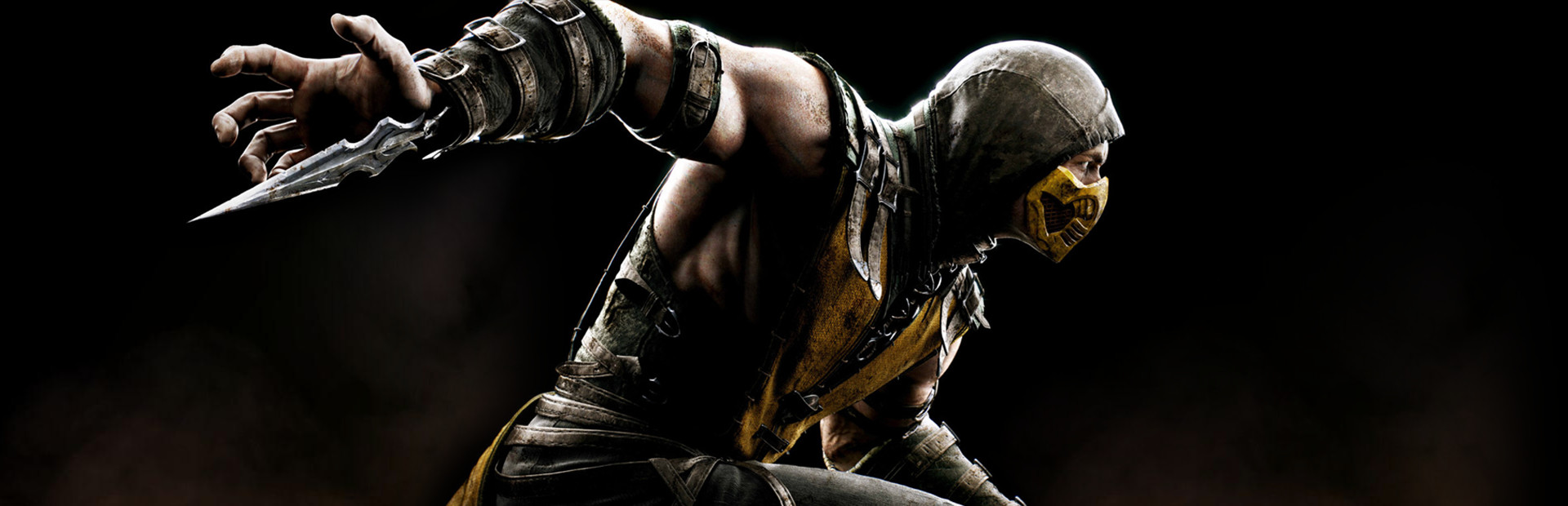
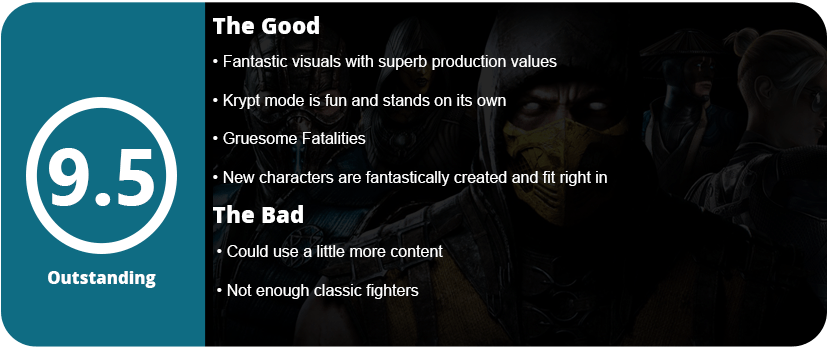
MOOORRTTAALLL KOOOMMBBAATTT!!! Mortal Monday made gaming history when the original arcade game hit the Sega Genesis, Mega Drive, and Super Nintendo in 1992. Fast forward 23 years, and people still get just as excited for every new Mortal Kombat game. MKX is a near reboot of the reboot from 2011 by improving nearly every aspect of the game, including online. This is the first Mortal Kombat game for next-generation consoles and has set the bar for fighting games in terms of production values.
The first thing you will probably play is the story; it’s needed to unlock Shinnok as well as earn a slew of koins for the Krypt. The story is fantastic and the best one in any fighting game to date. The story has finally evolved past MK3 and takes place 25 years after the last game. Naturally, the original fighters have aged and are older (but still kick ass), and new generations or kids of these fighters are introduced. The story is actually shorter and more streamlined than in MK9. Instead of every character being shoehorned into the story, you only play as the good guys and select characters. There are about five matches for each character, and the entire story just evolves naturally. Earthrealm is past Shao Kahn and his BS (as the players are), but Shinnok returns to claim the Komidogu amulet and take over Earthrealm. After about 4 hours or so, you will get the hang of the entire fighting system and start kicking ass.
Once you finish the story, you will most likely go into the krypt to spend your koins. Introduced in Mortal Kombat: Deadly Alliance, the Krypt is a fan service full of goodies and unlocks to prolong the game and make you earn everything. Character art, fatalities, costumes, and fan art are many among the Krypt, but they have evolved. Instead of just a large room, you unlock coffins in a first-person adventure that’s its own mini-game. Players can walk around an entire set of levels, finding hidden objects to unlock new parts of the mini-game and find more koffins. At certain times, koffins will appear (think of the concept from Deception in Konquest mode), and random enemies will attack when a quick-time event pops up. Succeed, and you will be awarded a few hundred koins. This new Krypt idea could stand on its own if it were fleshed out more. It is actually quite atmospheric and can be tense.
After the Krypt, you will most likely check out the Faction Wars. This is a whole new online concept by Netherrealm that extends the tower concept that was enacted in the first game. There are many different tower modes, with the first being living towers. Using the match modifiers that were introduced in MK3 and reimagined in MK9, Living Towers will mix up a random modifier as well as tower goals. Certain matches will award koins for accomplishing certain things during a match, like jumping 25 times or finishing a match with more than 50% health. There are three types of living towers. Daily, hourly, and premier, which are every 5 days. This adds to your Faction War points, which will help you when an invasion starts. At the beginning of the game, you get to choose from five factions. Lin Kuei, Brotherhood of Shadows, White Lotus, Special Forces, and Black Dragon. Faction XP can be awarded during an invasion as well as by fighting an immortal boss. Players have 30 seconds to do as much damage as they can, but the difficulty of the boss is set to Very Hard. Invasion towers are another way as well.
These towers also carry over into single-player Tower Challenges, which is a randomized tower with modifiers and Test Your Might matches. Your final score is set, and you can send that tower to a friend to have them beat your score. It’s a lot of fun and extends the longevity of online play.
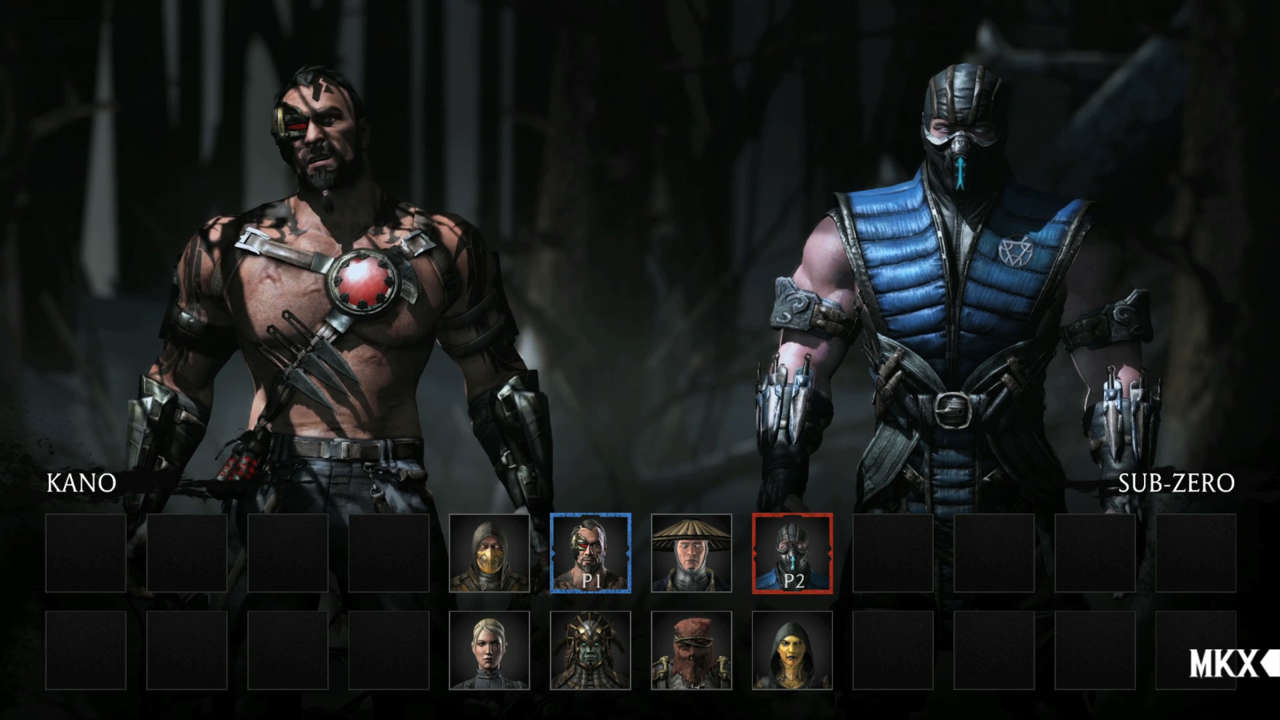
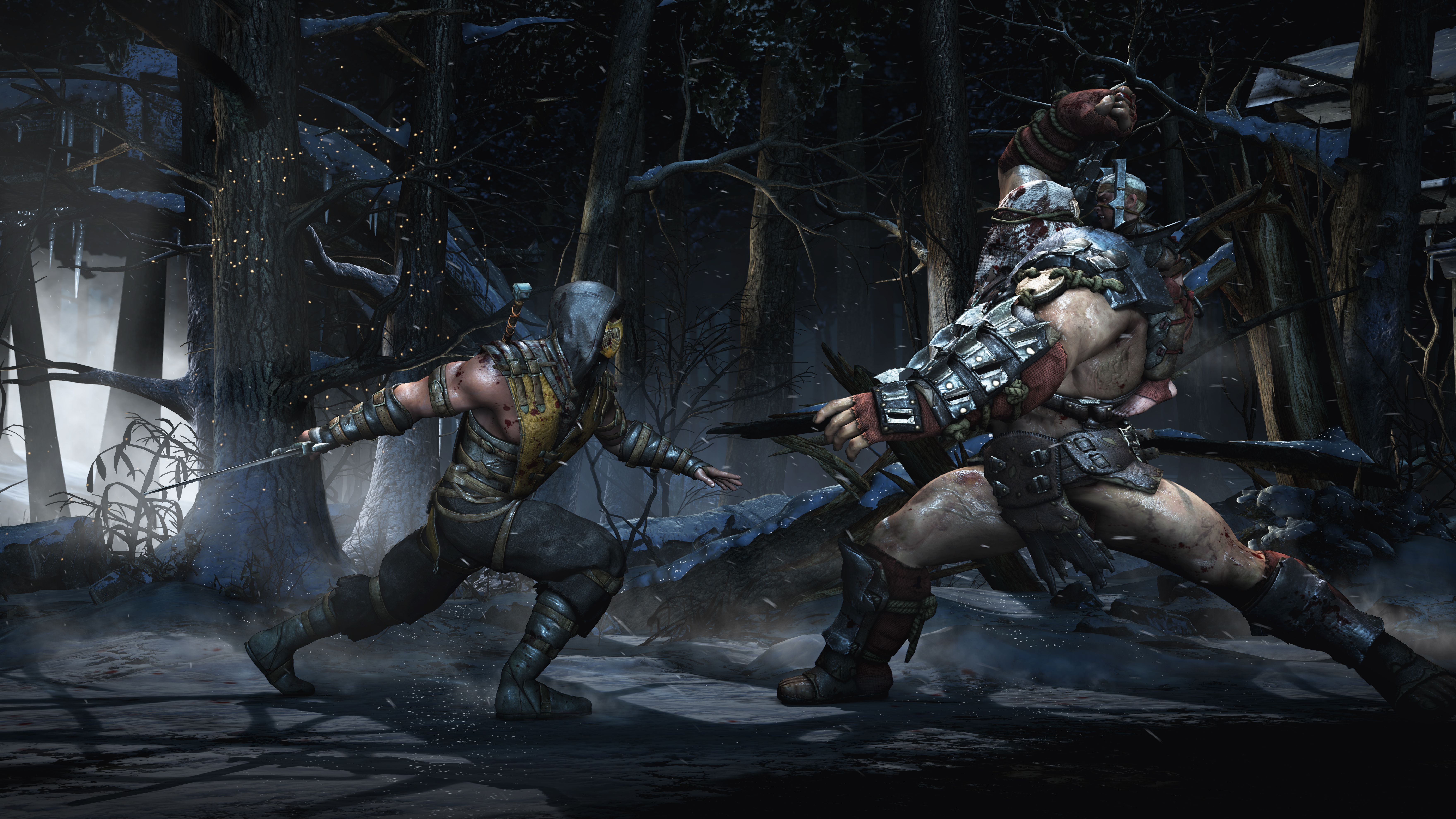
With the modes out of the way, let’s talk about the actual game. The control and responsiveness are so much better than any other MK game. MK9 tried to recreate the feeling of the first three MK games, but it got stale after a while. MKX is a whole new beast with the core familiar mechanics at play. Balancing is also nearly perfected in MKX thanks to combat variants. Each fighter has three different variants they can play as, and this sets their special moves. Instead of some characters having a long list of special moves to spam you with, they are limited this time around and cut down. Every player will have their favorite variant after playing for so long.
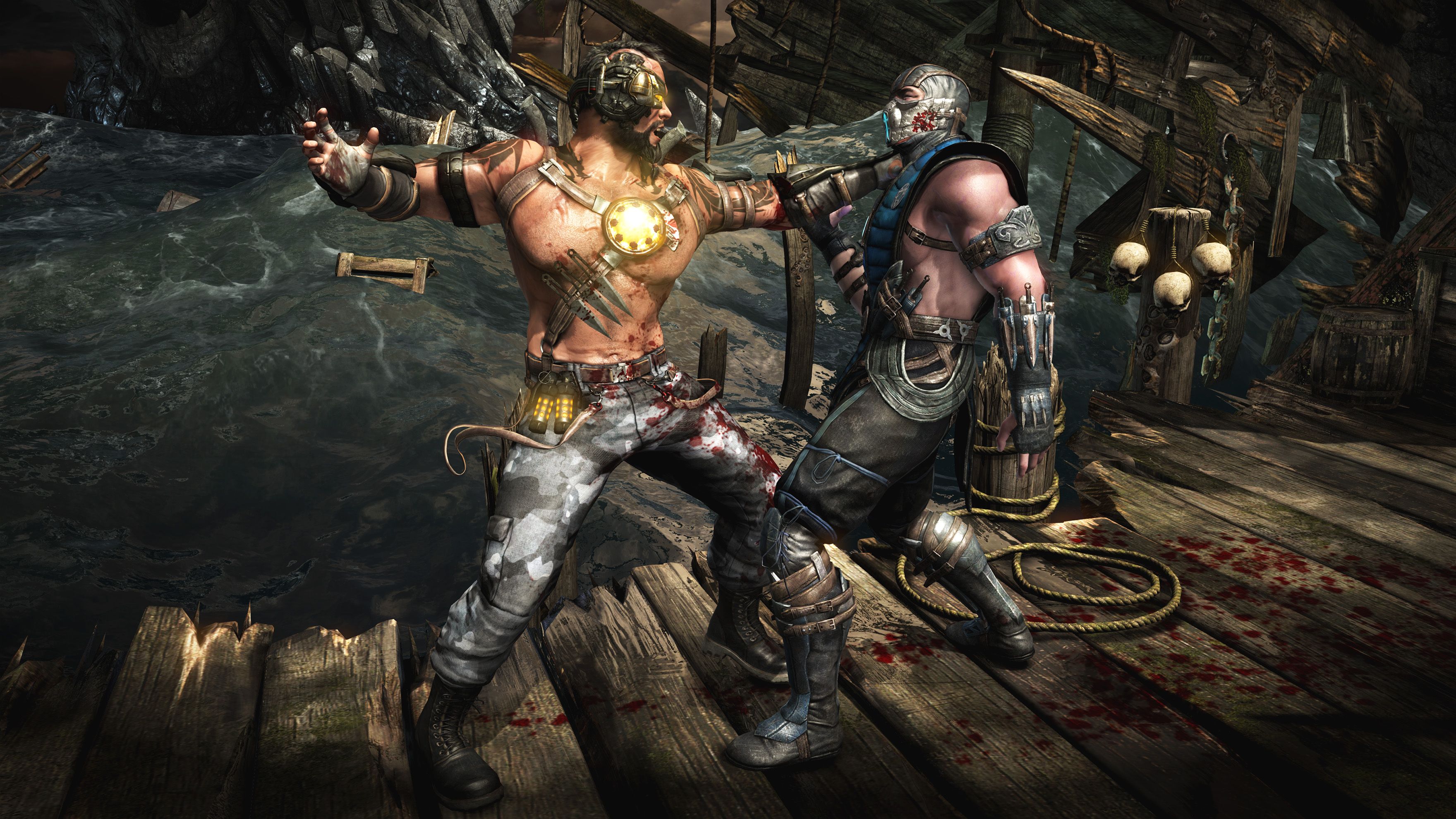
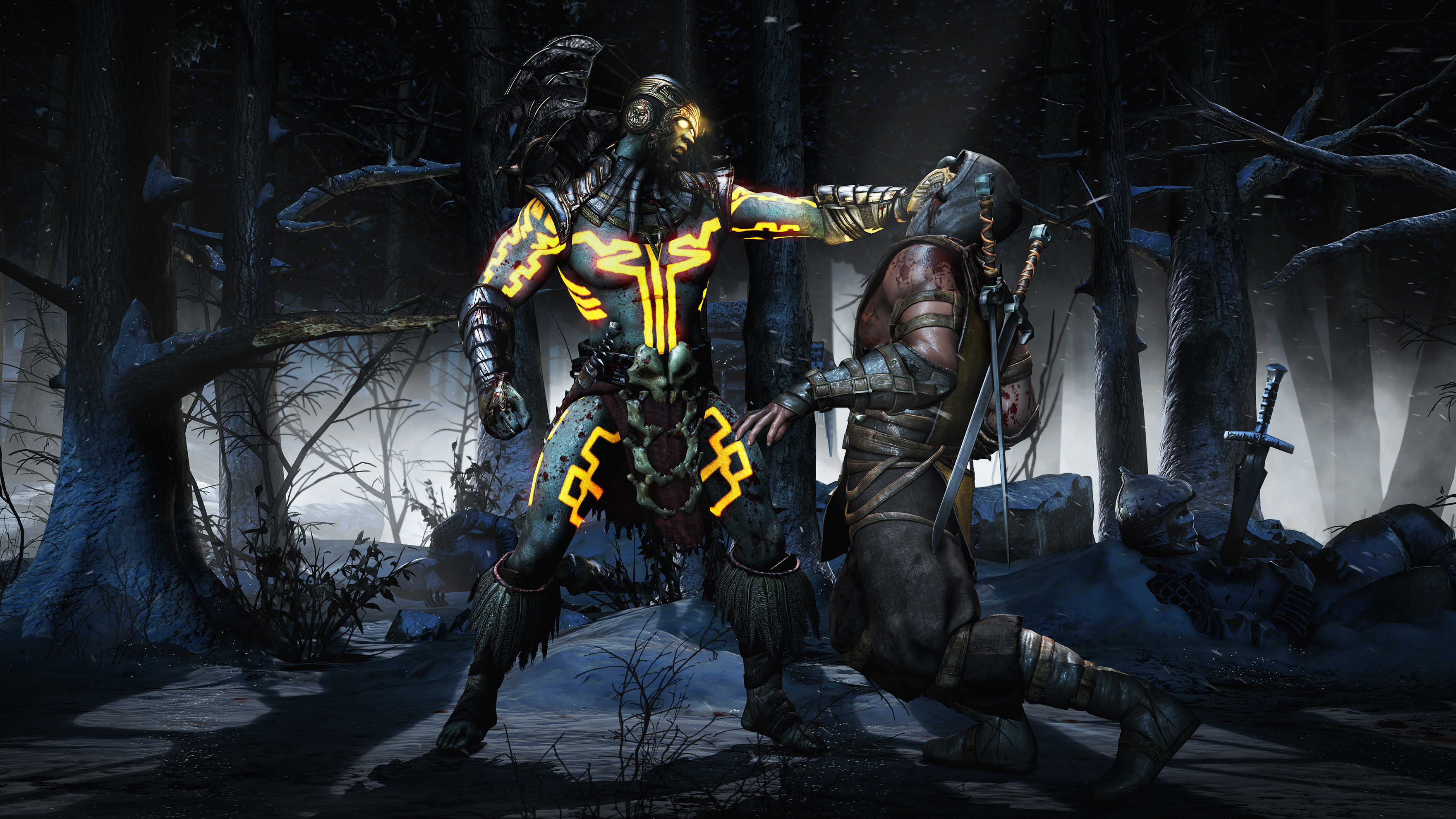
Outside of variants, the fighting is a little more cinematic. The camera zooms in on throws, and the new X-ray moves. X-rays are now three hits instead of two, and the models are much more detailed. More bones break, individual organs are modeled, and fibers on the muscles have depth. It looks fantastic, and this is by far the most brutal MK game to date. The fatalities are the best in any game and are just awesome. New tech allows for facial animations with twitching eyes, lips, and overall detailed gore. Organs are split in half, and they actually look like their organs, unlike previous games with generic gibs. Brutalities made a return, but they are no longer the complicated button presses like MK3. Certain requirements must be met in a match, such as having 50% health remaining, connecting a number of certain moves in a match, and hitting the right button combo during the final hit of the last round. Brutalities are now variations of special moves but have a twisted, deadly ending that throws opponents off guard and is extremely satisfying to pull off and watch.
The new characters are actually the best new fighters in the series. All are fun to play, and all are distinctive, unlike previous entries where new characters felt like cheap rip-offs. Among them, Cassie Cage, Jacqui Briggs, Ferra/Tor, D’Vorah, and Erron Black are my favorites. Kung Jin and Takeda aren’t exactly the unique characters they succeed, which are Kenshi and Kung Lao. They both look and feel nearly identical, despite having different weapons. Takeda is actually more similar to Scorpion than Kenshi, as he uses dual whips and Kung Jin has a bow and staff. Unique weapons, but their characters aren’t fleshed out much in the story mode.
With that said, MKX is an evolution of the series that it so desperately needs. The longevity that’s smart and isn’t bloated content, more online features, and the variants are hopefully here to stay. This is one of the best fighting games of the decade.
Kollector’s Edition: For $90 more, you can receive a special box, a Scorpion statue, the Kombat Pass, and a Scorpion skin. The statue is made by a sculptor named Coarse, and the skin is of the statue. It’s beautifully made and well worth it for collectors. It also comes with a certificate of authenticity.

































 thebinarymessiah.com
Super, thank you