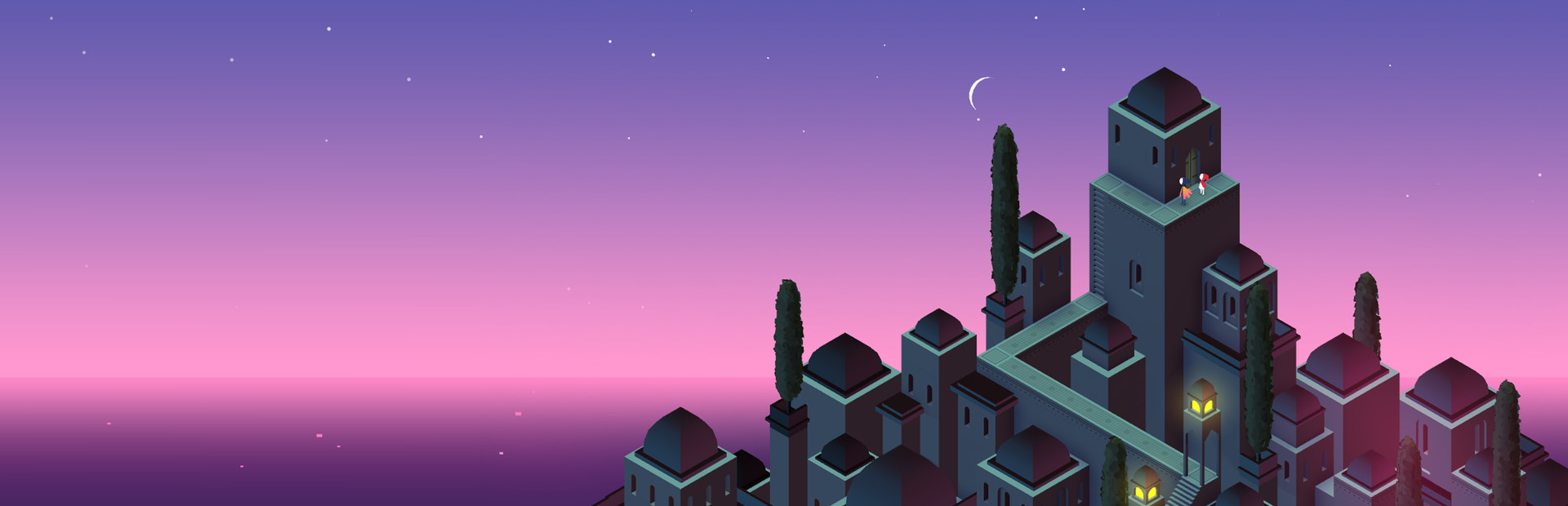
Monument Valley is one of the most memorable mobile games I have ever played. The game helped show that mobile games have a place with many of the great console games. It was smart, beautiful, unique, and a blast to play. It felt like a mix between Echochrome’s (PSP) gameplay and Journey’s (PS3) art style.
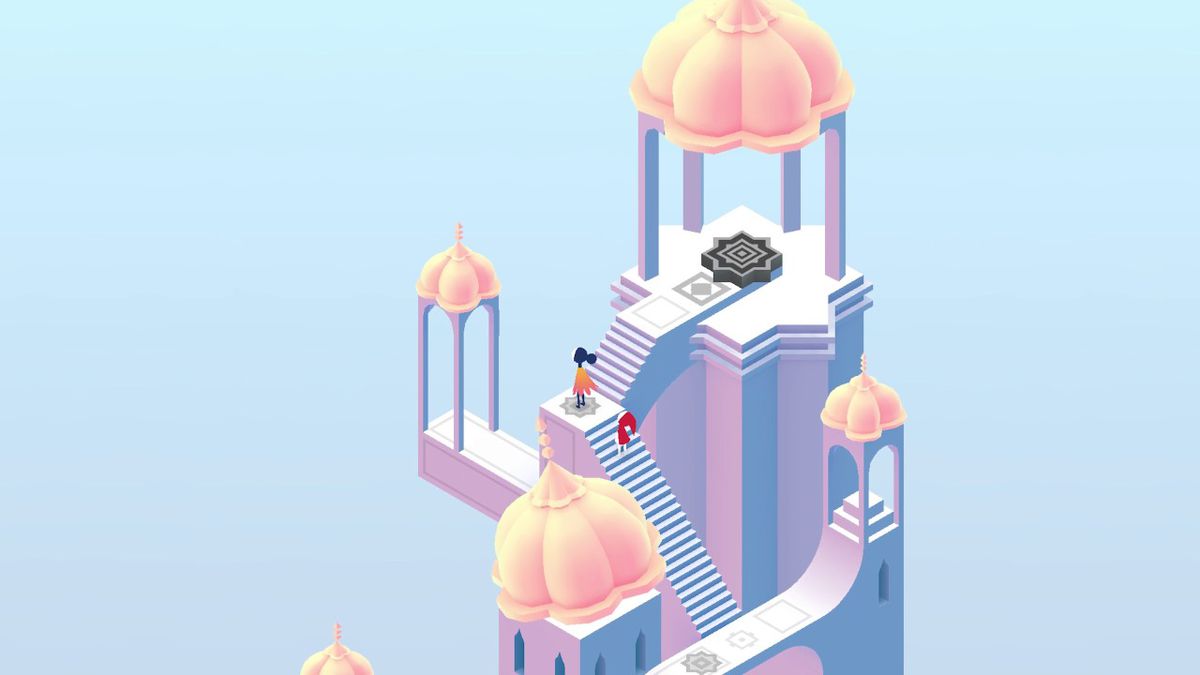
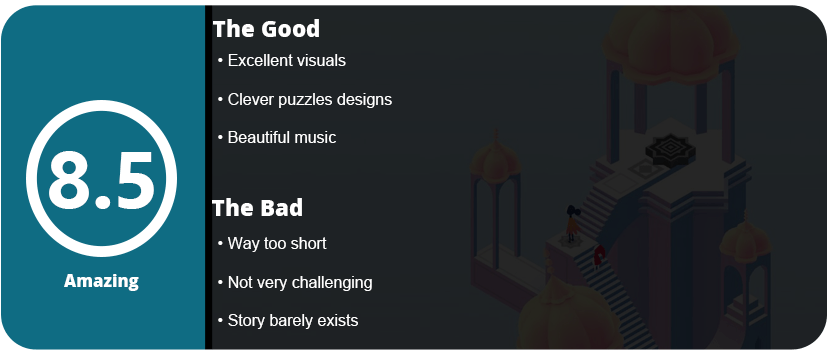
With Monument Valley 2, I got really excited to play this. I expected more and something new at the same time. That’s not entirely what we got. We just got really new. MV2 is an extremely short game and not very challenging. The MC Escher-style puzzles were a breeze to get through, which is a shame, as the first game had a few head-scratchers. Using various switches, you push, pull, spin, and align the various platforms through optical illusions to get the character to the door. At the end of each stage, the player can swipe their finger around to create a star that goes into the heavens; the meaning of this is unknown.
In the first game, we understood it was a journey, but this time around, all I know is that the character is a mother who is seeing her child off for her adventure, and they reunite. That’s it. I like subtle stories, but this one was too subtle. At least a few new elements are thrown in, such as controlling two characters at once, which creates a tad bit more of a challenge.
The game still looks amazing, with gorgeous art direction, music, and heartwarming colors. It’s just a shame it’s in such a short package with no challenge. I still recommend playing this game, but I sure did want many more puzzles than the dozen we got.
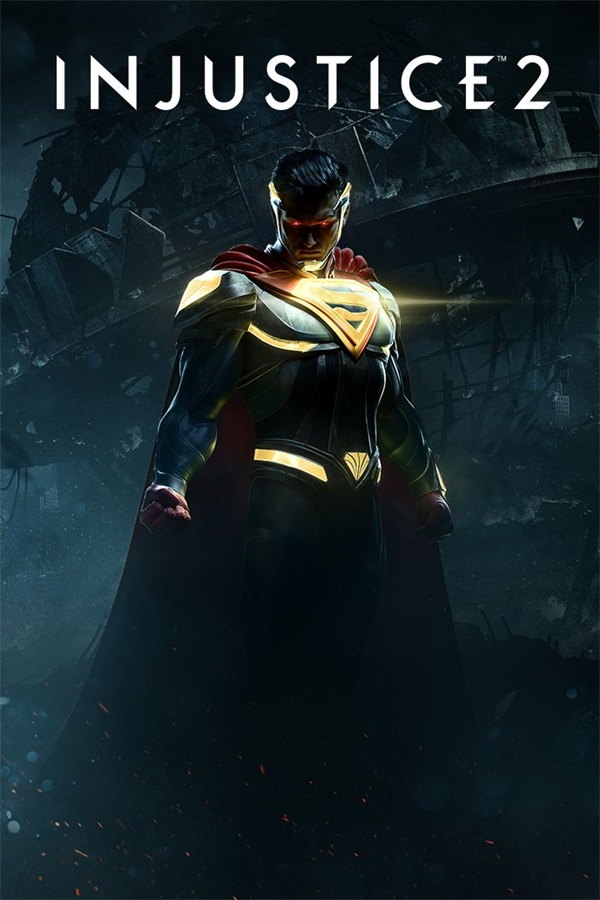
Netherrealm Studios made a name for themselves in the comic scene with Injustice: Gods Among Us. It was the first 3D fighting game that featured superheroes in a long time and was actually good, some even considered it the best ever made. With the backlash for Mortal Kombat vs. DC Universe, NetherRealm decided to keep the MK universe out and go for its own thing, and the results were well received.
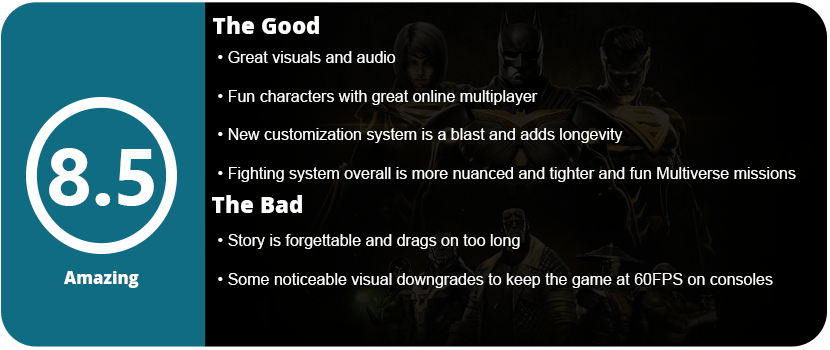
Injustice 2 is a continuation of the first game in terms of story and content. The gameplay is more refined and feels tighter and punchier, and there’s just a lot more content. The story revolves around Brainiac trying to destroy every civilized planet in the universe for his own entertainment, but the Justice League and other DC heroes are fighting it out, trying to control their rage, and getting into moral dilemmas. To be honest, I’m not a huge fan of the Injustice storyline. It feels like a straightforward comic book when it could be so much more. Instead of taking the smart ideas from the movies, it sticks true to its form, which is, I guess, a good thing if that’s what you’re looking for.
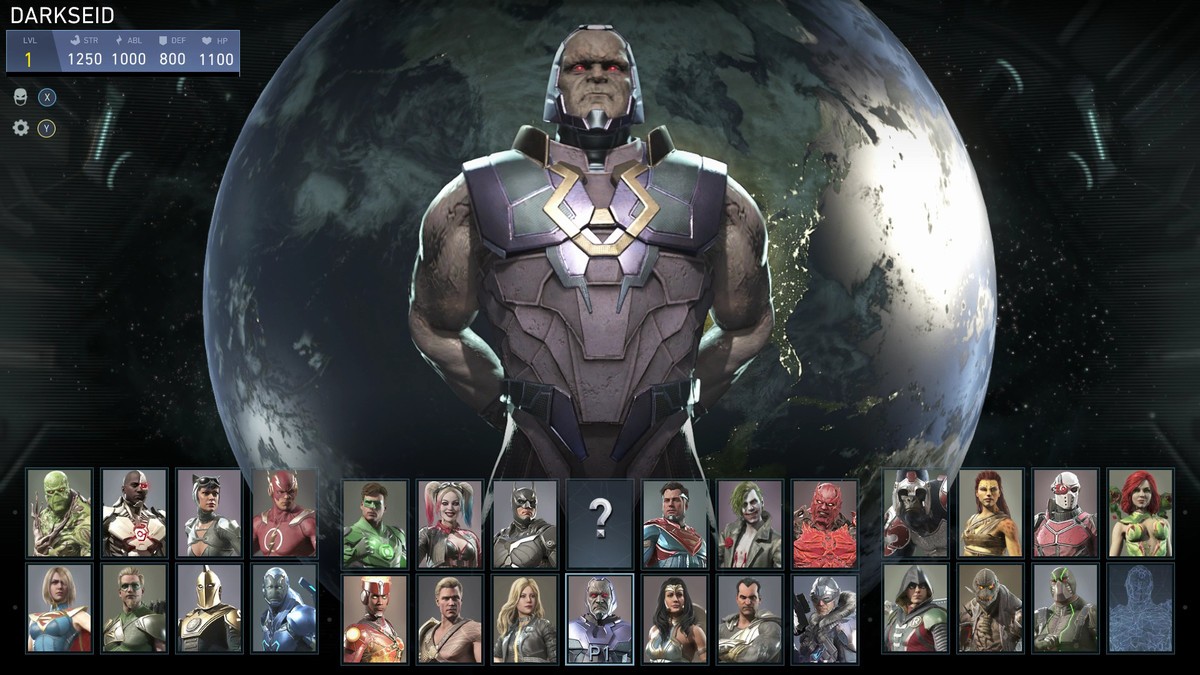
After the story was finished, I felt it was long-winded and didn’t seem to really go anywhere. The characters weren’t changed or progressed in any way, which is what I would have wanted. Outside of the story, the game is fantastic and plays very well. Every character got an upgrade from the last game, and the new additions are interesting. Bigger names like Super Girl, Swamp Thing, and Scarecrow are present, while many lesser-known heroes such as Captain Cold, Gorilla Grodd, Black Adam, and Cheetah are here. It’s a very diverse cast of heroes, with every fighting style imaginable. The characters punch and kick with force, and the game is fast-paced and a lot of fun.
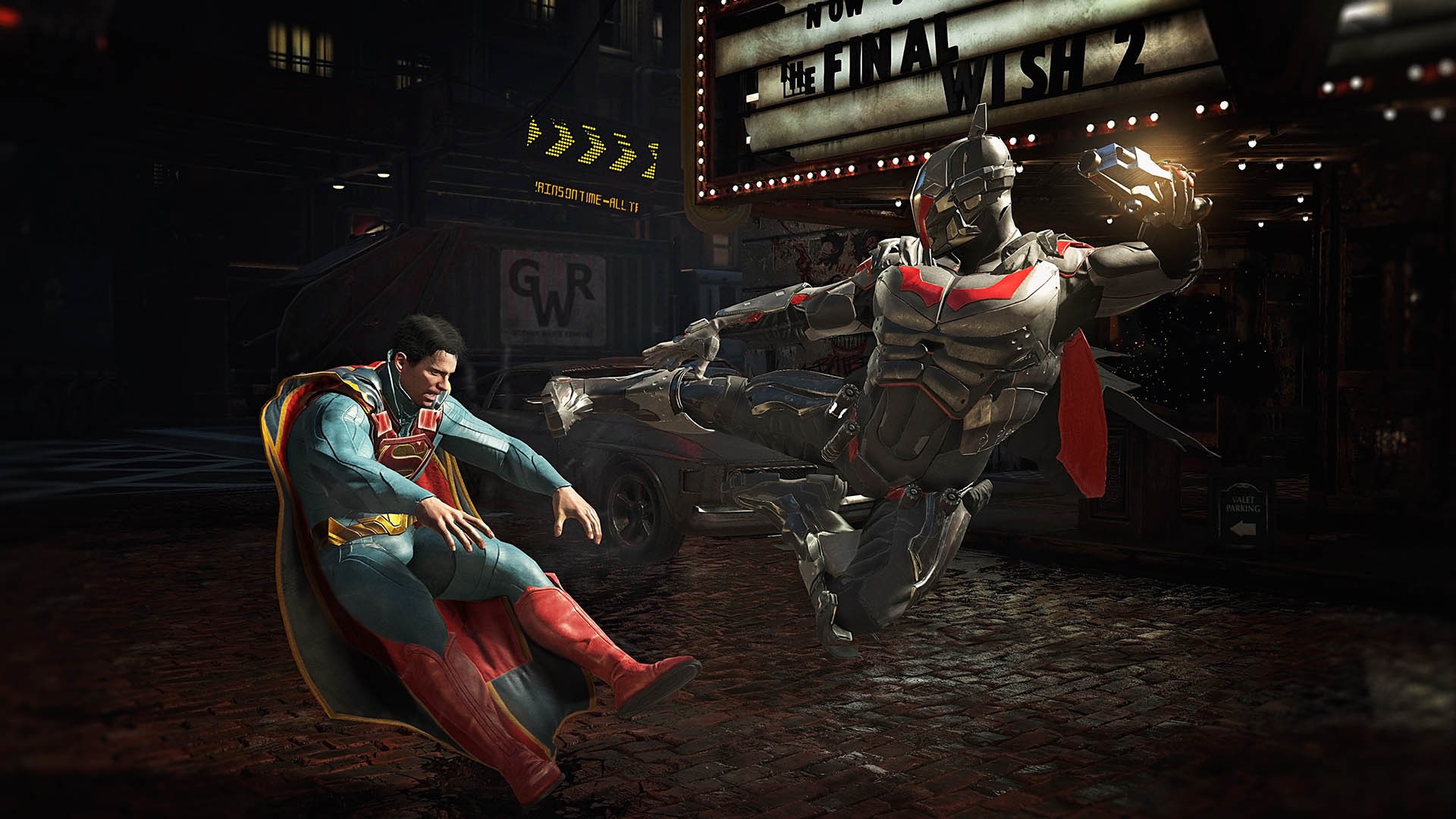
The interactive arenas are back with bigger and better things to do. Whacking your enemies with various items and kicking them off into the background is a lot of fun, as is knocking them out of the arena and into another level. Each character has a special meter and a unique power that ranges from attack to defense to passive. One of my favorite features is the new special moves, which are epic scripted moves that are unique to each character’s powers.
The biggest addition is the Eye Vault and the various unlockables to customize each character. There are hundreds of items that are unique to each hero, and they are unlocked through the story and multi-verse missions. Skins, colors, and parts go on every part of the hero’s body that add RPG stats, which is a blast. I didn’t feel buying loot boxes was needed as the unlocks came at a steady pace, and I found some epic gear fairly frequently.
Other than this, there’s an online game that is always fun, which is why we play fighters. I didn’t experience lag, and I got to show off my customized character, which is always keeping me going back. Outside of all this, not much has changed from the last game, but it does feel like an actual sequel rather than an upgrade.
The game looks and sounds great, but you can clearly see some overly shiny textures and some details washed out, even on the Xbox One S upscaled to 4K. This was probably to keep the game at 60FPS, which I’d rather have.
Do I want Injustice 3? I don’t know, honestly. The story doesn’t really do much for me and is forgettable, so the only reason I want another is for more superheroes and new content. Injustice 2 is one of the best fighters to be released in this console cycle, but it’s not for everyone.
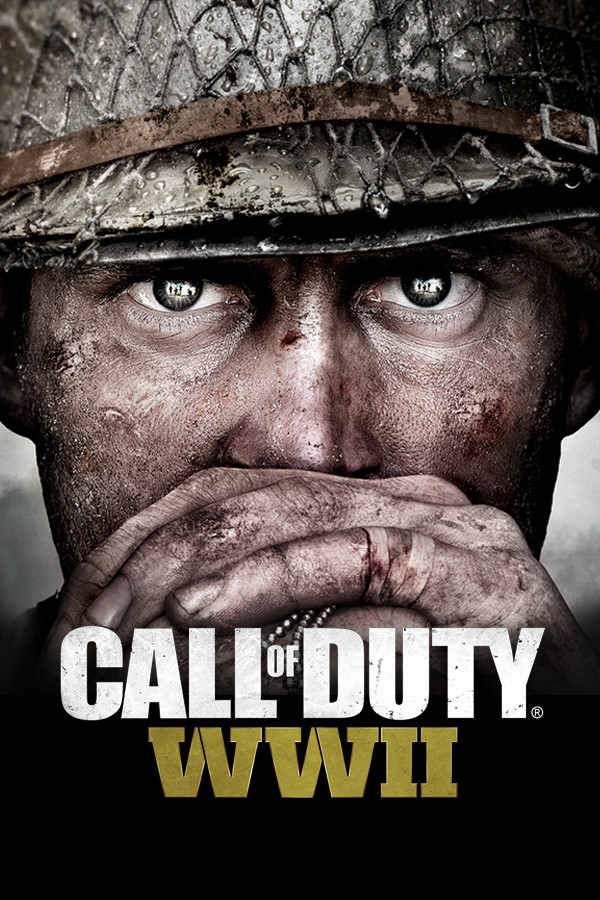
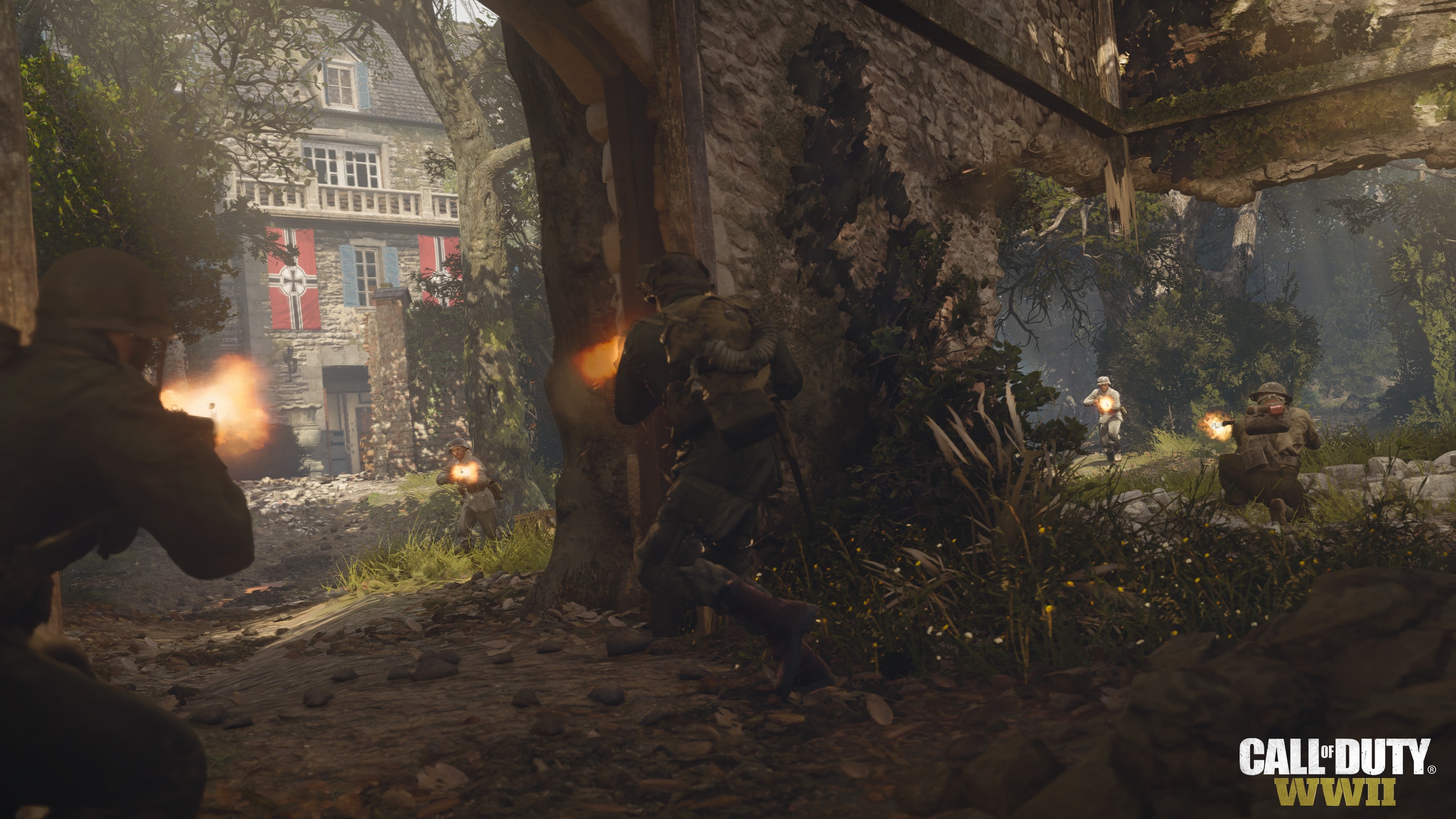
Am I 13 again? That’s the question I asked myself when I first loaded up WWII. World War II shooters dominated the gaming industry back in the late 90s and early 2000s, with Medal of Honor and Call of Duty at the forefront. With so many WWII games (check out my articles on nearly every WWII game ever made), everyone was done with them into the late 00s. With Modern Warfare, Battlefield, and other games jumping into modern combat, we quickly got sick of those in about the same amount of time.
Here we are in full circle. It’s rather funny that a WWII shooter feels fresh when, just 10 years ago, we were begging for it to end. Call of Duty was always my favorite of the bunch, as its slower, more cinematic take on the war was memorable and the gunplay was more realistic. There was always an interesting connection between teammates, rather than the war as a whole. In Call of Duty, you always followed one squad, or a small few (Finest Hour), but it never created anything groundbreaking.
WWII follows this old trend again as you play Private Daniels, who follows his squadmates through theaters of war and discovers losses along the way. It’s enough to keep you moving forward, but it never really amounts to anything. These are just generic soldiers that we have seen time and time again in these historical war shooters. What I was in for was the cinematic set pieces, weapons, and realism of WWII coming back with our current technology. Remember, these WWII shooters died in the middle of the last generation cycle.
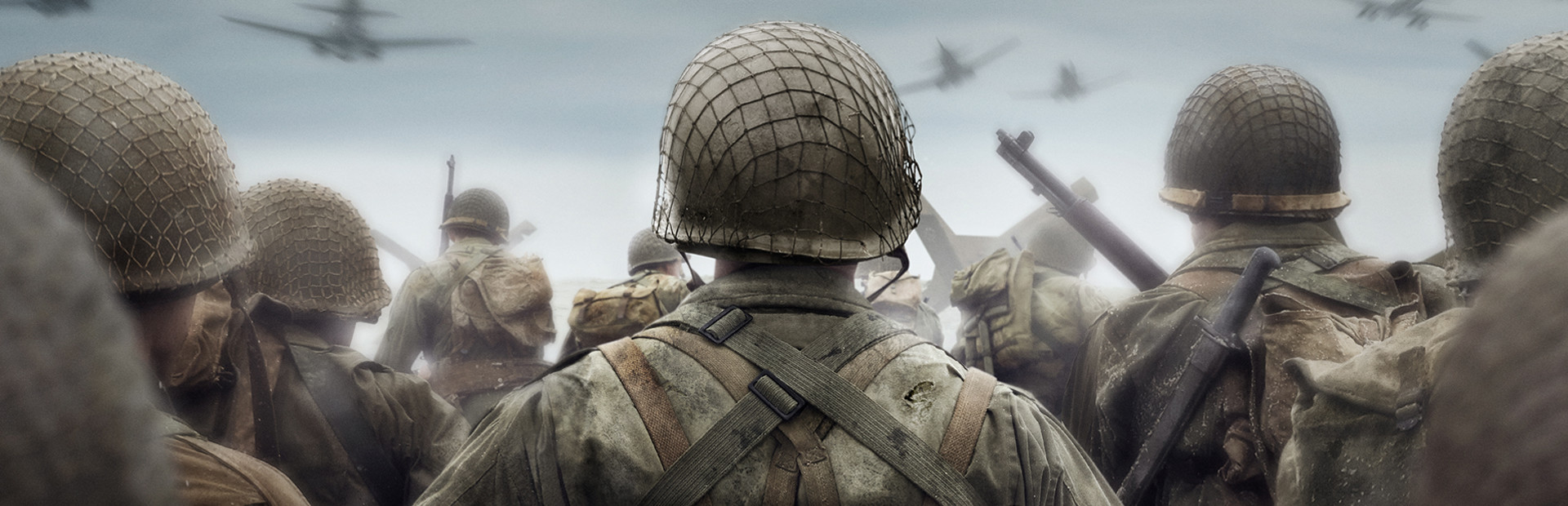
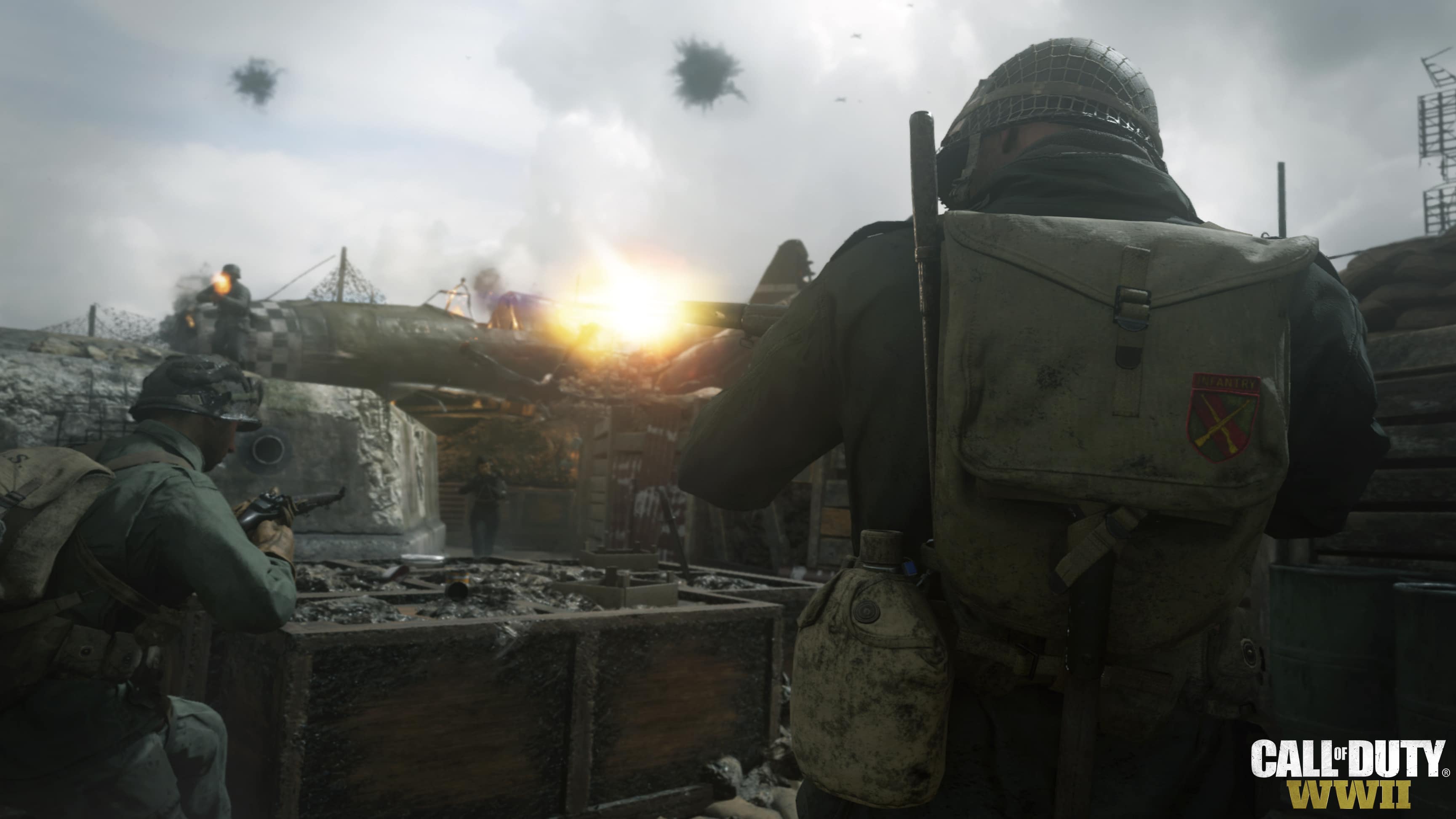
I was very impressed with the storming of Normandy Beach as the game opened up. It showed the visual prowess of the game, with bullet shells flying everywhere, realistic and detailed characters and animations, and great water physics. What amazed me the most was when a soldier’s head was blown clean off, and I said to myself, “Wow, so they finally took the hint from Brothers in Arms that there was gore in these wars.” It’s just a no-brainer. I don’t know if it was technical limitations or just trying to get the teen rating, but why was there no gore for all those years these shooters were out? Only Brothers in Arms did that, I can remember.
As I played through the campaign, I had a sense that I was the small man in the war, never really a true hero. There are “heroic moments” that allow you to pull someone to safety to save someone from a Nazi trying to kill them, but these felt like they were wasted and just got in the way. Same as trying to find hidden moments everywhere. When you’re stuck in the middle of tank fire or being raided by bombs, you aren’t going to go around hunting for stuff; it’s just plain silly.
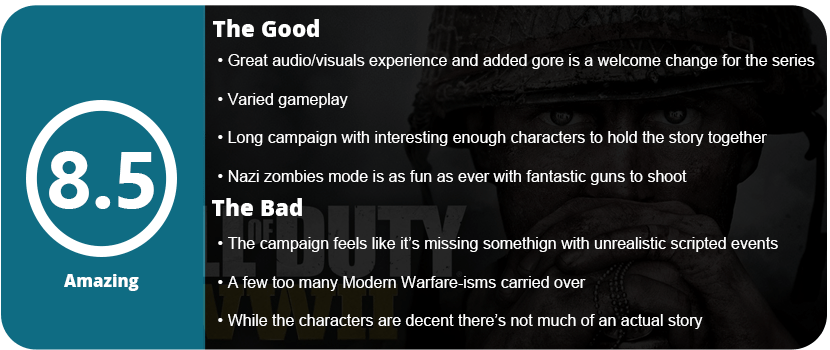
That wasn’t the only silly thing in the campaign; some of the cinematic scripted events are too crazy, and they feel like some sort of Indiana Jones thing, like when Daniels is falling down a bell tower and the bell is chasing him. Don’t drag it out so long and make so many near misses that you start rolling your eyes. These things took me out of the experience. However, the game did change up the pace quite a bit by throwing in stealth missions, escort missions, one mission where you are flying a plane (which is horrible), and even some tank and driving sections. It’s all here, and it feels like the culmination of Call of Duty from yesteryear, but in the end, it’s still missing something.
You can feel a bit of the Modern Warfare series in this game, such as the hit counter, quick scoping, and grenade lobbing. I wanted this game to stand apart from those and have nothing familiar in it, but it gets even worse in multiplayer, where it feels like Modern Warfare with a WWII skin attached.
After I finished the 8-hour campaign, I was left wanting more, which is always a good thing. I’m sure Activision will milk this again, as will other developers, but let’s use this opportunity to create something unique and give us parts of the war we haven’t seen. How about through the eyes of the Jews, or something a little more personable? It can happen, but WWII did what it was supposed to, for now.
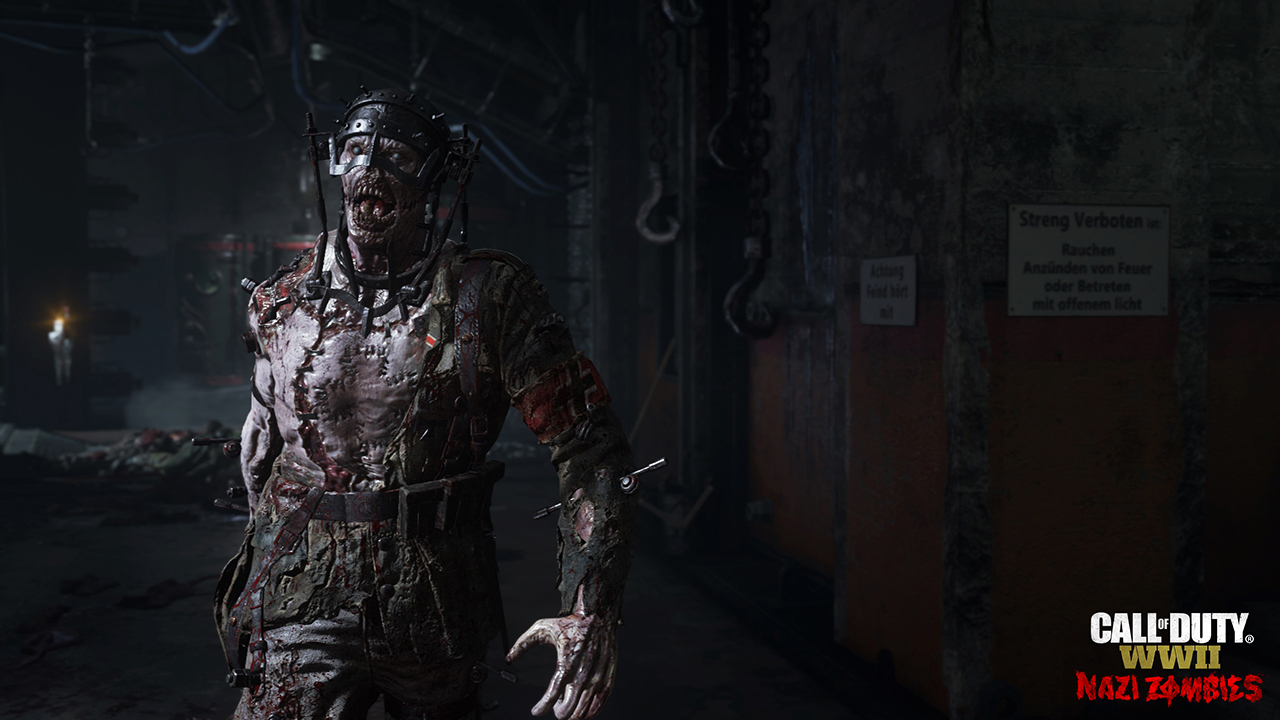
I won’t get into multiplayer or Nazi Zombies much, but zombies are completely evolved. The new story carries out, and the map is much larger, with little puzzles here and there. There are a lot of upgrades, and Zombies is at its best yet, but you should probably already expect that. I never played Zombies much on CoD and probably won’t here either. Multiplayer is a little different and isn’t sure if it wants to be WWII, a Modern Warfare skin, or a Battlefield 1 clone. Multiplayer needs the most work in the next series, but I would love a larger campaign.
As it stands, WWII is a much-needed game in the series. Another Infinite Warfare, and the series would have been done for good. A few more hours in the oven, and Call of Duty could possibly cook up the best WWII shooter ever created next time around. With fantastic cinematic moments, a variety of gameplay, a long campaign, amazing visuals, added gore, and wholesome weapons, WWII is one of my favorite shooters to have come out in recent years.
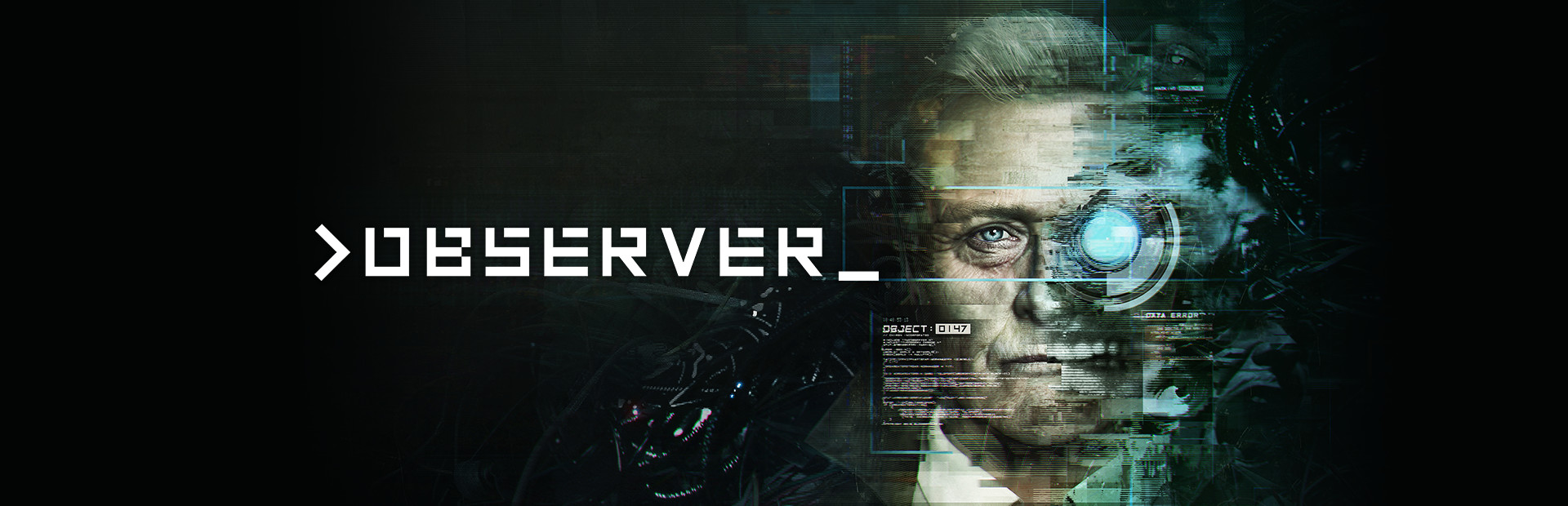
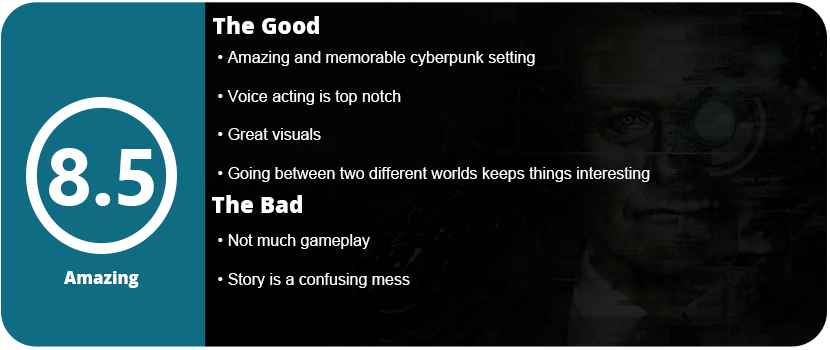
Bloober Team is quickly becoming one of my favorite game developers. You may recognize them from Layers of Fear. Their style of single-player storytelling is unlike anything that you will see today in gaming. The horror factor is also kicked up to 11 in their games with frightening and surreal moments and scenes that put you on the edge of your seat and that will make you grind your teeth. The observer ditches the early 20th-century theme and goes for 20 minutes into the future cyberpunk that is done so well. Observer’s cyberpunk setting is some of the best in gaming history, as it captures the feeling perfectly.
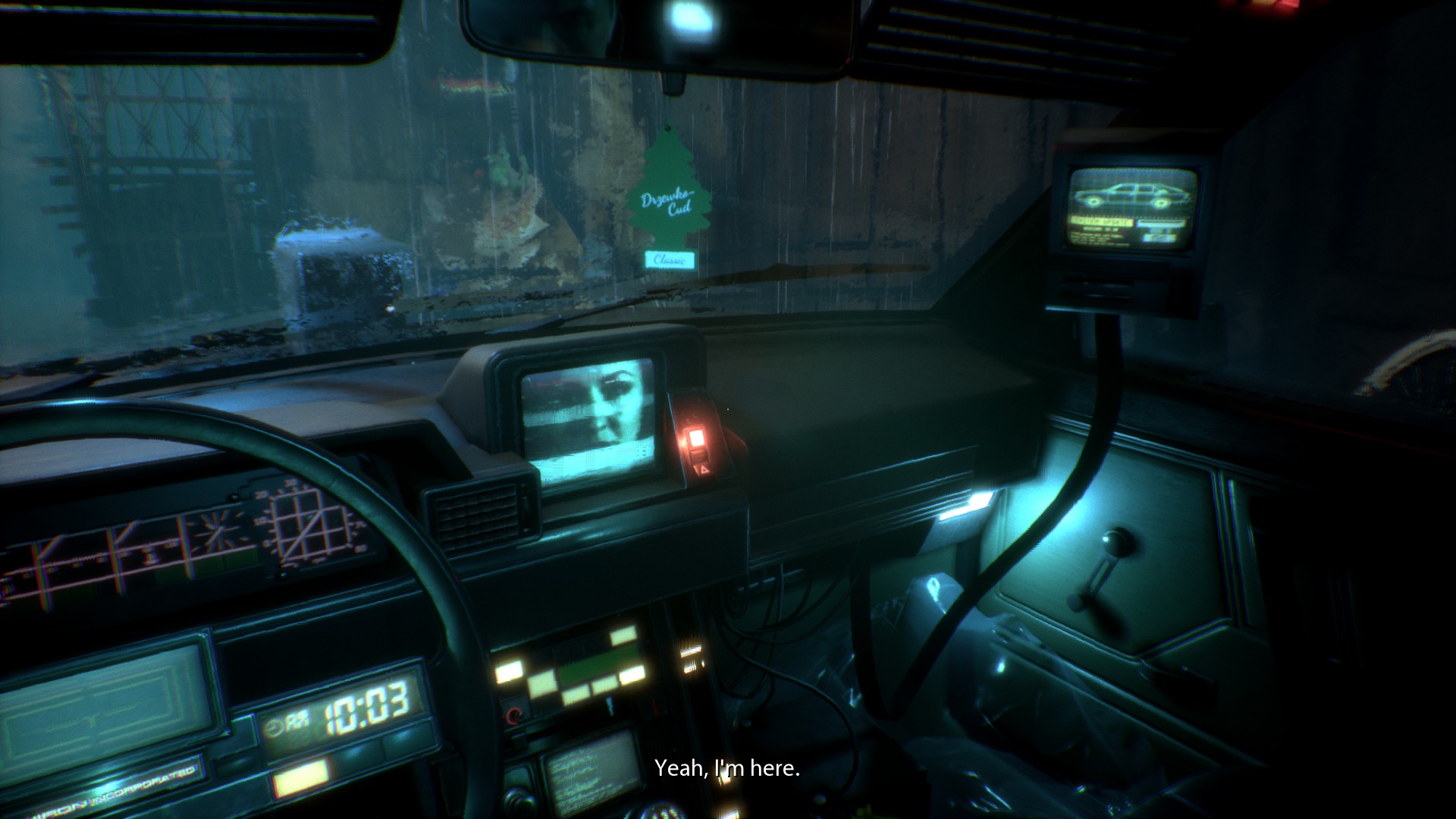
The game starts out simple enough, with you playing a cop named Daniel who gets a strange call from a man named Adam. He is told to investigate an apartment building that goes on lockdown. You stay in this building throughout the entire game and must solve simple puzzles and find your way through the narrative. There are two parts to the game: playing as Dan in the apartment building and jacking into people’s minds while you investigate crime scenes. Investigating crime scenes isn’t as complicated as it seems. You switch between two different visions that allow you to see electronics and organic material. You can scan items that are highlighted and slowly unravel clues that help move the story forward.
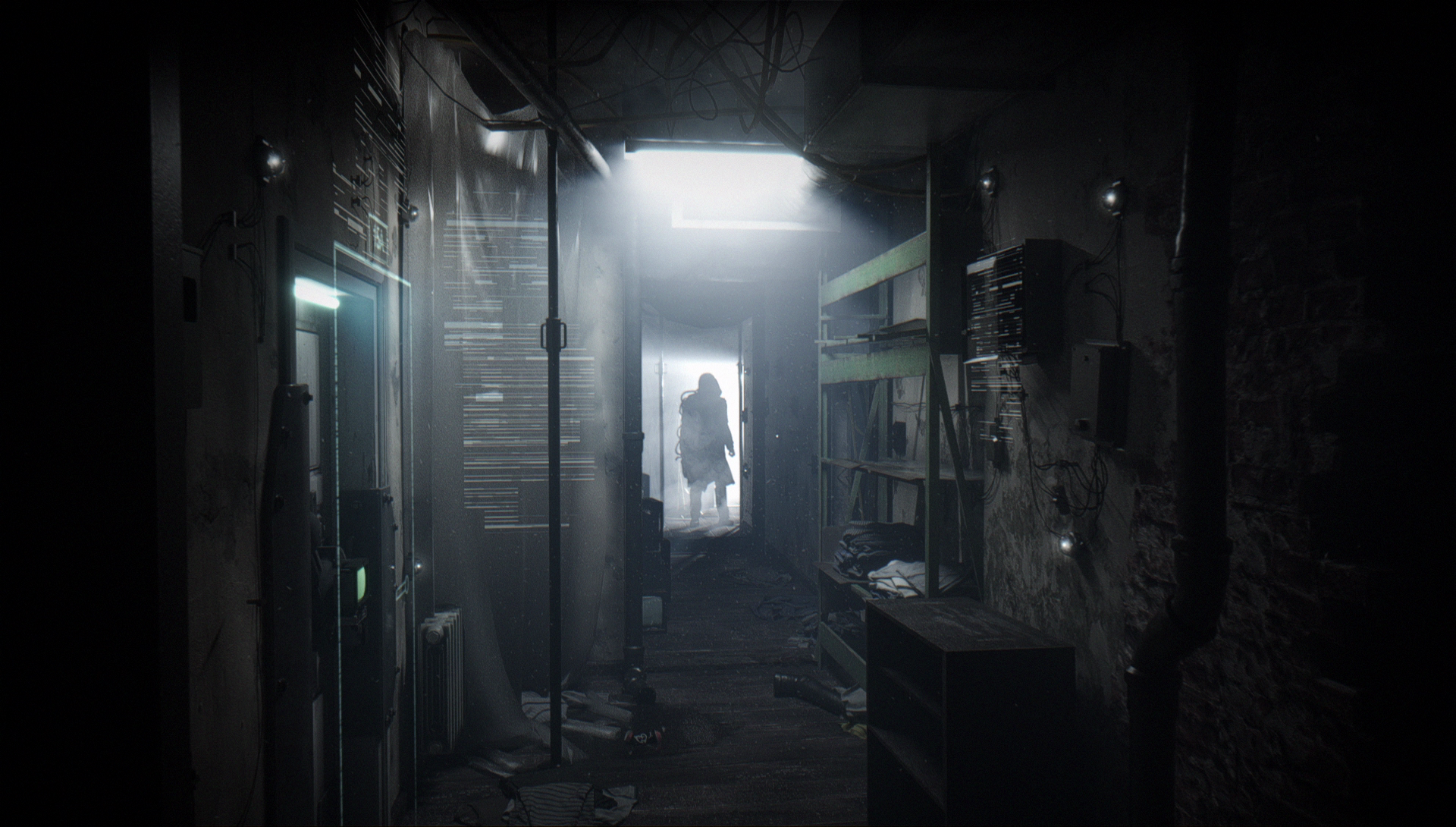
Most of the game consists of wandering confusing hallways and talking to people through the intercoms on their front doors. The dialog will give you clues as to where to go next, such as learning key codes, apartment numbers to investigate, and anything else the crazy story throws at you. This is where the game’s atmosphere really digs deeper than in most games. There is no human contact in this game as you speak to everyone through doors and walls. It helps add to the sense of loneliness and desperation that the citizens on the lower levels of the city suffer. Every corner you turn is full of wires, monitors, computer banks, and propaganda from the government and corporations that run the world. The atmosphere is done brilliantly and will definitely stick with you long after you finish the game.
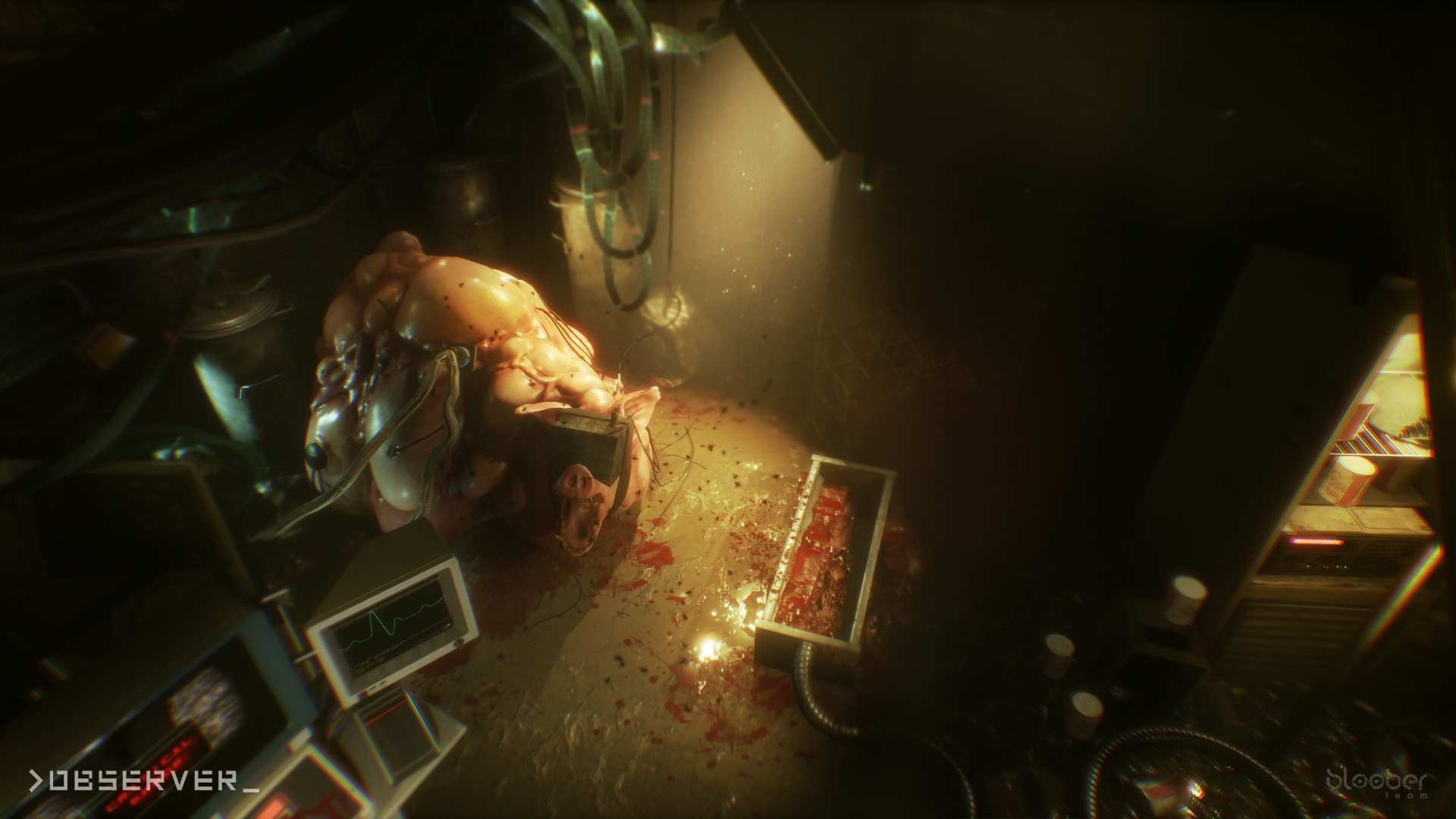
Like Layers of Fear, when you jack into someone’s brain, you get to run through trippy drug-infused nightmares. Some are literally horrifying and frightening, and that’s actually a good thing. Most of these segments are story- and narrative-driven with very little interaction; there’s an occasional scary stealth sequence that adds plenty of tension, but nothing overwhelming or confusing. It was one of the things that made Layers of Fear so great, as the gameplay sacrifice gave you an amazing audio/visual experience that you won’t forget.
Once you finish these jacked-in segments, you enter the real world again and move on to unraveling the story. There’s not much else to the game outside of this, and it can be finished in about 5–6 hours, depending on how often you get stuck. The story itself is a bit hard to understand and is very confusing, even at the end. I was hoping it was going towards more of a Soma vibe, which is still one of my favorite video game stories of all time. Almost everything is explained at the end with a couple of different endings, and while you feel the story is concluded, the middle of the game is very confusing.
Again, the reason to play this game is for the horror and atmosphere. The scary moments are actually scary and mess with your mind, and that is very rare today in gaming. If you want a lot of gameplay, then look somewhere else, honestly. I can’t find too much to be disappointed with outside of the story not being very clear, even at the end, and you can get stuck and lost too often in the game. If you loved Layers of Fear or even Soma, then you’re going to love Observer. This is already one of the best atmospherically driven story-based games this year.
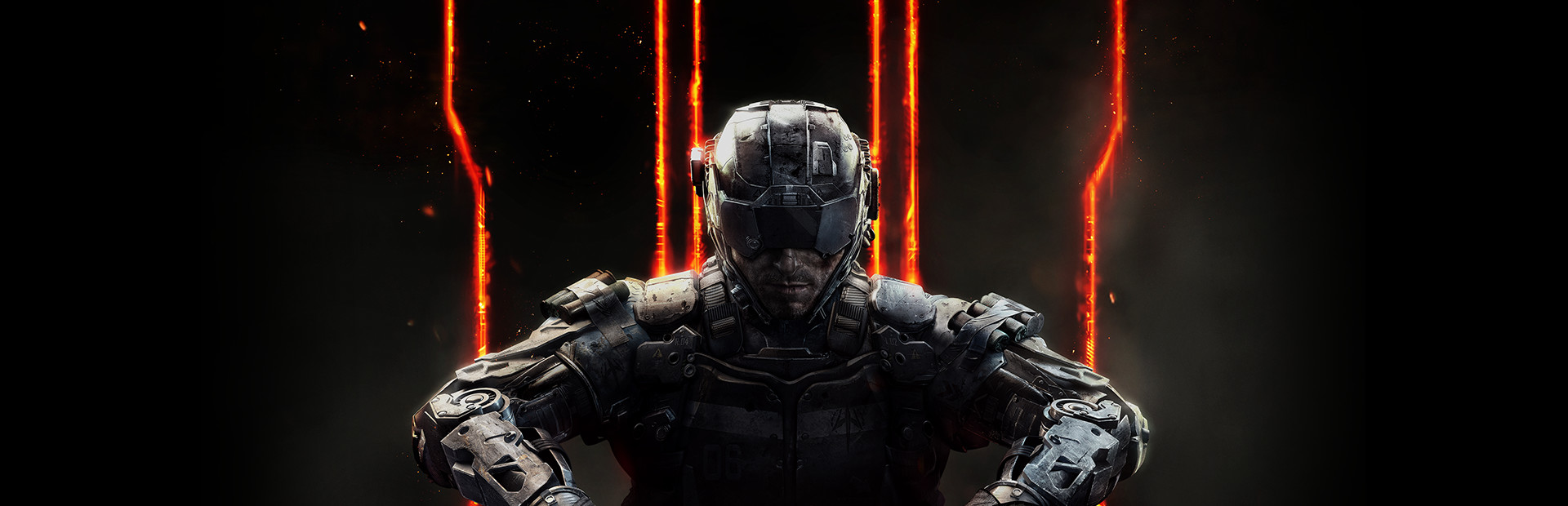
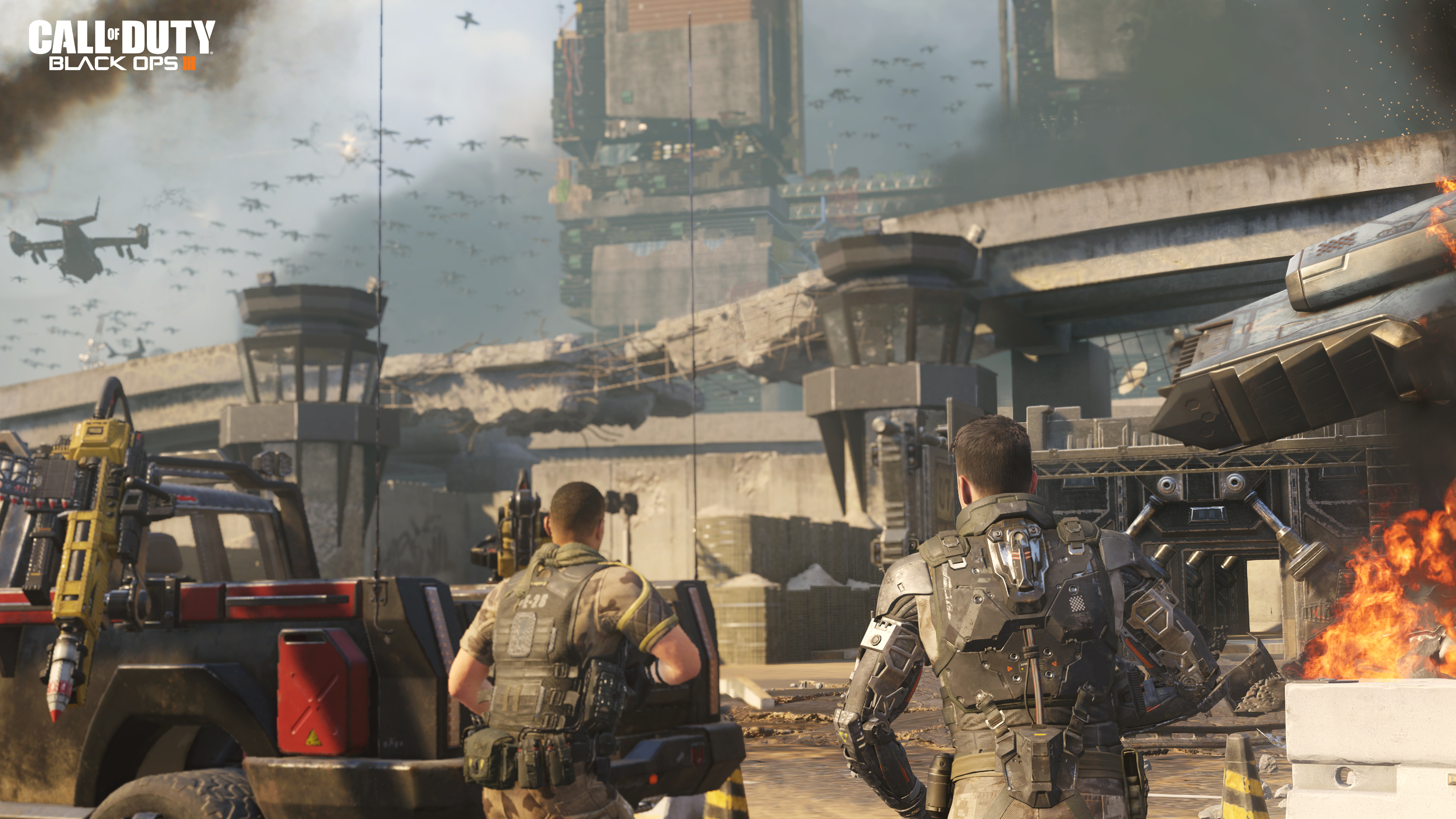
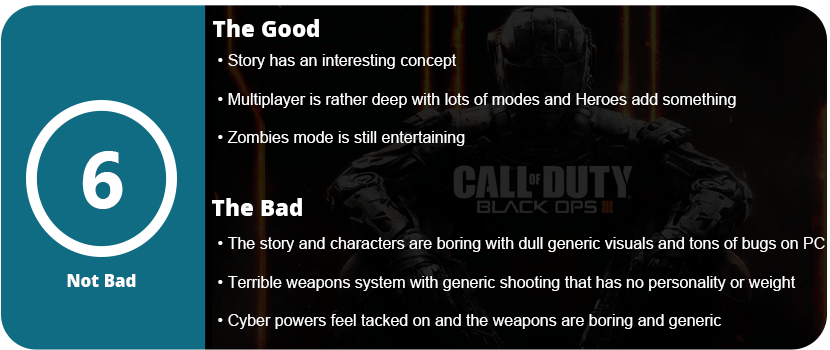
Man, where do I begin? Call of Duty was one of my favorite franchises growing up, and Modern Warfare helped kickstart FPS games into a new cinematic, next-generation universe. That Pripyat level in the first modern war still sticks with me to this day. After MW2, the series took a steep downhill slide and hasn’t stopped since. Here we are with Black Ops III, a futuristic military shooter that is a far cry from what the original Black Ops was, which was absolutely fantastic. You play as a squad of black-ops cybernetic soldiers who are trying to stop an all-powerful AI from destroying the world. See, the whole world is completely infused with technology that can read people’s minds and know our every move. The CIA has several operations around the world to keep this in check, but it all goes wrong one day. The actual concept is interesting and could have gone somewhere, but instead, we dredge through a sewer of boring, mediocre, and lame campaign levels that drag on way too long and overstay their welcome.
The game plays exactly like every other CoD since MW1. You run and gun your way through waves of enemies that are as dumb as dirt, and you face unbalanced difficulty spikes and repeat about a million times. I have to point out that I really hate the new weapon system in this game. You can no longer pick up guns from enemies but instead run into mobile armories where you can swap your loadout. This is a campaign, not multiplayer. I want to pick up weapons from enemies and keep things constantly mixed up. Several times through one level, I would need a shotgun or sniper rifle but was screwed because I couldn’t get to an armory. I can’t predict what’s going to happen next, so this is a huge mistake, and I really hated it.
Second, the enemies are as boring as ever, with generic robots and super soldiers. You get the occasional mobile armor, but that’s about it. It’s so boring that I just shrugged because I knew this was coming from a game like this. I mentioned the terrible weapon systems, but let’s talk about how terrible the actual weapons are. For one, there’s a small amount for a CoD game, and they all feel the same. Sure, you have shotguns, assault rifles, and pistols, but they just feel the same. They seem to have no weight, no bearing, and no personality. It’s futuristic shotgun A and futuristic assault rifle F. There are no real-world weapons anymore, and it’s just a borefest due to a lack of personality. The entire game has zero personality or originality. It all feels like endless metal corridors, hallways, and concrete. At least the first Black Ops felt original and had some personality and weight to it.
To make the game feel more like multiplayer, you get dumped into a central hub after every level and can change your loadout, unlock weapons with fabrication kits, and customize your weapons. There’s a new concept introduced called cybercores, which are powers that you can use against enemies. I found these almost worthless, as the game offers no opportunities to change to the standard CoD gameplay to implement them. It just felt like something tacked on to say, “Hey! We did something different! SEE?!” which I didn’t fall for. The only useful power was stunning multiple robots at once, but that’s about it. For most of the campaign, I forgot these powers were even there. I just ran around shooting everything in sight, like every other COD. I wish the series would stop pretending to be sophisticated and complicated when really it’s a dumbed-down snoozefest with no personality. It has been years since CoD has put its own fingerprint on the FPS genre, and this game doesn’t do it any favors.
I hated the campaign, but the multiplayer was at least fun for a while. It’s still the same old CoD MP that we’ve grown to either somehow tolerate or completely hate. However, Black Ops III is much more grindy than any other CoD game, and I gave up after around level 5. Even in single-player, it takes many levels before you can purchase decent weapons and load-outs. It’s part of the reason why the game gets so boring so quickly; the fast unlocks of the past are gone, and it feels almost free to play, which is a damn shame.
Graphics-wise, it’s nothing impressive except for how powerful of a PC you need to run something that shouldn’t push high-end systems. With the GTX 970, I used to have to turn down settings and still get massive slowdowns. It wasn’t until I used an overclocked 1070 that I got steady FPS with everything maxed out, and even then sometimes the game dropped down to 40 FPS for no apparent reason. The game is poorly optimized, has awful glitches that still exist after all the patches, and just doesn’t look all that original or impressive.
Overall, I can’t really recommend this game except for the hardcore CoD players, and fans of only the older games will hate this. The weapon system stinks, the campaign is boring, lame, tedious, and full of glitches, and the unlocks are a grindfest. There’s so much wrong with Black Ops III that it took me over a year to finish the campaign. It’s just boring and not fun to play, as there are plenty of other great shooters out there. I’d rather play Half-Life 2 for the 20th time or the Crysis trilogy than spend one more minute in this game. Now, that’s not to say I hate it to death, as the multiplayer can be pretty fun with new modes and playable heroes at a little depth, but it’s not enough to save the core gameplay. Zombie Mode is the final saving grace, as it still provides entertainment, but like multiplayer, it will only last so long with boring guns to use and average visuals.
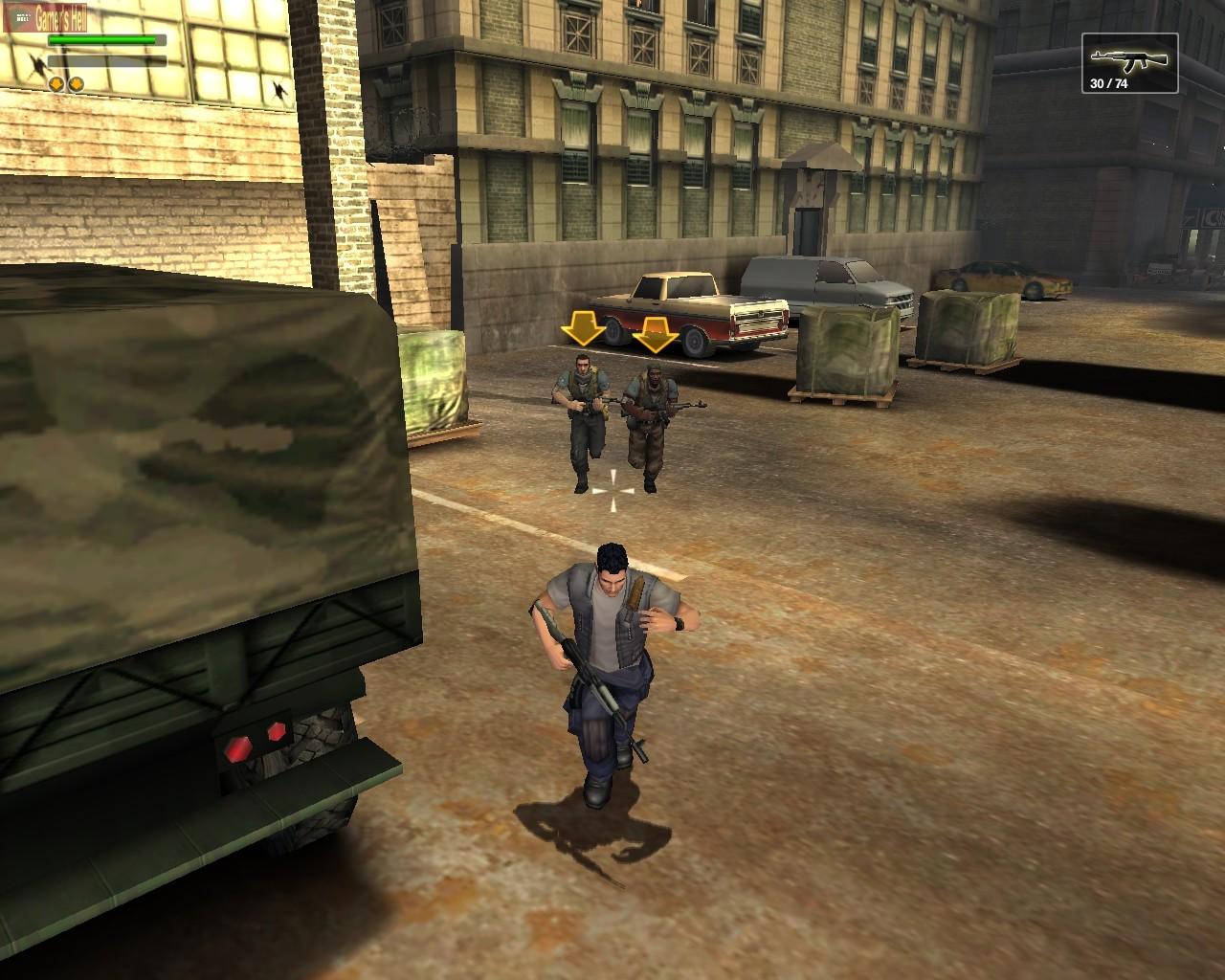
This is actually a game I knew was a big deal back in the day and ignored until now. I don’t know if it was because I was too young to understand the concept, it seemed like another shooter, or something else told me to overlook it, but I’m glad I finally dove into one of the most popular and talked about games of the early 2000s. Freedom Fighters is a squad-based third-person shooter where you control the main protagonist, Christopher Stone, and help the rebel fighters take back the United States from Soviet control.
The story isn’t really anything memorable, but the game does have a decent atmosphere about it. You feel the suppression of Russia as you run around the war-torn stages and view the cut scenes. Real-time scenes are mostly made up of news propaganda and the quick unfolding of the rebels winning. The game moves at a really fast pace, isn’t that long, and feels fairly average today, but back in the day, it was something new.
The game is structured around rebel bases that act as hubs, and each set of levels is accessed via a map. Once you get to a level, there are a few objectives to complete, and then it’s on to the next one (in any order). If you find yourself hurting for supplies, you can find manholes that act as checkpoints and can either quick-save or go back to your base (but you lose all your squad members). The game actually doesn’t explain any of this, and I had to figure this all out myself, which was very confusing and frustrating.
When you complete objectives, you get Charisma, which gives you a squad member slot at every level. It’s imperative that you do most of the side objectives, as later in the game you will need as many members as you can get. When you actually start shooting and playing the game, it feels extremely unbalanced and very difficult. The sheer number of enemies that are thrown at you is insane. There are probably over 200 enemies in each level, and the levels aren’t that big. The game uses an auto-aim mechanic, which actually works with how many enemies they throw at you. Just pull the trigger, and Stone will auto-switch enemies on the fly without any issues. There is a manual aim mode, but it’s finicky, and you can’t move while you aim. I would have liked fewer enemies and a more robust cover-shooting mechanic instead.
This shooting mechanic is what makes the game so difficult to begin with. I actually had to turn on cheats for rocket launchers as helicopters would come after me and there were no rocket launchers in the entire level. I was probably supposed to run from them, but the constant restarting was infuriating. Checkpoints are far and few between, and the last thing I need is to mow down the same five waves of enemies over and over just to try a different zig-zag path with the helicopter.
This extreme balancing issue brings the fun of the game down quite a bit, and after about three or four levels, it all starts to feel the same again. There are not that many weapons to choose from with just the standard assault rifle, submachine gun, and heavy machine gun nonsense that has been done many times over. Squad member control was decent, as they followed you around, but send them out to fight on their own, and they drop like flies. I’m actually glad the game was as short as it was, as it got so repetitive and numb that I wanted it to all end.
The visuals and audio in the game are actually impressive for their time. There’s a lot of detail everywhere, and the voice acting is rather excellent, but there are a lot of slowdowns when too much is happening on-screen at once. Overall, Freedom Fighters is a fast-paced third-person shooter on steroids, but the balancing issues, repetitive objectives, and overall frustrating difficulty bring the fun down quite a bit.
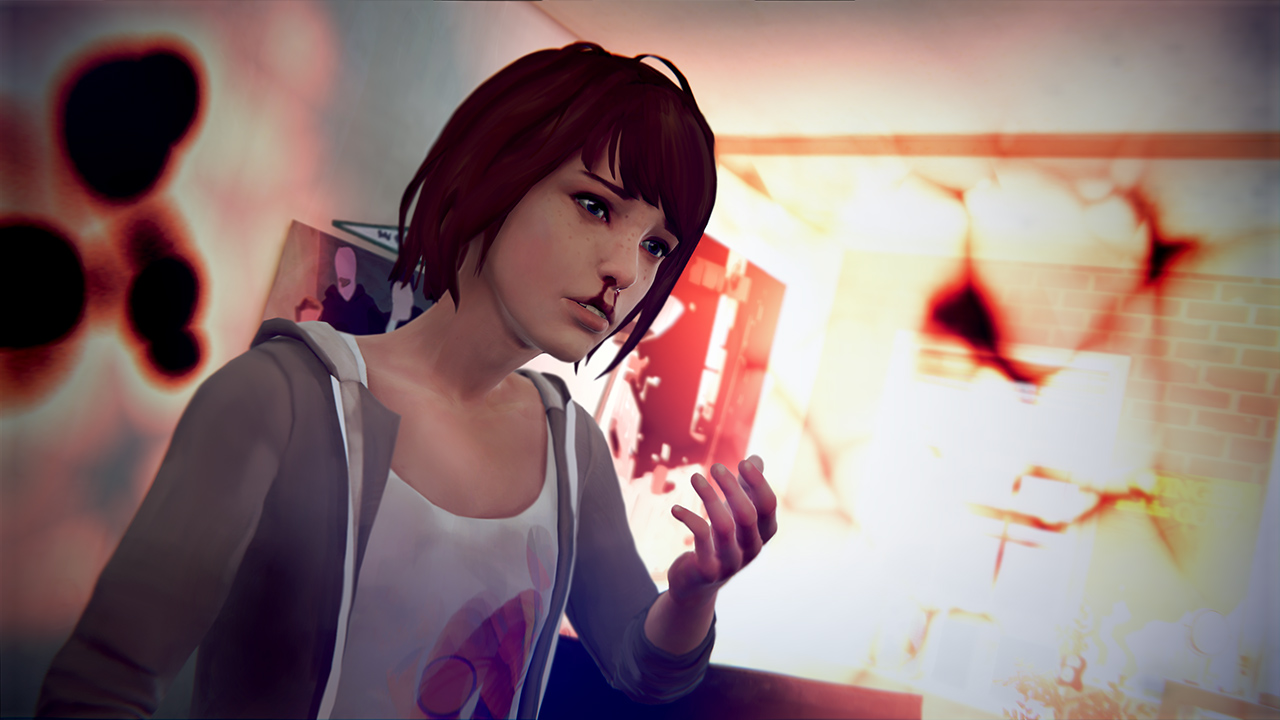
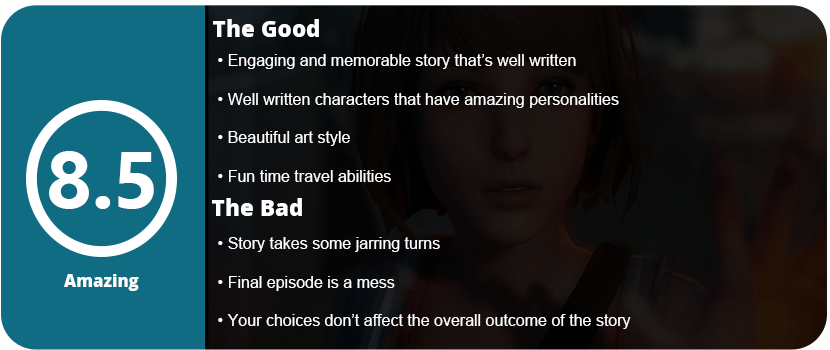
Have you ever wanted to time-travel and change the past? How about just the last 30 seconds? You get that option in Life is Strange. You play Maxine Caulfield, who discovers she can rewind time by saving her childhood friend from a fatal gunshot wound in the girl’s bathroom. This changes Max’s life and everyone around her, but it’s up to you to decide if it’s for good or worse. Life is Strange tells a fantastically beautiful story with wonderfully written characters. The game will keep you hooked and have you playing all 8 hours with barely a blink.
Life is Strange tries to build on the revolutionary point-and-click adventure genre that The Walking Dead revived from Telltale Games. The game is a little more open-ended, but not by much. There’s more to explore and items to “look at,” which gives you a bigger insight into Max’s own thoughts and mind. Honestly, by looking at all these objects, you get to know Max better and the world around you more. Besides this, you just walk through every area to the next character that advances the story. There are some “time puzzles” that require you to select certain dialog choices and then rewind time to use that information to your advantage. It’s an interesting idea, but Life is Strange’s storytelling is a bit of a mess and requires you to pay attention very closely or you will miss something.
The game is broken up into 5 episodes, and each one has a cliffhanger ending. The game goes on at a good pace except for the final chapter, which is a roller coaster and kind of a mess. Without spoiling everything, you kind of “review” everything you have done through the game, which involves an awful stealth sequence. However, through the entire game, I couldn’t help but realize that no matter what I chose, the final outcome never changes, which is odd. It’s not until the last two chapters that all your choices start to unfold, but I feel they are just detours rather than different outcomes. Despite that frustration, the story in Life is Strange is amazing.
I have to talk about the atmosphere of this game. It’s so nostalgic and really reminded me of my adventures as a kid growing up, and it really makes you think about your family, friends, and what’s going on around you in your life. That small country life is something I grew up with personally, and the game really hit home with me. It sucked me in every minute, despite the slow start I had to push through. The entire game is so touching and full of emotion; it’s one of the best video game stories I have ever seen, but it still doesn’t top Soma. This is a story you will talk about long after the game is over and ponder over. The only thing that really annoyed me about the story is that it tries to turn this innocent teen drama “Where did my best friend go?” mystery into a serious murder mystery, which is kind of jarring. I loved exploring these areas out in the middle of nowhere and getting into shenanigans with Max and her best friend Cloe through their time travel events. Once the murder mystery stuff hit, it was a bit of a turn-off, but it wasn’t until towards the end.
Life is Strange also isn’t the prettiest game to look at; it’s rather ugly. The game has a nice watercolor art style, but the game’s technical level is a first-generation Xbox 360 game at best. The textures are muddy and awful, and the character models are terrible. This is just a downright ugly game, but the story and characters keep your head out of that. Overall, this is worth every dime and all your time invested.
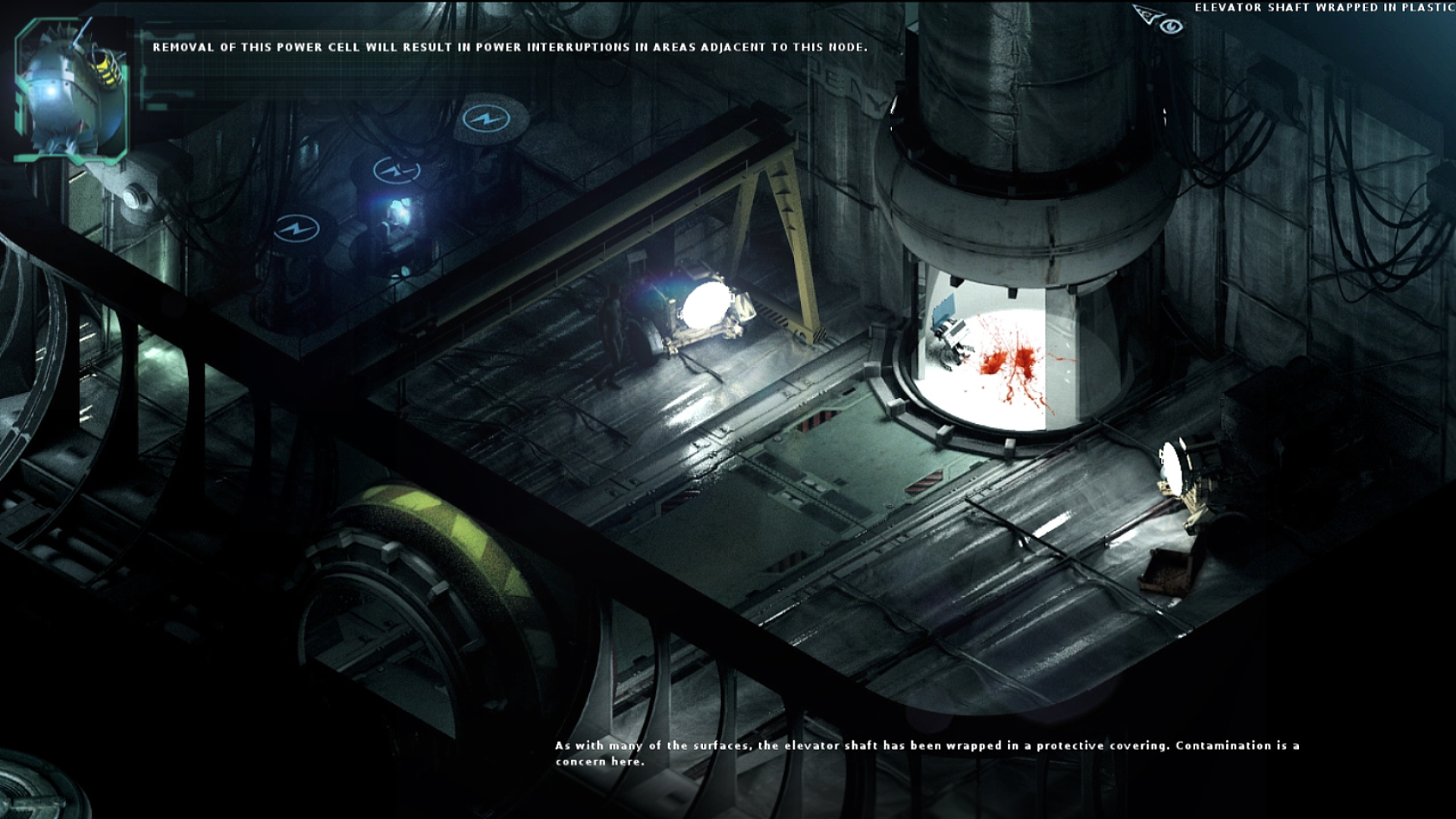
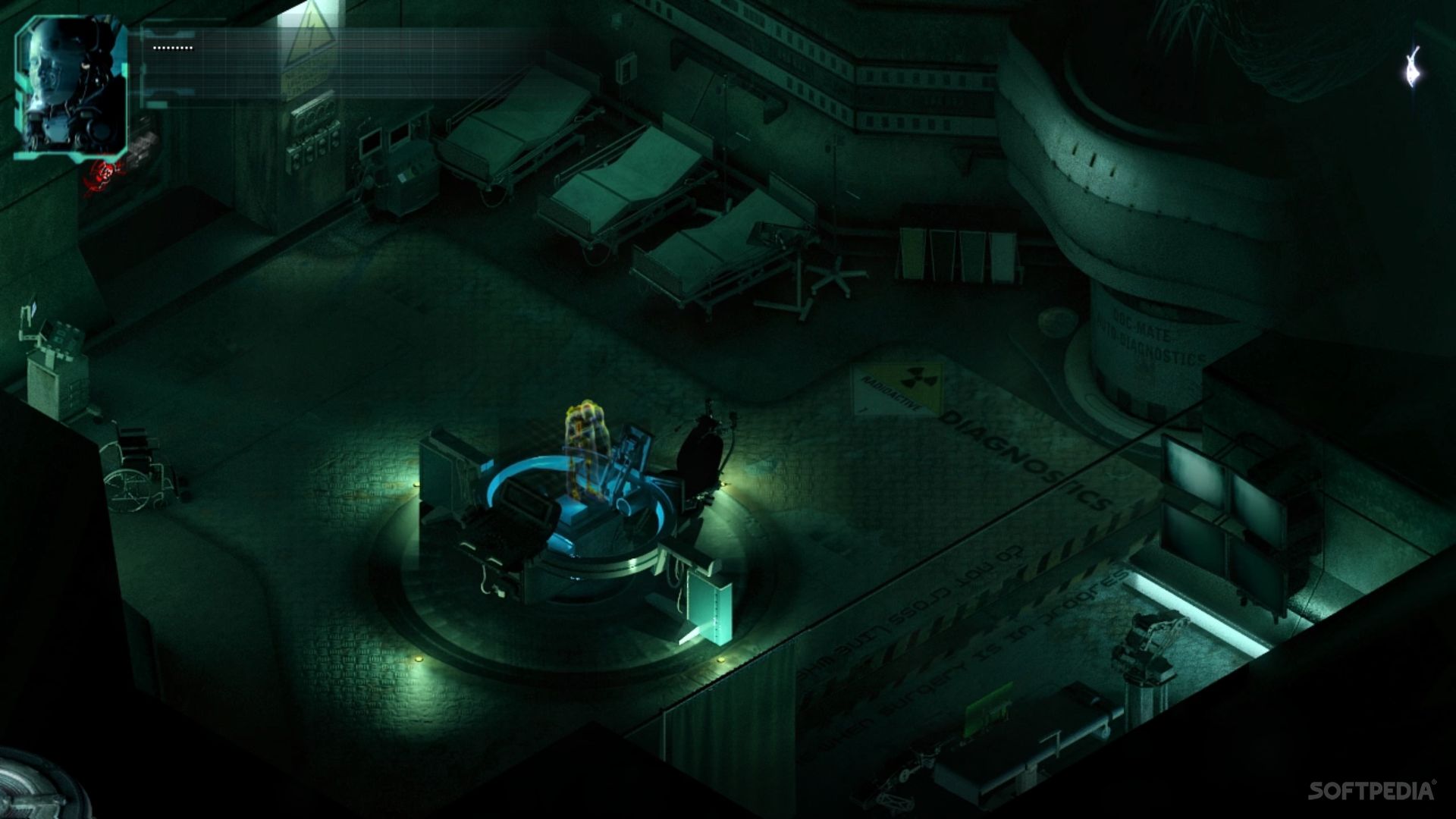
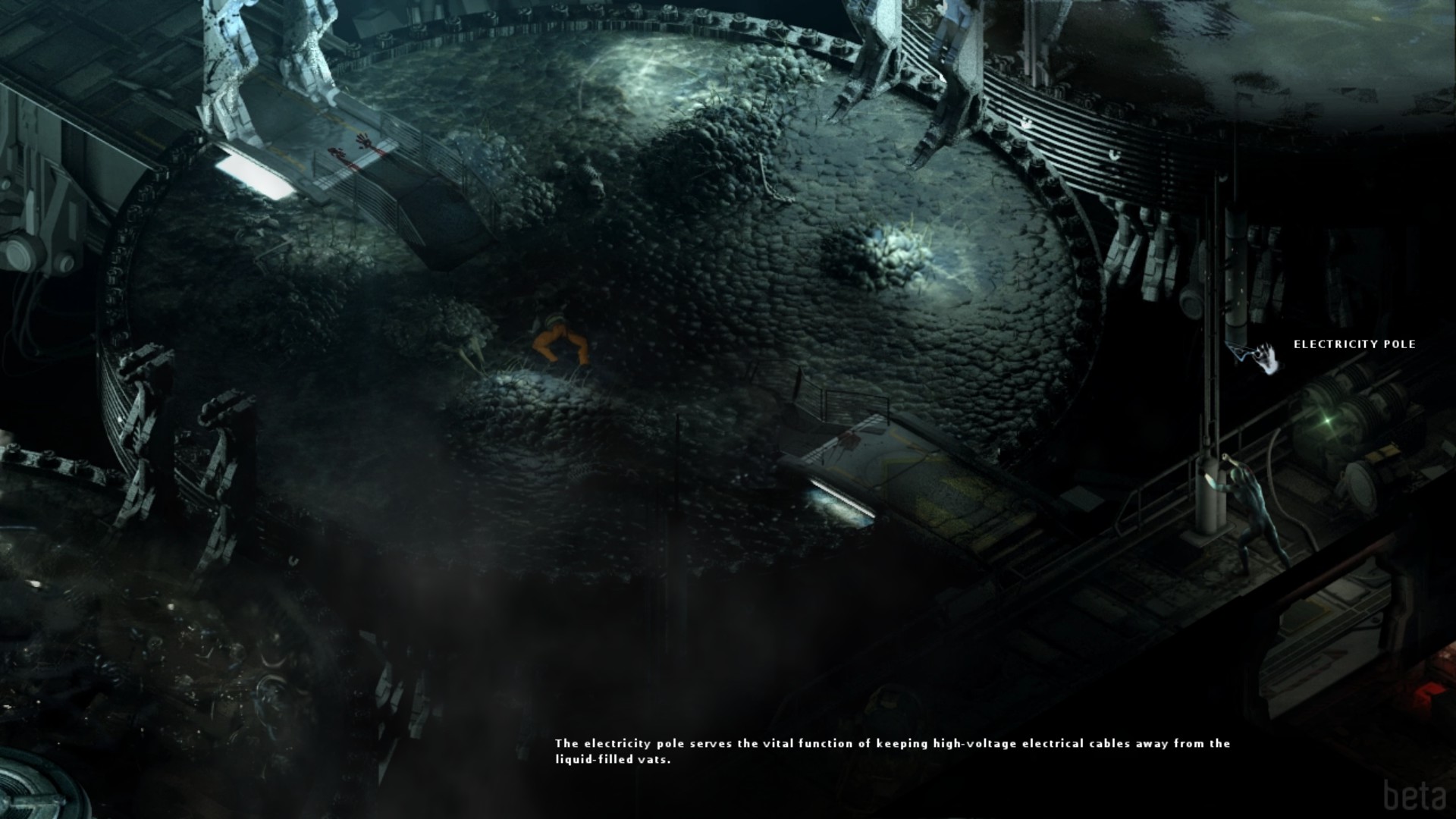
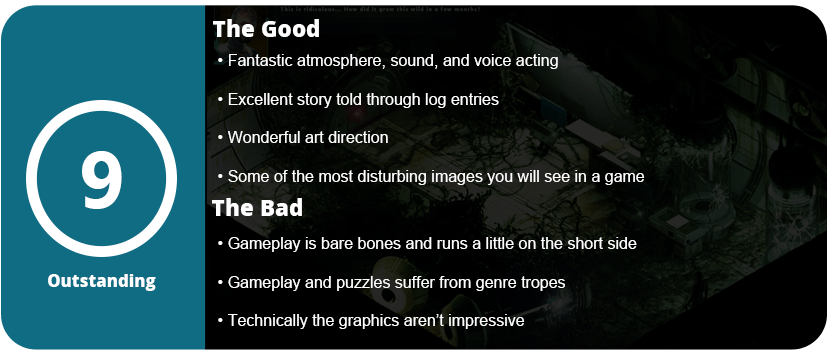
Point-and-click adventures are a dying breed. They used to rule in the 1990s, when computers weren’t quite powerful enough to fully render beautiful and detailed environments. Instead, they would be pre-rendered images or animation that played out with triggered scripts. This was carried over to consoles with games like Dino Crisis, Resident Evil, and even Final Fantasy. You won’t see pre-rendered graphics anymore, but there’s a novelty about them. Stasis is a modern game but is built like it was in the 90s, which gives it a certain charm. I have to say this is one of the best I have ever played and is so memorable.
With this kind of game, it’s all about the story and characters, as well as the atmosphere. Without those adventure games, life is pointless and uninteresting. There’s very little gameplay involved with just you guiding your character around and solving puzzles, as well as unraveling the story. Stasis does all this perfectly with very little inventory management. You just use your mouse to guide John around on the screen and click on things. Puzzles are actually quite good and make sense most of the time, but occasionally you get the one where you have to finally break out the walkthrough. This is an unfortunate staple of the genre, and there’s no fighting it.
With the controls and gameplay aside, let’s talk about the story and atmosphere, and man, does it have a lot of that? The atmosphere is so scary and incredibly detailed that it trumps some AAA games today. John wakes up on a desolate ship that’s been torn apart. He wakes from stasis sleep and must find his daughter and wife. This involves talking to a character through radio content who guides you the whole way, and the whole story folds out mostly through PDA log entries, which are perfect for this kind of game. Without reading these logs, you won’t care much about the story, but the logs are written so well that the characters come out. They are small entries that take a few minutes to read, but they really stick with you through the whole story.
Each area of the ship has a set of characters that were fighting about something or going through some sort of psychological issue prior to the ship being overrun by hybrids. This tells you how life on the ship was before and during the disaster. The Groomlake is a mining vessel turned laboratory run by a corporation that specializes in human cloning and genetic research. This, of course, goes awry as their experiments break out and kill everything on the ship. It sounds cheesy, but it’s unfolded slowly and very well. The atmosphere is pronounced with the great voice acting, sound design, and music that go along with it all. Gore is everywhere, as are some of the most disturbing imagery scenes in a game that would give anyone nightmares. The horror and ambiance of this game are bar none and really set some standards in my book.
When John screams or is in pain, you really feel it, despite it being a pre-rendered animation on the screen. The sound effects are just blood-curdling and make your skin crawl. From the weird robotic voices of the announcers to the blood splatters and screams you hear, it’s sound design on a whole new level. The Brotherhood really mastered the adventure genre, and this game would have made headlines back in the late 90s and early 2000s. I don’t want to spoil anything but say more scary or horrifying moments, but I played this straight through and didn’t stop, and that’s an accomplishment. Like I stated before, the gameplay is lacking, but that’s okay as the atmosphere and story keep you sucked in, and you don’t want anything too complex that would detract you from that.
In the end, come for the story and atmosphere. If you don’t like adventure games, this may just change your mind, and anyone who loves the genre has to play it. It sets a new standard for the genre and brings it back to my eyes.
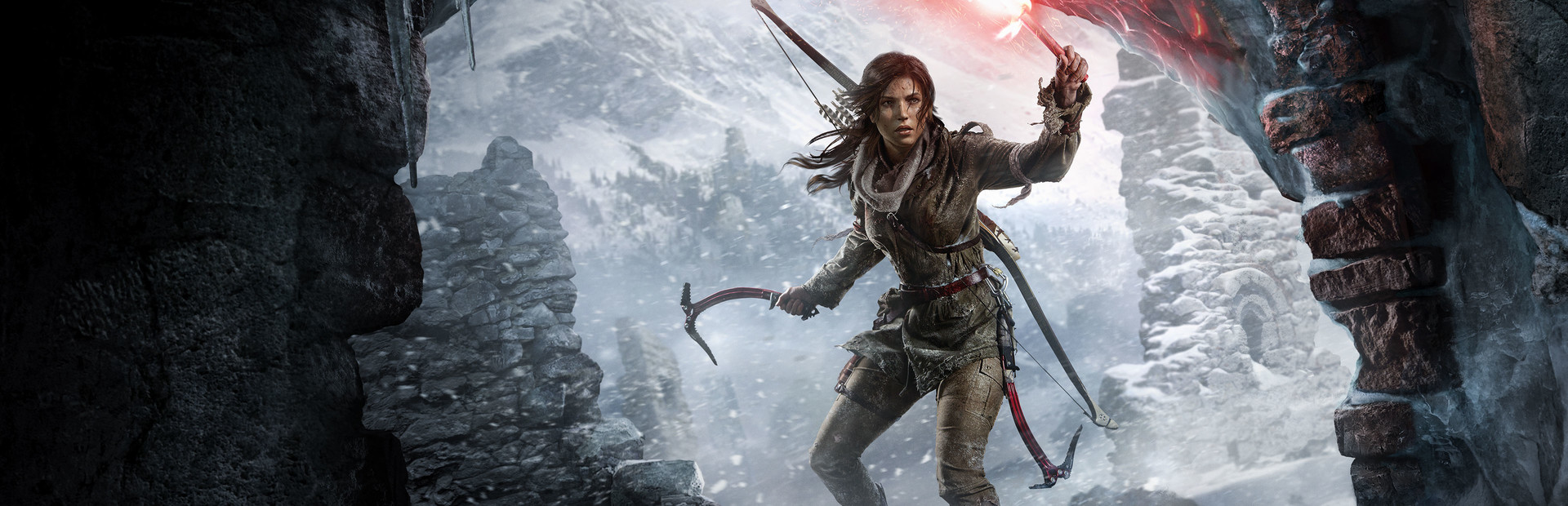
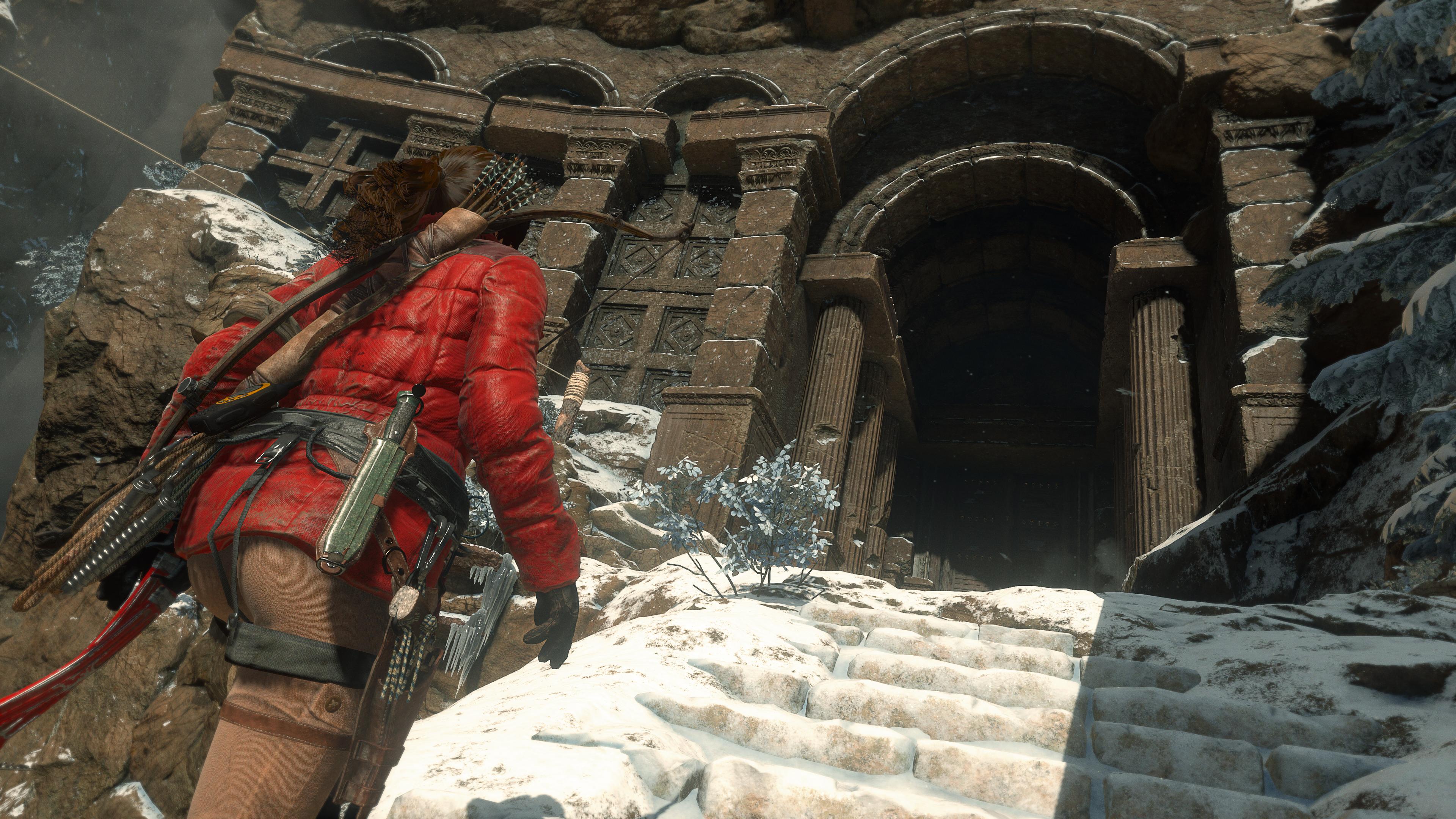
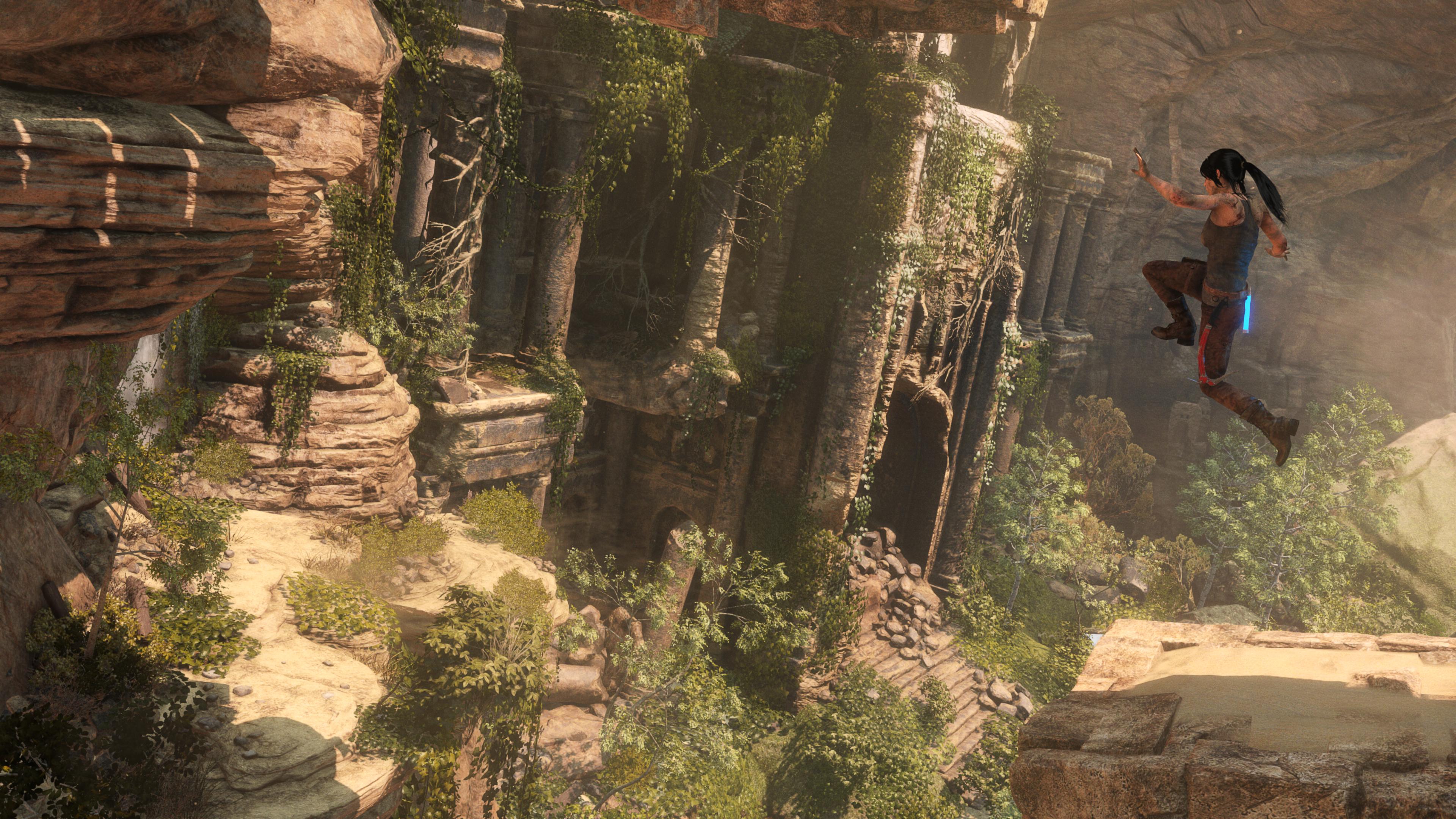
Tomb Raider (2012) was a revolutionary game for the franchise and the genre as a whole. It took the game industry by storm with its cinematic gameplay, fantastic visuals, huge open world, and realism. What could Crystal Dynamics do to top this, you ask? It’s pretty hard to top that, and they didn’t quite top it this time around. Rise of the Tomb Raider is more of what we got before and not much else, but that’s not a bad thing.
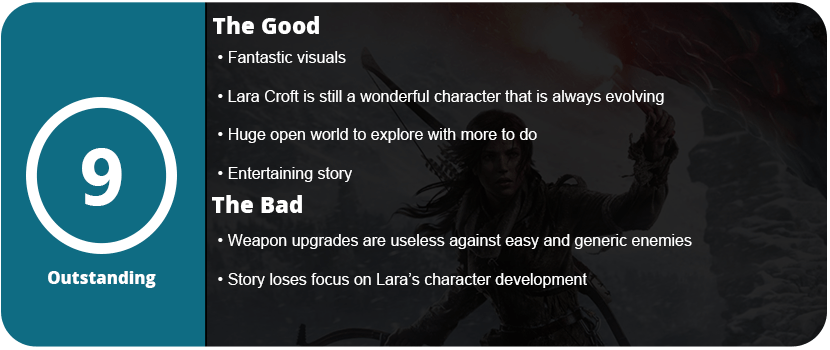
The game doesn’t focus so much on Lara’s survival to get back home but more on her treasure hunting. There’s an item called the Divine Source that grants people immortality. It’s something that her father became obsessed with and ultimately got him killed. A mercenary group called Trinity wants this source, so it’s Lara’s job to go and retrieve it before anyone gets their hands on it. The story is a little predictable and cheesy. It’s the typical generic mercenary bad guy plot, which I found uninteresting as Lara’s character development was the center of the story in the last game. It’s disappointing, but entertaining nonetheless.
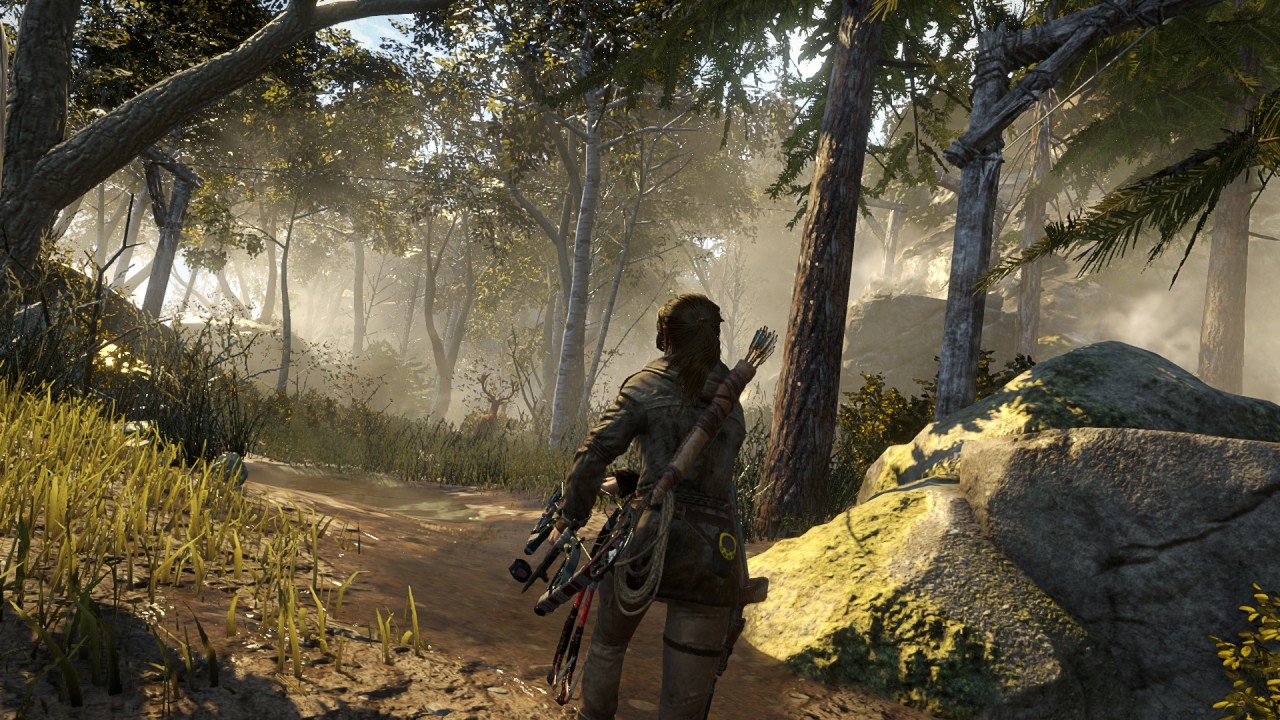
The opening scene in RotTR is a fantastic set in Tibet, where you get to feel just how dangerous Lara’s treks are and the environment around you. It’s probably the best scene in the whole game, as the developers slowly forgot what made Tomb Raider…Tomb Raider towards the end of the game, like they were running out of ideas. You will notice right away the huge visual upgrade over the last game. Fantastic lighting effects, tessellation, gorgeous textures, and character modeling are some of the best I have ever seen. The individual pores can be seen on Lara’s face, which is 10x more detailed than in the last game.
After the opening scene, I realize not too much has changed from the last game control-wise, and the gameplay elements are nearly untouched, just fine-tuned. After I start trekking along in the first area, I divert by exploring and finding all the hidden stuff. TR has a lot of hidden secrets to find, and it’s all about using your instincts around you to find all the secrets that glow gold and finding the maps to reveal them on your map. I spent the majority of the game finding these secrets, which are a blast to find; however, there’s a Metroidvania feeling to this game. I had to acquire new equipment before I could enter certain areas, especially the tombs.
While just playing the game in general, I realized a few disappointing things about this game. Leveling up completely and upgrading all your guns, just like in the last game, means less this time around. The game is fairly easy; the mix between exploration, combat, and stealth is very random and spread out. I could honestly play the entire game with the pistol, and I would be fine. The last game had enemies that required different weapons, but this time around, Crystal didn’t think about that. All the enemies are generic, and there’s no need to switch weapons. This is a huge blow to the strategy of the game, which was so great in the last game. Ultimately, this meant that all the side quests, gathering, and exploring could ultimately be skipped, and it wouldn’t make a difference. That’s a really bad thing here.
Thankfully, all the gameplay holds up to redeem this issue. Mainly, this is here for completionists or anyone who wants to explore this gorgeous world. I think the developers forgot what was so great about TR between development cycles, and it really shows here. The world was focused on so much that the stuff to fill it was pretty much forgotten. I have all these awesome weapons and upgrades, but…what do I do with them? I can craft special ammo for each weapon, but it didn’t make a lick of a difference in combat. The only ammo that did was the new arrow types, such as poison, explosive, and flame. Using them to take out a large group of enemies helped, but that was it.
Lara also doesn’t really develop much in this game. I thought the psychological stress on her from the last game would affect her here, but it’s like it never happened at all. Her character is awesome as usual, but there’s no more development, and I feel the next game really needs to pick up on what made the first one so great. Franchise fatigue is going to set in quick here, and many players may not be so excited for the next game if this keeps up.
In the end, RotTR is a fantastic game with a huge world to explore, a generic yet entertaining story, and more Lara Croft, which is what we want. The biggest disappointment is that there’s no more character development for Lara, and all these great upgrades and weapons feel useless due to the combat and enemies that didn’t get any attention. The game is really easy and lacks a good challenge. The game is gorgeous, one of the best-looking games ever made, and continues to push PCs to their limits, just like back in 2012.
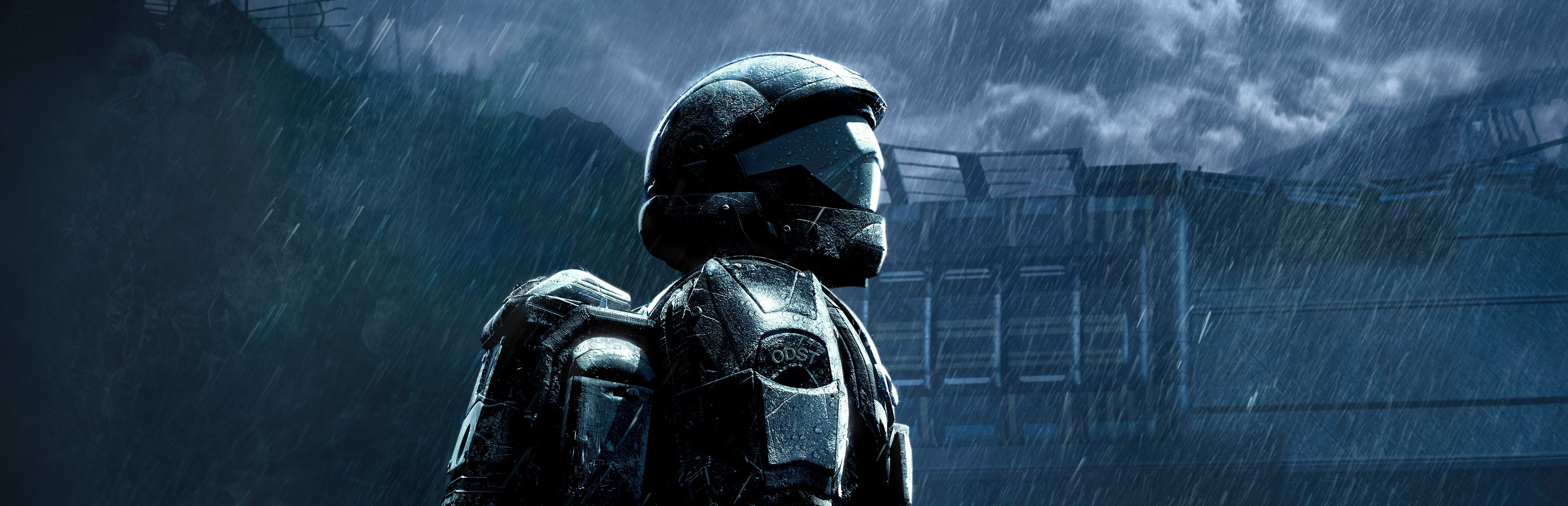
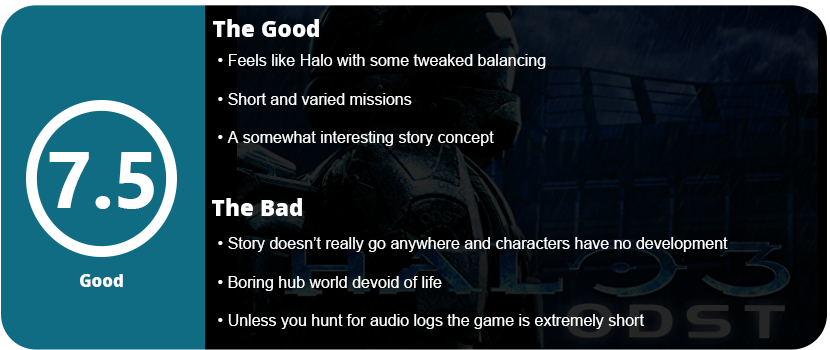
Well, I finally did it; I actually beat ODST. I rented the game when it was first released, and it was so boring that I nearly fell asleep. I turned it back in after the first mission. In retrospect, I realized I just didn’t know enough of the Halo universe to understand the story of ODST, as non-fans won’t quite understand this little slice of the story, and that’s exactly what ODST is: a slice of Halo.
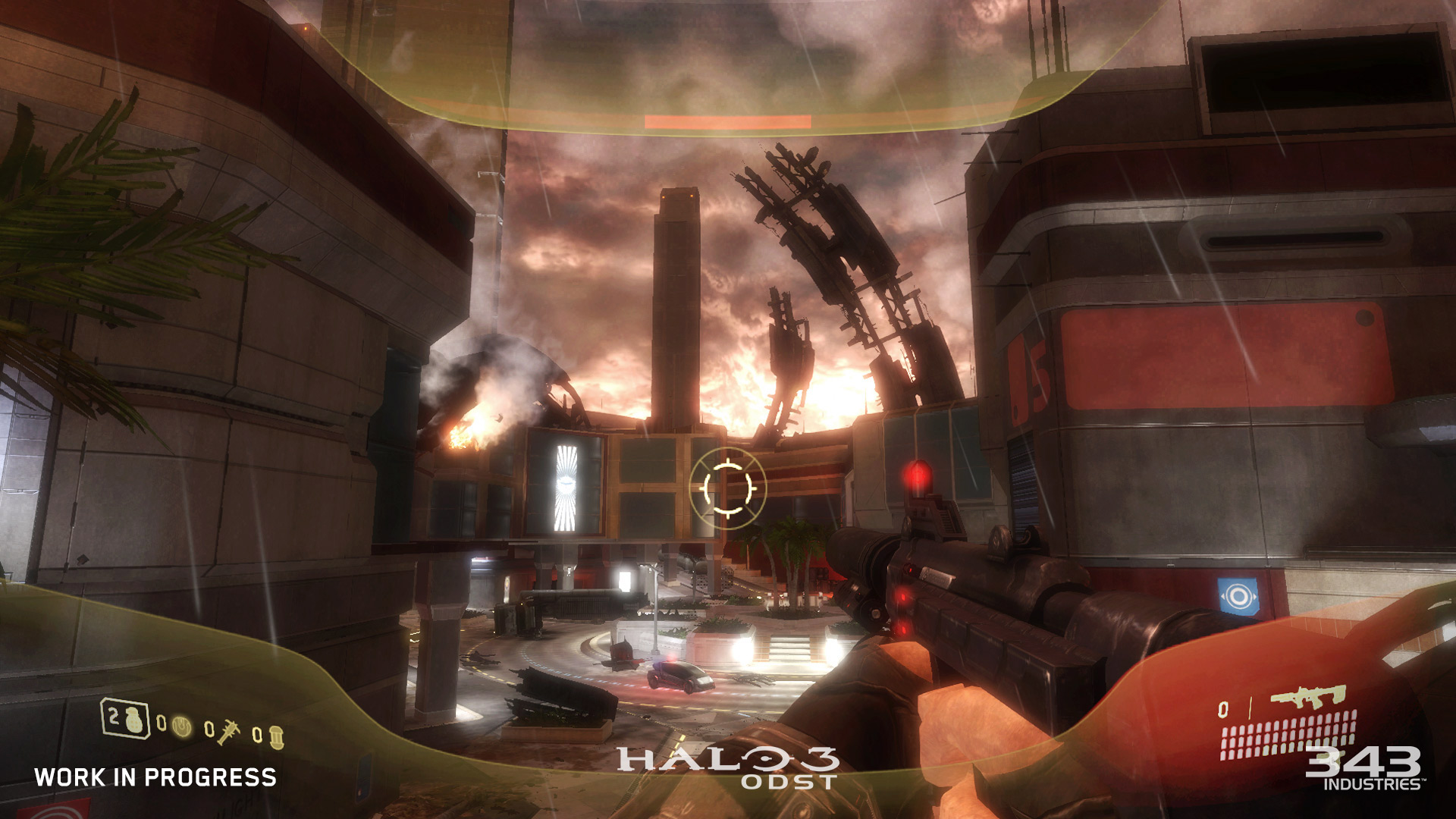
You play as an ODST (Orbital Drop Shock Trooper), who are the grunts in the warfighting most of the fights while the series is mainly focused on Master Chief. In ODST, you are dropped into New Mombasa, which is now completely overrun by Covenant and devoid of life. You were supposed to meet your fellow teammates for a mission, but everything went to crap, as usual, and now you have to figure out what happened to them. You are supposed to find clues as to what happened to each member, and these result in flashback missions. After completing the game, I realized how short it actually was, with only about 8 missions or so. Outside of these missions, finding 30 audio logs ends up being filler content, as I spent most of my time with the game hunting these down for achievements.
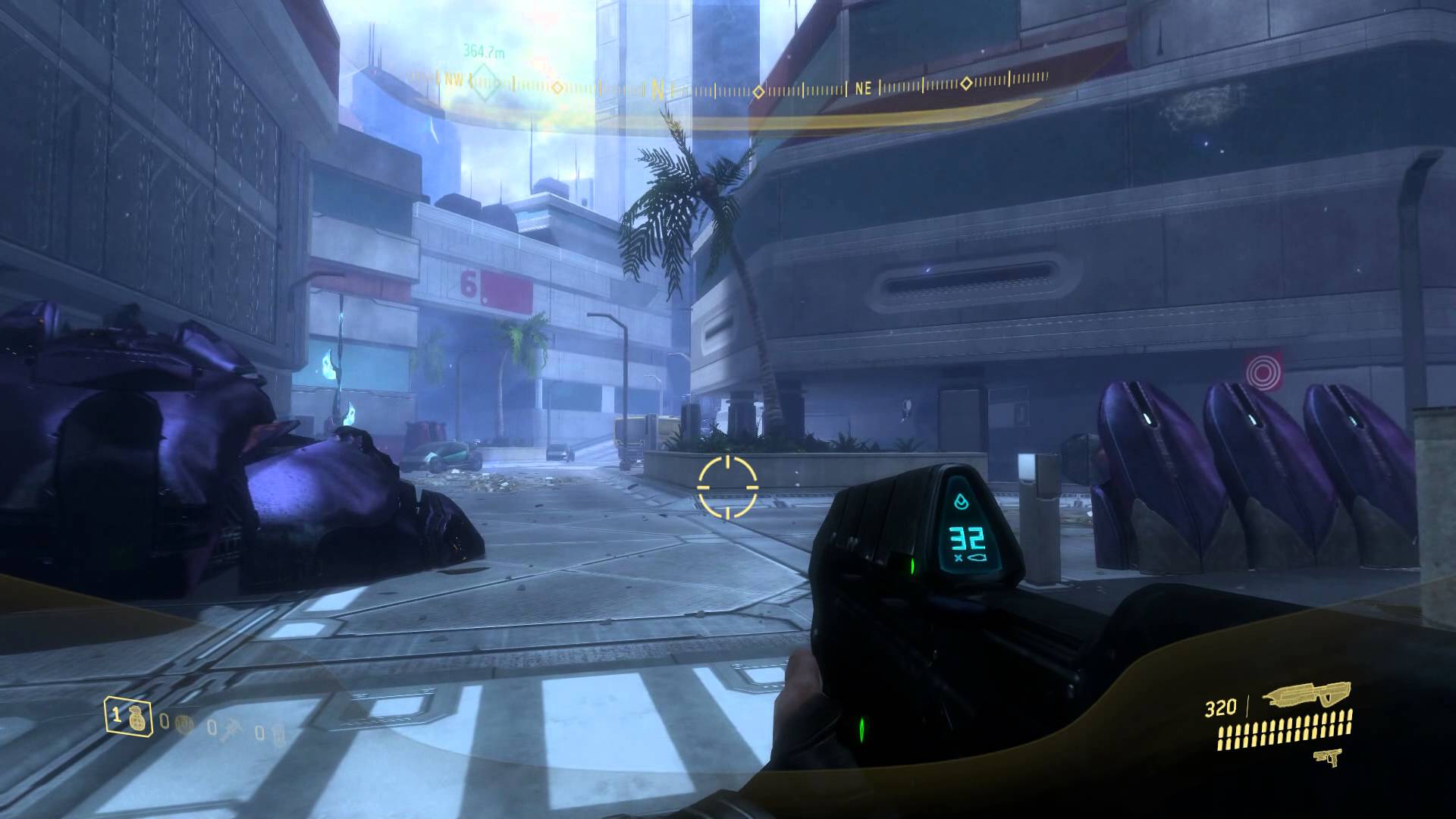
If you don’t bother hunting these down, you’re in for one short game, but this was just to help tide people over before Reach was released and for the inevitable release of Halo 4 that everyone wanted. Wandering around this hub is actually quite boring, with the occasional Covenant firefight breaking out. The city is devoid of everything and felt like an unnecessary filler to add a couple extra hours of aimless wandering. There are objective markers for each clue, but getting to each one is tedious and has no point. The audio logs serve as a side story of what happened to the city and a particular inhabitant, but the actual story outside of this doesn’t pick up until the end of the game, which is really weird.
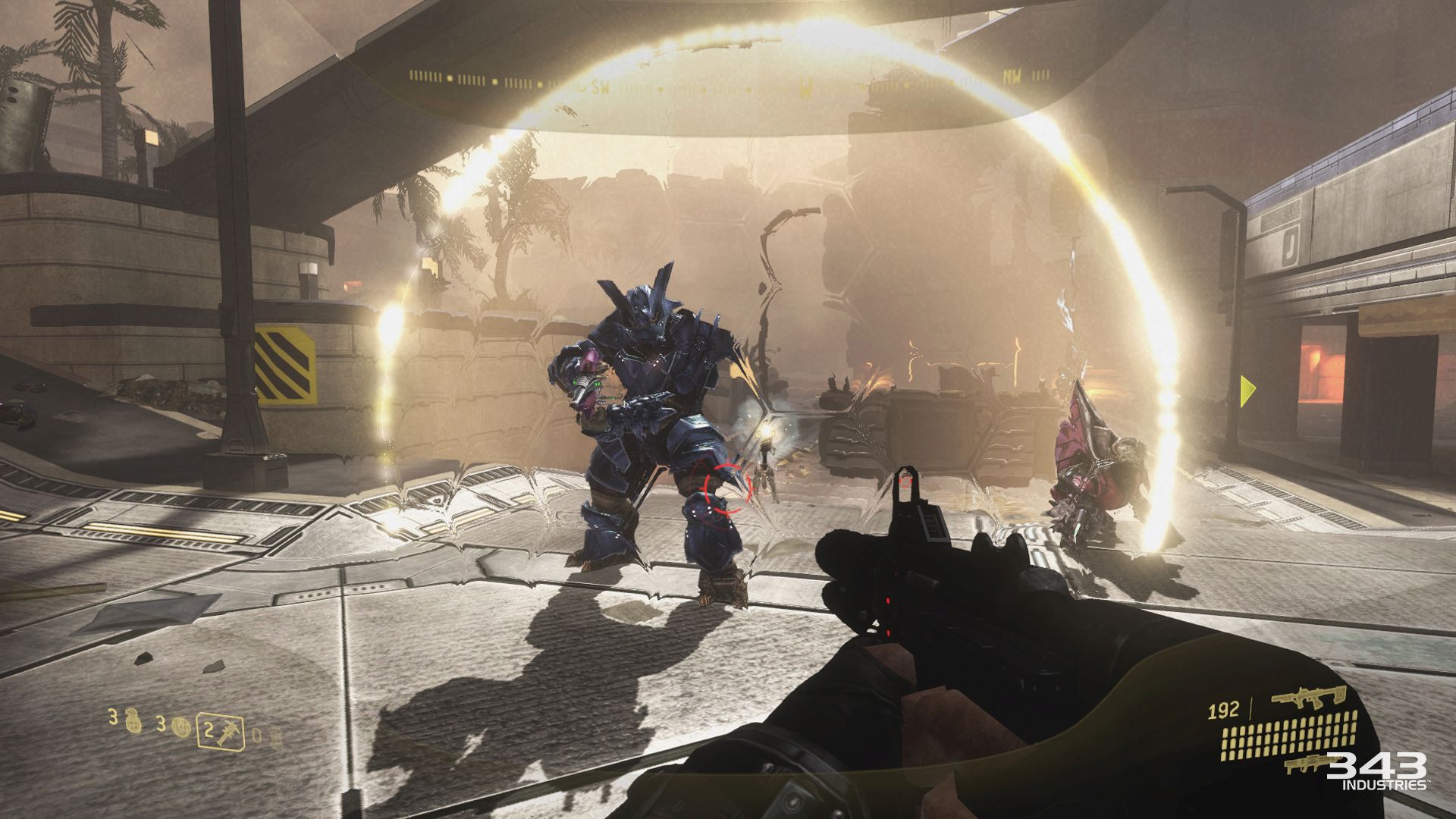
The mission is to retrieve the data of the superintendent, which is in a huge data hive that is underneath New Mombasa. It turns out this was extracted by an alien species that becomes an ally, and you must bring it back to Earth. I will actually praise ODST’s missions for being of decent length and mixing up the gameplay a little bit. While it’s the same Halo stuff we are used to, it’s in shorter bursts. Vehicle sections mixed with highway sections mixed with on-foot stuff work well here, just like in any other Halo game. There is some better balancing over Halo 3 (it uses the same engine), with better weapon handling and tighter mechanics. It still feels like Halo, which is what counts, but this is obviously a diversion. I honestly asked myself in the end: if this game was never released, would it have mattered? No, it wouldn’t have, as it’s not the main Halo game, and most people actually never played it.
In the end, we get a mediocre Halo game with characters we really don’t care about due to a lack of character development. The graphics are decent and look even better on Xbox One, but what does it all mean in the end? Nothing we couldn’t have gotten out of a novel or comic series proves that ODST is just a diversion to stem the tide of anticipation for Halo 4. With a boring hub world and a broken story, ODST isn’t a necessity for anyone, fans or non-fans alike. Play this if you just want to finish the whole series or feel like you need a break from the main road.








































 thebinarymessiah.com
Clearly you have been blocking everything you or haven't played the game at all. Maybe pay attention to the story…