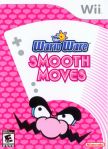
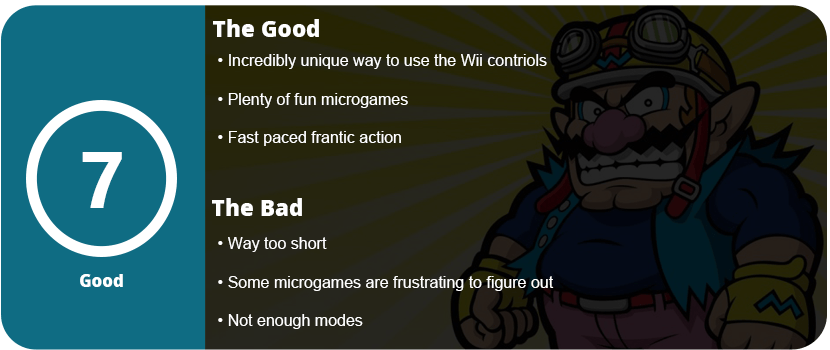
WarioWare has always been about showing off the capabilities of Nintendo’s systems, usually in the controls department. Each iteration has been 100% unique to that system, starting back on the GameBoy Advance. Smooth Moves uses the Wii Remote and Nunchuck in really unique and fun ways, but just like too much fun, it only lasts as long as a snack.
Just like every other WarioWare game, you play small microgames that last 5 seconds each and are only given a single-word clue on how to complete that mini-game. It goes by in a flash and requires quick reflexes to complete. The main map of the game consists of 8 different mini-game stories that are just little hand-drawn cut scenes to make some sense of the crazy sense of humor. Games range from opening a door to weird men, picking a nose, shaving a beard, and whacking people with bats. There are probably 30 odd mini-games here, but sadly, you can go through all of them in less than an hour.
That’s about how long this game lasts, fun-wise as well. There are some side games like can shooter, stack the blocks, and a few others, but they get boring quickly. Honestly, this is a good entry game for new Wii system owners, as you have to hold the Wii Remote in certain ways, such as on top of your head, on your nose, or like a steering wheel. There are various “positions” that flash before each microgame on how to hold the Wii Remote, making this probably the most unique WarioWare game ever made. It’s super silly and incredibly funny, but also frustrating.
Some mini-games take several tries to understand what you’re supposed to do, and I got a game over many times because I just couldn’t figure out the microgame fast enough. It’s not a big deal because each “story” only lasts about 3 minutes, and you quickly go through all 15 microgames to reach a “boss.” This boss fight lasts 10 seconds and is just an extended version of the microgames. This includes driving around corners without hitting anything, playing the original StarFox, and playing a dancing mini-game.
I honestly would have been made to pay $50 for this game when it was released, as it’s easily a $20 game at best. It feels like a budget game, but it isn’t bad at all; it is just incredibly short and more fun to play with people around. I would have liked a party mode where other players have to jump after each microgame to make things crazy, or even some two-person mini-games. There’s a lot of missed potential here, but what we get is a lot of fun.
Overall, Smooth Moves lasts about as long as a large bucket of popcorn, and it’s all over, leaving you wanting more. It shows you how unique the Wii controls are, but doesn’t offer anything meaty to satisfy this unique playset.
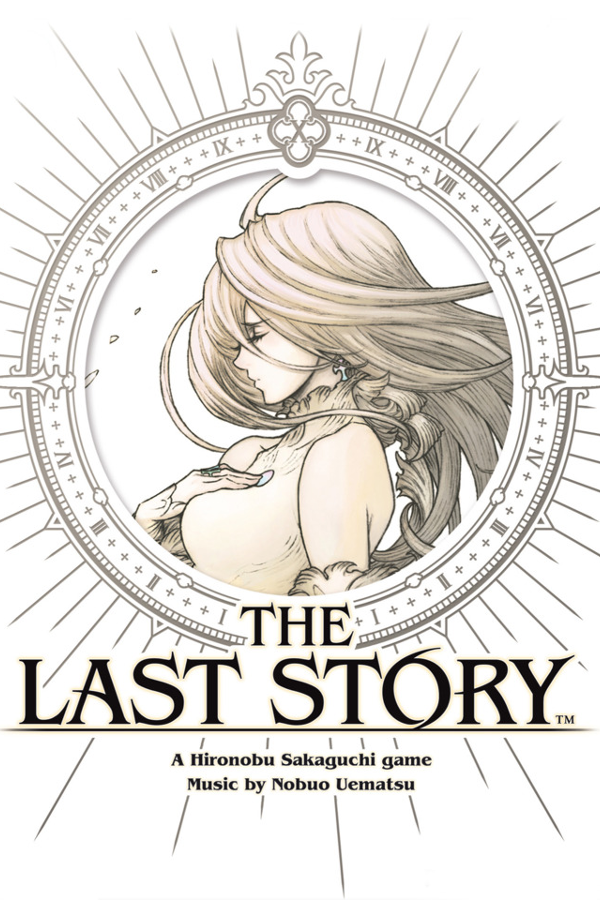
You’re a mercenary who wants to become a knight in a far-off land with two races at war with each other. On top of that, you accidentally fall in love with the princess and end up in a political war and the savior of the world. It sounds like a typical JRPG, doesn’t it? Well, it kind of is, but the story is incredibly engaging, and I can’t give more away without spoiling it. It takes a little while to pick up, but there were some unexpected plot twists and turns in the story that had me blowing through this game in 3 days. That’s how engaging this game is. I wanted to play more and keep going further because I cared about the characters and what they were going to do next.
The Last Story plays a lot different than any other JRPG out there, so much so that I have yet to play one that is like it. The combat system is both real-time and pause-based, with deeper strategies slowly unlocking as you progress through the game. What’s great is that the game starts off super easy and simple, and I honestly didn’t really get a game over until two-thirds through the game, but then it got really tough and challenging, but just enough to make me think a little and really decide my next decision rather than hacking away blindly. The main mechanic in all of the combat is Zael’s gathering ability, which makes all enemies go towards him. This is needed for strategic reasons, as you have magic party members that cast spells on a timer. If they get hit, that timer resets, so you need to have all the enemies come towards you and your other melee fighters. This seems like instant death, but their movement slows down and the magic fighters’ cast speed increases double, so there are benefits to this. You can also use your gathering as a burst weapon if you get hit enough times.
You can also snap to walls and take cover, as well as peak out and hit enemies with your crossbow. This also lets you see enemies’ weaknesses, which are mandatory later on when trying to figure out how to kill enemies. Sadly, this isn’t as smooth as it sounds. The controls are really sticky, so if you don’t face the wall exactly head-on, you won’t get the prompt, and this includes using the wall-run move, which is hindered by the camera and is uncontrollable. I also had issues when attacking an enemy; by just pressing forward on the C-stick, I couldn’t quickly back out or dodge. I would snap the stick back, and I would still be attacking, and this was usually the main reason why I would die. Speaking of dying, you get 5 lives, and then it’s game over. This sounds like it’s easy, but it works well with this combat system, and there were plenty of times I ran out of all five lives pretty quickly. You can get more lives during combat with a revive skill or an item.
Outside of whacking enemies, you can pause the battle by pressing up on the D-pad and choosing your main skill, regular skill, retreat to a healing circle, or guard. Your main skill requires a meter to fill up before using it, and to command your party members, your command bar must have all bars filled so you can’t abuse it. You can also use these bar segments to use your Gale move, which lets you dash around the battlefield, knocking enemies over. It’s a very interesting and intricate combat system that you end up mastering by the end of the game, or you won’t pass the tough bosses in the last few chapters. They require all of your knowledge of the combat system and learning each party member’s moves and all their strengths.
Every so often, the game does change things up by throwing an enemy at you that can only be killed on dry land and heals in water. There are throwables scattered sometimes and destructible environments to make killing groups a little easier. Once a battle is over you level up and can collect items. These items randomize as you approach them with a slot machine-style spin and range from weapons, armor, and crafting items.
Weapons and armor work a little differently here, as you won’t really buy weapons after the first 10 chapters and instead just upgrade the weapons you pick up, and the same goes for armor. I always found a more powerful weapon from a boss or tough enemy and never had issues with that. Thankfully, there’s an auto-equip feature, which I love in JRPGs, and it does a good job making sure everyone gets what makes them the strongest. I never really had to manually equip anything.
Outside of combat, there are some optional chapters you can complete, but honestly, they’re a complete waste of time as the items you get aren’t much better than what you will get during the story, and there are no extra plot paths or anything like that. It’s literally just to level up a little bit, but even ground isn’t needed in this game as you level up so quickly during the story. Most of the story is progressed by entering rooms, talking to people, or leaving and coming back to the main castle. Most NPCs give you clues as to where to go, so that was never a huge problem. There really isn’t much to explore here, as many areas repeat themselves a few times, and the castle area is rather small, equal to the size of a market center in most games. I wish I could have traveled around more, but the story explains why you don’t really go anywhere, and it makes sense.
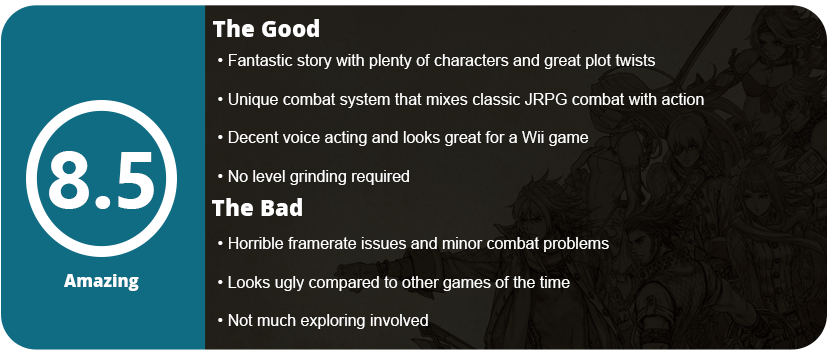
Let’s talk about the production values a bit. The game looks fantastic for a Wii game, with lots of detail, good lighting effects, and huge vistas, but it comes at a huge price. The game slows down to single-digit frames constantly whenever the camera pans out too far or you get a vista shot. Even during combat, when there are a lot of effects on screen, the game crawls, which makes things frustrating as the controls don’t respond during these times. There’s tons of horrible aliasing, and the textures are muddy because Mistwalker tried pushing the system way too far. It still looks great but also looks bad because you can see the Wii struggle so hard just to render a single face on the screen and it looks like a GameCube game at best. The voice acting is actually pretty decent for a localized JRPG, and like I said earlier, the story is just amazing and memorable.
Overall, The Last Story is a must-play for any Wii owner. It strays far enough away from JRPG tropes to be unique and has enough action gameplay to keep people from getting bored. The lack of grinding needed, engaging story, great characters, and interesting combat are enough to get you through the 20–25-hour story. You do have to forgive the visuals and some minor control issues.
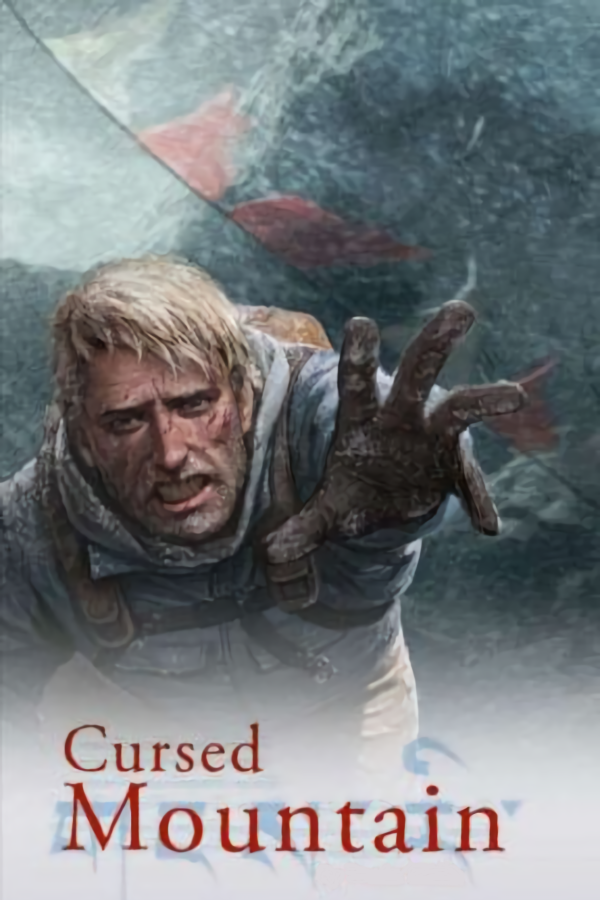
Climbing a mountain can be tough, but climbing one of the highest and most remote is even tougher. You play as a man named Eric, who is destined to find his brother after he went missing during a mountain climb to find a secret Tibetan treasure. What he finds along his journey is a dark past and strange company, but he mainly finds the strength within himself to complete his journey.
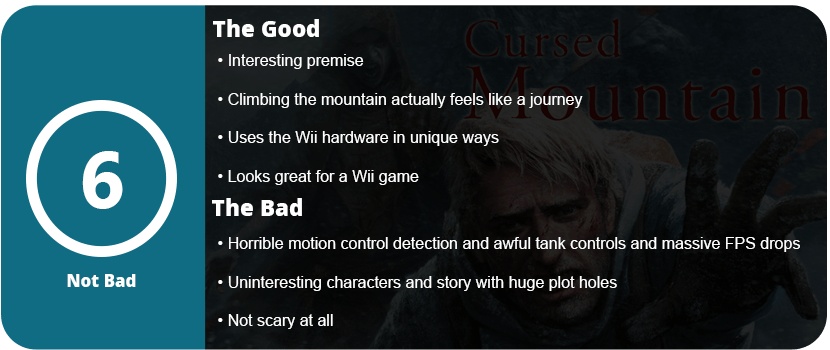
The story is decent at best but has many plot holes, awful storyboard cut scenes, and terrible voice acting, but still enough to keep you trucking along. The game plays a lot with the supernatural and Tibetan history and lore, which is nice, but it’s easily forgettable. You never know what the secret treasure is ultimately for, who the expedition company is that’s involved, and many other questions that are never answered.
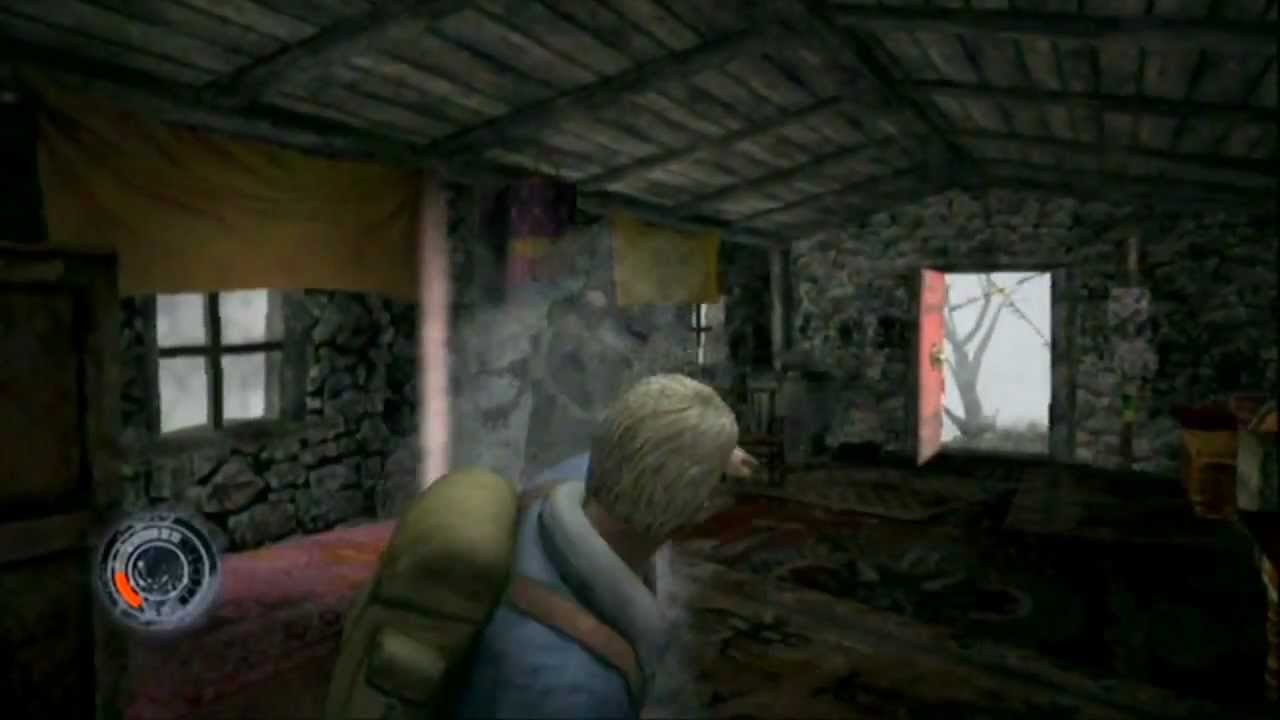
Nevertheless, you basically walk around various buildings and ruins as you slowly climb this giant mountain. The game changes slowly as you reach the peak with different gameplay elements tossed in, and I have to give the game some credit for mixing things up, but it doesn’t do any of these things very well. Let’s start with simply moving. Eric moves like he’s constipated, and the controls are pretty bad. If you bump into a wall and he sticks to it, the camera will get stuck behind objects as you can’t control it, and combat is pretty bad as well.
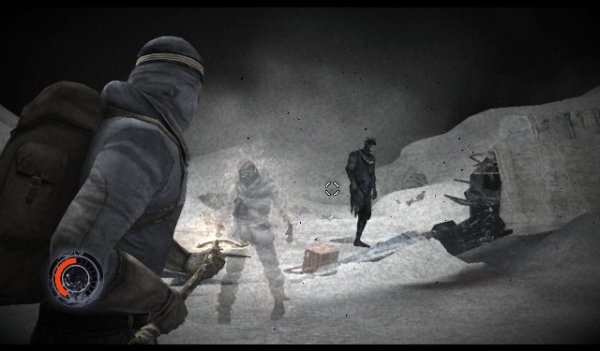
You have a pickaxe that has ancient items attached to it with powers that allow you to access your “third eye” and see ghosts so you can kill them. Each encounter is arena-based, so you’re stuck in a small room with these things. Holding down C allows you to enter this mode, but you can’t move, and Eric’s shoulder blocks the entire left half of the screen as the FOV is too low and it’s hard to see. You can see the reticle through Eric, but not the enemies. The ghosts have various attacks and powers, but overall they mainly mob you and attack you the same. The goal is to shoot the projectiles from the pick to weaken the enemies enough to enter a quick-time event of aimlessly flailing the Wii Remote around to kill them. Miss the event, and you have to attack them one more time to make the prompt appear. This is by far some of the worst Wii controls I’ve experienced, as the prompts require punching and swinging action, but no matter how well I did them—either fast or slow—it would only register half the time. To make matters worse, this is the reason why I died half the time. Then there’s the fact that you can’t move while aiming, so these are 1997 tank controls in a modern game. There isn’t even a quick-turn button, so I can quickly run away and swing back around. I have to aim and fully turn all the way around, and then the enemy is back on me again. It’s the worst.
Let’s also mention the two areas where you have to meditate and swing the Wii Remote around. I spent 10 minutes just trying to find the spot where the game wanted me to be, then holding that position and keeping swinging until the screen faded. I’ve never experienced such unresponsiveness and inaccuracy in the controls. Were these even tested? As you progress further into the game, the enemies get harder, and there are more of them. You fight probably 100 ghosts just in the second half of the game. That’s a lot of unresponsive Wii flinging.
With all of that aside, the game is poorly paced, with minutes of endless walking and climbing that are slow and tedious, and the checkpoints are placed poorly. I would die during a boss fight just to fight the ghosts leading up to the boss again instead of the checkpoint right before the boss. Dying isn’t really an issue if you’re quick, as killing an enemy gives you health, but there is incense you can pick up to use at healing stations if you need it.
Outside of this, the visuals are pretty decent, but while pushing the Wii way too hard with the slowdown that is frequent and runs in the single digits, it still looks decent. The audio sounds like a PS2 game, with the same footstep sound throughout the whole game and low-quality audio bites. I honestly feel like this was developed for the GameCube and was pushed to the Wii at the last minute.
Overall, is Cursed Mountain worth playing? Yes and no, for many reasons. If you are running out of games to play on your Wii, then go for it, or if you’re just getting into the Wii, then it’s a good pick-up, but what experience do you get out of it? Just to kill time, really. The story isn’t memorable, it’s not scary, and the controls stink, so mainly get it just because you need another Wii game to play.
If you ignored the original Killzone back in 2004, I can’t blame you. It was a rough road for Guerilla as they tried to make an exclusive first-person shooter for Sony’s underpowered console to out-beat Halo and Metroid Prime. Sony never had an FPS that was exclusive to their system, so it was Guerilla’s time to shine. It was dubbed “The Halo Killer” by fanboys, and it sadly received lukewarm reviews upon release. I actually got this for Christmas 2004 and ate it up like candy. I was a serious fanboy over this game. Fast forward 14 years, and I can see the game’s many flaws but also appreciate what it did for the PS2.
You play as a squad of four who are tasked with stopping an evil Nazi-like empire known as the Helghast that is trying to destroy all of humanity on the planet Vekta. The story is bare-bones, but there’s a lot of potential here with interesting art assets and great voice acting, but it just falls flat. There’s no background on the main characters of the war you’re fighting in. You’re literally just dropped in with no background or reasoning behind it. This was never done with Halo or Metroid Prime, as you were pulled right into the war or battles and understood exactly why you were there. It’s just a bunch of cutscenes with the squad going after various generals and moving from Helghan base to Helghan base.
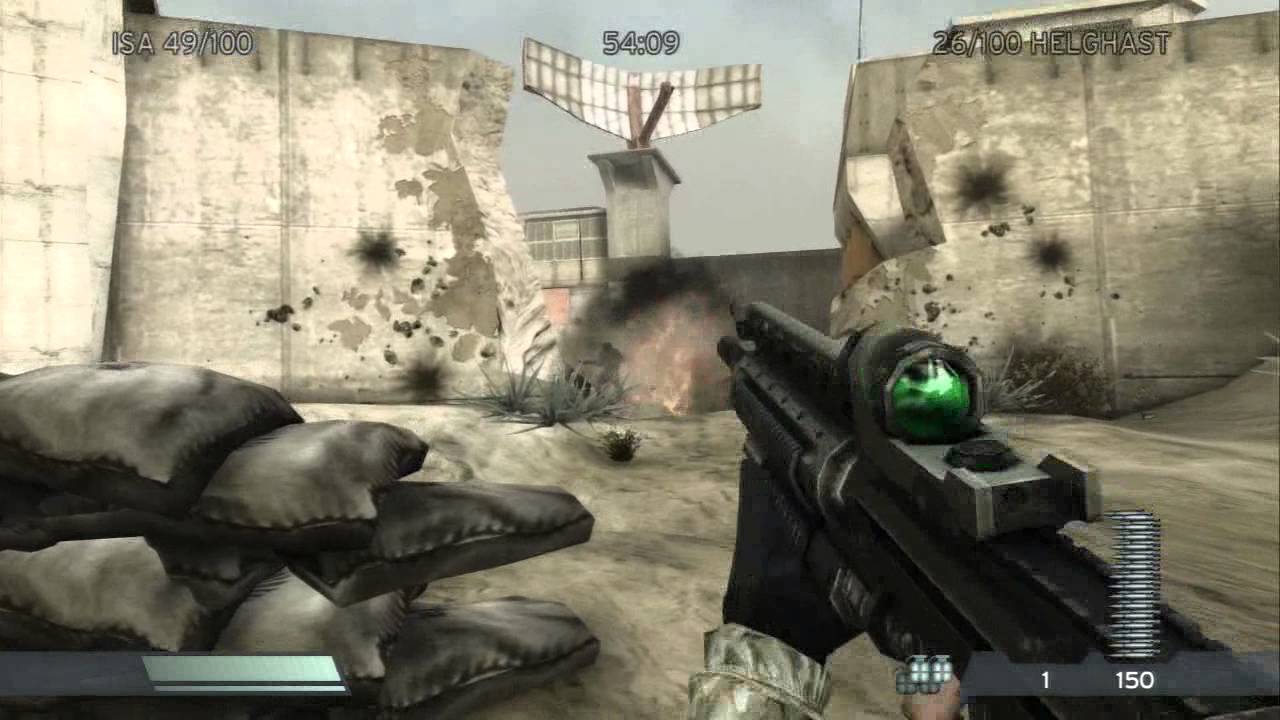
The shooting is very interesting, as it’s part of why Killzone was loved by those who did like it. There’s a lot of weight behind the weapons, and they are actually quite unique and shoot well. It’s your standard array of military weapons, but with a twist and some personality behind them. Honestly, the weapons are the only thing front and center in Killzone and dominate the entire game. From the ISA and Helghast standard assault rifles to rocket launchers, grenade launchers, pistols, and heavy machine guns, Most weapons have a secondary fire that helps balance their weaknesses, such as the Helghan’s rifle, which has a shotgun attachment, and the ISA rifle, which has a grenade launcher. I personally stuck with the Helghast assault rifle through the first fourth of the game, as you can only play as Templar, but once the other characters were unlocked, I played as Rico since he has a chain gun with 800 rounds and a missile launcher. It’s seriously overpowered, but it feels so good to mow everyone down around you. The only weapon I really disliked was the shotgun, as it’s so slow to pump and shoot that unless you are one-on-one with a single enemy, you’ll get killed because you can’t fire fast enough. It’s practically useless, even in tight corridors.
The downside to the weapons having a lot of weight behind them is the animation. They are so long that they make the game more difficult than it needs to be. Every time you switch weapons, there’s a long animation of pumping the shotgun, fiddling with a rocket launcher scope, and flipping up the lid on the scope to the sniper rifle. Rico’s chain gun takes at least 2-3 seconds to swing out, then there’s a weird pump animation after, so you have to hide behind walls every time you switch weapons because of these animations. The same goes for reloading. Some weapons take over 5 seconds to reload, with the shotgun taking nearly 10 to load every single round. It’s fun to see and was never done up to that point in time, but it needed to be sped up or changed.
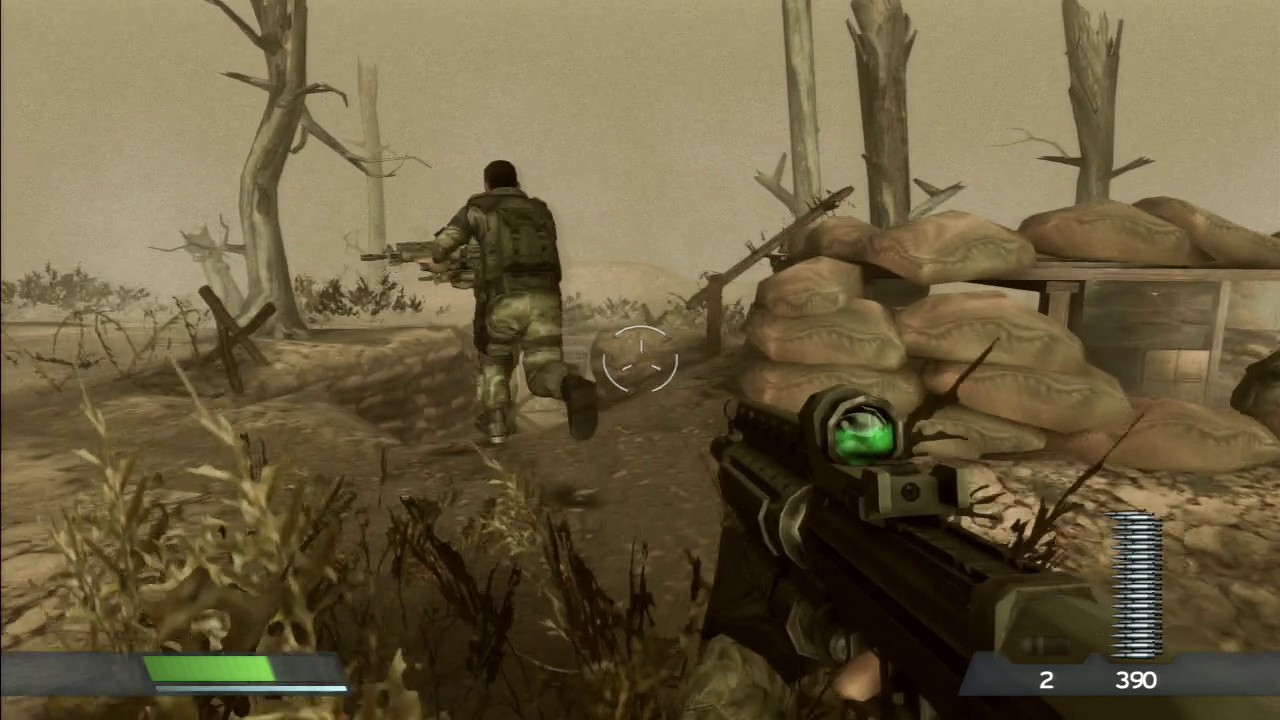
Outside of the weapons, the enemy AI is as dumb as a doorknob, with the Helghast literally standing around, not shooting at all, or they won’t move to cover. Part of this is the underpowered CPU in the PS2 and the game engine that pushed it way too far. There’s so much pop-in with fog of war to make up for the lack of a draw distance that enemies pop in and most of the time all at once, so an entire room or corner will be full of Helghasts that are easy pickings with a single grenade or kill you really quickly if you don’t notice them. The game engine just chokes the PS2 like no other game, with framerates dipping into single digits. I also played the remastered version for PS3, and while the 720p resolution looks sharper, there are still framerate drops because the engine just couldn’t handle the load. Sadly, because of the limitations, environments are bland and boring, with claustrophobic corridors and almost no draw distance. The game is gray, dull, and colorless, and while this could have worked, the weak PS2 brings the art backward because not enough can be rendered on the screen to make it look nice.
The entire game pretty much plays the same way and takes about 5 hours to finish. There are no vehicle scenes, no scripted events; it’s all just running and gunning, which gets old towards the end. For the PS2, this game is quite impressive and has a decent multiplayer mode, but there are more flaws than there are perfections. I would rather have had an ugly game that played better, but PS2 fanboys were clamoring for something that pushed the system like Halo did the Xbox. Is Killzone a Halo killer? Absolutely not, and it doesn’t even come close.
If you’re going to have a racing wheel, especially one as expensive as the T300 RS-GT Edition, then you need a shifter add-on. For people who really don’t care about shifting, it’s fine, but enthusiasts are really missing out on half of the experience. Shifting adds a whole new layer of challenge and control to racing games like nothing I’ve ever experienced before.
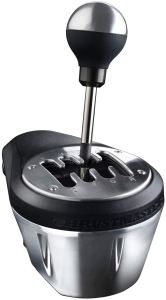
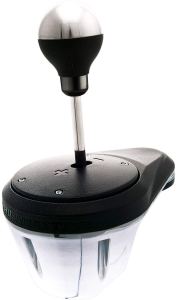
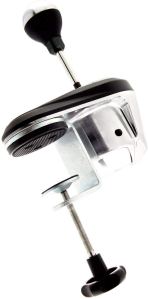
The shifter is much bigger than I thought and heavier, being made of 90% metal and using something called the H.E.A.R.T. system, so it feels and acts like a real car shifter. The box comes with a DIN to DIN and DIN to USB cable. This is actually really important, as PCs require DIN to USB, as most games won’t recognize the shifter plugged into the back of the wheel. That’s mainly reserved for consoles. You also get an optional sequential plate for those who want to shift but do not use the H pattern. You can also change the plate by rotating it 180 degrees and even tightening the stick itself to make it looser or tighter based on your preference. There’s so much more to this shifter than I anticipated, and it impressed me every step of the way.
I opted to make the shifter as tight as it could go, as it felt more like a newer car and gave me better feedback as to where I was at. After installing the drivers and making sure everything worked, I booted up Forza Motorsport 7, and the shifter was recognized right away. Even without using the clutch, the shifter added a new dimension to my racing that I had never experienced before. It took a while to get the timing down, but I noticed a new depth of difficulty to these games that weren’t present before, and that’s learning the shift timing of your vehicles and where to shift correctly on the track. This may scare some people away, but it actually improved my lap times, and my first-place wins went way up because the shifter forced me to learn the track rather than just memorize where all the turns were.
Having it clamped to my desk next to my wheel sure made this already bulky setup pretty monstrous, but it feels so good to play, and I can’t go back to racing with a controller on simulators anymore. I spent hours racing, and it sucked me into the game even more when I would get bored after a half dozen races or so. This is the way these games are meant to be played, and thankfully, this shifter is compatible with any wheel because it’s USB and connects separately from the wheel. The DIN-to-DIN connections make it compatible with other wheels that have add-on DIN ports, so it’s widely universal.
My only gripe is that adjusting the tension on the stick isn’t easy, and I nearly stripped the screw while doing it. The manual says you can do two full turns, but in reality, it was half a turn from completely loose to tight. The screw is pretty deep and at an angle, so it’s very hard to get to, and damaging the screw the way I did means after so long it won’t be adjustable anymore, so make sure you get it to a setting you like and leave it.
Overall, the TH8A shifter add-on is a must-have, and while it costs more than most cheaper wheels alone, it adds a layer of experience and enjoyment that you can’t get with just the wheel itself. If you ever wanted to dive into a more enthusiast experience and you have either a cheap or expensive wheel, consider this add-on, and you won’t regret it.
The last time I had a steering wheel was when I was 15. I had a Logitech racing wheel branded for Gran Turismo 4 at the time, and it was cheap but worked decently enough. My late father even welded together a steering wheel cockpit that everything attached to, as I didn’t know that you had to mount them to a table to use them. There were lap wedges you could buy, but we couldn’t really afford that, so he used scrap metal from his work to make the stand. It was a short-lived experience, as, sadly, I didn’t really get many games back then, and the following year I got an Xbox 360, so the wheel just collected dust. I was just learning to drive a real car at the time, so there was a disconnect between myself and the wheel. It felt more like something on an arcade machine than truly appreciating not having to use a controller.
Fast forward 14 years, and things have really changed, and surprisingly, wheels really haven’t. Logitech doesn’t really make the best wheels on the planet anymore, and Thrustmaster has stepped into the niche peripheral market with fantastic wheels, flight sticks, and other weird controllers. When unboxing the T300 wheel, I really noticed the build quality right off the bat. The servo unit is nice and heavy, and you can feel the weight of the metal parts inside the clamp it comes with. It is really sturdy and does its job of keeping the wheel locked onto a table. The pedals feel great, and while the base has weight to it, it’s still not enough to keep it from sliding around a bit during furious gaming. The pedals themselves are metal, and you can swap them out physically or even swap them in the software with a mode button on the wheel. It’s rather customizable with a brake stop mod, being able to raise and lower the pedal pads and even flip the wedges to make the pedals more flush or have them angled.
Connecting the wheel and setting up the drivers were a little easier than I thought. Once you start the driver installation, it tells you to connect the wheel to the PC via USB, and everything is pretty much done. The calibration software lets you change various settings and lets you test all the buttons. I was also surprised that all the recent racing games recognize this wheel and how well it just works. Playing with a wheel and a controller is like night and day, and I can never really go back unless it’s an arcade racer. I tried this wheel out with Forza Motorsport 7, DiRT Rally 2.0, Project Cars, and Forza Horizon 3. Each game felt great playing with the wheel, and I noticed my lap time improving, and being able to play just felt more natural.
The wheel’s force feedback capabilities are fantastic, as I felt every bump in the road, and when I hit grass, spun out, or hit another car, the wheel would act accordingly. The 1080 degrees of turning make the cars feel even more realistic when turning, and every slight move was registered in-game 1:1. The pedals felt nice, and with the brake mod installed, it felt more like a real brake pedal and less like an arcade set. Sadly, this wheel does not come with a shifter and must be purchased separately; however, there are paddle shifters on the wheel, which makes up for it a little. The buttons all click well, and despite being made for the PS4 and PS3, they seem to be mapped like the Xbox One controller on a PC for most games.
The fans inside the servo unit keep it from getting hot, and it’s not all that loud. The servo itself is really quiet while gaming, and the only time it was loud was when the wheel would spin back around really fast on its own, but that was usually only after a crash. The rubber grips feel great, and it almost feels like a full-size steering wheel. It’s just incredible how well made this wheel is and how much it makes driving the car feel real.
Overall, due to the price point, this is not an entry-level wheel, being almost $400. This is a mid-range wheel for serious enthusiasts, and the quality really shows compared to a $100 wheel. I just wish it came with a shifter, but you can’t knock the build quality at all and the overall feeling of this wheel.
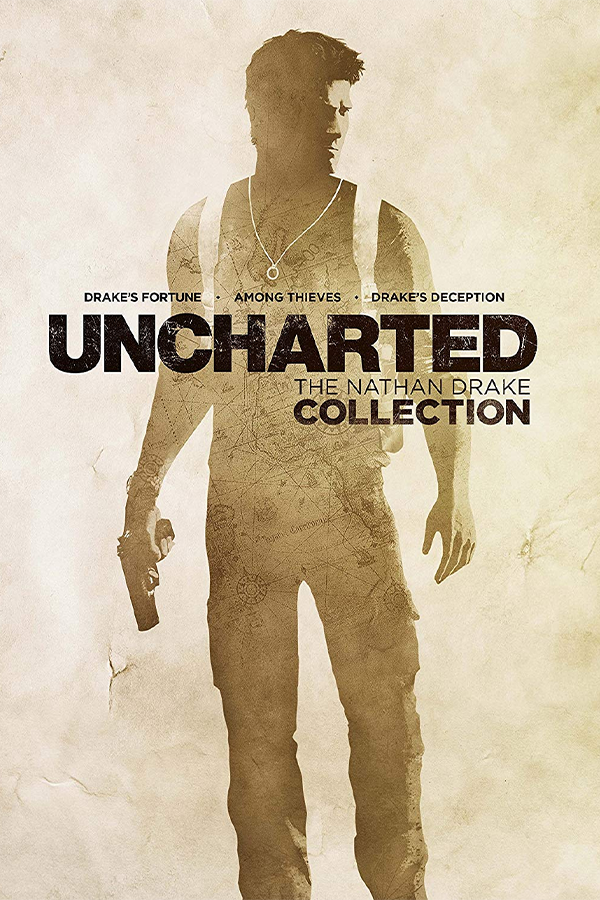
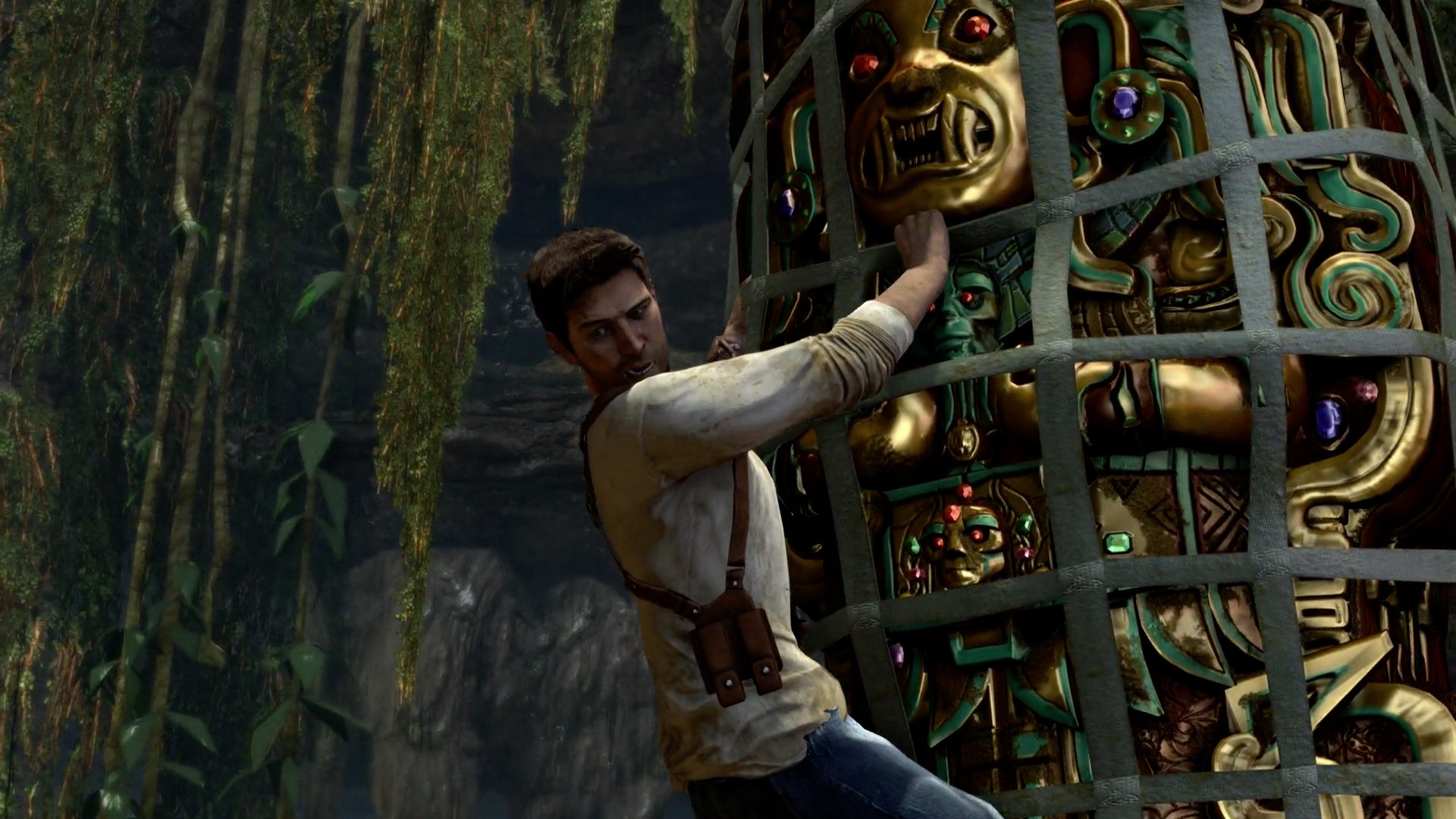
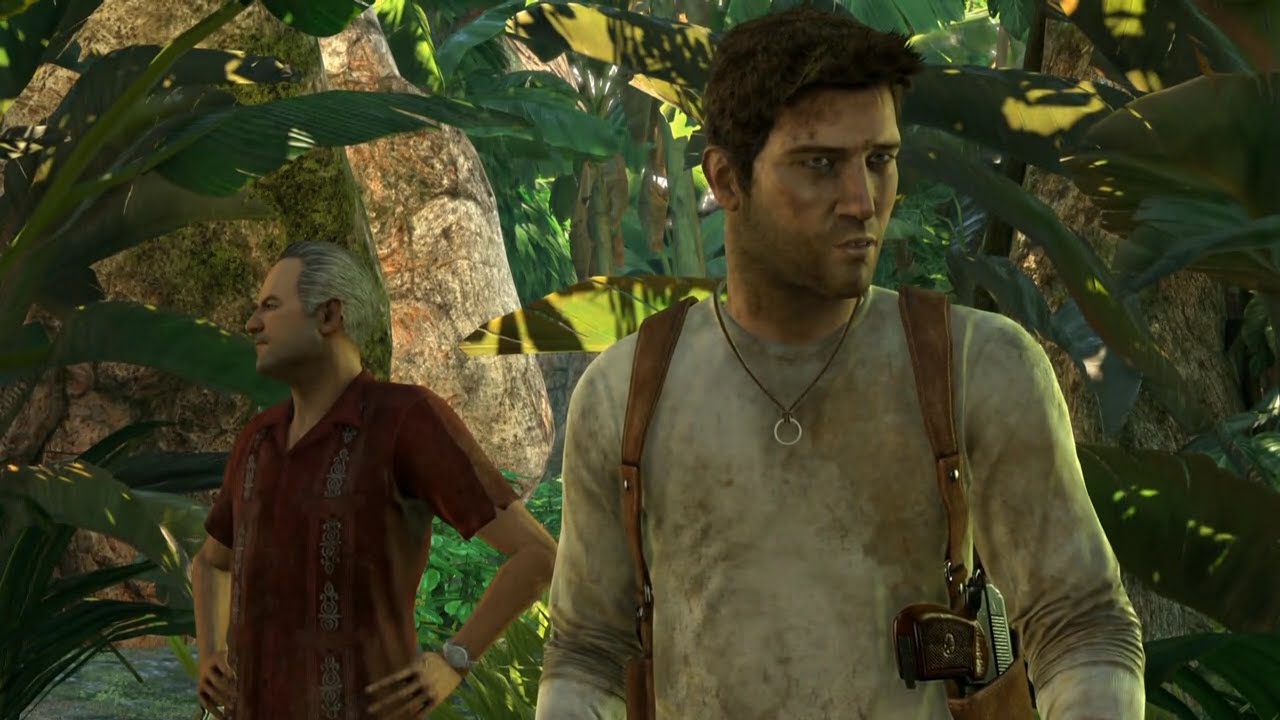
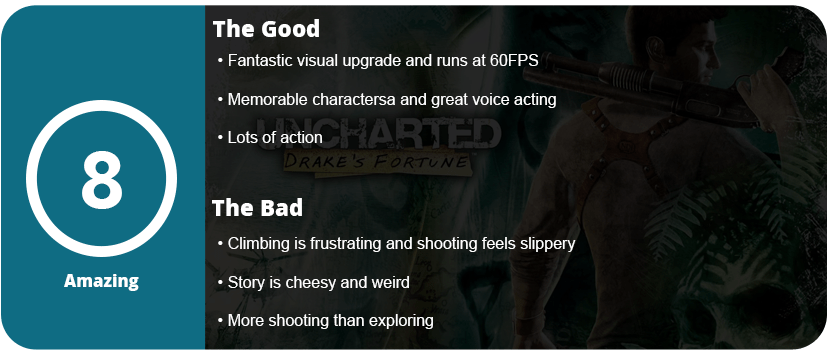
Uncharted was one of those games that really pushed the boundaries of next-generation gaming. The visuals were out of this world amazing, the acting was top-notch, and the character was memorable. The game has some flaws, for sure, but most of these were fixed later on in the series. I did notice that the first game consists of more shooting than climbing, which was not obvious when I first played it on PS3 back in 2009, but it’s still a lot of fun just for the dialog and action alone.
For fans of Uncharted, I will just say this: this is the definitive version of the game. It runs at 60FPS, which makes the gameplay so much smoother, and the textures and visuals are just smoothed over and given a polish to make them look clean. It doesn’t look nearly as good as the PS4 games or even Uncharted 2 or 3, but it’s impressive how well the game holds up today.
The shooting and cover mechanics work just fine as Nathan jumps around pillars and low-lying covers, but I never quite got used to Uncharted shooting mechanics; they just feel really slippery and somehow off. The jumping can get weird as Nathan does not catch ledges when you run off of them, like in later games, so he just falls off. There were times I restarted areas over a dozen times because I couldn’t figure out where to jump. The handholds and areas to go aren’t highlighted like in later games, so everything just blends in, and it makes it frustrating to progress and even explore because you don’t know what you can climb on.
While the story is decent enough and keeps you interested to the end, the Spaniards coming back to life as some sort of demon never sat well with me and was off-putting. Having this realistic treasure-hunting adventure turn into something from Hollywood was so weird, and I never liked that aspect. I also found the game extremely frustrating at times, with stupid difficulty spikes everywhere.
Despite all of this, Uncharted is not something I think I will ever go back to again, as so many things were fixed and improved in Uncharted 2 and beyond. The game isn’t really all that cinematic-like like later games, so there are no interesting things to re-explore. It feels more like an experiment at this point than the masterpieces the later games became.
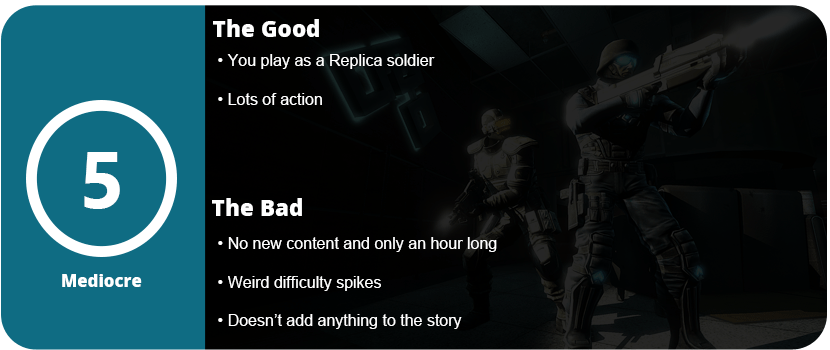
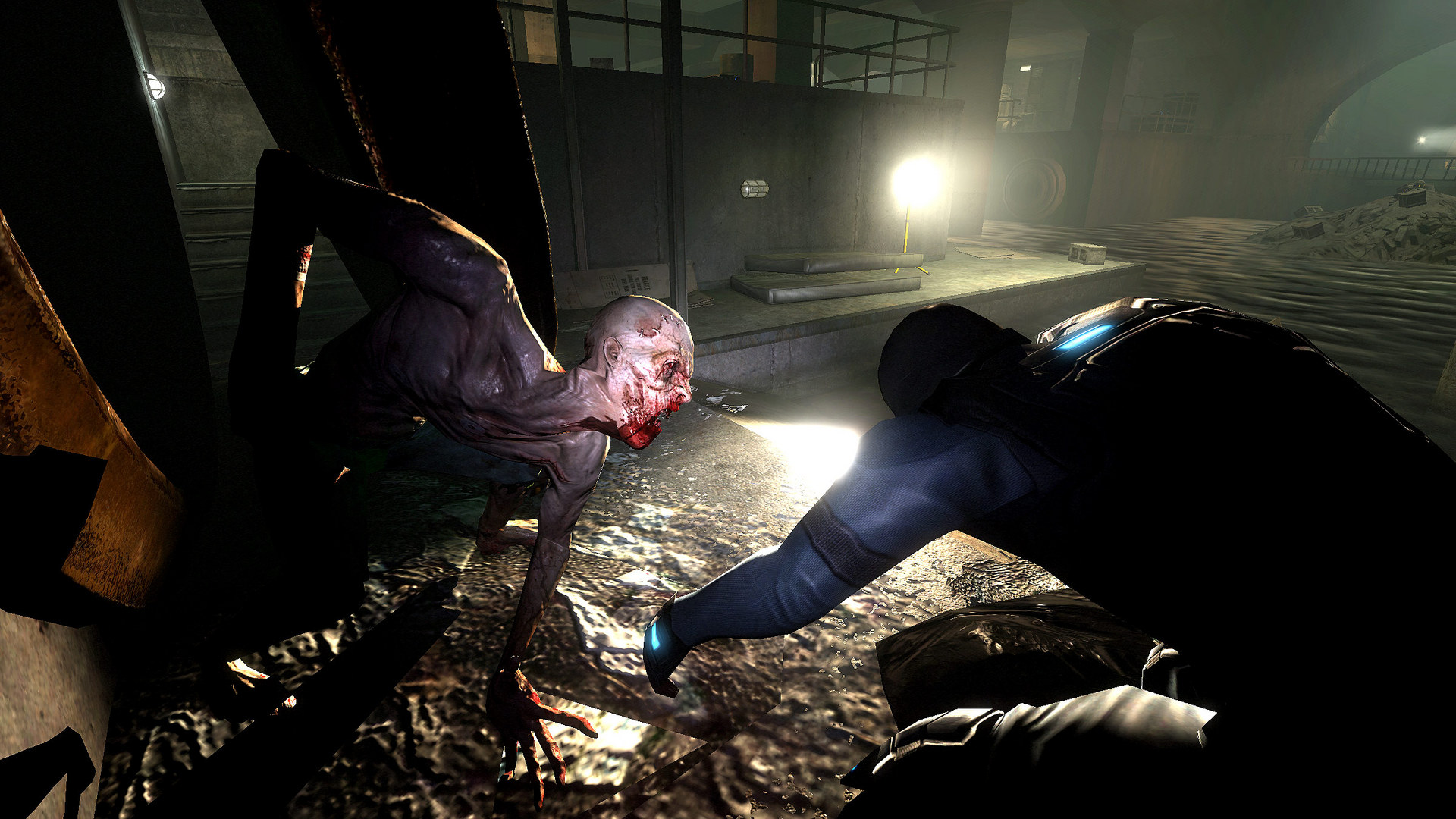
I never really got around to this DLC, and I was not missing out on anything. The DLC is about 1 hour long, and you play as a replica soldier who gets called to Paxton Fettel (I’m not sure if it’s a prison cell or just his soul in the epicenter of the nuclear blast from the first game) and has to blow through your own kind to get to him.
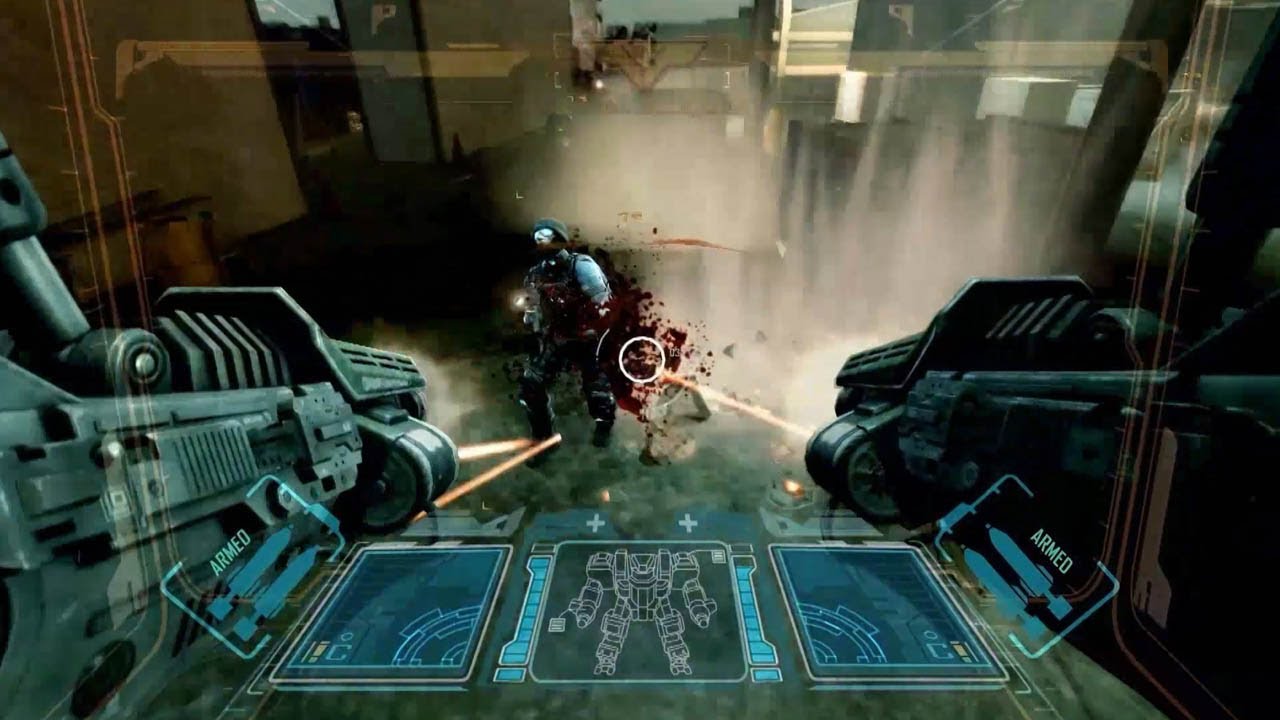
The game mainly consists of large firefights that are actually quite tough (I died a few times here) with tons of enemies, mechs, and even a turret sequence thrown in. The game starts you out in a mech, and you go from there. It’s a short rollercoaster of every element created for F.E.A.R. 2, and it’s fun while it lasts, but a disappointing DLC as it adds nothing new to the game; even playing as a replica doesn’t change the gameplay one bit.
As it stands, play this just for the heck of it because you own it, but otherwise you can pass if you missed out all these years.
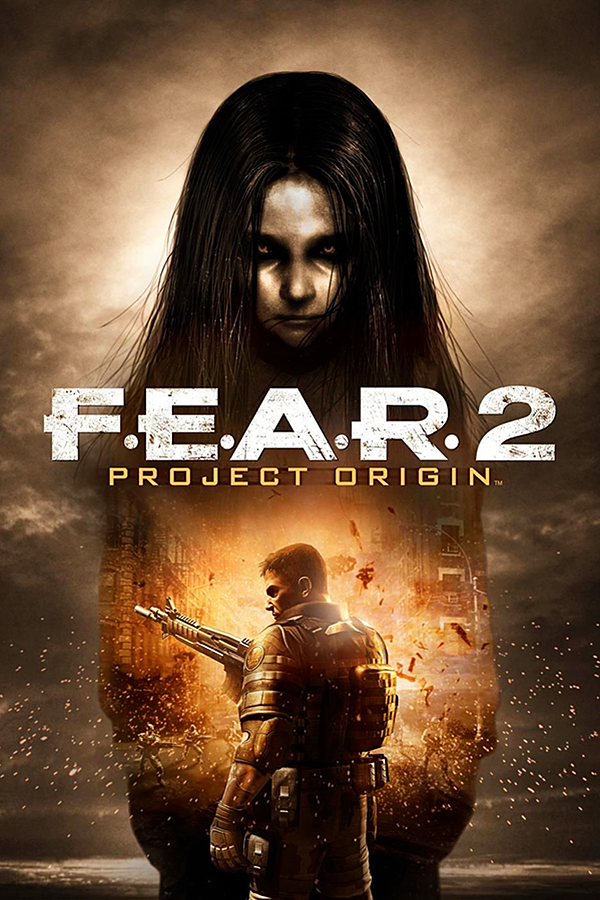
I remember when F.E.A.R. 2 was first announced, and it blew up the gaming world. It was a long-anticipated sequel to one of the best FPS games on PC, and surprisingly, it was also coming to current consoles, which I felt held the game back some, and this infuriated some longtime fans. You continue where the first game left off and must go back into the destruction that the nuke caused and try to stop Alma once and for all.
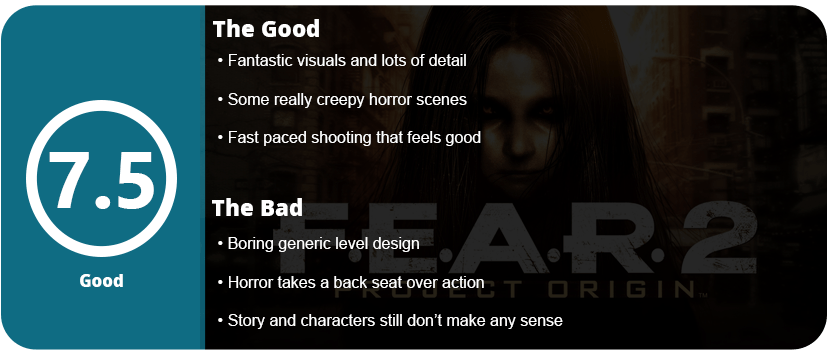
The story and characters are worse than in the first game and make absolutely zero sense. I still don’t know why Alma wants to kill everyone or who Beckett really is (your main character). The game focuses more on action than atmosphere and scares, unlike the first game. There are some really creepy scenes, with the elementary school being by far the best, with poltergeists chasing you in dark hallways. It’s sad that the horror element took a back seat, and the game just doesn’t feel as good as the first game.
The shooting, however, has improved a lot with more responsive controls, faster-paced gunplay, and a slightly higher variety of weapons. The enemies are still generic soldiers called replicas that are just bullet sponges and don’t offer anything interesting to the game. There are two mech sequences added to the game where you can crawl inside one and devastate foes. Outside of feeling powerful, these scenes felt more like filler than anything else. Another continuing issue is the level design. The game is full of generic, desolate city streets, hallways, metal and concrete buildings with catwalks, and industrial decor. It’s the same as before, just with more detail and better visuals.
Slo-mo does make a return here, but I didn’t need to use it as often as in the first game as this one is much easier. Instead of hoarding 10 medkits, you get up to 3 and body armor to help absorb damage. You can still upgrade your Reflex meter by finding syringes and data pads scattered everywhere for story tidbits. I have to say I miss the answering machines and Alienware laptops scattered around, as it felt more organic and required less reading in such a fast-paced game.
The game looks really good, even today. Larger environments, higher resolution textures, better models, physics, and overall lighting effects really stand out, and this game looks far from ugly, just boring and generic. The game tried to switch up the setting with more outdoor environments and less indoor environments, but it doesn’t really matter as the game is still highly linear. It just doesn’t feel like F.E.A.R. did, and that’s a shame, as you can tell there was careful placement of each scare and less focus on action.
Overall, F.E.A.R. 2 is a great sequel and worth your time for a weekend playthrough. It isn’t memorable; there’s nothing special, but the occasional scare and interesting horror elements, as well as fantastic shooting, make for a good game.
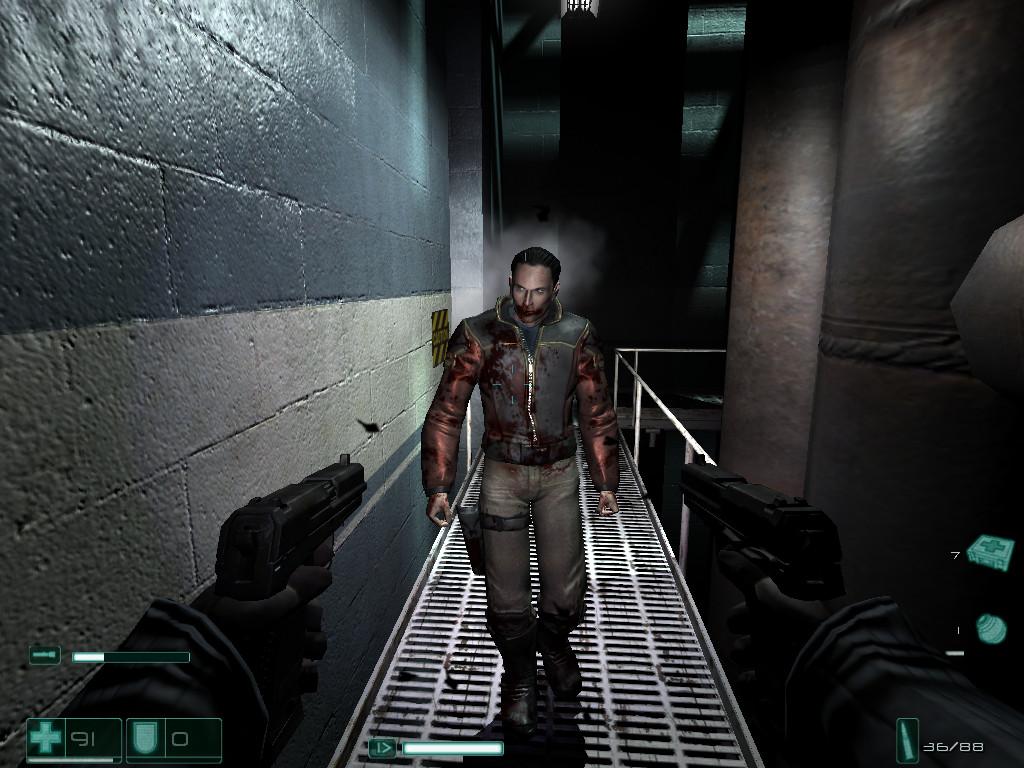
Well, I finally did it. I finished F.E.A.R., and that may seem silly to you, but I’ve started this game so many times and just never got around to finishing it. I remember when it was first released and tried out the demo that murdered my PC. The game wouldn’t even start most of the time, and when it did, it chugged at single frames on the lowest settings. As time went on, I tried it on more powerful PCs over the years, and even on Xbox 360, but somehow never managed to finish. As a kid, this game bored me to death. Yeah, that’s right. I never understood the story, the gameplay was boring, and the game is brutally difficult, even in the easiest setting. There’s a lot here to like, despite the game’s age and flaws.
You play as a member of F.E.A.R., or First Encounter Assault Recon. They are a special forces unit that deals with the paranormal, and your assignment is to investigate a girl named Alma who is part of a government experiment that has gone wrong. While Alma is a very famous video game character, the story of F.E.A.R. is not very deep or all that special. The game tells its story a lot like Half-Life 2 does with in-game cut-scenes and various pieces of the story gathered elsewhere. Listening to answering machines and finding Alienware (yeah, they left them in there all this time) laptops will give you insight into the story that becomes quite interesting as the game unfolds.
Outside of the story is the combat, and that’s what made F.E.A.R. famous. The game is extremely difficult if you aren’t on your toes and use your reflex at every encounter. This slows down time and allows you to accurately aim and dodge bullets, almost like Bullet Time in Max Payne. Without it, the game would be impossible to beat, as the enemies can kill you in a couple of hits. You can save up health kits and find body armor lying around that helps, but I just remember how incredibly hard this game was if you didn’t really utilize quicksaves and the Reflex ability.
The game has great shooting mechanics that feel good, but with some generic weapons. Shotgun, pistol, rocket launcher, machine gun, sub-machine gun, and a few unique weapons thrown in the mix make the arsenal a little stale, but doable. The game does get rather scary with many dark hallways, scripted events, and jump scares that make me eerie to this day. Part of what makes F.E.A.R. so enjoyable today is how the game stands the test of time. This game supports ultrawide displays and large resolutions, and it looks really good even today. Sure, the textures are dated and the models are somewhat low-resolution, but the game just looks sharp and runs very well on modern systems. The lighting effects are still impressive, and everything about this game feels only a few years old.
The level design is probably my biggest gripe as you run through generic hallways of brick and steel, and every level is a confusing maze and messy. Part of why I never finished the game years ago was the awful level design that just screams boring. There was never an interesting area that stood out to me, as they all blended together as generic linear hallways. You tend to forget about this as the game is so intense and you’re white-knuckling around every corner. The scare factor still holds up, and so does the intense action.
And maybe that’s all we really need with F.E.A.R. We don’t need cerebral stories, memorable characters, or wacky guns, but a solid, high-octane, challenging shooter experience that you can only get on PC. As it stands, F.E.A.R. should be played by every PC gamer, as it helped drive the genre forward and push GPUs to their limits.







































 thebinarymessiah.com
ORC is probably the worst game in the entire series. It's objectively awful. Being bad isn't different. Different is Outbreak…