While the main next-gen console version of the game is considered to be an all-time classic and helped revolutionize the online FPS genre, the lower-powered hardware versions were completely different games. While they share the same name, you wouldn’t know these were Call of Duty games if you played them and no one told you.
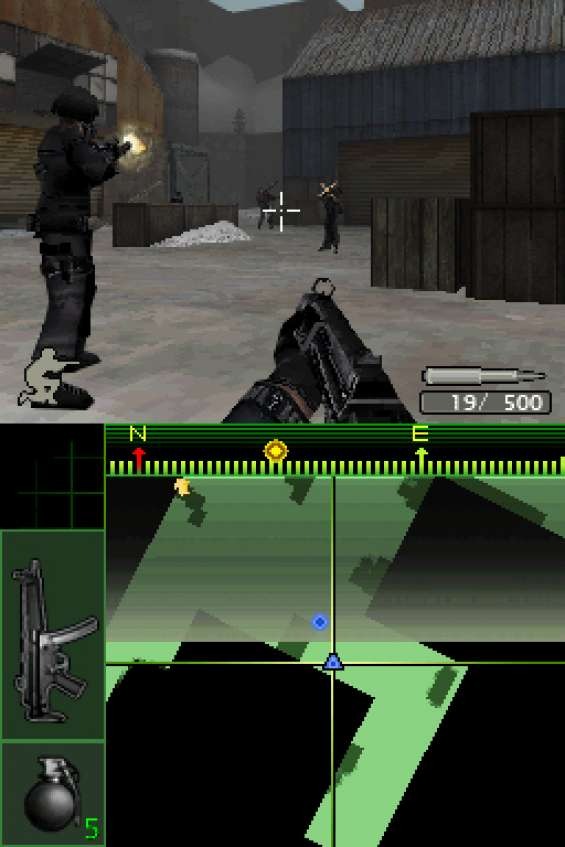
Modern Warfare for the DS loosely follows the plot of the main game but instead takes liberty with its own unique levels and design choices. Obviously, we are working with barely better-than-PS1-level hardware here. n-Space really had to be creative and make entirely new games, mostly “themed” around the franchise. The game is still in first-person view, and you can switch between two different weapons. By default, you always start out with a pistol and another firearm. You can pick up weapons with the touch screen (a hand icon) and use that as your main weapon will not have any extra ammo available when you run out unless you die. When you die, you start out with your default weapons again and lose whatever you picked up, but your ammo is refilled. Weapons in this game feel decent, but the slowdown from the DS being pushed too hard (especially when enemies pop in) makes aiming a bit sluggish and janky.
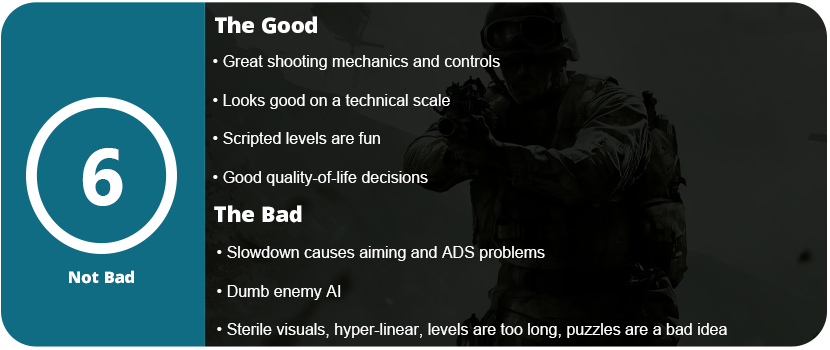
Aiming with the touch screen feels fine. Using the D-pad or face buttons to strafe isn’t an issue either, but using the R or L button to fire can give you massive hand cramps even with larger DS systems. Most everything is controlled by the touch screen. Double-tap to bring up the ADS (Aim Down Sights), switch to grenades, and tap the weapon icon to reload. There are a few quality of life things that n-space did think of, such as when you reload, you go back to ADS if you are in that mode already, and spriting pulls you out of ADS mode. My issue with ADS is that while it’s more accurate, there’s a delay in bringing it up on screen, and that delay can cost you your life. When enemies pop in and the slowdown happens, it won’t respond to my double-taps fast enough, and I would constantly bring up the ADS and back out a few times caused by the delay. It’s not game-breaking, but very annoying.
There are two mini-games when setting explosives and defusing bombs. I found the pipe puzzles annoying, and following the wires to defuse bombs isn’t really fun or challenging. These were just thrown in here to make use of the touch screen. Honestly, who wants to solve puzzles while playing Call of Duty? It’s weird and just doesn’t fit. It really breaks the flow of combat. The enemy AI is also pretty dumb. Enemies just stand there and shoot at you; don’t take cover or move out of the way. This is literally an on-rails shooting gallery and is insanely linear. Levels are way too long, and some objectives have unfair checkpoint placements or none at all. Objectives range from collecting something to planting a bomb or just shooting everything in sight. I found the scripted mounted machine gun levels pretty fun, but the AC-130 level (similar to the console version) is awful and boring. You can barely make out any enemies, and you can’t use larger weapons against smaller enemies. There are only a couple of buildings to blow up, and you just mow down dozens of enemies over and over again in almost complete silence. It was a bad level, for sure.
The visuals are decent for what the system can do. They are definitely sterile and boring to look at, with no artistic flair. The game tried capturing the hyper-realism of the consoles, and the DS just can’t quite do this. It’s a very brown and beige-looking game. There’s no personality put into this game. It feels like a copy-and-paste FPS that you could attach any name to. Multiplayer is the same as single-player, but with another person. It’s not very exciting, and your friends will get bored fast. I appreciate n-space for trying to capture the excitement of the console versions on the limited hardware, but it needs something else. Better enemy AI, less linear-feeling levels, more interesting scripted levels, and fewer storyboard-cut scenes. It’s a great first start, but it has a lot of work before it becomes a staple DS shooter.
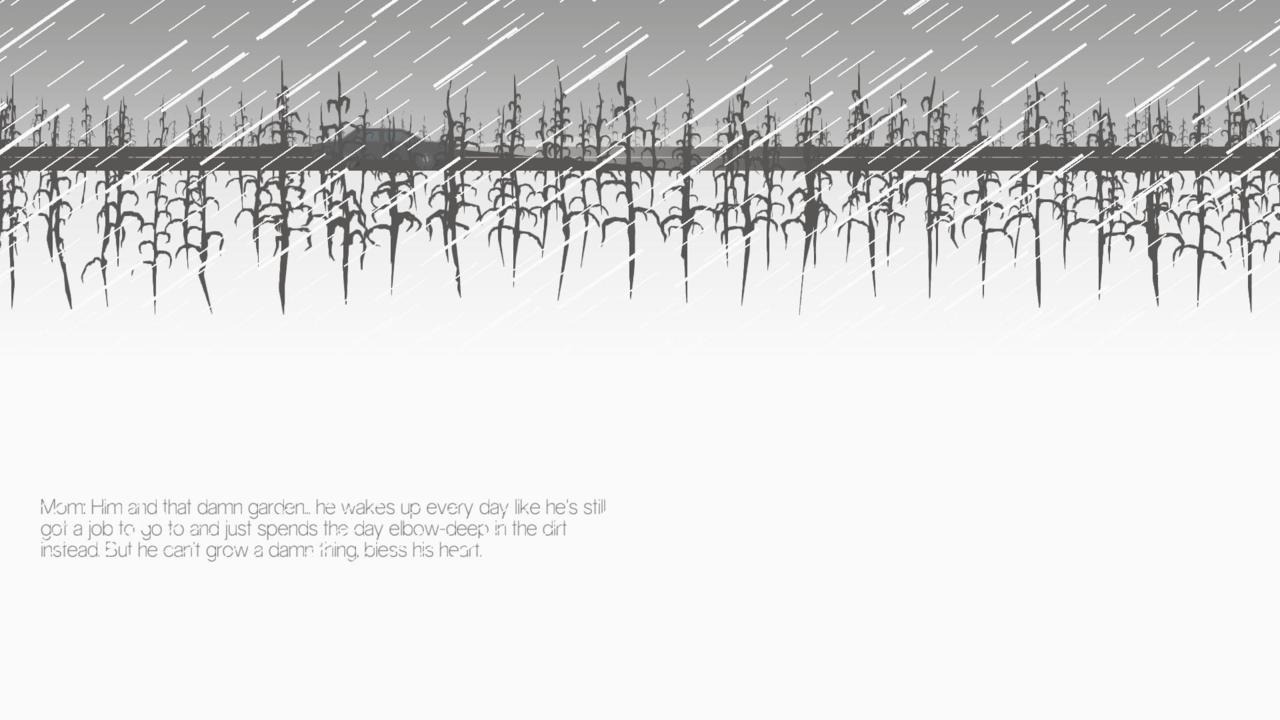
Minimalistic, story-driven games can be quite memorable and fantastic. The lack of gameplay requires you to have a laser focus on the story and characters, and the subtle gameplay can bring a visual element that no other medium can provide. Three Fourths Home isn’t one of these, sadly. While the visuals are striking and minimal, the story and writing have so much potential, but they are let down by a short and disappointing ending.
You play a teenage girl named Kelly who is driving home in a violent storm in rural Nebraska while talking to her family on the phone. Gameplay consists only of holding down a button to continue driving and choosing a few dialogue options. Holding down a single button for the entirety of the game is a really dumb idea. It introduces hand cramps and constantly breaks your focus on the story. You can honk your horn and turn off your lights, which is entirely pointless, and you can’t move the car at all. You can also choose to turn the radio on and off. There is no spoken dialogue in the game, but this requires you to make up voices and visuals for the game in your head. This may sound really dumb to most people, and some might argue that you should just read a book, and in this specific context, this would be a better medium for this story.
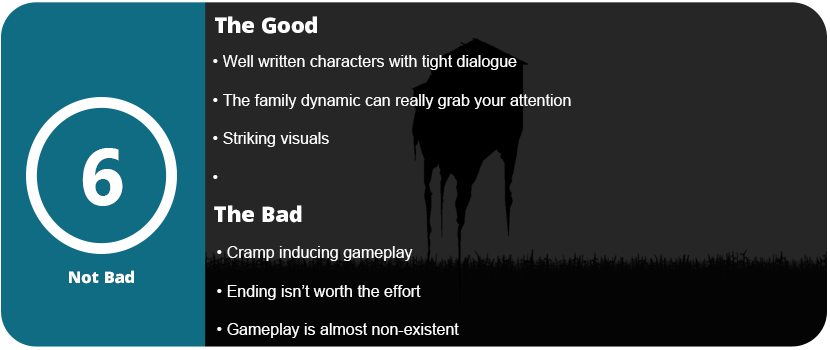
Choices in dialogue don’t seem important at first, but your response to your family plays into how they react to you on the phone. I guess multiple playthroughs could be worth it as there are a couple of different endings, but with how mundane the gameplay is, no one will want to sit through the hand cramps to make it worthwhile. I had issues with the controls, causing me to choose the wrong option as well. You need to skip through dialogue with a button to advance each line while holding down another to keep driving, and some times you wouldn’t know that a dialogue option would be coming up and you would just advance forward.
See, with minimal games like this, you need some sort of gameplay hook to keep it interesting enough. Three Fourths doesn’t do this at all. The mom, dad, and brother are all interesting characters, and you slowly learn about this family dynamic through this phone call. You learn about why you “ran away,” what kind of person the dad is, whether or not this is a broken home, etc. The dialogue is tight and interesting enough to keep you glued until the end, that is, if the hand cramps don’t send you packing first. I also wish more was going on visually. Occasionally, a background object will be brought up in the conversation, but it’s just black-and-white visuals without any type of payoff. The visuals, gameplay, and everything else are just an excuse to call this interactive story a game, and it does the bare minimum to qualify as that.
Most games like this have a story that ends in sudden tragedy to flip the entire thing on its head and stun the player, but this one doesn’t really do that either. If it did and the pay-off was incredible, all of this could be worth it, and there are plenty of games similar to this that pull that off. As it stands, Three Fourths Home is a well-written story in a terrible game with an even worse gameplay mechanic.
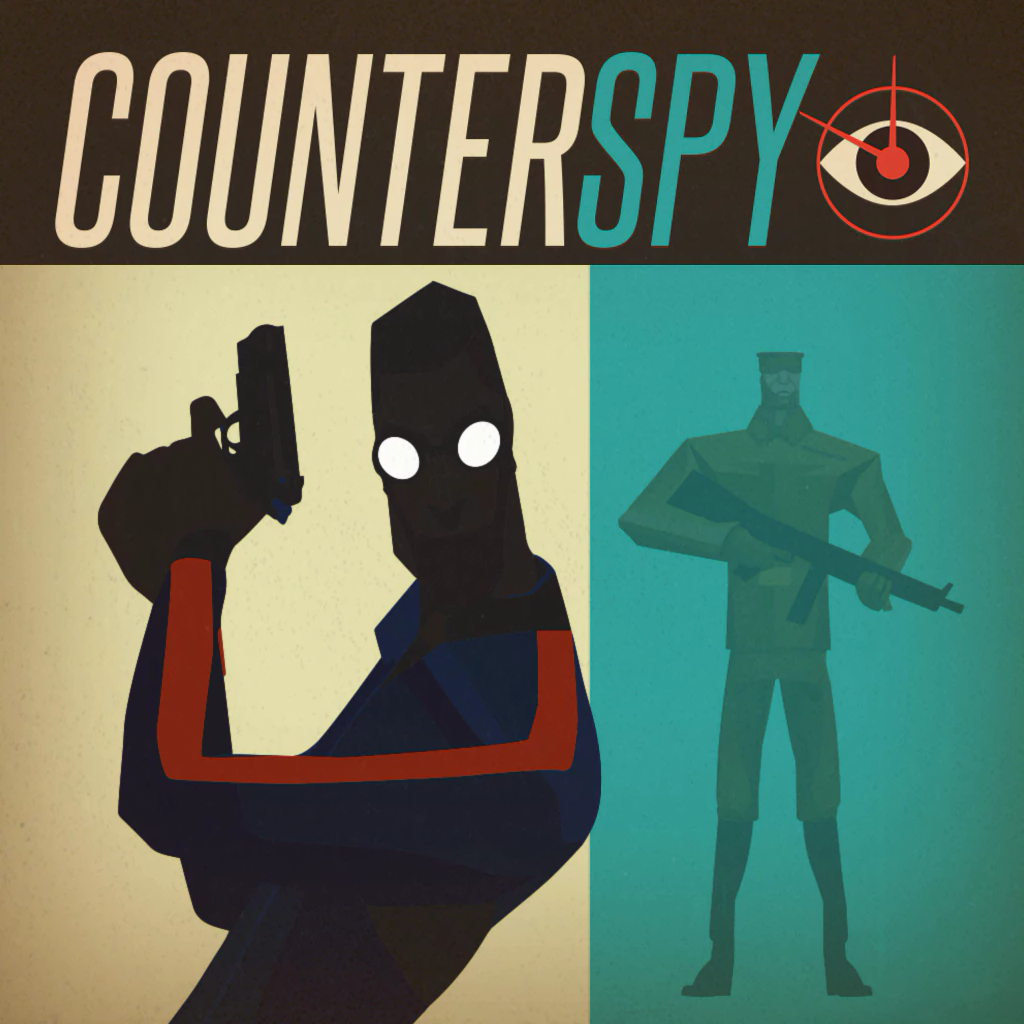
Tongue-in-cheek comedies about the Cold War are something I quite enjoy. Movies like Austin Powers that make fun of the time period can be downright hilarious. CounterSpy tries this with the player working for an unknown neutral agency called C.O.U.N.T.E.R., and everything they do and their plans are all spelled this way with no actual meaning. You play either the Americans or Russians’ bases to steal sets of plans to stop nuclear weapons from destroying the moon. The goal is to keep the DEFCON level as low as possible (5), and if it reaches zero during a level, a one-minute countdown starts, and you need to find the computer to finish the level to stop it. Thankfully, if it does reach zero, the level ends, and you start from DEFCON 1 again.
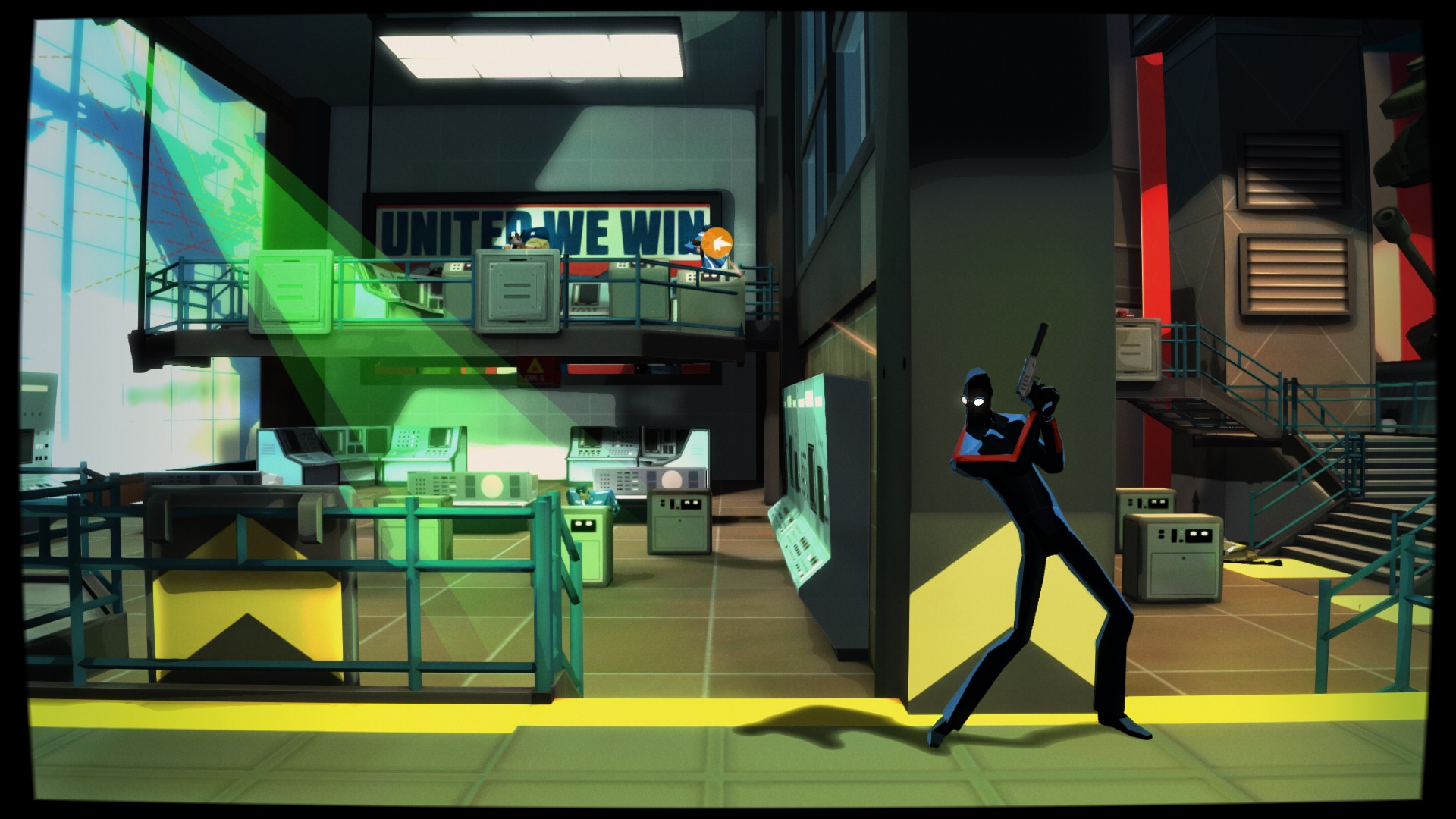
The only way to lower the DEFCON level is through passive items or getting officers dressed in white to surrendy by pointing your gun at them. This can make having to repeatedly repeat levels very difficult. The levels are randomly generated each time, but that doesn’t mean the difficulty doesn’t increase. You will need to search more rooms while plans for weapons and items are hidden better. More guards will appear and there will be more open areas. These can be the most difficult to navigate, especially when security cameras come into play. The green ones can be shot down with weapons, but the orange-armored ones can only be taken down with explosives. You can dodge and roll your way through a camera’s cone of vision, but you need to be fast. I found the randomness of levels to be frustrating, as a lot of guard patrols just don’t line up to be able to be stealthy. A lot of times, you will need to mow down every guard, and some levels can be multi-tiered. Thankfully, the alertness only lasts for that section of the level. Once you go through the door to the next section, the guards don’t know you’re there.
Cover is your best friend in this game. Yellow arrows on the cover will tell you which way you will face, and lining up your shot is important. The longer you pop out of cover to aim, the quicker guards will notice you. Guards are pretty dumb, and cameras won’t even notice dead bodies, so shoot them out to your heart’s content. This is the only saving grace for the randomness of these levels. If this was a more realistic stealth game, it would feel impossible to finish. However, I still wound up getting each side to DEFCON 1, so I had to constantly restart a level once the countdown timer started. It’s futile to try to run to the exit in 60 seconds unless you’re already close. If you quit the mission, you just restart back to where you were prior to that level.
Once you do get all the launch plans, you can continue to play either side to get more weapons and item plans and lower the DEFCON level as much as possible. The final mission will start on the side with the highest level, so this can lead to a lot of frustration unless you really want all of those weapons. I honestly felt the game got pretty tedious towards the end and just wanted to get the game over with. I didn’t feel the need to continue playing, as the randomness kind of ruins the fun gameplay elements with poor guard patrol patterns, making it impossible for really perfect stealth runs. The Vita version suffers from frequent slowdowns when the action starts. The game will pause for a split second, causing accuracy issues when shooting.
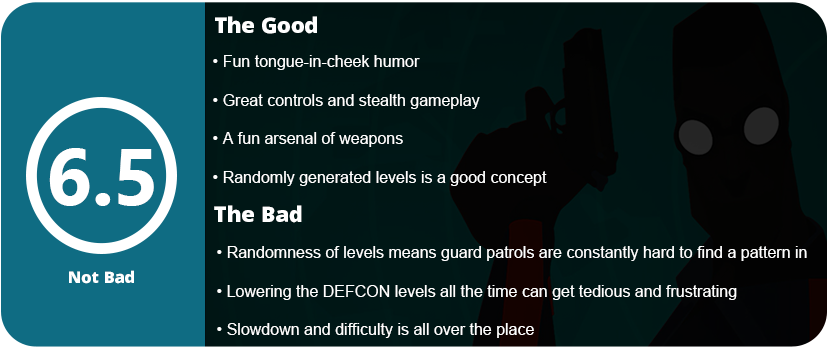
Overall, CounterSpy has all of the elements of a fun arcade-like action stealth game, but the randomness of the levels makes it hard to get that perfect run, which can discourage the player from wanting to collect all the weapons. The tongue-in-cheek humor does the job just fine, and the controls are well thought out. Just be prepared for some frequent restarts.
Dead to Right: Retribution was a surprising sleeper hit. The series never got the backing it deserved and is, sadly, another dead franchise lost to time that will probably never be revived again. Reckoning tried to take Retribution and squeeze it down to a handheld form factor, but it just didn’t quite work out. That’s not to say Dead to Rights couldn’t make a good portable game, but this wasn’t it. It’s a quick, cheap cash grab with no thought or effort put into it.
There is zero voice acting in this game, so the “story,” if you can even call it that, is narrated by a few lines of text and a cutscene. I will describe one level, and then you can copy and paste that about a dozen times, and there’s the game. You run around using the lock-on feature to kill enemies in boring, drab, and cramped levels and just blast them with whatever you have. It doesn’t matter what you use, as the game automatically switches weapons once you run out of ammo. Ducking behind cover is pointless, as you can’t shoot out from it, so your best bet is to run around like a madman and mow down everything in your path. That could be fun, but here it’s not. The camera swings around every which way, so cycling enemies is pointless as you will also cycle through explosive objects like cars and barrels, which are handy for large crowds.
This just continues forever. Some areas have fewer enemies than others, but once you shoot your way through, you kick down a door and move on to the next boring area to continue this process. Weapons range from silenced pistols, machine guns, and even a heavy.50 caliber machine gun, but who cares? Dual-wielding is always the way to go for one-handed weapons. You want to do the most destruction as quickly as possible. Enemies chew through your health with larger weapons, and life and armor pickups aren’t very common. There are no throwables like grenades, which would have come in handy as well.
There’s one gameplay feature in the console version, and that’s bullet-time. You can dodge and slow-mo your way through enemies, but I found this pointless as the environments are too cramped for this. You can send your dog Shadow out to get a one-hit kill, but the bar needs to refill. I saved this for large groups of enemies. Every so often, a boss will be thrown at you, but they all play and act the same. Just mow them down until they die. The entire game can be finished in under two hours as well, and then there’s a multiplayer mode that you can even subject your friends to.
Overall, Reckoning suffers from the same issues many PSP games did. A lack of a second analog nub means no camera control, and no one wanted to write a smart camera that could follow the player or change the controls around to work better. The game looks incredibly ugly, probably one of the worst-looking games on the system, and it’s repetitive, boring, and plays nothing like the console version.
First-person shooters were new to me when Red Faction launched in 2001. I didn’t have a gaming PC growing up, so games like Doom, Wolfenstein, and Quake were nearly foreign to me. Red Faction was an overhyped game full of development issues and overpromised ambition. The “Gen-Mod” destruction model is half-baked and barely there. The visuals are dull and boring (even for the time), and the story doesn’t go anywhere at all. Not to mention zero character development. I rented this game and got bored with it maybe an hour in, and I can see why.
Sure, the game looks much better on PC, but there’s not much to really look at. Even for the time level, the design in shooters was fairly dull. Very few had interesting things to look at, such as Half-Life or Halo. Red Faction is just browns and reds with boring caves and industrial buildings. You are on Mars, by the way. You are part of a rebellion group called the Red Faction, who are miners uprising against the overbearing government. You are trying to fight your way to the top and stop a deadly plague that’s killing the miners. This story starts and stops here. It doesn’t go anywhere; there’s nothing to spoil. You end up finding the cure, and that’s really it. The voice acting is actually really good for the time, but the only thing that kept me playing was pure curiosity to finally see this game through to the end.
There are quite a few weapons in this game, but most aren’t found until the last third of the game. You have your standard array of guns. Submachine, assault, precision, sniper, pistol, rocket launcher, and rail driver There’s also a heavy machine gun and grenades. It’s a standard list of weapons we’ve used in so many shooters, and Red Faction doesn’t do anything interesting or fun with them. The shooting in this game feels pretty good and holds up well today, but the enemy AI is terrible, so don’t expect much of a fight. There are vehicles you can pilot in this game, but they aren’t anything fun or interesting. They shoot bullets or rockets, and a lot of the time I would end up stuck in weird physics glitches.
The game isn’t very long. You can finish it in under 4 hours, and thankfully there’s a quick save feature, which I suggest using often. Enemies are run-of-the mill faceless military dudes, and there’s an occasional weird creature thing to mow down in the caves. Environmental detail is what you can expect from this era. Rooms are equipped with an occasional table, chair, or monitor. Nothing stands out or looks interesting in this game. Destruction is boiled down to blowing open a wall to get to a button (there’s a lot of button pressing in this game), and that’s about it. The occasional chunk of wall breaks off, but this is far from what Volition was touting back in the day.
Red Faction is at least a solid shooter. It’s fun while it lasts, and the last act throws new enemies and weapons at you, and there are two whole boss fights in this game. Vehicles don’t feel great to pilot, destruction is minimal, the story has a strong premise but goes nowhere, and the visuals are pretty bland. I did find the stealth section of the game pretty fun. Trying to find your way around without being spotted is like a giant puzzle, but that’s all there is that changes things up. In the end, if you never play this game, you aren’t missing out on gaming history.
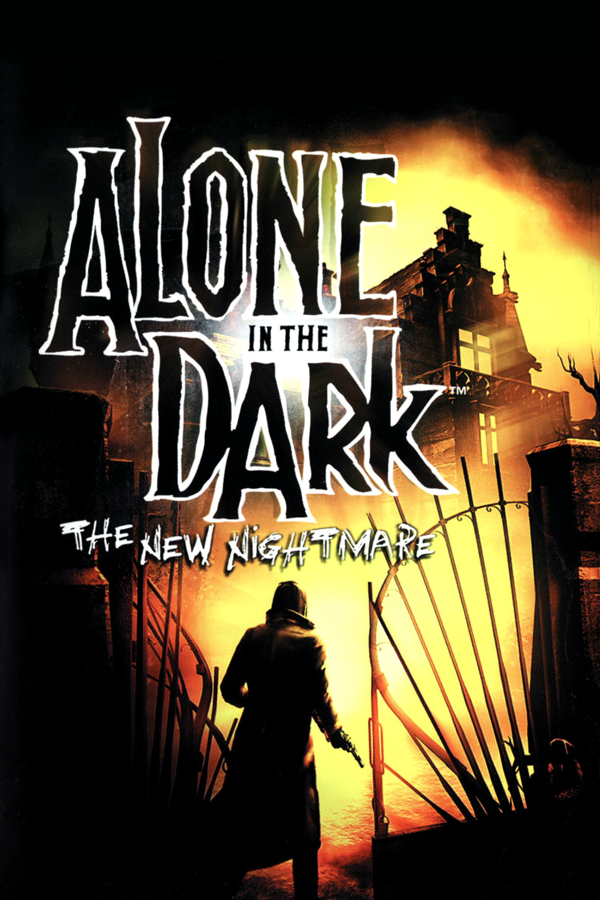
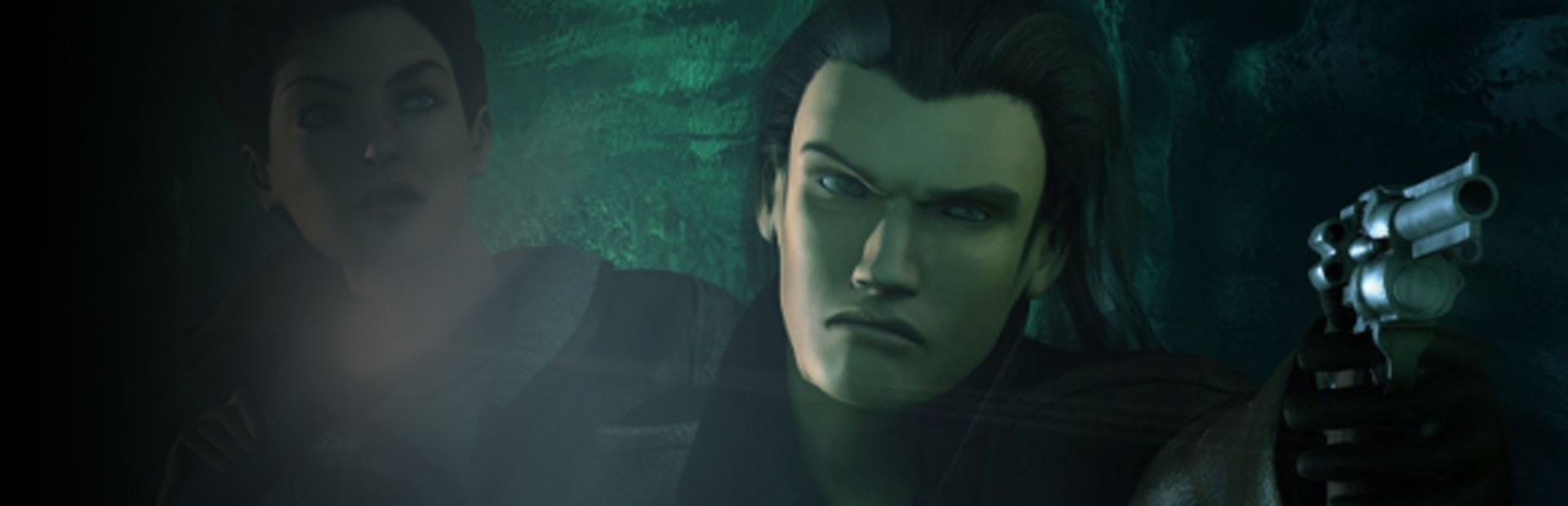
A murder mystery. A supernatural thrill ride. A past that haunts you. These are many things, Edward Carnby and Aline Cedrac have to deal with. Carnby’s best friend, Charles Fiske, is found dead off the coast of an island. You are sent to investigate, but your parachute is damaged on impact, and you must fight off strange creatures from another dimension while trying to find out the fate of your friend. The story here is surprisingly deep and involved, but not very interesting. It’s akin to a sleepy mystery novel that keeps you hooked just enough to keep reading but then quickly forget about it shortly afterwards. The New Nightmare is kind of stuck between a rock and a hard place due to the timing of its release. It came out just before the beginning of a new generation of consoles and kind of feels like it has a foot in each generation.
I do have to state that the visuals are very impressive right off the bat. For a Dreamcast game, the pre-rendered backgrounds would be mistaken for a PS2 title, especially when using VGA. They are bright, crisp, and well detailed without that 32-bit sheen that older “tank-style” horror titles had that used pre-rendered backgrounds. The lighting effects are well done, especially when using your flashlight, and the monster designs are surprisingly not very scary or interesting. They feel like generic sci-fi creatures from a B-grade midnight premiere on the Sci-Fi (yes, not SyFy; get that out of here) Channel. The atmosphere is really tense, and there are a few jump scares scattered throughout the game, but overall it does a great job of giving you a haunting, impending doom feeling.
Back to the whole one foot in each generation business it still has pre-rendered backgrounds, tank controls, and a tiresome inventory system. Thankfully, there aren’t a lot of items to pick up, as there are few puzzles in this game. Most of your pick-ups are weapons, ammo, saves, and first aid. You can combine and split objects, but I only had to do this once as Edward. I got tired of having to do a quick reload by going into my inventory screen and manually reloading there, as there is no reload button. You must wait until you are out of ammo first. This would be nice to have, as you eventually learn how many shots each creature type takes and can count them that way. I also hated how much the views and angles flipped around. I appreciate the more modern take on cinematic angles and camera views, but this game could have easily been 100% done in real-time on the Dreamcast with no issues. When fighting some creatures, you get knocked into another angle, and the screen pauses to load for a split second, making you disoriented. This especially proves troublesome during the final boss fight.
I did like how the game doesn’t skimp on ammo, but you must preserve it in the beginning and be smart. I easily missed the shotgun the first time around and had to restart, as you don’t get much revolver ammo in the game at all. The majority are shells. I wound up in a hallway with zombies, zero ammo, and 200 shells. Thankfully, it was only 30 minutes of gameplay before I could get to the shotgun again, but this is another foot in the previous generation. I like the better map with an actual dot on screen showing you where you are, but certain angles and lighting make things hard to see. Some items sparkle, but I would see sparkles through walls that were objects in another room. It doesn’t help at all.
If you conserve well during the first disc, you get many more weapons later on and tons of ammo, and you can just blast away. However, the game tries to guide you a bit better, similar to how modern games do. Puzzles will sometimes be two-way communication over the radio with hints or instructions you need to follow or clearly needing symbols for a code lock, but you can use an item to follow clues and trails to the symbols you need. It’s a great step in a new direction, as I love these games’ atmosphere, story, creature design, or anything else but navigating their frustrating, labyrinthine, and obtuse maps. Backtracking is also not super horrible here. There were only a few times I needed to go from one end of a level to another, and it was the final time before moving on to the next major area. I do detest the limited saving system. You need to find Charms of Saving, and there are only around 20 in the whole game. Thankfully, the game is done in less than 5 hours, and if you are careful, you won’t die and can spread them out. I only used about 10 during my whole playthrough.
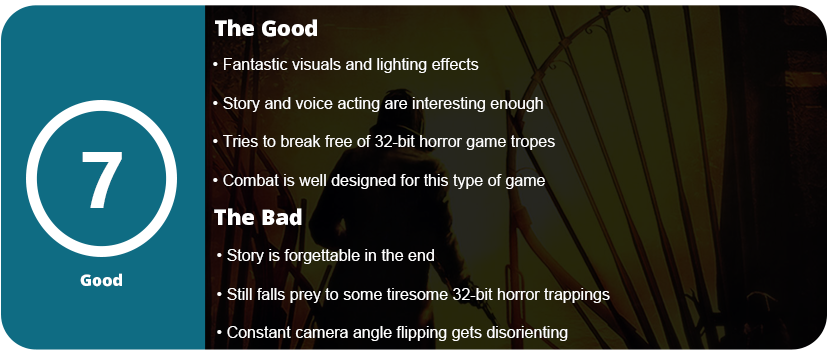
Overall, The New Nightmare isn’t a reboot of the game (we were graced with that horrible beauty just a few years later), but a step into making the traditional point-and-click adventures console-friendly and trying to make them more modern. The story and characters are interesting enough to push you through the game, but mostly they are forgettable. The voice acting is surprisingly decent, and the visuals are awesome. There is so much pushing and pulling in two different generations that the game falls into typical 32-bit supernatural horror trappings but also tries to break free of some. There are plenty of weapons and ammo; the auto-aim system works well; the puzzles are not obnoxiously obtuse; and backtracking is minimal. Overall, The New Nightmarehas aged better than many games of its era thanks to trying to push in more modern directions. This is a great way to spend a Halloween or dreary evening.
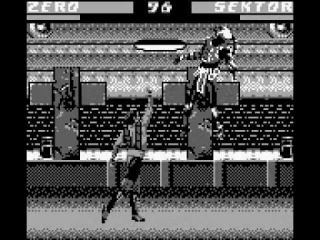
I remember MK3 very fondly as a kid. I remember seeing ads for it everywhere. Specifically, a cardboard standee in a Walmart with the giant logo My parents had a friend bring the Saturn version over once during a really bad storm. I remember seeing the arcades as well. I wound up renting it for the Super Nintendo and had a blast. I mostly loved the much darker and more mature tone the series took. MKII felt more cartoony and stylish, while MK3 felt like it pushed the first game’s realism even further.
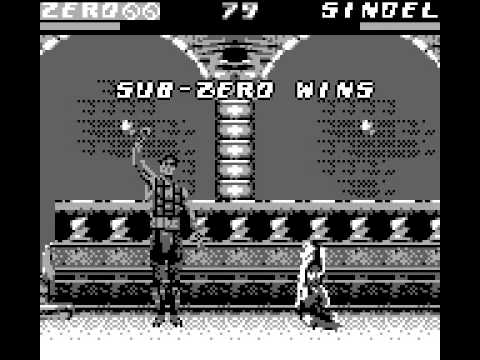
Sadly, it does not transfer over to the Game Boy version. I don’t know why they bothered at this point. Probe dropped the ball after the pretty decent MKII and made MK3 just about as bad as the port of the first game. Back are the smaller sprites, sluggish animations, unresponsive controls, and weird speed issues with jumping animations. Animations seem to speed up and slow down, making the game just slightly better than a Tiger Electronics version. The control scheme is mostly intact, which isn’t that bad, but we also get the running mode, which is useless on such a tiny screen with a low frame rate. A new developer took the helm here and went with a 512K cart this time, which could still be bigger. Sure, we get four stages, but they’re ugly, and the music stinks too.
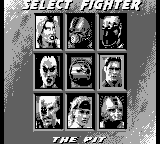
Once again, we get quite a few cut characters. Liu-Kang, Stryker, Nightwolf, Kung-Lao, Jax, and Shang Tsung are all missing. That’s nearly half the roster. Every character has their babality intact, but only a single fatality and mercies were kept in. It honestly doesn’t matter how insanely slow the game plays. It feels like everyone is wading through mud. It’s just so unacceptable at this point, as many Game Boy games look and play so much better.
There is nearly no redeeming value in playing this atrocity. It’s the worst version of the game, and at this point, 8-bit versions should have already stopped. We’re almost into 1996. 32-bit systems have been here for a couple of years now. The Game Boy is already almost 7 years old. I can only say this is for people who are curious about or are collectors of Mortal Kombat games. Otherwise, stay away.
These two portables were a huge part of my early teen years. I pre-ordered the PSP when I was 14 years old. I used my allowance saved up for 6 months to slap down that $250. I hadn’t been that excited about a piece of hardware in my life. I made a wallpaper (see below) for it, prepped files to transfer to the measly 32MB memory card, and even picked out a case ahead of time. The Nintendo DS was more of an afterthought. I never got excited about it due to the less powerful hardware and the heavily criticized touch screen. People thought it would be full of gimmicky games and lack the essence of what made the Game Boy so great. I’ve owned both of these systems for many years now and have played a good majority of their libraries. I want to break down the categories into hardware, revisions, software, and then various game genres. Most people just pick the best-selling games and compare them, but the systems go deeper than that. Some genres were stronger on one system over another due to their button layout and unique hardware. I am honestly tired of these comparisons. The DS had Zelda, and the PSP had God of War. It’s so much more than that.
Looks/Shelf Appeal
Sony PSP
This is the first thing that you will notice before even picking up the system, so it makes sense, right? What system had the more attractive box, better pack-ins, and overall looks? This matters more than people think, especially for the casual gamer who doesn’t do extensive research beforehand or the non-gamers who make a spontaneous purchase.
The PSP overall had a much larger box than the DS. It even showed right up front what it included. You get a hand strap, a 32MB Memory Stick Pro Duo for game saves, a UMD demo sampler, wired earbuds with a remote, a soft case, a cleaning cloth, and the system itself. For $250, you saw right there that you got some value for all that money. Not only that, but the PSP itself was plastered on the front for all to see. The XMB showed a music, video, game, and photo symbol, so you knew this thing could do multimedia. This was the last of the Sonys of the ’90s where everything they created had value and they showed right up front what you were getting to entice buyers, and it worked.
Unboxing the system felt premium, and holding that sleek handheld was an experience I will never forget. It was sleek and slim, looked futuristic, had great build quality, and was comfortable in the hand. It was one of the best gaming unboxings of all time, and nothing has topped that since.
Nintendo DS
The Nintendo DS wasn’t super appealing at first glance. The touch screen and the prominent stylus made you think it was a PDA of some sort (PDAs were still a thing back then), so it was confusing. Was it a game system or a personal organizer? The casual observer would be confused. The dual screens didn’t help either, further pushing the PDA look. There was no video game shown on the front, and the drab gray box was lifeless. There were no pack-ins with the DS either. While it was $100 cheaper than the PSP, that sure made it appealing, but you didn’t get anything with it.
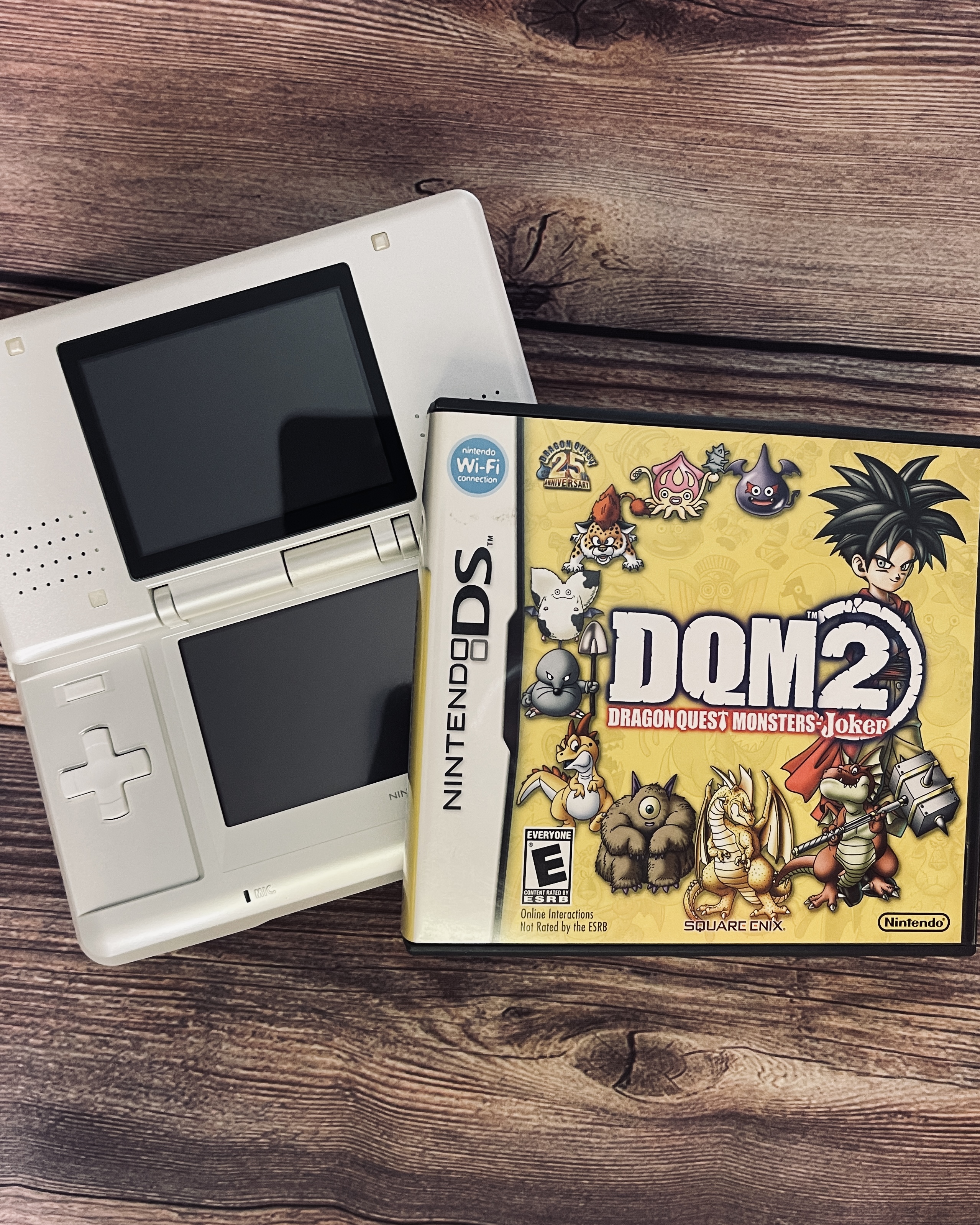
When you actually unboxed the system, it was bulky and kind of ugly, and the screens weren’t very bright. A far cry from Sony’s bright LCD on the PSP, however, there was no ghosting on the DS like there was with the PSP-1000 model. The speakers sounded good, and it had wifi as well, but another appealing factor was the backward compatibility with GameBoy Advance titles. This also acted as a peripheral port. Great for rumble packs and anything else you could imagine going in there.
Software
Sony PSP
The PSP was the first handheld to be a full multimedia station. This was before smartphones took off, so it was a very popular option for people wanting an MP3, video, photo, and gaming machine all in their pocket. It was fiddly with the videos, as they had to be encoded in MP4. The PSP could also play WMA and MP3 files, but not FLAC or WAV. While the PSP could also display photos, it seemed pointless without having a camera. While one would come later, it was of terrible quality and nothing close to what the first iPhone had. All of this multimedia stuff was great, but it came at a cost. Memory Stick Pro Duos were very expensive in larger capacities. The one it came with was meant only for game saves and DLC. If you wanted to do anything else, you needed to get a 64-MB one or higher. Forget sticks that were 1GB. These cost hundreds of dollars and took a couple of years before coming down to an affordable price. This was Sony’s way of future-proofing the system, but it wasn’t appealing to early adopters. I remember my first large memory card was 512 MB, and that cost $70 just one year later.
This was essentially where the XMB was born. What we got on the PS3 and PS4, and even a little bit on the PS5. Many Sony Blu-Ray players also used this menu system. It was simple and easy to figure out. Sony would later add comic support, web browsing (which was awful and slow), RSS feeds, and digital TV in Japan. It tried to do it all, but it couldn’t do it all very well. It helped show off the power of the PSP.
Nintendo DS
What you see is what you get. This is all there was to the DS’s software. This single screen You could go into the options and set your birthday for certain games to recognize, but that’s about it. There was a simple calendar and an analog clock. Pictochat was your only app, and you could choose which game slot to play on DS Download Play, but that’s it. The DS didn’t focus on anything else but the games, and for the price, you expected that. I was surprised the DS had a menu system at all because of how simplistic the overall design was. There was no need for more expensive memory cards, as all games were saved on the game card.
Online Capabilities
Sony PSP
This was in the early 2000s. Everything was online or needed to be. The PSP had this in mind right out of the gate with what Sony called “Infrastructure” play, or online play. Many launch titles had it, but they also had “Ad-Hoc” play, which was wireless local multiplayer. Some games had the ability to play online locally with one UMD, which was awesome, but very few games support this. Playing online was as simple as connecting to an access point, but this became impossible when later routers implemented WPA2 WiFi security, which the PSP did not support. Being able to use a web browser was neat. Does anyone remember the hidden one in Wipeout Pure? Downloading DLC on a handheld was also really cool. You could later download comics and RSS feeds, which were ahead of their time. Only smartphones were doing this. However, in the end, it was up to the game to support online play. Sadly, neither system supported a friends list, clans, rankings, or anything like that.
Nintendo DS
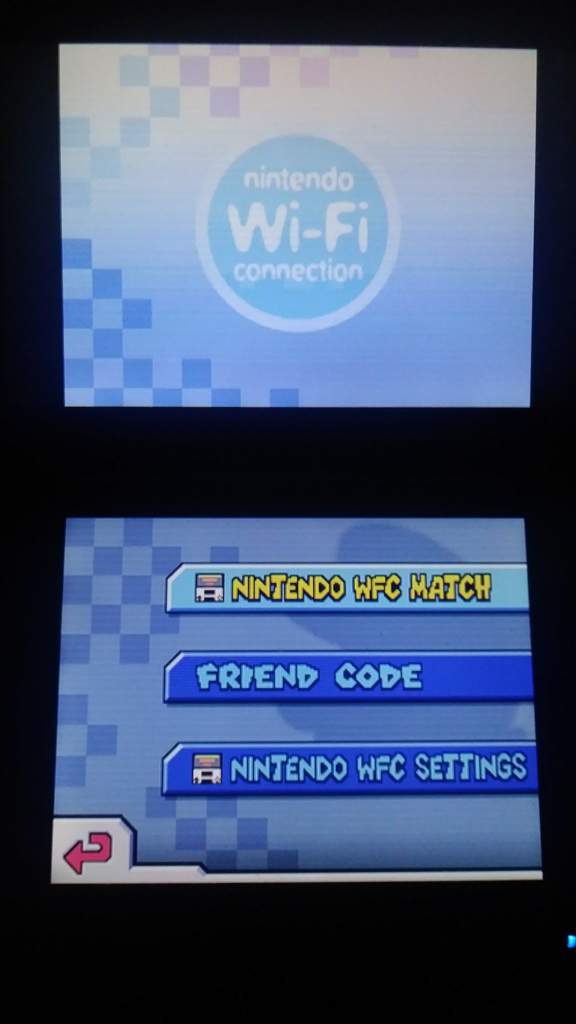
Surprisingly, the DS was capable of the same online play as the PSP, but mostly local wireless was implemented. You could play with up to four players off of one cart if the developers allowed it and even beam demos to your friends. This was utilized more than the PSP, and very few games had online play. The DS suffered from the same security incompatibility as the PSP later on but also had a feature the PSP didn’t have: DS Download Play. You could go to game stores and download demos of games, which was really cool. Sadly, due to the lack of a storage option, you could not download or obtain DLC in any way unless it was in the cart and unlocked by connecting to a server. Overall, the online capabilities of the DS were barely there.
Hardware/Features
Sony PSP
The PSP is technically superior in pretty much every way. A faster CPU and GPU, more RAM, a bigger screen, an external wifi switch, a larger physical media capacity, and a few more options. However, the CPU was underclocked for a good year to 222 MHz to save battery life until God of War: Chains of Olympus came out to overclock it to the full 333 MHz. A firmware update was required to even do this, which shipped with the game. While the media capacity was larger, a UMD was 1.8 GB compared to a DS cart’s 512MB max capacity. That’s three times larger. This allowed for richer worlds, more content, and better visuals overall. The downside to this was spinning media on a battery. The UMD sucked the battery’s life down, and thus games later in the system’s life opted for data installs as the prices of memory cards came down.
The physical design of the PSP, while beautiful and ergonomic, was also fragile. The system got dust under the plastic lens easily, the LCD could easily crack (I cracked mine only a few months in from just being in my pocket), the UMD drive failed, and while the battery was removable, it had a fairly low capacity, only giving users around 3–4 hours. The LCD also had serious ghosting issues, but many didn’t notice this as LCD screens were still expensive. While the PSP did a noble job on its first outing, it had some serious flaws that were later addressed in newer models.
Nintendo DS
The DS had lower-powered hardware, but the battery lasted much longer. Getting nearly 8–10 hours on a single charge There was no spinning media to worry about or a large power-hungry screen. The DS did have smaller screens, and while they were clear, the backlight wasn’t that great on the first model. The touch screen was also prone to scratching. So in the screen department, it didn’t do so well. The DS didn’t have a sleep mode like the PSP did. The game had to support going to sleep so you could close the DS up. The DS was built better and felt sturdy; however, the hinge was a weak point. The stylus was also prone to getting lost, and when that’s gone, you can’t play any games at all. A loseable core piece of hardware is a downside.
In the end, they both have their strengths and weaknesses. The DS has lower-powered hardware, but the touchscreen forces gameplay innovation and creativity. The PSP looks sleek, but it is really fragile, and the spinning media suckers up the battery. You also need expensive proprietary memory cards. With the PSP’s largest strength being processing power, the DS just edges out everything else.
Revisions
Revision 1
Sony PSP-2000
Handhelds are notorious for hardware revisions. Some give better processing power, but they are, in the end, built to cost and are meant to be cheaper to produce. Both systems had many revisions with pros and cons. For starters, the PSP’s revision of the PSP-2000, or “Slim and Lite,” reduced the screen ghosting by a lot but made the PSP feel lighter and too cheap. It felt more plastic-like and had fewer metal parts inside. It came in many more colors and bundles, but it also didn’t come with anything like a value pack. This was just a core model. Sadly, the storage option wasn’t addressed, and the battery was surprisingly shrunk down, so you got less battery life. The only addition was video output, which was nice but made no sense. However, Sony doubled the RAM for faster loading times and better web browsing. The D-pad was also slightly improved. That was probably the second-greatest addition, next to the better screen. It was a modest revision, but nothing spectacular, and didn’t focus on the system’s biggest weaknesses.
Nintendo DS Lite
Nintendo released a strikingly slimmer Nintendo DS Lite. This thing was very sleek and gave off PSP vibes with how slim it was. Like the PSP-2000, not much was addressed. The biggest complaints were the size and chunkiness of the original model, and that was taken care of. Brighter screens, a longer-lasting battery, and a longer stylus were added, so nearly every issue with the original model was fixed. This is the perfect DS to get if you want GBA compatibility.
In the end, the PSP didn’t address enough of its bigger issues and added features that didn’t enhance the overall experience. While the DS Lite didn’t add anything new, it focused on improvement.
Revision 2
Sony PSP-3000
The PSP-3000 was Sony’s last full-size revision. It had even fewer improvements over the 2000 model, only adding the best screen yet with a half-reduced pixel response time, more brightness, and a better contrast ratio. However, the parts were cheapened even more, and it almost feels like a toy at this point. The component video was added to the video output, which is nice, I guess. I never understood hooking a handheld up to a TV. It kind of defeats the purpose, and it looks ugly. That was it. The lens on the screen reduced glare, but overall, it was a severely cost-reduced model, and that was clearly the goal. By now, the PSP was at its peak and was quickly dropping in sales.
Nintendo DSi
This is where Nintendo took a step back. They removed the GBA slot, which rendered all DS accessories useless and had no backward compatibility. Instead, they added two cameras, which were awful and pointless. I would have rather kept the GBA slot. We did get a more powerful CPU for the DSi and a new home screen. The doubled CPU power was nice and helped with DS games that suffered a slowdown on the previous models. We also got a four-fold increase in RAM and 256MB of internal storage for the DSiWare games, plus an SD card slot. While the GBA slot was taken away, we did get an actual advancement in the software and hardware side of things, unlike the PSP. The last downside was shorter battery life due to the larger screens, increased CPU speed, and better wifi card.
Revision 3
Sony PSP GO
This was Sony’s final outing, and it was a drastic change. They wanted to really push the PlayStation Store by making a digital-only handheld. That’s great and all, but what about all that physical media out there? They promised a program that would allow you to download a digital game if you had the physical one, but there was no way to prove this and prevent piracy. In the end, you had to re-buy everything, and this killed sales. They also introduced a new, more expensive, and harder-to-find proprietary storage that came in smaller sizes than memory stick pro duos. The memory stick micro, or M2, card maxed out at 32GB. Despite this serious downside, the new compact slide-out design was reminiscent of phones back in the day and was a huge hit with fans. Again, there’s a downside to this. The 4.3″ screen was reduced to 3.8″.
While Bluetooth was added to connect a PS3 controller to a TV, Sony continued to alienate previous owners by making the cable proprietary and removing USB support. This was to support the official dock as the PSP could act as an analog clock, MP3 player, and video player; however, this was too late. While it’s a super sleek handheld, and the 16GB of internal storage is a good start, it’s not enough. There should have easily been 32GB of internal storage and SD card support. But Sony’s rampant, frothing-at-the-mouth drive to deter piracy killed the sales of their system.
Nintendo DSi XL
This is probably the best version of the DS to get overall. It sadly doesn’t improve anything outside of larger screens and better battery life. If you want bigger screens, get this. If you want smaller screens, get a DSi. I owned one at one point and loved the larger 3.25″ screens. The system feels heavier but is still sleek and well-built. I can’t give this one to Nintendo this time due to how little they changed anything. At least Sony tried to redesign the entire PSP despite its many setbacks.
Physical Games
Action
Sony PSP
The power of the PSP was suited for action games. Lots of explosions, fun combat, and the analog nub helped with this. Sadly, the lack of a second stick meant camera control was left to the computer or other buttons. Action games were plentiful on the PSP, with a lot of bestsellers. Most of Sony’s AAA titles were in this category. While not all of them were knocked out of the park, many showed off the power of the PSP, which set it apart from the DS at least in that way.
Some notable games are God of War, Syphon Filter, Pursuit Force, Grand Theft Auto, Jak & Daxter, Ratchet & Clank,Ace Combat, Assassin’s Creed, Call of Duty, Brothers in Arms, Coded Arms, Monster Hunter, God Eater, Killzone, Manhunt, Marvel: Ultimate Alliance, Medal of Honor, Metal Gear Solid, Prince of Persia, and the list goes on. These were massive franchises, and most had the PSPs’ backs. If you want to play action games, there is no shortage on the PSP.
Nintendo DS
The DS did have some action games, but the lack of analog control and the stylus made it difficult to port games or stick with known franchises on the system. There weren’t many 3D action games, as the system was best for 2D platformers and RPGs. We did get a few noteworthy titles such as Grand Theft Auto: Chinatown Wars, Dementium, Moon, Metroid Prime: Hunters, Call of Duty, Brothers in Arms, Ninja Gaiden, Contra, Okamiden, and LEGO, and that about sums up 3D action titles on the DS. It was slim pickings, and only a few of these titles were amazing.
Racing
Sony PSP
Due to the PSP’s 3D capabilities, racing games were huge on the system. If you were a racing fan, this was the system for you. Nearly every major franchise landed on the system. ATV, MX, Burnout, Juiced, Need for Speed, Ridge Racer, Flatout, Split/Second, TOCA Race Driver, Gran Turismo, Wipeout, Outrun, Test Drive, Midnight Club, MotorStorm, Sega Rally, MotoGP, F1, WRC, NASCAR, Hot Wheels, Micro Machines, you name it. Not all of these were fantastic titles, but a lot of them looked good and felt great on the handheld.
Nintendo DS
The DS didn’t lack any racing games, but due to the weaker 3D abilities of the system, racing games weren’t the first stop for the system. Mario Kart probably dominated that genre alone, but there were some third-party franchises as well. Burnout, Need for Speed, Asphalt, GRID, Sonic Racing, Trackmania, Racer Driver, Moto Racer, Dirt, Juiced, Ridge Racer, Diddy Kong, and a few others While some of these franchises were also on the PSP, they were far superior. Some developers created all-new experiences on the DS over the PSP, so they were their own unique games, but the ports weren’t very good and felt slow and boring. While there are a few solid titles on the DS, they’re not the go-to genre for this system or its strength.
RPG
Sony PSP
The PSP was a strong system full of JRPGs. Not many Western ones made it to the system, with the biggest being The Elder Scrolls: Oblivion, which was canceled. Many franchises, nearly all of the popular ones, made it onto the system in both 3D and 2D. Remakes, remasters, and one-shots made it onto the system as well. Series like Star Ocean, Final Fantasy, Persona, Kingdom Hearts, Valkyrie Profile, Ys, Lunar, The Legend of Heroes, Crimson Gem Saga, Class of Heroes, Brave Story, Phantasy Star, Dungeon Siege, Untold Legends, Growlanser, Tales of the World, Blade Dancer, and many others If you notice, a lot of these are lesser-known series, and Final Fantasy dominates the system. There were more RPGs released only in Japan that the West never got. Thankfully, some have been translated by fans.
Nintendo DS
The DS was clearly the strongest winter in the RPG department. While it didn’t see hardly any Western RPGs, JRPGs dominated the system and were one of its strong suits. 2D RPGs and even 3D isometric ones were popular, with pretty much every franchise backing the system. Final Fantasy, Kingdom Hearts, Mario & Luigi, Pokemon, Dragon Quest, Radiant Historia, Shin Megami Tensei,Lunar Knights, Nostalgia, Etrian Odyssey, Chrono Trigger, Lufia, Golden Sun, Rune Factory, Suikoden, Sonic, Luminous Arc, Phantasy Star, Avalon Code, Digimon, and the list goes on. As you can probably tell, Pokemon alone would win this category. But you had Shin Megami Tenseigames that weren’t Persona. Unique Final Fantasy games that weren’t remakes or ports. Quite a few one-shot exclusives. Dragon Quest never made it to the PSP, and neither did Suikoden. There’s so much variety here that any JRPG fan will love the DS in this category.
Puzzle
Sony PSP
Puzzle games are great in any portable form, and every handheld has a good amount of them. The PSP was no exception, with the puzzle-rhythm hybrid Lumines being the first on the system. The PSP has a ton of original puzzle games and ports. Some of them are wholly fantastic. Games like Echochrome, Lumines, Crush, Exit, Practical Intelligence Quotient, Downstream Panic, Mercury, and others were great games that fit the widescreen of the PSP. There were also a lot of bad puzzle games on the PSP, and sadly, more than good ones.
Nintendo DS
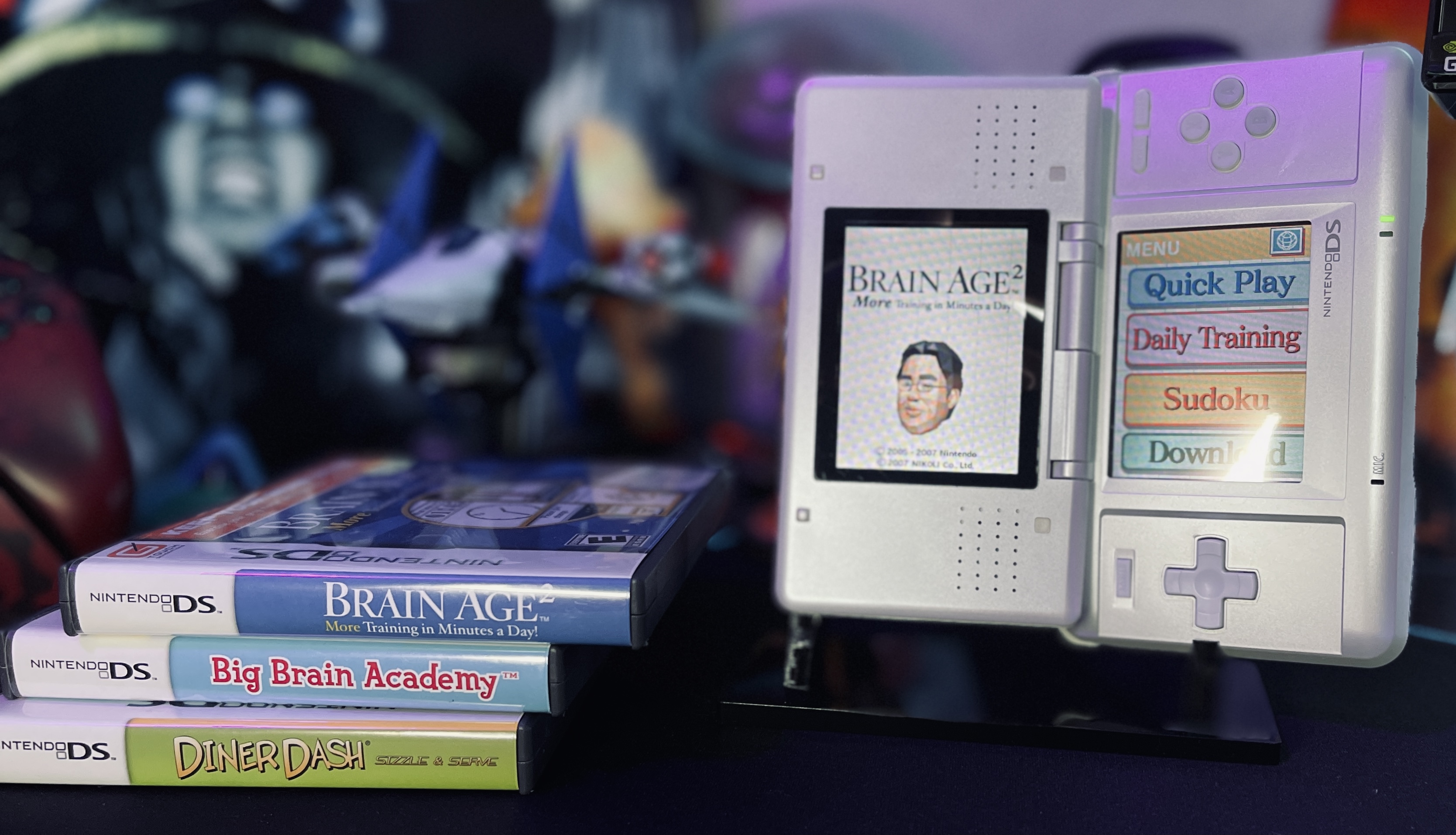
The touch screen was just screaming for puzzle games. You can physically manipulate them outside of buttons, and it gave the genre a chance to add another dimension. There were so many puzzle games on the DS that it drowned out the PSP in comparison.Brain Age, Big Brain Academy, Picross, Meteos, Tetris, Planet Puzzle League, Professor Layton, Henry Hatsworth, Scribblenauts, Peggle, Touchmaster, Polarium, Crosswords, Clubhouse Games, and the list goes on. There weren’t just traditional puzzle games, but word games as well. Sudoku, Crosswords, and many others allow you to write answers. That’s more than the PSP could do. This is a situation where the genre fits the system better.
Platformer
Sony PSP
The PSP has a hardware advantage here. The system isn’t just stuck with 2D platformers. 3D ones were common on the system, but then another hardware fault bit it in the ass. The lack of a second analog nub means no camera control. This became a widespread problem in the system. 3D platformers were frustrated endeavors, and the DS’ lower-powered hardware suddenly could shine because of this. Games like Death Jr., Daxter, Ratchet & Clank, Pac-Man World, Jak & Daxter, Crash Bandicoot, Toy Story, and many others were decent to middling. 3D platformers would have been a huge leg up for the PSP if it just had another analog nub. That’s not to say 2D platformers never made it to the system. Games likeLittleBigPlanet,Mega Man, Prinny, Ghost & Goblins, N+, Castlevania, and many others made it to the system and performed better, but there just weren’t a lot of them. The PSP isn’t anything to sniff at when it comes to platformers, but nothing truly stood out.
Nintendo DS
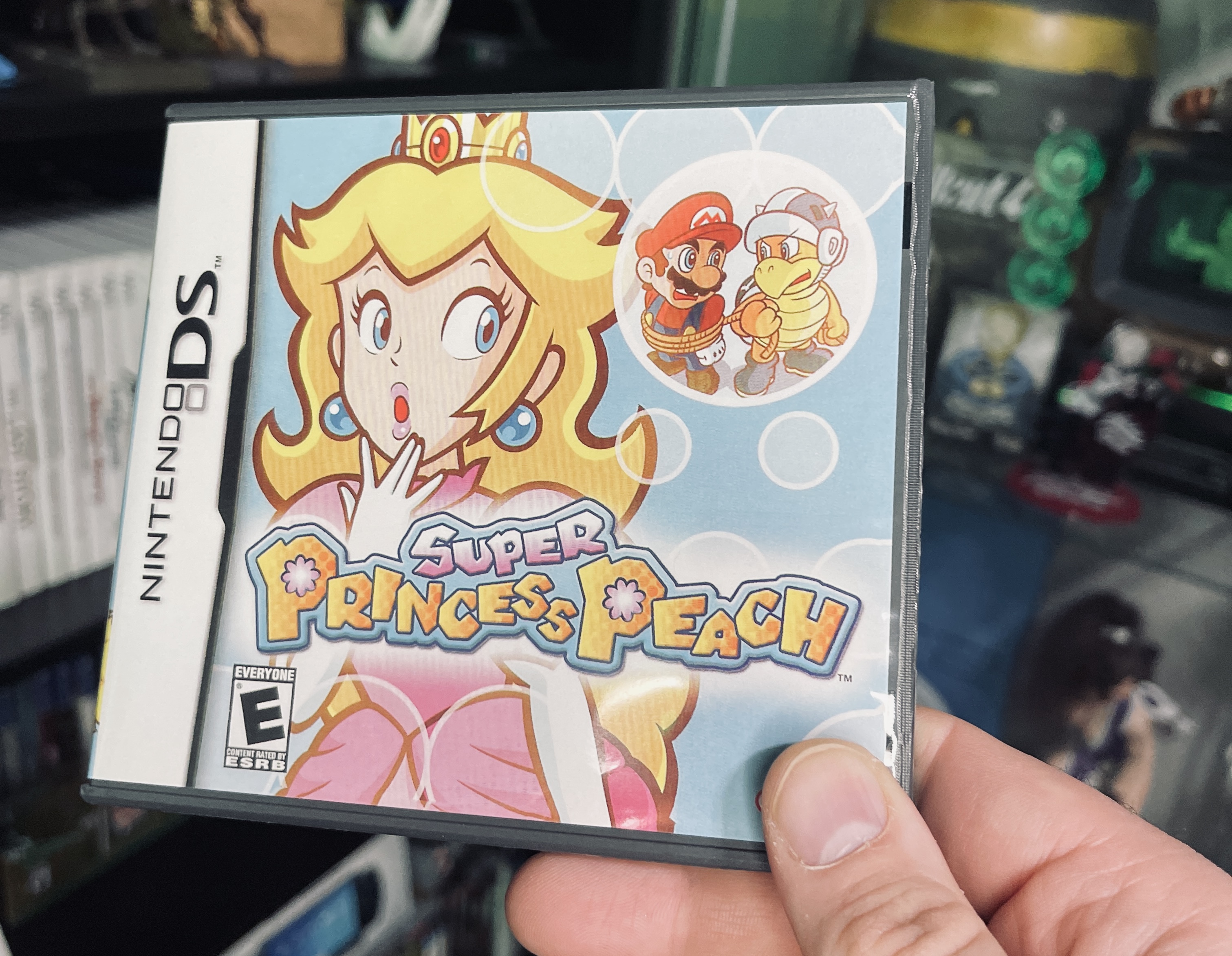
With the power of Nintendo’s already strong platformer games and a lot of third-party series, the DS really did shine. It didn’t have to worry about clumsy 3D controls either. Games like New Super Mario Bros., Super Mario 64, Super Princess Peach, Sonic, Kirby, Mega Man,Spider-Man, Castlevania, Wario, The Legendary Starfy, Yoshi, Contra, Aliens, and many others Super Mario 64 was one of the rare 3D platformers, but it worked well thanks to being tailored for the system. It might kind of feel like there’s cheating here because Nintendo has such a strong presence in the platformer genre, but what’s here is here. While the PSP may have had a larger variety of platformers, the DS had a much stronger sense of quality.
Sports
Sony PSP
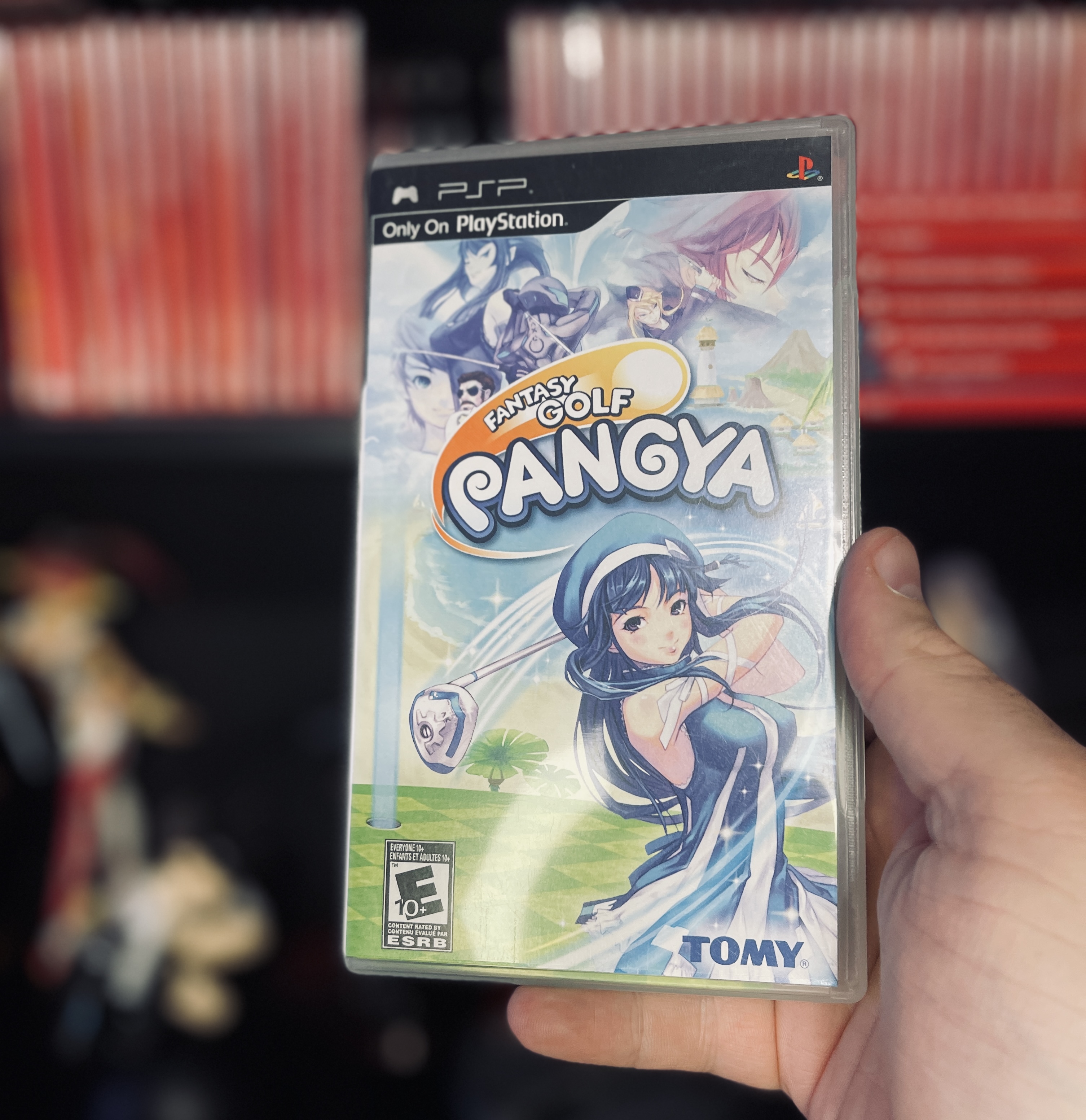
With the advantage of 3D and not needing to really use a camera, the sports genre had an advantage here. Sony had their own sports series, plus third-party companies like EA and 2K could throw theirs on here as well. Games like NBA 2K, NBA Street, NFL Street, Tiger Woods, Pangya, Madden, FIFA, Fight Night, Hot Shots, Tony Hawk, WWE, NHL, Virtua Tennis, NBA Live, Pro Evolution Soccer, Football Manager, The Bigs, and the list goes on There was a massive pouring of sports games on the system of nearly every genre. While a lot of them aren’t very good, there is at least one decent title in every series on the system.
Nintendo DS
The DS was interesting when it came to sports titles. Developers had to be creative to put their series on this system due to the lack of 3D horsepower. Series like Tony Hawk were better on the DS (outside of Underground 2 Remix) because of the creativity needed. You also had series like Tiger Woods that used the touch screen in unique ways. There were many other series on the DS as well, like FIFA and Madden, but they weren’t really any good. Nintendo had its own sports series like Mario Hoops, Mario & Sonic, and True Swing Golf, but again, nothing special. Many series were one-and-done on here, like WWE, Skate, Real Soccer, and some others that just didn’t perform well. The DS was a real mixed bag in the sports arena, with only a few standout titles. This is where the lack of 3D power hurt, despite the unique controls.
Rhythm
Sony PSP
Rhythm games during this era weren’t very popular on handhelds in the West. They exploded in the East, and you usually had to import them if you wanted the best the systems had to offer. This was mostly the case with the PSP. There was Rock Band Unplugged and Lumines in the West, but Japan, China, and Korea got the likes of Hatsune Miku: Project Diva, DJ Max Portable, K-On, andPop’n Music. The PSP’s widescreen format was great for rhythm games as it allowed a wide playfield, and the number of buttons worked out great. The power of the system also allowed for music videos to play in the background, which most rhythm games did.
Nintendo DS
The DS may not have had the powerful hardware or widescreen format, but the touch screen provided a more physical and unique interaction for rhythm games that matched the arcade. Games like Elite Beat Agents, Ontomarama, Rhythm Heaven, Lego Rock Band, Guitar Hero, and many more There was a much larger Western following thanks to the touch screen, but many of the rhythm games lacked content due to the cartridge’s small size and no way to download DLC. A lot of the DS rhythm games were more experimental, and thus many didn’t review them as well as the PSP rhythm games. Guitar Hero was fine, but the grip controller cramped your hands. There were also more consistent franchises on the PSP with yearly releases, but the downside was needing to import.
Fighting
Sony PSP
The power of the PSP allowed for great 3D fighters, and many jumped ship from their console cousins. Franchises like Mortal Kombat, Street Fighter, Tekken,Dragon Ball Z, BlazBlue, Soul Calibur, and many more made it onto the PSP. At least one entry in every major fighting franchise made it over, and most were original titles. That’s not to say the majority reviewed well. Most of the 3D fighters reviewed received middling scores, and this was mainly due to the PSP’s not-so-ideal D-pad for fighting games. Despite the less-than-desirable average score, they made it onto the system nonetheless, and many gamers ate them up.
Nintendo DS
The DS had some major franchises make it over, like Mortal Kombat, Guilty Gear, Dragon Ball Z,Bleach, and Naruto, but it wasn’t as vast as the PSP. The DS was even less ideal for fighting games due to a lack of analog input, and the DS’ D-pad wasn’t much better. Some games added a touchscreen swipe system, but these just never felt the same. Sadly, the lack of power meant 3D fighters suffered, and 2D fighters looked squished on the small screen.
Conclusion
Well, despite this seeming like a competition, each system has its strengths and weaknesses, and some might work better for what you want than others. Some may only play RPGs on handhelds, so the DS would be the best system for you. Some may want more multimedia features, so the PSP would be the way to go. While in the comparisons, the PSP seems to have a stronger library, it only seems that way at first. A lot of PSP games didn’t review as well as DS games on average. The lack of first-party support with Sony not releasing as many games as Nintendo did on the DS and the DS’ lack of power and unique controls forced developers to make games from the ground up. The PSP received a lot worse PS2 ports and movie tie-ins than the DS did. The PSP’s power was also a crutch that many developers leaned heavily on, and it didn’t pay off most of the time. Each system is worthy of your collection, but this contrast and comparison may help those who are on the fence in one area or another.
Many people use video game reviews to determine how to spend their hard-earned dollars. While as an adult I don’t take this as seriously and I now make my own money, I am more forgiving of games that aren’t perfect. As kids or teens, we have limited money and are usually picked through gaming magazines to determine if that one game was worth the money because we only get a few a year. For me, it was only during Christmas that my parents bought games. I mostly rented mine throughout my childhood and teen years. Even for rentals, I was picky, as I didn’t want to be stuck on my weekend with a dud of a game. Even a 7/10 or 3.5/5 would be considered a waste of time. This was the last generation in which AAA title after AAA title would be considered fantastic, and with so many exclusives, it was hard to keep up with. The HD era of gaming would see budgets balloon to insane heights, and game releases would slow down as a result.
In my eyes, 7/10 or 3.5/5 games are mostly ignored. These aren’t always considered hidden gems, either. Some are, but some are just considered forgettable. Not awful or good, but just passes under everyone’s radar. These aren’t the “so bad it’s good” games either. A few of these games have cult followings; a few I had only heard of while compiling this list, and some I played myself growing up. I compiled this list from Metacritic with games between 74 and 70. I feel that’s the true blue 7 range. 79- and 78-rated games usually only have about 25% of the critics giving them a 7 to bring an otherwise 8 score down some. These games are at least rated by half the critics as 7/10. While I know many people don’t listen to critics, and some might feel this game should be rated higher or lower, this is subjective. Like it or not, critic reviews drive sales, and it may be the reason why you might find a few games on this list you’ve never heard of, thought were talked about worse than you remember, or something along those lines.
Chili Con Carnage – 2007
While not as good as the PS2 entry, playing this frantic shooter was marred by clumsy controls and a poor camera, but it isn’t horrible. It does feel dated and formulaic even at the time of release, however. This would be the final game in the series.
Every Extend Extra – 2006
While visually pretty and fun at first, the game doesn’t have enough content or gameplay elements to keep you busy for very long. If you like Geometry Wars or other bite-sized shooters that don’t do much other than throw challenging enemies at you, then this is for you.
Most Recent Entry: E4: Every Extend Extra Extreme – 2007 (X360)
ClaDun x2 – 2011
You have to really love old-school 16-bit JRPGs to like this game. The story is mostly absent, but the game offers fun RPG elements with cute pixel art. Pretty simple. It also doesn’t do anything new compared to its predecessor.
Most Recent Entry: ClaDun Returns: This is Sengoku! – 2017 (PS4, VITA, PC)
FlatOut: Head On – 2008
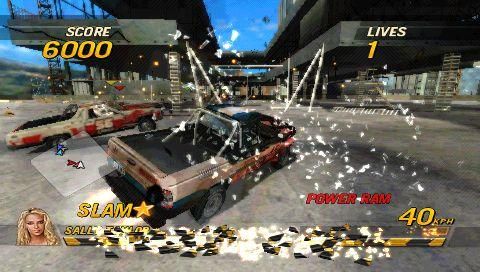
Compared to being too close to Burnout, FlatOut does offer a smattering of content and a great sense of speed. It may be simple and might get boring for some, but it’s one of the better racers on the system.
Most Recent Entry: Fl4tOut: Total Insanity – 2017 (PC, PS4, XONE)
Patapon 3 – 2011
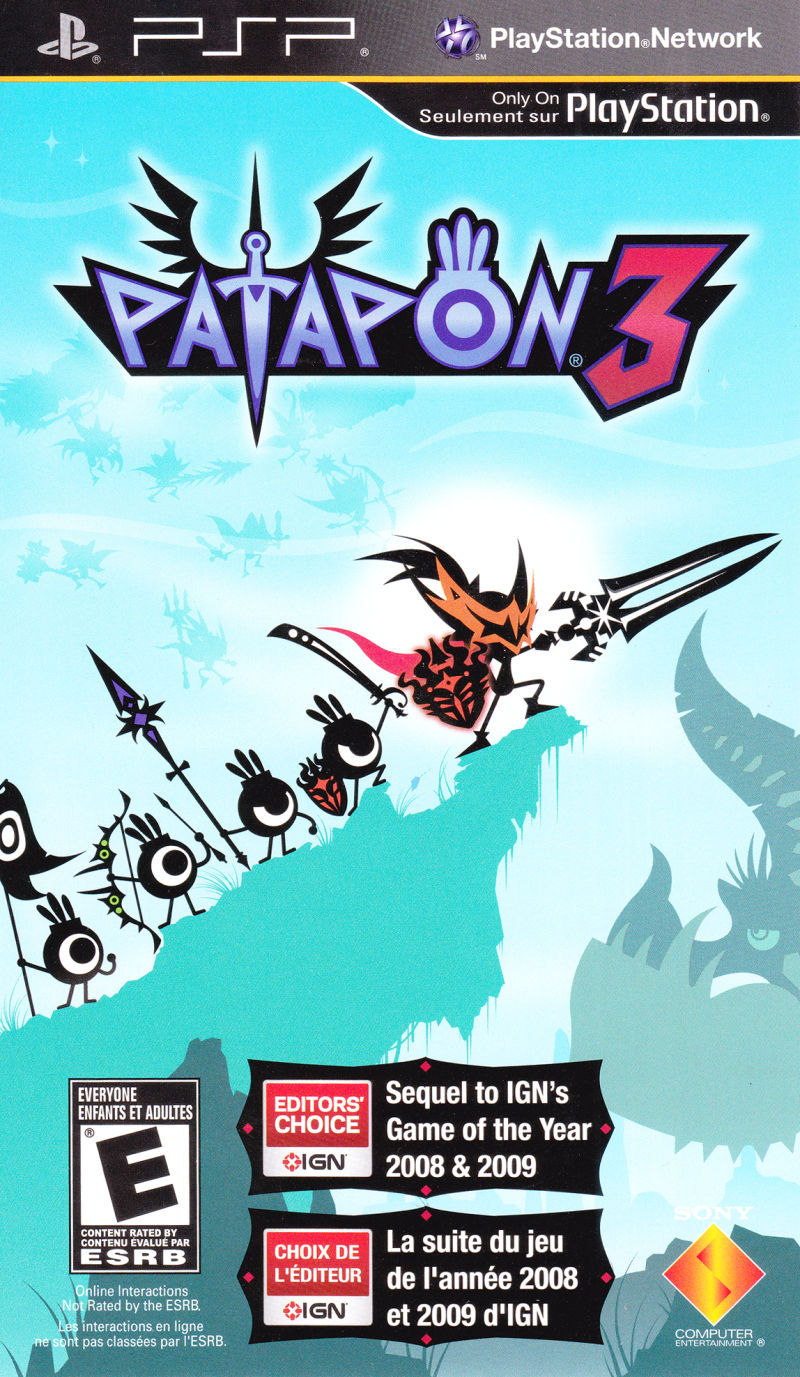
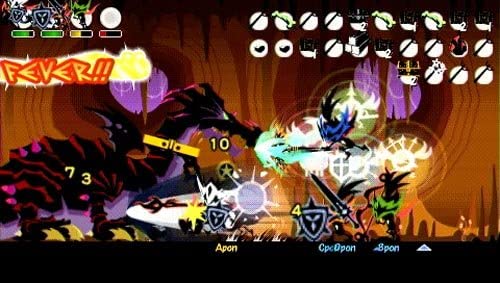
The third and final game in the series was met with less fanfare than before. The game focused less on what made Pataponspecial and more on new features. It was starting to stray from what people liked so much. It’s still not a bad game, and if you’ve never played the series, you will be in for tons of charm and beautiful graphics.
Darkstalkers Chronicle: The Chaos Tower – 2004
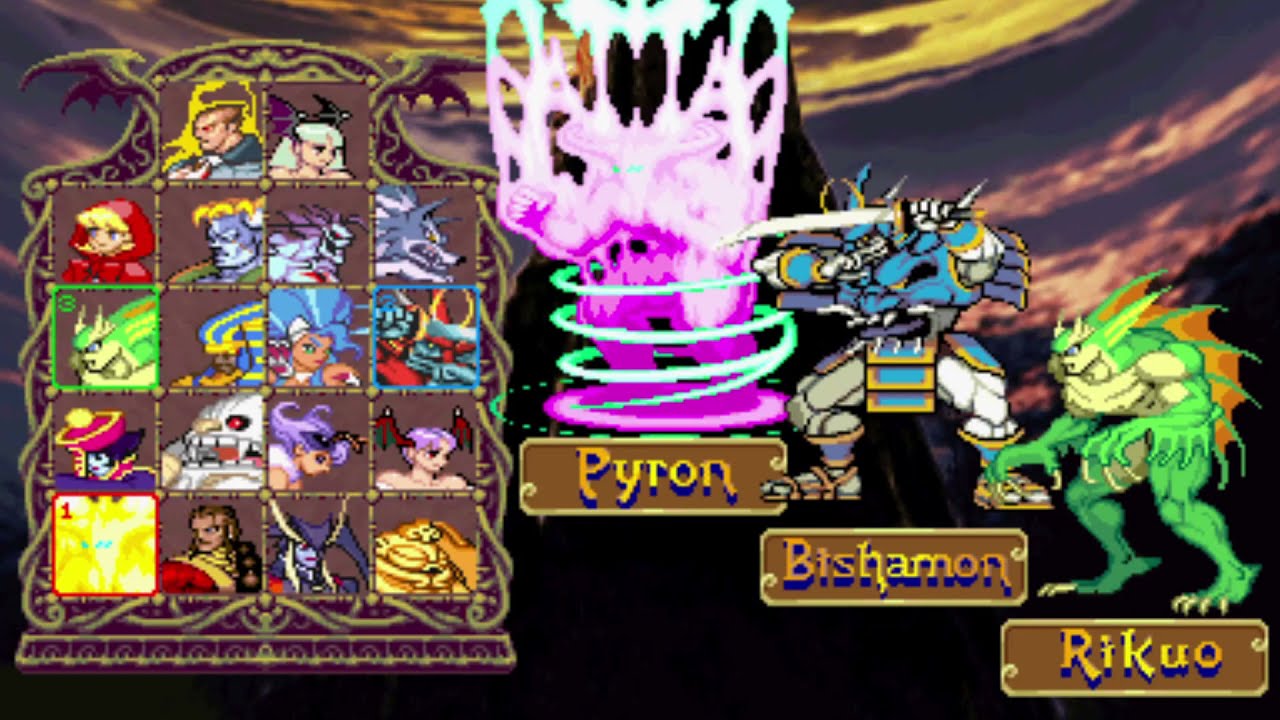
A fantastic launch title marred by the PSP D-Pad. Many felt the classic game was hindered by this and required third-party solutions to go over the D-Pad. If you play this on the Vita, it’s a bit better. It’s still a good-looking and solid fighter in the system. Especially for being the first-ever PSP fighter available.
Most Recent Entry: Darkstalkers: Resurrection – 2013 (PS3, X360)
Need for Speed Underground Rivals – 2005 Need for Speed: Most Wanted 5-1-0 – 2005
If you’re okay with an uneven framerate, awkward controls, and rubberband AI, then Rivals is for you. Bringing the franchise to the PSP was expected, but it was only the first outing on the system. Most Wanted looked great and had a good sense of speed, but lacked variety in race types and overall content.
Most Recent Entry: Need for Speed Unbound – 2022 (PC, PS5, XSX)
Fat Princess: Fistful of Cake – 2010
A great addition to the PS3 version with great multiplayer. Sadly, the levels weren’t as big, and the single-player AI wasn’t that fun. I remember playing this and losing a lot because of how bad the AI was. It’s still a fun title on the system.
Most Recent Entry: Fat Princess Adventures – 2015 (PS4)
Dungeon Siege: Throne of Agony – 2006
The best dungeon crawler on the system at the time, and sadly, none of them ever achieved greatness. This one was fun and did everything you’d like, albeit in the simplest form. Dungeon-crawling fans would still find over a dozen hours of fun content here.
Most Recent Entry: Dungeon Siege III – 2011 (PC, PS3, X360)
Power Stone Collection – 2006
A serviceable port of the Dreamcast games. Sadly, there was no online play, which really irked gamers, and it was a straight-up port. No extras, no new visuals, nothing. If you loved the originals, this is all you’ve got. Sadly, it was the last entry in the series.
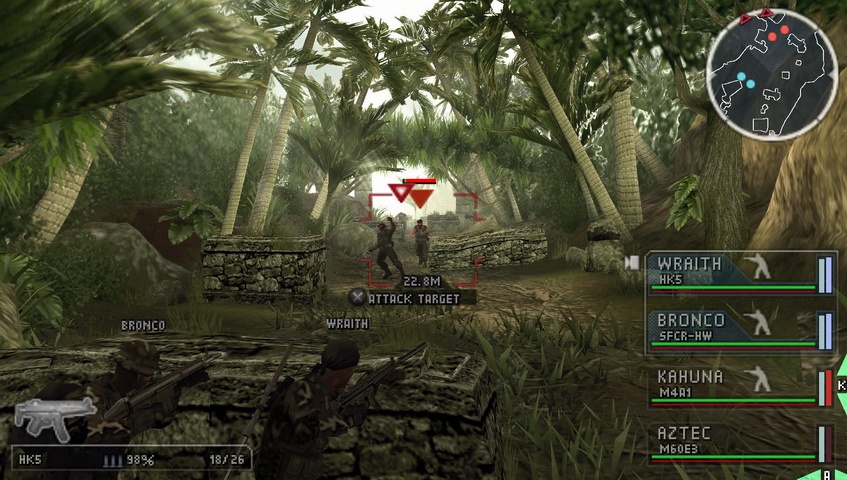
SOCOM: U.S. Navy SEALs Fireteam Bravo 3 – 2010
This is the best game in the PSP trilogy, and if you only play one game, play this one. While the series didn’t evolve much from the PS2 games, it was still the best online shooter for the system. Improved controls, visuals, and overall design. It’s one of the best shooters in the system, period.
Most Recent Entry: SOCOM 4: U.S. Navy SEALs – 2011 (PS3)
One of the most anticipated games on the system, and many gave up after a few years. This was one of the most exciting games I could imagine on the system. It was rumored to be a launch title and then kept getting pushed back more and more due to the focus of Gran Turismo 5. It was finally released, but it felt like, “Here, take what we have so far. That’s all you’re getting,” she said, and she gave up. The game looks phenomenal and runs well, but it lacks a career mode. The biggest disappointment of the game was a huge blow. Many didn’t even bother picking it up because of that. It had arcade-style modes with a racing sim.
Most Recent Entry: Gran Turismo 7 – 2022 (PS4, PS5)
Star Ocean: First Departure – 2008
Westerners didn’t get the first SNES outing, so it was brought back on the PSP. Sadly, it feels dated and may only appeal to diehard fans or those who love 16-bit JRPGs. There weren’t any extras or improvements outside of some 3D-generated backdrops.
Most Recent Entry: Star Ocean: The Divine Force – 2022 (PC, NS, PS4, PS5, XONE, XSX)
Infected – 2005
Despite the interesting concept of infecting other players online, it was incredibly repetitive and not worth the $40 asking price. This was among the first generation of PSP titles to be released, so it also didn’t look that good either. It’s fast-paced arcade fun for a couple of hours, and that’s about it.
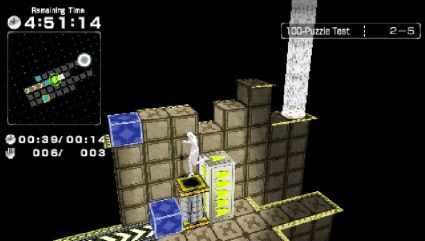
PQ2: Practical Intelligence Quotient – 2007
Part of the Intelligent Cube line of games by Professor Koyasu and the final game in the series, test your IQ with hundreds of puzzles. The game feels nostalgic, especially to those who are fans of his games, but the presentation is really lacking and makes no excuse for a more modern system.
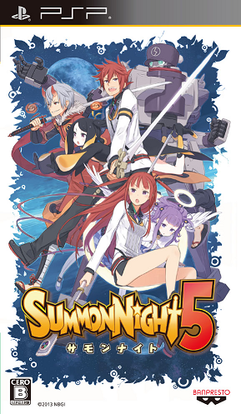
Summon Night 5 – 2015
This was released for the PSP in 2015, if you can believe it. It’s one of the last games to ever be released in the West on the system. The story is great, so that’s good for those who want that in their SRPGs, but the combat is tedious and there’s no exploration. It’s just one battle after another, with a story in between.
Most Recent Entry: Summon Night 6: Lost Borders – 2016 (PS4, VITA)
Bomberman – 2006
Despite playing like your typical Bomberman, there’s not much here. It’s a port of an older arcade game with no extras and only local wireless play. Online functionality could have gone a long way, and maybe some updated visuals If you like classic Bomberman, look no further.
Most Recent Entry: Amazing Bomberman – 2022 (MAC, iOS)
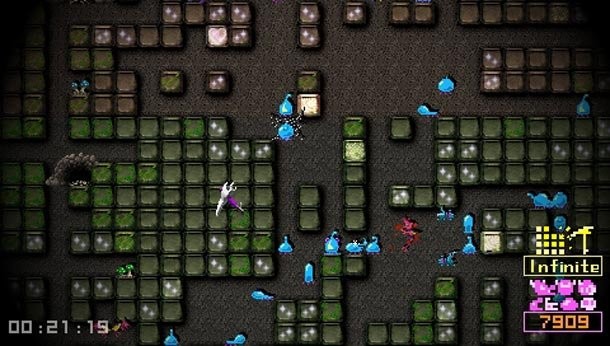
What Did I Do to Deserve This, My Lord?! 2 – 2010
A great sequel with a fun sense of dark humor, but the steep learning curve wasn’t dialed back from the first game. If you love 16-bit-looking arcade titles that require a lot of dedication to master, then this is for you.
Pursuit Force: Extreme Justice – 2008
A bombastic scripted arcade title full of high-speed chases and explosions This is a solid series on the PSP, but it never got a lot of love, and this would be it. There’s improvement here; the visuals are better, and the story is entertaining if simple, but it’s over before you know it with no real replay value.
Namco Museum Battle Collection – 2005
A great collection of games for a decent price. Taking these on the go without being dumbed down was a first, and the PSP was a great handheld to have these on. There weren’t many extras, and the staying power would depend on how much you loved 8-bit games.
Most Recent Entry: Namco Museum Archives Vol. 2 – 2020 (PC, NS, PS4, XONE)
Yggdra Union: We’ll Never Fight Alone – 2008
A port of the GBA game and part of the loosely connected Dept. Heaven series from Atlus. This was, sadly, just a straight-up port. There were no enhancements or features added. While it is the best way to play thanks to the voice acting that was added, the strategy is simple, so this isn’t for hardcore SRPG fans.
Hammerin’ Hero – 2009
A fun rhythm-style platformer that wasn’t too difficult Sadly, control issues marred the game, and it would be the last one in the series. It’s still really cute and has a lot of charm.
Gun: Showdown – 2006
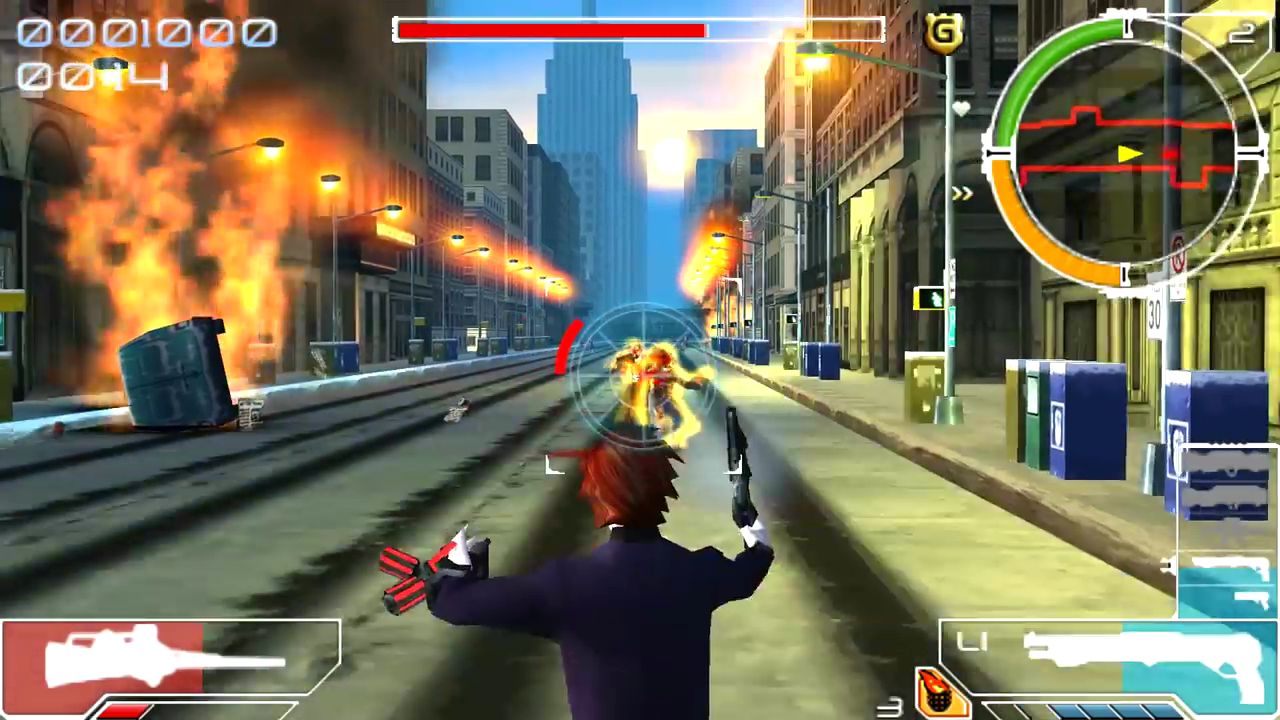
A surprising reworking of the game specifically for the PSP. The open world is cut for large areas, bite-sized missions, and fun multiplayer offerings. It’s not perfect, as it looks rather ugly and has some control issues, but overall, it’s the closest to a portable Red Dead Redemption we’ll ever get.
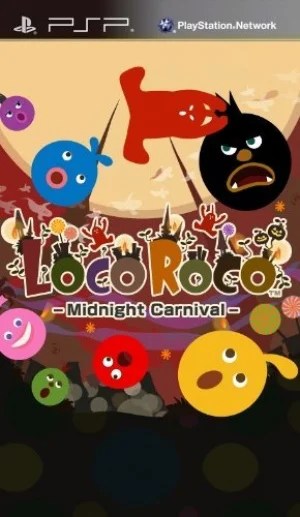
LocoRoco: Midnight Carnival – 2009
Being the third outing on the PSP, everyone was kind of done with this series. It was still charming, but that had fully worn off on most people by now. It was also a download-only title, so it went under a lot of people’s radar.
Most Recent Entry: LocoRoco: Remastered – 2017 (PS4)
Being the last and final game in the series, it’s surprising how little has changed. It has the classic sense of speed and gameplay, but the boring missions and plain visuals don’t help. This is mostly for diehard fans.
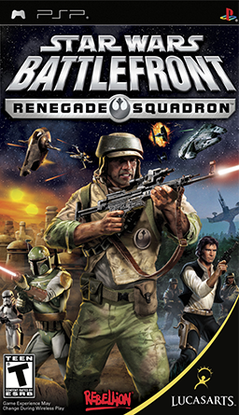
Star Wars Battlefront: Renegade Squadron – 2007
It’s awesome that this series came to the PSP at all. Sadly, the game looks pretty ugly and has a short single-player campaign. These games are best played online, and the servers are long dead. If you can get some friends together, it’s a blast.
Most Recent Entry: Star Wars Battlefront II – 2017 (PC, PS4, XONE)
Capcom Classic Collection Remixed – 2006
Many complained about the D-Pad not working well for this game, and the blue screen (the original PSP-1000 model had it pretty bad) made the game unenjoyable for some. If you can play it on a newer PSP model or even the Vita, then you will have a better time.
Mostly an irrelevant entry today, the game had repetitive missions and hadn’t advanced the series at all. It was great for diehard fans, but the barrier to entry was still really high. Still, multiplayer was where it was at. The game did suffer from long load times as well.
A fun and charming puzzle game void of personality The puzzles are really challenging, and the game is easy to learn, but some puzzles may cause you to throw your PSP. This was an early puzzle offering that, sadly, only got one sequel.
Most Recent Entry: Tokobot Plus: Mysteries of the Karakuri – 2006 (PS2)
Prinny: Can I Really Be the Hero? – 2009
You couldn’t be a PSP owner without hearing about this game. This was considered one of the hardest platformers ever made at the time. Everyone also ate up the humor, which is still great today. While the series has improved and still lives on today, this first entry was either loved or hated, just like Dark Souls. You loved masochist games or just didn’t.
Most Recent Entry: Prinny 2: Dawn of the Operation Panties, Dood! – 2020 (NS)
Kingdom of Paradise – 2005
Don’t come for the story. The game also looks pretty generic, but the combat is fun, and it was an early title for the system. One of the only RPGs at the time. It’s not the best on the system, but it’s unique, and sadly, it never got a sequel.
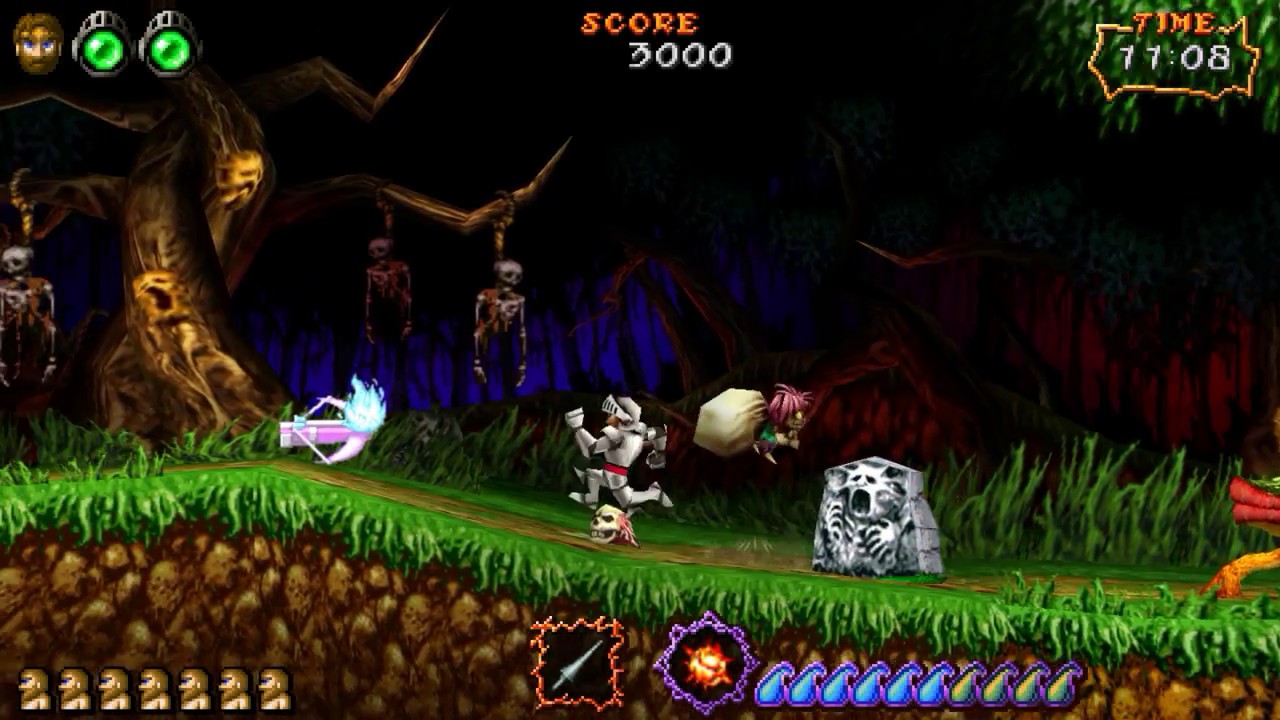
Ultimate Ghosts ‘n Goblins – 2006
Fans of the series will love to know that this is still hard as balls, but there were difficulty settings added for newcomers as well. It’s great to go through this on easier difficulties to learn the levels and then ramp it up. It didn’t advance the series at all, but it’s still a lot of fun.
Most Recent Entry: Ghosts ‘n Goblins: Resurrection – 2021 (PC, NS, PS4, XONE)
SOCOM: U.S. Navy SEALs Tactical Strike – 2007
The black sheep of the series A slower, more strategic approach makes sense in handheld form with limited controls. This plays kind of like Full Spectrum Warrior. Strategy fans had another series to get into, while long-term fans loathed the slower approach and lack of direct control. It’s a great game that could have been better with refinement in further sequels. Sadly, it didn’t sell very well.
Most Recent Entry: SOCOM 4: U.S. Navy SEALs – 2011 (PS3)
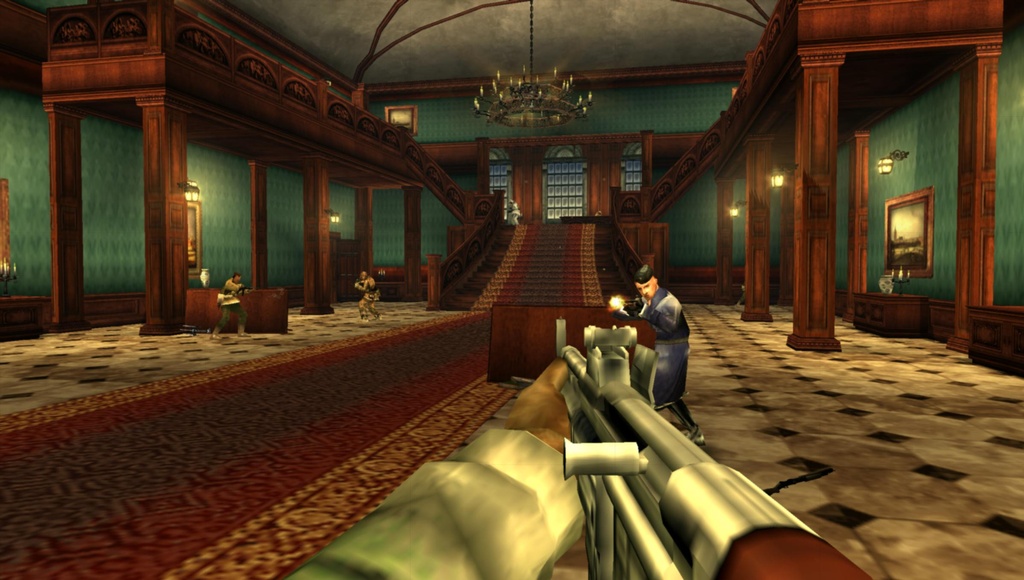
Medal of Honor Heroes – 2006
At this point in time, everyone was tired of the WWII FPS craze. Heroes didn’t advance the series at all and, in fact, dialed it back by giving us linear and short missions to complete. It was a very short game but had awesome online multiplayer, which was quite popular at the time. It also looked really good. Just don’t expect anything ground-breaking for the genre or series.
Most Recent Entry: Medal of Honor: Above and Beyond – 2020 (PC)
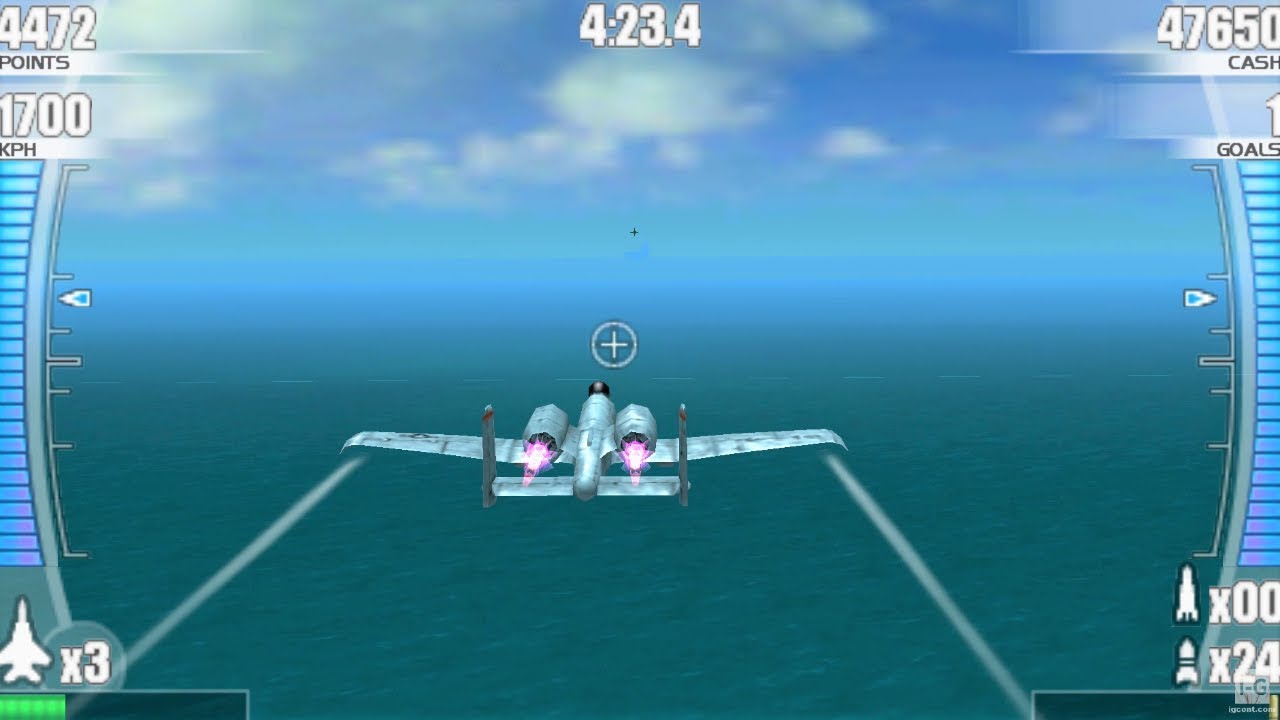
Ace Combat: Joint Assault – 2010
It’s Ace Combat, all right, and it’s mostly safe and sometimes boring for the wrong type of person. If you want your plane sim on the go, then look no further. Just don’t expect it to innovate or excite.
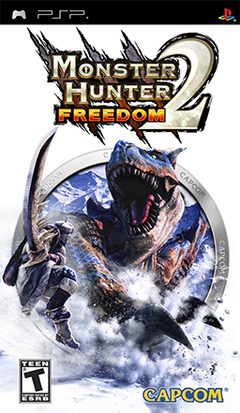
Believe it or not, the entire series started here. This Monster Hunter clone is best played with others, but it doesn’t offer much new in the genre. If the anime or manga appeals to you, then go for it. Fans of Monster Hunter might not find enough freshness here.
Most Recent Entry: God Eater 3 – 2018 (PC, PS4, NS)
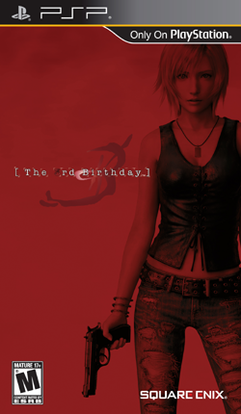
One of the most anticipated games on the system and the last big AAA title ever released for it. It was also one of the biggest disappointments. Long-time Parasite Eve fans were expecting an atmospheric horror title, but what we got was a frantic, repetitive, and chaotic shooter. It’s pretty to look at, but the story is confusing and the gameplay requires patience. It’s not for everyone.
Kenka Bancho: Badass Rumble – 2009
This weird and zany Japanese beat ’em up had lots of humor and looked decent, but the combat was slow and it was really short. If you liked God Hand, you will like this game. Just expect some clunking in all its systems.
Dungeon Maker: Hunting Ground – 2007
Don’t come into this expecting excitement. You create your own loot dungeon, pick your mobs, and go in and smash everything down. It’s plain and dry, and it might be dull for anyone who isn’t heavily into JRPGs. Also, don’t expect any kind of interesting story. It’s a unique game, but it won’t be for everyone.
Most Recent Entry: Master of the Monster Lair – 2008 (DS)
GripShift – 2005
A unique twist of Super Monkey Ballmeets stunt cars The insane trial and error needed is a love-or-hate-it situation. If you hate those kinds of puzzles, you will detest this game. It’s fast-paced, looks good, and has been ported to newer systems over time.
Naruto: Ultimate Ninja Heroes – 2007
A fun fighter on the PSP without needing to be a Naruto fan You also only need one copy of the game to play with others. It’s not very deep, and it may not hold your attention for long, but it’s fine.
Most Recent Entry: Naruto X Boruto Ninja Tribes – 2020 (AND, iOS)
Dragon Ball Z: Shin Budokai – 2006
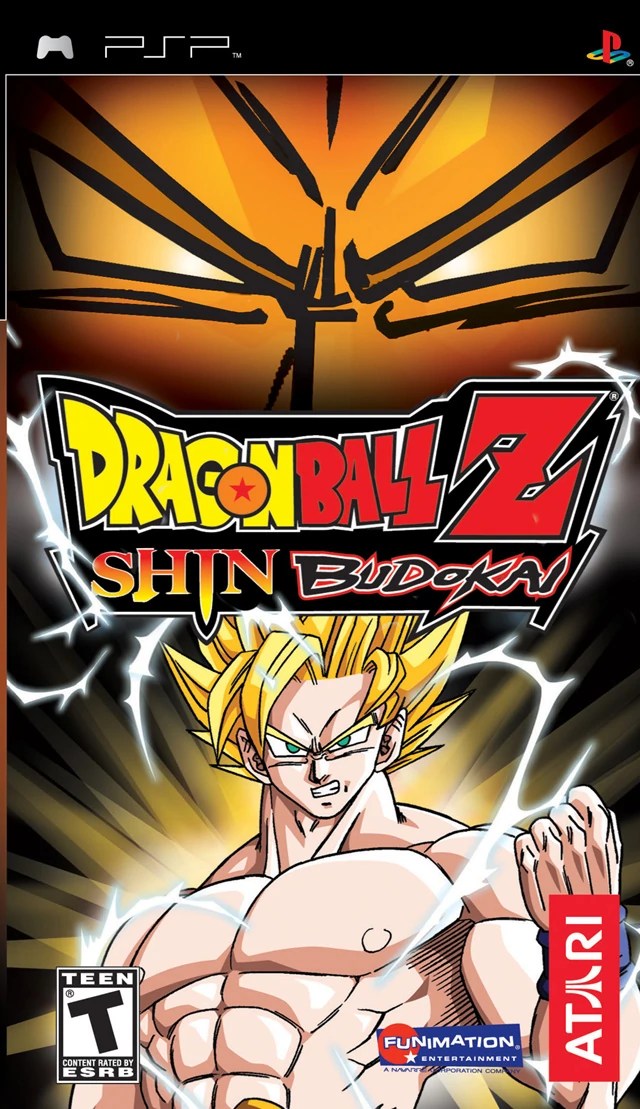
Not very deep or as flashy, but with a large roster and a friend, you were sure to have a good time. Non-DBZfans may not find much here, but it at least got the feeling right.
Most Recent Entry: Dragon Ball: The Breakers – 2022 (PC, NS, PS4, XONE)
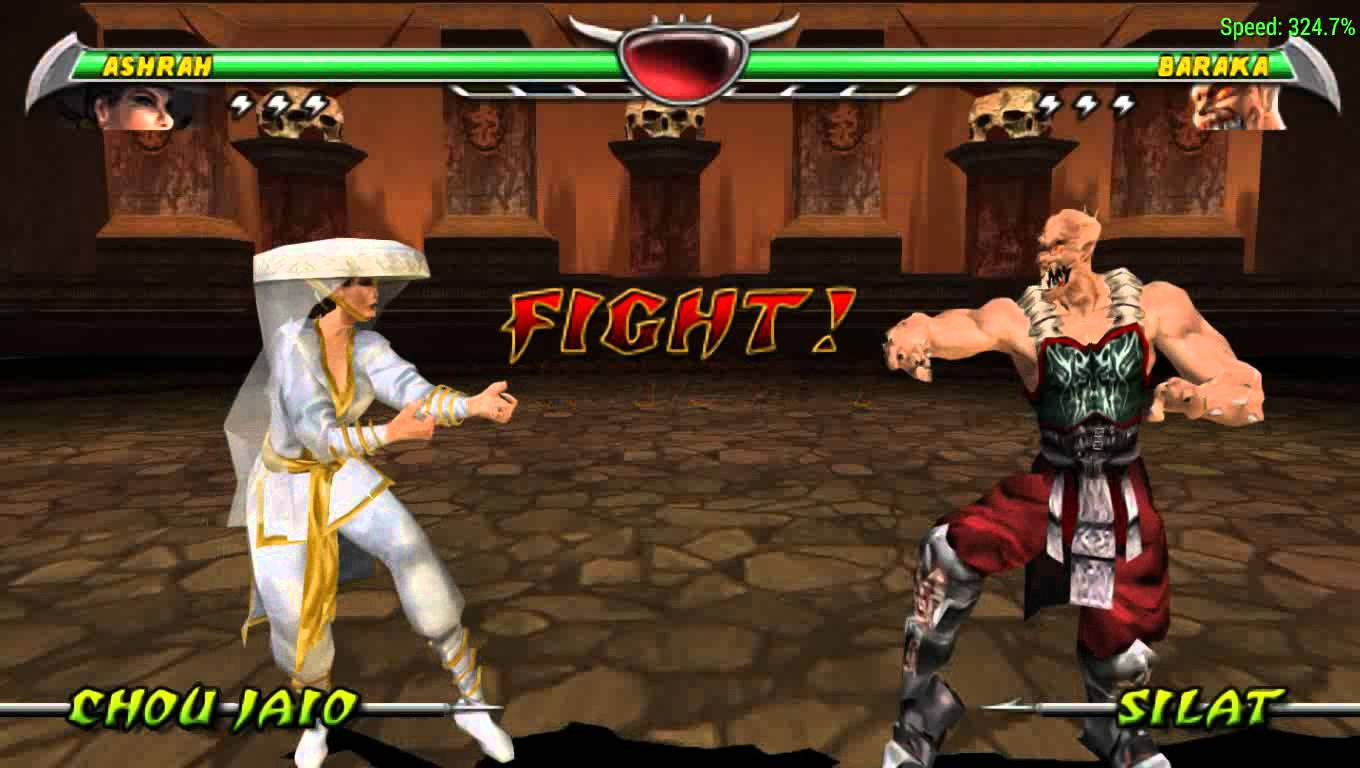
Mortal Kombat: Unchained – 2006
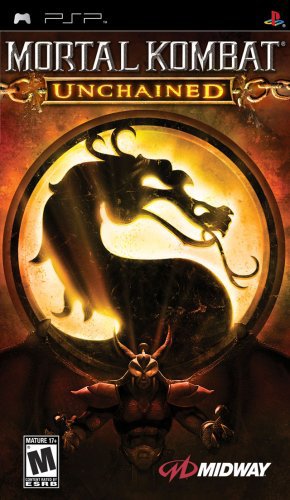
The port of Deception had a lot of hype around it. It included all of the content, and nothing was cut except a single fight style for every character. What we did get was a lazy port. Compressed audio, muddy visuals, and no online play. Yeah, the biggest blow to this game was the lack of online play that the PS2 version had. It’s still a solid 3D fighter, but if you didn’t like this era of MK games, it won’t change your mind.
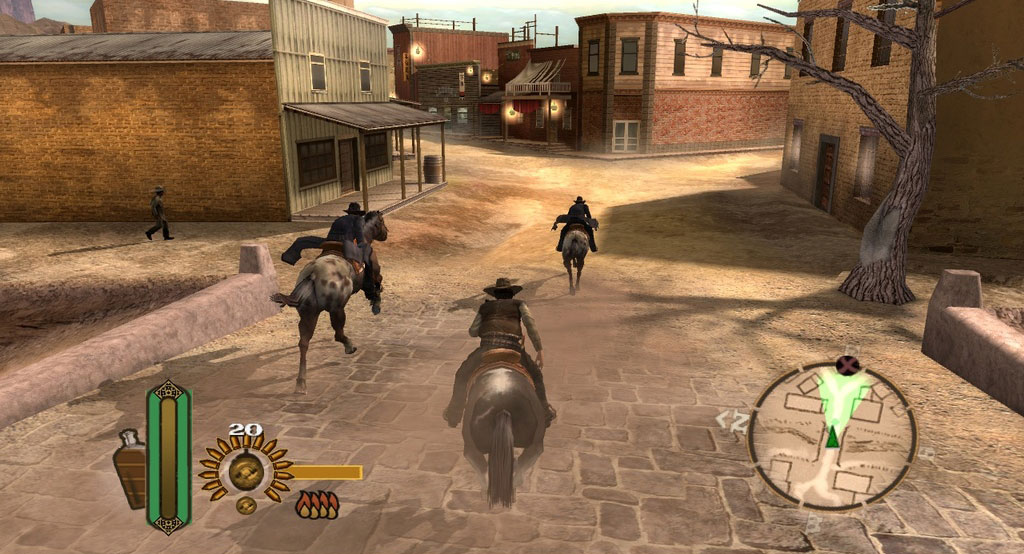
Wild West games blew up in the mid-2000s. Games like Read Dead Revolver and Call of Juarez really pushed the genre forward. Gun was a highly anticipated open-world game that was being watched by Grand Theft Auto fans. I remember reading about this game in magazines leading up to its release and being disappointed with how linear and simple it was. You play Colt White, who is just living day-to-day life with his father, Ned White, when he dies, and you get sent on a mission to avenge him, which leads to a road of greed and death. The story is really simple and short. It’s honestly very one-dimensional, but the voice acting is solid, with major actors like Tom Skerret and Ron Perlman.
The majority of the game is made up of shooting. As the title implies, guns are the main focus of the game. You have an array of weapon types, such as six-shooters, lever-action rifles, sniper rifles (bolt-action), melee, throwables, and bows. You slowly unlock these weapons as you play the story, and you can also upgrade them at the shopkeep. You can acquire more gold by finding it in the wild or completing side missions. Side missions are the second bulk of the game, ranging from bounties to poker games and, overall, just shooting up more bad guys. There’s no variation in mission type outside of the names. In the end, you’re either killing someone or rescuing a horse.
Horseback riding is a major gameplay element here, and it’s done surprisingly well for the time. They’re treated kind of like cars in the GTA. They have health meters, which are also tied to stamina. Overwork your horse, and it will die. You can trample enemies with the horse, which is great for clearing out large groups, and they are needed to travel between the two towns. This is one disappointment I have with the game. It’s surprisingly linear, and the open-endedness is an illusion. This is just one large map full of brown dust, canyons, a couple of rivers, and a meadow. The game is very dull and void of any life, unlike GTA, which feels vibrant and constantly moving. There’s just the wind and twanging background music playing. The towns may have three or four people walking around, and there are no interiors to speak of. It’s indeed a very empty world.
I highly recommend just blowing through the story mode in the 4-5 hours it takes and forgoing most upgrades. Despite having this shop system, it is pretty much pointless. Sure, it helps to have more damage or quicker reloads, but the quickdraw allows you to kind of cheat and constantly use it as long as you’re killing enemies to refill it. Empty the meter. Shoot about five enemies and empty it again. I never really saw the need for most of the upgrades. This will alleviate the pain of completing these dull side missions.
The shooting in Gun is mostly stiff and awkward. It’s not amazing. There is a sticky auto-aim, and you can aim down your sights with rifles, but the camera zooms too far in, and you can’t follow anyone up close. Stealth is pretty much pointless outside of a single-story mission because enemies can somehow see and hear you from a mile away. The explosives were surprisingly useless as well. Enemies can stand just in front of or behind an explosion, and they aren’t affected. This is really terrible. There are some missions that have you mount a cannon and hit everything dead on. There is no splash damage for explosions in this game. It makes no sense.
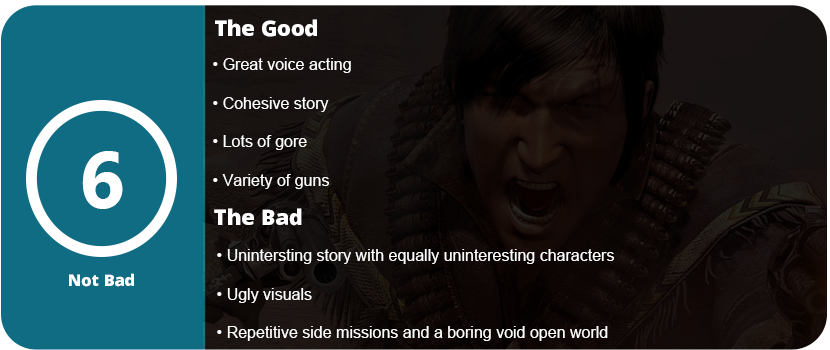
Overall, the game is very linear, ugly, and pretty repetitive. The side missions don’t add any variation, the upgrade system can be skipped entirely, and the open world is void of life. The only redeeming value of this game is its great voice acting, many cut-scenes, and short length. The story isn’t even anything noteworthy either, and the same goes for the characters. With their short length, they have no time to expand or grow on us. We get no backstory. Just the here-and-now, and that means nothing when characters die. I would only recommend this game if you’re itching for a Western game and need to go back in time, but this game really did not live up to the hype upon release.




















































































 thebinarymessiah.com
Try multiplayer. A lot of fun !