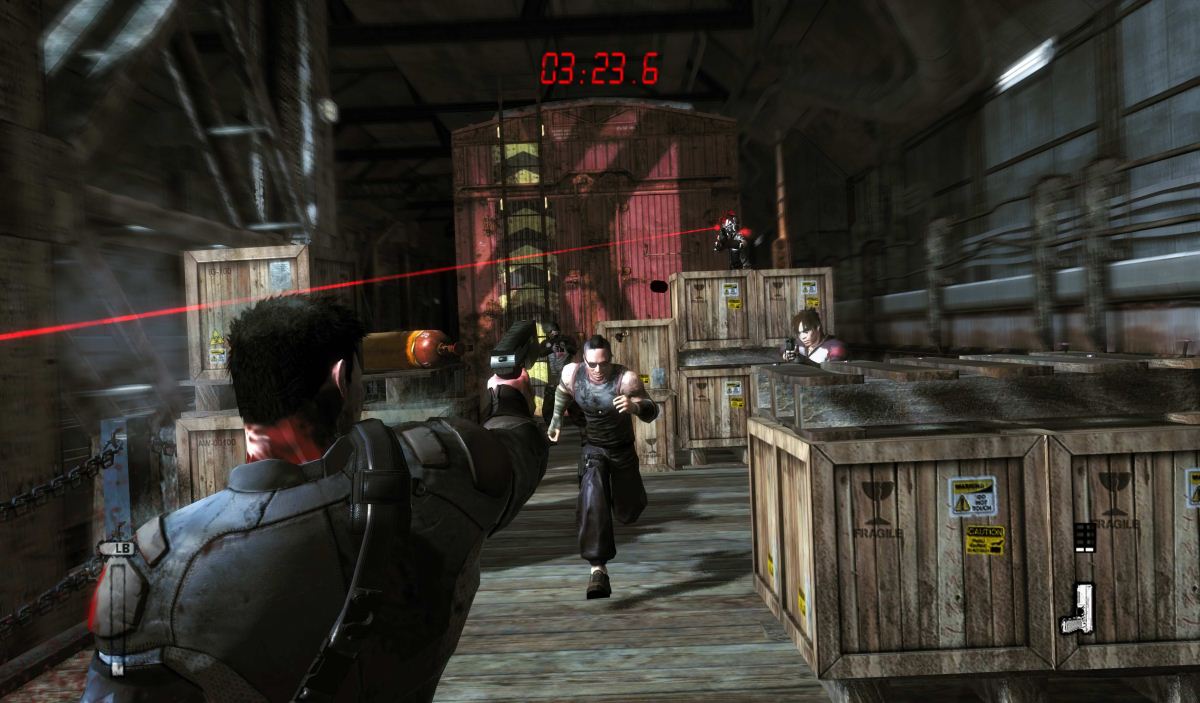
Dead to Rights has been a very rocky series since its debut in 2003. Retribution is not only the best in the series, but it completely redeems the quality and value of what made the game so great. The story isn’t anything new to gamers, with Jack Slate and his dog Shadow trying to revenge his father’s death and also wipe Grant City clean of corrupt cops and criminal syndicates. What is good in Retribution are the voice actors, characters, and action. The guy who plays Jack’s voice is pretty good at putting emotion across to the player.
But you usually don’t come to budget shooters for a story, right? The action is great here, but repetitive. The action consists of two elements, which are shooting and melee. First fighting consists of breakers, combos, counters, and executions, which can be pretty brutal. Fighting is usually a last resort, but sometimes it can’t be avoided. I did find fist-fighting a bit stiff, and the controls were a bit awkward. You can use enemies as human shields and grapple them as well, so at least the fighting has depth and isn’t just mashing a button until your fingers bleed.
Melee has other perks, like being able to pull a weapon on someone and shoot them in the head via execution. The game is very brutal, and it shows what you can do to enemies. I do wish there were more environment executions, but you can’t really expect that from a budget game like this. One thing I noticed is that when you are locked in fighting with someone, enemies tend to completely miss you while you knock the guy down. This really helps fend off frustration, but it does seem a little weird when you notice it. There are a large variety of enemies, ranging from weak to super strong, but they aren’t unique and just feel like standard soldiers.
Shooting is fun, but weapons don’t really pack a punch. The game is very cover-based and is similar to Gears of War but doesn’t feel as smooth as that game. You can slow downtime and focus on headshots (which are key to getting through guys quickly). There is a large variety of weapons in the game, but they are pretty standard and generic, so don’t expect crazy sci-fi weapons here. The game has you scrounging for ammo constantly, which can get annoying and deadly. Guns have very small clips, and you can’t hold much ammo for each one, which really kind of works against you, and I hated this throughout the whole game. It’s manageable, but I’ve always wanted some sort of upgrade system to fix this.
My favorite part of the game (and what sets it apart from other TPS) is being able to play as Jack’s dog, Shadow. The animations are amazing, and he really feels, looks, and sounds like a real dog. The execution moves are brutal and satisfying, with him chomping on jugulars, blood spurting out, or even tearing out people’s crotches (when you do this for the first time, you get an achievement called “Crotchality!”). You can sneak around as Shadow, see heartbeats through walls, and plan your attacks accordingly. I loved all the takedown moves, but they recycle often and get old fast.
Shadow also comes in handy when you play as Jack since you can order him to kill sick people or defend you. A lot of times I would send Shadow after a guy while I took on another, and it really feels good that the AI works well here. In one instance, two soldiers were walking away, and Shadow snuck up on one while I shot the other in the head. Of course, Shadow can go down, so you just go revive him, but using Shadow is key to staying alive and not dying constantly.
This is also the great part of the story, which is the bond between the two that makes you want to stick close and listen to the story. Shadow and Jack are best friends, and you really get to feel for them both. Visually, retribution is nothing special, but it isn’t ugly either. There are some nice lighting effects, and there’s a lot of detail in everything, but the game is very linear. One other annoyance is hidden badges throughout the game, and I hate shooters that make you go searching for hidden stuff because it detracts from the action. Other than that, Retribution is a great bargain bin purchase and is definitely a great game despite its repetition.
Well, here we are. Duke and I are staring at each other face-to-face after 12 years of development hell. How did he stand up? For starters, the game isn’t nearly as bad as everyone is saying. It’s just not as good as everyone hoped. The game won’t knock you off your feet or make you think differently about FPS games, but it does feel like classic Duke, and that’s what counts in the end. The story is the same as always: Pigcops and the evil Cycloid Emperor are stealing our chicks to make alien babies. Pretty cheesy? That’s the entire point, so don’t come into this game thinking it’s just badass. The entire game is coated in thick, gooey cheese, and if you don’t like it, go away right now.
The action is just like classic Duke in the sense that you run around shooting anything that moves with the biggest gun you can find. It’s a recall of the heydays of FPS games from the early 90s, and it feels good to play one that’s actually good. The game even starts out with a slap in the face by having Duke pee in a urinal, and you control the flow. This is Duke for you, and if this stuff offends you, stop playing there because it gets worse as the game goes on. My favorite part about Forever is the interactive objects that add to your ego, which is your health bar. Finding certain things in the game will boost this, and there are dozens of them, some funny, sexy, or just weird, like picking up a turd out of a toilet.
Duke is also infamous for his cheesy one-liners, which are spewed left and right through the whole game. Things like “Hail to the King, baby!” “How many pork chops can I make out of you?” and “Come get some!” are just a few. Duke’s personality is something you will either love or hate, but it’s classic, and that makes me love it. The game is also infused with a lot of sex, such as one whole level that is just a strip club you walk around in called Duke Nukem’s Titty City. You have to do a treasure hunt for a stripper for a lap dance that consists of finding popcorn, a vibrator, and a condom. Just walk into the bathroom, and Duke can enjoy the glory hole in the stall. Yes, it’s very gratuitous and goes over the top, but that’s what’s great about this game. Not only this, but it sticks to a lot of pop culture today, such as an EDF soldier asking Duke if he needs power armor (it’s Master Chief’s armor in the ship) and Duke saying, “Power armor is for pussies!”
Of course, it all comes down to playing the game, and the action is varied with driving sections and even Duke getting shrunk down, which is very fun to do, especially when listening to his high-pitched voice. A lot of classic Duke weapons are here, such as the Devastator (with 69 bullets as a pun), Ripper, and RPG. The guns even look the same, which brings back memories. Quick-time events were added during boss fights (which are really fun) and in other parts of the game, so it has a bit of cinematic juice in it.
The worst part about the game? The looks. Sure, it uses Unreal Engine 3, but the level design and overall feel are really dated. Mountains don’t have that nice, distant, real look to them. Instead, you can drive right up their side, like you’re playing Motocross Madness 2 or something. The textures aren’t low-res but not very detailed, like everything just got converted from 2005. The game actually looks that old, but not enough to distract you too much. The physics are wonky, like you’re playing a Nintendo 64 game, but you can’t really blame the game itself.
Overall, Duke Nukem Forever is a fun game to play. It may not have been worth 12 years for this, but it still feels good to play as the King again. If you can surpass the dated visuals and overall design of the game, you are going to experience something that will probably never happen again.
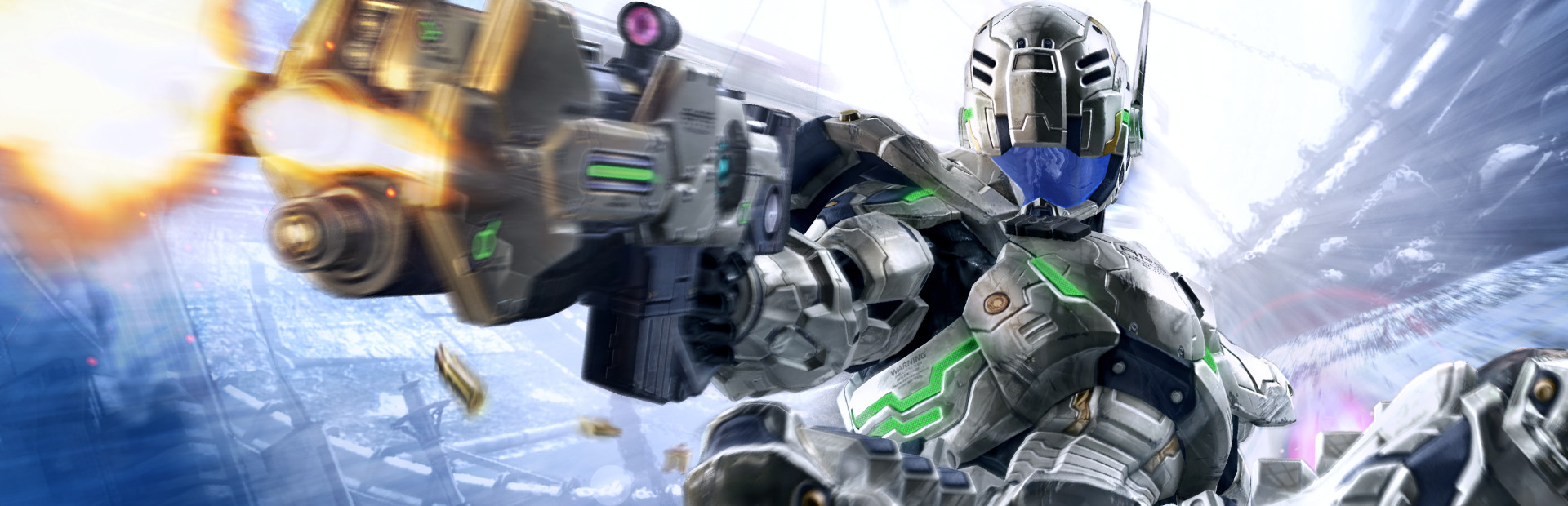
Japanese developers have a lot to learn from Western developers, but Vanquish shows that they are slowly catching on. Vanquish is infused with Western shooter’s big explosions and lots of shooting fused with Japanese fast-paced action and quick controls. Vanquish is a third-person shooter on speed thanks to the ARS suit. Sam Gideon can slide around at super speeds on the ground as well as slow down time during dodges. This allows for very hectic gameplay against robots of all sizes and shapes.
The plot is paper-thin and only advances at the very end of the game since the middle has absolutely nothing to do with the plot because you’re just dealing with in-the-moment problems, but the overarching story is a pretty standard affair with Russia trying to take over the world with a giant microwave emitter that destroys San Francisco. It’s nothing to get excited about, so just pop in Vanquish and expect fast shooting. The shooting is great thanks to using weapons that can be upgraded throughout the game with droppable upgrades. Everything is done on the battlefield, so there are no menus to fiddle with. I wish more shooters would use this idea so it doesn’t draw you away from the action. You get a loadout of three weapons and two different grenades. EMP grenades stun robots and incendiary blow them up. Different weapons range from your standard assortment of shotguns, heavy and light machine guns, rocket launchers, sniper rifles, etc., but there are a few originals, such as the disk launcher, the LFE gun that shoots huge blobs of purple energy, and the laser rocket launcher.
Thanks to the ARS suit, it allows for what would normally be an impossible amount of enemies to kill in a standard shooter, but being able to slide around at fast speeds and slow downtime isn’t the key to staying alive. If you get shot too much, your suit will automatically slow down time and burn up your energy meter. This allows you to kill any immediate danger and get to cover, but if you continue to get shot, you will die. The energy meter determines all your special abilities, and if you overheat, you have to wait for it to cool down. I found this a little annoying, especially when you start dying and you can’t shut off the use of the auto-slowdown, which will actually cause you to die during boss fights since you can’t slide away after it’s burned up.
The best part of the game is the boss fights since you have to shoot weak points, and sometimes this will trigger cinematic QTEs (Quick Time Events), but the biggest fallback for Vanquish is the repetition. Sure, there is some different gameplay stuff thrown in, like firefights on rail carts and turret sections, but I felt the game never truly took advantage of the whole ARS suit system. This is where the typical Japanese game’s generic atmosphere and aesthetics bring Vanquish down for me. While everything is responsive and sharp, it all feels generic, with weapons feeling like they don’t pack a punch and just feel like pop guns. There’s a good variety of enemies in here, but they are all just robots, and you can pretty much use the same tactic on all of them. Boss fights to recycle after Act 2, and the environments all look the same after Act 1.
The game looks good, but it is also generic-looking thanks to the typical Japanese art style of sterile whitewashed environments and copy-and-paste feeling levels. The characters are the usual stereotypical, cheesy voice-acted, empty-feeling people that you can’t really get attached to or don’t make much sense to. I want to get attached to the characters, but they just feel too cheesy and stereotypical and are completely forgettable. So why should you play Vanquish? The fast-paced action is undeniably addictive, and 6 hours is just enough to not get too sick of the game without wanting it to just end. On a side note, the ending credits are probably the most original I have ever seen in my 19 years of gaming. The developer’s faces are on asteroids, and you shoot them as their names pop up. The more important guys are harder to shoot, and the lead designer ends everything with a final boss fight. Kudos to Platinum for making credits more interesting than scrolling text.
“Fatality!” “Finish Him!” “Flawless Victory!” “Get Over Here!”. These are just some famous quotes from the infamous Mortal Kombat that everyone knows and remembers. What everyone mainly remembers is the fast-paced fighting that has been missed since 1995’s Ultimate Mortal Kombat 3. It’s been over 15 years since we got a really good and classic-feeling MK game, but it’s finally here and back with all its bloody gore. Yes, the game is still in 3D, but it’s what fighting fans like to call “2.5D.”. The game plays with a 2D feel, and as soon as you start hammering away on those classic moves and combos, you feel the nostalgia seeping into your blood.
The most surprising part of the game isn’t the new level of gore, but the amazing story mode. Yes, Mortal Kombatactually has an awesome story mode that plays out far better than last generation’s story modes. Instead of some ridiculous adventure mode or scrolling text, we get a fully acted, scripted, and voiced story about the actual Mortal Kombat tournament and a backstory on almost every classic character. The voice acting is actually good, and Netherealm Studios actually took the time to bring out each character’s personality, such as Johnny Cage’s smart lack of Hollywood attitude. Liu Kang’s eagerness, Kung Lao’s jealousy, and Sonya’s hotheadedness. The story is done beautifully, despite picking up where Armageddon left off. Raiden travels in time to his past self to stop the destruction of Armageddon. There are plot twists and even some seriously tense moments in the story that are quite gripping. I can actually say it’s the best story mode in any fighting game ever made.
However, fans came for the fight, and this seriously delivers. Not only are the animations smooth and great to look at, but the controls are as tight as ever. The game responds without any delay, and that’s what a fighter is all about. Not only is the usual gore back, but the game just packs a serious punch and feels punchy. The hits transfer amazingly well into feelings, and that’s never been done in an MK game before. The newest things brought to the series are X-ray moves. Fill your supermeter up all the way, and you can execute an extremely brutal move that shows your opponent in X-ray vision, and you can see bones crunch, snap, and organs burst. The anatomy is done superbly well, with muscles, organs, and everything else in the right place. Each character has its own special skeletal structure, so it stays true to the anatomy. I say bravo on Netherealm’s part instead of doing it cheaply.
This supermeter actually does one other thing that I love, and these are enhanced moves. Forget the crap from the DC Universe completely. When you fill one section of the meter up (it fills up faster when you are getting your butt whooped), you can do the special move while holding down the “Attack Modifier,” and it’ll change the super move up a little bit and make it more powerful. For example, doing Jax’s Gotcha Grab will only do two hits, but if you enhance it, he’ll punch them five or six times and do more damage. Do Scorpion’s Spear Throw, and he’ll throw two out for extra damage. These are great, and each special attack has its own unique enhancement. This is great for strategists who want to give their fight a little extra kick. The second thing you can do with the meter is the usual breakers, but this requires two pieces to be filled.
For the first time, tag teaming was put into the game, and it works just as great as you’d think. Each character has a special tag-out move, and it makes the game more intense and just that much more fun. Of course, the single-player story mode will have you fighting against two people for a challenge, but when you play online or with a friend, it’s an absolute blast. Of course, this could have gone all wrong, but the team learned from games like Marvel vs. Capcom to get it right. This is just one more feature the team got right but could have gone horribly wrong or made the game too unbalanced.
The Fatalities are gory, and each character has two plus a stage fatality combo. Each character’s fatality can be viewed in the move list in the pause menu, but you have to unlock the second one in the krypt (more on that later). One thing I have to mention is that Babalities were brought back, but only certain characters can do these. These haven’t been since UMK3! When it comes to fighters, there are no characters in here past UMK3. Classics are only here, and that’s for the better. You won’t see Kenshi, Kira, Drahmin, Hsu Hao, or any of those guys, but there will be DLC add-ins later on, so who knows? Each character is beautifully rendered, and they fight just like you remember, so fans can feel relieved about that. There is one new character, and that is Cyber Sub-Zero, to tie into the story mode, and he plays differently from the regular Sub-Zero and has some unique moves. Kratos is also an exclusive character for PS3 owners, and he plays just like he does in the games, complete with some quiet time buttons and moves from God of War III. He even has his own unique stage, with three different stage fatalities to choose from.
Mortal Kombat has always been known for adding a ton of content since Deadly Alliance, but this time you’re going to like the extras. The Krypt is back with just one type of currency this time around, and the Krypt has five different sections. Each one has uniquely animated item containers, and some are extremely gross, brutal, and gory. I won’t spoil it, but it’s very creative. My favorite extra is the Challenge Tower. There are hundreds of challenges that consist of fights that have different parameters, such as zombies coming toward you, and you have to use Johnny Cage’s special Energy Ball move to kill them before they get to you. There are so many that I would spend days explaining them, but they are great fun, and you earn currency doing them. One thing I wanted back so bad were the mini-games Test Your Might and Sight last seen in Deadly Alliance. They are back, just as great as before, but two new ones were added. Test Your Strike is just like Might, but you have to hold the meter inside a box for a few seconds before striking. Test Your Luck has you spinning a wheel and deciding the fighter and fighting conditions for you.
Lastly, Kombat Kodes was brought back last seen in UMK3. For people who don’t know, each character gets three boxes during the loading screen, and there are different codes such as headless combat, armless combat, dream combat, upside-down combat, X-rays disabled, blocking disabled, and it just goes on and on. These are used a lot in the challenge tower that I was talking about, but having them in VS is a blast. Lastly, the online modes are a must-have for any fighter these days, and MK was the very first one and seems to be one of the best. While Tag Team and regular 1vs1 are expected, a new King of the Hill mode lets you pick an avatar and puts everyone in a room that looks like a theater. The winner keeps fighting everyone in the room until he loses, but people can rate the fight based on a number score and can even cheer or boo the fight. This is a fun mode and is greatly welcomed.
My only big issue with the game is that the combos aren’t as crazy as in MK3, and you still have to memorize most of them, and a lot of people don’t like that. This still really isn’t a button masher, so strategic minds are still needed to fight well here. I really wanted to see more crazy combos that aren’t complicated to pull off, but if you are hardcore enough, you will find a way. Besides that, there really isn’t too much to complain about unless you want to gripe about characters from MK4 not being included.
Besides all this amazing content, the game looks superb using Unreal Engine 3, and every background is greatly animated, and they are all from classic MK games all the way back to the first one. The classic Stage Fatalities are also back, but they are upgraded to pack more punch and are gorier. Overall, the game looks and sounds amazing, with lots of content to unlock and many modes to play. This is probably one of the best fighting games of this decade so far, and it is definitely my pick for the best fighting game of the year.
Kollector’s Edition: For hardcore fans, an extra $40 gets you two beautifully crafted bookends of Scorpion and Sub-Zero in gory Kombat, Ermac’s classic outfit, a well-put-together art book, and PS3 themes and avatars. The big box is also nicely made if you want that too.
Tournament Edition: For an extra $90, you get a wonderfully created arcade stick, but it does not come with any of the other stuff besides the extra outfit. It’s up to you which one you get, but I preferred the Kollector’s Edition since the stick can be bought separately elsewhere.
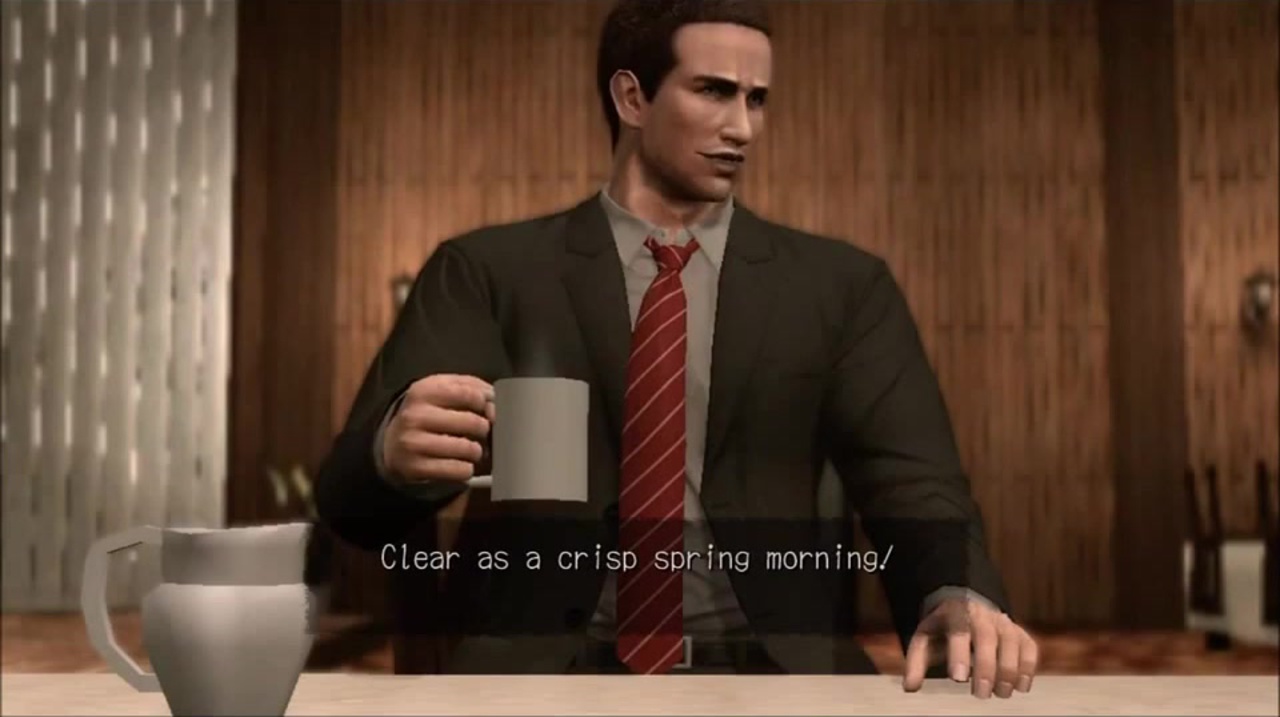
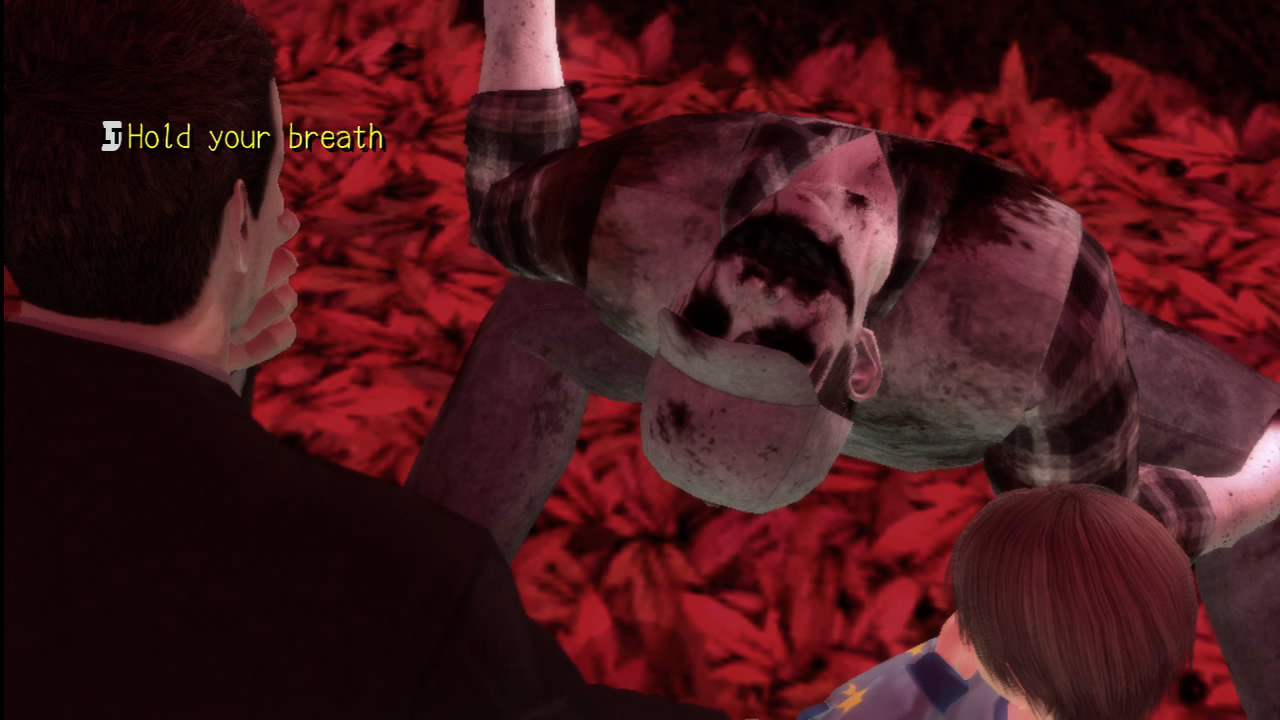
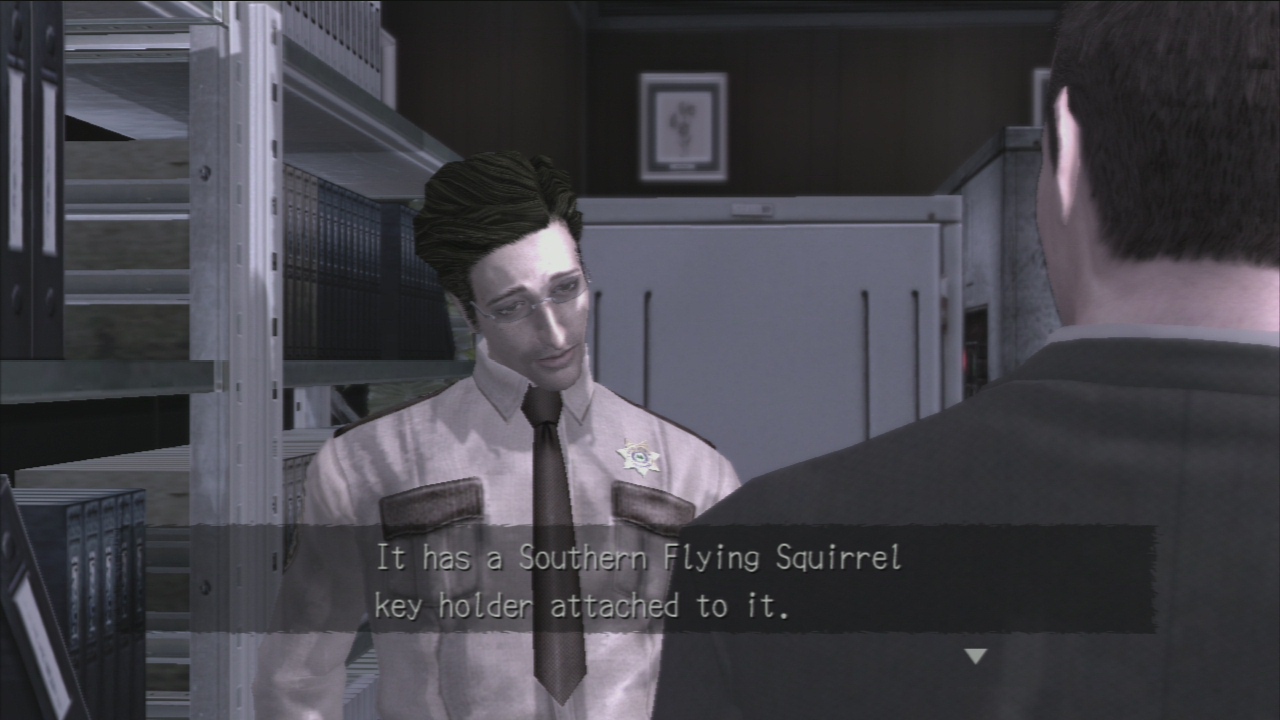
If you believe in “story over graphics,” this game is the epitome of that. It always saddens me how indie games can’t get AAA budgets because there are some out there that have better elements than AAA titles. Deadly Premonition is one of them when it comes to story, characters, and atmosphere. The game looks, plays, and feels like a pre-2003 PS2 game and is just downright ugly. I’ll get to that later, but right now you have to know how excellent this riveting story is. You play FBI agent Francis York Morgan, who is investigating a murder in the small countryside town of Greenvale. You meet the Sheriff and other citizens throughout the game, and the story is always unwinding with plot twists and revealing dark secrets about every single character.
The premise is a legend of the Raincoat Killer that rampaged through the town in the 1950s. It appears that there is a “New Raincoat Killer” mimicking the old one, and Morgan must stop this guy before he kills everyone Morgan grows close to. There are two parts to the game: driving around the regular world and entering the “Other World” to investigate crime scenes and find clues. This “Other World” is a lot like Silent Hill’s, but the game never explains what this world is or why it appears in the town. I hate how that was never answered, so it feels like it may just be tacked on. When you are in this “other world,” you get to use your guns and shoot creepy zombies. These zombies are really brain-dead and can only really hurt you if you are overwhelmed or backed into a corner. The AI is cheap, but that’s fine because you just want to know more of the story.
When you enter this world, Morgan will start profiling fuzzy clues together, and it’s up to you to find them, but thankfully the game scraps Silent Hill’s labyrinthine maze-like levels for straightforward linear ones, and I never got lost. There are red areas that show where to go, so you never get lost. The puzzles are very simple and don’t even require exercising your cerebral cortex, but it’s OK because you just want the game to move on to uncover more of the juicy story. The controls are very unintuitive, but the game works around them, so it’s never really frustrating. You hold X down to run, but you hold down RT to aim and A to attack, but LT is to lock on. The controls are strange and archaic, but they work for the most part. The weapons are your typical survival horror stuff like shotguns, pistols, and melee weapons, so don’t expect much in that regard.
The rest of the game is completely boring and downright yawn-inducing. Driving around Greenvale from place to place will make you fall asleep because the cars feel, sound, and drive like something from pre-2000 games. The game doesn’t even use real-time or dynamic lighting, but static lighting! Cones for headlights? I felt like I was playing a PS1 game sometimes. The cars sound like dying lawnmowers and drive like one too. There aren’t any people walking around, and the cars appear out of nowhere, like they just came out of hyperdrive. The developers even put in side quests and some sort of collectible card hunt, but why would you bore yourself so much? It’s dry, dull, and just not fun at all.
There are some RPG elements like having to watch Morgan’s hunger, tiredness, and even how dirty his suit gets, plus you can shave. Yeah, it’s WTF moments that are thrown in like that that really make no sense. They are unnecessary, but hey, they’re there. What really saves Deadly Premonition is that the developers knew the game’s flaws and built everything to accommodate them, like quick-time events during boss fights instead of a dodge button. It makes the game very playable, and I applaud them for doing this.
The only reason to trudge through is for the amazing story. You really care about the characters, and there is some freaky crap in this game that would even put some stuff in Silent Hill to shame. The game does drag a little bit with about 15 hours of gameplay, but they could have cut the fat out and made it about 8–10 if there wasn’t the terrible “open-world” part thrown in. If you can forgive horrible graphics, terrible animations, abysmal sounds, and archaic controls, you will be rewarded with a thrilling and deep story that is unforgettable.
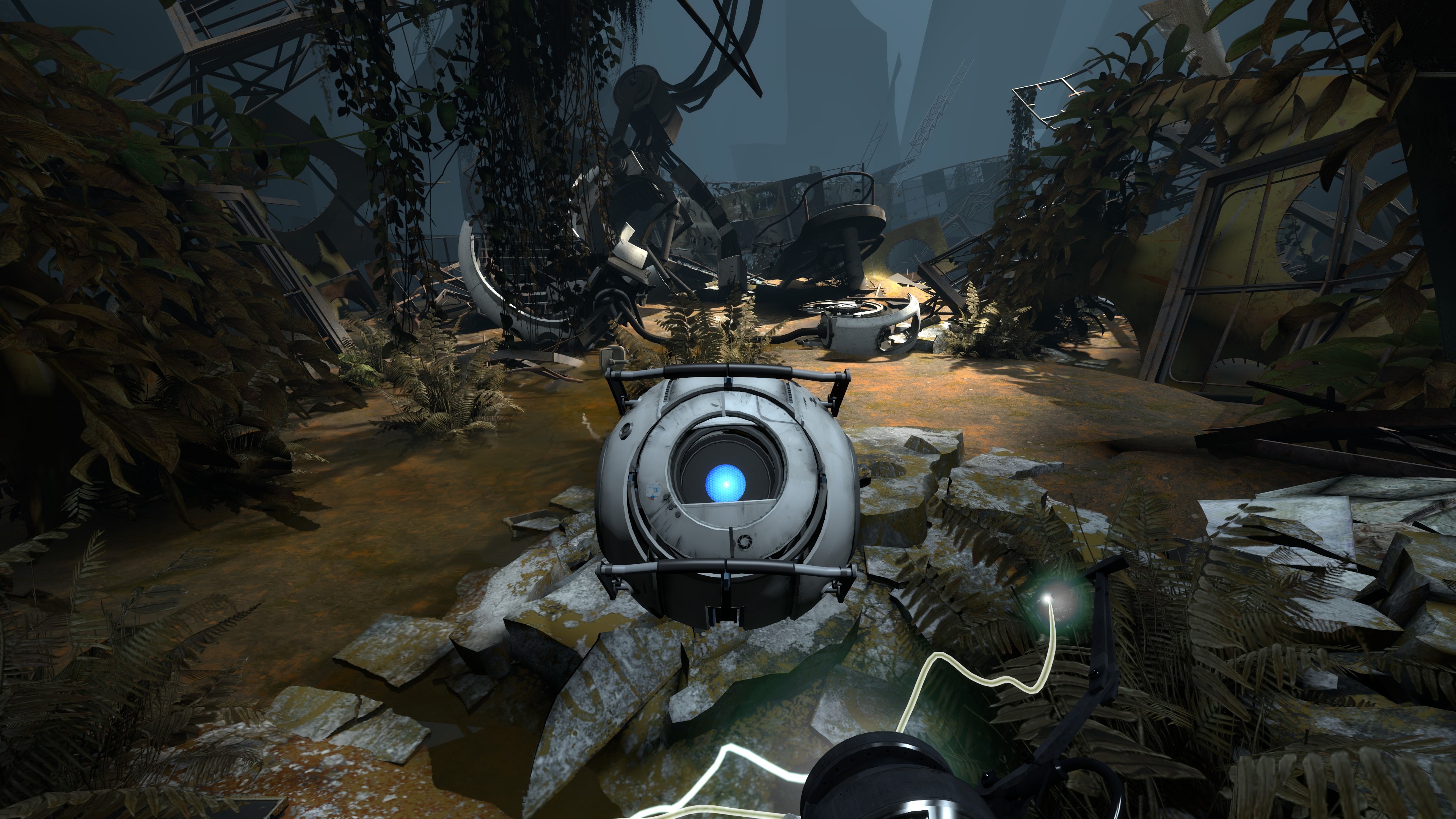
Portal was a phenomenon that redefined how puzzle games are made. The narrative was original and also helped create one of the best video game songs ever created (“Still Alive” by John Coulton). Portal 2 helps build upon this in so many ways and really helps show how a sequel should be done. Instead of just being stuck in lab testing rooms through the whole game, there are more environments to enjoy, and the narrative takes leaps forward instead of just GLaDOS’s voice droning on through speakers.
You play as the voiceless Chell once again, but you awaken after being in a coma for some time. A mysterious robot named Wheatley helps you escape your room, and you finally get to see what Aperture Laboratories is like outside the testing rooms. You get to see glimpses of the outside world; vegetation has taken over the facility; and the puzzles now take form in so many different ways. Halfway through the game, you get to see what Aperture was like 50 odd years ago and find out backstories on yourself, GLaDOS, and the founder of Aperture. The narrative is top-notch with lots of cinematic moments, but everything involves puzzle solving, and it’s so mind-bending that each one of the 50+ puzzles feels satisfying. It also goes to show how clever Valve is that I didn’t need a walkthrough once to figure out any of the puzzles. There are so many “AHA!” moments that you just don’t want to put the game down.
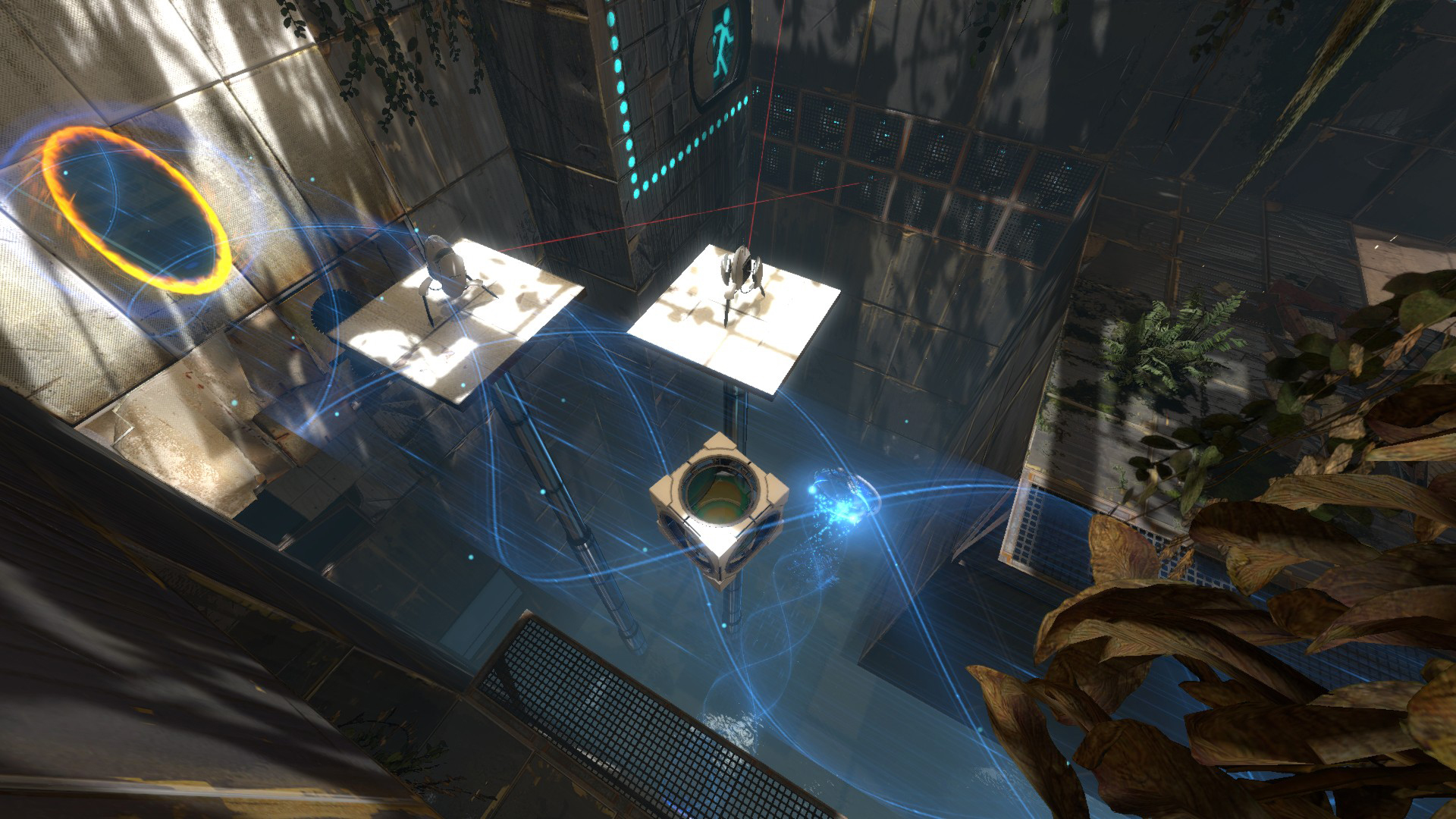
However, there aren’t just portals involved; other gameplay elements have been fused into the mix. There are three types of gels that you can use to solve puzzles: propulsion gel (orange stuff that makes you go really fast), fusion gel (blue stuff that makes things bounce), and conversion gel (which allows portals to be made on non-portal surfaces). Due to these new elements, you have to totally rethink how you work with portals, and it’s a great new mechanic and super fun to use. There are a few other things, such as jump pads, new types of companion cubes, turrets, and other items to solve puzzles, but explaining is almost impossible because you should just play it.
The puzzles are just so uniquely fused with the narrative that you never feel like you’re just jumping from room to room anymore. This really feels like a puzzle or adventure this time around, and some of the puzzles span two to three rooms. There’s constant chatter from characters while solving puzzles, so it doesn’t feel as stale this time around. All the new characters are great, and you’ll like them (or hate them) quickly thanks to Valve’s one-of-a-kind storytelling abilities. The music is one thing I love about this game because when you start bouncing around a room or sliding, there’s unique music that instantly plays when you’re doing these things. You get a strong sense of vertigo thanks to the game’s new take on heights, but the music is just phenomenal. This soundtrack is purchase-worthy, and the new GLaDOS song at the end is just as good as “Still Alive,” but in other ways.
The visual quality is great, but Valve really needs a new next-generation engine. Portal 2 uses the Left 4 Dead 2 Source engine, so everything looks nice, and there are some great visual effects (mainly the gel) as well as great lighting, but it’s not exactly up to par. Thankfully, there’s a huge variety of things to look at this time around (the game is over 10GB!) and the addition of a co-op campaign with an additional story and two new characters is a huge plus, so it’s like two games in one. There are also some quality extras, such as developer commentary, and you can customize your robots in the co-op campaign, which is a nice touch.
Portal 2 is truly something unique for this generation and probably the most innovative puzzle game ever made. With a strong narrative, lovable characters, and tons of new gameplay mechanics, it’s like the first game didn’t even exist. Don’t be overwhelmed by working with portals because this game takes your hand for a while and slowly lets you go when you feel confident enough, you’ll know. Valve knows how to make great games, and other developers need to follow suit.
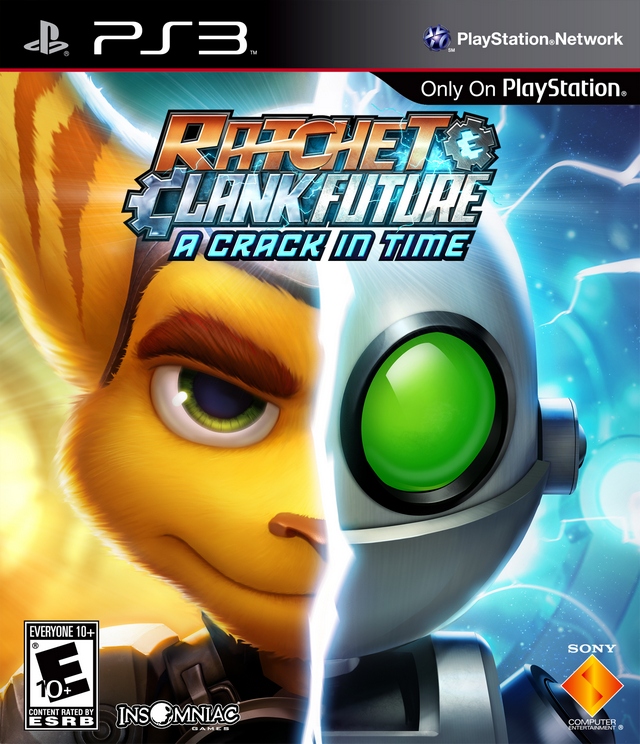
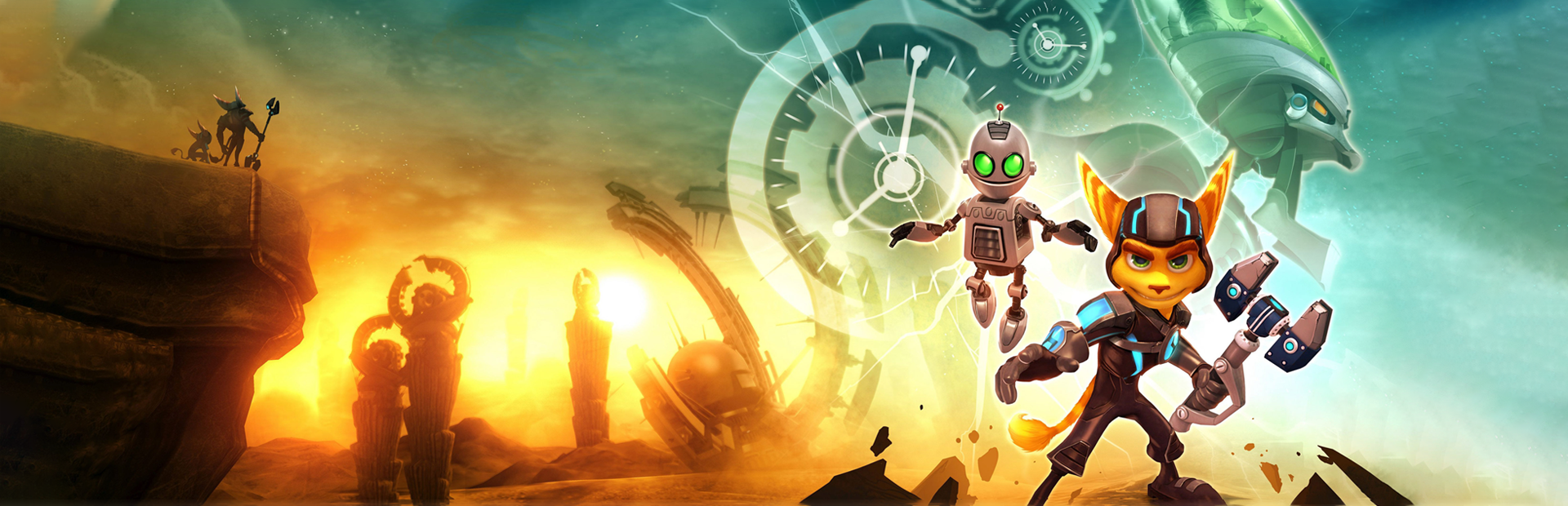
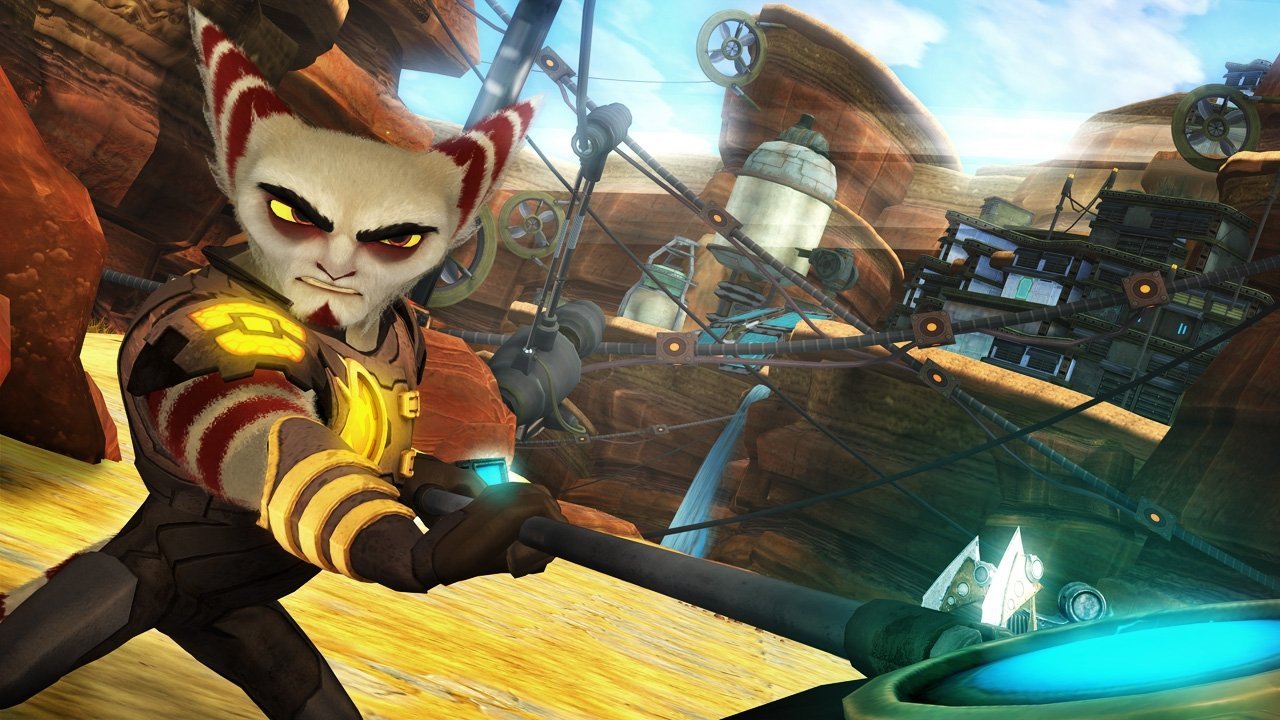
The Ratchet & Clank series is dear to me because it came out about ten years ago, when I was just seriously getting into gaming. It’s part of my generation, and now that I’m playing the last game in the second part of the series, it feels great. Everything you expect from a Ratchet game is here and intact, and nothing has really changed. That’s both good and bad, depending on how you look at it. Hardcore fans will love this and not feel a thing towards the repetition, but to me, it feels like Insomniac is running out of steam gameplay-wise. The story is great, but it’s the same run and gun controls, slippery platforming, and a few curve balls thrown in to keep the series interesting like past games.
This game is serious story-wise and tells the tale of Clank’s origins and what his purpose is, and this is the best part of the game. It’s what we’ve been waiting to hear about for ten years, but after playing Clank’s mind-bending puzzle sections, Ratchet’s feel monotonous after about halfway through the game. Changing up the levels doesn’t cut it anymore because the graphics are pretty dated. The art style is still charming, but the graphics look like a really good PS2 game compared to other games out there today.
Clank’s levels consist of time manipulation, and you can record yourself to solve puzzles. It’s hard to explain, but there are four sections in total through the game (not enough), and then there’s a bizarre dual-stick shooter mini-game thrown in towards the end of the game. Clank’s levels look better than Ratchet’s and have better effects, but this is where the most interesting part of the story plays out. Clank does have combat abilities, but it’s nothing you haven’t seen before.
Ratchet’s levels have been the same since 2002, and while there are some new weapons, I found a lot of them useless for once in an R&C game. A lot of the enemies recycle and repeat, and only certain weapons are good against certain enemies. However, later in the game, a lot of the weapons just don’t do much, and you resort to using more powerful weapons. You can find mods for your weapons that add different types of ammo, make it shoot differently, add power, etc., but these are hard to find and require hardcore fans hours of dedication to finding them all. Ratchet has a couple of new gadgets, such as the OmniSoaker and Hover Boots, but I wanted to see some more since this is a finale.
Ratchet can now freely explore space and visit mini-worlds for Zoni (to enhance your ship), mods, gold bolts, etc. This adds variety to the game, but after a while, it gets boring since there are only so many different types of worlds that are copied. Space battles add a nice mix to the fray of just-on-the ground run-and-gun affairs, so they are welcomed. Just like ground shooting, once you get to the last sector, you’re just tired of the same space fights and planet exploration.
The best part of the game is probably the boss fights, since they are challenging and each one is different and unique. It really makes you utilize your arsenal, but again, some weapons will be completely useless. There seems to be a bit of uniqueness and variation here and there, but it’s not dished out as fast or as often as in past games. The enemy variety is really low, so you will kill the same robot one million times by the end of the game. It’s a shame. Time turned out to be such a repetitive game because it has a ton of potential. I would have loved to play more as Clank solves puzzles, but there’s enough here to keep you going through the 15+ hour game.
Despite a nice ending to the game, you can start a new game+, but there’s no real incentive to go back through since you’ll want the game to end early on anyway. The voice acting is top-notch as usual, and the storytelling is Pixar quality, but this is probably the worst R&C gameplay-wise just because I expect a lot from Insomniac. The series needs a serious reboot or I’m not coming back to visit the furry one and his metal pal.
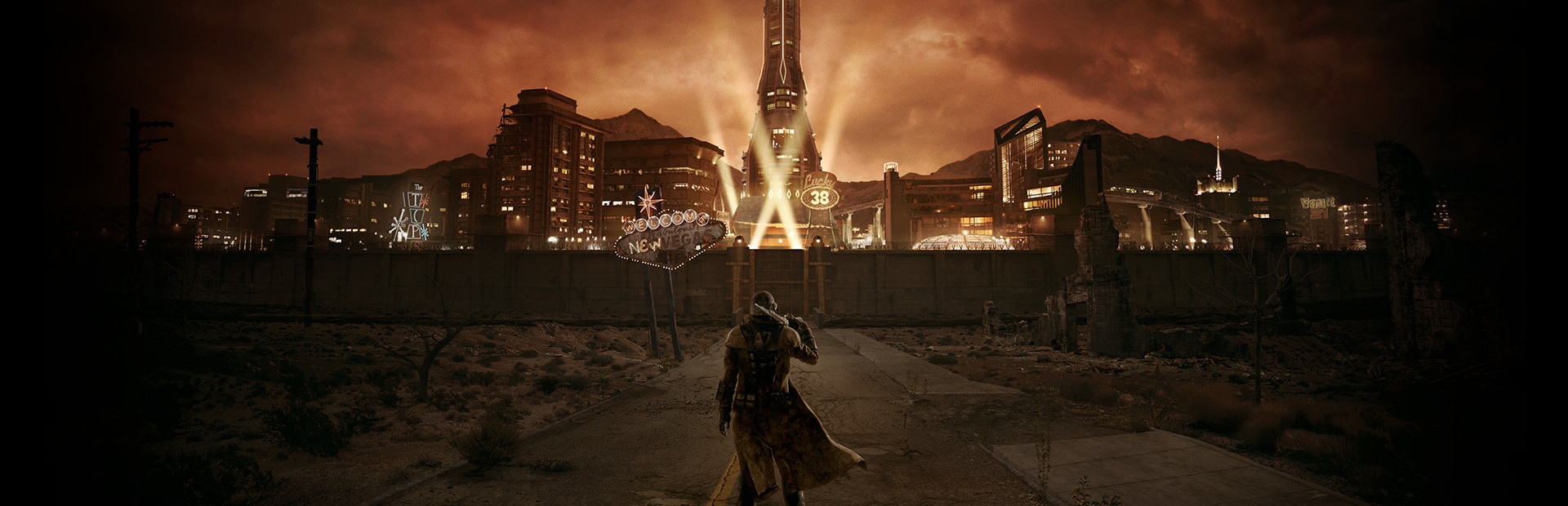
I have a feeling the Fallout series has a curse that the first DLC release isn’t very good. Dead Money tries to do things with the game that it can’t do, and it makes the DLC very hard and sometimes boring, but the story, characters, and underlying reason why you’re in the Sierra Madre are great. You start off by following a signal to the Sierra Madre Casino, but then you’re knocked out and a collar is put on you. You’re told to find three people to help you open the casino and bypass its defenses.
The three characters are great to talk to and learn about. Dog/God is a super mutant with schizophrenia; Dean Domino is a British stage actor turned ghoul; and Christine is a mute who was tortured. After you find each character, you must take them to their designated spots in the villa. This is the second part of the DLC, but by the time you get here, you’ll have cried up a storm. The game features heavy stealth and hand-to-hand combat, so people who put points into the classes will breeze through it. There are guns, but the ammo is scarce, and people who invested in energy weapons have no shot here.
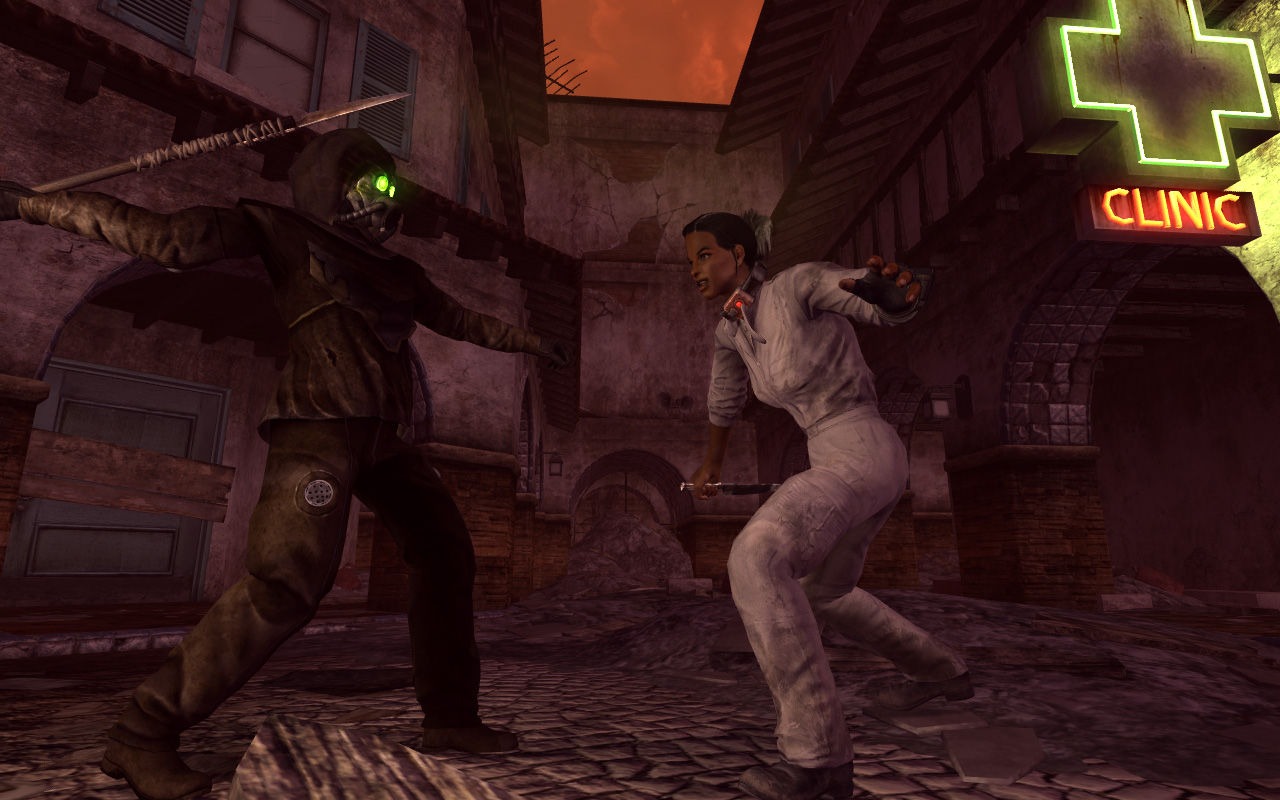
The ghost people are extremely hard to kill, even if you are at level 30. You’re mainly forced to use melee with bear trap fists, spears, and knives. If you invested in guns, you’re going to have a real hard time here. It doesn’t help that all your equipment was taken away and you stuck with the few armor pieces in this whole 8–12 hour DLC. It’s light armor, and it sucks, but it’s better than nothing. There are no vendors here, just vending machines. Oh, but wait, you can’t use caps. You have to use Sierra Madre Casino chips that are scattered everywhere to buy stim packs, ammo, and everything else. Yes, why would they work against the system that’s already made and working? It’s very odd and makes playing the game so frustrating because you’re scrounging and looking for exploits in the game design to not die.
It doesn’t help that the DLC is very maze-like, and this is bad for this type of game. Where are the open areas? Nowhere. It’s just corridor after corridor, and it’s dark, bleak, and boring to look at. Everything looks the same, and it’s not very nice to be in either. Not in a good way either; I felt cramped throughout the whole ordeal, and it gets worse when you get in the casino to figure out how to get into the vault. I hope Obsidian doesn’t force us to do things the engine can’t really do next time. Part of the frustration comes with the beeping collar. Let it beep too long, and you blow up and die. There are speakers everywhere that emit a signal, and you have to run around until it stops, but this is trial and error. Run down the wrong path, and the signal won’t stop there, so you die. Yes, save constantly, or you will tear your hair out.
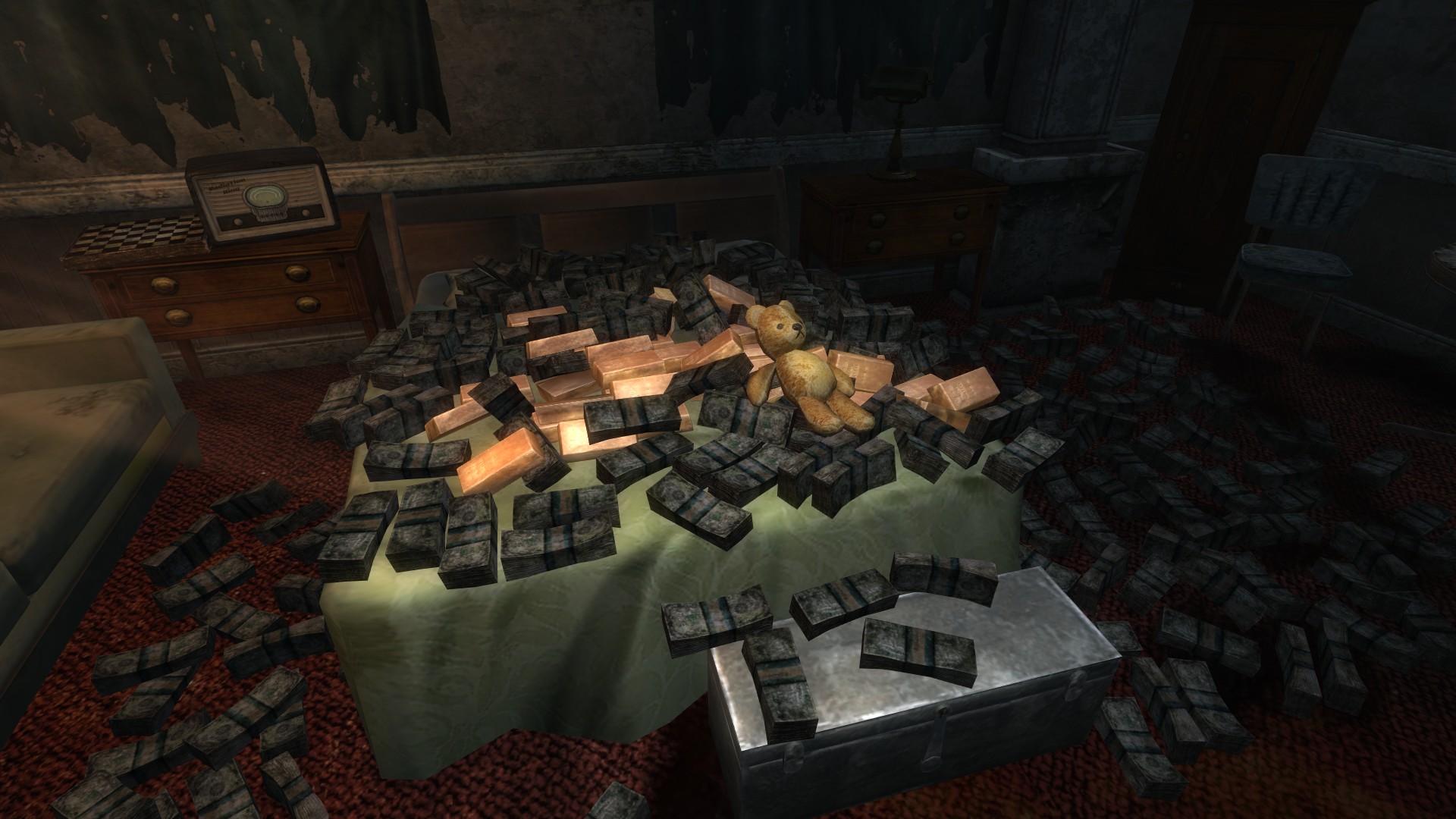
This mechanic is probably the most flawed since Fallout isn’t meant for this kind of stuff. I started hearing the beeping in my sleep; it goes off so many times. Some speakers you can shoot and others you can’t, but good luck that you do not get tired of this. Overall, the story is excellent, and I really felt attached to the characters. The ending is probably one of the most interesting I’ve seen in a game, and I’ll say this part because it won’t spoil anything. There are gold bars, and you can carry as much as you can, and they are worth over 7,000 caps each!! I saw these and tried to stuff my pack with them, but they weigh you down quickly. I decided to drop everything except one weapon and my armor to carry about seven of them. People who have the Rat Pack perk will take advantage here.
With two different endings and choices being a big part of the three characters, you should enjoy this part of the game. You can only get this if you are a hardcore Fallout fan; otherwise, you should just pass. It’s way too hard, and the mechanics work against what’s already established.
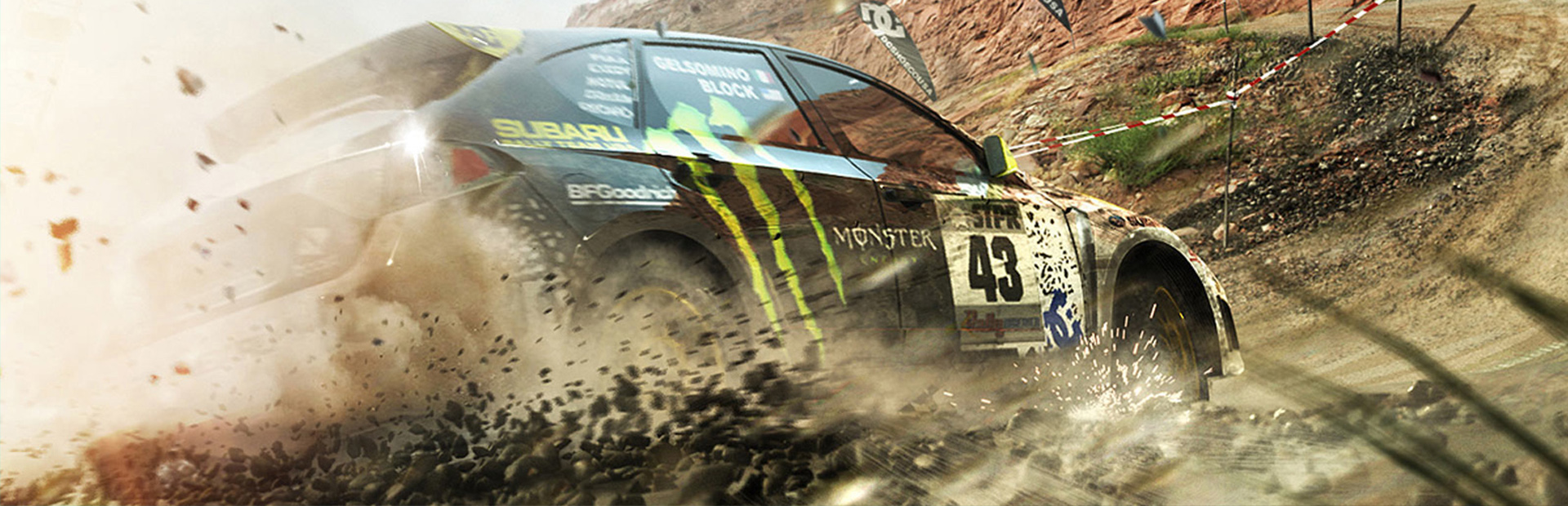
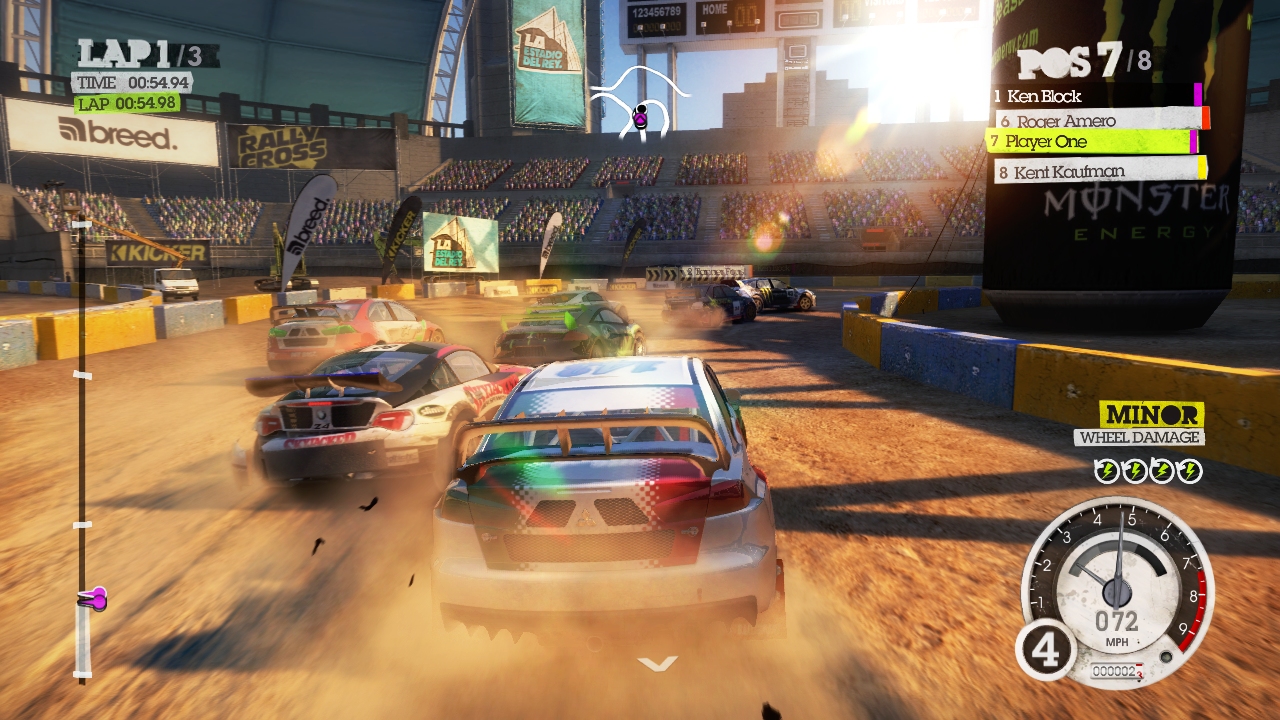
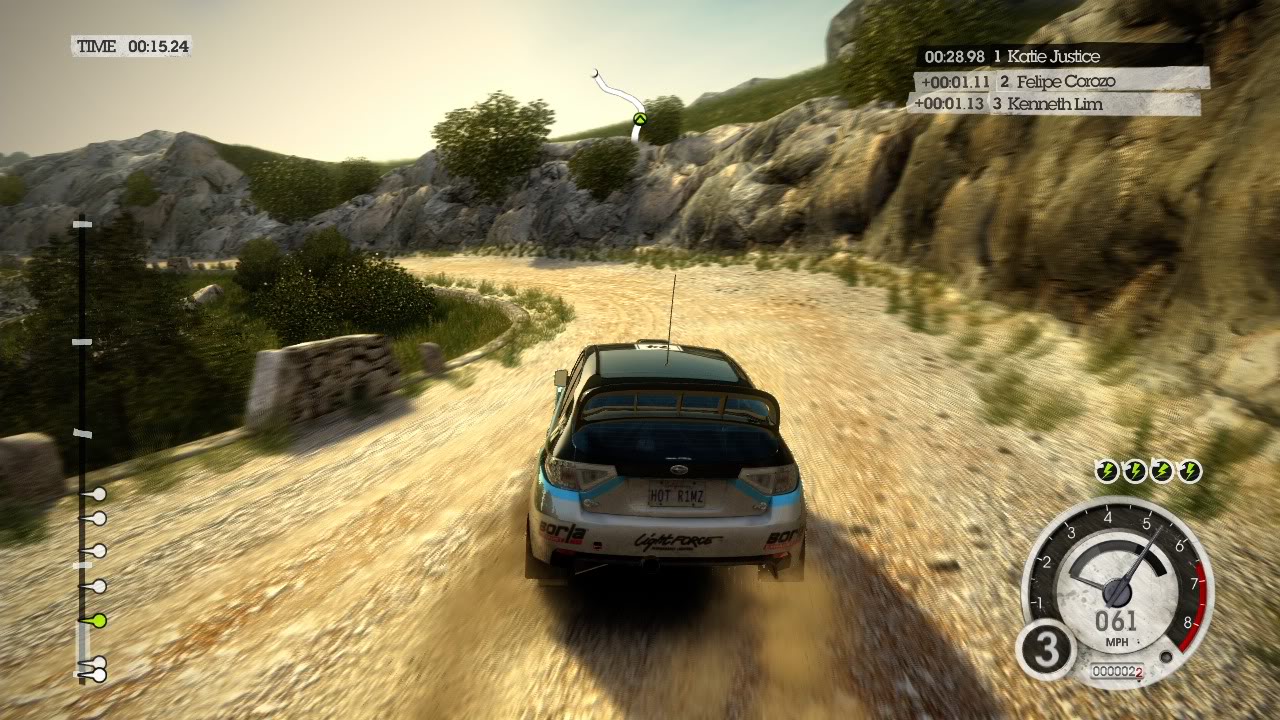
Racing games are usually highly criticized because there is an overabundance of them. Everyone quickly pushes out the crappy racers and holds the good ones up high enough so everyone else can see through the overcrowded genre. DiRT 2 is an amazing rally simulator, and I don’t think there is another rally racer that does this better. The first thing DiRT fans will notice is the complete visual change from the last game. It uses a lot of elements from GRID and has a more Americanized visual attitude by using real-world famous drivers with voice clips to help you out. Gone are the more serious-style menus, and I kind of miss those. The virtual menu is pretty neat, though, which has you walking inside your tour bus for various options and outside to select your cars. It’s a neat idea, but the whole Americanized badassery with the drivers is a turn-off. Not to mention the voice clips are really annoying to hear over and over again, and there’s no option to turn them off.
Once you select a series of events (there are a ton of them) from one of the several areas around the world, you get to pick up your car. Each car has different stats, but you have to buy upgrade packs for different types of events. There are so many different types of cars for raids, rallies, races, trophy trucks, dude buggies, and the list goes on. You can’t upgrade your cars (still), but that is OK because you can now adjust settings such as downforce, gear ratio, suspension, etc. before the race starts (you will have to adjust these occasionally).
You can also select different liveries, rearview mirror toys, dashboard toys, and horns. These are to actually just show off the amazing physics engine, but it’s neat to see a toy dangling around in real-time physics on your dashboard and mirror. Once you hop into a race, you’ll notice the superb cockpit view that was revolutionized in the first game. Everything can be seen, not just your hands. You can look down and see your foot moving on the pedals, your hand shifting, and all the switches and parts of the interior. You can even see your screen swaying to your left in the Raid cars. It’s astounding how Codemasters got everything so detailed without having to have some sort of crazy hardware requirement.
When you’re actually racing, everything comes to life with the physics and sound design. You can hear rocks singing off your car, dirt scraping under your tires, water splashing up on the windshield, and your wipers kicking in and wiping it off. It all looks amazing and adds to the realism. Your car will get damaged in real-time, and dirt will stick and cling to the car as you drive. Depending on what difficulty you chose, you can view your replay at any time and rewind time, which was borrowed from GRID. This helps a lot during tough and long races. Sliding around and drifting around corners is all about skill, and that’s what’s so great about DiRT 2: that you win entirely based on your skill. The AI is also great since they will crash and go crazy when trying to catch up to you; they may even get totaled and have to drop out of the race altogether.
You never really get bored with the game because you’re always leveling up from the XP you earn in races (even completing “missions” such as jumping a certain height, etc.) and constantly unlocking new tracks, locations, and different event types. DiRT 2 also supports Windows Live and the Xbox 360 controller, which is great for people who love that. I want to give DiRT 2 a perfect score, but I wanted more than just racing-type events, and the sudden change in style really bothered me. I also wanted to be able to actually upgrade my cars and have more toys, liveries, and unlocks. There’s a very small amount, and that’s a little disappointing. The game can also be very hard thanks to such realistic physics where you’ll be retrying some events 20+ times to get first, but if you drop your difficulty too much, you won’t earn much money.
I highly recommend DiRT 2 for rally fans, racing fans, or anyone who just loves simulators. There’s enough here to make fans of the last game jump for joy, but some of the sudden changes will make them grumble in annoyance.
High octane is what makes arcade racers fun, and Nail’d nails it with some of the sickest sense of speed I’ve ever seen in a game. The track just whips by, and the jumps are insane, with 300-foot drops, train tunnels, windmills, construction sites, and more. If you thought games like Freekstyle, Splashdown, and Pure were crazy, think again. The vehicles (ATV or MX) control great with really no understeer, and you can whip around 90-degree turns without slowing down. You just hold down the gas and enjoy the crazy ride.
Of course, this is all the game is, and there’s no depth, unlike the three games mentioned above. You just go from start to finish and try to get as much boost as you can. There’s no trick system, and the upgrade system unlocks so slowly that I only unlocked 3 items halfway through the game. You can probably beat almost 75% of the game without upgrading your vehicle, and this is sad. The opponents don’t really put up much of a fight, and even if you fall behind pretty far, you can catch up if you just keep earning a boost.
You can earn a boost by landing straight, landing on top of opponents, or jumping through boost hoops. These are scattered all over the place and on the many branching pathways. Some hoops are hot air balloons that move; some are even on jets! The tracks are laid out in a way that you can just go without thinking, so there’s just one gear: GO! I actually don’t even remember using the brake button, even when holding down the boost. It’s very exhilarating but adds zero challenge, and after you play every track a couple of times, you will probably get bored (like I did) and may not even finish the game.
Finishing the game can be a huge pain because there’s no way to tell if you beat a race or not. Yeah, I know that sounds crazy, but when you play a race, it just turns gold. There’s no information on what you placed, your time, or anything like that. Each cup has five stars, and you must get all five to move onto the league cup. If you accidentally skipped a race or didn’t place first, you have no idea which one, and you have to play them all over again to find out. That’s a huge design flaw, and it really bumps the game down a lot, sadly. All the problems mentioned above could have been solved with more time, but even changing your rider’s outfits won’t fix these issues.
Multiplayer is almost non-existent since no one is really playing online, and when you do, it’s whoever crashes first, because unless they are bad drivers, they will constantly use a boost, and you will never catch up. The game also has a weird login and password system, but it’s not connected to any site or anything like Dragon Age, Crysis, or any games like that. Besides this, the game looks pretty damn good, and the motion blur effects help enhance that sense of speed, and there are some nice water effects as well.
Nail’d is a great bargain bin game for people who love fast-paced racers but don’t expect the depth of content you have grown to love from the better arcade racers out there. Multiplayer is something you shouldn’t bother with, so just sit back and enjoy the insane tracks and pretty visuals.













































 thebinarymessiah.com
ORC is probably the worst game in the entire series. It's objectively awful. Being bad isn't different. Different is Outbreak…