Why is it that all things childish have to be bad? Marvel Super Hero Squad features pint-sized superheroes that you would expect to have life-size powers, but this seems to be just an illusion. The game has a great story with Dr. Doom trying to take over the world with an infinity crystal. Modok screws up his doom cannon and blows the shard into six pieces that each side is desperately trying to find. The voice acting is great, and the dialog is actually pretty fun, which is a plus for such a crappy game.
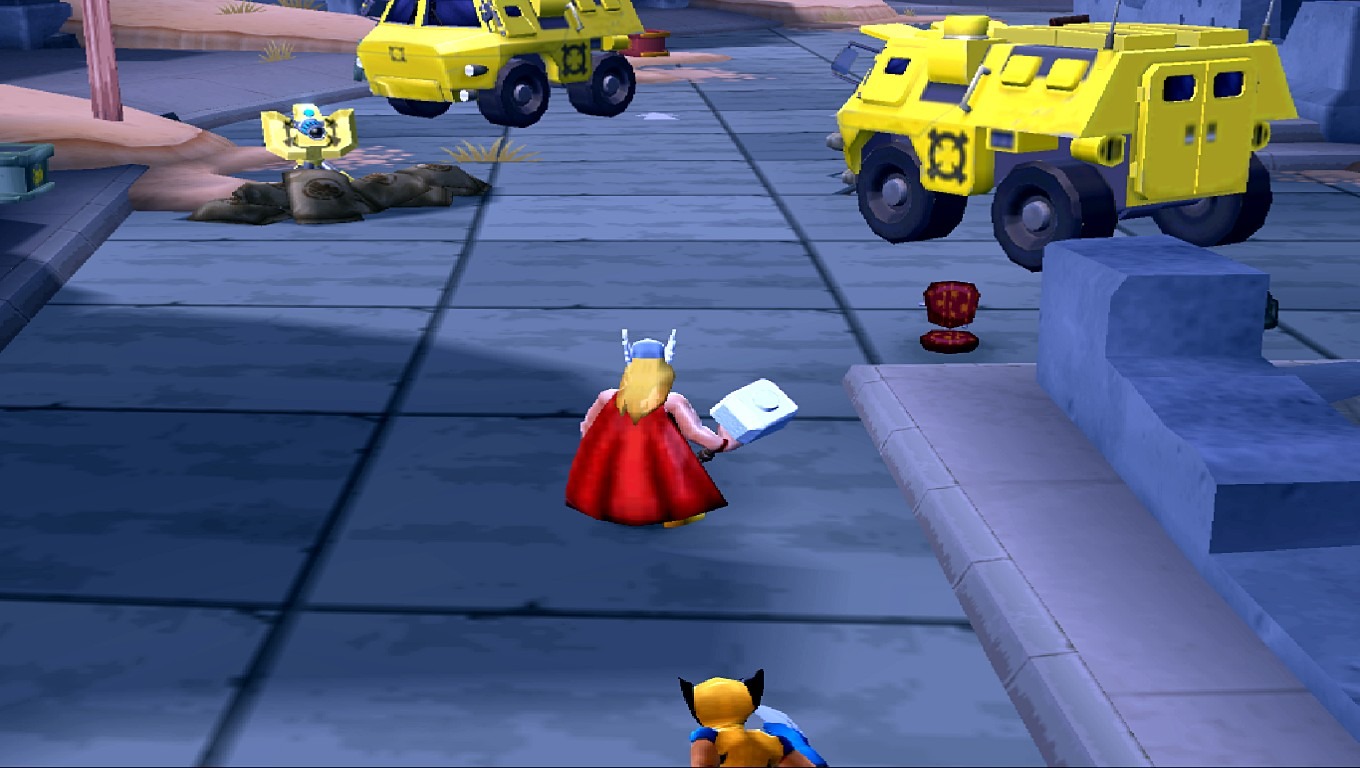
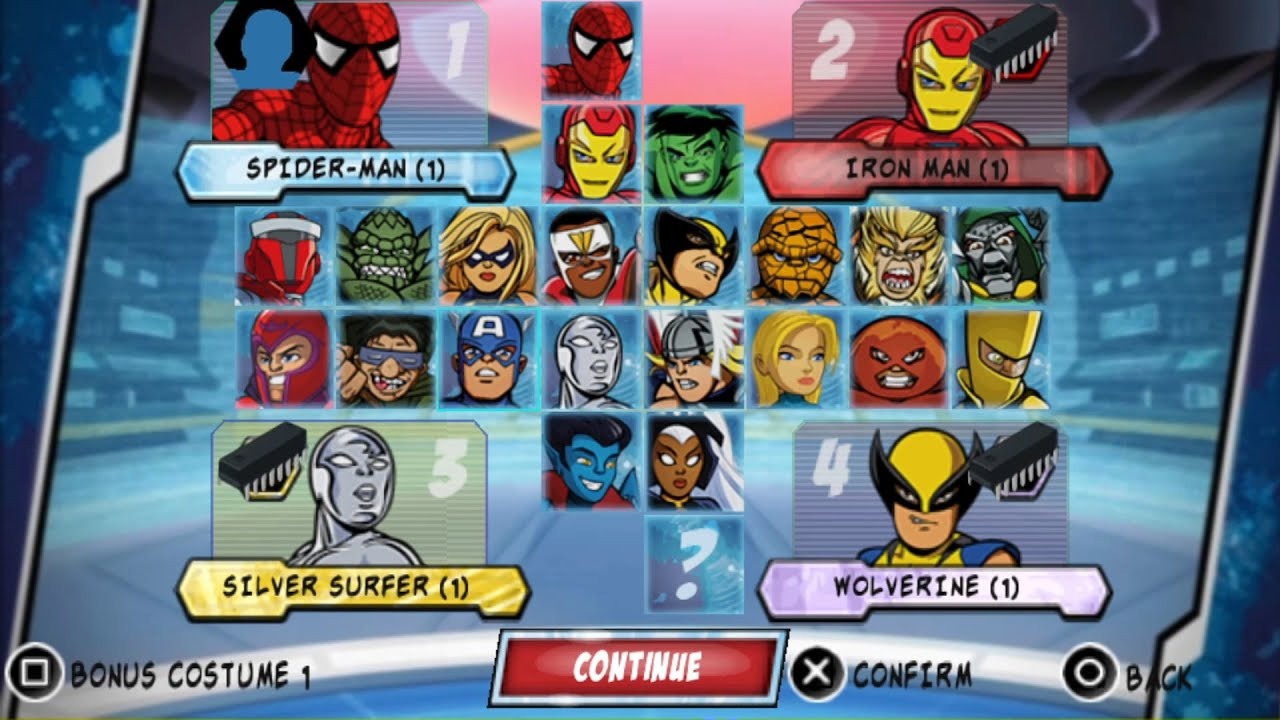
What really hurts the game is the repetition. You start the game by picking two different heroes, then you are thrown into a level with yellow guys called AIM soldiers. You basically mash X (light) and O (heavy) attacks to kill these guys. You can pick stuff up and throw it at them, and sometimes you can use a powerful special attack. That is pretty much it. Yes, I am dead serious. Do not doubt this. I played well into the second chapter, and nothing changed. There are some semi-fun button-pressing sequences, but that’s as far as variety goes in in-game play. Each character plays exactly the same role, so choosing different characters isn’t going to do you much. Enemy variety is pretty minimal, and not only is the game repetitive, but the controls are sluggish and hard to manage.
If mindless button-mashing is your thing, then go for it since the objectives are also just as boring. Kill all enemies here, destroy all equipment here, protect this, protect that. The issue here is that the enemies never stop coming. Combat wouldn’t be too bad if you didn’t have to fight the terrible camera, but there’s no way to control it. Sometimes the camera will even do weird things like zoom WAY out where the level is a lot, then go back in.
If you like co-op, then that is probably the best thing to do here, or go into battle mode and fight it out. There are some extras, but they aren’t worth playing through this horribly repetitive and boring game. Save it for the kids.
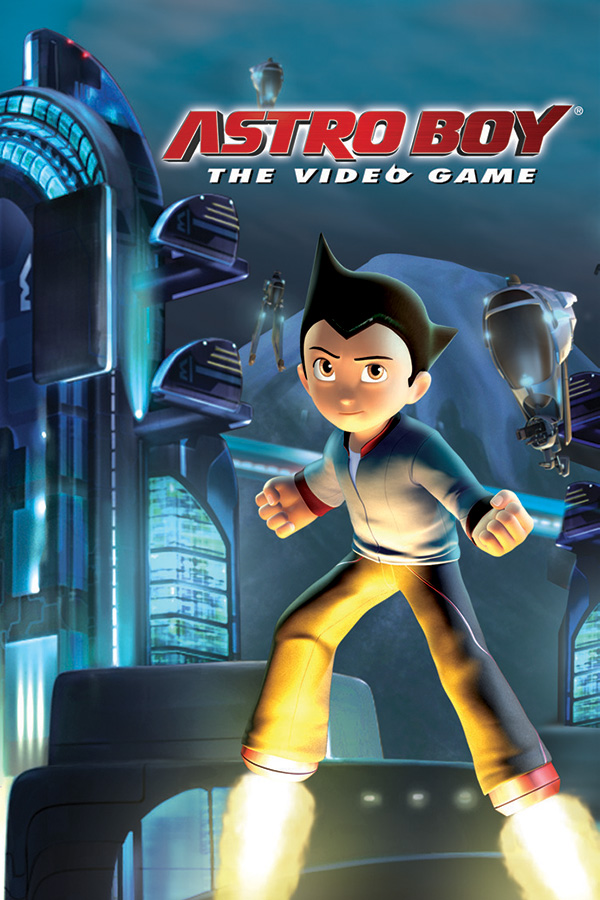
You all know Astro Boy, right? Well, probably not, since he is a lesser-known comic superhero. A boy is caught in a scientific experiment. This game is based on a 3D movie that will come out soon. The best Astro Boy game is by far Omega Factor on the GBA, and I have to say, from looking at the screenshots for this game, I thought it would be much like that aforementioned, but it’s just another movie tie-in cash cow.
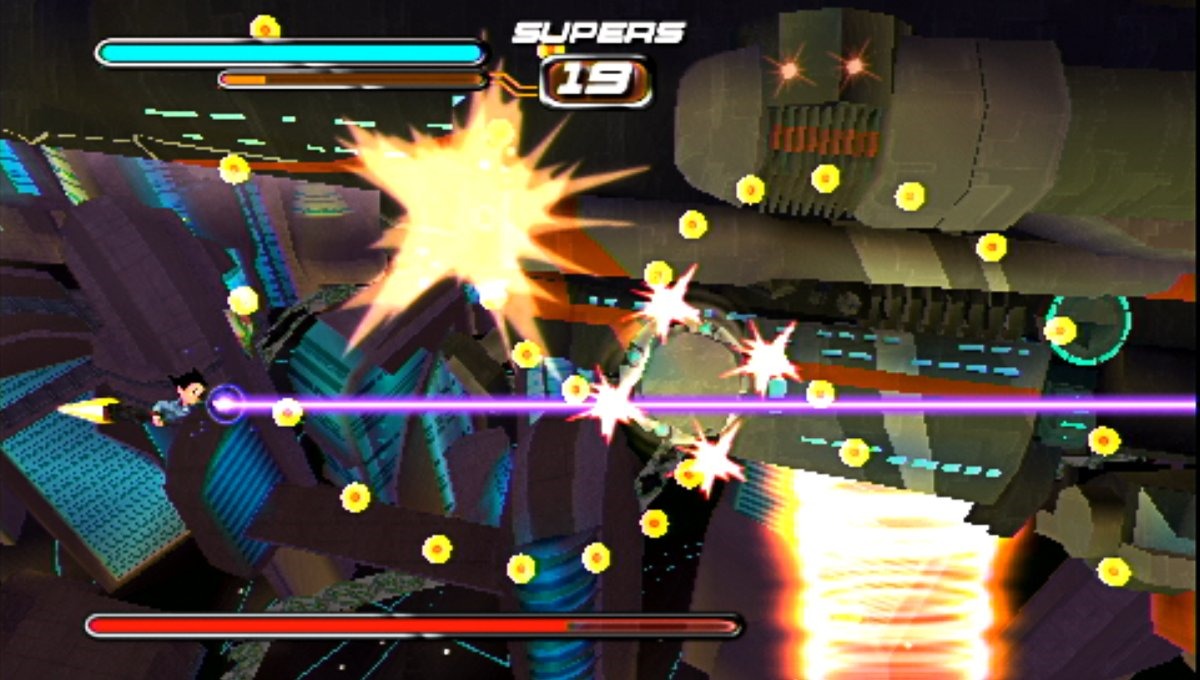
Everything starts off great with Toby flying through the air using his laser, guns, and various other weapons. Killing enemies gives you orange orbs that charge your special meter, and these can be stacked up to ten. Using the latter moves using one of those bars, even healing. That sounds great and all, but the game relies on this way too much, and you deplete your special bars way too fast. Most of the enemies are hard to kill, even from the start, so what do you do? Use your laser or punch them. The problem with punching is that it’s slow and unresponsive since you can’t punch while moving. Once you hit the button, Toby stops dead, and you have to wait for the whole animation to play out. Not a very good thing in a fast-paced game at all. If you think that breaks the game, the jumping is even worse. Using a double jump makes Toby fly in one direction instead of just double jumping. Single-jumping is slow and pathetic, like you’re on the moon or something. This makes instadeaths constant and very frustrating.
While the story has potential and the game looks and sounds good, the game is killed by the terrible controls and badly thought-out design. You can upgrade your powers, but you probably won’t get far enough to do that before hurling the game out the window. Astro Boy is supposed to be fast-paced and fun, but all we get is a sluggish, hard, unresponsive borefest. Think of a delicious-looking piece of candy. It looks yummy, has a great color, and shines on it, and when you bite down, it tastes like vomit. That’s Astro Boy in a nutshell. If you really liked the movie, just go play Omega Factor on GBA or even the other mediocre Astro Boy that came out a few years ago on the PS2.
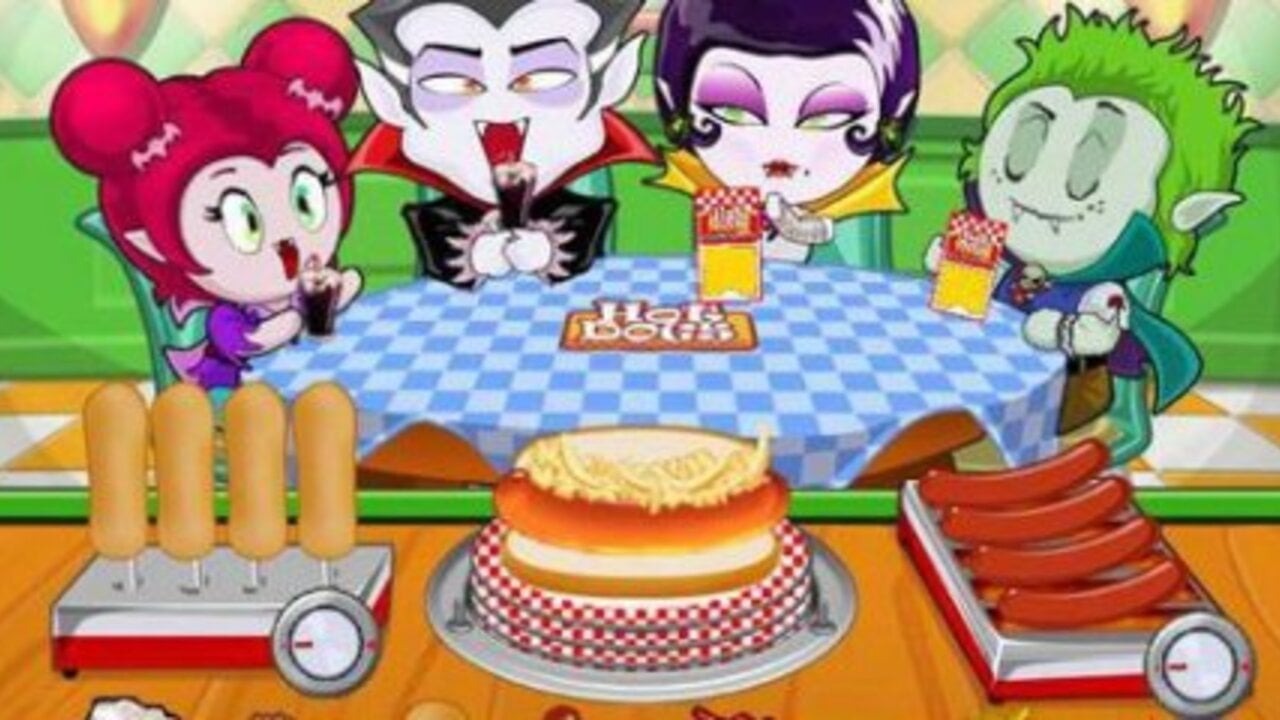
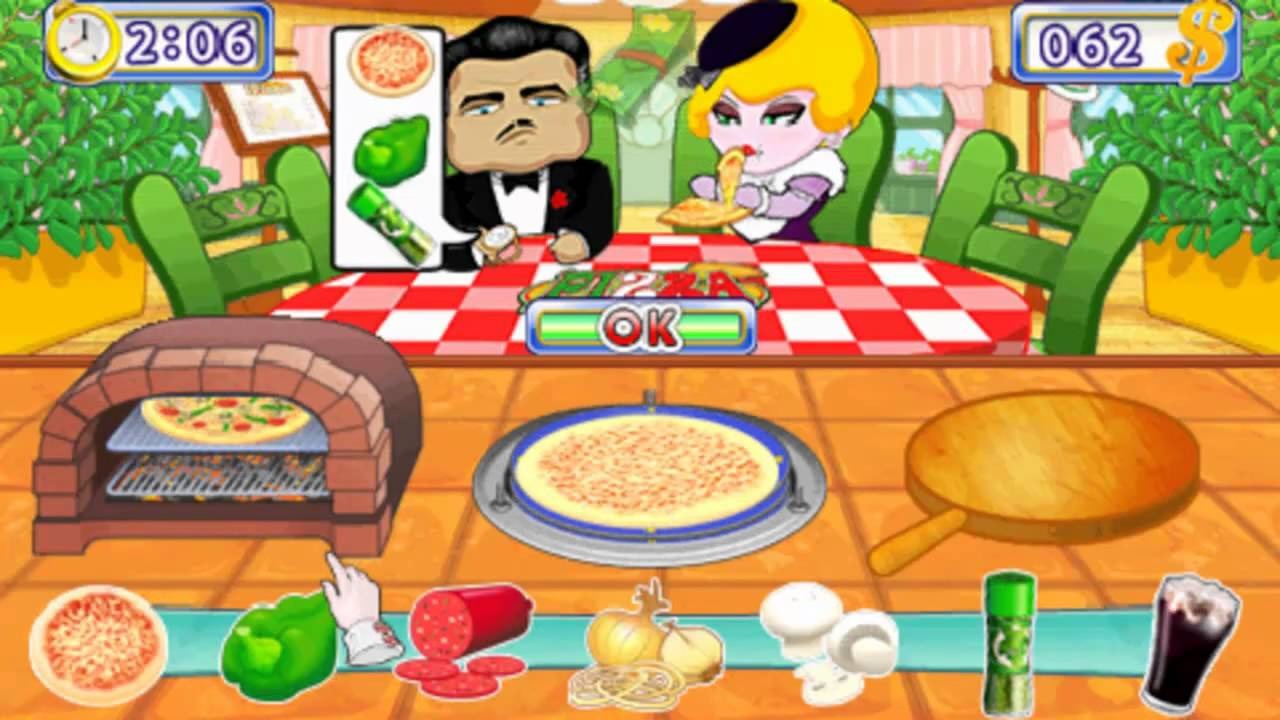
Cooking Jam is one of those little games that you wish were just a tad more fun. In Cooking Jam, you can make four different kinds of dishes: hot dogs, burgers, pizza, and tacos. You have four seats in front of you, and when customers come in, you hand out menus and wait for their orders to pop up beside them. For example, if you’re cooking hot dogs, you have to stick the buns on a bun warmer, the hot dogs on a dog warmer, and then put either ketchup, mustard, or onions on them, depending on the order. You can adjust the heat on the warmers, but if you wait too long, they will burn to a crisp. You can still serve this, but you will get a smaller tip.
Sometimes customers want a soda or even fries. While this sounds simple, that’s really all there is to it. Nothing ever gets hectic since you only have up to four people at a time. Sometimes they will order more than once, and that can throw you off at first, but everything is always manageable.
The goal is to fill your money meter to make the quota for the day, but this is always too easy, even when making food takes money away. If your customers get impatient, you can use a “secret ingredient,” depending on what type of person they are.
Speaking of that, the graphics are really simple, and so is the sound. The graphics are bright and colorful, but they are repetitive and nothing really interesting. The same song loops in the background over and over, and the grunts and various sounds are all repeated constantly, and it just gets old really fast. The bottom line is that after you try each dish once, you will get tired of the game, and I doubt you will play through all 48 stages. I just wish this game had more variety because it has a lot of potential.
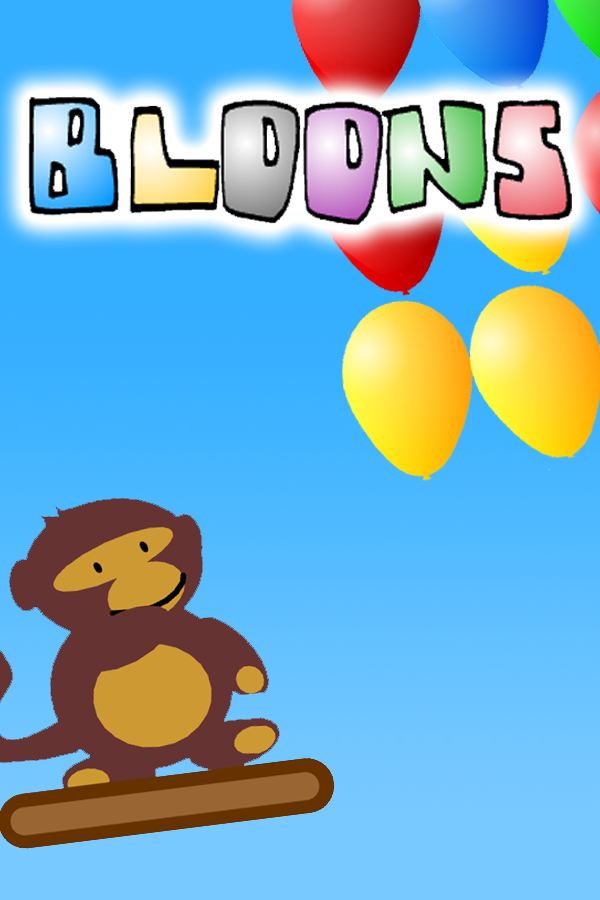
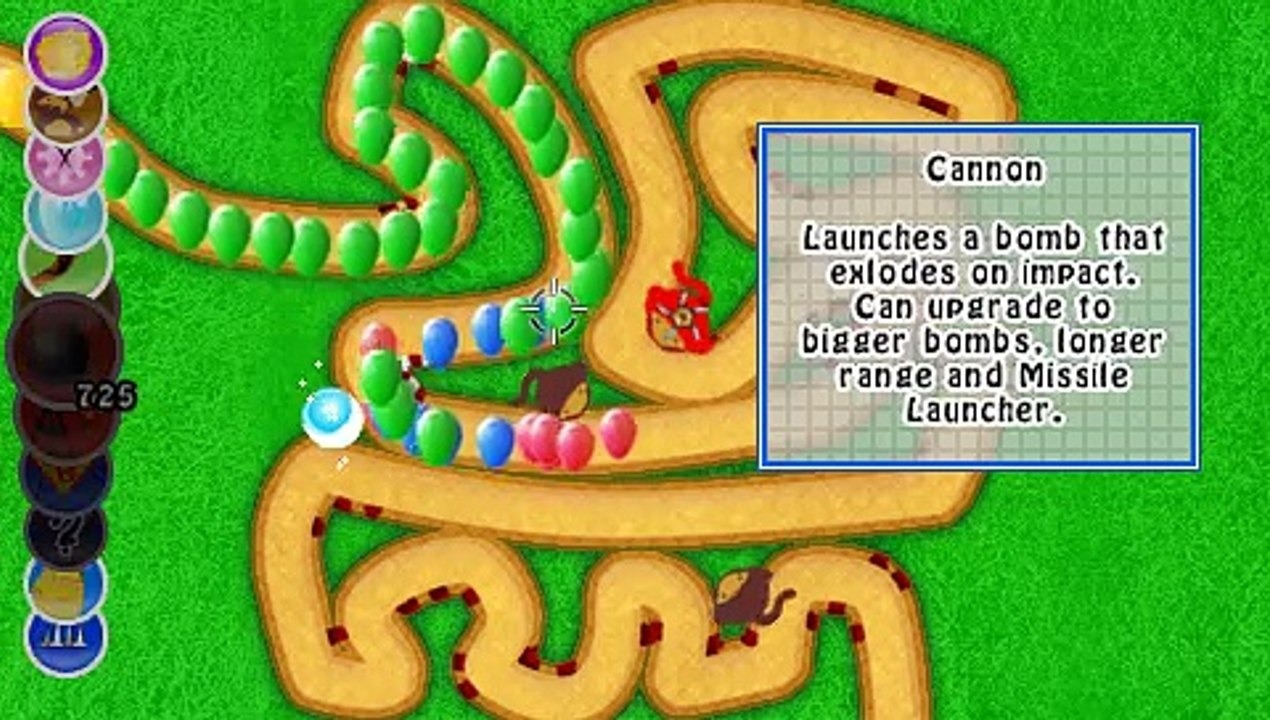
If you haven’t already heard, the PSP Go is out (a.k.a. PSP-N1000), and alongside this, Sony launched the PSP Mini lineup, which is a line of cell phone games ported to the PSP. Some of these ports were updated, and some weren’t. Bloons is a puzzle game that has a mix of Bust-A-Move and darts and will keep you busy for quite a while.
You are a monkey with an arrow that you can spin around and stretch out. The farther you stretch it out, the less of an arch your throw will be. You get a set amount of darts at each level to complete the objective. There are a minimum number of balloons you need to pop to pass, and sometimes there are obstacles in your way. There are quite a few, actually: brick walls you need to shoot around, ice balloons that freeze all nearby ones, a bouncy rope that bounces back your darts, breakable bricks, and the list goes on. I never felt bored with this game since each level is different and the progression in difficulty is fairly nice.
The main issue I had with the game was that it was too simple, and the arrow takes forever to turn around. The graphics are very simple and don’t really push the PSP at all, plus the sound is pretty empty with the same music loop and annoying sounds. Otherwise, Bloons is an excellent way to pass the time and should definitely be picked up.
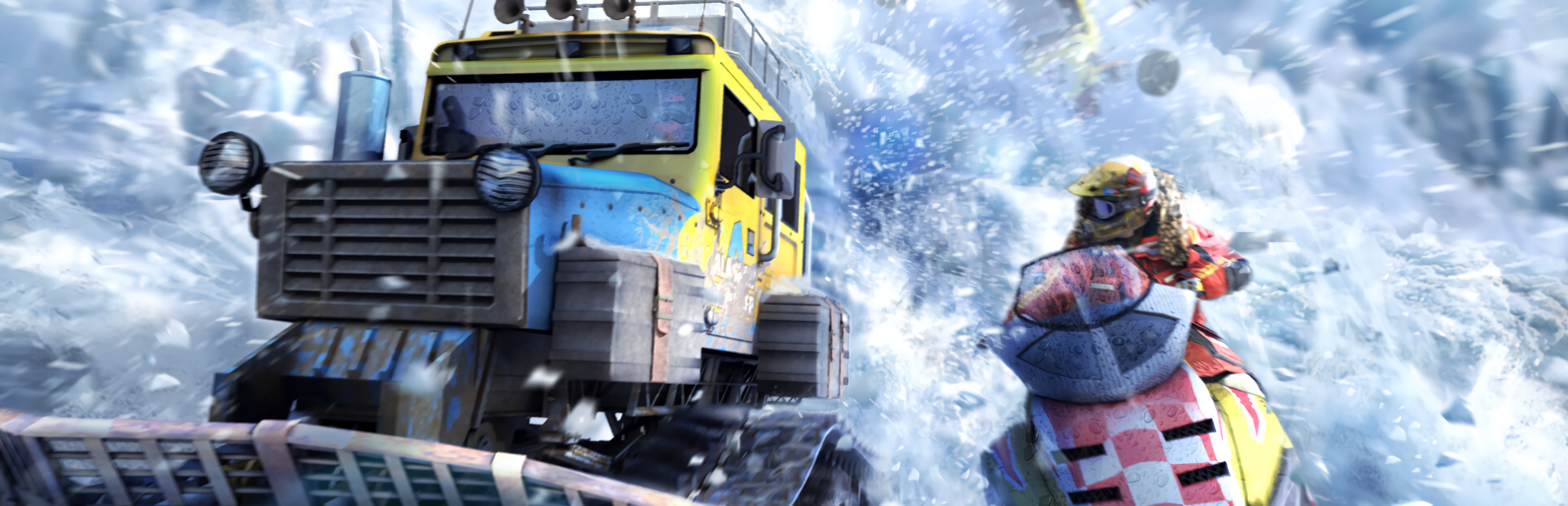
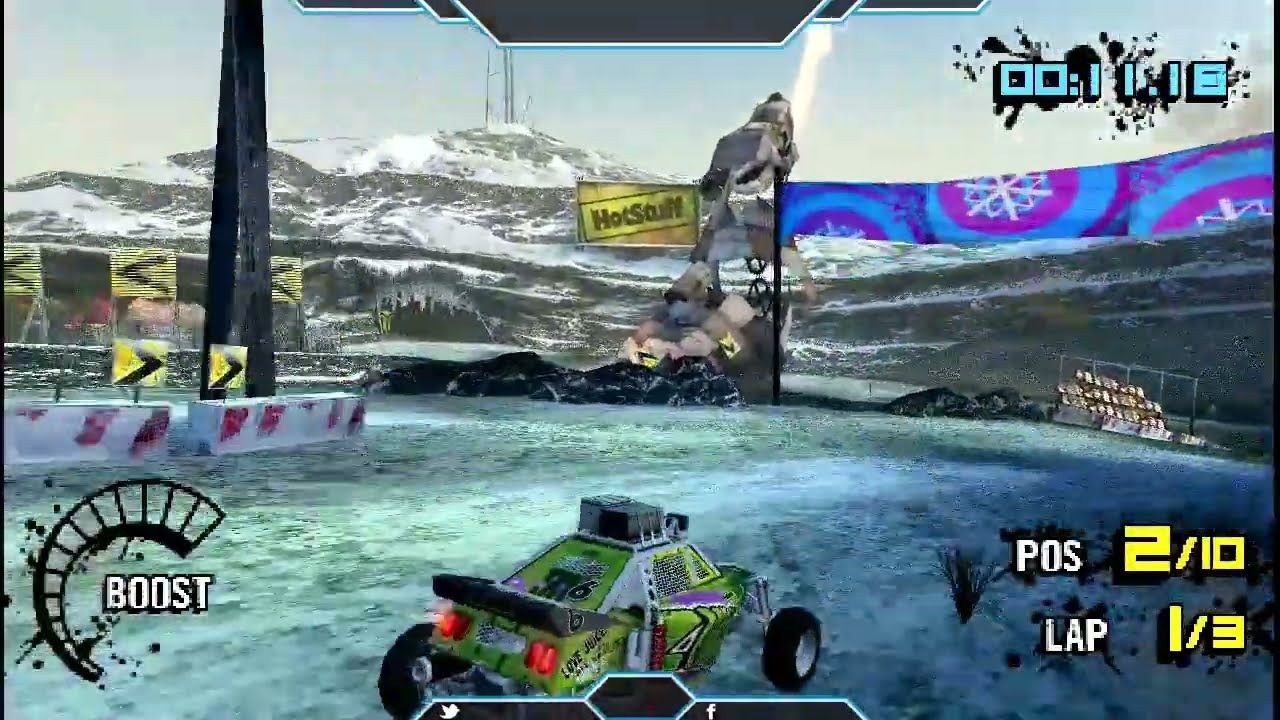
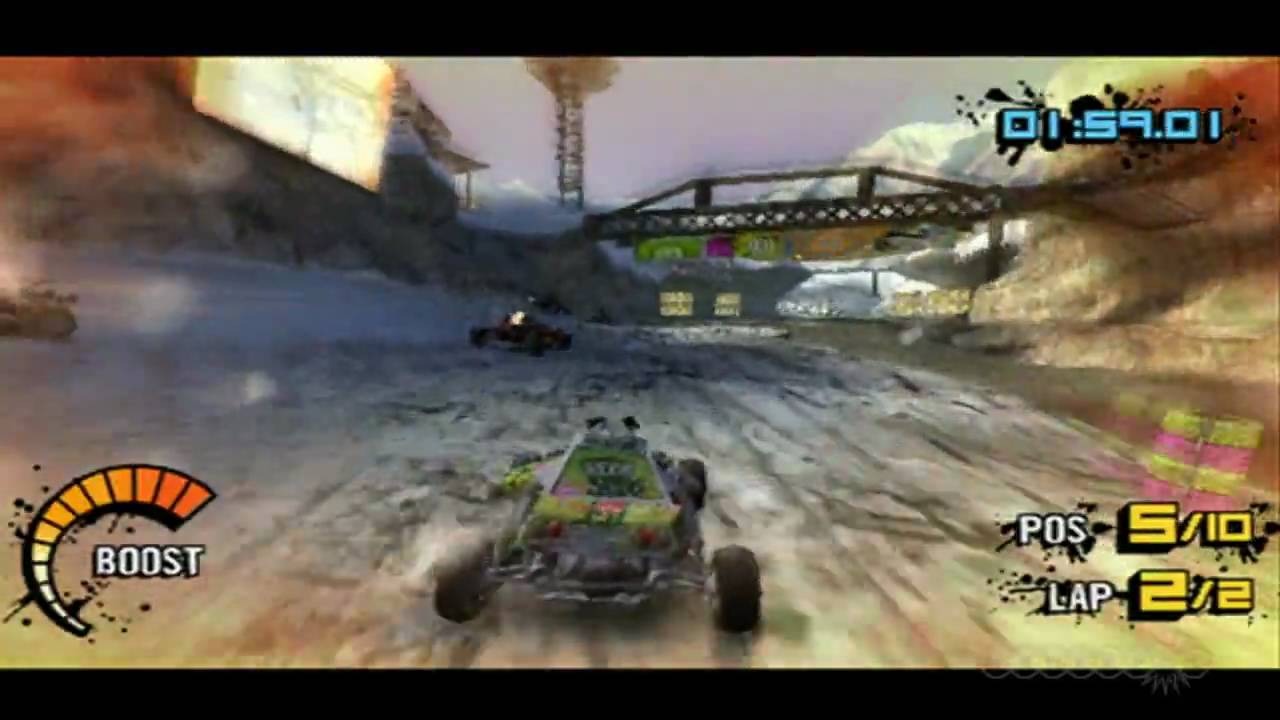
The PSP is chock-full of racing games, probably more so than any other handheld or console. The reason being that racing games are perfect for a handheld format, the PSP can display nice graphics and great physics (very important for a racer), and the analog nub is perfect for this. While there are dozens of mediocre to poor racers on the PSP Arctic Edge. Being one of the best-looking games on the system is a real plus, but it’s the fast-paced action that MotorStorm fans have grown to love that really pulls it off in the first place.
One thing I love about Arctic Edge is the menus; they’re easy to navigate and aren’t a jumbled mess. Getting into the career mode is simple since they put all the events in a rotating column that you slowly rise to depending on your rank. You can place 1st, 2nd, or 3rd in each race to earn points to advance to your next rank. There are a few race types that include regular races, checkpoint races, time trials, and so on. After you select your vehicle, you get to choose from a selection of vehicles, and there are many types. Ranging from snowmobiles to bikes, ATVs, snow trucks, and much more, you’ll have a large variety. Each vehicle handles differently on certain terrain, so choose wisely.
When it comes to actually racing, you’re in for a treat. You get a boost meter, but this can be used as many times as you want, just as long as you don’t overheat your vehicle and blow it up. You can cool down your meter by driving through water or deep snow. I found this very unique since I can’t recall it ever being done in another racing game. If that’s not enough to entice you, the sense of speed is amazing. The only problem is that I wish there were some blur effects or something, but what they do works just fine. There are different paths you can take on the tracks, and depending on your vehicle, some may not be a wise choice. The higher paths are for smaller vehicles, and the lower paths are for larger vehicles. Each track is laid out with deadly obstacles that you can smash into, but a quick press of the reset button will get your back on your wheels. The core of the racing is just really fun, but it does get repetitive after a while since that’s all there is to do.
Customizing your vehicles is nothing special since it’s your bare bones basics. I really wish that if there’s going to be customization, make it deep or don’t bother at all. You can unlock new parts, but all the upgrading is cosmetic since you unlock faster cars. The multiplayer is what will keep you coming back since there’s infrastructure. Yes, I know, all PSP games should have this in their multiplayer, and the racing is great since the computer-controlled AI is very odd. My only real hate for the game is the lack of custom soundtracks. The game dishes out a mediocre soundtrack that can grind on your nerves after a while, so shame on you, Sony, for providing this. Other than that, Arctic Edge is a great racing game on the PSP to pass the time.
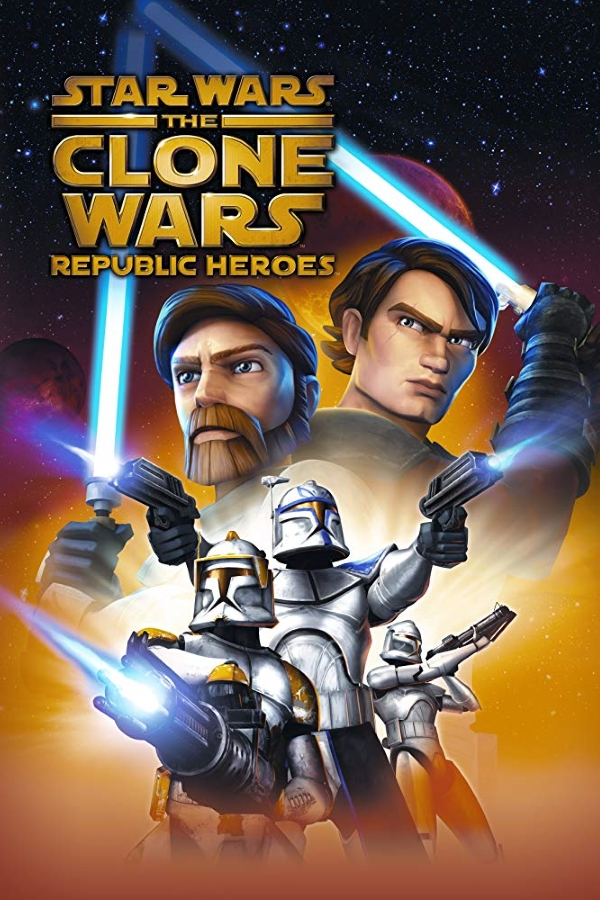
The new Star Wars: The Clone Wars series is a cartoon/CGI spin-off of the Clone Wars era of Star Wars, complete with 20’s Anakin. While the cartoon series is something to be desired, the game is the same way. The story is about, well, the Clone Wars, and, um, yeah, you know, I know nothing about the cartoon series except the fact that I did watch the Clone Wars cartoon movie. I don’t know what the big deal was since it was mediocre at best with a strange art style, but enough of that. The best part about Republic Heroes is the co-op and the fact that you play as many Star Wars heroes as possible. You start out playing as Anakin and Snips, while branching off and playing as Republic soldiers, Obi-Wan, and even Aayla Secura (hot). The bad part is they all play the same game using mindless saber hacking (mash square forever), force pushing, and jumping. You can build a combo bar that lets you increase your saber throw power, but it’s no big deal. Playing as soldiers lets you shoot and toss grenades and shoot rocket launchers, but it’s all pretty much the same.
You can “Droid Jack,” which I found completely useless since you can’t move these droids when they are jacked; all you can do is use their “ability” while staying still. This varies by Droid since some can shoot, some stomp, etc. The levels tend to be pretty short, lasting about 10–15 minutes each, but I haven’t gotten to the thing that kills the game. It’s the jumping. Yes, since the game has pretty nicely large environments, the game stays linear with platforms that have that “sticky” jumping thing going on where you jump and then stick to it. The camera is what kills this, in turn, since the camera is so far back that the characters look almost like ants on-screen, and judging jumps is really hard this way.
Not only is Droid hacking useless, but upgrades are as well. You pick up blue orbs that you experience, but you lose them when you start a new level. How can you collect enough orbs in 10–15 minutes for the more powerful attacks? Beats me. You really don’t need them anyway since I played 3/4 of the way through without any upgrades, and that goes to show how easy this game is. I mean, you can’t even die in this game because you get a checkpoint every five seconds and you can just respawn there, so I found a life bar pointless. All enemies have around the same health, and this includes destroyer droids all the way to battle droids and beyond. All your Clone Wars enemies are in here, but seriously, it’s not much variety. You do rarely get a fun vehicle driving section, but they are so short and so rare that you wish, “I want another one of those.”.
Co-op is what really brings the game to life, since your AI-controlled buddy is retarded. Each person can take separate paths, but you really have to work together to get all the orbs and artifacts, but that’s if you don’t beat each other up over the bad platforming and terrible camera. Yeah, the graphics are decent and the audio is good, but that doesn’t save this mediocre Star Wars game from the bargain bin.
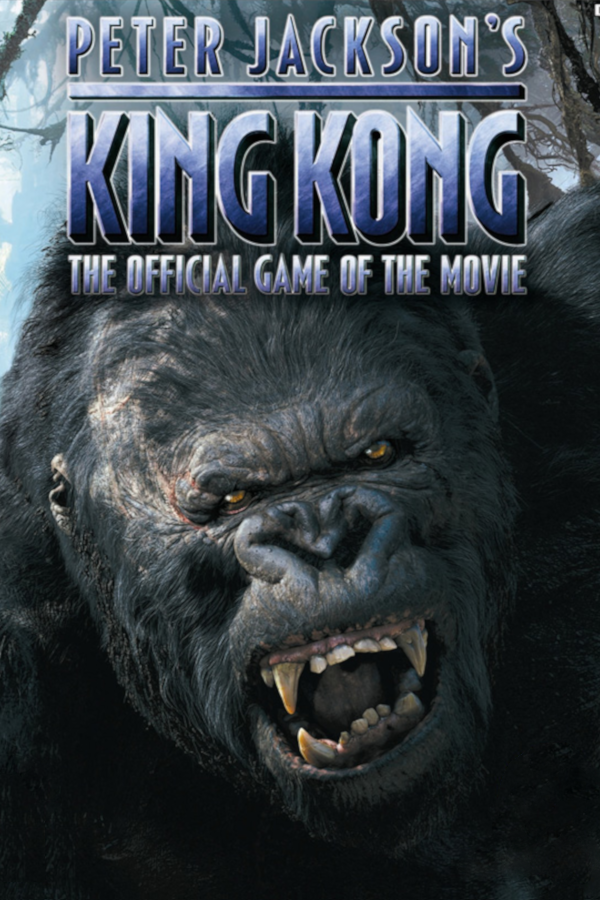
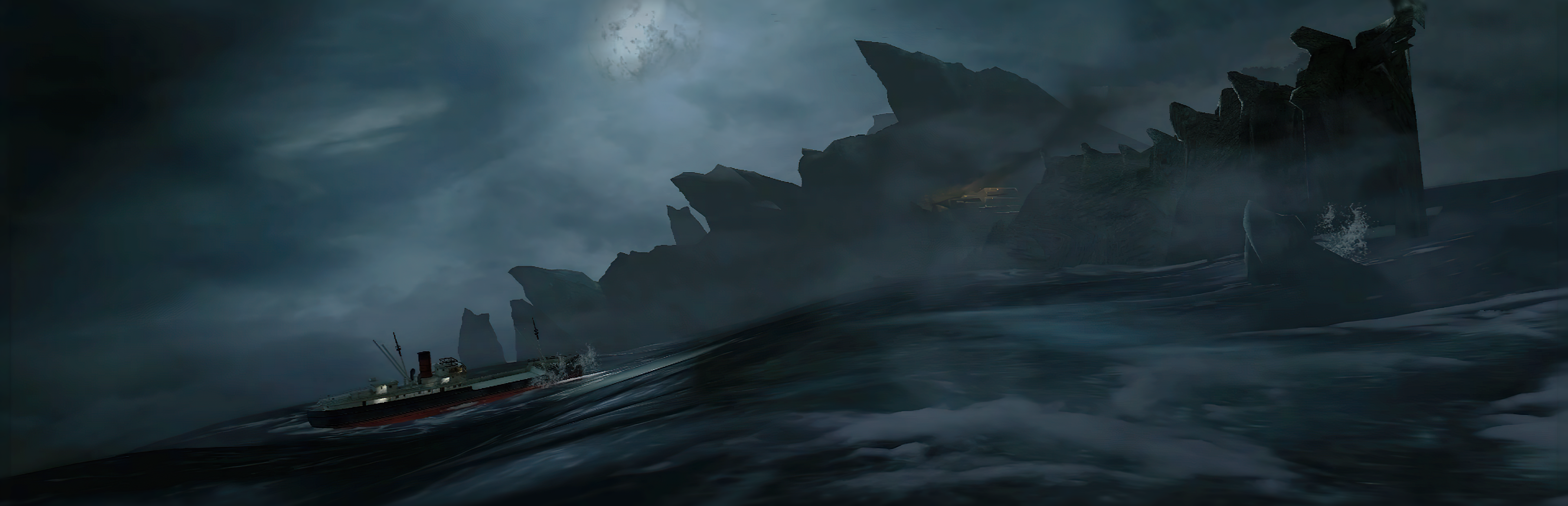
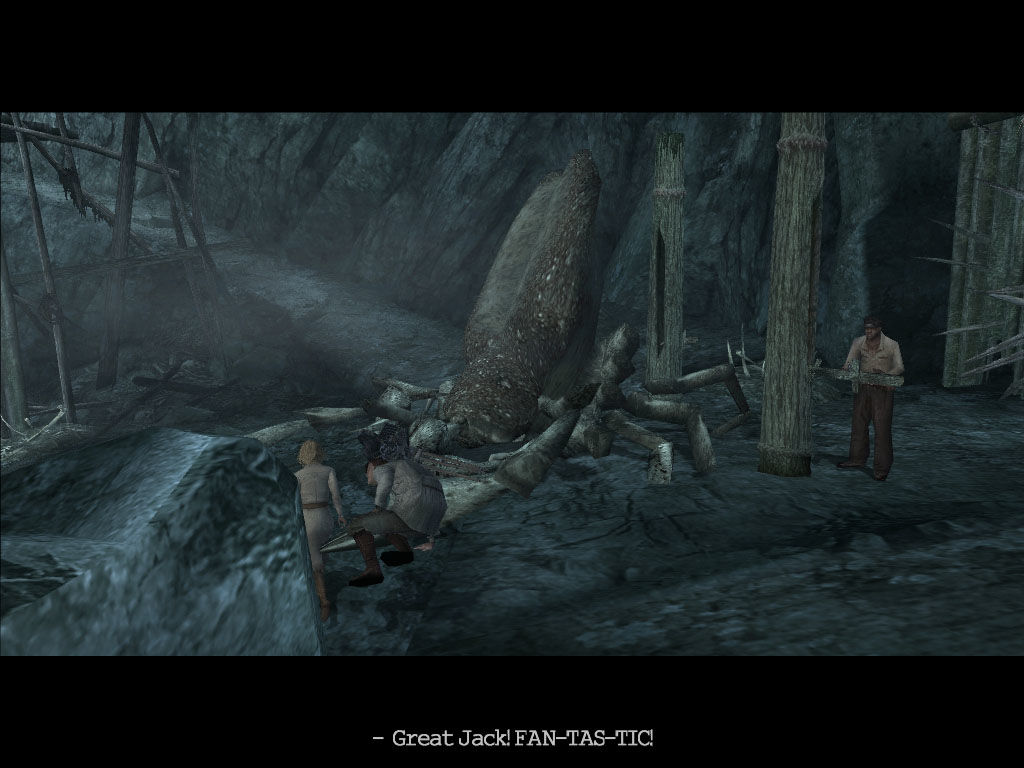
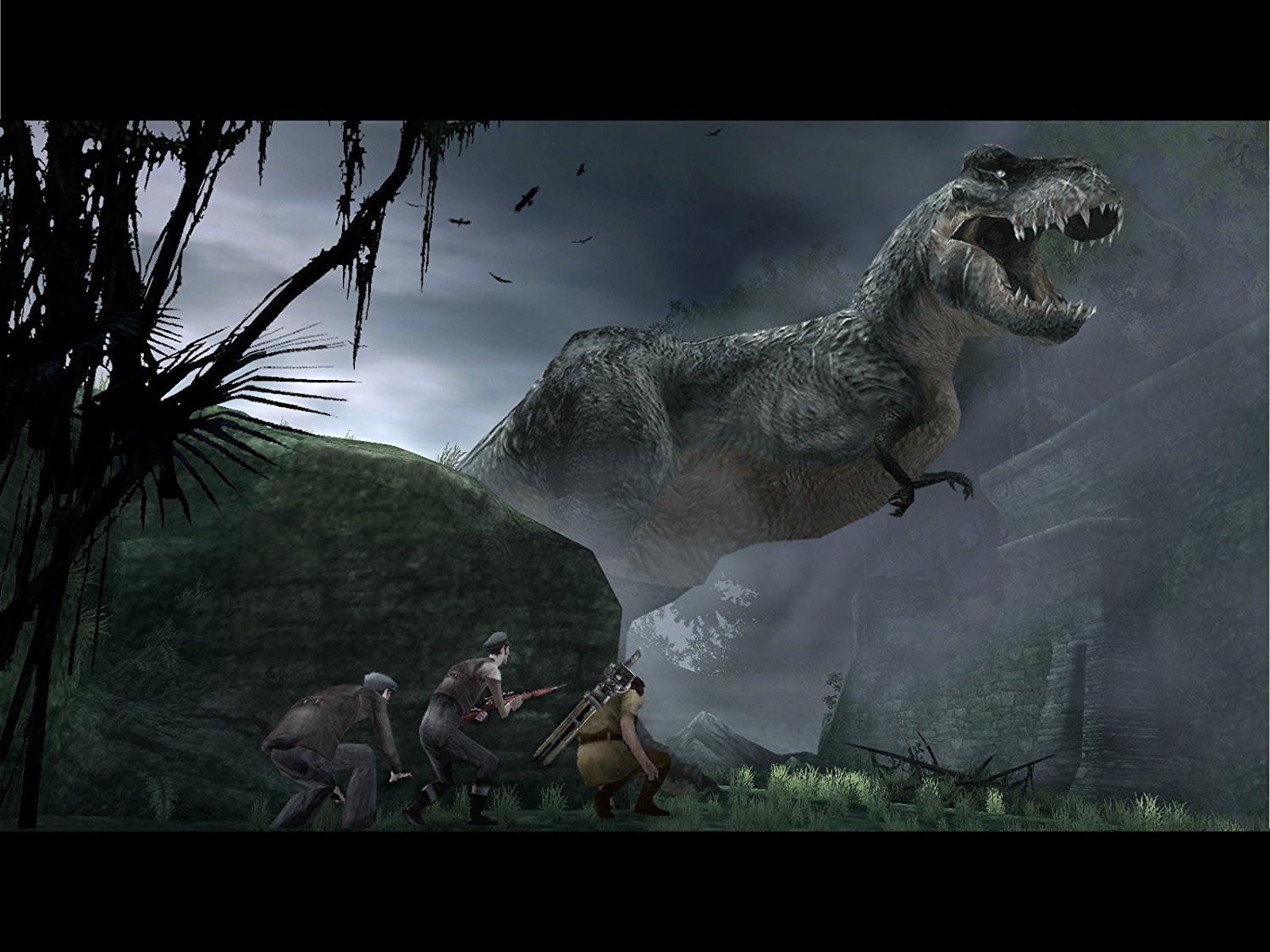
I watched the movie when it first came out, and now I’m late playing the game. While I played the PC version, I found the Xbox 360 version not much different. The game does sport decent graphics, but now, in 2009, they feel pretty dated, there are a lot of collision detection issues, and the game is very…green. While you spend 70% of the time playing as Jack, you wish you could play as Kong more. There are a decent variety of enemies, such as giant centipedes, bats, T-Rex, raptors, crabs, and so forth. You just wish there were more.
When you play as Jack, you are in a first-person perspective, and there are no health bars, no ammo meters, just you and your instincts. Ubisoft made it this way, so the game feels more cinematic like the movie, and it works. I was surprised at how well you can aim with the spears and guns without a reticle, and it’s very easy to do. Most of the playing as Jack is pretty straightforward, with most of the puzzles revolving around burning brush via lit spears. Most of these puzzles get pretty dull towards the end, but thankfully, as you progress, you play as Kong more often. Playing as Kong, though, is the best part. You are in a 3rd-person POV, and the camera sweeps around dramatically while you beat up a giant T-Rex and fend off dozens of bats.
There are moments when you run along giant cliffsides and swing on huge pillars. While this is good and all, it does get repetitive, and it’s the same thing over and over. The game isn’t very well-paced, and there aren’t any clips from the movie at all. I understand that Michel Ancel wanted players to not emerge out of the experience with jaunting clips from the movie, so everything is done in real-time. Of course, all the load times defeat this purpose since some chapters are only one cutscene long. I also have to mention that King Kong has the easiest access to 1000 GP ever. Just complete the game, and you have all your achievements and GP. Yes, you heard me, just complete certain chapters, and they hand them to you. Of course, this had a lot to do with the fact that most developers didn’t give two sh**s about achievements during the first year or so of the console’s life. While Ubisoft did a good job in the short time they had, it could have been a lot better. The game also ends very abruptly, and it feels like they took huge shortcuts. Despite all this, you’ll get a kick out of the game on any console, and it’ll sure to please the movie fans.
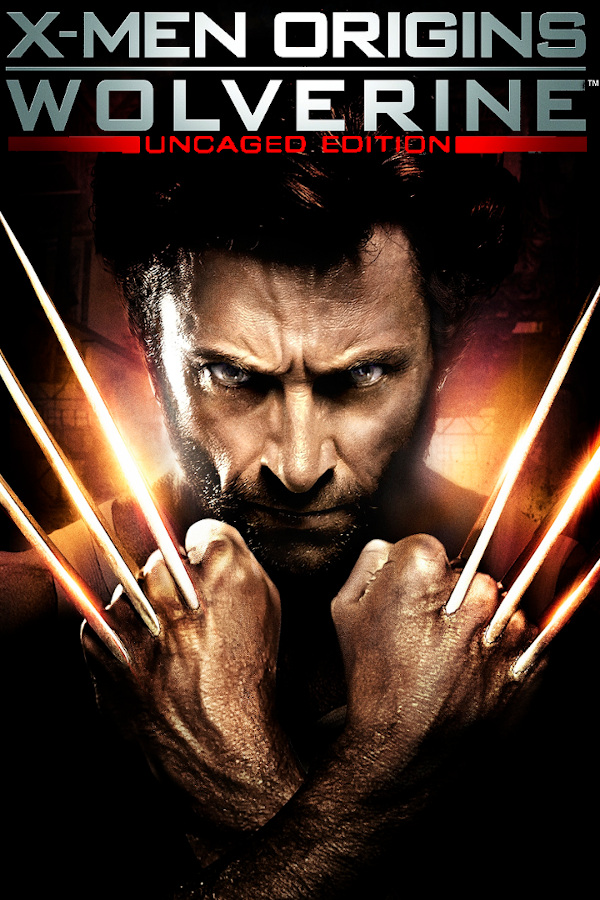
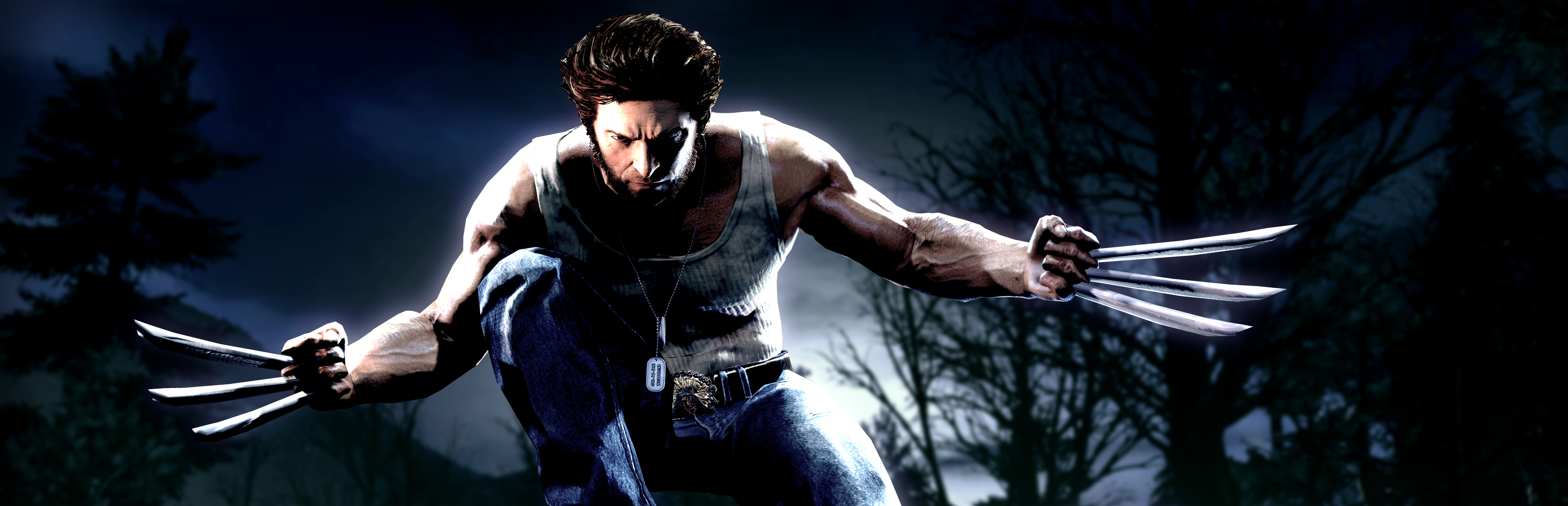
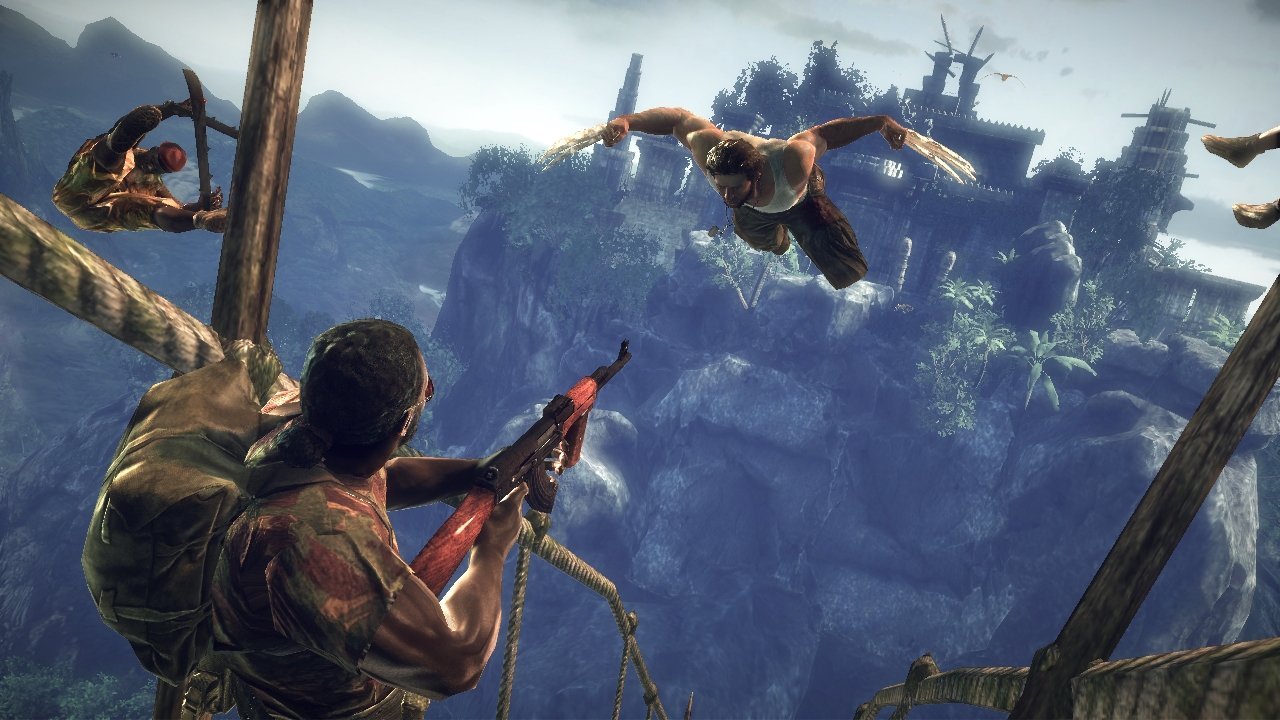
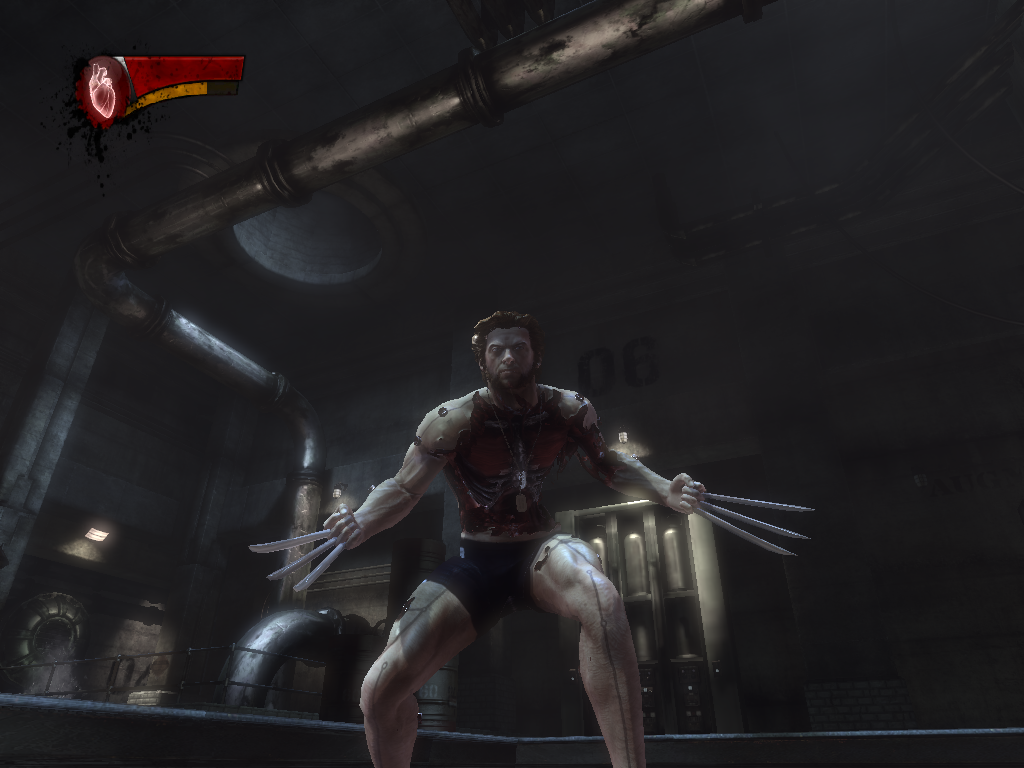
I’m neither an X-Men fan nor a comic book fan, so you can expect a fair, unbiased review first off. One great thing to think about when thinking about this game is that you don’t need to be an X-Men or comic fan to like this game; all you have to do is like action/adventure games (God of War, Prince of Persia, Bionic Commando, etc.). The game starts out pretty heavy and shows some great graphics, cinematic gameplay, and great voice acting (by none other than Hugh Jackman himself) all while skydiving into the forests of Africa. When you land, you’ll be shown a quick tutorial on how to use heavy and light attacks, along with combos. You’ll learn how to do quick kills, which are a timed heavy attack complete with a zoom-in slow-mo, gruesome, and gory kill. Yes, I said gory, and yes, this is the first mature-rated comic book game ever made, and I’m so glad Marvel got off their high horse (cough DC) and started showing their characters’s true feral side.
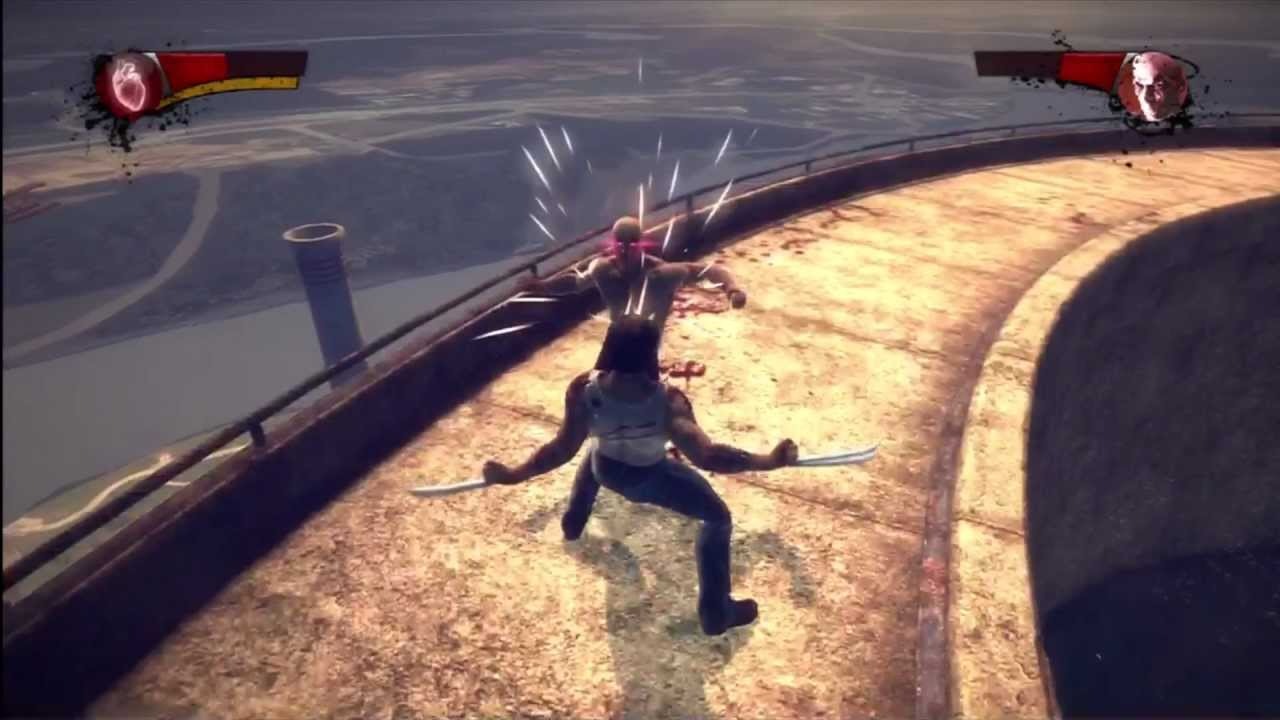
Most of Wolverine is based around combat since the story is simply only for hardcore fans, people who saw the movie (I hear it’s excellent and Mr. Jackman is the best Wolverine yet), or the fact that the story is just too cut up and flashed back to really get a grip on. A lot of the combat may feel repetitive sometimes, but it’s all cut up thanks to great platforming sections, some action button timing, some really big guys you must take on, and sprinkle on some epic boss fights. Each enemy must be killed differently since some are not weak enough to make quick kills and must be weakened; some can’t be thrown off ledges; and some enemies can only be killed in feral sense mode because of their camouflage. Each enemy has different quick-kill animations, thus making the game feel less repetitive. You can unlock different moves by leveling up, along with permanently increasing your health and rage meter. Rage always requires you to perform four of the rage moves, which range from a blender-style claw spin to a saw blade-style spin. Each one can be upgraded for a longer time—more power, more speed, etc. You also have three slots for mutagens, which somehow passively enhance the gameplay by adding some more health, making rage moves more powerful, or gaining more experience per kill. All these are easily in sync with each other, along with a great tree that allows you to learn things about your enemies for every kill, so they die faster later on in the game. This immense skill tree really works brilliantly and keeps the game from feeling cookie-cutter.
The game does have puzzles when it comes to environments, and some puzzles are even part of the environment. These puzzles are never hard to figure out thanks to your feral senses, but the timing of certain puzzles can be frustrating. Speaking of frustrating, the only real gripe I have with the game is that the difficulty isn’t balanced very well, so several levels will be easy, then suddenly an ultra-hard one, then an easy one, and maybe a few hard ones. The same goes for certain sections in levels, and this can lead some people to throw their controller at the wall…or a person. A lot of puzzles consist of pushing blocks to get up on certain ledges, pulling panels out of walls to unlock certain doors, and some level-length puzzles, such as using the hand of a giant robot to destroy the head and firing lasers to get through the only door out of the base.
Let’s talk boss fights. Some range from other X-Men universe characters (Saber Tooth for one) that are easily killed, along with some that are hundreds of stories high (like the epic robot boss fight that you fight from space while falling down to earth—yes, uber epic). Boss fights aren’t annoying; you just have to learn their moves.
The visuals in the game are astounding, and using the Unreal 3 engine, you can expect some of the finest-looking graphics yet. Everything looks sharp, clean, and highly detailed for your ultimate Wolverine experience. There are some nice unlockables for fans of the game, and I guarantee that this game will turn haters into lovers.
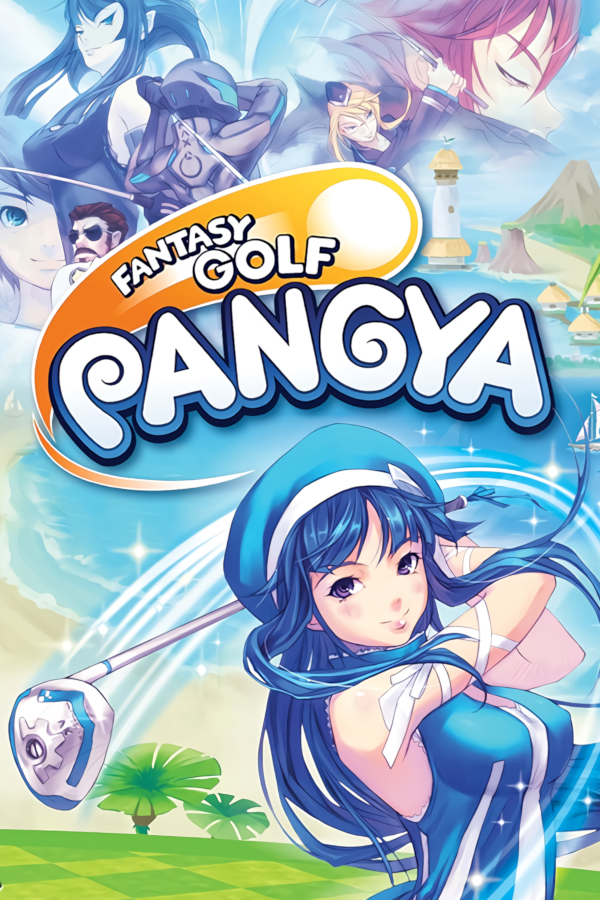
A long time ago, in a parallel dimension to Earth, there was a magical island world known simply as Pangya. All was peaceful in Pangya until one day, an evil force summoned by the Demon King came crashing down upon the land. This dark energy created a force field around Pangya that drained life from the land. The world of Pangya grew weaker with every passing day. Flowers withered, trees turned barren, and the earth lost its green. The people of Pangya could not come up with a solution to rid their land of an evil presence.
Until the inhabitants of the land realized that all of the life force from Pangya was being drained to the Demon King through a hole in the force field, A plan rose to plug the hole with a crystal filled with the spirit force of all living things. The power of the crystal became so great that it could not be touched by human hands. So the people in Pangya created the Air Lance, a tool in the shape of a stick to hit the mythical Phoenix ball into the hole of the evil force field. This difficult task was eventually completed by a warrior from Earth, ridding the world of the evil force for good. In honor of this warrior, the game of Albatross 18 is being played throughout the world of Pangya. The name Albatross was chosen because it is the best shot one can hit in the game outside of a hole-in-one. Today, you have been invited to play Albatross 18. Are you ready to show your skills?
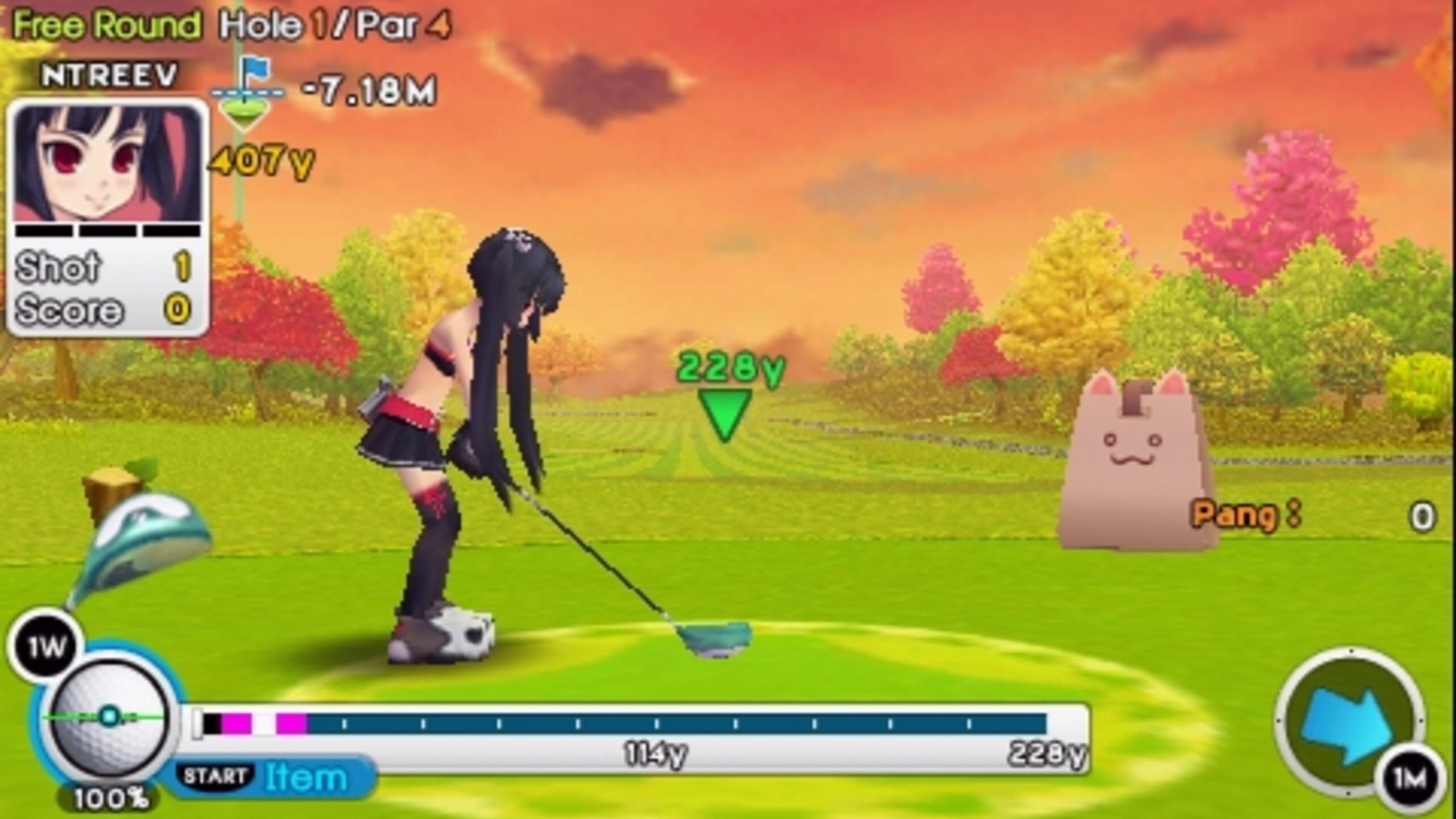
The game of Albatross 18 looks remarkably like golf; in fact, it is golf. When you start out in Pangya’s story mode, you set off into nicely laid-out courses with colorful names such as Wiz Wiz, Blue Moon, and Silvia Cannon. Playing the game is easy; simply pick your distance, then your power, and’swing!’ you’re off to the first hole. Wait a minute; there is a bit more depth than that. Differently colored blocks on the left indicate a certain action. Hitting just when it is white produces the perfect shot, while black or pink will make you tee, putting a point on your par count. Despite its creative-looking setting, Pangya still carries aspects such as the wind, the level of the terrain, obstacles, bunkers, the fairways, the rough, the green, and yes, even putting. Different characters are available to play with, and most can drive down a course anywhere between 210 and 260 yards. If the wind is facing you, you will probably nail about 235 if your character can drive 260. This is extremely important when shooting over a river or over a cliff since you will come short and get an out-of-bounds penalty.
The whole point of Pangya is to get your ball into the cup before the other player and do so with the fewest shots. Each player will take turns deciding what conditions will improve their shot. You need to adjust accordingly and use your quick finger to get a perfect Pangya shot. Pangya shots will bring your ball exactly where you want it, and anywhere outside the white box will make your ball come short. Pangya follows the traditional golf gameplay in most places but adds one little twist: power shots. Power shots come in different forms, ranging from the power spin that makes your ball roll back a few yards to the tomahawk, which makes your ball stop dead where it lands without rolling along with others. These sound useful, but the execution is so hard to pull off that you will quickly abandon the idea.
While most of the game’s mechanics sound solid and easy to understand, not every element has been worked out to the point it should have been. Customizing your game, for instance, is about as useless as playing golf with a baseball bat. You can shop at the Pangya store using Pang, the game’s currency, which is earned by completing tournaments. You can buy equipment such as new balls, clubs, and many other items. Buying golf balls adds points to your attributes such as accuracy, spin, and power. Strangely enough, clubs do the same but are just more expensive. The items that can be bought can be used during and will temporarily boost the exact same attributes, but they can also do some more interesting stuff, such as nullify the wind. All these elements could turn a standard game of golf into a true fantasy experience but end up being as exciting as watching paint dry.
The one thing that sets Pangya apart from its peers is its wonderful story and charming characters. Within each episode of the three available chapters, you can play ten characters, and they each have their own unique story. Each character is beautifully drawn, with personalities so vibrant that they pull you in and never let go. Uncle Bob is an angry police officer who entered the tournament just to get some fried chicken, and Max is a famous tennis player who is running from fans that are trying to get his autograph. There is no voice acting, but maybe this is a good thing. Most Japanese games don’t transfer well to American voices.
Contrary to the characters and colorful setting, the quality of the graphics is subpar, with flat and polygonal textures. In fairness, they do get the job done for this otherwise fine golfing game. Pangya is sure to be a pleasant surprise even to people who don’t like or even know how to play golf. Easy controls, wonderful characters, and a fun multiplayer mode will charm you out of your socks.
When we called the Ghostbusters back into our games in the early 90s, they didn’t do a very good job. You remember the Genesis version, MSX, NES, GameBoy, Atari 2600, and C64. The richness of the Ghostbusters universe needed more than 8 or 16-bit graphics and midi sounds to make it come to life. Technology has improved considerably since then, finally being able to do justice to our Ghostbuster friends. With the help of the Unreal 3 engine, the developers were able to create an atmosphere and story that are truly amazing.
Players start out in the Ghostbusters’ headquarters, which has been properly equipped with a true-to-life fire pole for you to slide down on. Ray takes you through the basics of wrangling ghosts, trapping them, and using your gear down in the basement. One of the first things you will notice is that the controls feel very familiar, resembling those of games such as Resident Evil 4/5 and Gears of War. Still comparing it to a shooter, your proton pack takes the place of your “gun,” and your “ammo” consists of different types of particle streams. You can unlock four streams throughout the game, starting with your basic proton stream. The Stasis Stream, Meson Collider, and Slime Gun follow suit quickly. The most useful is the Proton Stream, which weakens ghosts and stuns them so you can wrangle, toss, and then hopefully trap them. Ghosts come in many shapes and forms, and it is rare to see so many different enemy types and level bosses in a game. These include many of the ghosts from the movies. You will be battling the Stay Puft Marshmallow Man, heading through the Sedgewick Hotel and the Haunted Library.
Each ghost has a weakness for a specific weapon type. To find out which type is effective, you must scan them with your goggles. Doing so will also reveal all sorts of other interesting and sometimes ludicrous information. Some ghosts are dispersible, which means that they die after a few hits with a certain weapon, but others must be trapped instead. The objective is to weaken them until their health bar turns red, after which you can trap the suckers. Walking around with your energy detector is good for finding artifacts—treasures that you get money for—and enemies.
Upgrading your weapons will improve them in various ways. You can increase a weapon’s rate of fire, make it overheat less often, or let you trap your enemies faster. All of these upgrades can be purchased in one play-through. Ghostbusting is a high-revenue business, and you will earn ample money to purchase any upgrade that catches your fancy. You are also tallied by how much damage you cause the city throughout your play. Doing too much damage may affect achievements.
The gameplay may sound simple, and it is, but that doesn’t take away from the fact that it is extremely fun. There is always something new to be experienced, and only towards the end of the game did I feel some repetition setting in. Ghostbusters kind of felt like a mix of Gears of War, BioShock, and Silent Hill. It can be downright creepy at times, but it also has wonderfully witty humor and some great lighting effects that help create a fantastic ambiance. Walking through dark hallways, your senses are always stimulated in various ways. Things may jump out at you, or you will hear strange cries and screams. Besides being scary, it is also immersive; I left the game after about a four-hour sit-down, and I really felt like I was a Ghostbuster (don’t call the men with the long-sleeved jacket until you have played for four hours straight yourself!). This is in large part due to the fact that the original actors are voicing the game, and I think that’s what truly made the difference.
The game is actually based on the script written by Harold Ramis and Dan Akroyd that was never made into a third movie. There are a lot of tidbits in the dialog that relate back to the original 1984 classic. This game can be played by both fans and nonfans, but it is truly geared toward fans of the movie. You can safely say this game is one of the best movie-licensed translations ever made.
Ghostbusters is just one of those amazing and immersive games that make you all giddy inside. The game truly has an amazing effect on its players. It may not have a lot of depth, but it easily makes up for that in the fun department. It is worth noting that Ghostbusters is a little on the short side, giving you about 6 to 8 hours of gameplay. Fortunately, the replay value is fairly high, making this a recommended buy. I really hope there is a sequel. Playing Ghostbusters has been one hell of a ride.
Yeah, it's pretty damn awful. Notoriously one of the worst games on the PSP. A 4 was actually being generous.…