Echo is a futuristic stealth game in which you play as a woman named En who is trying to resurrect a man named Foster. Her species is known as the Resourceful, which was created by her grandfather. She enters this facility to find a cube that Foster is supposed to be inside. The story doesn’t explain a whole lot outside of voiced dialog here and there.
The game has a great opening sequence where you land on a strange planet full of square cubes and must descend into the facility. The first hour of the game introduces all of the game mechanics, with the biggest being that the enemies are clones of you and learn from you. These clones reset during power cycles every so often. The music changes, and the game goes dark, but this is when the system can’t learn your moves. If you shoot, jump, duck, hide, or smash clones in the face with crystal balls, they will be able to do the same moves during the next power cycle. It’s important to reserve using your gun or even using elevators until the lights go off.
There are other abilities you have, such as a power bar and being able to shove clones. Every action requires an action point, such as shooting and leaping over ledges. You also have a very limited sprint meter. You can slowly regenerate one action point, but there are little towers with white balls that can give you one point spread around a room. It’s both strategy and stealth to only use these points when necessary, as some rooms can have dozens of clones you need to sneak around. This is when all the problems start setting in.
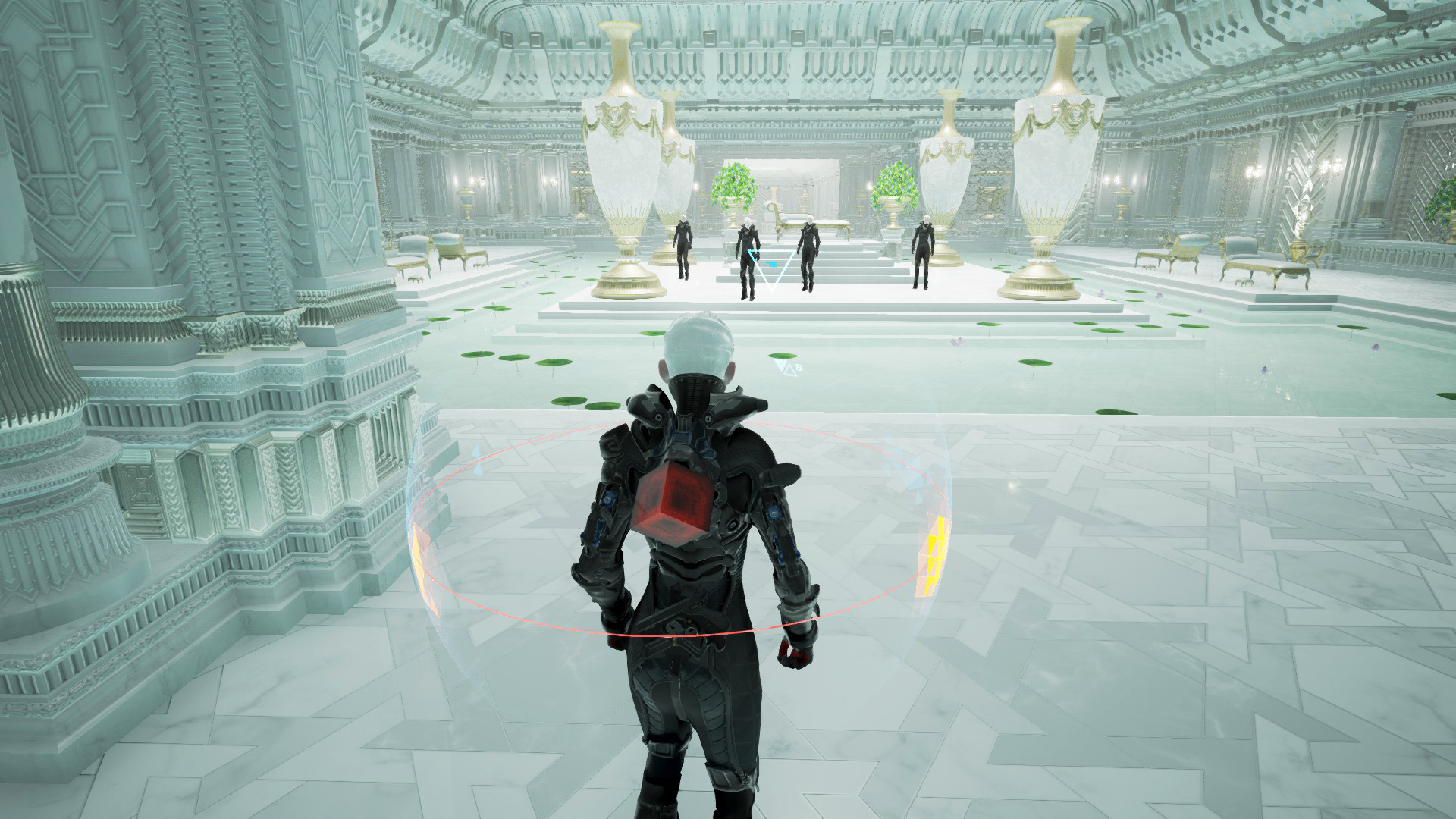
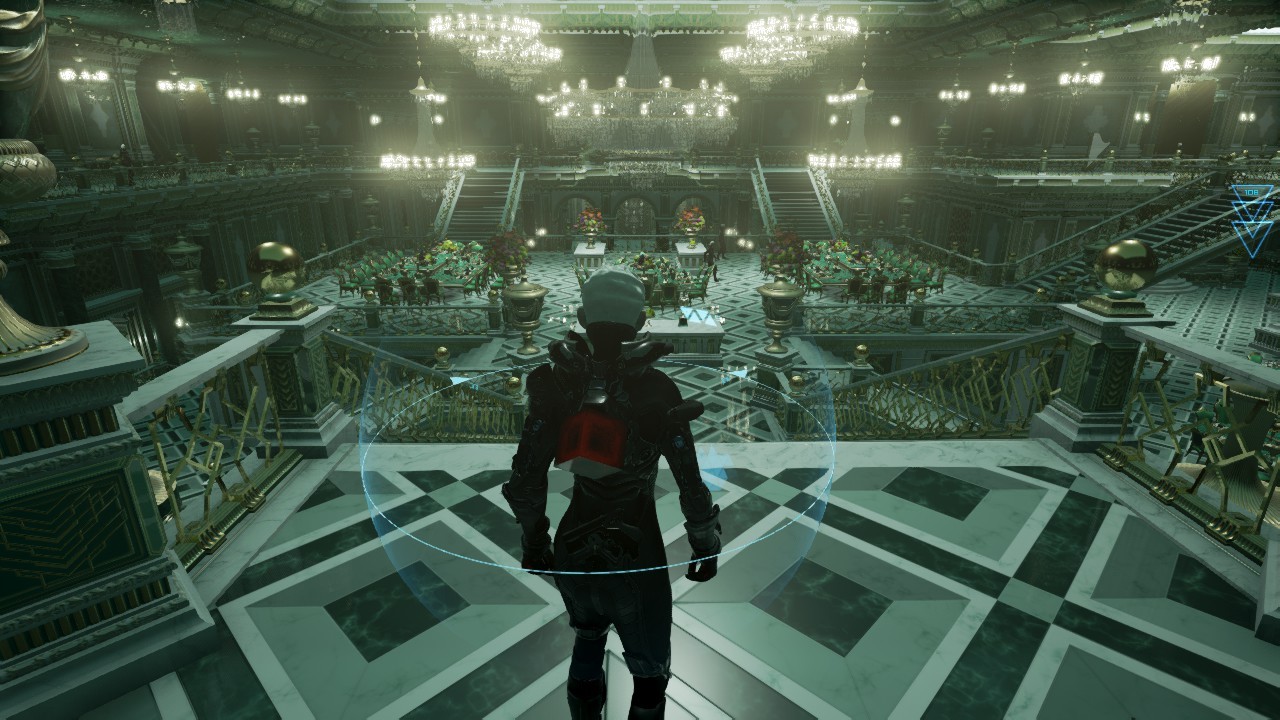
Sneaking around is fine and all, but there are so many clones that it’s nearly impossible not to get seen in any single room. The only objectives you get are to make it to the next room or find keys in large open rooms to activate an elevator. This gets extremely frustrating when you restart an area over a dozen times only to never find a good path around the clones. So many times I was spotted and tried to run, only to run out of action points and energy. You get one freebie by fighting your way out of a clone’s grasp, and your proximity meter will glow red, meaning you can’t take another hit. Rooms can be so large that you can’t get to the other end even after lining up your shot with several clones, sprinting, using your free grab, and shoving clones down.
The next issue is that the game feels like it drags on forever. I love the art style and atmosphere, with strange Victorian-style furnishings in a nearly sterile environment full of silver and gold decor. The problem is that it repeats forever, never changes, and the constant repetition of going from room to room wears thin fast. If there were a variety of things to do here, it would be more enjoyable.
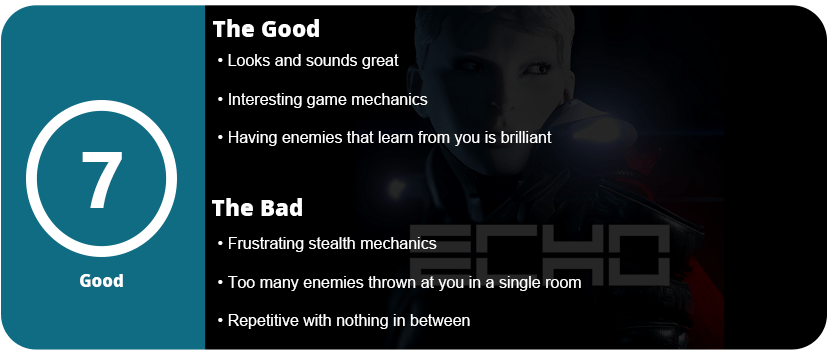
Overall, Echo has great voice acting, good graphics, a creepy atmosphere, and very interesting game mechanics, but they are poorly executed in a repetitive, frustrating stealth gameplay loop that outstays its welcome.
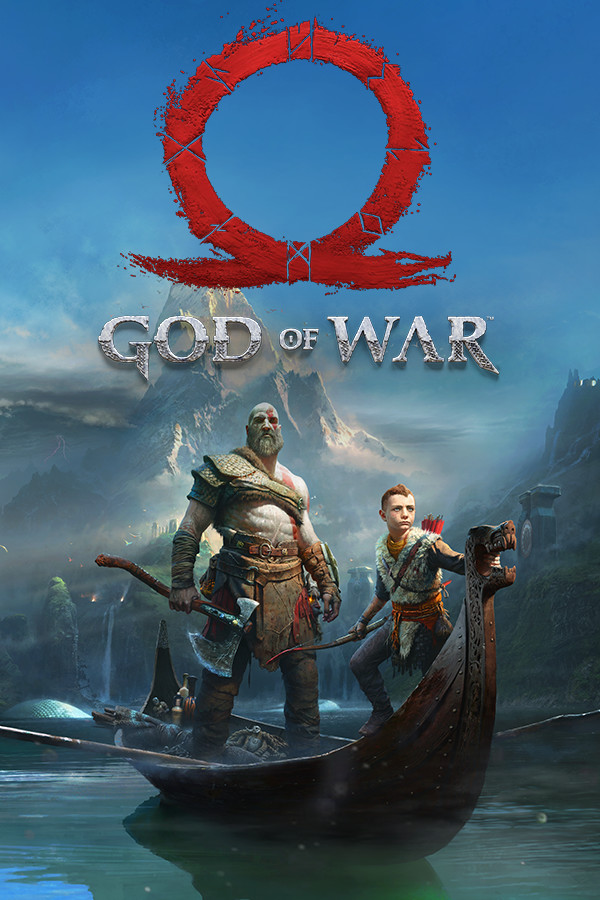
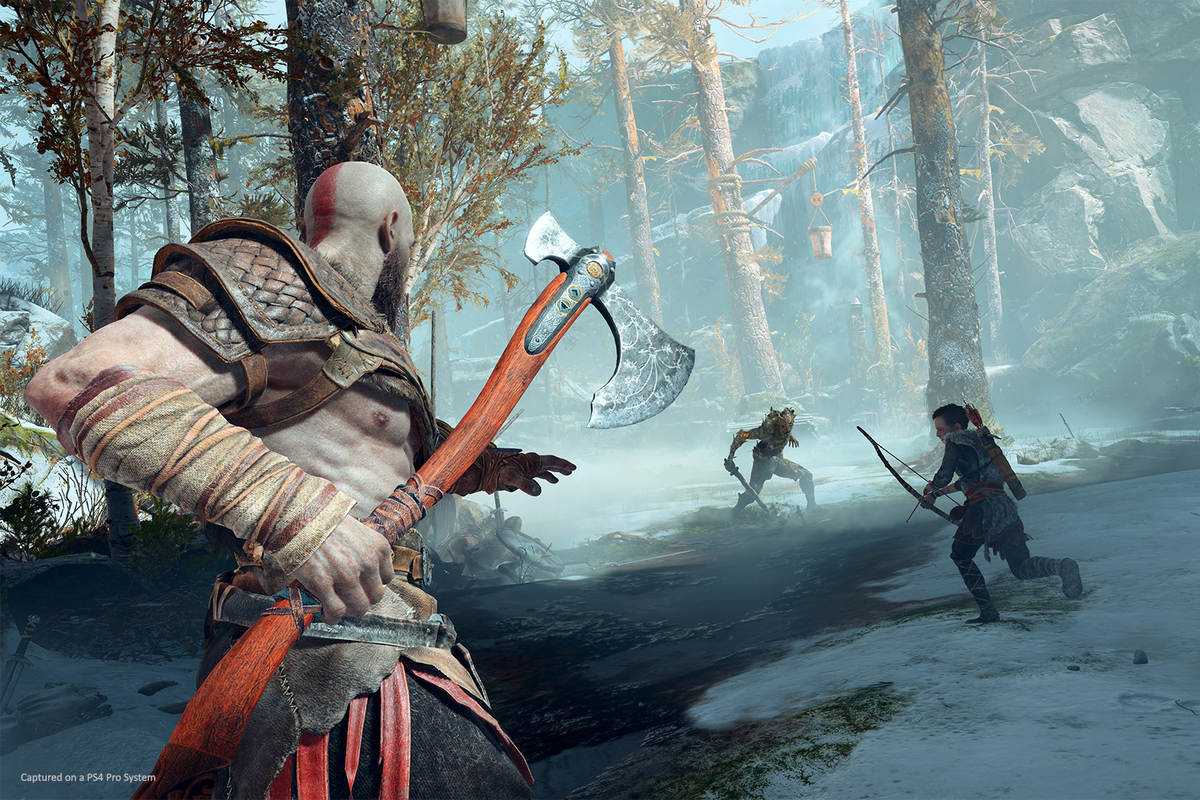
When you think PlayStation, you usually think God of War or Kratos. God of War was a game-changer back in 2005 with cinematic fluid combat, memorable characters, and intricate level design, as well as the birth of quick-time events. 13 years later, the entire game is reinvented, not just to change the way we play as Kratos but to reinvent the action-adventure genre itself.
I really want to go into detail about the story, but it would contain so many spoilers that I have to refrain. For starters, you do play as Kratos, but as an aged man, a father, now living in an entirely new world set in Norse mythology. Yes, the Greek myth of God of War is now done, and we get a whole new set of gods and enemies and a beautiful new world. Kratos is living humbly as a woodsman with his family until his wife dies, and he and his son, Atreus, must venture to the highest mountain of Midgard to spread her ashes. It feels like the most humble story and a stark contrast from past games, with Kratos’ rage and anger tearing down gods and endless Olympians.
I can’t stress enough just how well developed his character and personality are. Being revoiced by Christopher Judge, who is best known as Teal’c (Tee-ULK) from the Stargate SG-1 TV series, he has a more calming, aged, and tired look to him. He is extremely wise, quiet, reserved, and has learned all these years to control himself; however, he still struggles. Santa Monica Studios did an astounding job of developing his character and Atreus’. I was fully immersed throughout the entire game and loved hearing Judge’s voice on screen, soaking in every cutscene and spoken line of dialog. It’s one of the most well-written characters and scripts in gaming history and goes from a simple story to blowing up into the expected epic mess that Kratos usually gets into. The story does end on a cliffhanger, and there are a lot of unanswered questions, but fans will know that means more is coming, and more is better.
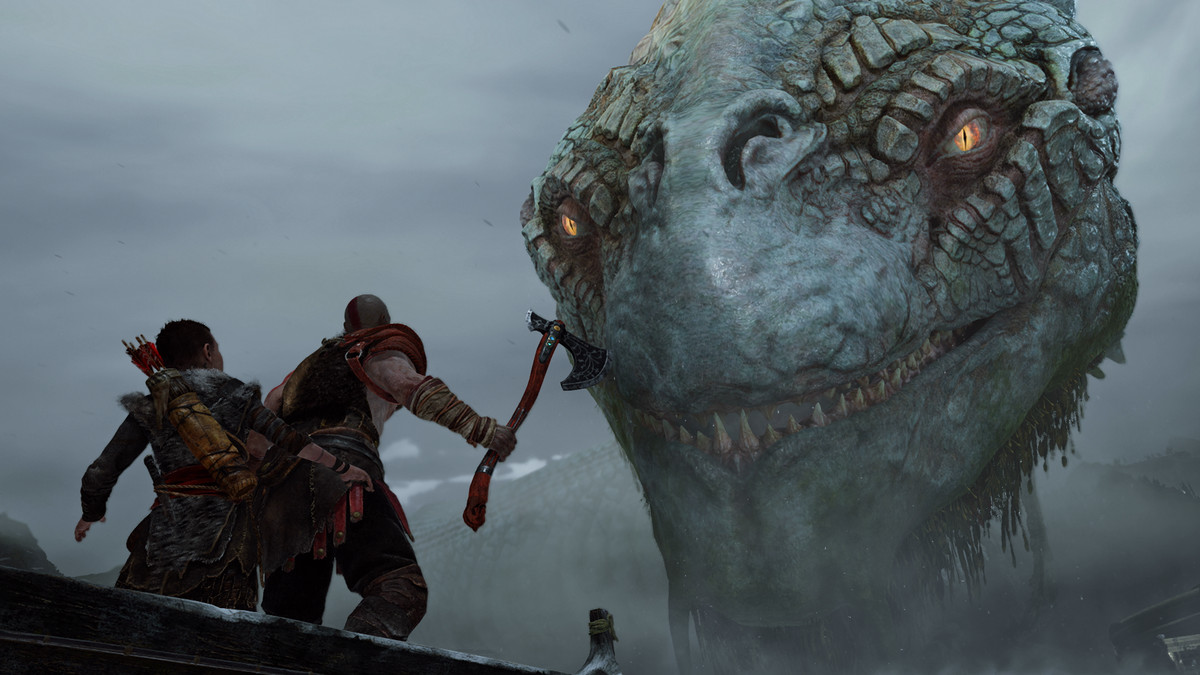
The next thing you think of when you hear God of War is the amazing and well-made combat. It is one of the top five best action-adventure combat systems ever created and has just improved over time. Santa Monica Studio not only reinvented God of War’s combat but also action-adventure combat itself. Instead of using a cut camera like in previous games, we are now behind Kratos from an over-the-shoulder perspective with similar combat mechanics to past games. Some would say this seems impossible, but they pulled it off. Light and heavy attacks are now mapped to the R1 and R2 buttons, with your Leviathan Axe being used to solve puzzles as well. This is another amazing twist to the weapons in God of War; they aren’t just for chopping off heads. The Leviathan Axe is an amazing tool that is powerful, used as a ranged weapon, and for various other reasons. The main attraction of the axe is that it can be thrown and returned to the player anywhere in the world. The Triangle button is permanently mapped to just returning the axe, which is an interesting game mechanic never seen before.
I can’t go into further detail about weapons as it’s actually a huge story spoiler, but the combat feels very familiar to past games while also feeling fresh and new. I can’t think of the combat being done any other way. On top of chopping off heads, the magic system was reinvented with new enchantments and rune stones that you can collect around the world. These can be socketed to armor and weapons and add various moves to certain button combinations for each weapon. These are keys to surviving in battle, and without them, you just wouldn’t be able to finish the game. I always changed them up and upgraded them, as there’s a huge variety of magic moves in this game.
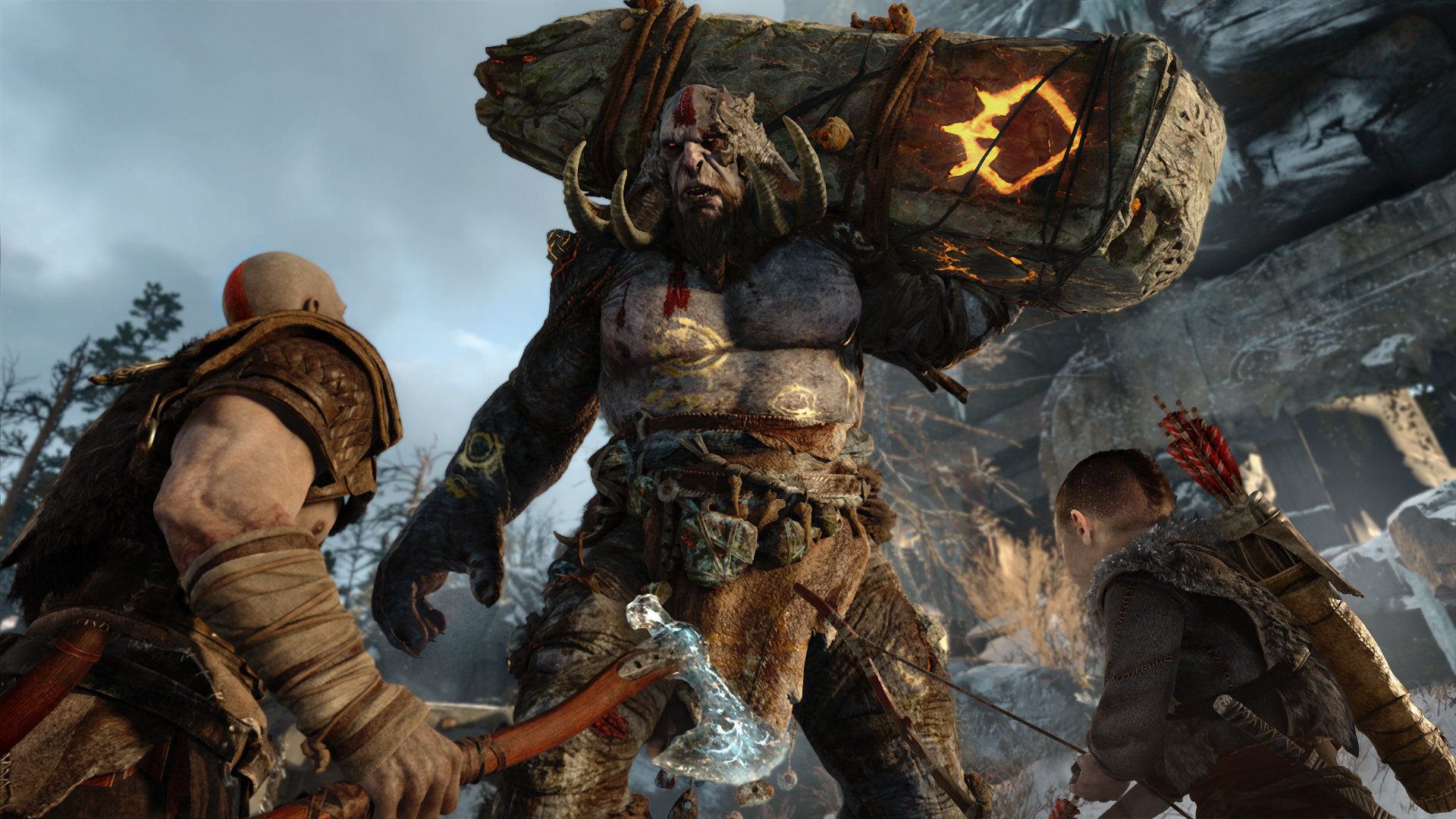
Epic cinematic kills are also back, but less quick-time event-heavy. While I did miss them, I understand why they were excluded. It does get repetitive, and you constantly relied on seeing that circle button pop up to gain health, magic, or experience orbs, but the animations went from awe-inspiring to shrug-inducing very quickly. The game does harken back to the first God of War in the sense that the game isn’t heavy on epic giant bosses. There are a few, and they are scripted, beautifully animated, and jaw-droppingly epic to see. You still feel like you are taking down these giant creatures, but in a different way. There are larger, smaller enemies like trolls and elemental golems that can be defeated similarly to past games, but it’s changed just enough to feel new and different. The combat is still cinematic, epic, and enjoyable, with awesome slow-down and gore everywhere.
Atreus himself is also a great combat tool, as he’s a companion that actually works and never gets in the way. He’s mapped to the square button, and you can use him no matter what Kratos is doing, and that includes death kills, being knocked down, etc. He shoots various types of arrows that can stun enemies and bring their stun meter up. Unlike past games, you can’t just deal so much damage, and then the kill button appears exactly the same for every enemy. You need to use various attacks to bring that meter up, and it’s difficult on tougher bosses. It keeps you from relying on quick-time events, like in past games. The well-invented and amazing enemies also help, as each one stands out and is unique, and you will learn what moves work with what enemy.
If the combat wasn’t enough to hook you, then the world will. The third major part of God of War is exploration and puzzle-solving, which make up over half of the gameplay. They took the secret chests of past games and blew them up tenfold with various types of chests, from simple small treasure chests full of Hacksilver (currency) to actual puzzle boxes where you have to hit various bells with runes to match the box. These can get tricky and require using all of your skills to solve them. God of War is also an open world. Yes, an open world. Midgard contains several realms you can explore, two of which are only for trials and challenges, but Midgard itself is a giant lake with various islands full of puzzle goodness and amazing challenges that will keep you hooked for dozens of hours. There are so many tasks in God of War that it really feels like an awesome open-world RPG, thanks to a leveling system and a brand new upgrade and crafting system.
The last part of God of War goes from using red orbs to upgrade things to finding various items in the game like any RPG and using them to craft and upgrade armor, weapons, enchantments, and even Atreus bow and his armor. There are certain armor sets that require various items from certain realms, and this can be a challenge, but it’s possible I actually finished the story before reaching the max level and acquiring the best armor. That’s all reserved for the bigger challenges seen elsewhere in Midgard.
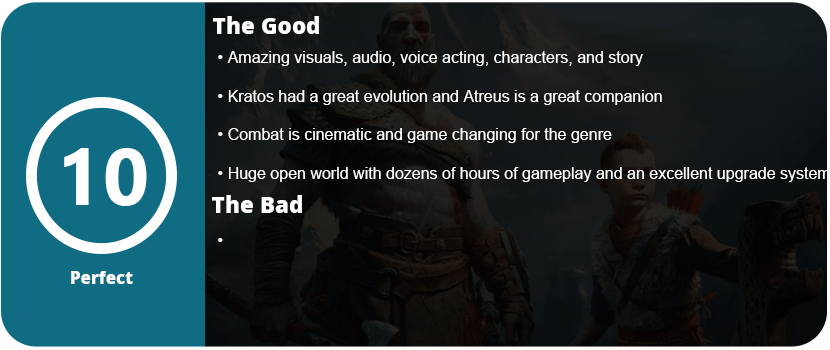
Overall, God of War is the single best game to be released this entire console generation cycle. This is what we needed more of from every console maker. It took Sony too long as it was, but here we have it. The game is literally perfect, and I can’t think of any flaws in God of War that are detrimental to the overall game. I could say the game is too hard in spots, but that’s because I ventured too far too early and needed to come back later. I could say there are a lot of hidden items and they are hard to find, but I need to explore more and look more carefully. I could say that the story is too short and the lower amount of epic bosses is what made God of Warand hurts the game, but it just doesn’t. God of War is the best game I have played in the past 10 years, and many other developers need to take note.
Note: The game plays best on the PS4 Pro. It looks really awful on the standard PS4, but the Pro is running in 4K checkerboard, and the textures and added effects are well worth a purchase just for this game.
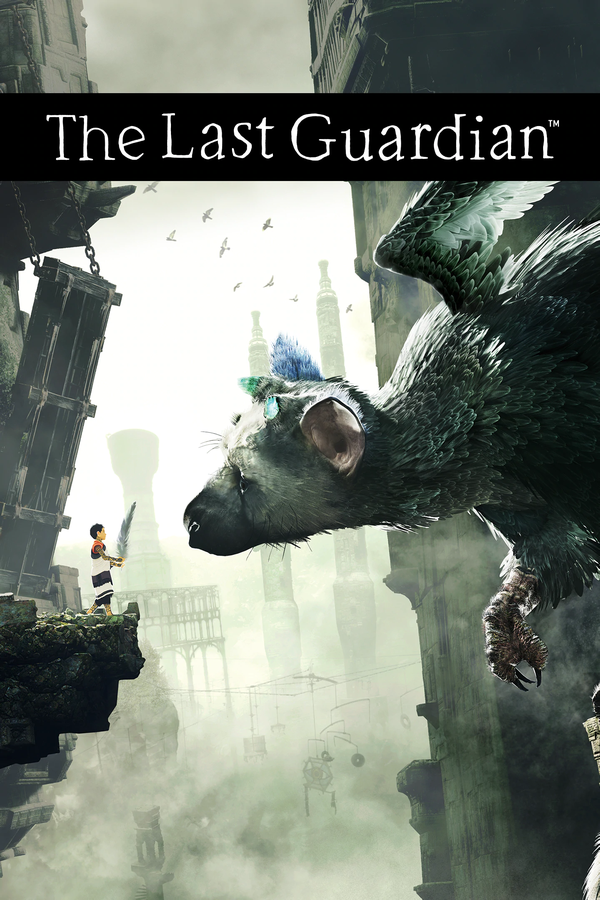
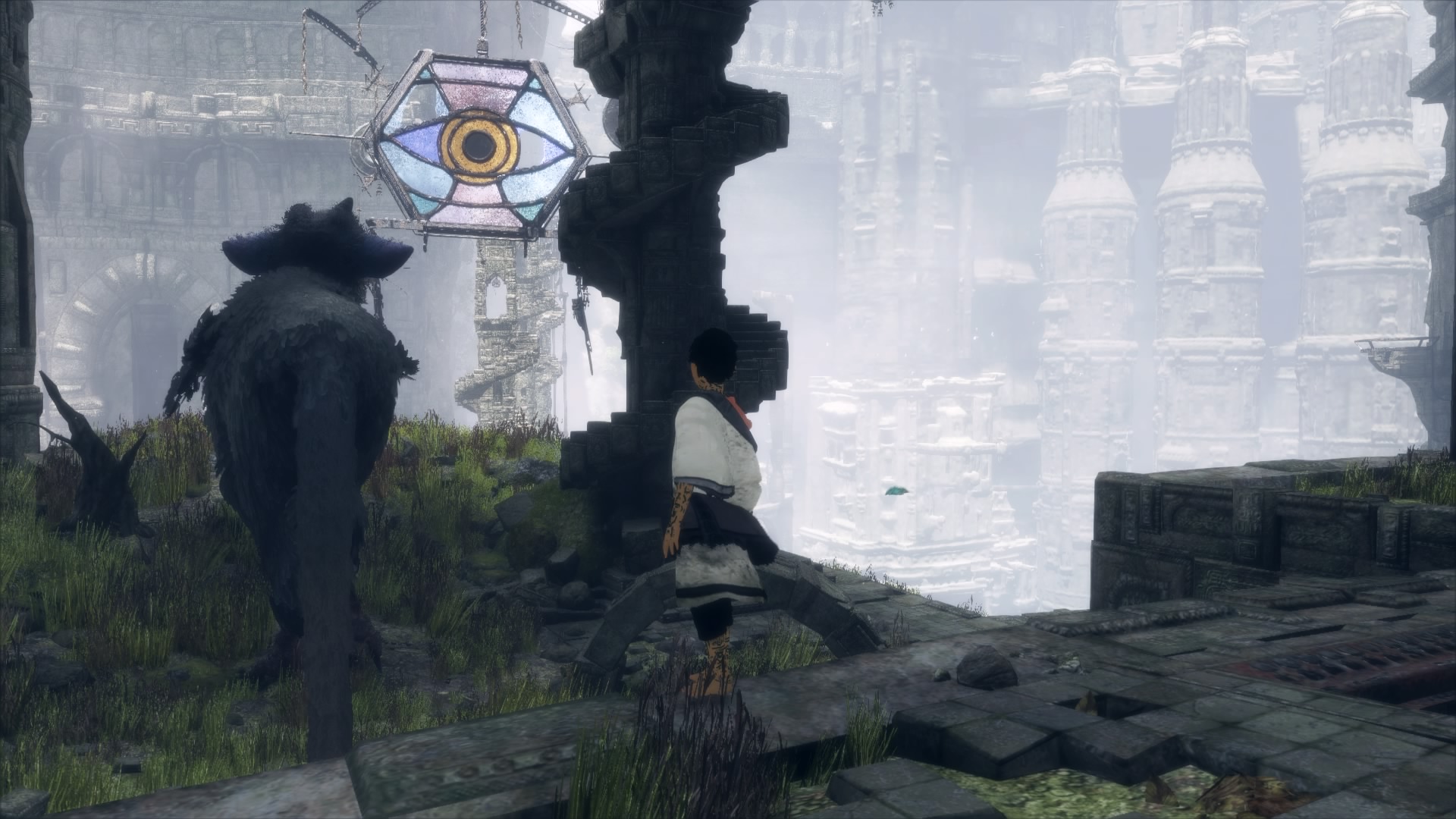
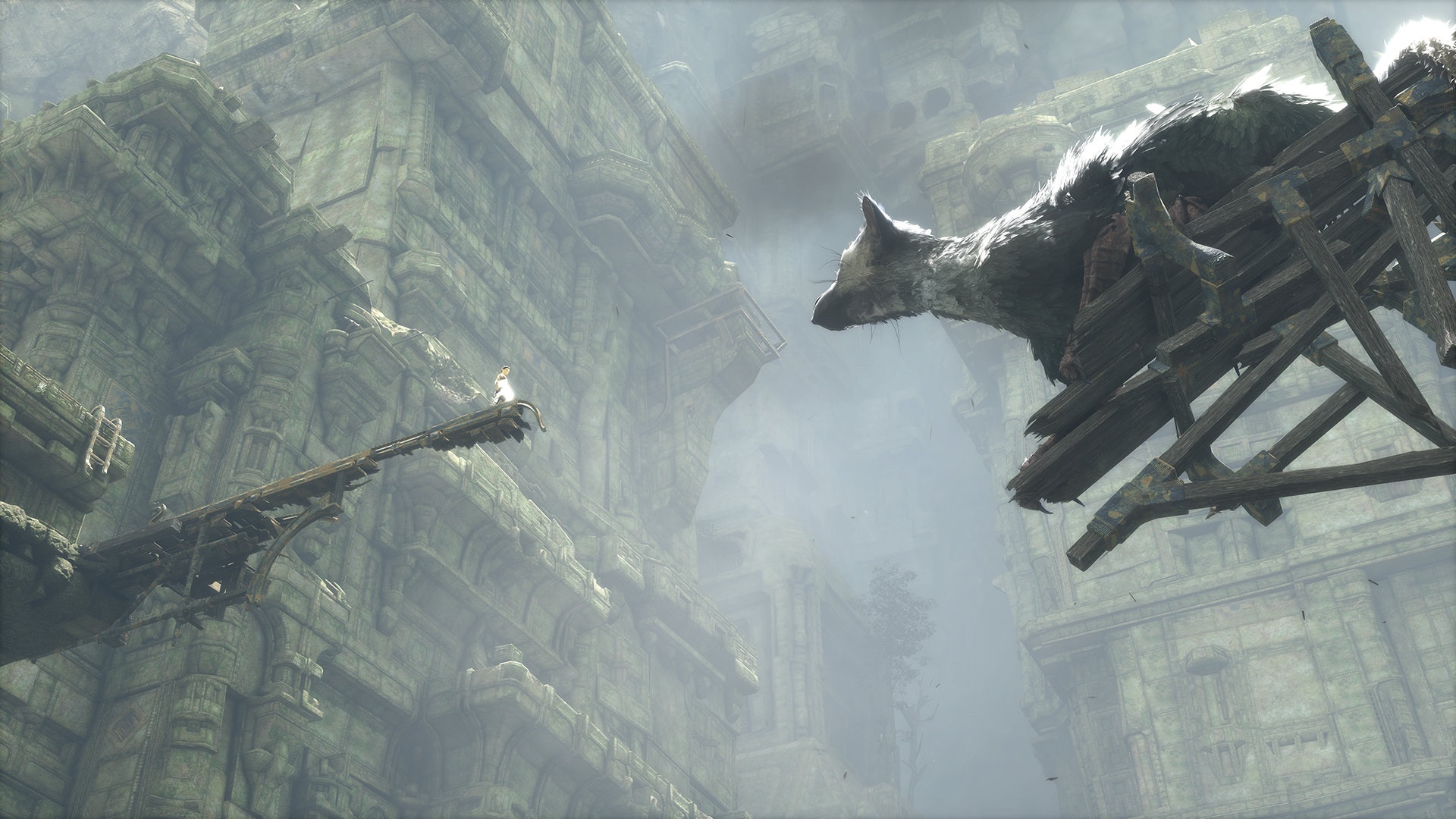
The “Ico Trilogy,” as it’s sometimes called, has been a long time in the making. Starting way back in the late 90s, Ico was a highly anticipated game that didn’t see much commercial success despite critical acclaim. Shadow of the Colossus fixed this despite its many issues, and The Last Guardian has been in development hell, originally planned to release on PS3. After showing up at numerous conventions, release dates changed, and promises failed to be kept, Sony Japan Studio just stopped giving us information. Finally, in 2016, The Last Guardian was released and was well received despite its poor sales.
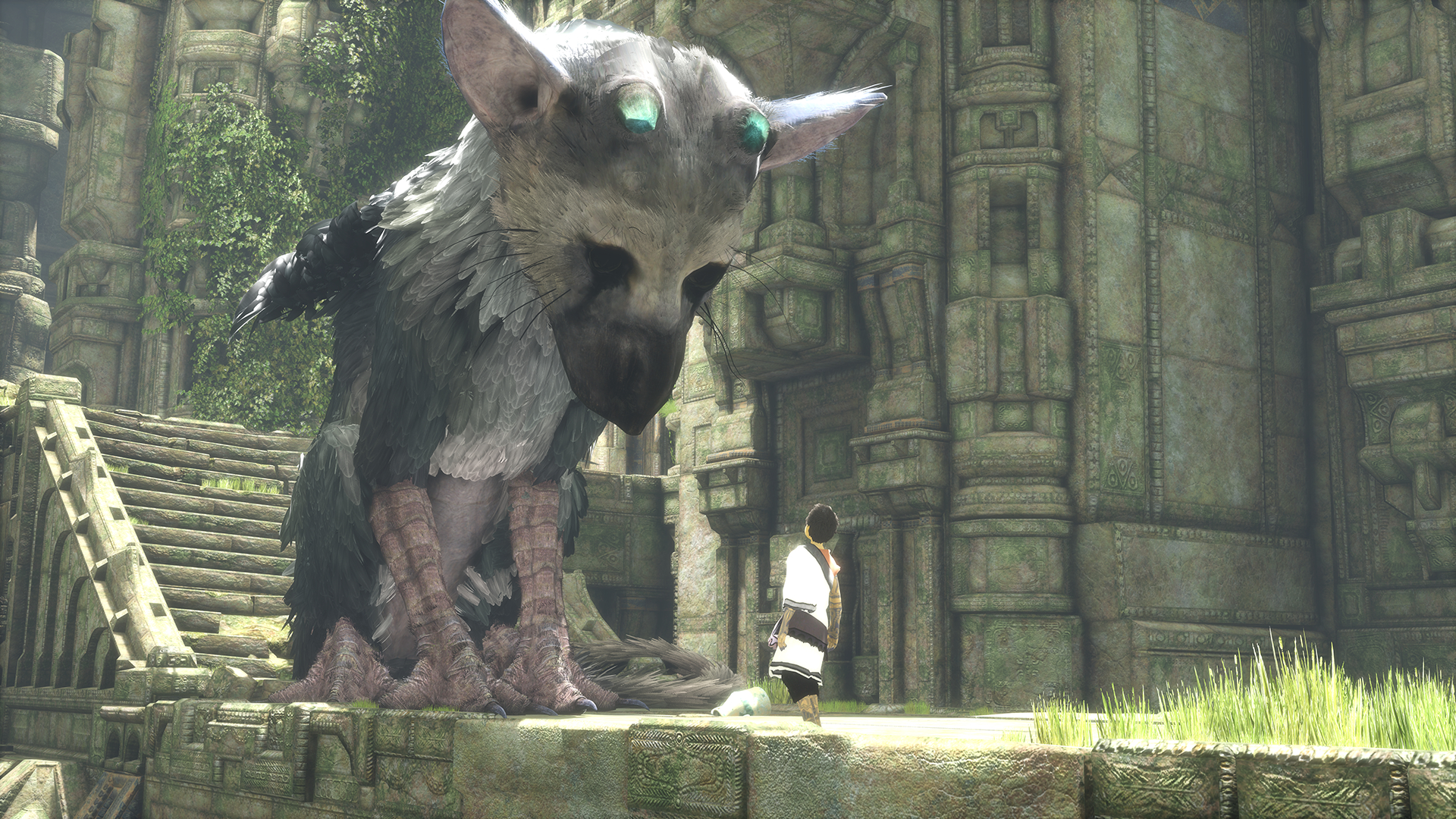
The game doesn’t explain much when it comes to story or characters; it just kind of builds this adventure that the boy and Trico go on, and their interactions help build their character in a way. You wake up in a cave, and shortly after meeting Trico, which is a hybrid bird of some sort—it’s never explained—you just start going. There’s no real goal until towards the end of the game, and even the goal isn’t really explained. Like all other games in the series, it’s wide open to fan interpretation, and sometimes this is better, but for this game, I didn’t feel a reason for these two to be together other than to complete this mysterious journey.
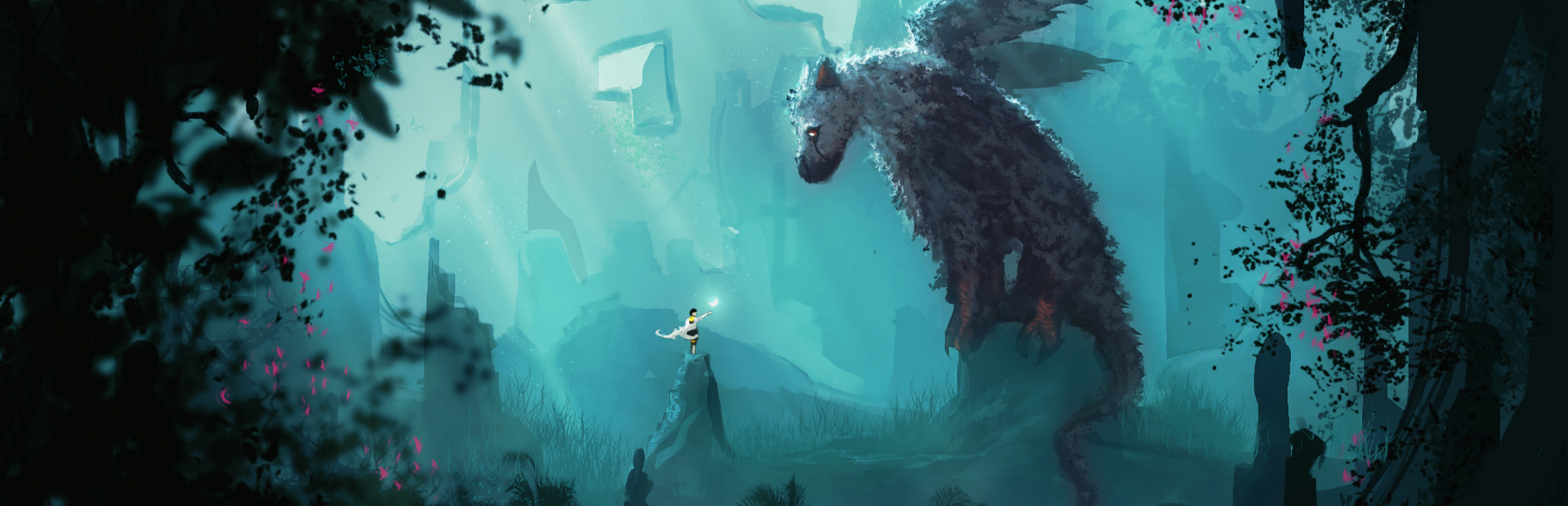
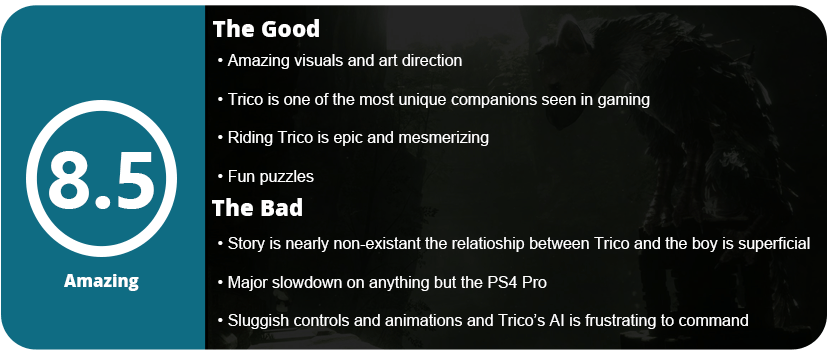
The game consists of puzzles and climbing segments, both for the boy and Trico. This is where the frustrating controls and Trico’s awful AI come into play. When you’re playing as the boy and doing puzzles on foot, it’s not too bad, but once you hop on Trico and start trying to direct him, heal him, and help him in combat, that’s where things get difficult. The animations in the game are wonky and canned to a fault. The boy changes his animation based on the type of terrain he’s walking on, such as stairs or thin walkways, and once he clings to something, he doesn’t want to let go. When you’re trying to control Trico, his animations are also very canned and can’t be controlled outside of “direction gestures” to make him jump, sit, swim, or push. The AI has trouble figuring out what to do half the time when Trico needs to jump up pillars or squeeze through a small hole. Many times I would point and shout and he wouldn’t budge, or I would have to climb down and call him towards where I wanted, then climb back up only to have him turn around for unknown reasons. This is incredibly frustrating and almost feels broken due to how finicky this mechanic is.
Climbing Trico is a chore, as the boy will cling to him and won’t let go, or he registers each part of his body as a different surface, so in combat he can get stuck on parts of Trico, and the camera is just atrocious. Many times the camera got stuck between the boy and a wall, and I was blind to what was going on. When you’re in combat and statues are running around trying to grab you and throwing spears at Trico, you need to climb him, remove the spears, heal him by rubbing the bloody feathers, and then you can also pull heads off statues while they are down. If you get grabbed, they try to take you to a blue door, and then you die. When they grab the boy, you must mash the face buttons to wriggle free, which is an interesting mechanic. I don’t mind the idea of the combat system, but it’s just frustrating with the awful controls, terrible camera, and bad AI.
Outside of the occasional combat area and all the puzzles, there’s nothing to do. The world is a barren wasteland, which is typical of this series and sets an ominous atmosphere, but I would have liked to have seen more of this world. It sounds like I’m harping on this game, but it’s quite enjoyable outside of all these flaws due to how incredibly unique this experience is. When the game does work, it can be a beautiful thing to behold. The game is fantastically gorgeous, with amazing art at every turn of the camera. The saturated whites and grays mixed with the bloom effects just look gorgeous and stay true to the art style of this series. However, it does take its toll on the PS4 hardware. The game runs in the low 20’s throughout most of the game, making this almost like a slideshow. Unless you have the PS4 Pro, you won’t ever see 30FPS unless you are indoors. Even on the Pro, in 4K, the game still dips into the ’20s, but not as often. I don’t recommend playing this on anything other than the PS4 Pro.
Overall, The Last Guardian is a unique experience with interesting locales and a loving relationship between boy and animal. Outside of the frustrating controls, awful AI, and wonky animations, there’s something to love and experience here that’s unique to the PlayStation console that you can’t get anywhere else. The game runs about 8 hours or so; it’s not very long, and sadly, a lot of the length is getting Trico to do what you want. If you have patience and love the other two games in the series, this is something you don’t want to miss.
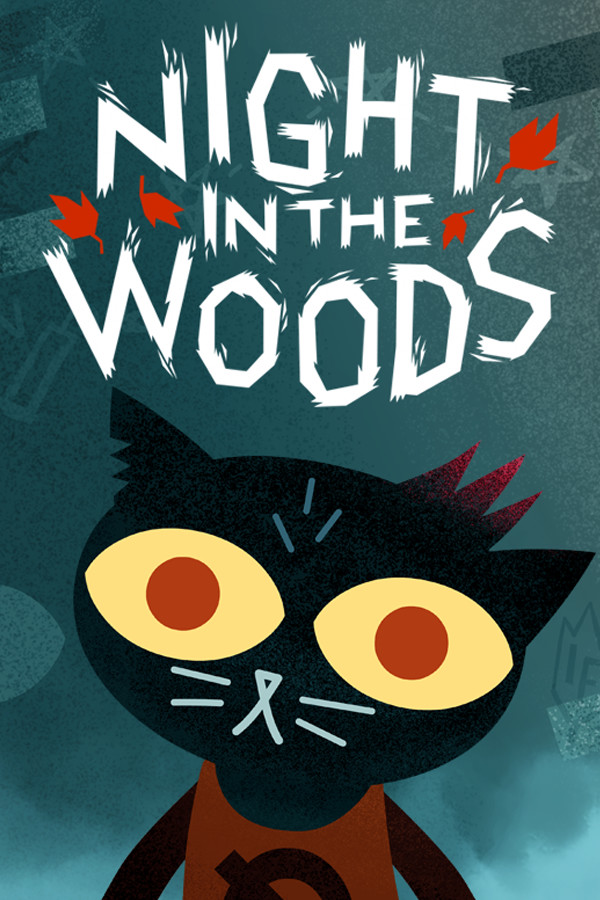
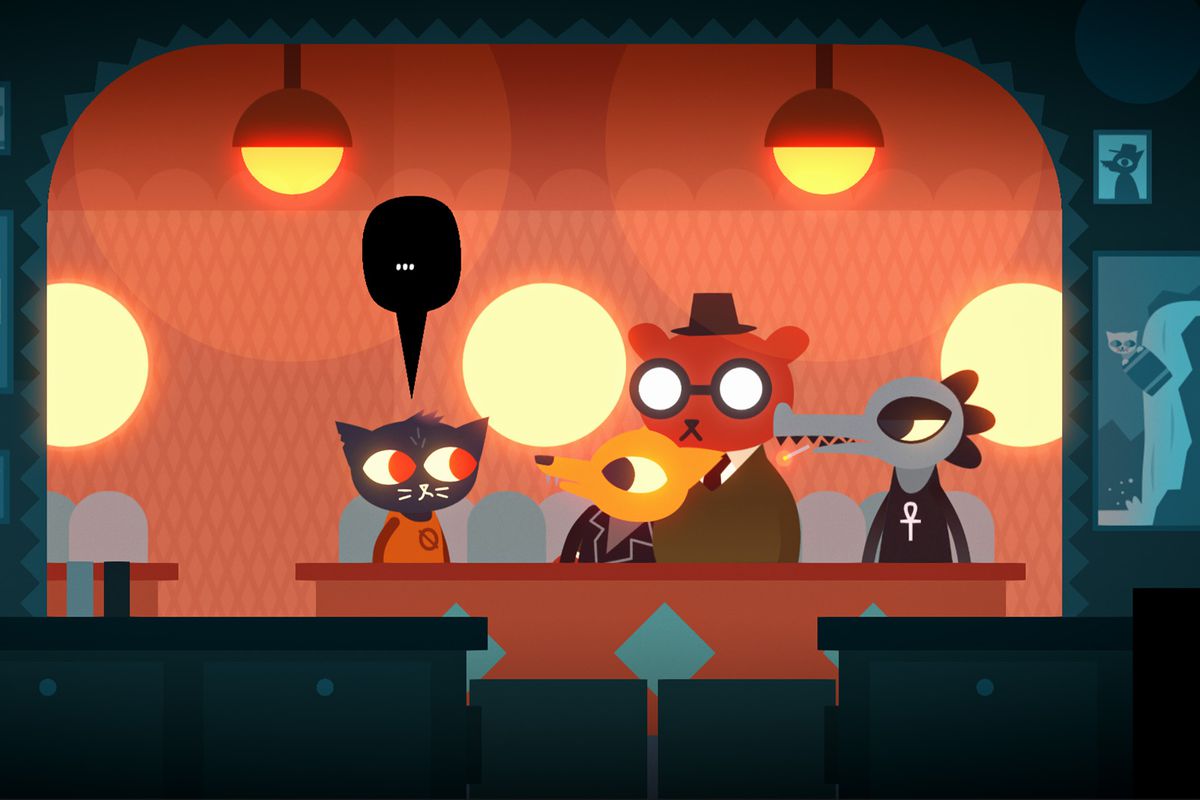
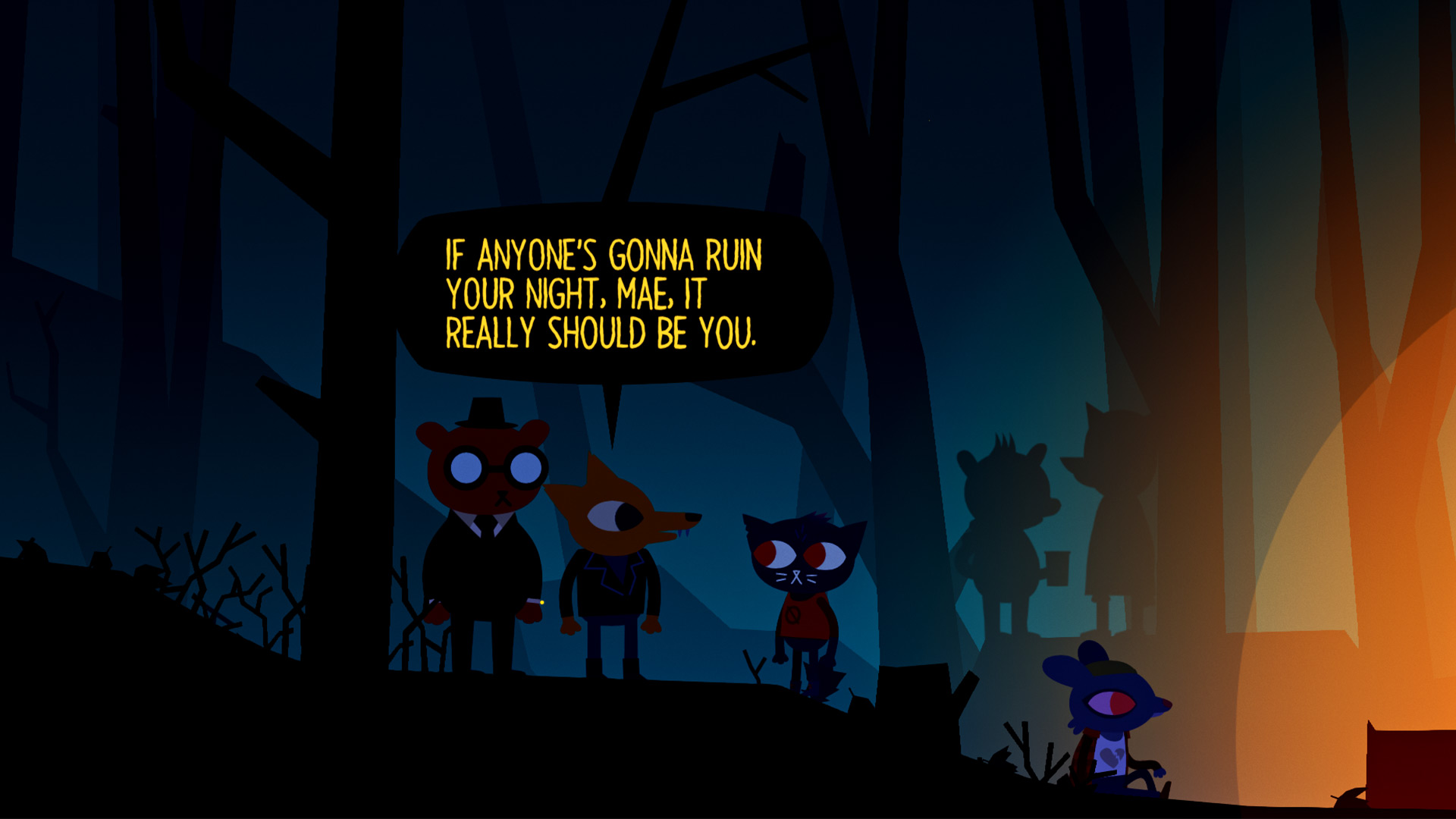
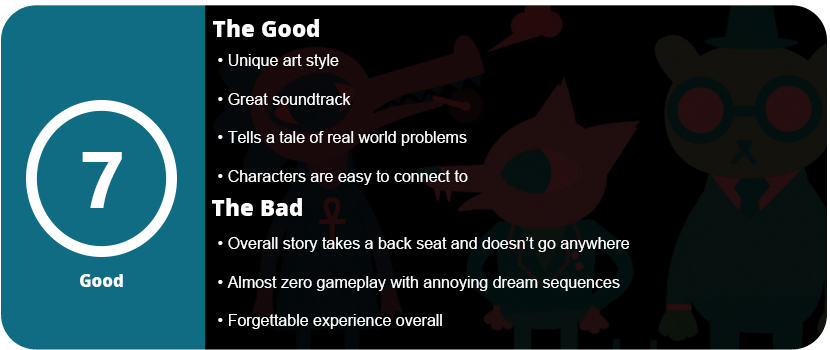
I love adventure games as they tell incredible stories with such detail that most other games can’t put out. They put action and gameplay on the back burner to bring the story upfront and into your face. They are typically slow-paced and keep you hooked with interesting characters, settings, and atmosphere. Night in the Woods is about a cat named Mae who drops out of college and comes back to her hole-in-the-wall town to hang with friends and discover a mystery plaguing her town.
The game starts out fine with several scenes of character introductions and plot setting. Mae meets up with her four friends, and each day goes by with several activities such as talking to people, attending band practice (complete with a rhythm mini-game), and checking your laptop. This is fine and all, but this dragged on for way too long. Several days went by, and almost nothing happened outside of character development. The game talks about the real-life struggle of today’s younger generation (Millenials) and the day-to-day lives of lower-middle-class Americans. The game is set in a cartoony paper cut-out style but set in real-world problems that are very unique and interesting. I really connected with the characters, and their problems were genuine and real, but I wasn’t sure if I was playing a game sometimes.
Each night you go to sleep (after several days go by), you are presented with the only real gameplay here, which is annoying platforming on confusing “maps” to find four band members to complete the dream sequence. You go through five of these maps, and they are boring, a chore to navigate, and feel like forced gameplay. Outside of these sequences, there’s nothing but text and story. I really think this should have been a visual novel or just an animated cartoon rather than a game.
The actual relevancy of the title only comes into play during the last half-hour of the game, and it’s forgettable and almost feels forced compared to the day-to-day struggles of the characters, which are more interesting. I like how the game is written and the characters it portrays, but if you’re going to make this a game, actually give me a game to play. I started getting bored towards the end and just wanted the entire game to end.
That’s not to say I didn’t enjoy this game, but the praise it is given is a little ridiculous. It doesn’t do anything special in its own genre, and as a game itself, it’s barely that. I can only recommend this game to hardcore adventure game or visual novel fans who are okay going through hours of text and dialog with almost zero gameplay. It’s a great time killer and a fun way to burn away a lazy weekend afternoon, but nothing more than that, and there is no memorable story to care about from this.
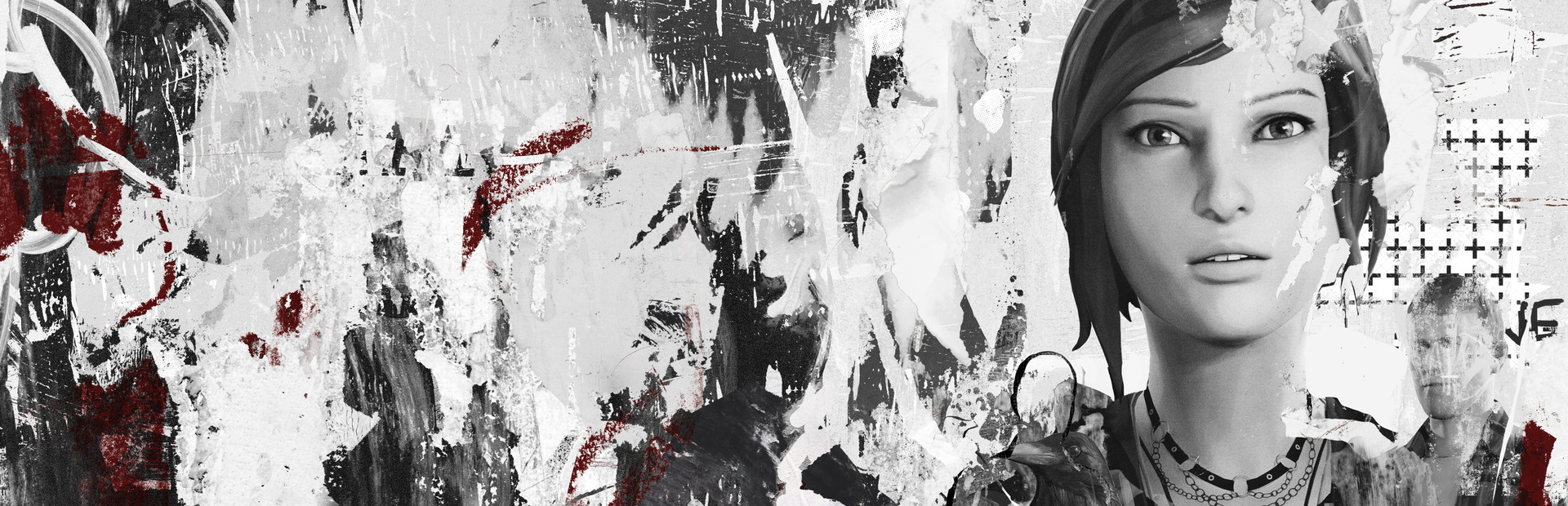
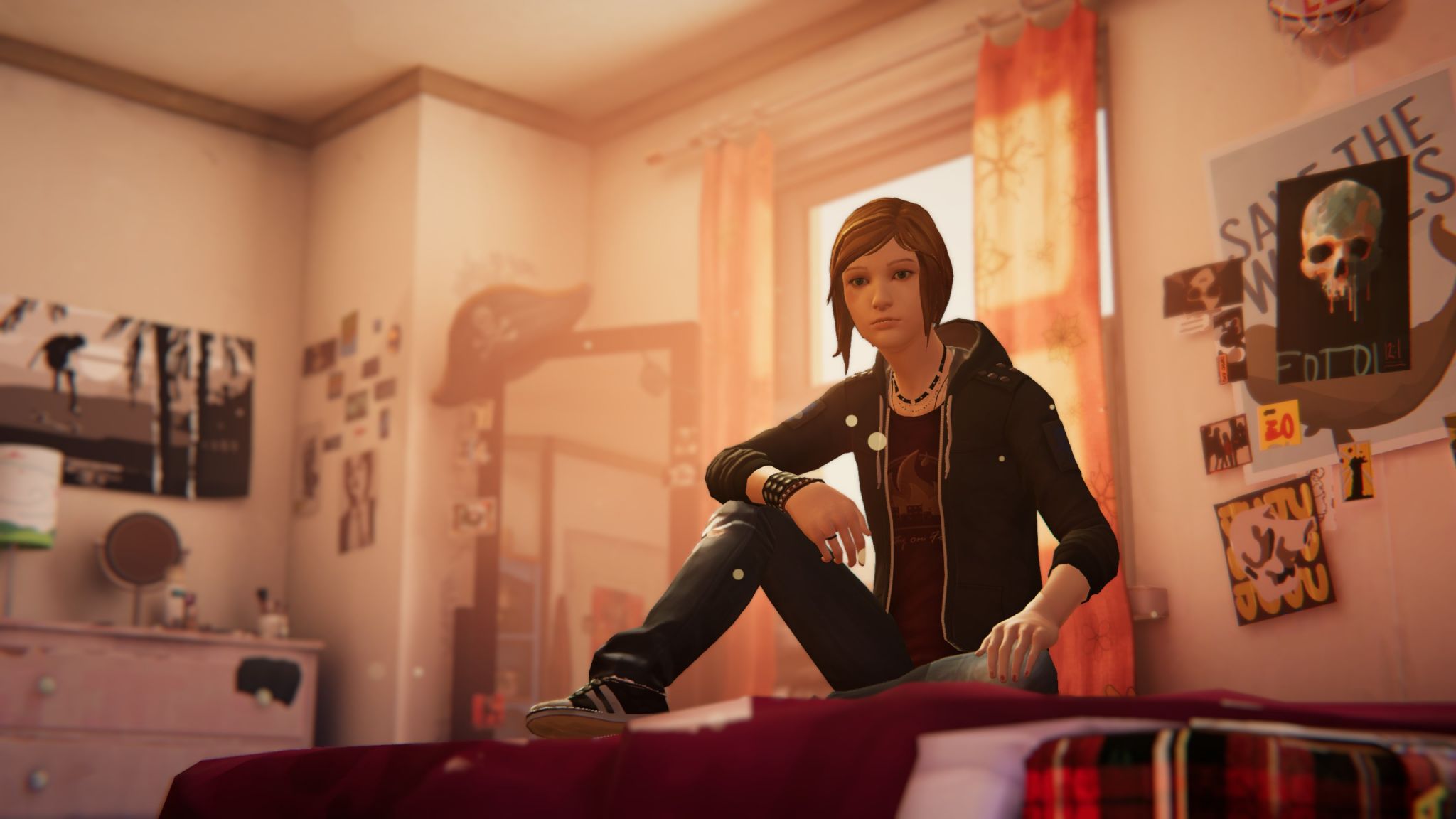
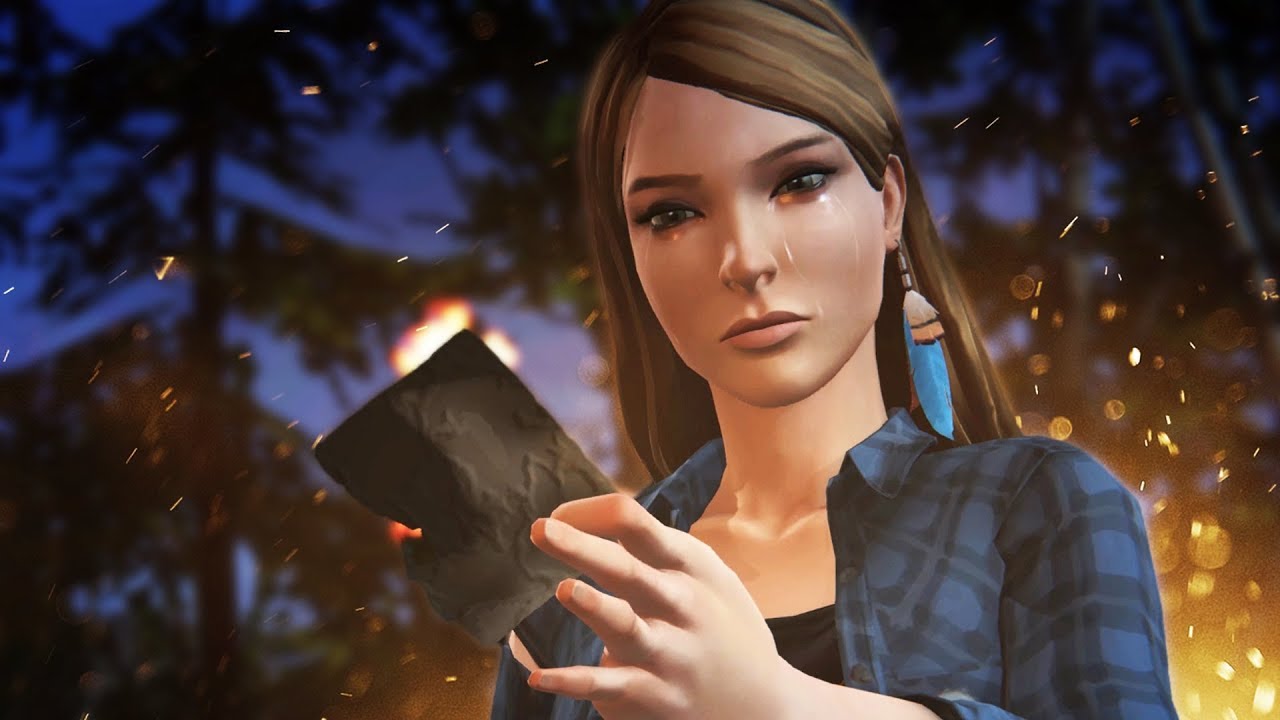
Life is Strange is one of my favorite games of all time and one of my top adventure games. The atmosphere, music, characters, writing, and story all made me feel nostalgic to be a rebellious teenager again, and it seriously sparked my imagination long after I finished playing it. Before the Storm pulls us back to Arcadia Bay as Chloe Price and helps us see who Chloe really was before the events of the first game.
We also get to see who Rachel Amber really was to Chloe, as this was a huge mystery in the first game that wasn’t fully explored. Rachel helped shape who Chloe was in the first game, and she had a huge impact on her life, albeit a short-lived one. We also get to see the formation of the people around Chloe in the first game, such as her parents and some schoolmates. Before the Storm still captures that teenage nostalgia of being free and not having to worry about the stresses of adult life such as bills, cars, a job, and food. All we had to worry about was our feelings and friendships, which are probably the most cherished parts of our lives.
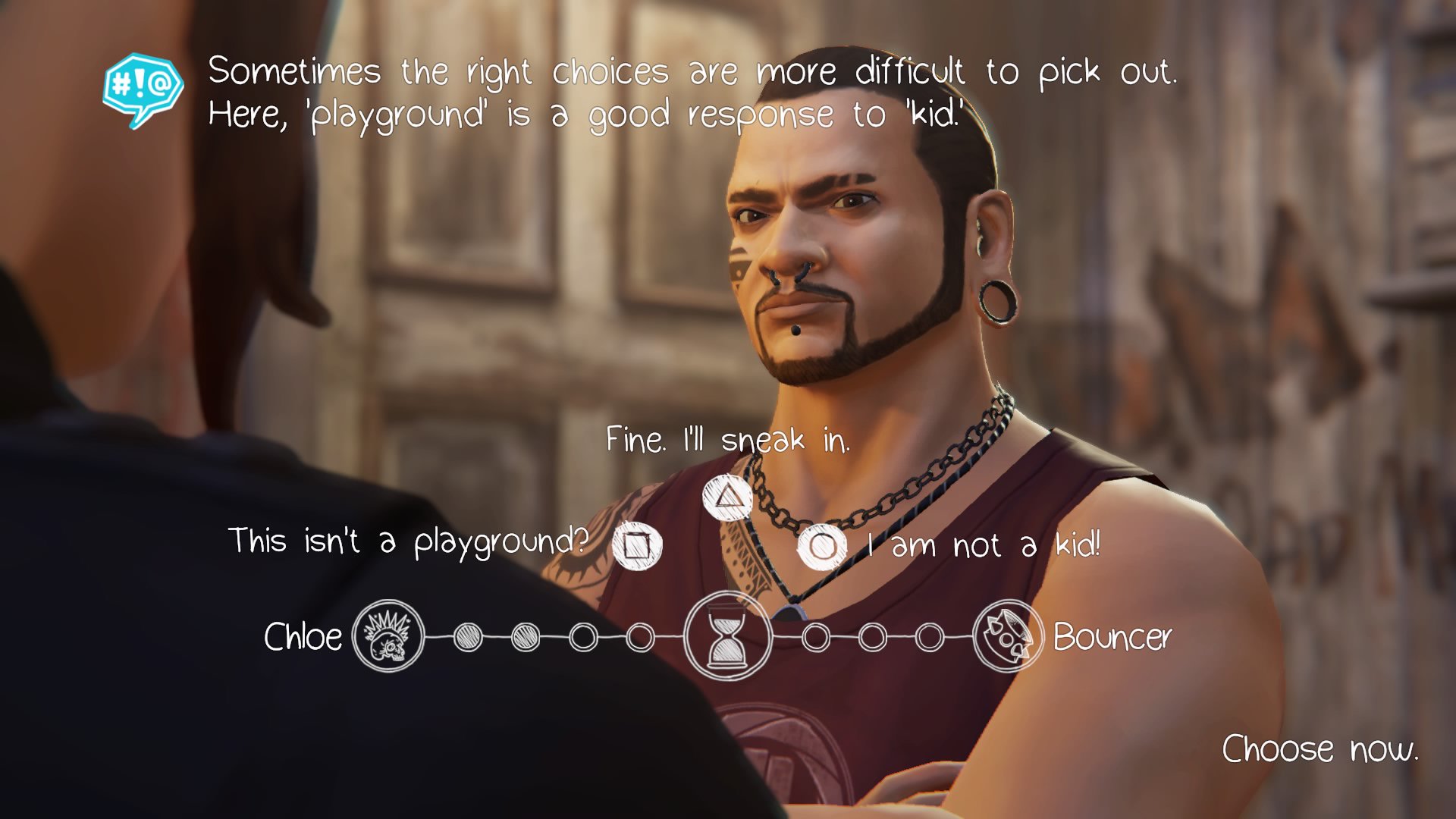
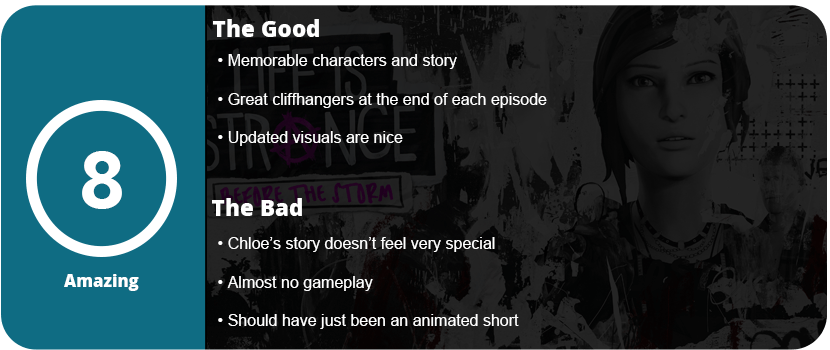
What the game fails to capture, however, is the great pace and actual gameplay of the first game. Before the Storm is very slow to start and to pick up and was almost boring for the first hour, and without the gameplay quirks of the first game, all you have is an adventure game with very few decisions to make. Most of BtS is just watching events unfold and clicking on objects. So gameplay takes a backseat, and the story kind of did too. The characters are still as strong as ever, but there’s just not much to build here, as Chloe’s life before the first game was fairly generic and not much different from most teens’ troubles.
Each episode did tend to leave a cliffhanger somehow, and I wanted to know what was going to happen next, but there was a lot of filler content, and most of the actual events that involve the first game are far and few between. If you never played the first game, this would actually be quite a boring and generic adventure game with no meaning. I could have easily settled on this game being just a one-hour animated movie to fill us in on Chloe’s earlier years.
At least the visuals were slightly upgraded with some better lighting, but overall, it’s a seriously dated game that all adventure games have seemingly been doing. I can only recommend this game to anyone who finished the first game, but don’t expect a tear-jerking and emotional roller coaster like it provided. You’ll sit through a few heartfelt moments and some laughs, and that’s about it.
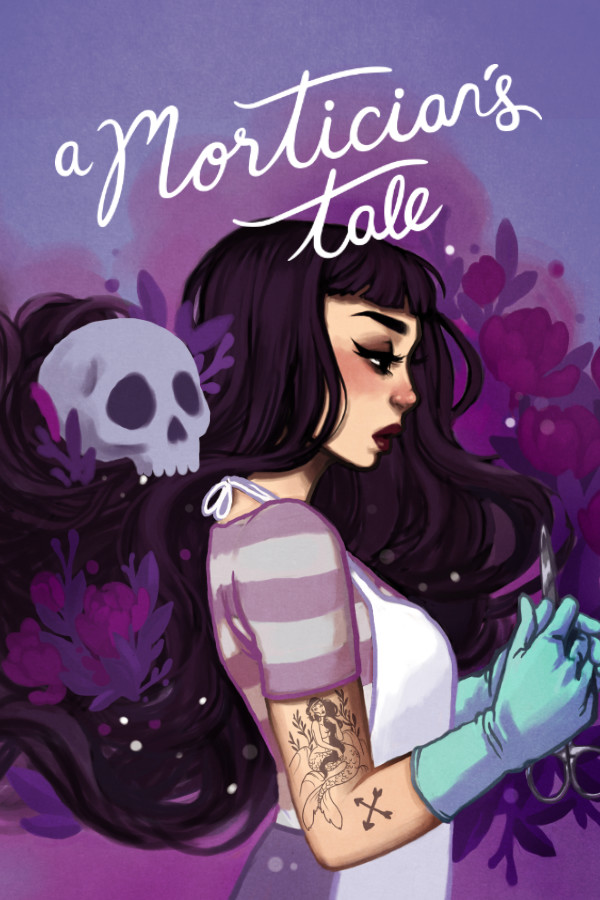
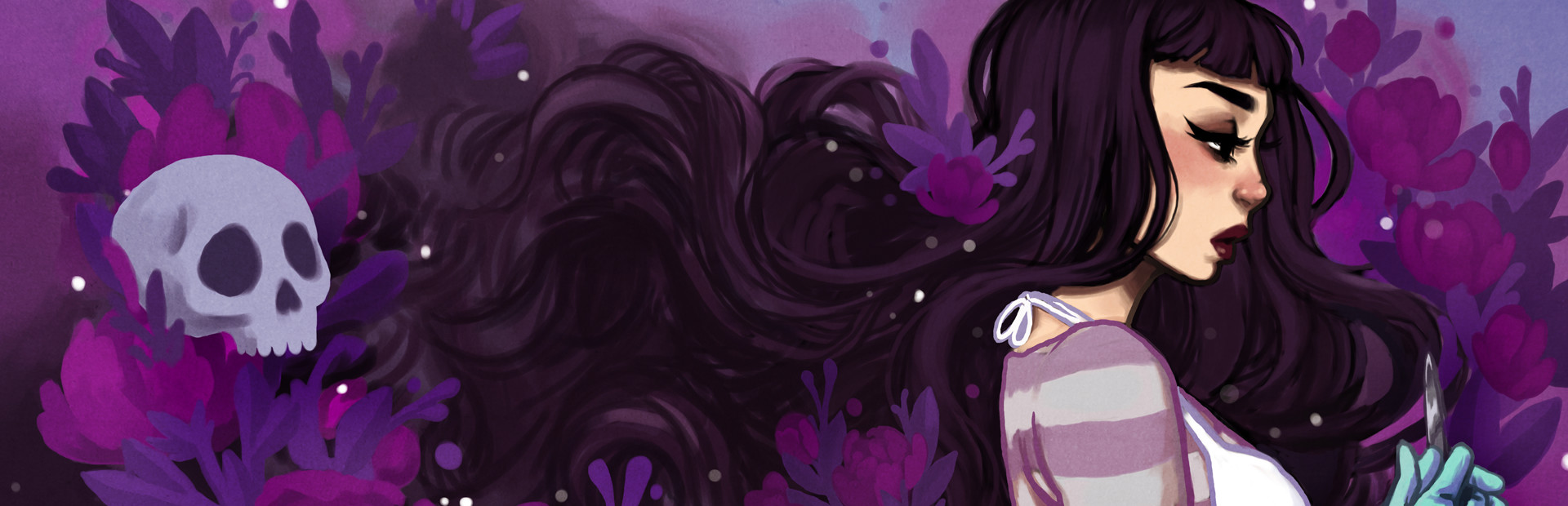
I understand everyone wants to praise indie games. I get it; I really do. It’s a middle finger to the corporate world, and developers can explore interesting new ideas without the weight of a watchful eye. A Mortician’s Tale kind of explores this exact idea, but with a funeral home.
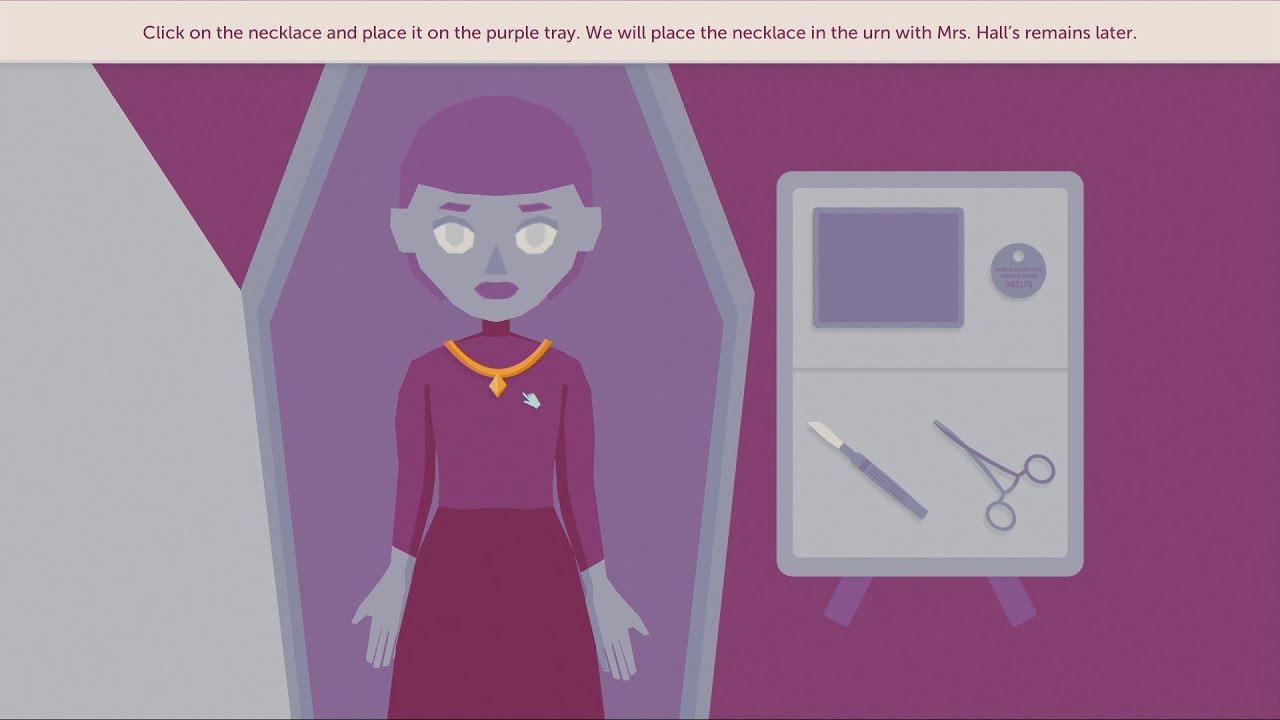
The game starts out well and gives me an idea of how the game will progress. A mortician named Rose gets a new job right out of medical school at a family-owned funeral home. You slowly perform different ways to prepare bodies, from embalming to cremating. It’s a cool concept, and things started getting weird when the game walked me through every single body’s preparation. I thought I was in for a long game, as I thought it would take a while to see everything the game had, thus the extended tutorial times.
The story is told through emails on your computer between employees and Rose’s school friend. The sad, morbid music painted an atmosphere I was starting to get into, and the emails told me that something was going to happen. Of course, the tides turned when a corporation bought the funeral home, and I was thinking this was when things would start picking up, but they didn’t. Then the game ended. Yeah, just like that.
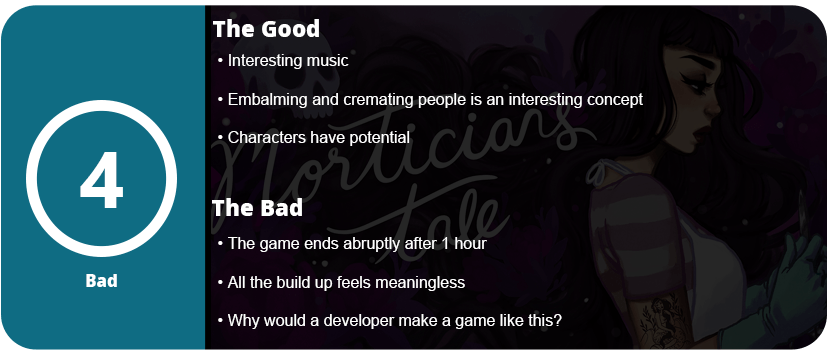
I really admire indie games and the unique little adventures and stories they tell. Some are the most memorable I have, such as Soma, Observer, and even Journey, but this isn’t how you do it. Don’t drag the player through tutorials; build an entire game system; create characters and an atmosphere; and end the game when most would start picking up. I hate this so much, and I refuse to give these developers any credit for what they did. They literally skipped to the end of the story, and everything leading up to it had no meaning. I also understand short games; I’ve played games this short and felt very satisfied with their ending. This tale is not worth a second of your time.
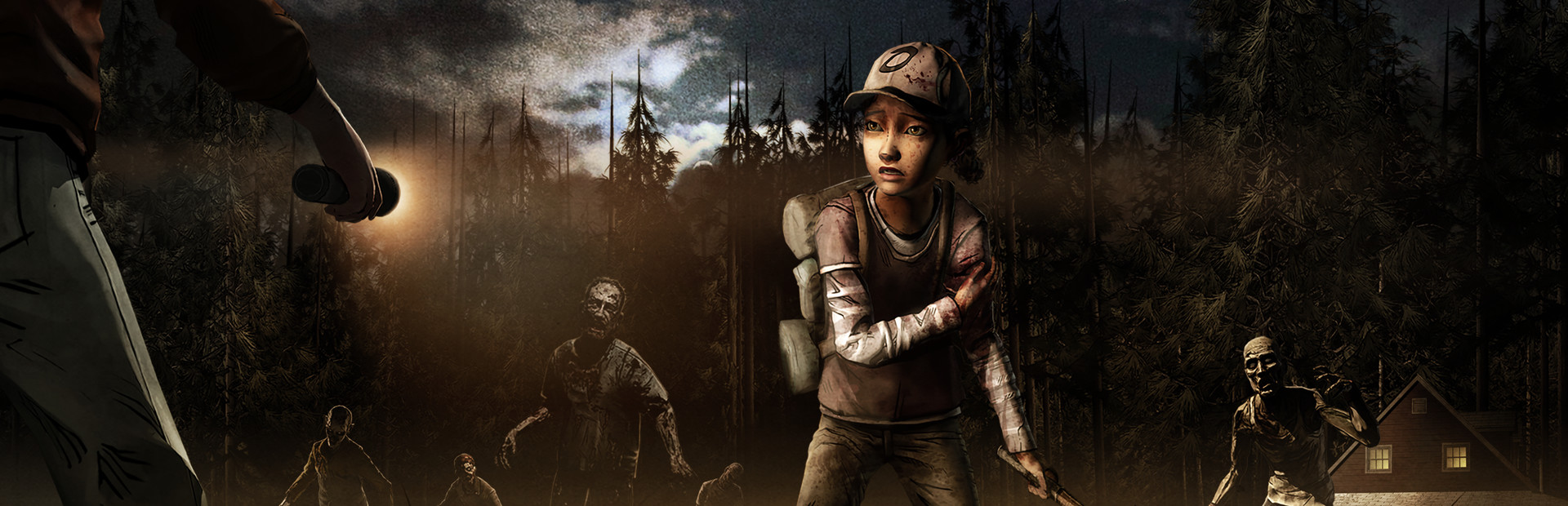
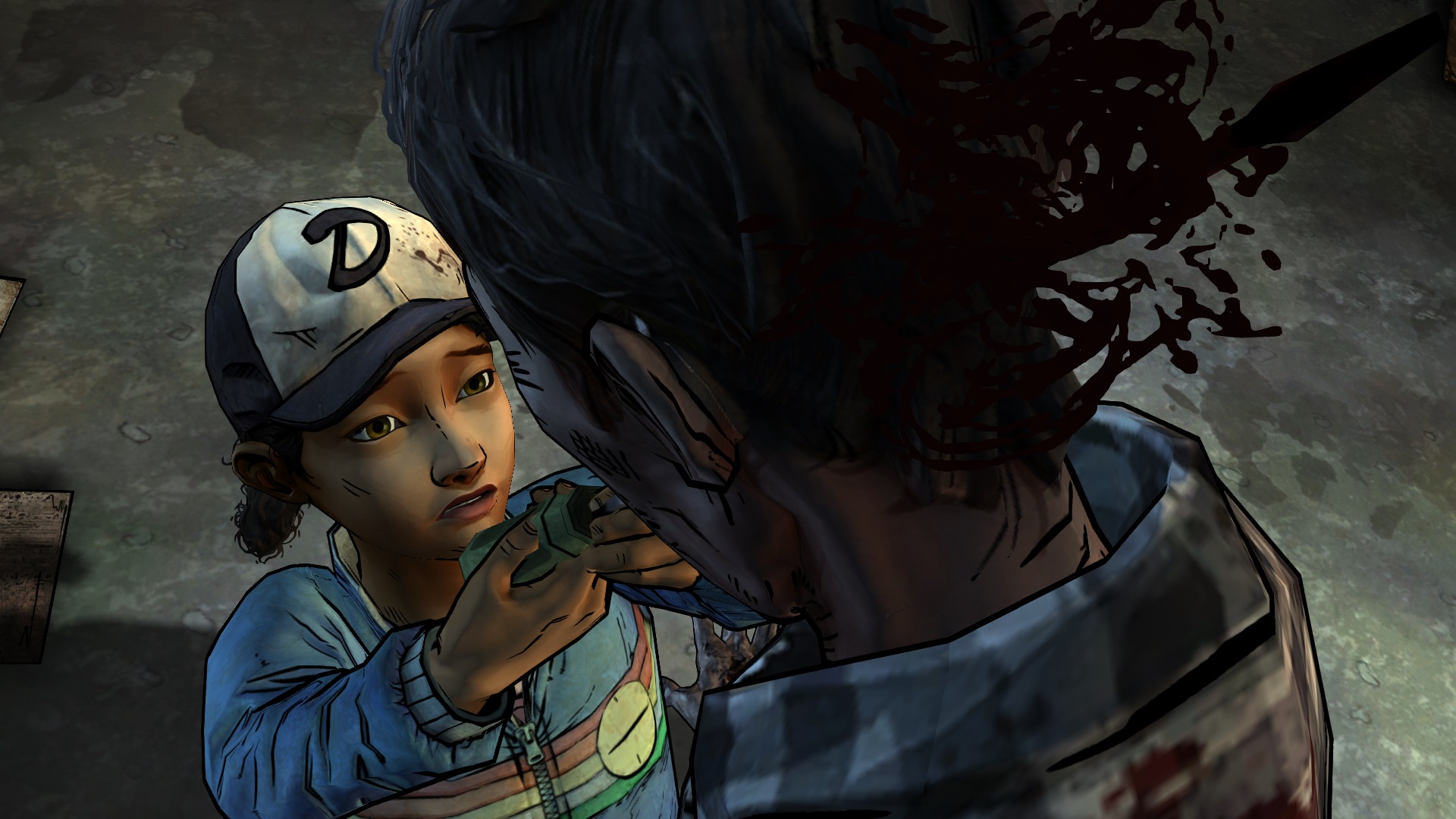
The original Walking Dead was a fantastic adventure game. It was well written, tense, memorable, and had amazing characters. The dialog choices kept the game moving, and you always felt like you were in control of every moment. Season Two adds to this while taking place moments after the end of the first game.
This time around, you play solely as Clementine. Right off the bat, I can tell you that your choices from the first season hardly impact Season Two. I imported my save, but I didn’t see many changes or choices I made from Season One affect anything here. We get an all-new cast, setting, and goal for Season Two that kept me going until the end.
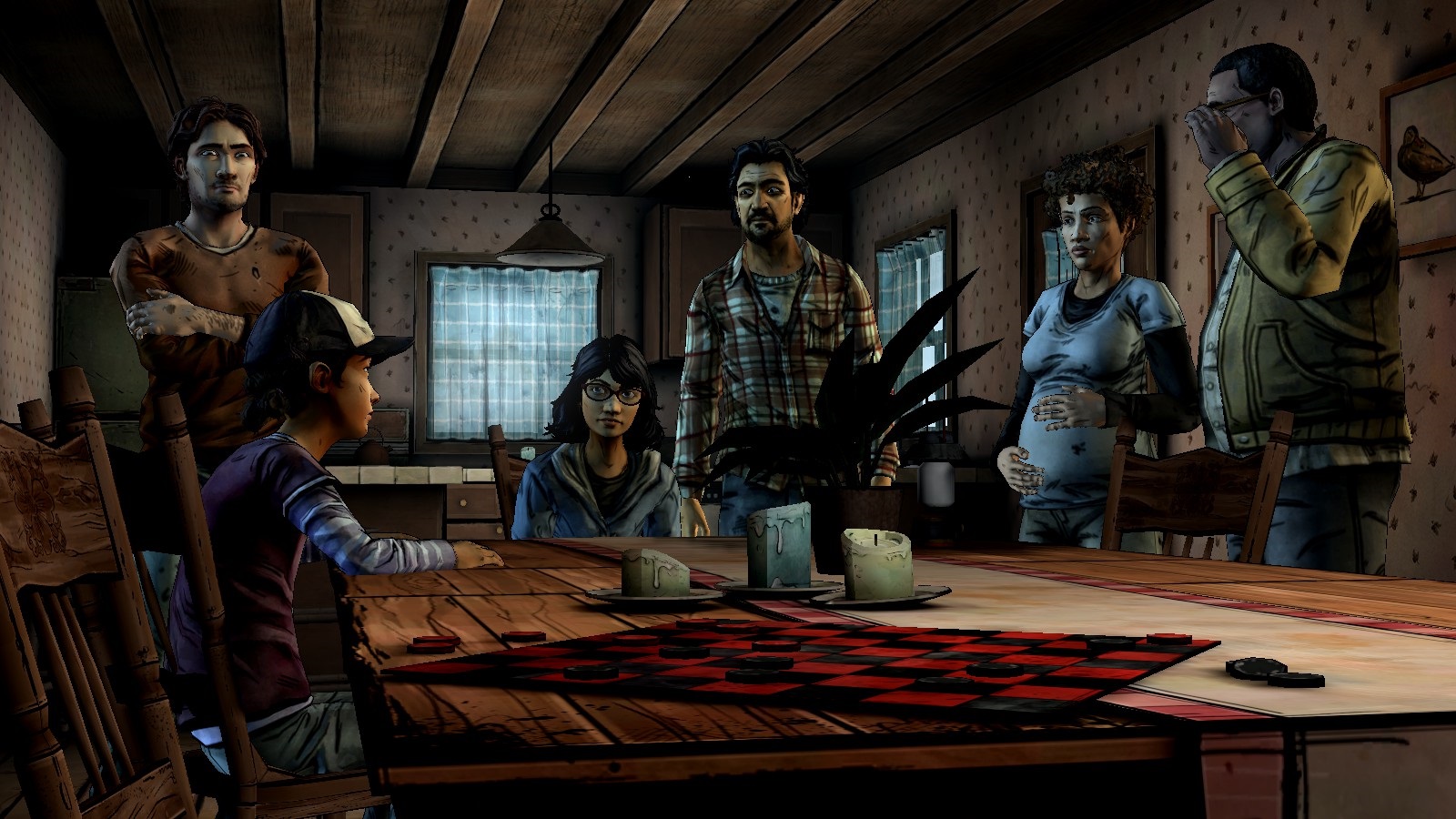
Clementine is a child, but her raw character shows this season thanks to what she went through. Going from an innocent child to a hardened killer isn’t easy, and it makes Clementine such a likable character. Adults respect her for how mature she is; she can make adult decisions, but she still has some vulnerabilities that a child would have at her age. The new characters come across as strong, just like in Season One, but I felt a slight disconnect from them. Something about these new characters didn’t quite click as well. A lot is introduced early on, so this might be the reason.
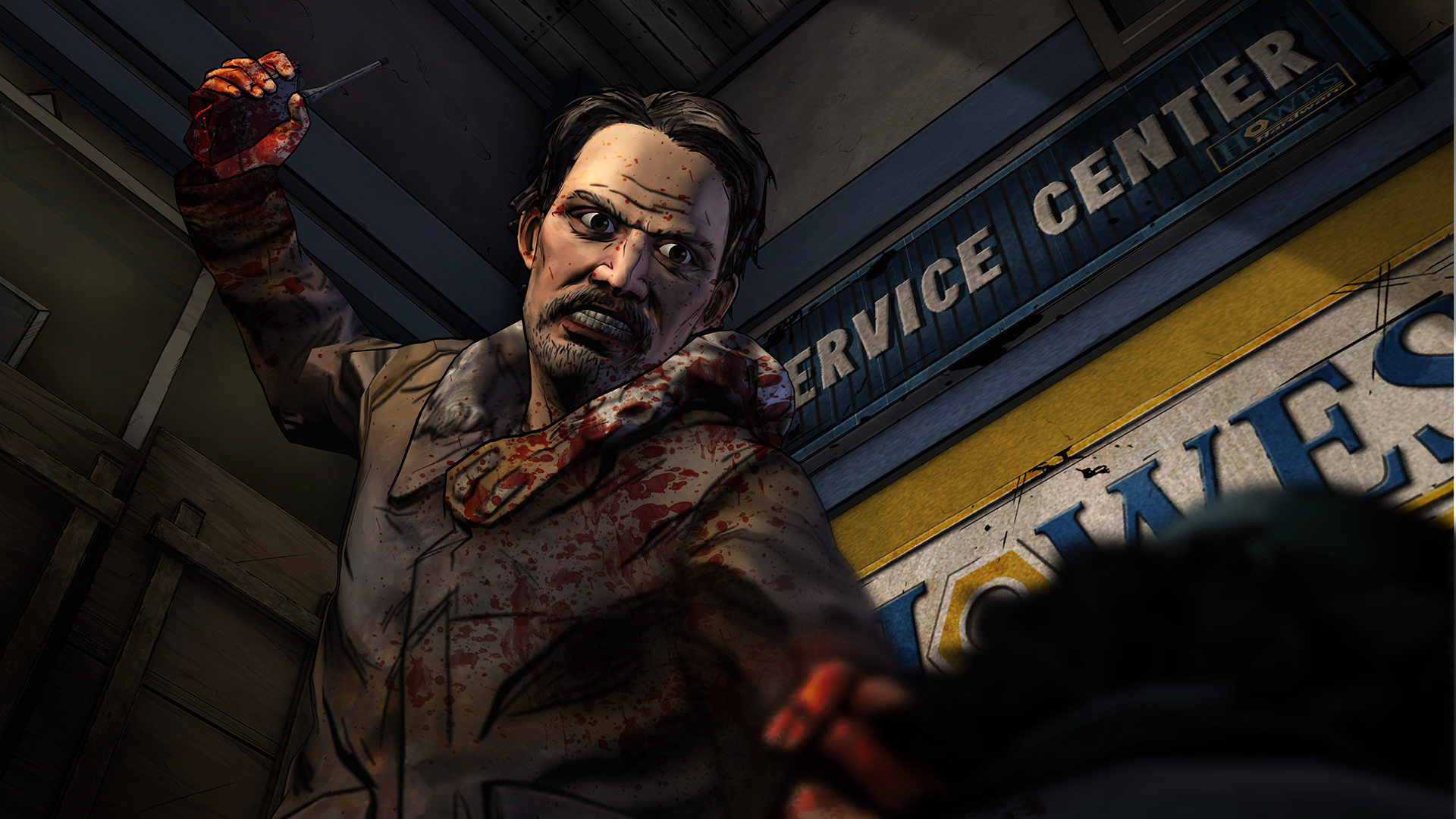
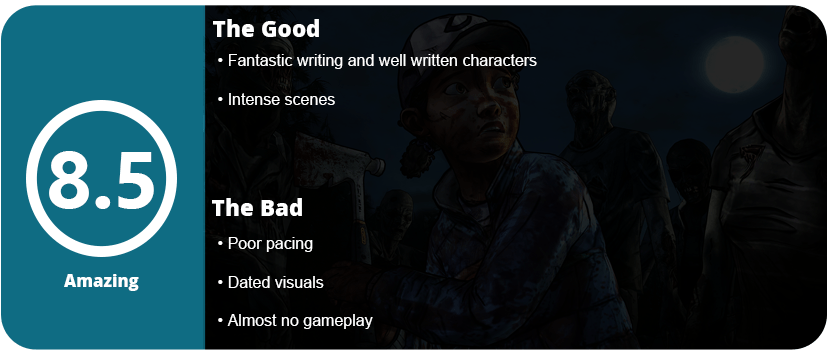
Throughout the game, we are seeing Clem get to a word-of-mouth safe haven called Wellington as she meets new friends, makes new enemies, and has to escape dire circumstances. I feel that this time around, the game is more of an interactive movie than a game. There are hardly any gameplay moments, and there is zero puzzle solving. The action sequences are somewhat entertaining, but the horrific moments of terror are far and few this time around. The few spots where you can walk around an area feel pointless, as all you do is go to the only interactive object to progress. The gameplay is seriously lacking here, but that’s not really a bad thing.
The dialog options are still strong, and many choices had me wanting to go back and change my choice, but that’s good. I always thought about what would happen if I chose something else, as some choices are designed to unfold later and some are immediate. The pacing of this game is also slower and less balanced. There are many slow moments of downtime and dialog build-up. Sometimes 20 minutes would go by with nothing but dialog options, which is a stark contrast to the first game.
I did notice the visuals are slightly improved with better lighting and more detailed textures, but overall the game engine is seriously aging and doesn’t hold up to other games. Season Two is still a memorable game with great characters, excellent writing, and tense moments. If only it were paced better and had more gameplay.
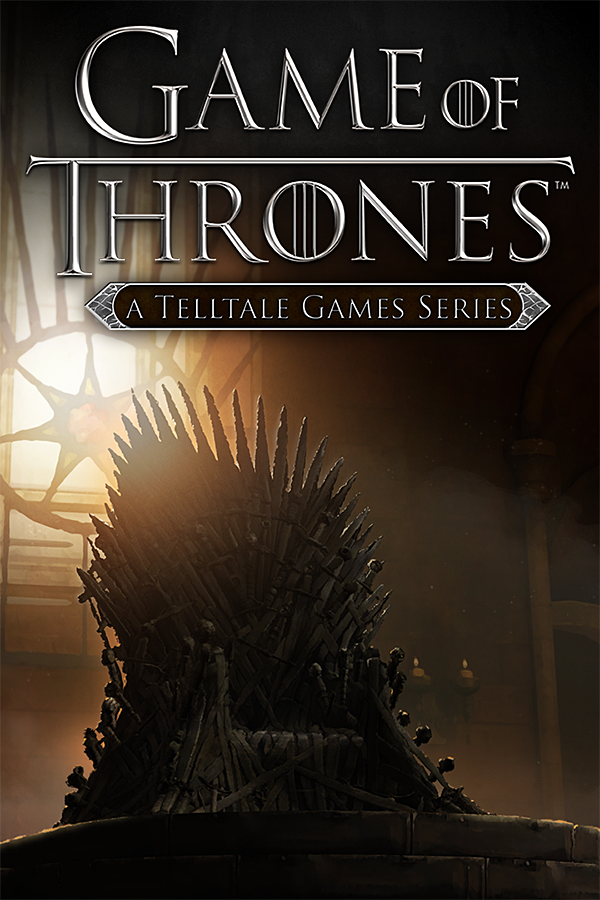
Game of Thrones is one of my favorite TV shows of all time, and for good reason. It had memorable characters, well-written scripts, fantastic actors, and so many gripping plot twists that will make your head spin. How do you copy this in a 5-hour game? Telltale somehow managed to do it, with some flaws, and I left wanting more.
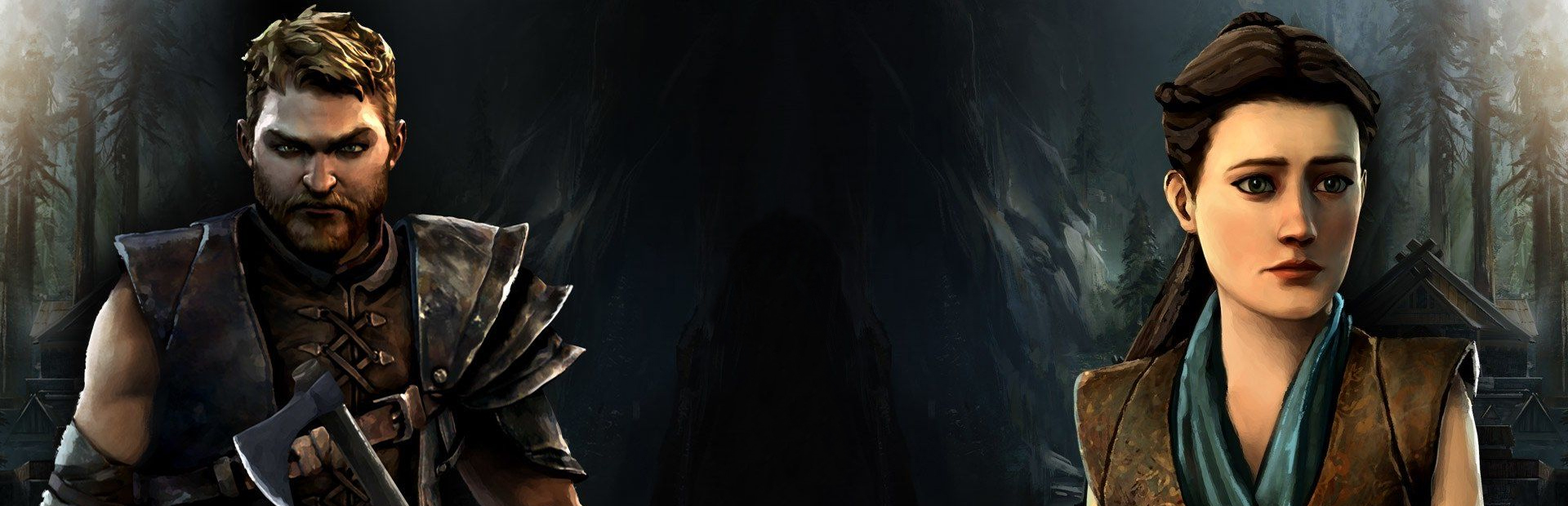
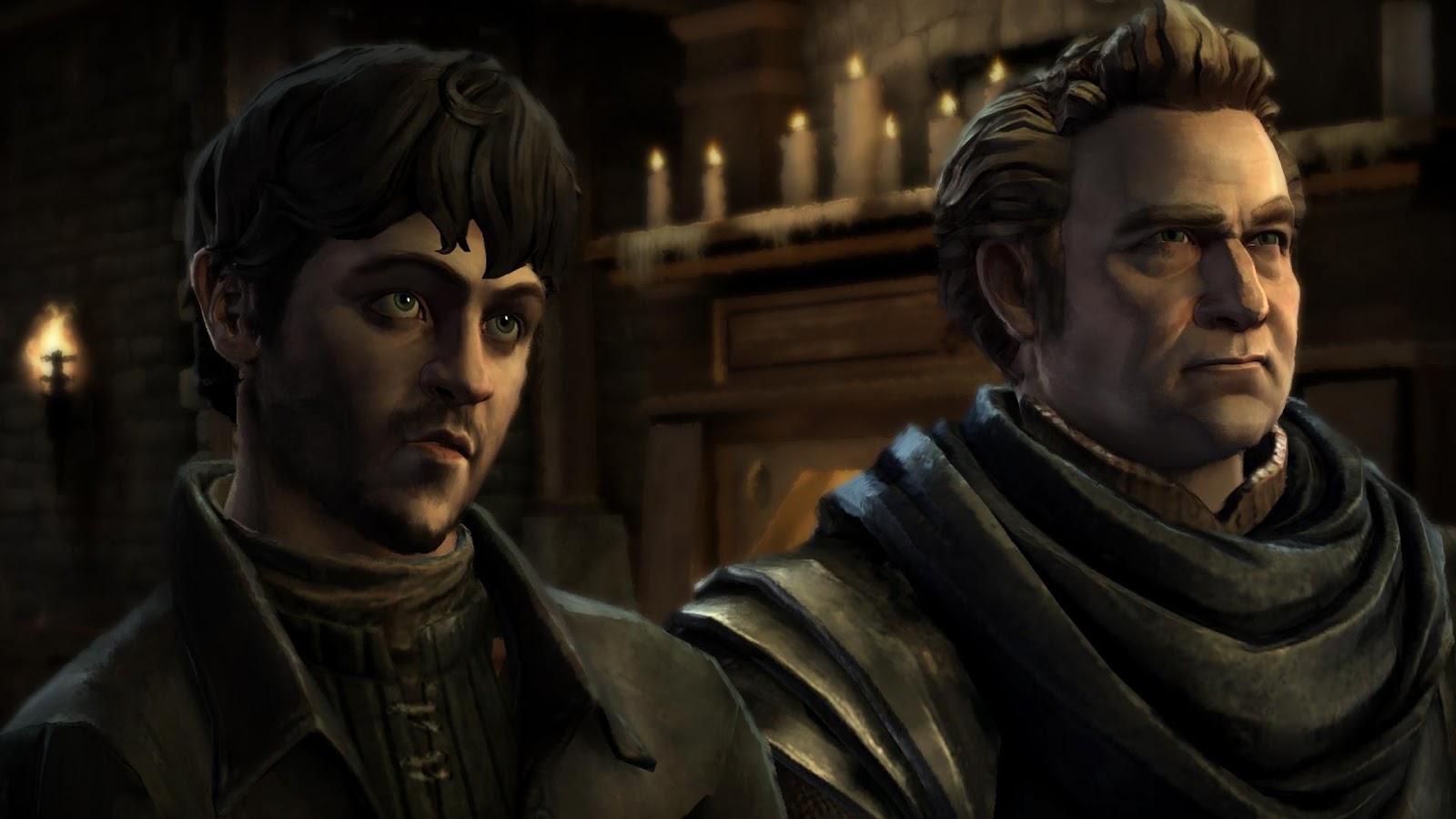
You play House Forrester, who are aligned with the Starks in the North, not seen in the show. They are trying to come out from under Roose Bolton’s foot, as the Boltons were assigned as wardens of the North after Ned Stark died in the first season. Ramsay Snow is constantly coming back to the house to “babysit” them, and this is some of where the major turning points happen.
You follow five characters in the game as our viewpoints change. Mira Forrester is in King’s Landing, trying to gain Lady Margery’s favor before she becomes queen. Then there’s Ethan Forrester, who is the new lord of House Forrester after his father dies in the hands of Frey’s ambush. Then there’s Edward Tuttle, who was the original Lord’s Steward, and he gets sent to the Wall. Asher Forrester is off in Essos, trying to gain Daenarys’s favor for an army. With all these different viewpoints, it feels just like the show with everyone spread out.
This is a much more story-driven Telltale game, and I know that sounds silly, but there’s maybe 5% gameplay here and not even any puzzles. There are some combat quick-time events, a few times where you walk around an area looking at things, and then the many, many dialog options, with some being meaningless and some having a full swing of the entire story.
I won’t get into details about the story as that will spoil it, but I was kept in for the whole game. The acting from the original characters who do appear is nice, as is the acting from the new characters. The new characters are memorable, hold their own, and feel like they would fit right into the TV show. As the episodes pick up, you spend less time with each character as all the choices you make culminate in the finale. Some choices were rather difficult to make as you decided who lived or died or how you acted towards someone. This was especially brilliant, as I thought I was doing the right thing sometimes, but it turned out it was hurting me more.
In the end, the point of the game is to gather a large enough army to fight back the Whitehills, whom the Boltons assigned to watch over House Forrester. All your choices will mean the difference between a house that lives or dies. I didn’t find the game really dull, but the scenes where I had control felt pointless. Rarely did it ever feel relevant, such as in a scene where Mira is searching for a letter in Tyrion’s office and guards are running down the hall, and she was trying to not get caught.
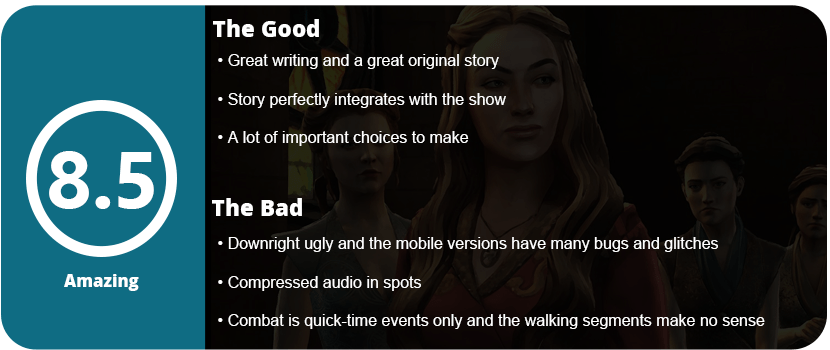
The game does end with a sequel in mind, but I don’t know if that’s ever coming; not all the characters’ stories were fulfilled, which is a shame. The visuals are downright ugly and still use Telltale’s decade-old engine, which needs an overhaul. The mobile version of the game is still riddled with bugs and poorly optimized, with frequent slowdowns, crashes, freezes, and bugs. The audio was terrible, as in the last 2 episodes it was somehow compressed to sound like PS1 audio. Overall, though, the game is well worth a playthrough for fans of the show; just don’t get the mobile version.
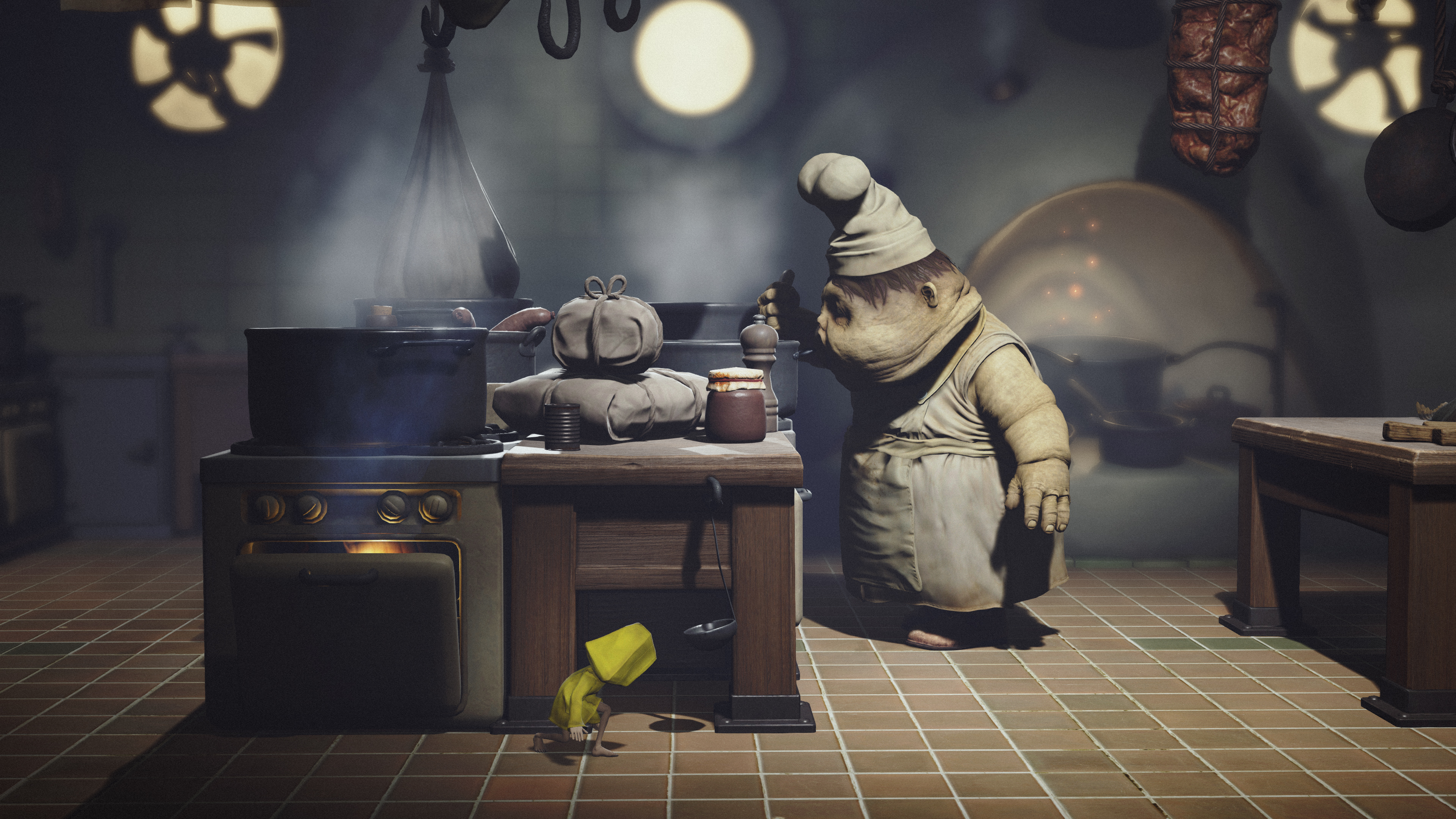
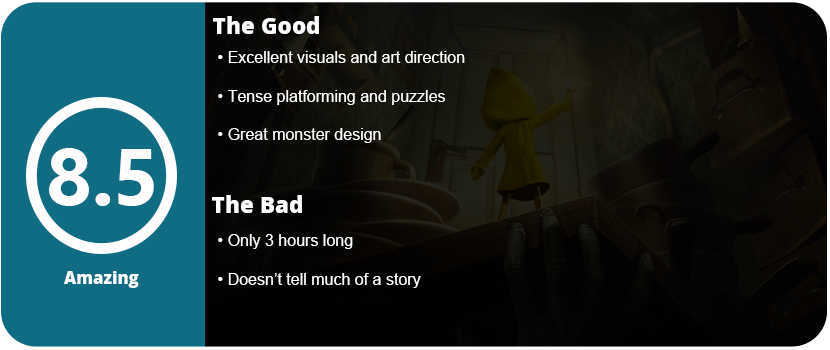
Minimalist side-scrollers have become very popular in Limbo. Inside is just another example of these horror-side scrollers done right. Little Nightmares doesn’t really tell a story through voices or words, but through actions. Unlike Inside, Little Nightmares doesn’t have too much of a story to tell. You play as a child trying to escape a ship from humongous fat monsters trying to eat you. That’s all we get, really.
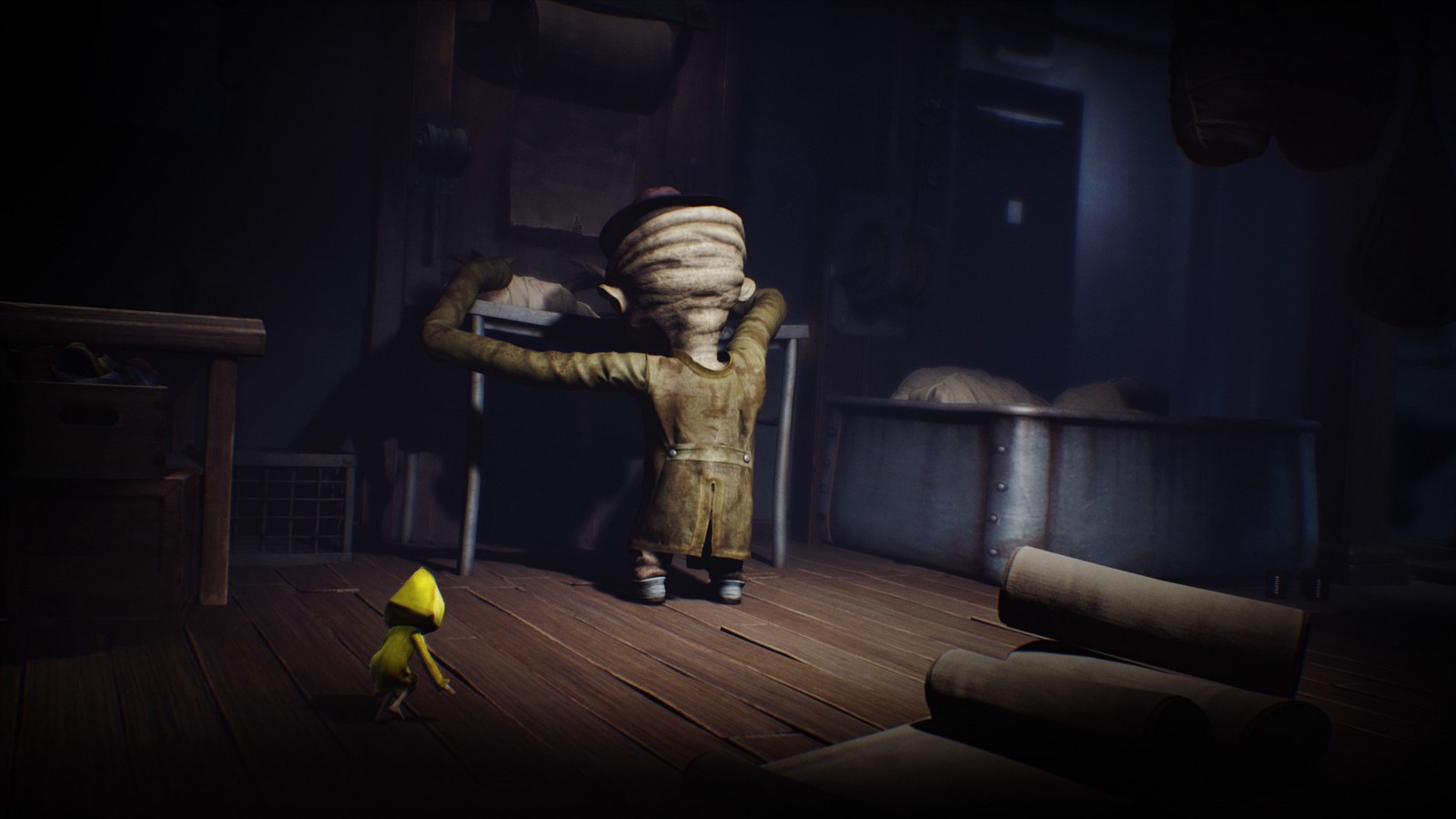
Sadly, the story doesn’t really explain much, as the art direction, monster design, and backdrops are wonderful and beg for more storytelling. The beginning of the game is made up of basic platforming with simple physics puzzles and a lot of atmosphere. Eventually, you start seeing the occupants of this ship, and that’s when things get creepy.
Little Nightmares does a fine job of creating a tense atmosphere and suspense. Grabbing and sneaking are tied to the shoulder buttons, so when you grab something, you must hold the button down. This makes things more intense, as you are running away from a monster with a key to unlock a door, and if you let go of that button, it’s all over. The middle of the game is made up of outsmarting these monsters, and the puzzles get bigger, but not really harder.
There’s not much to really explore outside of lighting lanterns for checkpoints and breaking porcelain dolls to unlock achievements. The game is definitely intense throughout the 3 hours it takes to complete; there wasn’t a dull moment that I can remember. I always felt like I was running, overpowered, and small. From climbing stacks of dishes and escaping on meat hooks to chopping off the arms of a doll maker, The game gives players something that most don’t, and that’s solid gameplay while combining excellent visuals and touching moments.
Overall, there are some of the best 3 hours you will spend. From beginning to end, Little Nightmares has something interesting to offer, and it’s never boring. The graphics are gorgeous, with art styles that reminded me of box trolls mixed with coraline. If you love horror games and platformers, then this is for you.
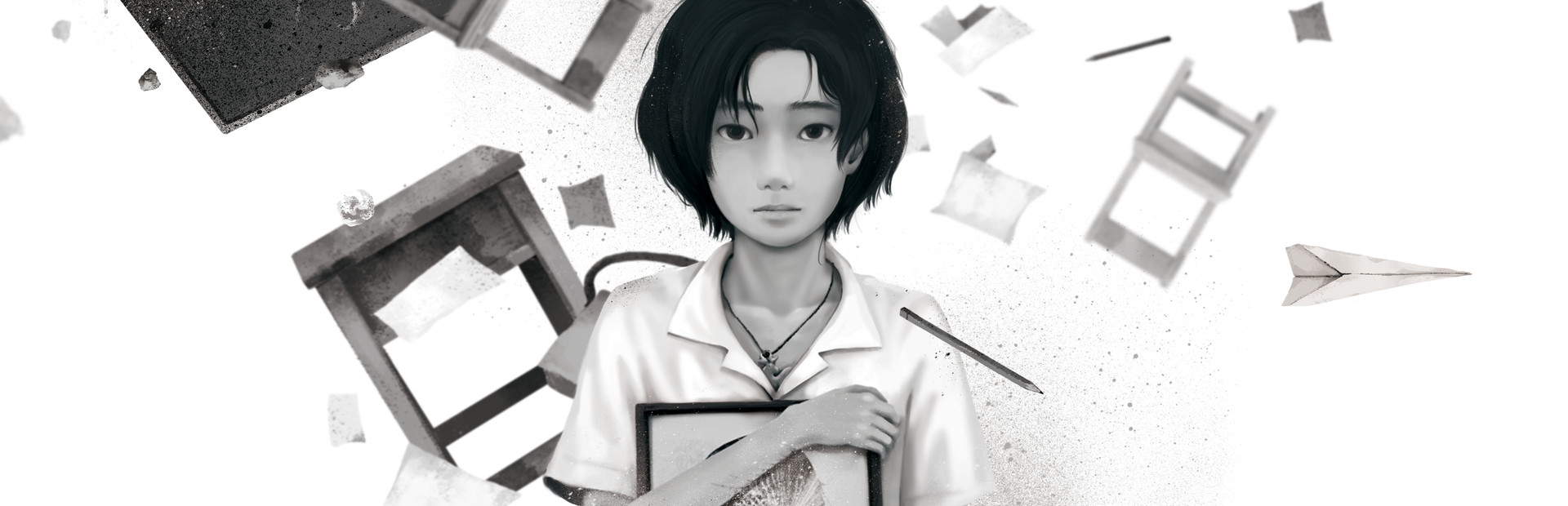
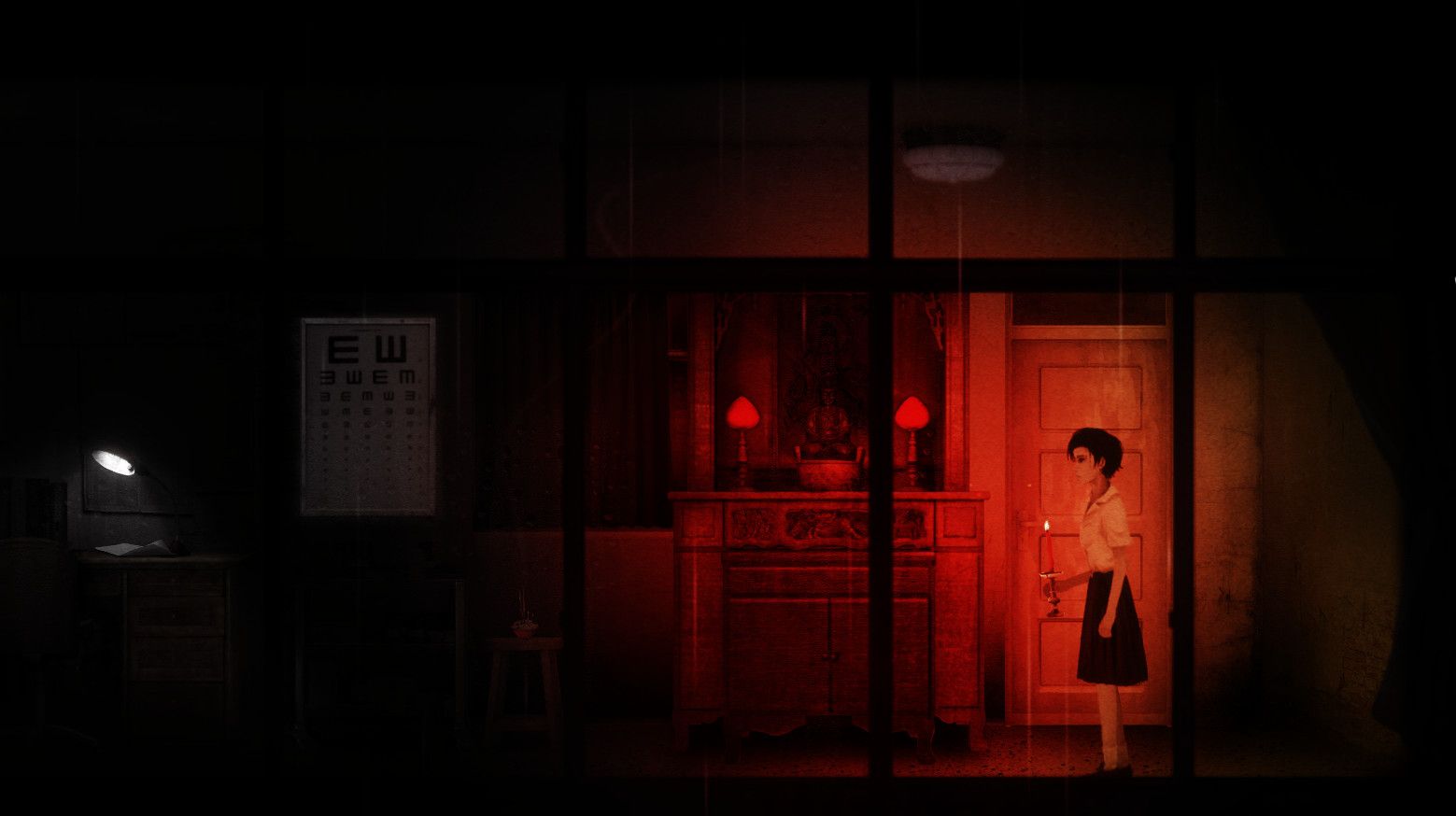
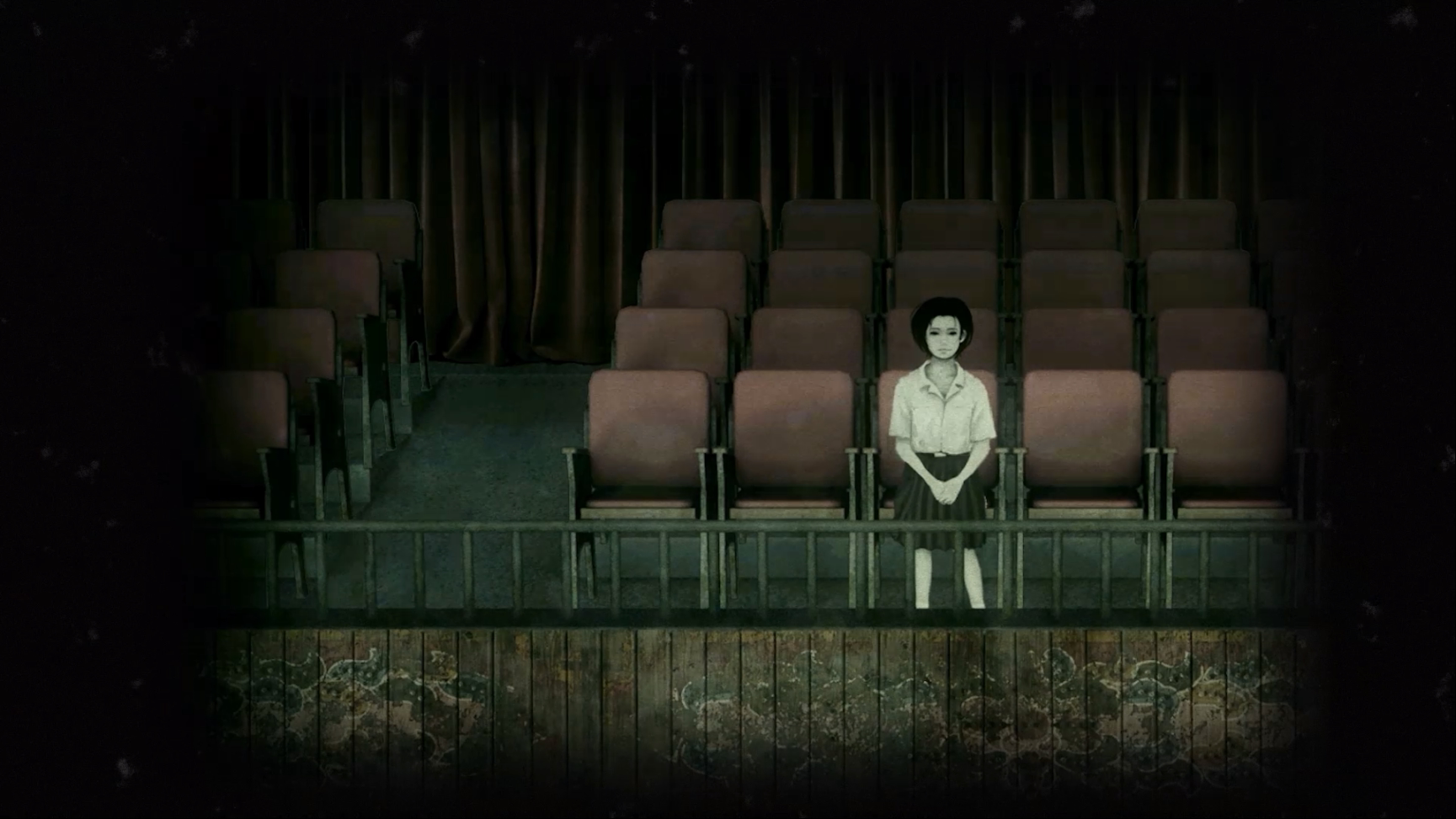
Obscure Asian horror games are something I’m a sucker for. I know the gameplay and controls will probably be awful, but you’re in for one scary ride, and that’s what matters the most. Detention is a 2D adventure game that takes place in Communist China in the 1950s. You walk around solving simple puzzles and unraveling a somewhat confusing and convoluted story. The atmosphere is very surreal, and the slow pace of the game helps drive this home.
The game begins with some strange images and wandering back and forth through classrooms in a school, trying to get to the top floor. The game involves finding items and then figuring out where to use those items. Like most adventure games, it’s best to wander through the entire area first, pick up all the items, and then place them where they are needed. There are three areas that are like this, and then the final area is actually just walking around making story choices. It’s kind of strange, as the pacing is really broken up throughout the entire game. There will be some chase sequences, a tense atmosphere, and enemies you need to avoid by holding your breath and walking past them slowly, or even turning away so as not to stare into their gaze. It’s an interesting concept and puts you on the edge of your seat with the amazing sound effects and disturbing soundtrack.
A lot of the sound effects and music remind me of Silent Hill. The pounding heartbeats, screeching static, and urgency were felt throughout. The game isn’t so gory, but just overall weird and disturbing, which is just fine. I enjoyed the gameplay and scares quite a bit, but the story was definitely lacking. I could tell there was something about the main character being involved in a forbidden book club, her inner torment of her parents fighting, and some sort of guilt about being responsible for a death, but it never worked together or meant anything. There’s a lot of poetry and ancient proverbs thrown around the game, but all this accomplished was confusing me more as to what was going on. As it is, the game can be beaten in less than 4 hours, so it’s important to get the story across as strongly as possible since you can’t drag it out.
With that said, Detention is a must-play for horror fans or anyone who likes 2D adventure games. You’re going to have to go into this expecting a lot of scares and simple puzzle-solving rather than a memorable story or characters. The art style is fantastic, and the music and sound effects all jive together to create a disturbing experience that you really can’t get in most Western horror games.






































 thebinarymessiah.com
Try multiplayer. A lot of fun !