Puzzle games aren’t just supposed to bend our minds, but also offer unique ways to play puzzles we’ve grown to love. Some have stories, some require reflex, and some just make you think.
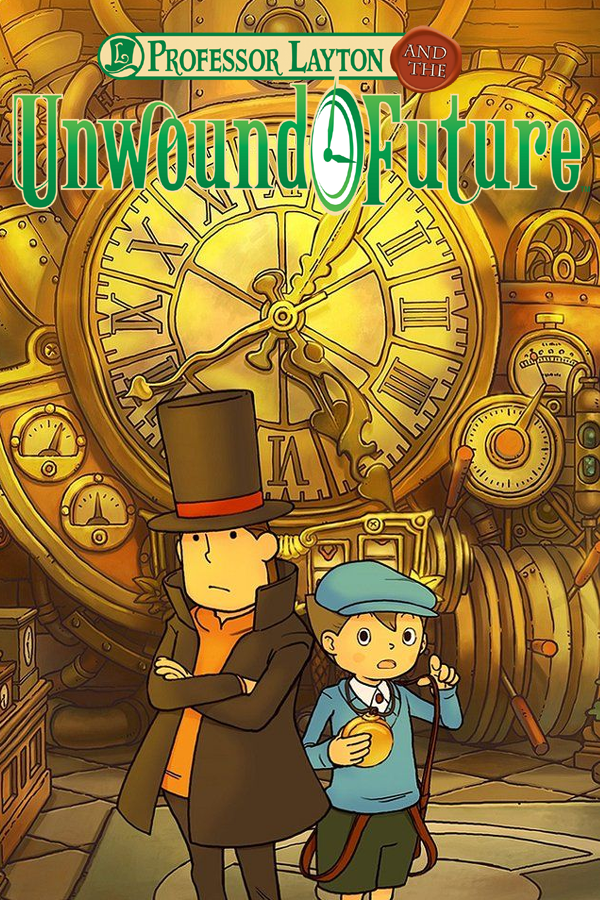
Professor Layton and the Unwound Future
Professor Layton brings puzzle games to life with a charming story, visuals, and deep clever puzzles. What sets it apart from the rest is the way puzzles are presented with the DS hardware and the way you think about them. Professor Layton has set the standard for puzzle games, and you don’t just have to have the quantity to make a puzzle game great.
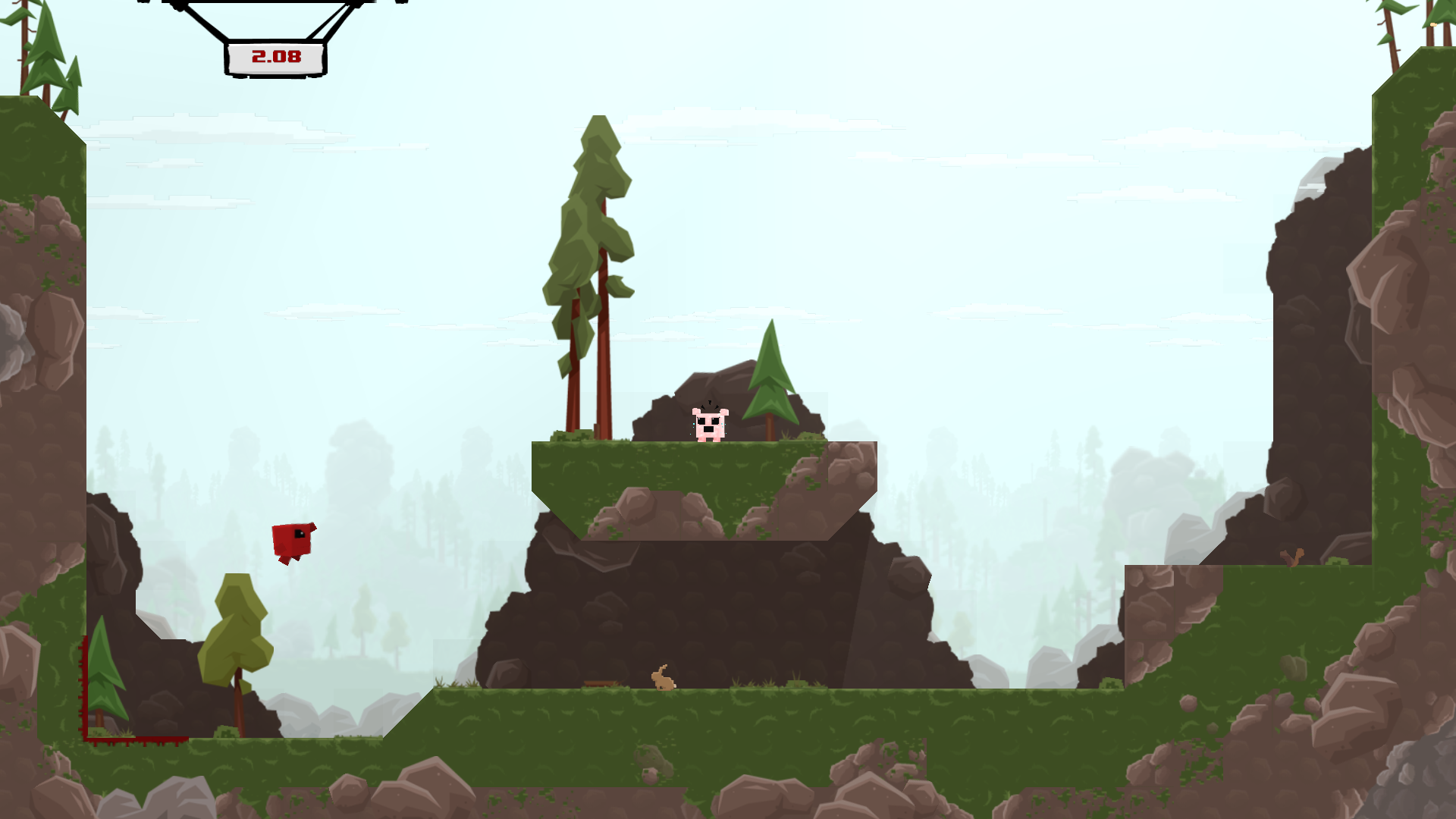
A great platformer has responsive controls, unique gameplay, good puzzles, and good graphics. Platformers go all the way back to the beginning of video games so there’s is a lot of scrutinies involved in them.
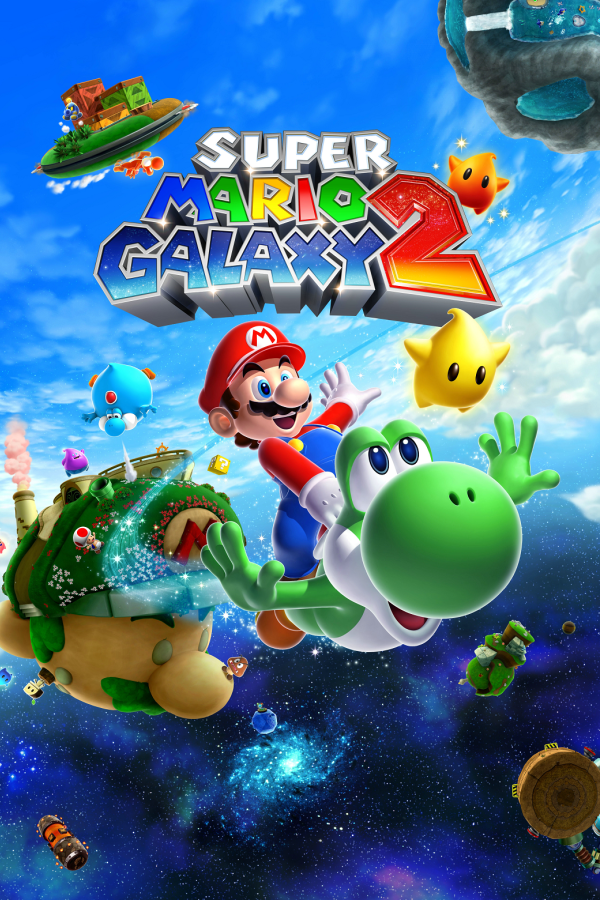
Super Mario Galaxy 2
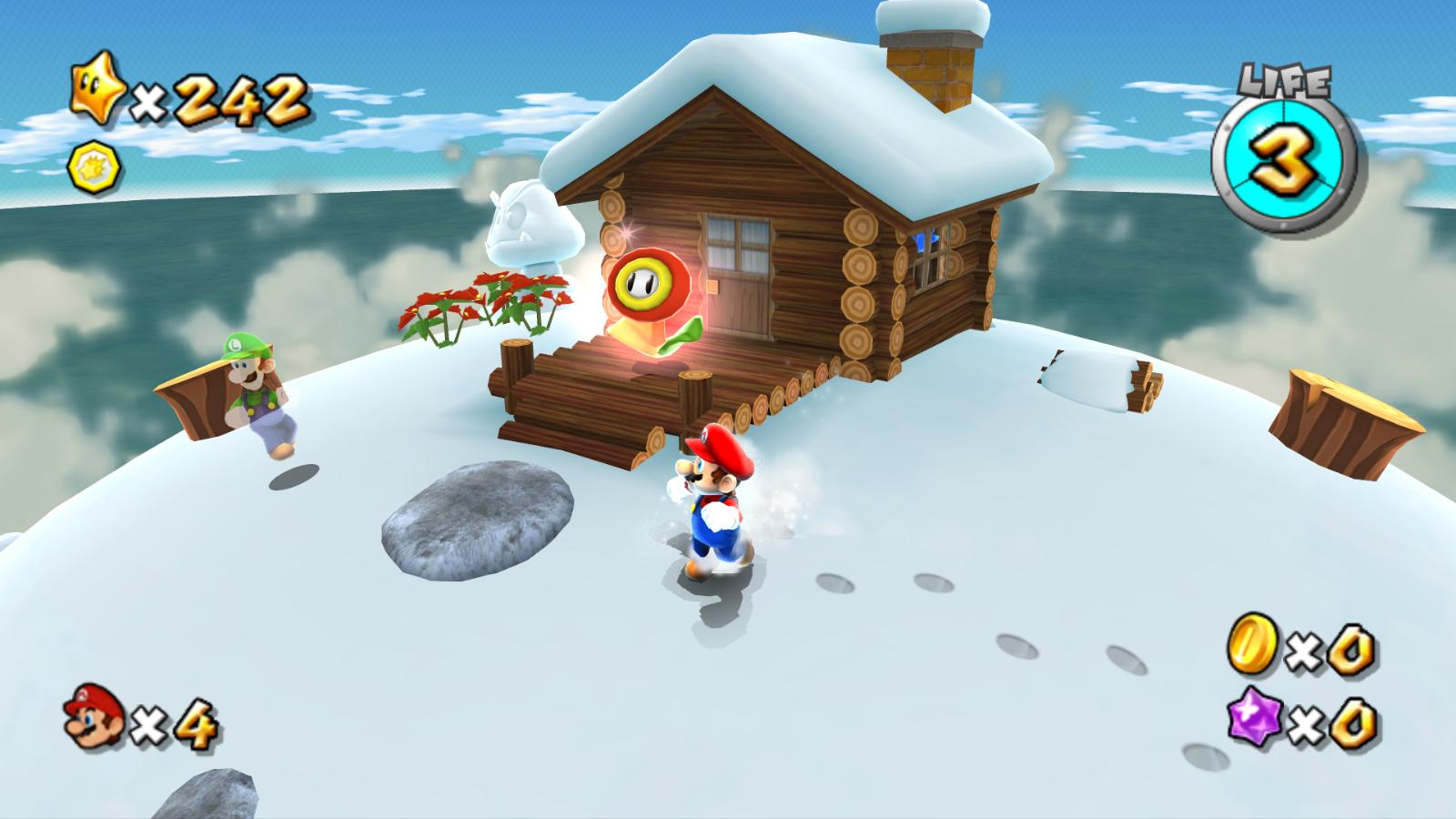
While Mario may be the same thing over and over again the Galaxy games really show what the Wii was meant for, and truly offer unique gameplay, charming visuals, and fun combat and puzzle-solving. Galaxy 2 succeeds on the first game with pretty much better everything. The game is more epic, it feels like it’s on a larger scale, and you just can’t get enough of that Galaxy feel.
Multiplayer really defines most genres these days and is usually what keeps people coming back to games. A good multiplayer game usually consists of leaderboards, stat tracking, a reward system, and lots of maps, customization options, and just super fun addictive gameplay.
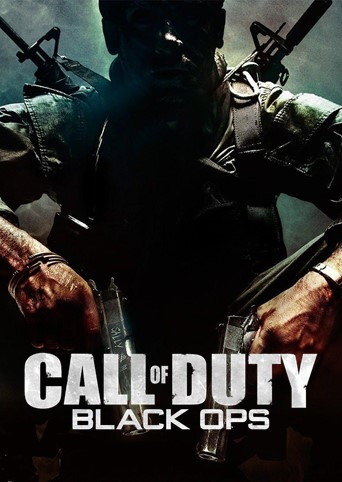
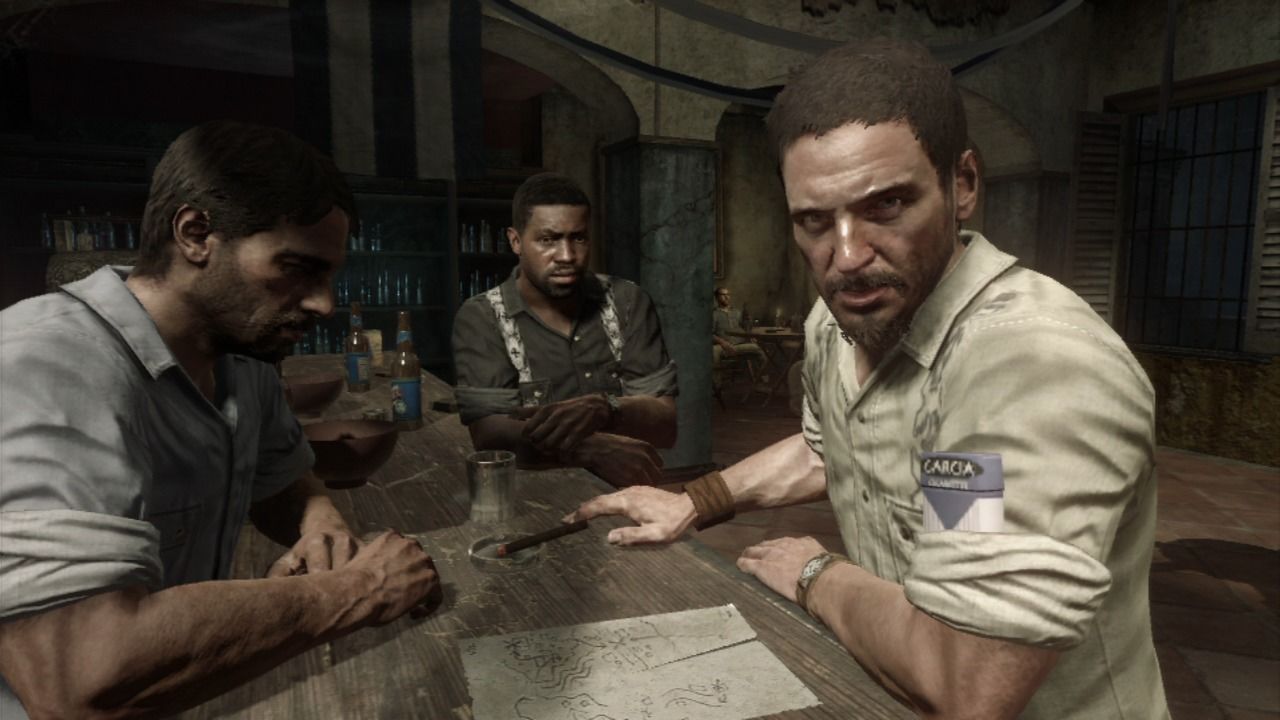
Modern Warfare redefined the FPS multiplayer scene and Black Ops perfects it with Wager matches, tons of customization options, perks, ranks, and well-made maps. Nothing can really hold a light to Black Ops, and to me is probably one of the best FPS multiplayer games of the decade.
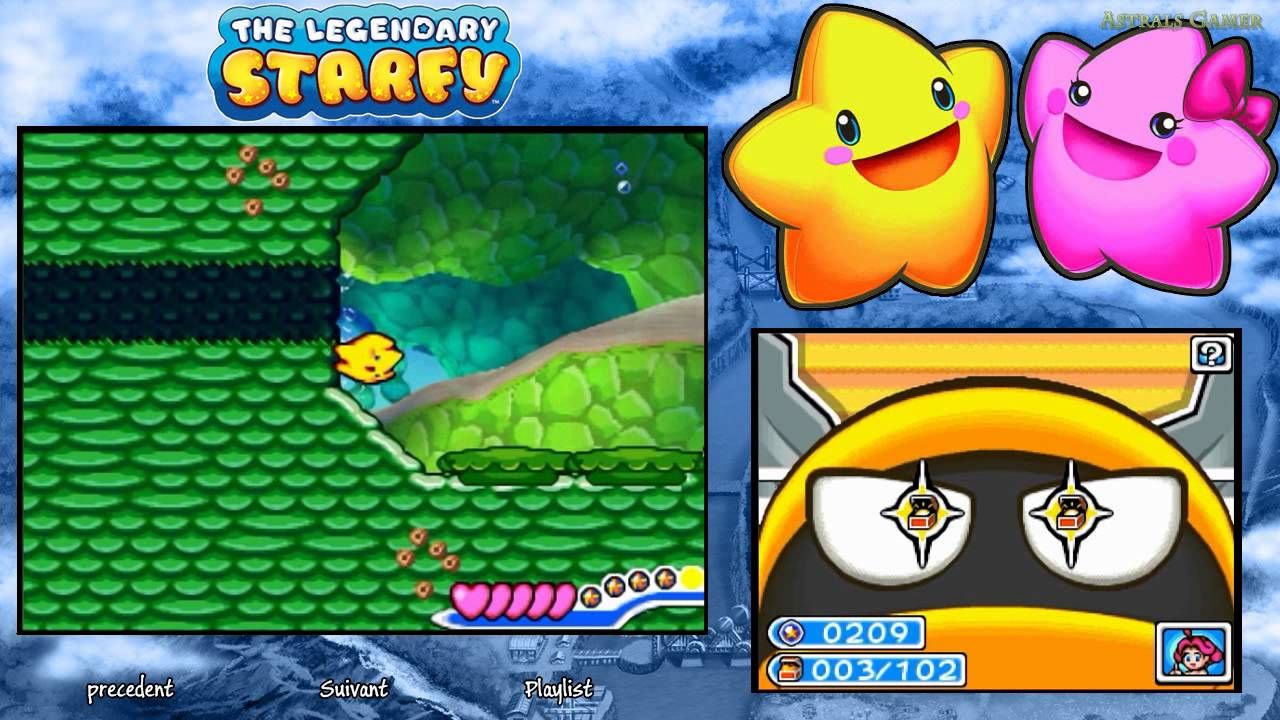
The Legendary Starfy is actually the fifth game in the series, but the first game seen here in the States. You play as Starfy, who finds a little rabbit who lost his memory and must find crystal shards that will restore his memory. Yeah, it’s not too great, but this game is clearly aimed toward little kids.
The game has tight controls and is easy to grasp, with Starfy mostly swimming underwater, but he’s really slow on land. The goal of the game is just to navigate screen to screen, collect little stars (currency in the game), and watch cutscenes until the end. It gets very boring after the second chapter, and most older, more experienced gamers will turn it off. The game is just way too easy with enemies that don’t attack you. Yeah, you have to run into them to get hurt. Navigating the levels for treasure chests and stars is probably the only incentive to go through this game, but the items you can buy are pretty lame.
Try dressing up a star. It looks pretty bad and obviously only appeals to small children or simple-minded people. Even the boss fights are easy and can be killed in just a few hits, not to mention a save before a door, then a save when you go through it, then no save until the end of the level. Yeah, that makes no sense, but kids won’t really notice or care. Plus, you can save it in the start menu! Do we really need this many saves?! Well, you can find different abilities to help Starfy that are attached to the touchscreen, such as Moe’s ability to sense treasure, a mermaid’s ability to give you level info as you go, and you can transform into a fire-breathing dino, but it’s not as fun as you would think.
There are four different mini-games that are boring and pretty lame even with other people, but little kids will enjoy them, I guess. There is even a little talk show thing that Moe does, but it’s as strange and lame as can be, so I don’t even think kids will get this. Overall, the game has a nice art style, looks really cute, and has crisp, clean visuals, but the underlying game is just for casual DS players and kids. I wouldn’t recommend this to anyone remotely more than the most casual of casual players or kids.
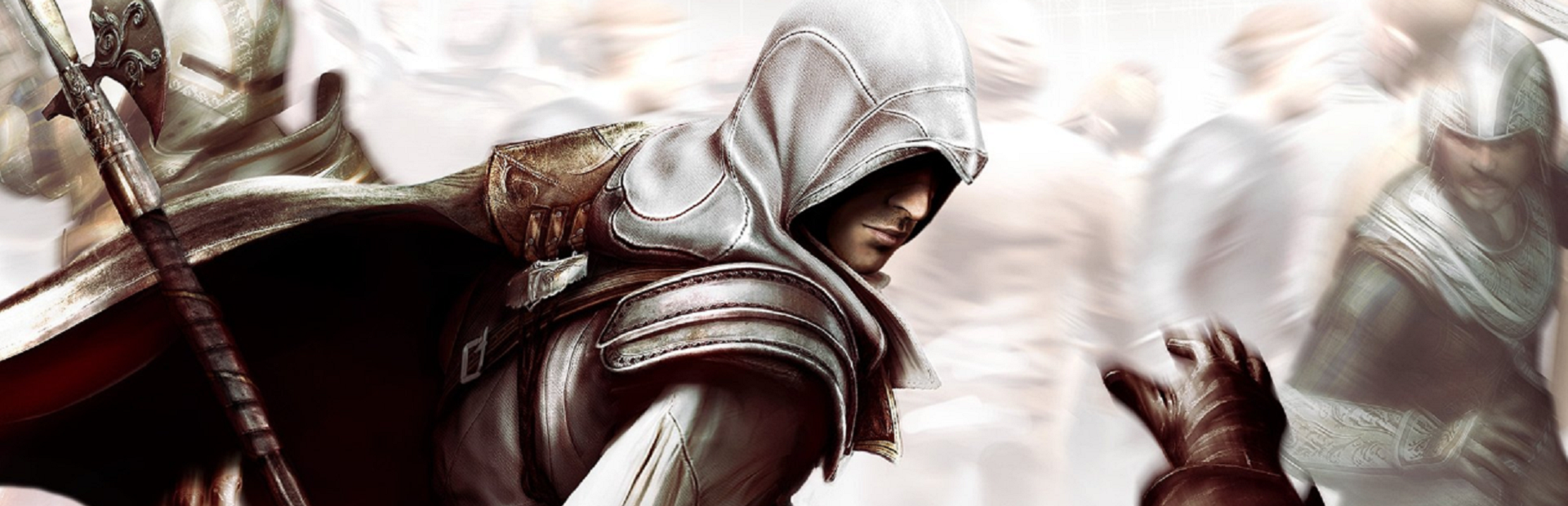
Assassin’s Creed is an amazing franchise, and no one would have thought it would ever go to portable systems, but it did. Discovery follows Ezio in a 2D side-scrolling adventure that plays out fairly well. The story doesn’t really have anything to do with the console game except follow the Templar’s plots. Ezio must help Christopher Columbus get funding for his expedition to the new world, but the Templars are foiling his plans.
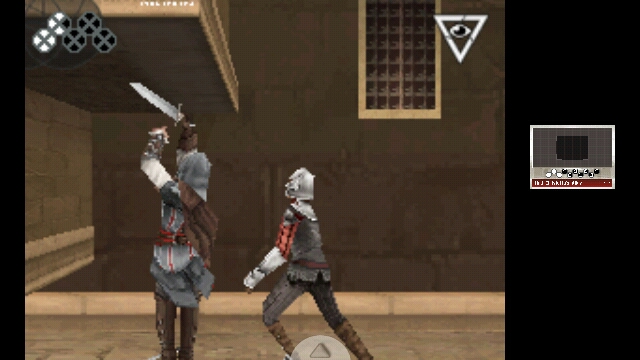
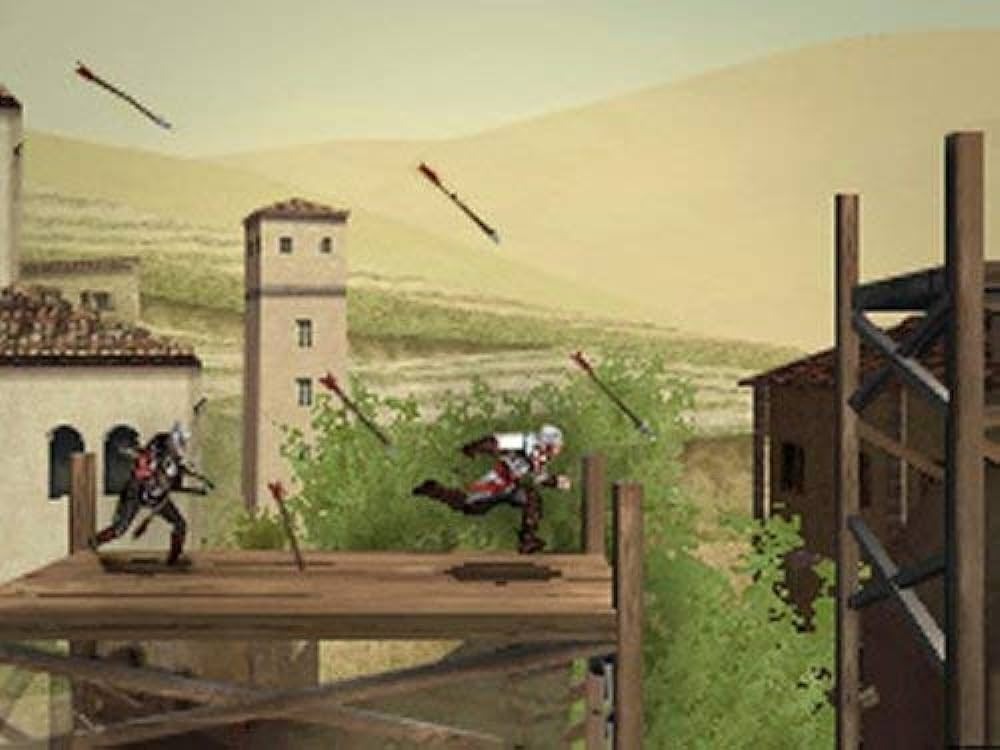
The game controls fairly well, with you just moving left and right. Ezio can jump, climb walls, attack, throw knives, and even sneak his way through levels. The levels are fairly large, and some even have multiple objectives, so you must climb your way around the platforms, kill guards, and pull levers to find your destination. Wall climbing is fairly simple with the press of the B button. Like in the console game, you can pull enemies off ledges that you’re hanging on, hide in haystacks, barrels, etc. While climbing walls is easy, it’s also the most frustrating part since, during tight situations, you will try to jump on a wall and you have to press B again for Ezio to cling on. You never quite get used to this (especially if you’ve played the console game), and it can lead to cheap deaths.
Fighting is just like the console game, which is a counter-attack fest. Holding R lets Ezio block, and pressing Y at the right time will let him counter. It’s familiar with the console game, so it won’t freak you out. The best way to avoid confronting guards in these fights is to use your minimap on the bottom screen. They show up as yellow arrows, and if they get into your field of vision (the black square around you), they will see you and alert nearby guards. Throwing knives before they see you are good, as well as waiting for them to turn around so you can run up behind them and kill them, just like in the console game.
Later on, all this gets more difficult and becomes hair-tearingly difficult since you can’t always see the next jump ahead of you and you can plummet to your death far away from the next checkpoint. There are multiple kinds of guards, and you will get the harder ones thrown at you more often in the last few levels. Navigating around these guards is sometimes impossible, and you must fight them due to the level setup. While these levels are hard, all the ones before them are pretty fun, and it’s satisfying to jump up from a ledge and land on a guy without him seeing you.
While there are different kinds of objectives, you can blow through the game in about 4 hours. If you have a DSi, you can take a picture of yourself, and it will be put on a wanted poster like in the console game. Tear 10 of these down, and you get a permanent health increase. Collect orbs throughout the game and buy Animus hacks to use when playing through the game again to increase your score. This adds to the replayability for people who really dig this game. The graphics are pretty good and look nice in 3D, but there’s really no detail to them. The voice acting is good, and the game’s just overall fun to play and worth a playthrough.
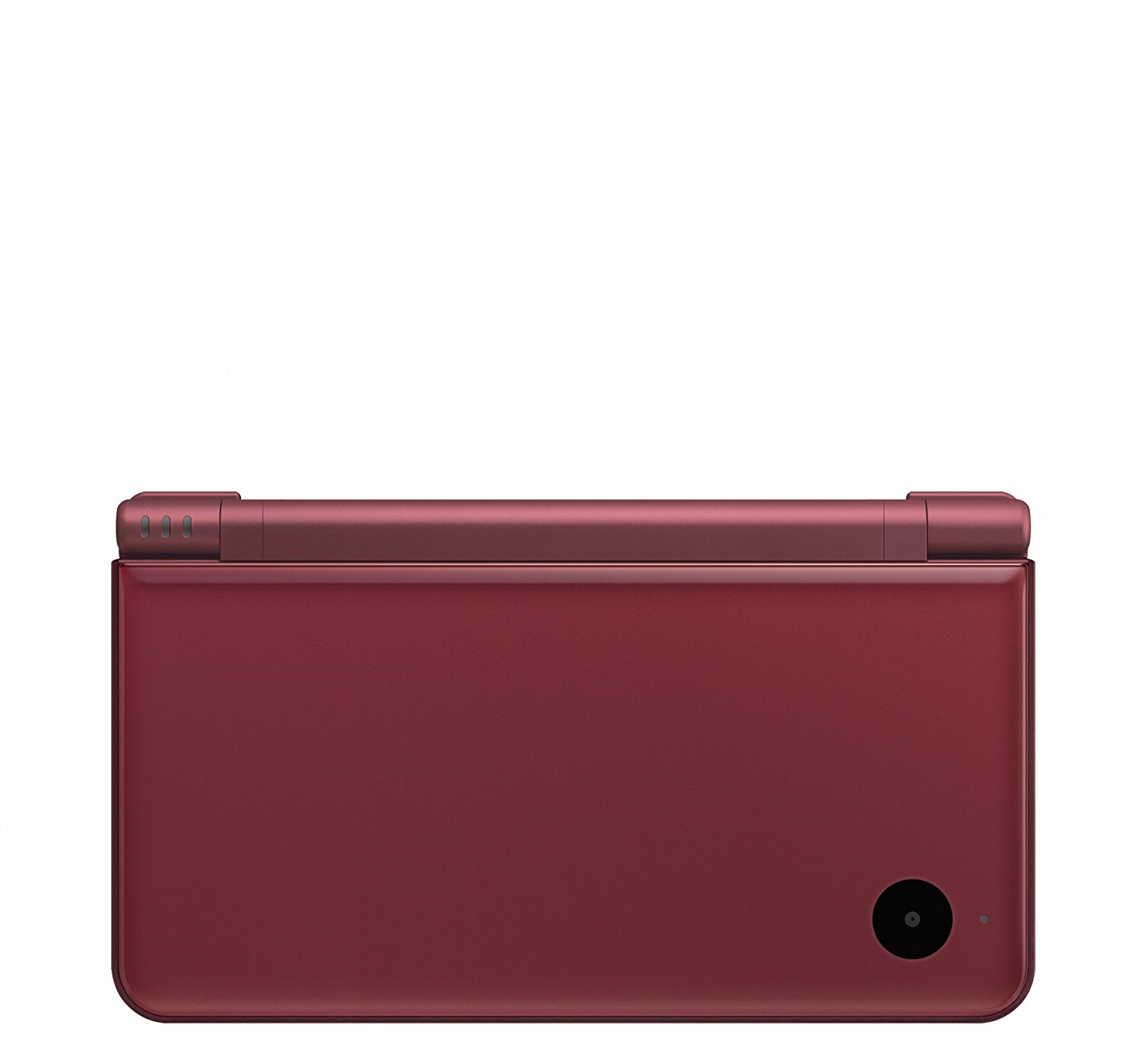
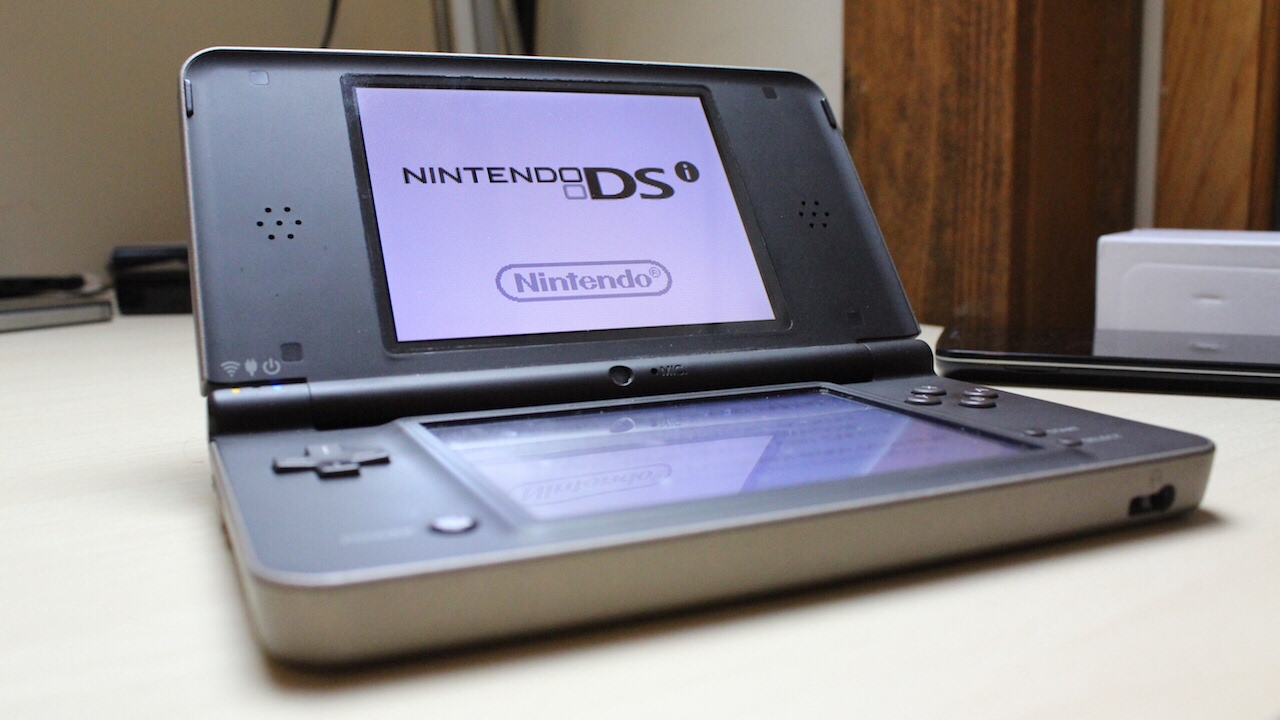
Nintendo is known for making several iterations of their handheld systems, and the DS is no exception. With the original DS being launched on November 21, 2004, this makes the fourth model in six years. That’s two per year, with a fifth model due out at the end of the year. I feel that this is what the DS should have originally been, but I guess the technology wasn’t quite there yet.
Techno Jumbo
As always, I’m going to go in-depth on comparing a few models. The DS has two processors, the ARM 9 and 7, which control each screen. The DSi XL has the same hardware as the DSi, but it’s significantly different than the DS Lite. The DSi hardware has the ARM9 running at 133 MHz, which is twice as fast as the ones in the original DS and Lite, which were at 66 MHz. The processors are also smaller, which in turn uses less power. The DSi has more RAM at 16 MB, which is four times as much as previous models (the DS Lite and the original only had 4MB). The upgraded hardware allows for smoother gameplay, and games can look better and do more thanks to this.
The biggest thing about the XL is, well, it’s bigger. It sports two 4.2″ screens, which are 1.2″ inches larger than the original DS and Lite. Does this make a huge difference? Oh yes, you bet. The XL also has two 0.3-megapixel cameras that are on the DSi. There is also an SD storage slot that can hold up to 32GB of cards. The DSi also has an internal flash of up to 256MB, unlike the first two models. This allows for downloads from the DSiWare store.
So this makes the DS a powerhouse compared to the last two models. The speakers are louder and more clear, and this is a huge steal at $190.
New Looks
The XL doesn’t just have new looks on the outside, but on the inside as well. The new DSi firmware allows a Wii menu that allows you to select your games in a horizontal list. You can also press L or R to take pictures on the fly, which is a nice touch. The first two DS models had a simple interface that allowed you to select your game and go into the options. In the DSi software, you can press the power button to reset the DS and go back to the main menu, unlike the first two models. The power button is also on the inside, but thankfully, away from accidentally hitting it. The DSi also allows for updated internet security and a faster wi-fi chip.
Another thing you’ll notice is the larger pen-sized stylus, but there is a mini toothpick built-in as well. One major thing gone is the GBA slot, but this isn’t all so bad since you can buy any GBA model for under $20 now. This sacrifice had to be made to fit the cameras, SD slot, and flash memory. You do have to realize, however, that the first two DS models had actual GBA hardware in them and weren’t software emulated (downloadable GBA games, anyone?).
The Experience
Playing the DSi XL is sublime. I have fairly large hands, so seeing the huge screens is not only easy on the eyes but also on the hands. The longer, larger frame of the console gives you more handle and control over what you’re doing. Using the pen-sized stylus also helps, and I feel I have more freedom. Everything looks bright and crisp on the excellent TFT LCD screens, and the 4 different brightness settings help this a lot (unfortunately, there is no button for this). The games sound sharp and even more clear than other models. When playing the same game on the DS Lite, you notice sounds on the XL that you couldn’t hear before unless you had headphones.
I also have to mention the cameras. They aren’t great (lower-end cell phone quality), but they’re pretty decent in good light. The browser is also not that good. Using the same Opera browser as the Wii, the DSi browser is slow and doesn’t support Flash. It couldn’t even load this site very fast. The DSi browser is a good concept, but if you have a cell phone or laptop, stick with that. Another thing that I was disappointed in was that you can’t save your game saves to the SD slot. Maybe a future update will allow this.
The DSiWare store is easy to use and familiar if you have a Wii. Unfortunately, there is nothing but shovelware on the store (with a few slight exceptions), but hopefully some good games will follow. The system also comes pre-installed with two Brain Age games (reviews will follow soon). The battery seemed to last several hours for me as well, even when playing system-heavy games. The DSi XL is a perfect investment for anyone who has a DS. If you own any other models (even the DSi), trading that in towards an XL is probably the smartest thing you can do.
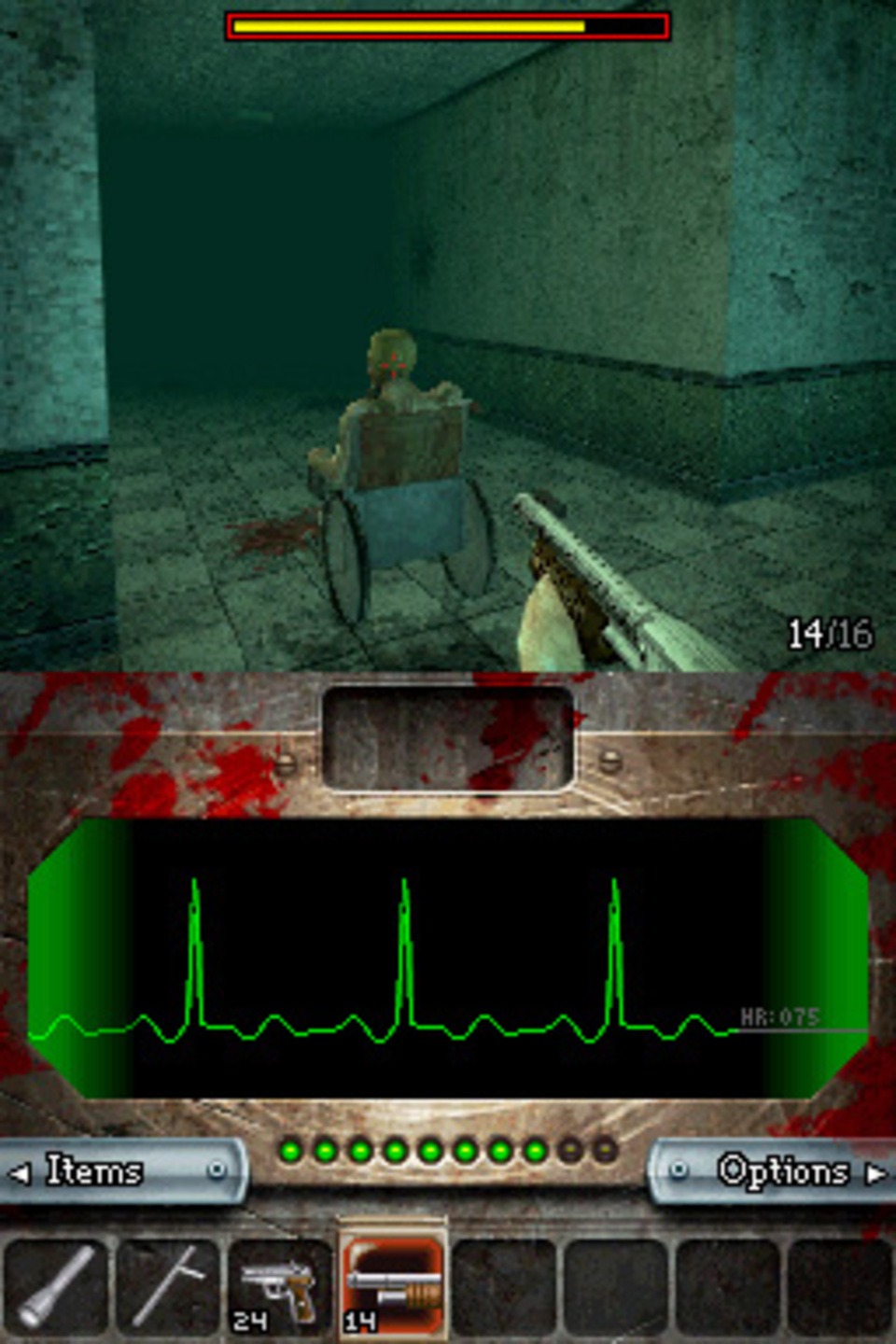
Boy, do I love this game? Actually, I hate this game and love it at the same time. This is probably one of the best-looking DS games out there right now. With this FPS survival horror running at 60 FPS, it’s fast, smooth, and very creepy. Yes, the game is actually creepy, kind of like Silent Hill creepy. The game is full of weird monsters, mind-boggling puzzles, and a creepy atmosphere and ambiance.
The game controls really well, but the actual size of the DS makes your wrists cramp up and go numb all the time. If you’ve played Metroid Prime: Hunters, then you know the whole setup, but if you haven’t, then I’ll tell you. You move your reticule around with the stylus, so this feels real and also makes things a lot easier (yeah, PSP!) while you move around with the A, B, X, and Y (if you’re left-handed) or the D-pad (if you’re right-handed). You have your inventory right under your health bar (which is your heart monitor), so you can just touch the weapons you want on the fly, and this makes combat easy and fast.
While the gameplay is pretty straightforward (double tap B or Up to run), you just run around shooting the weird monsters and solving the annoying puzzles. Yes, I said annoying because the hallways all look the same, and it’s easy to get lost in the labyrinthine buildings and hallways with a terrible map and no sense of direction. This is not good since your wrists are cramping and going numb while you hold them in 20 different positions. The map is just a bunch of lines with yellow dots for doors, and there’s no way to tell where you have been. You can write on your notepad and leave notes, but this proves useless for the map and only good for jotting down clues and codes for keypads.
The whole level design is just stupidly annoying, with fallen-over vending machines, desks, chairs, and anything else a hospital has blocking hallways and doors, so you have to find your way around everything. Since you lose track of where you were last, you’ll tear your hair out because of the retarded save system, and this kills the whole game. You’ll spend a good 20 minutes on one level and then die because there are 10 enemies coming after you and you only have 3 bullets. Dying forces you to restart the entire chapter all over again, even when you and the boss fight at the end of the chapter. I really tried loving this game since I absolutely adore survival horror games and I’m very forgiving with them (read my Alone in the Dark review), so I suffered through 5/16 chapters. The thing is, it wasn’t so bad until I picked up the game again four months later and realized why I stopped playing—the retarded save system.
I also really hate how ammo is so scarce in the game when there are so many enemies to fight off; this and the fact that enemies respawn when you re-enter a room means all the ammo you saved up for the boss is now spent on enemies you killed four times already. I don’t know what Gamecock was thinking, but they must not play survival horror games much. Survival horror games need to have really good maps, a way to save clues, no respawning enemies, and a good save system. The whole point is to “survive,” so you have to scrounge what you have around you. This game really shows how to NOT make a survival horror game, so please just consider this before even renting this game.
What made me actually want to like the game is that it looks so amazing and plays so damn well. The game is very creepy, with eerie music and spooky sound effects such as babies crying, water dripping, doors creaking, lightning, thunder, and rain pounding on roofs. The game is also very dark, so you need your trusty flashlight, and this is where the “Doom 3 meets Silent Hill” aspect comes in since you can only either use your flashlight or your gun. Since the DS isn’t very powerful, there’s a black “fog of war” all around you, so when you turn your flashlight off for some reason, you can only see two steps in front of you, but your flashlight can illuminate a 30-foot hall. This is actually a hardware fault and nothing on the developerspart, but you really don’t even notice it. The game’s monsters are very creepy, with zombies that have their chests open up and shoot poison at you, weird creepy things that crawl around the ceilings, nasty slugs that give out high-pitched sonic screams, and really freaky bosses that I can’t even begin to describe. There’s blood all over the walls, broken windows, papers, books, and whatever you can think of thrown everywhere, so the whole place feels deserted and you feel like you’re all alone.
I don’t remember much about the story, but I do remember that you wake up in a hospital and you are trying to find your way out, so it has a Silent Hill feel there. The game also has highly detailed textures and great lighting effects (as I’ve described), like lights (and your flashlight) flickering on and off, and there’s lots of detail in everything. Puzzles are solved by finding papers and clues as to where to find keys and codes, and even by solving certain random puzzles to open boxes, doors, etc. If you want an idea of what the puzzles are like they are exactly like the Silent Hill puzzles we have all grown to hate so you know what to expect. Overall, the game looks and plays great, but the punishing saves system, scarce ammo and health, maze-like hallways, and terrible map ruin this otherwise great survival horror experience.
First, I have to mention that the game isn’t brutally difficult like previous NG games. The game is actually a perfectly set difficulty that will challenge you but won’t make you tear your hair out. You play as Ryu Hayabusa, who has to stop the Fiends from taking over the world with the Dark Dragon Stones. You are the last member of the Dark Dragon Clan, and you must protect your lineage. While the story isn’t anything special, the game does sport beautiful cut scenes that were tailored for the dual screens. The graphics are also the best on the DS, with beautiful pre-rendered backgrounds, high-res textures, and character models.
You basically execute all attacks through the touch screen by slashing enemies. You can use your projectile weapons by tapping enemies. I have to report that this works superbly, and the controls are actually more responsive than in console games. You can use your mana power for devastating attacks, but you can only use these once until you get to another save point. The save points are generously scattered throughout the short levels, so things won’t get too hard for you. You can do other moves, such as slashing up to jump and then slashing down to do a slam attack. You get all the moves in Ninja Gaiden (Xbox), but there aren’t any new ones. While all of this sounds excellent, it does get old by the end of the game. However, the game has some fun boss fights to keep things interesting.
You can solve puzzles by blowing out flames, lighting torches, hitting orbs, etc., but nothing will strain your brain. The game is very short, and you can beat it in about 6 hours. There are 13 chapters, but the levels are really, really short (you can beat most of them in 20 minutes or so). Overall, the game is really well done, and any action fan needs to own it, especially if you’re getting ready for Ninja Gaiden II (X360).

































 thebinarymessiah.com
Try multiplayer. A lot of fun !