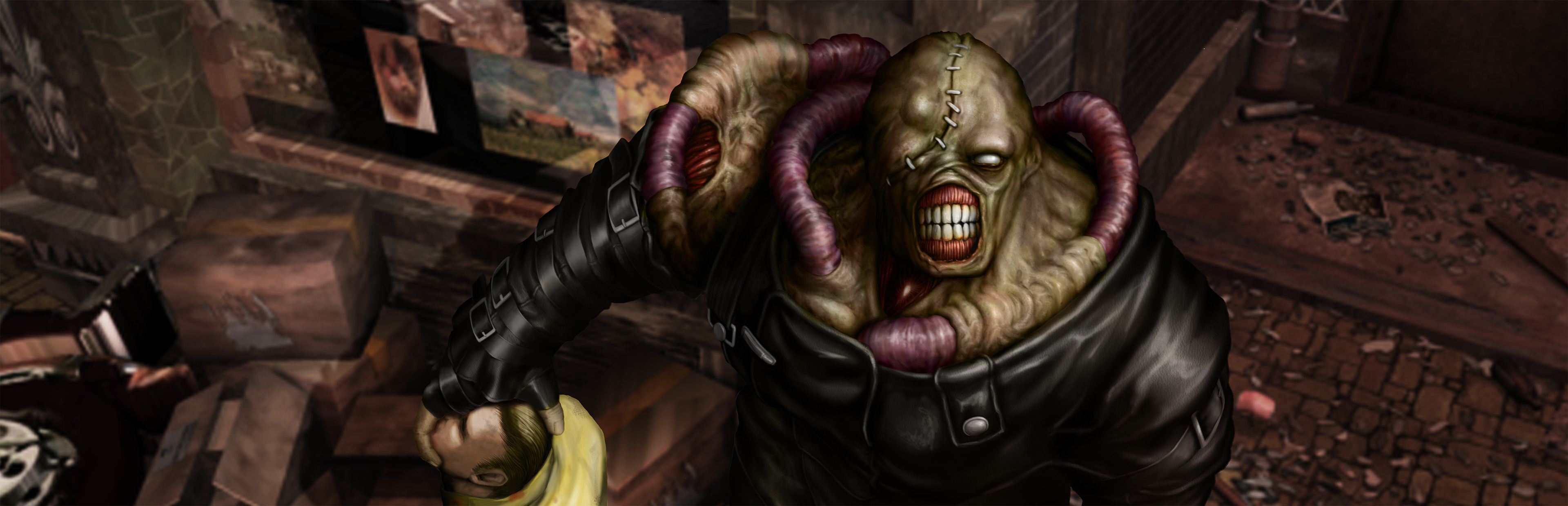
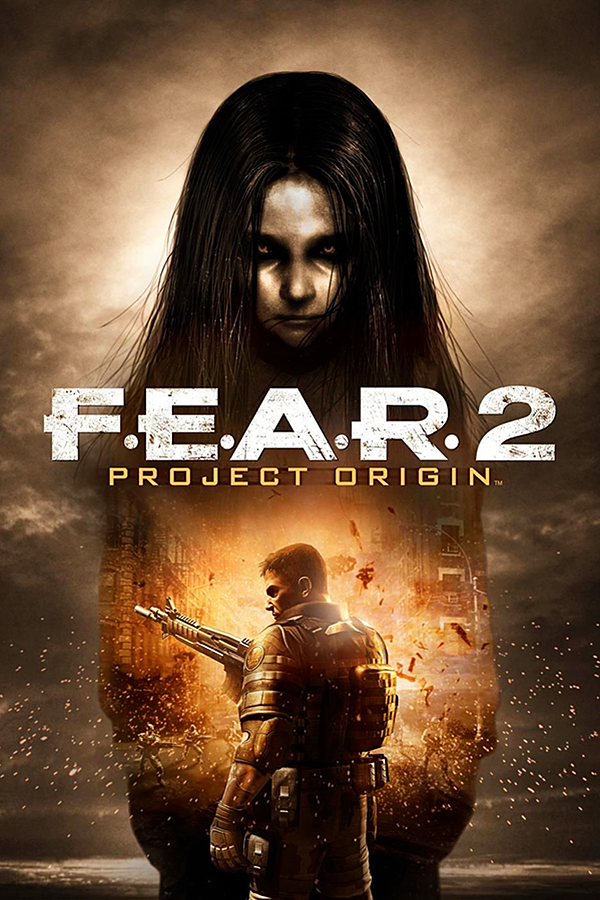
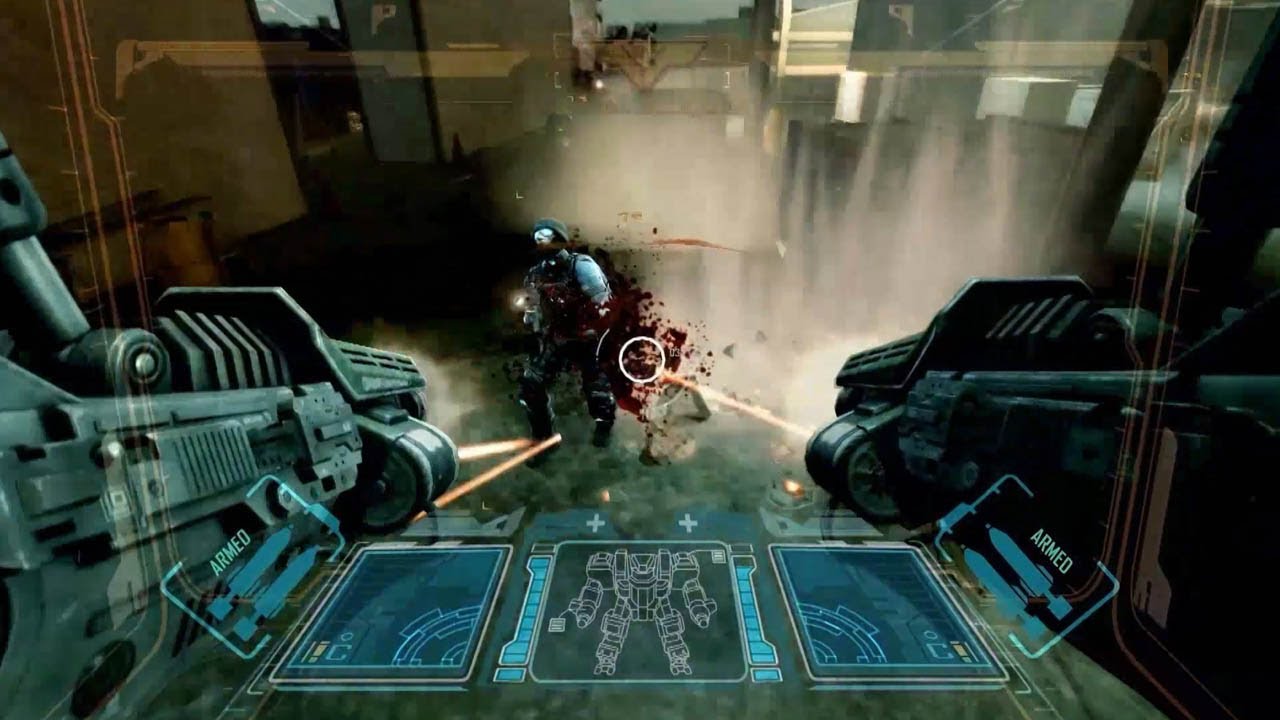
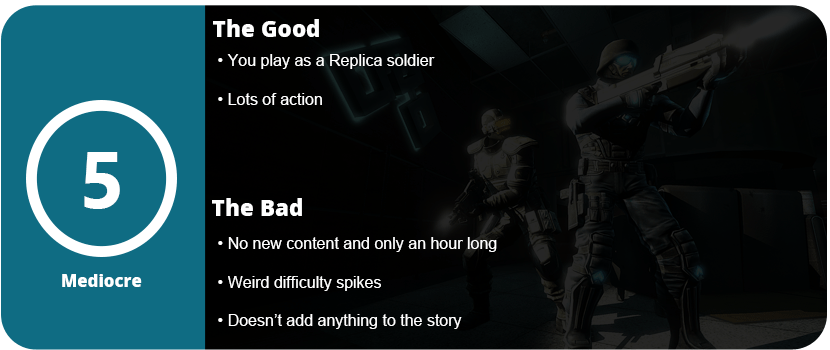
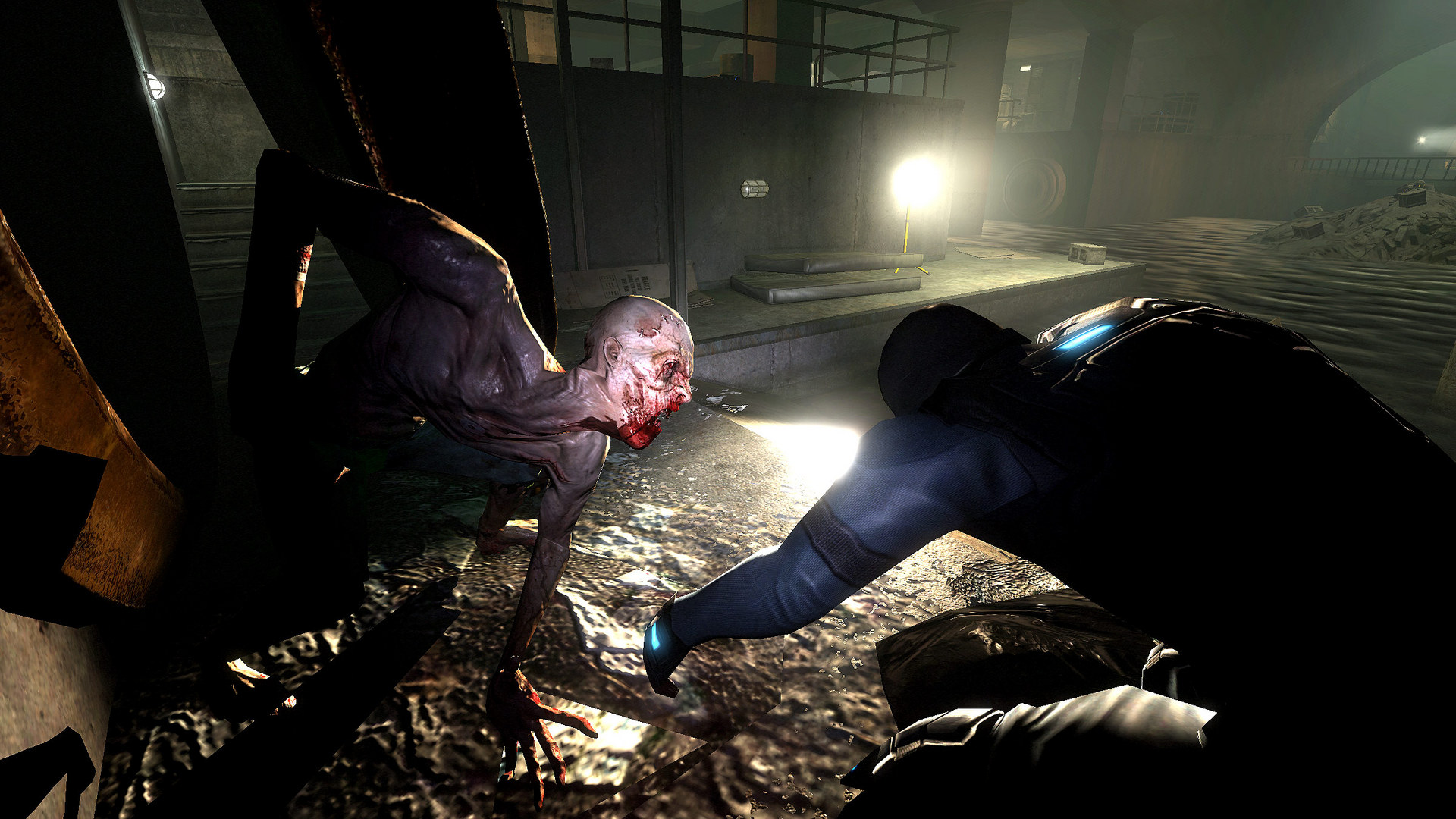
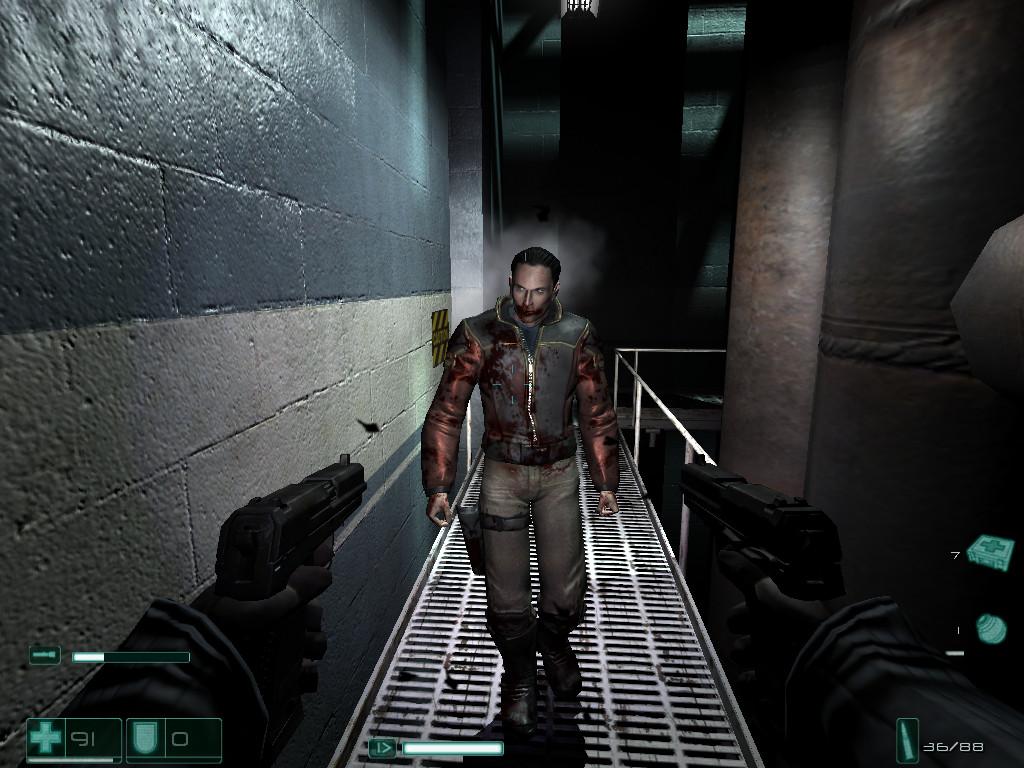
I never really got around to this DLC, and I was not missing out on anything. The DLC is about 1 hour long, and you play as a replica soldier who gets called to Paxton Fettel (I’m not sure if it’s a prison cell or just his soul in the epicenter of the nuclear blast from the first game) and has to blow through your own kind to get to him.
The game mainly consists of large firefights that are actually quite tough (I died a few times here) with tons of enemies, mechs, and even a turret sequence thrown in. The game starts you out in a mech, and you go from there. It’s a short rollercoaster of every element created for F.E.A.R. 2, and it’s fun while it lasts, but a disappointing DLC as it adds nothing new to the game; even playing as a replica doesn’t change the gameplay one bit.
As it stands, play this just for the heck of it because you own it, but otherwise you can pass if you missed out all these years.
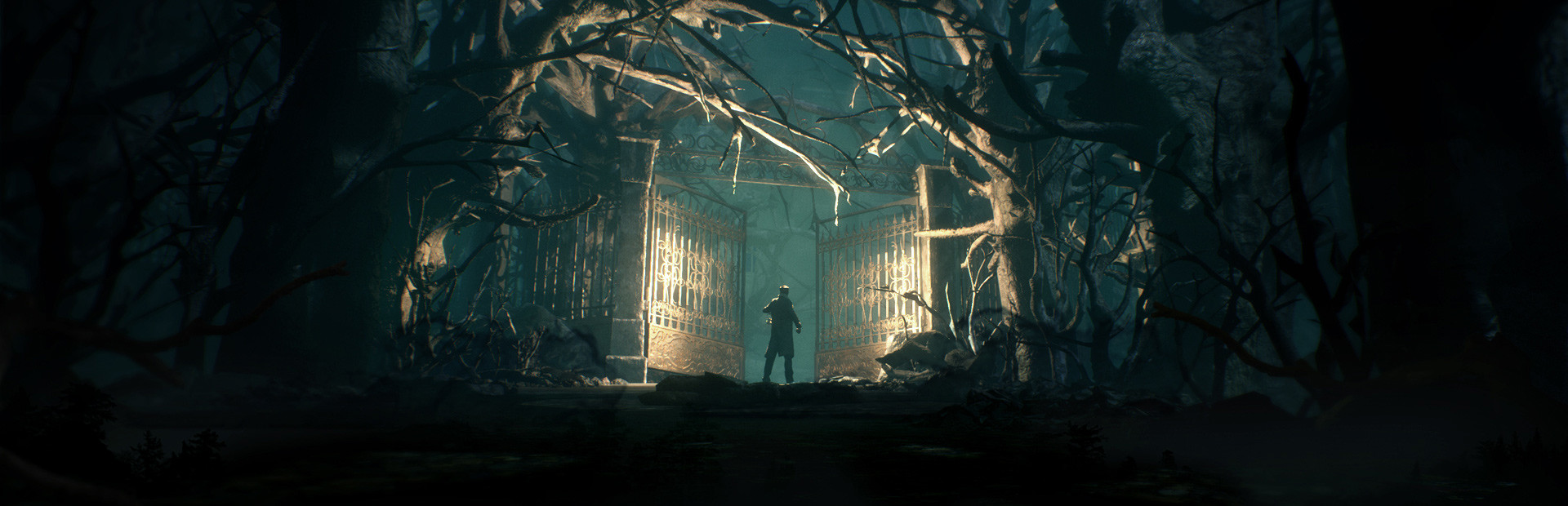
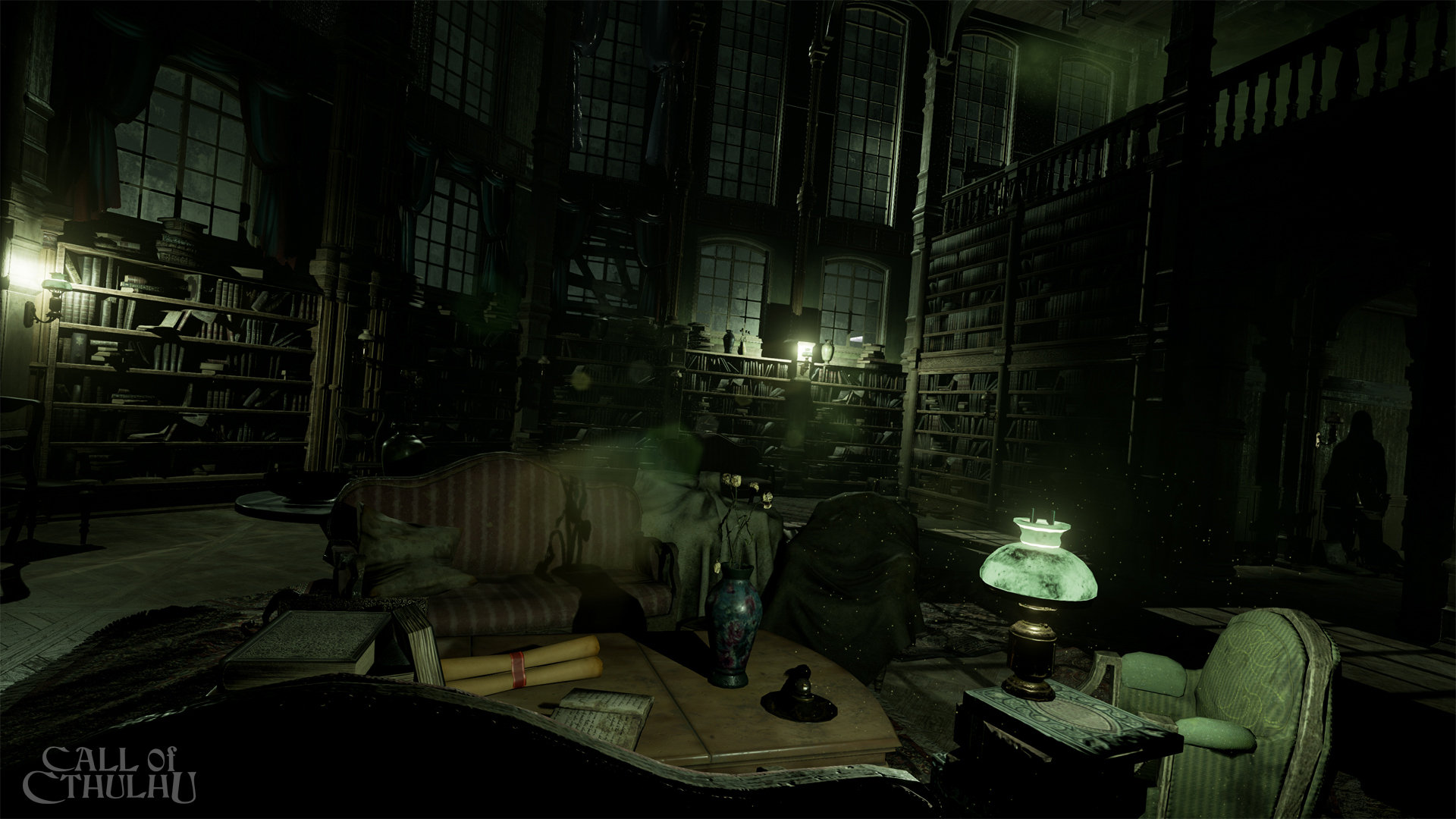
After playing Call of Cthulhu: Dark Corners of the Earth over 10 years ago, I have been patiently waiting for another game in the H.P. Lovecraft universe, and none have come. Call of Cthulhu has been a long game in the making, but does the long production cycle pay off and allow a good story and characters to cook?
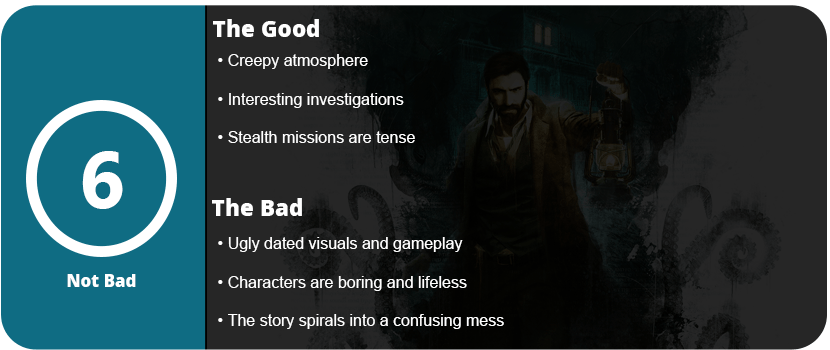
You play Edward Pierce, a private detective investigating a murder on a remote island, but all he has are paintings for a lead. This leads to the artist, Sarah Hawkins, and her mansion, where he discovers a strange cult and a killer hospital. The game starts out great with a slow burn of atmosphere, character building, and mystery. Walking around the island for the first time shows some of the game’s weaknesses, such as the fact that this is clearly a low-budget game. The game looks like it was made for the Xbox 360 and is about 10 years old with ugly, dated textures and stiff facial animations, and the voice acting is hit or miss for some characters. Edward’s actor is great, but Sarah’s actress is deadpan and bored.
The objective of each of the 14 missions is to walk around and inspect objects to unlock various dialog options with characters. I honestly don’t feel this was completely fleshed out, as the game pretty much unfolds the same no matter what; it just literally unlocks a new dialog option or might give you a bit more insight into the story. You can level up various abilities like Occultism, Investigation, and Hidden, which allow you to unlock various dialog options, so it clearly feels forced and like the developers had this level-up system and didn’t know what to really do with it.
Looking around for objects doesn’t really bother me much, but as the game moves on, the story starts to make no sense, and I get completely lost as to what is going on. There’s a connection between the local hospital and Hawkin’s mansion, as well as three or four characters, but I never understood why the cult wanted to resurrect Cthulhu; we never get to see Cthulhu, and towards the end, the game relies on fish-eye lenses, rapid camera movement, and sounds to scare you instead of using the environment and atmosphere. There are a few tense moments in the game, such as when the shambler comes after you in the art gallery, but nothing really stands out. There are two stealth missions where you have to sneak around solving puzzles, but even these aren’t too complicated.
The game just feels like a sample platter of ideas that never really took off or were made into anything. With dated visuals, gameplay, a confusing story, and characters that don’t really have a soul, there’s not much to really care about in this game. I only pushed through because I’m a die-hard H.P. Lovecraft fan and loved Dark Corners of the Earth so much that I was hoping this would live up to it, and sadly, it doesn’t.
I remember when F.E.A.R. 2 was first announced, and it blew up the gaming world. It was a long-anticipated sequel to one of the best FPS games on PC, and surprisingly, it was also coming to current consoles, which I felt held the game back some, and this infuriated some longtime fans. You continue where the first game left off and must go back into the destruction that the nuke caused and try to stop Alma once and for all.
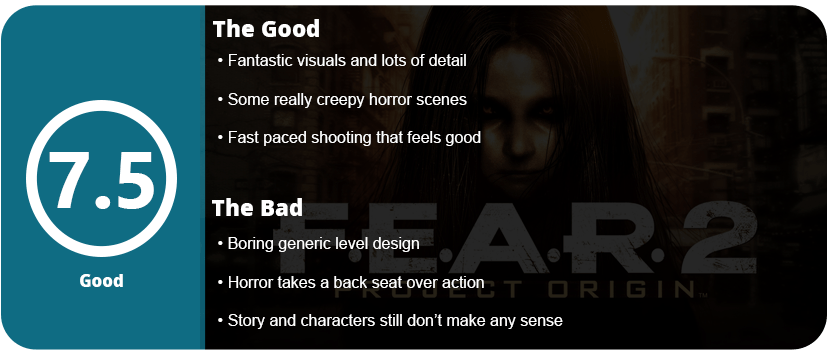
The story and characters are worse than in the first game and make absolutely zero sense. I still don’t know why Alma wants to kill everyone or who Beckett really is (your main character). The game focuses more on action than atmosphere and scares, unlike the first game. There are some really creepy scenes, with the elementary school being by far the best, with poltergeists chasing you in dark hallways. It’s sad that the horror element took a back seat, and the game just doesn’t feel as good as the first game.
The shooting, however, has improved a lot with more responsive controls, faster-paced gunplay, and a slightly higher variety of weapons. The enemies are still generic soldiers called replicas that are just bullet sponges and don’t offer anything interesting to the game. There are two mech sequences added to the game where you can crawl inside one and devastate foes. Outside of feeling powerful, these scenes felt more like filler than anything else. Another continuing issue is the level design. The game is full of generic, desolate city streets, hallways, metal and concrete buildings with catwalks, and industrial decor. It’s the same as before, just with more detail and better visuals.
Slo-mo does make a return here, but I didn’t need to use it as often as in the first game as this one is much easier. Instead of hoarding 10 medkits, you get up to 3 and body armor to help absorb damage. You can still upgrade your Reflex meter by finding syringes and data pads scattered everywhere for story tidbits. I have to say I miss the answering machines and Alienware laptops scattered around, as it felt more organic and required less reading in such a fast-paced game.
The game looks really good, even today. Larger environments, higher resolution textures, better models, physics, and overall lighting effects really stand out, and this game looks far from ugly, just boring and generic. The game tried to switch up the setting with more outdoor environments and less indoor environments, but it doesn’t really matter as the game is still highly linear. It just doesn’t feel like F.E.A.R. did, and that’s a shame, as you can tell there was careful placement of each scare and less focus on action.
Overall, F.E.A.R. 2 is a great sequel and worth your time for a weekend playthrough. It isn’t memorable; there’s nothing special, but the occasional scare and interesting horror elements, as well as fantastic shooting, make for a good game.
Well, I finally did it. I finished F.E.A.R., and that may seem silly to you, but I’ve started this game so many times and just never got around to finishing it. I remember when it was first released and tried out the demo that murdered my PC. The game wouldn’t even start most of the time, and when it did, it chugged at single frames on the lowest settings. As time went on, I tried it on more powerful PCs over the years, and even on Xbox 360, but somehow never managed to finish. As a kid, this game bored me to death. Yeah, that’s right. I never understood the story, the gameplay was boring, and the game is brutally difficult, even in the easiest setting. There’s a lot here to like, despite the game’s age and flaws.
You play as a member of F.E.A.R., or First Encounter Assault Recon. They are a special forces unit that deals with the paranormal, and your assignment is to investigate a girl named Alma who is part of a government experiment that has gone wrong. While Alma is a very famous video game character, the story of F.E.A.R. is not very deep or all that special. The game tells its story a lot like Half-Life 2 does with in-game cut-scenes and various pieces of the story gathered elsewhere. Listening to answering machines and finding Alienware (yeah, they left them in there all this time) laptops will give you insight into the story that becomes quite interesting as the game unfolds.
Outside of the story is the combat, and that’s what made F.E.A.R. famous. The game is extremely difficult if you aren’t on your toes and use your reflex at every encounter. This slows down time and allows you to accurately aim and dodge bullets, almost like Bullet Time in Max Payne. Without it, the game would be impossible to beat, as the enemies can kill you in a couple of hits. You can save up health kits and find body armor lying around that helps, but I just remember how incredibly hard this game was if you didn’t really utilize quicksaves and the Reflex ability.
The game has great shooting mechanics that feel good, but with some generic weapons. Shotgun, pistol, rocket launcher, machine gun, sub-machine gun, and a few unique weapons thrown in the mix make the arsenal a little stale, but doable. The game does get rather scary with many dark hallways, scripted events, and jump scares that make me eerie to this day. Part of what makes F.E.A.R. so enjoyable today is how the game stands the test of time. This game supports ultrawide displays and large resolutions, and it looks really good even today. Sure, the textures are dated and the models are somewhat low-resolution, but the game just looks sharp and runs very well on modern systems. The lighting effects are still impressive, and everything about this game feels only a few years old.
The level design is probably my biggest gripe as you run through generic hallways of brick and steel, and every level is a confusing maze and messy. Part of why I never finished the game years ago was the awful level design that just screams boring. There was never an interesting area that stood out to me, as they all blended together as generic linear hallways. You tend to forget about this as the game is so intense and you’re white-knuckling around every corner. The scare factor still holds up, and so does the intense action.
And maybe that’s all we really need with F.E.A.R. We don’t need cerebral stories, memorable characters, or wacky guns, but a solid, high-octane, challenging shooter experience that you can only get on PC. As it stands, F.E.A.R. should be played by every PC gamer, as it helped drive the genre forward and push GPUs to their limits.
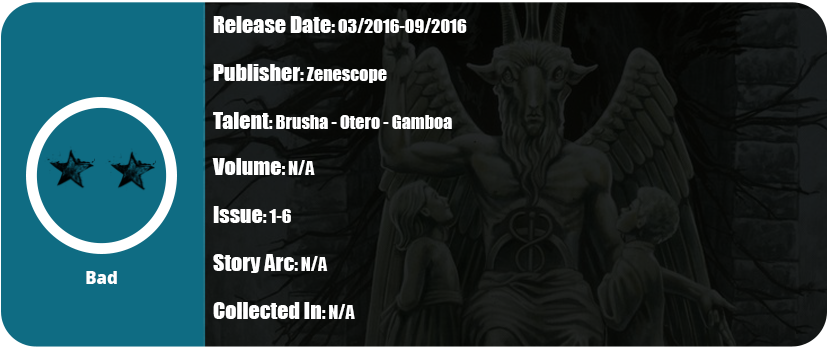
I love horror comics, and the gorier and more mature, the better. But there also has to be a good story attached to it, and Satan’s Hollow, while only running for six issues, doesn’t push through the story fast enough to become much more than a shrug.
The story starts out in Blue Ash, Ohio, where a cult supposedly murdered people in an old underground tunnel system 20 years ago. A couple moves back to this town only to discover things get weird pretty quickly. The story accelerates fairly fast towards the end without establishing any memorable characters or plot twists. The story is fairly straightforward, B-grade-esque, and unfulfilling. The only redeeming value is the beautiful art, crazy monsters, and gore.
Is it really worth reading this comic series? Sure, as six issues won’t take you more than an hour or so and can be at least entertaining to look at. The one-sided characters don’t help, and sadly, the monsters from hell get little face time as they have absolutely zero depth to them, which is quite sad as I liked the designs quite a bit.
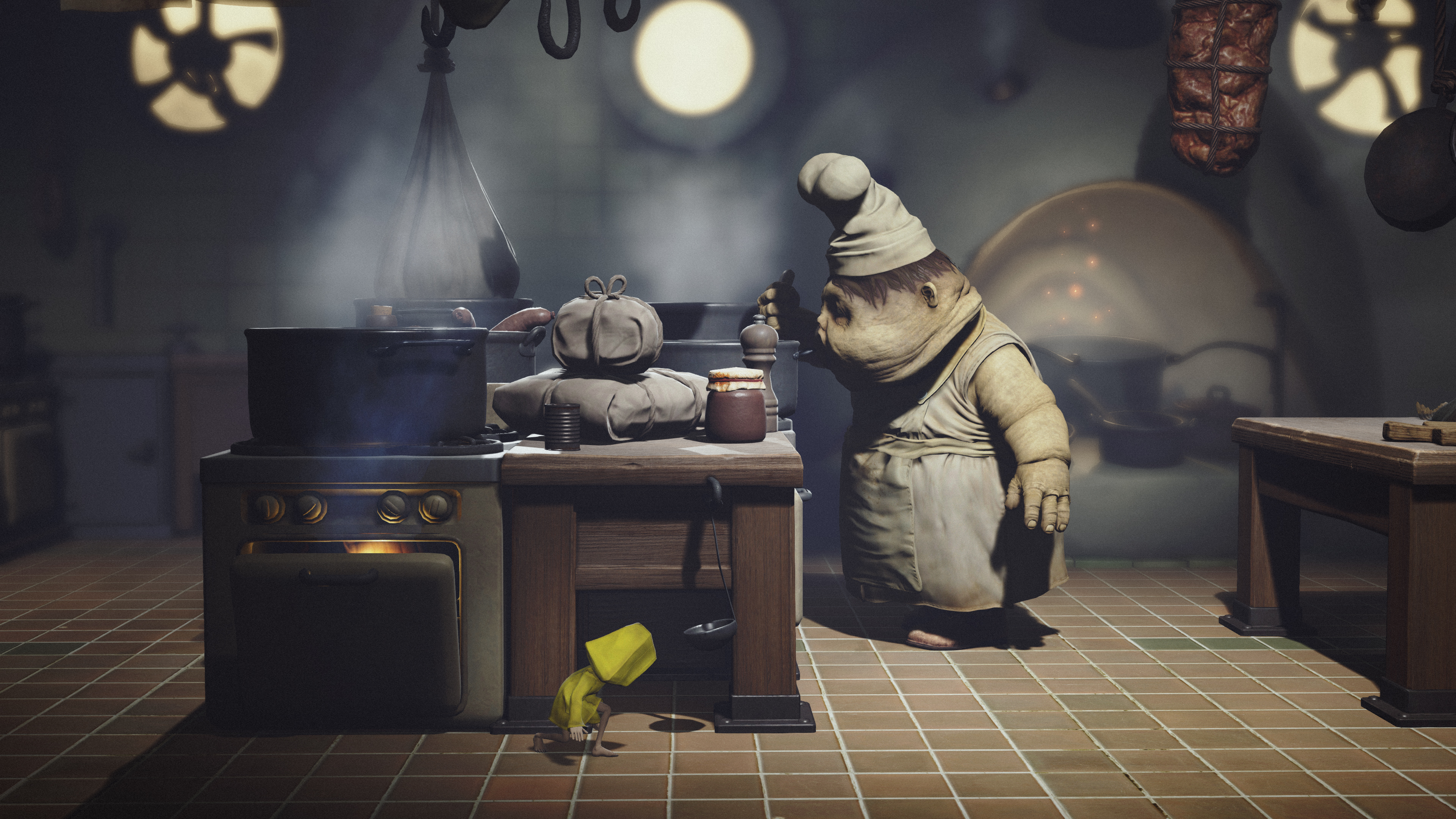
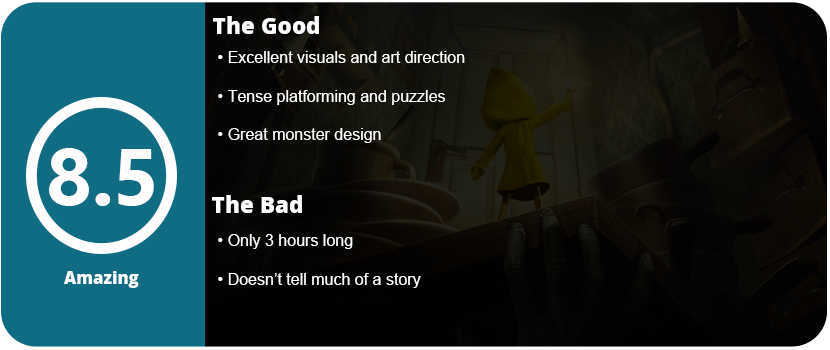
Minimalist side-scrollers have become very popular in Limbo. Inside is just another example of these horror-side scrollers done right. Little Nightmares doesn’t really tell a story through voices or words, but through actions. Unlike Inside, Little Nightmares doesn’t have too much of a story to tell. You play as a child trying to escape a ship from humongous fat monsters trying to eat you. That’s all we get, really.
Sadly, the story doesn’t really explain much, as the art direction, monster design, and backdrops are wonderful and beg for more storytelling. The beginning of the game is made up of basic platforming with simple physics puzzles and a lot of atmosphere. Eventually, you start seeing the occupants of this ship, and that’s when things get creepy.
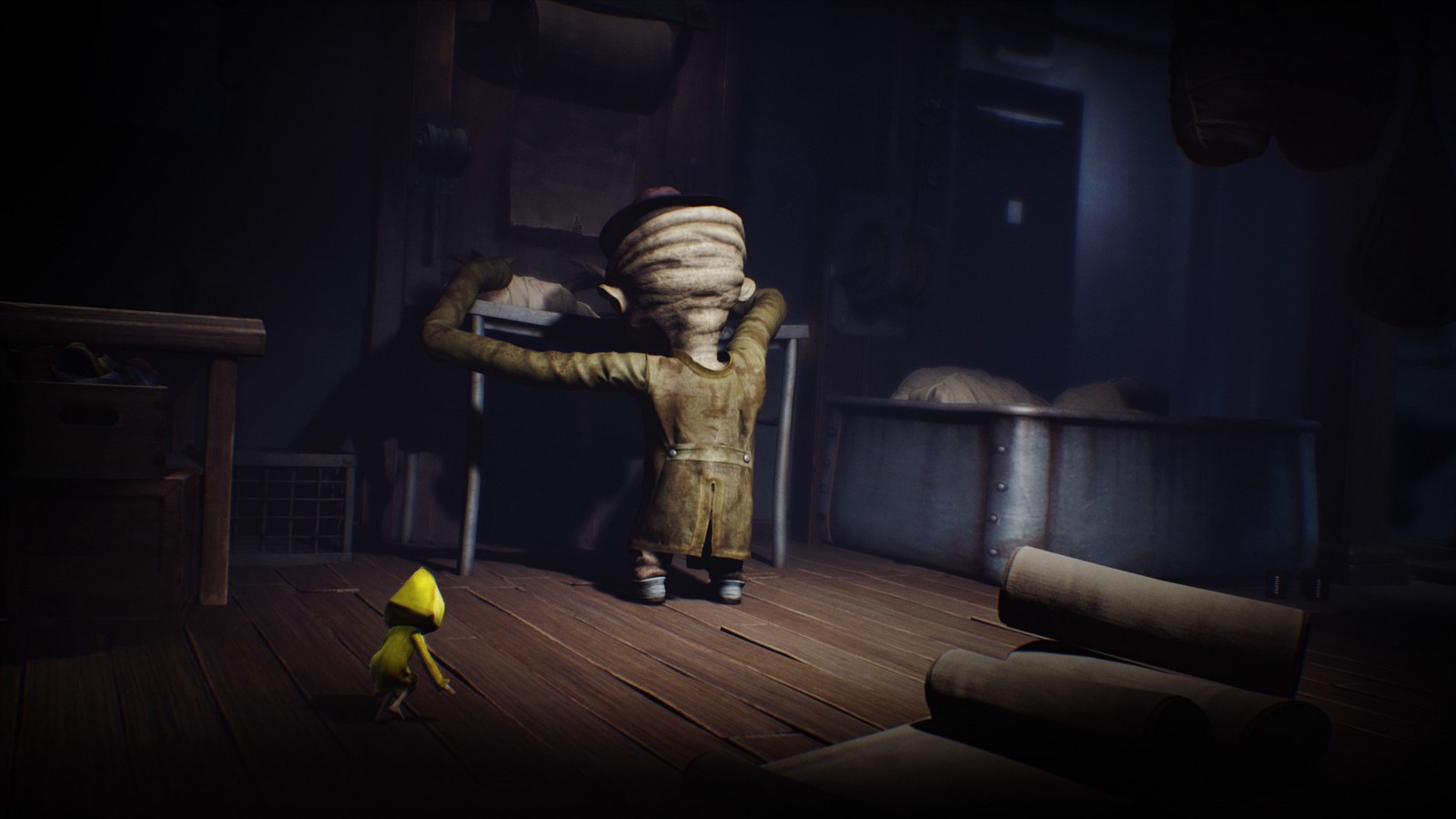
Little Nightmares does a fine job of creating a tense atmosphere and suspense. Grabbing and sneaking are tied to the shoulder buttons, so when you grab something, you must hold the button down. This makes things more intense, as you are running away from a monster with a key to unlock a door, and if you let go of that button, it’s all over. The middle of the game is made up of outsmarting these monsters, and the puzzles get bigger, but not really harder.
There’s not much to really explore outside of lighting lanterns for checkpoints and breaking porcelain dolls to unlock achievements. The game is definitely intense throughout the 3 hours it takes to complete; there wasn’t a dull moment that I can remember. I always felt like I was running, overpowered, and small. From climbing stacks of dishes and escaping on meat hooks to chopping off the arms of a doll maker, The game gives players something that most don’t, and that’s solid gameplay while combining excellent visuals and touching moments.
Overall, there are some of the best 3 hours you will spend. From beginning to end, Little Nightmares has something interesting to offer, and it’s never boring. The graphics are gorgeous, with art styles that reminded me of box trolls mixed with coraline. If you love horror games and platformers, then this is for you.
When it comes to post-apocalyptic zombie adventures, you usually think of The Walking Dead. Crossed gives the reader a fantastic adventure in a different way than most zombie comics do. We’re not getting the entire picture or seeing a group of people trying to save the world. We get a slice of life in different time periods, and the actual “zombie” virus is never explained, just theorized. The first 40 chapters range from different time periods of the virus invasion to the The whole comic saga is made up of 4-6 issue mini-series, and some are picked back up later on.
The best part of the series is the gore and gruesome detail. There’s tons of nudity, sex, rape, murder, torture, and everything you would expect in a zombie apocalypse. The art is graphic, detailed, and gorgeous. You can tell real dead bodies, and Gore was used as a reference because I have never seen a comic with this much realistic detail. The crossed are ruthless, kill and have sex with everything in sight, and love pain. It’s passed on via bodily fluids, and that’s all we know. There’s no cure; there’s no stopping or slowing it down.
Honestly, there was never a name for the virus either, and I kind of like that. The virus is a mystery throughout, and everyone is just trying to survive the best they can and hoping to wait for the crossed to die out. There was one problem with this series, and that was issues 40–60 or so. These 20 issues must have forgotten what the whole series was about and became more about internal non-crossed affairs, and the crossed took a back seat. It got boring and really annoying, but after around issue 60, it did pick back up.
Overall, Crossed: Badlands is one of the best comic series I have ever read, but it’s not for the lighthearted. This is a graphic, gruesome, and extremely explicit series, but that’s what I love about it. You won’t find a single comic this insane.
Obscure Asian horror games are something I’m a sucker for. I know the gameplay and controls will probably be awful, but you’re in for one scary ride, and that’s what matters the most. Detention is a 2D adventure game that takes place in Communist China in the 1950s. You walk around solving simple puzzles and unraveling a somewhat confusing and convoluted story. The atmosphere is very surreal, and the slow pace of the game helps drive this home.
The game begins with some strange images and wandering back and forth through classrooms in a school, trying to get to the top floor. The game involves finding items and then figuring out where to use those items. Like most adventure games, it’s best to wander through the entire area first, pick up all the items, and then place them where they are needed. There are three areas that are like this, and then the final area is actually just walking around making story choices. It’s kind of strange, as the pacing is really broken up throughout the entire game. There will be some chase sequences, a tense atmosphere, and enemies you need to avoid by holding your breath and walking past them slowly, or even turning away so as not to stare into their gaze. It’s an interesting concept and puts you on the edge of your seat with the amazing sound effects and disturbing soundtrack.
A lot of the sound effects and music remind me of Silent Hill. The pounding heartbeats, screeching static, and urgency were felt throughout. The game isn’t so gory, but just overall weird and disturbing, which is just fine. I enjoyed the gameplay and scares quite a bit, but the story was definitely lacking. I could tell there was something about the main character being involved in a forbidden book club, her inner torment of her parents fighting, and some sort of guilt about being responsible for a death, but it never worked together or meant anything. There’s a lot of poetry and ancient proverbs thrown around the game, but all this accomplished was confusing me more as to what was going on. As it is, the game can be beaten in less than 4 hours, so it’s important to get the story across as strongly as possible since you can’t drag it out.
With that said, Detention is a must-play for horror fans or anyone who likes 2D adventure games. You’re going to have to go into this expecting a lot of scares and simple puzzle-solving rather than a memorable story or characters. The art style is fantastic, and the music and sound effects all jive together to create a disturbing experience that you really can’t get in most Western horror games.
Bloober Team is quickly becoming one of my favorite game developers. You may recognize them from Layers of Fear. Their style of single-player storytelling is unlike anything that you will see today in gaming. The horror factor is also kicked up to 11 in their games with frightening and surreal moments and scenes that put you on the edge of your seat and that will make you grind your teeth. The observer ditches the early 20th-century theme and goes for 20 minutes into the future cyberpunk that is done so well. Observer’s cyberpunk setting is some of the best in gaming history, as it captures the feeling perfectly.
The game starts out simple enough, with you playing a cop named Daniel who gets a strange call from a man named Adam. He is told to investigate an apartment building that goes on lockdown. You stay in this building throughout the entire game and must solve simple puzzles and find your way through the narrative. There are two parts to the game: playing as Dan in the apartment building and jacking into people’s minds while you investigate crime scenes. Investigating crime scenes isn’t as complicated as it seems. You switch between two different visions that allow you to see electronics and organic material. You can scan items that are highlighted and slowly unravel clues that help move the story forward.
Most of the game consists of wandering confusing hallways and talking to people through the intercoms on their front doors. The dialog will give you clues as to where to go next, such as learning key codes, apartment numbers to investigate, and anything else the crazy story throws at you. This is where the game’s atmosphere really digs deeper than in most games. There is no human contact in this game as you speak to everyone through doors and walls. It helps add to the sense of loneliness and desperation that the citizens on the lower levels of the city suffer. Every corner you turn is full of wires, monitors, computer banks, and propaganda from the government and corporations that run the world. The atmosphere is done brilliantly and will definitely stick with you long after you finish the game.
Like Layers of Fear, when you jack into someone’s brain, you get to run through trippy drug-infused nightmares. Some are literally horrifying and frightening, and that’s actually a good thing. Most of these segments are story- and narrative-driven with very little interaction; there’s an occasional scary stealth sequence that adds plenty of tension, but nothing overwhelming or confusing. It was one of the things that made Layers of Fear so great, as the gameplay sacrifice gave you an amazing audio/visual experience that you won’t forget.
Once you finish these jacked-in segments, you enter the real world again and move on to unraveling the story. There’s not much else to the game outside of this, and it can be finished in about 5–6 hours, depending on how often you get stuck. The story itself is a bit hard to understand and is very confusing, even at the end. I was hoping it was going towards more of a Soma vibe, which is still one of my favorite video game stories of all time. Almost everything is explained at the end with a couple of different endings, and while you feel the story is concluded, the middle of the game is very confusing.
Again, the reason to play this game is for the horror and atmosphere. The scary moments are actually scary and mess with your mind, and that is very rare today in gaming. If you want a lot of gameplay, then look somewhere else, honestly. I can’t find too much to be disappointed with outside of the story not being very clear, even at the end, and you can get stuck and lost too often in the game. If you loved Layers of Fear or even Soma, then you’re going to love Observer. This is already one of the best atmospherically driven story-based games this year.
With P.T. only being a demo, it sure did imprint itself into the horror genre. Since then, games have been trying to copy their experience, but is this such a bad thing? I think not, as P.T. showed us what we have forgotten: the overall scare factor and how the atmosphere can do that. You don’t need cheesy monsters, jump scares, or even great visuals. The plain old atmosphere can do the job just fine. Layers of Fear is an indie horror game that is probably one of the most insane I have played in a long time. The game did have a forlorn and eerie atmosphere, but just the visual trip it gives you is mind-blowing.
You play a crippled painter in the early 20th century who is trying to complete his masterpiece. The game starts out just fine while you wander around an old mansion, opening drawers and finding pieces of text that help tell the story. Layers of Fear’s only goal is that you walk through doors. You will open more doors than you would like to in a video game. Once you get through your first door and into the main hub, which is your painting room, things go crazy. The game is very linear, where you walk from room to room and enjoy a visual acid trip that never stops or gives you breaks. As you think there’s no way out, you will turn around, and a painting will pop up behind you and start melting. Turn around again, and the room changes or a ghost appears in your vision. What kept me going was that I wanted to know what was in the next room. It was like a funhouse but scary. Each room was always different, and I never felt bored or that I wanted the game to stop. There are six major pieces you need to collect to finish the game, and each one is themed. For example, the one-piece is a finger, and you slowly build up the story of how you took that finger. It doesn’t tell you directly, but through crazy visual cues and clues, you can figure out what happened.
The game is also a bit of a collect-a-thon, as you can open drawers and search around each room for clues that allow you to unlock achievements. There are actually three different endings, but I can’t quite understand how to get them. There are no choices in the game, but maybe take different paths? Each area is so linear that there’s only one way to really go, so figuring out what ending you get is a huge mystery. There also isn’t much thinking in this game; there were maybe 3 or 4 puzzles, and they required almost no skill to work out. I feel there should have been more puzzles, but that would have slowed down the pace of the game. You literally run around the opening door after door and experience the next visual freak-out, like a roller coaster ride. There are also no enemies to run or hide from. The only ghosts that appear in the game are supposed to get you, as it’s part of the story.
The visuals are fantastic, as the game has amazing lighting effects and a tense atmosphere, and there’s so much detail and so many different objects everywhere. The way some of the set pieces play out is pretty insane and requires a lot of care and detail. The visual effects alone from warping, shifting, melting, and various other effects are pretty amazing, as you don’t see many of these in games. All this was done with the Unity engine, which was also pretty impressive. The audio in this game is quite amazing, with a lot of variety, and each sound effect is put in the right place at the right time.
Overall, Layers of Fear is well worth a playthrough; it’s quite scary, and you never want to stop. The great pacing, visuals, and amazing roller coaster ride of effects are something you don’t see in games very often. If you’re tired of the cheesy horror gimmicks of most indie games, then look no further. This game may be short, but it’s got a lot of soul and heart for what it is.
Yep! The fact that I forgot about this game until you made a comment proves that.