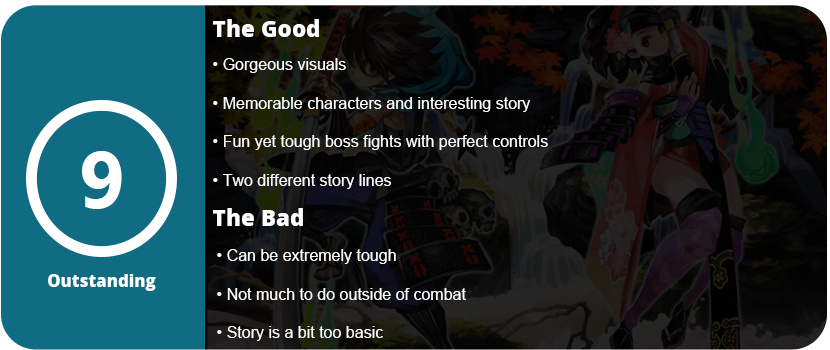
Muramasa was a highly acclaimed Wii game from Vanillaware of Odin Sphere(and now Dragon’s Crown fame). It had high speed and fancy fight moves, but it was extremely challenging and had memorable characters. It now makes its transfer to Vita in HD with bright, gorgeous graphics and two whole storylines to play through.
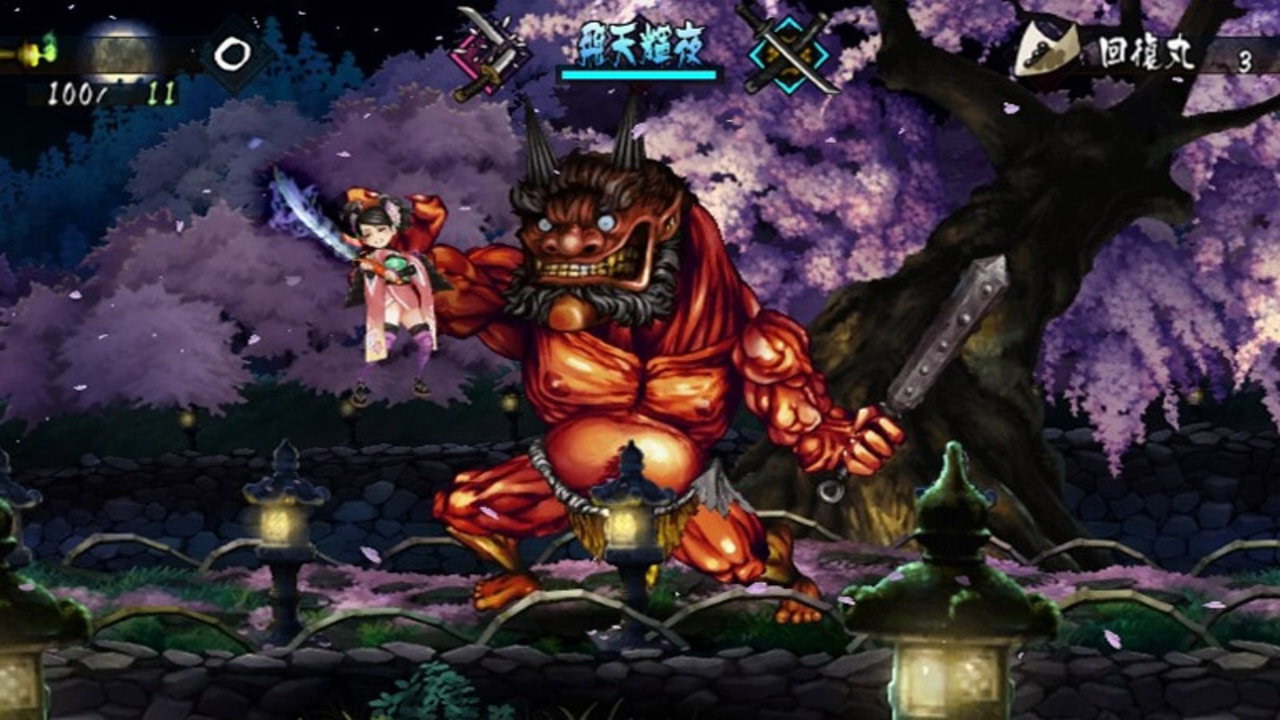
I played through Momohime’s (Peach Princess) storyline, so my experience is based on that. Momohime is possessed by a spirit who wants the infamous Demon Blade and will cut anyone down in her path. She goes from hell to heaven and even cuts down gods. The game is 90% combat, and man, is it tough and fun. You can equip three different blades at once and switch between them with a triangle. When your blades are flashing, you can press triangle to unleash a powerful full-screen attack. Each blade has its own special power, which is key to winning hard fights. If you use the blade too much or block it too often, the blade will break, and you will need to switch to a different one and wait for it to recharge. You can use whetstones to hasten this, but as you level up and forge new weapons, they will break less often.
This is basically all there is to combat: you press the attack or use special powers combined with directions. It may seem simple, but the game is so tough that you can’t just button-mash. You have to use strategy, mixing up dodges, blocking, and special and regular attacks. The game constantly kept me on my toes, and I had to learn every boss’s moves and sometimes restart dozens of times. When I finally beat a boss, it was so satisfying. In between, there’s some platforming and item hunting, but you travel from locale to locale and get stopped by fights between each screen. I had a lot of fun navigating the gorgeous environments and even stopping to shop for health items and various other things to help out in fights.
One other small feature is being able to cook with items you find. These are used to heal you, which you will use often. Always make sure you are stocked on health items, or you will never make it through the game. Outside of all the fighting, the dialogue is interesting, and the Japanese voice acting is fantastic. The characters are memorable (I have already purchased a $145 figure of Kongiku), and you will stay hooked. With two stories to play through, there’s a lot of content here.
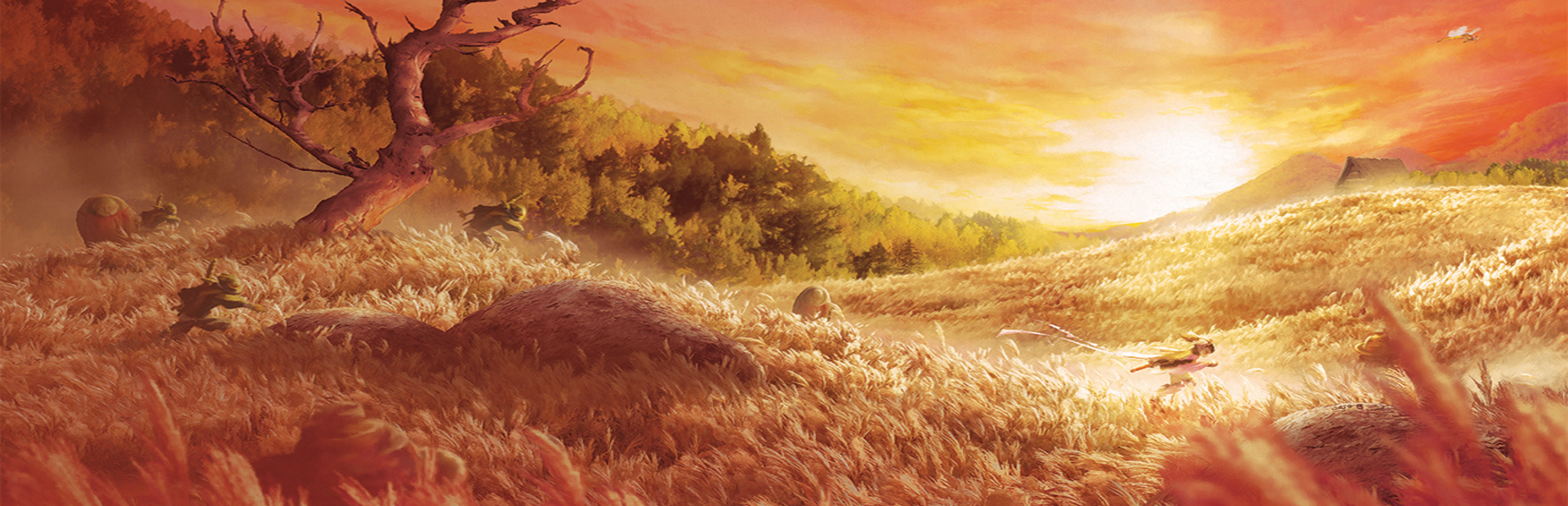
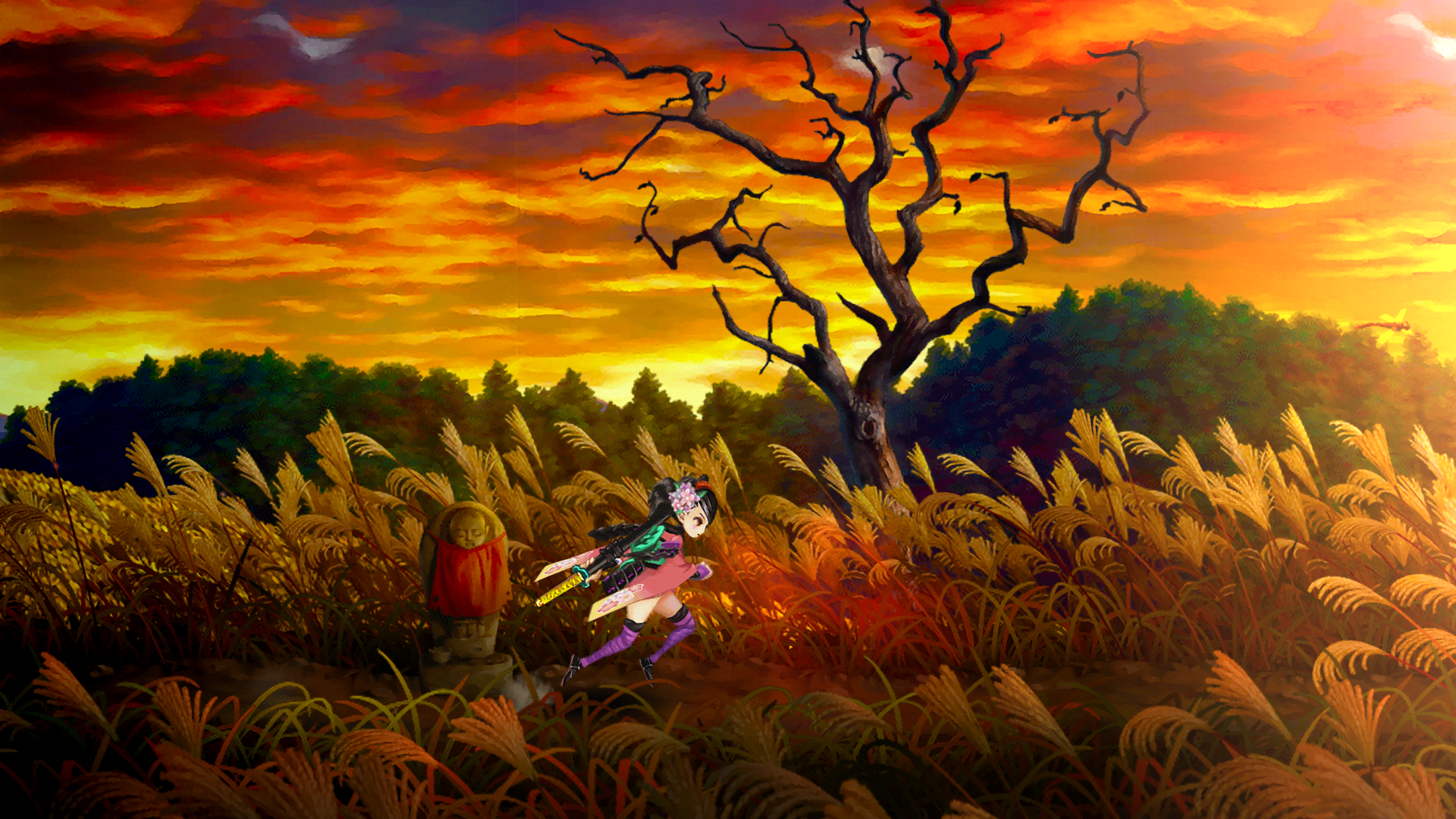
Vanillaware is known for its unique high fantasy mixed with the ancient Japanese art style, and it really shines here. The game pops to life on the Vita’s OLED screen and just makes your eyes water; it looks so crisp. The controls are perfect and extremely responsive; honestly, even though this is a port, it’s one of the best Vita games available right now. That makes two Vanillaware games on one system. If you love 2D games or action hack and slash games, this is a must-buy.
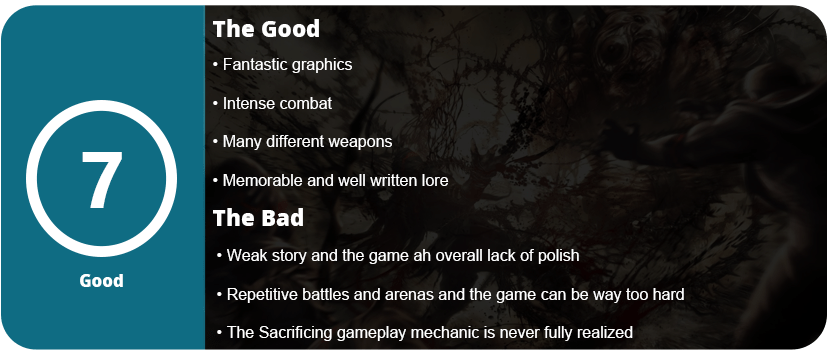
Soul Sacrifice is one of those games that looks cool, but when you start playing, you will be completely lost for a while. The game starts out with you being captured and put into a cage with bones everywhere. A book wakes you up and starts talking to you. It’s the journal of a mad sorcerer, and he later explains that you need to stop this powerful sorcerer, but in the meantime, you need to level up, gather strong weapons, and learn about his past. The story never really pans out, and it is just stretched so thin that you lose track of what’s going on. The presentation is interesting, with literal storybook pages and an ominous narrator, but I would have liked something more.
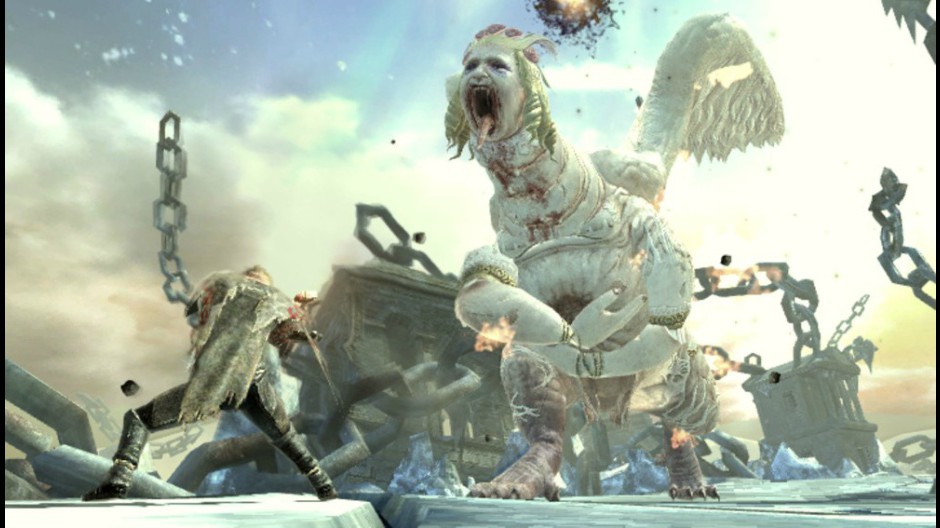
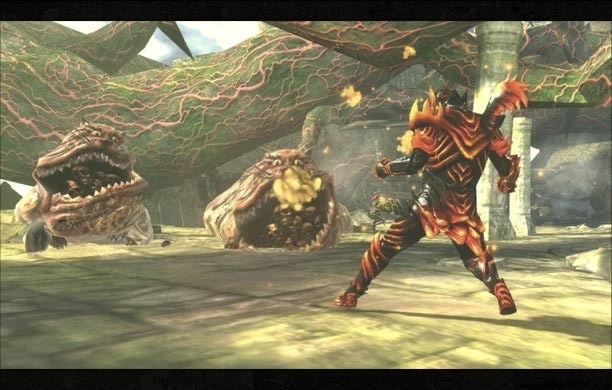
You basically just select a mission, and it will tell you what you’re supposed to kill. There is tons of fantastic and memorable lore wrapped around every enemy and battlefield. These stories read out like Grimm’s Fairy Tales, and I was really hooked and couldn’t wait to read the next one. The enemy designs are really neat and unique, as well as the bosses. You can customize your character’s looks, albeit not by much, and then it’s off to equip your weapons. Weapons are arranged in several categories: armor, arm, blood, power, shield, etc. You get weapons for defeating monsters, and they are awarded to you. These weapons can be combined with dupes to give you a higher cast count, or they can be fused into new weapons. This is a great idea if the game doesn’t constantly throw crappy weapons at you. Halfway through the game, I was still dying several times per boss because I just couldn’t get any powerful weapons. It’s like they all did very little damage. Some bosses and enemies are weaker to certain elements and types. Some bosses you can’t get up close to at all, so you need powerful projectile weapons. If you don’t know that going in, you have to restart and re-equip. This trial and error is frustrating and one of Soul Sacrifice’s many flaws.
If that wasn’t enough, you are limited by how much you can use each item. You can equip up to six different weapons for each match. Some can be passive for healing, but if you run out of casts, you break your weapon, and it’s gone forever. You have to use a special vision mode to find hidden regen points for your weapons, but they are limited. Several times I ran out of casts for all my weapons and had to restart because I couldn’t beat the boss. Thankfully, a special sacrifice power allows you to do massive damage, but at the cost of sacrificing something. One power lets you burn everything around you, but your skin becomes burned and your defense is halved. To get rid of these conditions, you need Librom’s tears, and these are only granted every so often by exiting the book and checking his eye. A neat idea, but frustrating nonetheless.
That’s the combat, and that is the sole focus of the game. It’s great and fun at first, but very frustrating and monotonous early on. You just fight the same types of battles over and over again, and you have the same enemies as well. The only thing keeping you going is to see more of the story. I honestly got tired of the side quests and just stuck with the story to get it over with. Another major part of the game is leveling up your health or magic. You can sacrifice or save enemies after they fall by holding L or R. This is a unique idea, but you can be stunned and killed while doing it. Your teammate can fall, and you have to resurrect them or sacrifice them for a boost. Once you do this, you need Librom’s tears to bring them back. They can revive you, thankfully, but many times they died right when I did, or vice versa. There’s also an online co-op to solve this issue, which really helps, but most people aren’t going to do this.
As it is, Soul Sacrifice suffers from constant repetition and a lack of polish. Not having powerful enough weapons, lackluster customization features, and a weak story kind of hurt this game. The graphics are fantastic, but that isn’t what makes a game good. I was hoping for more variety and more of a cinematic story, not a menu-driven battle selector. If this game had more variety and something else besides killing the same enemies forever, it would have been one of Vita’s best games.
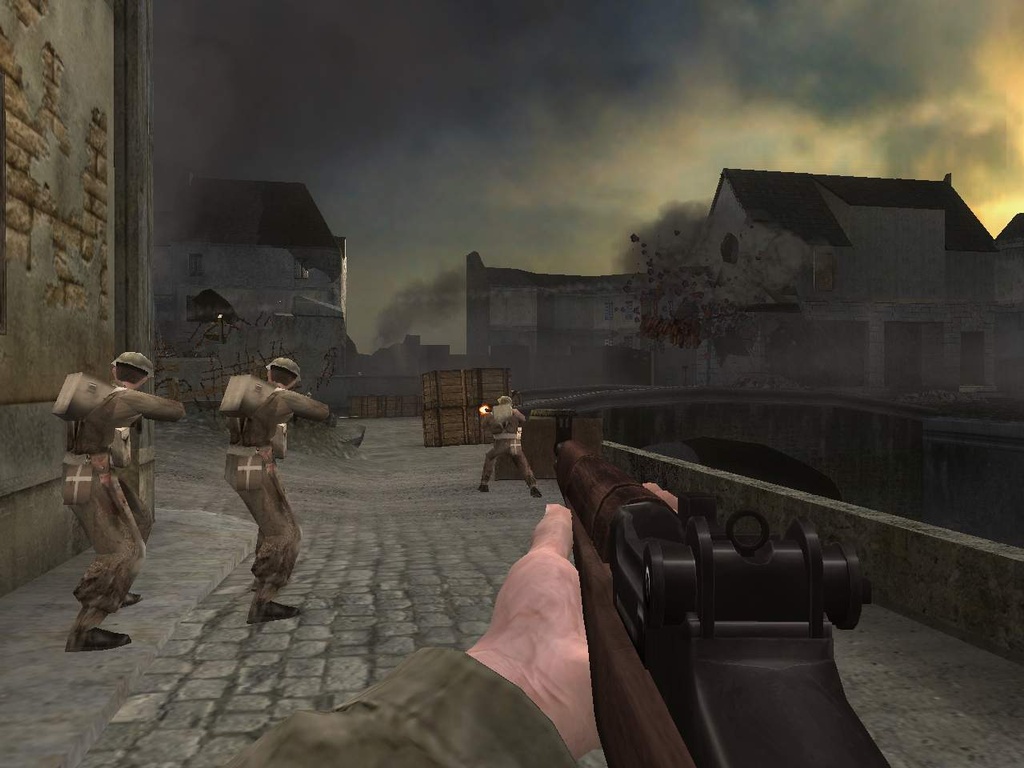
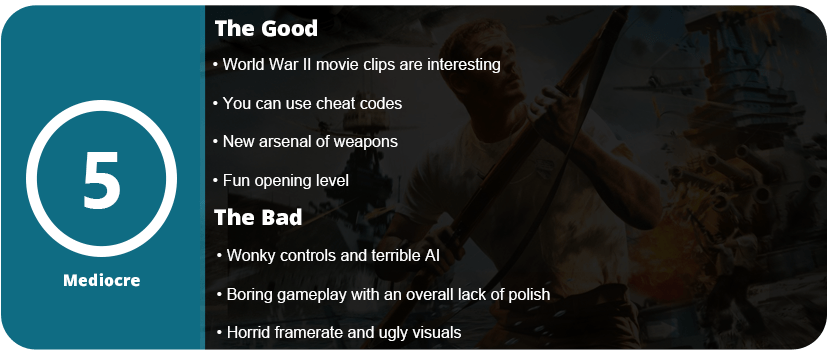
Pearl Harbor was one of the worst terrorist attacks on the US and was what got us involved in World War II. EA decided to leave the frontlines of Europe and head to Hawaii at Pearl Harbor and into the Japanese and Philippine frontlines. It’s a nice change of scenery, especially back in the day when WWII shooters were coming out nearly every day. The problem is that Rising Sun is a reskin of Frontline with a lack of polish and detail and just doesn’t feel complete. Rising Sun needed about 6 months more of development before being anything remotely decent. What we have here is a sluggish, boring, and mediocre shooter, probably one of the worst shooters of 2003.
The game actually starts out pretty nicely. The bombing of Pearl Harbor feels epic in this game, you are just a nobody sailor who gets woken up by the bombings. After you see the poorly pre-rendered cutscene you start controlling your guy and it feels very similar to Frontline—too similar. Right off the bat, you realize the control issues haven’t changed. The aiming is really sensitive and finicky; there are no iron sights aiming, and the controls just stink. Once you run around the boat trying to escape your notice, you can save at checkpoints. This is actually one of the only two major issues that were fixed by Frontline. The missions are very long, and you no longer have to start at the beginning of every level when you die.
Once you get out, you notice the framerate is worse than Frontline. The FPS drops to single digits often, and it actually affects gameplay. Trying to shoot someone when the game is chugging along at 5 frames per second is nearly impossible. It doesn’t help that the aim is already wonky. The change of pace in the beginning, using the turret on the boat, and shooting down planes is fun. I also have to mention that the only great part of Rising Sun is the music. Medal of Honor has a fantastic score across all the WWII games, but Rising Sun needs more than that to save it.
Once you start the next level, you realize the game is just so bad. The level design is abysmal with confusing mazes; it was cute for EA to try to make you feel like you have multiple paths, but you really don’t. It just makes things more confusing. There are also secondary hidden objectives this time around, but they are nearly impossible to figure out; hell, even the regular objectives are hard to figure out. Items don’t flash, so you can’t tell if they’re part of the scenery or something you need to interact with. Most of the time, you just get lucky when a prompt comes up on the screen when you pass something.
I like the new selection of weapons: the shotgun, Type 99, Sten MKII, and a few other Pacific Theatre weapons. That’s probably the only other great change from Frontline, but the guns control themselves so horribly that you won’t care. The most annoying part of Rising Sun is the forced and failed implementation of stealth. During one of the last few levels, you get recruited into the OSS and have to infiltrate a Japanese summit at a hotel. The game gives you the Welrod, which is a one-shot silenced pistol. Sure, that’s fine, but Rising Sun wasn’t built for stealth. I shot the first few people silently, then all of a sudden I was being attacked. I had to run around the whole level with just a pistol and the Welrod. Not very fun. The hints say to stick to the shadows and stay in the column areas. Yeah, sure, what shadows? The stealth is just completely broken, but at least healing items give you more health, so the game is a bit easier in that regard.
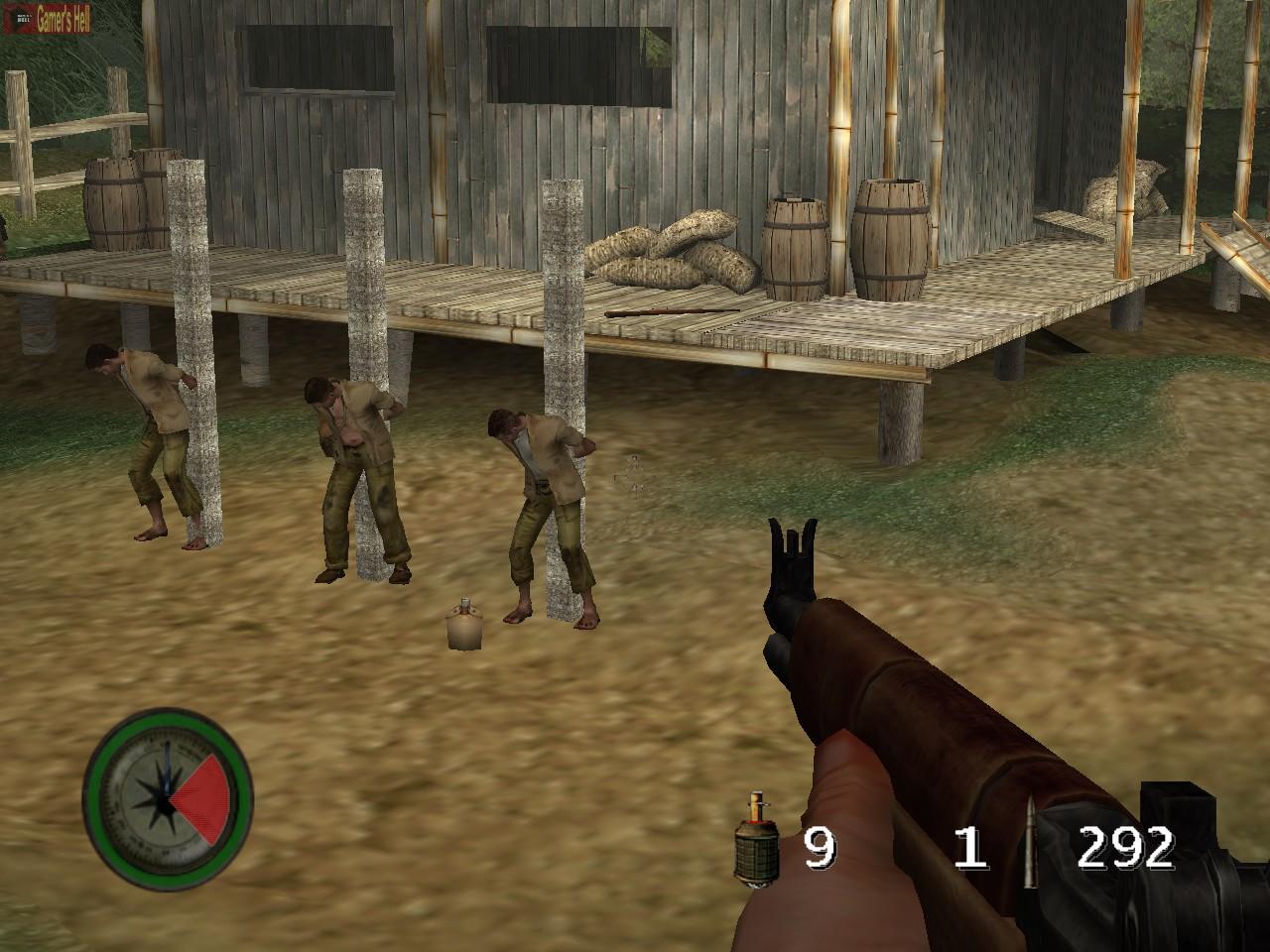
Let’s finally talk about graphics. The game is butt ugly, even uglier than Frontline. During the jungle levels, the developers just put the flat texture of a forest on the walls. Yeah, good job, you lazy jerks. The game is just ugly and unpolished. The events in the game are so unbelievable that it’s hard to think that these things actually happened. Did I mention there’s still no blood? The last thing to go is the terrible AI. The friendly AI just stands there while they’re being shot and completely ignores enemies. The multiplayer is also as boring as ever.
Rising Sun sold millions of copies, but it couldn’t live up to the quality of the previous game. With ugly graphics, horrible framerate, terrible AI, bad level design, and various other issues, Rising Sun stands as one of the worst games in the series.
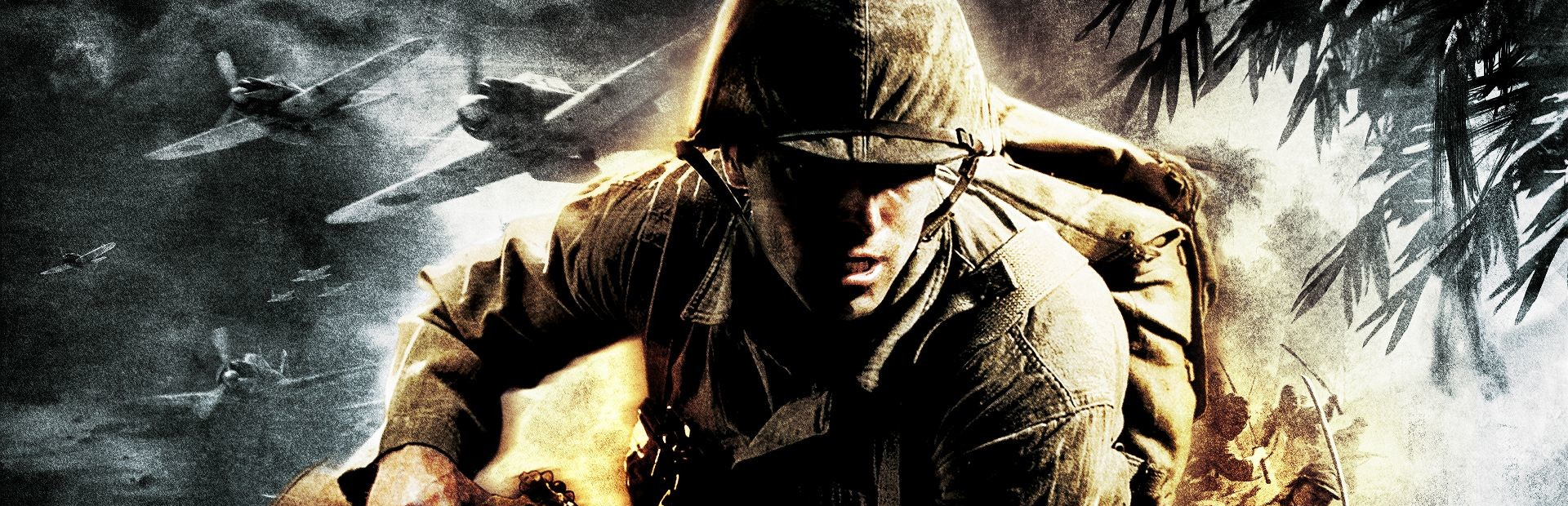
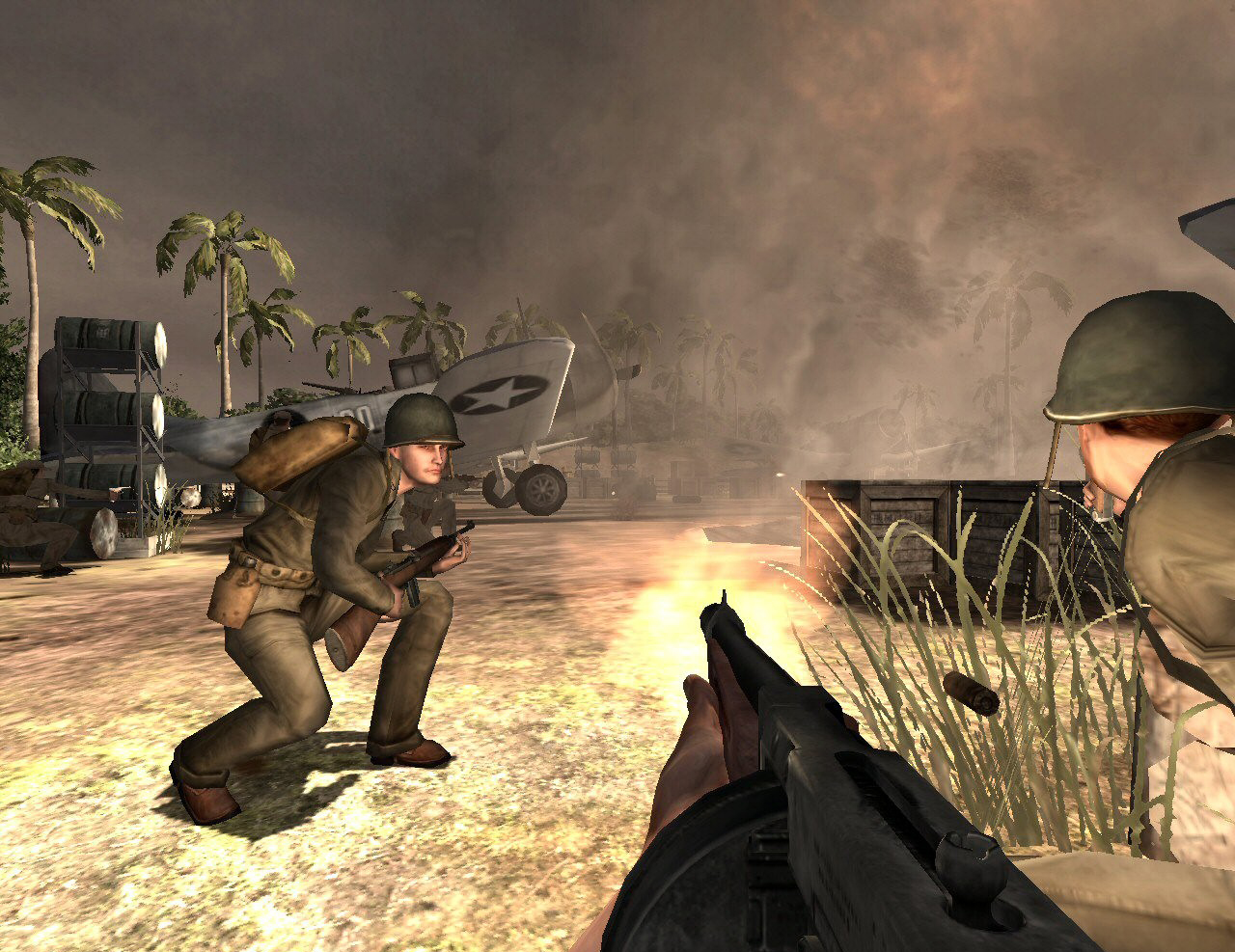
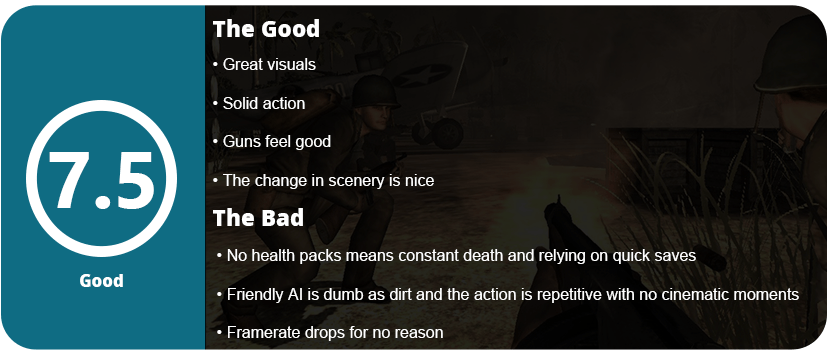
2004 was a year when WWII games were at their peak, Rising Sun was a huge disappointment, so EA went after the Pacific theater again with Pacific Assault. The game was much better than Rising Sun and was a graphical showcase. It pushed PCs to their limits back then and was a solid shooter. The only problem was that it didn’t advance the series’ formula at all and was just another shooting gallery. It did have some great cinematic moments and showed what the Medal of Honor could really do on better hardware. The consoles couldn’t handle what Pacific Assault was able to do, so it remained the last PC-exclusive MoH game.
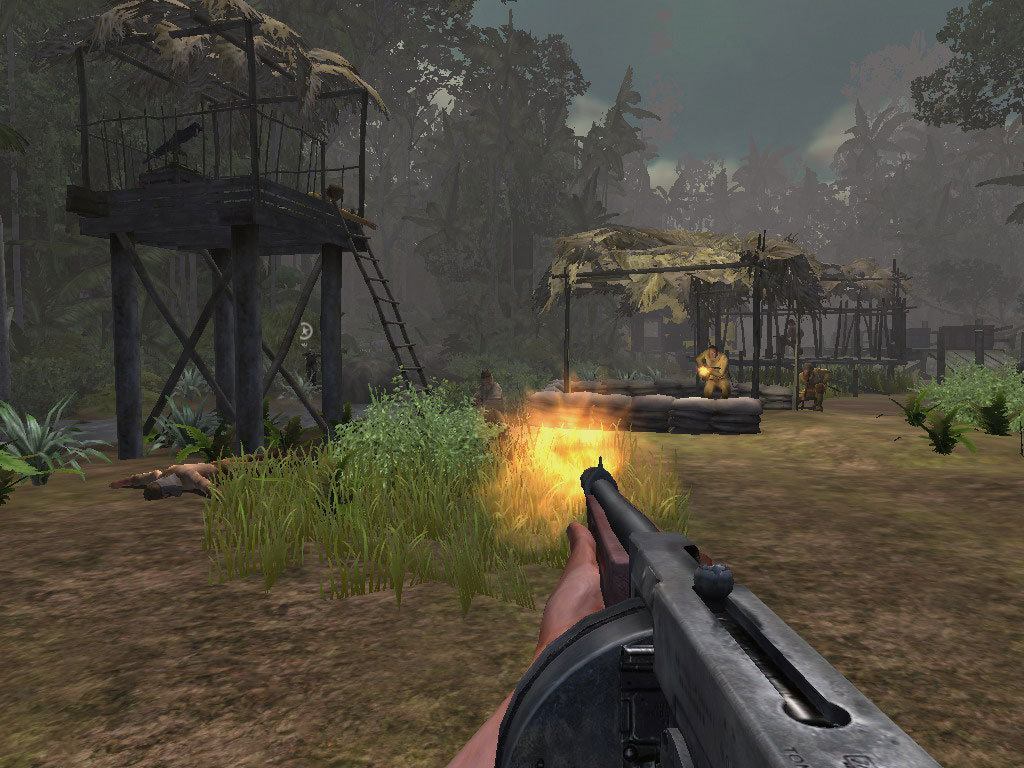
The game starts out with the storming of Ottawa Atoll Beach on November 20, 1943, 8 months before the French D-Day that is so famous. The game takes you through the jungles of Japan in some pretty gnarly guerrilla warfare. There’s lush flora on your way, and the Pacific Theater was a huge change of scenery from all the European battles everyone was tired of. Many new weapons were introduced, like the Japanese weapons and some others, like the Riot Gun. One scene has you carrying an MG to set up an ambush along a river. You can pick it up and move it. It’s nice to see things like this in WWII games, but there just aren’t enough of them.
Most of the campaign was just endless jungles and disabling this machine gun nest, eliminating those patrols. It repeated over and over for about 6–8 hours. The one mission where you were on a plane was nice because you controlled the rear MG and then took over the plane itself. The controls were a bit hard to get used to because the whole thing is controlled with just the mouse. The game was relentlessly difficult, like all Medal of Honor games. You couldn’t refill your plane’s health, so if you died, you restarted the entire level or your last quick save. The checkpoints are spread very far apart, so rely on constantly quick saving; otherwise, you will be angry. I also didn’t like the default control setup. Aiming was done with the left alt, and melee was done with the right mouse button. What kind of controls are those?! I had to change them manually.
The game is also full of bugs and glitches. Most were patched, but some still exist. The game crashes every so often, friendly AI gets in your way to where you can’t advance and have to enable the developer console and use no clip to get through them. The biggest issue is that you have a health bar and can’t refill it with health packs. Once you die, a corpsman will come to heal you, if you’re lucky. They only came sometimes, and I died often because of the stupid AI. Why not give me health packs like older MoH games? With that aside, the weapons feel great to shoot with, and the action is solid. There’s a lot going on on screen, but the framerate can’t keep up with the action. Back in the day, everyone thought it was because the engine pushed PCs too hard; now that PCs are way more advanced, it’s just the engine. I got 60 FPS most of the time, then suddenly it dropped below 20 for no reason.
Pacific Assault is a solid shooter, and if you missed out on this, try it out. Almost any computer can run this game these days, so there’s no excuse not to. Pacific Assault is also one of the better Medal of Honor games and really advances the series past the dated gameplay from Rising Sun and back.
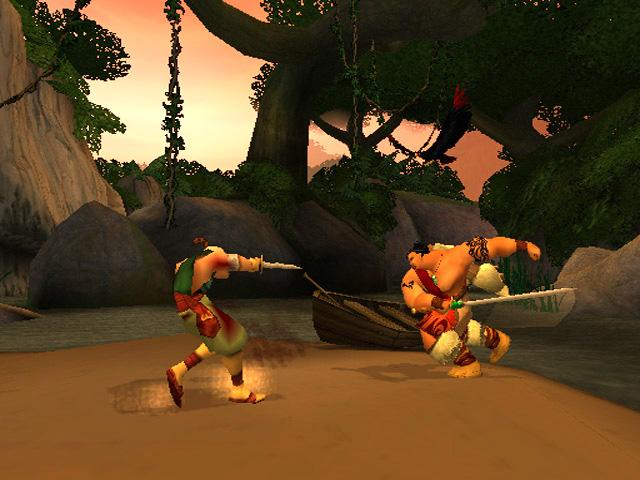
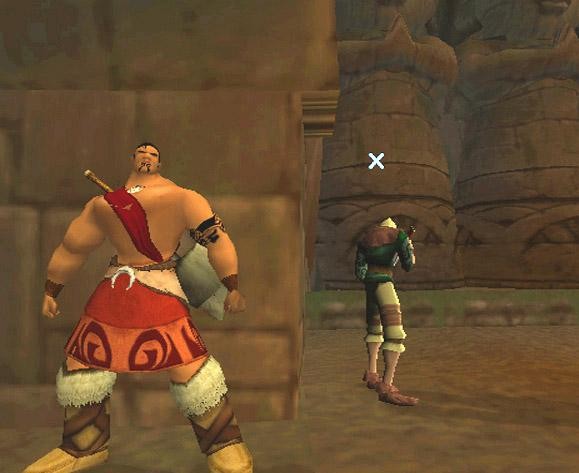
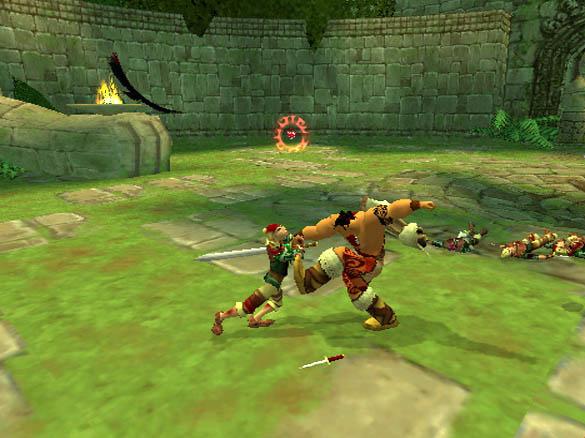
The Mark of Kri is a curse passed down from generation to generation, and each firstborn child bears the mark on their skin. There are six at all times, but some crazy guy wants to kill off the curse or something like that. The story isn’t explained very well and is not very interesting. The Mark of Kri’s strong points are its stealth, but it has sluggish combat and camera issues galore. It may have been pretty good ten years ago, but not today.
The game is very linear, with usually only one pathway to follow. You have a bird that is your companion that you can send off to certain points to scout ahead for you. This is mandatory; otherwise, you will be fighting off tons of guys all the time and dying. Once you use Kuzu to scout ahead, you can plan an attack. Use stealth by sneaking up, buckling against walls, or dropping down on enemies. You use the right analog stick to sweep a beam around that assigns a face button to an enemy; that’s their attack button. You can stealth kill two enemies by starting the attack on one and then pressing the buttons shown above the second enemy. Sometimes you need to distract guards by shooting bells with your arrow, scaring animals, and other things. This is pretty fun, and finding the right path through enemies can be fun. It is the actual combat that is sluggish and troublesome.
The right analog stick should have been used for camera control in this game because it gets lost all the time. It never focuses on enemies like it should, and it takes forever to sweep around. The combat is okay when there are just a few enemies, but later on, in the game, 15+ enemies will surround you. You get better weapons like the axe that can lock on up to nine enemies, but this whole lock-on business just doesn’t work. I would rather control the camera and have a more fluid combat system that way. The reason why I died so much was that Rau would stop and rub his head, trip constantly, bang his weapon off of stone walls, and get it stuck in wood, and this was frustrating. In the meantime, you are being hit and dying while all the unnecessary animations are playing out. Once you get surrounded or trapped, you’re dead. Backing out is impossible because once you unblock, you get bombarded by attacks.
If that isn’t enough, the save system is annoying. There are no save points, just save scrolls. You have to find these, and they don’t carry over to the next level. The same goes for max health upgrades. You will end up using your save scrolls or squandering them because you want to save a hard part. Another issue was using the bow. Aiming at enemies takes forever because you have to wander around the enemy until you get a lock on, and if the enemy is too high up, you have to fiddle with it until you hit the enemy. Not fun.
The graphics are just average, even for back then. The game is only 6 levels long and can be beaten in about 4–5 hours. The story is underdeveloped due to its short length, and you won’t care about any of the characters. The combat has sluggish controls, and the whole sweeping lock-on system is a terrible idea and doesn’t work right. The camera has a lot of issues, and the list goes on. For just a couple of dollars, this is a decent stealth game, but be wary of all the problems.
I try to be forgiving with games, but there are some that just can’t be overlooked. Red Ninja is a perfect example that has mechanics that are broken beyond reason or repair. The story is the first thing you will notice that isn’t very interesting. You are trying to stop a rival clan from getting a machine gun blueprint from yours to use to destroy their enemies. The beginning cut scene shows your clan using a machine gun to cut down hordes of samurais. Just one machine gun. After this, your leader tells the man in charge of making it to destroy it because it dishonors the rules of engagement. Sure that’s noble, but all this for one stupid machine gun!
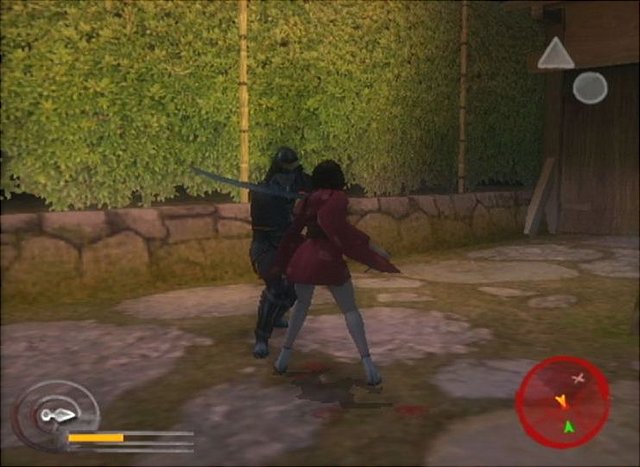
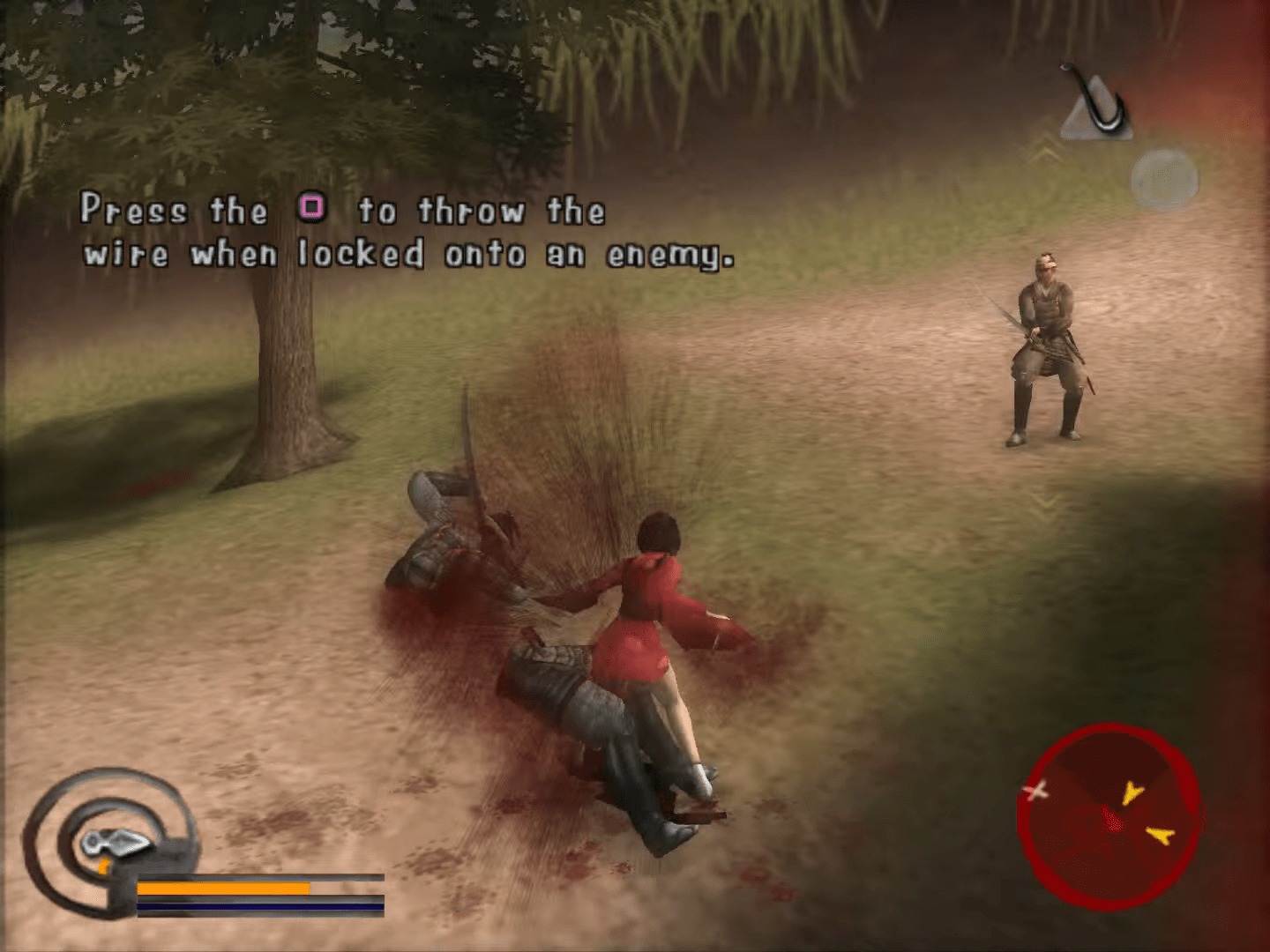
You will notice the game is severely flawed in the tutorial. The camera is completely useless, the controls are awkward, the platforming is uncontrollable, and the enemies are stupid as well as generic. The only interesting thing in the whole game is the tetsugen weapon and Kurenai’s panties. The camera is inverted no matter what you do. In the options, you can turn it off, but it becomes inverted vertically instead of horizontally. I constantly had to consciously remember to turn the camera the opposite way I wanted it to go. This is so frustrating during already busted boss fights or when surveying enemy patrols. On top of all this the combat works a little but needs a lot of work. You can use the tetsugen as a melee weapon or throw it from a distance and slice enemies in half. One awesome feature was being able to run around enemies in a circle while one is tethered and trip them down or cut them in half. Good luck keeping all the enemies focused because of that broken camera.
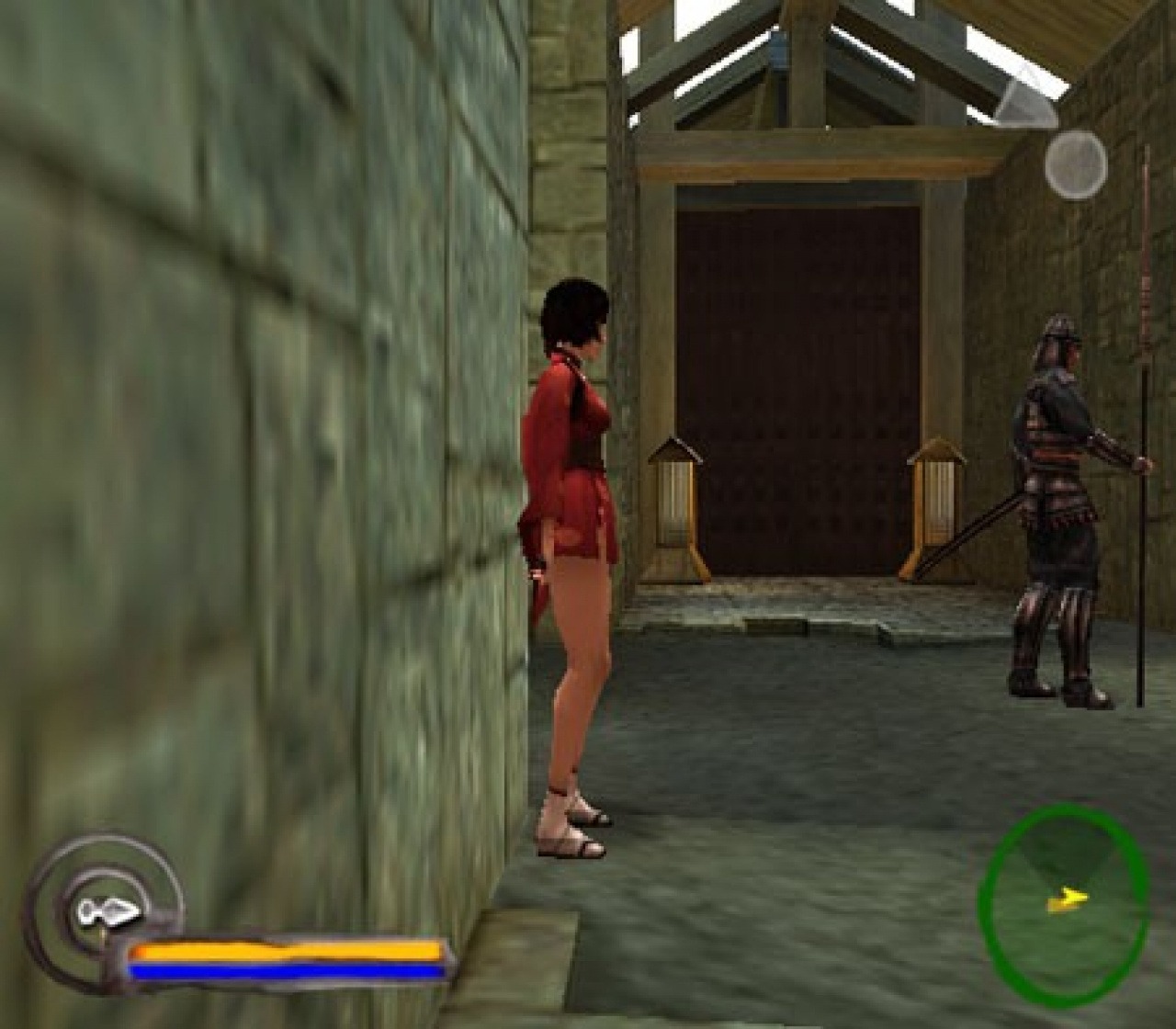
Secondly is the platforming, this is probably more frustrating than anything because you need to do this to avoid enemy detection. You can shimmy ledges, ropes, wall run, and dash around, but the combination of the camera and the weird controls make it frustrating. Wall running consists of you having to be in a dash while running at a wall. You have to continue running while moving the analog stick in the direction you want Kurenai to run. This is ridiculous and unintuitive. A lot of times I had her bouncing off walls because the camera just couldn’t keep up. Enemies will detect you even when you are on rooftops which is weird. Swimming is no better because enemies can always see you and you can only hide underwater while being still. Completely useless. You can use projectiles by picking them up, but aiming them is just too time to consume. There should be some sort of auto-aim for these.
If that isn’t enough for you to stay away I don’t know what will. I got two levels in and just couldn’t take anymore. The camera constantly going berserk and doing its own thing, the stupid AI, weird control scheme, bad platforming, and just overall an unpolished mess. The combat is somewhat saveable, but the camera and controls make this frustrating as well. The game looks pretty good, but in the end, you won’t even care. Not even the sexy seduction kills are enough to save this game. I hope one day this series is revived but needs to be built from the ground up. Just stay away from this pile of garbage.
Oni was a very hyped anime-style game back in the day. This game was made by Rockstar before getting into 3D Grand Theft Autos and other games. This game has a lot of potential but is flawed in a lot of ways that make the game more boring and frustrating than bad. With that said, the only redeeming quality is the good-looking combat animations and challenges.
Right out of the gate, you will notice that the controls are complete, both upside and backward. All the combat moves are on the shoulder buttons. Why in the world they thought of this is beyond me. You actually don’t really use the face buttons all that much. This makes jumping, fighting, and shooting clumsy and cumbersome, and you can’t change the controls to something more natural. These are just some of the worst action and adventure controls I have ever used. The actual combat is fine, but executing these moves is a pain. I felt like I was stumbling over myself because I had to think about the controls. These just aren’t natural! Jumping with R1, L2, and L1 is kick and punch, and you pick up items with R3. What?! I felt like I was trying to solve a Rubix cube, not play a game.
Secondly, there is the exploration factor. The levels are boring. They all look pretty much the same, with flat, boring textures, and the design is confusing and labyrinthine on some levels. There’s no direction, and your compass is useless. The bar gets smaller as you get near an objective, but if you are two flights down, it will act like you’re standing right next to it. Enemies are stupid and clumsy, boss fights are frustrating, and the game just can’t compensate for its own design with the clumsy controls. I can’t tell you how tired I got after just three levels of finding this colored console to open the same colored door over and over again.
The story isn’t really worth sticking around the 14 levels either. The anime cutscenes are nice, but you probably won’t even get through this slog of a game. I tried really hard to keep going, but there was never a change of pace. It didn’t help that there is no mid-level saving and the checkpoint placement is unfair. If you quit in the middle of a level, you have to start all over. There are just a lot of annoying things with this game, but even if it were flawless, you still have the fact that the game is just boring and not very fun.
When it is all said and done, only the hardest core of anime fans will stick around until the end. You really had to have played this when it first came out, then come back for nostalgic purposes. The game is just clumsy and boring, but it has so much potential if only the developers spent more time on it. As it stands, I really can’t recommend this to anyone.
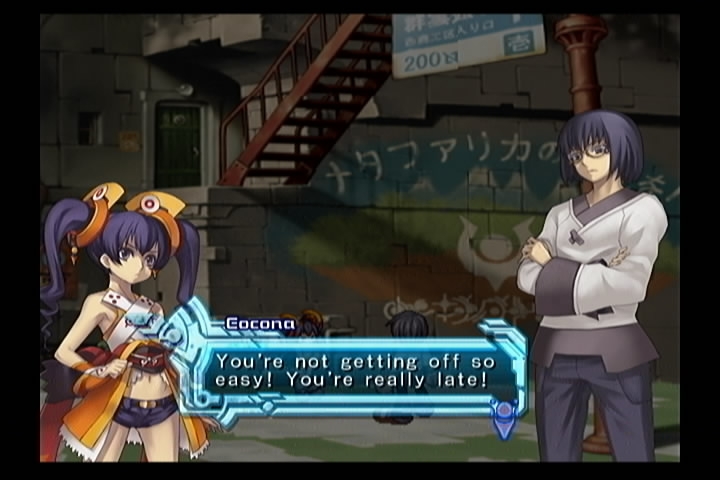
I first have to say that this is a review coming from someone who particularly doesn’t care for or can stand JRPGs. I forced myself to play this, and I am very glad I did. Ar Tonelico II strays from the typical JRPG battle system and story with a little sexually confused boy trying to save some generic fantasy world with generic fantasy characters. You play as an entire team of people whose balance of Ar Tonelico (the world they live in) rests on two Song Maidens. The game is full of political schemes, betrayals, and deception. These two maidens must also get to know each other more before they can sing Metafalica and bring about the paradise of Metafalss. The characters are very well designed, and because of how the story is developed, you get to love these characters more than you probably would in any JRPG.
The main design behind the characters and story is getting to know their deep, dark secrets. This is done by diving into Reyvateil’s minds at a dive shop. There are different levels of their cosmosphere that you must explore, and these are played through dialog. You need dive points to trigger certain events, but this is where you really get to know the characters. After completing each level, you will unlock new song magic, which is essential for battle. Without song magic, you will not get anywhere in the game. You can also unlock new costumes for the three Reyvateils that will increase their stats. The diving gets really deep into the characters’s minds and is actually quite interesting. These are some very deep and well-developed characters with some serious issues that make you even question your own. There is also the Infelsphere, where two of the three Reyvateils need to learn to understand each other and get out their deepest, darkest secrets and thoughts about each other (the two depending on how you play the story).
The main protagonist, Croix, is caught in a love triangle between these two Song Maidens and the third Reyvateil. There’s sexual tension between them, which can be awkward in the game, but by the end, there are some pretty good scenes that will tug at your heartstrings. Overall, the story is well-developed, deep, intelligent, and very self-aware. When you rest at saves, you can talk to the Reyvateils and bring your relationship closer, which will unlock different levels of their cosmosphere that you can dive into. Of course, the game can’t just wing it on the story, so let’s get to combat.
The game uses mini-games during battle. There are two phases: attack and defense. When you attack, you have to use the D-pad along with each of the two characters’ assigned attack buttons. This will help your Reyvateils sing better, depending on what directional attack you’re using. There’s a meter that will show their desires for the direction they want. You’re banking on your Reyvateils song magic to do the most damage. You are just whittling down their health and protecting them while they charge. There are different phases of each song tree that do different attacks. Thankfully, there are also healing songs that you can use as many times as you want, but when you switch to another song in the same attack phase, the points will carry over, so you don’t have to charge again. I found myself charging a song tree as far as I could go, unleashing the attack, and then using a healing song. This also reduces the number of potions and healing items you need to use, which removes the headache that most JRPGs have. This makes combat exciting because you aren’t just mashing X until the enemy dies. Those attack buttons have meters on them, and you have to press the button when the green line goes by; otherwise, you won’t defend your Reyvateil, and they will take damage. They are fragile and can’t take much, so you must be on your guard and press that attack button quickly. If you get a perfect rating, you won’t do any damage! But this is hard and requires precise timing. Depending on which two Reyvateils got along and went through the Infelsphere, they can synch during combat and bring out devastatingly powerful dual song magic. This can only be done towards the end of the game, but it also requires doing the same attacks with your Vanguards so the girls synch.
Other than that, the combat is pretty straightforward. Each Vanguard’s attacks will increase in level during fights, so you can do more deadly attacks. The main issue I have with JRPGs is random battles. These usually keep me from completing them, but Ar Tonelico II skirts this by making random battles limited. There is a meter that goes down as you do each battle. Each dungeon only has about 10 (until the last dungeon, which is infinite), but it also turns from blue to flashing red, which will indicate you are about to get into a fight. This lets you explore dungeons freely without getting frustrated. Once that meter runs down, there are no more battles until you leave the dungeon. Even the map system is very useful when most JRPGs don’t even have one.
Of course, there are some side things you can do, like synthesizing items with shop owners. As you advance through the story, you will get new recipe cards from them, but unlike most games, this isn’t just menu-driven. When you synthesize, it brings the characters together more, and dialog plays through. Sometimes the item may not even be what was on the recipe! After a while, you can go back and try again to improve on it. Lastly, you will run into I.P.D. victims in dungeons, which are high-level Reyvateils that you have to battle. If you can beat them, you can do dive therapy on them, which will give you girl power that can raise your stats quite a bit. You can even dualstall during saves and level up your Reyvateils by doing onsen baths! You find dualithnode crystals and put them in this bath, and the girls will absorb them. It is not recommended to do solo baths because the effects aren’t that strong.
The game isn’t perfect, though. The very last dungeon (Sol Morta) is a long, frustrating nightmare with endless random battles and too much backtracking. The visuals are disapprovingly 2D and not very good-looking. During the dialog, characters pop up with different facial expressions, but there are some anime cutscenes, but not nearly enough. There’s even a lack of spoken dialog, but at least the game includes the Japanese tracks. The English voices are hilariously bad and make you want to tear your ears off. There are also a few game-breaking glitches as well as typos. The last 20% of the game is just really tough, and the game stops giving you a sense of direction. This last 20% really disappointed me and was kind of drawn out and long-winded. If it weren’t for these issues, I would give this game a higher score. One plus for me is the amazingly beautiful music in this game. The Hymnos are beautiful, and I loved them so much that I downloaded the songs and listened to them often.
Overall, Ar Tonelico II breaks the JRPG mold with unique gameplay elements, from combat to leveling up Reyvateils via baths and synthesizing. The music is beautiful, and the story is deep with political intrigue and reveals the deepest, darkest secrets a person can hold. However, there are some issues that hold this otherwise wonderful game back. If you hate JRPGs, I recommend giving this one a shot.
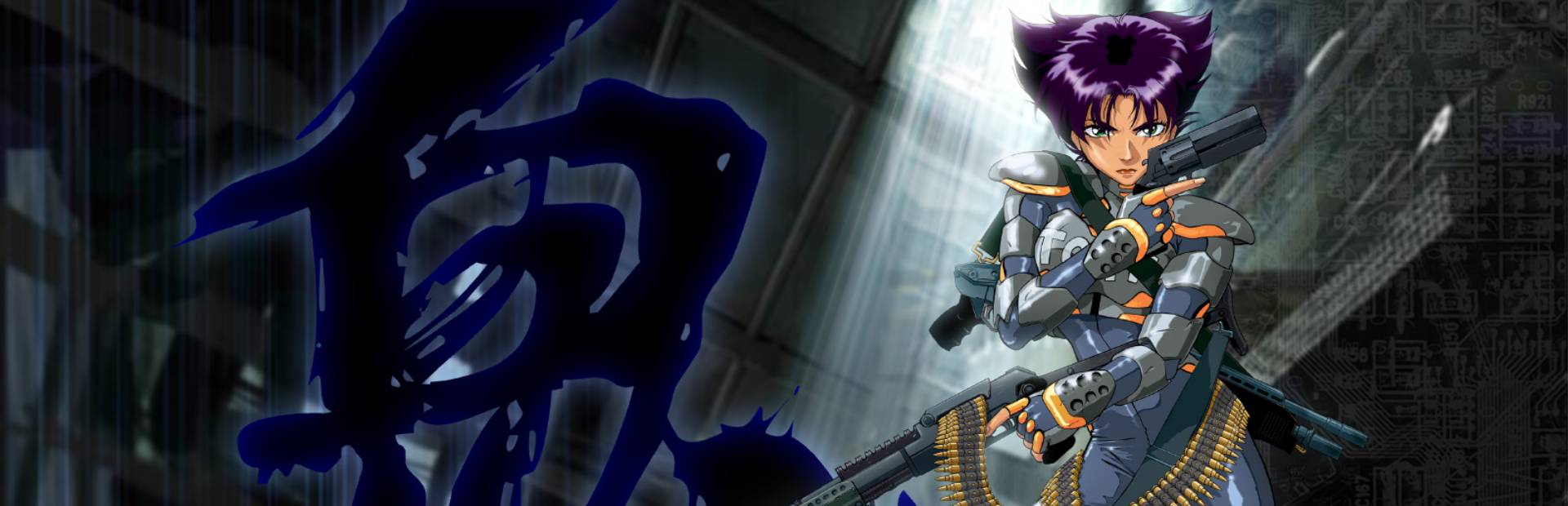
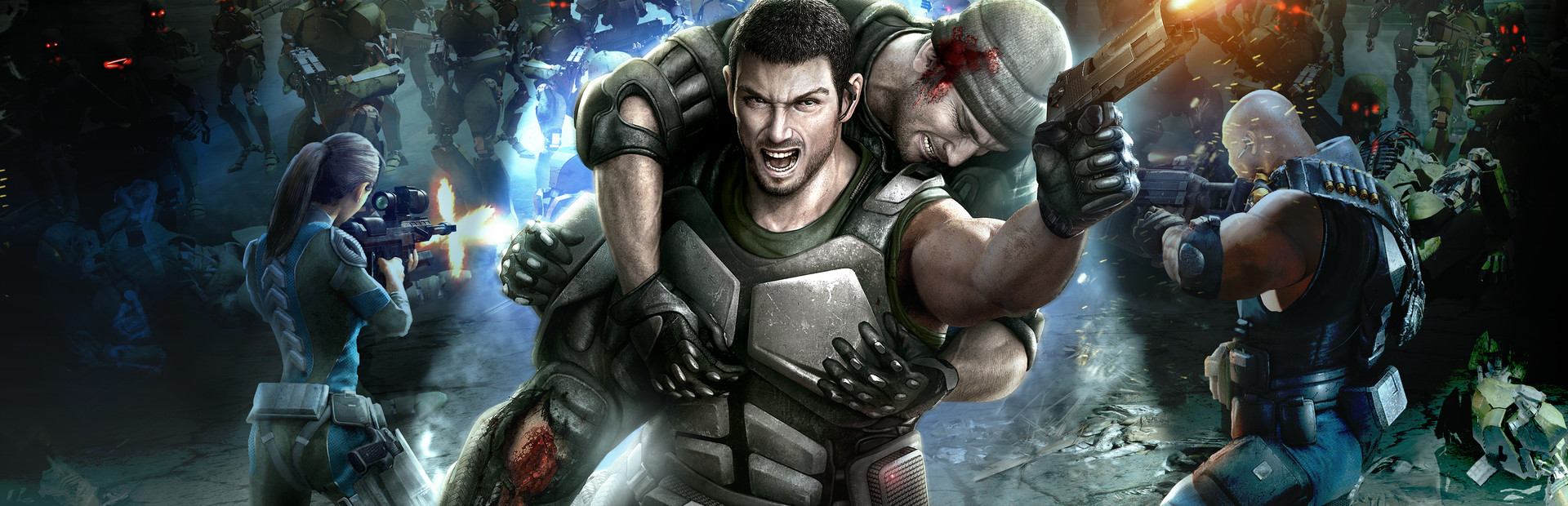
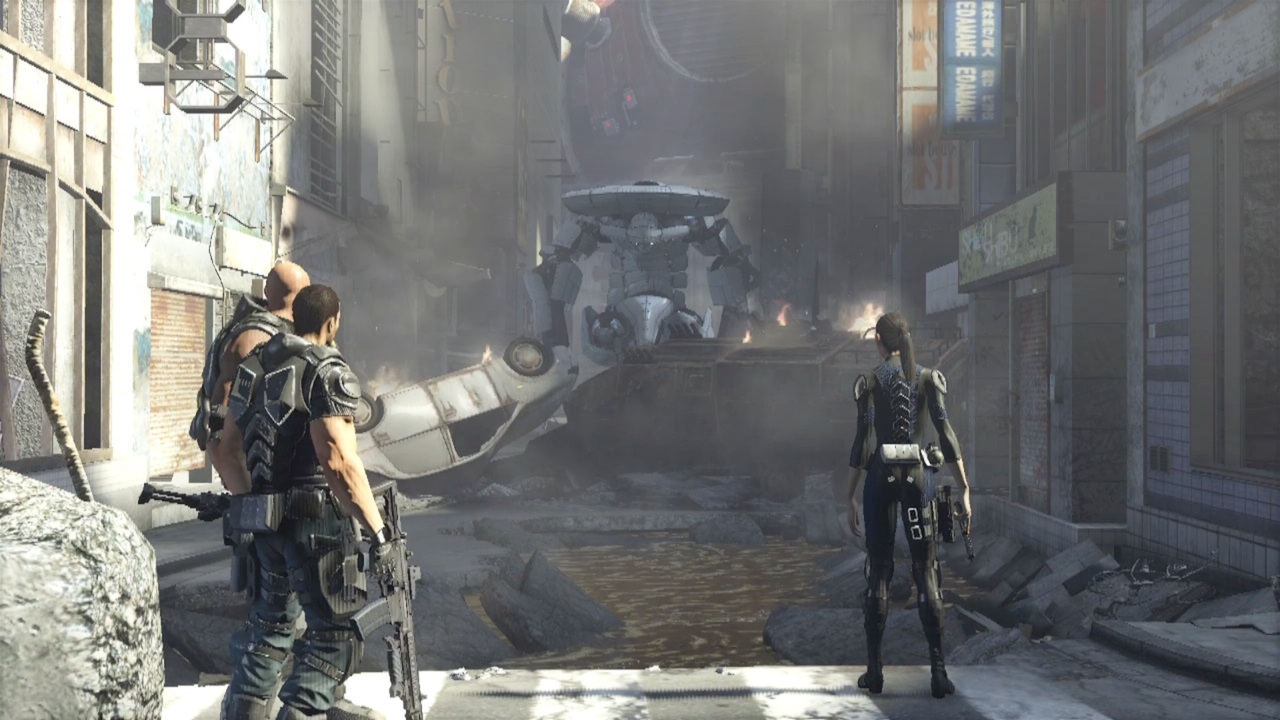
Binary Domain is a Japanese-made third-person shooter from Sega all about advanced robots. The story is actually the best part of the game, as are the characters and voice acting. Most Japanese shooters tend to suck, for some reason, or have a lot of major flaws. Binary Domain tries to remedy all this by making it feel more like a Western shooter, but still doesn’t pull all the punches.
The story is about a Japanese robotics genius named Amada who creates robots that are programmed to think they are humans and don’t know they are robots. They look, smell, talk, and even act human, but this is a violation of Clause 21 of the New Geneva Convention. Why Amada is doing this, I can’t say without spoiling anything, but let’s just say there are a lot of nice plot twists and turns towards the end. You are a Rust Crew member who wants to bring Amada in alive, but it’s not as easy as you think. The characters are well-developed, and each has their own unique personality that you will grow to like. Dan is known as the “Survivor,” and that’s who you play as, and I actually really liked his sense of humor.
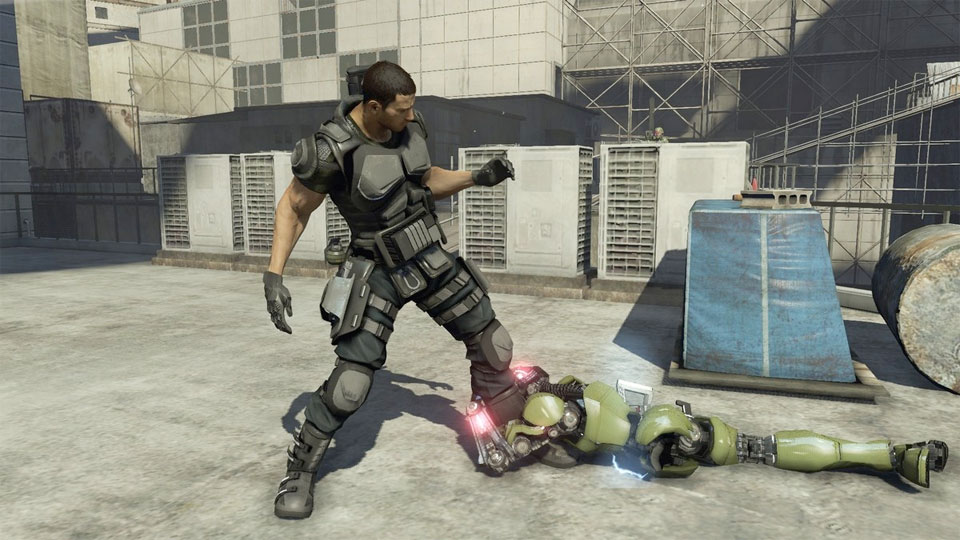
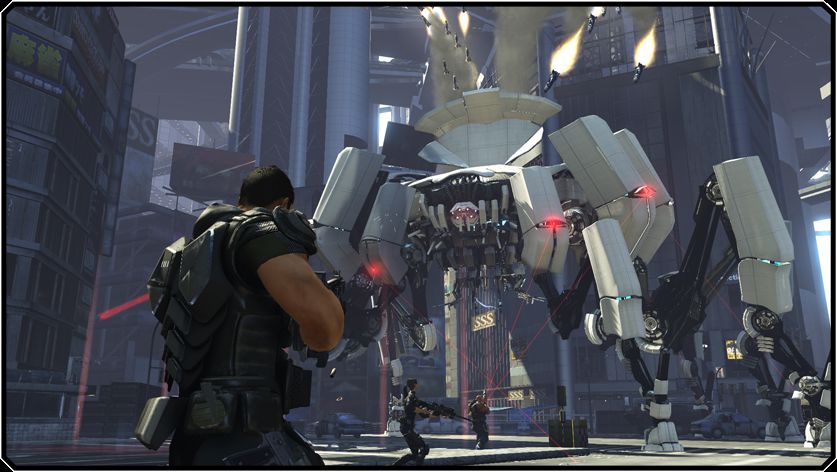
The shooting is solid enough. You get an assault rifle that you can upgrade throughout the game, but you also get to pick up secondary weapons like sniper rifles, shotguns, rocket launchers, SMGs, and probably every other gun you have shot hundreds of times before. They don’t feel any different here, and that is one of Binary Domain’s main flaws. There really aren’t any cool and unique weapons. The assault rifle has a shock burst feature that stuns enemies, but this isn’t anything really special. The cover system works similar to Gears of War, but not quite as well. When you run down hallways, Dan will stick to a wall if you get too close, which is bad during timed events. You can go to shopping kiosks to upgrade your weapon as well as buy ammo, other weapons, and health kits. There is also the option to buy skill upgrades, but I found these completely useless.
These skills are dots that fill a small grid—like 10% extra health, armor, etc. I just stuck with the ones I got at the beginning of the game and never wound up changing them. That usually isn’t a good sign, and that’s because the game is pretty easy. I rarely died, and this was usually only during boss fights, of which there are plenty. These boss fights are varied and actually really fun because you have to figure out where the enemies weak spots and just blast away, but you also have to dodge their attacks. Most of the regular enemies don’t go down very easily either. You can shoot them up all you want, but you have to take off their heads to keep them from crawling around. If you take off their head before taking their legs out, other enemies will attack it.
The game actually features a voice command system that works with your mic, but I found this to be useless. It failed to recognize two different mics, and there really isn’t any point. Using the buttons is just as easy, but during some conversations, your squadmates will talk to you, and you need to respond. If you shoot them during battle or give the wrong response, they won’t listen to you as much in battle. This was completely useless because the AI is crap anyway. In a few scenarios, you have to rely on them to heal you or work with you, but they usually take forever or seem to ignore you. Just turn the voice system off and stick with button inputs.
The graphics look really good, but the game has the typical Japanese sci-fi look that I am personally tired of. The menus feel like they’re from circa 1996, but sadly, the game doesn’t even have a unique art style. The graphics really feel sterile and boring, but at least they look good technically. Overall, you should just come for the decent shooting, but mainly for the characters and story because I couldn’t stop playing just to see what happens next. Every other idea in the game feels tacked on but ultimately fails in regards to execution. The multiplayer is decent at best, but you won’t be coming back for it after too long.
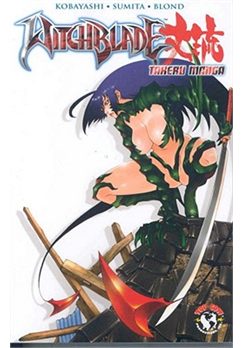
Witchblade appears as a manga but is presented in an American comic book format. This version follows the events of Takeru, a high school student who is drawn to the Witchblade. Her best friend, Kou, is a demon hunter whose family has had a demon hunter’s sword for generations. It’s interesting to see average students suddenly having to slay demons, but the story is so short that their personalities aren’t developed, and you don’t really care for anyone in the story.
Kou himself is weak and can’t find himself to kill anything. Instead, he spends his time screaming at Takeru to not give in to the hunger for death that the Witchblade is forcing on Takeru. The whole story is almost the same as the anime, in which the US government tried replicating demons (instead of witchblades), and they want Takeru to hunt them all down. The story has a rushed and abrupt ending, and I would have liked to see some more day-to-day stuff go on in the comics. There are only a few fights, and Takeru seems way too powerful in this story and doesn’t seem to have any weaknesses.
The main reason to get this is to enjoy the amazing art. The female characters are very sexy, and some images are borderline softcore porn. Not that I am complaining, but it’s nice that the artist stuck to the art style that Witchblade fans love. Overall, for $20, this book is a great read for fans of the anime, but it is seriously lacking in a more detailed story and characters you care about, and the ending is too predictable and comes around too easily for Takeru.









































 thebinarymessiah.com
Try multiplayer. A lot of fun !