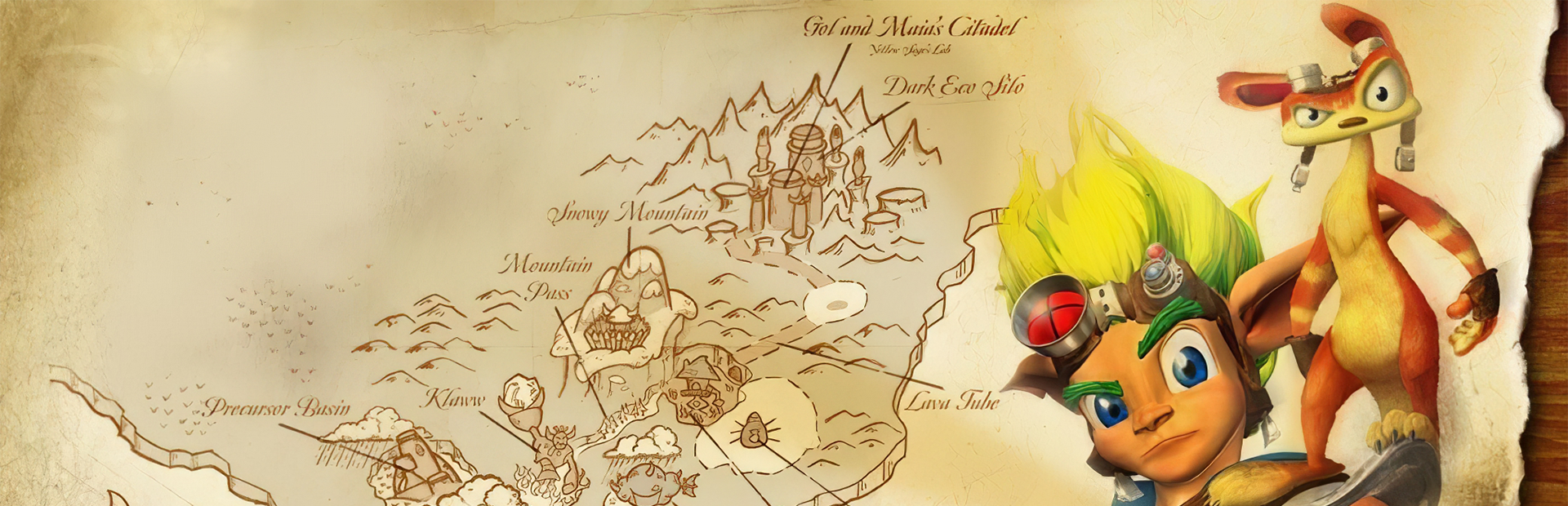
I can’t begin to tell you how many chances I have given this game throughout my childhood. When I first tried the game back in 2002, I had no idea what to even do. The game does not give you any hints, there’s no map, and there certainly aren’t any traditional objectives. The story is somewhat entertaining, but it’s cut short due to the short length of the game.
You play Jak, who is just an average dude who gets stuck trying to do something. Well, eventually you find out you’re trying to find all the mages to open their portals and find out why they are missing. Then Daxter gets himself mixed up in Dark Eco and becomes an otter. He’s your sarcastic yet slightly annoying sidekick through the entire game.
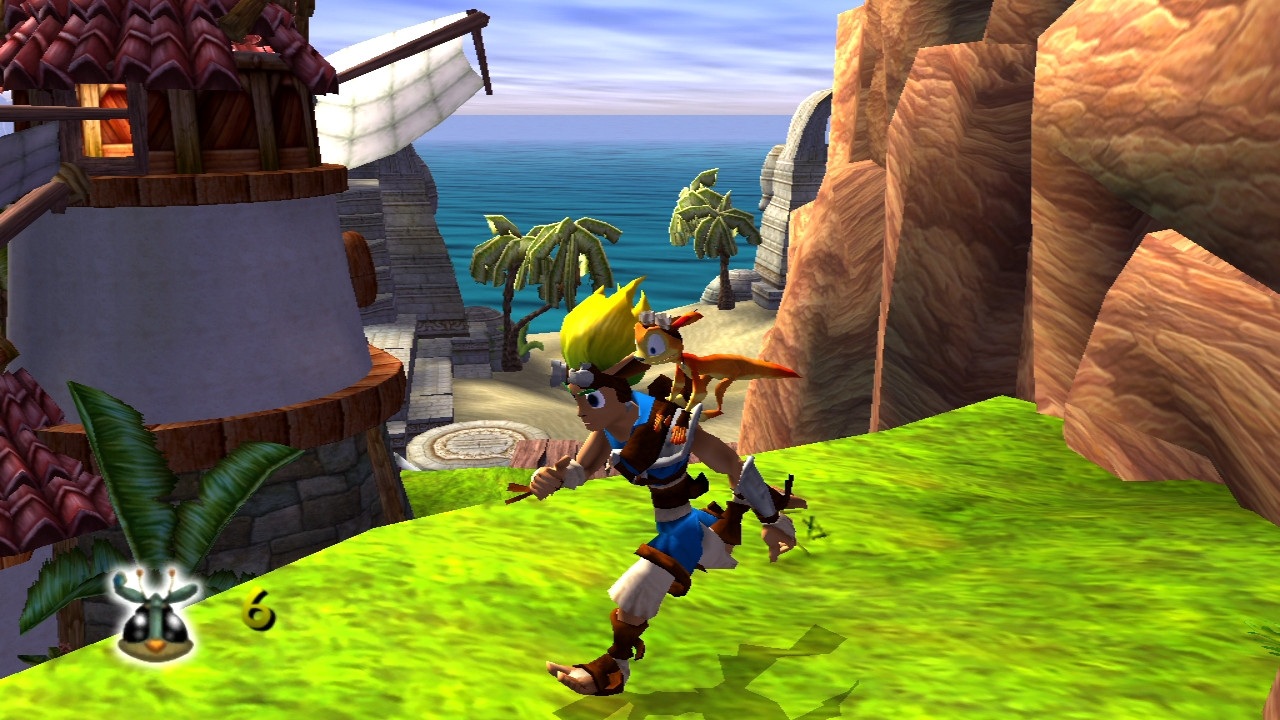
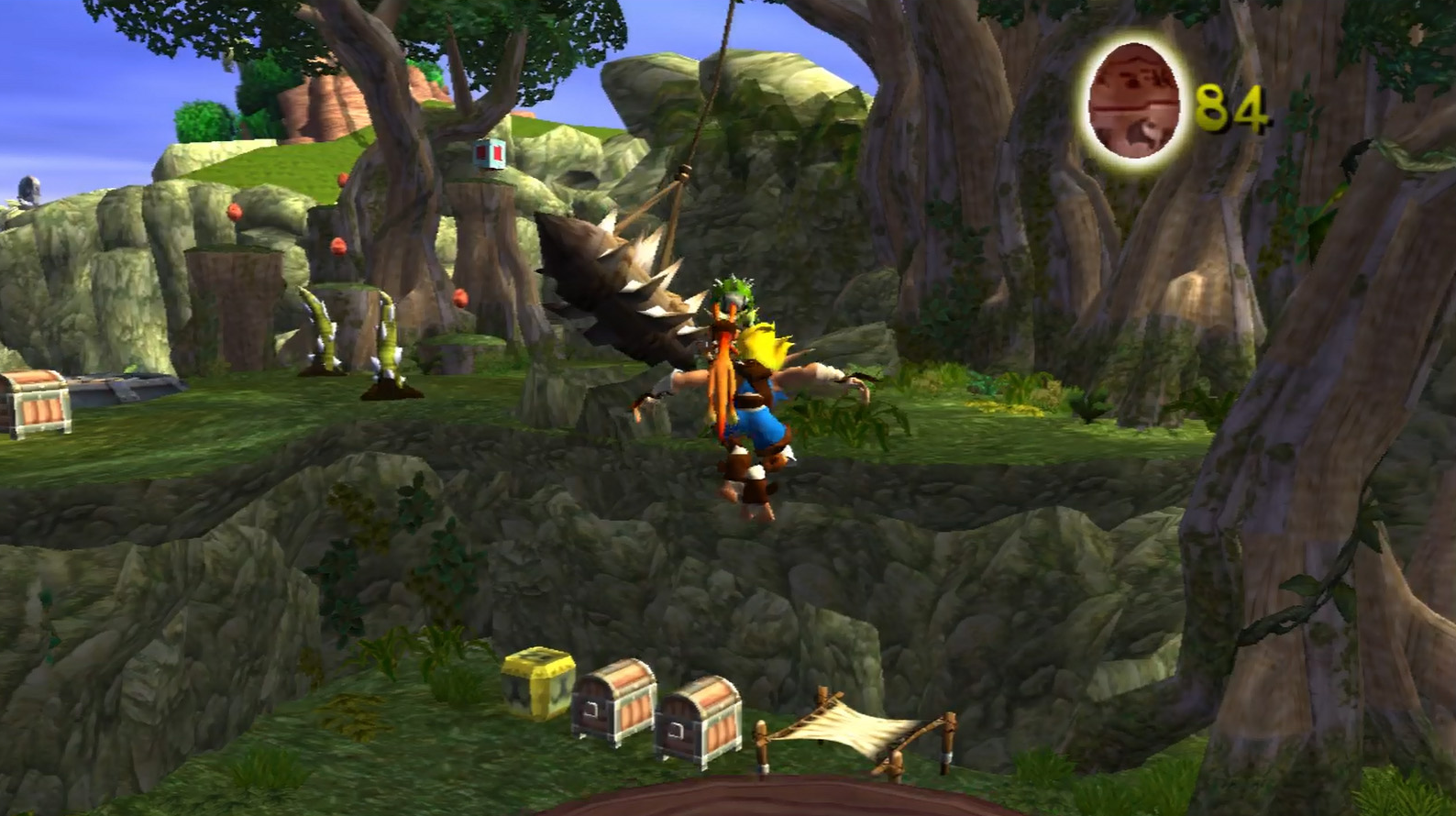
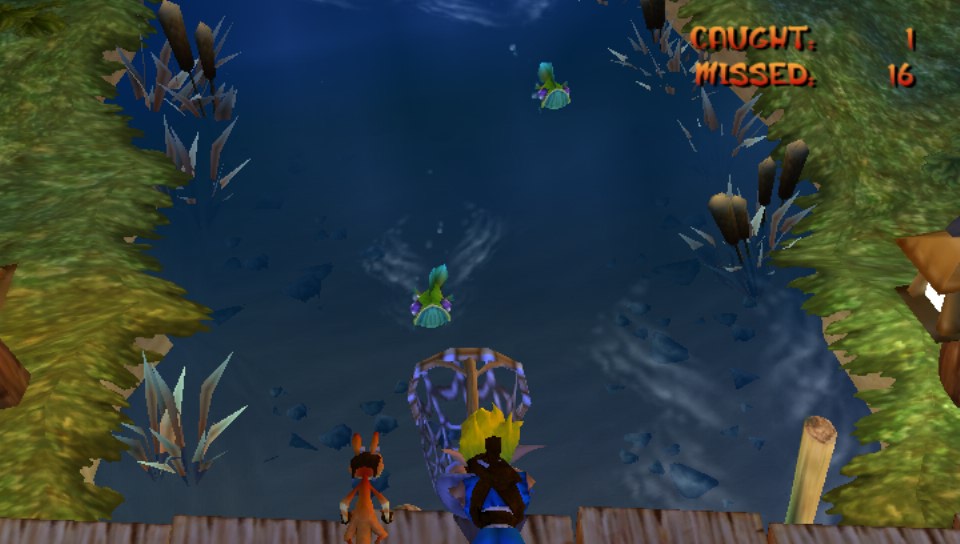
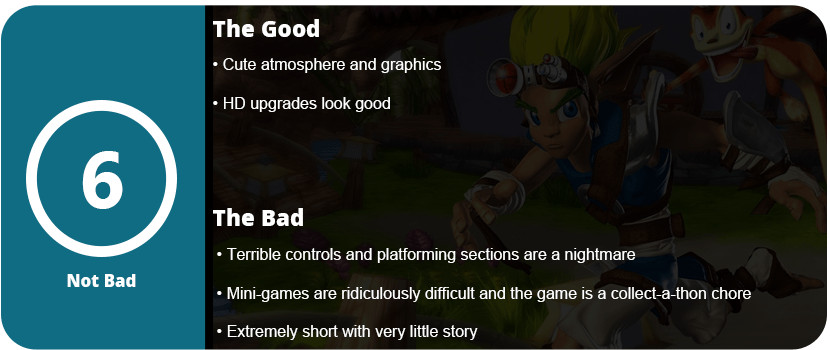
The main issue with Jak and Daxter isn’t the story or the fact that you have no idea where to go or what to do. It’s the platforming mechanics. They are sluggish, slippery, and just awful. In fact, I have played worse platformers with better controls. Just simply jumping from platform to platform can be a chore that causes multiple deaths. It also doesn’t help that the platforming segments are excruciatingly difficult. I went from area to area, tearing my hair out because the game is so frustrating. Even the mini-games are ridiculously hard and require meticulous memorization and reflexes. Now I don’t want my handheld to go through the whole thing, but I want to make it fun while also being challenging. The entire game felt like a huge chore.
The whole point of going through these areas is to collect power cells. These are needed to progress through the three areas of the game. In the third section, you need 73, and there’s 101 in the whole game. That’s a lot of frustrating platforming. To acquire these power cells, you need to complete one of the eight objectives in each area. Some require fighting certain enemies, while others require finding items or going through a platforming segment. The biggest problem with this is that the levels are so poorly designed. I got lost all the time, not knowing where to go or even an indication of where I’m going or what I was doing, which is part of the objective.
Here’s another big problem with the game. It was one of the last “collect-a-thon” games similar to Donkey Kong 64 and various other 3D platformers of the time. Collecting Precursor Orbs to buy power cells is just a chore. I despise collecting like this in a game because, to me, it feels like an excuse for filler content.
I seriously could not take it anymore after almost getting to the final boss. I spent hours in frustration and anger and probably died over 100 times. Dying wouldn’t be so bad if you had more than three hits before you died and it didn’t take 50 green eco-orbs to get a health piece back.
At least the graphics are nice, and the game has a nice atmosphere and charm about it. The Vita and PS3 versions have upgraded lighting effects, some texture filtering, and anti-aliasing thrown in for good measure. The game looks pretty decent, even for a 12-year-old game.
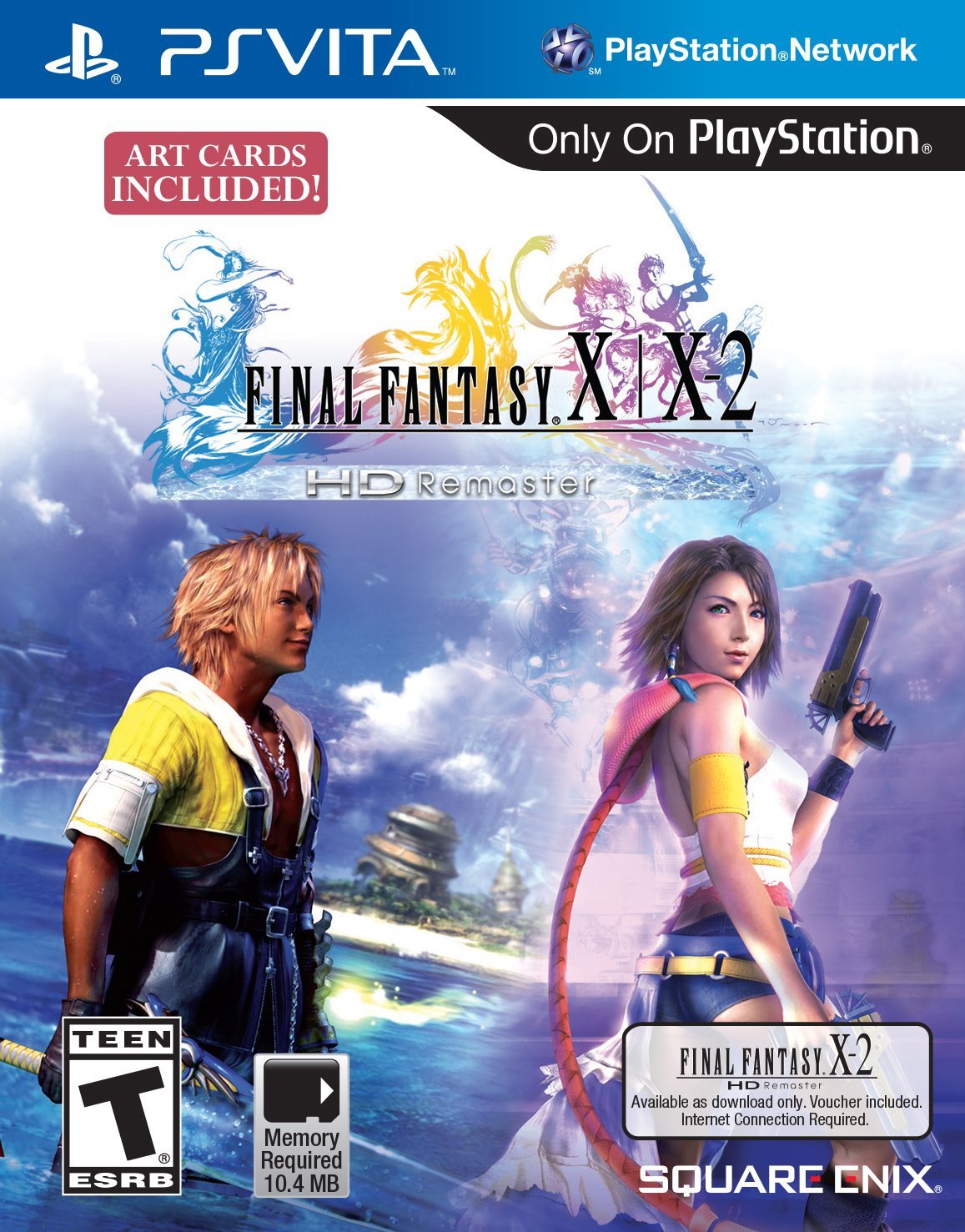
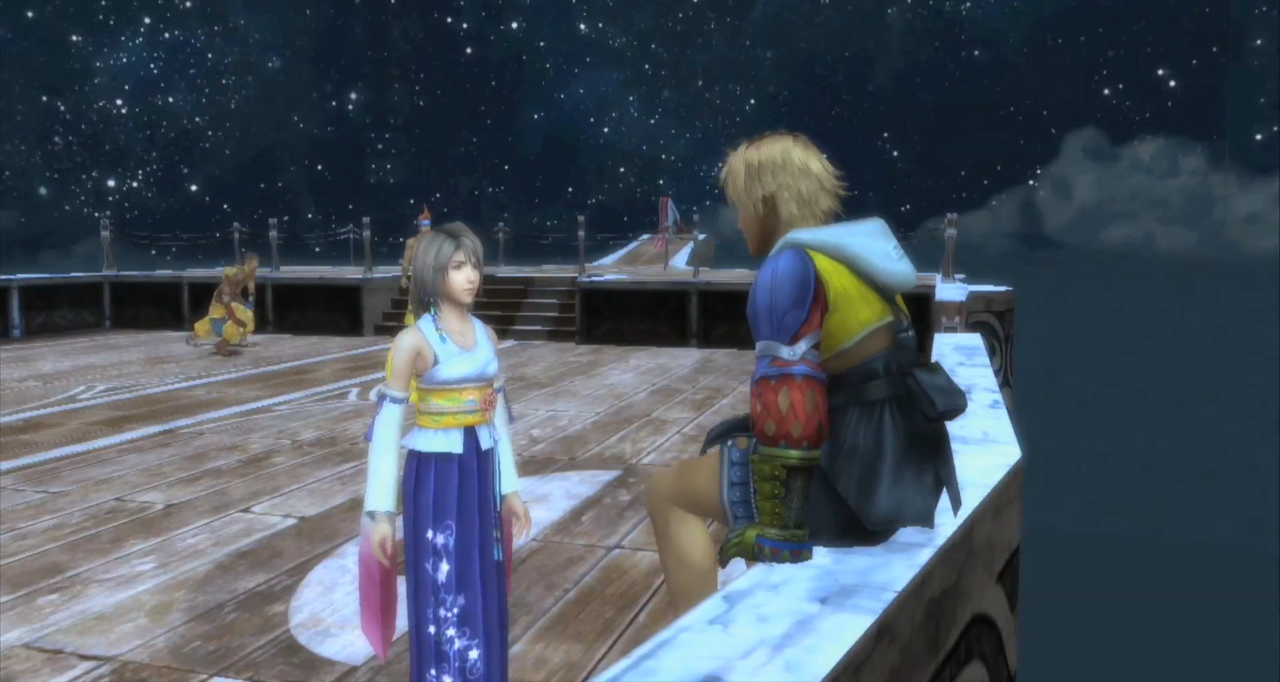
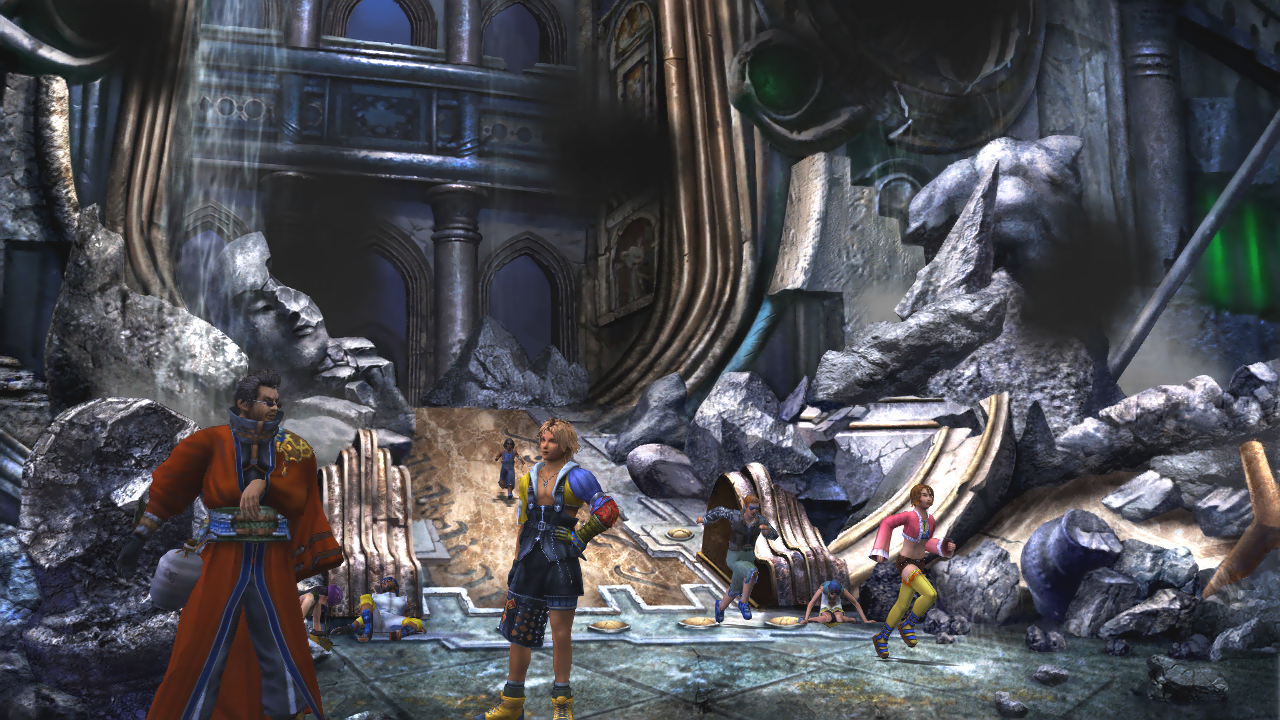
Final Fantasy X was a game in the series that really shifted things around. It broke some common JRPG rules and was a bit all over the place. This was the first JRPG I had ever beaten as a kid, and it was the first Final Fantasy I ever finished. I have a lot of fond memories of this game, and the HD Remaster brought a lot of those back.
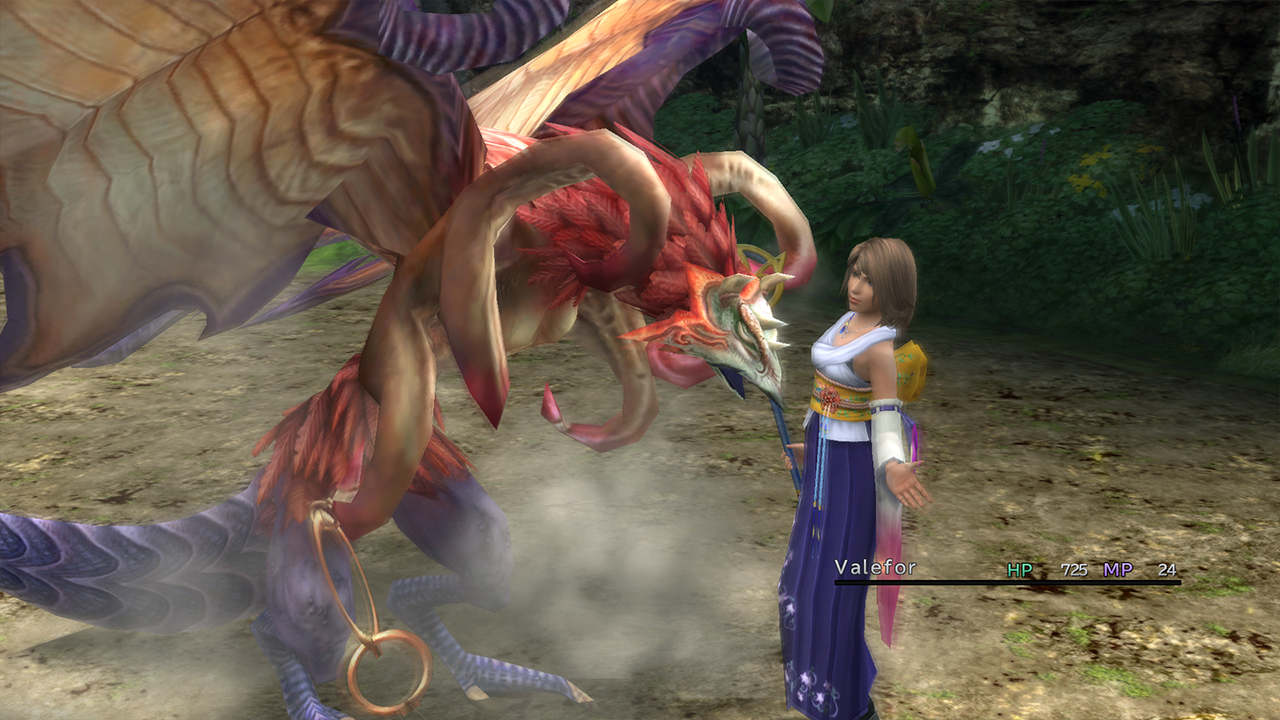
The core game hasn’t really been touched, but US gamers will finally get a taste of the tougher international version, which adds an expert sphere grid and Dark Aeons, which are the toughest enemies in the game (some have millions of HP). Outside of the game, the game is still the same, with great characters that are memorable and beautiful locales. The story is a bit confusing at first, but very original, if not very deep. You play as Tidus, who is a young man sent forward in time hundreds of years into the future. His original home is now a sacred ruin, and a giant being called Sin is destroying humanity. Every 10 years, this sin comes back, and the calm ends. Another summoner must go on a pilgrimage to gather all the Aeons and take down Sin for another 10-year Calm. Your goal is to put a stop to this cycle. You gather your crew along the way to level up and put an end to all this nonsense.
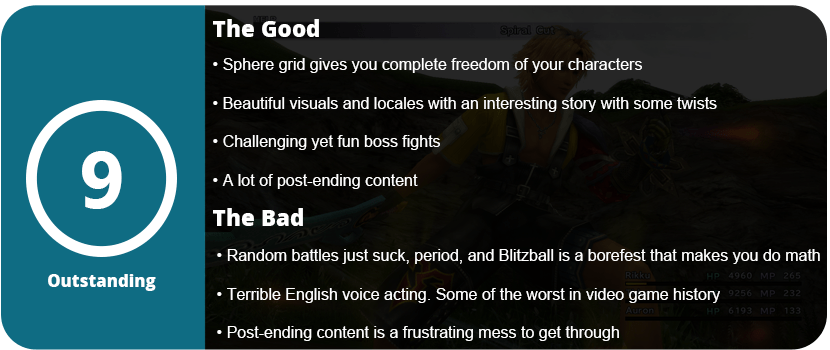
Before you jump into this game, you must have a mindset from when the PS2 first launched. This game was fantastic back in the day and still holds up well. Most JRPG gamers will be thrown off by the Sphere Grid. There is no traditional leveling up where you gain levels. Instead, you acquire AP and get sphere points, which allow you to freely upgrade various attributes and skills for each character. The expert sphere grid allows you to use keys to go off your path and learn other abilities from other characters. This is a lot of fun and gives you total freedom over your character.
Outside of the sphere grid is the obvious combat. Yes, there are random battles, and some areas are so bad that you hit one every 2–3 seconds—literally. A maximum of three characters can battle at once with the freedom to swap out. It’s the usual JRPG turn-based battle system, but there are overdrives that are crucial to winning boss fights. Characters learn new drives as they battle. Aeons are also essential, but only Yuna can send them in. They are large, heavy hitters that will take away massive damage and can also be overdriven, which is probably the #1 technique for winning tougher boss fights. Like any other JRPG, learning enemies’ weaknesses and battling with magic is a must. Some bosses nearly turn into puzzles where you must cast Reflect on them so their healing spell bounces off of them onto you. Some bosses will cast status ailments that can cripple your entire party. If you don’t grind a bit and stay ahead of the game, you will struggle.
Outside of battle, there are the Cloister of Trials, which are a huge pain and aren’t fun at all. These are puzzles in which you place various spheres to unlock doors. Another huge pain is the Blitzball mini-game. This isn’t fun at all and requires math to actually play. It’s stiff, shallow, and just plain boring. I hated it as a kid, and I hate it even now that I know math better. It’s all nearly luck-based and a roll of the dice. You have almost no control over characters.
FFX is also full of pre-final boss content, but there are a lot of requirements to get this stuff. Ultimate weapons are a must-have to do more than the 9,999 HP damage limit. However, they require you to be in certain areas, acquire certain other items, or even get through harder areas that require getting through other areas just to get to that area. Sounds confusing? It is. I spent a good 15 hours just trying to figure all this out and could get only one optional Aeon (Yojimbo). Anima is another optional Aeon but requires getting through a tough boss with the three weakest characters (Tidus, Rikku, and Wakka) and then getting all the destruction spheres in every trial. It’s a huge pain, requires a lot of running around and backtracking, and can make you frustrated. You can also monster hunt, but this requires training a Chocobo (which is tough as nails to get through), and then capturing the toughest monsters in the game easily requires ultimate weapons, which require more backtracking. It’s a frustrating mess but also somehow extremely satisfying once you do it.
With the main game out of the way, let’s talk about visuals. The HD upgrade isn’t exactly what you think. Most of the game has been remodeled, and all the main characters are completely redone; however, many monsters and NPCs just had a few passes of texture filtering, and that’s it. It really looks ugly in spots, but it’s not so bad if you’ve played the game before. I just wish the Japanese voice track was on here since the English voice acting is so terrible and embarrassing to listen to.
Note: Shame on you, James Arnold Taylor, for your terrible voice acting in Tidus. You’ve done better! Like Ratchet from Ratchet & Clank, Gabriel Logan from the PSP Syphon Filters, and even Marty McFly from the Back to the Future adventure games!
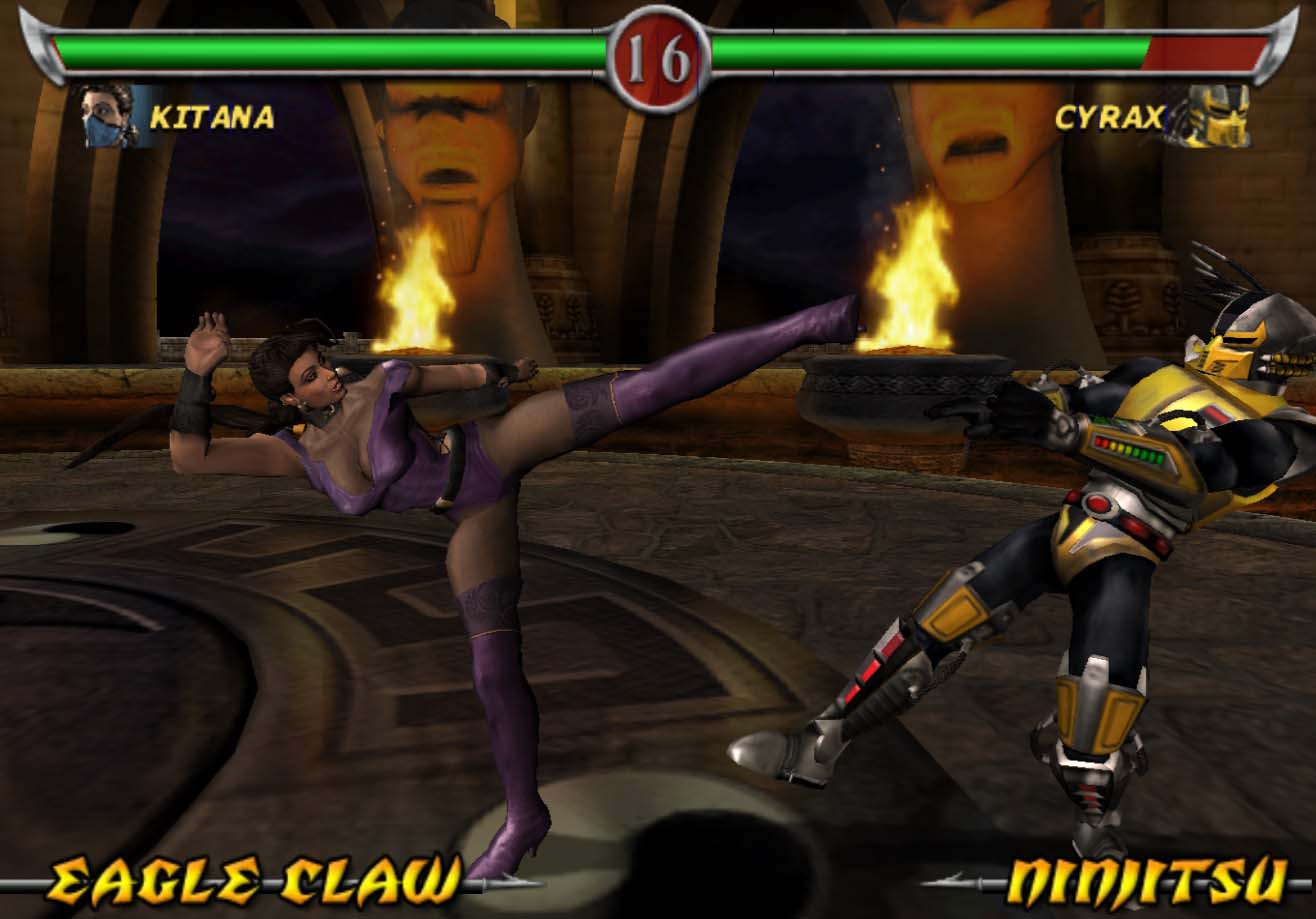
Deadly Alliance was a turning point in the series. MK4 got mixed reviews from fans and critics and wasn’t exactly what they wanted. Being only the second 3D Mortal Kombat game, it was another reboot that took itself more seriously and became more complicated and deep. It featured three different fighting styles and long combo chains that you had to memorize, and gone were the days of fast button mashing. You now have to think ahead about your next move and strategize. It was the most robust and sophisticated fighting game ever made at the time, but it didn’t come without its flaws.
Deadly Alliance was the first MK game to venture out from just fighting in a core title. The team added a Konquest mode, which is a giant tutorial on how to use every fighter and learn all their moves. This is pretty big for a fighter and can be a lot of fun. You follow Raiden down a long path across various MK worlds and learn about each fighter. They each have three different fighting stances: two regular and one weapon stance. That’s not all, though; these can combo into and out of each other for major damage. Characters with blade-type weapons can impale their weapons into the opponent to make them bleed out, but they lose the weapon for that round. This more technical fighting style for MK had mixed reactions, but I like it a lot.
One thing I wasn’t fond of was the lack of special moves and fatalities. There’s only one fatality per character, and a lot of them are mediocre at best. They aren’t as gory or as awesome as previous games. Cyrax is missing his net move; a few characters only have 2-3 special moves, so it feels weak. At least the mini-games make a return because they haven’t been seen since MK1. A new Test-Your-Sight mini-game is added, which is a cup-and-ball game. The team also added a currency system and a Krypt to unlock costumes, videos, art, and interviews. I love this a lot, and it is great fan service. However, once you unlock the entire Krypt, there’s not much else to come back to. Unless you are playing with a friend on the couch, the game is seriously lacking in single-player content, which is why I got bored with it after a couple of months.
The graphics were decent for the time, but the gore looks like balls of Jell-O, and the characters look like plastic dolls. The woman’s breast physics looks like swaying punching bags at 100 MPH, even when you tap forward slightly. The sound effects are a bit weak, and a few are recycled from MK4. The arenas are also kind of boring, and many of them are new. The overall game is pretty solid but needs more polish. I also wasn’t too fond of the new characters. A few were likable, such as Frost, Nitara, and Drahmin, but all the rest just felt forced or rushed. I also didn’t really like a lot of the redesigned characters, such as Sonya and Johnny Cage. The character design is just really lacking here, but that could be just me being a picky fan.
Overall, Deadly Alliance is a nice change for the series, and the more complex and strategic fight style may not be for everyone. The lack of content really hurts his game, and it suffers from an overall lack of polish. It’s still worth getting in your bargain bin for some couch time-fighting.
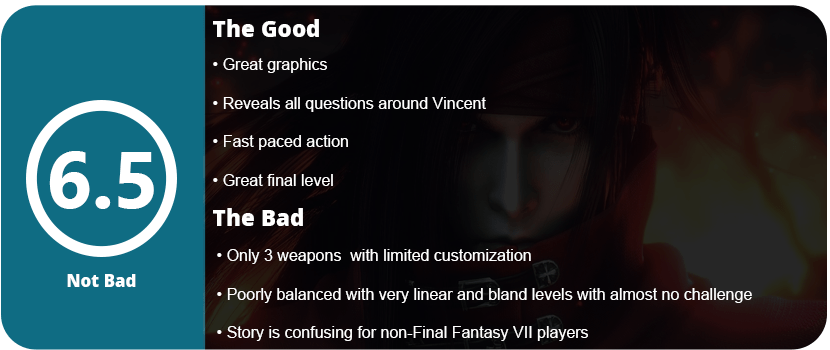
This is one of those games that Final Fantasy fans don’t want to admit they played. It got a lot of hype when it came out because it was a shooter set in the FF universe, which is very odd and abstract from the typical JRPG formula. Many people didn’t have high hopes for it since Japanese gamers don’t really play shooters, but I passed it up due to the flak and poor reviews it got. It came out at the tail end of the PS2 life cycle and was overlooked by the hype of the next generation and many other games coming out. This was one of the projects for the Final Fantasy VII extension. This game tells the story of Vincent Valentine and how he came to be and delves deeper into his relationship with Lucrecia, the FF7 team, Hojo, and a few other characters. Honestly, the story is very confusing unless you have played FF7 already; in fact, all the FF7 projects make no sense unless you have played the PS1 classic. I never played it as a kid, so the story made no sense. Even if I had, it’s pretty dry, dull, and uninteresting until the very end. Vincent doesn’t really say too much, and the story is poorly edited and feels chopped up and mixed around.
The action is at least halfway decent and pretty fun. You get three different guns in the whole game: a pistol, a machine gun, and a sniper rifle. You can customize these weapons with different barrels, materia for magic, and various other effects. It’s nice to see this in an FF game, but the customization feels very limited due to the limited gun types. As a Final Fantasy game, you can use various potions, limit breakers, and phoenix downs, which revive you when you die. The game has a Final Fantasy vibe all around it, but the action part is lacking greatly. It feels fast-paced and snappy, but the game is linear to a fault and offers almost no challenge. I blew through boss after boss without even dying or losing much health. Once you level your weapon parts up enough, you are unstoppable early on. You chew through enemies like candy, and there is just a huge lack of challenge. There are a few turret sections and a couple of cinematic on-rails segments, and that’s about it. 90% is running around the same bland environments and shooting the same bland enemies for 6 hours.
There is some melee combat thrown in, but it’s very weak. Just a quick 3-hit combo, but when you are in beast form, you are more powerful using melee attacks. There are items scattered all over the place, as well as hidden items for extra endings and whatnot. It’s the same dated shooter stuff with keycards to open gates, button pressing, and other dated shooting mechanics. The game is only fun because the environments change a lot, but they are still bland no matter what. The enemies repeat often, and this really weakens the game. The hallways can be so small that they are the width of Vincent himself, which just feels restricting. On top of all that, the game is just poorly balanced. I stuck with the pistol through the whole game because switching up weapons isn’t really necessary because the game is so easy. The final level is really awesome because Vincent is in Chaos form and you are mega-powerful, but it’s all a ruse for JRPG players who aren’t shooters. You can tell this game was geared toward casual players and really just FF fans. The confusing story is evidence of that.
Overall, Dirge of Cerberus is a fun weekend rental, but nothing more. Non-Final Fantasy fans won’t really care for this because there are much better shooters on the PS2 that offer more depth and better stories. Final Fantasy players won’t really like it because it’s too action-heavy and gives a false sense as to how shooters really play out. It tries to run a middle ground and veers off constantly with no real direction. A few months of polishing would have done this game some good. It’s a nice departure from the series and an interesting side project. It doesn’t really fail, but it rides on the borderline of being a bad shooter.
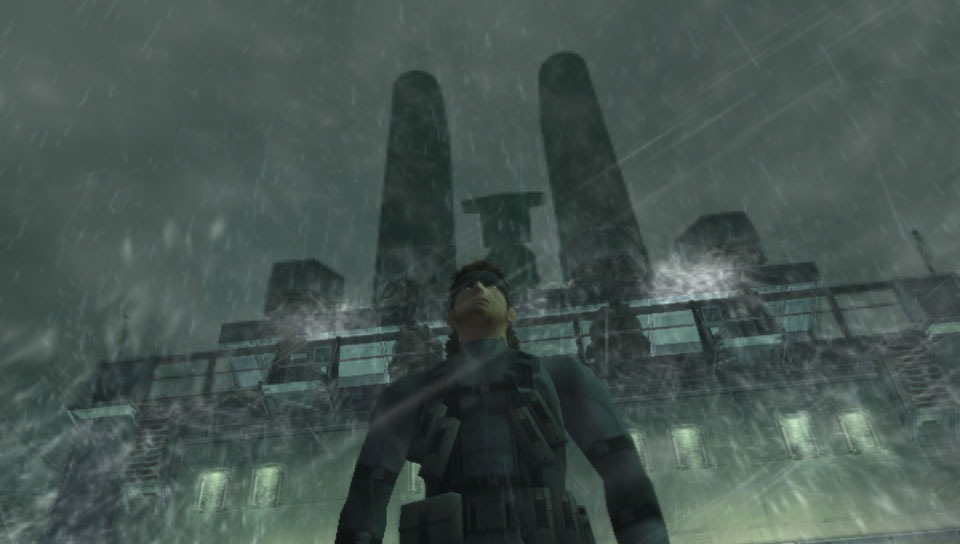
This game kind of haunted me growing up. Everyone was raving about it; it was always rented out at Blockbuster. I saw commercial after commercial for it but never understood it. I finally bought it when it was in the bargain bin years after its release and was still too young to understand the game. It was confusing, and I didn’t have the patience for stealth games. Now that the HD version has been released, I figured I would give it another go. The game is fantastic, has a memorable story and some of the best stealth action out there, and holds up well for today. Honestly, if this game had current graphics, you wouldn’t be able to tell the difference.
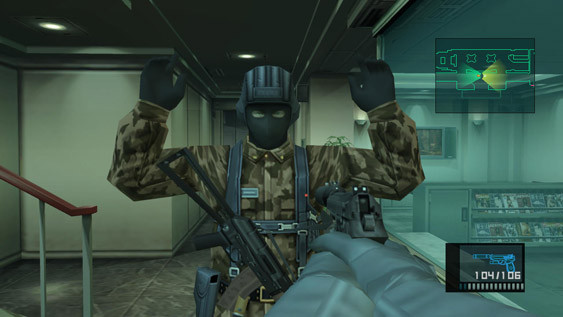
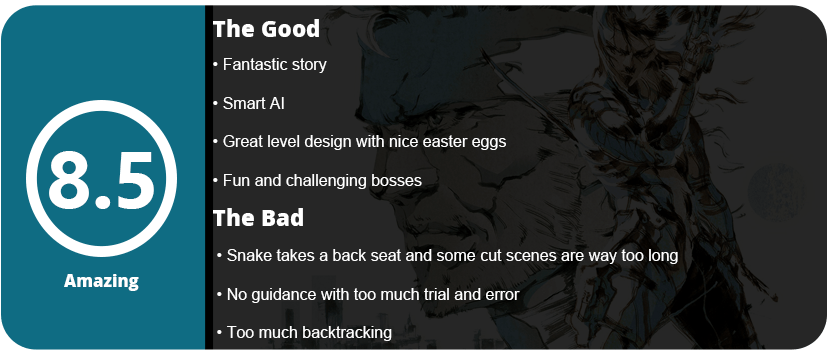
The game is made up of two chapters, one on a tanker and one on Big Shell. The tanker section is the shortest, and this is the only time you play as Snake. You are introduced to the basic controls and gameplay, which is pretty simple. The controls are a bit hard to get used to and aren’t planned out very well, but they work. The whole point is to get to your objective without being seen. You can knock out guards through the melee, drag their bodies into lockers to hide them, use tranqs, or just plain old head shoot them with a silenced pistol. This stuff isn’t just handed to you, though; you have to go find these weapons. The game also has exploration elements, but this can really frustrate some people because you have to use a lot of trial and error to get through some spots and find out where to go. The level design is really great, though, and each section is small enough to memorize very quickly. If you die, you restart that one section instead of going back away. I really liked this a lot, and you are allowed to save anywhere you want. The stealth elements really take getting used to and feel stiff in spots. You can’t kneel and walk at the same time. If you crouch and move forward, you go into a crawl. You can hang from ledges with a stamina meter, go into first-person mode for accuracy, climb boxes, etc. This all adds up to being tools to use for the stealth experience. How you use them determines how well you get through each section.
Each section is completely different, but you can’t just run around killing everything. There are guards that have to check in every minute or so, and if you knock them out and they don’t respond, a response team will come check it out. If you are spotted, your radar disappears, and you have to go into a cool-down mode while the enemy searches for you. The AI is great in this game, and you can really tell how far ahead the game was for its time. It gives you a sense that you can’t screw around, you can’t exploit the AI, and you can’t exploit the levels; you just have to do things the right way. You have to memorize enemy patrols, figure out where the cameras are placed, use chaff grenades, hide in boxes, etc. Don’t worry, though; there is some action in the game in the form of great bosses.
Fighting Vamp, Olga, Metal Gear RAYs, and a Harrier II are all exciting. The bosses are great, and you can tell they don’t make them like they used to. Health slowly widdles down; you have to stay on your toes, and healing items aren’t thrown at you constantly. You have to memorize the enemy’s moves and patterns and then find what weapons work the best. The Metal Gear RAY fight is extremely tough, yet somehow very fun. You have to constantly dodge and roll, quickly switch to the first person, and then roll around again. Using the high-frequency blade uses the right analog stick to swing the blade around, which was very unique at the time. The game is highly cinematic and was probably the most cinematic game ever made at the time. One thing I have to mention is the long-cut scenes. They can be over 10 minutes long toward the end. You will go through real-time cutscenes and then 5 minutes of radio dialog. It’s not necessarily boring, but the ADD in you will want to do something else while you listen.
Metal Gear Solid is also known for extras that are hidden from fans. Things like Zone of the Enders boxes and posters, strange little things that you can do that will trigger dialog from your radio—these things aren’t really seen these days. Most developers don’t put the time or effort into doing these things, even though a select few will only see them. Most people may not care, but I like seeing little, hidden Easter eggs everywhere. This game will only be enjoyed by the patient, though. Running around everywhere trying to kill everything isn’t going to work in this game, but I did hate the lack of direction. If you don’t know any better or check the FAQ, you will run around aimlessly, not knowing what to do. Especially when you try to disarm the bombs in Shell 1. There are quite a few, and each bomb is tough to get to. Half of them I just couldn’t find, and the other half was a pain to get to. If the game had a bit more guidance, it would pretty much be perfect, and don’t forget the weird controls.
As it stands, MGS2 is one of the greatest games of all time for a reason: it’s a perfect symphony of story, cinematics, stealth action, action, great boss fights, pacing, and character development. The HD upgrade for Vita and PS3 adds texture filtering, some aliasing, and even some reworked textures. It looks very smooth and crisp, but still looks dated. If you can look past all that, you are in for one great game.
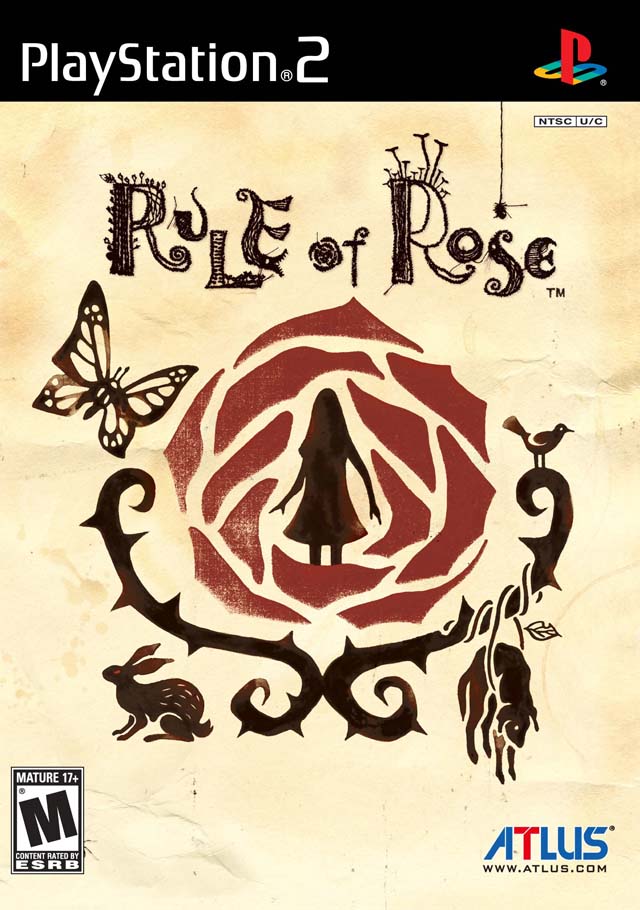
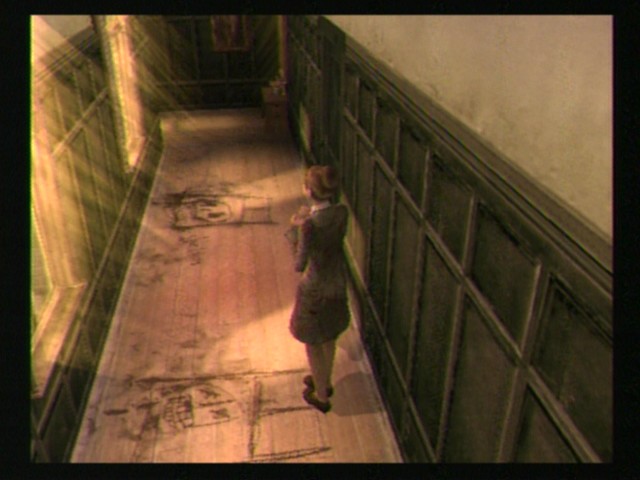
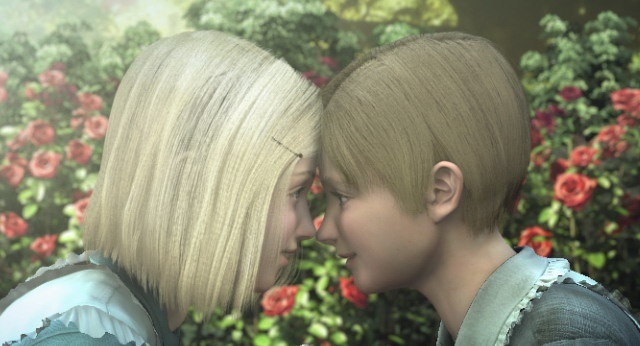
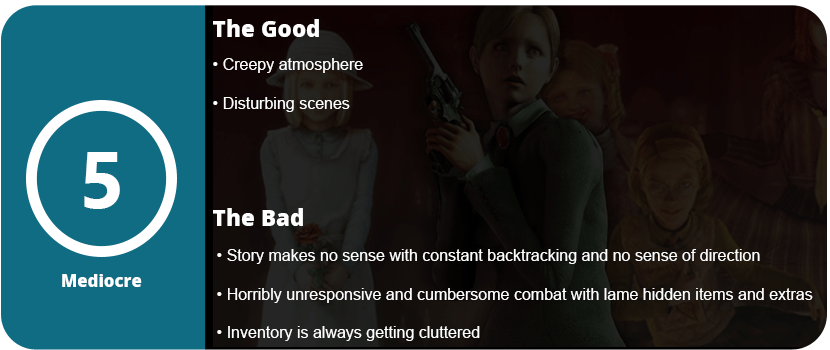
This is a very hard game to review. I wanted to like this game so bad, and it had so much potential. The beginning cutscene is disturbing, and the excellent and eerie soundtrack playing out is fantastic. It starts out like a Silent Hill game with the gritty film grain and the dark atmosphere. I honestly can’t tell you what the story is about because it is never explained at all. Even at the very end, I didn’t know who the bad guy was, why I was doing all this, or who was what. I can tell you that you get dumped off at an orphanage via bus with your little brother Joshua. You walk up to the creepy orphanage, and you immediately know something’s not right. Kids with paper bags over their heads are beating something bloody in a canvas sack. You sneak around to the back, and after a few cutscenes, you realize you’re running errands for this creepy child, but the purpose is never explained.
Once you start playing for a while, you will notice many of this game’s flaws. There’s no map and no sense of direction. You will get lost and not know where the hell to go through the whole game. For most of the game, you are wandering from room to room looking for items for your dog Brown to find. He will sniff these items out and find the next item for you, and you just follow him. If it weren’t for this, the entire game would be broken exploration-wise. Like Silent Hill, there are many secrets in the game, but you won’t care about them. The airship that you wander around is so big and confusing. Each room and hallway look the same, and you can’t tell where you are going even if you memorize it. Some parts become familiar because you go through them over 50 times during the game. I also didn’t even know why I was on an airplane! Nothing made a lick of sense through the whole game.
Let’s start with combat; it sucks big time. Holding R1 will put you in ready mode, and X will swing. This would be great if you moved more than a centimeter so you could go in for a kill. Enemies will knock you down, and you will go through a long and grueling recovery animation only to get knocked over again. There are very few healing items around unless you have Brown sniffing out items like ribbons and socks to bring to the Aristocrat Club to be exchanged for healing items. What’s the Aristocrat Club? I have no idea, but it’s just there. There are three boss fights in the entire game, and they are annoying because the combat is slow, sluggish, and cumbersome in this game. I can’t express it enough. If that’s not bad enough, running around trying to find all these damn items will give you a headache. After you find them, you just drop them because they are no longer needed. Your inventory is constantly cluttered with useless crap that you just end up dropping. Why have this mechanic?!
The game itself is very short, running about 7-8 hours if you follow a walkthrough step by step. If not, you probably won’t even finish this game. I also have to comment on the controversy surrounding the game; there’s nothing all that bad in here. There were claims of the girls being molested in cutscenes, but the worst I saw was an old guy rubbing a girl’s head and her arms a lot. There are no rape scenes; nothing is even sexually provocative. The game is very bloody and downright sick and twisted, but nothing on the other spectrum.
Apart from that, the game had a lot of potential. The atmosphere is there, and it’s pretty scary at times and very disturbing. I just wish I knew what the hell was going on. The story is completely convoluted and doesn’t go anywhere; you can’t make a single bit of sense of it. The combat is atrocious, and the lack of direction and the constant backtracking will make 99% of players quit early on. I really wanted to love this game, but as I got through each hour, the score kept dropping in my head, and the reasons why were piling up. If you are really curious, I would pick it up at a low bargain bin price, but nothing more. If a friend has a copy, borrow it because it is a strange experience and worth talking about with friends.
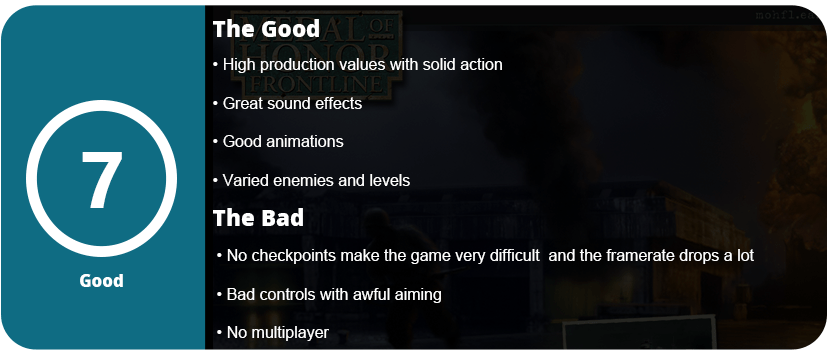
This was one of the first games that blew me away when I was a kid and made me proud to own a PS2. The opening D-Day scene took my breath away—all the explosions, the scripted scenes, the death animations, the sound—it was all here, and the production values were through the roof. Looking back at it 11 years later makes throwing an egg on the floor more exciting than watching this game. While I can’t compare it to games that came after it, even back then there were issues with the game, and they just really stick out now.
Frontline’s realism dropped off after the opening level. After D-Day, you get recruited to do special missions across Europe and are a one-man army. It’s very unrealistic when you’re running around by yourself, killing squads that an entire army takes to take down. You’re blowing up fuel depots, sabotaging equipment, assassinating important Nazi figureheads, and various other things. The game is solid, and the scripting is still nice today, but the shooting mechanics and controls stink. There’s no aiming down the sights; instead, you just zoom in. Shooting from the hip has no reticle, so this is useless. My biggest issue with the game, and even back then, was that it was insanely difficult and there were no checkpoints. If you die, you restart the entire level, which can be infuriating.
You have to be careful and run around finding health packs and ammo. You can pick up enemies’ weapons and instead are stuck with what you are given at the start unless you find a placed weapon. I did like the variety of enemies, such as fat chefs throwing knives at you, engineers, cooks, butlers, and even enemies in robes. The death animations are still nice, but where’s the damn blood?! The game almost comes off as campy because it is so far from capturing the tragedy of WWII. Even back in the day, I felt this way. The pacing of the levels is also off because some levels will be really long and tough while others are super short.
I did find that the game had some fun cheat codes, but there’s no replay value. Multiplayer wasn’t put into the PS2 version, and even the graphics are lacking. There’s a lot of aliasing, and the framerate drops tremendously during explosions. Everything does look clean, and you can tell a lot of time and care was put into the game. I just can’t get over how bad the aiming is; it’s so squirrely and hard to get a bead on enemies. The game has a pretty decent length campaign and is worth the cheap price if you have never played this game. Frontline was one of the best WWII games for a reason because it was one of the first to really have high production values.
In the end, Frontline feels very dated, but you can see why the game was praised so much back in the day. The production values still show, but the PS2 can’t keep up with the action. The aiming is terrible and the controls are all wrong, but what can you expect from an 11-year-old game?
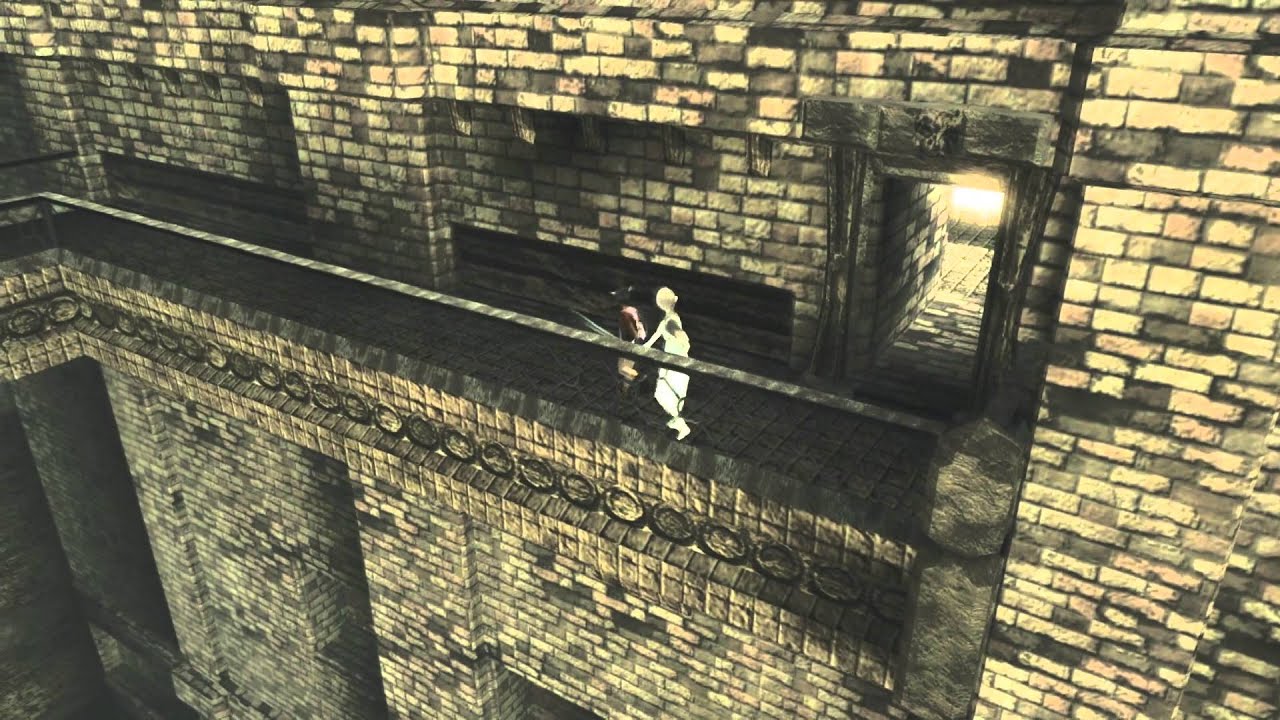
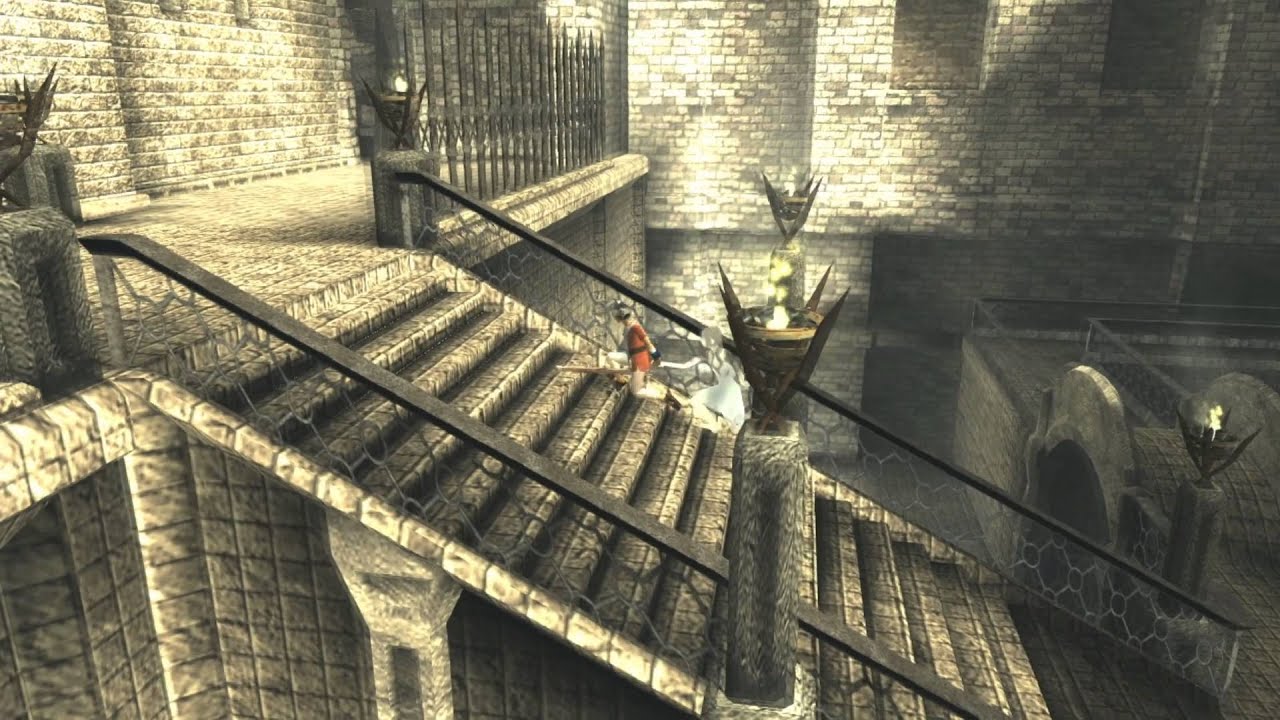
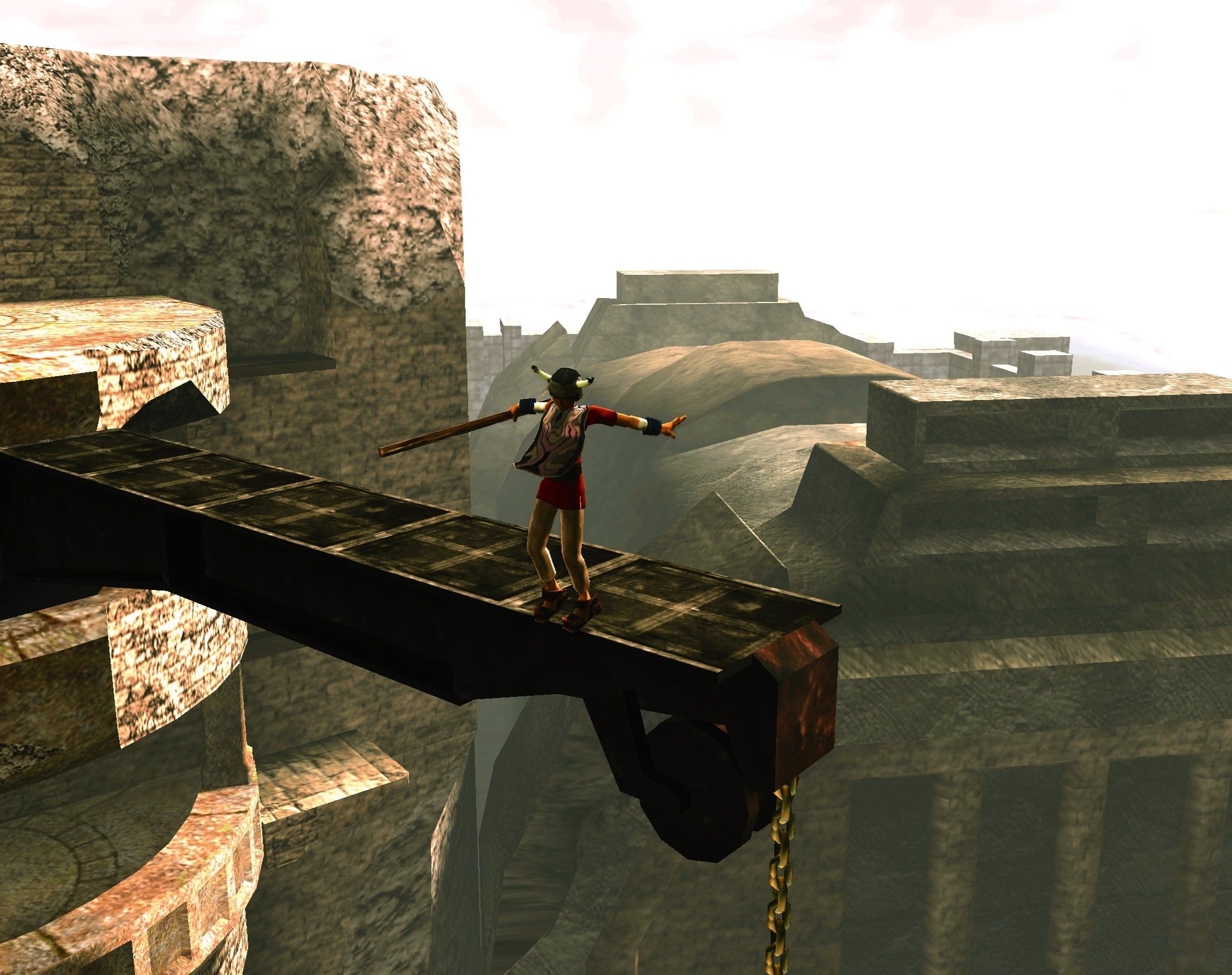
Ico is probably one of the most forgotten games in history. Being one of the first graphical powerhouses for the PS2, it proved that you don’t need a complex story and characters to have a good game. All you know is that you are a boy named Ico who is trying to save a girl named Yorda from her evil mother and escape from the castle. You enter as a captured prisoner because you have horns. You then escape and find Yorda along the way. What made Ico such a big deal was that you led her around manually by holding R1. This forced you to become attached to her, and they rarely spoke.
This game was way ahead of its time. That’s probably why people passed it by for Jak & Daxter and other PS2 games at the time. The game consists of some pretty cleverly designed puzzles that involve pulling switches, climbing, cutting ropes, and swinging on chains. You also push and pull on the occasional block. The level design is really well done, but there were a few obscure puzzles, like jumping off of a chain to knock a bridge down. This is completely against the game’s mechanics, so you would never know to do this. Leading Yorda around sounds annoying, but it prevents you from having to rely on the already shoddy AI. The game mechanics work well enough in design, but they are sloppy and frustrating to deal with.
When you jump, Ico tends to clip into ledges and ladders, making you have to slightly adjust him until he latches on. If you press the analog stick just slightly and jump, he will jump 20 feet, causing you to jump off ledges or fall to your death. There’s just so much bad collision detection, and the animations are janky and not well done. When you drag Yorda around, her arm looks like a flopping noodle that can go through her body. I know this was originally designed for PS1 before the game jumped ship to PS2, but still. There are other mechanics, like setting your sword down to pick up a giant stick, lighting it on fire, and then setting off a bomb. Sometimes you have to toss these before they blow you up. Fun game mechanics and all, but they repeated through the entire game, making you grateful for the short length (just about 4 hours).
A lot of times I didn’t know where to go because the middle of the game has two areas that are identical but just slightly different. The constant backtracking can confuse you, requiring a walkthrough. There are no boss battles to speak of except the final boss, but the combat is so frustrating and annoying. Ico swings his sword around aimlessly, and you can’t move while doing so. The AI jumps away as soon as you run after it, so if you get stuck in a three-hit combo, you get knocked down, and Yorda gets dragged away. You can’t die in this game during combat, but if Yorda gets dragged underground, you’re done. You can pull her out of the hole, but sometimes a shadow creature will hit you and knock you back, and then you have to suffer the long animation of getting up. A lot of games had these animations (The Mark of Kri), and I don’t know why. It breaks the fluidity of everything. Once you get the hidden mace in the game, combat is really easy, but you still get annoyed by the creatures constantly backing up when you approach.
The graphics look great with the new HD upgrade, but even back then, they were amazing. A lot of textures have been slightly upscaled, and some bloom and HDR have been added for better lighting. You can still notice the game’s age during up-close shots of areas. Textures are muddy and so blurry that they don’t even look like what they are representing. The main thing is that you can pan the camera around more now that the resolution has been bumped up, making navigation easier. This is how you do HD upgrades, right?
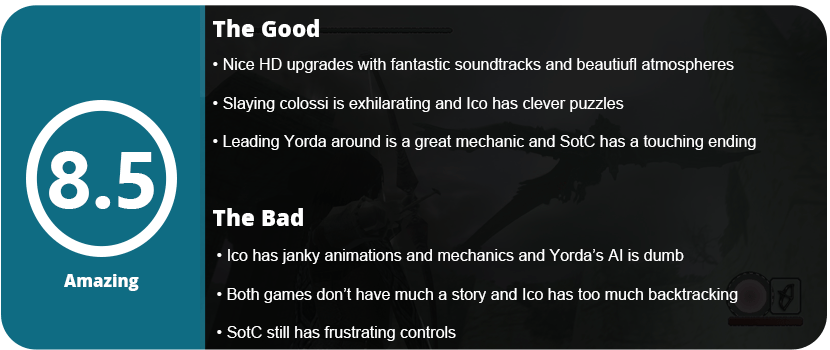
Overall, Ico is a great game, but the dated mechanics really show their age. If you can look past all this, you are in for a great, albeit short, game, but don’t expect engaging characters or a complex story. There are four cutscenes in the whole game, but this is about the journey and not the story.
Shadow of the Colossus
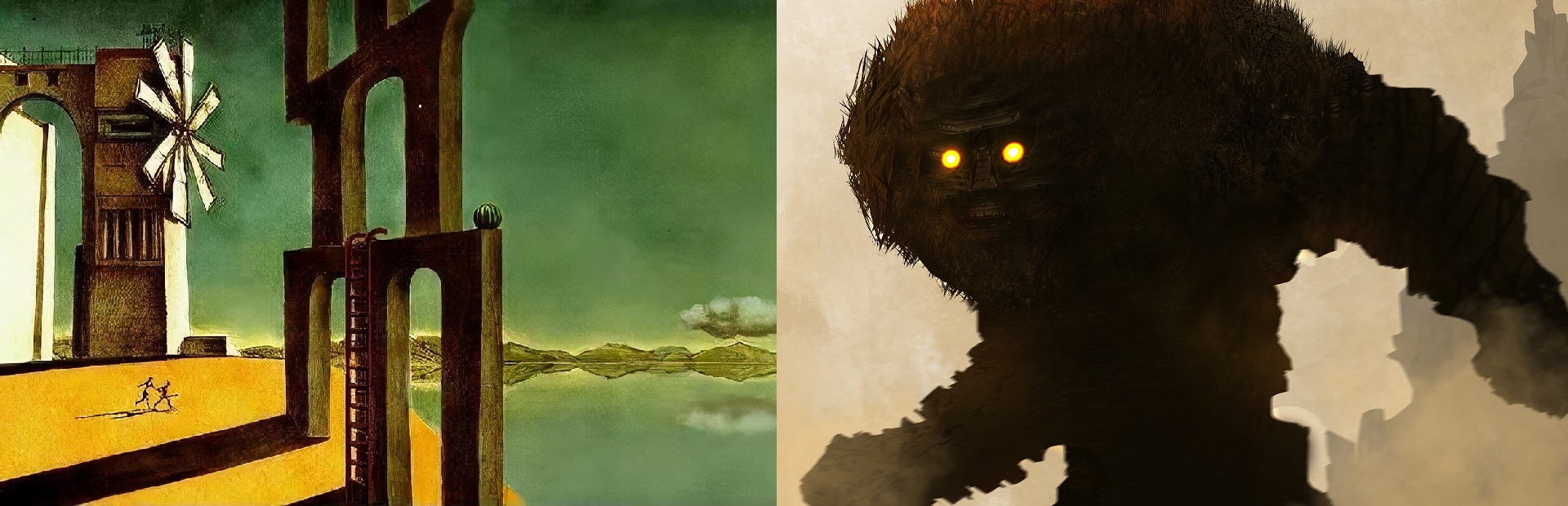
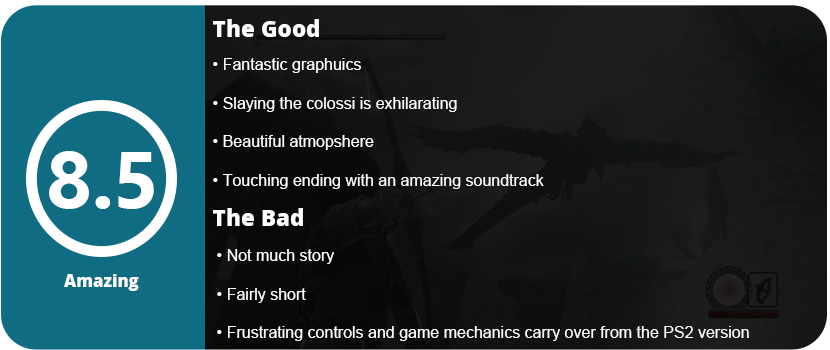
I have been wanting to review this game forever, and now I have the chance. I played this back in 2005 when it first came out, and it was just unreal. SotC still has some of the best graphics to grace the PS2, and it almost looked next-gen at the time. Of course, it suffered from the massive slowdown, but now we can play it with some extra graphical effects and at 60FPS. There’s not much of a story here; there never is with Famito Ueda’s games. You are a boy named Wander who brings a girl to a temple in a cursed land and vows to destroy all 16 colossi in order to bring her back to life. The game has one of the most touching endings I can remember.
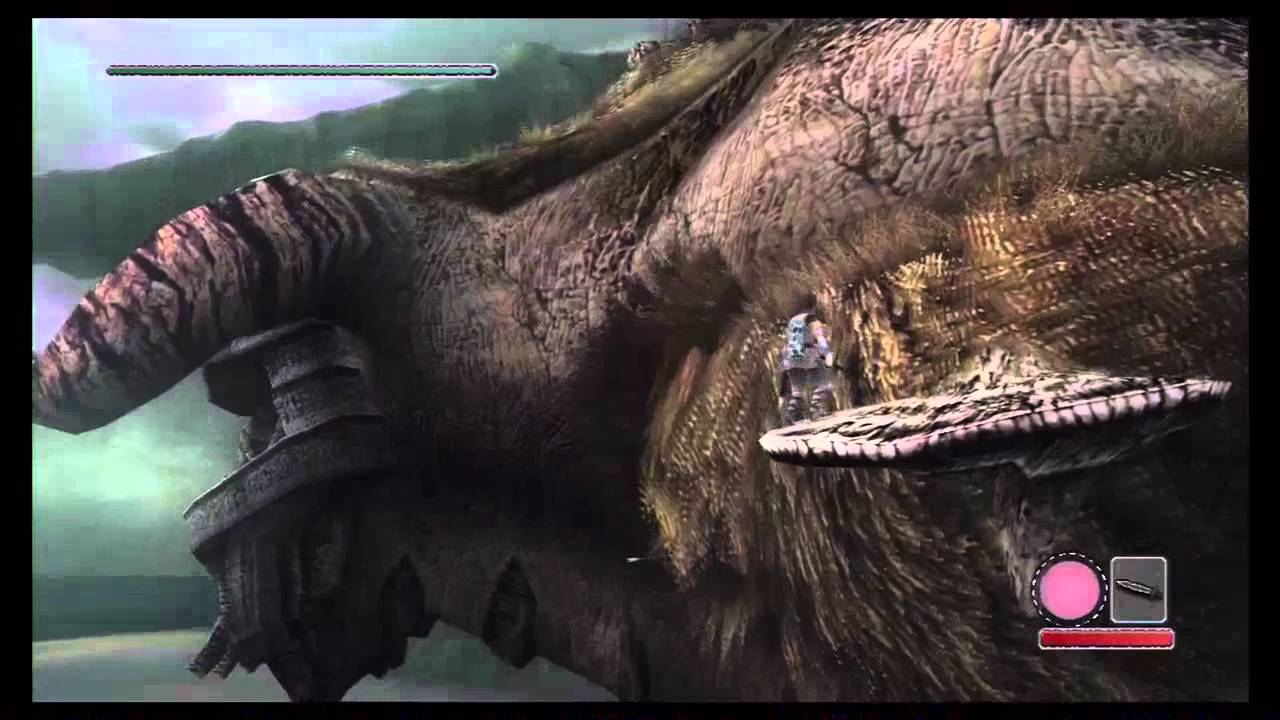
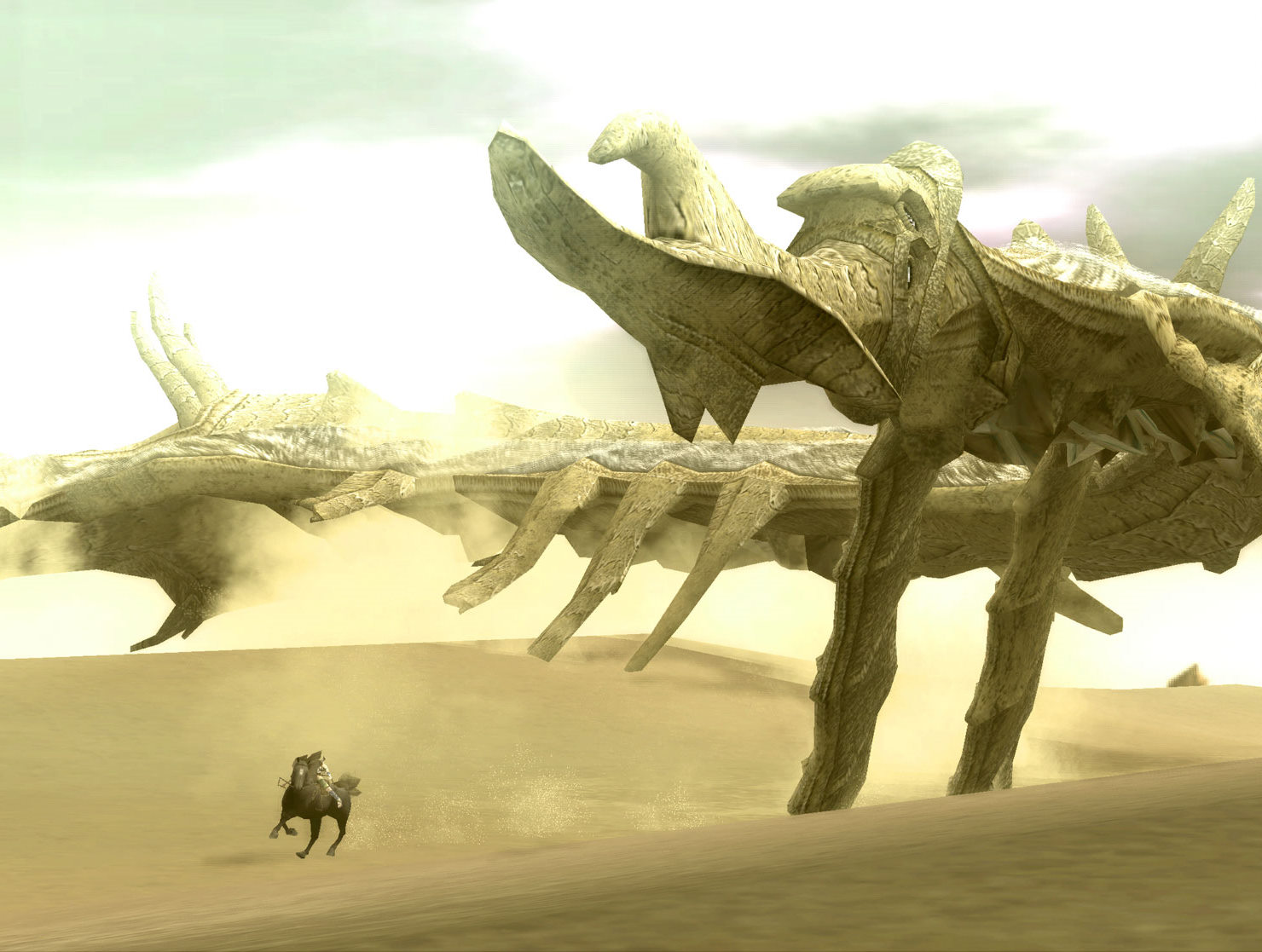
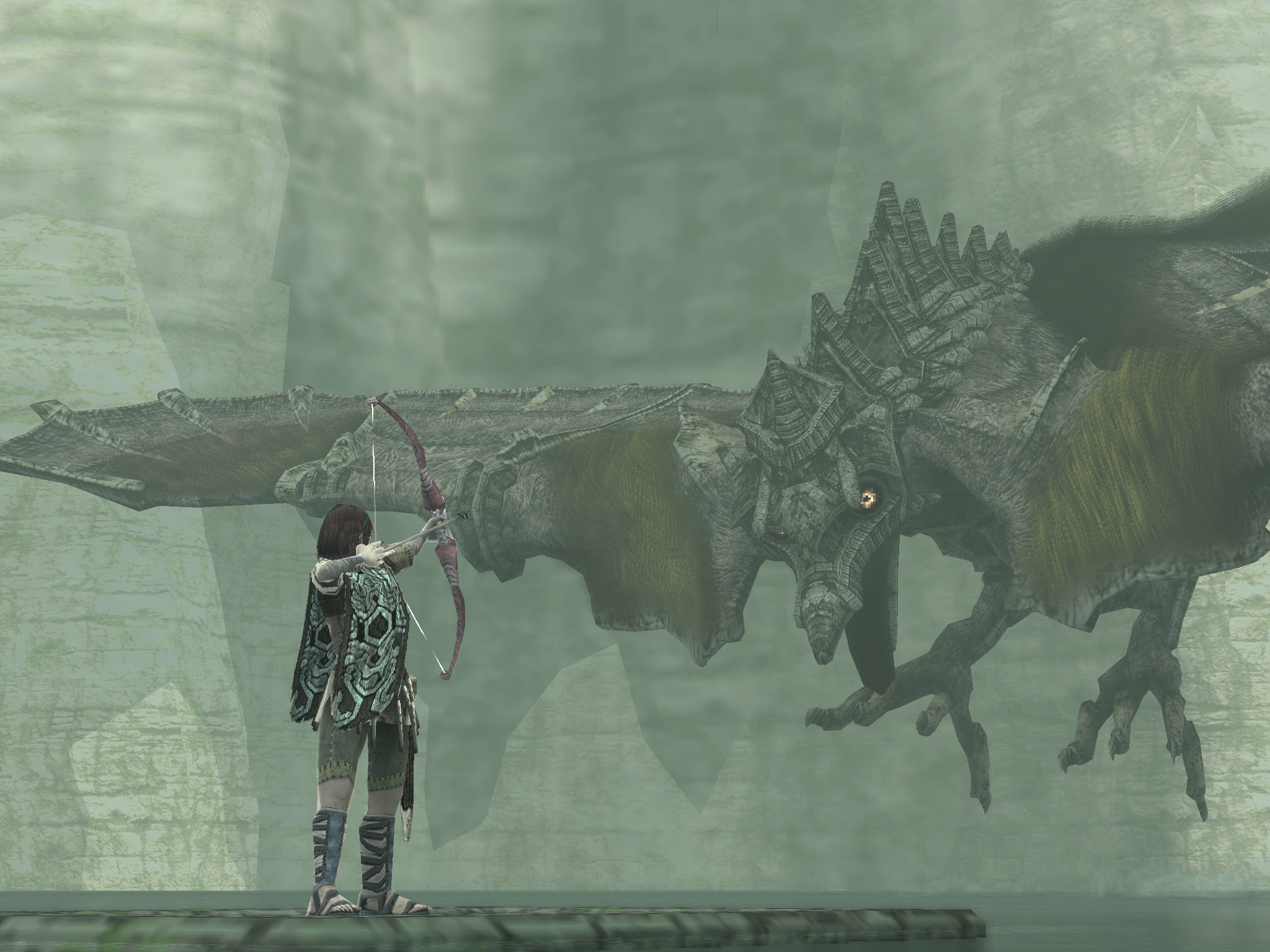
The game is very basic; you just head to each colossus and slay it. There is a huge open world, but it is very barren and void of life, but that’s the way it is supposed to be. You feel very alone and helpless in this land of brown and gray. You have two weapons: a sword and a bow. You can hold the sword up to the light to guide you to the next colossus, which really isn’t that hard. Once you find it, you have to figure out how to get on top of it, and that’s the tricky part. Each colossus is completely different. Some are tall, some are fat, and some are the size of a lion. These lumbering beasts will attack, but you need to find their weak spots. One colossus has weak spots on the bottom of its feet. When it walks, you need to use your bow and shoot it. It then falls over, and you can jump up, grab its fur, and start climbing. Some aren’t so easy; in fact, there are no hints on how to get on top of these beasts. One tricky water serpent requires you to swim over him, and then his tail will come out of the water so you can grab it.
The best part is when you get on these things. Each colossus is like a level in itself. You can climb around and hold the R1 button to stay on. They will try to shake you and your window to actually stab the glowing, weak spots that are really small. You have a stamina meter, and when it depletes, you let go and fall back down. This can be really frustrating if getting on top of the Colossus is already frustrating or a long fiasco. As you slay these monsters, your stamina and health increase, but you still need to watch out. The worst part about the game is the god-awful controls. They just stink, and the game mechanics are sluggish and unresponsive. If it weren’t for this, the game would be perfect. Wander’s animations are a bit jerky, and when the colossi shakes you and your stamina is dropping, you just want to charge your stab and kill it, but sure enough, you get shaken again right as you start to charge. Wander flops around, and it just feels sluggish. When you try walking on the colossus, Wander will fall and tumble, sometimes right down to the ground. I almost threw my controller several times because of this. You will mainly die because of the mechanics, not your skills.
Let’s talk about your horse. Aggro is the main character, but I felt like I was driving a Mac truck. He won’t move if you push the stick forward; instead, you have to mash X, and it takes forever for his momentum to get going. You can only tap the stick left and right to steer him, but he moves too quickly and runs right into walls, which he then stops on a dime and turns completely around. Maneuvering through tight areas is a serious pain. The horse controls are just terrible. This is probably the only bad part of the game; there is nothing else like this game out there. The colossi themselves look fantastic and are just gigantic. You really feel helpless and wonder how you are going to take this thing down. It all adds to the foreboding atmosphere of the game and the loneliness and helplessness that you feel throughout.
I have been wanting to review this game forever, and now I have the chance. I played this back in 2005 when it first came out, and it was just unreal. SotC still has some of the best graphics to grace the PS2, and it almost looked next-gen at the time. Of course, it suffered from the massive slowdown, but now we can play it with some extra graphical effects and at 60FPS. There’s not much of a story here; there never is with Famito Ueda’s games. You are a boy named Wander who brings a girl to a temple in a cursed land and vows to destroy all 16 colossi in order to bring her back to life. The game has one of the most touching endings I can remember.
The game is very basic; you just head to each colossus and slay it. There is a huge open world, but it is very barren and void of life, but that’s the way it is supposed to be. You feel very alone and helpless in this land of brown and gray. You have two weapons: a sword and a bow. You can hold the sword up to the light to guide you to the next colossus, which really isn’t that hard. Once you find it, you have to figure out how to get on top of it, and that’s the tricky part. Each colossus is completely different. Some are tall, some are fat, and some are the size of a lion. These lumbering beasts will attack, but you need to find their weak spots. One colossus has weak spots on the bottom of its feet. When it walks, you need to use your bow and shoot it. It then falls over, and you can jump up, grab its fur, and start climbing. Some aren’t so easy; in fact, there are no hints on how to get on top of these beasts. One tricky water serpent requires you to swim over him, and then his tail will come out of the water so you can grab it.
The best part is when you get on these things. Each colossus is like a level in itself. You can climb around and hold the R1 button to stay on. They will try to shake you and your window to actually stab the glowing, weak spots, which are really small. You have a stamina meter, and when it depletes, you let go and fall back down. This can be really frustrating if getting on top of the Colossus is already frustrating or a long fiasco. As you slay these monsters, your stamina and health increase, but you still need to watch out. The worst part about the game is the god-awful controls. They just stink, and the game mechanics are sluggish and unresponsive. If it weren’t for this, the game would be perfect. Wander’s animations are a bit jerky, and when the colossi shakes you and your stamina is dropping, you just want to charge your stab and kill it, but sure enough, you get shaken again right as you start to charge. Wander flops around, and it just feels sluggish. When you try walking on the colossus, Wander will fall and tumble, sometimes right down to the ground. I almost threw my controller several times because of this. You will mainly die because of the mechanics, not your skills.
Let’s talk about your horse. Aggro is the main character, but I felt like I was driving a Mac truck. He won’t move if you push the stick forward; instead, you have to mash X, and it takes forever for his momentum to get going. You can only tap the stick left and right to steer him, but he moves too quickly and runs right into walls, which he then stops on a dime and turns completely around. Maneuvering through tight areas is a serious pain. The horse controls are just terrible. This is probably the only bad part of the game; there is nothing else like this game out there. The colossi themselves look fantastic and are just gigantic. You really feel helpless and wonder how you are going to take this thing down. It all adds to the foreboding atmosphere of the game and the loneliness and helplessness that you feel throughout.
The graphics are superb, even to this day. The PS3 version adds some texture filtering and anti-aliasing, and of course, the frame rate is now 60. There’s also some extra bloom added, so the lighting looks great. However, despite all this greatness, the game is pretty short, and you can beat it in about 5–6 hours. All you do is slay all 16 colossi, and you’re done. However, it was a very memorable experience.
Overall, Shadow of the Colossus was a milestone for the PS2 and is still one of the best games ever made. The frustrating controls and game mechanics keep this game from being as perfect as all the rest. Have patience and just deal with it. Every PlayStation fan should play this game.
Ico is probably one of the most forgotten games in history. Being one of the first graphical powerhouses for the PS2, it proved that you don’t need a complex story and characters to have a good game. All you know is that you are a boy named Ico who is trying to save a girl named Yorda from her evil mother and escape from the castle. You enter as a captured prisoner because you have horns. You then escape and find Yorda along the way. What made Ico such a big deal was that you led her around manually by holding R1. This forced you to become attached to her, and they rarely spoke.
This game was way ahead of its time. That’s probably why people passed it by for Jak & Daxter and other PS2 games at the time. The game consists of some pretty cleverly designed puzzles that involve pulling switches, climbing, cutting ropes, and swinging on chains. You also push and pull on the occasional block. The level design is really well done, but there were a few obscure puzzles, like jumping off of a chain to knock a bridge down. This is completely against the game’s mechanics, so you would never know to do this. Leading Yorda around sounds annoying, but it prevents you from having to rely on the already shoddy AI. The game mechanics work well enough in design, but they are sloppy and frustrating to deal with.
When you jump, Ico tends to clip into ledges and ladders, making you have to slightly adjust him until he latches on. If you press the analog stick just slightly and jump, he will jump 20 feet, causing you to jump off ledges or fall to your death. There’s just so much bad collision detection, and the animations are janky and not well done. When you drag Yorda around, her arm looks like a flopping noodle that can go through her body. I know this was originally designed for PS1 before the game jumped ship to PS2, but still. There are other mechanics, like setting your sword down to pick up a giant stick, lighting it on fire, then setting off a bomb. Sometimes you have to toss these before they blow you up. Fun game mechanics and all, but they repeated through the entire game, making you grateful for the short length (just about 4 hours).
A lot of times I didn’t know where to go because the middle of the game has two areas that are identical but just slightly different. The constant backtracking can confuse you, requiring a walkthrough. There are no boss battles to speak of except the final boss, but the combat is so frustrating and annoying. Ico swings his sword around aimlessly, and you can’t move while doing so. The AI jumps away as soon as you run after it, so if you get stuck in a three-hit combo, you get knocked down, and Yorda gets dragged away. You can’t die in this game during combat, but if Yorda gets dragged underground, you’re done. You can pull her out of the hole, but sometimes a shadow creature will hit you and knock you back, and then you have to suffer the long animation of getting up. A lot of games had these animations (The Mark of Kri), and I don’t know why. It breaks the fluidity of everything. Once you get the hidden mace in the game, combat is really easy, but you still get annoyed by the creatures constantly backing up when you approach.
The graphics look great with the new HD upgrade, but even back then, they were amazing. A lot of textures have been slightly upscaled, and some bloom and HDR have been added for better lighting. You can still notice the game’s age during up-close shots of areas. Textures are muddy and so blurry that they don’t even look like what they are representing. The main thing is that you can pan the camera around more now that the resolution has been bumped up, making navigation easier. This is how you do HD upgrades, right?
Overall, Ico is a great game, but the dated mechanics really show their age. If you can look past all this, you are in for a great, albeit short, game, but don’t expect engaging characters or a complex story. There are four cutscenes in the whole game, but this is about the journey and not the story.











































 thebinarymessiah.com
Yeah, it's pretty damn awful. Notoriously one of the worst games on the PSP. A 4 was actually being generous.…