Sound design is probably the most important thing next to the gameplay. Without some sound, there’s not really a game, and the best sound design makes things sound authentic for the universe it’s in and makes the sound convincing, and usually, it’ll pack a good punch, sound epic, or just subtle details in sound helps.
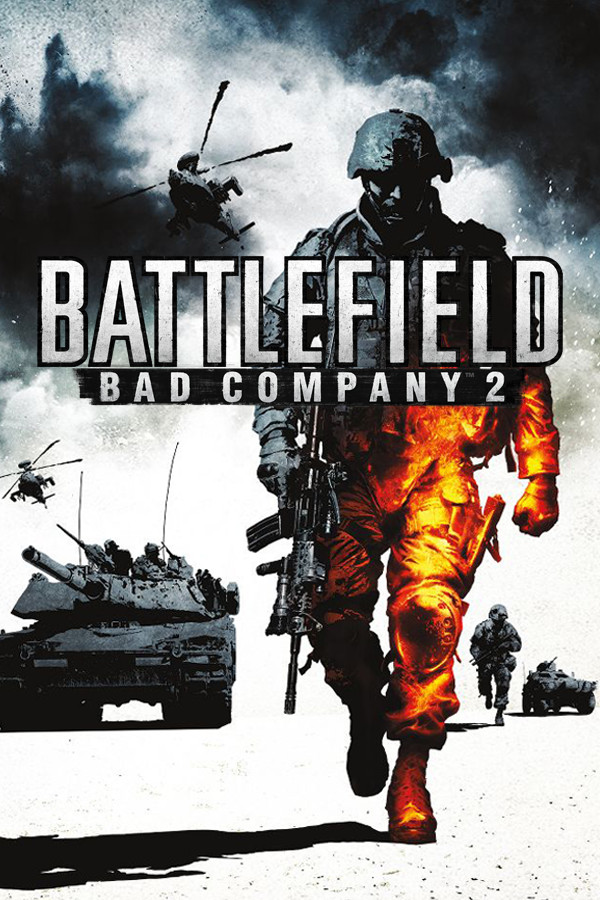
How can a war game have the best sound design? The first Bad Company truly made a game sound amazing with realistic weapon sounds, epic explosions, and differential sounds such as shooting in a building sounds different than outside and the echo traveled when walking through a door. That is the kind of detail that most games don’t make. The sequel follows suit with more detail in this department, and there’s nothing that can trump the epic explosions and sounds of gunfire.
The LOTR franchise has been struggling in the games department since the movies came out. While there have been amazing LoTR games, the adventure games have been slacking since Return of the King. Aragorn’s Quest is a sneaky thing because it just retells the story of the movies in Aragorn’s eyes using the movie actors, and it’s kind of lame. While the movies are great, please let’s move away from them and do something original.
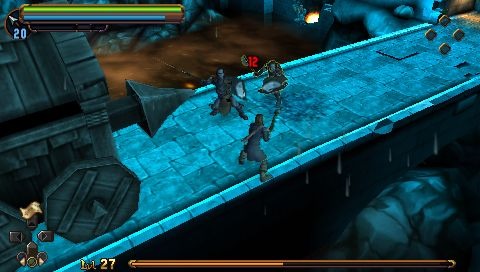
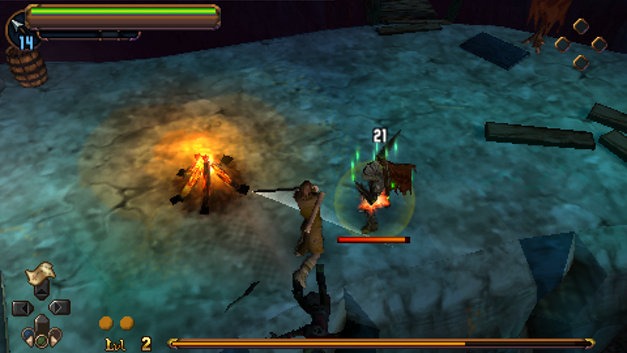
The combat is lackluster and pretty disappointing. You can find abilities and equip them, and these come in pretty handy for more powerful enemies. You can buy new attacks and find new weapons, armor, and bows, and these are all pretty useful. You can level up by killing enemies, but you can’t distribute the points at all. The whole RPG thing is very bare-bones, and I would have liked to see more depth here and more customization, but it’s not there.
Actually, doing the combat is boring since you just mash heavy and light attacks, and most enemies are dumb and easy to kill. You can parry and counter-attack and use your bow for far-off enemies, but it’s been done so many times before. Every enemy attacks almost the same, and while there are a few good moments, there just aren’t enough. Running around highly linear levels and hitting this switch, finding four stones to open this door, and hitting that switch is really annoying.
The game doesn’t look very good from an isometric perspective, and it doesn’t sound too hot either. The game is just boring and easy, and it drags on longer than it should. I was really looking forward to this game, but with just a few more months, this could have been something epic.
The mash-up of Disney and Final Fantasy set fanboys squealing and shook the gaming world. It was like a huge tsunami of awesomeness that no one could have predicted. Thus, the first Kingdom Hearts was born with lots of charm and character but had a lot of problems with combat and one confusing story. The second game came out and really added depth to the game and was fan-freaking-tastic. Birth by Sleep is a prequel to the first game, and you really get a lot of stuff that was answerless in the last two games. You play as Terra, Ventus, and Aqua, who are three key blade wielders trying to stop the darkness from spreading through the world and within themselves. While the story works and is a lot simpler than in past games, it never feels like it really goes anywhere and isn’t as emotional as in other games.
With that aside, the next biggest thing is combat. While it’s a lot deeper, it’s also a lot more confusing and can be daunting to understand, especially for newcomers and younger players. You have a command deck that allows you to swap out abilities, and there are a lot of them. You can eventually equip up to nine commands, but flipping through them is tedious and not so combat-friendly. Using the D-pad to flip through commands can really kill you, especially during tough boss fights. Having to move from the analog nub to the D-pad means you stand still while switching. This leaves you vulnerable and can mean life or death if you have one hit left.
You can use the shot lock command, which is like a special attack that requires focus. You go into first-person mode and lock on the target for a few seconds, and it unleashes a pretty devastating attack. Summons are no longer available; instead, they are replaced with the less spectacular D-links. As you beat worlds, Disney characters can be selected, and basically, you just have a different set of commands to choose from. Your health replenishes, but this doesn’t seem as exciting as seeing the character fight with you.
You can meld commands together and add boosts to create new commands. This can be really interesting, and you can make commands you can’t normally buy or find. Other than this, the menus are usual with character bios, documents, and whatnot, but once you get used to the menu, you will have no problems. The biggest issue with combat is the stupid camera. Relying on a camera is critical with PSP games due to the lack of a second analog nub, but this camera is stupid. Locking on seems like a good idea until the lock-on breaks for some unknown reason and you lose sight of the enemy. This is really irritating during highly intense boss fights because you lose sight of them and can walk right into their traps. The camera likes to flip-flop around constantly, and fighting enemies above you is like going down into a swirling toilet with needles stabbing your eyes. It jitters and jitters and spasms, and it feels like the game is having an epileptic fit.
Despite this, it’s manageable, and you get so used to it that you just deal with it. Exploration is still the same yawn fest, but even more so since most of the environments aren’t as active or lush as KH2. The worlds are super short, and you can get to each boss without even fighting a single enemy, but if you return, they respawn, and this is only because of the irritating amount of level grinding. No matter what you do or what level you are at, bosses can kill you in just a few hits. At level 25, I was still getting my butt kicked by a boss late into the game. This leads to each character’s story completion time of about 10 hours. The words just don’t feel as alive and exciting as in KH2, and they just seem like bite-sized samples of what they should be. There are a few original worlds that are a nice touch, but they could have made the game so much better.
There is a command-board game that is so complicated and boring that you may not even care about it. You move around a board trying to collect new commands, and it’s overly complicated, as all Square mini-games are. This is more like a mini-mind meltdown than anything else, and co-op doesn’t make it any more fun. The game’s best feature is its technical achievement, being one of the very few games that pushes the PSP to the max. You could easily mistake this game for a PS2 game, but there are some frame rate issues, and if you don’t install your data on your memory stick, you are most likely going to experience horrendous load times. The voice acting is a bit iffy, but the game looks amazing. The enemies are pretty boring and generic, and they could have been a lot better.
Overall, Birth by Sleep is a great start, and I hope this isn’t the last KH on the PSP. If they improve the game’s many flaws, we are looking at the best portable game ever made. What the game really needs is a reboot because this formula is tasting a bit stale in 2010.
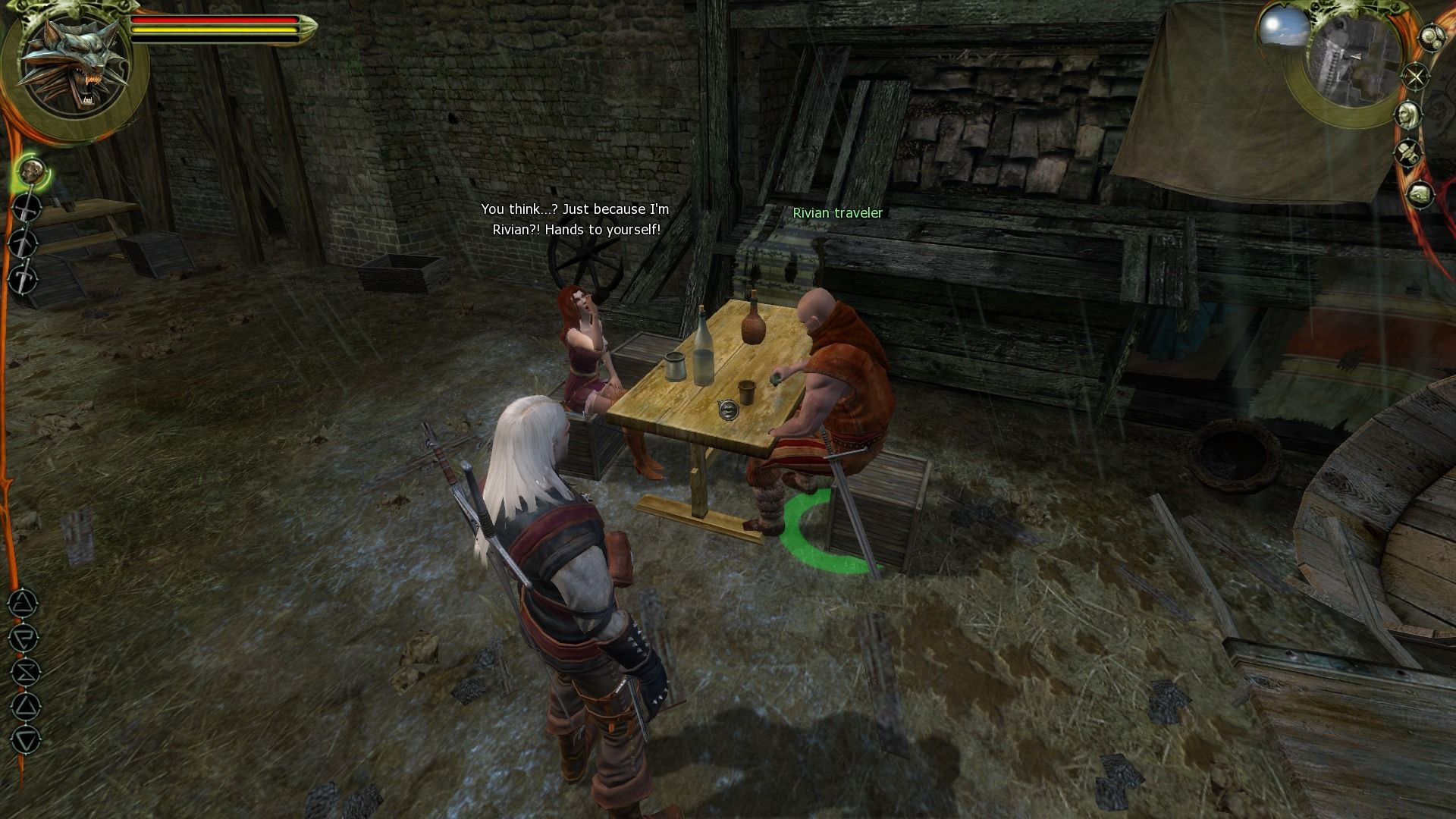
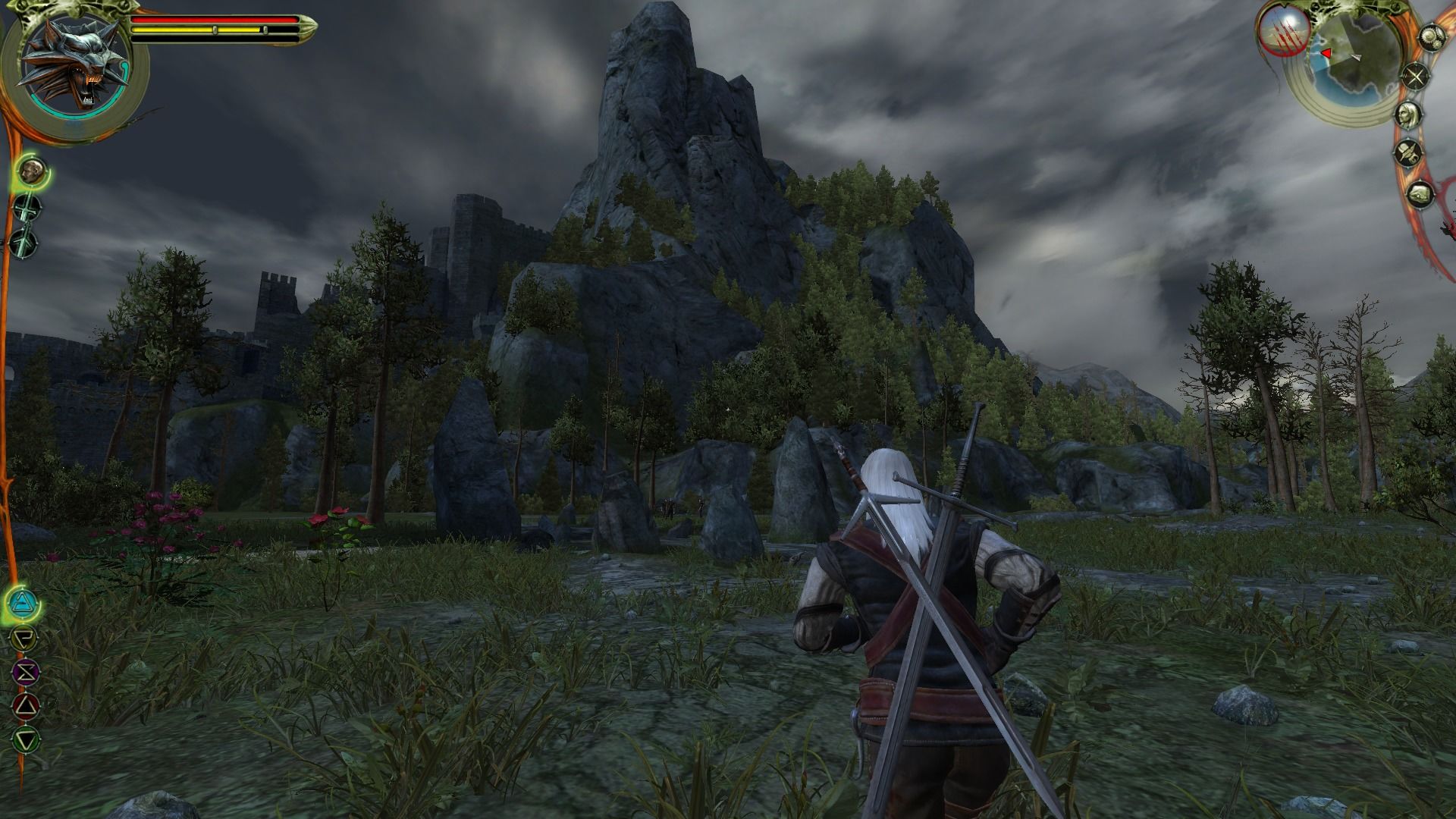
I love action RPGs, and The Witcher had a lot of promise when it came out. This game is really for the hardcore due to the fact that it relies on you to decide what to do and never really tells you what to do except what your missions are. It’s very hard to describe just what The Witcher is trying to do, but it seems to have trouble doing it. Most RPGs are simple with a map, inventory, leveling up, buying items, weapons, and armor from townsfolk, etc., but The Witcher makes this a bit more complicated.
To get started, I want to get the quest system out of the way. You can check your quests and track them on your map, but not all quests are clear, and they’re a mess. You’ll end up with over 20 quests at some point, and most of them are completed once you complete the chapter, so they aren’t really quests. This becomes very frustrating because you never know what you’re supposed to do with them except ignore them. Side quests are obtained by talking to certain people, but not all of them are clear and can really leave you clueless as to what to do. One of the most important parts of RPGs is the quests.
The Witcher has an alchemy system, and it seems RPGs just can’t get an alchemy system downright that isn’t overly complicated. You can find ingredients throughout the world by collecting herbs or finding them on dead enemies. You can’t pick certain plants until you read a book about them, and you can’t make certain potions until you obtain the recipes for them. See how this game works against you? Finding these books and potions is a real pain, since it’s like finding a needle in a haystack. Once you do get a recipe, you have to acquire the ingredients for it, which consist of a few components as well as some sort of alcohol base. This also includes health potions, and after I gave up on the game halfway through chapter three, I still couldn’t find enough ingredients to make a health potion.
While alchemy is really complicated and puts a damper on gameplay, magic is the same way. You have an endurance meter, and using one of your seven signs can drain it, so you need a potion to refill it faster, and maybe a potion temporarily increases your stats to get through a tough boss fight. You never feel strong enough. Even when I quit at level 17, I was still getting my ass handed to me, and upgrading weapons and armor is another pain.
You can collect meteorites and give three or more to a blacksmith, and you can upgrade your steel or silver blade. Finding these meteorites is a pain, and usually, not all blacksmiths will just make the weapon they need—a valuable jewel or something of the sort. Finding gold (orens) will be a huge issue since most of the quests are backtracking back and forth between places and only about 40% are fighting. Even in chapter three, I still couldn’t get enough gold to buy armor.
Besides this, the combat system is pretty solid. You have three different styles you can use, which are strength, speed, and group. You can switch to each on the fly, and timing is lowered by clicking when the icon turns into a flaming sword, which allows powerful combos. The fighting system doesn’t really go beyond that, so it gets dull after a while. When you level up, you can upgrade stats and different attributes, but you always feel the game is more powerful than you, no matter what you do. Leveling up isn’t a simple matter since you have to find an inn or a campfire and meditate, and this is also the only way you can use alchemy. Why did the developers make a game that works against you? Why can’t I just find a potion and drink it like in every other RPG? Why do I have to have flint to light a campfire?
The game starts out fairly easy, but once it dumps into the world, it feels linear, and you don’t know what to do. There are a bunch of little annoying things, like you can’t see in a dark cave unless you drink a cat potion or carry a torch. A lot of the dialog is good, but the game is full of monotone voice acting. While the story is good, depicting a man named Geralt of Rivia, who is one of the last witches, trying to find a friend and kill an evil group called the Salamandra, it feels like there’s too much filler. The game is truly for the hardcore due to the open reign it gives players. The game looks pretty decent, but nothing close to next-gen, and it just feels a bit dated. For $20, you get a lot of games here, but some people may be lured in and quickly let down.
I love RTS games, and Warhammer is one of the best out there. Forget the overpriced board game stuff; the RTS game is where it’s really at. The first Warhammer was amazing and used the entire Warhammer universe in a unique symbiosis of RTS gameplay that was slick, powerful, and very addictive. Of course, with Warhammer 2 coming out, everyone couldn’t wait to get their hands on new units, new strategies, and another great story—but wait, it’s gone. Yeah, Relic took the S out of RTS in this sequel, and now it’s just an RTG (Real Time Game).
Instead of building units and sending them across maps, you just get to command key squad members around a map and enjoy dying and struggling through mission after mission. The game really isn’t any fun, thanks to the high difficulty and the fact that this game should be an RTS, not an RPG/RTS mash-up. I don’t mind the RPG elements, but they should have made it just that. Each member can have up to three members of their squad, so you get a handful of guys taking on an entire map. You can give each guy some accessories like health packs, grenades, shields, demo charges, and tons of other things, but you’re limited, and most of the time it never really works when you want it to.
If you think it sounds bad, it’s at least worth a shot. You can select each individual squad group and command them to do certain things. Each one has unique abilities, and you will use them all when taking on bosses and huge missions. You can pick up weapons and armor on the battlefield at random when dropping enemies, and later on, you can equip them. Some items have stat bonuses, and some just add firepower. After each mission, you can level up your guys in the fields they specialize in, and this is crucial to beating missions.
The game just feels like a big mess, really. You have to jump between three different worlds, and while completing story missions, there are side missions going on with timed “days” you get to complete them, and if you let the Tyranid infest an area too long, it drops your campaign score. I find this frustrating since you can only do one mission at a time, and if you fail, it lapses a day, and you can really miss a crucial mission. If they weren’t so damn hard, it would be a lot easier. Some missions had me running back and forth to a satellite drop point (you can get more troops this way) or a relic site that fully heals your squad. Running back and forth from the boss over and over to heal and chopping down a boss’s health is something you do in an RPG, not an RTS. I feel Relic had the wrong idea for this game, and I bought it thinking it was like the first game, but I feel I wasted my money.
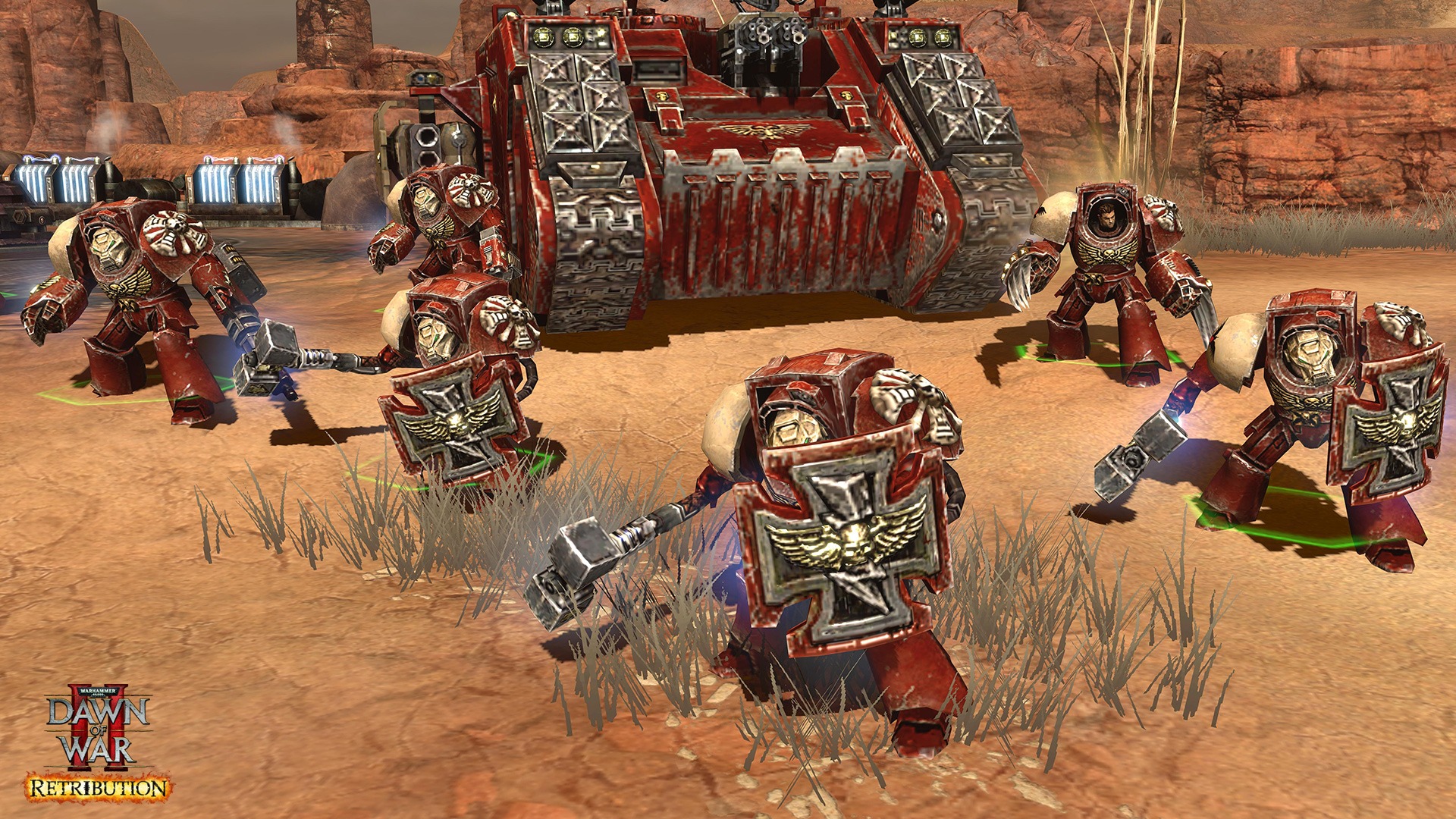
The game just has so much back and forth; the objectives feel tedious, and sometimes you can’t complete a mission because you’re not strong enough, so you have to try another, and sometimes another, and another, then go back around and try to beat them all again until you can finally beat that story mission. It’s exhausting, not fun, and, most of the time, boring. While the game isn’t terrible, it’s just that I wanted an RTS, not a crappy mash-up. Sure, you can get a Dreadnought later on or more powerful accessories like an orbital strike and a drop pod, but you only get one during the mission, and it just never seems like enough.
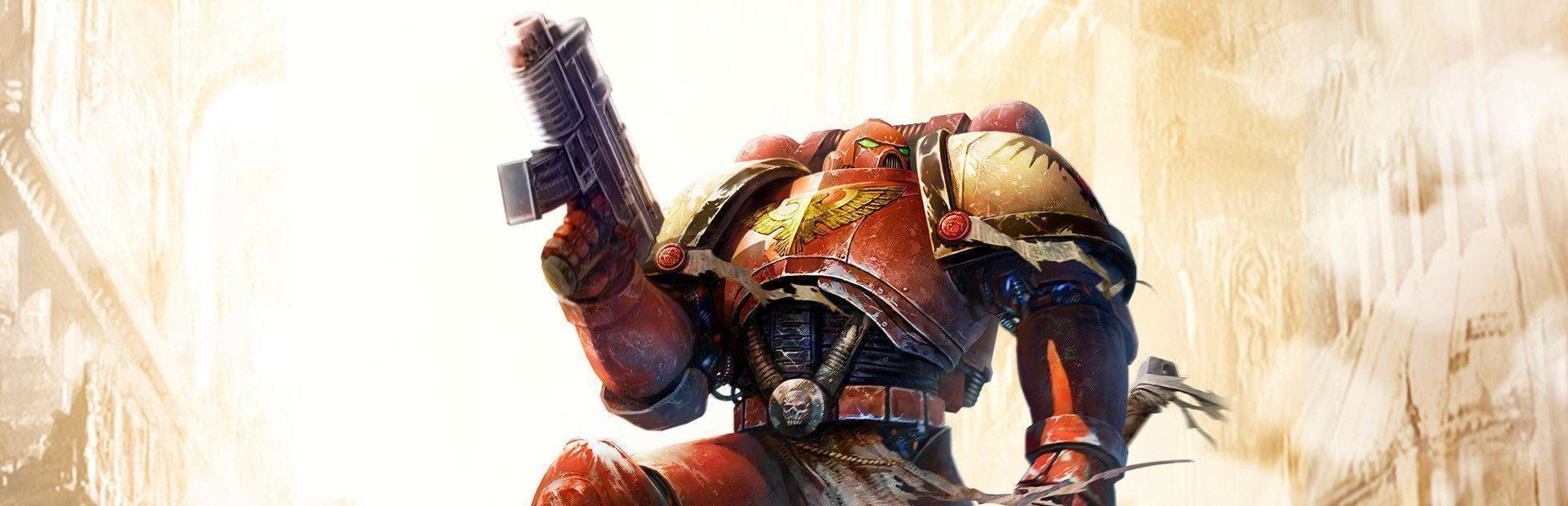
With all that out of the way, the story is decent, and it follows the original. The Blood Ravens are trying to get rid of the Tyranid infestation and are trying to come up with something that can weaken the hive. The voice acting is solid, and the story is interesting enough, but it’s also missing those cool cut scenes from the original game, and it just feels half-baked. The visuals are decent, but not much better than the original, so Dawn of War II isn’t really Dawn of War; it’s something else. Go ahead and pick this game up if you are a true hardcore fan, but you will be very disappointed. You can play co-op with someone to lighten the difficulty, but without the RTS elements, you won’t really care.
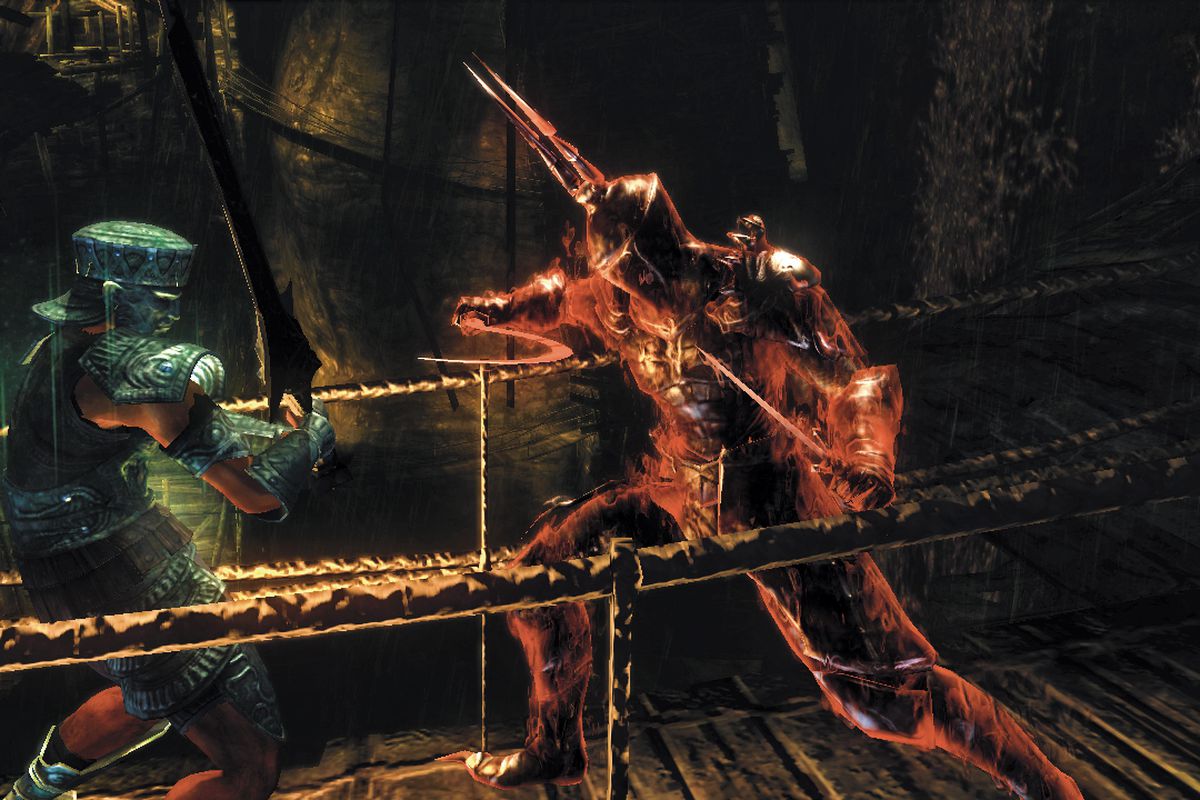
Brutal. That is the first word that will come out of your mouth when playing this game. This is for the hardcore only, and I strictly warn you before plunking down $40 for this game and regretting the purchase like I did. This isn’t your straight-up hack-and-slash game. Oh no, not by any means. This game is all about level grinding and repetition. You will be punished for even trying to take that last-minute hit. What’s the punishment? Going back to the last save. Ha, if only that were true here. You have to restart the entire level every time you die, and you lose all your souls (XP). Yeah, I screamed as well when I found this out.
The game is also hard to figure out. I had to do some research online to figure out how to play Demon’s Souls because most RPGs aren’t like this. Instead of a story that you follow through and advance through a game, you get stuck in a central hub and have five connecting levels. You have to repeat these levels dozens of times to level up. You can go to any level whenever you want, and each level has four sections with a boss at the end of each section. Just getting through stages 1–1 was a pain in the ass. I died about 20 times before beating that section.
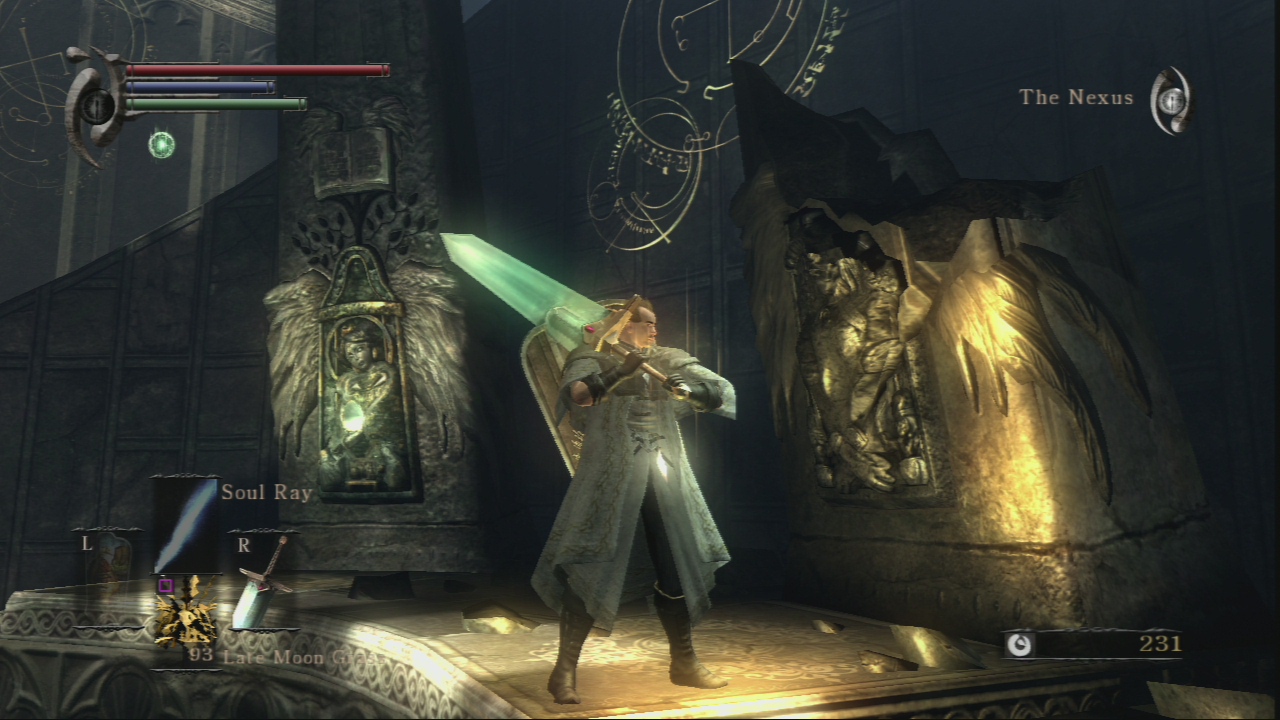
Another thing you will never know how to do is level up. It doesn’t just happen like in most RPGs. You have to get all your souls back to the Nexus (hub) without dying and talk to the Maiden in Black to level up. There are 999 levels, and each time you upgrade an attribute, it bumps you up one level. So if you upgrade strength, vitality, and dexterity, that bumps you up to three levels. So once you figure this out, you have to start soul grinding until you get to a high enough level that you won’t die with every swing.
Don’t panic when you die, though. If you manage to get back to the spot where you died without dying again, you can reclaim all your lost souls, and they will be added to what you currently have. Die before you reach there, and the count is reset. This makes the game so frustrating, and I even almost got an aneurysm from the frustration. A lot of enemies are tough, and the fighting mechanics aren’t all that smooth, so you have to learn them and execute them well. It’s all about skill.
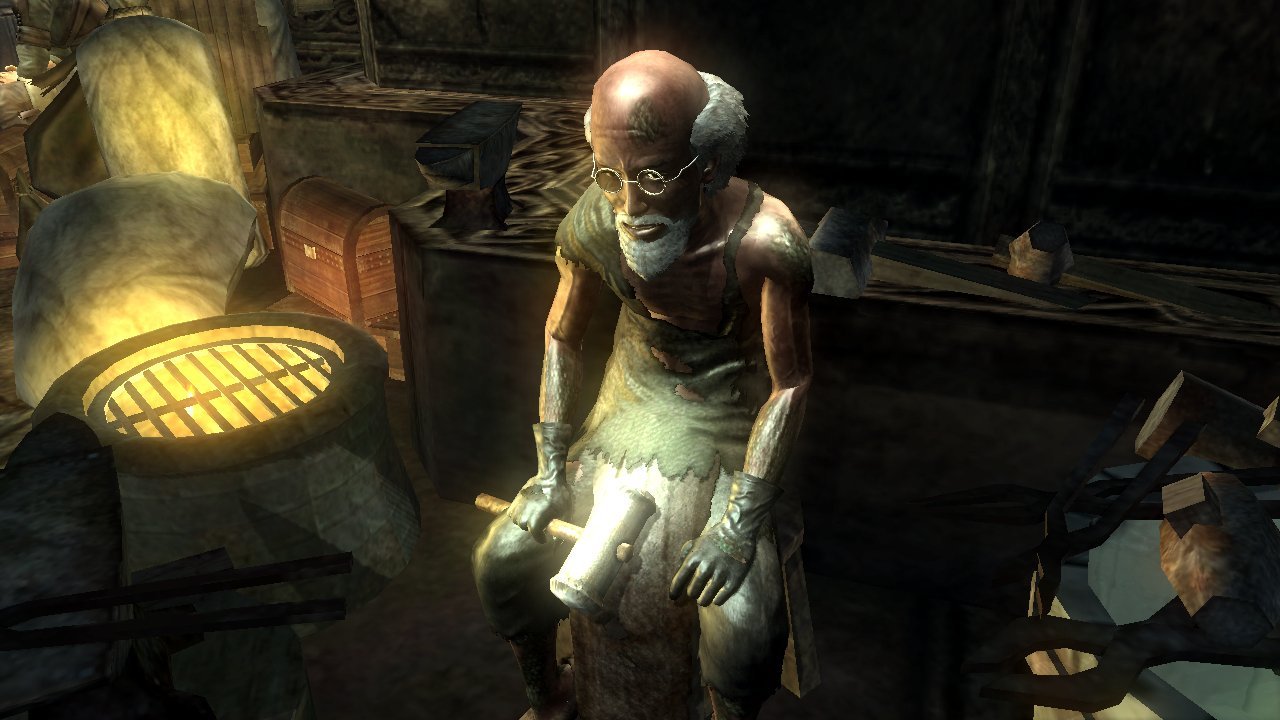
The fighting mechanics are pretty decent. You have a light and heavy attack as well as a block and parry button. All these are mapped to the shoulder buttons. You can switch weapons out with the left and right D-pads (assign them in your menu). Another flaw the game has that doesn’t make any sense is that you can’t sell items but only drop them. You think selling these would make getting souls easier, but From Software just had to make things that much more difficult. On top of this, you have a burden count (think Oblivion), and getting new armor and weapons isn’t easy. You can upgrade weapons and armor by finding stones. These can only be upgraded at the Nexus (as far as I know).
Another flaw this game has is that there’s no pause button. Yeah, what? I couldn’t believe you can’t pause the game; it’s that hardcore. You just have to stand in a safe spot. This game goes out of its way to make you hate it to death. Yet there’s something that makes you keep playing. You just want to keep leveling up, getting the next boss, and fighting your way through the game. This is probably because you get so angry that you just won’t let the game win. This also means you need hours of your day to play this game since this is by no means a pickup-and-play game.
I was so angry about the game that I didn’t even mention the story. The story goes along the lines of a deep fog that has taken over the land of Boletaria, and you must defeat the demons holding it there. It’s not really much to ponder, but it’s enough to keep you going. The voice acting is iffy, and you will spend so much time leveling up that you will probably forget all about the story.
The game does do something unique, and this is its online mode. Instead of having a co-op or anything like that, other people can help everyone else through hidden messages or bloodstains. If you come across a message, you can read it, and it will give you hints to help you through the level. These are pre-made messages that people can enter to help others out. Most of the time, these are helpful, but a lot are tricks. Bloodstains are a player that most recently died in that spot, and you can watch their “ghost” to avoid getting killed yourself. Sometimes you will see white ghosts floating around in real-time, and there are other players that you can watch to give you a hint. This is very unique and innovative, but the frustration of the game makes you quickly forget about it all.
The game looks pretty decent. The graphics are a bit bland in some areas, but they’re technically sound. There are some glitches, like collision detection issues and wonky physics. Overall, Demon’s Souls is for the hardcore only. If you want a hack and slash that’s simple and fun, don’t get this game; stay far away. So why did I give this such a high score if I hate it so much? Because the game is good itself, and I just don’t have the patience for this type of game. I’m not going to punish the game for my inability to play it, so the people who can play it will enjoy it. It’ll take you a good 10-15 hours just to figure out all the stats and how the game is played, another 10-15 to get your bearings and level up enough to attempt the game, and about 50+ just to get through the game. Each boss feels like a triumph and is very rewarding, but this game only rewards the patient.
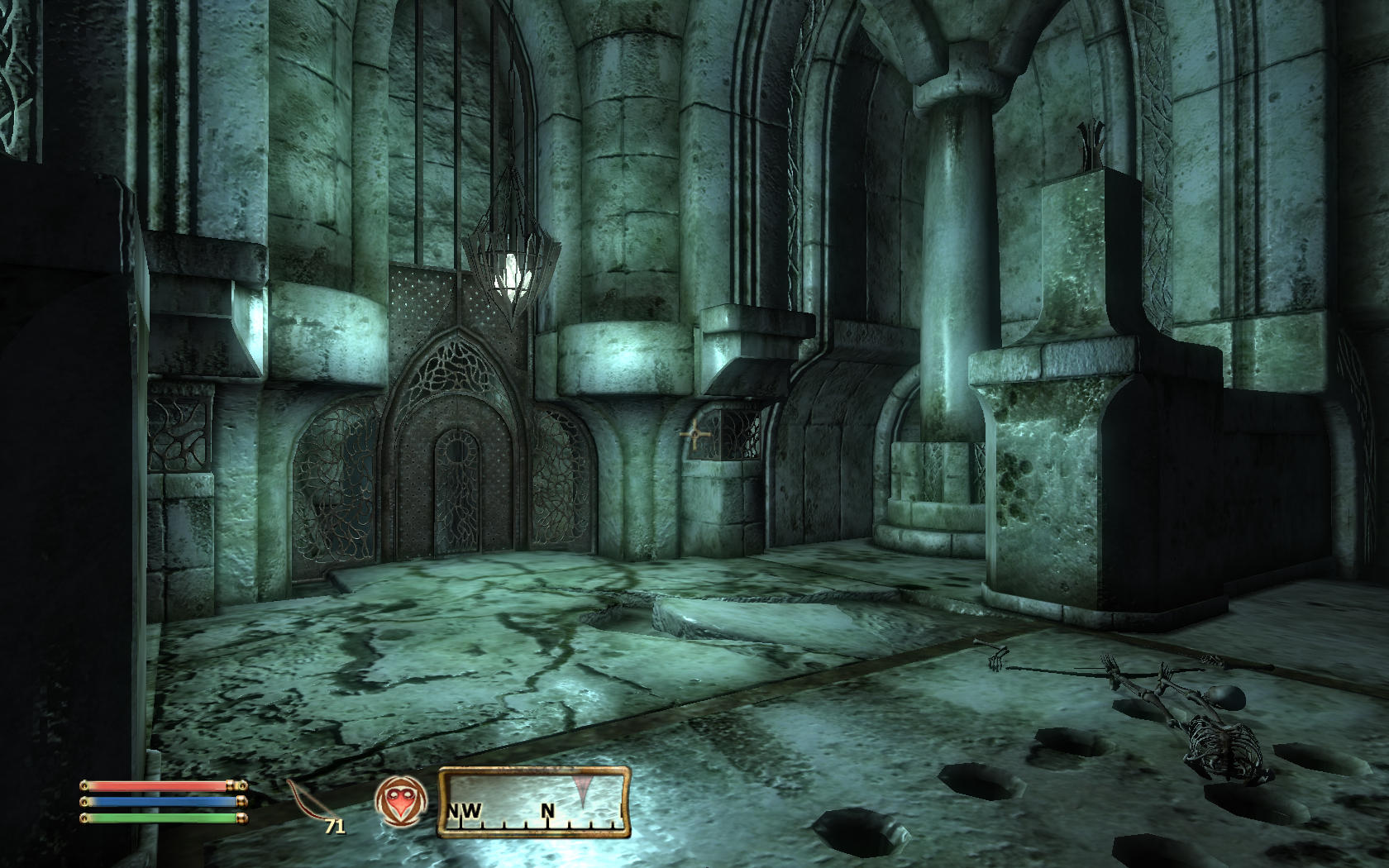
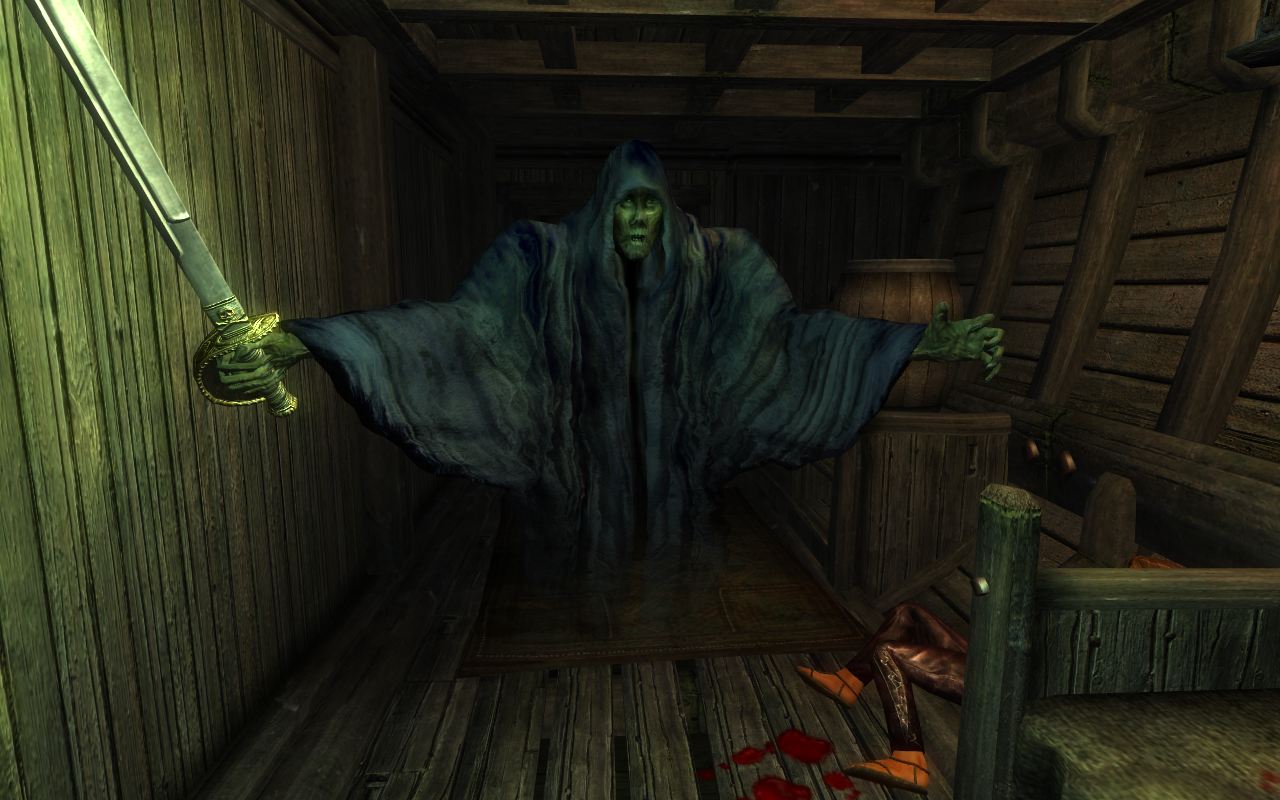
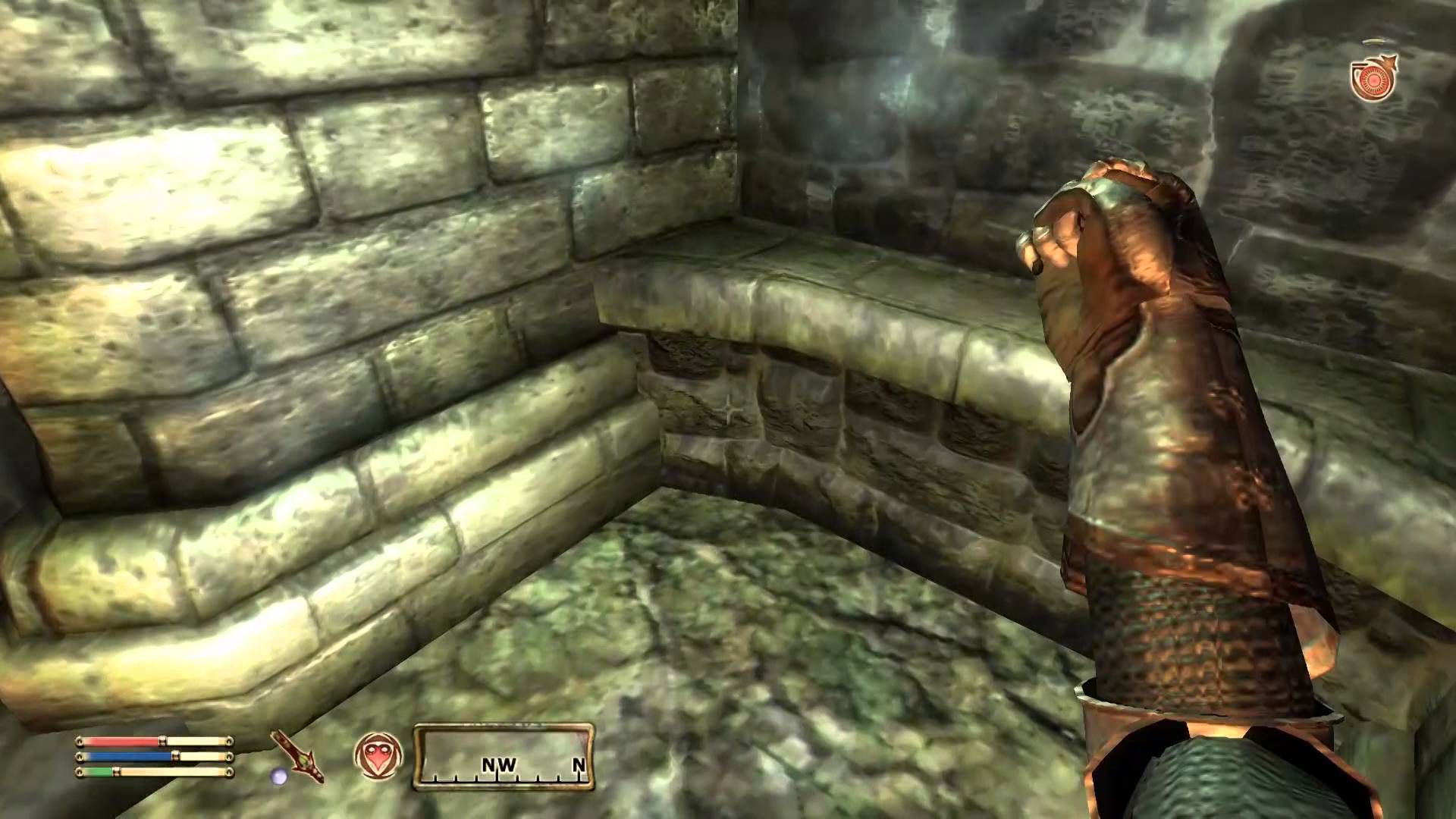
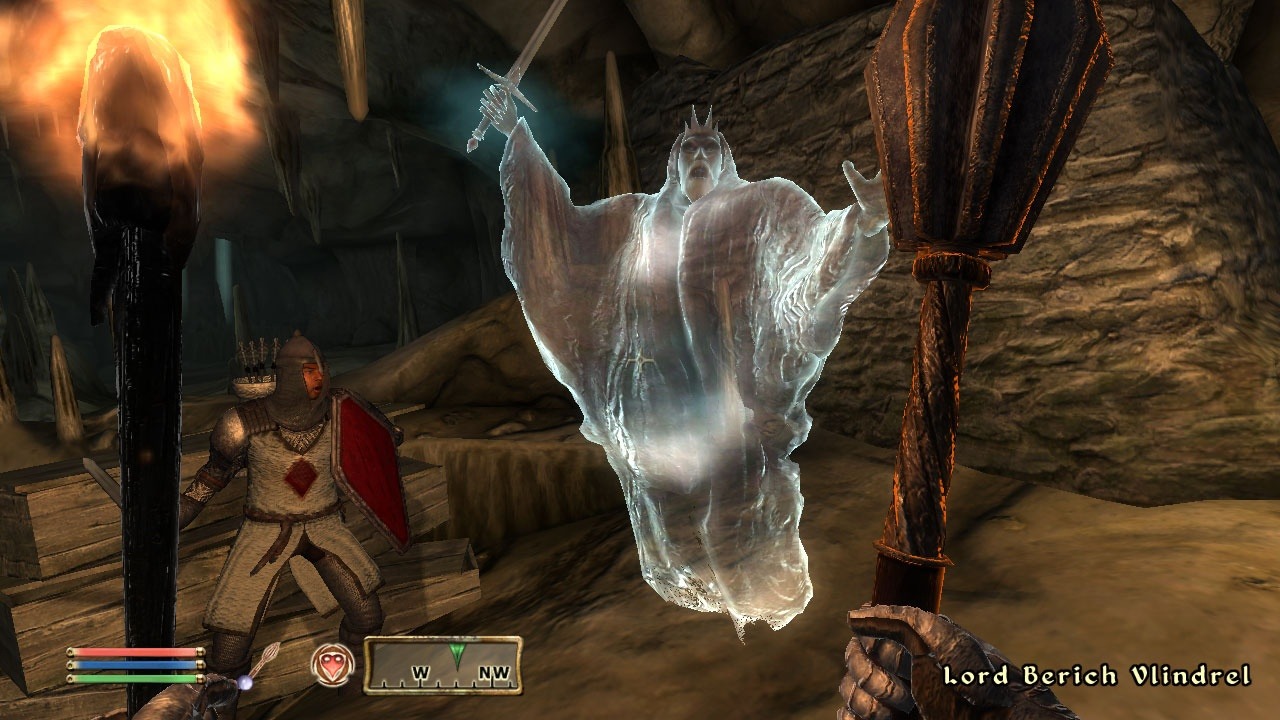
By now, everyone with a 360 has either played or owned this game. There’s so much about Oblivion that it would take pages and pages to describe it all in detail. The main story is that you have to restore the dragonfires so the realm of Oblivion can’t come back to Cyrodiil. The story is very interesting, and the side quests add to this. To start with, you make your character with an absurd amount of detail, and you can even name and customize your own race, abilities, etc. In each city in Cyrodiil, you can choose to join guilds such as mage, fighter, thief, etc. You complete tasks for the guild leader, and you get a recommendation from the head of that guild. You can train there to raise attributes and rest. Now, when it comes to talking to people, the game uses facial expressions to show you what the NPC is feeling. You can persuade people via a little mini-game that takes a while to master.
Now let’s talk about combat. The combat is very deep and simple at the same time. You block with LT and attack with RT. You can use magic, swords, bows, katanas, staffs, etc. As you use your weapons, they deteriorate, and you can repair them with hammers or at weapon shops. Some weapons can have attributes like causing your foe to be paralyzed for 30 seconds or something like that. You can use scrolls, which are magic attacks for defense, and offenses that can be used once. When you level up, you have to go to sleep so you can meditate on everything you learned. It takes a long time to level up in this game, but it’s well worth it.
The vastness of attributes is insane in Oblivion. The combinations of alchemy spells and everything combined just, literally, make it infinite. Now let’s talk about vastness. The game is huge—bigger than all the GTAs put together. Anything that you see, you can walk on or climb. You can ride a horse there or just go there for the hell of it and discover something new. You can pick plants for alchemy, you can find new weapons…or just completely useless stuff like bones, cups, vases, quills, mops, shovels, etc. Some stuff is worth thousands, and some stuff is worth nothing at all. You’re probably wondering how you travel such a huge amount of land. Well, the map lets you warp. Thank God for that. Of course, you can’t warp inside a building, but you can get the idea. Now the game can let you go good or evil depending on whether you steal people’s stuff, pickpocket, murder, etc. Or you can choose to be rude to people during conversations. Technically, there are some flaws.
The graphics are still pretty good by today’s standards but show some age, just a tad compared to recent next-gen games. The music is outstanding, and the voice acting is superb. There is some texture popping up here and there and hitting. The constant loading is also annoying, but with recent software updates that have been remedied, this is some. You just have to get this game. It’s so big and so deep that you’ll play it for hours and hours. Also, with all the expansions out there, I wonder if there is an end. A note to casual players: stay away. The vastness and depth will turn some players off and will turn JRPG fans off.
With the second expansion for Oblivion come some great quests and some loot that are well worth your time. Knights of the Nine starts out in Anvil, where you overhear a crazy priest ranting about an order of crusaders that protected magic armor but failed, and some evil dude is trying to steal them all. It’s a little more detailed than that, but the story is so deep and involved that it would take me forever to explain it all.
One thing about Nine is that all your first objectives aren’t marked on your map; you have to find them yourself. Oh, don’t worry, you get another map handed to you, and you have to compare it to your map and mark it. They aren’t hard to find at all, but this means no warping to them. You have to travel on horseback all across Cyrodiil and find these temples to pray at. This can take anywhere from one to two hours, depending on how you play.
Once this is done, you head to the Priory of the Nine and get the whole scoop on all the armor pieces and their locations. This is the most time-consuming part of the expansion, but it can take you about 2–3 hours or more, depending on how you play. The armor pieces are special and have magic attached to them. You can also find two weapons and a shield, so you can deck your character out in the powerful crusader armor.
There aren’t any new enemies or anything that is really new, like in Shivering Isles, but it’s $10 that will last you a good 5 or more hours. The whole expansion is very well done, and it keeps you hooked and makes you never want to stop. Looting the 8 or so dungeons is great and allows players who may have beaten the game and skipped out on this to squeeze some more Oblivion awesomeness out of their disc.
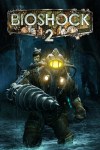
The city of Rapture. Full of life, love, elegance, beauty, innovation, and Big Daddy’s. Well, that’s how it used to be before the civil war broke out for who had the most Adam. BioShock 2 takes place ten years after the initial fall of Rapture, and instead of playing as Nobody, you play as Big Daddy. Not just any Big Daddy, though you play as one of the first Delta models that helped build Rapture. After your daughter, Eleanor, wakes you up from a cold, dead sleep, you must find her and stop the evil Dr. Lamb from destroying Rapture and using the Splicers to commit her evil deeds.
The first thing I have to say is that you must play BioShock 1 before even going into this game, or you won’t know what’s going on. There are so many tie-ins to the original game that newcomers won’t have a clue. With that said, this review is mainly for fans of the original. I also have to tell those fans that BioShock 2 isn’t as good as the first one but has lots of much-needed improvements and a pretty fun multiplayer, so let’s get to it.
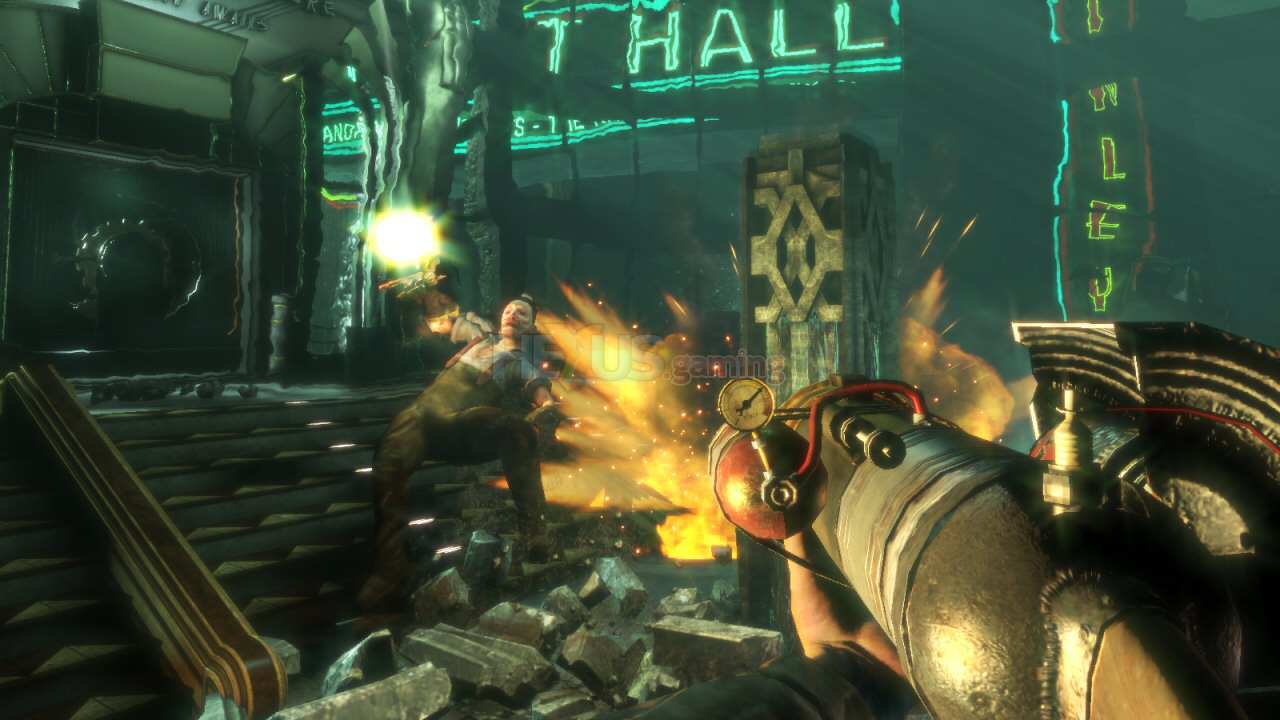
The first thing you will notice is that you have a drill. Yes, a nice big drill to cut those damn splicers up. Of course, the drill takes fuel to use (sorry, I can’t have you just drilling people away, yeah), but the biggest change is that you can use Plasmids and weapons without having to switch. Your left hand uses Plasmids (LT), and your right hand uses a weapon (RT). This is great for faster combat and makes it less cumbersome. All of your favorite weapons from BioShock have returned, but with a twist.
As you can tell, all the weapons need to be handled with one hand, so you get a double-barrel shotgun (which replaces the original pump action), a minigun (which replaces the Tommy gun), the grenade launcher, and instead of a crossbow, we get an awesome spear gun. Yes, and you can even impale enemies to walls. With that said, there are some new weapons that are very handy, such as the hacking gun (more on that later), which can also shoot out auto-turrets, which are great for defending yourself against hordes of enemies. You can lay traps with proximity mines, spear traps, and even some new traps from the rivet gun, which you can pick up later if any weren’t detonated. The shotgun has a couple of new types of ammo for you to use, and these are the slug rounds that knock enemies across the room and the phosphorus rounds, which look like sparklers that explode all over the enemy. You can use antipersonnel rounds, armor-piercing rounds, etc. for the situation at hand. When you get to Power to the People stations to upgrade your weapons, a third hidden one will become available that adds an extra “hell yeah” to your weapons. For example, the third upgrade for the shotgun adds electric charges to shots for extra damage.
One greatly improved element is hacking. In the original, we had to do this Pipe Mania-type mini-game, but that has been scrapped, and everything is done in real-time while playing via a moving needle on a meter. Green areas are good, and red areas have trip alarms. Blue areas give you bonuses, such as turrets doing extra damage or vending machines giving you free items. This is a huge improvement over the original, and it keeps the game flowing.
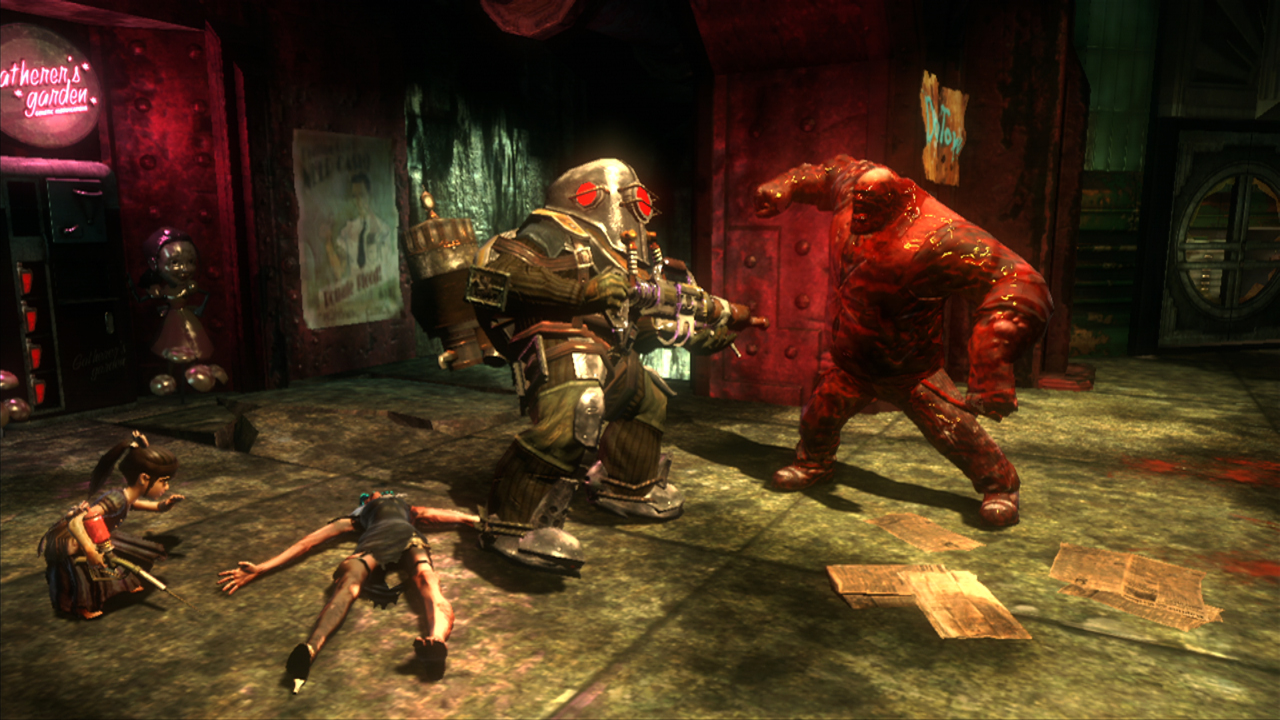
Being a Big Daddy obviously requires you to protect your Little Sisters, and that’s exactly what you do. Instead of just killing their Big Daddy and then harvesting them, you can adopt them and go find “angels” to harvest Adam out of. Once the Little Sisters are all full, you can harvest them for tons of Adam or free them. Gathering Adam isn’t an easy task because once you start, Splicers start coming out of the woodwork with no mercy. Set up traps and find a good vantage point before setting the Little Sister down, and usually you can make it through just fine. If you decide to take the merciless harvesting route, watch out for the new Big Sisters, which are fast, mean chicks who don’t mess around. They are harder to take down than Big Daddies and require a lot of firepower to be prepared.
One last little tidbit is the research. Instead of taking pictures of enemies, you now have a movie camera. You whip it out and start filming a splicer, and the faster you take it down, the higher the research rating you’ll get. Research enough, and you will get special bonuses and even a secret tonic.
Now that most of the new features are out of the way, you’re probably asking, “What hasn’t changed?” A lot, in fact, and I could boldly say the developers played it too safe with this game. Everything is pretty much exactly the same as the original; the art style, the graphics, the menus, the sounds, and even the splicers’ animations are exactly the same. The only new splicers are the Brute splicer (Tank from Left 4 Dead anyone?) and the Big Sister, but that’s about it. All the plasmids are the same tonics, with a few new exceptions. You get a ton more tonic slots, but everything is the same. The other problem, too, is that the game gets extremely repetitive. After the first level, you’ve pretty much seen all of what BioShock 2 has to offer. The narrative isn’t as memorable as the original, but the game is still excellent. All of these things staying isn’t so bad since they work, but a whole new approach would have been nice. The graphics are slightly updated, but other than that, you won’t see any changes there.
The multiplayer is pretty fun, but it’s an acquired taste. Multiplayer feels more like the first game; you can use plasmids and research other players for bonuses, level-ups, etc., but it’s kind of short-lived. You can find Big Daddy suits, and there is pretty much every game type you can imagine, including protecting Little Sisters and taking down Bid Daddies. The hype about the multiplayer was from a narrative standpoint since it’s never been down before. As you level up, you will receive messages that let you know what Rapture was like before the civil war.
All in all, BioShock 2 is a solid sequel with fun multiplayer, but the developers just played it too safe in the end. I would have liked to see some more bold moves, but what we get is a wonderful package to enjoy.
SPECIAL EDITION: If you paid the extra $40 for the special edition, you’re in for a treat. Being the biggest game box I have ever seen, SE packs in a lot of extras for die-hard fans. The SE includes a vinyl record of the soundtrack, the CD version, four posters that represent the in-game ads, as well as a 164-page book about how BioShock 2 was developed. After reading this book, you can really tell every idea was scrapped, and they just stuck with the original ideas. It seemed the developers were too scared to stray off the familiar path, which was a disappointment.
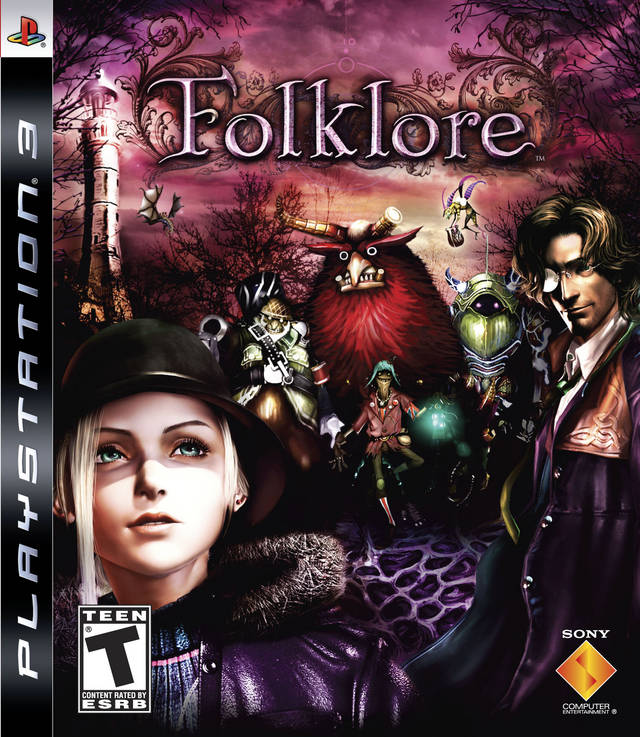
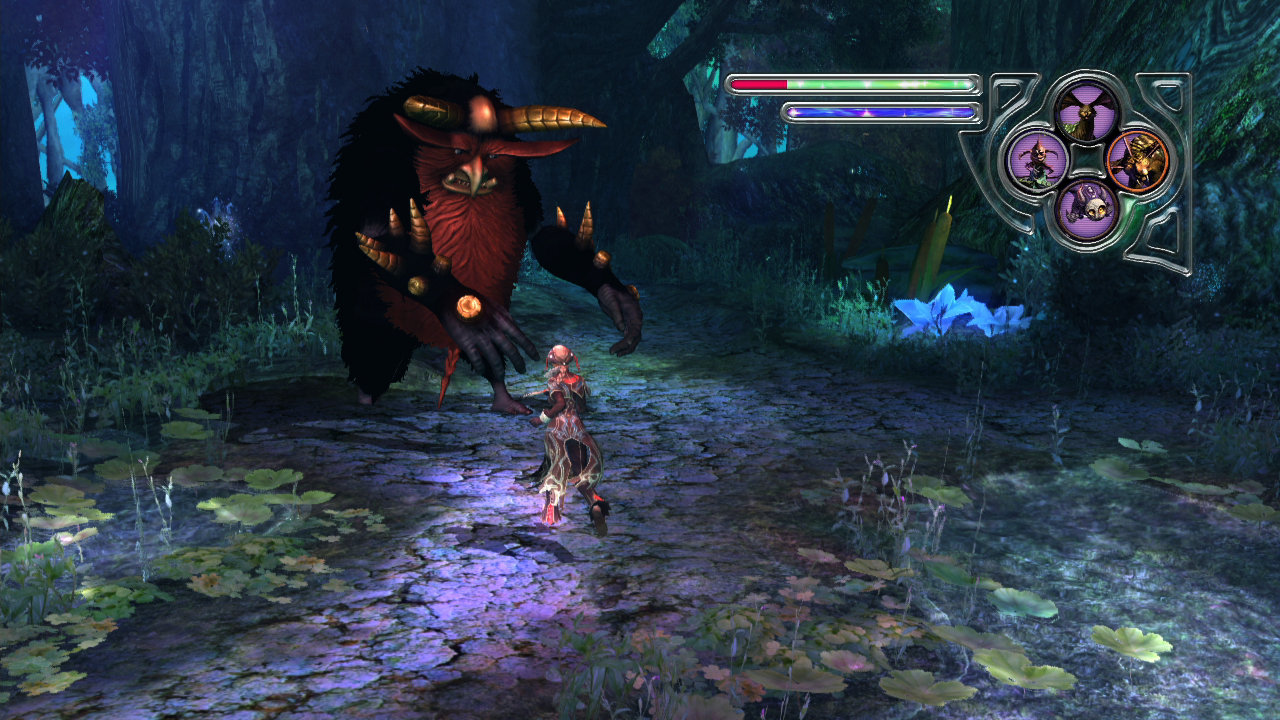
One idea that has not really been explored in video games is fairies, and why this is beyond me. When I saw Folklore debut at E3 ’05, I was stunned by the beautiful visuals and the charming idea of capturing fairies’ “ID” and using them to attack. After the game’s release, two years later, it received lukewarm reviews, with most people complaining of the difficulty and repetition, and I have to agree.
Gameplay-wise Folklore takes a step in the right direction but then trips with flawed execution. You can capture dozens of fairies and store them for later use. Each realm has different types of fairies, and they are used not only to fight certain enemies but bosses as well. Some fairies are weak against some and immune to others. You can assign fairies to each face button and execute them as attacks. This is a step in the right direction, but the trip-up is due to flawed mechanics. Every time you attack a fairy, the character stops, and then the animation is played out. This can be very frustrating when fighting fast-moving fairies or bosses. Another flawed element is that you don’t know what fairy is good to each other because there is no data letting you know. You have fairies classified under elements, but you don’t know which can fight which unless you equip and unequip each fairy, and this is daunting.
If that sounds bad enough, navigating through the levels is extremely hard, despite the extreme linearity of the game. Most levels are like mazes that give you no direction on which to go, and re-spawning enemies every time you reenter an area is a disaster. Really? Re-spawning enemies? C’mon. You have to fight each area to acquire the IDs to break certain gems or fight bosses. After you have visited an area once, you can just run by them all. Another thing that I hate is that there is no way to use items. You can collect karma items, but I have no idea what they are used for. Health can only be generated by saving spots or when enemies drop them, and this is rare. If you die, you have to start all over again from the last save point.
The other useless and annoying element of the game is the MP bar. It regenerates, but there are no special magic attacks, so using only attacks that drain a bar is absurd. After a few hits, you have to wait for it to regenerate, and this can be very annoying when fighting enemies that have timed downtimes.
If you want to talk about something that really annoys me, There are 8 chapters in the game, and each character has 6, but when you get to chapter 7, you have to play 1-6 with the other character. Playing through an already frustrating game twice to see the ending? It’s almost not worth it. The game does have a great mystery murder-type story that will keep you guessing all the way through, but there are even problems with that. There are lots of text readings and hardly any cut scenes. The scenes are pre-rendered CGI, which is what next-generation technology is supposed to illuminate. You also get weird comic-style panels that you can fast forward and then RPG-type avatar conversation screens.
There are positive notes that make the game worth at least renting, and the biggest one is the great use of the Sixaxis motion sensing. This is probably the most use I’ve seen from any PS3 game so far. When you defeat folklore, you will see a red soul come out of it, and that is the sign to hit R1 and pull the controller up. Some bigger folklore and bosses have you whacking the soul side to side, pulling up at timed moments, and shaking the controller vigorously.
The game’s best feat is probably its looks, with gorgeous landscapes and beautifully designed folklore, but that’s really not enough to keep you playing. Once you get to chapter 7 and realize you have to go through the game again with the other character, it makes you decide whether to tread on or give up. If the game wasn’t so frustrating with all of its weird, quirky gameplay elements, it would be an amazing adventure.












































 thebinarymessiah.com
Try multiplayer. A lot of fun !