Colors: Tan (Uncharted: Golden Abyss Edition), Black
Release Date: 2/27/2012
MSRP: $29.99
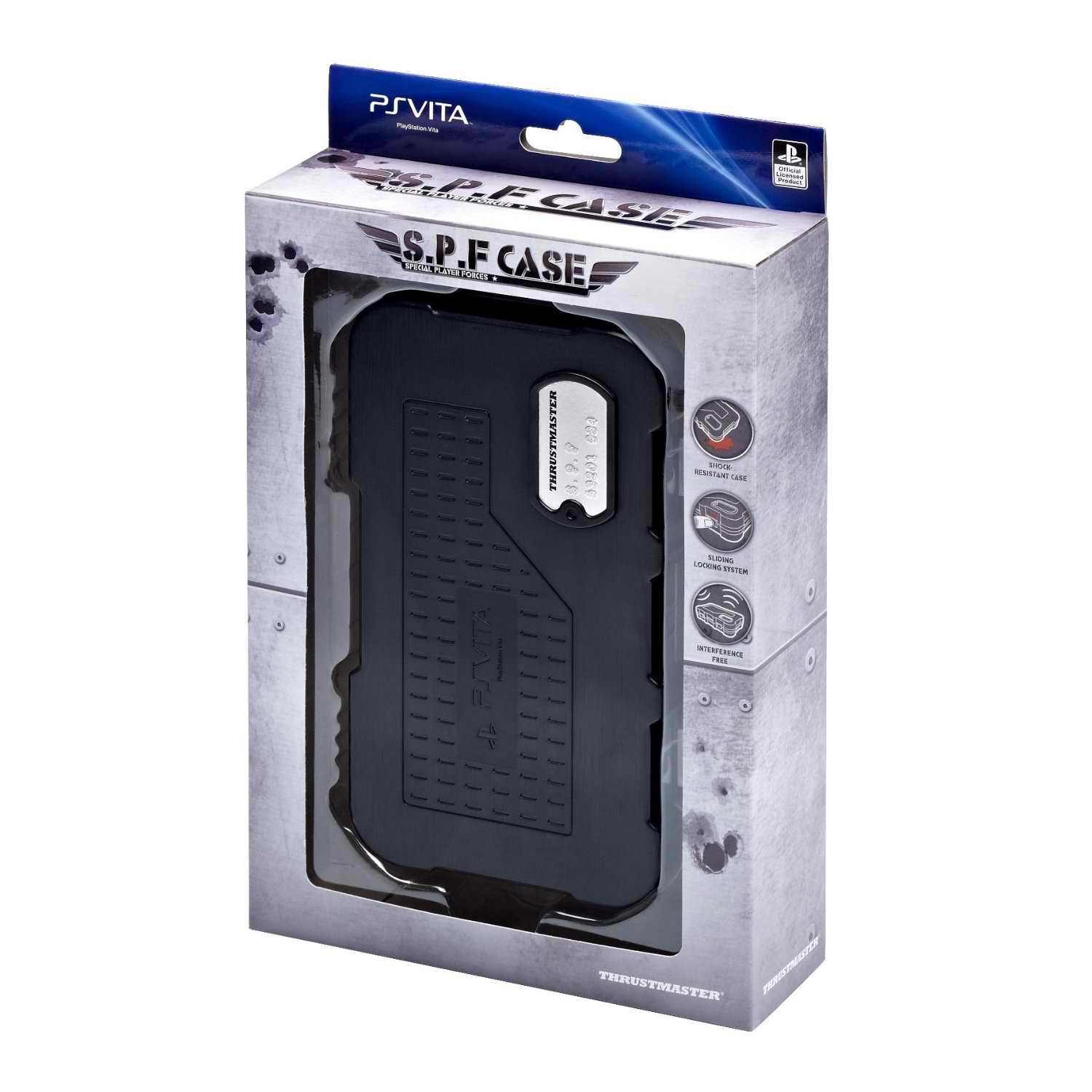
While the Vita is only a couple of months old, there is a nice trickle of accessories coming out. The first thing you should do is protect your investment with screen protectors and cases. Soft cases are usually useless against drops, but hard cases aren’t. Thrustmaster has come out with a series of hard cases for the Vita, and it works just fine.
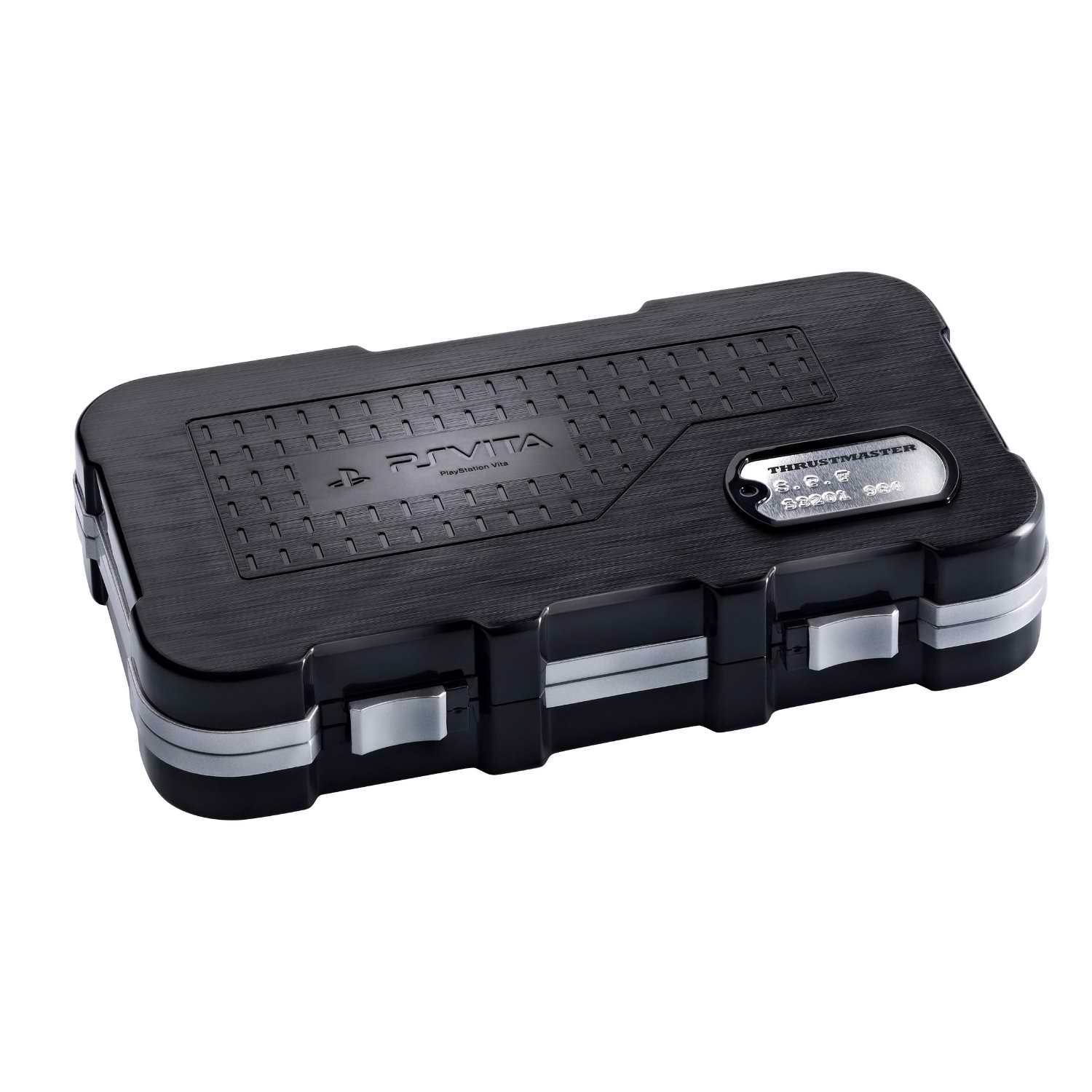
The case is made of hard black plastic with soft foam inside. The Vita sits perfectly inside, with two little areas at the bottom to lift it out. There are six slots on the foam in the top portion. These slots hold Vita games, but I found that they fell out if the case was jarred too hard. I also thought that maybe you could lift up the foam and store stuff underneath, but instead, the foam is glued in. There are two locking mechanisms on the front of the case that you slide in to lock and slide out to open. These didn’t seem to open up during test drops, but they may end up getting loose over time.
I found that the case wasn’t very attractive, and the whole Special Forces thing is pretty stupid. There is a fake plastic dog tag on the front to make you feel like this is an ammo case. It really feels like some sort of cheap toy you would hold your action figures in. The case doesn’t even look like an ammo case and needs some more aesthetics.
Overall, you buy this stuff to protect your Vita, and this does the job just fine. If you can look past the cheap looks and lack of compartments, you will have one of the best Vita hard cases on the market.
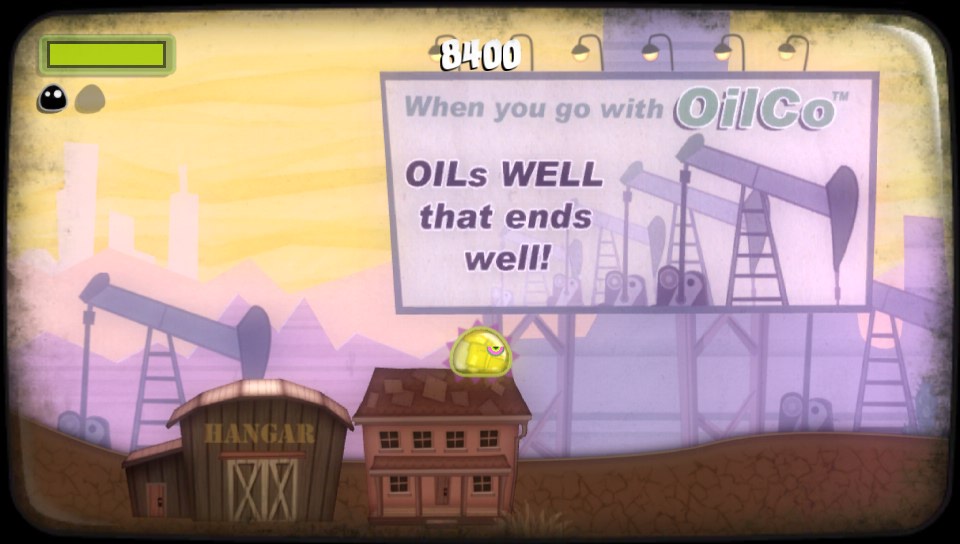
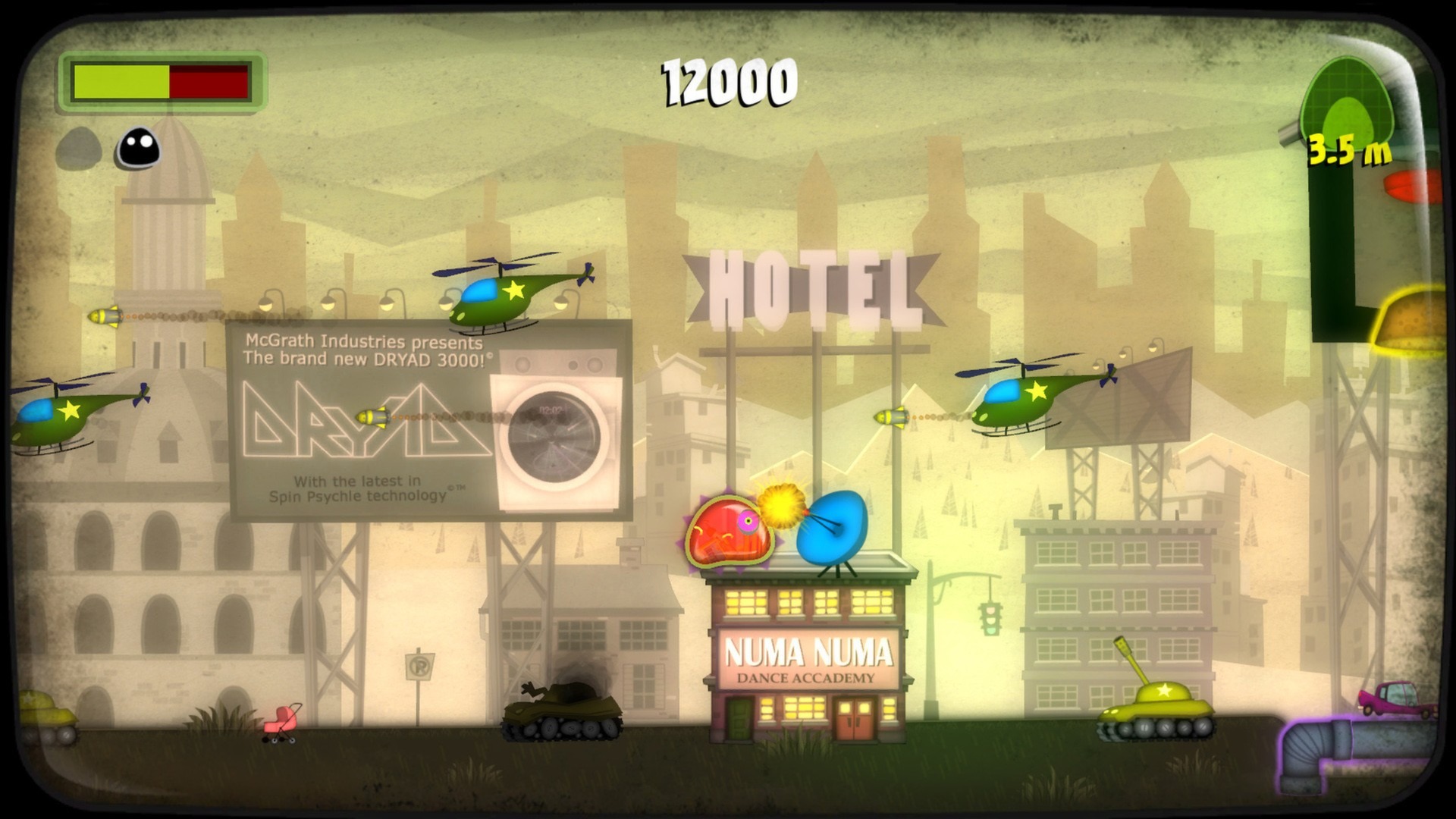
The Vita is currently short on good games, especially on the PlayStation Store. This little gem is a physics platformer that is addictive, unique, and very fun to play. You play as a blob that escaped a college laboratory and is on the rampage to take over the world. As you move along, you solve puzzles and use gelatinous physics to climb your way around.
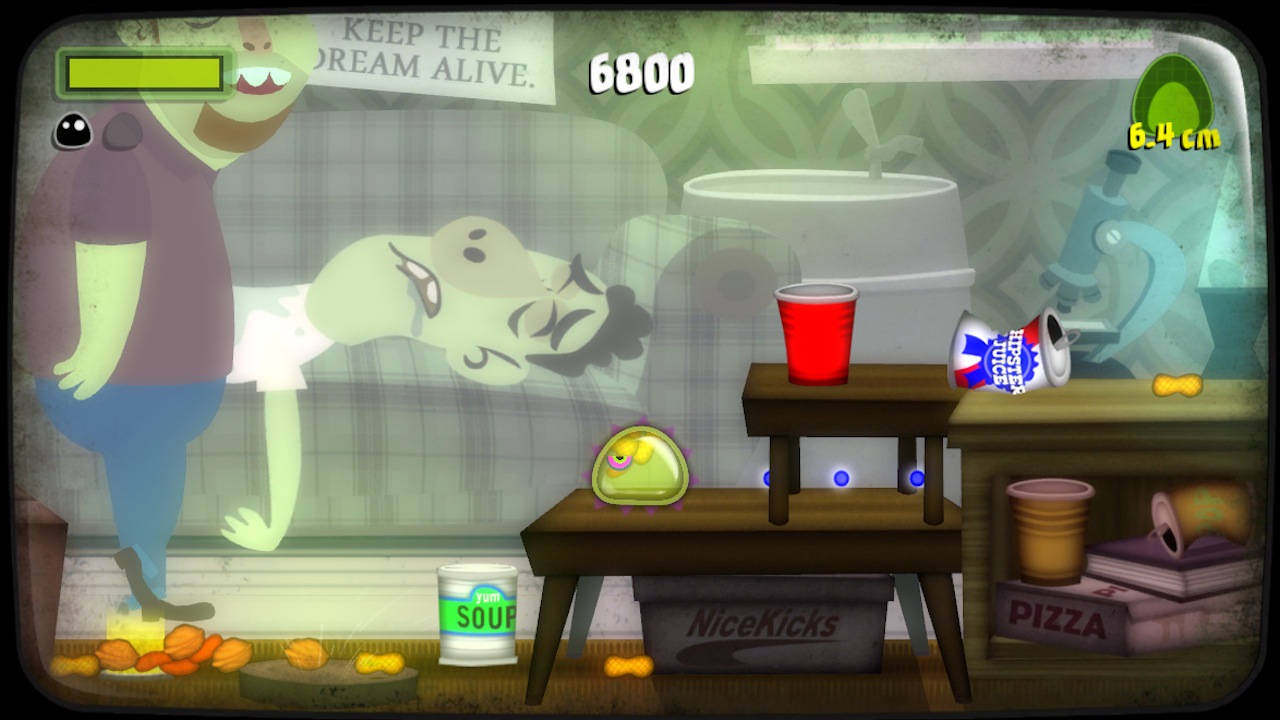
The game has a bit of Katamari Damacy built-in since you absorb things along the way to get bigger and bigger. Each level is different, and not one puzzle is the same. There are so many different gameplay elements that you will never feel bored here. Just to mention a few, you can use the touchscreen to pull green platforms that can shoot you across areas using kinetics and momentum, avoiding lasers, using magnets to push and pull your way around, and even some extra stages that use the tilt sensor. Mutant Blobs is so varied that you will always be looking forward to the next level.
The blob’s physics work perfectly and change a bit as you get bigger. The controls are simple, but change when you float around using gas, where you switch to the analog stick. The game has a great sense of humor as you run over people and hear them scream, all while the blob’s sticky suckers make noises and make a gurgling sound when absorbing enemies. There are little hints at other games like Portal, Angry Birds, and Pac-Man that will make you chuckle. The whole package is so charming and fun that you will have a hard time putting the Vita down. This game is one of the first to really let you know how unique the Vita is because this game couldn’t really be done on a console or even a smartphone.
The game does get a bit too hard in spots where you will restart dozens of times, but these were far and few between, thankfully. Each level varies in length, but you are scored at the end depending on whether you found your two hidden friends and how many blue dots and items you absorbed. These are uploaded to leaderboards, which you can go back and beat later. I should also mention that I felt the game didn’t have enough levels, but hopefully more will come in the form of DLC. There’s enough here to last you about 4-5 hours, but most will blow through these in a few long sittings. This game is just so fun and different that you can’t get enough of it.
Overall, Mutant Blobs has perfectly balanced mechanics, varied level design, clever puzzles, and a charming art style. You will have a blast with this game, and it is the best $8 I have spent in a long time. If your Vita is currently not being used or has played all the launch games, pick it up and you won’t put it down.
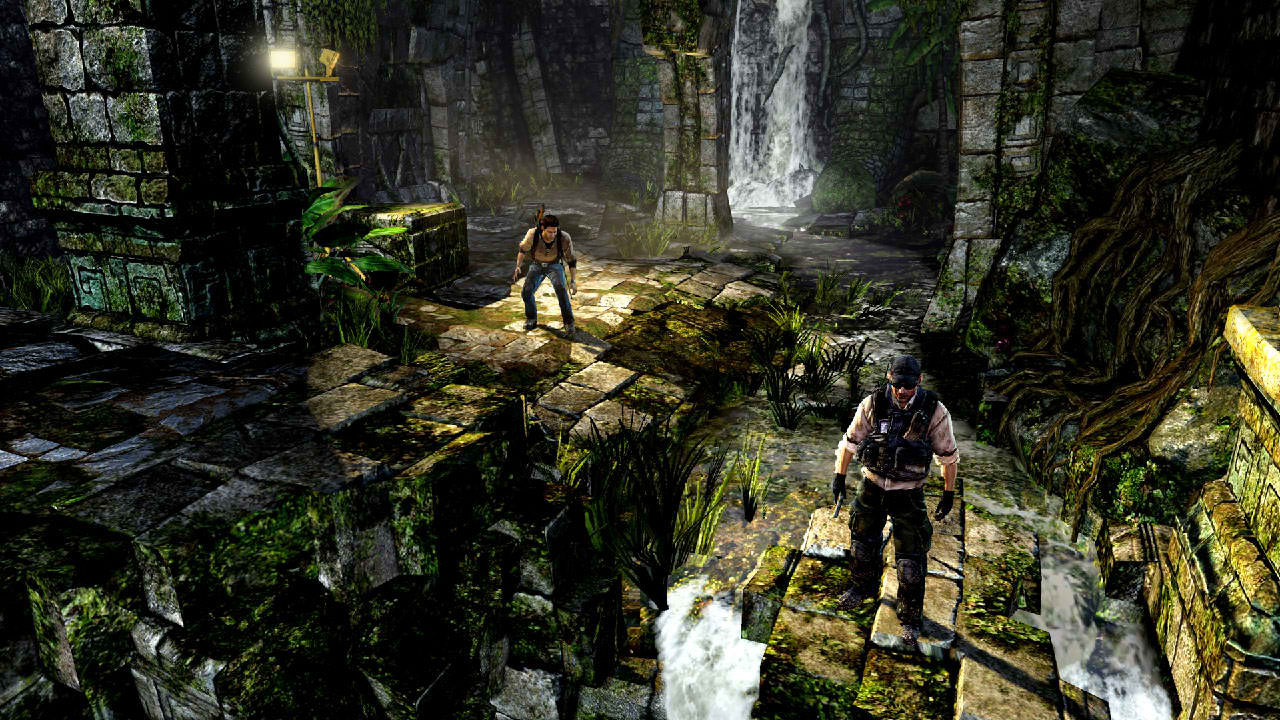
Golden Abyss is the prequel to Drake’s Fortune for PS3. This one is coming from Syphon Filter (for PSP) at Bend Studios instead of Naughty Dog. We follow the hero Nathan Drake as he uncovers a 400-year-old massacre and travels through various dangerous locales to get there. Of course, this isn’t an Uncharted without some bad guy trying to get the fortune all for himself, but this time there are two, so this makes it a race. A new heroine is introduced as Marisa Chase, but fans will not like her as much as previous females in the series due to her lack of charm and charisma. The overall experience is the same as the PS3 versions, but with some added features exclusive to Vita.
The story itself doesn’t tread any new ground besides carving a new adventure. It isn’t as deep as the last two Uncharted games (Among Thieves and Drake’s Deception) because it doesn’t explore anything about Drake’s past or push his character in any way. The game felt a lot like the first one, and that’s fine, but the Vita version could have been a lot more. The combat and platforming haven’t changed at all, but what’s here works well. If you are already familiar with Uncharted’s gameplay, you won’t need to learn anything new except the Vita features. You can climb around handholds as normal, but you can “paint” your path with the touchscreen, which is helpful during long shimmies. You can use the touchscreen to climb ropes (as well as the rear touchpad), as well as access menus.
Thanks to the second analog stick, you won’t have camera trouble, and this also includes combat. Gunfights feel just like the PS3 versions, but hand-to-hand use the touchscreen. You can press the first icon on the enemy or just use the square. The final blow is delivered by a swipe direction on the touchscreen. In fact, all quick-time events are done with the touchscreen. This doesn’t really add anything significant, but it is a nice touch and makes use of the technology. The tilt sensor is used to balance yourself on beams, and the gyroscope is used to fine-tune your aim. These features are just subtle touches, but they don’t really make the game any easier.
Golden Abyss has 34 chapters, but the game can be beaten in about 4-5 hours if you aren’t looking for collectibles. There are tons of them, and without a walkthrough, you won’t find them all. This includes taking photos and doing charcoal rubs with the touchscreen. This is probably the best use of the touchscreen because it fits so well into the Uncharted gameplay and setting. The story is delivered with excellent voice acting, and the dialog is top-notch with Drake’s sarcastic and snarky comments. There are some interesting puzzles that use the touchscreen, but they are easy and not as challenging as the console versions.
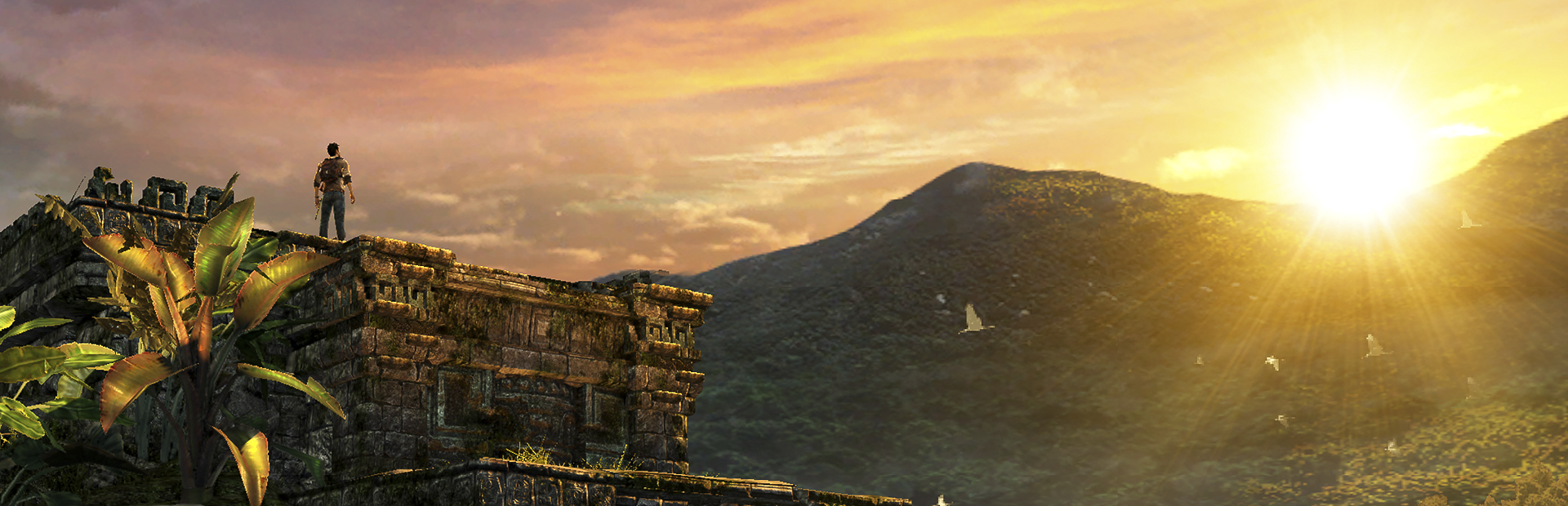
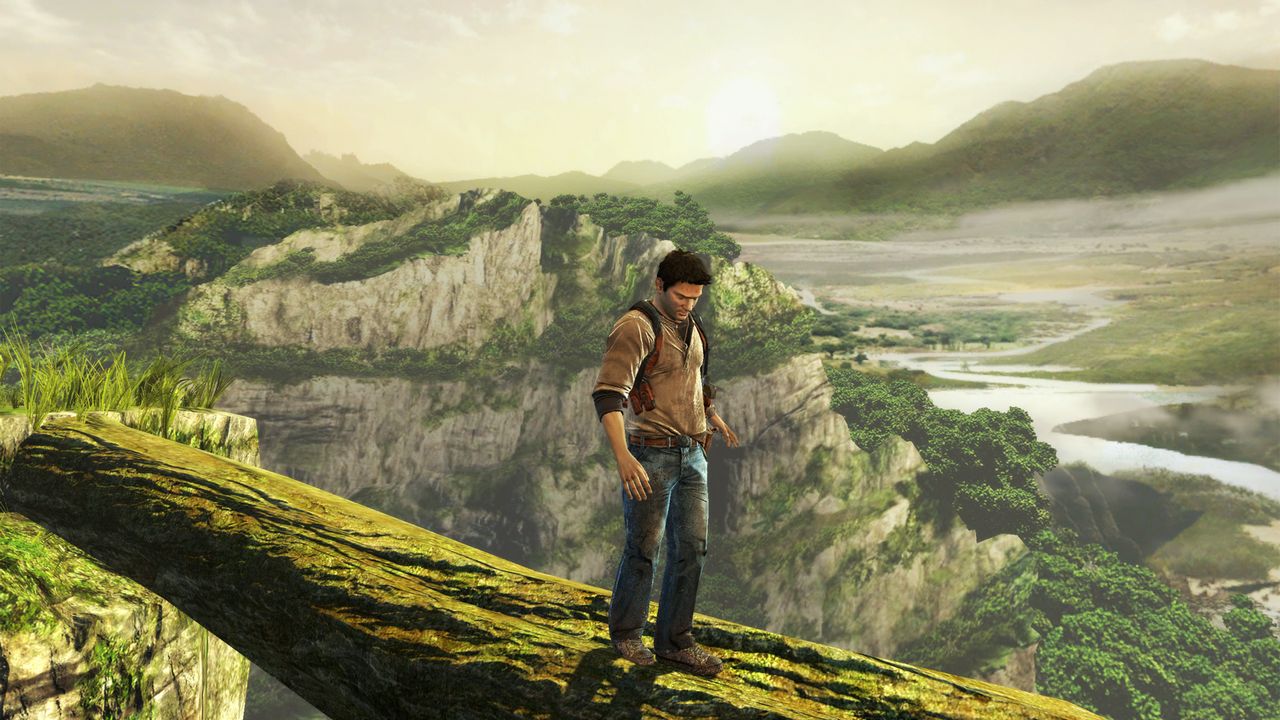
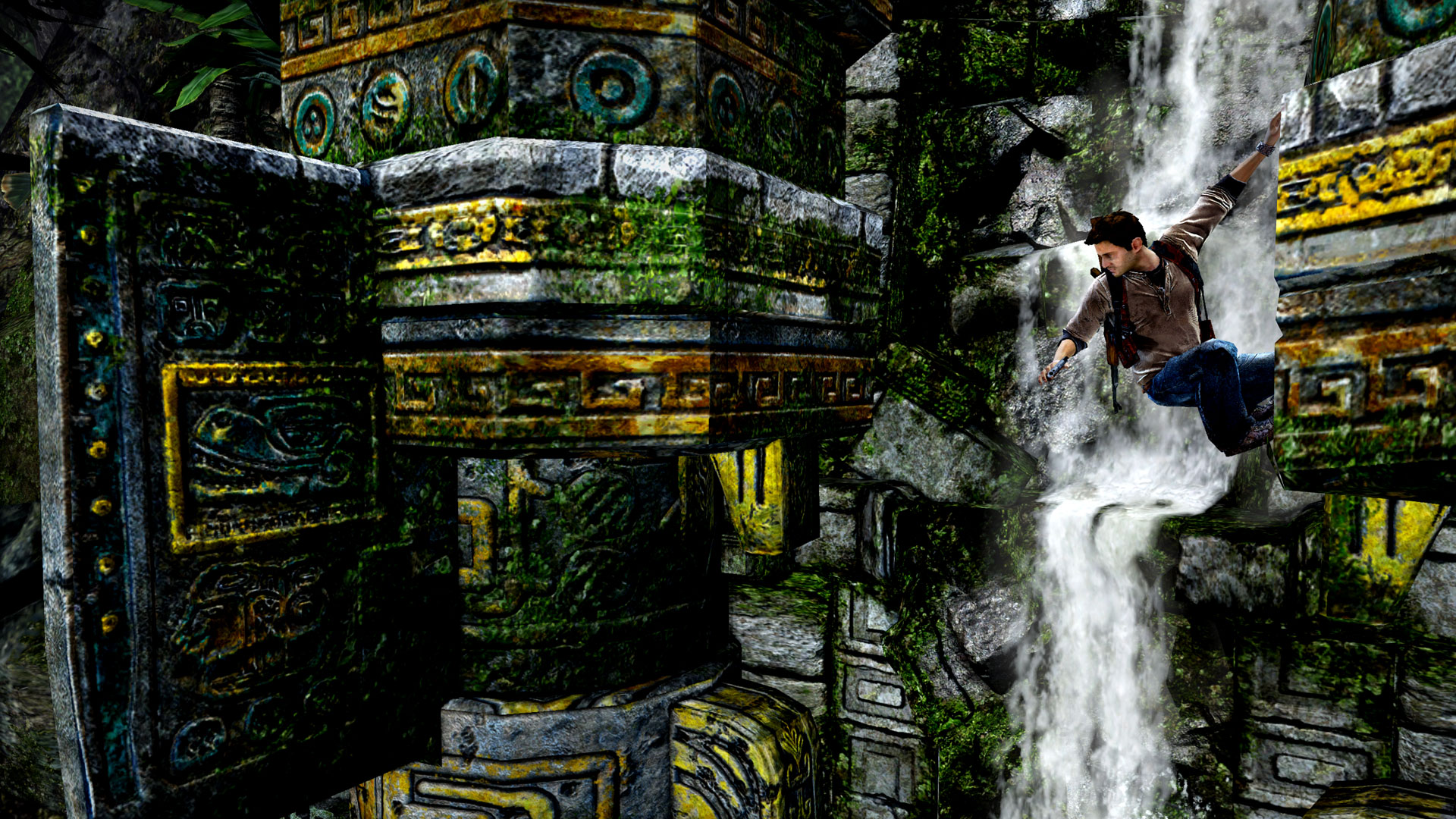
The visuals are a real treat and are probably the best-looking handheld game to date on any platform ever. The lighting effects and highly detailed textures are unrivaled on any other portable device. It doesn’t look as good as the PS3 versions, but it looks very close to the first Uncharted graphics-wise. There are various locations to gawk at, such as night caves, lush jungles, and dense villages.
After you beat the main game, there really won’t be any reason to come back except to find the collectibles and unlock trophies. The story is entertaining but not nearly as memorable as the console versions, but Uncharted is lacking one huge thing that brings it down so much: epic set pieces. Uncharted is famous for this, and there isn’t a single one in the entire game. No exciting train chases or anything like that. It feels too familiar with the basic gameplay and doesn’t stray far from that path. Golden Abyss is a great Vita game, but not the best Uncharted game.
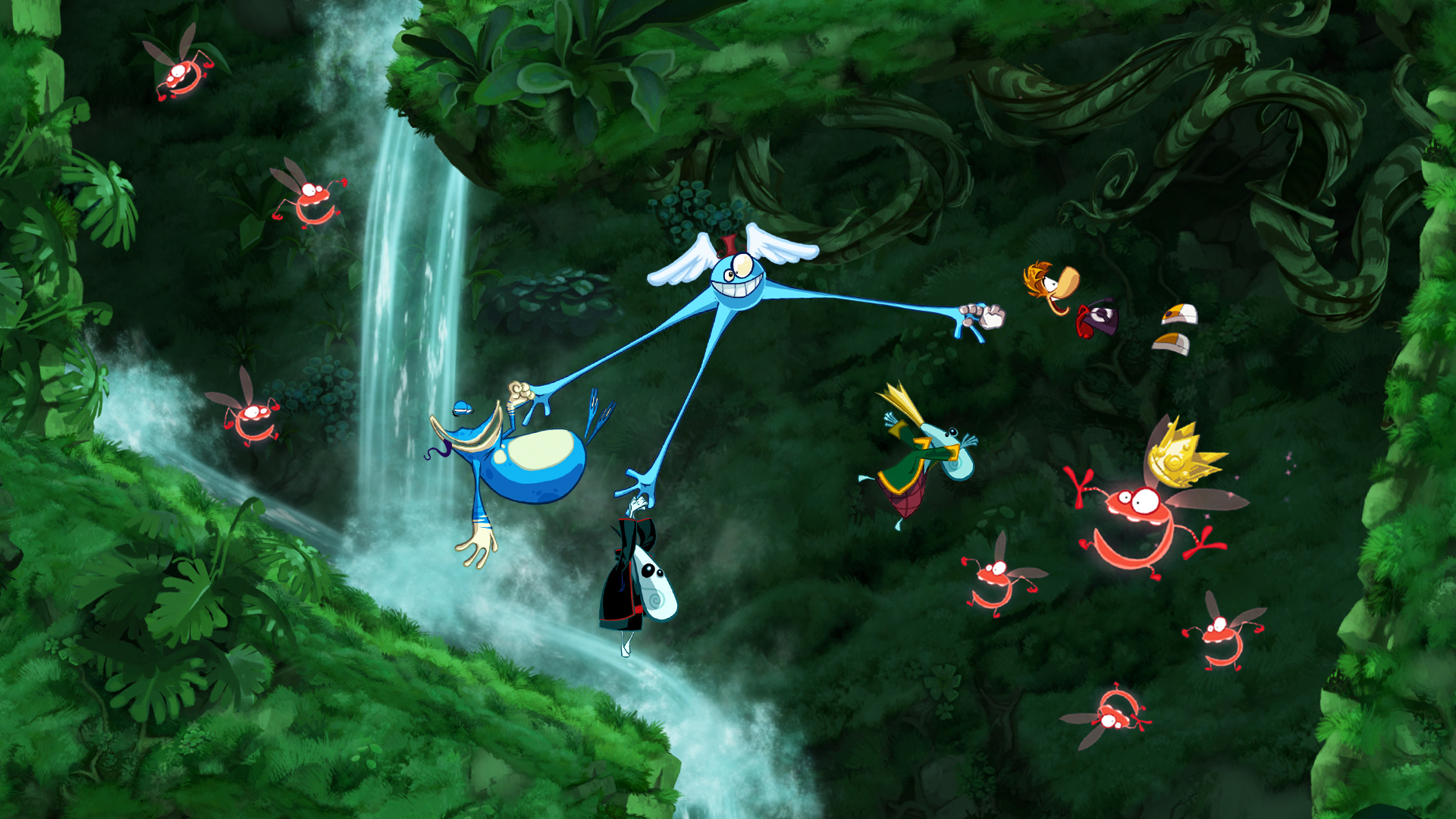
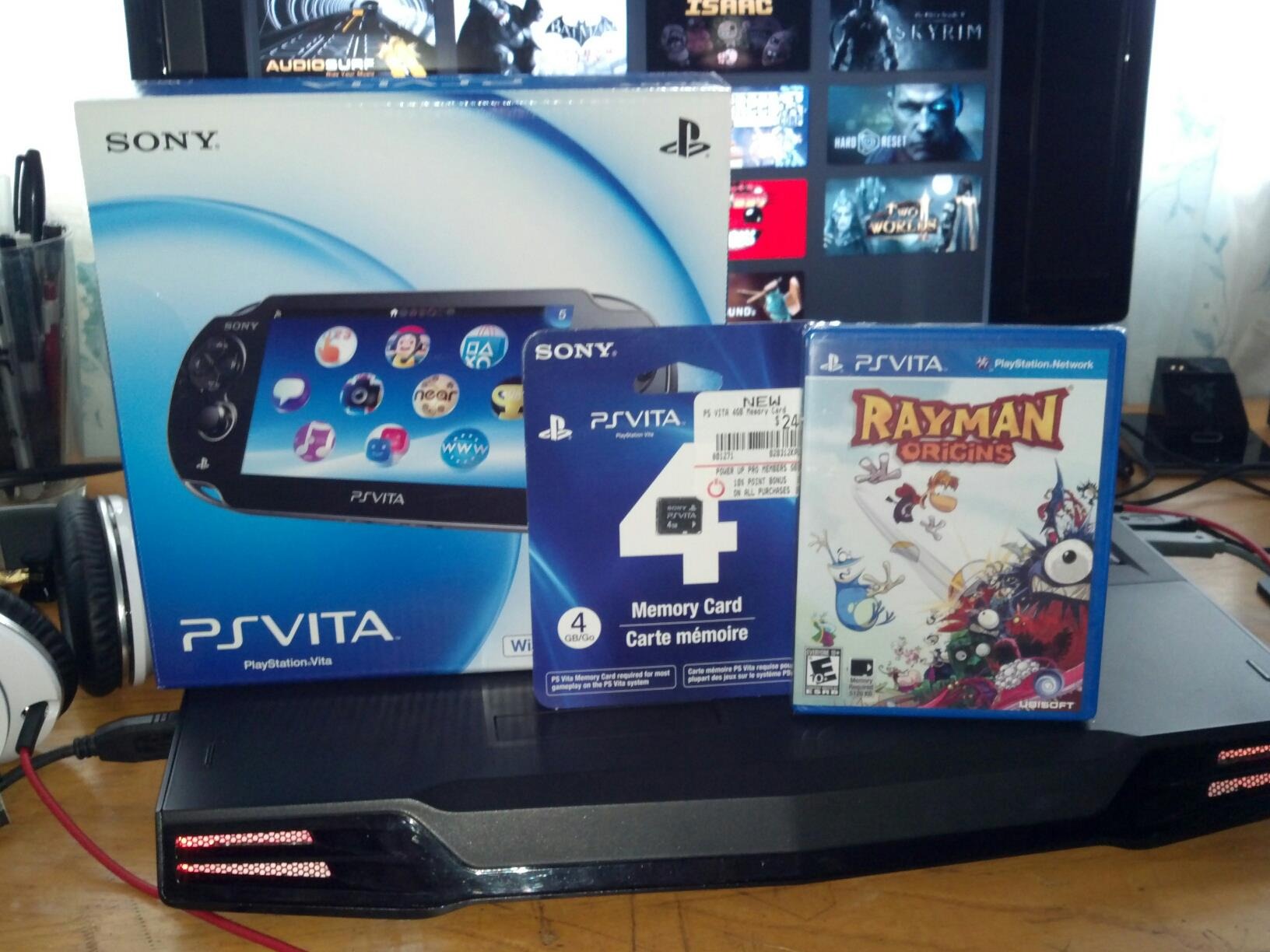
Rayman has been a struggling series since the PS1 games came out. There have been spin-offs, ports, and terrible sequels since then, but Origins redeems the series. There isn’t really a story here except that you’re saving lums and princesses of different lands to earn powers. There aren’t any cut scenes or voiceovers because this goes back to its old-school roots, and yes, the game is hard.
The controls are silky smooth, and so are the animations. It helps that the controls are responsive, as well as that you can jump around the levels that require focus and skill to navigate. Obstacles lay in your paths, such as treacherous waters, enemies, and fire. Each new area has unique enemies, hazards, and an overall layout that is very nice to look at. Enemies can be jumped on or punched, and after that, they inflate. You can use the Vita screen to touch them so they pop to get the light inside, which actually makes this version more forgiving than the consoles. When you jump around to find lums, you will see them in hidden objects, and some will be trapped in bubbles. You can touch them to pop them up to add to your collection, which is much easier. While you’re bounding about the cleverly laid-out levels, you can find hidden areas with cages full of lums that you can find by hearing their cries for help.
The game is just so cleverly designed, with levels that are tricky but not so tough that you can’t forgive the game. You may restart a few times, but it actually requires skill instead of luck or exploiting the game’s faulty controls (if they were). Sliding around on the ice, dashing towards an enemy and punching them, grabbing onto a ledge, and then jumping up on top of an enemy can be tricky, but it can be done with a little practice and a quick reaction. The levels slowly get harder, but the whole point is to collect the lums and get medals at the end of each level. Save enough, and you can unlock special treasure missions where you have to chase one down through a series of tricky obstacles.
Origins is just so clever and charming that you can’t really hate it. There are plenty of characters to unlock, as well as extras. This game is perfect for people who love exploring levels and finding secrets. There are plenty of levels and things to find to keep you busy for many hours. I do wish there were some more features for the Vita besides just using the touchscreen. However, what is here works, and nothing got downgraded from the consoles. I can only really recommend this game to hardcore platformer fans because of the difficulty.
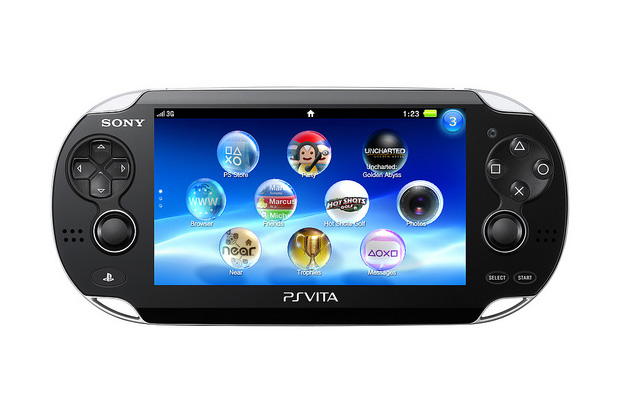
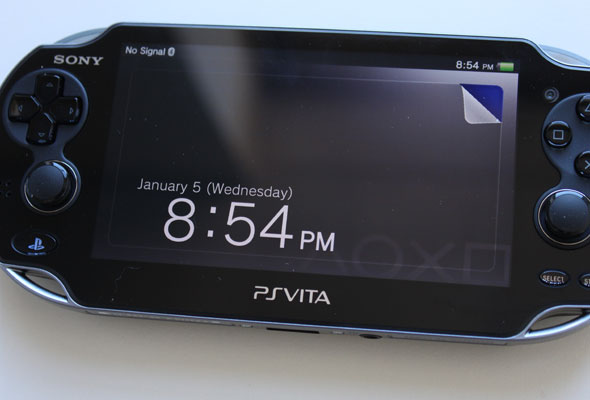
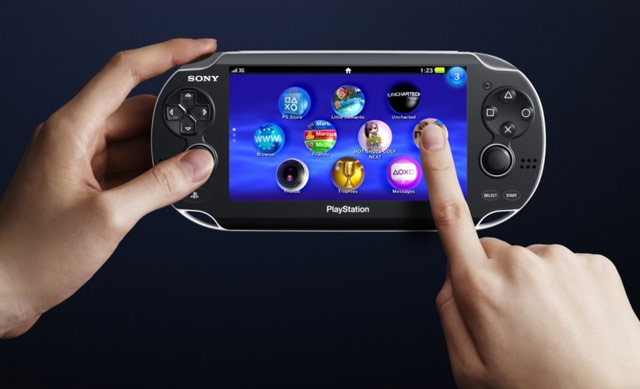
It’s hard to believe that it has been 8 long years since the PSP came out, but it’s true. Those long years gave us some of the best portable games ever made and were the first true attempt at a portable console experience. Unfortunately, the system was doomed from the start with proprietary disc media, no second analog nub, and a slew of other things, but the system was a powerhouse at the time and had a lot of potential. The Vita is Sony’s second phone, and it fixed all the issues of the PSP plus some, and one of those is noticeable as soon as you pull the shiny new device out of the box.
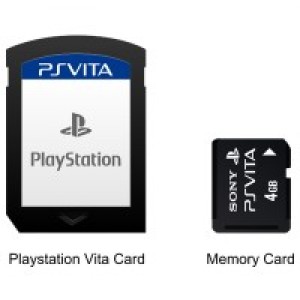
A second analog stick. An honest-to-God stick and not a nub or pad. These things feel like they moved straight from the DualShock controller and just shrank a little. They feel great, even in-game, and I couldn’t believe that the second stick was there; it was like a wish coming true from God himself! This opens up the Vita to a whole slew of games that couldn’t be done on the PSP just because of this one little piece of hardware. While playing Uncharted: Golden Abyss, I actually forgot the second stick was there a few times because I’m so used to the single nub on the PSP. It may take some PSP vets some getting used to before truly adapting to it. The next big thing that Sony fixed was no disc media! Thank you very much! Those UMDs were irritating and sucked up precious battery life, as well as limiting the memory size. Now we get nice little carts, like the DS, or you can download the game digitally via the PlayStation Store.
Sony made one fatal flaw with the Vita, and that is the proprietary memory cards. What in God’s name was Sony thinking? Everyone thought the memory stick pro-duos were bad for the PSP, but at least those were regular memory sticks. These tiny little things only work on the Vita and cost a fortune. A 32GB will cost you $100, which is a complete rip-off, but guess what? You don’t have a choice! Thanks a lot, jerks!
The next big thing Sony did was add a touchscreen. Copied the DS, you say? Not exactly; it’s more like it copied smartphones, but flip this guy over and you have a touchpad on the back, which is Sony’s little way of saying, “Hey, we’re trying to be original too.” It’s an odd thing to have, and not many games use it yet, but it adds a whole new dimension to touchscreen gaming, and it’s just as responsive as the touchscreen, so it doesn’t feel like a dead limb. However, it’s up to game developers to use this odd mechanic, but only time will tell.
The screen is one of the best things about the device because it’s an OLED (Organic Light Emitting Display), so you’re looking at some of the best display technology out there. Now you don’t have to worry about dead pixels! Yeah, remember that launch fiasco, Sony? The screen is 5″, which is the biggest portable gaming screen ever made and even tops the PSP’s 4.3″ screen. This allows for lots of detail in your face and tons of room for touching things on the screen.
Once you get over how gorgeous the screen is (I can’t stop staring at it!), you will start hitting those buttons on the device. Sure, they don’t do anything unless you are in-game (the Live Area is all touchscreen-based, but more on that later), but the button layout here could have been a disaster. Sony had to be really careful because of those new sticks, so the D-pad and face buttons shrank about half their size and got moved up. Blasphemy! Actually no. Despite the higher placement and smaller size, I still hit them accurately, like the PSP, even with my really big thumbs. The D-pad is way better than the PSPs and works well with fighting games (yes, relax! ), so no worries there. But there is one problem with these buttons. The start and select buttons are way too small and are level with the system instead of sticking out. What! Did Sony fall asleep at the drawing board here? They are also placed all the way at the bottom of the right side, so you have to move your hand down. C’mon, what happened there? Other than that, the L and R buttons are nice and huge, and you get a nice big PlayStation Home button the size of Venus on the left side, but hey, it glows!
Anyway, the buttons are just fine, so how about everything else visually? Sony made the little “compartments” more subtle this time around, so the memory slot is hidden at the bottom as well as the game card slot on top, so the whole system just looks like a big oval. Don’t be worried about the size of the thing, either. Sure, it’s big and not exactly pocket-sized, but for what is under the hood, this thing is compact and pretty light.
Now that the visual stuff is out of the way, let’s talk about it under the hood. This thing is the most powerful handheld on the market, only being rivaled by devices powered by the Tegra 3 processor. The thing has a quad-core Arm-9 Cortex CPU, which is freaking powerful. This allows for PS3-quality visuals that no other portable device on the market has. It also has a quad-core GPU, which is over four times as powerful as the iPhone 4S’s GPU. The system also packs 512 MB of system memory and 128 MB of VRAM (video memory), which is astounding (the Xbox 360 has 512 MB of memory for comparison). We also get two cameras that are front and back-facing, which can track head movement, a six-axis gyroscope, Bluetooth, a microphone, and a 3G wireless card. Holy crap, that’s a lot of stuff. This is one powerful device, but we have yet to see what it is fully capable of.
Now let’s get down to the software and how the thing plays. Every PlayStation fan by now is used to the XMB (Cross Media Bar), thanks to the PSP and PS3. Get ready for change because the new live area is made of bubbles. You like bubbles, right? This is to make use of the touchscreen, which takes a while to get used to. You can rearrange these bubbles to your liking, kind of like on a smartphone, and even change the background for each “page.” The Vita can multitask, which is something the PS3 can’t even do. You can play a game, hit the home button, go online and look up an FAQ, then flip back to your game without having to quit. Why can’t you do that on the PS3? Someone at Sony was dropped on their head as a baby one too many times, but it’s nice to have it here.
Once you start playing with the Welcome Park, which gets you used to Vita’s new features, play around with Near, which is like the 3DS’s StreetPass, but worse and more confusing, and you will really start liking this guy. The browser works like the PS3 but has fewer features for some reason, but we get trophies! Oh my God, trophies! These are also great for games that are cross-platform, so you can start working on a trophy on Marvel vs. Capcom 3, then pick it right up on the Vita and finish unlocking that trophy.
The Vita uses a remote to play a lot better than the PSP, mainly because it’s more powerful and can do what the PS3 can do. Right now, the remote play is still pretty weak, but the potential is there. Right now, only 3 games support cross-play (MvC3, MLB 2K12, and Hustle Kings), but I’m excited about what this can bring. Overall, the Vita has a lot of software potential but is lacking a lot and feels kind of thin. Sony’s attempt at augmented reality comes to life with the Vita with AR cards (yes, they ripped off the 3DS), and it works really well thanks to the system’s more powerful hardware and gyroscope.
Overall, is the system worth $250? Yes, it is if you are a hardcore portable fan or console fan. This is the first real console experience in portable form, and Sony nailed it perfectly. The other big issue I forgot to mention is battery life. You get about 3–4 hours on a powerful game, 9 hours for music, and 4-5 hours for video, so don’t expect huge play sessions like on the DS. The battery lasts forever in sleep mode, though! Sure, what good does that do you? For what this system does, the battery life is actually pretty long because you’re running a mini-supercomputer off of it. Cut it some slack! The games for the system right now are OK, but not as awesome as the PSP launch (considered the best launch ever), but the games are reviewed separately. I would pick one up if you love portable consoles, because this thing has so much potential. It just has a few major flaws and is quite lacking software-wise, but Sony will probably pick up the pace over the next year.
Over the next 5 years, I see the Vita as the model for portable games. We’ll start seeing games push the system graphically, like God of War did for the PSP. I think we’ll see games that give us more than just touchscreen smartphone games, thanks to the rear touchpad. In 5 years, I expect the library to grow beyond ports, and we’ll probably see the Vita’s first killer app by the end of this year that redefines portable gaming, kind of like Syphon Filter and God of War did for the PSP. Those games showed that even with major flaws, the system can be something incredible and helped people look past them all. Something like that will pop up for the Vita in the next year or two, and then we can start talking about moving forward in the portable market.
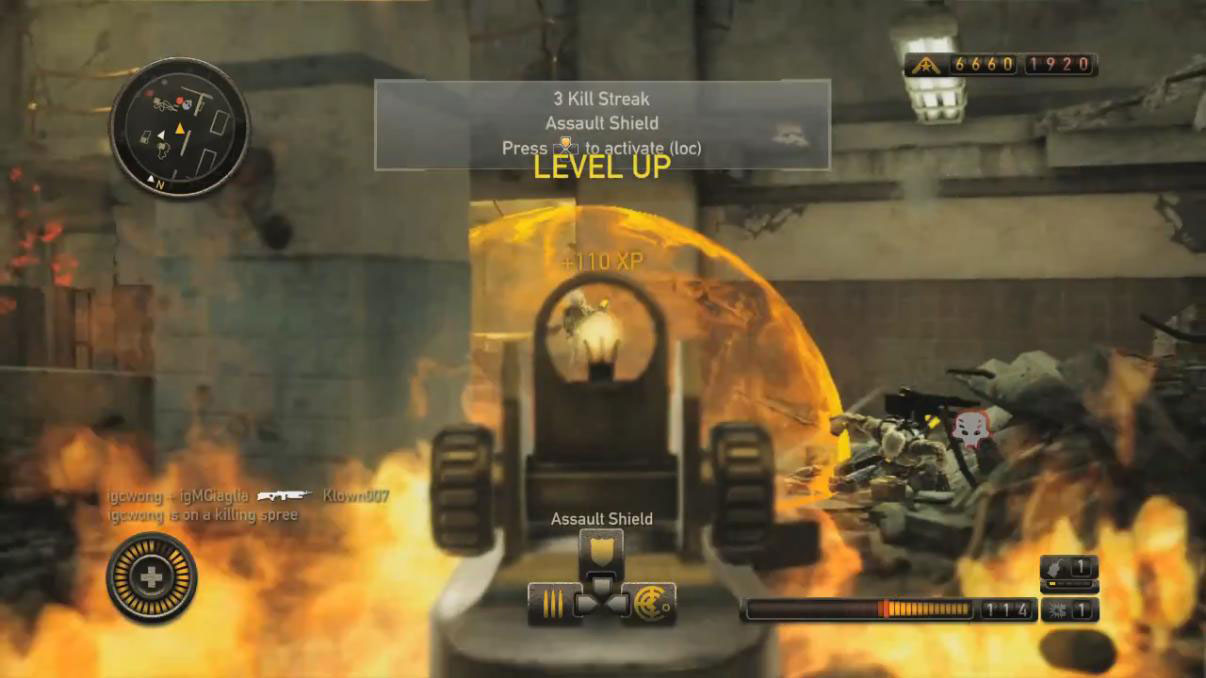
I still remember when Resistance: Fall of Man (known as I-8 back then) was shown at E3 2005 and was amazed at how good it looked. When I picked it up about 4 years later, it looked like crap, was ridiculously hard, and had ho-hum multiplayer. I never finished it and skipped the second game. The third game has a new protagonist, Joe Capelli, and has a more organic fluid campaign reminiscent of Half-Life 2 than Resistance. You go from the east coast to New York to destroy the tower that the Chimera have built to freeze the Earth over. This is the last shot to save humanity, but in the meantime, you get to meet some new and old (Chimera) faces.
The game is still too familiar to me and will be for Resistance vets. No matter how many times you re-create Chimera they are still the same and it’s pretty old by now. The same tactics work, most of the same guns are still here (Bullseye, Rossmore Shotgun, Auger, Deadeye, etc.) plus a few new ones. The Cryo gun is fun, but most of the weapons are the same, and the same problems are still present in the game. There isn’t enough ammo that you can hold for each gun so you have to constantly swap weapons even if the situation doesn’t call for it. There is no regenerating shield (there’s a reason why Bungie invented it for Halo), and health packs are scarce even on normal difficulty. The game is extremely tough because it feels built for co-op because dozens of Chimera will come after you and you will die with just a few hits. This means taking 20 steps forward only to find a horde and get pushed back 50 steps. Thankfully, you can level up your weapons just by using them, and useful things happen, like your shotgun spits out incendiary shells, your Deadeye will highlight heads, and your revolver will cause more damage.
Despite the ridiculously difficult campaign, there are some great cinematic moments, but they are far and few between. The first third of the game is nicely paced, with varied environments ranging from a forest to a train ride to the snowy streets of New York, but after you get near the tower, it’s the same Chimera bases and architecture that we’ve seen three times already (if you count the PSP’s Resistance:Retribution, which was equally as difficult). The game gets even more difficult, and the story becomes less interesting. The characters are pretty shallow, and there’s not too much delivery in the story despite a few odd twists, plus a disappointing ending that makes you feel like the developers gave you the middle finger for sticking with the series for 6 years.
There’s multiplayer here if you really need to keep playing, but one playthrough was enough for me. Resistance 3 has some amazing visuals, despite some ugly textures here and there, and will satisfy fans with a difficult and challenging campaign. FPS players used to Call of Duty and Halo will probably hate this game (and the series), so only hardcore FPS fans should take the path of Resistance.
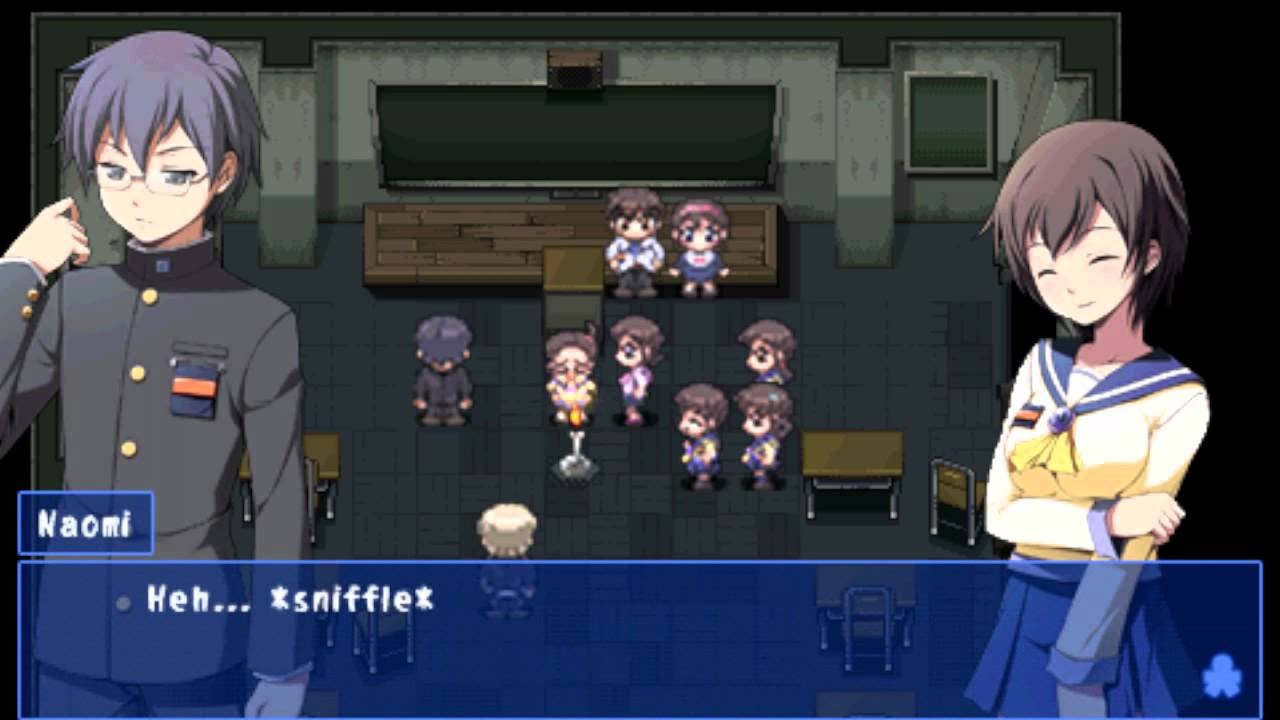
Based on a popular manga in Japan, Corpse Party delivers a great and haunting story with memorable characters in a very haunting setting. Several school kids perform a cult-type ritual called the Sachiko Charm as a gag. They don’t realize that the charm is part of a sadistic and horrific murder of four schoolchildren, including the girl the charm is named after. They get thrown into a parallel dimension of Heavenly Host Elementary and must find a way to appease the ghosts or get stuck there for eternity. What the children go through is horrific and gut-wrenching, but that is the beauty of Corpse Party.
Forget about gameplay and everything else, because this game is all about the story and atmosphere. I have to give the developers props for bringing across such a scary game with such simple graphics as a 2D survival horror with low-quality sprites and the occasional well-drawn anime shot. The game is disturbing, mainly in the well-delivered Japanese voice acting and just the raw terror and gore in the game. There are buckets of blood, severed heads, and mutilated bodies everywhere, but mainly in textual descriptions more than anything. The game really doesn’t do much in terms of visuals, so you solely rely on the great script to get the horrific images. Some scenes are just black, with only voices and text to go by, but it still brings across the feeling of sheer terror.
This is possible because you go through everything with these kids, and the things that happen to them are just horrific and extremely sad because you really get attached to everybody. The game, however, is also lacking in gameplay because you only run around pressing X on everything trying to find items to unlock new areas. The school is the same through every chapter, but it just changes and blocks certain areas off or adds new areas. The game is pretty easy to navigate and understand until you get to chapter 3, and then it all falls apart and requires a guide. Everything has to be done in exact order, or you wind up with “bad endings,” and it’s game over. While each bad ending is different, you get frustrated when the game takes you through 20 minutes of gameplay only to realize it was all part of the bad ending. There is even a glitch that won’t let you get all the school tags to unlock the extra chapters. I really hate how the game has to be played out in an exact way, not to mention that during certain scenes you can die by selecting the wrong choice, but there are saves throughout the game that help remedy this a bit.
While the game lacks any type of gameplay at all, you will still be satisfied with the excellent story and characters. This is the only thing saving Corpse Party from being another terrible attempt on the PSP, but being so late in the system cycle is a surprise. If the game had better graphics, or maybe just more anime cut-aways, the game would be one of the best on the PSP.
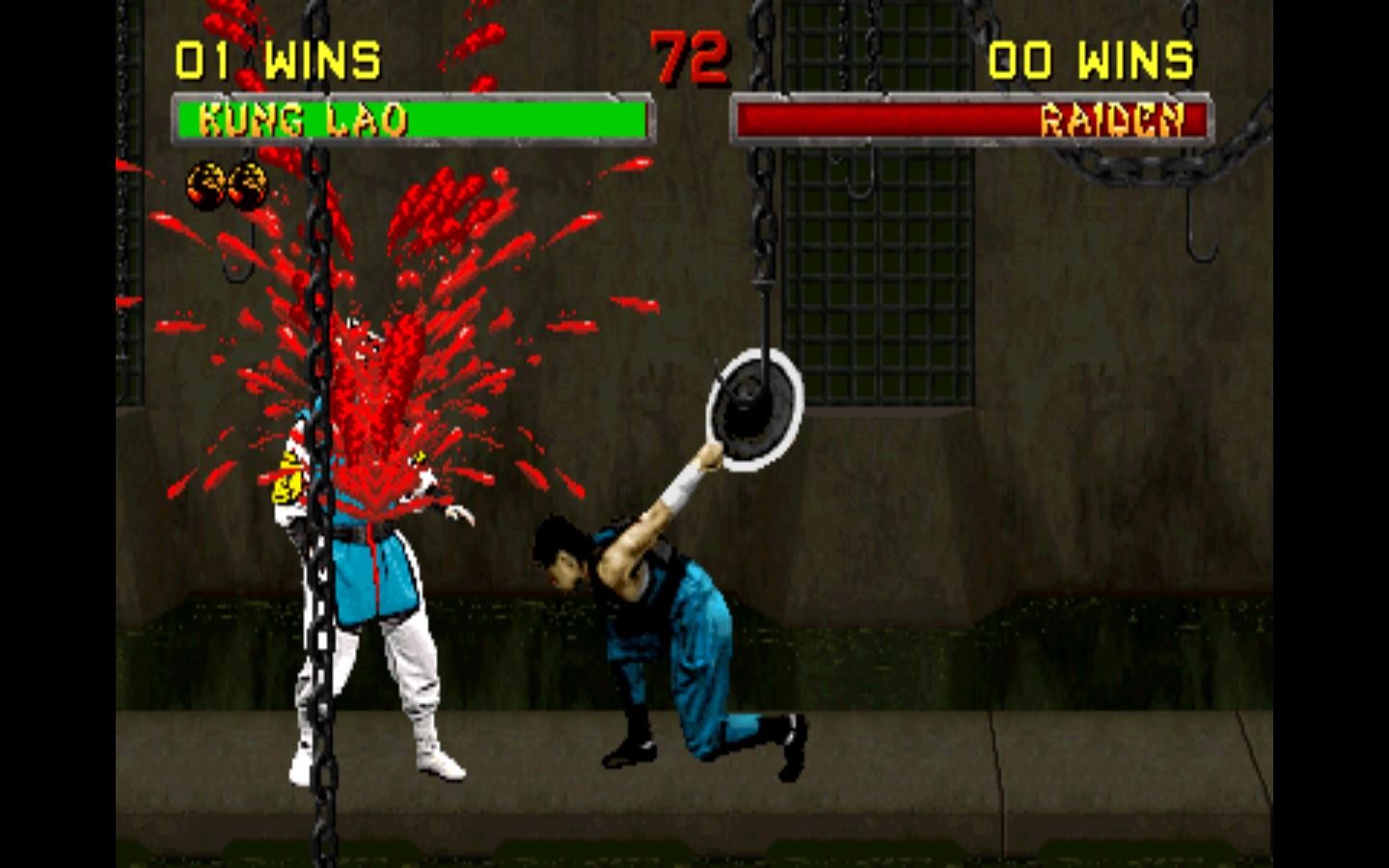
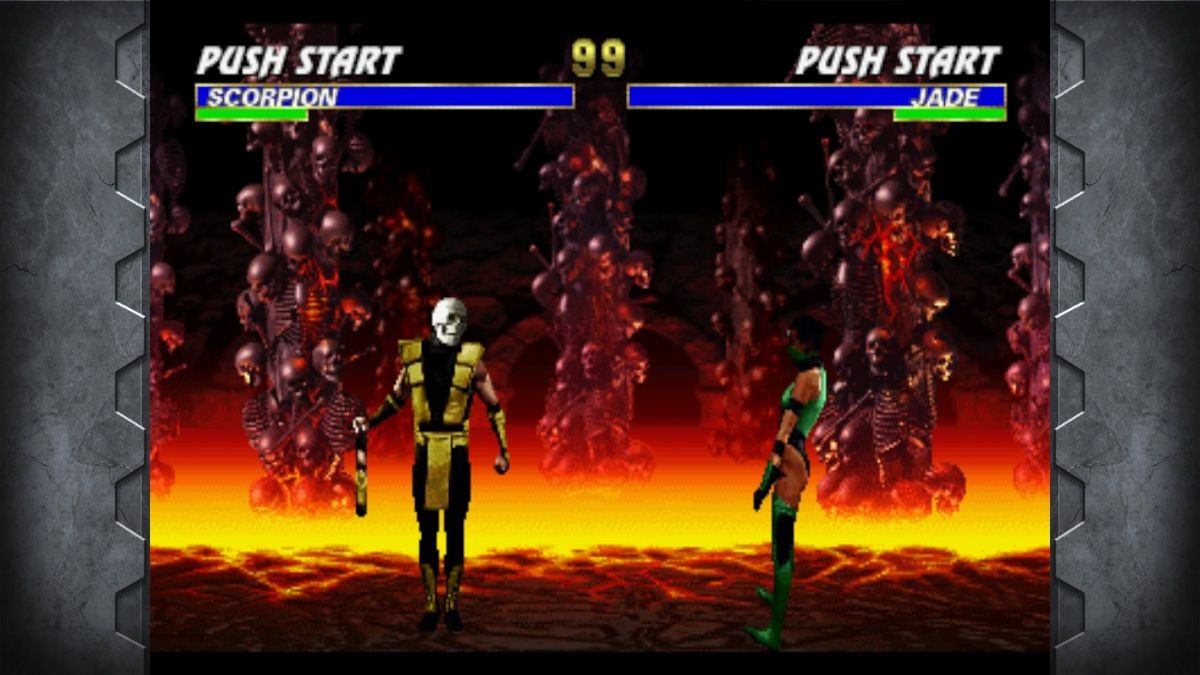
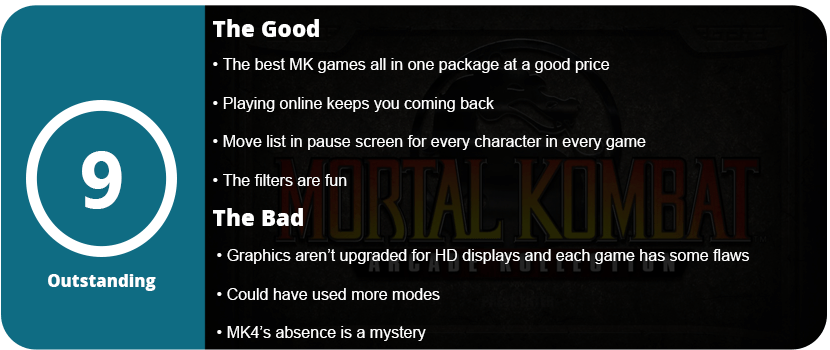
The first three MK games saw dozens of ports over the years, and not all were very good. The latest port of the three is all packed into one tight collection, and they are perfect arcade ports. I won’t go into each game in detail, but it’s great to see the progression over the three, and they all have their strengths and weaknesses. People who are used to the new fighters with tons of combos won’t like the first two as much because combos weren’t implemented until MK3. The first two are just spamming special moves and getting someone stuck in high-punch spam. The good old sweep and uppercut move worked, and the feeling of nostalgia came back.
While each game has great “alities” and characters, each game suffers from some visual quality because these are arcade ports. You can turn on various filters, but overall, don’t expect the games to look amazing. MK1, for example, is very pixelated, but what can you expect? Each game has online play, and that is what will keep you coming back. The CPU is cheap when fighting solo, and I always hated MK’s AI system, with MK2 being the worst. I also loved how all the “-alities” and special moves are on the pause screen, which prevents you from having to have an FAQ near you.
Arcade Kollection could have used more features, such as being able to play Test-Your-Might mini-games separately from MK1, throwing in the great Puzzle Kombat, and maybe even adding some more online modes. Including the Mortal Kombat Trilogy would have been nice, despite it never being in arcades. I’m also not sure why MK4 wasn’t included because it was the last arcade MK game. What is here is excellent, but only hardcore MK fans will really appreciate this collection.
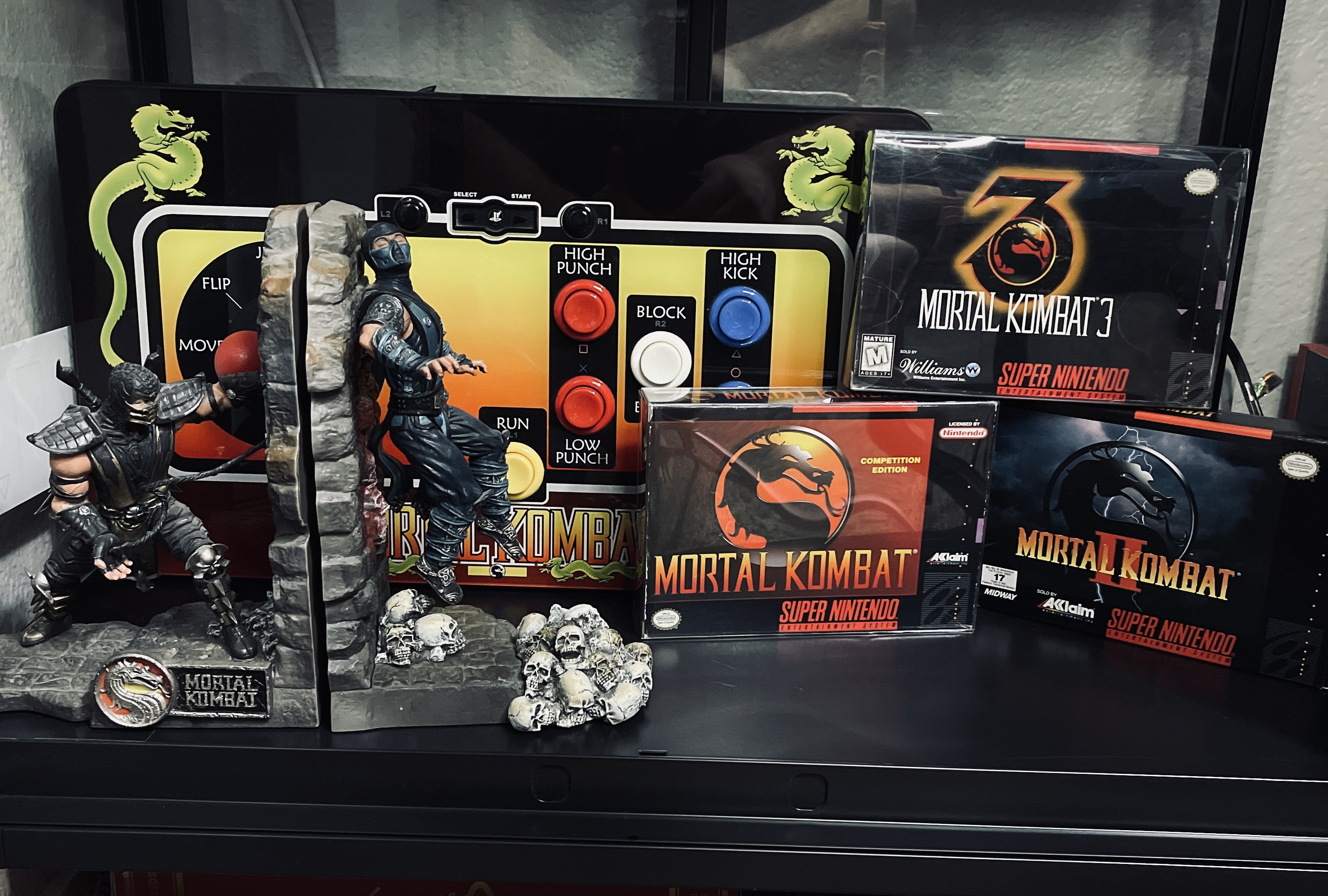
Fight sticks are usually the only way to go when it comes to 2D fighting games. Mortal Kombat has finally started creating its own, and this bad boy is almost flawless. The components are Suzo-Happ, which are top-notch, and the thing feels like a piece of an arcade cabinet. The buttons have that lightning-fast spring, and the joystick snaps around like you would expect. The layout is just like that of Mortal Kombat cabinets, with the 5 buttons (think of a 5 on a die) and the Run button, which you can tap with your thumb. The buttons are big, and you can hit each one by just rocking your hand around and quickly slapping the buttons.
The Home button, Start, and Select are up top, along with L2 and R1. The stick is designed for the Mortal Kombat Arcade Kollection and needed some re-mapping for Mortal Kombat (2011). I did feel like I was ten times better at the game in MK (2011), and I could pull off moves a lot faster on this thing than I could on any controller. My win/loss ratio was boosted after using this thing.
The cabinet’s cosmetics are gorgeous, with the classic MK1 design on the front and soft velvet padding on the bottom for your lap. You can connect any mini-B USB cable to it, but I just wish it were wireless. Nothing can really beat this, and it is probably the best home console stick I have ever used. This also works for other fighting games but may need some re-mapping. I also had trouble pulling off X-ray moves in MK (2011) because the L2 button is up top, so I had to take my hand off the stick to do this. Other than that, the stick is perfect, and everyone should get one. Be warned, though, because these are limited, with only 6,000 produced (I have #1,069). The stick is very expensive, running at over $200 at most places, so this is probably for hardcore MK fans only.
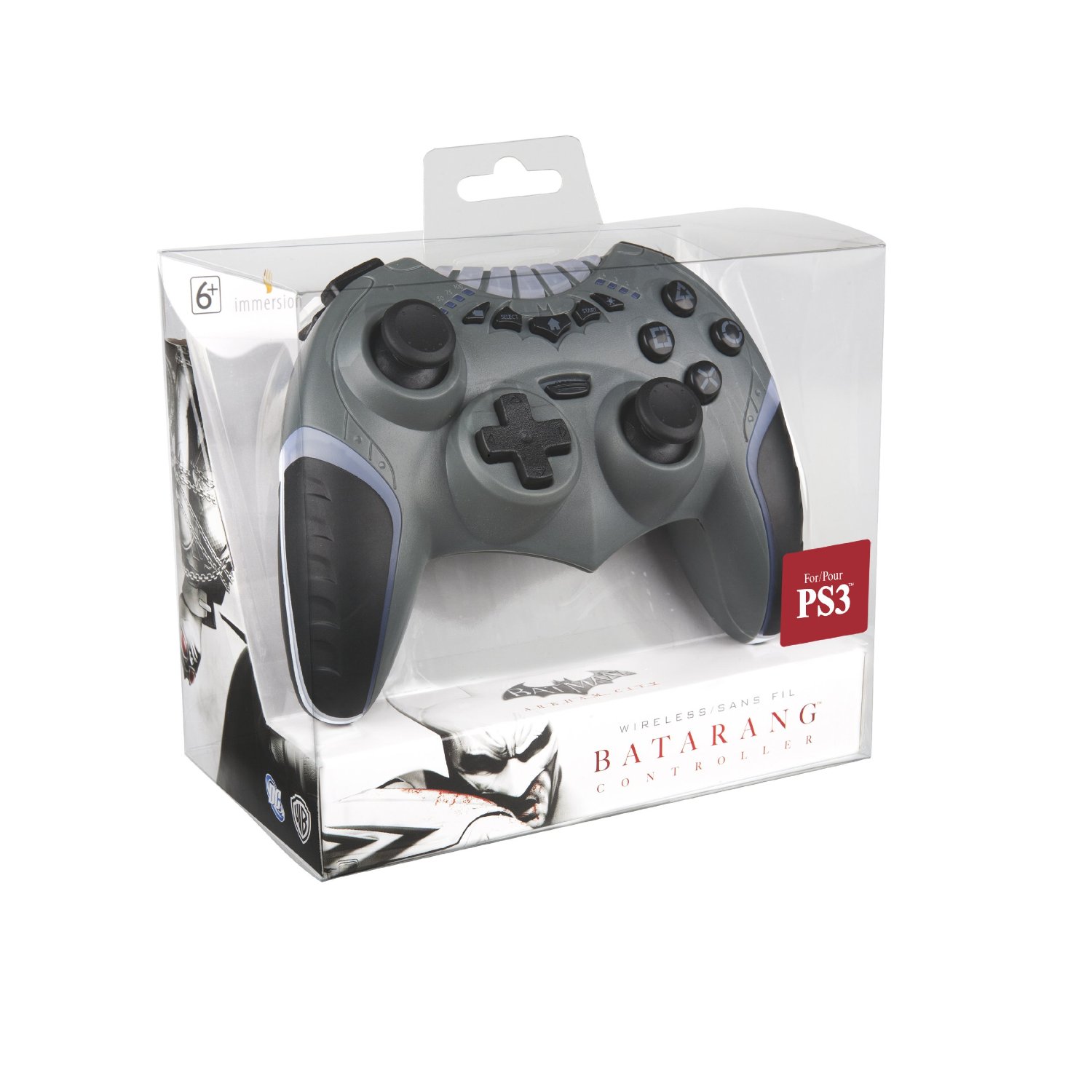
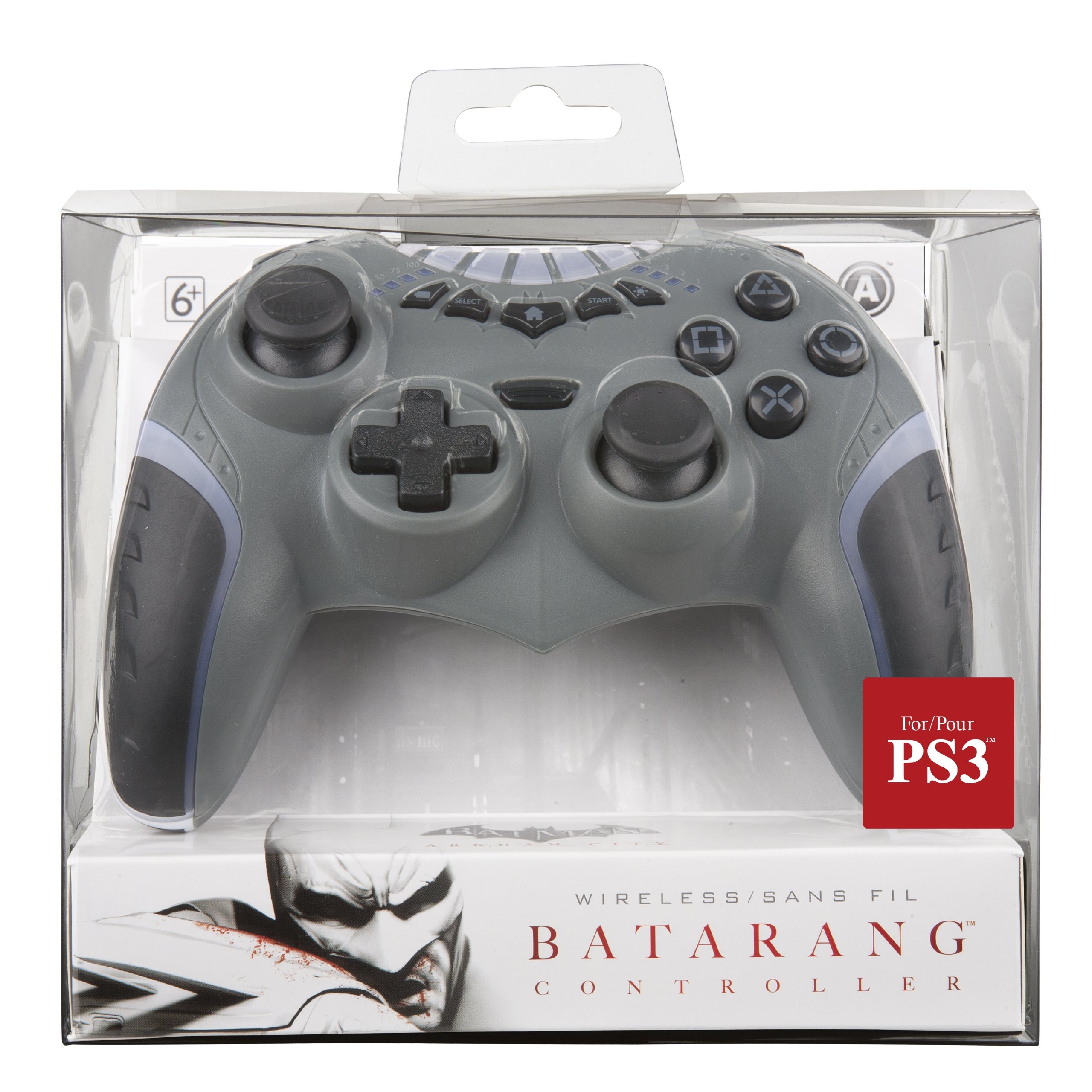
Most third-party controllers are usually never good. Power A did a great job with this officially licensed (by DC anyways) PS3 controller. While it looks a bit cheap, with some areas not coming together smoothly and seeing a few uneven gaps, the controller feels good and has a few nice features. For one, the thing lights up with seven different colors that you can change with a push of the button. All the regular PS3 buttons are here, including the Home button, plus there is a battery indicator button that lights up the quadrants to the left of the top row of buttons.
The overall feeling in your hands is great, except that the shoulder buttons are a bit closer together. People with huge hands will not like this. It has kind of a triangle shape, and the ergonomics are great when wrapping your fingers behind the controller to grip it. The sticks are laid out like the Xbox 360, which I prefer, and they are just tight enough for the perfect sensitivity range (which is really important for shooters).
Overall, there are a few problems, such as the top buttons being too close to each other, so you have to look down to press Start and Select. Several times I didn’t look and hit the color change button instead of starting. I also like how it’s wireless, but it doesn’t use Bluetooth, so you have to use a dongle in the PS3 USB slot. That also means no turning on the console with the controller, but it does have an on/off switch to kind of make up for it. The battery lasts a long time, so no issue there, but if the controller didn’t look as cheap as it does, the top buttons were spread out more, and this thing used Bluetooth, I would say it was perfect. For what you get, this is a great controller for Batman fans.

















































 thebinarymessiah.com
Try multiplayer. A lot of fun !