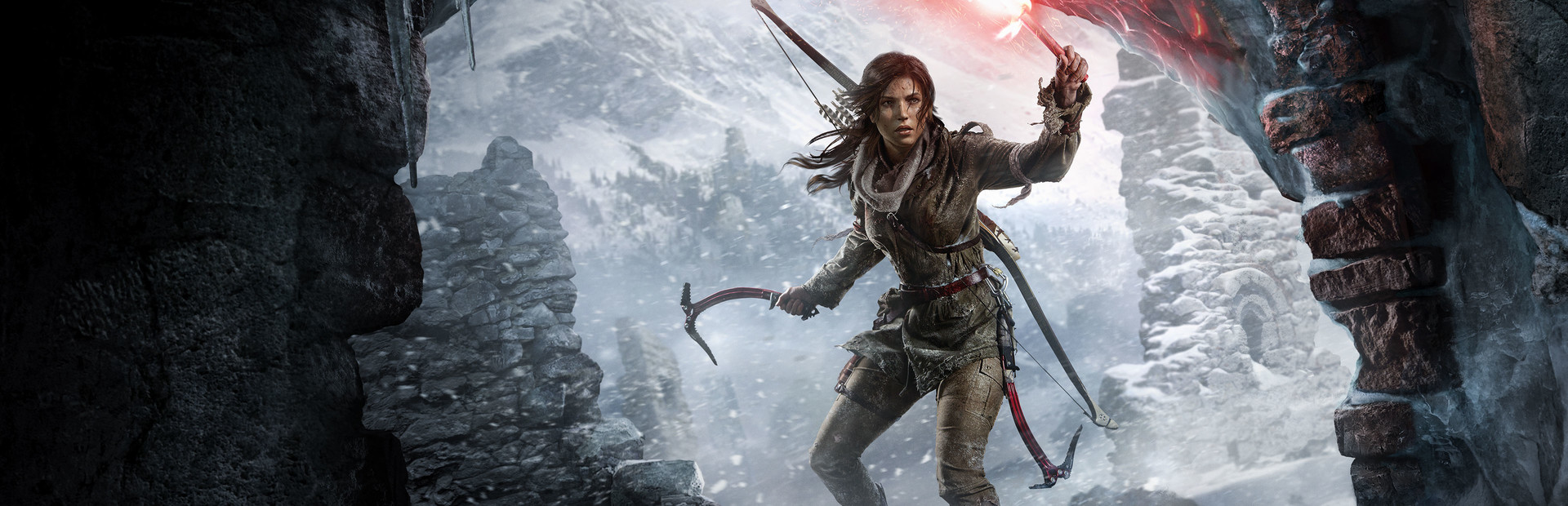
Tomb Raider (2012) was a revolutionary game for the franchise and the genre as a whole. It took the game industry by storm with its cinematic gameplay, fantastic visuals, huge open world, and realism. What could Crystal Dynamics do to top this, you ask? It’s pretty hard to top that, and they didn’t quite top it this time around. Rise of the Tomb Raider is more of what we got before and not much else, but that’s not a bad thing.
The game doesn’t focus so much on Lara’s survival to get back home but more on her treasure hunting. There’s an item called the Divine Source that grants people immortality. It’s something that her father became obsessed with and ultimately got him killed. A mercenary group called Trinity wants this source, so it’s Lara’s job to go and retrieve it before anyone gets their hands on it. The story is a little predictable and cheesy. It’s the typical generic mercenary bad guy plot, which I found uninteresting as Lara’s character development was the center of the story in the last game. It’s disappointing, but entertaining nonetheless.
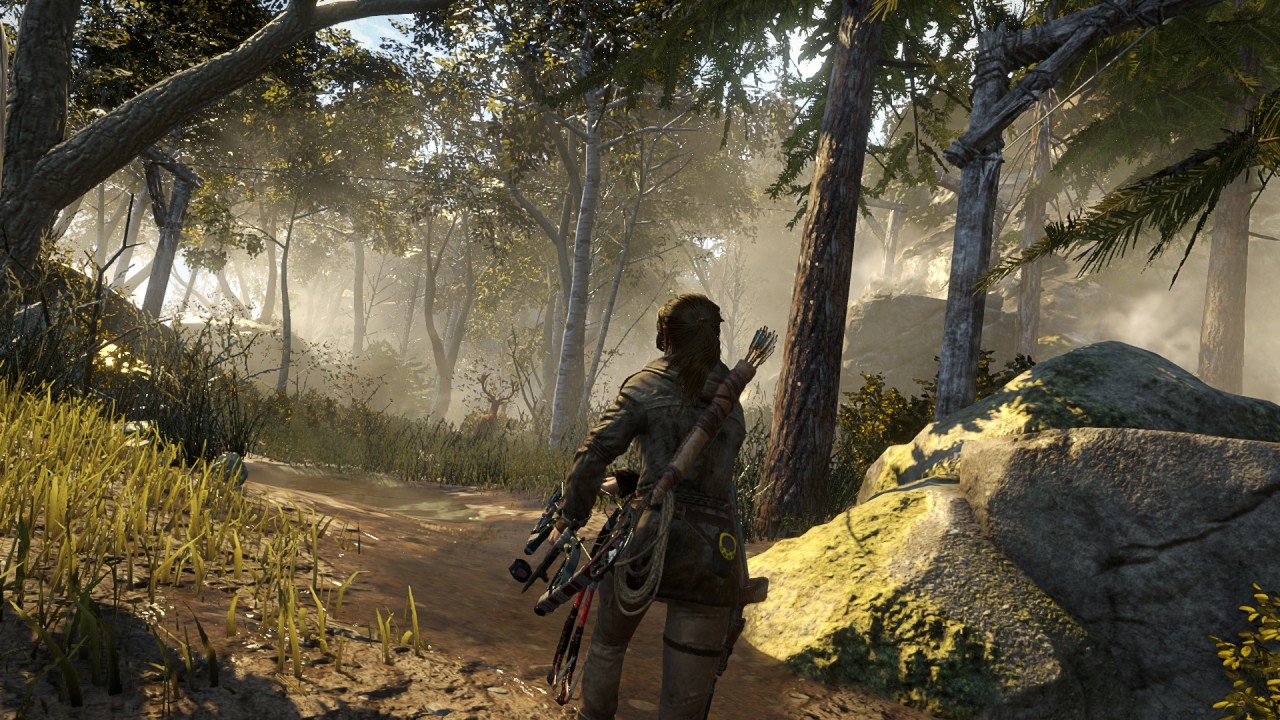
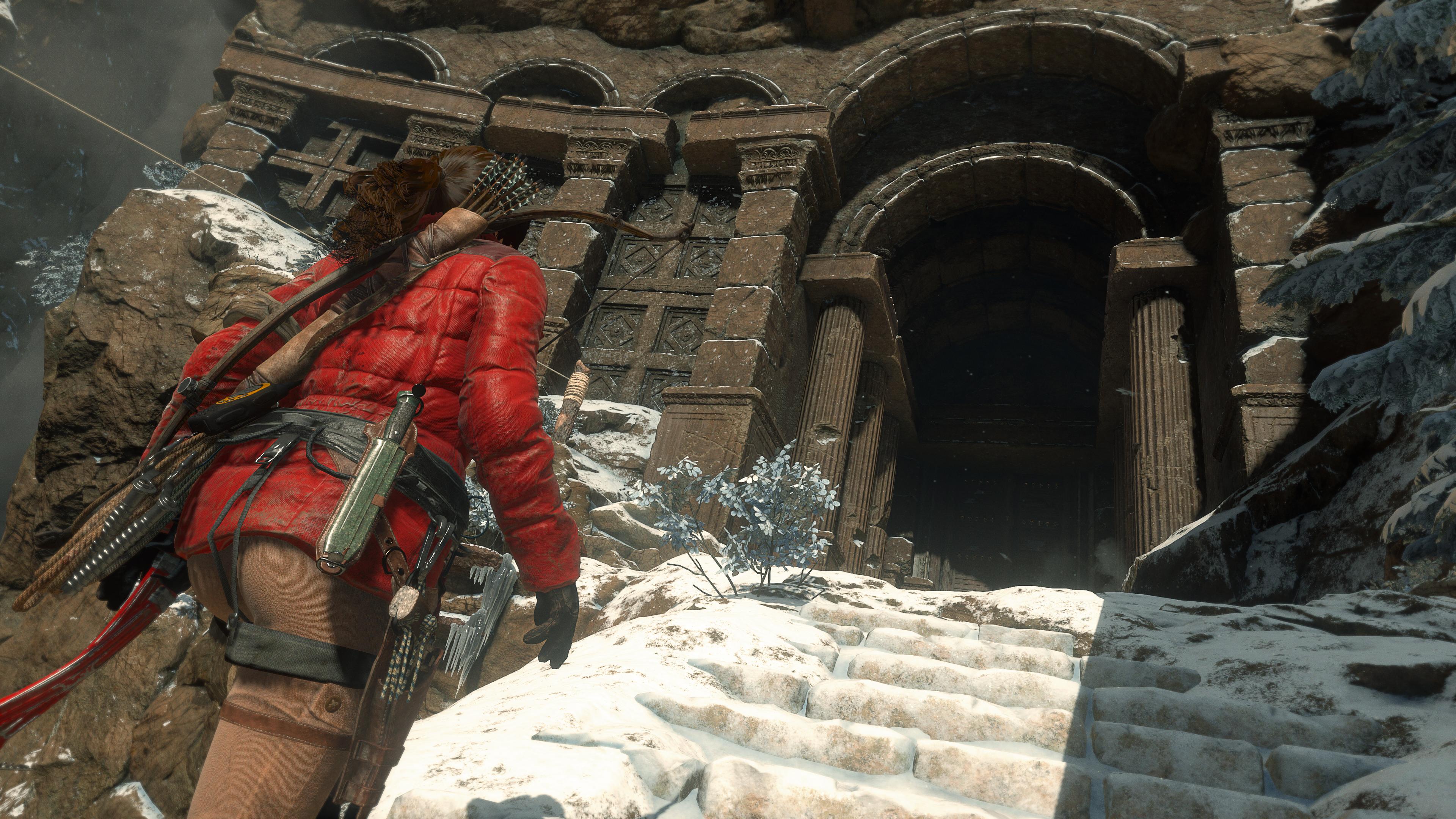
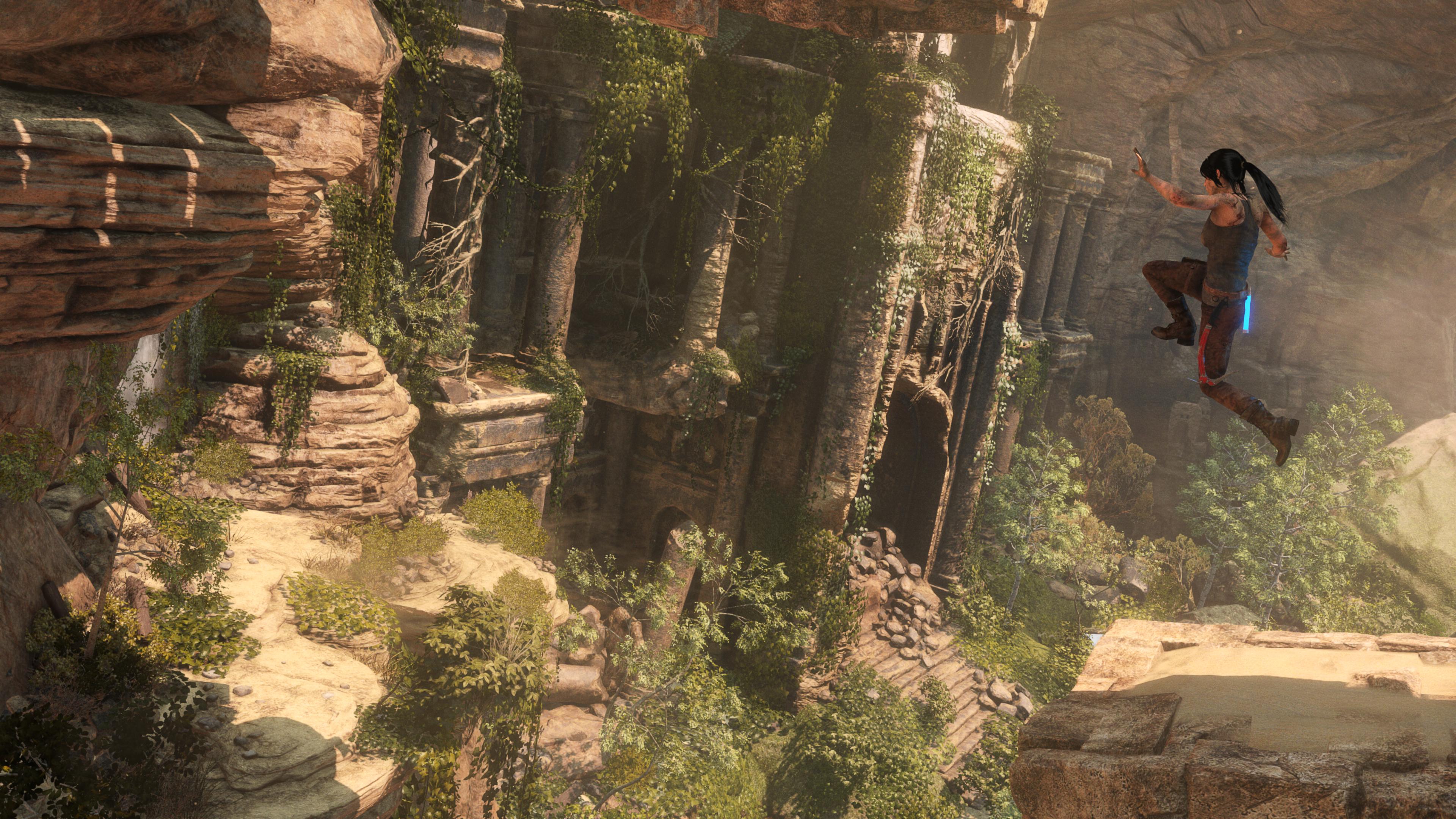
The opening scene in RotTR is a fantastic set in Tibet, where you get to feel just how dangerous Lara’s treks are and the environment around you. It’s probably the best scene in the whole game, as the developers slowly forgot what made Tomb Raider…Tomb Raider towards the end of the game, like they were running out of ideas. You will notice right away the huge visual upgrade over the last game. Fantastic lighting effects, tessellation, gorgeous textures, and character modeling are some of the best I have ever seen. The individual pores can be seen on Lara’s face, which is 10x more detailed than in the last game.
After the opening scene, I realize not too much has changed from the last game control-wise, and the gameplay elements are nearly untouched, just fine-tuned. After I start trekking along in the first area, I divert by exploring and finding all the hidden stuff. TR has a lot of hidden secrets to find, and it’s all about using your instincts around you to find all the secrets that glow gold and finding the maps to reveal them on your map. I spent the majority of the game finding these secrets, which are a blast to find; however, there’s a Metroidvania feeling to this game. I had to acquire new equipment before I could enter certain areas, especially the tombs.
While just playing the game in general, I realized a few disappointing things about this game. Leveling up completely and upgrading all your guns, just like in the last game, means less this time around. The game is fairly easy; the mix between exploration, combat, and stealth is very random and spread out. I could honestly play the entire game with the pistol, and I would be fine. The last game had enemies that required different weapons, but this time around, Crystal didn’t think about that. All the enemies are generic, and there’s no need to switch weapons. This is a huge blow to the strategy of the game, which was so great in the last game. Ultimately, this meant that all the side quests, gathering, and exploring could ultimately be skipped, and it wouldn’t make a difference. That’s a really bad thing here.
Thankfully, all the gameplay holds up to redeem this issue. Mainly, this is here for completionists or anyone who wants to explore this gorgeous world. I think the developers forgot what was so great about TR between development cycles, and it really shows here. The world was focused on so much that the stuff to fill it was pretty much forgotten. I have all these awesome weapons and upgrades, but…what do I do with them? I can craft special ammo for each weapon, but it didn’t make a lick of a difference in combat. The only ammo that did was the new arrow types, such as poison, explosive, and flame. Using them to take out a large group of enemies helped, but that was it.
Lara also doesn’t really develop much in this game. I thought the psychological stress on her from the last game would affect her here, but it’s like it never happened at all. Her character is awesome as usual, but there’s no more development, and I feel the next game really needs to pick up on what made the first one so great. Franchise fatigue is going to set in quick here, and many players may not be so excited for the next game if this keeps up.
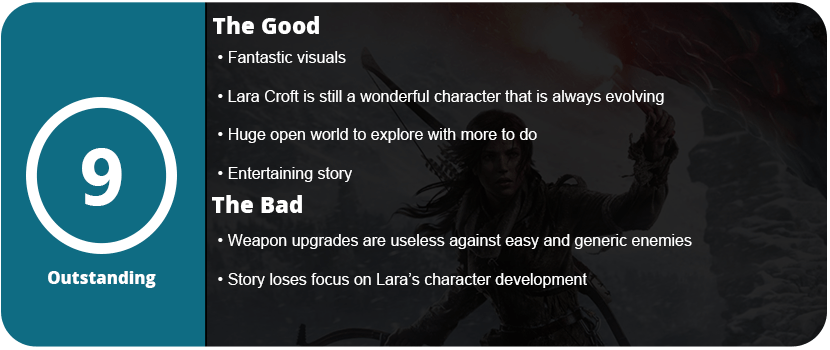
In the end, RotTR is a fantastic game with a huge world to explore, a generic yet entertaining story, and more Lara Croft, which is what we want. The biggest disappointment is that there’s no more character development for Lara, and all these great upgrades and weapons feel useless due to the combat and enemies that didn’t get any attention. The game is really easy and lacks a good challenge. The game is gorgeous, one of the best-looking games ever made, and continues to push PCs to their limits, just like back in 2012.
Note: This is a re-review due to my original Halo 3 review being very brief and not up to par with how I write these days.
Publisher: Microsoft Game Studios
Developer: 343 Industries/Bungie
Release Date: 9/25/2007 (X360), 11/11/2014 (XONE)
Available On
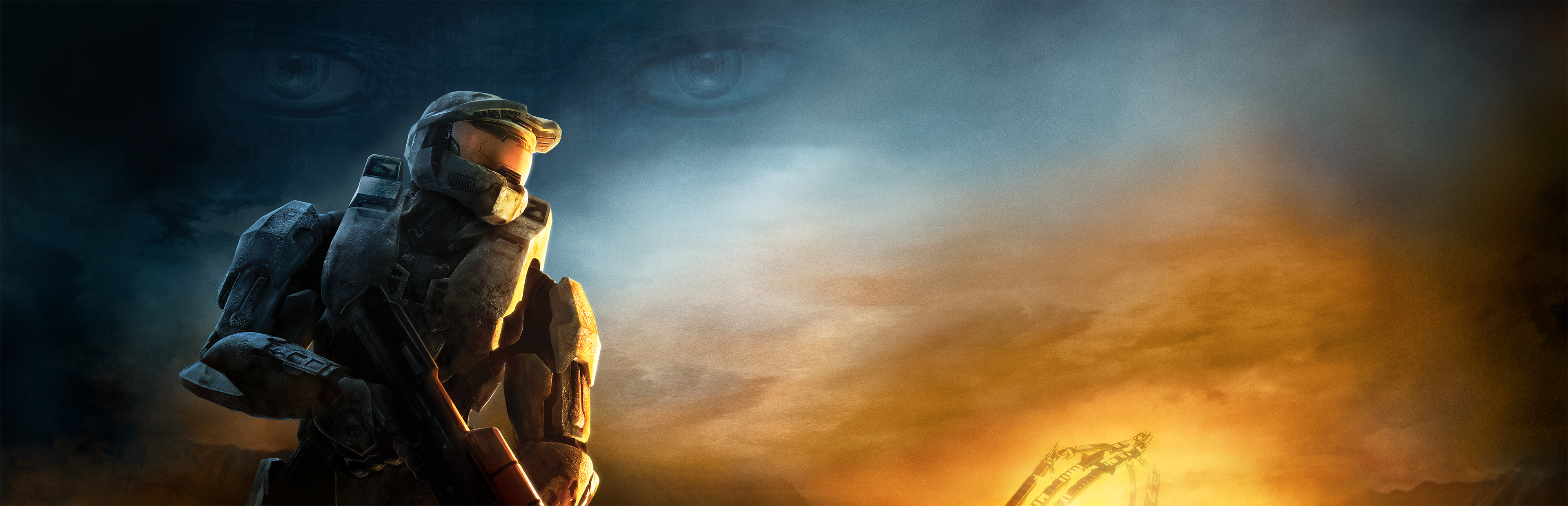
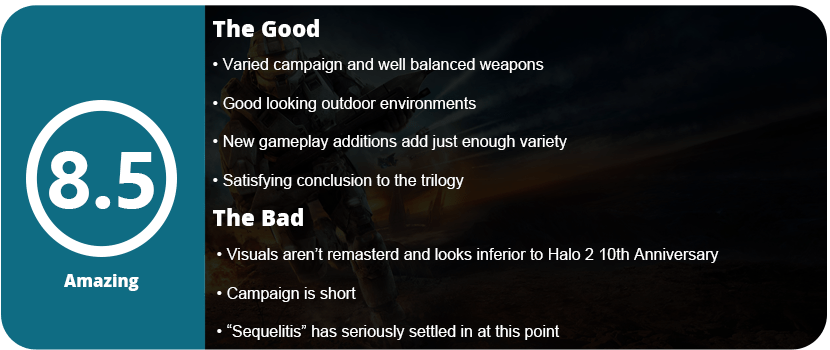
Nearly four years in the making, Halo 3 was one of the most anticipated games of the last-generation console launch. While it didn’t quite make the November 2005 360 launches, it did garner huge sales and broke records at the time. I remember playing Halo 3 shortly after its release and thinking it was the best of the trilogy. Now, after playing Halo 1 and 2 remastered, I have to say Halo 2 still stands superior. While Halo 3 is better balanced and has a better dual-wielding system, it’s shorter in length and feels like too much of the same. How many times do we have to “stop” the flood? How many Halo rings do we have to land on? It keeps getting boring and tiresome, and for me, the series has hit a fatigue plateau that it needs to get out of. While the Brutes are a more relevant enemy and there are more Flood variations, I’m still tired of it all.
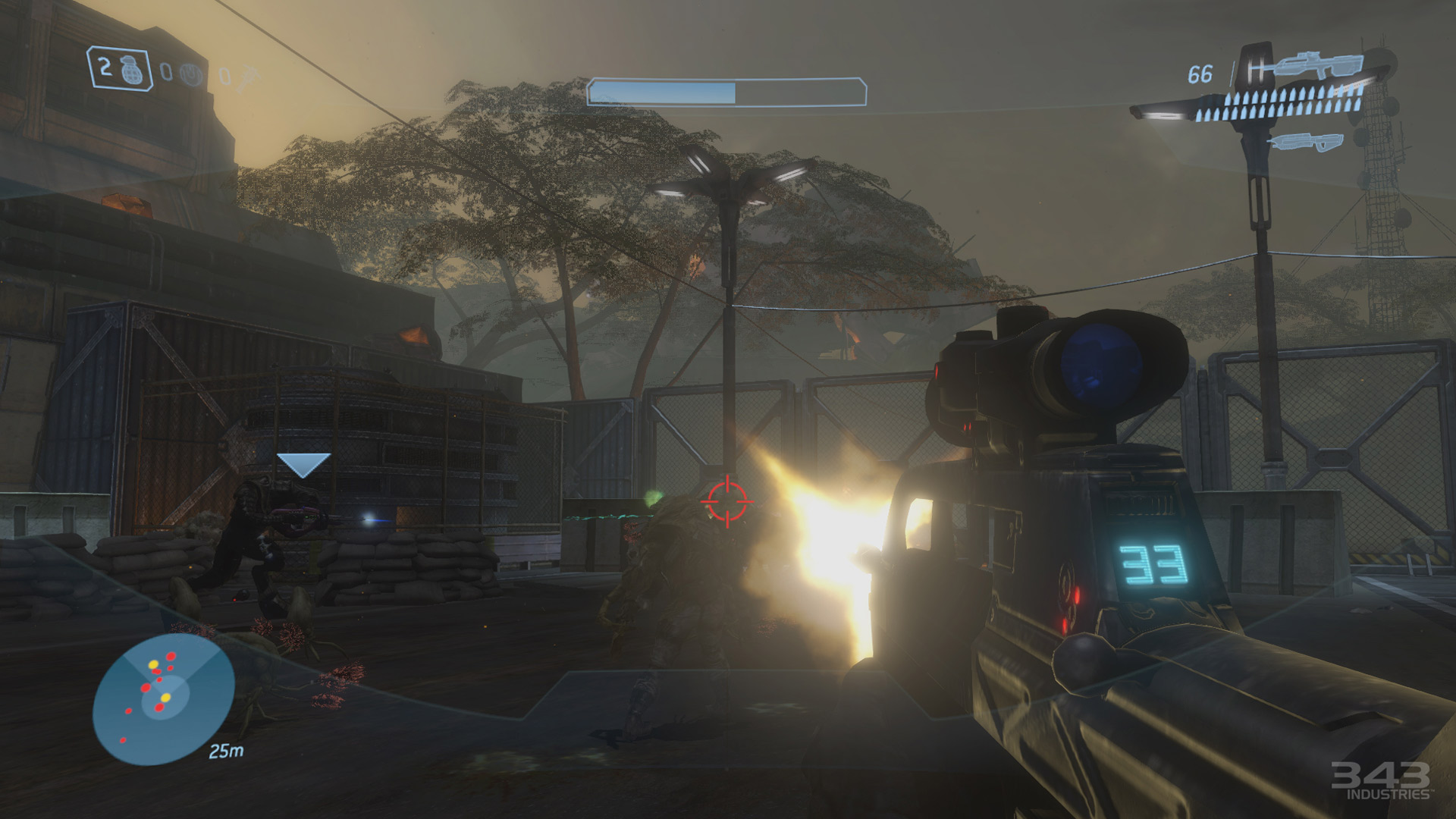
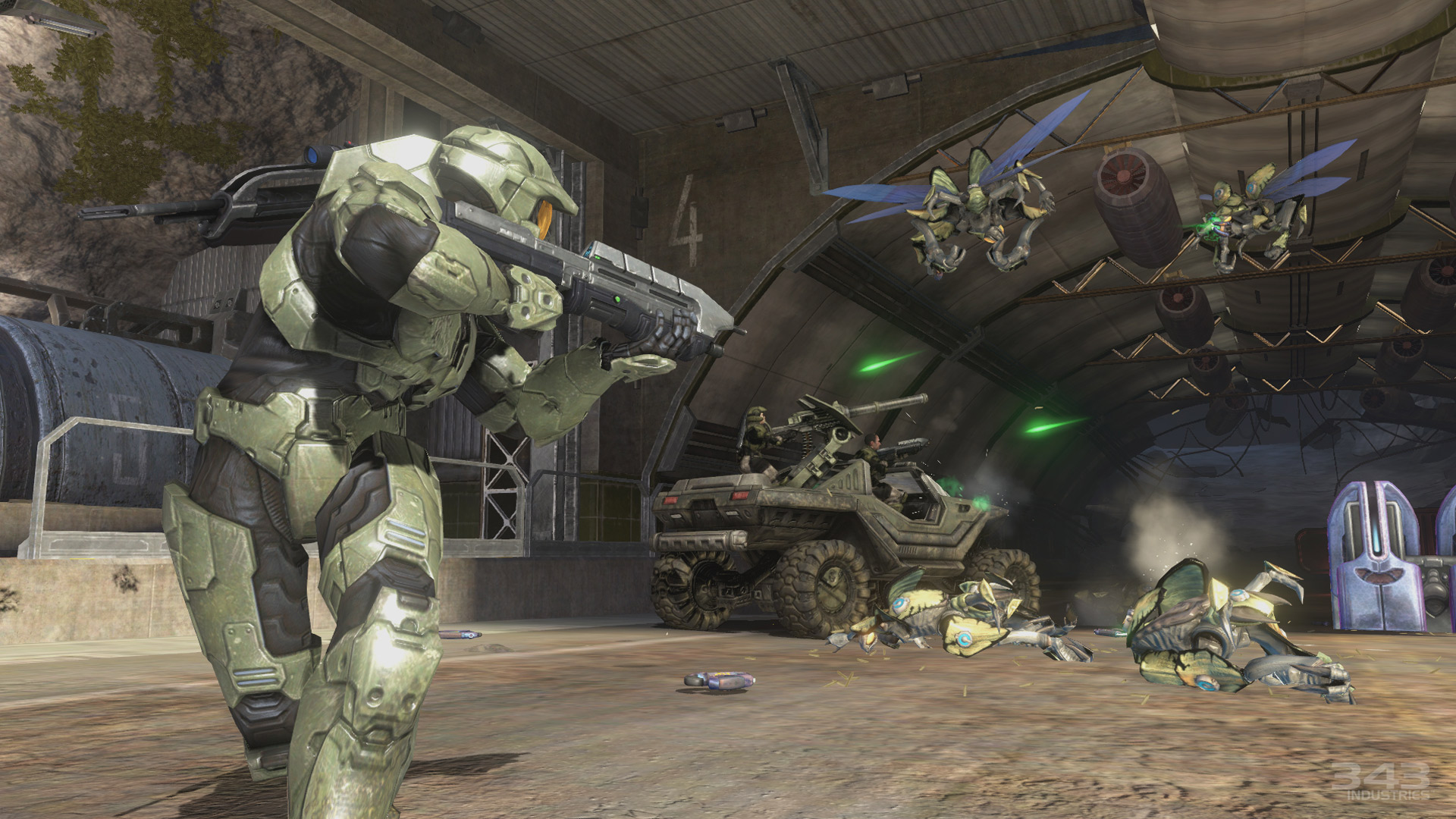
Despite those complaints, the game is still solid, no matter what. It’s challenging, for sure, and there are some added elements that change it up just enough to justify calling it a sequel. Remember those giant scarabs from Halo 2? Now you get to battle several of them in the game. We can now drive Scorpions and new Covenant vehicles such as Choppers, but sadly, we can no longer drive Wraiths. These balancing tweaks help make the gameplay better, just like only certain weapons can be dual-wielded. Dual Needlers can still be rocked around, as can Brute machine pistols, Brute shotguns, more energy weapons, and improved UNSC weapons.
The game is shorter than the last games, but each level is completely different. One level has us on a Halo ring, another on the derelict Ark, so it doesn’t get too boring, but everything is very familiar. The whole point of the game is to stop the Flood and the Prophet of Truth from firing the Halo rings and killing everything in the galaxy. While the story is just as brief as the last games, I still found myself disappointed in not seeing or hearing about more lore. The series hasn’t exactly been expanded upon; it just stretched out through the trilogy, which I felt was disappointing.
Graphically, Halo 2 remastered looks better than Halo 3, but this isn’t a surprise. Halo 3 was criticized for not having “next-gen” graphics at the time of launch and was claimed to just be marginally better looking than Halo 2. Halo 3 doesn’t get a remaster here, and the gorgeous pre-rendered cut scenes are gone, which is a huge letdown. Honestly, Halo 3’s graphics are kind of all over the place with decent character models, but some textures look awful in spots and the physics seem weird and too floaty—even for Halo standards. Halo 3 received some lighting enhancements, and certain areas look pretty good (mainly outdoor areas), but don’t expect to be wowed by the looks of this game at all.
Overall, Halo 3 does what it was supposed to do: let us finish the fight against the Covenant Prophets and the Flood. The ending is satisfying enough, and I felt the game was shorter than previous installments, but somehow it was just right for this game due to the same feel it has. Sadly, the game was not remastered and feels inferior to the remastered versions of Halo 1 and 2. There’s just enough variety and changes here to make it feel like a sequel, but not the earth-shattering sequel that Halo 2 was.
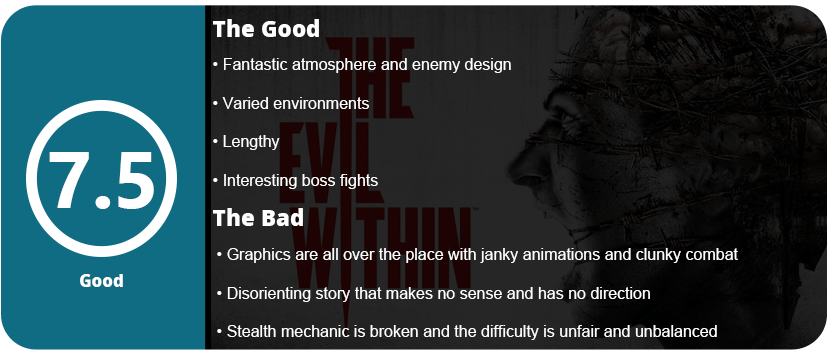
Right out of the gate, I have to say that this game is extremely difficult. It took me nearly a year to get through this game because of just how exhausting the game is to play through. Fifteen grueling chapters clock in at about 15 hours. You play a man named Sebastian who enters an asylum with two other detectives to find out why a massacre broke out there. You are then stuck in a bunch of nightmares; you’re chasing a boy named Leslie and running from a man named Ruvik. That’s it. Have a good night. The story makes zero sense; there’s no comprehension, and it’s very disorienting. You go from crazy room to crazy room, down hallways and arenas, with no sense of why you’re doing this.
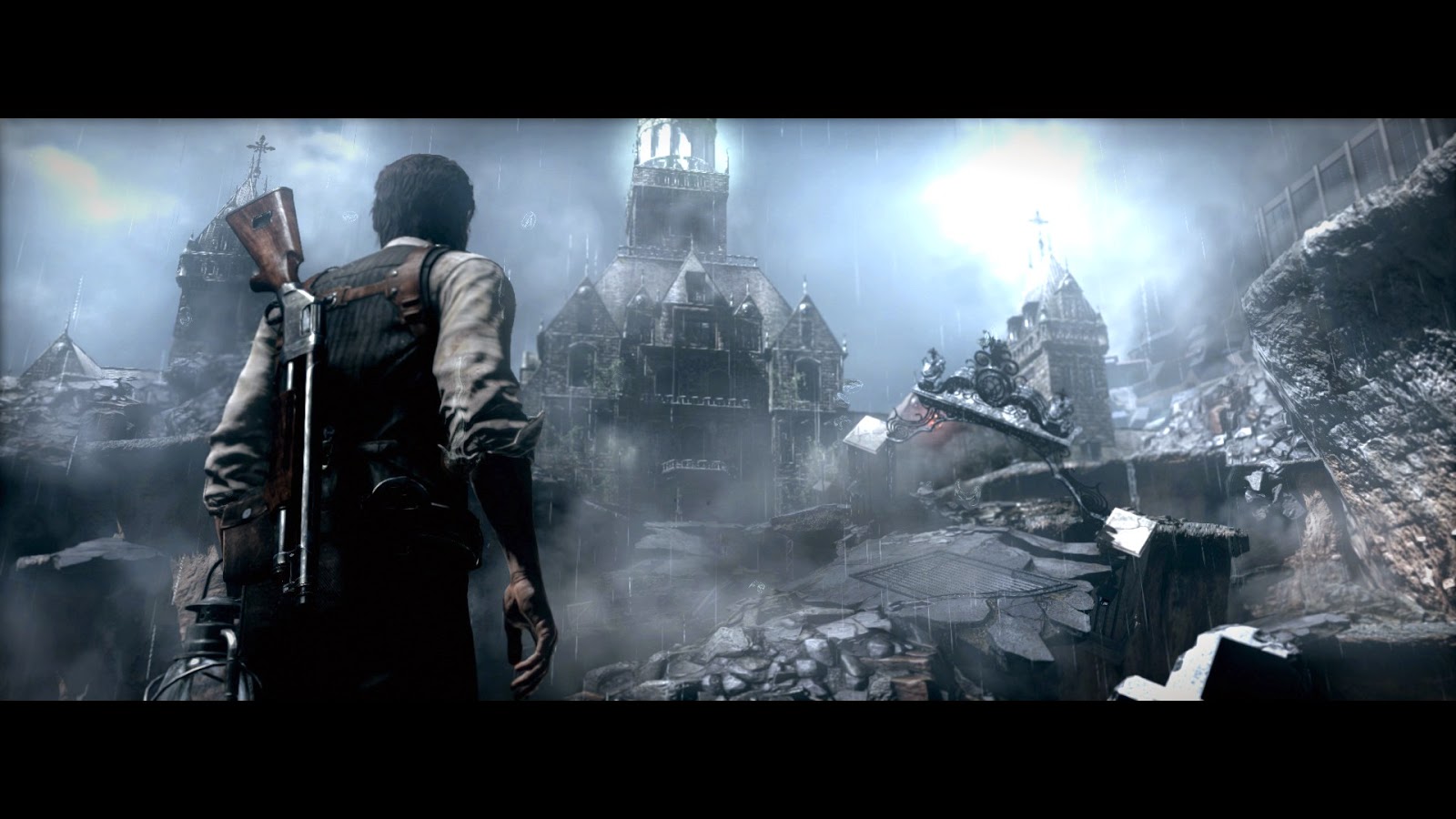
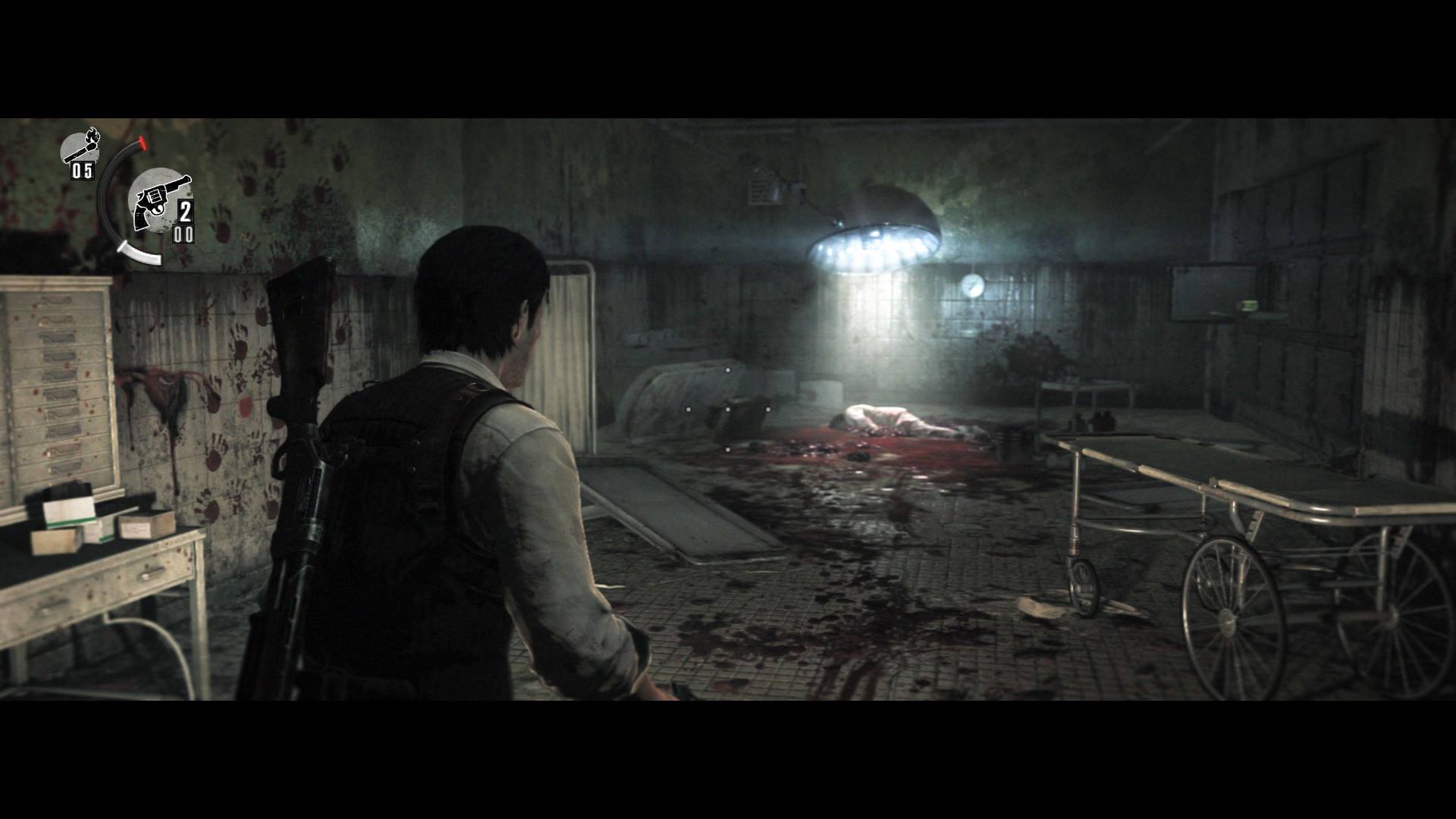
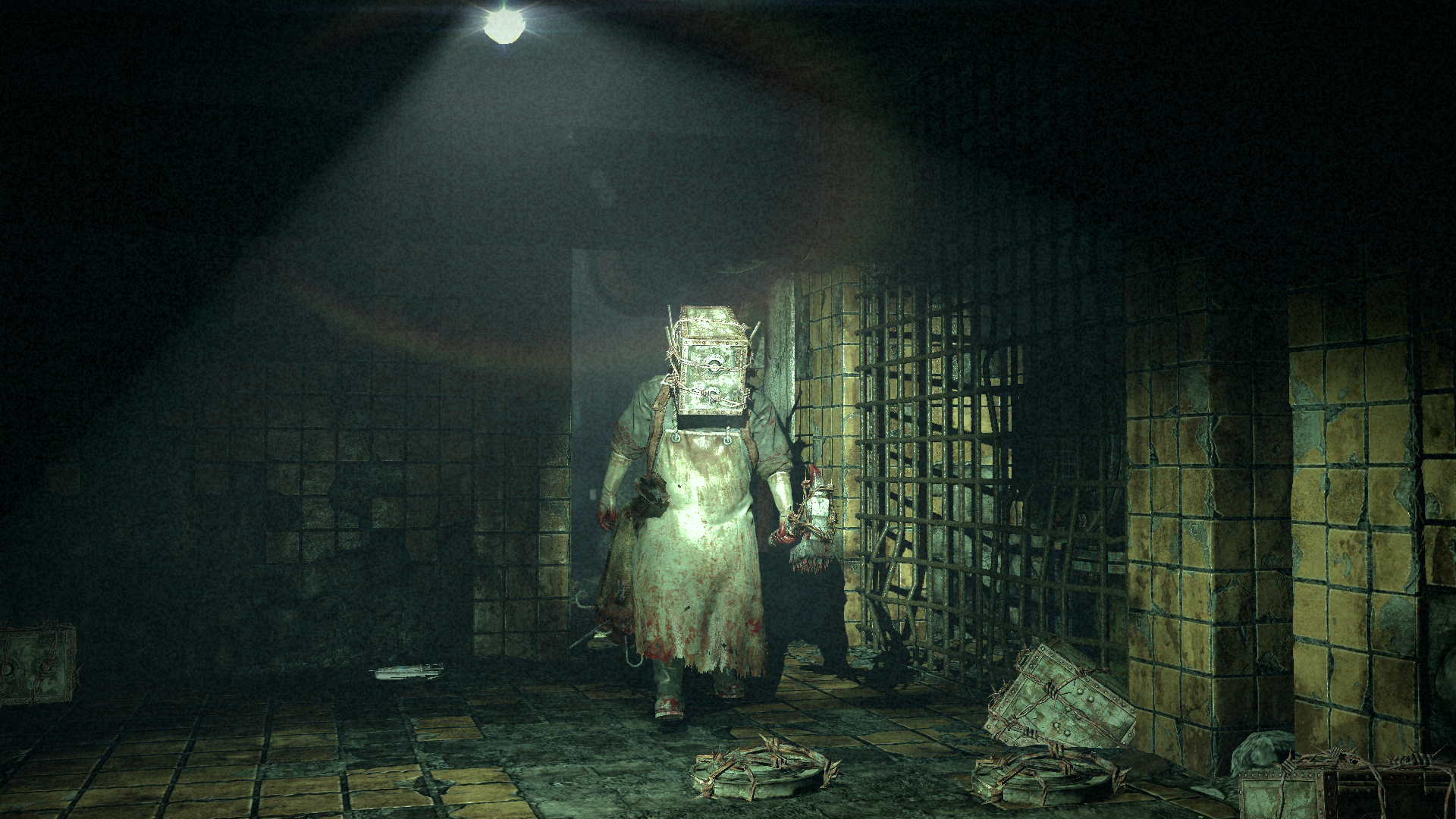
Apart from the insanely vague story, the game does give off an amazing sense of atmosphere. Creepy intestines hang from the walls, eyeballs float around on ceilings, and enemies are some of the scariest stuff since Dead Space, but I have to say, the atmosphere is awesome. Unfortunately, that’s about all that The Evil Within has going for it, despite trying to bring back the old-school survival horror vibe, which it fails to do. This is done with a lot of stop-and-go cut scenes and endless hallways, and then you’re slammed with a bunch of action and no ammo—yeah, it’s one of those.
This game wants to bring survival horror ammo scrounging to a game that has a lot of action, and this is very bad. It just doesn’t work. Even if you are smart with your ammo, conserve, and use melee when the option is available, it just doesn’t always work. The game is highly unbalanced, with long stretches of nothing and then several arenas full of bad guys. Now there is a stealth element added in, but it fails most of the time. Enemy paths are random, they are placed poorly, it’s hard to get to them because the sneak animation is aggravatingly slow, and it doesn’t end there. The game is devoid of puzzles, meaning there is no challenge outside of combat. On top of all this, gunplay itself isn’t very fun, as the camera zooms too close to Sebastian’s shoulder, making quick aim disorienting and difficult, the animations are janky and can’t be interrupted, and it takes forever to level up your abilities and weapons—it actually requires a second playthrough.
I feel sometimes I’m too hard on the game, as it isn’t terrible, just extremely difficult and unpolished. The graphics are also something to be desired; they feel very dated but have some nice lighting effects. However, the textures and models are all over the place, but nothing in here looks truly next-gen, even on PC. I feel that this game is a little hard to explain as there’s so much going on and each area is completely different. That may be the only thing saving this game outside of the gruesome horror scenes and interesting boss fights. With no way to understand the story, players will try to latch on to other elements, but at the end of the day, you sit back and wonder if it was worth it.
Weapons in the game are your standard affair: a shotgun, revolver, sniper rifle (bolt action, of course), rocket launcher, magnum, and crossbow. The crossbow is probably the most interesting gun in the game, as you can create bolts from scraps you find by disarming traps. These become vital during boss fights and when you’re surrounded by bad guys. One interesting, yet unnecessary, element in the game is burning bodies with matches. If you have some, you can do an instant kill by burning the body. This is useful against tougher enemies to save on ammo. There are also your typical secrets to find—hidden keys, map pieces, etc.—stuff that most people don’t care to collect.
Some players may appreciate the hardcore challenge, but most will balk. But the game is worth a playthrough for the atmosphere and roller coaster ride of gore, guts, and weirdness. Be prepared for a nonsensical story and extremely unbalanced difficulty. If you can stomach the unpolished gameplay, then you could have a pretty entertaining experience.
Master Chief is one of the most iconic characters around, and despite being on a Western-heavy console brand, everyone knows who he is. The green Spartan made waves back in November of 2004 with Halo 2. Halo 2 pretty much defined online console multiplayer and was the driving force for Xbox LIVE throughout the Xbox 1’s lifecycle. I still remember Peter Moore lifting up his sleeve and revealing Halo 2’s release date as a tattoo on his arm; it was unique and cool, and probably something he regretted later on. Halo 2 also received more hate than any other game I can think of, and sadly, I’m one of those people. See, I was a hardcore Sony fanboy at the time and loved my PS2. While it was a superior console, it lacked show-stopping online games like Halo 2 and an FPS exclusive (Killzone was not what FPS PS2 owners needed).
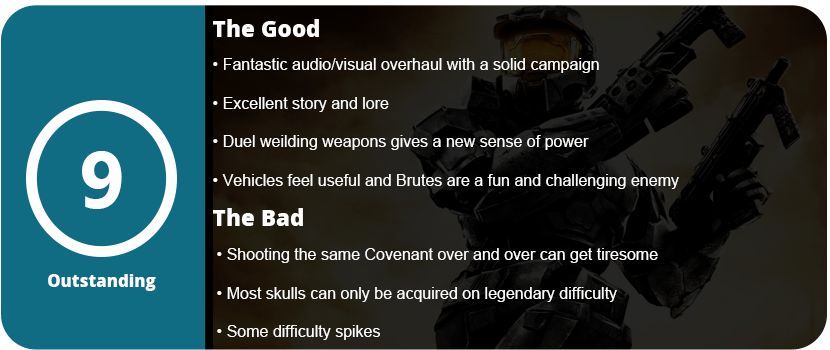
Halo has fantastic sci-fi lore, and I didn’t appreciate this until I got much older. If you read the comics and novels, you will realize just how deep and fantastic the Halo universe is. Halo 2 expands on the first game tenfold in nearly every way. The story is more fleshed out, has fantastic pre-rendered cutscenes, and has some incredible voice acting. The campaign was longer than the first game and offered more variety. For starters, dual-wielding was introduced and was one of the first games to make it work right. Each trigger on the Xbox allowed you to fire each gun independently as well as mix and match your favorite guns. More weapons were introduced, as well as the new Brute enemy. From start to finish, Halo 2 is one of the most diverse FPS campaigns I have ever played, from forests to interplanetary ships to jungle ruins and even cities. There’s so much to see in this game, and it’s also quite beautiful.
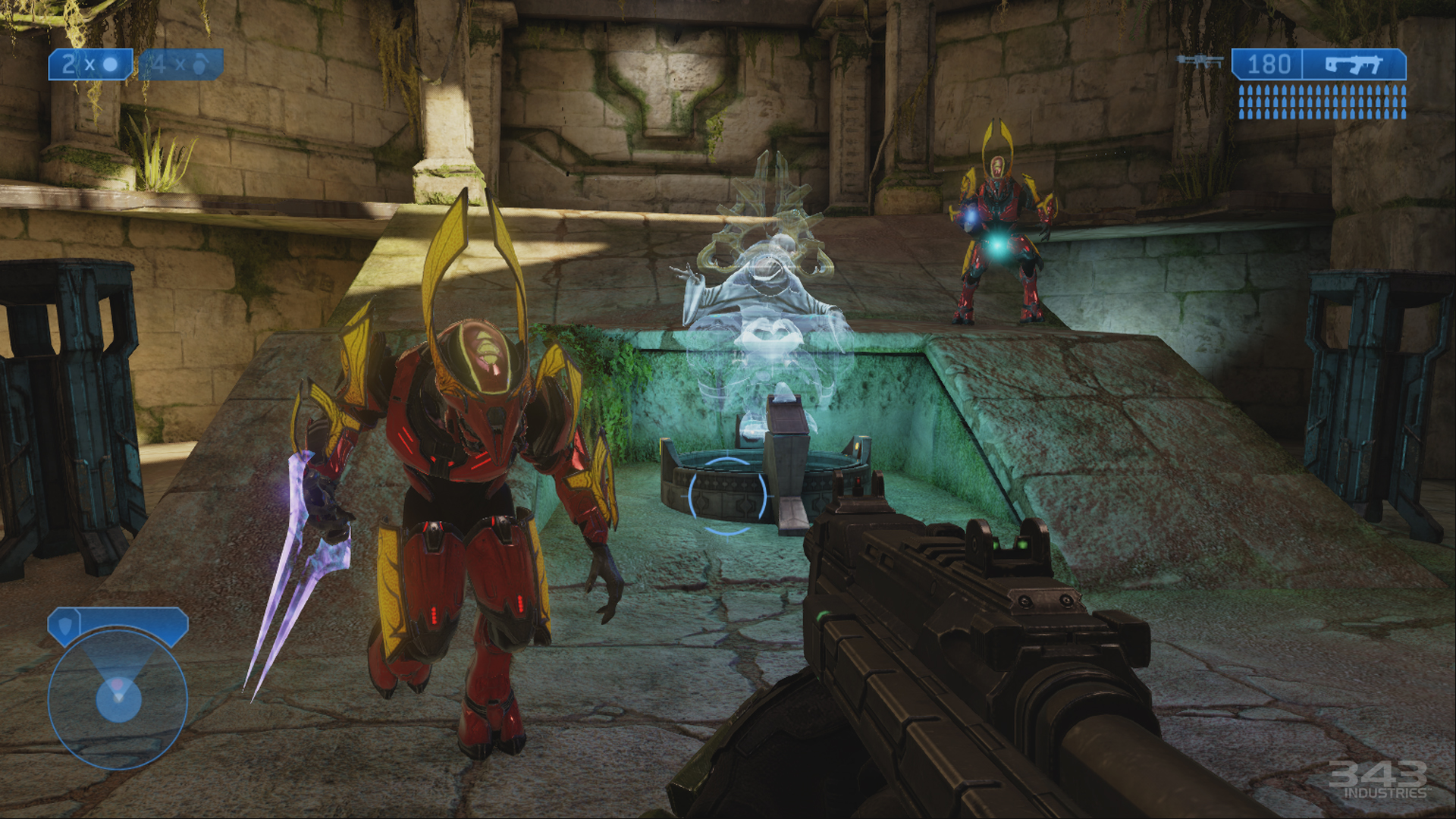
One thing I could never get past was the continued use of the same covenant over and over in each game. However, this allows you to remember and learn the AI quirks of each enemy so that when you play the next game, you already know their strategy and how to play the game. The Covenant are some of the best enemies ever made in an FPS because they require you to use strategy and everything in your arsenal. Enemies will duck, hide, and run away from you, which was almost unheard of back in 2004. Of course, with the Anniversary update, the AI is improved, and it feels like a fully updated game that could release tomorrow, despite the graphical age the games have aged very well gameplay-wise (Halo 1 is up for debate on that one).
The story behind Halo takes place after the first game, with the first Halo ring destroyed; however, a new protagonist joins us as the Covenant Elite Arbiter, who was tasked with protecting the ring and failed. He’s been made a martyr and must help activate the Halo rings to stop the incoming flood. Sadly, the flood is back and more aggressive than ever. I somehow didn’t mind them so much in this game, as they are not thrown at you for several levels at a time but given to you for a level here and there, and man, are they some of the most annoying enemies in gaming history. The little, tiny “poppy” floods, the big “pregnant” floods, and those ones that rush you. Now the Brutes have turned, so expect these floods to be even harder to take down. At least they are more balanced out and not thrown at you in seemingly endless waves.
Another huge update was the vehicles, as in Halo 1, they handled like crap. Each vehicle now has a boost feature, and they handle so much better and are easier to shoot with and maneuver. They are also given to the player more often and become vital tools at certain levels, just like your guns. I also found the shield was used better in this game as it recharges much faster, and health packs are no longer a concern anymore. Master Chief can take a little bit more of a beating after his shield has been used up.
The visual enhancement in Halo 2 is even better than that in Halo 1. The game looks amazing with completely redone environments, textures, lighting, and sound this time. Switching between classic and new modes was like night and day—I could never go back to the old Halo 2 again. With these new updates come the Halo toys you can find, as well as more skulls and terminals. These unlock achievements are quite tricky to find. The worst thing I can find about this game is the difficulty spikes. Some segments required constant restarts to find the right combo of how to hit the enemy or retry a new strategy. This led to many frustrations, but they weren’t as frequent as in the first game. I also didn’t like how most skulls can’t be acquired on anything but the hardest difficulty.
Overall, Halo 2: Anniversary is a must-play for Xbox One owners or lovers of the FPS genre. Halo defined the series for a reason and isn’t quite as shallow as haters would like to think. There’s a whole universe here that people are missing out on, as well as some of the best FPS action known to man.
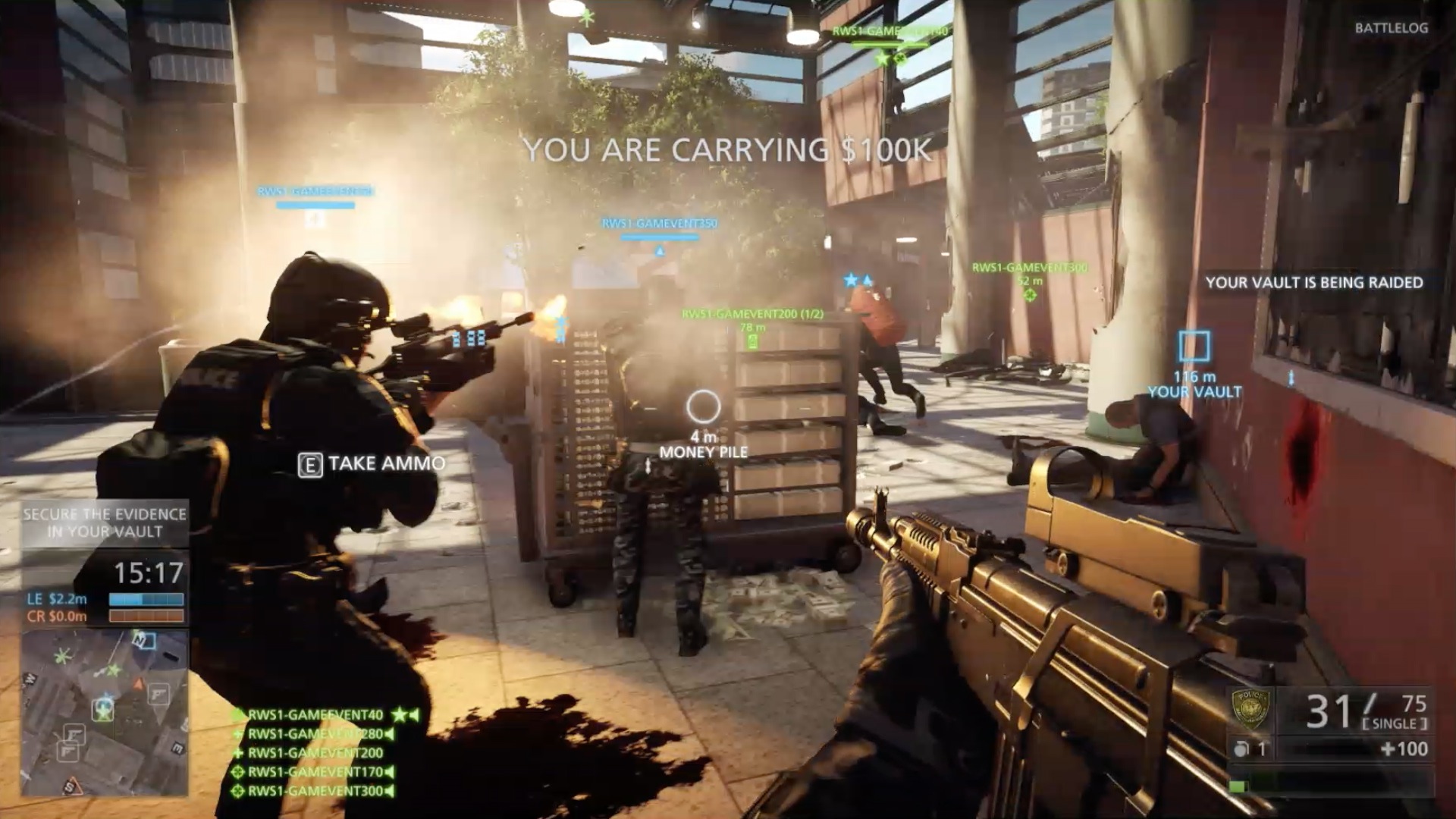
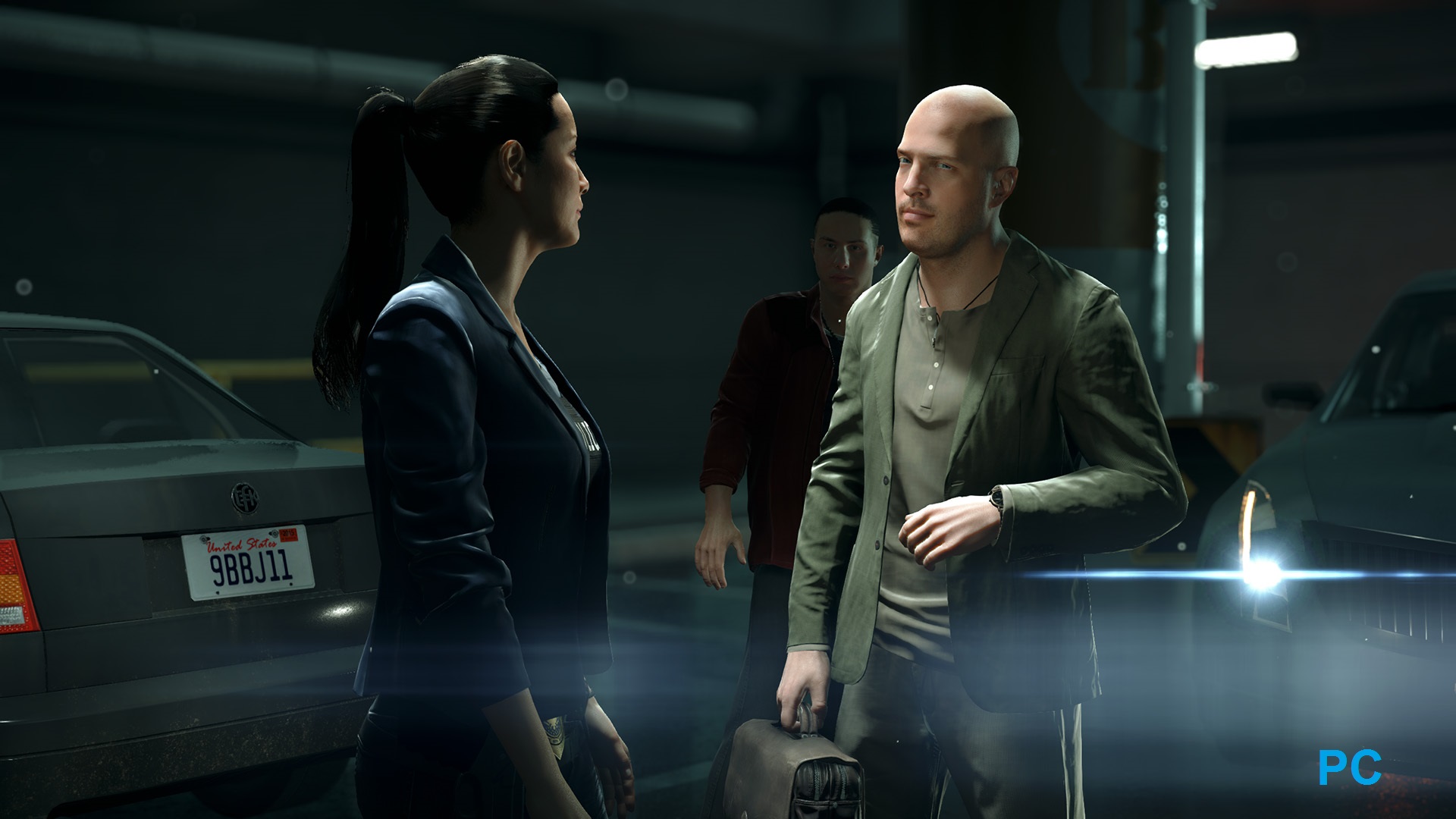
The first-person shooter genre hasn’t really advanced over the years. I feel this is one genre that is de-evolving over time. No longer do we have the clever and memorable shooters from the mid- to late-90s and early 2000s. Every shooter these days is all about killing as much stuff as you can as fast as you can, and Hardline is no exception. The game tries to take a more cerebral approach with the addition of stealth. Remember, half the time you are a cop and the other half a criminal. You play a man named Nick Mendoza, who is a good cop who gets framed while taking down a drug cartel in Miami. Your partner is a female cop; there are few plot twists; a lot of unrealistic stuff happens; there’s some cheesy dialog; blah blah, you get the rest. While I was interested in the story enough to keep playing, I forgot about the whole thing once I shut the game off.
Hardline’s stealth gameplay actually isn’t half bad, but it feels pointless in some ways. Sure, you’re rewarded for using stealth and arresting criminals, but I feel this could have been done in a different way. As you sneak around levels, you can make people freeze, up to three, and take them down. This rewards weapon and attachment unlocks, obviously; what else? It’s fun at first, but after the first level, I just wanted to shoot stuff up, but I couldn’t because of the unlocks. Each level pretty much plays out exactly the same: navigate the extremely linear level, get lost a few times, use the annoying scanner to find evidence for more unlocks, and kill more bad guys. Hardline is literally a leapfrog game from stealth to action, and it gets a little tiring after a while. Thankfully, the game only lasts about 5 hours, and then it’s on to multiplayer. On some levels, I was able to take down all the bad guys, and that felt satisfying, but in some areas, you had to enter the right area or take them down in a certain order to not get spotted, and this was so irritating. One level had me trying to sneak out of a prison ground while trying to hide from cops, but for some reason, they constantly spotted me no matter where I hid, and it was all about reloading the game 500 times to exploit the mechanics—not fun.
One thing I do like a lot about Hardline and Battlefield in general is the overall handling and feel of weapons. They have weight, they feel real, and there’s a lot of feedback and skill required to aim the gun, and with this, you will find your favorites. Hardline is more urban cops vs. robbers, so you won’t see the military weapons you’re used to. Most missions I went through with a pistol as my main weapon and then a shotgun or SMG as a backup, that’s it. No grenades, no rocket launchers—nothing like that. It’s an interesting change-up for the series, but it just wasn’t done right.
Multiplayer is interesting, but it still doesn’t top Battlefield 3. Most modes consist of variations of capturing the flag with small maps, but the most interesting is hotwiring. This is a car heist mission where you drive around on maps, but the vehicle handling is some of the worst. Even during the campaign, the car chases felt fake, ridiculous, and completely unbelievable. The janky and over-exaggerated handling doesn’t help either. While multiplayer is a nice change from urban maps over large military fields, it’s not something to write home about. I got bored after getting to around level 15 and just kind of stopped and went on to better games.
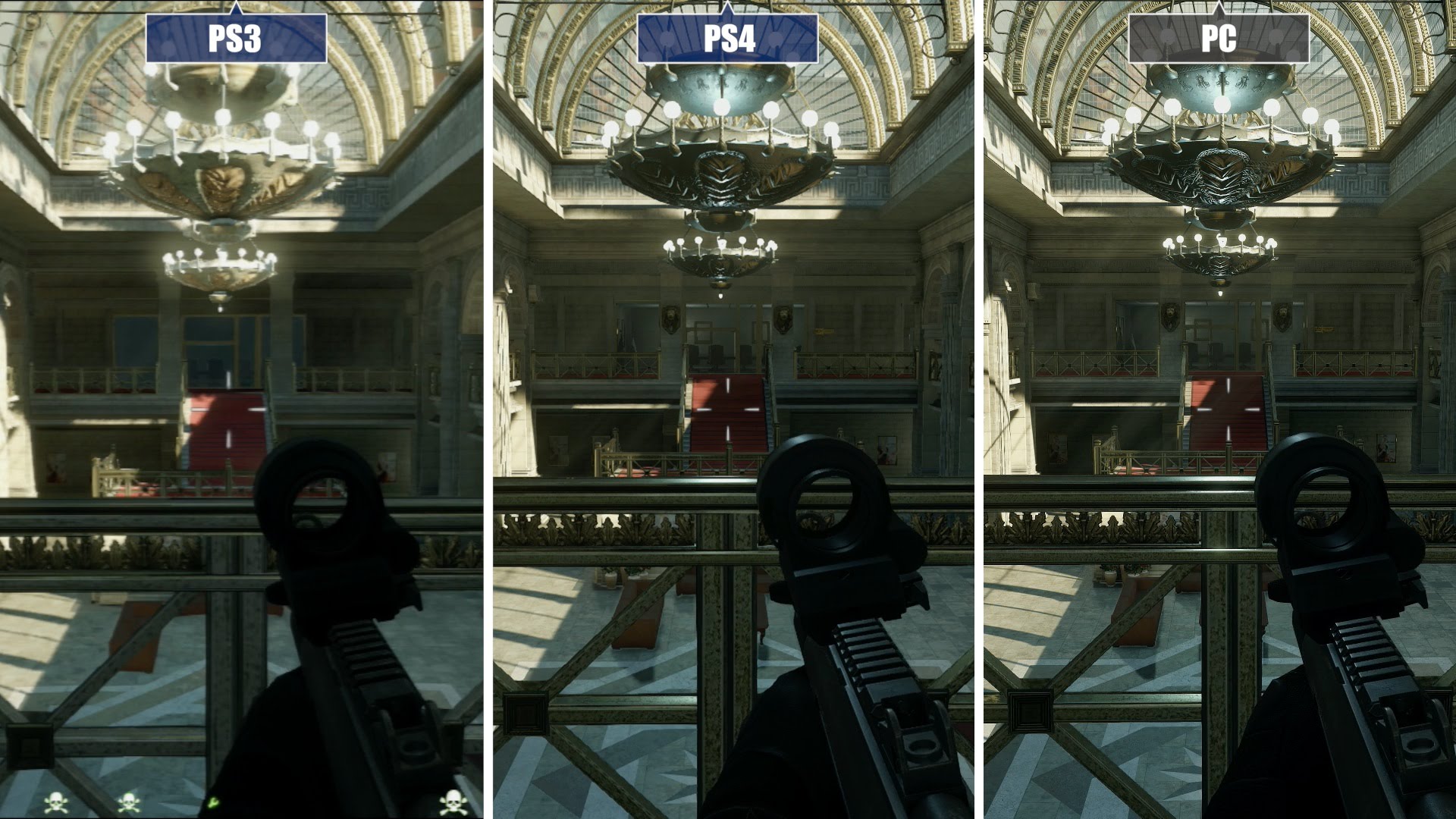
The visuals are quite impressive, some of the best out there right now, with fantastic lighting and extremely high-res textures. While the PC version does look the best, the PS4 and Xbox One versions are nothing to scoff at. However, you will need a fairly new system to run this on a PC—nothing over 18 months old.
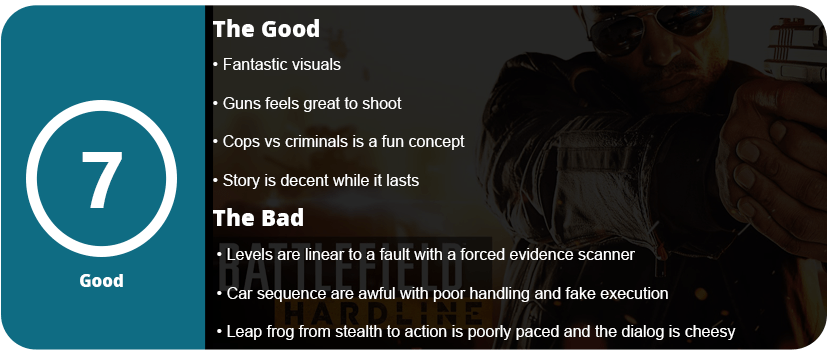
With that said, Hardline is a nice change of pace for the series, but it just wasn’t executed right. The story is decent, albeit cheesy and fake; the levels are more linear than you can imagine; and the leapfrog from stealth to action is just a little nauseating and causes poor pacing issues. The car chases are terribly done, completely fake, and unbelievable. The multiplayer, while interesting, feels too similar to other shooters and doesn’t top Battlefield 3’s excellent maps and balancing; the visuals are also stunning, but this won’t help the game much. What we have here is a slightly above-average shooter and a below-average Battlefield game. I really felt this was the series’ low point, but that doesn’t mean I wouldn’t want a sequel that’s more fine-tuned.
Oh, Halo, I have a love-hate relationship with you. Back when Halo was released, I didn’t really think much of it. I saw the box in game stores, but I never actually heard much about it. It wasn’t until Halo 2 that the series really took off and was talked about by everyone who loved it and hated it. I just so happened to be someone who hated it, even though I didn’t play it. It looked like a generic sci-fi shooter with boring guns and boring enemies. For years, I refused to even accept Halo as a good game series. I finally sat down with the first game on PC back in 2007 and felt it was like a chore. The game was overly difficult and ugly, and I didn’t get the game at all. I washed my hands of it and was done.
Later that year, I borrowed an Xbox from a cousin (the original) and rented Halo 2 from the video store (back when that was still a thing) and actually started to like it. The game felt more balanced, more cohesive, and had a more interesting story. However, I still hadn’t even touched the multiplayer, as I didn’t have Xbox LIVE. I wouldn’t experience Halo multiplayer until Halo 3. After playing through every Halo game, I started to feel fatigued by the series. ODST and Reach were extremely boring and didn’t do much outside of the story and presentation. However, I would still go back to playing Halo 2 and 3, but I swore never to touch Halo 1 again. Now, 8 years later, I’ve played through Halo 1 and like it a little more; however, it still feels like a chore.
You play as Master Chief, a Spartan in the Earth Defense Corps who just so happens to get stuck as the savior of Earth. You fight some Covenant, an alien race hellbent on capturing Halo, and then some Flood, a super-weapon species designed to wipe out all life in the galaxy. You spend almost the entire game on the Halo Ring, which is a giant ring-shaped artificial planet that looks like Earth. Later, you run into an AI called The Librarian, whose function is to destroy all life in the galaxy to wipe out The Flood, so they starve to death. Of course, Master Chief and his AI partner Cortana must not have that. The story is quite interesting; however, it doesn’t really explore much of the Halo universe, and I wanted more.
Halo’s famous for its balanced gunplay and enemy AI. While there are only about 10 different enemy types in the game, Halo was one of the only FPS games at the time to force you to change up your tactics, weapons you use, and how you approach each firefight. Despite popular belief, Halo is not a run-and-gun type of game at all. If you run out into the open, you will die almost immediately. Halo is also the father of the regenerating shield, which is a core gameplay element of the game. Without it, the number of enemies you have to kill and scenarios would not be possible, as you would die and never make it through the game. Despite the shield recharging so slowly, it makes you stop and think before you step out again and lose your health.
The guns are also very memorable and iconic in Halo. The needle is a weapon that fires pink shards at the enemy, and they home in. After a few seconds, the shards explode, causing damage. The assault rifle is probably the most iconic weapon, as it’s the standard and most basic weapon in the game. Aside from plasma and standard weapons, you can also drive vehicles. This is actually where I had a huge issue and still do: the vehicles controlling garbage. The Ghost, Banshee, and Warthog are floaty, not very responsive, and counter-intuitive to what the game wants these vehicles to do. I also don’t like how you can’t drive and shoot the Warthog at the same time; it makes you too vulnerable.
The one thing Halo has always had a problem with is the repetitive hallways and the extreme linearity. Nearly every level had you backtrack back to the beginning once you got all the way through, and this got frustrating and tiresome toward the end of the game. The core game is also just repetition, but that’s expected of any shooter. Shooting the same enemies over and over in different variations just gets old, and some people may not be able to tolerate it. Despite this, and like I mentioned earlier, Halo combats this by making you think before you run out into the open.
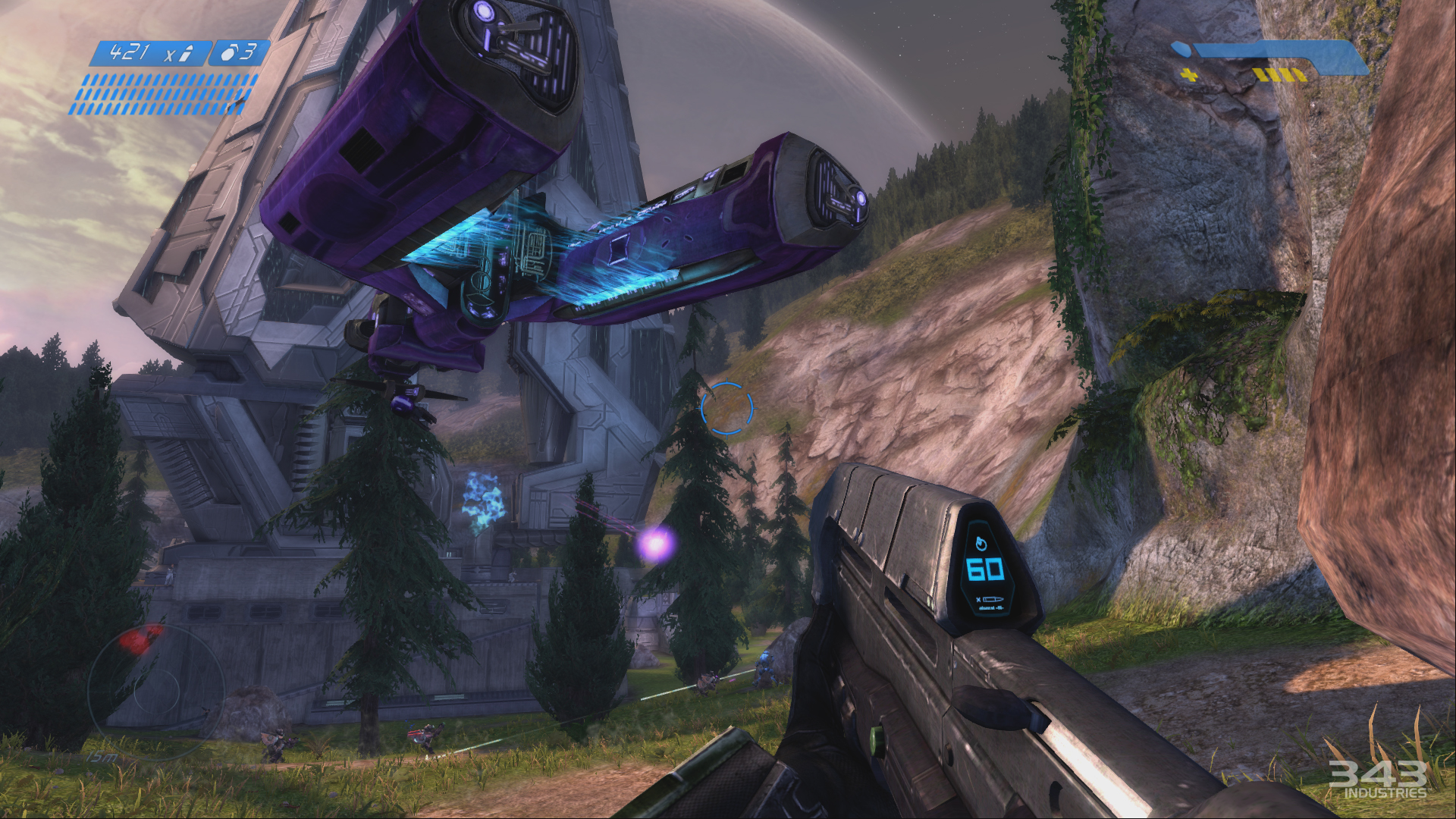
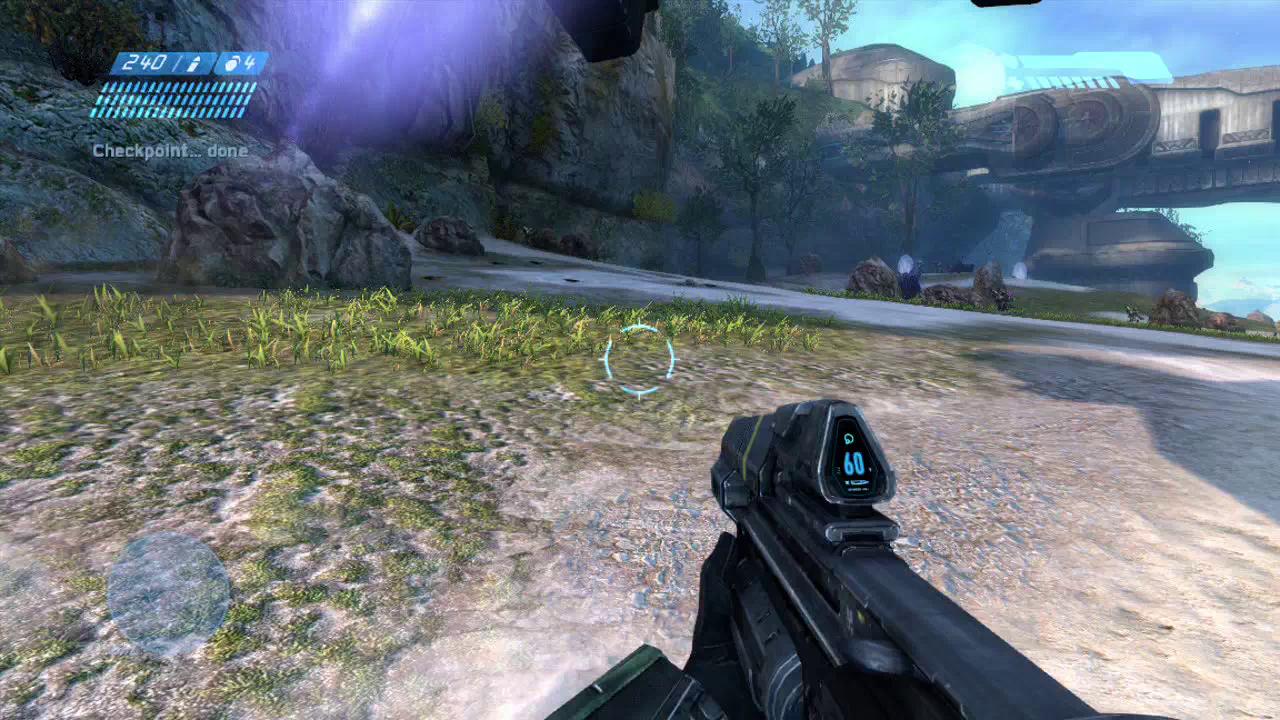
Outside of the shooting, the game just feels strange as a whole. It feels dated still despite the update; however, it does help tremendously and makes the game more enjoyable. The new graphical update is more than an update. It’s completely redone, and switching from remastered to classic graphics on the fly makes you realize just how old this game is. We’re talking Quake 3/Source Engine graphics here. After playing the updated version, I could never go back. The game just looks way too ugly compared to others, which makes it much less enjoyable. In fact, the updated graphics actually help make the game easier to play with better lighting and more detailed environments. I found the original Halo way too dark in most areas, and it was always hard to see.
When it comes to multiplayer, it also suffers from feeling old. While the maps are remastered, the gameplay just feels a little old and not as fast or deep as the newer games; however, there is a charm to the age. The game is very simple, there’s not much to the multiplayer, and the maps are also not as complicated as newer ones. Fans of the original game will love being able to finally play the original online, like it was intended to be.
Overall, Halo: CE Anniversary is a fantastic update and probably about as good as the original game can get without changing any major gameplay elements. On the Xbox One, the game runs at 1080p and 60 FPS, which looks fantastic, and it also has the menus of The Master Chief Collection’s, which is an upgrade over the Xbox 360 version. If anyone couldn’t stand the original, they may find it more appealing now, but expect the overall gameplay and design of the game to not have changed.
I’ve finally done it. I know I have all three current-generation gaming systems. What’s the positive side to that? Being able to enjoy each console’s strengths and exclusives. The bad side? I play more games than I can in a week. Why did I wait so long for the Xbox One? Its game exclusivity release windows were far and few between, and it didn’t offer anything the PS4 couldn’t… well, that anyone cares about anyway. There are a lot of nice features on the Xbox One that no other system has, but are they what sells the console? At this point, Microsoft doesn’t really have anything to sell the Xbox One outside of its already built-up user base as well as its three trump cards: Halo, Forza Motorsport, and Rare. While Microsoft used Killer Instinct, Forza 5, and Halo 5 to get people excited about the launch, Microsoft’s launch was very weak outside of a few strong games.
Let’s face it, the look and design of a console can really matter. Just look at the Atari Jaguar with the CD add-on—it looks like a toilet. The original Xbox was geared towards PC gamers who were already used to bulky cases. While it wasn’t as sleek as the PS2 or cute as the GameCube, the monster box meant power—and power it had. Being the first system to have an online infrastructure and have a built-in HDD, the Xbox shipped with an 8GB HDD, but Xbox LIVE wasn’t up and running until long after the console’s release. Then a little game called Halo swept the gaming and entertainment industries by storm, and Halo 2 helped kickstart and raise the bar for first-person online gaming. It was massively successful and even made Nintendo and Sony rush for a proprietary FPS. Sony made Killzone (stank), and Nintendo made Metroid Prime (awesome). However, neither garnered the attention that Halo could, and Killzone was quickly forgotten. What else made the Xbox so successful? It’s hardware. It had a whopping 733 MHz CPU based on Intel’s Pentium III Coppermine chipset and a 233 MHz GPU made by Nvidia. This meant off-the-shelf parts and was easily programmable, similar to a PC. While the PS2 was extremely difficult to develop, the Xbox had great-looking games from the start. From Halo, Forza Motorsport, Blinx, and Fable, the Xbox had a great lineup, but it quickly died out towards the end of its life cycle. The Xbox showed its age and games; we’re looking better on the PS2 for some reason (God of War, Shadow of the Colossus), and Microsoft quickly lost interest from Japanese developers, so the PS2 made waves.
With that little history bit, the Xbox 360 had a year’s head start and was powerful, but met the same fate as its little brother. Great games from the start, but many exclusives jumped ship, and Microsoft lost steam once the PS3 sales were climbing. While still a good system, it doesn’t have the exclusives it did five years ago and isn’t as unique as it was at launch.
Out of the Box
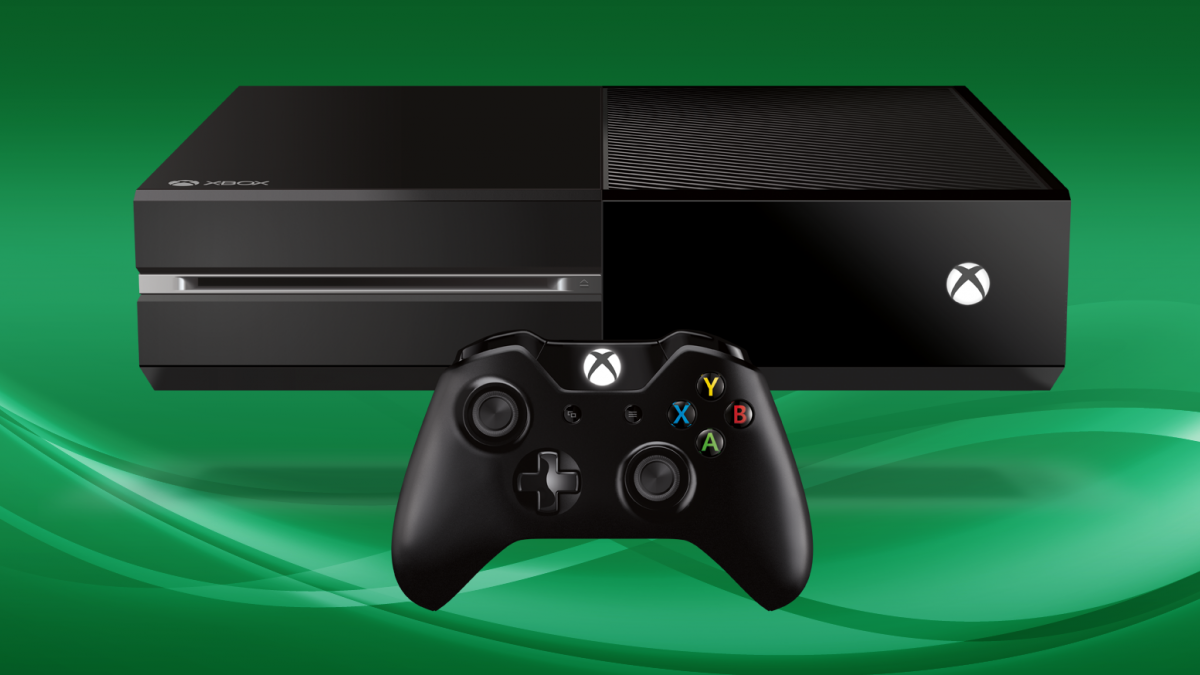
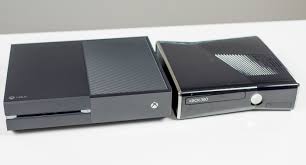
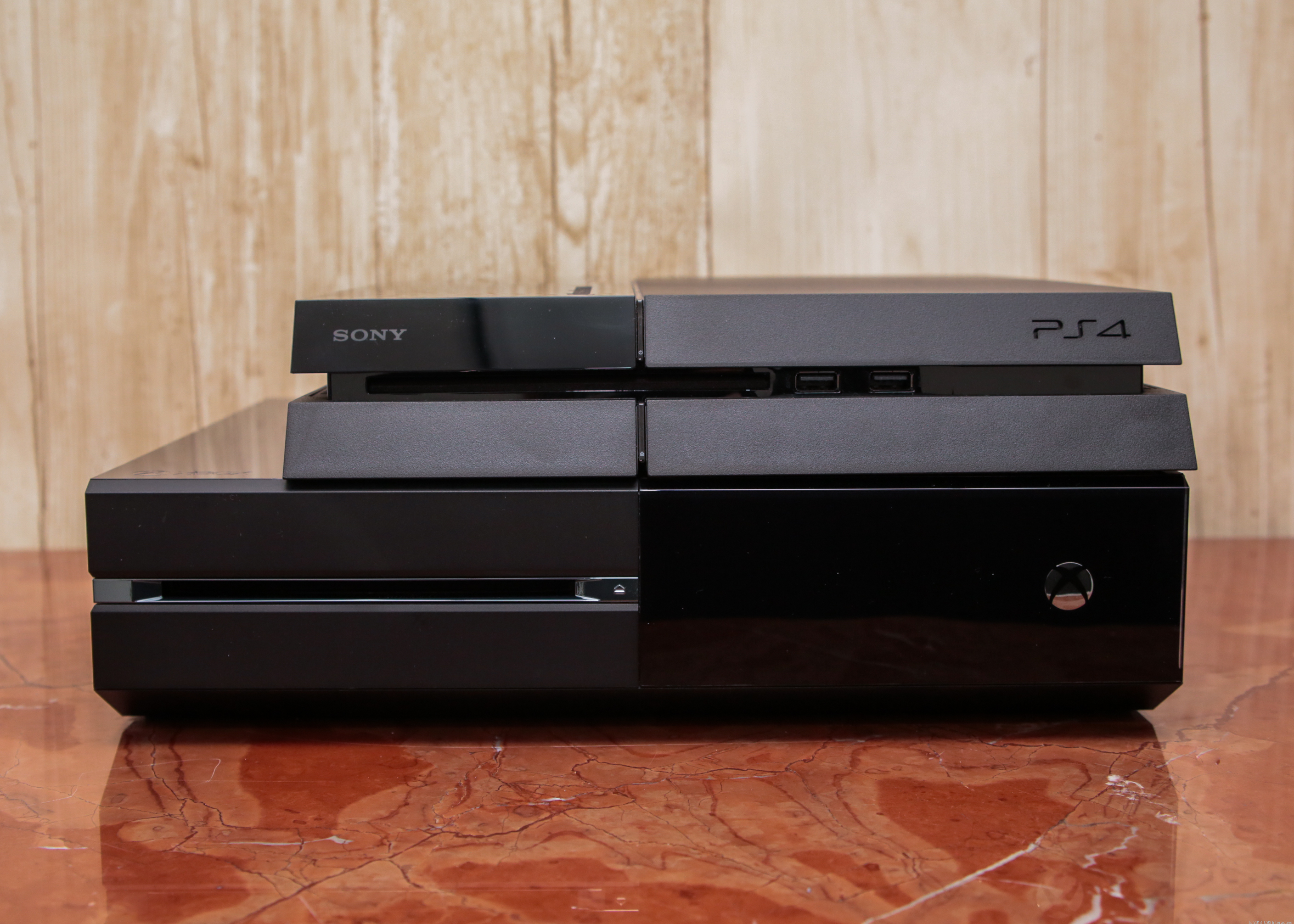
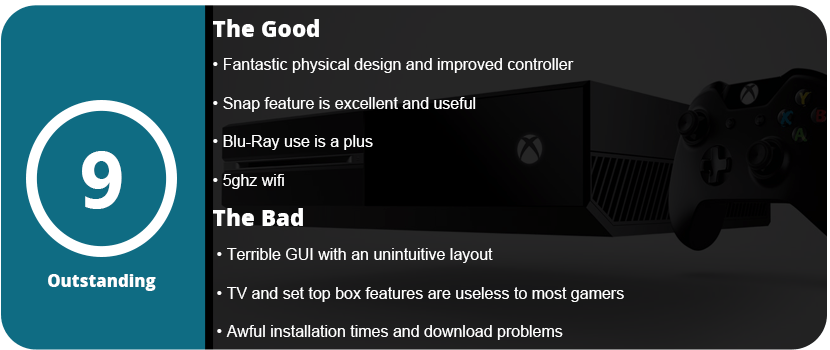
The Xbox One takes the original design and the Xbox 360 S design and smashes them together. You have the sleek box shape of the 360 S and the hard lines of the original system. The Xbox One is huge, bigger than the PS4, and somehow less powerful. More on that later. The Xbox One logo on the front brings subtle attraction along with the glossy panels and chrome disc drive bezel. The box is sleek and Microsoft’s best-looking one yet. It’s also surprisingly light for the size of the system.
Under the Hood
The Xbox One is actually a little weaker than the PS4. I know fanboys are going to scream and have a tantrum, but the numbers and facts don’t lie. Sure, it’s powerful, but not as much as you’d like to think. While the Xbox One and PS4 both have an 8-core AMD CPU that is similar to that in phones, the Xbox One is clocked at 1.75 GHz, while the PS4 is clocked at 1.6 GHz. Yeah, go ahead and laugh, but the GPU is probably more important on consoles than you think. While the Xbox One has an 853 MHz AMD GPU, the PS4 has an 800 MHz one but has more compute units. The PS4 has 18 while the Xbox One has 12, meaning the PS4 can outperform the Xbox One with this. To make it easier, the Xbox One has a GPU equivalent to an AMD 7790 or Nvidia GTX 650 Ti. The PS4 has a GPU equivalent to an AMD 7890 or Nvidia GTX 670. While those GPUs have now been left in the dust, the PS4 and Xbox One are stuck with them. Sadly, this means lower resolution on Xbox One, and due to only having 8GB of DDR3 RAM, loading times could be much longer towards the end of the life cycle over the PS4, which has 8GB of GDDR5 RAM. The Xbox One also has three USB 3.0 ports; one is cleverly hidden on the left side rather than being in the front. I also have to commend Microsoft for making this the very first console to have 5 GHz WiFi, which is a huge win over any other console for download speeds. I could download a 62GB digital game five times faster than I could on another console. I love this.
GUI
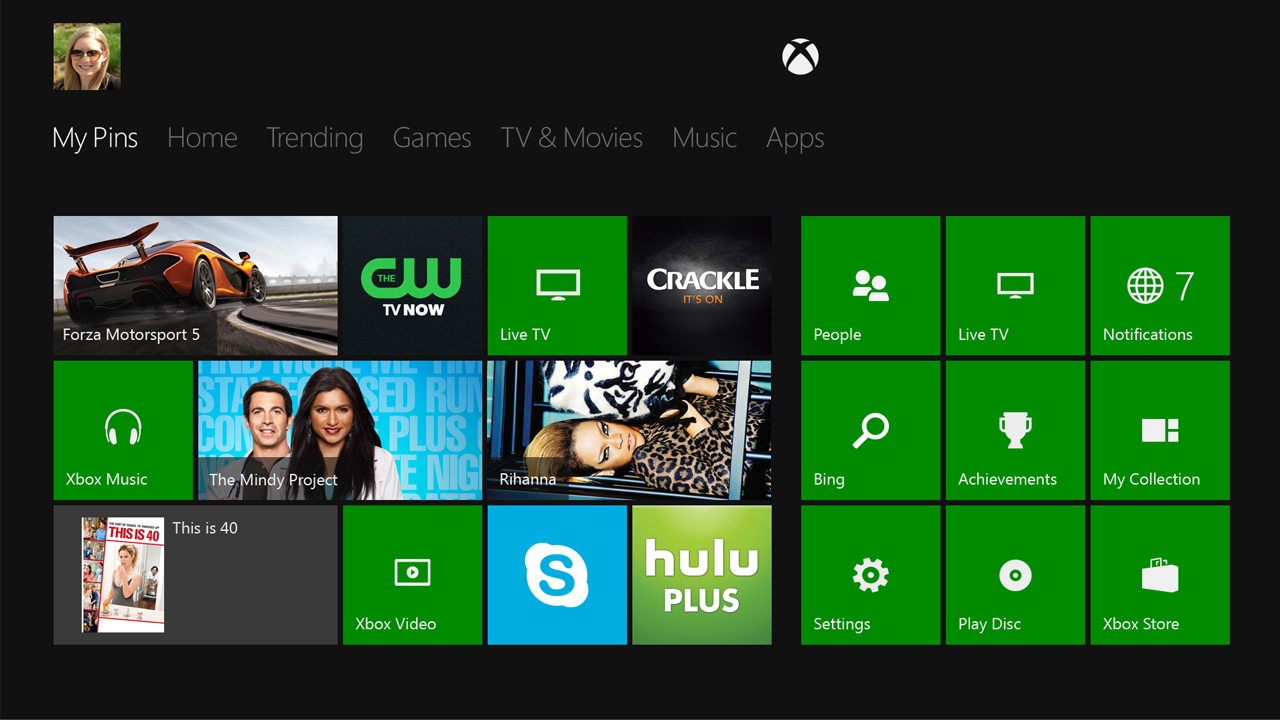
I hate to say this, but…Xbox One looks too much like Windows 8. I know. I know. Go ahead and say it. It is the most difficult system I have ever had to navigate. For starters, I couldn’t find the system settings. Why is it an app? Why is everything an app? I like apps on consoles, but everything on the Xbox One is an app, and it relies on the internet more than any other console. If you pin your favorite stuff to your home area, you can’t use it when you are offline. It doesn’t end there; I couldn’t find anything in the game store. Yeah, that’s probably important, right? The game store looks empty and completely unintuitive. There’s a small featured section as well as Top Paid, Free, Newest Games, etc. However, I could not find the Games with Gold section anywhere except at the home dash in a featured box. That’s completely ridiculous. I still don’t know what’s for sale for gold members, and I can’t find it. This is the worst game store setup I have ever seen.
Functionality
Let’s talk about some of the Xbox One’s exclusive features. Microsoft is seriously trying to push the set-top box thing; however, this is probably only something that less than 10% of users will use, mainly sports fans. The Xbox One does feature a TV-Out HDMI option, so you can plug in your HD set-top box or even another console. While plugging in consoles isn’t recommended due to lag, it’s an option for people short on ports. Hell, you can play Killzone via the Snap app on your PS4 while someone is playing Halo right next to you. God forbid. There are features in the system to set up your TV and sound system to use voice commands via the Kinect, but only users who bought the launch consoles will have a Kinect. I feel many people from here on out will never see this feature happen.
Another function is the Snap app. This is actually really nice, as it cuts out a quarter of the screen for using other apps on the Xbox One. This includes TV, walkthroughs, web browsing, the media player—you name it. This comes in handy for people who love to multi-task, but I noticed some slowdowns when playing graphics-heavy games. Another feature that is new to Xbox is Blu-ray. Yeah, Sony fans are saying “Ha ha,” but it’s a smart choice. Games are just too big for dual-layer DVDs these days, so with their own high-capacity media disc being burned out by Blu-Ray, Microsoft didn’t have a choice. This means you no longer need a separate Blu-ray player or PlayStation 3 or 4 to play Blu-ray movies.
Another small feature is the Xbox One Smartglass app, which you can use with your phone or tablet. The layout is pretty much the same as the Xbox One itself, was responsive, and worked well as something that can be used to control your console. This is great for watching videos or listening to music, so you don’t have to keep turning on your controller.
Outside of these features, I did find something disturbing that is probably the Xbox One’s most fatal flaw. Slow install times off discs. The PS4 takes less than a minute, and you can play the full game right away. For some reason, Microsoft thought it was cute that you could play what’s installed, but that’s literal. I booted up Killer Instinct, and all characters were locked until the game finished installing. Wonderful, so now I can stare at the menus for 3 hours while the game installs. Oh yeah, another thing: games are fully downloaded from Xbox LIVE rather than installed off the disc. This is one of the dumbest things I have ever had to deal with. I booted up the Xbox for the first time at 5 p.m. on a Saturday, and I left Killer Instinct installing all day; it took forever. The trick is to disconnect from Xbox LIVE before installing, so it only takes roughly 15 minutes. Connect again to download the current update. Even if you have a fast connection, the games take forever to install, as they need to be downloaded and then installed rather than doing both at the same time, like on PS4. One positive thing came out of this, and that’s being able to play digital downloads while you wait, which is something that can’t be done on PS4.
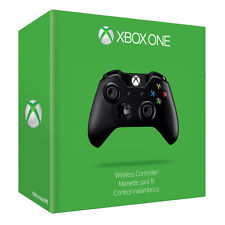
I won’t talk about the controller much, as I already did an extensive review on that, but I will say that the controller is amazing and is an evolution of the Xbox 360 controller. I also want to mention the DVR and capture features that the Xbox One has. The Xbox can snap moments when you unlock achievements, and even the father of the achievement system has evolved. They are more informative when they pop up, no longer leaving you puzzled as to what caused the achievement to unlock. Outside of the name, a description of the feat will also appear.
The Games
It all boils down to the games, right? I played Forza 5, Killer Instinct, and Halo: The Master Chief Collection, and I was seriously impressed. Microsoft actually released better-looking games at launch than Sony. Forza 5 and Ryse: Son of Rome are truly impressive launch titles. They look absolutely amazing and wipe the floor visually over any PS4 launch title, even Killzone: Shadowfall. Games played just like you expected they would; however, Microsoft has a trump card that will come in handy towards the middle of the Xbox One’s life cycle, and that’s cloud computing. This allows AI and even graphical features to be processed on the Xbox One, which is a super powerful tool that no other competitor has. Forza’s Drivitar AI is computed on a server rather than inside the Xbox One. While this feature is slow to start, it’s sure to bring some impressive stuff to Xbox One later on.
Xbox One for All and All for One
The Xbox One isn’t a perfect system and has many flaws in its GUI and various functionalities, but it’s a great system and a worthy successor to the Xbox 360. While it lacks the exclusives that the Wii U and PS4 have, it will grow in time and hopefully carve its own unique experience that previous consoles from Microsoft failed to do. If Microsoft can keep exclusives exclusive to Xbox One forever, it will help a lot. If they can help grow the system over time, like they did with Xbox 360, it will help quite a bit. It’s impressive to see where Xbox One is now after the disastrous launch and reveal two years ago. Xbox One is well worth a purchase for the handful of excellent exclusives available right now.
NOTE: Controller was tested for 6 hours with Ryse: Son of Rome, Project Cars, and Resident Evil 6
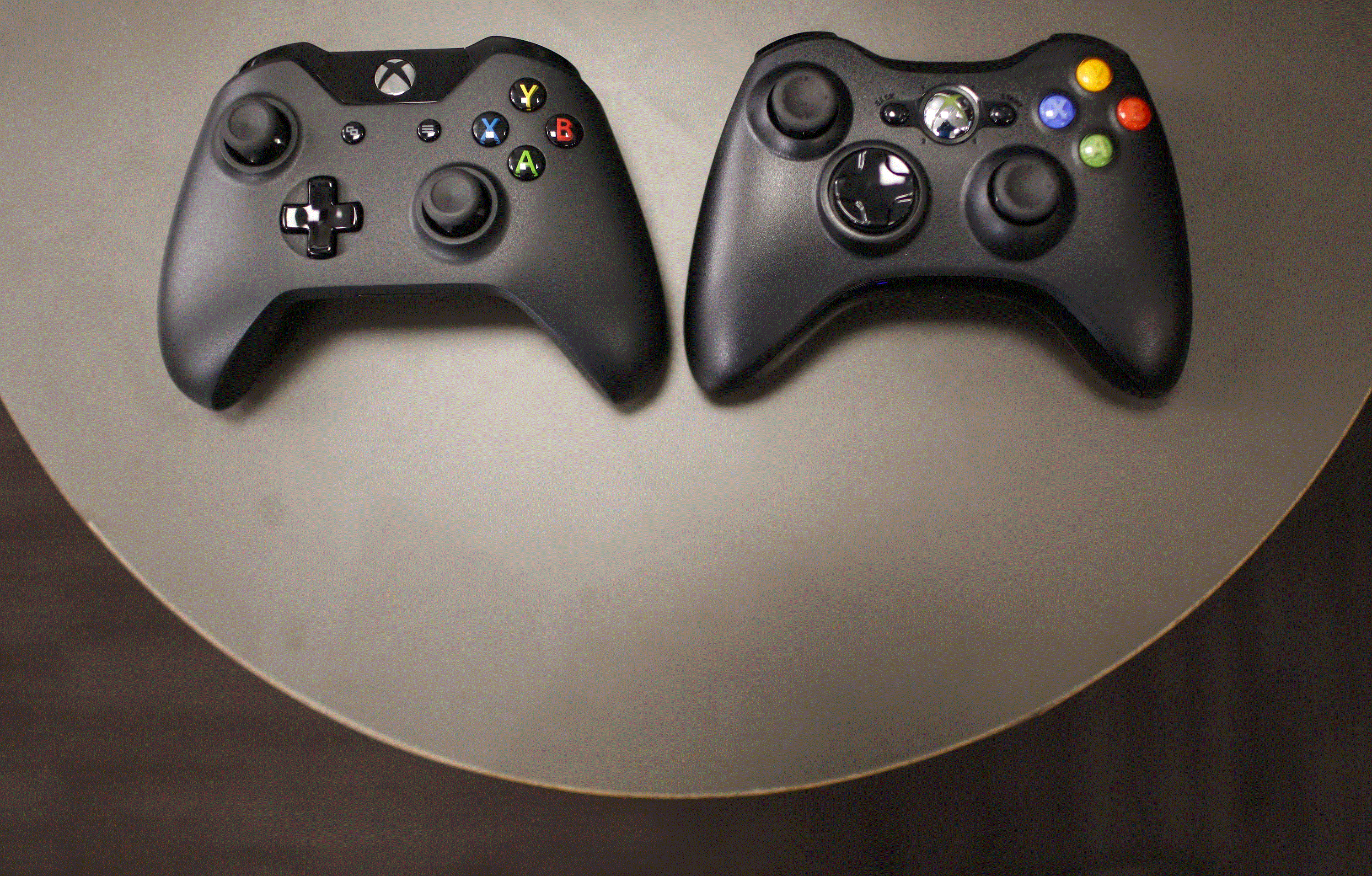
I had my Xbox 360 controller for Windows for about 4 years, and I felt it was time to finally upgrade. I won’t lie, the Xbox 360 controller is fantastic and was the best controller of the last generation; it was sturdy and extremely ergonomic. My 360-degree controller for PC has been through absolute hell. It has traveled with me for nearly 5 years on my gaming laptop, and I have played dozens of games with it, from Batman: Arkham City to Need for Speed: The Run to Saints Row: The Third. It’s scratched up, the four bumps on each analog stick are completely worn down, and the left trigger squeaks like a mouse. The cable is split in one area; I have taken it apart to clean it; goop got stuck down in the buttons; you name it. However, the controller hasn’t failed on me and works just fine for nearly any game that supports a controller. Any game that has supported a controller since 2006 supports the controller. I have never had to use a third-party button mapper for this thing. It’s fantastic and just awesome. Again, it’s time to move on and upgrade to the next biggest thing.
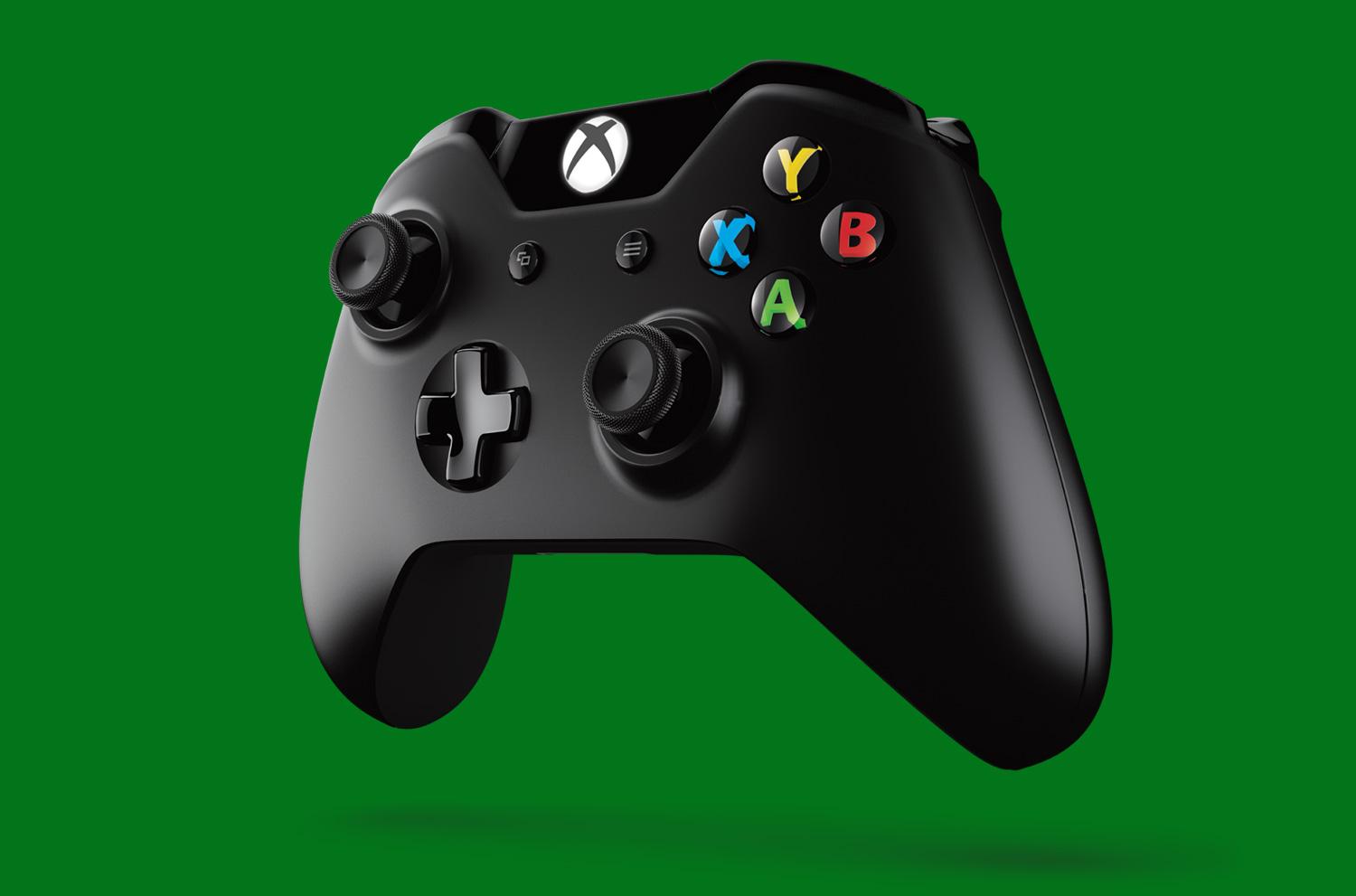
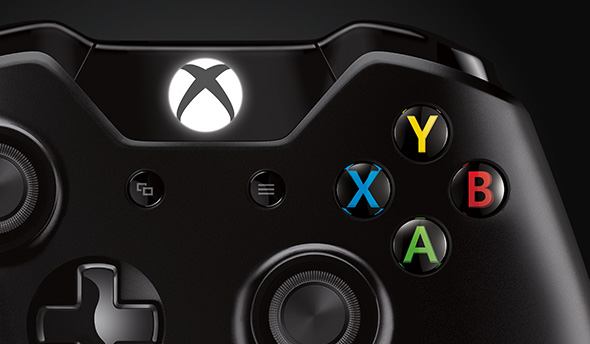
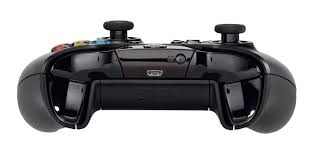
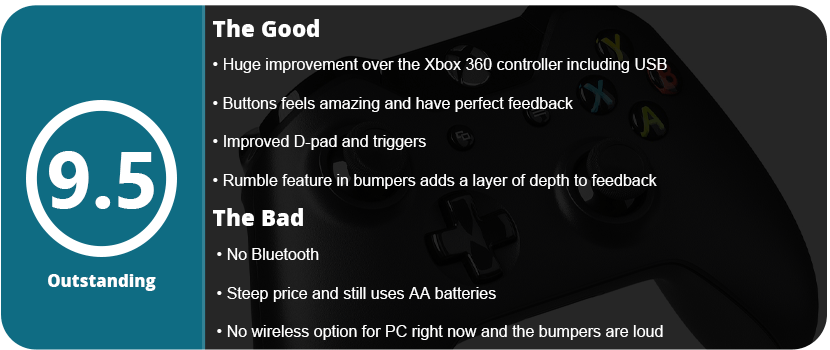
The Xbox One controller is actually better than the 360 one out of the box since you don’t need a specific controller for a PC. Just grab any Xbox One controller and plug it up via standard micro USB, install the drivers off Microsoft’s website, and you’re golden. Of course, these are $20 more than 360 controllers, but you’re getting a more advanced and better-feeling device. The XBONE controller is black, which is better than the 360’s off-white theme. The glowing white Xbox One logo helps the aesthetics compared to the glowing green one on 360. There’s a little glossy black piece that sticks out above the new menu buttons that hold the Xbox One logo. This is a great new design choice, as it makes the controller look sleeker. Of course, the button doesn’t do crap on PC, but it’s nice to press when you’re bored, I guess.
Holding the controller itself feels better than 360. The handles are tapered smaller at the bottom and are angular rather than round. This makes gripping the controller easier for people with smaller hands, and it just feels better. The triggers have been completely redesigned. They are softer yet glide much smoother and feel more responsive. They have a soft stop, so you’re not slamming the triggers into the controller. It just feels so much better. The LB and RB buttons are a little disappointing. They are much louder and are a little harder to press. However, the bumpers vibrate for minute sensations, and this is brand new for controllers. PS4 has the touchpad and speaker, and Xbox One has this new rumble feature. Honestly, I’ll take the speaker and touchpad over this any day, but it’s nice knowing Microsoft at least tried. Outside of that, the face buttons are much larger and flatter, which is awesome. They don’t look so cartoony and aren’t colored like the 360. They are clear black, but the letters are colored. So much better looking. Now, here’s the make-or-break part. The analog sticks and D-pad. The analog stick is actually wonderful. They are looser than the 360 sticks, but you have more controllers. Everything on the Xbox One controller is looser but much smoother, with a “glade” feeling that just feels natural and buttery in your hands. The D-pad is something I really like. It clicks with feedback, but not like your thing. This is a raised D-pad, like the horrible one on the 360. It’s an in-set D-pad that feels responsive and fast.
Here’s the dumbest part of the controller: It still needs AA batteries. 2015, and Microsoft is still making controllers like it’s 1995. Their theory is that you won’t run into half-life issues and have to buy a new controller. I call bullshit on that. My PS3 controller from 2009 has been charged who knows how many times, and I still get 15+ hours with it. This is just a money-making scam from MS to buy the $25 play-and-charge kit for the controller. The way around this is rechargeable AA batteries, which MS surprisingly doesn’t suggest. Gee, I wonder why. With rechargeables, you can keep two spares for a quick swap.
Here’s another downer: the controller can’t be used wirelessly on a PC, at least not yet. The wireless dongle is yet to be released and will only work with Windows 10. Another stupid roadblock. Thankfully, you can use any USB cable, so the 360’s extremely long and thick cable isn’t an issue here. All in all, the Xbox One controller is fantastic and the best one you can get for a PC. Just some stupid design choices get in the way of making it perfect.
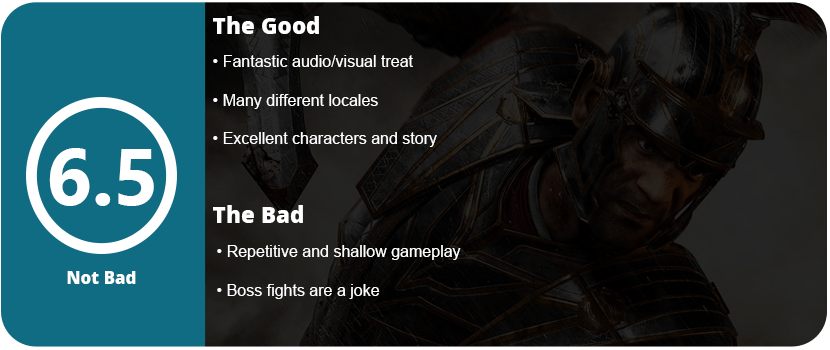
I first want to say that Ryse isn’t as bad as critics made the game out to be. However, I can see why it was bashed so much. It was the most anticipated Xbox One launch title. When you throw down $500 on a new console plus $60 for a game, you expect to get your money’s worth. Ryse would have pissed me off if that was the only game I picked up for the console. Is the game awful? No, it is just very repetitive and feels like a typical rushed console launch game.
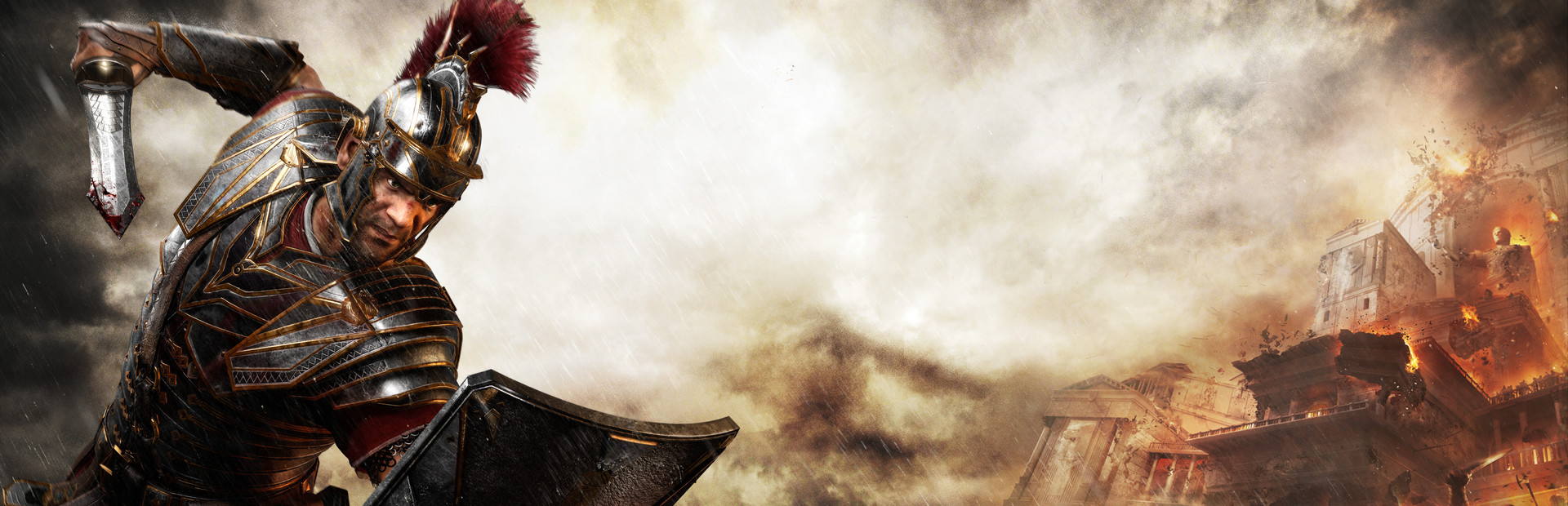
The story and characters in Ryse are fantastic. You follow a Roman centurion named Marius Titus who is fighting the barbarian tribe known as Britain’s. Marius’ family gets murdered by the barbarians; however, there are quite a few plot twists that left me wanting more of the story. I actually love how the story and characters play out. It felt very authentic to the Roman Empire era; I felt like I was playing a piece of history, and you can’t say that often about games. The architecture and the way the characters dressed just sucked me in. Even the fighting styles are brutal and authentic to Roman culture. The excellent facial animations and voice acting help drive the story even further, but it’s just so sad that the story was taken down by the repetitive and bland gameplay.
The game actually seems really awesome in the first chapter. You get to order soldiers to fire volleys at enemies and control a Scorpio, but you don’t get that much control. You literally pick where your soldiers go to make the scenario easier or harder for you. There are several instances where this happens, and I felt like it wasted potential. Swordplay is just so boring by the end of the game. I actually avoided execution moves because they made me nauseous just looking at them (from repetition, not the gore). When you execute an enemy, the camera sweeps around in a cinematic frenzy. This is just so cool at first, but then you realize the quick-time events don’t do shit. The enemies will glow yellow, blue, red, or green, corresponding to the face buttons on the controller. This quick-time event concept is actually great because it’s non-intrusive, but if you miss the quick-time event, there are zero penalties. The animations don’t stop, the enemy doesn’t get the upper hand, there is no loss of health, nothing. It doesn’t even interrupt your combo, which is pretty much blasphemy in the action/adventure genre. Imagine playing God of War and failing a quick-time event; after that, the kill continues and nothing happens. What’s the point of the QTE, then, right?
There is one interesting mechanic that forces you to do QTE’s, which isn’t too bad. There are four different things you can acquire from these QTEs: health, XP, strength, and focus. I used the health drain and XP the most. I never even used my focus except for a couple of fights in the entire game. That’s not a good sign. To top it all off, the boss fights are just boring and awful. Each boss uses the same two move sets throughout the whole fight, and it becomes just a yawn-inducing repetitive hit-and-dodge game. What makes the combat the worst of all, out of everything, is that the same 10 execution animations are used on top of the same 5 enemy types that are just reskinned. It’s a lazy move that cost the game its legs and character that it got from the story and characters.
Don’t get me wrong, the game is worth a weekend rental, and it’s quite enjoyable thanks to the frequent locale changes and fast-moving story. Thankfully, the game doesn’t overstay its welcome by clocking in at about 4–5 completion times. I was able to get nearly all the upgrades before the end of the game, but this game is not worth a second playthrough, not one bit.
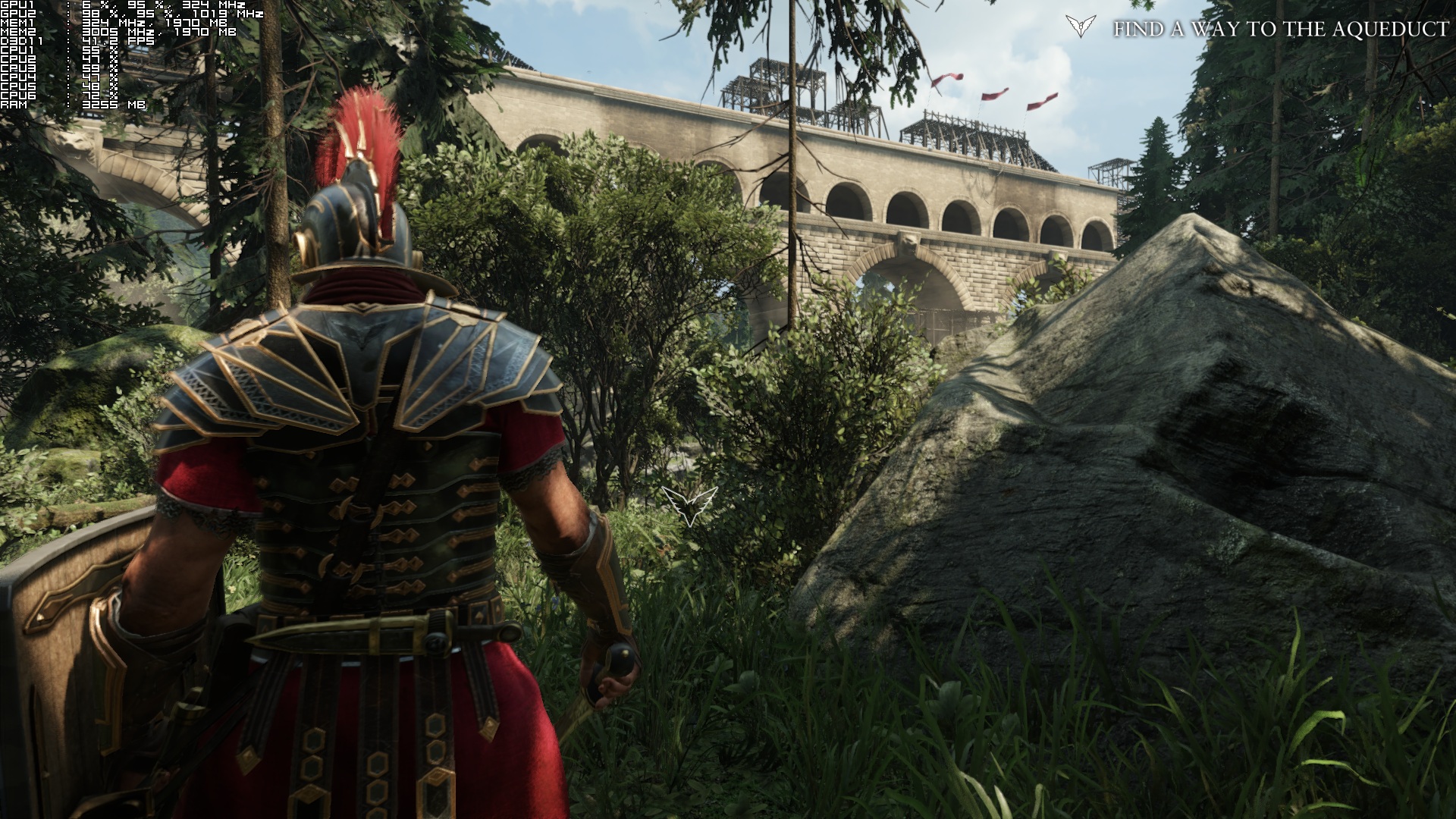
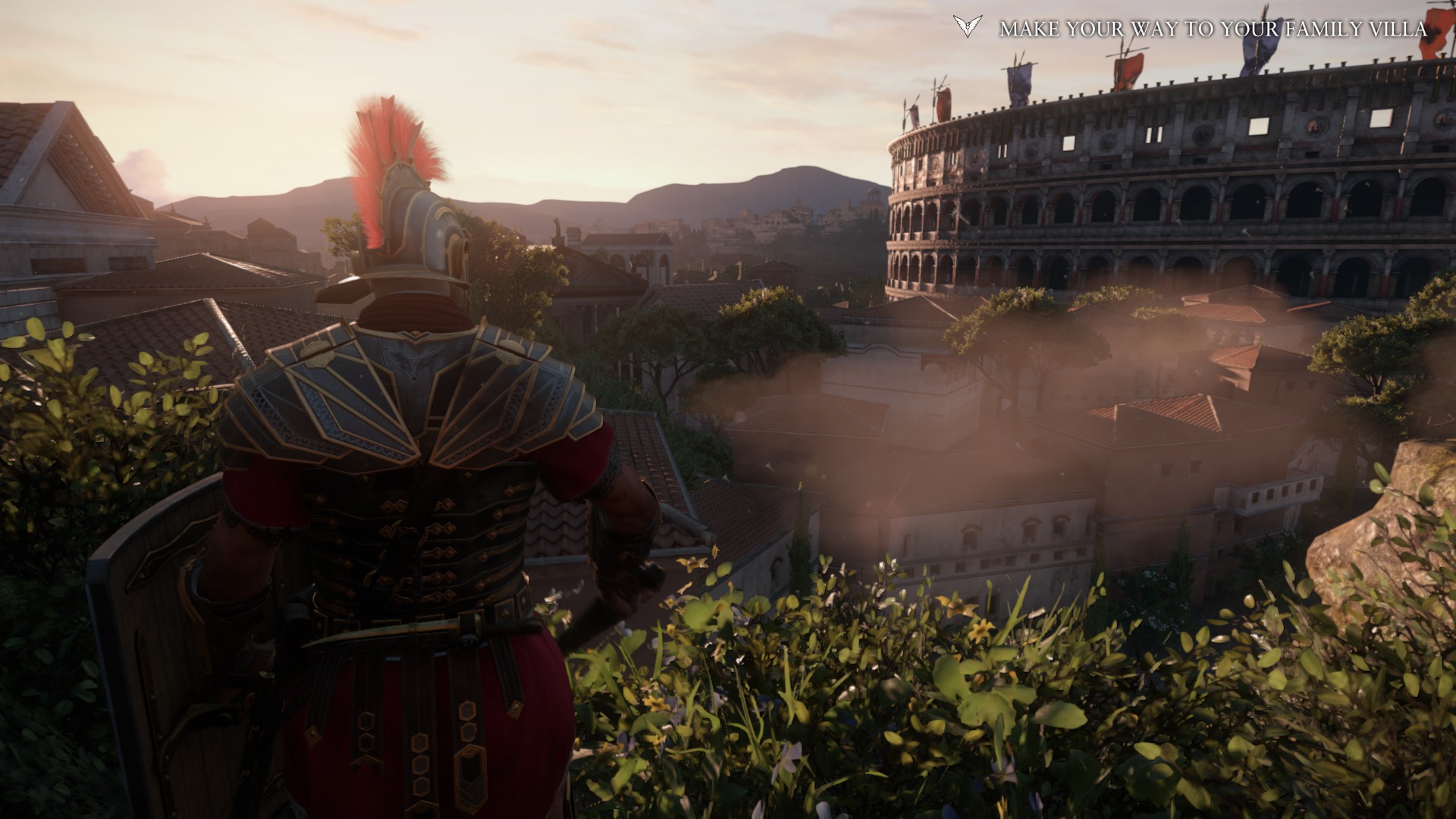
Let’s talk about visuals. Ryse is actually one of the best next-gen console games to be released, looks-wise. On PC, there are some enhancements like AA and SSAA, as well as better shadows and higher-resolution textures. However, this game requires a monster rig (GTX Titan) or SLI 8xx-9xx cards to run at 60 FPS maxed out. My i7 4770 and GTX 670 dropped down to the teens in some areas. Ryse uses the CryEngine 3, which looks freaking amazing, and next-gen consoles finally have the power to use it. If you don’t have a rig that was built in the last 18 months, you should probably play it on Xbox One. There’s even an option to use insane textures for 4GB VRAM GPUs. Ryse is one of the few games out that really pushes new rigs to their limits, so this is a good thing for PC gamers.
The screenshot was taken directly from my game
To top it all off, Ryse isn’t an awful game. It’s a game that has strong legs that are weakened by repetitive combat and awful boss fights. Many of the locales are just awesome, like the Colosseum, but they don’t overstay their welcome, which can balance this out a bit. If the game was pushed back another year, we could have had the best gladiator-type game ever made (Shadow of Rome and Spartan: Total Warrior still remain at the top). It’s a great weekend rental or bargain bin purchase, but nothing more.
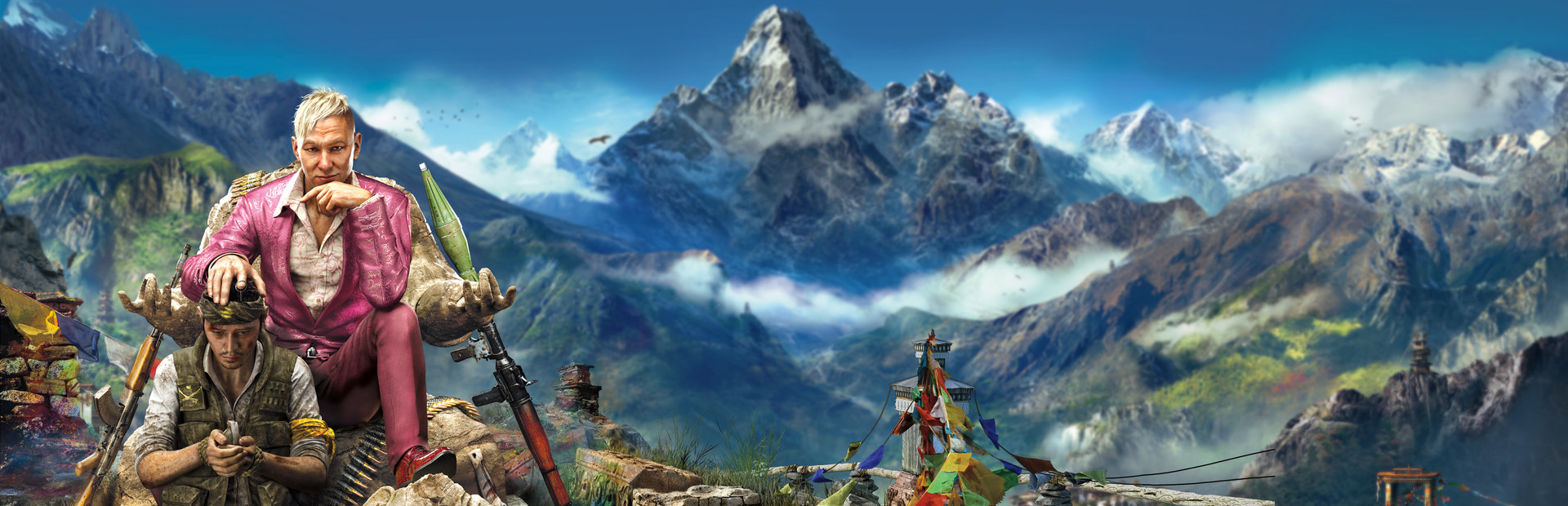
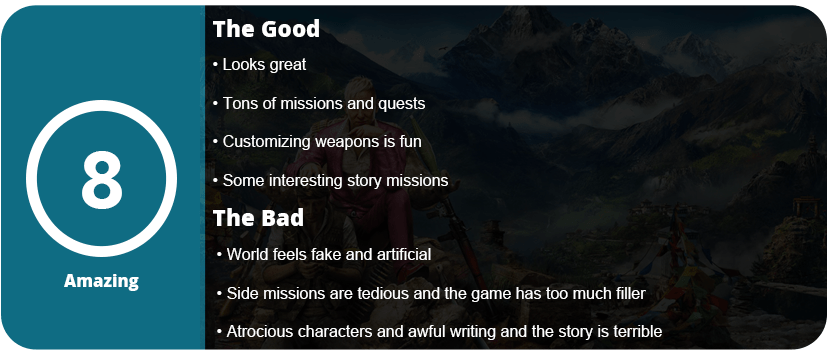
An open jungle, a rebel war, a tyrant, a guy who ends up in the wrong place at the wrong time, lots of guns…sound familiar? Yes, another Far Cry run of a giant open world that might be too large for its own good. Far Cry 3’s mediocre missions were made up for by an excellent story with fantastic characters; however, Far Cry 4 seems to be doing the opposite. You play Ajay Ghale, a man trying to bury his mother’s ashes but is captured by a tyrant known as Pagin Min. Min is a man who is bringing the people of Kyrat down, and you are here to help the rebel army rise against him. It sounds cliche and boring, and it is. The story and characters are Far Cry 4’s downfall, as they are either just really badly written or uninteresting. Pagan Min isn’t so bad, but the rest of the characters just don’t hit home like FC3 did.
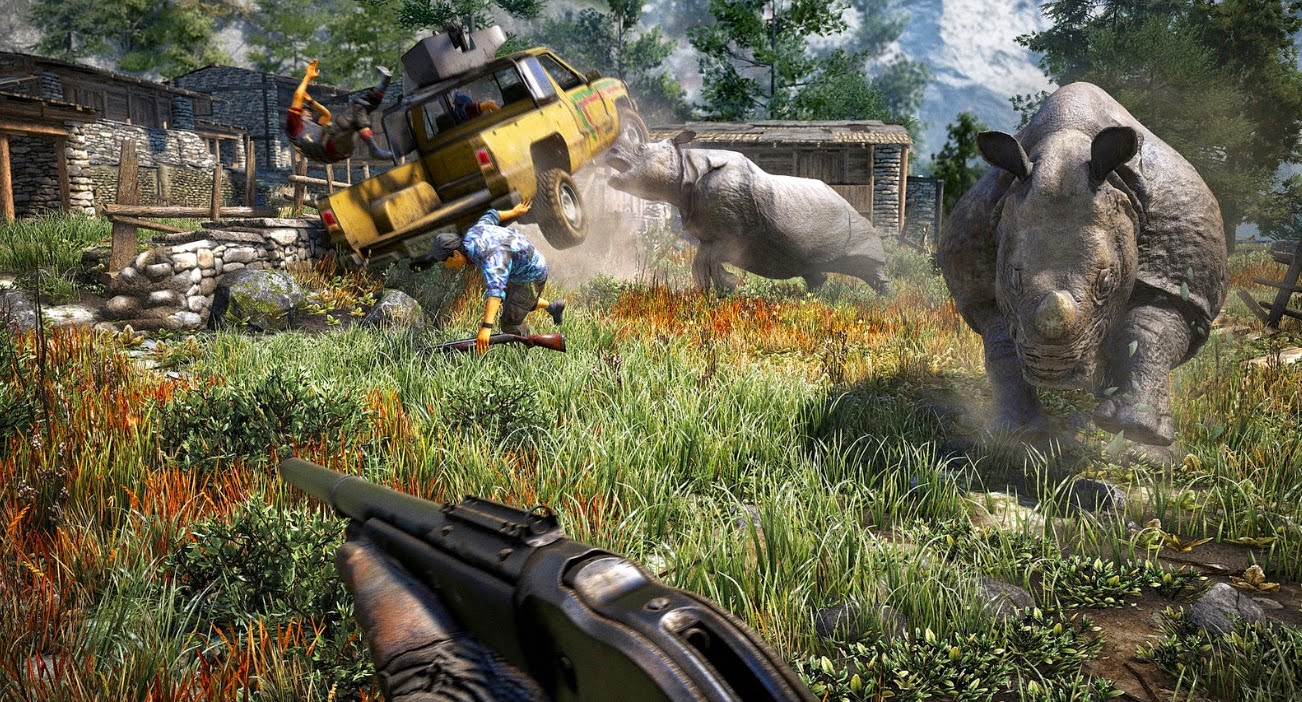
There are honestly more side missions than story quests, but to the point in which it’s overwhelming. Far Cry 4 is huge. Five times the size of Far Cry 3. Despite the story being bland, let’s talk about the gameplay. It’s nearly identical to FC3 in terms of gunplay and the choice of stealth or guns blazing. However, the choice of stealth, I feel, is stilted, and guns blazing tends to be the forced choice. There are multiple side quests, including destroying propaganda towers, intercepting couriers, taking over camps, storming fortresses, hunting, races, and several others. While all these are fun for a bit, they all wear thin, as there are just so many of them. There were missions that required me to sneak into an enemy base, but no matter how quiet I was, someone always saw me. The enemies have had this problem since the first game.
Outside of the side missions, you can buy weapons and maps, hunt for treasures (which is probably the most tedious), and skin animals to increase carrying capacity. Gathering plants for syringes is back as well, but all of these things are second-hand from FC3, and there’s just not enough here that’s new to make it feel like FC4. Thankfully, the gunplay is rather solid, and customizing weapons was one of my favorite things to do. I’m not saying any of this stuff was bad, but it was tedious and felt too similar to past games. Nothing really stands out on its own.
FC4 is also heavily reliant on co-op play, as some camps and fortresses are nearly impossible to take over by yourself. I died multiple times and had to exploit strategies to beat some of them. I would give up and wander around collecting treasure, taking over a tower, and completing some side quests, only to continue getting distracted from the main story. This is usually a good thing, but FC4’s world feels sterile, empty, and too artificial for its own good. Most people would love all these things to do, but it’s all just kind of dull and only good in short bursts.
The graphics are actually quite fantastic and show off the power of next-gen consoles; however, they’re not much different-looking than FC3. In the end, after completing the story, I felt overwhelmed by the vast amount of things needed to complete the game and just told myself I would come back to it later, when I’m really bored. In the future, Ubisoft needs to work on Far Cry, which feels more important with less filler content. Honestly, this series needs a reboot or a complete overhaul to justify its existence.








































 thebinarymessiah.com
Try multiplayer. A lot of fun !