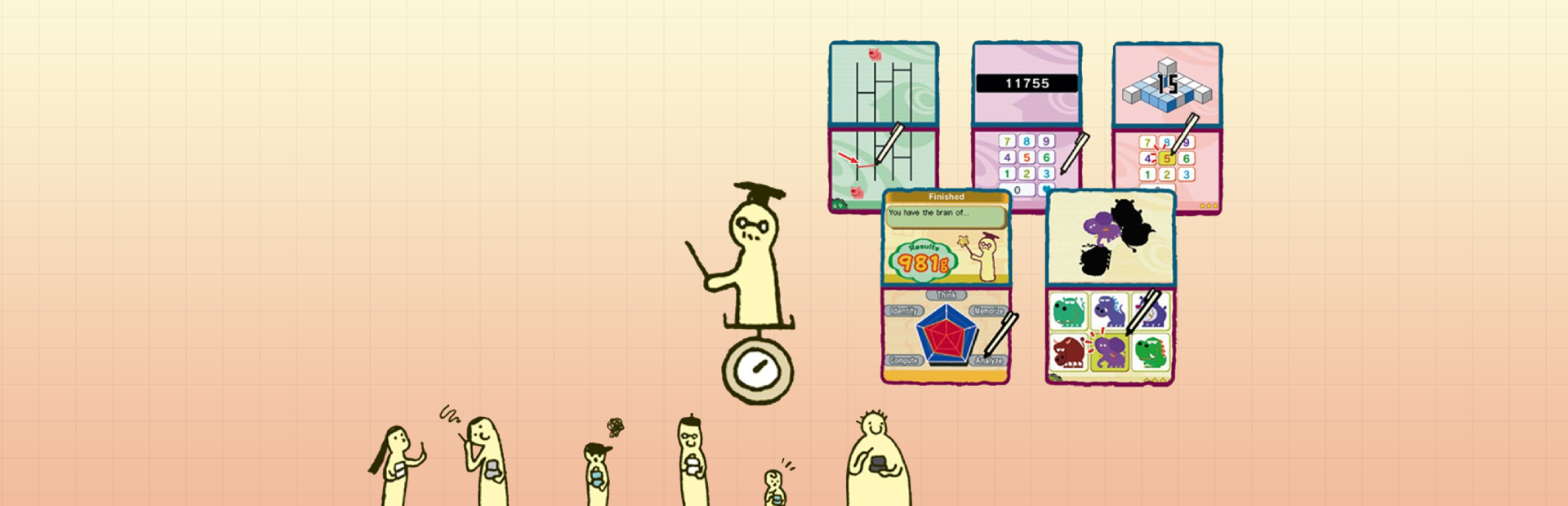
Brain Age was an incredibly popular game for the DS. It was the system’s Wii Sports. Everyone, young and old, got a DS just to play this game. The portrait-style mode plus the need to only play for a few minutes a day were great for casual gamers. While this is seen regularly on mobile phones these days, it was a new concept in 2006. Instead of expanding on that game more, Nintendo thought it was a good idea to make another game that’s just the testing part, and you can do it all day if you want. Sure, that’s great, but it needs to have a lot of content due to the gimmick being taken away.
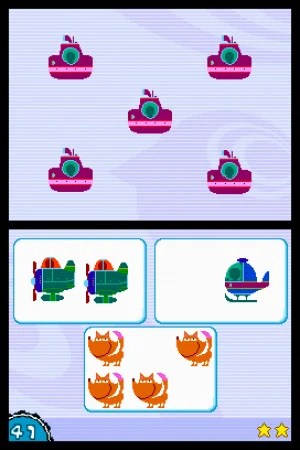
You’re going to notice this just 30 minutes into playing. You set up your profile (not as robust as Brain Age either), and you take your first test. You are tested in five different categories to see how much your brain weighs. Thinking, Memorizing, Analyzing, computing, and Identifying. Each category has three mini-games that are mostly similar. The memorization category has you matching things from the top screen or playing a form of Simon Says. Thinking has you drawing lines to solve fast puzzles; analyzing has you doing similar tasks, such as solving math problems. There are other mini-games, such as counting currency as fast as you can and picking the one with the highest amount. They’re simple problems, but the game loses the charm of the Brain Age games quickly. No portrait mode, less handwriting, no use of the mic, and the analysis of your brain seems silly and trivial. It doesn’t feel like a brain-training exercise.
That’s also quite a shame because this could be the WarioWare of thinking games, and it could work. With only 15 mini-games, the content feels old fast, and the puzzles are dry and not very fun. I felt like I was taking an entrance exam due to the lack of pizazz and flashiness that dress up these kinds of games. Sadly, there aren’t even any other modes besides verses and practice. It feels like a demo or a portion of a much larger game. The difficulty is adjusted on the fly as you play. Answer correctly, and harder questions appear, but fail, and they get easier again. While you can’t memorize answers due to their randomness, you can at least get better at these tasks over time.
The presentation is also lacking. It looks colorful but is dull and boring. There are minimal sound effects and music, and it feels like an early mobile game, to be quite honest. I can’t see this being fun for kids, and adults will grow tired of it quickly. The best part about this game is multiplayer, as these kinds of games are best played with others. However, solo players will grow bored in about an hour. The staying power that made Brain Age games so great is gone here. Anyone who paid full price for this game would probably be upset due to only having a couple hours of gameplay, if that. At the end of the day, what you’re left with is a brain-teasing sampler with fun multiplayer.
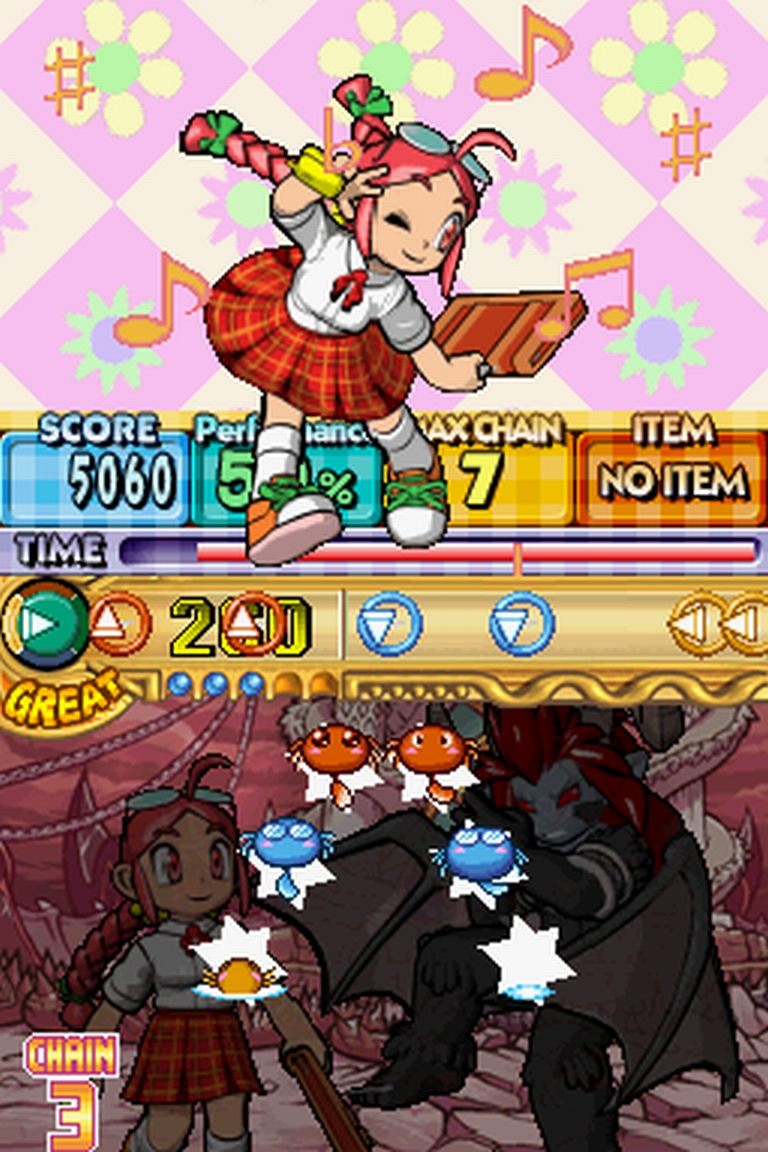
The DS was made for rhythm games. The touch screen is a perfect way to implement fun new ideas, as physical interaction with music is usually a good mix. Ontamarama tries this with cute visuals and the touch screen combined with buttons. Sadly, it doesn’t pan out quite how the developers wanted. The game is just too distracting and causes artificial inflation in difficulty when the actual rhythm part never gets very hard.
The combination of using the face buttons and the touch screen isn’t designed very well here. You have to tap the Ontamas that pop up on the touch screen to fill the buttons scrolling across the bar. Using just directional buttons to trigger the actual note This just doesn’t work. While you tap the creatures, you can’t keep your eye on the scrolling bar either. Slower notes work fine, and you will notice this during the first few songs of the story mode. However, adding other things like needing to double tap notes, drawing circles around groups of Ontamas, and avoiding black Onatamas that lower your performance is just too much.
Eventually, songs get so infuriating because this combo is just not working out. The songs aren’t hard themselves; if only I could keep an eye on both things. There is also stuff happening on the top screen that I can’t even look at for a second. I also felt the circle drawing wasn’t forgiving enough. If you draw the circle too big, it won’t register, and the same is true for too small. Often times, I just barely made it through the song before failing. There’s no way practice can make this game better unless you memorize each button placement and note, and that’s a good way to master a rhythm game. It should be about mastering the mechanics and having your reflexes honed.
It would be kind of worth it if the songs were good. These are just loud clashes of instruments that don’t sound good. There are no catchy beats or tunes. It’s just generic-sounding music that just sounds like awful noise. If the music was really good, then trying to master this frustrating system might be worth it. Now, I’m not saying the game is horrible. It’s a unique take on the genre, and the developers really tried to do something new. When it works, it’s a lot of fun. The visuals are cute, but the story is complete nonsense and silly. Sadly, there are only about a dozen tracks, so once you beat Story Mode, that’s pretty much it.
I can see how this game didn’t sell well and failed. It isn’t the near perfection of Elite Beat Agents with its licensed music or Guitar Hero with its unique peripherals. The DS didn’t have a fantastic run of rhythm games, but they were all unique and tried something new, and I can appreciate that. I feel that if you really want to scratch a rhythm itch, pick this up for a challenge, but don’t play it for the music.
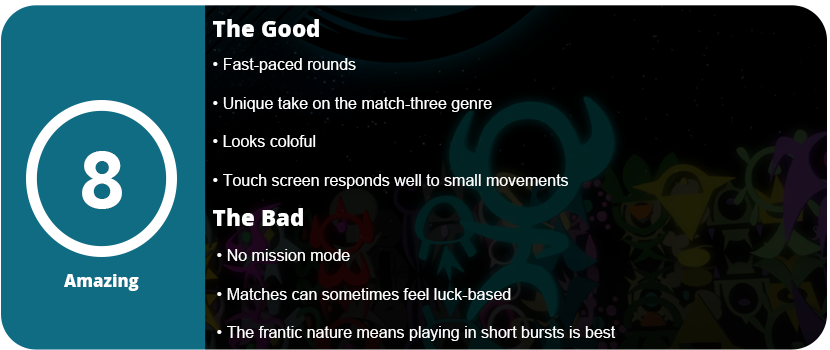
Match-three puzzle games are a weakness for me. As long as there are some good visuals and addictive gameplay, I’m hooked. Meteos is a unique take on this, as the game lets you drag blocks anywhere in their column, and you can match three horizontally or vertically. This allows the game to drop blocks at a breakneck pace. You need to strategize and line up blocks, but that’s not all. To clear them, the matched blocks launch themselves and all blocks above them into the air. Continue matching blocks below that set, and it will exit the screen and clear.
Of course, there are some items that help you clear the stage, such as a giant hammer and bombs, but if the game is going too slow for you, there’s a speed-up dial as well. The main mission mode has three different stages. In each one, you have to work your way to the final boss, Meteo. Each and every planet has a different tile set and way to clear blocks. One planet required matching two sets nearby in order to get the blocks to launch. Some planets will launch every set all the way up in exchange for making the entire round faster. This is a simple concept, but it’s hard to master. Match-three games like this always require strategy, but I found that some luck comes into play here. I would restart one round nearly a dozen times only to win really quickly thanks to blocks falling in a certain pattern that allowed me to keep my screen clear.
Every time you defeat a boss, it’s really satisfying. The fast pace of needing to look ahead and make sure blocks are always lined up gets tough, but you learn over time. I wish you had power-ups like in some games like this, but what’s here is fine. There are a couple more modes, such as an endless mode and a custom mode. Modes are ideal for games like this that don’t have a ton of missions, like Puzzle Quest. However, I really do feel a more robust mission mode would have been better. After about an hour, I wanted to stop. The game is only fun in short bursts due to its arcade-like nature. While the game can be addictive at times when you actually win, it can also be exhausting because of the fast pace and luck-based nature of each match.
For an early DS title, the game looks good. There are some nice effects and lots of colors, and the touch screen responds well to the small blocks. I did find some tilesets hard on the eyes, but I eventually got used to them. Overall, Meteos is a fun puzzle game on the system and takes the genre in new directions despite the lack of a more robust mission mode.
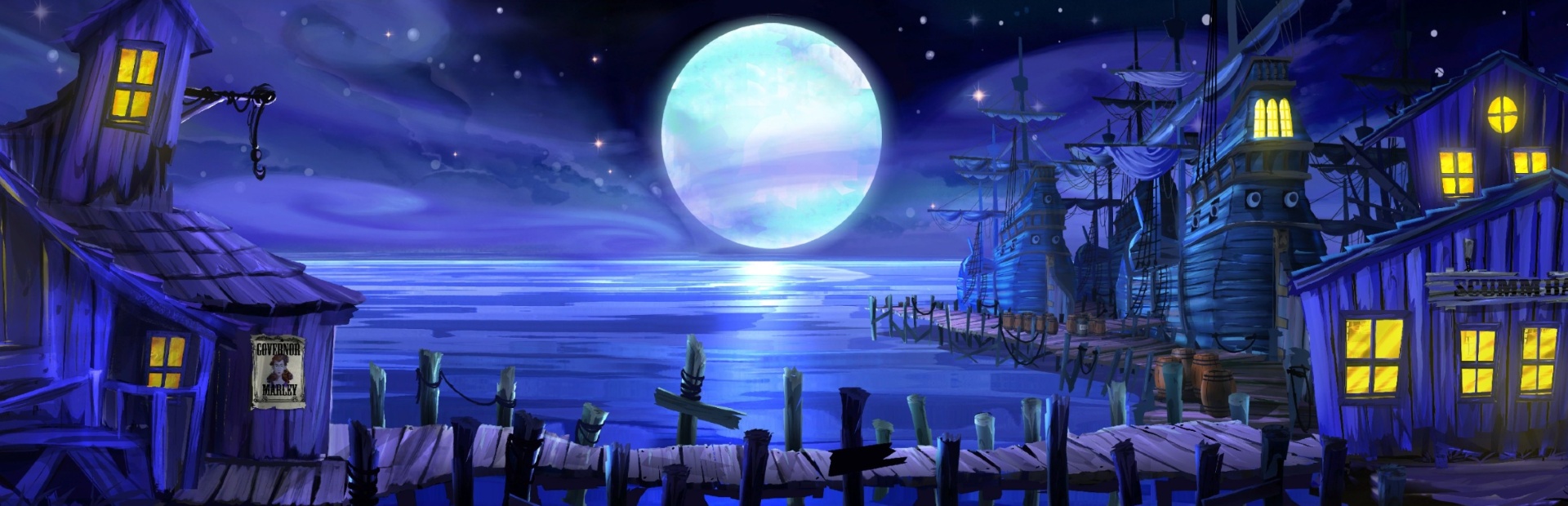
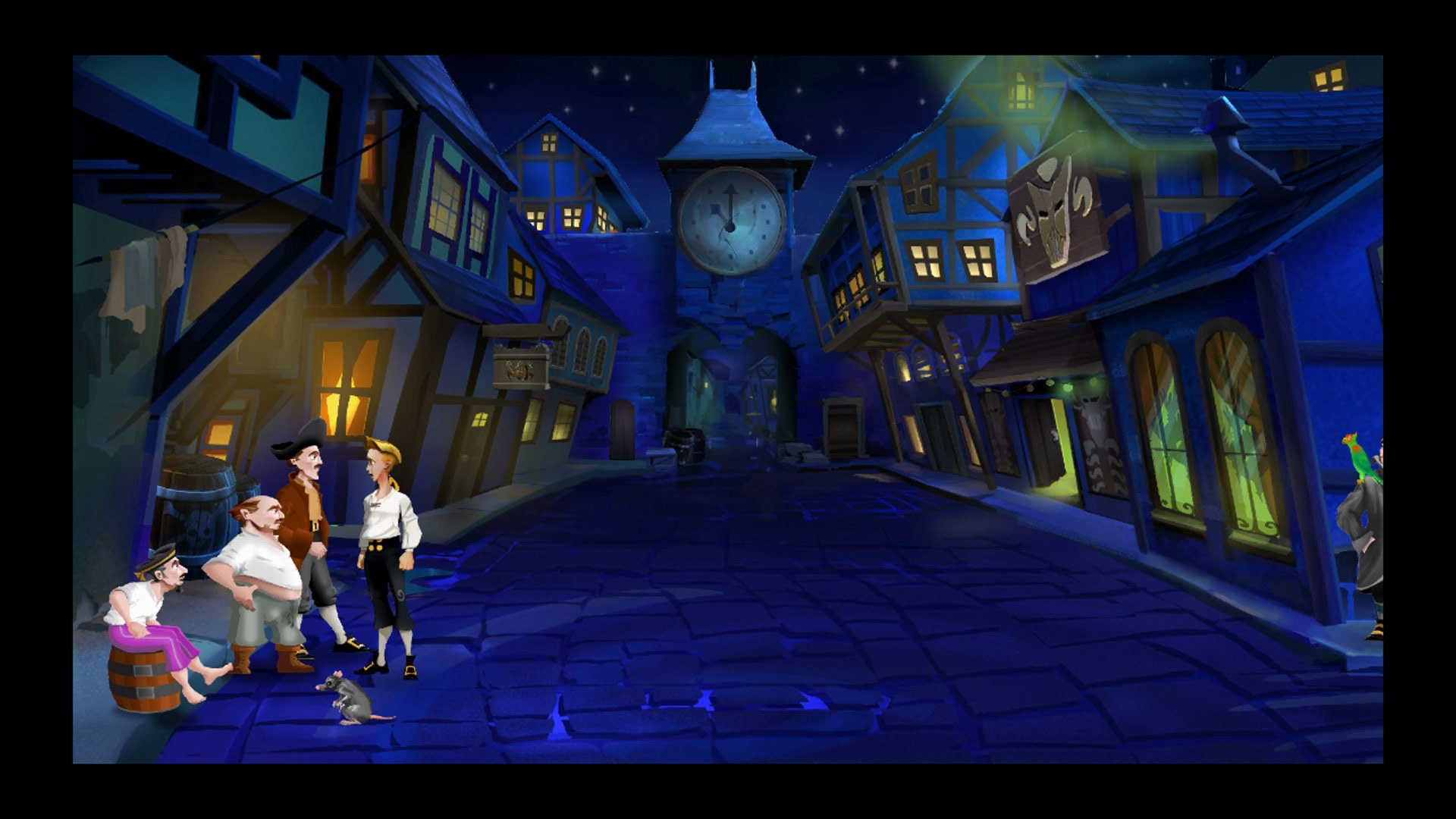
LucasArts’ SCUMM engine games hold a great fanbase for those who grew up in the 80s computer gaming scene. They were bright and colorful. revolutionary for their time in terms of gameplay and art. They were also later updated with voice acting, which was some of the first of its kind. While the games were short (running around 6 hours per game), they were memorable and had a special sense of humor that was considered top-notch. The series got a much-anticipated remake, starting with the first game. While not much was really added, the entire game was redrawn from scratch with all new lines of dialog recorded by the original cast.
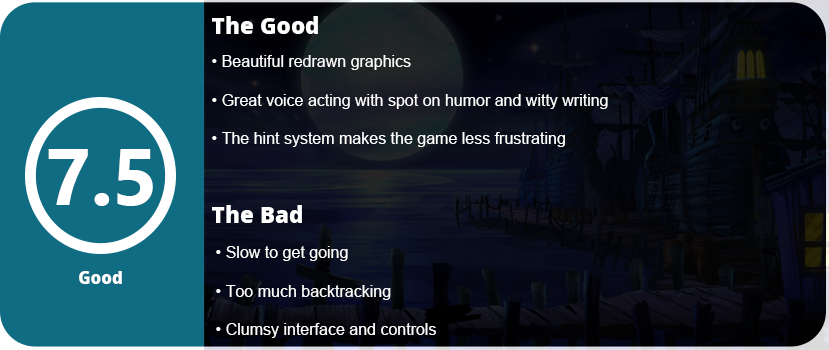
The game definitely plays like an old point-and-click adventure of yore. Clumsy controls (which were never really fixed), slow pace, obtuse object hunting, and no puzzles That’s not to say the game is bad. While it doesn’t feel as modern as The Longest Journey or even David Cage’s games with quick-time events and button pressing, that’s part of the charm. Thankfully, the game has a hint system that slowly gives you more specific hints, including full-on arrows pointing to the exact spot you need to be. This was really helpful and a must-have for first-time players or those who aren’t familiar with this era of adventure games.
The game has two main areas. The first one consists of some small areas, a town, and a large overhead map to get to these areas. Most of the game is spent gathering items and figuring out where and how to use them. You have multiple commands, such as talk to, push, pull, look at, use, open, and close. These are used by pulling up an action command menu, and then you have your inventory. To use these commands, you need to pull up the command menu and then the inventory. This is cumbersome and took a while to figure out. You control Guybrush by clicking around on the ground, but his walk cycle is pretty slow. There’s a lot of backtracking in this game, and this slowed the progress a bit. One thing I didn’t like was the insult for sword fighting. You have to lose to pirates to learn their insults and comebacks. You need to learn enough to defeat the first “boss”. There was a lot of trial and error doing this, and it got really frustrating.
The stars of the show are the characters and the writing. The salesman Stan, for example, is hilarious. Using overexaggerated arm waving and an obnoxious coat to look like a sleazy salesman. The pirate LeChuck doesn’t get much on-screen time, but neither do most of the characters. The main character, Guybrush, is who you will get to know the most. There is an optional dialog for most characters to get to know their personalities more than their backstories. There just isn’t enough time to get to know them more. So, it makes up for funny writing and witty humor, which the game does solidly.
I liked the visuals in this game. The hand-drawn art is beautiful and still captures the classic LucasArts look. Some of the animations feel a bit stiff still, but again, that all adds to the charm. The voice acting is awesome, and there are some funny uses of items and small tidbits of humor thrown in that did make me chuckle. I have to say that this game won’t hold everyone’s attention. It is slow to build up and takes a while to get going. A lot of people might feel lost clicking on everything and not realize what order to do things in, but the hint system makes this game much more enjoyable. I highly recommend this classic remake, but it won’t be to everyone’s taste.
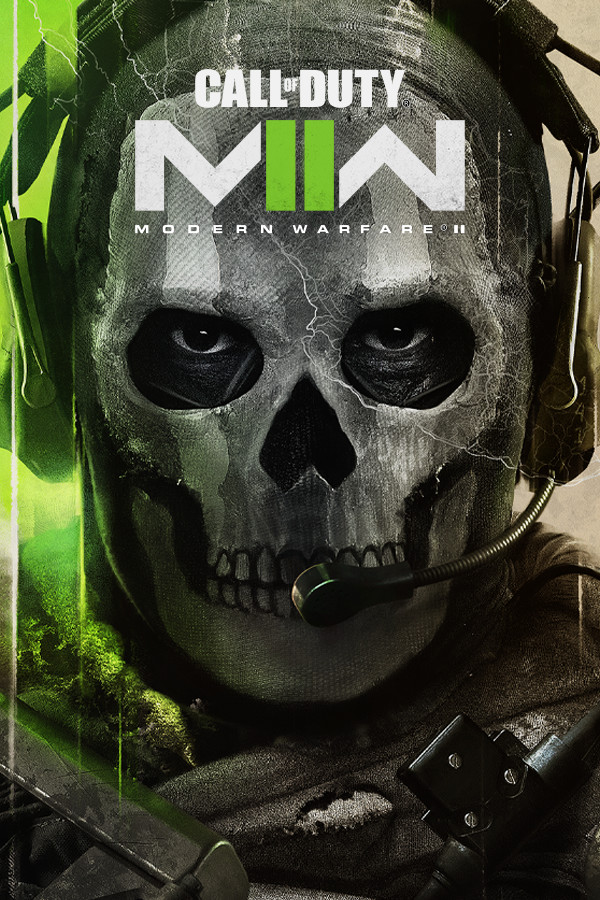
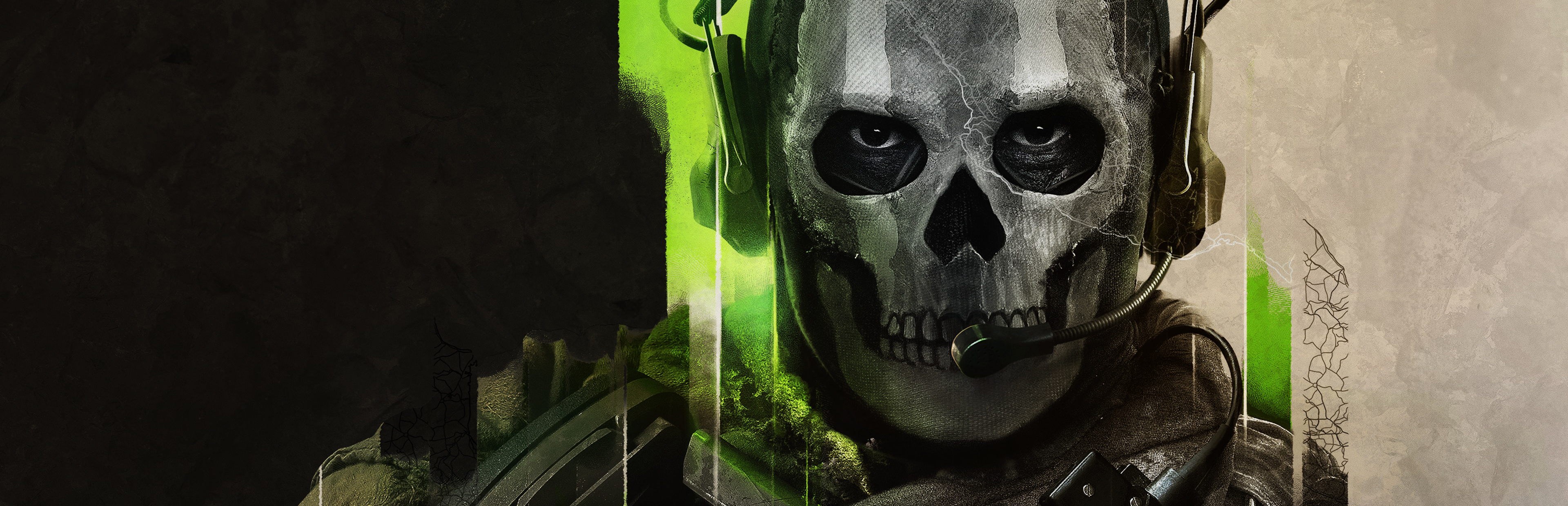
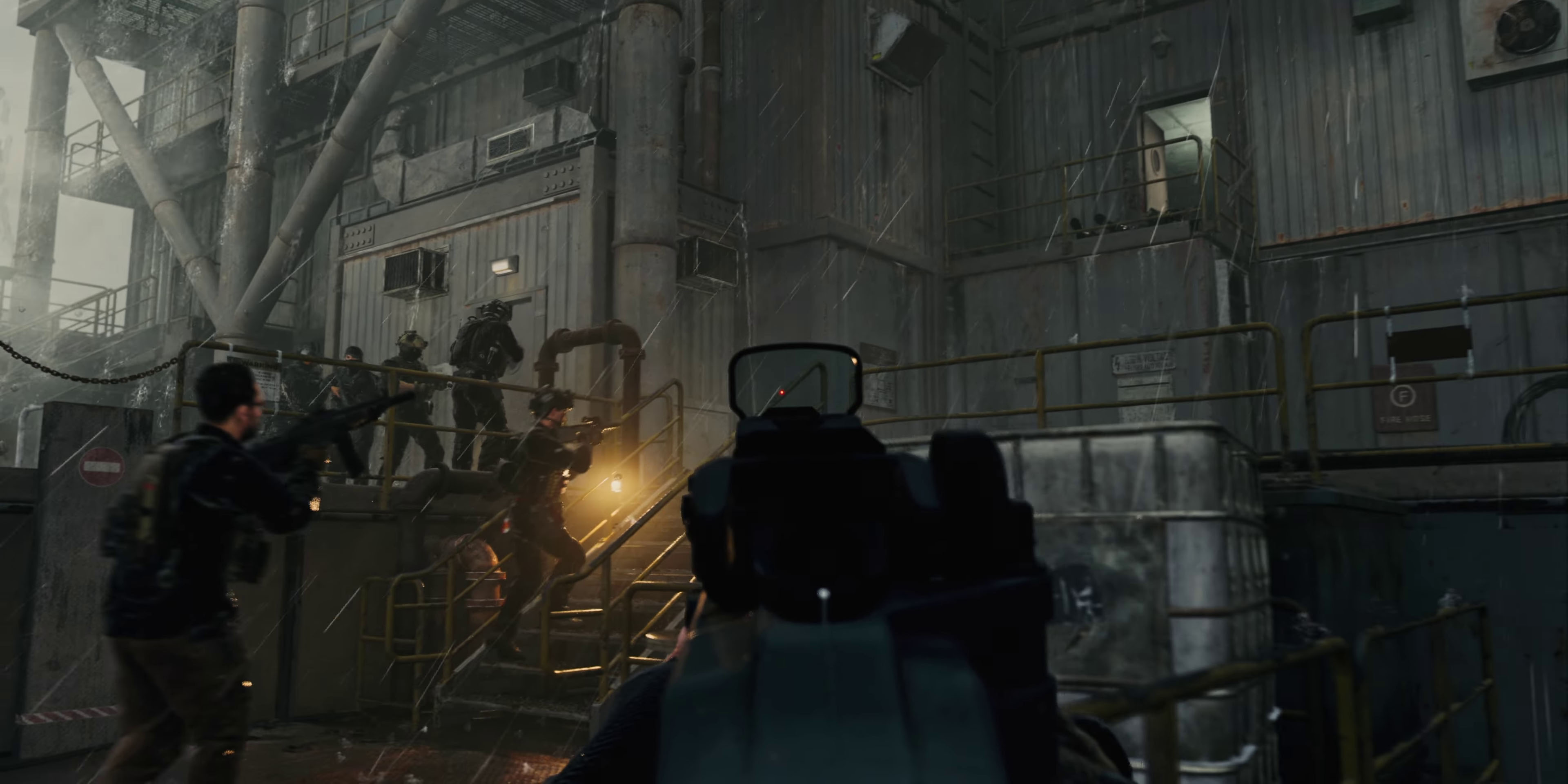
Here we are again. At least Activision let three go between releases this time, and it’s been paying off. I had high expectations for Modern Warfare II‘s campaign, as 2019’s was pretty damn good. A lot of elements carry over, such as the fantastic acting, fun on-screen characters, and bombastic mission design, but there are a couple of new things thrown in borrowed from Black Ops: Cold War and tweaked slightly. You play as various well-known Modern Warfare characters such as Soap McTavish and Ghost, with Captain Price returning as well as some characters from 2009’s Modern Warfare 2. If you hadn’t guessed, this is a prequel to that game and a direct sequel to Call of Duty 4. Starting to see a pattern here? 2019’s Modern Warfare was a prequel to Call of Duty 4. My guess is that Modern Warfare III will be a prequel to Modern Warfare 3. Why are we doing this? Why is there a Call of Duty multiverse?
Sadly, the campaign isn’t as good as 2019’s and still doesn’t teach any lessons. It’s a fast-paced, rapid-fire campaign that doesn’t focus on its strongest points. The story is interesting enough thanks to the fantastic acting, and the on-screen characters are interesting and fun to watch, and I wanted more of them. Instead, we’re rushed through a bare-bones campaign full of the same stuff we’ve seen before. On-rails vehicle missions, stealth missions that don’t require you to really use stealth, some weird puzzle with a missile laptop that isn’t really a puzzle because Infinity Ward thinks every player is dumb Yeah, the game treats you like you’re stupid and does everything for you. I really wish this would stop. Stop being scared of challenging us. Sure, the gunplay is, bar none, some of the best out there. The weapons feel great, and the animations and various minute things like ADS time, scope switching, and all that jazz feel tweaked and more responsive than ever. It’s a blast to shoot things and use various weapons.
The only new thing here is screwed up, which is the worst part of the game. The final act has you crafting items and sneaking through a city to escape the enemy. Yeah, crafting in Call of Duty I never thought I’d see the day. It’s poorly implemented because the level design is terrible. I constantly got turned around and went in circles, causing me to restart numerous times. You have no way to deal with enemies until you find a sharp object, which is towards the end of the first objective. You can craft smoke bombs, pry tools (which are essential to finding a gun and better weapons), and various small traps, but finding these items is a chore. I had to go into every single house and search everywhere just to get enough parts to make a single item.
Getting caught required numerous restarts, which seriously halted the game. It’s later introduced in an even worse situation in which you are in a single office with no weapons and have to scrounge for a sharp object and make items while also being on a timer to disarm a bomb with that same laptop puzzle thing. It’s stupid and not fun. The thing is, there are only two enemies in the room. Why would I need to craft all of these objects? Find two glass shards under the tables and duct tape them out. In fact, you can just stay under here and disarm the bomb without being seen. What were they thinking?
The campaign is about 5–6 hours long, and it ended on a cliffhanger leading to 2009’s Modern Warfare 2. So after this, go play the remastered campaign of that, I guess. I was left wanting more of what there was less of and wanting less of what I got. The beat of the game is well done. I felt entertained enough by the story and characters to keep going, but those horrible stealth sections really slowed the game up, and it makes me not want to play the campaign again. 2019’s campaign is worth replaying. It’s fun and varied.
The visuals are fantastic. While only a small step up from 2019’s engine, it looks amazing and is a well-optimized engine that can run on lower-end hardware. While there’s no ray tracing right now, I can’t wait to try it out. It’s one of the best-looking games out there and is a treat to look at.
The Multiplayer
This is where I was most excited. I actually really like Call of Duty‘s multiplayer suite. After 2019, the game just perfected it. It’s addictive and fun, and the customization options are pretty large. However, this year’s game is a grind. I didn’t think 2019 was really bad, but I feel like without a Battle Pass, you will be grinding a lot here. The biggest complaint is the new UI. It sucks. There are no more notifications (the green dots) on what you have unlocked. I have to quit a match search so I have time to go in and figure out what I unlocked. The armory itself is a bit confusing. I wish they would have just ported the 2019 UI over. It was perfectly fine.
Even the menu where you pick the match type is confusing. It feels like a mobile UI shoved onto a console. With that out of the way, the game plays pretty much the same. Movement is a bit more refined, guns feel even better than before, and there are more of them and a larger variety. You still get your five main classes and can customize your own, which, by the way, is a confusing mess thanks to that terrible new UI. New perks like strong arm, which lets you see the trajectory of a thrown item. There are now perk packages that let you select two base perks and a bonus perk. I found this really felt better than picking separate perks, as it forced you to mix things up.
The maps themselves are the star of the show, and there are some good ones here. I feel like these are way better than the Cold War‘s maps, but not quite as good as 2019’s. Still, there were only one or two maps I didn’t care for, but they weren’t terrible. The same modes and playlists return, but my favorite is always team deathmatch. I do play a few other modes occasionally, but TDM never gets old. I didn’t really get into Warzone 2.0 or any of the 32v32 maps, as I prefer smaller battles in this game.
With that said, Modern Warfare II doesn’t take the series in new directions but provides more of what made 2019 work, and that’s fine. The campaign isn’t as good, but the new characters bring a lot of life to the series, and they are fun to watch on screen. Sadly, the stealth missions bring the entire campaign down and hurt the replay value. After the short campaign is over, it’s on to the multiplayer that we’ve grown to love, and if you liked 2019’s, you will like what’s here. A new perk and field upgrade system tweaked controls and animations, and all new maps are pretty good. I just wish the UI wasn’t so awful.
Many people use video game reviews to determine how to spend their hard-earned dollars. While as an adult I don’t take this as seriously and I now make my own money I am more forgiving of games that aren’t perfect. As kids or teens, we have limited money and are usually picked through gaming magazines to determine if that one game was worth the money because we only got a few a year. For me, it was only during Christmas time that my parents bought games. I mostly rented mine throughout my childhood and teen years. Even for rentals, I was picky as I didn’t want to be stuck on my weekend with a dud of a game. Even a 7/10 or 3.5/5 would be considered a waste of time. This was the last generation in which AAA title after AAA title would be considered fantastic and with so many exclusives it was hard to keep up with. The HD era of gaming would see budgets balloon to insane heights and game releases slowed down as a result.
In my eyes, 7/10 or 3.5/5 games are mostly ignored. These aren’t always considered hidden gems either. Some are, but some are just considered forgettable. Not awful or good, but just passes under everyone’s radar. These aren’t the “so bad it’s good” type of games either. A few of these games have cult followings while a few I had only heard of while compiling this list and some I played myself growing up. I compiled this list from Metacritic with games between 74-70. I feel that’s the true blue 7 range. 79 and 78-rated games usually only have about 25% of the critics giving it a 7 to bring an otherwise 8 score down some. These games are at least rated by half the critics as 7/10. While I know a lot of people don’t listen to critics and some might feel this game should be rated higher or lower is subjective. Like it or not, critic reviews drive sales and it may be the reason why you might find a few games on this list you’ve never heard of, thought was talked about worse than you remember, or something along those lines
Greg Hastings Tournament Paintball – 2004
Paintball is an odd choice for a game, but it worked. It was a popular Xbox LIVE title that blended FPS gameplay with the fun of paintball. It was low budget but worked. The series would eventually die out in 2010 due to low sales.
The UFC series is incredibly popular. Maybe a B-tier sports title. It made its home on Xbox with stunning visuals, but people complained of the short length and lack of overall content.
Most Recent Entry: UFC 4 – 2020 (PS4, XONE)
Dai Senryaku VII: Modern Military Tactics – 2005
TheDai Senryaku is a hardcore Japanese tile-based strategy game and it was weird to see this series become an Xbox exclusive for a while. It was praised for its monumental amount of content, but this is a very niche crowd that’s mostly kept on PC. It was criticized for its ugly visuals and sound, however.
Most Recent Entry: Dai Senryaku Perfect 4.0 – 2018 (NS, PS4, PC)
Ultra Bust-A-Move– 2004
It seems every system had its own exclusiveBust-A-Move. The Xbox couldn’t even escape it. It’s the same game we’ve all played before. While slightly more colorful and childlike than other versions, it’s fun and you can play online.
Most Recent Entry: Bust-A-Move: Journey – 2017 (AND, iOS)
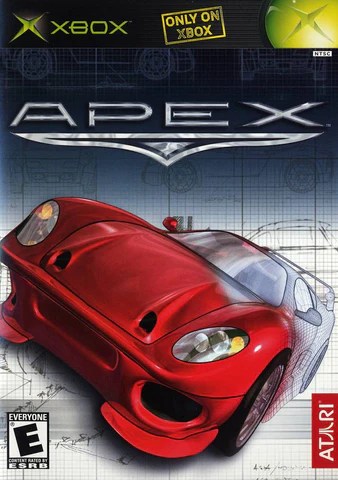
Apex– 2003
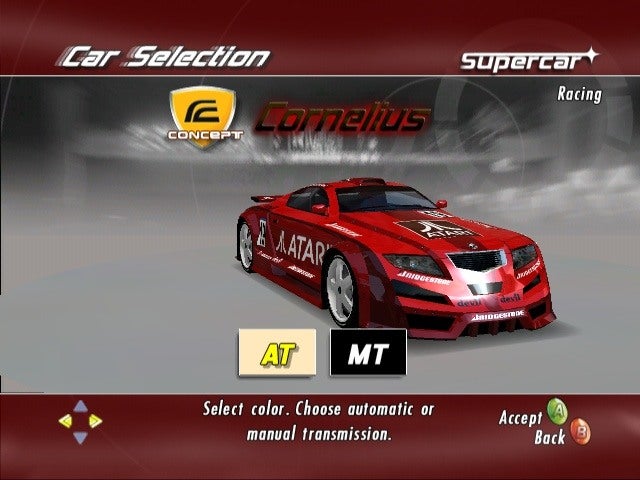
An interesting attempt at becoming the best racing sim on Xbox. It was liked for its great visuals and varied tracks but had very little content and no online mode.
Transworld Snowboarding – 2002
A one-and-done by Atari, Transworld was trying to grab at that Xtreme Sports cash and couldn’t catch on. SSX was the dominating snowboard title. While this one looked good it just couldn’t hang with the rest.
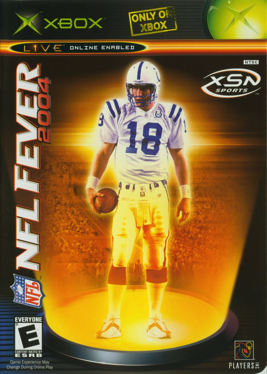
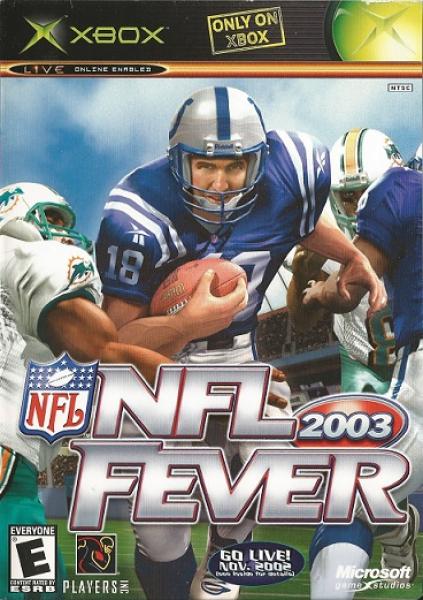
NFL Fever 2003 – 2002 NFL Fever 2004 – 2003
The third and final entry at a Madden killer, NFL Fever looked dated and on a budget. It was praised for gameplay that tried to be different, but many people couldn’t look past the dated looks.
Phantom Crash – 2002
This was a decent attempt at a mech game on Xbox before MechWarrior came out. It looked great but had a steep learning curve and was a bit on the dry side gameplay-wise. The sequel would later move to the PS2 and then end due to low sales.
Most Recent Entry: S.L.A.I.: Steel Lancer Arena International – 2005 (PS2)
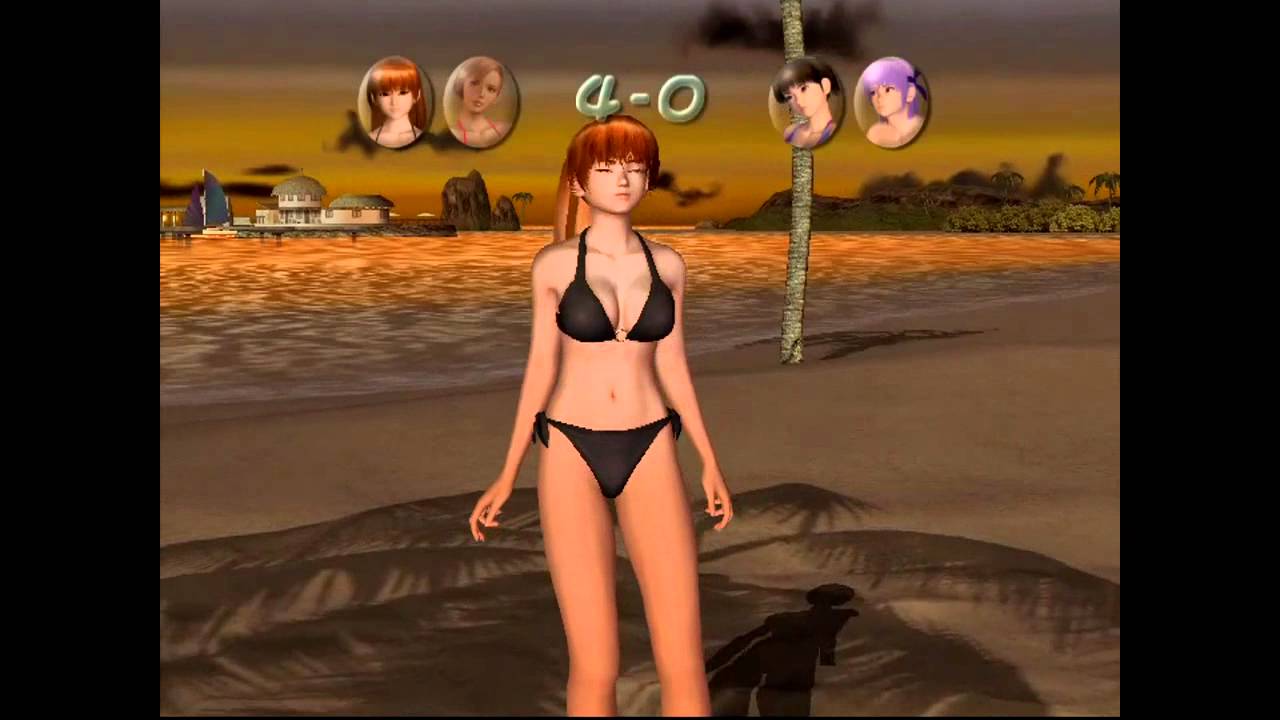
Dead or Alive Xtreme Beach Volleyball– 2003
This is a game that really needs no introduction. You ogle atDead or Alivegirls in bikinis playing mini-games. It was every teenage boy’s dream to get a hold of this game without their parents knowing. I wound up playing the sequel by renting it secretly from Gamefly as a teen. The series is fine. It spawned a couple of later sequels and remains mostly the same. Shallow gameplay and perving out.
Most Recent Entry: Dead or Alive: Xtreme – Venus Vacation – 2019 (PC)
Voodoo Vince – 2003
Microsoft was really pushing to get a mascot platformer on their system. While none of them were stellar Voodoo Vince was one of the most original. It was angst and mature enough to reel in the adults and teens while providing fun challenges. It had a wonky camera and some weird elements that turned people off. It got a remaster in 2017.
Most Recent Entry: Voodoo Vince Remastered – 2017 (PC, XONE)
Gunvalkyrie – 2002
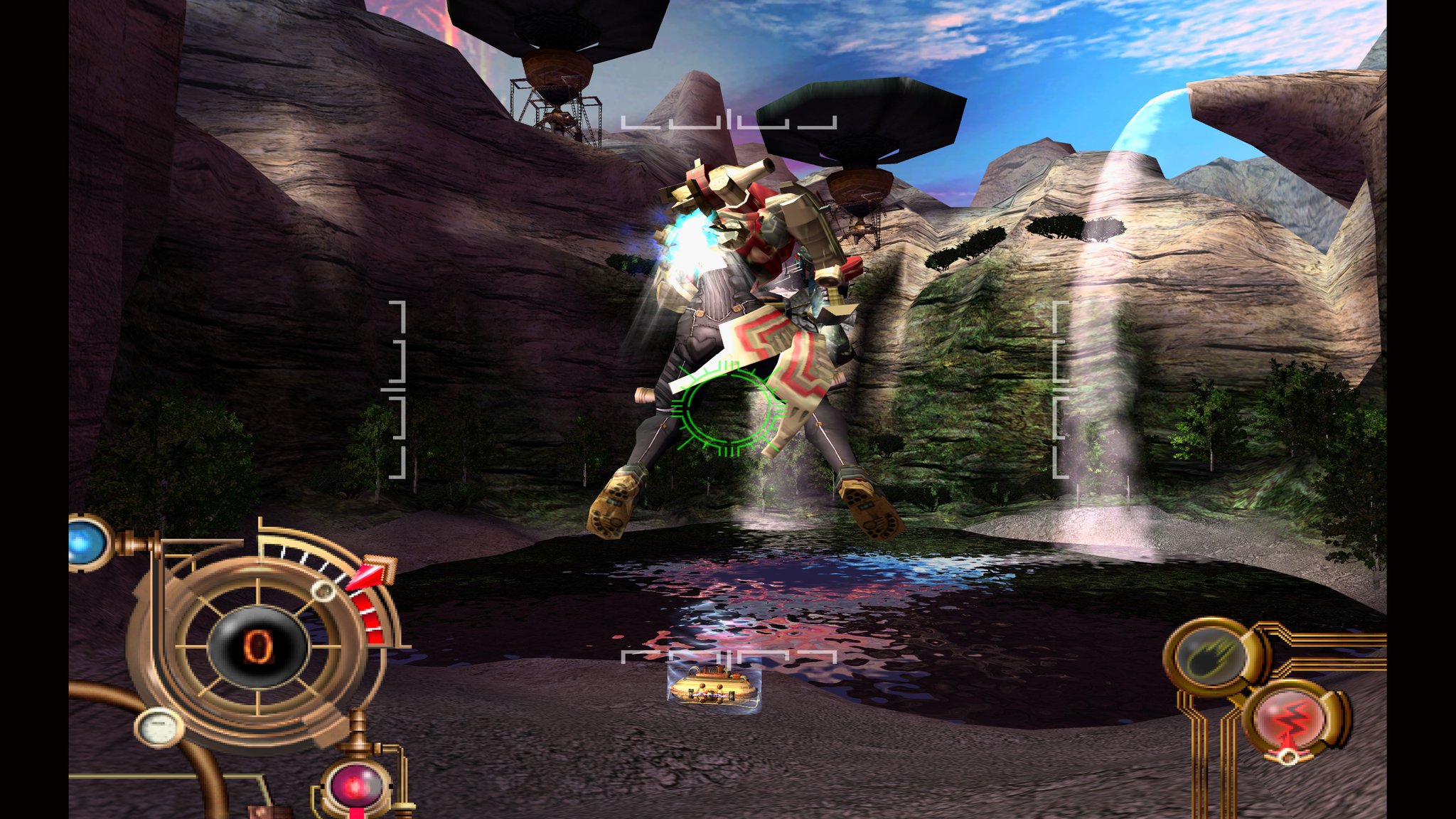
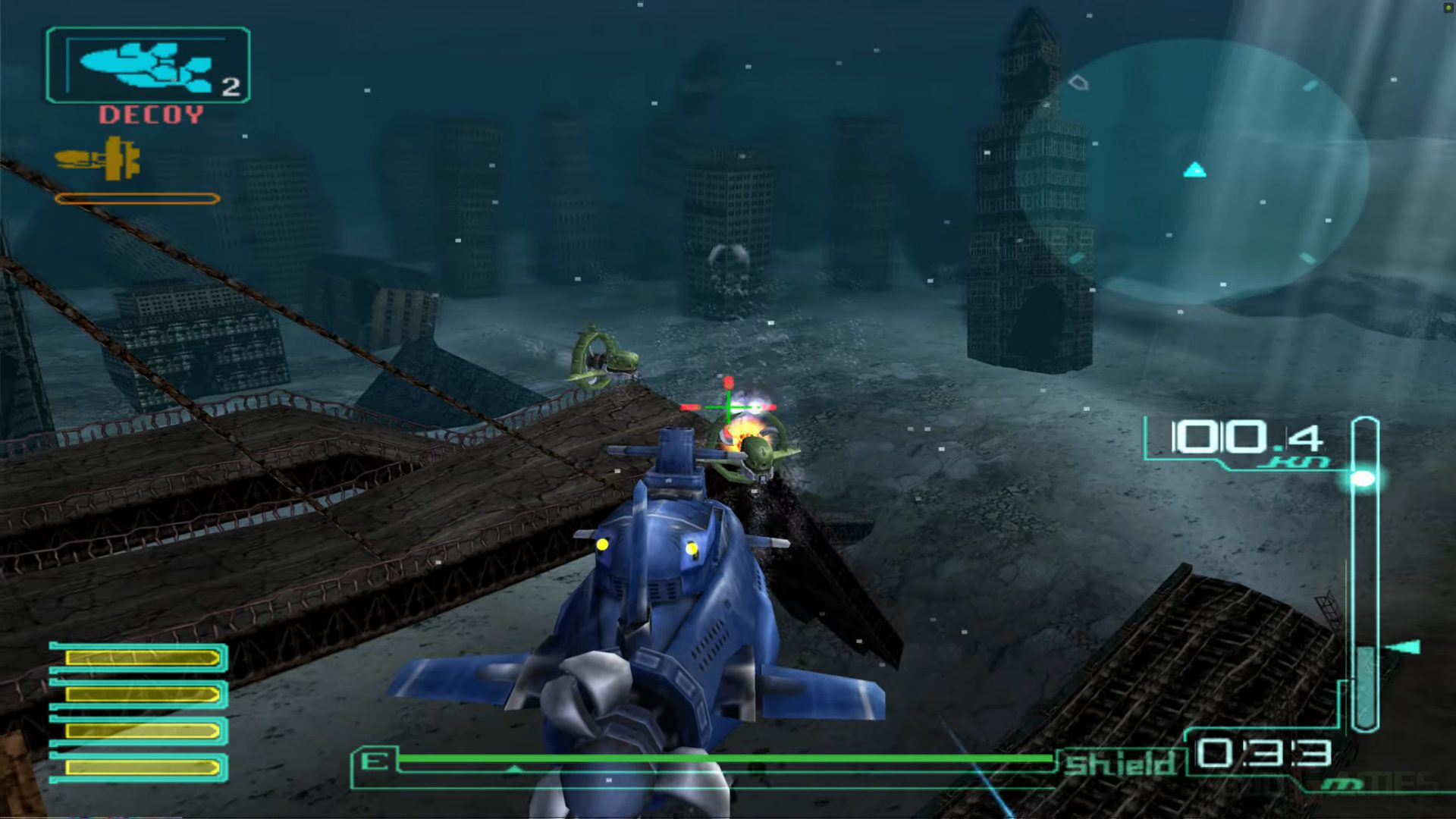
This was one of Sega’s contracted games with Microsoft. It was a shooter similar to Panzer Dragoon, but involved puzzles. It looked good and felt unique, but there was something off and janky about the whole ordeal.
NBA Inside Drive 2003 – 2002 NBA Inside Drive 2004 – 2003
Microsoft really wanted to have exclusive sports franchises on their systems but they all felt the second rate. While NBA Inside Drive wasn’t awful it didn’t evolve as fast as the competition. It looked great, but everything else was falling behind. The series didn’t last any longer and was canceled.
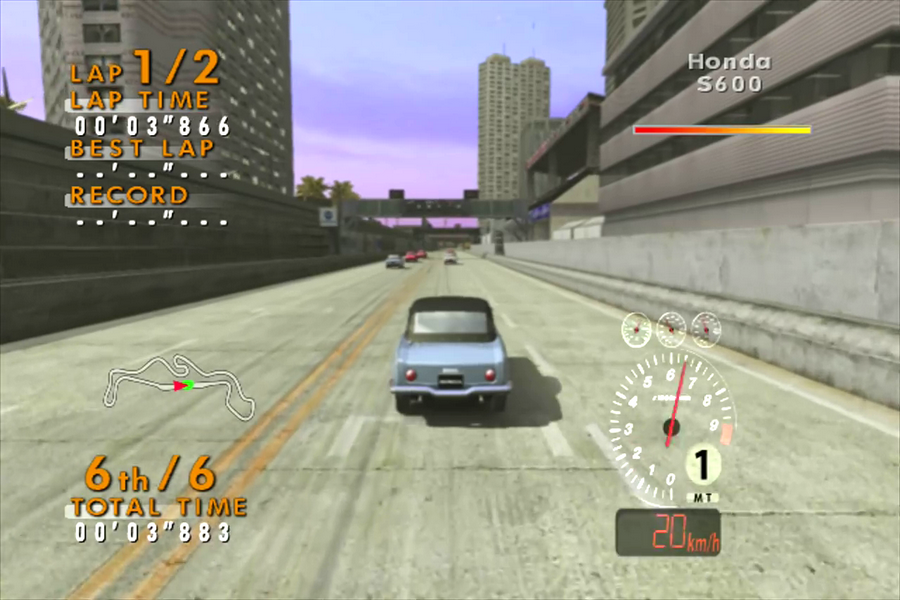
Sega GT Online – 2004
A mostly online-only update to the Sega GT series. This $20 entry was great for newcomers, but previous players could import their save. It was too little for the final game in the series but was decent arcade fun.
The House of the Dead III – 2002
This was another contracted game from Sega. One of their promised 12 games. The improved graphics were awesome, and it was classic House of the Dead gameplay, but felt dated and was really short.
Most Recent Entry: The House of the Dead: Remake – 2022 (NS, PC, PS4, XONE, XSX)
Dungeons & Dragons Heroes – 2003
Heroes was well-liked for its fun co-op gameplay, but wasn’t fun solo and wasn’t very deep. The series struggled during this time on consoles and various reboots were hit or miss.
Most Recent Entry: Dungeons & Dragons: Dark Alliance – 2021 (PC, PS5, XSX, PS4, XONE)
Hunter the Reckoning: Redeemer – 2003
Being the final game in the series and exclusive to Xbox, Redeemer was a slick-looking hack-and-slash but had a terrible camera and an unpleasantly boring story. I remember playing the demo of Wayward on my PS2 over and over again and never got a chance to play this one.
ToeJam & Earl III: Mission to Earth – 2002
Another Sega exclusive on the system, this brought the beloved Sega Genesis/Mega Drive series back in 3D! It felt a bit wonky with some control issues, repetitive gameplay, and overall weirdness that either sat well with you or didn’t.
Most Recent Entry: ToeJam & Earl: Back in the Groove! – 2019 (PS4, MAC, NS, PC, XONE)
Breakdown – 2004
This is one of the first Xbox games I ever played. It’s a weirdly ambitious title with a lot of realistic gameplay elements thrown inside of a poorly balanced and frustrating mess. The unique elements and interesting story are worth it if you can stomach the problems.
Raze’s Hell – 2005
An attempt at a cutesy yet mature game full of great visuals and humor, but it doesn’t excel a lot in the gameplay department. It’s a unique game and has that “Xbox needs to have ‘X’ type of game” feeling that the system had in its hayday.
Blood Wake – 2001
A weird vehicle combat game with no online play. It doesn’t exceed anywhere and looks too realistic to be memorable. It looked great, but that was mostly it.
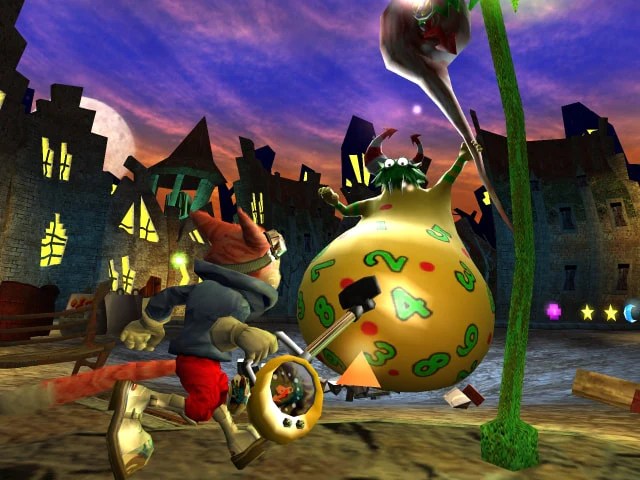
Blinx: The Time Sweeper – 2002
Microsoft’s Ratchet & Clank. This was supposed to be the platformer with ‘tude, but didn’t sell very well. It came off as too kid-friendly and the adult manly console. It also didn’t help that the game was very dated and became a linear collect-a-thon. The sequel would radically change the series, but still wasn’t enough. It wouldn’t see the light of day after this.
Most Recent Entry: Blinx 2: Masters of Time & Space – 2004 (Xbox)
Quantum Redshift – 2002
This was Microsoft’s answer to Wipeout orF-Zero. It looked amazing but fell short in gameplay. It’s fun, and not broken at all, but it doesn’t stand out from the other games. There’s no soul here.
Xyanide – 2006
This was a late entry shmup offering. The cheap price point was appealing and it looked great, but was hard as nails and very short. A lone sequel would appear on PS2 and PSP the following year, and surprisingly absent from the Xbox.
Most Recent Entry: Xyanide: Resurrection – 2007 (PS2, PSP, PC)
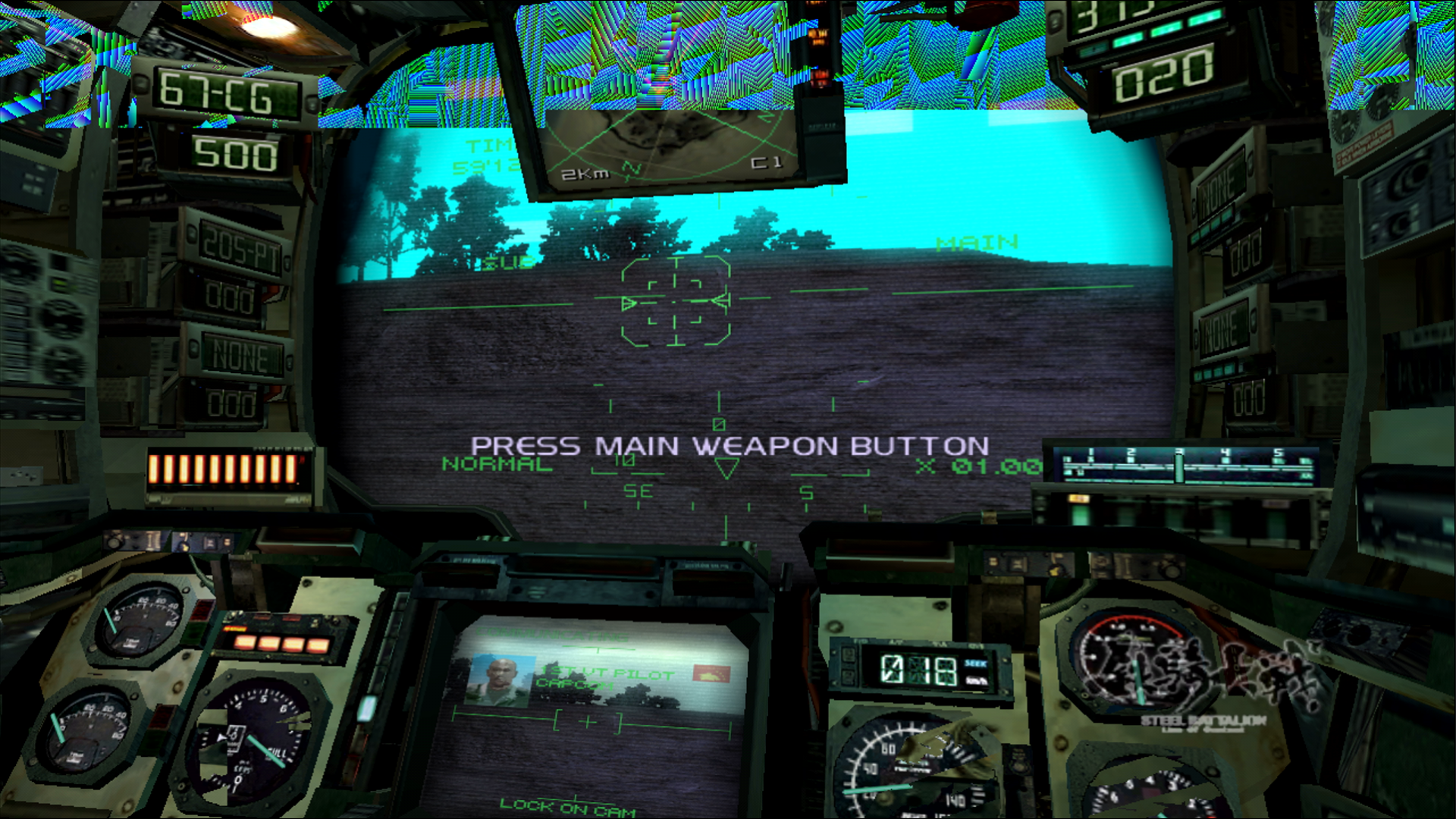
Steel Battalion: Line of Contact – 2004
The infamous Steel Batallion controller is a serious collectible. This game brought the series online and was best played there. It’s very niche and didn’t sell well. The series would be rebooted for Kinect and become a colossal disaster.
Most Recent Entry: Steel Battalion: Heavy Armor – 2012 (X360)
Fuzion Frenzy – 2001
A party game for a launch title is a bit risky but makes sense. Many people visit during console launches and this is a great game to play with everyone. It’s a cult classic and has been added as backwards compatible on every Xbox system. While shallow and lacking in content it’s a must-play with real people.
America’s Army: Rise of a Soldier – 2005
The popular yet niche series is officially endorsed by the U.S. of A and Uncle Sam. This realistic shooter wasn’t your yearly Call of Duty. It was slow-paced and tactical and while dry and dull at times it made you think.
Many people use video game reviews to determine how to spend their hard-earned dollars. While as an adult I don’t take this as seriously and I now make my own money I am more forgiving of games that aren’t perfect. As kids or teens, we have limited money and are usually picked through gaming magazines to determine if that one game was worth the money because we only got a few a year. For me, it was only during Christmas time that my parents bought games. I mostly rented mine throughout my childhood and teen years. Even for rentals, I was picky as I didn’t want to be stuck on my weekend with a dud of a game. Even a 7/10 or 3.5/5 would be considered a waste of time. Throughout the early 2000s, I had a PS2 exclusively and I was stuck with that system. This was the last generation in which AAA title after AAA title would be considered fantastic and with so many exclusives it was hard to keep up with. The HD era of gaming would see budgets balloon to insane heights and game releases slowed down as a result.
In my eyes, 7/10 or 3.5/5 games are mostly ignored. These aren’t always considered hidden gems either. Some are, but some are just considered forgettable. Not awful or good, but just passes under everyone’s radar. These aren’t the “so bad it’s good” type of games either. A few of these games have cult followings while a few I had only heard of while compiling this list and some I played myself growing up. I compiled this list from Metacritic with games between 74-70. I feel that’s the true blue 7 range. 79 and 78-rated games usually only have about 25% of the critics giving it a 7 to bring an otherwise 8 score down some. These games are at least rated by half the critics as 7/10. While I know a lot of people don’t listen to critics and some might feel this game should be rated higher or lower is subjective. Like it or not, critic reviews drive sales and it may be the reason why you might find a few games on this list you’ve never heard of, thought was talked about worse than you remember, or something along those lines.
Radiata Stories – 2005
This game was liked for its sense of humor and almost parody of the genre, but the weak story and repetitive side quests brought the game down some. The series would see a spiritual successor on the DS.
Most Recent Entry: Radiant Historia: Perfect Chronology – 2017 (3DS)
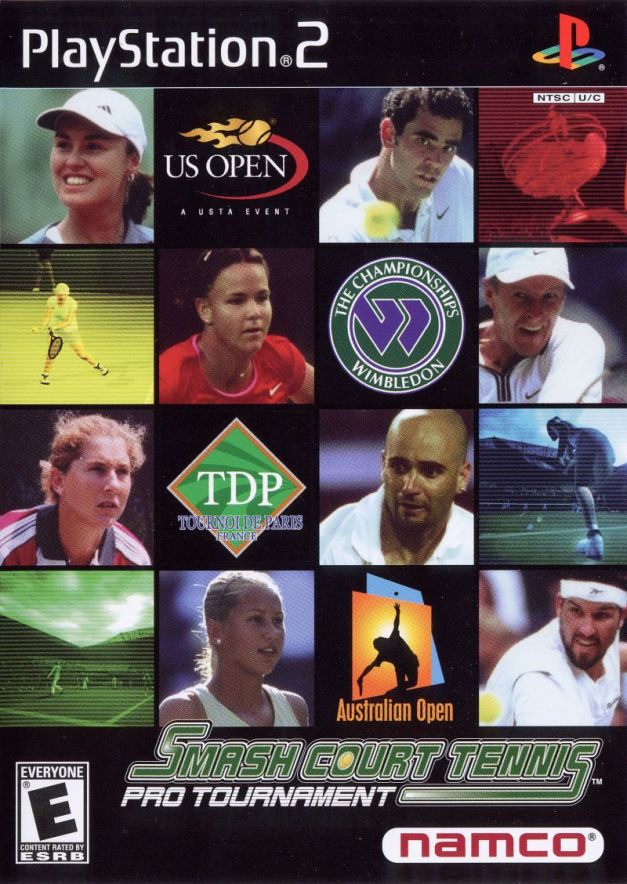
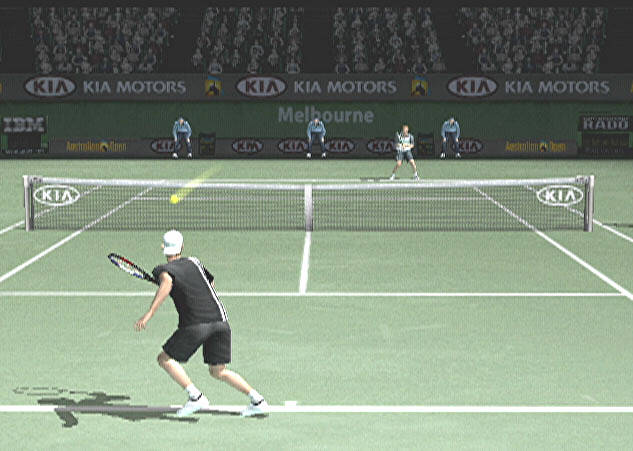
Smash Court Tennis: Pro Tournament – 2002 Smash Court Tennis: Pro Tournament 2 – 2004
The game was liked for its realism and decent visuals but was let down by a lack of content. It had a lot of different shot types and a fun career mode, but that’s about it. It wasn’t as good as Virtua Tennis or Mario Tennis. After three entries Namco scrapped the series.
The game was praised for its imaginative design and graphics, but it felt like a bit of a chore to play sometimes. All around rough around the edges, but charming enough to keep you engaged.
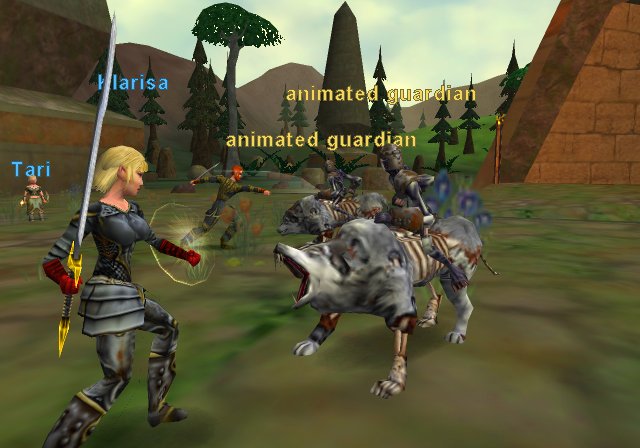
EverQuest Online Adventures – 2003
This era of console MMOs had growing pains. Consoles finally had broadband access but lacked storage space to store large open worlds and stream them. While Final Fantasy XIsaw major success others wanted to cash in on that. EverQuest was a valiant attempt but felt dumbed down and streamlined with repetitive quests. The servers shut down in 2012, but you can still play with fan servers.
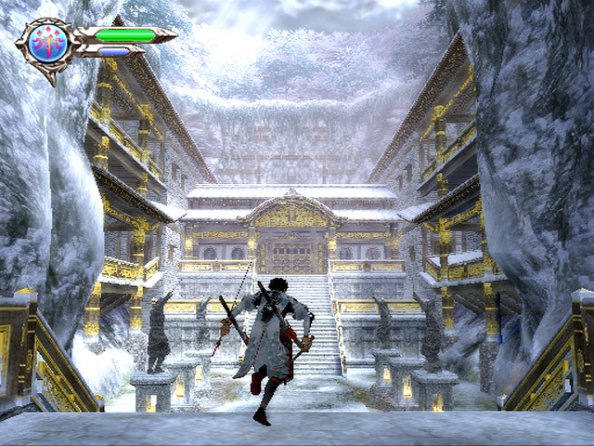
Genji: Dawn of the Samurai – 2005
Being released late in the console’s life meant people expected great things out of the system. Genji looked good but felt rough around the edges and slightly clunky. It didn’t do any one thing particularly well, but it wasn’t bad either. The series would see one final entry to show the power of the PS3 and that would be lights out for the series due to poor sales.
Most Recent Entry: Genji: Days of the Blade – 2006 (PS3)
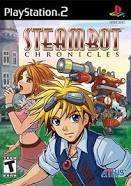
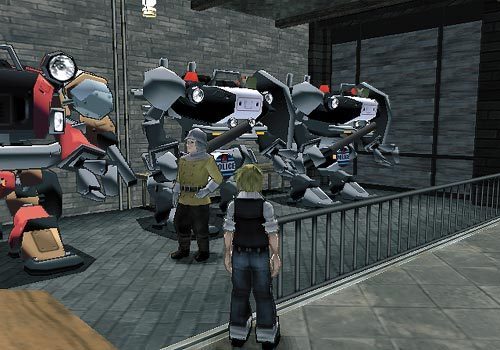
Steambot Chronicles – 2006
A very late release on the PS2, Steambot was praised for its customization, but it was brought down by the molasses pace of the game and everything is rolled out at a snail’s pace. The sequel would be canceled and only a smaller portable version would be released later.
Most Recent Entry: Steambot Chronicles: Battle Tournament – 2008 (PSP)
Tourist Trophy – 2006
Being released so late on the PS2, Polyphony Digital had mastered the hardware. This was the Gran Turismo of superbikes and was a one-shot project for the team. It was praised for its visuals and insanely good physics but had a really steep learning curve even Gran Turismo enthusiasts scoffed at.
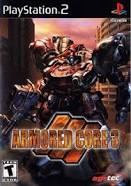
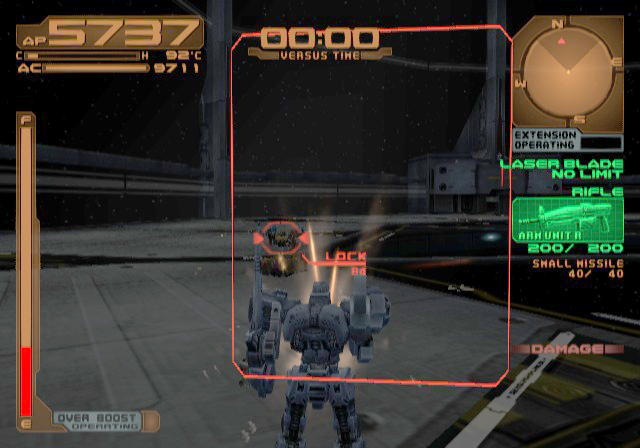
Armored Core 3 – 2002 Armored Core: Nexus – 2004
Armored Core‘s home was on PlayStation. The series would see stumbles along the way. The game was praised for its hardcore mech mechanics but had a steep learning curve and didn’t have a good sense of scale compared to games like MechWarrior. This continued throughout the series alienating newcomers and not adding much outside of customization. It would see its final entry in 2013 and hasn’t been seen in the last decade.
Most Recent Entry: Armored Core: Verdict Day – 2013 (PS3, X360)
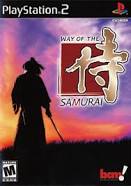
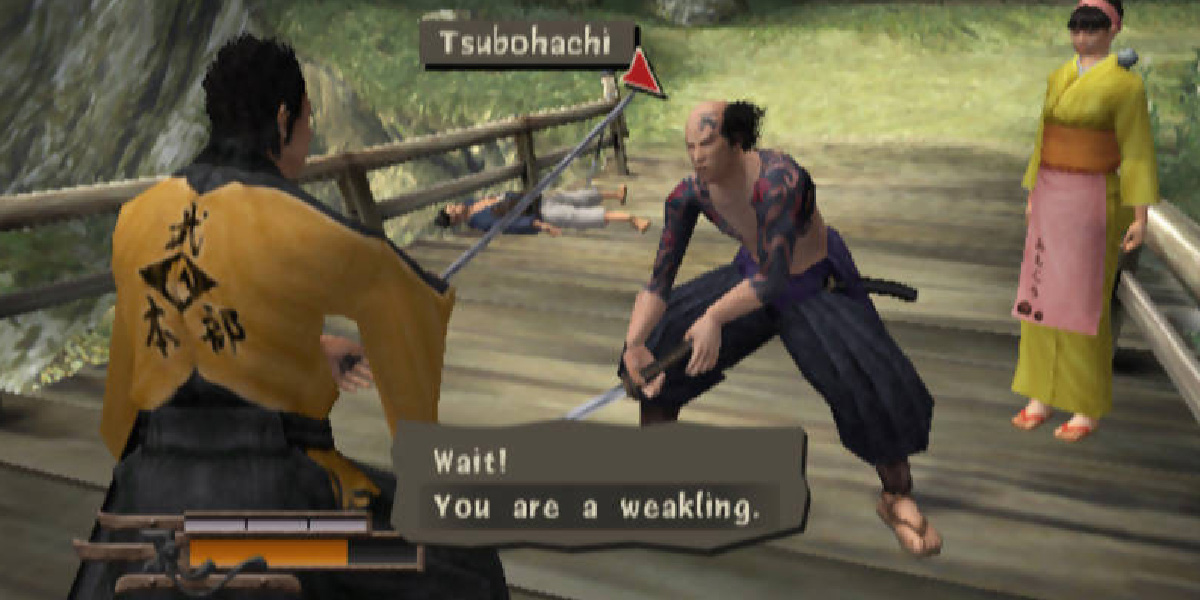
Way of the Samurai – 2002
Way of the Samuraiwas well-liked for its story but had a very low budget and felt clunky and rough through every release. It would get three more sequels before being shelved for the last decade.
Most Recent Entry: Way of the Samurai 4 – 2012 (PS3, PC)
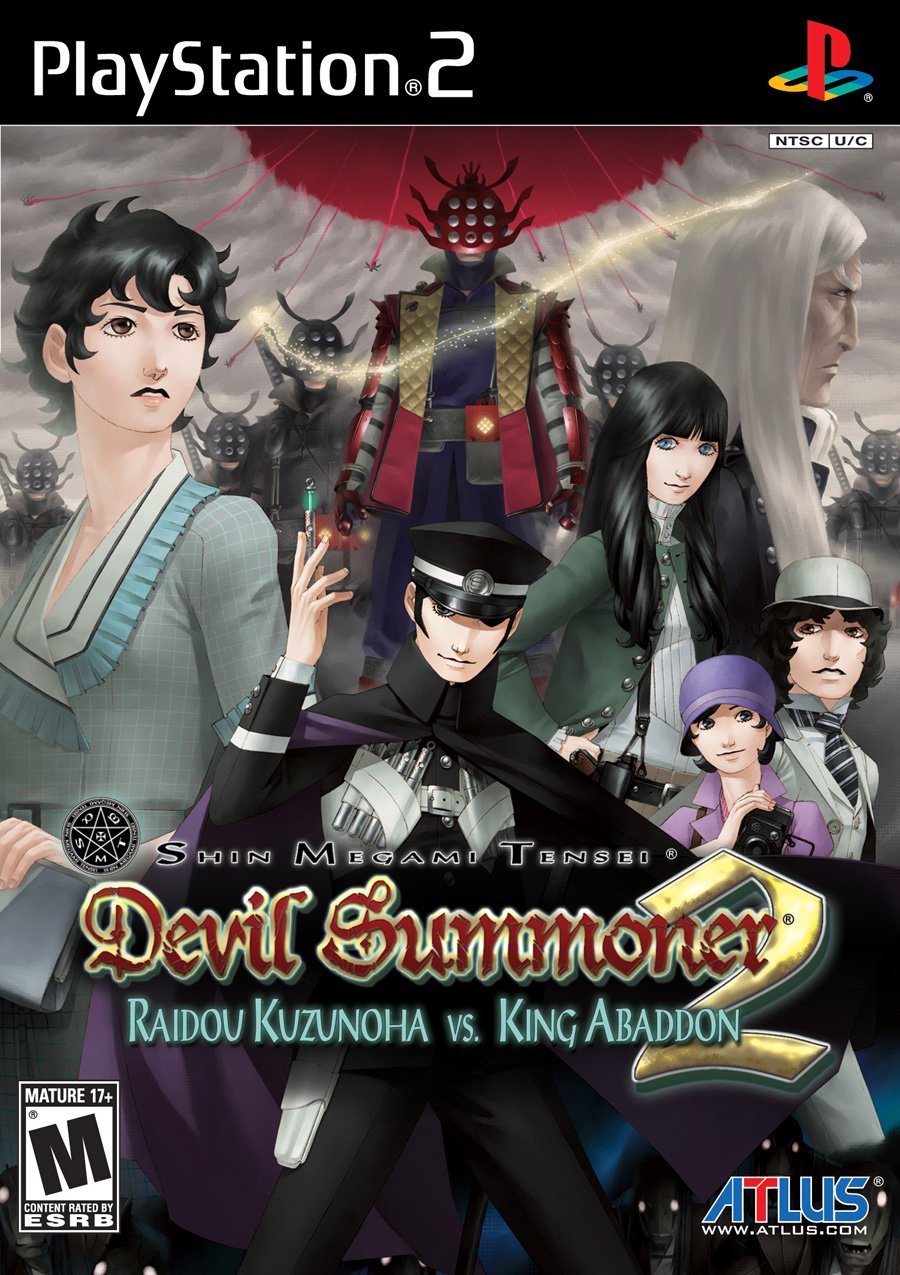
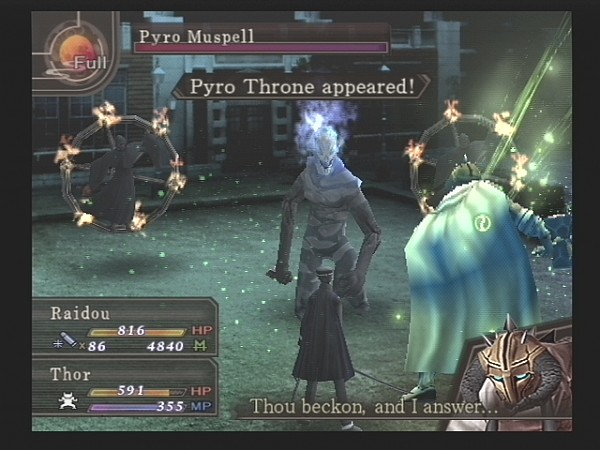
Shin Megami Tensei: Devil Summoner – Raidou Kuzunoha vs. The Soulless Army – 2006
TheDevil Summoner sub-series of SMT is considered the most hardcore. This game was praised for its world-building and atmosphere, but of course, the barrier to entry was high thanks to its incredible difficulty. It also had a boring combat system and overall mediocre game mechanics.
The Atelierseries has a huge fan base. There have been over a dozen games in the series and are continuing to be released to this day. Eternal Mana was praised for its alchemical mixing gameplay but had repetitive missions and too much backtracking for most people’s liking.
Most Recent Entry: Atelier Sophie 2: The Alchemist of the Mysterious Dream – 2022 (PS4, PC)
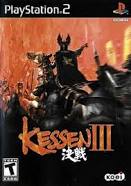
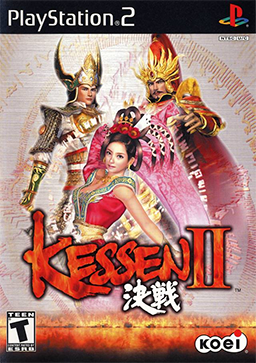
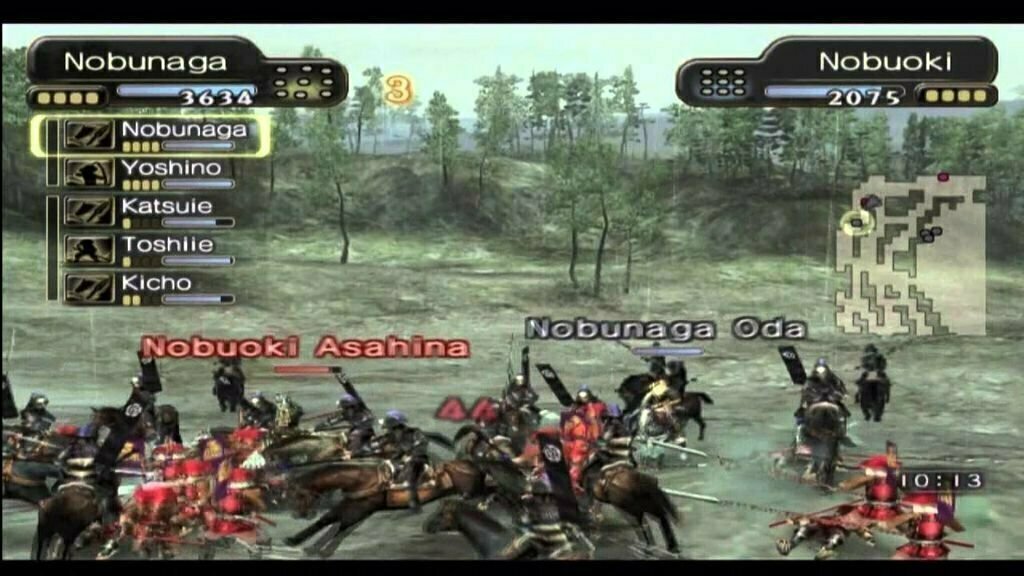
Kessen II – 2001 Kessen III – 2005
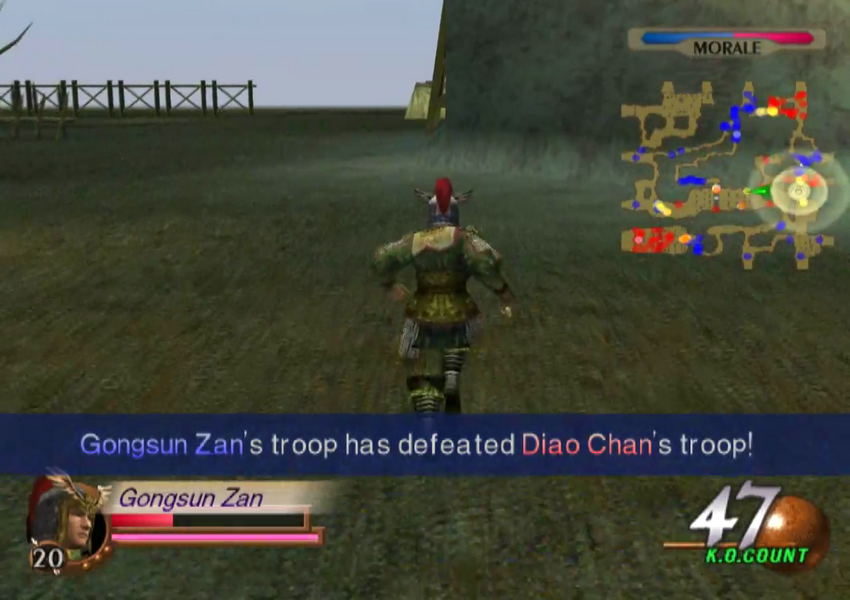
The Kessen series was the thinker’s Dynasty Warriors. The third and final entry in the series gave you direct control of your troops in battle, but it was criticized for being reduced to silly button-mashing. The second game was praised for its story, but just felt clunky and had too many mistakes. It’s an interesting series to go back to, however, be warned that the game gets repetitive quick and requires some patience.
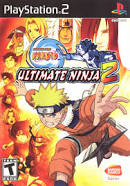
Naruto: Ultimate Ninja 2 – 2007
In 2007 there were few people still holding on to their PS2s and Ultimate Ninja 2 was late to the party. It felt last-gen, it had a generic feeling of combat, and despite its huge roster, gamers were ready for the next-gen Naruto fighting game. The series would continue for years until its final entry in 2016.
Most Recent Entry: Naruto Shippuden: Ultimate Ninja Storm 4 – 2016 (PS4, XONE, PC, NS)
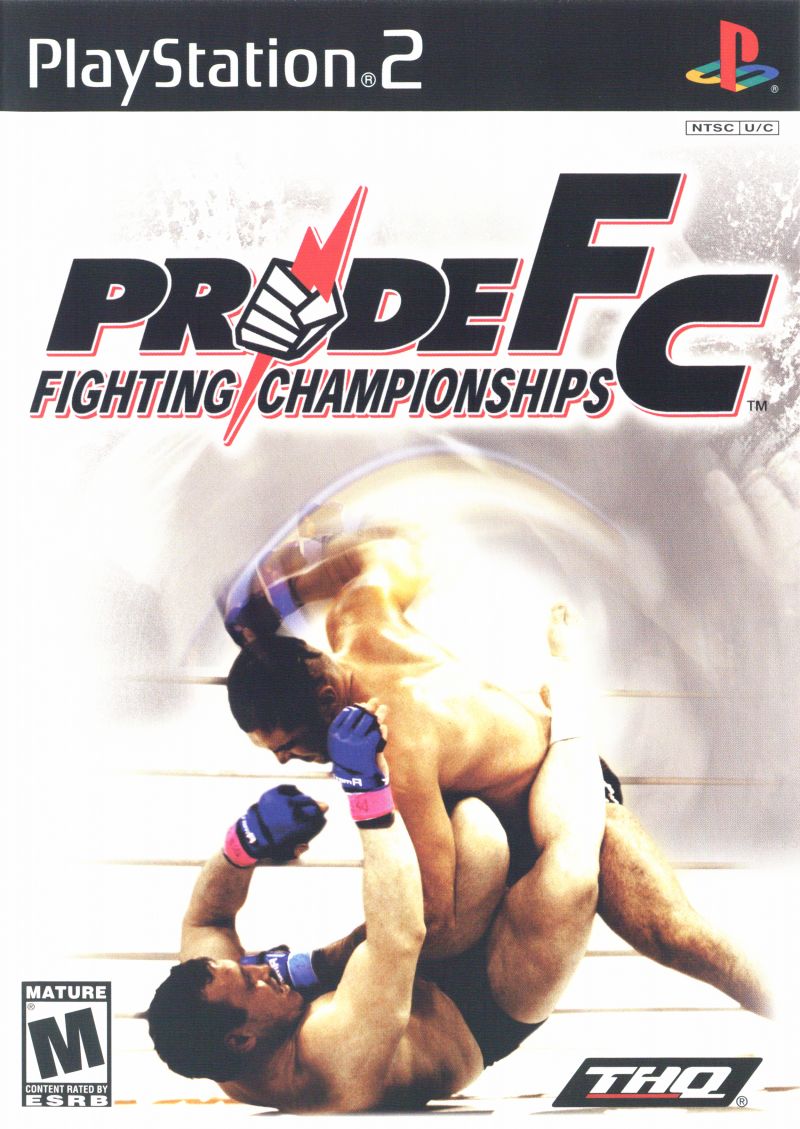
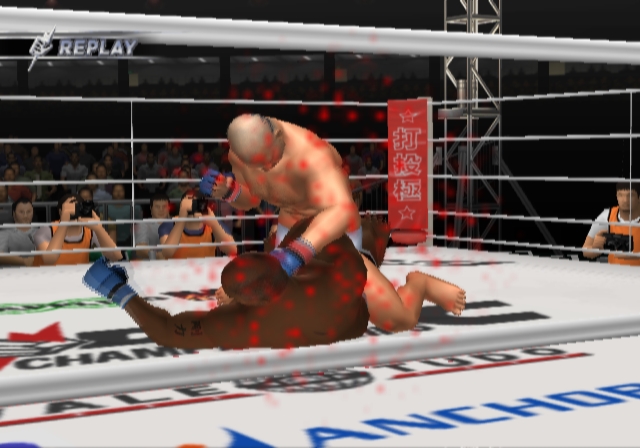
Pride FC: Fighting Championships – 2003
THQ was kind of cannibalizing its own sales for the UFC series. Pride FC was the only game and was praised for its gritty realism, but lacked content.
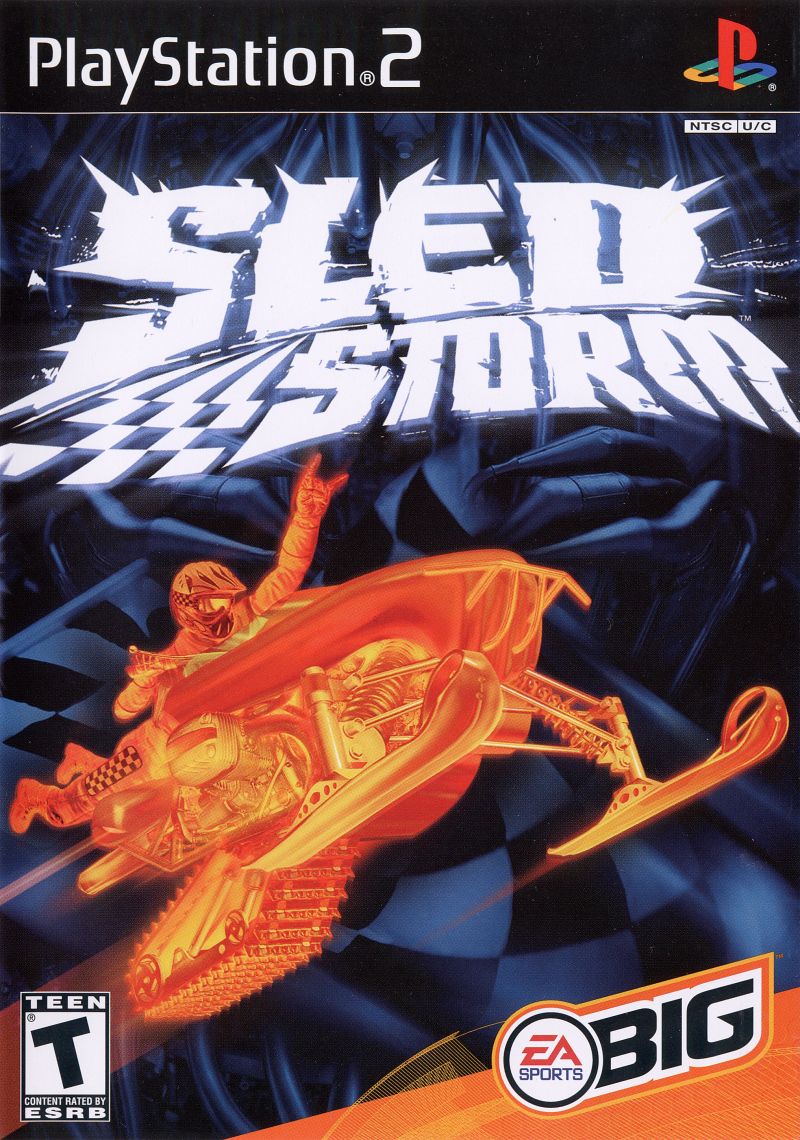
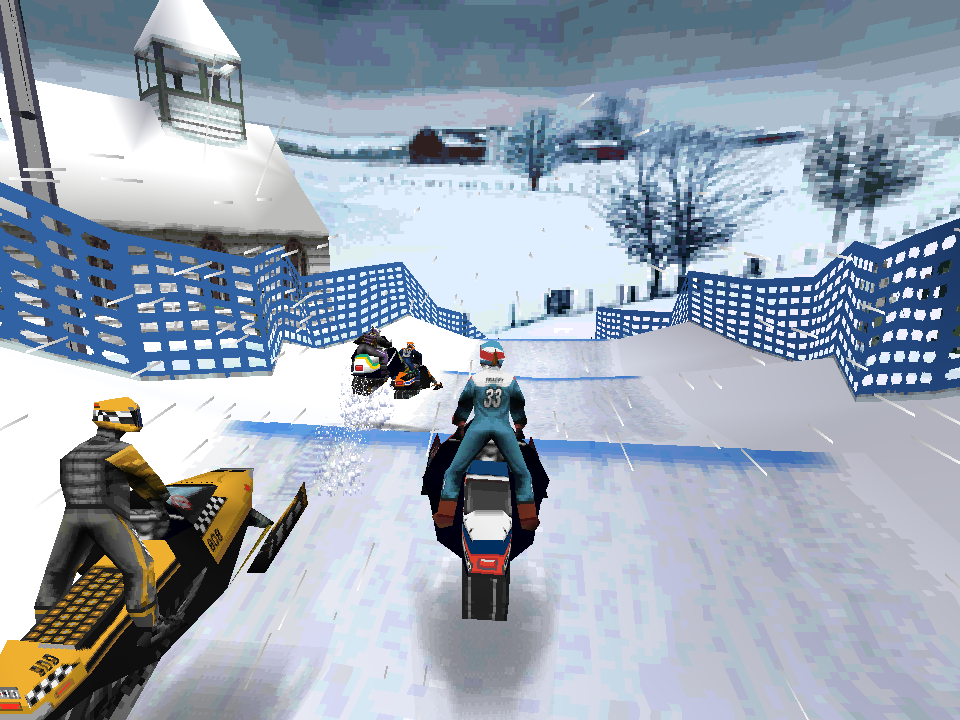
Sled Storm – 2002
When you saw that EA Sports BIG logo it meant quality. These were some of the best sports games to ever be released. Sadly, Sled Storm was constantly compared to SSX and felt dated due to kind of being a remaster of the PS1 game. It’s still a lot of fun but feels like an early PS2 title.
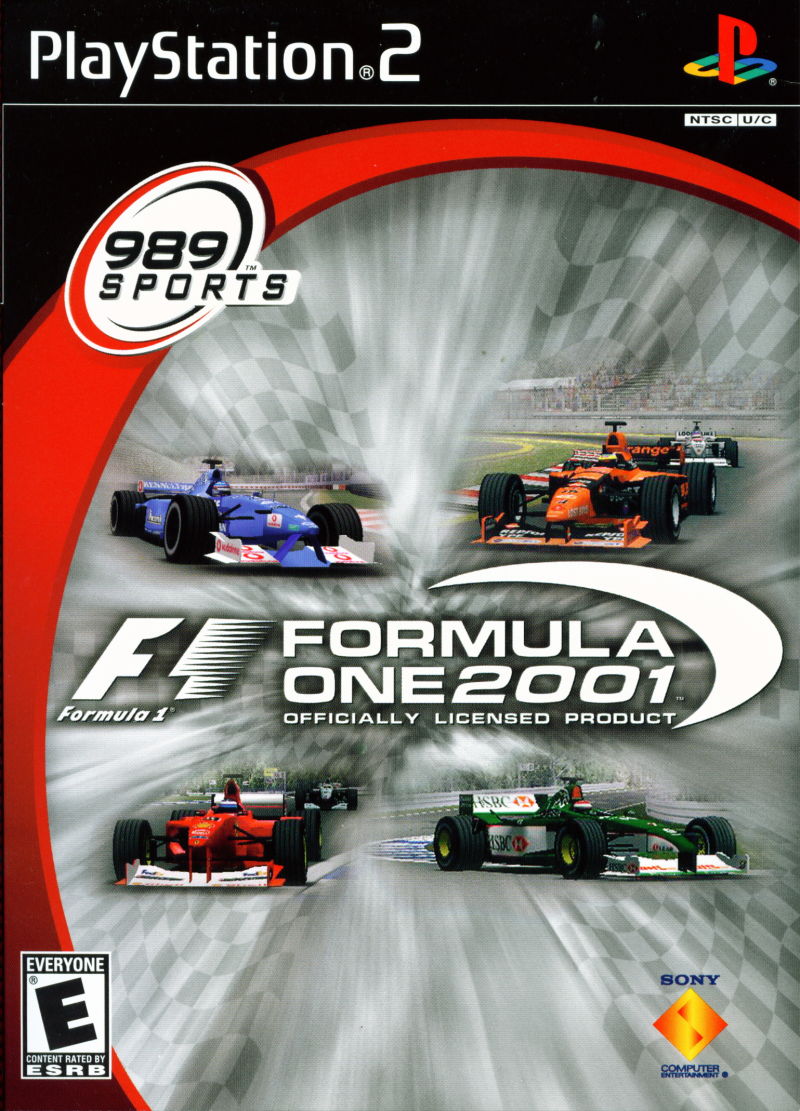
Formula One 2001 – 2001
Sony’s hat into the F1 arena was a successful one. It was constantly praised as having the best physics engine out of the genre, but the series took a long time to gain its footing. This was an early PS2 title so the visuals weren’t very impressive since it was a cross-gen title with the PS1. The series would go on for some time and die on the PS3.
Most Recent Entry: Formula 1: Championship Edition – 2007 (PS3)
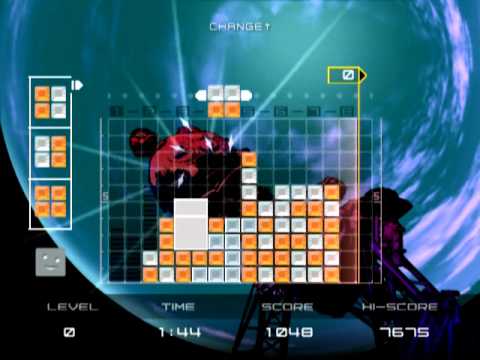
Lumines Plus – 2007
While no game in the series has been bad, releasing a PSP game two years late on a system that already received a next-gen release is a bad move.Lumines Plus didn’t add any new content and was already two years old at this point. If you had a PSP or Xbox 360 then this wasn’t worth picking up.
Most Recent Entry: Lumines Remastered- 2018 (NS, PS4, PC, XONE)
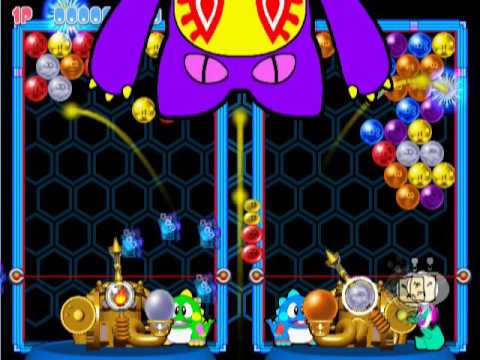
Super Bust-A-Move 2 – 2002
While not an inherently bad game, the series was growing stale at this point. It didn’t add anything new to the mix as the formula is already perfect. If you owned any previous version you had no reason to buy another unless you wanted more levels.
Most Recent Entry: Bust-A-Move: Journey – 2017 (AND, iOS)
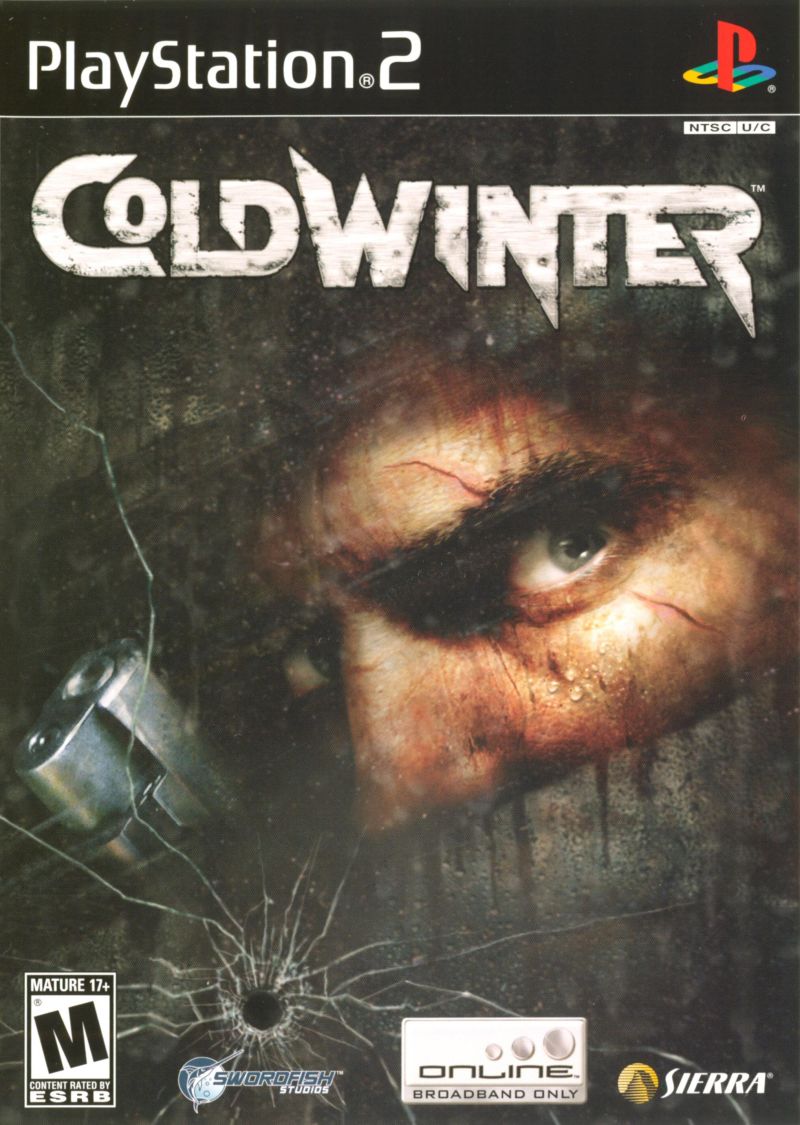
Cold Winter – 2005
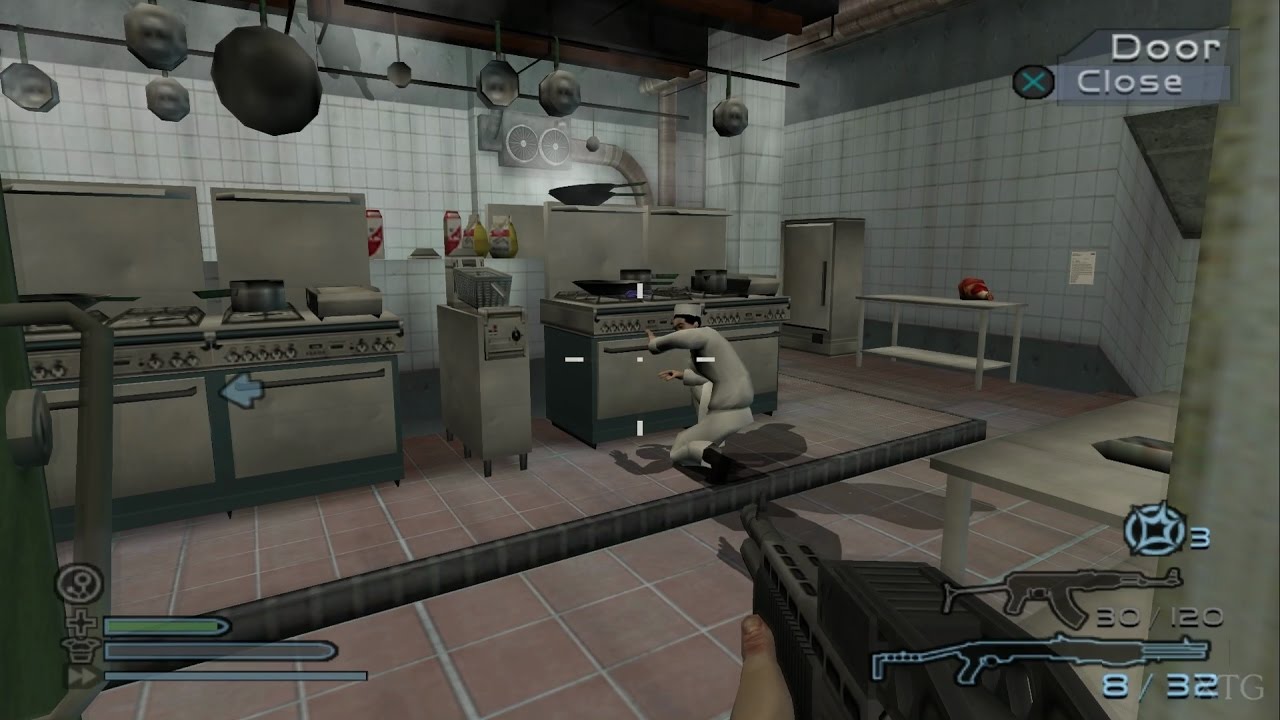
This was one of those cult classic types of games. PS2-exclusive shooters were never really amazing due to the limited hardware needed to top the Xbox and PC, but they really tried. At this point, the game felt dated visually and gameplay-wise. It was praised for its spy theme and great voice acting, but the corridor shooter felt dated compared to Halo 2.
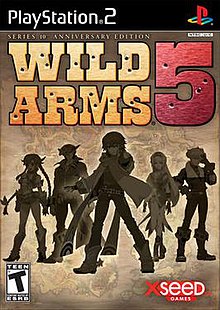
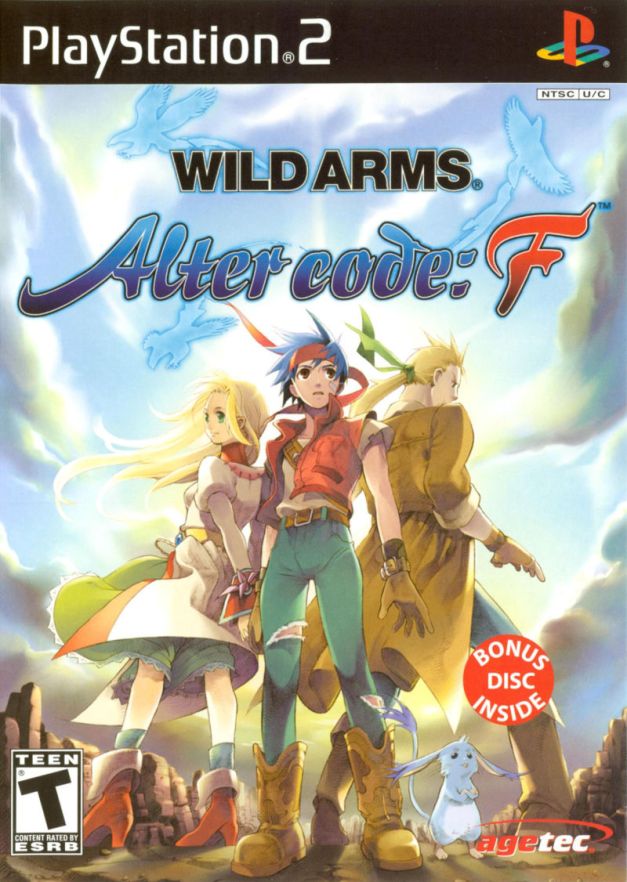
Wild Arms Alter Code: F – 2005 Wild Arms 5 – 2007
Remakes aren’t a new phenomenon. Alter Code: F was a remake of the PS1 classic, but didn’t bring anything new, especially for how late it was released in the console’s life. RPGs were evolving fast and this was left in the dust.Wild Arms 5 felt repetitive and tiresome at this point despite the fun characters and story. The series would get one final entry on the PSP in 2007.
Most Recent Entry: Wild Arms XF – 2007 (PSP)
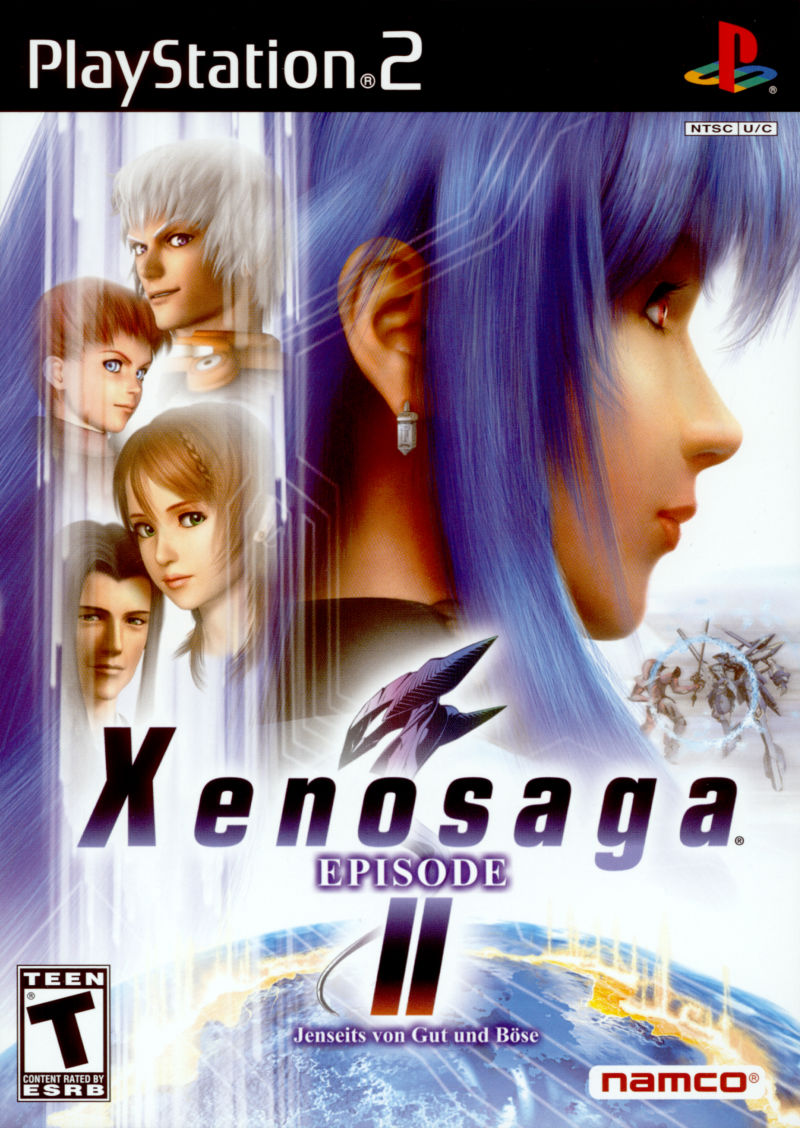
Xenosaga II: Episode II – Jenseits von Gut und Bose – 2005
Xenosaga is considered one of the best RPG series on the system, but the second game was radically different. It was half the length of the first game but felt like an anime movie rather than a game. The combat system was dumbed down and overall felt like a weird experiment that turned a lot of people away and many didn’t pick up the third game because of this.
Most Recent Entry: Xenosaga: Episode III – Also Sprach Zarathrusta – 2006 (PS2)
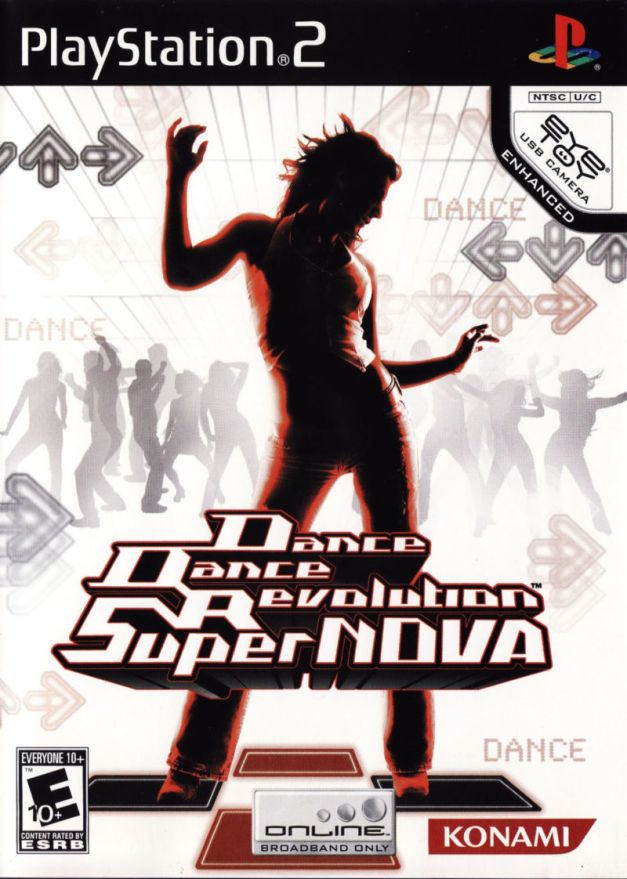
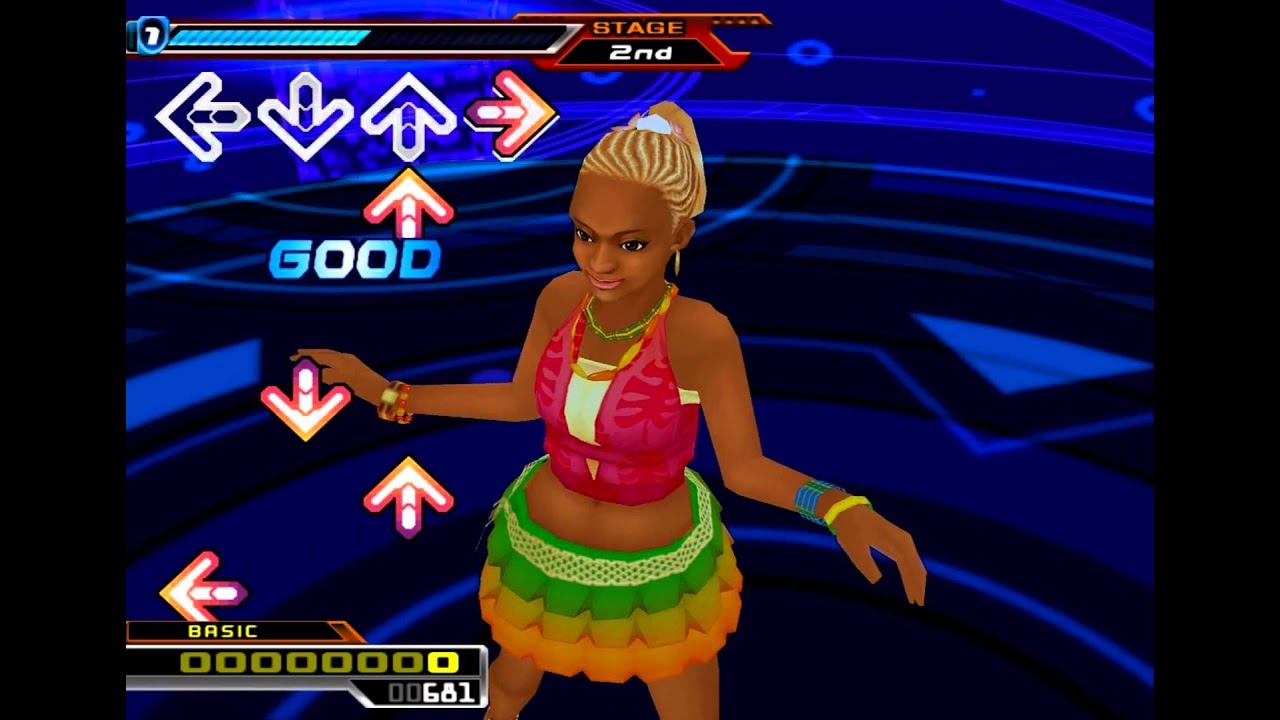
The rhythm game plague of the mid-2000s was a nightmare. We had some solid entries, but a lot of cashing in. The DDR franchise was no exception as it found its home on the PS2 for many years until finally dying on the Wii in 2011. SuperNOVA was criticized for focusing on party play over single-player gameplay and fell flat due to this. If you played one game in the series you’ve played them all.
Most Recent Entry: Dance Dance Revolution II – 2011 (Wii)
ESPN Winter X-Games Snowboarding – 2000
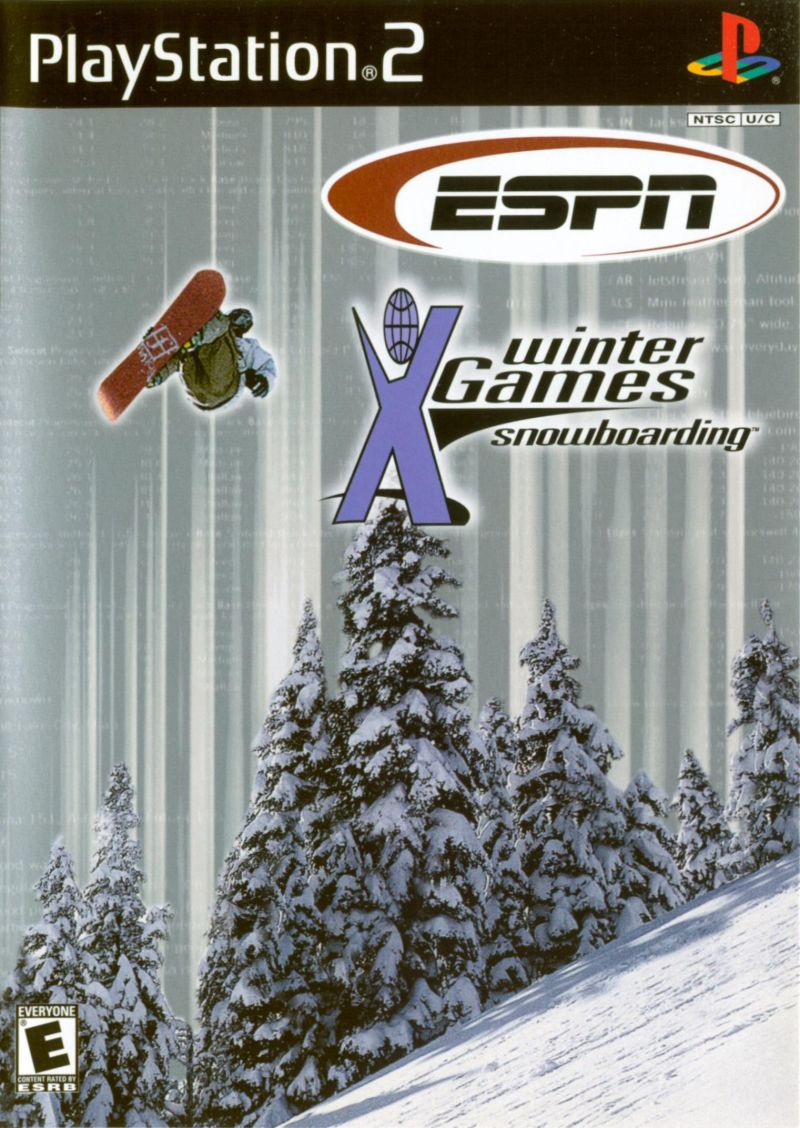
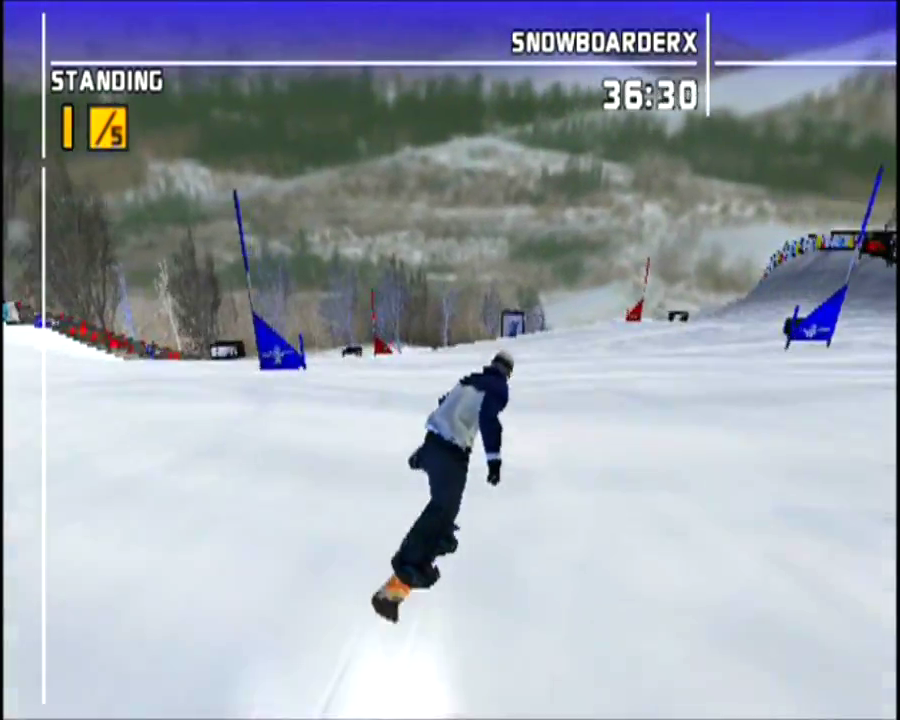
A very early title for the system means it didn’t look too impressive. It was praised for its realistic physics, but it lacked content overall. The Xtreme Sports era of the late 90s to early 2000s was beaten to death and peaking at this point. It would go on to receive one more game in the series before being axed.
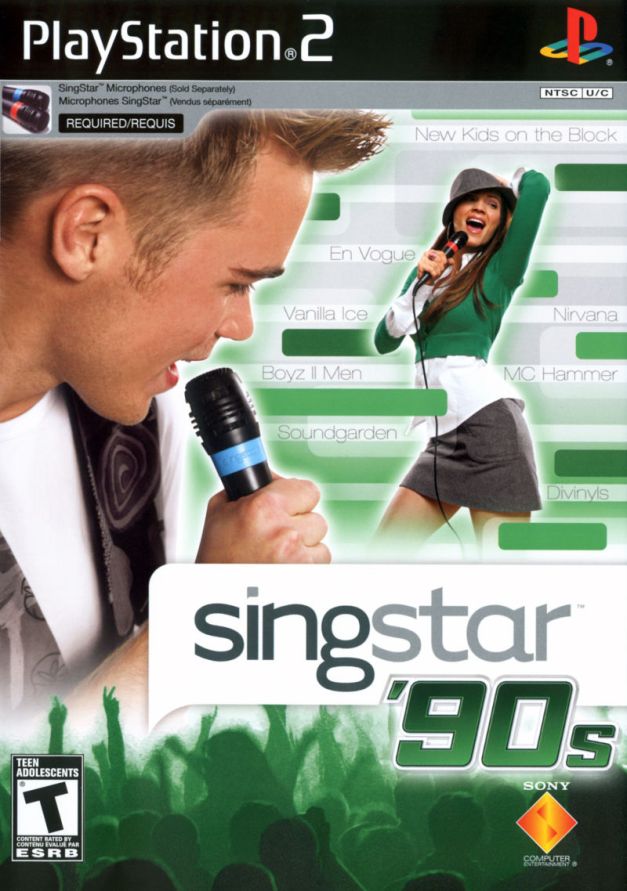
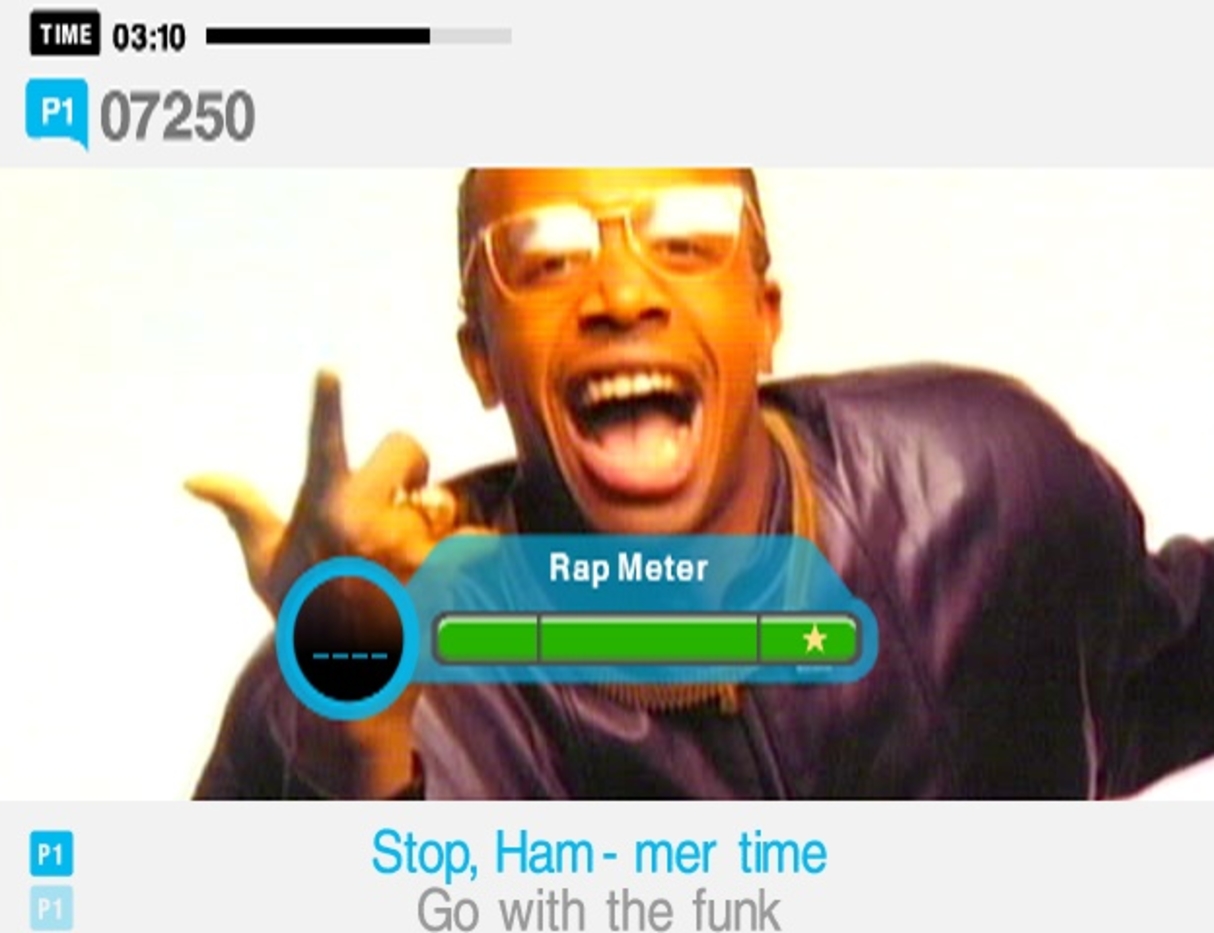
SingStar 90s – 2007 SingStar Pop – 2007 SingStar Pop Vol. 2 – 2008 SingStar Queen – 2009
Oh man, I remember this series during the rhythm game plague. I had a girlfriend at the time seriously into these games and I just didn’t get it. I was a shy kid who never sang. A lot of games ranged from great to average. None of them were ever bad, but what else can you do with just a mic? These four games were probably the most mediocre of the bunch and seeing as they came out long after the PS2’s life those who were still hanging on were the type to buy these games on a yearly basis. These games were critiqued for not capturing the era/genre they were inspired by and fell flat in that regard. The series finally died off about five years ago.
Most Recent Entry: SingStar Celebration – 2017 (PS4)
Lethal Skies II – 2003
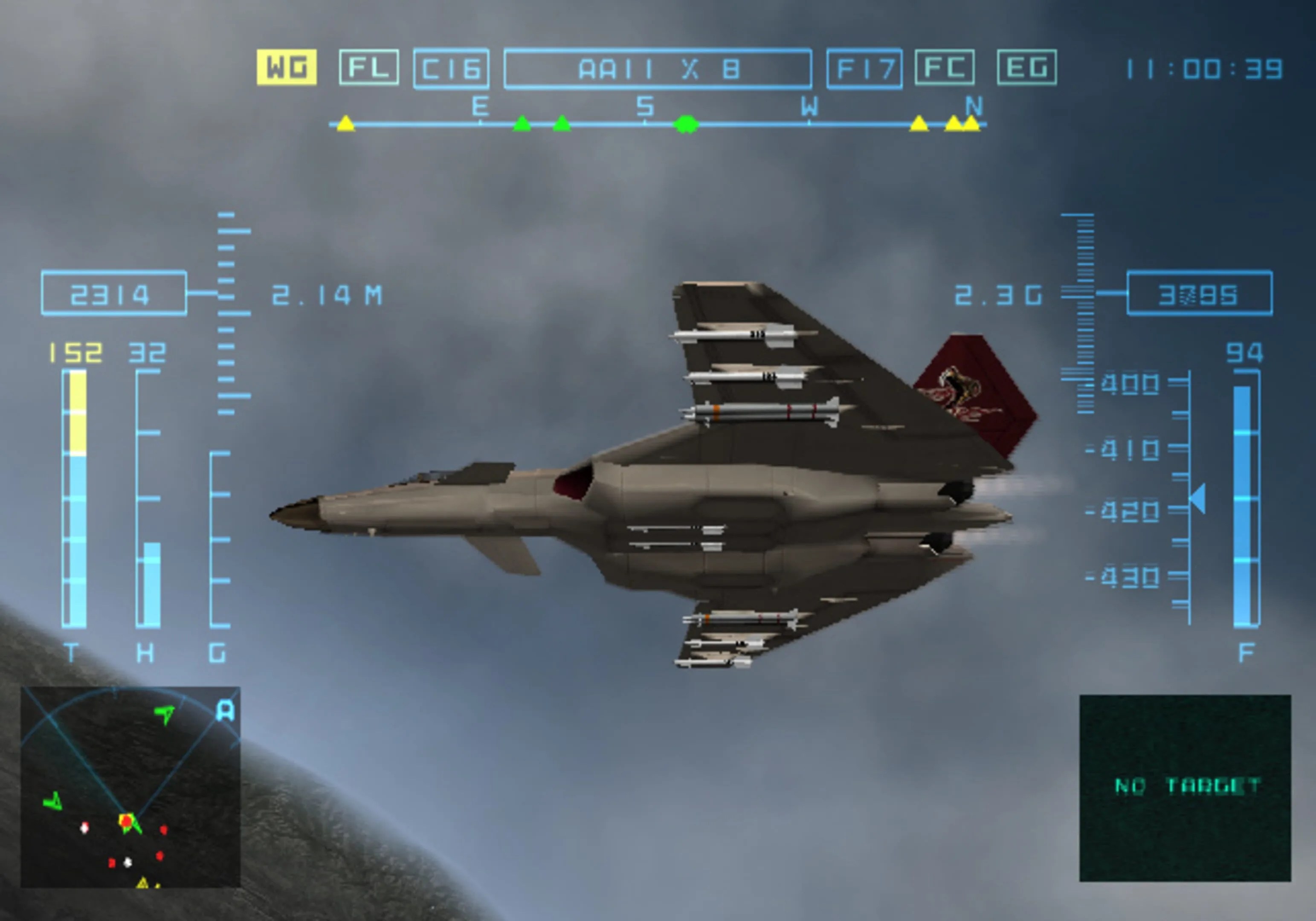
Not quite up to the quality that wasAce Combat,Lethal Skies switched developers with every entry and fell flat in a lot of aspects. It was liked for its content and visuals but felt just average with basic mission types and nothing very exciting. It also had a slow sense of speed compared to Ace Combat. Due to poor sales, this would be the final game in the series.
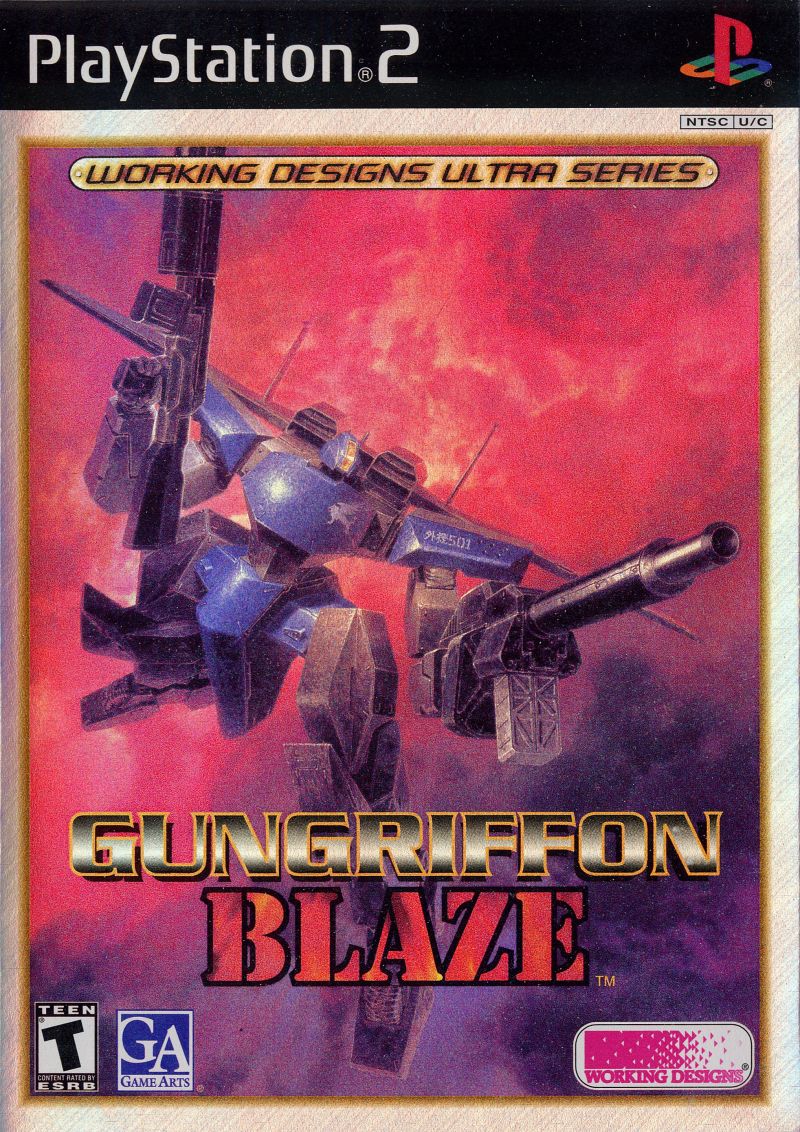
Gungriffon Blaze – 2000
Always compared to MechWarrior, Gungriffon saw a small spattering of fans, but this early PS2 title didn’t look too hot. It only had five missions so it was over in a couple of hours. This really hurt the game outside of the overall solid gameplay. It would see one final entry exclusive to the Xbox.
Most Recent Entry: Gungriffon: Allied Strike – 2004 (Xbox)
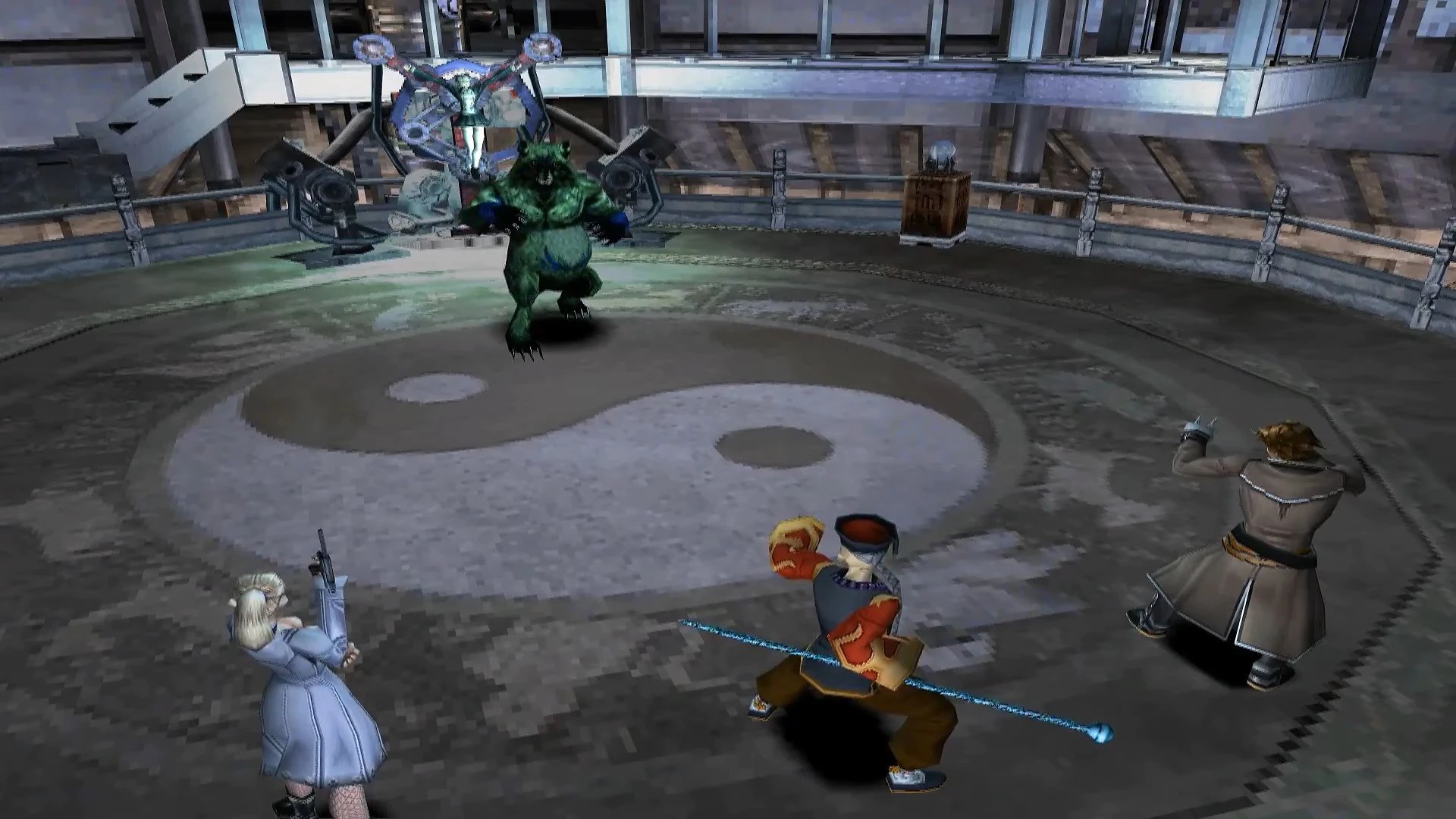
Shadow Hearts – 2001
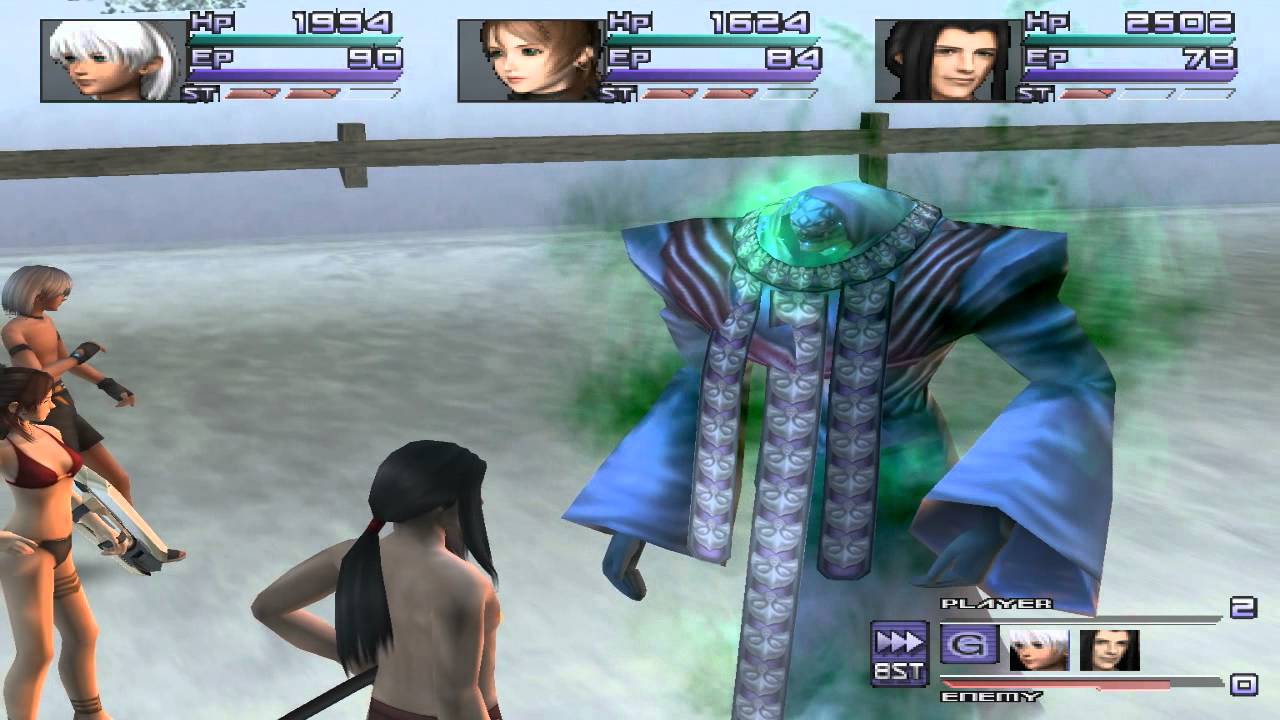
A much-beloved series that was home on the PS2. The first game had some interesting gameplay with its Judgement Ring system, but it had a shallow story and uninteresting characters. This would later be improved in the sequels. It received two sequels and hasn’t been seen since.
Most Recent Entry: Shadow Hearts: From the New World – 2005 (PS2)
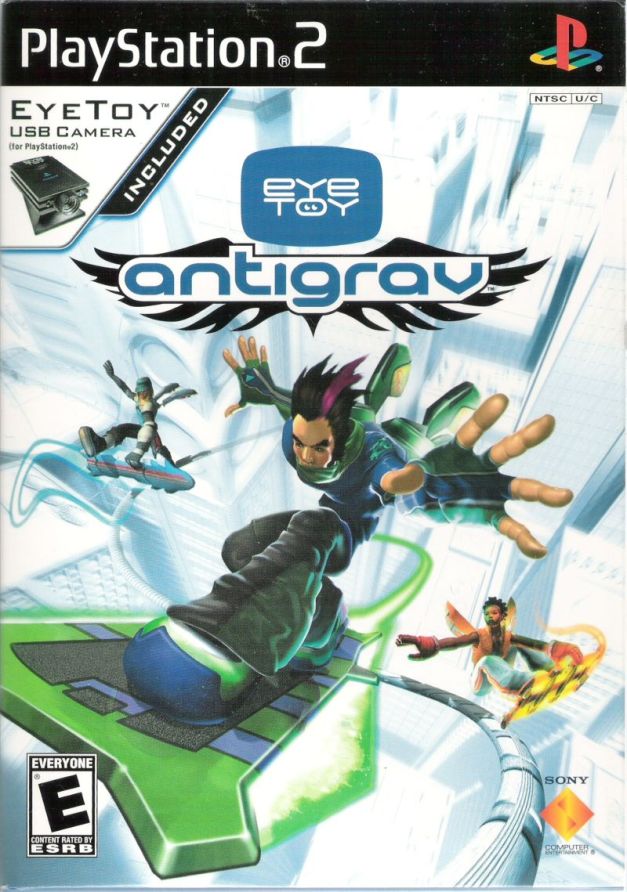
EyeToy: Groove – 2003 EyeToy: AntiGrav – 2004
The birth of motion control craze was born on the PS2. Sony released the EyeToy which was an average device that required bright lights to work. I had only AntiGrav and was most impressed when it did work. Some games were fun and some weren’t. Groove felt really slow and AntiGrav lacked a combo system. Very average, but playable. The whole series died off long after the PS3 came out.
Most Recent Entry: EyeToy Play: PomPom Party – 2008 (PS2)
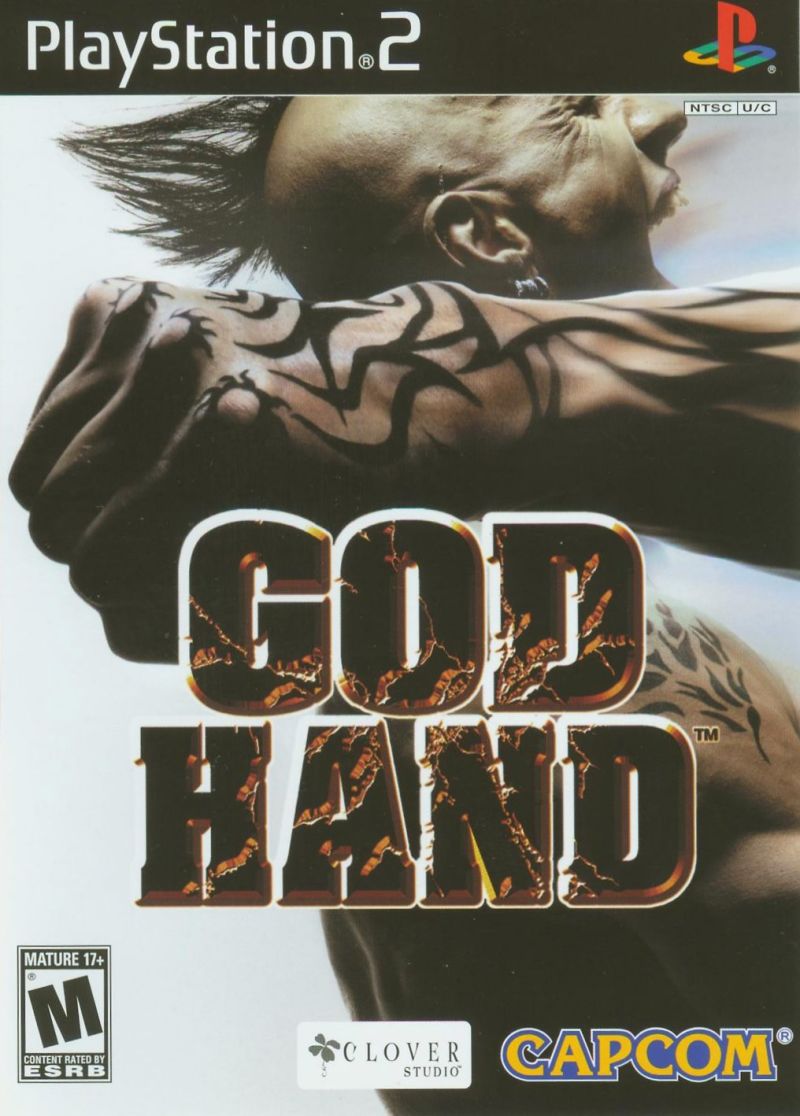
God Hand – 2005
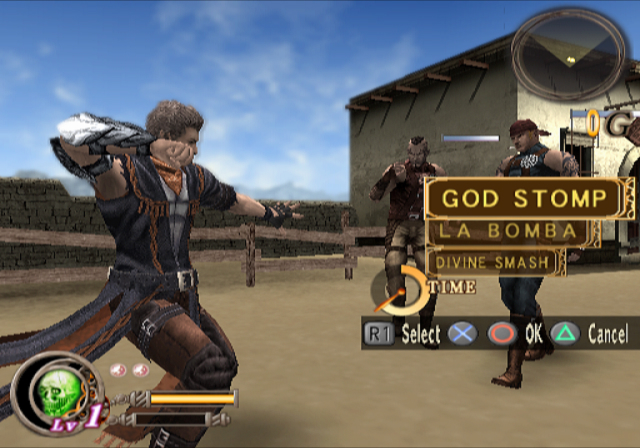
This is another cult classic. There are many fans of this game due to the studio behind it. Clover Studio is known for Okami and all of their games oozed charm and originality. God Hand was just clunky and rough around the edges, but the over-the-top action and humor reeled some players in.
Soul Nomad & The World Eaters – 2007
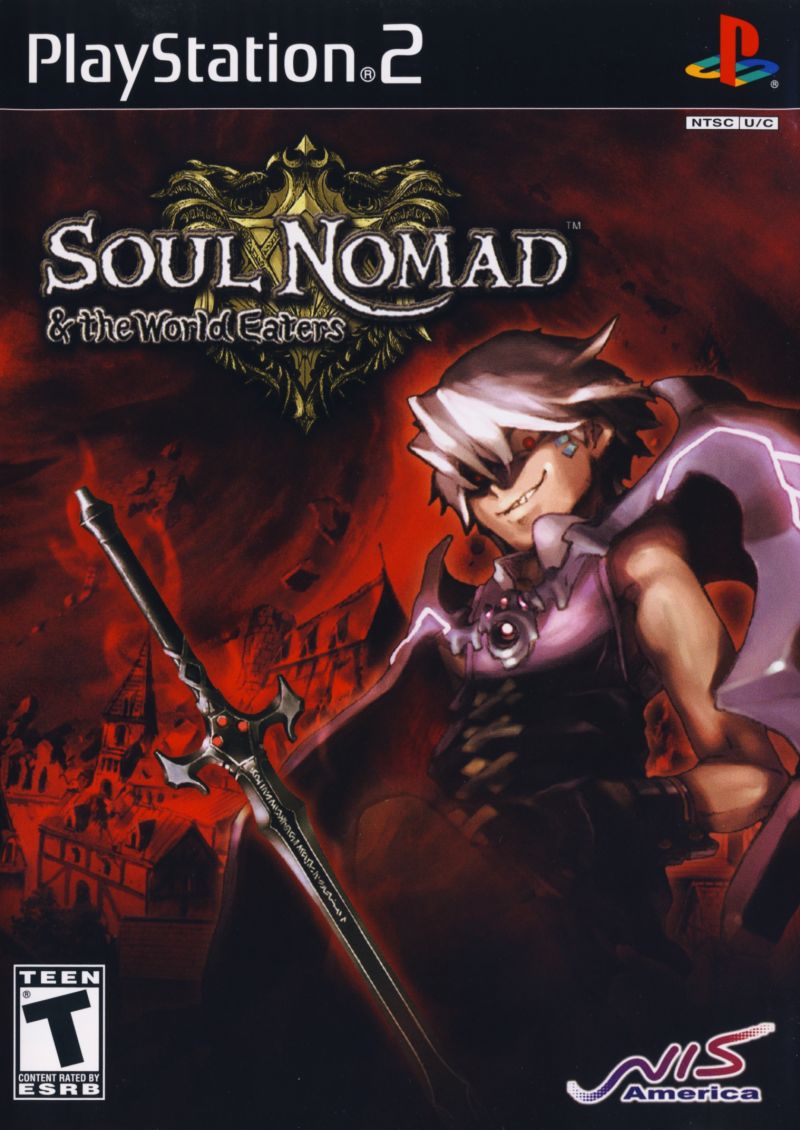
A very late release from NIS, Soul Nomadwas considered Disgaea for babies. It also emphasized room strategy over combat and many didn’t like that. It at least had a lot of charm and has a small dedicated following. It was later released in 2021 with an HD upgrade.
Primal – 2003
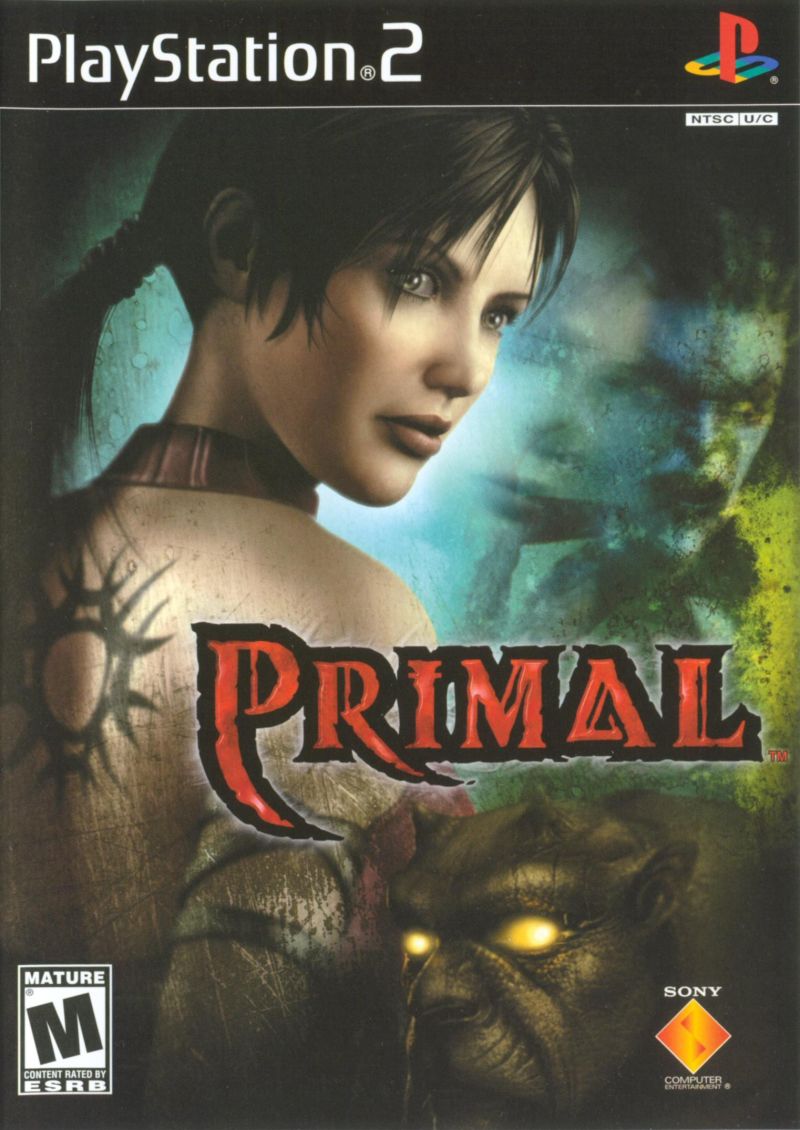
Primal has a huge following and had a lot of hype behind it. It was a AAA story-driven game that was praised for its characters and story but was a confusing mess of lock and key puzzles and gameplay that was mostly uninteresting. It’s not a bad game but didn’t live up to the hype.
Star Wars: Racer Revenge – 2002
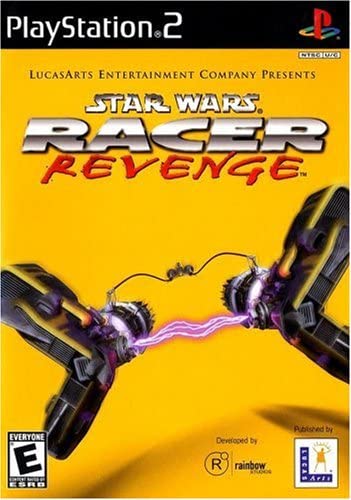
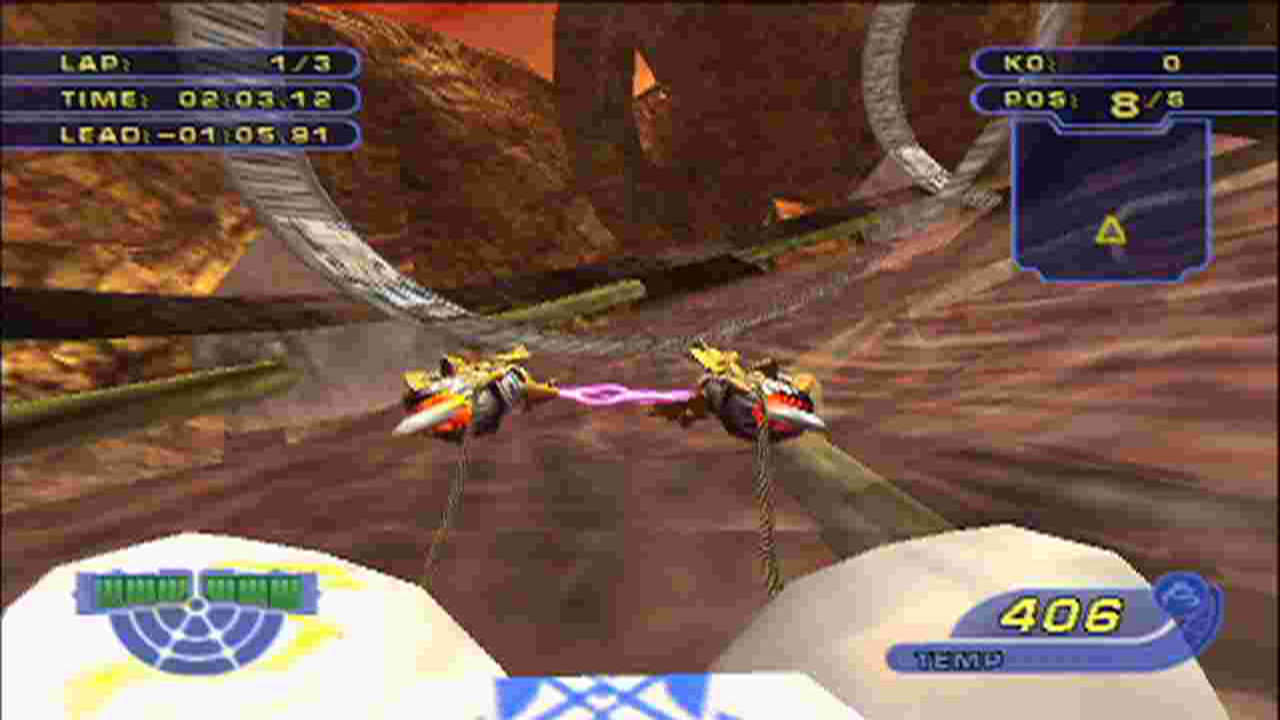
Racer Revenge was a highly anticipated sequel to the above-average pod racer. Sadly, the game felt, sounded, and look dated from the start. It felt fast and controlled well, but that was about it. It was later released for PS4 in 2016.
Tribes: Aerial Assault – 2002
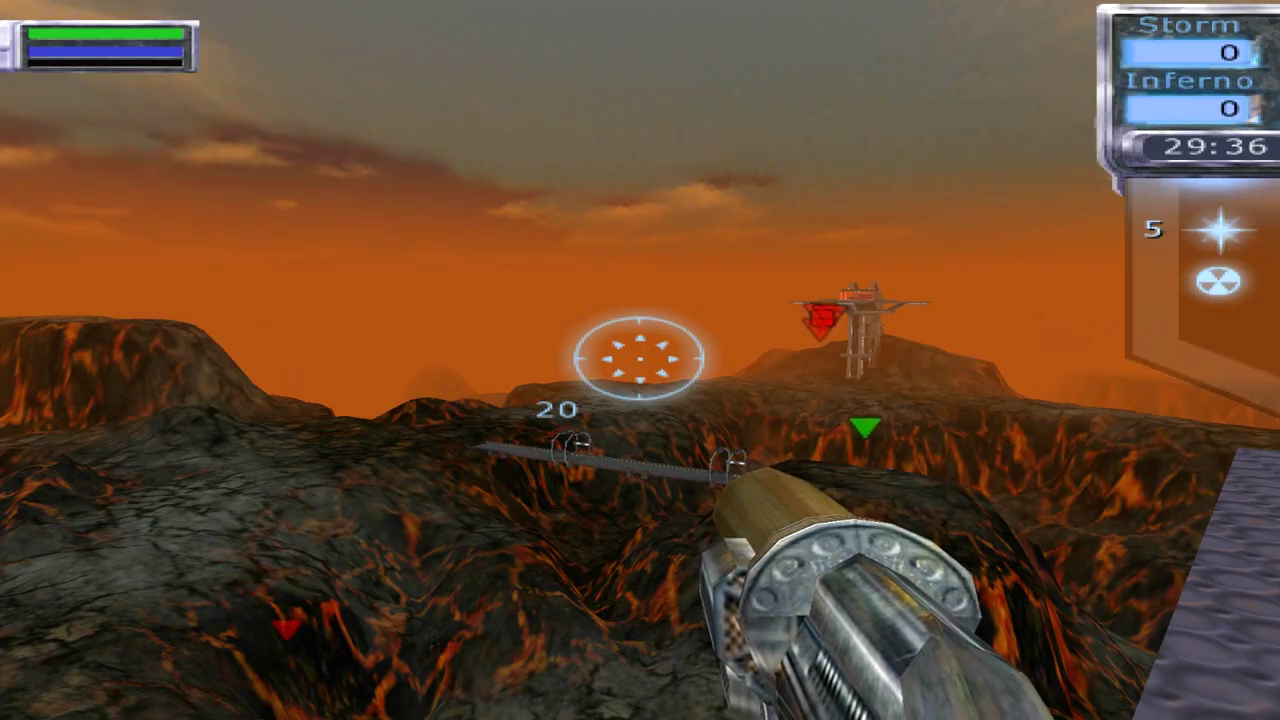
Tribes have a large fan base. The open map FPS multiplayer shooter was a huge success. It tried to achieve the same thing on consoles andAerial Assault got the job done. It looked great and felt like Tribes, but the lack of online play and voice chat meant couch competitions were needed. The series would see its final entry a decade ago.
Most Recent Entry: Tribes: Ascend – 2012 (PC)
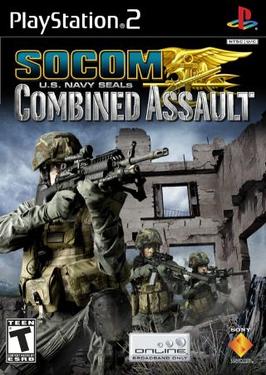
SOCOM: U.S. Navy SEALs: Combined Assault – 2006
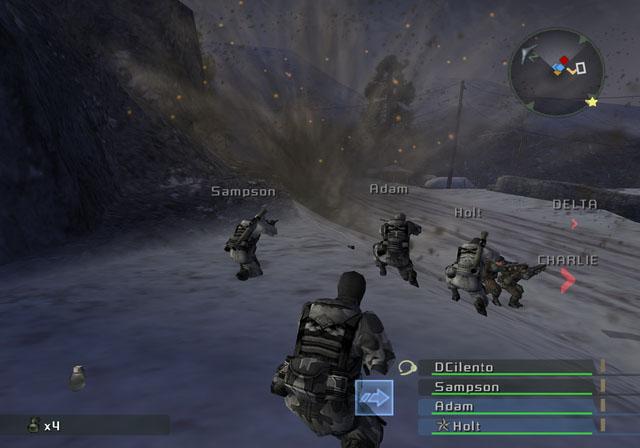
At this point in time, the PS3 was around the corner, and the SOCOM series was exhausted. The first three games were great, and it was still a fun multiplayer shooter. In fact, it was the only shooter that was popular online on PS2 that could match Halo numbers. Combined Assaultfelt like an expansion to the third game and only included 10 maps. It didn’t do anything really new. The series would finally come to an end in 2011.
Most Recent Entry: SOCOM 4: U.S. Navy SEALs – 2011 (PS3)
Bujingai: The Forsaken City – 2004
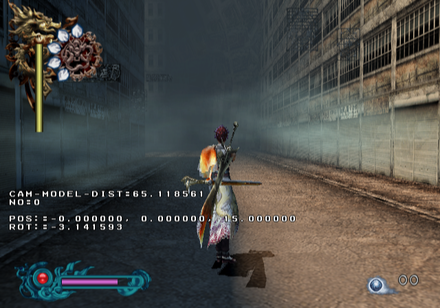
A one-shot action adventure that stars the Japanese musician Gakt. I actually played this one myself and while it oozed style it didn’t match the smooth controls of Devil May Cry. It was a clunky game with poor-level design. It looked good but fell flat everywhere including a nearly non-existent story.
Siren – 2004
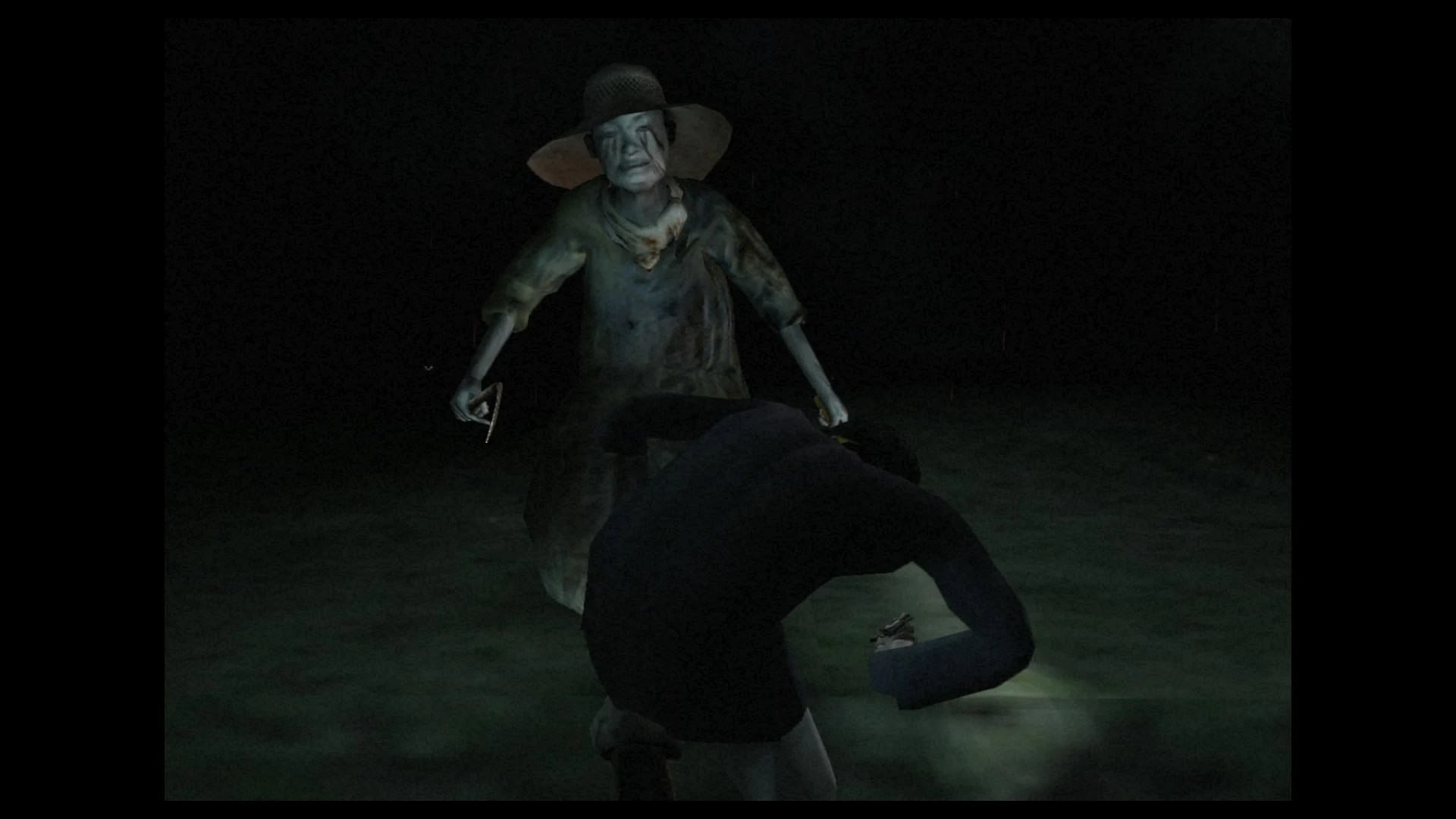
I personally love any horror game from the 90s and mid-2000s. There’s a certain charm that lets the clunky gameplay work with the scares. Siren had the scares and interesting story, but the course the clunkfest it was, and its slow pace scared gamers away. It would later get a better-received episodic sequel.
Most Recent Entry: Siren: Blood Curse – 2008 (PS3)
The Getaway – 2003
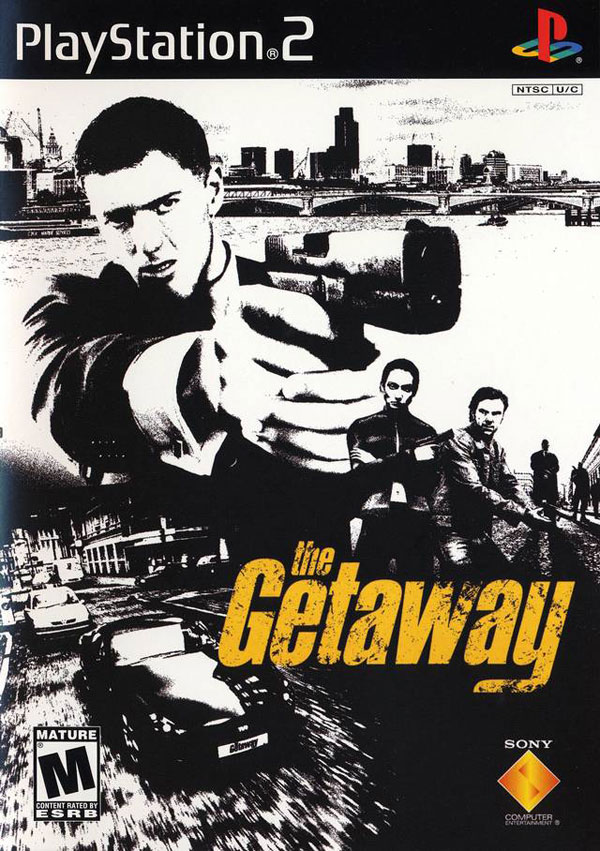
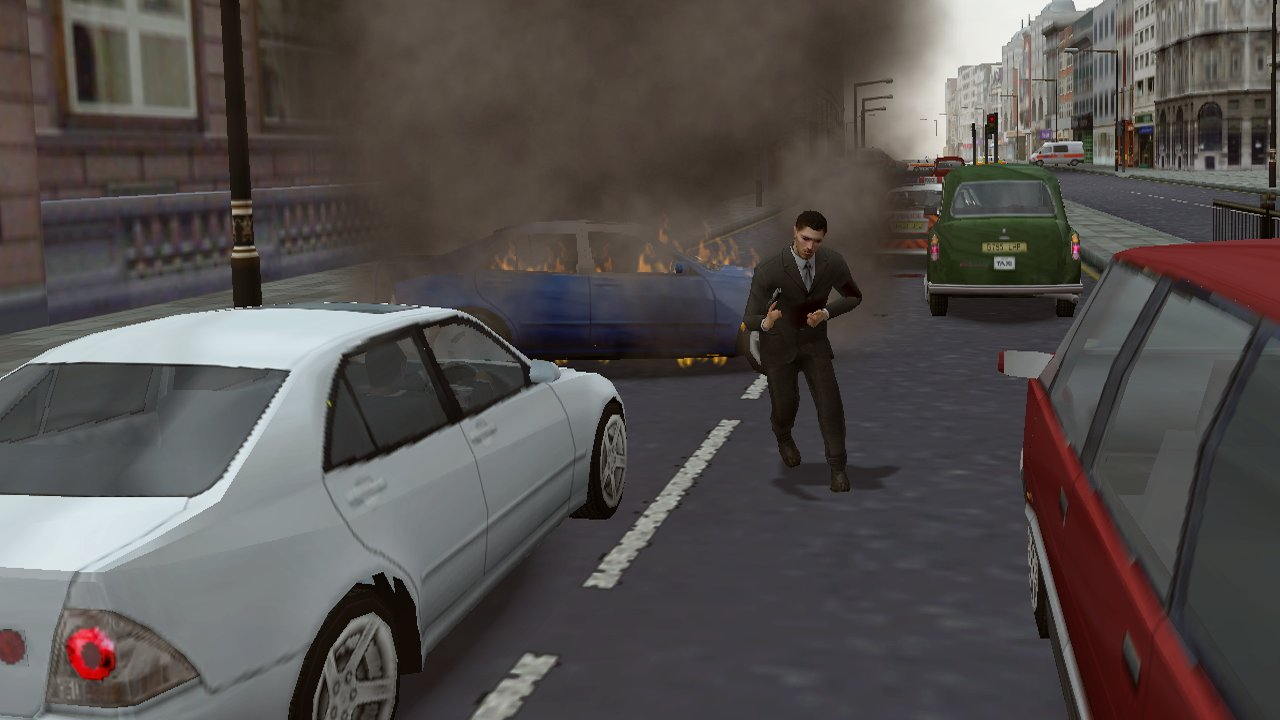
The Getaway was a AAA-hyped-up blockbuster with a cinematic story. While the story wasn’t anything special, the acting was praised and the gameplay was ambitious. It just wasn’t much fun to play. It felt stiff and overly serious in places. It also pushed the PS2 way too hard. It belonged on the Xbox. Surprisingly, the sequel faired a bit better, but the series died after that.
Most Recent Entry: The Getaway: Black Monday – 2004 (PS2)
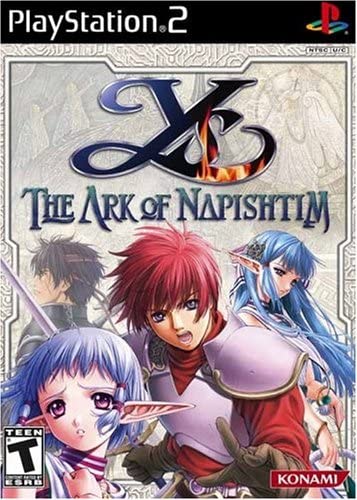
Ys: The Ark of Napishtim– 2003
Ys is an RPG that needs no introduction. It’s one of the most beloved series out there. The Ark of Napishtim was a highly anticipated sequel but fell flat due to its short length and formulaic gameplay. It’s not bad, but nothing groundbreaking, and didn’t push the series forward. It later got a remaster on PSP.
This was an expansion of the original game and it was never released on Xbox. Asking full price for a game that came out 6 months prior made people turn away. However, the series lives on to this day and is an incredibly popular Musou game.
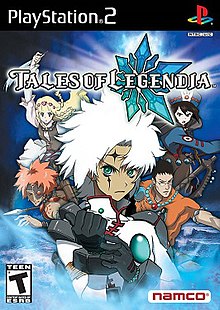
Having released late into the PS2’s life, the Tales Ofseries trucked on. Many games in the series are all over the place, but by this point, the series was growing formulaic and stale and fans wanted a refresh of the series. It still lives on to this day.
Most Recent Entry: Tales of Arise – 2021 (PS4, PC, PS5, XONE, XSX)
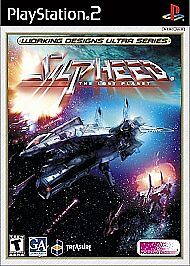
Silpheed: The Lost Planet – 2000
Silpheed didn’t get too many games, but the PS2 entry was praised for its stunning visuals but lacked exciting gameplay to follow. Many kept saying it felt better in the arcades than at home. The series got one final entry as a paltry mobile game in 2011.
Most Recent Entry: Silpheed Alternative AM – 2011 (AND)
Super Dragon Ball Z – 2005 Dragon Ball Z: Budokai Tenkaichi – 2005
The Dragon Ball Z series was a yearly mega-hit and still is. These two games were PS2 exclusives and offered a great cast and the feeling of the show, but lacked gameplay, variety, and depth.
Most Recent Entry: Dragon Ball: The Breakers – 2022 (PC, NS, XONE, XSX, PS4)
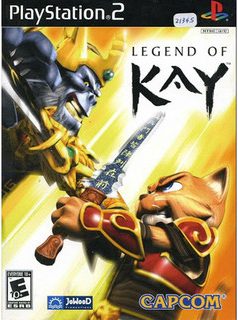
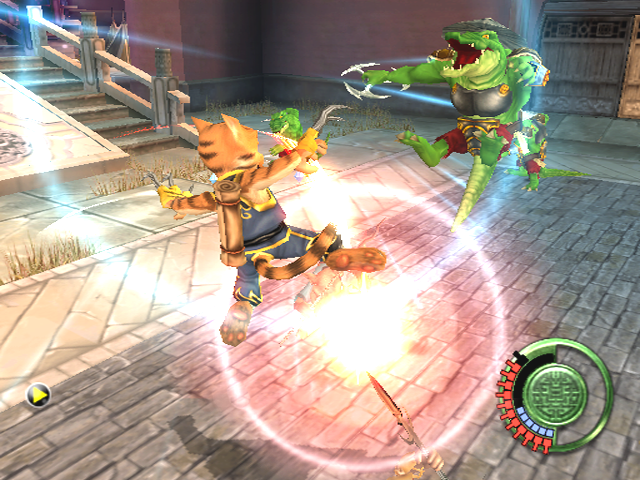
Legend of Kay – 2005
Legend of Kay has a cult following. It was a light-hearted mascot platformer of the day but felt like it was geared toward kids too much and had an awful performance and camera. The Anniversary release is a bit better.
Most Recent Entry: Legend of Kay Anniversary – 2015 (MAC, NS, PS4, PS3, WIIU, PC, X360)
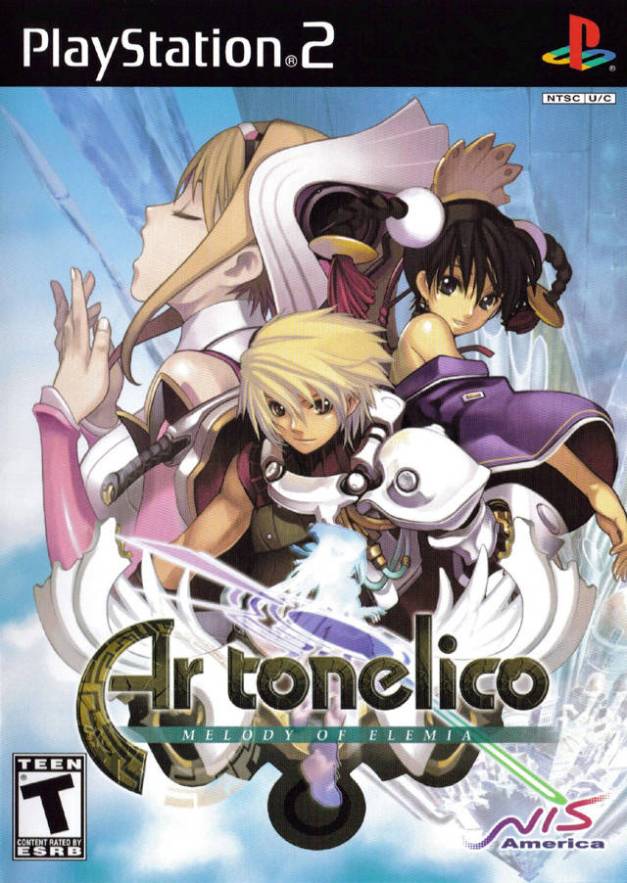
Yes, it was released very late in the PS2’s life and it might be why it was reviewed so poorly. However, I absolutely loved this game’s soundtrack. The Japanese operas were amazing. I have the limited edition hanging on my wall to this day. Despite the amazing soundtrack and interesting characters, the game dragged on too long and there wasn’t enough exploration. The first game was welcomed thanks to its simple combat and fun item farming but also suffered from a lackluster story. It felt very linear. The series would come to an abrupt end in 2014.
Most Recent Entry: Ar nosurge: Ode to an Unborn Star – 2014 (PS3, Vita)
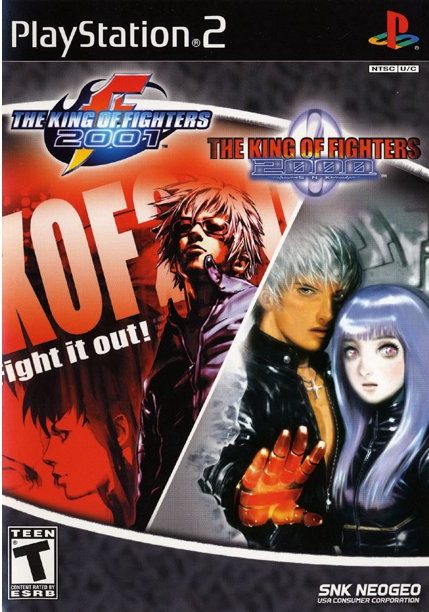
The King of Fighters 2000/2001 – 2003
A lack of overall content is what hurt this compilation. It also didn’t have an online play which was expected on the console at this point. It’s still a solid port of the arcade game just not up to snuff for a console game.
Most Recent Entry: The King of Fighters XV – 2022 (PC, PS5, PS4, XSX)
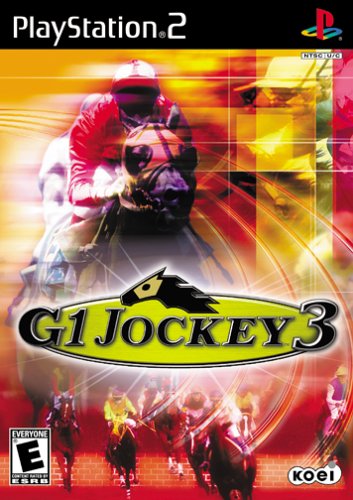
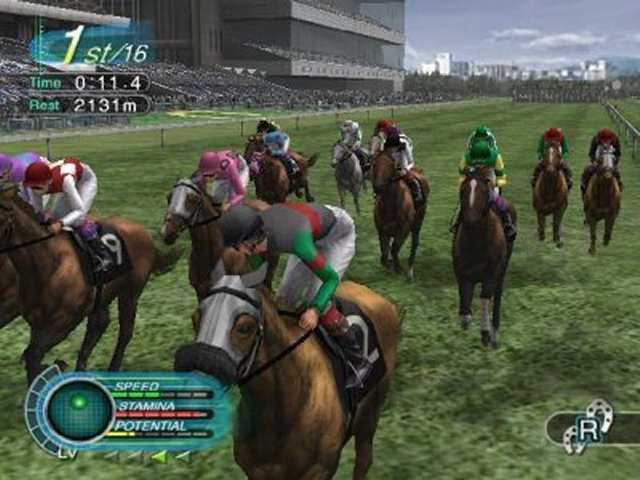
G1 Jokey 3 – 2003
For some reason, horse racing games had a following. My own sister was one of them and loved Gallop Racer. While I never got into the games they did look interesting. G1 Jokey was the rival to Gallop Racer. This game was much harder to get into and had a steeper learning curve. It looked great, but many kept comparing the two. The series came to an end in 2011.
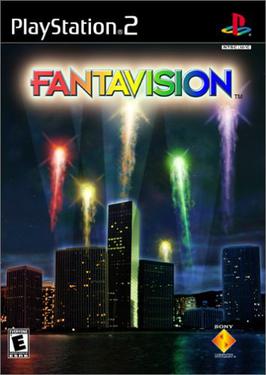
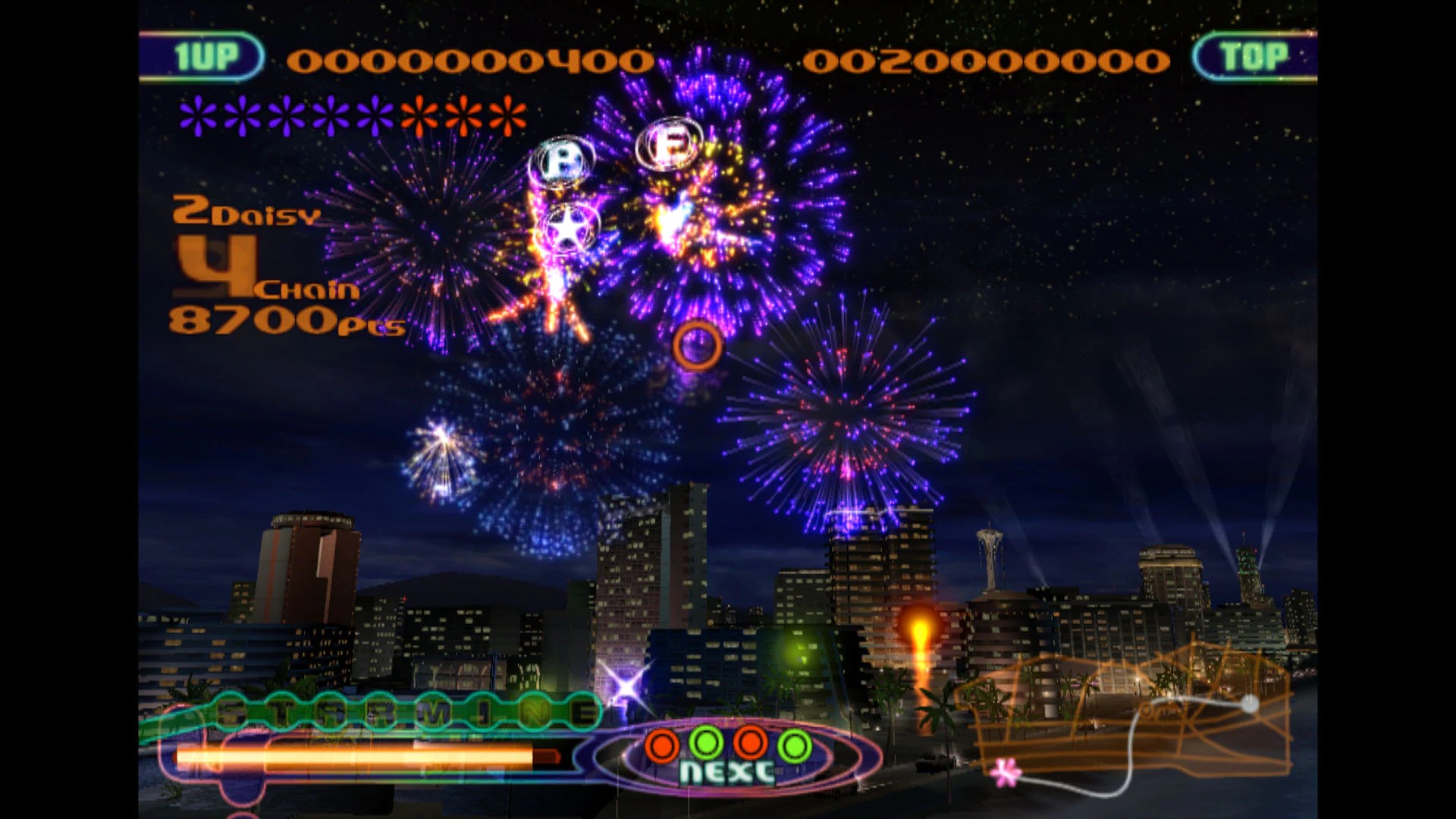
As an early PS2 game, the particle effects were impressive but all we had was a fireworks sandbox with little gameplay or variety. It looked pretty, but that was about it.
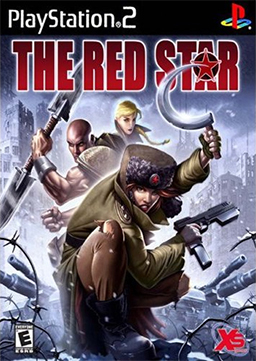
The Red Star – 2007
The Red Star was a sleeper hit that was released late in the PS2’s life. It wasn’t anything special. Just a decent beat ’em-up with multiplayer that was released for only $20. It was later released for PSP, PS3, and iOS.
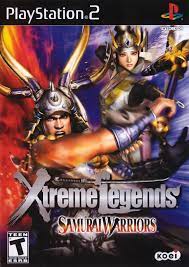
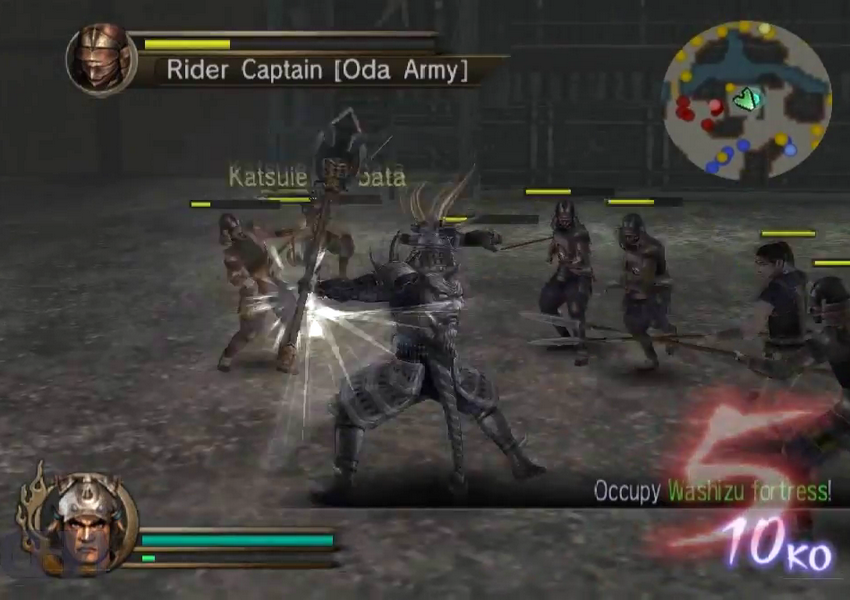
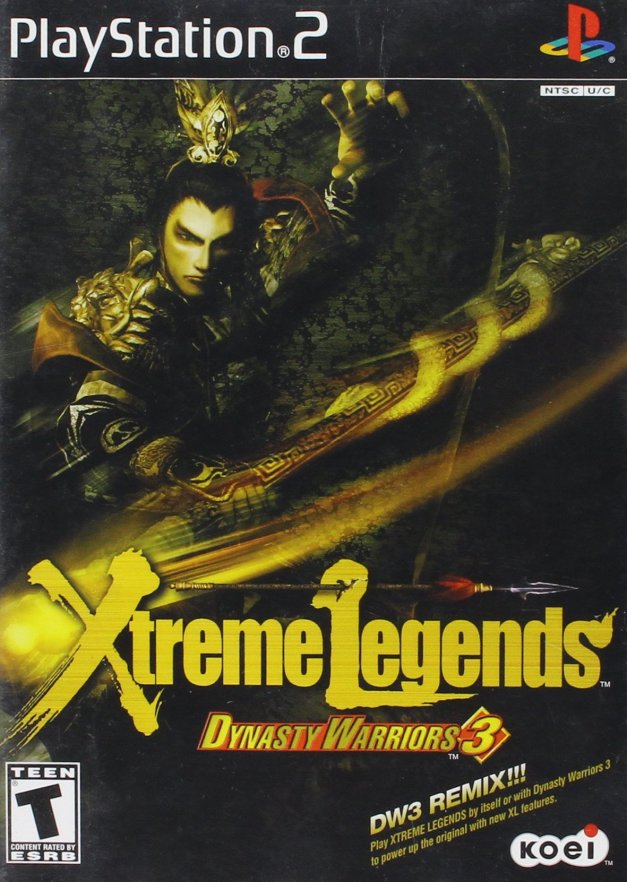
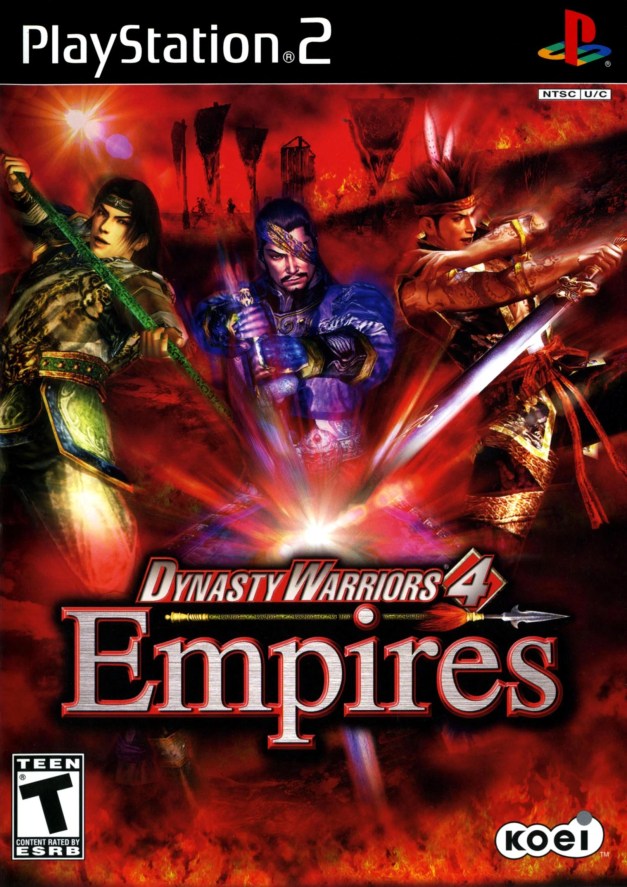
Dynasty Warriors is a game of spotting the difference. An incredibly popular Musou series. In fact, it’s considered the best in the genre. However, these two games came out in the same year. Come on Koei. Despite the sheer amount of content in each game if you’ve played one you have played them all. The series lives on today albeit with much lower quality.
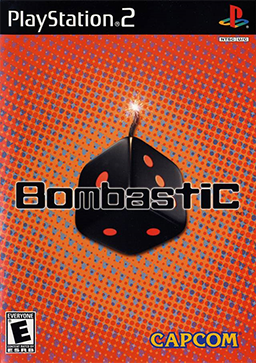
While praised for its unique take on dice rolling and math. The game was rather one note and lacking in the visuals department. It’s one of those unique PlayStation games that you can only get on these systems.
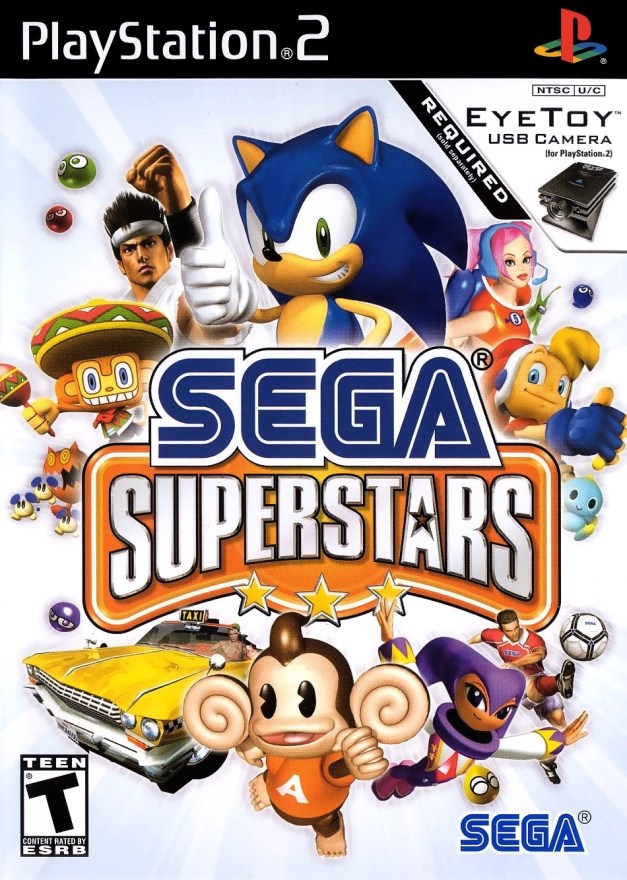
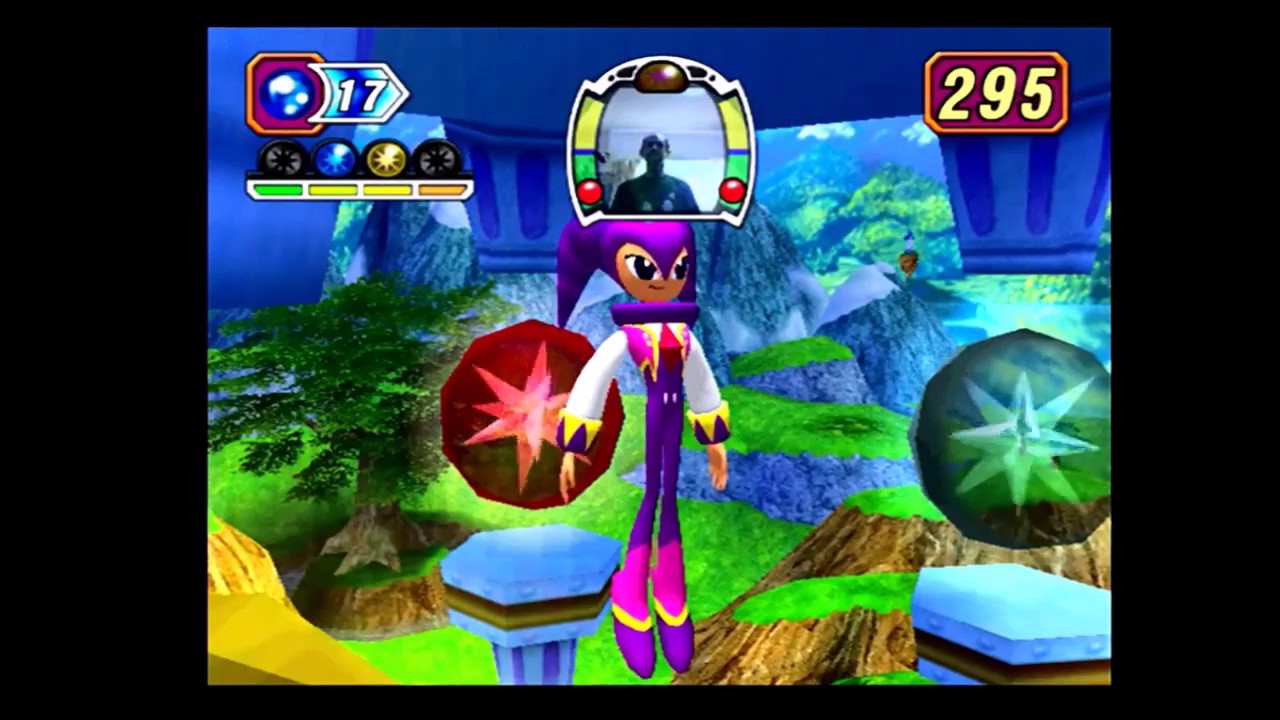
Sega SuperStars – 2004 Sega SuperStars Tennis – 2008
Yep, you know the drill. A gimmicky set of mini-games for a motion device that’s fun for a couple of hours and gets old quickly. Sadly, this one didn’t even offer multiplayer. The series died off a few years later as a tennis game. It’s fun for kids but that’s about it. It would later spawn a sequel that was cross-gen and fell flat compared to other mascot tennis games.
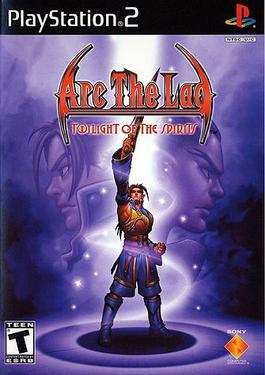
Arc the Lad; Twilight Spirits – 2003
Arc the Ladis a cult favorite PS1 RPG. The PS2 entry was highly anticipated and while it excels in storytelling it doesn’t offer anything but average gameplay and a lack of memorable dungeons. Overall, it’s still a solid entry but there are better RPGs on the system. Sadly, the series would come to an abrupt end and hasn’t been seen since.
Most Recent Entry: Arc the Lad: End of Darkness – 2004 (PS2)
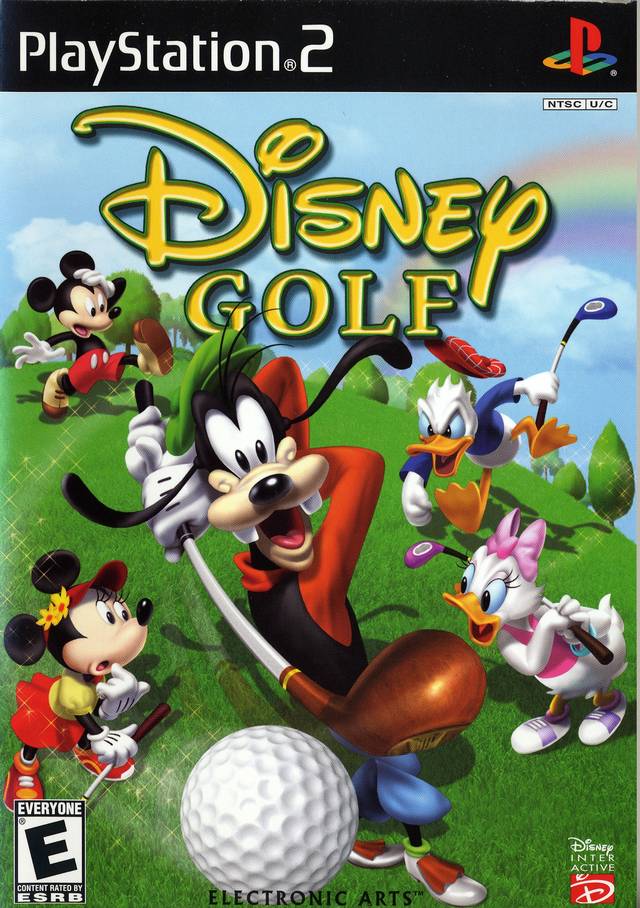
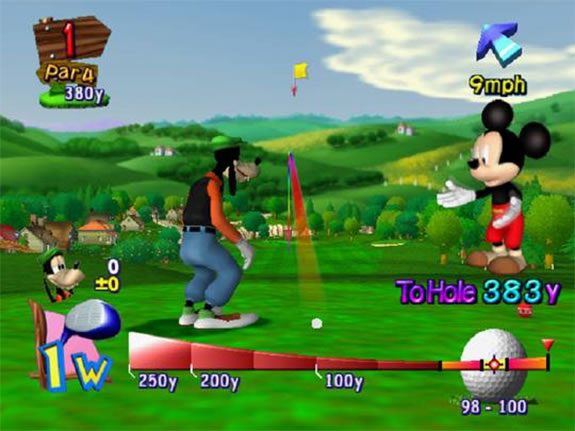
Disney Golf – 2002
If you like Disney and golf this is your game. While it looked colorful and even sounded the part, the game was very arcade-like and too easy for adult gamers. It’s still charming and relaxing enough to play for adults.
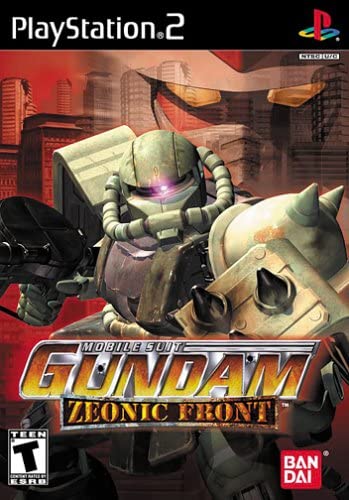
Mobile Suit Gundam: Zeonic Front – 2002
The Gundam license has been used for games since the 8-bit era and continues on to this day. This particular PS2 exclusive just so happened to be almost great. Its strategy elements were praised, but the action was clumsy with terrible AI. It’s worth a look for hardcore fans.
The game had shallow combat and gameplay, but creating your own creatures and watching them come to life had a lot of charm. If you can look past the average combat then you have one of the most unique games on the system. This game oozes that signature PlayStation charm.
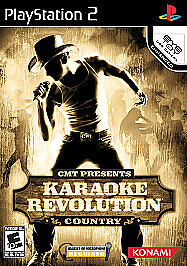
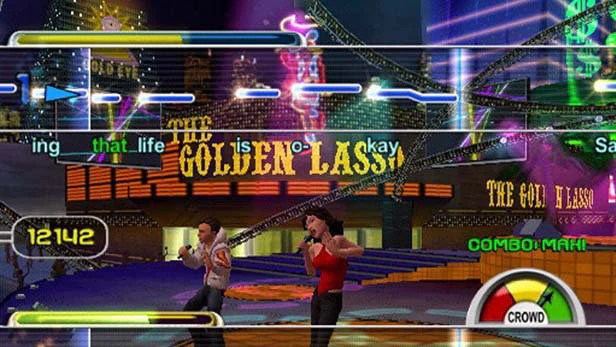
CMT Presents: Karaoke Revolution – Country – 2006
Well, take it or leave it with the title. This was Konami’s challenge to Sony’s SingStar and it was quite popular for a while. It relied on the gimmicky motion controls of the time but died out eventually in 2011.
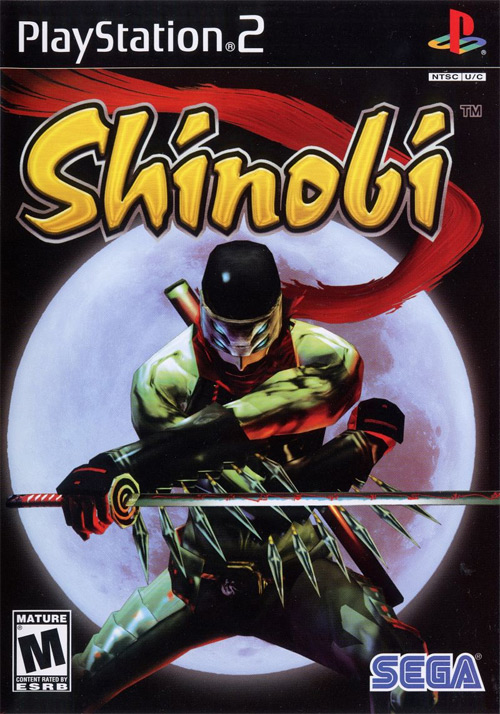
The series made a radical reboot on the PS2 and was loved quite well. It looked good, played fast, and had some crazy combos, but the game was insanely hard. I remember renting this as a kid and turning it in the next day. It was brutal after the second stage. A cult classic and well-loved among fans.
Most Recent Entry: Shinobi – 2011 (3DS)
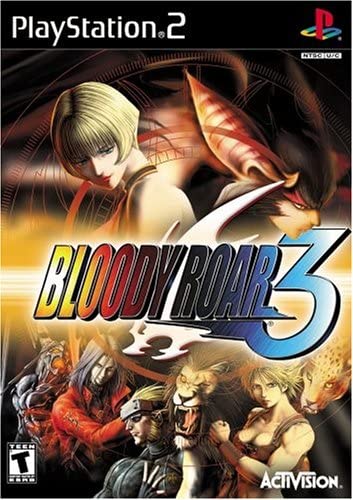
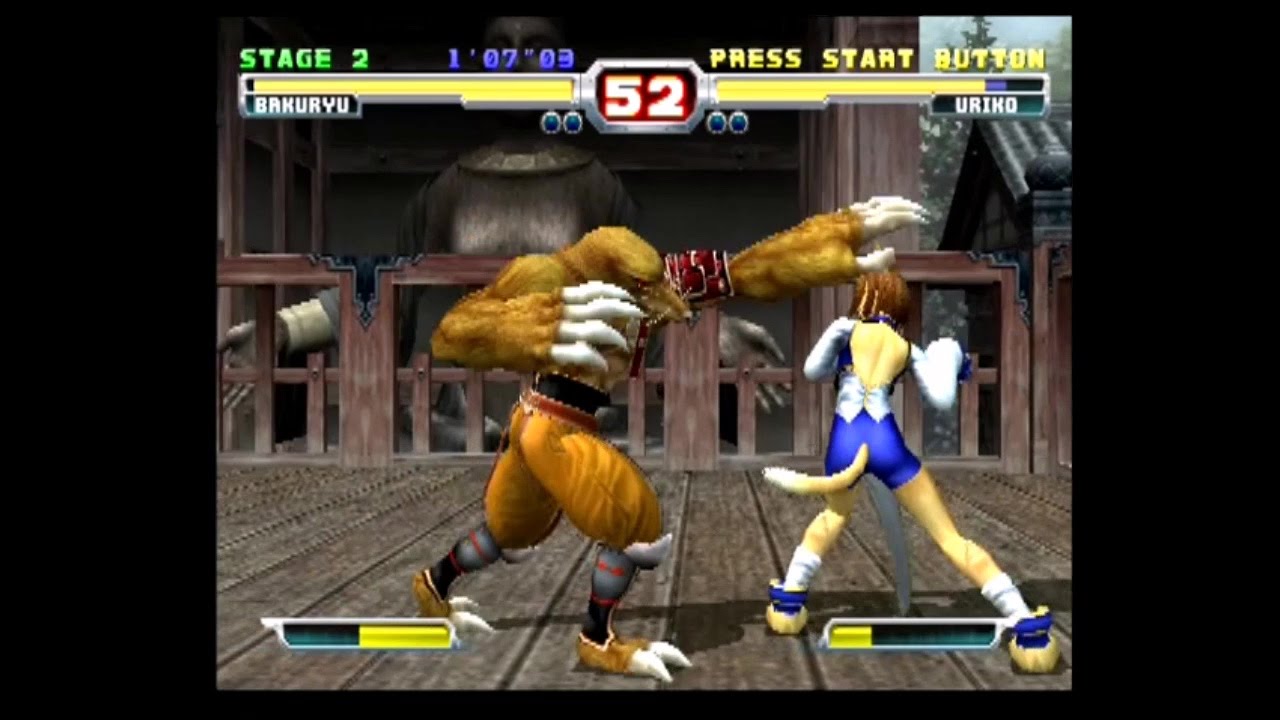
Bloody Roar 3 – 2001
The Bloody Roar series has never been considered great. A fun series for newbie fighters. The third game looked amazing at launch but was too simple compared to other 3D fighters at the time. The series lived on for a couple more years and we haven’t seen it since.
Most Recent Entry: Bloody Roar Extreme – 2003 (Xbox)
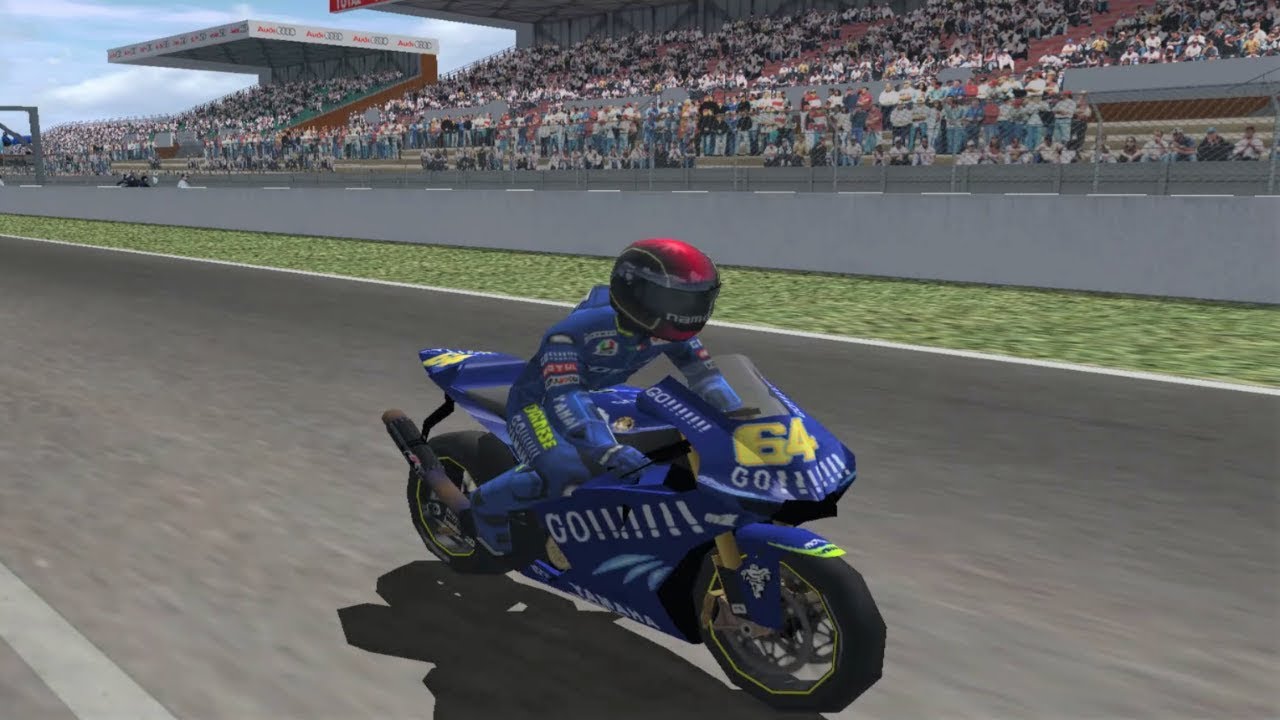
MotoGP 4 – 2006
The game came out too late and was overshadowed by the previous game’s impressive Xbox outing. While the Xbox was long dead by 2006, the weaker system tried its best and the physics were great, but the superbike scene was hyper-competitive around this time. Thankfully, the series still lives on with lots of ups and downs.
This game was a surprise when it was released. Being an obviousMario Kartclone theStar Wars IP was the last anyone would think that could create a good kart racer. The game had a great sense of speed, felt and looked like aStar Warsgame, and was a lot of fun. There just isn’t a lot of content.
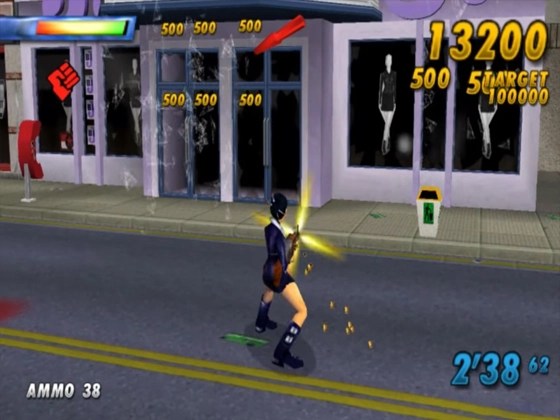
State of Emergency – 2002
The game was praised for its frantic and chaotic action, but had repetitive missions and was very one-note. It has a cult following because of Rockstar’s name attached to it. It saw a late sequel that fell under everyone’s radar.
Most Recent Entry: State of Emergency 2 – 2006 (PS2)
P.T.O. IV: Pacific Theater of Operations – 2003
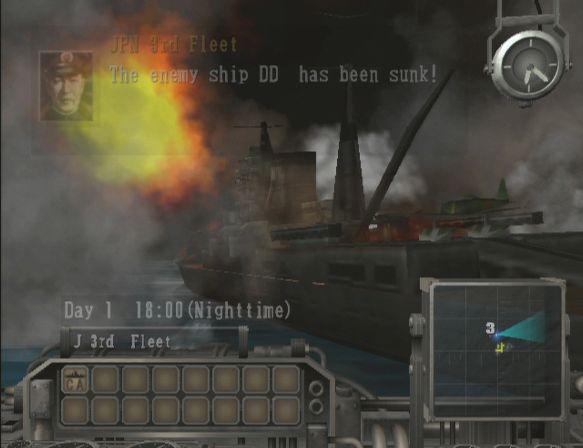
This marine strategy game is quite bland, but the tactics themselves work well. It’s not an exciting game, and there’s a very small niche group of gamers who like these types of games. This was an attempt at a reboot for the series that failed pretty hard. It should have been on PC or Xbox.
Resident Evil Outbreak – 2004
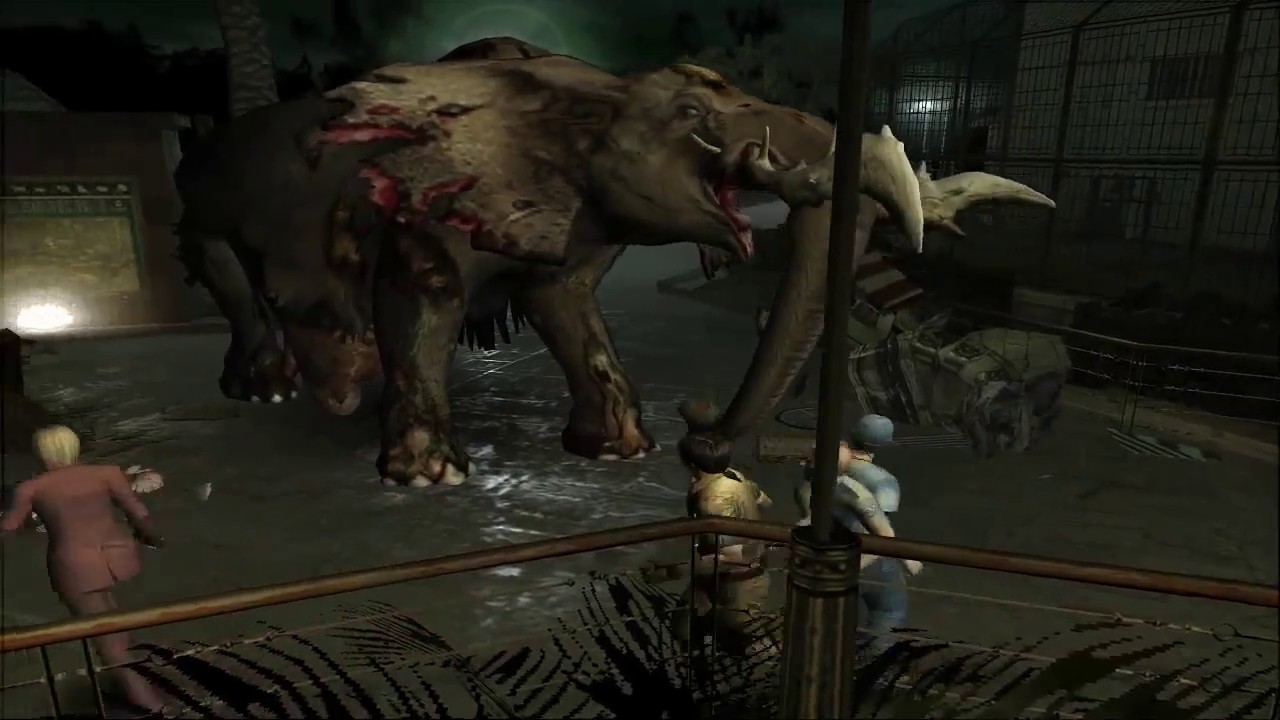
The Outbreak series was an interesting concept. While it’s better received today back in 2004 we had just been blessed with Resident Evil 4 so any game that went backward was looked down on. The online component, visuals, and improved controls were appreciated but the story was uninteresting.
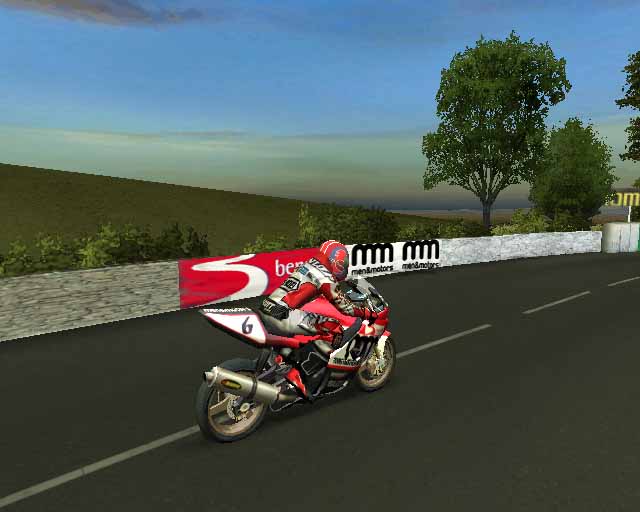
Suzuki TT was considered a low-budget effort at the superbike craze of the mid-2000s. While you had the end ofTourist Trophyand MotoGP, this was at the lower end. Its authenticity was appreciated, but it had twitchy handling and only a single track. The series went on for a few more years though.
Most Recent Entry: Suzuki TT Superbikes: Real Road Racing Championship – 2009 (PS2, PS3)
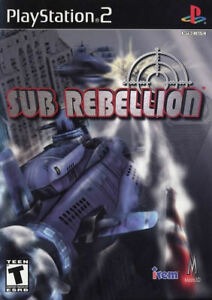
Sub Rebellion – 2002
This weird exclusive was well-liked for its challenging gameplay, but low production values plagued the game and it felt quite generic. It’s still a fun shooter and unique to the system.
Gallop Racer 2001 – 2001 Gallop Racer 2004 – 2004
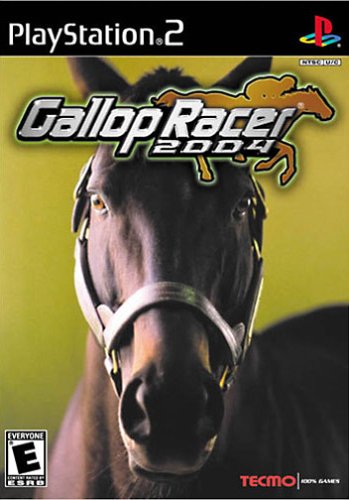
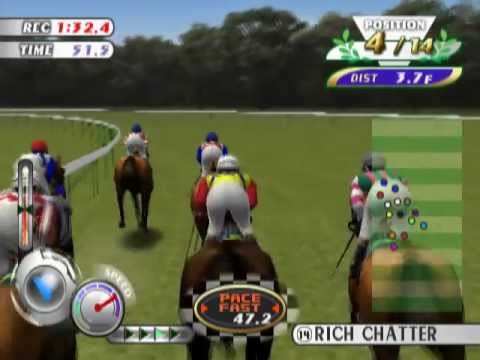
Gallop Racer was the gold standard for horse racing games. Yeah…well…if that’s your thing. My sister was really into this series, and while it was very niche, the series continued on for a few years and was praised for fun betting systems and being able to breed your own horses.
.hack//Outbreak: Part 3 – 2002 .hack//Quarantine: Part 4 – 2003
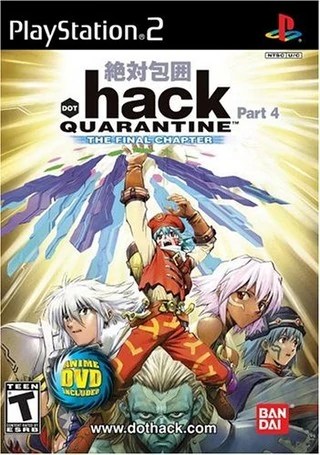
At the halfway mark people were tired of the padded-out nature of the .hack series. While it’s a beloved series today the game was split up into four parts that would take around 20 hours per game to finish. You really had to love the anime or the gameplay here to truck on.
Most Recent Entry: .hack//G.U. Last Recode – 2017 (PS4, PC)
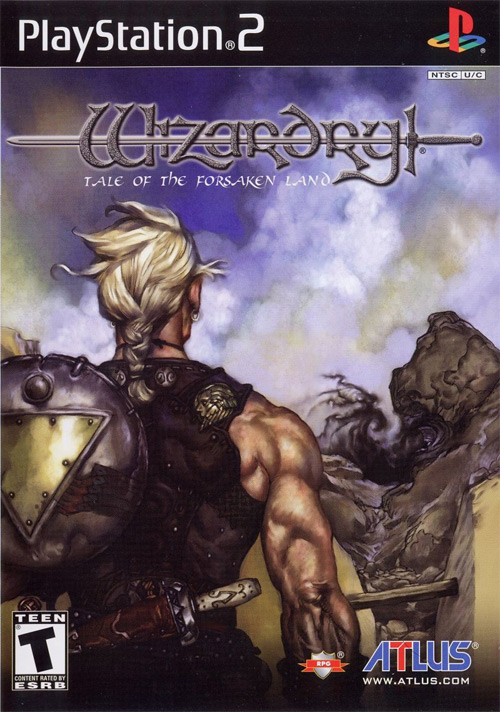
Wizardry: Tales of the Forsaken Land – 2001
An early PS2 game that took the PC games and brought them to consoles. It’s buried under an awful UI and dated gameplay, but fans of the old dungeon crawler will get lost in the world here. Just push past the ugliness and there might be a gem in there somewhere.
Most Recent Entry: Wizardry: The Five Ordeals – 2021 (PC)
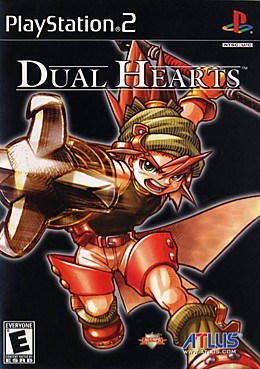
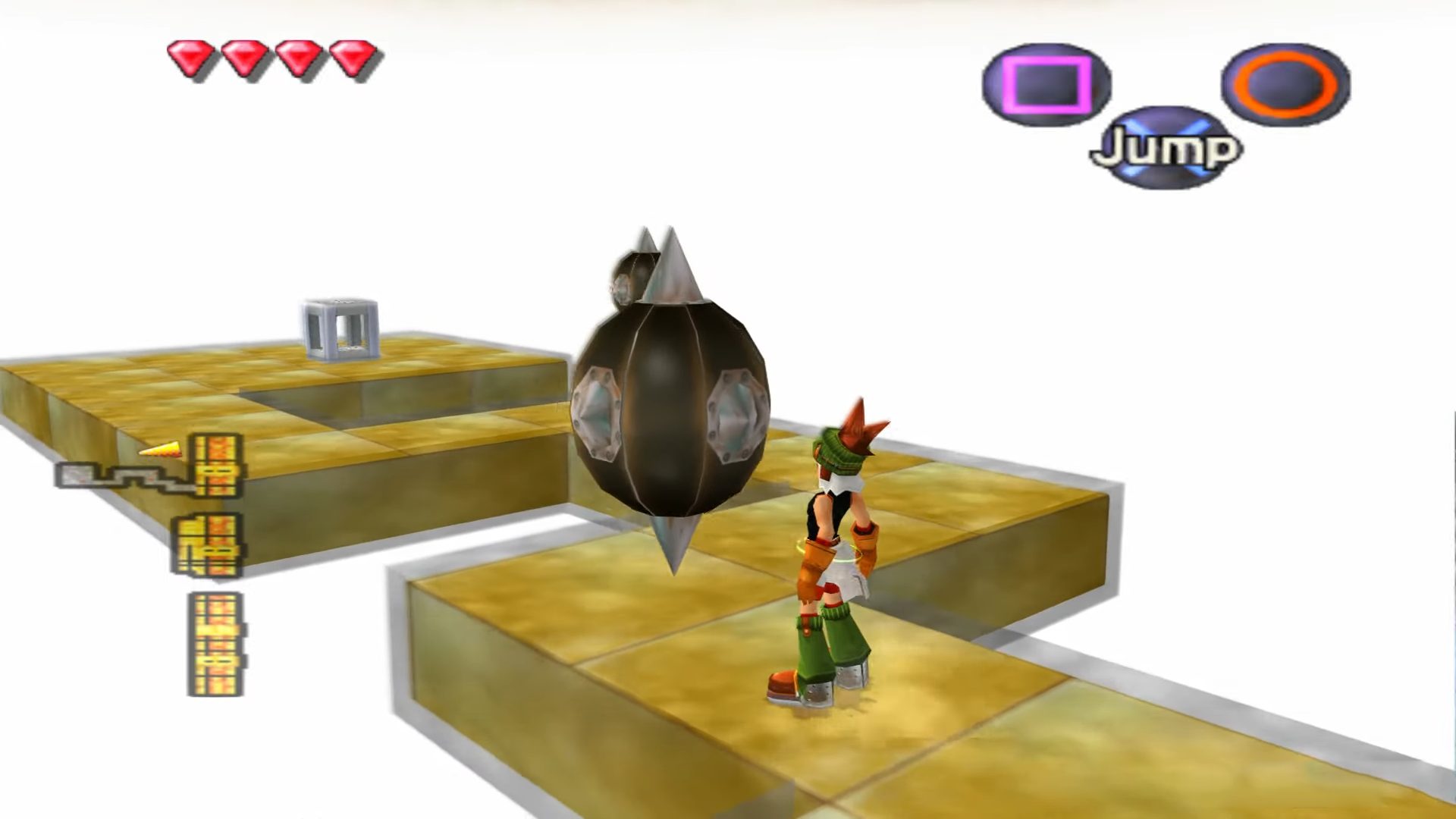
Dual Hearts – 2002
This is an Atlus game so you know there’s a cult following. This one-shot PS2 RPG was unique and quirky but was marred by technical problems such as heavy slowdown and other issues. It’s still charming and has that unique PS2 feel to it.
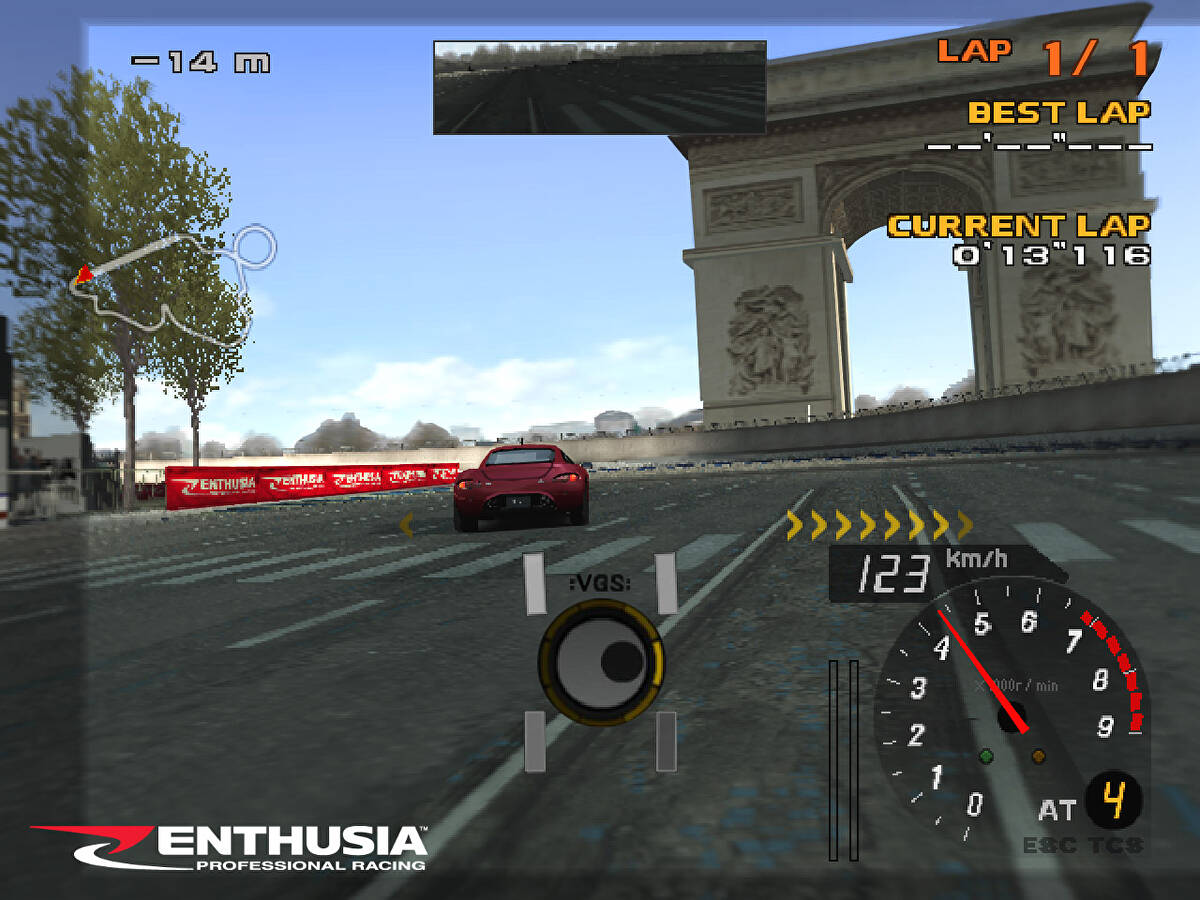
Enthusia: Professional Racing – 2005
This was Konami’s attempt at a Gran Turismokiller. If the game were put on Xbox it might have done better. Everyone praised the game for the effort put into it, and I clearly remember seeing this game hyped up in magazines but falling flat due to a lack of content. The career mode was over fairly quickly compared to other racing sims at the time.
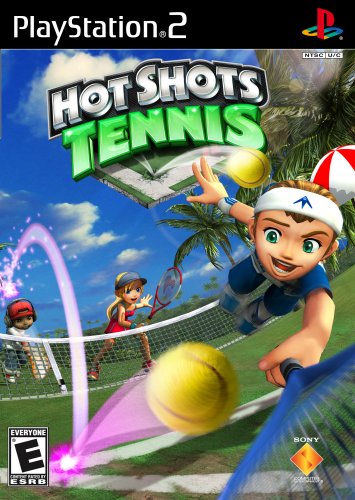
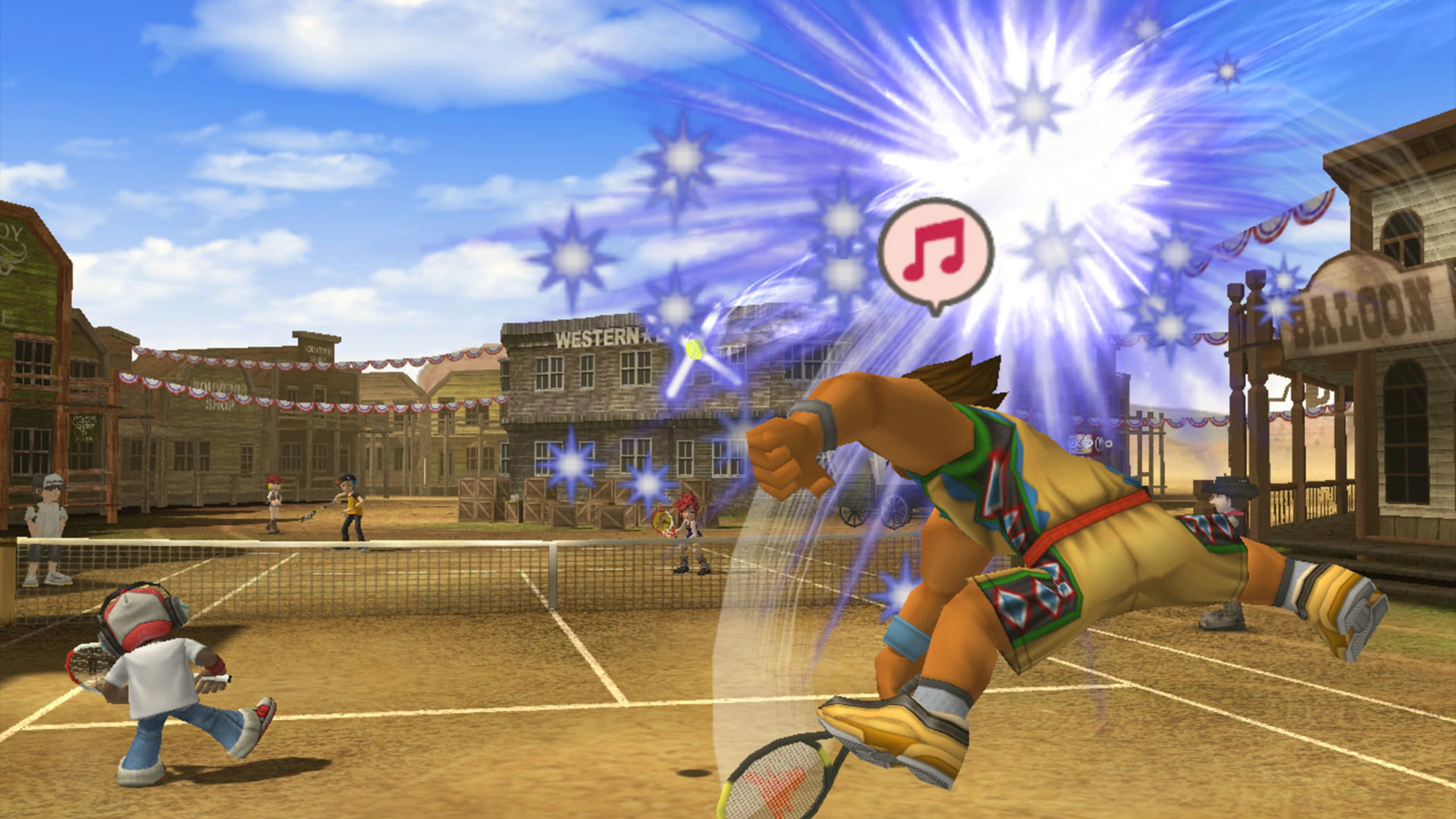
Hot Shots Tennis – 2007
Releasing very late in the system’s life no one really paid attention to this series anymore. The game was light-hearted and fun, but too easy. The series would get one final game on the PSP a few years later.
Most Recent Entry: Hot Shots Tennis: Get a Grip – 2010 (PSP)
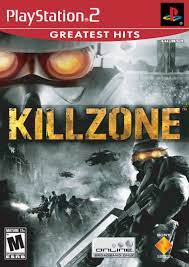
Killzone – 2004
Oh boy, this game needs no introduction really. This was the infamous Halo killer. One of the most hyped-up games in video game history. I remember getting this game for Christmas of 2004 and was ready for it. Sadly, the game fell flat quite a bit, however not all was lost. The game did look good for the underpowered system despite the low framerate. The weapons were unique, and the Nazi-Esque dystopian world was praised, but the story and character fell flat. The game suffered from long reload animations that were impressive, but unnecessary. It was far from the fast-paced and tight gunplay that was Halo 2. Online play was decent and fun, but this game was very slow. The weapons had weight which was good, but the gray color palette was also not very appealing. It was also very short on top of all of this. In the end, it was an impressive effort and Guerrilla went on to be one of Sony’s flagship developers and the series did improve.
Most Recent Entry: Killzone: Shadow Fall – 2013 (PS4)
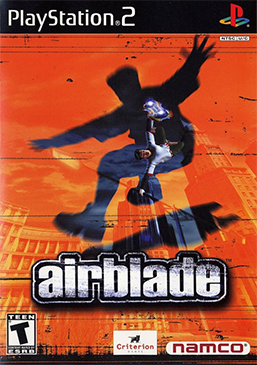
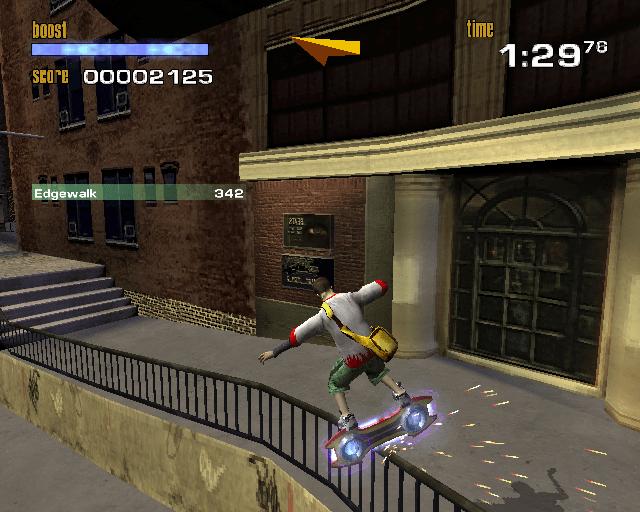
AirBlade – 2002
Namco made an attempt to throw their hat into the Xtreme Sports ring. Everyone wanted that Tony Hawk fame. While the game looked good and had its own style, it just didn’t have the same flawless gameplay as the Tony Hawk series.
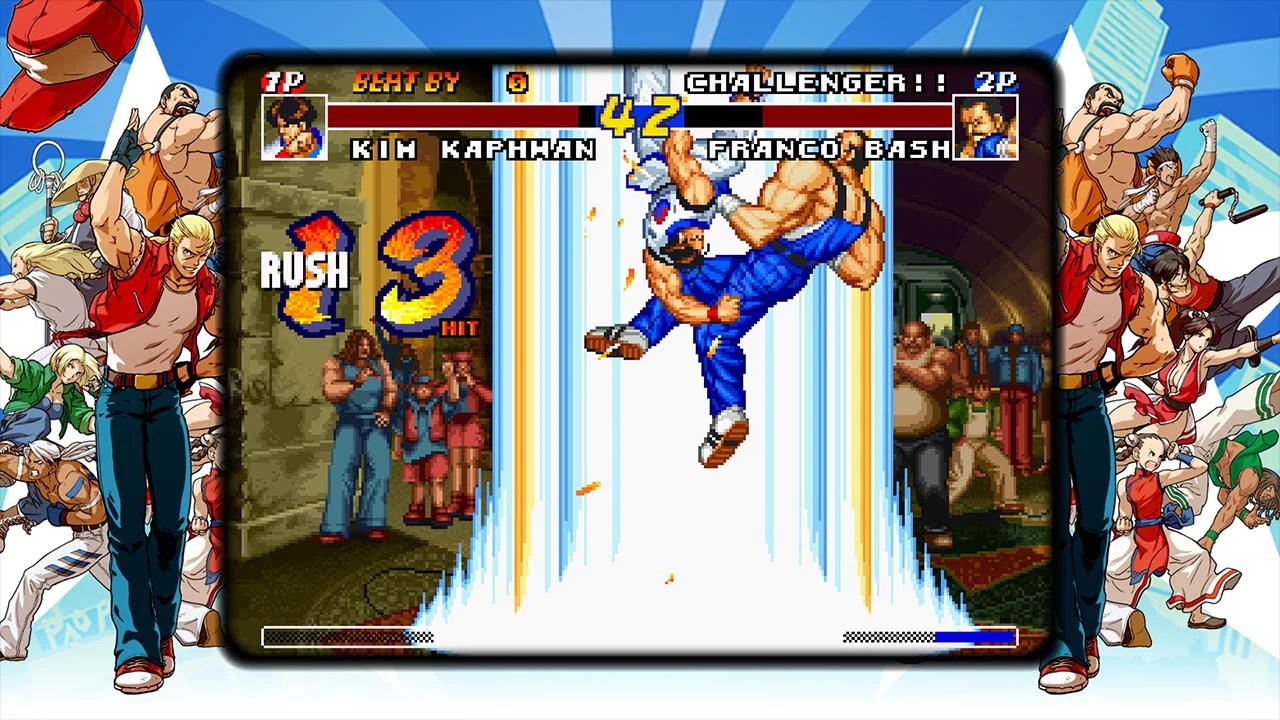
Fatal Fury: Battle Archives Volume 2 – 2008
The better of the two volumes, and the final game in the series. Sadly, SNK hasn’t returned to the fullFatal Fury game formula and has focused on The King of Fightersever since.
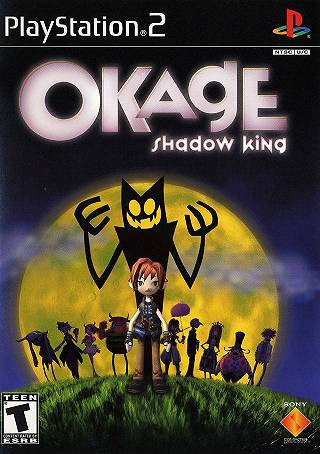
Okage: Shadow King – 2001
Considered a dumbed-down RPG for kids, Okage oozed charm and had pleasant visuals, but also had a clunky menu system and was seen as too easy. It’s still an early PS2 with that unique PlayStation feeling.
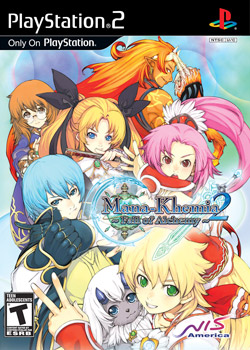
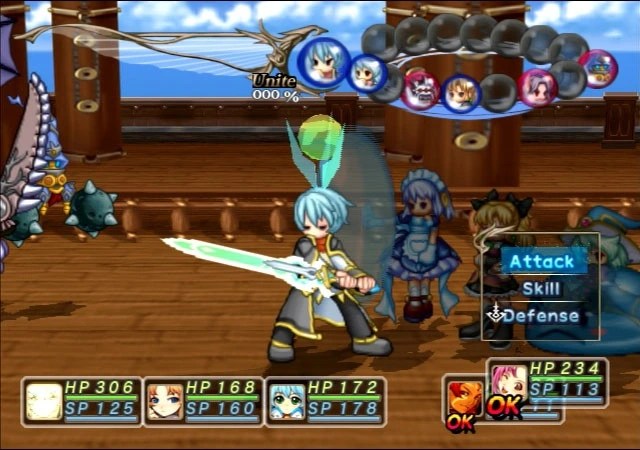
Mana Khemia 2: Fall of Alchemy – 2008
While better than the first game, it’s a game that’s better than the sum of its parts. Not a single thing is done very well, but if you love your anime JRPGs then this is something that might be worth your time. This would end up being the final game in the series after a port to the PSP.
I can’t believe we’re finally here. 20 years ago, it was a science-fiction dream of what the PS5 would be. Before the PS3 was announced in 2005, I remember seeing futuristic mock-ups of the system; some have circulated the net and become iconic images, but I never imagined how ordinary the PS5 would be. Let’s face it. As of the last generation cycle, consoles are just lower-end PCs. With the change to 64-bit architecture and no more custom chips, these systems are just that. What has changed is a more seamless UI, a revolutionary new controller, and a funky physical design.
One factor that has played a huge part in this console cycle that we have never faced before is a worldwide pandemic. Every person on the planet has been affected, and every gamer knows why it’s so hard to get a new console. It took me two years of waiting to finally see one in a store. In a small town in Oregon while visiting my mother, that’s what it took. I walked into a Wal-Mart and just looked in the PlayStation case, and I saw six! I couldn’t believe it. Now, it’s common for the first year of a console launch to be hard to find. Especially during the first holiday season that they are out. I struggled to find a Wii for nearly a year. However, two full years and possibly going on three is unheard of. Thanks to scalpers and the worldwide chip shortage, most people still don’t have one.
With that out of the way, the unboxing experience has also been affected. Sony had to cut down on cardboard use and packaging due to the cardboard shortage, so this is the most bare-bones unboxing of a system that I have ever done. What is nice is that everything can be recycled as there is no polystyrene being used for packaging. It’s all 100% paper. You get a manual, a power and HDMI cable, the controller, and a USB-C cable, and that’s it. Pretty bog standard.
The PS5 itself has a really interesting physical design. It was made fun of during its announcement for looking like a router. It kind of does. It’s the first PlayStation console to be designed to sit upright and vertically. It has large fins on the sides and a rounded middle part that’s all black. I personally think it looks awesome and different. While not a sleek box like previous systems, it also does not have a George Foreman grill look like the PS3. I’m sorry, but I never liked the PS3 design. Size-wise, it’s a far cry from the Slim PS2. Sony’s smallest home console is the size of a DVD case. This thing is massive. About as big as a small form-factor PC tower. It’s also hard to find room for this thing. You need a big shelf, as it will take up a lot of space. The system comes with a stand for the first time ever, and this allows you to orient the system vertically or horizontally and keep the system flat. The stand even has a neat design that holds the screw inside.
I have the newest 1200 series model that came out in August 2022. This version is half a pound lighter due to the shrinkage of the heatsink. It also runs 10 degrees cooler and uses 10% less power. When it comes to fan noise, the system is quite loud, but that’s not surprising. This thing is packing the equivalent of an AMD RX 5700 XT; however, in terms of raw performance, it’s closer to an Nvidia RTX 2070. The PS5 has a custom AMD Oberon GPU and uses an APU architecture to keep the form factor down. While the RTX 2070 isn’t the most powerful in the line of 2xxx GPUs, it’s miles better than the PS4 and even the PS4 Pro. To compare, the base PS4 is equivalent to an AMD Radeon 7850 or Nvidia GTX 750ti. The PS4 Pro is equivalent to an AMD RX 580 or an Nvidia GTX 1060. While it’s not the performance boost I was hoping for, we are far beyond the point of the generational leaps we were getting with older consoles. We’ve hit a kind of plateau at this point, and people won’t be as impressed. If you’ve played on a high-end PC in the last five years, you know what to expect already. I do miss the magic of the graphical leaps that consoles used to have back in the day. For example, the biggest leap was into HD gaming. The difference between the PS2 and PS3 is insane, but that kind of gap has shortened a lot since then.
Now, one thing consoles do is push current hardware to its limits. Developers have a way of doing this that makes these games look better than anything a PC can do. This is due to the challenge of a single piece of hardware and the need to push it to its limits. PC games have sliders, so graphical fidelity is on a scale. While the PS5’s job is to push native 4K gaming, this is still not a reality. The PS5 still runs games in checkerboard 4K or native 4K at 30FPS. Games that push the system to its limits won’t hit 4K 60. A new addition to the PS5 is light ray tracing, but honestly, it’s not very noticeable. It took the 3xxx–4xxx series of Nvidia GPUs for ray-tracing not to truly tank frames, and that’s still with DLSS (AI scaling) enabled. The PS5 doesn’t have AI scaling to help boost frames. A few games look mighty impressive rendered at 4K, but the cost of performance just isn’t worth it. We’re still not there yet. We are also still stuck with cross-generational games. The PS5 won’t truly be impressive until PS4 support is dropped. The rare exception is a game like The Last of Us Part 1, which isn’t for PS4. This was an issue during the last console transition. PS3/PS4 games looked dated. We needed to drop PS4 support from the start, and I’m not just saying that because I have a PS5 now. I thought that even before. I wanted to have a slew of PS5 exclusives that really pushed the system when I finally got one, and what we have isn’t that.
With the performance stuff out of the way, I do want to mention that the PS5 now has an M.2 SSD. It bypassed the 2.5″ SSDs that consoles had missed out on already. The PS4 shipped with a laptop platter drive. These are prone to failure, but M.2 SSDs offer performance and a small form factor, but at a high cost. It’s one of the reasons why the PS5 costs so much. The PS5’s main weapon is its custom I/O speeds. It can read at 5.5 GB/s with uncompressed data. These speeds are insane, and no SSD even matches them yet. The future proof of the PS5 is typical Sony language. They future-proof all of their systems in some way. While we don’t see any games that take advantage of these storage speeds just yet, a few games have insanely fast loading times. The PCIe 4.0 interface is barely available on the newest PC motherboards.
The PS5’s USB ports are also up-to-date. A single 10 GB/s USB-C port on the front will be used for PSVR2, as well as two 3.1 Type-A ports on the rear and a single 3.0 Type-A port on the front. Sadly, there is no DisplayPort on the back, but HDMI 2.1 is present for VRR (variable refresh rate); however, this tech is only available on TVs from 2020 onward. With a USB-C port, you can bet that the new DualSense (RIP DualShock) controller uses USB-C. The overall hardware design of the PS5 is nice, and I personally think it’s fun and less sterile than the Xbox Series X.
Software-wise, it’s pretty much the PS4, but more integrated. It’s snappier and prettier with rounded edges on everything, and it just feels updated. The PlayStation Store is now integrated into the main home menu. It’s no longer an app. Everything feels more consolidated and minimalistic, and that’s a good thing. The Xbox still can’t figure out what kind of UI it wants, and Sony has had the best UI since the PS3 of any system. Most of the settings from the PS4 are here, but you now get more tech. 3D audio separation, VRR, ALLM, and better HDR support, but no themes! For the first time since the PS3 themes are now gone. This has a lot to do with the better integration of everything, and you can see why there are no themes now. The quick menu that pops up when pressing the home button is sleeker and customizable with more options. Everything just feels more streamlined and simpler and feels less “in the way”.
How do the games play and look, you ask? Well, like higher-end PC games. Console exclusives such as Returnal, Horizon: Forbidden West, Spider-Man: Mile Morales, and God of War: Ragnorok all look insanely good. However, as previously mentioned, we’re still plagued with cross-gen graphics options. Either really pretty and slow or really fast and okay-looking. 4K 30FPS or 1800p-ish and 60FPS You also lose some graphical fidelity, such as ray-tracing, draw distance, lighting effects, etc. For slower-paced games, I opt for 4K 60. Faster games should be played at 60 FPS. However, games like Horizon: Forbidden West are an exception to playing at 4K 30.
One of my favorite features of the PS5 is the new DualSense controller. Not only are vibrations more detailed and minute with things like being able to feel speech through the controller and various changes to footsteps, but so are the triggers. My god, the triggers They have tension now. Pulling a trigger to aim a weapon has more resistance than using the right trigger to shoot, which has various states of resistance from feeling like recoil. It’s insanely cool and actually adds to the gaming experience. I actually want to play games with trigger support on PS5 over PC now just for this feature. It’s not bumper vibration like the Xbox One introduced. It’s something completely different and new in terms of player interactivity. Feeling the tension in a bow, the resistance of pedals in a car This is how you advance the controls. It’s probably the biggest controller innovation since the Wii remote.
In the end, the PS5 is a fantastic new system that has faced some serious odds. With a radically new physical design, a snappy and streamlined UI, support for all of the modern cutting-edge display technology, and a revolutionary new controller, the PS5 is the best system out there in terms of an overall worthwhile package. While the games need to move away from cross-gen support to really utilize the PS5 to its full potential, slow sales and unavailability are preventing this. However, with patience, I think the PS5 can really be something amazing in the next few years.
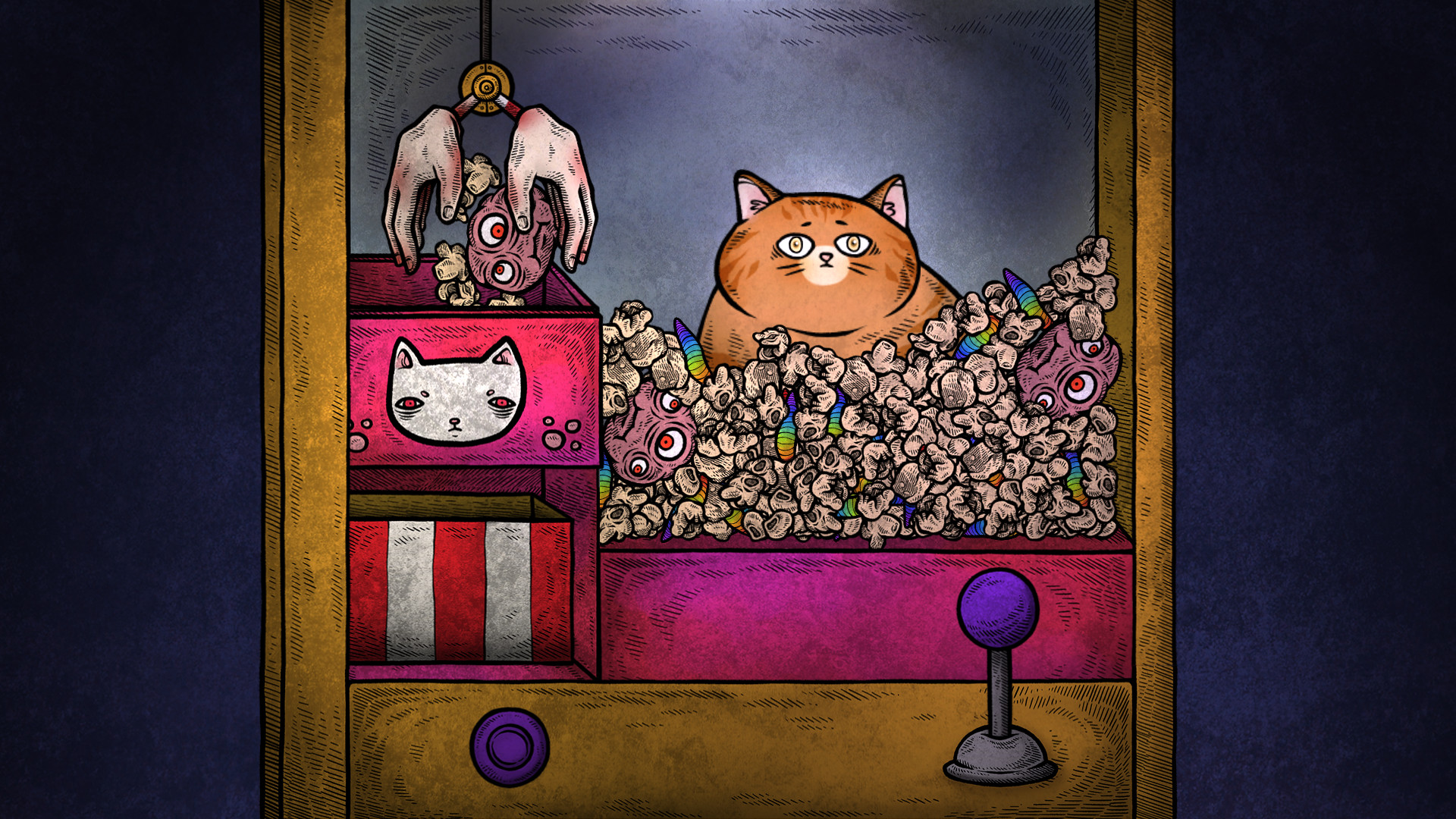
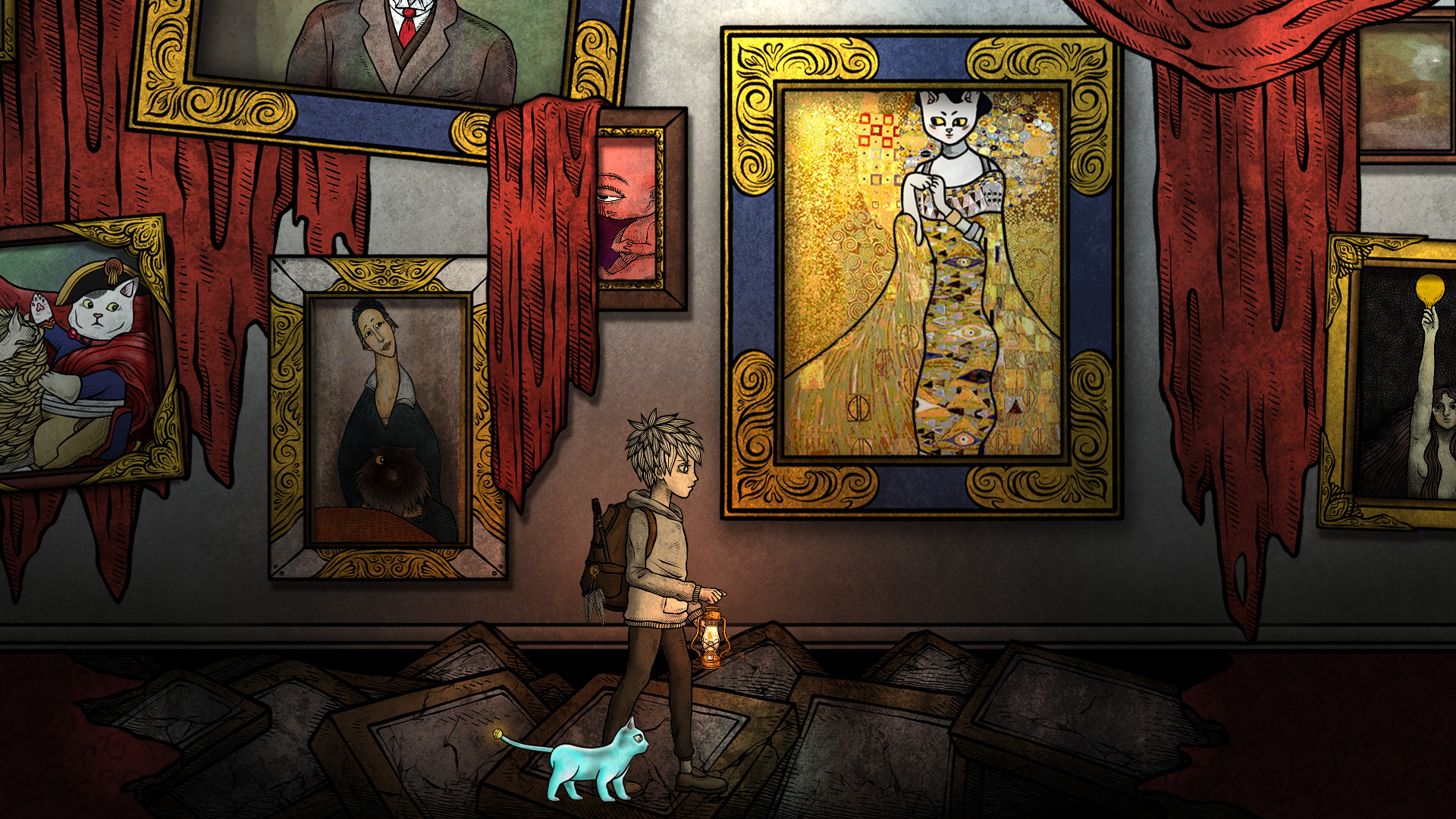
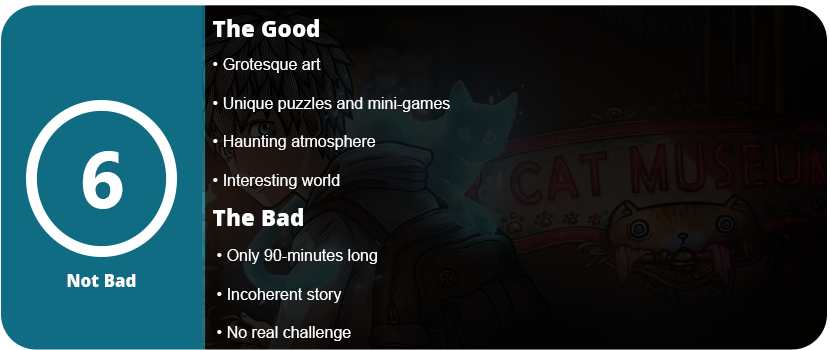
I love short point-and-click games, but they are hit-and-miss. For these games that are less than two hours, it takes a lot of talent to pull off a good story, something to get attached to, and fun gameplay. Cat Museum nails almost all of this except the story and something to get attached to. The mini-game and puzzle-driven gameplay are more entertaining than pixel hunting, but there’s also the fantastic art direction and grotesque nature of the whole game.
The story just doesn’t make any sense. It’s told in abstract story panels. I only gathered that you’re possibly dreaming, and your dream is of a cat museum full of monsters and creatures that need help. You’re searching for special eggs, and that’s all I could gather. It doesn’t make a lick of sense. The game isn’t confusing or anything like that, which is nice. Clicking around moves the boy, and you will see eye icons for things to look at and hand icons for interaction. These hand icons advance the game, and each interaction is unique and different. Jigsaw puzzles, slider puzzles, timing mini-games, and just weird things like pushing and pulling things to reveal hints It’s hard to get stuck in this game as there’s always one object in each room to interact with, which will reveal a hint or advance the story.
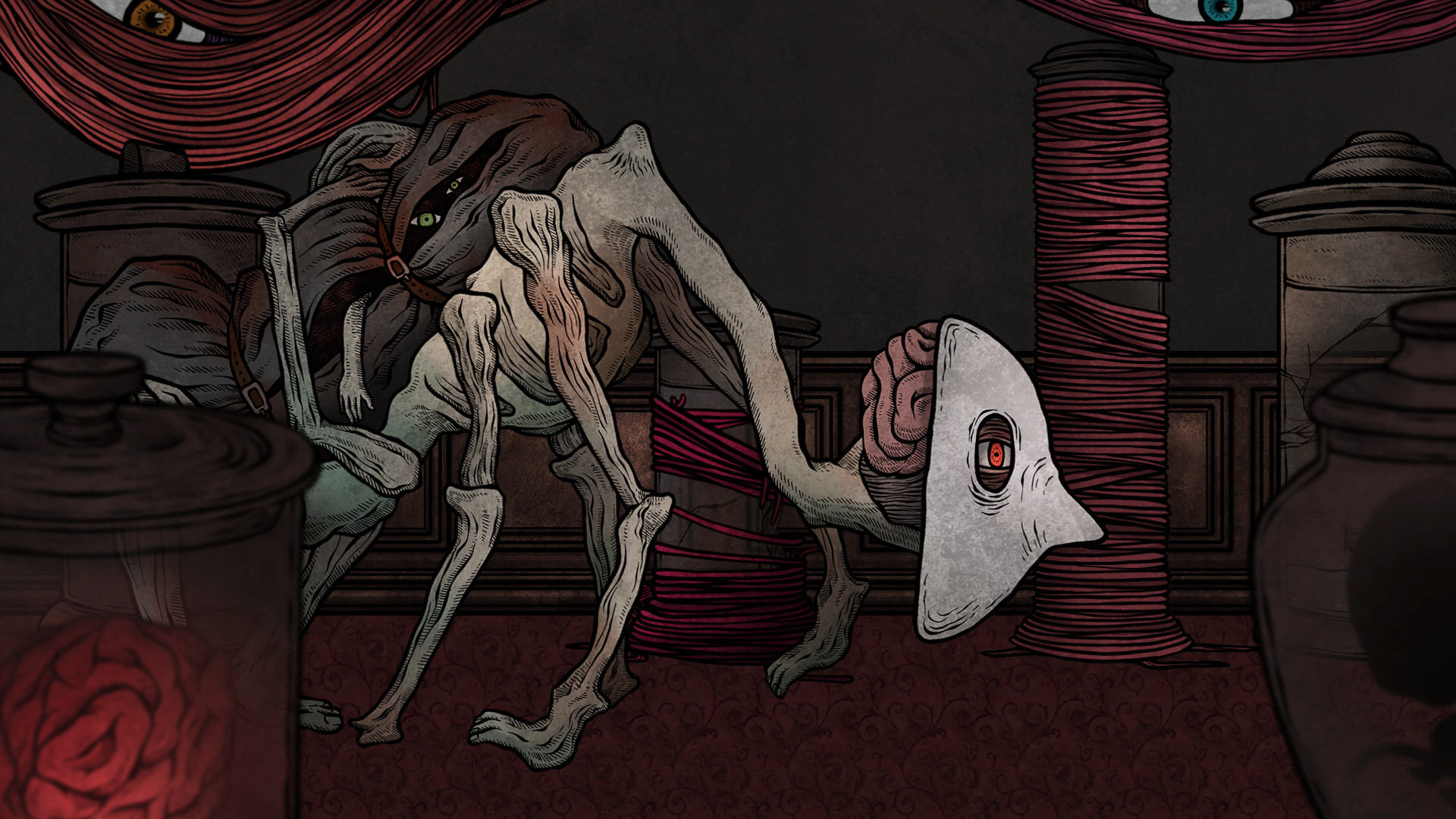
The best part about this game is the insane art style. There are lots of grotesque characters, guts, bodily fluids, and crazy monster designs right out of a child’s nightmare. However, it’s still colorful and full of life. I really liked the atmosphere and world of Cat Museum, but at a 90-minute runtime, the game doesn’t allow any type of world-building or anything of that nature. Dialogue is cut down to a couple of lines per character, and none of it is meaningful. There are a couple of scenes where you need to run and hide from a monster chasing you, but it’s just at the end of the same room, so there’s no challenge there either.
There’s not much to say about a 90-minute game. For a few dollars, this is an interesting art exhibit, but not much more. I appreciate the unique puzzles and mini-games, but the monster designs are so cool that I wanted to spend more time in this world and learn more about it. What’s here is a short and crazy ride full of weird art and nothing more.
Supermassive Games once again excels in its strengths and doesn’t learn from its weaknesses or mistakes. Man of Medan was a great start to a horror series, and Little Hopecould have learned a lot from the fumblings of the past game but didn’t learn a single thing. You play as a crew of five this time who end up in a bus crash on their way to a school field trip to the Northeast town of Little Hope. A ghost town.
The game starts out very strong. You are in the 70s stuck in the middle of a dysfunctional family. The prologue quickly introduces what the series is good at. Death. You then end up in a bus crash and are stuck in a rural town in the Northeast in the middle of nowhere. I was excited about this one. It has a great Silent Hill feel to it. Endless fog, creatures creeping around in the distance, and a ghost mystery. Sadly, the game quickly devolves into walking around what seems like random houses, forest paths, and buildings. The same issues plague this game such as the lives of the characters dwindling down to succeeding in QTE events. The traits between characters that are strengthened or weakened through dialogue choices will determine how hard these QTEs will be. You can also explore and find secrets and a few hidden weapons to make these scenes easier as well.
The game feels less cohesive than Man of Medan. The story itself doesn’t feel as exciting or interesting as the previous game either. The story just never seems to go anywhere and doesn’t make any sense until the very end which is really annoying. I kept hoping that there would be a twist or something, but the story just drags out as it has nothing to really tell. The characters themselves are more compelling than in the previous game and I felt a little more attached to them, but they are still walking stereotypes and cliches. The facial animations are slightly improved, but the voice acting can still be spotty.
There is still no gameplay here. Outside of the walking scenes and looking for secrets and QTEs this is just an interactive four-hour movie. We still get cuts to The Curator who can give you occasional hints and I’m sad that his backstory isn’t told and we still no nothing about this character. That seems to just be a running theme with this series. We just get characters thrown into some B-grade horror mystery for four hours with nothing else to show for it. There’s nothing memorable about this series or insanely interesting. The monster designs are still well down. Supermassive still does a great job slowly revealing these monsters as there are only a few of them. However, it’s not enough to make up for the lack of everything else.
The game is visually impressive. It looks fantastic on PS5 and PC, but is also poorly optimized on PC with insane slowdown and requires way too high of a setup for what it is. The textures, models, and lighting are top-notch, but the janky animations just bring it down some. The game still suffers from mannequin-like facial animations sometimes. Overall, it’s a very impressive game visually.
In the end, Little Hopedoes little to advance the series and instead sets it back a bit further. With a less than compelling story, stereotypical characters with no depth, wonky facial animations, and spotty voice acting, plus the lack of gameplay makes this a four-hour B-grade horror movie that’s interactive. You won’t miss much by skipping this one as there is no overarching story over the entire Dark Pictures Anthology.
































































































 thebinarymessiah.com
ORC is probably the worst game in the entire series. It's objectively awful. Being bad isn't different. Different is Outbreak…