If you’re going to have a racing wheel, especially one as expensive as the T300 RS-GT Edition, then you need a shifter add-on. For people who really don’t care about shifting, it’s fine, but enthusiasts are really missing out on half of the experience. Shifting adds a whole new layer of challenge and control to racing games like nothing I’ve ever experienced before.
The shifter is much bigger than I thought and heavier, being made of 90% metal and using something called the H.E.A.R.T. system, so it feels and acts like a real car shifter. The box comes with a DIN to DIN and DIN to USB cable. This is actually really important, as PCs require DIN to USB, as most games won’t recognize the shifter plugged into the back of the wheel. That’s mainly reserved for consoles. You also get an optional sequential plate for those who want to shift but do not use the H pattern. You can also change the plate by rotating it 180 degrees and even tightening the stick itself to make it looser or tighter based on your preference. There’s so much more to this shifter than I anticipated, and it impressed me every step of the way.
I opted to make the shifter as tight as it could go, as it felt more like a newer car and gave me better feedback as to where I was at. After installing the drivers and making sure everything worked, I booted up Forza Motorsport 7, and the shifter was recognized right away. Even without using the clutch, the shifter added a new dimension to my racing that I had never experienced before. It took a while to get the timing down, but I noticed a new depth of difficulty to these games that weren’t present before, and that’s learning the shift timing of your vehicles and where to shift correctly on the track. This may scare some people away, but it actually improved my lap times, and my first-place wins went way up because the shifter forced me to learn the track rather than just memorize where all the turns were.
Having it clamped to my desk next to my wheel sure made this already bulky setup pretty monstrous, but it feels so good to play, and I can’t go back to racing with a controller on simulators anymore. I spent hours racing, and it sucked me into the game even more when I would get bored after a half dozen races or so. This is the way these games are meant to be played, and thankfully, this shifter is compatible with any wheel because it’s USB and connects separately from the wheel. The DIN-to-DIN connections make it compatible with other wheels that have add-on DIN ports, so it’s widely universal.
My only gripe is that adjusting the tension on the stick isn’t easy, and I nearly stripped the screw while doing it. The manual says you can do two full turns, but in reality, it was half a turn from completely loose to tight. The screw is pretty deep and at an angle, so it’s very hard to get to, and damaging the screw the way I did means after so long it won’t be adjustable anymore, so make sure you get it to a setting you like and leave it.
Overall, the TH8A shifter add-on is a must-have, and while it costs more than most cheaper wheels alone, it adds a layer of experience and enjoyment that you can’t get with just the wheel itself. If you ever wanted to dive into a more enthusiast experience and you have either a cheap or expensive wheel, consider this add-on, and you won’t regret it.
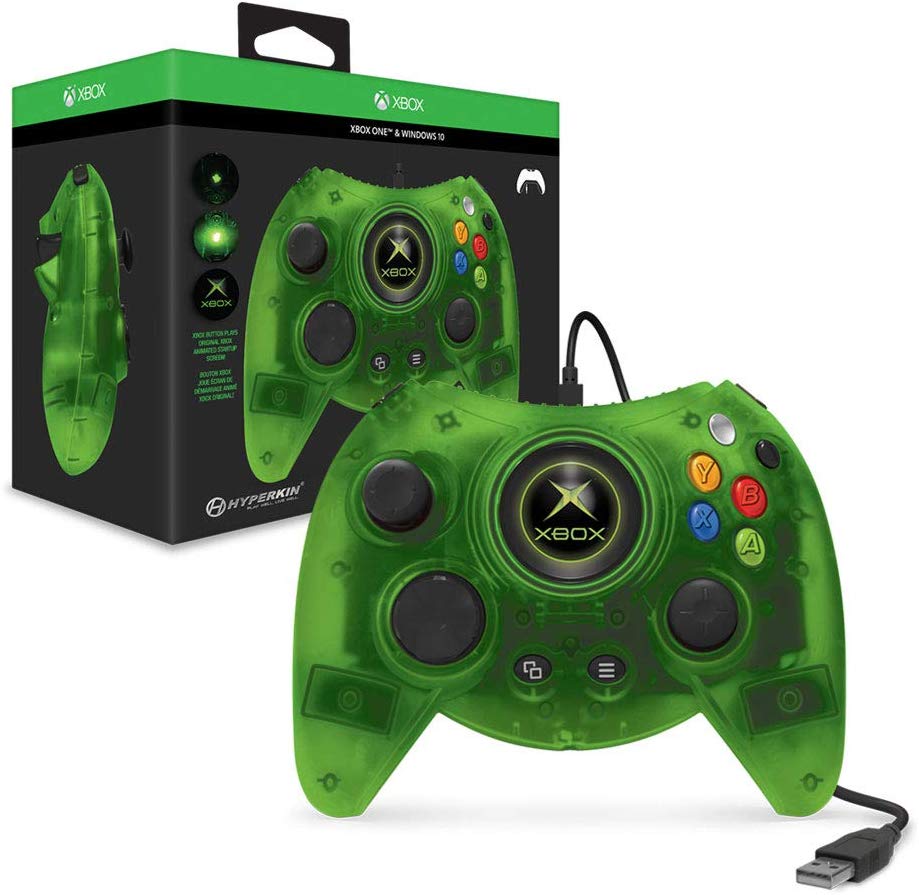
I’m a sucker for awesome game controllers, and when I saw the Duke being announced by Hyperkin, I was both excited and puzzled. Why bring back such a loathed controller, which is considered one of the worst ever made? Who does this appeal to? The few who did like the Duke or people who like collecting weird controllers? The question is that it was neither, as the controller didn’t sell very well and received very little attention. I picked it up only for the retro awesomeness factor and because I have never owned a Duke controller.
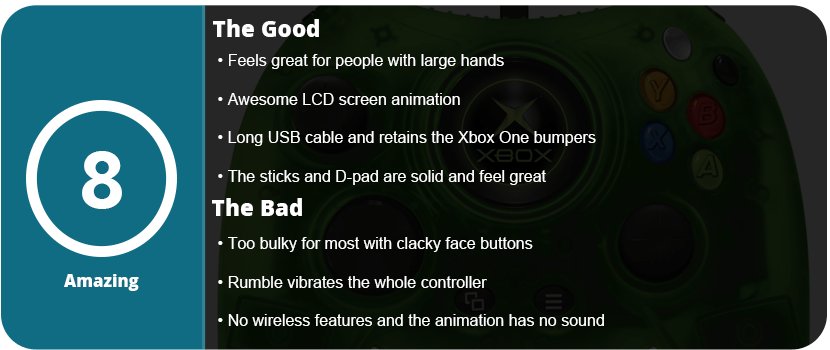
In the box, you get a very long USB cable and the controller itself. Sadly, this is not wireless, and part of this is due to the fact that Microsoft will not release the codes to third-party developers, so Microsoft is the only company with wireless controllers. It’s been this way since the Xbox 360, sadly. Once you do open the box and pick up the controller, you realize just how gaudy this thing is. I have large hands, and it’s almost too big for me. It feels ergonomic, but it’s so bulky and heavy that it’s both satisfying and weird. The face buttons are slanted, and at least the bumpers were retained as small buttons on top, but the black and white buttons also function as bumpers (I mean, the black and white buttons were converted to bumpers on the Xbox 360). The coolest feature is the LCD at the center that plays the original Xbox startup animation and displays the Xbox logo on a crisp, clear LCD. I would have liked the startup sound as well, but I’ll take what I can get. There is no other controller on the market with a built-in LCD like this, and it’s great.
Once you start playing games, I can see the issue of bulkiness making your hands tired, and the controller build is a tad iffy. The controller creaks, and the buttons feel hollow and clack loudly while vibrations rattle the entire controller. It’s both awesome as it makes the controller seem that much more ridiculous and adds to that factor, as well as questioning the build quality. It sure feels solid, like you can knock someone out with it, and the analog sticks and D-Pad are fantastic and feel just like the originals. The back and menu buttons are where they start and select normally, and they feel fine.
Overall, the Duke controller is a strange device, as retro collectors will get a kick out of it, and it has some enjoyability, but new players will balk at the bulkiness, build quality, and overall weird factor this controller brings.
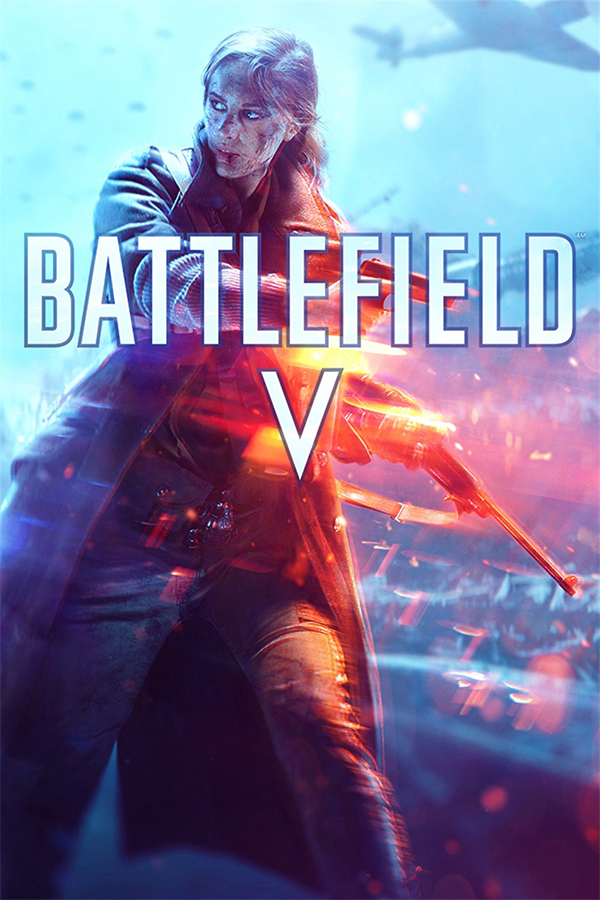
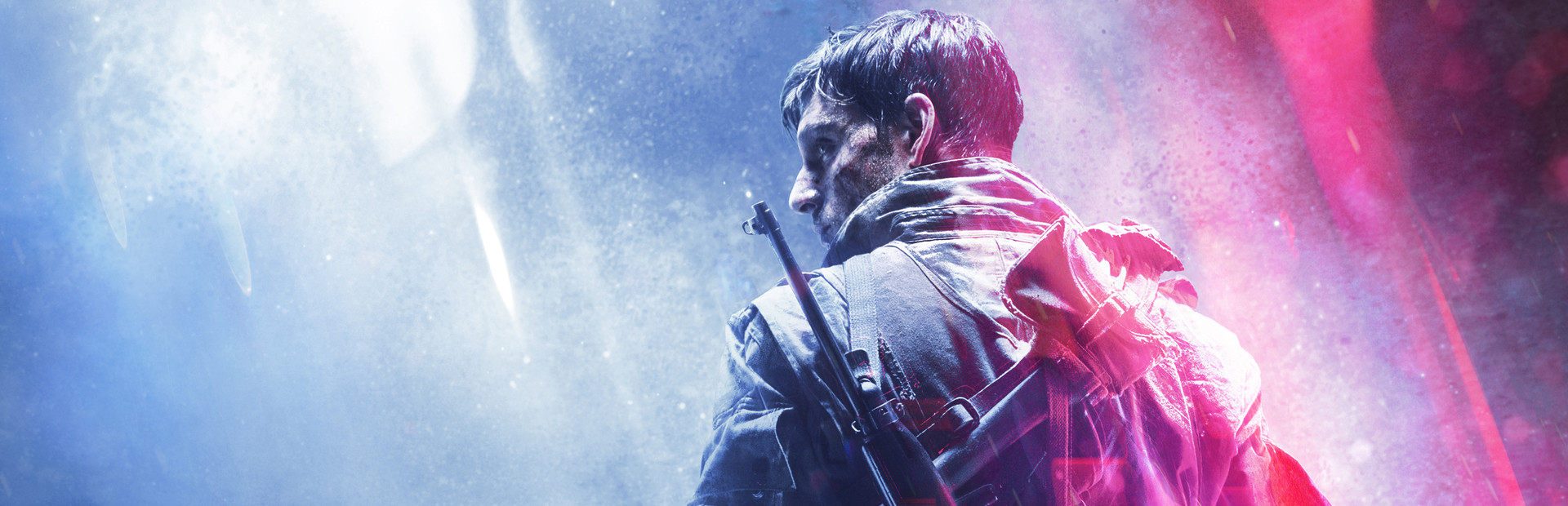
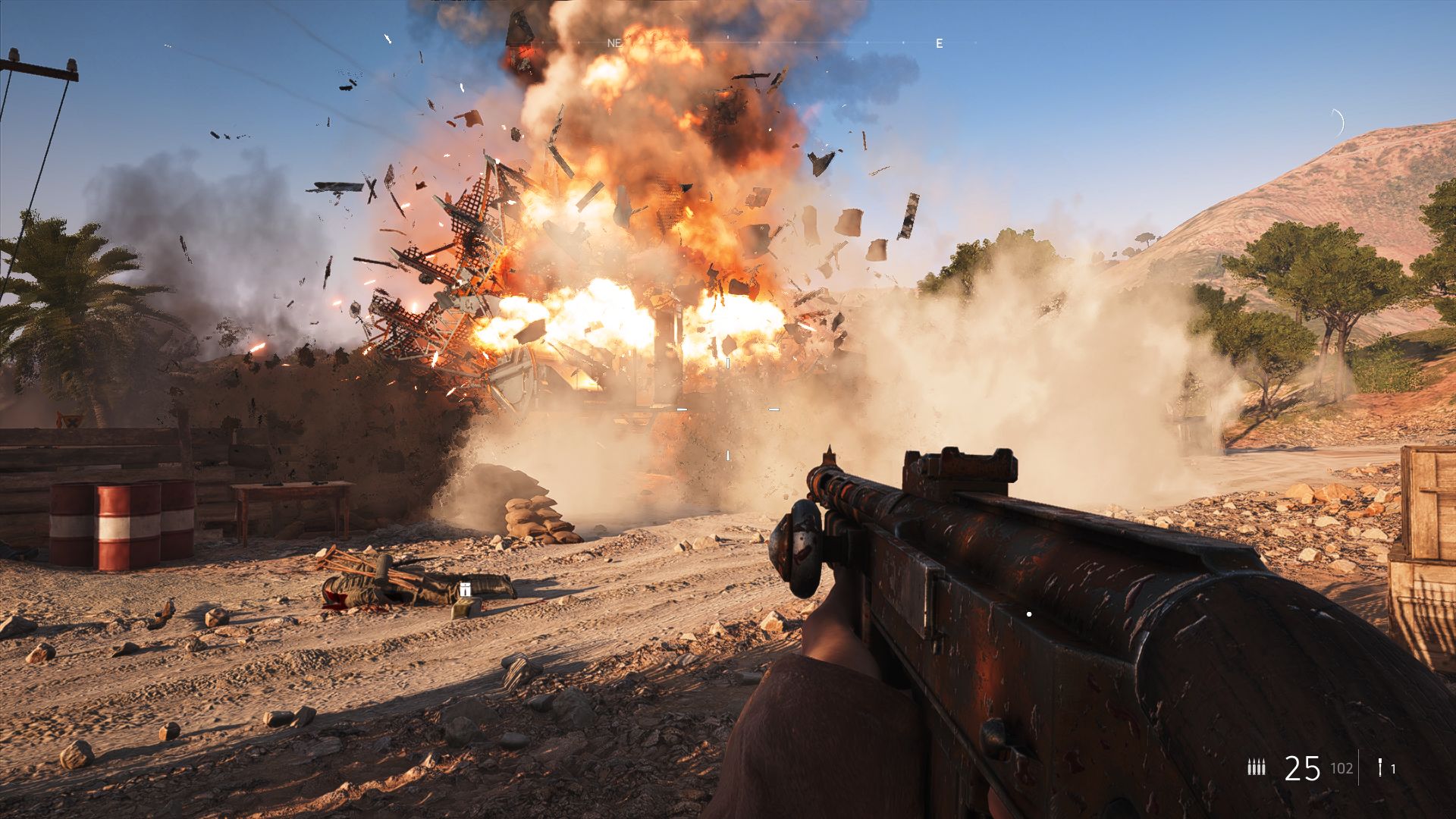
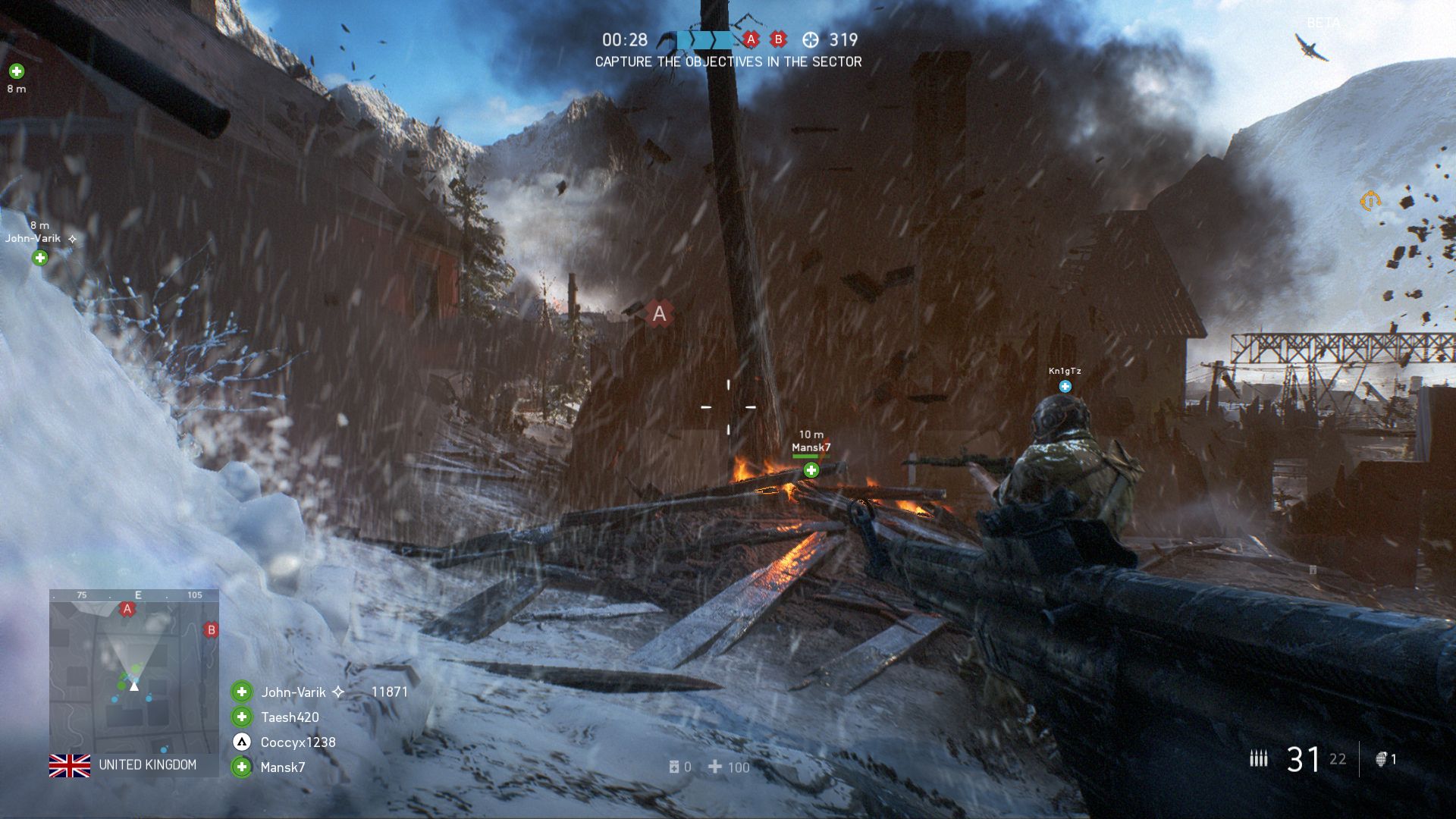
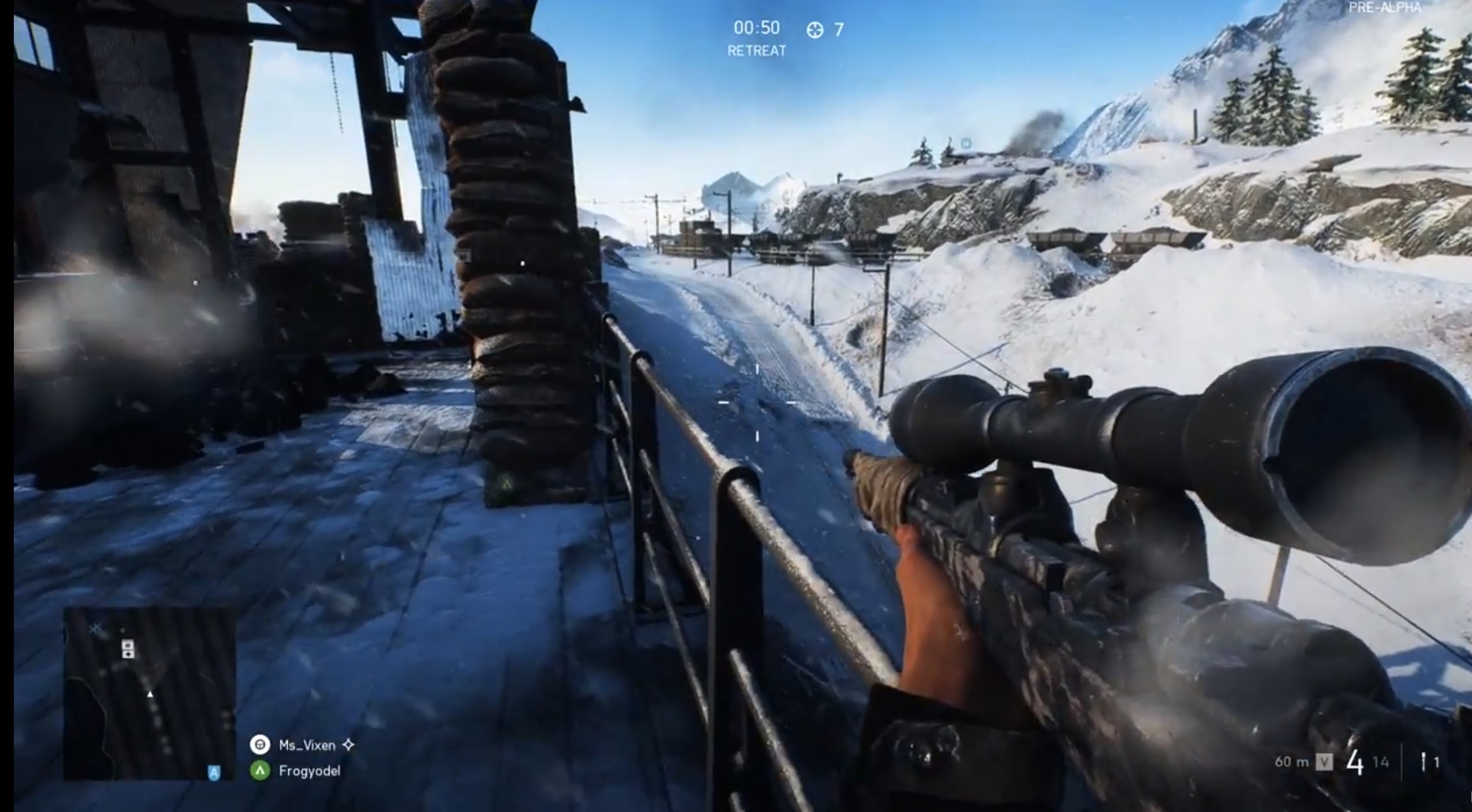
Like so many countless games before it, Battlefield V tries to install the terror of war into the player with bombastic action sequences and dramatic, tense moments while bringing a visually stunning experience to the player’s home. Battlefield V does most of this well, but clearly, not enough time was given after Battlefield 1 to really flesh out the experience and make it something memorable.
The campaign follows the same design choice as BF1 with short War Stories, this time only 5, following various parts of the theater of WWII, from Norwegian tundras to the deserts of Africa. I really loved this idea in BF1, as it was a fresh take on a military campaign that was never done before. Here, the game follows this formula too closely and doesn’t evolve it at all. With pre-rendered cut-scenes shoved in, the game does little to offer interesting characters this time around or settings. The “open-ended” level design approach is abused here and detracts from the action that BF1 brought by forcing the player to use stealth in every single story.
I don’t want to run around a massive map trying to accomplish three objectives by infiltrating a small village or guard post by disabling alarms and stealth killing people just so I don’t have to fight it out. It makes for a more generic feeling, as there are few scripted events in this game. This happens in every story, with the first four abusing it the most. The best part of BFV is the raw shooting, as the weapons handle beautifully and are a riot to use as the authentic, accurate WWII weapons we have become accustomed to really don’t feel like arcadey pop guns anymore.
The last war story is actually the best of them all, and I would have liked to see more of that one. You play as a German Commando, which is usually never done in these games, using a Tiger tank to fend off the Americans in one last stand in Germany. The characters are actually great, and the intensity is fantastic. I really felt the heat of war, and something about being on the losing side makes it that much more intense. The other stories aren’t as interesting and feel pretty bland outside of this final story.
Multiplayer has been expanded upon, but it is generally the same as before, with just a few modes added. 64-player Grand Conquest is probably the best here alongside Team Deathmatch, as the battles are intense and the tug-of-war aspect of these modes is addictive. Sadly, it just hasn’t changed much and rides too hard on the unique feeling BF1 brought fans and doesn’t carve its own path, which is surprising as this is a WWII shooter and not WWI. Maybe the uniqueness of the BF1 reboot forced DICE to bring out their creative effort, and after that, they just felt too safe bringing nearly everything back.
The visuals are absolutely stunning and somehow top BF1 with amazing lighting, textures, and animations, and the sound is superb. This is probably one of the best-looking games of this generation, and you will need a hefty rig to run it right. Overall, Battlefield V is a fantastic WWII shooter that, while smoothing over the ideas of the last game, just doesn’t deliver the fun that counterbalances the authenticity of the era it tries to emulate. With a lackluster campaign and only the final chapter being interesting, and multiplayer that hasn’t changed an awful lot, DICE has got to bring something amazing with the next game, or gamers will quickly become fatigued with the franchise that has long stood its ground in a crowded military shooter era.
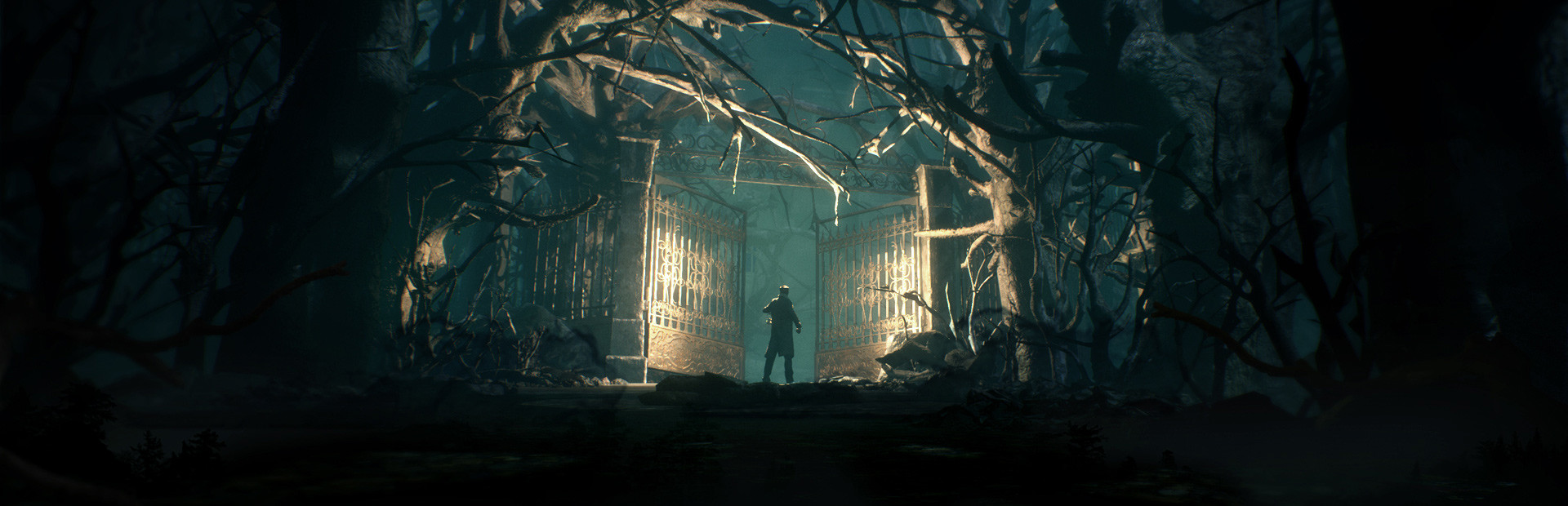
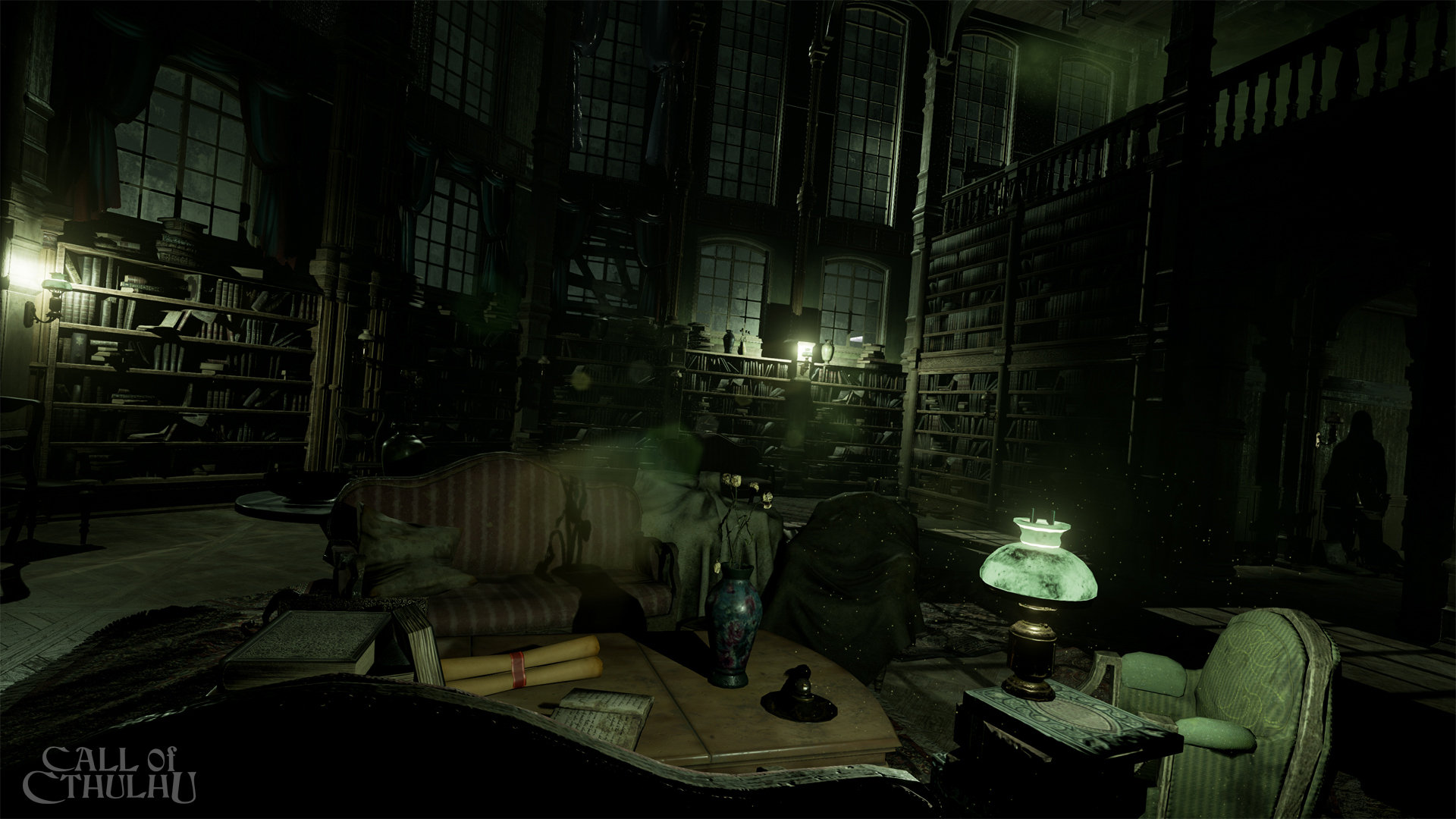
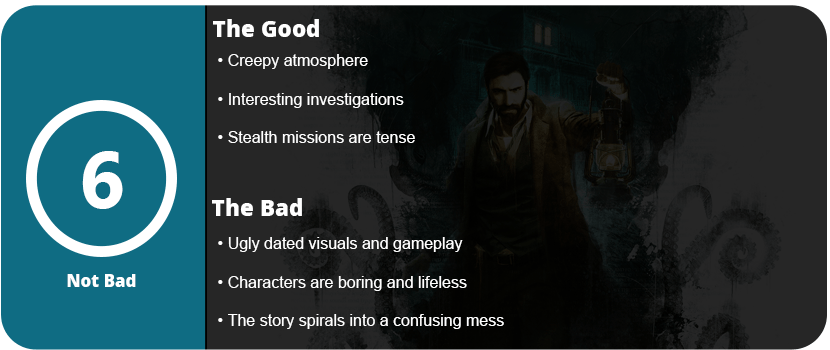
After playing Call of Cthulhu: Dark Corners of the Earth over 10 years ago, I have been patiently waiting for another game in the H.P. Lovecraft universe, and none have come. Call of Cthulhu has been a long game in the making, but does the long production cycle pay off and allow a good story and characters to cook?
You play Edward Pierce, a private detective investigating a murder on a remote island, but all he has are paintings for a lead. This leads to the artist, Sarah Hawkins, and her mansion, where he discovers a strange cult and a killer hospital. The game starts out great with a slow burn of atmosphere, character building, and mystery. Walking around the island for the first time shows some of the game’s weaknesses, such as the fact that this is clearly a low-budget game. The game looks like it was made for the Xbox 360 and is about 10 years old with ugly, dated textures and stiff facial animations, and the voice acting is hit or miss for some characters. Edward’s actor is great, but Sarah’s actress is deadpan and bored.
The objective of each of the 14 missions is to walk around and inspect objects to unlock various dialog options with characters. I honestly don’t feel this was completely fleshed out, as the game pretty much unfolds the same no matter what; it just literally unlocks a new dialog option or might give you a bit more insight into the story. You can level up various abilities like Occultism, Investigation, and Hidden, which allow you to unlock various dialog options, so it clearly feels forced and like the developers had this level-up system and didn’t know what to really do with it.
Looking around for objects doesn’t really bother me much, but as the game moves on, the story starts to make no sense, and I get completely lost as to what is going on. There’s a connection between the local hospital and Hawkin’s mansion, as well as three or four characters, but I never understood why the cult wanted to resurrect Cthulhu; we never get to see Cthulhu, and towards the end, the game relies on fish-eye lenses, rapid camera movement, and sounds to scare you instead of using the environment and atmosphere. There are a few tense moments in the game, such as when the shambler comes after you in the art gallery, but nothing really stands out. There are two stealth missions where you have to sneak around solving puzzles, but even these aren’t too complicated.
The game just feels like a sample platter of ideas that never really took off or were made into anything. With dated visuals, gameplay, a confusing story, and characters that don’t really have a soul, there’s not much to really care about in this game. I only pushed through because I’m a die-hard H.P. Lovecraft fan and loved Dark Corners of the Earth so much that I was hoping this would live up to it, and sadly, it doesn’t.
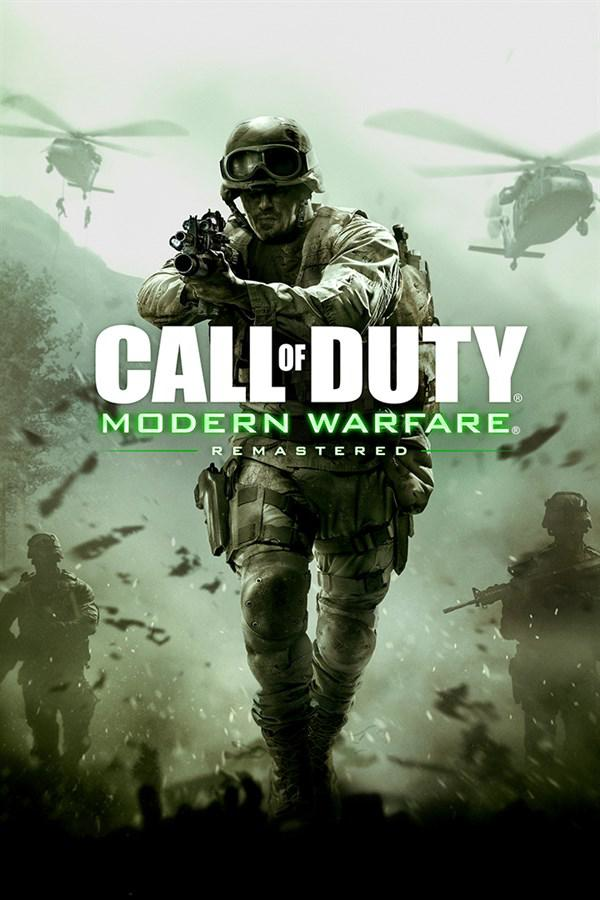
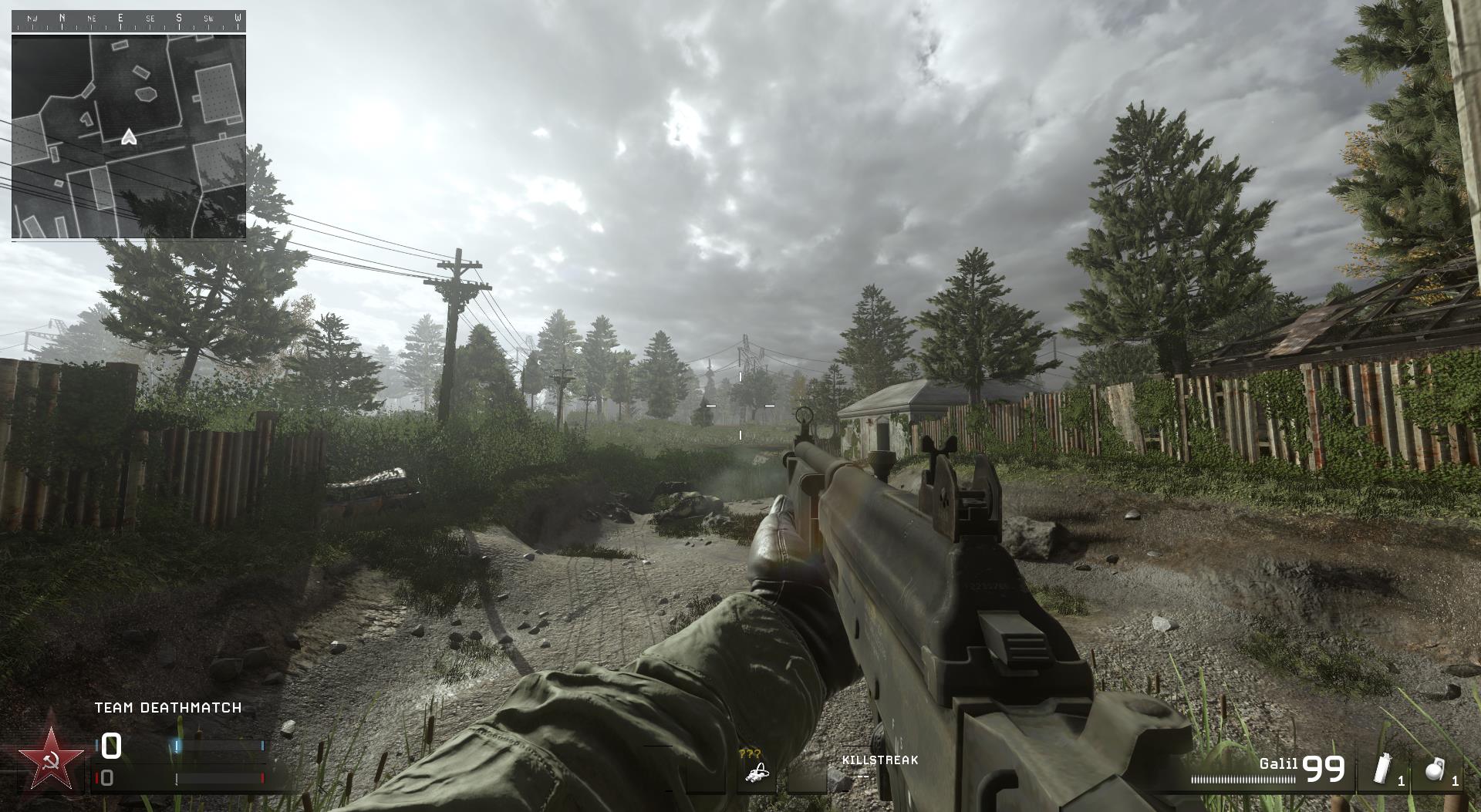
When a game as big as Call of Duty 4 gets remastered, it takes you down a serious memory lane. I remember watching the E3 reveal video of the “All Ghillied Up” level and being blown away. The cinematic gameplay and delivery of CoD4 were unheard of back in the day and helped push that generation of consoles forward. It was a groundbreaking game, despite where the series has gone over the years. Each level was carefully laid out with memorable moments and varied gameplay that most first-person shooters didn’t do 10 years ago, and that’s just the campaign. The multiplayer rewrote how first-person shooter online play should be.
That sound you hear when you hit an opponent and the X that appears in your crosshairs when you nail them? That was all Call of Duty. Being able to earn ranks and upgrade your weapons over time? That was Call of Duty. The maps were fantastically designed, and the weapons felt amazing to shoot. The movement was fluid, the pacing was perfect, and the opening scene on the ship is something I will never forget. Take all of that, fast-forward 10 years, and then stick the game in a current-generation engine, and you have a game that holds up and is better than any recent Call of Duty game.
While the campaign only lasts about 4 hours or so, there’s so much variety. From the stealth missions in Pripyat to using the AC-130 and bombing the crap out of Russian ultranationalists and even running away from choppers in vehicles, There’s various terrain, weapons, and pacing to make the campaign feel far from boring. While the story is generic and barely interesting, the gameplay isn’t. You play as two separate military teams from the US Marine Corps and the SAS. “Soap” MacTavish and Jackson are your two guys, and while it doesn’t really matter gameplay-wise, Captain Price is actually quite a memorable character as he has interesting dialog, cracks jokes, and has such a unique appearance. It seems silly, but Call of Duty 4 was the only game in the series that had anything really interesting or memorable going on.
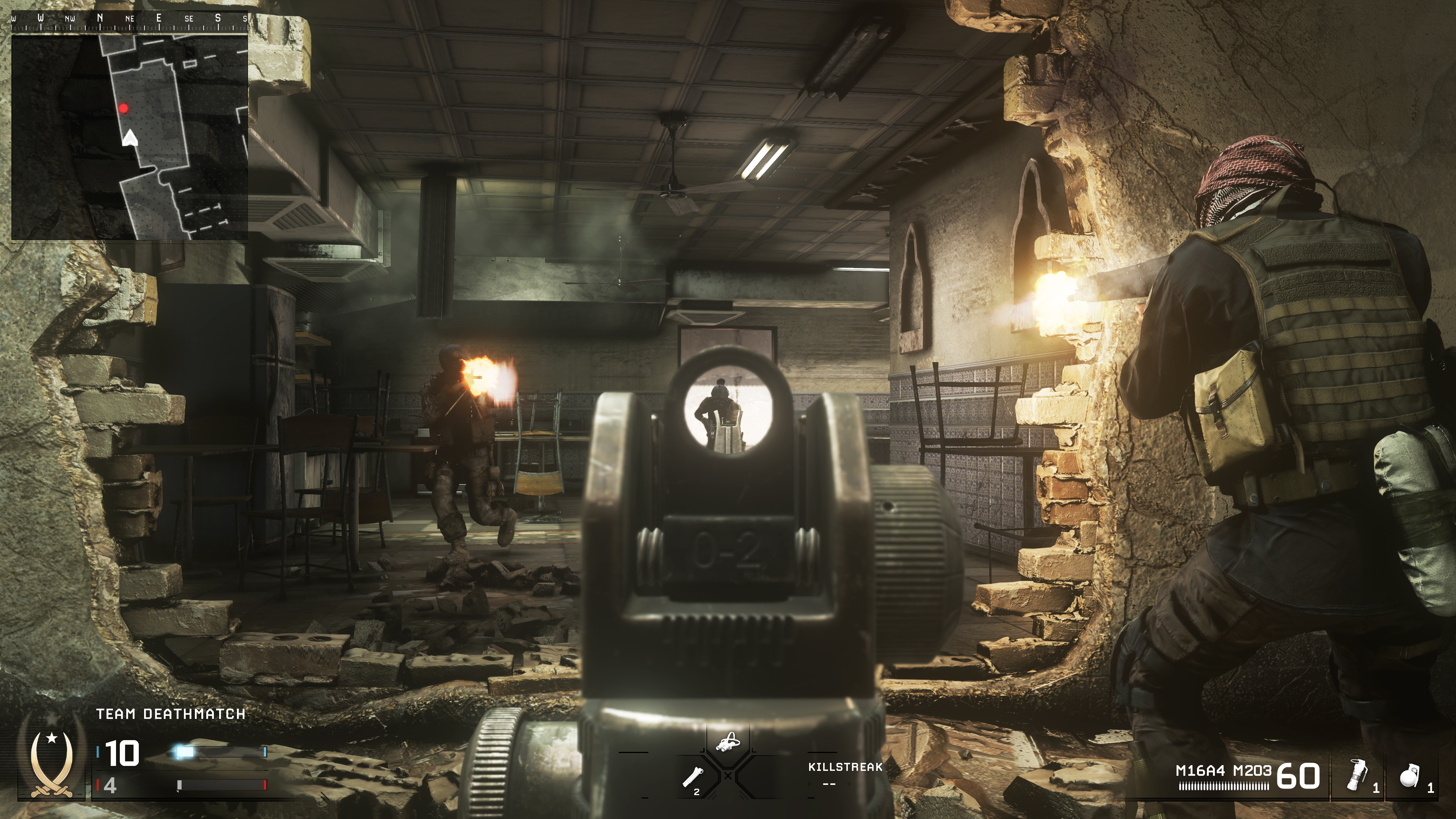
The multiplayer here is not only groundbreaking but also super addictive and fun. There are several different game modes, but my favorite has always been Team Deathmatch. The maps are perfectly designed and make it easy to remember every nook and cranny. Upgrading weapons and ranking up is so fun in this game, and you could literally spend dozens and dozens of hours just in the multiplayer alone. Despite how much time you spend on the online portion, I just wish the campaign was longer. It’s such an overlooked part of the game and trumps any future Call of Duty campaign.
The visuals have been massively upgraded to the point where current hardware will have a hard time rendering them. The textures look beautiful and have been painstakingly redone to make this game look like it was released yesterday. Lighting, physics, sound, and models have all been redone to look current, and it looks amazing. So much so that you need at least 8GB of VRAM just to see all the textures in glorious detail and at least GTX1060 to get the game off the ground at 1080p.
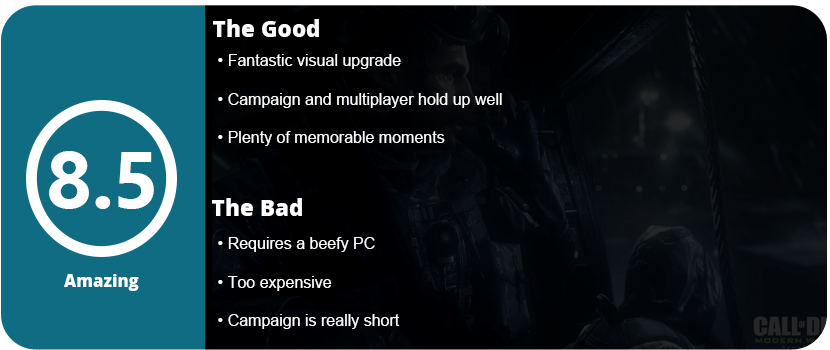
Overall, Modern Warfare Remastered is a snippet of a game that pushed the first-person military shooter in a new direction, but it also shows just how far downhill the series has fallen. Carefully planned-out campaigns and memorable maps are long gone for this tired franchise, but at least we have an upgraded version of one of the best shooters of the last decade.
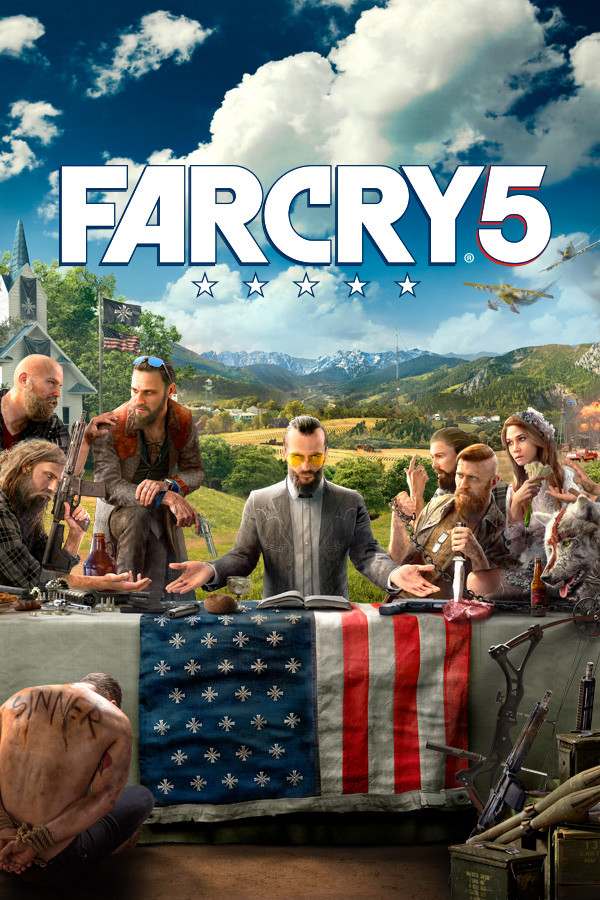
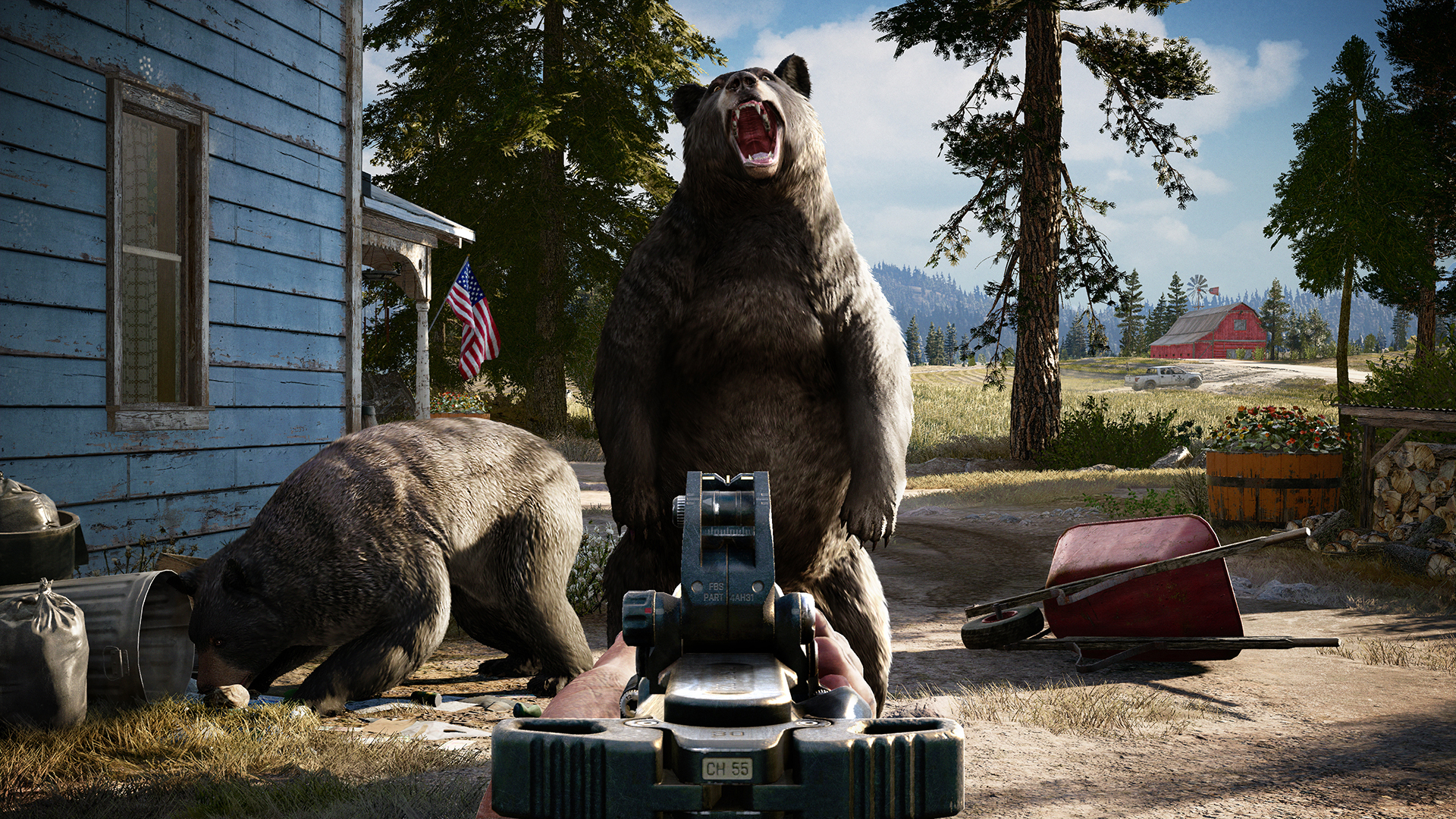
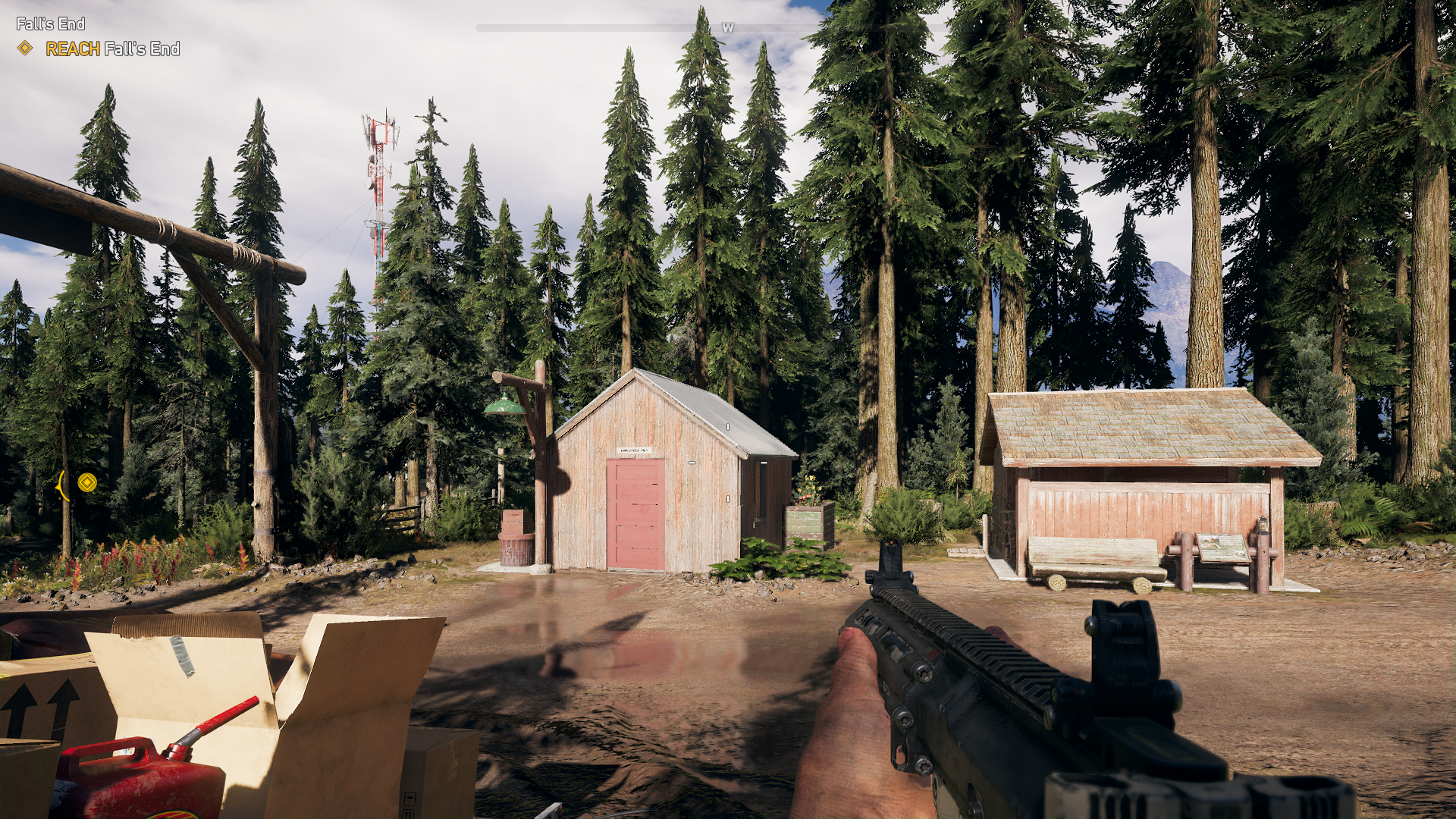
Far Cry is one of the many Ubisoft franchises that has been infected with sequelitis and “Ubisoftitis” specifically. For the last few years, their open-world games have suffered from the same stale structure and layout, and they have had a hard time finding their own personalities. Far Cry 5 is one of the first Ubisoft games in a while that has evolved a little and hasn’t quite carved its own nook in its portfolio, but it knocked out quite a few chunks to get started. It feels more RPG, and the activities and missions unfold more organically, with total freedom for the player to go about doing what they want, while some activities and missions are constantly revolving and moving a bit.
You play Sheriff Deputy Rook, who gets a call to head to a small county in Montana that is overrun by a religious cult. Things go south when your helicopter is shot down and you are taken prisoner along with your State Marshall partner. Joseph Seed is your main villain, and like all Far Cry games, he’s the main focus of the game, and he’s a great character. While not quite as good as Far Cry 3, Ubisoft unloaded their full-blown crazy bag here and made some insanely sick characters.
The main goal of Far Cry 5 is to take out Joseph’s three siblings, who have taken over a third of the map each. These story missions unfold by obtaining notoriety with each sibling as you finish missions and activities. There are three-story segments per sibling that are unlocked, and you are warped to a story area. These are some of the best parts of the games, as each sibling has their own unique way of controlling the people and has their own sick and twisted techniques. The final mission for each sibling requires you to destroy their bunker, and while this gets tedious, it’s only done three times in the whole game.
All missions require gunning Peggies down, but some side missions include freeing prisoners from roaming vans, solving Prepper Stash puzzles where you have to figure out how to get into a building or cave, stunt devil activities, and not to mention the all-new Far Cry Arcade, which has various levels scattered around the world displayed as arcade machines or posters. The level is a short variation that includes objectives that are fast-paced and insane.
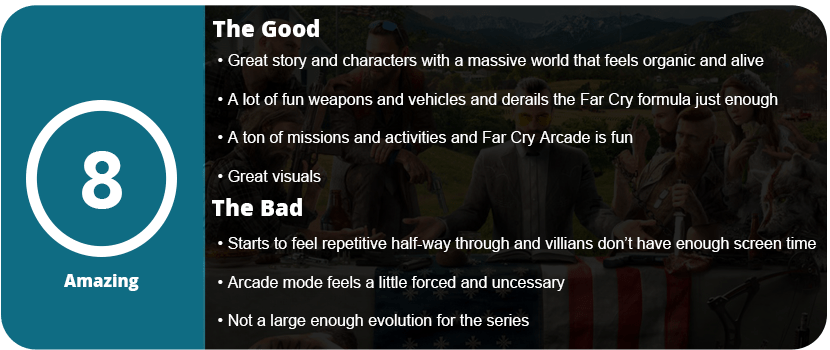
While there are a lot of fun activities and missions, such as fishing and small item hunting, it just isn’t quite enough to completely clear the stale air that Far Cry has created over the last few years. I loved the villains and characters, and the shooting is solid with a massive open world, but there are other issues such as each weapon feeling the same, grinding for cash is a chore, and perk unlocks come at a snail’s pace. You can buy gold bars with real-world cash to quicken the weapon and outfit purchases, so this is probably why it’s a grind.
For the most part, I stuck with the same four guns throughout the entire game, as I never really found a huge difference between them, and around 10 hours in, I started skipping the side activities and gunning for the end of the story. While the world is fun to explore and there is a lot to do and complete, it all starts feeling the same after so long. The game is nowhere near bad, but just repetitive and requires a lot of patience and dedication to complete, but outside the main story, there’s really no drive to.
Far Cry is at its best here, and the formula has been perfected. I honestly can’t see where else this series can go. Open-world first-person shooters are notorious for getting stale quickly, and unless they have an amazing story and characters, there’s no reason to stick around for too long. The arcade mode may keep you coming back if you really love the shooting in this game, but the main story has so much to offer that I rarely dabbled in arcade mode. Overall, the game is well worth a purchase, but if you haven’t liked Far Cry in the past, then this game won’t really change your mind.
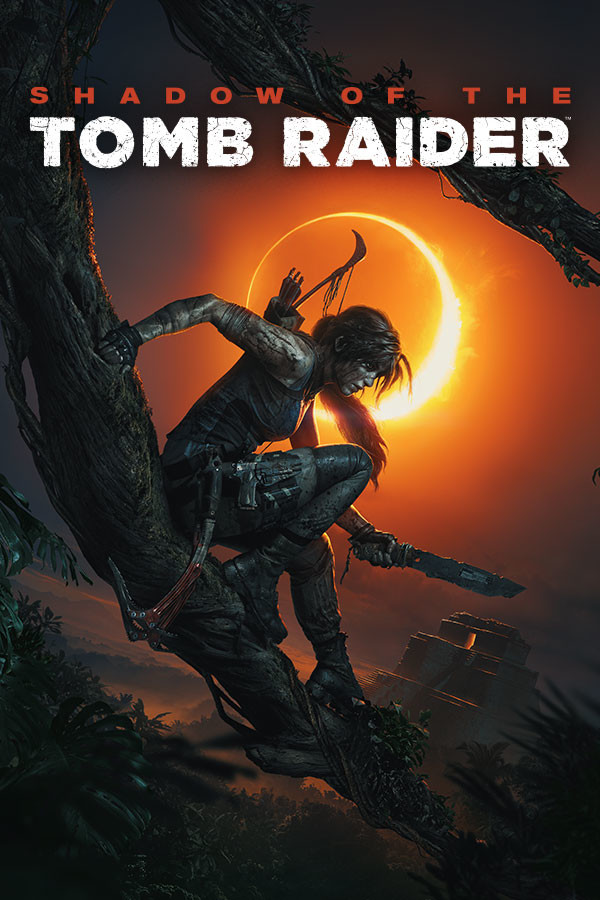
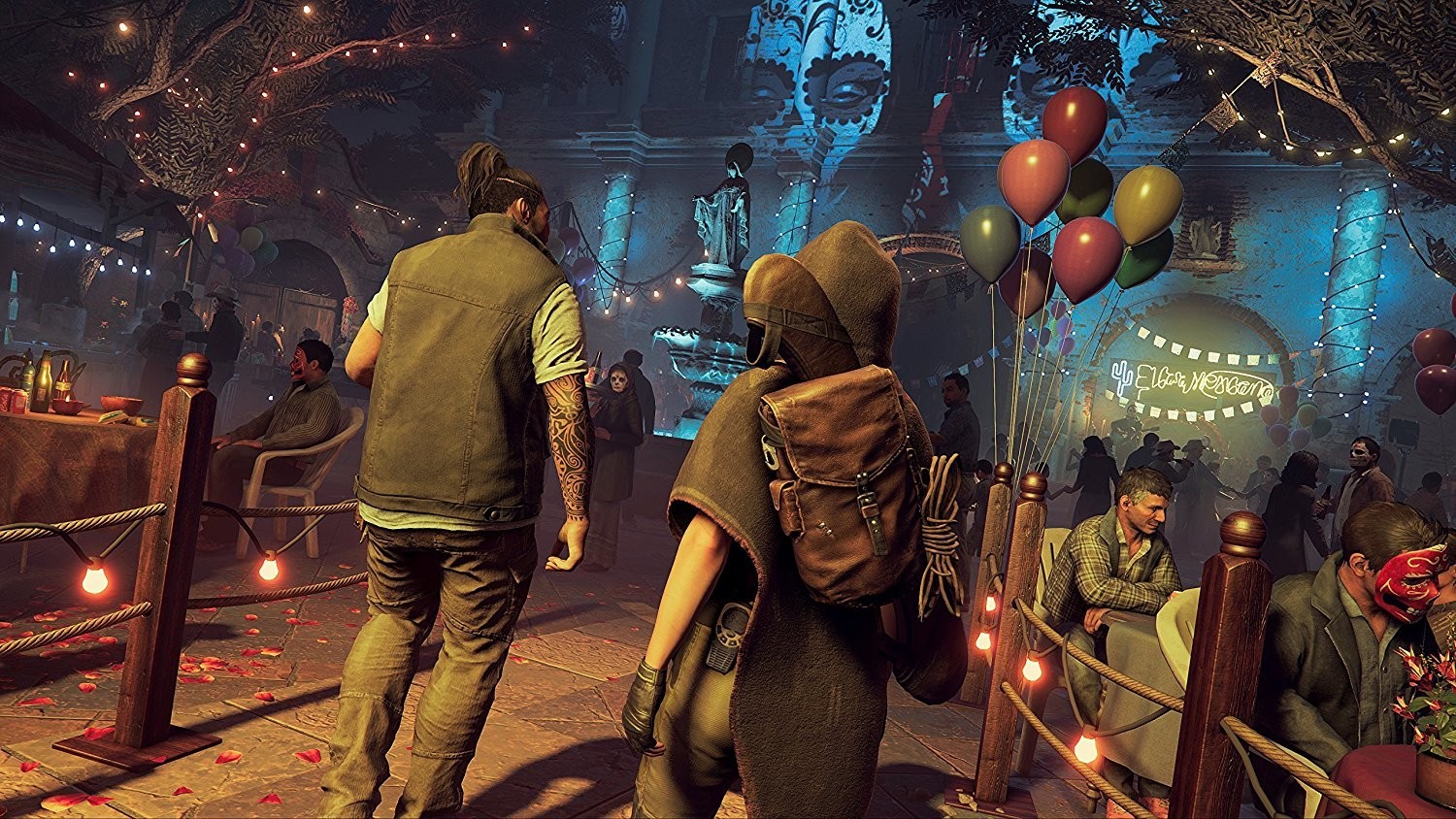
Lara Croft’s adventure since 2013 has been amazing. The reboot was one of the best in the game industry in the last decade, and it turned a sexy heroine full of corny stories and janky gameplay into an open-world, complex trilogy. Shadow of the Tomb Raider continues Lara’s saga against Trinity and Doctor Dominguez, who are trying to basically destroy the world.
The game opens up with an epic prologue, just like the last two games, and we see how hardened Lara has become since the last game. The entire game is about Lara and Jonah trying to find something called the Box, which is a Mayan object that can stop the world from ending. It’s a little more complicated than that, but the story is much better than Rise’s story. At least we get more glimpses of Lara’s past and some advancements in her character, like we saw in the first game.
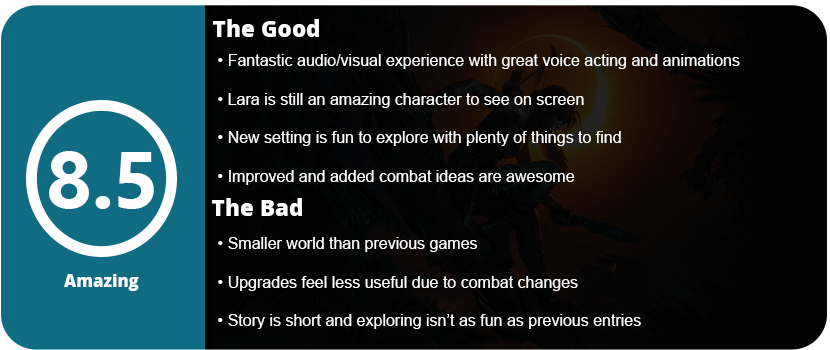
However, I feel the story is a little more unbelievable than the first game. Instead of just trying to survive and escape an island, she’s doing some crazy Hollywood stunts that are totally unbelievable, like running along with debris in a flood. It made me shake my head, but I kept pushing on as it was exciting but felt like a total departure from the first game’s atmosphere and ideas. The world also isn’t large and open like in the last two games. Instead, it’s broken up into smaller parts that can be easily traveled to, with the largest part being Paititi City, which is a pain to navigate, to be honest. I didn’t like this change very much, and as I played through the first third of the game, I was waiting for it to open up into the big open world like the last two games. It just felt more cramped and claustrophobic. I also got bored exploring some of these areas, trying to find all the secrets. It’s just not as exciting or varied as the last games.
That’s not to say the world here is bad. The new jungle theme is a nice departure, feels organic, is highly detailed, and features some new combat ideas. Lara is in full commando mode, as she can cover herself in mud, hide in trees and vines along walls, and take people down. She looks badass doing it, and the combat is much more refined here, but some of the other ideas from the last games almost feel pointless here. All of her upgrades and crafting don’t really fit in here much, as the game’s focus isn’t so much on survival. There are various upgrades for different ammo types, longer breathing, and not having to press the action button when she does long jumps. Some upgrades are repeats, and I never used any of the special ammo as there isn’t as much combat in this game as the previous two; it’s mostly restricted to the story missions. You can craft outfit pieces that grant different passive abilities, but again, these felt pointless as there isn’t much combat in the game and it’s highly focused on stealth.
The story itself is quite short at about 4-5 hours if you skip all the side stuff. It also didn’t feel as epic or as impactful as the last two games. While Rise’s written story was pretty bland, it had some great gameplay set-pieces throughout the entire story, and this game only has a few. I don’t want to bash on the game, making it sound awful, but it’s just trying to evolve while towing stuff from the first game with it, and it feels like extra baggage. I really enjoyed Shadow and wanted to get all the side stuff. I had fun solving the puzzles and climbing around the gorgeous areas, but it just didn’t have as big of an impact on me as the first game did. I loved seeing Lara again, as her character is fantastic, but it’s all more of the same and feels very safe.
As it stands, Shadow of the Tomb Raider is a safe sequel that’s shorter and tries to cut corners and do less while dragging to gameplay ideas for a larger-than-life world with it that just doesn’t fit in. The combat has been greatly improved, but there isn’t much of it, the story is short despite being a better story than the last game, and the large open world is basically gone. What we get is a mix of the last two games, with some new ideas here for a new game. It’s the culmination of the best that all three had to offer, but just not enough of it. The graphics are out of this world amazing, with beautiful animations and voice work, but it’s just not enough to make it the king of the action-adventure genre again.
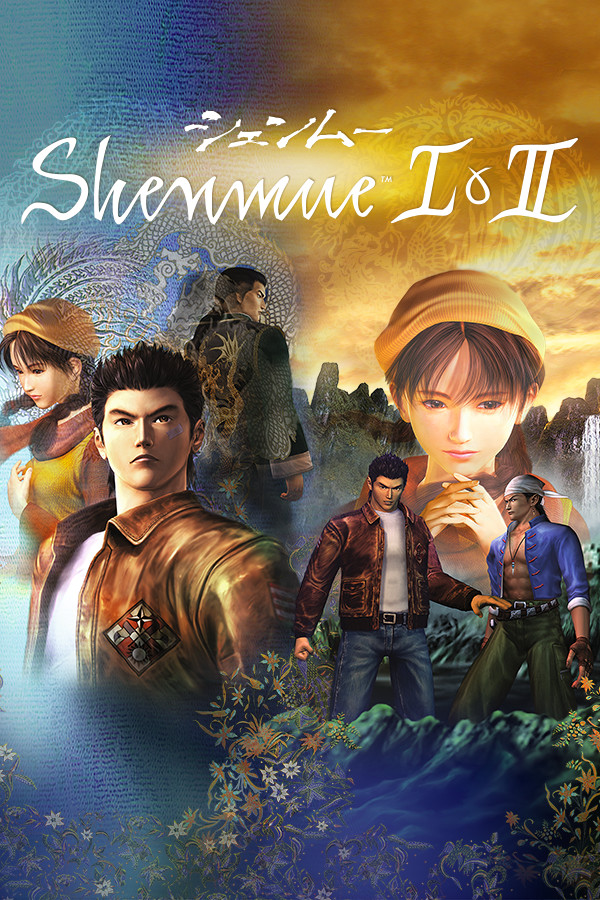
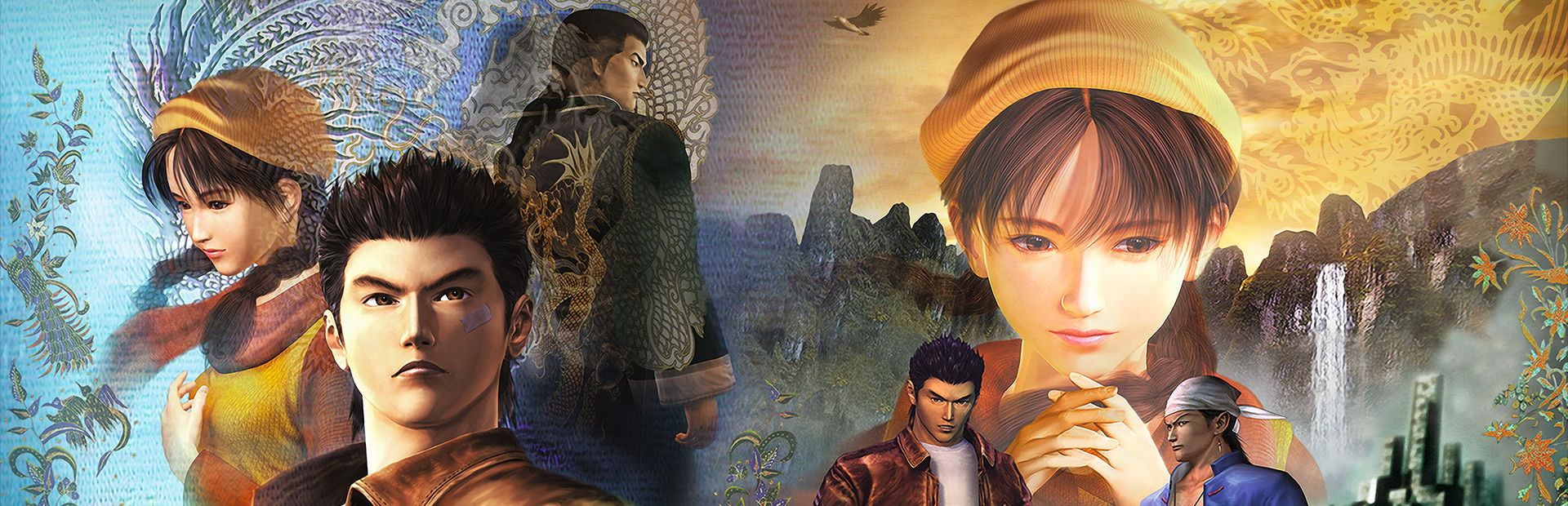
Shenmue is one of those games I never got a chance to play and have wanted to all these years. You always hear people talking about it; it pops up in “Best of” videos and “Worst of” videos, especially for the Dreamcast system itself. Shenmue was a beast all on its own back in the day, as no one had tried these gameplay ideas before. Sure, it’s an adventure game on the surface, but it’s also a life simulator, fighting game, and mini-game extravaganza all in one. It’s weird, beautiful, ugly, and frustrating all at the same time, and yet somehow it all kind of works.
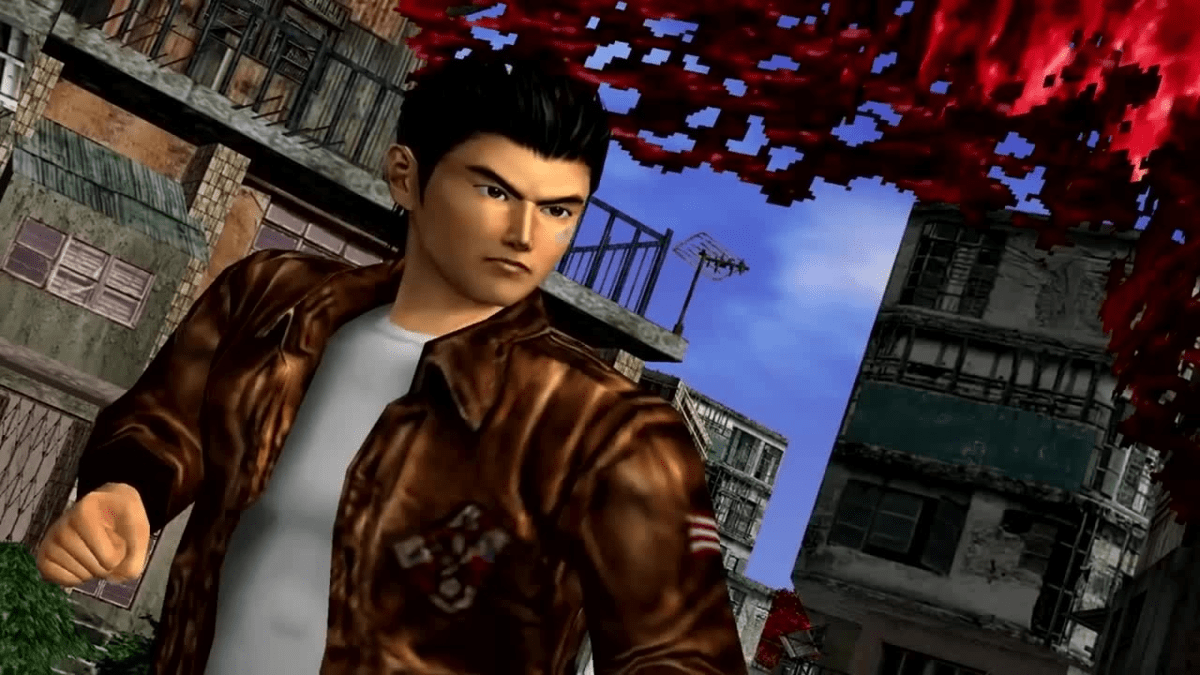
You play as a high school boy named Ryo Hazuki. He gets home one day, and his father dies while fighting a Chinese man named Lhan Di. He steals something called the Dragon Mirror, and you must somehow get it back. The weird thing about the story is that the end goal never really matters, but all the stuff in-between. What is this dragon mirror, and why does Ryo need to get it back? It’s really never explained except something about fulfilling a prophecy and the end times will come if Di keeps it… I don’t know; the story is so unbelievable and weird.
The game starts out like any other adventure game as you wake up in your room and commence rummaging around the house, pulling open drawers, finding items, and trying to figure out where to go. Thankfully, that’s something Shenmue does, as I rarely didn’t know what to do or where to go. After setting foot in the village, I watched a few cutscenes, knocked on about a dozen doors, and kept going through the town, figuring out where to go. Eventually, I ended up in the main city, where half of the game takes place. The first few hours have Ryo running around asking questions to get clues, then going to that person or place for either a cutscene or more clues. This continuous cycle of clue-finding felt satisfying as I met some interesting characters and felt connected to the world of Shenmue.
Sadly, there’s a huge, disappointingly frustrating factor about all of these events: they are time-sensitive. You have to wait for in-game time to pass before certain events unfold. That wouldn’t be so bad, but you can’t skip time, so I literally went and did other things like chores, cooking, or playing a different game while time passed. Sometimes it would take almost 45 minutes for time to pass where I needed it to be, then a small cutscene would play out, and then it’s back to waiting again once I find the next clue that requires more waiting. It would also be fine if there were things to do, but outside of a few real Sega arcade games and collecting Gotcha prizes, there are no side quests or anything to do. It’s so incredibly boring to sit and wait through all of this, and if you miss your time frame, you have to wait again. Waiting also goes for catching the bus to the harbor and working a real forklift job.
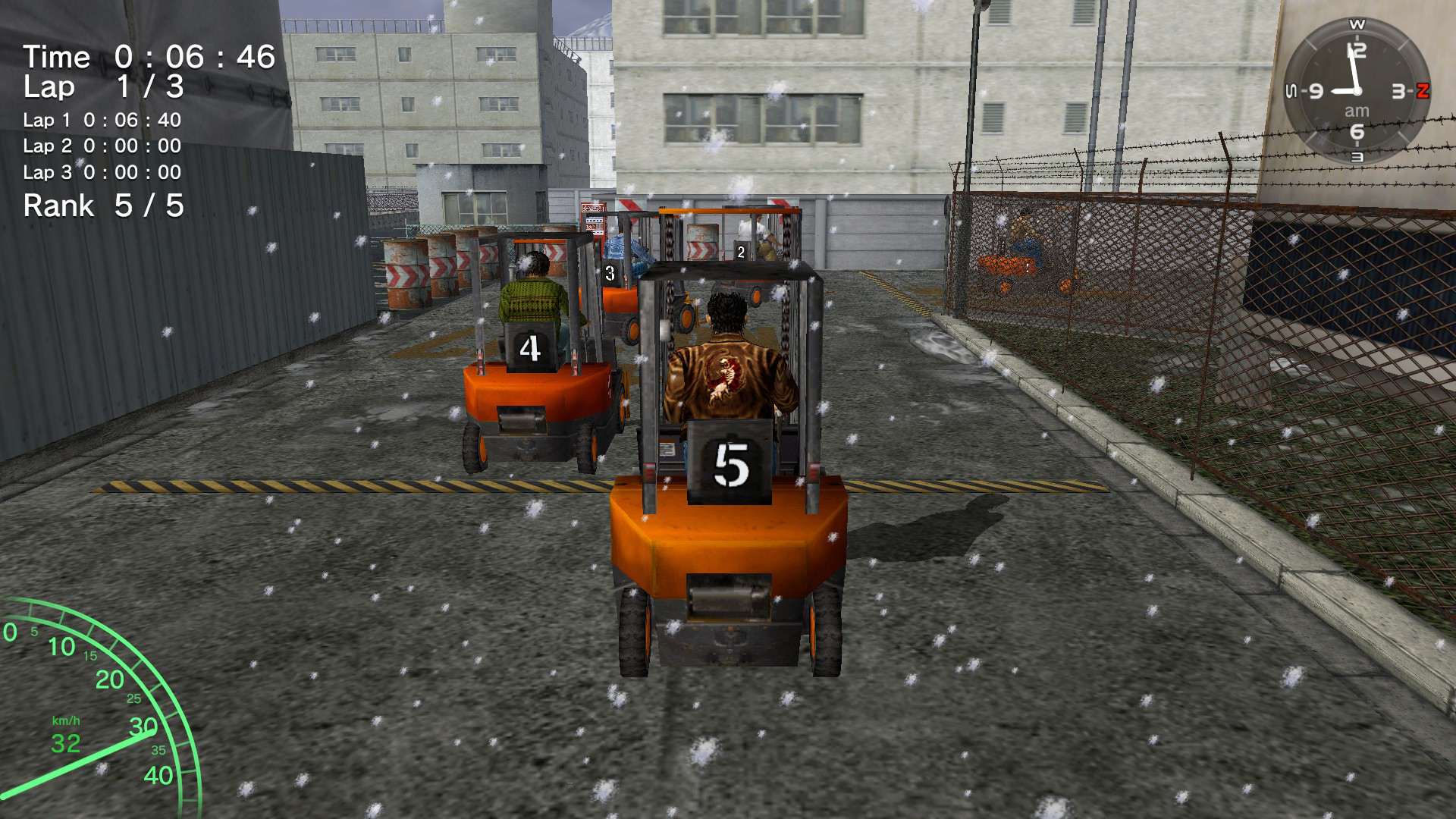
Oh my God, yes, the infamous forklift section of the game. This literally took up an entire 4 hours of the game. You work 8-5 for 5 in-game days driving a forklift from one end of the harbor and loading boxes into a warehouse. It’s both beautifully addictive and stupidly frustrating and annoying. All of this means that the Mad Angels, a drug cartel in the game, will pick on you because you’re new and you can obtain information from them after every fight. Not to mention the annoying forklift race at the beginning of each day on the same track. Man, it’s so stupid and frustrating, and I both loved it and hated it.
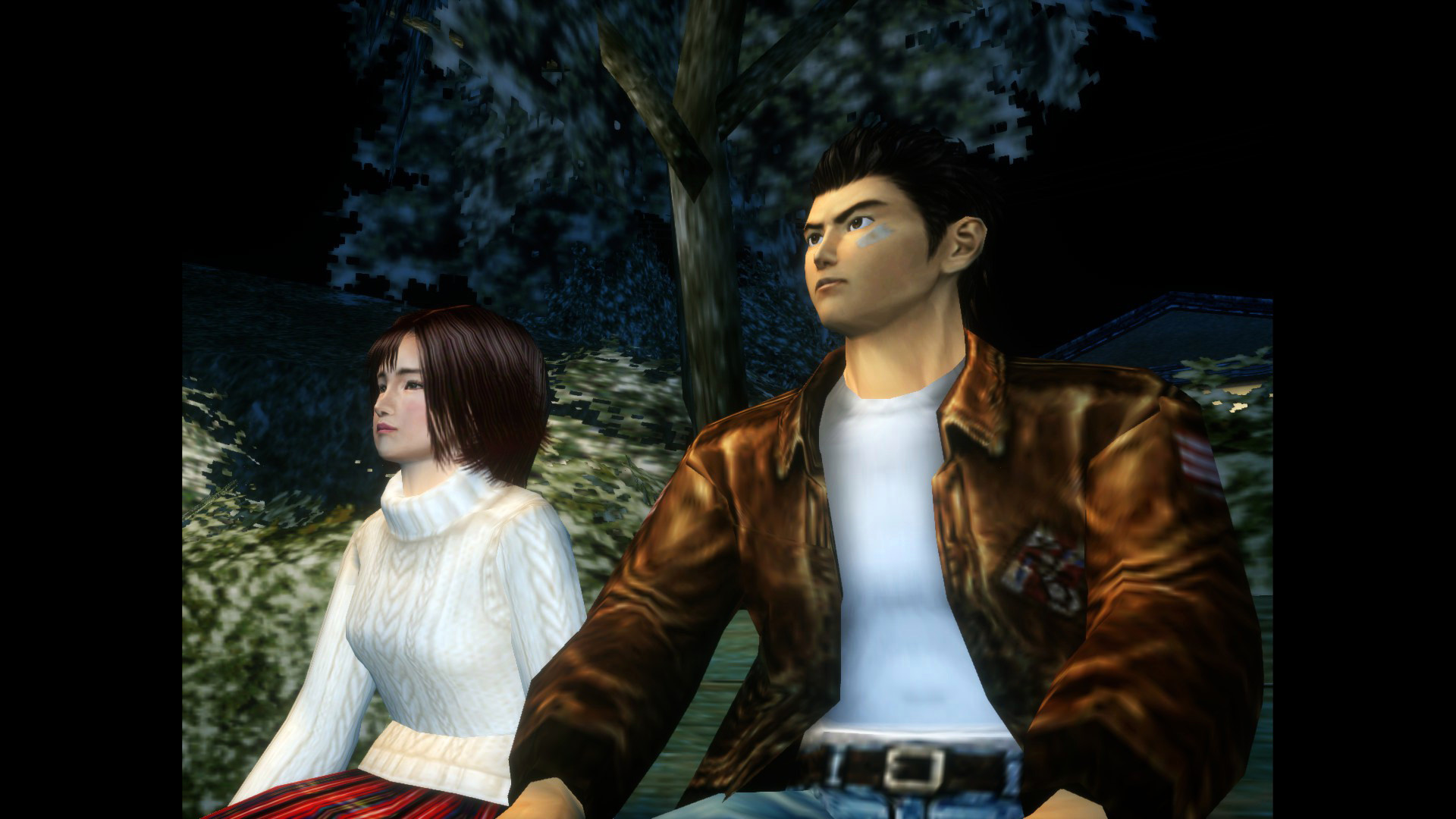
After the forklift section, there are a few more fights, and the game is done. The fighting itself is surprisingly impressive, with responsive controls, fast and fluid animations, and plenty of combos. Outside of the free battles, there are QTE battles, which can be hard, and the reaction time they give you is literally milliseconds. The visuals of the game haven’t been updated all that much. There are newer lighting effects and better shadows, and the characters have smoothed over textures, but overall it still looks like a 20-year-old game. There are still plenty of bugs and glitches, such as being stuck in first-person mode after driving the forklift, hard crashes, and objects disappearing completely.
The music is annoying and repetitive, with only one short track per area, and it just isn’t very good. The voice acting is awful, and even the Japanese voice track is questionable sometimes. The audio in general still sounds compressed and really bad, and the game is just really rough around the edges. So why should you play it? It’s a weird piece of gaming history on a system that died faster than it could blink. The characters are interesting, and the various activities are fun, but the long waiting and various missteps keep Shenmue from being a fantastic game.
Shenmue II
I have a weird disposition toward the entire Shenmue series. I really want to love it, but the problem is that the game is so flawed and so strange that it almost feels like a chore to complete. The first game was tolerable as it was fairly short, and the age made it more forgiving, but Shenmue II has no excuse. It was on a new generation of consoles, and I have literally never played a sequel in a series that was a copy and paste of the last game.
The game picks off exactly where the last one took off, with Ryo heading to Hong Kong, and as soon as I saw the first cutscene, I sighed, rolled my eyes, and did an entire facepalm. I expected the game to look fairly newer, have a new UI, better controls, and an all-new look, but we got a literal engine port from the Dreamcast with just new areas to explore and a story that’s four times longer than the original (the original Xbox game had four discs!).
As I got off the boat, I really realized it was the exact same game as Ryo controls, just as poorly. The gameplay is exactly the same to the T, and I buckled in for a long ride. The first third of the game has Ryo running around talking to people, gathering clues, meeting a few new faces, and trying to continue to find Lan Di and avenge his father’s death. At least more stories are explained, and we find out what every mystery in the first game means. To be honest, the first third of the game isn’t all that bad; yes, it’s more Shenmue I stuff, but it’s easy and straightforward for the most part. Once I got to the second third of the game, things got tedious, frustrating, and a little annoying. This series, for some reason, loves having Ryo work and be miserable when it comes to progress. Twice I was stuck having to work on the most boring and tedious mini-game I have ever played to earn enough money to move on. You can earn $10 a crate by helping someone move them from one side of the room to another, and it’s all about QTEs with the directional buttons. You usually never earn more than $60 as there isn’t enough time allotted for more work, and gambling is usually risky and out of the question altogether. The game favors the AI more than you, so you can easily blow all your cash and have to play that mini-game six or seven times over to earn it back again.
Outside of the awful mini-games, the second third of the game has Ryo running around inside buildings that are built like mazes with hallways that all look the same. It’s not as easy as using the elevator, as you will have to use the stairs to go up, use that elevator to go further down, then use the stairs again to go down further. In between are free battles, QTE events, and the occasional boss fight. It’s so tedious and frustrating as there are little dialog quips that are in between repetitive gameplay sections that can’t be skipped and just add to what makes the entire game annoying to play.
Once you get past that third of the game, the last third is the exact opposite of the rest of the game. It’s a 2-hour-long cutscene that lets you interact every so often via dialog or by running down a few paths, QTEs, and more dialog. Let that sink in for a minute. A 2-hour-long cutscene. All you’re doing is going through a forest and mountain pass to get to a village with a local accompanying you. This is also where most of the story unfolds and becomes more interesting.
I have a lot of things to complain about with this game and the series as a whole, but the story is still good enough to keep me trucking along and putting up with the repetitive, drawn-out nonsense the game dishes out. Not to mention the several times the game crashed and my progress was set back to my last save. The game itself is just ugly to look at and looks like a slightly updated Dreamcast game in only a few ways. The gameplay style is just too dated, frustrating, and unnecessary to get the story across. I would have rather had cutscenes and just QTEs in between than these weird gameplay “ideas” thrown in. Sure, the game is much larger in scope, but it’s still a linear maze of remembering street and building names and participating in fights.
Overall, Shenmue II is both beautiful and terrible at the same time. It’s a game out of time and should have either been less than the sum of its parts or just a 3D anime feature-length movie. As a game, it just doesn’t need to really exist, especially being so dated even at the time of release. It suffers from all the same issues as the first game, and even as an HD port, it still doesn’t look or play well. It’s a very niche game that many gamers will not even get 1/4 through before turning it off for good. It requires an immense amount of patience, time, and forgiveness to enjoy, and sometimes that’s just too much to ask for a game.
Conclusion
As it stands, this Shenmue HD port is either good or bad, depending on your stance on the series. It’s great to get a piece of gaming history playable on modern consoles, but there are so many flaws with both games and the port itself that it’s hard to justify it to anyone except really curious people and hardcore fans. The games are both full of crashes, bugs, and glitches, and they look hideous with no effort put into the game engine at all.
I have a weird disposition toward the entire Shenmue series. I really want to love it, but the problem is that the game is so flawed and so strange that it almost feels like a chore to complete. The first game was tolerable as it was fairly short, and the age made it more forgiving, but Shenmue II has no excuse. It was on a new generation of consoles, and I have literally never played a sequel in a series that was a copy and paste of the last game.
The game picks off exactly where the last one took off, with Ryo heading to Hong Kong, and as soon as I saw the first cutscene, I sighed, rolled my eyes, and did an entire facepalm. I expected the game to look fairly newer, have a new UI, better controls, and an all-new look, but we got a literal engine port from the Dreamcast with just new areas to explore and a story that’s four times longer than the original (the original Xbox game had four discs!).
As I got off the boat, I really realized it was the exact same game as Ryo controls, just as poorly. The gameplay is exactly the same as the T, and I buckled in for a long ride. The first third of the game has Ryo running around talking to people, gathering clues, meeting a few new faces, and trying to continue to find Lan Di and avenge his father’s death. At least more stories are explained, and we find out what every mystery in the first game means. To be honest, the first third of the game isn’t all that bad; yes, it’s more Shenmue I stuff, but it’s easy and straightforward for the most part. Once I got to the second third of the game, things got tedious, frustrating, and a little annoying. This series, for some reason, loves having Ryo work and be miserable when it comes to progress. Twice, I was stuck having to work on the most boring and tedious mini-game I have ever played to earn enough money to move on. You can earn $10 a crate by helping someone move them from one side of the room to another, and it’s all about QTEs with the directional buttons. You usually never earn more than $60 as there isn’t enough time allotted for more work, and gambling is usually risky and out of the question altogether. The game favors the AI more than you, so you can easily blow all your cash and have to play that mini-game six or seven times over to earn it back again.
Outside of the awful mini-games, the second third of the game has Ryo running around inside buildings that are built like mazes with hallways that all look the same. It’s not as easy as using the elevator, as you will have to use the stairs to go up, use that elevator to go further down, then use the stairs again to go down further. In between are free battles, QTE events, and the occasional boss fight. It’s so tedious and frustrating as there are little dialog quips that are in between repetitive gameplay sections that can’t be skipped and just add to what makes the entire game annoying to play.
Once you get past that third of the game, the last third is the exact opposite of the rest of the game. It’s a 2-hour-long cutscene that lets you interact every so often via dialog or by running down a few paths, QTEs, and more dialog. Let that sink in for a minute. A 2-hour-long cutscene. All you’re doing is going through a forest and mountain pass to get to a village with a local accompanying you. This is also where most of the story unfolds and becomes more interesting.
I have a lot of things to complain about with this game and the series as a whole, but the story is still good enough to keep me trucking along and putting up with the repetitive, drawn-out nonsense the game dishes out. Not to mention the several times the game crashed and my progress was set back to my last save. The game itself is just ugly to look at and looks like a slightly updated Dreamcast game in only a few ways. The gameplay style is just too dated, frustrating, and unnecessary to get the story across. I would have rather had cutscenes and just QTEs in between than these weird gameplay “ideas” thrown in. Sure, the game is much larger in scope, but it’s still a linear maze of remembering street and building names and participating in fights.
Overall, Shenmue II is both beautiful and terrible at the same time. It’s a game out of time and should have either been less than the sum of its parts or just a 3D anime feature-length movie. As a game, it just doesn’t need to really exist, especially being so dated even at the time of release. It suffers from all the same issues as the first game, and even as an HD port, it still doesn’t look or play well. It’s a very niche game that many gamers will not even get 1/4 through before turning it off for good. It requires an immense amount of patience, time, and forgiveness to enjoy, and sometimes that’s just too much to ask for a game.
Shenmue is one of those games I never got a chance to play and have wanted to all these years. You always hear people talking about it; it pops up in “Best of” videos and “Worst of” videos, especially for the Dreamcast system itself. Shenmue was a beast all on its own back in the day, as no one had tried these gameplay ideas before. Sure, it’s an adventure game on the surface, but it’s also a life simulator, fighting game, and mini-game extravaganza all in one. It’s weird, beautiful, ugly, and frustrating all at the same time, and yet somehow it all kind of works.
You play as a high school boy named Ryo Hazuki. He gets home one day, and his father dies while fighting a Chinese man named Lhan Di. He steals something called the Dragon Mirror, and you must somehow get it back. The weird thing about the story is that the end goal never really matters, but all the stuff in-between. What is this dragon mirror, and why does Ryo need to get it back? It’s really never explained except something about fulfilling a prophecy and the end times will come if Di keeps it… I don’t know; the story is so unbelievable and weird.
The game starts out like any other adventure game as you wake up in your room and commence rummaging around the house, pulling open drawers, finding items, and trying to figure out where to go. Thankfully, that’s something Shenmue does, as I rarely didn’t know what to do or where to go. After setting foot in the village, I watched a few cutscenes, knocked on about a dozen doors, and kept going through the town, figuring out where to go. Eventually, I ended up in the main city, where half of the game takes place. The first few hours have Ryo running around asking questions to get clues, then going to that person or place for either a cutscene or more clues. This continuous cycle of clue-finding felt satisfying as I met some interesting characters and felt connected to the world of Shenmue.
Sadly, there’s a huge, disappointingly frustrating factor about all of these events: they are time-sensitive. You have to wait for in-game time to pass before certain events unfold. That wouldn’t be so bad, but you can’t skip time, so I literally went and did other things like chores, cooking, or playing a different game while time passed. Sometimes it would take almost 45 minutes for time to pass where I needed it to be, then a small cutscene would play out, and then it’s back to waiting again once I find the next clue that requires more waiting. It would also be fine if there were things to do, but outside of a few real Sega arcade games and collecting Gotcha prizes, there are no side quests or anything to do. It’s so incredibly boring to sit and wait through all of this, and if you miss your time frame, you have to wait again. Waiting also goes for catching the bus to the harbor and working a real forklift job.
Oh my God, yes, the infamous forklift section of the game. This literally took up an entire 4 hours of the game. You work 8-5 for 5 in-game days driving a forklift from one end of the harbor and loading boxes into a warehouse. It’s both beautifully addictive and stupidly frustrating and annoying. All of this means that the Mad Angels, a drug cartel in the game, will pick on you because you’re new and you can obtain information from them after every fight. Not to mention the annoying forklift race at the beginning of each day on the same track. Man, it’s so stupid and frustrating, and I both loved it and hated it.
After the forklift section, there are a few more fights, and the game is done. The fighting itself is surprisingly impressive, with responsive controls, fast and fluid animations, and plenty of combos. Outside of the free battles, there are QTE battles, which can be hard, and the reaction time they give you is literally milliseconds. The visuals of the game haven’t been updated all that much. There are newer lighting effects and better shadows, and the characters have smoothed over textures, but overall it still looks like a 20-year-old game. There are still plenty of bugs and glitches, such as being stuck in first-person mode after driving the forklift, hard crashes, and objects disappearing completely.
The music is annoying and repetitive, with only one short track per area, and it just isn’t very good. The voice acting is awful, and even the Japanese voice track is questionable sometimes. The audio in general still sounds compressed and really bad, and the game is just really rough around the edges. So why should you play it? It’s a weird piece of gaming history on a system that died faster than it could blink. The characters are interesting, and the various activities are fun, but the long waiting and various missteps keep Shenmue from being a fantastic game.







































 thebinarymessiah.com
ORC is probably the worst game in the entire series. It's objectively awful. Being bad isn't different. Different is Outbreak…