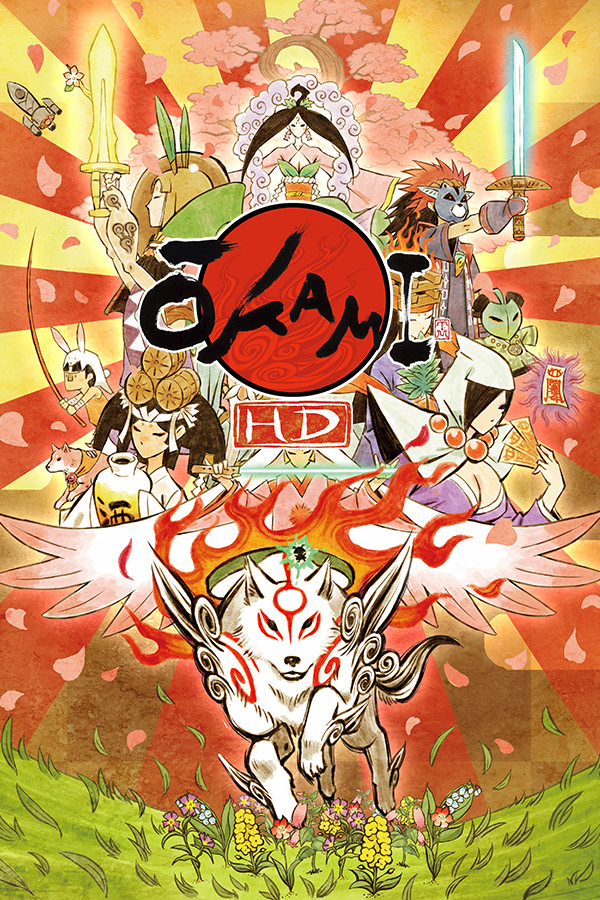
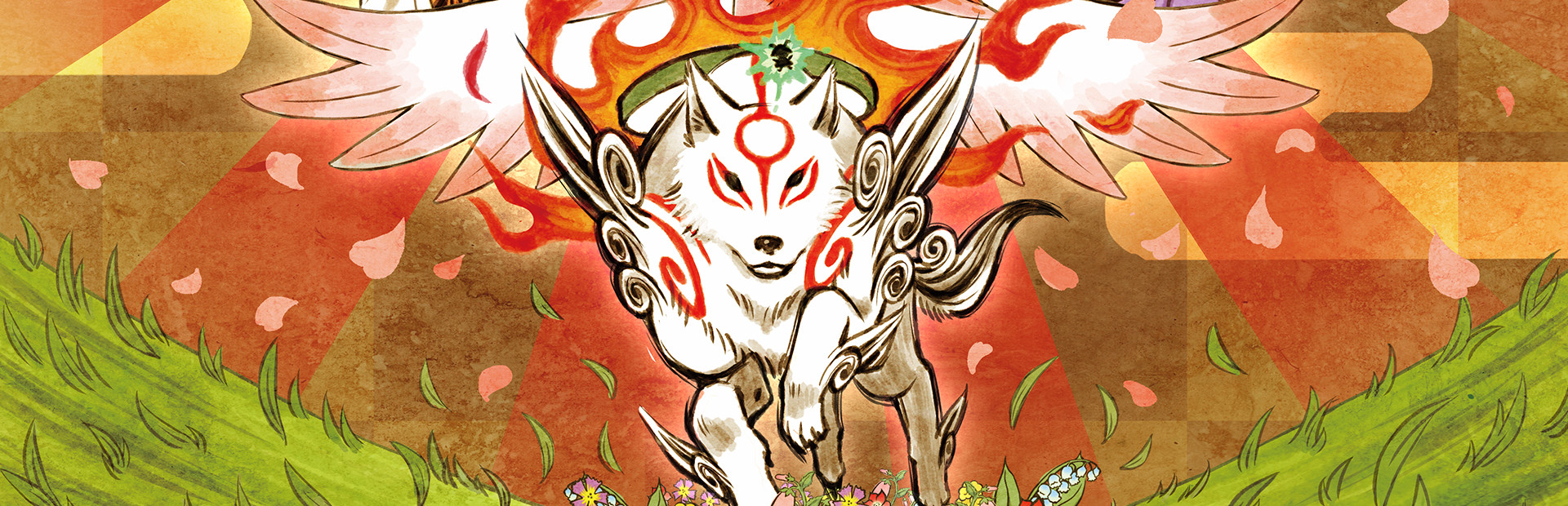
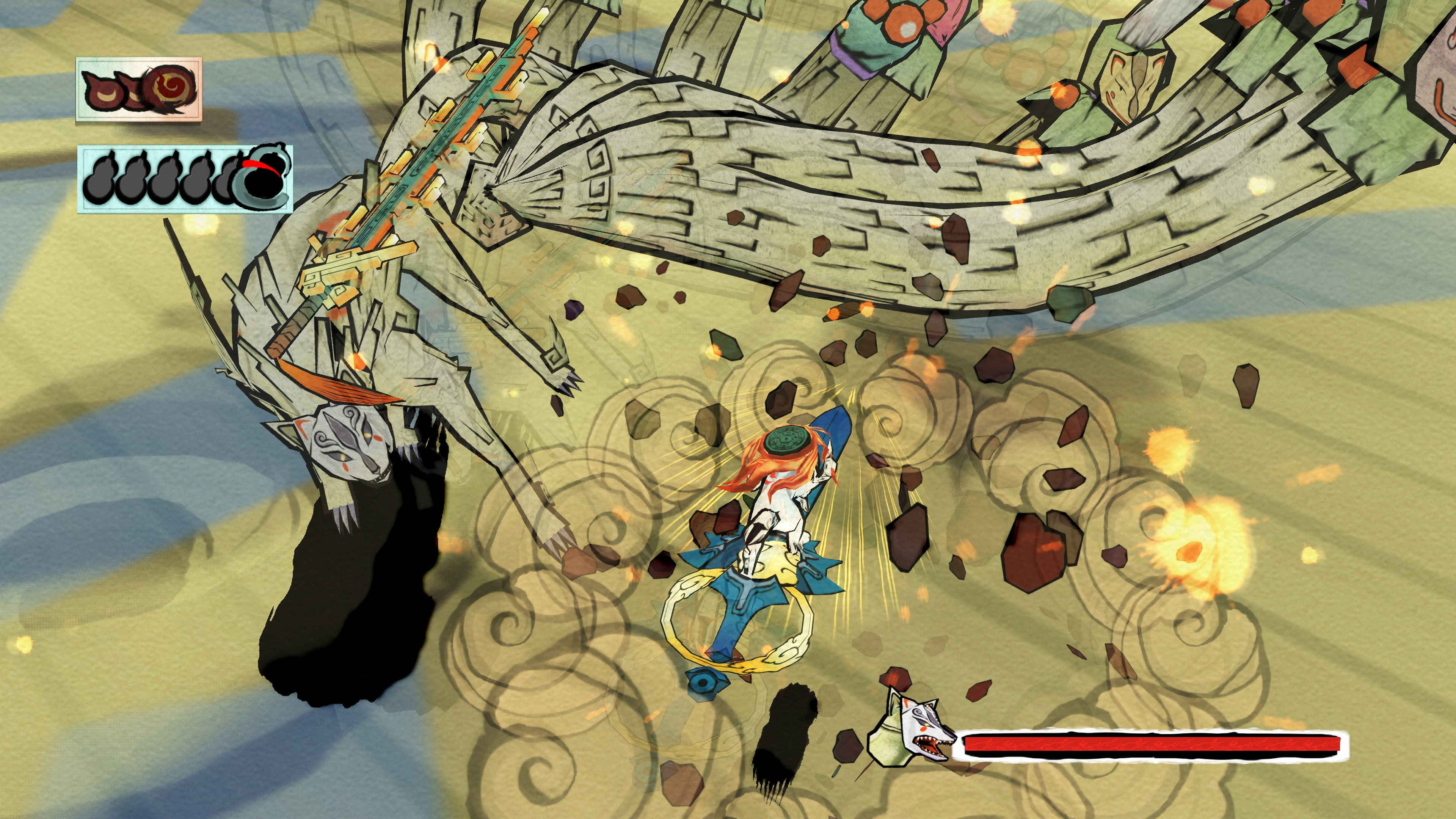
Okami was one of my favorite PS2 games growing up. I got the game for my birthday and was amazed by the beauty of the visuals and the unique gameplay of the Celestial Brush. It may not seem like such a big deal today, but back in 2006, this game sold PS2 units like hotcakes, and it helped the PS2 stand out as the best console of the generation, something the Xbox and GameCube didn’t have.
Fast forward 11 years, and the game still stands out and holds up as if it were released yesterday. You play as Okami Amaterasu, the Sun Goddess, with your Poncle pal Issun, as you embark on an adventure to rid Japan of darkness and evil. It seems like a stereotypical Japanese action-adventure story, but it’s a bit more than that. The characters have depth, and they all feel unique in their own way, with overexaggerated characters and personalities.
The game starts out simple enough by introducing you to basic game mechanics, including the celestial brush, by learning your first brush technique, rejuvenation. By pressing a button, the screen takes a snapshot and turns it into a black-and-white drawing right before your eyes. You then take an actual brush that you control and paint the correct stroke for each technique. This is such a beautiful and amazing game mechanic that works so well and yet has not been matched to this day.
As you progress through the game, the world opens up with larger hub areas that you can explore. Besides going for the main story, you can partake in item collection quests, praise gathering, and finding hidden chests that contain various items. Praise is used to upgrade your health; ink pots; an astral pouch (used to resurrect you when you die); and a money pouch. Praise can be gained by rejuvenating dead areas, feeding animals, and helping villagers in small, yet sparse, side quests. However, 90% of the time, you will be heading ever onward toward the end of your journey.
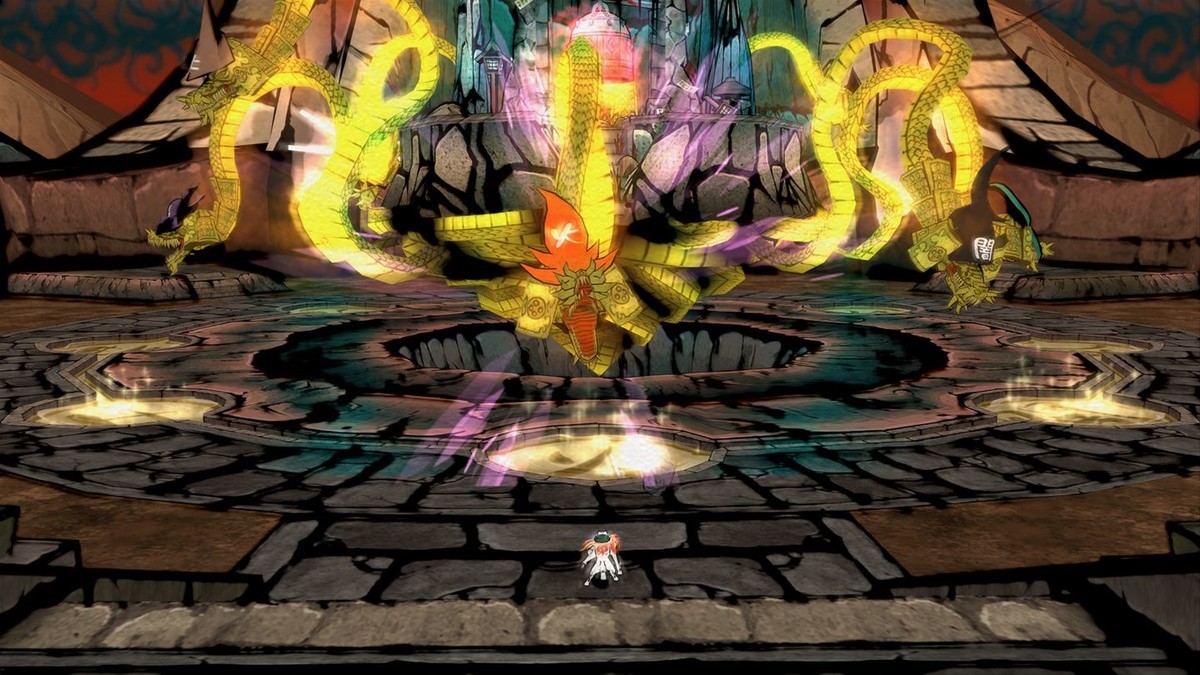
Combat is actually where the Celestial Brush comes into play the most. You and the enemies are surrounded by a cursed circle, and you can use your various brush techniques to defeat the enemy. There are many enemy types in the game, and they are all based on ancient Japanese myths and legends and look fantastic as well. Each enemy is completely different and weak to different techniques. Enemies are introduced slowly throughout the entire game, all the way to the end.
Boss fights are also unique and fun in their own right. Outside of brush attacks, you can also attack physically and with items. Amaterasu can equip three different types of weapons: mirrors, glaives, and beads. Mirrors are good for quick, rapid medium-range attacks; glaives are for heavier and slower close-range attacks; and beads are for rapid long-range attacks. You can also equip a sub-weapon for a secondary attack that is either close range or projectile. Combat never got old, but it is rather easy. I actually got through the entire game without dying once, and after you start getting a lot of money, you can just buy heavy-damage items and use them over your techniques and weapons. It’s a little unbalanced, but still fun and challenging nonetheless.
As a whole, Okami is beautiful, adventurous, memorable, and unique. However, it does have some flaws. The dialog is the most irritating part of the game, as characters talk in muffled simlish gibberish, and it just gets grating after a while. You also can’t quickly skip through dialog during some cutscenes, so it takes forever to get through. I also found the last 25% of the game long-winded and unnecessary. There’s also a lot of backtracking towards the end and repeated boss battles, which drove me nuts. The game clocks in at about 25–30 hours, which is a little too long for this game. Towards the end, it just felt like the developers were extending the playtime by making you repeat things and dragging things out. I loved my time with Okami, but those last 5–10 hours drove me insane.
Outside of all this, the remastered version looks amazing in widescreen and 1080p and even has 4K textures if you own an appropriate console or PC. It’s nice to see Capcom supporting current tech with their updated games as Okami pops to life on 4K TVs. The price is also a steal, as it was released at a budget price of $20. There’s no excuse not to play this classic.
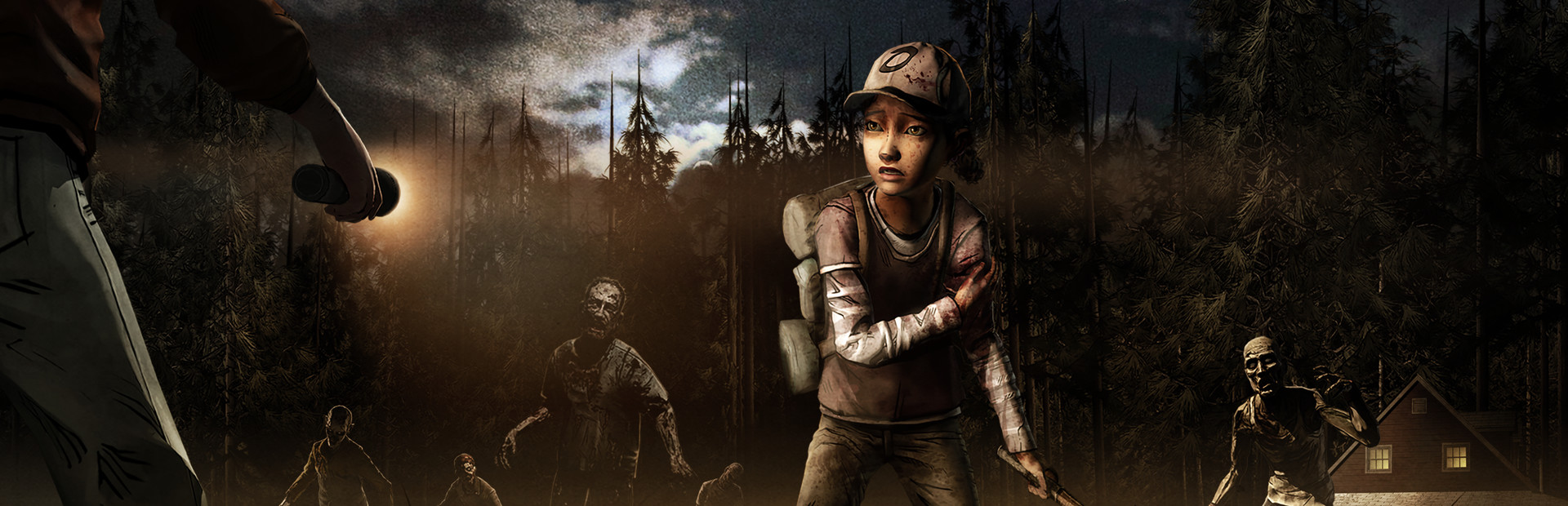
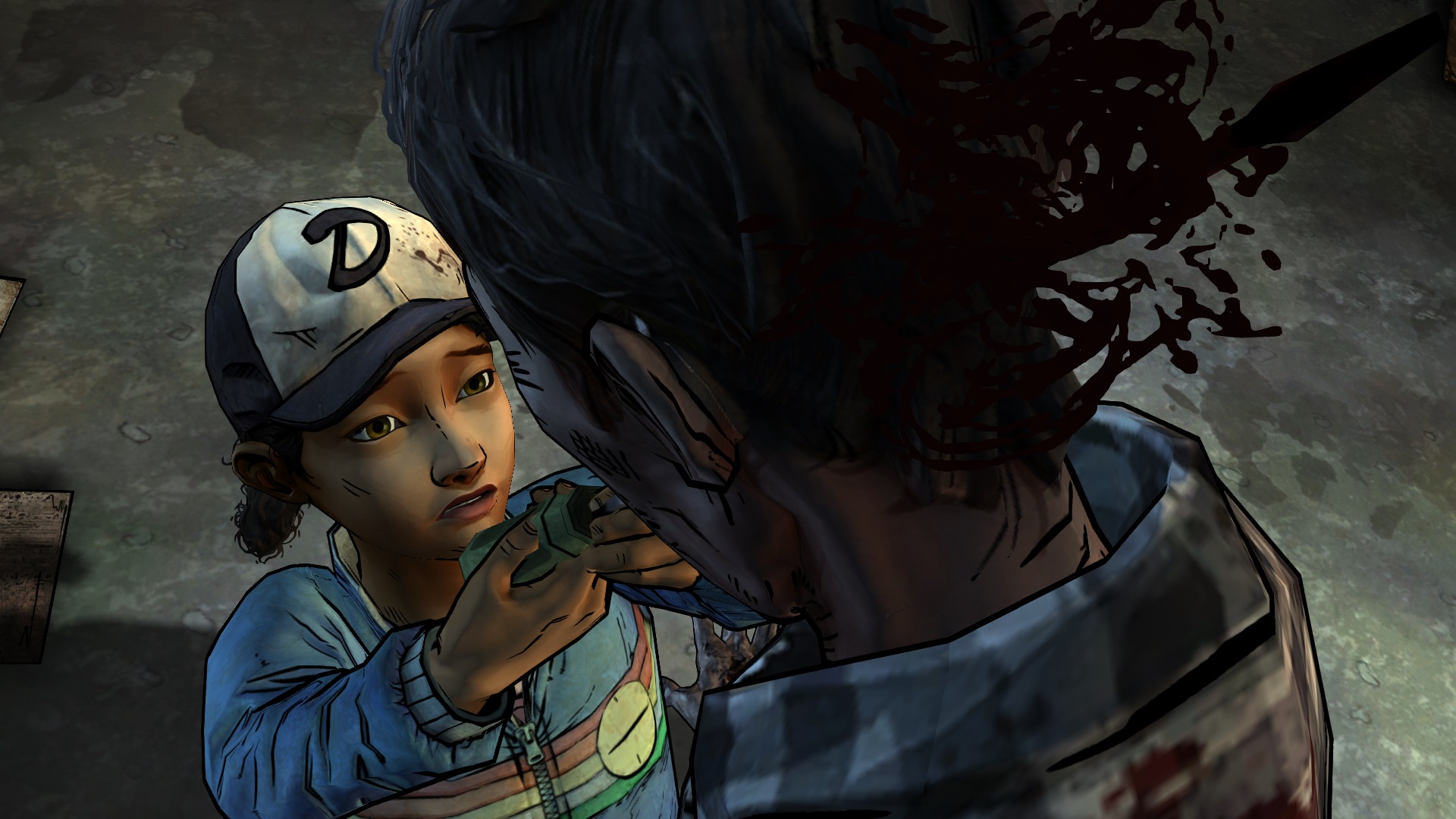
The original Walking Dead was a fantastic adventure game. It was well written, tense, memorable, and had amazing characters. The dialog choices kept the game moving, and you always felt like you were in control of every moment. Season Two adds to this while taking place moments after the end of the first game.
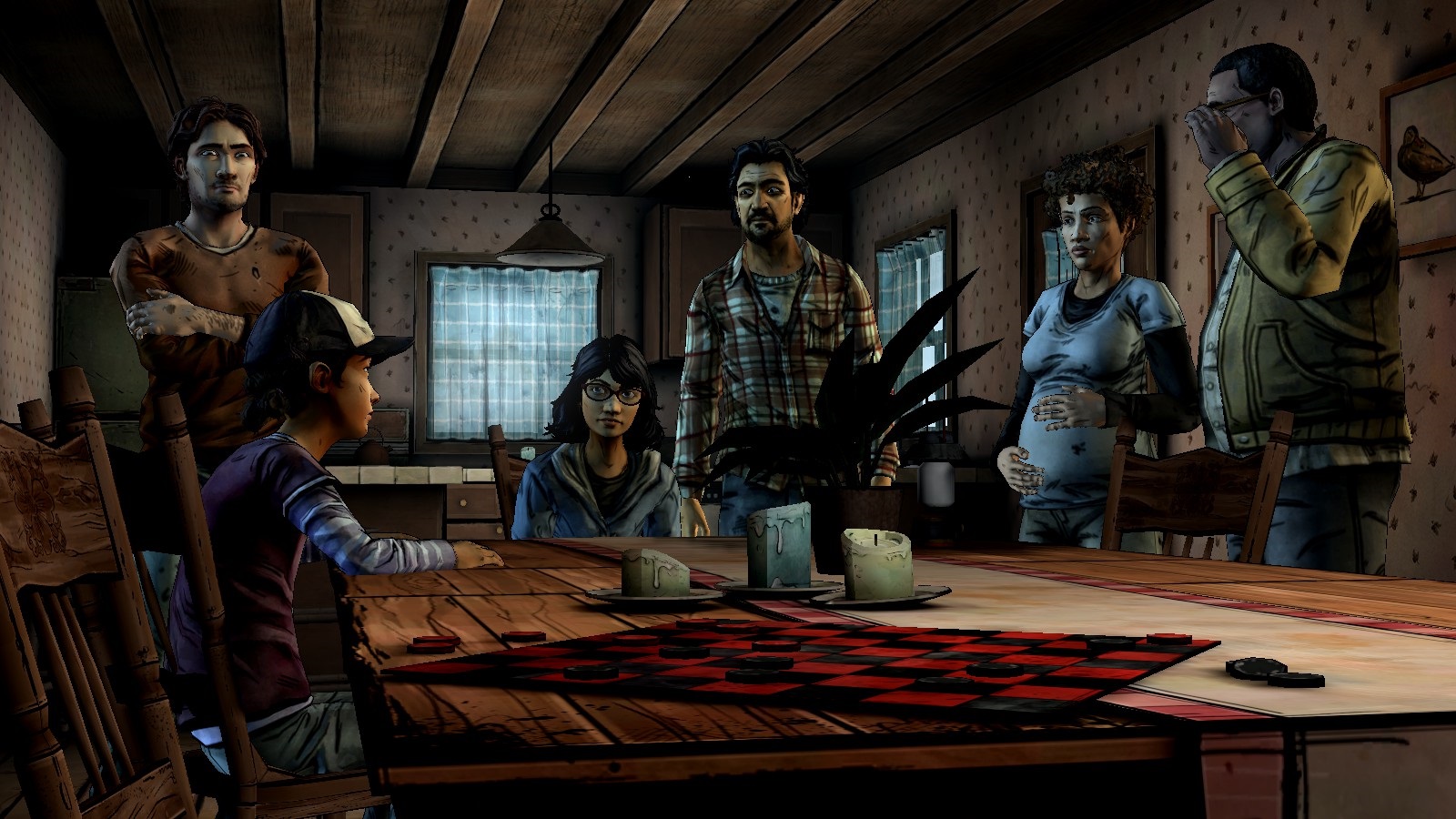
This time around, you play solely as Clementine. Right off the bat, I can tell you that your choices from the first season hardly impact Season Two. I imported my save, but I didn’t see many changes or choices I made from Season One affect anything here. We get an all-new cast, setting, and goal for Season Two that kept me going until the end.
Clementine is a child, but her raw character shows this season thanks to what she went through. Going from an innocent child to a hardened killer isn’t easy, and it makes Clementine such a likable character. Adults respect her for how mature she is; she can make adult decisions, but she still has some vulnerabilities that a child would have at her age. The new characters come across as strong, just like in Season One, but I felt a slight disconnect from them. Something about these new characters didn’t quite click as well. A lot is introduced early on, so this might be the reason.
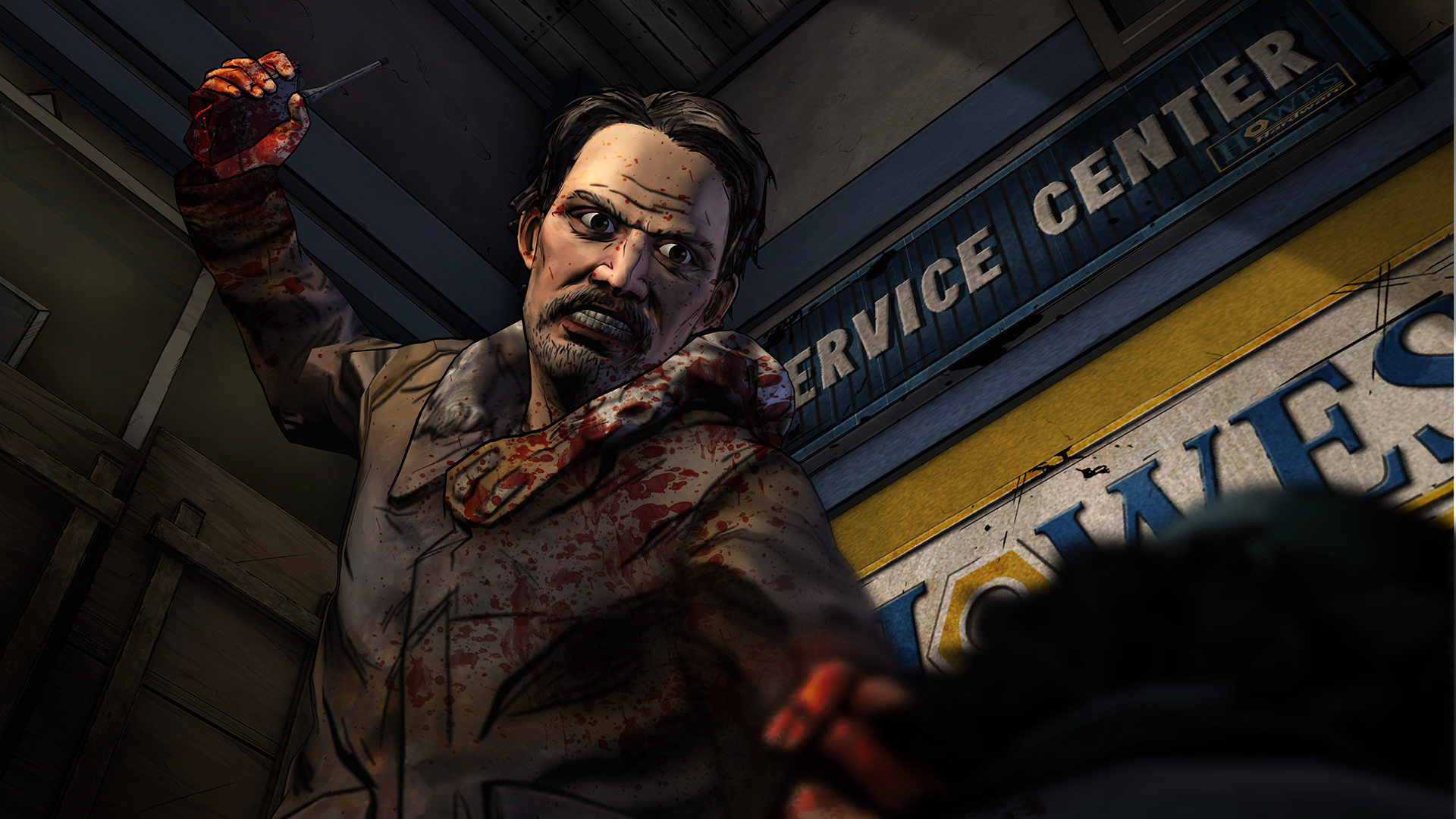
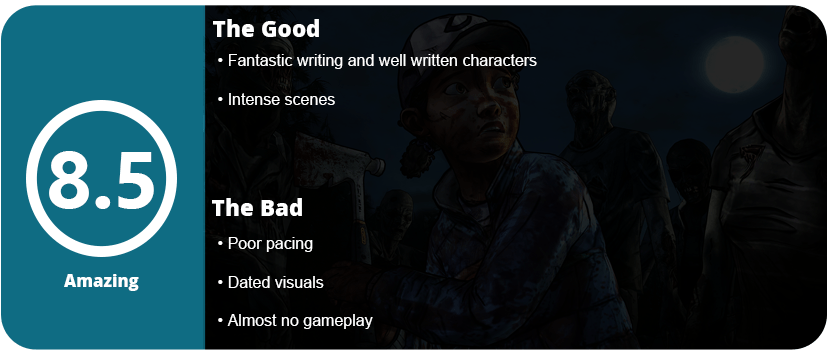
Throughout the game, we are seeing Clem get to a word-of-mouth safe haven called Wellington as she meets new friends, makes new enemies, and has to escape dire circumstances. I feel that this time around, the game is more of an interactive movie than a game. There are hardly any gameplay moments, and there is zero puzzle solving. The action sequences are somewhat entertaining, but the horrific moments of terror are far and few this time around. The few spots where you can walk around an area feel pointless, as all you do is go to the only interactive object to progress. The gameplay is seriously lacking here, but that’s not really a bad thing.
The dialog options are still strong, and many choices had me wanting to go back and change my choice, but that’s good. I always thought about what would happen if I chose something else, as some choices are designed to unfold later and some are immediate. The pacing of this game is also slower and less balanced. There are many slow moments of downtime and dialog build-up. Sometimes 20 minutes would go by with nothing but dialog options, which is a stark contrast to the first game.
I did notice the visuals are slightly improved with better lighting and more detailed textures, but overall the game engine is seriously aging and doesn’t hold up to other games. Season Two is still a memorable game with great characters, excellent writing, and tense moments. If only it were paced better and had more gameplay.
Colors: Gray Joy-Con version, Neon Blue+Red Joy-Con version, Red Joy-Con version
Strange Tidings
I wasn’t a believer. I saw the Switch as a gimmicky train wreck straight into financial debt as Nintendo revealed the system last year. The concept was neat, the first home console was built into a tablet which felt like the last 2 Nintendo consoles smushed into one. The only issue that still remained was graphical power and online play as Nintendo is notoriously known for not doing well in these two departments.
Fast forward over a year later and I have one sitting next to me. To be honest, it was a spontaneous purchase during Black Friday weekend, as there were more and more games coming out that I really wanted to play. It was still a gamble, as there’s a huge divide on the Switch. Nintendo fanboys refuse to admit faults in the system, and naysayers refuse to admit the originality and fantastic games that are available, as few as there are.
First Impressions
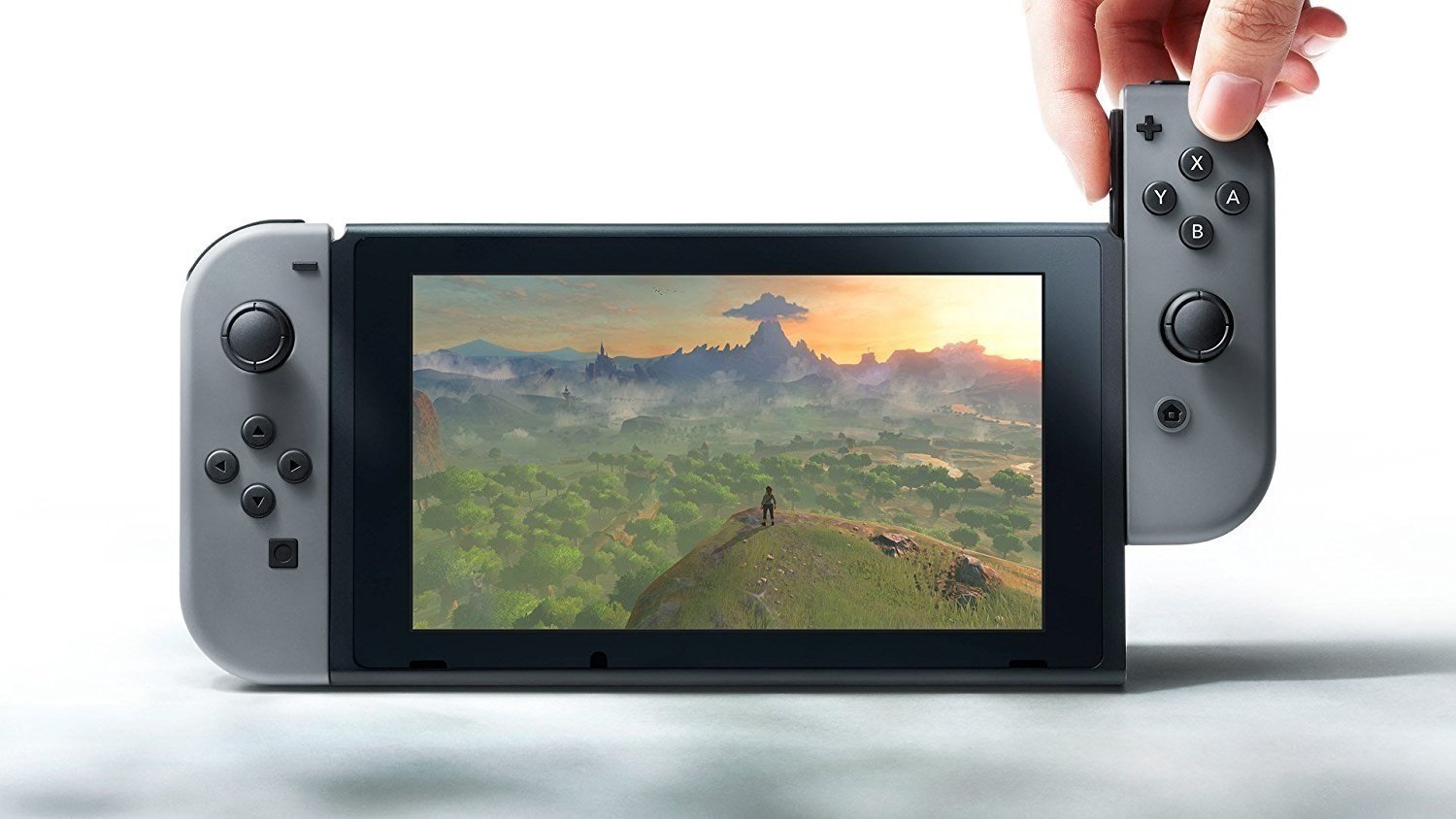
As I opened the box, I was actually surprised by how much smaller the system was than I originally thought. I thought it was going to be some hefty, unwieldy thing with controllers slapped on it. The tablet is just slightly bigger than any standard 7″ Android tablet on the market (Nvidia Shield K1, for example) and looks sleek, ergonomic, and not too heavy, really. The buttons are nicely laid out on top of the unit, along with volume control, power, the card slot, and a headphone jack. There’s a USB-C charger at the bottom as well as a kickstand. They seemed to have thought of everything and didn’t overthink too much else, which is surprisingly nice. The system is meant to be used in landscapes only, so this helped solidify their design ideas.
Once I popped the Joy-Con controllers out, I was also surprised. These things are surprisingly small and light, but they also feel nice and have great ergonomics. These could have easily been messed up and killed the system, but it feels like the Wii Remote mixed with 3DS buttons, which is a good thing. It’s also designed with offset thumbsticks like the Gamecube controller, which is a huge plus here. The aligned sticks on the Wii U pad were uncomfortable. The design is also meant to be symmetrical, so each controller can be used separately. The left Joy-Con then turns the directional buttons into face buttons, but the only small complaint is that the left stick is closer to the edge of the controller while the right is further in, so playing Mario Kart, for example, made me want the right Con so my hand didn’t cramp. There’s also an issue with the screenshot button (which works amazingly well and just like it should) not turning into the Home button.
Joy-Cons: Is the Name a Premonition?
The controller frustrations aren’t really all of that; the cons are interchangeable with a grip that turns these things into an actual controller; they slide right in, but the release button on the back is small and hard to get a grip on without pressing buttons, and having to take them off to slide them on the tablet in docked mode to charge is annoying. Then you have the side rails with the SR and SL buttons for playing with the controller landscape or separately for motion controls. These rails go on easily but are a pain to get off, and I’ve scraped and cut my fingers pulling them off. They are tight and require more strength than needed to get them off. The easiest mode to get these out of is tablet mode. Sliding them on the side of the tablet is easy enough, as is getting them off. I just wish there wasn’t so much configuring for each game, as with Skyrim, I had to slide the side rails off to put on the grip as I was tired of holding them for motion controls. Then I had to slide them off the grip and onto the tablet when I went and played in the bedroom.
Switch: The New DS
Speaking of tablet mode, this is the main attraction of this system. Nintendo wanted the power of a home console in your hands, and this is the first time it’s been done correctly. The PSP started this by being sold as a portable PlayStation home experience, but it didn’t have the power or the controls to do this correctly. Sony sold that same idea with the Vita, and while it did have both, the pirating from the PSP caused developers to back away. Nintendo has never sold their portable systems as home experiences, but here we have it. The games play in 720p while undocked, which is a bit disappointing seeing as tablets can display up to 2K resolution these days, but a lot more power would have to be built in, causing bulkiness, less battery life, and more cost. It still looks clean and crisp in this mode, and most people won’t notice.
The Big Screen
Docking the console is easy enough, but there was another problem here. There’s no click, no satisfying “snap” of the system connecting to the charge port, and no sound or feedback of any kind. The system kind of just flops in the dock and rests there. The only indication is the green light flashing on the dock, and that’s it. This could have been done much differently, with better feedback. While docked, games usually run in 1080p, but with some graphical hits like frame rate cuts or aliasing. The Switch is intended to perform better in docked mode as the CPU isn’t underclocked to save battery life, but there are varying theories about how all that extra power is used to render the picture in higher resolution and is not really performing better. It’s something Nintendo needs to iron out, and even eight months later, it’s still a tad bit of an issue. Battery life is also not that great in portable mode. You will maybe squeeze 4 hours out of the system on a game that doesn’t push it to its limits. I haven’t been able to time it just yet, so I will update this as time goes on to see if I can get 4+ hours.
Under the Hood
Let’s take a look at what runs this device first. For starters, the system has 4GB of RAM in the form of LPDDR4, which is what is seen in phones. I was surprised to not see X RAM, which is much faster, but it’s a good start. The system has an Nvidia Tegra X1 chipset, which is seen in the newest Shield device from Nvidia. It has an 8-core CPU running at 1.20GHz, and the GPU is Maxwell-based, running at 768MHz docked and 384 undocked. It also has a 6.2-inch screen in 720p. As you can see, it’s a very powerful portable device, but clearly doesn’t have any power close to the other competitors, but can easily be seen as the most powerful tablet on the market. Why Nintendo chose off-the-shelf parts instead of custom hardware is very interesting; it is definitely easier to program for. The SD slot can hold up to 2TB (which isn’t available yet) in microSDXC format.
Software
Let’s talk about the software. The Switch features a much more streamlined UI than the Wii U. No longer is there a huge ring of bubbles with Miis running everywhere. We get a clean and minimalist UI that just shows a row of “blocks” that are your games. Near the bottom, you can select settings, Joy-Con arrangement, eShop, and brightness. I love this UI, and it’s even better than the 3DS UI. This is designed to be easy to navigate with the touchscreen in portable mode. Another nifty feature is being able to “archive” games, so when you’re done with them, you can delete the game data, but it will keep all your saves to free up HDD space. If you run out of the 24GB (8 are taken up with OS), you can insert a microSD card, which is something that was much needed on the Wii U and really hurt sales. 24GB is plenty for physical games, but if you have a large digital collection, you can move screenshots and those games onto that SD card, which is awesome.
So, Is It Worth It?
Overall, the Switch is well worth the $300 purchase if you like all the games available. If you’re just a Nintendo player or just like one genre of game, then you should stay away. This is a great system that is revolutionary in its own right and takes a traditional home console and takes it on the go, but with the usual sacrifices that Nintendo is willing to make. It’s not very powerful (for a home console), the Joy-Cons are cumbersome to configure, the battery life isn’t too great, and the graphical difference between docked and undocked varies way too much and needs to be ironed out. There’s also the lack of games mentioned, which has been an issue since the Wii. The ones that are available are fantastic; there aren’t a lot of games that are downright awful on this system, with Nintendo’s own games being some of the best games in years, period.
To Nintendo’s credit, people are giving this system a harder time than it deserves. The Wii U deserved all the backlash it got; it was a terrible console that was terribly marketed and executed. The Switch is actually trying to be something completely new with some of Nintendo’s past and, best of all, ideas at play. With the support of more third-party developers (as we’re seeing as the year comes to a close), Nintendo could be back on track as the best video game company out there. Only time will tell, but they don’t have long.
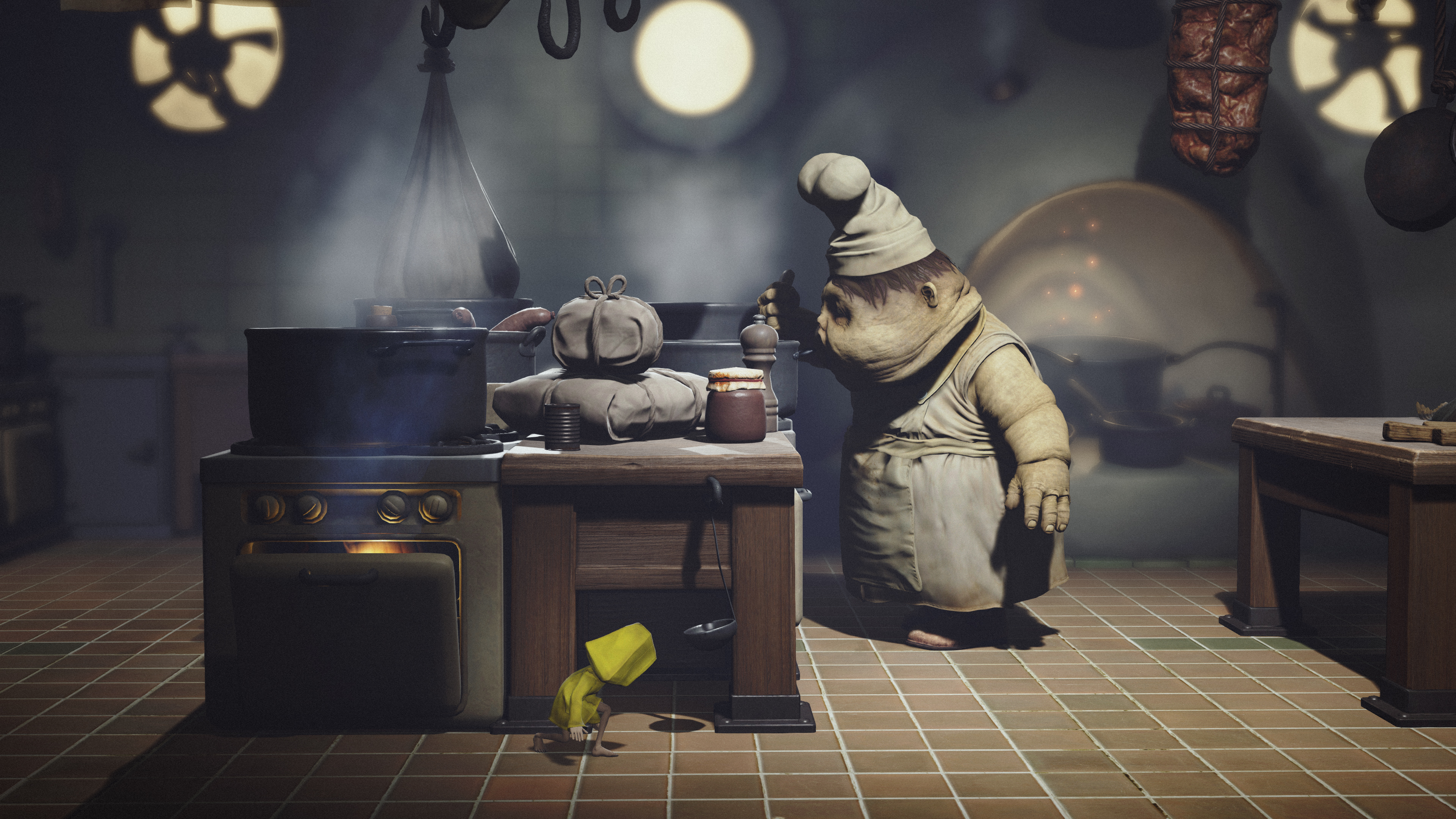
Minimalist side-scrollers have become very popular in Limbo. Inside is just another example of these horror-side scrollers done right. Little Nightmares doesn’t really tell a story through voices or words, but through actions. Unlike Inside, Little Nightmares doesn’t have too much of a story to tell. You play as a child trying to escape a ship from humongous fat monsters trying to eat you. That’s all we get, really.
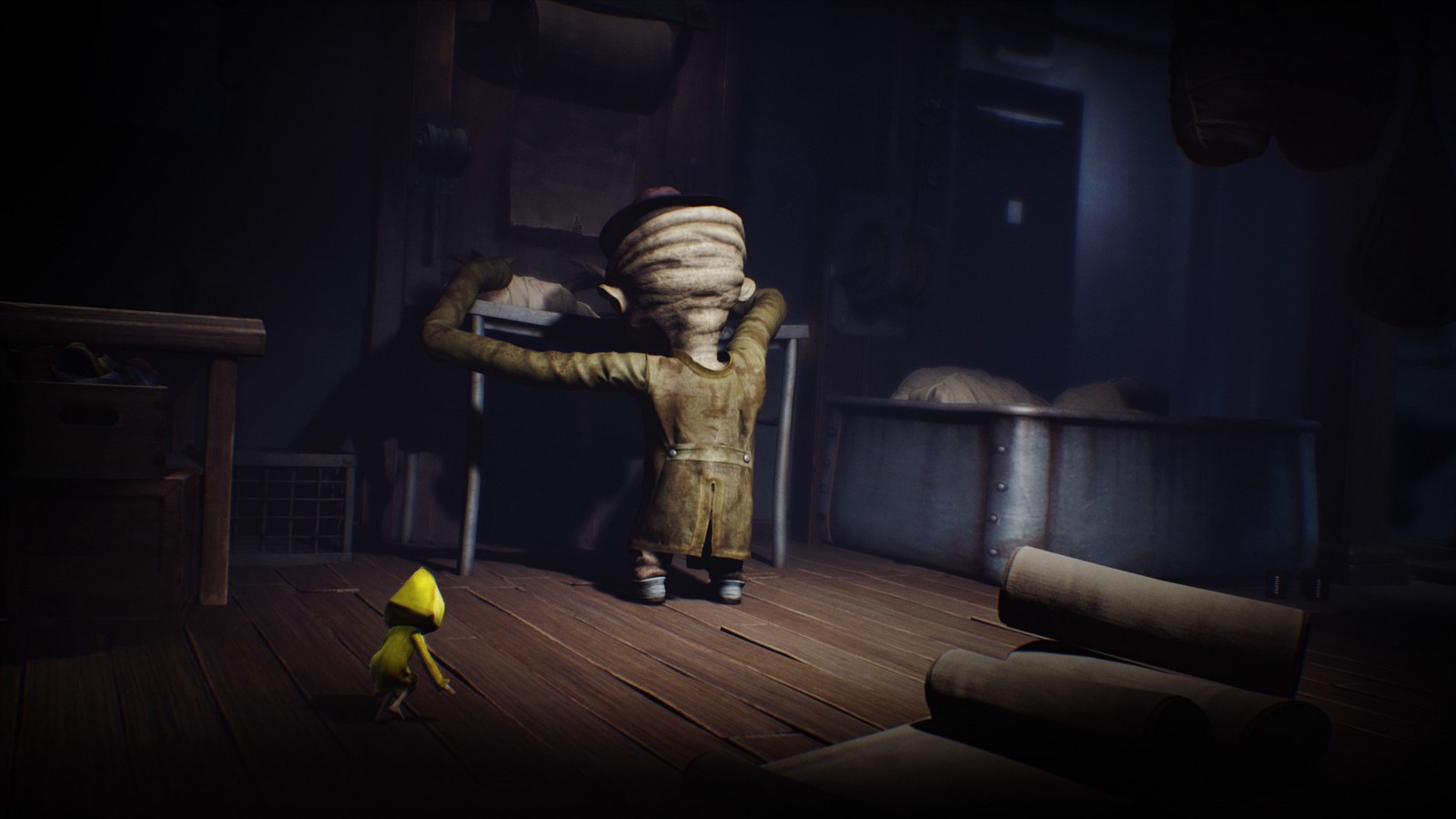
Sadly, the story doesn’t really explain much, as the art direction, monster design, and backdrops are wonderful and beg for more storytelling. The beginning of the game is made up of basic platforming with simple physics puzzles and a lot of atmosphere. Eventually, you start seeing the occupants of this ship, and that’s when things get creepy.
Little Nightmares does a fine job of creating a tense atmosphere and suspense. Grabbing and sneaking are tied to the shoulder buttons, so when you grab something, you must hold the button down. This makes things more intense, as you are running away from a monster with a key to unlock a door, and if you let go of that button, it’s all over. The middle of the game is made up of outsmarting these monsters, and the puzzles get bigger, but not really harder.
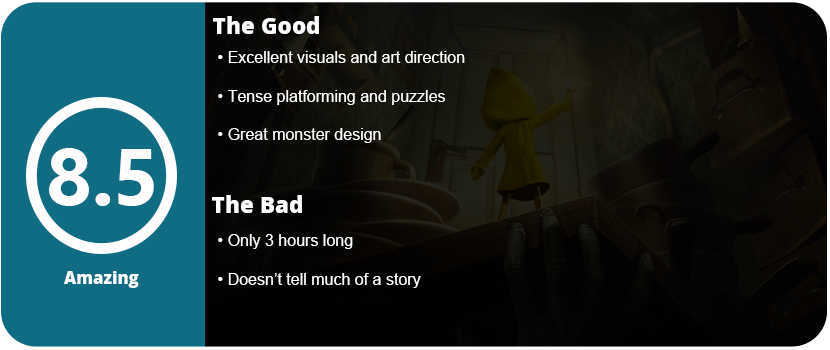
There’s not much to really explore outside of lighting lanterns for checkpoints and breaking porcelain dolls to unlock achievements. The game is definitely intense throughout the 3 hours it takes to complete; there wasn’t a dull moment that I can remember. I always felt like I was running, overpowered, and small. From climbing stacks of dishes and escaping on meat hooks to chopping off the arms of a doll maker, The game gives players something that most don’t, and that’s solid gameplay while combining excellent visuals and touching moments.
Overall, there are some of the best 3 hours you will spend. From beginning to end, Little Nightmares has something interesting to offer, and it’s never boring. The graphics are gorgeous, with art styles that reminded me of box trolls mixed with coraline. If you love horror games and platformers, then this is for you.
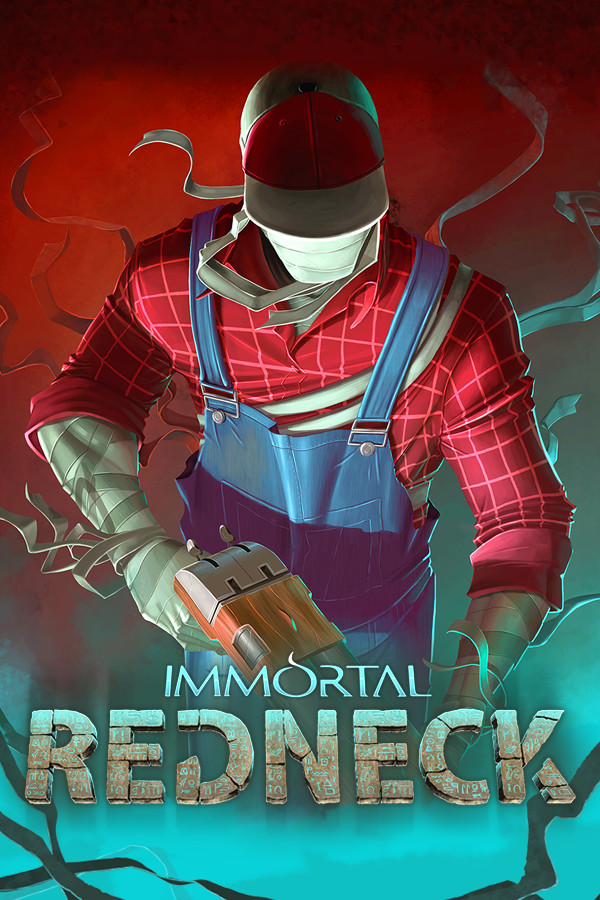
Immortal Redneck is, unfortunately, not going to get the attention it deserves. It’s neither a fantastic game nor a bad game, nor is it original in any sense, but it does combine elements from several other games into one package and does it fairly well.
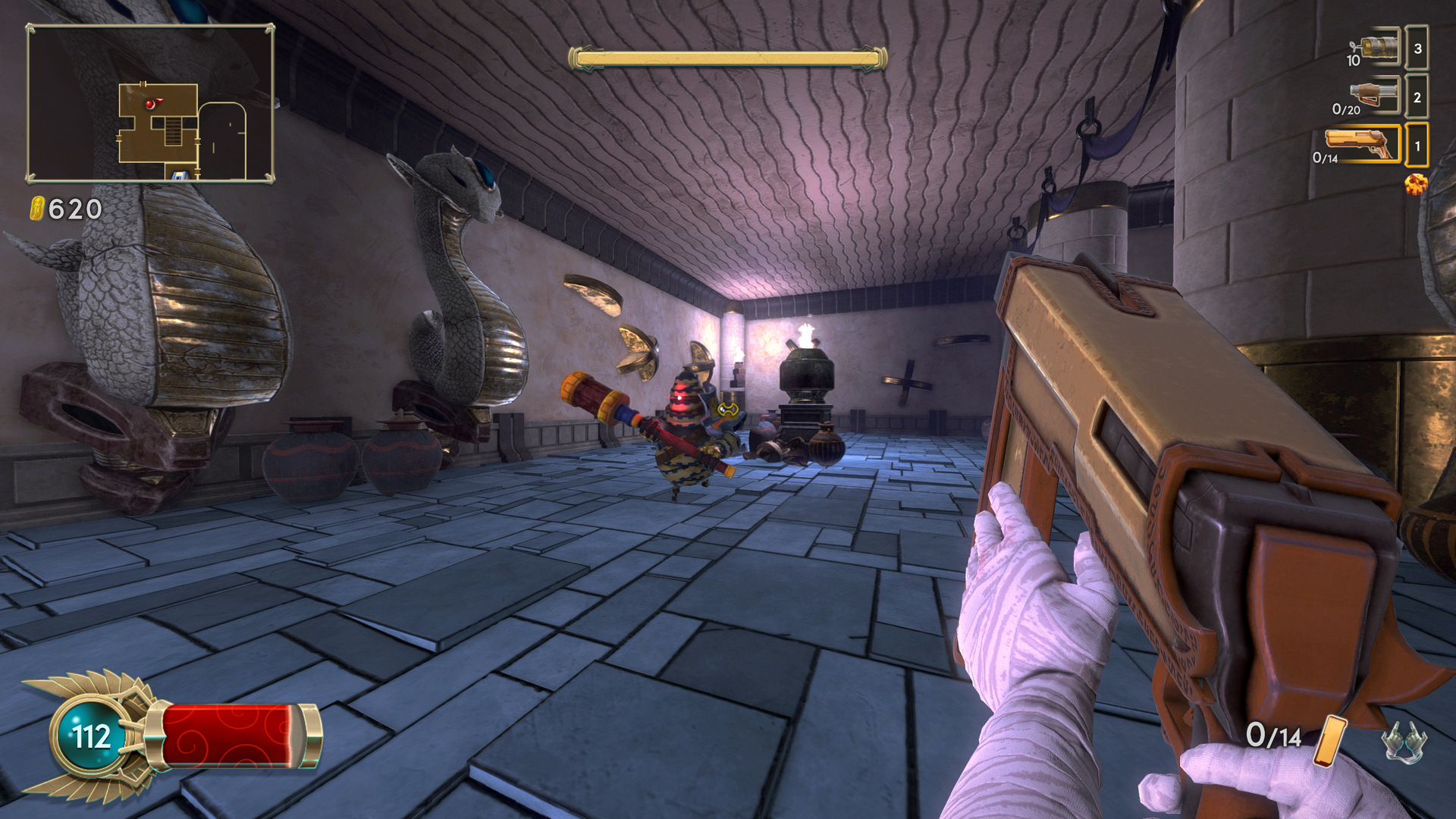
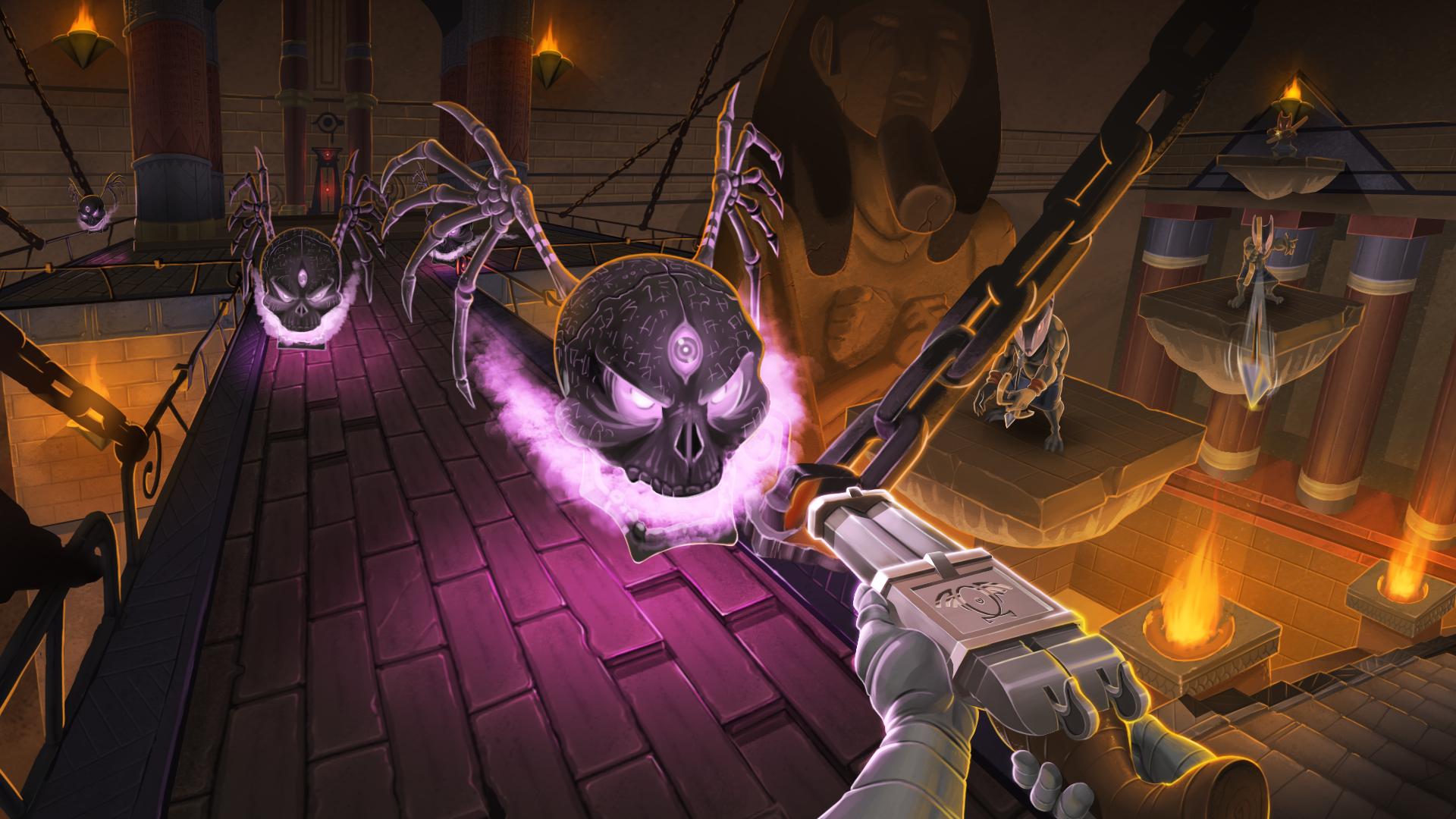
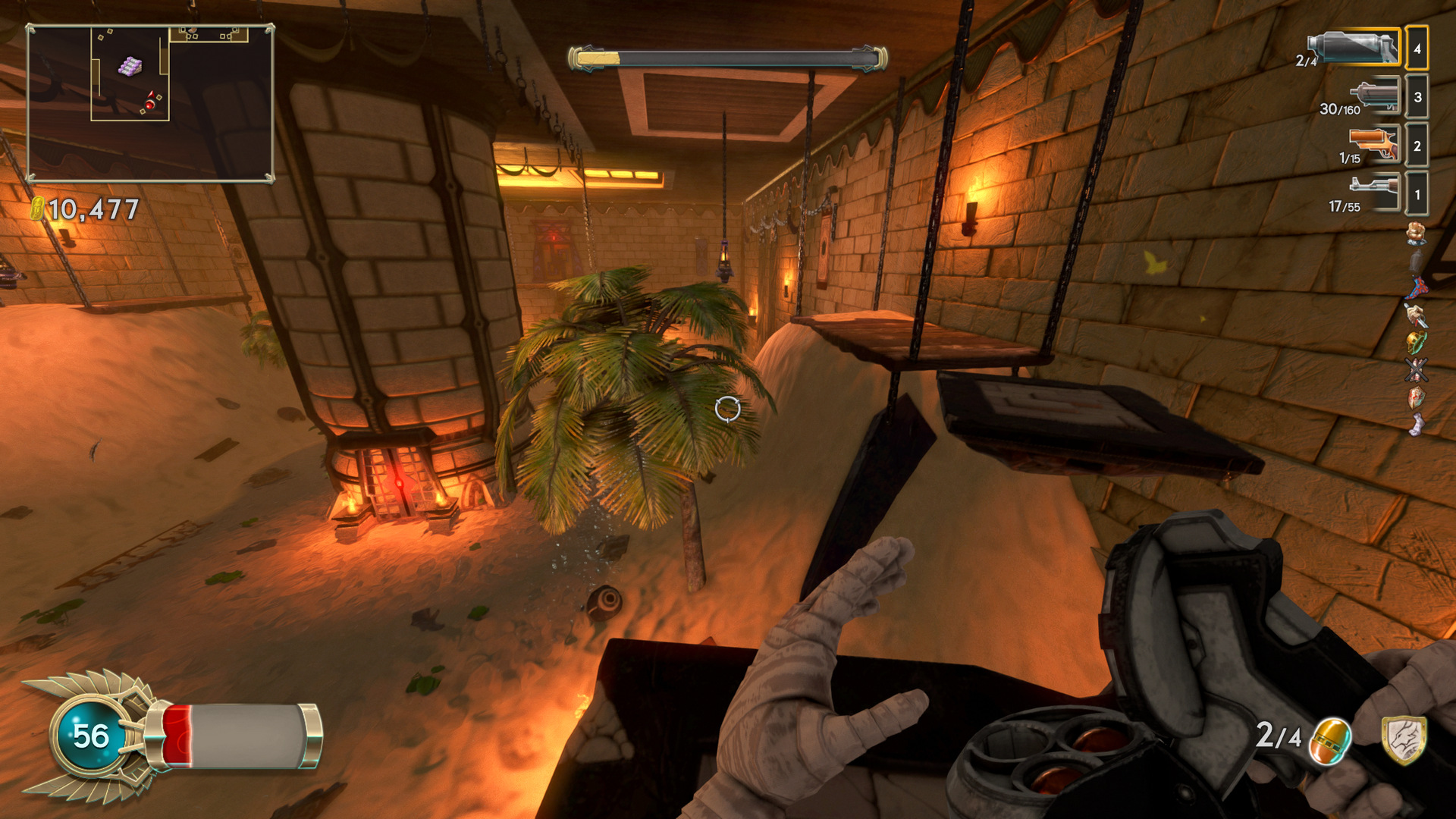
You play as, what else?, an immortal redneck mummy with a wooden pistol, shotgun, and dynamite. At least those are your starter weapons. The game is set in Egypt, and the idea is to defeat all the enemies on each “floor” to make it to the top of a pyramid. The game is a mix between Serious Sam, Rogue Legacy, and Dark Souls. Like Serious Sam, the game is set in Egypt and features fast-paced first-person shooting action with strange monsters. The game almost looks like Serious Sam as well. Like in Rogue Legacy, when you die, you actually get stronger by using the gold you collected to unlock various upgrades and buy new weapons.
Like Dark Souls, the game is extremely hard, gets repetitive, and isn’t for people wanting a linear FPS experience. Your first hour you will spend just dying a lot and obtaining upgrades until you can unlock the weapons shop, and that’s where things pick up. However, the constant repetition of going floor to floor, despite it being randomly generated, can be annoying and get boring after a while. Redneck doesn’t have much going for it style-wise that other games haven’t tried. It looks good, on a technical level, and the shooting feels just fine.
The issue would be just the difficulty alone and the grinding to achieve better weapons and upgrades until you can beat the pyramid. It’s nothing amazing, but it’s also fun enough to make you stick around to the end, but only if you like any of the above-aforementioned games. The game is just average all around, honestly, but still worth a weekend purchase. On a second note, it’s nice that the game supports modern systems such as 4K and ultra-widescreen monitors.
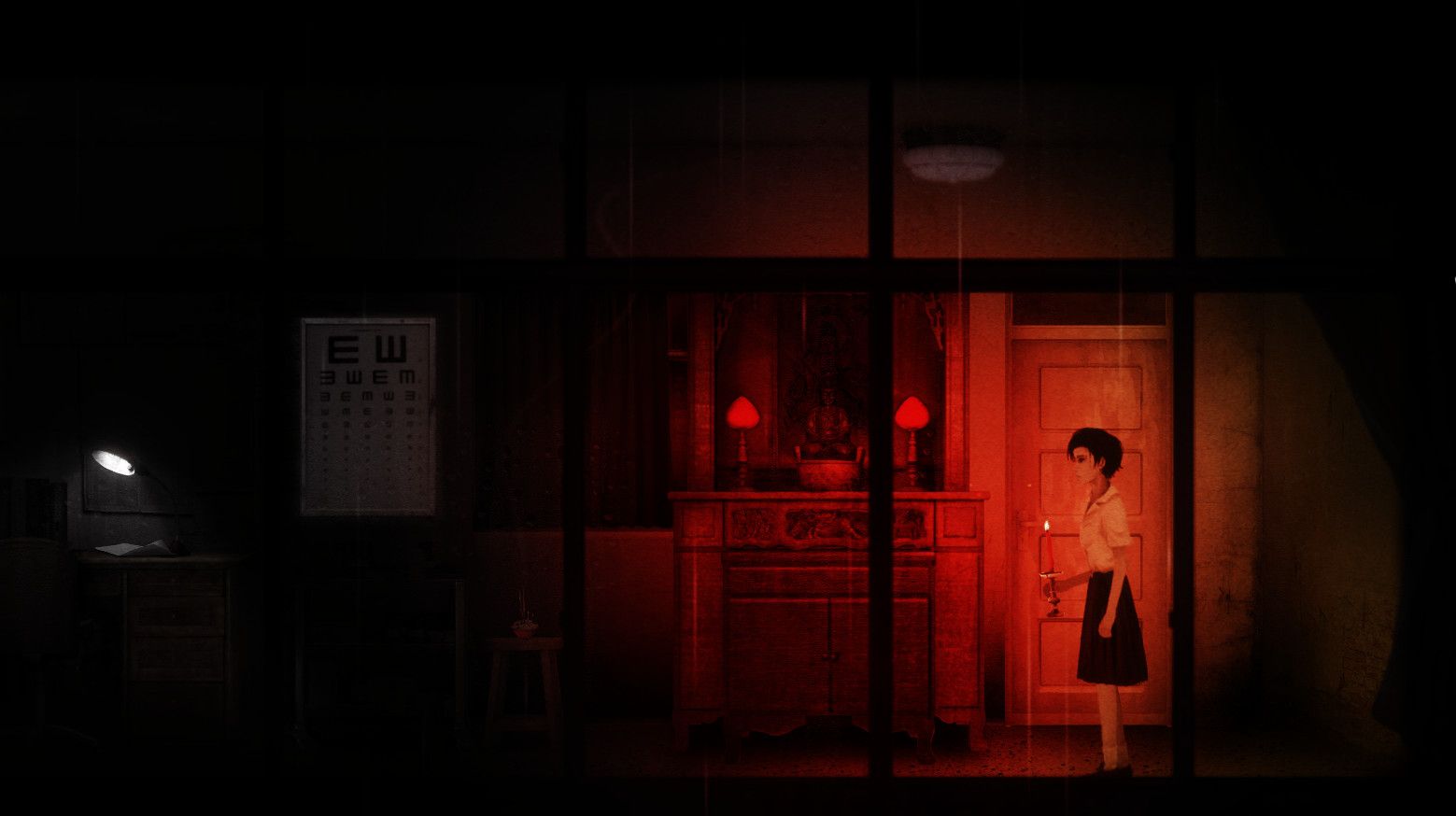
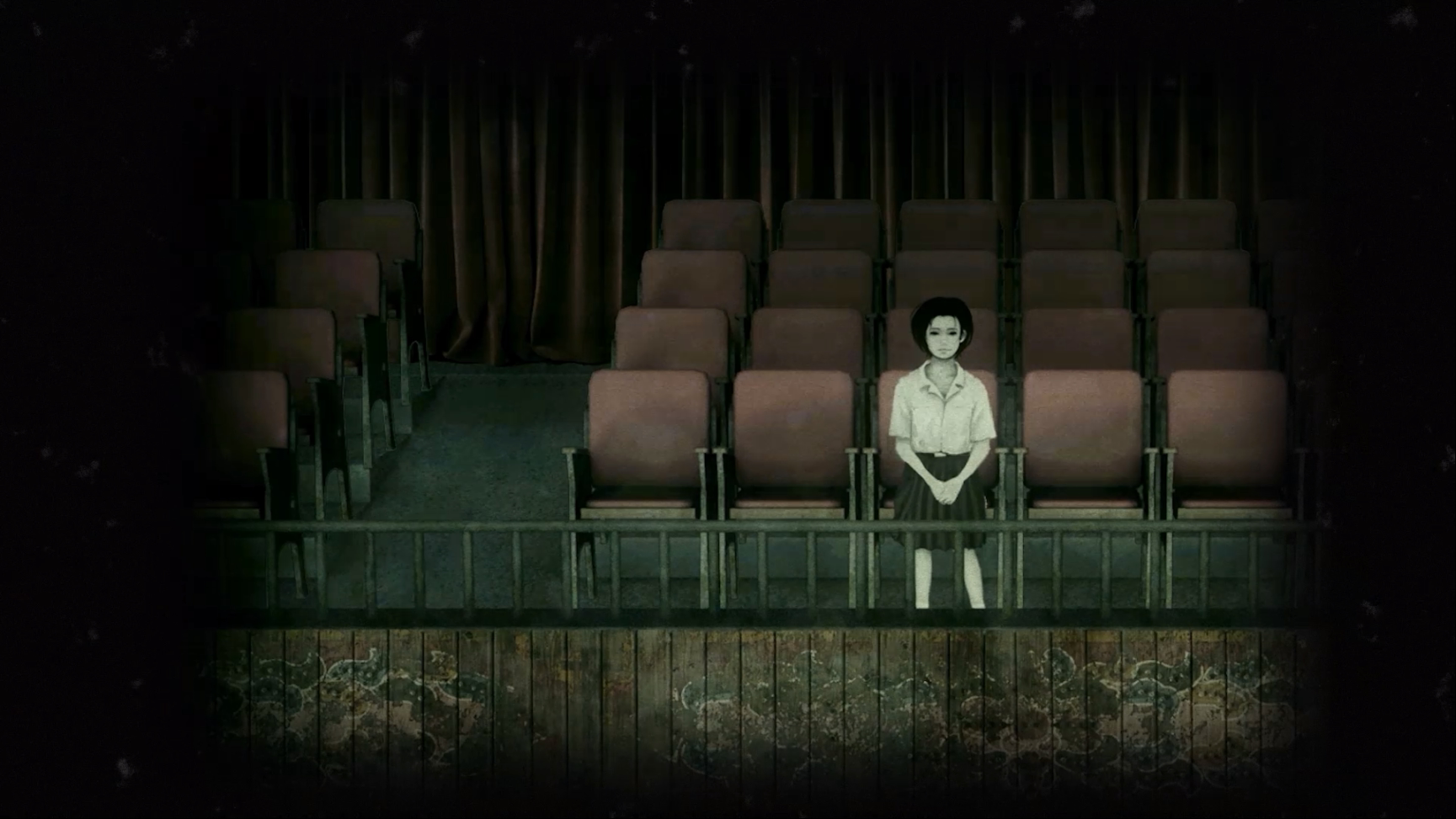
Obscure Asian horror games are something I’m a sucker for. I know the gameplay and controls will probably be awful, but you’re in for one scary ride, and that’s what matters the most. Detention is a 2D adventure game that takes place in Communist China in the 1950s. You walk around solving simple puzzles and unraveling a somewhat confusing and convoluted story. The atmosphere is very surreal, and the slow pace of the game helps drive this home.
The game begins with some strange images and wandering back and forth through classrooms in a school, trying to get to the top floor. The game involves finding items and then figuring out where to use those items. Like most adventure games, it’s best to wander through the entire area first, pick up all the items, and then place them where they are needed. There are three areas that are like this, and then the final area is actually just walking around making story choices. It’s kind of strange, as the pacing is really broken up throughout the entire game. There will be some chase sequences, a tense atmosphere, and enemies you need to avoid by holding your breath and walking past them slowly, or even turning away so as not to stare into their gaze. It’s an interesting concept and puts you on the edge of your seat with the amazing sound effects and disturbing soundtrack.
A lot of the sound effects and music remind me of Silent Hill. The pounding heartbeats, screeching static, and urgency were felt throughout. The game isn’t so gory, but just overall weird and disturbing, which is just fine. I enjoyed the gameplay and scares quite a bit, but the story was definitely lacking. I could tell there was something about the main character being involved in a forbidden book club, her inner torment of her parents fighting, and some sort of guilt about being responsible for a death, but it never worked together or meant anything. There’s a lot of poetry and ancient proverbs thrown around the game, but all this accomplished was confusing me more as to what was going on. As it is, the game can be beaten in less than 4 hours, so it’s important to get the story across as strongly as possible since you can’t drag it out.
With that said, Detention is a must-play for horror fans or anyone who likes 2D adventure games. You’re going to have to go into this expecting a lot of scares and simple puzzle-solving rather than a memorable story or characters. The art style is fantastic, and the music and sound effects all jive together to create a disturbing experience that you really can’t get in most Western horror games.
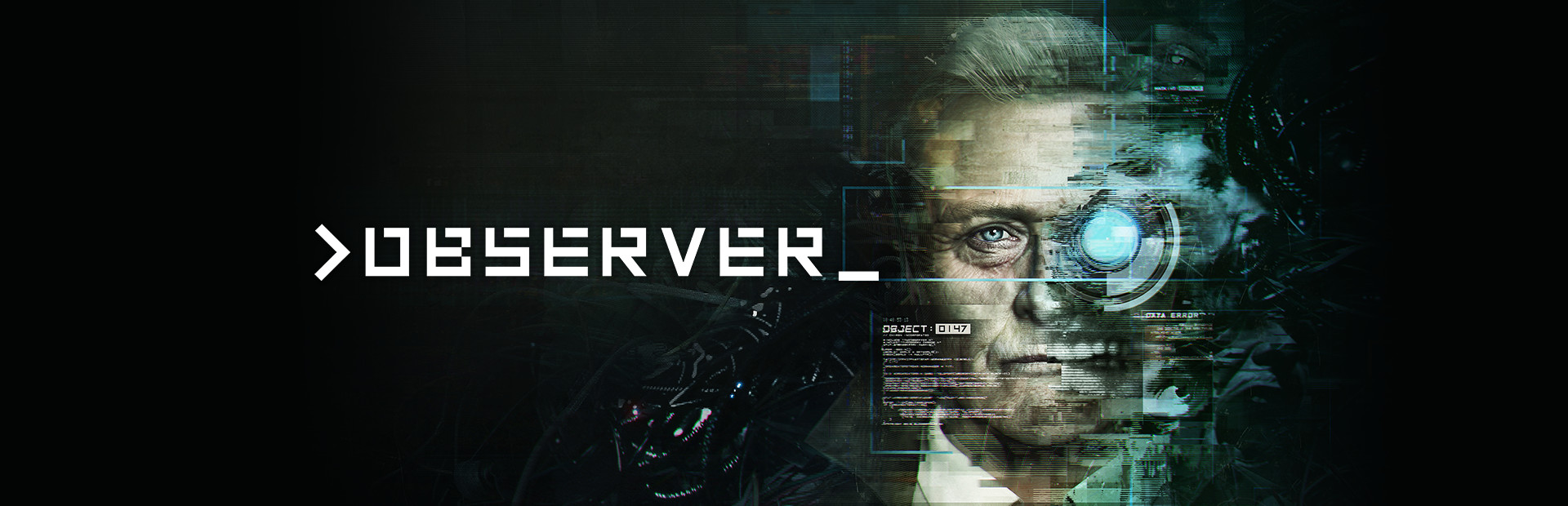
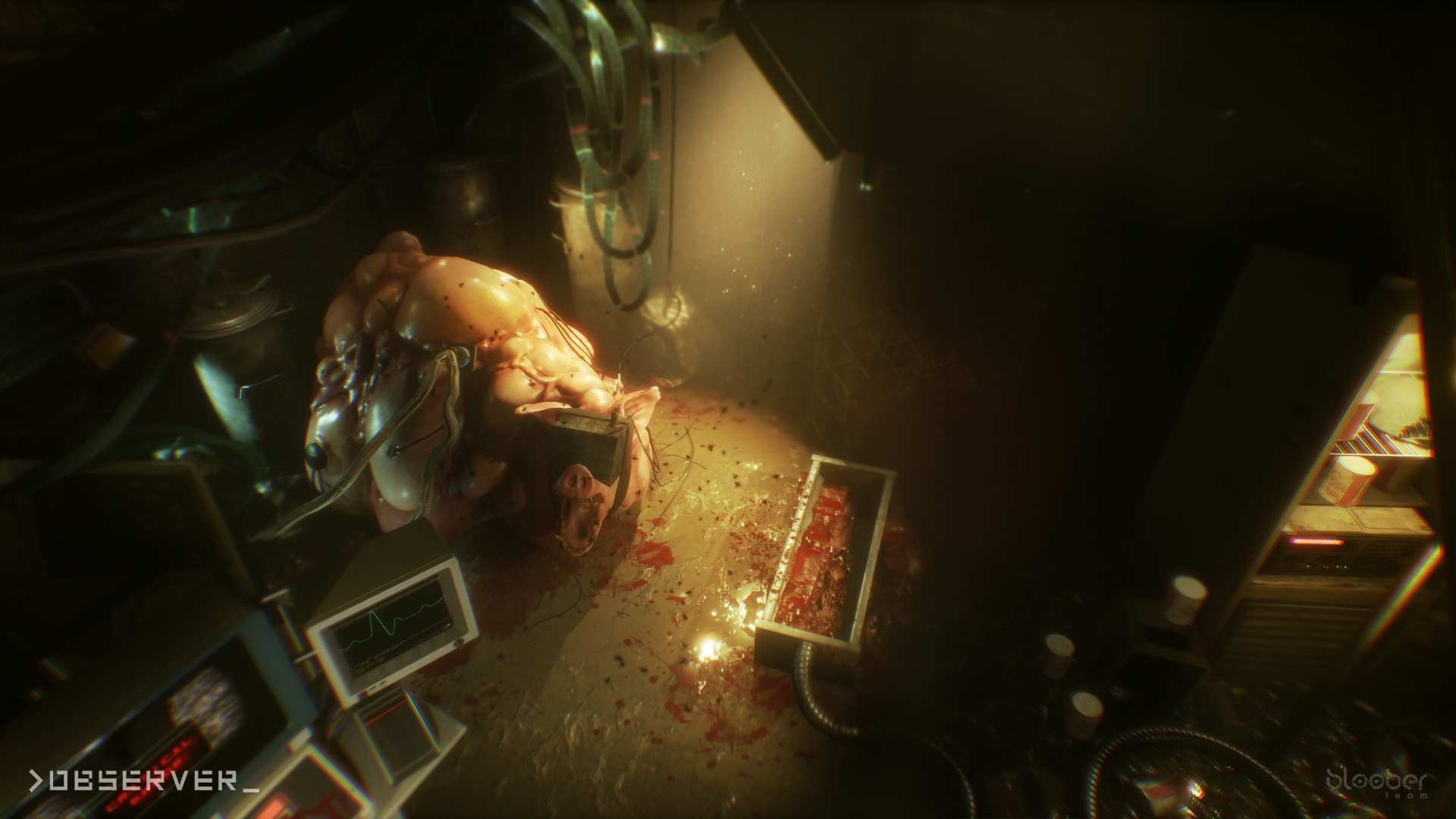
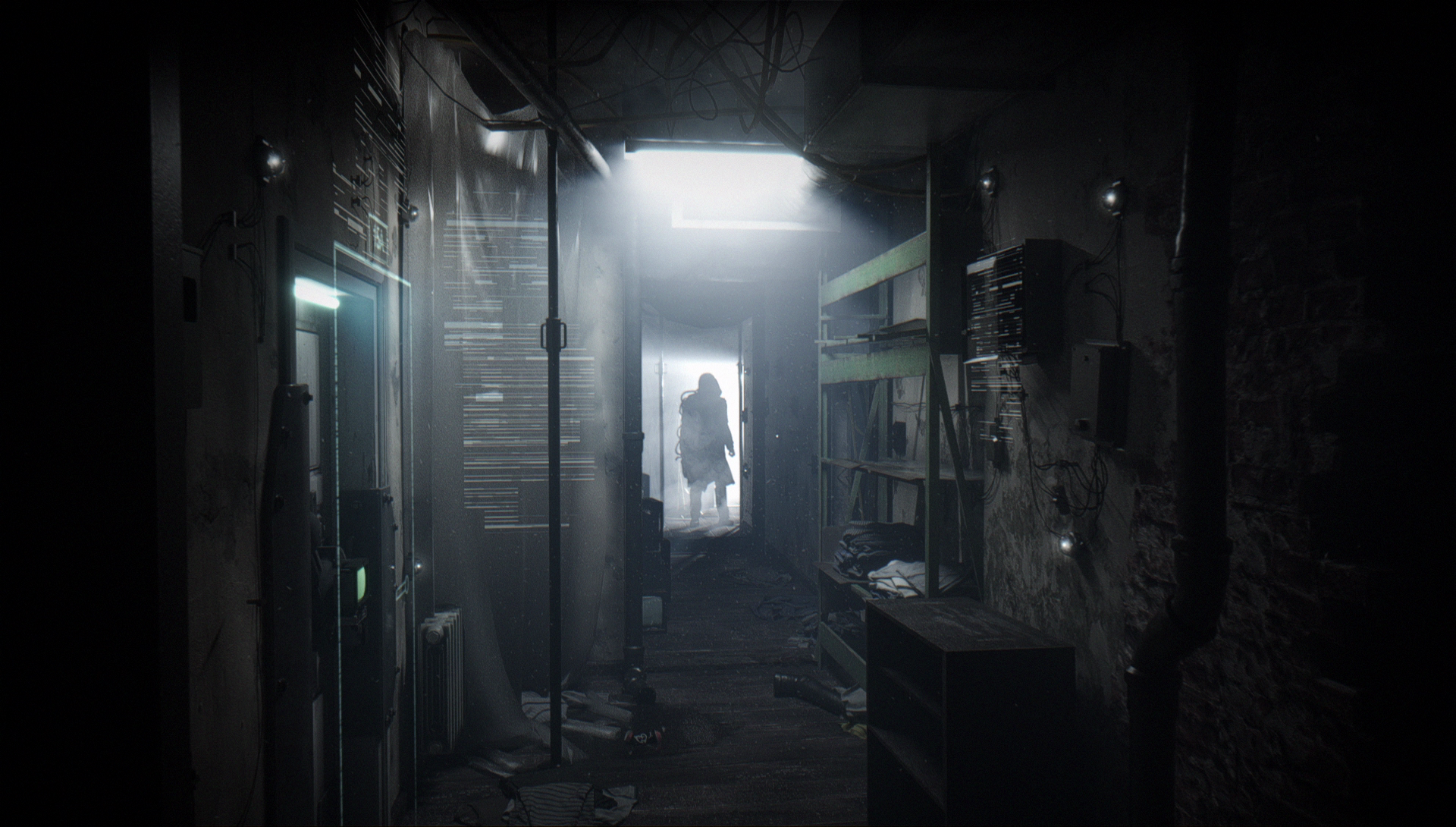
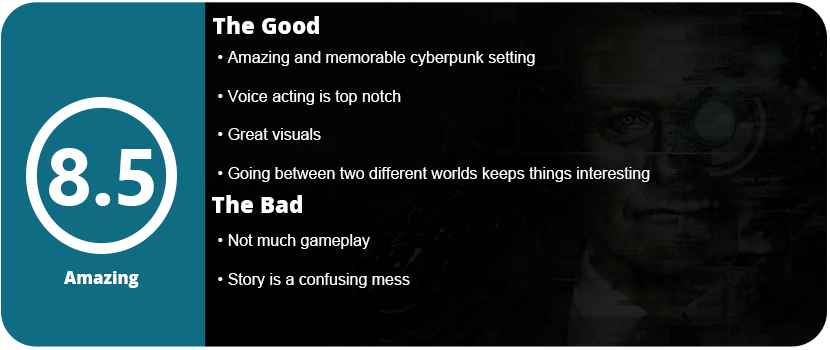
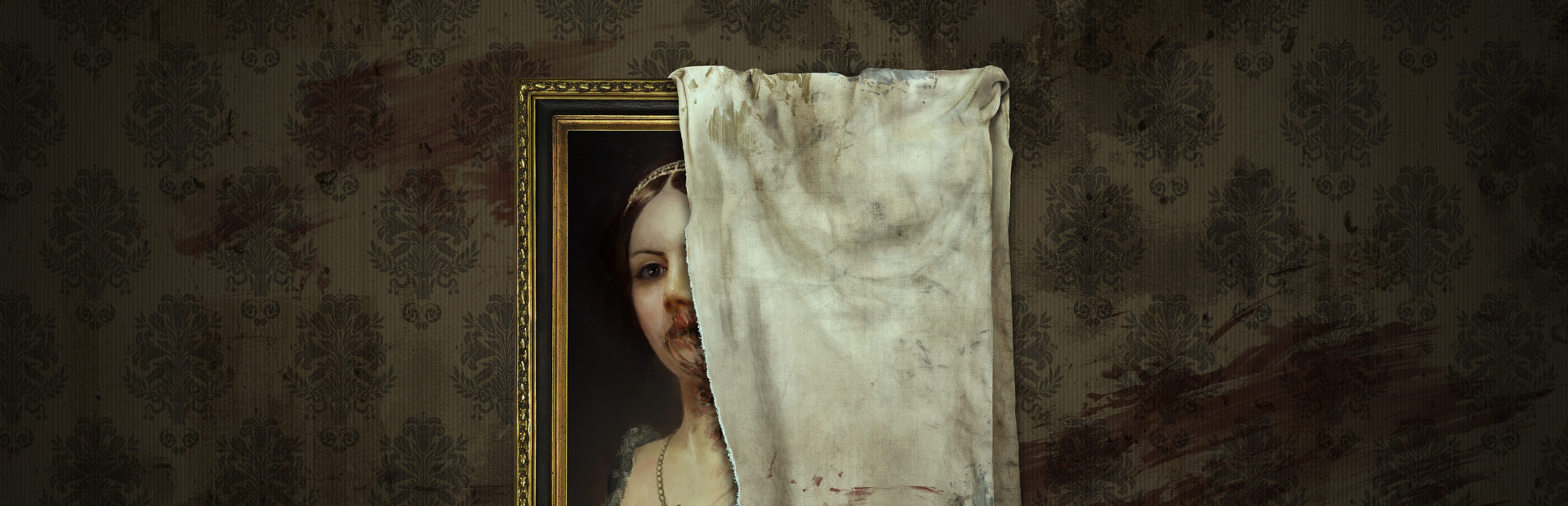
Bloober Team is quickly becoming one of my favorite game developers. You may recognize them from Layers of Fear. Their style of single-player storytelling is unlike anything that you will see today in gaming. The horror factor is also kicked up to 11 in their games with frightening and surreal moments and scenes that put you on the edge of your seat and that will make you grind your teeth. The observer ditches the early 20th-century theme and goes for 20 minutes into the future cyberpunk that is done so well. Observer’s cyberpunk setting is some of the best in gaming history, as it captures the feeling perfectly.
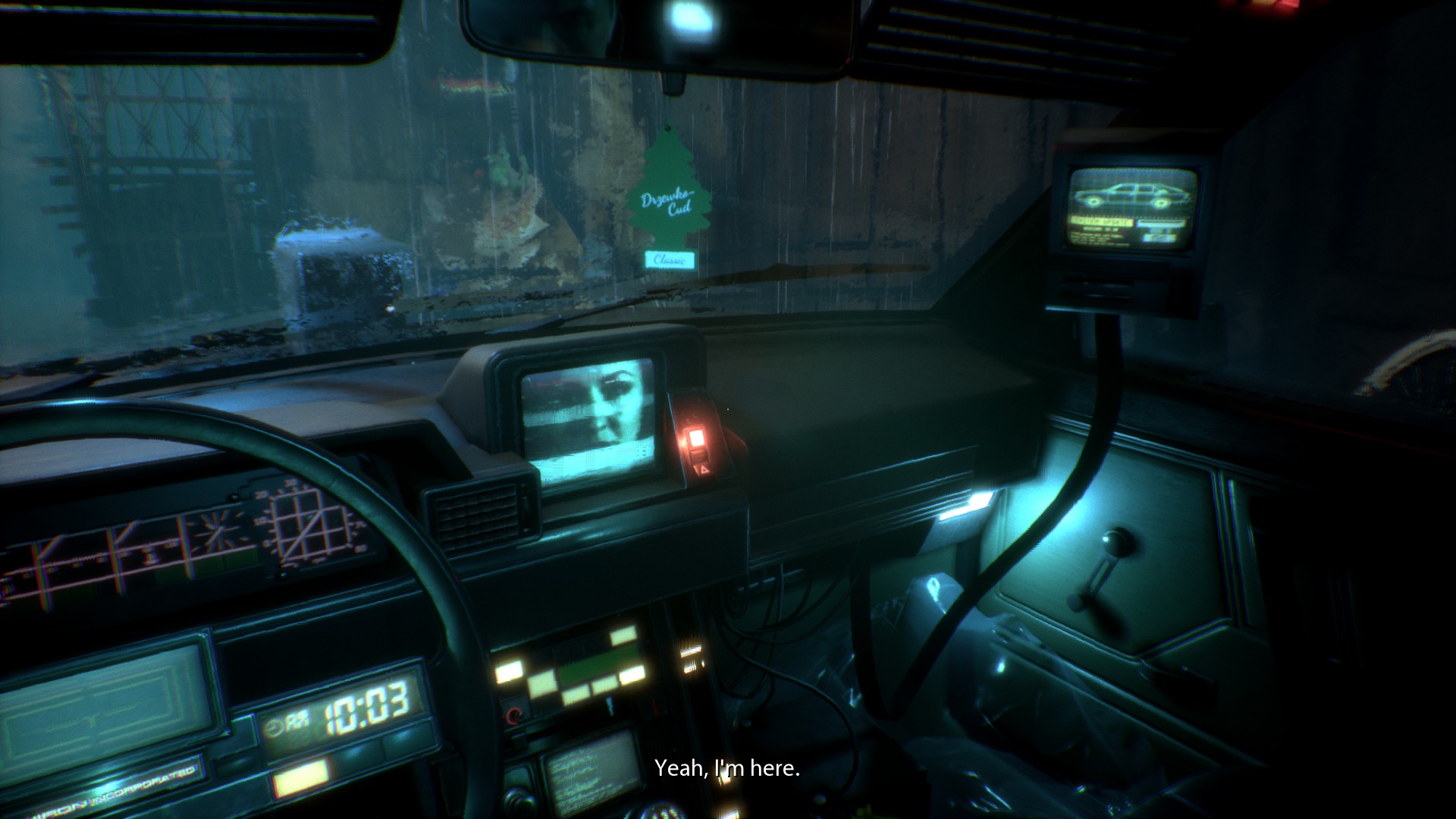
The game starts out simple enough, with you playing a cop named Daniel who gets a strange call from a man named Adam. He is told to investigate an apartment building that goes on lockdown. You stay in this building throughout the entire game and must solve simple puzzles and find your way through the narrative. There are two parts to the game: playing as Dan in the apartment building and jacking into people’s minds while you investigate crime scenes. Investigating crime scenes isn’t as complicated as it seems. You switch between two different visions that allow you to see electronics and organic material. You can scan items that are highlighted and slowly unravel clues that help move the story forward.
Most of the game consists of wandering confusing hallways and talking to people through the intercoms on their front doors. The dialog will give you clues as to where to go next, such as learning key codes, apartment numbers to investigate, and anything else the crazy story throws at you. This is where the game’s atmosphere really digs deeper than in most games. There is no human contact in this game as you speak to everyone through doors and walls. It helps add to the sense of loneliness and desperation that the citizens on the lower levels of the city suffer. Every corner you turn is full of wires, monitors, computer banks, and propaganda from the government and corporations that run the world. The atmosphere is done brilliantly and will definitely stick with you long after you finish the game.
Like Layers of Fear, when you jack into someone’s brain, you get to run through trippy drug-infused nightmares. Some are literally horrifying and frightening, and that’s actually a good thing. Most of these segments are story- and narrative-driven with very little interaction; there’s an occasional scary stealth sequence that adds plenty of tension, but nothing overwhelming or confusing. It was one of the things that made Layers of Fear so great, as the gameplay sacrifice gave you an amazing audio/visual experience that you won’t forget.
Once you finish these jacked-in segments, you enter the real world again and move on to unraveling the story. There’s not much else to the game outside of this, and it can be finished in about 5–6 hours, depending on how often you get stuck. The story itself is a bit hard to understand and is very confusing, even at the end. I was hoping it was going towards more of a Soma vibe, which is still one of my favorite video game stories of all time. Almost everything is explained at the end with a couple of different endings, and while you feel the story is concluded, the middle of the game is very confusing.
Again, the reason to play this game is for the horror and atmosphere. The scary moments are actually scary and mess with your mind, and that is very rare today in gaming. If you want a lot of gameplay, then look somewhere else, honestly. I can’t find too much to be disappointed with outside of the story not being very clear, even at the end, and you can get stuck and lost too often in the game. If you loved Layers of Fear or even Soma, then you’re going to love Observer. This is already one of the best atmospherically driven story-based games this year.
With P.T. only being a demo, it sure did imprint itself into the horror genre. Since then, games have been trying to copy their experience, but is this such a bad thing? I think not, as P.T. showed us what we have forgotten: the overall scare factor and how the atmosphere can do that. You don’t need cheesy monsters, jump scares, or even great visuals. The plain old atmosphere can do the job just fine. Layers of Fear is an indie horror game that is probably one of the most insane I have played in a long time. The game did have a forlorn and eerie atmosphere, but just the visual trip it gives you is mind-blowing.
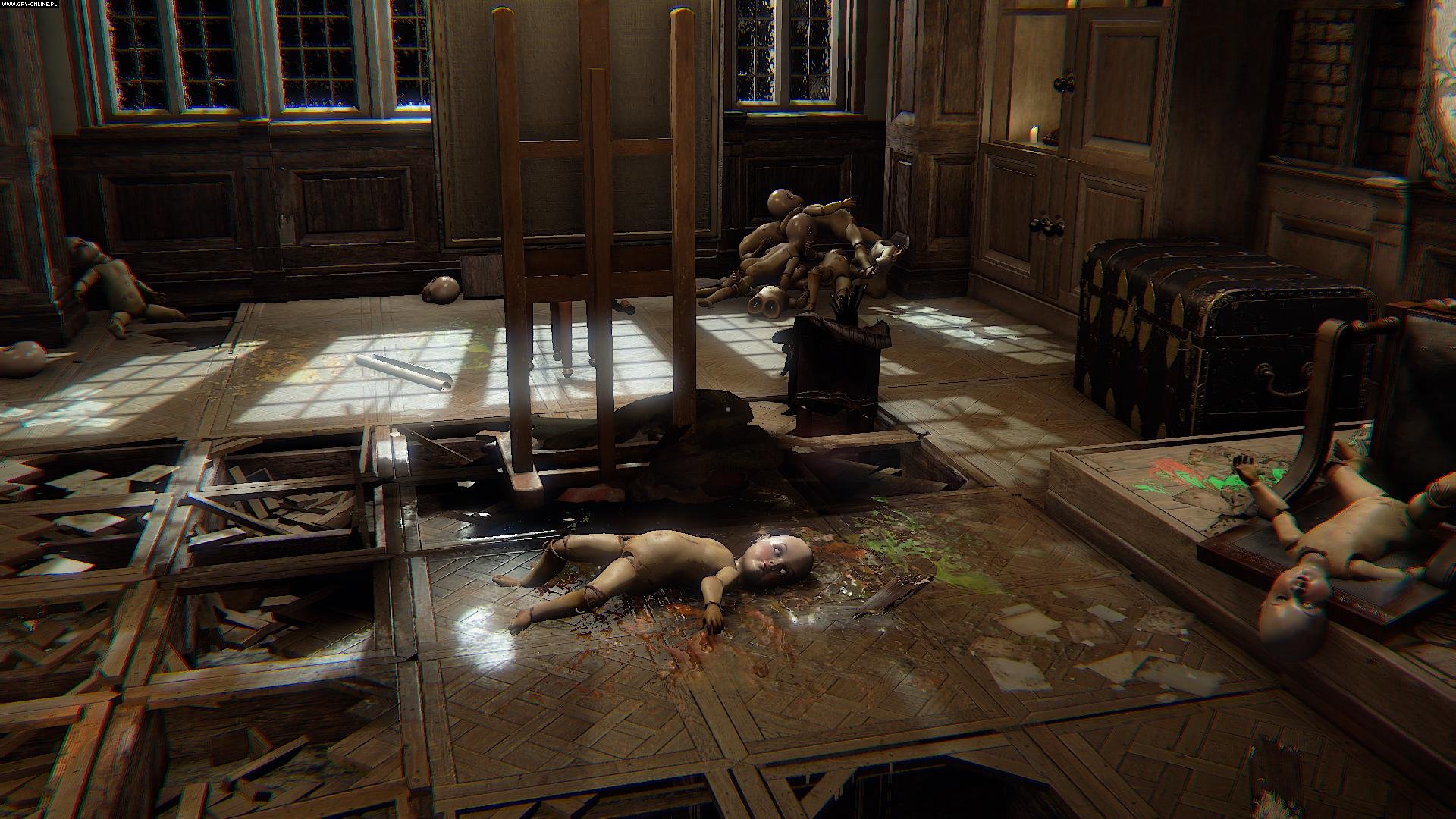
You play a crippled painter in the early 20th century who is trying to complete his masterpiece. The game starts out just fine while you wander around an old mansion, opening drawers and finding pieces of text that help tell the story. Layers of Fear’s only goal is that you walk through doors. You will open more doors than you would like to in a video game. Once you get through your first door and into the main hub, which is your painting room, things go crazy. The game is very linear, where you walk from room to room and enjoy a visual acid trip that never stops or gives you breaks. As you think there’s no way out, you will turn around, and a painting will pop up behind you and start melting. Turn around again, and the room changes or a ghost appears in your vision. What kept me going was that I wanted to know what was in the next room. It was like a funhouse but scary. Each room was always different, and I never felt bored or that I wanted the game to stop. There are six major pieces you need to collect to finish the game, and each one is themed. For example, the one-piece is a finger, and you slowly build up the story of how you took that finger. It doesn’t tell you directly, but through crazy visual cues and clues, you can figure out what happened.
The game is also a bit of a collect-a-thon, as you can open drawers and search around each room for clues that allow you to unlock achievements. There are actually three different endings, but I can’t quite understand how to get them. There are no choices in the game, but maybe take different paths? Each area is so linear that there’s only one way to really go, so figuring out what ending you get is a huge mystery. There also isn’t much thinking in this game; there were maybe 3 or 4 puzzles, and they required almost no skill to work out. I feel there should have been more puzzles, but that would have slowed down the pace of the game. You literally run around the opening door after door and experience the next visual freak-out, like a roller coaster ride. There are also no enemies to run or hide from. The only ghosts that appear in the game are supposed to get you, as it’s part of the story.
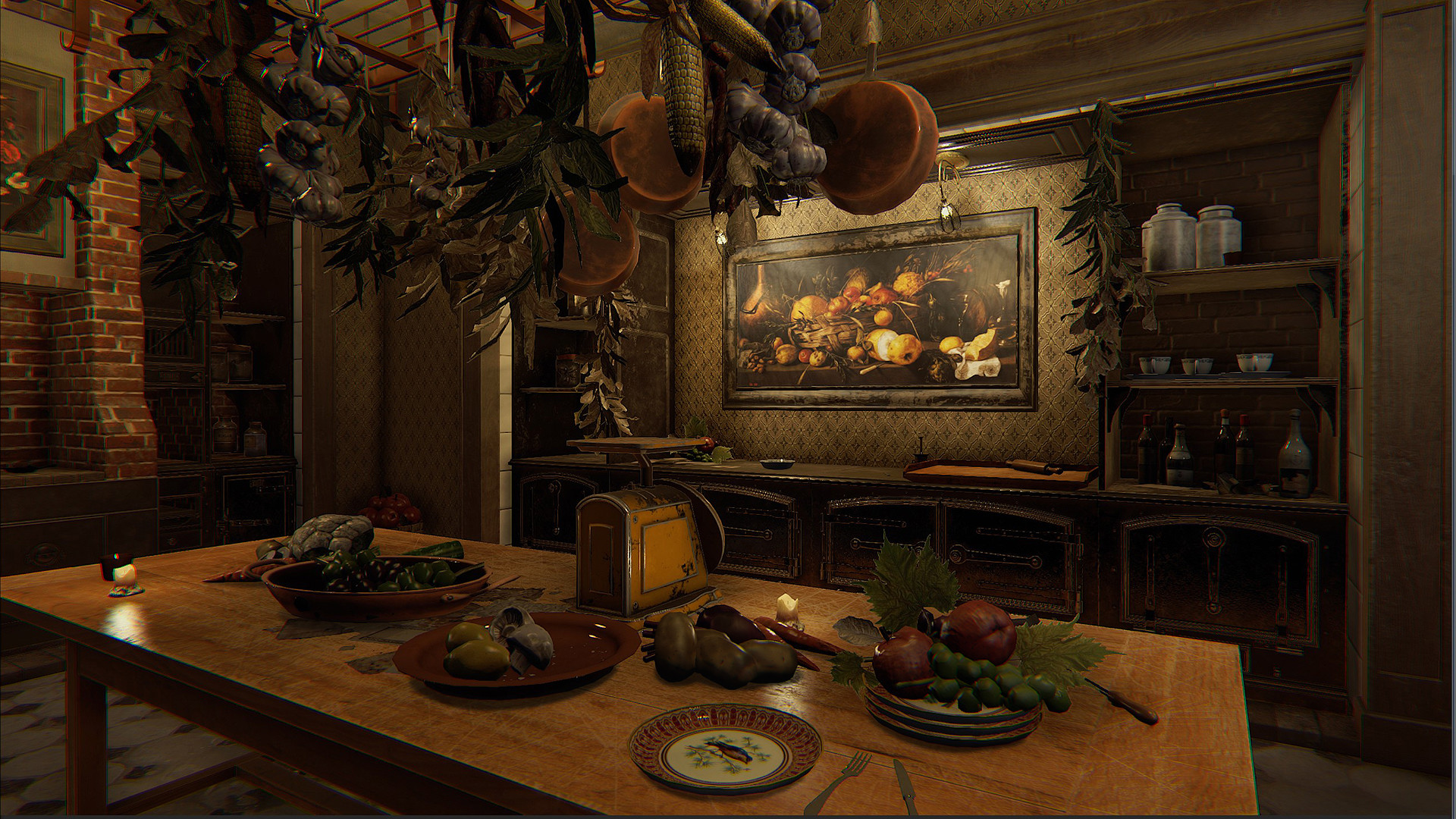
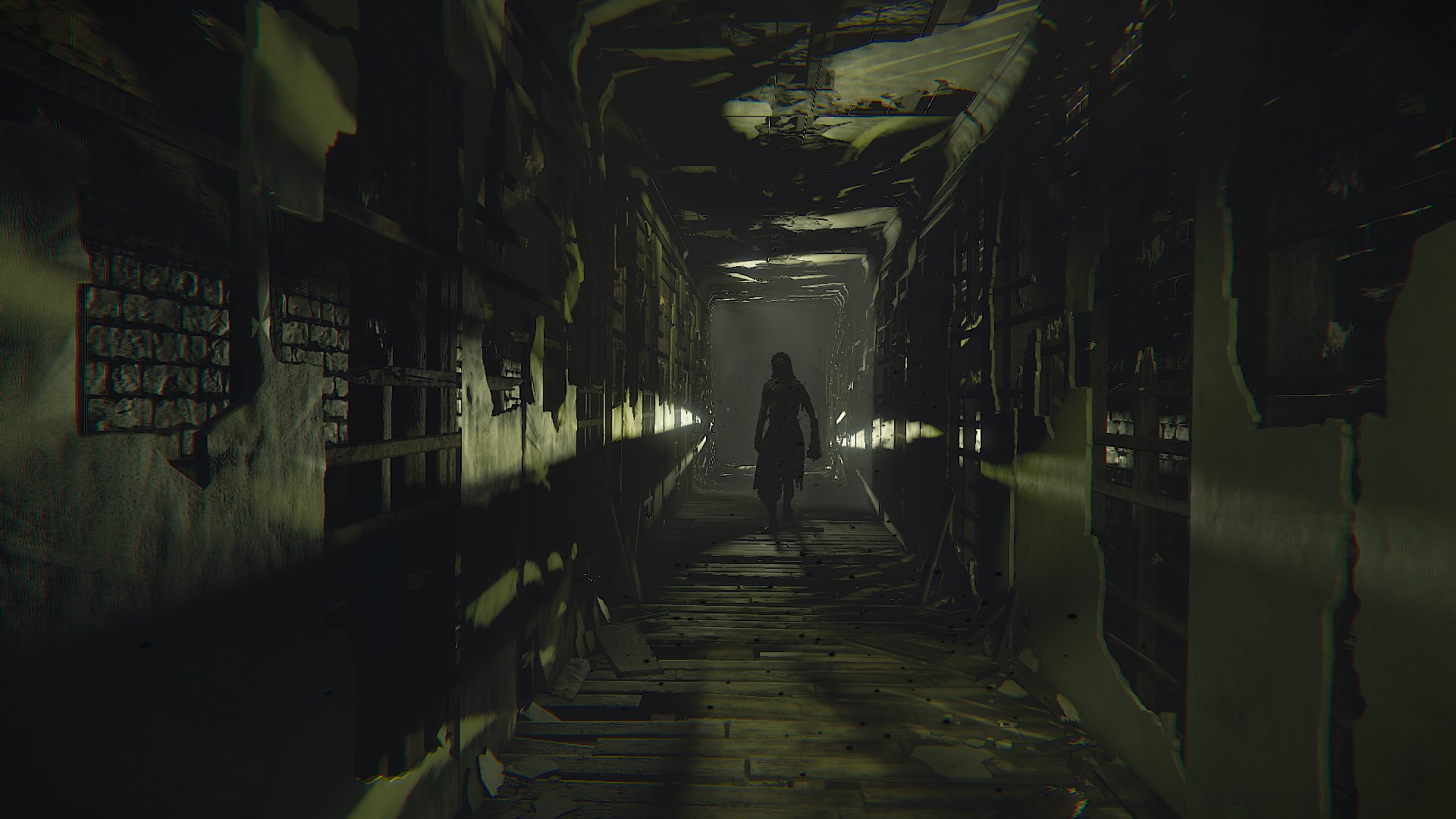
The visuals are fantastic, as the game has amazing lighting effects and a tense atmosphere, and there’s so much detail and so many different objects everywhere. The way some of the set pieces play out is pretty insane and requires a lot of care and detail. The visual effects alone from warping, shifting, melting, and various other effects are pretty amazing, as you don’t see many of these in games. All this was done with the Unity engine, which was also pretty impressive. The audio in this game is quite amazing, with a lot of variety, and each sound effect is put in the right place at the right time.
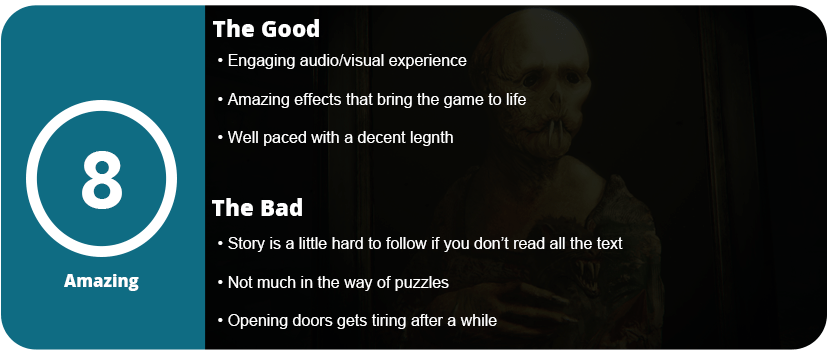
Overall, Layers of Fear is well worth a playthrough; it’s quite scary, and you never want to stop. The great pacing, visuals, and amazing roller coaster ride of effects are something you don’t see in games very often. If you’re tired of the cheesy horror gimmicks of most indie games, then look no further. This game may be short, but it’s got a lot of soul and heart for what it is.
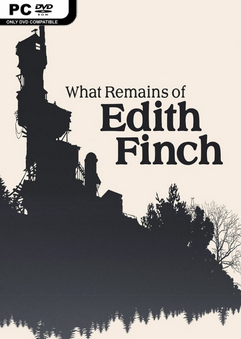
It’s surprising that over the last 10 years, it’s the indie game that has had the most touching and memorable stories. Even with AAA games’ million-dollar budgets, they can’t seem to get a decent story with armies of writers and directors. What Remains of Edith Finch may be called a “walking simulator” by the younger crowd, but these slower-paced adventure games are usually the most touching and memorable. You play as a girl who is slowly unlocking the mystery of why every member of her family died in a large house built from the ground up on the oceanside.
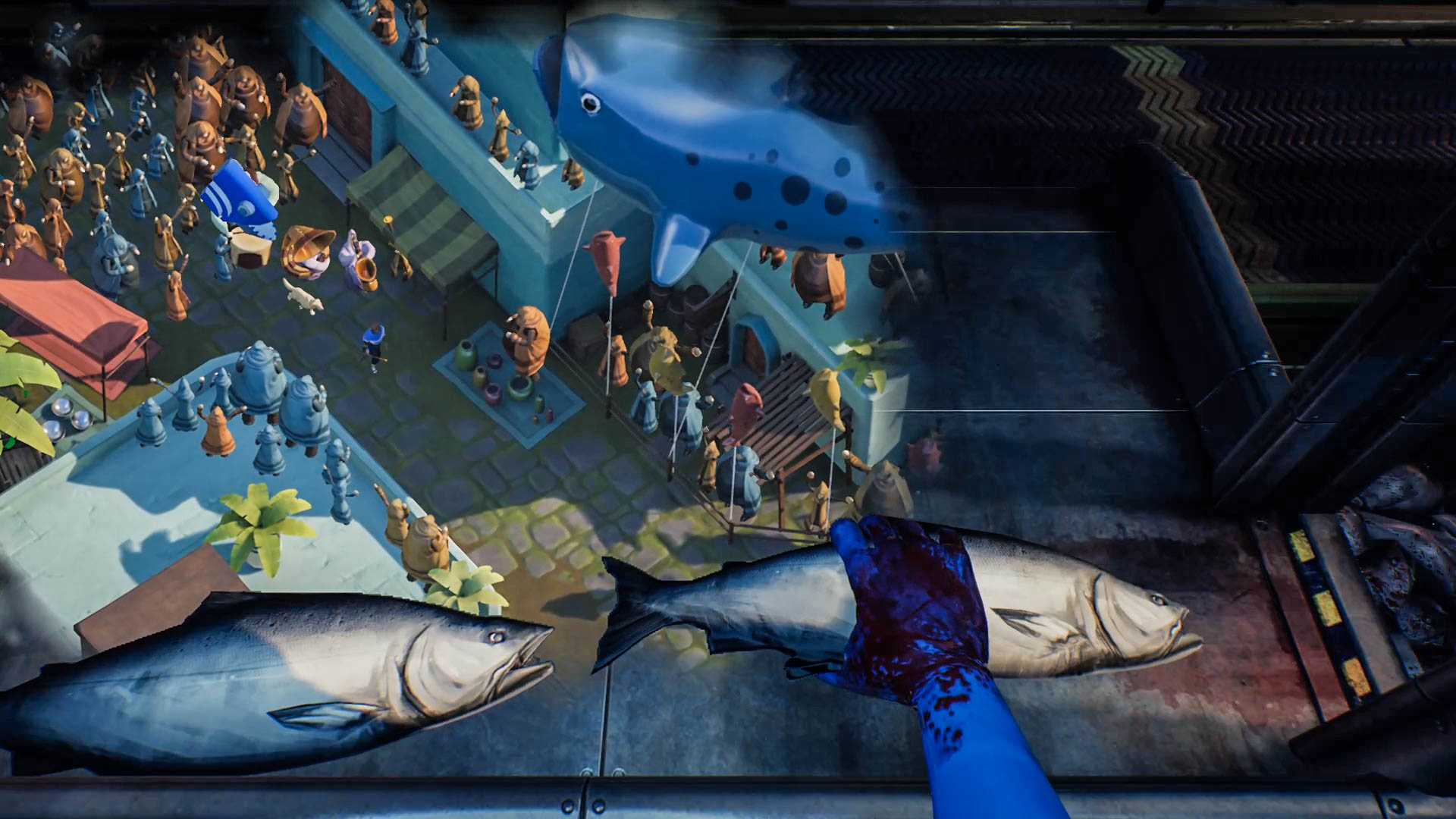
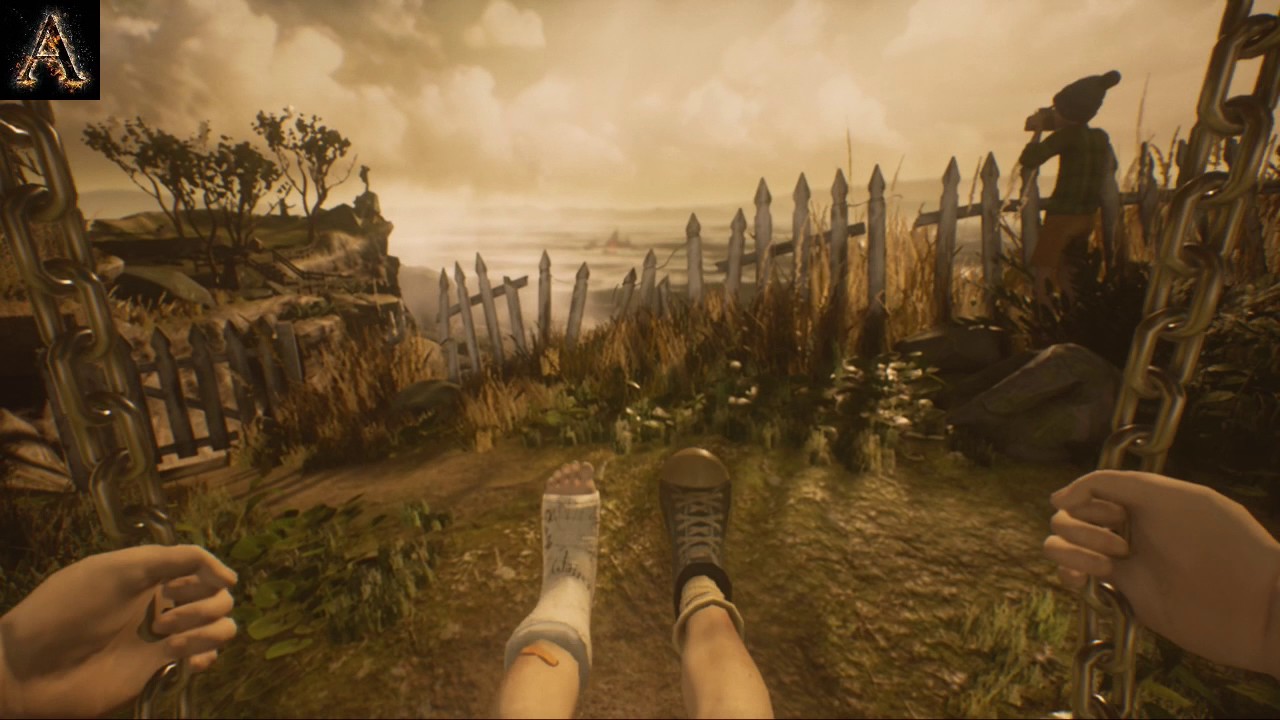
The game starts out simple enough: you walk down linear, winding paths, and the character narrates along the way. The text floats along where you walk, and it’s an immersive way to tell a story. Once you enter the house, you will eventually find your way through mysterious rooms through secret passageways, and in each room is a piece that will bring you into their story. The most unique part of this game is that each story is so different and is told in unique ways. One story has you playing as several animals in the first person as the boy tells his story. In one story, you are just trying to swing as high as you can so you can fly. One story towards the end has you cutting fish heads in a factory, and you play a 2D RPG on the side while still trying to cut the fish heads. As the story goes on, it gets more detailed and expands in your view. The game is very imaginative, with my favorite piece being a 1960s horror comic, and the panels come to life with you playing a character in some of them. The game never gets boring or old, and the short length helps keep the game from overstaying its welcome or doing too much.
My biggest complaint is that there’s not much to interact with outside of initially entering the house. Once you get through the first few rooms, you just go from room to room and find the main story piece. The pacing is great, as it doesn’t get too fast, so you feel the rest of the game is too slow. There are also different themes throughout the game, such as horror, adventure, happiness, and sadness, and the house itself is haunting, empty, and lonely. This game oozes atmosphere, and you get different feelings from each room as you discover the fate of each family member. There’s so much detail in this game, and the visuals are quite nice for an indie title in this manner.
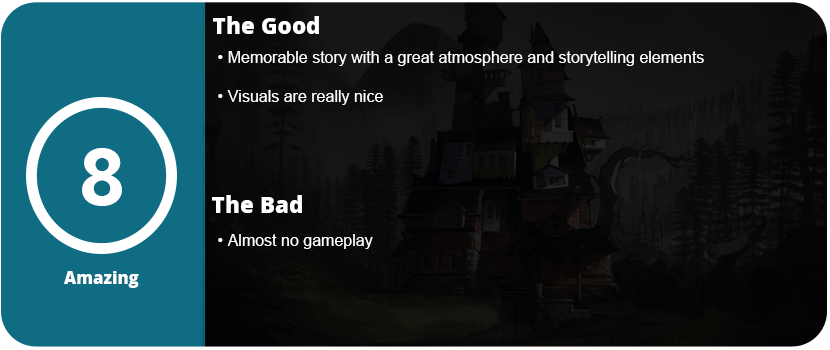
Sadly, due to this type of game, it won’t be played by many people, which is a dying shame, as What Remains is probably one of the best games to come out this year. The story is memorable, the game has plenty of atmosphere and character, and there’s so much to love about the game. If you’re a fan of Gone Home or just great stories in general, then you will love this game.
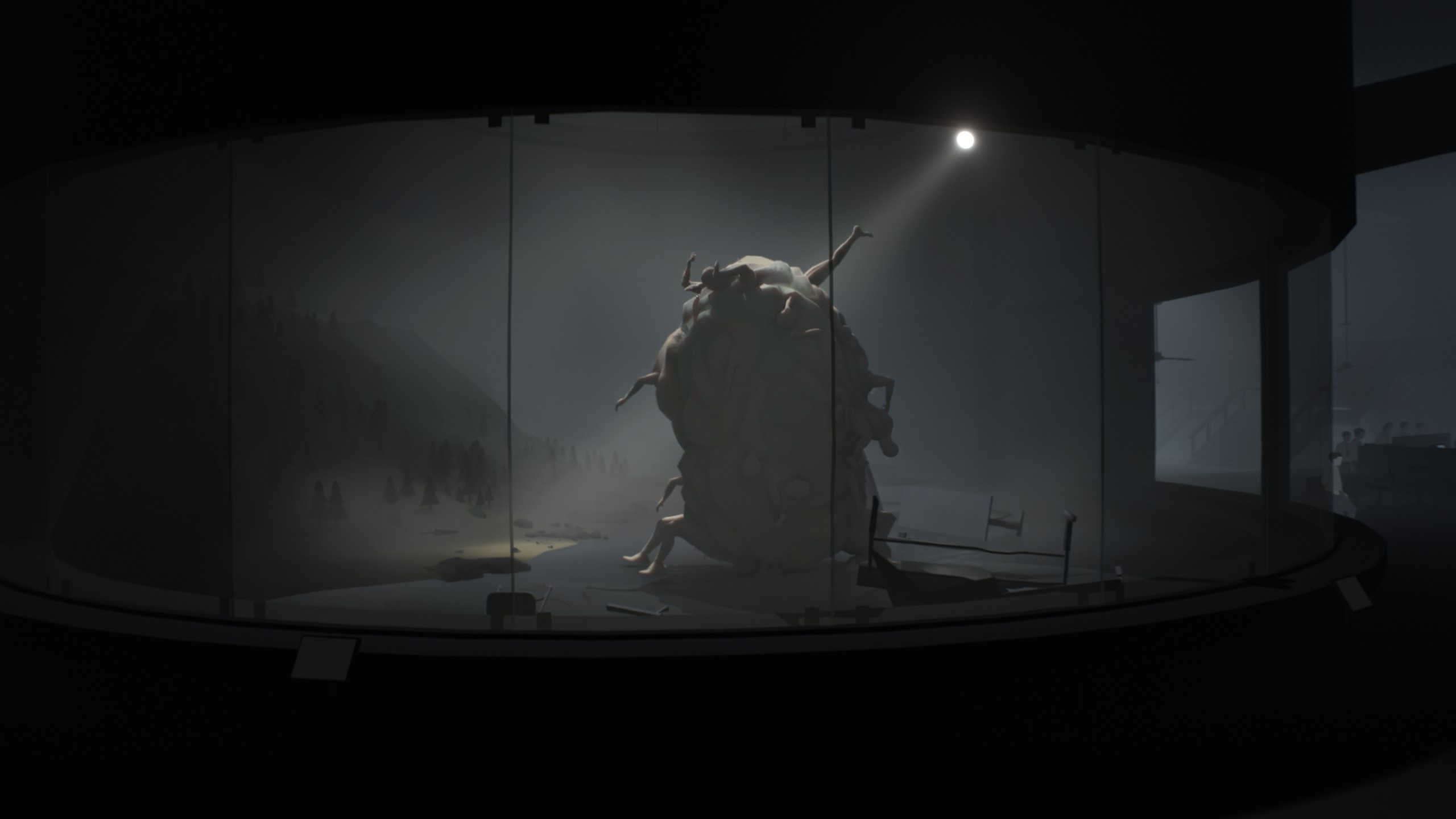
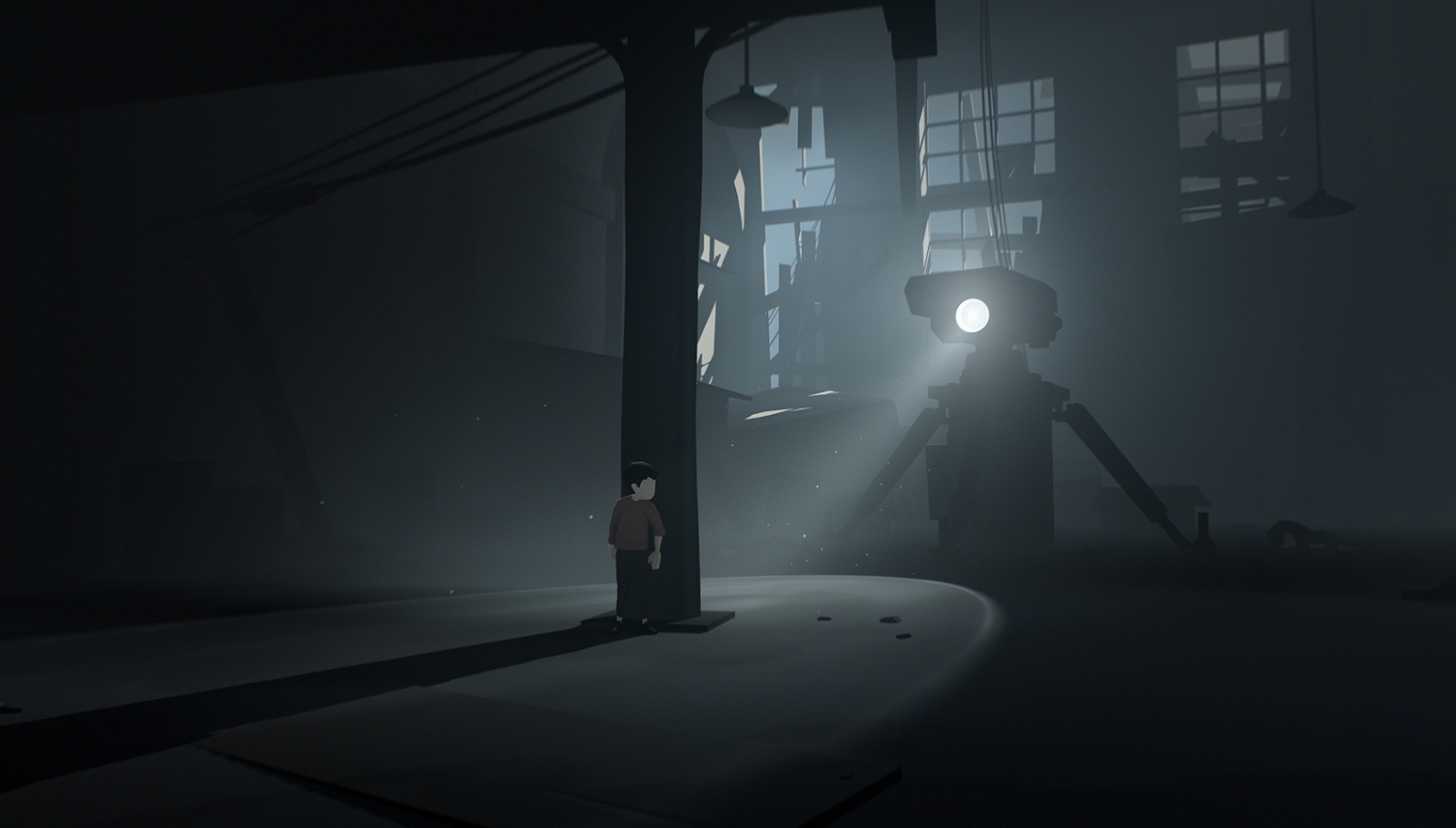
Atmospheric side scrollers became popular thanks to Limbo. With no story but an entire tale told through the atmosphere, puzzles, and platforming, this became a great way to show gamers that the platforming genre can be a little more mature. Inside are all the aspects that Limbo created and perfected.
The game starts out with a little boy stumbling out of some trees and running through a forest. In the background, you can see soldiers in masks searching for something, but you’re never quite sure if it’s the boy or something else. Who this boy is and his purpose are never explained, but that’s kind of okay, as it’s up to the player to interpret this. The game has no tutorials, as there’re only two buttons to use: jump and an action button. You slowly get introduced to the game’s puzzles by pulling objects to ledges to reach greater heights, learning to keep switches open, etc. The game’s main focus is the art style and atmosphere. This game has an Uncanny Valley militaristic dystopia theme with everything in gray. It really grabs your attention, and the game can get quite tense.
Some of the more memorable scenes are when dogs are chasing you, as there’s no music but just the panting of the kids and raging, aggressive dogs at your heels. Most chase scenes actually require skill to finish, as they require precise timing of jumps and even quick-on-your-feet puzzle solving. The game is very well-paced, as I wanted to play through the whole thing without stopping. While there wasn’t a story being told, I wanted more chase scenes and sections where the boy had to sneak by these adults. The game isn’t just a flat plane, either, as the world turns and pans in accordance with the 2D playfield. It never feels like you’re going just left or right in a world that has been cut in half. There’s depth in the foreground and background, which is something that’s not done often in side scrollers.
There’s something strange going on in this world, as it seems most humans (or slaves) are mind-controlled and are being sold to other humans or possibly some type of alien. I couldn’t really tell, and again, that’s the point. Your job is to keep this boy out of danger and to keep pushing forward. From swimming, using a submersible, climbing, running, jumping, and puzzle-solving, there are quite a lot of games here for such a short length. Inside also has amazing animations and physics—some of the best I have ever seen. The way the boy runs and the people in the background interact with your every move is jaw-dropping. The boy would sneak across a floor and open a grate while everyone was starting inside some vat in the background. As soon as that grate dropped, all heads looked toward you. It’s creepy and fantastic all at the same time, not to mention the boy’s gruesome death animations and scenes.
I was amazed all the way through this game, despite the ending making zero sense and just being so abrupt. I wanted more, and hopefully we will get more. I can see that this could be a vastly expanded universe with an amazing story, but these atmospheric indie games tend to never have sequels. The game’s art style is just some of the best this year, and the graphics are also technically impressive, with amazing textures, lighting effects, and shadowing that would put some big-budget games to shame.
Overall, Inside is a wonderful must-play game. It’s oozing with atmosphere, tension, and pacing that will keep you glued during the whole 4-hour play session. When it’s over, you will sit back and remember most of the scenes and wonder what’s going on in this game. I felt more like a spectator who jumped into the middle of a movie, and I’m just watching what’s happening next, hoping to catch on. This is a unique way to tell stories and can be very hard to pull off. Thankfully, Inside will have you thinking about it long after it’s gone.







































 thebinarymessiah.com
Try multiplayer. A lot of fun !