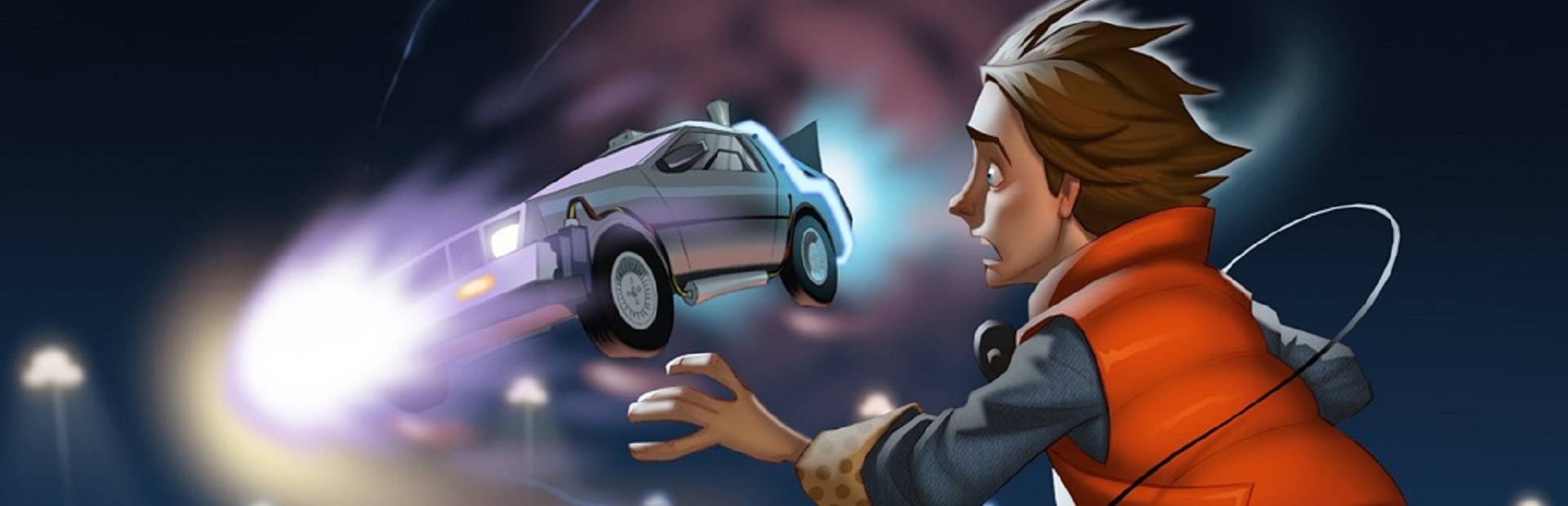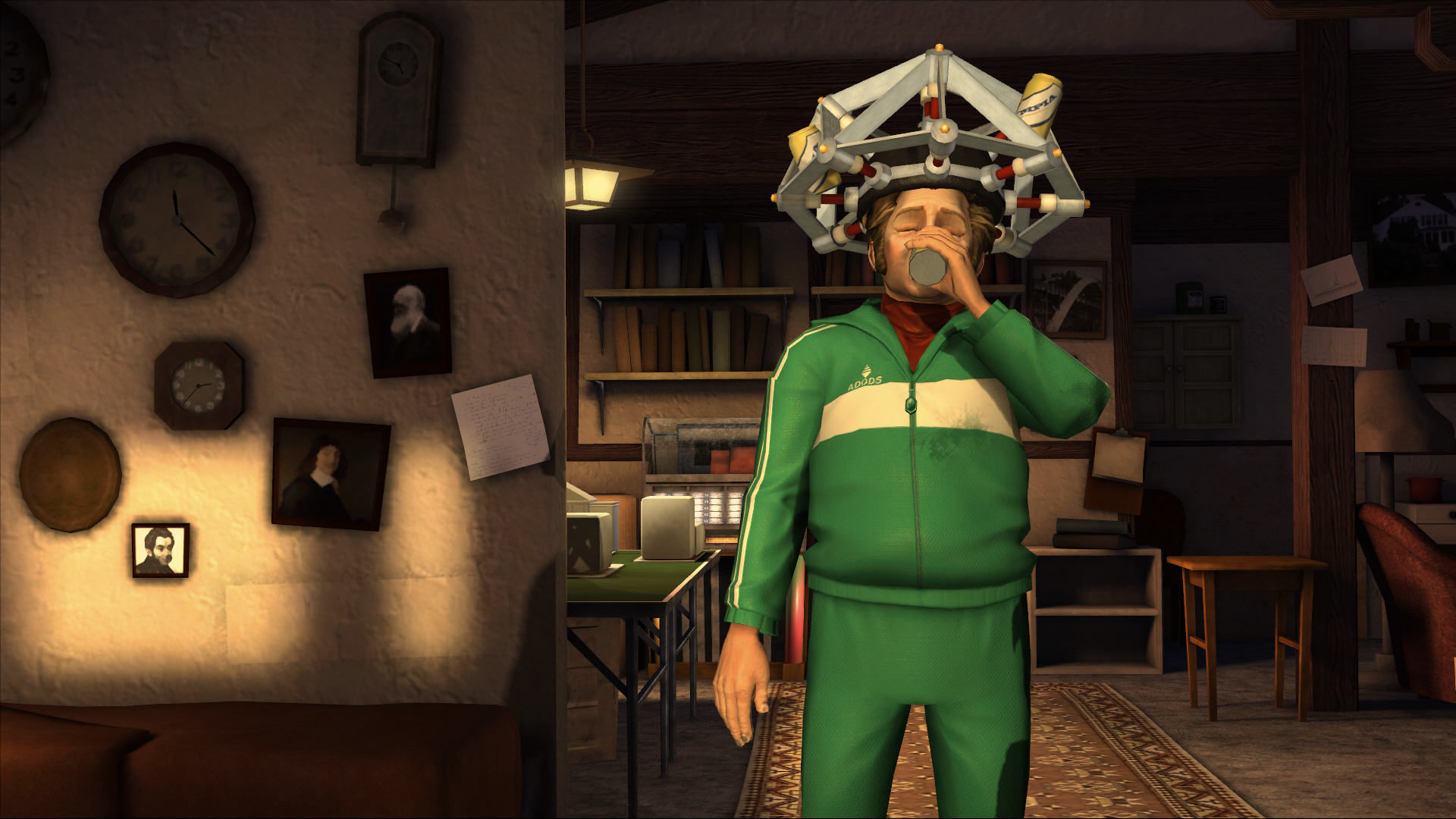

Back to the Future hasn’t really done well when it comes to games. There were a couple of bad games in the 8 and 16-bit eras, but Telltale Games finally picked up the license and injected its excellent adventure formula into the beloved series. You play Marty McFly, who has to go back in time and save Doc Brown from his own deadly fate. He gets a message from Doc to save him, and Marty must find out how to do it with the help of young Emmet Brown.
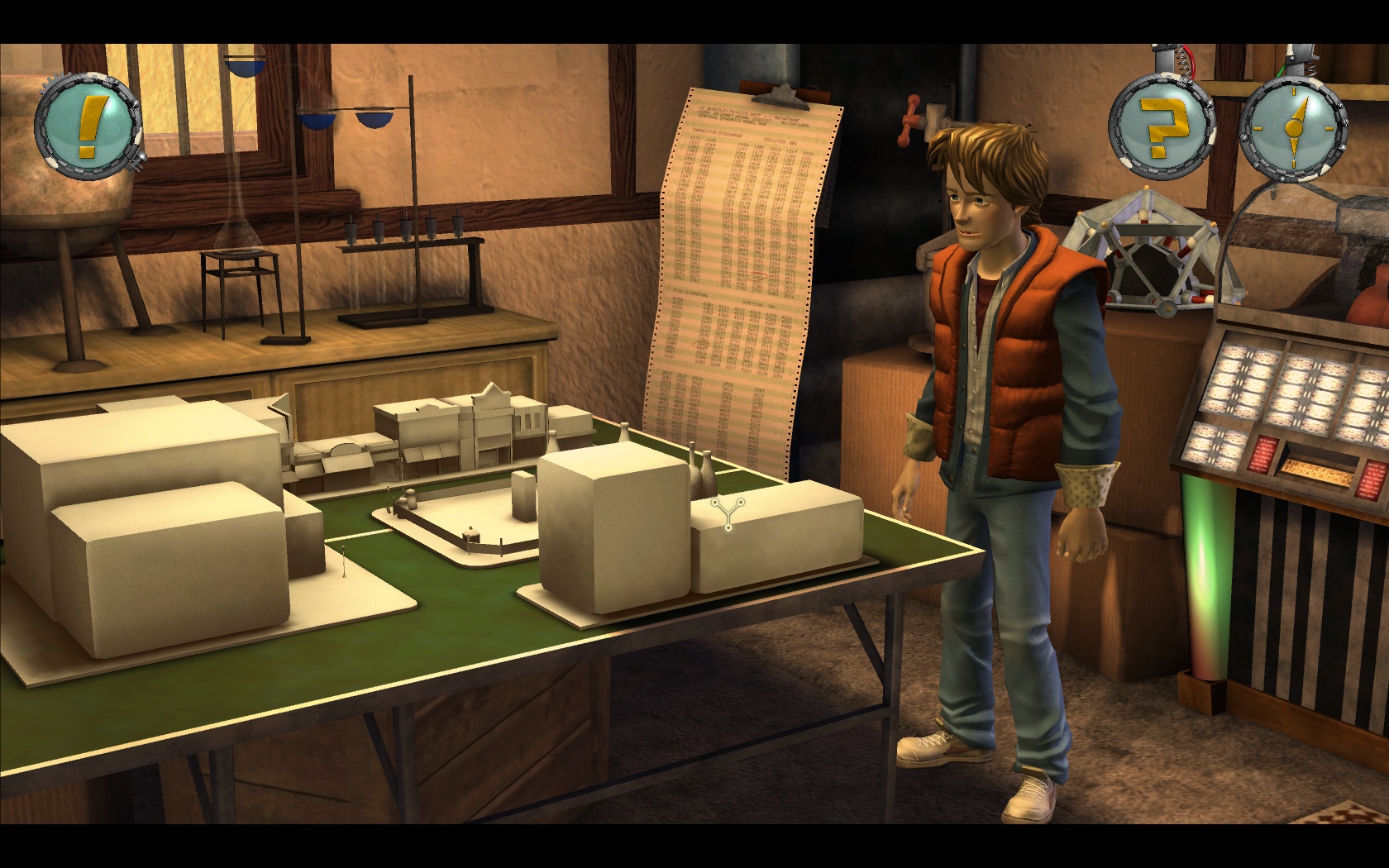
The story is original but uses the BthF license very nicely. The voice actors sound almost spot on, and everything from the DeLorean to Doc’s dog Einstein and even Marty’s relatives is voiced well and resembles their live-action selves. It’s great to explore the BthF universe with the same clever writing and storytelling. There is a simple adventure game interface where you click around on objects and listen to Marty explain them, but the puzzles are more involved than just slider puzzles or matching symbols. The puzzles are broader and story-driven, and that’s what Telltale is famous for in their Sam & Max games.
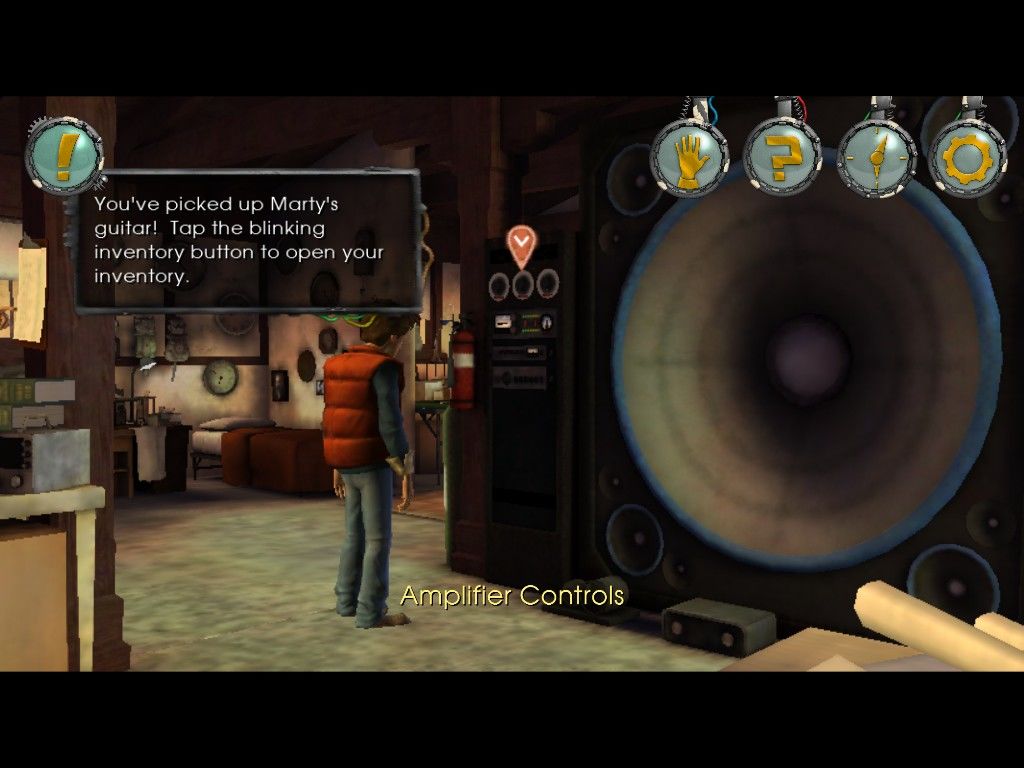
You can have items in your inventory, but you don’t just wander around and use them for every pixel in the game. It’s usually pretty obvious to use your recorder to record young Doc’s mumblings so old Doc can solve them. You aren’t overburdened with a ton of items that you have to constantly use a million times on everything, so it’s straightforward and simple, but you do have to think a bit. One great feature to resolve pixel hunting is a button that will show every icon you can interact with. This saves time and frustration, so you’re not wandering around and missing that one item that’s almost off-screen.
While the interface and interaction are smooth and simple, the game is very short, and it’s still lacking some gameplay depth. I would like more cerebral puzzles, but Telltale is more about the story than anything else. The game doesn’t get super exciting until the last 30 minutes of the last two sequences. You can beat the game in one to two sittings (about 3 hours), so for $25, the game is highly overpriced and not worth the money unless you’re a die-hard BthF fan. I would wait for the full season to come out and not spend a ton of money on each episode. Also, the graphics are pretty horrible considering the nice art style. Telltale really needs to upgrade their 8-year-old engine to something more modern.
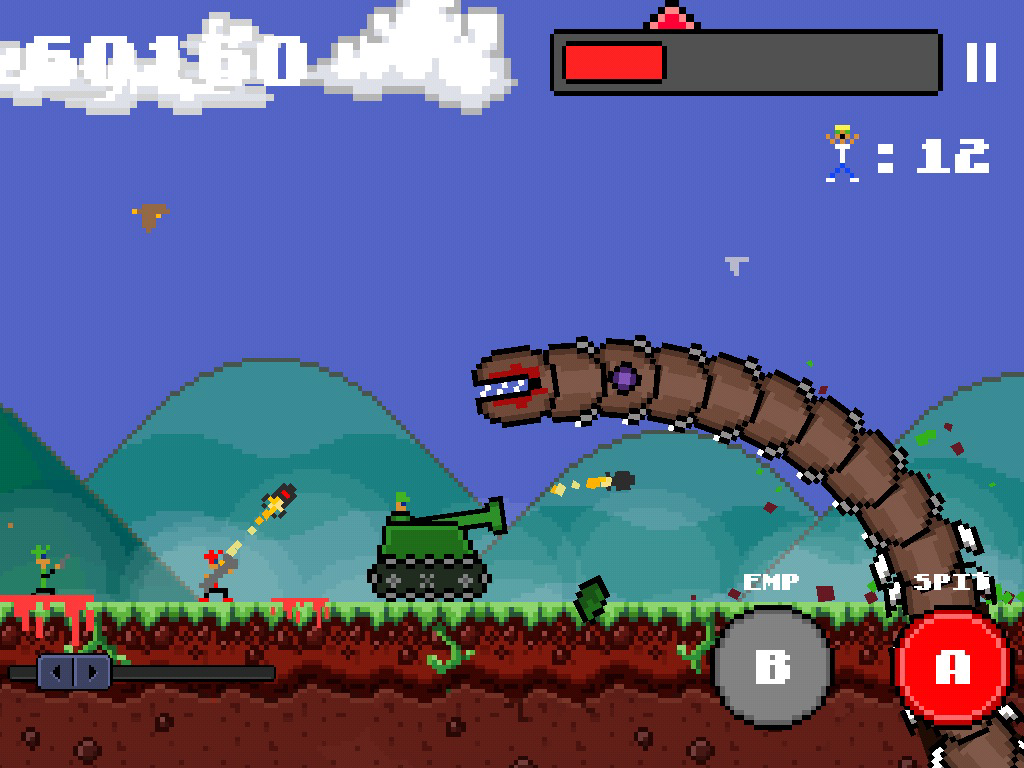
“Endless” games are really popular on phones, but they are only fun for 10–20 minutes and then tend to get boring. They are time killers to their core and aren’t really meant to be taken seriously. Super Mega Worm is probably one of the best out there in the sense that it keeps dishing out new stuff for people who keep on trucking. Unlocking new powers, and each level has a different goal to beat.
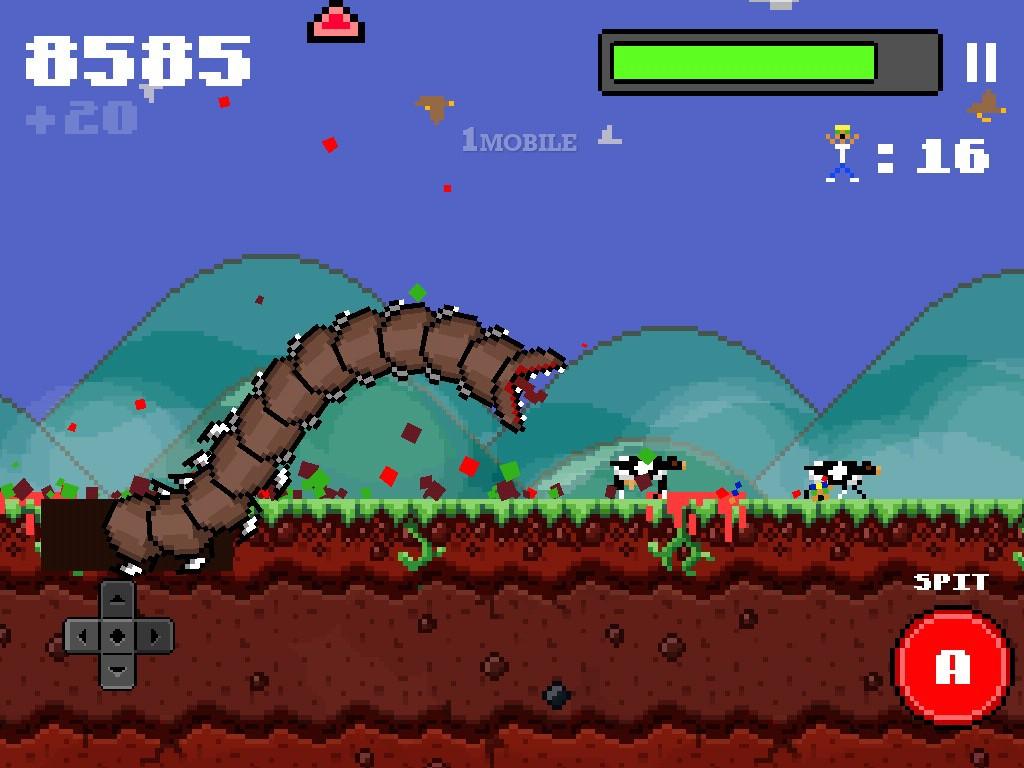
The game has classic 16-bit graphics with some gory humor thrown in for good measure. You start out by hatching from an egg underground, and you leap in and out of the ground, eating everything above it. You have to maintain eating objects, or your health bar will run down. You will eventually earn more pieces of your body to make you longer and faster (and reach people higher up in the sky). You have a boost button to give you some extra air, but it’s in the later stages that things get super fun and chaotic.
After a while, you’ll earn an EMP burst, which slows down time and kills all vehicles on the screen. You can bounce off ground vehicles to create combos by eating groups of people before burrowing underground again. The enemies get tougher to kill, but you don’t have a health bar. Instead, you have to rely on skill to eat enemies up high once they start running out on the ground. Some goals require you to survive a certain amount of time, and other times you have to eat a certain number of people.
SMW has some humor injected into the formula thanks to funny speech boxes, screams, and all the body parts flying around in a gory mess. To keep the frustration down, you keep your power-ups if you die, but it’s slow to get back up to speed. Super Mega Worm is an excellent and addictive endless game that is well worth its price point. Just don’t go into this expecting gobs of deep gameplay, story, or characters.
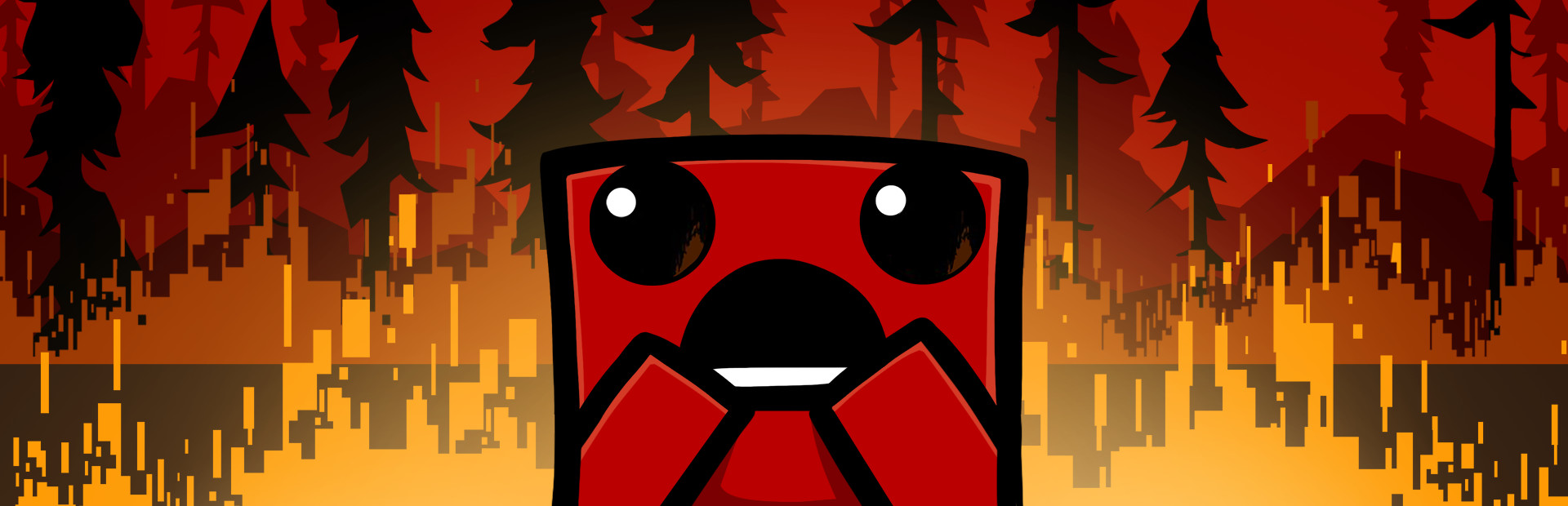
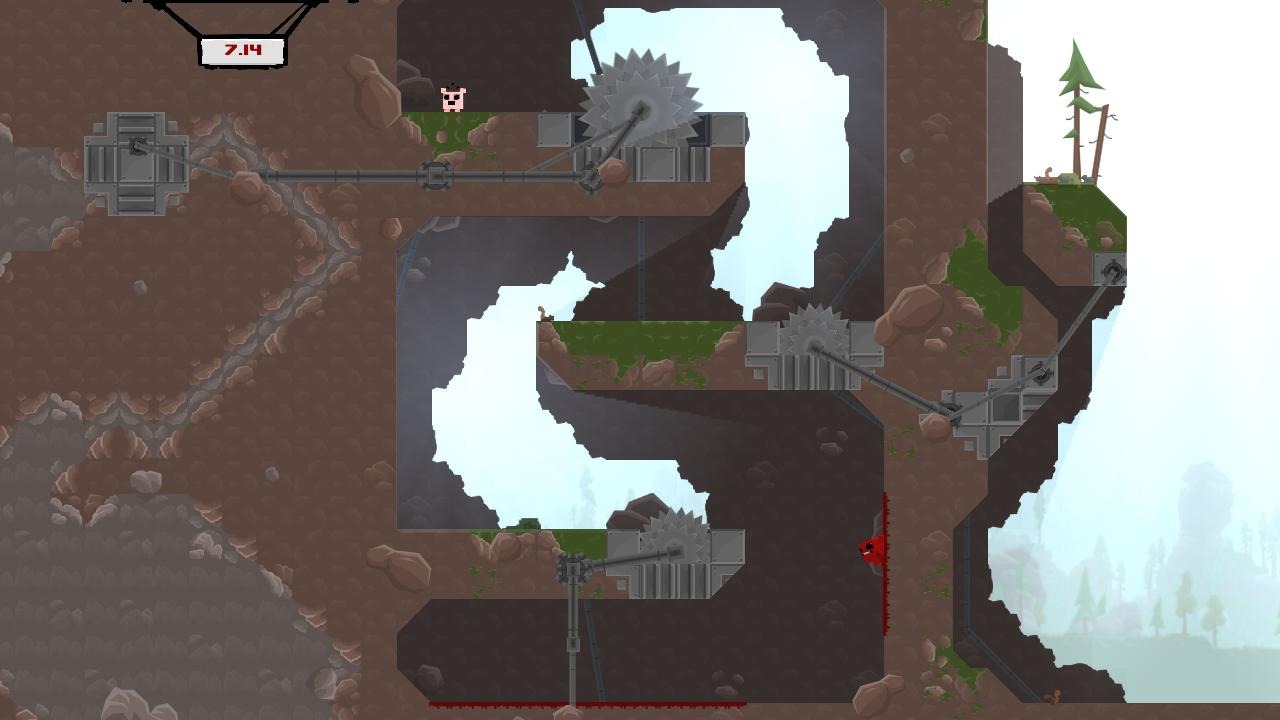
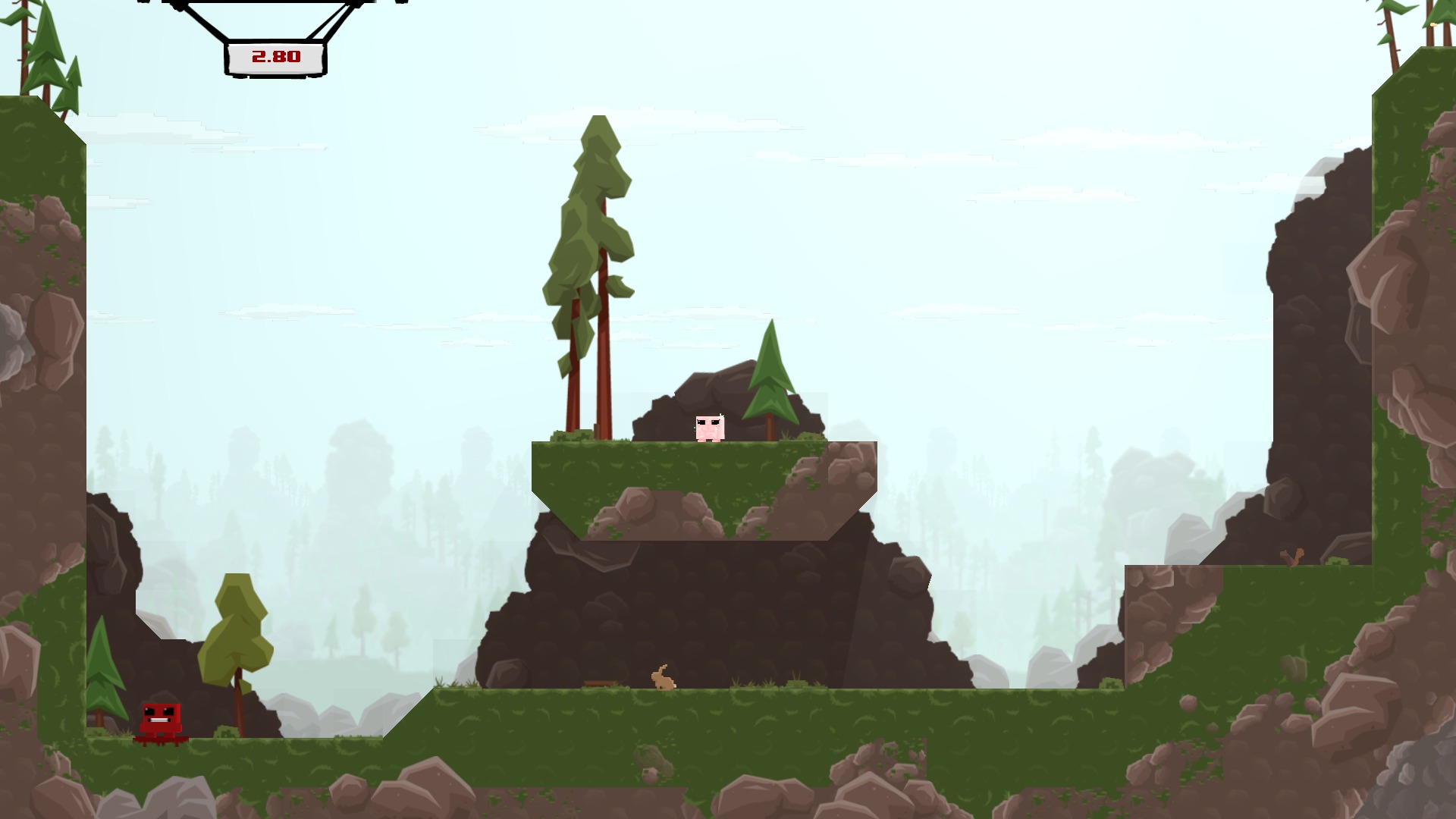
2D platformers are always compared to a 20-year-old game known as Super Mario Bros., and they have every right to. That game was flawless and literally created the 2D platforming genre. Super Meat Boy is probably the only game in recent history that comes close to that kind of pixel-perfect jumping and tight, responsive controls. SMB also has a ton of humor infused with it, and the game is a blast to play and highly addictive.
You play Super Meat Boy, who is trying to save Bandage Girl from Dr. Fetus. It’s a simple story, but it’s hilarious, and the cut scenes are drawn beautifully. The art style is very unique, and there’s so much detail infused in this game that it’s nuts. When SMB gets destroyed, he splatters his meaty goodness all over the walls, and it stays there. He makes a splooshing sound when running, and his facial animations are very funny. There are other characters you can unlock by completing warp levels, and these guys are just as detailed and have their own unique abilities.
The controls in the game are what really surprised me. They’re just absolutely perfect. They are super responsive and tight, and it feels like you’re controlling the characters with your fingers instead of buttons. Using the Games for Windows controller (or any other) is essential, but the keyboard works too. Jumping around corners and maneuvering through the game’s brutal levels can be conquered thanks to these tight controls. I’m dead serious about the game being hard because every corner and jump require extreme precision, or you will die 30+ times. Oh sure, you’ll die that many times thanks to a quick reset button that has zero loading. What’s cool is that after you beat the level, you get to see a replay of every time you died, so every SMB goes off, and you can follow them until the last one makes it. It’s awesome, unique, and makes you want to watch every replay and save them for friends to laugh at.
The warp levels bring the graphics back to 8-bit with amazing music and tend to be more challenging than the regular levels. Usually, you get to play the characters you unlock, but gameplay varies at these levels. You can also find bandages in the regular levels, but these require extra-extreme precision (if that’s possible), so this game is really for hardcore gamers only. Casual gamers will give up quickly, and there are no difficulty levels to set. From the frantic boss fights to the constant dishing out of new obstacles to overcome, the game ramps up after the first few stages, so you must stay on your toes.
With a crap ton of charming visuals, catchy music, and perfect controls, the game shines above all other 2D platformers. It wouldn’t hurt to say it’s probably the best 2D platformer in the last decade, but the brutal difficulty is very forgiving thanks to the feeling of accomplishment once you trump that level. Try beating the record time to feel even better about that victory! I highly recommend SMB to any platforming fan or even fans of the 16/8 bit eras.
BioShock 2 was a great successor to the original but didn’t live up to the hype or the cinematic quality of its predecessor. It suffered from repetition (loot, go through the section, save Little Sister, gather ADAM, rinse, and repeat), and it didn’t have the scripted events that made BioShock so epic. This, in turn, made you want the game to just end after a while, and the developers played it very safe by making the entire game almost exactly the same. It did have an excellent story, though, and this is what made the game great.
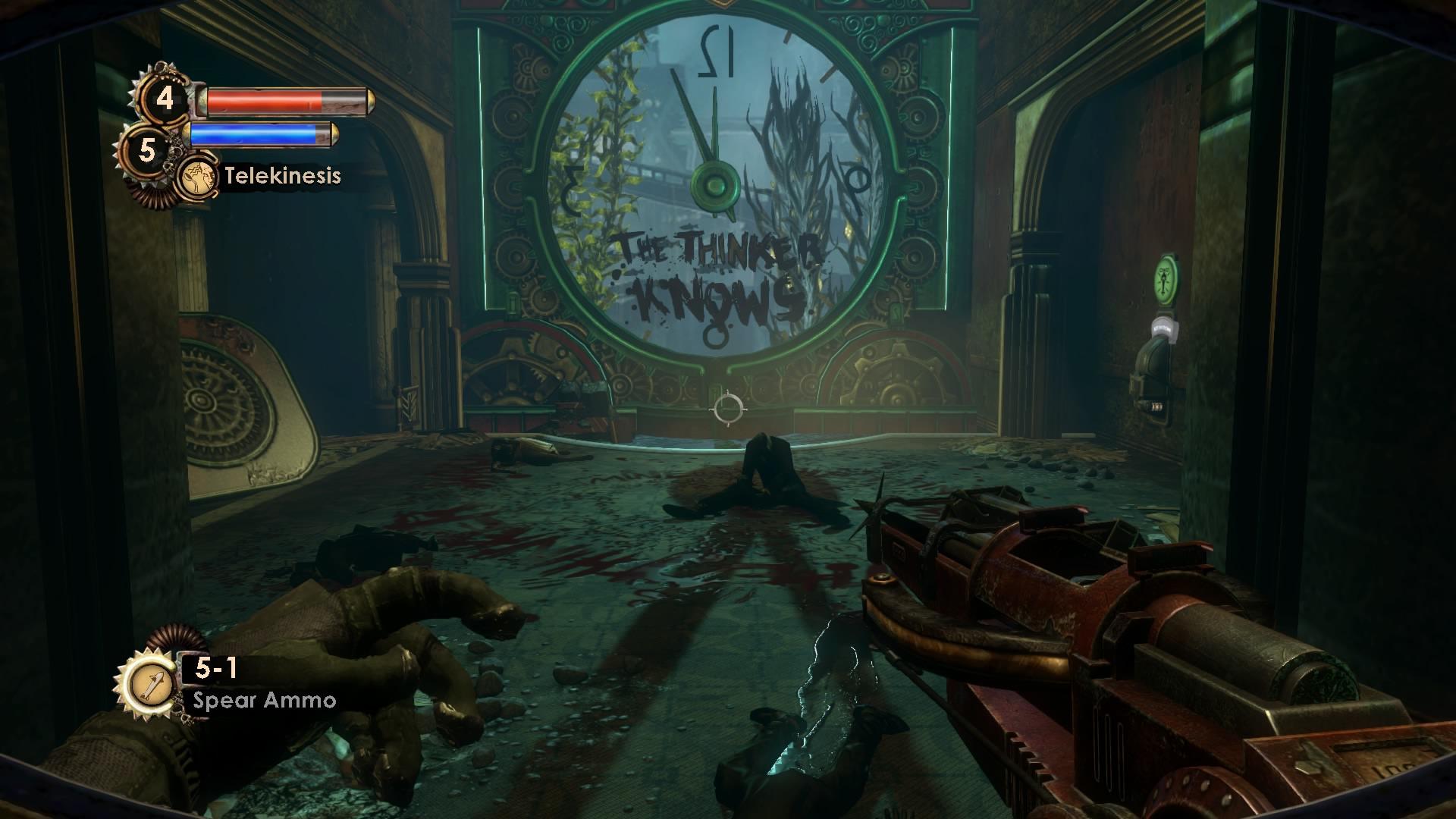
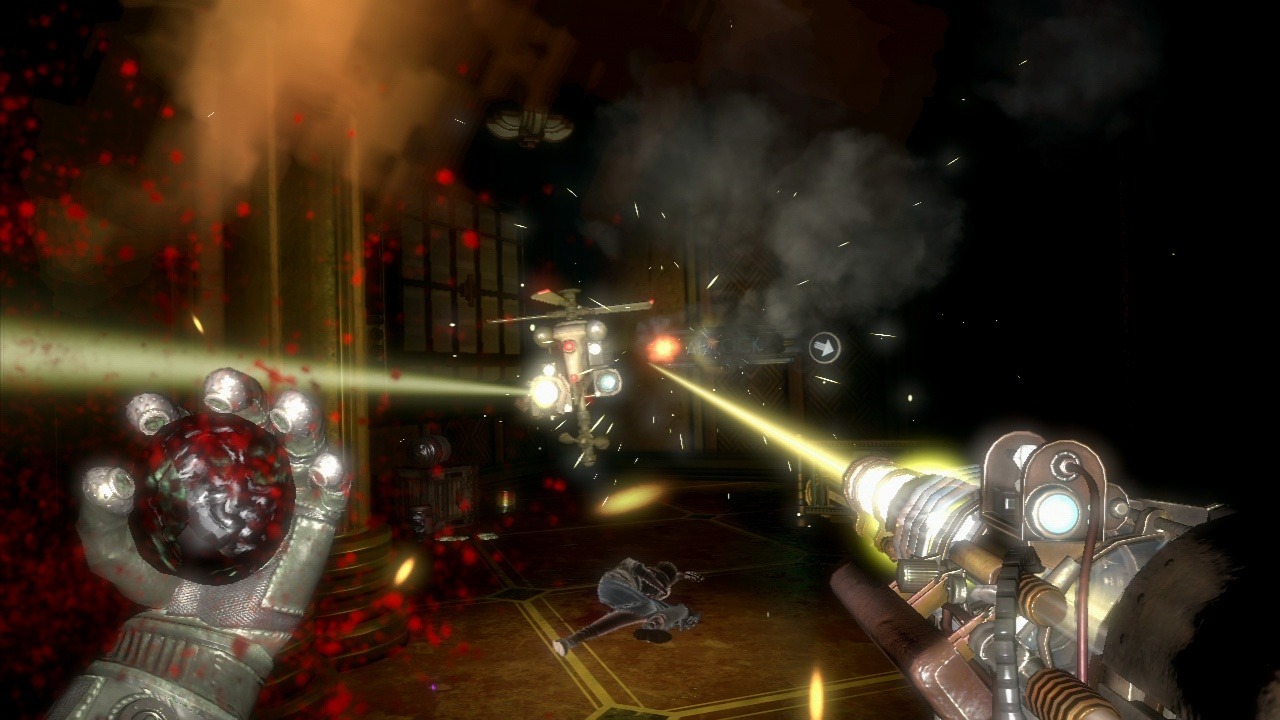
Minerva’s Den has you playing as Sigma, who is a Big Daddy sent by Milton Porter to destroy The Thinker. The Thinker is a computer that runs Rapture, but you are also being told by Reed Wahl not to destroy the computer. Along the way, you are able to meet six little sisters and a couple of big sisters, loot to your heart’s content, and experience the excellent dialog, story, and pacing that should have been in the second game. There are two huge levels in Den, with little things hidden everywhere, as well as a new plasmid, Gravity. Well, new splicers and upgrades are found by finding them on dead bodies instead of Power to the People stations.
The story is really excellent, with you being completely clueless and just following Porter and Tenenbaum’s voice to do as they bid. You discover most of the things going on down here through audio diaries, and some can be pretty haunting. There are a few scripted elements, but the level design is also well done, and there is enough to do here to keep you busy for a good 4-5 hours. You will really want to savor every moment by looking in every nook and cranny as well as completing all of the great achievements.
What BioShock 2 was lacking is made up somewhat in this little DLC that could. While the art style and objects are recycled, there are a lot of new ones that haven’t been seen anywhere in the world of BioShock, such as computer-related objects. It’s a good change and really helps mix up the visuals. With a surprise twist ending that makes you slap your forehead, Minerva’s Den is well worth the money, and I hope it isn’t the last BioShock 2 DLC.
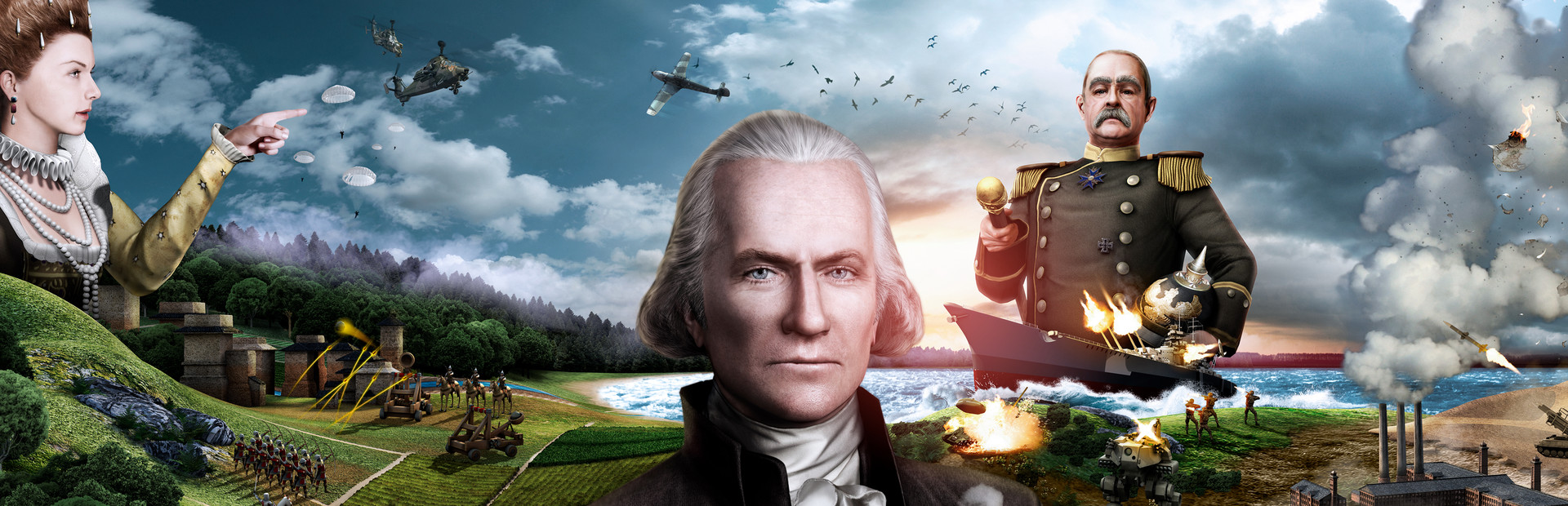
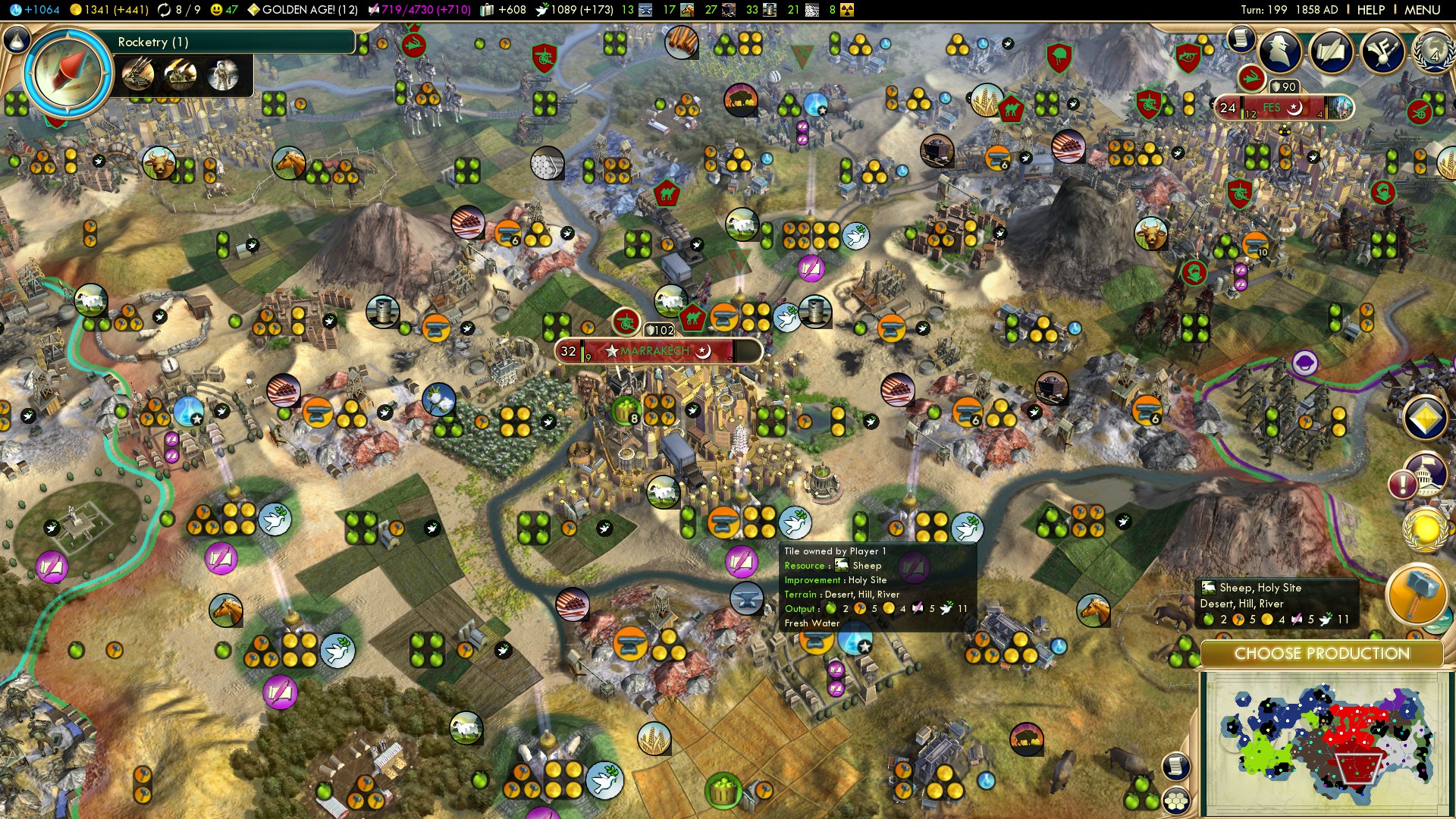
After playing my first game of Civ 5, I realized how much of a greedy jerk George Washington was. 500 gold, all my resources, one city, and open borders for just one silk resource?! He’s just begging to get wiped out, but I keep my cool and press on as the most advanced civilization for the next 150 turns. I built many great wonders, such as the Great Wall, the Great Lighthouse, the Colosseum, the Taj Mahal, and even the Hanging Gardens. Of course, it takes about 100 turns to create most of these, but it keeps my people happy and sets us into a golden age.
This is just the beginning of Civ 5 and its deep turn-based strategy gameplay, yet it’s so simple to grasp, and that’s the beauty of it. Civ 5 may seem like an overwhelming beast when you first play it (mainly for newcomers), but you learn as you play. After my 50th turn, I already had the hang of 90% of the game and just learned little things from there on out. You start out by picking the leader of a country, but each one has special attributes like a better economy, military, or even science. You establish your main capital city, and from there you learn new sciences, produce buildings, great wonders, workers, or different military units. Different tiles on the map may have icons for mining, farming, etc., and you can deploy workers here. Connect these to your capital, and your income will increase.
Of course, after a while, you must expand your empire, or people will get unhappy and may even rebel in the city due to overpopulation or not having enough entertainment, food, or other resources. Keeping your people happy is just part of the struggle to create a great civilization. Other cities may want to ally with you by having you gift units, give them gold, or vow to protect them. Connect your cities with roads, and voila, you have more income. Or you can just wipe them out and either annex the city (which requires building a courthouse before you can use it) or use it as a puppet city and just collect the income, but don’t control what they do. There’s also the option to just raze cities and let everything burn!
Yes, Civ 5 lets you play as you please; sadism or masochism is all up to you. You can be friends with all your neighbors and just run out to 2050 and be the first and most advanced civilization. Or you can do what I did and get tired of the other leaders and build an army to take over. After having a rapidly advancing civilization over Washington, I decided to open my borders to him, but he was still guarded because he didn’t like my huge army. Sure, I made my people suffer a tad from the high upkeep of this vast army, but it was well worth it. I started attacking his capital, and this declared war. After a few turns, he offered a peace treaty for 10 turns, so I accepted, and during this break, I got every unit I had and surrounded his capital. After the treaty was over, I attacked and quickly took over his entire empire. It was easy thanks to my advancement in military technology, so I was way ahead of him. Musketmen versus spearmen doesn’t exactly equal fairness. He offered peace treaties, but I swiftly turned them down, and he eventually declared defeat.
But…just…one…more…turn! Even though I technically beat the map, I kept on conquering and even stole over his allied city before defeat. I bought tiles with lots of resources to quickly build up my empire and expand my borders. Turn after turn, I swept up all resources, hoarded my gold, and built massive structures to be the greatest of all time.
That’s how every game plays out, and with the great AI, stunning visuals, and excellent little tidbits like social policies, which act like perks, and the fact that not every map will play the same way twice, While you can’t stack units anymore, it really makes for a better strategy and makes things a bit simpler, so you’re not just concentrating completely on your army. There are so many little things to this game; you just have to play it to realize what’s here. With a great in-game user-made map, scenario, and other item download section, excellent multiplayer, and countless hours of endless ways to play maps, you will never get bored. Tactics must be changed for each leader, each map, and each opponent. The only real issues I had were the fact that not every leader is balanced and that a game can take days to finish, plus some changes may turn hardcore fans off. So, the question begs the answer: Can your civilization stand the test of time?
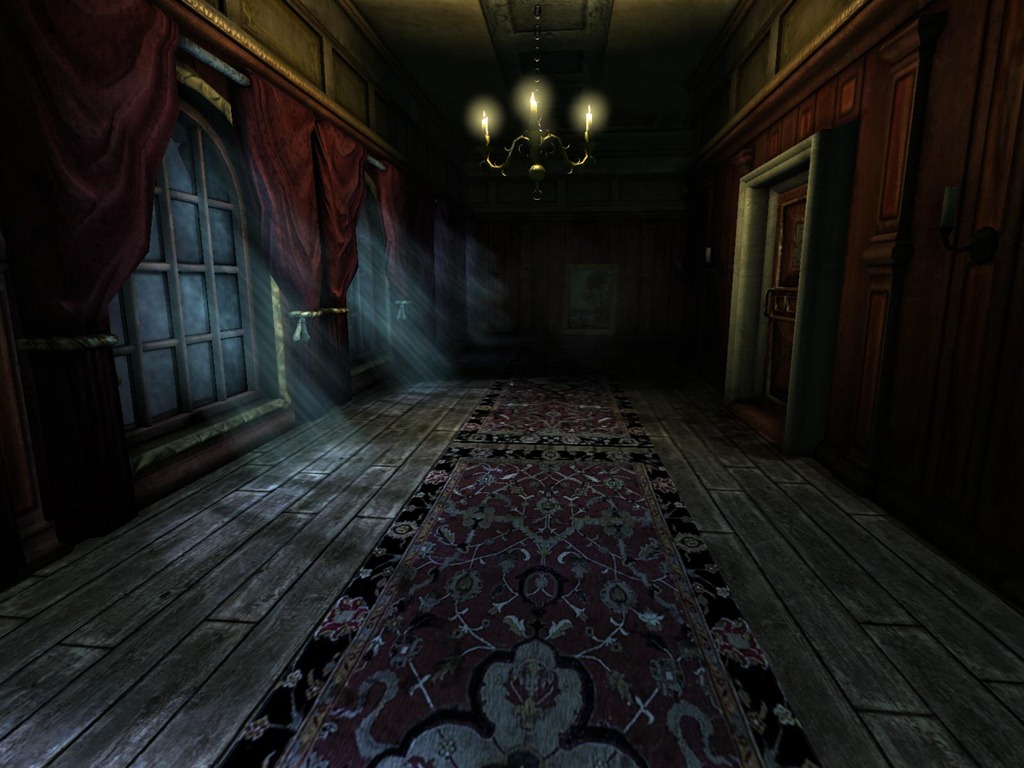
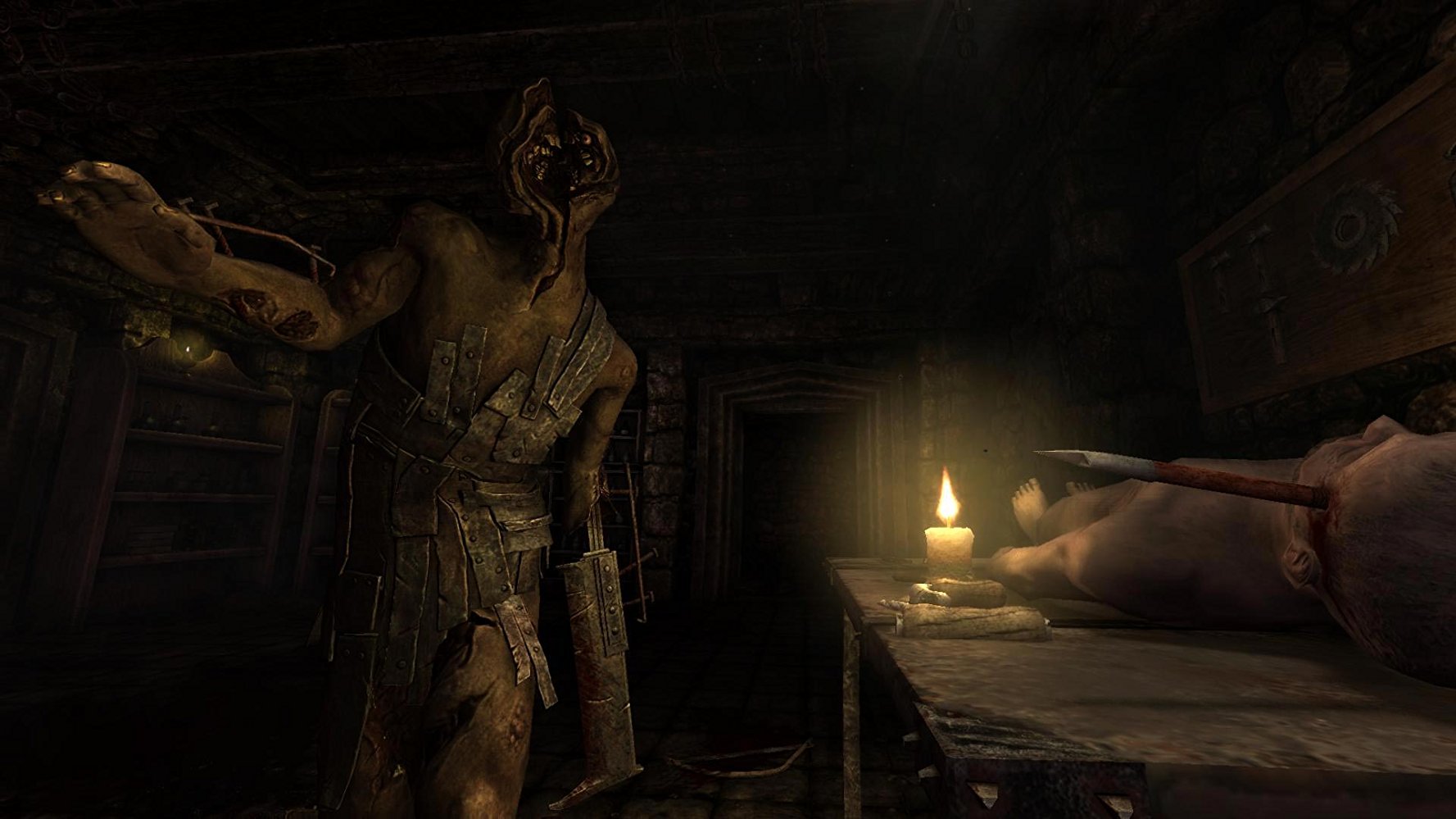
The survival horror genre is probably the fastest-dying of them all, but it’s games like Amnesia that really get the spotlight when they hit it home on the scare factor. Amnesia stays true to the genre, and this is due to the fact that there’s no combat whatsoever. Zero, zilch, nada, you can’t fight. If you see a creature, you have to hide or run, and this is what adds to the tension. If you can fight, you can just kill it, but if you can’t, then you have to really think about what to do, which can make you not want to continue.
Amnesia may be a first-person adventure game, but your only weapon is light and against your own insanity, not creatures. Staying in the light is key, and oil for your lantern is as precious as 9mm ammo in Silent Hill. It’s scarce, and you try to savor every drop or just use tinderboxes as an alternative. You can light candles, lamps, or any source of light to guide your way to preserve oil or if you run out. Daniel can see in the dark somewhat, but it’s hard to solve puzzles like this.
As your sanity slowly drains, you will hallucinate, walk slower, the screen will distort, and creatures will hear you. Seeing traumatic scenes can do this too, as can looking at creatures for too long. You will also lose sanity if you don’t progress or solve puzzles, so it keeps you on your toes, but don’t worry, I only encountered a couple of times where Daniel went totally insane and lost it. You’ll more likely go insane from fright before he ever does.
And that’s the thing about amnesia: it frightens you with atmosphere, pacing, and tension from the environment instead of zombies popping out. The music and ambiance are haunting, and they make you paranoid throughout the whole game. One scene had me in a room where I was picking up a letter, and suddenly something started bashing down the door. I literally jumped and tried to find a place to hide. A wardrobe! I grabbed each door and swung them open and hid, and as I peeked through the crack, Daniel started freaking out, so I had to not look. I heard the creature breathing, moaning, and moving around, and I was afraid it would start bashing down the wardrobe! It soon turned away, and I could continue hunting for puzzle solutions, but was I ever so scared?
The haunting story doesn’t help either, with you just waking up in a castle and not knowing who you are. You read letters along the way, trying to discover some orb and stop the shadow from consuming you. I can’t go into more detail because it will spoil the story, but it’s very creepy and disturbing and was well put together.
The second part of the game is the puzzles. These vary from object hunting to physics and pathfinding. I have to admit that Frictional has always been known for obscure puzzles, and some of the time I didn’t know what to do and was completely clueless. You rarely get hints, and this can lead to frustrating backtracking and pixel hunting, so an FAQ needs to be handy. Other than that, the puzzles were clever and really stuck to the story, and they all felt necessary.
Amnesia is a horror classic and is even better than Frictional’s Penumbra series. This game will scare the pants off of you; it even clocks in at a nice 6–8 hours and has three different endings to see. I really hope for a sequel or another game similar because Frictional found the survival horror sweet spot.
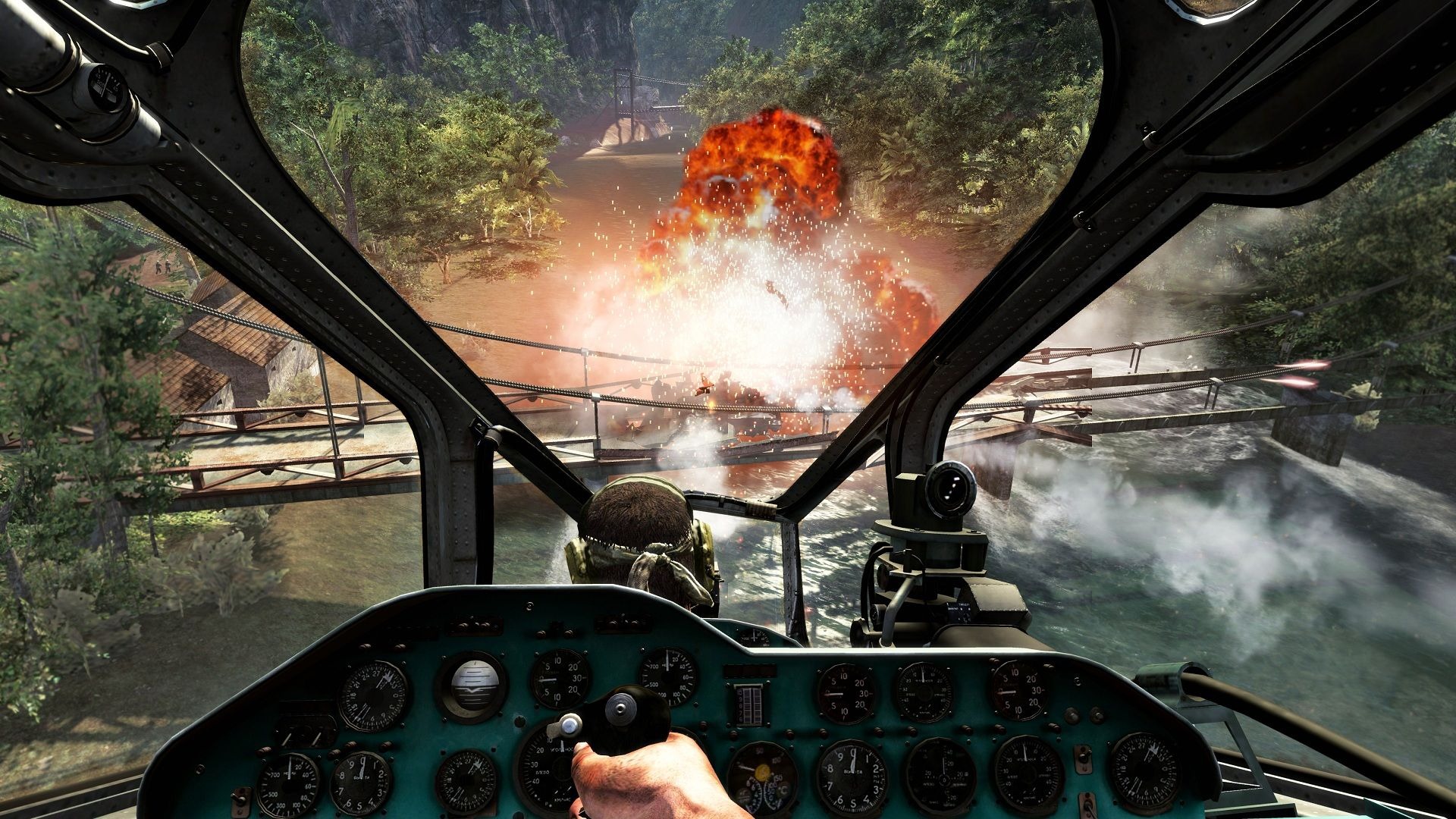
Military shooters tend to take the most flak because they tend to be the same, linear, sometimes boring, with questionable multiplayer, but when Modern Warfare came out four years ago, it really shook the ground, and shooters have been copying it ever since. Black Ops also has something that surprised me, and this was a solid, memorable single-player experience. Blasphemy right? Wrong! The game has lots of varied environments, tons of epic moments, and a few vehicle sections are thrown in, as well as the best helicopter-based missions in any game ever. The game also doesn’t start out as a regular shooter, with Alex Mason (Red Faction: Guerrilla, anyone?) strapped in a chair and a disguised voice yelling at him to remember numbers. The whole story only makes sense at the end, reveals a lot of plot twists, is beautifully crafted, and shows developer Treyarch isn’t the weak link in the CoD series.
The game has a lot of new weapons that are true to the Cold War/Vietnam era, and even the art style shows. The game is beautiful, with great sound, voice acting, and the actual plot mentioned above. The game has memorable characters that you get attached to through the 7-8-hour campaign (yes, it’s also a tad longer than most campaigns in shooters) and even memorable moments themselves. The storming of the Vorkuta prison in Russia and many other levels are memorable. Of course, the game has some issues that Treyarch is known for, such as not knowing what to do, poor directions, respawning enemies, and a few glitches here and there. Despite that, the campaign is solid and well worth the wait and the money, but of course, it’s multiplayer that most people will keep coming back for.
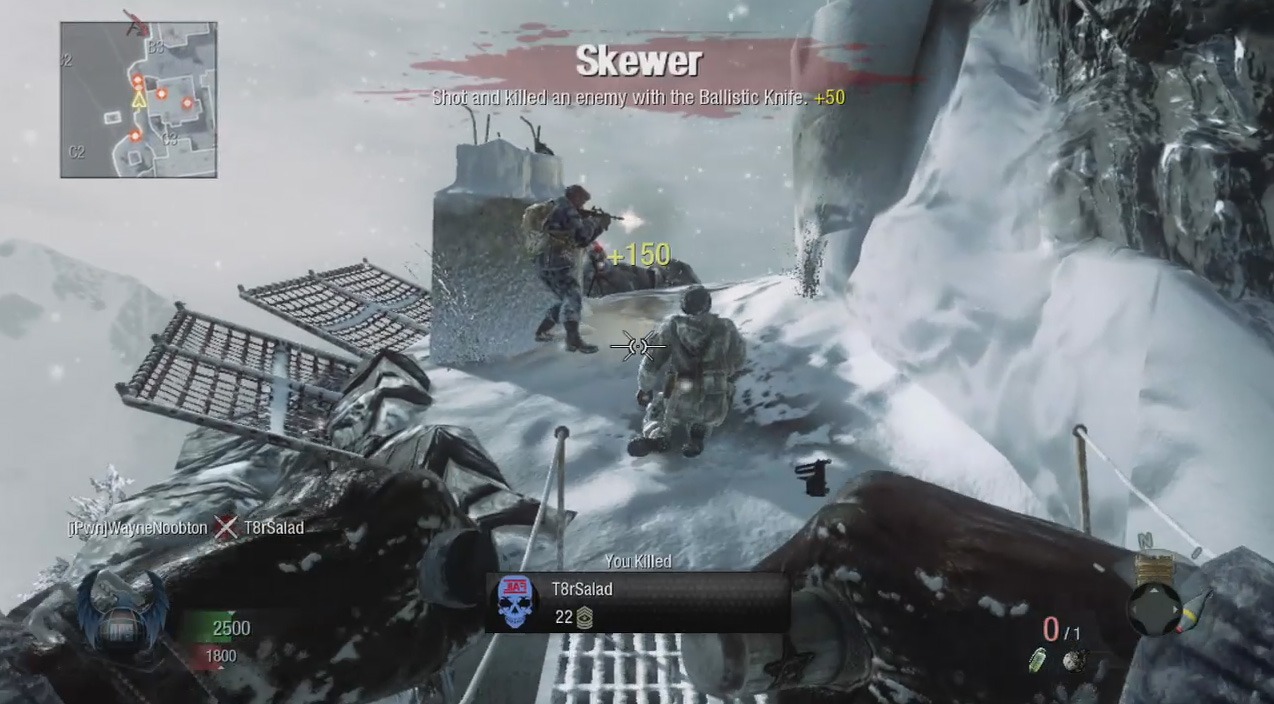
And, oh boy, is the multiplayer sweet. With new maps, a whole new approach to customization, and even the new Wager matches, Black Ops multiplayer is probably the best in the series and the best FPS multiplayer ever made. The game has the same overall playstyle as Modern Warfare 2, but instead of receiving fixed unlocks, the game adopted a currency system, and you can buy everything from perks to weapons to visual add-ons—you name it. This is a great approach to changing up the game and making it more about what you want. On top of this, the Wager matches are ingenious, with players betting on a match, and the top three get some money and the rest lose their bet.
There is One in the Chamber, which gives you one bullet and a knife. If you kill someone, you get a bullet but run out, and you are left with your knife. This is a great and intense mode because it does not shoot first and aim later like the regular models. Gun Game has you start out as a pea shooter, then you move up in tiers of guns with each kill. Not every gun is good because a sniper rifle vs. a machine gun won’t be very easy. The next mode is Sticks and Stones, which gives you a crossbow, a tomahawk, and a ballistic knife. Hitting a player with a Tomahawk resets their score to zero, and the most points are awarded for crossbow kills. Sharpshooter has your weapon switch every 45 seconds, and it’s random, but every player has the same weapon. These are fun and amazing modes that never get old.
On top of that is the zombie mode that Treyarch made a cult hit in World at War. You play as Nixon, Kennedy, and two other characters, along with surviving the three maps and the hilarious political banter the characters speak (Nixon when spending points to remove a barrier: This is taxing me like the Democrats). Players, but fight off hordes of zombies in multi-tiered maps, and points are awarded for barricading windows and shooting the zombies. Points can be spent to buy weapons and ammo and unlock new parts of the map. It’s intense, and trying to survive rounds gets heated (most won’t survive after round 10 and past round 5 alone). With four players playing cooperatively, it’s a great departure from the seriousness of the rest of the game.

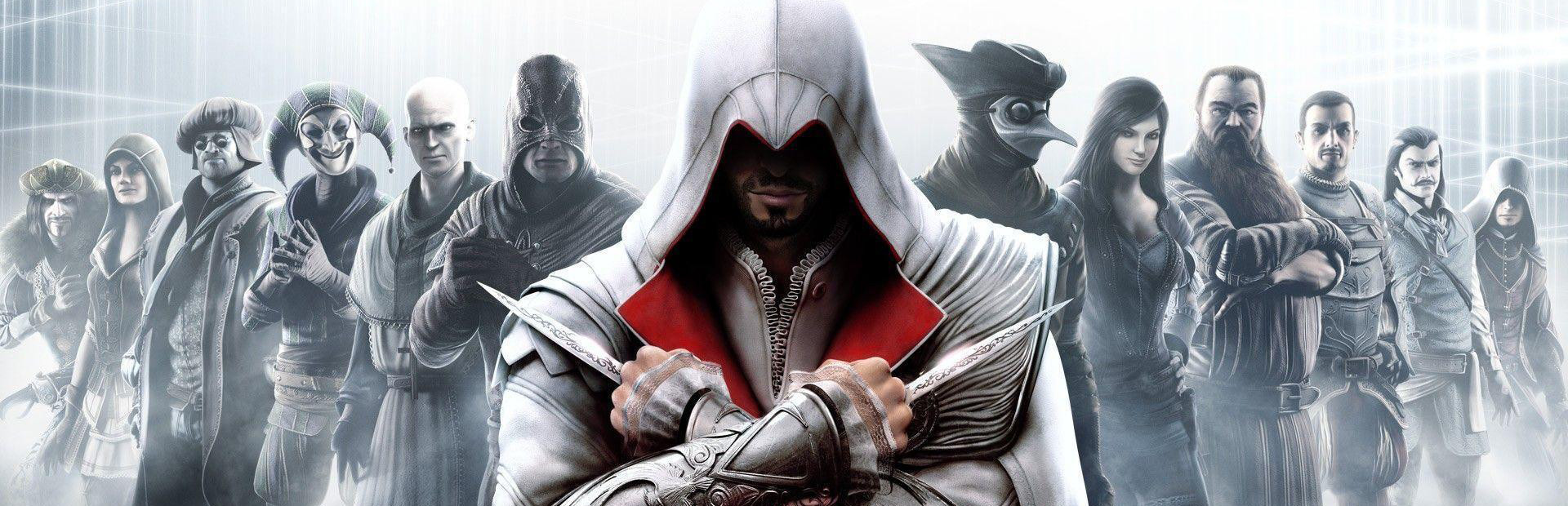
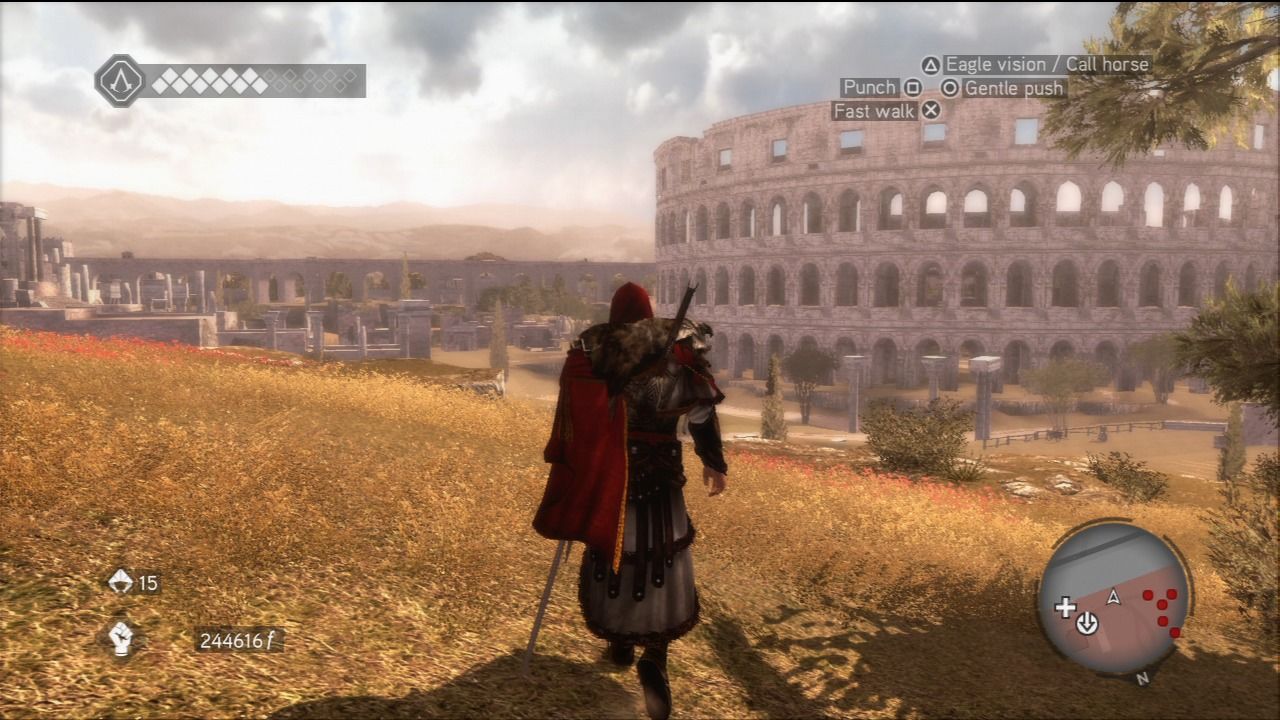
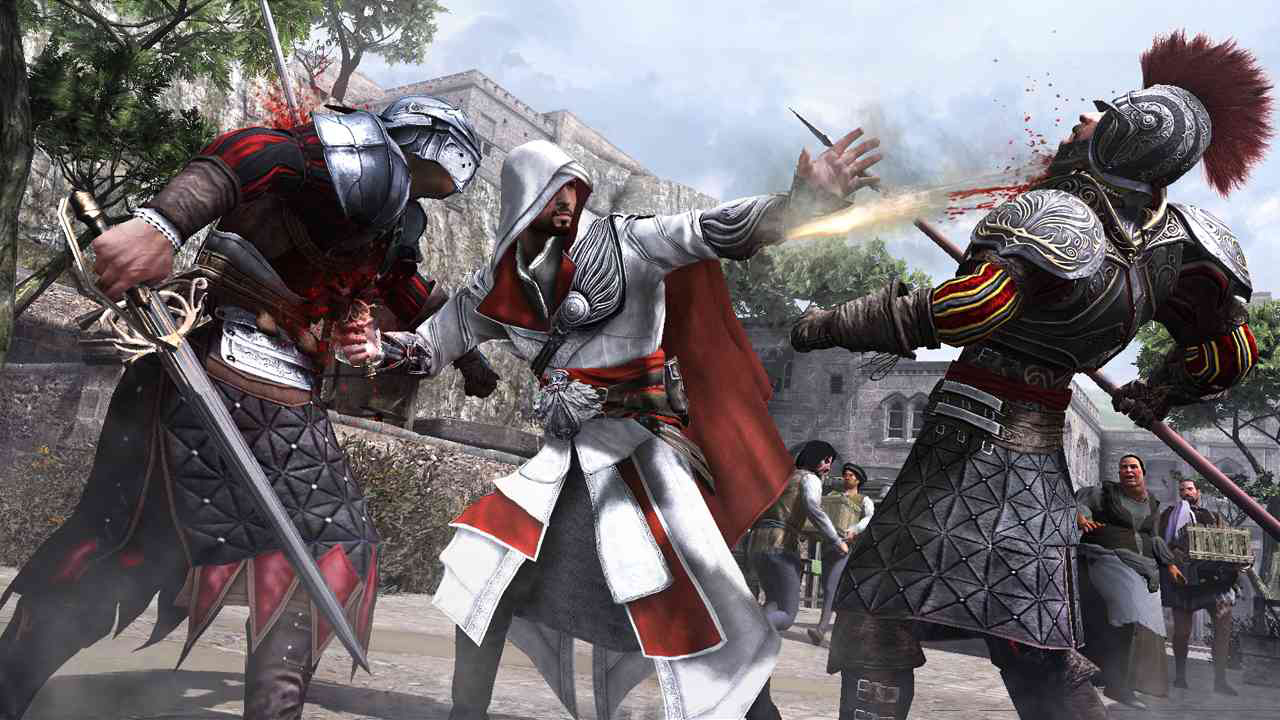
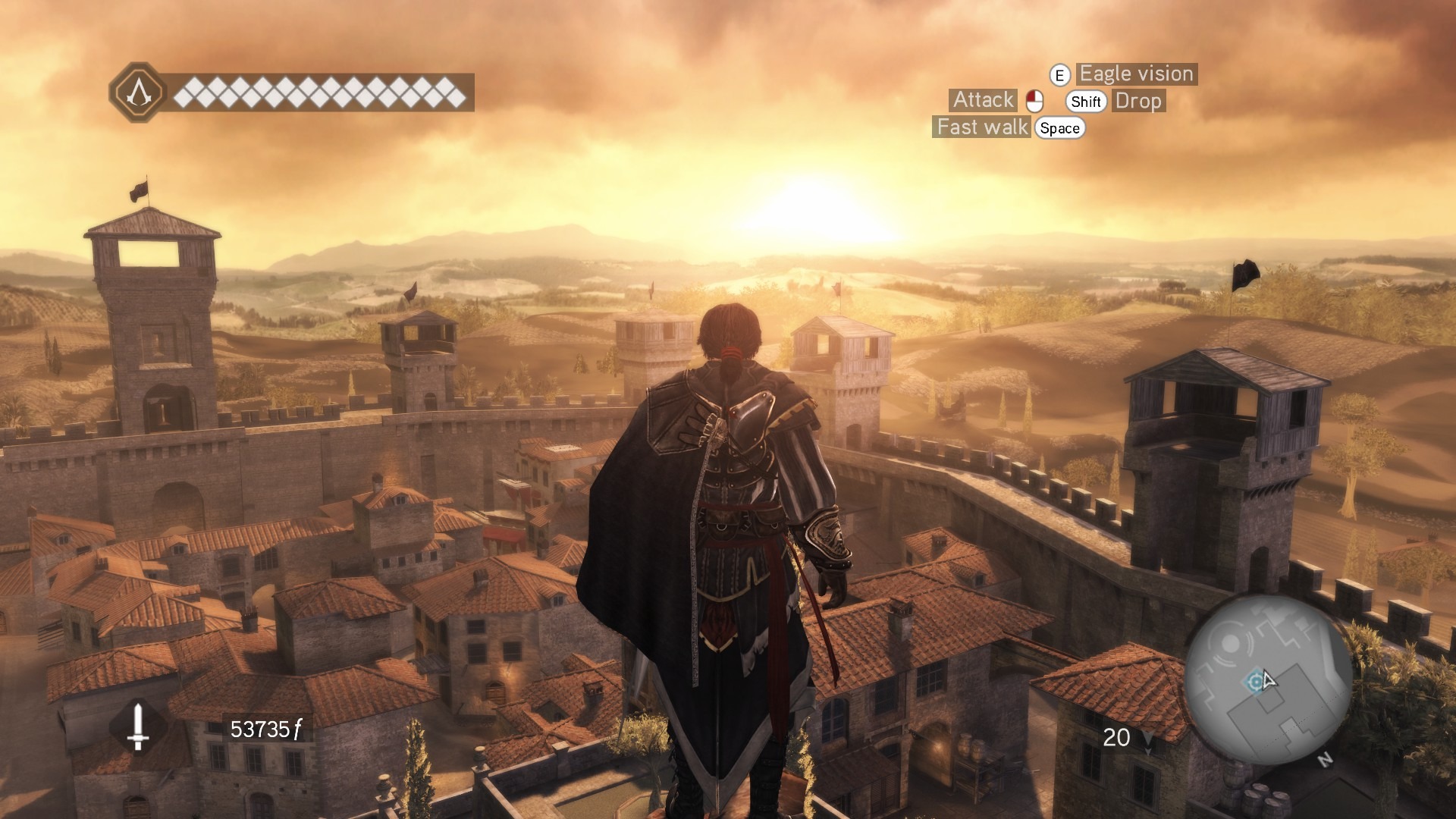
Brotherhood is one of those sequels that was thought to be just a cash cow tie-in for II, and everyone forgets about it. In fact, it was supposed to be a multiplayer-only add-on, but a few months before release, we realized it had a huge single-player experience that was bigger and better than II. This is what sequels should be like, especially if they borrow everything from their predecessors. Brotherhood isn’t a true Assassin’s Creed sequel like II was to the first one, but a new chapter in the amazing universe of 1500s Renaissance Italy. This time the game is set in Roma (Rome), and it’s huge, and there’s a lot more to this game than one skeptical fan might suspect.
The story is just as engaging, if not more complex, than II. Ezio is now older and the leader of the assassins, and he must stop the Borgia reign in Roma (since he failed to kill Rodrigo Borgia in the second game), but Rodrigo himself is only seen twice in the game and briefly. It’s all his minions and the fight against Cesare that are the main focus here. The game still has a deep political plot that ties in with real-life situations and people at the time.
Along with that, you can also play as Desmond Miles outside the Animus, and he has a bigger gameplay part with a whole section dedicated to restoring power to today’s Auditore Villa for the team’s new hideout to find the Apple of Eden and stop Abstergo and the Templars. While you only see these guys at the beginning and end of the game, you get another cliffhanger ending that will lead to the third game, as well as a great conclusion to Ezio’s story.
The game plays exactly like II, with no changes to gameplay except for some added stuff like a new crossbow, which is a godsend for killing stealthily from far away. It’s great to do a mission and wipe guys out with a crossbow and not get detected by those hard-to-reach guys. There aren’t any newly added weapons besides that, but combat is enhanced slightly, so it’s not such a counterfest. You can kick enemies, combo Arkham Asylum style, and even do some nice executions with the pistol. This is a nice change to combat and makes it a little more fun. You can also call in assassin recruits to help you, and this is extremely helpful, but more on that later.
Despite the main chapters, there are more side missions than you can shake a stick at. The side missions will take a good 20+ hours to complete and are tons of fun. You have the Borgia towers that have to be burned. These have to be burned down to buy closed-down stores and restore areas and landmarks. You have to enter a restricted area, kill the Borgia captain, then climb the tower and burn it down. There are quite a few, so these will keep you busy, and finding and killing each captain is different and challenging. On top of this, you can buy stables, blacksmiths, doctors, art stores, tailors, faction buildings, banks, and landmarks to restore Roma 100%. You will increase the city’s income, which will be deposited in a bank every 20 real-world minutes.
There are other side missions for each faction (thieves, courtesans, and mercenaries), as well as assassination contracts, Christina missions, finding more The Truth files (10 this time), and now Lair of Romulus missions, which have six in all and are much like Templar Lairs. After you find all six keys, you can unlock the Romulus armor, which is like Altair’s armor in the last game. You can also go to pigeon coops and play a mini-RPG that lets you send your assassin recruits out on missions based on their experience. Missions are based on difficulty, and you will see a percentage bar on how successful they will be. Send more than one to fill it higher, but if they come back, you can upgrade their armor or weapons, and when they reach level 10, you can make them full assassins. These are also helpful during missions since you can call up to three, or call them all for an arrow storm, and kill all enemies on-screen. It’s great to call an assassin on someone you can’t reach and then go in further without getting detected.
On top of all this, these missions can only be synched 100% if you complete the challenge, such as using your hidden blade and completing it in this amount of time. Don’t kill this person; only kill this person. It adds a surprisingly huge amount of depth to the game and makes playing missions (both side and main) more interesting and challenging.
Now the multiplayer is a really fun and surprising addition to the series. There is only one mode, and it’s all about a free-for-all cat and mouse hunt. You are given a target (another player out of 7), and you must use your abilities and skills to kill them while you may also be pursued. So you have to find your target and keep from getting killed yourself. The game has a Call of Duty-style perk and ability system that lets you customize load-outs as well. The game is very addictive and keeps you on your toes. You must blend and try to just act natural since NPCs also have the same looks as other players. There are many characters to play as, and each has its own unique abilities. The multiplayer will keep you hooked and make you come back to the game long after the single-player is exhausted.
With tons of new content, great new characters and a story, and an awesome multiplayer suite, Brotherhood is an example of what sequels should be like. I highly recommend this to fans of the last game and anyone who loves the variety in their games.
Collector’s Edition: For an extra $40, you get a Jack-in-the-Box with either the Plague Doctor or Harlequin (depending on what store you get it from), as well as a bonus DVD, extra maps (one exclusive to the PS3), a playable multiplayer character, an art book, and the soundtrack. This is a huge value for $40 and is a must-have for fans. The Jack-in-the-Box is made a tad cheaply with weak springs, and getting the things to close is annoying, but the figure itself is high quality.
The original Mafia may not have been the best shooter in the world, but it gave us a great narrative and likable characters, and Mafia II tops this. You play as Vito Scaletta, whose parents migrated from Italy to New York, and you follow him through his ups and downs in the Mafia. The game’s narrative is amazing, with lots of plot twists and excellent character development. The game isn’t just mind-numbing shooting, but it’s delicately spread out with menial tasks and interactive narrative bits that really keep you hooked.
For example, you start out during WWII in Italy, helping the rebels. This is completely unexpected and is a nice touch to delivering the background of Vito. Another bit I cannot explain (due to huge spoilers), but let’s say you do some gross tasks and some hand-to-hand combat in a place you don’t want to ever end up. You will actually go through 3–4 chapters with no shooting at all, and this makes you savor the shooting bits because they get thrown in a lot in the last few chapters.
The shooting has tight cover mechanics, and the 50’s-era weapons pack a punch and really feel powerful. Knowing a guy out with a shotgun or even popping a guy in the head with a.44 Magnum just feels right. I never experienced issues during firefights with controls, and this is great, so the shooting part is pretty much perfect.
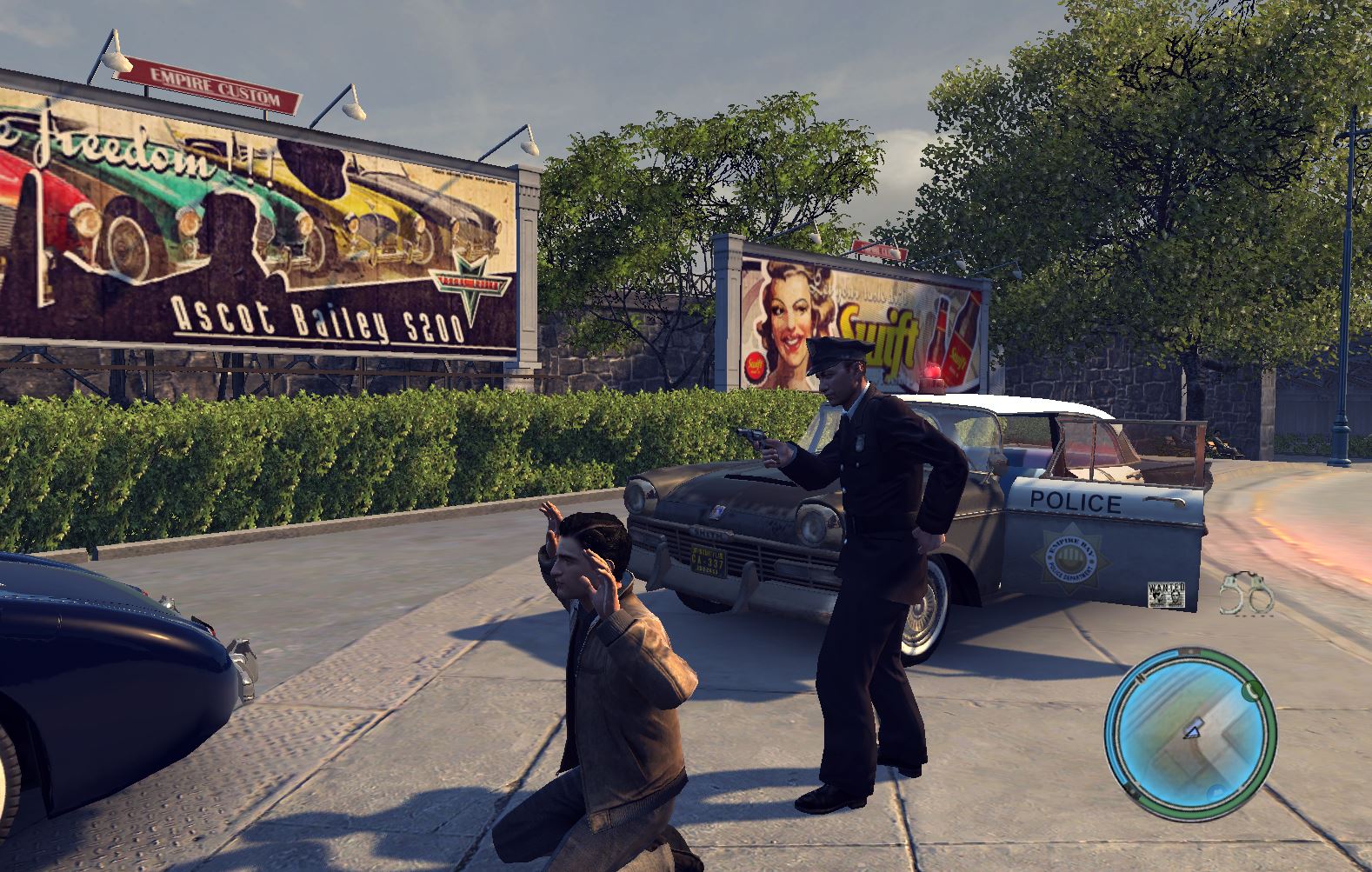
Of course, you have a huge open world, but I guess the biggest flaw of the game is that it’s only used as a “portal” to mission objectives. You don’t go around and get missions from people a la Grand Theft Auto, but maybe this is a good thing and keeps you sticking with the story. Each chapter has you waking up in your apartment, and you have to complete missions as told, and they are varied and never get old. Driving around town feels right, and the cars handle really well. There’s a large variety of them, and driving down the road listening to 50’s-era tunes just feels so authentic. If you aren’t careful and follow the speed limit (there’s a speed limiter button), cops will try to pull you over. If you want, you will have to either change your plates or your clothes.
You can pull into body shops and change the color of your car, repair them, change rims, tune them up, and store them in your garage, or just go sell them at the junkyard. You can buy threads, guns, and food, and it really feels authentic and doesn’t pull too far away from the main game. One thing that you can collect that will completely surprise people are Playboy centerfolds. Yes, fully nude centerfolds, and while finding them may be a pain since they are well hidden, it’s well worth it. These are 50’s Playboys, and they are interesting finds. You can also collect artwork and read about cars in the Carcyclopedia.
The game looks really good with well-animated characters, excellent lighting, and highly detailed textures, but up close, some of the characters look a little lacking in the texture quality department. The game sounds great too, and it’s just all the little details that make the game that much more authentic for its time setting. People arguing in the streets, cops pulling other people over—it’s just really great to see all this detail. However, the 2K Czech could do a lot more with Mafia III, and I’d like to see side missions, a bigger world, and more little extras.
Overall, Mafia II is an excellent game with wonderful characters that you truly care about; the voice acting is top-notch, and everything just feels almost perfect. The game needs more extras and a little something to stray away from the main game, but what’s here works and is solid with excellent shooting mechanics, driving mechanics, controls, and just enough content to keep you going. There isn’t really any incentive to play through this again at all unless you really need those Playboy centerfolds.
Collector’s Edition: If you want to shell out the extra $20, you get a nice poster of ads in the game, the soundtrack, a steel case, the Made Man DLC pack, and a color art book. Is it worth $20? Probably not for most, but hardcore collectors will like this a lot. Most people should just pass, but what is provided is worth it.
Shadowgrounds was a pretty decent shooter a few years ago, but Survivor doesn’t really do much new and is pretty boring. As a top-down shooter, you play as a marine who is trying to escape a ruined base that is overrun by aliens. The weapons are pretty generic, with shotguns, assault rifles, flamethrowers, grenades, etc. You can pick up health packs, ammo, and OK, you know this formula already.
Unlike other better shooters like Alien Shooter, the game doesn’t even offer intense moments. There are a few straggling aliens coming after you and maybe a few hard ones, and that’s it. You can easily kill these guys, and it doesn’t feel very satisfying at all. You can shoot barrels, toss grenades, or just run around holding the fire button, and you’ll beat these guys. Ammo is plentiful, so you never feel like you’re “surviving,” and it’s pretty hard to die.
There is an upgrade system that you use by finding “parts,” and when you level up, you can use points for different upgrades like sonar, health boosts, etc., and each character you play has the same upgrades. That’s pretty lame. While each character has a different loadout, there’s just nothing exciting about it at all. The game is fun, however, since it’s good for more casual players who don’t like the intensity of other top-down shooters, but even the aliens are generic-looking. Instead of creepy, deformed things, you just get the typical bug-like aliens.
The game doesn’t look or sound too good either, and the music almost seems nonexistent while the game looks pretty bland. The level design is also pretty bad since I wandered around areas and didn’t know where to go, like shooting a glass panel to open a walkway. There is no hint; the panel doesn’t even light up or flash. So this is bad level design, and the whole freaking game just feels boring! The game is a little fun if you’re bored or just want a decent top-down shooter.
Yeah, it's pretty damn awful. Notoriously one of the worst games on the PSP. A 4 was actually being generous.…