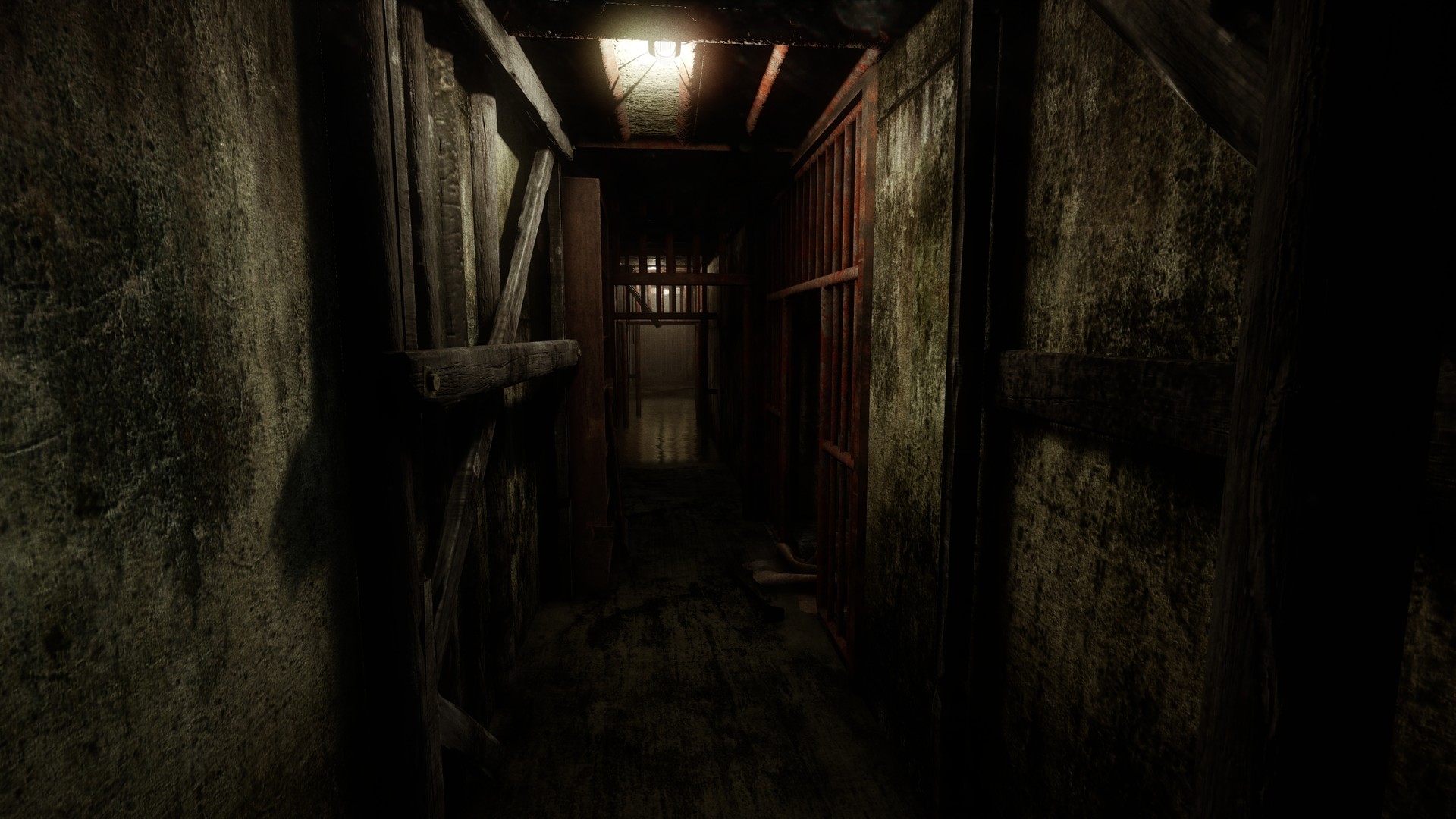
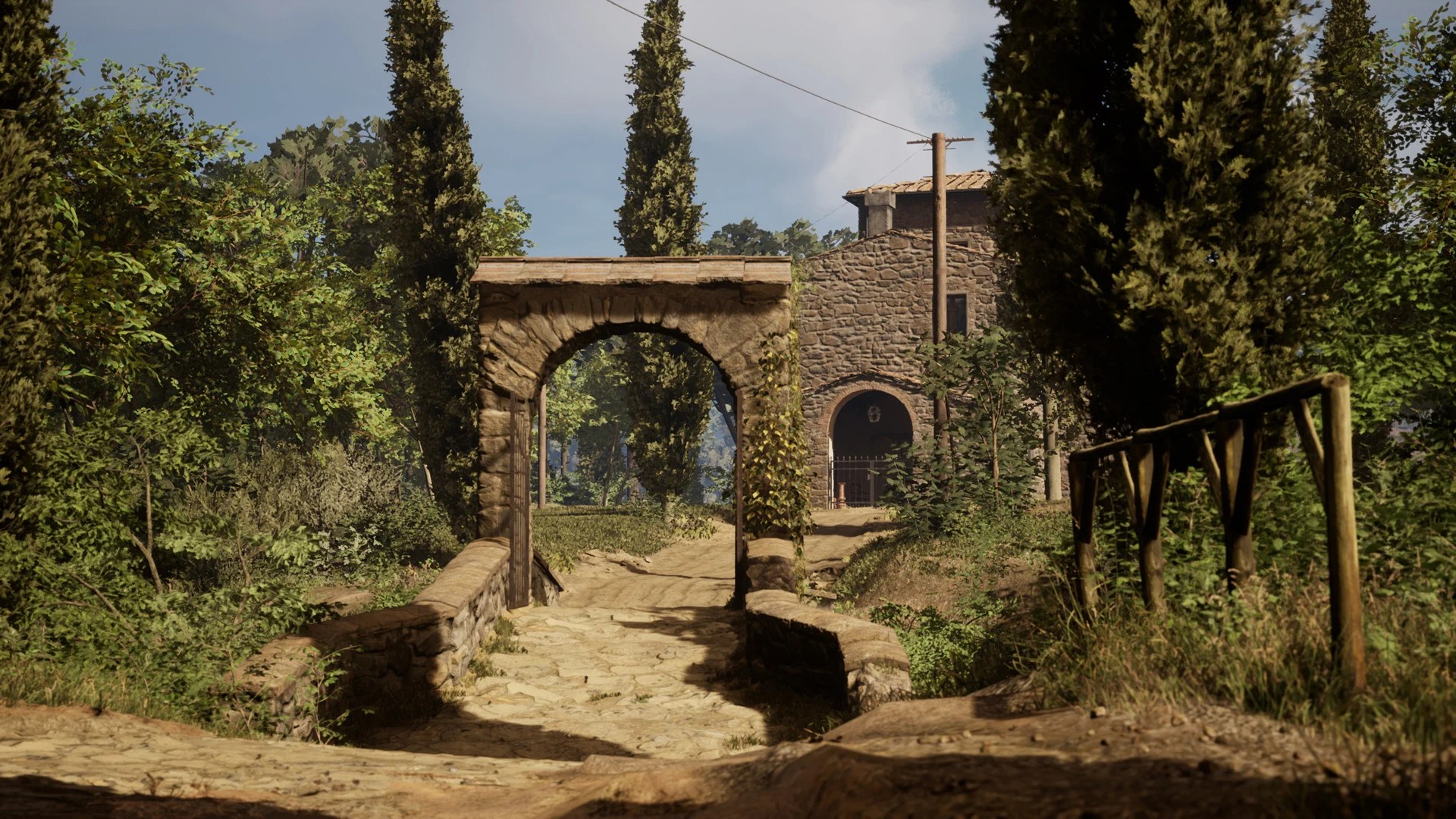
I absolutely love Lovecraftian horror. There’s something about it that’s so incredibly mysterious and still leaves it that way after the story is told. There isn’t much in terms of monsters or jump scares, but mostly just really weird imagery, atmosphere, and psychological effects on characters. The Alien Cube nails the atmosphere and strange landscapes and imagery, but sadly, not much else.
You start out in a forest where you find a weird cube that crash-landed from the sky. It’s obviously extraterrestrial, but after getting this cube, it’s just one weird, trippy event after another. There is a weird occurrence after the cube, and you’re trying to keep it from them while also following clues left by your uncle. That’s it as far as the story goes. Most of it is told through journal entries, but don’t expect deep lore, character development, or world-building here. This is straight-up your typical “walking simulator,” with just decent graphics and strange imagery.
There are different environments you’ll end up in, from indoors to outdoors. There aren’t any puzzles here, but there are roadblocks that require you to find an item to advance, such as bolt cutters to break a lock, a shovel to clear a path, an axe to chop down a path, etc. These items usually aren’t hidden at all, so there isn’t a challenge to this game either. It’s really just a rollercoaster of weird images. There is some minor backtracking, such as visiting areas from before just to pass through them, and it’s hard to die. There are a few areas that require you to make it to a certain other area before you freeze to death, and there is one long swimming session towards the end, but nothing crazy. You will run into monsters here, but these are scripted chase scenes, and unless you stop to take in the sights, you can’t really die.
The sad part about this game is that it doesn’t break the Lovecraftian video game stereotypes. Usually, they’re clunky, void of any type of cohesive or interesting story, no character development, and just really weird imagery. The Alien Cube doesn’t help this at all. I still feel Dark Corners of the Earth is the best Cthulhu-based game so far, and it hasn’t been beaten. While it’s clunky by today’s standards, it’s a much longer adventure and actually has somewhat of a story. Outside of just walking forward forever, the graphics are rather decent using the CryEngine, but not on a level we’ve seen in the past. Most of the game is very dark and foggy. It can also be finished in less than three hours.
Overall, The Alien Cube is a decent Cthulhu game but doesn’t do anything we haven’t already seen. Thanks to its short length, it’s an enjoyable rollercoaster of weird imagery, but nothing
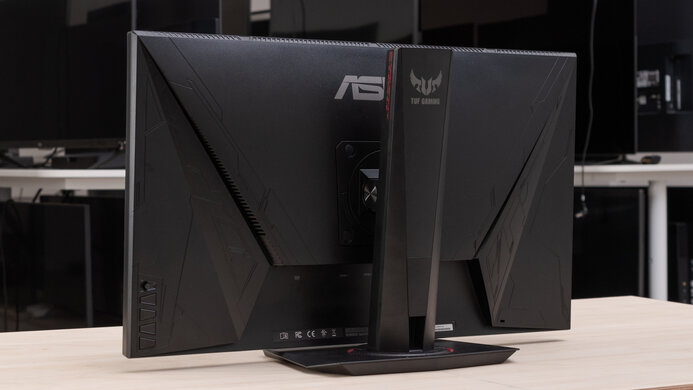
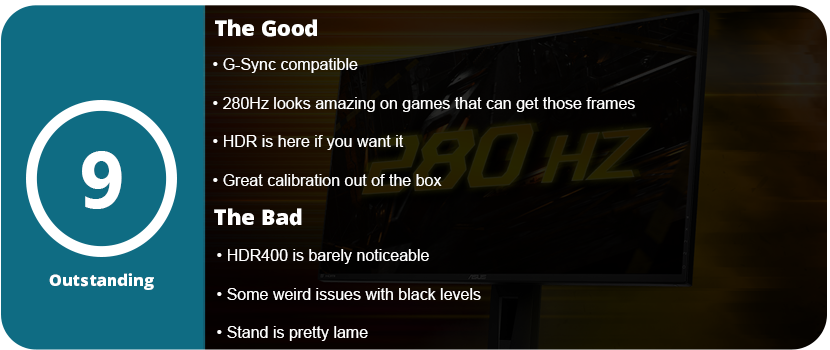
I’m not the best at reviewing monitors, CPUs, GPUs, or anything that needs lots of graphs, comparisons, statistics, and whatnot. I can give you my honest opinion as someone who’s picky about their displays, however. I purchased a second monitor to go on top of my 34″ ultrawide as I was tired of games not being natively supported for 21:9 ratios. This way, I could play games in ultrawide or 16:9 and it wouldn’t matter anymore. I also wanted something that had G-Sync, looked bright, crisp, and had great color.
First off, I have to say that the HDR400 is pretty useless right off the bat. Sadly, Windows 10 doesn’t have a feature for HDR400 (8-bit HDR) to auto-detect it when games are running. You either have to turn HDR on all the time or leave it off, and the pay-off for that inconvenience isn’t worth it. HDR is barely noticeable on this monitor, but I won’t knock it too hard for that as I didn’t get this monitor for HDR anyway.
The fact that this monitor is 280 Hz at 1080p is pretty amazing. While higher-end games won’t ever get that framerate, graphically simple games like CS:GO, Overwatch, Warcraft, and any game made before 2015 might run that high if you have a GPU capable of it. The monitor has Asus’ own anti-blur tech built-in, and unless your games are over 60FPS, it won’t’ do you any good, but I honestly didn’t see a huge difference with it enabled. There are various other OSD settings, like better dark levels, which is a must. Dark areas resonate and pop more with this setting enabled. There are other various presets as well, but the Racing default out of the box was just fine. This is a well-calibrated monitor out of the box, which is always nice. Once you get a calibrated profile off of tftcentral and calibrate it via the recommended settings, the monitor seemed less bright, and the colors looked really good.
Physically, the monitor is nothing special. The base has a weird red ring that I mistook for lighting up, but it does have a vertical arm that the monitor can slide up and down on. I personally mounted the monitor to my desk, and the 100×100 VESA mount was just fine. The buttons are easy to get to, but the monitor has a long wake-up time, and when I first plugged it in, I thought my monitor was dead. My ultrawide wakes up instantly, but this one takes almost 10 seconds, at least on DisplayPort. I also liked the power brick that was supplied. It has a barrel plug, and the brick is round and flat, almost like a laptop brick, and can be easily tucked away.
When playing games, the monitor was bright, sharp, and crisp. Even at the low 60FPS end, things looked good, and at 280FPS, things just flew, and I didn’t notice any smearing or ghosting. G-Sync, of course, is the way to go for best responsiveness and removing all tearing. There are minor issues with IPS panels, like edge bleeding, and it’s not the brightest monitor—only 400 nits—but it looks fine in bright and dark rooms. Overall, this is a great monitor for the price range, and I don’t have many complaints.
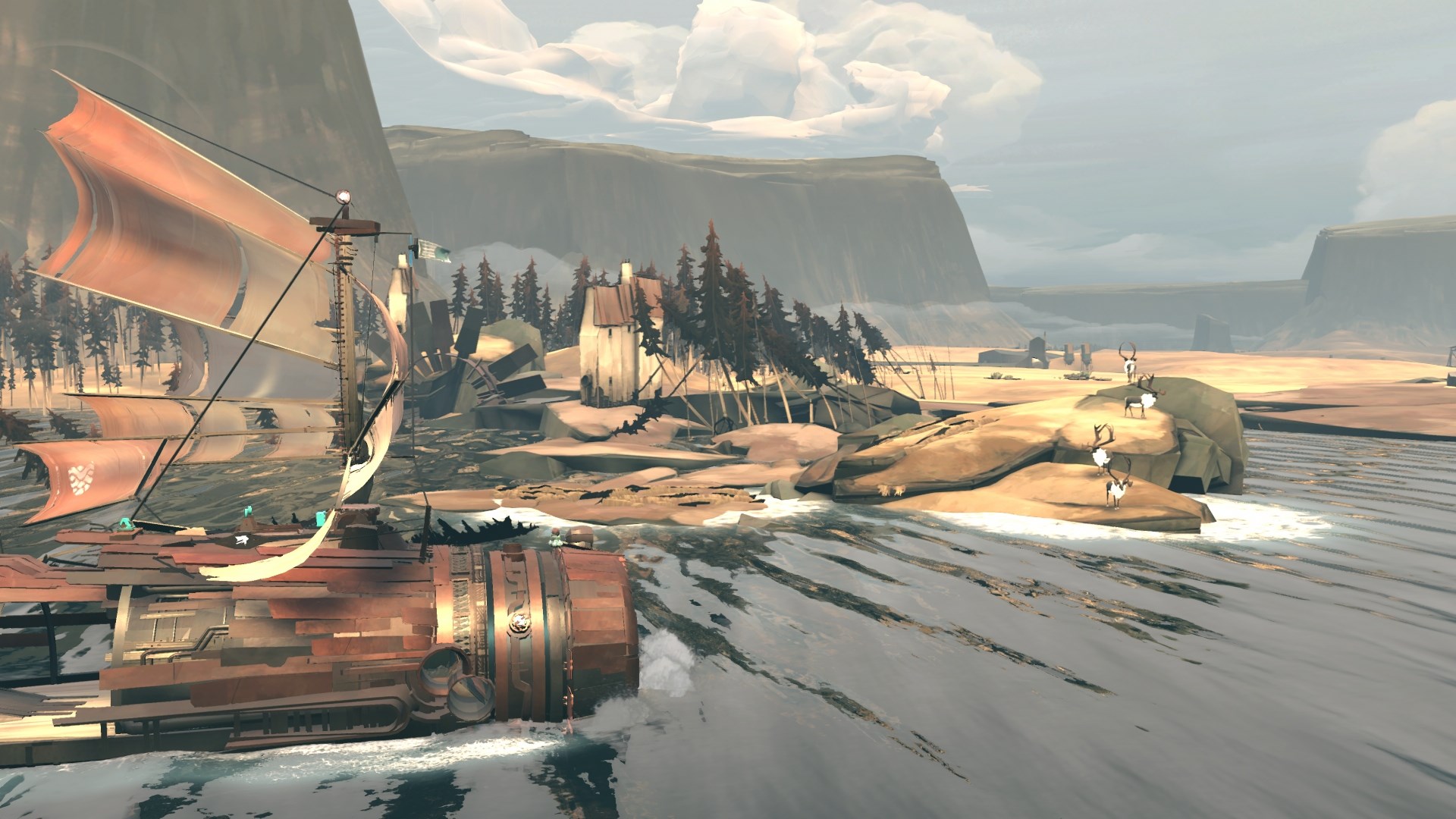
Lone Sails was an interesting puzzle adventure game that took place on a 2D plane. You micro-managed various things on your vessel while acquiring upgrades to overcome new obstacles. Changing tides is exactly the same thing, but on a boat instead.
There is no store or character building at all, and that really stinks. I can tell the world in Far is sad and clearly post-apocalyptic, but the game gives me no reason to care about it other than the puzzles. You start out swimming this time and learning the basics. jumping, climbing ladders, moving objects, and picking them up. You then acquire your ship and learn how to manage your fuel, sails, filling with air or water for submarine controls, cooling your engine, and using your boost power. You acquire these over the course of the game, but fuel management is key. Don’t use fuel unless you don’t have wind, which was the mistake I made. I wound up with tons of fuel at one point without realizing that’s the most I would ever get, and that was 2/3 through the game.
Gathering fuel is done by collecting junk lying around. This isn’t often, and sometimes you will hit a buoy, and below these are caches of fuel. Don’t get lazy and skip them, but sadly, the game never tells you to look out for them either. Each upgrade requires a giant puzzle of a level, and they were never hard or complicated. Mostly, it’s pushing a lever to drop an object into a machine. They’re fun, but not hard. While you’re sailing, there will be long stretches of nothing. Sometimes not even music. This can get quite boring as the micromanagement of the ship gets tiresome after a while. It was fun at first, but I felt like this was the main gameplay loop and not the puzzles. Overall, there are only four upgrades to get, so about 4–5 puzzles in total. You spend at least 2–3 hours just sailing and micromanaging your fuel and sails.
Once in a while, there are cinematic platforming moments in which you just follow a linear path, which was neat because it’s the only action in the game. I just can’t care a lot about this series without some kind of back story or context. Games like Limbo, Inside, and Little Nightmares do this well with storytelling from your environment. There’s not much to tell in open oceans with just wasted buildings. Even the puzzle areas had murals that supposedly told a story, but they really didn’t mean anything. There’s only one neat moment at the very end of the game before the credits roll, and that’s it.
The platforming itself is fine, if not slippery. I constantly found myself wanting to twitch jump around the ship, and I would constantly fall down holes, get stuck on ladders, or not get to where I wanted because of the slippery jumping and physics. It’s also a bit too floaty. The puzzles are the most enjoyable part of the game, and it’s a shame the boating is so tedious and boring most of the time with nothing going on. If it were cinematic or a more interesting management system, I would really like this idea. I didn’t care for it in Lone Sails, and it was doubled down on here.
Overall, Changing Tides looks good for what it is and has a nice art style, but you will quickly forget this game. It’s about 3–4 hours long, and I can’t stress enough that there
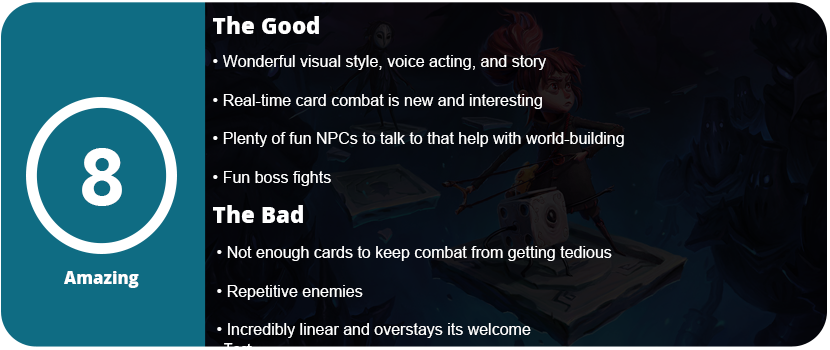
Video games that are considered moving art are rare and don’t happen as often as they used to. Games like Shadow of the Colossus, Okami, Journey, Monument Valley, Echochrome, and various games from large to small budgets would be among that crowd. Lost in Random takes visual and character design inspiration from the likes of Tim Burton’s The Nightmare Before Christmas, Alice: Madness Returns, and Psychonauts. Now, I don’t know if those are exact inspirations, but it sure does feel like it. I feel like I’m playing a Tim Burton cartoon.
You play as a girl named Even. The world-building in Lost in Random is very well done. By the end of the game, I completely understood this world and the horrible things people have to go through. There is an evil queen who rules a black die. When she rolls a die, it determines where a child gets sent. There are six realms in the world of random. You are, of course, starting out at the bottom and have to work your way up to Sixtopia, where the evil queen resides. Children are used for something, and the queen also takes your sister Odd back to Sixtopia with her. The people of Random used to have their own dice, and the evil queen didn’t like this, so she took them all away, and only she can decide anyone’s fate.
Each realm is very well done. They all look different, and each realm plays an important role in serving the queen. One realm makes the cards, one realm offers the garbage to create the evil robots, and so on. As you climb through the realms, you meet people and can do side quests, which, surprisingly, aren’t that annoying. You mostly finish them all just by completing the main quests in each area, and I rarely felt any made me go out of my way. Exploring is one of two major parts of the game, and it’s quite enjoyable; in fact, I enjoyed it more than the combat, which there is more of. I loved seeing the beautifully crafted areas, talking to the crazy NPCs, and learning how each realm is dealing with everyday life. This kind of detail isn’t put into games as much these days unless they’re strict RPGs.
As you explore the realms, you can shoot down pots to earn coins to buy cards. Cards are used in combat, but it’s not like Hearthstone or anything like that. This is real-time combat with cards that give you what you need in the battle. You can carry a deck of 15 cards, and there are around 30 or so in the game in total. You can usually carry 2–3 of each one in your inventory. The deck is varied and broken down into categories. Weapons, traps, hazards, assists, and so on. The problem is that because the combat is in real-time, it can drag on and take a while to get any battles over with. You start out with just you and your death. You only get to roll a one at the beginning, and as you climb realms, you get more sides. This is an issue because until you get at least four sides, you can’t roll very high. You must run around the arena, shooting crystals off of enemies, to build up your hand. I find this whole process tedious, which really dampens the combat a lot and nearly kills the fun. Once you have gathered enough crystals, you can roll your die, and that determines the spending points you get. Each card has a number from 0 to 3. The strategy is picking the right cards for the situation and making sure you have a varied deck. You don’t want to be caught without a melee weapon or health, for example.
Once you play your hand, you have to shoot crystals all over again or “blink” through enemy attacks. An important card is Blink Attack, which damages enemies as you dodge because, without a melee card, you’re weaponless. This also drags out combat, as I wish the slingshot would automatically do some damage. You’re stuck just running around shooting crystals and hoping a hazard or weapon card comes up so you can attack and do some damage. This also makes for cheap deaths, especially in the board game areas where there are no checkpoints. Board games have various rules in which a game piece is moved around, and your roll determines the moves. There are hazards, enemies, traps, and obstacles to overcome, and I absolutely hated these. They dragged out the already dragged-out combat, and if you died towards the end, it was another 20 minutes to fight your way back to the end.
As you can see, the combat has some great ideas, like real-time combat mixed with card battling, but getting to that sweet spot is a chore. There is also so much combat in this game. Once you left a town, you just went into one arena after another, and it felt like it would never end. The only reprieve in combat was the boss’s fights as they changed things up. The same five enemies repeat throughout the entire game, and then, after a while, it just becomes a game of survival rather than strategy. You already know how to kill these enemies after the 50th time, so the strategy is gone early in the game. I wound up just equipping the cards that did the most damage, dropped my spending requirements down, gave me more spending points, and required fewer crystals to get to the cards. I stuck with melee weapons, bombs, healing, blink attacks, and poison, and that was about it. Most other cards end up becoming useless as the game gets harder.
Overall, the game also overstays its welcome. The combat isn’t interesting enough to last 10 hours. As you battle your way through six worlds, each with multiple bosses, quests, side quests, and cards to buy, the game grows tiresome towards the end. I just wanted to explore the beautiful worlds and enjoy the scripted events towards the halfway point. Every time another board game came up or another arena, I groaned. That’s not a good thing. I liked the mix of combat types, but getting to that point with the crystal shooting is just such a chore and slows the whole game down. What’s here, though, is a wonderful story, great characters, fantastic voice acting, and a beautiful world to explore.
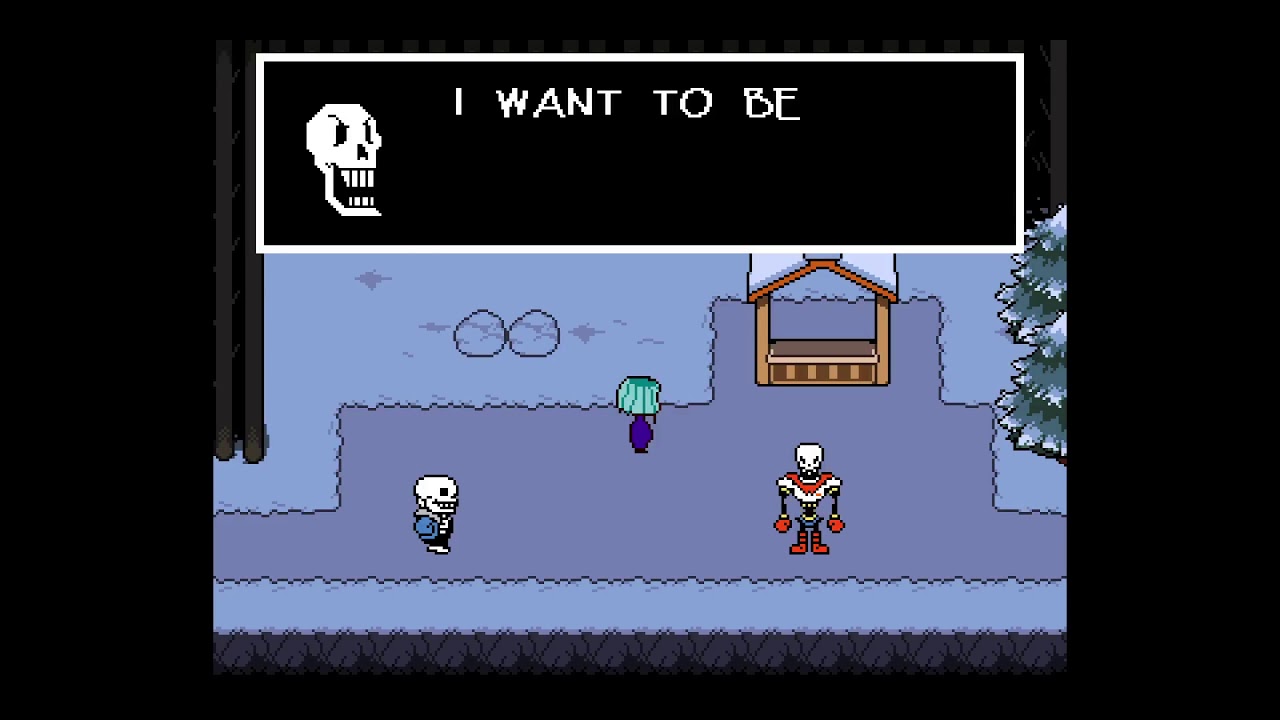
Undertale took the gaming industry by storm. Its Earthbound-inspired humor, innovative combat system, and fun characters drew huge crowds and garnered great sales. The 16-bit RPG was short in length but large in spirit. It’s hard to make you really like a game and remember it in less than five hours, but Toby Fox managed to do it.
You play as a human who wakes up in an underground world run by demons. These demons need one more human soul to break the barrier between our world and theirs. It’s a simple story, but it’s the characters you meet along the way that make up for the overall lack of scope of the game. Sadly, there’s no deep lore or real backstories for any characters, but the here and now is well done, and the dialog is sharp, witty, and fun. The game mocks standard JRPGs and Zelda games all the way through. The beginning tutorial dungeon doesn’t wait to get around to it. Pushing boulders onto blocks just to have one that’s sentient makes the task harder for you. A lot of different puzzle-solving elements are not found anywhere else in the game, but puzzles do exist and can be quite challenging.
The combat system is the most unique aspect of Undertale. You can attack, but the entire system is mini-game-focused. There is a meter on-screen, and you need to press the attack button when it’s in the center. Different weapons move this bar faster or have multiple hits. The enemy attacks are all skill-based. It’s essentially your own fault if you die. The center of the screen shows a white box, and your heart is the object that you need to move around to essentially dodge various bullet-hell-style mini-games. Spirling projectiles, daggers, flames—you name it. There are several dozen different attacks, and each enemy and boss is unique in their own way. The game’s other system is its moral system, and you can be a pacifist and not kill a single enemy thanks to the Act command. You can try to figure out how to weaken the enemy through charm or talking and spare it via the Mercy command. If the enemy’s name is yellow, you can automatically spare it. This is an interesting concept and leads to two different endings based on whether you’re a pacifist or not. If you choose that route, you don’t get any XP to level and just get gold, which can be used to buy better armor and weapons.
There are a few towns you can visit to shop, but a funny tidbit is that you can’t sell anything in the game, and the shop owners comment that they don’t want your junk. There is one town you can sell at, however, so make sure you save all your old items to score big towards the end of the game. There are also a few side quests you can complete, but these are cryptic and require holding on to certain items throughout the game. The tip here is to save everything in your box near the save points. Don’t drop anything. When you’re not fighting, you can solve puzzles, as stated earlier, and these range from mini-games to various switch-based puzzles. Backtracking is thankfully minimal, unless you want a certain item at a shop that you couldn’t afford previously.
The sheer variety of the gameplay is astounding. Not a single battle is the same, and not any boss battle plays out the same. Sometimes you have to fight, and sometimes having a specific item makes the fight easier or ends it instantly. Levels aren’t labyrinthine and difficult to navigate, and random battles are minimal as leveling up isn’t quite necessary. At the end of the game, I was level 12 and had the most powerful armor and weapon. Due to the variety and constant changes in the way the game is played, it never gets dull or boring. I played through the entire game in one sitting because I wanted to see the ending, and the game was just so fun and interesting. I can’t remember the last time I sat through an RPG like this and was this hooked.
The visuals are incredibly charming. They are clearly inspired by Earthbound, and each character has a whacky 90s/16-bit style to them that I adore. The soundtrack is also amazing, and I listen to it often outside of the game. Toby Fox did an amazing job with this game, and it’s something you only get once in a lifetime. There hasn’t been this unique Western JRPG 16-bit clone that I can remember. Undertale is the perfect RPG. No grinding, fun characters, great writing, charming visuals, fantastic music, and constantly changing gameplay with a unique battle system that has never been done before If I were to pick something to gripe about, it would be the cryptic nature of the items you need to find or hold on to, as there are no hints as to whether you need said item at all. You just end up with a character asking for something or maybe accidentally using an item during a boss fight and having it do something.
Adventure games that both have shock value and a good story are rare and hard to come by; sadly, Martha is Dead is not one of those. You would mistakenly think this is some sort of horror game with monsters and demons, but it’s barely even that. This is a ghost story, a story about battling mental illness, and a story about surviving WWII in Axis Italy. You play Guilia, who is Martha’s twin sister. This is a detective game more than anything, with plot twists and an interesting vintage camera system.
The game starts out simple enough. Introducing controls, the plot, character building, and the whole nine yards that adventure games typically put you through. Martha’s best feature is the camera system. While you can take photos anywhere (I don’t know why you would), you need them for specific plot points. Guilia is trying to talk to the White Lady of the Lake and find out why her sister died. This is kind of the first half of the story, as it jumps around so much. The game is very plodding, slow, and constantly leads you on for little payoff. Taking photos for objectives is simple enough. Just get the focus and distance right, and snap the photo. You then get to develop the photo, but instead of taking you through the entire complicated process, the game explains to you what that is and says it cuts 90% out for better gameplay. Why? You just focus and position the negative for exposure and then develop it in liquid, but the point at which you stop it is the same for every photo. A pretty lame “mini-game,” if you ask me, with tons of lost potential.
With the camera feature out of the way, there are other small gameplay things you do, such as a morse code mini-game, which I actually enjoyed. I had to look up a morse code chart online and decipher it myself. That was actually well done and made me think, but that’s the only part that did. 75% of the game is spent in Guilia’s house or the wood’s winding paths. There are a few scenes where you control a motorboat, but it’s just to get to the other side of the lake. You are mostly wandering around at a slow pace, going from point A to point B, and interacting with objects. Go check out the graveyard, go back to the house and develop the photo, go back to the lake and find an underground bunker, go back to the house, and put up a flag. The constant backtracking is tiring and clearly used for filler.
Then the last hour of the game is zero gameplay. It consists of long puppet shows recapping the entire story, like you already didn’t know what happened. The story thinks it’s more complicated than it is. Honestly, the puppet shows are cool-looking, but they didn’t advance the story. The story here gets recapped numerous times in various forms, which is really annoying and makes the player feel dumb. After the puppet show stuff, you just walk around interesting scenes with narration, and that’s it. The best parts of the game are the gory death scenes, which are pretty nutty. They would make Mortal Kombat fans blush. But in total, this is maybe five minutes of the entire game. There’s a bike you can ride, but the control is terrible, and it’s only used to ride around the house and surrounding path, so what’s the point with that?
Then there are the visuals. Yes, the game looks damn good. Crazy detailed textures, amazing lighting effects, and models—and it just looks like a AAA title—but at what cost? The game runs horribly on even my RTX 2080 that’s overclocked. There is ray tracing in the game, but I couldn’t tell the difference between that and ultra-graphics settings. I feel this was put in more for next-gen consoles for a subtle effect. The game has constant stutters, frame drops, weird frame rates with ray tracing on, and even DLSS set to ultra-performance. At 3440×1440, I had scenes that ran at above 60FPS with ray tracing on, and then I would turn around and the frames would drop by over half. Without DLSS? Forget it. The game would drop into single digits one second later, and then inside the house it would be 90FPS. Super terrible optimization all around here, and even with DLSS set to ultra-performance without ray tracing, I still saw dips under 60FPS. Totally unacceptable. DLSS shouldn’t be used as a crutch.
Overall, Martha is Dead mostly relies on shock value for the few scenes that have it. It’s neither a horror game nor a puzzle game. It’s just an adventure game with various story elements tossed together, boring backtracking, and little gameplay to keep you interested. The photo mode is ambitious but purposefully handicapped when it could have been as robust as real-life photography back in WWII. It’s a missed opportunity. The game spoils itself constantly with frequent story recaps, and in the end, there’s a final plot twist. The story runs its course about two-thirds of the way through, and you’re left with a giant recap scene with no crazy finale that most adventure games have.
Simulator games these days are becoming a serious addiction for me. With Power Wash Simulator becoming one of the best zen-like time sinks I’ve ever played in my life (when it’s out of Early Access, I will do a full review) and my past addiction to time management games like Diner Dash, I can easily play this game for hours on end with tunes in the background cranking out cars. There’s not really a story here, obviously, but you start out from scratch with the most basic tools and a small garage, but over time you can expand, make repairs faster, and fix up cars from the ground up even.
You start out with just the basics. One lift, slow examination, mounting, and screwing skills You start with the first of 30-story repairs by doing tire changes, fluid flushes, and basic repairs. The great thing about CMS is that it slowly gets you familiar with how cars work and break down. I felt like the game was rocket science at first and quickly got frustrated. What’s a rubber bushing? Where are they all? Then I realized that all the bushings are tied to the suspension. You eventually learn each section of every car and will start building engines from the ground up, and then entire cars. After about three or four hours I was expanding my garage by adding car washes, another lift, spending XP to make my skills faster, and adding things like a welder to get rid of rust on bodies.
Things get easier and faster once you unlock diagnostic tools like an OBD scanner, a multimeter, and fuel and engine pressure tests. In the beginning, you basically have to take everything apart and look for the completely rusted parts, as those are the ones needing replacement. The beginning cars will tell you what’s wrong so you get the hang of how the gameplay loop works. Later on, every part will be undiscovered, and it’s up to you to diagnose, visually examine (it’s an actual diagnostic mode), and know how to spot fully worn parts. Sometimes you can take a car on a test track to get a wider diagnosis of what’s wrong, then there’s the test path for brakes and suspension. Eventually, you’ll get the hang of what diagnostics work for each condition of a car. If the car won’t start, then you should use your examination mode first, then your OBD scanner and multimeter, and fix those parts. If the engine fires up but won’t drive, then you need to do the other tests. Sometimes none of the tests will tell you what’s wrong, and you have to do exploration diagnostics.
There are other elements like a spring puller for shocks, a tire separator and balancer, and a brake disc lathe, and you can do a small minigame to repair parts that aren’t completely destroyed, of course, once you unlock all these tools. You can even do headlamp adjustments and alignments. It’s fun changing fluids, screwing in parts, and discovering new engine types with more pieces than before, but after you finish the story, all that’s left are random repairs (which are quicker than story missions) and visiting the junkyard and auction to rebuild cars and sell them for more money to turn around and buy more cars, but what’s the appeal in that? Driving the cars on the track is really generic and boring, and the fun part of the game is the mechanic part. I don’t want to collect cars, really. Once I upgraded and bought all the expansions there wasn’t anything left to do.
After about 20 hours, I could build any car with my eyes closed, and this is my main concern with CMS. The individual car systems are limited in scope. Yes, there are many engine types, but they all go together basically the same, just with different parts and varying sizes. It was fun to build an engine on the stand and lower it into the car. I had fun restoring several cars, repainting them, or giving the car performance parts to stick on the dyno. However, if it’s not for a repair, I didn’t feel any satisfaction. Once you rebuild a few cars, you experience the most challenging part of the game. There were a few issues early on in which you could get stuck with no money if you start buying up too much. You need to grind repairs until you get around 30,000 credits and can rebuild and sell a simple car from the junkyard to give you your first serious payment.
The other issue is that everything is canned. all animations, movements, and actions. This isn’t a Surgeon Simulator or a Cooking Simulator. There are no hands you can control in real-time. When you click it apart, there’s an outline of where it needs to go. You hold the mouse button down, and the part appears, as do the screws. You hold the mouse down on all the screws, and you move on to the next part. It’s essentially like building Legos. The overall longevity of the missions outside of the story will determine how much you get out of these limited systems within the cars and various small mini-games. It becomes redundant and almost boring after so long when the entire reaches its peak early on.
What’s here is a satisfying and fun simulator for at least 20–30 hours. You will want to grind the story missions, unlock everything, and experience everything at least once. Restoring cars from just the frame is fun, but I also would have liked more exterior customization. It’s very limited to just doors, windows, hoods, trunks, lights, mirrors, and that’s it. There’s also almost no satisfaction from just buying cars, restoring them, and keeping them to race on a dull track, or selling them for money that isn’t really needed anymore once you unlock everything.
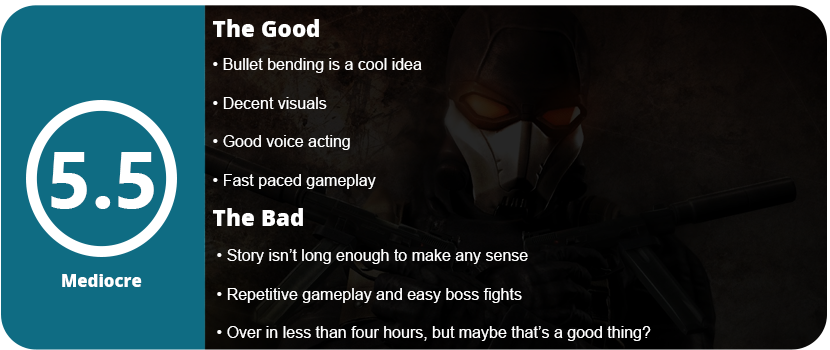
Most video games based on movies are notoriously terrible, and thankfully, the trend has mostly ended. With game development costs in the rough, it’s not feasible or profitable to pump out a game in six months based on the next big movie. Weapons of Fate is a rare video game-only sequel to a movie because the movie bombed. The story seems interesting at first. The voice acting is great, and many of the original cast members from the movie return, but the game is over so quickly that the story doesn’t get time to unfold. It plays out like a typical Hollywood action movie. There are lots of cool and interesting words like “The Immortal” and “The Fate of the Loom,” but they mean nothing in the end. It seems almost like an Assassin’s Creed-type storyline where you play as the child of an assassin and are trying to find the killer of your mother. There are legendary real-world assassins who are buried in special tombs, and so on.
It’s just an action sequence and a repetitive shooting sequence to the next cutscene. These are abrupt and frequent, but it’s still not enough to shell out the lore that this type of storyline needs. There’s no backstory for any character. You just get introduced with a few lines, and that’s it. Why do I want to kill these people? Who do I care about my two characters? Who cares about any of this? The game at least tries to give you interesting abilities, decent gunplay, and some scripted moments. There are even a few boss fights thrown in, for good measure. The game plays like any third-person shooter. You run around the incredibly linear and cramped levels and can take cover behind things, pop out, and shoot. This seems standard enough, but I have to give GRIN compliments for good hit feedback when you shoot enemies and they aren’t bullet sponges.
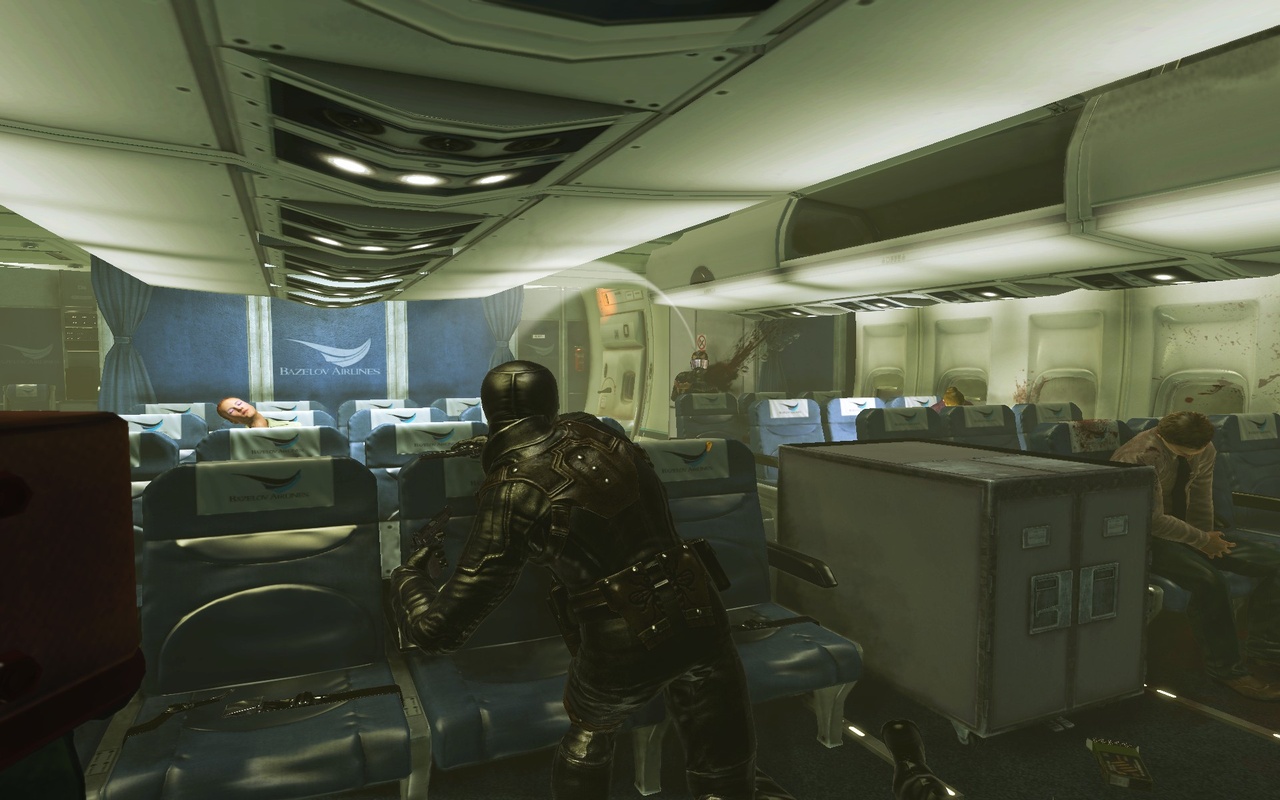
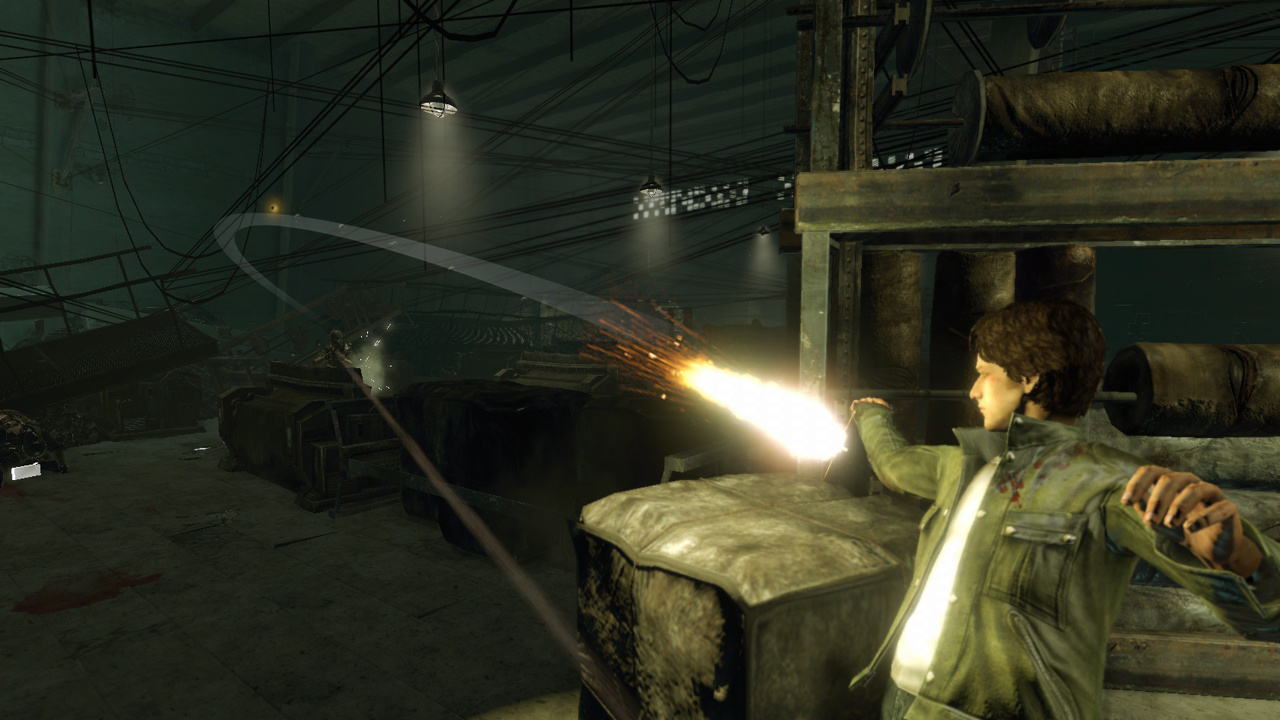
You slowly unlock a couple of abilities. There are adrenaline shots you use for bullet bending and slow-mo dodging between covers. Honestly, the bullet-bending is a really neat gameplay idea. You can pull up a line that you move around that locks onto enemies. When it’s white, the bullet will get them around the cover and corners. The downside is they can’t be moving, but if you hit them, you recover that adrenaline shot back. You can chain these together easily, but it kind of falls apart towards the end of the game. Tougher enemies get introduced and can dodge your bullets. Bullet-bending no longer becomes a one-shot that kills most enemies. Usually, they stagger out of cover, and you have to continue the kill. You still get the shot back, but it can get quite annoying because all of these enemies do become bullet sponges in the end or require melee attacks.
Bullet dodging only became useful during a couple of boss fights, and that’s it. Each level is filled with cover, and enemies use it too. There are moments where you get to use a sniper rifle, mounted machine gun, and cinematic bullet dog sequences in which the game slows down between animations and you have to kill whoever is blocking your way. They’re fun and shake things up a bit, but the repetitive level design and the constant barrage of killing enemies behind cover get tiresome towards the end, and the bullet bending loses its charm fast despite how cool it is. There are rare occasions where a shielded enemy will confront you, and you can suppress them, sneak around the sides, and flank them. This was in the main tutorial, like it was a constant thing. I ran across less than five of these guys through the whole game.
That’s all there is to the game. You just run around shooting, bullet-bending, and killing each wave as you push through the levels. Each chapter has an end boss that isn’t all that tough, but they’re there. You can eventually acquire your dad’s sub-machine pistols towards the end of the game and his suit. You go back and forth between the past and current times. The game is over in less than 4 hours, and you’re left with 4 hours you won’t get back. There’s literally no reason to play this game at all unless you’re super bored and want a decent afternoon with an HD-era shooter.
The seventh generation of consoles was really rough. While we did get some awesome games, there were a ton of experiments as developers struggled with rising development costs and complicated hardware technology. With the rise of HD gaming, which is games rendered in 720p or higher, there was also a struggle to evolve genres with this newfound hardware. First-person or third-person shooters struggled probably the most in this era as open-world games were evolved and, mostly, well done with games like Grand Theft Auto IV, The Elder Scrolls: Oblivion, Skyrim, and Saints Row. Shooters were stuck in the past, gameplay-wise and design-wise. Corridor shooters with no story or interesting characters, not to mention lacking an identity, helped make up for the lack of the latter. Your favorite shooters like Doom and Quake didn’t really have a good story or characters, but they had an identity that helped them stand apart from other shooters. The look, feel, weapons, and overall design were unique to that game. This just didn’t happen with the PlayStation 3 and Xbox 360 shooters, and if it did, it was rare. We’re going to take a look at the worst and best shooters in this generation of consoles and why the genre stalled and didn’t really evolve much until the next generation cycle.
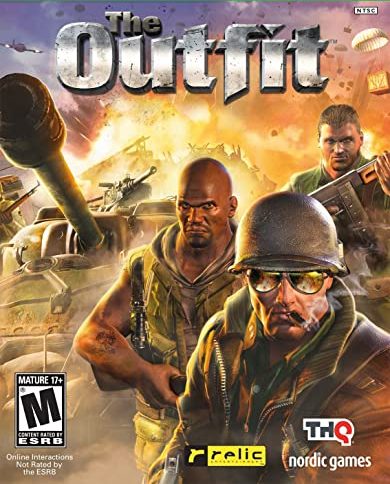
The Outfit
A launch title for the Xbox 360 and developed by the excellent Relic Studios (Warhammer fame), it was a surprise that the game was so boring and bland and a complete flop. The game forewent realism and instead encouraged total destruction, but the campaign was repetitive and dull and overall a very forgettable experience.
Bullet Witch
I really wanted this game to be good. Not only did it have a fun female protagonist, but it had style as well. However, upon release, it was a buggy, clunky, awful mess of a game and looked really ugly and dated. I don’t know how this game wound up so badly, but even a recent re-release of the game on PC didn’t help it any. There’s a lot of potential here, and if you really want to play it, it’s possible. Sadly, the game flopped really hard despite releasing early in the HD era cycle.
Infernal: Hell’s Vengeance
This is probably one of the worst games on this list. This is “Steam Early Access” quality gaming here. The game is literally incomplete. The controls don’t work half the time, the puzzles don’t make any sense, like they were still in the planning stages, the visuals are horrendous, and the voice-acting is awful. There isn’t a single redeeming quality to this game at all. You’re better off forgetting it exists. What’s even worse is that the console version is an “updated” re-release of the PC version, and clearly nothing was fixed.
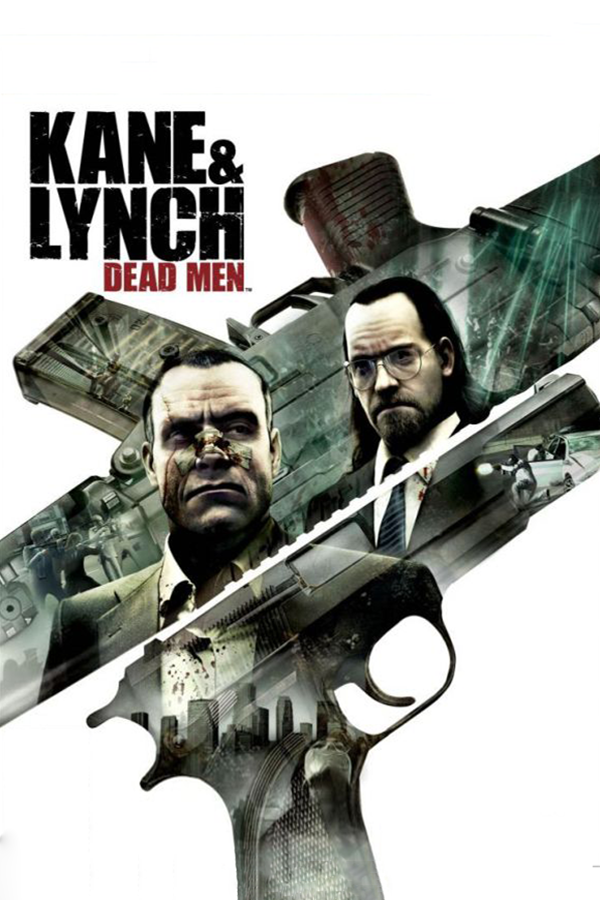
Kane & Lynch: Dead Men
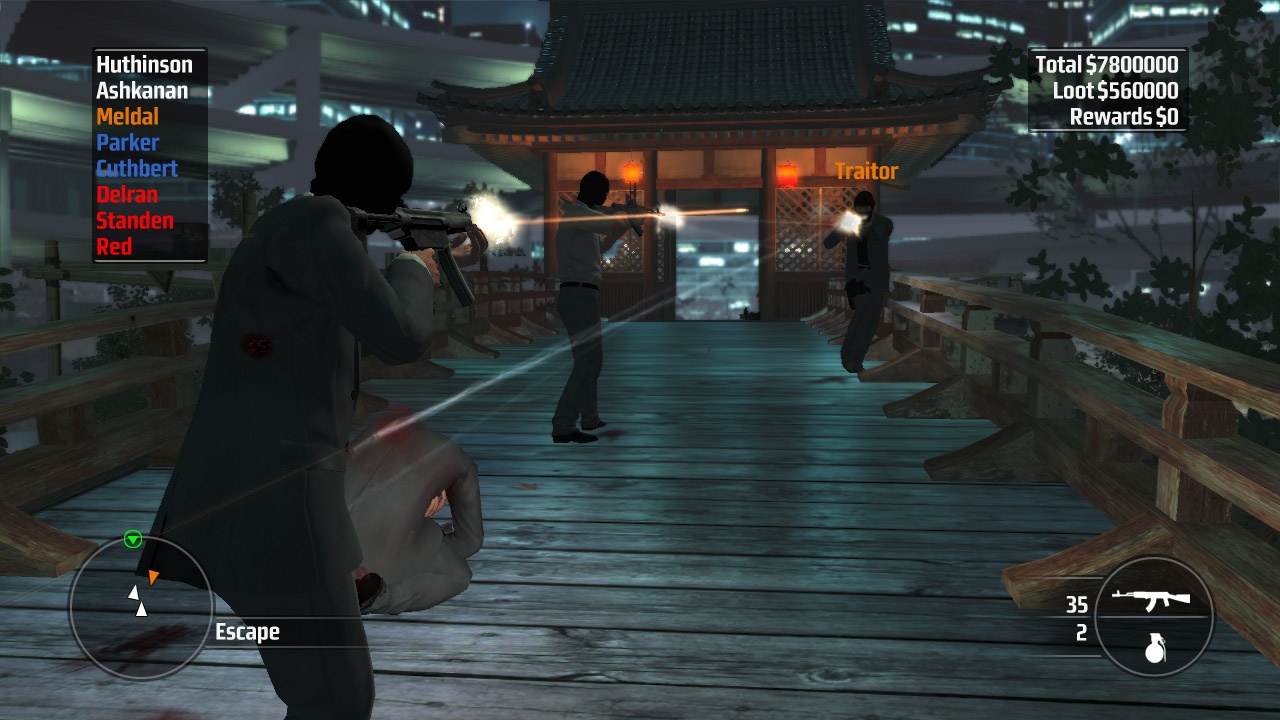
Kane & Lynch really tried; they really did. While the cinematic moments are entertaining, the gunplay is weak and feels half-baked, and the story doesn’t really go anywhere. Not to mention, the game looks really dated. The sequel is much better, despite having its own flaws. While Dead Men isn’t inherently awful, you’re not missing out on much by skipping it entirely.
Iron Man
Woof, yeah. I can’t believe I’m talking about this. This was one of the worst games ever made in 2008, and it remains so. This was when superhero games were still awful, plus a movie tie-in? No thanks. Iron Man had a good sense of speed, and tearing apart things was kind of fun, but the game was ugly, bland, repetitive, and just didn’t have a drop of fun. Sadly, everyone bought it! The game sold really well, and I don’t understand why. There were much better superhero games at the time, but because of the movie, I guess people needed it in their lives. Thankfully, movie tie-in games aren’t as common these days because of the rise in development costs and the stigma surrounding them.
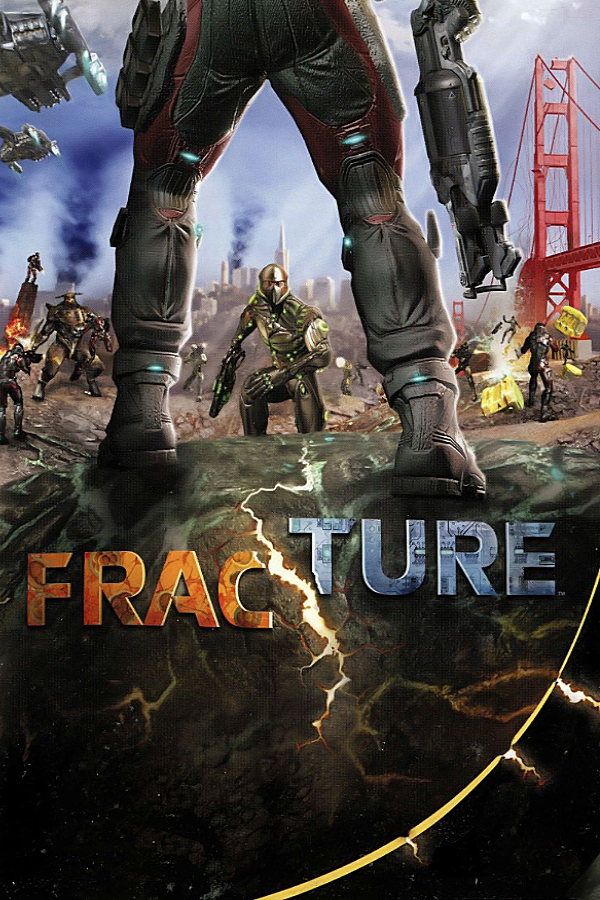
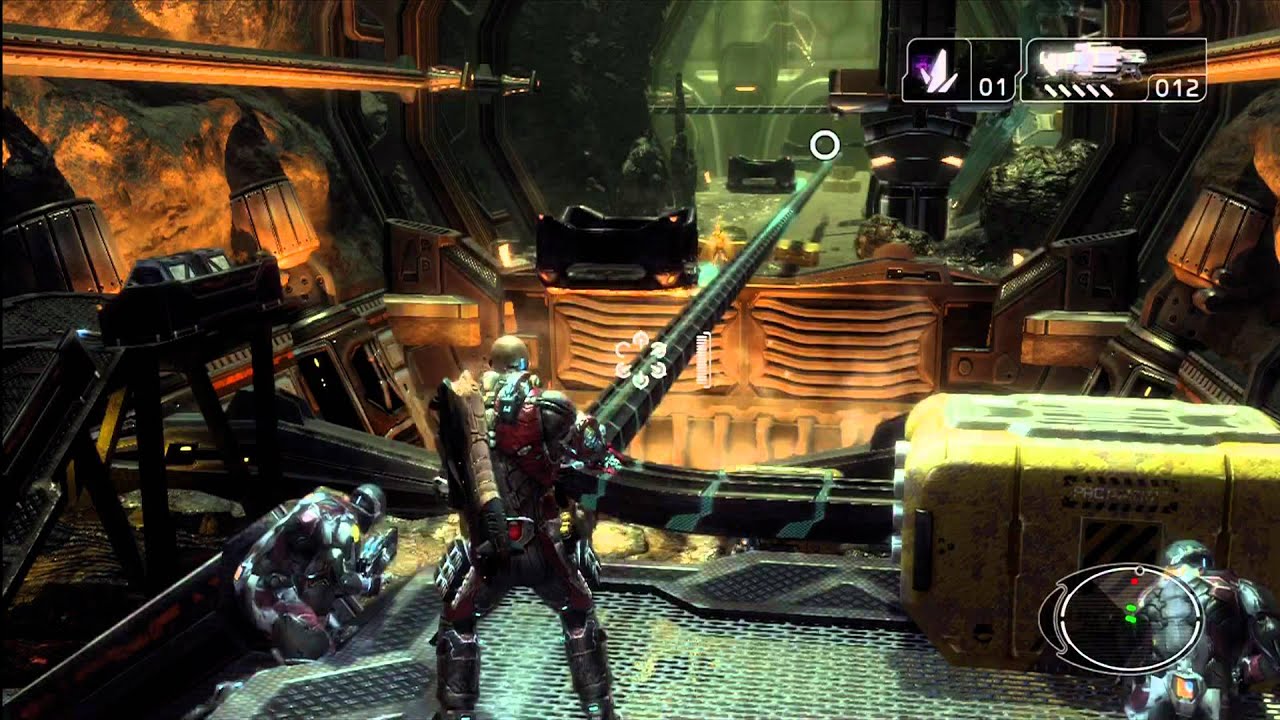
You know, making these lists is really depressing. I remember renting this game from Blockbuster when it was released because of the cool new terrain deformation technology that LucasArts was supposedly going to shock the world with. While it looked cool and the graphics were nice, the game was just plain boring. It’s one of the most boring shooters I’ve ever played, and this was a plaque during this time. There were so many generic, boring shooters out there that didn’t want to do anything interesting or build worlds and characters. Generic white dude with a bald head? Check. Sci-fi weapons that don’t have any meaning but mostly resemble real-world weapons? Check. The same multiplayer modes in every other shooter? Check. A single gimmick that the entire game hinges on? Check. Generic military dudes as enemies? Check. Everything is gray and looks like Gears of War, but not as interesting. Check. The list goes on.
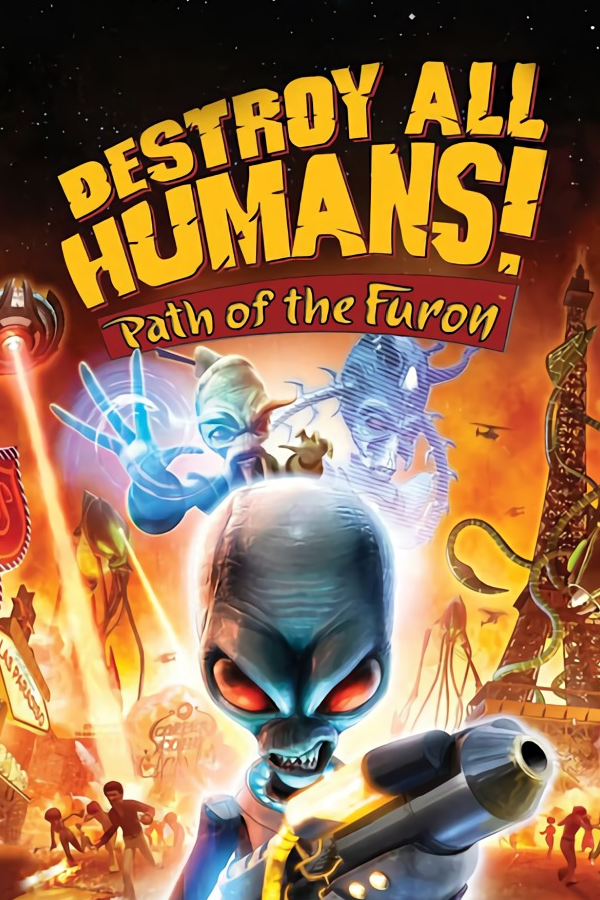
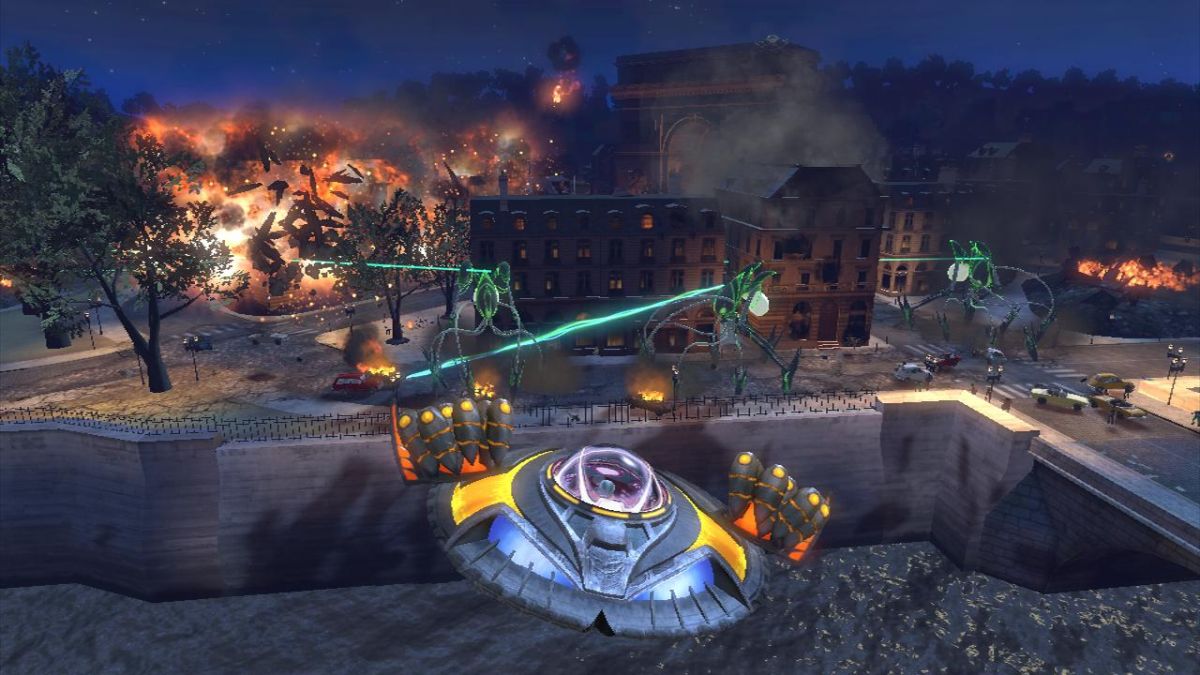
Destroy All Humans! Path of the Furon
Oh man, whoever was behind this game was a complete dick. Not only was Path of the Furon an incomplete mess, but the humor sucked and there were many racial stereotypes in the game that would make the most racist people on the planet blush. Who approved this script? Even if you look past that, the graphics are last-gen, the game crashes and breaks often, and the game just isn’t fun at all. It’s easily the only bad game in the series. Don’t even pick this up out of curiosity if you can avoid it.
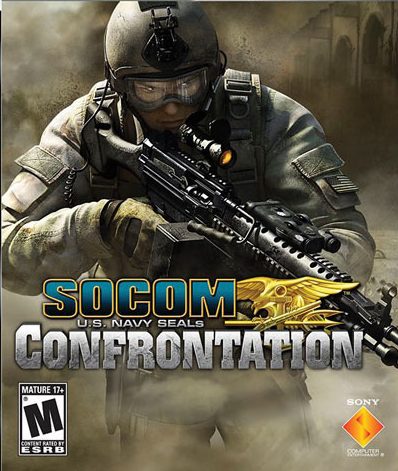
SOCOM U.S. Navy SEALs Confrontation
This is easily the worst game in the series. Not developed by Zipper Interactive themselves, Slant Six really screwed up here. While the game felt like a SOCOM game, they forgot everything else. Only seven maps at launch, no campaign mode (whoops), and essentially, since the servers are dead, this game is a piece of vaporware now. The animations were bad, the graphics were dated, and overall, it just wasn’t very SOCOM-y enough to garner sales. By this point, the series was waning in sales and was becoming just another yearly military shooter.
Eat Lead: The Return of Matt Hazard
Eat Lead is a generic and boring shooter, despite its attempt at being a video game parody. The level design stinks, the characters are dumb, the gunplay feels like BB guns, and the graphics are downright hideous. This could have been an interesting game, but instead, we just get more typical shooter garbage of the era. Everything is gray, the lead protagonist is a bald white dude, and there’s no effort put into it.
Damnation
The game originally had potential. It was first entered into an Unreal Tournament 2004 mod contest and became a Total Conversion mod. The premise of an alternate American Civil War is a great idea, but they forgot to make a good game. Awful performance issues, terrible gunplay, bad voice acting, ugly visuals—the list goes on. This is probably one of the worst games of the HD era, hands-down. There’s not even enough here to bother trying out of curiosity. Even the gore and interesting-looking weapons don’t save this mess.
Terminator Salvation
Why is it so hard to make a good Terminator game? Not a single one exists. Salvation is, of course, a movie tie-in but doesn’t feature anyone from the movie. While the game looked decent, the action was repetitive, there wasn’t an interesting story, the gunplay was weak, and the game was just another gray shooter of the era. At least the Terminators looked cool, but it’s still not enough to pick this up. You can also beat the game in a few hours, and it was $60 upon release. Yikes.
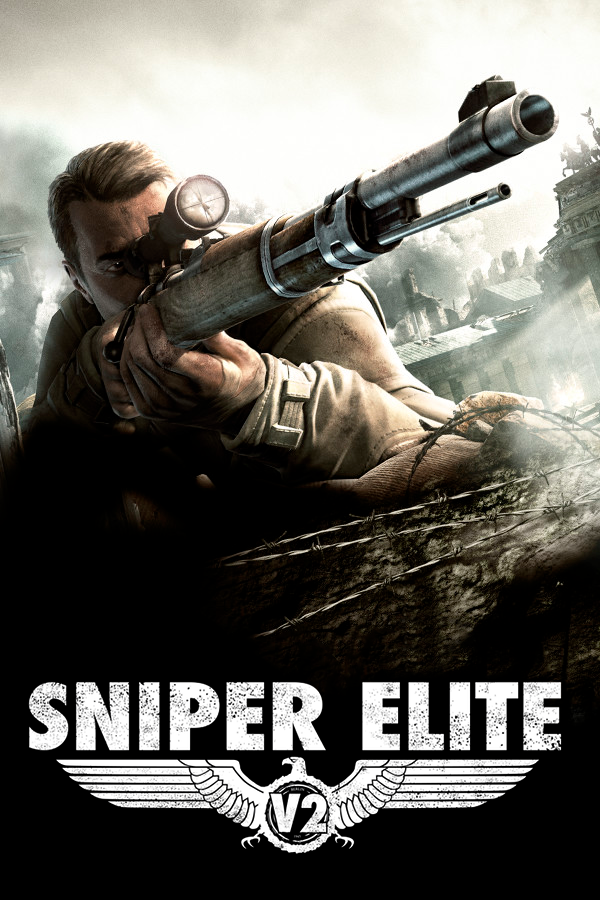
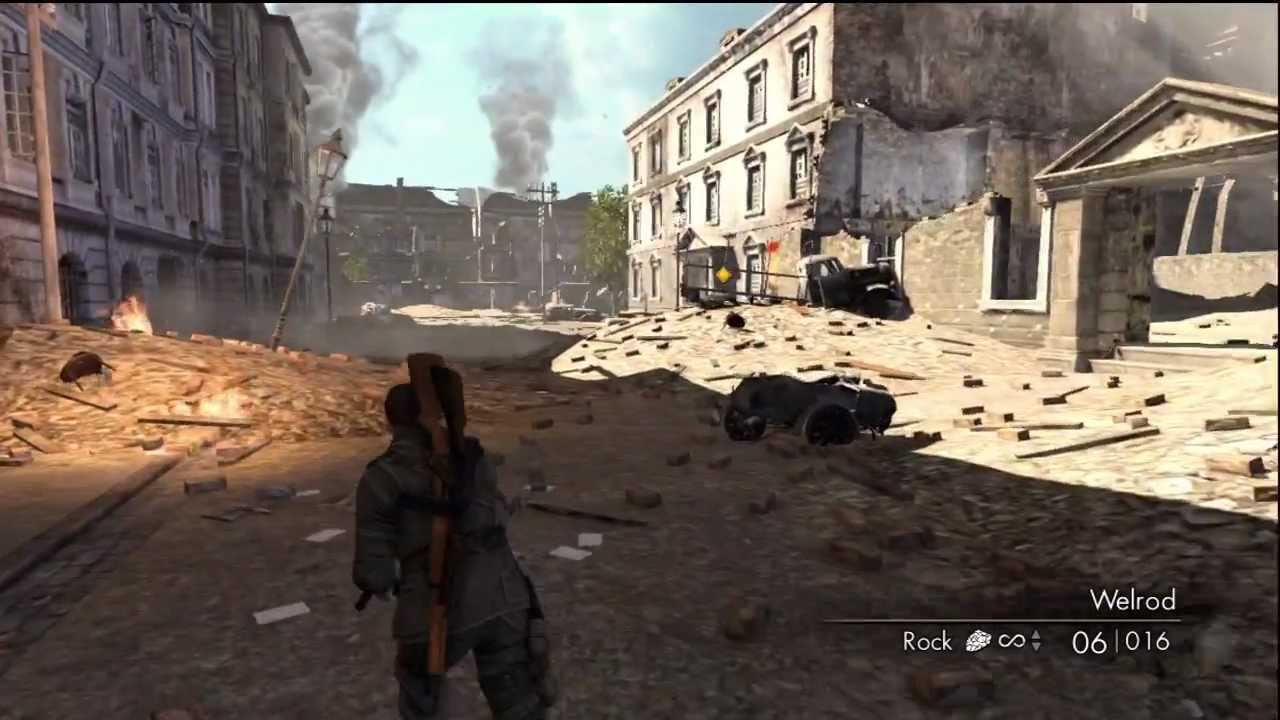
Specifically for this era of gaming, Sniper Elite V2 and Sniper Elite III are what I’ll be talking about. Both games are incredibly dull. Sure, the series is known for really awesome X-ray sniper shots and exploding testicles, but that excitement ends before the first level is over. While Sniper Elite hasn’t been an inherently bad series, it’s just not very interesting. This is a generic gray and boring WWII shooter with broken stealth mechanics (somehow it has yet to be fixed), boring level design, and, of course, a pointless story. Hardcore stealth-action fans might squeeze a tiny bit of juice out of this, but most won’t.
Man, at this point, should I just do checklists? Another generic, gray, boring Gears of War rip-off shooter with a single gimmick it hinges on. Look! It guarantees the gimmick is so cool and unique they made it par to the cover art! Yeah, walking on walls doesn’t change anything here. The graphics were pretty good, but other than that, it’s a generic city. Boring weapons, a lame story, stupid characters, bad voice acting, and a complete short and forgettable experience
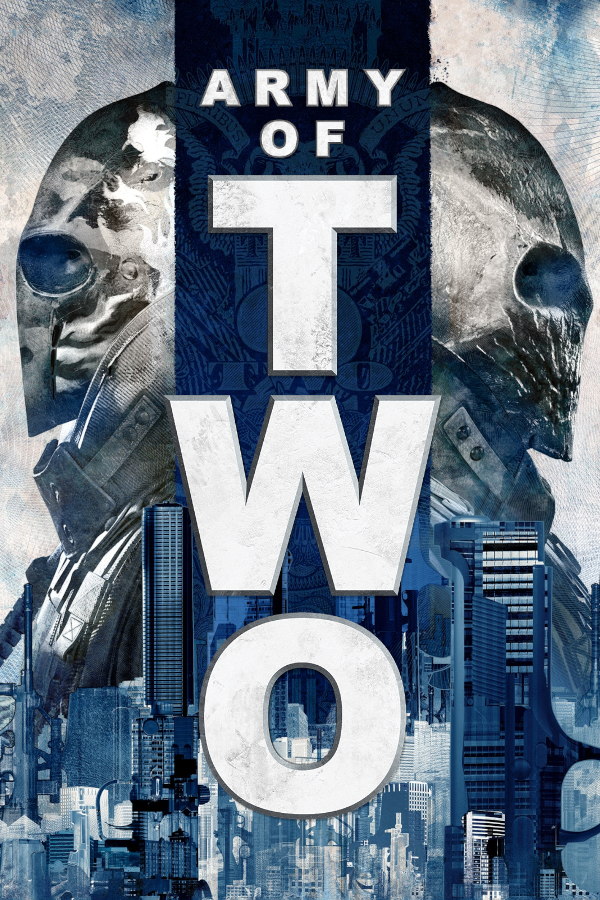
Army of Two Series
EA was really convinced this new IP was it. So instead of capitalizing on better original IPs like Mirror’s Edge, they took off with Army of Two. Again, another gray, generic, and boring military shooter, but the gimmick here was co-op campaigns. The game was pretty unplayable solo because of the dumb AI, and a lot of situations required quick reactions from both players. The story was dumb, and the attitudes they gave the two main characters were pretty lame. As you can see, this is a plaque from the HD era. Shooters just weren’t very good and were pumped out like candy.
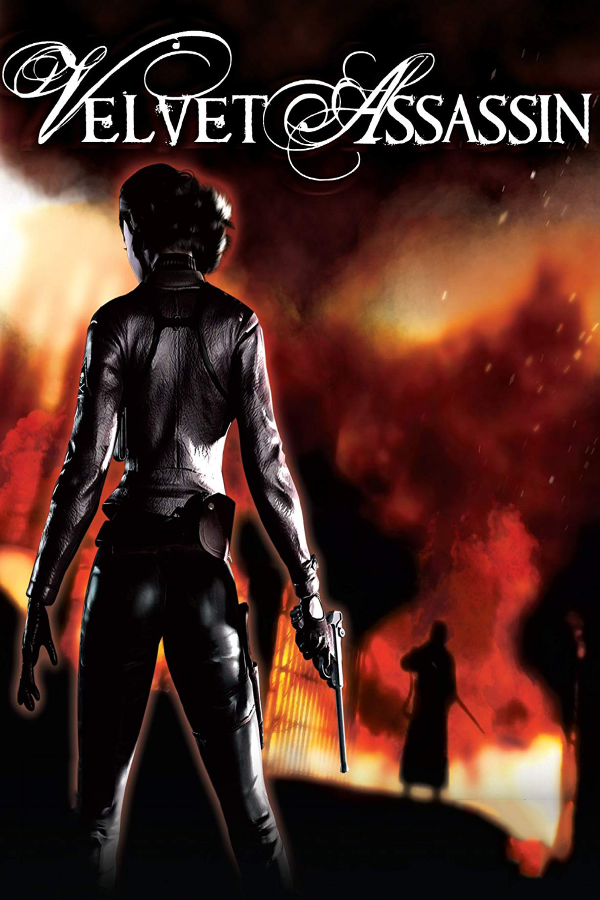
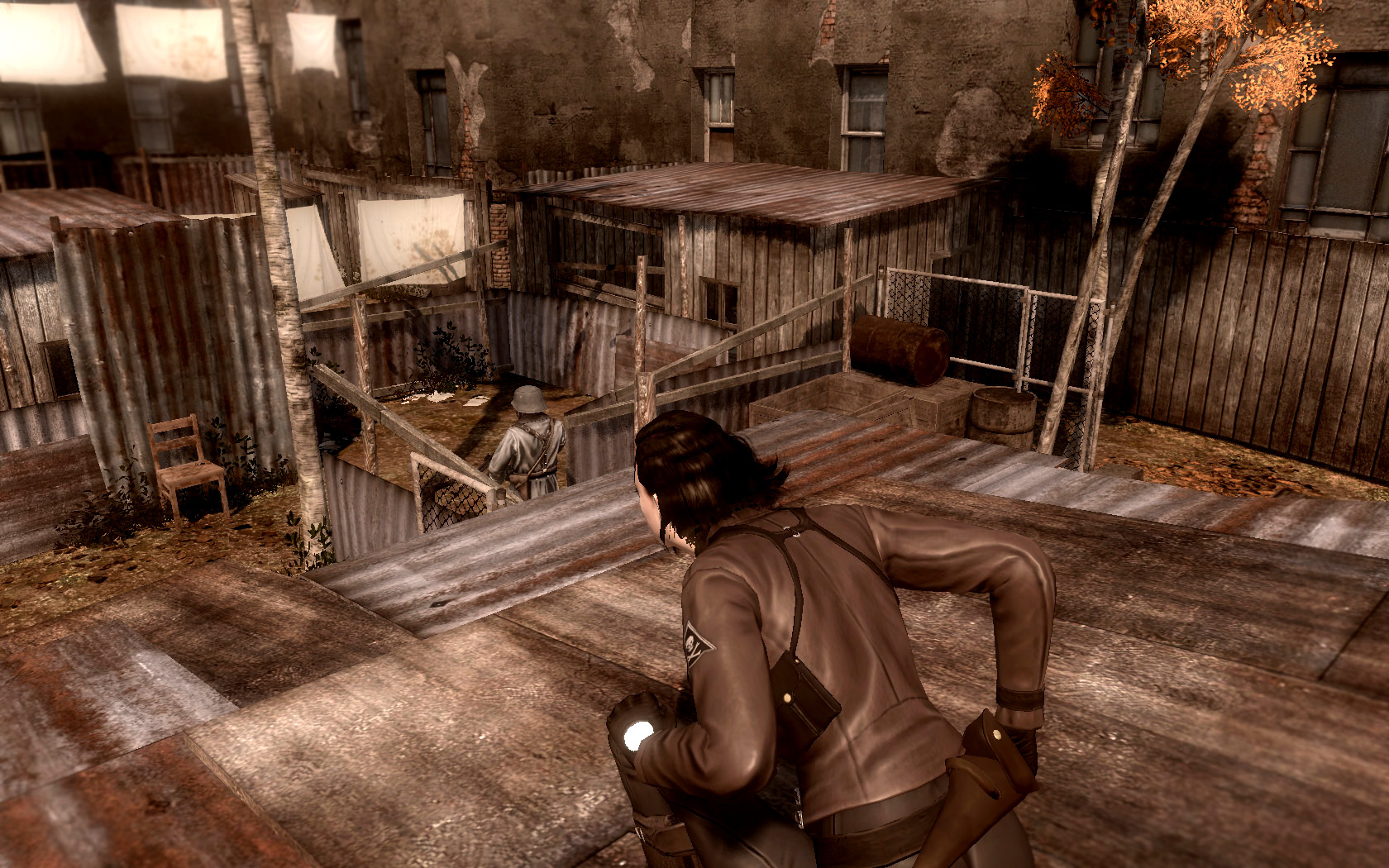
This one had a lot of potential, and I was excited leading up to its release. A WWII Splinter Cell with a female protagonist? It was unheard of back then. Then the game came out, and it was a complete mess. awful level design, stupid AI, terrible controls, boring story, and the lead character had no depth. The selling point was tight clothes and lingerie. The graphics had too much bloom, looked gray and boring, and overall, it was just a bad experience.
Dark Void
This was a reboot of the classic 8-bit game, but it was considered one of the worst games of the era. Here we go again; say it with me now! generic, gray, and dull. It had no life and was just another generic shooter. The main thing that made Dark Void fun was the jetpack! So what do the developers do? Take it away during most of the game. Wow, good job, guys. You couldn’t even get the game’s main gameplay mechanic right. The enemies repeat ad nauseum, and the story is dumb too. Seeing a pattern yet?
Defiance
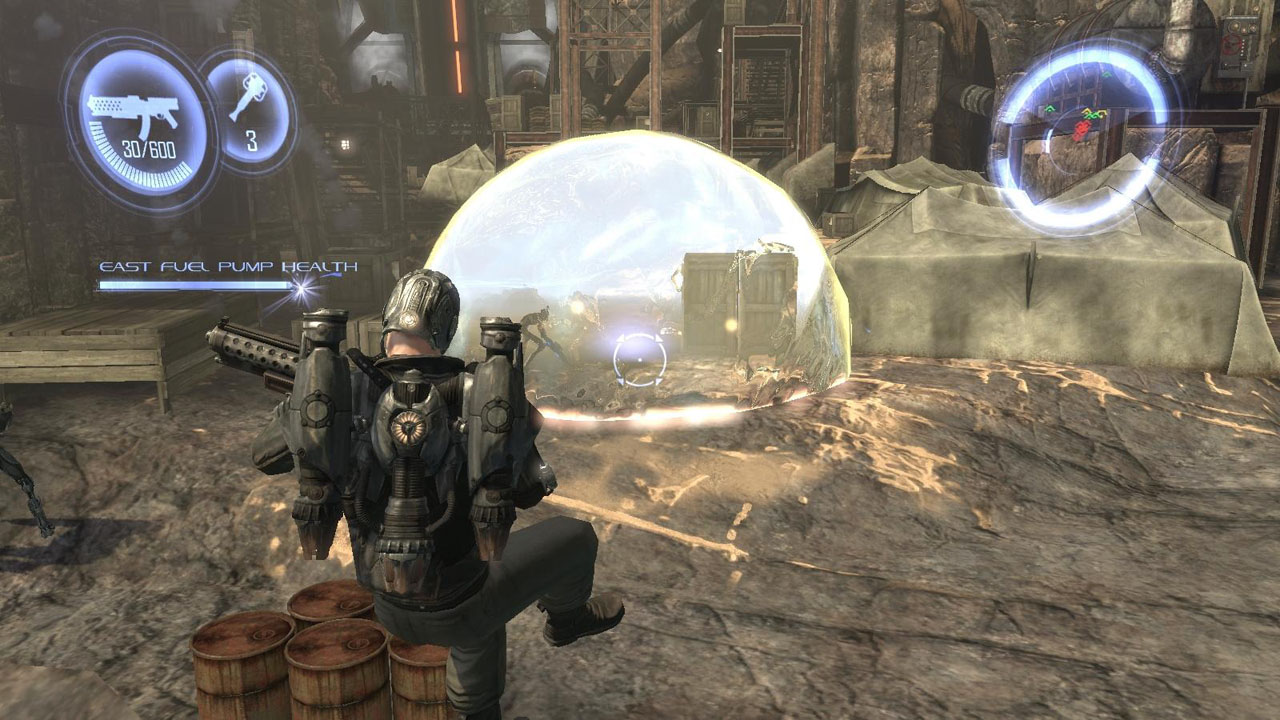
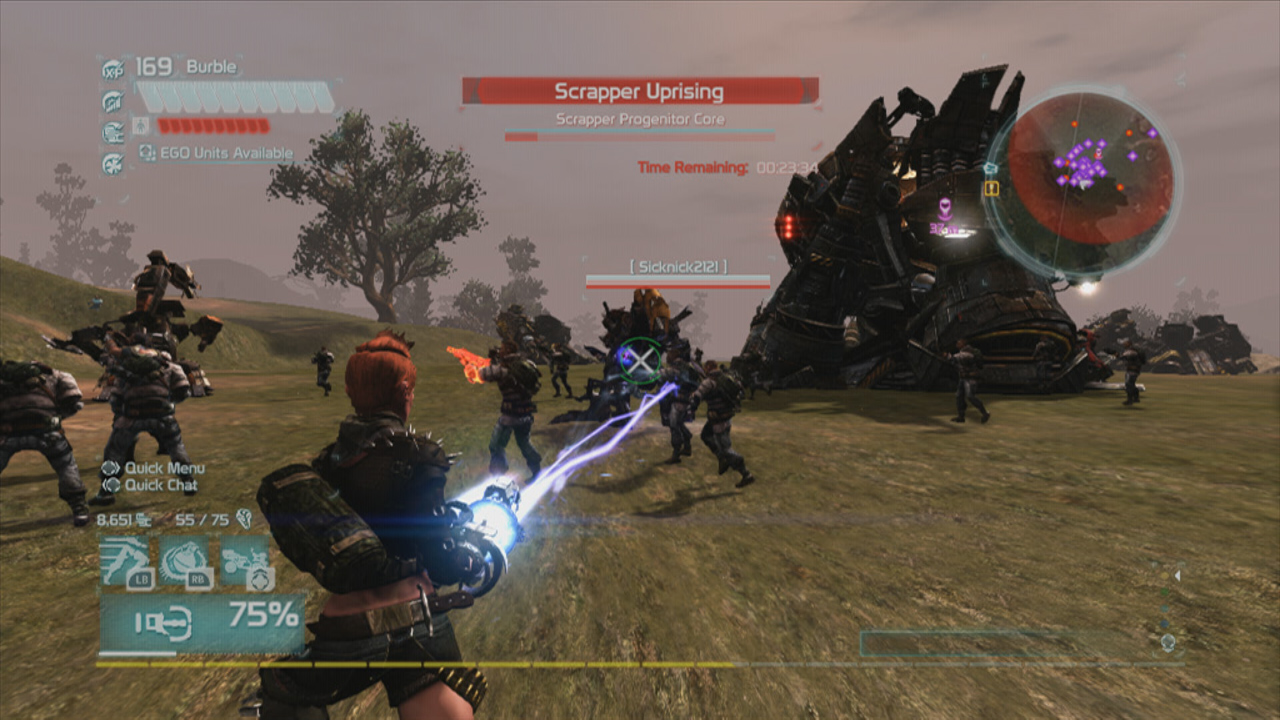
An MMO shooter, you say? Wow, how exciting! Yeah, not. This was another overambitious project from the start. The game was supposed to tie into a TV series, and the choices players made during the story would affect the show. Advent Rising also wanted a TV show, and look what happened there! The game was just dull, boring, glitchy, and not fun at all. You can’t even try the game now because the servers are offline, so the game makes a decent coaster.
Quantum Theory
Here we are! We made it! The ultimate Gears of War rip-off award goes to Quantum Theory. I remember playing this demo and thinking it was one of the worst games I’d ever played. The game is essentially incomplete and rushed together to capitalize on the gray, white-dude, Gears of War-looking-ass shooter trend. There’s not a single redeeming quality here outside of a few good-looking characters, but this was a Japanese-developed rip-off, so it had that weird stuck-in-the-early-2000s Japanese developer weirdness that took forever to change.
Transformers Series
While the High Moon Studios games were great, this section covers all other Transformers games released at the time. They were mostly movie-based and dreadful. Boring is the best word to describe them all. While they functioned and weren’t glitchy, they just weren’t fun at all. Incredibly short, repetitive missions, ugly graphics, terrible controls—and the list goes on. Not a single one has any redeeming values, even for the most hardcore Transformers fans out there.
Resident Evil: Operation Raccoon City
When Resident Evil 4 became as successful as it did, Capcom thought it was a good idea to take away tension with each new release and add more shooting. Sure, the shooting mechanic in RE4 was revolutionary, but don’t make the games just about that. ORC was a complete disaster and easily the worst game in the series. nothing but a pointless and boring corridor shooter with terrible cover mechanics, lame weapons, dumb AI, and a stupid story to boot. The game mostly focused on multiplayer, which it couldn’t do right either. The enemies were also bullet sponges. Making enemies take a stupid amount of damage doesn’t make the game more fun. That’s how shooters should be. Stay away at all costs.
The seventh generation of consoles was really rough. While we did get some awesome games, there were a ton of experiments as developers struggled with rising development costs and complicated hardware technology. With the rise of HD gaming, which is games rendered in 720p or higher, there was also a struggle to evolve genres with this newfound hardware. First-person or third-person shooters struggled probably the most in this era as open-world games were evolved and, mostly, well done with games like Grand Theft Auto IV, The Elder Scrolls: Oblivion, Skyrim, and Saints Row. Shooters were stuck in the past, gameplay-wise and design-wise. Corridor shooters with no story or interesting characters, not to mention lacking an identity, helped make up for the lack of the latter. Your favorite shooters like Doom and Quake didn’t really have a good story or characters, but they had an identity that helped them stand apart from other shooters. The look, feel, weapons, and overall design were unique to that game. This just didn’t happen with the PlayStation 3 and Xbox 360 shooters, and if it did, it was rare. We’re going to take a look at the worst and best shooters in this generation of consoles and why the genre stalled and didn’t really evolve much until the next generation cycle.
This will be a multi-part series due to the number of games. The next feature will talk about the worst third-person games of this generation.
Ghost Recon Advanced Warfighter Series
Ghost Recon was one of the best FPS games for the longest time. It was one of the few good military shooters in the sixth generation of consoles and dominated the Xbox space. Advanced Warfighter was one of the few real next-gen games upon release and was one of the reasons I bought an Xbox 360. It helped introduce me to a real next-gen experience, along with Gears of War and Condemned. The Advanced Warfighter was nearly perfect. Fantastic level design, perfect gunplay, amazing visuals and animations, and somewhat interesting soldier banter. It still holds up to this day and looks great on the Xbox One X. The series went to sh*t with Future Soldier and completely changed everything.
Gears of War is probably one of the best third-person shooters of all time and by far the single best series for the seventh generation of consoles. It’s the main reason I got an Xbox 360, and I have replayed these games numerous times over the years. They are just perfect. excellent weapon design, great cover system, well-balanced difficulty, a wonderful cast of characters with depth and backstories, as well as a fascinating world to just be in. The games were also leaders in visual and graphical design at the time. Each game pushed the Xbox 360 to new limits that I didn’t think it was capable of. The first three games are gems, but Judgement lost me. Developed by the Bulletstorm guys, it just felt like an arcade shooter and pretty much ruined the flow of the original games. You aren’t missing anything by bypassing that one.
Lost Planet Series
Lost Planet was an interesting attempt at a third-person sci-fi game from Japanese developers. It felt dated and clunky, but overall, it was a fun game. It looked pretty good too, and the PC version was even better. Fighting aliens with orange-explosive blood is a blast, and the game could get downright hard. The second game was fairly decent, mostly focusing on online multiplayer, and was incredibly difficult. The third game was more story-focused but didn’t really explore its story to its full potential or gameplay mechanics. The last two games are worth playing through the campaigns, but don’t expect anything amazing.
Stranglehold
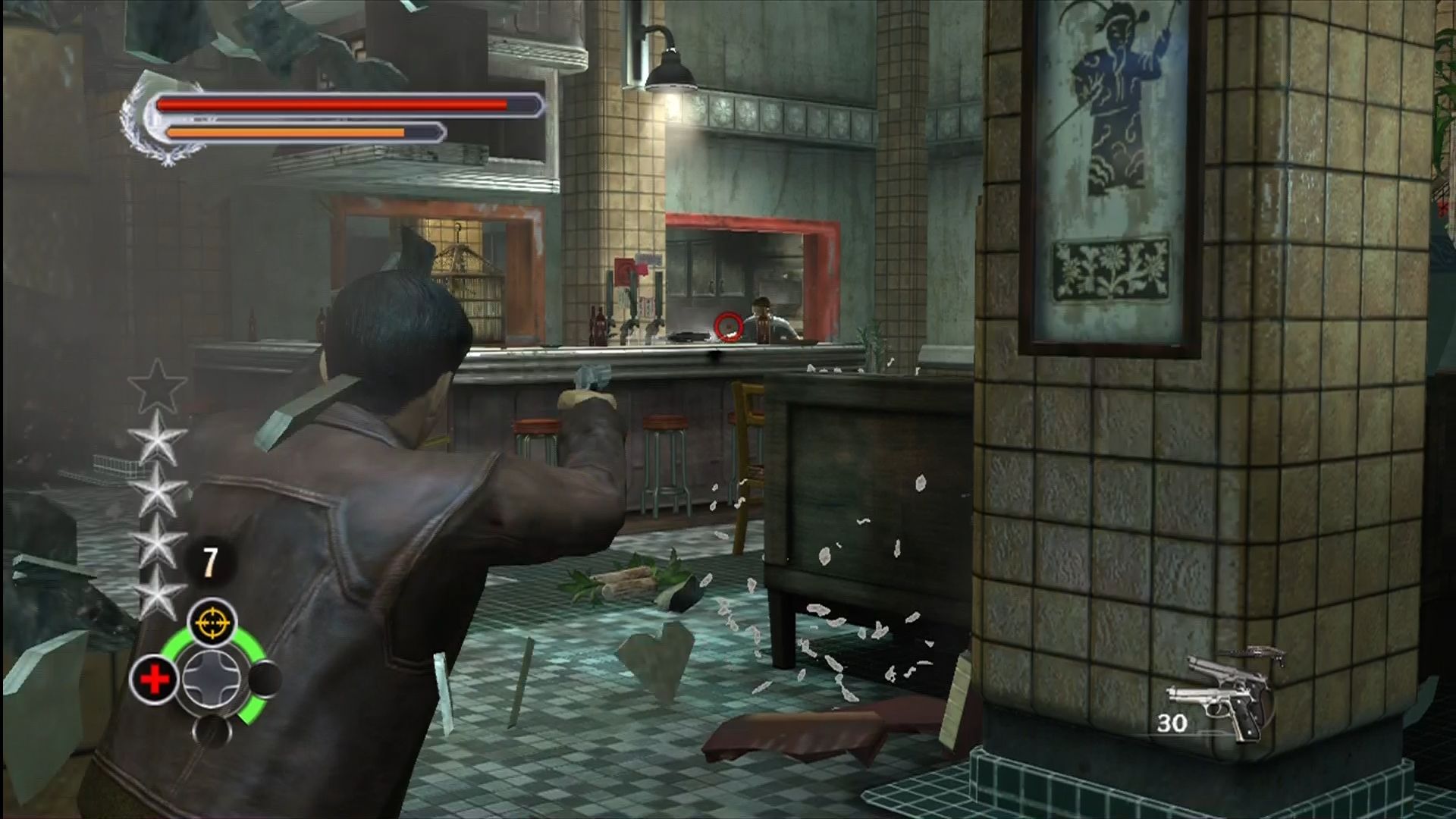
This was a game that stood out from the crowd. Directed by John Woo and starring Chow Yun Fat, the Hardboiled team took a crack at a video game, and it mostly succeeded. The game had great cinematic flair, fast-paced arcade-style gunplay, and great visuals. Sadly, it wasn’t enough to push sales, as the game mostly flopped and Midway canceled a sequel. It’s a lot of fun, if not repetitive, even today, and still looks decent. Think of this as an Eastern Max Payne.
Kane & Lynch was a promising series. The first game had a lot of ambition, and the first part of the game was mostly decent in scope, but the gunplay felt really bad, and it was just a mess. The second game was much better and was an enjoyable cinematic corridor shooter with interesting characters and much tighter gunplay. The game was graphic and a roller coaster ride of bombastic gameplay, and it was quite a fun evening despite how short it was. Sadly, these improvements weren’t enough to keep the game alive, and Square Enix quickly shuddered the series, and we haven’t seen anything since.
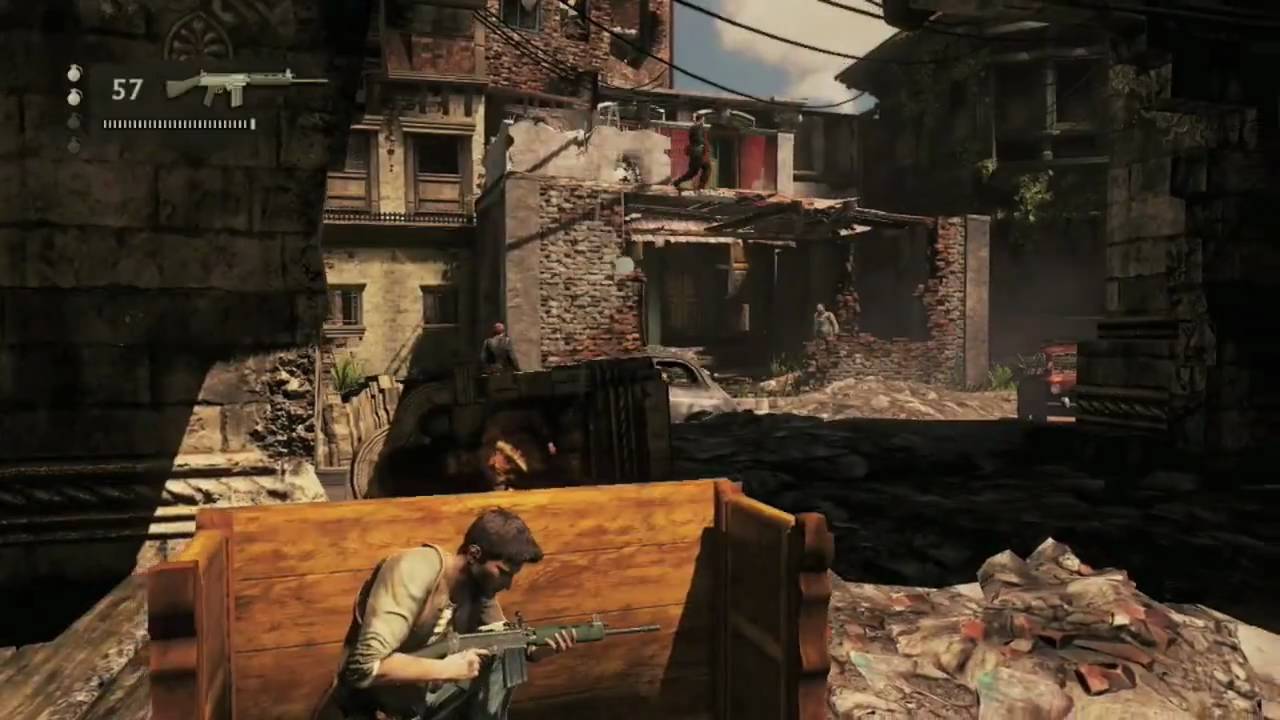
Does this series need explaining? It’s one of the best third-person shooter franchises of all time and one of the most consistent in terms of quality. Every single game is solid, and you can easily spend a weekend going through all three games and having a blast. While the first game feels more dated than the others, they are gorgeous games pushing the PS3 to its absolute limits and featuring memorable characters and fun adventures. The gunplay never quite felt right to me, but it’s still solid. The puzzles were fun, and the best parts are the huge vistas you get to explore. Each game feels like a new adventure, and Nathan Drake is a very lovable character.
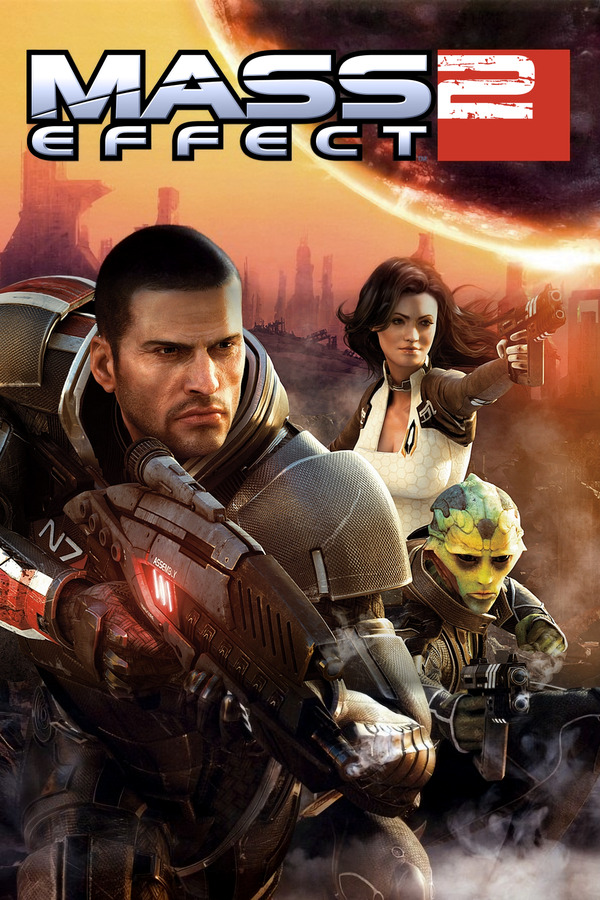
Despite the fact that Mass Effectis an RPG, it’s mostly a third-person shooter with RPG elements. This was a juggernaut for nearly a decade when all three games were released. The first game, while clunky and having poorly implemented RPG elements and loot systems, felt vast and large in scope, with great characters and a huge system of lore and a space-fairing universe to dive into. The races, planets, and overall mythology of everything surrounding the story were fascinating and memorable. The series tightened up with Mass Effect 2and fixed a lot that was wrong with the first game, and ME3 was probably the most refined. great gunplay, tighter explorations, amazing visuals, and a great conclusion to one of the biggest franchises of all time.
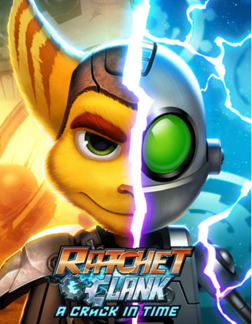
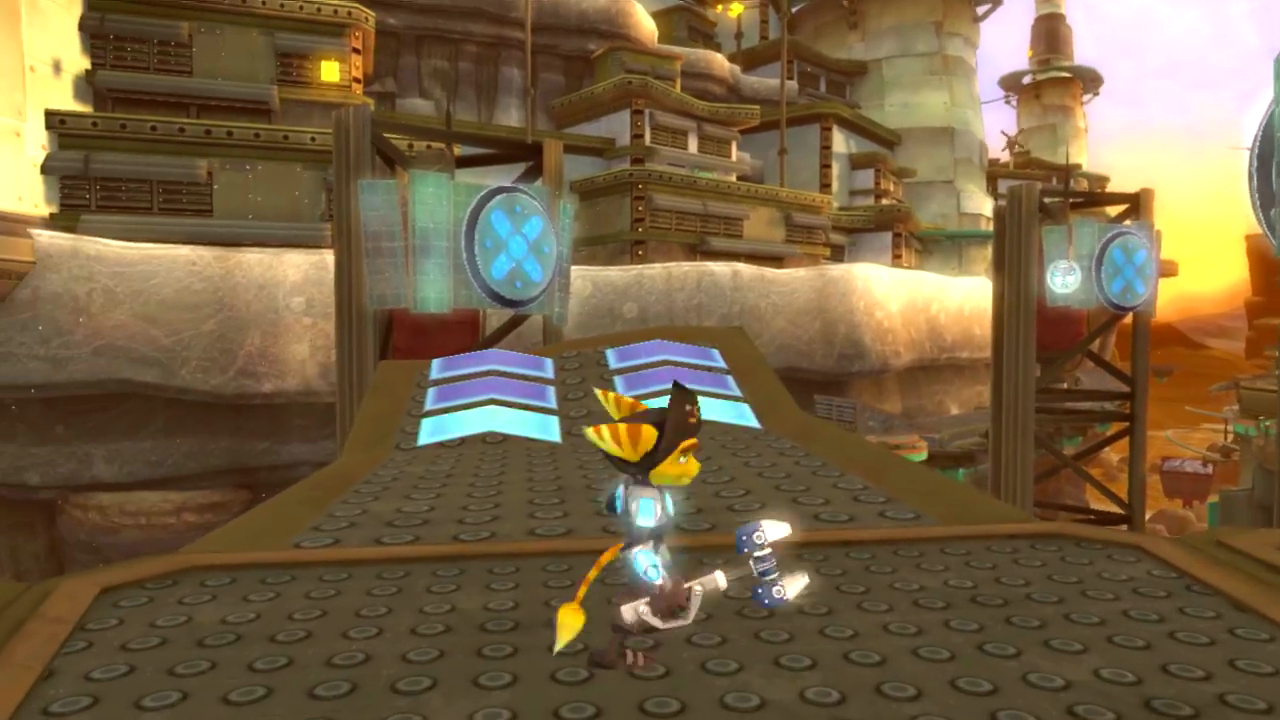
The Ratchet & Clank reboot series for PS3 was just as good as the PS2 series. The games pushed the PS3 to its limits and featured the same tight gunplay, unique and zany weapons, and fantastic voice acting with a colorful and well-written cast of characters. The locales were varied, with lots of secrets to find, and the entire game was just so well balanced and well done. While there is a lot of platforming involved, there are also a lot of mini-games and various other things to do in this series. You can spend a week playing this trilogy and have a blast doing so.
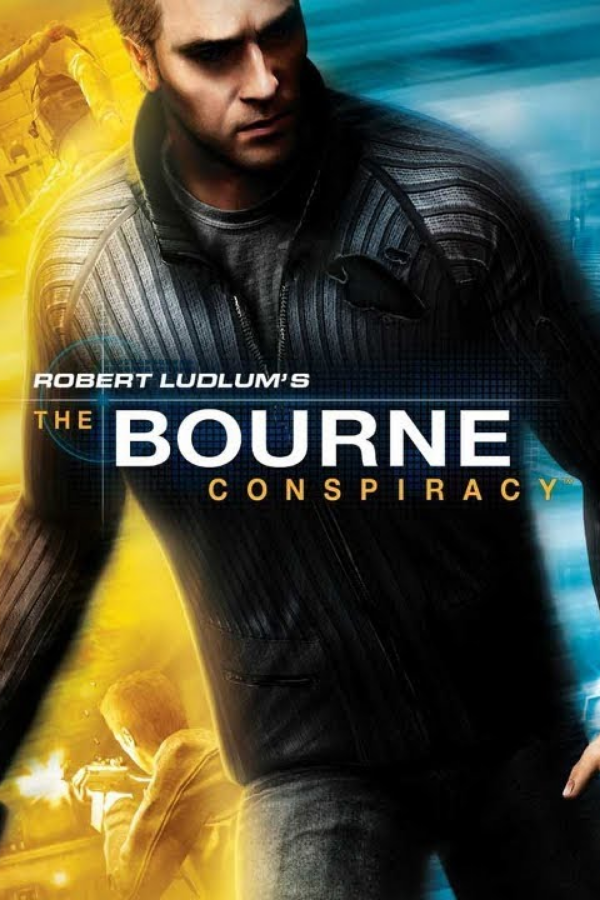
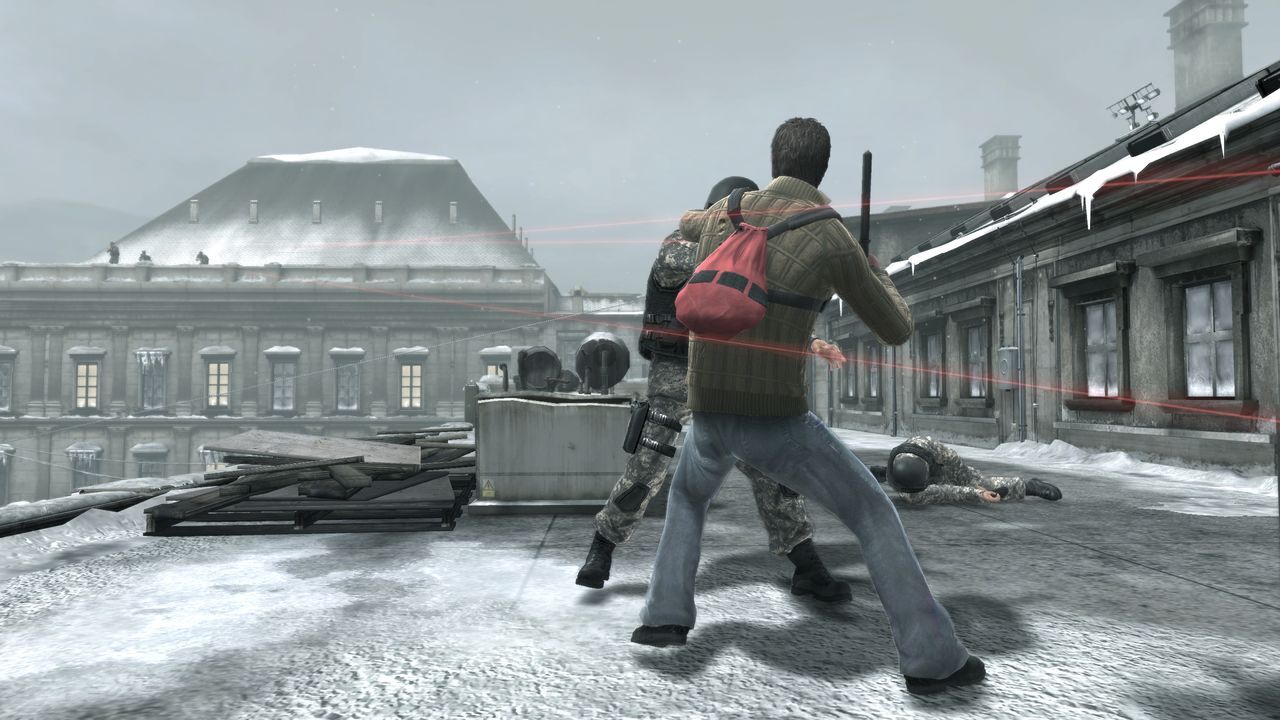
Surprisingly not based on the movies, The Bourne Conspiracy was a sleeper hit low-budget title that was really good. I rented this and was surprised at just how solid it was despite its very short length. There were great animations, visuals, voice-acting, and tight controls. The story was pretty forgettable, but it was just so varied and well done that I’m surprised it never got a sequel despite the low sales. There were a lot of games like this in the HD era that were pretty good, but no one knew about them and they sold poorly. It’s such a weird license to choose and never capitalize one, as the Matt Damon films were still coming out at this time.
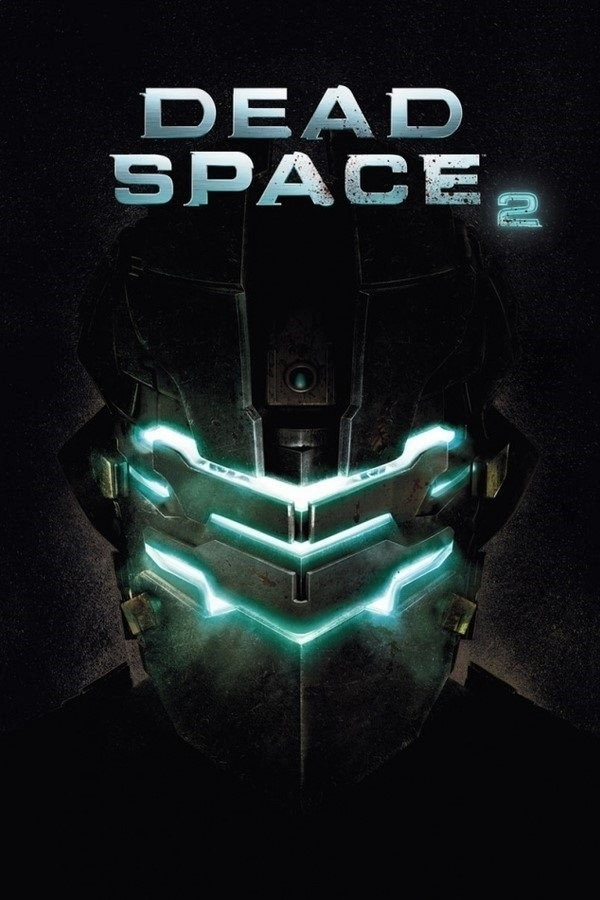
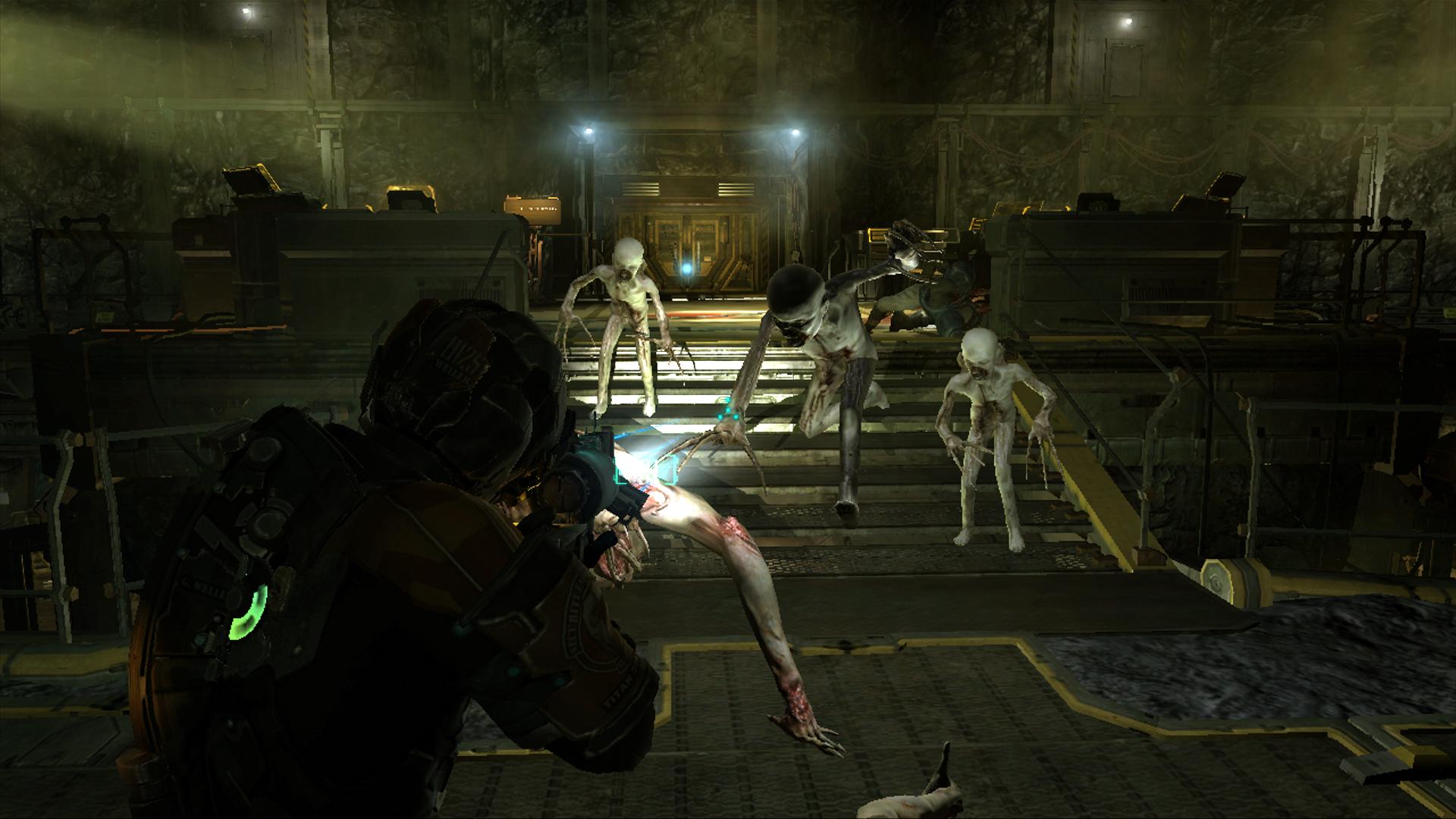
Another series that doesn’t need an introduction This was one of the few good horror games of the HD era and a surprising new IP from EA. I remember the first game very clearly, as it was so unique and new at the time and was a visual treat. The limb system and using power tools instead of traditional guns helped carve Dead Space into its own thing, which separated it far from other shooters and horror titles. It was tense, eerie, and had some good scares. I picked this up on day one with the strategy guide, played it straight through, and went through it again. The entire series has great replay value, but the third game is a lot to be desired. It strayed too far from the traditional ways of the series and implemented microtransactions and a weird loot system. Still decent to play, but nothing like the first two.
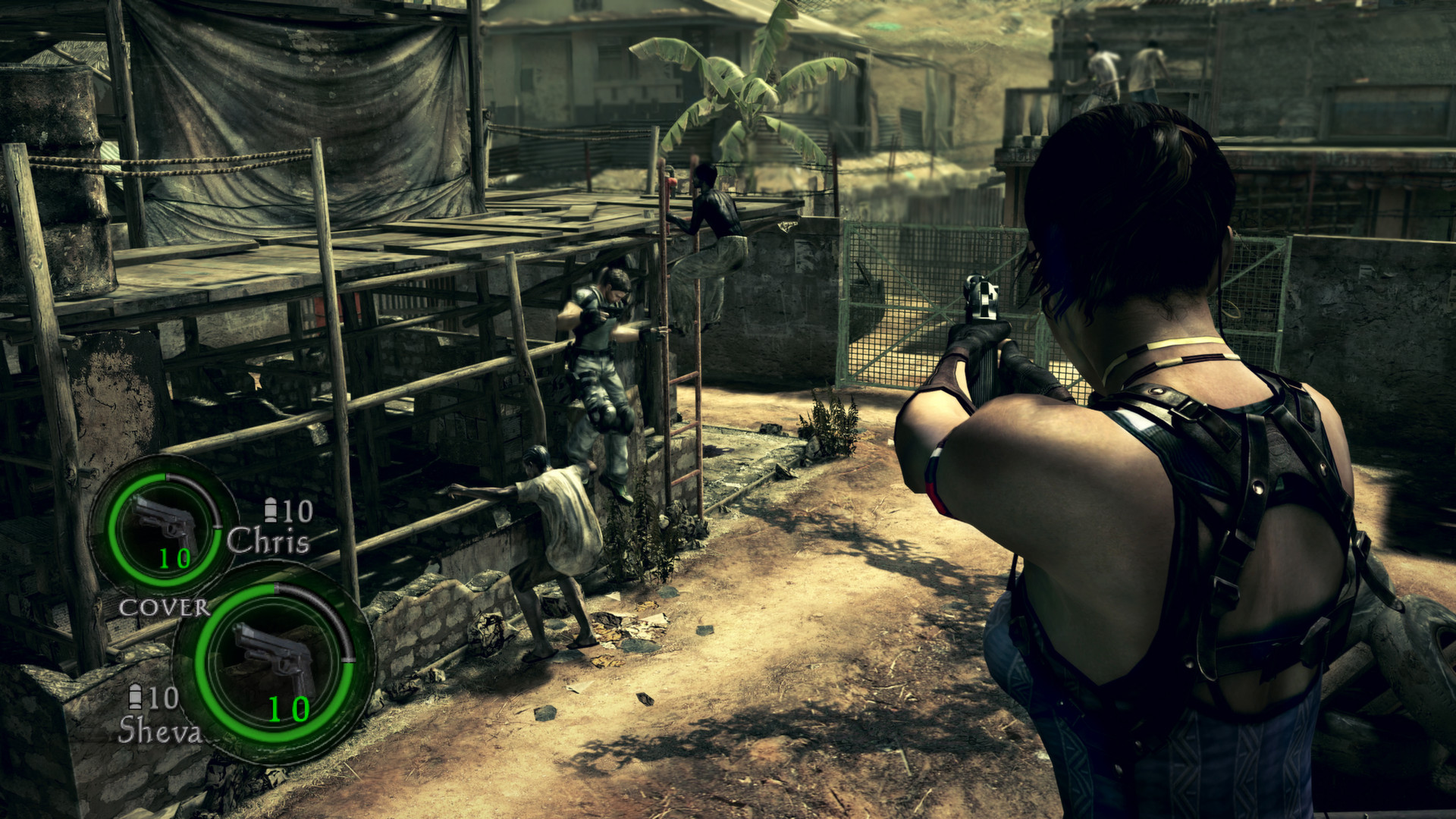
We’re specifically talking about RE5 and RE6 here. These were the two mainline games released during this generation. RE5 was a hotly anticipated sequel and follow-up to RE4. How can you fill those massive shoes? RE5 was pretty much the same as RE4, but a little blander and less interesting. It incorporated co-op and online play, which I wasn’t interested in. I was so excited for this game that I stood in line at midnight and picked up the collector’s edition. It was a solid game and still is, but it doesn’t hold a flame for RE4. RE6 was something that grew on me. I feel like if the game only focused on two campaigns instead of four, it would have been more focused. I hated this game at first, and it still has balance issues. It can’t decide if it wants to be a survival horror or an action game. It looked dated at launch, and the PC version is the best way to go, as the console versions just look like total crap. Still, the series introduced great new characters that are well-loved today. Revelations was ported from DS and is also a fantastic shooter, despite being more simple and linear than the mainline games. It had solid mechanics and some creepy monsters and felt more like RE4 at heart to me.
Hear me out here. This is actually a decent, if forgettable, shooter. While the first game was a huge deal because 50 Cent was one of the biggest names in the world at the time, this game fell under most people’s radar. The shooting is tight, the graphics are decent if bland, and Mr. Jackson’s terrible voice-acting is hilarious. The story is also really stupid, but you get good music, lots of explosions, and shooting action, and after a few hours, you finish the game and put it aside. It’s still a fun romp, and being endorsed by a celebrity makes it strange that it turned out halfway decent.
Despite this being an open-world game, it doesn’t quite break the rules to be on this list, as it’s very underrated and not as well known. While there is an open world, it’s still rather small, and there are a lot of linear missions in the game. While pretty clunky in most departments, Pandemic was one of the best studios when it came to open-world games, and this was one of their last games. The story was forgettable as well as the characters, but the art style was fantastic, and an open-world setting in WWII? I can’t beat that. The stealth gameplay was a lot of fun, and the missions were quite varied. There’s a good weekend here waiting for you.
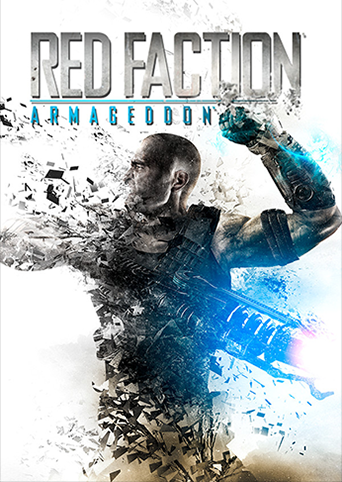
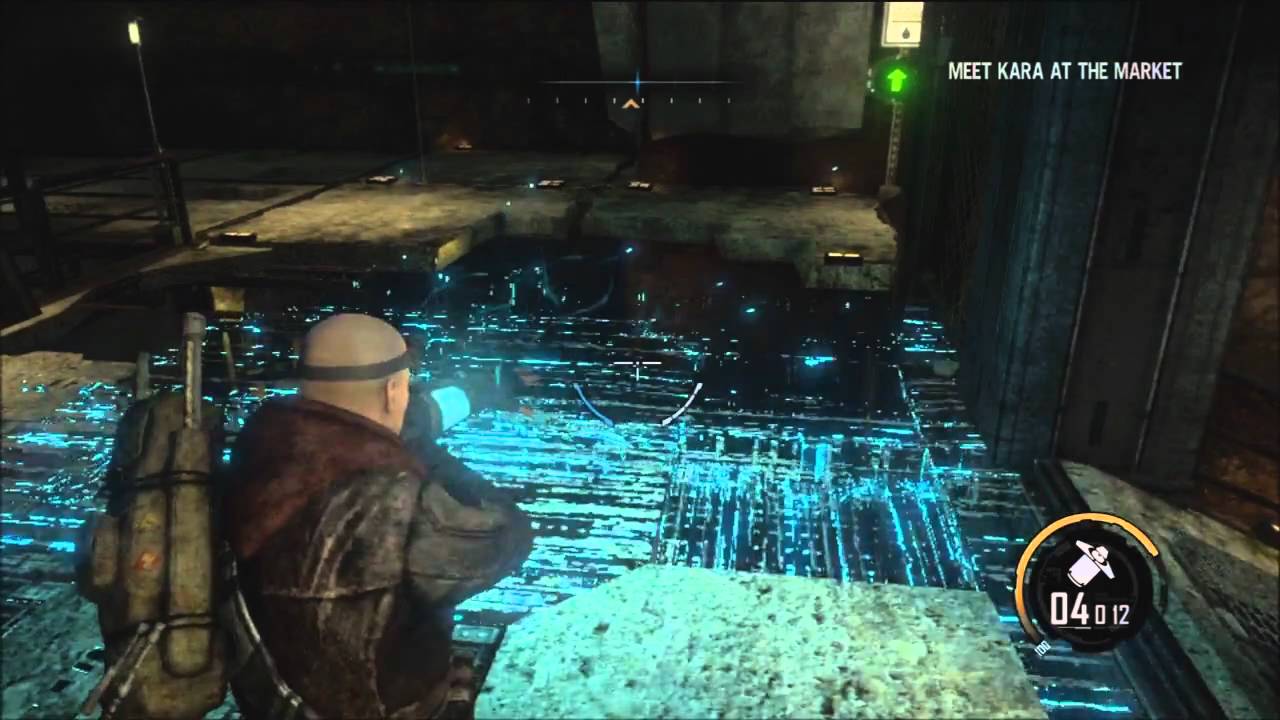
While the first two games were linear FPS games, the reboot sequels were “open-world” destruction simulators that were quite entertaining if forgettable. The story and characters were pretty dumb, but Guerillafeatured a fantastic destruction system in which you can destroy every building from the outside in or reverse even. I remember playing the PC version, and the DirectX 10 version made my PC chug. It looked good, but the open-world part was barely that. It was just an excuse to extend the time between missions. Driving around on the boring Mars sand just to get to another mission was an excuse, but the gameplay was still fun. Armageddonwas better, in my opinion, as it focused more on the story, was still forgettable, and introduced new weapons and less on the open-world stuff. It’s a very interesting franchise, and sadly, we haven’t seen anything in a decade.
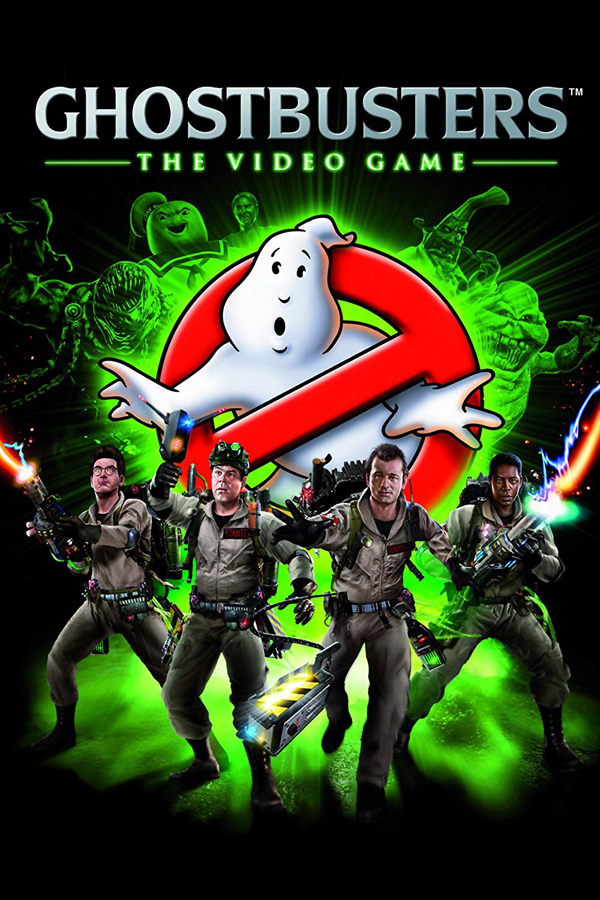
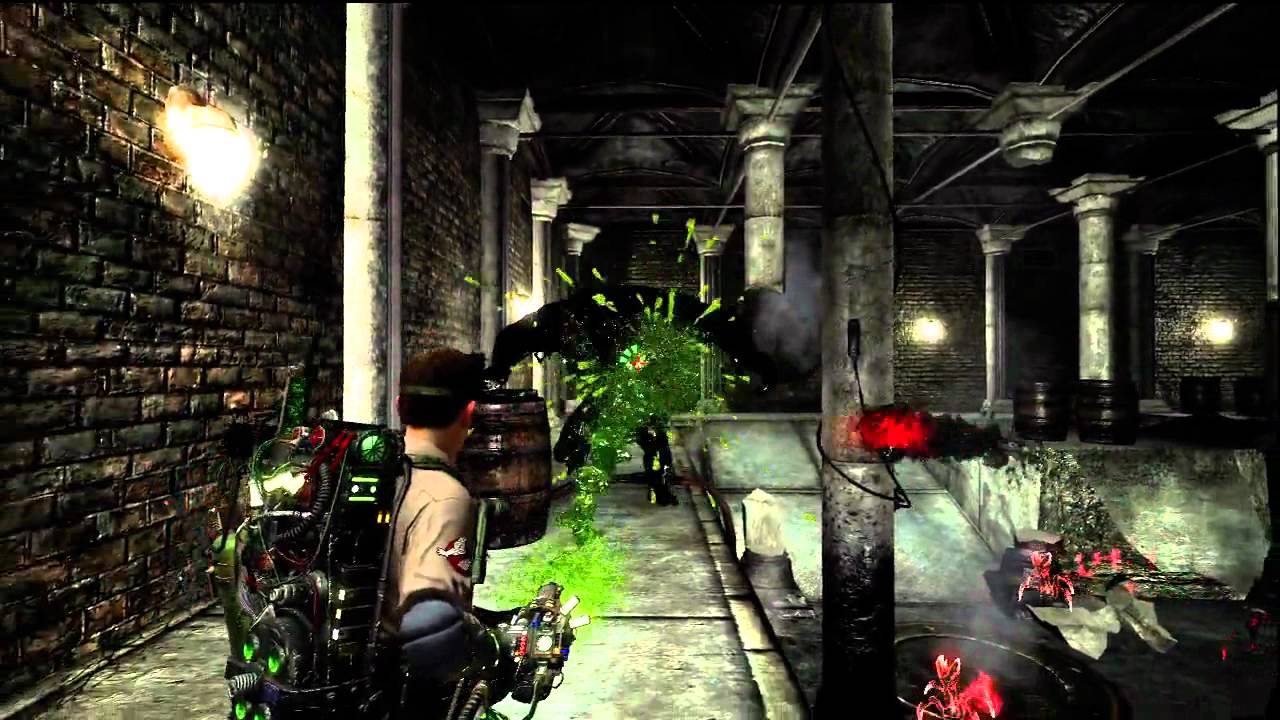
A lot of people consider this game to be the third Ghostbusters entry. There was a lot of skepticism around this game, and rightfully so. The franchise has always been in turmoil due to creators arguing and rights being discussed, but the game turned out great, if not forgettable. The story was pretty basic and paper-thin, but we got all the original voice actors, and they sounded good except for Bill Murray, who mostly phoned his lines in. The gameplay was fun, and you actually felt like a ghostbuster. The locales varied from the hotel to a library to a graveyard, and while it was short, it was sweet.
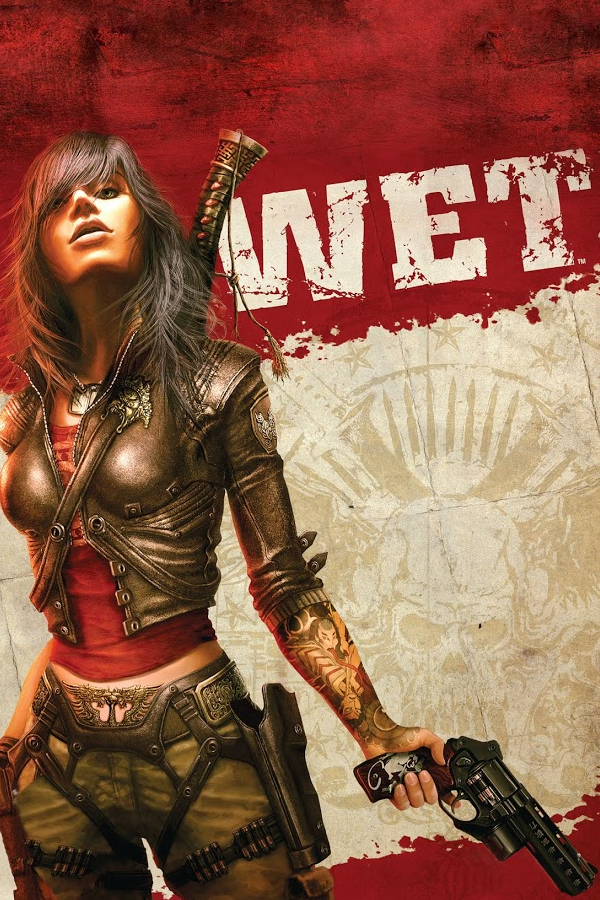
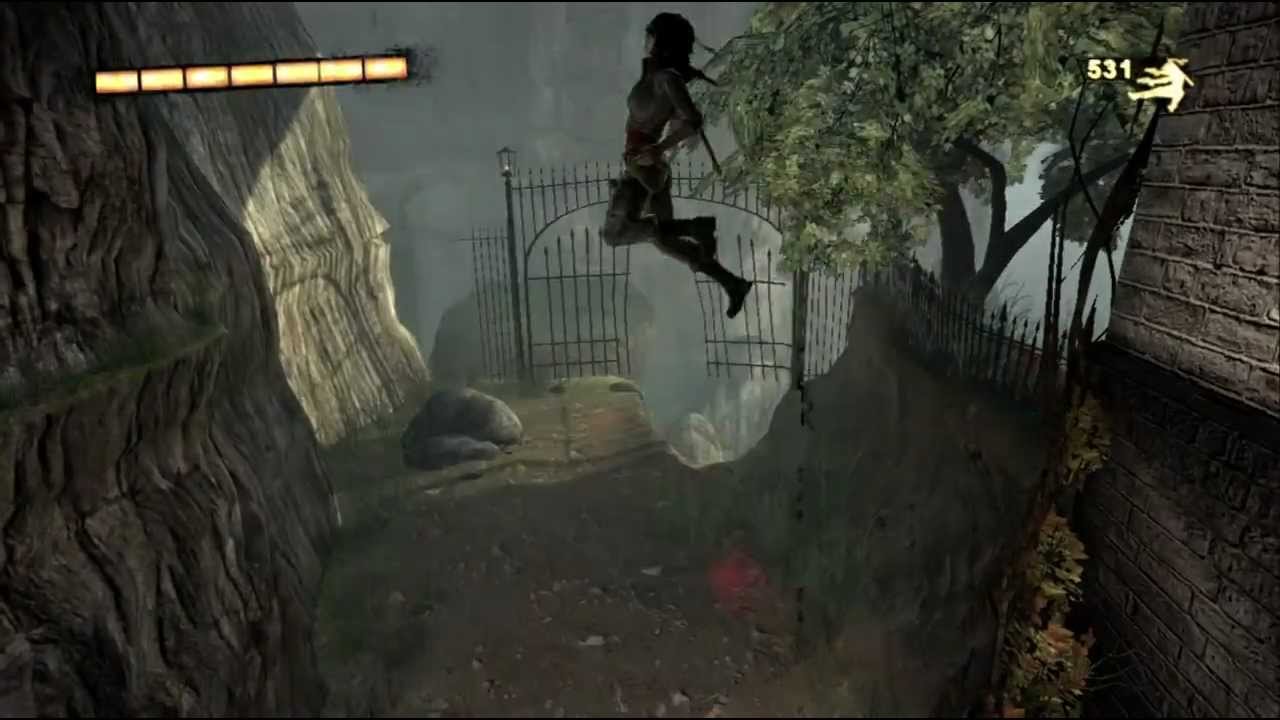
WET was one of the few new IPs during the HD era that never got a sequel due to poor sales. The game was a boatload of fun with varied gameplay, exciting visuals, an awesome protagonist, and a style similar to Quentin Tarintino’s films. It was brutal, looked good, and had tight controls. Sadly, the story was nonsensical, and there wasn’t anything to remember about the game after its short length. It’s still an awesome experience to this day and should be played by anyone who missed it. Sadly, it never got a PC release.
Alan Wake is one of my favorite games of all time. I picked this up on launch day and just remembered all the hype leading up to the release. It was supposed to be an open world, but then not; the story changed numerous times, and we never quite got an idea of what it was until just up until release. I have played through this game many times on both Xbox 360 and PC, and thankfully, the new remaster can be played by all. I eventually moved into the area where the film was researched. The PNW, and I’m not far from Snoqualmie, WA, where the setting was inspired. Whenever I drive around in more remote areas of where I live, I think of Alan Wake every time. It has the same atmosphere and feels like the game does, or the game captured the atmosphere here. The gameplay of Light vs. Dark is awesome and unlike any other game at the time. It has a confusing story, but after a couple of play-throughs, you catch what you missed.
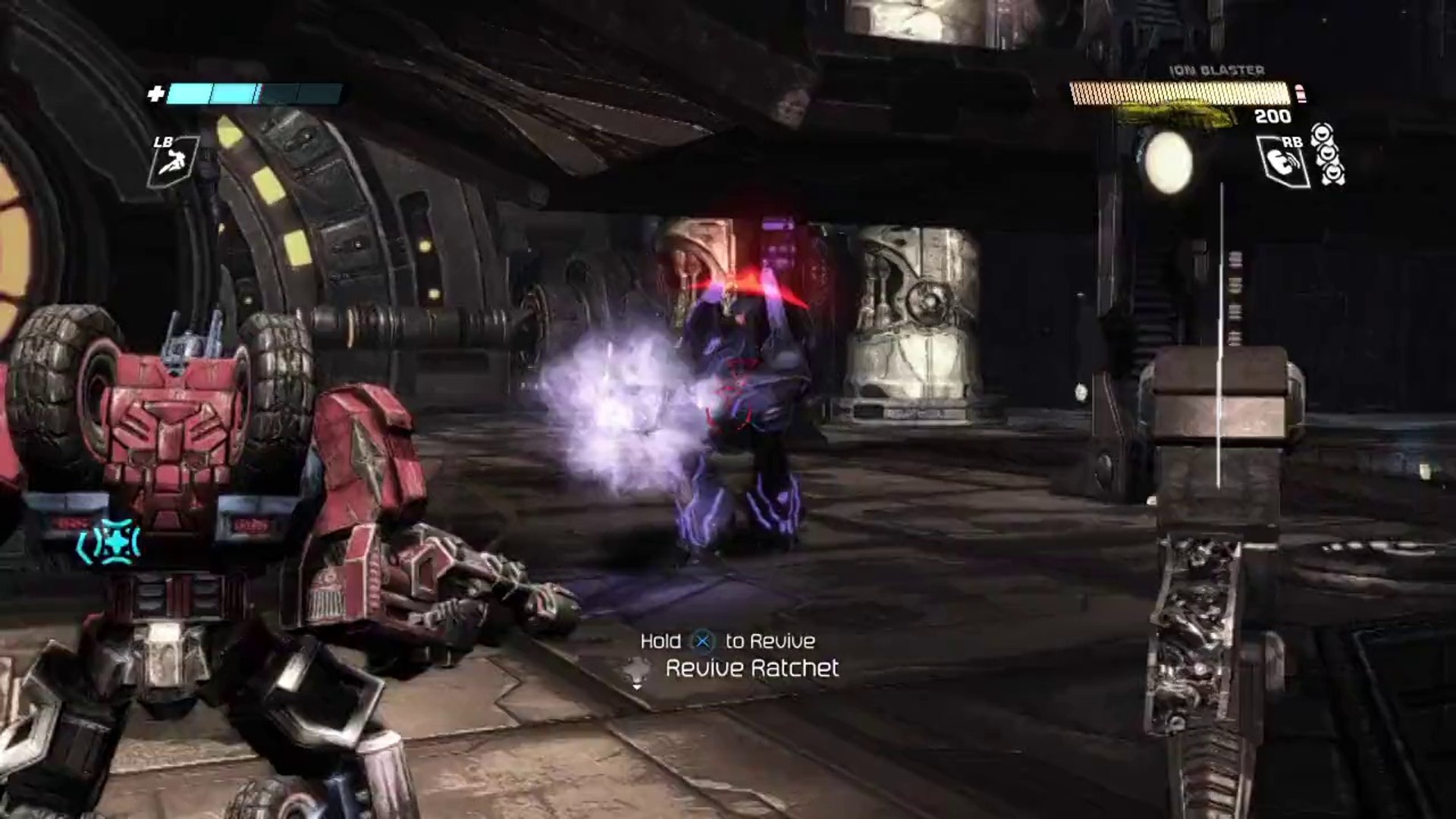
I have to be very specific here. There were a lot of Transformers games released during the HD era on both consoles and handhelds, and most were trash. What I’m talking about is probably the best Transformers games ever made, and these are both developed by High Moon Studios. War for Cybertron and Fall of Cybertron not only looked good, but you felt like a Transformer. The controls were tight; each character was detailed and had the same weapons and abilities as in the show. The story was a bit mundane, but it kept you going. Despite how good all of this was, the game was still repetitive and got tiresome towards the end, but thankfully that’s around when the game ended. Even if you aren’t a Transformers fan, these are great mech shooters in their own right.
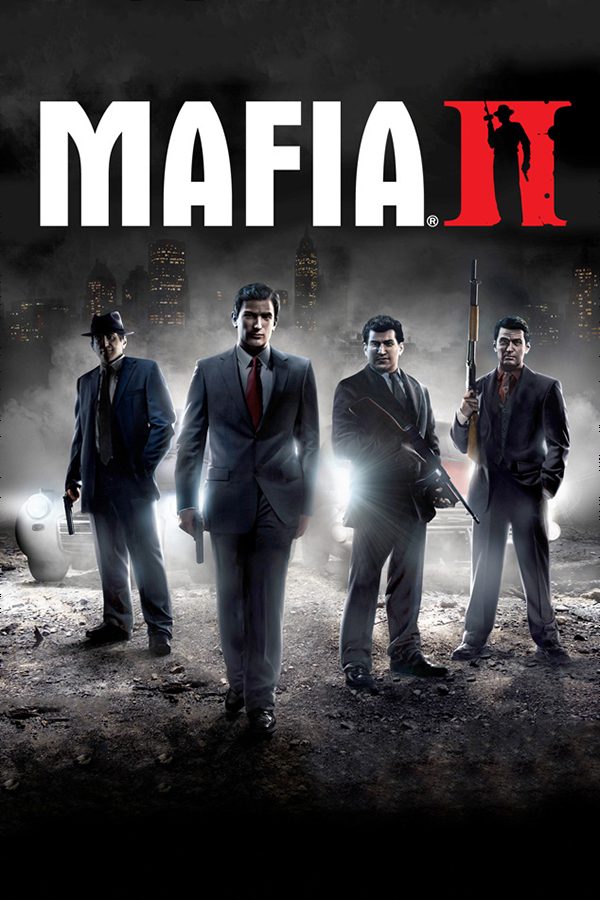
An open-world game, you say? You could barely call this game that. It’s an excuse to extend the game time and have driving missions. Outside of missions and going in between missions, there’s no reason to be out in the open world. It looks good, feels authentic to the time period, but is mostly pointless. The game has an entertaining story and characters, but they aren’t memorable or anything. The gunplay is tight, and the missions are varied. Overall, it’s a great Mafia crime thriller that you can kill a weekend with. The series has always been rough around the edges, but Mafia II is probably the best in the series.
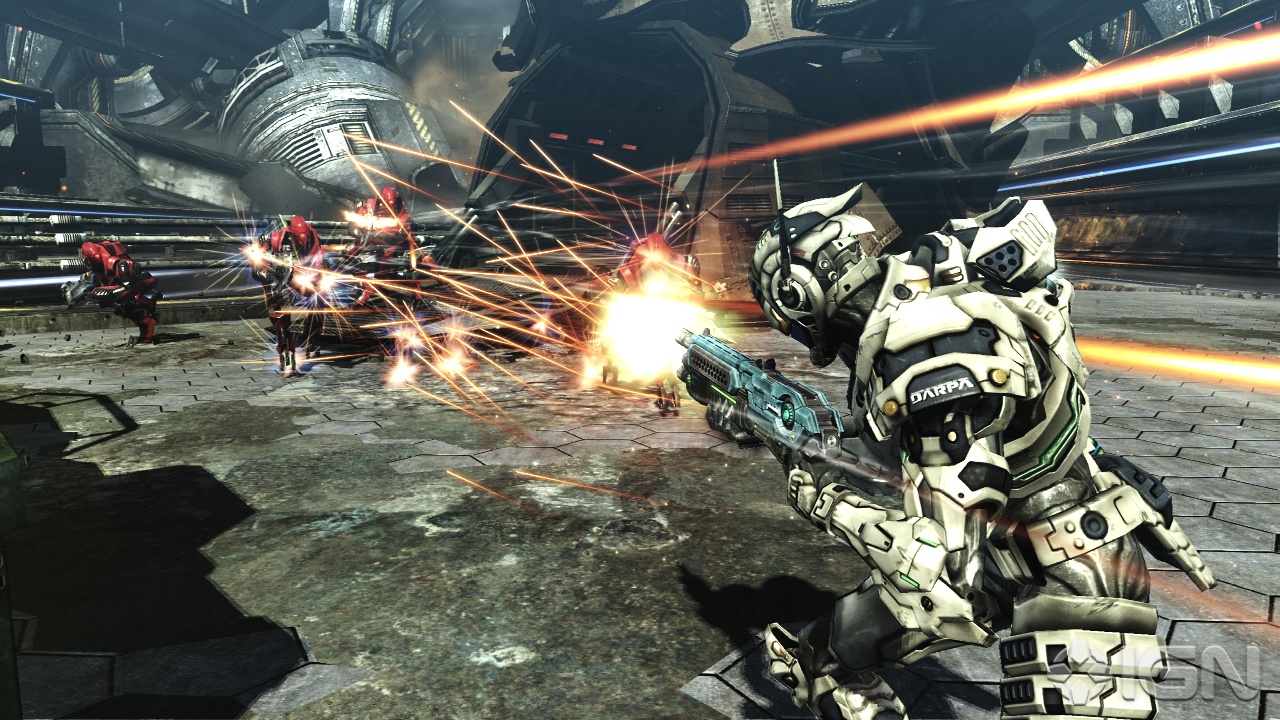
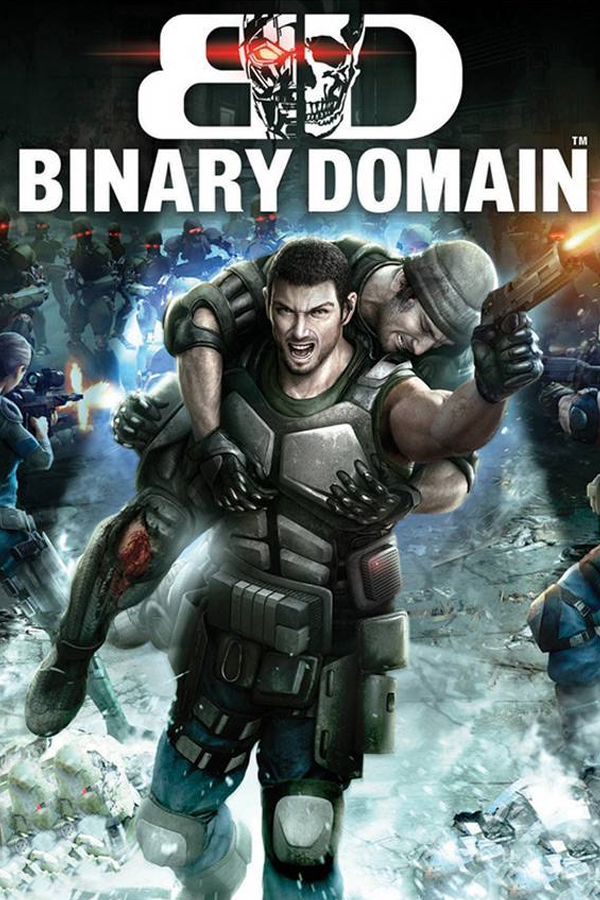
Vanquish kind of came out of nowhere. Like Wet, Binary Domain, Shadows of the Damned, and many other original IPs, it just didn’t sell very well. This was an era dominated mostly by sequels. Statistically, these mostly sold the most for any publisher or franchise, and with rising development costs and an economic recession, that’s what publishers stuck to. Vanquish was a gamble, and while it has its issues like severe repetition, a short length, bad voice-acting, and a stupid story, the gameplay itself is fast-paced, frantic, and tight, and it looked decent doing it too. Sure, it looks like any other Japanese futuristic military shooter, but the sliding gameplay worked here. Platinum Games was on a roll around this time, and every game they played paid off.
Around the time this game came out, I was living on my own and moving away from my parents. Money was tight, and I could only afford to rent games for a good couple of years. Shadows of the Damned is a perfect example of a rental you play for an afternoon or evening and send back. There’s nothing memorable about it; the story was dumb, the characters were lame, but man, was the game crazy! There were a lot of good ideas here, with interesting weapons and some crazy gameplay ideas and monster designs, but the game also looked ugly and dated. Grasshopper Manufacture’s Suda51 was pumping these oddball Japanese games, and some were hit-and-miss. This is still worth a bargain bin purchase for a fun evening.
This was another original IP in which the publisher gambled it would make big bucks, but this one did not. It just didn’t look appealing, but it played very well and was highly entertaining. It looked like another generic Japanese military shooter of the time, and most people passed it up. What was here were entertaining characters, bombastic gunplay, and just an overall really fun time. This is a great evening and shouldn’t be missed.
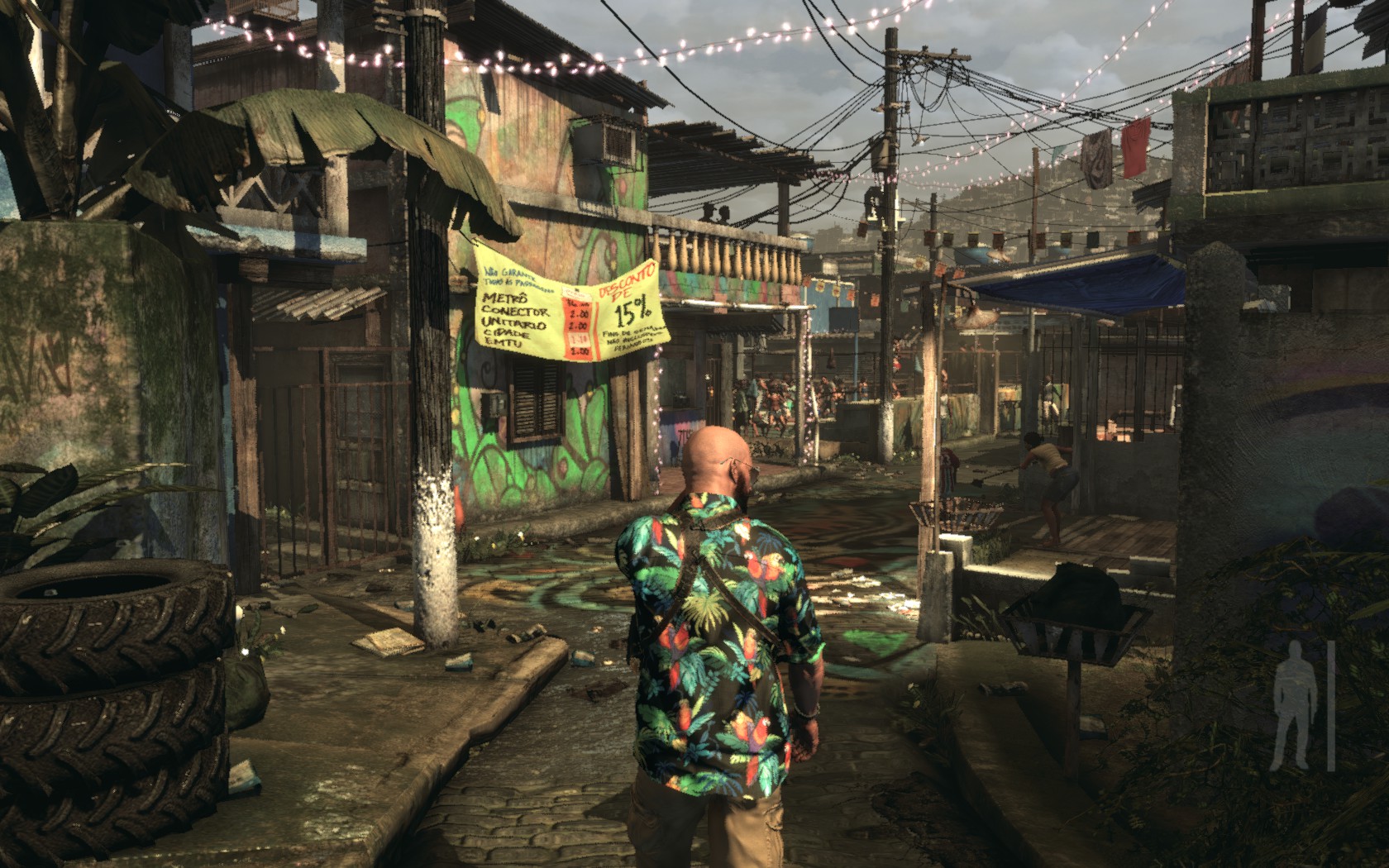
This was a hotly anticipated sequel. The original two were from the previous generation of consoles, so what would Rockstar do to bring it up to speed? Well, not much. The game is mostly the same overall but has a much longer length. While Max himself is a treat to see and hear on screen, everyone else makes this feel like a generic drug cartel B-grade story. The gameplay is pretty thin, too. You just shoot everyone in sight, activate bullet-time, and heal. That’s all you do in this game. The weapons feel great, the cover system works well, and the production values are top-notch, but the game also looked dated on consoles and only looked really good on PC. I remember this game struggling in DirectX 11 on my gaming laptop and wouldn’t run very well. It was state-of-the-art tech-wise.
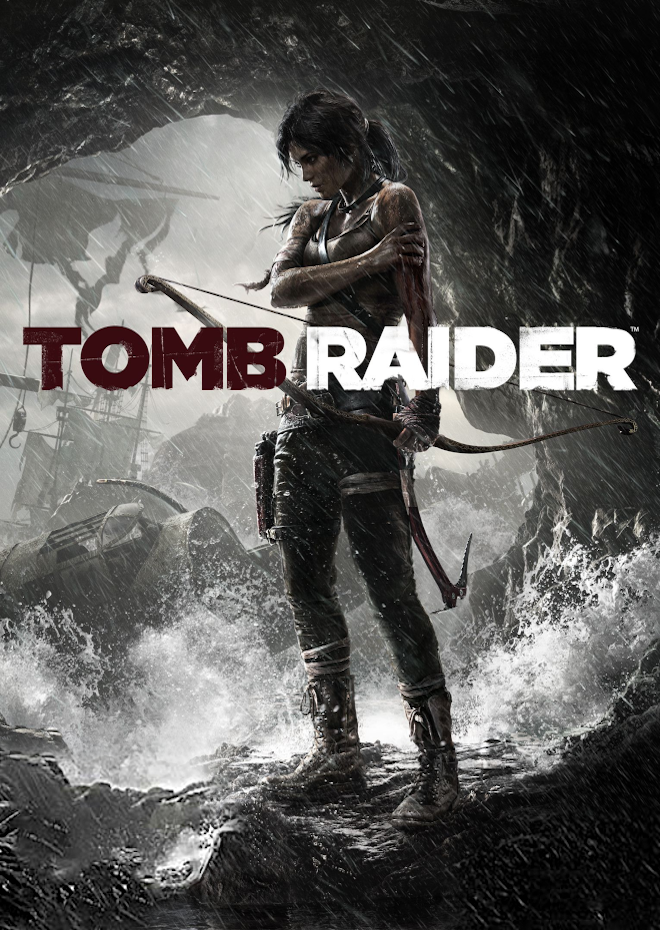
This was probably one of the biggest and bravest franchise reboots of all time, but let’s not talk about those yet. The Tomb Raider series had two reboots in the same generation cycle. Legend came out right at the tail end of the sixth-generation consoles, was later released on Xbox 360, and looked amazing. Legend had tight controls, fun puzzles, and classic Tomb Raider gameplay. Later, a remake of the first game was released as Anniversary, which played well across all platforms. The Wii had its own unique version, and the game somehow even looked good on PS2! Even the PSP version was rock-solid. Lastly, Underworld was released with larger levels, a bigger story, and improved visuals. This trilogy was awesome, but it wasn’t enough! Tomb Raider then rebooted to some chagrin. Lara Croft was a sex symbol, and when Crystal Dynamics took that away, fans revolted. They wanted Lara to be more human, more believable—a Lara that wasn’t a superhero. The reboot is one of the best games in the entire HD era of consoles. It had cinematic, bombastic gameplay, tight controls, and an awesome, semi-open-world experience.
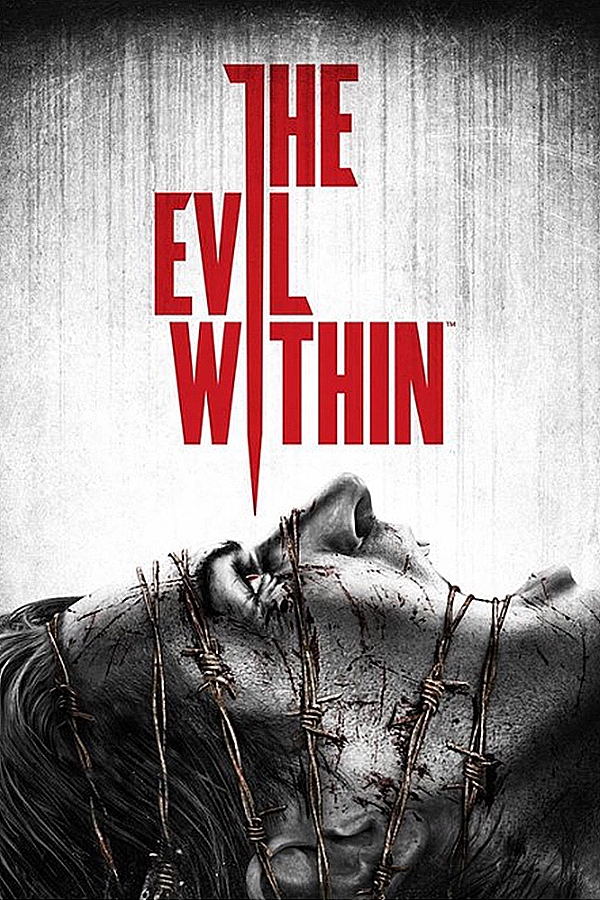
Despite coming out at the tail end of the seventh generation cycle, the game still looked decent on PS3 and Xbox 360. I played this on PS4, but it was probably one of the few good horror titles to release on the HD consoles. While the game had awesome monster designs and was quite scary in some areas, it was poorly balanced, and I couldn’t decide if it was a survival horror game or an action game. The game felt like a chore to get through, but playing on easier difficulties would probably remedy this. It’s a memorable experience due to the awesome art design and monsters, but the story itself is a convoluted mess.
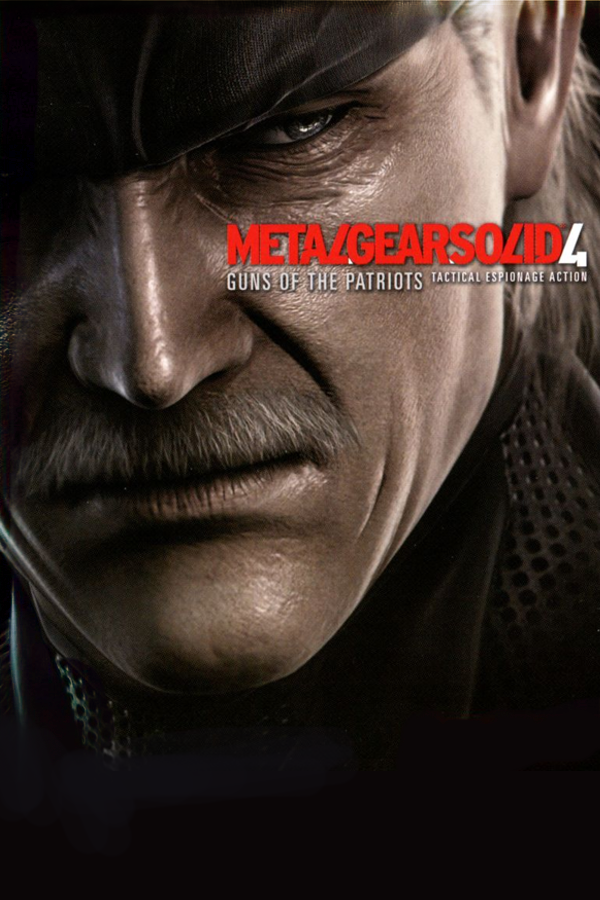
Metal Gear Solid didn’t see many releases during this time because Hideo Kojima took his time with them. MGS4 was probably one of the most anticipated games of all time and a huge PS3 seller. I remember when I picked up a slim PS3 in 2009, MGS4 was one of the games that came with me. It was absolutely fantastic in terms of visuals and production values. While the cutscenes could sometimes drag on for as long as 45 minutes, they were entertaining all the way through. The multiplayer component was hugely popular but wasn’t enough to keep the game afloat. Later on, MGS5 would also release on Xbox 360 and PS3, but it wasn’t the ideal way to play. It was pretty ugly and dated, and clearly it wasn’t meant to run on this ancient hardware. There was a fantastic HD remaster of MGS2 and MGS3 that was a blast to play through. Overall, it was a good era for the franchise, and probably the best overall.
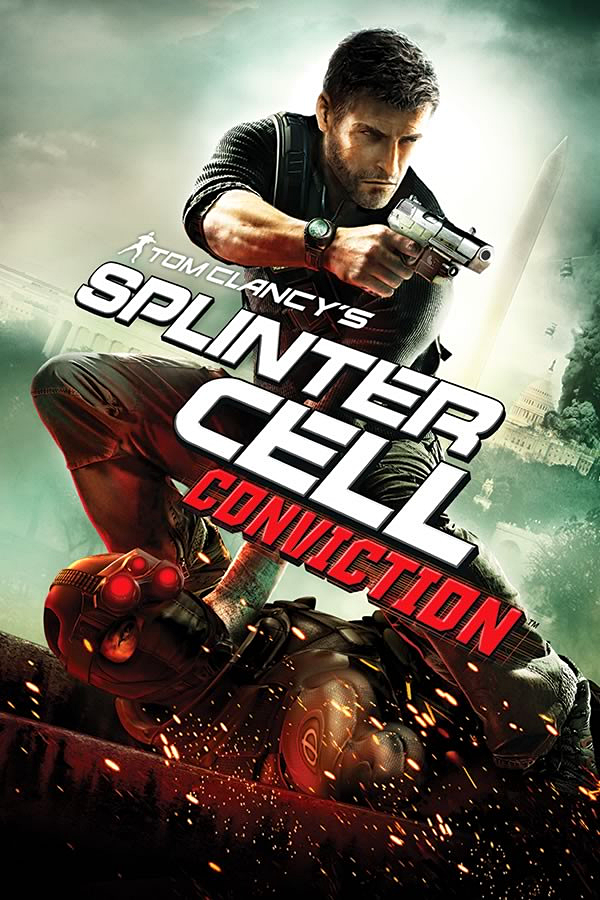
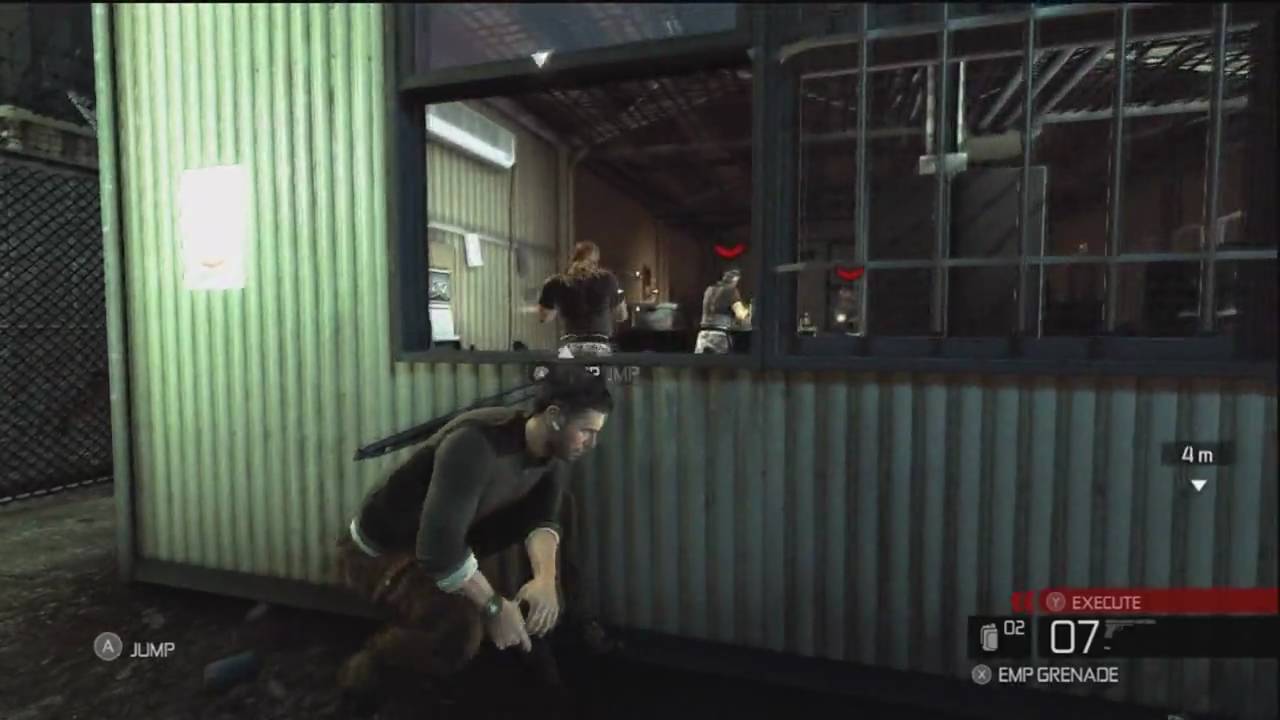
The Splinter Cell series was a massive hit on the sixth generation of consoles, mostly a huge seller for Xbox consoles. The series debuted on Xbox 360 with Double Agent, but it didn’t sell super well. Conviction was a kind of reboot for the franchise, making it more streamlined and a little less clunky. While the story was forgettable, seeing Sam Fisher on screen is great, as he’s a powerful character. Michael Ironside does a fantastic job with him. The game was a lot of fun and paved the way for Blacklist later on, which was also solid but not as good.
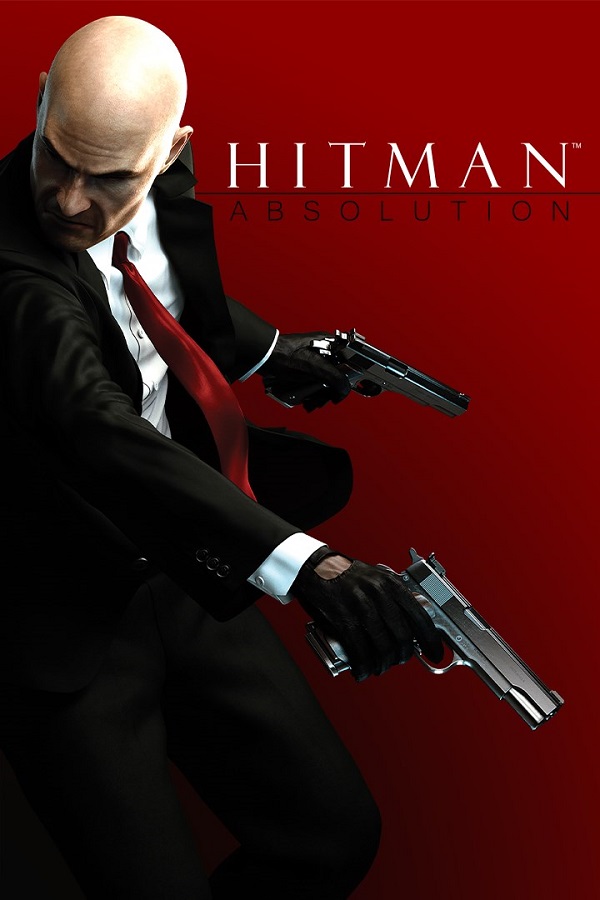
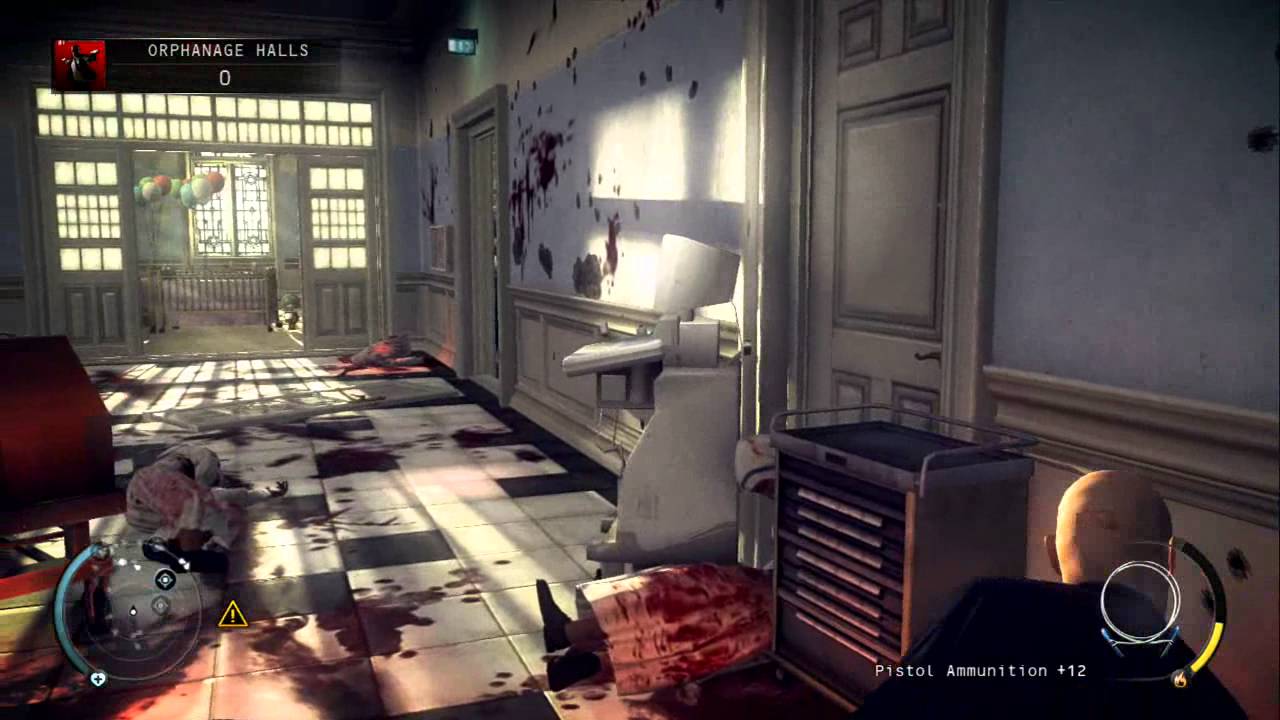
The Hitman series had a reboot of sorts with Absolution, but Blood Money was an HD port of the sixth-generation game on Xbox 360 and was a pretty awesome game. I remember playing it and finishing it on PS2, and I had a blast with it. Absolution looked pretty good for the dating hardware, but I played it on PC, and I remember the DirectX 11 mode pushed my gaming laptop beyond its limits and chugged a lot. Absolution had more memorable assassinations and some awesome levels. Later on, the series would reboot again, but these were the only two Hitman games released on the HD consoles. There was an HD remaster of the first three games released, which were also quite entertaining. Overall, you got the entire Hitman package on these systems.
This was a huge surprise and a sleeper hit. The Dead to Rights series isn’t well-known for being all that great. I remember playing the original as a kid for the PS2, and only the stripper scene stood out for me. As a hormone-enraged pre-teen, I would constantly replay that level to see that scene when my parents weren’t looking. However, I totally skipped the second game, and the PSP game wasn’t all that great, but Retribution was a huge surprise. I rented it from BlockBuster, and it was super entertaining. Using your dog as a companion was awesome, and the game also looked good. While the story was pretty dumb, the game overall was super entertaining.
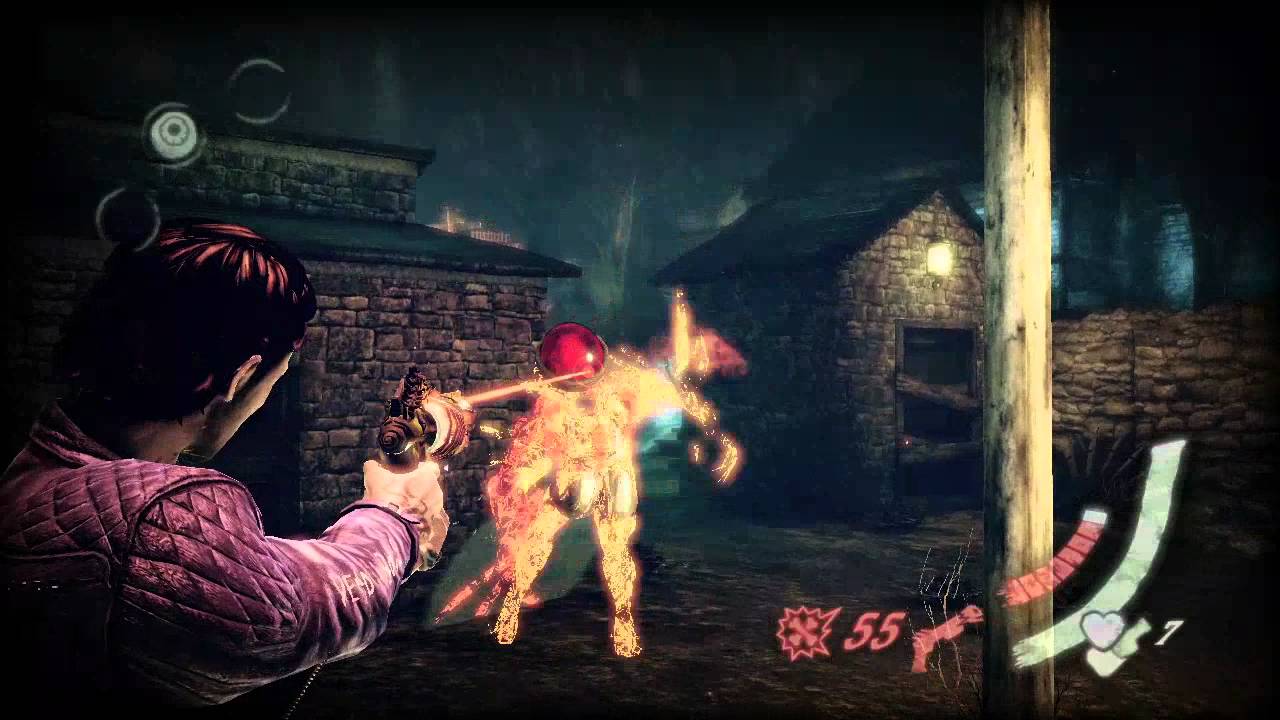
Another awesome sleeper hit. This was a rental for me, and I highly enjoyed it. The Glaive system in the game really stands out, and the graphics were pretty good as well. It had a nice art style and atmosphere and really sucked you in despite the forgettable story (what story wasn’t back then?) The gunplay was tight, and there were some fun environmental puzzles you had to solve with the glaive as well. This is a must-play if you missed it, and it’s just too bad the game didn’t sell well enough for a sequel. Another great shooter lost time due to poor marketing.





































































 thebinarymessiah.com
Try multiplayer. A lot of fun !