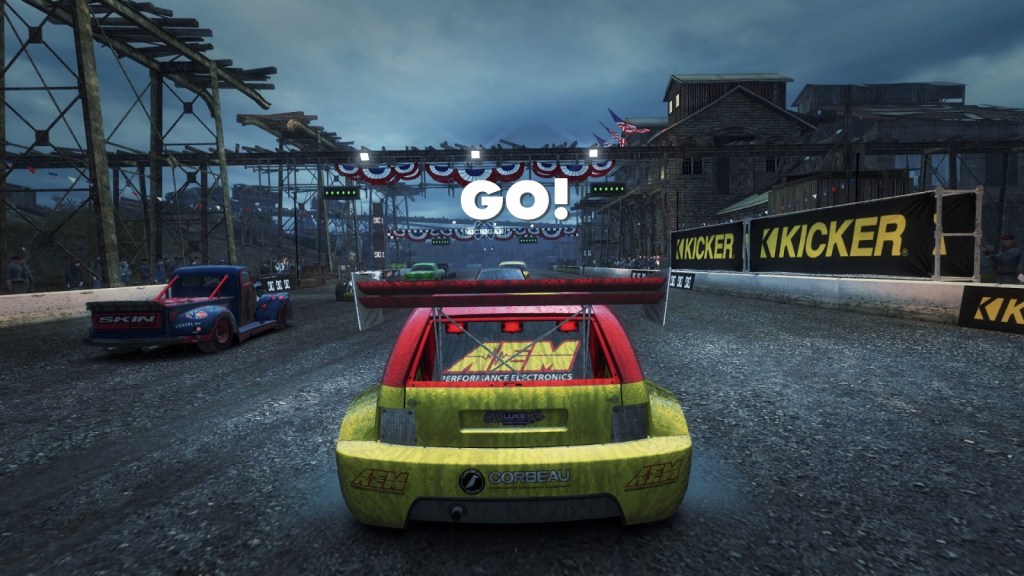
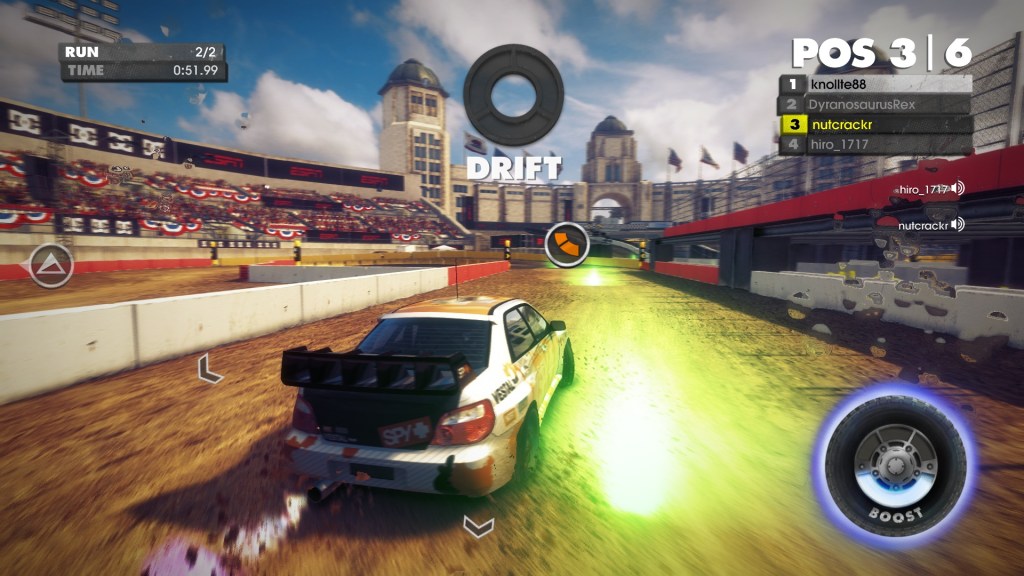
The fourth DiRT game to come from Codemasters was out of the left field. A rally racing simulator turned arcade demolition derby? The truth of the matter is that the game is solid and is a lot of fun with friends. The single-player AI is frustrating and annoying, but after you finish these events for achievements, you won’t come back to it. Some people seem to be pretty harsh on the game, so let me stamp out a few fires here. It’s the AI that makes it feel like you have low top speed. The game has a very fast sense of speed, but Codemasters chose to use the much-hated “rubber-band AI.”.
There are several events you can play, such as 8-Ball, which reminded me of Hot Wheels’ Criss-Cross-Crash track set from when I was a kid. There are good ol’ demolition derbies and regular race-offs. There are no real-world cars available for these events, only in Gymkhana. I’m kind of torn with this event because I found it too difficult in DiRT 3, even with all the assists. I found it much easier this time around, but the only event I really liked was one where you had to smash down colored blocks in a certain order.
Other than that, the game is a standard DiRT affair. Beat the main event, play online, rinse, and repeat until you race yourself to boredom. I found playing online a ton of fun, but after a while, the novelty wears off, and you get sick of the game after a while. If Codemasters put some other gameplay elements in here to deter that, it wouldn’t be this way. From what we have, DiRT: Showdown is an extremely fun arcade racer with gorgeous visuals, but don’t expect to stay for too long.
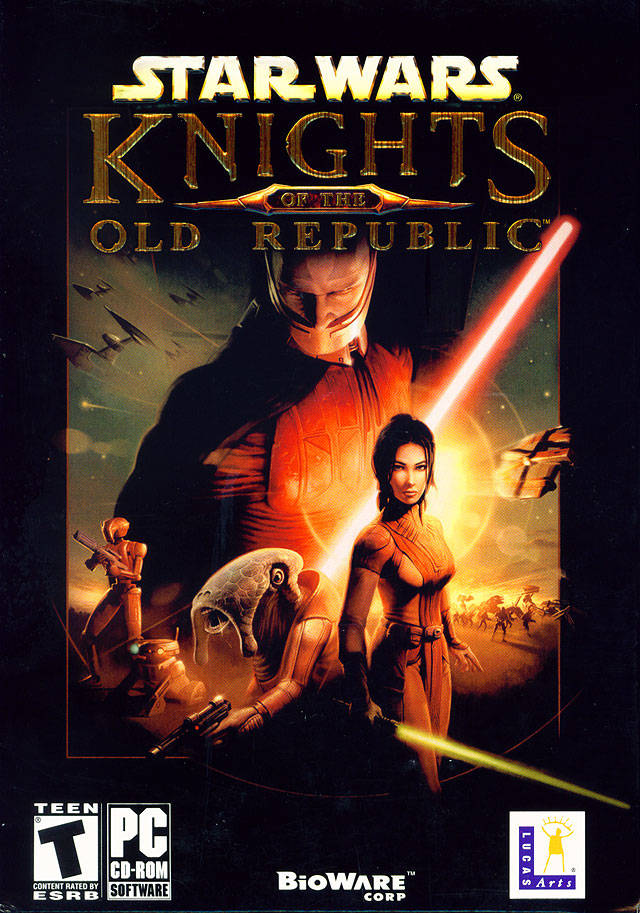
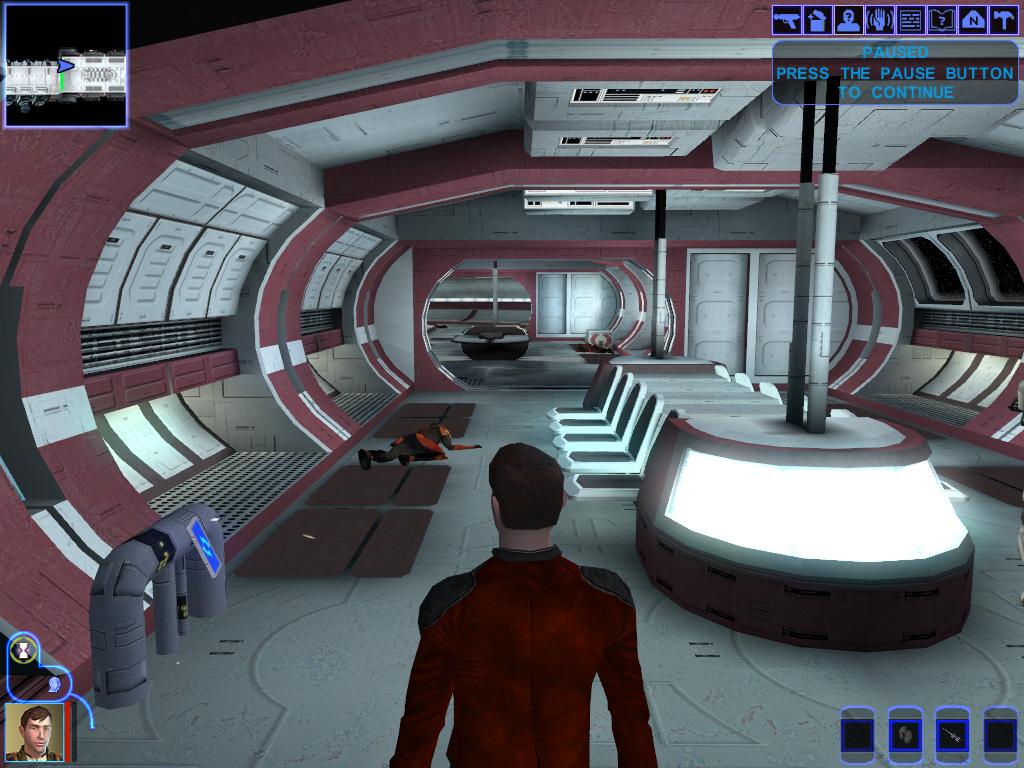
BioWare is a company that revolutionized the action RPG genre for the western era. In a time where Japanese RPGs dominated the market, BioWare was sitting in a little studio, churning out one of the best RPGs of all time. I remember when I was younger how much of a big hoopla this game was. For someone who didn’t own an Xbox or a PC that could run the game, it still slipped under my radar. I eventually got a chance to rent the game years later on 360 and quickly got bored due to its age. I finally picked it up again on the PC, and I am glad I did. The game may feel very dated and old (an entire decade), but there’s no denying the excellent story and well-crafted atmosphere that truly feel genuine in the Star Wars universe.
You play a custom character that has to defeat the evil Sith Lord Darth Malak. He has found some sort of Star Forge to use against the Republic, so you are shadowing his footsteps to find the star maps to this star forge. This takes you across several planets, such as Tatooine, Dantooine, Kashyyyk, Korriban, Kevin, and even Taris. You acquire companions of all types along the way and endure some pretty tough battles and story choices. You have to constantly choose between the light and dark side during choices, and there are plenty of ways to go about the story.
Firstly, you can choose any world in any order. Each one is roughly laid out the same, with a larger hub area than an area beyond where your main quest and some side quests lie. I got rather annoyed with the constant similar layouts and wished for variety. Each world has the Star Map area blocked off until you fix some global catastrophe on the planet. Some are so serious that your decision will determine if you are allowed back on later. Besides running around and talking to people to get quests and buy stuff, the combat and customization are fathoms deep; fans will be pleased.
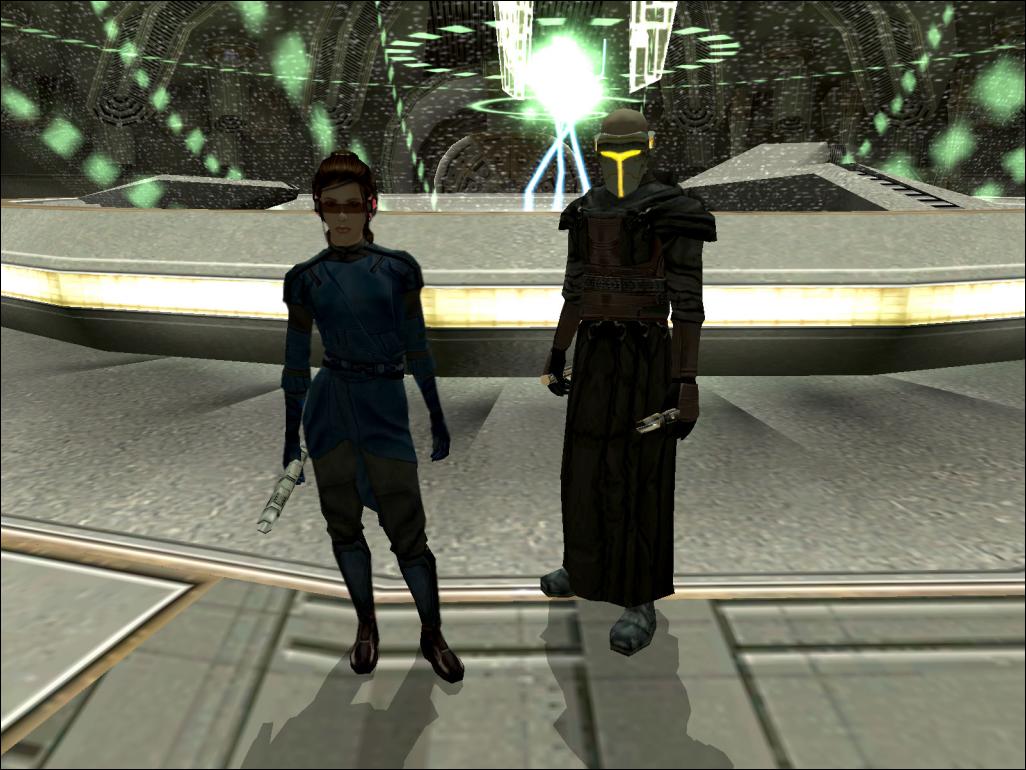
You can customize your character with a plethora of items, such as implants, shields, different weapons from lightsabers, blasters, vibroblades, belts, armor, robes, and headgear, and I haven’t even started on leveling up. You should pick your character based on how you’re going to fight. I chose to use melee weapons because you eventually go through Jedi training and get your first lightsaber. I have to say that this brought a smile to my face when I inserted my crystals and watched my character whip around those sabers with the classic lightsaber sounds. Nothing can top that.
The game allows you to customize all your items by inserting upgrades that you find or buy. This is mandatory because there really isn’t a “most powerful weapon in the game.” You just get a powerful weapon, and you have to upgrade it, or it won’t do you much good. Other than this, there is the deep leveling system. You can choose an attribute, feat, power, and skill. Feats affect what you use physically in combat and what combat attacks you can use. Powers are forceful powers, and there are plenty of them. All the light and dark powers you can possibly think of are here. I had a lot of fun using them in combat and getting an edge over certain enemies. The level cap is at 20, but most people probably won’t even hit that by the end. I finished at level 18 and didn’t have too much trouble finishing it. You can even choose how your companions level up because you can control them too! This is great for people who like variety and can’t have every skill available for their character.
Combat is turn-based, with dice rolling behind the scenes. I really would have liked real-time combat, but what’s here is exciting and fun on its own. There are tons of different enemies to fight on each planet, and some are harder than others. I found the game really hard at first, but after a while, you will level up and find the game very balanced. There are some issues in combat that just really annoyed me. There seems to be a targeting problem in small areas. When you click the action you want, the characters will get stuck in an endlessly looping animation if there is someone in their way. This can cause you a battle because you have to disengage and restart the attack or move around the obstruction. This happened quite a lot, but you will learn to just live with it.
While the story is interesting and choosing how dialog will change it is fun, there are some issues here. Instead of your choice being final, some dialog trees will allow you to go back and change your answer, or no matter how you persuade or force persuade, neither will work and you can’t continue the dialog. This is usually on side missions, but I have never seen the persuade option fail so much in a BioWare game. No matter how much I leveled up my persuasion attribute, I failed an awful lot. Other than this, though, my other issue is that some dialog just drags on way too long. I found myself skipping a lot of it or just reading ahead of the voices. These, again, are just minor issues that can be overlooked.
The graphics in the game look old and terrible these days, but back in the day, they looked amazing. I can see why it looked so good then, but you can still feel the Star Wars atmosphere, and that’s what counts the most. The character models and animations are stiff, blocky, and repeat a lot, but overall they work. Even some of the voice acting is spotty at best, but overall it is pretty good.
KotOR is an amazing Star Wars experience, but the age may turn a lot of people off. My biggest issue of all is that the game doesn’t give any clues on where to go. You get no hints and are left on your own to just figure out what to do. I had to use a walkthrough through most of the game because I had no idea where to go, or some quests were very cryptic. This is a huge no-no for me and really hurts the score the most. Overall, this is an amazing Star Wars game, and any Star Wars fan will love this game.
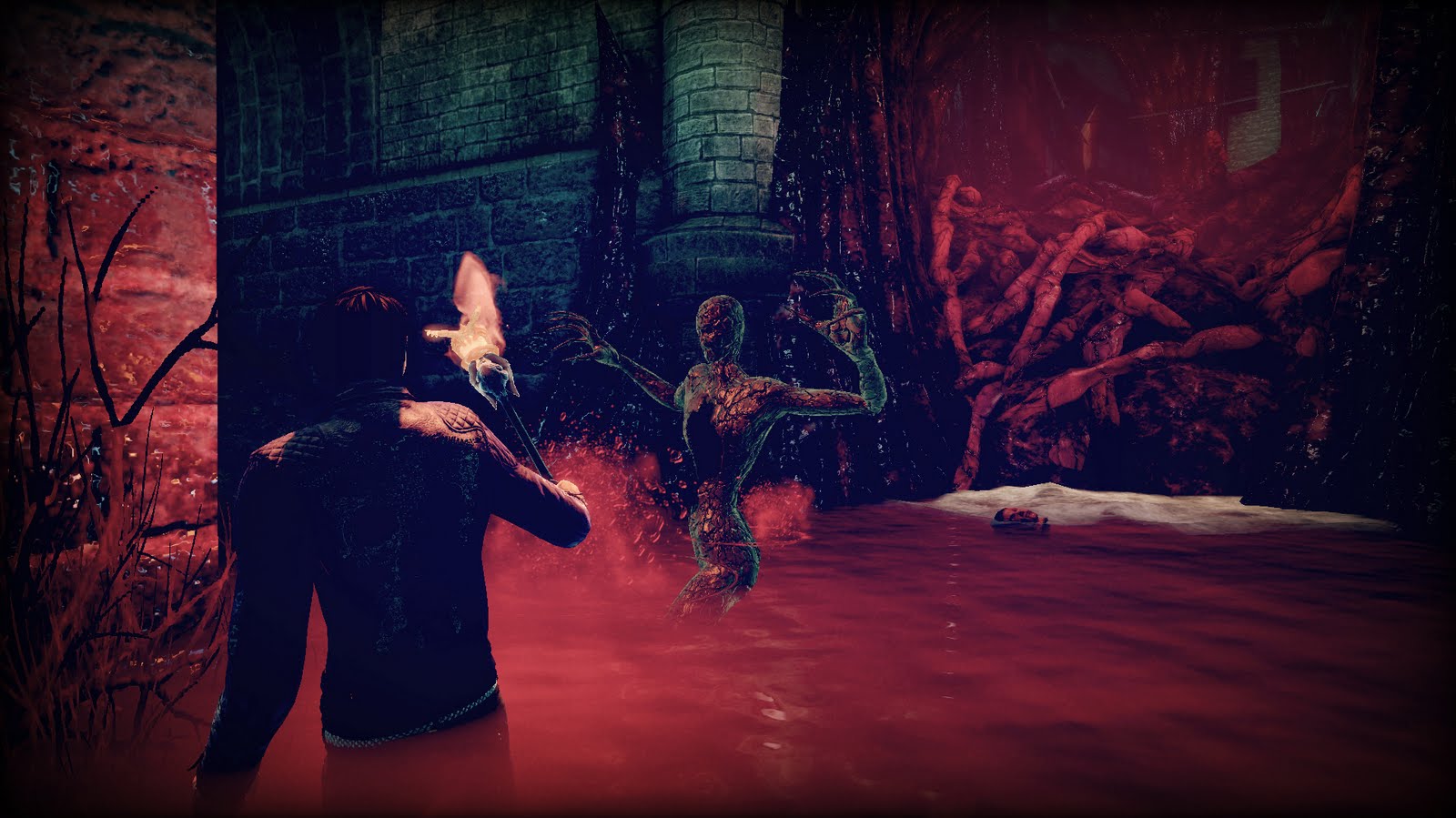
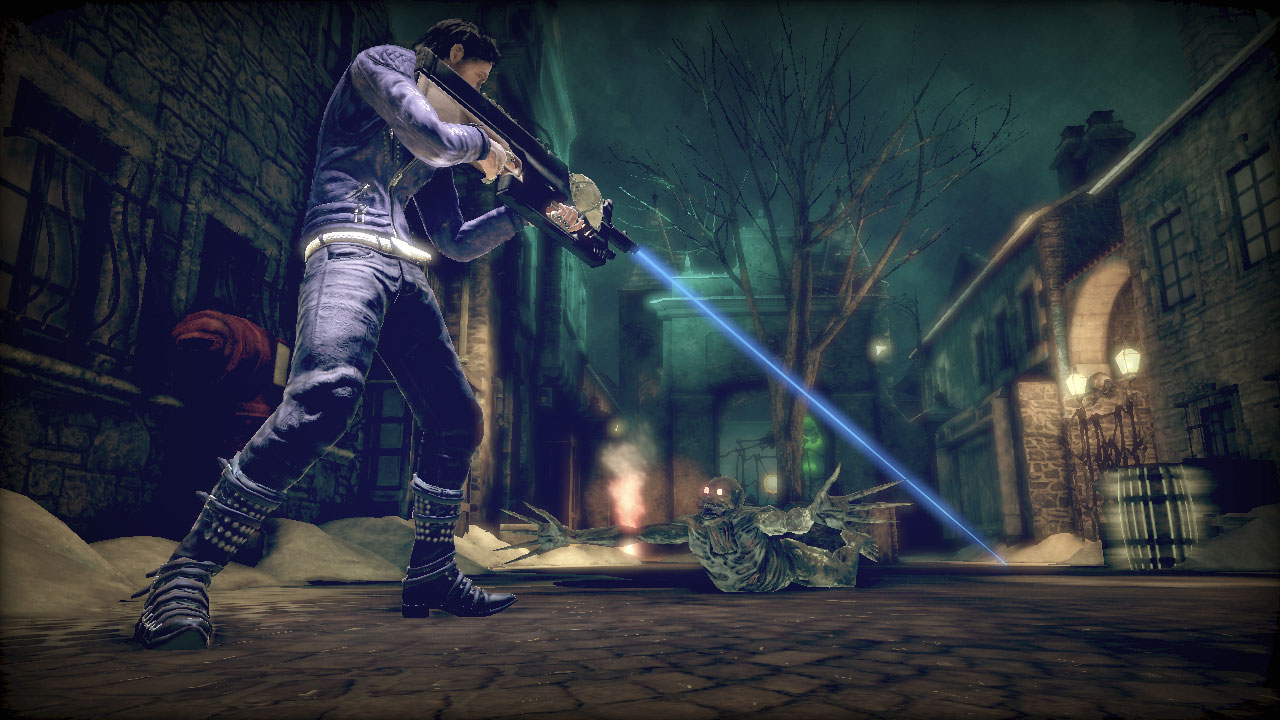
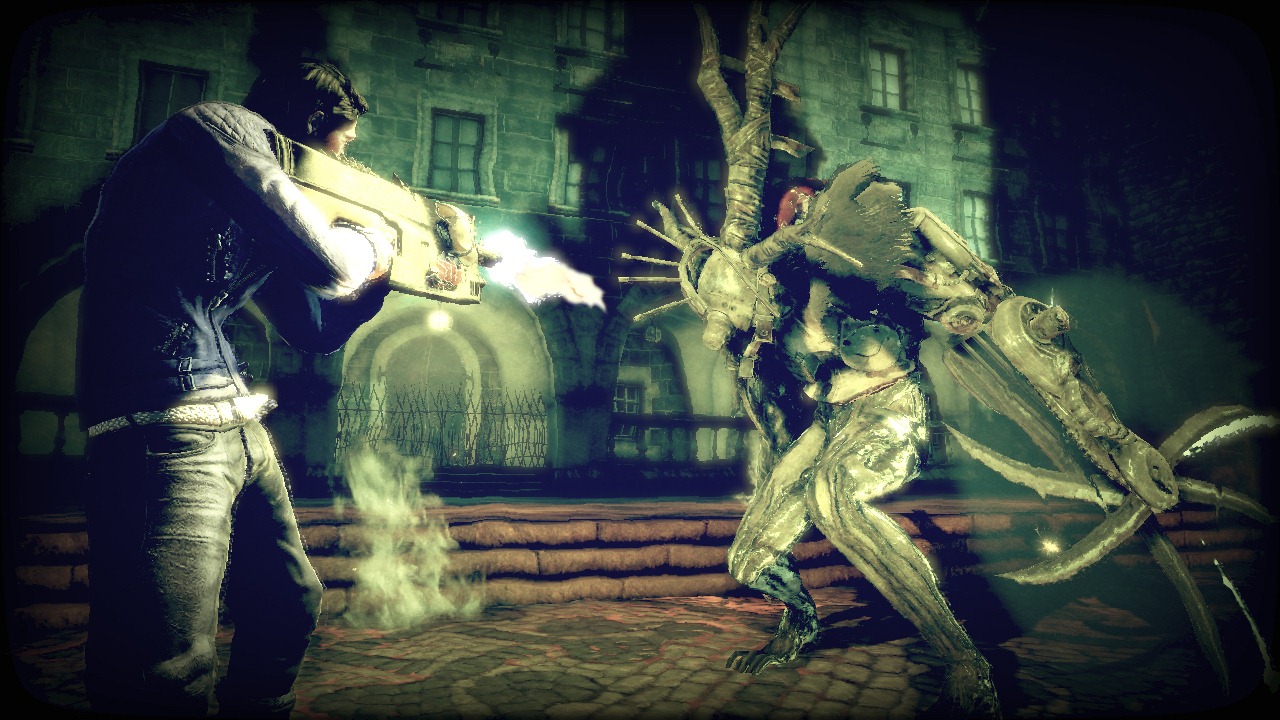
During the first 10 minutes of the game, the first thing you will think is, “WTF?” There’s nothing else to describe this game full of childish, mature humor and sickly, twisted ideas. That’s not to say that it’s bad. Most of the humor in the game is actually so childish and gross that you can’t help but laugh. Some stuff is downright hilarious, such as Johnson’s Boner Gun. Before I get into any detail, I have to say the story is pretty entertaining if it is straightforward and simple. You play Garcia Hotspur, who is a Mexican demon hunter and has a demon accompanying him in the form of a floating skull named Johnson. I didn’t really care much for Garcia because he is a typical potty-mouthed action hero, but I found Johnson to be the steal of the show. He’s a posh British demon that uses clean cuss words and is a stark contrast to Garcia, which makes him more likable and hilarious to listen to. Garcia is trying to get his stolen girlfriend, Paula, back from the demon lord Fleming, and of course, you follow him into the depths of Hell.
That’s about it, as far as the story goes. There’s a small twist at the very end after the credits, but after you see it, you won’t be surprised it happened. The main attraction is the banter between Garcia and Johnson and the stories you read throughout the game. Some of these made me bust up because they were so funny. Other than the story, I have to say that I really love the guns in this game. The creators force you to use all three, but they are upgraded so much that they feel like whole new guns throughout the game. Boner is your pistol, Teether is your machine gun, and the Skullblaster is your shotgun. These can be upgraded by finding blue gems from bosses. Boner turns into Hot Boner, which can set explosive mines; Teether can get a homing upgrade; and Skullblaster will eventually get an upgrade to create giant bombs. You can find red gems throughout to upgrade your weapons and health. Garcia guzzles down alcohol to heal himself because, apparently, alcohol keeps you alive in Hell.
The game works around a light vs. dark gameplay idea, and it works well. When you are surrounded by darkness, your health depletes, and you need to shoot a goat candelabra to return the light. Yeah, it’s weird, and that’s only the beginning. Gate keys consist of shoving strawberries, eyes, and brains into creepy baby faces that are guarding the gate. One level even has you walking over a giant, naked Paula. The game never stops delivering weirdness, and that’s exactly what makes this game so fun, because hey, it’s a Suda 51 game; what do you expect?
There are a few puzzles thrown in that can be fun because they are straightforward. I didn’t even need a walkthrough to get through this game. Even the boss fights use light and darkness to be beaten. In the darkness, you can only see the weak spots of enemies, so you have to quickly shoot them because you will die. This sounds frustrating, but it’s not. You get a darkness shield that depletes before your health starts going down. The enemy design is pretty crazy but repetitive. I got tired of shooting the same demons all the time. The whole game overall is repetitive in nature because it uses the same few elements mixed around a lot. My least favorite idea was the 2D shooting levels. These were frustrating and felt like pointless filler. There’s a fun boss fight at the end of the third level, but I could have gone without these.
After you beat the 8-hour game, there’s no reason to go back. There are no multiplayer or extra modes, which is a shame. I guess if you want to collect all the red gems, you can, but why bother? This is a fun weekend rental or cheap bargain bin purchase, and nothing more. If it weren’t for the repetition set throughout and those pointless 2D levels, I would have liked this a lot more. Garcia is a hard character to like, and the story is simple and straightforward. Overall, though, this is a solid game and highly entertaining. Just be warned that mature content isn’t for everyone.
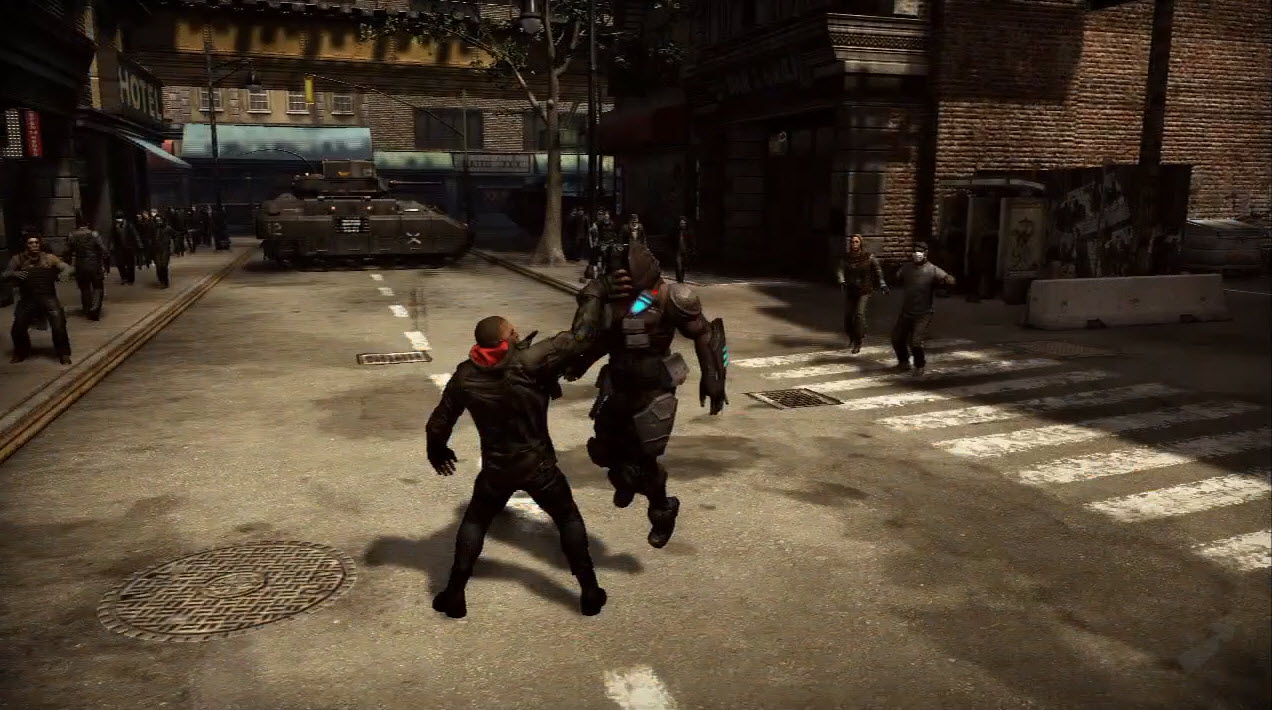
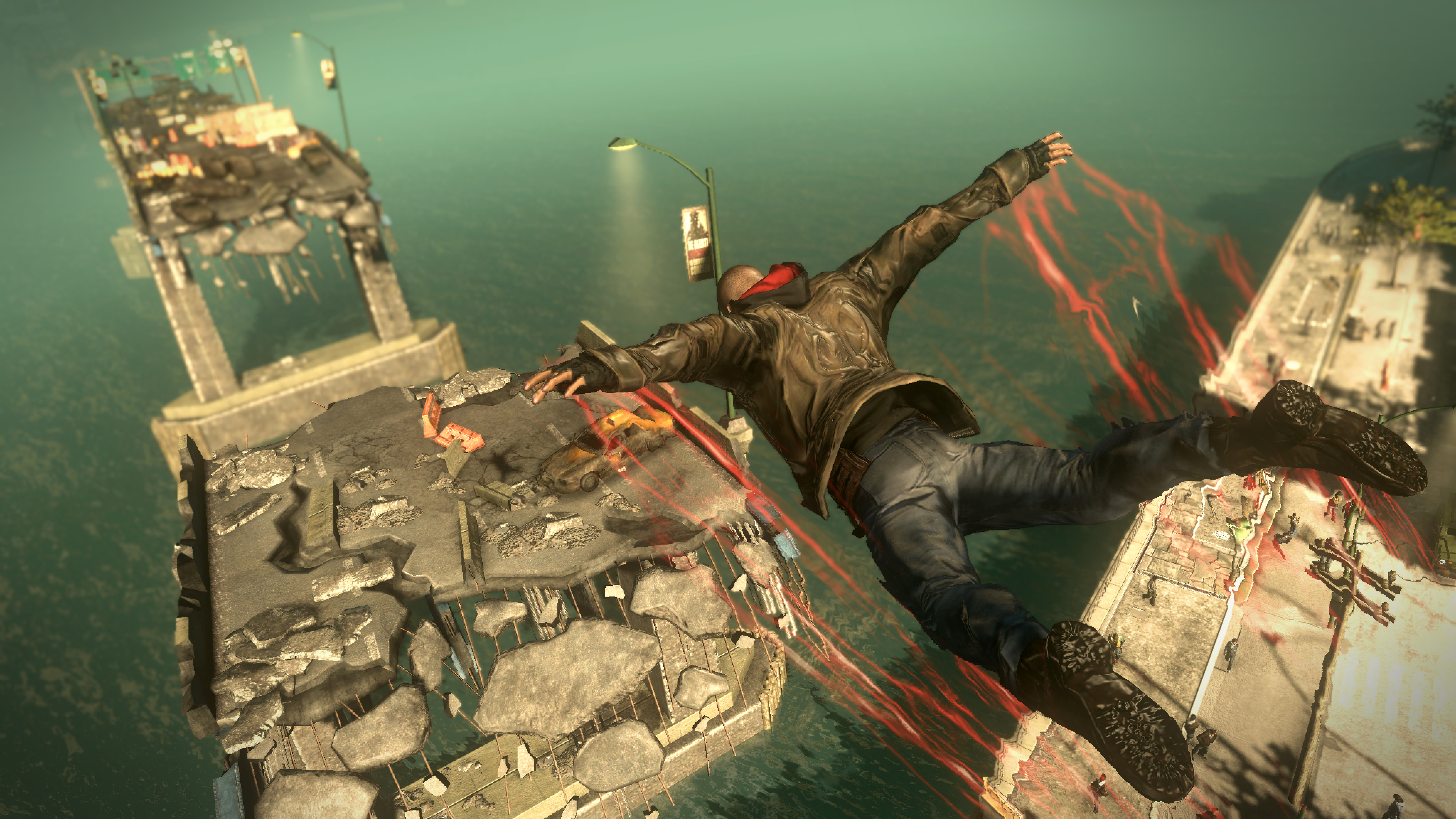
Prototype 2 is a huge improvement over the first game in every way possible. The first game was clumsy, lifeless, and just got boring after a few hours. Prototype 2 is streamlined and even changed the gameplay style to that of a hunter instead of a destroyer. The game is so much fun that I hope people who didn’t like the last game will come back, like I did, and enjoy this game. You play James Heller, who gets turned into an Evolved by Alex Mercer. His goal is to shut down Blackwatch and Gentek, who are trying to test a biological weapon on the populace. Alex Mercer is now your enemy, and you must take revenge for the deaths of your wife and daughter.
The story is actually one of the first things that you notice is improved. The first game had a disjointed, irritating way of telling the story; it was random and mashed around. The delivery is still the same, in which you get tidbits here and thereby consume key people in the game, but it all makes sense and is actually quite engaging and entertaining. I always wanted to know what happened next, but even side quests have story tidbits that you will want to hear. The game is open for a third sequel, which I hope comes along. Heller is a much more likeable character than Mercer and is a little more relatable. Alex is a jerk and is selfish, so he plays a better enemy this time around.
The combat is another major improvement because it focuses more on one-on-one combat than killing dozens of enemies everywhere. There’s a better lock-on system that allows you to track certain enemies, and the auto-target is pretty smart. This game has huge enemies that you fight instead of just the smaller infected and military all the time. Brawlers, Goliaths, and Hydras are just a few that you will fight. Since you are a hunter this time around, you get hunting sense, which allows you to track certain people on missions. A gold ring goes out, and you must follow in the direction it pings back. I found this really fun, and the stealth is fun as well, but the AI is pretty stupid. You can stealth consume an enemy right in front of someone, but as long as he pings white, you can consume him. Consuming also gives you health and mass in combat.
You can perform two huge, devastating attacks called Devastator and Brawler Pack. Devastator is a huge shockwave that will kill almost every enemy in its range, and the brawler pack allows you to call brawlers to your side to fight. Of course, you can hijack vehicles like tanks and helicopters, which is really fun, but you can also tear off their weapons and use them. I just found the more focused combat to be more fun and easier than the crap-tier combat from the first game. Even the weapons you get to use are more fun, like the blade, claws, whip, and hammer fist. You will use each one because they are actually fun to use and each has a purpose. There’s even a nicely placed dodge button that pops up to avoid attacks, which I really liked. The combat is just so streamlined and focused that it feels great even compared to other games.
There are plenty of collectibles and side missions to do, which are all fun. These give you perks when completed, so the leveling system is much deeper than in the last game. Destroying lairs, finding black boxes, and destroying other defenses can actually be fun because even something as simple as gliding around the city is fun thanks to the improved controls and excellent animations. My only issue is that the game is repetitive because it’s the same kind of mission over and over again. Kill these enemies, stealth consumes this guy, collect these items, etc. Each mission just mixes them up a lot, which is fine. By the end of the game, you will feel satisfied, thanks to the well-told story and fun combat.
Overall, Prototype 2 is a huge improvement over the first game. The graphics look great, there’s plenty to do, and the story is entertaining and cohesive. I just wish the missions weren’t so repetitive. I also found the game too easy in some spots and then too hard in others. Other than that, this is a solid game and well worth a purchase.
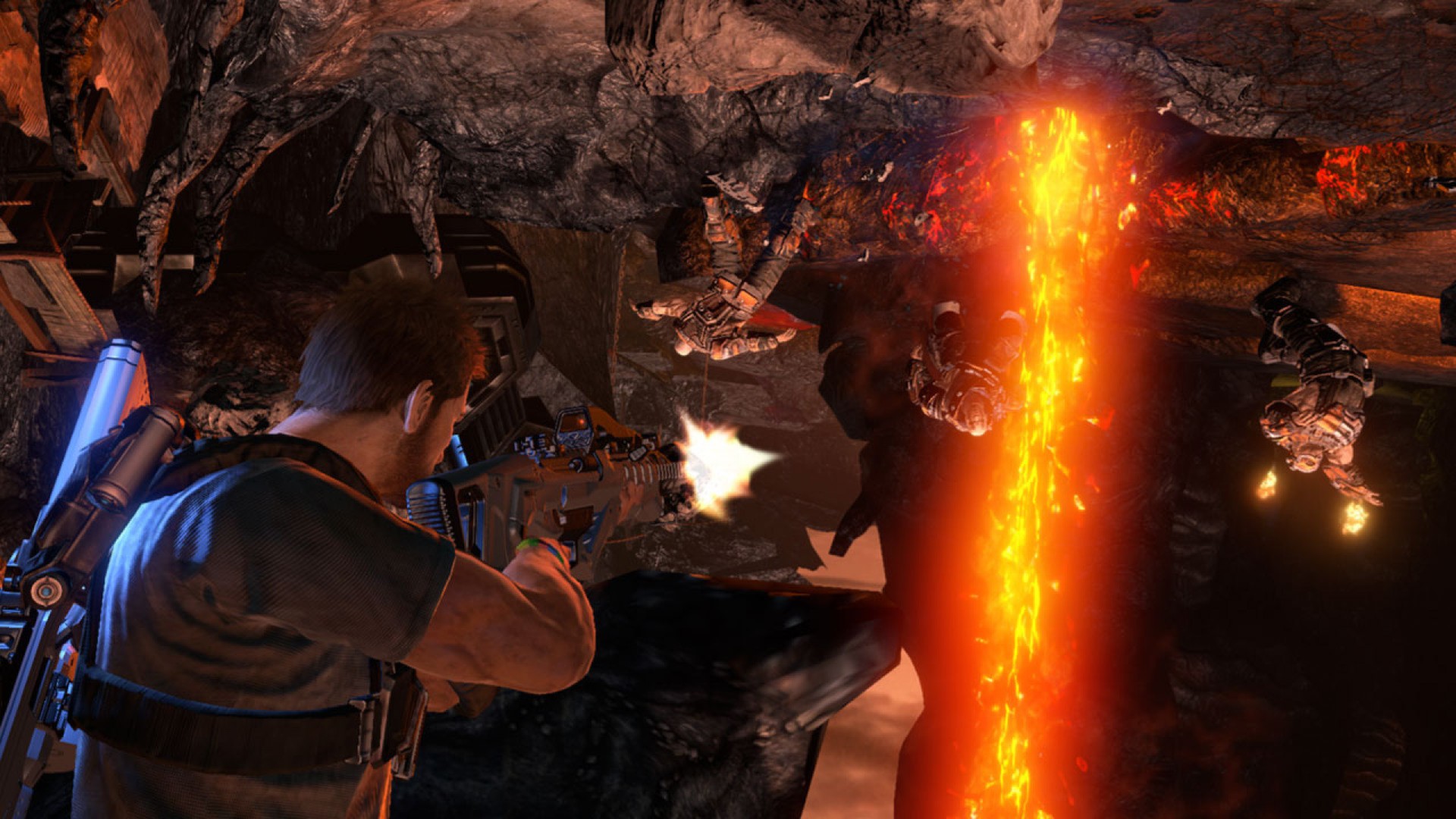
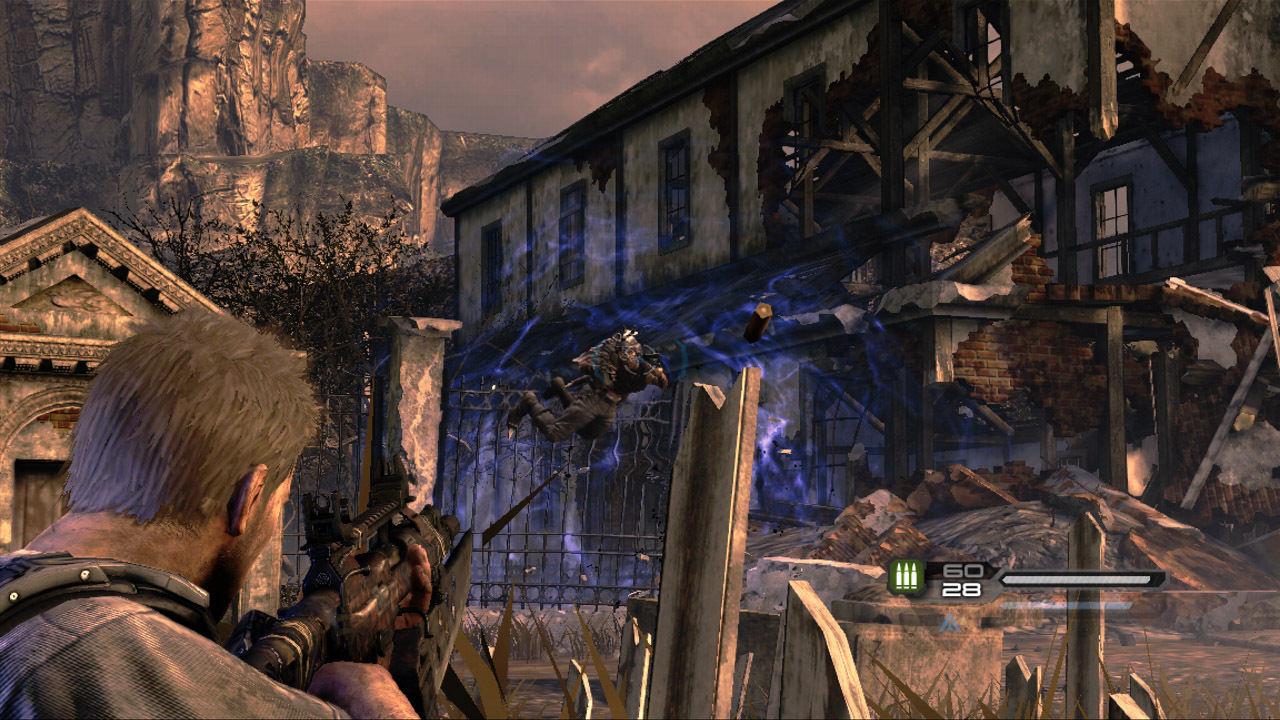
Inversion is a game about gravity manipulation that fails to work. How a single element that an entire game evolves around fails is beyond me. You play as a man named Dennis, trying to find his daughter after an unknown enemy destroys his city. Unfortunately, that’s about as far as this ridiculous game gets. There are massive plot holes, completely broken game mechanics, and some very monotonous shooting segments.
The game gives you a Gravlink that allows you to make objects light or heavy. You can use this on enemies as well, but it doesn’t work as well as you think and feels completely useless most of the time. Why shoot a barrel to make it light, aim at it, pick it up, aim it at the enemy, then toss it when just a few bullets work twice as fast? The only time this is useful is when the game forces you to use it during the many boring boss fights. You can acquire upgrades for it as you go along, like being able to pick up heavier objects, and the heavy gravity isn’t unlocked until much later. This one mechanic just felt completely useless to me except for when I fought larger enemies, and that wasn’t very often. So hats off to Saber for screwing that one simple thing up. They made a major game mechanic uninteresting and useless.
Secondly, there is the inversion of gravity that affects your navigation. This part was fun until you realized how broken the cover mechanic is. One type has you flipping around walls and buildings, which reminded me a lot of Prey, but not as fun. The second type is where you’re in Zero-G and you can float around by moving pieces of debris. Here’s where the mechanics suddenly break down and make the game a living nightmare to play. You can somehow still get injured when behind cover, whether it’s Zero-G or on the ground. I died so many times because a rocket somehow killed me by hitting the object I’m hiding behind. Secondly, if an enemy throws high gravity at you, you can’t land even if you move away from the area. You can try to push yourself around, but sometimes it doesn’t work, and you are left vulnerable for a good 10 seconds. That’s enough time to die. If an enemy uses low gravity, you go through this stupid, long animation of recovering your senses before you can aim your gun and fire while on the ground. After that, you can’t move and are just laying there taking shots, and 99% of the time you will die during this stupid animation.
Why all this wasn’t tested and thought of is the obvious question. On top of all this, you get some guns that aren’t fun to shoot and have no impact or weight to them. You get the same types of guns in standard form and plasma form. The boss fights are even more repetitious and boring because the game throws the same exact boss at you several times. I fought the slave driver five times, and the security bot about four. Each time, you fight them the same way with no changes. All I wanted to do was shoot myself because of this. On top of all this, you’re sitting there wondering why you’re even bothering because the plot has so many damn holes. Why are these guys invading the city? Where are they from? What do they want? None of those questions are answered. You just go along trying to find your daughter, and that’s pretty much it. The game is a seriously huge waste of time, and I can’t recommend it to anyone.
Overall, Inversion’s graphics are pretty good, but the art style is generic and boring. All the gameplay elements and mechanics are either broken or useless, and the game has more plot holes than LA’s streets. What’s the point of playing? Sheer boredom is all I can think of. Do not waste a single penny on this game, but if you have to, just rent it. The multiplayer is incredibly boring as well, so don’t even bother with that either.
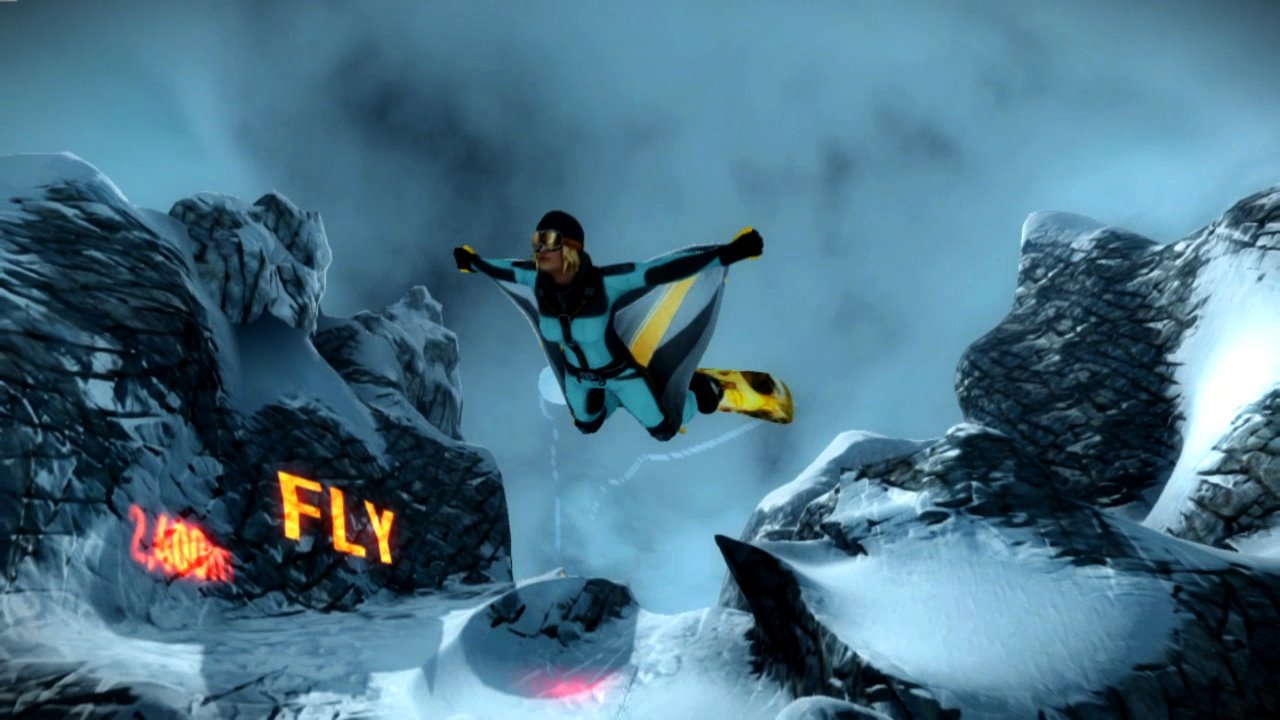
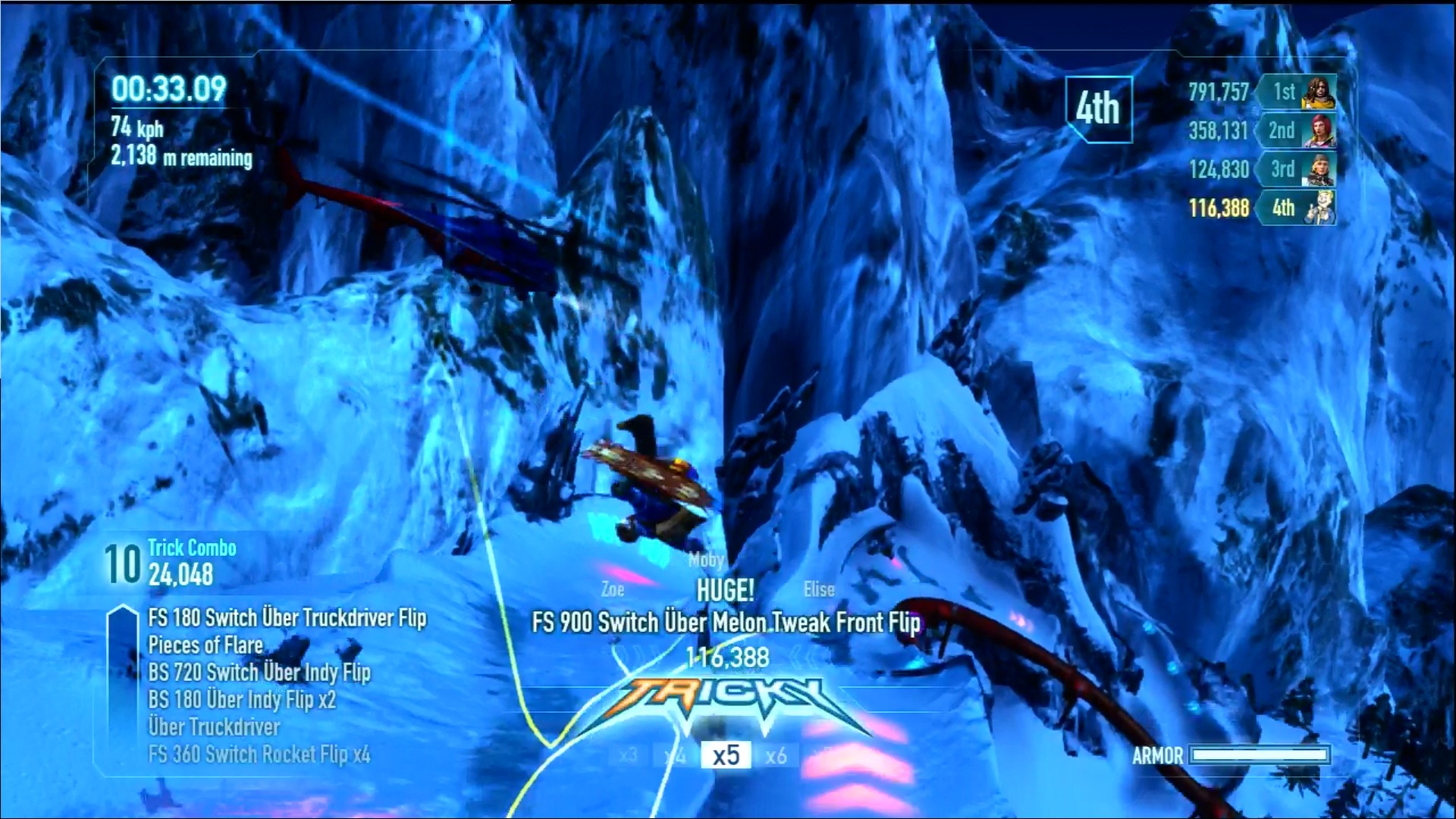
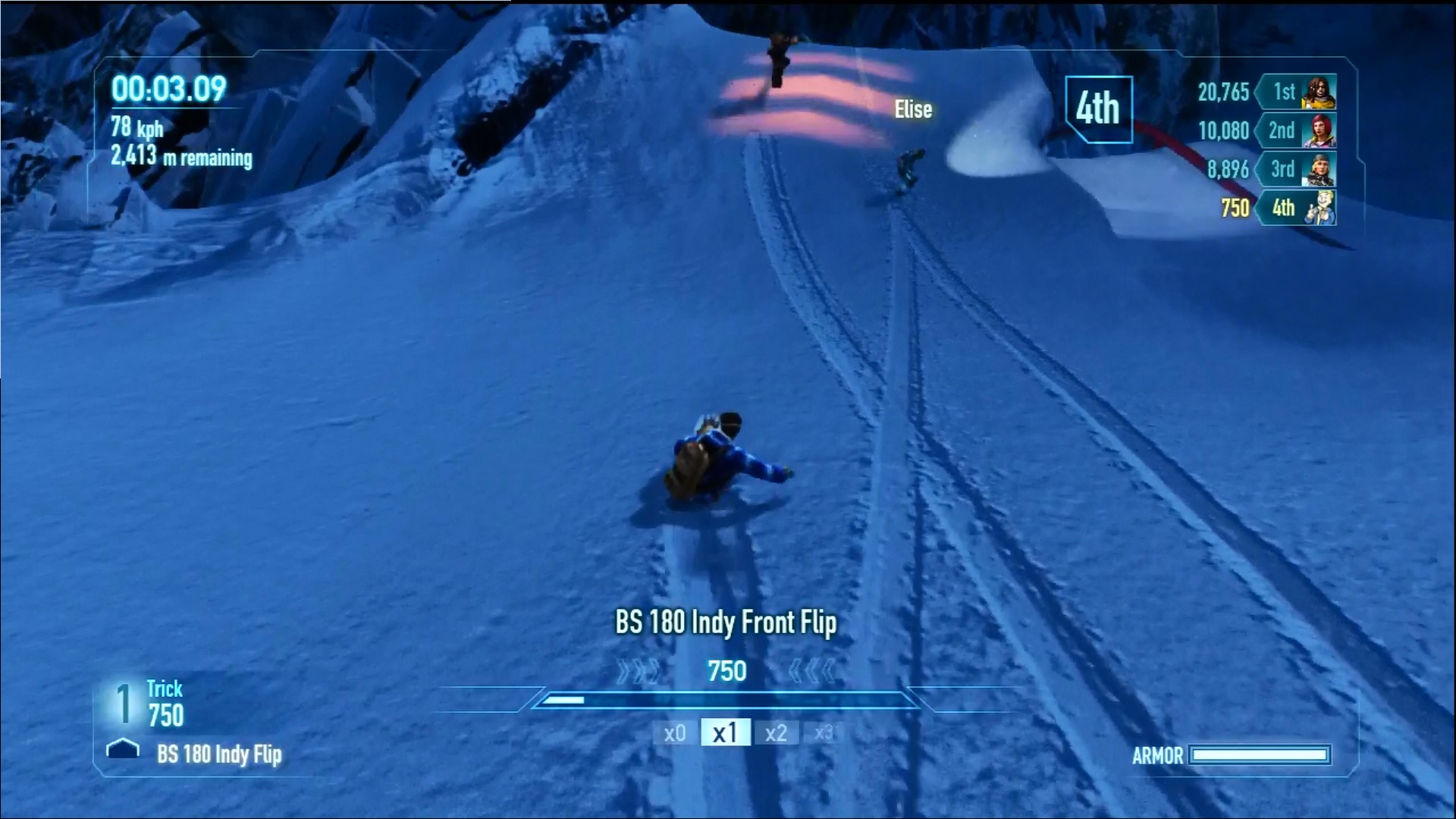
SSX brings back the series with a “reboot.” The series adds a dose of realism to the otherwise very arcade-style gameplay, and it doesn’t fit well here. I had more issues with the game than I wanted, but the game is worth a bargain bin purchase or weekend rental; just don’t expect anything as amazing as previous games.
You have to conquer nine deadly descents, and each represents a new “gameplay challenge,” such as large gaps, darkness, ice, trees, rocks, etc. I didn’t think these were fun at all. They hindered the otherwise fun arcade-style gameplay. I also didn’t like the realistic NASA maps of mountains because each level felt haphazardly designed, and it was hard to get good lines going because of the random terrain layout. There are caves and tunnels, random ramps, peaks jutting out of the ground near where you need to land, and other problems. Wingsuiting into a tunnel that is completely dark is not fun or exciting to me. There’s even a problem with the lack of customization and gameplay modes.
The trick system has been tweaked, but you can go back to the classic one if you like. Using EA’s right stick flick system, the tricks can be pulled this way while tweaking them with RT. I loved being able to use LT near a ledge or grindable object and latch on. You can even use a mix of buttons and the right stick for people who prefer that. The trick system is simple enough, but using the right stick makes the tricks feel random. You can’t plan out tricks or anything like that at all. If you do well enough, you go into Tricky Mode, which makes you go faster and gives you more awesome tricks to tweak. Super Tricky Mode, or Uber Mode, makes you go super fast while letting you pull off signature Uber moves. These are really awesome, and it did feel good when I pulled off long and intricate lines that scored me millions of points in one go, but this didn’t happen very often.
Trick mode is the only mode that allows you to use tricks to win. Races require you to stay on the ground and only do tricks to earn a boost, but your score means nothing. When you beat the 3–4 events before the deadly descent, all you have to do is survive. The timer is simply for leaderboards. If you survive, you get an automatic gold medal, which is a bit too easy for me. On top of all this, you can buy boards, gear, and outfits. The series uses signature characters, but I wanted to be able to customize my own character. Even the outfits are disappointing because they’re just palette swaps.
Overall, SSX feels random and haphazard all around. The realistic terrain hinders perfect lines; deadly elements like darkness, trees, and rocks hinder the fast-paced arcade gameplay; and the right stick allows basically just random tricks. The customization is poor and shallow, and even the graphics are disappointing. The Xbox 360 had blurry visuals and low-resolution textures, which were a huge disappointment. SSX is fun while it lasts, but the 40 or so events will go by quickly and will leave you wanting to go back to earlier games in the series.
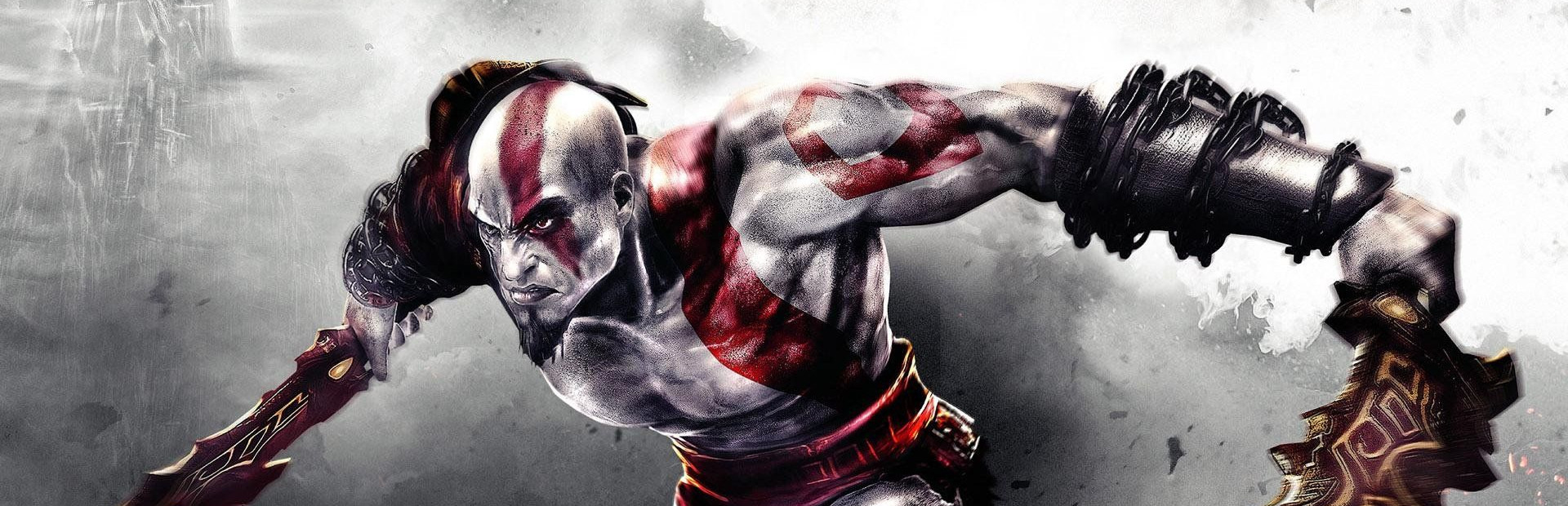
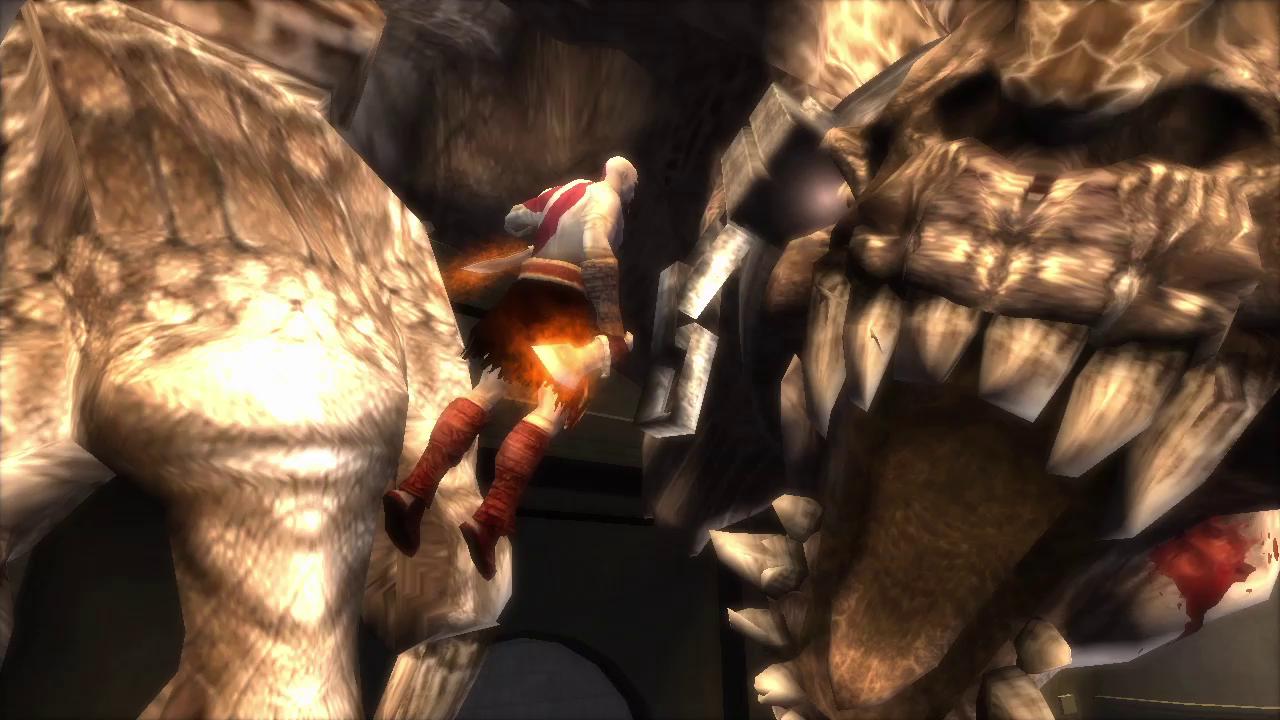
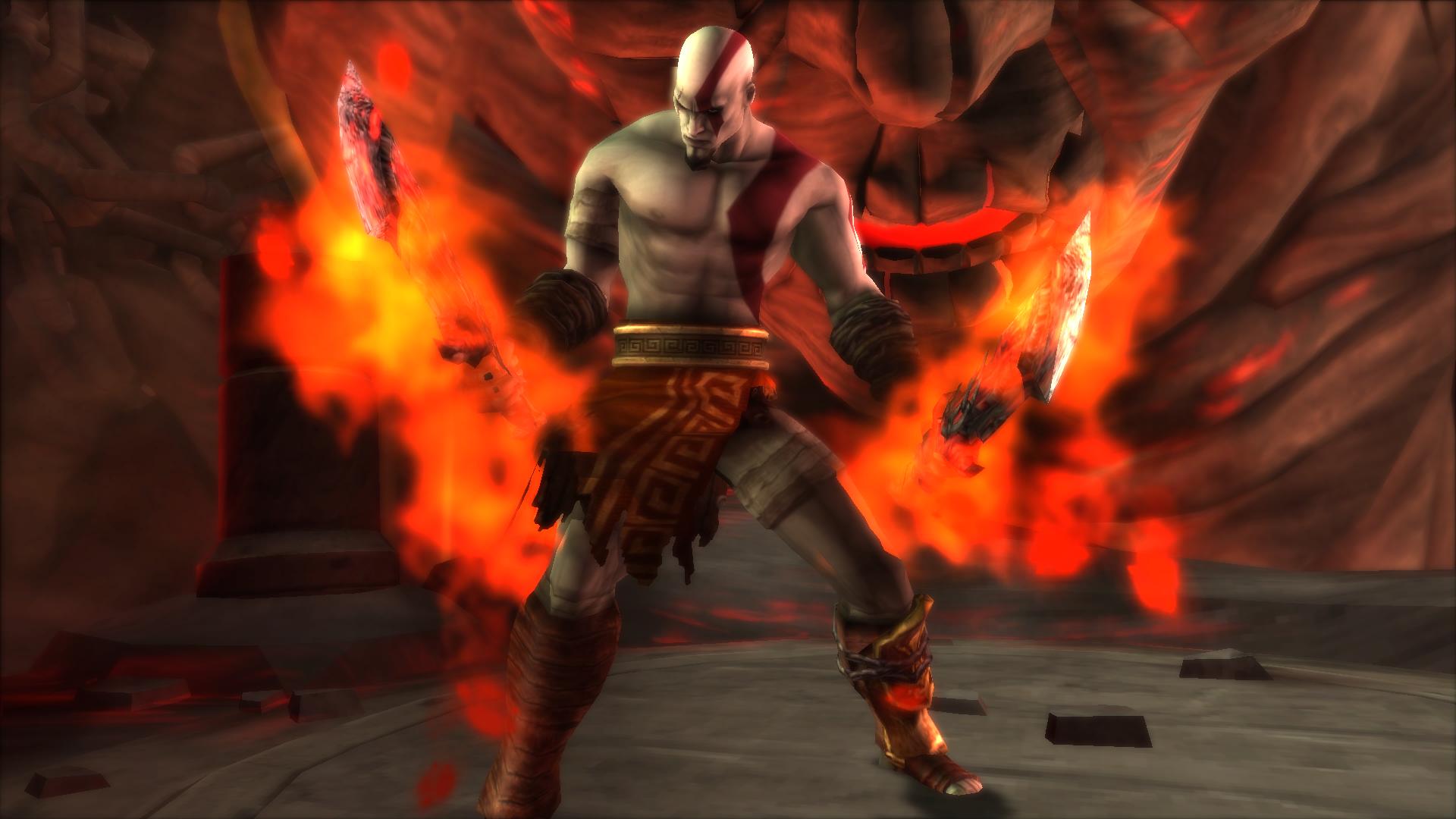
God of War is one of the best action-adventure games ever made. It pioneered everything we see in the genre today, and there are dozens of copycats. God of War helped pave the way for cinematic gameplay and pretty much made quick-time events an everyday thing in games. God of War also has one of the best combat systems ever created, as well as memorable mythology and one of the most recognized characters to date. Origins Collection puts two of the PSP’s best titles on one Blu-ray disc. These are remastered in 1080p HD and look great. While each has its own issues, this is well worth a purchase for any God of War fan.
This was the first-ever portable God of War game, and it blew everyone’s expectations out of the water. Not only for the game itself but also for the PSP. No one knew the system could pull off this great technical feat. You can read my review on Olympus for the PSP itself and a more in-depth look, but after playing it again on the PS3, I noticed that, compared to Ghost of Sparta, it doesn’t stack up. Even after playing God of War III, I notice a lot of things that annoy me in Olympus.
Firstly, the game lacks the huge epic set pieces of the console games, as well as a lack of bosses. Sure, there are a few memorable moments in Olympus, but there are only three boss fights, and they aren’t that amazing. The first boss feels pretty boring compared to other first bosses in the series, and the locales are pretty generic for a God of War game. Olympus stuck to the basics of God of War and kind of played it safe. There are some interesting magic items, like being able to reflect projectiles and Efreet. The combat system is almost exactly like the first game, which isn’t a bad thing, but longtime fans will be disappointed about this.
Secondly, the game is super short. You can beat it in about 4 hours, which is two long sit-downs. The story isn’t as detailed or in-depth as other games in the series. Kratos is just trying to find his daughter Calliope while still seeking revenge on the gods. Overall, Chains of Olympus is a warm-up for the more epic Ghost of Sparta.
This is more like it. More bosses, more memorable moments, and completely different locales. There’s even a whole new gameplay element here, which is Thera’s Bane. Like in God of War III, you have a red meter that sets your blades on fire for extra damage and makes you invincible to some attacks. Right from the start, the game feels like a better, heavier God of War game than Olympus. Olympus started off kind of weak, but Sparta throws you right into the water (literally) with a pretty epic boss fight against a Scylla. The game has more puzzles, and the boss fights are pretty epic. The final boss against the God of Death, Thanatos, is pretty epic because you fight with a certain someone.
The story is even more memorable because you are searching for your brother Deimos while still seeking revenge on the gods. There are some memorable moments here that top even some of the console games in the series, like giving King Midas a beatdown. The new magic items, however, aren’t as interesting as I had hoped this time around. Boreas’ Wind freezes enemies, but I rarely use it. The Eye of Atlantis felt kind of weak and didn’t do as much damage as hoped, even when fully leveled up.
Overall, Ghost of Sparta is much better, with memorable moments involving more enemies, longer gameplay (about 6 hours), and more bosses. The fight system is tweaked to feel different from Olympus. The game even looks better because Sony finally unlocked the full 333 MHz of the PSP processor, so Ready at Dawn was able to push the system to its full limits. Ghost of Sparta is a memorable God of War game and will probably become a fan favorite.
Overall, the entire collection is excellent and well put together. I was disappointed in not seeing any extra features exclusive to this collection, but each game has a Challenge of the Gods that will keep fans busy for a while. With full trophy support for each game, you are bound to have a couple dozen hours of fun here.
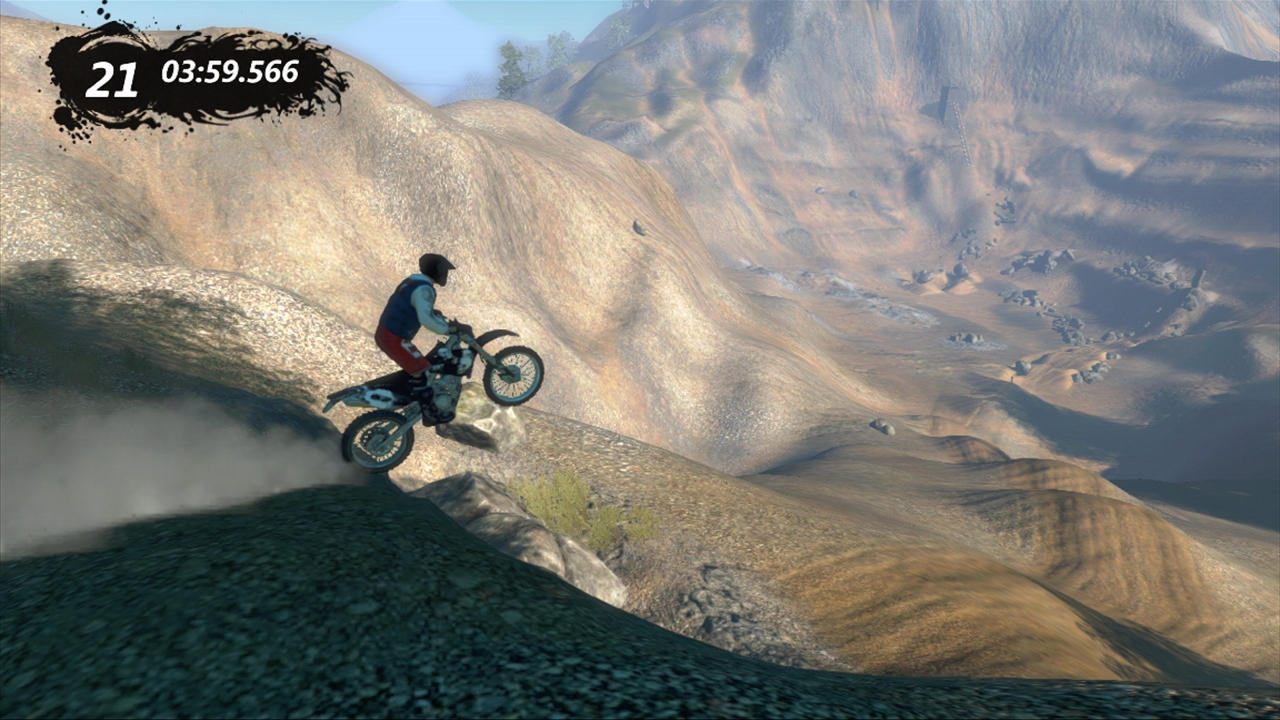
Trials practically invented the 2D motocross physics genre, and now it has evolved the series a bit like the title implies. No longer are you confined to cramped and dark indoor environments or just being able to push your bike around. Now there is a bit of customization with some outdoor stuff thrown in, but the levels just got a whole lot crazier.
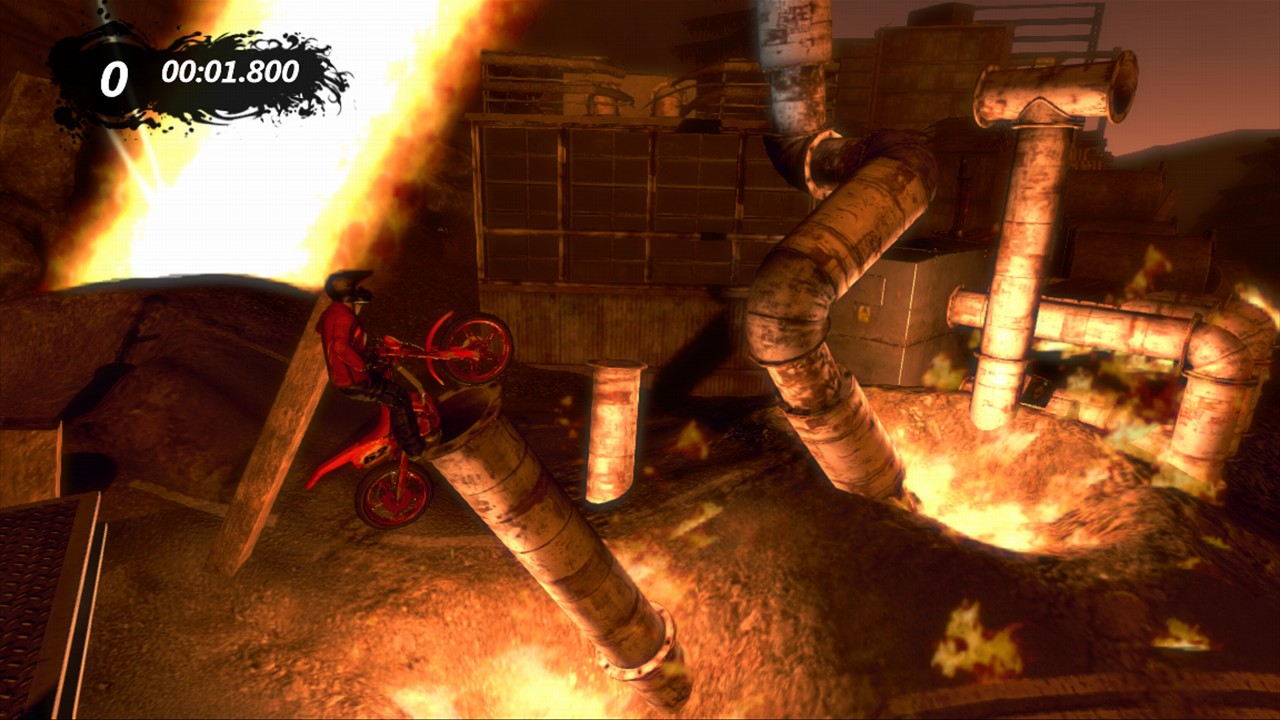
For starters, the levels are better designed and can actually be mastered with practice on higher difficulties. The physics are a lot better, so you feel like you are mastering levels of skill rather than dumb luck. The environments get pretty crazy with huge explosions, rushing water, sinking and rising platforms, and even some crazy mini-games. You can pick what bike you want now, so there is something here that anybody can master. The best part about this game is that every level is different. There are so many different levels that looking forward to the next one is fun. Some are so crazy that you are actually riding on a roller coaster track and actually feel like you’re on one. Making huge jumps, steep drops, and crazy stunts makes you feel the adrenaline rush. The catch is that you have to be good at the game this time to master it and get gold medals.
Restarting at the checkpoints is as simple as pressing B and continuing on. Usually, you will mess up a lot until you master the levels. Then, you need to know just the right acceleration at certain jumps and how to angle the bike. The last stages take precise memorization to master, but it’s fun because every time you retry, you get better and better. There are some mini-games thrown in here, but I was disappointed with them. The physics don’t really work with mini-games that try to do crazy things like the UFO one. As you accelerate, your UFO will climb, but you have to land in a certain spot. I found this almost impossible because my UFO kept flipping around and landing upside down. There are a few mini-games on SkyRiding that involve riding sand, which is odd because you feel very top-heavy. The best ones are when you are just on your bike and doing things like conserving fuel between fuel stations or trying to get as far as you can while flying through the air. Only a few are fun, but at least there’s something different here.
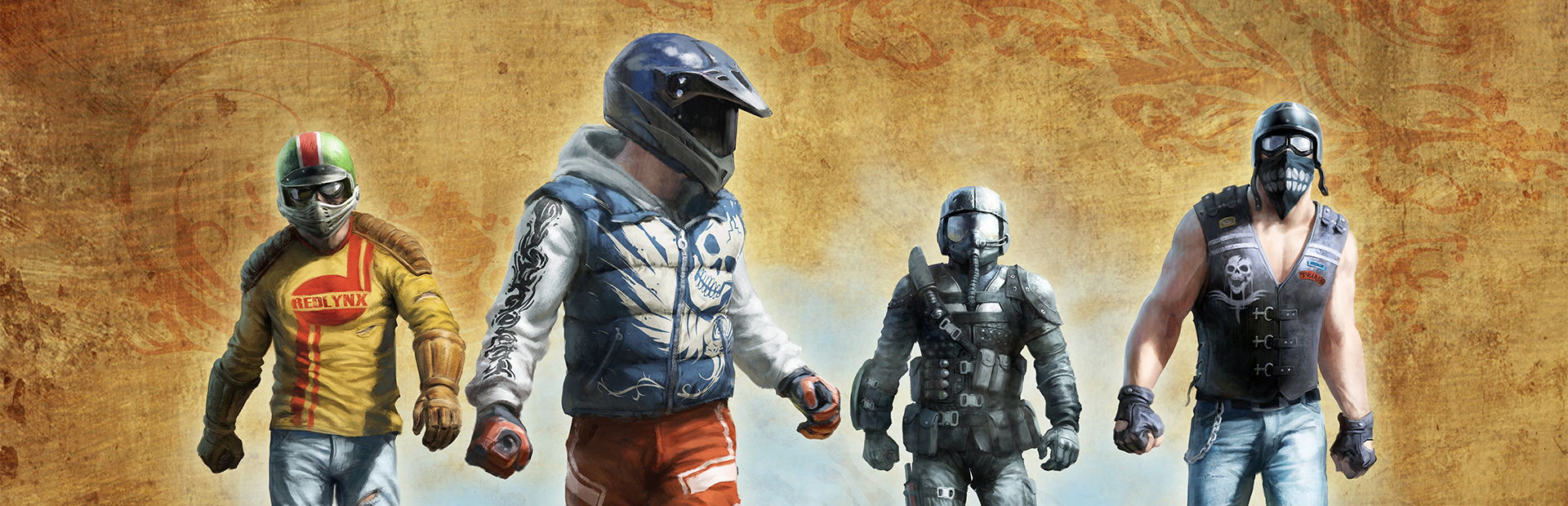
Lastly, there’s a track editor that I am not a fan of. I’m actually not a fan of any track editor because I prefer playing a game already made for me, but it’s there for people who like that sort of thing. It’s not very intuitive, but what is a console-based editor? There are some customization options here that are pretty shallow. You can customize your bike, but only aesthetically, and customizing your rider is about as simple as it gets. There’s no option for a female rider, which is disappointing. I really like where the series is going, and hopefully the next one will take it even further.
In the end, Trials Evolution has great physics and has more variety in environments this time around. You actually feel like you master the levels of skill and not luck. The customization options are pretty shallow and basic, but a few mini-games are the least fun. The track editor is very unwieldy, but that will be to everyone’s taste. Trials Evolution is a solid Xbox LIVE arcade game that any motocross fan will enjoy.
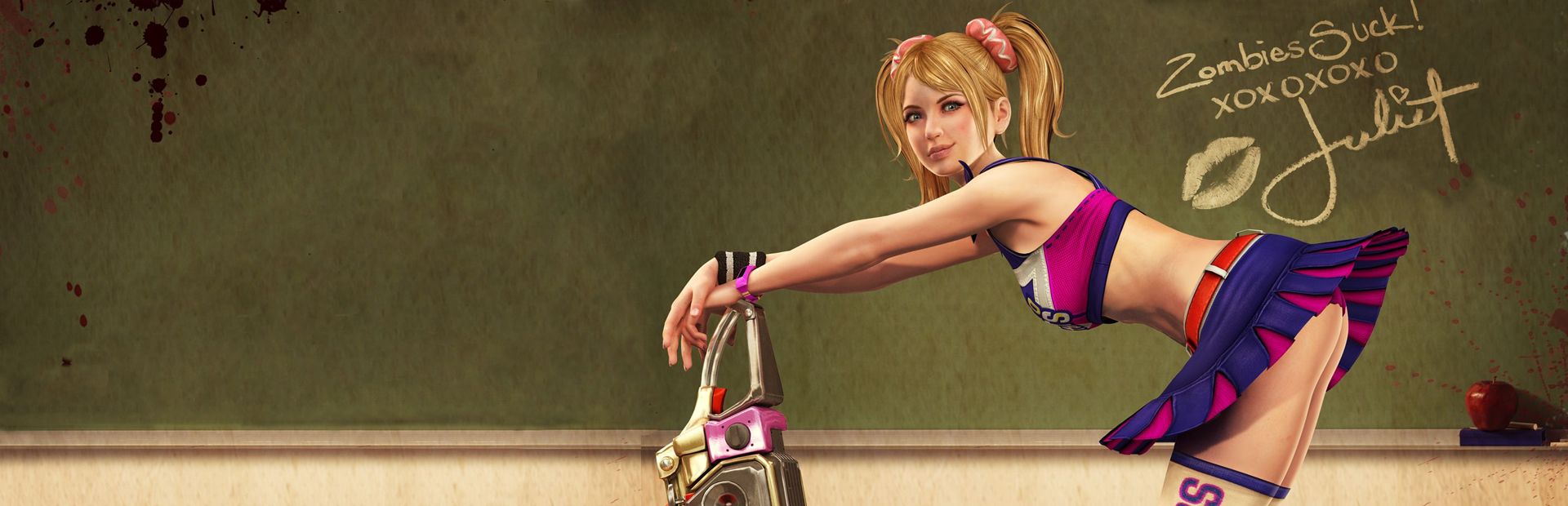
Most of the time, when a sexy protagonist is on the front cover, you know you’re in for a bad game. Lollipop Chainsaw is actually quite enjoyable if you look past the flaws. You play the sexy cheerleader Juliet Starling, who is part of a zombie hunting family. You must stop a goth kid from turning everyone in your high school and town into zombies. The story is pretty thin and not very interesting because the game isn’t even long enough to dish out a meaty story. With only six levels, you’re looking for a weekend rental at best. With this being a Suda 51 game, you can also expect crazy out of the you-know-what. The game is oozing with style and visual eye candy, but is it any good?
The answer is yet, but with flaws. The first issue is combat. There are plenty of combos you can buy and unlock at chop2shop.com stations. You can buy health and other items like art, threads, and music. Once you start unlocking more combos, the game becomes more diverse, but Juliet doesn’t feel like the limber cheerleader she should be. Basic attacks use her pom-poms, but it takes forever to make a zombie groggy enough for a chainsaw kill. I rarely used basic attacks and just stuck to chainsaw attacks. Her chainsaw is cumbersome, and the combat system in general needs more polish. I felt like I was controlling a giant, fat guy rather than a nimble girl. Her animations are too long, and you get constantly knocked back, which means tapping B to recover every time. The combat is just sluggish and not as limber as in games like Tomb Raider or Bayonetta.
The combat is even flawed with the chainsaw blaster. Aiming for the thing is a pain because it always sticks to enemies like there’s a magnet. I can’t go for precise headshots or aim at barrels. You can use Nick Tickets, which are special mini-games that use Nick’s head (her headless boyfriend) as a weapon. These are pretty crazy and funny, like shooting his head out of a cone-like topper or swinging him around on a rope, among others. You can use your rainbow power to become invincible for a while and start sparkle hunting. If you kill three or more zombies in a row, you will create a trippy girly pose of Juliet and earn bonus coins.
The combat is obviously the main focus because there’s not much else here. There are a few mini-games, like pole dancing and jumping on zombie heads, and a few mini-games that are level-specific, as well as a few chainsaw dash areas. The six levels are interesting and keep things mixed up, but it’s the bosses that are all different and interesting. Each one has some sort of musical skill from a different genre of music. Having to kill them is awesome and full of gore and guts, which you will see plenty of.
Lastly, the graphics are not technically impressive but have lots of visual flair. The blood from zombies flows pink, with rainbows, sparkles, and stars flying out. The game is very girly but appeals to men due to the sex appeal and violence. Juliet herself is hard to like and is not as memorable as other females like Lara Croft or Bayonetta. She’s a dingy, preppy cheerleader and is the exact stereotype of one. Nick says funnier things than she does, but the sayings just get repetitive and annoying after a while. Juliet is hard to like because she acts dumb and is weak and selfish personality-wise. The game just isn’t long enough to flesh out the characters and story more.
After you beat the game, there’s no reason to go back except for ranking mode to beat scores and unlock new stuff. The game has a lot of potential but needs some more polish before it can sit among the action/adventure kings like God of War, Tomb Raider, and Bayonetta. The combat is sluggish and cumbersome, the game is short, and the characters aren’t developed as well as they could have been. There is tons of visual flair, but the game is lacking technically, with some low-resolution textures and poor lighting effects. Lollipop Chainsaw is fun for a weekend, but nothing more.
Advanced Warfighter was one of the first games to really push the new next-gen consoles but also evolve into the tiring Ghost Recon franchise. Future Soldier has huge boots to fill, and it does a good job by evolving the series even further. The game finds a balance between stealth and action, plus it throws in some cinematic scripted events to keep things exciting.
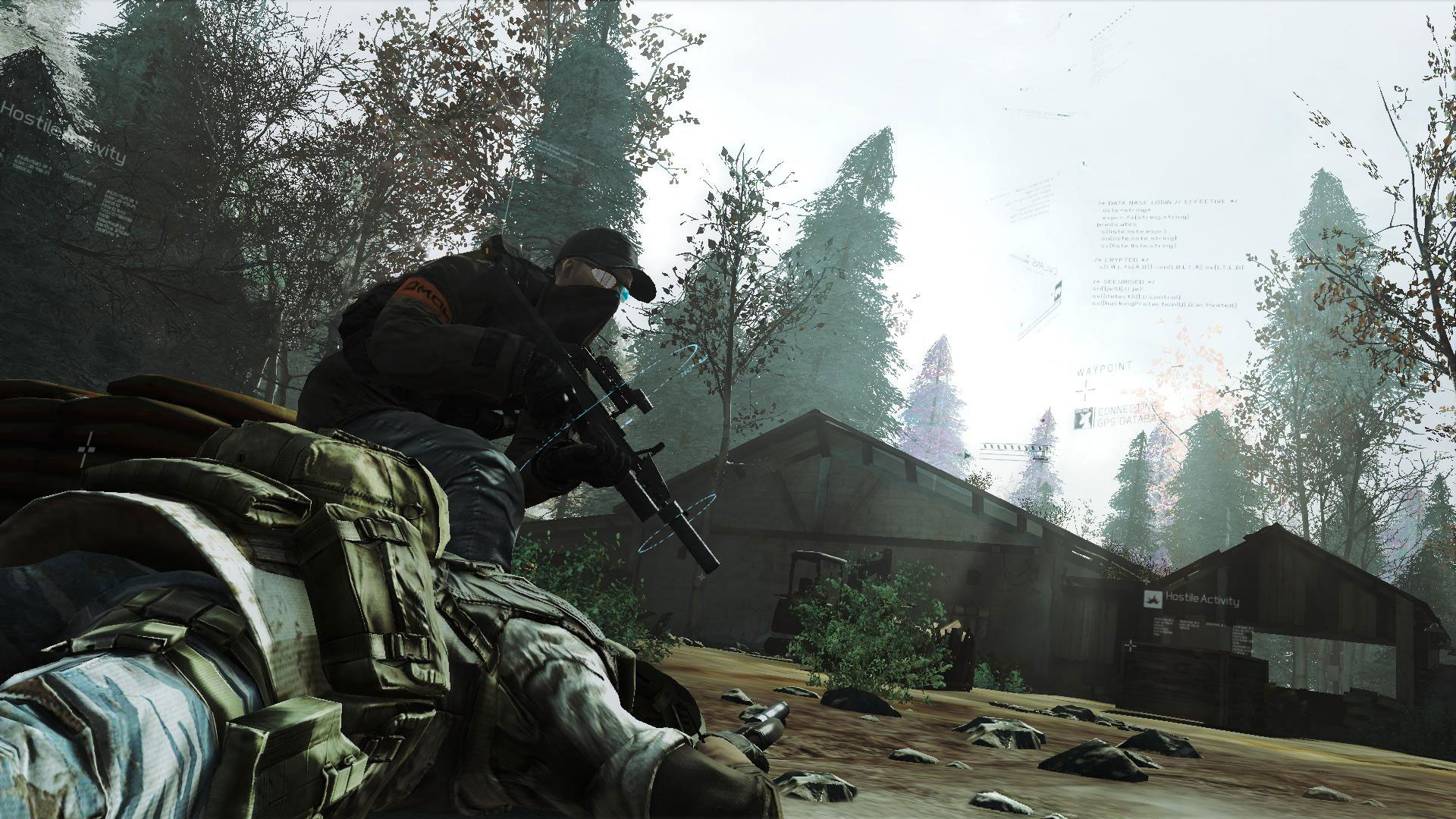
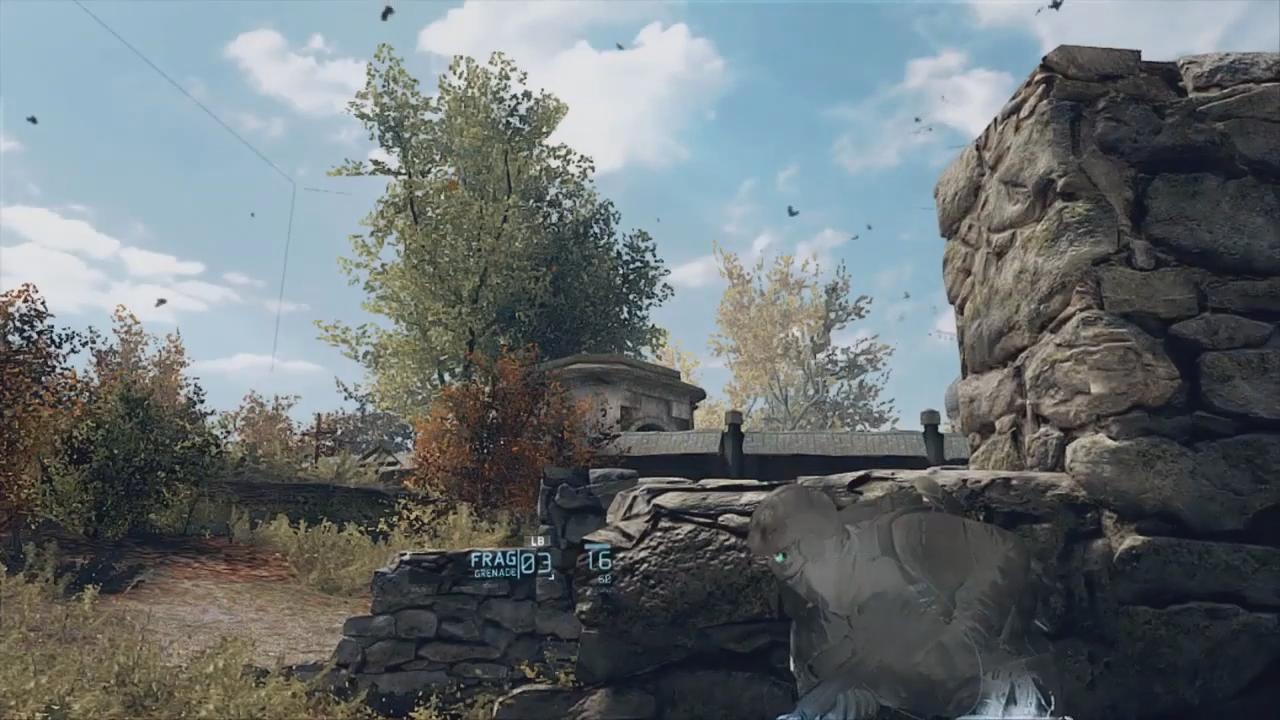
The story is pretty much what you would expect from a Tom Clancy game. Full of politics and pretty dull. You are a team of four ghosts who are helping the Russians put the “good” president back on the seat. There’s not much to it, and even the banter between the ghosts isn’t fleshed out as well as it could have been. You’re here for the action, and Future Soldier delivers well. I was most impressed by the new recon elements. First off, you have camo that makes you practically invisible. This can only be used when standing for a while and crouched or prone. Enemies can still spot you if you get too close, so this isn’t cheating per se. On top of this, you get a nifty little drone that you can control in the air or turn into an RC car for ground recon (with a pulse blast!). In the air, you can tag targets, figure out where the enemies are, and study patrols without the frustrating trial and error of figuring it all out yourself on the ground. The drone is a lifesaver and one of the best gadgets ever implemented into a Ghost Recon title.
The coolest thing in the whole game are the sync shots. These allow you to tag up to four enemies and, at the same time, take them down quietly. This eliminates the frustration of having to take everyone down yourself or use useless commands. The friendly AI in this game is some of the best I have ever seen. You can tag enemies above in the drone, and the ghosts will quietly move around and position themselves for the sync shots. The only problem is that if you do four tags, you have to be the fourth.
Sync shots and active camo may be lifesavers for recon, but there is action thrown in. To prevent diving into action, the game will tell you where enemies can see you, so you get a few seconds to find cover before getting discovered right away. However, the game sometimes forces engagement on you because enemies will be clumped too close together for stealth sync shots. This only leaves one option, and that’s open firefights. You aren’t penalized for this at the end of missions because the game encourages sync shots and stealth kills.
I did find the campaign, toward the end, repetitive and less exciting because there are fewer scripted events and more of just non-stop shooting. The difficulty spikes all over the place in these later levels, leaving you to do many checkpoint restarts due to dying. Thankfully, you can “die” three times, and a team member will revive you. I just found the first half of the game to be better designed and more exciting than the last half. There was less and less recon and more running and gunning, which isn’t what Ghost Recon is famous for.
Besides these few complaints, I do have to say that being able to fully customize your guns is an awesome addition to the series. Instead of just choosing people and stocking weapons, you actually get to decide each part of the gun. Trigger, stock, magazine, side rail, under rail, paint, muzzle, gas system, barrel, everything. Most items are unlocked by completing challenges during missions. Other than this, the only thing to go back for is multiplayer, which is what Ghost Recon is famous for.
Multiplayer is pretty much like the campaign and just as fun as past GR games. There’s not much to really say except that GR multiplayer isn’t really for the typical Call of Duty fan. At least there’s a co-op here for buddies to sit around and play, which can actually make the game a lot easier and more fun. The visuals are amazing, and the PC has extra detail thanks to DirectX 11 support, so it looks way better than the console versions. There is tons of visual detail on the PC version, but you will need a really powerful rig (a GPU no more than 2 years old and a high-end dual-core or quad-core CPU for full detail).
Overall, Future Soldier was a long wait, but we got some great new ideas, like gadgets such as the active camo and the drone. Sync shots are a lifesaver, and there are some pretty awesome scripted moments in the game. The story is typical GR dullness, but we get a lengthy campaign with challenges to complete and even fully customizable weapons. I highly recommend this to any GR fan or newcomer who loves stealth action and shooters in general. Just expect some difficulty spikes towards the last half of the campaign.





















































 thebinarymessiah.com
Try multiplayer. A lot of fun !