Horror games from the 1990s to the mid-2000s hold a special place for me. These games were genuinely unique in the sense that they focused so much on the atmosphere that they may have been shunned in critic reviews, sold poorly, and generally ignored during their time, but we have come to love them later on. Horror games have rarely been made the same since. Fatal Frame was a very unique series that took the genre to new heights with interesting gameplay mechanics that steered away from guns and running away from things. Your Camera Obscura was your weapon and puzzle solver, and the first game won gamers over, but it had unfair difficulty and had clunky controls. The second game fixed a lot of this and was later upgraded further for Xbox. This would also, sadly, be the last game in the series on Microsoft’s green beast of burden.
You play as new characters this time around. Twin sisters Mio and Mayu Amakura You are trying to solve the mystery of the “Crimson Sacrifice Ritual” in All God’s Village, a fictional town in Japan. This isn’t a journalistic setting; instead, just two girls are playing in their favorite spot when a dam collapses and Mio falls. The original sacrificee wants revenge and her own twin sister back, and you both are prime candidates. The story is rather interesting and very dark and creepy. I enjoyed it quite a bit, as it surprisingly had more depth than most horror games of the time. Most of the story is told through texts you find (there are a lot) and not so much in cut scenes. There are crystals you can now pick up and listen to on your radio, and these are rather haunting. I enjoyed these quite a bit. The voice acting is surprisingly decent (for the time), and the voices of the dead can really make you feel uneasy.
Of course, the main attraction is the Camera Obscura. Once again, you use this to kill ghosts and see things that aren’t there. It’s more refined this time around, with better controls. You can switch to proper FPS controls, which makes playing much easier. Upgrades are more robust, as are equipped add-ons. You can find add-ons throughout the game, with some being passive and some requiring you to charge your camera. You can equip up to three add-ons and swap between them while in camera mode. These range from Blast, See, Stun, Slow, etc. These can be upgraded along with your basic functions, like in the first game. Finding passive ghosts and taking photos of them (if you’re quick) can give you Spirit Points as well as fighting spirits. You need spirit orbs to slot in to be able to advance to the next upgrade level. Each power has three levels. I highly recommend upgrading your basic stats first. Spirit Points are more plentiful than in the first game, which is a good thing.
Just like in the first game, your goal is to take a photo as close to the spirits’ faces as possible to be able to take a Fatal Frame shot. There is a meter that powers up around the circle in the center, and when it hits red, you need to be quick. There is a red flash at the top that tells you when it’s best to use a power-up. On rare occasions, you can get a two-photo combo for massive damage. There are film types in this game, and thankfully the weakest is unlimited. This means you won’t ruin your game (like in the first one) if you run out of film. The game will just become insanely hard. Higher types are plentiful, and I never ran out, but I recommend saving the Zero film for the final boss. There’s less than 10 in the entire game. I also found healing items incredibly plentiful, and I never ran out.
My biggest complaint is the backtracking and navigation. It’s hard to figure out where to go next. There are obscure objectives, and some things won’t trigger until you enter the correct room. This is a much bigger game than the first. With three large houses and the village itself to explore, I had to use a walkthrough throughout most of the game because I just kept getting lost, but that’s par for the course for survival horror games of this era. I found the visuals to be fantastic, even by today’s standards. Great textures, models, and lighting are amazing. The Xbox really shows off what the series can do here, and it’s a shame the third game never got a port.
Overall, Fatal Frame II is a fantastic upgrade over the first. Just make sure you have a guide handy. The controls are much improved, the camera system is more robust, enemies are actually fun to fight this time around, and bosses are challenging. The story is interesting enough, and the lore is creepy and unsettling. The atmosphere alone is worth playing through this game for. Haunting music, a few jump scares, creepy ghost designs, and insanely unsettling throughout.
A murder mystery. A supernatural thrill ride. A past that haunts you. These are many things, Edward Carnby and Aline Cedrac have to deal with. Carnby’s best friend, Charles Fiske, is found dead off the coast of an island. You are sent to investigate, but your parachute is damaged on impact, and you must fight off strange creatures from another dimension while trying to find out the fate of your friend. The story here is surprisingly deep and involved, but not very interesting. It’s akin to a sleepy mystery novel that keeps you hooked just enough to keep reading but then quickly forget about it shortly afterwards. The New Nightmare is kind of stuck between a rock and a hard place due to the timing of its release. It came out just before the beginning of a new generation of consoles and kind of feels like it has a foot in each generation.
I do have to state that the visuals are very impressive right off the bat. For a Dreamcast game, the pre-rendered backgrounds would be mistaken for a PS2 title, especially when using VGA. They are bright, crisp, and well detailed without that 32-bit sheen that older “tank-style” horror titles had that used pre-rendered backgrounds. The lighting effects are well done, especially when using your flashlight, and the monster designs are surprisingly not very scary or interesting. They feel like generic sci-fi creatures from a B-grade midnight premiere on the Sci-Fi (yes, not SyFy; get that out of here) Channel. The atmosphere is really tense, and there are a few jump scares scattered throughout the game, but overall it does a great job of giving you a haunting, impending doom feeling.
Back to the whole one foot in each generation business it still has pre-rendered backgrounds, tank controls, and a tiresome inventory system. Thankfully, there aren’t a lot of items to pick up, as there are few puzzles in this game. Most of your pick-ups are weapons, ammo, saves, and first aid. You can combine and split objects, but I only had to do this once as Edward. I got tired of having to do a quick reload by going into my inventory screen and manually reloading there, as there is no reload button. You must wait until you are out of ammo first. This would be nice to have, as you eventually learn how many shots each creature type takes and can count them that way. I also hated how much the views and angles flipped around. I appreciate the more modern take on cinematic angles and camera views, but this game could have easily been 100% done in real-time on the Dreamcast with no issues. When fighting some creatures, you get knocked into another angle, and the screen pauses to load for a split second, making you disoriented. This especially proves troublesome during the final boss fight.
I did like how the game doesn’t skimp on ammo, but you must preserve it in the beginning and be smart. I easily missed the shotgun the first time around and had to restart, as you don’t get much revolver ammo in the game at all. The majority are shells. I wound up in a hallway with zombies, zero ammo, and 200 shells. Thankfully, it was only 30 minutes of gameplay before I could get to the shotgun again, but this is another foot in the previous generation. I like the better map with an actual dot on screen showing you where you are, but certain angles and lighting make things hard to see. Some items sparkle, but I would see sparkles through walls that were objects in another room. It doesn’t help at all.
If you conserve well during the first disc, you get many more weapons later on and tons of ammo, and you can just blast away. However, the game tries to guide you a bit better, similar to how modern games do. Puzzles will sometimes be two-way communication over the radio with hints or instructions you need to follow or clearly needing symbols for a code lock, but you can use an item to follow clues and trails to the symbols you need. It’s a great step in a new direction, as I love these games’ atmosphere, story, creature design, or anything else but navigating their frustrating, labyrinthine, and obtuse maps. Backtracking is also not super horrible here. There were only a few times I needed to go from one end of a level to another, and it was the final time before moving on to the next major area. I do detest the limited saving system. You need to find Charms of Saving, and there are only around 20 in the whole game. Thankfully, the game is done in less than 5 hours, and if you are careful, you won’t die and can spread them out. I only used about 10 during my whole playthrough.
Overall, The New Nightmare isn’t a reboot of the game (we were graced with that horrible beauty just a few years later), but a step into making the traditional point-and-click adventures console-friendly and trying to make them more modern. The story and characters are interesting enough to push you through the game, but mostly they are forgettable. The voice acting is surprisingly decent, and the visuals are awesome. There is so much pushing and pulling in two different generations that the game falls into typical 32-bit supernatural horror trappings but also tries to break free of some. There are plenty of weapons and ammo; the auto-aim system works well; the puzzles are not obnoxiously obtuse; and backtracking is minimal. Overall, The New Nightmarehas aged better than many games of its era thanks to trying to push in more modern directions. This is a great way to spend a Halloween or dreary evening.
This was the first handheld I ever had. I got it for my 7th birthday, along, of course, with a copy of Tetris. I remember the copy of Tetris having a cigarette burn mark on the top of the cartridge and being stained yellow. I’ll never forget that! Sadly, I only ever owned two Game Boy games. The other was Galaga and Galaxian, which I found at a thrift store. Despite only having this game for the longest time, I played it a lot. I remember that green screen burned into my memory and the sound of the theme song chirping away in the background. I wish I knew just how many awesome games there were for the system back in the day, as I missed out on a lot.
And for 80s hardware, the system is quite impressive. Being such a small 8-bit system is really something else. The worst part about the system is the awful screen. There is no backlight, and it’s monochrome in green. People gave the Game Boy hell for this and still do it to this day. The Japanese market got an improved Game Boy Light with a backlight, but it was never released here. The system is quite chunky, but that can be a good thing. It has some weight and feels good in the hand, even today. There’s a contrast wheel and a sound wheel, as well as a link cable port. This thing took four AA batteries but didn’t burn through them as fast as people think. This wasn’t the Game Gear after all. The batteries could last as long as 30 hours. Not having a CFL backlight had its advantages.
The system also had a headphone jack, and the speaker was good enough. Systems are only as good as their libraries, and the Game Boy had some great additions. Sadly, there was also a lot of garbage on the handheld. Some developers didn’t know how to optimize the hardware and made ugly games with sluggish controls and animations. While others defined the system. It may be hard to go back to the original hardware today, especially when newer Game Boys play these games with better hardware. I recommend modding this system with an IPS screen and maybe swapping out the shell. A lot of these yellowed over the years, and the plastics became brittle. However, I will praise the large screen, as it’s easy to see the sprites on the screen.
Overall, the original Game Boy’s worst problem was the terrible screen, but the batteries lasted a long time, it sounded pretty good, and the screen was at least large. It may be hard to go back to an original Game Boy today, but anyone who is curious or wants to own one is encouraged to modify it with modern hardware and make it more enjoyable to play today.
Colors: Carbon Black, Solid Silver, Blue, Platinum Silver, Clear, Crystal Yellow, Camo Blue, Crystal White, Stone Blue, White, Pearl Blue
MSRP: $69.95
Everyone has played at least one Game Boy in their life, but the more obscure handhelds that tried to compete just didn’t get enough attention. It sounds odd that SNK, of all companies, would try to release an 8-bit handheld to compete with the Game Boy Color, but they tried, and they did a good job. Their first-party lineup on the system was incredible, and they really pumped quality into the little handheld. There was some third-party support from Sega, Capcom, and Namco, but it just wasn’t enough. SNK was having a hard time getting Western support for the system, as it just didn’t appeal to that audience.
The system itself is the successor to the short-lived black-and-white Neo Geo Pocket. The Pocket Color was ahead of its time, being the first 16-bit handheld system on the market and beating the GBA to the punch by a few years. While it still suffered from not having a backlight like many handhelds in the 1990s, it still had a clear and crisp screen. There wasn’t much in terms of I/O, like the handhelds of the 90s, but there was a link cable for multiplayer. What made the Pocket Color unique was the clicky control stick. It was the first handheld to have an analog stick, and it was meant to emulate an arcade stick. I love this thing and wish more handhelds had it, even if it is really noisy, but man does it feel good and is perfect for fighting games, which the Pocket Color was famous for.
There are only two face buttons (A and B), a soft power button, and an options button. That’s it. It’s a pretty rudimentary system, and I’m surprised it had so few buttons despite having a lot of fighting games on it. You can imagine that these games are very simple at their core, which they are. The display is slightly larger than the original Game Boy at 2.7″; however, the system does have a sub-battery that’s used for keeping the clock, as there are a few built-in apps on here. This was also the first handheld to do this. There is a calendar, horoscope, world clock, and alarm setting. I’m not sure why you would leave your NGPC on all night to use as an alarm, but it’s there. You can pick a background color as well. It’s very simple and basic, but it’s there and is cute.
A system is only as good as its library, and the NGPC is widely loved for its small but high-quality library. Only 82 games were ever released, and a surprising amount were released in the West. The games were fun, had great visuals, and just played and ran well; however, they are insanely expensive. Most complete games will cost, on average, $100 a piece. It’s also recommended to modernize the system by installing a drop-in LCD mod. This makes the system much more enjoyable, and you can play in the dark!
Overall, this is the little system that could. There are a few Japanese-only games that have fan translations, but you need a flash cart to play them, and they are expensive (about $100). You also must like SNK games to really enjoy this system. The King of Fighters, Neo Turf Masters, Samurai Shodown, Metal Slug, and games of that nature If you love those classic arcade games, you will also enjoy this system.
I remember MK3 very fondly as a kid. I remember seeing ads for it everywhere. Specifically, a cardboard standee in a Walmart with the giant logo My parents had a friend bring the Saturn version over once during a really bad storm. I remember seeing the arcades as well. I wound up renting it for the Super Nintendo and had a blast. I mostly loved the much darker and more mature tone the series took. MKII felt more cartoony and stylish, while MK3 felt like it pushed the first game’s realism even further.
Sadly, it does not transfer over to the Game Boy version. I don’t know why they bothered at this point. Probe dropped the ball after the pretty decent MKII and made MK3 just about as bad as the port of the first game. Back are the smaller sprites, sluggish animations, unresponsive controls, and weird speed issues with jumping animations. Animations seem to speed up and slow down, making the game just slightly better than a Tiger Electronics version. The control scheme is mostly intact, which isn’t that bad, but we also get the running mode, which is useless on such a tiny screen with a low frame rate. A new developer took the helm here and went with a 512K cart this time, which could still be bigger. Sure, we get four stages, but they’re ugly, and the music stinks too.
Once again, we get quite a few cut characters. Liu-Kang, Stryker, Nightwolf, Kung-Lao, Jax, and Shang Tsung are all missing. That’s nearly half the roster. Every character has their babality intact, but only a single fatality and mercies were kept in. It honestly doesn’t matter how insanely slow the game plays. It feels like everyone is wading through mud. It’s just so unacceptable at this point, as many Game Boy games look and play so much better.
There is nearly no redeeming value in playing this atrocity. It’s the worst version of the game, and at this point, 8-bit versions should have already stopped. We’re almost into 1996. 32-bit systems have been here for a couple of years now. The Game Boy is already almost 7 years old. I can only say this is for people who are curious about or are collectors of Mortal Kombat games. Otherwise, stay away.
Colors: Black, Silver, Green, Blue, Pink, Red, Lavender, Famicon 20th Anniversary, Final Fantasy IV, Lite blue, Mother 3, Pokemon
MSRP: $99.99
Nintendo’s constant quest to reduce and miniaturize their handhelds has its fans and some detractors. I personally think it’s great, as we can still keep and own the larger handhelds. The Micro, however, may have been pushing this limit a little too far. The tiny handheld improved on a single feature: we finally got a good screen and a backlight. The Micro has the best screen out of any of the systems, even the Game Boy Advance SP AGS-101.
The system was designed with the idea of putting it on your keychain or lanyard and being able to put it into small pockets and pack it away. The system had interchangeable faceplates (you can still get new ones made today by third parties), but the tiny design irked a lot of people. It’s about 1/4 the size of the original GBA, and to many, the SP was the perfect GBA system. It retained the same button layout and rechargeable battery, and the screen brightness could be further adjusted.
However, all I/O was removed. This meant no multiplayer, and any accessories that connected to the GameCube, e-readers, and backward compatibility were out the window as well. To many, this is just a novelty, especially with the tiny 2″ screen. Does having a really good screen and backlight make up the difference for such a small form factor and cutting every other feature? Probably not. The system is still plenty playable, and I have enjoyed many hours on mine.
Sadly, due to low sales, poor marketing, and lambasted reviews, the Micro didn’t sell well, so these systems are expensive, especially in good shape or complete in boxes. Thankfully, the faceplates and rear housing can be replaced by third parties, and mods don’t really exist for this system. They’re not really needed. This system is really only for those who collect Game Boys or just want a really good OEM backlight without any fuss or mods. If you don’t use any accessories such as the ones mentioned above, you won’t miss those either. You also must remember that there is no backward compatibility with older Game Boy titles and that you need to be okay with just Game Boy Advance games.
The system does feel good in the hands, despite its size. There are only two face buttons, so this can work fine. I would complain about the small screen, but it’s so clear, crisp, and high-res for the size that you can see everything clearly. Adjusting the volume and brightness requires a button combo that is unintuitive without the manual, and it has its own proprietary charger that is not compatible with the GBA SP. There is also a headphone jack, so keep that in mind as well. This is just a raw GBA playing system.
Overall, the Game Boy Micro is a fun little system that cuts everything out to give us a fantastic OEM backlight and customizable faceplates, but to some, that may not be worth the cost of size and accessories. It at least has a rechargeable battery and comes in really awesome variations.
These two portables were a huge part of my early teen years. I pre-ordered the PSP when I was 14 years old. I used my allowance saved up for 6 months to slap down that $250. I hadn’t been that excited about a piece of hardware in my life. I made a wallpaper (see below) for it, prepped files to transfer to the measly 32MB memory card, and even picked out a case ahead of time. The Nintendo DS was more of an afterthought. I never got excited about it due to the less powerful hardware and the heavily criticized touch screen. People thought it would be full of gimmicky games and lack the essence of what made the Game Boy so great. I’ve owned both of these systems for many years now and have played a good majority of their libraries. I want to break down the categories into hardware, revisions, software, and then various game genres. Most people just pick the best-selling games and compare them, but the systems go deeper than that. Some genres were stronger on one system over another due to their button layout and unique hardware. I am honestly tired of these comparisons. The DS had Zelda, and the PSP had God of War. It’s so much more than that.
Looks/Shelf Appeal
Sony PSP
This is the first thing that you will notice before even picking up the system, so it makes sense, right? What system had the more attractive box, better pack-ins, and overall looks? This matters more than people think, especially for the casual gamer who doesn’t do extensive research beforehand or the non-gamers who make a spontaneous purchase.
The PSP overall had a much larger box than the DS. It even showed right up front what it included. You get a hand strap, a 32MB Memory Stick Pro Duo for game saves, a UMD demo sampler, wired earbuds with a remote, a soft case, a cleaning cloth, and the system itself. For $250, you saw right there that you got some value for all that money. Not only that, but the PSP itself was plastered on the front for all to see. The XMB showed a music, video, game, and photo symbol, so you knew this thing could do multimedia. This was the last of the Sonys of the ’90s where everything they created had value and they showed right up front what you were getting to entice buyers, and it worked.
Unboxing the system felt premium, and holding that sleek handheld was an experience I will never forget. It was sleek and slim, looked futuristic, had great build quality, and was comfortable in the hand. It was one of the best gaming unboxings of all time, and nothing has topped that since.
Nintendo DS
The Nintendo DS wasn’t super appealing at first glance. The touch screen and the prominent stylus made you think it was a PDA of some sort (PDAs were still a thing back then), so it was confusing. Was it a game system or a personal organizer? The casual observer would be confused. The dual screens didn’t help either, further pushing the PDA look. There was no video game shown on the front, and the drab gray box was lifeless. There were no pack-ins with the DS either. While it was $100 cheaper than the PSP, that sure made it appealing, but you didn’t get anything with it.
When you actually unboxed the system, it was bulky and kind of ugly, and the screens weren’t very bright. A far cry from Sony’s bright LCD on the PSP, however, there was no ghosting on the DS like there was with the PSP-1000 model. The speakers sounded good, and it had wifi as well, but another appealing factor was the backward compatibility with GameBoy Advance titles. This also acted as a peripheral port. Great for rumble packs and anything else you could imagine going in there.
Software
Sony PSP
The PSP was the first handheld to be a full multimedia station. This was before smartphones took off, so it was a very popular option for people wanting an MP3, video, photo, and gaming machine all in their pocket. It was fiddly with the videos, as they had to be encoded in MP4. The PSP could also play WMA and MP3 files, but not FLAC or WAV. While the PSP could also display photos, it seemed pointless without having a camera. While one would come later, it was of terrible quality and nothing close to what the first iPhone had. All of this multimedia stuff was great, but it came at a cost. Memory Stick Pro Duos were very expensive in larger capacities. The one it came with was meant only for game saves and DLC. If you wanted to do anything else, you needed to get a 64-MB one or higher. Forget sticks that were 1GB. These cost hundreds of dollars and took a couple of years before coming down to an affordable price. This was Sony’s way of future-proofing the system, but it wasn’t appealing to early adopters. I remember my first large memory card was 512 MB, and that cost $70 just one year later.
This was essentially where the XMB was born. What we got on the PS3 and PS4, and even a little bit on the PS5. Many Sony Blu-Ray players also used this menu system. It was simple and easy to figure out. Sony would later add comic support, web browsing (which was awful and slow), RSS feeds, and digital TV in Japan. It tried to do it all, but it couldn’t do it all very well. It helped show off the power of the PSP.
Nintendo DS
What you see is what you get. This is all there was to the DS’s software. This single screen You could go into the options and set your birthday for certain games to recognize, but that’s about it. There was a simple calendar and an analog clock. Pictochat was your only app, and you could choose which game slot to play on DS Download Play, but that’s it. The DS didn’t focus on anything else but the games, and for the price, you expected that. I was surprised the DS had a menu system at all because of how simplistic the overall design was. There was no need for more expensive memory cards, as all games were saved on the game card.
Online Capabilities
Sony PSP
This was in the early 2000s. Everything was online or needed to be. The PSP had this in mind right out of the gate with what Sony called “Infrastructure” play, or online play. Many launch titles had it, but they also had “Ad-Hoc” play, which was wireless local multiplayer. Some games had the ability to play online locally with one UMD, which was awesome, but very few games support this. Playing online was as simple as connecting to an access point, but this became impossible when later routers implemented WPA2 WiFi security, which the PSP did not support. Being able to use a web browser was neat. Does anyone remember the hidden one in Wipeout Pure? Downloading DLC on a handheld was also really cool. You could later download comics and RSS feeds, which were ahead of their time. Only smartphones were doing this. However, in the end, it was up to the game to support online play. Sadly, neither system supported a friends list, clans, rankings, or anything like that.
Nintendo DS
Surprisingly, the DS was capable of the same online play as the PSP, but mostly local wireless was implemented. You could play with up to four players off of one cart if the developers allowed it and even beam demos to your friends. This was utilized more than the PSP, and very few games had online play. The DS suffered from the same security incompatibility as the PSP later on but also had a feature the PSP didn’t have: DS Download Play. You could go to game stores and download demos of games, which was really cool. Sadly, due to the lack of a storage option, you could not download or obtain DLC in any way unless it was in the cart and unlocked by connecting to a server. Overall, the online capabilities of the DS were barely there.
Hardware/Features
Sony PSP
The PSP is technically superior in pretty much every way. A faster CPU and GPU, more RAM, a bigger screen, an external wifi switch, a larger physical media capacity, and a few more options. However, the CPU was underclocked for a good year to 222 MHz to save battery life until God of War: Chains of Olympus came out to overclock it to the full 333 MHz. A firmware update was required to even do this, which shipped with the game. While the media capacity was larger, a UMD was 1.8 GB compared to a DS cart’s 512MB max capacity. That’s three times larger. This allowed for richer worlds, more content, and better visuals overall. The downside to this was spinning media on a battery. The UMD sucked the battery’s life down, and thus games later in the system’s life opted for data installs as the prices of memory cards came down.
The physical design of the PSP, while beautiful and ergonomic, was also fragile. The system got dust under the plastic lens easily, the LCD could easily crack (I cracked mine only a few months in from just being in my pocket), the UMD drive failed, and while the battery was removable, it had a fairly low capacity, only giving users around 3–4 hours. The LCD also had serious ghosting issues, but many didn’t notice this as LCD screens were still expensive. While the PSP did a noble job on its first outing, it had some serious flaws that were later addressed in newer models.
Nintendo DS
The DS had lower-powered hardware, but the battery lasted much longer. Getting nearly 8–10 hours on a single charge There was no spinning media to worry about or a large power-hungry screen. The DS did have smaller screens, and while they were clear, the backlight wasn’t that great on the first model. The touch screen was also prone to scratching. So in the screen department, it didn’t do so well. The DS didn’t have a sleep mode like the PSP did. The game had to support going to sleep so you could close the DS up. The DS was built better and felt sturdy; however, the hinge was a weak point. The stylus was also prone to getting lost, and when that’s gone, you can’t play any games at all. A loseable core piece of hardware is a downside.
In the end, they both have their strengths and weaknesses. The DS has lower-powered hardware, but the touchscreen forces gameplay innovation and creativity. The PSP looks sleek, but it is really fragile, and the spinning media suckers up the battery. You also need expensive proprietary memory cards. With the PSP’s largest strength being processing power, the DS just edges out everything else.
Revisions
Revision 1
Sony PSP-2000
Handhelds are notorious for hardware revisions. Some give better processing power, but they are, in the end, built to cost and are meant to be cheaper to produce. Both systems had many revisions with pros and cons. For starters, the PSP’s revision of the PSP-2000, or “Slim and Lite,” reduced the screen ghosting by a lot but made the PSP feel lighter and too cheap. It felt more plastic-like and had fewer metal parts inside. It came in many more colors and bundles, but it also didn’t come with anything like a value pack. This was just a core model. Sadly, the storage option wasn’t addressed, and the battery was surprisingly shrunk down, so you got less battery life. The only addition was video output, which was nice but made no sense. However, Sony doubled the RAM for faster loading times and better web browsing. The D-pad was also slightly improved. That was probably the second-greatest addition, next to the better screen. It was a modest revision, but nothing spectacular, and didn’t focus on the system’s biggest weaknesses.
Nintendo DS Lite
Nintendo released a strikingly slimmer Nintendo DS Lite. This thing was very sleek and gave off PSP vibes with how slim it was. Like the PSP-2000, not much was addressed. The biggest complaints were the size and chunkiness of the original model, and that was taken care of. Brighter screens, a longer-lasting battery, and a longer stylus were added, so nearly every issue with the original model was fixed. This is the perfect DS to get if you want GBA compatibility.
In the end, the PSP didn’t address enough of its bigger issues and added features that didn’t enhance the overall experience. While the DS Lite didn’t add anything new, it focused on improvement.
Revision 2
Sony PSP-3000
The PSP-3000 was Sony’s last full-size revision. It had even fewer improvements over the 2000 model, only adding the best screen yet with a half-reduced pixel response time, more brightness, and a better contrast ratio. However, the parts were cheapened even more, and it almost feels like a toy at this point. The component video was added to the video output, which is nice, I guess. I never understood hooking a handheld up to a TV. It kind of defeats the purpose, and it looks ugly. That was it. The lens on the screen reduced glare, but overall, it was a severely cost-reduced model, and that was clearly the goal. By now, the PSP was at its peak and was quickly dropping in sales.
Nintendo DSi
This is where Nintendo took a step back. They removed the GBA slot, which rendered all DS accessories useless and had no backward compatibility. Instead, they added two cameras, which were awful and pointless. I would have rather kept the GBA slot. We did get a more powerful CPU for the DSi and a new home screen. The doubled CPU power was nice and helped with DS games that suffered a slowdown on the previous models. We also got a four-fold increase in RAM and 256MB of internal storage for the DSiWare games, plus an SD card slot. While the GBA slot was taken away, we did get an actual advancement in the software and hardware side of things, unlike the PSP. The last downside was shorter battery life due to the larger screens, increased CPU speed, and better wifi card.
Revision 3
Sony PSP GO
This was Sony’s final outing, and it was a drastic change. They wanted to really push the PlayStation Store by making a digital-only handheld. That’s great and all, but what about all that physical media out there? They promised a program that would allow you to download a digital game if you had the physical one, but there was no way to prove this and prevent piracy. In the end, you had to re-buy everything, and this killed sales. They also introduced a new, more expensive, and harder-to-find proprietary storage that came in smaller sizes than memory stick pro duos. The memory stick micro, or M2, card maxed out at 32GB. Despite this serious downside, the new compact slide-out design was reminiscent of phones back in the day and was a huge hit with fans. Again, there’s a downside to this. The 4.3″ screen was reduced to 3.8″.
While Bluetooth was added to connect a PS3 controller to a TV, Sony continued to alienate previous owners by making the cable proprietary and removing USB support. This was to support the official dock as the PSP could act as an analog clock, MP3 player, and video player; however, this was too late. While it’s a super sleek handheld, and the 16GB of internal storage is a good start, it’s not enough. There should have easily been 32GB of internal storage and SD card support. But Sony’s rampant, frothing-at-the-mouth drive to deter piracy killed the sales of their system.
Nintendo DSi XL
This is probably the best version of the DS to get overall. It sadly doesn’t improve anything outside of larger screens and better battery life. If you want bigger screens, get this. If you want smaller screens, get a DSi. I owned one at one point and loved the larger 3.25″ screens. The system feels heavier but is still sleek and well-built. I can’t give this one to Nintendo this time due to how little they changed anything. At least Sony tried to redesign the entire PSP despite its many setbacks.
Physical Games
Action
Sony PSP
The power of the PSP was suited for action games. Lots of explosions, fun combat, and the analog nub helped with this. Sadly, the lack of a second stick meant camera control was left to the computer or other buttons. Action games were plentiful on the PSP, with a lot of bestsellers. Most of Sony’s AAA titles were in this category. While not all of them were knocked out of the park, many showed off the power of the PSP, which set it apart from the DS at least in that way.
Some notable games are God of War, Syphon Filter, Pursuit Force, Grand Theft Auto, Jak & Daxter, Ratchet & Clank,Ace Combat, Assassin’s Creed, Call of Duty, Brothers in Arms, Coded Arms, Monster Hunter, God Eater, Killzone, Manhunt, Marvel: Ultimate Alliance, Medal of Honor, Metal Gear Solid, Prince of Persia, and the list goes on. These were massive franchises, and most had the PSPs’ backs. If you want to play action games, there is no shortage on the PSP.
Nintendo DS
The DS did have some action games, but the lack of analog control and the stylus made it difficult to port games or stick with known franchises on the system. There weren’t many 3D action games, as the system was best for 2D platformers and RPGs. We did get a few noteworthy titles such as Grand Theft Auto: Chinatown Wars, Dementium, Moon, Metroid Prime: Hunters, Call of Duty, Brothers in Arms, Ninja Gaiden, Contra, Okamiden, and LEGO, and that about sums up 3D action titles on the DS. It was slim pickings, and only a few of these titles were amazing.
Racing
Sony PSP
Due to the PSP’s 3D capabilities, racing games were huge on the system. If you were a racing fan, this was the system for you. Nearly every major franchise landed on the system. ATV, MX, Burnout, Juiced, Need for Speed, Ridge Racer, Flatout, Split/Second, TOCA Race Driver, Gran Turismo, Wipeout, Outrun, Test Drive, Midnight Club, MotorStorm, Sega Rally, MotoGP, F1, WRC, NASCAR, Hot Wheels, Micro Machines, you name it. Not all of these were fantastic titles, but a lot of them looked good and felt great on the handheld.
Nintendo DS
The DS didn’t lack any racing games, but due to the weaker 3D abilities of the system, racing games weren’t the first stop for the system. Mario Kart probably dominated that genre alone, but there were some third-party franchises as well. Burnout, Need for Speed, Asphalt, GRID, Sonic Racing, Trackmania, Racer Driver, Moto Racer, Dirt, Juiced, Ridge Racer, Diddy Kong, and a few others While some of these franchises were also on the PSP, they were far superior. Some developers created all-new experiences on the DS over the PSP, so they were their own unique games, but the ports weren’t very good and felt slow and boring. While there are a few solid titles on the DS, they’re not the go-to genre for this system or its strength.
RPG
Sony PSP
The PSP was a strong system full of JRPGs. Not many Western ones made it to the system, with the biggest being The Elder Scrolls: Oblivion, which was canceled. Many franchises, nearly all of the popular ones, made it onto the system in both 3D and 2D. Remakes, remasters, and one-shots made it onto the system as well. Series like Star Ocean, Final Fantasy, Persona, Kingdom Hearts, Valkyrie Profile, Ys, Lunar, The Legend of Heroes, Crimson Gem Saga, Class of Heroes, Brave Story, Phantasy Star, Dungeon Siege, Untold Legends, Growlanser, Tales of the World, Blade Dancer, and many others If you notice, a lot of these are lesser-known series, and Final Fantasy dominates the system. There were more RPGs released only in Japan that the West never got. Thankfully, some have been translated by fans.
Nintendo DS
The DS was clearly the strongest winter in the RPG department. While it didn’t see hardly any Western RPGs, JRPGs dominated the system and were one of its strong suits. 2D RPGs and even 3D isometric ones were popular, with pretty much every franchise backing the system. Final Fantasy, Kingdom Hearts, Mario & Luigi, Pokemon, Dragon Quest, Radiant Historia, Shin Megami Tensei,Lunar Knights, Nostalgia, Etrian Odyssey, Chrono Trigger, Lufia, Golden Sun, Rune Factory, Suikoden, Sonic, Luminous Arc, Phantasy Star, Avalon Code, Digimon, and the list goes on. As you can probably tell, Pokemon alone would win this category. But you had Shin Megami Tenseigames that weren’t Persona. Unique Final Fantasy games that weren’t remakes or ports. Quite a few one-shot exclusives. Dragon Quest never made it to the PSP, and neither did Suikoden. There’s so much variety here that any JRPG fan will love the DS in this category.
Puzzle
Sony PSP
Puzzle games are great in any portable form, and every handheld has a good amount of them. The PSP was no exception, with the puzzle-rhythm hybrid Lumines being the first on the system. The PSP has a ton of original puzzle games and ports. Some of them are wholly fantastic. Games like Echochrome, Lumines, Crush, Exit, Practical Intelligence Quotient, Downstream Panic, Mercury, and others were great games that fit the widescreen of the PSP. There were also a lot of bad puzzle games on the PSP, and sadly, more than good ones.
Nintendo DS
The touch screen was just screaming for puzzle games. You can physically manipulate them outside of buttons, and it gave the genre a chance to add another dimension. There were so many puzzle games on the DS that it drowned out the PSP in comparison.Brain Age, Big Brain Academy, Picross, Meteos, Tetris, Planet Puzzle League, Professor Layton, Henry Hatsworth, Scribblenauts, Peggle, Touchmaster, Polarium, Crosswords, Clubhouse Games, and the list goes on. There weren’t just traditional puzzle games, but word games as well. Sudoku, Crosswords, and many others allow you to write answers. That’s more than the PSP could do. This is a situation where the genre fits the system better.
Platformer
Sony PSP
The PSP has a hardware advantage here. The system isn’t just stuck with 2D platformers. 3D ones were common on the system, but then another hardware fault bit it in the ass. The lack of a second analog nub means no camera control. This became a widespread problem in the system. 3D platformers were frustrated endeavors, and the DS’ lower-powered hardware suddenly could shine because of this. Games like Death Jr., Daxter, Ratchet & Clank, Pac-Man World, Jak & Daxter, Crash Bandicoot, Toy Story, and many others were decent to middling. 3D platformers would have been a huge leg up for the PSP if it just had another analog nub. That’s not to say 2D platformers never made it to the system. Games likeLittleBigPlanet,Mega Man, Prinny, Ghost & Goblins, N+, Castlevania, and many others made it to the system and performed better, but there just weren’t a lot of them. The PSP isn’t anything to sniff at when it comes to platformers, but nothing truly stood out.
Nintendo DS
With the power of Nintendo’s already strong platformer games and a lot of third-party series, the DS really did shine. It didn’t have to worry about clumsy 3D controls either. Games like New Super Mario Bros., Super Mario 64, Super Princess Peach, Sonic, Kirby, Mega Man,Spider-Man, Castlevania, Wario, The Legendary Starfy, Yoshi, Contra, Aliens, and many others Super Mario 64 was one of the rare 3D platformers, but it worked well thanks to being tailored for the system. It might kind of feel like there’s cheating here because Nintendo has such a strong presence in the platformer genre, but what’s here is here. While the PSP may have had a larger variety of platformers, the DS had a much stronger sense of quality.
Sports
Sony PSP
With the advantage of 3D and not needing to really use a camera, the sports genre had an advantage here. Sony had their own sports series, plus third-party companies like EA and 2K could throw theirs on here as well. Games like NBA 2K, NBA Street, NFL Street, Tiger Woods, Pangya, Madden, FIFA, Fight Night, Hot Shots, Tony Hawk, WWE, NHL, Virtua Tennis, NBA Live, Pro Evolution Soccer, Football Manager, The Bigs, and the list goes on There was a massive pouring of sports games on the system of nearly every genre. While a lot of them aren’t very good, there is at least one decent title in every series on the system.
Nintendo DS
The DS was interesting when it came to sports titles. Developers had to be creative to put their series on this system due to the lack of 3D horsepower. Series like Tony Hawk were better on the DS (outside of Underground 2 Remix) because of the creativity needed. You also had series like Tiger Woods that used the touch screen in unique ways. There were many other series on the DS as well, like FIFA and Madden, but they weren’t really any good. Nintendo had its own sports series like Mario Hoops, Mario & Sonic, and True Swing Golf, but again, nothing special. Many series were one-and-done on here, like WWE, Skate, Real Soccer, and some others that just didn’t perform well. The DS was a real mixed bag in the sports arena, with only a few standout titles. This is where the lack of 3D power hurt, despite the unique controls.
Rhythm
Sony PSP
Rhythm games during this era weren’t very popular on handhelds in the West. They exploded in the East, and you usually had to import them if you wanted the best the systems had to offer. This was mostly the case with the PSP. There was Rock Band Unplugged and Lumines in the West, but Japan, China, and Korea got the likes of Hatsune Miku: Project Diva, DJ Max Portable, K-On, andPop’n Music. The PSP’s widescreen format was great for rhythm games as it allowed a wide playfield, and the number of buttons worked out great. The power of the system also allowed for music videos to play in the background, which most rhythm games did.
Nintendo DS
The DS may not have had the powerful hardware or widescreen format, but the touch screen provided a more physical and unique interaction for rhythm games that matched the arcade. Games like Elite Beat Agents, Ontomarama, Rhythm Heaven, Lego Rock Band, Guitar Hero, and many more There was a much larger Western following thanks to the touch screen, but many of the rhythm games lacked content due to the cartridge’s small size and no way to download DLC. A lot of the DS rhythm games were more experimental, and thus many didn’t review them as well as the PSP rhythm games. Guitar Hero was fine, but the grip controller cramped your hands. There were also more consistent franchises on the PSP with yearly releases, but the downside was needing to import.
Fighting
Sony PSP
The power of the PSP allowed for great 3D fighters, and many jumped ship from their console cousins. Franchises like Mortal Kombat, Street Fighter, Tekken,Dragon Ball Z, BlazBlue, Soul Calibur, and many more made it onto the PSP. At least one entry in every major fighting franchise made it over, and most were original titles. That’s not to say the majority reviewed well. Most of the 3D fighters reviewed received middling scores, and this was mainly due to the PSP’s not-so-ideal D-pad for fighting games. Despite the less-than-desirable average score, they made it onto the system nonetheless, and many gamers ate them up.
Nintendo DS
The DS had some major franchises make it over, like Mortal Kombat, Guilty Gear, Dragon Ball Z,Bleach, and Naruto, but it wasn’t as vast as the PSP. The DS was even less ideal for fighting games due to a lack of analog input, and the DS’ D-pad wasn’t much better. Some games added a touchscreen swipe system, but these just never felt the same. Sadly, the lack of power meant 3D fighters suffered, and 2D fighters looked squished on the small screen.
Conclusion
Well, despite this seeming like a competition, each system has its strengths and weaknesses, and some might work better for what you want than others. Some may only play RPGs on handhelds, so the DS would be the best system for you. Some may want more multimedia features, so the PSP would be the way to go. While in the comparisons, the PSP seems to have a stronger library, it only seems that way at first. A lot of PSP games didn’t review as well as DS games on average. The lack of first-party support with Sony not releasing as many games as Nintendo did on the DS and the DS’ lack of power and unique controls forced developers to make games from the ground up. The PSP received a lot worse PS2 ports and movie tie-ins than the DS did. The PSP’s power was also a crutch that many developers leaned heavily on, and it didn’t pay off most of the time. Each system is worthy of your collection, but this contrast and comparison may help those who are on the fence in one area or another.
Many people use video game reviews to determine how to spend their hard-earned dollars. While as an adult I don’t take this as seriously and I now make my own money I am more forgiving of games that aren’t perfect. As kids or teens, we have limited money and are usually picked through gaming magazines to determine if that one game was worth the money because we only got a few a year. For me, it was only during Christmas time that my parents bought games. I mostly rented mine throughout my childhood and teen years. Even for rentals, I was picky as I didn’t want to be stuck on my weekend with a dud of a game. Even a 7/10 or 3.5/5 would be considered a waste of time. This was the last generation in which AAA title after AAA title would be considered fantastic and with so many exclusives it was hard to keep up with. The HD era of gaming would see budgets balloon to insane heights and game releases slowed down as a result.
In my eyes, 7/10 or 3.5/5 games are mostly ignored. These aren’t always considered hidden gems either. Some are, but some are just considered forgettable. Not awful or good, but just passes under everyone’s radar. These aren’t the “so bad it’s good” games either. A few of these games have cult followings; a few I had only heard of while compiling this list and some I played myself growing up. I compiled this list from Metacritic with games between 74-70. I feel that’s the true blue 7 range. 79 and 78-rated games usually only have about 25% of the critics giving it a 7 to bring an otherwise 8 score down some. These games are at least rated by half the critics as 7/10. While I know many people don’t listen to critics and some might feel this game should be rated higher or lower is subjective. Like it or not, critic reviews drive sales and it may be the reason why you might find a few games on this list you’ve never heard of, thought was talked about worse than you remember, or something along those lines
Pokemon Trozei! – 2005
A fun matching puzzle game, but lacked any modes and overall content. The graphics were also really simple despite looking at the part. The issue is that the game gets old really fast. It’s not as addictive as other puzzlers of its ilk.
Most Recent Entry: Pokemon Shuffle – 2015 (AND, iOS, 3DS)
This a great jumping-in point for new players as this new set of games are almost identical to the first game. You just get more of the same, and that’s not always bad. The original game was praised for blending soccer with RPG elements, but the soccer part wasn’t all that great. It’s still a unique series to check out.
This is considered the worst game in the series, but that’s saying a lot. The story alone is worth playing, but the game can feel overly complex at times and the AI is pretty bad.
Most Recent Entry: Valkyrie Elysium – 2022 (PS4, PS5, PC)
99Bullets – 2011
Well-liked for blending two genres well, but lacked content and was a little on the hard side. It’s still a very unique vertical shooter and felt like a good diversion from the anime-based shooters at the time.
Zoonies – Escape from Makatu – 2011
A cute and fun albeit forgettable platformer. The game also had some control issues and was really short, but at least it felt at home eon DSiWare.
Meteos: Disney Magic – 2007
More of the same with a Disney skin. The changes didn’t improve the game, but instead just made it different. If you love Meteos this one is worth picking up. It’s sad this series was so short-lived.
Most Recent Entry: Meteos Wars – 2008 (X360)
Big Brain Academy – 2005
A good improvement to the series and the puzzles get harder are you continue to play adding replay value. However, the overall content is a bit lacking and is only fun in short bursts.
Most Recent Entry: Big Brain Academy: Brain vs. Brain – 2021 (NS)
Drone Tactics – 2008
Yes, it’s an Atlus game so that means there are some big fans of this game. While the strategy is fun and the game looks slick, the storyline is childish and pretty stupid. Many rolled their eyes at the story and skipped past it just to get to the meat of the game. In any RPG that’s not a good thing, but the gameplay is good enough to justify this.
Sonic Chronicles: The Dark Brotherhood – 2008
This game doesn’t need any introduction to Sonicfans or those avid in their DS lore. Bioware of all people made this game and it was incredibly hyped. A dark and mature Sonic RPG? What’s not to love? The game is way too simple. There are no deep gameplay elements or RPG things in here. It was clearly geared towards younger children despite the great visuals and unique twist on the series.
Most Recent Entry: Sonic Frontiers – 2022 (PC, PS4, XONE, PS5, XSX, NS)
Bomberman Land Touch 2! – 2008
Bomberman tried the Mario Party approach and didn’t quite hit it off. The game was way too simple and there wasn’t much depth to the title. However, there was a lot of content and the use of the touch screen was well implemented.
Most Recent Entry: Amazing Bomberman – 2022 (X360)
Custom Robo Arena – 2007
A decent RPG if not mundane and formulaic. The story is boring and the quests aren’t all that great, but fans of the series or just anime RPGs, in general, might find some value here. This would be the third and final game in the series.
New International Track & Field – 2008
A remake of the original game with cutesy big-headed characters. Some said the game should have been on a console as the dual screens made the game feel off, but some preferred it. It at least had online play at the time which was nice. This would sadly be the final game in the long-running series.
Puchi Puchi Virus – 2009
A solid puzzle game that was different from the rest. While it did grow stale after a while and didn’t have the staying power of Meteos or Tetris it was different at least. The bright colors were nice and it had some character.
Luminous Arc – 2007 Luminous Arc 2 – 2008
This is a great game for casual gamers who want to dip their toes in the SRPG genre. While it looks good and has some good writing, the game isn’t very deep and can be too easy for vets of the genre.
Yoshi Touch & Go – 2005
A fantastic tech demo during the system’s launch, but that was about it. The game was really short and mostly focused on showing off the touch screen and other features. It’s still worth a pick-up to remind you just how unique and fun the DS really is.
Most Recent Entry: Yoshi’s Crafted World – 2019 (NS)
Viewtiful Joe: Double Trouble! – 2005
While not the best use of the dual screens, and there’s no lefty mode, the game still looks great, but the action is mediocre compared to the console brethren. If you love the series you will like what’s here, but just know that it’s also rather short. This would sadly be the final game in the short-lived series.
Many criticized the game for not adding anything and being merely an emulated port. It was solid and ran well, but also had online play, but good luck finding anyone at the time. Included was the awesome Puzzle Fighter from Mortal Kombat: Deception which I personally really liked and spent more time playing than the fighting part itself. The special moves on the touch screen are nice and you can track your W/L ratio. It doesn’t utilize the touchscreen in innovative ways, but it didn’t need to.
A fun and unique puzzle game if not bland in presentation. The story was considered silly and pointless, but the puzzles were addictive and that’s what matters the most.
Polarium – 2005
While a boring presentation and bland visuals might put you to sleep puzzle fans will find some joy here. The puzzles are rather hard, but not worth going back to. There is a puzzle maker that you can beam to friends though. There was a sequel later released on GBA of all systems.
These are considered the most newbie-friendly games at the time of release, but many will still get lost in the story without deep knowledge of the game’s anime lore. It captured the card game very well and had a rebuild of the entire series at this point in time. That was all well and good, but the steep learning curve for non-fans turned many away.
There’s nothing really wrong with this game. It’s a bit grind-heavy, sure, but the Diablo-esque combat and interesting quests made for a fun adventure. It just didn’t really stand out from the crowd much. It’s an Atlus series, so it has a lot of fans. The series would come to an end in 2016.
Most Recent Entry: Summon Night 6: Lost Borders – 2016 (PS4, VITA)
Super Robot Taisen OG Saga: Endless Frontier – 2009
Good writing, if mostly pervy talk, but good nonetheless, and an easy yet addictive combat system won’t fans over. It’s not the best game in the series, but it’s a more relaxing and fun game rather than serious.
Most Recent Entry: Super Robot Wars 30 – 2021 (PC, PS4, NS)
Glory Days 2 – 2007
A unique game for the system but the small screens make playing a bit annoying. While nothing exceptionally amazing it does what it seeks out to do well enough.
Most Recent Entry: Glory Days: Tactical Defense – 2011 (DS)
Dragon Ball Z: Attack of the Saiyans – 2009
A well made if formulaic JRPG in the DBZ universe. Many praised the visuals and interesting story…for fans. Yeah, you probably won’t want to bother unless you’re a fan of the show.
Most Recent Entry: Dragon Ball: The Breakers – 2022 (PC, NS, PS4, XONE)
Contact – 2006
It’s an Atlus game. Yeah, Atlus had some very mediocre games on the DS, but they get credit for trying something new. Contact is one of those. Praised for its humor and interesting story, but had boring combat and exploration. You either love it or hate it.
Brothers in Arms DS – 2007
While given props for being an incredibly good-looking DS game and keeping the core BiA action intact, the game was rather short and over before you knew it. It had some online play, but barely. Sadly, the series never saw a true sequel.
Most Recent Entry: Brothers in Arms 3: Sons of War – 2014 (AND, iOS)
Harvest Moon: Frantic Farming – 2009
While not perfect, the puzzle gameplay is a nice change of pace for the series. While some of the puzzles felt like they had to be completed a certain way, any puzzle fan could get into this regardless of their Harvest Moon affinity.
Most Recent Entry: Doraemon: Story of Seasons – Friends of the Great Kingdom – 2022 (PS5, NS, PC)
Front Mission – 2007
A remake of the SNES classic, this is a deep and involved game that requires patience and a love for either mechs or the SRPG genre. This game turned many fans of the genre away for its complexity and sometimes dry presentation, but it still has a few layers of fun.
I personally love this series. It’s not perfect and has some pretty bad level design, and can be really frustrating, but the engine Renegade Kid designed is gorgeous. A 60FPS shooter on this system looks amazing. It’s also one of the best horror games on the system. It was later remastered on the 3DS which is probably the best version.
Most Recent Entry: Dementium: Remastered – 2015 (3DS)
Theme Park – 2007
A straight port of the 1994 classic, but that’s all it was. Nothing new was added or changed, and the game is overly complicated sometimes which would turn off casual sim fans. If you have the patience for the small screen and complex gameplay then you will have fun.
Most Recent Entry: Theme Park – 2011 (AND, iOS)
Mario Party DS – 2007
I remember when this game came out. Everyone was hyped for it but was let down by the board design despite the stylus and touch screen bringing a new dynamic to mini-games. The single-player was also really disappointing and was best played with friends. This is the one and only Mario Party game on DS.
Most Recent Entry: Mario Party Superstars – 2021 (NS)
Boing! Docomodake DS – 2009
A cute and quirky DS game that came over from Japan. The downside is the extreme amount of trial and error to get through the game. If you can stomach that then this is one really unique game that flew under everyone’s radar.
Go! Go! Kokopolo: Harmonius Forest Revenge – 2011
Considered one of the best DSiWare games on the system, the fresh characters and fun charm of the game were well-liked, but the brutal difficulty turned many away. It would get one more sequel on 3DS before being forgotten.
Most Recent Entry: Go! Go! Kokopolo 3D: Space Recipe for Disaster – 2017 (3DS)
Nostalgia – 2009
The name says it all. This game is for those who grew up with SNES or PS1 JRPGs. With that in mind, the game doesn’t add anything to the genre and is pretty formulaic. The story is good but takes a long time to get going, but with patience and nostalgia on your side fans will love it.
Pac-Pix – 2005 Pac ‘n Roll – 2005
A fun and unique early title for the system, but the interface and gimmicky controls got old after a while and only the most patient or diehard fans would complete the game. It’s still completely unique to the DS ecosystem. Pac-Pix was a fun scribbling game that let your drawings come to life. Very simple, but a great tech demo for the DS.
Guitar Hero: On Tour – 2008 Guitar Hero: On Tour Decades – 2008 Guitar Hero: On Tour Modern Hits – 2009
I remember getting the first Guitar Hero game for DS with the hand grip keys attached to the GBA slot of the DS. It worked really well, but anyone who didn’t have child-size hands would get serious cramps. You were also locked out of the game if you had a DSi which nixed the GBA slot. The great addition to this game was being able to play with friends with a single cart.
Most Recent Entry: Guitar Hero Live – 2015 (XONE, PS4, PS3, iOS, X360, WIIU)
Jam Sessions – 2007
More of a learning tool than a game. Well, yeah. That’s where it stops. There’s not much of a game here. It also didn’t teach you how to play guitar like an expert but got the basics across. The DS was a unique system that allowed learning software like this.
Most Recent Entry: Jam Sessions 2 – 2009 (DS)
DodoGo! Robo – 2011
The smaller package didn’t improve upon the sequels but just felt like an expansion or DLC. The puzzles were punishing but satisfying once conquered. The game also lacked any nice presentation looking dull in most spots.
Electroplankton – 2006
A fun and unique take on art and music but lacked a save feature which really irked players back in the day. It offered something new every time you booted up the game and felt like a piece of interactive art.
Moon – 2009
Moon was an underrated FPS game on DS that used Renegade Kid’s engine. It was smooth, fun, and had a great atmosphere. It was later remastered for the 3DS.
Most Recent Entry: Moon Chronicles – 2014 (3DS)
Kirby: Squeak Squad – 2006
A fun game if formulaic when it comes to Kirby games. It didn’t do anything new and was really easy and only offered forgettable mini-games. Mainline fans will still find something here to like.
Most Recent Entry: Kirby’s Dream Buffet – 2022 (NS)
Nanostray – 2005
The short-lived series was well-liked by shmup fans. The game was fun, but very short and didn’t do anything particularly fantastic with the genre. It’s still a great addition to your library if you’re a fan of these types of games.
Most Recent Entry: Nano Assault – 2011 (3DS)
Phantasy Star 0 – 2009
A decent take on the series in portable form. The game offered online play and fantastic grinding with friends, but the single-player experience wasn’t as interesting. While it was fun and you could do it the series is meant to be played online. Just be prepared to do a lot of grinding.
Most Recent Entry: Phantasy Star Online 2: New Genesis – 2020 (PC)
TouchMaster – 2007
This was a fun set of “car ride” games, but not every game would be suitable for everyone. You would pick your favorites and never touch the rest. It feels like you got ripped off. Thankfully the series would improve.
Most Recent Entry: TouchMaster Connect – 2010 (DS)
Ontamarama – 2007
One of the best rhythm games on the DS, but everyone kept putting it up against Elite Beat Agents at the time. It’s by no means bad but does feel sort of generic in comparison. It’s not zany or whacky, but just a fun anime-style rhythm game.
Draglade – 2007
Another Atlus game on the list. Draglade is a unique mix of rhythm action and fighting, but the story is silly, there’s not much depth or challenge, and it’s over before you know it. It’s still a fun anime-style game.
Birds & Beans – 2009
A small $2 game that doesn’t utilize any of the DS’ features is brave, but it worked here. It’s a fun and frantic arcade game with no shame about what it offers.
Final Fantasy: The 4 Heroes of Light – 2010
If you’re dying to jump back into the world of FFXIIthen look no further. This is a by-the-numbers JRPG with simple combat and a simple plot, but sometimes that’s okay.
Most Recent Entry: Stranger of Paradise: Final Fantasy Origin – 2022 (PC, PS4, PS5, XONE, XSX)
Space Bust-A-Move – 2009
If you liked more of what the series has offered then look no further. The formula hasn’t changed in over a decade, but it’s still a lot of fun with unlockables and a space theme.
Most Recent Entry: Bust-A-Move: Journey – 2017 (AND, iOS)
Avalon Code – 2009
The Book of Prophecy is a unique gameplay mechanic that allows you to capture things and manipulate their attributes. The UI and interface are a mess, and the game requires a lot of hours behind it to fully enjoy the game. The complexity is well worth overcoming for the unique gameplay mechanic.
Digimon World DS – 2006
The series struggled to find its own identity outside of Pokemon. While the farming idea was fresh and the capture method was different it was a new start for the series, but not quite enough. It’s still a solid handheld entry.
While teaching you about marine conservation this puzzle game was cute looking and fairly good for the cheap price point. It won’t blow you away, but it was a fun offering for all ages.
Resident Evil: Deadly Silence – 2006
This remake using the DS controls works just fine, but it doesn’t offer anything new. The game itself feels dated despite how perfectly fun it was at the time. If you are tired of the original game don’t bother. However, this is a good jumping in point for those who want a more modern update.
Most Recent Entry: Resident Evil Re:Verse – 2022 (PC)
Spectrobes: Beyond the Portals – 2008
The poor man’s Pokemon, or Digimon for that matter. While the monster trainer part was fine it wasn’t very deep and too simple for anyone familiar with other games in the genre. It’s still worth a look if you’re tired of said games.
Most Recent Entry: Spectrobes: Origins – 2009 (WII)
Gunpey DS – 2006
This puzzle game series was short-lived at the time, and while it was easy to learn but hard to master the overall difficulty wasn’t that high and you could easily achieve high ranks without a sweat. It’s still a cute-looking and fun game. This would sadly be the final game in the series.
Nervous Brickdown – 2007
A fun and stylish Breakout clone, but it doesn’t do anything new with the genre. The mini-games are fun, but they feel constrained to the gameplay element of bouncing a ball around and it hinders it a bit.
Cooking Mama 2: Dinner With Friends – 2007
The series was feeling stale at this point, but no game is incredibly awful as long as the unique controls work. These games are addictive and fun, but short-lived and don’t vary much between sequels.
Most Recent Entry: Cooking Mama: Cuisine! – 2022 (AND, iOS)
Trace Memory – 2005
An early DS title that used the stylus well and looked great. This touch-and-click adventure was praised for its story, but the slow pace, short run time, and lack of action put some people off.
Most Recent Entry: Another Code: R – A Journey into Lost Memories – 2009 (WII)
100 Classic Books – 2010
This may not be relevant these days, but before the rise of e-readers, the DS was thought to be a great option for reading books. While the backlight might be harsh on the eyes this is more of a piece of software and there’s no game here. 100 classic books on one cartridge could keep you busy for months or even years. It actually sold quite well, especially in the UK.
Photo Dojo – 2010
The DSi was the first handheld with a built-in camera. This, of course, sparked the start of augmented reality games, and while the cameras were of poor quality this game did a good job of injecting you and your friends into the game with zany mini-games.
The Legend of Kage 2 – 2008
A direct sequel to the classic side-scrolling platformer. The game didn’t offer much of new gameplay elements but still was hard as nails. This was a lot of people’s complaints. No difficulty setting and unless you loved old-school side scrollers you wouldn’t find anything worthwhile here.
Neves – 2007
While the design isn’t anything original this shape puzzle game gets the job done. It’s incredibly basic in presentation and if you don’t like this type of puzzle game you won’t enjoy it. It’s for a specific crowd.
Sonic Classic Collection – 2010
This is just a bog standard collection that we’ve seen before. It also doesn’t run super well on the system. Poor emulation aside if you have to have a classic Sonic game on your DS it’s not the worst thing.
Most Recent Entry: Sonic Frontiers – 2022 (PC, NS, PS4, PS5, XONE, XSX)
Fossil Fighters – 2009
It doesn’t look amazing or have any interesting story or characters, but it’s down right fun and has good combat. There are also a lot of things to do. Some may find it a bit too easy, but fun is fun.
Most Recent Entry: Fossil Fighters: Frontier – 2014 (3DS)
Atelier Annie: Alchemists of Sera Island – 2009
The one and only Atelier game on the DS. Annie is more of a city builder and less of an RPG. It also has a comedic story that’s very whimsical and fun. If you’re a fan of the RPG elements in the game then this may not be for you.
Most Recent Entry: Atelier Sophie 2: The Alchemist of the Mysterious Dream – 2022 (PC, PS4)
Metal Slug 7 – 2008
A surprising DS exclusive. It’s Metal Slug without any enhancements or advancement of the formula. It’s the same old Metal Slug we’ve either grown to love or tired of. The smaller screen thankfully doesn’t make it a chore to play and it runs really well.
Most Recent Entry: – 2009 ()
Dragon Ball: Origins 2 – 2010
If you loved the original you will like this one. Just be in for some unfixed controls and slowdown. It’s a fun RPG for fans of the series and you will be in for a good time despite its simplicity.
Most Recent Entry: Dragon Ball: The Breakers – 2022 (PC, NS, PS4, XONE)
Garfield’s Nightmare – 2007
Great visuals and level design help this game along quite a bit for older gamers. However, the pre-teen range this game shoots for shows. It’s easy and simple, but can be relaxing and lightweight for older gamers.
Most Recent Entry: Garfield Kart: Furious Racing – 2019 (MAC, PC, NS, PS4, XONE)
Mr. Driller: Drill Spirits – 2004
If you love Mr. Driller then this is for you. It’s also a good jumping-in point for new players. If you are tired of the series and want something new then this isn’t for you. It’s the same old game built for touch screens. That’s about it.
Most Recent Entry: Mr. Driller: Drill Land – 2020 (PC, NS, PS4, PS5, XONE, XSX)
Beat City – 2010
A simple but fun rhythm game. If you’re tired of the bigger hits on the DS then this might be for you. It’s really short, and doesn’t have much replay value, but could be a fun evening with cute graphics.
Art Style: AQUIA – 2009
The Art Style series was popular due to its simple design and minimalistic looks. Aquia mixes Tetris with Bejeweled and while it does a decent job it’s very simple and won’t hold your attention as long as other puzzle games on the system.
Most Recent Entry: Art Style: Rotozoa – 2010 (WII)
This is probably the most iconic and memorable handheld system for anyone over the age of 25 today. The Game Boy Advance was an unstoppable juggernaut of a system and one of the most anticipated in video game history. It sold like gangbusters, and Nintendo couldn’t keep up in the beginning. The first Nintendo handheld with a horizontal orientation and their first 16-bit handheld system that could create SNES-quality titles, and boy did it The Game Boy Advance has one of the most beloved and expansive handheld libraries out there. It’s also a good middle ground for being playable today without any hardware mods.
So, let’s address the elephant in the room. There’s still no backlight on the screen. This was largely criticized back in the day, and for a 21st-century handheld, it is mostly unacceptable. While the LCD is clear and crisp, you still need a bright light to see anything. Thankfully, many people still held onto their worm lights and got good at hiding under blankets at night by this point. Outside of that, I would say that’s the worst thing about the system.
When it came to power, the GBA delivered. It could recreate SNES-style 2D games and do rudimentary 3D games, which weren’t really seen until later in its life. The added shoulder buttons helped with the ergonomics and allowed deeper gameplay. We still didn’t get much I/O outside of the usual Link Cable, and the infrared was gone with this system. Overall, the system feels good in your hands. The slightly rounded back helps fill out your palms, and reaching around to the shoulder buttons makes the system sit well in your hands. It’s a great-feeling system, and many prefer it to other re-releases of the GBA.
In today’s age, the best thing you can do is upgrade the GBA to a modern LCD. It’s a drop-in mod and pretty easy to do, but there are so many mods for this system. Amplifier boards, USB-C upgrades, shells, buttons, silicone pads, lenses—you name it. Many people run shops dedicated to modded GBAs, and they can be quite beautiful. I have a nearly one-of-a-kind mod myself. The person who made mine no longer runs a shop and UV prints his own shells. Some people even add speed hacks via a hardware switch. It’s an amazing system to customize.
We all judge these older systems by their libraries, and the GBA is one of the best—some might say the best handheld library to date. While there was a lot of kiddie shovelware, there is something here from every genre, including first-person shooters. We’ve got Doom ports, many SNES ports, and games from many favorite franchises like Final Fantasy, Mortal Kombat, Tekken, Pokemon, Mario, Prince of Persia, Tetris, Lord of the Rings, and many more. This was an era where many console games were better on the GBA because developers were forced to redo the game and think outside the box. Some terrible console games wound up having great GBA ports in the end. There’s something here for everyone. There are hundreds of games to choose from, and many are quite good.
Overall, the GBA is a fantastic and iconic piece of hardware. While the internals aren’t impressive today, having a portable SNES was something everyone dreamed of. The GBA library is what most people remember over the hardware anyway. Many people’s childhoods are wrapped around this system. While I never had the original model growing up (my parents couldn’t afford one), I still saw people with them and envied them for it. I love my GBA today and play it at least once a week.
Mortal Kombat II is considered the best of the 2D games and, according to another group, the best in the entire series. It’s sad how some think the series peaked so early on when it had so much more to offer. Next-generation consoles were here, and the series needed to adapt. This game was strung across three different generations. 8-bit, 16-bit, and 32-bit systems That’s a lot of systems to make a game work. This would be the last in the series for the original Game Boy. Already 6 years old at this point in time. Sadly, Probe didn’t use a larger cart, so we do have some cut content again here.
Thankfully, the gameplay part was fixed. This is by far the best MK game on the Game Boy. It’s fast-paced, fluid, and responsive, and it plays similarly to the console versions. The control scheme is the same as in the first game, which works. Holding down away from and towards a punch or kick can do sweeps and roundhouses. The visuals have also improved, with larger sprites on screen. Fatalities are intact, as are babies; however, Friendships were stripped. We still get a stage fatality on Kombat Tomb, but many stages are still stripped. We get The Pitt II, but there is no stage fatality there, which makes no sense. We also get Goro’s Lair again, but it’s just a solid wall of gray bricks. Horray? Yeah, the stages stink here.
Also gone is Kintaro, but we do get Smoke and Jade as hidden characters, which is kind of cool. Sadly, Johnny Cage is also missing from this game, along with Raiden, Kung Lao, and Baraka. Why did Probe cut Johnny Cage every time? While the gameplay was a serious issue in the first game, the lack of content is the worst offender here. They were acceptable in the first game, but with a larger cart, they could have fit all of them. There is also still no gore or blood, unless you count Candy Bonez bouncing on screen as gore.
Overall, this isn’t the best fighting game on the Game Boy, but it’s the best game in the series on the system. Fighting games just weren’t great in the 8-bit era, and it shows here. I’m glad Probe improved the gameplay and made animations feel much faster, but we are only getting a part of a whole game.


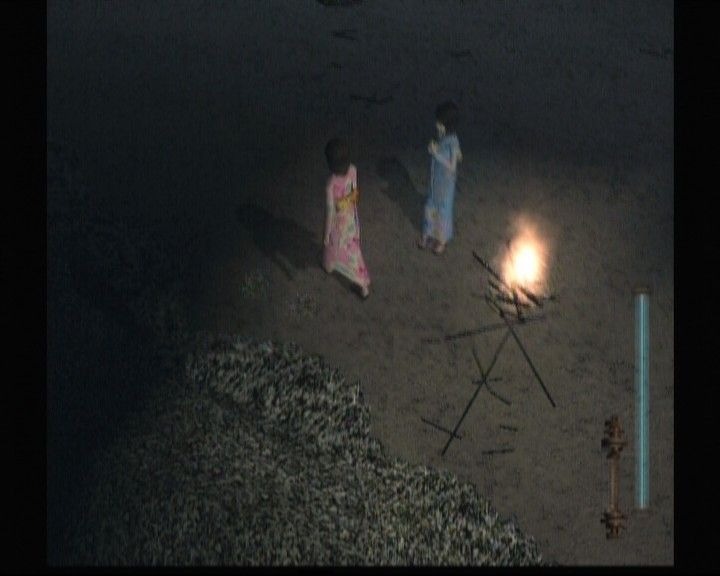
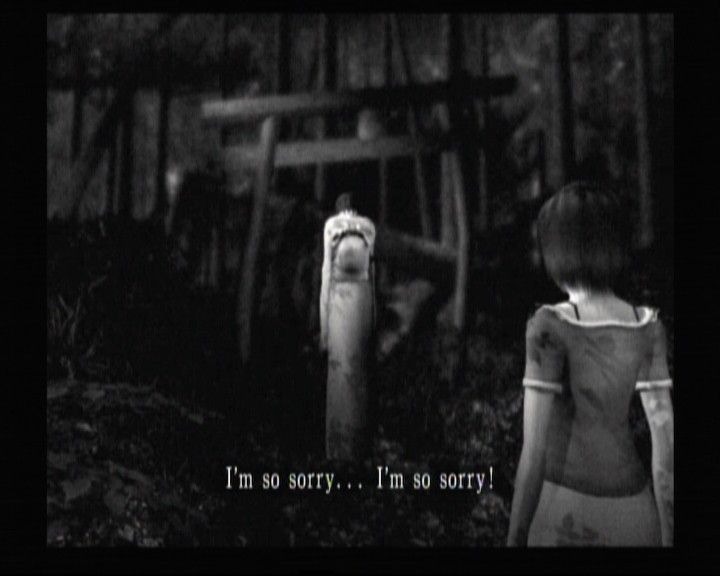


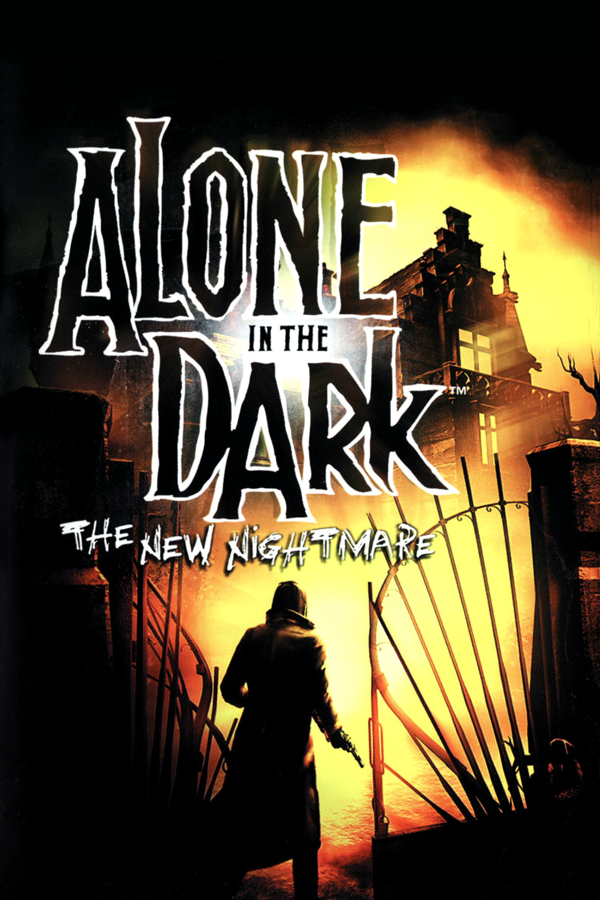





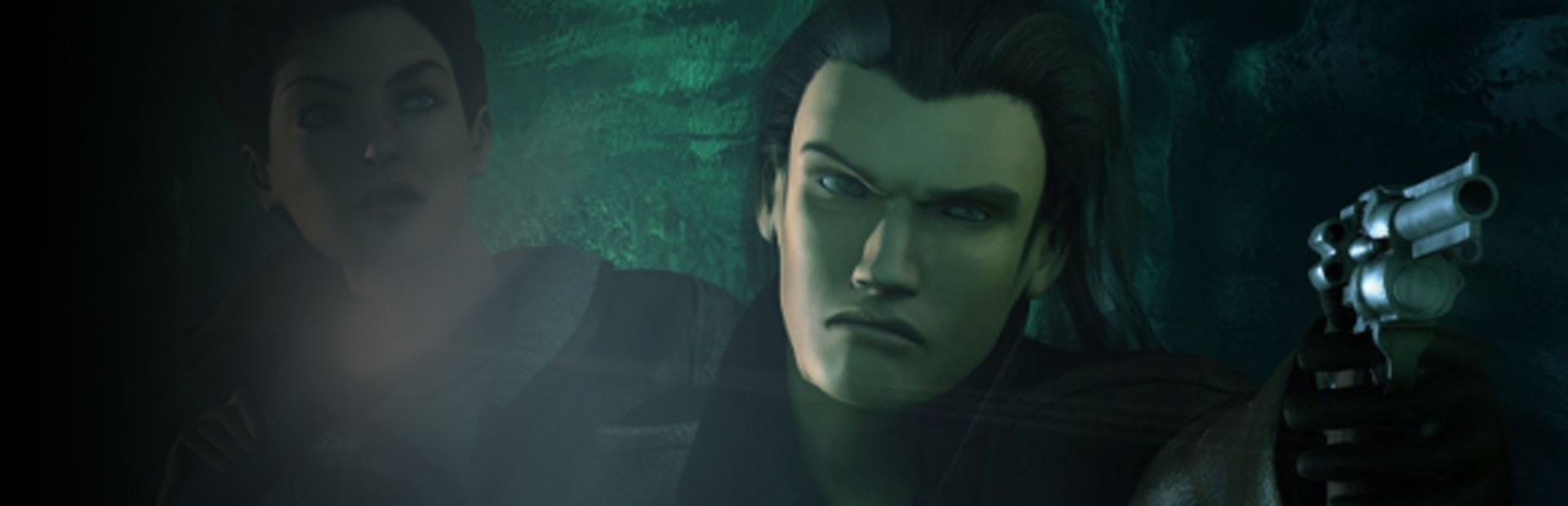


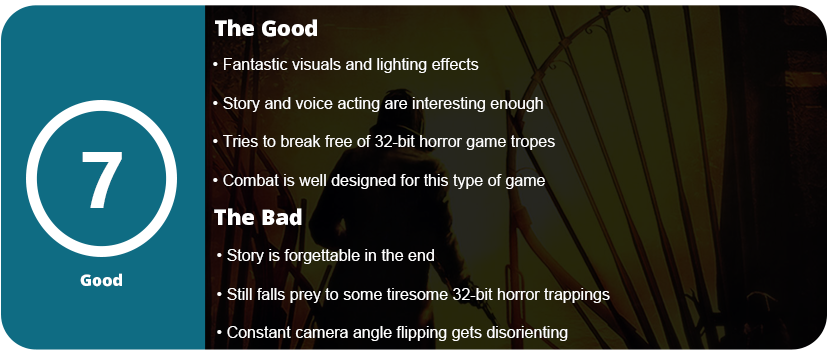



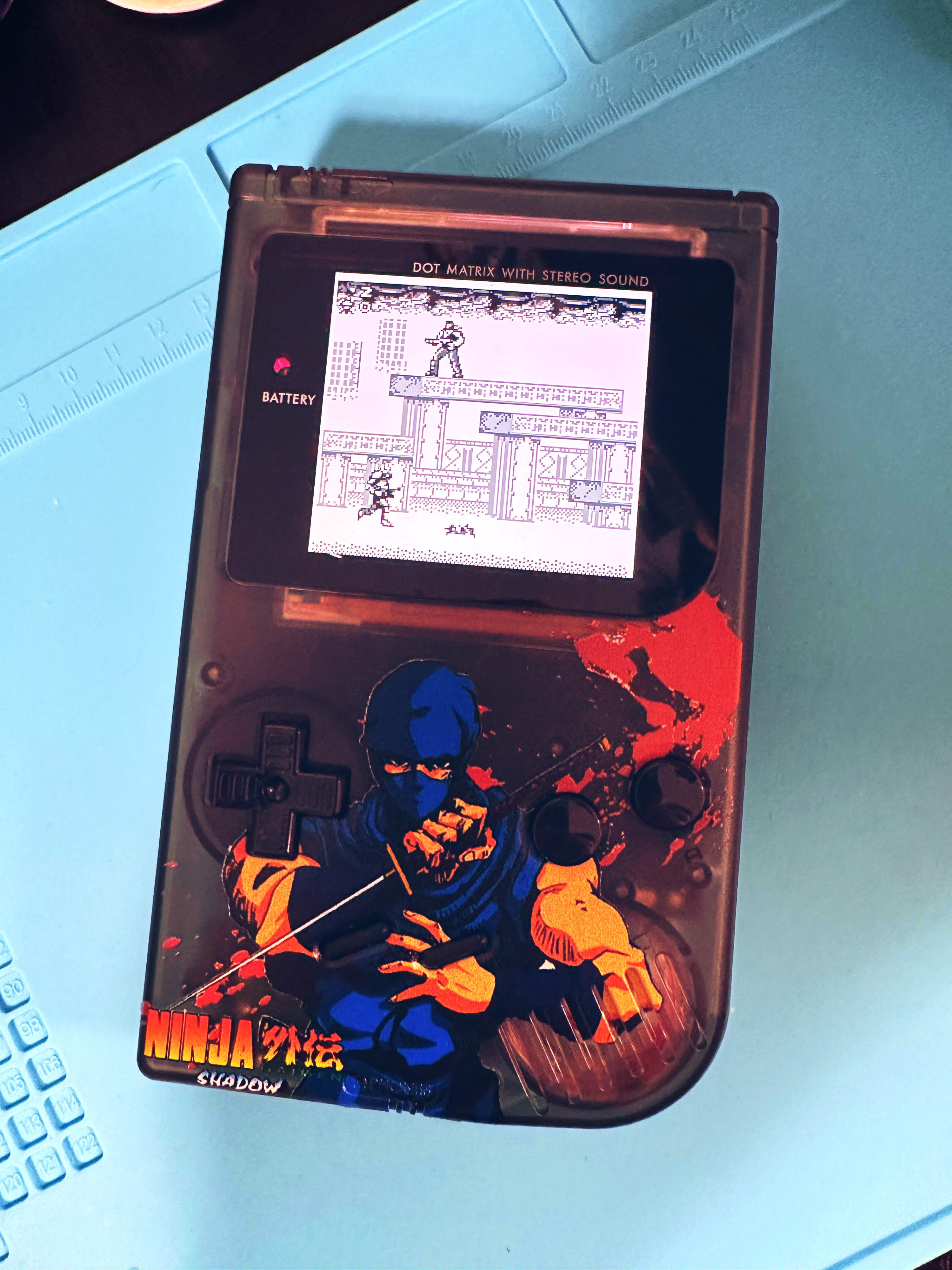


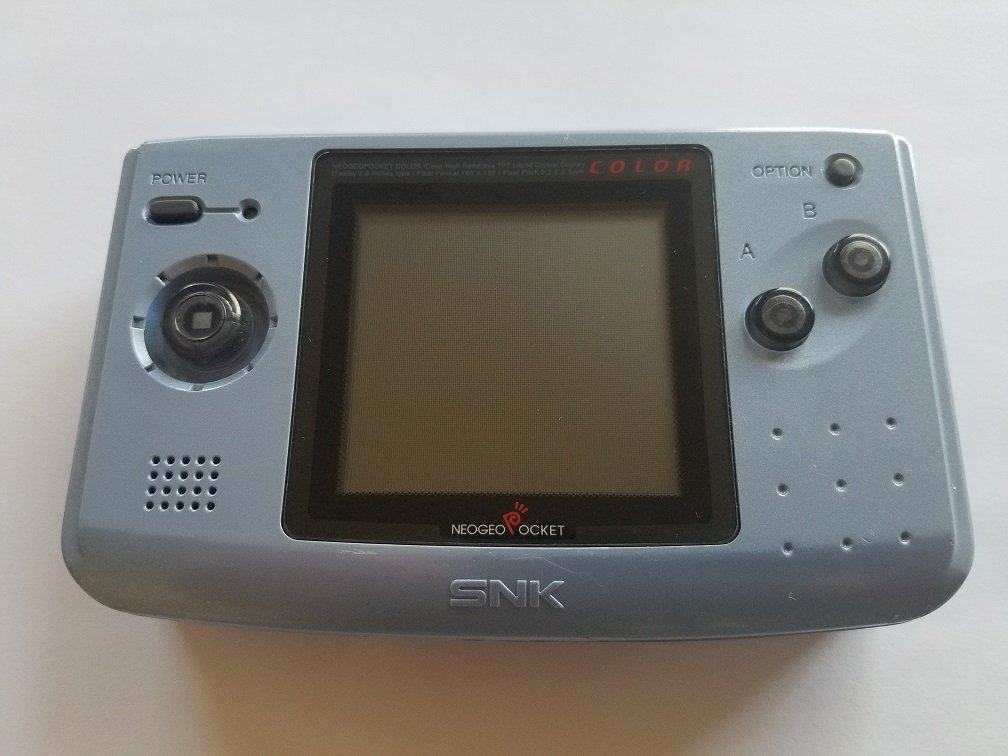








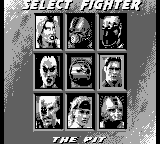
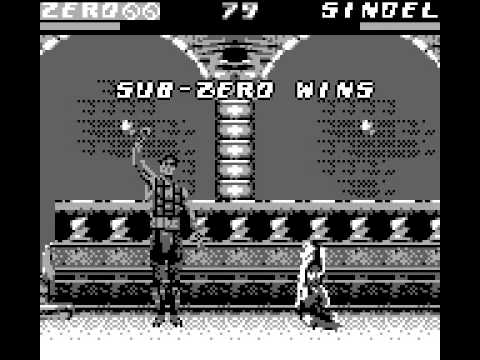
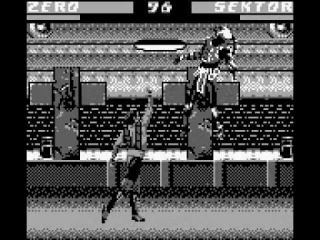


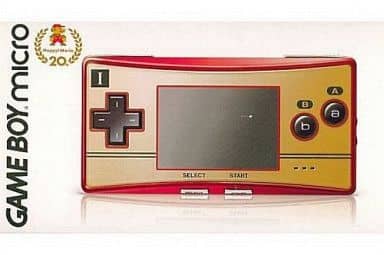
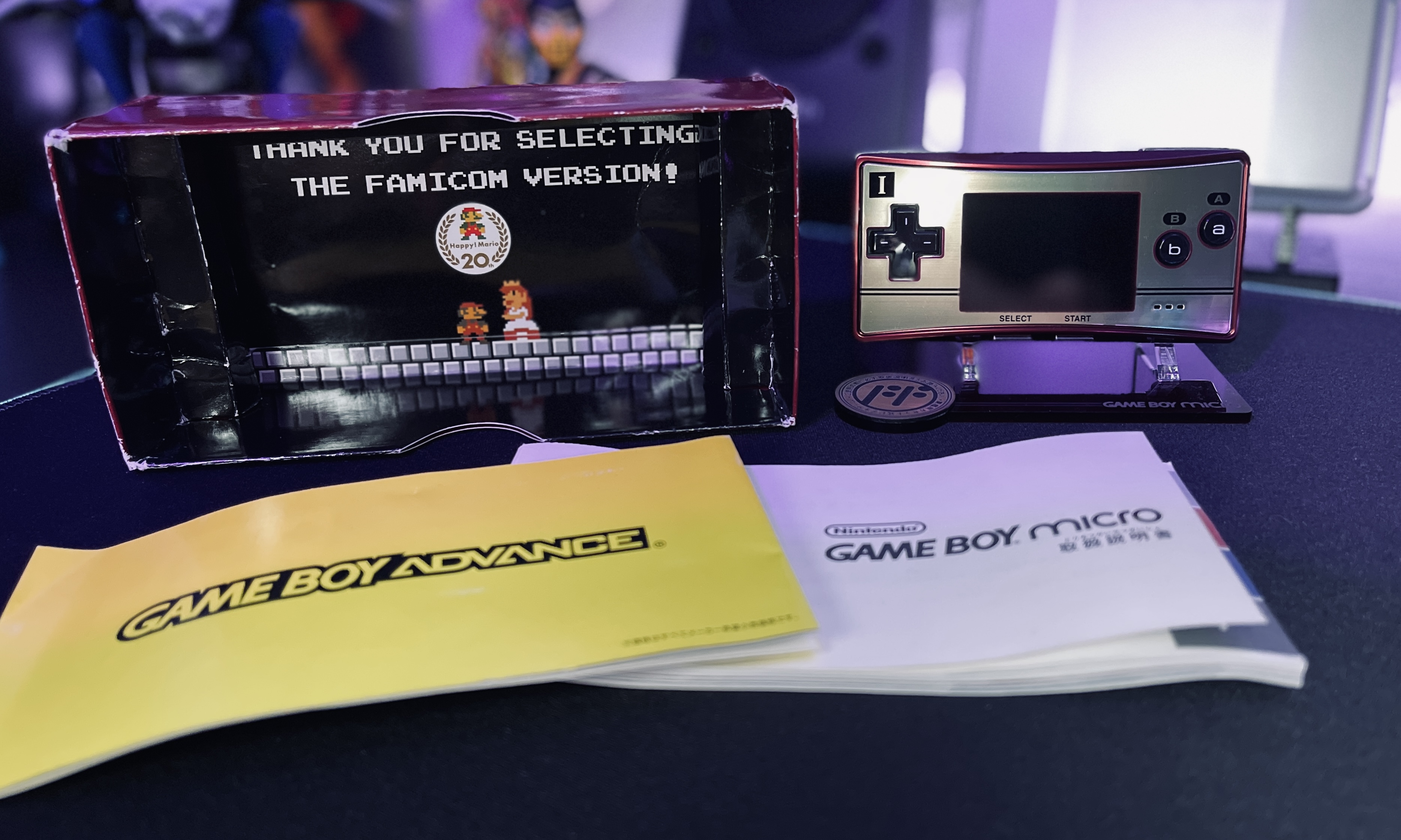

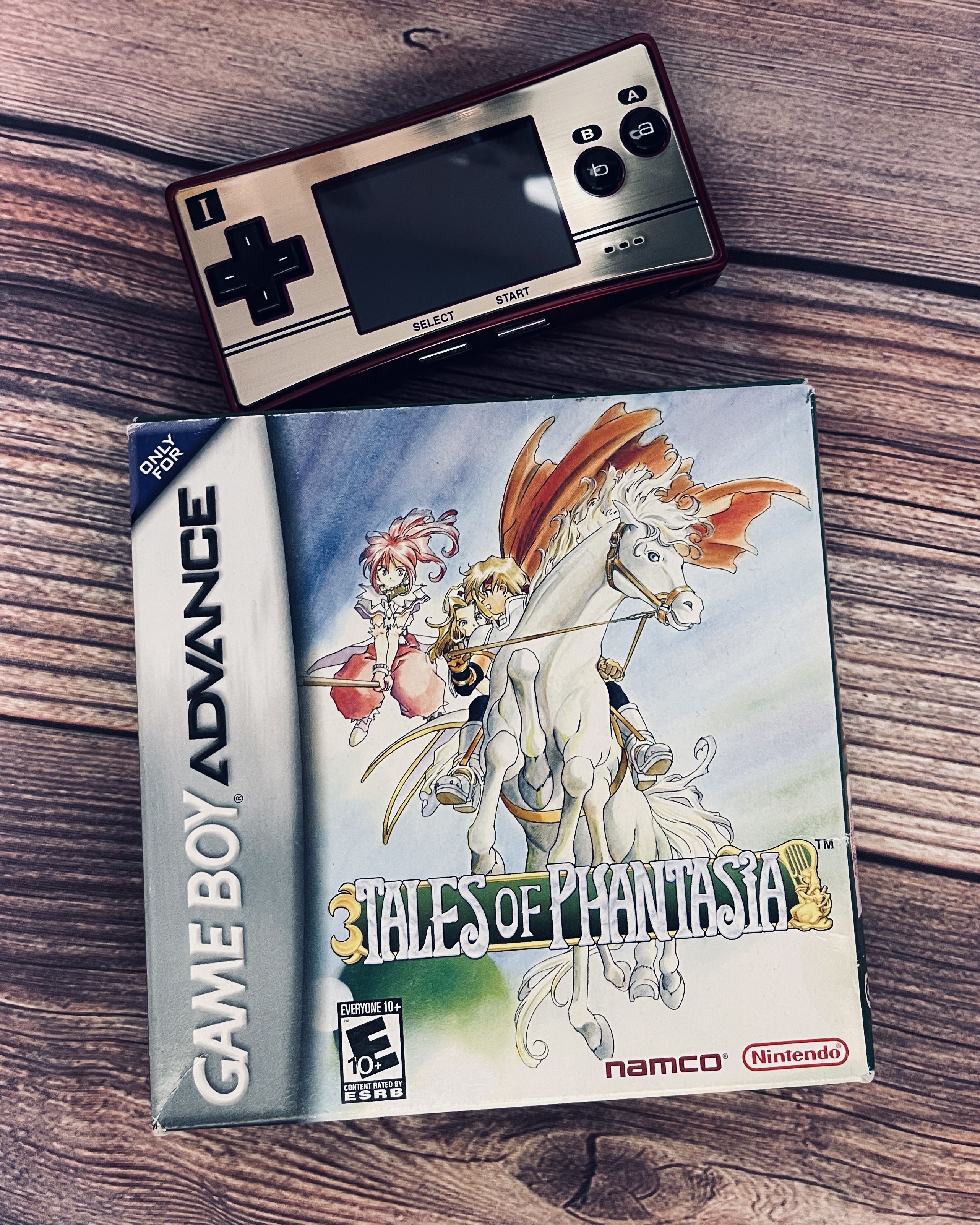




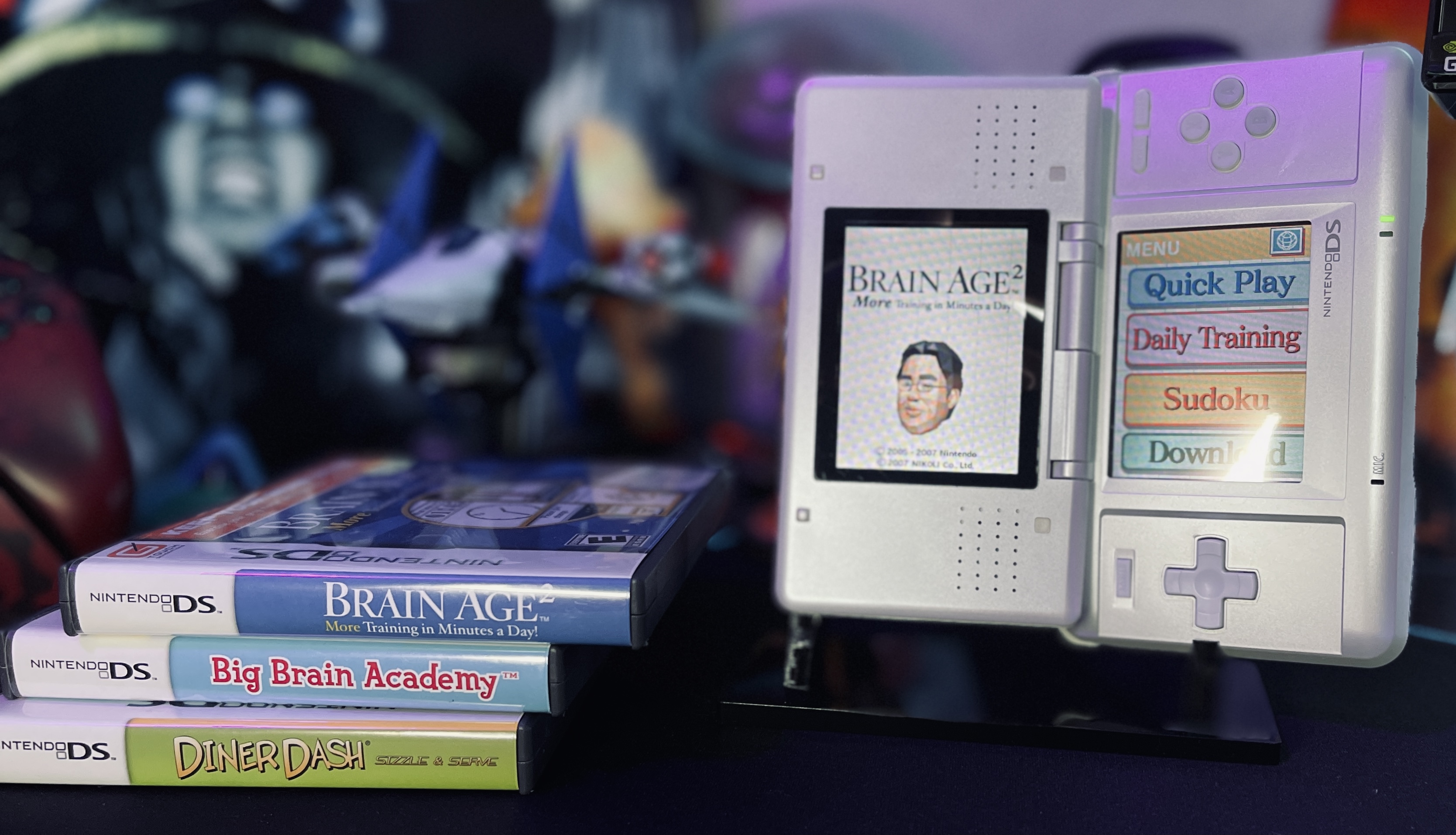


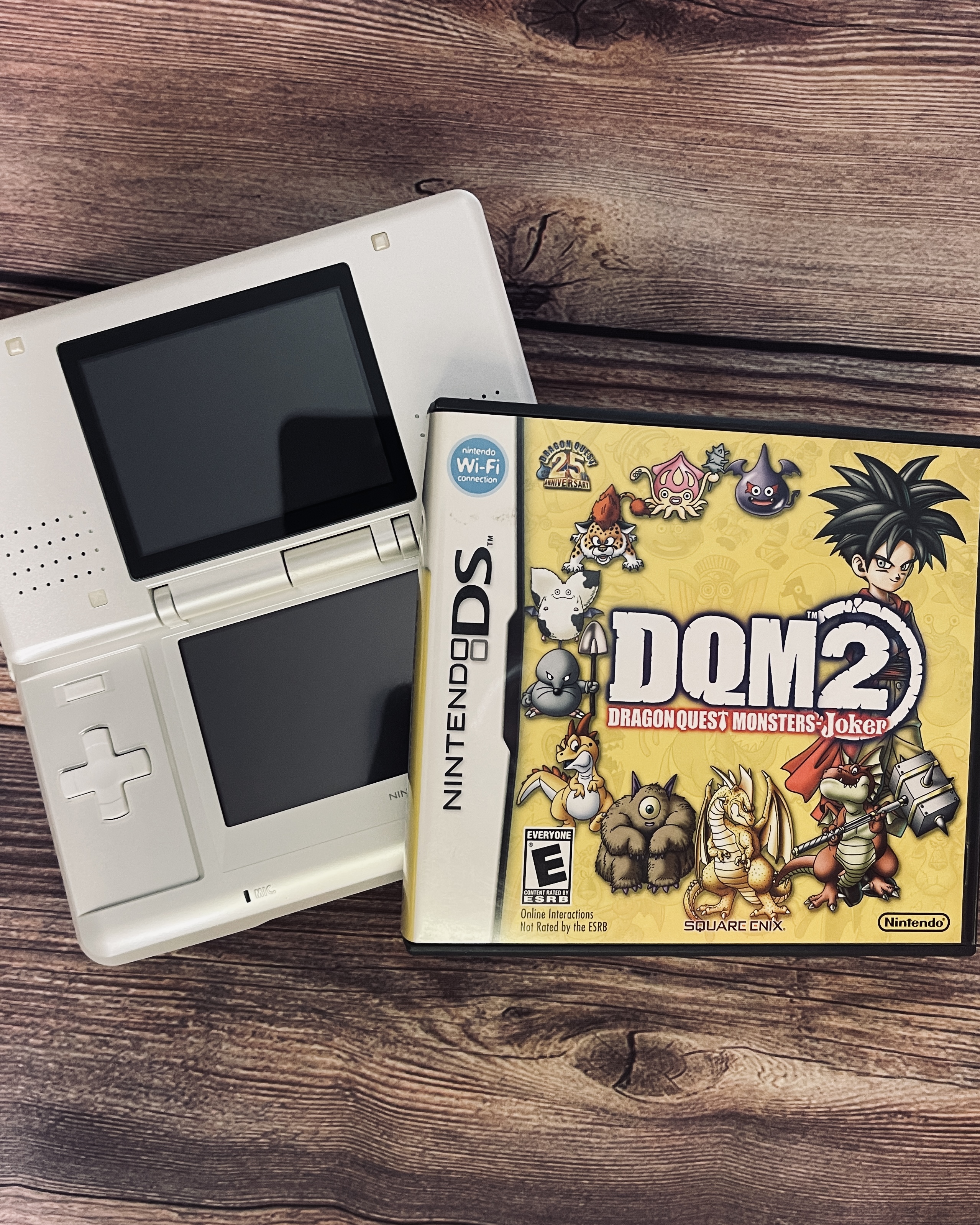


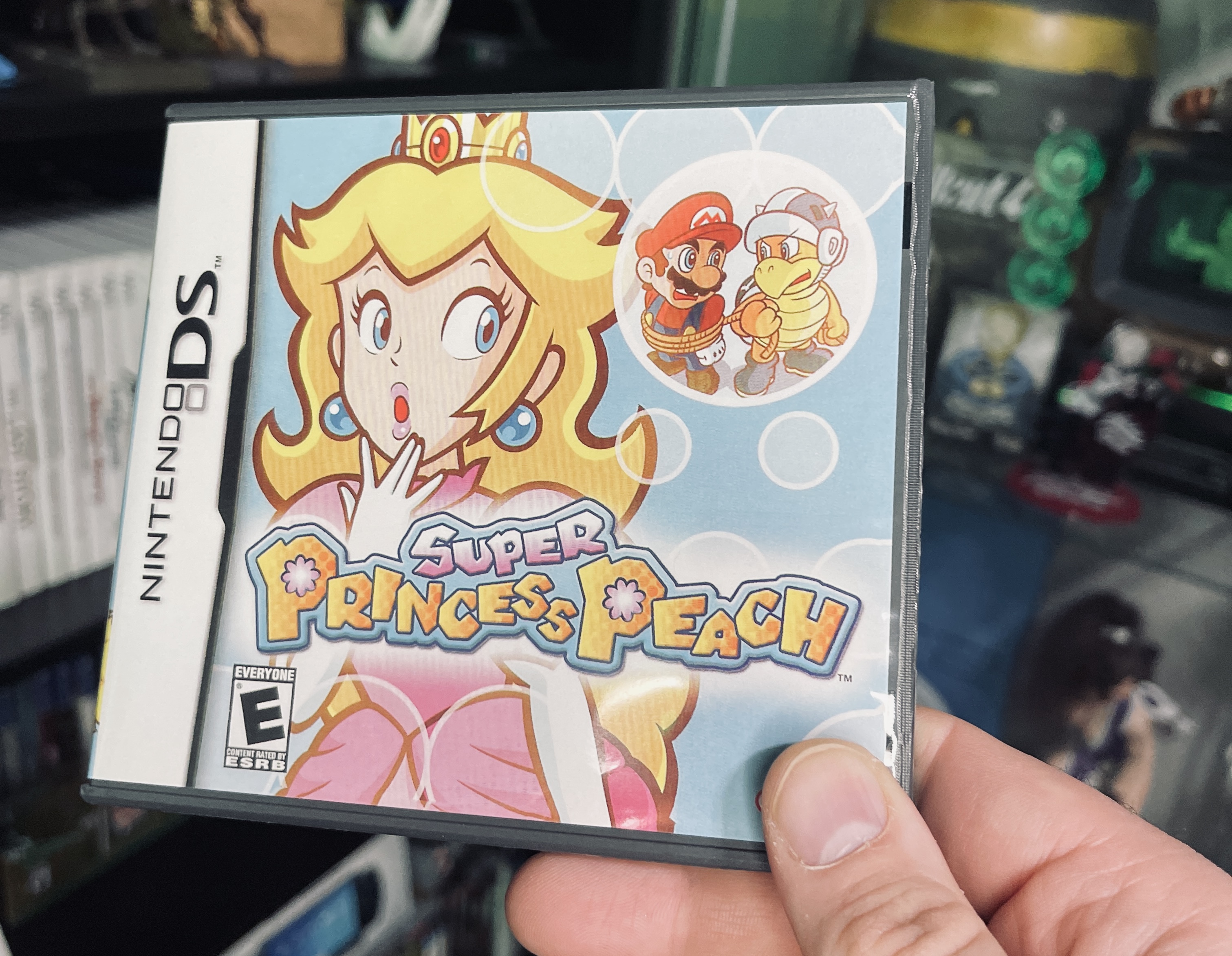
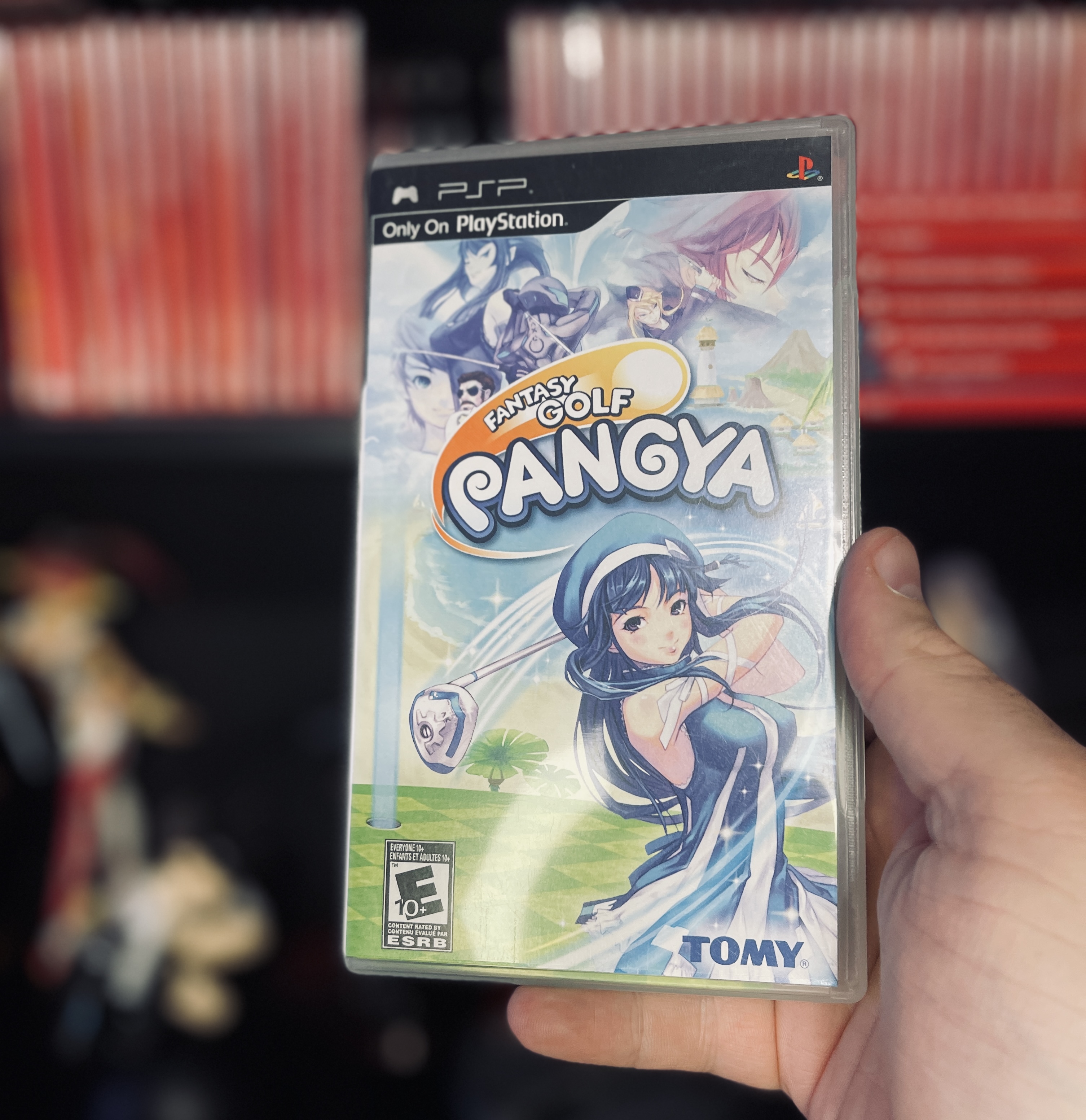


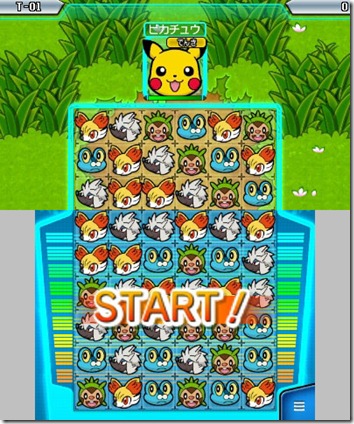


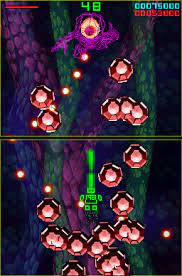

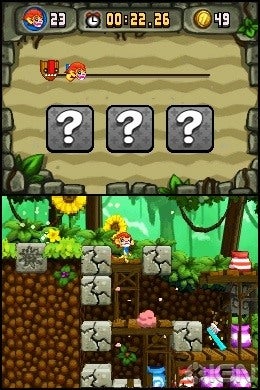
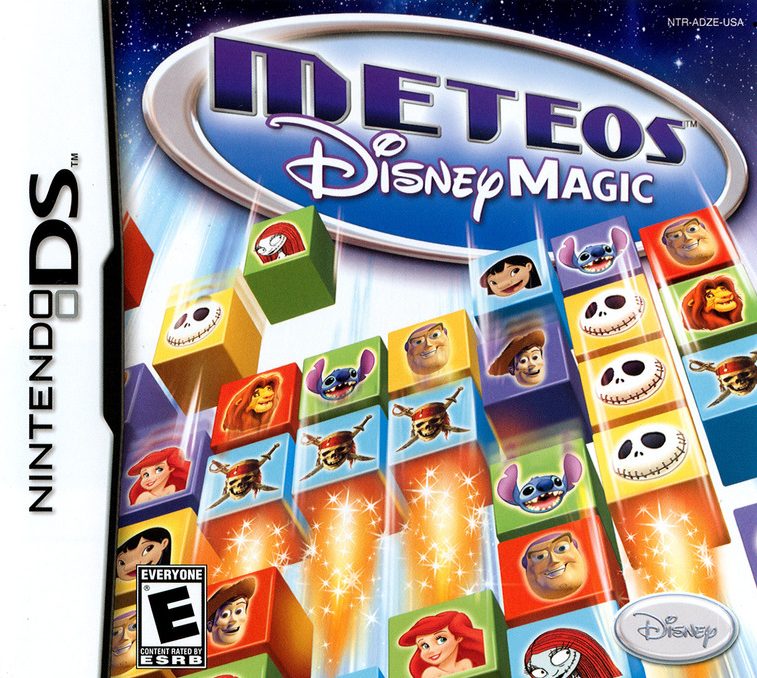
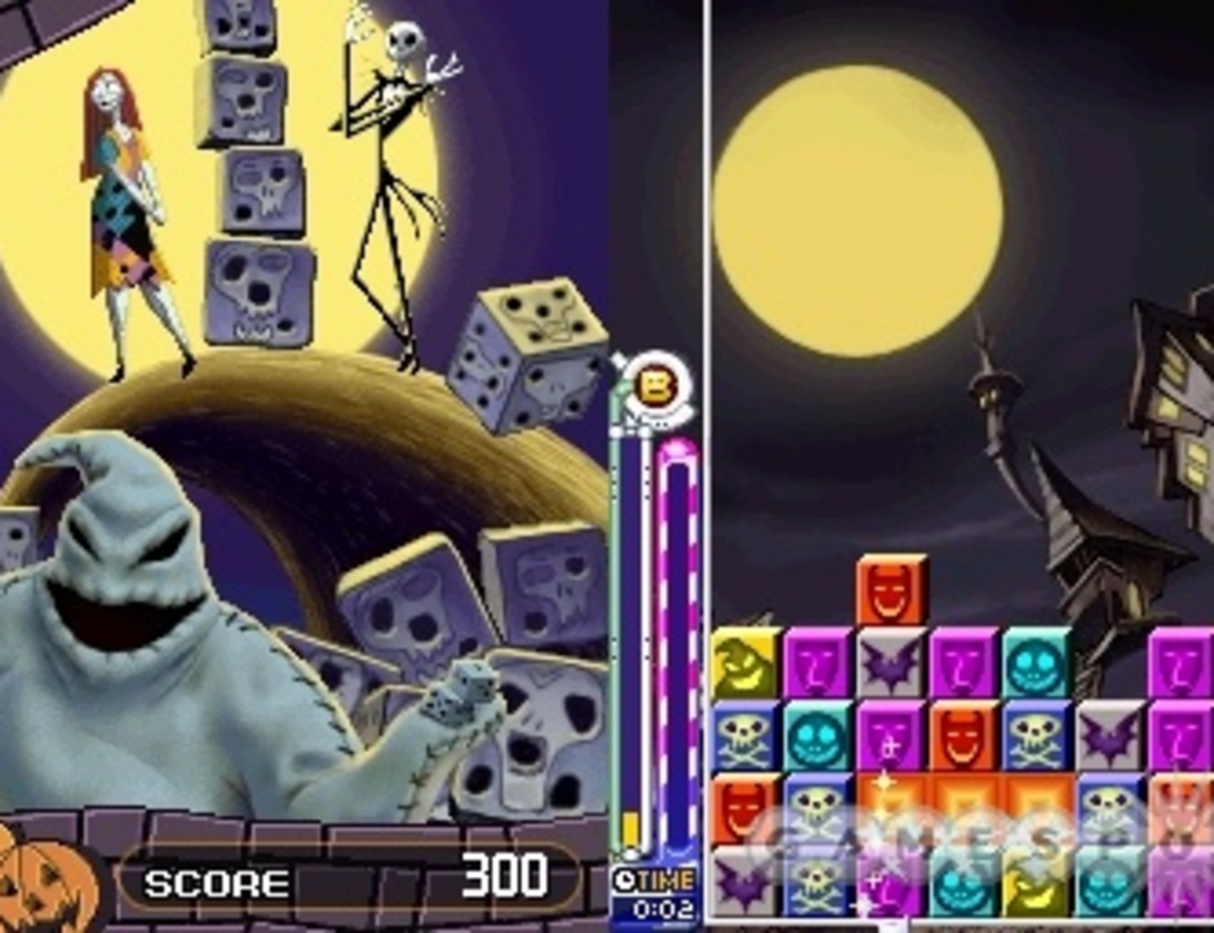


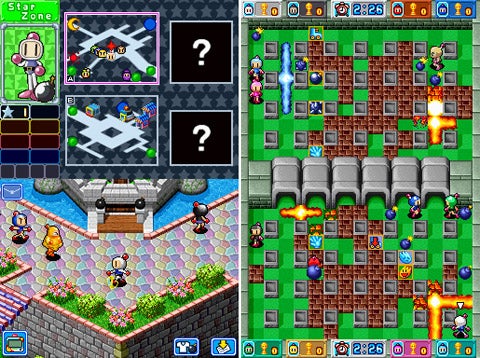


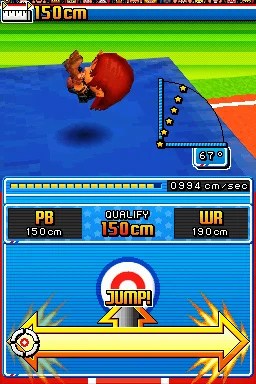
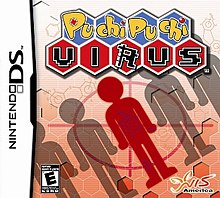
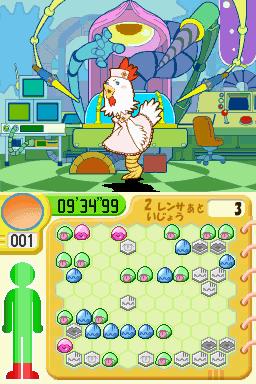
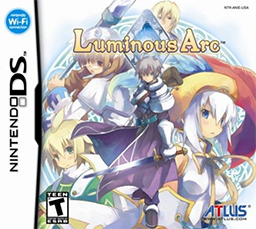


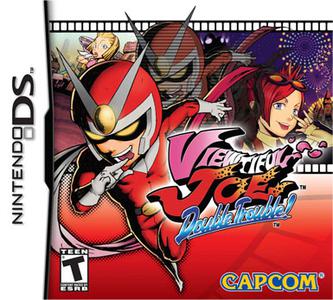


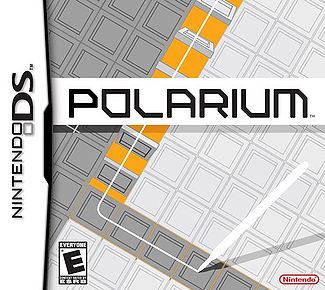


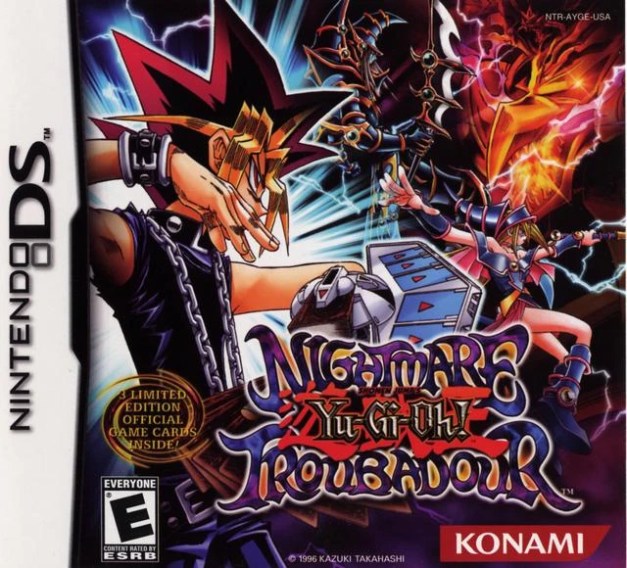


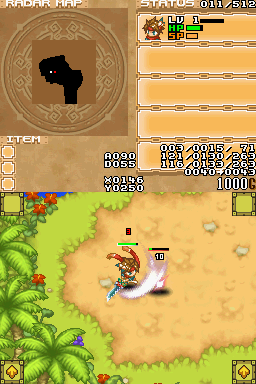


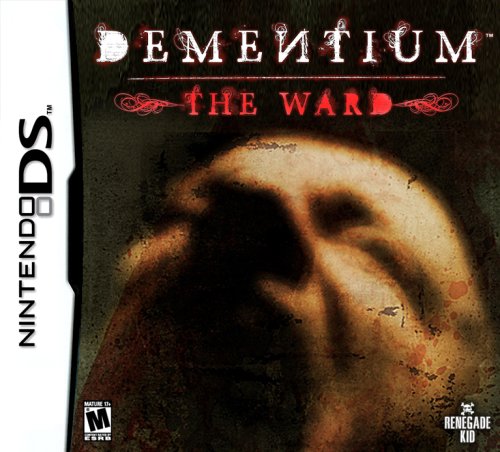
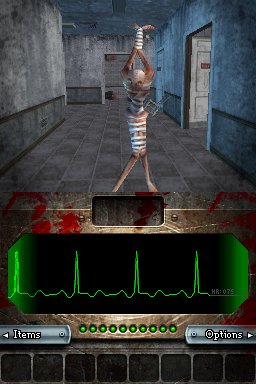

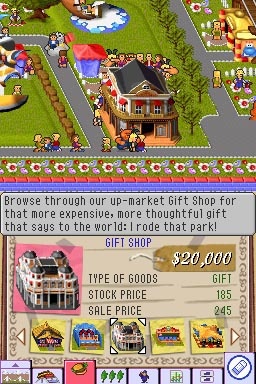

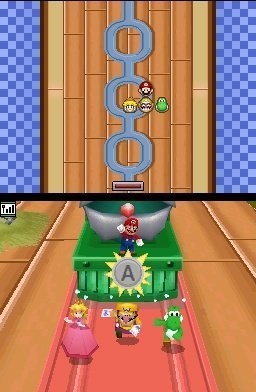


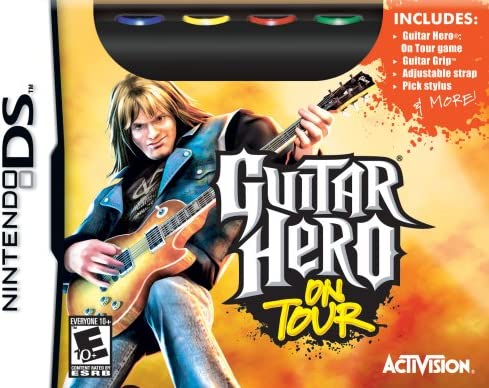


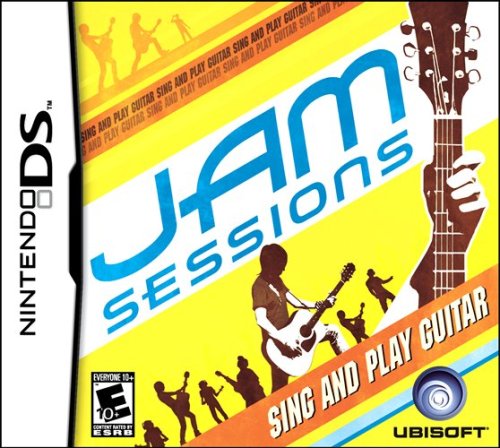


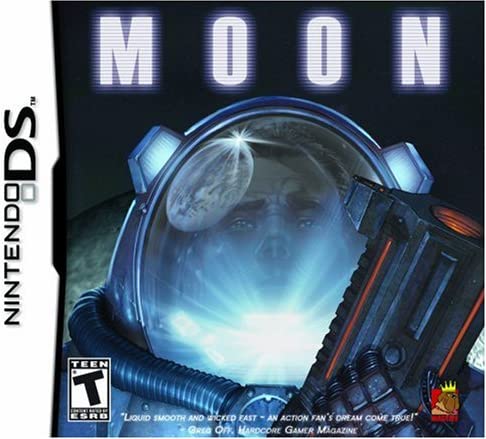


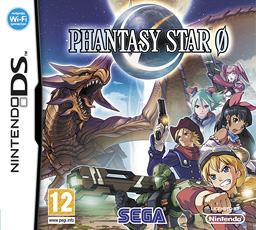

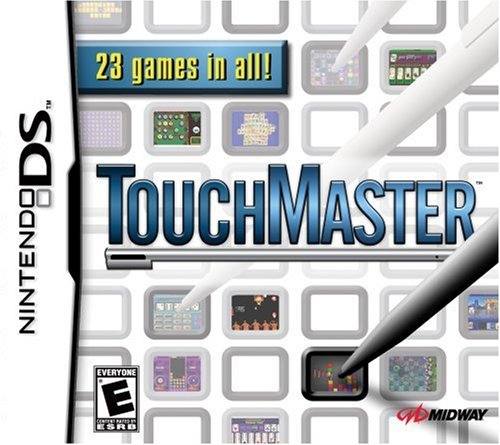


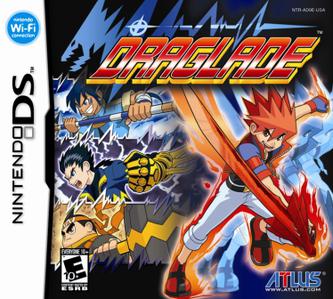


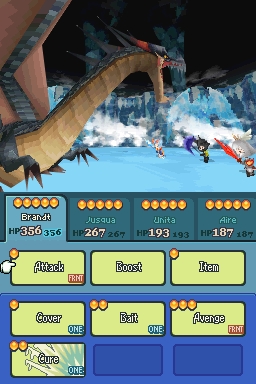


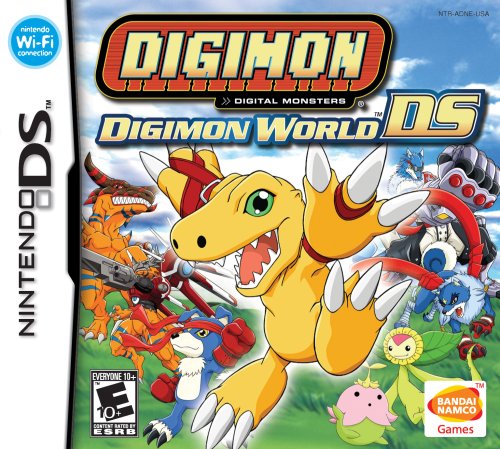


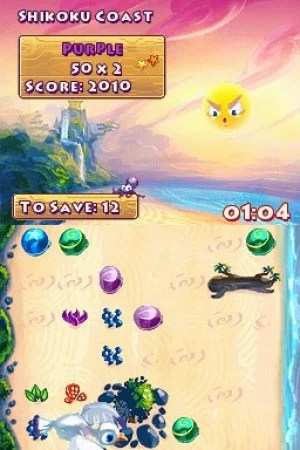


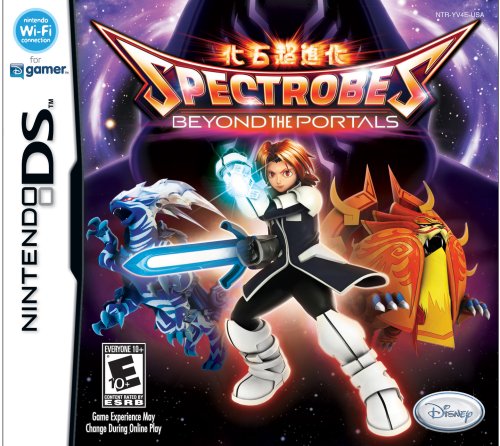

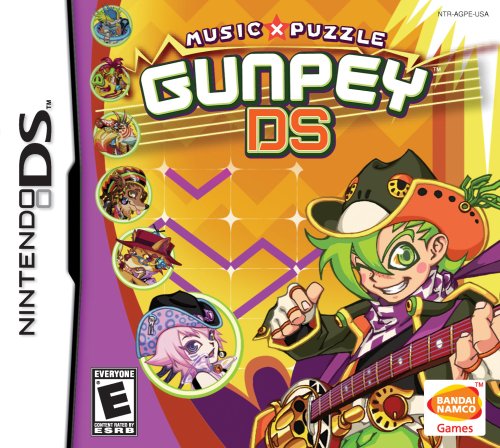


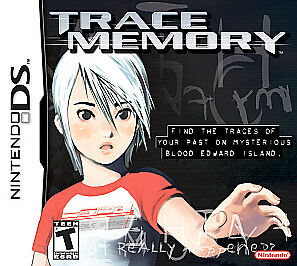

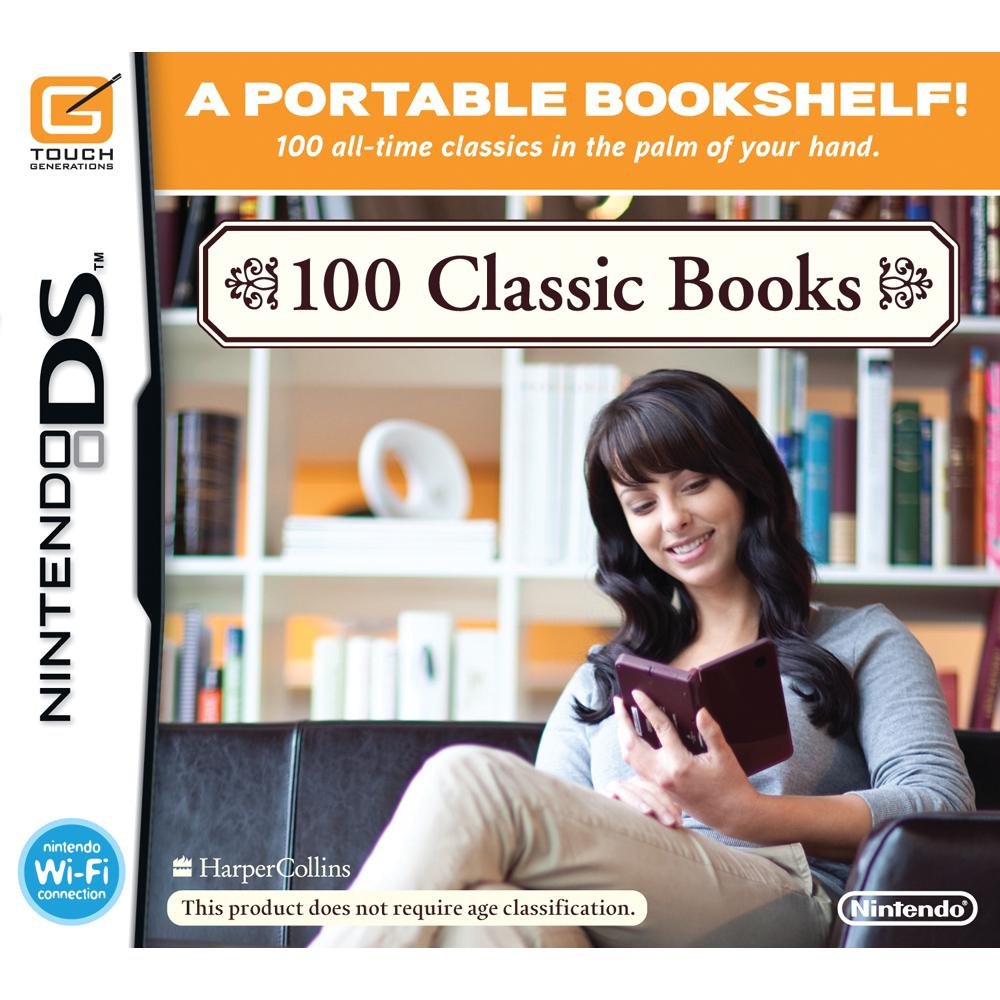

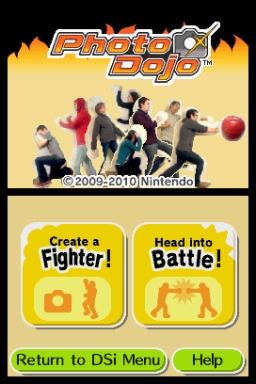

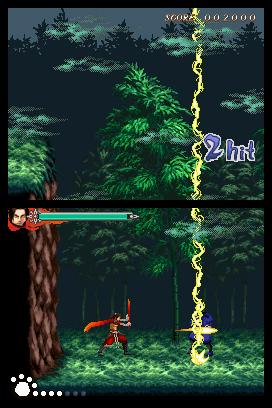

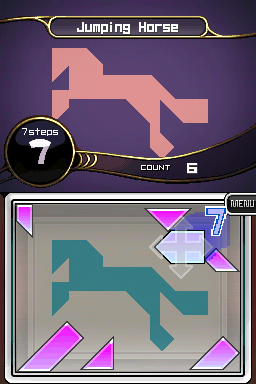


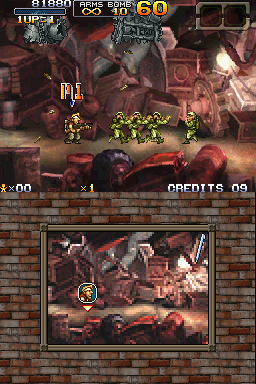




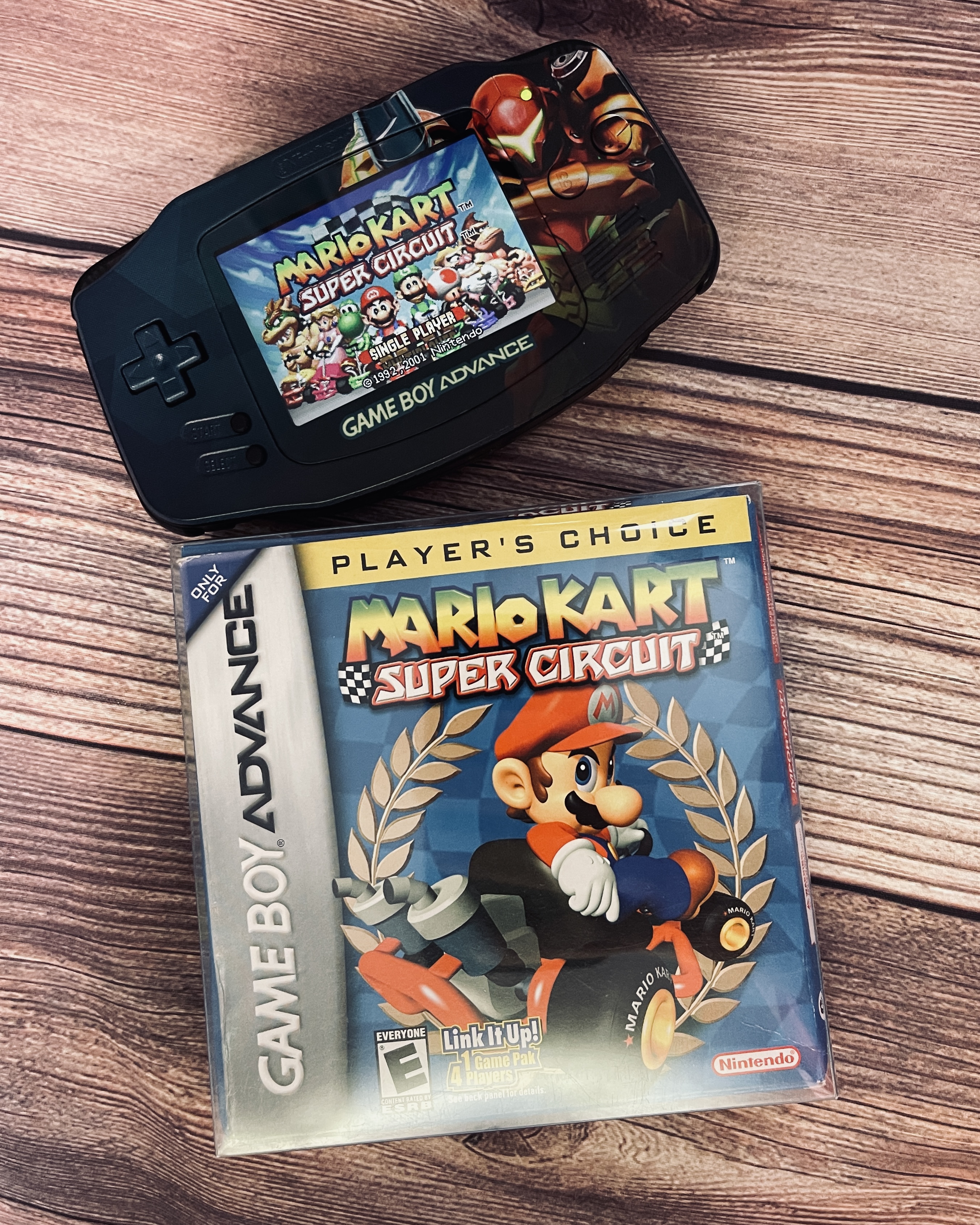
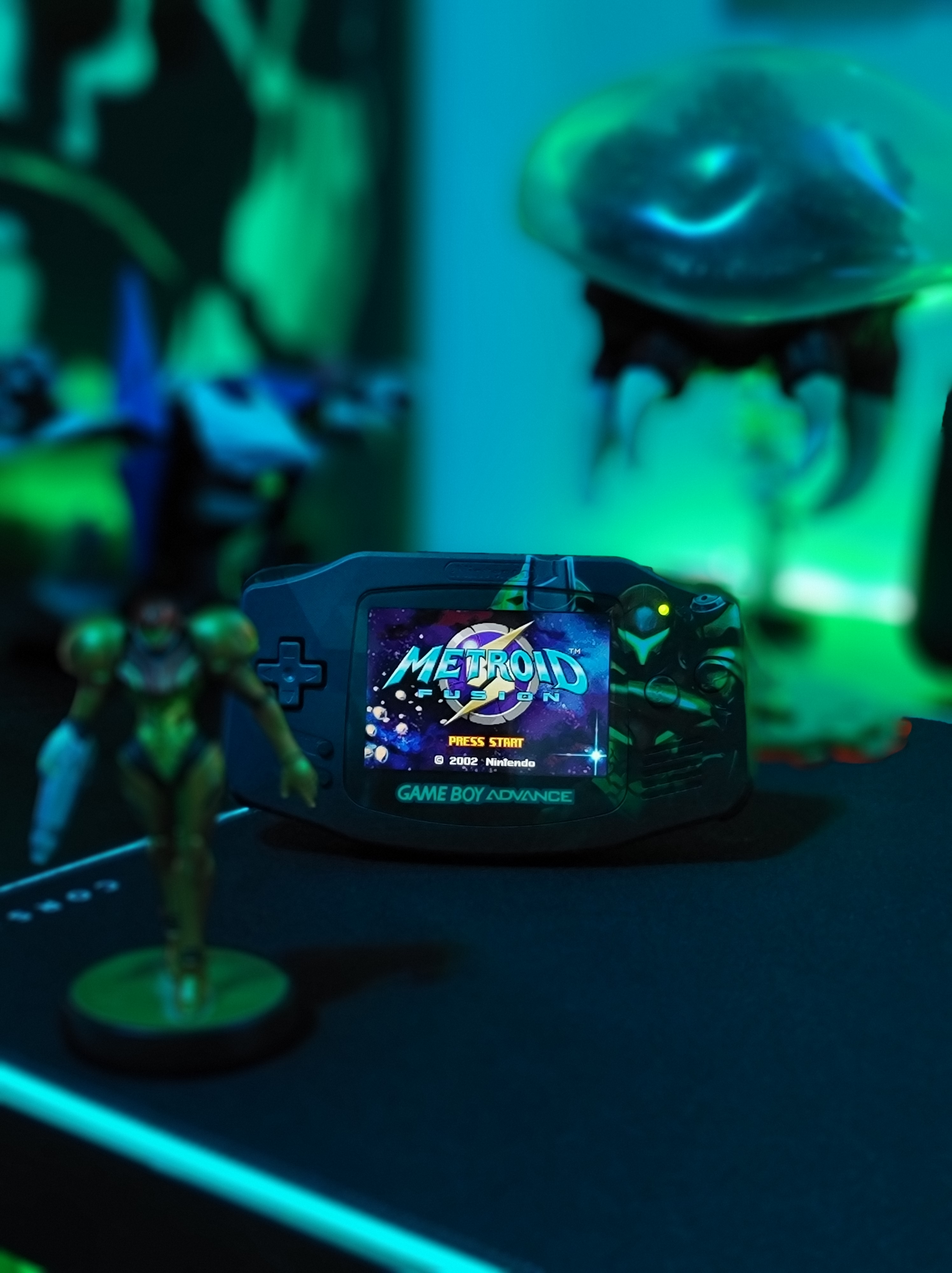
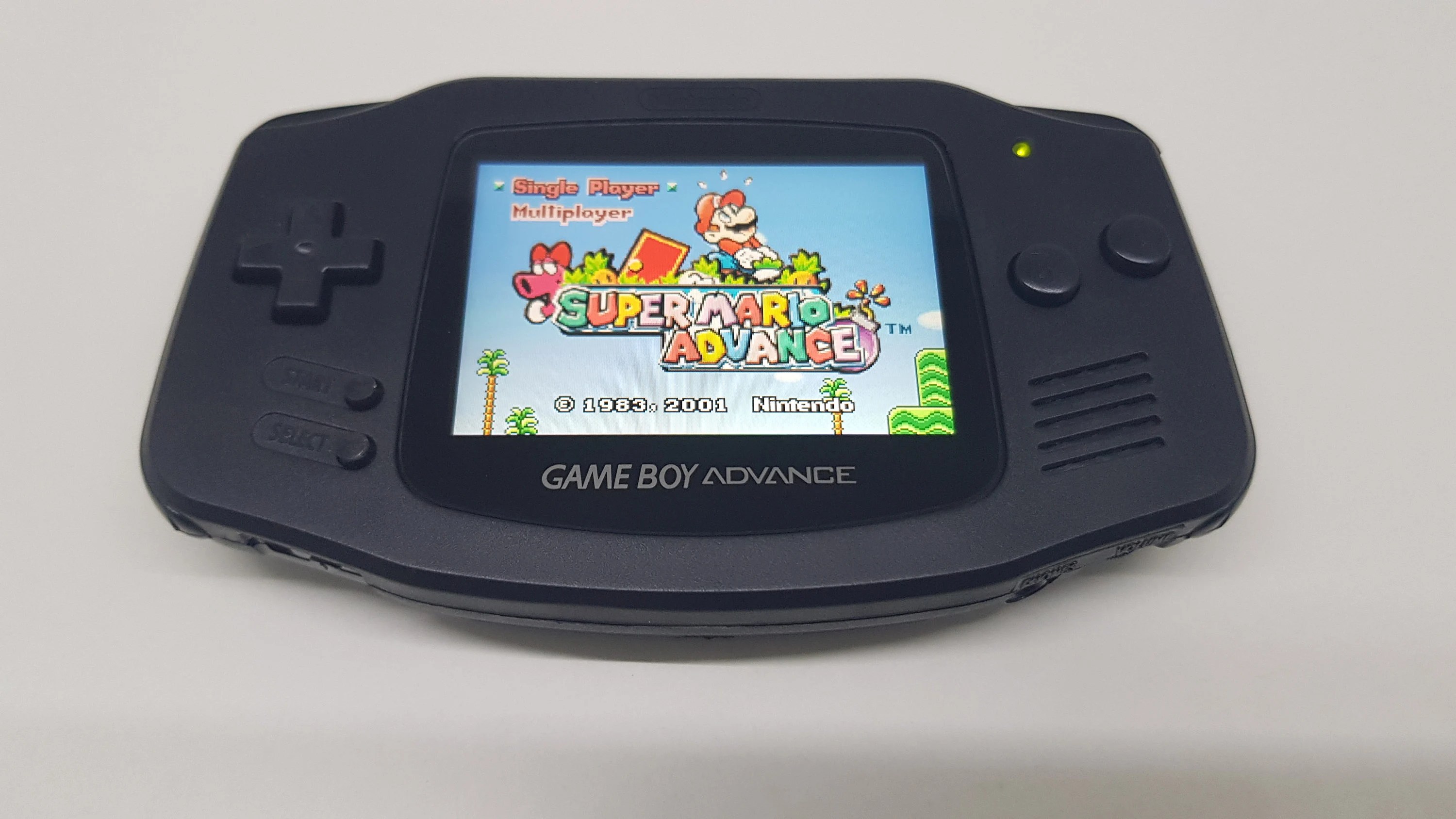





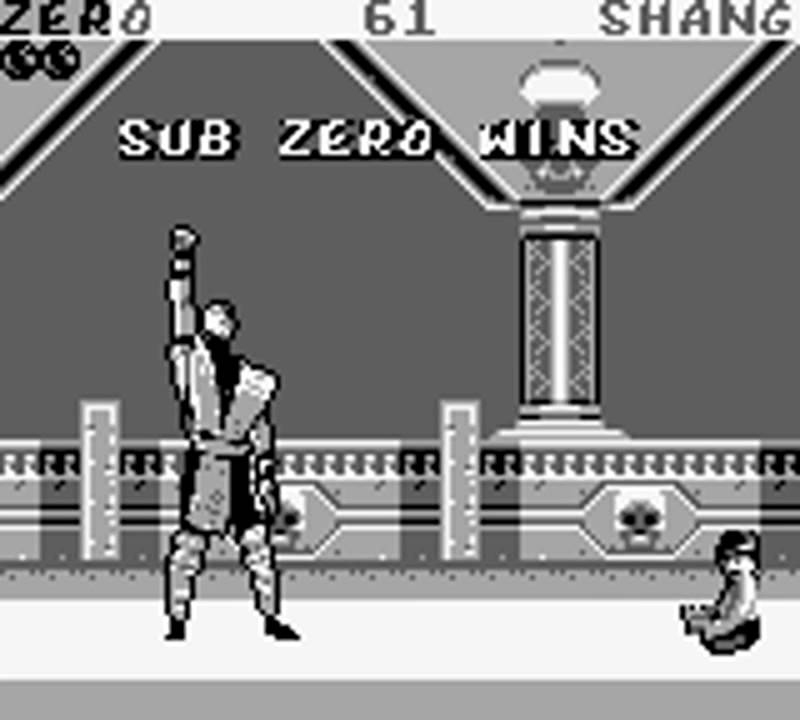
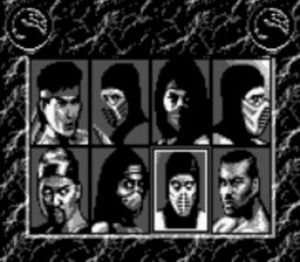


 thebinarymessiah.com
Try multiplayer. A lot of fun !