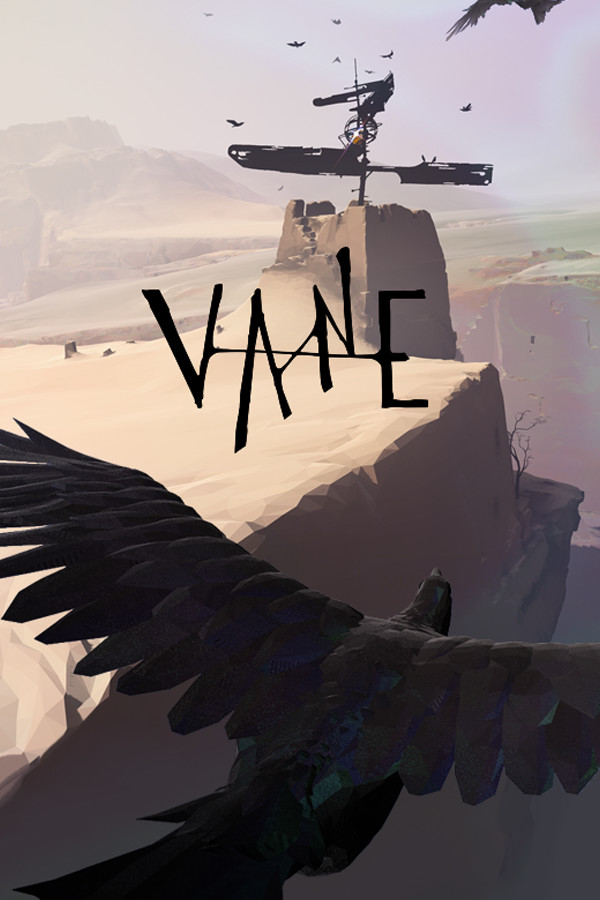
Sony is well known for their “artsy-fartsy” games that started way back on the PS1 with titles such as Intelligent Qube and Vib-Ribbon. Later games such as Echochrome and Unfinished Swan pushed this further as indie-friendly games that are all about art and vision rather than sales. Vane is another game in this…vain! It sadly misses the mark on what these other art house games do.
You play as a girl who can turn into a crow, and you start out flying around a valley. The direction of what to do is unclear, just like in the story itself. Most of these artsy games have some clear story through visual or audio representation, and by the end, you get the message, but Vane doesn’t have either of these. We open up with the girl delivering a gold something to a large crow elder in a storm, and she gets shunned away and gets eaten by the storm. As we fly around as the crow, we are attracted to shiny objects in the distance on windmills, and these release gold leaves, and more crows follow you to the centerpiece windmill that requires enough crows to release a gold ball.
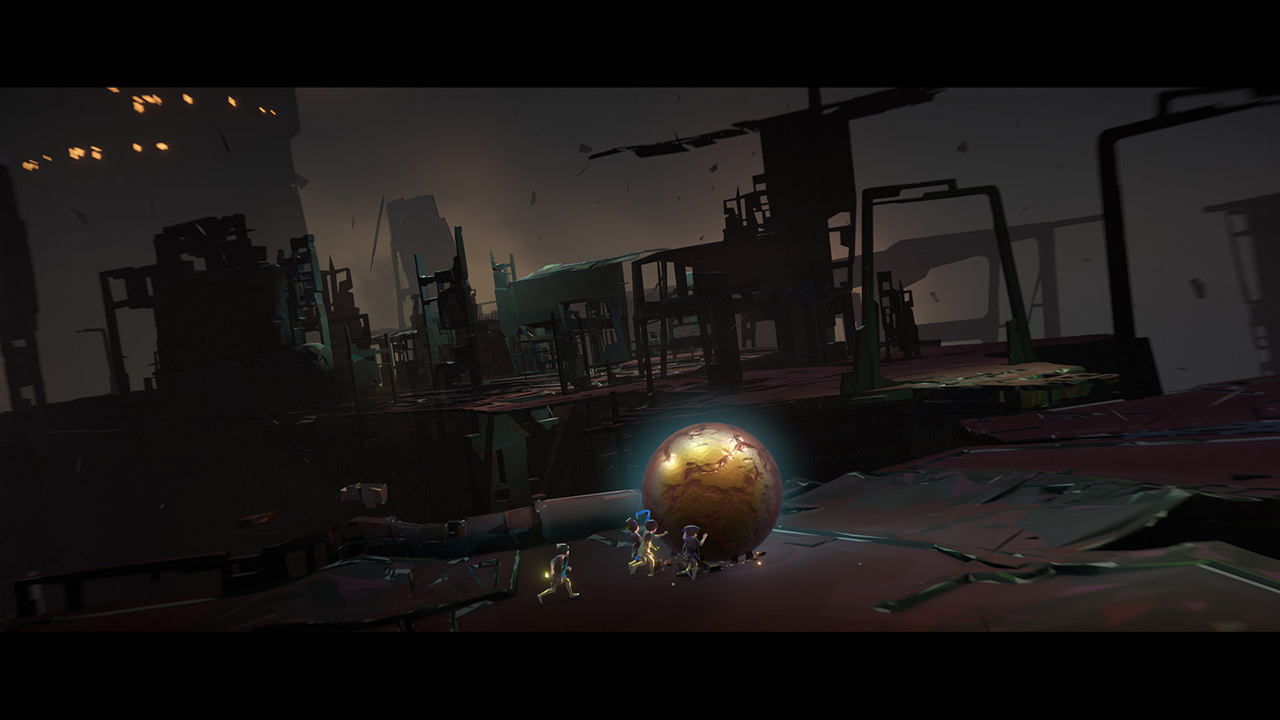
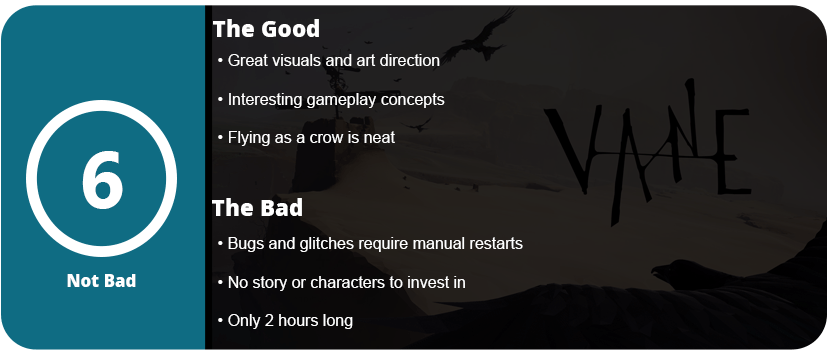
As this ball is released, you are taken prisoner, and somehow you must free more crows, and the gold stuff turns you into a little girl that can walk around. This second area is the last time you will use your flying skills, as the entire back half of the game sees you just walking around and rolling a giant gold ball around. So that’s the entirety of the game. There’s no point to it all, and the ending doesn’t answer anything either. There are a few push-pull puzzles with the giant ball, as you need to find more girls to use your scream powers to rewind time in a large enough area to recreate bridges. After that, it’s more stuff with the gold and no explanation as to what it’s used for, who are these crow elders, and why are we bringing this gold ball to the top of a tower? Nothing; there’s no investment for the 2 hours of your life you will never get back.
If you’re going to do an artsy game, at least give us a story at the bare minimum. Journey did this wonderfully and was memorable because of the visuals, music, and visual story it told. The problems don’t end there with Vane; however, there are glitches and bugs that require restarts, such as physics issues in which I would get stuck on something or the giant gold ball would roll in the wrong direction and not be retrievable. One time, my crow wouldn’t transform into a girl and required a manual restart.
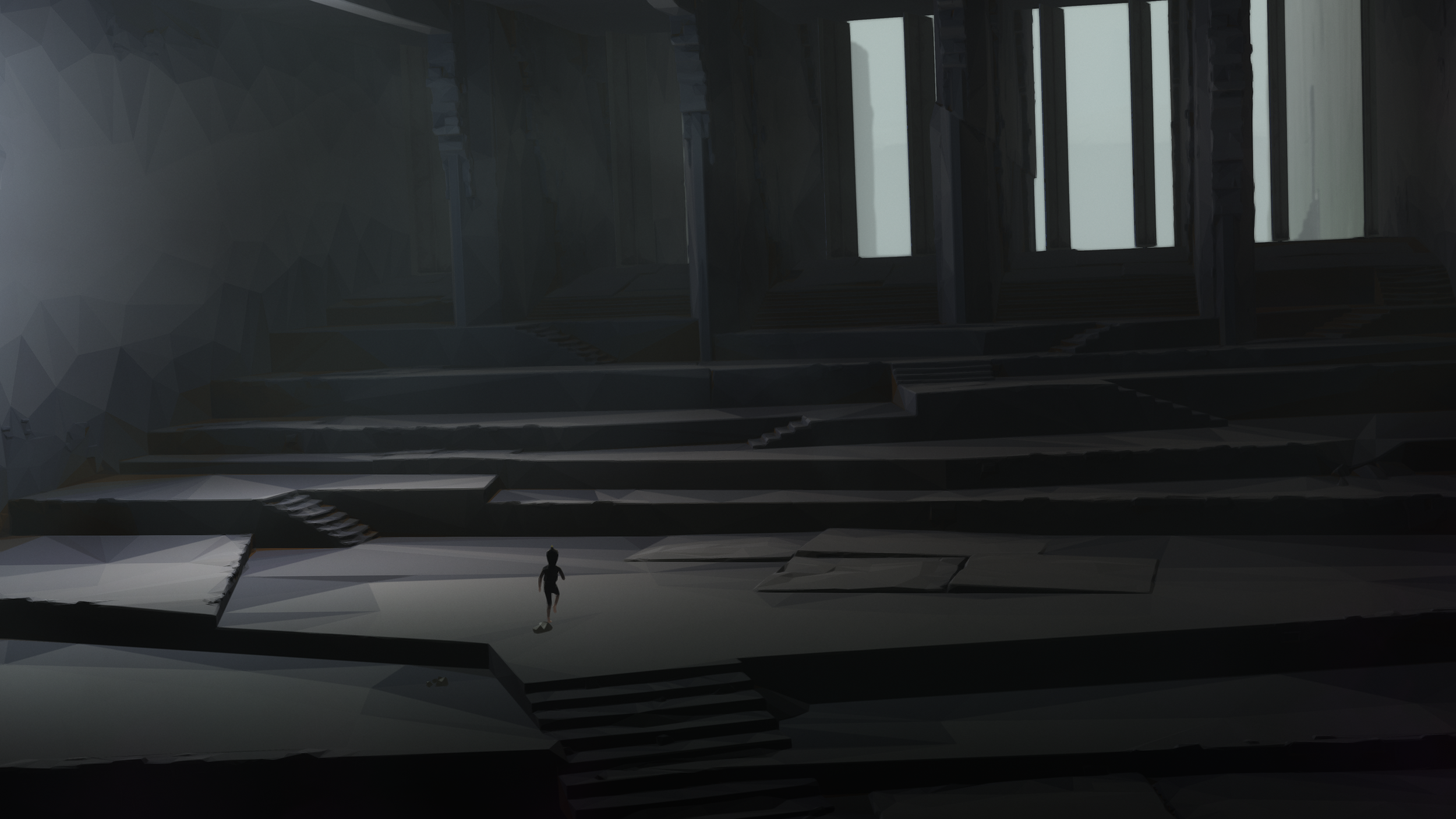
At least the visuals are nice, with an abstract fractal typesetting and some great lighting and well-designed characters, but it’s all for naught if there’s nothing to care about in the game. Vane is a sadly missed opportunity, with too much emphasis on visuals and less on something the player needs to strive for. We know these girls are desperate to save something, but what? It’s never clear and is not really worth the time to play through.
Do you trust your government? Do you trust your social media outlets? Do you trust anyone with money or power? That’s what Watch Dogs 2 constantly asks you as you play through the campaign. You play as a hacker named Marcus who is trying to take over what Aiden Pierce did in the first Watch Dogs and take down the corporate conglomerate Blume and their ctOS 2.0 system that is continuously monitoring the people’s every move and step to a creepy factor.
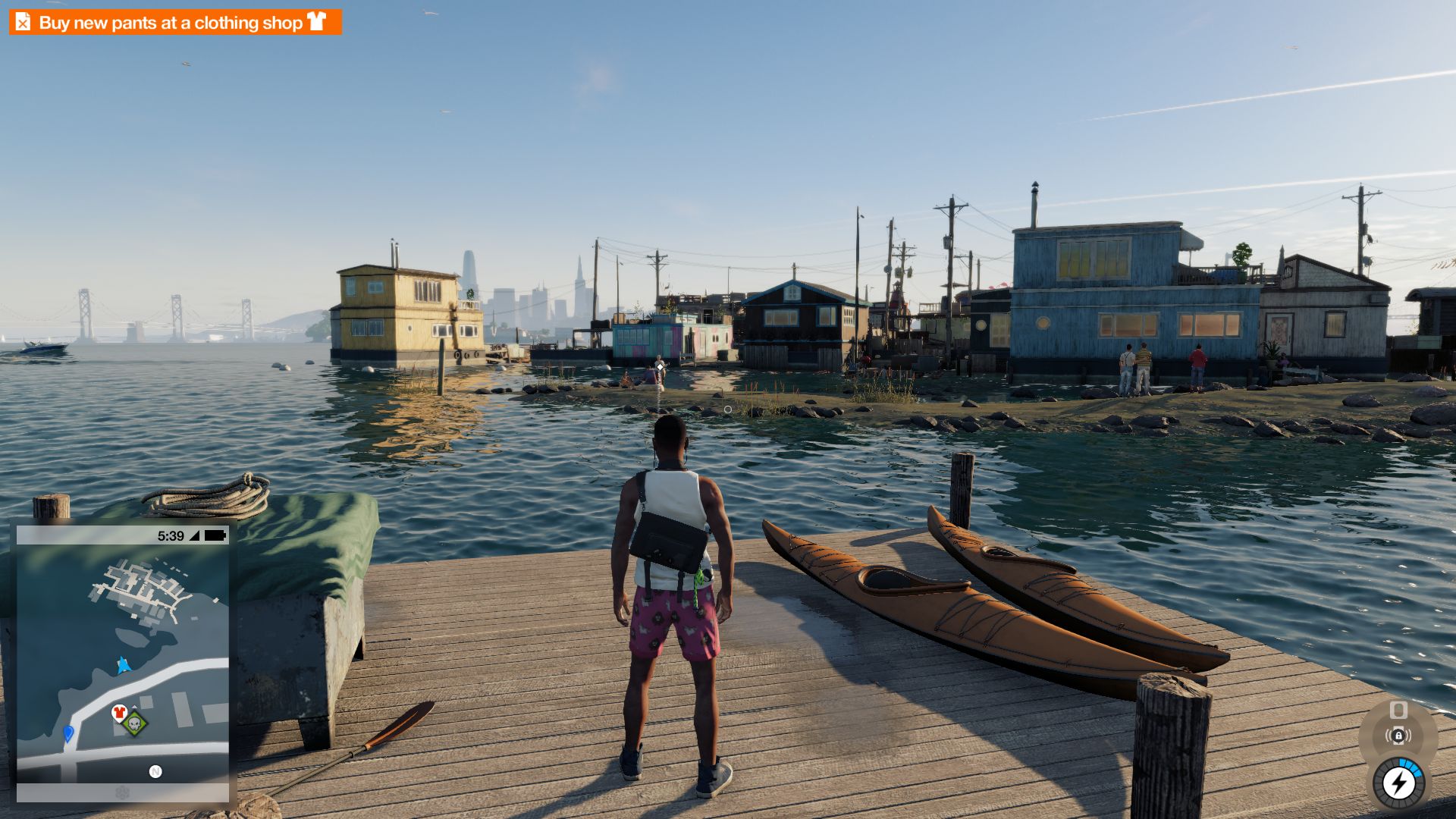
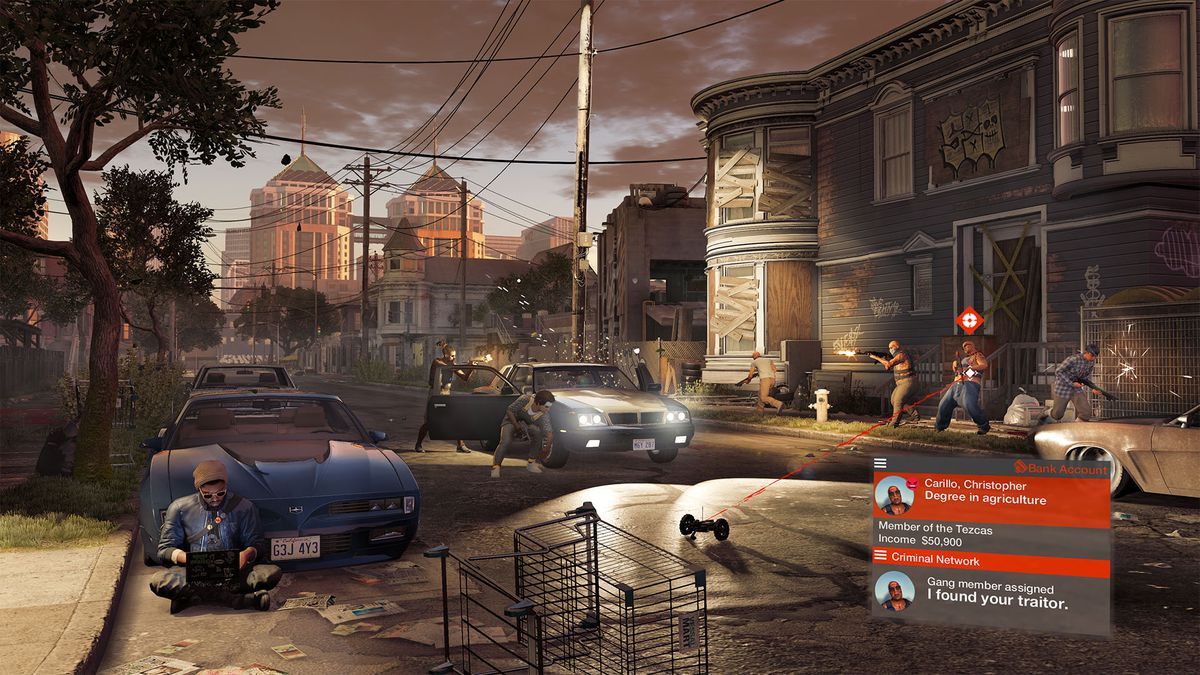
Watch Dogs 2, now set in San Francisco instead of Chicago, is a gorgeous open-world game full of many activities as well as side missions to complete next to the main campaign. There are also collectibles and various shops in which you can deck Marcus out in cool hip threads. But that’s not what I want to talk about first. Let’s first talk about this whole “hack anything” gameplay feature that Ubisoft bragged about for Watch Dogs 1 and didn’t deliver. Your main weapon is your cell phone, and when you move the camera, a white line will connect to everything around you, from cars to electrical boxes to people, and let you either control it or the citizen’s cell phones in various ways. Steal cash from their bank account, burn their phone up (and kill them in the process), set the police or gangs on them, and even listen in on texts and audio calls. It’s really neat and works much better than the first game, and it’s integral for combat when going into restricted areas, which are about 90% of every mission’s contents.
When you get to a restricted area, it can be as small as a house or as large as a rocket-building facility or even a boat. You can either go in guns blazing, which is impossible early on as the better weapons are really expensive to buy, or you must unlock weapon slots. Your main tools are your RC jumper car and your RC helicopter. The RC Copter comes in halfway through the campaign, but you get the car immediately, and you can complete entire missions with this thing without ever having to walk in. Set up just outside the restricted boundaries and control your RC car through vents and doors, have it hack laptops, and even distract guards by making their cell phone ring so you can roll on by. The RC car has physical capabilities that the copter cannot, such as picking up items and physically hacking certain things that require access to the main objectives.
The RC helicopter is great for scouting and remotely hacking things that don’t require physical interaction. Now, there are some missions in which Marcus must physically hack into something himself and these can get a little tough. You don’t last very long in this game by shooting, and you die after a few shots. It’s better to maybe call in the mafia on a guard and have them shoot it out and thin the herd a bit, or use the cameras around the building and maybe rig electrical boxes and have guards go out that way. Sometimes I would just remotely have a car rampage its way through an area, which is a lot of fun. There are so many ways to complete objectives, and it’s basically a fun sandbox of hacking and shooting. The RC car and RC copter are a godsend, as some facilities are just too difficult for Marcus to enter without dying constantly.
Then there are a few missions where you just hack your way through via scripted puzzles which are a blast. Making people suffer or humiliating them through various hacking scenarios is just so much fun, and I always wanted more. Outside of these missions, scenarios are how you escape from the cops, and that’s a whole thing. You do have a cooldown timer when you are caught, and once you hide long enough, everyone will break off, but it’s not as easy as it sounds. In the city, running from the cops requires either hiding away from the streets or ducking down in a car. I would sometimes duck down in a car, and when a cop car strolled by, I would hack their car and kick it in reverse before they spotted me. It’s really cool to see so many ways to play around with the game, from having cranes lift you hundreds of feet into the air and onto a building to using a forklift to deliver an explosive canister to a group of guards and have them blow up.
That’s what the game is mostly made up of, with some side activities such as races, hacking events, real-time co-op side missions, and situations in which another player enters your area and you must find them with your hacker vision before they steal your followers. Outside of this, the story is great, with memorable characters that I really cared about thanks to the amazing voice acting and well-written dialog. The cut scenes kept me pushing through this game for an entire week, and I didn’t want to put it down. The game uses fake groups that represent real-life corporations such as Nudle (Google) and Nvite (Facebook), and the overall social media trend is being used to manipulate the public. It really makes you think about what’s going on in the world today, and I have to commend Ubisoft for making real-world problems like racism, sexism, and various social issues present in the game to wake up gamers.
The game also looks fantastic, with very realistic San Francisco such as the Golden Gate Bridge, the famous Hairpin Street, and various monuments and buildings. The game, however, suffers from a poorly optimized engine with even two GPU generations ahead of what’s required, struggling to keep up at max settings at 4K. MSAA anti-aliasing cripples anything but multiple GPU setups, and I constantly would go from 90FPS and dip into the 30s during driving scenes or climbing buildings for no apparent reason. Despite all of this, the game looks fantastic.
Overall, Watch Dogs 2 is a sandbox of hacking and shooting with so many fun scenarios and ways to complete them. The story, characters, and dialog are all well written and keep you coming for more, and using real-world problems to deliver this story is a plus. Despite the poorly optimized engine, the game looks amazing, and the rebuilt San Francisco is a blast. I just didn’t care much for the tedious activities and collecting spray cans and hacker points to max out my research. It just felt incredibly tedious.
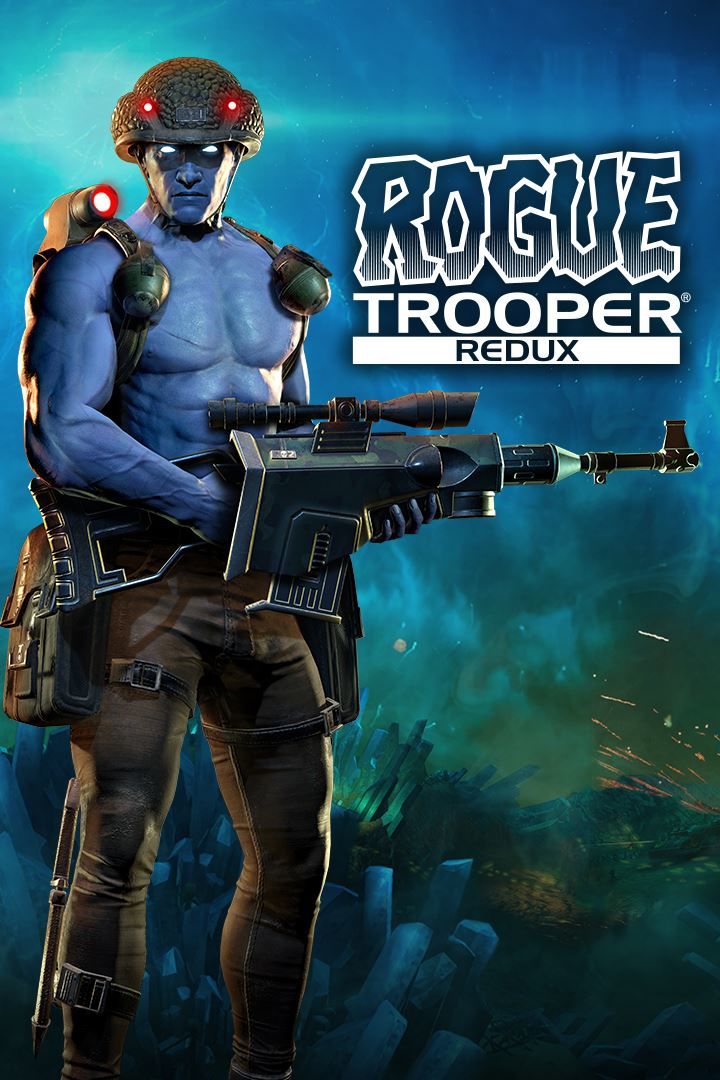
When playing Rogue Trooper, I kept asking myself, “Why?” to everything. Why is there no plot? Why was this game even considered good enough to remaster? Why did this game exist in the first place? It’s not all bad, definitely playable, and has some challenging gameplay, but it could have been so much more, right? Well, meet Rebellion! Famous for some of the most mediocre games in the early to mid-2000s that weren’t horrible but barely passable and very forgettable. I played the original on PC back in 2009, and it wasn’t all that great back then either.
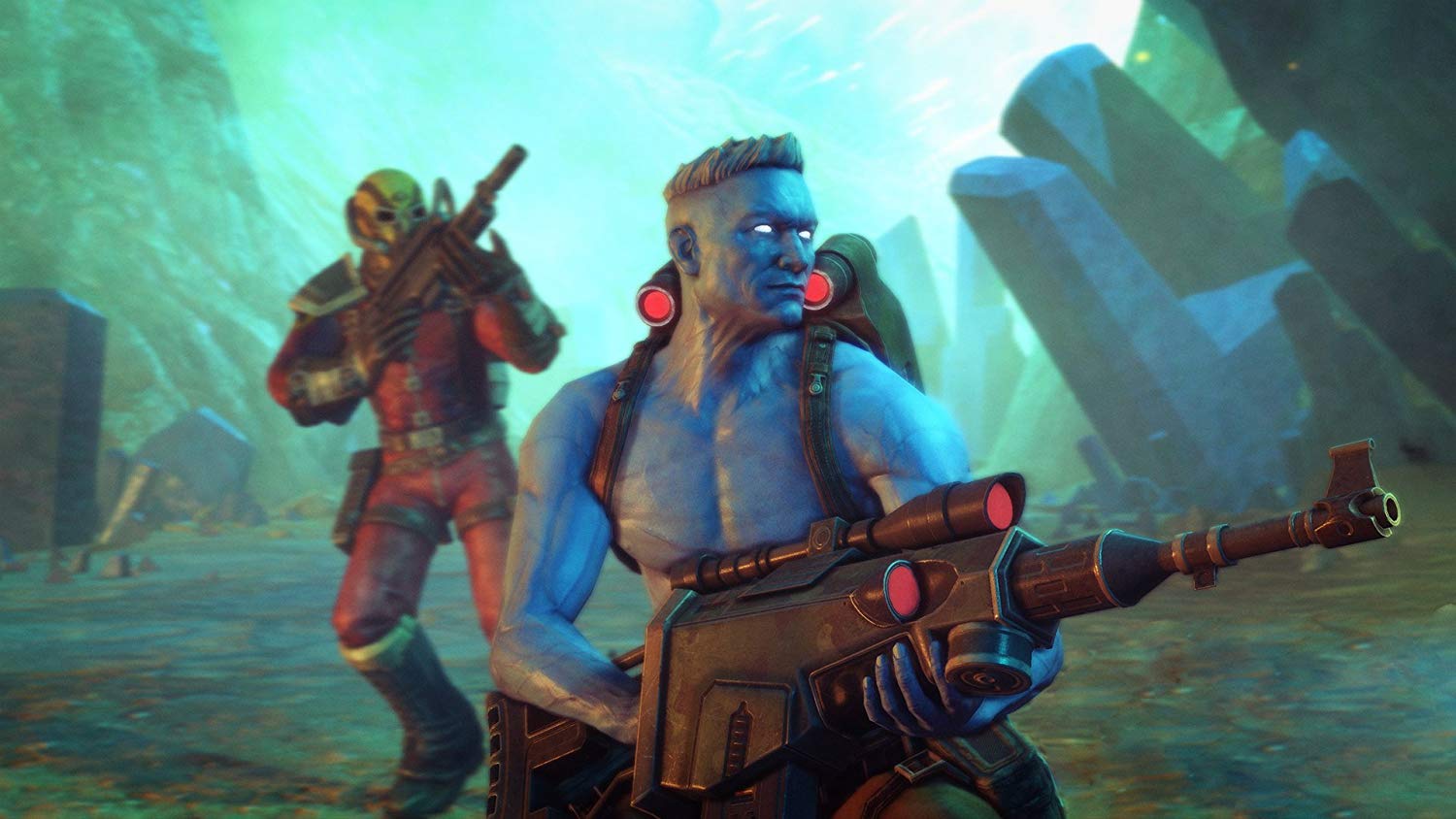
You play as a GI named Rogue (how original), who is a blue alien dude stuck in the middle of a war with a race called the Norts. There’s your story; have a nice day! I’m not kidding at all. This game has more plot holes than a screen door, and it boggles my mind as to why they even bothered. These GIs are immune to every poison known to exist, okay? But why? Then there is a single poison that was found to work, and the Norts want to mass-produce it to wipe out the GIs. Again, why? There are no answers, just lines of dialog that need a lot of backstories to explain what is even going on. The characters are paper-thin, don’t have much screen time, and the voice acting is atrocious. So the only reason to play Rogue Trooper is for the shooting, and that’s average at best.
Rogue has a gun that is “smart,” as well as his backpack and helmet. He installs chips that are cut out of dead comrades, and it gives his equipment an AI. That’s a pretty neat idea, and it’s the only thing in this game that seemed to have been fully fleshed out. Rogue gathers salvage from dead bodies and piles and uses these to craft ammo, new weapons, and upgrades. You don’t pick up any ammo in the game, as you can only craft it. You do have a pistol on hand that has infinite ammo in case you run out, but there’s the constant challenge of keeping your supply up and looting dead bodies. There are a few on-rails levels to mix things up, so the game isn’t boring ever, and the challenge is quite nice as standing out in the open for too long will get you dead and there’s a halfway decent cover system in place.
Rogue can also equip a silencer to his machine gun and sniper rifle, as well as use a decoy and attraction tool, but I never actually used these. The game even has a stealth mechanic in place, but after I got the silencer, I didn’t bother sneaking around, as sniper shots are one-hit kills. You can also place your Gunnar as a turret so it can cover doors that get unlocked, but again, this seemed like a wasted mechanic as the game isn’t quite sure if it wanted to be a tactical stealth game or a run-and-gun shooter. This game is a living, breathing embodiment of early to mid-2000s third-person shooters, and it hasn’t aged very well. Extremely linear level design, awkward animations, barely manageable aiming, and lots of on-rails and scripted events.
At least the game had a marginal graphics update and looks decent enough, but you can still see the age of the game behind the shiny new surface. There’s also a multiplayer mode that is basically pointless since no one is playing this online and never really did, and the entire game can be beaten in just 4 hours. There’s absolutely no reason to go back, either. So I go back to my original question: why? Why should you play a dated 15-year-old game in 2019? Maybe to experience a type of shooter that was incredibly popular at the height of the PS2 era? Maybe you have curious memories of this game and want to relive them. The answer is that you’re not missing out on anything if you skip this, and you don’t gain anything from playing it. Thankfully, it’s dirt cheap, and I can only recommend this to the curious.
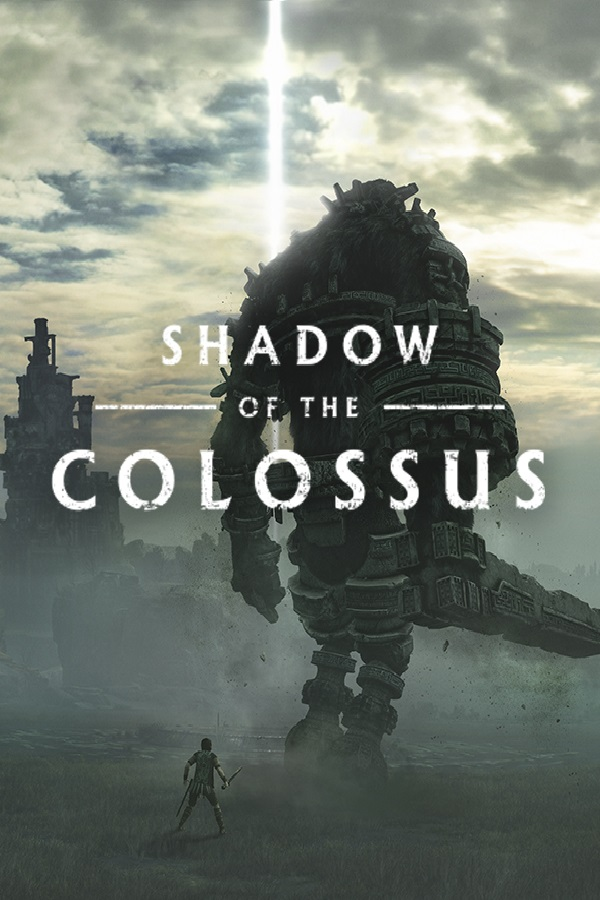
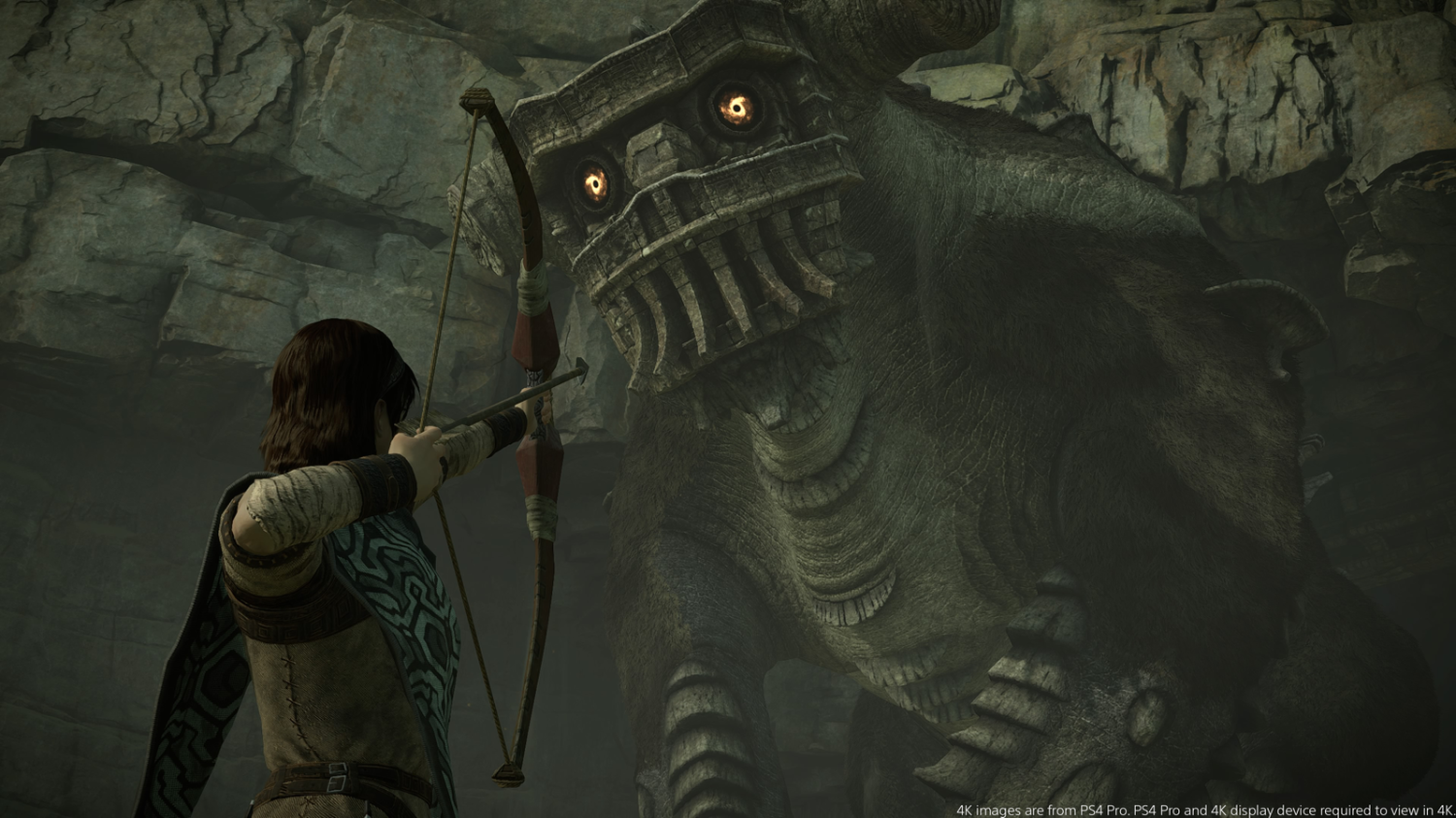
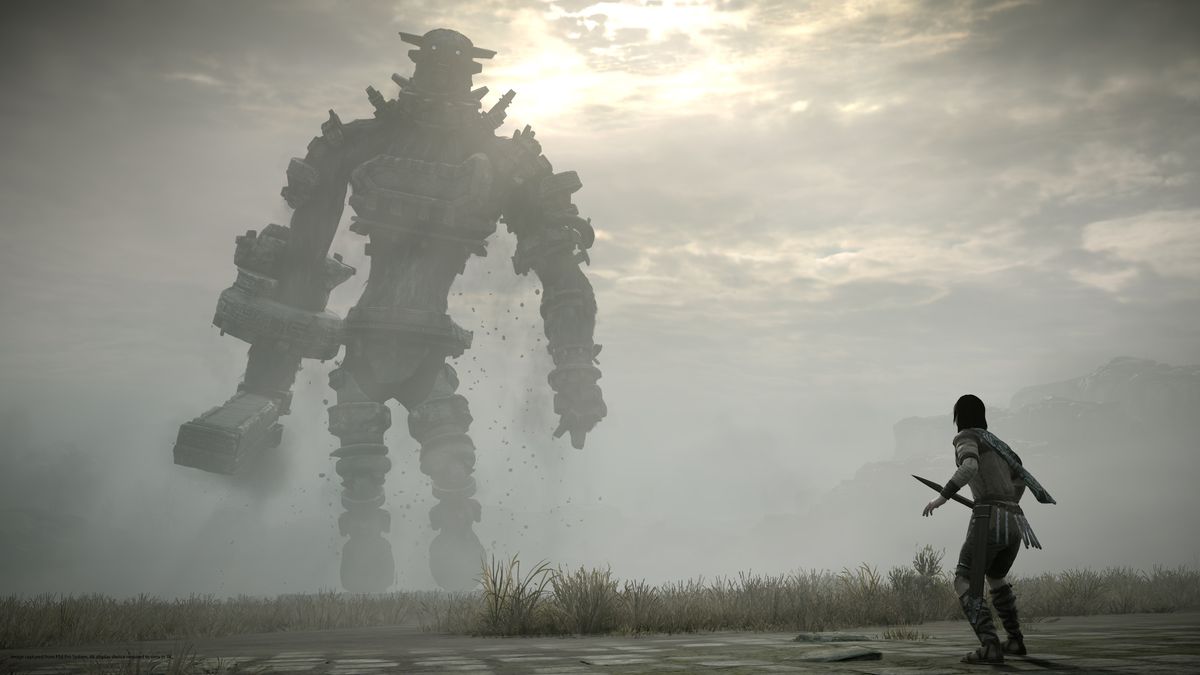
The PlayStation is well known for its artsy games and games that push the boundaries of the medium. Team Ico already did this with Ico for the PlayStation 2, and then again with Shadow of the Colossus. Pushing the PS2 beyond its limits, they were able to create a huge world with massive colossi that must be wrangled and toppled in hopes of saving a nameless girl from an endless sleep. You play as a boy only known as Wander, and with your trusty sword, bow, and horse Agro, you follow the light from your sword to each colossus to figure out how to take them down.
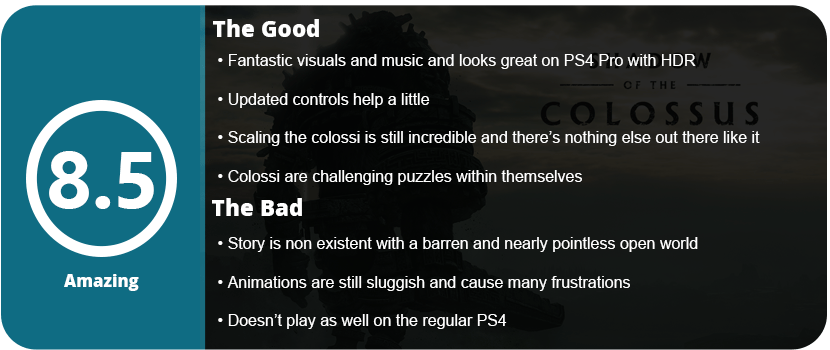
Each colossus is a puzzle unto itself that requires using the environment, wits, skill, and thinking. One colossus may require agitating it and having it expose a weak point at which you use your bow to make a graspable part low enough to reach. You then climb the colossus, with some being climbing puzzles, and stab each weak point while they buck and try to toss you off. You can hang on by holding R2 and using X to jump. It’s not as easy as it sounds, as letting go of R2 can drop you to your death or make you start a climbing puzzle all over again. The controls have slightly improved with the remaster, but the animations are irritating and sluggish, and towards the end of the game, the frustration really starts to set in.
While the game doesn’t run at 10FPS like in the PS2 version, trying to do more advanced combat and relying on quick controls is not possible, and it gets really frustrating at around Colossus 12 or 13. One colossus is a small bull that must be chased off a cliff to knock off its armor, and then jumping on it just right from that cliff to land on its back is no easy feat. The issue here is that Wander just doesn’t have the agility to dodge attacks, as no matter how much I rolled or jumped, the bull always hit me. I missed the cliff jump the first time, and I died before making it back up to try again. Wander’s get-up animations are incredibly slow, with around 7 seconds passing before he gets up. Some colossi can hit you again and kill you quickly if you don’t know what to do. Outside of combat, the animations to jump around and grab on are wonky, as long climbing puzzles towards the end have to restart if you so much as get a jump at the wrong angle. You can adjust Wander mid-jump so he will go in that direction until he hits the ground.
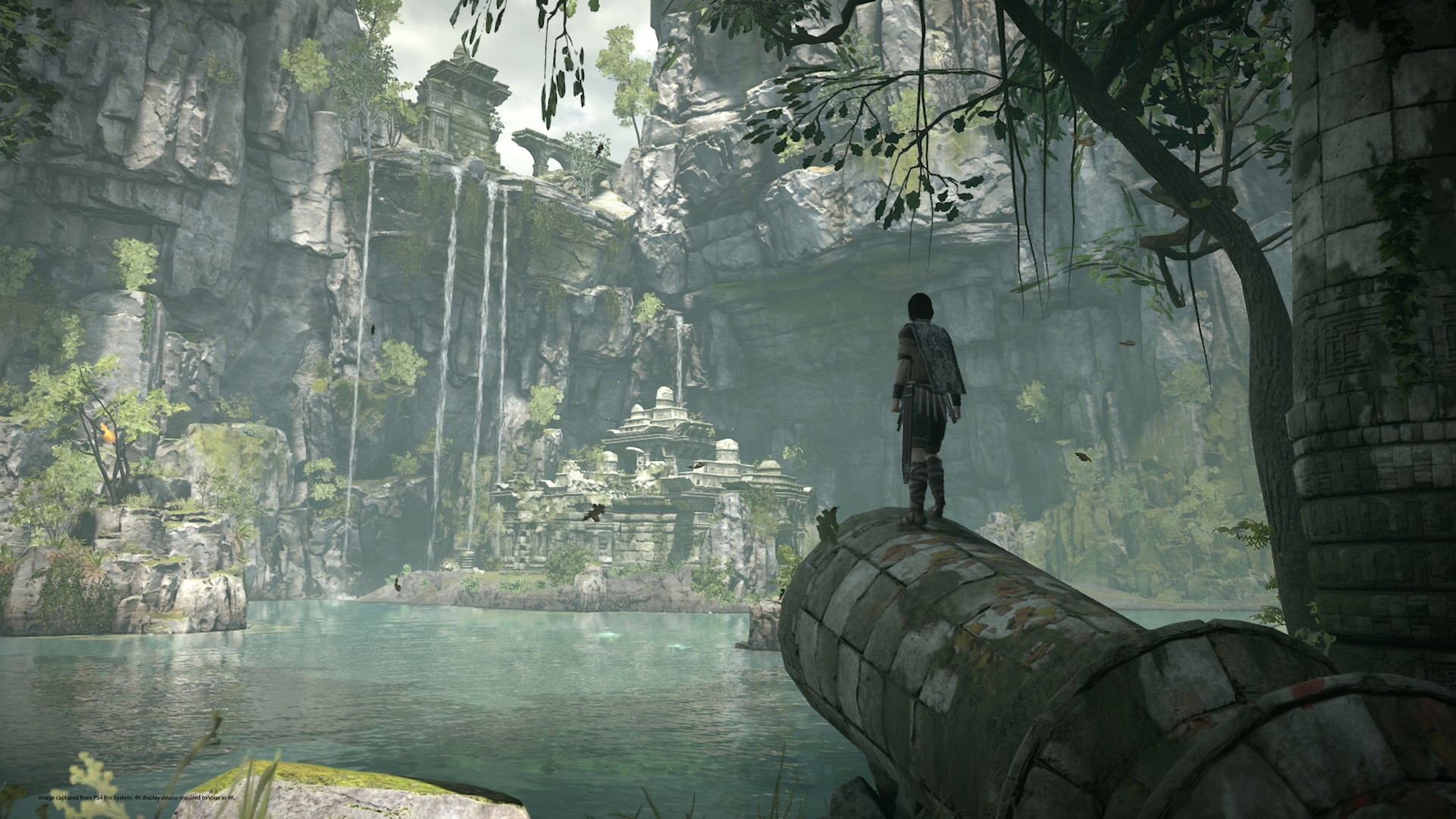
Outside of taking down these massive colossi, there’s literally nothing else to do. This large open world is completely void of life outside of some birds, and it’s my biggest gripe about this game. As beautiful as it is, I wanted more, as the story in itself is pretty bare-bones and vague in terms of what’s going on, even towards the end. I feel like this world could have been fully lived in with lore and people, whether they’re alive or dead. It takes around 10 minutes to get to each colossus, and that time is spent controlling Agro, who has sluggish animations and terrible controls, and staring at a barren wasteland. I understand it’s cursed, but it could have been more.
The visual upgrade is probably the most noticeable, as it looks amazing with flowing grass, Nvidia HairWorks on the colossi, HDR lighting, and high-resolution models and textures. On my 65″ LG OLED TV, it just pops up using the PS4 Pro. That’s also another thing; the game has framerate issues and doesn’t look as good on the original PS4, so the Pro is the way to go here.
Overall, Shadow of the Colossus is well worth a purchase for newcomers and anyone who played the previous two versions. The visual upgrade alone and higher framerate are well worth it, and I feel this is the version that the developers originally envisioned but just couldn’t pull off with the technology at the time. Shadow of the Colossus is a piece of gaming history. Pushing gaming conventions to their limits as well as an underpowered piece of hardware and a vision that was bigger than life, Shadow of the Colossus is a must-play for any PlayStation fan.
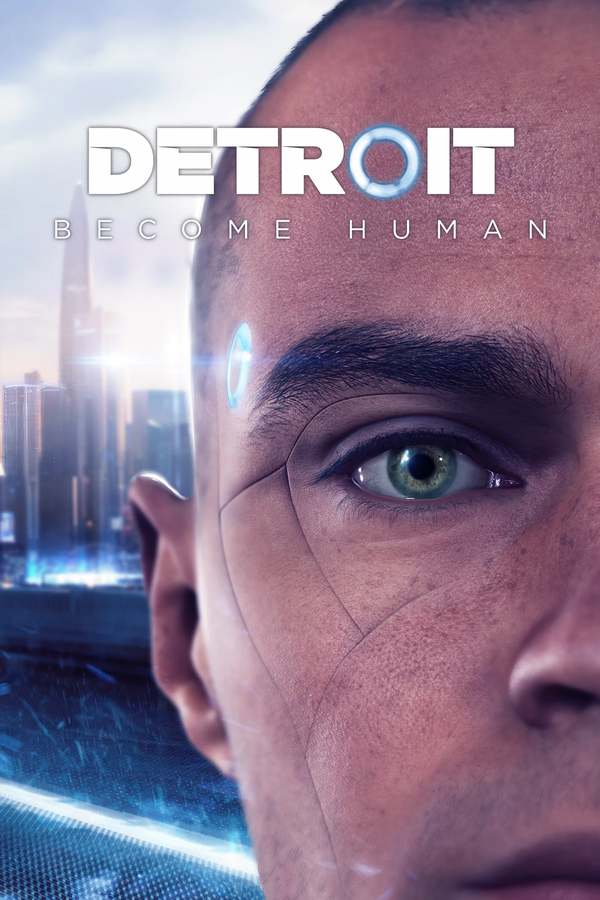
David Cage has been well known for fascinating stories that talk about the boundaries of the human mind and what humanity is capable of. Our destructive nature and so much emotion go into making us what we are. Detroit is easily his best work, with fantastic characters, tense scenes, and gripping dialog with moral choices that will test any gamer and really make them think and regret.
Detroit is a game about the fight between androids and humans. There’s always been a theory that eventually AI will surpass us and get the upper hand. Isaac Asimov wrote about it a lot and created stories in which he blurred the boundary between human emotion and algorithms. Detroit does an amazing job doing this with a well-crafted story and really questioning the absolute core of humanity and addressing problems that we are facing in the real world today with racism, classism, and prejudice. You play as three separate androids, and each has its own goal and path. Markus starts as an android serving an older, famous artist and lives in an upper-class society. Kara, who is a maid for an abusive drug-addicted father in the slums of Detroit, and Conner, who is a brand new prototype android that is used in investigations for the Detroit Police Department,.
Like all of David Cage’s games, each level is a scene in which you play a different character; the scenes rotate, and as you make your choices, you unlock new paths that involve hatred or love for your character or cause. The player walks their character around and can interact with some of the environment by manipulating objects via button commands (like all of David Cage’s games), and each scene is played out with quick-time events, and missing them can actually impact the storyline as well. It’s a very sensitive timeline, with different outcomes for each character. I honestly can’t get too in-depth with how my timeline went, but let’s just say none of my characters survived, and part of this is because the timeline/path system isn’t explained well enough.
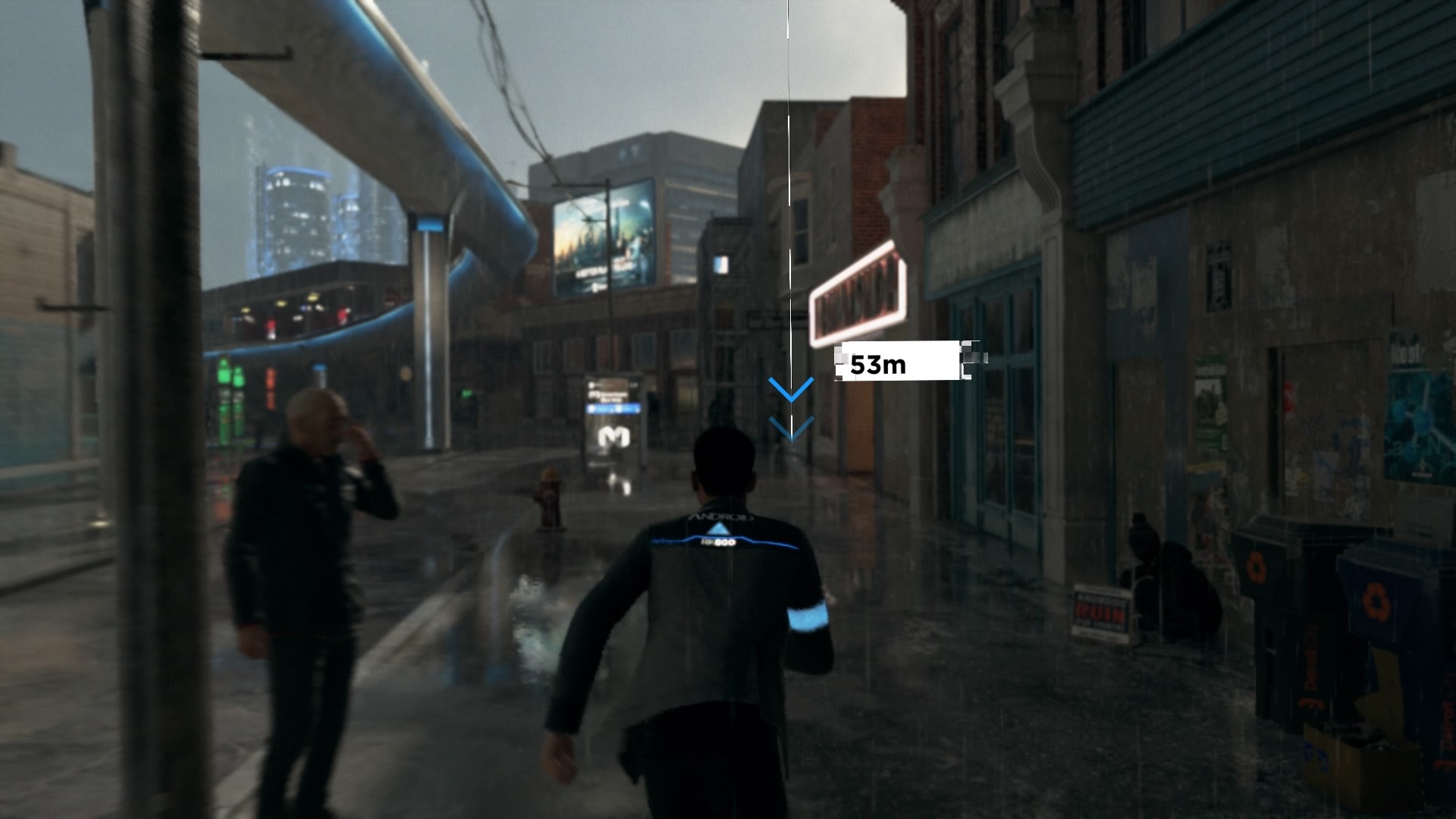
As you make choices and either succeed or fail in quick-time events, characters around you will hate you or love you, and there are a few levels of this. If a character hates you too much and you try to really fix it towards the end and it feels like you’re succeeding, once you unlock that path, you can’t really change it. There is an arrow at the top-right screen that will point up or down when a choice is made, and small arrows are little movements and large arrows will sway in bigger increments, but we never know how far that is, as eventually, you will get a status update of how that character feels instead of a meter. It would be nice to know so if we go too far down a path, we can just keep going down that way instead of trying to change things and ultimately get an ending we don’t like or weren’t working towards. The story does feel very organic despite all of this, and I think it’s because of how many micro-choices you can make. However, no matter what choices you make, once down a certain path, you can’t fix it.
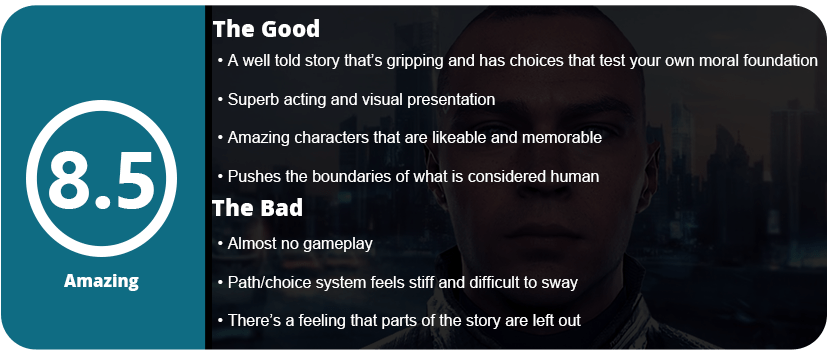
Outside of this core path system, there is more story than gameplay. The entire game is made up of quick-time events and nothing else. This is really a game where you enjoy the story more than the gameplay, but it works well here and has for all of David Cage’s games. I actually sat through the entire game and didn’t stop because of how interesting the story and characters were. There is a constant sense of urgency, fear, dread, and sadness; I even teared up towards the end of the game! You never quite know what your exact outcome will be, as I made some choices on the fly, and I realized if I had chosen another option, things would have turned out fairly badly. It really tests you as a person and how you think and feel, especially given how political the game gets.
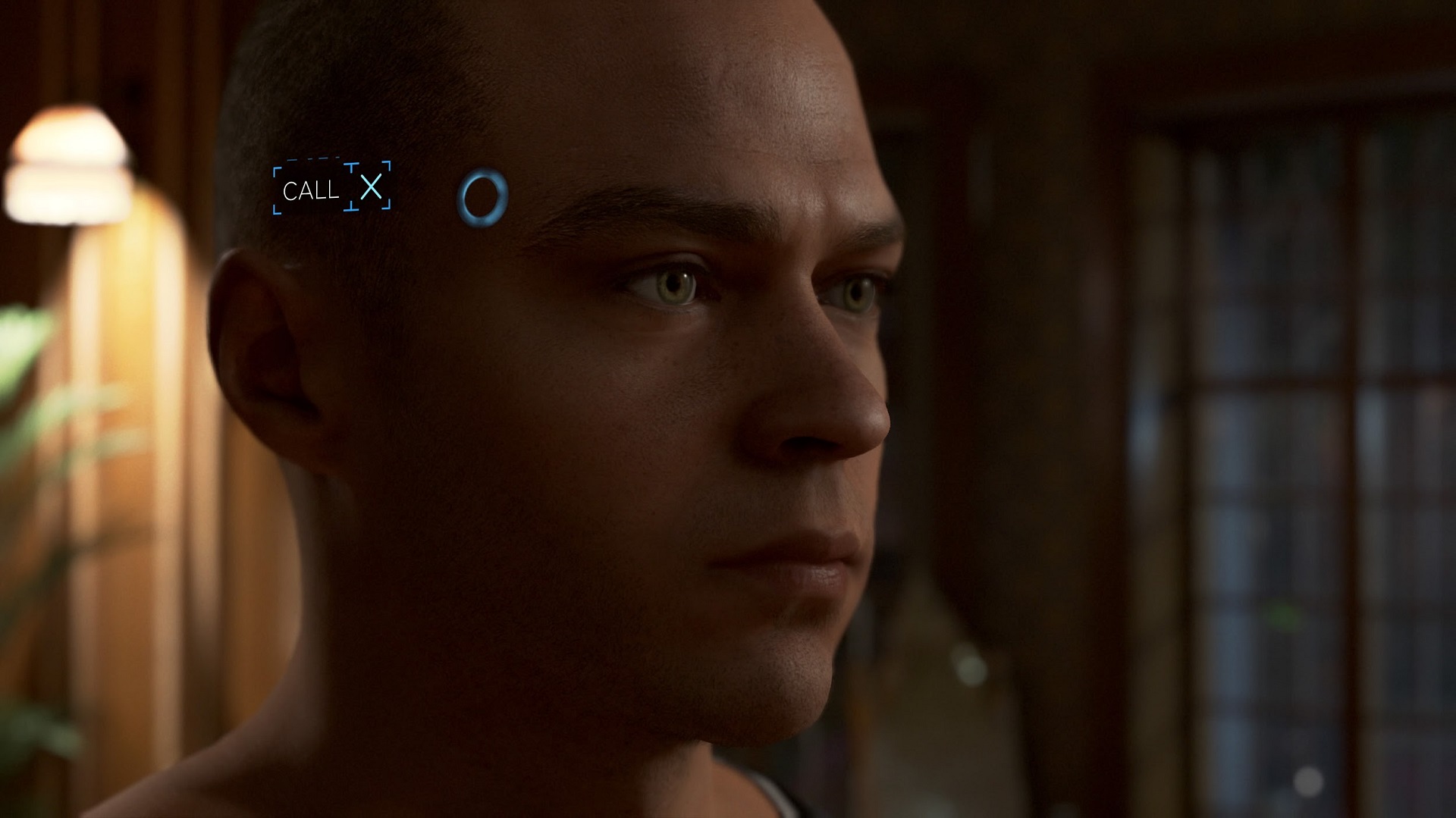
Visually, the game is second to none. Outside of God of War, there is no other game in this generation that looks this good. The facial animations are incredibly realistic, with beautiful skin textures and minute details and twitches in faces that I have never seen in a game before. It just looks so amazing and is sadly overlooked. The voice acting is phenomenal thanks to the B-grade actors that were used here, and they’re actors that you say, “Hey! I know that guy from this movie!” but I don’t actually know the actor’s name.
In the end, Detroit: Become Human is one of the best games, storywise, I have played in the last 10 years. While it severely lacks in the gameplay department, it thrives in story, character, and fantastic visuals. I highly recommend this for all gamer types, as stories are the fundamentals of video games and are what make video games such a unique medium.
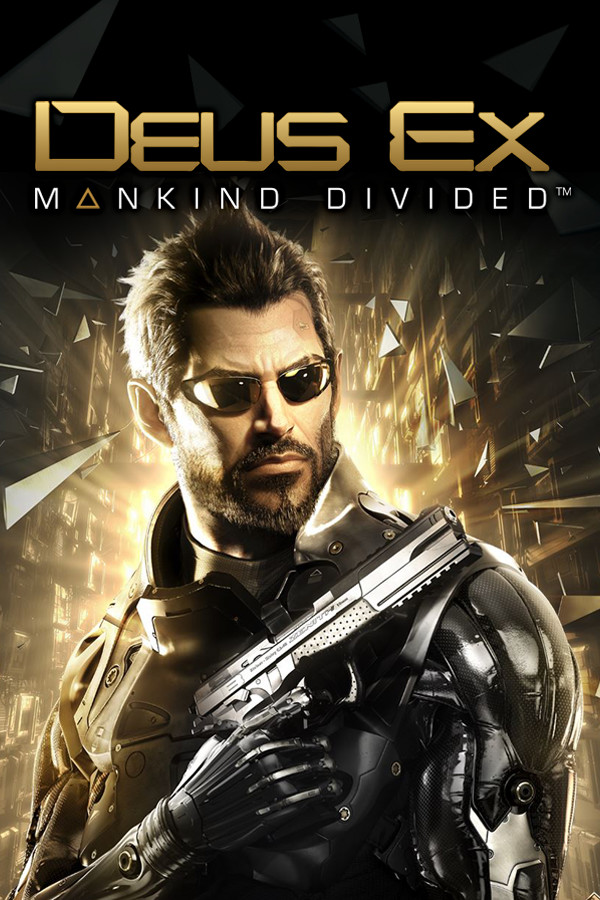
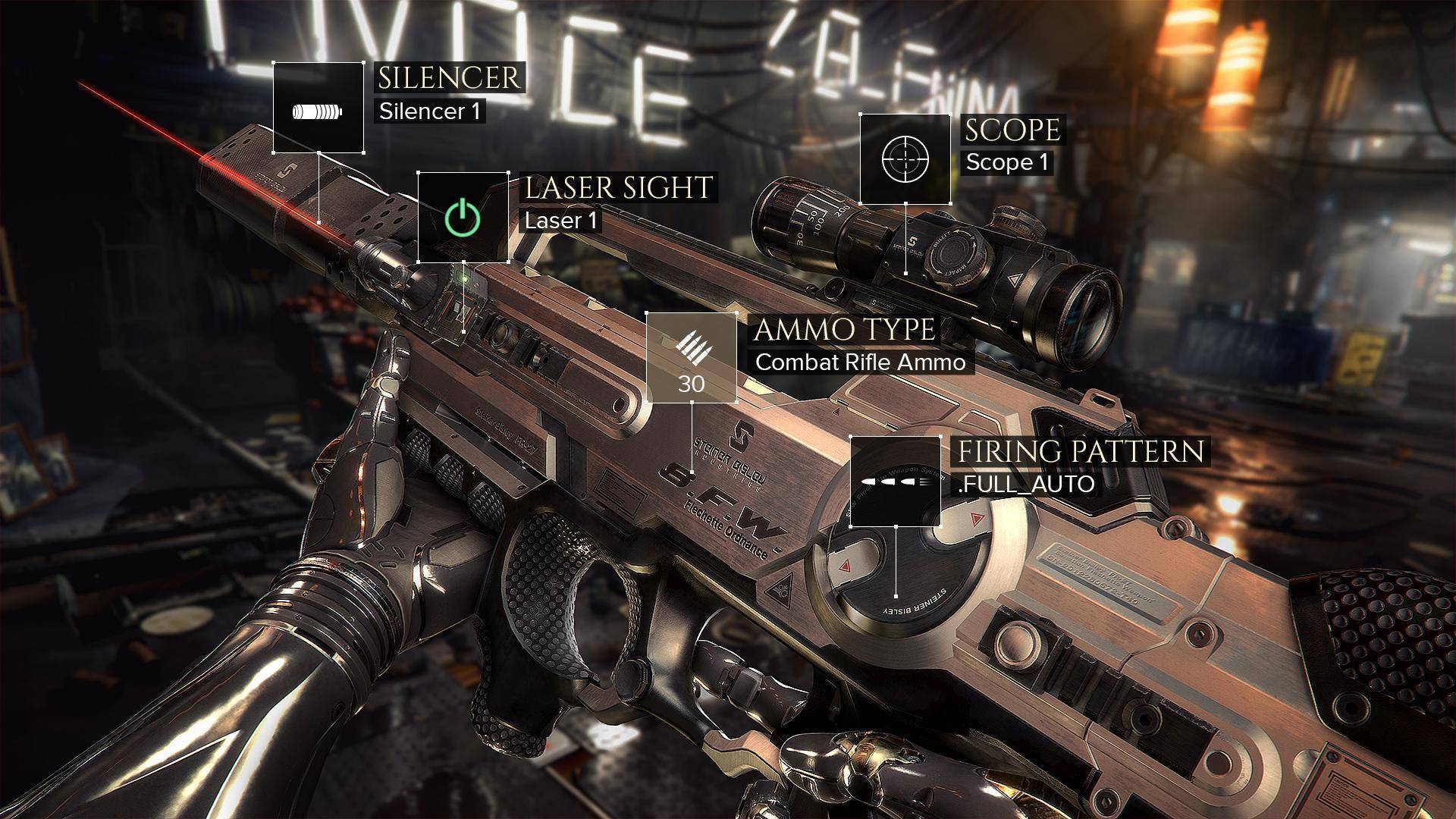
Deus Ex is an old, well-loved franchise, and the reboot with Human Revolution was well received despite its many flaws. Mankind Divided is a direct sequel taking place right after the terrorist bombing at the end of the last game, and Adam Jensen is at it again, trying to solve murder mysteries, stop more terrorists, and put an end to the hatred against augmented humans. Dealing with racism, discrimination, classism, and many other dystopian issues, Mankind Divided delivers an atmospheric world to explore with great characters.
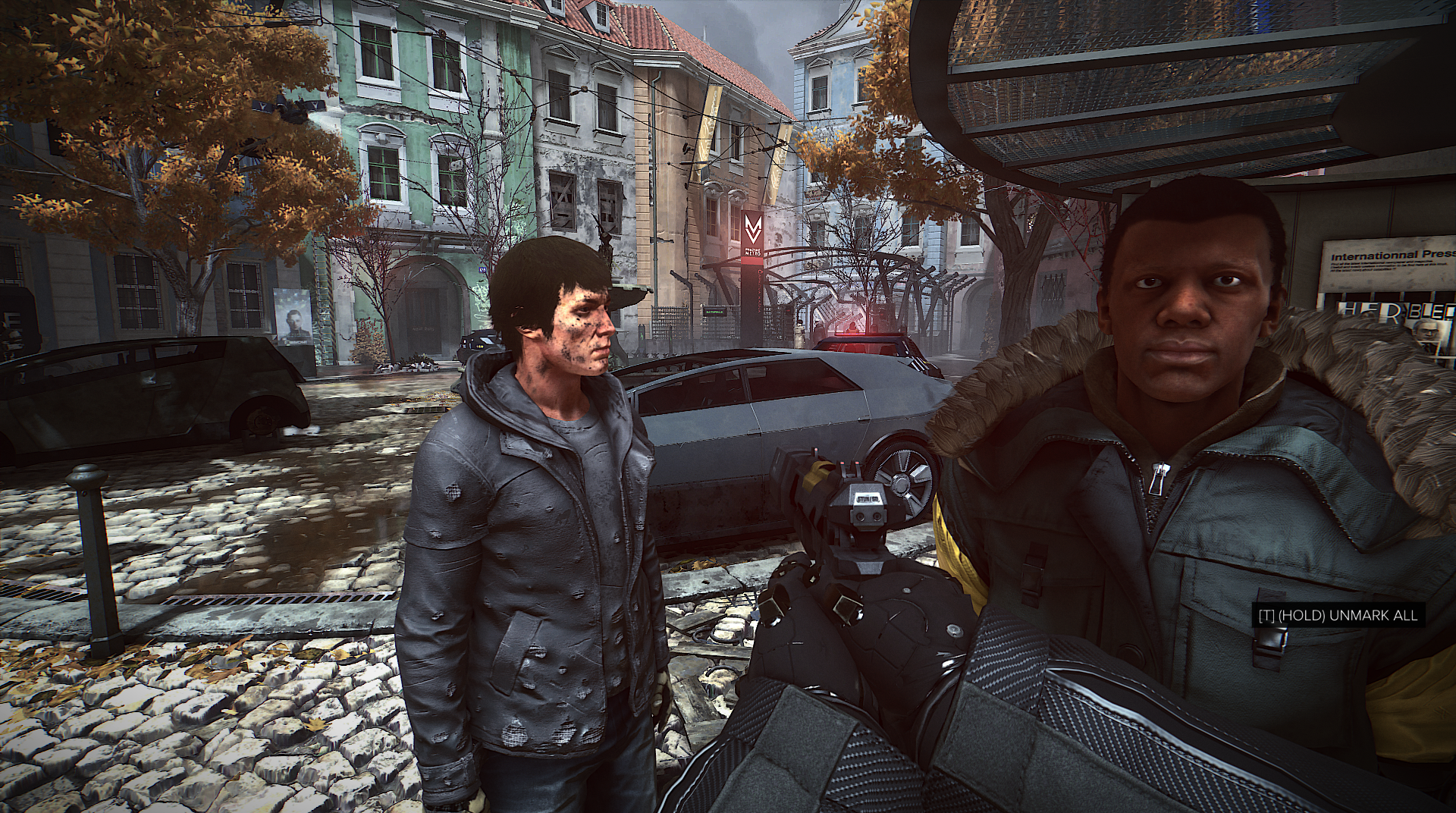
The gameplay elements from Human Revolution carry over and feel more polished and nuanced, but this game has its own set of issues. Starting with exploration, Mankind Divided has small areas in Prague you can explore and complete side missions, and sadly, that’s all. You can’t talk to 90% of the characters, and there are only a dozen side missions in the whole game. Prague just feels very cramped and small in scope, and the Deus Ex franchise has enough lore and interesting things going on that it could be an open-world game. Despite the areas being full of NPCs, open buildings, police walking about, etc., it just feels so empty and lonely. The amount of interaction is so little, and there’s no real point in exploring anything except to hack computers to read emails and find ebooks, but even these don’t really give a lot of insight into the surrounding world.
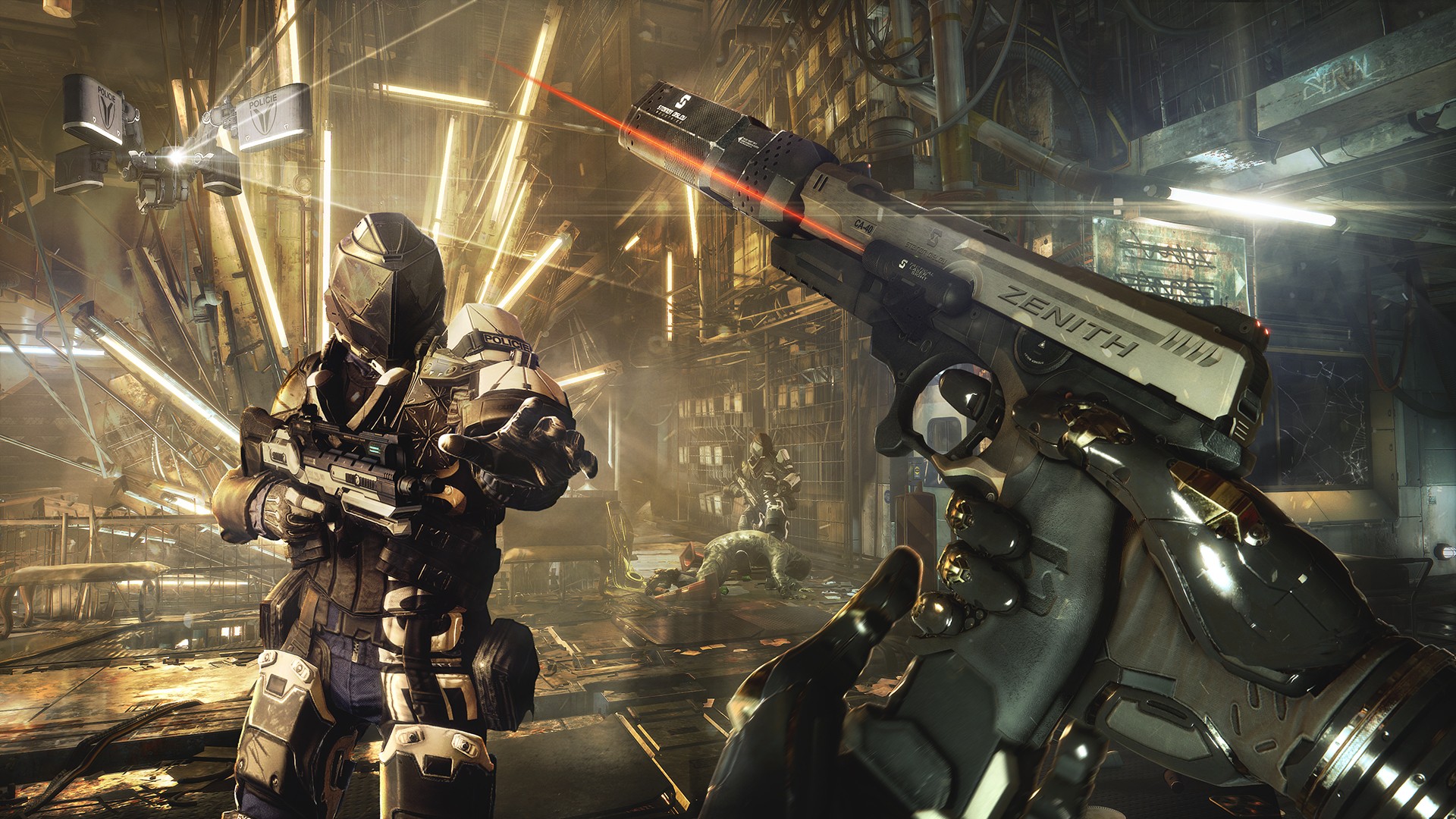
Once you get into a mission, the combat is actually rather versatile. You can go completely stealthy using silenced weapons and takedowns, or augment yourself for combat with powerful melee moves, more health, shields, and more. I went the hacker/stealth route, upgrading all my hacking augs and biocell meters for stealth shields and extra takedowns. Every area has multiple routes to get to the goal by either shooting through all the enemies, hacking your way around turrets, cameras, and security, or just taking everyone down one by one and sneaking through vents. It’s rather satisfying to find your own path, and I rarely had issues in which I didn’t know how to get to a particular area. The shooting is rather satisfying as well, but sadly, the game is designed to use very little of it. I never used anything outside of my silenced pistol, despite holding on to four different weapons through the entire game. You can pick up grenades, software to help hack, and various healing items, but I never really needed most of it.
Outside of shooting, cover mechanics, and various combat abilities, there’s nothing else to the game. The story and characters are interesting enough to keep you going, but it’s mostly forgettable. The overall terrorist plotline is done to death in other games, and I’d rather know more about the surrounding world and how the people live day to day in this dystopian police-state world. That interested me more than anything Adam and his cohorts were working on. I honestly enjoyed the side missions more than the main storyline, which is odd for a video game in general. There are some persuasion dialog mini-games where you must sway a character in your favor, but it’s easy, and the outcomes don’t really affect the overall story.
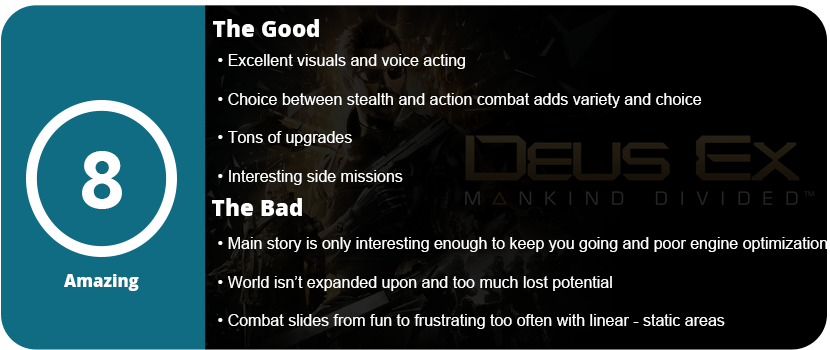
Thankfully, Mankind Divided is for both action fans and stealth fans despite the game being built for stealth gameplay. There are no bosses this time around, and the game has a lot of technical issues. At launch, the game was nearly unplayable for most people, and now, after many patches, the engine is incredibly unoptimized. Even two video card generations later, the engine struggles to stay at 60FPS with load times for menus! MSAA is nearly impossible to enable, and with frames dipping into single digits, there’s a lot of chugging when turning the camera as well. On anything but the latest GPUs, you’re not going to enjoy this game at all, and it will murder your system. The game looks really good, though, with good lighting, high-res textures, and great character models.
Overall, Mankind Divided expands on its predecessor but not on the overall series. More interactive areas would have been great, bigger areas to explore, more side missions, and even more insight into the day-to-day lives of the citizens in Prague. With a terribly optimized engine and the fun factor of combat and stealth varying from satisfying to incredibly frustrating within minutes of each other, Deus Ex just needs a reboot before coming back. The story is enough to keep you moving along, but it’s nothing memorable.
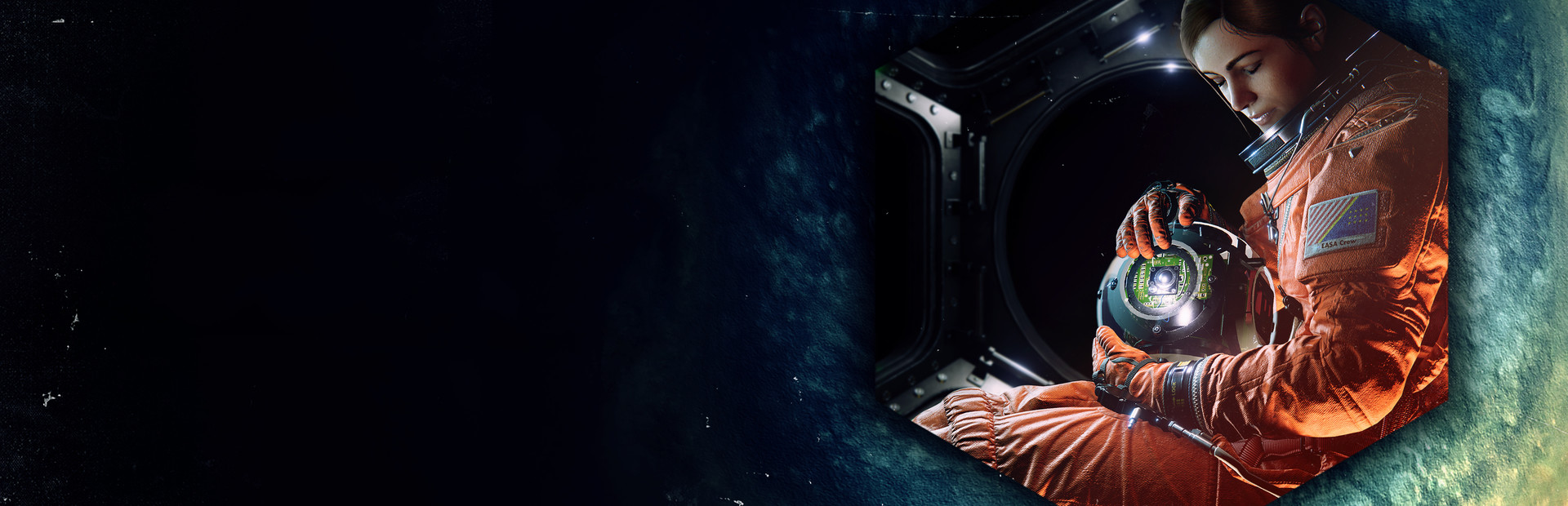
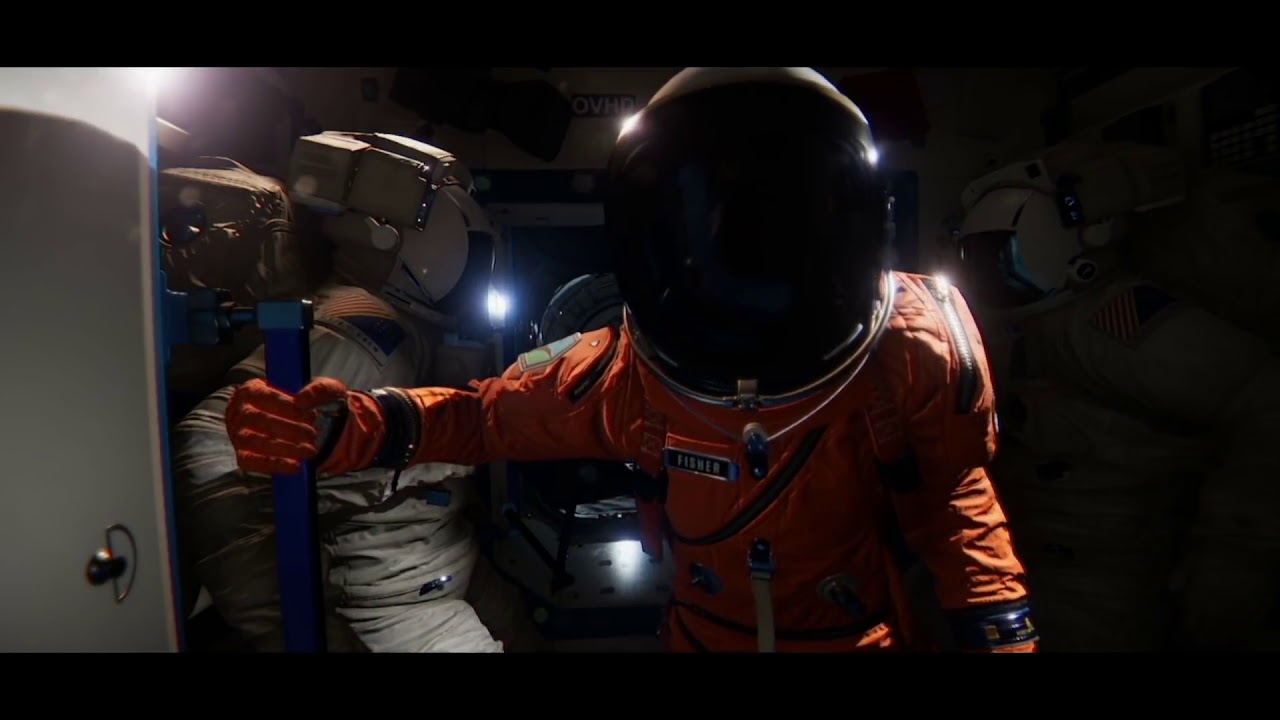
I love horror games set in space, as it’s probably the most unknown part of life that we know, the most isolated, and can be quite scary. Observation forgoes the aliens, monsters, and ghosts and literally gives us an enemy that is the unknown incarnate. You play as the AI of the space station observation, and you help out crew members trying to unravel the mystery as to why their space station broke down.
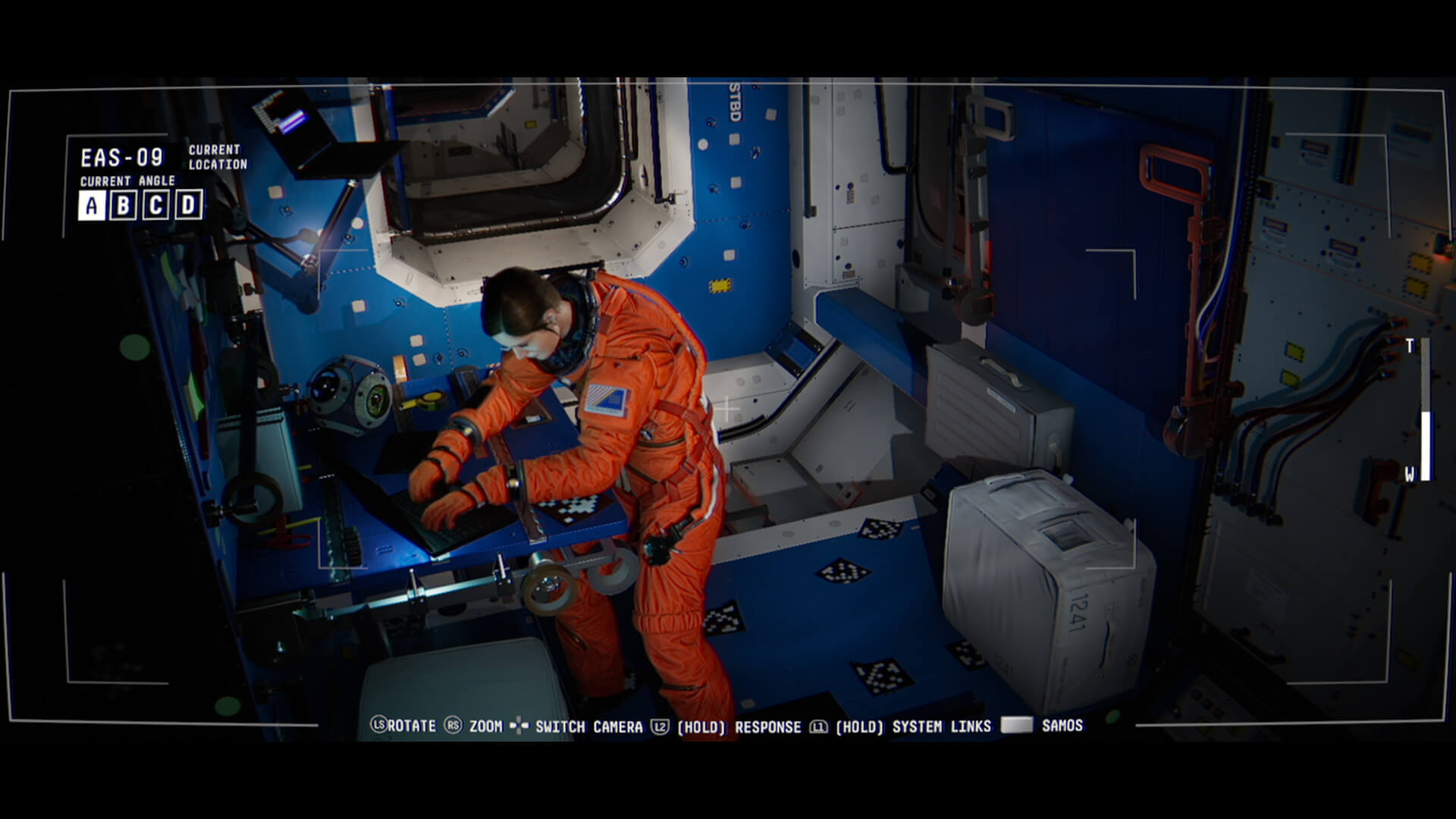
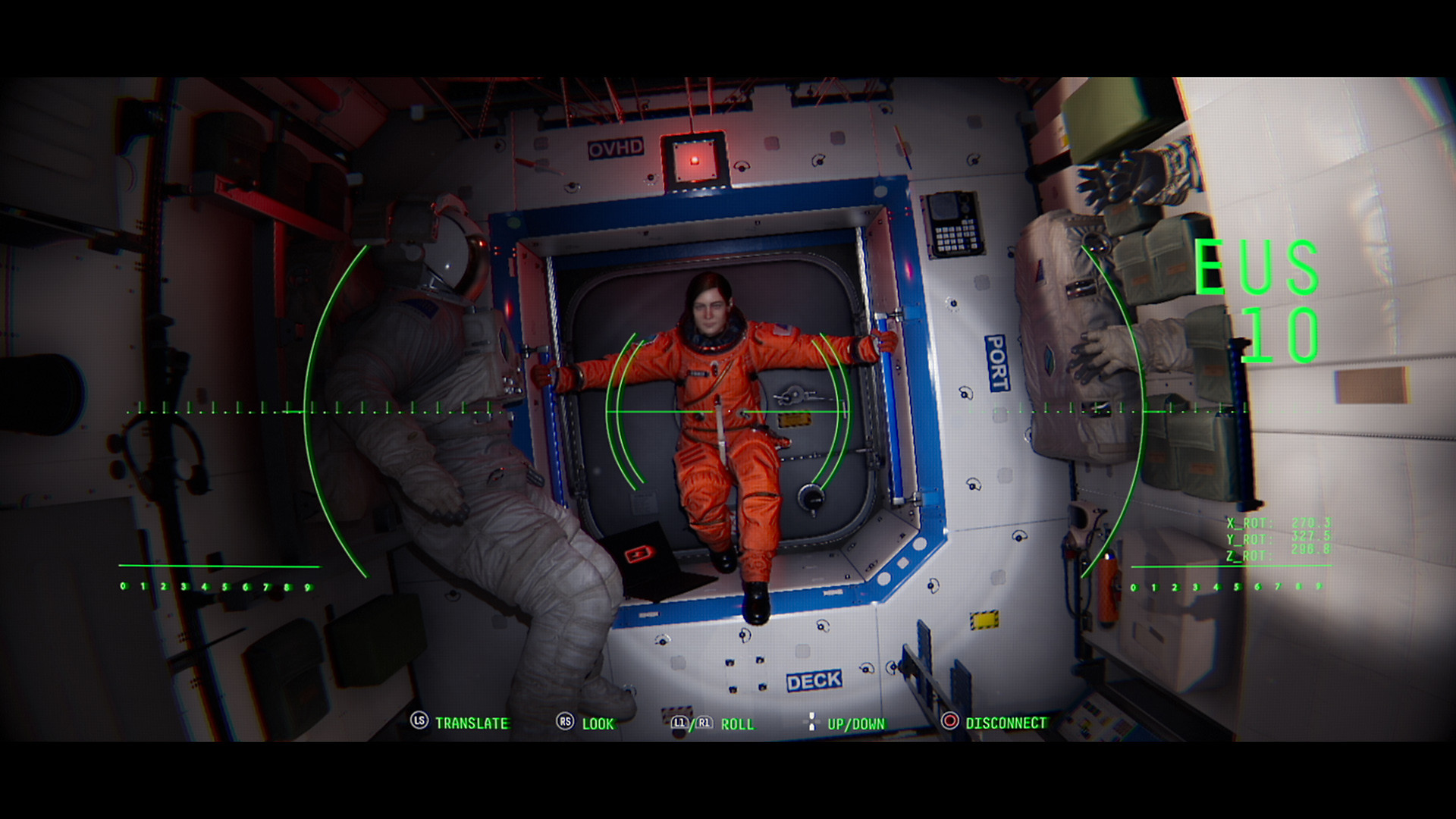
Playing as the AI itself is rather cool and something completely different in an adventure game like this. You control cameras in a couple dozen sectors of the station as well as a sphere that you can move around in freely. The sphere is not where you spend most of your time in the game, but rather flipping through cameras, downloading data, and solving puzzles. It sounds odd and confusing, but the game really opens up with fun puzzles and an incredibly tense atmosphere.
The entire goal of the game is to follow the objectives the humans give you, which can range from scanning systems to locking down hatches. You can download audio logs and scan documents found on walls throughout the ship for extra story insight, but it’s not as easy as that. Each module in the station has 2–3 cameras, and they have a limited viewing range. Most stuff comes from laptops, which require you to add them to your link list by pressing three random buttons that come up or turning on the power socket near them. These contain schematics to open doors, audio logs, and sometimes hints. Your SAMOS has a map of every module, and you can switch between cameras here as well as check various systems throughout the ship when an objective allows it.
It seems kind of lame on paper, but the execution of making what you can do as limited as the AI or a computer can be is just so fascinating to play with and explore. Being an AI that can see what goes on with these humans and you can’t do anything for them makes for some great tension and puts the entire story into another perspective that really hasn’t been explored all that much. I feel if this game were played normally as a human, it would have been boring, but whole new mechanics open up and require you to think differently. While the objectives change frequently and most things are only done once, they are fun puzzles that require a little bit of thinking and reflex. One of my favorite things was going out into the sphere and exploring the space station in space. It was such a cool moment to see that, as most games put you in a fighter jet, space just doesn’t look so big and empty. There’s very soft music and little ambiance, so it’s just you and the station in this big empty void with a planet below you. Subtle things like this can really boost a game’s cool factor.
The visuals are pretty good, but the animations are really awkward, animatronic-like, and kind of creepy. The voice acting is spot-on, as I felt the character’s pain and sadness through their voice, so it really hits home. My only big complaint is that the game is 4 hours long and the story has too much of a cliffhanger. The story itself has a lot of plot holes because we never know why the station was attacked, what these beings are, or why they want the people in the station. Without spoiling the story, the ending is just a big, “And that’s it?” but it does leave room for a possible sequel…maybe.
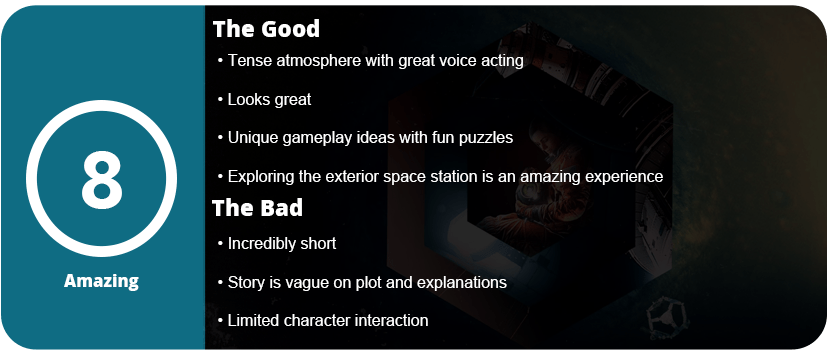
Overall, Observation is one of the standout games this year due to its tense atmosphere, great voice acting, and overall unique gameplay mechanics that really feel fresh. I wanted it to last longer and I wanted the story to be more fleshed out, but what we get is something really memorable and unique, but sadly, most people won’t play this because it’s an indie game and these don’t get pushed like they should.
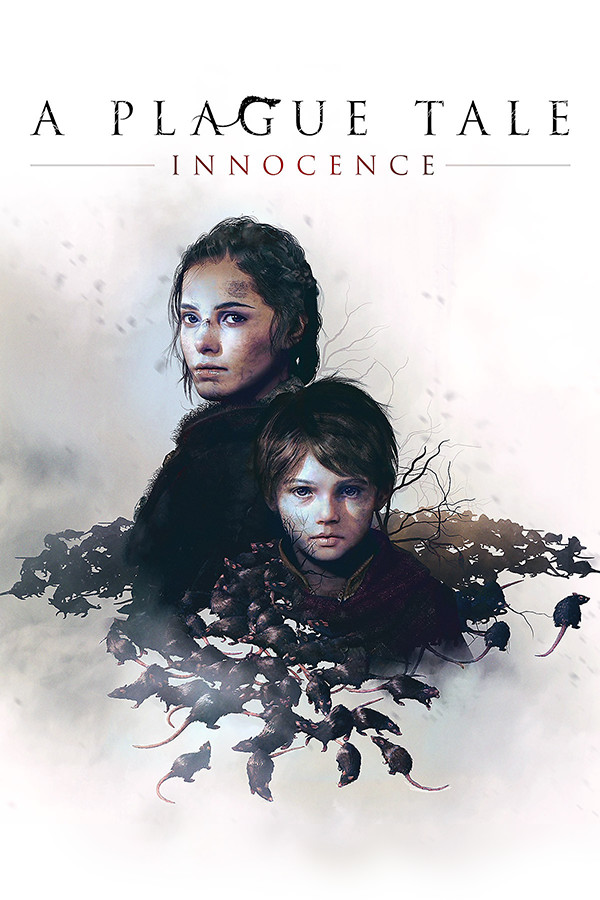
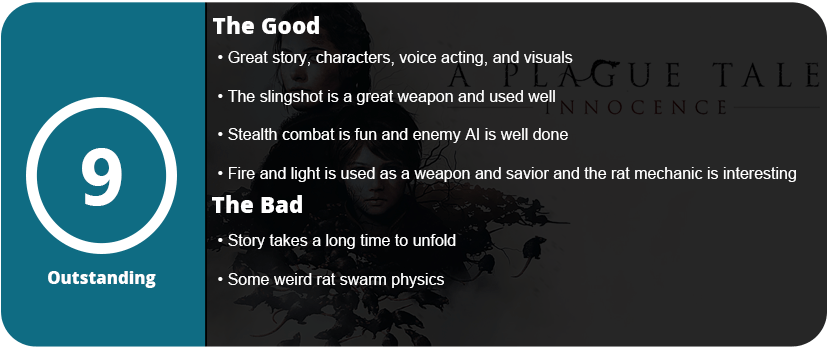
The plague was a devastating disease that wiped out millions in the medieval era. It’s uncommon to see a disease revolve around a game’s story, but A Plague Tale does it wonderfully. Full of adventure, sadness, excitement, and little hope, Innocence does an amazing job of making you care about its characters and world.
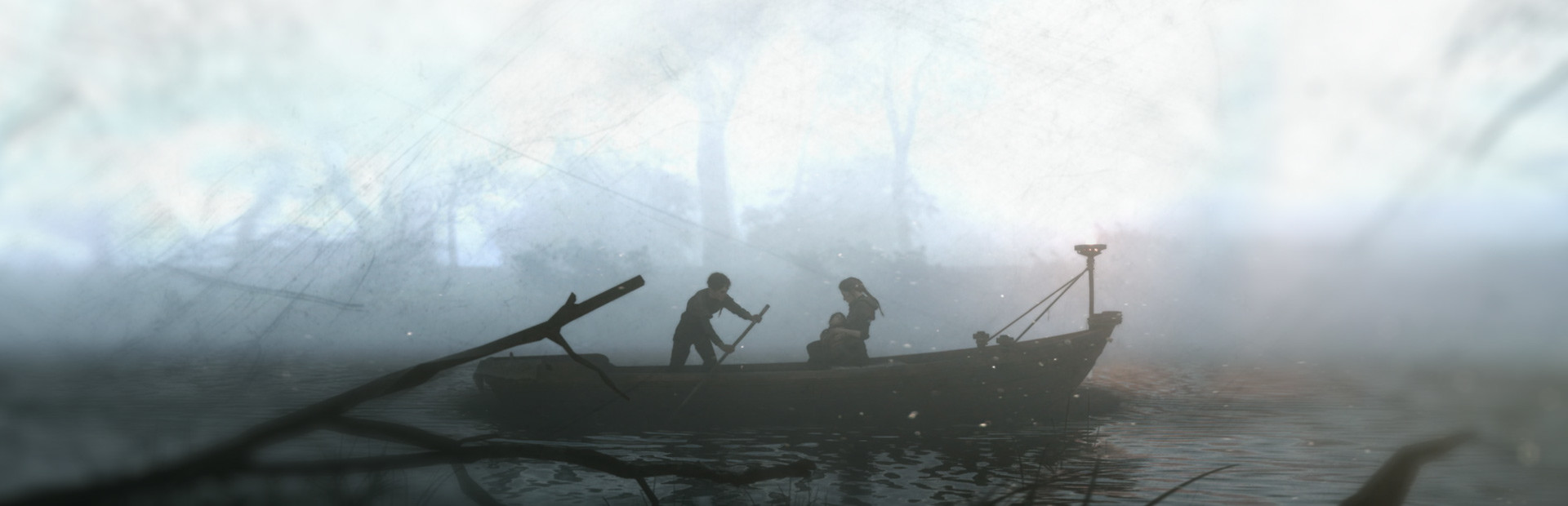
You play Amecia de’ Rune, who is a girl of royalty. She goes on a walk with her dog and father in the woods, and, well, I don’t want to spoil a thing here; bad things happen, and she must suddenly flee her home. The entire game revolves around trying to find a cure for the plague and her brother, who has a mysterious disease that may or may not be tied to the plague itself. Amecia and her brother Hugo are fantastic characters and I was glued to my screen and played through the entire game in one day. I wanted to know what was next, and the great stealth combat is some of the best I’ve played in the last decade.
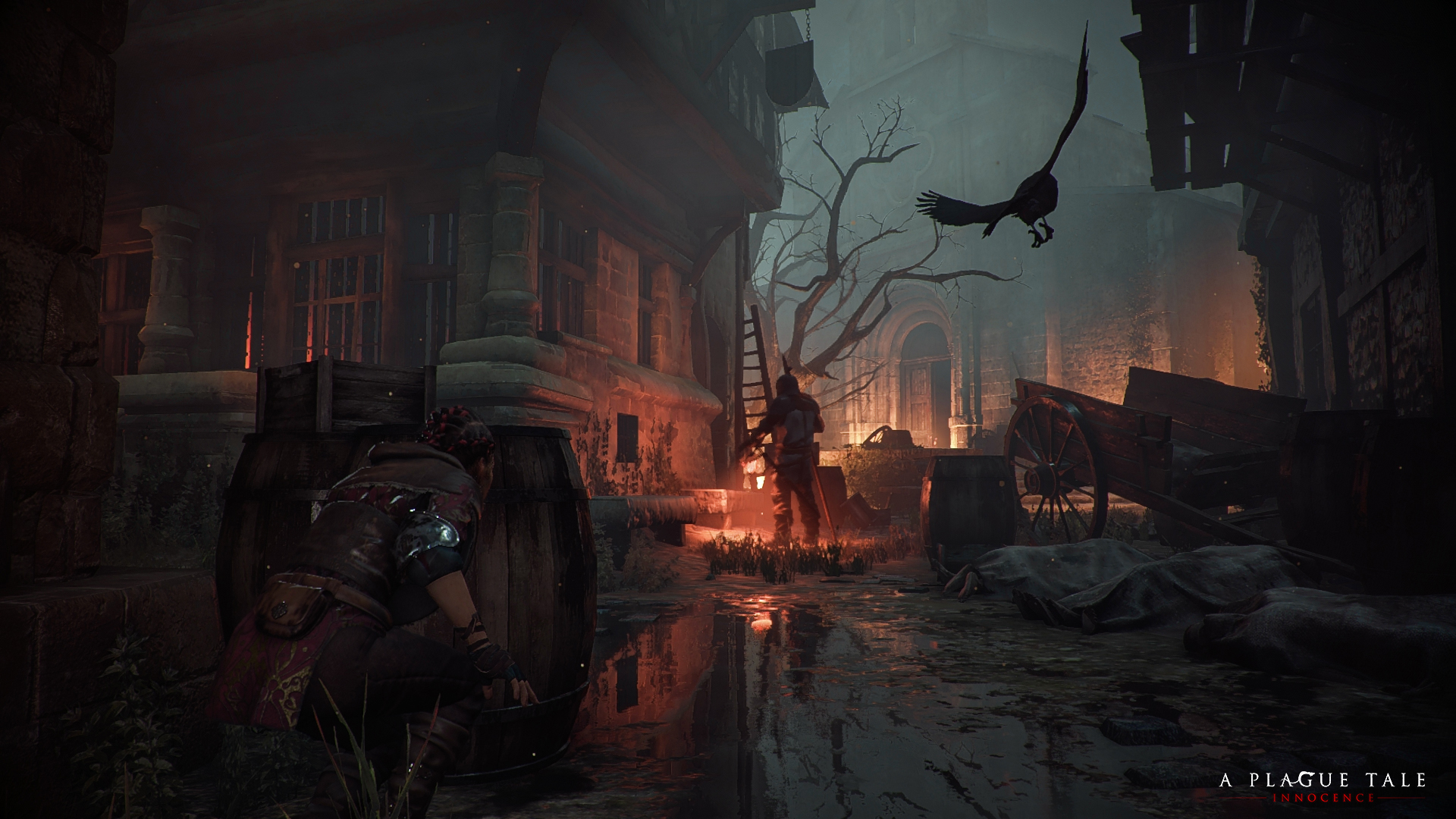
The game is a mix of stealth combat and cut scenes with just some exploring. The game is highly linear, but the combat areas become more open later on in the game, with multiple ways to get through enemies. The main focus of combat is fire and your slingshot. This sling can be used to whip rocks at enemies’ heads to kill them, but doing so around other guards will alert them. At the beginning of the game, you will just toss rocks at metal to distract guards and use pots to lure them away. You aren’t killing too much during the first few chapters of the game, and this is okay. The game slowly adds new ammo types, various ways to combat rats, and new ways to use fire.
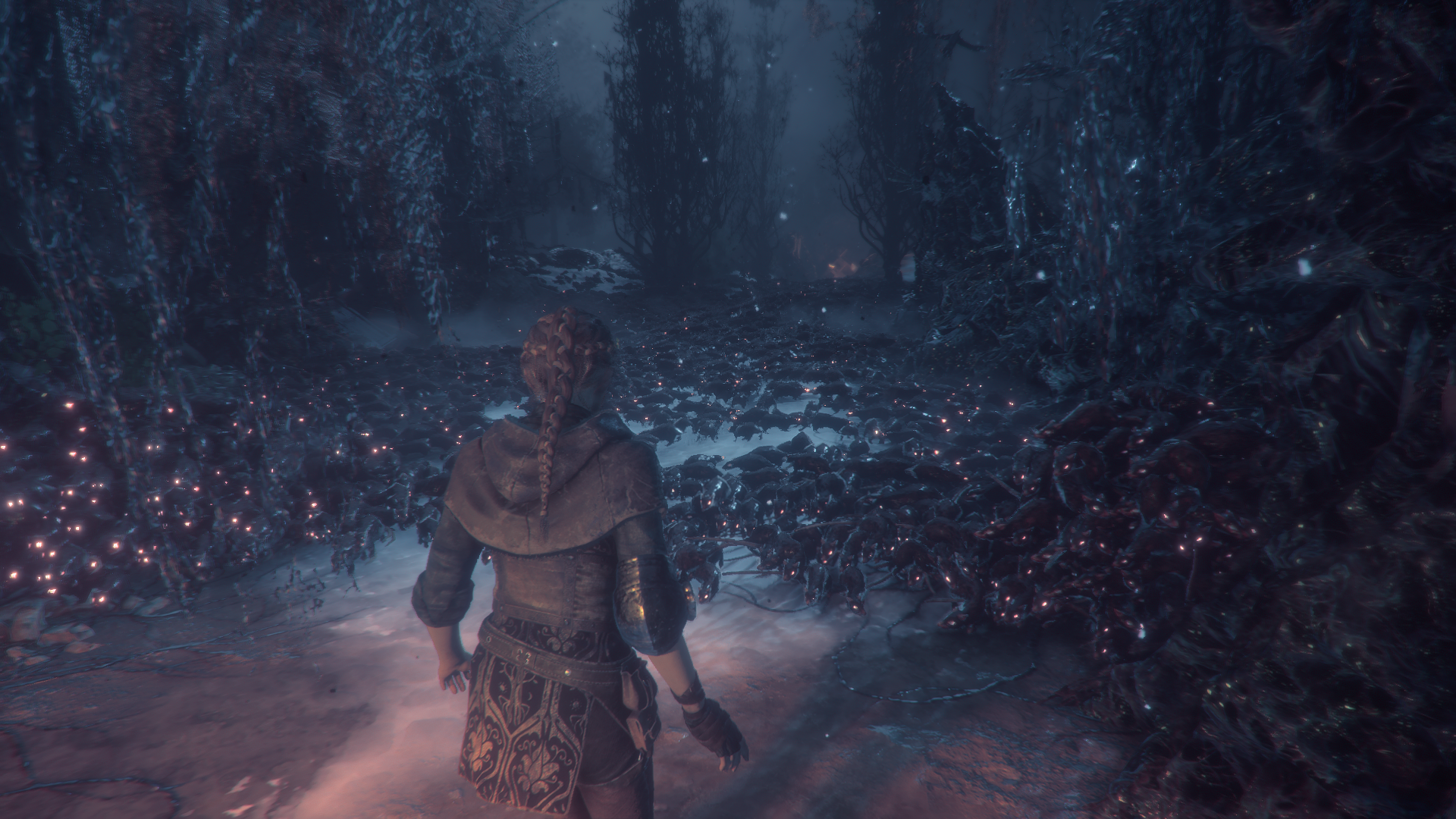
Soldiers and rats are your enemies in this game, and the rats are the most deadly. Outside of hiding and working your way around enemy soldiers, the rats are completely afraid of fire and light, as it kills them instantly. The game has some sort of “rat” engine as thousands appear to scream and swarm around like bugs, and it’s rather disturbing to see at first. Various forms of fire will light your paths, such as sticks that burn quickly and are used to solve puzzles, haystacks, torches, braziers, and various light sources. Some areas are puzzles that require you to light your path through rats, and towards the end of the game, you can use the rats against soldiers since your ammo allows you to put out fires and not just start them. I won’t give away the combat types in the last 4 chapters, as this will spoil a lot of the story.
What makes the game so great is not just the story, amazing voice acting, and characters, but the combat unfolds so slowly throughout the game, and each combat scenario is different from the rest, that you want to keep playing. The game never gets boring, and the environments are constantly changing. You also get to upgrade your sling with more ammo and faster reloading and aiming, and this is done by looting materials throughout the world. You can find workstations, and later on, you can acquire an upgrade that allows you to do the upgrades without a station. You can also craft ammo types, which are essential for getting through the game. Towards the end of the game, you must think and really know your arsenal and various ways to get through combat areas are available that allow you to sneak or fight.
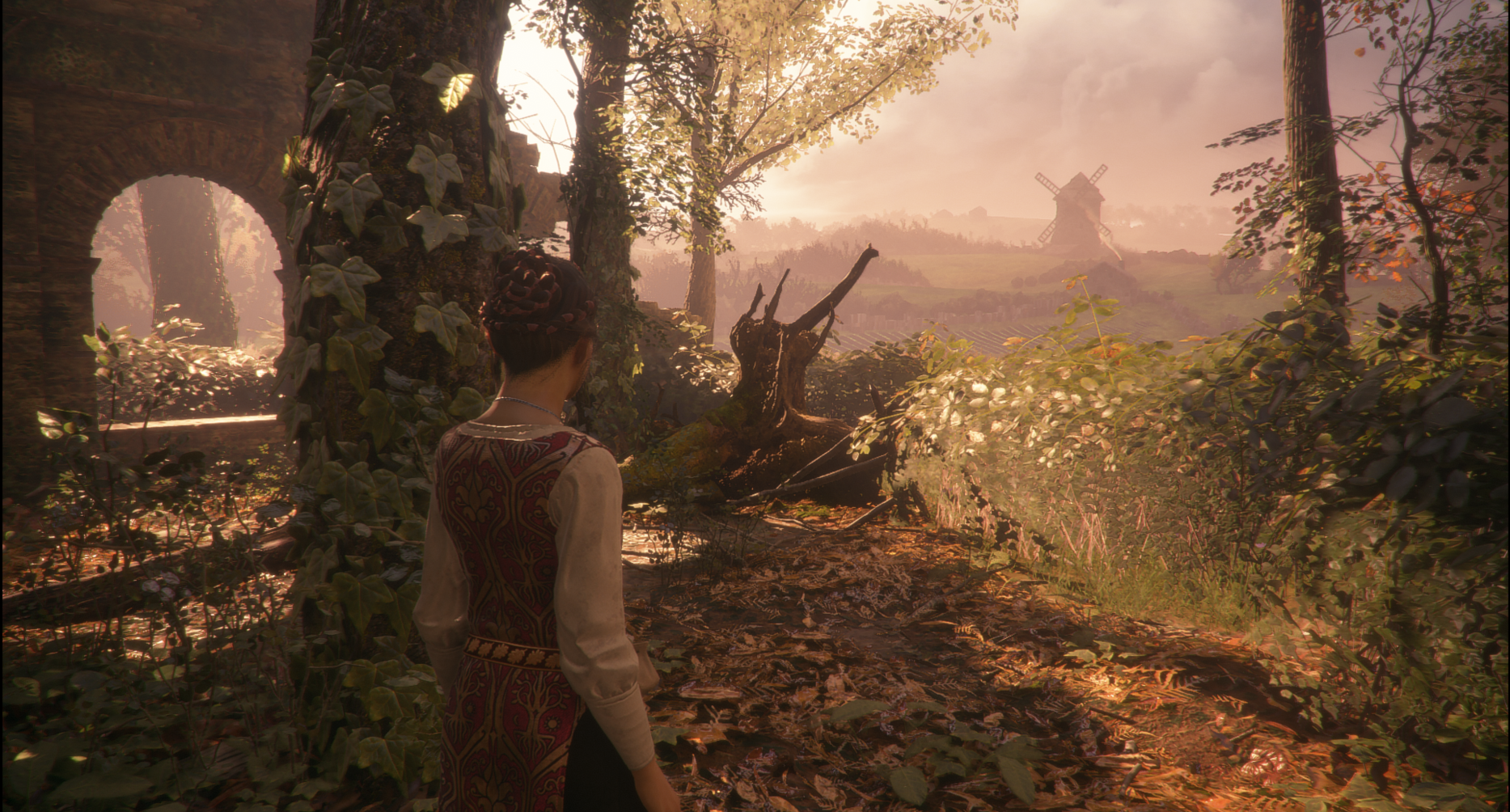
The game also looks amazing, with gorgeous vistas, amazing models and textures, and superb lighting effects. For an indie game, this is one of the best-looking games this year and even has great controls and a good camera. Even having to have Hugo tag along with you all the time doesn’t get in the way. He’s always holding Amecia’s hand; you never have to leave him to go do stuff and make him come back like in other escort-style games.
Overall, A Plague Tale is one of the best games released this year and has everything going for it. It never got boring and was just so much fun to play through and I always wanted to know what was coming next and see Amecia, Hugo, and their friends make it through to the end. Sadly, with this being an indie game, a lot of people are not going to play it, and I really hope to see more from this studio.
Devil May Cry is a series PlayStation fans hold dear to their hearts as it helped kick-start the PS2 and sell many consoles. It was something to brag about—a game that had the action that was only seen in a 2D platformer for slashers—and now it’s in full 3D with a new character and an attitude. Thankfully, if this is your first DMC outing, there’s a whole movie explaining the events of the first four games and somehow leaving the Ninja Theory DMC reboot completely out of the fold.
You play as three different characters, Nero, Dante, and V, who are hellbent on stopping a demon king from unleashing hell on Earth. It sounds pretty generic, but it’s a solid continuation of the story from a game that’s over 10 years old. It picks up after the events of DMC4 and has a few plot twists that are just decent enough to keep you hooked. However, the story is kind of slow going, and it’s not as meaty as games that are currently out, but it’s really more for DMC fans, but as a standalone game, it makes no sense. You really have to understand and know the events from previous games to really care, as they are not explained.
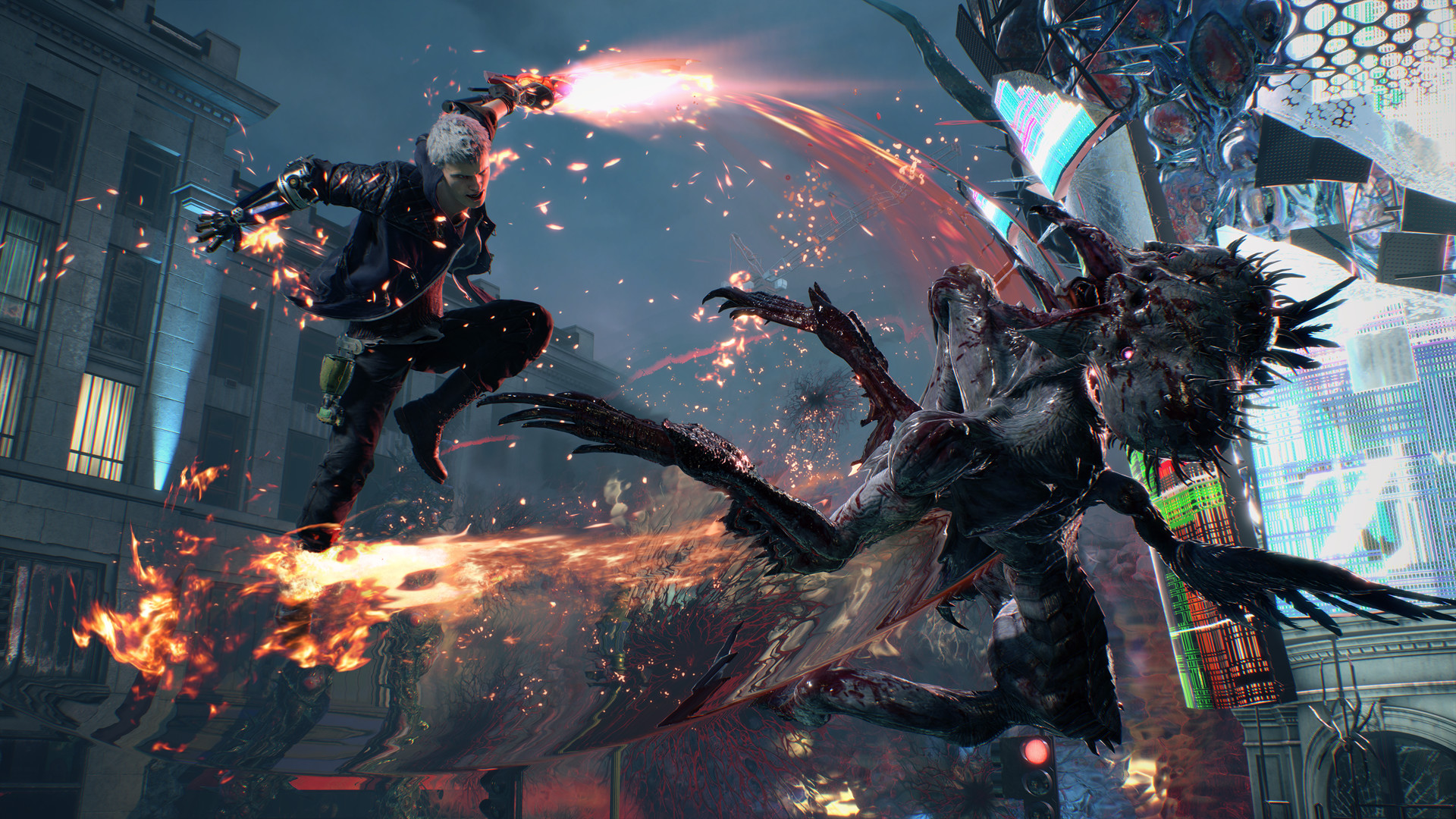
DMC has always been famous for its thrilling, fast-paced combat and stylish scoring system, and they are in full effect here. Each character plays differently, with Dante having the most robust and deep combat system. He can switch between four styles like before Gunslinger, Trickster, Swordmaster, and Royal Guard, and these four styles must be switched up to keep the style gauge going up. Each style has different attacks and a special attack, such as the Trickster style, which lets Dante dart around and dodge, the Royal Guard allows him to block, and Gunslinger unleashes a ton of bullets. My favorite weapon is the new Cavaliere, which is basically a motorcycle split in half. Yeah, a motorcycle. It’s a heavy weapon that’s super slow but incredibly powerful. I do have to mention that his weirdest weapon is Dr. Faust which is a cowboy hat that he throws that uses up red orbs, but gives red orbs in return if the enemy is hit.
V is definitely different from the other two, as he never directly attacks enemies. His three shadow creatures do, as he has a bird for projectiles, a Jaguar for melee, and his Devil Trigger is a big creature called Nightmare. V can stand off in the distance and attack the shadows while he reads from the poem Dante’s Inferno and charges his devil gauge, which allows him to summon Nightmare. The creatures can’t do a final blow on the enemies, so V has to charge in and take the final hit. His levels are honestly easy, as if you stay back far enough, enemies will leave V alone, and his creatures only get knocked out for a bit and can be revived faster if you stand by them.
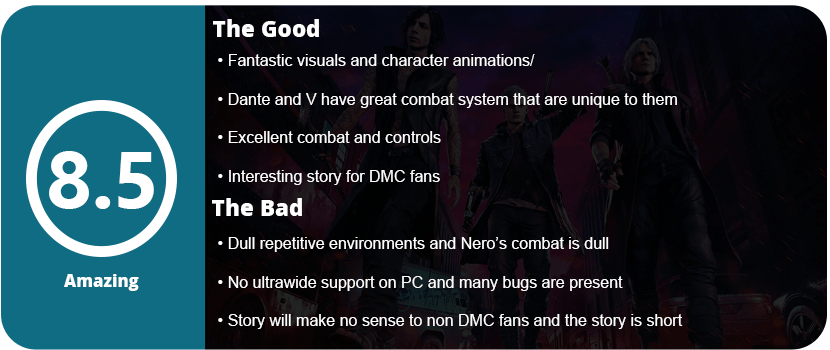
Nero is probably my least favorite character to play since his combat is really dumbed down and his Devil Breaker arms feel pretty useless. They give you a slight edge, but they break so quickly and you run out so quickly that you are reduced to his revolver and sword, so I easily felt overwhelmed by enemies and couldn’t do crazy combos like with Dante or even V. I died more using Nero because I felt he just lacked something that the other two had.
Outside of combat, there’s nothing else to do outside of collecting orbs, buying skills, and items, and then replaying again with your newfound abilities to get them all. The environments get repetitive and get rather dull towards the end, as you are mostly spending time in a creature “tree” called Qliphoth, and it’s just endless hallways of red and black and blood and weird tree stuff. There’s not much to look at here, and I would have liked to have seen more varied levels like in previous games. The game is also rather short, ending with 20 missions in about 8 hours. The game isn’t nearly as difficult as previous games, but it can get hard, and you need to remember boss patterns and master the dodge button to get good scores in each level.
Overall, DMC5 delivers exactly as expected: great combat and interesting characters, even if V has no background and is rather dull, but I loved seeing these guys on screen, and I only have to scold that weird Michael Jackson dance scene towards the end of the game. Yeah, it was pretty cringy. There’s no ultrawide support on PC despite the RE Engine supporting it, and there are many bugs still present as I frequently crashed towards the end of the game, but it looks damn good and the voice acting is really great as well. DMC5 is a fantastic action game, and fans will love what it has to offer outside of Nero’s lacking combat and the dull, repetitive environments.
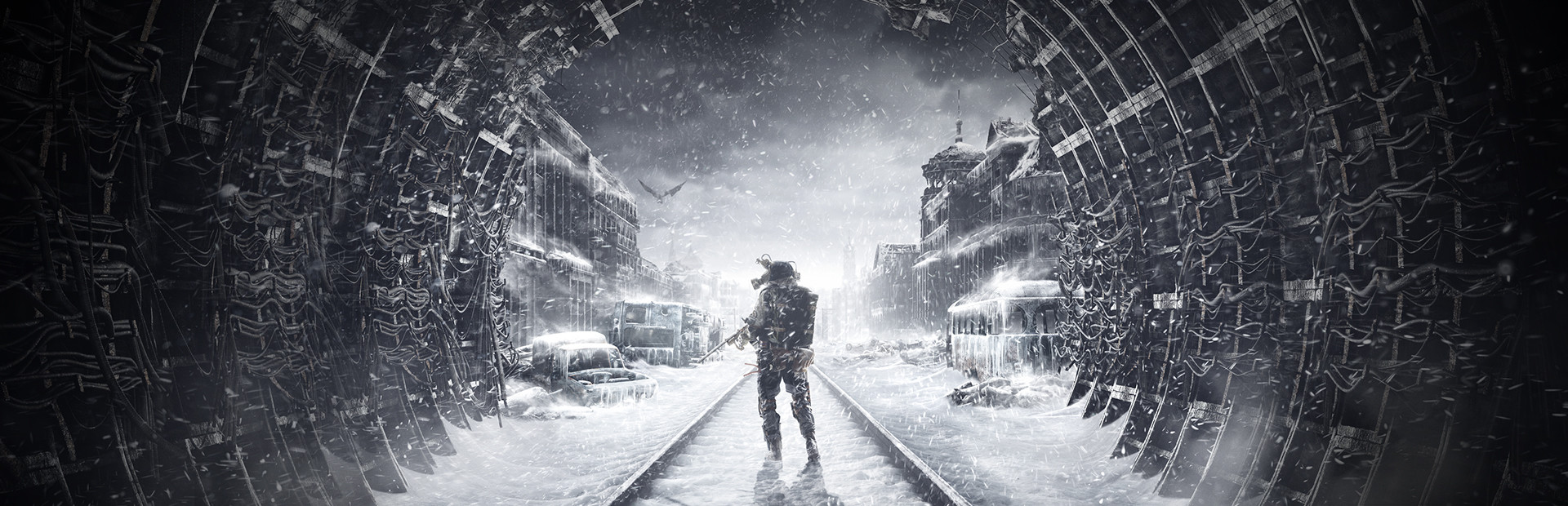
The Metro series is one of my favorites and is on my top 10 first-person shooter lists. It has a lot of flaws, but there’s a lot of heart and love that went into this series, and it showed with each game and even the Redux games. Exodus has been in development for about 5 years now, and I expected a lot from this game. What we got was a lot, but not how I really imagined it would be.
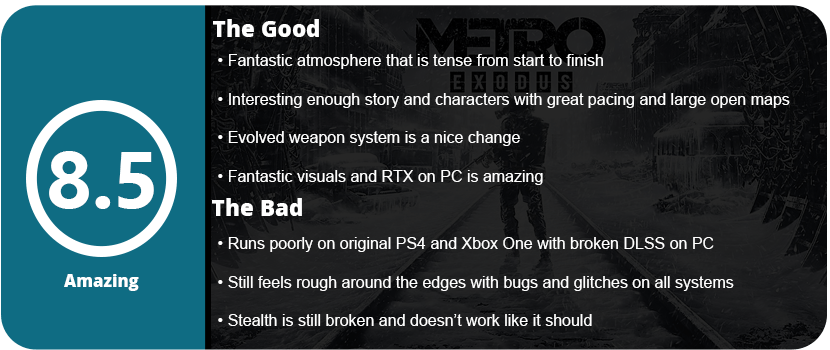
Exodus takes off right after the end of Last Light, with Artyom and Miller and the gang setting out from the metropolis of Moscow to find a clean place to live free of radiation and monsters. The main hub in this game is a train called the Aurora, and instead of being confined to a small linear metro tunnel, there are a few large maps you can freely explore, and the game is much longer than previous ones. The story itself is actually quite good, and the atmosphere plays a big role here, just like in previous entries. The funny thing is that the game almost feels like three parts put into one. The first two large maps are fully explorable with hidden items and side objectives, while the third map seems large and open, but there are no side objectives or things to really find. The last map ends up being a linear tunnel that harkens back to the first two games, with mostly atmospheric storytelling during the last 30 minutes. It’s got great pacing, and this constant change of gameplay kept me interested.
One of the major changes in the crafting system is that it allows you to collect chemicals and scrap metal to craft anything from medicine syringes to filters to certain ammo types. When you finally get a workbench, you can use it to clean your weapons, masks, and craft ammo, as well as equip new pack items such as a compass, motion detector, and even a better charger. Metro is all about survival, so the only thing you can do with your pack on the field is craft medicines, filters, smaller ammo, and throwables, as well as change out your weapon parts. The crafting system is decent enough, and I stuck with one loadout through most of the game, as once you get better parts, there’s no reason to equip weaker ones. There is a large variety of weapon types, and the more you use them, the more they jam up and misfire, just like in previous games.
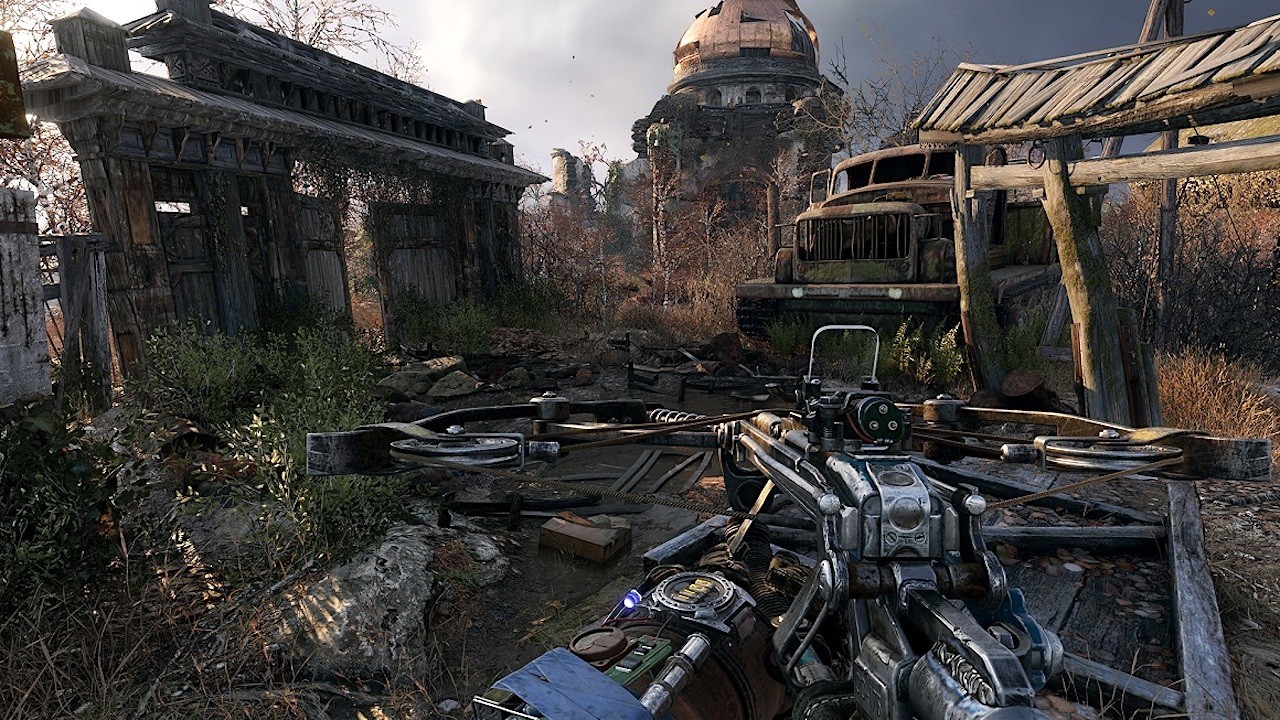
The shooting is spot on here, and the weapons feel heavy and cumbersome like any junked-together gun would. From pistols to Gatling guns, the weapons are rather unique for the series, and I’m glad the weapon system got a lot of attention here. My first issue occurred with the stealth, though. Just like in previous games, nothing was really fixed. Sometimes I could sneak through an entire compound and kill everyone, and other times the enemies were placed in such odd positions that I got spotted no matter what. I also don’t like how silent weapons and stealth kills can be heard if you’re too close to another enemy. There were several dozen checkpoint restarts made throughout the game to get it right, but thankfully you can quicksave anywhere. Most of the time, sneaking missions turn into shootouts, and dying is quite easy here. A few bullets, and you’re pretty much dead, so keep medicine syringes handy at all times.
I do want to talk about the atmosphere a little. The game is incredibly foreboding, from the empty tundra to the dry desert and lush forests. The game feels empty and alone, and you’re always feeling afraid. Of course, the tensest moments are towards the end when you’re in the tunnels, and when you finally get back on the train or even a safe house, the respite is so relieving. I never played a game where a single light, a rest spot, or another person would feel so nice. You’re constantly on the edge of your seat, whether it’s hiding from monsters, tense shootouts, or sneaking around a bandit camp.
The visuals in Exodus are absolutely fantastic. Some of the best graphics this generation has seen. While I don’t recommend playing this on the original Xbox One or PS4 hardware it looks amazing on my Xbox One X I gave it a whirl on PC with Ray-Tracing enabled and it looks out of this world good. Of course, you need a 2080 or higher to get good frames with RTX on, and sadly, the DLSS is completely broken in this game. The entire game looks blurry and slightly out of focus, which is sad because I got a good 15-20 FPS just from DLSS alone. On Xbox One X, the game looks amazing, and there are only slight differences between it and the PC outside of RTX and some draw distance settings. Of course, the game never reached 60FPS on the One X or PS4 Pro (which the game runs slightly rougher on), but it all plays well. There were some glitches with the game crashing my Xbox and scripted events not activating, causing me to restart at a checkpoint as well.
Overall, Exodus is a fantastic game that is somehow still rough around the edges but still evolves the series with large open maps, varied environments, and mixed-up gameplay ideas, as well as the best story in the series with good characters, but sadly, they aren’t exactly memorable but good enough to push you through it.














































 thebinarymessiah.com
Try multiplayer. A lot of fun !