Jsaux, despite being a nobody, took the shot to be the first third party to produce high-quality Steam Deck accessories. It all started with their original dock, and now they have over a dozen accessories available. Their latest and first accessory to modify the deck itself is a transparent back plate. These are high-quality injection-molded plates that feel just like the OEM plates. I was honestly shocked at the quality. They also feature a metal plate with a thermal pad that goes over the APU housing, which the original plate doesn’t have. This keeps heat in one area and away from the back of your hands, which would normally start sweating.
You get a lot of stuff in the box. There is the plate itself, along with three different types of buttons. The standard rear buttons are installed, but you get buttons that raise up and away from the plate, so you have less travel to press the buttons. There are low-height and high-height buttons. I actually like the low height, as I don’t have to squeeze the deck so hard to press the triggers. You also get a screwdriver, a plastic pry tool, extra screws, and some weird anti-static finger gloves, which are stupid, completely pointless, and a waste of packaging. Sadly, the screwdriver and pry tool are garbage. The pry tool broke during the first use, so I had to use a flathead screwdriver to pry the back plate off. The screwdriver is made of very soft metal, so the driver head strips really easily. Thankfully, I had my trusty iFixit kit handy instead.
Once you unscrew the 8 screws on the back (you should use the original screws as they are of slightly higher quality) and snap the new plate on, you’re good to go. It’s a seriously painless installation, and anyone who has never taken a handheld apart before could do it with ease. The plastic feels good, and you wouldn’t know it was a third-party plate when using it. It also looks damn cool. I went with the atomic purple plate as an homage to the GameBoy Color. I played a high-end game for about 30 minutes, and the thermal pad drew the heat away from the rest of the plate so my hands didn’t get sweaty. It’s a fantastic accessory, and for the low price, it’s well worth it.
Is there any reason not to get this? Maybe you don’t like seeing the innards through the backplate, or maybe you don’t like the colors. Don’t be scared about taking the backplate off, as it doesn’t void the warranty with Valve. It’s as easy as replacing the battery cover on a toy. It takes around 20 minutes and is well worth it. If you want a cosmetic update and a way to keep the back cooler, then this is a two-for-one deal that you shouldn’t pass up.
It’s no secret thatStar Wars Battlefront II was one of the most controversial games ever made. While Motive is a fantastic developer, the pressure from EA higher-ups created the infamous loot box scandal. It was one of the most talked-about stories of 2017. The awful and immoral practices of mega-corporations in the games industry were finally coming to a head, and it was so bad that Motive removed the paid loot box system entirely.
With that said, Motive did add a single-player campaign, which was sorely missed in the first game. While the campaign is nothing to write home about, it’s there, and the effort was appreciated. You can blow through the whole thing in about 4-6 hours. There is a three-mission epilogue you can play through as well, which maybe adds 45 minutes to an hour at most. You play as a brand new character created for the game Iden Versio. She’s a great character on screen and very charismatic. The First Order elite turned resistance fighter is a nice touch, especially since you start out as the enemy in the game. Sadly, the game doesn’t really go anywhere story-wise outside of telling a small battle before the events of Episode 7. A lot of your favorite heroes and villains are present, such as Boba Fett, Luke Skywalker, Lando, and Chewy.
The campaign mostly feels like a very linear version of the multiplayer game. You can just stand in a hallway and blast everyone away. Weapon damage and stats don’t seem to really matter in single-player. You mostly just want a weapon with a high rate of fire for when you are out in open areas, which is most of the time. You can equip battle cards that give you three abilities. These range from healing to grenades, scanners, and secondary weapons. They are most useful in multiplayer because they give you a bit of an edge. You occasionally get heavy weapons you can equip, and they have cool-down timers rather than ammo, so you can keep them. There are also vehicles, but you will mostly be flying them in space in the campaign, which is really well done. Ships fly well with fantastic controls. You get a taste of all of the maps in the multiplayer campaign. The campaign is mostly just reworked multiplayer maps with a few hallways thrown in. Getting through each level isn’t complicated. Objectives range from securing an area to splicing a console, and that’s about it. Nothing too fancy. The main story is entertaining the first time you play it, and then it’s off to multiplayer.
Multiplayer is where the meat of the game is. It’s built on the Battlefield franchise anyway. Multiplayer consists of large open maps with 20 vs. 20, and you must secure points on the map. This is the most common mode. The new Heroes vs. Villians is really popular and fun. Heroes are nerfed to an extent. You have a stamina bar for blocking blaster fire, jumping, and swinging your lightsaber around. This makes it fairer for other players. You get three abilities, just like every other character. The lightsaber combat feels and looks good, and it also plays the part. You really feel like a more powerful character, but just a tiny bit. You don’t want the game to be unbalanced.
If you are familiar with previous Battlefront or Battlefield games, then you know what to expect. The game looks and feels like large Star Wars battles, both on the ground and in space. There are many iconic maps and planets, as well as numerous factions such as the Droids, Republic, and Empire. Everyone will have a favorite to play as, but expect a long grind. You can’t even get a single battle card equipped until you level up a character. This will mean playing each one at least once until you find a favorite. Unlocking weapons, cosmetics, emotes, voices, and taunts all come at the cost of grinding. Sadly, the game just isn’t interesting enough for me to dedicate that much time to it. I spent maybe 4 hours in total in multiplayer, and while it’s fun in short bursts, it just doesn’t have that addictive nature that Battlefield or Call of Duty have. There’s nothing there that makes me want to come back, and I think the grind for unlocks is part of it. Everything is locked away from the start, with no incentive to keep playing.
I did have a lot of fun in multiplayer, but only in short bursts and only then for a short time span. After a while, I just couldn’t dedicate the time needed for the insane unlocks and grind. The game looks fantastic with EA’s Frostbite engine at work doing its magic, but that also comes at a cost. The game was a technical nightmare at launch, and DirectX 12 is still broken to this day. Cut scenes stutter and hitch at higher resolutions, and the game used to crash a lot on certain configurations. Motive has the essence down; it just needs more meat around a third entry.
Overall, Battlefront II doesn’t quite live up to the original charm and essence of years past. Multiplayer is fun with huge open battles, but it comes at the cost of a serious grind just to get a single battle card equipped. The campaign is appreciated, but it’s short and uninspired, and Iden’s character is underutilized. Combined with poor performance issues and the loot box scandal at launch, this game is a bargain bin purchase at best.
Colors: Black, Silver, Green, Blue, Pink, Red, Lavender, Famicon 20th Anniversary, Final Fantasy IV, Lite blue, Mother 3, Pokemon
MSRP: $99.99
Nintendo’s constant quest to reduce and miniaturize their handhelds has its fans and some detractors. I personally think it’s great, as we can still keep and own the larger handhelds. The Micro, however, may have been pushing this limit a little too far. The tiny handheld improved on a single feature: we finally got a good screen and a backlight. The Micro has the best screen out of any of the systems, even the Game Boy Advance SP AGS-101.
The system was designed with the idea of putting it on your keychain or lanyard and being able to put it into small pockets and pack it away. The system had interchangeable faceplates (you can still get new ones made today by third parties), but the tiny design irked a lot of people. It’s about 1/4 the size of the original GBA, and to many, the SP was the perfect GBA system. It retained the same button layout and rechargeable battery, and the screen brightness could be further adjusted.
However, all I/O was removed. This meant no multiplayer, and any accessories that connected to the GameCube, e-readers, and backward compatibility were out the window as well. To many, this is just a novelty, especially with the tiny 2″ screen. Does having a really good screen and backlight make up the difference for such a small form factor and cutting every other feature? Probably not. The system is still plenty playable, and I have enjoyed many hours on mine.
Sadly, due to low sales, poor marketing, and lambasted reviews, the Micro didn’t sell well, so these systems are expensive, especially in good shape or complete in boxes. Thankfully, the faceplates and rear housing can be replaced by third parties, and mods don’t really exist for this system. They’re not really needed. This system is really only for those who collect Game Boys or just want a really good OEM backlight without any fuss or mods. If you don’t use any accessories such as the ones mentioned above, you won’t miss those either. You also must remember that there is no backward compatibility with older Game Boy titles and that you need to be okay with just Game Boy Advance games.
The system does feel good in the hands, despite its size. There are only two face buttons, so this can work fine. I would complain about the small screen, but it’s so clear, crisp, and high-res for the size that you can see everything clearly. Adjusting the volume and brightness requires a button combo that is unintuitive without the manual, and it has its own proprietary charger that is not compatible with the GBA SP. There is also a headphone jack, so keep that in mind as well. This is just a raw GBA playing system.
Overall, the Game Boy Micro is a fun little system that cuts everything out to give us a fantastic OEM backlight and customizable faceplates, but to some, that may not be worth the cost of size and accessories. It at least has a rechargeable battery and comes in really awesome variations.
Retro controllers are making a comeback thanks to retro enthusiasts. Many companies are finally catching on to this and making controllers compatible with older systems but with newer technology and sometimes better designs. NYXI might be a generic Chinese brand, but they’re the first to make GameCube WaveBird-style Joy-Cons that slide onto the Switch and include a centerpiece to turn them into a controller. This got me really excited, and I love my original WaveBird. The excellent purple (indigo) color brings back memories that I wish I had, as I didn’t play GameCube games until I was an adult.
The controller itself feels good in the hand. It has a nice weight, doesn’t feel cheap, and looks the part. The button arrangement on the front is just like the original GameCube controller. There are a few changes, such as the added turbo buttons (I personally don’t ever use these), and there are two buttons on top where the Z button normally is on the GameCube to represent L and R. There are also two buttons where the grips are, and these can be programmed to be anything you want. While all this seems fine, the controller does have some flaws.
First off, the buttons don’t feel all that great to press. There’s a cheap, hollow pinginess to them, and the shoulder buttons are micro switches rather than rubber domes. It has an unsatisfying feel, and most people will be turned off by this. The controller buttons are also very loud. The large A button makes a loud clunking sound. This is a huge letdown, despite how good it feels in the hand.
The analog sticks work just fine, and the right stick has an interchangeable direction gate to make it like the default 8-way gate or a regular round one. The 8-way gate would be great for the N64 emulator on the Switch. As a bonus, the face buttons are backlit, which was a really nice touch and looks pretty cool. I just wish the joysticks lit up as well. They, of course, make the Switch incredibly bulky when used in portable mode. Especially the OLED switch. It makes the entire system nearly a foot long! Another small annoyance is the overly bright status lights on top. They won’t turn off and outshine the otherwise nice glow of the face buttons. It’s a distraction.
Are you ready for the worst part of the game? The vibration function One side is about double the strength of the other side. This makes no sense. You can adjust the vibration strength with a button combo, but I had to put the stronger side all the way down to match. This isn’t all. It’s incredibly loud. You can hear the motors vibrate and shake the controller. It has some of the worst vibration functions I’ve ever seen. For the high asking price, I’d expect more. This definitely looks better as a display piece or for casual emulation than a main controller.
Overall, the NYXI Wizard controller is a nostalgic trip, but anyone who may not have fond memories might want to stay away. The buttons don’t feel that great, the controller creaks, and the vibration function is awful. I do appreciate the backlit buttons and the interchangeable analog gate, but it’s not enough to offset the weaknesses.
Did you ever play Resident Evil 4 and want to just organize that inventory? It’s kind of satisfying getting all your items in the right spot, so someone thought that should be its own puzzle game. In Save Room, you organize weapons, health, and other items ripped straight from the game it’s inspired by.
There are only 40 puzzles in total and you can blow through them in just about an hour. On the left is a cache with a grid and on the right are the items you need to fit in there. There are just enough squares to fit every item exactly. You begin with just fitting small pistols and then larger weapons like shotguns and rifles. Shortly after this, you need to organize health items and grenades. Things get more complicated when you start out with too many items.
Well, just like in RE4, you have a health meter and need to refill your guns. You need to do this in a certain order as this is also part of the puzzle. You may have three health items, but can only use two so you must figure out how to combine herbs and also hurt yourself with poisoned eggs and fish to be able to use more health items. Later on towards the last dozen puzzles you start crafting ammo in addition to stacking ammo and reloading weapons.
This all sounds complicated, but if you ever played RE4 you know exactly what to do already. A few puzzles will get your brain juices flowing. Mostly the ones that needed me to combine certain types of ammo and reload or stack ammo in a certain order. I only had to look up a few puzzles online, but most are quick trial and error levels and you will be breezing through them.
This sounds like a great concept, but in the end, it gets old really fast and it makes you just want to play RE4 instead. The visuals are pretty ugly, there’s a single track that loops in the background, and that’s all there is to this. For the low asking price, I can’t really complain. I had my hour of fun, but it’s totally forgettable. This isn’t on the same level as Portal or even something like The Room series. You won’t be talking about this 10 years from now. I honestly can only recommend this to RE4 fans who want some sort of weird spin-off. Anyone else who never played RE4 just won’t care about this or even get the idea.
I’m not one to buy mice very often. Maybe once every 2-3 years, just like keyboards. I already had the G502 Lightspeed, but what prompted me to spend $160 on a simple upgrade? Well, it’s worth it to me, but anyone who is seeking a high-end gaming mouse should look no further.
The mouse retains the signature G502 ergonomics and look. The X Plus means the mouse is a bit heavier at 114 grams over the original’s 104 grams, has better button switches, and has a removable sniper button that can be disabled this time around. Best of all, the battery life has doubled with RGB off, clocking in at 130 hours and around 40 with RGB on. The scroll wheel has also been updated. The RGB lights are now across the palm of the mouse rather than just the Logitech G logo. It’s a fantastic update and well worth the money, in my opinion.

This may seem small compared to the original Lightspeed mouse, but it feels better, and it’s the little things that matter here. The weight helps quite a bit, the buttons feel more clicky and less mushy, and the RGB effects are awesome. While the battery life has doubled, the RGB lights are very bright, so turning them down to 50% can net you upwards of 50 hours easily. If you have the Power Play mat, you don’t need to worry about charging ever again, but that’s another $120, and most may not care for that. Who plays for 50 hours straight?
The addition and update to USB-C are really nice as well. You can use any USB-C cable, as there is no weird proprietary shape for the port this time around. The software lets you customize the RGB effects, change power settings, set macros, or change what the extra buttons do. It’s nothing special, but the Logitech G Hub is nice and clean and simple to use.
The G502 series has been my favorite mouse over the last 5 years, and that doesn’t seem to be changing any time soon. With a Power Play mat, I can foresee this being the perfect wireless mouse setup. At $160, it’s high-end, but well worth the price if you want great RGB effects, good battery life, and probably the best mouse sensor on the market right now. I don’t know who is crazy enough to have a 25,000 DPI setting on their mouse, but it’s there. I only go as high as maybe 4,000. The addition of USB-C puts this mouse into 2023 and beyond. I can’t recommend this one enough.
Obsidian Entertainment lit the world on fire with Fallout: New Vegas. Many considered it superior to Bethesda’s own offering, Fallout 3. The Outer Worlds was considered a spiritual successor to New Vegas. The same type of play style. A first-person RPG with shooting elements, a large story, companions, quests, and worlds to explore Many were calling it New Vegas in space, but is it really that, and does it live up to New Vegas?
The short answer is no. It falls short in nearly every way. The game really does feel like it’s trying to be New Vegaswith the funny humor in the propaganda posters and the overseeing mega-corporation that’s trying to take over the Halcyon colony, and you’re trying to get factions to agree with each other or side with them. The overarching story is pretty much forgettable, and that goes for most of the game. The story, characters, and side quests are mostly boring. I hate to really say this, as this game has sat installed on my PC for a couple of years now, and I would do a mission or two and quit because of just how dull the game is. The characters aren’t memorable; there’s no personality that stands out, and the overall mega-corporation humor that overshadows the game just feels like it’s in the background.
The game is also incredibly short. I did several companion quests, dealt with all the factions, did multiple side quests, and still clocked in at around 12–13 hours. If you blow through the main story, you can finish it in 4-5 hours easily. I feel that contributes to the problem of the story and characters being uninteresting. There’s not enough time for them to develop. Your entire crew is all humans, and they all just feel like generic Bethesda faces that were run through a random generator, and nothing stands out. I wound up skipping through a lot of dialogue because I just didn’t care. I loved the characters and overall story of New Vegas. It was fresh and interesting, but this just feels like a generic space odyssey.
So what about the gameplay? It’s tighter and more refined than New Vegas, but not by much. I hated the upgrade and skill tree systems. They felt generic and half-baked. The game’s poorly balanced, where it’s either way too easy and you mow down enemies, or they swarm you and kill you on the spot. I felt like none of the items you can use helped at all; stats didn’t seem to matter, and the only thing that really did matter was your level in each respective category. You really want to get your speech levels high, including in engineering, as you can bypass a lot of battles with speech checks. Most of the weapons in the game felt pretty generic, and their weapon power didn’t seem to matter.
Weapons can be tinkered with and modded at workbenches. Mods can be picked up and attached to various parts of guns. They can add elemental damage, increase clip size, add scopes, and do damage to different types of enemies, but outside of this, you can just tinker with the weapon’s level, and future weapons don’t matter. There were no cool, unique weapons found on bosses or for getting into hard-to-hack safes. Looting, like in Fallout, feels pointless as there is so much given to you. By the end of the game, I had thousands of rounds of ammo for each weapon type. You can specialize in long, pistol, or heavy weapons, but I just wound up dumping points into all three. Add a few good mods and tinker with the weapon up to your level, and you will stick with the same weapons through most of the game, rarely trading them out. You can equip up to four weapons, and I rarely ever used healing items until the final showdown, where you are swarmed by enemies in every room you go into.
Another balancing issue is with the factions. You can gain and lose reputation, and this will make guards attack you on-site in certain towns, locking out quests and not being able to finish any in this case. I wound up pissing off a couple of factions, had to abandon the quests there, and couldn’t go to the shops either. This is really frustrating, and there’s usually no way to get the reputation back. This can lock off companion quests and many side missions. Throughout the entire game, I mostly just mowed down every enemy in my way and used my companion’s abilities when I was swarmed on occasion. You get a single ability to slow down time, which is useless because it slows down time too much.
The only thing I really enjoyed were the visuals. The game looks like a last-generation title, but the worlds are unique and look really good. I was interested in discovering new towns and new enemies, but that was really it. Everything else was either ignored, forgotten, or skipped because of how uninteresting most of the game is. I don’t feel like this is Obsidian’s best work or their love letter to New Vegas. The game is horribly optimized, looks dated, and feels dated because it is too safe. The game lacks any depth, and most may not even enjoy the shooting. The story and characters are boring and unoriginal, and the game’s length doesn’t justify this type of game in general. Who wants to play a 4-player RPG with supposed vast worlds to explore? You might enjoy blowing through the main story, but that’s about it.
You can’t really call this a walking simulator or a platformer. It’s a bit of both. A Short Hike doesn’t have the touching story that tugs on your heartstrings that a lot of short indie “walking simulators” have, nor is it a skill-based platformer that requires precision timing. It reminded me of something familiar from the 32/64-bit era, such as Super Mario 64, Donkey Kong 64, or Kingsley’s Adventure. This is an isometric “retro pixel” style 3D platformer with tons of charm and a fun island to explore. The entire game can be completed 100% in less than four hours, and the main story can be finished in one hour, but if you just race to the top of Hawk Peak to get the cell phone reception you need to hear back from your mother, then you are robbing yourself of an entire game.
There are dozens of characters dotted throughout the island offering challenges, golden feathers, hints, and just plain silliness. The writing for the characters is very similar to that of 16-bit games of yesteryear. Your main goal for progress is golden feathers. These are single jumps or stamina for climbing. I found 11 on my journey, but there were a few more I missed. You can do more than a single hop without the first golden feather. You really should glide around the island and explore. Some characters want seashells; one runner is missing a headband; and there are treasure maps, chests with coins, digging spots, fishing spots, and a few other activities like stickball and parkour races. You won’t discover these without talking to creatures and exploring. I love the exploration in this game. It’s not overly difficult, and you can always figure out how to get to a seemingly hidden spot. Just upgrade your feathers.
Coins are used to buy feathers from a couple of characters, and you can sell caught fish to get more coins. This all sounds like a lot of fun, but it’s packed into a single hour and somehow doesn’t feel overwhelming. The island seems big at first, but you will easily remember the landmarks, and there are signs everywhere pointing to the different trails and landmarks. You eventually unlock shortcuts by watering spring flowers and using a pickaxe to knock through a tunnel. It’s incredibly satisfying to find all the objects for a creature and then run back knowing exactly where they are and get your reward, and it’s always one step further to progress. No matter what you do in the game, it will always push you closer to your goal.
Even after reaching the peak, you get an opportunity before finishing the game to complete everything. By the first full hour, I had almost all the feathers, and I could go anywhere I wanted. I didn’t 100% play the game, but I got close to it. The platforming itself is wonderful, with great physics and tight controls. I never felt slippery, and gliding never felt off or wrong. You do eventually get a sprint ability, and this helps you get around the island even faster on foot. Thanks to the short length, there’s a constant sense of progression with every action you take. The visuals are bright, colorful, and charming, and the music is fantastic. There’s not much to hate about this game other than its length and lack of an overall story.
A Short Hike is one of the highest-rated games on Steam for a reason. It’s a bite-sized chunk of gaming goodness that merges the exploration and fantasy of adventure from the early days with the better controls and tighter designs of today. It may only take an afternoon to complete, but it’s incredibly satisfying and isn’t something you will quickly forget.
Dead Space has been one of my all-time favorite games. I picked up the original game the weekend it launched thanks to its critical acclaim and revolutionary gameplay for the horror genre. I replayed the game a few times over the years and just couldn’t get enough. The HUD-less stats, holographic overlays, the dismemberment engine, the Necromorphs themselves, and the unique mystery around The Marker wouldn’t really be unraveled until the sequel. The remake brings Dead Space to a whole new generation of gamers, and anyone else who played the game in the past will absolutely love this remake.
If you’ve already played the original, then you’ll know what’s in store. This is essentially a graphical remake with some balancing tweaks. Nothing new was really added outside of some suits. There are some side objectives, and some of the level layouts have been tweaked, but other than new character models, that’s about it, and that’s perfectly okay. The original game holds up well even today, and I’m glad not much else was drastically changed. Dead Space is mostly all about the combat, as the story elements are tossed in as you play, with only a few cut scenes that wrench the controls from you. There aren’t even that many scripted events. They were placed very carefully in this game.
As you start out, you get the Plasma Cutter weapon, which is the best weapon in the game once it’s maxed out. Each weapon has an alt-fire mode, and the plasma cutter lets you cut horizontally or vertically, and this matters. Necromorphs come in all shapes and sizes. The standard kind runs at you, so it’s best to cut off their legs and then their arms. There are small little babies with three tendrils that shoot at you. Cut off the tendrils, and it will run away. There are large, dog-like ones that should have their arms cut off as they have no legs. Then there are large bosses peppered throughout the game that can be pretty challenging. There’s even a Mr. X-style hunter that chases you later in the game and can only be killed with something powerful. These types are introduced throughout the game, plus many more that I haven’t mentioned. Necromorphs will even sport armor later on, so you can only cut off limbs that aren’t guarded.
There are plenty of weapons in the game, and you will find that not all are very useful. I rarely used the flamethrower or the ripper, as they aren’t great weapons unless fully upgraded. You will probably only fully upgrade a single weapon in your first playthrough, as nodes are very rare and you have to rely on buying them at the stores if you want to upgrade faster. You also need to buy suit upgrades and use some nodes on your suit. It’s a balancing act, and this encourages playing a New Game+ as there’s also a new alternate ending. Dead Spacegets better the more you play, and that’s really awesome. I am actually looking forward to the next play-through as I can finally upgrade other weapons and start maxing them out.
There are some puzzles thrown in that usually take up entire rooms. There aren’t many, but they do exist and offer a decent challenge. Most of Dead Space consists of finding the next switch, as you need to restart nearly every system on the Ishimura, and this involves using your Kenesis ability to move batteries into slots or toss objects at enemies. You can also use your stasis ability to slow objects and enemies down. These are essential tools, and you will rely on them as the game gets tougher. And it really does get tough. The game starts throwing hordes of enemies at you, expecting that you’re careful with your ammo and have upgraded something. You will need to have a balanced weapon loadout for long distances, short range, and area of effect to keep enemies off of you. There really is a strategy to killing everything, as this isn’t Call of Duty.
The game is incredibly well balanced. No two areas are alike, and you’re always doing something new or different, and the level of design is always changing. While the game is very linear, each area throws new surprises at you, or none at all when you’re expecting one. Enemies pop out of grates or ceilings in some hallways, but you may enter a new area expecting to be bombarded when nothing happens. Dead Space doesn’t play too much into psychological horror, despite The Marker messing with your head. You see signs of it throughout the ship and read about it in text or audio logs, but this isn’t really explored more until the sequel. The game does a great job with traditional horror by always making you feel on edge and tense because you never know what’s coming next.
The upgrades to the actual game are great. The graphics got a fantastic boost and make the game look better than ever; the new character models are well done; and the game feels new enough for veteran players to really get into. This is honestly still one of the best horror games ever made and has one of the most unique combat systems to ever be invented in the last 20 years. This is a classic, and I’m glad there’s a better way to play on newer systems.
These two portables were a huge part of my early teen years. I pre-ordered the PSP when I was 14 years old. I used my allowance saved up for 6 months to slap down that $250. I hadn’t been that excited about a piece of hardware in my life. I made a wallpaper (see below) for it, prepped files to transfer to the measly 32MB memory card, and even picked out a case ahead of time. The Nintendo DS was more of an afterthought. I never got excited about it due to the less powerful hardware and the heavily criticized touch screen. People thought it would be full of gimmicky games and lack the essence of what made the Game Boy so great. I’ve owned both of these systems for many years now and have played a good majority of their libraries. I want to break down the categories into hardware, revisions, software, and then various game genres. Most people just pick the best-selling games and compare them, but the systems go deeper than that. Some genres were stronger on one system over another due to their button layout and unique hardware. I am honestly tired of these comparisons. The DS had Zelda, and the PSP had God of War. It’s so much more than that.
Looks/Shelf Appeal
Sony PSP
This is the first thing that you will notice before even picking up the system, so it makes sense, right? What system had the more attractive box, better pack-ins, and overall looks? This matters more than people think, especially for the casual gamer who doesn’t do extensive research beforehand or the non-gamers who make a spontaneous purchase.
The PSP overall had a much larger box than the DS. It even showed right up front what it included. You get a hand strap, a 32MB Memory Stick Pro Duo for game saves, a UMD demo sampler, wired earbuds with a remote, a soft case, a cleaning cloth, and the system itself. For $250, you saw right there that you got some value for all that money. Not only that, but the PSP itself was plastered on the front for all to see. The XMB showed a music, video, game, and photo symbol, so you knew this thing could do multimedia. This was the last of the Sonys of the ’90s where everything they created had value and they showed right up front what you were getting to entice buyers, and it worked.
Unboxing the system felt premium, and holding that sleek handheld was an experience I will never forget. It was sleek and slim, looked futuristic, had great build quality, and was comfortable in the hand. It was one of the best gaming unboxings of all time, and nothing has topped that since.
Nintendo DS
The Nintendo DS wasn’t super appealing at first glance. The touch screen and the prominent stylus made you think it was a PDA of some sort (PDAs were still a thing back then), so it was confusing. Was it a game system or a personal organizer? The casual observer would be confused. The dual screens didn’t help either, further pushing the PDA look. There was no video game shown on the front, and the drab gray box was lifeless. There were no pack-ins with the DS either. While it was $100 cheaper than the PSP, that sure made it appealing, but you didn’t get anything with it.
When you actually unboxed the system, it was bulky and kind of ugly, and the screens weren’t very bright. A far cry from Sony’s bright LCD on the PSP, however, there was no ghosting on the DS like there was with the PSP-1000 model. The speakers sounded good, and it had wifi as well, but another appealing factor was the backward compatibility with GameBoy Advance titles. This also acted as a peripheral port. Great for rumble packs and anything else you could imagine going in there.
Software
Sony PSP
The PSP was the first handheld to be a full multimedia station. This was before smartphones took off, so it was a very popular option for people wanting an MP3, video, photo, and gaming machine all in their pocket. It was fiddly with the videos, as they had to be encoded in MP4. The PSP could also play WMA and MP3 files, but not FLAC or WAV. While the PSP could also display photos, it seemed pointless without having a camera. While one would come later, it was of terrible quality and nothing close to what the first iPhone had. All of this multimedia stuff was great, but it came at a cost. Memory Stick Pro Duos were very expensive in larger capacities. The one it came with was meant only for game saves and DLC. If you wanted to do anything else, you needed to get a 64-MB one or higher. Forget sticks that were 1GB. These cost hundreds of dollars and took a couple of years before coming down to an affordable price. This was Sony’s way of future-proofing the system, but it wasn’t appealing to early adopters. I remember my first large memory card was 512 MB, and that cost $70 just one year later.
This was essentially where the XMB was born. What we got on the PS3 and PS4, and even a little bit on the PS5. Many Sony Blu-Ray players also used this menu system. It was simple and easy to figure out. Sony would later add comic support, web browsing (which was awful and slow), RSS feeds, and digital TV in Japan. It tried to do it all, but it couldn’t do it all very well. It helped show off the power of the PSP.
Nintendo DS
What you see is what you get. This is all there was to the DS’s software. This single screen You could go into the options and set your birthday for certain games to recognize, but that’s about it. There was a simple calendar and an analog clock. Pictochat was your only app, and you could choose which game slot to play on DS Download Play, but that’s it. The DS didn’t focus on anything else but the games, and for the price, you expected that. I was surprised the DS had a menu system at all because of how simplistic the overall design was. There was no need for more expensive memory cards, as all games were saved on the game card.
Online Capabilities
Sony PSP
This was in the early 2000s. Everything was online or needed to be. The PSP had this in mind right out of the gate with what Sony called “Infrastructure” play, or online play. Many launch titles had it, but they also had “Ad-Hoc” play, which was wireless local multiplayer. Some games had the ability to play online locally with one UMD, which was awesome, but very few games support this. Playing online was as simple as connecting to an access point, but this became impossible when later routers implemented WPA2 WiFi security, which the PSP did not support. Being able to use a web browser was neat. Does anyone remember the hidden one in Wipeout Pure? Downloading DLC on a handheld was also really cool. You could later download comics and RSS feeds, which were ahead of their time. Only smartphones were doing this. However, in the end, it was up to the game to support online play. Sadly, neither system supported a friends list, clans, rankings, or anything like that.
Nintendo DS
Surprisingly, the DS was capable of the same online play as the PSP, but mostly local wireless was implemented. You could play with up to four players off of one cart if the developers allowed it and even beam demos to your friends. This was utilized more than the PSP, and very few games had online play. The DS suffered from the same security incompatibility as the PSP later on but also had a feature the PSP didn’t have: DS Download Play. You could go to game stores and download demos of games, which was really cool. Sadly, due to the lack of a storage option, you could not download or obtain DLC in any way unless it was in the cart and unlocked by connecting to a server. Overall, the online capabilities of the DS were barely there.
Hardware/Features
Sony PSP
The PSP is technically superior in pretty much every way. A faster CPU and GPU, more RAM, a bigger screen, an external wifi switch, a larger physical media capacity, and a few more options. However, the CPU was underclocked for a good year to 222 MHz to save battery life until God of War: Chains of Olympus came out to overclock it to the full 333 MHz. A firmware update was required to even do this, which shipped with the game. While the media capacity was larger, a UMD was 1.8 GB compared to a DS cart’s 512MB max capacity. That’s three times larger. This allowed for richer worlds, more content, and better visuals overall. The downside to this was spinning media on a battery. The UMD sucked the battery’s life down, and thus games later in the system’s life opted for data installs as the prices of memory cards came down.
The physical design of the PSP, while beautiful and ergonomic, was also fragile. The system got dust under the plastic lens easily, the LCD could easily crack (I cracked mine only a few months in from just being in my pocket), the UMD drive failed, and while the battery was removable, it had a fairly low capacity, only giving users around 3–4 hours. The LCD also had serious ghosting issues, but many didn’t notice this as LCD screens were still expensive. While the PSP did a noble job on its first outing, it had some serious flaws that were later addressed in newer models.
Nintendo DS
The DS had lower-powered hardware, but the battery lasted much longer. Getting nearly 8–10 hours on a single charge There was no spinning media to worry about or a large power-hungry screen. The DS did have smaller screens, and while they were clear, the backlight wasn’t that great on the first model. The touch screen was also prone to scratching. So in the screen department, it didn’t do so well. The DS didn’t have a sleep mode like the PSP did. The game had to support going to sleep so you could close the DS up. The DS was built better and felt sturdy; however, the hinge was a weak point. The stylus was also prone to getting lost, and when that’s gone, you can’t play any games at all. A loseable core piece of hardware is a downside.
In the end, they both have their strengths and weaknesses. The DS has lower-powered hardware, but the touchscreen forces gameplay innovation and creativity. The PSP looks sleek, but it is really fragile, and the spinning media suckers up the battery. You also need expensive proprietary memory cards. With the PSP’s largest strength being processing power, the DS just edges out everything else.
Revisions
Revision 1
Sony PSP-2000
Handhelds are notorious for hardware revisions. Some give better processing power, but they are, in the end, built to cost and are meant to be cheaper to produce. Both systems had many revisions with pros and cons. For starters, the PSP’s revision of the PSP-2000, or “Slim and Lite,” reduced the screen ghosting by a lot but made the PSP feel lighter and too cheap. It felt more plastic-like and had fewer metal parts inside. It came in many more colors and bundles, but it also didn’t come with anything like a value pack. This was just a core model. Sadly, the storage option wasn’t addressed, and the battery was surprisingly shrunk down, so you got less battery life. The only addition was video output, which was nice but made no sense. However, Sony doubled the RAM for faster loading times and better web browsing. The D-pad was also slightly improved. That was probably the second-greatest addition, next to the better screen. It was a modest revision, but nothing spectacular, and didn’t focus on the system’s biggest weaknesses.
Nintendo DS Lite
Nintendo released a strikingly slimmer Nintendo DS Lite. This thing was very sleek and gave off PSP vibes with how slim it was. Like the PSP-2000, not much was addressed. The biggest complaints were the size and chunkiness of the original model, and that was taken care of. Brighter screens, a longer-lasting battery, and a longer stylus were added, so nearly every issue with the original model was fixed. This is the perfect DS to get if you want GBA compatibility.
In the end, the PSP didn’t address enough of its bigger issues and added features that didn’t enhance the overall experience. While the DS Lite didn’t add anything new, it focused on improvement.
Revision 2
Sony PSP-3000
The PSP-3000 was Sony’s last full-size revision. It had even fewer improvements over the 2000 model, only adding the best screen yet with a half-reduced pixel response time, more brightness, and a better contrast ratio. However, the parts were cheapened even more, and it almost feels like a toy at this point. The component video was added to the video output, which is nice, I guess. I never understood hooking a handheld up to a TV. It kind of defeats the purpose, and it looks ugly. That was it. The lens on the screen reduced glare, but overall, it was a severely cost-reduced model, and that was clearly the goal. By now, the PSP was at its peak and was quickly dropping in sales.
Nintendo DSi
This is where Nintendo took a step back. They removed the GBA slot, which rendered all DS accessories useless and had no backward compatibility. Instead, they added two cameras, which were awful and pointless. I would have rather kept the GBA slot. We did get a more powerful CPU for the DSi and a new home screen. The doubled CPU power was nice and helped with DS games that suffered a slowdown on the previous models. We also got a four-fold increase in RAM and 256MB of internal storage for the DSiWare games, plus an SD card slot. While the GBA slot was taken away, we did get an actual advancement in the software and hardware side of things, unlike the PSP. The last downside was shorter battery life due to the larger screens, increased CPU speed, and better wifi card.
Revision 3
Sony PSP GO
This was Sony’s final outing, and it was a drastic change. They wanted to really push the PlayStation Store by making a digital-only handheld. That’s great and all, but what about all that physical media out there? They promised a program that would allow you to download a digital game if you had the physical one, but there was no way to prove this and prevent piracy. In the end, you had to re-buy everything, and this killed sales. They also introduced a new, more expensive, and harder-to-find proprietary storage that came in smaller sizes than memory stick pro duos. The memory stick micro, or M2, card maxed out at 32GB. Despite this serious downside, the new compact slide-out design was reminiscent of phones back in the day and was a huge hit with fans. Again, there’s a downside to this. The 4.3″ screen was reduced to 3.8″.
While Bluetooth was added to connect a PS3 controller to a TV, Sony continued to alienate previous owners by making the cable proprietary and removing USB support. This was to support the official dock as the PSP could act as an analog clock, MP3 player, and video player; however, this was too late. While it’s a super sleek handheld, and the 16GB of internal storage is a good start, it’s not enough. There should have easily been 32GB of internal storage and SD card support. But Sony’s rampant, frothing-at-the-mouth drive to deter piracy killed the sales of their system.
Nintendo DSi XL
This is probably the best version of the DS to get overall. It sadly doesn’t improve anything outside of larger screens and better battery life. If you want bigger screens, get this. If you want smaller screens, get a DSi. I owned one at one point and loved the larger 3.25″ screens. The system feels heavier but is still sleek and well-built. I can’t give this one to Nintendo this time due to how little they changed anything. At least Sony tried to redesign the entire PSP despite its many setbacks.
Physical Games
Action
Sony PSP
The power of the PSP was suited for action games. Lots of explosions, fun combat, and the analog nub helped with this. Sadly, the lack of a second stick meant camera control was left to the computer or other buttons. Action games were plentiful on the PSP, with a lot of bestsellers. Most of Sony’s AAA titles were in this category. While not all of them were knocked out of the park, many showed off the power of the PSP, which set it apart from the DS at least in that way.
Some notable games are God of War, Syphon Filter, Pursuit Force, Grand Theft Auto, Jak & Daxter, Ratchet & Clank,Ace Combat, Assassin’s Creed, Call of Duty, Brothers in Arms, Coded Arms, Monster Hunter, God Eater, Killzone, Manhunt, Marvel: Ultimate Alliance, Medal of Honor, Metal Gear Solid, Prince of Persia, and the list goes on. These were massive franchises, and most had the PSPs’ backs. If you want to play action games, there is no shortage on the PSP.
Nintendo DS
The DS did have some action games, but the lack of analog control and the stylus made it difficult to port games or stick with known franchises on the system. There weren’t many 3D action games, as the system was best for 2D platformers and RPGs. We did get a few noteworthy titles such as Grand Theft Auto: Chinatown Wars, Dementium, Moon, Metroid Prime: Hunters, Call of Duty, Brothers in Arms, Ninja Gaiden, Contra, Okamiden, and LEGO, and that about sums up 3D action titles on the DS. It was slim pickings, and only a few of these titles were amazing.
Racing
Sony PSP
Due to the PSP’s 3D capabilities, racing games were huge on the system. If you were a racing fan, this was the system for you. Nearly every major franchise landed on the system. ATV, MX, Burnout, Juiced, Need for Speed, Ridge Racer, Flatout, Split/Second, TOCA Race Driver, Gran Turismo, Wipeout, Outrun, Test Drive, Midnight Club, MotorStorm, Sega Rally, MotoGP, F1, WRC, NASCAR, Hot Wheels, Micro Machines, you name it. Not all of these were fantastic titles, but a lot of them looked good and felt great on the handheld.
Nintendo DS
The DS didn’t lack any racing games, but due to the weaker 3D abilities of the system, racing games weren’t the first stop for the system. Mario Kart probably dominated that genre alone, but there were some third-party franchises as well. Burnout, Need for Speed, Asphalt, GRID, Sonic Racing, Trackmania, Racer Driver, Moto Racer, Dirt, Juiced, Ridge Racer, Diddy Kong, and a few others While some of these franchises were also on the PSP, they were far superior. Some developers created all-new experiences on the DS over the PSP, so they were their own unique games, but the ports weren’t very good and felt slow and boring. While there are a few solid titles on the DS, they’re not the go-to genre for this system or its strength.
RPG
Sony PSP
The PSP was a strong system full of JRPGs. Not many Western ones made it to the system, with the biggest being The Elder Scrolls: Oblivion, which was canceled. Many franchises, nearly all of the popular ones, made it onto the system in both 3D and 2D. Remakes, remasters, and one-shots made it onto the system as well. Series like Star Ocean, Final Fantasy, Persona, Kingdom Hearts, Valkyrie Profile, Ys, Lunar, The Legend of Heroes, Crimson Gem Saga, Class of Heroes, Brave Story, Phantasy Star, Dungeon Siege, Untold Legends, Growlanser, Tales of the World, Blade Dancer, and many others If you notice, a lot of these are lesser-known series, and Final Fantasy dominates the system. There were more RPGs released only in Japan that the West never got. Thankfully, some have been translated by fans.
Nintendo DS
The DS was clearly the strongest winter in the RPG department. While it didn’t see hardly any Western RPGs, JRPGs dominated the system and were one of its strong suits. 2D RPGs and even 3D isometric ones were popular, with pretty much every franchise backing the system. Final Fantasy, Kingdom Hearts, Mario & Luigi, Pokemon, Dragon Quest, Radiant Historia, Shin Megami Tensei,Lunar Knights, Nostalgia, Etrian Odyssey, Chrono Trigger, Lufia, Golden Sun, Rune Factory, Suikoden, Sonic, Luminous Arc, Phantasy Star, Avalon Code, Digimon, and the list goes on. As you can probably tell, Pokemon alone would win this category. But you had Shin Megami Tenseigames that weren’t Persona. Unique Final Fantasy games that weren’t remakes or ports. Quite a few one-shot exclusives. Dragon Quest never made it to the PSP, and neither did Suikoden. There’s so much variety here that any JRPG fan will love the DS in this category.
Puzzle
Sony PSP
Puzzle games are great in any portable form, and every handheld has a good amount of them. The PSP was no exception, with the puzzle-rhythm hybrid Lumines being the first on the system. The PSP has a ton of original puzzle games and ports. Some of them are wholly fantastic. Games like Echochrome, Lumines, Crush, Exit, Practical Intelligence Quotient, Downstream Panic, Mercury, and others were great games that fit the widescreen of the PSP. There were also a lot of bad puzzle games on the PSP, and sadly, more than good ones.
Nintendo DS
The touch screen was just screaming for puzzle games. You can physically manipulate them outside of buttons, and it gave the genre a chance to add another dimension. There were so many puzzle games on the DS that it drowned out the PSP in comparison.Brain Age, Big Brain Academy, Picross, Meteos, Tetris, Planet Puzzle League, Professor Layton, Henry Hatsworth, Scribblenauts, Peggle, Touchmaster, Polarium, Crosswords, Clubhouse Games, and the list goes on. There weren’t just traditional puzzle games, but word games as well. Sudoku, Crosswords, and many others allow you to write answers. That’s more than the PSP could do. This is a situation where the genre fits the system better.
Platformer
Sony PSP
The PSP has a hardware advantage here. The system isn’t just stuck with 2D platformers. 3D ones were common on the system, but then another hardware fault bit it in the ass. The lack of a second analog nub means no camera control. This became a widespread problem in the system. 3D platformers were frustrated endeavors, and the DS’ lower-powered hardware suddenly could shine because of this. Games like Death Jr., Daxter, Ratchet & Clank, Pac-Man World, Jak & Daxter, Crash Bandicoot, Toy Story, and many others were decent to middling. 3D platformers would have been a huge leg up for the PSP if it just had another analog nub. That’s not to say 2D platformers never made it to the system. Games likeLittleBigPlanet,Mega Man, Prinny, Ghost & Goblins, N+, Castlevania, and many others made it to the system and performed better, but there just weren’t a lot of them. The PSP isn’t anything to sniff at when it comes to platformers, but nothing truly stood out.
Nintendo DS
With the power of Nintendo’s already strong platformer games and a lot of third-party series, the DS really did shine. It didn’t have to worry about clumsy 3D controls either. Games like New Super Mario Bros., Super Mario 64, Super Princess Peach, Sonic, Kirby, Mega Man,Spider-Man, Castlevania, Wario, The Legendary Starfy, Yoshi, Contra, Aliens, and many others Super Mario 64 was one of the rare 3D platformers, but it worked well thanks to being tailored for the system. It might kind of feel like there’s cheating here because Nintendo has such a strong presence in the platformer genre, but what’s here is here. While the PSP may have had a larger variety of platformers, the DS had a much stronger sense of quality.
Sports
Sony PSP
With the advantage of 3D and not needing to really use a camera, the sports genre had an advantage here. Sony had their own sports series, plus third-party companies like EA and 2K could throw theirs on here as well. Games like NBA 2K, NBA Street, NFL Street, Tiger Woods, Pangya, Madden, FIFA, Fight Night, Hot Shots, Tony Hawk, WWE, NHL, Virtua Tennis, NBA Live, Pro Evolution Soccer, Football Manager, The Bigs, and the list goes on There was a massive pouring of sports games on the system of nearly every genre. While a lot of them aren’t very good, there is at least one decent title in every series on the system.
Nintendo DS
The DS was interesting when it came to sports titles. Developers had to be creative to put their series on this system due to the lack of 3D horsepower. Series like Tony Hawk were better on the DS (outside of Underground 2 Remix) because of the creativity needed. You also had series like Tiger Woods that used the touch screen in unique ways. There were many other series on the DS as well, like FIFA and Madden, but they weren’t really any good. Nintendo had its own sports series like Mario Hoops, Mario & Sonic, and True Swing Golf, but again, nothing special. Many series were one-and-done on here, like WWE, Skate, Real Soccer, and some others that just didn’t perform well. The DS was a real mixed bag in the sports arena, with only a few standout titles. This is where the lack of 3D power hurt, despite the unique controls.
Rhythm
Sony PSP
Rhythm games during this era weren’t very popular on handhelds in the West. They exploded in the East, and you usually had to import them if you wanted the best the systems had to offer. This was mostly the case with the PSP. There was Rock Band Unplugged and Lumines in the West, but Japan, China, and Korea got the likes of Hatsune Miku: Project Diva, DJ Max Portable, K-On, andPop’n Music. The PSP’s widescreen format was great for rhythm games as it allowed a wide playfield, and the number of buttons worked out great. The power of the system also allowed for music videos to play in the background, which most rhythm games did.
Nintendo DS
The DS may not have had the powerful hardware or widescreen format, but the touch screen provided a more physical and unique interaction for rhythm games that matched the arcade. Games like Elite Beat Agents, Ontomarama, Rhythm Heaven, Lego Rock Band, Guitar Hero, and many more There was a much larger Western following thanks to the touch screen, but many of the rhythm games lacked content due to the cartridge’s small size and no way to download DLC. A lot of the DS rhythm games were more experimental, and thus many didn’t review them as well as the PSP rhythm games. Guitar Hero was fine, but the grip controller cramped your hands. There were also more consistent franchises on the PSP with yearly releases, but the downside was needing to import.
Fighting
Sony PSP
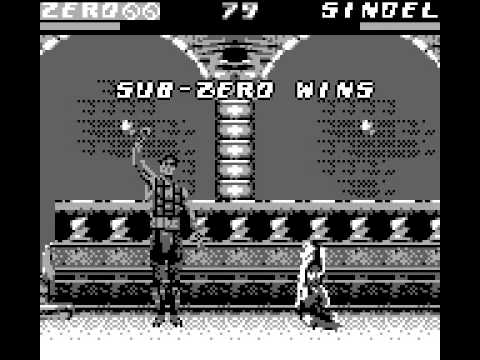
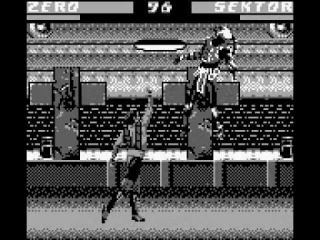
The power of the PSP allowed for great 3D fighters, and many jumped ship from their console cousins. Franchises like Mortal Kombat, Street Fighter, Tekken,Dragon Ball Z, BlazBlue, Soul Calibur, and many more made it onto the PSP. At least one entry in every major fighting franchise made it over, and most were original titles. That’s not to say the majority reviewed well. Most of the 3D fighters reviewed received middling scores, and this was mainly due to the PSP’s not-so-ideal D-pad for fighting games. Despite the less-than-desirable average score, they made it onto the system nonetheless, and many gamers ate them up.
Nintendo DS
The DS had some major franchises make it over, like Mortal Kombat, Guilty Gear, Dragon Ball Z,Bleach, and Naruto, but it wasn’t as vast as the PSP. The DS was even less ideal for fighting games due to a lack of analog input, and the DS’ D-pad wasn’t much better. Some games added a touchscreen swipe system, but these just never felt the same. Sadly, the lack of power meant 3D fighters suffered, and 2D fighters looked squished on the small screen.
Conclusion
Well, despite this seeming like a competition, each system has its strengths and weaknesses, and some might work better for what you want than others. Some may only play RPGs on handhelds, so the DS would be the best system for you. Some may want more multimedia features, so the PSP would be the way to go. While in the comparisons, the PSP seems to have a stronger library, it only seems that way at first. A lot of PSP games didn’t review as well as DS games on average. The lack of first-party support with Sony not releasing as many games as Nintendo did on the DS and the DS’ lack of power and unique controls forced developers to make games from the ground up. The PSP received a lot worse PS2 ports and movie tie-ins than the DS did. The PSP’s power was also a crutch that many developers leaned heavily on, and it didn’t pay off most of the time. Each system is worthy of your collection, but this contrast and comparison may help those who are on the fence in one area or another.
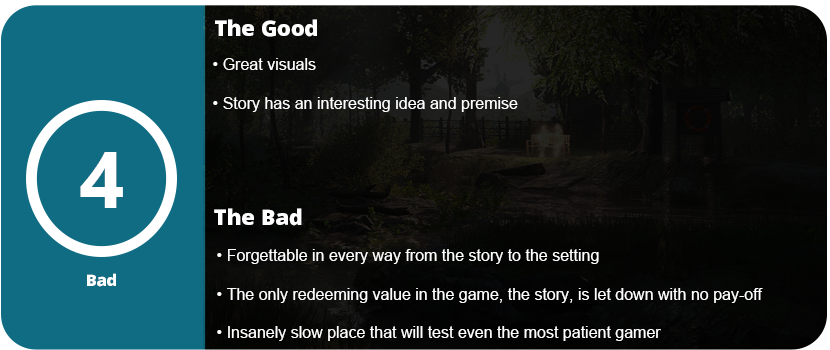
Yeah, it's pretty damn awful. Notoriously one of the worst games on the PSP. A 4 was actually being generous.…